Pangarchulla Trek – A Complete Guide to the Himalayan Summit Adventure
The Pangarchulla Trek is one of the most thrilling summit treks in Uttarakhand, offering a perfect blend of adventure, scenic beauty, and high-altitude excitement. Nestled in the Garhwal Himalayas, the Pangarchulla Trek is known for its challenging terrain, snow-covered trails, and captivating mountain panoramas. From beginners looking for their first high-altitude challenge to seasoned trekkers seeking a rewarding Himalayan climb, the Pangarchulla Trek stands out as an ideal option. With its breathtaking landscapes and demanding summit climb, the Pangarchulla Trek has become a favorite among trekkers who wish to push their limits while experiencing the serenity of the mountains.
What Makes the Pangarchulla Trek Special?
The Pangarchulla Trek is unique because it offers a rare combination of forest trails, alpine meadows, rocky ridges, and a steep snow summit. Most treks in the region either focus on meadows or high passes, but the Pangarchulla Trek delivers a complete Himalayan experience. Located near Auli and Joshimath, the trek provides stunning views of peaks such as Nanda Devi, Hathi Parvat, Dronagiri, Kamet, and Chaukhamba. Trekkers often choose the Pangarchulla Trek to witness these majestic Himalayan giants from close quarters.
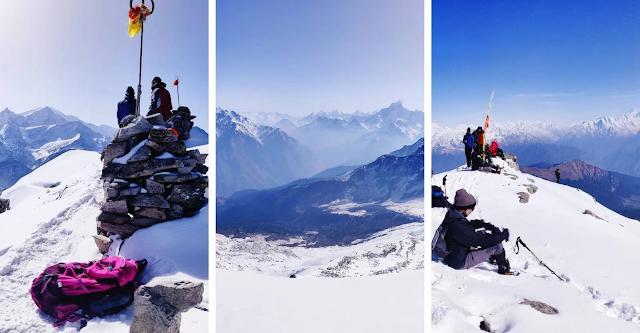
Another major highlight of the Pangarchulla Trek is the summit day, which is long, steep, and adventurous. Trekkers often begin the climb before sunrise and navigate through snowfields and wind-swept ridges. The sense of achievement upon reaching the summit makes the Pangarchulla Trek unforgettable for everyone who attempts it.
Best Time to Do the Pangarchulla Trek
The ideal time for the Pangarchulla Trek is during the pre-summer and post-winter months, especially April and May. During this period, the trail is usually covered with hard snow, making the climb exciting and safe. Trekkers also enjoy clear skies and panoramic views of the surrounding peaks.
Some adventurers attempt the Pangarchulla Trek in October or November to experience a dry trail, but the snow summit is best experienced during spring.
Since the Pangarchulla Trek is weather-dependent, it is important to choose the right season to ensure a safe and memorable experience.
Difficulty Level and Who Can Do It
The Pangarchulla Trek is considered moderately difficult to challenging, depending on the season and snow conditions. The trail requires good stamina, proper trekking gear, and the ability to walk for long hours. Summit day can often stretch beyond 10 to 12 hours, making the Pangarchulla Trek suitable for trekkers with prior experience in high-altitude trekking.
Despite its challenges, the Pangarchulla Trek is achievable for anyone who prepares well and follows the instructions of experienced guides. Many trekkers choose the Pangarchulla Trek specifically to test themselves and improve their high-altitude trekking skills.
Scenic Beauty Along the Trail
The Pangarchulla Trek takes trekkers through some of the most picturesque landscapes of Uttarakhand. The trail starts from Joshimath and moves through lush forests filled with oak, rhododendron, and deodar trees. As trekkers ascend, they reach the famous alpine meadow of Khulara, which is one of the scenic highlights of the Pangarchulla Trek.
From this point onward, the landscape becomes more rugged, offering dramatic views of the snowcovered mountains. The sunrise and sunset views from different campsites add an unforgettable charm to the Pangarchulla Trek. The combination of forests, meadows, boulders, and snowy slopes makes the Pangarchulla Trek one of the most visually rewarding treks in the region.
Summit Day Experience
For many trekkers, the most exciting part of the Pangarchulla Trek is the summit day. The climb begins early in the morning, often around 3 or 4 AM. With headlamps lighting the path, trekkers make their way across icy patches and sharp ridgelines. The final stretch of the Pangarchulla Trek involves a steep climb that demands focus and determination.
Reaching the summit feels like standing on a natural balcony overlooking the Himalayas. The 360degree views and the feeling of accomplishment make the Pangarchulla Trek a lifetime memory for every trekker.
Preparation and Fitness Tips
To complete the Pangarchulla Trek successfully, trekkers should prepare for at least 4–6 weeks. Since the summit day is long and demanding, cardiovascular fitness plays a crucial role. Jogging, stair climbing, cycling, and long walks can significantly help trekkers prepare for the Pangarchulla Trek.
Strength training is equally important. The Pangarchulla Trek requires strong leg muscles, core stability, and good balance for navigating snow, rocks, and steep slopes. Proper acclimatization, hydration, and mental preparation ensure a safe and enjoyable experience throughout the Pangarchulla Trek.