Winter is coming but the gloves are off Page 3 Page 9 - 12
Creative Group
Open wide So close Art workshop for international students Parasite got your tongue?
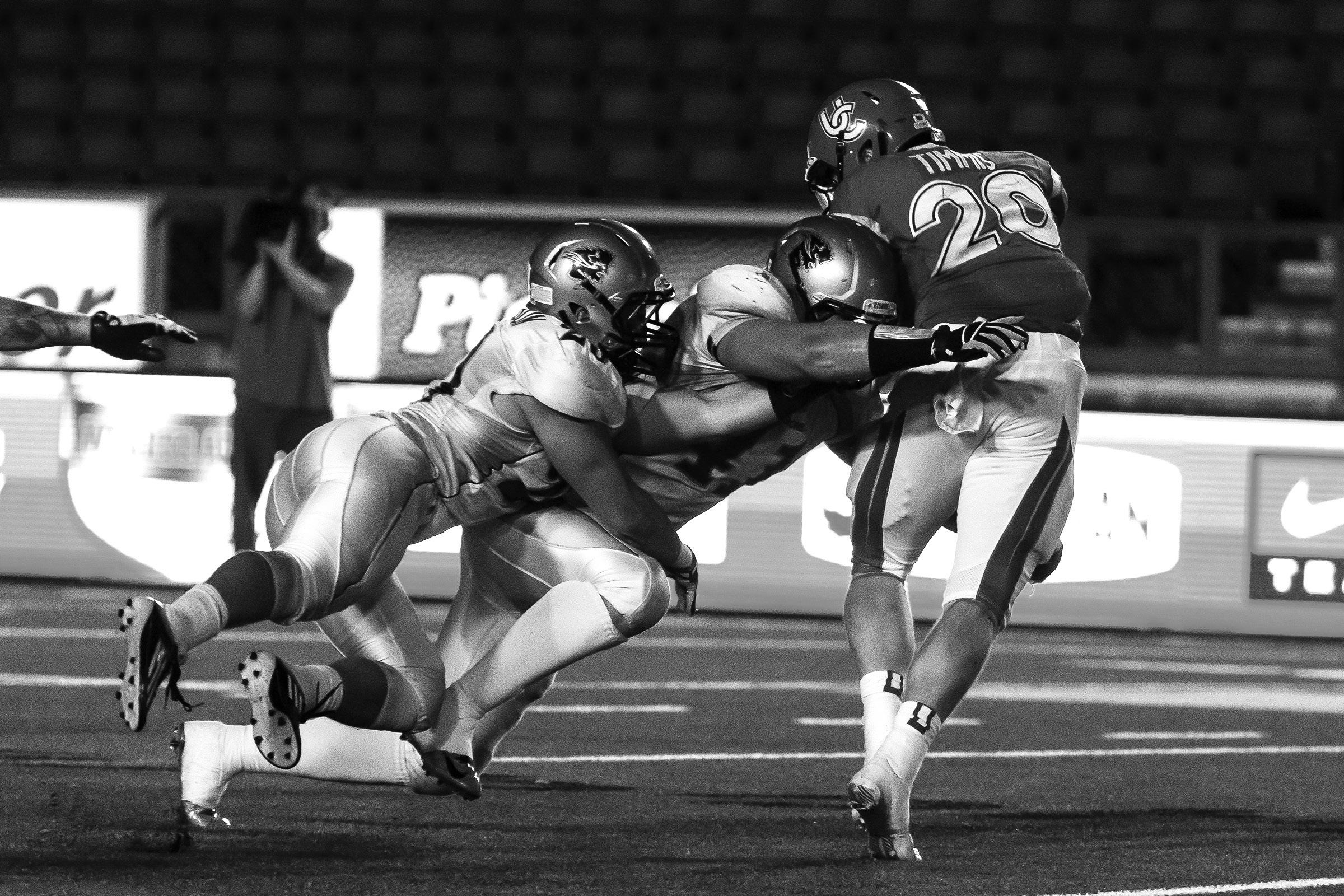
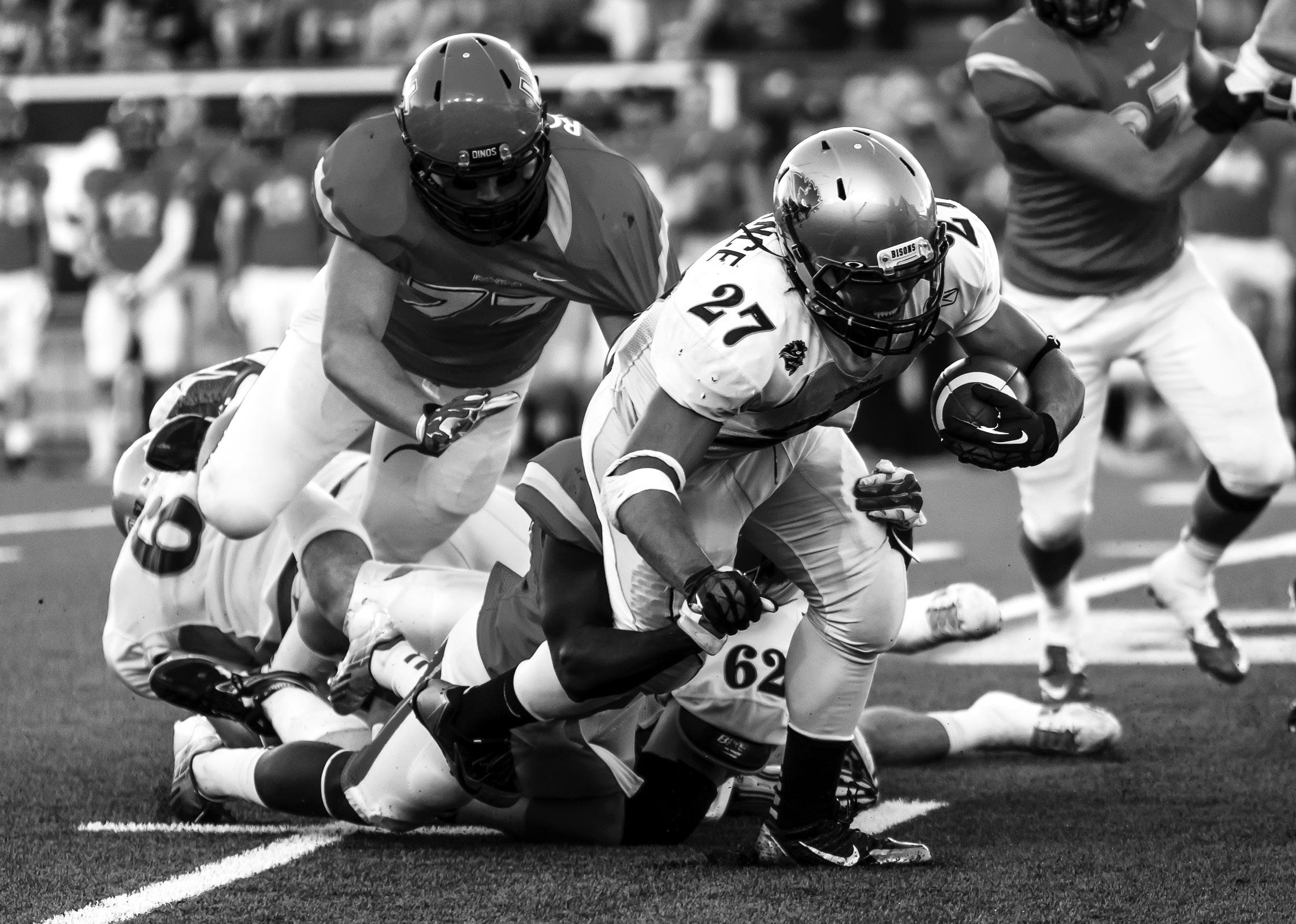
Bisons lose some fur in Calgary Page 15 Page 7 Page 18
EDITORIAL
REPORTERS
VOLUNTEER CONTRIBUTORS
Will
MANITOBAN
A “volunteer staff” member is defined as a person who has had three volunteer articles, photographs, or pieces of art of reasonable length and/or substance published in three different issues of the current publishing year of the Manitoban. Any individual who qualifies must be voted in by a majority vote at a Manitoban staff meeting. Elected representatives and non-students may be excluded from holding votes as volunteer staff members in accordance with the Manitoban Constitution.
The Manitoban is the official student newspaper of the University of Manitoba. It is published monthly during the summer and each week of regular classes during the academic year by the Manitoban Newspaper Publications Corporation.
The Manitoban is an independent and democratic student organization, open to participation from all students. It exists to serve its readers as students and citizens.
Innovative campaigns to address sexual assault, food options, and mental health on campus
DANA HATHERLY, STAFF
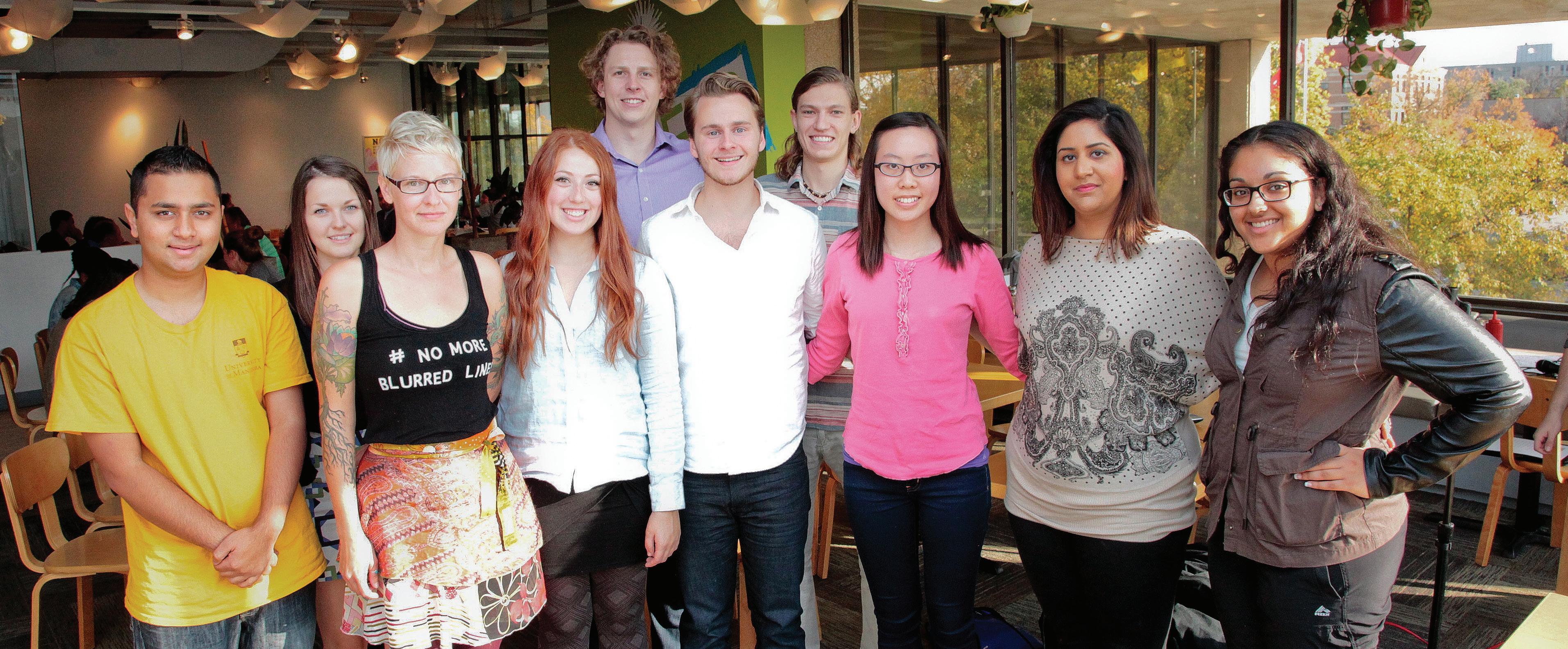
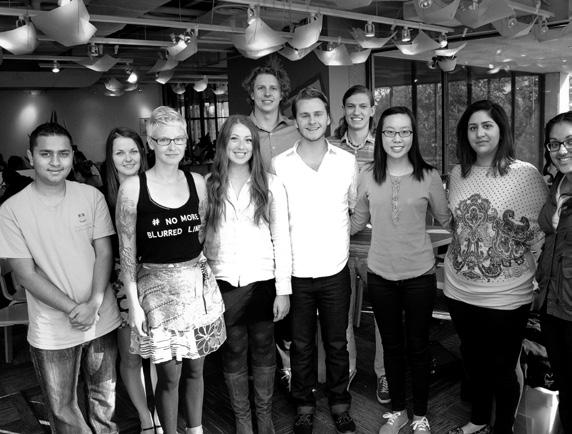
This past Thursday morning at Degrees Restaurant marked the launch of new campaigns aimed at addressing topics that UMSU identified as students’ top concerns on the University of Manitoba campus.
The campaign will be branded as “UM for U” and will branch out into three separate campaigns covering sexual assault, food options, and mental health.
It is one of three new movements—UM for U, UM for Us, Gen. UM—that UMSU will be launching this year driven by UMSU vice-president advocacy Rebecca Kunzman and vice-president internal Jeremiah Kopp.
#NoMoreBlurredLines
The #NoMoreBlurredLines campaign to combat sexual assault is spearheaded by U of M student Wanda Hounslow along with sociology professor Mary-Anne Kandrack – both members of the U of M Sex Assault Working Group.
Following the controversial Frosh Week chants at Saint Mary’s University last year, Hounslow said universities across Canada have started acknowledging the need for awareness and prevention campaigns to combat sexual violence and rape culture.
This particular campaign initiative is based on the lyrics suggested by Robin Thicke’s song “Blurred Lines”–a mantra the Guardian claimed to be “the most controversial song of the decade.”
“These [types of] campaigns are designed to create counter narratives on campus that not only challenge a culture which quietly accepts sexual violence, but also proactively engages both men and women in challenging the dominant discourses that equate masculinity with misogyny, femininity with objectification, and a good time with the inevitability of ‘Blurred Lines,’” Hounslow told the Manitoban Her hopes are that this campaign
“will create a dialogue on campus that addresses immediate concerns of safety and safe space, as well as the broader cultural messages on campus that continue to perpetuate a culture of objectification and violence.”
According to Hounslow, these messages are typically not “as blatant as the Saint Mary’s chants that explicitly promoted rape and sex with a minor.”
“Messages that promote a culture of gender-based violence can be as subtle as promoting an event with posters and images that demean and objectify women, and as blurred as defining cat-calling or an unsolicited grope as harmless or even complimentary,” said Hounslow.
Driven by Hounslow and Kandrack, effective outreach and success of the #NoMoreBlurredLines campaign depends on collaboration from across campus, including the campus Sex Assault Working Group, the Womyn’s Centre, Rainbow Pride Mosaic and active participation from students.
So far, the collective has delivered a series of public service announcements to the campus community and handed out free gum at Frosh Fest labelled with the slogan, “Gum is something you ask for” – a response to the dangerous “she asked for it” fallacy.
The #NoMoreBlurredLines campaign was developed with similar goals to other campaign initiatives at universities across the country, such as Don’t Be That Guy, I Know Someone, and White Ribbon.
Hounslow told the Manitoban that at some universities, the Robin Thicke song was outright banned. She wondered about the U of M’s stance on this.
Faculty, staff, and students across the U of M campus are working together, said Hounslow, to “shed light on the fact that when it comes to sex and sexual consent, there are no blurred lines.”
UMSU campus garden
The second topic of UM for U was tackling the lack of food options on campus. The UMSU campus garden initiative was introduced at the launch by the garden co-ordinator, Cody Schuender.
The main goals of this campaign initiative are to improve “the availability of healthy, organic, affordable, and sustainable food options on campus and to publicize the garden,” Kunzman told the Manitoban Planning and development of the campaign involves people from the UMSU campus garden initiative and the campus food strategy working group, including lead organizer Julie Rempel of the U of M Sustainability Office.
During his speech at the launch, Schuender spoke about upcoming changes to the garden as of this year, such as more visibility on campus and learning about different plants grown and food produced.
He said that the garden will continue to produce “healthy, local, organic food for Market Mondays,” which is a weekly event to promote the garden and sell produce, which in turn funds garden upkeep and co-ordination.
Despite a recent theft of garden produce, the UMSU campus garden team was looking forward to hosting the Harvest Feast for volunteers that took place over the weekend, organizing a seed saving workshop, and introducing a residence garden next summer for students who reside at the U of M all year.
Active Minds
Deborah Chan, U of M nursing student and one of the lead campaign organizers, introduced Active Minds as the first mental health group established on campus. Chan expressed how surprising this was, considering that the “U of M is such an old university and one-in-four students will suffer from mental health issues.”
The Active Minds campaign is
oriented to stop the stigma faced by those who struggle with mental health issues and that prevents them from seeking help.
From a nursing perspective, Chan spoke about why our definition of health must incorporate both physical and emotional health and how important it was to promote mental health awareness.
UM
for U
Kunzman told the Manitoban that UM for U is a “student-led grassroots approach” that works with top-down methods from administration, with UMSU “acting as a bridge between the two.” She said that the concept is based on students’ priorities that were determined by individual students who brought their ideas to UMSU’s attention.
One of the initiatives UMSU has committed to is creating and supplying posters for the Hub and Degrees that are related to responsible alcohol consumption and consent.
There are existing campaigns on campus to address issues of consent and sexual assault. The Canadian Federation of Students runs the No Means No campaign on both U of M and U of W campuses in co-ordination with service centres. Members of UMSU continue to pay fees to, and are still considered members of, the federation.
Zach Fleisher spoke to the Manitoban on behalf of the CFS about their campaign.
“The No Means No campaign aims to educate students about the dangers of sexual assault on campus while also actively works to decrease the prominence of rape culture on campus,” said Fleisher.
When asked how UMSU’s campaign against sexual assault differs from the CFS campaign, Kunzman explained that although their interests are aligned and their ultimate goals are the same, the #NoMoreBlurredLines campaign is unique in character, and was devel-
oped by students.
Hounslow said that the No Means No campaign began decades ago as a response to sexual assault and violence. On the other hand, #NoMoreBlurredLines offers a different approach to this. Along the lines of the Only Yes Means Yes campaign, #NoMoreBlurredLines takes a preventative approach that directly establishes that there are no blurred lines when it comes to sexual consent.
“How can we really determine whether someone said ‘yes’ or ‘no,’ either way?” wondered Hira Sabzwari, the Womyn’s Centre co-ordinator.
Kunzman said the UMSU campaign is “still in its infancy,” so it is not yet clear what types of preventative programs and campaigns it will include.
Sabzwari said that she “can’t really say what the end result of the campaign would be,” but looks forward to collaboration and hopes that it will have positive tangible results for the campus community.
Sabzwari told the Manitoban that she was invited to attend the campus sexual assault strategy by UMSU and Hounslow.
UMSU representatives (such as the women’s representative, Reanna Blair, and the LGBTTQ* representative, Steven Anderson) who represent students and do work on these sorts of issues have yet to be consulted.
The UM for U campaign seeks to promote transformation about sexual assault and consent, food options, and mental health at the individual level. Together with the two other proposed campaign strategies—UM for Us and Gen.UM—Kunzman said she and fellow executive members hope to inspire change at the campus community level with UM for Us, and achieve long-term generational change with the Gen.UM initiative.
Comedy night hits the Hub
Stand-up the newest themed-night in the Hub’s weekly schedule
PHILMA SCHEEPERS
T
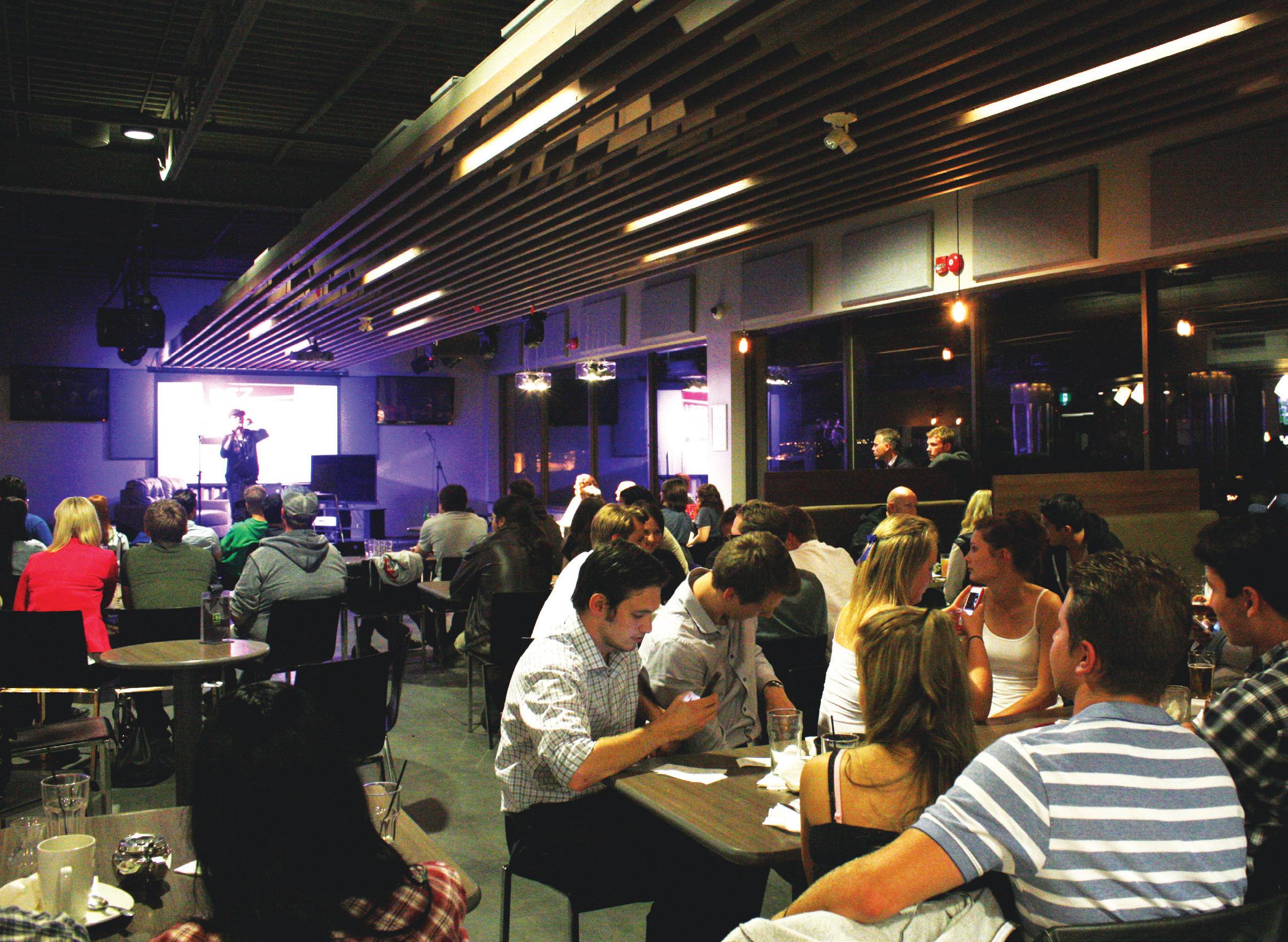
he Hub has started hosting an all-new comedy event every Monday night. The first Comedy Night, which took place Sept. 8, has been proclaimed a major success by the Hub’s staff and event organizers.
Local luminaries in stand-up comedy Ben Walker and Ryan Ash are the organizers behind this event and will be hosting a varied and entertaining lineup every Monday night.
There will be a different headliner each week, along with an open mic period where amateurs can take the stage.
Walker and Ash contacted Jack Jonasson, the manager of the Hub, about the possibility of a comedy night after looking for a new venue to perform and expand their fan base.
“Our goal is to have a fun, friendly atmosphere where people feel encouraged to try out,” said Walker.
A comedy night mascot is also in the works.
Nick Drescher, a server at the Hub, has been working on the mascot, which he intends to be a bisoncomedian hybrid.
Drescher said he is playing with a few design ideas which include caricatures of famous comedians such as Jerry Seinfeld crossed with the bison logo.
With lots of spots to sign up, this is a great opportunity for theatre students hoping to hone their skills, or anyone with some good comedic material they would like to share.
The show starts at 8 p.m. every week but participants for the open mic are asked to be there for 7:30 to sign up.
Other theme nights at the Hub this year will include Tuesday Karaoke Night, Wednesday Rez Night, Thursday’s Half-off Wine Night, Saturday’s Bison Sports Night, and Sunday’s Perogy Night.
The Hub is opening Thursday and Friday nights to student groups who would like to use the space to host fundraisers or events.
Chelsea Wolfe, a server at the Hub, said the pub has seen increased traffic with the start of the new theme nights.
“We usually don’t get more than 20 people or so the first time we host
something like this, but last week produced a really great turnout, the place was packed,” said Wolfe.
UMSU president Al Turnbull is also excited to see the increased use of the Hub.
“If you had gone to the Hub two years ago you would’ve seen that it was a really desolate place,” said Turnbull. “It really wasn’t catering
to the demographic we have here.”
But Turnbull suggested that things have begun to change.
“Students are excited to go to the Hub,” said Turnbull. “You go on Twitter, you go on Facebook, you go on Instagram, [and] students are enjoying their time at the Hub. And that’s something.”
Jonasson said he is really excited
BY
about the changes in the schedule this year and hopes that everyone will take advantage of the theme nights for great deals on food, drink, and a chance to unwind and de-stress.
PHOTO
CAROLYNE KROEKER
Human rights and wrongs
Museum opening prompts questions about human rights
TOM INGRAM, STAFF
The Canadian Museum for Human Rights (CMHR), which is now open for business, has been controversial for a number of reasons, including the museum’s treatment of issues relating to First Nations people, the handling of archaeological digs at the site, the fact that many of the exhibits still have not opened, and the sheer cost of the whole endeavour.
The role that the notion of human rights plays in modern political discourse has received very little attention. This is unfortunate, since the museum’s purported goal is to explore a concept rather than commemorate an event. And that concept is broken.
“Human rights” seem to exist only in the abstract. Once we start talking about the specific things we may or may not have a right to, the shouting starts and we all look silly. This is why the museum has been protested by everyone from First Nations groups to anti-abortion activists. This is also why the draft proposal for the nascent
master of human rights program at the University of Manitoba declines to offer a definition of human rights, supposedly to incite debate.
Because the term “human rights” is vague, and since it feels like something we all ought to sign on to, it has become a rhetorical black hole, bending everything in on itself while remaining impossible to examine directly.
A recent article in the Toronto Star by U of M law professor Umut Özsu points out that the notion of human rights is “deeply ideological.”
Whether or not one accepts his particular genealogy, it is clear that the concept of human rights is very much of our time and place. The attitudes embedded in the UN’s Universal Declaration of Human Rights are not universally held.
For example, the declaration guarantees freedom of religion, the presumption of innocence in criminal trials, the right to own property, and the right to hold copyright. In the
same breath it stipulates what education “shall be” and guarantees parents the right to choose what kind of education will be given to their children. Most comically pompous is article 28, which states that “everyone is entitled to a social and international order in which the rights and freedoms set forth in this declaration can be fully realized.”
It’s not clear that the language of human rights is a useful way of thinking about the problems in today’s world
I’m all for freedom of religion and so forth, but this is clearly not a coherent legal document. It’s more of a list of stuff we think is neat, where “we” refers to the more wealthy and
powerful nations of the UN (as the CMHR is keen to remind us, this document was partly drafted by a Canadian). Some of the articles guarantee things that are by no means self-evident natural rights, but simply bureaucratic processes with which Westerners are comfortable.
Some of them are contradictory. Some of them are just absurdly unrealistic.
It is also significant that the enforcement of these rights is, at best, spotty. For instance, it is a well-established fact that the American military has tortured people with alacrity. This is in direct violation of article 5, and yet we are not at war with the United States. I’m not suggesting we should be, but the rights guaranteed in the document seem considerably less absolute when we are willing to make exceptions for sufficiently wealthy and influential countries.
Documents like the Universal Declaration of Human Rights, and
more generally the entire notion of human rights as we use it today, have two very bad effects. They tend to take Western values and attempt to write them into the fabric of reality using language of inalienability and self-evidence. And they give the illusion of granting us all entitlement to things many of us still have no realworld means of getting – important things, like drinking water and freedom from torture.
It’s not clear that the language of human rights is a useful way of thinking about the problems in today’s world. It’s also not clear that the project of human rights has accomplished anything other than providing a pretty mask for ugly nations to wear when they go out in public.
Aside from all other concerns, a human rights museum is meaningless unless it addresses these fundamental problems with its concept.
This ain’t your grandma’s watering hole
Exploring the U of M’s novel ecotoxicology research facility
CHELSEA LOBSON AND DANA MOORE
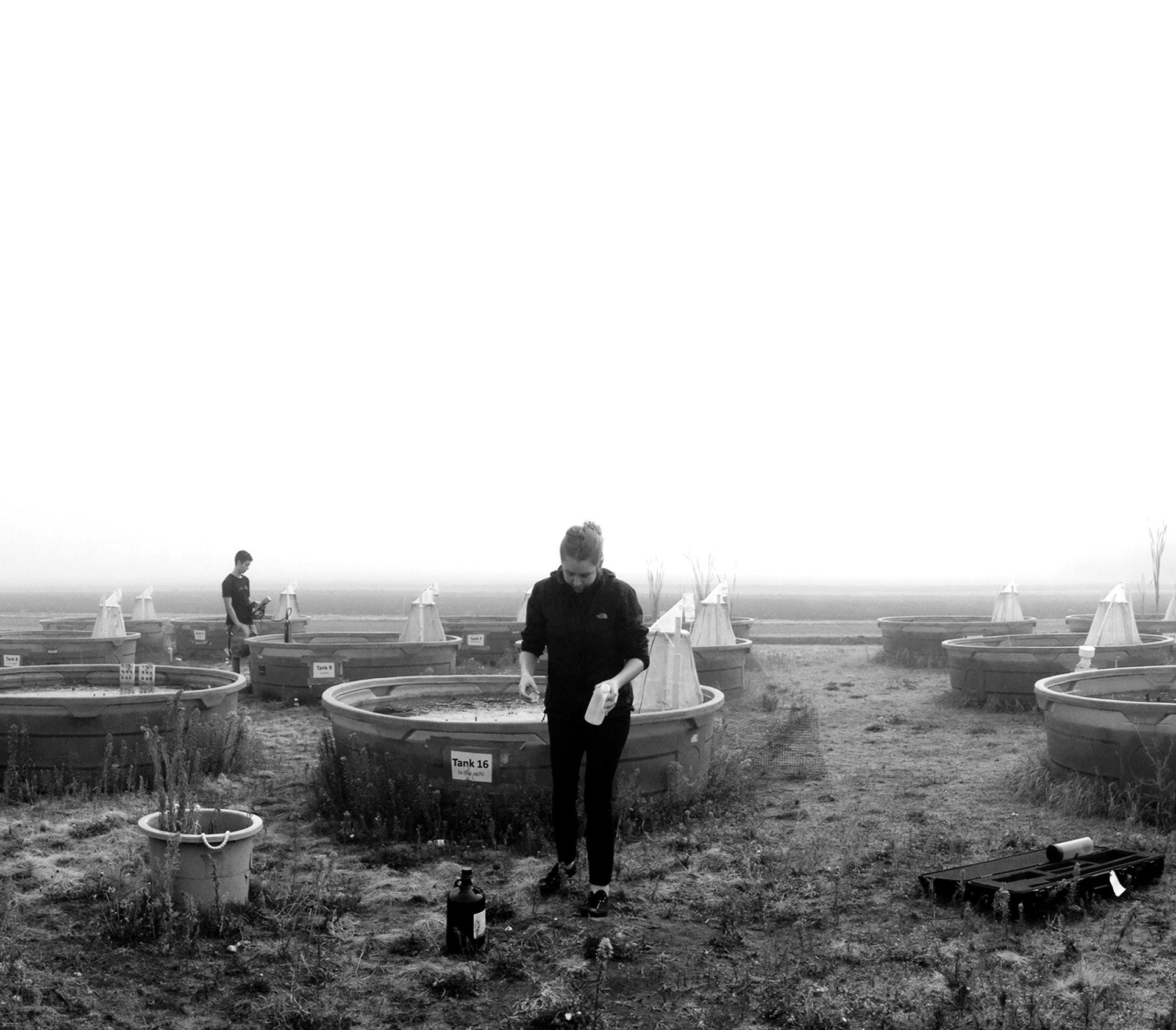
Nestled at the back of campus on a finger of land surrounded by the Red River lies one of the University of Manitoba’s unique gems: the Prairie Wetland Research Facility (PWRF).
Hidden in plain sight, 20 neatlyarranged cattle watering tanks huddle together at the entrance to the university’s crop research facility. While unassuming, this outdoor laboratory is much greater than the sum of its parts.
Installed in 2011 by resident ecotoxicologist and U of M associate professor Mark Hanson, the mesocosms (the technical term for these model ecosystems) function as a research tool of the department of environment and geography’s Stress Ecology Group and comprise the only facility of its kind in the province.
Comprising natural sediments, a layer of water, and flora and fauna introduced from Manitoba’s Oak Hammock Marsh, each mesocosm of the PWRF aims to mimic a shallow wetland typical of the province’s prairie pothole region.
Allowing for the re-creation of small-scale aquatic ecosystems, mesocosms are self-contained while remaining open to the natural variation of real-world conditions. For studies that have environmental applications, they act as an intermediate step between strict lab and true field research.
Want to know what pesticides do to dragonfly populations? Use a mesocosm.
Need to understand how long it takes for pharmaceuticals to break down in waste-water treatment wet-
lands once they ’re excreted by rural Manitobans? Use a mesocosm.
The PWRF has been a training ground for undergraduates, graduates, and post-doctoral fellows, with six unique studies conducted since 2011. These include projects observing the environmental behaviour and effects of contaminants as varied as sucralose, pesticide adjuvants, and antibioticresistant microbes.
The PWRF’s distinct design allows for the application of lab findings in “real-world conditions,” bridging the gap from wet lab to wetland
Current research at the PWRF, a continuation of 2013 work on the insecticide thiamethoxa m, is a collaboration between Hanson’s Stress Ecology Group and the University of Winnipeg’s Analytical Chemistry Group headed by professor Charles Wong, who explained, “You can’t duplicate an ecosystem in a beaker.”
The PWRF has allowed us to go beyond this lab restriction and investigate the fate of chemical contaminants under conditions that are a little bit closer to “the real world ”
Together, through the tracking of thiamethoxam’s fate and the responses of zooplankton (such as
water fleas) and emergent insects (such as damselflies, dragonflies, and midges), the two groups are helping to characterize the potential direct and indirect effects of the controversial and common neonicotinoid crop insecticide.
Neonicotinoids are c urrently in the public eye for their suspected role in reducing honeybee populations; the work of the PWRF will help regulators better understand the risk these chemicals may pose to nontarget organisms.
It is this aspect of the research that Hanson finds most rewarding.
“We do basic ecology-oriented research in our cosms, but we can also conduct robust science to inform decision-makers so that water quality is protected, all at the same time,” said Hanson.
Maintaining this global perspective while focusing on interests close to home, the PWRF can now add Manitoba wild rice to its list of species in its thriving plant community.
Seeded in September, wild rice is not only economically, ecologically, and culturally significant in the province, but may help to better understand ecosystem health.
Another locally-focused study with global applications is on the horizon for the PWRF. A 2015 collaboration with U of M hydrolog y assistant professor Genevieve Ali may give new insight into our flood-prone province’s hydrology by examining the effects of cattails on water uptake and release to the atmosphere.
This ability to host dynamic studies from myriad disciplines owes largely to the PWRF’s distinct
design; bridging the gap from wet lab to wetland by allowing for the application of lab findings in “real world conditions.”
Though you might miss it unless you’re suffering the unfortunate fate of being assigned to the “B” Parking Lot, the PWRF stands as a visual reminder that novel research with direct environmental applications continues to flourish on campus.
The facility is a unique tool that has proven its ability to produce necessary and immediately useful data through collaborative sound science, bringing together researchers from across the province, country, and
from international institutions alike.
“This facility is crucial to understanding the ecosystem dynamics of shallow wetland systems, their potential for wastewater treatment, and the effects contaminants may have on these ecosystems,” said Jonathan Challis, U of M chemistry PhD candidate and PWRF collaborator. With multiple stressors affecting our changing environment daily, the need for robust data and environmental test systems is emergent and real. In response to this need, the PWRF ’s innovative approach to research proves that necessity truly is the mother of invention.
PWRF researchers Chelsea Lobson and Adam Vanderpont take daily measurements on a foggy August morning
Go to space with the U of M’s own space program
UMSATS gets ready to lift off for third iteration of Canadian Satellite Design Challenge
CHANTELLE
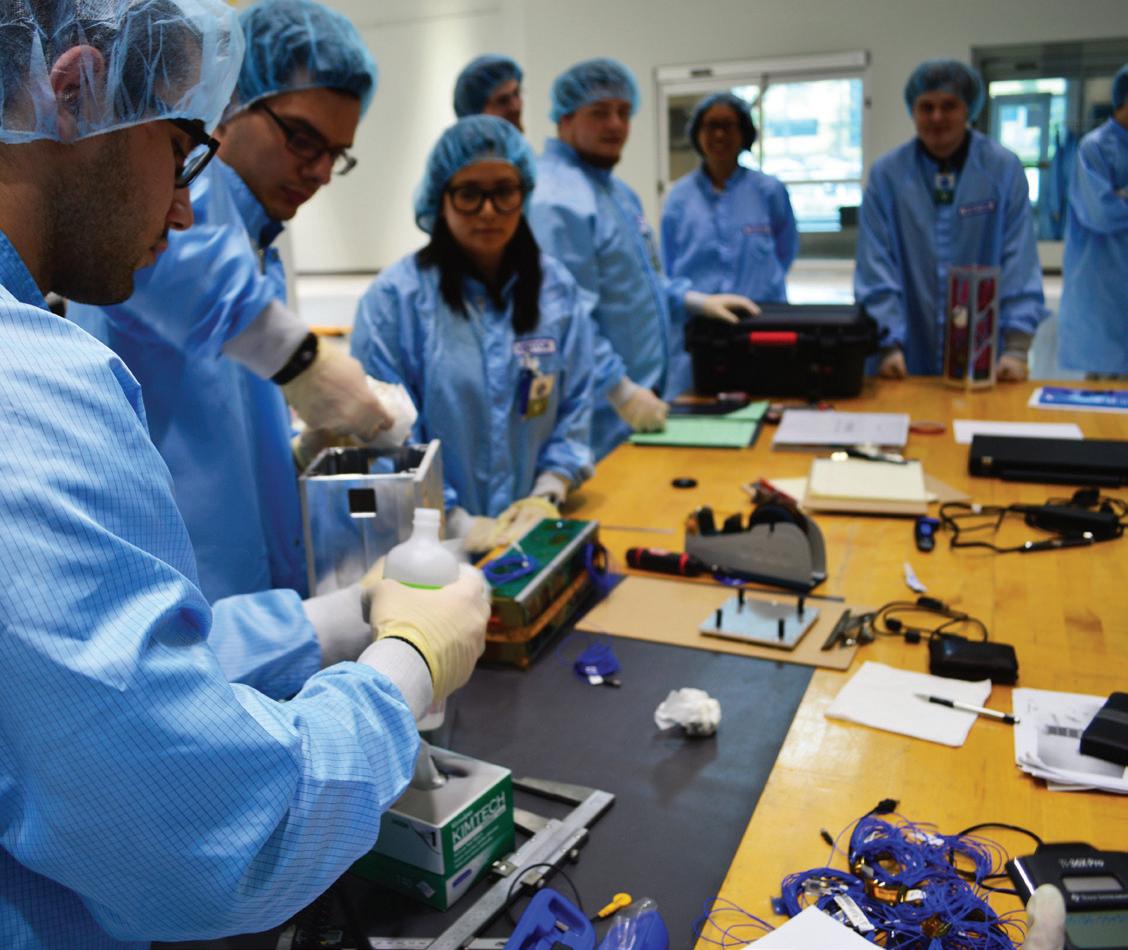
Ever dreamed about going to space? That’s exactly what members of the University of Manitoba Space Applications and Technology Society (UMSATS) are trying to do.
Undergrad and graduate students of UMSATS, which was founded in 2010 with the establishment of the Canadian Satellite Design Challenge (CSDC), have been working together to build a satellite which they plan to eventually launch into low Earth orbit.
The CSDC, managed by the Canadian Satellite Design Challenge Management Society, is a nationwide competition for university students.
Each iteration of the competition lasts two years, with the first year intended for the design phase of the satellite, and the second year for prototyping, building, and testing the final product. The conclusion of the competition occurs at the end of the two years with environmental testing at the David Florida Labs in Ottawa.
It is the CSDC’s intention to launch the first-place winner into low Earth orbit where it will operate and collect data for one year. The University of Manitoba Space Applications and Technology Society placed second in 2012 and received the UrtheCast Outreach Award for their “outstanding outreach” efforts in 2014.
While technical skills are very useful in the design and build of a satellite, other skill sets are also sought out to help UMSATS achieve its goals.
Such a complex project requires project management, a business team to fundraise and plan events, artists for logo design, as well as an outreach team to meet the compe-
tition’s requirements. This broad range of desired skills results in a diverse team environment, allowing engineering, science, business, fine arts, and education students to work together toward one goal.
The UMSATS satellite, affectionately known as “UMBUG” (University of Manitoba Biology Unimpeded by Gravity), has a scientific experiment onboard which involves tardigrades.
Tardigrades are hearty microanimals (metazoans), which have been known to thrive in extreme climates and high radiation.
The scientific mission is to launch tardigrades in a biologically suspended state, known as cryptobiosis, into low Earth orbit, then revive them to see how they thrive.
The University of Manitoba Space Applications and Technology Society intends to use the results of this experiment to collect evidence for panspermia, the theory that life on Earth began elsewhere in the universe. This experiment is the heart of team lead Ahmad Byagowi’s lecture for the upcoming TEDxUManitoba event in November.
UMSATS’ efforts with their satellite has resulted in innovation and published papers.
While the European Space Agency has sent tardigrades into space once before, the animals remained entirely in a cryptobiotic state for the duration of the mission. If launched, the UMBUG satellite will be the first nanosatellite to carry biological cargo, and the UMSATS team the first to revive tardigrades in space.
On top of that, the team plans on genetically modifying tardigrades with proteins that will cause them to glow under UV light.
The team has designed a programmable six-layer Arduinobased motherboard to integrate all subsystems, such as the mechanical system, power system, or communications system, which come together to make the satellite work as a whole. They’ve also designed an image-processing system using mathematical models to overcome data transfer limitations.
In orbit, the satellite will pass above Winnipeg once every hour and a half but will only be in a range to communicate for up to 20 minutes at a time during each pass. This time limit means high resolution photos will not be downloaded. Instead, the satellite will send low resolution images and statistical formulas will be used to determine if the tardigrades are moving in a predictable way, such as toward food.
For this phase of the competition, the team intends on maturing their satellite design with more advanced features, such as a deorbiting mechanism for when the satellite’s useful life span comes to an end (an environmentally friendly way to reduce space debris), and extending additional solar panels to produce more power by collected solar energy from the sun.
Working on the UMSATS team provides students with: a multi-disciplinary environment to work in, exposure to the industry, networking opportunities, and experience working on a complex long-term project.
Members of UMSATS participated in “Dream Big” last March, a week of events that featured astrophysicist Neil deGrasse Tyson in his first lecture at a Canadian university.
Dream Big attracted many influential members from industry and academia, including Walter Natynczyk, president of the Canadian Space Agency; and Guy Bujold, former president of the Canadian Space Agency.
Members have also participated in workshops at MacDonald, Dettwiler and Associates Aero in Montreal, and were given the opportunity to visit the David Florida Lab where many of Canada’s major satellites have been tested.
Any student interested in joining UMSATS is highly encouraged to do so and can contact info@ umsats.ca or stop by the weekly Systems Meetings every Thursday at 7 p.m. in EITC E3-584.
Freaks of Nature: Cymothoa exigua
Bloodsucking
freeloader
eats and replaces fish tongue
BAILEY RANKINE, STAFF
In this week’s instalment of Freaks of Nature, we’ll take a look at the Cymothoa exigua, an apt name that doesn’t exactly roll off the tongue.
Cymothoa exigua , a parasitic sea louse , is like something out of Aliens. It inhabits the waters of the eastern Pacific, stretching along the West Coast of the Americas from California to Peru.
The female louse enters the fish through the gills and clamps onto the victim’s tongue while her mate faithfully follows her and latches on to the gills. She extracts the blood from the tongue through her claws, causing it to wither and fall off. She then reattaches to the remaining stub and assumes the role of a fully functional tongue.
Its preferred host is snapper, but it has also reportedly taken up residence in the mouths and gills of various other species such as drum, grunion, and grunt.
Recent reports suggest that the range of C. exigua may be expanding and climate change is likely to blame.
What is the function of a fish tongue, you might ask. In contrast to mammals, it helps push food back into the stomach, instead of forward, until chewing is complete.
Profile of a bloodsucking freeloader
Parasitism is defined as a relationship between two individuals, where one benefits and the other
suffers. It’s pretty clear how the fish suffers, but how does the louse benefit?
Once the tongue-eating louse is comfortable in its new position, it continues to feed on the blood and mucus of its host. The protection within the fish’s mouth also provides an ideal breeding site.
The female carries between 480-720 fertilized eggs, only 200 of which are estimated to reach maturity. Although little is still known about the life cycle of this parasite, studies suggest that each female is only capable of reproducing once. In the case that two males are present, one male will change its sex and become female. This mechanism appears quite a bit more often in nature than you might think.
Invasion of the tongue-eaters
In the 2012 film The Bay, residents of Chesapeake Bay succumb to a mutated version of the parasite which targets humans. Despite this absurd scenario, C. exigua are not harmful to humans unless you happen to grab one and it bites you.
Aside from the obvious stomach-churning factor, these tongueeating parasites have a relatively insignificant impact on the fitness of their host, humans, and commercial fisheries.
GRAPHIC
Municipal election draws big names for open St. Norbert seat
Three candidates want your vote to represent St. Norbert at city hall
CRAIG ADOLPHE, STAFF
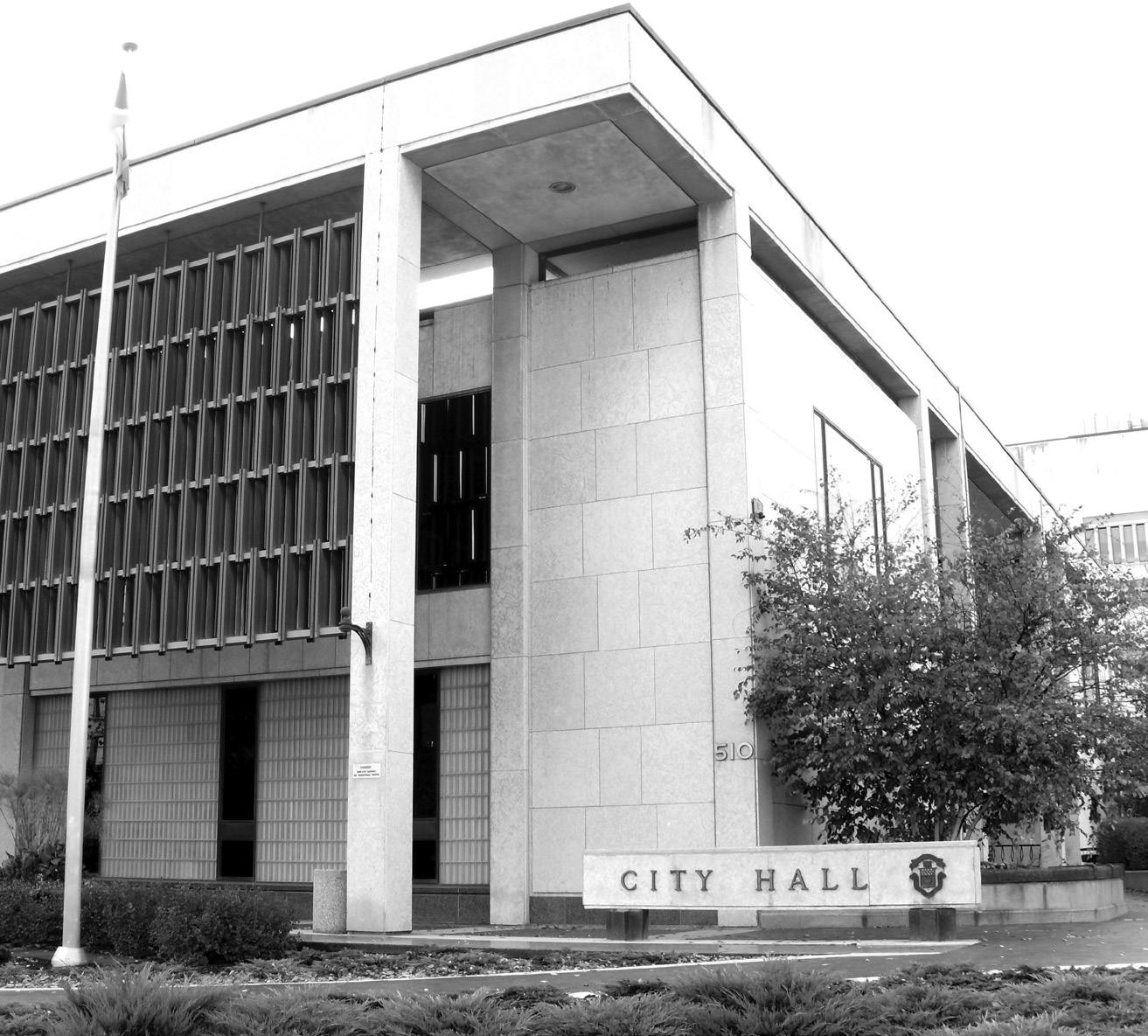
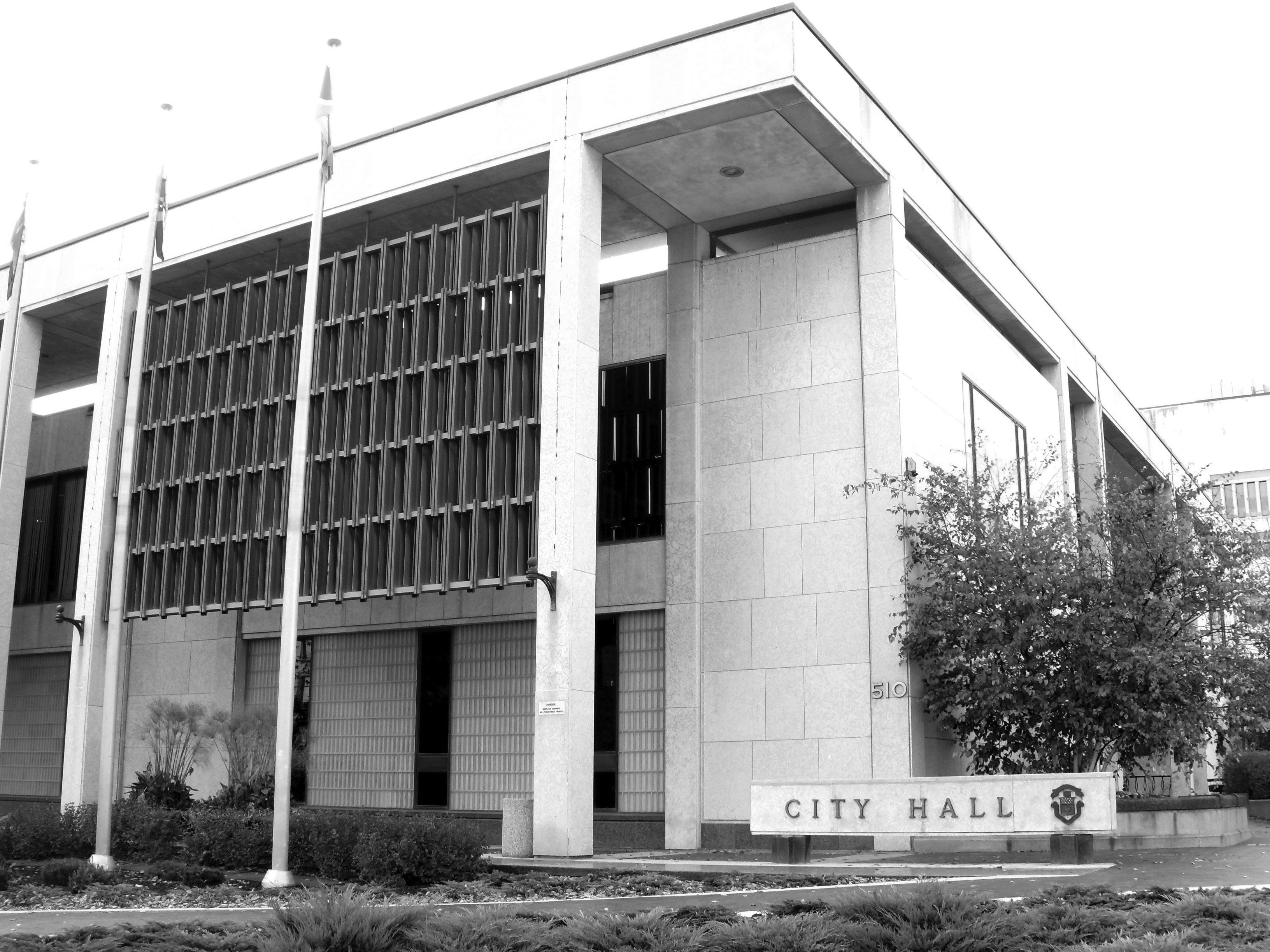
The University of Manitoba’s Fort Garry campus is situated along the north end of St. Norbert ward, meaning many students living in residence and close to campus will have the opportunity to vote for a councillor to represent them at city hall.
Incumbent candidates are notoriously hard to unseat and with the current city councillor, Justin Swandel, deciding not to run again, there is an opportunity for major change in the ward’s representation.
The nomination period closed on Sept. 16, and three candidates are now slated to appear on the ballot for the Oct. 22 election: Joe Chan, Janice Lukes, and Sachit Mehra.
Joe Chan is the owner of the restaurant Cathay House on Regent Ave.; former executive assistant to Coun. Harvey Smith; Liberal candidate for Logan in the 2011 provincial election, where he came in second; and, famously, the man who filed a conflict-of-interest lawsuit against mayor Sam Katz in late 2012 .
Janice Lukes is an active rapid transit proponent, community leader, and former executive assistant for outgoing city Coun. Swandel.
Sachit Mehra is a co-owner and manager of his family's restaurant, the East India Company; chairman of the Winnipeg Downtown Biz (on leave for the election); and former president of the Manitoba Liberal party . He’s also the labour endorsed candidate in the St. Norbert riding.
The Manitoban interviewed each of the candidates to find out where they stand on issues such as the U-Pass, and how they would represent their constituents and the interests of U of M students as city councillor.
Sachit Mehra
Mehra’s website identifies his priorities as dependable, modern infrastructure; accountable, transparent government; reliable, quality services; and responsible, sustainable growth .
On his website, Mehra’s calls for the creation of an ethics office and lobbyist registry, “support for new and expanded schools and additional child care spaces for families,” and investments in the St. Norbert Farmers’ Market that would include a plan to “address traffic and parking concerns.”
Mehra has taken a strong stance in support of rapid transit and the U-Pass.
“I thought the U-Pass was a great idea as it was presented. I was glad to see how it was implemented. And further, I was happy to see the engagement at the level of the students within that issue – being involved. I think it was absolutely necessary,” said Mehra.
Mehra also suggested that cooperation between different levels of government has been lacking in the
last few years and that Winnipeggers have suffered as a result of this.
“I think during my run right now if I’ve proven one thing it’s that I’m very good at bridge-building and relationship-building and getting jobs done. That’s what’s key for absolutely everybody.”
He identified the rapid transit leg through south Winnipeg as “a singular, high-end issue that is coming up.”
“So as far as students go, I can’t imagine an election that impacts them more greatly; when we consider the U-Pass, the rapid transit leg [ . . . ] and I really hope that I’m a part of their thoughts going forward,” said Mehra.
Janice Lukes
Lukes is running as an independent. She says she was asked to run for MLA in the St. Norbert constituency by all three major parties (NDP, Liberals, and the Conservatives) and declined all three.
Despite her reluctance to partner with any political parties, Lukes has a lot of experience on the municipal scene.
She’s worked as executive assistant to the ward’s outgoing councillor, Justin Swandel, and has been extensively involved in community projects in St. Norbert.
Lukes has worked with “over 50 community groups in the ward and
brought community concerns to city hall over 60 times.”
Much of that work has been centred on sustainable transportation.
“I’ve been working in the field of sustainable transportation in Winnipeg for the past 14 years focusing on sidewalks, trails, and bike paths – all an integral part of maximizing transit use.”
Lukes says she’s completely in support of the U-Pass and has been working on a variety of other transit initiatives.
“I was a representative on the Phase One Rapid Transit Advisory Committee and provided input into the development of the active transportation component and have been involved in Phase Two development.”
Lukes believes that the U-Pass will have long-term positive economic and social benefits for the city.
“The U of M is the second most commuted to destination in the City of Winnipeg. The cost savings in infrastructure repair alone will be a huge benefit. Students will also use the pass to travel around the city and this will help build the foundation for a culture of public transit in Winnipeg.
“A major benefit of increased ridership for Winnipeg Transit will enable the system to expand and develop into a modern sustainable transit sys-
tem for the entire city – something Winnipeg is in need of.”
Joe Chan
Chan’s website identifies a series of solutions for creating a dream city.
These include creating mandatory drug testing every two years for anyone working for the city that earns over $50,000, offering free parking for electric cars, bicycle lanes on residential streets, and having the city pay for all of an individual’s student loans if they live and work in Winnipeg for 10 years after graduation.
Like Mehra and Lukes, Chan is supportive of the U-Pass, although he identifies light rail as a desirable alternative to bus rapid transit.
He says he put his name in the running to challenge candidate Mehra.
“I want to stop this guy,” said Chan.
Chan identified Mehra’s time as the president of the Manitoba Liberal Party as the source of his disapproval.
He also suggests that he’s the only candidate ready to challenge Mehra for the St. Norbert seat.
“If you want an angel vote for [Lukes] [ . . . ] if you want a fighter vote for me,” said Chan.
Chan identifies his willingness to fight for people and challenge those he disagrees with, be it the outgoing Sam Katz, Mehra, or anyone else, as his greatest strengths.
“I’m a fighter. I fight. You see my record. I’m the guy who took the mayor to the court. How many people can do that in the city? [ . . . ] I will stand up for the students. [ . . . ] You want a fighter, with ammo? I’m the guy,” said Chan.
Bannatyne and inner city
Although the Fort Garry campus is situated in the St. Norbert Ward, the U of M does have connections to other wards.
The U of M’s Bannatyne campus is situated in the heart of the Point Douglas Ward . Mike Pagtakhan has held the council seat since 2002.
Pagtakhan is running again, against four contenders. The other candidates are Rebecca Chartrand, Anthony Ramos, Anne Thompson, and Dale White.
The U of M’s Inner City Social Work Program operates out of a facility located at 485 Selkirk Ave. in the Mynarski Ward.
Mynarski’s city council seat is currently held by Ross Eadie.
Eadie has sat as city councillor since 2010. Dave Capar, Greg Littlejohn, and Trevor Mueller are challenging the incumbent.
Civic Election 2014
Managing Editor: Fraser Nelund
Winnipeg civic election 2014
DANA HATHERLY
During the lead-up to the run for mayor in Winnipeg, the Manitoban attended various forums and sought out each of the mayoral candidates.
Each of the candidates who were available for interview was asked three to four questions along these lines:
What is your position on bus rapid transit (BRT) and the U-Pass? What is the value of a university degree in our city, in the context of the current job market and economy? What is your position on lobbying the provincial and federal government about post-secondary education funding and related issues?
Here is what the candidates had to say.
David Sanders
David Sanders holds postgraduate training in political science, urban land economics, business administration, and law, completing his most recent degree in law at the University of Manitoba. In the 1960s, he was an editor for the Manitoban. He has also taught at the university for many years more recently, and has 45 years of experience in public administration, management, and real estate consulting.
U-Pass
Sanders’ position on the U-Pass is to “go forward, pointing out that the provincial government will contribute half of the net cost of the scheme [ . . . ] It should be in place now, there’s no reason to wait longer.
“As soon as the referendum passes,
then we need to put [the U-Pass] in motion.”
As the last candidate to announce his run for mayor, Sanders told the Manitoban, “I am all in favour of [the U-Pass]. I think it’s an excellent idea, and hopefully it can expand to other post-secondary institutions [beyond] U of W and U of M.”
BRT
“Forever, I have been in favour of and a supporter of public transit, in favour of rapid transit in the city, and in favour of the downtown-to-U of M route being first priority.”
He also explained, “I am not in favour of the present route through Parker Lands, which is a terrible misuse of this project. I refer to it is as a $1 billion boondoggle.
“I pledge to stop this project in its tracks right now – no need to spend any more money on a design on the wrong route [ . . . ] Review [the plan] to see if it is possible, if not to have [light rail transit (LRT)], then to at least plan for and provide for eventual conversion to light rail, because that really is rapid transit. What we’re talking about now is a glorified express bus.”
Sanders continued to express his disappointment in the current process of and plan for rapid transit. He told the Manitoban that his campaign slogan is “‘overhaul city hall’ because we need to change the senior management that has led to that type of blunder.”
Value of degrees
“The value of education is the
nature of our humanity; is that we learn and are curious and seek out the truth,” said Sanders. “The role of university in our society is to find and tell the truth when so many others can’t and don’t.”
He went on to say “It’s important that people have a much broader viewpoint than they might otherwise have that results from a university education.
“But you ask ‘What is the value of a degree?’ [ . . . ] From time to time different training has different value in this society, but that’s not the only reason for university education.
“I would encourage people that it’s about lifelong learning.”
In reference to the value of a degree from the U of M specifically, Sanders said, “U of M is second to none in terms of the quality of education, the faculties we have, and the research we’ve done, that we should be very proud of it.”
Access to university
“A long time ago, I managed to get a referendum passed to get universal access to education. I’ve been in favour of viewing the intellectual student as an intellectual worker –our society needs to fund them while they’re young and old.
“Check the archives,” Sanders told the Manitoban about the successful referendum vote, stressing how important it is to “ensure that university is accessible to all.”
He said education is mostly a “matter of provincial jurisdiction,” but that for “mayors in the city, there are certainly things [that] the city can do
to facilitate the universities.
“Lack of student aid—financial aid—is a serious problem that deserves attention – not likely by city council.
“I look forward to working with representatives of [the Canadian Federation of Students] and other [student associations],” said Sanders in reference to addressing issues in post-secondary education and lobbying other levels of government. For more information about David Sanders, visit his website at sandersformayor.ca
Judy Wasylycia-Leis
Wasylycia-Leis moved to Winnipeg in 1982. According to her campaign website, “For nearly three decades, Judy has worked to make Winnipeg a better place to live as a provincial cabinet minister, a federal member of parliament, and a tireless community activist and organizer.” She stepped down from her seat in parliament to run for mayor – calling on change in city hall. She has worked to protect essential services in Winnipeg’s North End, and as opposition finance critic to secure federal funding for services that Winnipeg families need.
BRT
“My position is: let’s complete the southwest transit-way. We’ve got a half-built corridor now. Let’s complete it, and use it as a base for establishing further rapid transit lines in the future, with proper consultation and any new technology that comes along.”
According to Wasylycia-Leis, “the biggest debate” in this election is regarding rapid transit.
“From one candidate ‘kill it,’ to another candidate ‘all rapid transit complete by 2030’ – that’s impossible.
“My position is: finish this one line, find a way to reduce the cost—if possible, bring it in line with what the city can pay—but let’s not kill the project or delay it anymore.”
U-Pass
“Yesterday at the transit meeting, based on all the movement at U of W, U of M, the federation [ . . . ] and a lot of motions passed at city hall – we’re almost getting it accomplished, and I don’t want to get in the way of it. Now, I think just the students have to basically finish their referendum. It’s a great initiative, and I hope that it’s a step forward.”
Wasylycia-Leis said the City of Winnipeg has serious bus services issues that have gone unattended thus far.
The biggest concerns that people have raised with her are that the city “need more buses”; buses are “overcrowded”; there are a lack of “buses going to certain areas”; and there is a lack of “space” available for bikes and other accessibility devices on buses.
“Basically, I think the importance is improving our service for more accomplished and effective, reliable service.
“But, what it will take is [ . . . ] a plan at city hall,” said Wasylycia-Leis.
Brian Bowman
David Sanders
Gord Steeves
Judy Wasylycia-Leis
Michel Fillion
Paula Havixbeck
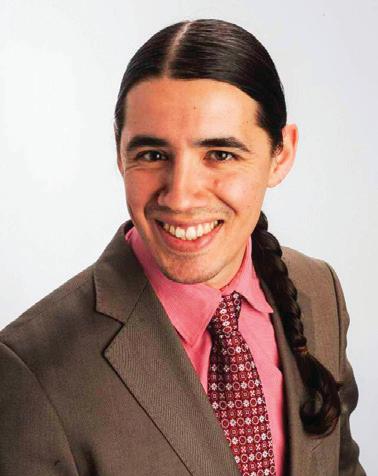
Robert-Falcon Ouellette
Value of degrees
“A university degree is not just about getting a degree. It is about lifelong learning and personal development. However, we do know that graduates are having a heck of a time getting jobs. I think that in this city, in the modern era with the modern transportation system; in a wealthy sized city with public spaces and public art; and with a more efficient city [ . . . ] it would be an ideal place for graduates.
“I wouldn’t redirect anyone from getting a degree – I would call on all levels of government to make it more affordable.
“[University] is about developing skills that you can actually apply to the community and impact change in a positive way,” said Wasylycia-Leis. For more information about Judy Wasylycia-Leis, visit her campaign website at judyformayor.ca
Paula Havixbeck
Paula Havixbeck is a university graduate with a bachelor of arts in economics from the U of W and master of business administration from the U of M. With her experience as a councillor, she holds various posts in the mayor’s cabinet. She has also worked in strategic business and market consulting.
U-Pass and BRT
“I’ve supported [the U-Pass] in my time on council, so I’m very supportive of it. You know, there was a lot of question of whether students really want it and that’s for you folks to handle.
“As a city, we need to support you.”
On her view of the mayor’s role in improving the bus transit system, she said, “The transit department is constantly monitoring where to put more buses on and they sort of determine what the threshold to increase is. So, I defer to them to know if we have the right numbers [ . . . ] but if there’s continuous waits, or people who can’t get on, they’re monitoring it closely so that they can get more buses to support it.”
Value of degrees
“Well, it’s huge,” said Havixbeck.
“When I finished in 1990, there seemed to be a lot more higher paying, good quality jobs and students are graduating now with record debt. I see this next mayor as critical in trying to attract the businesses and the industries here that offer those high paying jobs. It’s great that [Winnipeg gets] Ikea and Four Seasons, but those are retail jobs and earning minimum wage or just a little bit above or commission is not what a university graduate should be doing.
“I also think things like business incubator models that we’ve got going on are tremendous things for our city, and in fact, I would push for that even further, [as well as] ongoing dialogue with the presidents of organizations to make sure that we’re graduating people [for those jobs].
“As a student, you just hope there is something in your field relevant to where you want to be in your career.
“You just want to know there’s a pot of gold at the end of the rainbow.”
Access to university
“In my time on council, I talked to—more specifically—the U of W president, who sees a lot of newcom-
ers and a lot of [those in the] aboriginal community that just cannot afford [university]. The universities—in the last two budgets that the province has had—have been really stretched, so you either need to increase the funding or allow the university to increase tuition.
“Unfortunately the second option is not great for students, but if you can’t offer programs to students who are ready to take them and you have a market available, then you’re really doing a disservice to our city.
“I think the city needs to take a lead in pushing the province for other things, too.”
For more information about Paula Havixbeck, visit her campaign website at paulahavixbeck.com
Robert-Falcon Ouellette
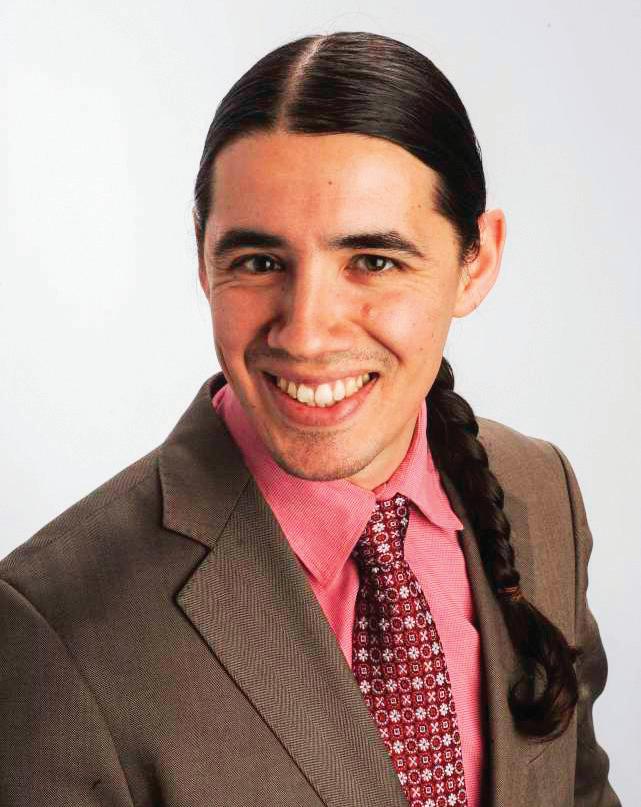
Robert-Falcon Ouellette currently holds a position at the U of M as the program director for the Aboriginal Focus Programs. He has earned a bachelor of education, master of music, master of education, and doctorate in educational anthropology. He formerly served in the Canadian Armed Forces and has “extensive experience in administration earned with the military.”
U-Pass and BRT
In terms of the U-Pass, Ouellette told the Manitoban that it is the students who will decide on the fate of the U-Pass, and that he will support their decision. He also spoke about how the city needs to be more practical and creative in approaching infrastructural projects, especially those related to transit.
“I’m in favour, obviously, of public transportation; I think it should serve the people.
“But I also think about a young lady who attended the U of M. She was on welfare, [and a mom, and worked several jobs]. It was very difficult.
“It would take her an hour and 15 minutes [to get to university],” Ouellette explained. “I feel like public transportation is not efficient enough.”
Ouellette told the Manitoban about the first part of his plan for a more efficient, centralized transit system.
“Buses come every 15 minutes; the idea is that you just stand outside,” he said. “You wait outside and buses come along in short order.
“The goal is the rest of the buses [meet up with the centralized system] so that you can get around the city.
“The second part,” he said, “is about rail relocation.”
Ouellette explained that this meant moving the existing rail traffic outside the city. In speaking about the Railway Relocation and Crossing Act, he said that at least half of the financial contributions would be on “the federal government’s bill.”
“They’re already doing it in Regina, Montreal, and Calgary.”
The third part is that the city might want to think about their capacity to “build the LRT system, which is even more ambitious than BRT,” said Ouellette.
“Even with rapid transit, you don’t shorten the bus rides.”
Ultimately, Ouellette wants more buses on the road as part of a more efficient system.
Value of degrees
“We know that people who have a bachelor degree make more than people who don’t,” Ouellette said to the Manitoban. “There is a correlation between level of education and ability to [earn more].”
He explained that sometimes students will go to university to strive for certain jobs, and then they get their degree and “those jobs no longer exist.
“It’s a little bit more difficult,” he said. “And that’s why we see a large number of people going to get their master’s degree [ . . . ] hoping to get better employment.
“The problem that we have with education today is that it’s not diversified enough.
“We’re offering post-secondary education at the U of M that is very theoretical; and Red River [College] is very practical. Is there a way to fit the two of these together so that people can be a carpenter, but also be able to—and happy to—run his own business and think about how he manages people and deals with human resources ethics?
“I don’t think we’re quite there yet.” For more information about RobertFalcon Ouellette, visit his campaign website at falcon2014.com
Brian Bowman
Brian Bowman obtained two degrees from the U of M, including one in history, and formerly worked for the Manitoban. Bowman has experience as a lawyer, and served as chair of the Winnipeg Chamber of Commerce and the Winnipeg Art Gallery.
U-Pass and BRT
Bowman told the Manitoban that he has been “consistently involved in consultation with U of M, U of W, and
Red River College” and understands “how important it is getting a U-Pass deal done.”
He spoke of his vows to finish bus rapid transit, and his plans for “how to pay for it” and how to achieve “full rapid transit development [by 2030] for long-term economic development.
“I don’t look at it as a charity,”
Bowman told the Manitoban about his positions on the U-Pass and BRT.
“I look at it as being an investment, and I want to build on it [ . . . ] Unlike all of my other opponents, I am fully committed.”
Value of degrees
“There is value in education, whether or not you get a job immediately afterwards. [With] higher learning, you grow as a person; you challenge yourself.
“In terms of the new jobs of tomorrow, university is not for everybody. I see university as a huge economic [investment] for the community.”
Bowman explained that with the U of M being an “economic cornerstone” in our city, he had “announced a post-secondary education-oriented policy to ensure that we are leveraging university.”
Access to university
Bowman believes that university education is “fundamentally important to the development of Winnipeg.
“When it comes to lobbying the government, one of the things that I’d like to see is giving back to [students].
“One of the things that I did as a student leader was to work with the private sector to raise billions of dollars so that we’d have a pool of funds to get students out of debt so that when you graduated, you didn’t have to work in the industry. You could
actually move back to Winnipeg or northern communities where you’re not going to make a lot of money.”
He explained that students’ common goal to contribute to the industry in order to earn immediate steady income becomes less of a priority “when you don’t have massive debt.”
Ultimately, Bowman committed himself to “help students to get a university education.”
For more information about Brian Bowman, visit his campaign website at bowmanforwinnipeg.ca/
More information about all the candidates can be found on the City of Winnipeg’s website or by following the Manitoban as we continue to report on the election.
Other candidates
The Manitoban was unable to arrange an interview with Gord Steeves or Michel Fillion prior to publication. Information on Gord Steeves’ campaign can be found at gordsteeves.ca. Michel Fillion referred the Manitoban to his YouTube presence.
Editor-In-Chief:Bryce Hoye
Contact: Editor@themanitoban.com / 474.6770
Removing barriers to fair elections
A chance to change how we do politics
CRAIG ADOLPHE, STAFF
What sets municipal elections apart from those at other levels of government is that candidates are less constrained to toeing the party line.
Municipal elections give an opportunity to bring forth creative ideas in a way that other levels of government don’t.
While the party structure’s influence on the provincial and federal levels of Canadian government limits individual candidates’ capacity for candour, municipal elections are generally expected to be more open, with a greater flow of ideas coming out of increased freedom of expression for candidates.
The opportunity presented by an open and independent municipal election is accentuated this year because this is arguably the first chance for a major change in the makeup of city council in several election cycles.
With this in mind, Winnipeg’s 2014 municipal election is fast approaching. The early polls opened Sept. 29.
The election will be an opportunity for Winnipeggers to select people to represent them at city hall and chart the path of the city for the next four years.
However, this opportunity is threatened by a number of barriers to meaningful participation and a fair election.
These barriers include incumbent advantage, a first-past-the-post electoral system, and a number of more broad social and economic barriers that prevent full participation for sections of the population.
Incumbent advantage
Incumbent mayors, city councillors, and school trustees are almost impossible to knock off and this time around the mayor and four councillors have stepped out of the race.
Veteran councillor Dan Vandal has won, through acclamation, the federal nomination of the Liberal party in St. Boniface for the looming 2015 federal election.
Councillor Justin Swandel has decided not to run again after a turbulent final term in which he butted heads with members of the media and his fellow councillors.
Scott Fielding has secured the nomination of the Progressive Conservative party in the provincial constituency of Kirkfield Park.
And after only one term on city council, Paula Havixbeck has jumped into the race for mayor.
Lastly, Sam Katz, Winnipeg’s three-term mayor, has decided not to run.
Russ Wyatt, councillor for Transcona, was running in a oneon-one race against labour-endorsed Ray Ulasy, but decided to exit the race on Sept. 12 announcing that, like Vandal, he would be seeking a Liberal nomination for the upcoming federal election.
After withdrawing his nomina-
tion papers on the Friday afternoon, Wyatt announced Sept. 16—the last day for candidates to submit their nomination papers—that he had changed his mind and would be reentering the municipal election.
Having followed the election closely, I’m hard-pressed to think of a candidate who doesn’t want to invest in infrastructure or has taken an openly anti-transparency position.
Perhaps someone pointed out the Liberals haven’t won the riding since its inception in 1998.
Or that both the Conservatives and the NDP have already selected candidates with similarly strong brand recognition.
Or that Wyatt’s personal brand may not be as popular in the much larger federal riding as it has been in the relatively small municipal ward he has done so well in.
Wyatt’s decision highlights one fact of political life in Winnipeg – incumbents have an inherent advantage.
Running one more time is always a safe bet, and this isn’t something new.
Simply carrying name recognition is an asset in any political campaign. And name recognition just happens to be something that comes with having your name and face etched into dozens of bus stop benches, garbage bins, and basically any other public property associated with city services that’s nailed down.
More specific to Winnipeg is the lack of election laws regulating spending and spending announcements during the election cycle.
Last week the Winnipeg Free Press ’ Bartley Kives reported on major spending announcements by incumbent councillors Jeff Browaty and Mike Pagtakhan.
On Sept. 22, just one month before the election, Jeff Browaty and Mayor Sam Katz announced a $520,000 investment in Chornick Park, a park located in Browaty’s ward of North Kildonan.
On Sept. 19, Pagtakhan announced $250,000 worth of investment in Dufferin Park.
The WFP ’s editorial staff have also brought attention to Brian Mayes’ online promotion of ward spending over the last several months.
This sort of spending announcement wouldn’t be allowed in a provincial election.
Section 92 of the Elections Financing Act bars any provincial
government department or crown agency from advertising or publishing any information about its programs or activities for the 90 days prior to an election.
While Browaty argued that the announcement of public expenditures hasn’t given him any sort of advantage in the election, Pagtakhan ceded that it may offer incumbents an advantage but decided to do it anyways.
First-past-the-post
A first past-the-post electoral system—like the one we currently have for all levels of government—exacerbates the problem of unfair incumbent advantage and discourages a variety of candidates from signing up out of fear of “vote-splitting,” and as a result prevents the emergence and support for candidates with unconventional ideas.
Vote splitting is when two or more candidates who share some values or are generally from one end of the political spectrum split supporters, enabling another candidates to obtain a plurality of votes.
Fear of vote-splitting veers voters toward candidates who already have popular support and away from less popular and less recognized candidates who they might otherwise support.
At its worst a fear of vote-splitting keeps candidates from running altogether.
The most common alternative to first-past-the-post is a ranked ballot system.
Under a ranked ballot system, voters rate their preference of candidates from first to last.
The candidate with the lowest number of first votes is eliminated and their votes are transferred to the next favourite candidate on the vot-
ers list.
This process continues until one candidate has the majority of votes.
In the 2010 municipal election former NHL player, and centre-right candidate, Thomas Steen won his Elmwood – East Kildonan council seat with 33.7 per cent of the vote.
Shaneen Robinson and Rod Giesbrecht, two left-leaning candidates, ran and split the remaining vote almost equally between them in the historically left-leaning corner of the city.
The final count was Steen – 3,921, Robinson – 3,705, Giesbrecht – 3,501, with two other candidates, Gordon Warren, and Nelson Sanderson, each garnering a couple hundred votes.
It’s not hard to imagine how ranked ballots might have changed the outcome of that election.
Opposition to the incumbent wouldn’t be so fearful of a monolith candidate; ranked ballots would expand discourse within the election and ensure more voices are heard.
Half of the power of any election is not just in selecting a representative, but creating a forum for new ideas on how a society might operate or how a community might organize itself.
Our current system of voting doesn’t just narrow our choice of candidates, it narrows the discourse around what our future might look like. And a broader discourse is something Winnipeg badly needs.
The current municipal elections have been largely devoid of creative ideas.
Although some would argue that Steeves has been very creative in some of his campaign promises—see: aerial drones—candidates are more scared at the prospect of alienating voters by announcing what they stand for than they are of not getting any votes
because they haven’t said anything. Instead of a discussion about who brings the best ideas to the fore, we’re stuck choosing between well-established candidates who all want to “invest in infrastructure” and “increase transparency.”
Having followed the election closely, I’m hard-pressed to think of a candidate who doesn’t want to invest in infrastructure or has taken a lukewarm position on increased transparency.
Beyond electoral barriers
These are only the first and most plainly obvious barriers to fair elections.
They address electoral issues but not any of the broader social issues that act as barriers.
They don’t fully address why women, people of colour, and other groups are underrepresented amongst our candidates and our elected officials.
In late July, CBC published an article pointing out that only five of Winnipeg’s then 39 city council candidates were women.
Since then the total number has increased to nine out of 59, or 15 per cent.
Less than half of the wards even have a woman running.
Seeing a turnaround in this sort of underrepresentation will require a broader, more concerted effort in organizing and won’t be limited to actions leading up to elections.
Electoral reforms aren’t a fix-all solution but they are necessary, and one part of creating a more fair and representative city hall.
GRAPHIC BY EVAN TREMBLAY
Urban Shaman features female Aboriginal artists
Exhibit an opportunity for muchneeded representation
CAITLYN MASKIEW, VOLUNTEER STAFF
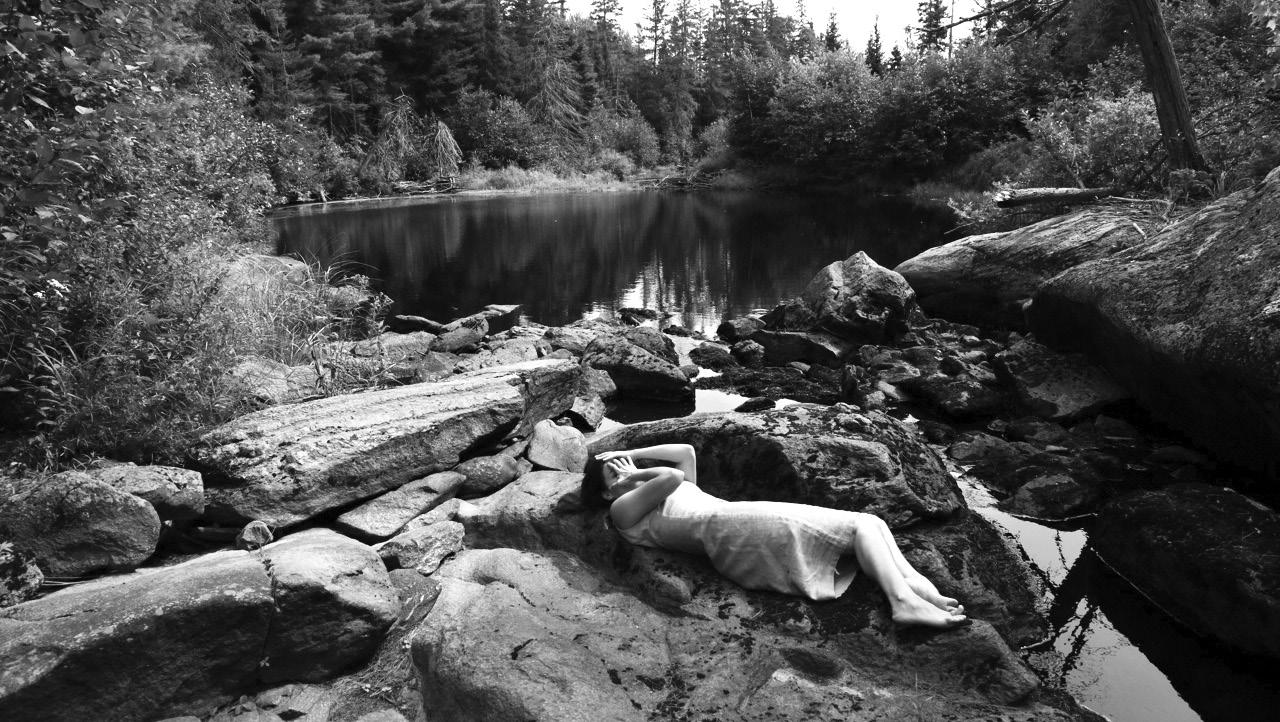
“Representation” has been a media buzzword recently, with people becoming more aware of how little Aboriginal women are depicted in movies, television, and art. Urban Shaman is currently holding an exhibit titled Memory Keepers: Methodologies of Memory, Mapping, and Gender, which spotlights exclusively female Aboriginal artists. The project privileges indigenous knowledge and memories, and is trying to “decolonize space and histories of land and home (within the settler Canadian
context) and mobilize the process of indigenization.”
Memory Keepers will also look at “the connections between women’s bodies and land and the ways in which landscape and territory are tied to the body through memory and mapping.”
“Major galleries, museums and institutions do not exhibit women artists in any kind of equitable way, for the most part, across North America”
– Tanya Lukin Linklater, artist
Tanya Lukin Linklater is one of the artists being showcased. Her work includes experimental choreography, performance, video, and text. Lukin
Linklater’s works have been displayed at Images Festival in the Museum of Contemporary Canadian Art (Toronto), SBC
Gallery (Montreal), VI Mostra Internacional de Videodanca Sao Carlos (Brazil), and Culver Center of the Arts (California), to name a few. She’s also published poetry and essays.
Erin Sutherland and Carla Taunton are curating Memory Keepers. Lukin Linklater met Sutherland at a performance in Kingston, where Sutherland was working with Taunton.
Sutherland and Taunton contacted Lukin Linklater and asked her to be a part of Memory Keepers, which is her largest display of photography and video works to date.
Exhibits such as this are important because “major galleries, museums and institutions do not exhibit women artists in any kind of equitable way, for the most part, across North America,” says Lukin Linklater.
The margin of representation is even smaller for Aboriginal women; featuring solely female Aboriginal artists is activism.
Arts & Culture
Aboriginal marketplace needs your support
More promotion necessary for sales
MEG CRANE, VOLUNTEER STAFF
Organizers are excited about the Aboriginal Arts, Culture, and Entertainment Marketplace, but not everyone involved is thrilled with how it’s turning out.
The market is a partnership between the Aboriginal Chamber of Commerce (ACC) and the Downtown Winnipeg BIZ.
The ACC is regularly contacted by people looking for different types of artists. The ACC tends to recommend people from their own membership, but were finding that they didn’t have all the types of artists wanted.
“We wanted to create an opportunity to invite [other] artists into the business,” says Jessica Dumas, chair of the ACC.
Everyone who gets involved with the marketplace becomes a member of the ACC.
“It’s really giving these artists an opportunity to raise their profile,” says Dumas.
It was the Downtown BIZ who truly got the ball rolling on the project, though.
Stefano Grande, executive director of the Downtown BIZ, says he was discussing the importance of culture and understanding others’ cultures with someone at a pow wow. It was there that he realized how much culture the aboriginal community has to share with Winnipeggers.
Once the market started up, he found out how little aboriginal culture most Winnipeggers have experienced.
Grande bought necklaces from a vendor to give out to his children’s classmates. They had not seen anything like them before and were thrilled about the gift.
He says this is a way to show Aboriginal artists that they are welcome in the downtown area.
“We want it to grow organically,” explains Grande. “We want to put out a welcome mat to our Aboriginal artists.”
So far he thinks the market has been a great way to do that. But not all vendors are happy with how things are going.
Métis artist Yvonne Clement has been at the market for two weeks. She has been sewing all her own clothes since the age of 14 and decided to share her craft with others.
Clement says she didn’t have to pay the $50 membership fee to join
the ACC the first week she was there, but was told to either pay up, or not set up for her second week.
Because she only made $10 the first week, she had to borrow money from a friend in order to be able to set up again.
Clement says an organizer showed up at the beginning of the market to take her money, but left without making sure she was settled in and if Clement needed anything.
All that she really needs is customers.
Clement says she didn’t have to pay the $50 membership fee to join the ACC the first week she was there, but was told to either pay up, or not set up for her second week
“People are not buying anything,” says Clement. “There’s a lot of beautiful products here.”
Clement thinks part of the problem is a lack of promotion. There are no signs up at the market, which is why Clement thinks means many people are just walking by without noticing the market.
She also has not seen promotion outside the market, although she has seen promotional material for the downtown farmers’ market.
“However, we’re happy we’re given this opportunity,” says Clement.
According to her, there aren’t many opportunities for Aboriginal artists in urban settings. Often they are selling their wares at pow wows and other traditional venues.
Clement appreciates the opportunity to display her work in the mainstream setting of Portage Place Shopping Centre.
The market will continue every Thursday from 11 a.m. to 3 p.m. in Edmonton Court of Portage Place. The vendors would value your support.
PHOTO BY TANYA LUKIN LINKLATER
Hilary Grist: Come & Go
Ghostly vocals, dense emotions
MICHELLE SAROMO, VOLUNTEER STAFF
It is such a rarity to come across a robust, cohesive album – one in which each song truly sounds like it has been handpicked and nurtured by the artist. Canadian singer-songwriter Hilary Grist’s enchanting alt pop album, Come & Go, is one such anomaly.
Come & Go is the Vancouver-based artist’s second full-length record, four years in the making since her debut release Imaginings, but it is well worth the wait The melodic artistry that Grist shows in her new album reflects the songstress’ years of training and honing of musical skills, having formally taken music lessons growing up, as well studying jazz at Capilano University.
Grist’s airy voice is ethereal and lends a transcendental quality to her music, but her songwriting is universally relatable and poignantly human. Her songs play like soundtracks to life, making them very à propos for television. She has notably had songs featured in the past in shows such as
Grimm, Being Human, and the everpopular Canuck teen drama Degrassi
Grist’s airy voice is ethereal and lends a transcendental quality to her music, but her songwriting is universally relatable and poignantly human
The title track of the album, for instance, with its running upbeat rhythm and lyrics that are inquisitive and uncertain (“Am I supposed to be tough now and turn my insides out / For how long?”) sounds like a song that could easily be on the soundtrack of a coming-of-age film.
The tracks in Come & Go are
melodically light and pleasant to the ear, yet simultaneously dense with emotion. Each song distinctly carries its own atmosphere, as if each were a living, breathing being, coming forth with its own story to tell.
The hauntingly melancholic “Goodbye Ghost” is about a defeated lover learning to forsake the past, “Do I fly or do I fall / Push away or hold close? / I don’t feel free, just terrified / Let’s quit so we don’t have to try.”
“The Trade,” on the other hand, sounds like the story of one faced with indecision about their feelings, pensively echoing the phrase “What would you trade for love?” over rich rhythmic percussion.
It is amazing how someone who can write such heartrending music could at the same time include within the same album a song as delightfully bubbly as the track “With You.” With words as adorable and endearing as “you lit the match / In the middle of my heart / Now I can’t tell, I can’t tell / Where you end and where I
Adapting to Winnipeg with art
start”; and an infectious chorus, Grist knows how to lighten the mood with a cheerful song. Overall, Come & Go is a body of art. Grist showcases her abilities in the record well, artfully using
U of M international students invited to group workshop series
SIDDALL, STAFF
LAUREN
The University of Manitoba wants to help international students ease their adjustment to our frigid city through a group workshop series titled Creative Group Workshop for International Students Adapting to Winnipeg and University Life.
For the vast majority of us local Winnipeggers, deciphering the Confusion Corner sign, yelling “True North” at the top of our lungs during O Canada at Jets games, and spontaneous (sometimes irrational) changes in the weather have become an everyday occurrence and comforting familiarity. But for approximately 9.5 per cent of the student population of the U of M, these sights and sounds can be an overwhelming reminder that international students are far from home.
The U of M is a home away from home for over 2,600 international students from more than 90 countries from around the world. Although moving to Canada for education can be a new and exciting experience, adjusting to life in a new country can be extremely difficult – especially when it is combined with the stress of university. There are new customs to adhere to, new cultural expectations to learn, and new languages to master, on top of all the courses needed to graduate.
The Student Counselling and Career Centre at the U of M (474 in University Centre) has designed a free program to help ease this adjustment. This program, facilitated by Tuula Heinonen and Marlene Pomrenke, is designed to help international students share ways of thriving in Winnipeg, along with expressing any goals and challenges they may have in their transition.
These four sessions will combine the use of art methods—such as collage and other forms of artwork that might help students understand their ideas and needs—and group discussion in order to learn from other international students and to share ideas
within the group. International students wishing to participate in the group sessions are not required to have an aptitude for art, nor bring special supplies to the session, as the goal of the sessions is not to cultivate artistic talent, but rather to use art as a therapeutic medium.
Art can help individuals express their innermost thoughts, overcome stress, and improve their emotional well-being – making it the perfect creative outlet to use as a form of therapy. Historically, art has been used therapeutically for thousands of years, although it has only been recognized as a formal method of therapy since the middle of the 20th century.
Since the formalization of art therapy, it is now common practice as a healing strategy for a number of ailments. Anything from depression, to brain injury recovery, to trauma from physical abuse is now being treated by clients expressing themselves creatively.
Art therapy sessions tend to differ from regular art classes in the emphasis on the inner feelings of the individuals involved, as opposed to the focus on technique and skill found in traditional art programs.
Therapeutic art sessions also work from the individual’s thoughts, feel-
ings, and ideas as the main source of inspiration and reference, instead of reproducing images or concocting images from the imagination. This allows participants to work through conflict in a healthy, creative way.
her music as a vessel for expressing universal emotions. Even a listener who hasn’t encountered her previous works can immediately appreciate her talent just from listening to this album alone.
The workshop is offered on Tuesdays from Oct. 14 to Nov. 25 from 10 a.m. to 12 p.m. Contact (204) 474-8592 to register.
PHOTO BY JENNIFER PICARD
GRAPHIC BY KEEGAN STEELE
Cover to cover with Carlyn
Adult Onset, by Ann-Marie MacDonald
CARLYN SCHELLENBERG, STAFF
Adult Onset is Toronto writer and actor Ann-Marie MacDonald’s first book in 11 years. Her previous works include the play Goodnight Desdemona (Good Morning Juliet) and the novels Fall on Your Knees and The Way the Crow Flies
Art imitates life in Adult Onset : protagonist Mary Rose is a successful young adult novelist, and her younger wife Hilary is a theatre director, the same profession as MacDonald’s partner; both the real-life and fictional couples have two children.
Mary Rose lives in Toronto, but moved around a lot in childhood, which was “like growing up in the witness protection programme without changing your name.” Mary Rose’s mother, Dolly, has trouble with her memory, and often refers to her “lost babies” (siblings who died at a young age or as fetuses) as though they are a joke. Mary Rose is, confusingly for the characters, named after her dead sister.
Dolly’s spotty memory and
strange sense of humour/coping mechanism, which her three children inevitably adopted, is exemplified in this passage: “Each night in her prayers: ‘God bless Mum and Dad and Maureen and Other Mary Rose and Alexander-Who-Died and Andy-Patrick and the other Others…’ The latter were the souls of her wouldhave-been siblings. They accounted for Dolly’s frequent, ‘There would have been seven of you kids, not three. Or wait now, you might have been eight.’”
With chapters titled after the days of the week, the novel chronicles a week in Mary Rose’s life—caring for their young children Matthew and Maggie, and their dog Daisy—while Hilary is out of town. The reader is brought into 48-year-old Mary Rose’s present state of affairs, which includes memory problems, rage, a lost grip on reality, depression, and a desire to remember key moments of her childhood. She is also still having trouble accepting the fact that her
parents momentarily disowned her when they first found out she was a lesbian.
Adult Onset takes place in present day, but provides flashbacks to fragments of Mary Rose’s mother’s pregnancies, miscarriages, and post-birth illness – likely postpartum depression. It also flashes to moments in Mary Rose’s youth, namely her two bouts with painful bone cysts and subsequent surgeries. The novel also includes text from Mary Rose’s fantasy novels, which appear to be more about her own life than she may have at first realized.
With only a few paragraph spaces as an indication, Adult Onset jumps from different moments in time, and it’s difficult to immediately decipher which is the present moment and which is a year, or 20, from now. However, this technique of employing vague time jumps further gives the reader a sense of Mary Rose’s increasingly discombobulated mental state.
MacDonald manages to produce slightly comical moments in this darker novel, and the language is quick and witty, primarily demonstrated through Mary Rose’s thoughts. “She felt sheepish; there was nothing wrong with her. Paging Dr. Freud! ”
The monotony of Mary Rose’s daily household actions and motherly duties induces a sense of weariness in the reader, which signifies Mary Rose’s overwhelmed state; Mary Rose even ponders if she should ask their nanny to take care of her as well. Near the end of the novel, when Mary Rose’s condition worsens, words are repeated and stuck together – another way to connect the reader to the character.
Tackling many heavy topics including miscarriage, depression, homophobia, and physical abuse, Adult Onset is an overall enjoyable read focusing on guilt, grief, memory, and family.
The Winnipeg launch of Adult Onset takes place on Monday, Oct. 6 at 7 p.m. at McNally Robinson. The event features a reading, book signing, and a conversation with McNally book club host Joanne Kelly.
Madness at McMahon
Bison football loses last-second heartbreaker to Calgary
MIKE STILL, STAFF
The 10th-ranked Manitoba Bisons were inches away from ending their seven-year drought against the second-ranked Calgary Dinos on Friday night, but unfortunately it wasn’t meant to be. A 40-yard field goal attempt by Ryan Jones, with no time on the clock, went wide right, as the Dinos were able to stumble out of McMahon Stadium with a 42-41 victory.
The back and forth battle was an all-out offensive affair, with the two teams combining for over 1,000 total yards. Manitoba fought back from deficits of 14 and 12 points, but unfortunately couldn’t hold on for the win.
First half summary
Manitoba got off to yet another hot start, putting seven points on the board on their first offensive series of the game. Kienan LaFrance capped off an 86-yard drive, of which he had 64 of those yards, with a 31-yard touchdown on a shovel pass.
Calgary wasted very little time answering back. They needed just four plays to tie the game, as quarterback Andrew Buckley found receiver Brendon Thera-Plamondon from 49 yards out, at 10:27 of the first quarter.
After a Johnny Mark single on the ensuing kickoff made the score 8-7 for Calgary, Manitoba was able to respond just two drives later. Alex Vitt made a tremendous sideline catch to get the momentum going, and ended things off with a 27-yard touchdown reception at 4:47, making the score 14-8 for the Bisons.
The Dinos would seize the momentum right back, scoring 23 unanswered points. After their defence forced Manitoba to concede a safety, the offence started to roll once again on the very next possession. Receiver Brett Blaszko capped off a 64-yard drive with his first of three touchdowns on the night. This one occurred from 21 yards out, giving Calgary the 17-14 lead, less than two minutes into the second quarter.
Calgary struck again at 6:38, as Buckley found the end zone on a three yard rush. The Dinos would complete their first half scoring at 2:55, as Blaszko recorded his second touchdown reception of the evening, this one from 48 yards.
Manitoba ended the half with a key touchdown to salvage some form of momentum heading into the third quarter. LaFrance would find the end zone for the second time, this one on a 50-yard pass, with less than two minutes left. After two quarters, Calgary led 31-21.
Second half summary
Manitoba capitalized on their first drive of the second half, after a failed Calgary fake punt set them up at the Dinos’ 29-yard line. Quarterback Jordan Yantz needed just three plays to cash in, finding receiver Matt Sawyer from 30 yards out to bring the score to 31-27. Unfortunately, the extra point was no-good.
Calgary would increase the
lead back to 11, at 4:04 of the third. Blaszko would cap off the longest touchdown drive of the game (96 yards) for either team, with a sevenyard reception.
A 40-yard field goal attempt by Ryan Jones, with no time on the clock, went wide right, as the Dinos were able to stumble out of McMahon Stadium with a 42-41 victory.
Manitoba would get a little bit of luck at the end of the third. After a kickoff single from Sawyer made the score 39-27, the Bisons would punt the ball away on the ensuing drive. Fortunately for Manitoba, returner William Maxwell was unable to corral the ball, and Zack Sandulescu recovered for the Bisons, at the Calgary seven-yard line.
Yantz would complete the ensuing drive himself, waltzing in from five yards out, dropping the Calgary lead back down to four, with less than a minute until the fourth quarter. The fourth quarter was a back and forth defensive battle, with only 10 total points scored.
Manitoba would put up the only major, as Yantz connected with Sawyer from 19 yards out, for his second score of the night. The shifty wide out made a brilliant diving grab, with a defensive back blanketed all
over him. The touchdown occurred at 7:55, and gave the Bisons their first lead since the opening quarter.
Just when it looked like Manitoba was going to pull off the upset, the Dinos woke up. Buckley would lead his troops 36 yards downfield, and Mark connected on a 25-yard fieldgoal, with only 53 seconds remaining.
Manitoba would stay composed, as Yantz effectively drove the Bisons to the Calgary 33-yard line, on a sixplay, 42-yard drive. That would set the stage for rookie kicker Ryan Jones to end things from 40 yards out.
Something went wrong, however, as Jones wasn’t completely prepared
when the ball was placed on the tee. The ball sailed short and wide to the right, ending the game, and Manitoba’s chance at snapping their winless streak against the Dinos.
Game notes for the Bisons Despite the loss, there were a ton of positives for Manitoba on both sides of the ball.
Offensively, Yantz had his best game of the season, throwing for 426 yards and four touchdowns, with no interceptions. LaFrance was a frequent presence yet again, racking up 144 all-purpose yards (77 rushing, 67 receiving), and two touchdowns. Vitt
continued his torrential pace, with 123 receiving yards, and Dustin Pedersen had a career-high 103 yards. Defensively, Lauren Kroeker had seven tackles (all solo) for his best statistic performance of the season, and the starting 12 for Manitoba prevented standout running back Mercer Timmis from reaching the end zone.
What’s next?
Manitoba (2-2) will stay on the road this weekend, taking on the Alberta Golden Bears (1-3). Game time is 6 p.m. on Saturday, Oct. 4.
PHOTOS BY SHAWN COATES
Bisons bring the fight
Women’s soccer splits road series against Mount Royal
MIKE STILL, STAFF
Resiliency was the key over the weekend for the Bison women’s soccer team, as they split a weekend set against the Mount Royal Cougars. After suffering a tough loss in the final minutes on Friday night, the team answered right back the following evening, showing tremendous character.
The Bisons found themselves in a tough spot early on Friday, surrendering two goals within the first 10 minutes of play.
Brianna Kiel opened the scoring for Mount Royal just 3:13 into the game, putting home a loose ball in front of the Bison net.
Manitoba responded in the rubber match, scoring all of their goals in a wild first half to secure a 3-1 victory
Emily Sands added to the lead, off a beautiful pass from Kelsey Kinzner at 8:42.
Despite the ugly start, Manitoba stayed composed, putting pressure on the Cougars for the following 10 minutes. Bruna Mavignier got the Bisons on the board at 12:49, notching her team-leading third goal of the season.
The Bisons had a glorious chance to tie the game six minutes later, as Mount Royal goalie Meghan Prudhomme was assessed a yellow card, after challenging a ball and taking down a Bison player in the box. Manitoba was awarded a penalty kick, which defender Elyce Molyneaux took. Unfortunately for the Bisons, the shot was saved.
The rest of the half featured back and forth action, with each side putting shots on net, until Manitoba eventually tied things up. Highly touted rookie Amanda Wong placed a brilliant shot just past the bottom of the bar during injury time, as the teams went to the half even at two.
The second half was a defensive slugfest, with very little scoring opportunities from either team. Just as it appeared the game would end in a tie, Mount Royal would stick a dagger in the hearts of the Bisons. Reghan Zilkie would cash in on a corner kick in the 87th minute, heading home the game-winner with less than three minutes to play.
Manitoba responded in the rubber match, scoring all of their goals in a wild first half to secure a 3-1 victory.
Mavignier continued to impress for Manitoba, tallying her fourth and fifth goals of the season just five minutes apart. The first goal occurred 22 minutes in, and the second at 27 minutes. The five feet four inches tall forward is now tied for third in Canada West scoring.
Mount Royal would find the back of the net in the 33rd minute, as Karlee Hodl was able to solve Bison goalie Brittany Macsween, who was making her first two starts of the season over the weekend.
Sarah Haiko would answer right back three minutes later for the Bisons, putting the game to bed in the 36th minute to cap off the scoring.
The Bisons mustered up just one shot on goal in the final 45 minutes, compared to the Cougars’ seven. Macsween was the difference in the second half for Manitoba, stopping everything she faced to secure the 3-1 win.
The Bisons will return home this weekend, as they take on Alberta on Friday, Oct. 3, and Saturday, Oct. 4, with both games starting at 6 p.m.
Jet-lings ready for takeoff
Winnipeg’s young core to play massive role in playoff push
ANDY CHE
Overview
It’s been three years since the cash-strapped Atlanta Thrashers touched down in Winnipeg, which marked the official return of our beloved Jets.
A franchise that was dubbed “young and developing” at the time of owner Mark Chipman and True North Entertainment’s takeover has now descended into mediocrity after falling short of the postseason for three consecutive seasons.
Paul Maurice, who replaced Claude Noel in the coaching position midway through last season, marked the first major change in general manager Kevin Cheveldayoff’s plans of building a playoff-savvy team.
Cheveldayoff’s ideology of building through the draft has appeared to be on the path to fruition with the rookie success stories of Mark Scheifele and Jacob Trouba – Winnipeg’s first-round picks in 2011 and 2012, respectively.
Both heading into their second full season after slight injury concerns as rookies, Scheifele and Trouba are expected to fill much loftier roles. Scheifele ended last season with 29 of his 34 points coming in his final 39 games, while Trouba starred as one of Winnipeg’s most reliable blue liners, displaying a well-balanced defensive edge to his game with incredible offensive upside.
Forwards
Scheifele, 21, now faces a battle with both Evander Kane and Bryan Little for the Jets’ top-line centre position, with the departure of Olli Jokinen as a free agent to Nashville.
During the 2014/15 training camp, Kane was seen skating alongside Andrew Ladd and Blake Wheeler during various possession drills, suggesting the 23-year-old could fill a more central role this upcoming season.
With 30 games as a rookie Jet, and a point-per-game ratio with the AHL’s St. John’s Ice Caps last season, centre Eric O’Dell will likely fill a third- or fourth-line role next season. Adam Lowry, 21, is also likely to crack the Jets lineup after two years of conditioning with the Ice Caps. The six feet five inches tall St. Louis native possesses a defensive edge to his game, a component missing from the Jets’ fore-check.
Nikolaj Ehlers, the ninth overall pick in 2014, is likely to return to the Quebec Major Junior Hockey League. Despite his flashy display in the rookie tournament, the Jets will not rush the 18-year-old to filling a second-line wing role.
Defence
Like Trouba, Josh Morrissey is a budding young defenceman coming off a standout year that included a 28-goal, 73-point campaign with the WHL’s Prince Albert Raiders. In addition, the Jets’ first round pick in 2013 participated in the 2014 World Junior Championship with Canada and ended the year with the AHL’s St. John’s Ice Caps in their fine Calder Cup run.
Despite being an undersized six feet tall blue-liner, the 19-year-old is a gifted puck-mover and is likely to stride into the Ice Caps’ team this season, after a comfortable performance at training camp.
In addition to a young defen-
sive core with includes Trouba, Morrissey, Ben Chiarot, and Julian Melchiori becoming more prevalent figures on the blue line, the lackluster display of veteran defenceman Tobias Enstrom has eventually cost the Swede his alternate captaincy.
Known for his demanding presence as a speedy offensive defenceman, the 29-year-old twice produced 50-point seasons with the now-defunct Thrashers. In three seasons as a Jet, he’s yet to reach a figure past 33 points. The pressure will be on Enstrom to elevate his performance level to match his yearly $5.75 million salary, which kicked in last season.
Goaltenders
On the goaltending front, Ondrej Pavelec will surely enter the campaign as the Jets’ number one stopper. Nipping at his heels is 24-year-old backup Michael Hutchinson, signed as a free agent from the Boston Bruins in 2013. The Jets concluded last season with Hutchinson, who looked stellar in all three games, the only NHL games to his credit.
Surely, the former Barrie Colt will give Pavelec a run for his position. The last line of defence in the St. John’s Calder Cup run, which ended in the championship series, will likely be the backup in Winnipeg this season, leaving the Ice Cap duties to 24-yearold Jussi Olkinoura, 21-year-old NCAA star Connor Hellebuyck, and the recently signed Danny Taylor. Budding WHL standout Eric Comrie, 19, will likely be sent down to Tri-City.
Looking ahead
As preparation begins for the fourth season back in Winnipeg, the fans will be optimistic on whether Winnipeg will see the NHL post-season for the first time since 1996. A side gifted with youthful essence, it is no question that the likes of Scheifele, Trouba, and company will develop into NHL All-Stars. It’s now a matter of time, and whether a talented young core pick up the responsibilities of bringing playoff hockey back to the prairies.
One thing for the upcoming season is clear for the Winnipeg Jets: their emphasis on young blood has never been greater.