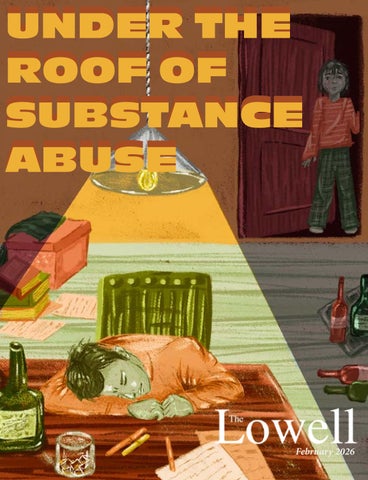
UNDER THE ROOF OF SUBSTANCE ABUSE UNDER THE ROOF OF SUBSTANCE ABUSE

by faye yang
Editors-in-Chief

Maren Brooks, Kai Lyddan, Yue Yi Peng
News Editors
Milena Garrone, Serena Miller
Columns Editors
Cecilia Choi, Amálie Cimala
Opinions
Editor
Stella Schulte
Sports Editor
Kai Lyddan
Multimedia Editors
Sydney Lee, Alex Mangot
Art Manager
Yue Yi Peng
Reporters
Web Manager Faye Yang
Social Media Manager
Anita Luo
Researcher
Anita Luo
Advisor Paul Wangsvick
Danya Bayer, Audrey Brogno, Ruby Burt, Ashly Carcamo Paz, Winter Chuang, Lucy Dea, Herschel Diamond, Kai Dohrmann, Aida Donahue, Sebastian Esperanzate, Lucas Fang, Renee Gilfillan, Jenny Kwan, Lawrence Lau, MJ Liu, Rylee Mauricio, Kimaaya Mehta, Ellie Minami, Elias Montes, Sophie Murphy, Imana Nishanbaeva, Alina Nitedthunyakij, Christina Phan, Joey Pusateri, Sylvie Reavill, Charlie Steinberg, Genevieve Tran, Uma Van Yserloo, Mielle Westphal, Brandon Wu, Jamie Wu, Faye Yang, Taran Yang, Miuccia Yeung
Photographers
Dakota Colussi, Kloe Helmuth, Matthew Leon, Felix Meil, Arav Shah, Kristin Woo, Jonathan Yang
Illustrators
Jeffrey Chen, Sarah Cuaresma, Cayce Hewitt, Soleil Wang, Fiona Yu
Business Managers
Isabella Chan, Samantha Louie
The Scholastic Aptitude Test, also known as the SAT, is a standardized exam used by colleges and universities across the United States to evaluate a high school student’s academic proficiency. The SAT is composed of two main sections, English and math, each split into adaptive modules. College Board, the corporation that administers the SAT, states that students are expected to understand a variety of advanced algebra and geometry skills for the math module, and grammar, vocabulary in context, and rhetorical analysis for the english section. On paper, these topics sound reasonable. In reality, the content and structure of the SAT does not match what students are doing day to day in their classrooms.
For decades, the SAT has been treated as an academic “equalizer,” something that can supposedly make up for differences between schools and grading systems. If one school inflates GPAs and another is known for harsh grading, a standardized test is meant to create a common measurement colleges can trust. However, the SAT has earned a reputation for being dependable that it does not deserve. It is not a clear indicator of intelligence or academic potential. Instead, the test reflects how well a student can study for one specific exam, how familiar they are with its format, and how much of an advantage they gain from its built-in tools. As the National Education Association argues, standardized tests are often inaccurate and unfair measures of learning, and educators have recognized these flaws for years. If the SAT is meant to measure student achievement, it is failing at the job it is widely known for.
When the SAT transitioned to a full digital exam in 2023, students were given full access to Desmos, a built-in online graphing calculator. While Desmos is a useful tool that helps students with tedious problems and time constraints, countless online videos teach students how to use it to complete prob-
lems faster and significantly increase their scores. In an interview reviewing the digital exam, Conrad Chu, an algebra and calculus teacher at Lowell, commented, “When I took it, it was paper, so now it’s a different ball game. Now you can just pull up YouTube videos showing special methods to help you ‘cheat’ or do better.” He continued, “It seems that the SAT now is more of a test of how well you know Desmos and not as much math.”
However, the exam’s content is
sures involved in applying to college.”
The differences between the material and tools available in the classroom compared to the exam contributes to how the SAT disadvantages students before they even begin. Depending on the school district, classroom resources, and access to outside tutoring, students enter the exam with drastically different levels of preparation. When people say the SAT is “standardized,” they mean the same test is given to everyone, not that everyone has the same opportunity
The differences between the material and tools available in the classroom compared to the exam contributes to how the SAT disadvantages students before they even begin.
not only problematic within the math modules but within the English section as well. The Evidence-Based Reading and Writing portion is a fully multiple-choice test of several question types: completing a text with the most logical word or phrase, analyzing a passage’s argument, interpreting graphs, following conventional English standards, identifying transitions, and using notes to accomplish a goal. While these are valuable skills, they do not cover the full scope of English learning or the high school curriculum, particularly writing skills which used to be tested in an optional essay portion discontinued in 2021 due to resource constraints. While writing skills are integral to the college application process in writing personal essays, the SAT cannot be taken as an accurate test of English proficiency without such a large component of the subject. In an interview, Lowell english teacher Jennifer Moffitt commented on the English module, stating “I feel like it was an okay measure decades ago, but not the only measure. Personally, I think there should be multiple mea-
to prepare for it. Chu added, “There’s a disparity that more affluent families can afford tutors.” An expert at the Pennsylvania State University further explains that classroom preference overtime prepares students better than last-minute cramming or retaking tests for score boosts. This matters because the SAT often rewards strategies, money, and coaching rather than long-term learning. If a test score can be improved simply by learning shortcuts and repeating practice sets, it begins to look less like a measure of achievement and more like a measure of training.
Standardized testing has its place in the college admissions process as a strictly unbiased report on a student’s academic ability. While the SAT may have fulfilled this role in the past, its credibility to do so has been diminished. The differences in classroom versus exam material, preparation level between students, and flawed digital exam design culminate into an outdated test that no longer deserves its prestigious reputation.

FROM THE EDITORs
Dear readers of , Welcome to the spring semester! Lowellthe new year!
Editors-in-Chief, Maren Brooks, Kai Lyddan, and Yue Yi Peng
By Uma Van
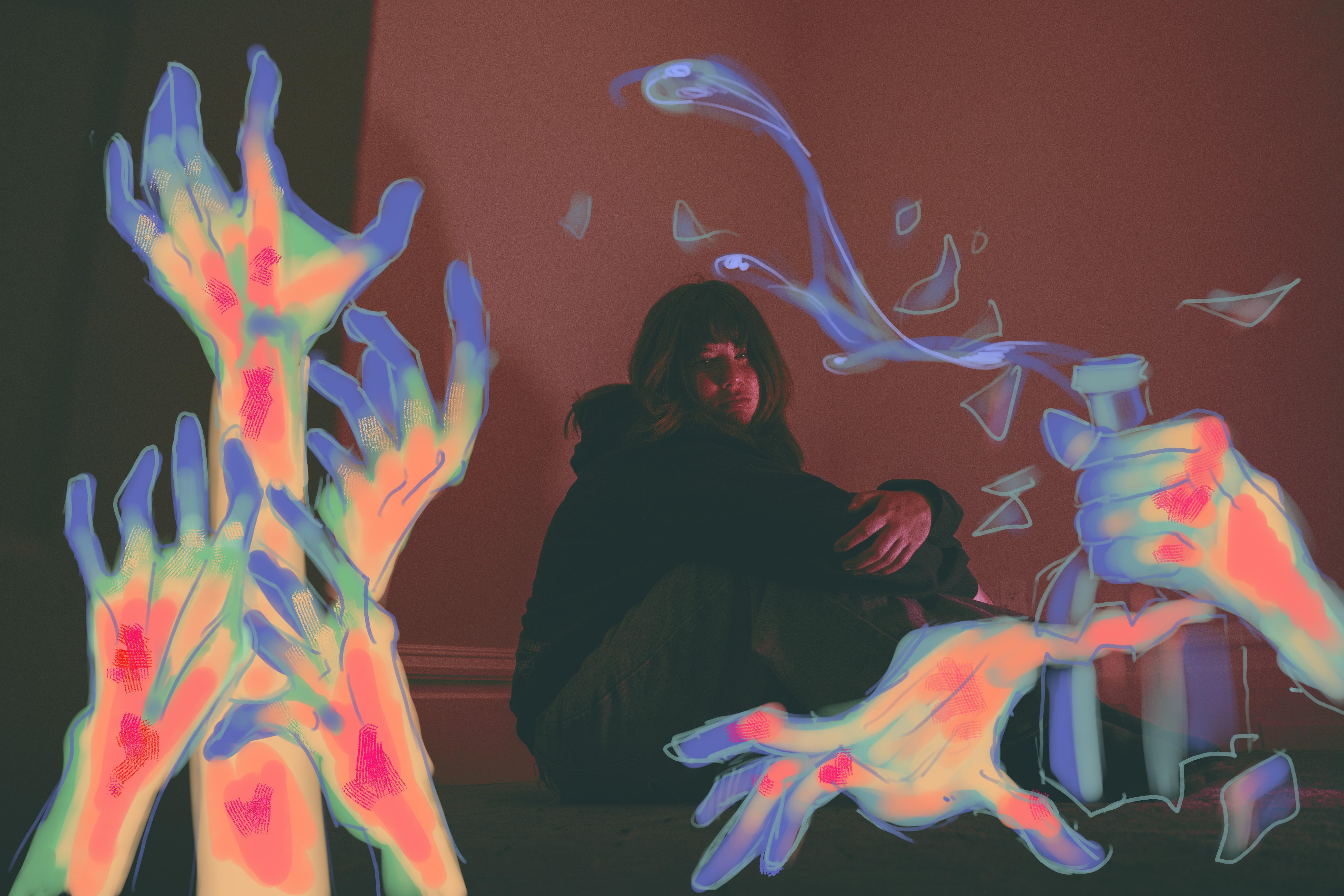
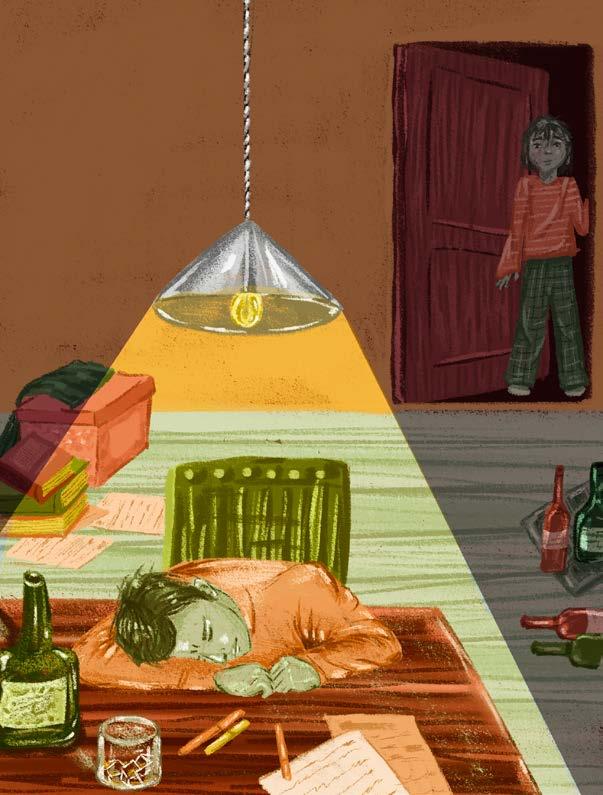
Sam, a senior under a pseudonym, watched in hesitation as her father pulled into the driveway. e
side mirror on his car was broken, and the scent of alcohol was heavy on his breath. Sam knew he was drunk. Again. When Sam attempted to confront him he shook o her accusation and got back in the car. Sam watched her dad disappear in the distance, tears spilling down her face.







have had a parent who

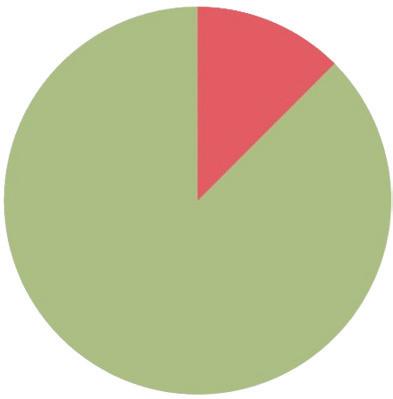
Sam is not the only Lowell student whose life has been impacted by a parent abusing substances. In a Jan. 2026 survey conducted by e Lowell of 112 students, 13 percent reported that they struggled with substance abuse. Additionally, according to a survey conducted by the National Institute of Health (NIH), 19 million adolescents in the U.S. under the age of 18 lived among a parent with substance use disorder in 2023 – that’s one in four children. Parental substance abuse causes signi cant educational, relational, and psychological issues to the adolescents under their care.
According to the World Health Organization, substance abuse is de ned as “the harmful or dangerous use of drugs like alcohol, marijuana, psychoactive compounds, and other illicit drugs.” Parents with substance abuse can use the drugs inappropriately or with disregard to how using might make their family feel. Parental substance use disorder is extremely common and is an issue that a ects all kinds of families regardless of culture, class, or gender. Dr. Shevi Loewinger, a licensed family and couples therapist,
attested to the prevalence of substance abuse. “I see this phenomenon a ecting a lot of families, couples, and individuals,” she said. “It’s all over the spectrum of families.”

Guardians are the most in uential gures in a child’s life. But, according to Dr. Loewinger, a guardian doesn’t have the capacity to be a good role model when consumed by their

addic- tion. “ e kid is in a

developmental stage, [where] the adults should be calm and self-regulated,” Loewinger stated. When the parent or parents of a young child face addiction, they are o en less responsive to their child’s needs and emotional wellbeing. “Parents who are busy with their addiction [aren’t] teaching their kids self-regulating, understanding, acceptance, and compassion,” she said. Younger children may be unaware of their parent’s condition because they lack the knowledge to properly identify the problem. In a sur-




vey by e Lowell in Jan. of 2026, around 54 percent of respondents’ parents’ substance abuse disorders occurred when the respondent was under six years old. Additionally, around 35 percent of student respondents reported parental substance use issues when they were within the ages of six to ten years old. Especially at younger ages, growing up around a parent who frequently uses drugs or alcohol creates a new normal in a child’s life. When a child grows up in an environment where parental substance abuse is integrated into their daily routine, it can be di cult for them to recognize their irregular home life.



the home recalls about that reminded





Sarah, a junior under a pseudonym, recalls little things about her home that reminded her of her father’s addiction: “Our bathroom didn’t have windows, so it would always smell like something. I thought it was just a ‘bathroom smell,’” she said. It wasn’t until years later that Sarah discovered her father’s frequent use of marijuana and tobacco. “Every time I smell that smell, it brings me back,” she remarked.

An adult deep in addiction can be an unreliable guardian for their children and put them at risk for developing long lasting mental health issues. Philemina, a senior under a pseudonym, recalled that her father’s substance abuse a ected the mental health of her brother and launched him into a prolonged period of isolation. “My brother was just really quiet and kept to himself,” she said. As her brother grew older and began to understand more about their father’s addiction, he grew











out of his isolation. Philemina and Sam re ected that their respective fathers o en distanced themselves from others because of their addictions. Whether it was intentional or not, it was clear that his substance abuse was creating distance between him and his loved ones. “It puts a ri between you and your other relationships,” she said. “When you’re inebriated…it means less to other people if you’re being kind to them.” Drug abuse can also cause the user to create distance between themself and the rest of their family, especially when their addiction goes beyond recreational use. Along with family life, parental substance abuse that leads to absence – whether emotional or physical – can have negative side e ects on their child’s education. In a survey by e Lowell in Jan. 2026, 78 percent of those who felt that parental substance abuse a ected their academic life reported that they had lower levels of motivation, due to their parent’s substance abuse. Additionally, despite having close friends or a
Do
you have a parent who has struggled with or is currently struggling with substance abuse issues?

their children’s educational attainment.” e study also revealed that not only was parental substance abuse creating issues with truancy and suspensions in their children, but also that parental substance abuse was linked with lower academic self-esteem. ese issues can make feelings of
some, witnessing how drugs impact their parent or guardians can lead to apprehension and an aversion to drugs in general. It’s not uncommon for drugs and alcohol to be introduced to adolescents during their teenage years. For those with an aversion to substances because of their parents, social settings
“When you’re inebriated, it means less to other people if you’re being kind to them.”



supportive community at Lowell, it can still feel hostile for those with a rocky home life to feel understood at school. As Sam’s father’s addiction worsened, he went to a rehabilitation center. Without the presence of her father, who was the primary parent that held her accountable for her grades, Sam began to skip classes and arrive at school late, causing her grades to slip. When well-meaning teachers confronted Sam about her grades, she felt like she couldn’t tell them the truth, which only perpetuated the cycle of cutting class. “[ ey didn’t] understand what I was going through,” she said, “I just felt really unseen and unmotivated.”
A study done in 2022 by Dr. Emily Lowthian, titled “Parental Substance Use on Children’s Educational Outcomes: A Review” found that there was “a negative association between a parent’s substance use and
isolation and inadequacy more prominent, especially at academically rigorous schools like Lowell.
Similarly, Mae, a senior under a pseudonym, said that talking about her home life at school feels uncomfortable. She mentioned that most of her peers rarely talk about their parents to begin with, but her familial problems can make her feel disconnected from her friends if the subject comes up. “I feel like I have a hard time connecting with people on that front,” she said. Similarly, Sam found that being around her friends whose parents don’t deal with substance abuse makes it harder for her to open up about her own home life, in fear of burdening her friends. “I feel really envious of my friends and their families,” she said.
Growing up with a parent on drugs or alcohol can change the way their child views these substances. For
where they’re present might feel uncomfortable. Mae testi ed to these experiences, saying how growing up near substances has made her feel stando sh and sometimes disapproving around her peers who use. “I try not to be [judgemental], but it’s hard not to be when I see such dramatic negative impacts of [alcohol],” Mae said. Similarly, Sarah shared this view, explaining that even the thought of tobacco disgusts her a er her grandmother’s death due to lung cancer and her father’s high blood pressure caused by smoking. “Smoking in general just feels really grimy; I don’t like the idea of it,” Sarah said. On the other hand, children of parents with substance abuse disorders are, according to the American Academy of Experts in Traumatic Stress, three to four times more likely to develop these disorders themselves. Growing up in a household with parental substance
abuse also comes with a higher risk of depression, eating disorders, and other maladaptive behaviors. Dr. Loewinger also pointed out the likelihood of substance abuse coming from an addicted parent or parents. “It’s starting from people who were raised by addicted parents… almost every patient that I’m having has some alcoholism in the family.” A study from the National Institute of Health in 2019 going over the risks of parental substance use found that around 45 percent of adolescents with a family history of substance use disorders grew up to also have substance use issues themselves. Sam stated that she turned to marijuana to cope with the stress of her dad’s addiction. However, while she said that she does abuse marijuana, she also sees it as an opportunity to connect with her peers that are also enjoying the drug, contrasting her dad’s use of drugs alone.
ing and paying for rehab, which was extremely expensive. Additionally, Sam now has to commute to her dads house, which is out of the city. “I really, really wish he didn’t sell our house,” Sam said. “ at’s a big stress on me today.”
Similarly, Mae’s father’s alcoholism contributed to a series of poor nancial decisions which forced her
“[He] just doesn’t have the bandwidth to help in the house or be a part of his family.”
Addiction can also cause monetary issues, leading to interpersonal con icts between providing parents and their children. According to the American Addiction Center, the abuse of alcohol or drugs can cause significant nancial stress, sometimes leading to bankruptcy, poverty, and an overall burden on the user’s entire family. For both Sam and Mae, their father’s alcoholism has had detrimental impacts on their families nances, forcing their families to move. Sam’s father had to sell their house because of nancial troubles as a result of drink-
Lowell
family to move into a smaller home, causing additional strain on her family. Furthermore, her father was not able to contribute nancially to her college education due to his unemployment. Despite her fathers absence, he still boasts about his daughter’s accomplishments, which makes Mae feel frustrated. “He’s kind of taking credit for something he can’t contribute to,” she said. e disconnect between a parent’s relationship with their children can also extend to romantic partners, causing strained relations and in some cases, can lead to divorce. According to a 2014 study “Reasons for Divorce and Rec-
ollections of Premarital Intervention”, substance abuse was cited as the reason for divorce 35 percent of the time. Sarah said that her parents’ divorce was complicated. Her mom, who always made a clear e ort to stay away from drugs, was constantly manipulated by her dad. Sarah said that he had a rough childhood that led to his addiction and behavioral problems later in life. Sarah explained that her mom wanted to end the relationship for a number of reasons, including his drug use. “[My mom would] just try to get away from the situation, but obviously when you’re married to someone and you have three kids you can’t do that,” Sarah said. Eventually, they did separate, but their split was aggressive, and had lasting impacts on everyone in Sarah’s family.
Even if the parents don’t end up divorcing, the substance use of one parent can cause unreliability or disconnect between the partners. Philemina explained that her mom was probably a ected the most by her father’s addiction. “She’s missing a partner in the real sense, in the home,” she said. Philemina
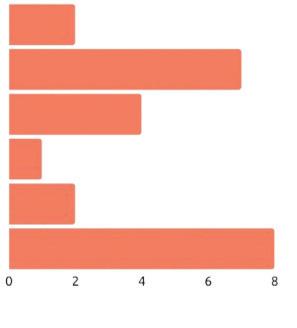
Has parental substance abuse been a contributing factor to any of the following?
Personal substance abuse issues
Negative relationship with parents
More household responsibilities (e.g. taking care of siblings)
Interpersonal issues (with friends, classmates, etc.)
Reduced access /opportunities in extracurriculars
Depression or anxiety
stated that her fathers stress and use of drugs to cope put a wall between him and his family. “[He] just doesn’t have the bandwidth to help in the house or be a part of his family,” she explained.
A study conducted in 2014 by Dr. Jane Anderson showed that “divorce… diminish[es] a child’s future competence in all areas of life, including family relationships, education, emotional well-being, and future earning power.” e younger a child is when they experience their parents divorce, the more these e ects are ampli ed, causing a greater risk of economically and emotionally unstable childhoods. At the same time, the divorce a ects the child’s relationship with their guardians, potentially creating a ri between them. Persistent substance abuse can cause adverse health e ects, no matter what substance someone is reliant on. e NIH reported that alcoholism occurs in nearly 40 percent of parents with a substance use disorder, making it the most common form of parental substance abuse. Additionally, the NIH found that


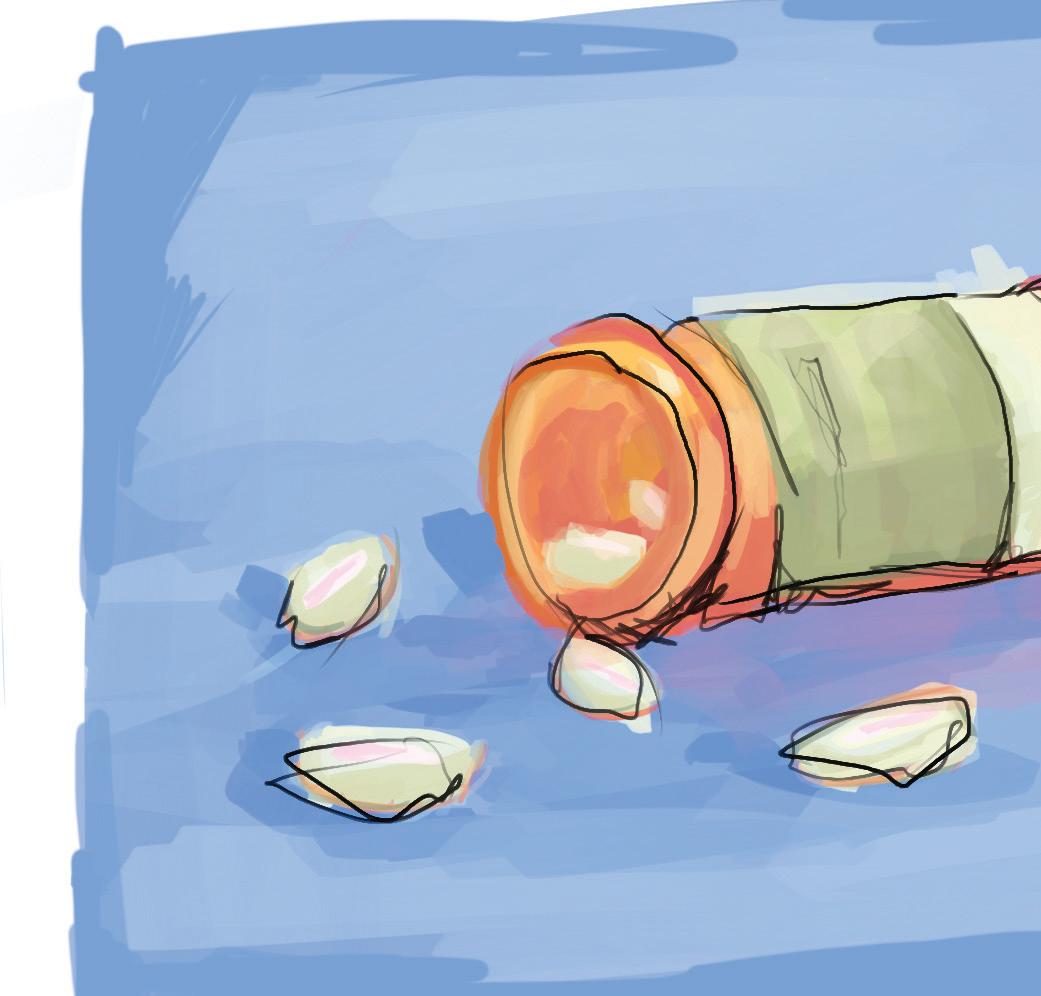


cult part of recovery is making it last. When someone frequently uses drugs, they can develop a physical dependence
that alters the chemical composition of their body and sends intense withdrawal symptoms to their brain whenever the drug isn’t used. is dependence can make quitting extremely di cult. Philemina’s dad o en quits smoking only to start again months later. “It’s de nitely an ebb and ow. He probably


said. “I thought he would be, like, a less angry person overall. at wasn’t really true.” Although she’s glad he recovered, calling him on a pay phone while he was in a rehab center and simultaneously dealing with her own mental health issues has made the experience especially di cult.
Balancing the complex nature
“It feels like they’re picking this stupid thing over their own child.”
frequent and prolonged drinking can cause liver failure, contribute to mental health issues, and even increase the risk of cancer. Seeing a parent go through an array of health problems caused by continual substance use can arouse complicated feelings of worry and frustration:
experiences shame at some point and then pulls back and then maybe he’ll be like, okay, I’m dry o this thing. Let me try a new [drug],” Philemina said. e inconsistent status of his recovery can make his commitment to it feel unreliable.
and facets of maturing while a parent is under the in uence of substances is extremely di cult for adolescents. Whether or not a parent continues to use a substance, that is on the parent, not the child. “I don’t think people can change if they don’t want to change,”
“I don’t think people can change if they don’t want to change.”
“It feels like they’re picking this stupid thing over their own child,” Sam said. According to Focused Addiction Recovery, up to 75 percent of addicts recover. Behavioral therapy and rehab are common ways for those with an addiction to recover, but the most di -
Recovery, even if it’s achieved, doesn’t always erase the damage caused by substance abuse disorder. Although Sam’s dad has been sober ever since rehab, she still feels disconnected from him as if nothing’s changed. “I was really disappointed when he came out of rehab,”
Sam said. O entimes, the most that a child can do to improve their situation is to focus on what they do have control over changing. “Go to therapy, pick up a hobby, and honestly, leave it alone and don’t try to help them,” said Philemina, “Protect your peace.”


By Serena Miller
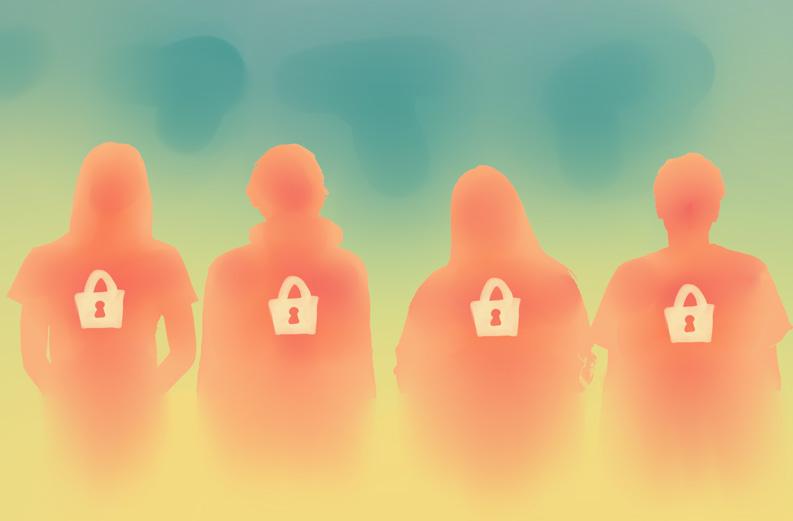
Recruited athletes share their experiences with the college admissions process and give advice to other student athletes.

How did you get into your sport?
I started track middle school, inspired by my brothers who had both done track and had great experiences. Before that I had done dance for like 10 years, and I actually didn’t quit until the beginning of high school.


When did you know you wanted to pursue track professionally? Were you
Yeah, I think the cool thing about running is if you put in a lot of work, you just get better. I wasn’t great when I started, but I feel like I sort of found

schools I was interested in, and I just kind of emailed coaches and I was ones that did, I had a dialogue with throughout the season, and then as I got better I would reach back out with my new time. Then it all started coming on really fast in the summer because I was under the impression
Is that the school you wanted to go to?
No, that was the University of Chicago.
So how did you end up going with Johns Hopkins?
I think at the end of the day, like, I like running, but I don’t want to be a pro runner. I defnitely wanted the sort of student athlete feel. So that’s also why I chose D3 over D1, there’s more of a balance. I also really liked the academics at Hopkins, so being able to get in through running was a major plus.
What advice would you give to others who are looking to get recruited or play professionally in college?
Start early, but decide late. I know for D1 especially it’s a lot of stress from colleges saying “you need to commit here by freshman year,” and that’s a lot. But I would just say weigh all your options and give yourself time.

How did you start playing Lacrosse?
I started playing lacrosse sophomore year. My friends got me into it, and I really enjoyed it, so I started playing club too. Before lacrosse, I never really played a sport consistently. I had done basketball, but I had never been serious about it, but when I joined a club team and got close with my club teammates, I realized I really liked being on a team, and it was super cool to make close connections through a sport.
How did you get recruited?
I never really thought about playing at a college level until colleges started reaching out to me at tournaments. I played for a small club team that wasn’t big on recruiting, so the concept was foreign to me. Then I signed up for the International Women’s Lacrosse Coach Association (IWLCA) where I submitted flms of myself playing to the website. From there, coaches who had interest reached out to me and I went to tour their schools.
What appeals to you about playing in college as opposed to a club team in college?
I think a thing for me about working so hard as an athlete is that I want to come out of it accomplished. Like, you want to be able to say, “Hey, I play at the Division Two level.” That was the appeal for me. And then obviously athletes get really nice perks playing for the

are considering being recruited?
You should always go in with the intention of not com mitting to a school solely for your sport. Throughout my recruiting process I had to ask myself, “if I get an injury or like, if I’m not able to play any more, would I still be at that school?” In general, don't commit to a school be cause of the people that are on the team or the coach es because those change so much. Especially at the Division Two and Three levels, people come and go. So commit somewhere you love, and prioritize your educa


How did you start playing?

I started playing soccer when I was fve. I oined my local team with my friends and I ve stayed on that team for my entire life. y dad was a big soccer fan so he got me into the sport and it ust stuc . I ve only ever played soccer.
When did you realize you wanted to play soccer in college?
hen I was around the age of eight me and this other guy who I had been playing with since we were little got invited to play on a team over the summer in urope. So I thin from that point on I reali ed that I was decent at soccer. I wanted to eep going with it and then I ust ept playing. ow I want to be able to play at the highest level I can and maybe one day play on a professional team.
How did you get recruited?

round the start of unior year I had to do a lot of reaching out as ing for coaches to come watch me at tournaments. nd initially I wasn t getting that much interest.Then I had one tournament in aryland which went well and after that I had a lot of coaches reach out to me. rom there I would go on visits to these schools. If they li ed me and gave offers then I had to decide from there which school I wanted to go to.
Can you recall a high point in your soccer career thus far?
This past summer I got to train at a or eague Soccer S academies in the states as well as compete in a tournament in enmar . e played against guys on the professional team there which was super cool.
What advice would you give to other athletes looking to get recruited?

ou have to do a lot of the wor yourself and that you can t wait for the coaches to reach out to you even if you are really good. ow much wor you put in on and off the feld ma es a big difference in where you re going to go.
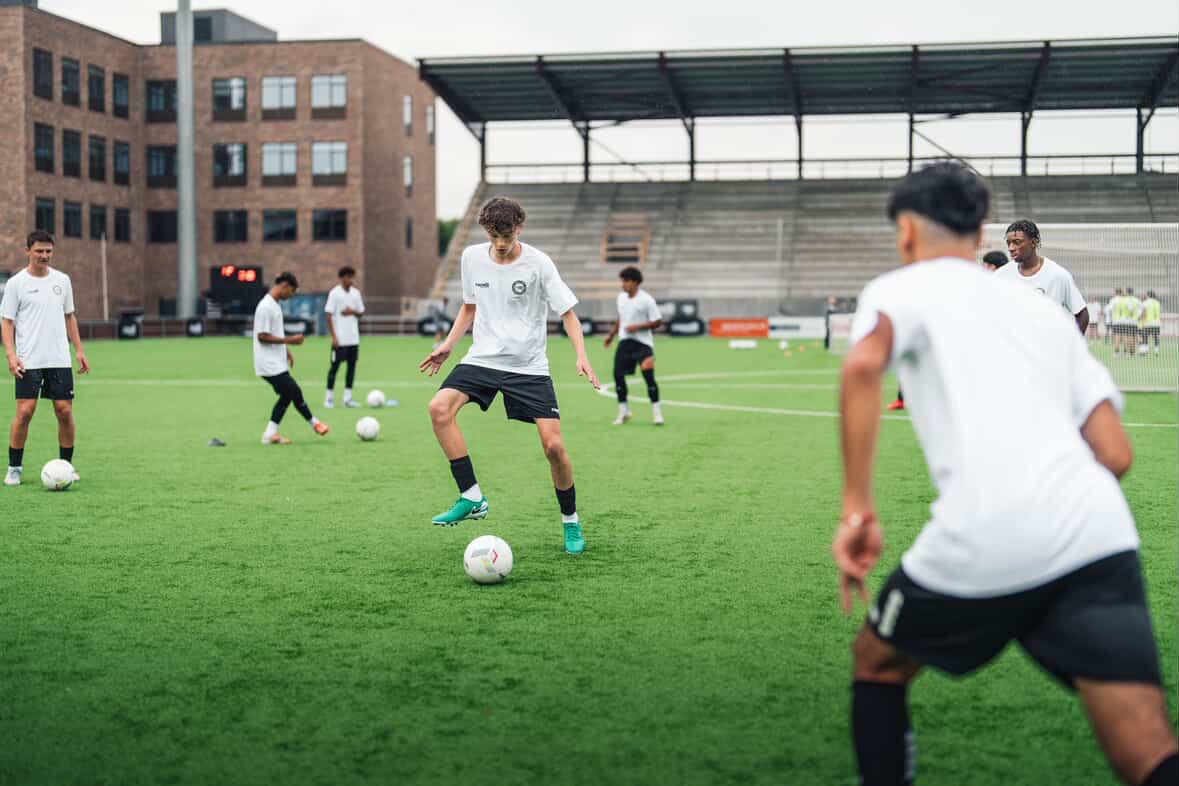

How did you get into your sport? I’ve always done swimming my entire life. I started competitively when I was seven years old, and from then on, I always knew I wanted to swim in the future. When I was eight, I was one of the fastest girls in my age group in the Bay Area. And coming back from COVID, I really focused on swimming. It was always my dream to go to the Olympics, but over time my goal was to swim at a Division One college and then maybe qualify for Olympic trials later on.
How did your recruitment journey take place?
June 15th of my sophomore year was when Division One schools could legally reach out to me after tracking my stats online and being ranked against other girls nationwide. I remember that day at midnight receiving different emails from at least 60 different schools that had interest in me and it was super exciting. From there I started correspondence with some of my top choices, and in junior year I got to visit a bunch of the schools, and narrow down my list. I was between University of Southern California, University of San Diego, and Vanderbilt.


Do you plan on swimming after college?
Can you recall a high point in your swim career thus far?
The highest point of my career was actually over the summer from junior year to senior year. I was at Summer Junior Nationals and I made the last spot of top 32 people qualifying for the fnals. Then in fnals I dropped two seconds off my best time and qualifed for the U.S. Open. It was a huge achievement for me and one of those moments where I see I’m on track to getting where I want to be.
What advice would you give other athletes looking to get recruited?
No matter what sport you do, if you want to do it in college, you have to love it, because you’re gonna be doing it every single day, you’re going to be doing it even when you don’t want to do it. You’re going to be doing it many hours a day, too. So I just feel like if you don’t love the sport and you don’t love what you’re doing, then there’s no point in dedicating so much time to it.

By Cecilia Choi and Charlie Steinberg
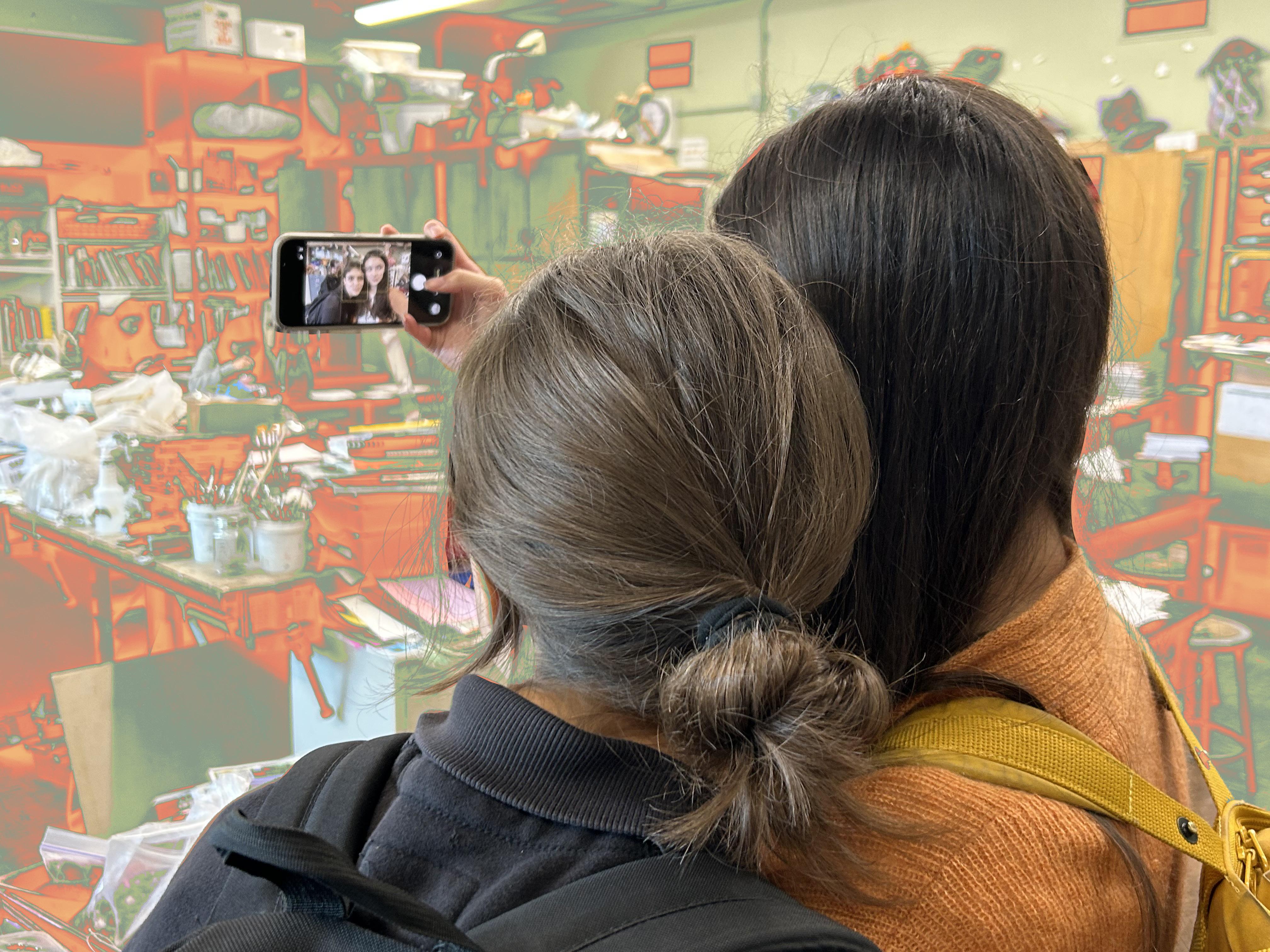
When nostalgic memories resurface, people find themselves reflecting on their past and the meaning behind why those memories are held dear.
There’s a wistful note in junior Marlena Zuercher’s voice as she recounts some of her most prominent childhood memories. She remembers the earthy, comforting smell of a summer camp she attended when she was younger. When she passes by the park near her house, the gleeful shrieks of children remind her of the good times she had running around the playground. ese memories bring Zuercher back to a happi er time, when she felt less constrained by the stresses and pressure of the real world. She isn’t alone in her experiences. Both Lowell students and teachers look back on the past and reminisce on fond memories. In an anonymous survey conducted by e Lowell in Jan. 2026, 67 of 93 respondents (72 percent) indicated that they wish they could relive a previous time period in their life. O en, phrases like “back in the good ol’ days” are associated with an older generation. But nostalgia, dened as a sentimental longing for the past, is a common aspect of the human experience, regardless of age. e concept of nostalgia was rst coined in 1688 by Johannes Hofer as “a state of moral pain associated with the forced separation from family and social environment” (National Institutes of Health, Nostalgia: a conceptual history, 2014). Its current meaning is closer to the de nition of homesickness, a strong desire to return to one’s homeland (Brittanica, Nostalgia, 2025). Personal nostalgia, de ned by psychologist Dr. Krystine Batcho on the 93rd episode of 2019 podcast “Speaking of Psychology” from the American Psychology Association (APA), is “the notion of longing for or missing aspects of a person’s personal lived past.” She describes nostalgia as a connection between emotional experience and identity, aspects that constantly shi in a person’s life. At the same time, Batcho paints nostalgia as a bittersweet emotion, combining happiness from fond recollections with the sadness that comes with leaving them behind. According to the May 2022 journal “Patterns of brain activity associated with nostalgia: a social-cognitive neuroscience perspective” from Oxford Academic, these feelings can be activated through any notable stimulation of the ve senses, in-
Lowell
cluding interactions with certain objects and events, odors and tastes, music, or emotional connections to others, particularly from childhood or youth. Recently, there’s been a resurgence of interest in the year 2016 online. Countless videos on social media platforms like Tiktok and Instagram proclaim that “2026 is the new 2016,” paired with songs reminiscent of the year and featuring fashion and gadgets similar to those popular a decade ago. But why the renewed obsession with dget spinners and pastel lters? In the 2026 BBC article “Rose-tinted lter: Why 2016 is taking over social media in 2026,” psychologist Clay Routledge shared two possible factors contributing to the new obsession: the general start of a new year, and the uncertainty that many young people feel of their futures, with the nostalgic xation on the past focusing on important “markers” in people’s memories. “Maybe people just want a change,” sophomore Shiloh Wade commented. “Maybe people just want to – [not] slow it down, but just take a step back and go back to better times.”
“Maybe people just want to – [not] slow it down, but just take a step back and go back to better times.”
Despite the relatively young age of Lowell students, many miss the carelessness experienced as children. Zuercher feels that constantly hearing about colleges and internships adds to a sense of growing up rapidly. “I don’t necessarily think that 2016 was actually all that, but I [understand] the feeling of going back to a time where everything wasn’t so stressful,” Zuercher explained. “I feel like in general, that was a time when I didn’t really have to worry about anything.” Senior Maxine Cho echoed these thoughts, saying that she thinks people want to return to a time of ease. “Before COVID happened, everything kind of seemed like it was on a smooth track and people really enjoyed that,” she said.
Many Lowell students have joyful and sentimental past experiences to share. Wade said that he associates the activity of painting with his youth.“[Painting] is a very nostalgic thing, especially because there’s a lot of representation of art when you’re younger, like nger painting,” Wade said. He added that he had recently tried nger painting again and enjoyed it . Some
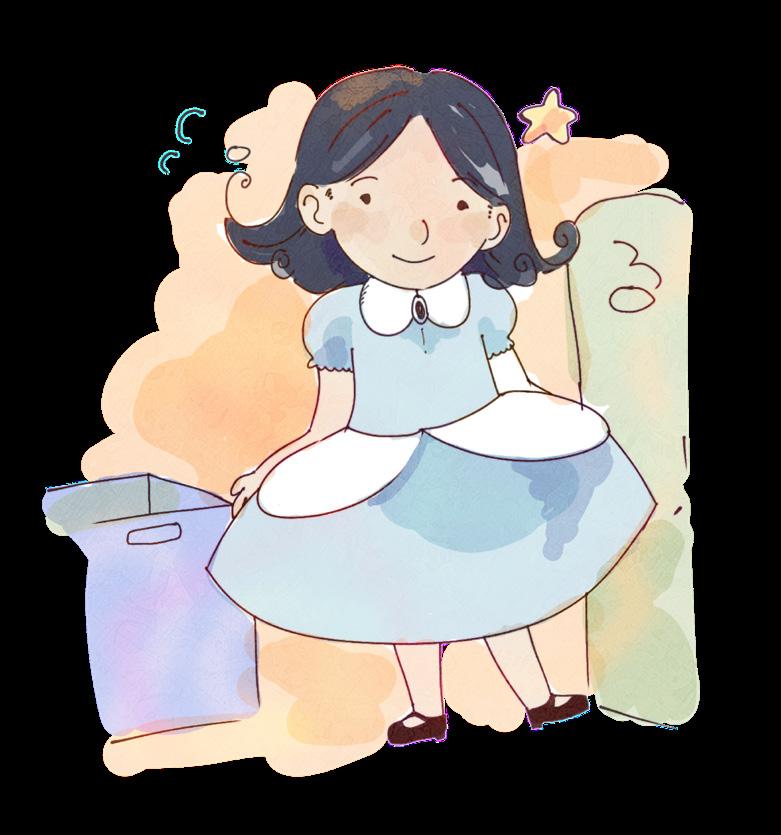
of senior Jason Feng’s strongest childhood memories are of playing soccer with his friends and grabbing Subway a er practices with his dad. To him, the connection he’s created with loved ones is what stands out about those recollections. “I just enjoy the time hanging out with my friends…and spending time with my family, especially with my dad. [Time] a er soccer is one of the great memories I have of him,” Feng said. Reminiscing can also be triggered by more somber moments. Feng has o en thought about the past whenever he needs positive reinforcement, such as when he performed poorly in a soccer match. “Sometimes, when I am feeling down, I always think about the past,” Feng said. “I would always ask myself why I started to play soccer: for the love of the game. [I would] try and get myself hyped again.” Cho describes herself as having a ‘witching hour’, when she becomes gloomy around sunset. “I get really sad and mopey because I’m like, ‘oh, the day’s gone by’. en, I normally start thinking about things I wish I paid a little more attention to and wish I could go back and redo.” She recalled an old blue dress she treasured. “It was part of one of those princess sets with the really clacky high heels…and I remember not ever washing it,” she said. To Cho, the dress represents a time that she wishes to relive. “I feel like I could have experienced it to its fullest rather than taking it for granted, because now that the blue dress time has passed, I wish I remembered the feeling of being in it.” Cho’s experience matches what Batcho suggests in her research: that people nd comfort in longing for the past because while the future is uncertain, the past gives people an understanding of who they are and the experiences that shaped them. “Change threatens us,” Batcho says. “It’s a little frightening because we’re not 100 percent sure that we can control it.”
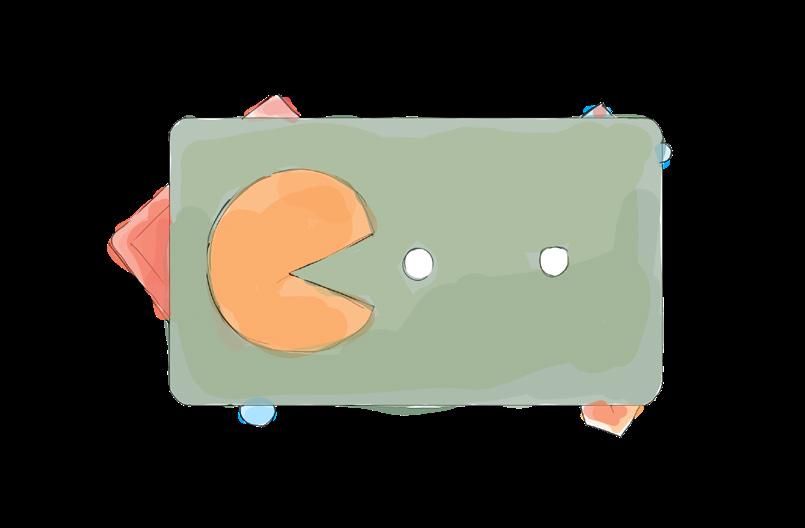
For math teacher Conrad Chu and social studies teacher Matthew Furey, nostalgia re ects a greater appreciation for the times they’ve lived in. Chu spoke fondly of playing Pac-Man in video game arcades as a child. “If I see someone wearing a Pac Man T-shirt,
I’ll think, ‘that’s really nostalgic’, because when I think about that, it brings back some good memories,” he said. Furey described how he and his brother recently played Nintendo games from their childhood together. “We play for an hour, [then the feeling] kind of wears o , but we reconnect with our younger selves by playing these video games that we really loved,” Furey said. “I nd nostalgia to be a really important part of your identity, be cause you remember… what helped make you who you are. My child hood memories make me realize how much I love my city…how much I love my community.” Batcho’s research suggests that most experiences with nostalgia are associated with healthy coping mechanisms, and that it’s uncommon for someone to truly feel stuck in their past. “When we revisit our memories, we try to remember how other people in our lives solved problems in the past and then use [those experiences] as a role model for how we want to solve the problems we’re experiencing today,” she says. Additionally, her research shows that most nostalgic yearning occurs during transitional periods, like from childhood to adulthood – which many Lowell students are currently experiencing – and shi ing into retirement, instead of reminiscing increasing over time as one ages (Nostalgia: A Psychological Perspective, 1995). “We change constantly. Motivating us to remember the past in our own life helps to unite us to that authentic self, and remind us of who we have been and then compare that to who we feel we are today,” Batcho said. Even as they look to the past for comfort, Lowell students still anticipate the future. e Lowell’s survey revealed that 43 of 93 respondents (46 percent) look forward to growing up. One anonymous respondent wrote, “I learn from the past, live in the present, and plan the future. I’ve learned a lot from the mistakes I’ve made, and I’ve had incredible experiences, but I want to see what the future will bring.” Feng reiterated a similar idea, saying that while he’ll miss what he’s already experienced, he’s excited to live in the present and see what comes next. “I’ll for sure miss it,” Feng said. “I made lots of great memories…and I really appreciate the time that I… got to live and experience. [But] we shouldn’t just keep living in the past, [we should] look forward.”

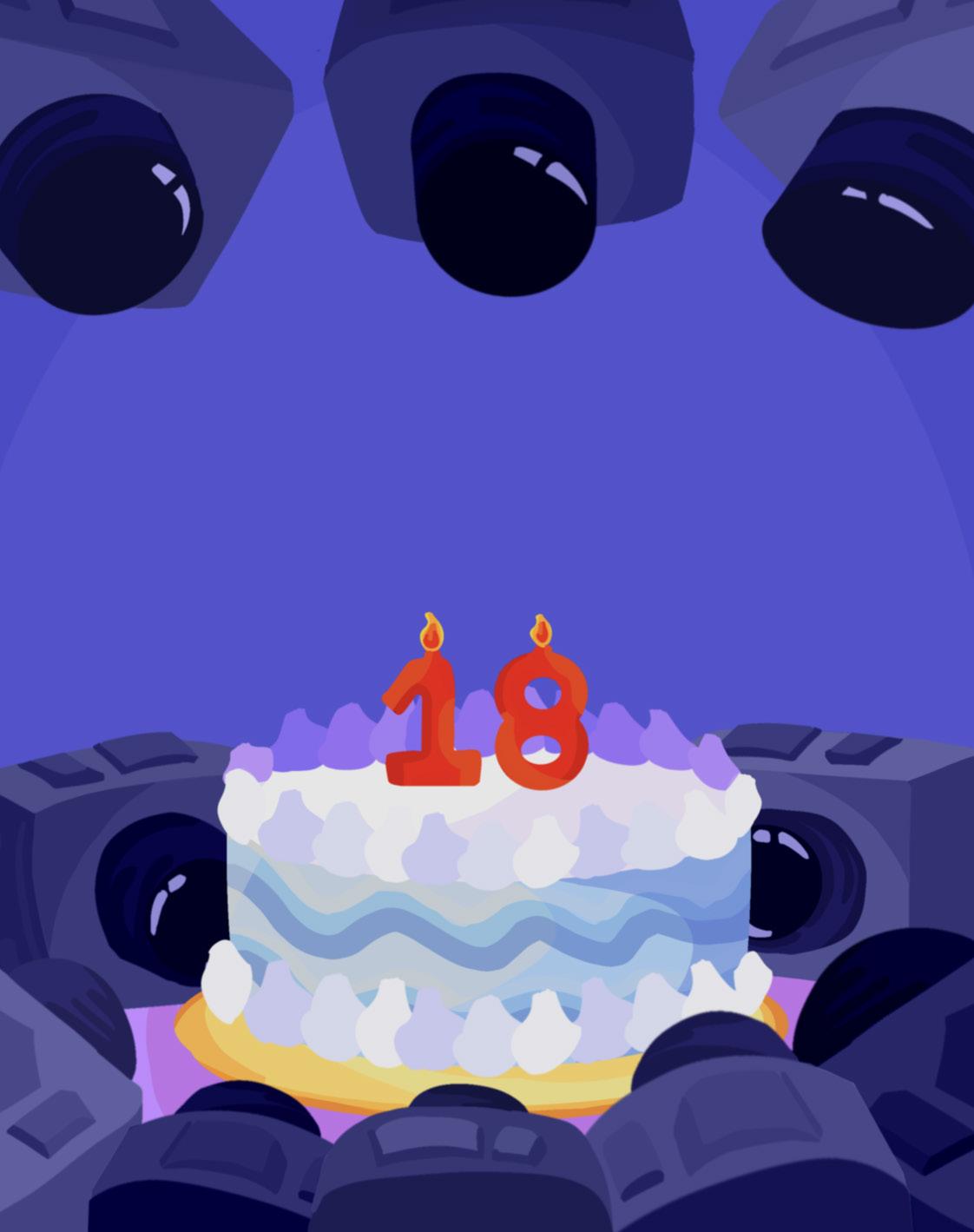
After turning 18 a few months ago, I could not escape the plentiful social media content thrown at me about OnlyFans–a subscription-based social media platform where creators share exclusive, often explicit, content with fans who pay a monthly fee set by the creator. Videos showed seemingly 18-year old girls flaunting extreme wealth; stacks of cash, beautiful cars, and lavish houses. I knew the platform existed before, but the awareness that OnlyFans was now something my peers and I could legally pursue if we wanted–just because we were adults–felt mindboggling. While OnlyFans creates a plethora of problems just by being a site where anyone can create DIY porn, the main issue is the minimum age required to create content on it (18). There is also the issue of the glorification of the OnlyFans lifestyle that is showcased online. The legal age to create content on OnlyFans should be at least 21.
One teen influencer, Piper Rockelle, posts clips on YouTube and TikTok of retiring her grandma and buying her a brand new expensive car. In another video, Rockelle shows off a stack of hundred dollar bills. Since turning 18 in August, Rockelle has amassed millions of dollars from OnlyFans. According to an X post showcasing her earnings, Rockelle made $2.9 million on OnlyFans on her first day after signing up. Another influencer who had been in the spotlight since 2016–after going viral on Dr. Phil–Danielle Bregoli (Bhad Bhabie) also created an OnlyFans five days after her 18th birthday. According to Rolling Stone, she made over one million dollars in the first six hours on the site after starting in 2021. In a video stream done in March 2025, she stated, “Now, overall, the net on it is like $75 million.”
nomenon. While this money making strategy seems enticing and seemingly easy, Rockelle and Bregoli are truly one in a million, making the millions on the site. The very thing many of these OnlyFan content creators are advertising is a glamorized dream; the reality is that very few girls “make it” on the app.
Hopping onto OnlyFans after your 18th birthday and making millions seems too good to be true, and it is. While Rockelle and Bregoli have made millions, they are in the minority. The highest earners on OnlyFans make $100,000 or more each month, but the typical creator who has 21 subscrib-
The very thing many of these OnlyFans content creators are advertising is a glamorized dream; the reality is that very few girls
“make it” on the app.
Rockelle grew up on YouTube, creating prank videos, challenges, and other skits to her audience of children. However, a portion of her fanbase consisted of adult men who consumed her content for malicious intent. The men who have been preying on her since she was 12 are the exact same people subscribed to her monthly link of ‘exclusive content’. Men who have no hesitations about sexually pursuing an underage girl are the same kind of person who would have no hesitations about consuming sexualized content of barely legal girls.
Bregoli, another prominent example, went viral at 16 for her appearance on Dr. Phil, and later her social media presence and rap music. Concerningly, 25 percent of OnlyFans creators are ages 18-24, according to StatisticsOnly.Fans. Not only is it disgusting, these statistics truly show that in order to “make it” on the app, you need to have a large following from prior content, often from when you were a minor. The more famous a child creator is, the more men will end up subscribing to their OnlyFans when they turn of age.
The glamorous and showy lifestyle displayed on social media by teen girls who have gained immense amounts of wealth by profiting off their bodies has become a new phe-
ers brings in $151 monthly, according to Influencer Marketing Hub. Additionally, only the top one percent of OnlyFans creators earn about $49,000 annually. This data proves that OnlyFans does not provide a stable income for most creators, and you only have the chance of attaining this stable income on the app if you already have an established audience. Young impressionable girls should not have the legal option to step into the adult content sphere just days after their 18th birthday. Many are not aware of the negative aspects associated with doing OnlyFans, such as the digital footprint it creates–it will make it difficult for them to achieve regular jobs in the future. According to a 2018 CareerBuilder survey of over 1,000 hiring managers and HR professionals in the US, 70 percent of employers check social media accounts of potential employees, and 57 percent have said that they have decided not to hire a candidate based on their findings. Shockingly, 40 percent also said they have refused to hire employees that posted provocative or inappropriate photographs, videos, or information, which includes OnlyFans content. While the platform may generate an income, stepping into the adult content scene can create a difficult digital footprint to erase.
OnlyFans is a career option that is likely to be very short lived, yet creators on social media make it seem like an easily attainable dream: you just need a phone and yourself to create simple exclusive content that could make you financially set for life after even just a few years By making the legal age to create on the platform 21+, it would protect impressionable young adults from falling into the “quick money” narrative, creating a digital footprint they may regret later down the line.

BY MAREN BROOKS
“I’m just a girl!”
It was a comforting phrase, at first – a universal cheat code for escaping any feelings of shame around consumeristic tendencies and socially deemed “silly” uses of time. Thinking of judging my compulsive shopping habits or Peet’s Coffee addiction? Don’t forget, I’m just a girl. It felt empowering: a way to reject the impossible standards and inescapable judgements of womanhood (cue the Barbie movie cognitive dissonance montage). It was a mantra, a pledge of individuality as much as a symbol of solidarity, a final assertion that we didn’t have to explain ourselves – for anything. I’m just a girl, you’re just a girl, we are all just girls.
Then it started to become sinister. Suddenly, we were “just girls” when we failed our math test. “Just girls” when we got a degree in English (a girlish major, obviously) instead of finance. “Just girls” when we totaled our cars or maxed out our credit cards. We were just girls.
That’s all it took – for the emphasis to switch from “girl” to “just”. For “I’m” to turn to “you’re”. But the shifting use of this phrase didn’t deter social media users. Many women eagerly embraced this infantilizing attribution, finding comfort in relinquishing perceived autonomy. Trending videos and hashtags perpetuated a singular message: yes, we are more delicate than men. Yes, we are smaller. Yes, we are less capable – less culpable, by extension. The antifeminists had the green light. Pretty soon, people started expressing opinions that had clearly been simmering under the surface for a while. The phrase “go back to the kitchen” reawakened and unfurled its grotesque wings for the first time in a long time, and found itself right at home.
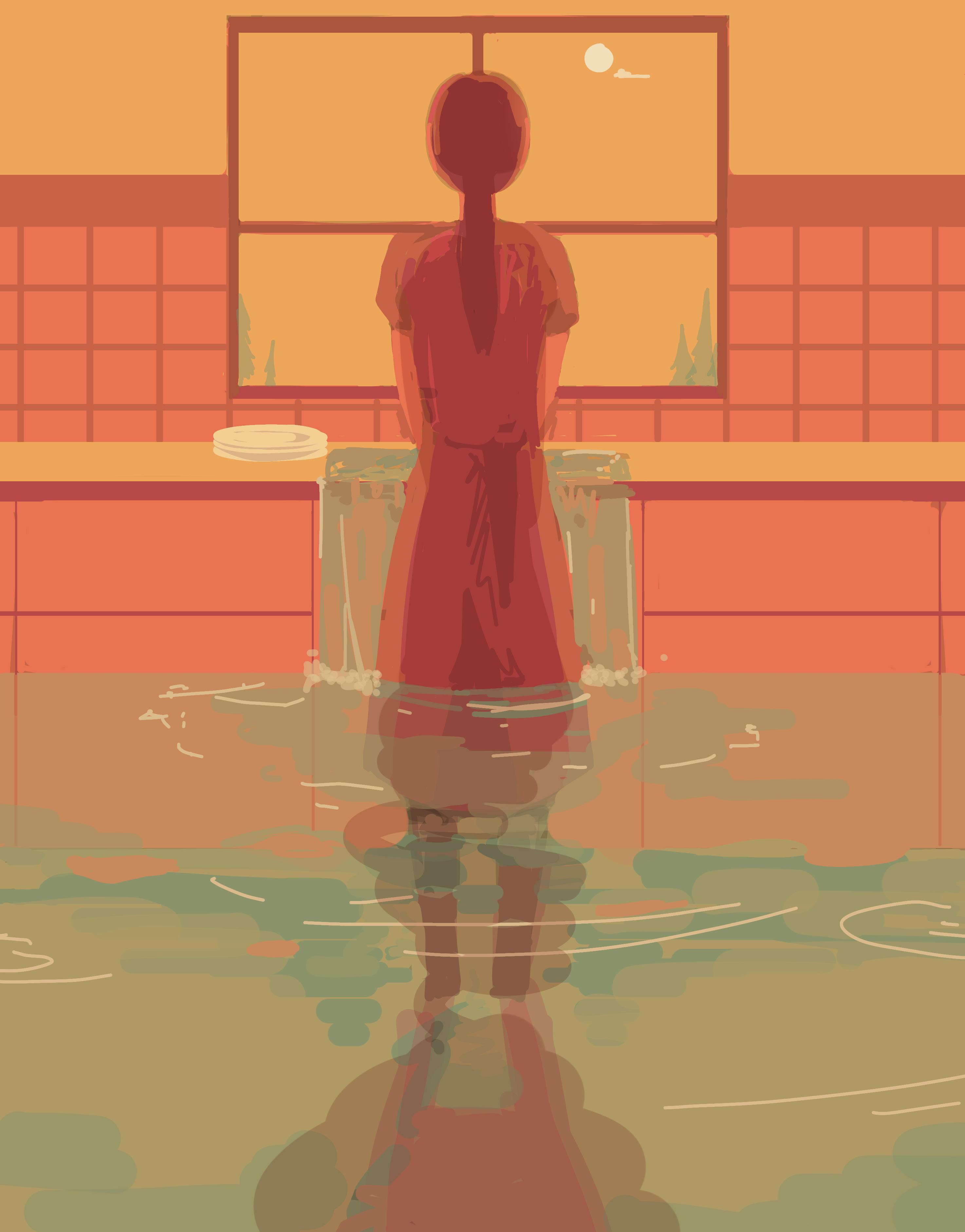
And conveniently, going back to the kitchen looks like a pretty great deal, at least online. Social media has exploded with apron-clad, modestly-dressed domestic warriors. Millions of users watched in morbid fascination as Nara Smith serenely assembled her favorite midnight snack (a “deconstructed salad”) or homemade Coca-Cola in an impeccably polished kitchen screaming of wealth. Public figures like Smith, an elite group steadily growing in number (often labeled “tradwives” by their audiences, whether or not they personally accept the label) do not engage in politics or social commentary. In fact, they give no indication of their connection to the outside world at all: their worlds are beautiful, rich, and alien, practically on a different planet. Amid this explosion of aestheticized domesticity came a concerning rise in antifeminist rhetoric. From the ever-present background noise of male podcasters griping about how women have single-handedly ruined dating, there came a troubling increase of fringe and radicalized new voices. Men who identify as a part of the “manosphere”, an online community that claims to understand the “truth” about gender roles in society, propagate troubling rhetoric calling for the removal of women’s rights at best, and violence at worst. The criticism doesn’t just come from men – more women online have emerged to complain about and condemn the indecency of feminism, advocating instead for returning to a traditional family structure and lifestyle. These influencers flaunt seemingly perfect lives,
revealed through expertly colorcoded Instagram highlights. They are absolutely supported by their husbands (personally and financially), residing as modern queens, elegant rulers of the domestic sphere – a reality detached from the lives of many other women who are confined to housework out of necessity.
Yes, it is that serious. If you think women’s rights are so well cemented in American society as to be positively untouchable, you could use a reality check. In some states, women are forced to bear children conceived of rape, undergoing long term physical and emotional pain, permanently altering their bodies and lives as the outcome of a traumatic act of violence committed against them without their consent. The problem doesn’t lie in the individual choice to not pursue higher education, to get married young, or to work as a housewife. The problem lies in the promotion of this singular lifestyle, ignoring the massive loss of financial independence, social power, and autonomy that comes as a result of neglecting to accrue personal capital or skills suitable for the workforce. And if you think this social trend isn’t grounded in politics, think again. Popular conservative political organizations like Turning Point USA spend excessive money and resources promoting conservative lifestyles and family structure alongside advocacy for political ideals and figures who have repeatedly pushed the rights of women and minorities aside. At the same time, the rights of women in American society are quietly regressing, along with their representation in power. The newly coveted female aesthetic is clean, thin, blonde, and “chill” in a way that reads as patriarchal submission. Statements that would have previously seemed innocuous (“Sydney Sweeney is my favorite celebrity!”) have become dogwhistles for those with appalling takes on race, gender and society. Simultaneously, domestic labor and motherhood are being repackaged into capitalist fantasies of cottagecore milkmaid dresses and sad beige nurseries. Any form of household labor that falls outside of this Instagram paradise is plainly ignored by the vocal antifeminists; the uncertainty that comes with unemployment for many women is discarded. And a plethora of online trends and viral videos (see, “coloring while he does his big boy work!”) are working overtime to convince the masses that this is normal, or worse, cute.
As high schoolers, we may not be thinking about our future marriages, households, or families. But we are considering our next steps, including education and career paths –and in our current society, we are already facing subtle messaging about the lesser importance of women’s education and career training, along with the myths of lesser intelligence, strength, and logic that have persisted for millenia. It’s important not to take for granted the many rights that have been hard-fought and won for us over the years – the ones that allow us to choose whether to have a career, or be a housewife, on our own terms. We must acknowledge the struggle that has led to this current state, and the active threats to our rights as women, or those rights will be taken away before our eyes.

Pirates, a sea cursed by strange magic, and an island without color—Scarlet Morning by Nate Diana (ND) Stevenson contains all of that and much more. Published in Sept. 2025, Scarlet Morning is an illustrated fantasy-adventure novel and the rst part of a duology. e book follows best friends Wilmur and Viola. A er an encounter with a mysterious captain, they’re sent sailing on a pirate ship away from their gray, bleak island home of Caveat to bizarre adventures across vast and unknown waters.
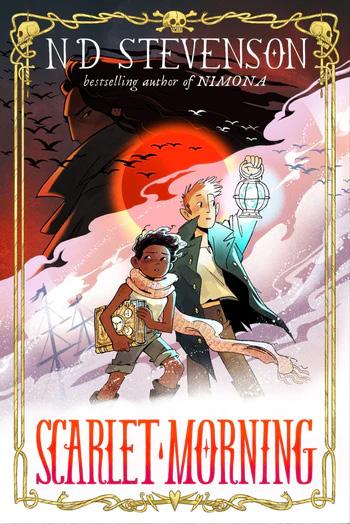
Scarlet Morning is a book exploding with wonder, containing a diverse and distinct cast of characters with only one thing in common: their ridiculously silly, witty humor. It has a fast-paced plot with something new always happening, along with unique worldbuilding (like a crystallized sea that one can walk on, seagulls with deadly, poisonous feathers, and
IBY ELLIE MINAMI
cli s that drop o into absolutely nothing). e unworldly and unnatural dangers of the sea ensure continuous adventure amid the immersive, fascinating setting. e illustrations also play a major role in keeping this busy and exciting book grounded. Every few pages contain a new illustration by the author (who also wrote and drew the graphic novel Nimona). Some of the drawings take up just one corner of the page, but there is the occasional full-page illustration, brimming with tiny details and striking emotion. Drawn in a distinctive cartoonish style, each drawing is bold and helps the reader more clearly visualize the scenes as they happen. While Scarlet Morning is mostly considered middle grade and for younger audiences, there’s something about it that feels ageless. From the dynamic, vibrant drawings juxtaposed with the occasionally dark and sorrowful themes, to the eccentric characters who can be thoughtful and clever as well as funny and imaginative. Together, these di erent aspects create a balance: readers experience a whimsy reminiscent of a childhood picture book, along with a deep and engaging story. e thrilling action, deep friendships between characters, and complex, creative worldbuilding of Scarlet Morning make it enjoyable regardless of age.

BY MIUCCIA YEUNG
n a lm culture where Black men are o en reduced to stereotypes of hypermasculinity, Moonlight offers a subversive perspective, rede ning strength as the courage to embrace vulnerability and emotional intimacy despite a society that discourages it. e 2016 lm Moonlight, directed by Barry Jenkins, follows Chiron, a Black boy growing up in a poor Miami neighborhood during the height of the city’s crack epidemic. Structured into three acts — Little, Chiron, and Black — the lm explores the ongoing con ict between Chiron’s true identity and the persona he presents to the world. Raised in an environment that equates “toughness” with survival, Chiron’s small stature and quietness make him a target, earning him the nickname “Little.” Between an abusive mother battling addiction and peers who bully him for his gentle demeanor and nonconformity to traditional masculinity, Chiron’s vulnerability is treated as a liability. Eventually, he accepts that the only way to survive is to comply with society’s expectations of Black men — repressing emotion for dominance and “hardness.” is transformation is portrayed most clearly in a scene where Chiron submerges his face in an ice- lled sink of water — a somber, baptism-like image symbolizing a rebirth dened not by healing, but by the suppression of his true self. When Chiron appears in the third act a decade later, he is almost unrecognizable beneath his hardened facade as “Black.” Now a drug dealer, he embodies traditional mascu-

linity through his emotionally guarded demeanor and imposing physical presence. But when he reconnects with a childhood friend and former lover, Kevin, Chiron’s armor melts away, revealing the gentle and sensitive “Little” again. For the rst time in years, Chiron allows himself to open up to another person. His confession, “You’re the only man that’s ever touched me,” stands out as one of the lm’s most powerful moments. It captures Chiron’s ultimate willingness to face rejection and judgment in order to express his honest feelings—an act of bravery that takes an immeasurable amount of courage. Moonlight powerfully critiques traditional ideals of Black masculinity, portraying intimacy and emotional vulnerability as forms of strength rather than weakness. e lm provides a perspective on the pressures and realities faced by many Black men in today’s society—one so rarely represented yet desperately needing to be seen.
BY FAYE YANG
It’s the time of year again. e roses are blooming, and so is love everywhere across the globe. It’s almost February 14–Valentine’s Day! While some people prepare chocolates and cards to celebrate their undying love for their signi cant others, others brace themselves for another February spent all alone. And sad. And single. Finitial McMaster, a junior at Lowell High School, hopes to celebrate the season of love with something special: a robot. Speci cally, a robot named Elphaba, with whom she is currently in a talking stage. “I’m planning to ask her out soon,” she said, “I can really feel the sparks ying between us, and it’s not the sparks from her battery shorting out.”
For McMaster, dating robots isn’t a joke or a phase; it’s simply part of who she is. Since freshman year, she has dated three robots, been in two situationships, and is currently in a talking/ near-dating phase with Elphaba. Unfortunately for her, of the six relationships, four have ended in tragedy, with each of the robots meeting their mechanical (or electrical) demise. Despite these losses, McMaster continues to search for her one true love. “I really loved them, but they were broken, and I couldn’t save them,” she said. “I’m really hoping this time will be di erent.” McMaster has been very open about identifying as robosexuel, especially within CardinalBotics, Lowell’s elite robotics team, where she o en meets her romantic interests. Her rst situationship began in freshman year with Crane, an extremely tall robot designed to carry cones and cubes. Before she could realize her love for robots and attraction to Crane, he met his end in a freak accident. Accidentally setting the values in his code incorrectly, an innocent programmer had accidentally caused Crane to ip over and o the three-foot wooden cart o en used by the robotics team. Later, she dated SR-71 Blackbird, a much smaller robot whose sleek design helped her realize her attraction. “I immediately felt a connection with SR-71 Blackbird,” McMaster said, “No soldering required.” eir relationship
came to an end when SR-71 Blackbird met their mechanical demise. As a robot created by inexperienced rookies, they had multiple points of failure that inevitably led to the end.
Battling the heartbreak from the loss of her rst love, McMaster found Redbean, a smaller donut-eating robot who helped her heal. ey went out on dates, including her favorite: shopping and thri ing among the Hertz Coast products. Unfortunately, her relationship with Redbean also ended abruptly, literally. e robot broke down and it never worked again.
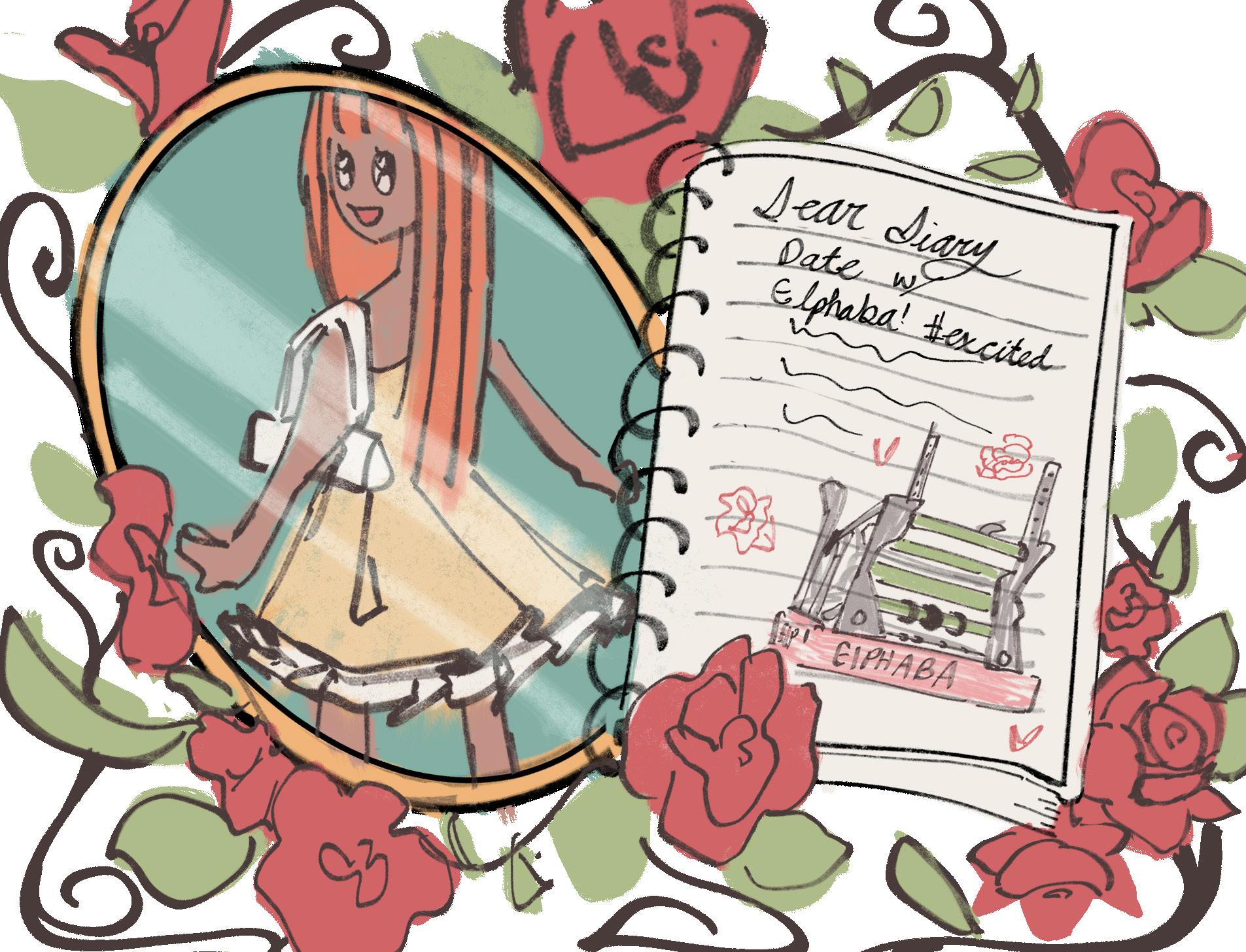
By sophomore year, she met Baygull, a tall, elegant, sea-themed robot, and they quickly started dating. at relationship, however, did not last long. McMaster explained the circumstances of her breakup with Baygull, “Baygull was much taller than the previous two robots that I dated. At least two feet taller. I just didn’t feel the same ziptied bond I felt with SR-71 Blackbird or Redbean,” she said.
Most recently, McMaster helped build Demobot, a robot she suspects might have a crush on her. While she is secretly pleased and attered, the feeling isn’t mutual. “No o ense, but honestly, Demobot just isn’t my type,” she said, explaining that she is in love with Elphaba. McMaster is unapologetic about her preferences. Even in the face of judgment when others question her robomantic choices, McMaster remains unbothered. “I am attracted to robots. at’s a fact,” she said. “ ey’re beautiful, shiny, colorful, and simply amazing.” As Valentine’s Day approaches, McMaster is getting more and more excited in the hopes that her relationship with Elphaba will have better structural integrity. “I’m planning to ask her out right a er the 9 p.m. Late Night,” explained McMaster, “Since robotics goes until 9 p.m. on Fridays, I’m going to ask her under the stars and under the moonlight, and hopefully Elphaba will say yes.” While her past relationships may have ended in tragedy, she is optimistic that this love will remain intact.

5. First African American woman to win a Nobel Prize
The _____ Railroad, Colson Whitehead novel
Yaa Gyasi’s debut novel
5. First African American woman to win a Nobel Prize. ________ 6. The Railroad, Colson Whitehead novel 9. Yaa Gyasi’s debut novel.
10. Location of 1920s artistic movement. ______
11. Ralph Ellison’s _____ Man 12. Angelou, author of “Still I Rise.” 13. First African American to receive a Pulitzer Prize. ________ 15. Their Were Watching God 16. The U Give
Come by room S107 with your correctly completed crossword to get a baked good during blocks 4 and 5! First come, first serve for each block!
1. Lorraine Hansberry play, A ____ in the sun
Lorraine Hansberry play, A in the Sun 2. Native Son novelist Richard 3. Frederick _____, Escaped writer and ablitionist
W.E.B _____, author of The Souls of Black Folk
Ta-Nehisi Coates, Between the _______ and Me
Color of a Alice Walker novel?
Alex _____, author of Roots
W.E.B _____, author of The Souls of Black Folk
Butler who wrote the novel Kindred
Ta-Nehisi Coates, Between the and Me
Color of an Alice Walker novel? ______ 10. Alex _____, author of Roots
_______ Butler, who wrote the novel Kindred