
introduction
Letter From the editor
The Editorial Board is proud to present the 9th volume of the Lawrencium, and the first volume of the 2024-25 school year.
Volume 9 of the Lawrencium features a broad range of scientific news: from CRISPR Cas9 gene-editing technology to the rapid intensification of recent hurricanes, our writers looked to wide varieties of sources to expand their understanding of topics to supplement their learning inside the classroom. In this way, the Lawrencium aims to vitalize scientific curiosity beyond the traditional curriculum, encouraging the community to explore and engage with contemporary scientific discoveries.
The quality of this publication reflects the dedication of many individuals. The Lawrencium Upper Management would like to thank our faculty advisor, Dr. Elizabeth Fox, whose guidance and support have been invaluable throughout the publication process. The editorial board members deserve special recognition for their meticulous edits to ensure that each piece upholds our standards for scientific accuracy and clarity. Most importantly, we’d like to thank our writers for their willingness to tackle challenging topics—resulting in articles of exceptional depth and insight.
As we look ahead, we continue to encourage Lawrentians to submit pieces featuring both on-campus and relevant science news to the Lawrencium—helping us fulfill our mission of making scientific discourse more accessible and engaging for the entire Lawrenceville community. We hope that readers will extract as much joy and knowledge in exploring these pages as we found in bringing them together.
Sincerely,
Audrey Cheng ’25, Editor-in-Chief
Jenny Zhao ’25, Executive Editor
Aileen Ryu ’25, Director of Production
Editorial Board: VolumE iX
editor-in-chieF
Audrey Cheng ’25
executive editor
Jenny Zhao ’25
director oF Production senior associate editors
Aileen Ryu ’25
Mahika Kasarabada ’26
Ava Martoma ’25
design editor
Gloria Yu ’26
submission editors
Clare Pei ’26
Ainsley Walters ’27
Ethan Zhu ’26
Henry Tsai ’26
Alice Xie ’26
tabLe oF contents
artificial intElligEncE rEdEfinEs thE limitations of 3d Printing oPtimization
Sohan Kondru
’28
Today, the 3-Dimensional (3D) printing industry rapidly surges in popularity and applications, crossing $14.7 billion in 2023. It is estimated to reach about $58 billion by 2032 (Molitch-Hou, 2024). Additive manufacturing, or 3D printing, boasts many advantages over alternative manufacturing methods, such as Computer Numerical Control (CNC) or injection molding. CNC machines use a precise drill to carve out certain shapes in metal, wood, or other solid materials. Although they create high-quality parts in short times, CNC machines are usually quite large and expensive, and they still leave room for operator error. The process of injection molding consists of feeding liquid plastic into a mold, where it can then cool down and solidify. While quick and cost-efficient for each part produced, injection molding requires high investment to create the initial molds, so it only works at large scale. On the contrary, 3D printing can produce cheap and accurate prototypes at a small scale while also being quite safe and simple. The process starts with a digital 3D file, which will be inputted into a slicer. A slicer takes the 3D model as an input, adds necessary support structures to a print, and outputs thousands of lines of code that the 3D printer can use to make the object. The printer operates by injecting a material onto a print bed as it moves around, slowly building up layers to create a final product. So far, 3D printing has been used almost everywhere in the world, from creating organ models, aerospace parts, and batteries to producing simple household toys (Chen et al., 2024).
While mostly effective, additive manufacturing still has certain downfalls. Objects are time-consuming and expensive to mass-produce, and many limitations arise with material options. The most affordable option, Fused Deposition Modeling (FDM) printing, consists of heating and extruding spools of plastic wire, but does not work with other materials (Mondal, 2024). The technology required to print in mediums such as metal and silicone costs much more and takes more time to use. 3D printing
also has many variables that require adjusting, such as nozzle travel speed, extrusion speed, layer height, wall thickness, and hundreds more. Each individual factor can impact the quality of a print, and each one could have potentially drastic impacts on the final results. These settings do not have a perfect solution because every case has different criteria to meet. For example, increased wall thickness may translate into a stronger but slower and less efficient print. This change could work well for a tool or a sculpture but may hurt when creating a prototype under strict time constraints. All these variables make 3D printing a black box function, or in other words, difficult to interpret and tweak to achieve the desired outputs. With the many variables of 3D printing, achieving the “perfect print” is unclear, time-consuming, and expensive (Chen et al., 2024).
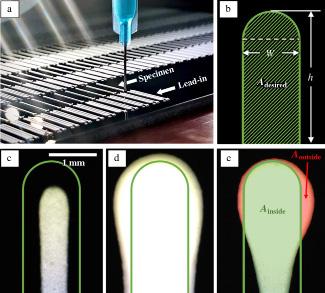
Figure 1: (a) Shows the process of Additive Manufacturing Autonomous Research System (AMARES) measuring the lead segments of prints. (b) Shows the measurements used in the calculations. (c) and (d) Show lines that fall short of and exceed the desired amount. (e) Describes the measurement process (Deneault et al., 2020).
AI has the capability to change this. Bayesian Optimization (BO), a machine learning strategy that specializes in evaluating black box functions, can be applied here (Chen et al., p. 2). In 2020, James R. Deneault, Jorge Chang, and fellow researchers created a program called AMARES that utilizes BO to improve FDM printing accuracy. It does so by examining the first layer leading segments, which are the points where the plastic starts to make contact with the print bed. These points often have irregularities, based on line thickness, travel speed, and nozzle height, so they help in diagnosing problems that could snowball over the course of the rest of the print. It measured the amount of the leading segment within the desired area and the amount outside, giving it an objective score by subtracting and dividing the two (Deneault et al., 2020). This score and the inputs used to achieve it were put into an AI model to evaluate and determine the next steps.
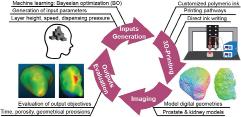
Figure 2: Flowchart depicting the four-step process, printing the organ models with DIW, digitally modeling the prints, evaluating the geometry and time of the prints, and using BO to analyze and recalibrate settings to print again in a new iteration (Chen et al., 2024).
While Denault and Chang’s work is revolutionary, researchers at Washington State University wanted to expand on it, focusing on aspects they left out. AMARES only analyzed the leading segment of the first layer, and though important, the first layer doesn’t always play a large role in the quality of the final product. Eric S. Chen, Alaleh Ahmadianshalchi, and their peers set out to create a program that can find the optimal settings for any 3D print over many iterations with certain constraints in mind, such as durability or time constraints. The researchers at Washington State focused on optimizing presurgical organ models, specifically a prostate and a kidney, made
through Direct Ink Writing (DIW) printing. DIW doesn’t use heating elements but a specialized ink that solidifies after extruding from the print head. They used a “fourstep recursive process” (Figure 2) in which they printed, measured, assessed, and recalibrated (Chen et al., 2024).
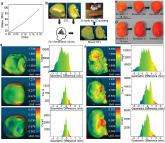
Figure 3: Depicts the geometric fidelity analysis used by BO to improve the accuracy of the 3D printed models. (e) Shows the prostate model on iterations 1, 22, and 46 in downwards order. (f) Shows the kidney model on iterations 5, 27, and 52 in downwards order (Chen et al., 2024).
Their work successfully improved the accuracy of the models over several generations and determined “exceptionally optimal” settings to balance time and precision regarding the presurgical models (Chen et al., 2024). The model of the prostate (Figure 3e) showed drastic decreases in the geometric difference in count and size from the original 3D model. The researchers at Washington State concluded their study was successful but also found room for improvement within the kidney model. They noticed the small vessels present in the kidney made it hard for the process to accurately measure and tweak settings, resulting in the prominently decreased improvement of the kidney (Figure 3f) over several iterations (Chen et al., 2024). Nevertheless, the multi-objective BO approach has proved successful, and this technology can be powerful when applied in various other practical real-world situations. It could still be refined, but this work paves the way for revolutionizing how 3D prints are used and created.
In light of these findings from these two studies and others, many companies have started to employ AI as a tool to improve additive manufacturing. Printpal.io is a company whose work evaluates and detects anomalies in a 3D print during the process, minimizing the wasted materials on a poor-quality print predestined to fail. Ansys makes a program that uses AI to anticipate when a part might fail, which can help in correcting flaws before a product is even made (Molitch-Hou, 2024, paras. 7-8). One particularly promising company, 1000 Kelvin, has created an AI-based program called AMAIZE, which analyzes the 3D model itself. It is made to work in conjunction with slicer software. As with the Ansys program, it minimizes waste even before a part can get created. The AMAIZE cloud already has data from millions of 3D models and prints to access, so it can identify when and where a part might need more support. AMAIZE has been integrated into software by many larger companies, notably Autodesk, one of the largest CAD (3D design software) developers in the world (Molitch-Hou, 2024).
Omar Fergani, CEO of 1000 Kelvin, says, “We’re entering an unprecedented era of manufacturing, not only technologically, but because countries around the world, from the U.S. to China, are actively deglobalizing their supply chains. 3D printing stands to be a key enabler of this trend, but in order to do so, it will need to function properly and efficiently. At 1000 Kelvin, we’re trying to accomplish just that” (Molitch-Hou, 2024). As the 3D printing industry quickly grows, it’s crucial to assess its strengths and weaknesses, bolstering those weaknesses as we go. In the upcoming years, AI could play a massive role in universal manufacturing, and these initial papers about the usage of AI in 3D printing could pave the way for many more to branch out and expand. The future of 3D printing is enticing, and pioneering research like this can help propel that idea into a reality.
References
Molitch-Hou, M. (2024, April 3). AI may be the key to unlocking the $14.7B 3D printing industry. Forbes. https://www.forbes.com/sites/michaelmolitch-hou/2024/04/03/ai-may-be-the-key-to-unlocking-the-147b-3d-printing-industry/
Washington State University. (2024, August 22). Self-improving AI method increases 3D-printing efficiency. ScienceDaily. https://www.sciencedaily.com/releases/2024/08/240822125947.htm
Deneault, J., Chang, J., Myung, J., Hooper, D., Armstrong, A., Pitt, M., & Maruyama, B. (2021). Toward autonomous additive manufacturing: Bayesian optimization on a 3D printer. MRS Bulletin, 46, 1103–1113. https://doi.org/10.1557/s43577-021-00051-1
Chen, E. S., Ahmadianshalchi, A., Sparks, S. S., Chen, C., Deshwal, A., Doppa, J. R., & Qiu, K. (2024). Machine learning enabled design and optimization for 3D printing of high-fidelity presurgical organ models. Advanced Materials Technologies, 2400037. https://doi.org/10.1002/admt.202400037
Mondal, S. (2024, January 19). Cheapest 3D printing method. Medium. https://medium.com/@enfozone. subhajyoti/cheapest-3d-printing-method-df840de0ca56
Brain actiVity in ElitE athlEtEs
Blair Bartlett ’27
Recent research by Zai-Fu Yao, Ilja G. Sligte, and Richard Ridderinkhof explored the differences in executive functioning and the neural basis of brain activity in elite, high-achieving athletes compared to controls matched on gender, age, and education. Their sample consisted of 14 Olympic athletes engaged in closed skill team sports. Closed skill sports, such as rowing, represent stable sports where patterns can be predicted and planned. On the other hand, open-skill sports require adapting to rapidly-changing circumstances and extraneous stimuli. Using functional brain imaging (fMRI scanning) to show brain activity by tracking blood flow, their analysis suggests that elite, closed-skill team athletes, with emphasis on olympic rowers, have greater employment of areas in the brain that correlate with stable task demands, but have a weaker engagement of brain areas that correlate with quickly changing demands from external stimulation. The finding that elite athletes in closed-skill team sports may recruit different areas of the brain to complete executive functioning tasks helps fill a gap in current knowledge, as previous studies did not tend to emphasize the neural aspect of executive functioning.
Many prior studies, such as a study by Alves et al. in 2013, have focused on athletes trained in open-skill sports, and their superior performance relative to controls in action inhibiting tasks, quick tasks with the goal of fast response, such as identifying if a face was male or female. If a stop signal was presented, participants had to inhibit their response. Inhibition represents the ability to suppress planned actions in order to improve the outcome (Wang et al., 2013). In addition to action inhibition, a 2024 study by Yao et al was featured in the Neuropsychologia magazine. The study was designed to examine differences in executive functioning, including different performances in action inhibition tasks and working memory capacity between elite closed-skill athletes and matched controls. Yao et al. defines executive functioning through three parts: updating, monitoring, and manipu-
lating working memory tasks, shifting between tasks or goals, and inhibition. In athletics and in general, working memory is highly critical to performing complex tasks, following instructions, making decisions, and retaining important information. The 2024 study primarily focused on visio-spatial working memory, which centers around non-verbal and spatial objects and is more applicable to sports. Yao et al’s 2024 study adds to existing literature by investigating the neural basis of closed skill team athletes brain area recruitment. Additionally, in order to reflect the need to pay attention to quickly shifting environments in athletics, Yao et al.’s study employed a change-detection paradigm system, focusing more on changing circumstance as opposed to sequential tasks to produce more significant results than in previous studies such as the Furley and Memmert 2010 study on basketball players. While Yao et al. found no statistically significant difference in performance on the action inhibiting and working memory tasks, they found that the elite, closed-skill team athletes and controls employed different brain regions to complete the tasks. The study found that the closed-skill team athletes relied more heavily on the regions of the brain responsible for managing visual and spatial information in the working memory task. In contrast, the controls relied more heavily on the regions of the brain responsible for adjusting to changing situations. By revealing that the controls had larger recruitment of brain areas used to stop an action, Yao’s study suggests that the controls were more focused on managing change. As mentioned by Yao et al. in reference to an Ericsson et al. study in 1993, “deliberate practice,” the act of highly intense and organized practice in order to improve at an activity, correlates with shifts in neural systems. This plasticity applies to elite closed-skill team athletes who constantly engage in such “deliberate practice.” While many studies have compared athletes and non-athletes in reference to executive functioning, Yao et al’s study adds to the field because they complement
behavioral focus, with an investigation of brain activity and the regions of the brain employed during executive functioning tasks.
Taking into account that years of systematic training can influence how elite athletes’ brains process cognitive tasks, Yao et al. ‘s research demonstrated that when Olympic athletes use their memory, they exhibit unique brain patterns (Yao et al., 2024). This underscores the effect of extended elite athletic training on cognitive function and executive functioning. Demonstrating the effect of physical training on both the body and brain, elite exercise influences the brain’s cycles of thinking, planning, and controlling actions (Yao 2024).
In the interview with Psypost, Yao remarked on the small study sample size as a limitation but also noted that when working with elite, olympic athletes, it is difficult to look at a larger sample size as it is such a rare group of people. In addition, Yao noted that the study only examined a couple of cognitive tasks. In the future, examining differences in other cognitive areas could represent an opportunity for research expansion. In addition, Yao noted that the study utilized fMRI scans that show brain activity by tracking blood flow, but excluded other factors like heart rate and fitness levels. To accommodate this, Yao looks ahead to “exploring more types of sports” and “comparing open-skill and closed-skill athletes” (Yao et al., 2024). By expanding research into other categories of sports, studies could provide a deeper understanding of the effects of different training on the brain.
Not only do the conclusions and findings of Yao’s study emphasize the effects of elite sports training on cognitive function and brain activity, but it opens many possible opportunities for future research. Expressing interest in building a database of information of the brain imaging of athletes, Yao noted that a goal of his future research is to track young athletes into the future, collecting data on their brain activity, genetics, and change in body structure in daily training and intense competition through real-time videography and post-competition summary statistics (Yao et al., 2024).
Additionally, Yao mentioned his interest in “[following] these athletes into retirement to see how their brains change after they stop competing,” which could reveal many details about the aging of the brains of
elite athletes (Yao et al., 2024). Prior studies have emphasized the importance of exercise in preventing cognitive and physical decline, but Yao is additionally interested in researching the effects for elite athletes after they stopped training to explore differences caused by time. Further research questions could have important implications for athletes and elite athletic training in the future.
References
Alves, H., Voss, M. W., Boot, W. R., Deslandes, A., Cossich, V., Salles, J. I., & Kramer, A. F. (2013). Perceptual-cognitive expertise in elite volleyball players. Frontiers in psychology, 4, 36. https://doi. org/10.3389/fpsyg.2013.00036
Dolan, E. W. (2024, September 10). Scientists observe intriguing brain activity patterns in elite athletes. PsyPost - Psychology News. https://www.psypost. org/scientists-observe-intriguing-brain-activity-patterns-in-elite-athletes/ Jacobson, J., & Matthaeus, L. (2014). Athletics and executive functioning: How athletic participation and sport type correlate with cognitive performance. Psychology of Sport and Exercise, 15(5), 521–527. https://doi.org/10.1016/j.psychsport.2014.05.005
Wang, C.-H., Chang, C.-C., Liang, Y.-M., Shih, C.-M., Chiu, W.-S., Tseng, P., Hung, D. L., Tzeng, O. J. L., Muggleton, N. G., & Juan, C.-H. (2013). Open vs. Closed skill sports and the modulation of inhibitory control. PloS One, 8(2), e55773. https://doi. org/10.1371/journal.pone.0055773
Yao, Z.-F., Sligte, I. G., & Ridderinkhof, R. (2024). Olympic team rowers and team swimmers show altered functional brain activation during working memory and action inhibition. Neuropsychologia, 203, 108974. https://doi.org/10.1016/j.neuropsychologia.2024.108974
chiral structurEs EnhancE solar cEll EfficiEnciEs
Kimberley Sun ’27
Solar energy is one of the leading forms of renewable energy currently. Among the different forms of solar energy, photovoltaic panels are without a doubt the most promising technology. They convert energy from sunlight into electricity through the reaction of photons with the electrons inside the panel.
Within a photovoltaic solar panel, each solar cell contains a semiconductor, usually made of silicon. When the semiconductor layer absorbs sunlight, electrons are knocked loose and directed into a current in the electron transport layer (ETL) by an electric field. The current is then conducted into another outside entity, such as a power station, by metal contacts placed on the sides of the solar cell. While silicon is traditionally used as a semiconductor material due to its long-term lifespan stability, perovskite solar cells (PSCs) are part of a new technology that uses perovskite-structured crystals as semiconductors. As perovskites mimic the crystal structure of naturally occurring minerals, they are mainly inexpensive to manufacture and abundant in resources. Unlike silicon layers, perovskites can be thinly printed onto the solar cell using low-cost methods, and their sunlight conversion potential even exceeds that of silicon-only solar cells. Whereas silicon only absorbs red light, different perovskite layers can absorb distinct regions of the light spectrum, thus increasing the total energy conversion efficiency of the solar cell. The main light-absorbing layers for PSCs are organic-inorganic halide perovskites (OIHP), and a single-junction (i.e. single semiconductive layer) perovskite reaches a maximum power conversion efficiency (PCE) of roughly 26.1%, while the current practical limit for the best silicon cells is around 25% (Duan et al., 2024).
Even though they are efficient, perovskites still face many obstacles in practical usage, one of which is the lack of adhesion between the cell layers. This lack of adhesion can be linked to the low resistance of exposure to natural elements, such as heat and humidity. However, these natural elements are inevitable for a solar panel since they necessitate exposure to solar irradiance and
atmospheric humidity. Low interfacial adhesion within the cell has been known to lead to higher charge carrier resistance and thus lower energy conversion efficiency, as well as a faster rate of material deterioration (Ichwani et al., 2022). Fixing this problem would entail improving the mechanical stability and durability of the interfaces in response to real-world temperature, humidity, and exposure to sunlight.
To solve this problem, Zhou Yuanyuan of the Hong Kong University of Science and Technology Department of Chemical and Biological Engineering and his team of researchers investigated chiral structures for their dynamic flexibility and resilience. Spiral and helical structures in organic materials, such as DNA, seashells, etc., tend to show mechanical stability and resistance to deterioration caused by external pressure (Duan et al., 2024). A chiral structure allows the material to deflect external pressure and return to its original shape without damage after the pressure has been removed, a characteristic that could improve PSCs’ durability by prolonging their lifespan.
The team introduced a chiral perovskite interlayer, a springy interface composed of helical structures, between the OIHP and the nearby electron transport layer of the solar cell. Through a series of light, humidity, and thermal tests, the team showed that the chiral interlayer increased the mechanical, chemical, and optoelectronic stability of the cell. After 1360 hours of light-soaking testing with a light intensity of 100 megawatts per square centimeter, the cell was shown to maintain around 84% of its starting PCE (Duan et al., 2024). Although this is still less durable than silicon cells, the result signifies a large improvement for perovskites. For the next testing, the PSCs were packaged in glass coverings, further protected by epoxy, and left at room temperature for 48 hours to cure. The glass-packaged device was then placed for 600 hours at 85°Celsius in 85% humidity, after which they preserved 92% of the original PCE (Duan et al., 2024). The final aging test was for thermal cycling, during which the PSCs were exposed to thermal variations from -40 to 85℃ for
200 cycles. The results showed that the best cells retained more than 88% of their original conversion efficiency (Duan et al., 2024). Furthermore, the addition of such an interlayer did not take away from the PSC’s overall efficiency: the highest PCE shown in the study was 26.0%, similar to a single-junction PSC without the interface, and higher than a silicon-only solar cell. Finally, the researchers looked at the toughness of the PSC with the chiral interlayer in response to surface bending, discovering that the interlayer also resisted crack formation in comparison to a PSC without a chiral interlayer (Duan et al., 2024). By looking at the results of the testing, it is obvious that the addition of the chiral interlayer not only improves the chemical, mechanical, and optoelectronic stability of the solar cell but also reduces the chance for interfacial defects to occur, thus minimizing the possibility for other factors to limit the reliability and durability of the PSC.
The significance of this discovery lies in the immense power of solar energy. As little as 18 days of sunlight on Earth contains the same energy as the Earth’s entire reserve of coal, natural gas, and oil; a square meter of land is exposed to 4.2 kilowatt-hours of solar energy per day, the energy equivalent of nearly a barrel of oil per year (UCSUSA, 2015). Thus, even a 0.1% increase in power conversion efficiency can make a massive difference in the amount of energy converted to electricity. Additionally, deterioration and unreliability have always been among the most fatal flaws of most forms of renewable energy. Thus, by engineering solar cells to surpass these obstacles, perovskites can distinguish solar power from many other renewable sources in the world.
Looking forward, specifically targeting this discovery, subsequent studies could focus on how to mass manufacture these chiral-interlayer PSCs; the solar research field would also benefit from combining silicon and perovskite cells to create tandems cells, which are combinations of silicon and perovskite solar cells. Tandems are created by compiling different semiconductive layers that capture distinct regions of the electromagnetic spectrum on top of one another. Tandems are already part of leading technology, and they represent a chance to further enhance solar power conversion efficiency. Combining silicon and perovskites into hetero-junction (i.e. multiple conductive layer) solar cells allows researchers to push
past the theoretical maximum conversion efficiency of current solar cells. Leading research includes the European Union’s PEPPERONI project, which is a four-year plan from 2022-2026 that aims to reduce the operational unreliability of perovskite solar cells, discover and overcome obstacles to improve advanced silicon-perovskite tandem solar modules, and develop methods for mass production of tandem cells into industrial scales.
The future potential for photovoltaics is immense, and the addition of chiral interlayers to PSCs is surely just one small advancement in the direction of a clean future.
References
Duan, T., You, S., Chen, M., Yu, W., Li, Y., Guo, P., … Zhou, Y. (2024). Chiral-structured heterointerfaces enable durable perovskite solar cells. Science, 384(6698), 878–884. doi:10.1126/science.ado5172
Ichwani, R., Uzonwanne, V., Huda, A., Koech, R., Oyewole, O. K., & Soboyejo, W. O. (2022). Adhesion in Perovskite Solar Cell Multilayer Structures. ACS Applied Energy Materials, 5(5), 6011–6018. doi:10.1021/acsaem.2c00430 [Objectives and Methods]. (n.d.). PEPPERONI. Retrieved November 17, 2024, from https://pepperoni-project.eu/objectives/ UCSUSA. (2015, September 10). The Solar Resource. Union of Concerned Scientists. Retrieved November 17, 2024, from https://www.ucsusa.org/resources/solar-resource
crisPr hElPs Brain stEm cElls
rEgain youth in micE: a stEP against cognitiVE aging
Nicole Li ’27
The natural decline in cognitive abilities and brain function is an unfortunate and inevitable result of aging. However, groundbreaking research using CRISPR-Cas9 gene-editing technology offers a possible solution to reversing some age-related changes in the brain. Recent studies demonstrate how this innovative tool can rejuvenate neural stem cells in older mice, shedding light on potential therapies to maintain brain health as humans grow older.
As humans get older, the efficiency of metabolism reduces and the use of glucose changes, which reduces the production of new neurons within the human brain (Camandola & Mattson, 2017). Glucose, an important sugar related to cellular metabolism, takes a critical part in the activity of neural stem cells. In young brains, these stem cells proliferate and migrate to specific regions of the brain, such as the hippocampus, in a process called neurogenesis. Neurogenesis produces new neurons and as a result, maintains cognitive functions such as learning and memory (Ledford, 2024). But, this process slows with age, leaving our brains increasingly less capable. The hippocampus, a brain region related to memory, has been the source of a lot of debate as some scientists argue that humans continue to produce new neurons in the hippocampus into their late 70s, while others suggest that neurogenesis ceases early in adulthood. In mice, a good model organism for studying human brain function, neural stem cells staying in the subventricular zone migrate into the olfactory bulb, where the brain processes smell (Loseva et al., 2009). This migration, crucial for smell driven behaviors, diminishes with age. Understanding such mechanisms in mice provides important clues for our own human brain health.
To find out how the process of aging influences neural stem cells, scientists turned to CRISPR-Cas9, a precise gene-editing technique. In the process of this gene manipulation, the Guide RNA (gRNA) guides the Cas 9 enzyme, which is a protein that cuts the two strands of
DNA to alter the genetic code, to bind to a specific part of the DNA. Then, the Cas9 makes a cut, to which the cells comprehend the damage and try to fix using mutations (What Is CRISPR, n.d.). This revolutionary method enables researchers to disrupt, change selected genes, and better understand their functions.
In a study, Anne Brunet and her colleagues at Stanford University used CRISPR-Cas9 to systematically make 23,000 genes in neural stem cells of young and old mice stand out in order to determine the genes that contribute to aging (Ledford, 2024). After a long period of analysis, they focused on 300 genes and refined their target to the subventricular zone (SVZ) of young and old mice. Of those genes, one stood out the most: SLC2A4. When this gene was disrupted, the activity of neural stem cells in older mice increased dramatically, restoring their ability to generate new neurons. However, interestingly, the disruption of SLC2A4 did not affect neural stem cells of young mice. This finding indicates that the potential gene-manipulation of metabolic pathways can reverse cognitive decline without disturbing the normal brain development in the younger age group (Ledford, 2024).
The effect of SLC2A4 shows the significance of glucose metabolism for healthy brains. Metabolism becomes slower due to age and lower glucose uptake by neural stem cells. When these investigators improved glucose metabolism, older mice produced more neurons in the olfactory bulb than before.
Glucose pathway manipulation now opens exciting paths in therapy for neurodegenerative diseases such as Alzheimer’s and Parkinson’s (Ledford, 2024). These conditions result from a progressive loss of neurons, and strategies to rejuvenate neural stem cells may provide new opportunities.
While the use of CRISPR-Cas9 offers undeniably great therapeutic potential, it does raise both ethical and safety concerns. Most of the applications today are focused on somatic cells or non-reproductive cells, offering
promising treatments for genetic disorders such as sickle cell anemia, hemophilia, and leukemia. On the other hand, editing germline cells (the reproductive cells) passes changes to future generations and remains extremely controversial, banned in a number of countries including the UK. Some risks include off-target effects, where other unintended parts of the genome are edited, and mosaicism, where only some cells carry the intended changes (What Are the Ethical, 2017). These issues point to a need for thorough testing before research translates into clinical application. Ethical concerns also extend to the use of viable human embryos in genome-editing research. This practice is permitted in some countries but restricted in others to only non-viable embryos.
The findings are more than just aging mice. The research has now pinpointed important genes that dictate how neural stem cells age, laying the foundation for cures to delay or even reverse cognitive decline in humans. Although the very existence of adult neurogenesis in humans still remains controversial, the knowledge of molecular mechanisms in mice provides many necessary insights to aid making human treatments. For example, drugs targeting glucose metabolism may be used to improve neural stem cell function in the aged to help individuals suffering from age-related neurodegenerative diseases. In addition, CRISPR-Cas9 can be applied for cell therapy, where neural stem cells are modified and then transplanted to replace lost brain function.
The ability to rejuvenate aging brain stem cells using CRISPR-Cas9 demonstrates a new understanding of the process of brain aging and its underlying mechanisms. While there are still challenges ahead, including ethical considerations and the need for further research, the importance of CRISPR-Cas9 to maintain brain health is undeniable. As scientists continue to improve this powerful technology, the goal of keeping the brain youthful and functional as age increases moves closer to becoming a reality.
References
Camandola, S., & Mattson, M. P. (2017). Brain metabolism in health, aging, and neurodegeneration. The EMBO journal, 36(11), 1474–1492. https://doi.
org/10.15252/embj.201695810
Ledford, H. (2024). CRISPR helps brain stem cells regain youth in mice. Nature. https://www.nature.com/articles/d41586-024-03177-9
Loseva, E., Yuan, T. F., & Karnup, S. (2009). Neurogliogenesis in the mature olfactory system: a possible protective role against infection and toxic dust. Brain research reviews, 59(2), 374–387. https://doi. org/10.1016/j.brainresrev.2008.10.004
What are the Ethical Concerns of Genome Editing? (2017, August 3). National Human Genome Research Institute. Retrieved November 22, 2024, from https:// www.genome.gov/about-genomics/policy-issues/ Genome-Editing/ethical-concerns
What is CRISPR - Cas9? (n.d.). Your Genome. Retrieved November 22, 2024, from https://www. yourgenome.org/theme/what-is-crispr-cas9/#:~:text=The%20CRISPR%2DCas9%20system%20 consists,then%20be%20added%20or%20removed
from calm to catastroPhE: how raPid intEnsification is rEshaPing
hurricanE sciEncE
Yuna Cho ’26
Hurricanes are some of the most destructive natural phenomena, with their power largely driven by warm ocean waters and atmospheric conditions. In recent years, the sudden and dramatic strengthening of hurricanes within a short time, known as rapid intensification (RI), has emerged as a pressing concern. During the 2024 hurricane season, major storms like Helene and John demonstrated this chilling phenomenon. Hurricane Helene, a Category 4 hurricane that tore through the Atlantic in September to become the deadliest hurricane in the U.S. since Katrina, is one example of an RI hurricane. In just three days, Helene “intensif[ied] at a record-breaking pace,” becoming “the fastest predicted spin-up from disturbance to major hurricane in…history” (Grambling, 2024). Likewise, Hurricane John underwent a similarly dramatic transformation, fueled by unprecedented ocean heat and favorable atmospheric conditions. These storms brought destruction not only to coastal areas but also to communities far inland, showing the far-reaching dangers of rapid intensification.
Rapid intensification is the process in which a tropical storm’s strength quickly increases (Li et al., 2023). Though different forecasting agencies have different definitions, one widely used metric is a storm’s sustained winds increasing by at least 56 kilometers per hour (35 miles per hour) within a 24-hour period. On the extreme end, Hurricane Helene’s winds increased from less than 65 kilometers per hour to more than 185 within just 60 hours. Historically considered rare, RI has become a more frequent and formidable force in recent years.
As of now, about 25% of all tropical cyclones undergo at least one RI, the frequency and intensity of which have surged over recent decades (Bhatia et al., 2022). According to the Congressional Research Service (CRS), there has been a marked increase in hurricanes experiencing RI globally, particularly in the Atlantic and Pacific basins. From 1979 to 2017, the proportion of Category 3 to 5 hurricanes rose at a significantly higher
rate than projected, with RI playing a major role in these storms’ development (Congressional Research Service, 2024). This change was mainly attributed to rising ocean temperatures, discusse Another concerning trend is that more hurricanes are rapidly intensifying closer to land, with “an increase in global average intensification rates in regions close to the coast from 1979 to 2020 (Balaguru et al., 2024). This phenomenon is likely driven by the warming of shallow coastal waters, which accelerate storm intensification in areas where hurricanes historically had less time to strengthen before landfall. This proximity reduces the window for effective disaster response, heightening the risk to vulnerable populations.
Increasing global ocean temperatures, especially in the Gulf of Mexico where both John and Helene originated, are part of the problem: warm waters act as an energy reservoir, becoming more favorable for RI by allowing storms to draw power at an accelerated rate (Bhatia et al., 2022). This year, the Gulf of Mexico’s sea surface temperatures have been particularly alarming, with some areas registering more than 2°C above the seasonal average. Even more problematic is that this increase in temperature has been recorded at all depths, from the seafloor to the surface, providing a sustained source of energy for intensifying storms (Wang et. al., 2023). This warming trend coincides with reduced wind shear— a sudden change in wind speed or direction—a critical factor that otherwise disrupts hurricane formation by dispersing heat and moisture. Wind shear in North Atlantic and Indo-Pacific regions have decreased from the 1950s to early 2000s by more than 2.2 m/s, which is almost 30% of typical windshear in the 1950s (Latif et al., 2007). In the absence of such atmospheric barriers, storms like Helene and John intensify more rapidly than they would have in colder waters. These new complications make hurricane predictions even more difficult.
As a whole, predicting hurricane intensity has seen significant advancements over the past several decades.
On an annual average, the National Oceanic and Atmospheric Administration’s (NOAA’s) 72-hour forecast predictions have improved considerably, dropping from over 37 knots in 2001 to 22 knots in 2020. Short term-forecasts have also shown progress, though less dramatically, with average 24-hour forecast errors decreasing from 21 knots in 2011 to 18 knots in 2022 (DeMaria et. al., 2021).
These improvements reflect recent integration of advanced technologies, such as higher-resolution satellite imagery and increasingly sophisticated computer models. Much effort has been made in the past decade related to the study of hurricanes and rapid intensification. A series of satellite constellations including the Cyclone Global Navigation Satellite System (CYGNSS)’s SmallSat Constellation—measuring ocean surface wind speeds with higher resolution—and NASA’s TROPICS constellations—measuring humidity and precipitation— were launched in efforts to better understand the formation of RI events. NASA launched an experiment called the Genesis and Rapid Intensification Processes (GRIP), using a series of remote sensing instruments on unmanned planes to better understand the development of tropical storms to major hurricanes. Other improvements have been made in weather models and predictions as well with the increasing data. One such advancement is the development of the Rapid Intensification Index (RII), which quantifies the measure of how likely a storm is to go through RI based on various inputted environmental parameters. RII has been adopted by many weather agencies around the world, including the National Hurricane Center (NHC), and the primary meteorology agencies for both Australia and Japan (Kaplan et al., 2009).
Future developments regarding RI forecasts and observations are promising as well. One research explores the idea that after “incorporat[ing] data showing how sea spray changes the flow of heat and moisture in a storm… intensity forecasts were remarkably better” (Yang et al., 2024). The Joint Typhoon Warning Center, as part of U.S. armed forces, reported experimenting with additional forecasting aid after its creation of the highly successful tool Rapid Intensity Prediction Aid (RIPA) in 2018 (Wang et al., 2023). Otherwise, Météo-France, the official French meteorological administration, reported developing promising tools that will greatly increase the accuracy of intensity prediction of hurricanes as well (Leroux et al., 2018).
Even with these advances, the inherent unpredictability of rapid intensification leaves a margin of error that can have life-or-death consequences. The stakes of inaccurate forecasts are immense. Communities rely on accurate predictions to implement evacuation plans, allocate resources, and safeguard critical infrastructure. The National Hurricane Center has noted that rapidly intensifying storms pose unique challenges, as they often give residents and emergency responders less time to prepare (Yang et al., 2024). This complication was evident with Hurricane Helene, which caused widespread destruction far inland where residents were unaccustomed to such severe weather.
As climate change continues to warm the oceans, the frequency and intensity of RI events are expected to rise. The strides made in forecasting over the past two decades are commendable, but as the statistics show, much work remains. With lives at stake, the urgency to improve general community understanding of and prediction techniques for hurricanes has never been greater. Rapid intensification represents one of the most formidable challenges in modern meteorology, and while significant progress has been made, the unpredictability of storms like Helene and John are reminders of the work still to be done.
References
Balaguru, Karthik, Chang, C., Leung, L. R., Foltz, G. R., Hagos, S. M., Wehner, M. F., Kossin, J. P., Ting, M., & Xu, W. (2024). A Global Increase in Nearshore Tropical Cyclone Intensification. Earth S Future, 12(5). https://doi.org/10.1029/2023ef004230
Bhatia, K., Baker, A., Yang, W., Vecchi, G., Knutson, T., Murakami, H., Kossin, J., Hodges, K., Dixon, K., Bronselaer, B., & Whitlock, C. (2022). A potential explanation for the global increase in tropical cyclone rapid intensification. Nature Communications, 13(1). https://doi.org/10.1038/s41467-02234321-6
Congressional Research Service. Hurricane Rapid Intensification: In Brief. (2024). https://crsreports.congress.gov/product/pdf/R/R48212#:~:text=In%20 recent%20years%2C%20the%20media,wind%20 speed%20defines%20its%20intensity).
Grambling, C. (2024, September 27). How Rapid Intensification Spawned Two Monster Hurricanes in One Week. Science News. https://www.sciencenews.org/ article/rapid-intensification-hurricanes-helene
Kaplan, J., DeMaria, M., & Knaff, J. A. (2010). A Revised Tropical Cyclone Rapid Intensification Index for the Atlantic and Eastern North Pacific Basins. Weather and Forecasting, 25(1), 220–241. https://doi. org/10.1175/2009waf2222280.1
Latif, M., N. Keenlyside, & Bader, J. (2007). Tropical sea surface temperature, vertical wind shear, and hurricane development. Geophysical Research Letters, 34(1). https://doi.org/10.1029/2006gl027969
Leroux, M.-D., Wood, K., Elsberry, R. L., Cayanan, E. O., Hendricks, E., Kucas, M., Otto, P., Rogers, R., Sampson, B., & Yu, Z. (2018). Recent Advances in Research and Forecasting of Tropical Cyclone Track, Intensity, and Structure at Landfall. HAL (Le Centre Pour La Communication Scientifique Directe). https://doi.org/10.6057/2018tcrr02.02
Li, Y., Tang, Y., Wang, S. et al. Recent increases in tropical cyclone rapid intensification events in global offshore regions. Nat Commun 14, 5167 (2023). https://doi.org/10.1038/s41467-023-40605-2
Wang, W., Zhang, Z., Cangialosi, J. P., Brennan, M., Cowan, L., Clegg, P., Takuya, H., Masaaki, I., Das, A. K., Mohapatra, M., Sharma, M., Knaff, J. A., Kaplan, J., Birchard, T., Doyle, J. D., Heming, J., Moskaitis, J., Komaromi, W. A., Ma, S., & Sampson, C. (2023). A review of recent advances (2018–2021) on tropical cyclone intensity change from operational perspectives, part 2: Forecasts by operational centers. Tropical Cyclone Research and Review, 12(1), 50–63. https://doi.org/10.1016/j.tcrr.2023.05.003
Wang, Z., Boyer, T., Reagan, J., & Hogan, P. (2023). Upper-Oceanic Warming in the Gulf of Mexico between 1950 and 2020. Journal of Climate, 36(8), 2721–2734. https://doi.org/10.1175/jcli-d-22-0409.1
Yang, S., Shin, D., Cocke, S., Nam, C. C., Bourassa, M. A., Cha, D.-H., & Kim, B.-M. (2024). Unveiling the Pivotal Influence of Sea Spray Heat Fluxes on Hurricane Rapid Intensification. Environmental Research Letters. https://doi.org/10.1088/1748-9326/ad7ee0
microorganisms as naturE’s solution to PEsticidE contamination
Charlotte Aitken-Davies ’27
Pesticides are chemical compounds that are commonly used in our environment for forestry, agriculture, and in some cases, healthcare. While they are effective in these areas, they have a limited biodegradability and apparent toxicity that leads to negative environmental and health issues. Microorganisms such as fungi, bacteria, and algae, perform the crucial process of pesticide biodegradation, which minimizes these negative effects of pesticides. These microorganisms are able to bioremediate pesticides through various metabolic pathways where enzymatic degradation occurs through chemical transformations (Guerrero Ramírez et al., 2023). There is a growing concern regarding the environmental and health impacts of pesticides, driving the industry to explore more sustainable alternatives, such as high biodegradable pesticides. New research focused on mimicking the degradative property of microorganisms is advancing genetic engineering and biotechnology, paving the way for more effective bioremediation processes and technologies. Some studies have been explored concerning which microorganisms have demonstrated their ability to perform degradation and those that could be beneficial for the development of human health. However, there is still more room for further research in this field to discover new enzymes and genes with more efficient metabolic pathways for pesticide bioremediation.
Pesticides are any substance that can destroy, diminish, prevent, repel, control, attract, or even kill a non-target organism. Their degree of danger is measured by the World Health Organization (WHO) based on their lethal dose (LD50), which is the dose required to kill half the tested population after a standardized testing period (Bossi et al., 2013). The use of pesticides has increased over the last few decades with a notable rise in the number of tons per year annually (Guerrero Ramírez et al., 2023). For most pesticides, the World Health Organization reports the LD50 for two types of exposure, dermal and oral, making it very useful for advising the health risks associated. There are five main classes of pesticides:
extremely hazardous, highly hazardous, moderately hazardous, slightly hazardous, and unlikely to present acute hazard (Bossi et al., 2013). Extremely hazardous pesticides may cause cancer, genetic defects, a negative impact on fertility, or even an unborn child. Data shows that many pesticides used in agriculture, including Aldicarb, are extremely hazardous. Aldicarb is a highly toxic carbonate insecticide which in both target and non-target organisms, acts as a cholinesterase inhibitor (IARC, 1991). It also has a low potential of biodegradability, making it a persistent pollutant in our environment. In humans, it has been found to have a considerable effect on our central nervous system and has been detected in the drinking water of multiple U.S cities, including New York, where it exceeded the permitted limit. These concerning discoveries have led the push for a more environmentally and biodegradable pesticide industry, which continues to be developed today.
On the other hand, some pesticides are extremely resistant to degradation, making them persistent contaminants in the environment and a public health concern. Due to the chemical stability of these compounds, intricate processes, such as biodegradation, are needed to remove them from our environment. Microorganisms have the ability to adapt to the constant changes in their environments. They can use different types of metabolic processes to break down liquid compounds in their environment, like pesticides, to later use as a source of carbon, nitrogen, phosphorus, or energy (Guerrero Ramírez et al., 2023). This microbial metabolism of pesticides can result in two different outcomes; one of them is biodegradation, during which the compound is broken down into smaller particles. The other outcome is mineralization, which is when biodegradation is complete and the by-products are able to re-enter the environment. As of right now, the three most researched categories of microorganisms are bacteria, fungi, and algae. Multiple genera of each of these microorganisms have the ability to metabolize pesticides, with the overall result of this process being
measured by the conversion of a highly toxic substance to a less or even non-toxic product (Guerrero Ramírez et al., 2023). The metabolism rate of each microorganism depends on both the biotic and abiotic factors in its environment such as nutrient availability, temperature, or water (IARC, 1991). For example, because fungi show mycelial growth, they are usually used for bioremediation in soil rather than in water, and they can efficiently biodegrade pesticides by producing extracellular enzymes in large quantities that are necessary for the process to occur (Guerrero Ramírez et al., 2023). Algae, unlike bacteria and fungi, perform best in water. Algae has the ability to grow in very low-quality water unlike most microorganisms who would experience extreme stress and be unable to grow. This makes them the best bioremediation agents for contaminated water, especially in an agricultural or industrial setting.
Microorganisms use various metabolic pathways to break down pesticides into less harmful chemicals. These pathways include fatty acid and lipid metabolism, mitochondrial energy metabolism, amino acid metabolism, oxidative and hydrolytic pathways, and methylation (Guerrero Ramírez et al., 2023). Understanding these pathways is important as it is crucial for ensuring efficient and safe pesticide use and allocating bioremediation processes for contaminated environments. Almost all of the information regarding the metabolic pathways for the biodegradation of different pesticides has come from bacteria; the recent study of fungi and algae demonstrate the importance of testing different microorganisms and the need for further research (Bhatt et al., 2020). Fungi demonstrated a greater metabolic diversity compared to bacteria, as evidenced in multiple areas of their metabolic abilities and adaptability to various ecosystems. One major aspect is the diversity of fungal cytochrome P450 enzymes. Fungi have a wider range of cytochrome P450 enzymes, which play a crucial role in the metabolism of multiple substances, such as xenobiotics and natural products (Guerrero Ramírez et al., 2023). The large range in fungal cytochrome P450 enzymes suggest that fungi have developed diverse metabolic functions to meet newer metabolic demands in the environment (Wisecaver et al., 2014). Furthermore, new studies have found that fungi have a greater metabolic activity and diversity in
certain environments, such as forest soils where fungi perform much more efficiently at lower temperatures than bacteria. This metabolic diversity found in fungi could also have large environmental impacts such as carbon turnover and nutrient cycling in ecosystems. Overall, fungi dominate over bacteria in terms of biomass, amount of production, and enzymatic substrate degradation in freshwater ecosystems, demonstrating the importance of testing to find the most beneficial microorganism for biodegradation in various environments.
Pesticide bioremediation offers a promising approach for mitigating the negative effects of pesticides on the environment. Experiments regarding pesticide biodegradation have remained in controlled laboratory environments where factors such as type of microorganism, pesticide bioavailability, physiochemical conditions, temperature, pH, soil moisture, soil composition, and organic amendments continue to be tested. The metabolic pathways of different microorganisms, such as fungi and algae, are not yet fully understood, but the results could allow for future genetic engineering and DNA recombinant techniques on various biomolecules to reduce the reliability of the bioremediation of microorganisms. Future lab work is needed in this field to discover new approaches and technology, and its effective adoption is and will continue to be pivotal for the development of pesticide bioremediation and improved human health.
References
Bhatt, P., Bhatt, K., Sharma, A., Zhang, W., Mishra, S., & Chen, S. (2021). Biotechnological basis of microbial consortia for the removal of pesticides from the environment. Critical Reviews in Biotechnology, 41(3), 317–338. https://doi.org/10.1080/07388551. 2020.1853032
Bossi, R., Vinggaard, A. M., Taxvig, C., Boberg, J., & Bonefeld-Jørgensen, E. C. (2013). Levels of pesticides and their metabolites in Wistar rat amniotic fluids and maternal urine upon gestational exposure. International journal of environmental research and public health, 10(6), 2271–2281. https://doi. org/10.3390/ijerph10062271
Guerrero Ramírez, J. R., Ibarra Muñoz, L. A., Balagu-
rusamy, N., Frías Ramírez, J. E., Alfaro Hernández, L., & Carrillo Campos, J. (2023). Microbiology and Biochemistry of Pesticides Biodegradation. International journal of molecular sciences, 24(21), 15969. https://doi.org/10.3390/ijms242115969
IARC Working Group on the Evaluation of Carcinogenic Risks to Humans. Occupational Exposures in Insecticide Application, and Some Pesticides. Lyon (FR): International Agency for Research on Cancer; 1991. (IARC Monographs on the Evaluation of Carcinogenic Risks to Humans, No. 53.) Aldicarb. Available from: https://www.ncbi.nlm.nih.gov/books/ NBK499660/
Wisecaver, J. H., Slot, J. C., & Rokas, A. (2014). The evolution of fungal metabolic pathways. PLoS genetics, 10(12), e1004816. https://doi.org/10.1371/journal. pgen.1004816
nEwly aPProVEd drug to trEat schizoPhrEnia ProVidEs altErnatiVE to traditional antiPsychotics
Suzie Nguyen ’26
Schizophrenia is a psychiatric brain condition that causes individuals to experience a disconnection from reality (Cleveland Clinic, 2023). The condition has no cure; therefore, leading research for improved and better treatments are of the utmost importance. Traditional antipsychotic drugs can help reduce symptoms, but their side effects and effectiveness are not always ideal and are sporadic. A new antipsychotic drug was approved by the FDA for treatment of schizophrenia in late September 2024: Cobenfy, or KarXT, is an oral medication that contains two active ingredients: xanomeline and trospium chloride (Murdock et al., 2024). Xanomeline is a muscarinic agonist, medicine that is classified to stimulate the contraction of smooth muscles and is known to enhance activities of the parasympathetic nervous system, was initially used for treatments of Alzheimer’s. Trospium is a medicine used to treat an overactive bladder, and help relieve symptoms of incontinence, which is a common side effect of Cobenfy. What makes Cobenfy different from other treatments available for schizophrenia is that it has a different approach to the treatment of this condition than previous medications.
Schizophrenia affected approximately 2.8 million adults in the United States in 2020 (Treatment Advocacy Center, n.d.). When active, the condition can induce hallucinations, delusions, and disorganized speech and thoughts, ultimately affecting an individual’s relationships and day-to-day life. In general, the symptoms of schizophrenia are divided into three categories: positive, negative and cognitive. Positive, or psychotic, symptoms include significant changes in a way a person thinks, acts, and experiences in accordance with their surroundings. These symptoms include hallucinations, delusions and various thought disorders. With negative symptoms, the affected person often experiences loss of motivation and interests, depressive episodes and withdrawal from daily life. Additionally, cognitive symptoms manifest in problems with concentration and memory, as well as, comprehension and processing skills. Thus, the symptoms
of schizophrenia are associated with neurotransmitters, which are chemical messengers that allow neurons to communicate with other neurons throughout the body and provide constant information feedback that is essential to bodily functions. One of the chemical messengers that plays an important part in this is dopamine. Dopamine is one of many neurotransmitters sending chemical signals in the body. Normally, dopamine plays an essential role in regulating areas of the brain that gives you pleasure, motivation and satisfaction through traveling along the four major pathways in the brain (Health Direct, 2023). Additionally, dopamine also play a large role in controlling your memory, mood, sleep, movement, and more. An abnormal amount of dopamine can therefore affect these areas of the brain, causing symptoms such as memory loss, mood swings and unhappiness when it is low. Many psychological disorders are also attributed to this imbalance in dopamine (Cleveland Clinic, 2022). Hence, subcortical dopamine dysfunction is identified as the key factor in psychotic symptoms of schizophrenia (Luvsannyam et al., 2022). Imbalances in chemical signals are one of the leading hypothetical causes of schizophrenia that researchers are currently studying. An increase in dopamine activity in certain parts of the brain can contribute to the presence of positive symptoms, whereas reduced dopamine activity in other parts can trigger negative and cognitive symptoms. Typical antipsychotic drugs used to treat schizophrenia often target dopamine reduction, blocking dopamine to control schizophrenia symptoms. While they alleviate positive symptoms like hallucinations and delusions, they fail to address cognitive and negative symptoms of the disorder, and often come with significant side effects (Katella, 2024). These side effects vary from movement disorders, anticholinergic effects, headaches, to seizures, cerebral edema, and blood disorders (Khan, 2022). Oftentimes, these symptoms are adverse, and life-shortening.
Cobenfy takes a different approach and targets proteins called muscarinic receptors. The treatment comes in
a single capsule containing a combination of two drugs: xanomeline and trospium chloride. Cobenfy’s xanomeline targets and activates the muscarinic receptors in your brain, which when stimulated, greatly reduces the symptoms of schizophrenia (Murdock et al., 2024). Specifically, xanomeline targets muscarinic cholinergic receptor subtypes located in the brain, which are neurotransmitter pathways that have been associated with cognition and psychosis (Brannan et al., 2021). The cholinergic systems of the brain are involved in regulating higher-order cognitive processing, and attention. Recent studies have shown that the system plays a larger role within the largescale brain network and neurotransmitter circuits (Tiwari et al., 2013, 413). The M1 receptors are responsible for a variety of functions including motor control, and the regulation of attention, memory, and sleep-wake cycle. Activating the M1 subtype receptor is connected to improving cognitive deficits and negative symptoms and also activates centers of learning and memory in elderly patients (Brown et al., 2021). Additionally, activating M4 receptors, receptors responsible for regulation of the dynamics of cholinergic and dopaminergic neurotransmission, can enhance the mechanism of transmitting neural information and help alleviate the cognitive deficits associated with schizophrenia as they can modulate the transmission of cholinergic signaling with reduced off-target effects in comparison to other drugs (Synapse, 2024). Furthermore, Cobenfy addresses previous problems that traditional schizophrenia drugs were unable to address. The trospium chloride in the drugs help block the peripheral muscarinic receptors, which are muscarinic receptors located in your body outside of the brain. Since xanomeline may affect these off-target muscarinic receptors, the trospium chloride would help minimize the side effects of the medication while still allowing the brain to function normally as trospium chloride does not affect the brain. The trospium chloride is present to counteract gastrointestinal side effects that may be caused by the xanomeline (Kaul et al., 2024). Moreover, when xanomine was administered with trospium, plasma concentration increased by 10 percent. Additionally, in trials, Cobenfy had shown promising signs in improving cognitive function (Dolgin, 2024). In the 52-weeks extension trials 69% of patients participating achieved ≥30% improvement in
their symptoms as compared to the trial baseline (James, 2024). Using the Positive and Negative Syndrome Scale (PANSS), 30% of patients participating experienced a ≥30% reduction from baseline scale of PANSS total score (James, 2024). Because it has been decades since a new drug with a new mechanism was created, Cobenfy is a revolutionary invention .
In Phase III of the clinical trials, Cobenfy demonstrated significant improvement in reducing schizophrenia symptoms as measured on the Positive and Negative Syndrome Scale (PANSS) over five weeks of clinical trials compared to results from a placebo. The PANSS scale is a 30-item scale that measures the symptoms of schizophrenia (U.S. Food and Drug Administration, 2024). Each item on the scale is scored based on a seven-point system and was rated by clinicians participating in the trial. In phase II and III of the trials, Cobenfy yielded a 9.6 point reduction, and a 8.4 point reduction respectively in the PANSS scale compared to placebo results (U.S. Food and Drug Administration, 2024). The trials yielded positive results, it is important to note that these are short-term clinical trials that provided little answers about the longevity of this treatment . Although in the 52-weeks extension trials, long term treatment of Cobenfy was found to be fairly well-tolerated with evidence of the lack of symptoms of weight gains, metabolic change, and movement disorders which were all common side effects of previous schizophrenia treatments (James, 2024).
Even though Cobenfy has brought many improvements to schizophrenia treatment, Cobenfy and its usage are still affected by unresolved issues. Cobenfy does not remove all side effects. While Cobenfy is generally well tolerated, certain side effects still linger. These include, but are not limited to, nausea and vomiting, upset stomach, constipation, diarrhea, acid reflux, and high blood pressure. In severe instances that are less common, side effects such as urinary retention, heart rate changes, and increased liver enzymes were also recorded (Murdock et al., 2024). Furthermore, the current cost for Cobenfy treatments still remains high with an anticipated price tag of 20,000 USD per year (McKenna et al., 2024).This is a daunting price tag and brings up questions concerning the long-term cost-effectiveness of this treatment.
The bottom line is, although Cobenfy still does not
eliminate all symptoms and side effects entirely, it is still a huge stride towards better and more effective treatments for schizophrenia. Experts are hopeful that this marks the beginning of a new era in mental health care, where treatments can be more personalized, effective, and tolerable for patients. As research continues to work toward improvement and more innovative solutions like Cobenfy, there is hope for effective treatments with tolerable side effects offered to millions of people.
References
American Psychiatric Association & Torres, F. (2024, March). Psychiatry.org - What is Schizophrenia? American Psychiatric Association. Retrieved October 17, 2024, from https://www.psychiatry.org/patients-families/schizophrenia/what-is-schizophrenia
Brannan, S. K., Sawchak, S., Miller, A. C., Lieberman, J. A., Paul, S. M., & Breier, A. (2021, February 24). Muscarinic Cholinergic Receptor Agonist and Peripheral Antagonist for Schizophrenia. The New England Journal of Medicine, 348(8). 10.1056/NEJMoa2017015
Brown, A. J., Bradley, S. J., Marshall, F. H., & Congreve, M. S. (2021, November 24). From structure to clinic: Design of a muscarinic M1 receptor agonist with the potential to treat Alzheimer’s disease. Cell Press. https://www.cell.com/cell/pdf/S00928674(21)01316-7.pdf
Cleveland Clinic. (2022, March 23). Dopamine: What It Is, Function & Symptoms. Cleveland Clinic. Retrieved November, 2024, from https://my.clevelandclinic.org/health/articles/22581-dopamine
Cleveland Clinic. (2023, August). Schizophrenia: What It Is, Causes, Symptoms & Treatment. Cleveland Clinic. Retrieved October 17, 2024, from https:// my.clevelandclinic.org/health/diseases/4568-schizophrenia
Dolgin, E. (2024, September 27). Revolutionary drug for schizophrenia wins US approval. Nature. Retrieved October 15, 2024, from https://www.nature.com/articles/d41586-024-03123-9
Health Direct. (2023, August). Dopamine | healthdirect. Healthdirect. Retrieved November, 2024, from https://www.healthdirect.gov.au/dopamine
James, D. (2024, November 1). Phase III Trials Show Long-Term Efficacy of Cobenfy Treating Schizophrenia. Applied Clinical Trials. https://www.appliedclinicaltrialsonline.com/view/efficacy-cobenfy-treating-schizophrenia
Katella, K. (2024, November 12). 3 Things to Know
About Cobenfy, the New Schizophrenia Drug. Yale Medicine. Retrieved October 17, 2024, from https:// www.yalemedicine.org/news/3-things-to-knowabout-cobenfy-the-new-schizophrenia-drug
Kaul, I., Sawchak, S., Walling, D. P., Tamminga, C. A., Breir, A., Zhu, H., Miller, A. C., Paul, S. M., & Brannan, S. K. (2024, May 1). Efficacy and Safety of Xanomeline-Trospium Chloride in Schizophrenia: A Randomized Clinical Trial. JAMA Psychiatry, 81(8), 749-756.
Khan, S. (2022, December 30). Antipsychotics, First-Generation: Drug Class, Uses, Side Effects, Drug Names. RxList. Retrieved November, 2024, from https://www.rxlist.com/antipsychotics_first_generation/drug-class.htm
Luvsannyam, E., Jain, M. S., Kezia Lourdes Pormento, M., Siddiqui, H., Balagtas, A. R. A., Emuze, B. O., & Teresa Poprawski. (2022, April 08). Neurobiology of Schizophrenia: A Comprehensive Review (A. Muacevic & John R Adler, Eds.). The Cureus Journal of Medical Science, 14(4). 10.7759/cureus.23959
McKenna, A., Tice, J. A., Whittington, M. D., Wright, A. C., Richardson, M., Raymond, F. R., Pearson, S. D., Rind, D. M., & Agboola, F. (2024, June 2). KarXT for schizophrenia–effectiveness and value: A summary from the Institute for Clinical and Economic Review’s New England Comparative Effectiveness Public Advisory Council. Journal of Managed Care & Specialty Pharmacy, 30(6). https://doi. org/10.18553/jmcp.2024.30.6.624
Merative. (2024, February 1). Trospium (oral route). Mayo Clinic. Retrieved November, 2024, from https://www.mayoclinic.org/drugs-supplements/trospium-oral-route/description/drg-20066543
Murdock, J., Aungst, C., & Rhinehart, C. (2024, October). What to Know About Cobenfy (KarXT) and Other New Schizophrenia Medications. GoodRx. Retrieved October 15, 2024, from https://www. goodrx.com/conditions/schizophrenia/new-schizophrenia-drugs
Singh, A. (2022, December). Xanomeline and Trospium: A Potential Fixed Drug Combination (FDC) for Schizophrenia—A Brief Review of Current Data. Innovations in Clinical Neuroscience, 19(10-12), 43-47. National Library of Medicine.
Synapse. (2024, June 21). What are M4 receptor agonists and how do they work? Synapse by Patsnap. https:// synapse.patsnap.com/article/what-are-m4-receptoragonists-and-how-do-they-work
Tiwari, P., Dwivedi, S., Singh, M. P., Mishra, R., & Chandy, A. (2013, Oct). Basic and modern concepts on cholinergic receptor: A review. Asian Pacific Journal of Tropical Diseases, 3(5), 413 - 420. Na-
tional Library of Medicine. https://doi.org/10.1016/ S2222-1808(13)60094-8
Treatment Advocacy Center. (n.d.). Schizophrenia Fact Sheet. Treatment Advocacy Center. Retrieved October 17, 2024, from https://www.tac.org/reports_publications/schizophrenia-fact-sheet/ U.S. Food and Drug Administration. (2024, September 26). FDA Approves Drug with New Mechanism of Action for Treatment of Schizophrenia. FDA. https:// www.fda.gov/news-events/press-announcements/ fda-approves-drug-new-mechanism-action-treatment-schizophrenia
ocEan acidification and its thrEat to marinE lifE
Isabelle Lee ’27, Jamie Ho ’27, Grace Zhang ’25
Ocean acidification is the process of oceans absorbing large amounts of carbon dioxide (CO2) from the atmosphere, leading to decreased pH levels. When CO2 dissolves on the surface of water, carbon dioxide molecules (CO2) react with water molecules to form carbonic acid (H2CO3). As a weak acid, some H2CO3 molecules dissociate to form hydrogen (H+) bicarbonate ions (HCO3). As an even weaker acid, even less HCO3- molecules further dissociate to form hydrogen (H+) carbonate ions (CO3-2). The most common way pH is measured is by using the concentration of H+ ions. The higher the concentration, the lower the pH and more acidic the water. So when there is a higher concentration of CO2 in the atmosphere, more CO2 gets absorbed into the ocean water, and H+ gets produced, lowering pH and increasing acidity. The increased levels of H+ is dangerous for sea species, especially for those with calcium carbonate (CaCO3) structures such as clams, lobsters, oysters, and shrimp. However, hydrogen ions are more attractive to carbonate than calcium ions (Ca+2) are. So as more hydrogen ions are produced via ocean acidification, with Le Chatelier’s principle, the weak acid dissociation reaction shifts back towards HCO3-, where excess H+ binds with carbonate ions rather than calcium ions. As a result, there are less carbonate ions available to make calcium carbonate structure. When the concentration of hydrogen ions gets high enough, hydrogen ions can even break apart existing CaCO3 structures, dissolving shells (Bennett, 2018).
Ocean acidification is gradual but cumulative. The rising concentration of CO2 in the atmosphere results in “hypoxic” or “dead zones,” where oxygen levels are too low to support most marine life. The combined effects of acidification and oxygen depletion in these regions can devastate marine ecosystems (PMEL Carbon Program, n.d.).
CO3-2 is crucial for the development of marine organisms. Many species, such as mollusks, coral, and even some plankton, require these carbonate ions to be present to have calcium carbonate, which develops their shells and skeletons. However, as the concentration of CO2 rises, there will be fewer carbonate ions and more bicarbonate ions, which reduces the supply for the organism to build its calcium carbonate structures. This process,
known as carbonate dissolution, will limit the ability of marine life to develop, removing compounds necessary for their development (Tai et al, 2021).
Many marine species have a narrow tolerance for changes in pH. A shift in ocean acidity can stress organisms, particularly those that rely on calcium carbonate for their skeletal structures. As the oceans acidify, species that depend on carbonate ions for calcification may experience slower growth, thinner shells, and increased vulnerability to predation. This can affect biodiversity and food security and can even impact human communities that rely on marine resources. Furthermore, with an understanding that many aquatic species cannot thrive under new pH conditions, this could cause a lack of habitat or food for other species that were not initially affected. This can cause the consumption of organisms of another species that would cause an imbalance in the ecosystem or the endangerment of another due to a lack of food sources (Tai et al., 2021).
As of 2021, the ocean pH level has dropped to a new low in the past 200 years, with the pH level going from 8.11 in 1985 to 8.05. This change sets us as humanity on a course of having our ocean acidification levels reach a record low of 7.1 by the end of the century; this level of acidification has not been observed in the history of our world since the middle Miocene, which was 14-17
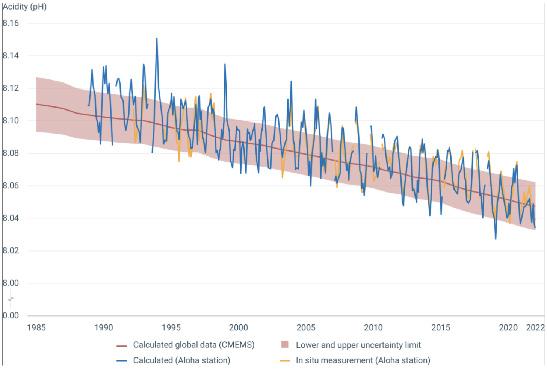
Figure 1: Despite the ocean pH fluctuating during seasons, there is an evident decrease in the pH level over time, which has adverse harmful effects on the species that live there (European Environment Agency, 2024).
million years ago. Furthermore, this is alarming because, during the middle Miocene period, the Earth was several
degrees warmer than our current climate, and widespread extinction occurred. Currently, we are at the precipice of no return for our sea acidification. This effect could cause our marine life to shift forever, with many species going extinct due to the lack of calcium carbonate. However, we can still change these effects and mitigate the risk of ocean acidification (European Environment Agency, 2024).
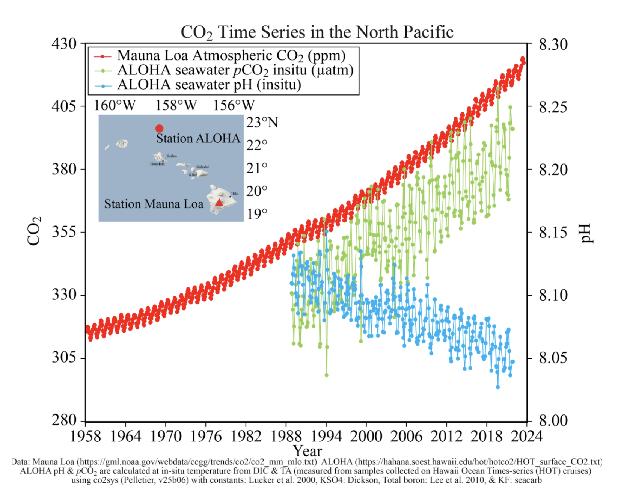
Figure 2: The North Pacific has had an exponential increase in atmospheric CO2, which is directly correlated to the decrease in pH and the increase in CO2 in the seawater (Lueker et al, 2000). These effects are more noticeable than ever, with the current coral reef crisis being directly affected by ocean acidification. 84 different species of coral have already been observed to have a decline in life and abundance due to the lack of calcium carbonate (Sakashita, n.d.).
What is already being seen, according to the Intergovernmental Panel on Climate Change (IPCC), is that ocean warming and ocean acidification have already adversely affected food production from shellfish aquaculture and fisheries in most oceanic regions (IPCC, 2011).
Furthermore, according to the Center for Biological Diversity, the oceans have become 30% more acidic than they used to be due to increased carbon emissions.
Furthermore, not only is the reduction of coral reefs being expedited, but many oyster beds have slowly become hypoxic regions. Ocean acidification could be one of the most substantial problems for marine life, with the Australian Marine Institute believing a whole class of marine life could go extinct due to this trajectory. The foraminifera class has been affected in many extensive oceanic regions, such as the Great Barrier Reef, with “40%
of the composition of some cays and sandy sea beds of coral reefs” made out of foram shells (Uthicke, 2013). This data suggests that many of these species are dying away due to the inability to have strong skeletal structures or more rigid shells; instead, their shells are weakening over time.
While the consequences of ocean acidification continue to threaten marine life, there are ongoing efforts at local, national, and international levels to mitigate the impact of ocean acidification. According to a study from Stony Brook University on the impact of kelp on the growth rate of different bivalve species, data demonstrated that the deployment of kelp on an oyster farm combats ocean acidification and, therefore helps protect bivalves (Gobler, n.d.). Additional ecosystem benefits, including protection against harmful algae blooms and the sequestration and extraction of carbon and nitrogen, may follow. Ocean acidification is detrimental to coral reefs, different types of algae, and species that need calcium carbonate to make their shells. However, during the one-month deployment, oysters that were surrounded by kelp grew significantly faster in higher-pH water than individual shellfish located farther away, where the pH of the water was lower (Gobler, n.d.). Kelp can quickly absorb carbon for assimilation in its tissues, which means it can reduce carbon concentration in seawater, thus potentially mitigating ocean acidification in local areas. Although this is an area of ongoing research at kelp farms in Alaska, current studies already reflect the possibility of larger and broader applications of this sustainable resource (Alaska Ocean Acidification Network, n.d.).
The ocean is not only the source of life for marine animals but for humans as well. Indeed, numerous people around the world rely on food from the ocean as their main source of protein, while several jobs in the United States also revolve around the ocean. However, in order to continue this relationship between the sea and man, acknowledging the causes and effects of ocean acidification is crucial. Ocean acidification has been a problem for decades and will not solve itself. Its exacerbation and continuation will cause the ocean to be out of balance. While several efforts, including consistent tracking and kelp harvest, continue to take steps towards protecting the ocean and the benefits it provides us, we are yet to find a definite solution for ocean acidification. Instead,
small individual steps to preserve natural resilience by reducing carbon emissions in our daily lives can add up to saving the trajectory of aquatic life on planet Earth.
References
Bennett, J. (2018, December 18). Ocean Acidification Smithsonian Ocean; Smithsonian. https://ocean. si.edu/ocean-life/invertebrates/ocean-acidification
Gobler, C. (2022, April 18). Kelp (Saccharina latissima)
Mitigates Coastal Ocean Acidification and Increases the Growth of North Atlantic Bivalves in Lab Experiments and on an Oyster Farm. Frontiers in Marine Science. Retrieved from https://www.frontiersin. org/journals/marine-science/articles/10.3389/ fmars.2022.881254/full
IPCC. (2011). WG II / WG I Workshop on Impacts of Ocean Acidification on Marine Biology and Ecosystems. Retrieved from https://www.ipcc.ch/event/ wg-ii-wg-i-workshop-on-impacts-of-ocean-acidification-on-marine-biology-and-ecosystems-17-19january-2011-okinawa-japan/
Lai, C. (2022, July 21). Explainer: What Is Ocean Acidification? Earth.org. Retrieved from https://earth. org/what-is-ocean-acidification/#:~:text=Scientists%20found%20that%20the%20acidity,the%20 world%27s%20most%20acidic%20sea
Lueker, T. J., A. G. Dickson and C. D. Keelingm. (2000) Ocean pCO2 calculated from dissolved inorganic carbon, alkalinity, and equations for K1 and K2: validation based on laboratory measurements of CO2 in gas and seawater at equilibrium. Marine Chemistry 70(1-3), 105-119
Ocean Acidification. (2024, May 29). European Environment Agency. Retrieved from https://www. eea.europa.eu/en/analysis/indicators/ocean-acidification#:~:text=Seawater%20pH%20has%20decreased%20from,modifying%20ecosystem%20services%20like%20fisheries
Ocean Acidification: The Other Carbon Dioxide Problem. (n.d.). PMEL Carbon Program. Retrieved from https://www.pmel.noaa.gov/co2/story/Ocean+Acidification
Q&A: Kelp, climate and ocean acidification. (n.d.). Alaska
Ocean Acidification Network. Retrieved from https:// aoan.aoos.org/qa-kelp-climate-and-ocean-acidification/#:~:text=What%20is%20kelp’s%20role%20in,than%20other%20seaweeds%20and%20seagrasses.
Sakashita, M. (Ed.). (n.d.). Ocean Acidification. Center for Biological Diversity. Retrieved from https://www. biologicaldiversity.org/campaigns/endangered_ oceans/index.html/pdfs/EPA_Response_to_CBD_ Ocean_Acidification_Petition.pdf#
Tai, T. C., Sumalia, U. R., & Cheung, W. W.L. (2021, July 6). Ocean Acidification Amplifies Multi-Stressor Impacts on Global Marine Invertebrate Fisheries. Frontiers in Marine Science. Retrieved from https:// www.frontiersin.org/journals/marine-science/articles/10.3389/fmars.2021.596644/full
Uthicke, S., Dr. (2013, January 1). Early victims of ocean acidification could go extinct this century. Australian Institute of Marine Science. Retrieved from https:// www.aims.gov.au/information-centre/news-and-stories/early-victims-ocean-acidification-could-go-extinct-century-0
rEProgramming thE immunE systEm: thE PromisE of inVErsE VaccinEs
Skylar Rhodes ’27
The immune system is vital for protecting the body from harmful invaders and threats such as bacteria and viruses. It does this by recognizing and counteracting these threats using a network of cells, tissues and organs. In certain cases, however, the immune system does the opposite of what it is supposed to and accidentally attacks the body’s own cells and tissues in the process, leading to autoimmune diseases. Inverse vaccines, a relatively new development, demonstrates the possibility to become a revolutionary treatment for autoimmune disease as they will reprogram the immune system to stop creating an immune response against its own cells, enabling inverse vaccines to be safer and more successful than current treatments that have harmful side effects (Chaoyue, 2024).
Autoimmune diseases are conditions that occur when the immune system recognizes the body’s own molecules, called self-antigens, as harmful invaders. This triggers an immune response that damages healthy tissue within the body as they are attacked, resulting in tissue damage, inflammation, and other painful symptoms. Common examples of autoimmune diseases include type 1 diabetes, rheumatoid arthritis, lupus, and celiac disease (Tenchov, 2024).
Traditionally, treatments for autoimmune diseases have been focused on suppressing the immune system entirely. Medications like corticosteroids and immunosuppressants are often prescribed to reduce misguided activity within the immune system, preventing the immune system from having an autoimmune response to the cells. While these medications are highly successful in helping with autoimmune diseases, they have many negative side effects including increased vulnerability to infections, long-term health issues, an overall weakened immune system, and other health complications. These complications are being minimized with new, more precise ways to treat autoimmune disease by targeting specific areas, rather than putting the entire body’s ability to protect itself at
risk (Tenchov, 2024).
This new, promising approach to treating autoimmune diseases is known as “inverse vaccines,” which are different from current vaccinations that people typically receive. Conventional vaccines have been developed to help the immune system recognize and learn to fight off harmful pathogens. If a person comes in contact with that pathogen, their immune system will be trained to recognize it, and counter the illness with a quick, powerful response before a person becomes sick. Inverse vaccines have a completely different goal as they are being used to retrain and teach the immune system to recognize the body’s own molecules that are believed to be dangerous as benign, ensuring that the immune system does not attack its own tissue (National Library of Medicine, 2024).
The key factor behind inverse vaccines relies on a molecule known as N-acetylgalactosamine (GalNAc). In autoimmune diseases, the immune system mistakenly identifies self-antigens, molecules on the body’s own cells that the immune system should not be harming, as foreign invaders, leading to attacks on the body’s own tissues. An inverse vaccine works by attaching GalNAc to a self-antigen, training the immune system to tolerate these molecules rather than viewing them as a threat. This is extremely beneficial as the immune system is then able to recognize self-antigens as harmless, all together removing the root cause of these diseases. Ultimately, the goal is not to completely eliminate the immune response, but to keep the immune system from fighting against its own tissues. This would allow the immune system to still work properly when exposed to common threats like viruses and bacteria, while refraining from attacking its own cells which the immune system currently does. This new approach represents an improvement from current treatments that cause side effects and long term health issues.
One of the key advantages of inverse vaccines is that they offer a more targeted and precise approach to treatment. Unlike traditional immunosuppressants, which
weaken the entire immune system and leave patients more likely to contract infections and other diseases, inverse vaccines specifically target parts of the immune system that are responsible for the autoimmune reaction. As the immune system learns to tolerate self-antigens, it retains its ability to defend itself against threats (Tenchov, 2024).
An autoimmune disease where inverse vaccines may have a groundbreaking effect is rheumatoid arthritis, where the immune system attacks the joints, causing pain, swelling, and long-term damage. An inverse vaccine could train the immune system to recognize the joint tissues as part of the body, preventing the autoimmune response and reducing symptoms such as inflammation (National Library of Medicine, 2024). Symptoms might not only be reduced more than they were in existing treatments, but they may ultimately be reduced as the inverse vaccines are safer choices as unlike immunosuppressants, they are less likely to cause serious side effects over time.
While the concept of inverse vaccines holds great promise, there are still significant challenges that must be acknowledged and overcome before they can be used to treat people. Much more research is still required to understand the function of GalNAc and how it interacts with the immune system to allow tolerance to its self-antigens. Scientists are working to study and determine the specific methods used to attach GalNAc to self-antigens in addition to ensuring that the immune system responds effectively to them (University of Chicago, 2023). After all, autoimmune diseases are complex, and the body and immune system’s response to self-antigens will be vastly different from one disease to another, which means that each autoimmune condition may require a unique inverse vaccine tailored to its specific self-antigen, ultimately proving to be a challenging development to create and then approve (Arnold, 2024). As with any new medical development, testing and long-term studies are imperative to determine the safety and accuracy of inverse vaccines. While inverse vaccines have been deemed promising, there is still much more to learn, modify, and study.
Despite the challenges, the progress made in developing inverse vaccines to retrain the immune system without suppressing the entire function is a promising advancement in the management of autoimmune diseases (Willyard, 2023). By delivering a safer, more targeted al-
ternative to traditional approaches, inverse vaccines will teach the immune system to recognize the body’s own molecules as harmless. These vaccines offer the potential for more targeted and safer treatments compared to the immunosuppressants that have been used to treat autoimmune diseases for quite some time. While further research is essential in overcoming the challenges involved in developing inverse vaccines, their potential to change the treatment of autoimmune diseases is hopeful.
References
Arnold, C. (2024, April 10). ‘Inverse vaccines’ could treat autoimmune disease — from multiple sclerosis to celiac disease. (n.d.). Nature medicine. https:// www.nature.com/articles/d41591-024-00024-2 Chaoyue.(2024, July 8). Inverse vaccines: a new hope for millions of patients with autoimmune diseases. Alcimed. https://www.alcimed.com/en/insights/ inverse-vaccines/#:~:text=Unlike%20a%20traditional%20vaccine%20that,attacking%20the%20 body’s%20own%20 tissues.
Inverse-Vaccines for Rheumatoid Arthritis Re-establish Metabolic and Immunological Homeostasis in Joint Tissues. (n.d.). National Library of Medicine. Retrieved November 17, 2024, from https://pubmed. ncbi.nlm.nih.gov/38469995/
“Inverse vaccine” shows potential to treat multiple sclerosis, other autoimmune diseases | University of Chicago News. (2023, September 21). News. uchicago.edu. https://news.uchicago.edu/story/inverse-vaccine-shows-potential-treat-multiple-sclerosis-
Tenchov, R. (2024, November 1). How Do Inverse Vaccines Work? American Chemical Society. Retrieved June 13, 2024, from https://www.cas.org/resources/cas-insights/are-inverse-vaccines-cure-autoimmune-diseases
Willyard, C. (2023, September 22). How inverse vaccines might tackle diseases like multiple sclerosis. MIT Technology Review.
thE Quantum PhEnomEna BEhind suPErconductiVity
Mila Cooper ’26
Whether considered an insulator or a conductor, all materials contain some level of electrical resistance at ‘normal’ temperatures. They resist the flow of electricity at varying degrees, meaning some energy is always lost as heat when electrons travel in a circuit, such as in our mobile devices, for example (DOE Explains, n.d.). When the temperature is cooled to below a critical temperature, Tc, which varies by element, however, this resistance dissipates, and materials are able to conduct direct current (DC) without energy loss (DOE Explains, n.d.).
This unique quantum phenomenon was first observed in mercury in 1911 by Dutch physicists Heike Kamerlingh Onnes and Jan Flim (Van Delft & Kess, 2011). They used liquid helium to cool mercury down to a ‘transition’ temperature—its critical temperature—and observed the mercury resistance fall to zero. They were unable to explain the phenomenon, but in 1912, it was further seen in tin and lead, materials which could be used as coils of wires rather than mercury capillaries.
Questions of whether this superconductivity could be used to create a superconducting magnet then emerged. To obtain this extremely strong magnetic field, scientists attempted to use a lead coil; however, even a weak magnetic field induced by an electrical current sent through the wire caused the superconductivity to disappear (Van Delft & Kess, 2011). The superconductive state of some materials can be destroyed by the penetration of the magnetic field into the metal. Given that some superconductors can support this disruption by the magnetic field, a distinction between two types of superconductors must be made. Type I materials remain in the superconductive state only around relatively weak magnetic fields; type II materials, on the other hand, can tolerate the surface-level penetration of the magnetic field (Superconductivity, 2024). Much later, in the 1960s, niobium titanium wire, a now-conventional superconducting material, was used to create the first superconducting magnet (Van Delft & Kess, 2011).
An explanation for the existence of superconductivity emerged in 1957, when three American research-
ers—John Bardeen, Leon Cooper, and John Schrieffer— proposed the Bardeen, Cooper, and Schrieffer theory (BCS theory). They postulated that at extraordinarily low temperatures (critical temperatures), electrons, which normally repel one another, group into pairs (Superconductivity, 2024). Phonons, atomic-level vibrations of the ionic lattice making up metals, hold these pairs together, allowing them to move freely throughout the lattice without resistance (DOE Explains, n.d.).
In metals, the lattice is formed by positive ions (as metals form cations) surrounded by a sea of electrons. As these delocalized electrons move around the lattice, the cations of the lattice shift slightly towards the attraction of the negatively charged electrons, creating a sort of ‘glue.’ This movement of positive particles then attracts another electron, creating the ‘Cooper pair’ of electrons. Further, these Cooper pairs act like particles of light, being able to merge into a single quantum state known as a ‘superfluid,’ allowing them to move free of resistance around atoms (Wood, 2023). At most temperatures, however, this weak attraction between the two electrons is broken up by thermal energy. Thus, most metals only gain superconductive properties at extremely low temperatures, where these electron pairs still exist and move freely (Superconductivity, 2024).
In 1986, copper-oxide superconductors at much higher temperatures, now known as cuprate superconductors, were discovered. They could be cooled to the temperature of liquid nitrogen (-196°C), as opposed to liquid helium (-268.93°C), and exhibit superconductive properties. This new discovery kickstarted a search for an explanation of this new phenomenon. Nobel-laureate physicist Philip Anderson proposed a theory arguing that a quantum mechanism known as superexchange was present in the middle of the ‘glue,’ the vibrations of cations, holding the electrons together (Wood, 2023). Superexchange describes interactions involving electron exchanges between two cations over an anion (Pei, 2017).
Electrons, exhibiting wave-like properties, follow the Heisenberg Uncertainty Principle, stating that
one cannot know the precise position and momentum of a particle at the same time. As their position becomes uncertain, their momentum becomes more precisely defined. Particles naturally search for lower energy states, and thus look for a sharper and lower momentum. Anderson theorized that electrons look for situations where they are able to hop from one atom to another, such as in superexchanges (Wood, 2023). To hop between atoms, electrons must have opposite spins. Superexchange could thus create a pattern of alternating electron spins in some materials, encouraging electrons to also stay a certain distance apart to ensure they can maintain their ability to ‘hop’ (Wood, 2023).
In 2022, physicist J.C. Séamus Davis and his team at the University of Oxford observed a relationship between the energy of these ‘hops’ and the density of Cooper pairs, a discovery supporting a 2021 numerical prediction that this relationship should follow from Anderson’s theory (Wood, 2023). This finding followed years of experiments on cuprate superconductors, showing that the higher the critical temperature, the stronger the ‘glue’ moving electrons into pairs. Although other scientists caution that research into cuprate superconductors is far from finished, the finding also heavily implies that superexchange enables superconductivity, as hopping energy was correlated with the density of Cooper pairs, essentially a measure of superconductivity.
Cuprate superconductors have now led to the search for superconductors at room temperature. A study published in 2024 examined the use of hydrides in high temperature superconductors (Tao et al., 2024). Hydrides of alkaline-earth and rare-earth metals have strong electron-phonon coupling—a strong ‘glue,’ essentially—and high critical temperatures (Tao et al., 2024). One of the tested metal hydrides obtained a critical temperature of up to -43.15°C, which although certainly not room-temperature, is much higher than previous superconductive materials. The study explained that the electron-phonon coupling occurred in regions with lower-energy phonons in higher-energy states (such as d-orbital electrons). Rare-earth metals have these higher energy states, and those with lower ionization energies could form high Tc hydrides, enabling the further discovery of efficient, high temperature superconductors (Tao et al., 2024).
Room-temperature superconductors could revolutionize our daily lives by replacing high-voltage power lines with efficient, superconductive materials that could easily transport energy from power plants to urban areas (Van Delft & Kress, 2011). Current uses of superconductors, however, have already made advances in medicine and scientific research. Magnetic resonance imaging (MRI) relies on an alloy of niobium and titanium to create the magnetic field used. In the Large Hadron Collider (LHC), the largest and most powerful particle accelerator in the world, if normal magnets were used, the 27 km accelerator would have to be 120 km long to attain the same energy level (Pulling Together, 2024). The magnetic field produced by the magnets on the LHC is more than 100,000 times more powerful than Earth’s magnetic field (Pulling Together, 2024). Superconductors have paved the way for efficient energy transfer and extraordinarily powerful magnets. Further explanations of this quantum phenomenon and research into its various applications will only continue to strengthen the field.
References
DOE Explains. . .Superconductivity. (n.d.). Retrieved from https://www.energy.gov/science/doe-explainssuperconductivity#:~:text=Superconductivity%20is%20the%20property%20of,transition%20 to%20the%20superconducting%20state.
Pei, Y. R. & University of California, San Diego. (2017). Philip Anderson’s Superexchange Model. https:// courses.physics.ucsd.edu/2017/Fall/physics211a/ specialtopic/1964.pdf
Pulling together: Superconducting electromagnets. (2024, November 6). CERN. Retrieved from https://home. cern/science/engineering/pulling-together-superconducting-electromagnets
Superconductivity. (2024, November 6). CERN. Retrieved from https://home.cern/science/engineering/superconductivity
Tao, Y., Liu, Q., Fan, D., Liu, F., Liu, Z.. (2024, July 19). Emerging superconductivity rules in rare-earth and alkaline-earth metal hydrides. I. Science, 27 (8). Retrieved from https://doi.org/10.1016/j. isci.2024.110542
Van Delft, D., & Kess, P. (2011). The discovery of superconductivity. Europhysics News, 42(1), 21–25. Retrieved from https://doi.org/10.1051/epn/2011104
Wood, C. (2023, February 1). High-Temperature Superconductivity Understood at Last | Quanta Mag-
azine. Quanta Magazine. Retrieved from https:// www.quantamagazine.org/high-temperature-superconductivity-understood-at-last-20220921/
thE riPPling EffEct of microPlastics in thE northEast
Anvi Anand ’27
On average, humans ingest more than 900 microplastic particles every day 0—up to 3.8 million per year! Through our products, we constantly breathe in and out these tiny particles, digest them from our food, unsustainably throw them out, and allow this cycle to repeat. These plastics end up in our water sources and, disturbingly, our digestive systems.
Micro-plastics are classified as water-insoluble, solid polymer particles less than or equal to 5 mm in size. Microplastics make up 75% of marine waste and are responsible for 80–90% of land pollution. The main sources of these microplastics are synthetic fibers (35%), tire dust (27%), and city dust (23%), with road markings, marine coatings, personal care products, and plastic pellets making up the other 15% (Liu et al., 2021).
Common microplastics include microbeads, micro pellets, microfilm, and microfibers. Firstly, microbeads are minuscule pieces, ranging from 10 micrometers to 1 millimeter. They are made of pol-polyethylene, which is a synthetic resin used for plastic items. Microbeads act as an exfoliant in many health products, such as cleansers & toothpaste. They are used as ingredients in personal care, cosmetics, and cleaning products (PCCPs) (Bashir et al., 2021).
Furthermore, micro pellets, typically 2-3 mm in diameter and approximately the size of a lentil are made with polymers such as polyethylene, polypropylene, polystyrene, polyvinyl chloride, and acrylics. They are commonly used in factories to manufacture products. At pre-production microplastic facilities, gas or oil ends up turning into micro-pellets.
Additionally, microfilm is thin, transparent, and soft. They are tiny pieces of plastic film mulch that are broken down and have migrated into soil. Found in harvest fields, microfilm is never fully removed since they are so small, making up 33-56% of microplastics in the top 100 cm of soil from the fragmentation of low-density plastic (Li et al., 2022).
Finally, microfibers are elongated and thread-like
from textile products such as clothing and carpets; and synthetic fabrics like polyester, acrylic, elastane, spandex, and nylon. Manufacturers trick consumers by changing the name of these fabrics, evading the word “plastic” on the label. Microfibers also easily detach from textiles throughout their life cycle (wearing and washing) and end up in our water.
According to the UN Environment Programme (UNEP), “it is estimated that 1,000 rivers are accountable for nearly 80% of global annual riverine plastic emissions into the ocean, which ranges between 0.8 and 2.7 million tonnes per year, with small urban rivers amongst the most polluting” (Our planet).
In the United States, the average American adult consumes 11,500 microplastics annually through processed proteins, a supplement of 90,000 through bottled water, and up to 121,000 microplastics from the air (Cox et al., 2019). For the average citizen, that’s a lot.
Around the Northeast, microplastics have been scrutinized in water bodies such as the Atlantic Ocean, Narragansett Bay, and the Hudson River.
Being the hub for plastics, New York City flushes up to 19 tons of microbeads into its surrounding waters. Samples of this polluted water include decayed pieces of junk, abstract food packaging, random clothing, and many microbeads. Heavy rainfall increases the erosion of such particles and augments sewage pollution in New York City’s waters (Krajick, 2017).
At local markets, consumers are buying fish with microplastics contained within them, without even knowing the dangers of their purchase. In Hudson River Park, the average concentration of microplastics per square km in 2019 was 244,141 square kilometers (Brooklyn College, 2019). As years pass, this number fluctuates as the Hudson is continually impacted by anthropogenic actions near the shore and by its proximity to metropolitan cities like NYC.
In the last decades, approximately 1,000 tons of microplastics have been contained in Narragansett Bay
(Miguel, 2024). According to a study by the University of Rhode Island, 16 trillion microplastic particles are trapped in the bay’s top layer, acting as a “plastic filter” for the state. A filter may be nice, but not if it comes at the cost of our water (Curry, 2023).
Ultimately, all of these water bodies flow into the Atlantic Ocean, where concentrations of microplastics are highest at the surface, leading to the formation of the North Atlantic Garbage Patch. Marine life feeds on microplastics they find there, resulting in bioaccumulation and biomagnification in ocean ecosystems. The upper 200 meters of the ocean have 12 to 21 million tons of microplastics (Rosane, 2020). That’s 5% of the ocean. In total, there can be an estimated 200 million tons of microplastics there.
There are multiple victims of these microplastics, the first one being our water bodies. Microplastics utilize their micro-size to their advantage, easily getting transported and harming different regions of the Earth. Some pathways include surface runoff after precipitation which erodes these particles into water from polluted land such as urban regions or factory-based areas. Atmospheric deposition is another major source of transmission. Being abundantly trapped in our air, microfibers are known to fall into our water as “dust” (O’Brien et al., 2023). Additionally, sewage overflows and industrial effluent degrade waterways with the surplus of toxins of broken down and left-over materials. Soil organisms and marine life are exposed to microplastics through entanglement, ingestion, and dermal exposure (Enyoh et al., 2020).
The second victims are our own bodies. After infecting our water, microplastics find their way into our bodies, without our discretion. Without an idea, people can ingest microplastics from food products and beverages, specifically bottled, or simply by breathing through the air. Though such contact may seem insignificant, serious illnesses have arisen from them (Saha et al., 2024).
A study conducted by the New England Journal of Medicine in 2024 identified that cardiovascular disease patients with microplastics in their bloodstream were twice as vulnerable to having a stroke or heart attack (Culpepper, 2024). According to an experiment conducted by the National Institutes of Health, “Twenty-four polymer types were identified from 18 out of 20 donors and quan-
tified in blood, with the majority observed for the first time” (Leanord et al., 2024). Lung inflammation is also caused by microplastics entering vessels and flowing into the lungs, causing shortness of breath and a greater susceptibility to lung cancer. Other health issues include dementia, metabolic disorders, and attention deficits (Saha et al., 2024).
In the last 70 years, global plastic production has reached up to 359 million tonnes; microplastics are not a new problem and have been ongoing for the past decades (Pilapitiya et al., 2024). However, in 2012, the majority of the population in the US was unaware. After President Barack Obama signed the Microbead-Free Waters Act, banning microplastics in cosmetics and personal care items, this issue received more recognition by 2015 (Kettenman, 2016). As the world revolves, more methods of locating microplastics have developed or are in the process of developing. Since microplastics are difficult to identify, there have not been a lot of feasible solutions. There are various solutions one can take to prevent the spread of microplastics. Reducing the usage of single-use plastics will ensure that less plastic waste ends up in our water systems and bodies. Single-use plastics include plastic bags, straws, water bottles, utensils, etc. Moreover, there are multiple alternatives out there you can use to replace plastic. Natural fibers include but are not limited to organic cotton, linen, or hemp, and are perfect for reusable bags, long-lasting clothes, and sustainable products. Stainless steel bottles are durable, anti-bacterial, and do not shed microplastics when used. Avoid purchasing and using items made of plastic or synthetic materials, and do not let companies deceive you. Popular brands like L’Oréal Paris, Garnier, Nivea, and Gillett are known for their products that use microplastics. Instead, purchase from brands like Aveda, Bambu, Ethique, Georganics, and Honest. Lastly, foods such as chicken nuggets, fish sticks, breaded shrimp, ready-to-eat convenience meals, and other highly processed foods, especially processed proteins, contain a lot of phthalate-added microplastics that are unhealthy for the body.
References
Avenue, 677 H., Boston, & Ma 02115. (2023, Septem-
ber 28). Microplastics may disproportionately harm vulnerable communities. News. https://www.hsph. harvard.edu/news/hsph-in-the-news/microplastics-may-disproportionately-harm-vulnerable-communities/
Balch, B. (2024, June 27). Microplastics are inside us all. What does that mean for our health? AAMC. https:// www.aamc.org/news/microplastics-are-inside-usall-what-does-mean-our-health
Brooklyn College. (2019). Microplastic Survey 2019 https://hudsonriverpark.org/app/uploads/2020/09/ MP2019_Report_Final_updated.pdf
Cox, K. D., Covernton, G. A., Davies, H. L., Dower, J. F., Juanes, F., & Dudas, S. E. (2019). Human Consumption of Microplastics. Environmental Science & Technology, 53(12), 7068–7074. https://doi. org/10.1021/acs.est.9b01517
Culpepper, J. (2024, March 19). New study links microplastics to serious health harms in humans | Environmental Working Group. Www.ewg.org. https:// www.ewg.org/news-insights/news/2024/03/newstudy-links-microplastics-serious-health-harms-humans
Curry, K. (2023, August 24). New URI study finds extensive microplastics in Narragansett Bay. The University of Rhode Island. https://www.uri.edu/news/2023/08/ new-uri-study-finds-extensive-microplastics-in-narragansett-bay/
Editor. (2024, February 24). Weekend Reads | How Much Plastic Do We Ingest? South Seattle Emerald. https://southseattleemerald.com/2024/02/24/weekend-reads-how-much-plastic-do-we-ingest/
Enyoh, C. E., Shafea, L., Verla, A. W., Verla, E. N., Qingyue, W., Chowdhury, T., & Paredes, M. (2020). Microplastics Exposure Routes and Toxicity Studies to Ecosystems: An Overview. Environmental Analysis, Health and Toxicology, 35(1). https://doi. org/10.5620/eaht.e2020004
Kettenmann, S. (2016). Nationwide Ban on Plastic Microbeads in Cosmetics. Beveridge & Diamond PC. https://www.bdlaw.com/publications/nationwide-ban-on-plastic-microbeads-in-cosmetics/ Krajick, K. (2017). New York’s Waterways Are Swimming in Plastic Microbeads | Columbia Science Commits. Columbia.edu. https://science.fas.columbia.edu/ news/new-yorks-waterways-are-swimming-in-plastic-microbeads/
Li, S., Ding, F., Flury, M., Wang, Z., Xu, L., Li, S., Jones, D. L., & Wang, J. (2022). Macro- and microplastic accumulation in soil after 32 years of plastic film mulching. Environmental Pollution, 300, 118945. https://doi.org/10.1016/j.envpol.2022.118945
Liu, F.-F., Wang, S.-C., Zhu, Z.-L., & Liu, G.-Z. (2021).
Current Progress on Marine Microplastics Pollution Research: A Review on Pollution Occurrence, Detection, and Environmental Effects. Water, 13(12), 1713. https://doi.org/10.3390/w13121713
Miguel, S. (2024, August 20). URI Researchers Say Levels of Microplastics in Narragansett Bay are Concerning. Rhode Island PBS. https://ripbs.org/ news-and-culture/climate-environment/researchers-examine-how-microplastics-affect-humans-environment
New York’s Waterways Are Swimming in Plastic Microbeads. (2017, August 16). State of the Planet. https:// news.climate.columbia.edu/2017/08/16/new-yorkwaters-swimming-in-plastics/
O’Brien, S., Rauert, C., Ribeiro, F., Okoffo, E. D., Burrows, S. D., O’Brien, J. W., Wang, X., Wright, S. L., & Thomas, K. V. (2023). There’s something in the air: A review of sources, prevalence and behaviour of microplastics in the atmosphere. Science of the Total Environment, 874, 162193. https://doi. org/10.1016/j.scitotenv.2023.162193
Pilapitiya, P. G. C. N. T., & Ratnayake, A. S. (2024). The world of plastic waste: A review. Cleaner Materials, 11, 100220. https://doi.org/10.1016/j. clema.2024.100220
Rosane, O. (2020, August 26). Plastic waste in Atlantic ocean is 10x more than previously predicted, study. World Economic Forum. https://www.weforum. org/stories/2020/08/atlantic-ocean-plastic-pollution-study/
Saha, S. C., & Saha, G. (2024). Effect of microplastics deposition on human lung airways: A review with computational benefits and challenges. Heliyon, 10(2), e24355. https://doi.org/10.1016/j.heliyon.2024.e24355
turning micE skin transParEnt with common food dyE in doritos
Sonia Shum
’27
Since the development of the X-ray by German professor of physics Wilhelm Roentgen in 1895, medical imaging has become a staple of modern healthcare and biomedical research. It encompasses various non-invasive technologies used to examine tissues, organs, and body systems hidden by the skin. In the medical field, this technique improves diagnosis and treatment capabilities, targeting internal injuries and diseases such as bone fractures, cerebral strokes, cardiac diseases, and cancer. Most medical imaging platforms, however, are expensive and largely inaccessible. Recent studies by material scientist Guosong Hong, physicist Zihao Ou, and their colleagues at Stanford University discovered that applying a common yellow dye to the skin renders it transparent, providing a direct window into internal structures within living animals, potentially humans (Reardon, 2024) (Siegfried, 2024). The dye, tartrazine, also known as Yellow No.5, is inexpensive, efficient, and commonly found in Cheetos and Doritos snacks, making it biocompatible—not toxic or harmful to human tissue. This new technique could revolutionise existing optical imaging methods, such as endoscopy, ultrasounds, MRIs, etc. (Siegfried, 2024).
Most animals, including humans, have opaque skin. One reason for this is that skin tissues scatter light, hindering it from travelling in a straight line as light does in air, which makes air appear transparent. All materials have a refraction index—the ratio between the speed of light in a vacuum versus the material. This means that varying mediums slow down light differently. When the speed of light changes, its trajectory bends, or refracts. Air has a refractive index very close to 1; thus, light travels through the air with close to no refraction or scattering. The cells in skin tissues are composed of lipids and proteins with refractive indices of about 1.45 (Hong, 2024). They are surrounded by water with a lower refractive index of 1.33. When light hits the skin, this mixture of cells and water erratically changes the speed of light, scattering it in a process called diffusion. When the light beams have travelled through the skin, it is too weak to illumi-
nate internal structures, making the skin appear opaque (Why Matter, n.d.). By reducing the difference between the refraction indices of these various tissue components, light could travel through at a relatively constant speed, minimising scattering and rendering the skin transparent. Past techniques achieved skin transparency by removing the lipids within the tissues and replacing them with molecules of a watery gel with a refractive index similar to water. This method preserves the structure of internal organs while creating clear ‘skin’ but destroys all cell membranes, making it impossible to reproduce in vivo. In addition, the technique is timely and limited in size, taking about nine days to clarify 4 mm of mice skin (CLARITY Makes, 2013). In a recent study published in the Science journal, Hong and Ou proposed and investigated a new idea of using dye to raise the refractive index of water to match lipids.
Visible light consists of wavelengths in the electromagnetic spectrum that humans can see, and wavelengths correspond to colours. Light appears white when all the visible wavelengths are emitted at once. When light interacts with a material, certain wavelengths get absorbed while others are reflected. The colour of the material humans perceive corresponds to the reflected wavelengths. The colour of the dye is perceived in the same way. The physics principle of Kramers-Kronig relations explains how the colours of light are connected: a material absorbing one wavelength of light changes how other wavelengths of light travel through that material (Hong, 2024). By this principle, dissolving dyes into water changes the refractive index of water for certain wavelengths of light.
Hong and his team experimented with various synthetic dyes, finding tartrazine to be the most effective and efficient at increasing the refractive index of water for certain wavelengths to match lipids and proteins (Young, 2024). Tartrazine, a highly absorbent dye, takes in blue light and raises the refractive index for red light. First, applying the dye to raw chicken breast, the researchers observed the meat becoming more see-through, revealing
a Stanford sign placed underneath, the marker used for this specific experiment (Hong, 2024). They progressed to experimenting on anaesthetized mice. Rubbing the dye into the mice’s skin rendered it transparent in less than 10 minutes, revealing blood vessels, muscle fibres, and internal organs (Young, 2024). Similar to facial creams and masks, the time needed depends on how quickly the molecules can diffuse into the skin (Siegfried, 2024). The window into the mice’s body was tinted orange and red because only those wavelengths of light were adequately slowed to travel through the dyed skin.
Hong and his team recorded observations of the mice’s heartbeat, gastrointestinal system, and even neurons firing (Reardon, 2024). With transparent skin on the scalp, they could record the brain’s activities as the animals performed tasks. The dye, approved by the U.S. Food and Drug Administration (FDA) and used in common snacks, could be rinsed off with water to return the skin to its original opacity and appeared to have no side effects on the mice. Though the dye is biocompatible— safe for living organisms—it is far from human application. Even so, this non-invasive technique holds great potential for improving the efficiency and resolution of existing imaging techniques (Siegfried, 2024).
Nevertheless, the researchers noted that the technique still has limitations (Reardon, 2024). While tartrazine proves efficient and effective, the dye colours the viewing windows orange and red, which masks most fluorescent dyes—important tools used to colour and highlight specific internal structures. Hong also identified the error in color balance; the transparency isn’t complete across the entire visible spectrum, and the dye still blocks blue light (2024). In addition, tartrazine cannot account for all proteins in or near the skin as many have varying refractive indices, so it cannot render such tissues transparent (Reardon, 2024).
Looking to the future with human application, this dye potentially poses health risks, such as allergies, hyperactivity in children, and cancer, particularly skin cancer. Although approved by the FDA, the amount of dye used in food is minute compared to the needed concentration for transparent skin. Human skin is about 10 times thicker than mice, so the dosage, application method, and time needed to affect the skin entirely require further experi-
mentation before it can be deemed safe (Young, 2024).
Despite the uncertainties of this technique, many researchers in related fields are excited about prospective applications. Medically, this could assist in early skin cancer detection, tattoo removal, blood draws, injections via needles, photothermal therapies—laser therapy, and more. With a transparent view of internal organs, this method would enable the use of optical equipment, such as the microscope, to examine the internal body processes of living beings, improving existing optical imaging techniques for research and medicine. “It would give you the ability to visualise at light-microscopy resolution, whereas other methods of MRI, CT, and ultrasound are not as finely resolved,” said Rajan Kulkarni, a dermatologist at Oregon Health and Science University (Young, 2024). Further, the accessibility of dyes and the lack of needed technology for this process combats expense issues with current medical diagnosis methods that require advanced resources.
Hong and his team are continuing their work on improving and testing this technique, preparing for future practical uses on humans. His lab is at Stanford University screening a wide range of molecules to find ones that absorb ultraviolet light rather than visible light, which would reduce the tinting of the skin that occurs with tartrazine. Another approach is to shift the dye’s absorption toward the ultraviolet spectrum, which would create a more balanced transparency effect across all visible colours (Hong, 2024). Similarly, Ou continues his research in his new Dynamic Bio-imaging Lab at the University of Texas at Dallas. He investigates the next steps: finding effective dye dosages for human tissue and new and more efficient molecules, including engineered materials, to replace tartrazine (Siegfried, 2024). Perhaps most importantly, researchers in the field are assessing the technique’s safety risks and benefits in comparison to existing imaging methods. Before human application, researchers need to better understand how to rid the body of the dye and whether the technique’s benefits can outweigh its risks (Reardon, 2024).
To progress to human testing and application, more efficient and safer molecules are needed. This recent study by Hong and Ou demonstrates the promising future of this technique. While it is still a developing method, it
gives plenty of hope for an encouraging solution (Young, 2024).
References
CLARITY makes it perfectly clear. (2013). Science, 342(6165), 1434-1435. https://doi.org/10.1126/science.342.6165.1434-b
Hong, G. (2024, September 5). Yellow food dye can make living tissue transparent − these methods could one day improve cancer treatment, blood draws and even tattoo removal. The Conversation. Retrieved November 17, 2024, from https://theconversation. com/yellow-food-dye-can-make-living-tissue-transparent-these-methods-could-one-day-improve-cancer-treatment-blood-draws-and-even-tattoo-removal-236746
Reardon, S. (2024, September 5). Slathering mice in a common food dye turns their skin transparent. Science. https://doi.org/10.1126/science.z0idj3h
Siegfried, A. (2024, September 5). Researchers Create Solution That Makes Living Skin Transparent. The University of Texas at Dallas. Retrieved November 17, 2024, from https://news.utdallas.edu/ science-technology/yellow-dye-solution-transparent-skin-2024/#:~:text=Living%20skin%20is%20 a%20scattering,it%20cannot%20be%20seen%20 through.
Why Matter Matters scattering, diffusion, opaque, transparent. (n.d.). RocketLit. Retrieved December 6, 2024, from https://www.rocketlit.com/articles/article.php?id=127
Young, L. J. (2024, September 5). Scientists Make Living Mice’s Skin Transparent with Simple Food Dye. Scientific American. Retrieved November 17, 2024, from https://www.scientificamerican.com/ article/scientists-make-living-mices-skin-transparent-with-simple-food-dye/#:~:text=Tartrazine%20 in%20solution%20increases%20the,the%20tissue%20its%20usual%20opacity.