Budget Statement
Traditional challenge events were left behind in the race to build ever more expensive vehicles, but the budget off-roaders from back in the day are a reminder of how relevant a back-to-basics winch series could still be
We all know how it goes in motorsport. It starts off with a few mates getting together to do it for fun and everyone can afford to take part. Soon someone does stuff to improve their car and everyone has to follow along if they want to stand a chance, and the arms race has begun. Almost immediately, people start dropping out because they can’t or won’t spent the money it takes to keep up. Others with more money join the fray, the best of the originals battle to live with them, the budgets get bigger with every new build that enters and within a few seasons, a sport you could be part of for a couple of grand is now locked out by people with six figures behind them.
It’s sad but inevitable, competition being what it is, that this will happen. It
takes longer with some forms of sport but in the world of winch challenges, there was a specific reason why progress (if that’s what you want to call it) happened at breakneck speed.
See, at Le Mans (to use a well known example), you get GT cars, prototypes and hypercars racing together. The differences in top speeds can be frightening but all the drivers know the score and crucially, they’re all race cars on a race track. With winch challenges, the organisers have to set out a course that’ll provide the top teams with meaningful competition – the problem being that in doing so, they create one which is basically impossible for anyone in a low-budget vehicle.
Ironically, Le Mans has in the last few years introduced major rule changes designed to make it less
about how much money you’ve got and more about how inventive your engineers are. The winching game, meanwhile… well, it’s thriving at the top end, for sure, albeit no longer in the traditional punch-hunt format, but where once there were several clubs running regional and national championships of their own, a search through some of the best known from back then now yields a depressing series of ghost websites and Facebook pages populated only by other thirdparty spam.
This is of course nothing whatsoever against the big-budget guys who have won their way to the top levels of extreme off-road sport. And we have to recognise that for those looking to run old-school punch hunts, there’s been at least one high-profile case of an
organiser giving up after being targeted by a no-win-no-fee lawyer. Still, in many forms of motorsport the final step in the arms race has been the creation of back-to-basics events for the sort of people who were priced out early on. So maybe there still is hope. We’re talking about a sport whose growth from real-world to big-money coincided almost perfectly with Britain’s descent from thriving economy to financial basket case, after all.
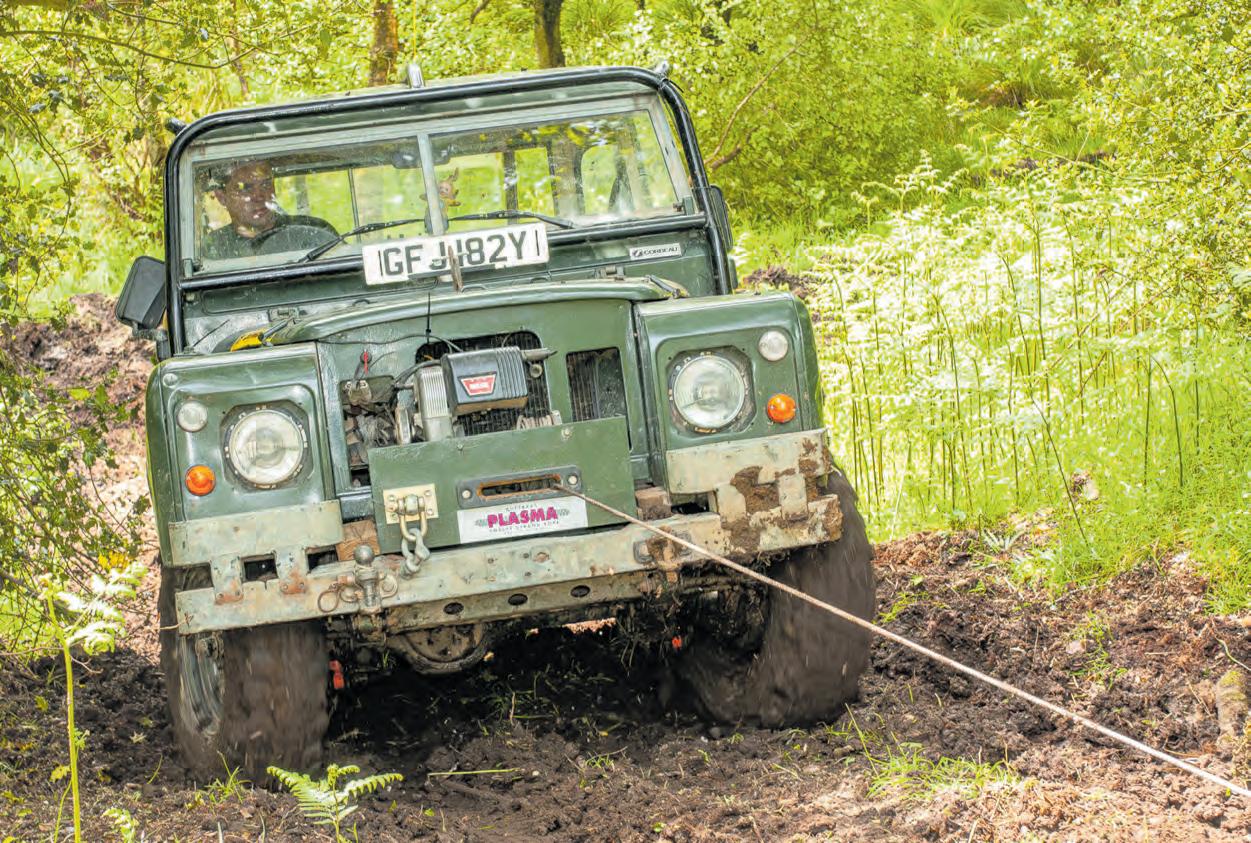
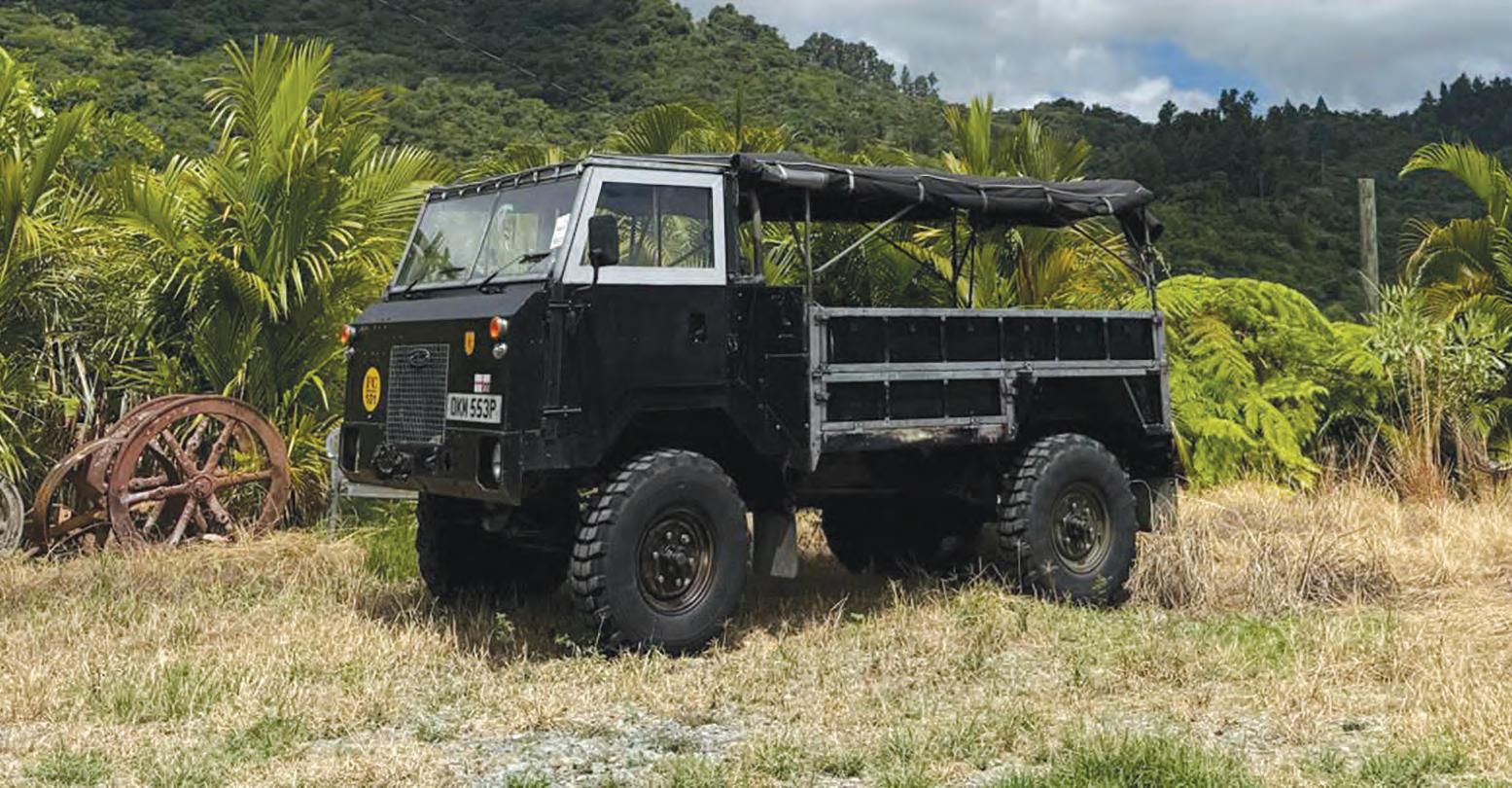
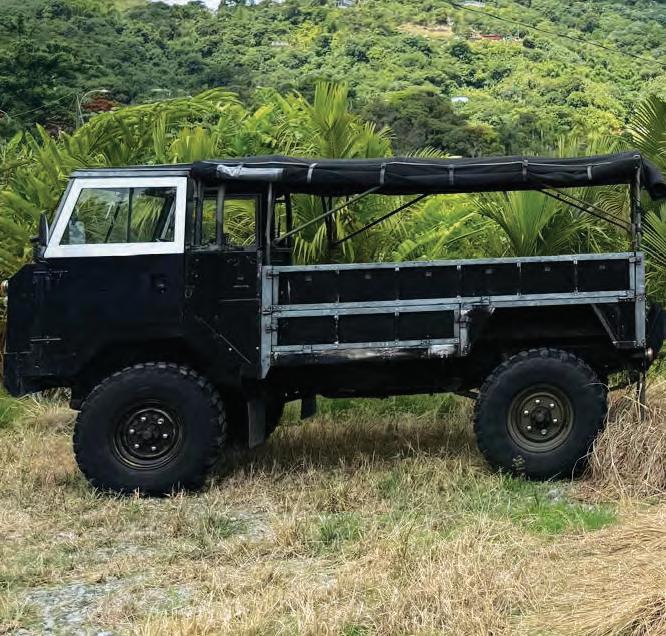
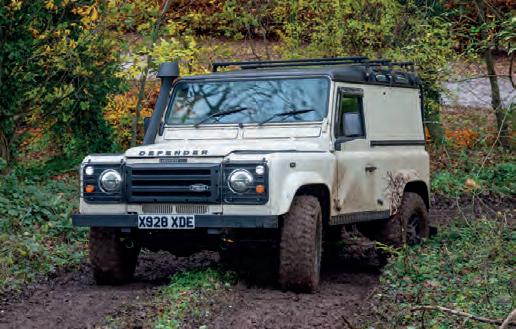
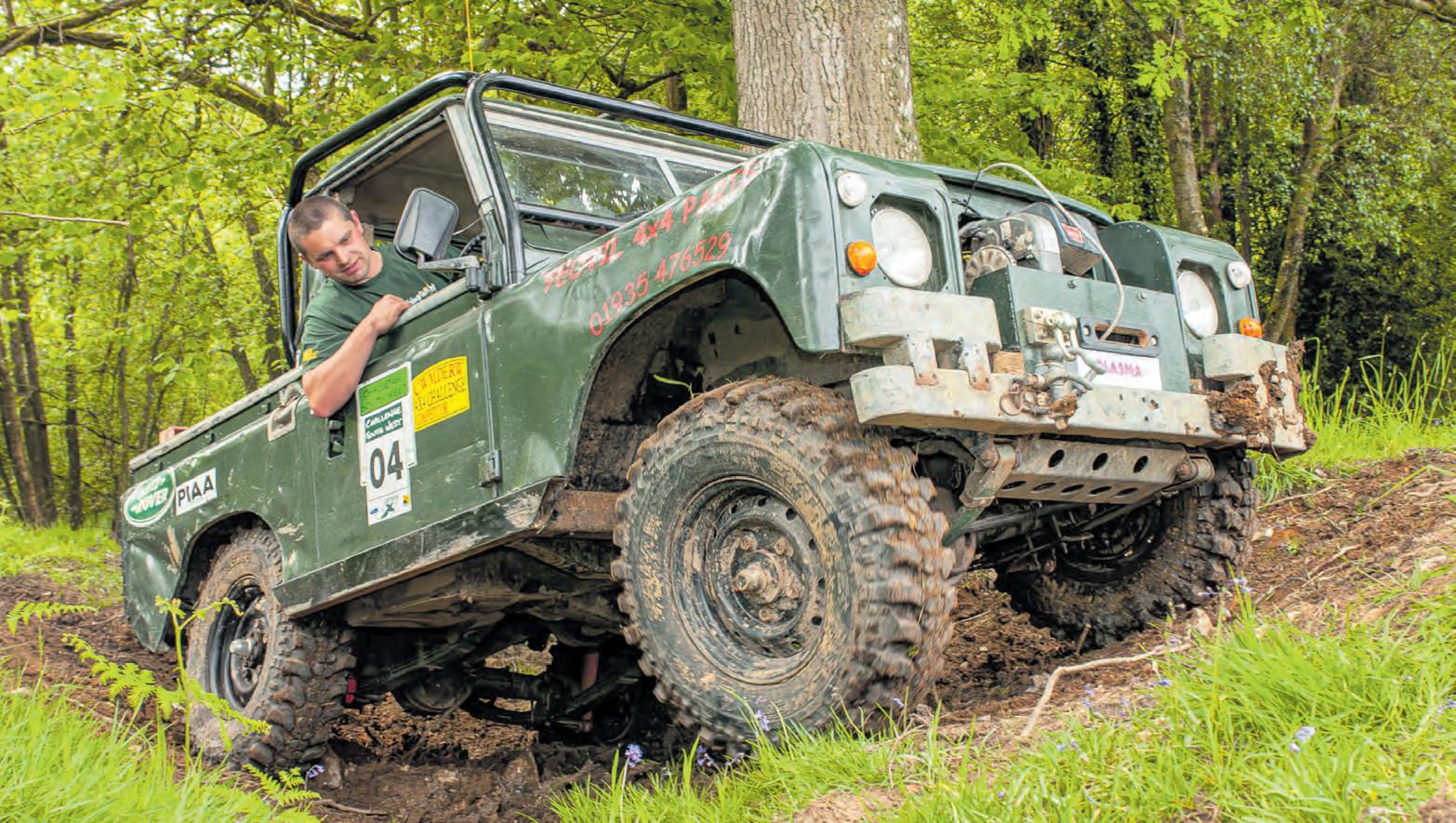
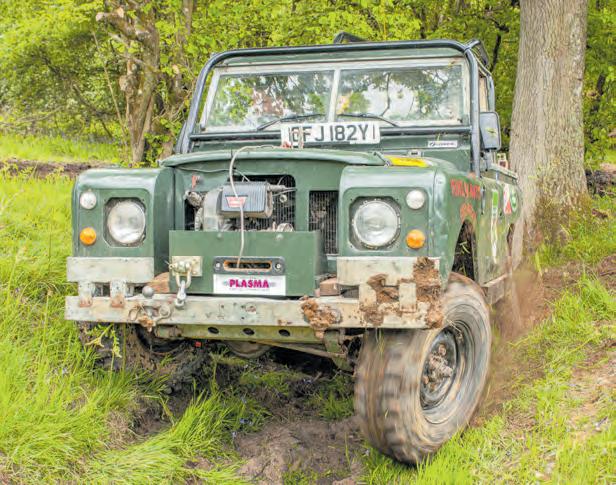
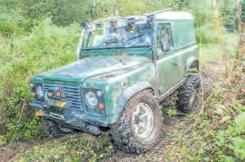
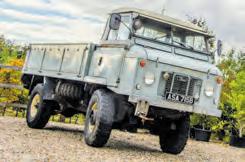
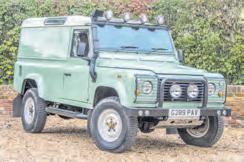
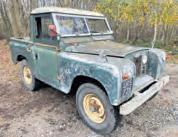
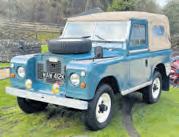
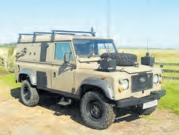
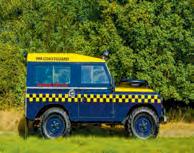
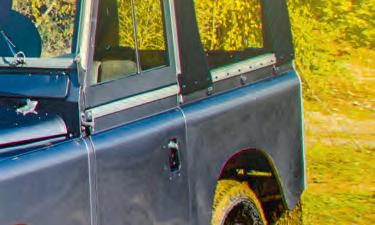
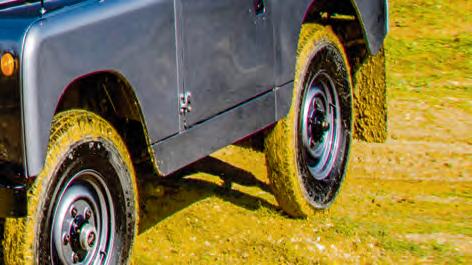
This here 88” Series III Land Rover is a perfect example of the sort of vehicle people were building back then, in the days when it was possible to get out there and compete in what was basically a playday motor. Dating from 1983 and thus a pretty late one from the days of the sought-after 2.25-litre five-main-bearing engine, it was built by
– who wanted
provide the answer for would-be challenge competitors on a budget. Back in the heyday of the winch scene, he ran a business developing and supplying affordable vehicle mods; this truck was a showcase for them, and perhaps it
Paul Challis
to
Words Gary Noskill
Pictures Steve Taylor
Simex Extreme Trekker
Green Lane Holidays in Mid Wales
Family run guest house and self catering cottages with spectacular views, en-suite bedrooms, comfortable lounge bar and excellent home cooked food.
Pressure washer, drying room, map room with local lanes marked, on-site 4x4 course, guides and GPS hire available.
A very popular venue for both individuals and groups of 4x4 enthusiasts
could still now provide inspiration for people wanting to get back to the old days of real-world challenge events.
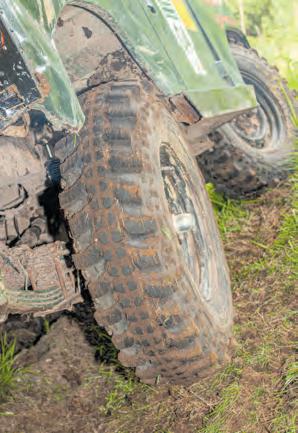
‘I can do a Series III to entry-level challenge spec for about two grand,’ Paul told us. Inflation has happened since (oh, and has it happened) then but you get the point. His own truck would have stood you a bit more even then, being equipped with a full cage and premium tyres (32” Simexes, since you ask); the former wasn’t mandatory in a lot of challenge events back then, though we’d question the sanity of anybody competing without one, and of course Simexes have long since gone from the UK and been replaced by various makes of remould for hardcore off-roaders on a budget.
Elsewhere, the 88 runs parabolic springs and uprated shocks. Paul told us that he might not have bothered with them had the original Land Rover bits not needed replacing anyway, but
they were worn out and if you’re going to do the job you might as well do an upgrade at the same time. The springs are more flexible and also provide a slight lift, both of which are useful, and while the shocks are standard length they soften the ride on rough ground. Possibly not ‘useful’ as such, but definitely a good thing when, as is the way with punch hunts, you’re on board for hours at a time.
Overall cost? About £100 more than the standard Land Rover bits. Worth it? If you even have to stop and think about that, try seeing it as £25 a corner. There’s low-budget and there’s borderline psycho…
As we’ve already suggested, the same could be said of the roll cage. You might be allowed to compete without one, but of all the places not to try and save a couple of quid.
Paul’s was built to ALRC spec, for the simple reason that the Association
of Land Rover Clubs was the only off-road motorsport body he could find that gave clear instructions on how cages had to be built. You can satisfy the FIA with a design that won’t pass muster with the ALRC, which sounds a bit mad but has the benefit of competitors knowing exactly where they stand. Paul was happy that by following the association’s rules, he was building a safe cage – and having had it scrutineered and logbooked, he was able to compete in member clubs’ CCVTs and comp safaris if he wanted. Both Paul and his co-driver Martin Payne had plenty of experience in both those disciplines, as it happens. ‘I suppose the basic principles of off-road driving remain the same,’ said Martin. ‘If you’ve got them in place, you should be able to transfer from one type of event to another without too much difficulty.’ One of those principles is of course that titles and won and lost in



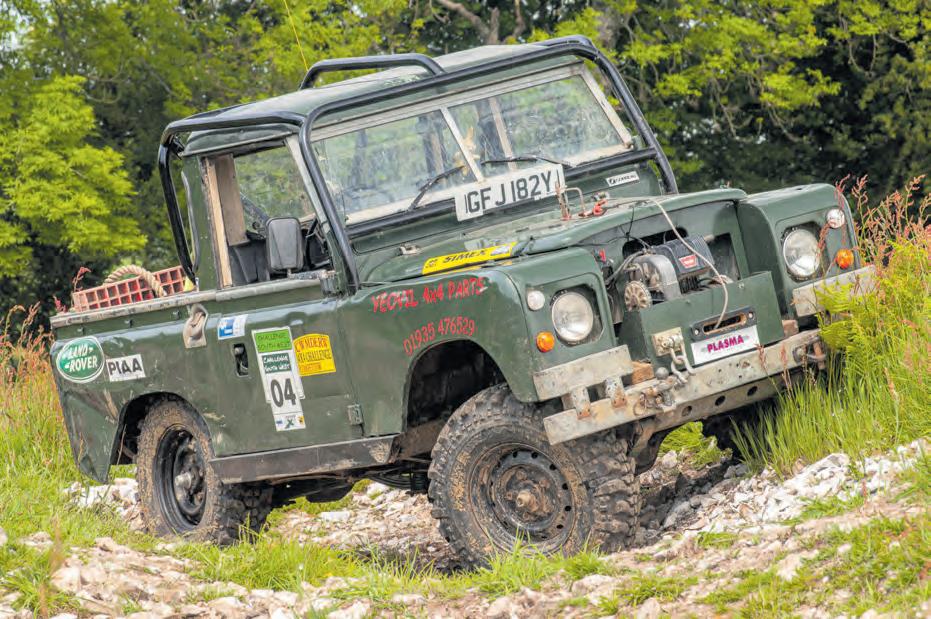
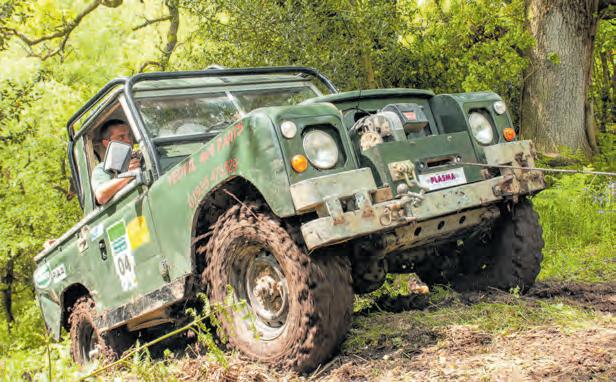
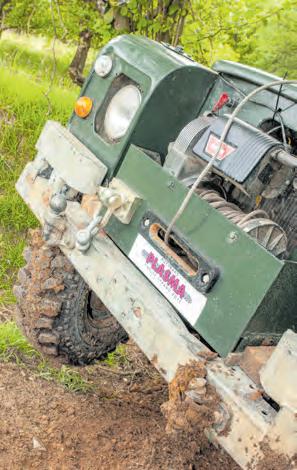
A standard Warn 8274-50 was among the few high-cost items on the vehicle. Paul mounted it on a winch cradle he picked up for £80. Note also the blocks of wood between the cradle and the inner edge of the wings, which keep them from flexing excessively
We’re on Facebook: www.facebook.com/thelandyuk To advertise in The Landy, call our team on 01283 553244
the workshop just as much as in the mud, and the two of them were rarely out of it.
Now, comp safari is definitely a form of off-roading in which highbudget vehicles came to overwhelm the real-world motors that brought it to life. But Paul had a different reason for leaving it behind to go winching instead. ‘When you compete in safaris,’ he said, ‘you probably spend no more than 30 minutes behind the wheel during any one event. With challenge competitions, you’re often there all day!’ Ditto for trials, except your actual driving time will be closer to three minutes than thirty.
Paul actually built the cage by modifying a rear hoop that was already in place when he bought it (from Martin, funnily enough). Down below, further high-tensile steel went into the rock sliders – box rather than tube this time, but still just as capable of taking the vehicle’s weight. Even back then, in the days before everyone had to be in a spaceframe buggy on tyres you can see from space, it was still normal to run 35” rubber, so Paul was at an immediate disadvantage on his 32s – meaning those sliders were more important than ever if he wasn’t forever to be stuffing his sills into the deck.
Not that he could have gone much bigger if he wanted to retain that ALRC ticket, because the association’s regs
mandated a maximum height of 33”. And anyway, the investment in tyres was one of the big decisions he had to make when building the vehicle. ‘It was a toss-up between the Simexes and a diff-lock,’ he told us. ‘I thought the tyres would give me a greater benefit in maintaining traction and I’d be less likely to need a locker.’ These days it’s normal to have 40” tyres and two lockers, not to mention three winches and each of them owes you more than Paul’s entire budget for this truck, but this was a time when a mouse could still roar. Anyway, Paul seemed pretty happy that the 32x9.50R16 Simexes were proving to be the right choice. Something else it’s normal to have these days is a big beast of an engine. Punch hunts have largely given way to the European version of US-style rock racing, after all. But Land Rover’s little 2.25 petrol was just fine, even with taller tyres to turn and the extra weight of a winch and roll cage. ‘I’m not looking for masses of top-end power,’ Paul explained. ‘It’s not how much power you’ve got that’s important, it’s what you do with it.’
The winch in question, a Warn 8274, was the other big-ticket item on board. No twin-motor top, no reduction gearing, no uprated mainshaft, no air freespool, just a winch. Imagine that. No synthetic rope either, just steel cable. And for spares, Paul also had
an 8274 on his tow vehicle, which just happened to be a Camel Trophy 110. Juicing it all up were three lorry batteries, which can’t have done anything for the truck’s overall weight but definitely helped with the budget as Paul had them lying around his workshop.
Modern rock rigs tend to have a hull like a battleship, but Paul’s only concession to underbody protection was a steel guard for the Land Rover’s steering. His view, and a commendable on it is, was that common sense is the best protection. The front bumper, meanwhile, was military spec, with more strength than the civvy equivalent and a design that’s less likely to dig in to mud and end up pushing the wings back. A particularly unusual addition here, too, was two blocks of wood positioned just inside the wings to prevent them from flexing. ‘The wood has just enough flex to allow movement,’ Paul explained, ‘but enough strength to prevent the wings from being crushed altogether.’ Who said modifications had to be expensive?
On that subject, said blocks of timber are slotted in between the wings and the winch cradle. Paul picked this up for £80 and welded it on to the top of the military bumper, saving the cost of a purpose built unit and also keeping the winch well out of the way
where it wouldn’t go interfering with his approach angle.
Nothing flash and fancy, then – just the bare necessities of winching life. It was the same inside, with just a CB and the all-important cubby box for Martin’s sandwiches, while the pick-up bed was home to a set of waffles and a ground anchor, as well of course as the rear stays for the roll cage. No fancy boxes for storing spares and recovery equipment, because they’re not strictly necessary and just add to the cost.
Even back then, in the relatively early days of winch competition, Paul
was still at a disadvantage compared to bigger budget trucks with twin ARBs, 35” tyres and winches front and rear. And these days, even those trucks would be nowhere. But with the traditional punch hunt scene currently just a shadow of its former self, perhaps the opportunity is there for an organiser to recreate the great days of 25 years ago. There’s a whole new generation of off-roaders for whom an old campaigner like this would be the perfect template for a welcome return to winching as one of the most affordable forms of motorsport.
all Land Rovers. Its engineering and design give it real charisma, but parts aren’t readily available. Restoration projects require deep pockets, but see it through and the result will be worth mega bucks.
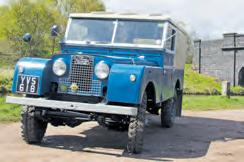
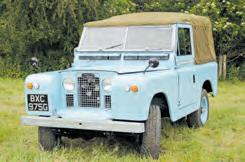
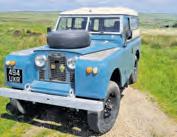
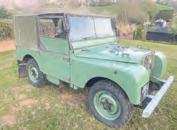
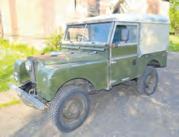
The Series I, particularly in its 80” guise, is the most sought-after of
Gone are the days where you could use a Series I as an actual Land Rover. Because with restored examples changing hands
£5000-£85,000
for millionaire money, preservation is the aim of the game.
The earlier the vehicle, the more it will be worth. The sky’s the limit – but can you really put a price on such an icon?
Pros: Heritage, charm, a true classic, the original Land Rover Cons: Availability of parts, price tag on early 80s Series I (1948-1958)
Cons: Not yet as desirable as the earlier Series models Series III (1971-1985)
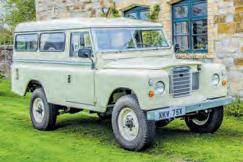
terms, keeping the same 2.25-litre engines throughout the length of its production run. In 1980, the engines switched to a more durable five-bearing crank rather than the old threebearing setup. The transmission also received syncromesh on all forward gears to make it easier to live with.
£2500-£35,000
They still carry the simplicity of earlier Land Rovers, but the Series III remains the most affordable way into owning a leafer.
Pros: Most affordable route into Series ownership. Still has the Series pedigree. Parts still widely available
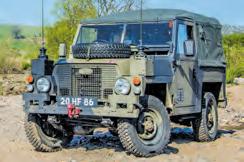
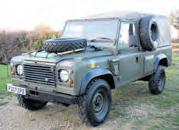
Lightweight (1968-1984) £3500-£22,000
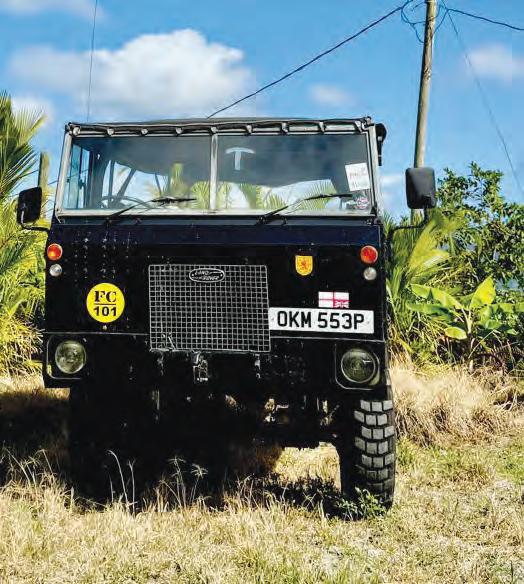
These military vehicles can easily be distinguished from regular
Land Rovers. To mimic the civvy Series machines, the Series III model built from 1972 onwards, also had its headlights switched out to the wings.
Lightweights add an extra dimension to owning a Land Rover. Their military history and details mean you get a truck with more stories to tell – and that stands
Early
These
Rovers
coilsprung suspension, new engines and a world-beating level of rugged off-road capability.
out from the crowd. They’re a rare breed, though – so if you’ve got one, it’s worth keeping hold of.
Pros: Not like all the other Land Rovers out there. Military background. Lovely 2.25 petrol Cons: Appearance isn’t to everyone’s taste. Exclusivity over regular models means they command a price premium
Don’t be fooled by high prices. Values have dropped in the last two years, and only a real rarity in pristine nick is worth the money that used to be commonplace.
Pros: Excellent parts availability. Easy to work on. Unlimited potential for mods and restos
much of that early charm. Prices seem to have peaked now, however they still remain strong for good examples.
A 2.25 petrol 88” would be our pick, as the diesel engines were underpowered and rather noisy.
refinement. While the engines have excellent longevity, they need to have been maintained properly. Be thorough in your checks, both under the bonnet and underneath the body.
refinement, but this is seen by many experts as the best Defender of them all.
The LT77 gearbox in the 200 Tdi is more truck-like than the later R380, and these vehicles didn’t come with bling. Just be sure it’s an original Tdi you’re getting, not an old Discovery conversion.
Pros: The perfect combination of tradition and modernity
Cons: Lots of horrible and/or deceptive ones around
Cons: Bulkheads and chassis rot, springs prone to seizing Series
The Series II/IIA has a wider stance than its predecessor and adds an extra (thin) layer of
rarity – with all the cachet, pride and immense awkwardness that comes with this status.
By ‘rare’, we’re talking about less than 2500 Series IIA FCs in total. And they tended to have a very hard life, so not many have survived to tell the tale.
Pros: A sound investment to restore – and enjoy
Pros: A Land Rover like no other, if that’s what you want Cons: Especially brutal to drive, and to find parts Series IIA/IIB FC (1962-1971) £2500-£15,000
Forward-Control models differed from everyday Series IIs by
Only ever
the time came for demob. They were flogged off at very low prices and turned into off-road toys –not something you’d do with one today, given the rarity and classic value they’ve taken on.
having heavy-duty ENV axles, but engine-wise they had the familiar 2.25 petrol and diesel lumps. So, don’t expect performance – but do expect to be given an ‘interesting’ time in the workshop…
£7500-£26,000
Compared to the IIA/IIB FC, the 101 is more fun thanks to its V8 engine. It’s still a military tool, though – some still have fixtures and fittings from their Army life, which adds interest. This is a vehicle for enthusiasts, though, with costs that are sky-high even by Land Rover standards. Pros: Master of the road. Lovely V8 soundtrack. Everybody who sees one loves it Cons: Monumental running costs. Expensive to buy, too
The 127
motor. It’s popular for homebrewed overland conversions, too. Almost all 127s have had an engine conversion by now, too. Lots to be wary of, then – but it’s a hell of a lot for your money. Pros: Enormous size means
work truck tend to go for a later 130, so the 127 is more of an enthusiast’s
The Series III wasn’t too dissimilar to the Series IIA in mechanical
Forward Control Land Rovers are a cult within a cult. They’re a real
The Tdi engine, which arrived with the Defender name, can
was built on a special production line in Solihull which
Defender 300 Tdi (1994-1998)
The 300 Tdi engine is very different to the 200 unit it replaced, though
the two are related. It’s much more refined and smoother to drive, though there are more electronics involved so later versions in particular are less of a DIY fix.
The arrival of the 300 Tdi also brought with it the R380 gearbox. This used to have a terrible reputation for relability, but most have been put right by now and they’ve
£3500-£40,000
become sought after for their light clutch and better shift action.
It was during the Tdi era that Defenders started getting things like alloys, too. You might even find one that’s not been off-road… Pros: Strength and simplicity. Perhaps the definitive Defender Cons: Sure to be very different to when it left the factory
TDCi (2007-2016) £6500-£275,000
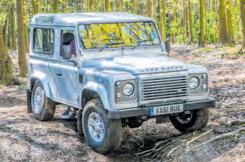
The last Defenders gained modern 2.4 and 2.2 TDCi engines and
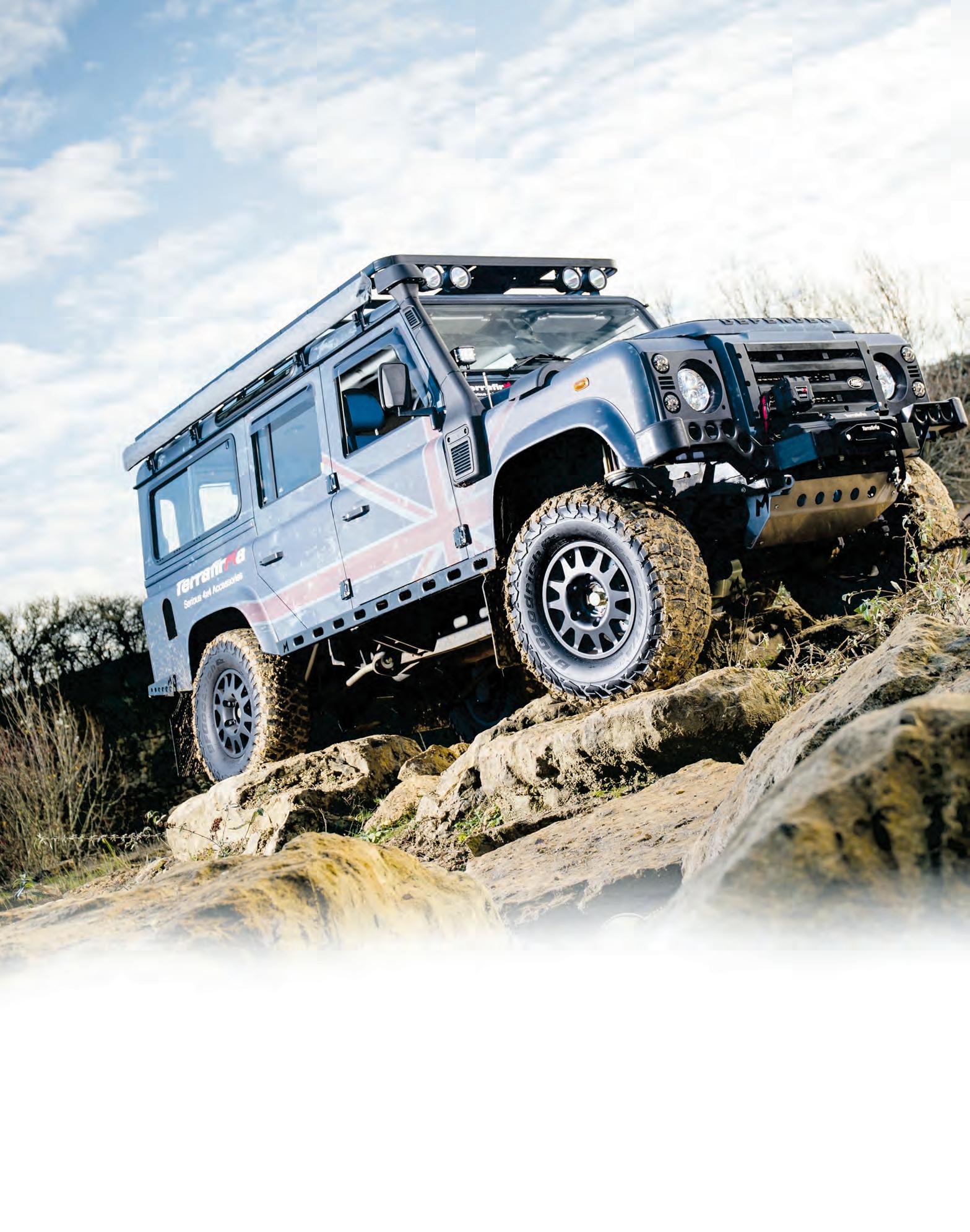
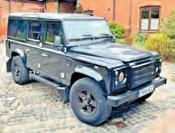
smooth six-speed gearboxes, They still had phenomenal off-road ability and were even okay to sit in. Famously, this was the Defender that actually had a dashboard You can find special editions and boutique conversions to TDCi models that cost obscene amounts of money. You will pay a premium for any these late
It’s also a notable classic in its own way, as it heralded the start of the company’s modern era. It has its issues, though. The viscous coupling is expensive to replace and can be upset simply by running mismatched tyres.
The 1.8 petrol used to be notorious for head gasket failures. Today’s replacements are much
are people who do just that, preferring to invest new-car money in a restoration than spending it on a current model.
It’s a smart policy, too. An early two-door can cost mega money, but any Classic will appreciate in value if kept in good condition –and sought-after rarities like the CSK and LSE can be a gold mine.
a strong performer. It does lend itself to being tuned though, so watch out for abused ones and knackered examples that have been pushed beyond the limit.
As with all Defenders, you’ll need a rear crossmember sooner or later – or even a new chassis.
still be a DIY machine. Parts are in plentiful supply, as is specialist knowledge – and it’s one of the best Land Rovers ever.
Defenders, however the era of skyrocketing prices seems to be over and TDCis have dropped further in value than the Td5. So a good 2.2. could now be quite a shrewd investment
Pros: Efficiency, creature comforts, off-road prowess
Cons: Price, electronics, TDCi engine is unloved
more robust, but a late diesel is your best bet. Even these can go calamitously wrong, though. This was a more complex car than it needed to be, and buying one for sweeties now doesn’t change that.
Pros: Cheap to buy, no big rust issues, surprisingly able off-road Cons: All sorts of things can go wrong, some very expensively
An awful lot of Rangeys have been neglected and/or abused, and you can still buy they cheap. But if you’ve got the skills, and access to parts, restoring one would be the ultimate hobby that pays.
Pros: Most usable classic Land Rover, V8 power, ride quality
Cons: Rust, availability of parts for early models
Range Rover (2002-12) £2200-£24,000
The Mk3 Range Rover hit new
of luxury and was more reliable than the P38. It’ll still cost a lot to run, however, and drivetrain faults and underbody corrosion are not unknown.
The TDV8 engine is sublime, but you’ll pay more to get one –especially the 4.4, though the 3.6 has all the power you need. The V8 petrol, on the other hand, is temptingly cheap. Guess why…
This isn’t a DIY motor, but it certainly is a Range Rover, with brilliant off-road and towing skills. It relies a lot on electronics, but they work wonders – and the deepdown engineering is very robust.
Pros: Great off-road, luxury, image, TDV8 powerplants
Cons: Very complex. Huge running costs
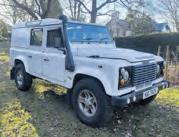
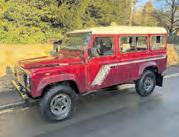
The Td5 engine is arguably Land Rover’s most reliable unit and it’s
Despite having more electronics than the Tdi, a Td5 Defender can
(2020-on)
If the subject of the new Defender comes up in enthusiast circles, try
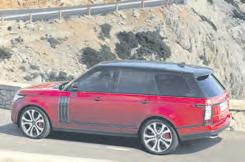
The fourth-gen Range Rover is a majestic 4x4. All the engines in the
to steer it away on to something safer. Like Brexit, for example.
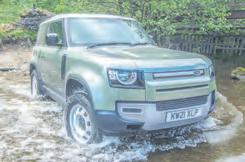
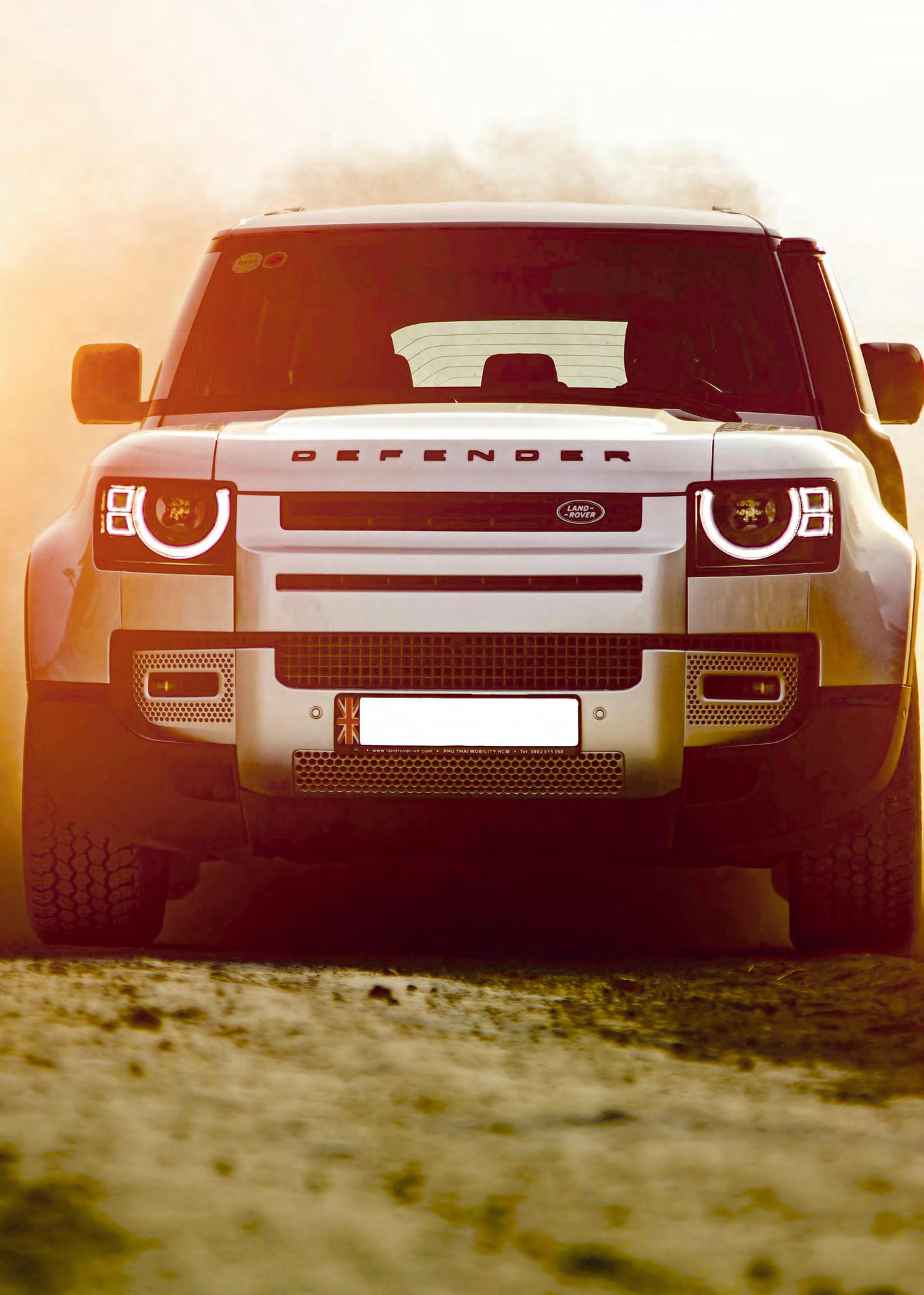
Much as it may infuriate purists, however, the Defender is actually a very wonderful thing. It’s kind of like an old one, only with space, comfort and equipment.
The big difference is that you can’t work on it yourself. This goes for maintenance and, crucially,
it replaced. It’s a refined and affordable SUV with a strong engine, good equipment and a decent level of practicality.
It’s become one of the most reliable Land Rovers out there, too.
But do be aware of the rear diff and Haldex unit for costly outlays.
The 2.2-litre diesel engine is a strong performer, though for a
own, even today. The problem is that they’re very complex and very, very good at going wrong. Air suspension failure is the norm. Head gaskets can let go. Electronics are laughably flaky. And parts can cost the earth – as will the labour bills. Perhaps worst of all, nowadays it’s very hard to find one you can be sure hasn’t
range supply copious amounts of power, and its road manners are absolutely impeccable.
It’s startlingly capable off-road, too, even if getting one muddy would feel like bad form. Most that leave the tarmac probably do so only when their owners are in the mood to blow some grouse out of the sky.
a supreme off-roader as well as
Pros: Off-road capability, power, overall reliability. Very well suited to being modified
Cons: Rear chassis, premium prices, monstrous road tax on later vehicles Defender Td5 (1998-2007) £3000-£35,000
£45,000-£185,000
making modifications – a market Land Rover wants to take back and have for itself. It won’t hold its value long-term the way an original-shaper does, either. But this is still a superb vehicle.
Pros: Comfort, capability, rugged fitness for purpose
Cons: Not cheap to buy. Lacks the old one’s basic charm
bargain search out one with the unpopular 3.2 petrol unit. Either way, it’s a fine SUV to drive. Prices have fallen since the production ended, too – £15,000 now gets you a late one on tiny miles.
Pros: Reliability, refinement, economy of diesel engine
Cons: Transmissions can wear quickly if used for towing
spent at least part of its life being worked on by idiots Still, you’ll get a classy motor with proper off-road and towing skills. It’s becoming a classic, too, and prices are still tiny considering everything you get.
Pros: Luxury, price, a Land Rover that doesn’t rust Cons: Electrics. Be very afraid
Inside, the Range Rover’s cabin is superb, with sumptuous trim and cutting-edge equipment. Prices are, of course, as immense as the vehicle itself. But if you can afford it, so too is the presence a Rangey will give you.
Pros: Class, luxury, engines, vast all-round capability
Cons: Price
heights
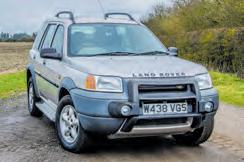
The Freelander 1 is a cheap gateway into Land Rover ownership.
The Freelander 2 was a massive improvement on the model
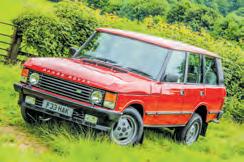
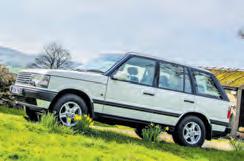
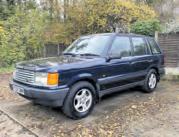
The original Rangey is a classic you can use everyday – and there
A Mk2 Rangey in good working order is still a sensational car to
Range Rover Sport (2013-22)
The second-generation Range Rover Sport is 400kg lighter than
the original, meaning it’s almost economical to run. It feels really nimble and agile on the road, too, and it comes with a range of engines giving it a brisk turn of pace.
Some won’t like the flamboyant posture, while others will love it. Either way, inside the cabin it’s very nearly as luxurious as the full-house Range Rover.
£13,500-£65,000
If you can afford the SVR model, you’ve got a super-SUV with rap star image. In every case, though, running costs will be vast. Parts don’t get any cheaper because you bought it second-hand…
Pros: Performance, refinement, handling, glorious interior
Cons: Marmite image. Pricey to buy and run
Range Rover Sport (2022-on)
Hilariously, this is what counts as the affordable way in to owning a
new Range Rover. The Sport is less about being chauffeur driven and more about lording it over other aspirational school runners, but once again it’ll be lovely to drive.
Like the full fat Range Rover (a phrase which has never felt more appropriate), the Sport is available with an old-school V8 engine that gives you racecar performance in
£80,500-£145,000
return for NASA-level emissions. Most UK customers with opt for an altogether healthier plug-in hybrid, but they’ll still get a vehicle that’s brutally fast a well as being able to do the normal Range Rover stuff.
Pros: Smooth, refined, comfy… and game for a laugh, too
Cons: Still hasn’t quite shed its proceeds-of-crime image
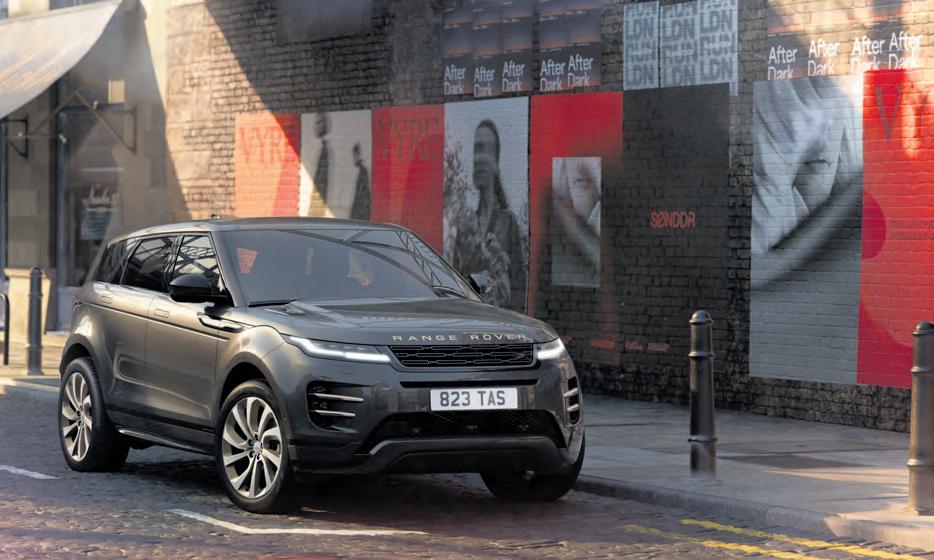
When the Evoque was launched, it signalled JLR’s intent on hitting
and
Evoque (2011-19) £4500-£31,000
the masses. Given that it was the company’s fastest-selling vehicle, they clearly hit the brief, even if it wasn’t for the traditional Land Rover owner.
It’s actually still a capable thing off-tarmac – but it’s definitely more at home on the road. Nevertheless, it is economical by Land Rover standards and
because of its particularly handsome exterior. It’s based upon the same architecture as the Jaguar F-Pace but has greater off-road ability and is available with a wide choice of engines, most of which combine good economy with usable everyday performance.
because there are so many out there, used prices are tempting. There’s a Convertible model, too, as well as three and five-door tin-tops. We say stick to the latter, and be sure to get one with 4WD.
Cons: Cramped rear seats, not as practical as a Disco Sport Range
Pros: Economy, handling, iconic concept-car image
Evoque has adopted a similiar back end to the larger Velar. It’s not just the exterior that mimics the looks of the larger vehicle, however, as the Evoque has gained the latest Touch Pro Duo tech and a hike in quality.
The main highlight of the new Evoque is the fact the majority of the range is made up of mild
hybrids, available with diesel and petrol engines combining to an electric motor. Only the base D150 Evoque escapes the electrification, and we’d avoid it as it doesn’t have four-wheel drive.
Pros: Feels like a proper Range Rover inside
Cons: Petrol engine is poor on fuel economy, even as a hybrid
it came out. It was very much designed to be a trend setter. But is there a whiff of style over substance? Well, it’s a very good SUV. But you don’t half pay a premium for those suave looks...
Pros: Stylish design, chic cabin, excellent tech features
Cons: Feels like an indulgence, especially at such a high price Range Rover Velar (2017-on) £22,500-£85,000
The interior was Land Rover’s most advanced cabin yet when
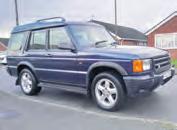
most most reliable units ever. It drives well, too – mated to a manual box it has more guts even than the V8 option, which is surprisingly bland but predictably thirsty. Whereas the Disco 1 was prone to body rust, the D2 is fine here. Instead, its chassis rots like a carrot, especially towards the back end. Also at the back, seven-seat
a Discovery in name only.
It’s a more practical proposition than the closely related Evoque, and you won’t need to live with the fear of Posh Spice jokes.
models had air-suspension, with all the horrors that brings.
Mainly, D2 owners will tell you about rogue electronics. And leaky sunroofs. They still love their trucks, though, which says a lot.
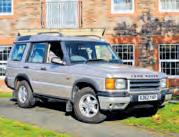
Pros: Td5 power and reliability, great all-rounder, lots of choice Cons: Chassis rust, electronics, leaky sunroofs, air suspension
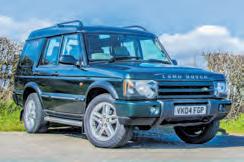
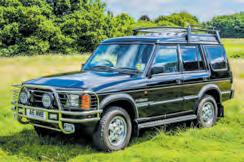
with the same 100” wheelbase and a slick body containing a spacious, flexible cabin. It was well equipped and refined, and it came with the wonderful Tdi engine.
There are some tidy deals to be had on late high-spec examples now – though if you do a
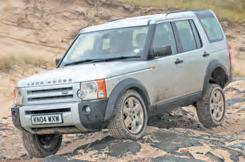
The Disco 3 is an astonishing allround vehicle.
Over time, the Disco’s epic ability meant almost all of them were hammered at playdays. Lower body rust is a big killer, too. So it’s rare to find a good one now,
and capable off-road, genuinely luxurious and a giant of a tow truck, and as well as being able to seat seven adults it can be turned into a van with a totally flat rear load area.
But it was also astonishingly complex, and these days it has a reputation as a money pit. Air suspension and electronic
and when you do they tend to be priced with a lot of optimism. Very early ones in tip-top condition are full-on classics, too. For a sound one to own, we’d look for a tidy 300Tdi.
Pros: Price, practicality, parts availability. Epic off-road ability
Cons: The body rusts like it’s been doused in sea water Discovery (1989-1998) £800-£15,000
handbrakes are big sources of woe, cam belts are a body-off job to change and rust is becoming more of an issue. Get a good one, though, and it’s all the car you’ll ever need.
Pros: Good at everything. Lots of accessories available now
Cons: The phrase ‘money pit’ crops up time after time
after the first. That’s because once again, it’s related to the Evoque, which was ready for a full new model in 2019.
The Sport is a premium midsized SUV with seven seats and a decent level of off-road ability. It’s a massively popular choice for the school run – and, with the arrival
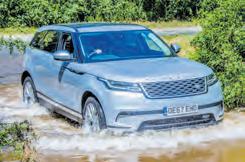
Most Range Rovers all look the same at the front now, but the new
The Velar a competent cruiser
has received numerous accolades
The original Discovery was based on the Range Rover of the time,
The Disco 2 is powered by the Td5 engine, one of Land Rover’s
It’s
Disco Sport came along only four years
EDITION 4 CATALOGUE OUT NOW! NOW WITH SUSPENSION ARM RANGE
MAINTAINING THE STANDARDS OF COMFORT, HANDLING AND SAFETY
Engineered to the highest standards, PROEVO+ meets the demands of the JLR aftermarket in terms of performance and reliability.
BUILT TO EUROPEAN SPECIFICATION
PROEVO+ products are manufactured to European specification, giving customers and vehicle owners peace of mind.
EXCEPTIONAL RESPONSIVENESS AND STABILITY
High quality materials and advanced manufacturing processes ensure there is zero compromise in vehicle dynamics and handling.
Series I 86” ST (1954). Ex-military 4x2, converted to 4x4. Nut and bolt resto on original chassis and bulkhead. Engine, gearbox, transfer case, axles, brakes and suspension overhauled. MOT July. £34,500. Cardiff. 07770 441044 02/26/001
Defender 110 TD5 (2002).
176,800 miles. Tent, awning, 200W solar 42l water tank, diesel heater, cool box, pro built leisure system. OME lift, snorkel, rust protected chassis. £26,995. Nantwich. 07389 185571 03/26/007
Defender 110 Td5 (1999). SVX alloys, VGS windows, rack, +2” lift, snorkel, LEDs, Raptor console, Pioneer stereo. Huge list of new parts. Full respray. Solid chassis and bulkhead. £19,000. Bristol. 07923 293375 03/26/006
Series II 88” 2.25 petrol HT (1960). 105,000 miles. Very good bulkhead, correct period features. Fairey overdrive, FWH, heated screen, SUs, SIII seats, parabolics. Full MOT. £12,200. Rochdale. 07766 241592 02/26/002
Defender 110 XS Utility (2015). 105,000 miles. BMW N57 engine and ZF auto by MW Machines. Excellent chassis, Lucari seats, Alpine media. High/low range. Drives like new. £69,500. Kidderminster. 07418 622672 03/26/001
Defender 110 TD5 (2001). 143,000 miles. Stage 1 remap, larger intercooler, GKN overdrive, LOF clutch, snorkel, Boost alloys. Good chassis (Lanoguarded). LEDs. MOT Dec 26. £16,750. Liversedge. 07931 501937 03/26/008
Series II 88” truck-cab (1963). Rock solid underneath. 2.0 Perkins Prima TD engine, original SII box. RR diffs, parabolics, FWH, 235/85s. GPS speedo. Good brakes. Charming patina. £8000. Ashford. 07860 505363 02/26/004
Wolf 110 300Tdi soft-top (1997). 10-seats. Correctly restored. PAS, 24v, roll cage. Repainted, new rear seats and PVC hood. G90s. Full set of pioneer tools. Full MOT. Excellent. £35,000. Evesham. 07507 934457 03/26/002
MOT expired. Excellent condition. £17,500. Pevensey. 07840 473763 01/26/004
Series IIA 88” 2.25 petrol ST (1971). 24,827 miles. 2018 resto on galv chassis. Full rewire, rebuilt engine, new brakes, respray, new seats and roof. Superb condition, drives great. £19,995. Glasgow. 07304 079214 02/26/003
Defender 90 Td5 (2002). 114,000 miles. Cat C. +2” lift, alloys, Cooper STT Pro tyres. New clutch, rear crossmember, battery, wheel bearings, brake lines. DAB radio. MOT Nov. £10,000. Retford. 07584 976631 03/26/003
Defender 110 2.4 Dormobile (2007). 110,000 miles. Pop-top, cooker/sink, 20l water tank, diesel heater, rack, awning. Snorkel, leather, Stage 1 map, air-con, cruise. MOT Aug. £27,500. Pershore. 07736 649077 01/26/011
80” Series I (1949). First year of production. Perfect chassis and bulkhead, original 1.6 engine and gearbox in perfect working order. Restored 40-odd years ago, so lovely patina. £29,500. Wellington. 07836 772426 01/26/009
110 (1988). Barn find. Chassis may be salvageable, bulkhead beyond repair. 200Tdi, starts and drives. 77,000 on clock. Rear seats fitted. V5 present. Ideal restoration project. £3950. Melton Mowbray. 07377 091239 03/26/009
new cam belt, aux belt, rear prop. Full MOT. £12,000. Nottingham. 07415 784874 01/26/014
Discovery TD5 Serengeti (2002). 235,000 miles. 7 seats. Recent new parts inc tyres, compressor, side steps, wiper linkage. Owned and maintained by me last 19 years. MOT Dec 2026. £3995. Chesterfield. 07812 708123 03/26/010
Discovery 2 4.0 V8 (2000). 120,000 miles. Good exterior and interior, small patch of wear on driver’s seat. Head gasket done recently. Solid chassis, drives very well. MOT July. £6000. Gloucester. 07385 431165 01/26/010
rad. £16,000. Bolton. 07795 103107 01/26/013
Defender 90 Pick-up (2004). 67,000 miles. Upgraded wheels and tyres, LEDs/DRLs, snorkel, mesh grille, side bars, colour-coded chequer plate. Recent respray in Keswick Green. £21,995. Harrogate. 07971 063985 03/26/005
Defender 90 LXV (2013). 48,000 miles. 1 of 65. 2” lift, snorkel, LED bar, Sawtooths. Ceramic coated, machine polished. Custom frontfacing rear seats. Immaculate. FSH. MOT Nov 26. £41,937. Alderley Edge. 07730 768424 01/26/001
Defender 110 2.5 n/a (1991). 47,000 miles. Military ‘Helistart’ truck used for servicing choppers. Full body-off restoration in 2019. Recent water pump, cam belt, head gasket. £11,995. Winchelsea. 07823 890891 13/25/003
01/26/012