











To advertise in The Landy, call our team on 01283 742969

We’re on Facebook: www.facebook.com/thelandyuk
To advertise in The Landy, call our team on 01283 742969
We’re on Facebook: www.facebook.com/thelandyuk
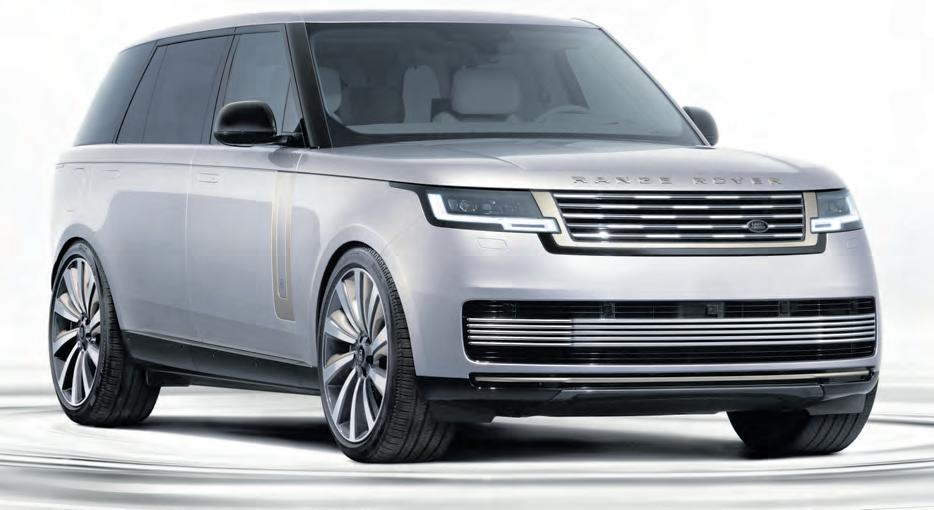
Last month, we had the Range Rover Sport SV Ultimate. Now it’s time for the full fat Rangey to get a shot at the letter U, so here’s the SV Ultra – ‘the most exquisite interpretation of Range Rover luxury and distinction,’ complete with various never-previously-available details, which Land Rover says is for sale only to invited clients.
The ‘most luxurious and technologically advanced Range Rover ever’ is very much an exercise in materials and cabin features, though it also features an exclusive Titan Silver paint finish which contains fine aluminium flake and promises ‘a deep and lustrous finish that resembles liquid metal.’ Don’t say ‘nice car, mate, is that a wrap?’
There’s a choice of engines beneath the bonnet. You (well, if you’re one of the chosen few) can have it with the existing P540 V8 or, if it suits your driving habits, the P550e plug-in hybrid powertrain. Land Rover also says that when the Range Rover Electric comes on to the market later this year, it too will be available in Ultra form, which for a model available by invitation only sure sounds like it’s going to be around for a while.
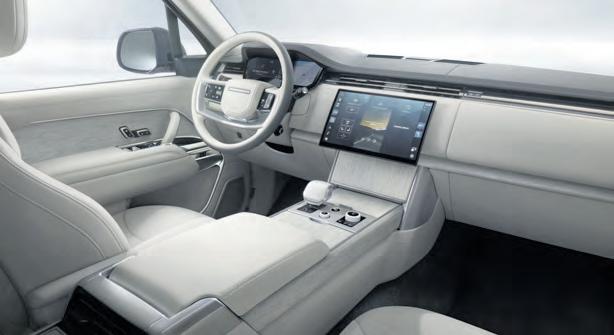
Best get you up to speed with all that exquisite luxury and distinction, then. The cabin is trimmed in an exclusive two-tone Ultrafabrics combo of Orchid White and Cinder Grey and features ‘an intricate new laser-crafted mosaic pattern’ to its upper sections, inserts and back rests. There’s also a new rattan palm veneer which features on


the infotainment screen surround, the power-operated door of the integrated cooler compartment and the electrically deployable club table in the rear. Tinted white, this adds to the air of lightness inside the vehicle – as do the SV’s signature gloss white ceramic finish and colour-matched speakers, seat belts and tread plates.
So that’ll be the luxury. What makes this the most technologically advanced Range Rover ever? ‘Concert hall sound quality,’ that’s what, from a stereo which ‘introduces high-fidelity electrostatic sound technology to a vehicle for the very first time.’ Well.
It does this by combining the Range Rover’s Body and Soul Seats and Sensory Floor, as well as its five bass speakers, with 21 lightweight thin-film electrostatic transducer panels to turn each seat into a ‘personal auditorium.’ The system delivers ‘a consistent flow of audio, a seamless frequency range and coherent, uncoloured clarity of sound,’ so it’s particularly good if you
enjoy listening to Rancid Hell Spawn, Lubricated Goat or Lawnmower Deth. This level of audio precision is normally only found in recording studios or the very most expensive headphones. With the seats and floor doing their thing, too, you can feel the music as well as hearing it, as well as providing in-seat pulses designed to enhance your mood and promote calm, potentially helping to reduce anxiety or support improved cognitive response. And what would your cognitive response be to learning how much one of these would cost you? Possibly just as well that Land Rover doesn’t actually say, but given the prices for the rest of the SV line-up you needn’t be expecting much change out of £200,000. Cheap at the price? The good news in that case is that although it’s by invitation only, you can ‘register your interest’ online. A bit like dropping endless hints about coming to your friend’s party at school, but with more expensive consequences.


You don’t drive a Land Rover to get noticed on the street, do you? Well, none of us are going to admit to it, but by the same token we do all love it when someone casts an admiring glance at our trucks.
Caught in the classifieds this month, here are two very different trucks. Both Land Rovers, both old enough to be considered classics now – and both sure to get plenty of attention wherever you go. Not necessarily from the same groups within the wide world of Landy fans but hey, a good one’s a good one however you look at it.
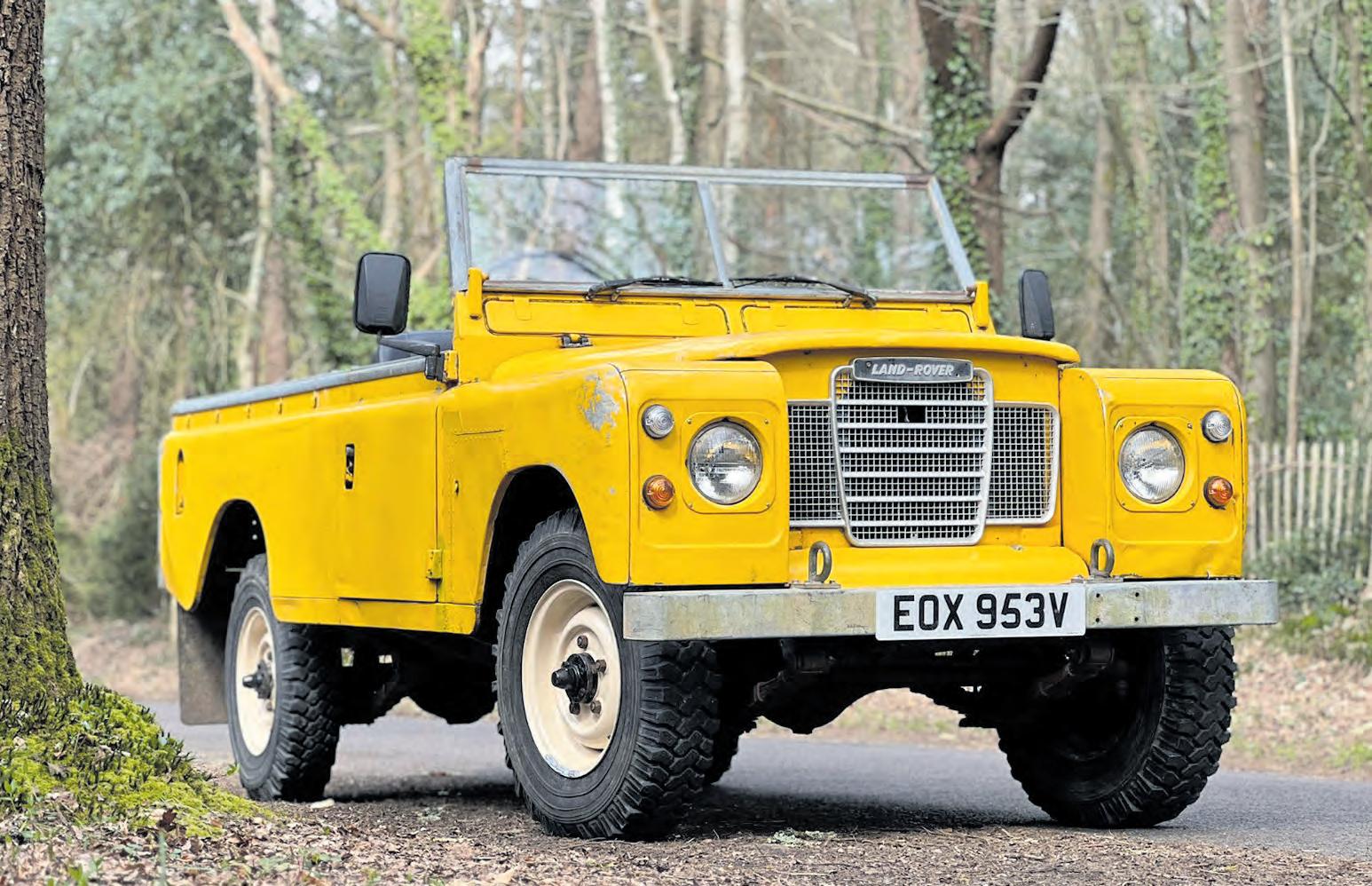
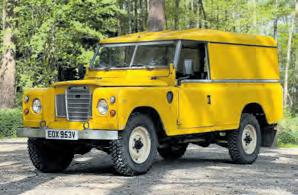
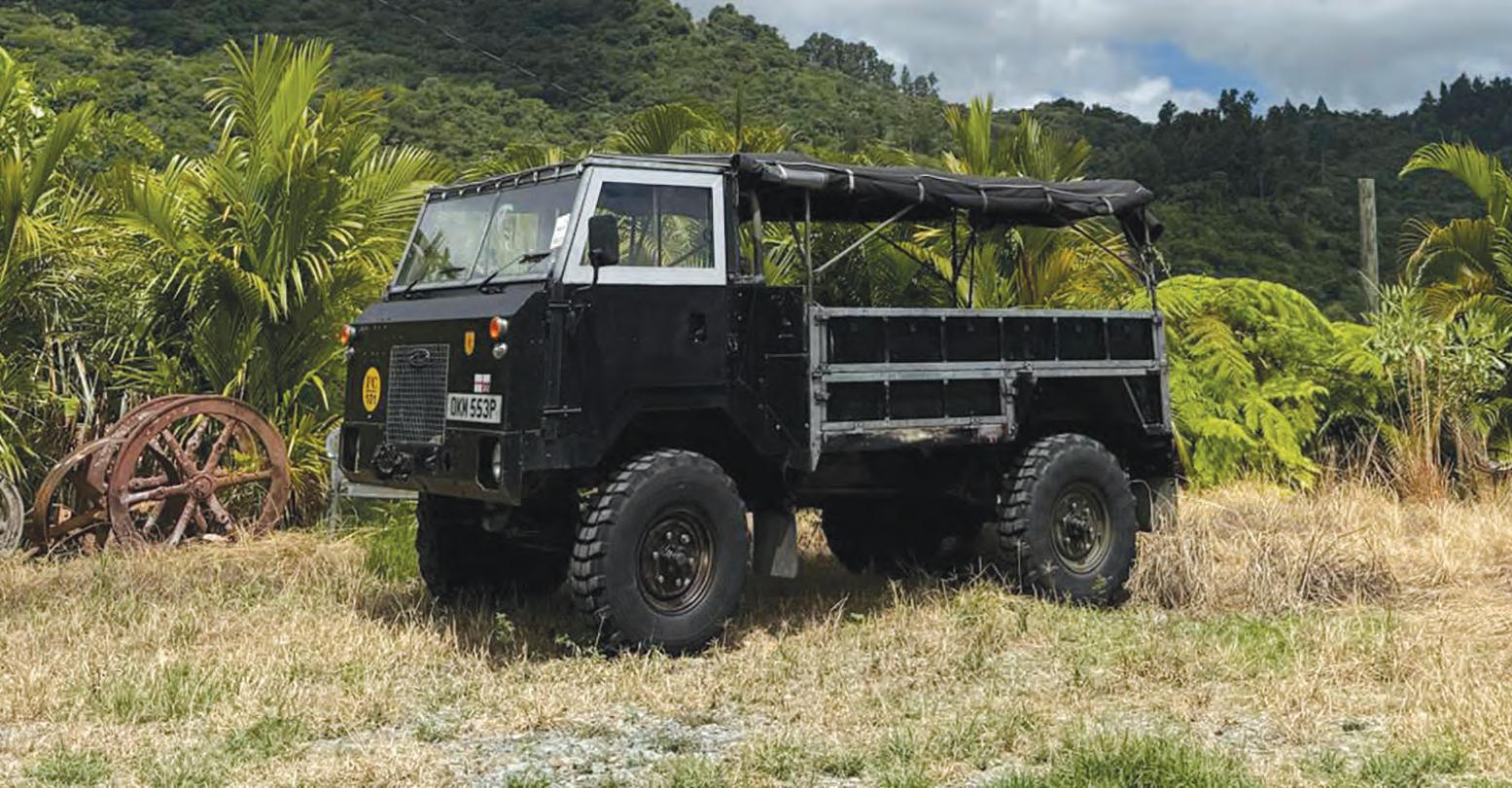
Going back to 1980, the yellow Series III you see here a bit of a rarity in that it’s powered by Land Rover’s 2.6-litre straight-six petrol engine. This was more powerful than the 2.25 units – not by a huge way but enough to let it haul decent loads without a struggle. It’s nice and smooth, too, and being a six-pot it’ll make a nice noise if you put an interesting exhaust on it.
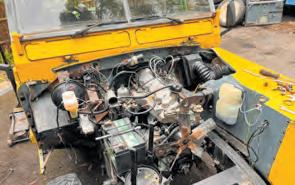
This one’s had a good bit done to it, with a full strip-down and rebuild seeing the crank polished and refitted using new bearings. All the seals and gaskets were renewed, too, as you’d expect, and the carb was replaced with a rebuilt and properly set up SU. The result being that in warm weather, it starts without any need for choke – and in all weathers it runs like a sewing machine while making good, strong oil pressure.
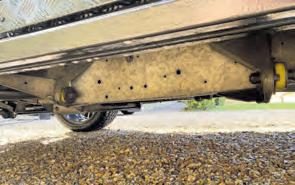
The engine sits on a chassis that had new bulkhead and spring mount outriggers on the driver’s side as well as repairs to the dumb irons and a small patch of the nearside rail. The 109’s owner stresses that the welding has been done ‘properly and neatly, ensuring structural integrity without unnecessary replacement.’
Elsewhere, anywhere you’ll find oil or grease you’ll find new oil and grease. The brakes have been serviced, too, and the wiring loom has been fully gone through and repaired.
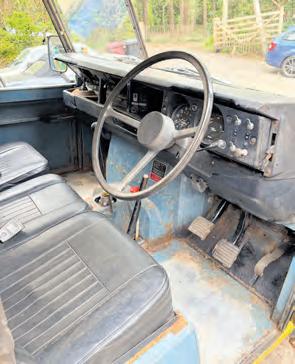
Mainly, though, it’s yellow. This was done a few years ago, over the original blue, for a charity event, and it’s been there long enough now to have developed a patina of its own.
To us, this is about as cool as Land Rover motoring can be. And, indeed, as a classic car can be. We’re biased, of course, but as always when we’re biased we’re also right. Roof off, three abreast, six-pot burbling away and the sun on your face… what could be more perfect? There’s a hard-top to go with it too, so that all winter long people will think you’re from some sort of utility company, but this is a truck for making summertime special.

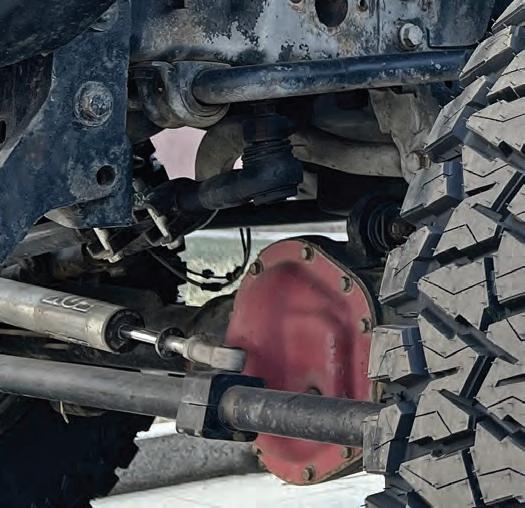
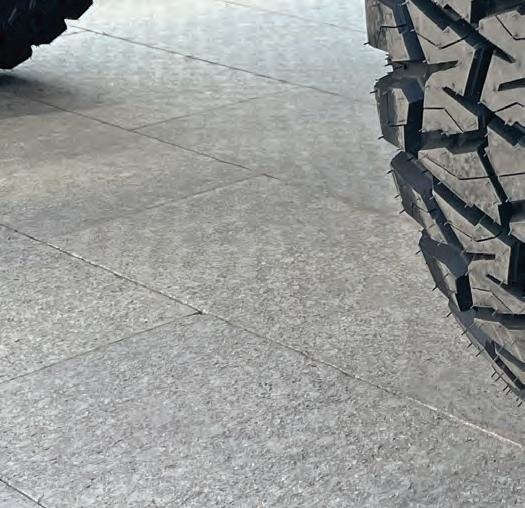
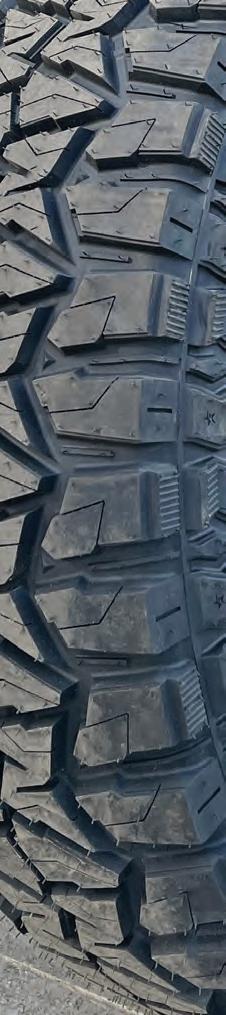
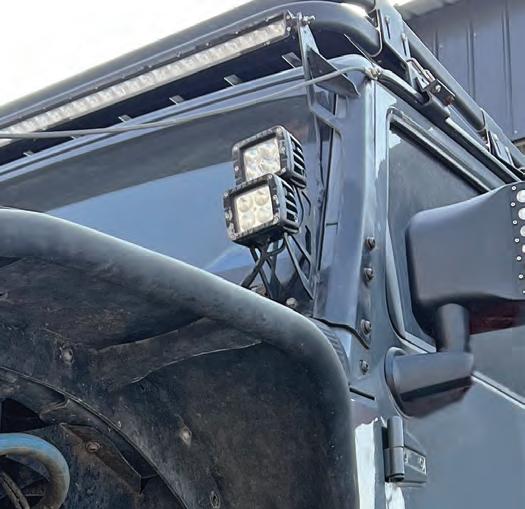
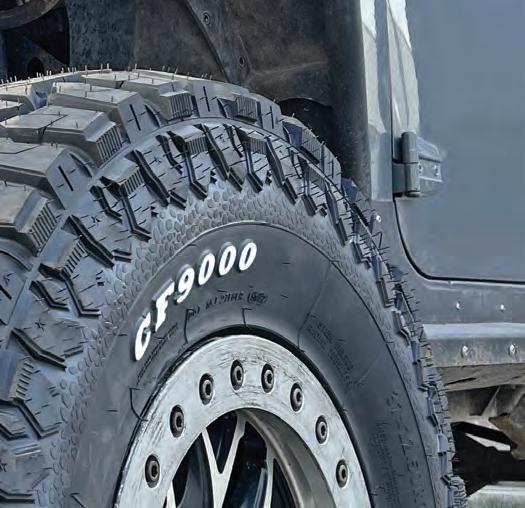
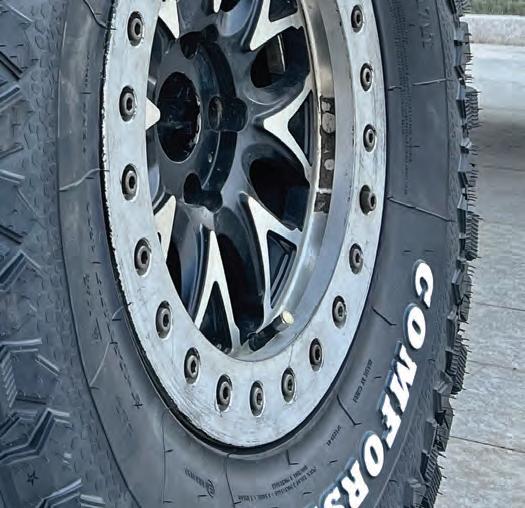
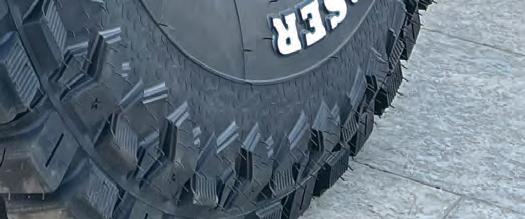
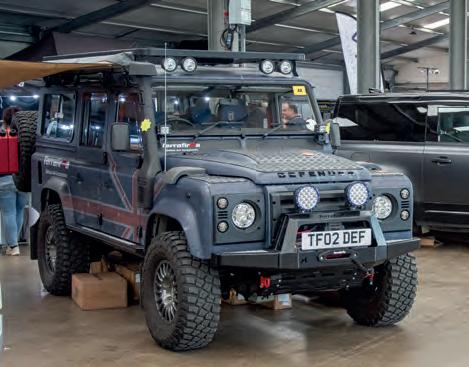
Delivering mud terrain performance with all-terrain manners
CF9000 RUGGED TERRAIN
• Anidealfitmentforworking and leisure conditions
•Sidewall design enhances the extra climbing ability

•Pattern design reduces road noise
•Optimised tread design increases wear and puncture resistance

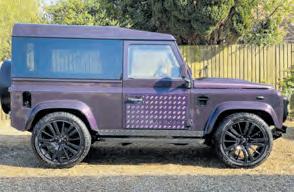
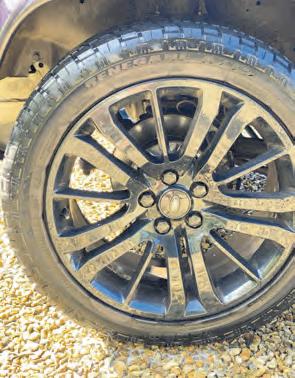
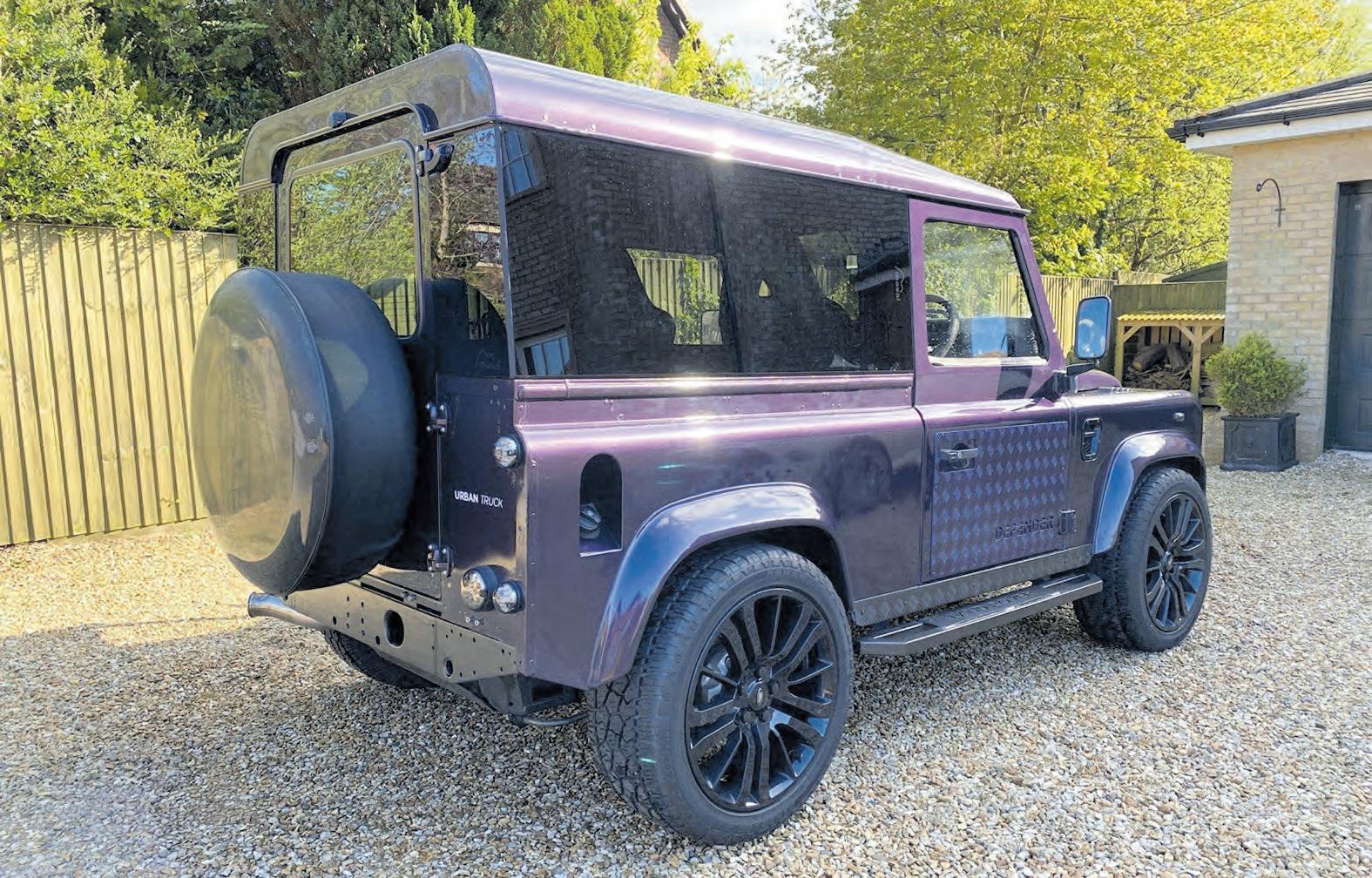
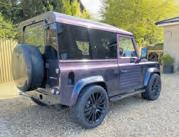
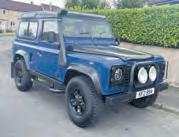
Left: Td5 90 has been rebuilt on a galv chassis and bulkhead, tuned for 220bhp and finished in what its owner calls ‘urban truck style.’ A 4” suspension dump and 20” low-profile tyres make for a street-machine look, as do Masai side windows, and most of the body is new – as are the doors, despite what all that chequer plate might have you think
Right: Rare 2.6-litre
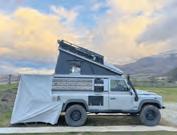
109” Series III has been rebuilt for soundness rather than looks, though a coat of yellow paint means it’ll never want for admiring glances once that roof’s been unbolted. The engine’s been rebuilt and the chassis repaired – not so much of a resto as to ruin the truck’s character but enough to keep it alive way into the future
The other candidate for this month’s coolness award is a Td5 90 from 2002. It too has had some major work done – though that’s pretty much where the similarities end. It’s been done in what its owner calls ‘urban truck style’ – though it’s not just a tarter-upper, because it was put back together on a 3mm galvanised chassis and bulkhead.
That’s a very, very good start, and on it went a tuned Td5 engine boasting a VNT turbo, intercooler, silicone hoses and Stage 3 map from Alive Tuning. The result is 220bhp – aided by Pioneer turbo hoses, a stainless EGR bypass and ITG intake system, dewebbed and skimmed manifolds and a full stainless 3” high flow Demand Engineering exhaust with sports silencers.
That’s going to sound nice. As nice as a six-pot petrol? That’s personal preference, but you can be sure you know which one goes quicker.
You can be pretty certain that the 90 will handle better, too. Its stance… well, that’s personal preference too, but it’s


on 4” lowered suspension with 100mm taller turrets to suit. The shorter springs are paired with Terrafirma shocks and it rides on Radar Renegade all-terrains wrapped around a set of 20” Range Rover Sport Autobiography alloys.
The wheels are mounted up using Bulldog hub converters which also act as spacers. It sits perfectly, in the eyes of its proud owner. Prevailing wisdom might favour the miles-high look with 35” tyres but as always it’s your ride, your rules.
Said ride is carpeted, insulated and soundproofed in all the usual places and its body features panoramic side windows from Masai. The rear brakes have been upgraded to the same size as the fronts, too, and the steering and suspension were renewed while it was going back together.
There’s more to it besides, too – the rear tub, floors, panels and doors are all new. Yes, those vast chequer plate panels were attached to brand new doors. This is a style statement: people
don’t only use them for covering up destroyed ones, you know.
And upon all those body parts went the first thing you noticed when you turned the page and saw this 90. It’s purple. As yellow as the 109 is, this is even more purple. It’s called Merlin Purple (an Audi metallic pearl) and there’s absolutely nothing patinated about it at all. Finally, something we can use to tell these two apart…
So, which will it be? With a wad of the folding stuff and a free space on your driveway, would you go for the rustic charm of the Series III or the rebuilt retro menace of the 90? Two very different kind of street machines, and perhaps two different reactions you’re apt to get – but aboard either of these eye-catching Landies, you’re guaranteed the attention of all who see you.
Both the vehicles in this article are for sale, the 109 at £15,995 and the 90 at £19,995. They’re listed in the Classified section on page 30 of this issue



About a thousand years ago, when I was editor of Land Rover World magazine and my daily ride was a red Defender 90 300 Tdi Hard-Top stickered up with the mag’s logo on its van panels, I was on my way to Manchester to visit an old uni friend. It was a lovely warm, sunny Friday afternoon and all was well as a cruised through Matlock with the window down. Suddenly, a passing pedestrian saw me. ‘Great magazine, mate!’ he shouted, to the alarm of everyone on the pavement around him, and gave me an appreciative thumbs-up as a drove past.
That would have been in 1995. The centre of Matlock doesn’t look much like it did back then, and nor indeed do I, but every time I drive into the town on the A6 I’m taken back to that moment as I pass the spot where it happened. Obviously, it’s not everyone that has a magazine to help them get noticed on the street. But I bet most of you have had one of those ‘nice truck, mate’ moments that makes all the hard work, stress, expense and time seem worth it. These days, as well as The Landy I also look after Custom Car, a magazine about hot rods, and that’s a scene in which being noticed is a huge part of it. Most Land Rover owners would swear blind that they don’t care about all that stuff, but secretly we love it every bit as much as the next guy.
No surprise that it’s the article on the previous page that’s prompted all this. There’s more than one way to make an impression, of course, just as there is in the hot rod scene, and what you might call a ‘rat look’ Landy (wrongly, strictly speaking, but we’ll gloss over that) is every bit as likely to draw admiring glances as a full-house street machine.
Part of the secret is to make it look natural. No-one likes a trier; a vehicle that appears to be like that just because that’s what it is, that’s the holy grail. We like it if people who know what they’re looking at understand what’s gone into it, though.
That’s why both the trucks in the article are admirable. A lot has gone into them. It’s more noticeable in one than the other – but they’re both equally cool.
Alan Kidd, Group Editor alan.kidd@assignment-media.co.uk








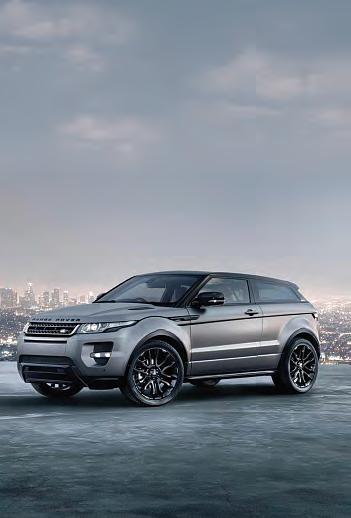
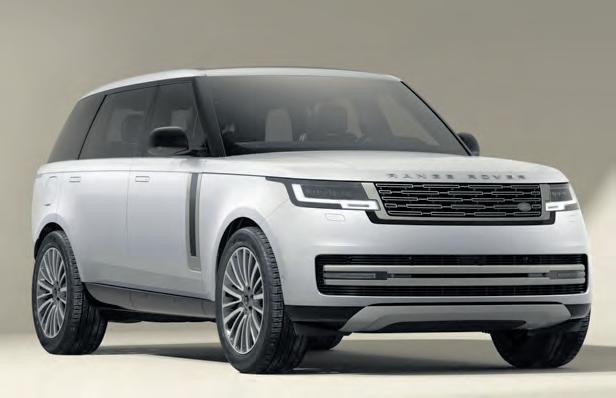
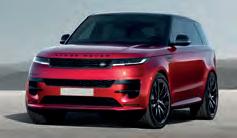
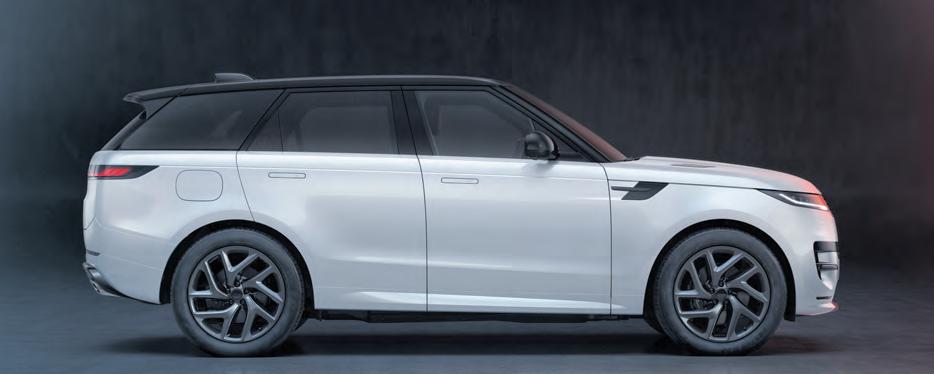
A FEW ISSUES BACK, we brought you the story of the new Range Rovers named after various parts of London. The Evoque Hoxton and Velar Belgravia were the first two to go on sale, and now the quartet has been completed with the arrival of the Range Rover Sport Battersea and Range Rover Westminster editions.
Battersea has come a long way since the comical days of the 1980s when lying estate agents tried to flog tarted-up old stable blocks there by calling it ‘Battersia.’ So how appropriate that it should give its name to a version of the Range Rover Sport, a vehicle that could never, ever be accused of being tarted up.
more than a tenth of the average house in Battersea.



To reflect the spirit of reinvention that saw the area’s art deco industrial buildings transformed into contemporary cultural spaces (it sez ‘ere), the Battersea Edition gets a black contrast roof, black exterior styling pack and 22” black forged alloys. Blackness very much the theme, then.
at or sneer at depending on your view of these matters.


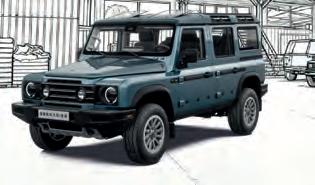

Still, there’s a ray of shining light from the plug-in hybrid powertrain that gives it up to 73 miles’ range on electric power alone. And it only costs from £88,670 on the road, which is barely
A typical residence in Westminster, meanwhile, will stand you £1.34 million, so the Range Rover Westminster Edition is even better value: a snip at £114,630. For this, you get 22” diamond turned alloys, premium metallic paint and a sliding panoramic roof, while the cabin is adorned with a black birch veneer with a 10-line inlay. ‘A subtle reference to 10 Downing Street, the seat of British leadership,’ Land Rover explains, which you may choose to nod
Like the Range Rover Sport Battersea, the Westminster Edition is available as a plug-in hybrid. It’s capable of 72 electric miles in this form, though in this case there are also D300 diesel and P380 petrol engines in the range. ‘A specification that reflects the stature… of a district of unparalleled influence,’ says Land Rover – and a vehicle which, however hard it tries, will never manage to attract as many rich crooks as its namesake.



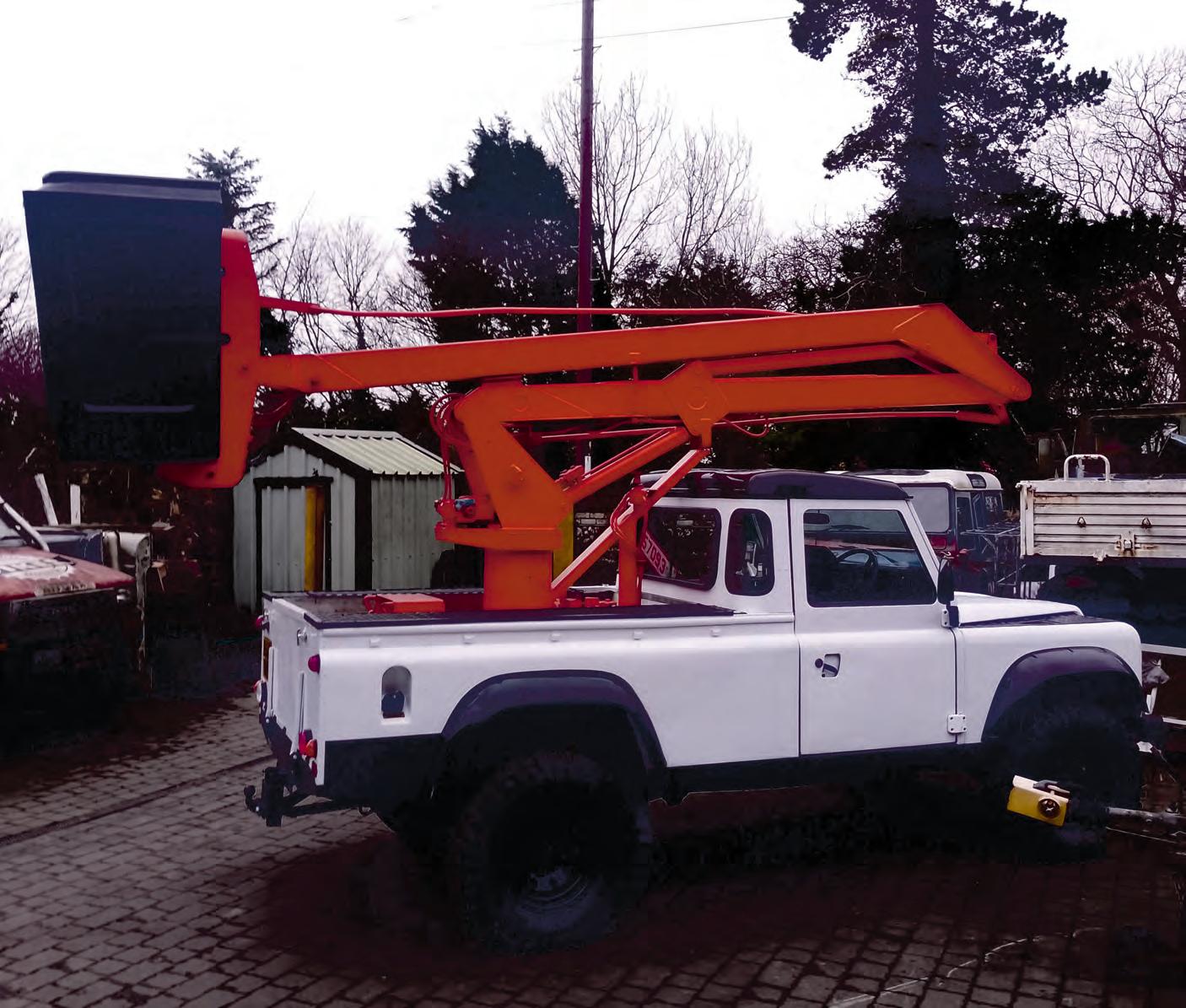
WE RECENTLY SHIPPED A 1985 LAND ROVER 110 PICK-UP WITH A CHERRY PICKER CONVERSION TO GALVESTON, TEXAS PICTURED BELOW THE LAND ROVER READY FOR ITS NEW LIFE
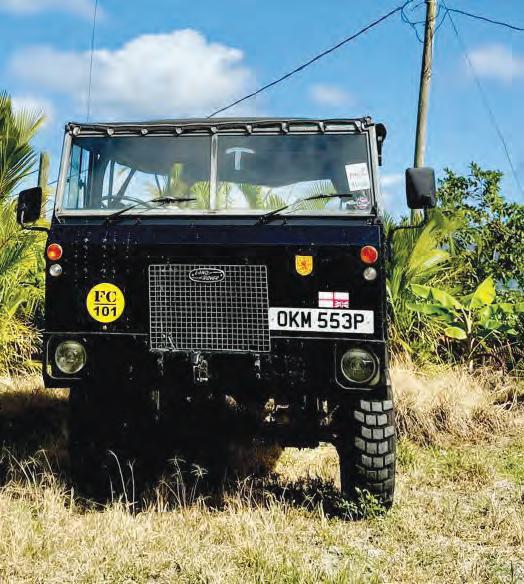
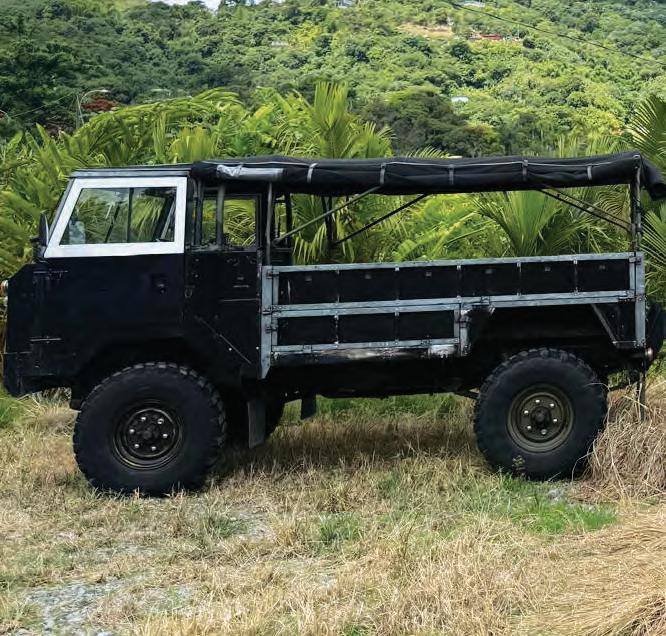
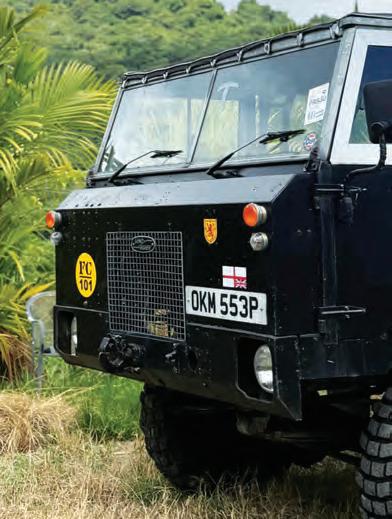
WE RECENTLY SHIPPED A 1999 LAND ROVER FORWARD 100 TO SAN JUAN, PUERTO RICO FOR CLIENT HUGO PICTURES BELOW SHOWING THE BEAUTY OF PUERTO RICO

























www.britpart.com
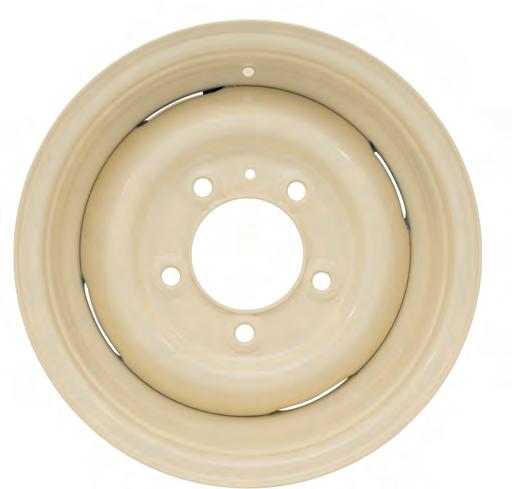
MAKETH A CAR. That’s one of the all-time golden rules of the road that apply to every vehicle ever made – and while it might not be quite as obvious on a Land Rover as it is on a slammed Golf or something awful like that, a proper set of old-school heavy-duty steel rims will still make your truck cool in ways the owner of a mere street machine will never understand. And what could look better than a set that’s synonymous with the great days of hard-working Land Rovers?
That’s what this one is. Available through the Britpart network of Land Rover specialists, it’s a welded, tubeless version of the original 130 rim in the classic Limestone finish, making it ideal for Series vehicles, early 90s / 110s / 127s and Defenders from the days when a Defender was still a Defender. Measuring 16 x 6.5”, it has a 5 x 165 PCD, 115mm centre bore and +20 offset, so nothing lairy going on there. The wheels are rated to 1200kg apiece and in case we hadn’t mentioned it, they maketh a car. A Land Rover, actually, so better yet.


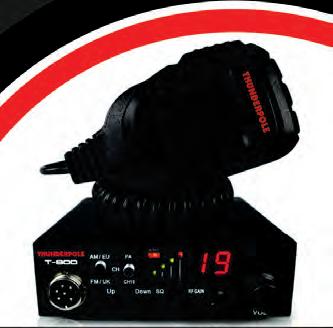




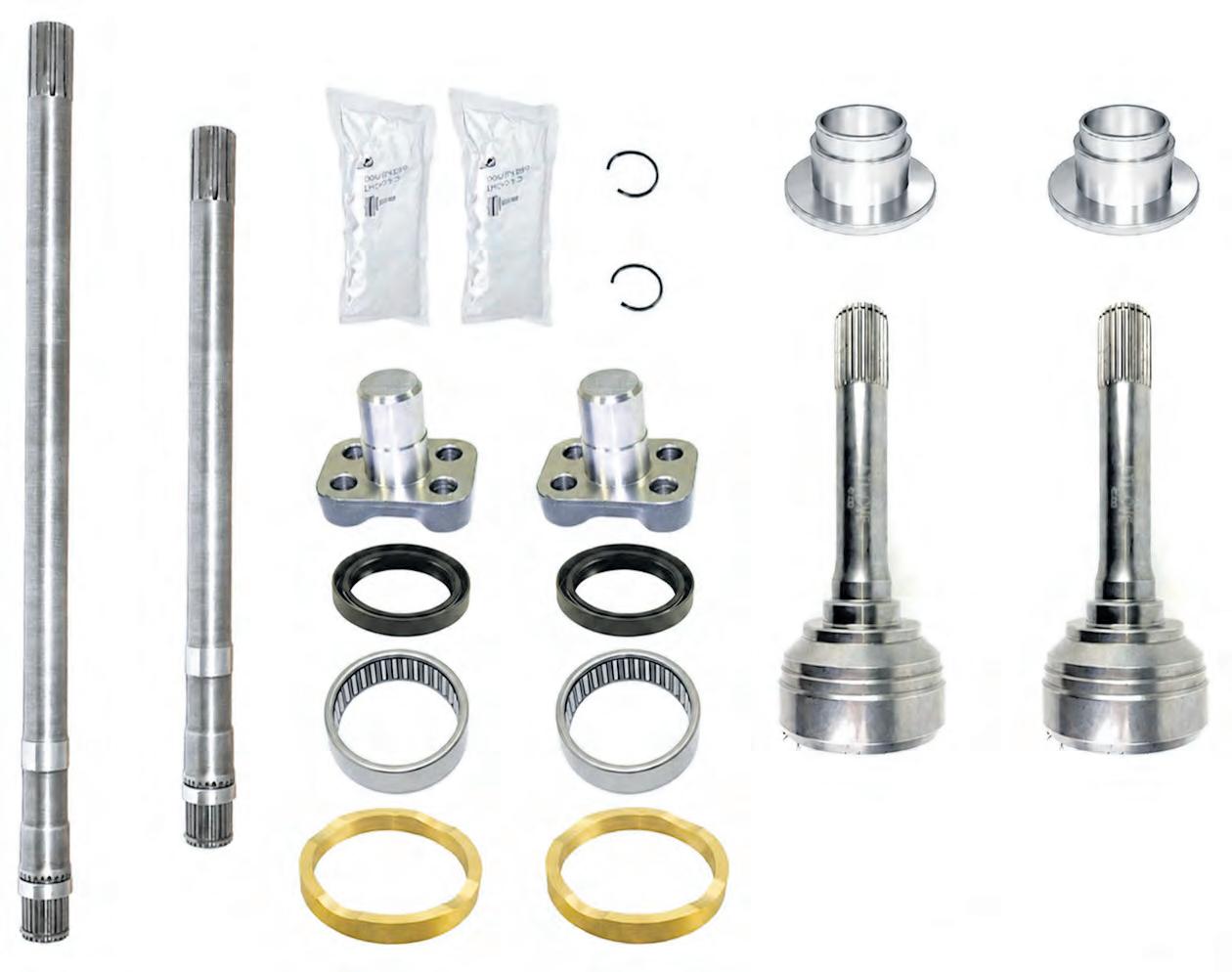
IF CONVERTING A SERIES LAND ROVER TO DISC BRAKES HAS EVER BEEN ON YOUR AGENDA, chances are you’re aware of the conversion offered by LOF. Now the same company has launched a new CV conversion intended to work with it, replacing the old-school U-joints to allow a more refined ride – while also opening up a range of options for owners who don’t just want to keep their trucks standard.
Requiring no machining or modifications to fit, the kit includes two each of all the following: original Land Rover heavy-duty CV joints, LOF CV adapter rings, LOF halfshafts, top pins, seals, roller bearings and stub axle bushes. You get two sachets of the necessary CV grease, too. It’s available in 10 and
24-spline formats, giving you all the flexibility you could ask for when choosing diff upgrades.
The kit uses as many standard parts as possible, so as to keep your Land Rover should remain as readily serviceable as possible wherever you are in the world. The only custom part is the halfshafts, which are available separately should you somehow manage to break one – though these are heavy-duty items in the first place, so something else ought to let go first in the event of a big enough shock load being put through the drivetrain.
Benefits of upgrading to CV joints cited by LOF include smoother steering, even at full lock, thanks to the constant velocity of torque delivery; improved turning angles, with up to 45-degree
turns handled with ease; and reduced vibration, with no more of the ‘notchy’ feel and fluctuations in speed that can be a characteristic of U-joints. Another big one, of course, is that with CVs at the front your vehicle becomes able to run full-time fourwheel drive. Thus you’re opening up the possibility of running a later transfer case, the LT230 being the obvious one. Particularly useful if you’re intending to fit a Tdi or other more engine but don’t want to go the whole hog and effectively turn your old Series motor into a rebodied Defender or early Disco. At the time of writing, LOF says the conversion is in the final stages of road testing before being signed off for manufacture. After this, the first batch is due to become available in June.
































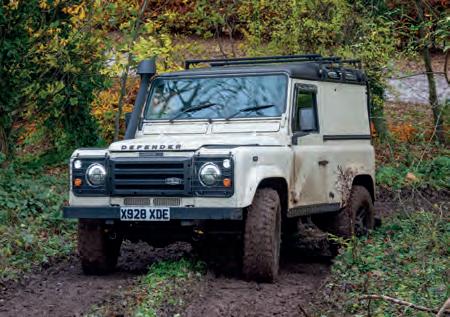
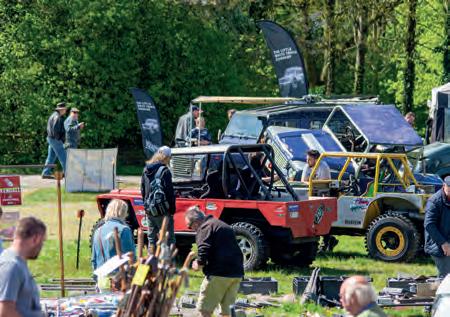
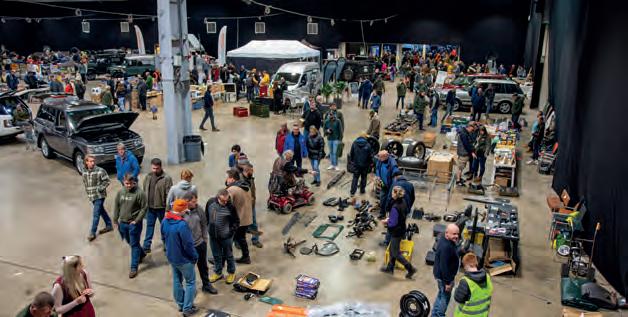
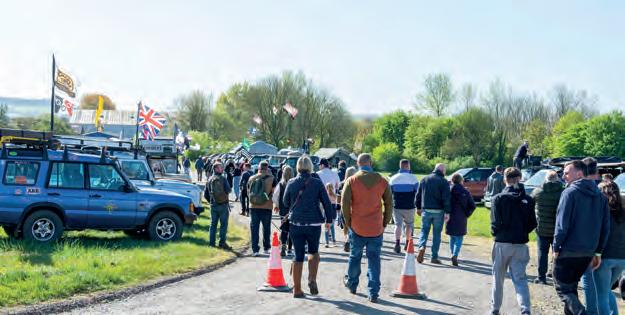


To advertise in The Landy, call our team on 01283 742969
We’re on Facebook: www.facebook.com/thelandyuk
Two decades after the arrival of the vehicle that changed everything for Land Rover, the company celebrates with a new special edition model – and we look back on our reaction to the concept vehicle that started it all
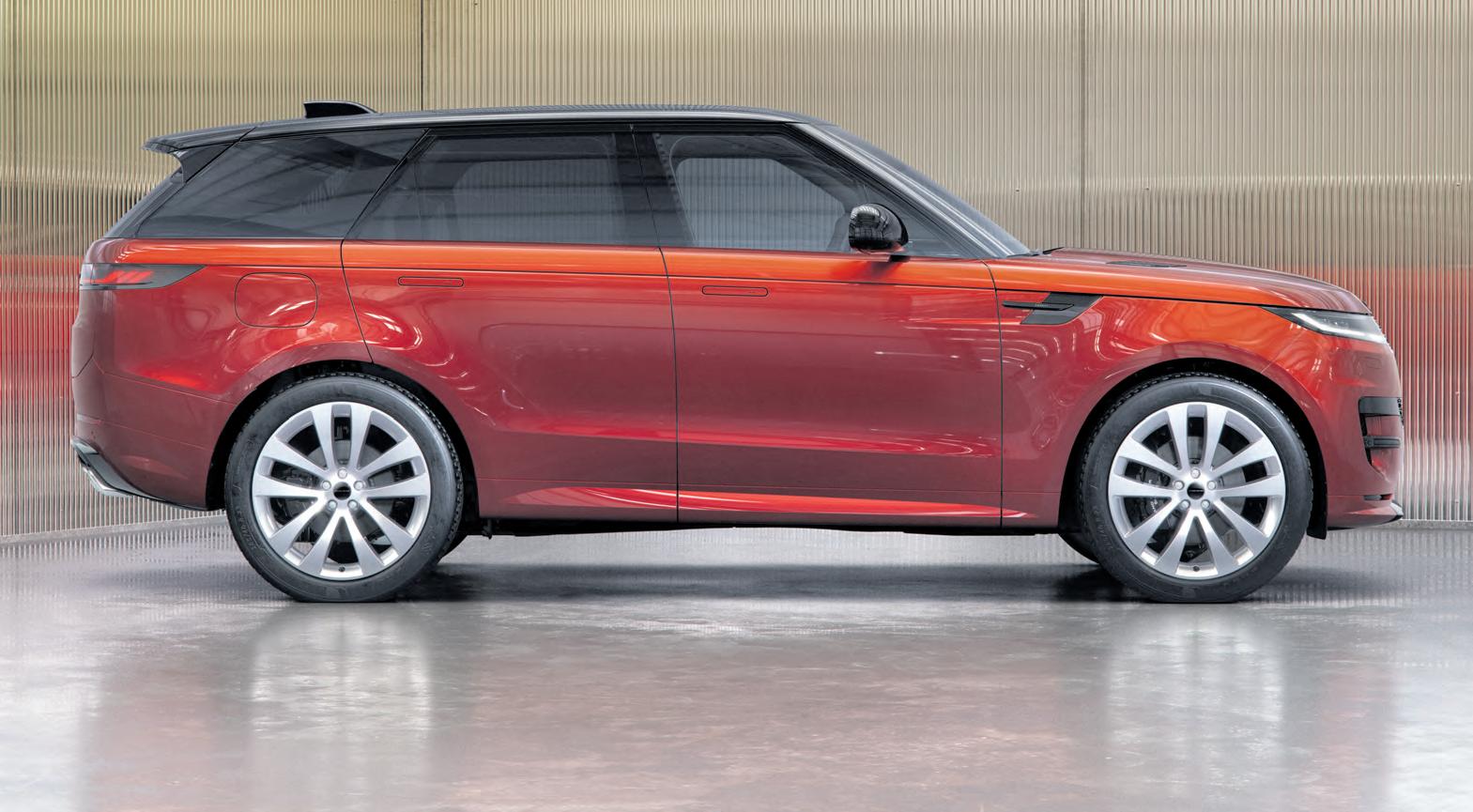
The Range Rover Sport has been around for two decades now.
The original model, which was based on the Discovery 3 platform, entered the SUV market as Land Rover’s first road-biased performance vehicle, at a time when manufacturers like Porsche, BMW, Audi and Mercedes were queuing up to launch sporting 4x4s of their own.
Heralded by the Range Stormer – Solihull’s first ever concept vehicle – the Range Rover Sport was an instant hit and became a defining model in Land Rover’s modern history. It’s approriate, then, that the company
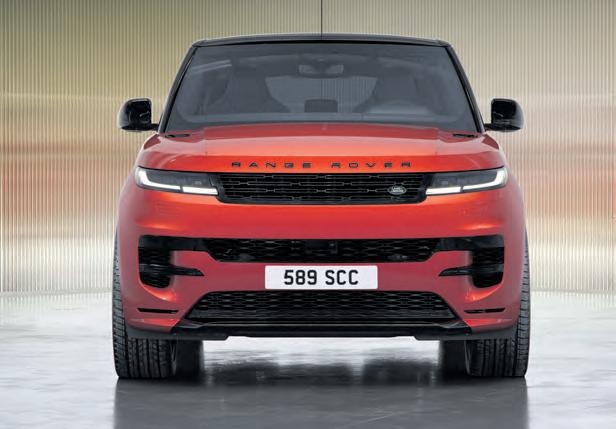
should mark its two-decade anniversry with a commemorative model – hence the appearance of the Twenty Edition, a limited-run example of the current version with its own appearance and kit list as well as a return to the days when the Sport’s signature colour was metallic orange.
Range Stormer and the First Edition version of the original Range Rover Sport were both painted Vesuvius Orange, and the Twenty Edition echoes this with the availability of Sanguinello – an ‘ultra metallic’ colour which provides the bold option in a range also including black and white. The appearance is set off by 23” wheels in black or silver, while the existing Black Exterior Pack is included to give the vehicle a ‘stealthy silhouette.’
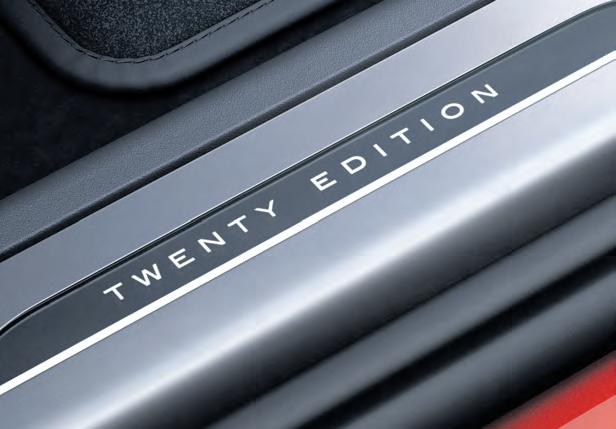
Inside, the vehicle boasts Ebony Windsor seats from the Range Rover Sport SV, as well as forged carbon trim veneers, black suede headlining and ’Twenty’ badging on the centre console and illuminated tread plates.
The feeling of calm is aided by a standard P550e plug-in hybrid engine, which allows up to 71 miles on electric power alone and delivers 550bhp when you’re in the mood to dish out some sledgehammer pace.
The Twenty may be a limited edition, though, but you’ll still have to wait for
it – orders in the UK don’t open until 12 August. Still, that’ll give you time to save up the £115,790 it’s going to take to put on in your garage.
The Range Rover Sport was heralded by Range Stormer – Land Rover’s first ever concept car. Turn over for our reaction to it at the time…
Land Rover’s first ever concept car, the Range Stormer, made its debut in Detroit at the 2004 North American International Auto Show. Here’s how we reported on it at the time in Total Off Road magazine:
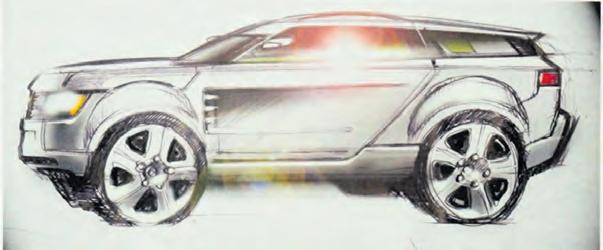
The long-awaited concept SUV from Land Rover, which will pave the way for a production model due to be introduced in mid2005, has been unveiled at Detroit’s North American International Auto Show. Likely to be called Range Rover Sport when it hits the showrooms, Solihull’s first ever full-blown concept car is currently titled Range Stormer – but even that hasn’t been enough to distract people from its dramatic looks and obvious BMW X5-baiting intent.
Based on an all-new chassis, which is slated to stay exclusive to Land Rover despite its position within the Ford family, Range Stormer is powered by a version of the supercharged 4.2-litre V8 engine from Solihull’s Ford stablemate Jaguar. This produces 400bhp at 6100rpm and 408lbf.ft at 3500rpm in Jag’s XKR coupé, but has been tuned for more low-down torque – something that’s likely to be carried over into the production model. The engine has also been revised for more consistent running at the extreme body angles an off-roader sometimes experiences, and has also been waterproofed to stand up better to wading.
These features are in part designed to confound the doubters who say that by moving towards ‘sport’ as the guiding theme of its vehicles, Land Rover is abandoning its insistence on endowing them with class-leading off-road ability. Range Stormer’s six-speed ZF auto box is linked to a full-time transfer case, as has become the norm on Land Rover vehicles –and yes, this does include dual-range gears for serious off-roading.
The vehicle’s capabilities over rough ground will be further enhanced by the latest version of Land Rover’s height-adjustable air suspension. This is bound to be tuned for a short stroke, however, in order to optimise the vehicle’s on-road handling, and the result will be an even greater propensity for lifting wheels than that of the current Range Rover. Solihull’s answer is Terrain Response, a system which allows the driver to choose one of six settings for ‘the best vehicle performance in all types of on-road and off-road driving conditions.’
Likely to make its production debut on the new Discovery 3, Terrain Response is controlled by a six-way aluminium rotary knob on the vehicle’s centre console. The system governs the engine (including mapping), gearbox, air suspension (ride height and firmness), driveline controls (such as diff settings), traction control (including Dynamic Stability Control and Hill Descent Control) and brakes (ABS and Electronic Brakeforce Distribution), working in conjunction with the vehicle’s electronic sensors to select whichever programme is most appropriate for the terrain. The driver can take charge of this process, using the six-position dial to choose the right terrain setting:
• Dynamic – for high speeds or winding tarmac roads
• Normal – for day-to-day driving
• Grass/gravel/snow – for slippery conditions
• Sand
• Deep ruts
• Rocks
‘Terrain Response is technology that makes driving simpler, not more complicated, and is a major advance for optimum vehicle performance both off-road and on-road,’ said Solihull MD Matthew Taylor. ‘The special “dynamic” setting reflects the high-performance, on-road bias of the Range Stormer, for example. But in all programmes, the driver always retains overall control.’
This on-road bias is what marks the Range Stormer, and the production model it will spawn, apart from the rest of the Land Rover stable. Although the Freelander was a radical departure when it was launched in 1997, with allindependent suspension and no low box, the vehicle was still engineered with a great deal of ingrained offroad thinking – many suspension components were far stronger than its rivals’, for example, meaning that although the Freelander was better suited to off-road use, its on-road ride and handling were compromised by their extra weight.
You can expect the Range Stormer to take an altogether different approach. Land Rover knows that the vehicle must be capable of turning
tricks off-road, but that it’s also unlikely ever to be taken beyond the fringes of its owners’ neatly manicured gravel driveways – which means that rather than compromising its on-road ability by building it to cope with the demands of sustained, heavy offroading, the design brief calls for it to match the standard set by the BMW X5 and Porsche Cayenne on tarmac.
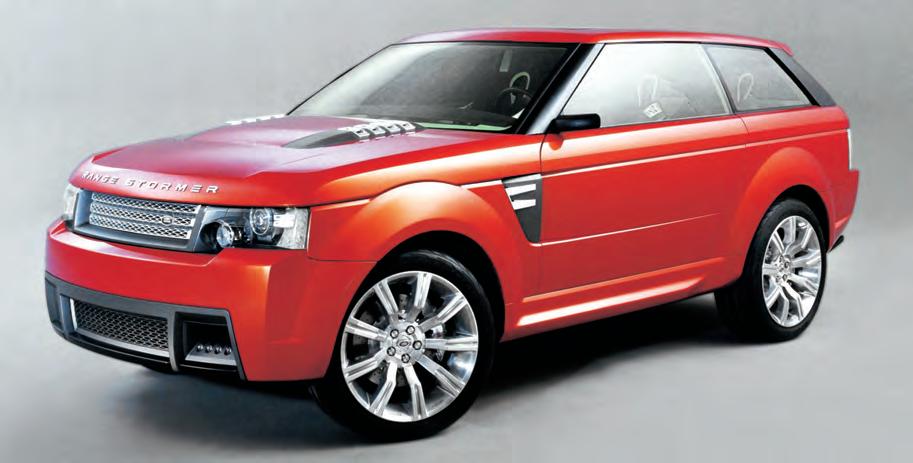
In the concept vehicle, this is communicated through a design which Solihull says makes it ‘the sportiest looking vehicle ever to wear a Land Rover badge.’ This has been achieved despite the retention of many classic styling cues, including the clamshell bonnet, castellated front corners and ‘floating’ roof. ‘The challenge was to translate fundamental Land Rover design values into a concept for a high-performance machine that looks powerful, muscular and edgy,’ said design boss Geoff Upex. ‘We certainly want to challenge established views of our vehicles, and yet Range Stormer is clearly an authentic Land Rover.’
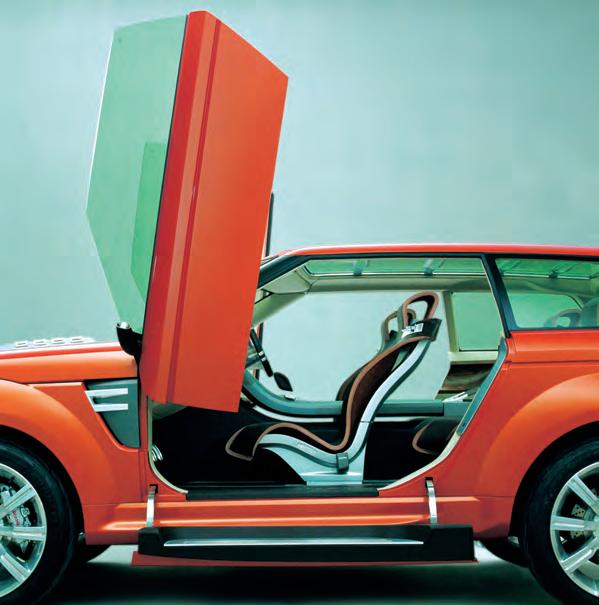
For traditional Land Rover fans, 22-inch alloy wheels and a voluptuous power bulge in the bonnet will be about as authentic as a Chinese Elvis. By what can surely only be a bizarre coincidence, however, the vehicle’s doors actually manage to echo those of the old Series Land Rovers, in that they have a two-piece design – though that’s where the similarity ends, because these are electrically operated, the upper portion hinging upwards and forwards while the lower half drops down to form a step in to the cabin.
This particular feature is unlikely to be carried over to the production model, but an electric two-piece tailgate could feasibly be part of the Range Rover Sport, and headlamps which swivel to offer ‘see round corners’ lighting feel like the perfect
application of appropriate technology.
More fanciful than ever, on the other hand, are floor compartments which rise and fall electrically for additional stowage, and fitted leather ‘his and hers’ bags in the walls of the cabin.
Despite this, Land Rover says it aimed for an air of simplicity within the vehicle. ‘It is very modern and there is clear lineage to the very structural lines of the Range Rover,’ said Upex. ‘But it’s more cocooning than any current Land Rover product, which we think this is appropriate for a more sporting vehicle.’
Further features include four individual seats whose design was ‘inspired by the concept of the Möbius strip.’ Their leather facings are cut from a single hide, part of a deliberate policy to make the greatest possible use of natural materials within the vehicle – matching leather is used on
the dash and centre console, oak and aluminium abound and lower surfaces are finished in ivory leather.
Given the rave reviews that greeted the interior of the current Range Rover, it would be no surprise if many elements of the concept’s interior were to be retained for production. Advanced, high-level infotainment systems are a given, with the Range Stormer’s DVD-driven sat-nav and rear-seat cinema a probability.
The next few years will see the Range Rover’s position as the ultimate statement of 4x4 prestige coming under increasingly ferocious attack from Porsche, BMW, Mercedes, Audi and Maserati. Range Stormer is Solihull’s answer. This may not be the last word in off-roading, but the first £100,000 off-roader is getting ever closer. And you might just be looking at it.
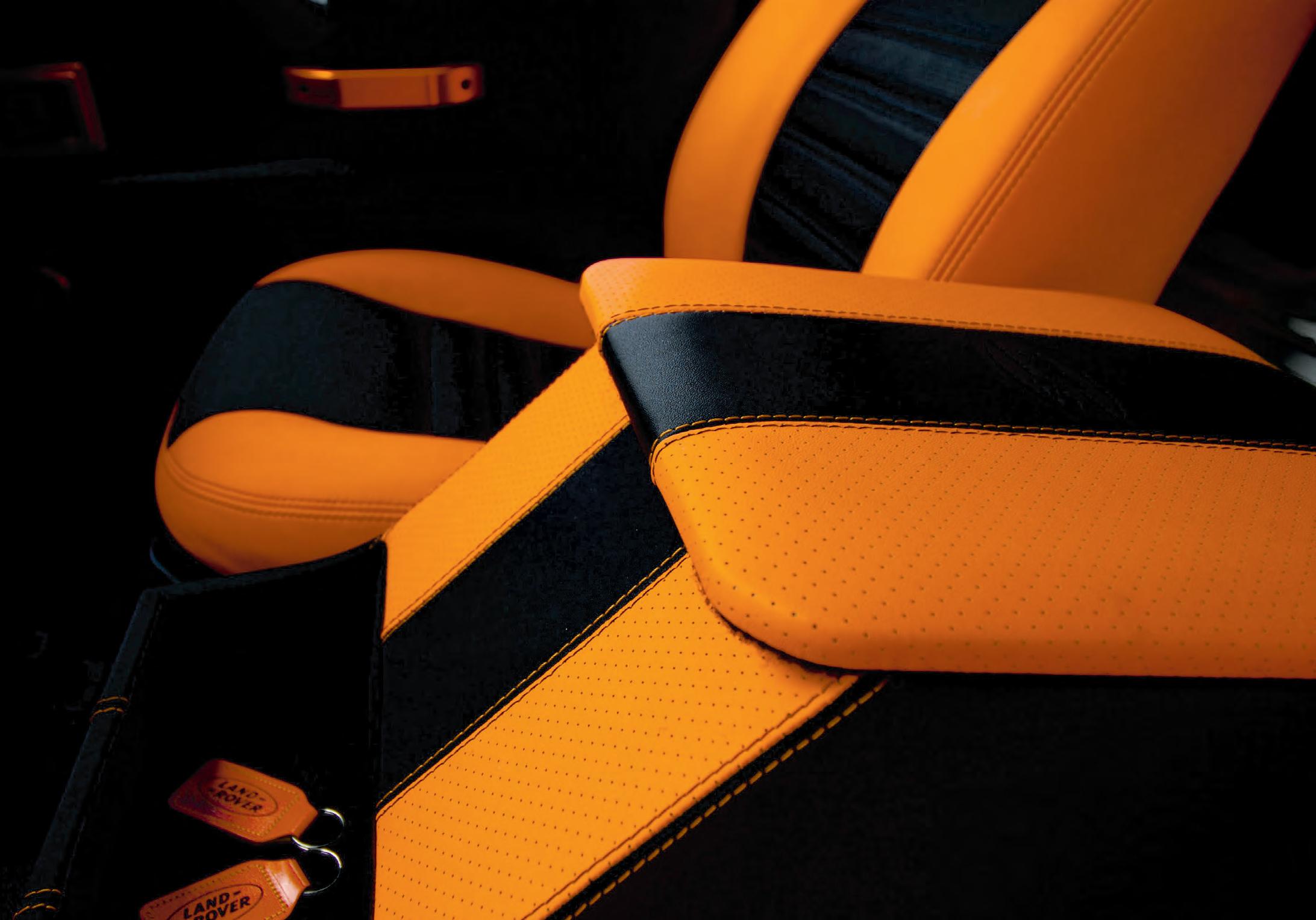



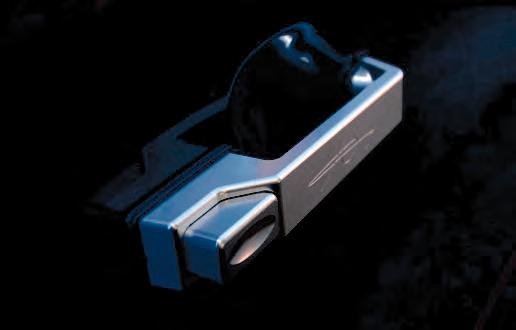
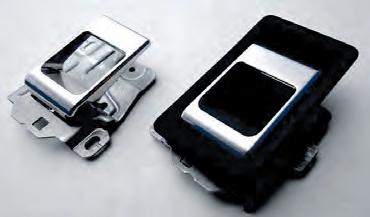
We give form to our components by machining detail into them with chamfered edges and rounded corners, under cuts, engraving and much more. We take time with care and attention to detail to ensure we deliver quality products. Our products have become a feature to many Land Rovers worldwide.
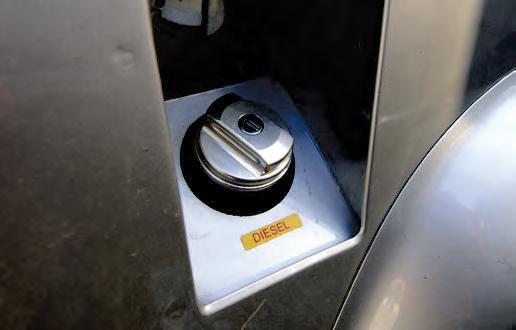
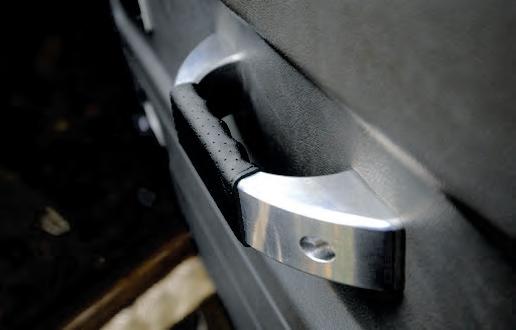
Alongside our aluminium interior and exterior trim range, our Special Order Service offers leather trim which can be designed to your requirements incorporating our colour anodised parts, to give you the ultimate Enhanced by Croytec Defender.






To advertise in The Landy, call our team on 01283 742969
We’re on Facebook: www.facebook.com/thelandyuk
Helderburg’s latest remanufactured 110 stands proud in a £32,000 gold and bronze paint job. It
a shining example of what money can buy


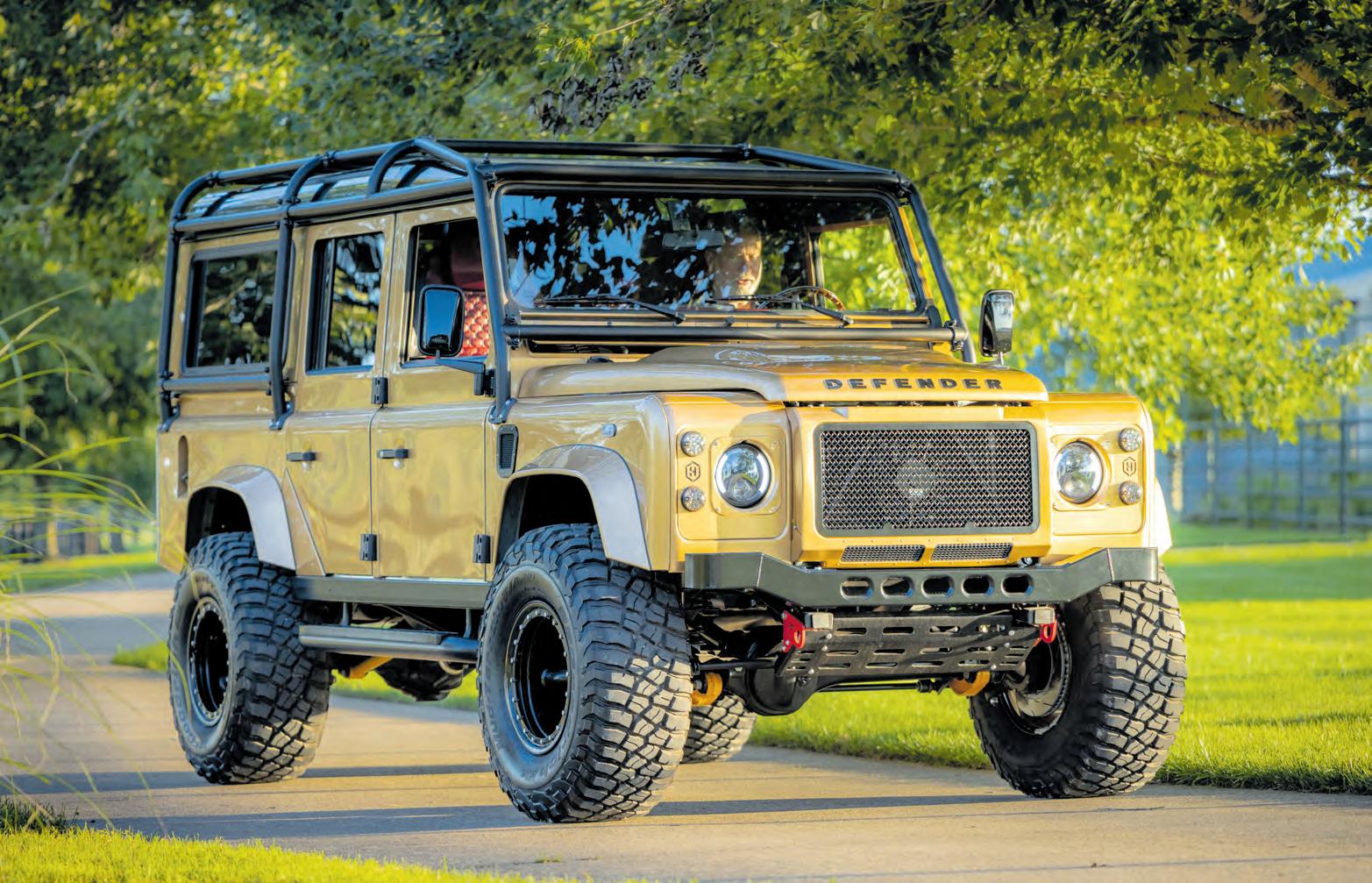
It’s been quite some time since someone, and we don’t know who it was, first hit on the idea of remaking Defenders from the ground up as bespoke, high-spec lifestyle trucks. Maybe several people hit on it simultaneously. Either way, there are loads of companies doing it these days and as always, some do it better than others.
Helderburg does it in America, which gives it an immediate dose of curiosity factor. We’d say uniqueness but there are other companies doing similar stuff on that side of the Atlantic, even if it’s not always just to Land Rovers. Though if this 110 is anything other than unique, we’d be surprised.
It’s called Lazare, because they’ve all got to have names now. It’s a ‘one-ofone Defender rebuilt through heritage
craftsmanship and modern engineering’ and they want you to know that it’s priced at $376,000. Or £281,266.25 in pounds and pence (but mainly pounds), though at this level it’s all just Monopoly money anyway.
There are companies that take a nice one and tart it up. There are companies that take a rough one and make it nice and tart it up. There are companies that take a rough one and leave it rough and tart it up and price it high and reappear with a new name every couple of years, but we’ve learned not to waste our breath on that guy. It might be that those are the only ones most people can actually afford, but the real cost is yet to come.
Anyway, there are those companies. And then there are the companies
that don’t just tart them up: they remanufacture them from scratch. These are the ones whose Defenders cost this kind of money – and if you can afford it, you’re getting what you pay for.
Let’s start with the engine. When Helderburg start with the engine, it’s a 2.8-litre turbo-diesel derived from the Land Rover 300Tdi. A 2.8, huh? We know about those, don’t we children? And we like them.
The engine gets a Helderburg cylinder head, crankshaft, connecting rods and VNT turbo system, along with a custom stainless exhaust. All of this is unique to Helderburg, which says the components were developed to increase power, cooling efficiency and long-term durability. On an engine
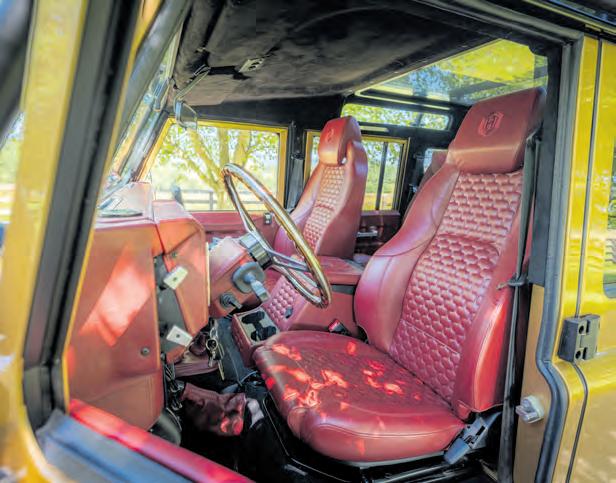
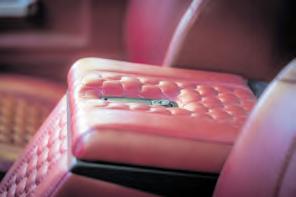
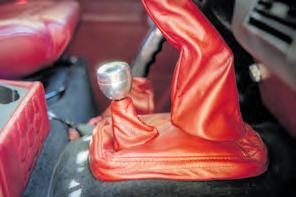
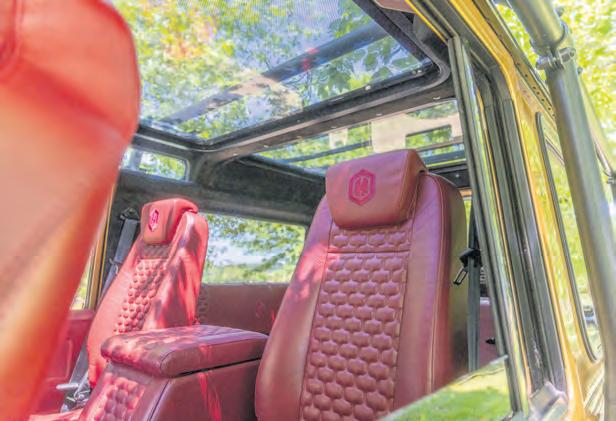
Above: Everyone has their own taste and it might not be to yours, but there’s no denying the craftsmanship that’s gone into the interior. Not to mention the sheer amount of burgundy leather. This is almost four times thicker than the hide used on everyday car seats and it’s been stitched into a bespoke pattern created specially for the vehicle.
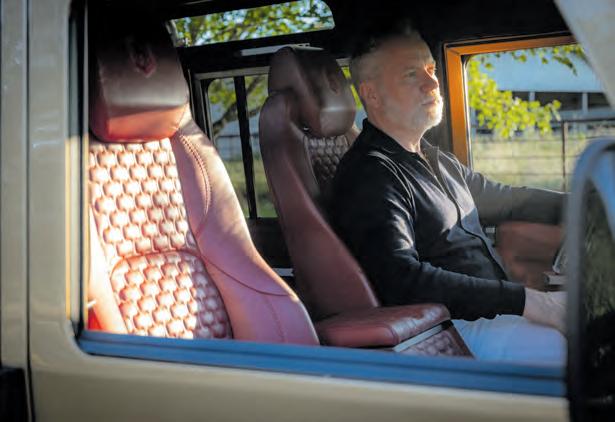
Above right: An unusual set-up in the back sees two second-row seats separated by a bespoke cubby box. Behind them are two side-facing rows, a reminder that this is still a veteran Land Rover. Panoramic roof sections flood the interior with light. Above it are cargo-carrying crossmembers attached to the full exo roll cage
that can already go round the world and back on oil changes alone, that’s saying something.
‘We built this truck to be a true globetrotter,’ explained Helderburg founder Paul Potratz. ‘The 2.8-litre turbo-diesel isn’t just powerful; it’s designed for longevity measured in hundreds of thousands of miles. Our clients will see 500,000 to 800,000 miles on these engines. And being able to achieve 28-32mpg without diesel exhaust fluid or complex emissions systems adds real-world usability that many modern platforms simply don’t offer.’
He’s got a point. Modern diesels are lovely but when you’re constantly having to chuck AdBlue down their neck and they’ve got DPFs, EGRs, catalytic convertors and God knows what else waiting to get you, it’s like driving about in a ticking bomb. Simplicity is good.
Down below, you’ll find Helderburg’s ‘signature suspension lift.’ As opposed to everyone else’s signature suspension lift, obviously. No, don’t let’s be flippant: many, many people have punted Defenders up to the skies, but not all of them have done so using progressive-rate coil springs developed exclusively for them. In Germany, which
probably sounds like a bigger deal when you’re based in Sharon Springs, New York than it would in Colchester or somewhere like that.
Anyway, the springs are mated to Fox dampers, which is never a bad thing, and the axles are controlled by custom radius arms. Five-spoke faux beadlock ZU-style alloys wearing LT315/75R16 BFGoodrich KM3 Mud-Terrains widen the 110’s track to suit its extra height. ‘The result,’ says the company, ‘is a classic Defender capable of being driven comfortably all day, whether in the city, on long highway routes or over rugged terrain.’
Something else about those fivespoke rims is that they provide an excellent view of the brakes behind them. This is a good thing, in a way it might not be on certain Defenders of an early vintage, because said brakes are Helderburg’s own, a system mating CNC-machined slotted discs to six-pot calipers up front and four-pot at the back.
Then there’s the steering. We mentioned Helderburg’s bespoke radius arms before, and these are part of a set-up designed to transform a cheerfully wayward experience into one which is ‘light, calm and precise’
using the company’s own geometry and components. ‘You can guide it with two fingers,’ says Potratz. ‘When paired with our braking system, it gives you a level of control that surprises anyone familiar with vintage trucks.’
Something that won’t surprise you is the amount of leather in the cabin. I mean, does anyone ever think to build a posh Defender and use anything else? Well, Helderburg has gone down the same route as everyone else but not everyone has gone to the same lengths to do it well.
‘Lazare is a study in tailored luxury,’ says the company (don’t worry, it gets better). ‘The cabin features a singletone burgundy leather tanned to order exclusively for this commission.
‘Sourced from Italy, the leather is nearly four times thicker than standard automotive upholstery, approaching the density of fine boot leather while retaining a supple, glove-like feel due to its high-wax tanning process. It is complemented by a bespoke stitching pattern created specifically for Lazare, a motif never before applied to a classic Defender.’ We don’t normally have much time for purple prose, and we’re not the biggest fans of leather in general, but this is possibly the first
time ever that we’ve been able to feel the suppleness in it just by look at pictures. You’d insist on the very best in quality at this money and if anything exists that’s capable of looking higher on a printed page, we’re yet to see it.
The leather extends to the door cards, dash, fusebox cover, gearstick and handbrake garnish and cubby box, as well of course as the seats. These are worthy of note, too, because they’re custom built from the frames up to suit the measurements of the clients ordering the vehicle. ‘Even the steering wheel diameter and console height are adjusted to suit the owner,’ says Helderburg, ‘ensuring natural posture and long-distance comfort.’
Further comfort comes from an OEM air-con system, which does nothing for legroom but everything for keeping you cool in the summer. It’s aided in this by thicker glass, another Helderburg exclusive, which as well as keeping a more stable climate also reduces cabin noise and improves insulation.
Cool in another sense is an Alpine head unit running Apple CarPlay. This dials into a Focal Utopia audio system with beryllium tweeters – which, with extensive sound deadening applied throughout the cabin, makes for ‘an
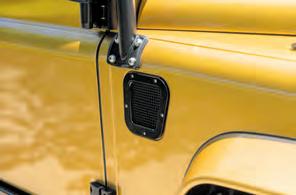
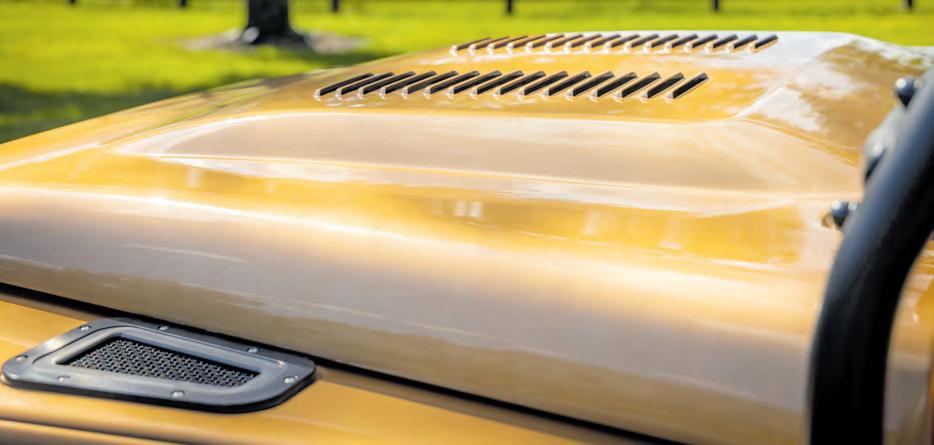
bonnets are the stuff of hot rods but turns out the look can work well on a 110 too. Obviously it helps if the 110 has already been finished to the sort of standard you see on top hot rods – and whoever ordered the vehicle is into it for $43,700 on paint alone, which is very much the sort of money you’d expect to be spending on a top show winner rather than a knockabout off-road wagon for the weekend
unusually quiet and immersive cabin environment for a classic Defender.’ The Alpine system also features a reversing camera, as well in this case as an optional security system with continuous recording and cloud-based motion alerts.
With an alcantara headliner up top, the cabin is finished with a combination of details in soft metallic gold, nickel and billet aluminium. These include familiar items like the door handles, window winders, gearstick toppers, fusebox knobs and windscreen air vent surrounds. The overall effect certainly is lavish – and while nothing with that much red leather in it can ever be accused of subtlety, there’s an elegance and a togetherness to it which, as an awful lot of Defenders before it have proved, are not as easy to pull off as you might assume. From the outside, once again it’s not subtle – but it’s very together indeed. Obviously, a lifted 110 on 35” tyres is always going to have stance on its side, but when the top half of the body is wrapped in a chassis-mounted six-point exo cage it has a tremendous breadth and depth of purpose to it too.
Did we say ‘wrapped’, there. Rest assured we won’t be using the word
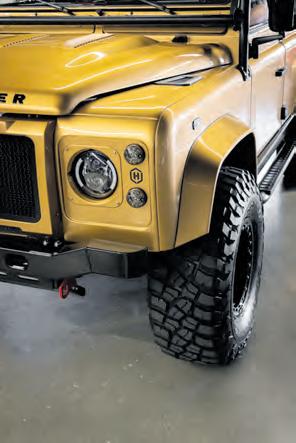
again when it comes to the Defender’s colour. Helderburg describes it as ‘a classic Ferrari–inspired metallic gold and bronze tone, a custom mix developed in-house exclusively for this commission.’ Want to guess how much it cost? Well into hot rod territory, there’s a hint: ‘The paintwork alone represents a $43,700 process involving Helderburg’s signature three-stage finish, applied and hand-finished to a depth and clarity rarely seen in the Defender world.’ You mean they didn’t put it on with a roller, then? Crikey.
Obviously, three-stage paint finishes are not uncommon, so we’re not sure what makes it a ‘signature’ as such, but we do know that it looks fantastic. It’s augmented by various exterior elements (’signature Helderburg elements,’ inevitably) including precision CNC-machined billet aluminium hardware which takes the place of the plastic originals. These include the grille on the a/c front panel, which sits above a high-clearance bumper to give it a huge dollop of presence when viewed from the front.
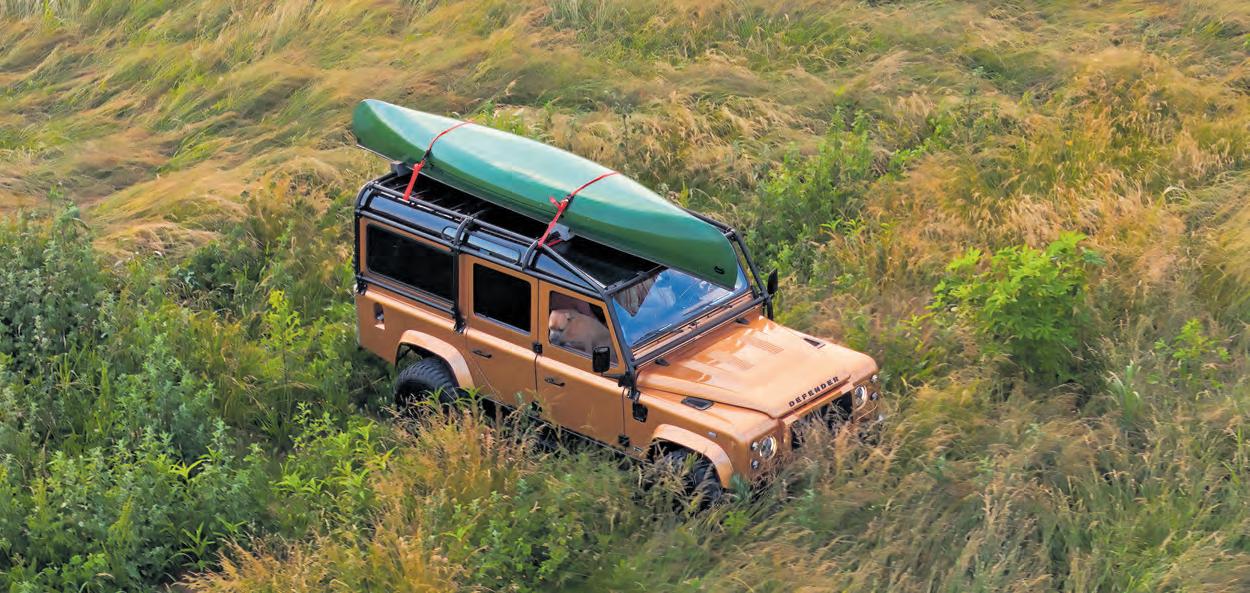
‘We preserved the iconic Defender silhouette,’ Potratz explains. ‘But every detail beneath it has been reworked for the modern era. Lazare may look familiar at first glance but everything from the engine internals to the door mechanisms has been reconsidered. It is a classic in appearance but mechanically it is an entirely new vehicle.’
On the subject of new vehicles, £280,000 does still get you all but the very most exclusive of these. Not that there’s any point at all in comparing prices however, because if you can afford to put this much in a car you can afford to put it in a second car too. So it’s not like anyone is ever going to have to choose.
Still, Land Rover’s own Works Defenders are in the same ball park as Helderburg’s. So what’s it going to be?
A late Puma redone with a huge V8 and catalogue styling or a properly early one on 35s, with a Tdi like no other and the handling to match, finished to stratospheric standards in your own choice of everything? We know people who’d simply refuse to spend money on anything from America right now – but if any of them had this much of it behind them, seldom could the temptation have been greater.

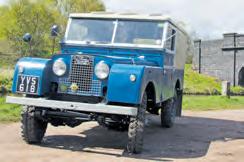
all Land Rovers. Its engineering and design give it real charisma, but parts aren’t readily available. Restoration projects require deep pockets, but see it through and the result will be worth mega bucks.
The Series I, particularly in its 80” guise, is the most sought-after of
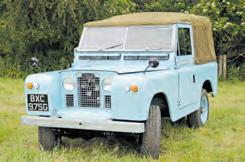
Gone are the days where you could use a Series I as an actual Land Rover. Because with restored examples changing hands
£5000-£85,000
for millionaire money, preservation is the aim of the game.
The earlier the vehicle, the more it will be worth. The sky’s the limit – but can you really put a price on such an icon?
Pros: Heritage, charm, a true classic, the original Land Rover Cons: Availability of parts, price tag on early 80s Series I (1948-1958)
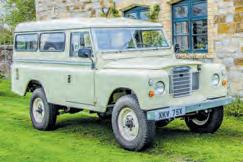
Cons: Not yet as desirable as the earlier Series models Series III (1971-1985)
terms, keeping the same 2.25-litre engines throughout the length of its production run. In 1980, the engines switched to a more durable five-bearing crank rather than the old threebearing setup. The transmission also received syncromesh on all forward gears to make it easier to live with.
£2500-£35,000
They still carry the simplicity of earlier Land Rovers, but the Series III remains the most affordable way into owning a leafer.
Pros: Most affordable route into Series ownership. Still has the Series pedigree. Parts still widely available
Lightweight (1968-1984) £3500-£22,000
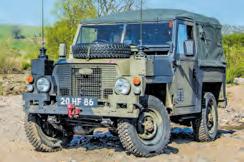
These military vehicles can easily be distinguished from regular
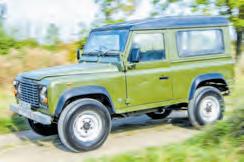
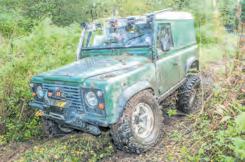
Land Rovers. To mimic the civvy Series machines, the Series III model built from 1972 onwards, also had its headlights switched out to the wings.
Lightweights add an extra dimension to owning a Land Rover. Their military history and details mean you get a truck with more stories to tell – and that stands
Early
These
Rovers
coilsprung suspension, new engines and a world-beating level of rugged off-road capability.
out from the crowd. They’re a rare breed, though – so if you’ve got one, it’s worth keeping hold of.
Pros: Not like all the other Land Rovers out there. Military background. Lovely 2.25 petrol Cons: Appearance isn’t to everyone’s taste. Exclusivity over regular models means they command a price premium
Don’t be fooled by high prices. Values have dropped in the last two years, and only a real rarity in pristine nick is worth the money that used to be commonplace.
Pros: Excellent parts availability. Easy to work on. Unlimited potential for mods and restos
much of that early charm. Prices seem to have peaked now, however they still remain strong for good examples.
A 2.25 petrol 88” would be our pick, as the diesel engines were underpowered and rather noisy.
refinement. While the engines have excellent longevity, they need to have been maintained properly. Be thorough in your checks, both under the bonnet and underneath the body.
refinement, but this is seen by many experts as the best Defender of them all.
The LT77 gearbox in the 200 Tdi is more truck-like than the later R380, and these vehicles didn’t come with bling. Just be sure it’s an original Tdi you’re getting, not an old Discovery conversion.
Pros: The perfect combination of tradition and modernity
Cons: Lots of horrible and/or deceptive ones around
Cons: Bulkheads and chassis rot, springs prone to seizing Series
The Series II/IIA has a wider stance than its predecessor and adds an extra (thin) layer of
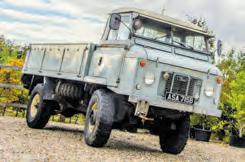
rarity – with all the cachet, pride and immense awkwardness that comes with this status.
By ‘rare’, we’re talking about less than 2500 Series IIA FCs in total. And they tended to have a very hard life, so not many have survived to tell the tale.
Pros: A sound investment to restore – and enjoy
Pros: A Land Rover like no other, if that’s what you want Cons: Especially brutal to drive, and to find parts Series IIA/IIB FC (1962-1971) £2500-£15,000
Forward-Control models differed from everyday Series IIs by
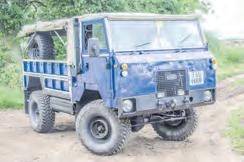
Only ever
the time came for demob. They were flogged off at very low prices and turned into off-road toys –not something you’d do with one today, given the rarity and classic value they’ve taken on.
having heavy-duty ENV axles, but engine-wise they had the familiar 2.25 petrol and diesel lumps. So, don’t expect performance – but do expect to be given an ‘interesting’ time in the workshop…
£7500-£26,000
Compared to the IIA/IIB FC, the 101 is more fun thanks to its V8 engine. It’s still a military tool, though – some still have fixtures and fittings from their Army life, which adds interest. This is a vehicle for enthusiasts, though, with costs that are sky-high even by Land Rover standards. Pros: Master of the road. Lovely V8 soundtrack. Everybody who sees one loves it Cons: Monumental running costs. Expensive to buy, too
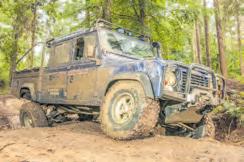
The 127
work truck tend to go for a later 130, so the 127 is more of an enthusiast’s
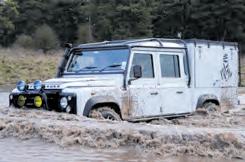
motor. It’s popular for homebrewed overland conversions, too. Almost all 127s have had an engine conversion by now, too. Lots to be wary of, then – but it’s a hell of a lot for your money. Pros: Enormous size means limitless potential and character
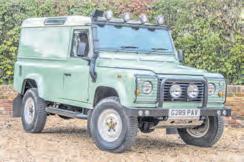
The 300 Tdi engine is very different to the 200 unit it replaced, though
the two are related. It’s much more refined and smoother to drive, though there are more electronics involved so later versions in particular are less of a DIY fix.
The arrival of the 300 Tdi also brought with it the R380 gearbox. This used to have a terrible reputation for relability, but most have been put right by now and they’ve
£3500-£40,000
become sought after for their light clutch and better shift action.
It was during the Tdi era that Defenders started getting things like alloys, too. You might even find one that’s not been off-road… Pros: Strength and simplicity. Perhaps the definitive Defender Cons: Sure to be very different to when it left the factory
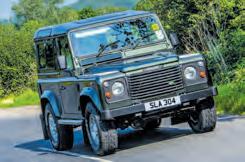
TDCi (2007-2016) £6500-£275,000
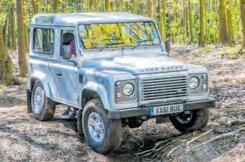
The last Defenders gained modern 2.4 and 2.2 TDCi engines and
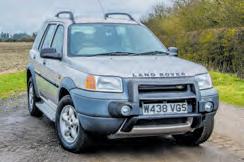
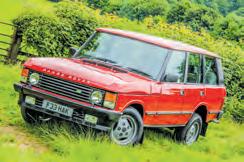
smooth six-speed gearboxes, They still had phenomenal off-road ability and were even okay to sit in. Famously, this was the Defender that actually had a dashboard You can find special editions and boutique conversions to TDCi models that cost obscene amounts of money. You will pay a premium for any these late
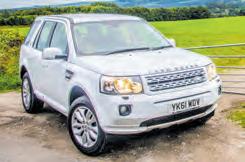
It’s also a notable classic in its own way, as it heralded the start of the company’s modern era. It has its issues, though. The viscous coupling is expensive to replace and can be upset simply by running mismatched tyres.
The 1.8 petrol used to be notorious for head gasket failures. Today’s replacements are much
are people who do just that, preferring to invest new-car money in a restoration than spending it on a current model.
It’s a smart policy, too. An early two-door can cost mega money, but any Classic will appreciate in value if kept in good condition –and sought-after rarities like the CSK and LSE can be a gold mine.
a strong performer. It does lend itself to being tuned though, so watch out for abused ones and knackered examples that have been pushed beyond the limit.
As with all Defenders, you’ll need a rear crossmember sooner or later – or even a new chassis.
still be a DIY machine. Parts are in plentiful supply, as is specialist knowledge – and it’s one of the best Land Rovers ever.
Defenders, however the era of skyrocketing prices seems to be over and TDCis have dropped further in value than the Td5. So a good 2.2. could now be quite a shrewd investment
Pros: Efficiency, creature comforts, off-road prowess
Cons: Price, electronics, TDCi engine is unloved
more robust, but a late diesel is your best bet. Even these can go calamitously wrong, though. This was a more complex car than it needed to be, and buying one for sweeties now doesn’t change that.
Pros: Cheap to buy, no big rust issues, surprisingly able off-road Cons: All sorts of things can go wrong, some very expensively
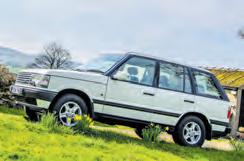
An awful lot of Rangeys have been neglected and/or abused, and you can still buy they cheap. But if you’ve got the skills, and access to parts, restoring one would be the ultimate hobby that pays.
Pros: Most usable classic Land Rover, V8 power, ride quality
Cons: Rust, availability of parts for early models
Range Rover (2002-12) £2200-£24,000
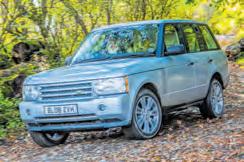
The Mk3 Range Rover hit new
of luxury and was more reliable than the P38. It’ll still cost a lot to run, however, and drivetrain faults and underbody corrosion are not unknown.

The TDV8 engine is sublime, but you’ll pay more to get one –especially the 4.4, though the 3.6 has all the power you need. The V8 petrol, on the other hand, is temptingly cheap. Guess why…
This isn’t a DIY motor, but it certainly is a Range Rover, with brilliant off-road and towing skills. It relies a lot on electronics, but they work wonders – and the deepdown engineering is very robust.
Pros: Great off-road, luxury, image, TDV8 powerplants
Cons: Very complex. Huge running costs
The Td5 engine is arguably Land Rover’s most reliable unit and it’s
Despite having more electronics than the Tdi, a Td5 Defender can
(2020-on)
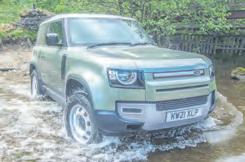
If the subject of the new Defender comes up in enthusiast circles, try
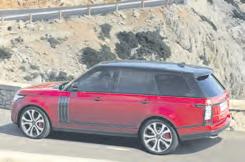
The fourth-gen Range Rover is a majestic 4x4. All the engines in the
to steer it away on to something safer. Like Brexit, for example.
Much as it may infuriate purists, however, the Defender is actually a very wonderful thing. It’s kind of like an old one, only with space, comfort and equipment.
The big difference is that you can’t work on it yourself. This goes for maintenance and, crucially,
it replaced. It’s a refined and affordable SUV with a strong engine, good equipment and a decent level of practicality.
It’s become one of the most reliable Land Rovers out there, too.
But do be aware of the rear diff and Haldex unit for costly outlays.
The 2.2-litre diesel engine is a strong performer, though for a
own, even today. The problem is that they’re very complex and very, very good at going wrong. Air suspension failure is the norm. Head gaskets can let go. Electronics are laughably flaky. And parts can cost the earth – as will the labour bills. Perhaps worst of all, nowadays it’s very hard to find one you can be sure hasn’t
range supply copious amounts of power, and its road manners are absolutely impeccable.
It’s startlingly capable off-road, too, even if getting one muddy would feel like bad form. Most that leave the tarmac probably do so only when their owners are in the mood to blow some grouse out of the sky.
a supreme off-roader as well as
Pros: Off-road capability, power, overall reliability. Very well suited to being modified
Cons: Rear chassis, premium prices, monstrous road tax on later vehicles Defender Td5 (1998-2007) £3000-£35,000
£45,000-£185,000
making modifications – a market Land Rover wants to take back and have for itself. It won’t hold its value long-term the way an original-shaper does, either. But this is still a superb vehicle.
Pros: Comfort, capability, rugged fitness for purpose
Cons: Not cheap to buy. Lacks the old one’s basic charm
bargain search out one with the unpopular 3.2 petrol unit. Either way, it’s a fine SUV to drive. Prices have fallen since the production ended, too – £15,000 now gets you a late one on tiny miles.
Pros: Reliability, refinement, economy of diesel engine
Cons: Transmissions can wear quickly if used for towing
spent at least part of its life being worked on by idiots Still, you’ll get a classy motor with proper off-road and towing skills. It’s becoming a classic, too, and prices are still tiny considering everything you get.
Pros: Luxury, price, a Land Rover that doesn’t rust Cons: Electrics. Be very afraid
Inside, the Range Rover’s cabin is superb, with sumptuous trim and cutting-edge equipment. Prices are, of course, as immense as the vehicle itself. But if you can afford it, so too is the presence a Rangey will give you.
Pros: Class, luxury, engines, vast all-round capability
Cons: Price
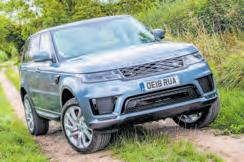
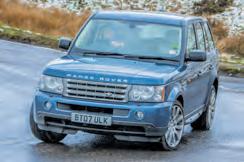
The second-generation Range Rover Sport is 400kg lighter than
the original, meaning it’s almost economical to run. It feels really nimble and agile on the road, too, and it comes with a range of engines giving it a brisk turn of pace.
Some won’t like the flamboyant posture, while others will love it. Either way, inside the cabin it’s very nearly as luxurious as the full-house Range Rover.
£13,500-£65,000
If you can afford the SVR model, you’ve got a super-SUV with rap star image. In every case, though, running costs will be vast. Parts don’t get any cheaper because you bought it second-hand…
Pros: Performance, refinement, handling, glorious interior
Cons: Marmite image. Pricey to buy and run
Range Rover Sport (2022-on)

Hilariously, this is what counts as the affordable way in to owning a
new Range Rover. The Sport is less about being chauffeur driven and more about lording it over other aspirational school runners, but once again it’ll be lovely to drive.
Like the full fat Range Rover (a phrase which has never felt more appropriate), the Sport is available with an old-school V8 engine that gives you racecar performance in
£80,500-£145,000
return for NASA-level emissions. Most UK customers with opt for an altogether healthier plug-in hybrid, but they’ll still get a vehicle that’s brutally fast a well as being able to do the normal Range Rover stuff.
Pros: Smooth, refined, comfy… and game for a laugh, too
Cons: Still hasn’t quite shed its proceeds-of-crime image
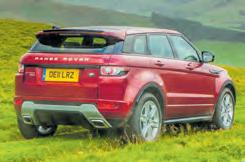
When the Evoque was launched, it signalled JLR’s intent on hitting
and
Evoque (2011-19) £4500-£31,000
the masses. Given that it was the company’s fastest-selling vehicle, they clearly hit the brief, even if it wasn’t for the traditional Land Rover owner.
It’s actually still a capable thing off-tarmac – but it’s definitely more at home on the road. Nevertheless, it is economical by Land Rover standards and
because of its particularly handsome exterior. It’s based upon the same architecture as the Jaguar F-Pace but has greater off-road ability and is available with a wide choice of engines, most of which combine good economy with usable everyday performance.
because there are so many out there, used prices are tempting. There’s a Convertible model, too, as well as three and five-door tin-tops. We say stick to the latter, and be sure to get one with 4WD.
Cons: Cramped rear seats, not as practical as a Disco Sport Range
Pros: Economy, handling, iconic concept-car image

Evoque has adopted a similiar back end to the larger Velar. It’s not just the exterior that mimics the looks of the larger vehicle, however, as the Evoque has gained the latest Touch Pro Duo tech and a hike in quality.
The main highlight of the new Evoque is the fact the majority of the range is made up of mild
hybrids, available with diesel and petrol engines combining to an electric motor. Only the base D150 Evoque escapes the electrification, and we’d avoid it as it doesn’t have four-wheel drive.
Pros: Feels like a proper Range Rover inside
Cons: Petrol engine is poor on fuel economy, even as a hybrid
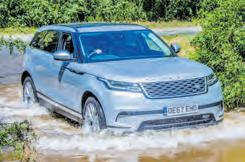
it came out. It was very much designed to be a trend setter. But is there a whiff of style over substance? Well, it’s a very good SUV. But you don’t half pay a premium for those suave looks...
Pros: Stylish design, chic cabin, excellent tech features
Cons: Feels like an indulgence, especially at such a high price Range Rover Velar (2017-on) £22,500-£85,000
The interior was Land Rover’s most advanced cabin yet when
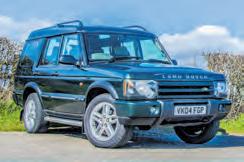
most most reliable units ever. It drives well, too – mated to a manual box it has more guts even than the V8 option, which is surprisingly bland but predictably thirsty. Whereas the Disco 1 was prone to body rust, the D2 is fine here. Instead, its chassis rots like a carrot, especially towards the back end. Also at the back, seven-seat


a Discovery in name only.
It’s a more practical proposition than the closely related Evoque, and you won’t need to live with the fear of Posh Spice jokes.
models had air-suspension, with all the horrors that brings.
Mainly, D2 owners will tell you about rogue electronics. And leaky sunroofs. They still love their trucks, though, which says a lot.
Pros: Td5 power and reliability, great all-rounder, lots of choice Cons: Chassis rust, electronics, leaky sunroofs, air suspension
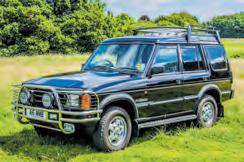
with the same 100” wheelbase and a slick body containing a spacious, flexible cabin. It was well equipped and refined, and it came with the wonderful Tdi engine.
There are some tidy deals to be had on late high-spec examples now – though if you do a
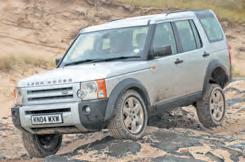
The Disco 3 is an astonishing allround vehicle.
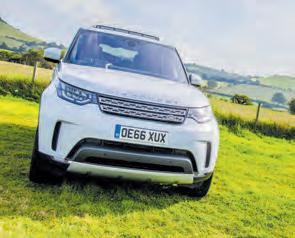
Over time, the Disco’s epic ability meant almost all of them were hammered at playdays. Lower body rust is a big killer, too. So it’s rare to find a good one now,
and capable off-road, genuinely luxurious and a giant of a tow truck, and as well as being able to seat seven adults it can be turned into a van with a totally flat rear load area.
But it was also astonishingly complex, and these days it has a reputation as a money pit. Air suspension and electronic
and when you do they tend to be priced with a lot of optimism. Very early ones in tip-top condition are full-on classics, too. For a sound one to own, we’d look for a tidy 300Tdi.
Pros: Price, practicality, parts availability. Epic off-road ability
Cons: The body rusts like it’s been doused in sea water Discovery (1989-1998) £800-£15,000
handbrakes are big sources of woe, cam belts are a body-off job to change and rust is becoming more of an issue. Get a good one, though, and it’s all the car you’ll ever need.
Pros: Good at everything. Lots of accessories available now
Cons: The phrase ‘money pit’ crops up time after time
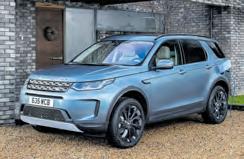
after the first. That’s because once again, it’s related to the Evoque, which was ready for a full new model in 2019.
The Sport is a premium midsized SUV with seven seats and a decent level of off-road ability. It’s a massively popular choice for the school run – and, with the arrival

terrafirma4x4.com
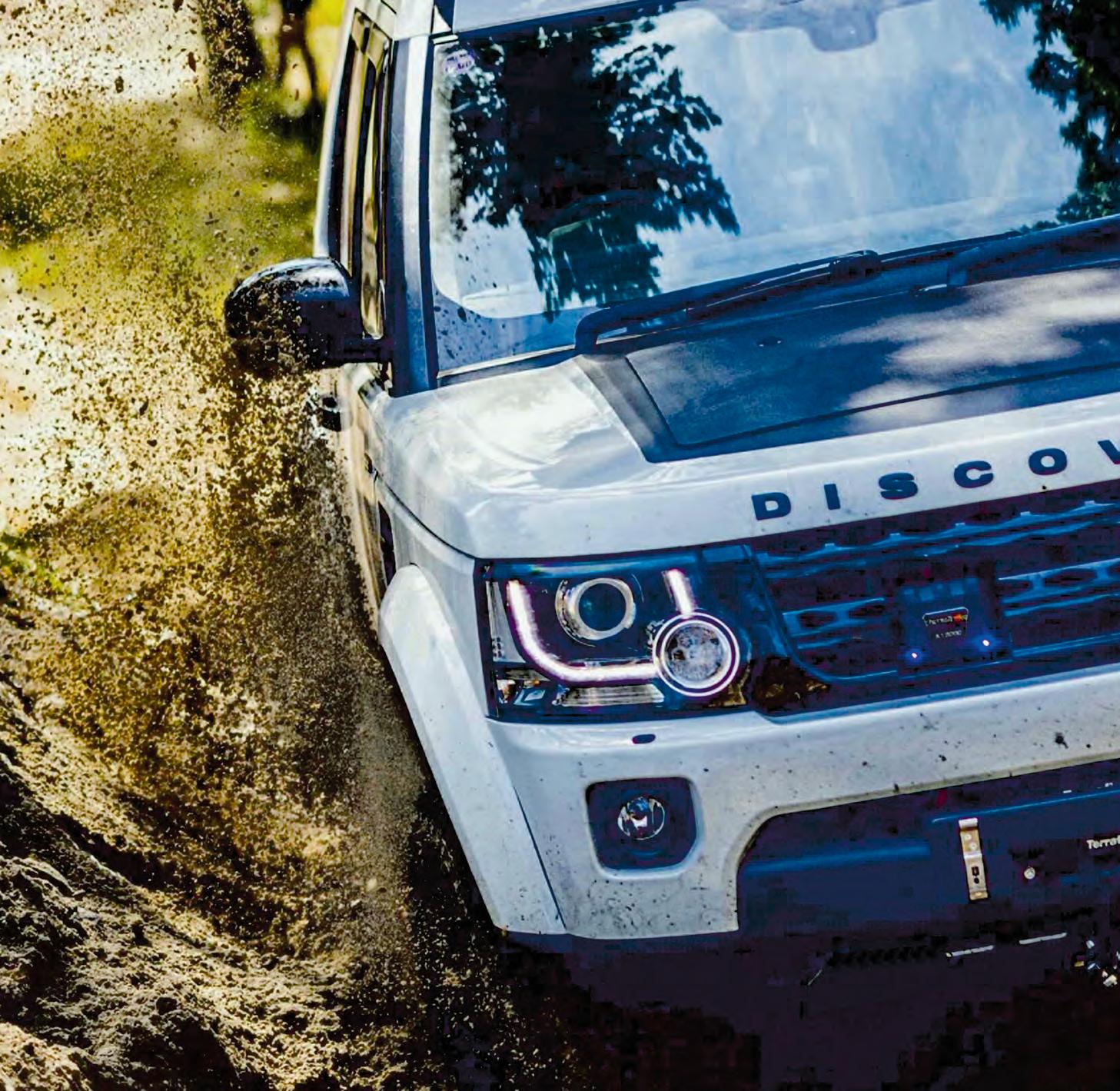
An expedition vehicle’s bonnet provides an ideal location for mounting a solar panel when roof space is occupied by racks, tents, and equipment. These vehicle-specific flexible solar panels feature plug-and-play wiring with no drilling required, delivering reliable off-grid 12V power for auxiliary batteries, lighting, chargers, and other onboard electrical systems.
High-efficiency PERC monocrystalline cells with durable ETFE protective film ensure excellent light transmission and resistance to weather, corrosion, and UV exposure.
Part Number: TF1900 [Defender 98-06] / TF1901 [Defender 06-16] / TF1903 [Discovery 3 & 4]
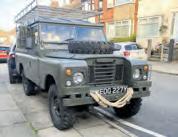
Series III 109 2.25 Petrol (1972). Good chassis and bulkhead. New Webber, FWH, coil, HT leads, elec ignition, door tops, seat bases. Galv rack. All oils and filters changed. Tax/MOT exempt. £7200. Liverpool. 07724 411688 07/26/001
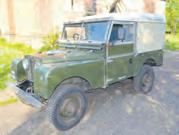
Series
Bolton. 07795 103107 07/26/015
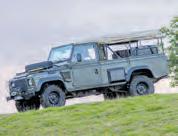
Wolf 110 GS ST (1998). 88,000 miles. Recent clutch, cambelt and major engine service. New PAS box. Rebuilt swivels. HD bumper, Superwinch TSI 35. Exmoor hood. MOT Dec. £14,500. Burton on Trent. 07968 960619. 06/26/011
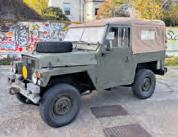
Series III FFR Lightweight (1977). 31,000 miles. 2.25 petrol. Solid chassis and bulkhead. Great engine, new water and fuel pumps, starter motor, fuel lines. Military paperwork. £11,250. Worthing. 07455 025337 07/26/004
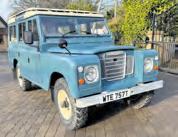
Series III 109 (1979). 72,000 miles. 2.25 petrol. Very original condition, chassis with little or no welding. Extremely nice bodywork. Polybushed. One owner last 23 years. £12,995. Brentwood. 07877 496903 07/26/014
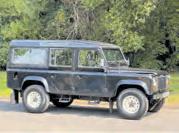
110 SW (1986). 183,000 miles. 9-seater. 3.5-litre Mazda SL35TI turbo-diesel. Full stainless exhaust. PAS. Fun to drive. Continental tyres. Some work needed on bulkhead. MOT June. £11,000. Edenbridge. 07900 521952 06/26/010
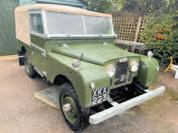
Series I 86” ST (1955). New galv chassis and bulkhead, rebuilt box and engine. Axles, swivels, brakes, steering box overhauled. New loom, canvas, stainless tank. Great interior. £24,000. Bury St Edmunds. 07904 943780 07/26/007
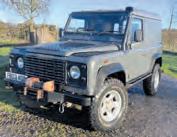
Defender 90 Td5 (2002). 118,000 miles. Full £19k rebuild on 3mm galv chassis and bulkhead. Alive upgrades. Masai glass. Uprated brakes. Lowered suspension. MOT April 27. £19,995. Frizington. 07871 238368 07/26/009
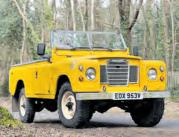
Series III 109 2.6 (1980). 49,290 miles. Structurally sound, extensive mechanical rebuild. Chassis, brakes, engine all overhauled. SU carb. Coolant flushed, oils changed, loom repaired. £15,995. Petersfield. 07518 922155 07/26/013
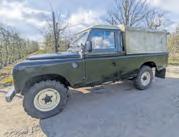
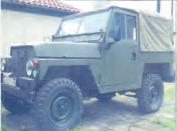
Series III Lightweight (1979). 2.25 petrol. Reassembled with galvanised radiator and vent panel, bulkhead and chassis. Standard running gear. Painted in NATO green. £10,500. Derbyshire. 01246 570853 05/26/002
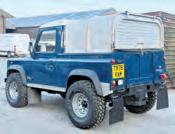
Defender 90 Td5 Pick-up (1999). 167,256 miles. Stage 1 remap, straight through exhaust. 33” tyres, Wipac spots. Excellent chassis, mechanically spot-on, drives perfect. MOT Nov. £13,000. Newtown. 07974 965346 07/26/006
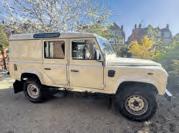
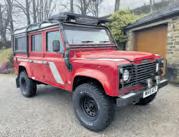
Defender 110 300 Tdi (1995). 167,000 miles. Galv chassis, cage, recon R380, Polybushes, new BFG ATs. Aux tank, rack, awning, drawers, shelves, water tank, twin batteries. MOT Jan 27. £22,500. Keighley. 07768 006445 04/26/009
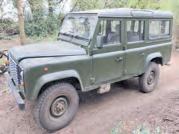
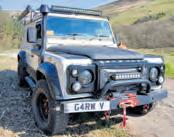
since engine rebuild. Terrafirma susp, 2.5-ton winch, LEDs etc. Diesel heater, split charge, water tank, 2-berth bedding. New MOT. £18,995. Bridgend. 07544 046752 06/26/009
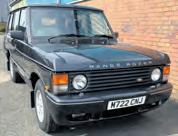
Range Rover LSE soft-dash. Brooklands kit. Full resto 6 years ago and dry stored since. 100% corrosion-free, axles and box overhauled, engine pressure tested. Fresh MOT. £25,000. Brierley Hill. 07500 926095 07/26/010
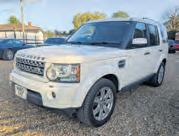
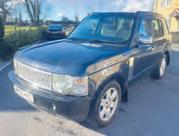
Range Rover 4.4 V8 Vogue (2003). 120,000 miles. LPG (registered as bi-fuel vehicle). Reliable, drives very well, cold air con. Rear arch area previously repaired (done well). Long MOT. £3450. Bath. 07977 067948 05/26/001
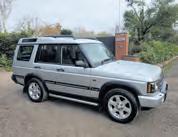
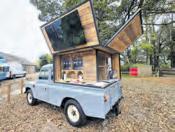
Series III 109” 200Tdi (1971). 75,000 miles. Catering/weddings/ shows. Pro engine
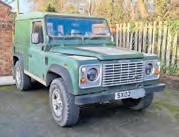
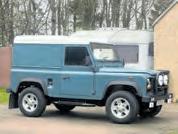
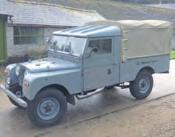
I 109”
and
cert. Maintained by Land Rover specialists, still used and shown regularly. Recent new tilt. Runs and drives perfectly. £25,000. Bedford. 07800 832674 05/26/004















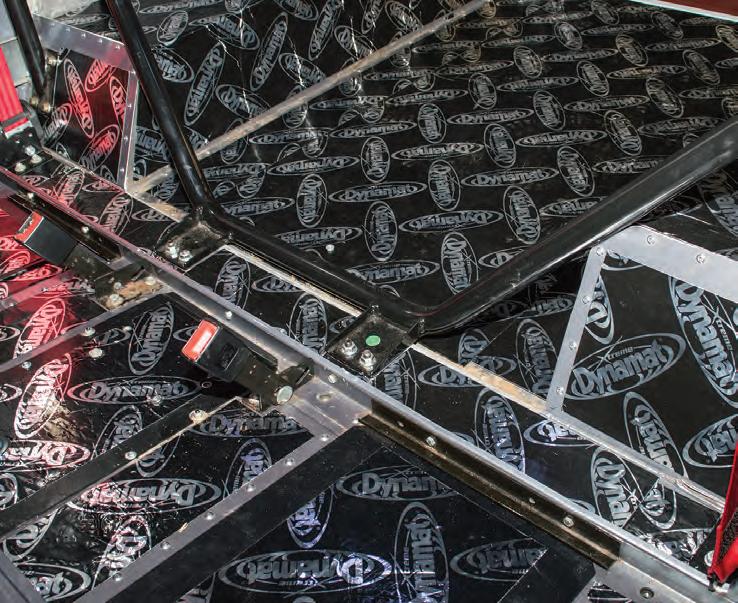
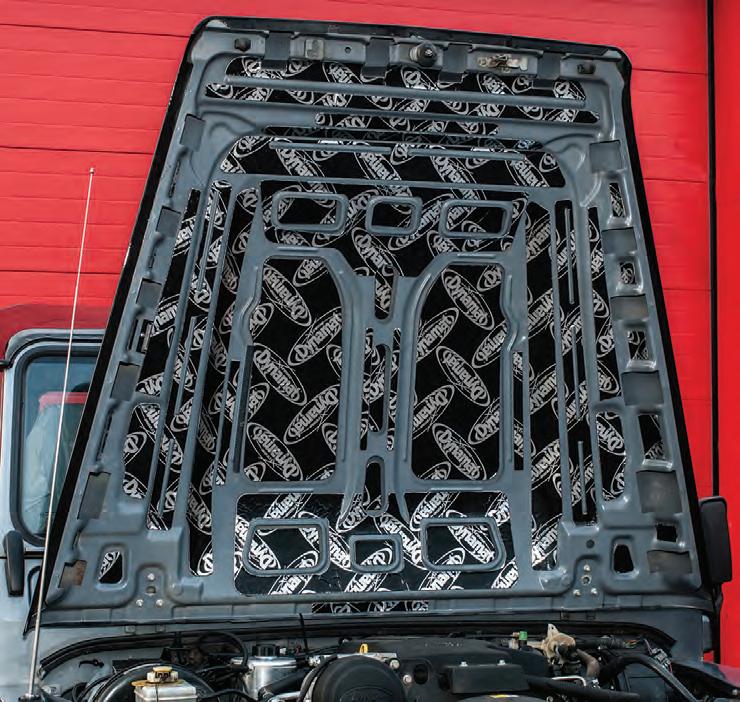
Dynamat Xtreme is the highest e ciency sound deadening material available and the most e ective product for stopping noise and vibration. Dynamat Xtreme can be used on any and all interior sheet metal and fibreglass body panels.
The aluminium constraining layer is very moldable and conforms easily to all interior surfaces. The patented extra sticky butyl layer is formulated with VECTOR chemistry for the most amazing energy conversion capabilities ever.
Use it on your doors, floor, roof, bonnet and loadspace for a quiet, cool and incredibly solid ride.
> Create a solid, luxury car feel with a reduction in road noise.
> Stop resonance & vibrations, reduces buzzes & rattles.
> Improved sound. Get more bass. Hear more of your music.
> For use throughout your vehicle interior, the first step to an improved Land Rover.
Use it on your doors, floor, roof, bonnet & loadspace.
More kit images at www.britpart.com/dynamat


Pre-cut kits specific to each Land Rover. Only available from Britpart.
DA8091
Defender - 1983 - 1998 Bonnet
DA8093
Defender - Td5 Bonnet
DA8092
Defender - 2007 onwards Bonnet
DA8094
Defender - 1983 - 2006 Foot wells
DA8083
Defender - 2007 onwards Foot wells
DA8095
Defender - 1983 - 2006 Seat box
DA8084
Defender - 2007 onwards Seat box
DA8085
Rear tub behind front seats
Defender - 2007 onwards
DA8086
Rear tub floor
Defender - 90 - 1983 - 2006
Defender - 90 - 2007 onwards
DA8087
Rear wheel arches
Defender - 90 - 1983 - 2006
DA8090
Second row floor/under seats
Defender - 110 - 2007 onwards
- Station Wagon/Utility
DA8076
Dynamat Xtreme sheet
1,200 x 610mm
DA8102
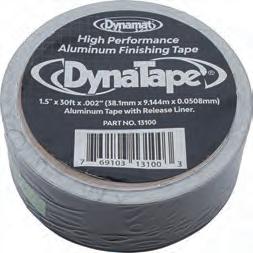
DynaTape
38mm wide x 9.1 meters long
DA8098
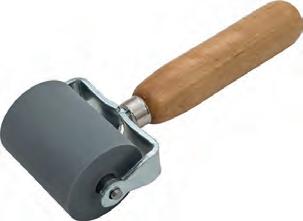
Dynamat Heavy-duty
Roller Tool
Defender - 902007 onwards - commercial only
DA8096
Rear arches
Defender - 90 - 2007 onwards - County
DA8088
Rear arches
Defender - 110 - 2007 onwards
- Station Wagon/Utility
DA8097
Rear floor
Defender - 90 - 2007 onwards - County
DA8089
Rear floor
Defender - 110 - 2007 onwards
- Station Wagon/Utility

Britpart are pleased to be the o cial Dynamat wholesaler in the Land Rover aftermarket.