





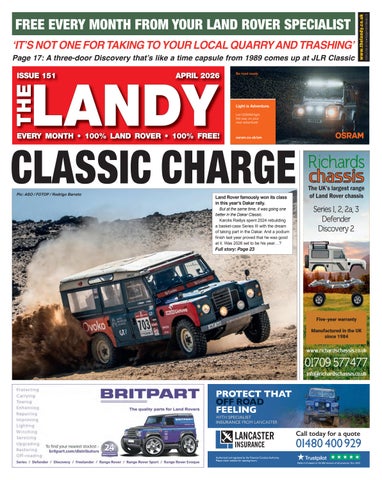
Pic: ASO / FOTOP / Rodrigo Barreto





To advertise in The Landy, call our team on 01283 742969

We’re on Facebook: www.facebook.com/thelandyuk
To advertise in The Landy, call our team on 01283 742969
We’re on Facebook: www.facebook.com/thelandyuk
When you think of rainforests, you think of the Amazon. But Britain had plenty of them until our ancestors showed up.
There’s a common misconception that the nation’s trees were cut down to built the ships that fought the Spanish Armada. But in reality, the process of clearing our native woods started some 5000 years ago, when Neolithic tribes began moving from hunting and gathering to clearing land for agriculture.
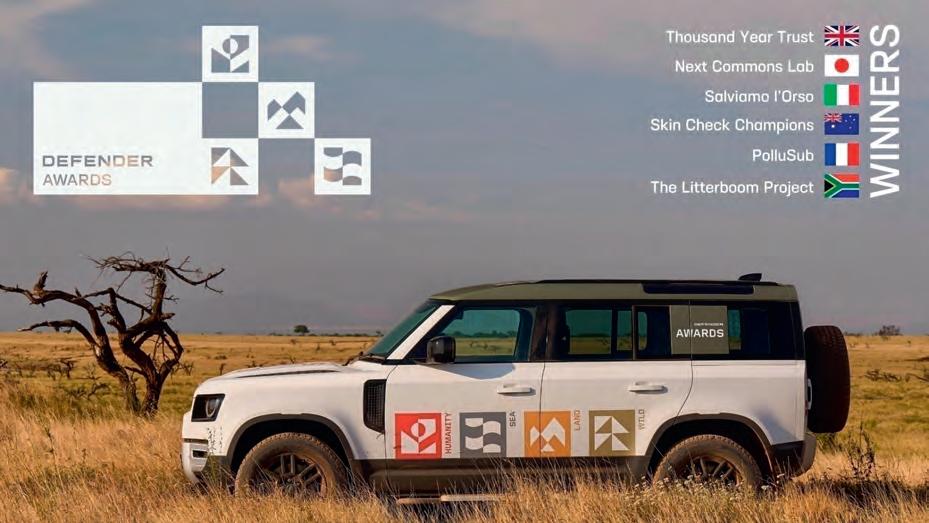
This was at around the same time that the first Defenders started to need their rear crossmembers done. So it’s fitting that the Thousand Year Trust, the UK’s only conservation charity dedicated to the restoration of Atlantic temperate rainforests, should be named as an international winner of the inaugural Defender Awards.
Continuing Land Rover’s record of support for conservation and humanitarian charities, the Defender Awards were created ‘to recognise heroes across the globe in four categories: Land, Wild, Humanity and Sea.’ The company invested a million pounds in the scheme, which offered a £100,000 bursary, plus a Defender for use in their work, to charities around the globe. Entries were evaluated based on how they aligned with the chosen award category, the impact their projects are making, the level of innovation in their operation and how the addition of a Defender would help them succeed.
Following the creation of a 56-strong shortlist, six winners from across the

four categories were chosen by a panel of judges co-chaired by Defender MD
Mark Cameron and Dr Moreangels
Mbizah, founder of Wildlife Conservation Action in Zimbabwe. The winners work in fields including biodiversity and ecological restoration in the UK and Japan, wildlife conservation in Italy, vital healthcare provision in Australia and marine protection in South Africa and France.
‘Selecting our winners from an incredible shortlist of 56 global projects was tough,’ said Cameron. ‘But we believe those chosen best reflect the conservation and humanitarian heroes around the world that are embracing the impossible every day. We can’t wait to see the impact the Defender Awards
will have on these inspiring projects in taking them to the next level.’
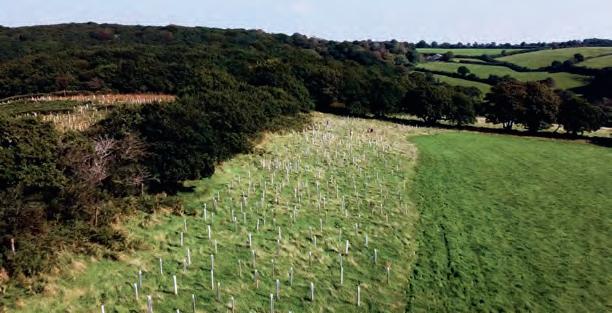
The Thousand Year Trust was recognised for its Cornwall Rainforest Project, which will restore 10,000 acres of Bodmin Moor. The area is rich in biodiversity, including ancient mossdraped trees, carpets of ferns and the wildlife that inhabits the woodlands.
An integral part of the charity is outreach to upland farmers and landowners across the country to help support them transition to more nature-friendly land management methods.
By planting 1.28 million native trees and capturing 220,000 tonnes of harmful carbon from the atmosphere, the project aims to slow climate change and restore a healthier, more resilient
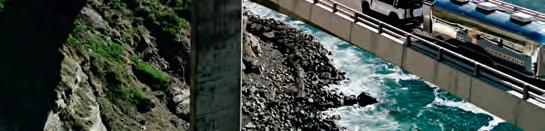

















UK: Thousand Year Trust (Defenders of the Land)
The Cornwall Rainforest Project will deliver a 10,000-acre restoration programme on Bodmin Moor, planting 1.28 million native trees to reconnect habitats and support rare species while also sequestering 220,000 tonnes of carbon. The project will use its Defender as a mobile field base and basecamp and for reaching remote planting zones.



Following a successful pilot scheme, the Watershed Regeneration Project plans a training programme for watershed regeneration which aims to train more than 100 professionals to future-proof its vital work. Its Defender will provide travel between project sites, some of them far fling, as well as operating as a mobile research hub.
Italy: Salviamo l’Orso (Defenders of the Wild)
Salviamo l’Orso is dedicated to protecting the Marsican brown bear, a unique sub-species with only 60 individuals remaining across central Italy. Its Bear Smart Landscapes project restores habitats and reduces human-wildlife conflict; its Defender will provide access via dirt roads and mountain trails, while the award’s funding will support a new volunteer centre for bear conservation.
Australia: Skin Check Champions (Defenders of Humanity)
Project Check Mate has already carried out 25,000 skin checks for people in remote parts of Australia and identified more than 600 potential melanomas and 1800 other skin cancers. Helping regional clinics detect skin cancers early and providing training for doctors in high-risk communities, the charity will use its Defender to tow its mobile clinic and help it reach more communities accessible only via tough Outback trails.
France: PolluSub (Defenders of the Sea)
PolluSub’s Blue Odyssey Initiative uses eco-friendly nets to transform port entrances into environmental filters, capturing underwater waste before it settles at the bottom of the ocean. Its Defender will help transport equipment for pilot project installations and operate as a mobile base for team members.
South Africa: The Litterboom Project (Defenders of the Sea)

The Litterboom Project protects ocean and marine life, using plastic barriers to prevent an estimated five tonnes of waste per month from reaching the ocean. Its teams will use the Defender to help them identify new sites by accessing more remote and overlooked river systems.



landscape. It will use its Defender as a mobile base for surveys, transport to remote locations and locally for schools engagement, as well as ensuring the charity can take its work to any terrain where it is needed.
‘This support will help us unlock remote corners of Bodmin Moor, reconnect habitats and scale a model that benefits both nature and rural communities,’ said Thousand Year Trust founder Merlin Hanbury-Tenison. ‘It’s about looking beyond quick fixes and committing to the long view – creating living, breathing rainforests that future generations can cherish.’
The Thousand Year Trust will use its Defender to access remote areas as part of the Cornwall Rainforest Project, a programme to reconnect habitats by planting 1.28 million native trees






























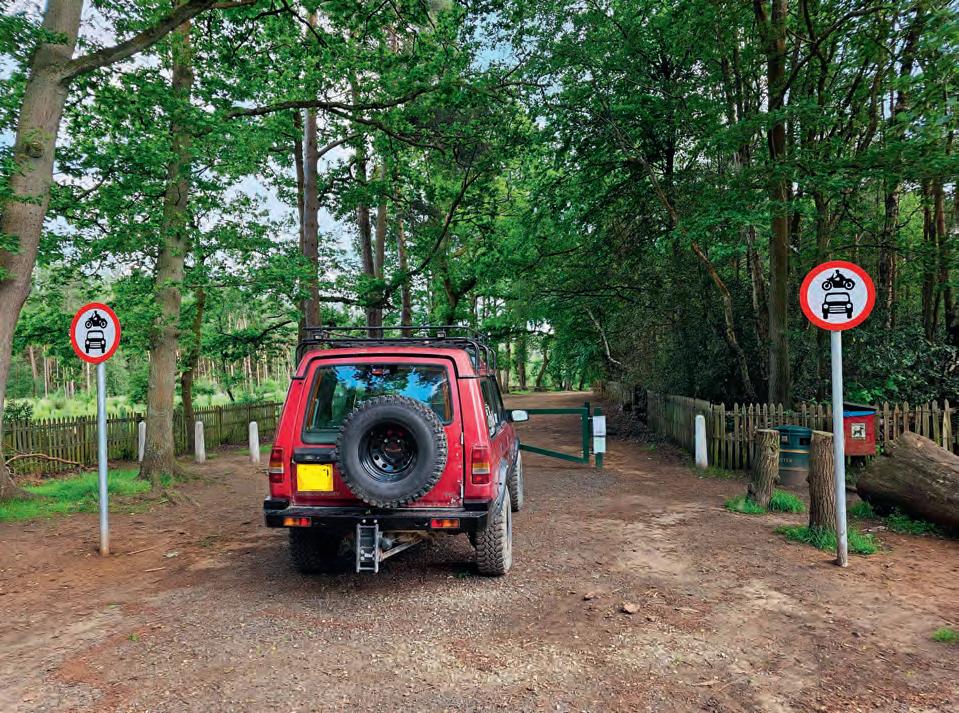
THE GREEN LANE ASSOCIATION HAS WON A LEGAL CHALLENGE IN THE HIGH COURT, quashing an Experimental Traffic Regulation Order imposed by Central Bedfordshire Council on Sandy Lane, a Byway Open to All Traffic near Milton Keynes. The order, which cited concerns about unsuitable vehicle use, anti-social behaviour and fly-tipping, would have deprived law-abiding 4x4 drivers of their right to use the lane – however the High Court found that there were significant flaws in the council’s decision-making process. The two-day hearing, which took place in December, was the third in two years relating to Sandy Lane. The council has found itself on the losing side on each occasion.
Green Lane Association Chairman Chris Mitchell said that prior to taking legal action against the TRO, the organisation had made several attempts to work cooperatively with the local authority on its management – but that these were ignored. ‘We are pleased with the outcome of the court hearing, which means more people will continue to be able to use this public right of way. However, we regret that the local authority chose not to take up our repeated offers to work collaboratively to keep the route open without the need for legal action. As a result, taxpayers’ money has been spent on legal costs rather than on essential services for the residents of Central Bedfordshire – an outcome which was entirely avoidable.’
In March last year, Central Bedfordshire Council’s audit committee revealed that a Section 114 notice had been served on its risk register – meaning it was in danger of bankruptcy. In addition, the authority has cut jobs, increased council tax and come close to exhausting its cash reserves.
GLASS says that it will continue its efforts to work proactively with the council. ‘The Green Lane Association now plans to maintain close contact with the authority to help identify constructive ways to maintain and protect this route, and others in the area, for all user groups.’






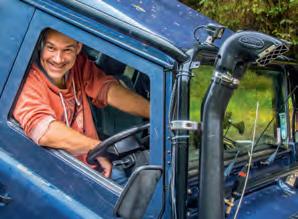
It may not have escaped your notice that our editorial tone can be quite scathing towards the way Land Rover presents itself these days. We don’t think much of all the luxury lifestyle nonsense – it’s a distraction from real life at the best of times and in the case of Land Rover, it sits awkwardly with what the company used to be about.
So when I say I’m impressed by something they’ve done, you know I mean it. And even though it’s clearly a marketing stunt, the Defender Awards get a huge thumbs-up from me. Actually, even calling it a marketing stunt seems unfair. Who’s going to drop a million quid on something that doesn’t bring some sort of benefit, after all?
Of course, the idea was to raise the Defender’s profile around the world. But as far as I’m concerned, what matters more is that when I read about the charities that have won the first year’s awards, I learned something.
I learned about people in Africa trying to stop their rivers carrying litter to the sea. I learned that there are rainforests in Britain. I learned that there are still bears in Italy. I learned that even though people who live in the Aussie Outback are used to intense sunshine, that doesn’t prevent it from making them more prone to getting skin cancer. Most of all, I learned that in every corner of the world, looking after the environment in which they live is something that good people in every society care about.
No doubt there are people who will accuse Land Rover of greenwashing with these awards. There’ll certainly be some who just grunt with cynicism then go back to saying horrible things about Greta Thunberg on Facebook. My view is that yes, of course there had to be a business case for doing it – but that doesn’t change the fact that they’re a very positive, very worthwhile thing.
When you look at another recent marketing initiative, the Defender Trophy, I must confess that that attempt to rekindle the spirit of the Camel leaves me cold. The Defender Awards, on the other hand? I’m looking forward to learning more, and I really do hope that they’re here to stay.
Alan Kidd, Group Editor alan.kidd@assignment-media.co.uk
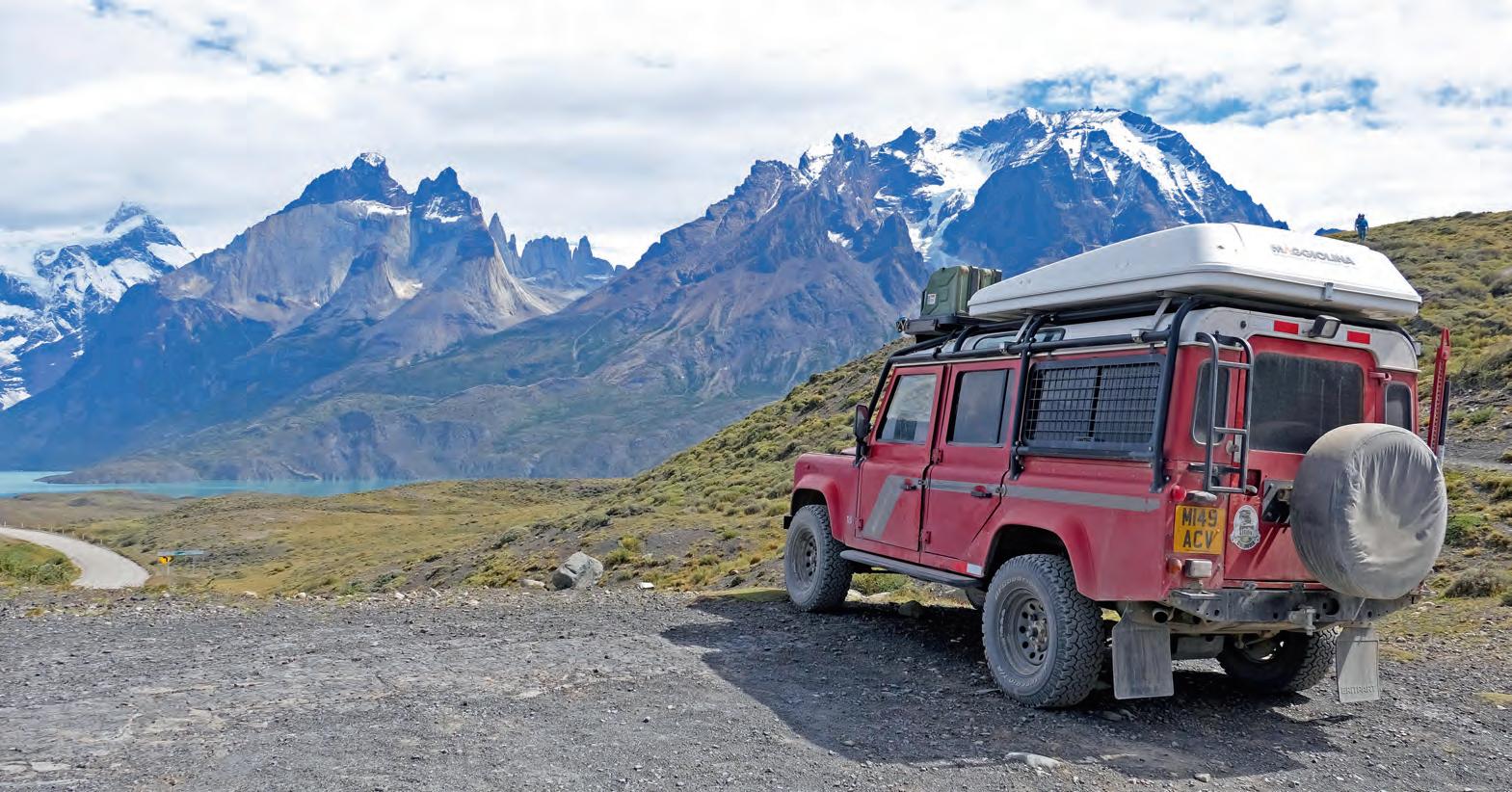
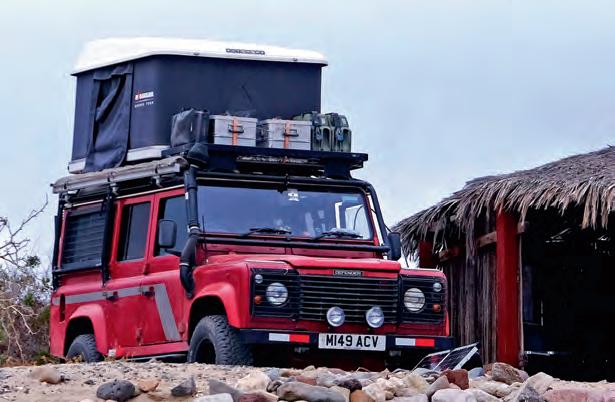
If you’ve been a regular reader of The Landy over the years, or indeed of almost any other publication covering the off-road and Land Rover scenes, you’re sure to know about Ruby. She’s a 1994 Defender 110 in which Jen Bright and Gavin Lowrie embarked on a series of trips – first to Morocco in 2013 and then, starting in 2013, a mammoth itinerary around the Americas.
Jan and Gav blogged their way through their travels on their website, www.rubythelandy.com, and were kind enough to let us publish a series of features based on the experiences they had during their expeditions. Their features have appeared in The Landy and Overlander 4x4 magazine, and are still cropping up from time to time in Heritage Land Rover. After all, Ruby is a latter-day classic now.
And she could be your latter-day classic, because at the time of writing her current owner had just put her up for sale.
The spec sheet says that Ruby is a Defender 110 County Station Wagon with 167,000 miles under her belt. She’s got a galvanised chassis underneath her and a Safety Devices roll cage up top, and her 300 Tdi engine turns her wheels via a reconditioned
R380 gearbox. She was prepped extensively ahead of her travels and looked after during them, and she’s just had a service done along with a new cambelt and brake pads all round. Also new are the 265/75R16 BFGoodrich AT3 All-Terrains mounted on her black modular steel rims.
That’s the everyday Land Rover stuff. But what makes Ruby special is the overland build Jen and Gav did on her before setting out to see the world. The cage was a no-brainer, given the sort of conditions they expected to be encountering, and it came with a ladder to help access the roof – where, behind a short rack over the cab, was located a tent. ‘Was’ is the word in this case, as it’s not there any more, but for the record they used a Howling Moon tent in Morocco but replaced it with a Maggiolina hard-shell on the basis that this would be quicker and easier to pitch and strike.
Equally important for expedition travel is a long range, and this is taken care of by an aux fuel tank under one rear wing. Balancing it out, on the other side is a stainless steel water tank with its own filter and pump system. In the back, these days we’re used to seeing expedition vehicles with
all-singing, all-dancing pull-out kitchens, fridge-freezers, shower units, fondue sets, you name it. And that’s all great, but it can blur the distinction between a camper and a mini-motorhome. Jen and Gav did carry a 52-litre National Luna fridge, but their main focus was on carrying stuff (securely, where necessary).
To this end, a Hexagrip board across the wheel boxes in the back made space for a sliding drawer beneath it, on which was mounted four GoMo cargo boxes, then eight Wolf boxes sat up top with further stowage space created by a variety of cargo nets and a Mantec load lugger in the roof. It was a simple, practical set-up, with security plates on all the rear windows and padlockable hasps on the doors to make it altogether less so for would-be thieves.
Further essentials included a twin-battery set-up with two Odyssey Red-Tops governed by a National Luna split-charge system. The controller was mounted on the fuse box cover, below a Raptor dash containing all the necessary switches as well as 12v and USB outlets, a stereo head unit and a compass. There was a time when the latter went alongside inclinometers as everyone’s favourite reason to mock
Japanese 4x4s – but in expedition use, being able to tell which way is north can actually be pretty useful.
While the tent may be gone, one thing that has remained from Ruby’s expedition days is a Howling Moon awning. This has front and side panels if you want to be enclosed within it, but when you’re out there in the big wide world the whole point is to be at one with nature. And that’s very much what this build was all about.
We loved running Jen and Gav’s stories from the roads and trails of the Americas. They travelled everywhere
from Alaska down to the southern tip of Chile, with Ruby very much part of the family. And we’d love to think that those expedition days of hers are not over. Whoever buys this 110 is going to get a Defender that’s been well prepped and well maintained – and there can’t be very many better proven Land Rovers out there.
Ruby is currently for sale with an asking price of £22,500. She’s located in Keighley – you’ll find her advertised in the classified section on page 30 of this issue
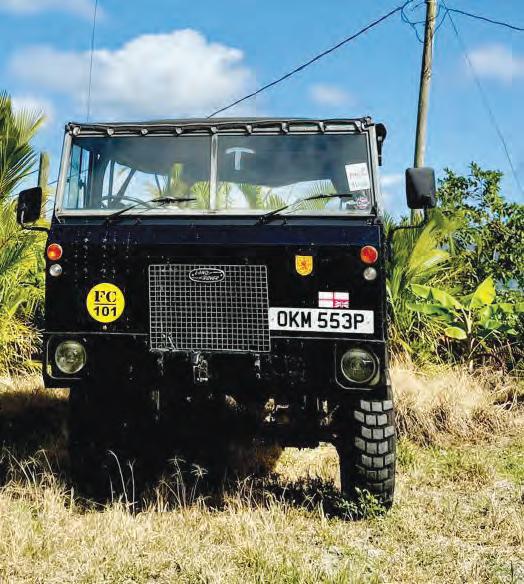
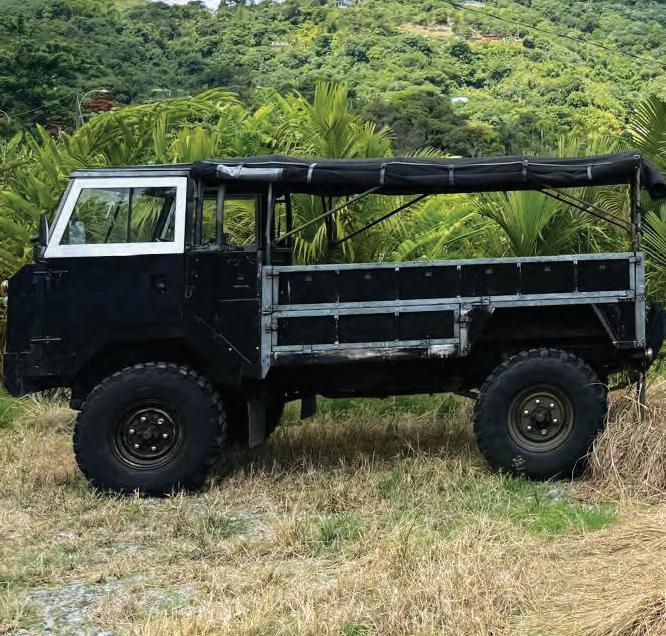
WE RECENTLY SHIPPED A 1999 LAND ROVER FORWARD 100 TO SAN JUAN, PUERTO RICO FOR CLIENT HUGO PICTURES BELOW SHOWING THE BEAUTY OF PUERTO RICO


















of one of those Land Rover Series Defender
All Welcome No Fascist Admins kind of groups you get. It was completely standard apart from a set
of rims off a Range Rover Classic, which he said he hated because they looked too blingy. His question? Should I put it on steels or get a nice shiny set of new alloys?
You always wonder with questions like that whether they’ve been posted by page owners trying to grub up traffic. But fair play to the group, they mainly came back with sensible answers. So in case matey is reading this, here’s the most sensible answer he’ll have had yet.
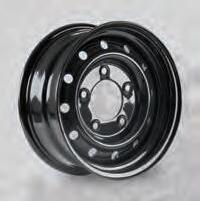
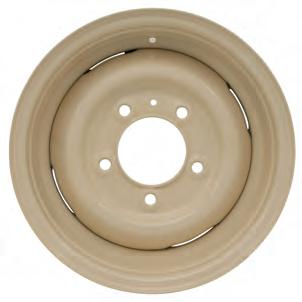
Recently added to the ever-growing range of good stuff available through the Britpart network, what you’re looking at here is a steel wheel with a design that’s synonymous with the great days of hard-working Land Rovers. It’s a welded, tubeless version of
the original 130 rim and it comes in the classic Limestone finish. Measuring 16 x 6.5”, the wheel has a 5 x 165 PCD, 115mm centre bore and +20 offset, so nothing lairy going on there, and is rated to 1200kg.

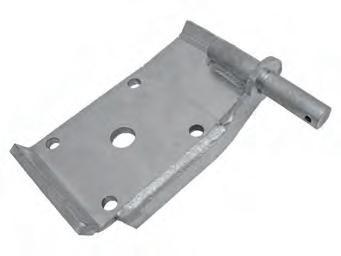
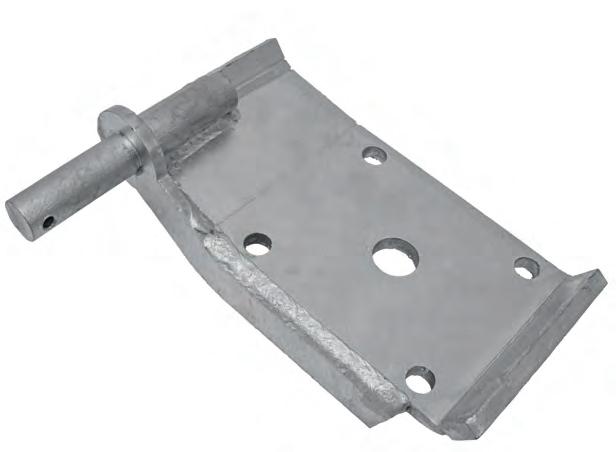
SUITABLE FOR ALL SHORT-WHEELBASE SERIES TRUCKS FROM 1958 ONWARDS, these galvanised spring plate bottoms promise not to end up in the sort of state spring plate bottoms all too often do. It’s a pretty hostile environment in which to do your job, to be fair. They’re handed, of course, so be sure you’re getting the right one – part number NRC3895 is for the front right and NRC3896 for the front left. Do yourself and your Land Rover a favour, though, and put your hand far enough into your pocket to pay for a matching pair.
Choose OSRAM – the number one in automotive lighting. WE
www.lrparts.net
sales@lrparts.net 0151 486 0066
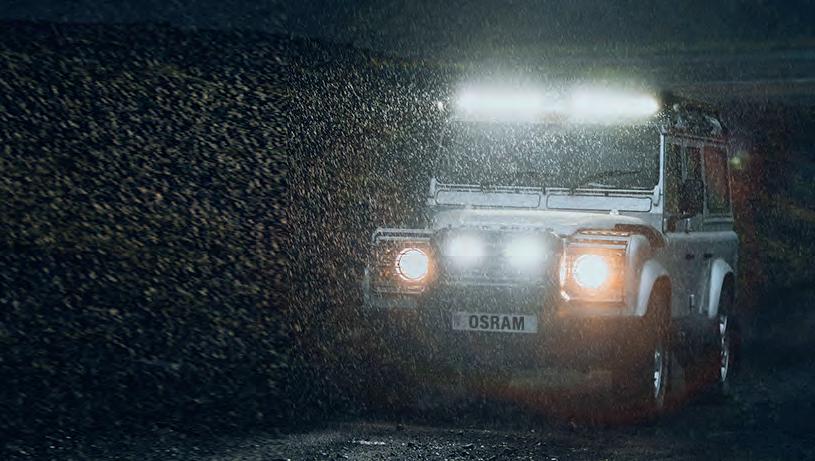
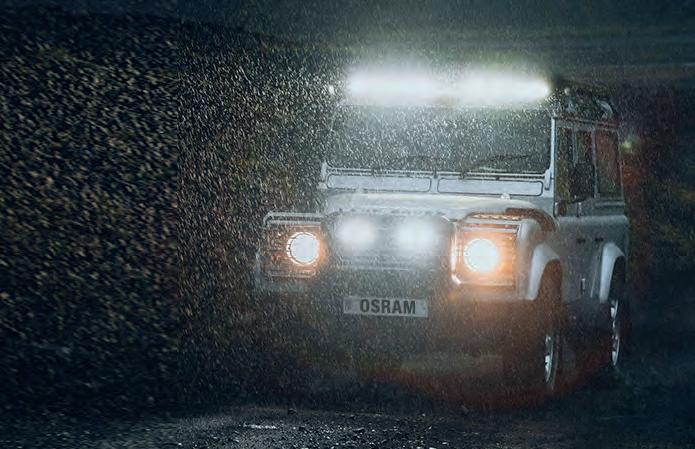
When the terrain gets tough, OSRAM LED Working & Driving Lights are built to go further. Leave the road behind and illuminate every obstacle, every turn, and every moment of your off-road adventure.
Engineered for performance, the LEDriving® range of rugged spotlights, reversing lights, and lightbars deliver powerful near and far-field visibility, helping you drive with confidence even in the harshest conditions. Don’t let the night limit what you can explore.








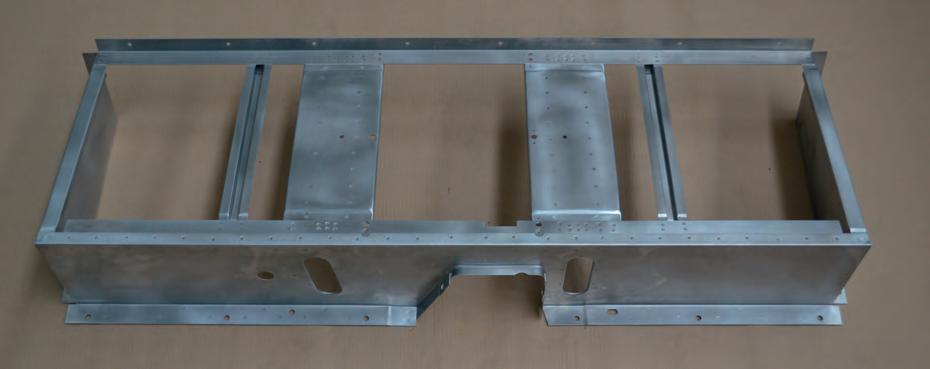
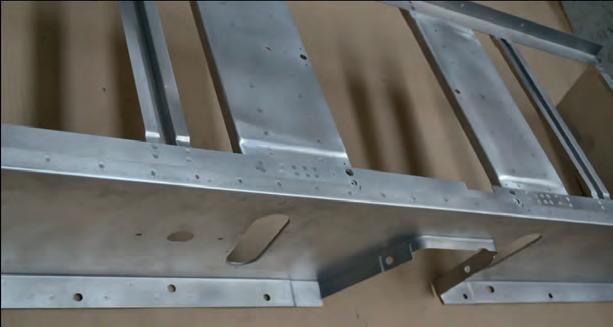
GOOSEFOOT PANELS’ RANGE OF REPRODUCTION BODY PARTS FOR LAND ROVERS now includes this seat box for the Series III Lightweight. Costing £700, it’s supplied fully constructed and in a bare metal finish, lightly abraded to provide a key for etch primer.
The unit is made out of aluminium / magnesium / manganese alloy, which is the modern equivalent of Birmabright. It’s assembled using spot welded construction, keeping it exactly the same as the original.
‘Not to be confused with the simplified flat-pack seat boxes you have to assemble yourself with a bag of pop rivets and which omit the bottom spire clip rails, swages and return edges, this item is premium quality with every feature of the original faithfully reproduced,’ says Goosefoot. ‘The only other aftermarket seat box we are aware of which compares with this in terms of authenticity is for the 80-inch Series I and costs £1799 plus VAT.’
In comparison, Goosefoot’s seat box will set you back by less than half that amount and you won’t have to pay VAT
on top. Its size means it’s only available for collection from the company’s base in Burnley. What if you have a Lightweight but it’s the earlier Series IIA model? Not a
problem. Goosefoot also manufactures a version for this Land Rover, which differs only from the Series III by not having mounting holes for a fuel changeover tap.
New name in the tyre market tyresdirect.co.uk | £90-140 each
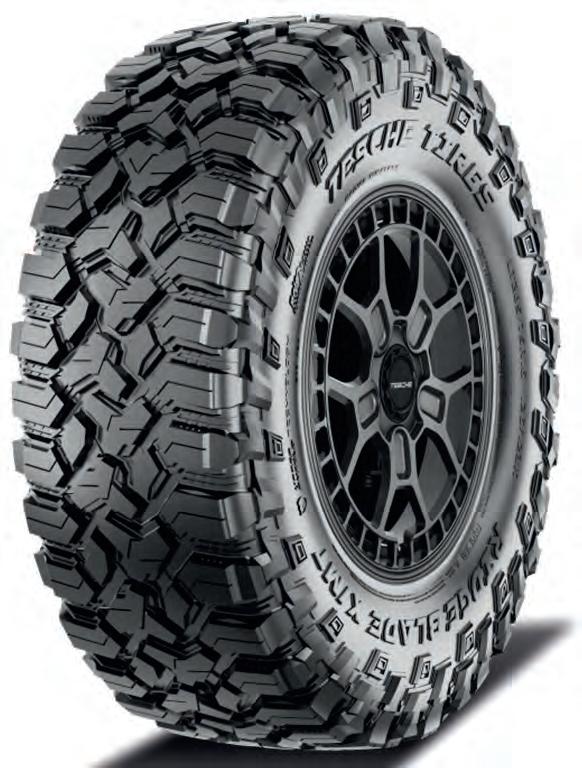
TESCHE IS A PRETTY NEW NAME in the tyre market, but you can always rely on Tyres Direct Online to find brands you’d never heard of before. This one’s a from a large Chinese operation whose name comes from ‘teen’ and ‘schedule’ –meaning ‘passionate’ and ‘unparalleled,’ apparently. Answers on a postcard, please…
The company’s products include the Ridge Blade X/RT, X/T Pro and M/T. The names make every bit as much sense as you’d expect from someone who thinks the word ‘schedule’ means ‘unparalleled’ but there’s an all-terrain and a mud-terrain in there so that’s all good. The latter is what you see to the right; it has the deep tread grooves and sharp shoulders of a classic mud tyre, as well as promising efficient self-cleaning and rim protection. Its carcass and reinforced sidewalls are designed to be robust, hard-wearing and resistant to damage, and variable lug profiles along the edge of the tread are there to minimise noise. The three different tyres are available from Tyres Direct Online in a variety of sizes to suit rims from 15-20”.























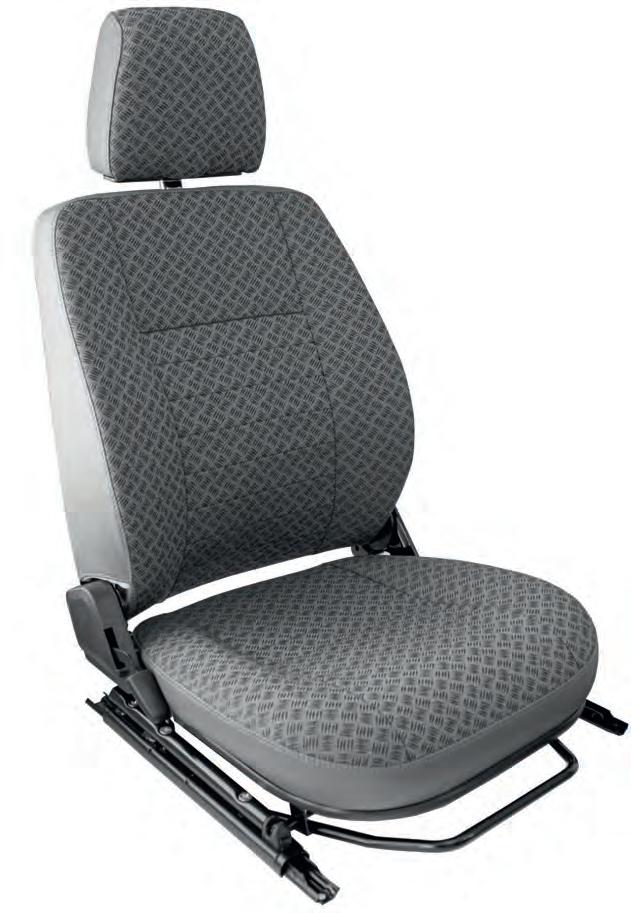
People always assume that Defender seats are terrible, but they’re actually among the most comfortable places to be if you’re going to be spending endless hours behind the wheel. Which of course is what a lot of Defenders owners do, often while wearing wet and muddy clothes and accompanied by a dog, the result being that after years and decades of hard use, they’re less comfortable to sit in and a lot less pretty to look at.
Replacing them with new ones is not a cheap exercise. But it’s like spending money on a good bed – you’re going to be doing a LOT of hours in there. So this is a purchase to be seen as an investment.
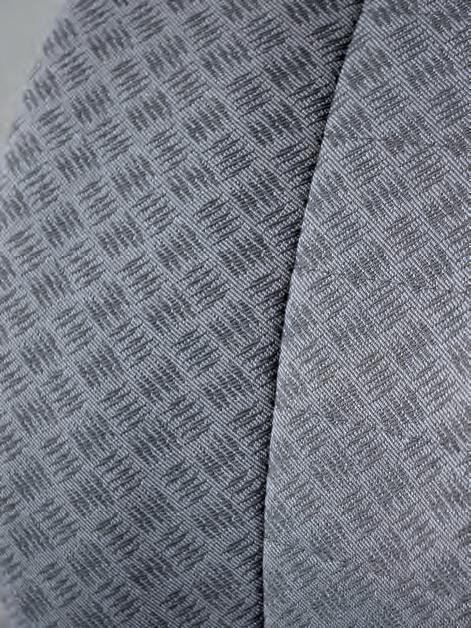
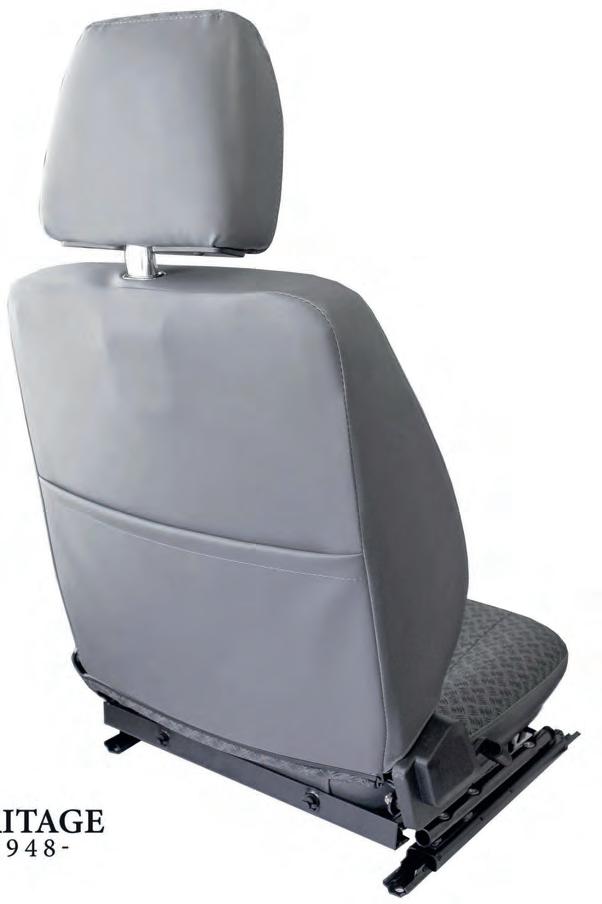
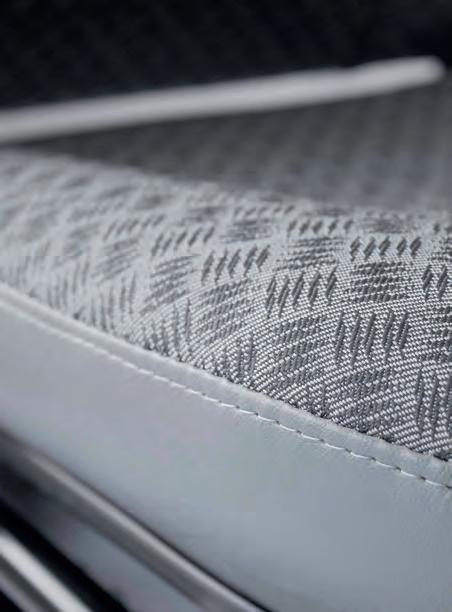
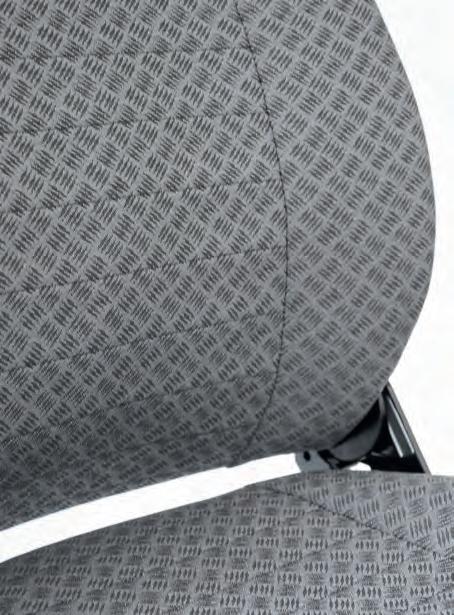
Helping you invest it well are these Defender Front Seats with Headrests from Heritage 1948. Made in England, they’re reproductions which ‘exactly replicate the original style and comfort of the classic Land Rover Defender seat’ – and Heritage 1948 promises that they’re produced to superior standards than the factory originals. Designed to deliver durability, comfort and authenticity, the seats are based on robust metal frames and feature a choice of tough vinyl or cloth coverings over paddings made from superior-grade foam promising long-lasting comfort. The coverings are all classic Defender fare, with three choices available: Grey Vinyl, Grey Denim Twill and Techno Cloth.
‘This style of Land Rover Defender front seats was originally introduced around 1986,’ says Heritage 1848, ‘coinciding with the evolution of the Land Rover 90 and 110 models – which later became known as the Defender 90 and Defender 110. This new style of Land Rover front seats marked a significant upgrade from the earlier, more basic Land Rover Series seating. The newer design offered features such as an adjustable seat rake, sliding base runners and optional headrests, greatly enhancing driver and passenger comfort.’ The seats are made for Defender and pre-Defender models from 1983-2006 and can also be retro-fitted to earlier Series models, as well as later Puma-era Defenders from 2007-2016. Stand-out features include:
• Defender seat runners/sliders included for easy installation
• Strong internal metal seat frames
• Premium-grade foam for improved comfort and extended lifespan
• Adjustable seat back rake
• Matching headrest (unless ordered without)
• Durable, easy-clean covers in either vinyl or cloth
• Designed for easy fitting using existing seat box mounting points
If the full monty isn’t what you need, Heritage 1948 also offers the seat base, back and headrest for purchase separately, all in grey vinyl. The company also sells full Defender front seat retrim kits for customers wanting to restore their existing seats to like-new condition.
‘Whether you’re restoring classic Land Rover seats or upgrading your current Defender,’ says Heritage 1948, ‘our Land Rover Defender seats offer a perfect blend of authenticity, comfort and durability.’ It’s a company with a track record of making top-quality products – and don’t forget, it’s proud to do so right here in Britain.
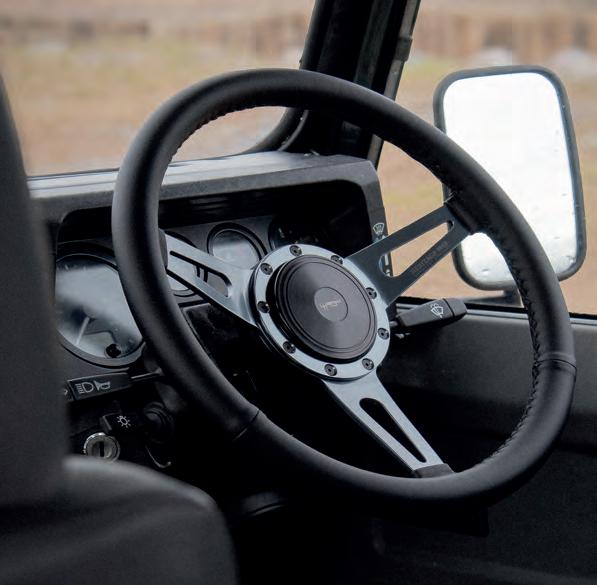
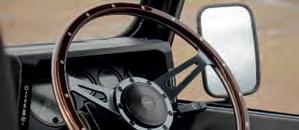
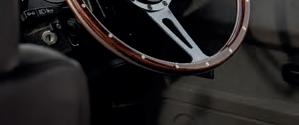
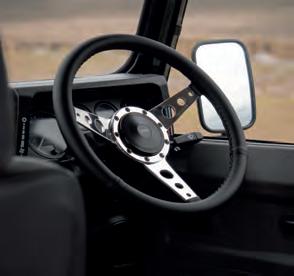





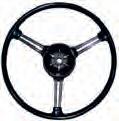
The Culbone Dusk is our rst wheel to feature our exclusive Gun metal grey body. This premium 15 inch Hand stitched leather steering wheel has been designed for the Land Rover Defender and is crafted for durability and comfort, it’s thick robust rim ensures a secure grip in any driving environment, whether your Landys on rugged trails or city streets. Meticulously designed and built with the craftsmanship synonymous with Heritage 1948. The gun metal grey is set o against a classic three-spoke design, enhanced by clean, crisp slots, adding a timeless touch to your Defender’s interior.








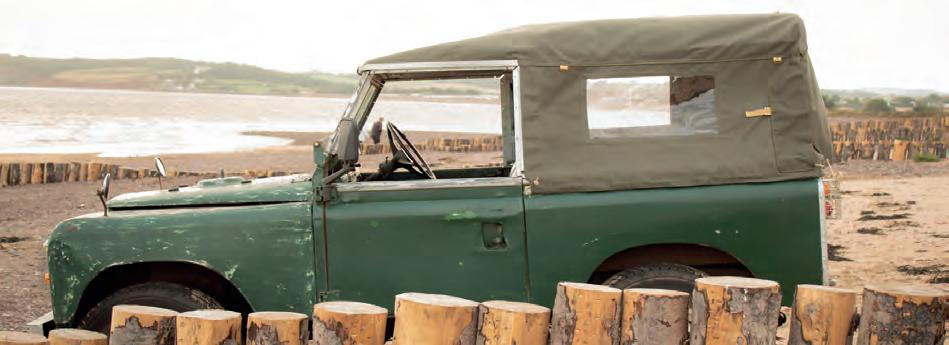


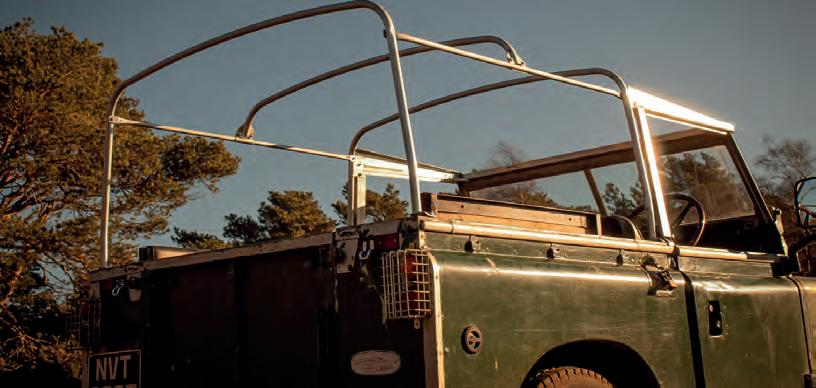





Superior Quality Hood Sticks Made in Somerset
Heritage 1948 supply a Superior Quality Range of British Made Hood Sticks Sets and Component Parts to t many variations of Land Rover Hoods.













































www.terrafirma4x4.com


To advertise in The Landy, call our team on 01283 742969
We’re on Facebook: www.facebook.com/thelandyuk
This astonishing Discovery 1 dates from the first few months of production and has covered barely a hundred miles a month during its life to date. But that won’t have stopped it rusting, right? Wrong…








When someone’s selling an old car and they trot out phrases like ‘as new’ and ‘time-warp,’ you’re likely to guess that it’s probably going to be quite nice, quite low mileage and not even clocked that much, quite well presented and absolutely crawling with hidden defects. Finding an old one that really is like it was first time round is like finding a baby dragon in your Easter egg.
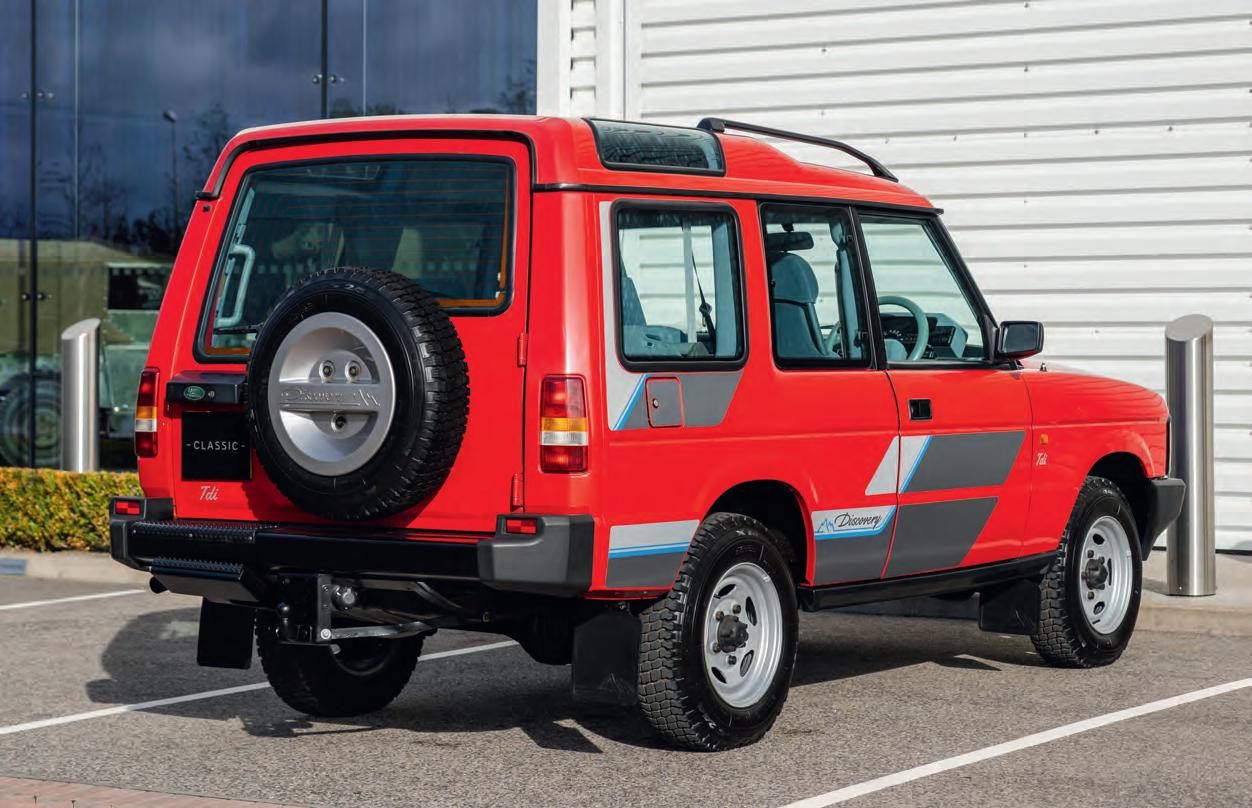
Now, JLR Classic would never do anything as vulgar as claim one of its vehicles was in time-warp condition. Nor indeed that it was as-new. So maybe we’ll have to do it instead. Because the early 3-door Discovery it’s currently offering for sale really does take you back to the late 80s when the vehicle first came out.
The original Disco was an absolute game-changer for Land Rover. It’s
been called the car that saved the company, which might be pushing things, but it certainly marked a seat change in Solihull’s fortunes. It was based on the chassis and suspension from the Range Rover but promised to trade a little of that vehicle’s pomp and circumstance for a lot more familyfriendly practicality. It’s been described as a 100” Defender with a prettier body and more comfortable seats, which
again might be pushing it but as a general description is not actually all that far off. It certainly wasn’t a long way behind in the mud, or in front of a trailer, but it was on a different planet on the road.
As time went on, of course, the Discovery got posher. It was still a far cry from what it was to become, with each successive generation adding more tech and greater luxury, but
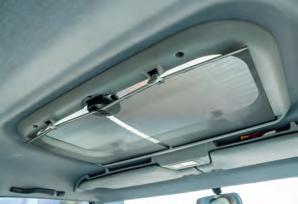
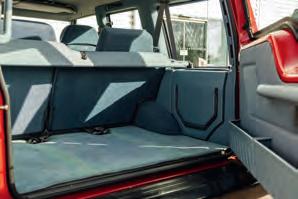
even by the time its first facelift came around in early 1994 it was already gaining ground on the last versions of the Range Rover Classic. Many people even thought it was preferable as a status wagon – and sales were through the roof, outstripping everything else in the 4x4 market by a huge difference. That’s where the Disco went, though. This one is where it started. It’s from the first year of production – in fact, it’s one of the first 500 made. Finished in Coralin Red, it was first registered on 13 November 1989 as a dealer demonstrator before being sold into private hands early the following year. The supplying franchise was Land Rover main dealer Caffyns of Lewes, East Sussex, which might set alarm bells ringing. That’s Lewes the town by the sea, right? With lots of lovely salty air? And if there’s one thing we’ve learned about early Discoverys, it’s that they knew how to rust.
Something else we’ve learned is that when people selling cars obscure their number plates, normally it means the MOT history is enough to make you run away screaming. Not that JLR Classic is your everyday mush from down the back of the lockups in Swindon, of course, but we were wondering every bit as much as you probably are. Is it a revived basket case? Is every panel under there a replacement one? So we got our detective heads on and looked at the windows. Security etching was all the rage back then and sure enough, eventually we found it: G67 RYJ. If you’ve got kids of a certain age, they’ll want you to buy it for those two numbers alone. Anyway, we looked up the MOT records for the vehicle and you know what? It’s jaw-dropping. A nail in a tyre – that’s the only advisory
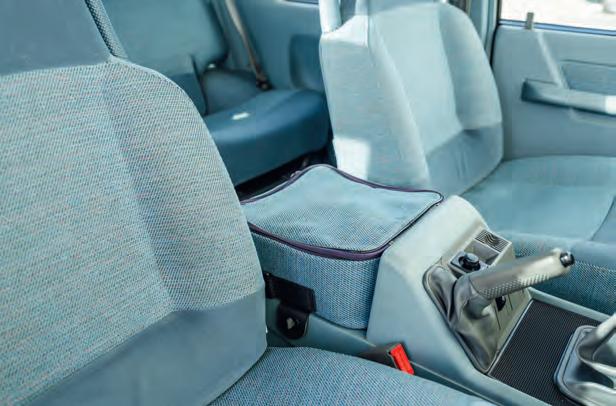
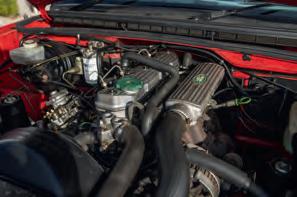
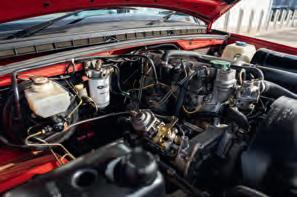
it’s had since 2008. It failed once – on a blown bulb in the number plate lamp, which to us says more about the tester than the vehicle. A damp PAS box, rusty side steps (an accessory, not part of the structure) and minor wear in drop arm and drag link joints cropped up as advisories back in 2006 and 2007 – and all were dealt with smartish, because they were never heard of again. It’s been looked after, this one. It’s also done precious few miles. Around 55,000, which comes to a paltry 1500 a year. That might not sit well with the school of thought that says they need to be used but we’d refer you back to its MOT record on that one. Not an oil leak to be seen. And with such light use, it has remained in a condition which, at the risk of sounding like a sales brochure, is astonishingly original.
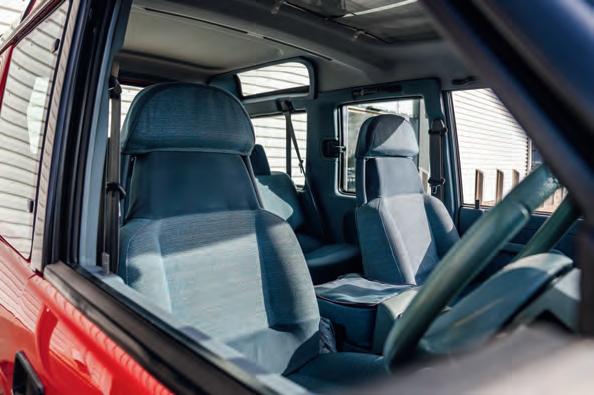
This of course means it has the legendary blue interior. We’d say ‘love it or hate it’ but in reality it was more a case of ‘hate it or really hate it.’ Actually, when they were new it was probably still quite novel, but safe to say the Conran look didn’t stand up very well to the test of time.
The Discovery’s interior got so many brickbats for being blue, but now it’s into classic territory you wouldn’t want it any other way. Even apart from the colour itself, so much about the vehicle’s interior was iconic – the rolled vent panel, the huge buttons, the prominent grab handle and of course the detachable ‘handbag’ in place of a traditional fixed cubby box. It’s all beautifully preserved here, a fitting testament to the days when Land Rover’s design team would roll their eyes at every mention of the word ‘Conran’
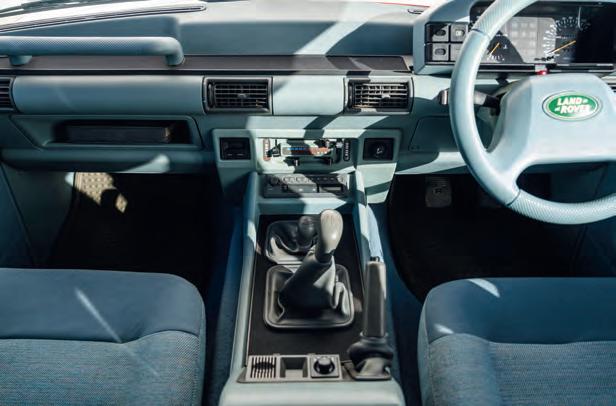
Conran Design Group was the trendiest thing ever during the yuppie 1980s, and Land Rover engaged the consultancy to come up with not so much an interior as a lifestyle accessory. Blue sky thinking, blank sheet of paper, don’t look at what other car makers do, that sort of thing. And surprise surprise, what came back gave Solihull’s own designers a fit. We said the word ‘Conran’ to Gerry McGovern once and it was like plugging him into the mains; the ideas may have looked good, he explained, but the vehicle’s final design had to be practical for engineers and owners alike. Nonetheless, a bit of Sir Terence’s influence did make it into Land Rover’s final design for the vehicle. And there’s no denying its iconoclastic status, both then and now. Blue sky thinking, did we say? Or just ‘think blue.’ It really is remarkable just how blue it was; even if
it’s a kind of duck-egg, sterile surfaces in an operating theatre kind of blue, it’s definitely blue. And on this one it still is, not just blue but as blue as ever. The dash and tranny tunnel, the steering wheel, the seats, the handbag… What? (Adopts faux Lady Bracknell voice.) ‘A HANDBAG?’ Who needs a proper cubby box when you can instead have a fabric bag to remove and sling jauntily over your shoulder as you park up outside Victoria Station and set off for the Brighton line. Sorry, the line is immaterial. Unlike the bag, which is made of, well, material. Hard wearingly go-anywhere sort of material, or at least that’s the image it wants to give off. It didn’t stand the test of time either but it was certainly of its time; you can imagine its designer excitedly picturing it in appearing an advert conceived by Saatchi and Saatchi.
More interestingly, being from the first year of production it’s a 3-door. And nothing says Early Disco like that. But it was also specced with the optional rear jump seats to make it a 7-seater. Yes, that’s three rows of seats and only one row of doors up there at the front. But hey, it was the late 80s. And anyway, if you can name another way of fitting seven people into a vehicle that could be described, however loosely, as a coupé, go right ahead. Taking it back even closer to the earliest days of the Disco, and making it more astonishing still, are features you’re more likely to associate with pre-production models and G-WACs. Things like the smooth rear door handle and sill covers, and the narrow rear treadplate. All but the earliest Discoverys had front dash vents, too. This is, it’s safe to say, a collector’s item. With an asking price of £54,950,
it’s certainly not one for taking down your local quarry and trashing. We’ve said before that if you could find a really good, original Disco 1 that’s not been turned into a mongrel and isn’t on its last legs, it could be the ideal donor for a top-end off-road project – there’s that 100” Defender thing again. But not this one. This is too good to mess with. In fact, it’s too good to daily. Now, that’s not ever likely to be something you might hear a salesman saying. But if you’re going to buy this Discovery, you’re a collector. It was a blank canvas once, but what makes it so special now is that that’s what it still is – pristine, untouched and never sullied by anyone’s efforts to make it their own. It is, indeed, as-new. And JLR Classic might not be vulgar enough to say anything like that – but we are, and what a time-warp motor this really is.
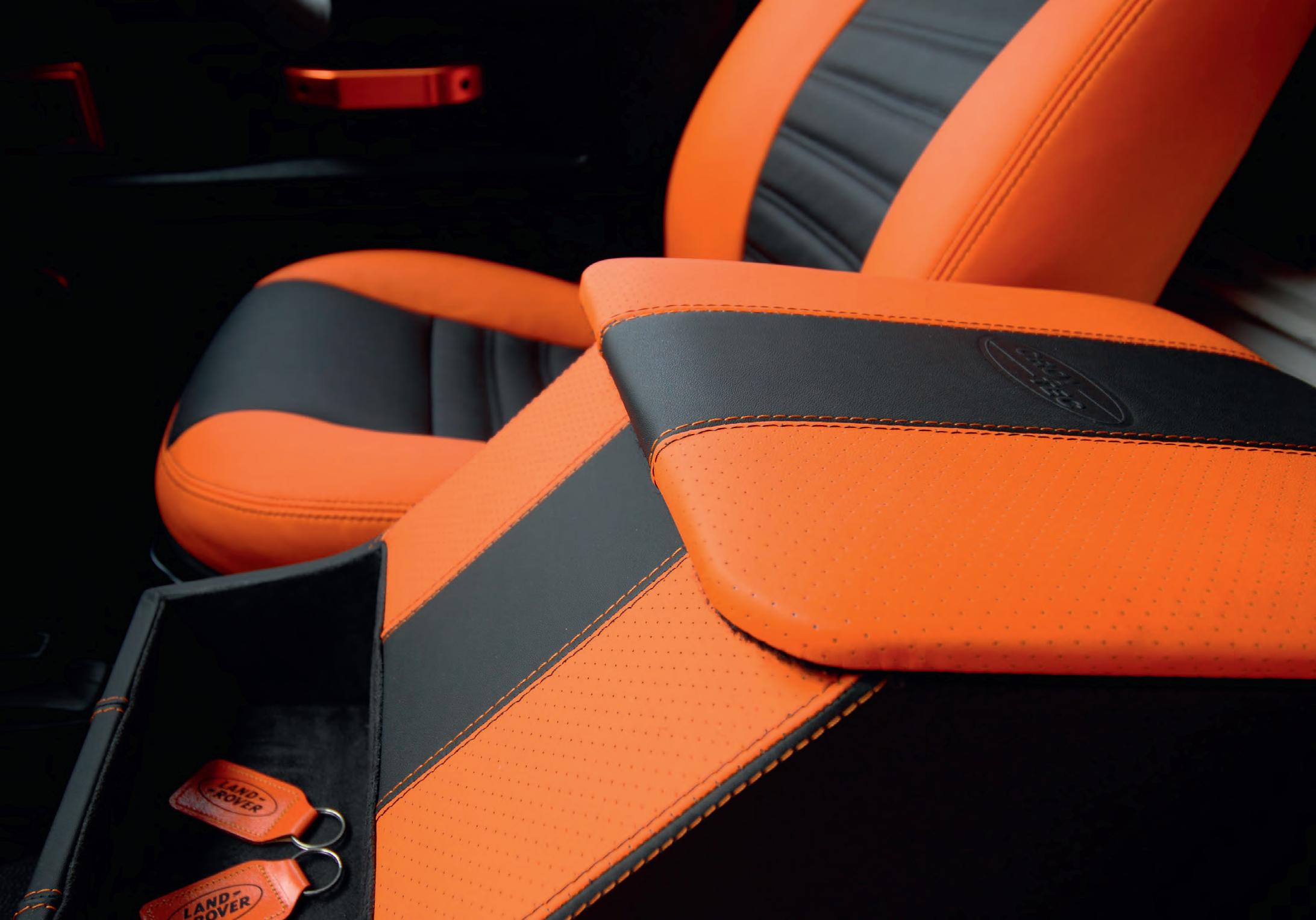



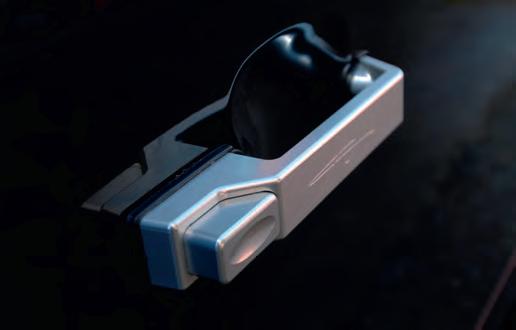
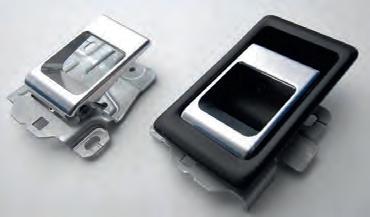
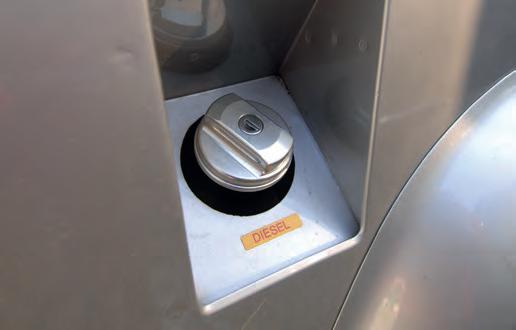
We give form to our components by machining detail into them with chamfered edges and rounded corners, under cuts, engraving and much more. We take time with care and attention to detail to ensure we deliver quality products. Our products have become a feature to many Land Rovers worldwide.
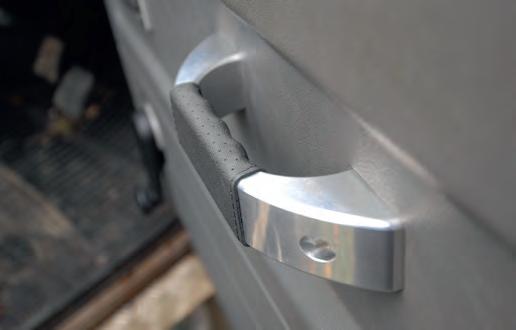
Alongside our aluminium interior and exterior trim range, our Special Order Service offers leather trim which can be designed to your requirements incorporating our colour anodised parts, to give you the ultimate Enhanced by Croytec Defender.





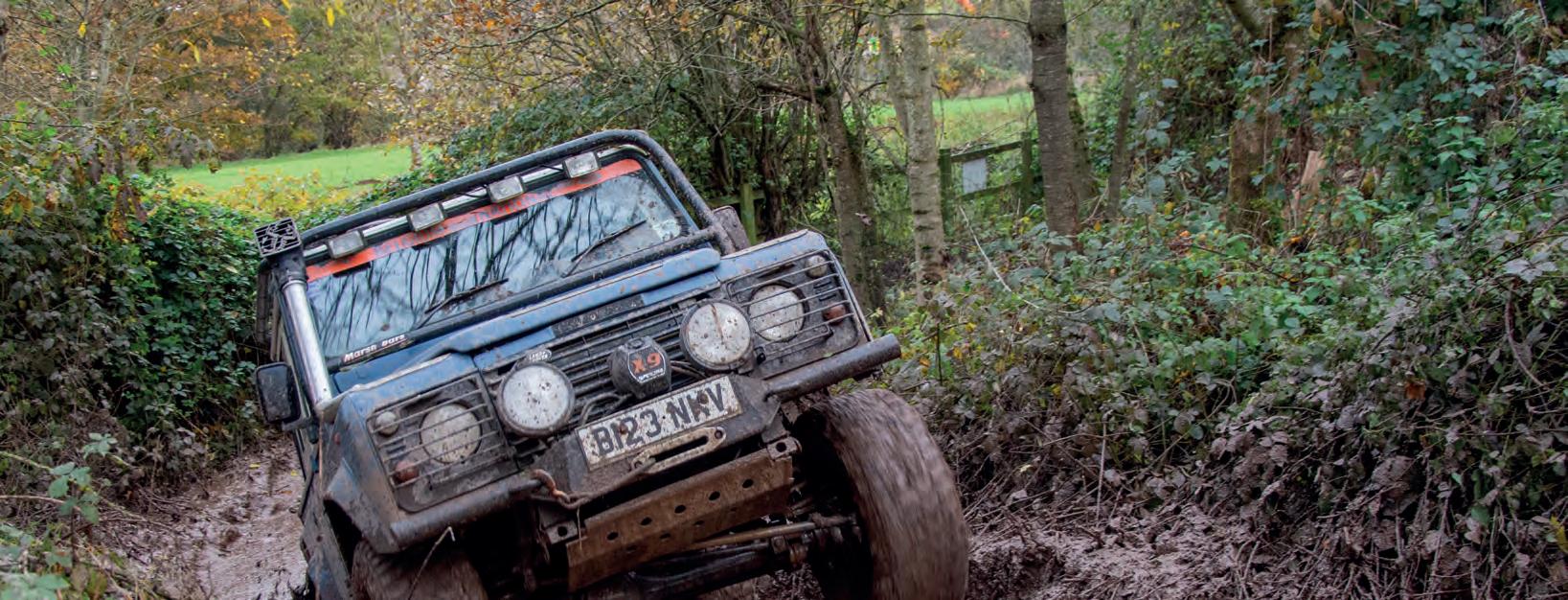









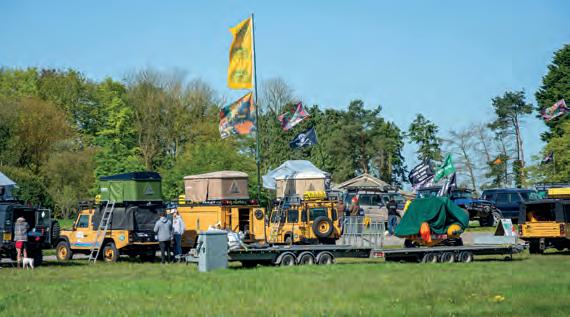
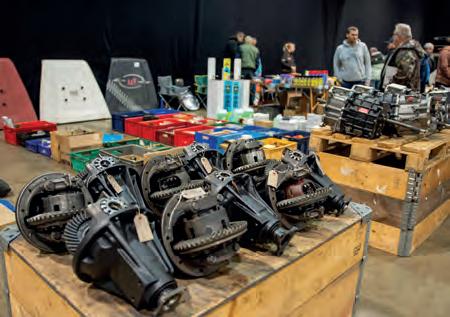
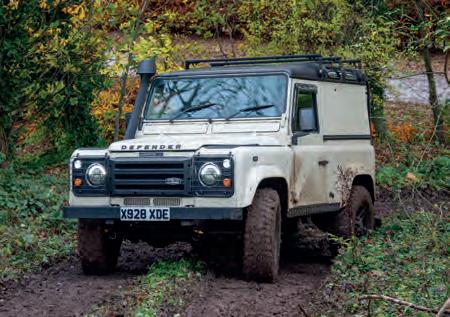
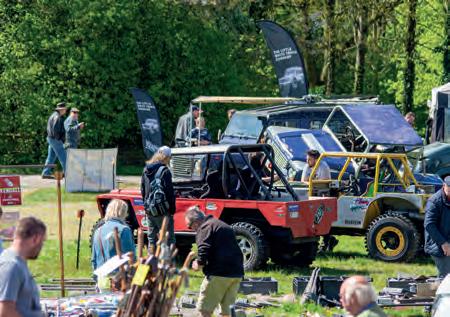
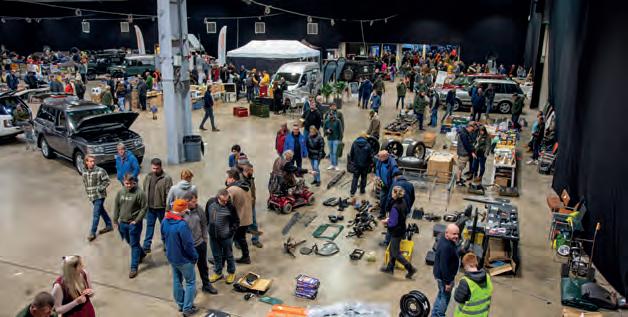
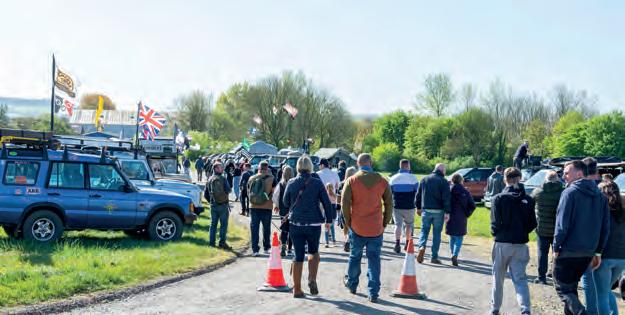
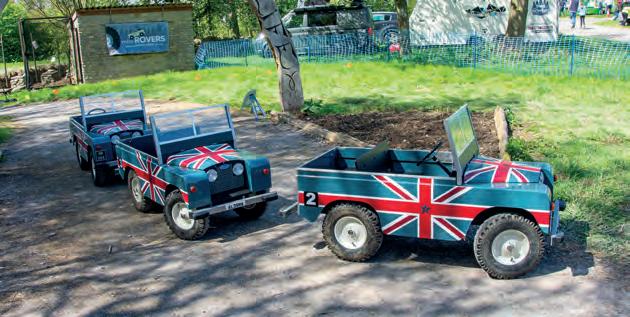
Land Rovers are returning to Bath & West this April for a weekend filled with Land Rovers!
Exhibitors old and new will join us, selling everything from parts & accessories to tyres, clothing and toys Talk to overland adventure specialists about your next trip, discuss modification options with companies with the know-how and other experienced Land Rover owners.
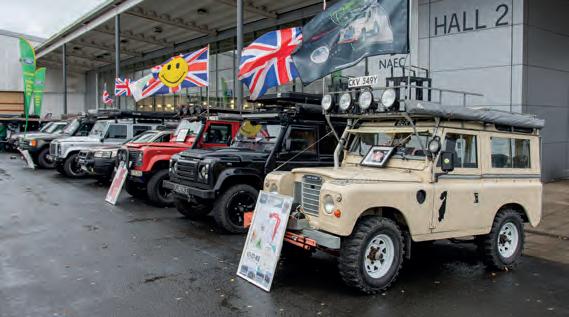
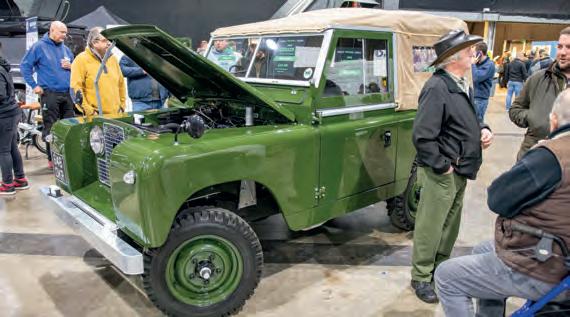












To advertise in The Landy, call our team on 01283 742969
We’re on Facebook: www.facebook.com/thelandyuk
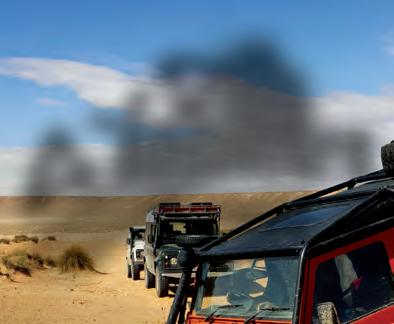
Most of the green oval vehicles in the Dakar Classic are V8-engined Range Rovers. But it was a Land Rover from an altogether earlier era that showed them all how it’s done
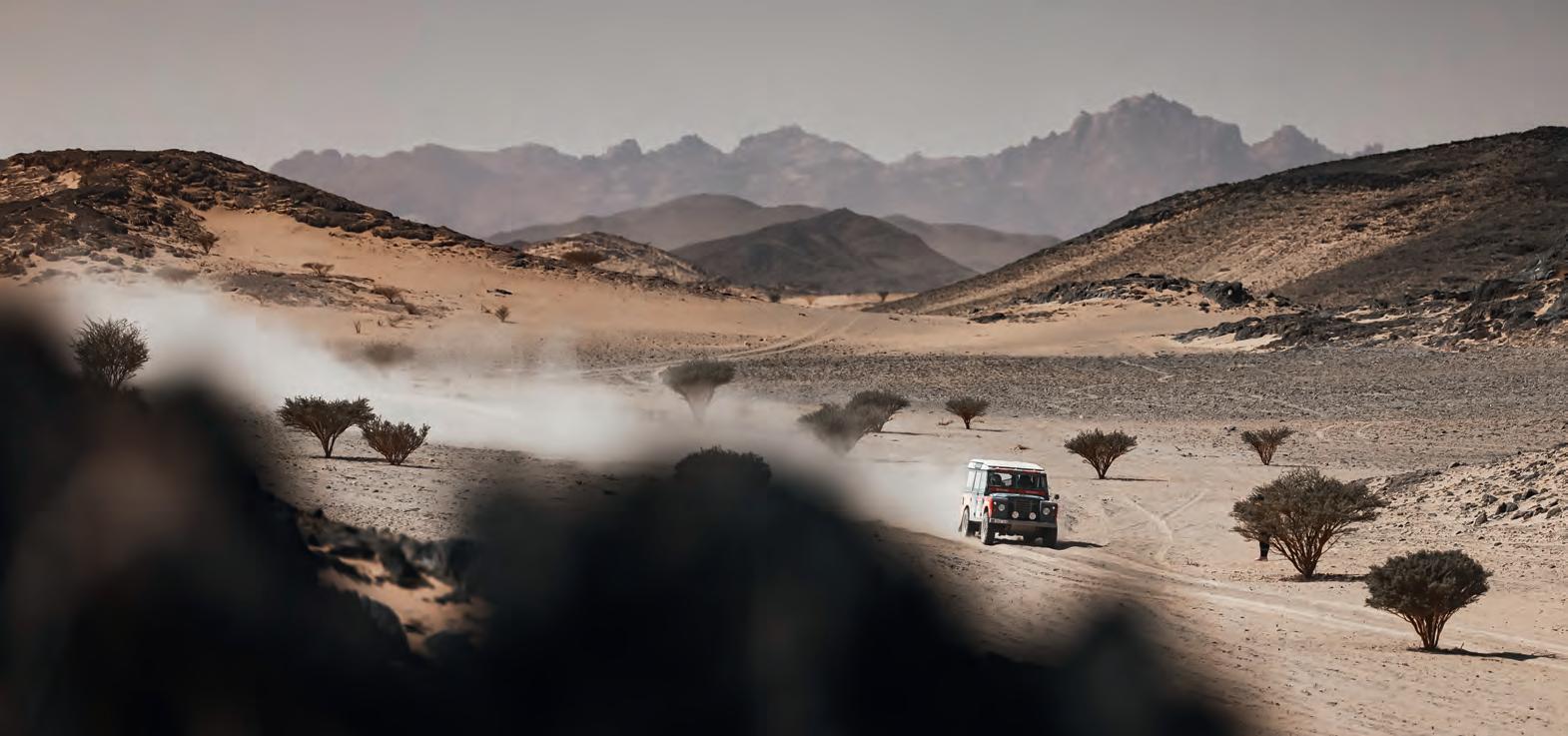
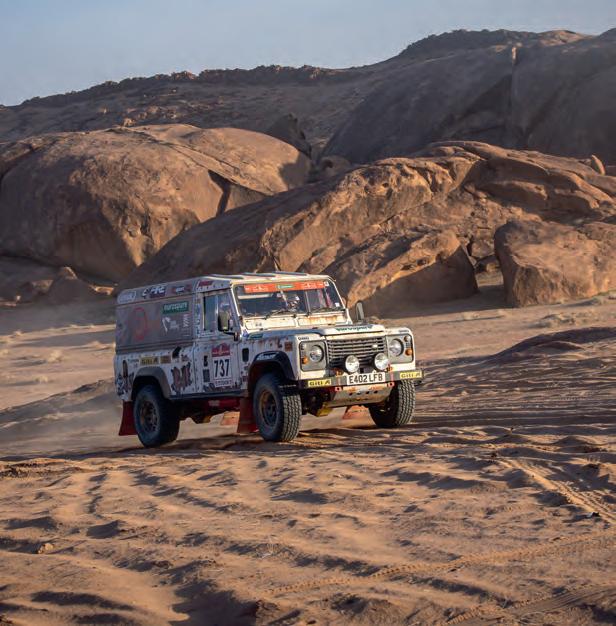
In the run-up to the 2026 Dakar Rally, all eyes were on Land Rover’s works team and their trio of Defender 110s – which duly did the business as Rokas Baciuška led the way to a dominant victory in the rally’s Stock class. But away from the high-budget corporate world of professional desert racing, a group of older Land Rovers from around Europe was assembling in Saudi Arabia for the sixth running of the Dakar Classic.
This was introduced in 2021 as a regularity rally for vehicles built before 2000, or replicas to original pre-2000 spec. It quickly gained popularity throughout Europe – though as has always been the case with the Dakar
itself, British entries have been few and far between.
As always in events dominated by competitors from the other side of the Channel, the Dakar Classic is dominated by vehicles from Japan. Be that as it may, though, this year it was won by a vehicle from Solihull.
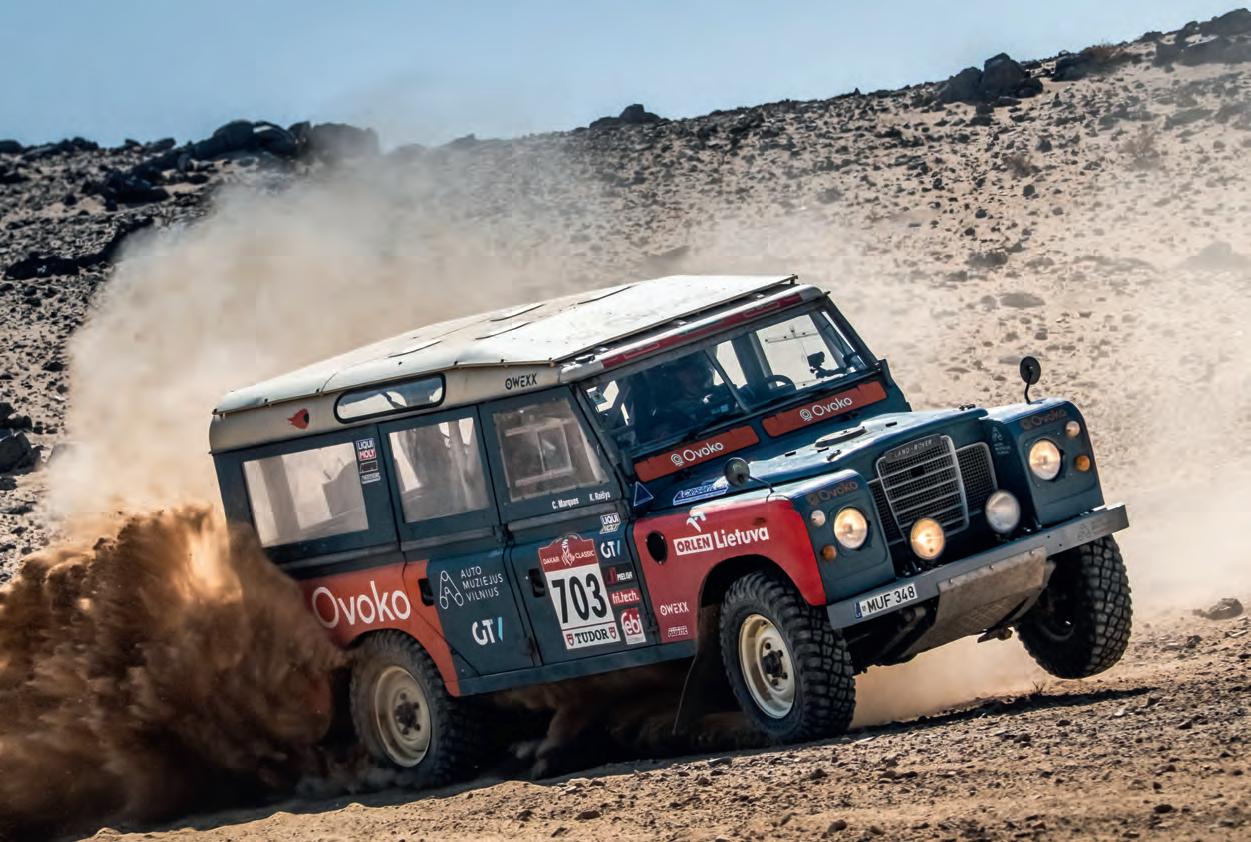
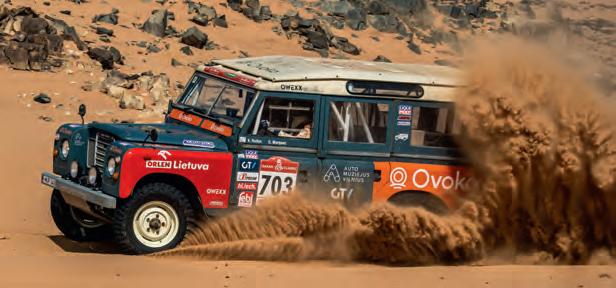
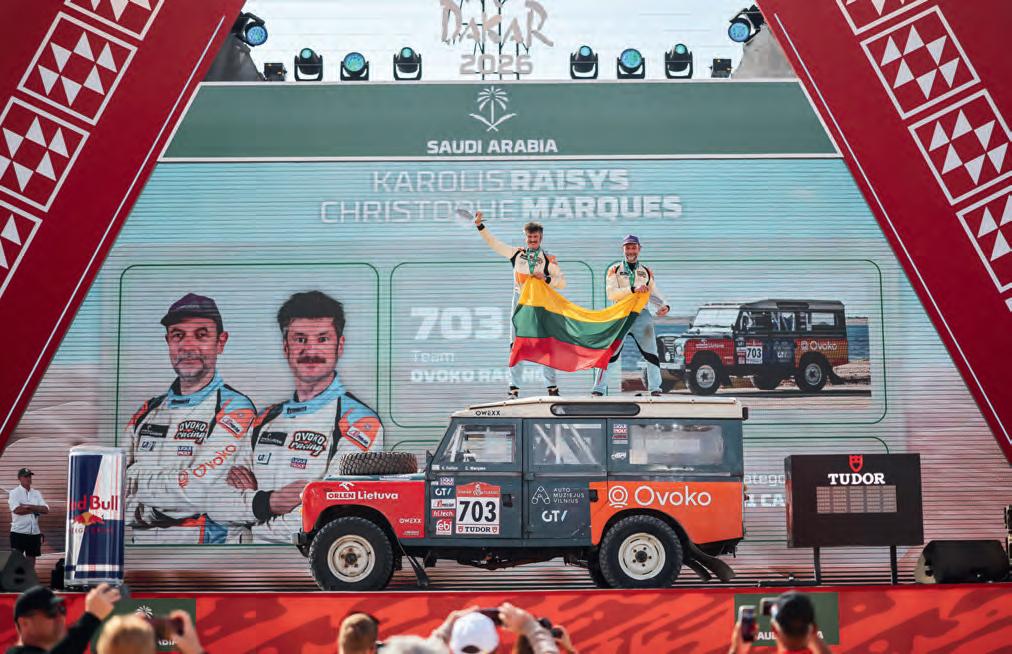
Like Baciuška, Karolis Raisys is from Lithuania – a country where the Dakar is the second most keenly followed sport after basketball. He works as a lead instructor for Land Rover throughout the Baltic nations – and last year he entered the Dakar Classic for the first time, having previously driven media cars for the organisers.
Whereas the top teams put years of preparation into their Dakar campaigns, Raisys entered aboard a barn find. Over the course of a month, he rebuilt his old 109 to make it ready for the dunes – and then, despite having no technical assistance to back him up, he did the impossible and finished on the podium.
For 2026, Raisys had more time to get his Land Rover ready. He had the benefit of a year’s experience and, no small matter, he had a secret weapon sitting next to him. Navigator Christophe Marques is a seasoned campaigned in regularity rallies, having taken part in his first Rallye
Karolis Raisys (main picture) was the undoubted star of this year’s Dakar Classic. The Lithuanian Land Rover brand ambassador rebuilt his 109 from a wreck before putting it on the podium in 2025, and that was without any support. This time, with a proper package and a new navigator in regularity specialist Christophe Marques, he was in the leading pack throughout and ended the rally in a convincing first place
Pic: ASO / FOTOP / Aurelien Vialatte
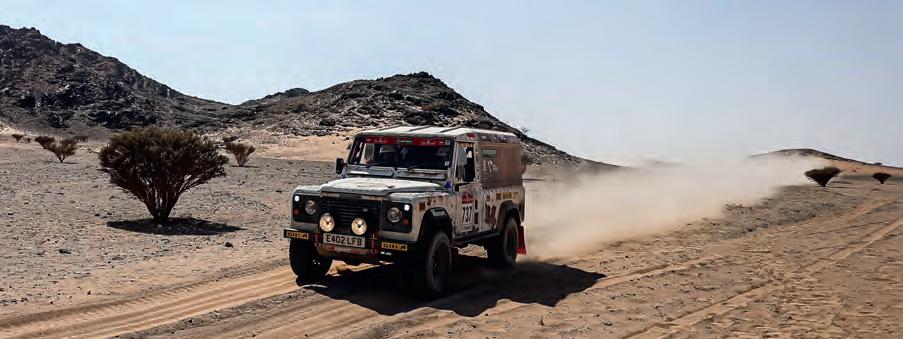
Helen Tait Wright (left) was a confirmed motorsport fan long before her first experience of desert rallying. Even then, the Dakar seemed an impossible dream – until, with the encouragement of Allisport’s Andrew Graham, she convinced her close friend and sometime navigator Marcella Kirk to join her on the adventure of a lifetime

www.thelandy.co.uk
Cynghordy Llandovery Carmarthenshire, SA20 0NB
Tel: 01550 750274 e-mail: info@cambrianway.com

www.cambrianway.com
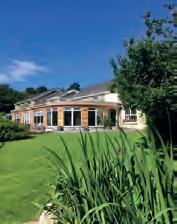
Family run guest house and self catering cottages with spectacular views, en-suite bedrooms, comfortable lounge bar and excellent home cooked food.
Pressure washer, drying room, map room with local lanes marked, on-site 4x4 course, guides and GPS hire available.
A very popular venue for both individuals and groups of 4x4 enthusiasts





Monte Carlo Historique back in 2016, and he also happens to be an IT specialist who, during that time, has been working on developing regularity rally timing systems. This was his first Dakar, but Raisys could hardly have hoped for a better team-mate.
And so it turned out. In an event that’s about pace rather than speed, Raisys and Marques were a model of consistency. They dominated from the word go, dropping off the lead for a couple of days after a poor finish on Stage 3 but regaining it well before the end of the first week and proving untouchable from then on. Ironically, those two days when Raisys was running in second were led by France’s Maxence Gublin – in a Land Rover 110. Raisys finished the event on 735 penalty points – a huge lead from the second-placed Mitsubishi of
Ondrej Klymciw on 1003, with Josef Unterholzner yet further back on 1137 in another Mitsubishi.
A huge victory for the only leafsprung Landy in the event, but there were other notable entries trusting Solihull vehicles too – including the allEnglish, all-female team of Helen Tait Wright and Marcella Kirk. Driving a 110 Hard-Top dating from 1988, they kept it steady to finish 83rd overall – not a
high finish but a finish, which many a Dakar competitor has failed to achieve after reaching for the stars.
On the subject, seven Land Rovers started this year’s Dakar Classic and five finished. As always, each team has its own story – but out of every entrant in every category, few can have achieved as spectacular a result as Karolis Raisys and his slow, heavy –but victorious – Series III Land Rover.
Profiled in this issue are 2026 Dakar Classic winner Karolis Raisys (right) and Helen Tait Wright (below), a rare British entry and the only driver from the UK this year to take part aboard a Land Rover. Next month, we’ll look at the rest of the Solihull contingent in this year’s event.
Driver: Helen Tait Wright (GB)
Navigator: Marcella Kirk (GB)
Vehicle: 1988 Land Rover 110
BRITS HELEN TAIT WRIGHT AND MARCELLA KIRK became friends while both were living in France, having been introduced through the somewhat unusual medium of almost crashing into each other on the road. But while they’re best buddies, and have become a motorsport team together, only Helen is a petrolhead. ‘I’m not interested in how many horses are under the bonnet,’ admits Marcella. ‘I’m interested in the horse I’m sitting on.’

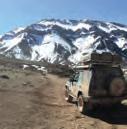

By the time they met, on the other hand, Helen was also an experienced race marshal, a member of several car clubs and a regular at the Le Mans 24h. Actually taking part came later, though.
‘I didn’t start competing until I moved to France and did a couple of Rallye des Gazelles and some other rallies with Marcella,’ she explains. ‘And the desert just got under my skin.
‘I was obviously aware of the Dakar Rally but it was completely out of my reach until they launched the Dakar Classic, which turned it from “impossible” to “vaguely possible.” Then I met Andrew Graham at a Land Rover meet in the UK, and he went on to do the Dakar Classic in 2024. He asked me for some advice about driving in the desert and while he was on the event, I spoke to him every evening. That was when “vaguely possible” became a burning ambition.’
The team’s 110, named Purdey after Diana Rigg’s character in the New Avengers, came to Helen as a wreck. After a false start with a company that was going to do a rally build on it, the family brought home whatever they could salvage and, from October 2024 to April 2025, worked pretty much non-stop to turn it into a vehicle suitable for the Dakar.
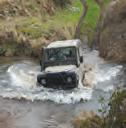


Marcella’s story is not so much one of burning ambition as loyal friendship – and an up-for-it attitude. ‘A while ago,’ she says, ‘I had a bit of a health scare. So with my son Sam, we decided to go to France to an apartment I kept there. Of course, we went to see Helen and her husband Chris and all the good wine came out. By the end of the evening, Helen, Sam and the wine had persuaded me to sign up to do a rally!
‘I did two rallies in Morocco with Helen. The first one went really well but then the second turned into a bit of a nightmare and we nearly went home halfway through. After that, I told Helen my rallying days were over. But then she told me about the Dakar Classic and how she really wanted to do it with me…’
In keeping with the truest spirit of classic rallying, the team decided not to run any computers for the regularity. Instead, they used old fashioned instruments, making them eligible for the Authentic Co-driver award. They entered the desert knowing that a great result would be unrealistic to hope for first time out – but those last three words suggest this is only the beginning of their relationship with the Dakar.
Driver: Karolis Raisys (Lithuania)
Navigator: Christophe Marques (France)
Vehicle: 3.5-litre Series III 109” Station Wagon
BORN IN 1982, Karolis Raisys is a rally driver and Land Rover brand ambassador, acting as the company’s lead instructor in the region. Having driven a media car in 2024, he was inspired to compete and last year made his debut aboard a V8-engined 109” Series III.
‘My first Dakar was something truly special,’ he says. ‘I prepared for it in an unbelievably short amount of time. In just a little over one month, we transformed a barely rolling, forgotten barn-find Land Rover into a race-ready Dakar vehicle.
‘Honestly, that preparation was a bigger challenge than the Dakar itself – it was a true 24/7 project. After that, the rally almost felt like a holiday… almost!’
Given that they were out there on their own, that’s quite a claim. ‘We competed without any technical support, fixing and maintaining the car entirely by ourselves. Watching our progress, from complete rookies to podium finishers, was incredibly rewarding. Finishing third overall in the Dakar Classic with such a never-tested and slow car felt like a miracle. It surprised not only the sceptics of the project, but me as well!’
The result made Karolis famous in Lithuania, where the Dakar enjoys a huge profile – but as he says, ‘it also raised expectations and added some extra pressure for the results in the coming years.’ With more time to prepare for 2026, he considered using a different vehicle – before deciding to stay true to his original idea. ‘I didn’t make any major changes to the car,’ he says. ’It remains slow and heavy, just as it should be. However, we focused on repairs and improved several technical solutions that significantly slowed us down last year.’
What he did change, however, was his navigator, bringing in Christophe Marques – a classic rally regular over the last decade and an IT specialist whose specific field is regularity timing systems. ‘I’ve been practising regularity for about a decade,’ he says, ‘starting with the Rallye Monte-Carlo Historique, which I’ve done almost every year since 2016, as well as several Tour de Corse
joint first place in 2023. I also regularly compete at the Monte-Carlo Historique with Bruno Saby, including with his Renault 5
first Dakar – but he was already bringing no end of experience to the table.
events, including
the same car he used when he

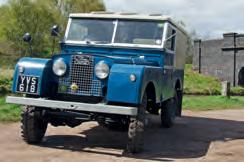
The Series I, particularly in its 80” guise, is the most sought-after of
all Land Rovers. Its engineering and design give it real charisma, but parts aren’t readily available. Restoration projects require deep pockets, but see it through and the result will be worth mega bucks.
Gone are the days where you could use a Series I as an actual Land Rover. Because with restored examples changing hands
for millionaire money, preservation is the aim of the game.
The earlier the vehicle, the more it will be worth. The sky’s the limit – but can you really put a price on such an icon?
Pros: Heritage, charm, a true classic, the original Land Rover Cons: Availability of parts, price tag on early 80s
Cons: Not yet as desirable as the earlier Series models Series III (1971-1985)
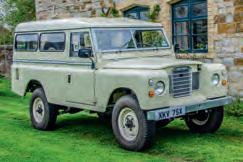
terms, keeping the same 2.25-litre engines throughout the length of its production run. In 1980, the engines switched to a more durable five-bearing crank rather than the old threebearing setup. The transmission also received syncromesh on all forward gears to make it easier to live with.
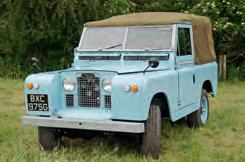
£2500-£35,000
They still carry the simplicity of earlier Land Rovers, but the Series III remains the most affordable way into owning a leafer.
Pros: Most affordable route into Series ownership. Still has the Series pedigree. Parts still widely available
Lightweight (1968-1984) £3500-£22,000
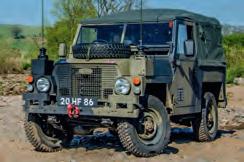
These military vehicles can easily be distinguished from regular
Land Rovers. To mimic the civvy Series machines, the Series III model built from 1972 onwards, also had its headlights switched out to the wings.
Lightweights add an extra dimension to owning a Land Rover. Their military history and details mean you get a truck with more stories to tell – and that stands
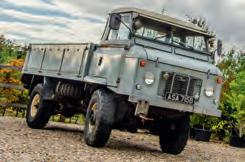
much of that early charm. Prices seem to have peaked now, however they still remain strong for good examples.
A 2.25 petrol 88” would be our pick, as the diesel engines were underpowered and rather noisy.
The Series II/IIA has a wider stance than its predecessor and adds an extra (thin) layer of
rarity – with all the cachet, pride and immense awkwardness that comes with this status.
By ‘rare’, we’re talking about less than 2500 Series IIA FCs in total. And they tended to have a very hard life, so not many have survived to tell the tale.
refinement. While the engines have excellent longevity, they need to have been maintained properly. Be thorough in your checks, both under the bonnet and underneath the body.
Pros: A sound investment to restore – and enjoy
Cons: Bulkheads and chassis rot, springs prone to seizing
coilsprung suspension, new engines and a world-beating level of rugged off-road capability.
out from the crowd. They’re a rare breed, though – so if you’ve got one, it’s worth keeping hold of.
Pros: Not like all the other Land Rovers out there. Military background. Lovely 2.25 petrol Cons: Appearance isn’t to everyone’s taste. Exclusivity over regular models means they command a price premium
Don’t be fooled by high prices. Values have dropped in the last two years, and only a real rarity in pristine nick is worth the money that used to be commonplace.
Pros: Excellent parts availability. Easy to work on. Unlimited potential for
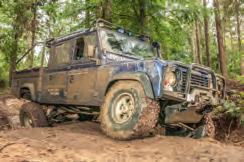
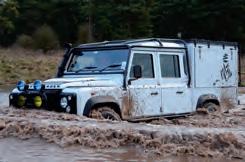
The LT77 gearbox in the 200 Tdi is more truck-like than the later R380, and these vehicles didn’t come with bling. Just be sure it’s an original Tdi you’re getting, not an old Discovery conversion.
refinement, but this is seen by many experts as the best Defender of them all.
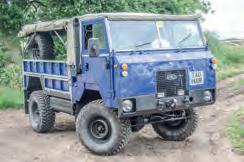
Forward-Control models differed from everyday Series IIs by
the time came for demob. They were flogged off at very low prices and turned into off-road toys –not something you’d do with one today, given the rarity and classic value they’ve taken on.
having heavy-duty ENV axles, but engine-wise they had the familiar 2.25 petrol and diesel lumps. So, don’t expect performance – but do expect to be given an ‘interesting’ time in the workshop…
Pros: A Land Rover like no other, if that’s what you want Cons: Especially brutal to drive, and to find parts Series IIA/IIB
£7500-£26,000
Compared to the IIA/IIB FC, the 101 is more fun thanks to its V8 engine. It’s still a military tool, though – some still have fixtures and fittings from their Army life, which adds interest. This is a vehicle for enthusiasts, though, with costs that are sky-high even by Land Rover standards. Pros: Master of the road. Lovely V8 soundtrack. Everybody who sees one loves it Cons: Monumental running costs. Expensive to buy, too
The 300 Tdi engine is very different
200 unit it replaced, though
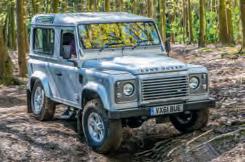
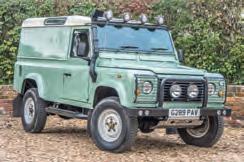
The last Defenders gained modern 2.4 and 2.2 TDCi engines and
the two are related. It’s much more refined and smoother to drive, though there are more electronics involved so later versions in particular are less of a DIY fix.
The arrival of the 300 Tdi also brought with it the R380 gearbox. This used to have a terrible reputation for relability, but most have been put right by now and they’ve
smooth six-speed gearboxes, They still had phenomenal off-road ability and were even okay to sit in. Famously, this was the Defender that actually had a dashboard You can find special editions and boutique conversions to TDCi models that cost obscene amounts of money. You will pay a premium for any these late
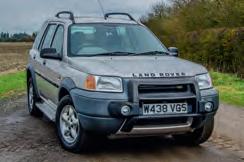
It’s also a notable classic in its own way, as it heralded the start of the company’s modern era. It has its issues, though. The viscous coupling is expensive to replace and can be upset simply by running mismatched tyres. The 1.8 petrol used to be notorious for head gasket failures. Today’s replacements are much
are people who do just that, preferring to invest new-car money in a restoration than spending it on a current model.
It’s a smart policy, too. An early two-door can cost mega money, but any Classic will appreciate in value if kept in good condition –and sought-after rarities like the CSK and LSE can be a gold mine.
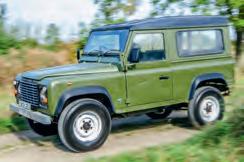
£3500-£40,000
become sought after for their light clutch and better shift action.
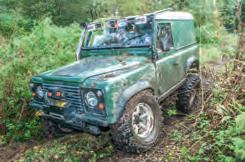
It was during the Tdi era that Defenders started getting things like alloys, too. You might even find one that’s not been off-road… Pros: Strength and simplicity. Perhaps the definitive Defender Cons: Sure to be very different to when it left the factory
Defenders, however the era of skyrocketing prices seems to be over and TDCis have dropped further in value than the Td5. So a good 2.2. could now be quite a shrewd investment
Pros: Efficiency, creature comforts, off-road prowess
Cons: Price, electronics, TDCi engine is unloved
more robust, but a late diesel is your best bet. Even these can go calamitously wrong, though. This was a more complex car than it needed to be, and buying one for sweeties now doesn’t change that.
Pros: Cheap to buy, no big rust issues, surprisingly able off-road Cons: All sorts of things can go wrong, some very expensively
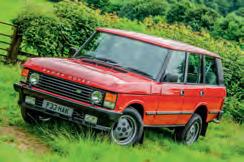
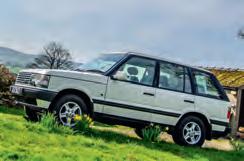
An awful lot of Rangeys have been neglected and/or abused, and you can still buy they cheap. But if you’ve got the skills, and access to parts, restoring one would be the ultimate hobby that pays.
Pros: Most usable classic Land Rover, V8 power, ride quality
Cons: Rust, availability of parts for early models
a strong performer. It does lend itself to being tuned though, so watch out for abused ones and knackered examples that have been pushed beyond the limit.
As with all Defenders, you’ll need a rear crossmember sooner or later – or even a new chassis.
still be a DIY machine. Parts are in plentiful supply, as is specialist knowledge – and it’s one of the best Land Rovers ever.
Pros: Off-road capability, power, overall reliability. Very well suited to being modified
The Td5 engine is arguably Land Rover’s most reliable unit and it’s
Cons: Rear chassis, premium prices, monstrous road tax on later vehicles Defender Td5 (1998-2007) £3000-£35,000
Despite having more electronics than the Tdi, a Td5 Defender can
(2020-on)
If the subject of the new Defender comes up in enthusiast circles, try

to steer it away on to something safer. Like Brexit, for example.
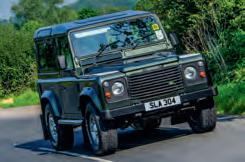
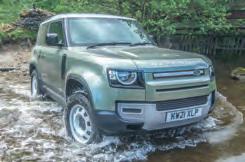
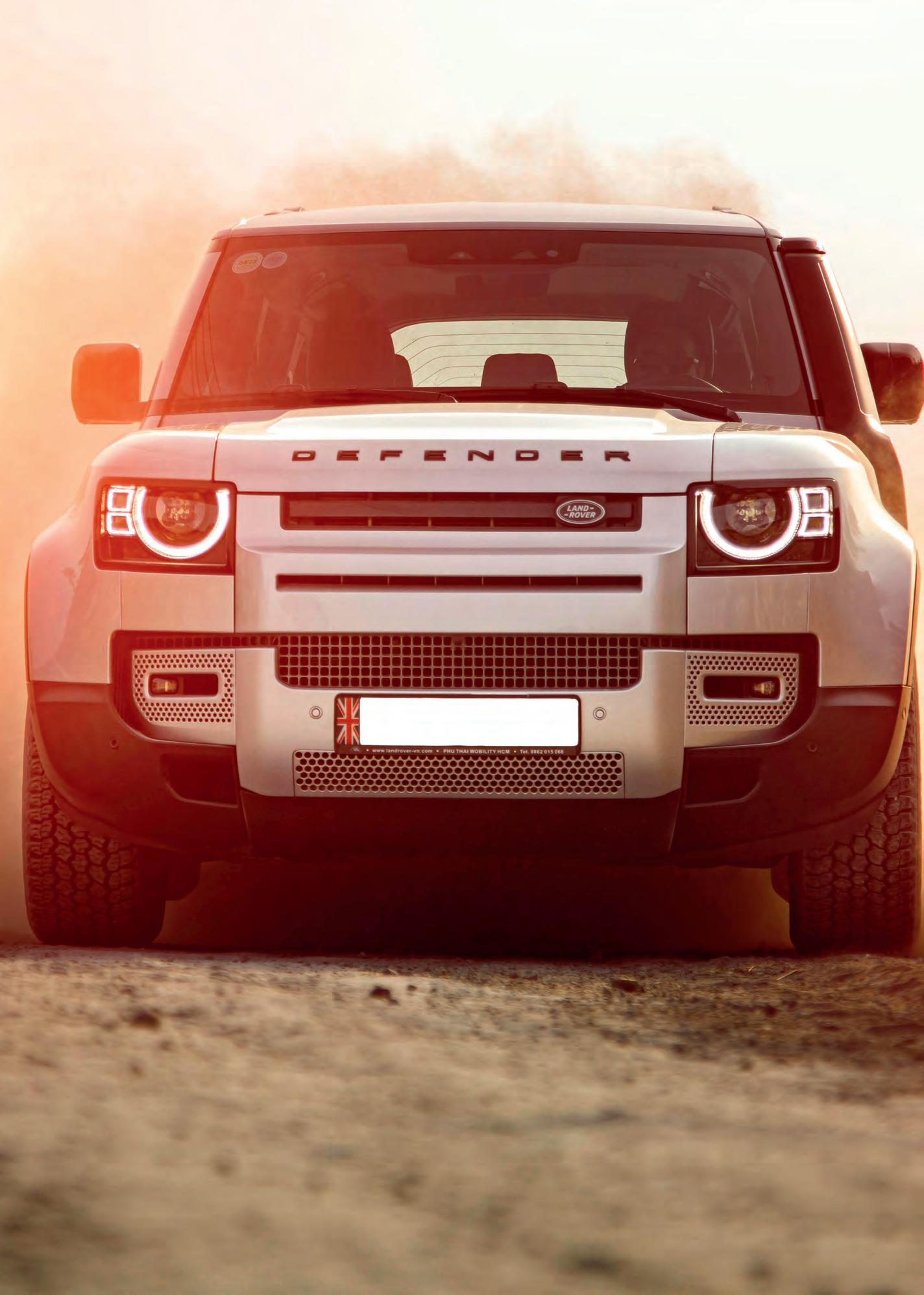
Much as it may infuriate purists, however, the Defender is actually a very wonderful thing. It’s kind of like an old one, only with space, comfort and equipment.
The big difference is that you can’t work on it yourself. This goes for maintenance and, crucially,
£45,000-£185,000
making modifications – a market Land Rover wants to take back and have for itself. It won’t hold its value long-term the way an original-shaper does, either. But this is still a superb vehicle.
Pros: Comfort, capability, rugged fitness for purpose
Cons: Not cheap to buy. Lacks the old one’s basic charm
it replaced. It’s a refined and affordable SUV with a strong engine, good equipment and a decent level of practicality.
It’s become one of the most reliable Land Rovers out there, too.
But do be aware of the rear diff and Haldex unit for costly outlays.
The 2.2-litre diesel engine is a strong performer, though for a
bargain search out one with the unpopular 3.2 petrol unit. Either way, it’s a fine SUV to drive. Prices have fallen since the production ended, too – £15,000 now gets you a late one on tiny miles.
Pros: Reliability, refinement, economy of diesel engine
Cons: Transmissions can wear quickly if used for towing
own, even today. The problem is that they’re very complex and very, very good at going wrong. Air suspension failure is the norm. Head gaskets can let go. Electronics are laughably flaky. And parts can cost the earth – as will the labour bills. Perhaps worst of all, nowadays it’s very hard to find one you can be sure hasn’t spent at least part of its life being worked on by idiots Still, you’ll get a classy motor with proper off-road and towing skills. It’s becoming a classic, too, and prices are still tiny considering everything you get.
Pros: Luxury, price, a Land Rover that doesn’t rust Cons: Electrics. Be very afraid
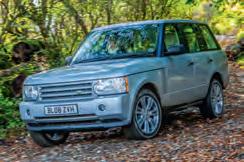
The Mk3 Range Rover hit new heights of luxury and was more reliable than the P38. It’ll still cost a lot to run, however, and drivetrain faults and underbody corrosion are not unknown.

The TDV8 engine is sublime, but you’ll pay more to get one –especially the 4.4, though the 3.6 has all the power you need. The V8 petrol, on the other hand, is temptingly cheap. Guess why…
This isn’t a DIY motor, but it certainly is a Range Rover, with brilliant off-road and towing skills. It relies a lot on electronics, but they work wonders – and the deepdown engineering is very robust.
Pros: Great off-road, luxury, image, TDV8 powerplants
Cons: Very complex. Huge running costs Range Rover (2002-12) £2200-£24,000
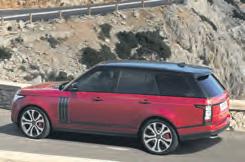
The fourth-gen Range Rover is a majestic 4x4. All the engines in the
range supply copious amounts of power, and its road manners are absolutely impeccable.
It’s startlingly capable off-road, too, even if getting one muddy would feel like bad form. Most that leave the tarmac probably do so only when their owners are in the mood to blow some grouse out of the sky.
a supreme off-roader as well as
Inside, the Range Rover’s cabin is superb, with sumptuous trim and cutting-edge equipment. Prices are, of course, as immense as the vehicle itself. But if you can afford it, so too is the presence a Rangey will give you.
Pros: Class, luxury, engines, vast all-round capability
Cons: Price

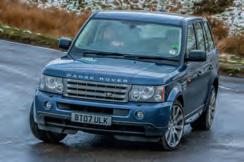
The second-generation Range Rover Sport is 400kg lighter than

When the Evoque was launched, it signalled JLR’s intent on hitting
the original, meaning it’s almost economical to run. It feels really nimble and agile on the road, too, and it comes with a range of engines giving it a brisk turn of pace.
Some won’t like the flamboyant posture, while others will love it. Either way, inside the cabin it’s very nearly as luxurious as the full-house Range Rover.
the masses. Given that it was the company’s fastest-selling vehicle, they clearly hit the brief, even if it wasn’t for the traditional Land Rover owner.
It’s actually still a capable thing off-tarmac – but it’s definitely more at home on the road.
Nevertheless, it is economical by Land Rover standards and
£13,500-£65,000
If you can afford the SVR model, you’ve got a super-SUV with rap star image. In every case, though, running costs will be vast. Parts don’t get any cheaper because you bought it second-hand…
Pros: Performance, refinement, handling, glorious interior
Cons: Marmite image. Pricey to buy and run
£4500-£31,000
because there are so many out there, used prices are tempting. There’s a Convertible model, too, as well as three and five-door tin-tops. We say stick to the latter, and be sure to get one with 4WD.
Pros: Economy, handling, iconic concept-car image
Cons: Cramped rear seats, not as practical as a Disco Sport
Range Rover Velar (2017-on) £22,500-£85,000
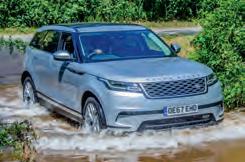
because of its particularly handsome exterior. It’s based upon the same architecture as the Jaguar F-Pace but has greater off-road ability and is available with a wide choice of engines, most of which combine good economy with usable everyday performance.
The interior was Land Rover’s most advanced cabin yet when
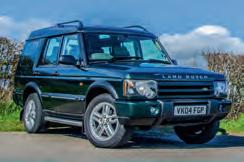
most most reliable units ever. It drives well, too – mated to a manual box it has more guts even than the V8 option, which is surprisingly bland but predictably thirsty. Whereas the Disco 1 was prone to body rust, the D2 is fine here. Instead, its chassis rots like a carrot, especially towards the back end. Also at the back, seven-seat


a Discovery in name only.
It’s a more practical proposition than the closely related Evoque, and you won’t need to live with the fear of Posh Spice jokes.
Range Rover Sport (2022-on)

Hilariously, this is what counts as the affordable way in to owning a

it came out. It was very much designed to be a trend setter. But is there a whiff of style over substance? Well, it’s a very good SUV. But you don’t half pay a premium for those suave looks...
Pros: Stylish design, chic cabin, excellent tech features
Cons: Feels like an indulgence, especially at such a high price
models had air-suspension, with all the horrors that brings.
Mainly, D2 owners will tell you about rogue electronics. And leaky sunroofs. They still love their trucks, though, which says a lot.
Pros: Td5 power and reliability, great all-rounder, lots of choice Cons: Chassis rust, electronics, leaky sunroofs, air suspension
new Range Rover. The Sport is less about being chauffeur driven and more about lording it over other aspirational school runners, but once again it’ll be lovely to drive.
Like the full fat Range Rover (a phrase which has never felt more appropriate), the Sport is available with an old-school V8 engine that gives you racecar performance in
£80,500-£145,000
return for NASA-level emissions. Most UK customers with opt for an altogether healthier plug-in hybrid, but they’ll still get a vehicle that’s brutally fast a well as being able to do the normal Range Rover stuff.
Pros: Smooth, refined, comfy… and game for a laugh, too
Cons: Still hasn’t quite shed its proceeds-of-crime image
Evoque has adopted a similiar back end to the larger Velar. It’s not just the exterior that mimics the looks of the larger vehicle, however, as the Evoque has gained the latest Touch Pro Duo tech and a hike in quality.
The main highlight of the new Evoque is the fact the majority of the range is made up of mild
with the same 100” wheelbase and a slick body containing a spacious, flexible cabin. It was well equipped and refined, and it came with the wonderful Tdi engine.
hybrids, available with diesel and petrol engines combining to an electric motor. Only the base D150 Evoque escapes the electrification, and we’d avoid it as it doesn’t have four-wheel drive.
Pros: Feels like a proper Range Rover inside
Cons: Petrol engine is poor on fuel economy, even as a hybrid
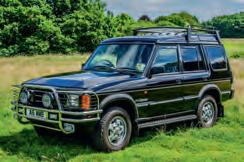
Cons: The body rusts like it’s been doused in sea water Discovery (1989-1998)
Over time, the Disco’s epic ability meant almost all of them were hammered at playdays. Lower body rust is a big killer, too. So it’s rare to find a good one now,
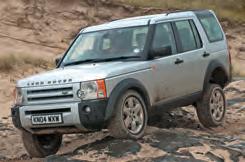
The Disco 3 is an astonishing allround vehicle. It’s
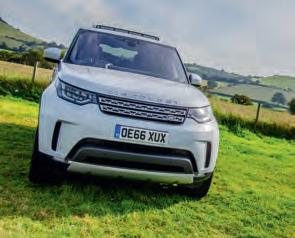
There are some tidy deals to be had on late high-spec examples now – though if you do a

and capable off-road, genuinely luxurious and a giant of a tow truck, and as well as being able to seat seven adults it can be turned into a van with a totally flat rear load area.
But it was also astonishingly complex, and these days it has a reputation as a money
Air suspension and electronic
and when you do they tend to be priced with a lot of optimism. Very early ones in tip-top condition are full-on classics, too. For a sound one to own, we’d look for a tidy 300Tdi.
Pros: Price, practicality, parts availability. Epic off-road ability
handbrakes are big sources of woe, cam belts are a body-off job to change and rust is becoming more of an issue. Get a good one, though, and it’s all the car you’ll ever need.
Pros: Good at everything. Lots of accessories available now
Cons: The phrase ‘money pit’ crops up time after time
EDITION 4 CATALOGUE OUT NOW! NOW WITH SUSPENSION ARM RANGE
MAINTAINING THE STANDARDS OF COMFORT, HANDLING AND SAFETY
Engineered to the highest standards, PROEVO+ meets the demands of the JLR aftermarket in terms of performance and reliability.

BUILT TO EUROPEAN SPECIFICATION
PROEVO+ products are manufactured to European specification, giving customers and vehicle owners peace of mind.







EXCEPTIONAL RESPONSIVENESS AND STABILITY
High quality materials and advanced manufacturing processes ensure there is zero compromise in vehicle dynamics and handling.
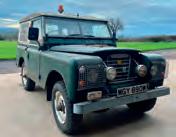
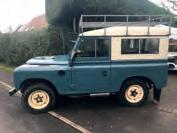
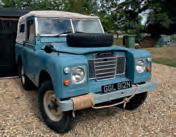
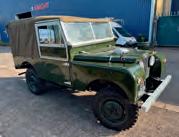
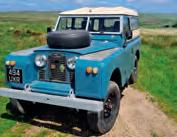
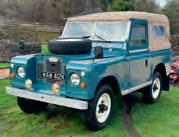
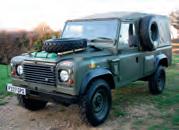
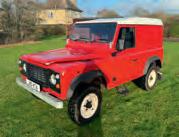
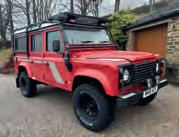
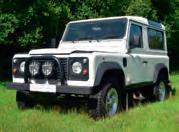
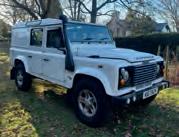

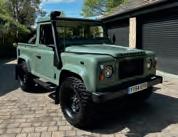
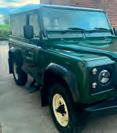

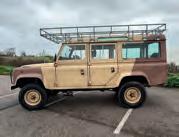

110 HCPU (1989). 125,000 miles. Galv chassis. Td5, LOF HD clutch. New bushes, brake lines, LEDs. Undersealed, axles rebuilt. Bodyoff Nardo grey Raptor respray. MOT Oct. £19,995. Tonbridge. 07778 406408 04/26/008
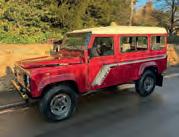
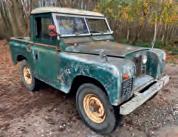
(1988).
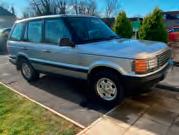
Chassis may be salvageable, bulkhead beyond repair. 200Tdi, starts and drives. 77,000 on clock. Rear seats fitted. V5 present. Ideal restoration project. £3950. Melton Mowbray. 07377 091239 03/26/009
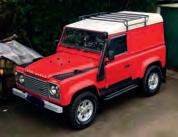
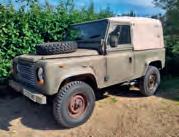
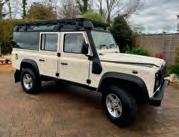
Defender 90 Tdi (1992). 64,000 miles. Very good chassis. HT with tailgate. Tow bar, roof rack, bench seats, side steps, rear spotlight. All work done by LR specialists. MOT Jan 27. £11,495. Ilminster. 07863 554094 04/26/014
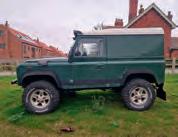
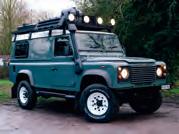
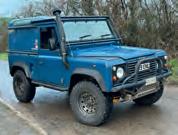
Defender 110 TD5 (2002). 176,800 miles. Tent, awning, 200W solar 42l water tank, diesel heater, cool box, pro built leisure system. OME lift, snorkel, rust protected chassis. £26,995. Nantwich. 07389 185571 03/26/007


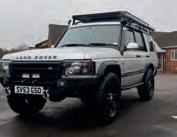
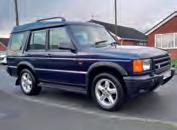
Discovery TD5 Serengeti (2002). 235,000 miles. 7 seats. Recent new parts inc tyres, compressor, side steps, wiper linkage. Owned and maintained by me last 19 years. MOT Dec 2026. £3995. Chesterfield. 07812 708123 03/26/010













































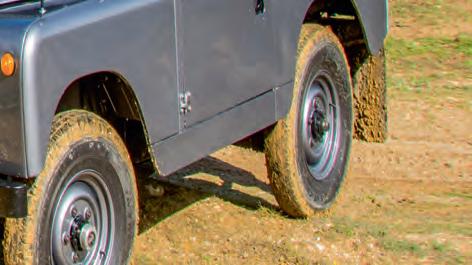













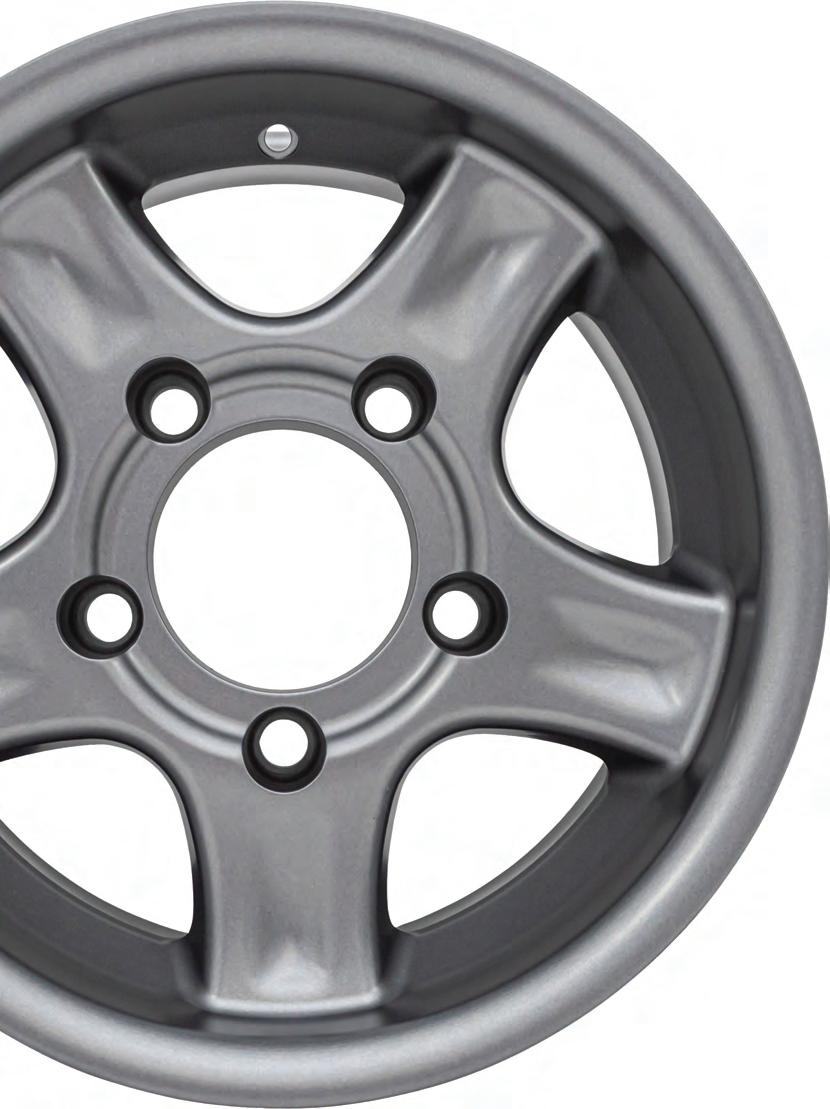
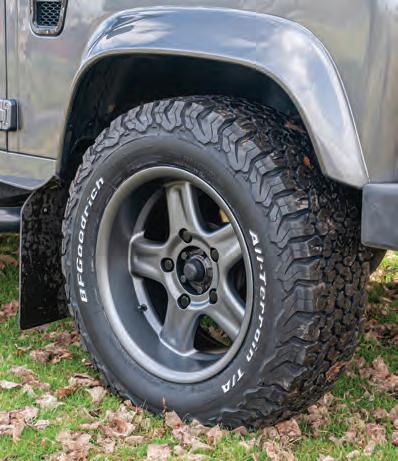
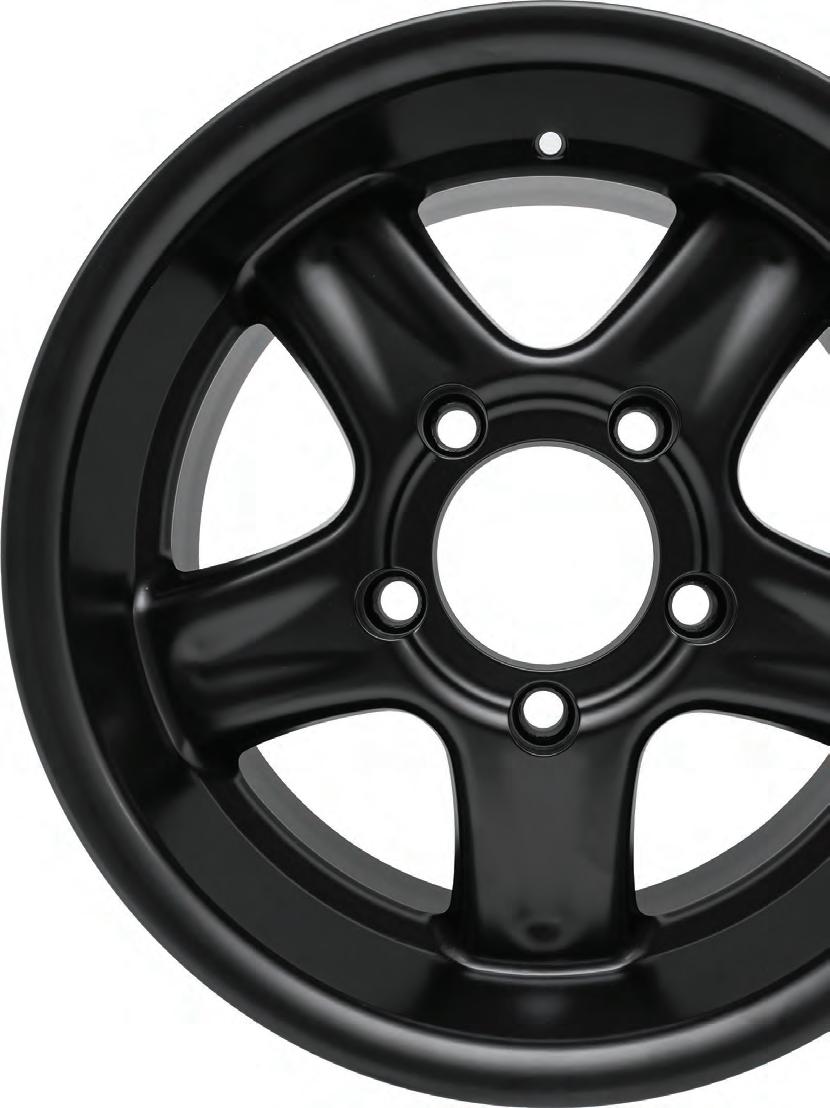
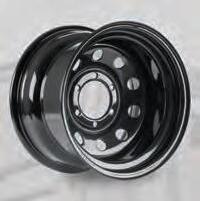
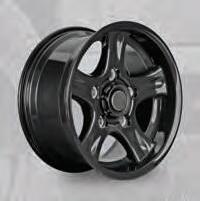
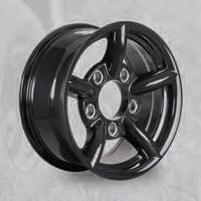
> Smart Anthracite or Black finish
> Fits all Defender including early 90/110/130
> Offers a deep dish, wider offset
> Significantly improves turning circle at the same time as enhancing on road handling.
> ET0 offset, meaning no need for the use of spacers, they sit in the widest position
> PCD - 5 x 165.1
> 1,100kg load rating
Defender including early 90 / 110 / 130
DA3521
16 x 8 Caradoc | Anthracite
DA3522
18 x 9 Caradoc | Anthracite
DA3522BLK
18 x 9 Caradoc | Satin Black
DA3523
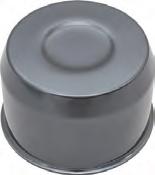
Centre cap for DA3521 & DA3522
DA3523BLK
Centre cap for DA3522BLK
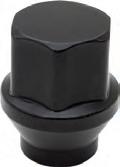
DA3830 5 x Wheel nuts
DA2475 5 x Locking wheel nuts & key