RETAIL CODE
HPL ANDY10
SIGN UP ON WEBSITE FOR
TR ADE ACCOUNT
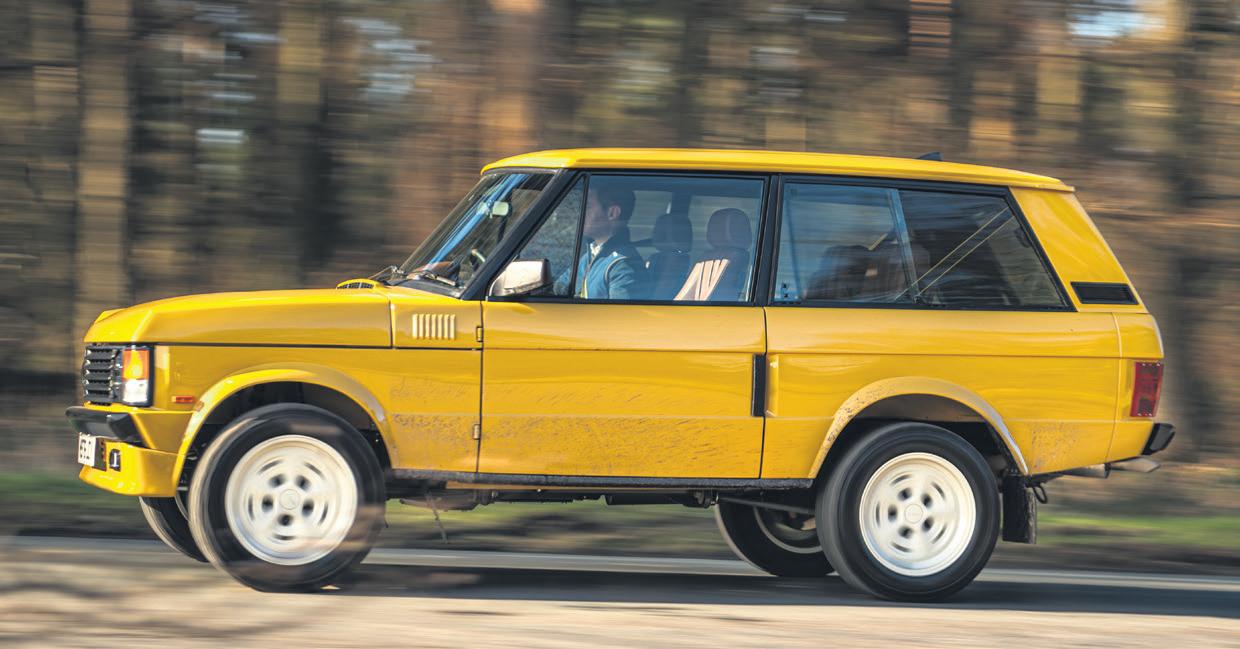
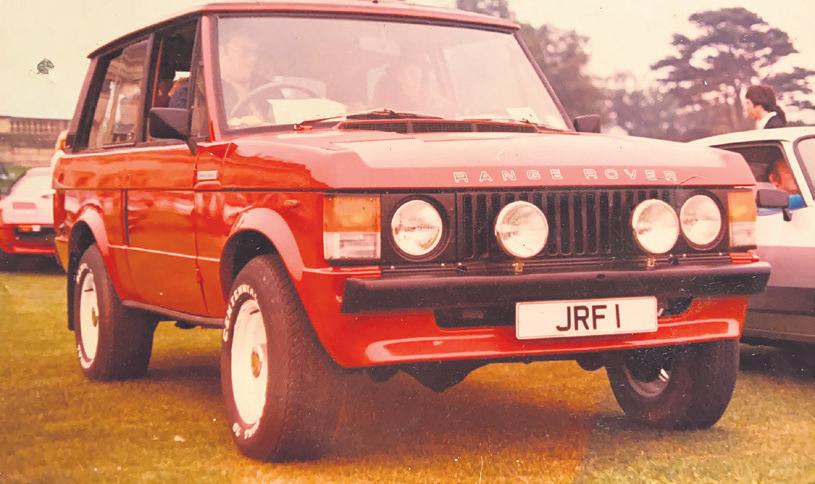
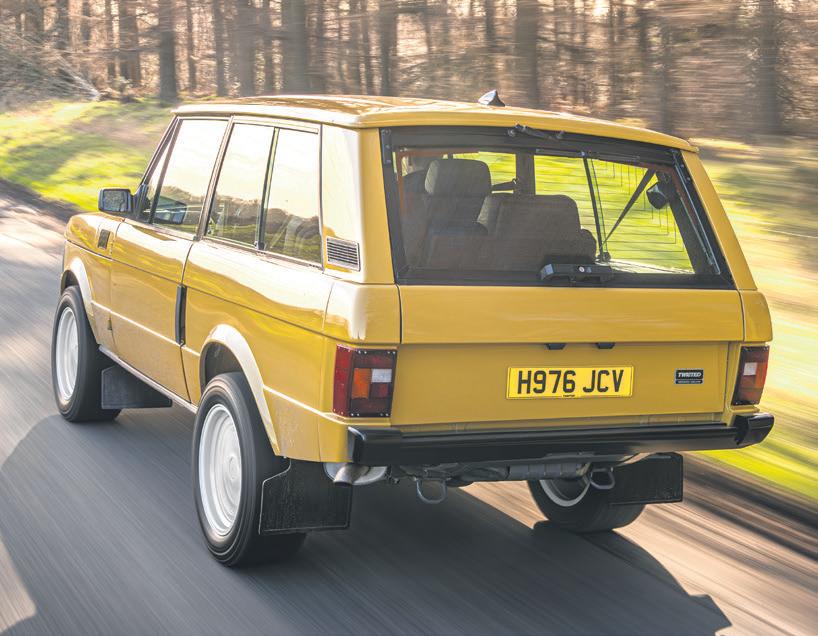
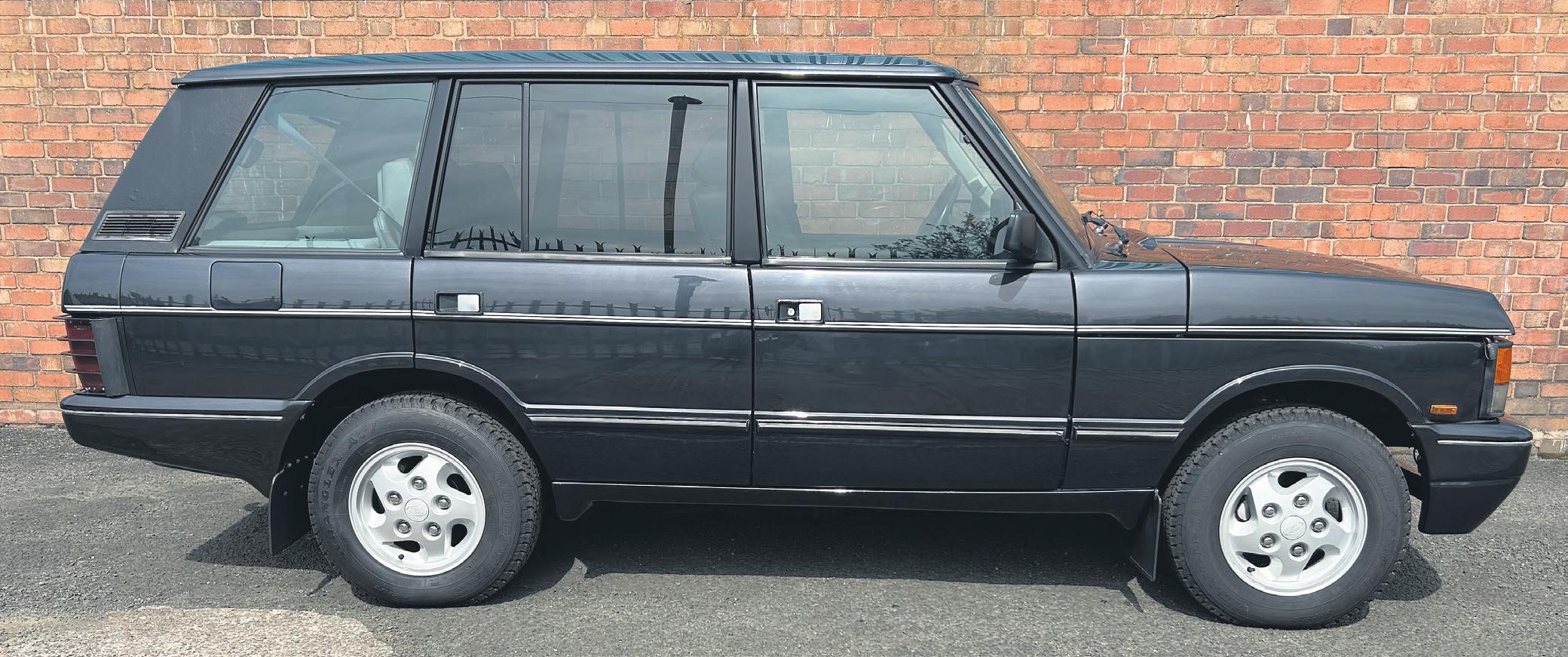
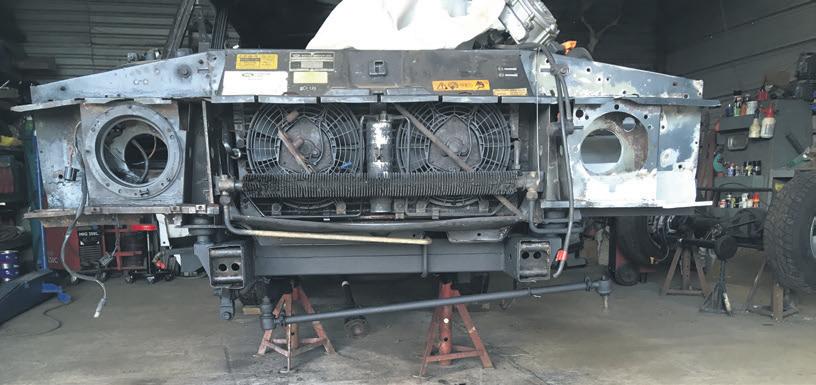
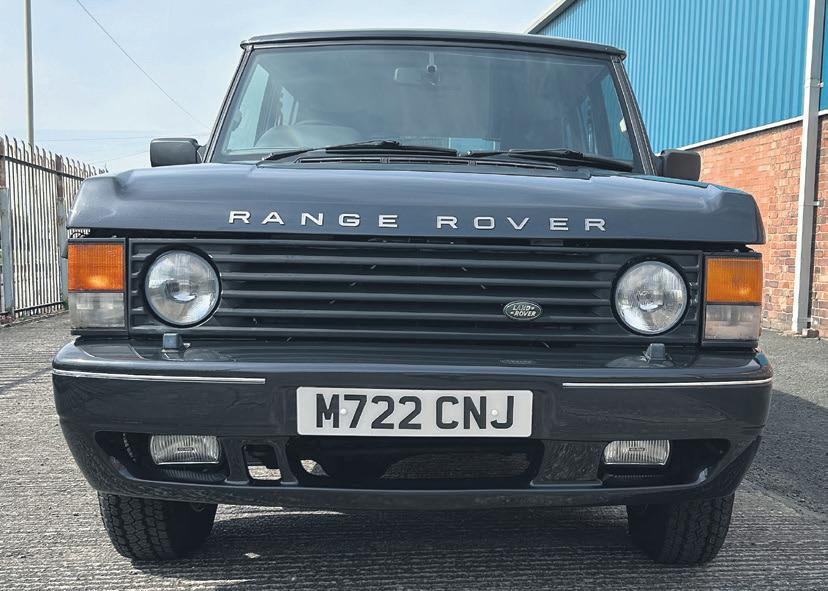
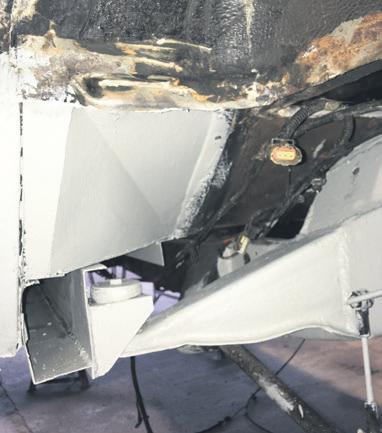
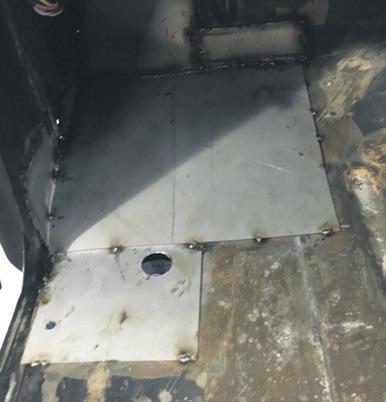
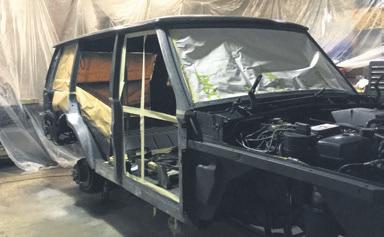
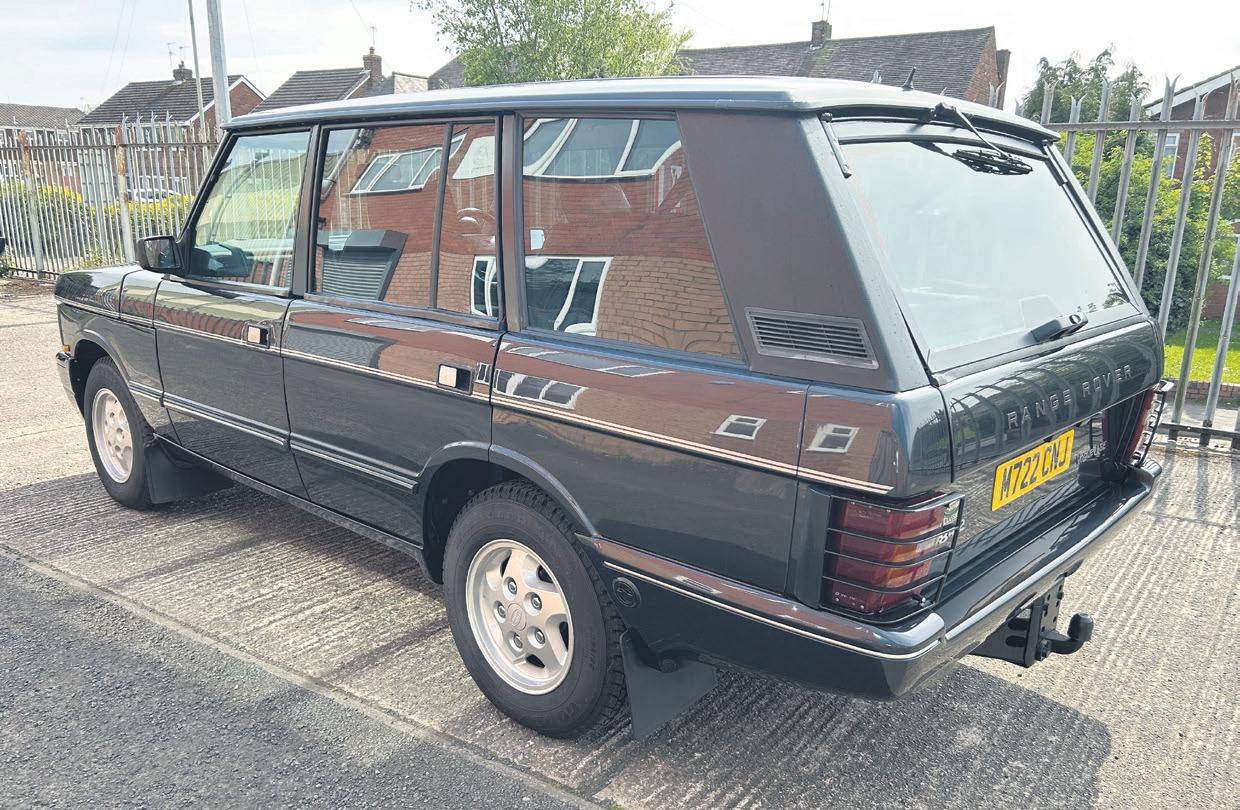
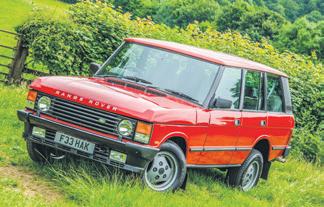
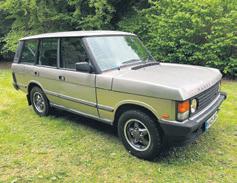
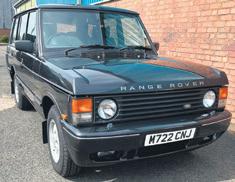
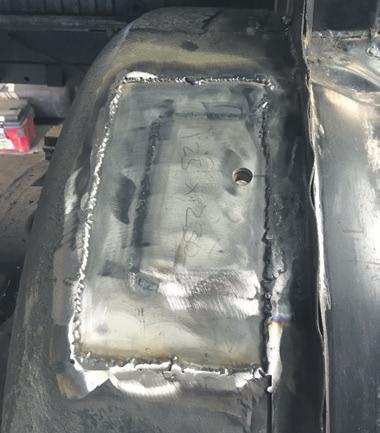
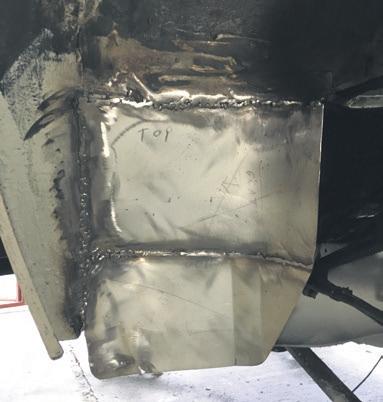
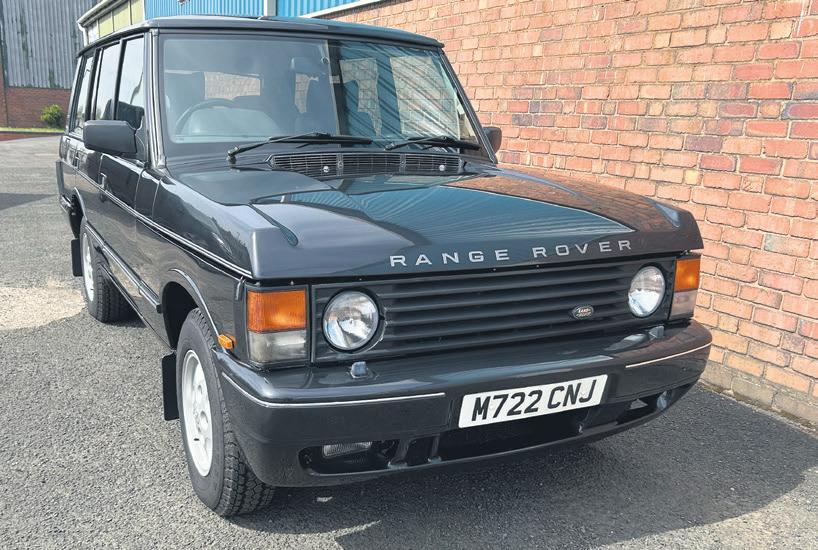
Anyway, that was then and this is now. As you can see, the LSE is once again looking like an LSE should – both above and, crucially, below. The former was taken care of by a full body-off respray, but first of course the latter involved a whole lot of welding. Actually, it’s not unknown for them to let go in more places than this. Greg says he started by repairing the chassis, which needed a new main crossmember before being injected with wax and painted, then replaced the front inner wings and boot floor. We’re seeing body mounts and outriggers in the pictures too, as well as repairs to the front footwells, rear floor, inner arches, sills and rear inner wings. Basically, it was shot through and Greg brought it back from the dead; it won’t come as any surprise that he’s in this motor for more than 800 man hours. These didn’t all go on welding. Greg went through the engine, gearbox
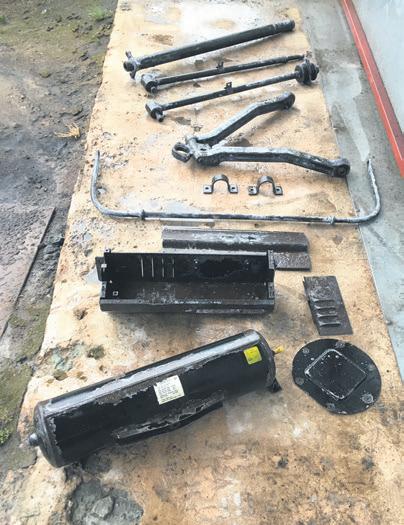
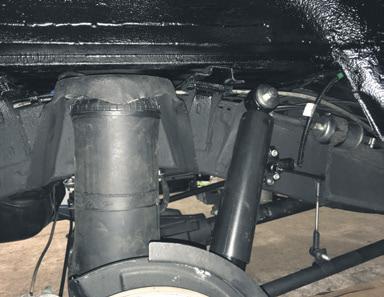
and axles, giving each in turn a full mechanical overhaul, and returned the suspension to the correct air springs in place of the coils which had been fitted at some point in the vehicle’s past. On went new bags and ride hight sensors, the valve block and compressor pump were reconditioned and the bushes and dampers were replaced.
Something else the Range Rover had had done to it in the past that needed to come off was an LPG conversion. There was a time when both this and the coil springs would have been eminently sensible weapons to use against the never ending swarm of running costs, but filling stations that still do gas are getting ever thinner on the ground and the aftermarket has gone a long way to taking the fear out of air. Besides, the value in a classic traditionally comes from its ‘rightness’. With the LPG system stripped out, Greg had the 4.2-litre engine pressure
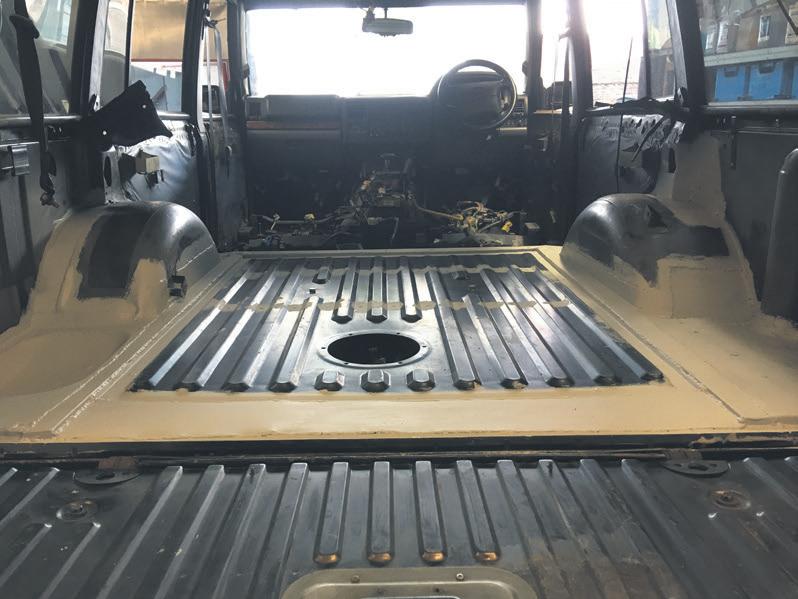
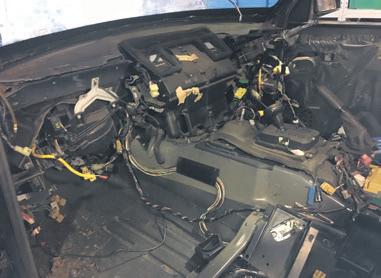
More Range Rover means more rust and Greg certainly wasn’t short of welding work when he got into the guts of the LSE. The main crossmember on the chassis was replaced, as were the front inner wings and boot floor, and by the looks of these pictures the outriggers, body mounts, rear floor, inner arches, front footwells, sills and inner wings had all had a gnawing at by the tin worm too. He also overhauled the engine, gearbox and axles, as well as returning the suspension from coils, which someone had fitted in the past, to the correct air springs. The wiring loom was gone through, too, and renewed wherever necessary
tested and gave it a full service with new plugs, leads, fuel injectors and valley gasket. There’s almost no end to the fun you can have with a Rover V8 but that wasn’t the idea here, obviously; again, what mattered was keeping it right and that meant maintaining the placid but assured delivery of power.
A full service on the four-speed ZF auto box ensured that there weren’t going to be any jerky shifts interrupting the calm, too, and a new set of brake components meant it was going to stop as calmly as it went.
Cosmetically, it’s all very much sympathetic to the original. We mentioned
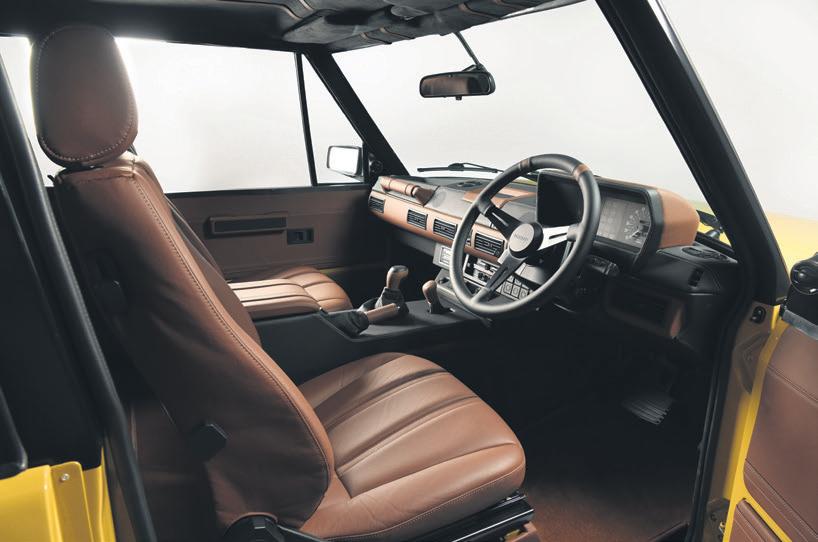
the respray, which was done in Niagara Grey upon a body featuring a factory Brooklands styling kit from TWR, and on the inside Greg had it retrimmed back to the condition – and appearance – it would have had when it was new. Seats, dash, headliner alike – the materials and colours are all period-correct, as are the alloys that finish it off on the outside.
So that was just over six years ago – lockdown project, you’d be forgiven for assuming, but in fact the freshly restored vehicle secured its new MOT just as that hopefully-neverto-be-repeated episode in all our lives
was getting underway. So obviously it didn’t get driven for a while after that, but once it was all over and we could go back out to play it was time to… oh, leave it in dry storage.
‘The Range Rover has only covered 250 miles since the restoration,’ admits Greg. ‘So she’s not being used and enjoyed as she deserves.’ And that’ll be why you can find it in the classified ads on page 30 of this issue. He’s after £25,000, which sounds pretty fair to us for an LSE that’s been restored but not over-restored, remains as original as they come and is, to use that word again, all-round right.
24
Issue 155: Aug 2026
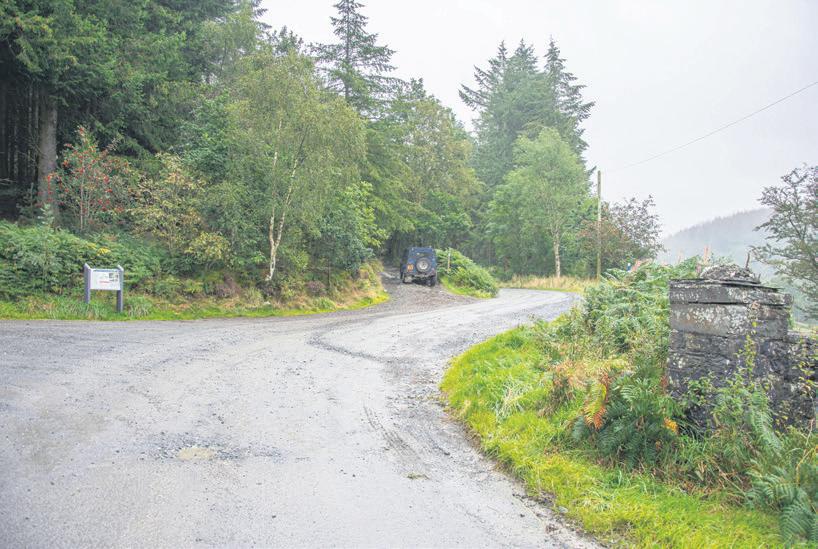
Beyond Claerwen, the monks of old would have continued past the Bronze Age settlement of Bryn Eithinog, long since reduced to just a single standing stone, before joining the valley of what’s now called the Afon Mwyro and finally arriving at Strata Florida. Here, they’d be at the western end of the byway which bears the abbey’s name.
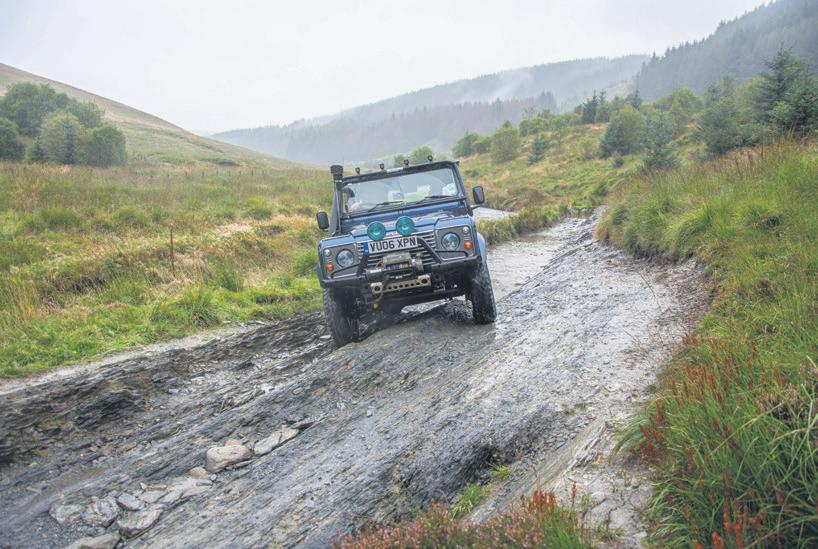
Strictly speaking, it’s not a byway but an unclassified public road. Only once you come to the Powys border (that again) does it become part of the rights of way network. Whatever the definition, anyway, you can drive it – though you need a decent vehicle to do so, and a bit of experience in how to use it wouldn’t go amiss either.
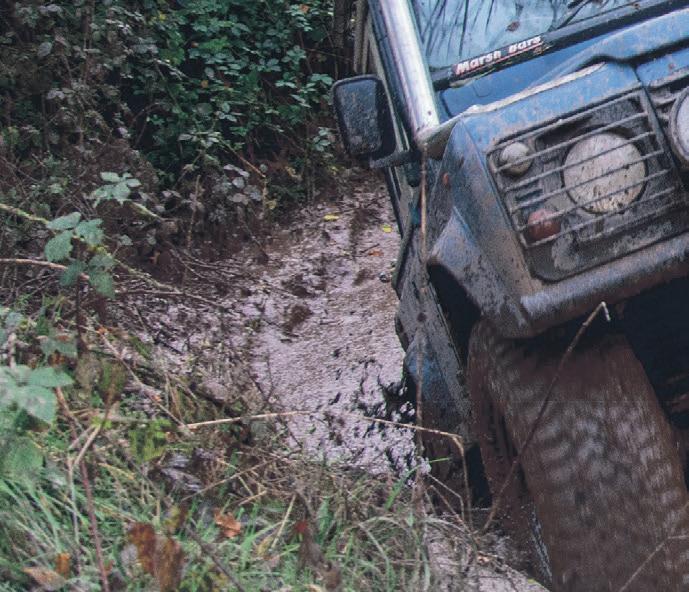
The same can be said for going in convoy. Strata Florida is beautifully scenic for a reason – which is that there’s no-one else there. This is a very good thing most of the time, but less so in you break down or get stuck. Not that the latter should happen, because the surface beneath you is a firm one. When it’s a firm with with several inches or in some cases feet of water on it, however, all bets are off.
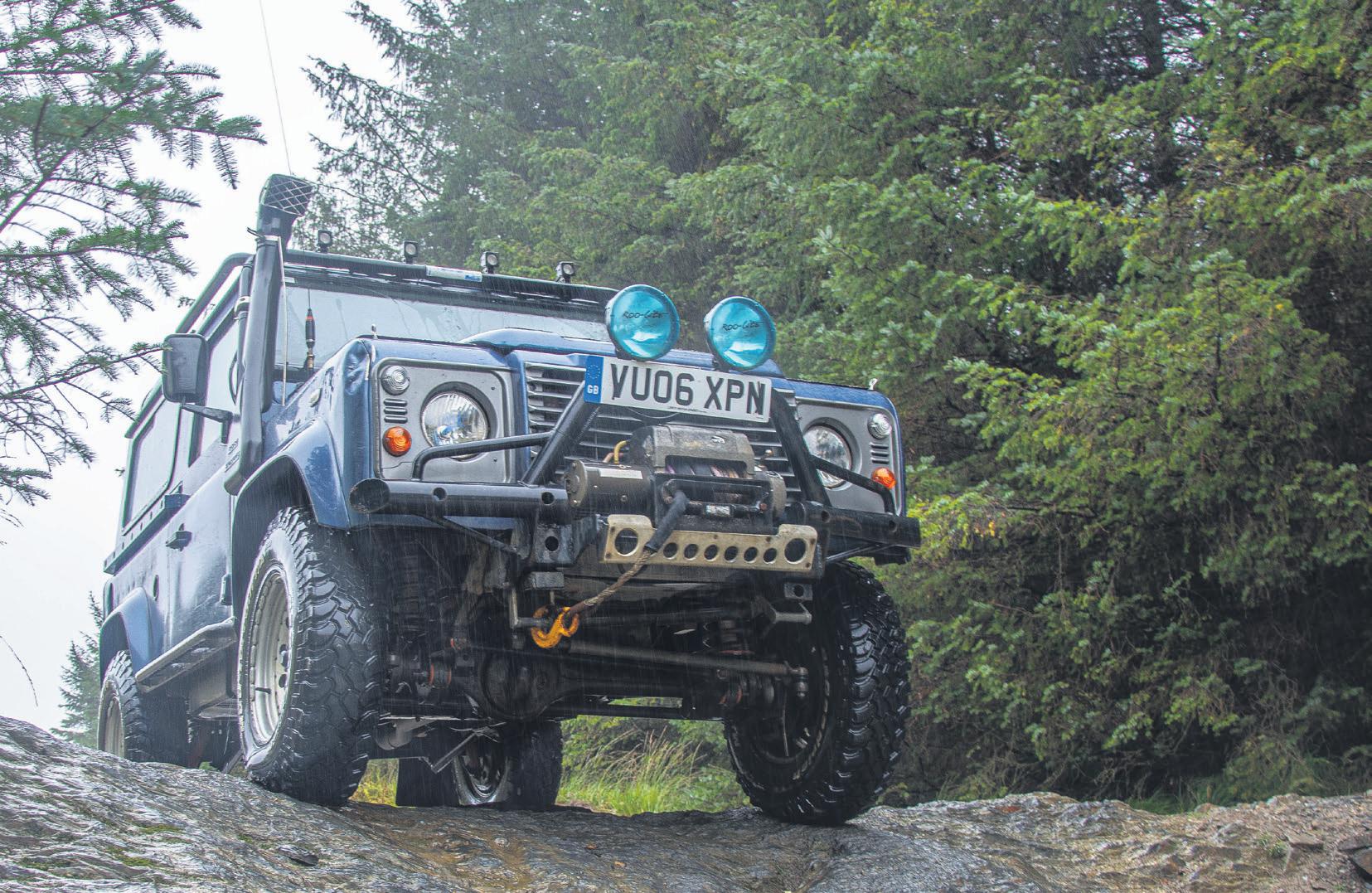
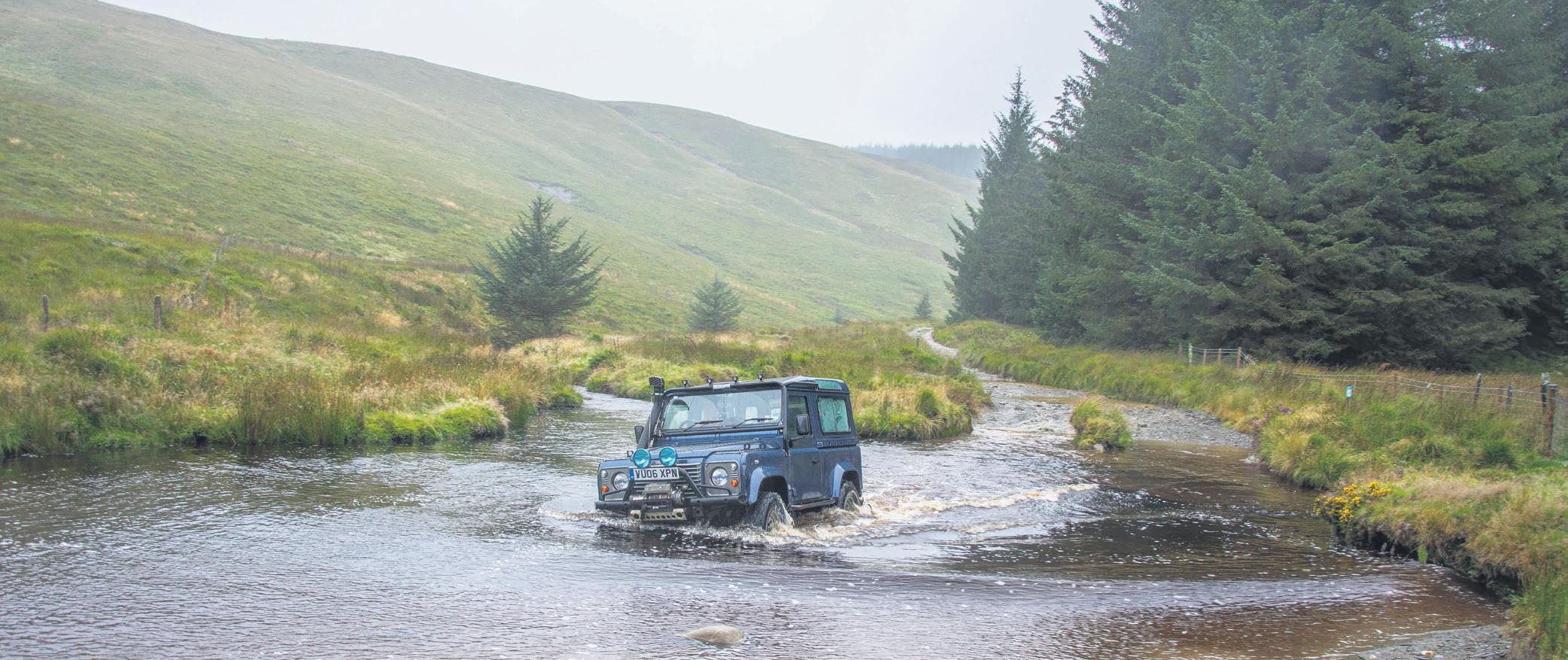
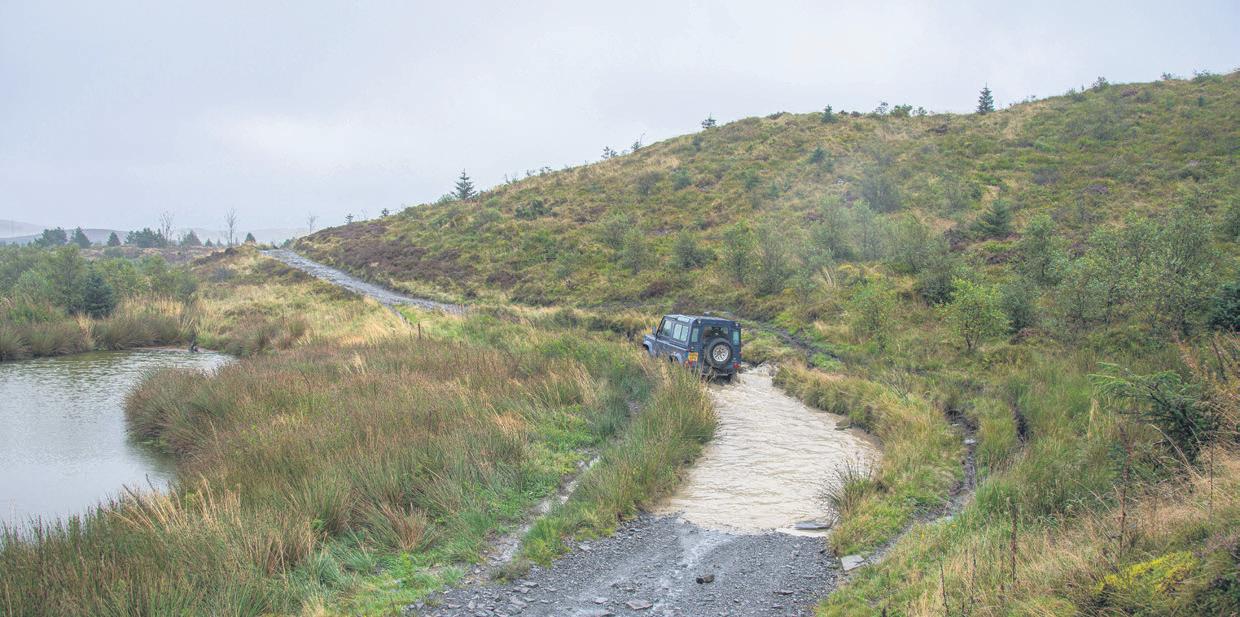
Strata Florida is a very varied lane. But for much of its length, you’re driving in a river valley. If fact, for much of its length you’re driving in the actual river. It’s called the Nant Gwinau and in truth it’s just a mountain stream, but try telling yourself that as the trail dives in and out of it, sometimes even following its bed for lengthy spells then fording
it back and forth via crossings whose depths vary dramatically and can certainly take you by surprise.
What you don’t want to be surprised by is the flash flooding that can happen, and happen fast, when rain has been falling on the surrounding hills. Nant Gwinau is basically a drain, and one with several tributaries, and when it gets deep it gets very deep. Green laning parties have been known to get cut off, with the bothy at Moel Pysgau getting pressed into emergency action more than once as the water crossings become too deep to risk. Tragically, the lane’s story also includes an accident in 2008 which saw a Discovery rolled over by the strength of the current in one of the fords, costing one of its occupants her life.
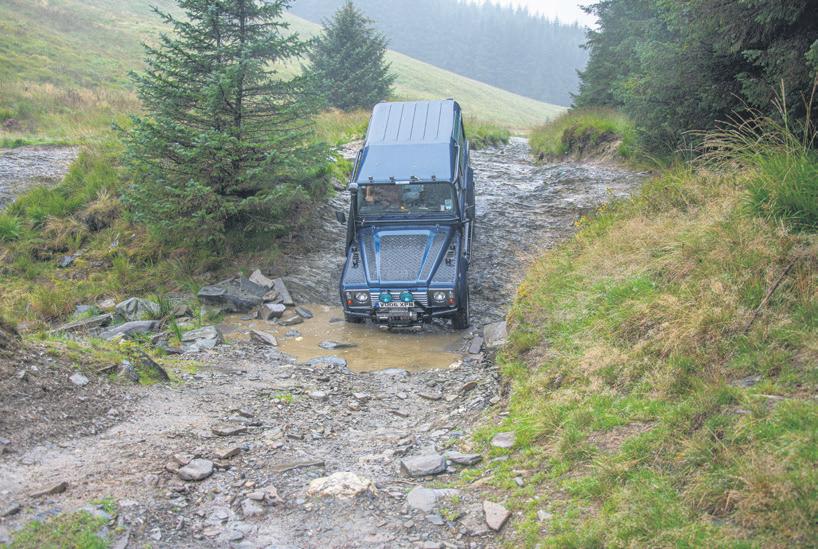
Common sense and caution are your best friends here. But even when water levels are low, some of the crossings are anything but – most notably at the confluence of Nant Gwinau and Afon Tywi, where you find yourself fording not so much a river as a small lake. Even by summer, it can be bonnet-deep; you might not need a snorkel to do it, but it’ll certainly help you to stay calm in the process.
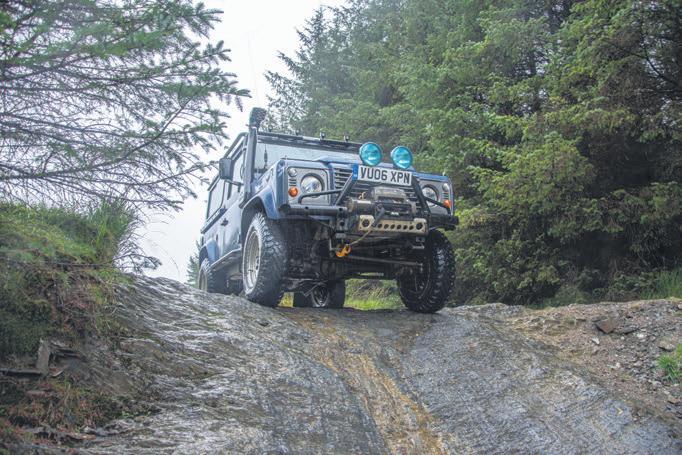
If you’re travelling towards the abbey (that is, from south-east to north-west), this crossing is followed almost immediately by the infamous Bomb Hole. We’re not aware of any actual bombs having been involved in its creation (Ystrad Fflur had a turbulent history,
but at a time when people mainly just hacked at each other with axes and swords), but whichever direction you’re going it will test your approach and departure angles to the max. Heading towards the abbey, it will need some serious traction, too, as you scramble up a steep wall of exposed rock.
There’s an extreme axle twister further west from here which, depending on the wheelbase of your Land Rover, has the potential to bring you to a full stop. The lane is sunken at this point, so using momentum will only end up with you caning your bodywork into the bank alongside you, but without it you may end up with nothing but wheelspin. There can be few better examples of the difference an axle diff-lock can make – a modern Land Rover may
wave its wheels far from the ground in a situation like this but with the benefit of traction management, it will keep moving on a thread of gas where a purely mechanical model may not.
There are various junctions to the west of this that can throw your navigation as the right of way crosses comparatively huge Cat A forestry tracks. It’s an incongruous reminder that however isolated you may be, industry is happening all around you.
Just don’t expect said industry to come to your aid if something goes wrong.
At the north-western end of the trail, there’s a section which is guaranteed to confuse your navigator. Here, again, you find yourself emerging on to a Cat
A track – but in actual fact, the right of way is a rough, narrow trail running
high up on the embankment overlooking it. Not something you’re likely to consider a chore, but a place where it’s easy to go wrong.
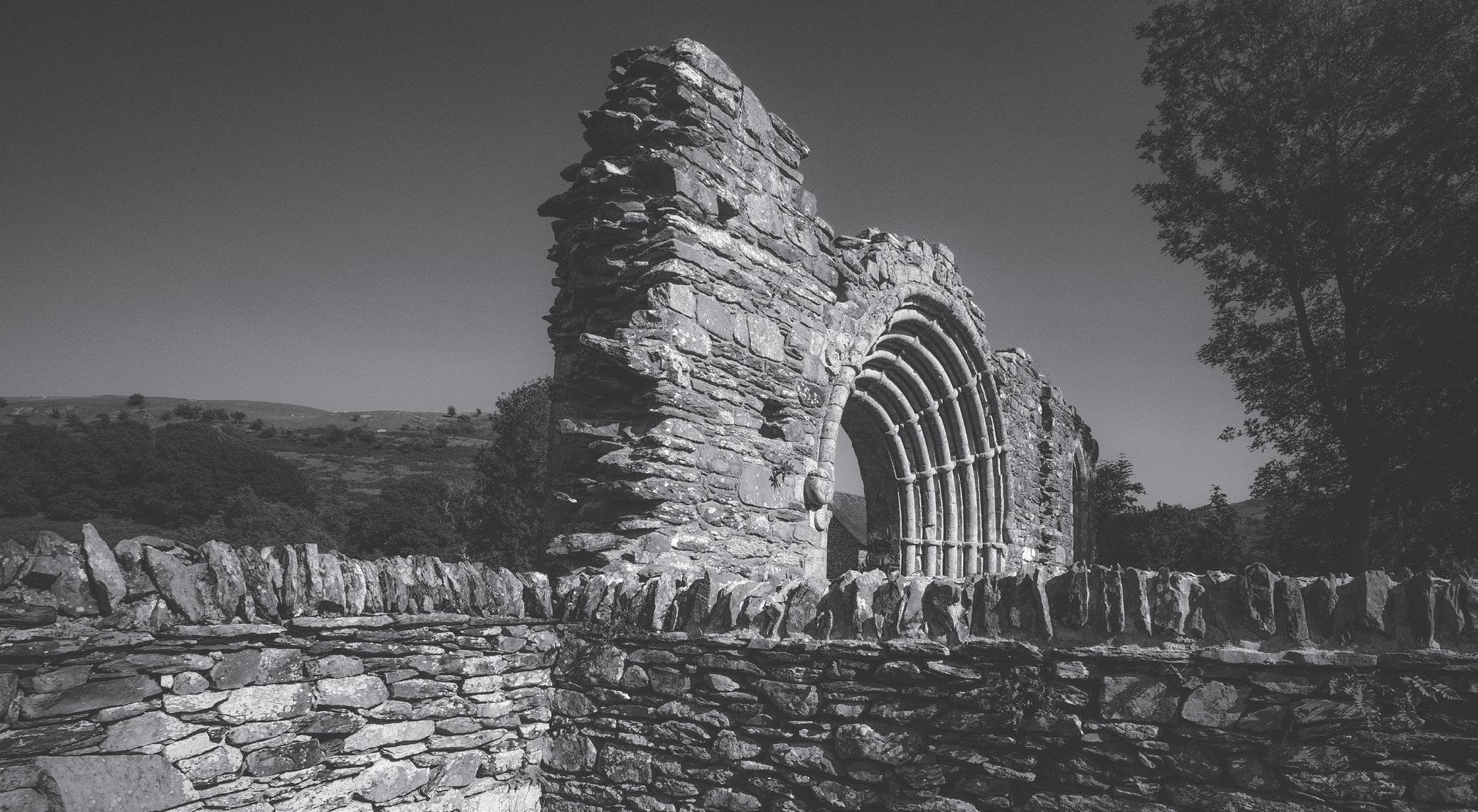
If this is indeed your direction of travel, you’ll come to the abbey about a mile after finally regaining the tarmac. It’s very well worth a visit, too, if only to learn about the history behind the name of such an iconic right of way.
Most green lane runs in the UK involve stitching several tracks together to create a route, but Strata Florida is very nearly all you’ll need for a very fulfilling day spent exploring. And if that day also includes some time learning about the last resting place of so many Welsh princes, at the site of what’s known as the Welsh Westminster Abbey, then so much the better.
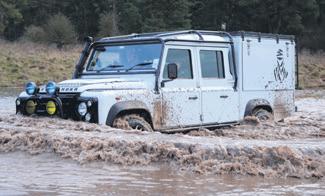
At the confluence of the Nant Gwinau and Afon Tywi, what you’re fording is not so much a river as a small lake. It’s pretty shallow here, however it was raining at the time; by the following morning, the water level was bonnet-deep
The Landy Buyer
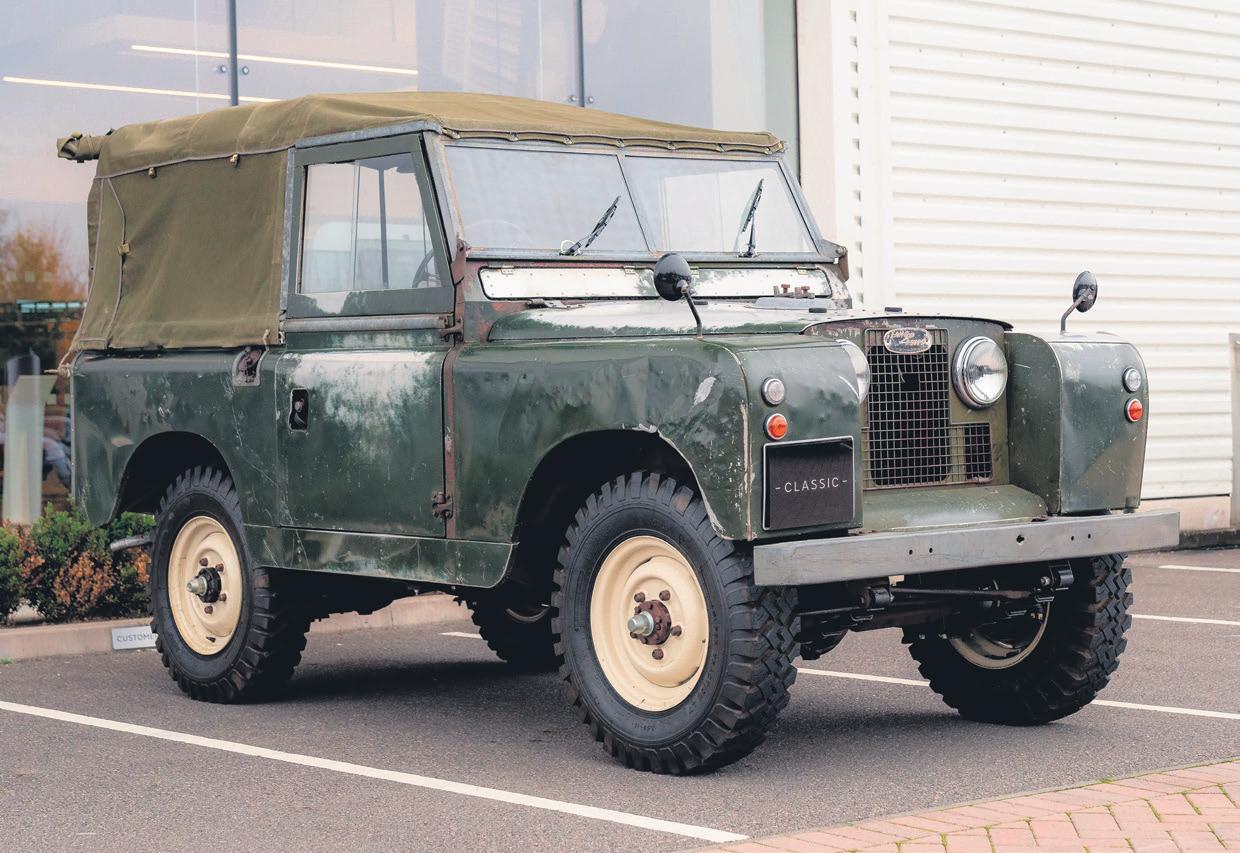
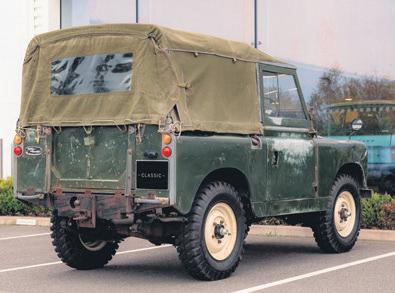
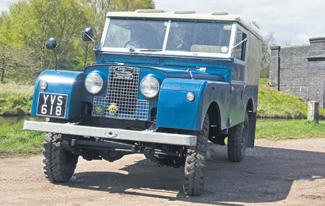
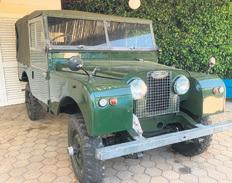
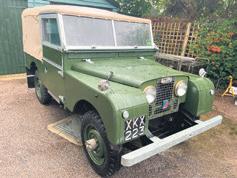
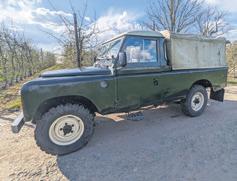
Series I (1948-1958)
The Series I, particularly in its 80” guise, is the most sought-after of
all Land Rovers. Its engineering and design give it real charisma, but parts aren’t readily available. Restoration projects require deep pockets, but see it through and the result will be worth mega bucks.
Gone are the days where you could use a Series I as an actual Land Rover. Because with restored examples changing hands for mil-
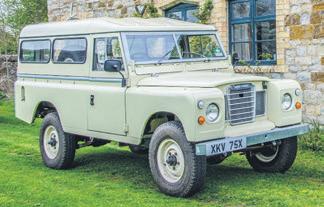
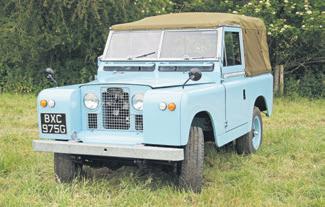
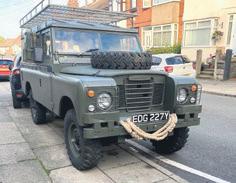
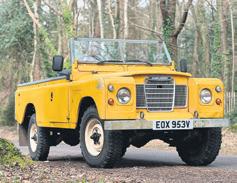
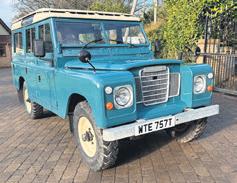
Series III (1971-1985)
The Series III wasn’t too dissimilar to the Series IIA in mechanical
terms, keeping the same 2.25-litre engines throughout the length of its production run.
In 1980, the engines switched to a more durable five-bearing crank rather than the old threebearing setup. The transmission also received syncromesh on all forward gears to make it easier to live with.
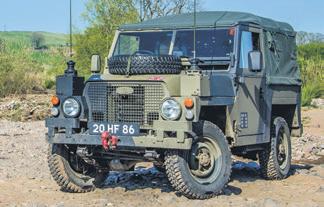
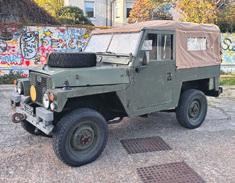
Lightweight (1968-1984)
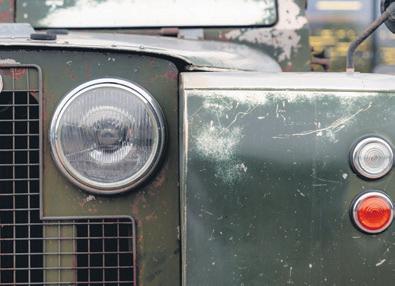
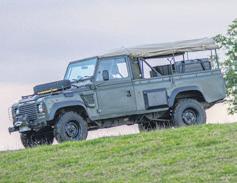
These military vehicles can easily be distinguished from regular Land Rovers. To mimic the civvy Series machines, the Series III model built from 1972 onwards, also had its headlights switched out to the wings.
Lightweights add an extra dimension to owning a Land Rover. Their military history and details mean you get a truck with more stories to tell – and that stands out from the
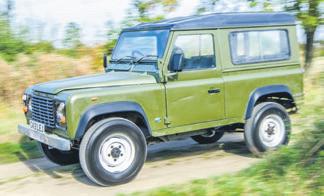
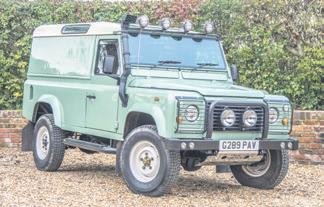
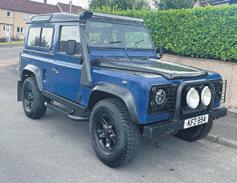
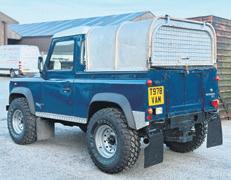
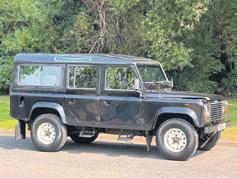
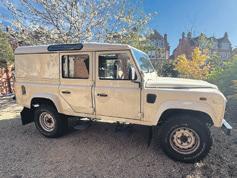
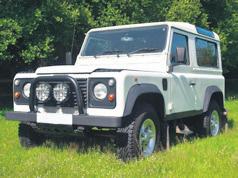
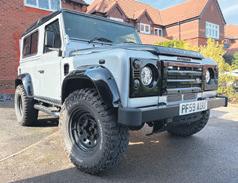
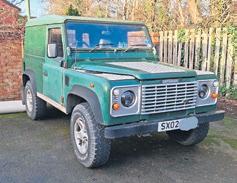
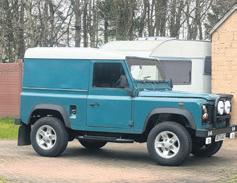
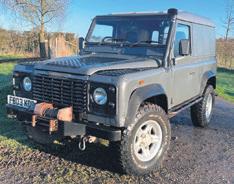
90/110 (1983-1990)
Early 90s and 110s are starting to be a real collector’s item. But you’ll likely be searching far and wide for a pristine example.
£5000-£85,000
lionaire money, preservation is the aim of the game.
The earlier the vehicle, the more it will be worth. The sky’s the limit – but can you really put a price on such an icon?
Pros: Heritage, charm, a true classic, the original Land Rover
Cons: Availability of parts, price tag on early 80s
£2500-£35,000
They still carry the simplicity of earlier Land Rovers, but the Series III remains the most affordable way into owning a leafer.
Pros: Most affordable route into Series ownership. Still has the Series pedigree. Parts still widely available
Cons: Not yet as desirable as the earlier Series models
£3500-£22,000
crowd. They’re a rare breed, though – so if you’ve got one, it’s worth keeping hold of.
Pros: Not like all the other Land Rovers out there. Military background. Lovely 2.25 petrol
Cons: Appearance isn’t to everyone’s taste. Exclusivity over regular models means they command a price premium
£2500-£30,000
much of that early charm. Prices seem to have peaked now, however they still remain strong for good examples.
A 2.25 petrol 88” would be our pick, as the diesel engines were underpowered and rather noisy.
The Series II/IIA is more affordable than a Series I, yet it still carries
The Series II/IIA has a wider stance than its predecessor and adds an extra (thin) layer of
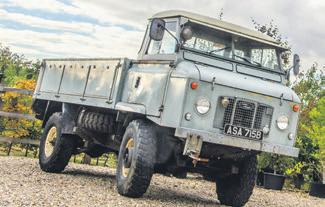
Series IIA/IIB FC (1962-1971)
rarity – with all the cachet, pride and immense awkwardness that comes with this status.
By ‘rare’, we’re talking about less than 2500 Series IIA FCs in total.
And they tended to have a very hard life, so not many have survived to tell the tale.
Forward-Control models differed from everyday Series IIs by having
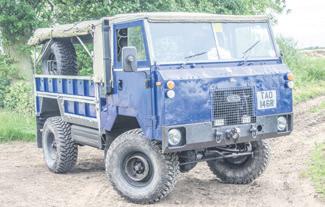
101 (1972-1978)
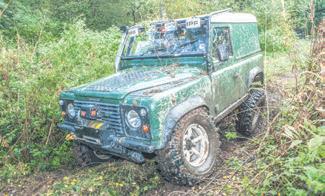
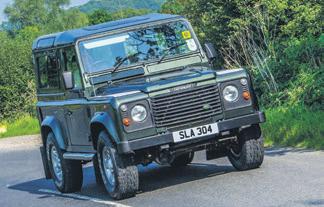
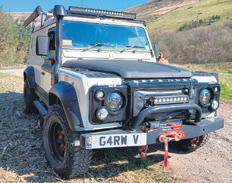
This is Land Rover at its best: a no nonsense workhorse that can also take you just about anywhere in the world.
These Land Rovers had coilsprung suspension, new engines and a world-beating level of rugged off-road capability.
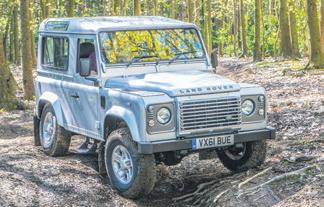
decades if it’s looked after. And with prices having dropped recently, they’re more affordable than they have been for many years. The good thing about the earlier 200Tdi is that it’s simpler than the later 300. What you gain here you lose in refinement, but this is seen by many experts as the best Defender of them all.
Don’t be fooled by high prices. Values have dropped in the last two years, and only a real rarity in pristine nick is worth the money that used to be commonplace.
Pros: Excellent parts availability. Easy to work on. Unlimited potential for mods and restos
Cons: Puny engines (V8 apart) Not many left in good condition
The LT77 gearbox in the 200 Tdi is more truck-like than the later R380, and these vehicles didn’t come with bling. Just be sure it’s an original Tdi you’re getting, not an old Discovery conversion.
Pros: The perfect combination of tradition and modernity
Cons: Lots of horrible and/or deceptive ones around
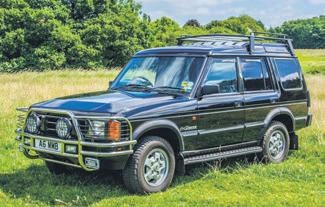
Pros: A sound investment to restore – and enjoy Cons: Bulkheads and chassis rot, springs prone to seizing Series II/IIA (1958-1971) £2500-£40,000
the time came for demob. They were flogged off at very low prices and turned into off-road toys – not something you’d do with one today, given the rarity and classic value they’ve taken on.
Compared to the IIA/IIB FC, the 101 is more fun thanks to its V8 engine. It’s still a military tool, though – some still have fixtures and
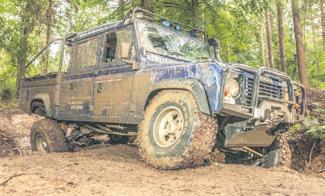
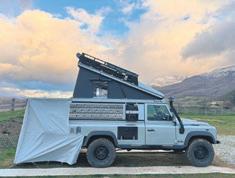
The 127 was built on a special production line in Solihull which took
110 chassis and stretched them. It was designed for military and commercial users and came as a high-capacity double-cab.
These days, it’s very rare to find a 127 that hasn’t been hammered, restored and/or converted, or all three. People looking for a work truck tend to go for a later 130, so the 127 is more of an enthusiast’s
refinement. While the engines have excellent longevity, they need to have been maintained properly. Be thorough in your checks, both under the bonnet and underneath the body.
£2500-£15,000
heavy-duty ENV axles, but engine-wise they had the familiar 2.25 petrol and diesel lumps. So, don’t expect performance – but do expect to be given an ‘interesting’ time in the workshop…
Pros: A Land Rover like no other, if that’s what you want Cons: Especially brutal to drive, and to find parts
£7500-£26,000
fittings from their Army life, which adds interest. This is a vehicle for enthusiasts, though, with costs that are sky-high even by Land Rover standards.
Pros: Master of the road. Lovely V8 soundtrack. Everybody who sees one loves it Cons: Monumental running costs. Expensive to buy, too
motor. It’s popular for home-brewed overland conversions, too.
Almost all
Forward Control Land Rovers are a cult within a cult. They’re a real
Only ever sold to the Army, the 101 became a cult vehicle when
the two are related. It’s much more refined and smoother to drive, though there are more electronics involved so later versions in particular are less of a DIY fix.
The arrival of the 300 Tdi also brought with it the R380 gearbox. This used to have a terrible reputation for relability, but most have been put right by now and they’ve
£3500-£40,000
become sought after for their light clutch and better shift action.
It was during the Tdi era that Defenders started getting things like alloys, too. You might even find one that’s not been off-road… Pros: Strength and simplicity. Perhaps the definitive Defender Cons: Sure to be very different to when it left the factory
a strong performer. It does lend itself to being tuned though, so watch out for abused ones and knackered examples that have been pushed beyond the limit.
As with all Defenders, you’ll need a rear crossmember sooner or later – or even a new chassis.
Despite having more electronics than the Tdi, a Td5 Defender can
£45,000-£185,000
and smooth six-speed gearboxes, They still had phenomenal off-road ability and were even okay to sit in. Famously, this was the Defender that actually had a dashboard You can find special editions and boutique conversions to TDCi models that cost obscene amounts of money. You will pay a premium for any these late
Defenders, however the era of skyrocketing prices seems to be over and TDCis have dropped further in value than the Td5. So a good 2.2. could now be quite a shrewd investment
Pros: Efficiency, creature comforts, off-road prowess
Cons: Price, electronics, TDCi engine is unloved
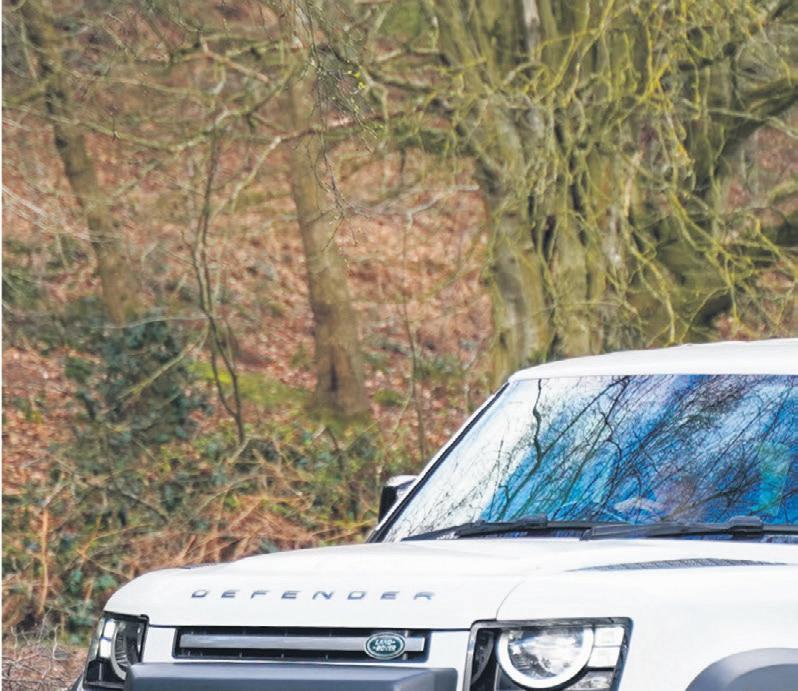
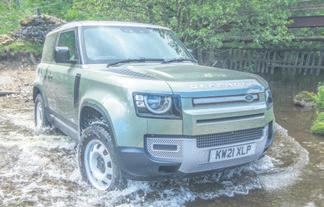
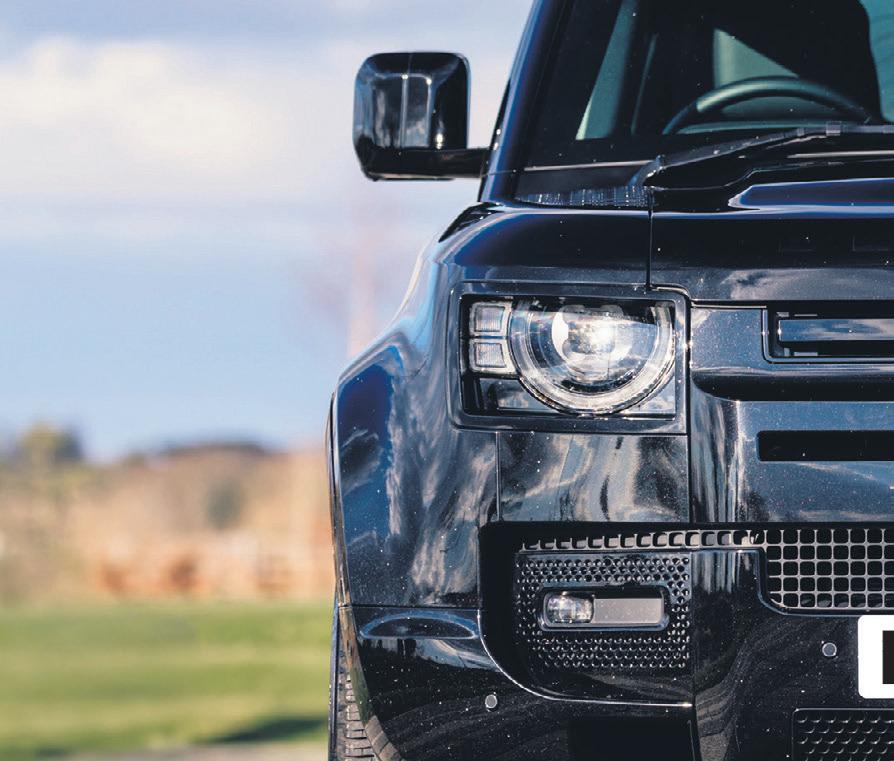
If the subject of the new
to steer it away on to something safer. Like Brexit, for example.
Much as it may infuriate purists, however, the Defender is actually a very wonderful thing. It’s kind of like an old one, only with space, comfort and equipment.
The big difference is that you can’t work on it yourself. This goes for maintenance and, crucially,
making modifications – a market Land Rover wants to take back and have for itself. It won’t hold its value long-term the way an original-shaper does, either. But this is still a superb vehicle.
Pros: Comfort, capability, rugged fitness for purpose
Cons: Not cheap to buy. Lacks the old one’s basic charm
Freelander 2 (2006-2015) £2000-£15,500
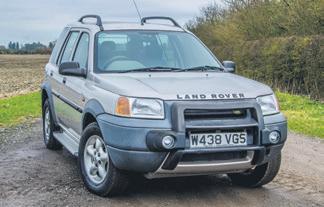
It’s also a notable classic in its own way, as it heralded the start of the company’s modern era. It has its issues, though. The viscous coupling is expensive to replace and can be upset simply by running mismatched tyres. The 1.8 petrol used to be notorious for head gasket failures. Today’s replacements are much
are people who do just that, preferring to invest new-car money in a restoration than spending it on a current model.
It’s a smart policy, too. An early two-door can cost mega money, but any Classic will appreciate in value if kept in good condition –and sought-after rarities like the CSK and LSE can be a gold mine.
more robust, but a late diesel is your best bet. Even these can go calamitously wrong, though. This was a more complex car than it needed to be, and buying one for sweeties now doesn’t change that.
Pros: Cheap to buy, no big rust issues, surprisingly able off-road Cons: All sorts of things can go wrong, some very expensively Freelander (1997-2006) £500-£5000
An awful lot of Rangeys have been neglected and/or abused, and you can still buy they cheap. But if you’ve got the skills, and access to parts, restoring one would be the ultimate hobby that pays.
Pros: Most usable classic Land Rover, V8 power, ride quality Cons: Rust, availability of parts for early models
Range Rover (2002-12) £2200-£24,000
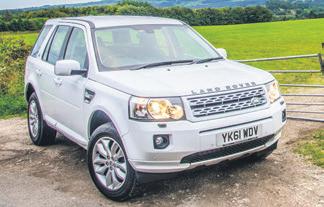
it replaced. It’s a refined and affordable SUV with a strong engine, good equipment and a decent level of practicality.
It’s become one of the most reliable Land Rovers out there, too.
But do be aware of the rear diff and Haldex unit for costly outlays.
The 2.2-litre diesel engine is a strong performer, though for a
A
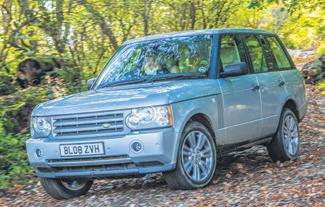
own, even today. The problem is that they’re very complex and very, very good at going wrong.
Air suspension failure is the norm. Head gaskets can let go. Electronics are laughably flaky. And parts can cost the earth – as will the labour bills. Perhaps worst of all, nowadays it’s very hard to find one you can be sure hasn’t
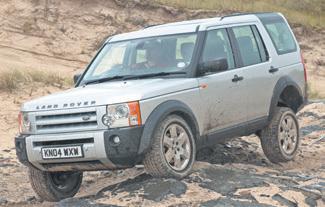
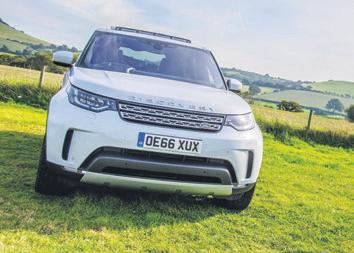
bargain search out one with the unpopular 3.2 petrol unit. Either way, it’s a fine SUV to drive. Prices have fallen since the production ended, too – £15,000 now gets you a late one on tiny miles.
Pros: Reliability, refinement, economy of diesel engine
Cons: Transmissions can wear quickly if used for towing
spent at least part of its life being worked on by idiots
Still, you’ll get a classy motor with proper off-road and towing skills. It’s becoming a classic, too, and prices are still tiny considering everything you get.
Pros: Luxury, price, a Land Rover that doesn’t rust Cons: Electrics. Be very afraid
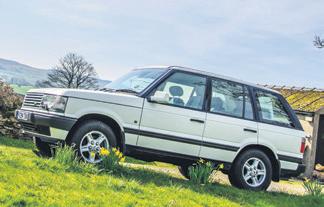
was more reliable than the P38. It’ll still cost a lot to run, however, and drivetrain faults and underbody corrosion are not unknown.
The TDV8 engine is sublime, but you’ll pay more to get one –especially the 4.4, though the 3.6 has all the power you need. The V8 petrol, on the other hand, is temptingly cheap. Guess why…
This isn’t a DIY motor, but it certainly is a Range Rover, with brilliant off-road and towing skills. It relies a lot on electronics, but they work wonders – and the deepdown engineering is very robust.
Pros: Great off-road, luxury, image, TDV8 powerplants
Cons: Very complex. Huge running costs
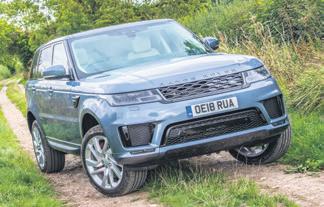
Range Rover (2022-on) £99,000-£220,000
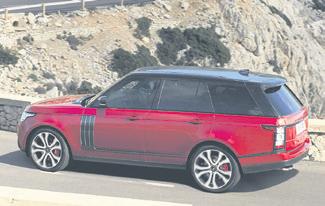
range supply copious amounts of power, and its road manners are absolutely impeccable.
It’s startlingly capable off-road, too, even if getting one muddy would feel like bad form. Most that leave the tarmac probably do so only when their owners are in the mood to blow some grouse out of the sky.
Inside, the Range Rover’s cabin is superb, with sumptuous trim and cutting-edge equipment. Prices are, of course, as immense as the vehicle itself. But if you can afford it, so too is the presence a Rangey will give you.
Pros: Class, luxury, engines, vast all-round capability
Cons: Price
Land Rovers, you’re likely to be thinking about how many real ones you could buy with this sort of money. It wouldn’t make a bad way to tow your collection about the place, though…
Pros:
If
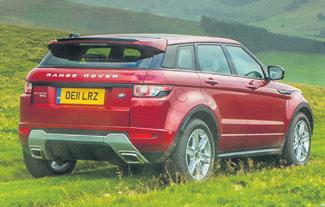
a supreme off-roader as well as being a funky road ride. It doesn’t handle
Defender comes up in enthusiast circles, try
The 300 Tdi engine is very different to the 200 unit it replaced, though
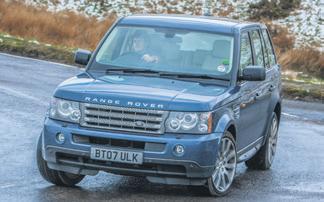
The Mk3 Range Rover hit new heights of luxury and
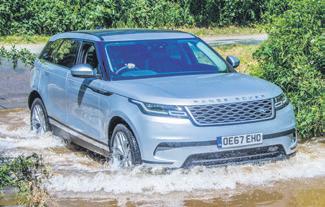
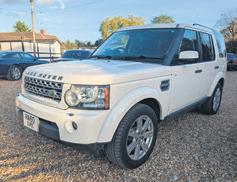
The fourth-gen Range Rover is a majestic 4x4. All the engines in the
The Freelander 1 is a cheap gateway into Land Rover ownership.
The Freelander 2 was a massive improvement on the model
The original Rangey is a classic you can use everyday – and there
Mk2 Rangey in good working order is still a sensational car to
The fifth-generation Range Rover takes its position as a luxury car