summer 2026 | complimentary














summer 2026 | complimentary
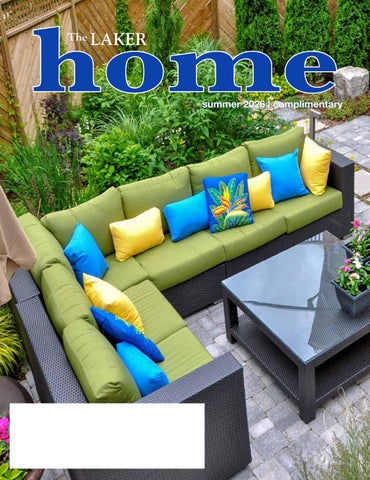
When considering the purchase of outdoor furniture for your Lakes Region home, a nice patio set is great for entertaining and holding barbecues, but when it comes to relaxation, nothing beats a hammock, swing, or sun lounger. Each is versatile and can offer a touch of nostalgic charm to the property.
By Thomas P. Caldwell
Hammocks are especially advantageous because of their lighter weight and flexibility. They can be set up between two
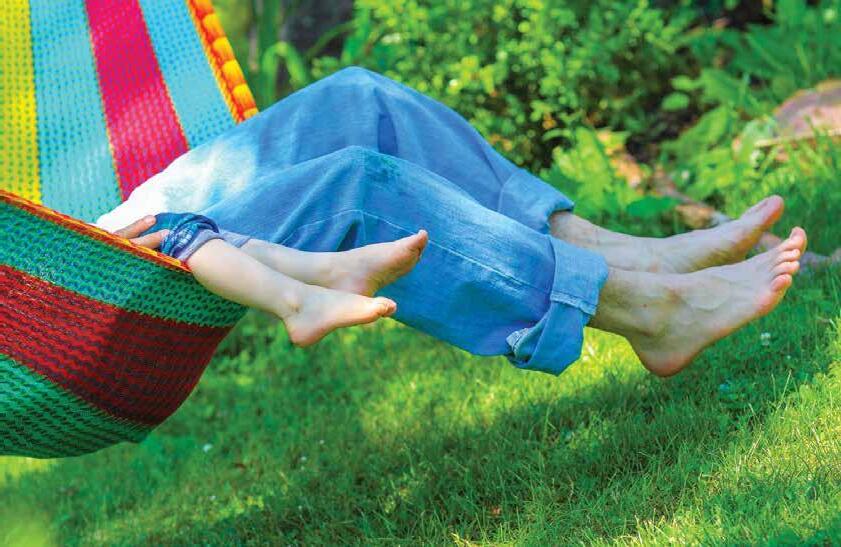
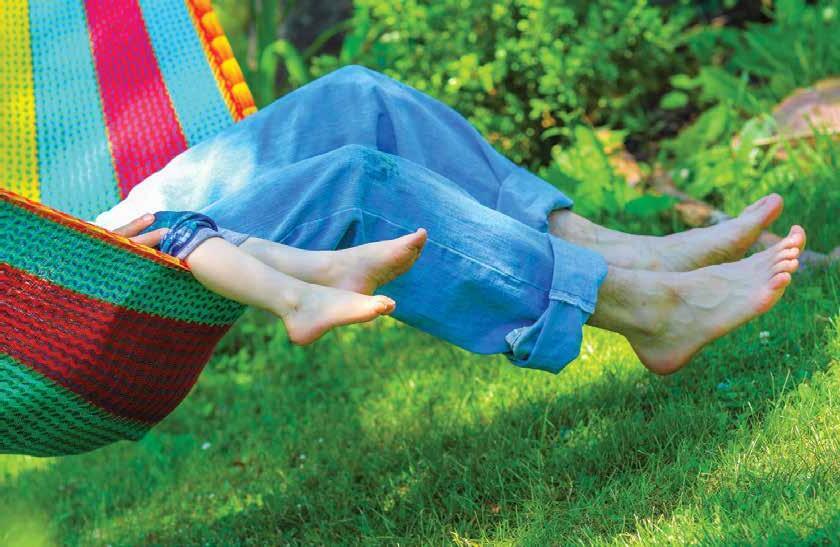

trees, placed on a stand, or erected between other types of support, such as between walls or posts. Lying on a hammock embraces a feeling of weightlessness and, because it has the ability to adapt to the body, it encourages relaxation and provides the perfect setting for a peaceful nap in the fresh air.
Hammocks are easy to transport, which means they are perfect for those venturing out on a camping trip, but that ease also means they can effortlessly be moved to different places in the yard. When not in use, they can be easily folded and stored.
Choosing a hammock from all the types and models available can seem a bit daunting, but the search can be narrowed by taking some things into consideration ahead of time.
The first thing to consider is what space is available on the property for the installation of the hammock. Hammocks generally come in lengths between nine and 14 feet, and then one has to take into account the space needed for their stand or other supports. Typically, a hammock will require at least two feet on either end.
Other considerations are the hammock’s weight capacity, its weather resistance, the durability of its material, and the ease of setting it up.
A proper single-person hammock should support at least 300 pounds. The exception is a hammock intended for use only in camping. In that case, you will want to minimize the carrying weight, which may reduce its ability to support as much of a load. Typically, camping hammocks will support 250 pounds.
For greater comfort, you may want a wider hammock, or perhaps you want one able to accommodate more than one person. In that case, the hammock should be able to support
400 to 500 pounds, and heavy-duty models can support as much as 600 pounds.
A typical suspension system relies upon carabiners that attach the hammock to nylon ropes or web straps. In setting them up, the straps should be positioned at a 30-degree angle, which is enough to allow the body to easily nestle in the hammock without it sagging so much that the body sinks into it and the back is bent so much that it leads to discomfort.
There are hammocks that come with suspension frames, some of which may have four points of attachment instead of two. That will provide more stability to avoid flipping over, which otherwise can be a problem when trying to get into or out of the hammock.
Most hammocks today have spreader bars at the head and the foot to hold the fabric wider, providing a more flat surface to lie upon and preventing the hammock from folding in on itself. Models without a spreader bar can enfold the occupant like a nurturing cocoon, but they also can more easily flip over.
When it comes to the material used, some hammocks are made of less-durable but more comfortable cotton rope; others of polyester fabric, which is resistant to rot, mold, and mildew but is less comfortable; and still others are made of a synthetic blend rope designed to combine the soft feel of cotton with the durability of polyester. The latter material also is non-absorbent and quick-drying. That choice helps to determine how expensive the hammock is.
As an alternative to those types of hammocks, you may want to choose a hammock chair. Instead of being designed for lying down, hanging hammocks provide support for sitting upright.


Logovariationstobeusedonwhiteorlight backgroundcolors.LogowithoutDogHeadtobeused indigital/webapplications.

Some of them are designed as swings, while others are just suspended seats. Either way, a hammock chair is more stable and less likely to flip over than a standard hammock.
Another advantage that hammock chairs hold over traditional hammocks is that they can fit into smaller spaces, such as on patios or balconies, and they require only a single anchor point. Like regular hammocks, they can easily be taken inside during inclement weather, or when not in use, to extend their lives.
Yet another choice for those who really want to stretch out is a full-length swing. While they require more space than a hammock chair, their back-and-forth motion is as relaxing as a rocking chair. They also serve as an invitation to other people to sit down and share in an afternoon or evening of socializing.
One must not overlook the appeal of sun loungers. Those chairs have an advantage over swings and hammocks of any type in that they are stable and provide adjustable support. Most sun loungers feature an adjustable backrest that allows one to choose different angles for reclining. They may not be as suitable for sleeping as a hammock (although dozing off is quite possible), but they are ideal for relaxing, sunbathing, reading, snacking, and even working on a laptop.
Many sun loungers offer comfort without cushions, but having cushions provides an additional level of comfort. Sun loungers are also able to withstand exposure to the sun, rain, or wind, and they require very little maintenance.
Whitetextonlylogoistobeusedonsolidbrandcolors.DONOT PLACELOGOONANIMAGEORBUSYBACKGROUNDORUSE LOGOASADIFFERENTCOLOR.THESELOGOSCANBEUSEDAS BLACKONALIGHTCOLORINAGRAYSCALETREATMENT.
The broad availability of hammocks, swings, and sun loungers means that, whatever your approach to backyard relaxation, you will be able to find the one that transforms your home into a zone where you will want to pass some time enjoying life.





Backyards are experiencing a resurgence in recent years. Driven largely by a collective desire to reduce screen time, which has surged among many age groups, particularly children, families are investing in physical play and recreational options at home. Indeed, All About Play notes the global outdoor toy market is a growing industry valued at around $23 billion in 2026. Fortune Business Insights says outdoor play has an expected steady growth of 4.65 percent annually through 2034.

Modern outdoor spaces feature far more grass and a swing set. Such areas have evolved into activity hubs for everyone who wants to spend time in the yard. Whether a homeowner has a small patio or sprawling acreage, these games can make outdoor entertaining spaces more fun.
• Cornhole: A reigning champion of “toss” games, cornhole has legions of fans. Hard-core players may want to invest in regulation-sized solid wood seats and weather-resistant professional bags.
• Pickleball: Portable pickleball nets allow for quick pop-up courts on grass or driveways.
• Supersized games: Large versions of popular indoor games
like Connect 4® and Jenga® enable play to be more hands-on and physical.
• Active play: The rise of digital active play systems has moved outdoors. Systems like Nex, for example, employ motion sensors to turn a backyard into a live-action video game. This bridges the gap for tech-savvy kids and adults who want to spend more time outdoors.
• Virtual reality: In a similar vein, players can take VR gear outdoors and enjoy the same rush of virtual play while outside in the fresh air.
• Modular playgrounds: All About Play says recent industry reports indicate the North American outdoor play structure market is expected to reach $850 million by 2033. Families are prioritizing one-stop play environments that include modular set-ups. Instead of single-use equipment, families are looking for systems that combine trampolines, adjustable basketball hoops, and climbing frames, among other options.
Moving outdoors into the yard for recreation can be good for physical and mental health. Trends indicate certain backyard activities are particularly popular. ~Metro













By Mike Moore
Trying to design the perfect backyard can be quite an undertaking. Up here in the Lakes Region, there are many factors to consider when putting together the ideal setup for outdoor entertainment and leisure when you are up for the summer months. Whether you are tackling the project yourself or hiring a company to create the perfect backyard retreat, there are a multitude of ways to ensure that you and the family can
Grove Shops offers award winning internationally recognized Balsamic Vinegars, Olive Oils, Italian Pastas, handmade Chocolates & Truffles. Elevate your home cooking skills, or discover the perfect Hostess gift or housewarming gift... stop in and taste the freshest olive oil or decadent chocolates you have ever tasted. We look forward to helping you discover all of the wonderful flavors available.
We are located inside Belknap Marketplace across from Shaws. 603-527-8229
spend as much time outside enjoying every bit of your yard, from the early morning sunrises to the late-night campfires all summer long.
With thousands of square miles of forest and lakes, each yard can have a different sun and shade pattern than the next. Not everything your neighbor sets up in their yard will necessarily work in yours to keep you and your family comfortable and enjoying the outdoors. There are several important factors












concerning weather, nature, and wildlife to consider when getting the outside of your property ready for use. A cost-effective and simple-to-install option is a simple patio. We are in the Granite State, so finding a large enough area that is level and smooth enough to pour a cement patio or to lay down patio blocks can be tricky. But constructing a deck can resolve that issue in even the rockiest of backyards. As an added effect, a deck can be raised off the ground, however high is needed to capture the perfect view and provide stable walking areas. There are some things to consider before taking on a project like building a deck. The wood used is often pressure-treated, but the harshness of all seasons in New Hampshire gives your deck a shorter amount of time before needing to be repaired or replaced than having a more solid structure, like a patio. There is also a matter of expense. Patios can be a more affordable option for the do-ityourselfers, but the addition of a deck provides the owner with a bigger boost to the value of their home.
A screened-in area is an added benefit to any New England backyard, whether close to the water, deep in the woods, or even along your town’s Main Street. Those closer to the water will have to factor in extra mosquitoes and bugs when planning out their outdoor entertainment setups, as we have officially named mini seasons after unwelcome flying visitors like black flies and mosquitoes. Installing screening on those porches and decks around your house can keep out the pests, but they also feel like having a whole new room added to your home. You’re able to get a dose of the warm summer breezes during the early July nights without having to contend with the surrounding nature. And it’s not just keeping out the critters, for the heavier pollen areas,
having screening up will make your porch the ideal place to get some fresh air without the allergies acting up.
Adding screens to keep unwanted bugs and little critters out of your porch area is a straightforward process for the right structure, and many homeowners can complete the screening themselves. For those who already have a deck and porch railings, it will be important to ensure that the screens can be fastened tightly and securely to not allow for any seams or gaps. If the area you want to screen in a patio or cement surface, you will need to frame out the area to properly fasten the screening. Simply lay down and secure some 2x4 studs along the bottom as a base, and also along the top just underneath the overhang. For larger areas, consider adding studs every four feet so the screen will remain tight against the wood framing. Fiberglass screening can be picked up at any hardware store, as well as a “roller knife,” which is the preferred tool to use to make precise cuts. Some folks will utilize screen framing base strips, rubber adhesive, and vinyl covering for some extra aesthetic appeal, while others might just need to staple or nail down the screen to the framework to get an effective enough seal.
Not all summertime entertainment can be had in the cozy confines of a screened-in porch though. It’s great for eating a hot fudge sundae and watching the lightning storm on a hot summer night, but gazebos and patios out in the middle of the yard are better options for those looking to soak up some sun, throw a big party, or fire up the grill. Creating this type of space in the backyard is a terrific option for those with the type of view that just can’t be obstructed by roofs or support beams, but if set up in an area of your yard that is notorious for bugs or is not well
For more than 20 years, Sacred Tree Herbals has helped people discover the healing power of plants. Our Meredith herbal apothecary offers handcrafted remedies, medicinal teas, tinctures, skin care products, essential oils, and wellness tools for natural living.
More than a shop, Sacred Tree Herbals is a center for herbal education and holistic wellness, offering workshops, plant walks, herbal training programs, Reiki services, and wellness consultations.
Visit our shop, explore our classes, and discover how traditional herbal wisdom can support modern wellness.




protected from inclement weather, you might not get too many people to come over to those parties on the patio. With a gazebo, the structure offers the protection and quaintness of a covered deck with its roof, but also has the feel of the more spacious patio, keeping those million-dollar Lakes Region views available for all to see.
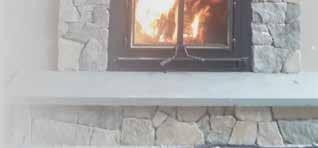
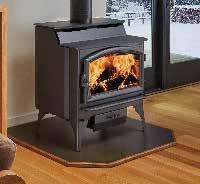
Those who consider themselves handy enough to build a deck could certainly take on the construction of a gazebo, but there are also a wide variety of local businesses that specialize in just such services. Eased Edges in Laconia has been turning backyards into wonderlands for over eight years. In addition to installing maintenance-free gazebos, they can outfit your yard with a variety of other amenities. Their outdoor stoves and fireplaces are their marquee product, with a variety of decorative outdoor options that will add some style and warmth to the


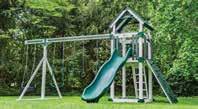
backyard. Their stove selection even extends to the indoor models, with options available that run hot enough to heat an entire house or cabin. But Eased Edges offers more than just fireplaces and hearths. They have the perfect companion for your backyard pool with a variety of options of hot tubs. Grill masters can take their expertise to new heights with one of their topof-the-line grills and smokers available. They also can create the perfect playground for the kids, with dozens of options ranging from the traditional old-fashioned swing sets, to expansive playgrounds, complete with two stories, slides, and even a large replica ship. Every beautiful yard can use a proper storage area, and Eased Edges has a variety of selections in their backyard and elite collections. Using high-end material and providing top-notch expertise when installing or maintaining their many different products is what has kept the outdoor living experts successful in an extremely competitive field for this area right from the start.


Mother Nature provides the Lakes Region with some of the most gorgeous weather year-round. But during the summer months, the number of things to do outside in New Hampshire is too large a list to miss out on. Whether you’re enjoying some wine with the neighbors out in the gazebo, soaking in the hot tub after a long day waterskiing, or just enjoying the scenic views from an easy rocking chair on the screened-in front porch, finding the right configuration for your yard can help elevate those summer memories with a few less bug bites or mud puddles along the way.

The sun is vital for life on Earth. But the sun also poses a threat to human beings, particularly when they don’t prioritize sun protection. Ultraviolet rays of the sun can cause damage to the skin, eyes, and more, leading to premature aging, sunburn, and even cancer.
Wearing sunglasses while in the sun and routinely applying sunscreen are some simple ways people can protect themselves from sun damage. Johns Hopkins Medicine says proper sunscreen use helps prevent most of the poor effects of sun exposure. Sunscreen needs to become a part of one’s daily routine rather than just something to apply before a visit to the beach. The American Academy of Dermatology Association offers these tips from board-certified dermatologists regarding the proper use of sunscreen.
• Use SPF 30 or higher. Choose a sunscreen that has a sun protection factor (SPF) of 30 or higher, and look for one that is water-resistant and provides broad-spectrum coverage, which handles UVA and UVB rays.
• Try tinted iron oxide. Sunscreens that are tinted with iron oxide offer better protection for the skin against the development of dark spots. Iron oxide protects the skin from the sun’s visible light.
• Apply ahead of time. It takes approximately 15 minutes for the skin to absorb sunscreen and provide protection. Therefore, it’s best to apply it well before heading outdoors.
• Don’t be stingy. It’s important to use enough sunscreen. Most adults need about one ounce, at a minimum, of sunscreen. That’s about enough to fill a shot glass. This will help fully cover


skin that is not protected by clothing. When applying sunscreen to the face, at least one teaspoon is needed. Always rub sunscreen thoroughly into the skin to ensure it is absorbed and evenly distributed.
• Recognize that order doesn’t matter. As long as the sunscreen is at least SPF 30, water-resistant and broad-spectrum, the order it is applied does not matter. It can be applied before or after other skin care products and makeup. It’s best for a person to figure out what works for their routine.
• Know that most ingredients work. Sunscreens are often grouped into two categories: chemical and mineral. Chemical sunscreens use ingredients like octisalate or homosalate to work, while mineral sunscreens use either zinc oxide or titanium dioxide. Both chemical and mineral sunscreens are effective, but people with sensitive skin may want to go with mineral sunscreens, which often leave a noticeable white cast on the skin.
• Reapply frequently. It’s important to reapply sunscreen every two hours, and immediately after swimming or sweating. People who get sunburned often use too little sunscreen or didn’t reapply the product enough.
• Check the expiration date. Sunscreen expires and can become ineffective. If the sunscreen has been sitting around for a while, it’s probably best to toss it and buy a new bottle.
Skin is exposed to harmful UV rays every time a person goes outside — even on cloudy days and in winter. It is essential to make sunscreen application part of a daily wellness routine. ~Metro




Life outside is all about enjoying the beauty of nature. When warm weather beckons, it’s comforting to know there’s an accessible outdoor space to relax and soak up some sun.
While the chance to enjoy some time in the sun is a great reason to get outdoors, sometimes the sun can compromise comfort when enjoying exterior living spaces. No one wants to melt while spending time outdoors, and al fresco dining with the sun in your eyes can make dinnertime less enjoyable. Thankfully, these shade options can help ensure days out back on the patio or deck are more comfortable.
• Structures: Various structures can be constructed to keep outdoor living spaces shaded from the sun. Structures are an expensive yet effective option. The final cost of a structure such as a pavilion, will be affected by numerous variables, including the size and footprint of the space, the materials chosen (including the roof of the structure), and any customizations buyers go for. The online renovation resource HomeGuide notes that structure costs vary considerably by type. For example, HomeGuide notes a pergola may cost as little as $15 per square foot, while a gazebo could cost as much as $100 per square foot. While this is likely the most expensive shade option, a structure with a roof is a sure bet when looking to shade a space.
• Canopy: If structures are the most expensive option to shade an outdoor living space, a canopy might be the least expensive. But canopies can be effective. The size of the canopy will determine
the final cost, but this option likely won’t burn too big a hole in homeowners’ wallets, as canopies can be had for anywhere from $50 to a few hundred dollars. Many modern canopies provide UV protection and can be erected in as little as 10 minutes. If you’re considering a canopy, be sure to confirm if a product comes with posts or if those must be purchased separately.
• Retractable awning: The sun hits different areas of a property at different times of day. The flexibility of a retractable awning can make sure an outdoor space has the sun protection residents and guests need when the sun is hitting areas where everyone tends to gather to eat, relax and hang out. A retractable awning must be mounted to a structure like a home, a shed or a pool house, so this won’t be an option for people looking to shade spaces that are not near such structures. A motorized awning can provide instant and effective shade when the sun hits areas where people are hanging out.
• Trees: Of course, shade need not be man-made. Strategically positioned shade trees provide lots of cooling shade during times of day when the sun is at its hottest. The shorter a tree is at the time of purchase the less it will cost. However, if instant shade is necessary, homeowners may want to splurge on taller trees to ensure immediate comfort.
The hot sun can quickly spoil an otherwise perfect day in an outdoor living space. Fortunately, there are many ways to shade such spaces from the hot sun.~Metro
www.kitchensofwolfeboronh.com





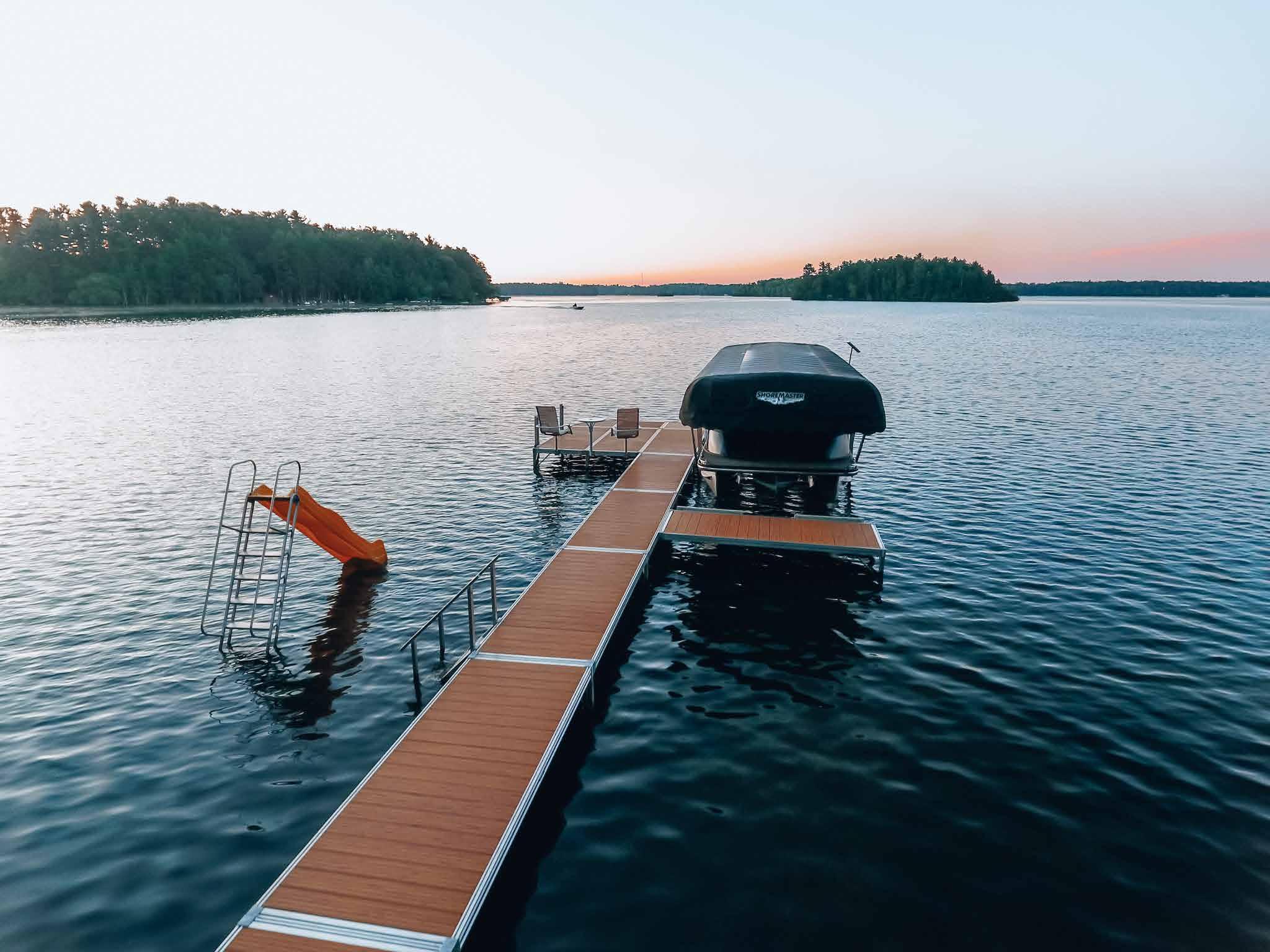
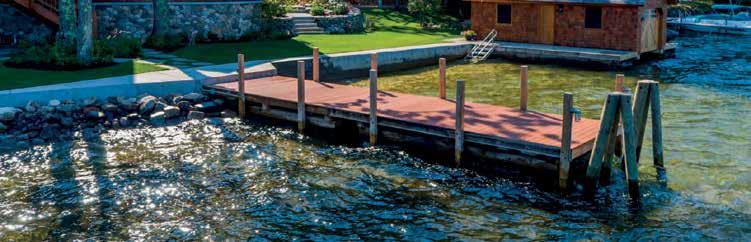
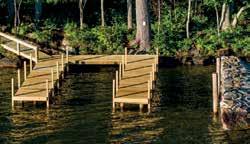
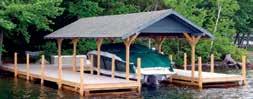
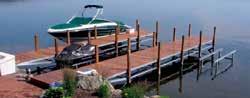
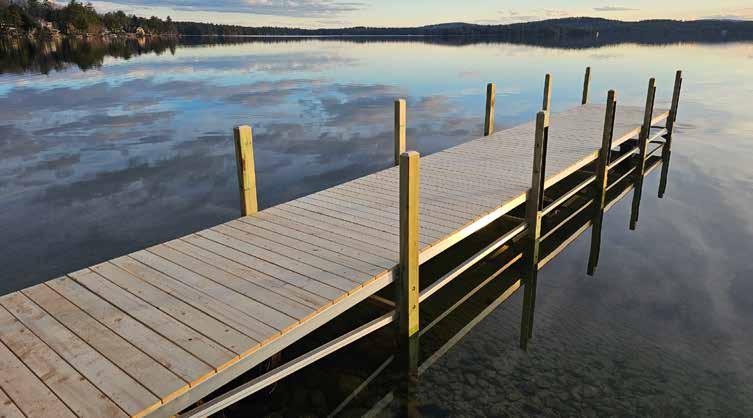
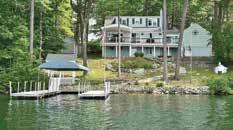
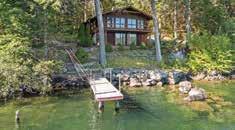
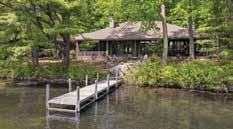
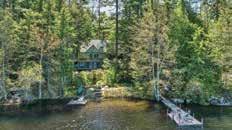
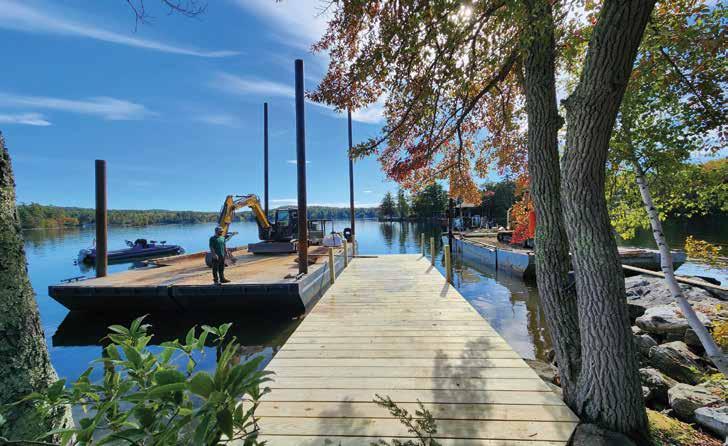
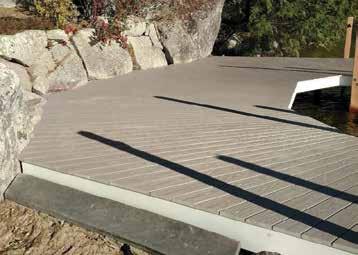
ShoreMaster Aluminum Docks: Strong, lightweight, and easy to handle. Enjoy the removable decking panels and the added strength of 5-sided easy-adjust legs.

Road trips evoke a carefree spirit. While a road trip can offer a sense of freedom, without a solid financial plan in place, a liberating driving vacation can be a source of stress. In 2026, rising fuel and hospitality costs have made it essential to establish a budget before taking to the open road.
This comprehensive plan can help anyone build a realistic road trip budget to cover the essentials and leave a little room for the unexpected.
The Major Expenses


Expenses will vary based on the destination and the scope of travel, but there is one major consideration for a road trip that is pretty predictable: fuel. By calculating the total miles of the trip, dividing it by the vehicle’s mile per gallon estimate, and then multiplying that number by the average cost of gas, a person can get a good idea of fuel expenditures for the trip. Incorporate a buffer into the mileage estimate for any detours, traffic idling, decreased fuel efficiency, and other variables that can affect the trip, says the U.S. Department of Energy.
Lodging
The bulk of a driving vacation may take place on the road, but there comes a time when driver and passengers will need to rest. That’s when accommodations will need to come into play. Camping or staying in a recreational vehicle can be a budget-friendly option for those looking to save money. Hostels and basic motels are additional budget-friendly lodging options for travelers. Standard hotels or vacation rentals can cost between $150 to $300 a night, so extra money should be budgeted accordingly.
Food Costs
The financial professionals at Chime report that the average traveler spends about $60 per day on food. Multiply that by the number of travelers, and it’s easy to see how quickly food costs can add up. Road trippers can pack a cooler with some grab-andgo options for breakfast and lunch to save a little money.
Additional Costs
Driving vacations may come with some other costs, too. Tolls, parking, vehicle maintenance before the trip starts, entry fees to attractions, souvenirs, and more are variables that merit consideration when building a budget. It’s also a good idea to have an emergency fund for a breakdown or a splurge.
Once estimates are mapped out, it’s easier to see the bigger picture of what a road trip may cost and adjust the vacation accordingly. ~Metro
By Kathi Caldwell-Hopper
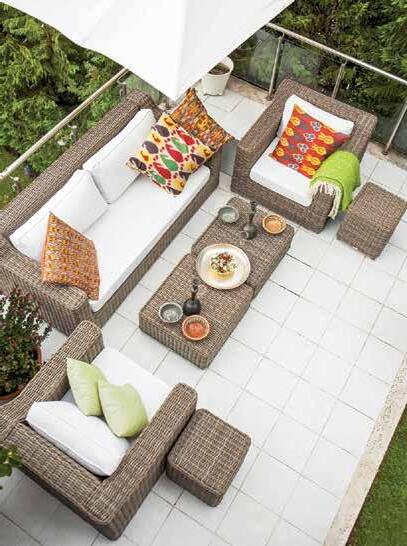
When the weather turns warm, it is only natural to move outdoors. For those who just about live in their backyards, on their decks and lawn in the summer, furniture is a necessity.
When we move outside, we pull out the lawn furniture and may realize things need some improvement. Wicker chairs are becoming frayed, metal frames on furniture are getting rusted, and maybe the grill needs to be replaced.
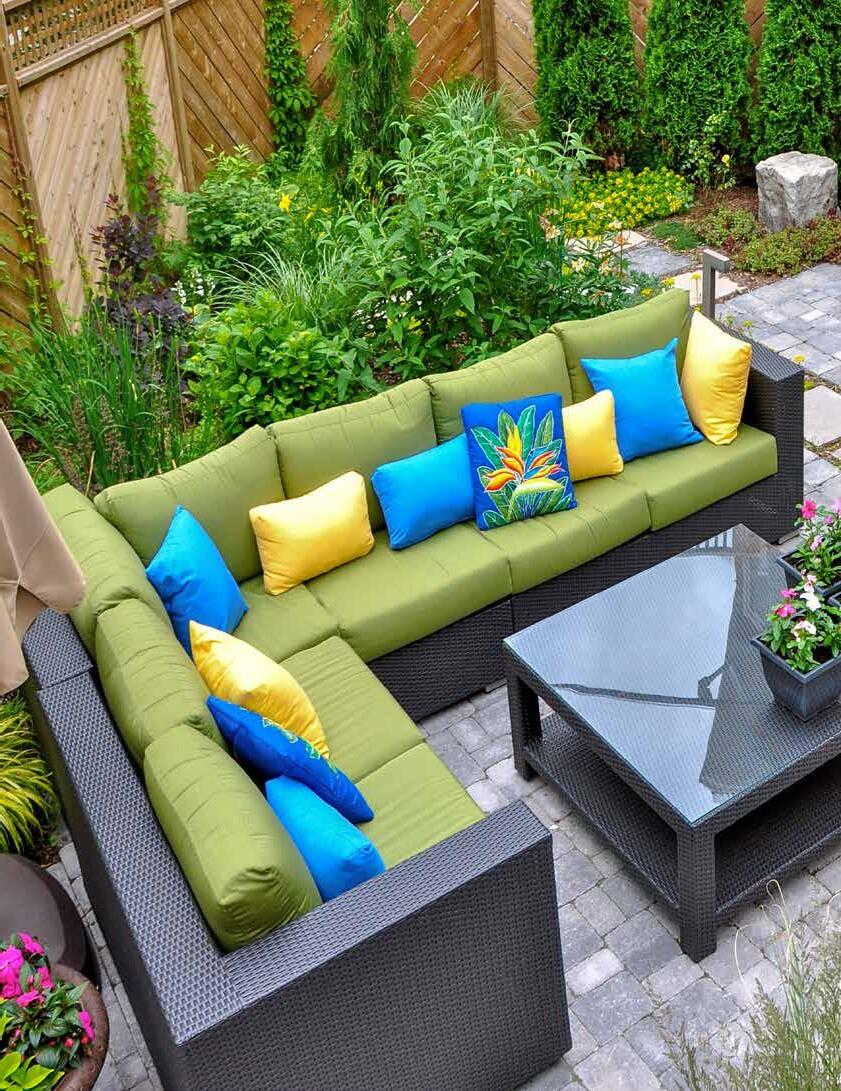
There are many options for new outdoor furniture, from patio chairs to loungers, tables, and more that fit any style of home.
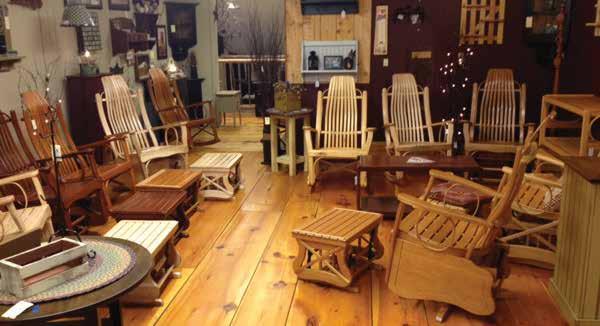
Cozy Cabin Rustics at 599 Tenney Mt. Highway in Plymouth has been in business for 25 years and offers furniture, mattresses, hot tubs, and outdoor furniture.
Says manager John Cameron, “A lot of the furniture we sell is resin, and it is rustic in style for lake and mountain homes. We strive to use local builders, as well as Amish-made items from Pennsylvania, Ohio, and Maine. These makers are smaller companies known for crafting quality furniture. Their pieces last forever.”
This is good news for those looking for durable, solid outdoor furniture that does not require replacement every few years. Another fine point is that the furniture can be customized so that special designs are possible.
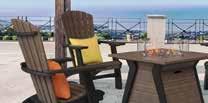
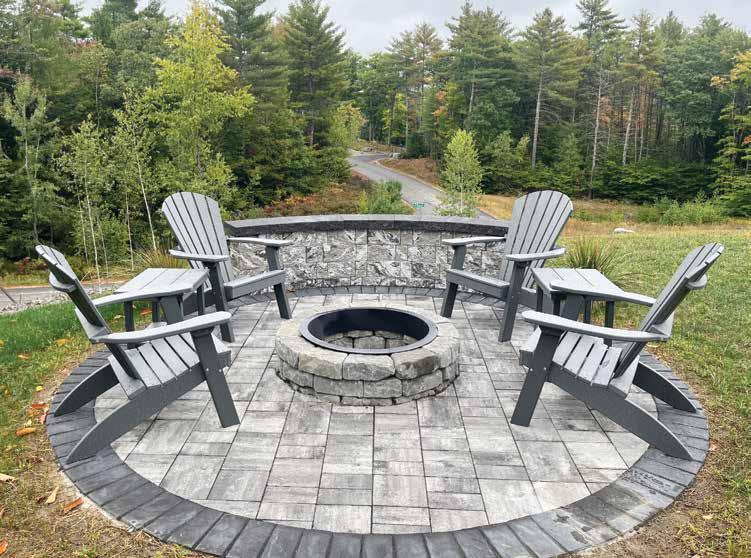
Resin-constructed outdoor Adirondack chairs are probably the most popular of all the offerings at Cozy Cabin Rustics. The Adirondack chairs come in rocker and stationary styles, and customers can choose from a variety of colors.
All furniture at Cozy Cabin Rustics can be used year-round because of the resin construction. “We have customers who leave their outdoor furniture outdoors year-round. Many put their chairs around a fire pit in the winter or at a campfire,” says Cameron.


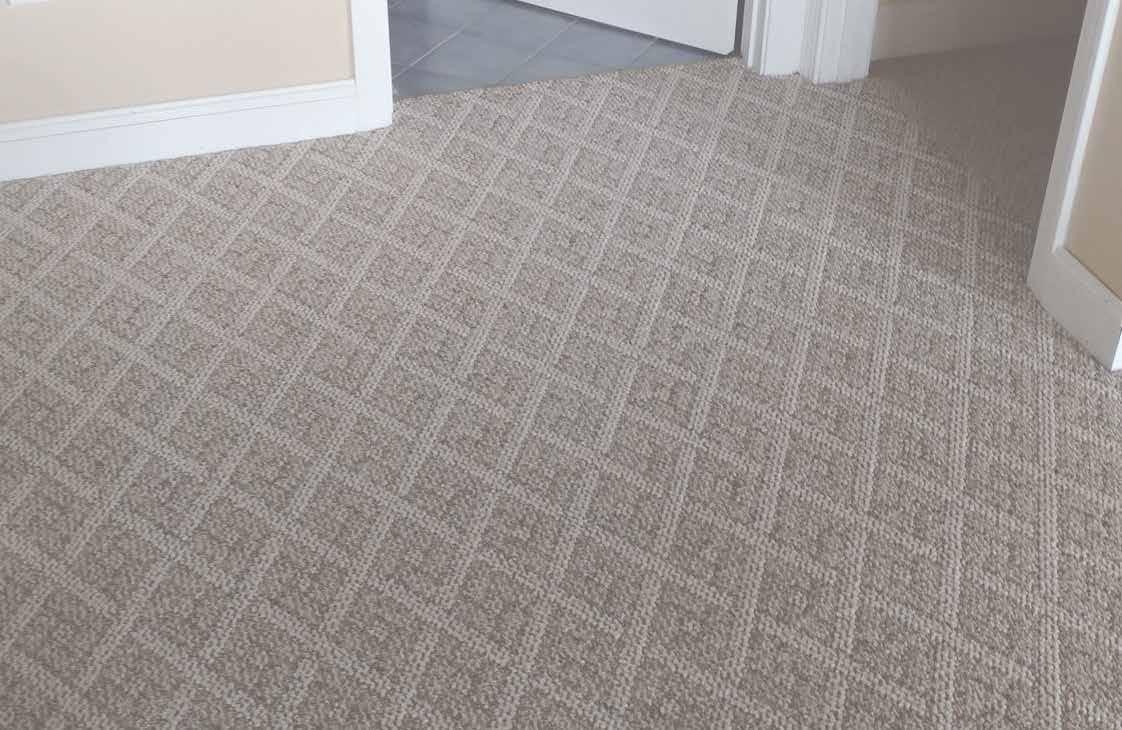


Outdoor furniture is part of the selections at New England Furniture at 433 NH Rt. 11 in Farmington. Says Shannon Karcher of the company, “We carry Outdoor By Ashley. They have a wide assortment of products, styles, features, and materials to suit everybody’s needs, from backyard, lakeside, to oceanfront. Everything from Adirondack chairs, to sectionals, to dining sets, fire tables, and Outdoor Recliners are available. We even have a selection of outdoor area rugs.”
wood but with a much better resistance to the elements.
Outdoor By Ashley features the Solution Dyed Nuvella fabric, which offers UV resistance as well as the ability to be cleaned with a mild bleach solution if needed. Customers also appreciate the durability of the resin wicker, the powder-coated aluminum frames, and the stainless-steel hardware to keep their outdoor furniture
She continues, “Ashley Outdoor balances weather resistance, durability, and affordability when it comes to outdoor pieces. Using MEGA-TUFF™ HDPE on certain items like the Adirondack chairs in multiple colors, some of the furniture has the look of





looking new for years to come.”
The most popular outdoor item at New England Furniture is, according to Karcher, “Adirondack chairs for sure. Customers not only love the comfort, but also the quaint and relaxed charm Adirondacks add to their porch or yard. And let’s face it - the




















wide arms are the perfect place to rest a drink or snack. Along with Adirondack options, the Fire Chat Sets with swivel chairs are very inviting and a perfect place to have family and friends gather together.”
For those who spend time outdoors in the summer in need of comfortable furniture, they want the same comfort as they experience with indoor furniture. “Our furniture is designed to be used without cushions or with them if the customer wants,” explains Karcher. “Our customers have different design ideas to extend their living areas to the outdoors.”
It is possible to get comfortable sofas and chairs with seat cushions, in such pieces as dining sets with room for the whole family, and chairs comfortable enough to enjoy a leisurely meal. Fire tables that provide ambiance as well as a little warmth on the cooler evenings are desirable,” Karcher adds.
Care for outdoor pieces from New England Furniture is simple, and Karcher explains that it is recommended to do basic care such as keeping the furniture clean. Hosing off any dirt, leaves, pine needles or pollen that has collected on furniture surfaces is important. “In the off-season when the furniture isn’t being used, we recommend storing in a protected area like a garage or shed. If you don’t have that option, cover the furniture at a minimum.”
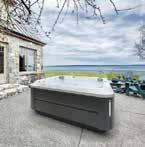
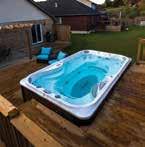
Hot tubs are quite popular and a nice addition to any outdoor space. Says Cameron of Cozy Cabin Rustics, “We carry Nordic and Marquis hot tubs for four to eight people. We have swim tubs as well, which are bigger. Customers put a hot tub on their deck or on a concrete foundation near the deck. The tubs are used year-round, and in the winter, there is nothing special needed for maintenance.”
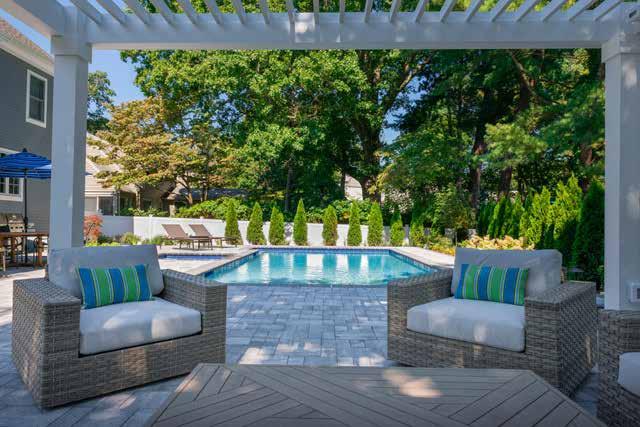
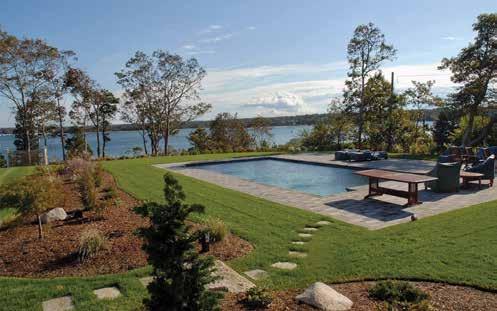
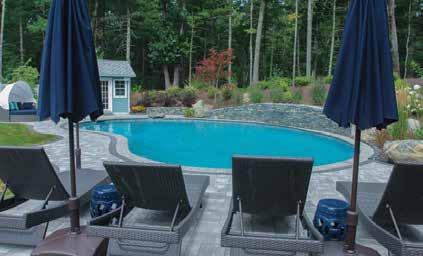
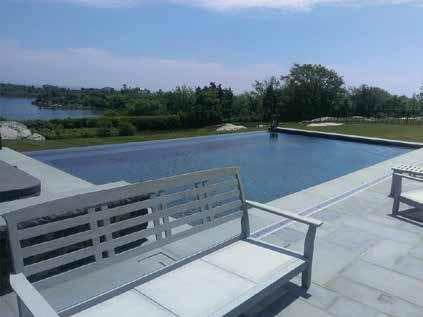
Another outdoor feature that can totally impact outdoor living is a beautiful pool. Landscape Oasis with offices in New Hampshire and Massachusetts, has been in business for 11 years and

began installing pools in the late 1980s. Owner David Hancox has a passion for outdoor designs from patios, walls, masonry and of course, swimming pools.
Says Hancox, “We also do water features, and we work with custom stone and such additions as outdoor kitchens. There is a big demand for outdoor living with added trees, shrubs, perennials, and plants.”
Customers want pools made to their individual needs, according to Hancox. Some people want an irregular pond shape with a darker interior, while others want a square-shaped pool. Others want a bigger pool, and exercise enthusiasts might choose a soaking or exercise pool; designs are client-driven.
Hancox enjoys working with families to determine and meet their needs. He first does a site visit, explaining, “If someone is thinking of putting in a pool, there are many considerations. I will look at the site and see if there is enough room for the chosen pool and access for our equipment to reach the area for the construction.”
There are other considerations as well, Hancox, such as lakeshore rules, setbacks, the location, and if the pool will be situated in the woods or near the lake, in the sun, and what trees might need to be cut near the pool area. Also, heating and electrical power demands must be considered.
Along with all of this, Hancox learns about the lifestyle of the family, such as are their children, is the pool for child water play, or adult exercising, or simply a great place for a group to gather?
“The layout of the house also determines the pool’s location and size,” Hancox says. After learning about the family, Hancox might realize there is a grandparent who wants to watch the kids as they swim but does not want to sit in the sun. Thus, a shaded poolside area might be needed.
There are many lighting options poolside and in the outdoor
area. Landscape lighting around paths, plants and the pool are also options. There are rules for how lighting can be accomplished. Sound systems are also popular among outdoor lovers. (Once plans are in place, Hancox works with SSG for pool installation; the company takes Hancox’s designs and works with him to create pools in a variety of styles and sizes.)
When the weather turns warm and outdoor lovers start to plan furniture and other accessories for their patios and decks, there are many options from colors, styles, and care.
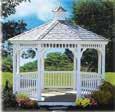
Gazebos have been an outdoor accessory for many years. In Victorian times, ornate gazebos offered a fancy place for people to sit and socialize in the summer. The little structures remain today as a unique and attractive option for outdoor seating and a cover from sun and rain.
Eased Edges at 343 Court Street in Laconia offers gazebos in many shapes, sizes and designs. Says manager Duane McCarter, “Gazebos are popular options and add usable space to outdoor areas. Homeowners can choose many styles, with screened windows giving three-season useability. Or there are gazebos without screens and also track windows as well as the option for electricity and lighting in the gazebo.”
Offered at Eased Edges are Meadowview Woodworking gazebos, made in Pennsylvania. The gazebos come in various sizes from 8 by 8, 12 by 32 and other sizes. The structures are made in either pressure-treated wood or maintenance-free vinyl, depending upon the style and material the homeowner is looking for.
Those who enjoy being outdoors often have gardens and lawns that must be tended. A place to store a lawnmower and garden tools is a necessity, and Eased Edges has Amish-built sheds in all sizes. The location of where the shed will be placed is not a problem for the company, and McCarter says, “Last year we even brought a shed to Welch Island on Lake Winnipesaukee. We
used a barge to get it to the island.”
Polywood style outdoor furniture at Eased Edges has all stainless-steel fasteners, and colors are solid or mixed colors.
Out of all the furniture, McCarter says the top choice with customers is the Adirondack chair in rocking or swing glider styles. Outdoor dining sets come in round, rectangular, and balcony or standard heights.
When pulling out grills for summertime use, McCarter explains that pellet products have become very popular. Some people want gas grills, and others are die-hard charcoal grill lovers.



“We carry Green Mountain Pellet and also Kamado Joe ceramic grills. Also, we have firepits, which are popular for gathering around the fire in the evening,” adds McCarter. Check Facebook or Call for Current Hours.
Outdoor kitchens are as popular as ever. Backyard barbecues have long been a staple of summertime, but outdoor kitchens have made hosting such affairs a lot easier. While outdoor kitchens vary depending on homeowners’ preferences and budgets, many offer ample counter space to prepare food, a refrigerator to store premade items, and other essentials like condiments, and ample storage space that saves grillmasters the trouble of making multiple trips into the house to gather supplies.
Outdoor kitchens are indeed convenient for people who love to entertain at home. But outdoor kitchens also are a significant investment. According to Range Outdoor Living, the average cost of an outdoor kitchen varies widely depending on the build type. A custom-built kitchen will cost anywhere from $20,000 to $50,000 (without appliances and countertops), while a modular kitchen is a more budget-friendly option, typically costing between $5,000 and $15,000 (some modular kitchens include appliances and countertops, while others do not). While that’s a hefty price tag, a 2024 analysis from the real estate experts at Zillow found that listings with outdoor kitchens exceeded pricing estimates by 2.2 percent, which shows the value prospective buyers place on these spaces.
The cost of an outdoor kitchen installation requires that ample consideration be given to such projects before going forward with them. The following are some basics of outdoor kitchen projects homeowners can familiarize themselves with as they determine if an outdoor kitchen is right for them.
• You will likely work with multiple contractors. An outdoor kitchen installation is a complex project that may require the work of masonry experts, plumbers, electricians, and other specialized contractors like countertop installation experts. Many outdoor kitchen projects begin with estimates from a contractor who spe-

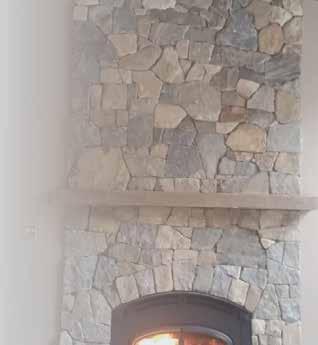
• Custom Brick and Block
• Stonework
• Fireplace Design
• Chimney Lining
• Video Chimney Inspections
• New Chimney Construction
• Chimney Sweeps
• Chimney Repair


cializes in landscaping and hardscaping. But those estimates may not include the additional costs associated with any electrical work that must be done, plumbing work (i.e., connecting a natural gas line to an outdoor grill), or materials costs (i.e., countertops). Homeowners are urged to receive cost estimates on each part of the project, including appliances like refrigerators and grills, so they know just how much money they will be committing to the project before it begins.
• The project will require permits. Permits will likely be necessary when building a new outdoor kitchen. A permit may be required if you hope to connect a new grill to your natural gas line. Permits add another expense to the project, but they also may add time. Contractors will not be able to go forward with a project until permits have been approved. So homeowners are urged to work with local permit officials before breaking ground. Doing so will not necessarily speed up the process, but local permit officials can ensure homeowners and contractors are filing the right applications and filing them with the appropriate officials.
• A kitchen that’s close to home might be your best bet. Connecting electricity, water, and gas typically is less complicated the closer an outdoor kitchen is to the existing home. Work with your landscaping and hardscaping contractor to identify the best location for the kitchen in relation to connecting utilities. But don’t ignore the existing landscape completely. For example, cooks will not want to be staring directly into the sun when grilling for residents and guests. Pick a spot that shields cooks from the elements and also facilitates the connection of utilities like natural gas and electricity. Outdoor kitchen installation projects are significant undertakings. Knowing what to expect in advance can help homeowners navigate their way through the process. ~Metro

By Alyson Short
There’s something brightly satisfying about a garden that glows at dusk without adding a penny to your electric bill. Solar-powered garden accessories have come a long way from the dim, flickering
path lights of a decade ago. Today’s solar products are smarter, more stylish, and far more artistic than earlier generations — and for homeowners in the Lakes Region, where outdoor living is treasured and stretched from early spring through late fall, they’re


Whether you’re illuminating a dockside pathway, adding warmth to a mountain garden, or bringing atmosphere to a backyard patio, there’s a solar accessory (or a dozen!) that can make your outdoor space shine.
Solar garden accessories contain a small photovoltaic panel that captures sunlight and stores energy in a rechargeable battery during the day. At dusk, that stored energy powers the product automatically. Modern units charge efficiently even on overcast days; good news, given our famously fickle skies. Most products are fully self-contained, meaning no wiring, no electrician, and no extension cords snaking across your lawn.
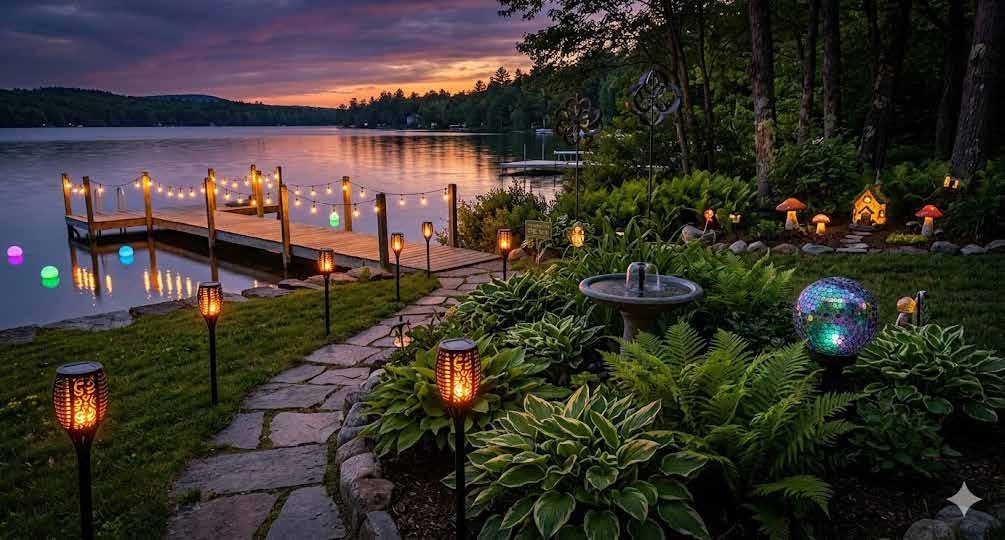
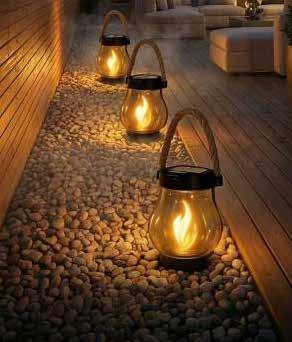
Lighting is where most people start, and the options have expanded dramatically. One of the biggest trends in outdoor design right now is layered lighting: combining multiple styles and heights of illumination to create depth and mood rather than relying on a single source. A pathway may be softly lit at ground level while overhead cafe lights glow above, and a sculptural lantern flickers nearby.
Pathway and driveway markers remain the most popular starting point. Modern designs favor warmer amber tones over the bluish LEDs of earlier years, creating an inviting glow rather than a clinical one. String lights with Edison bulbs or globe bulbs drape beautifully over pergolas, along fence lines, and around deck railings; many now include remote controls or app connectivity for dimming and scheduling.
For something more architectural, solar wall sconces and deck post cap lights bring a finished, built-in look without any electrical work. Spotlights can highlight a prized hydrangea, a granite boulder, or the facade of your home, while motion-activated floodlights handle security duty along driveways and entryways.
For pure ambiance, few things rival decorative flame-effect torch-
es. These solar-powered stakes use flickering LED technology to mimic the warm, dancing light of a tiki torch — without the fuel, the smoke, or the fire hazard. Line them along a garden path or cluster them around a seating area for a mood that lasts all evening. Along similar lines, solar faux fire bowls create the illusion of a glowing firepit on a patio or deck, adding drama and warmth to any gathering space.
Don’t overlook floating pool and pond lights either. These are waterproof color-changing orbs that drift across the surface of a pool or garden pond, shifting through hues all night long.
Few things elevate a garden like the sound of moving water, and solar fountains make it effortless. Birdbath fountains combine a classic garden staple with a small recirculating pump. Birds adore the movement, and the gentle burbling carries beautifully across a patio. Pond aerators and bubblers keep backyard water features healthy and circulating without any grid connection, beneficial for fish and essential for discouraging mosquitoes.
For smaller spaces, wall-mounted solar fountains attached to a fence or garden wall create a striking focal point while taking up no ground space at all. In cottage gardens and woodland landscapes common in our area, these water features fit naturally into the environment while supporting birds and pollinators alike.
This is where solar accessories become genuinely playful, and where the category has evolved most dramatically. Garden decor has shifted away from generic plastic ornaments toward sculptural, personality-filled pieces that function as both art and illumination.
Solar gazing balls and mosaic spheres are among the most elegant options. Glass or resin orbs with color-changing LEDs cast soft, jewel-toned light across surrounding plantings after dark. Set one atop a stone pedestal or nestle it among your hostas for an effect that feels truly magical. Illuminated stone-look orbs offer a more naturalistic version of the same idea, blending into the garden


by day and glowing warmly by night.
Solar garden statues now come with builtin lighting: a stone heron with a softly lit base, a Buddha figure with an illuminated lotus. Fairy houses, such as miniature cottages with glowing windows, have become a whimsical favorite, especially in woodland or shade gardens. Similarly charming are decorative solar mushrooms, which cluster like a fairy ring among the ferns, their caps glowing in soft reds and oranges after dark.
Kinetic solar wind spinners in stainless steel or copper are hypnotic during the day and radiant at night, their spinning forms lit by integrated LEDs. Butterfly and dragonfly stakes with fiber-optic tips, lighted planters, and solar birdhouses with illuminated entries, and bird feeders equipped with solar-powered and WiFi-enabled cameras round out a category that now offers something for every taste and garden style.
Many homeowners are surprised to learn how far solar technology extends into the practical side of gardening. Solar-powered greenhouse ventilation fans keep temperatures manageable without running power to an outbuilding. Solar patio fans on pergolas and gazebos provide welcome airflow during humid New Hampshire summers without needing a single outlet.
For the data-minded gardener, solar weather stations and garden thermometers monitor temperature, humidity, and rainfall right in the beds. Solar irrigation timers, mosquito traps, and ultrasonic pest deterrents for moles and voles quietly do their work on sun power alone. Some homeowners even keep a solar porta-
ble charging station in the garden shed, handy for keeping phones and small tools topped off during long days outside.
Placement matters most. Most solar accessories need four to six hours of sun to charge fully — and remember that shade patterns shift significantly once trees leaf out for the season, so what seems like a sunny spot in May may not be by July. Quality also counts: products with larger panels, lithium batteries, and moderate brightness settings tend to outlast bargain versions considerably.
Seasonally, these products are wonderfully flexible. Spring might bring glowing flower stakes and birdbath fountains; summer, string lights and entertaining spaces; autumn, warm lanterns and flame-effect torches; winter, solar pathway markers and illuminated wreaths. For seasonal homeowners especially, the simplicity of solar — no timers to reset, no wiring to maintain — is a genuine advantage.
Outdoor designers now describe the garden as the “fifth room” of the home, a space deserving the same thoughtful attention as any interior. Solar accessories make it easier and more affordable than ever to create a real atmosphere out there: a softly glowing lantern by the garden bench, a mosaic orb tucked into the perennial border, or a ‘bird buddy’ feeder with solar powered camera.
In a region where residents cherish our time spent outdoors — gathered around a lakeside firepit, relaxing on a screened porch, or listening to loons carry across the water — these small touches of light and atmosphere can make all the difference.









By Thomas P. Caldwell
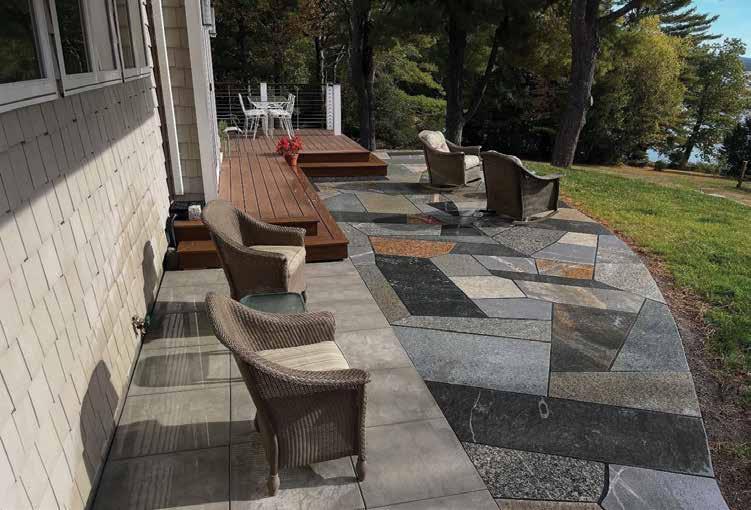
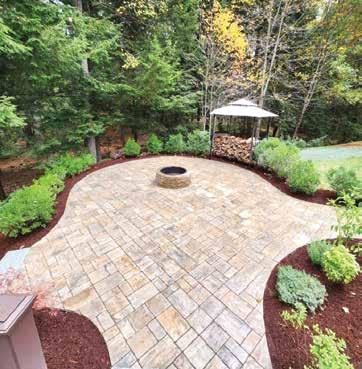
In the Lakes Region, homeowners increasingly are treating their yards as extensions of the home itself – creating outdoor “rooms” for entertaining, relaxing, dining, and gathering around a fire on a cool evening. Carefully planned landscapes can transform a backyard into a connected series of living spaces, blending patios, pathways, plantings, lighting, and natural stone into environments that are both functional and inviting.
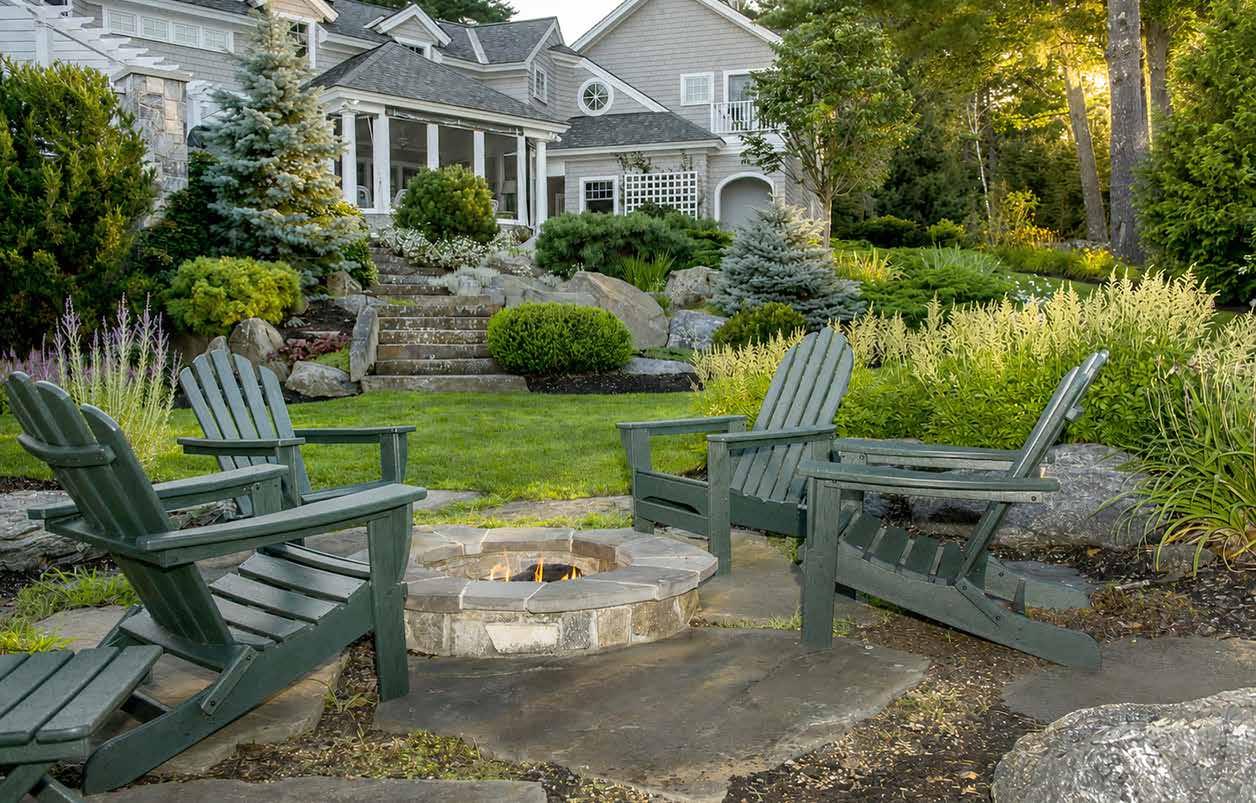
A well-designed and landscaped yard can create individual spaces for outdoor activities, much as a house has its rooms. There can be a “room” designed for a fire pit. Much like interior design, outdoor living design relies on creating distinct destinations within a property. A fire feature may become the social center of the yard, while a pergola-covered patio offers a quieter retreat for reading or morning coffee. Pathways can connect entertaining areas to gardens, pools, or waterfront views, giving the landscape a natural flow while encouraging guests to explore the property. In many Lakes Region homes, these outdoor spaces are designed for multi-season use. Comfortable seating areas, outdoor kitchens, lighting systems, and weather-resistant materials allow homeowners to enjoy their landscapes from spring through late autumn.
In our area, landscape projects often must work with uneven terrain, wooded lots, and changing elevations. Retaining walls, natural stone stairways, and tiered patios are common solutions that help create usable outdoor living spaces while complementing the natural environment.
“Don’t try this at home” is a good motto for those considering doing their own outdoor landscaping. Often, people will purchase the wrong plants for the region, the wrong materials for the project, or off-the-shelf hardware that will not stand up to environmental conditions.
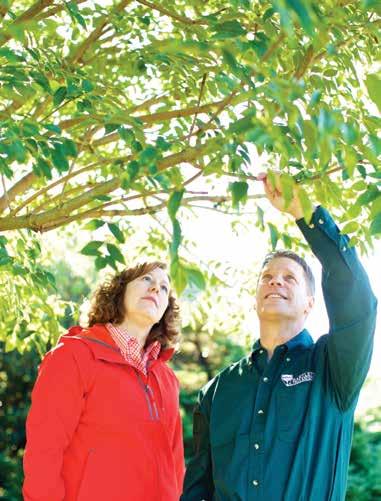
“Usually, it doesn’t cost anything to call a landscaper,” said
Hayden McLaughlin, founder of Belknap Landscaping. “It’s always nice to consult with a professional before you spend any money, because too many people do impulse buying, especially when they do plantings.”
It is easy to pick the wrong plant for the spot it will occupy, or to fail to consider how much space it will require when fully grown.
“If you have a four-by-four space, you need to use a plant that’s going to mature out at four-by-four feet, not six or eight feet,” Hayden said.
“Then you have other things that help to define the rooms, which would be mostly vertical plantings of some sort,” Hayden said. “Those would help define spaces within the landscape itself.”
He continued, “I kind of look at plantings as the wallpaper; it provides the color, provides the interest to the space. Usually, the palette of plants that you can use will somewhat be dictated by the environmental conditions you’re going to be dealing with — whether it’s shade, sun, wind, wet, dry, things of that nature. Those are all considerations that you take into account when you’re choosing a plant palette.”
It also is important when planning outdoor spaces to consider how to handle circulation.
“How would they circulate throughout the landscape? In other words, you wouldn’t walk through the utility area to get to an outdoor living space,” Hayden said.
It requires some forethought to site utility areas, such as places where pool equipment or trash is stored, so that they cannot be seen from the outdoor living spaces.
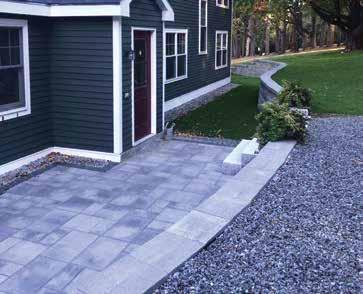
Walkways serve to guide people between those spaces, as well as providing a way for guests to know where to go.
“If you’re trying to guide someone to, for instance, the door that you wish to receive guests — it would typically be the front door — you would design a walkway that would be quite evident


that, when they got out of their car, that they can find the walkway that’s going to lead them to the door that you wish to receive those guests,” Hayden said.
The use of retaining walls creates interesting vertical elements in the landscape.
“We have a lot of grade changes here in New Hampshire, so walls and stairways and things of that nature are certainly typically a fairly large part of the landscape, but they also help define spaces,” Hayden said.
Beyond plantings and hardscape elements, lighting plays a major role in extending the usefulness of outdoor spaces into the evening hours. Landscape lighting can add a lot of depth to the landscape and a lot of enjoyment, while also providing some security. It is important to have exterior lighting that complements the landscape, especially on larger projects. Exterior lighting typically consists of LED lights, which are low-voltage, so the lines do not have to be buried as deeply as older lighting, which required 18 inches or so.
“But one should beware of inexpensive box store type fixtures that don’t usually withstand the test of time,” Hayden cautioned.
“Landscape lighting has a very soft, dim glow and really tries to replicate almost what moonlight might do,” he said. When professionally installed, it is easy to maintain and replace the lamp if needed.
Homeowners usually will give a lot of thought to how much money they will have to spend when they consider bringing in a professional landscaper, but by trying to do the work themselves, their efforts may end up with money wasted.
“Whenever you spend money, you want to spend it wisely,” Hayden said. Engaging a professional, “even if it’s just the nursery men that you’re buying the plants from,” is a good idea.
He suggests bringing photographs of the area you plan to use for your project, and “be able to speak reasonably intelligently on
some of the climatic conditions that the space may experience” to help the nurseryman guide you to the correct plant selections to successfully grow in that space.
Still, do-it-yourself projects often result in serious problems, and it is not unusual for a landscaper to have to remove the work the homeowner has done in order to correct it. It may be as simple as relocating a plant that was installed in the wrong location for its needs.
Designing the landscape is only the beginning. Long-term maintenance is often what determines whether an outdoor living space continues to function and look the way homeowners envisioned.
Another advantage of hiring a landscaper is the ongoing maintenance the company can provide. Even a well-designed landscaping job may require modifications as the years pass. It may be necessary to make changes to the irrigation system or the lighting system as plants grow in order to maintain the desired effect.
Landscapers may offer follow-up maintenance agreements where they come back periodically to take care of things like irrigation and lawn fertilization. Hayden said Belknap Landscaping offers a plant health care package that extends the normal one-year warranty on new installations.
“The other thing about long-term maintenance is that it typically will ensure that the landscape is going to mature the way that it was intended to mature,” he said.
Whether the goal is a quiet garden retreat, a family gathering space, or an expansive entertainment area overlooking the water, thoughtful landscape design can turn a yard into an extension of the home itself. By combining functional planning with carefully selected materials and plantings, professional landscapers can help homeowners create outdoor environments that remain beautiful, usable, and welcoming for years to come.


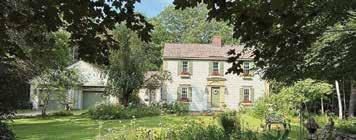
Here’s your opportunity to snap up one of the best deals so far in 2026 with this one-of-a-kind estate property in the Lakes Region only minutes to downtown Wofeboro. Pristine 4 bedroom 1795 Colonial with 6 fireplaces, 2 bedroom, 2 bath post and beam carriage House with 2 fireplaces, barn, pool, bunkhouse and so much more on over 9 acres. Built in equity. $1,800,000
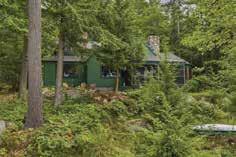
Lovingly cared-for 3-bedroom, 2.5-bath Colonial in Brookfield, thoughtfully designed with family living in mind. Hardwood floors flow and so much more. $648,000


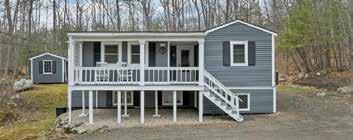
Stunning 5-bedroom, 5-bath colonial offers exceptional quality and value just minutes from downtown Wolfeboro and Lake Winnipesaukee. The home was completely renovated in 2021, to the highest standards with premium materials, designer finishes, and meticulous craftsmanship. Essentially a new luxury home in a coveted location. Beautiful landscaping. $860,000
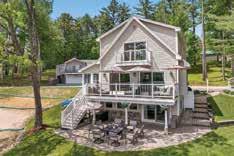
Beautifully renovated this Wolfeboro 3-bedroom, 1-bath home has been thoughtfully updated in recent years with charming modern touches throughout. $375.000.


Few things can upset an otherwise beautiful and relaxing day spent in an outdoor living space more quickly than insects and pests. Whether it’s mosquitoes trying to bite homeowners and their guests, flies looking to land on food, or wildlife leaving trails of excrement throughout a yard, these unwelcome guests can make it hard for people to fully enjoy an outdoor living space.
Some people might be unknowingly inviting insects and wildlife into their yards with the plants they’ve chosen to decorate their properties. But some strategic choices regarding plants can greatly reduce the risk that insects and wildlife show up uninvited.
Preventing deer
Deer are majestic animals, but they also can wreak havoc on a property. Deer tend to leave lots of droppings on properties they visit frequently. And the frequency of visits may be governed by the food sources on the property. While the Farmer’s Almanac notes there’s no such thing as a 100 percent deer-proof plant, there are some deer typically avoid, including:
• Boxwood


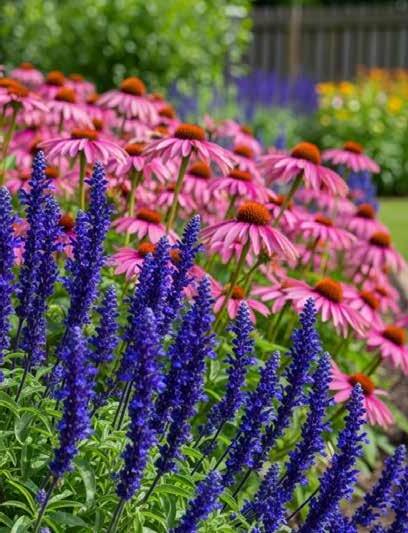
• Coneflower
• Daffodils
• Flossflower
• Foxglove
• Lamb’s ear
• Lavender
• Peonies
• Russian sage
• Salvia
• Snapdragons
Rabbit-resistant plants
Rabbits are another backyard guest that can be difficult to dislike. With their big ears and small frames, rabbits are undeniably adorable. But they’re also an adversary to gardening enthusiasts because they tend to eat plants without regard for the effort gardeners put into preparing soil and planting beautiful blooms. If rabbits are wreaking havoc in your garden, these plants tend to be less pleasing to them, and it’s worth noting many of these also are among the plants deer tend to avoid.
• Artemisia
• Calamint
• Catmint
• Daffodils
• Flossflower
• Hummingbird mint (agastache)
• Lamb’s ear
• Peonies
• Russian sage
• Sedum
• Thyme Insects
Scent bears significant influence over biting insects that can make it difficult to enjoy outdoor living spaces to the fullest. The Farmer’s Almanac notes that mosquitoes are drawn to their victims by odors those victims give off, including body odor from sweat. Scented plants can help block the receptors that alert insects to such odors. Such plants include:
• Basil
• Citronella grass
• Lavender
• Lemongrass
• Lemon thyme
• Lemon balm
• Petunias
• Rosemary
Homeowners whose backyards attract both insects and wildlife are urged to work with a local landscaper or garden center to identify how to keep such unwelcome guests away from their outdoor living spaces. While the plants noted above can repel some unwelcome guests, they might attract others. For example, petunias are effective at repelling some types of insects, but they’re also known to attract rabbits. While that doesn’t mean homeowners are helpless, it does mean a multifaceted, professionally orchestrated solution may be necessary. ~Metro


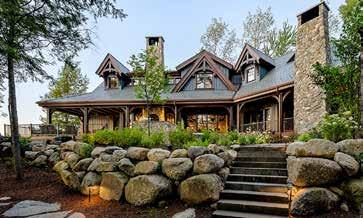
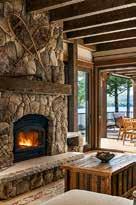
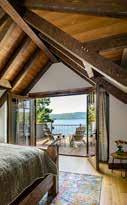
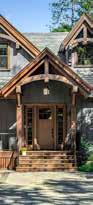
An outdoor living area can provide a welcome space for residents and guests to gather on beautiful days and nights. The appeal of outdoor living is undeniable, and homeowners working with a blank canvas in their backyards, or working with an aging area in need of a complete overhaul, can tailor their spaces to meet their own unique wants.
Many homeowners are building outdoor living spaces around a TV room where they can host movie nights and game watches under the stars. Data from the National Association of Realtors® indicates that such spaces are worth homeowners’ investment, as a new patio can recoup as much as 95 percent at resale. When planning an outdoor TV room, homeowners can look to these features to make the space as enjoyable as possible.
• Outdoor TV enclosure: The cost of an outdoor TV enclosure will depend on the size of the television, but it likely won’t break the bank, regardless of how large a television is. Many enclosures for televisions up to 65 inches can be had for less than $500. Enclosures are important because most are weather-resistant, and some are shatterproof. In addition, an enclosure protects the television when no one is home or outside, ensuring windy or stormy afternoons when debris or branches might be flying near the television won’t damage the device.
• Sound capability: An outdoor TV room likely won’t be used as frequently as indoor spaces, so a sizable investment in a sound system to accommodate outdoor viewing may not be necessary. But you may want to enhance the sound for outdoor movie nights or game watches. If you’re mounting the television on an exterior wall, a pair of speakers can flank the TV on each side. If the television is going to be placed on an outdoor TV stand, a soundbar built for outdoor use should suffice.
• Lighting: It’s easy to overlook lighting when planning an outdoor TV room. However, once the sun goes down, it may feel odd and a little uncomfortable if the only light is coming from the television itself. Some ambient lighting that’s attached to a pergola or built into a pavilion can help illuminate the space where you’ll be watching TV.
• Comfortable seating: It’s unlikely you would feel comfortable watching a movie or game indoors if you spent the whole time sitting in your dining room chairs. And it’s equally important to prioritize comfortable seating in an outdoor TV space rather than just dragging patio dining table chairs or even Adirondack chairs over to the TV area when you’re about to watch something. Some cushioned outdoor furniture will enhance the viewing experience for everyone.
• Fan: A ceiling fan attached to a pavilion or a wall-mounted fan or two directing air toward the seating area can keep pesky bugs at bay and provide a little cooling relief on warm nights.
Outdoor TV rooms are wildly popular. A few creature comforts can make these spaces even more inviting. ~Metro




By Kathi Caldwell-Hopper
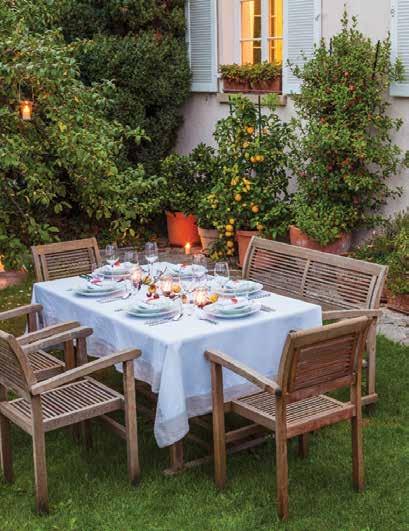
There is romanticism about dining outdoors on a balmy summer’s evening or an autumn day. As the stars come out, you relax and enjoy a meal with steaks fresh off the grill, a cool drink from the outdoor refrigerator, and a variety of vegetables steamed and ready for the table from your outdoor cooktop.
Seating is luxurious, and the table is laid with durable yet attractive platters and other serving items. Your kids splash in the pool, and a friend soaks in your nearby hot tub, awaiting a great meal.
This is dining under the stars at its best. While a high-end, luxurious set-up such as this may not be available to everyone, there are segments that make outdoor dining a wonderful option.
A solid grill is vital for a great meal, and there are many choices available. Says Duane McCarter of Eased Edges in Laconia, “Everyone likes something different when it comes to a grill. We carry Green Mountain Pellet, which is popular and also Kamado Joe ceramic grills. Gas grills are very popular, and pellet smoking grills have gained in popularity. And there will always be charcoal grill fans. It is what the customer prefers to use for a grill when cooking outdoors.”
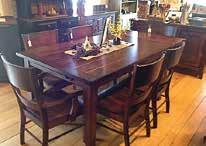
Dining tables are varied and made to fit whatever needs the customer might have. At Cozy Cabin Rustics in Plymouth, outdoor furniture options are many. Says manager John Cameron, “We have a lot of outdoor furniture such as resin Adirondack chairs, table and chair sets, bar and deck stools.”
Those who want a stylish but smaller dining table and chairs in a rustic style for outdoor use can consider a Cozy Cabin Rustics antique, multicolor Bistro Table Barrel Design. The Bistro


Table has a unique barrel shape and antique multicolor finish, with solid wood table charm and rustic style. Crafted of solid pine wood and engineered wood on the top to prevent seasonal cracks, the soft, multi-colored stripes on hand-distressed wood provide an antique look and added protection with nitrocellulose-based lacquer. Mortise and tenon construction offer stability and durability and the trim features iron with hand-applied nail heads, which add to the rustic style.
Many of the pieces at Cozy Cabin Rustics are made from resin, which is extremely durable and can withstand year-round use. There is no maintenance, and items like dining sets for outdoor use are made to look like wood. Homeowners can choose many colors and styles, from pastel to wood-grain looks.
Before or after an outdoor meal, many people like to spend time in a relaxing hot tub under the stars. Those who carry hot tubs (like Cozy Cabin Rustics) offer various styles and sizes with many features, such as accommodating five adults and providing a warm relaxation to sore joints and muscles after a long day at work.
Should a homeowner want a screened area, a gazebo is a great option. Eased Edges in Laconia can offer many styles to its customers, and there are choices with screens to keep out bugs and the weather, but not sacrifice the pleasure of outdoor dining. (Why not fit a dining table and chairs into a gazebo, or some Adirondack chairs and small side tables just right for a beverage and snack?)
Eased Edges has gazebos in many shapes, from an Octagon Victorian or Classic to an Octagon Standard. Other styles include a Pagoda or Dome. Information at www.easededges.com shares, “We understand that not everyone has the time to maintain the perfect backyard, but they still desire to make it their place to come relax. If you are searching for garden gazebos to enhance the beauty of your backyard or a gazebo to enclose your hot tub during chilly nights, gazebos will suit whatever desires you have for your backyard.”
Do-it-yourself homeowners can consider a kit to construct their gazebo at a specified location at their home. Wooden gaze bos from Eased Edges are made from pressure-treated lumber. If you have pulled out your grill and discovered it just will not make it through another summer season, there are many options for a replacement. First, think about what you will be grilling often, such as casual food like hamburgers and hot dogs. Are you a more serious chef and like to grill vegetables and meats to perfection or do you need a warming section and a large, flat surface for French toast and pancakes?
Some homeowners like the standard gas grill, while others are more adventurous and want a wood pellet or ceramic grill.

Some people love different types of food, such as ribs, barbecued or smoked. Some grills have pellet windows so the chef can keep an eye on the food without letting smoke and heat escape.
Pizza lovers can get in on the grilling action with a wood-fired or gas pizza oven. Others are charcoal-fired. Most of the pizza ovens can easily fit in an outdoor kitchen area.
Backyard or patio areas can be simple or more extensive, depending upon the homeowner’s needs and space. While huge outdoor kitchens are not massively popular in the Lakes Region, there are smaller outdoor kitchen options for those who want to store items such as spices and refrigerate drinks, vegetables, and meat. Some homeowners design a kitchen in or near the grill and dining area. There are beverage or beer dispensers and even under-grill refrigerators.
A casual and utterly fun aspect of outdoor living and dining is the firepit. These little fire features are a great place to gather to toast marshmallows and get warm as the sun goes down. Cozy up to a gas or electric firepit after dinner.
Every outdoor feature has considerations, such as fire codes, accessibility to indoor kitchens, covering for dining tables, such as umbrellas or other shelters, the angle of the sun during the day, electrical for various needs, such as lighting, outdoor televisions, and music.
Whether dining with a special someone or a family group, an outdoor area can be whatever you desire. Consider your needs and wants before designing such a space and add a grill, maybe an outdoor kitchen, large or modest, shade, and other accessories, and of course, a durable, long-lasting outdoor dining set.
Then pull out the cookbook and get grilling!













Driving at night differs from driving during the day for a number of reasons. Reduced visibility, which can be exacerbated by rain or other inclement weather, requires being extra diligent when scanning the roadways for potential hazards. The blinding glare from oncoming headlights, signage, and street lights also can make driving at night challenging or downright uncomfortable.
Drivers frustrated by bright headlights while driving at night can rest assured that they’re not alone. New data from a recent study from AAA revealed six in 10 drivers struggle with headlight glare, and nearly three-quarters of those said it has gotten worse over the last decade. Ninety-two percent of drivers said oncoming headlights, particularly on two-lane roads, cause the most issues. AAA spokesperson Mark Schieldrop said the problem stems from new headlight technologies and taller vehicle design.

pits in exterior glass over time, a professional polishing or replacement of the windshield may be necessary, according to Auto Glass Kings.
• Adjust the mirrors. Many rearview mirrors have a flip tab or an auto-dimming feature that is reserved for nighttime driving. Drivers also can angle side mirrors to minimize the reflection of lights from cars in the rear.
• Look to the right. Adjusting nighttime driving habits may help with glare. When an oncoming vehicle approaches, do not look directly at the headlights but gaze toward the white line on the right side of the road.
• Dim the dash. Interior lighting can compete with the dark road outside. Turn down the brightness of the instrument panel and any infotainment screens to help your eyes remain dilated for the dark conditions.
So what can drivers do to mitigate glare when driving at night? That can be accomplished through various strategies.
• Clean glass and mirrors. Dust, oily films, streaks, and other debris on reflective surfaces scatter light. This magnifies the “starburst” effect of headlights. Cleaning mirrors and the windshield thoroughly can remove buildup. If the problem is caused by pitted glass, which occurs when sand and debris create tiny


• Get anti-reflective coatings. Sometimes problems may stem from vision issues. Cataracts or dry eyes can worsen sensitivity to light, according to Johnson Laser Eye. Regular eye exams can help people recognize problems and come up with solutions, such as anti-reflective coatings on eyeglasses. Nighttime yellow-tinted lenses also may help.
Various strategies can help drivers combat glare and thus feel safer when behind the wheel at night. ~Metro










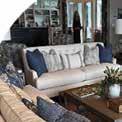
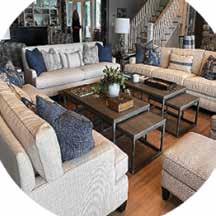



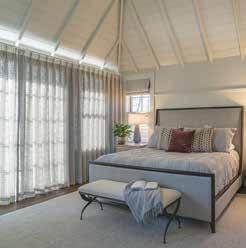












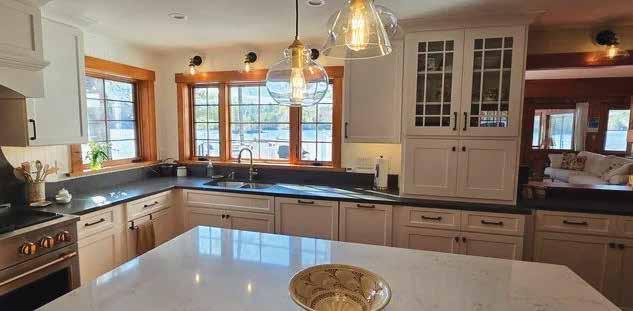



Outdoor entertaining spaces have come a long way over the last several decades. While a simple deck or patio might once have been the norm, outdoor entertaining spaces have now evolved into multi-purpose spaces featuring full kitchens, living rooms equipped with televisions, and areas to gather around a fireplace or built-in firepit.
While hardscaping garners considerable attention when planning an outdoor entertaining space, landscaping should not be overlooked. Many homeowners want to enjoy their outdoor entertaining spaces without having to spend too much time tending to the surrounding grounds, which can make these low-maintenance landscape features the perfect fit.

entertaining areas with flowers can choose perennials over annuals. Perennials live for three or more years, and some species can even live for a decade or more. While they might require some seasonal pruning, perennials will not need to be replanted each year like annuals.
• Native plants: Native plants are low-maintenance because they are naturally adapted to the local climate. That means homeowners won’t have to expend extra effort and energy watering plants or amending the soil. Non-native species may provide some bold colors, but that comes at the cost of additional maintenance. There’s also an environmental cost when planting non-native species, as the United States Environmental Protection Agency warns that non-native species typically displace natives, which can adversely affect the local ecosystem.
• Perennials: Homeowners looking to accent their outdoor
• Tolerant plants: Plants that can tolerate the local climate generally fall under the native category. But it’s especially important that homeowners who don’t want to expend much effort on landscape maintenance look for plants that can tolerate drought. A recent study from researchers at UCLA, the National Oceanic and Atmospheric Association, and CIRES predicts drought conditions will last longer, cover wider areas, and become more severe as the climate continues to warm. Drought-resistant plants may still require some watering if such predictions hold true. However, such plants will not require as much maintenance as those that are less equipped to handle drought. Homeowners who choose plants with drought-tolerance in mind won’t have to spend as much time watering and also can protect their financial investment.
Outdoor entertaining spaces are meant to be enjoyed. And homeowners may enjoy such spaces a lot more if they opt for low-maintenance landscape solutions. ~Metro




























Outdoor entertaining is a big part of life when the weather warms up. An afternoon and evening spent enjoying warm weather in the backyard is the ideal for millions of people come summertime.
An idyllic day entertaining outdoors can be compromised by insects. Biting insects may drive some people indoors, while others may avoid outdoor entertaining spaces entirely at times of year when mosquitoes and other bugs are most active. Bug spray can be a quick and effective remedy against insects, but homeowners also can identify spots on their property that insects may seek out as a food source, breeding ground and/or hiding place.

• Standing water: The Centers for Disease Control and Prevention note mosquito larvae and pupae live in water with little or no flow. Standing water around a property can be an ideal spot for mosquitoes to lay eggs. Containers that hold water, like bird baths, flowerpots or water bowls for pets, may be inviting mosquitoes to lay eggs in your yard. The CDC also notes that mosquitoes may even lay eggs in tree holes that collect water. Remove bird baths from your property if you’re having mosquito issues and turn over water bowls and empty planters before going inside each night.
• Leaves: Fallen leaves that are not collected and discarded or added to compost piles may be providing a breeding ground for unwanted insects. Slugs and beetles hide and breed in fall-
en leaves, so it’s imperative that homeowners promptly address spots where leaves have fallen.
• Untidy areas: The landscape solutions experts at BioAdvanced® note that keeping a neat and clean outdoor environment is the simplest way to eliminate insect habitats on a property. Insects hide in buckets, boards, bricks, and even toys. While it can be a chore to keep up with the exterior grounds of your home, particularly when the weather is warm, a nightly scan of the property and some light tidying up will make your outdoor entertaining spaces less appealing to various species of insect.
• Food gardens: Gardening is an enjoyable hobby that studies have shown benefits gardeners’ mental and physical health. But food gardens can serve as primary food sources for insects. However, that does not mean you cannot have a food garden and still enjoy a relatively insect-free outdoor entertaining space. Homeowners are urged to speak with a local garden center for advice on plant diversity. Some plants, like mint and dill, may attract beneficial insects that keep harmful insects at bay. Local climate can affect what works and what doesn’t, so work with a local professional to identify your options.
Insects are unwelcome guests when entertaining outdoors. But there’s much homeowners can do to keep insects from setting up shop on their properties. ~Metro







People who spend any measurable amount of time outdoors likely have crossed paths with various flying insects that cohabitate in a typical yard. Some of the most ardent pollinators and pest control agents also have the potential to be dangerous if provoked. While most bees, wasps and hornets are content to go about their business, their stingers can make these insects formidable foes, particularly to those who are allergic.
According to The Best Bees Company, there are more than 20,000 known species of bees and more than 100,000 known species of wasps worldwide. Those who don’t want to get too up close and personal with stinging insects may not know how to tell the different types apart. Bees, wasps and hornets are distinguished by their behavior, waist and body texture.
Bees

Wasps have smooth, shiny bodies and narrow waists. They can be bright black and yellow or black and white. Wasps can sting repeatedly, says The Spruce, but they may not always be aggressive; it depends on the species. Yellowjackets are a type of wasp. They are sensitive to threats and not afraid to use their stingers. Another way to distinguish wasps from bees is that wasps hang their legs down while flying and bees keep them tucked in.
If it has a fuzzy body, it’s a bee. Bees tend to be non-aggressive and may be carrying pollen on their backs. They also live in wax hives. You’ll likely see bees flitting from one flower to another in the warmer weather. Honeybees will die after one sting, advises PBS, but bumblebees and carpenter bees have smooth stingers that will not get stuck, enabling them to sting again.
Wasps
Wasps are stinging insects which can be social or solitary.
Hornets are wasps and tend to be social in nature. They only construct paper nests and can be more aggressive than other types of wasps. The Old Farmer’s Almanac says hornets can be highly defensive with more painful stings, and also may be larger and rounder in size than other wasps. In the United States, the one true hornet species is the European hornet, which nest in trees.
It’s impossible to avoid bees and wasps entirely, but individuals can be mindful of where they are making their nests. As these insects are important to the ecosystem, it’s key not to exterminate them haphazardly. If a nest is problematic, it’s best to have a professional come and relocate or remove it safely.
~Metro










By Mike Moore
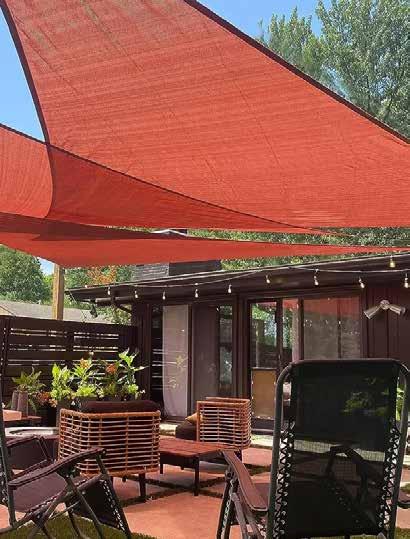
The longer, warmer days are here, giving our lawns and gardens some much-needed attention after a particularly long-lasting winter. Northern New England can make us wait to get the process started, but once the frost has ended for the season, we finally get to spend some time outside. But as is the case many years, it can be a short timeframe between shoveling off or getting a suntan on the back deck. With a good stretch of hot and humid days expected each summer, it’s important to ensure there are plenty of shaded areas to keep your kids, your pets, and yourself from overexposure to the sun.
A proper amount of shade in your yard isn’t just important for you and your loved ones. Your gardens, your lawn, and your landscaping can experience the negative effects of the hot sun just the same. All the time spent during the spring cleaning up leaves, clippings, and various debris can be quite the project itself, not to mention spreading fertilizer and soil, and getting all the seasonal plants and flowers perfectly in the ground. But with the sun shining its brightest and warmest during these next few months, finding creative ways to provide shading will protect all the hard work you put in the past few months, making your yard and garden flourish.
Depending on who and what needs more shade than the natural landscaping of your yard provides, creating shade can be as simple as setting up an umbrella or two on the patio or over the picnic table. This option is not only the most affordable way to keep your backyard from burning your lawn or your shoulders, it is also the easiest to assemble and disassemble. Umbrellas don’t make the best permanent shade solution, but for the vacationers who don’t want to spend too much time or money on

the setup or take-down process, they could be the ideal choice. Another easy, but optimal solution that helps cool down the front porch or keep everything thriving in the planters hanging from the siding on your house is installing an awning. Retractable awnings can extend and retract with the flip of a switch, by using a hand crank, and some more modern versions even come with an app that can operate the awning over wifi. Once you’ve chosen the location for the awning and verified that the area it will be attached to is sturdy enough to hold the weight of the frame and the awning, the framework can be fastened to the wall, and you can be enjoying the shade without having to spend a lot of time setting up or hiring someone else. Not all awnings need to be attached to the house, however. Free-standing, retractable awnings can be purchased at hardware stores or online and set up within minutes of opening the box.



kurt.rague@healthmarkets.com


One of the more popular and effective options for shading your yard in New England is hanging up shade sails. This sunlight and heat-reducing method involves angling the cloth “sail” in the right way to let in and keep out the perfect amount of heat, light, and water. Specialized shades can be bought that offer varying percentages of UV protection as well. The sail shape used will depend on where you are setting up the shade. Standard sail shades are triangular, rectangular, and square, while for the more architecturally unique backyards, there are plenty of companies that can create customized sizes and shapes. For the smaller yards and garden areas, setting up the sail shades yourself can be done fairly easily, especially when the structure that you’ll attach the sails to is already installed. If not, 6x6 pressure-treated posts can be put in place with a shovel, a level, and a bag of cement. Getting the shades hung up and shading the ideal spot can be done pretty quickly. If the shades didn’t come with eye screws, extra rope, and easy-to-use fasteners, your local hardware store will likely carry all of them to help you complete the job.
The right balance of sun and shade can sometimes be harder to achieve than opening the umbrellas or hanging some sail shades in a few spots. For a more permanent and resale value-improving way to duck away from the sun’s harsh rays, homeowners can look to construct a covered gazebo or pergola in the backyard. These options not only serve a great purpose throughout the summer, but since they will be a part of your yard year-round, they can make a great spot to stay dry during a cool spring rain or to maintain the right balance of light and darkness for the early and late season plants and flowers. Gazebos make great platforms for planter boxes and hanging plants,
We can no longer take the safety of our water for granted. When you turn on your faucet, bathe your child, water your lawn, or flush your toilet, you want to know that your water is safe and clean. We will test and explain your water chemistry in a way that is easy to understand and then recommend the most efficient, effective and economical water treatment solution, custom fit to your needs.


while pergolas are a great option to display those climbing vine plants, especially roses. For the overhead covering, turning it into a floral canopy not only increases the aesthetic appeal, but the flowers can spread out enough to create a nice, shaded spot to sit and relax.
Ambitious builders can consider a few other permanent methods for keeping the ideal mix of sun and shade in the backyard. If the yard has a pool or hot tub, a cabana can be a great addition to the outdoor oasis on your property. The cozy and enclosed seating area will give those folks who enjoy their time poolside a chance to get out of the sun, and make for a great spot to sit outside on a clear night for some stargazing. Looking to add some elegance to your outdoor living? A loggia is a bit like a free-floating balcony or terrace. This Italian-inspired backyard feature usually spans the length of the house and makes a great environment for an outdoor fireplace and hearth. Adding to the European chic, loggias are often designed with columns and arches. For the people who spend a lot of time entertaining, outdoor bars, grills, dining tables, and lounge areas are popular additions to the loggia.
For the homeowners that are also looking for a long-term solution to their yards’ over abundance of sunlight, the slow and steady approach is also the most environmentally friendly. Plant trees! Deciduous trees are a great way to shade your yard. Nurseries will carry some as large as 10 feet, while some larger-scale nurseries and garden centers may have some more mature options for sale that can scale up to 20 feet. If tall trees are something you’d rather develop on your land over time, a younger tree may only yet stand about four feet tall and be taken home in a larger flowerpot.
Many of us spend as much time as we can outdoors when the weather is as ideal as it is during the Lakes Region summertime. Whether we spend our time and energy beautifying our lawns and gardens or entertaining friends and family in the backyard, having too much fun in the sun without getting a good amount of time in the shade can put an end to the fun quickly. Keeping everyone cool and comfortable while also maintaining radiant landscaping and gardens during the hottest times can be a simple and affordable process, whether you are setting up a pergola, stringing up some shade sails, or adding a few larger umbrellas throughout the yard. There are plenty of ways to protect that backyard oasis, and it doesn’t take a massive construction project or the need to hire a landscaping company to achieve the ideal climate to keep everyone cool and keep your yard green and vibrant.

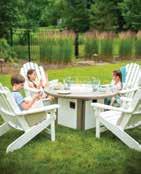




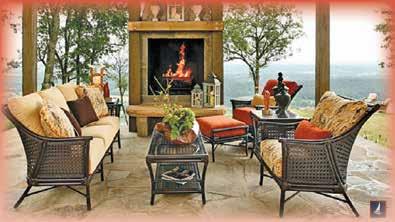

Fuel is a necessity for millions of drivers on the country’s roadways. According to a recent report from Experian Automotive, approximately 1.4 percent of the 292.3 million cars and trucks on the road in the United States in 2024 were electric. Even though the number of EVs is rising, there are still plenty of people behind the wheels of gas-powered vehicles that require routine fill-ups.
As of late March 2026, Canadian gas prices surged to an average of roughly $1.68-$1.86 per liter (there are roughly 3.785 liters in a gallon).

The national average gas price in the United States at the same time was $3.98 per gallon. When gas prices rise due to various factors, drivers are increasingly interested in ways to conserve fuel and stretch their dollars further. Here are some ways to mitigate rising gas prices.
• Reduce your speed. Driving at moderate speeds increases the efficiency of fuel consumption. Some vehicles may feature an “ECO” mode that optimizes fuel consumption by restricting engine power, among other changes, or notifies the driver when they are driving in a manner that is using fuel wisely. Driving above 50 miles per hour reduces fuel economy considerably.
• Practice smooth driving. Drivers should avoid aggressive starts (gunning it) and hard braking, which can eat into fuel
efficiency. Letting off the accelerator early and coasting to red lights or stop signs helps.
• Rely on cruise control. Cruise control helps maintain a steady speed, which can save fuel on highway travel.
• Keep tires inflated. Properly inflating tires to the manufacturer’s recommended PSI can improve fuel economy by roughly 0.6 percent to 3 percent for most drivers, offers the U.S. Department of Energy. Driving on tires that are 20 percent under-inflated can reduce fuel economy by as much as 10 percent. Removing unnecessary heavy items from the vehicle also can help to reduce drag.
• Limit idling and combine trips. Turn off the vehicle when stopped for more than a few minutes. When running errands, combine short trips to keep the engine warm, which is more efficient.
• Skip the premium fuel. Unless a vehicle owner’s manual specifically recommends filling up with premium fuel, drivers will not see an increase in performance by choosing this more expensive option, offers Progressive Insurance. A person will just be paying more for premium, which is always more expensive than standard 87-octane fuel.
Drivers can use various strategies to conserve fuel when gas becomes more expensive. ~Metro


































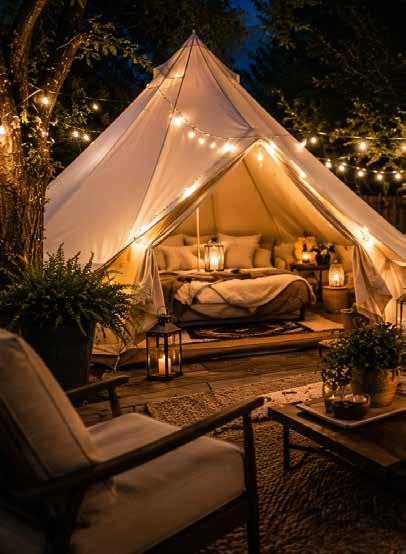
By Alyson Short
The campfire crackles. Stars blink on one-by-one overhead. Somewhere nearby, your nephew is roasting a marshmallow with the focused intensity of a scientist. You’re not in the White Mountains. You haven’t driven an hour on a logging road or reserved a campsite six months in advance. You’re twenty steps from your back door — and somehow, it feels like a real escape.
The backyard campout is having a real moment. Call it the slow-living movement, the post-pandemic hunger for simple pleasures, or just a parent’s creative attempt to get everyone off screens for an evening. Whatever the reason, more people are discovering that a meaningful retreat does not require plane tickets, campground reservations, or expensive gear. Sometimes it simply requires intention.
Whether your style leans rustic and woodsy or more glamping-inspired with layered blankets and lantern light, transforming the backyard into a mini-retreat offers something increasingly rare: uncomplicated time together.
Set the Scene: Creating a Real Atmosphere
The difference between “sitting in the backyard” and “camping at home” is atmosphere. Fortunately, it does not take much to create it.
Start with lighting. String lights or lanterns instantly change the feeling of a space. Solar or battery-powered cafe lights strung between trees or along a fence create warmth and definition, while solar path lights offer a softer glow without cords. For a more rustic look, tiki torches or citronella candles pull double duty by adding ambiance while helping keep bugs away. Next, create a central gathering space. A canvas tarp, outdoor rug, or layered blanket zone helps define the camp “living room.” Add a few Adirondack chairs, low camp stools, a hammock, or
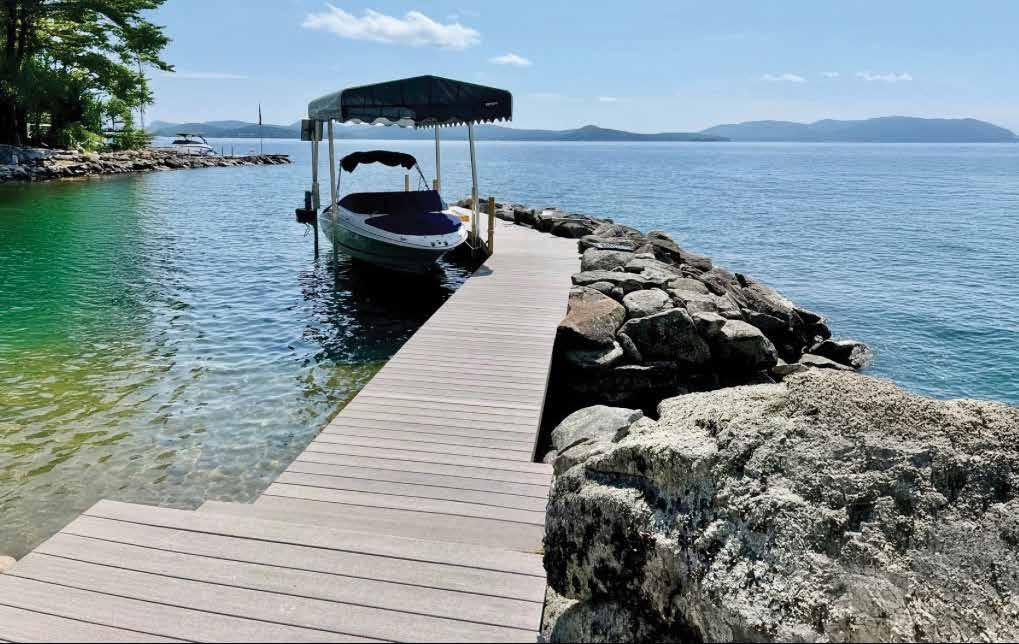

oversized floor cushions, and suddenly the backyard becomes a place people naturally settle into. Resist the urge to make everything too polished; the slightly imperfect comfort of a real campsite is part of the charm.
Finally, anchor the entire experience with some kind of fire feature. A traditional wood-burning fire pit is ideal, but propane fire tables or chimineas work beautifully too. Fire changes the pace of an evening. People linger longer, conversations slow down, and even silence feels comfortable around flickering light.
Kid-Friendly Ideas That Actually Work
Children are perhaps the easiest converts to backyard camping. Remove the screens, hand them a flashlight, and suddenly an ordinary lawn becomes wilderness.
Sleeping outside is the centerpiece of the experience. Even a basic tent pitched close to the house feels genuinely adventurous to children. The sounds are different. The air smells different. There is a special pride in “surviving” the night outdoors.
Let kids help set everything up. Ownership matters. Allow them to choose sleeping bags, arrange lanterns, or decorate the campsite with handmade signs and scavenged sticks.
A classic s’mores station instantly elevates the evening. Go beyond the standard setup with multiple chocolate choices, flavored marshmallows, sliced strawberries, peanut butter cups, or even sea salt caramel squares. Children love experimentation, and a playful “best s’more” competition keeps the energy lively.
Backyard scavenger hunts work especially well at dusk. Create a list that mixes natural items with sensory discoveries: Something smooth, something that smells interesting (perhaps a ‘scat’ screening beforehand is in order!), a feather, a sound from the woods, the Big Dipper, a firefly, a pinecone, etc.
Add small flashlights, and suddenly the backyard feels expansive and mysterious.
Stargazing is another surprisingly memorable activity. Download a free astronomy app or print a simple seasonal star chart. Spread blankets across the lawn and look for constellations together. Children who might resist a history lesson indoors will happily listen to stories about Orion, Cassiopeia, or the North Star while lying beneath the night sky.
Outdoor movie nights also blend beautifully into backyard camp evenings. A simple projector aimed at a sheet or fence paired with popcorn and blankets creates an experience children remember for years.
Backyard camping is not only for children. Adults often discover that stepping outside — even by just a few feet — creates a surprising psychological distance from daily stress.
One of the most effective upgrades is also the simplest: put the phones away. A no-phones agreement changes the atmosphere almost immediately. The first few minutes may feel unfamiliar, but before long, conversation slows into something more natural and unhurried.
Food and drinks deserve attention too. Camping meals feel special because they are slower and more tactile. Skip rushed grilling and try foil packet dinners filled with vegetables, butter, and herbs. Toast bread over a fire grate. Caramelize peaches or pineapple over low coals for dessert.
Even beverages can become part of the atmosphere. A cooler stocked thoughtfully with local craft beer, sparkling water, wine, or even a thermos for proper hot chocolate in enamel mugs helps signal that this is leisure time, not simply another evening


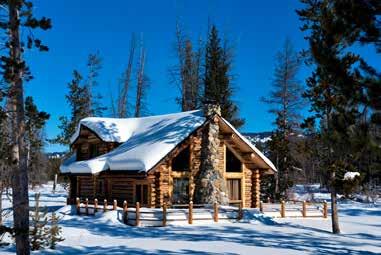



outside.
Comfort also matters more for adults. Thick sleeping pads, quality blankets, and supportive seating make the experience dramatically more enjoyable. A glamping-style setup with layered bedding, soft lantern light, and outdoor rugs can feel surprisingly luxurious. If the ground has become too hard for your back and joints, quality cots are an essential and easy addition.
And then there is the morning after — arguably the best part. Wake naturally with the light. Brew coffee outdoors or carry it outside in your favorite mug. Sit quietly before the rest of the household wakes up. Birds move through the trees. Dew settles on the grass. The day feels unhurried in a way modern life rarely allows. That single quiet hour often becomes the moment people remember most.
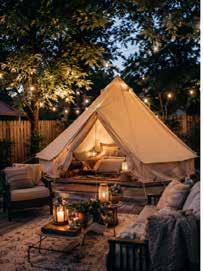
Backyard camp retreats also make wonderfully memorable gatherings for guests. Instead of another standard cookout, consider inviting friends for a “camp night” complete with lantern-lit seating, fireside desserts, and optional overnight tents.
Small hospitality touches go a long way. A basket filled with bug spray, flashlights, blankets, wool socks, and lip balm immediately makes guests feel cared for.

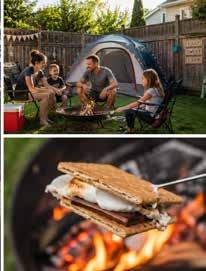
A self-serve beverage station adds warmth and interaction. Set out a thermos of hot water alongside teas, cocoa packets, cinnamon sticks, and honey. Guests naturally gather around these small rituals. If people are sleeping outside, comfort becomes especially important. A guest tent with a real sleeping pad, layered bedding, and a battery lantern inside feels thoughtful and welcoming. Adding a paperback book or a carafe of water creates a boutique-hotel touch in the middle of the backyard.
One especially charming idea is a simple printed “camp schedule.”
Whether sincere or tongue-in-cheek, something like: 7 pm — Fire lighting, 8 pm — S’mores, 9 pm — Stargazing, 10 pm — Ghost stories (optional!) ; gives the evening a relaxed structure while still feeling hospitable and novel for guests.
Rustic or Glamorous — Both Work
One of the joys of backyard camping is that it scales beautifully to your style and budget.
Some families may prefer a rustic experience with lanterns, plaid blankets, and cast-iron cookware. Others may lean toward glamping with canopy tents, layered textiles, charcuterie boards, and twinkle lights overhead. Both approaches accomplish the same thing: they transform familiar space into an intentional

Specializing in custom-made braided rugs
Hand-laced from new wool with no exposed stitching, our rugs are incredibly soft underfoot yet built for long-lasting durability. Fully reversible for extended wear and guaranteed to never come apart.


in stock!
retreat.
There is something our overscheduled, climate-controlled, notification-saturated lives tend to forget: rest doesn’t require distance. Restoration isn’t about the miles you travel, it’s about the quality of your attention. Backyard camping offers something restorative precisely because it is simple. There are no flights to catch. No check-in times. No packed itineraries. Your backyard retreat is closer than you think: Just firelight. Conversation. Cool evening air. The sound of people you love talking quietly or giggling nearby.
Sometimes the retreat we need is already waiting outside the back door.





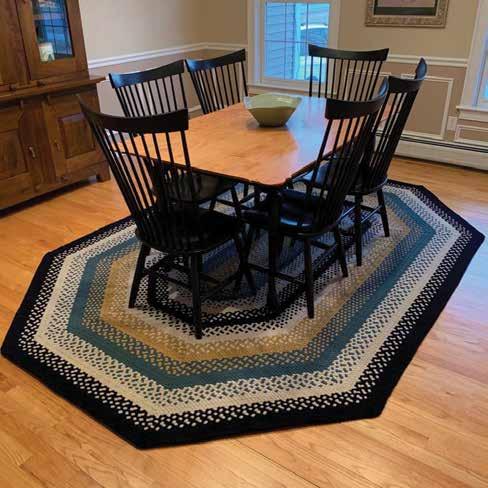
Certain components are a musthave when creating or revamping an outdoor living space. A grill, a place to enjoy al fresco dining and easy access to a home’s interior are mandatory for outdoor living spaces. But outdoor living spaces can be so much more than the basics.
Creature comforts can turn an adequate outdoor entertaining space into a spot homeowners and their guests won’t want to leave. Homeowners looking to get more out of their outdoor living spaces can consider an array of creature comforts that will quickly transform their backyards from standard to special.
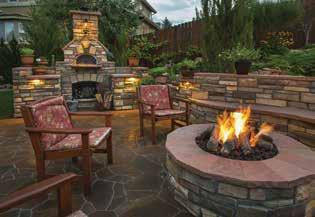
doors. Savvy homeowners can populate planter boxes with plants that perform double duty by producing beautiful aromas while repelling insects from living spaces. Work with a local garden center to identify plants that can achieve this goal.
It’s customary to light walkways leading into outdoor entertaining spaces, but the right lighting around the spaces themselves also can set a warm and comforting tone. String lights can set a festive and relaxed tone without overwhelming outdoor living areas with so much light that residents and guests will feel uncomfortable. Some strategically placed lamps and lanterns also can help to illuminate a space without flooding it with light.
Perhaps no home feature is more effective at creating a cozy, comfortable and welcoming feel than a fireplace. While fireplaces are generally associated with indoors, more and more homeowners are incorporating them into their outdoor living spaces. Fireplaces now come in a range of styles that can suit any aesthetic and budget. Homeowners who want their outdoor living spaces to remain comfortable when the sun goes down and the temperatures drop are urged to consider a fireplace.
Planter boxes located in various areas around a patio or deck can set a calm and serene tone. Planter boxes also serve to remind residents and guests that they’re enjoying the great out-
A privacy screen can increase comfort by ensuring residents and guests that no one can see into an outdoor living space. There are many ways to create privacy screens. Trees planted around the perimeter of an outdoor living space can establish the area as a serene and private space. Structural privacy screens can be created from fencing materials, decorative metal panels or more traditional options like lattice.
These are just a few creature comforts that can be added to outdoor living spaces with the hopes of making them more comfortable places to spend a day or evening. ~Metro



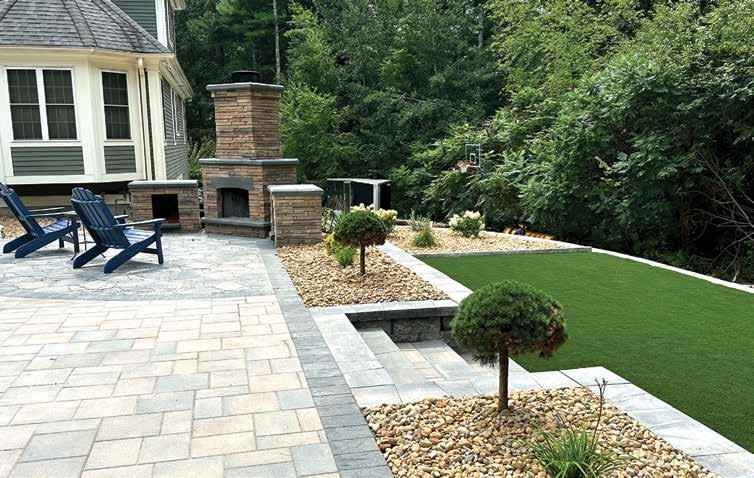











Extreme weather is no longer an aberration. Drought conditions are one of the extreme weather phenomena that people may experience in a given year, making managing water usage a critical aspect of home ownership.
Researchers warn that drought is expected to increase in both frequency and severity, putting a strain on an already tapped resource: water. The Environmental Protection Agency says outdoor water use accounts for up to 50 percent of all residential water consumption. That can add up to a waste of approximately four billion gallons of water each day. Adopting water-wise strategies can significantly reduce environmental impact, all the while keeping a landscape thriving.
Explore Hydrozoning
Homeowners can get in the habit of grouping plants with similar water requirements in the same area, known as hydrozoning. This reduces the blanket irrigation technique that has high-water-need plants like lawns being watered on the same schedule as drought-tolerant shrubs. Colorado State University notes that segregating these zones can make it easy to direct a limited water supply exactly where it’s needed.
Time It Right
Minimizing water loss should be a goal. Evapotranspiration will occur more readily when plants are watered during the heat of the day. Most experts advise that the optimal window for irrigation takes place between 9 pm and 9 am.
Water Deeply
Light, frequent watering is a common mistake made by homeowners. Utah State University says doing this will encourage shallow root systems that are more susceptible to heat

and drought. Rather, homeowners should aim for deeper, less frequent watering to force roots to grow deeper into the soil in search of moisture. This produces plants that are more resilient and capable of riding out dry spells.
Use Soil Amendments
Applying a two- to four-inch layer of organic mulch around trees, garden beds and shrubs can help retain soil moisture readily. Also, adding compost to the soil will improve its structure and ability to retain water. In sandy soils, compost can help retain moisture. In clay soils, compost helps improve drainage and aeration.
Rely On Passive Techniques
Capturing rainwater and using it in gardens will help to reduce reliance on municipal water systems or well water. Techniques like grading the land to create small water basins can help, says the University of Arizona. Also, homeowners can use collection devices to utilize rainwater and direct it right to plants.
Brown Grass Isn’t Bad
Homeowners should realize that cool-season lawns are designed to go dormant when they aren’t frequently watered. Although the lawn is brown, it is likely not dead. Lawns can recover quickly after water restrictions are lifted. Therefore, homeowners can direct preserved water to other elements like trees and shrubs that may need it more to thrive.
Drought can wreak havoc on a landscape if homeowners do not take steps to ride out the dry spells. ~Metro

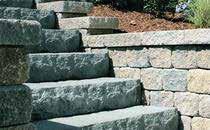


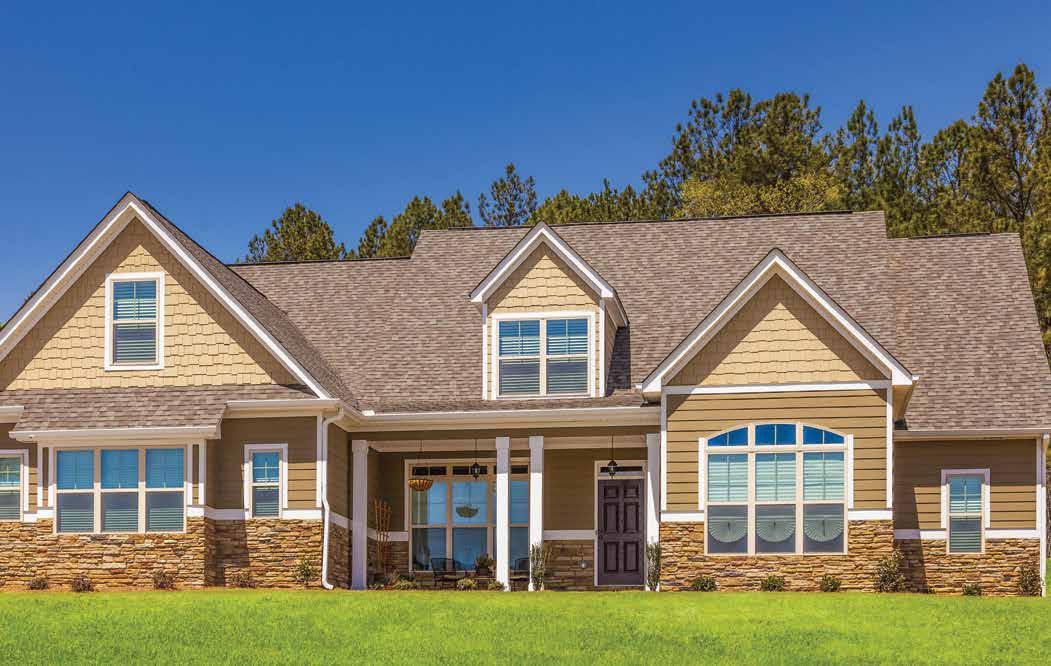



Many homeowners want their backyards to serve as sanctuaries. However, some may be sharing their relaxing backyard domains with uninvited guests. From raccoons checking out trash cans to deer munching on prized flowers to squirrels raiding the bird feeders, unwanted wildlife can transform a normally peaceful spot into a frustrating space. According to data tracked by the USDA Animal and Plant Health Inspection Service, wildlife damage in the United States accounts for billions of dollars in losses each year. Although a large portion of these losses is agricultural, residential damage should not be overlooked. Deer, rodents, raccoons, moles, and skunks are known to wreak havoc on






Keeping animals out of the yard requires an approach that balances efficacy with humane practices. These tips, courtesy of the Humane Society of the United States, can help.
• Modify the habitat. Homeowners should remove the incentive for animals to visit a landscape. This means identifying features that attract wildlife and removing them. Picking up fallen fruit from trees, locking trash bin lids, storing birdseed in airtight containers, and treating the lawn for grubs can reduce the chances that animals will visit.
• Erect physical barriers. Fences make for great neighbors and also are a viable option for keeping out large intruders. To deter deer, homeowners likely will have to put up a fence that is at least eight feet tall, as deer can easily jump lower barriers. For burrowing animals, fencing that extends underground and turns outward is essential to prevent digging.
• Use sensory deterrents. Modern repellents use smells or tastes that will keep animals at bay. For example, some repellents will use predator urine to dissuade certain animals from spending time in the yard. Additional deterrents include motion-activated sprinklers or lights that scare animals away.
• Work with neighbors. Critter prevention must be a community effort. If one neighbor is leaving out food for feral cats or feeding deer, then they may be compromising the efforts of homeowners looking to keep wildlife at bay. Making a neighborhood pact to be consistent with pesky animals will help everyone avoid damage and potential animal interactions. ~Metro



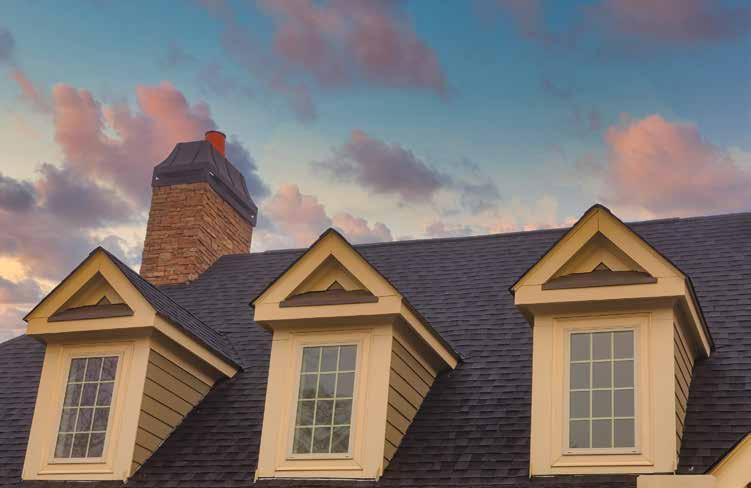




Crafting Lakefront Luxury for Homeowners, Designers & Architects
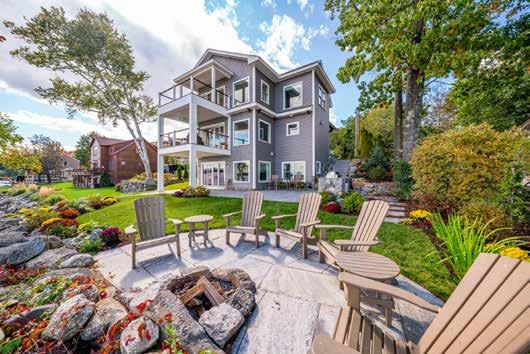
Transform your vision into a flawless waterfront masterpiece where impeccable craftsmanship meets inspired design. Our expertise bridges pristine inspirations, building homes that blend art to nature, allowing your living without compromise.

Upon the arrival of the dog days of summer, few things can be as welcoming as a cool home. Air-conditioned interior spaces offer a much-needed respite from summer heat, but that relief is not guaranteed. Indeed, a summer heat wave can be just as taxing on an HVAC unit as it can be on people. But some simple pre- and in-season maintenance tips can go a long way toward ensuring an HVAC unit provides ample relief once the mercury rises.

• Replace the air filter. Prior to summer, replace the filter on your HVAC unit. Doing so ensures dust, dirt, and allergens won’t affect the efficiency of the unit. An inefficient HVAC unit will make it harder to cool the home, and that may force the unit to work harder, which in turn can lead to a higher energy bill.
• Don’t forget the condenser. The condenser is the unit on the outside of your home. Over time, debris from the landscape, including dirt, grass, and leaves, can get inside the condenser and potentially affect the performance of the unit. While it’s inevitable that some landscape debris will get into the condenser, routine checkups and removal of debris can ensure that the buildup is not excessive.
• Lend a hand inside. For people who live in areas where summer can get especially hot, there may come a point in time when even the most well-maintained HVAC unit can use a
hand. Homeowners can take certain steps during heat waves to improve the efficiency of their HVAC unit with an eye toward saving money and preventing the unit from overheating. Closing curtains and blinds during times of day when the heat is peaking or particular rooms in a home are drenched in sun can naturally lower the temperature inside a home, thus alleviating the burden on the HVAC system. Ceiling fans also can be employed while the air conditioner is running to circulate cool air more effectively. That can prevent the HVAC unit from working extra hard to cool the home.
• Take a different approach to dinnertime. If you’re accustomed to turning on the stove each night at dinnertime, recognize that doing so will increase the interior temperature of your home. As the temperature inside increases, the air conditioner will work harder to keep interior spaces cool and comfortable. That can be taxing on the HVAC unit and lead to higher energy costs. When it comes to dinnertime during the dog days of summer, consider cold dishes like salads and/or grilling so the stove can stay off as much as possible.
Some simple maintenance tips and strategies can ensure an HVAC unit provides ample relief come the dog days of summer. ~Metro