Lakeport Landing Marina has enjoyed over 47 years of business in the Lakes Region. Our facility represents the finest example in Marine Sales and Service. Not only can Lakeport Landing Marina make the dream of owning a boat possible, but we will help you completely maintain and pamper your boat for as long as you own it.
Dried Flowers for Fall… and Beyond
By Kathi Caldwell-Hopper
No one wants to lose the beauty of summer flowers once the season has passed. But how to hold onto the loveliness and colors of summer blooms long into the seasons of fall and winter until springtime rolls around with the promise of fresh flowers?
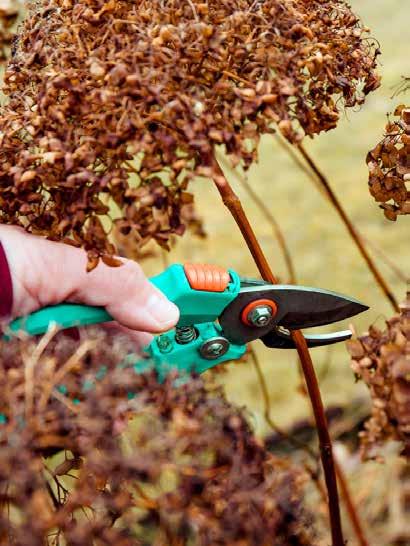
Drying flowers is a good way to keep the blossoms that you love after summer ends. Rather than say goodbye to your summertime flower gardens, you can choose favorite florals and dry them for the future.
Many gardeners think drying flowers is too difficult or they attempt it and do not get the results they hoped for. The good news is that with a little patience and determination, you can dry your garden flowers to enjoy once summer comes to an end.
Liz and Aaron Lichtenberg, of Winnipesaukee Woods Farm and Busy Lizzie’s Blooms in Alton, know the ups and downs of drying flowers and have mastered the techniques necessary to create dried floral centerpieces, wreaths, and more.
During the summer season, Liz and her husband, Aaron, are busy growing a variety of flowers for their business clients. They are sought after by couples planning weddings and are retained to create flowers for events and weddings large and small. Liz says, “I primarily focus on special orders, providing market bouquets for Gilford Village Store and weddings.”
Liz sees the potential in flowers and hates to see any of them go to waste. Thus, she thought dried flowers might be an answer to holding onto the flowers that summertime brings. “As we grow more and more flowers at Winnipesaukee Woods Farm, inevitably, there is waste, as you cannot predict what the market will want or what bounty will come in any given year. We are highly sensitive to waste, so we started drying flowers just to feel like we were doing something with them beyond creating compost.
“We really didn’t have any plan at first. However, if you give
Photos courtesy Winnipesaukee Woods Farm
this mouse a cookie, she’s going to want to play and experiment. Before I knew it, we were drying and saving more flowers than I knew what to do with, and that is when my wreaths and arrangements started to get more complex and sizeable. I stopped conserving and worrying about running out of certain varieties and colors, and that is when I really started to enjoy designing with dried florals. When you don’t have limitations, the possibilities for design are endless.”
Admittedly, Liz and Aaron are garden experts. Novice or home gardeners may wonder if they too can pull off drying flowers. Liz explains that weather and enough space to dry the flowers are the basics.
“The hardest part of drying flowers, once you know what flowers can be dried successfully, is having the space and right environmental conditions. This summer has been amazing for drying flowers (but terrible for growing them!) because it is hot and dry. Everything is hung upside down to dry on lines in our garage studio. We band them, strip all the leaves and pin them to the line using clothespins. They hang out there until we have time to deal with them or we run out of space. Once dry, the flowers are organized by color or variety in recycled floral
boxes. Then, they land in our spare room, where it is dry with low humidity, until fall when I have time to work on dried floral projects.”
Liz goes on to comment about the properties of various flowers and those that work well (and not so well) for drying. “There are a few varieties we have learned over the years that are a bit more finicky, like eucalyptus, zinnia and dahlia. Eucalyptus requires glycerin to dry effectively. Zinnia and dahlia I find to be useless in design work unless you use a dehydrator to dry them down quickly to retain their color and shape. Others say otherwise, but this has been my experience.”
Drying times and weather are important factors; if you want dried flowers on a time frame, it is best to consider a few things. Liz says, “If there are more layers/petals, the longer it takes. Lisianthus and peony are slower to dry. Also, it depends how much moisture is in the plant at the time of drying and on the humidity and temperature. A couple days if it is a summer like this summer. Weeks if it’s rainy.”
Dried florals by Winnipesaukee Woods Farm bring flowers into your home year-round.
It is often assumed that to dry a flower, one simply hangs it upside down and waits for it to dry out. Liz says, “For some flowers the process is that simple, but keep in mind you also want it out of direct sunlight, so it doesn’t bleach the colors.”
The couples that retain Liz and Aaron for their wedding flowers speak highly of their experience working with the expert gardeners. Liz laughs as she says, “I dream it and Aaron can actually make it grow and happen...he’s definitely a bit of a plant whisperer and I am pretty darn lucky to have him!”
After a busy growing season, their love of flowers shifts somewhat as they look ahead to the seasons of late autumn and winter. That is the time to work with the flowers they have amassed during the summer and to enjoy creating with the many blooms they could not see go to waste.
The process of crafting a bouquet, wreath or other object is not always simple. There is a definite learning curve and patience is required, because as Liz says, “These flowers are already dead. The colors are often faded. The petals shriveled. They shatter easily. But, with the right combination, a lot can be done with dried flowers. This is what is alluring to me.
“Most recently, I have been playing with other pieces using dried florals including hanging ‘centerpieces’ like I have done for wedding work and display pieces using other elements such as driftwood, shells and moss to go under cloches. The Brickhouse Affair in Gilmanton has been a great supporter and an inspiration for some of my newer musings.”
An appreciation for dried flowers comes when working with the varieties and what can be done to make something new vs. to discard blooms. “I love the challenge of working with something that is not always inherently beautiful and turning it into something that can be appreciated,” Liz adds.
With sumptuous florals at Liz and Aaron’s disposal, the choic
es of florals for dried work are endless. What might be Liz’s favorites to dry? “Celosia Cristata because it retains color and it’s a fun form. Frosted Explosion Grass for its sparkle and ability to add space and texture. Eucalyptus and Dusty Miller for fillers and ‘greenery.’ Ranunculus...larkspur...matricaria...and of course, strawflower.”
If you are considering purchasing or making a dried flower arrangement or wreath, you will be happy with the finished product, but there are some considerations. One question is how long will the dried flower piece last? “Forever, if you are okay with a little fading and dust. We have many wreaths in our home that have been around for years. We have been experimenting with sealing our wreaths with matte finish, but I have mixed feelings about it, as you are taking something that was grown with organic, natural practices and throwing chemicals onto it,” Liz concludes.
Modest about her talents, Liz adds that she is completely selftaught, starting with farmer’s market bouquets and gradually moving into the wedding world. “We started super small with people we knew and gradually grew from there. We learn every single day and are committed to design based on relationships with our client base and a passion for responsible growing, foamfree design and local flowers. We have met so many wonderful people who share our values and make growing and design meaningful and a joy.”
With a definite love for flowers and all growing things, it seems natural that Liz and Aaron have added dried flowers to their list of talents. They bring beloved summer flowers to renewed life, enjoyed by many – year-round.
We are on a mission to change the way you feel about insurance.
Buying insurance is one of the most important protections you can offer yourself and your family. Chalmers offers easy, knowledgeable advice, all in one call.
Visit www.winniwoodsfarm.com or email woodlandsfarm
8 0 0 - 3 6 0 - 3 0 0 0
Our team is ready and waiting!
When you choose Chalmers, you can expect:
A personalized experience every step of the way
A relentless commitment to excellence
A fresh approach to understanding insurance
Access to 100% digital communication and billing
Same-day coverage
Simple Ways To Get Through A Power Outage
Electricity is vital to modern life. When a power outage strikes, life can be turned upside down in a heartbeat, particularly when communities remain in the dark for hours or even days on end.
A loss of power can knock out internet communications, close retail businesses, prevent use of medical devices, and adversely affect transportation. Power outages can cause food spoilage, affect HVAC systems and impact indoor temperatures, and may even prevent some water wells and septic systems from operating.
No one wants to be inconvenienced by a loss of power, but taking certain steps in anticipation of a potential outage can make it easier to manage these unwelcome disruptions.
• Invest in a generator. A portable or whole-house generator can be a valuable investment. Whole-house generators will switch on when power is disrupted to the home. A portable generator takes a little more work to get started and runs on gasoline. But it can be used to provide power to some appliances in the home, depending on size, or to keep a light or two on as needed. Portable generators should be kept away from windows and far enough from the home (20 feet) to prevent carbon monoxide exposure.
• Keep flashlights, candles, and batteries handy. Make sure to have these items at the ready and easily accessible. Extinguish candles before retiring to bed, and always exercise caution around open flames.
• Charge devices. Keep mobile phones, tablets, laptops, and any other devices fully charged if an outage warning is issued. A
fully-charged power bank or a solar-powered charging station also can be helpful. Store a charging cable in the car and use that to replenish power supplies if the outage lasts a while.
• Prepare for food storage. Keep freezers and refrigerators closed as much as possible to retain the cold air inside. The U.S. Department of Agriculture says a refrigerator will keep food safe for up to four hours during a power outage. If the outage lasts more than four hours, discard meat, poultry, fish, eggs, cooked leftovers, milk, and yogurt. Fill a cooler with ice bags or frozen bottles of water to keep additional items, including medications, cold.
• Plan for cooling or heating a home. The American Red Cross suggests using sealant around windows to insulate the home. Extra blankets can keep people warm. Opening the windows for a cross breeze may help when it’s hot inside. However, if the weather is very hot or cold and the indoor temperature cannot be maintained, go to a location with air conditioning or with heat. Don’t use the stove or an outdoor grill indoors for warmth.
• Stock books, puzzles, and games. Figure out ways to keep busy that don’t require electricity. These can include crafts, reading material, puzzles, board games, and more.
• Unplug appliances. Unplug appliances and other devices so they are not damaged when the power returns and potentially surges.
Power outages can be a nuisance and even dangerous. Plan accordingly if a storm is expected to knock out power. ~Metro
Fence® has been keeping pets happy,
How To Spot A Mold Infestation In Your Home
Homeowners know the work related to their homes is never done. Tasks ranging from routine maintenance to minor tweaks to large projects are part of homeownership.
Mold can grow in showers and even behind bathroom tiles.
MAINLOGO
and safe at home for more than 50
Give
pet the freedom to run and play the way nature intended, and give yourself the freedom to drop the leash!
Some of the work related to a home focuses on functionality, while other tasks might be all about aesthetic appeal. Potential health concerns related to a home also merit homeowners’ attention. Mold is one such issue. Though it’s impossible to pinpoint how much mold poses a health problem to a home’s inhabitants, it’s fair to suggest that homeowners feel that no mold is ideal. According to the New York State Department of Health, exposure to indoor mold can cause nasal and sinus congestion; eye irritation marked by itchy, red, and watery eyes; wheezing and difficulty breathing; cough and other types of throat irritation; skin irritation, including rash; and headache.
The potentially harmful consequences of a mold infestation inside a home underscore how important it can be for homeowners to learn to identify when they have a mold issue at home.
• Learn what mold looks like. Mold patches increase in size the longer an infestation goes unchecked, so it might be easier to stop an issue after it’s been around a while. The NYSDOH notes that mold typically appears as fuzzy patches that may be discolored or even slimy.
• Recognize that mold also can be malodorous. Mold produces a distinct musty smell that is often the first symptom people recognize when they have an infestation at home. If a musty smell is present in a room, try to follow it to its source. That may involve some trial and error, as mold can grow behind and even underneath surfaces, including carpets, wallpaper, and cabinets. Mold can also grow behind walls, a situation that may necessitate working with a remediation professional.
• Know where to look. Though mold can grow anywhere in a home, certain areas in a home are more vulnerable to an infestation than others. Rooms affected by moisture are susceptible to mold growth. In bathrooms, mold may grow around sinks, shower stalls and curtains, and tiles. In kitchens, mold can grow on tiles and even on the seal around a refrigerator door. Mold can also grow on and around window air conditioner units.
The NYSDOH notes that certain people may be more vulnerable to mold-related health problems than others. Such individuals include people with existing respiratory conditions and those with compromised immune systems. Homeowners can prioritize safeguarding their homes from mold infestations and, when necessary, work with remediation professionals to eliminate existing issues and reduce infestation risks going forward.
Protecting a home against a mold infestation is a simple yet important task homeowners can look to in an effort to keep their homes safe and healthy. ~Metro
Your Experts in Beauty and Wellness
Experience ultimate relaxation and rejuvenation at our premier day spa in downtown Laconia! Whether you’re looking for advanced skincare treatments to keep your skin youthful or wellness services to help you feel your best, we have everything you need in one serene location. Our expert staff is dedicated to providing top-quality care in a clean, comfortable environment designed for your total relaxation. Treat yourself to the self-care you deserve, we can’t wait to welcome you!
Services:
Cosmetic injectables
(Botox, Xeomin, dermal fillers)
Microneedling
Laser hair removal
Laser skin treatments
Chemical peels
Radiofrequency skin tightening
Exosome hair restoration
Medical grade skincare
IV vitamin infusions
Facials
Dermaplaning
Facial and body waxing
Medical Weight Loss
Coming summer 2025 our new Hot and Cold Therapy Lounge!
Featuring a state of the art cold plunge and infrared sauna. Keep an eye out on our website and social media for opening dates!
Online booking available!
Aimee Hebert, RN
Certified Medical Aesthetic Nurse www.hideawayiv.com
Brenda Allen, LE
www.valor-esthetics.com
603-527-8127
39 Canal Street, Laconia NH
Scarlet Leaves, Clear Minds: Autumn Trails Offer a Prescription for Wellness
By Alyson Short
As autumn paints New Hampshire’s Lakes Region in brilliant shades of scarlet, gold, and amber, the changing seasons offer more than just visual splendor. The region’s extensive network of hiking trails and walking paths provides the perfect opportunity to experience what researchers increasingly recognize as nature’s powerful medicine for body and mind.
The health benefits of spending time in natural environments have captured the attention of researchers worldwide, yielding compelling evidence that our connection to nature is funda -
mental to human well-being. Author and researcher Richard Louv, whose work has profoundly shaped our understanding of nature’s role in modern life, writes that “the more high-tech we become, the more nature we need.”
Louv coined the term “nature deficit disorder” to describe the human costs of alienation from nature. His extensive research demonstrates that regular exposure to natural environments can reduce stress, improve attention span, boost creativity, and enhance overall mental health.
One of the clearest windows into nature’s immediate impact comes from Urban Mind, a research project led by King’s College London. Using a smartphone app, participants reported their surroundings and mood multiple times a day. Time in nature correlated with a roughly 20% lower risk of developing depression, and even incidental encounters with nature - such as hearing birdsong on a morning walk - reduced feelings of loneliness by up to 28%. Being outdoors and exposed to everyday nature features such as trees, sky, birdsong, and water, was tied to better moment-to-moment mental well-being, and the positive effects lingered for hours after the exposure.
Creativity also receives a boost after time in nature. Both the Urban Mind project and Louv’s “The Nature Principle” suggest that walking in nature can boost creative problem-solving and cognitive flexibility by as much as 60%. When our brains are freed from distractions, we can access deeper modes of thinking, such as reflection, synthesis, and intuition, that lie at the heart of innovation.
Psychologists Rachel and Stephen Kaplan proposed the Attention Restoration Theory (ART) to explain why nature helps us think and feel better. Daily life demands “directed attention,” which is the effort we use to concentrate, filter distractions, prioritize, and push through tasks. That system tires much like a muscle. Natural settings are rich in “soft fascination, the soft sway of grass, ripples of water, rustles of leaves, gentle, effortless attention” that allows our directed attention mechanisms to rest and recover. Unlike urban environments, hectic schedules, and digitally addled days that demand constantly focused attention, natural settings like forest trails and walking paths allow our minds to wander and restore cognitive resources.
The Japanese practice of “shinrin-yoku” or forest-bathing has gained scientific validation through numerous studies. Research
shows that spending time among trees can lower cortisol levels, reduce blood pressure, boost immune system function, and improve sleep quality. The Lakes Region’s abundant forests of maple, oak, birch, and pine provide ideal settings for this therapeutic practice, especially during fall when the crisp air and stunning foliage create optimal conditions for mindful nature immersion.
Not all “green time” must be a summit push. Even short, easy walks that deliver color, water views, and wildlife can meaningfully lift mood, reduce stress, and restore mental clarity, all things perfect for an autumn afternoon reset.
The Lakes Region offers hiking opportunities for every ability level, ensuring that the health benefits of nature are accessible to all. Here are some excellent options:
Castle in the Clouds Trail System (Moultonborough): This network features both challenging mountain trails and gentle carriage roads with spectacular lake views. The easier paths are perfect for those seeking the benefits of nature without strenuous elevation gain. The property’s 5,500 acres encompass diverse ecosystems from lakefront to mountaintop. (www. castleintheclouds.org/things-to-do/hiking-walking-trails/)
Cotton Valley Trail (Wakefield to Wolfeboro): This converted railroad bed provides a flat, accessible walking surface perfect for families and those with mobility considerations. The 12.5-mile trail passes through forests, wetlands, and rural landscapes, offering multiple entry points for shorter walks. (cottonvalleyrailtrail.org)
Prescott Farm Trails (Laconia): Three primary trails and additional field paths connect around the farm’s campus and adjacent woods, including views of the farm gardens, forest, and pond. (prescottfarm.org)
Mount Major Trail (Alton Bay): This popular 3.8-mile round-trip hike rewards visitors with breathtaking views of Lake Winnipesaukee. Multiple trail options allow hikers to choose their preferred difficulty level while still accessing the summit’s therapeutic vistas. (alltrails.com)
Squam Lakes Natural Science Center Trails (Holderness, entrance fees apply): These well-maintained, interpretive trails offer easy walking through varied habitats, with the bonus of seeing native flora and fauna. The 0.75-mile trail system is wheelchair accessible in sections and features educational stations that enhance the nature experience while keeping physical demands manageable. (nhnature.org)
Loon Center & Markus Wildlife Sanctuary Trails (Moultonborough): This easy 1.7-mile loop trail winds through 200 acres of mixed woodlands and wetlands along Lake Winnipesaukee’s shore. The path features wooden bridges, granite boulders, and marsh overlooks with excellent opportunities for wildlife viewing, including the sanctuary’s resident loons. Shorter lengths of the loop trail can also be enjoyed. (loon.org)
We are fortunate to have a nearly embarrassing number of trails and hikes in our area. Check your local Parks and Recreation department, online resources such as AllTrails, and local visitor’s centers for trail maps and additional suggestions.
To fully capitalize on nature’s therapeutic effects, research suggests several strategies. Go for frequency over heroics. The Urban Mind project shows that even brief encounters outside will lift your mood for hours. Aim for 20 to 40 minutes, most days of the week, if not daily. Engage all your senses – notice the crunch of fallen leaves, breathe in the earthy scents of an autumn forest, listen to rustling branches and lapping water. The Kaplans’ research emphasizes that natural environments rich in what they call “fascination” – interesting sights, sounds, and
textures that capture attention effortlessly – provide the most significant restorative benefits.
Practice mindful awareness during your outdoor time. Rather than rushing to reach destinations, allow yourself to move slowly and observe details. Notice how sunlight filters through changing leaves, how morning mist rises from lake surfaces, how the quality of light shifts throughout the day. This mindful engagement amplifies nature’s stress-reducing effects.
Consider the social dimension of outdoor time. Research shows that nature experiences shared with others can enhance both the psychological and social benefits. The Lakes Region’s trails offer excellent opportunities for hiking with friends, family, or organized groups, multiplying the positive impacts through social connection.
Most importantly, walk/hike safely. Choose trails and locales appropriate for your level of fitness and mobility. If nearby facilities are essential, check your destination for parking, bathrooms, water, etc. Visit hikesafe.org for more suggestions if your nature walks veer toward nature hikes.
As autumn progresses through the Lakes Region, the combination of comfortable temperatures, spectacular foliage, and crisp air creates ideal conditions for therapeutic outdoor experiences. Whether you choose a gentle lakeside stroll or a challenging mountain ascent, you’re participating in one of humanity’s oldest and most effective wellness practices.
The convergence of scientific research and traditional wisdom makes a compelling case: regular time in natural environments isn’t just recreational luxury, it’s essential medicine for our increasingly stressed, technology-saturated lives.
New Hampshire’s Lakes Region, with its diverse and accessible trail network, offers the perfect prescription for fall wellness, one step at a time.
INSTALLATION | REMOVAL | REPAIRS
Smart Fall Hiking Tips for Every Explorer
Fall hiking can be a unique and exciting experience. Thanks to the vibrant foliage, crisp air, and smaller crowds than might be around during summer, fall is a prime time to lace up one’s boots and hit the trails.
Beyond the opportunity to check out the amazing foliage displays synonymous with this time of year, spending time outdoors in the fall provides various health benefits.
According to UAB Medical West, some benefits of hiking include improved mental well-being, enhanced balance, and improved muscle strength.
As with any hiking trip, it is key to plan ahead to enjoy a safe and enjoyable adventure this fall.
• Layer your clothing. Fall weather can be unpredictable, and dramatic temperature fluctuations can occur between morning and afternoon. The trick is layering clothing to provide comfort and safety. Start with a moisture-wicking base layer, add an insulating layer like fleece for warmth, and top it with a wa-
terproof and windproof outer shell. Then you can adjust your clothing as conditions change.
• Wear proper footwear to ensure ample traction. Opt for sturdy hiking shoes or boots with significant ankle support and excellent traction. Fallen leaves and rain or early-season ice can make paths slippery. Waterproof footwear is highly recommended, especially if damp conditions are expected. Wool socks (not cotton) will wick away moisture and provide warmth even when damp.
According to a study on mountain hiking in the Austrian Alps, 75 percent of fall accidents occur on descents, so having extra traction can help.
• Mind the daylight. As fall inches closer to winter, daylight hours diminish rapidly. It’s easy to underestimate how quickly dusk will arrive. Plan your route to account for your pace so you can be off the trail well before sunset. Pack a flashlight or headlamp just in case.
• Mind the habitat. Anytime you hike, you should be mindful of the natural settings around you. Stick to the trails so you do not disturb delicate vegetation. Also, never feed wild animals. They can grow accustomed to an easy handout and lose their fear of humans, putting themselves at risk of harm. Remember to dispose of trash properly and always take out what you bring in.
• Stay fueled and hydrated. Despite the cooler temperatures of fall, dehydration may occur as the body loses fluid through exertion and respiration. Pack plenty of water and take sips regularly. Bring along energy-rich snacks like protein bars, trail mix, and dried fruit to maintain energy levels throughout the excursion.
Fall hiking trips enable people to immerse themselves in the stunning beauty of the season while also getting some exercise and enjoying ample fresh air. ~Metro
What To Know About Garage Conversions
A need for more space compels many a homeowner to consider home renovations each year. While some homeowners decide to pull up stakes and move after realizing they need more room to maneuver at home, a real estate market marked by low inventory and high prices has made it more affordable for many property owners to stay put and convert existing spaces.
A garage conversion project is one way for homeowners to create more space in their current properties. Homeowners considering such renovations can benefit from a rundown of what a garage conversion entails and what to expect when the project is completed.
• A new floor will likely be part of the project. Whether you’re converting the garage into a living space or simply hoping to make it look nicer as a workshop or artist’s studio, the existing floor will likely need to be replaced. Many garages feature concrete flooring, which cracks easily (homeowners considering a garage renovation may already see cracks in an existing floor). When converting a garage, renovation experts will undoubtedly advise replacing the existing floor, and some will recommend polyaspartic floor installation. Various garage conversion experts note that polyaspartic flooring is ideal for garage spaces because it’s durable, resistant to damage that can be caused by chemicals and offers much more aesthetic appeal than a concrete floor.
• The room will need ventilation and heating and cooling. A garage used for traditional purposes (i.e., parking cars, storing lawn and garden tools, etc.) likely will not be connected to a home’s existing HVAC system and may not feature a window that can be opened or closed to allow for fresh air to enter the space. The space will need ventilation and heating and cooling capabilities if it’s being converted.
• Location and climate bear consideration. Before going forward with a garage conversion, homeowners should consider where they live and the local climate. Homeowners living in urban areas where parking is at a premium may be doing themselves (and future owners) a disservice by converting a space where they can presently park a vehicle into something else. In addition, people living in locales where outdoor activities like surfing, kayaking and cycling are popular will have to determine where items necessary for such activities will be stored if they decide to convert their garages into living spaces. Of course, garage renovation teams can incorporate storage into a design, so homeowners should not hesitate to discuss their lifestyle with contractors to ensure the room accommodates their hobbies after the conversion is complete.
• Zoning laws may or may not affect the project. Laws vary depending on where homeowners live, so it’s impossible to say with certainty if homeowners will or won’t run into zoning issues during a project. However, the design of the finished product may offer hints as to any permit-related hurdles homeowners may need to clear. For example, if the garage doors are staying and the space behind those doors is merely being converted with a new floor and other amenities that won’t change the look or function of the space, then homeowners may not encounter any permit issues. A need for permits and some restrictions may emerge if garage doors are being replaced by a new wall so the exterior space seamlessly blends in with the rest of the home. Investigate any potential restrictions prior to going forward.
Garage conversions can be a great way to add functional space to a property without building onto an existing home. ~Metro
Fireplace and Chimney Prep: Keeping Your Home Safe and Warm
By Mike Moore
One of the more enjoyable aspects of the fall is being able to get cozy in front of the living room fireplace when the warm autumn sunshine sets and the chilly autumn evenings get longer. To make sure those fireplaces and wood stoves keep the house warm and the family safe, there are several things a homeowner can do to prepare. Organizing the material to fuel the fire is a task all of its own, but cleaning and prepping involves more than just sweeping out the ashes and opening the flue.
Getting the prep work done for a safe and warm winter should start before the cold weather arrives. Ensuring that the first fire of the season causes no issues is far better than working through any issues that come up, which
could quickly turn into an emergency situation. Much of the work done to ready the chimney and fireplace/ stove for those long New Hampshire winters can be done by the homeowners themselves. Start the process off by visually examining the fireplace inside the house and the chimney on the roof outside the house. After clearing out any ash leftover from last season, inspect the fireplace or stove, looking for cracks or other signs of wear. To detect if there are any leaks, feel around the walls and toward the back of the fireplace. If there is any moisture buildup, that could indicate a possible leak. Also, inspect the screen for tears or if there is a glass door, ensure it is in proper working order. If the fireplace doesn’t have a screen to help prevent sparks from flying, it is a valuable option when considering safety, especially if there are little kids and pets in the home. Install carbon monoxide detectors, or if you already have them installed, replace the batteries. Carbon monoxide issues account for as many emergencies as the flames themselves, and making sure they are
ready for winter is a simple task to check off the to-do list.
For the chimney, there are several things to be on the lookout for. Crumbling or discolored bricks can be easy to spot even before getting the ladder out. Another way to spot any leaks or excessive water buildup is to look for moss growth on or around the chimney.
Trim any branches that have grown too close to the chimney area, as these could be a fire hazard. Additionally, make sure the chimney cap is not broken or has not fallen off. An essential part of preparing the house for fireplace use is sweeping the chimney. For those looking to tackle the job themselves, it is crucial to remove anything that is obstructing constant air flow, such as leaves and branches. The local woodland creatures are known to nest and make their homes in chimneys during the summer, especially when the cap is missing or broken. There are many local professional pest removal services that can take over that portion of the job if necessary.
Of course, for those who don’t wish to be covered in soot
Hot Tubs
like Bert from Mary Poppins after the job, there are many local businesses that offer chimney sweep services in addition to other winter prep services. Hiring a professional to ensure creosote doesn’t build up to dangerous levels is a more complicated and important task than removing leaves, nests, and branches. It is highly recommended to reach out to a professional if you encounter cracks, leaks, or notice any strange smells emitting from the chimney. Most local companies offer inspection and repair in addition to their sweeping services.
Beyond inspecting and cleaning the chimney once a year, a helpful way to reduce creosote buildup throughout the wood-burning season is to burn a creosote log every 2530 fires, but this is not a good alternative to sweeping the chimney once a year. Something to consider before the cold season starts is what type of wood to use. Not everyone has had the chance to have all their firewood split and stacked six months prior, and if that is the case, you will want to avoid firewood that is too damp or soft, as it can cause much more creosote to build up, since it burns slower and not as hot as drier wood. Using more seasoned wood will reduce the chance of the chimney getting clogged. When you do get the wood cut and stacked, be sure the top is covered and that the pile is not directly on the grass or dirt, as moisture can ruin the integrity of all that wood you spent all summer chopping. Be sure that the sides of the piles remain uncovered for ventilation.
After the initial prep work is done and the fireplace and chimney are ready for the winter, there are some small things to do throughout the winter to keep everything running safely and smoothly. Despite how cold it might get here in the White Mountains, be sure to keep your fires to a moderate level. Beyond the risk of the fire spreading is that the chimney will experience extra creosote buildup when the fires are bigger and hotter. Ensure that every ember is completely out before leaving the fireplace unattended, and it is highly recommended that a fire extinguisher be placed nearby. There are some smaller outdoor tasks that can be quite helpful when completed early. Choose a convenient place for the stacks of wood, one that will have a better chance to withstand the elements and not be too far away to have to run to during those cold, snowy nights upcoming. You can prep the area for use by laying down planks prior to stacking the wood, which will keep the piles off the ground. The fall is a terrific time for everyone to spend more time with one another at home. Family game nights, movie marathons, homework, or even just relaxing with a good book are all activities better enjoyed with a nice, warm fire going. By taking the proactive approach and ensuring the fireplace and chimney are clean and functioning properly, you will not only have lower energy bills, you’ll also have the peace of mind of knowing that you, your family, and your pets are all safe and warm.
Exercises To Keep Seniors Fit
Physical activity is crucial for people who aspire to maintain their overall health as their bodies age. Exercise improves flexibility, contributes to a healthy weight, reduces the risk for chronic illnesses, and may even help seniors maintain their independence well into their golden years.
The good news is that exercising regularly doesn’t have to be high-impact or strenuous to make an impact. Plenty of exercises are geared toward seniors that feature gentle yet powerful movements, and address specific needs like strength, bone health, cardiovascular health, and balance. Although many fitness routines are safe, it is best to consult with a doctor or another health care professional prior to beginning a new regimen so seniors learn which activities are appropriate for their individual needs and health conditions. As seniors prepare for those discussions, they can explore the following exercises many of their peers already enjoy.
tional one, cycling is a low-impact way to boost cardiovascular health and strengthen leg muscles.
• Chair marching: Individuals with limited mobility can march in place while seated, an activity that can still elevate the heart rate.
Strength training The CDC advises engaging in strength training at least two days per week for older adults. This doesn’t necessarily have to involve lifting weights. Bodyweight exercises are quite effective, too.
• Stand up: From a seated position, standing up without using hands and sitting back down works the legs, hips, and core.
• Wall push-ups: This modified push-up builds upper body strength without putting strain on shoulders or wrists.
• Resistance bands: Using these bands in varying strengths can effectively work arm and leg muscles.
Balance
Cardiovascular activities
It’s important that seniors elevate their heart rates and improve or maintain their endurance. The Centers for Disease Control and Prevention recommends 150 minutes of moderate-intensity aerobic exercise per week. These activities fit the bill for boosting the heart.
• Brisk walking: Walking is a simple activity that requires no equipment and can be done almost anywhere… even in front of a television. Walk at a brisk pace to raise your heart rate.
• Swimming: Swimming and water-based activities are enhanced by the buoyancy of water, which reduces stress on the joints.
• Cycling: Whether riding on a stationary bike or a tradi-
Seniors need to focus on exercises that promote balance, which can help prevent dangerous falls.
• Single-leg stands: Standing on one leg while holding on to a chair or counter for support is a start, with a gradual build-up for longer lengths of time.
• Sobriety walk: Individuals can walk a straight line as if they are proving sobriety to a police officer, by placing the heel of one foot directly in front of the toes of another.
• Gentle hop: Hopping (or stepping) gently from one foot to another is another balance technique to master.
These are just some of the exercises that are ideal for seniors who are returning to exercise or new to daily fitness. People also can work with trainers who are experienced at helping seniors get fit. ~Metro
More places to roam around! Historic elegance meets luxurious living on 9.4 estate-like acres. 7BR, 4BA, 13 Rooms and over 6000 sq/ft make this Alton location one to see. Call for details.
More things to do in town! Walk to shops, restaurants or your deeded boat dock across the street. Newly constructed and manicured two bed, three baths, $825,000.
More water to jump in! Over 740 feet of frontage including your own private island on Pine River Pond in Wakefield. Amazing retreat on almost 2 acres. $1,550,000. Call Fae Moore at 603-833-0644
UNDER CONTRACT
More amazing views! A one-of-a-kind Lake Wentworth post and beam retreat with 5 bedrooms and 4 baths on 3.28 pristine acres. $3,288,000.
There is great demand for homes. Call me and you too will get more starting with your FREE Market Analysis.
22 South Main St., Wolfeboro, New Hampshire
603-833-0644 - 603-569-6060
FaeMoore@Verani.com
VERANI REALTY
Wow! Forty-five years representing so many homeowners just like you. Thank you! I have acquired first-hand knowledge of state and local market conditions, zoning regulations, financing, infrastructure issues, schools, taxes, etc. This has proven valuable time and again to my many happy clients. I look forward to being of service to you buying or selling.
Signs It’s Time To Replace Gutters
Home improvement projects run the gamut from complex undertakings like room additions to simpler renovations like a new front door. Some home renovations excite homeowners more than others, but all improvements are a way to make a home safer, more comfortable, and/or more functional.
A gutter replacement might not inspire the same level of excitement as a room addition or an overhaul of an outdoor living space, but new gutters can help to prevent roof damage and make properties safer by ensuring rainwater is directed away from walkways. Homeowners who suspect it might be time for a gutter replacement can look for these signs of fading gutters.
• Cracks or splits: Cracks or splits at the seams of the gutters where two pieces connect are a telltale sign that they need to be replaced. Cracks or splits can slowly lead to the separation of gutter pieces, which will lead to leaks. But not all cracks or splits are found at the seams. In fact, some homes feature seamless gutters, which can also crack or split. Regardless of where they’re found, cracks or splits are a warning sign of fading gutters.
• Rust: Rust is rarely a good sign, whether you’re looking at a vehicle or even garden tools. Rust is also a bad sign in relation to gutters. Gutters are painted, and not only for aesthetic purposes. Paint on the gutter also serves to protect them from
water. When paint begins to flake, gutters will begin to rust and may even produce noticeable rust flakes on the ground below. Rust on gutters and rust flakes beneath them are indicative of gutters that need to be replaced.
• Gutters pulling away from the home: Gutters that appear to be pulling away from the home are a sign that they need to be replaced. Gutters are fastened to a home during installation, which ensures they can withstand rain and water. Over time, those fasteners can wear down, ultimately leading to gutters that appear to be pulling away from the home. Though gutters can be refastened, eventually they will need to be replaced.
• Pooling water: Pooling water in a gutter may just be a sign that gutters need to be cleaned. However, pooling water on the ground directly beneath gutters indicates they’re not effectively directing water away from the home.
• Water damage inside: A home’s interior might not be the first place homeowners look when inspecting for damaged gutters, but a flooded basement or crawl space could indicate a gutter problem. Gutters and downspouts are designed to direct water away from a home when functioning properly. When that isn’t happening, water can pool beneath the foundation, leading to pooling water and other water damage in basements and crawl spaces. ~ Metro
IDS Ultra - Inverter Ducted Split Heat Pump
Meet the next generation of home heating A fully electric heat pump solution for freezing temperatures.
Delivers up to 100% heating capacity down to 5°F at 2.1 COP
Up to 19 SEER2 and 10 HSPF2”
Equipped with an A2L refrigerant, R-454B
Key Heating & Cooling proudly recommends and installs the Bosch IDS ULTRA Heat Pump. Designed to keep you and your family warm even on the coldest nights. Powered by Bosch inverter technology, the Bosch IDS Ultra Heat Pump is the first Bosch air-to-air heat pump designed to provide reliable, energy efficient heating ( and cooling!) even in sub-zero temperatures. This cold climate heat pump can provide 100% heating down to an outdoor temperature of 5° F and will continue to initiate heating even down to -13° F. The Bosch IDS Ultra Heat Pump is the first Bosch air-to-air heat pump designed to provide reliable, energy efficient heating even in sub-zero temperatures.
or
Fall Is Loaded with Opportunities to Have Fun
It can be bittersweet to say farewell to summer. Months of warm weather and sunshine are hard to beat and provide plenty of opportunities to rest and relax.
Just because summer has come and gone doesn’t mean the opportunity to enjoy recreation is in the rearview mirror. Fall is awash in opportunities to enjoy the fresh, inviting air and take part in the various activities that go hand-in-hand with this time of year.
Apple and Pumpkin Picking
Heading to a nearby orchard or farm and choosing fresh fruit is a hallmark of fall. In fact, these are some of the most popular places to visit on the weekends, as crowds of people clamber to grab their Granny Smith or Cortland apples. Call ahead to learn which varieties are ripe and plan to arrive early before the trees are picked clean.
Apple orchards and pumpkin patches can be dusty, muddy, or messy, so dress accordingly for the environment, including closed-toe shoes you don’t mind getting dirty. Keep in mind that many of these establishments are cash-only. Bring cash and expect to have your bounty weighed upon checkout.
Wine Tasting
September and October are prime months for grape harvesting, which means local vineyards may host special tours and events to take advantage of their growing season.
Fall is also a great time to visit a vineyard that offers tastings, as you can sit out in the sun and cool weather and enjoy a glass or two of the latest vintage. Follow local vineyards on social me -
dia or get on their email lists to stay on top of upcoming events.
Leaf Peeping
The gradual depletion of chlorophyll in tree leaves is responsible for the amazing and colorful display Mother Nature puts on each fall. Everyone is treated to vivid panoramas of reds, oranges, purples, and yellows, making them ideal all-natural photo backdrops.
Plenty of people travel to more rural areas to witness leaves change color, and that means that country areas can get crowded. It always pays to plan a leaf-peeping excursion for early in the day to account for the possibility of traffic along the route. Make an entire day of it by seeing the sights, grabbing lunch, and hitting a farmer’s market while out and about.
Fall Fairs
Many towns hold off on their annual fairs and carnivals until the cooler months of the year. These are entertaining and boisterous events that can include everything from food and livestock contests to rides and amusements to musical performances.
As these fairs tend to last a couple of days to a week, it could be fruitful to look into whether they sell multi-day passes at a discount, particularly if you plan to attend a few times and maximize the fun.
Opportunities for fun abound each fall. With inviting weather and calendars full of seasonal offerings, now is an ideal time to enjoy the great outdoors. ~Metro
An outdoor space to share the things that matter most.
At Trex® the #1 brand in outdoor living, we believe that a deck is more than just a deck. It’s a place to be enjoyed with the people that matter most -- not sanded, stained and sealed. And you can feel good knowing that our high-performing, low-maintenance decking is made from 95% recycled and reclaimed content and comes backed by 25-, 35- and 50-year limited warranties. At Trex, we see it too. To learn more, contact belletetes.com or stop in at any of our locations.
Casseroles, Soup, Chili: Fall Comfort Starts with Cooking
By Chef Kelly
Fall is a wonderful time of year with the colorful mountains, cooler weather with an occasional Indian Summer, local fairs, and even though it is still grilling season, we start turning our minds to comfort foods. I cook outside during all 12 months, but we’re now entering a time of year when certain foods take center stage, such as soups and stews, slow cooker meals, sauté dishes, dinner casseroles, and desserts that highlight the apple and pumpkin seasons. The autumn season welcomes in a whole new eating mentality as the leaves start turning colors, and that is what I’ll be focusing on today. Let’s start the day with a couple of great soups.
If you are a fan of buffalo chicken combined with chili, this one will be right up your alley. This soup/chili is made in a slow cooker, a method so many of us love to use. Using ground chicken as opposed to ground beef (like a traditional chili), along with many of the usual goodies found in chili, with a few twists added! You can have this finished in 2-6 hours, depending on
the heat level you choose. Expect 10-15 minutes of prep to brown off the chicken and sauté the peppers and onions, and from there, the slow cooker will take over. This will get you at least 8 servings and maybe more, depending on whether serving as a cup or bowl, or even as the main course, which is what I usually use this for. Any soup makes great leftovers for a couple of days, but if this is too much for you, you can easily cut the recipe in half.
Slow Cooker Creamy Buffalo Chicken Chili
2 lbs ground chicken
1 medium onion, cut kabob style, about ¾ inch square
2 green peppers, cut the same as the onion
3 cups frozen corn kernels
2 cans of cannellini beans, 15.5 oz each
2 cups fire-roasted canned diced tomatoes
2 cans of diced green chiles, 4 oz each
4 tsp chili powder
4 tsp cumin
2 tsp garlic powder
2 tsp onion powder
6 cups chicken broth
1 cup or more of buffalo wing sauce
8 oz cream cheese, cubed
1 cup sour cream
Shredded cheddar cheese, blue cheese, sliced green onions, or fresh cilantro for toppings, optional
Add the ground chicken, onion, and peppers to a skillet and cook until fully cooked, crumbling the chicken in the process. Add the mixture to your slow cooker. Add frozen corn, beans, tomatoes, green chilis, chili powder, cumin, garlic powder, and onion powder, then pour in chicken broth and buffalo wing sauce. Stir well. Cook on low for 4-6 hours or high for 2-3 hours. A half-hour before the slow cooker is done, add cream cheese
and sour cream. Once cooking is finished, give everything a good stir. Cook for a few minutes more if the cream cheese still needs more time to melt. Once ladled into bowls, top with shredded cheese, blue cheese crumbles, green onions, cilantro, and/or anything else you’d like. Find a great crusty bread to serve with it, and you’ll have a fun, hearty, and delicious meal. I have one more soup for you with steak tips and sweet potatoes taking center stage, but the list of ingredients is amazingly eclectic, and they all gel for a yummy and unique flavor. Although this may sound like a thick soup, like a stew, it is a broth soup. This contains a little bit of chocolate as well as coffee, and a bouquet garni, which is a sachet of fresh herbs wrapped in cheesecloth and tied, added to the soup to allow the herb flavors to blend into the soup before the bag is tossed away before eating/serving (a method used in a lot of fine dining.) This awesome soup is chock-full of corn and fresh green beans, making for an outstanding potpourri of goodies. This will get you 4 quarts of soup, which makes for a great meal one night, and like my wife does, enough leftovers to take to work for a few days. The entire process is in the 90-minute range. This is a popular soup in my house for the fall and winter seasons. Beefy Sweet Potato Soup
¼ cup olive oil, divided
2 lbs beef sirloin roast, cut into ½ - ¾ inch cubes
2 tsp kosher salt
1 tsp coarsely ground pepper
2 cups finely chopped sweet onion
2 medium sweet potatoes, cut into 1-inch pieces
2 cans Italian stewed tomatoes, 14.5 oz each, undrained
3 fresh thyme sprigs
2 fresh rosemary sprigs
1 qt beef broth
4 cups fresh green beans, trimmed and cut into 2-inch pieces
2 cups frozen corn, about 10 oz
2 oz bittersweet chocolate, chopped
3 tbsp strong brewed coffee
Additional salt and pepper, optional
Corn bread, biscuits, or a crusty round loaf of bread, optional
In a Dutch oven or stockpot, heat 2 tbsp oil over mediumhigh heat. Season beef with salt and pepper; brown in batches, adding oil as needed. Remove with a slotted spoon. Add onion and sweet potatoes to the pan. Cook, stirring occasionally, until onion is translucent and light golden brown. Meanwhile, puree tomatoes and their juices in a blender or food processor. Place thyme and rosemary on a double thickness of cheesecloth. Gather corners of cloth to enclose herbs and tie them securely with string. Return beef to pan, add the herb bag, tomatoes, and broth. Bring to a boil, then reduce heat and simmer, covered, until meat and potatoes are tender, about 1 hour. Add green beans, corn, chocolate, and coffee, stirring until well blended. Once the green beans are cooked to your liking, discard the herb bag, add salt and pepper if needed, and serve with bread of your choice.
Let’s talk about some good old-fashioned dinner casseroles. Three flavors that always go well together are chicken, bacon, and ranch, so that is the theme for this one. This recipe relies on cooked chicken meat, whether cubed or shredded, which I usually cook the day before, but you can easily do so just before if preferred. This recipe includes a few store-bought “cheat” items, which I usually don’t use, but sometimes, in a time pinch, it works out well. Besides the 3 main flavors I mentioned, this is a pasta dish that brings it all together. Total prep and cooking time is barely half an hour combined. This will feed 8 for you.
Chicken Bacon Ranch Casserole
1 lb elbow macaroni, cooked to al dente
2 cups cooked chicken, shredded or cubed
12-16 oz bacon, cooked and crumbled
8 oz cream cheese, room temp
3 cups shredded cheddar, divided
1 cup sour cream
1 can condensed cream of chicken soup, 10.75 oz
½ cup milk
1 packet ranch dressing mix
1 cup Ritz cracker crumbs
2 tbsp butter melted
Green onions for topping
In a large bowl, combine the chicken, cream cheese, bacon, 2 cups of shredded cheddar, chicken soup, milk, sour cream, and the dry ranch mix. Mix on low with an electric mixer with a paddle attachment or by hand with a rubber spatula. Add the cooked elbow macaroni and mix well. In a smaller bowl, mix together the cracker crumbs and melted butter. Press chicken mixture into a lightly greased 9x13 casserole dish. Top with the remaining cup of shredded cheddar and Ritz mixture. Bake in a preheated 350-degree oven for 25-30 minutes or until cheese has melted and casserole is bubbly and heated through. Garnish with green onion if desired. If you don’t have dry ranch dressing mix, you can use 1 cup of actual ranch dressing and omit the sour cream, but I prefer the dry mix/sour cream combo. Either way, I think you’ll love it.
The last casserole of the day is another fun combo of three: smoked sausage, potatoes, and cheese. I’m a huge fan of this one. I use kielbasa for the smoked sausage, which I’ve always enjoyed, although there is no such thing as a bad sausage in my book. The cheeses involved are cheddar and Velveeta, and the latter
in particular gives an outstanding creamy texture to this dish. Between a small list of ingredients and a simple process, prep time is 20 minutes with cooking time under 45 minutes. This will easily feed 6-8 of you. The creamy Velveeta will blanket your potatoes and sausage for a dinner that will fill your belly and put a smile on your face.
Cheesy Potato and Smoked Sausage Casserole
3 cups potatoes cut into chunks
4 tbsp butter
4 tbsp all-purpose flour
2 cups milk
¼ tsp black pepper
½ tsp salt
½ lb Velveeta cheese cut into pieces
½ cup or more shredded cheddar cheese
1 lb smoked sausage cut in half lengthwise and then cut into slices
⅛ tsp paprika
Preheat the oven to 350 degrees. Boil the taters until they are cooked but still firm. Do not overcook. Mix the cooked potatoes and sliced sausage in a well-greased 9x13 baking dish. In a saucepan over medium heat, melt the butter and whisk the flour into the butter in the saucepan, and sauté for 1 minute to make your roux. Stir in the milk and whisk until smooth, and it starts to thicken. Add the salt, pepper, and Velveeta to the saucepan, and stir until the Velveeta is completely melted. Pour the cheese sauce over the sausage and potatoes and stir to combine. Sprinkle the cheddar cheese and paprika on top. Bake for 35-40 minutes. Let it sit for 10 minutes before digging in.
Next, it’s time for a baked chicken dish finished with creamed spinach, bacon, and mushrooms - a phenomenal combo of ingredients. Once the seasoned chicken is cooking, you make the creamed spinach and sauté the mushrooms. I usually cook the bacon in the morning so I can use some for breakfast and then save some for dinner. This has the great flavor of garlic as well as melted pepperjack cheese to make for such an outstanding dinner comfort food dish. This will feed 4, and the total time invested is less than an hour, and it is a quite easy recipe that should be a crowd pleaser.
Smothered Chicken with Creamed Spinach Bacon and Mushrooms
For the Chicken 1tbsp butter
4 boneless skinless chicken breasts, 6 oz each Salt
¼ tsp lemon pepper seasoning
¼ tsp paprika
For The Creamed Spinach
1 tbsp vegetable oil
10 oz fresh spinach
4 garlic cloves minced
⅔ cup half and half
⅔ cup mozzarella cheese, shredded
The Rest
1 tbsp vegetable oil
4 oz mushrooms, sliced
4 or more slices bacon, cooked and chopped
6 slices pepper jack cheese or Monterey jack cheese with jalapenos
Preheat the oven to 375 degrees. Butter the bottom of the baking dish. I use an oval casserole dish that measures 13 inches x 9 inches x 4 inches deep, so something similar in size would be suggested. Generously season chicken breasts on both sides with salt, lemon pepper seasoning, and a small amount of paprika. Place the chicken breasts, flattest side down, into the greased baking dish and bake for 15-20 minutes. While the chicken is cooking, heat the vegetable oil in a large skillet on medium heat. Add spinach and cook for only 1-2 minutes, covered, until the spinach is thoroughly heated through and starting to wilt. Remove from heat. Add minced garlic and half and half to the pan and bring it to a boil. Add shredded mozzarella cheese and keep stirring, on high heat, until mozzarella cheese starts to melt, about 30 seconds. Reduce heat to simmer and keep stirring until you have a nice, smooth sauce, about 30-60 seconds, season with salt to your taste, remove from heat and add the spinach and gently mix with a set of tongs. In a separate pan, heat 1 tbsp vegetable oil. Add sliced mushrooms and cook on medium-high heat for 1-2 minutes until mushrooms caramelize. Do not salt mushrooms, or it will prevent caramelization. To assemble, remove the chicken breasts from the oven and top each chicken
breast with creamed spinach, chopped cooked bacon, cooked mushrooms and broken slices of pepper jack cheese. Bake in the oven, uncovered for 10-20 more minutes, or until the chicken is cooked through, no longer pink in the center, and the juices run clear. Broil for the last 2-4 minutes, if desired, being careful not to burn the cheese on top. It’s a winner.
Before we talk desserts, I have a sauté dish featuring cheese tortellini and steak. Thinly sliced beef with peppers and onions in a provolone cheese sauce tossed with tortellini is one of the most popular dishes I make for my fall and winter dinner parties for friends and family. The sauce pulls this all together and is one that will work in so many dishes. As for the sliced beef, I suggest buying shaved steak sold in any supermarket in the butcher section. Unless you have mega experience in cutting meat thin and have the proper knife, that would be the way to go. I have not added sliced mushrooms to this recipe as many I know aren’t fans, but I usually add them and cook them with the meat and other veggies. The total time on this is 35-40 minutes at the most and it will feed 4 for dinner. I say this often, but I strongly suggest busting out some good bread to sop up the awesome sauce. Cheesesteak Tortellini in Rich Provolone Sauce
1 ¼ - 1 ½ lbs thinly sliced beef steak, such as ribeye or sirloin
1 tbsp olive oil
1 large onion, sliced
1-2 green bell pepper, sliced
Salt and pepper to taste
For the Provolone Sauce
2 tbsp butter
2 tbsp all-purpose flour
2 cups milk
1 cup shredded provolone cheese
Salt and pepper to taste
Cook the tortellini according to package instructions until al dente. Drain and toss with 1 tbsp of olive oil to prevent sticking and set them aside. For the cheesesteak filling, in a large skillet, heat 1 tbsp of olive oil over medium-high heat. Add the sliced beef, onion, and green pepper. Cook, stirring frequently, until the beef is browned and the vegetables are tender. Season with salt and pepper and set that aside. For the sauce, in a saucepan, melt butter over medium heat. Whisk in flour to form a roux. Gradually add milk, whisking continuously to prevent lumps. Continue cooking until the sauce thickens. Reduce heat to low and stir in shredded provolone cheese until melted and smooth. Season with salt and pepper. Combine the cooked tortellini, cheesesteak filling, and provolone sauce in the skillet. Toss gently to coat the tortellini and the filling evenly with the sauce. Heat through, then serve immediately, garnished with additional provolone or fresh shaved Parmesan
LLC is Alton's most trusted Exterior Remodeling service. We are a company and you are always a priority. professional, trained, and ready to take care of Construction & Remodeling needs.
quality every time. We don't until your expectations are exceeded.
if desired. Don’t forget the good quality toasted, crusty bread to sop up that delicious sauce!
I have a couple of great fall desserts for you that are perfect for the season. Let’s start with some baked apples. This stuffed baked apple with walnuts is a delicious yet fairly healthy dessert, and screams the fall season. There are a variety of apples that you can use for this recipe, but my recommendation is Gala or Granny Smith but there is no bad apple for this, so choose your favorite apple and start baking. My grammy made these often, and I’ve had a love affair for them ever since. The total time is about an hour, and this is for 4. I’m a big fan of a scoop or 2 of vanilla ice cream over the top at eating time. It’s apple pie a la mode without the pie crust!
Baked Apples
4 apples
½ cup chopped walnuts
1 tbsp brown sugar
1 tsp cinnamon
4 tbsp butter
¾ cup water
Drizzles of pure maple syrup and/or honey, optional
Vanilla ice cream and/or whipped cream, optional
Wash your apples well. Cut off the top part of the apples and set aside, as you’ll want them later. With a corer, remove the inner seed pod of the apple. Place walnuts into a bowl and add the sugar and cinnamon powder. Mix well. Preheat oven to 350 degrees. Place the apples into an ovenproof bowl. Stuff the apples with the walnut mixture. Add 1 tbsp of butter on each apple. Close the apple with the apple lid. Pour water into the baking dish. Bake apples until tender, for about 25-30 minutes. The bigger the apples, the longer they need to bake to get tender cooked. Serve apples in individual bowls, drizzle with the syrup
| Siding
sauce that has formed at the bottom of the dish as well as a little pure maple syrup and/or honey. Finish with some vanilla ice cream and listen to the silence of everyone inhaling them.
Lastly, imagine pumpkin pie meets tiramisù, with layers of pumpkin-mascarpone custard and gingersnaps brushed with apple brandy. Once frozen, the flavors and textures meld to form a deliciously creamy dessert that no one will soon forget. Tiramisu is generally a lady finger-based outstanding dessert, but since pumpkin joins the party, gingersnap cookies serve as the base, and it works out like a gem. This still has mascarpone cheese like the traditional one does, but the pumpkin takes the place of the coffee/espresso flavor. Once it’s made, you freeze it, which truly brings all the flavors together. You can make this as much as a week before serving it and pull it from the freezer accordingly. This can be made in 45 minutes, and it serves 12.
Pumpkin Gingersnap Tiramisu
3 ½ tsp unflavored gelatin from 1 ½ envelopes
2 tbsp water
6 large egg yolks
¼ cup plus 2 tbsp cornstarch
¼ tsp salt
1 ½ cups plus 1 tbsp sugar
1qt whole milk
1 can pumpkin puree, 15 oz
1 tbsp pure vanilla extract
¾ tsp cinnamon
1 lb mascarpone, 2 cups
3 tbsp apple brandy
1 ¼ lbs gingersnaps, ¼ lb of it finely crushed
In a small bowl, sprinkle the gelatin over the water and let stand for 5 minutes. In a large bowl, whisk the yolks, cornstarch, salt, and 1 ½ cups of the sugar until the sugar is moistened.
In a large saucepan, heat the milk just until steaming. Whisk 1 cup of the hot milk slowly into the yolk mixture, then slowly pour the mixture back into the milk in the saucepan and cook over moderate heat, whisking constantly, until boiling and thick, about 5 minutes. Whisk in the pumpkin puree and cook, whisking, for 1 minute. Off the heat, whisk in the gelatin, vanilla, and cinnamon. Whisk in the mascarpone. In a small microwave-safe bowl, microwave the brandy with the remaining 1 tbsp of sugar at high power for 10 seconds, just until the sugar is dissolved. Arrange one-third of the whole gingersnaps in a 9x13 baking dish that is at least 2 ½ inches high. Lightly brush the gingersnaps with some of the brandy mix and top with 1/3 of the pumpkin custard. Repeat the layering twice more with the remaining whole gingersnaps, brandy, and custard. Sprinkle half of the crushed gingersnaps on top and press a sheet of plastic wrap directly on the surface of the tiramisù. Freeze overnight. Six hours before serving the tiramisu, pull from the freezer and let it stand at room temperature until it’s thawed. Sprinkle with the remaining gingersnaps and serve. Once it is completely frozen, if you want to you can transfer to your refrigerator for a day and let it thaw that way. Either way, any leftovers will need to be refrigerated. Soo Goood!!! Happy autumn to everyone, and try to give some of these recipes a test drive over the next few months. Remember to keep your taste buds happy, my friends, and if you have any questions or feedback on the recipes, please touch base at fenwaysox10@gmail.com.
FLOORING AND TILE
Y O U R S K I N C A R E & W E L L N E S S
J O U R N E Y
Hydrafacials | Botox & Filler | Microneedling | IV Hydration
Laser Resurfacing | Weight Loss Injections | Hormone Therapy
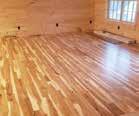
Hardwood floors are coveted features in many homes. The National Wood Flooring Association says wood floors are the most environmentally friendly flooring options available. In the United States, the hardwood forests that provide flooring products are growing twice as fast as they are being harvested. Furthermore, wood floors can last for many generations and require fewer raw materials to produce than other flooring options. That means less waste may end up in landfills.
Hardwood floors can endure for decades in a home, but over time those same floors may need some tender loving care to keep them looking good and working as they should. Squeaky floors are a common nuisance that homeowners may experience. Squeaking is often caused by movement and friction between floorboards. Treating the problem involves identifying the underlying issue.
Loose hardware
Drive up screws
squeak is located, drill a 3/32-inch pilot hole through the hardwood flooring. Then insert a screw through the kit’s depth-control fixture and into the pilot hole, and drive it until it automatically snaps off below the wood surface. Follow this up by filling the hole with wood putty that matches the floor color. Once the putty is dry, lightly sand the area to blend.
Use a shim or shims
Sometimes the floor may squeak because of a gap between the joists and the subfloor. Filling the gap with a small piece of wood called a shim can help alleviate the gap or gaps.
If a squeak is just in one spot, The Home Depot says that you may be able to drive short screws from below into the subfloor.
Small gaps
Squeaky floors may be due to the loosening of the hardware holding the floor in place, says The Home Depot. When nails or screws no longer are secured tightly, the boards can rub together. The noise heard is the sound produced by rubbing. Tightening or replacing the hardware can help reduce the squeaking.
Counter-snap kit method
This Old House says this kit method is a great way to fix squeaks without damaging the floor. Once the source of the
For small gaps between boards, sprinkle talcum powder or powdered graphite between squeaky boards to reduce friction. Wood filler applied with a putty knife may also work. For larger gaps, use a liquid filler designed for wood floors.
Homeowners can also visit their local home improvement center for other hardware solutions designed for underfloor repairs to remedy squeaks. Many work from underneath the floor and involve mounting plates or brackets to sure up the floor.
Squeaky floors can be problematic, but noises can be banished with some repair work. ~Metro
We can no longer take the safety of our water for granted. When you turn on your faucet, bathe your child, water your lawn, or flush your toilet, you want to know that your water is safe and clean. We will test and explain your water chemistry in a way that is easy to understand and then recommend the most efficient, effective and economical water treatment solution, custom fit to your needs.
SYSTEMS TO REMOVE:
New Director at Lakes Region Builders and Remodelers Association
By Kathi Caldwell-Hopper
When Lorella Volpe finished the interview that would lead to a new job in the Lakes Region of New Hampshire, she headed home but had a call before arriving at her destination. The caller was from the interview committee at Lakes Region Builders and Remodelers Association (LRBRA), back in touch to let her know she was hired.
Lorella had interviewed for the job as executive director for the LRBRA because she was looking to continue a career in non-profits that align with her skillset, but in a different industry. (She had been in Alumni Relations at higher education institutions in Massachusetts, New Hampshire and Florida. Her role has focused on events, fundraising, stewardship, and constituent engagement.)
Originally from North Andover, Massachusetts, Lorella had spent time in the Lakes Region when she was growing up, summering in the area. She says, “I spent my whole life coming up to the Lakes Region. My fiancé lived here when I met him; I permanently moved to the Lakes Region after we got engaged.”
Lorella had not been in the building trades before becoming executive director for the Home Builders, but she says, “I realized I already had many connections to people in the trades industry in the Lakes Region, and it became more prevalent after beginning this role.”
Replacing longtime and beloved executive officer, Brenda Richards, there is no doubt that Lorella had big shoes to fill. “Brenda has been an incredible resource, and I am thankful for her support,” Lorella says.
Questions abound because a major part of Lorella’s work is coordinating the Parade of Homes, which takes place each year
over Columbus Day weekend. The two-day, in-person tour is self-guided, and this year takes place on Saturday, Oct. 11 and Sunday, Oct. 12 from 9 a.m. to 5 p.m. each day.
The Parade of Homes is just what the name says: a parade of beautiful homes, with about 50 percent new construction and the other 50 percent extensive remodels. The projects are scattered throughout the Lakes Region and visitors/ticketholders drive from home to home on the map to take a tour. Reasons to tour can range from those looking to purchase a new home to those who are shopping for a builder to people who want to see inside wonderful homes for design and décor inspiration.
“Coordinating the Parade of Homes takes an entire year,” Lorella goes on to say. “I am consistently working with the builders who have homes on the tour and the Parade of Homes Committee, a group of dedicated volunteers who help ensure the event goes smoothly. We have nine homes on the Parade this year, and we work with the builders who created each home for necessary information. My role includes logistics of the event, ensuring the builders/homes are show-ready, marketing, sponsorships, social media, ticketing, and much more.”
This year’s homes range from timber frames, a few modern, and some maintaining original features through remodeling. One home is for sale, and one is on an island, which is something new to the Parade this year. You can start your tour at any home and spend as much time as you’d like at each stop.
The Parade of Homes is a unique and popular event with 800 to 1,000 tickets sold for the 2024 tour. There are door prizes as well as a chance to step into truly beautiful homes.
The Lakes Region Parade of Homes in 2025 features over 35,000 square feet of living space, with breathtaking views, com-
fortable rooms, from kitchens of your dreams to bedrooms and bathrooms. The homes are situated in a variety of places, from waterfront to those with lake and mountain views.
This year the homes are in Franklin, Laconia, Gilford, Meredith, Center Harbor, and Sandwich. Lorella says, “Each home offers something special for visitors to the Parade.”
Although the job and logistics are new, Lorella has the right stuff for the needs of the LRBRA. She has no fear of coordinating and handling the many moving pieces of a multi-faceted event that spans the Lakes Region, but rather is excited for the challenges such an event creates.
Lorella has been handling events in the higher education industry for years and is welcoming the change of pace and a country lifestyle in the Lakes Region. She and her fiancé live near the Merrymeeting River, with a great connection to nature.
Volpe, the new executive officer for the Lakes Region Builders and Remodelers Association. (Courtesy photo)
If you are looking for décor ideas, to talk to a builder (they are on-site at each property to answer questions), or for some
thing unique and fun to do on Columbus Day weekend, get your tickets now for the Parade of Homes.
Funds from the Parade of Homes go to support Workforce Development initiatives in the Lakes Region - scholarships, mentorships, and a strong partnership with the Huot Tech Center in Laconia, where the students build a Tiny Home from the ground up every year. This is a hands-on experience, and LRBRA members come in to teach/help students on many steps of the project. The home is sold each year to perpetuate funding for future projects and provide affordable housing opportunities in the area.
Visit www.lakesregionparadeofhomes.com or call 603-387-1817. The Parade of Homes is brought to you by Lakes Region Builders and Remodelers Association (www. lakesregionbuilders.com), a non-profit organization with a mission of providing quality housing opportunities through education, vision, and advocacy for the betterment of our com-
Lorella
Tickets On Sale Now for the 2025 Lakes Region Parade of Homes
Get ready to step inside some of the Lakes Region’s most beautiful homes! Tickets are now on sale for the 2025 Lakes Region Parade of Homes, happening October 11-12, from 9 am to 5 pm each day.
This self-guided tour will showcase nine exceptional homes across Gilford, Laconia, Meredith, Moultonborough, and Sandwich. From new construction to stunning remodels, visitors will enjoy a wide range of styles, layouts, and cutting-edge home features.
Tickets are $25 and valid for both days of the tour. Each ticket includes a Parade guidebook, and the first 500 guests will
receive a Parade swag bag. Vote for your favorite home and get entered to win prizes!
This event is hosted by the Lakes Region Builders & Remodelers Association (LRBRA). All ticket proceeds go toward workforce development initiatives, which engage, educate, and support the next generation of tradespeople through hands-on experiences, scholarships, and networking opportunities.
Purchase tickets online today. Learn more at lakesregionparadeofhomes.com.
The Webster, a home built by Governor’s Crossing, LLC, that will be on the 2025 Parade of Homes Tour
What To Expect from a Room Addition Project
There are many reasons homeowners consider adding a room to their current homes. Some outgrow an existing space, while others take up new hobbies or have different needs that were not apparent when purchasing the home. Indeed, a room addition can remedy a host of issues affecting a home.
Those considering adding a room may wonder what is involved in this type of project. According to The Spruce, no home improvement project is more complicated or expensive than building an addition. The National Association of Realtors says building an addition can cost between $90,000 and $270,000, depending on the size and intended purpose of the room. An addition structurally changes a home, which requires the work of professionals, whether homeowners plan to build upwards or outwards.
footprint of a home. Homeowners will require professional contractors and structural engineers/architects to properly design the addition and ensure that it will not compromise the existing structure. Detailed architectural plans will be drawn up considering the layout, size, and integration with the existing structure. The home may require a new property survey as well.
• Comply with building codes: The project will have to meet with local zoning regulations, building codes, and homeowners’ association rules.
With so much to ponder when considering a home addition, here’s a look at what homeowners can expect from the process.
• Design and planning: Homeowners must determine the purpose behind the addition and how it will integrate with the existing home. A bedroom design will likely be different from a garage addition or family game room.
• Hire an engineer and contractor: An addition changes the
• Timing involved: Adding a room is a major overhaul of a space. It may require months of a home being in upheaval. If the renovations are particularly extensive, homeowners may need to temporarily move out of the space. Electrical, plumbing, and HVAC must be considered, and drywall and finishing the interior are some of the last steps to make the room habitable.
• Demolition: Adding a room may involve taking down walls or modifying existing spaces, necessitating hiring a dumpster to remove debris. This is an added consideration and expense. Putting an addition on a home is a complex process that will take time and money. Such a project requires careful planning and consultation with an array of experts. ~Metro
The Original Farm-to-Table: Shaker Kitchens at Work
By Kathi Caldwell-Hopper
“Prepare your food in that manner that those who partake of it may bless you with thankful hearts.”
—Mother Ann Lee, founding leader of the Shaker sect
Imagine feeding over 60 people at a time, three times a day. Meals would take place in early morning and include such things as hot cereal and homemade pies; a mid-day meal would place filling foods on each plate and dinner (or supper as it was called in olden times) would bring salted fish, potatoes, beef or chicken, garden vegetables, bread and rolls, and of course a dessert of pudding or perhaps more pie.
Now imagine doing all that cooking on non-modern-day appliances, sometimes over an open fire or woodstove. No gas or electric stoves, no sophisticated refrigerators or dishwashers to help get the job done.
An extensive amount of food for three meals a day might seem like a lot of cooking, but it was all in a day’s work for the Canterbury Shaker Village (CSV) kitchen helpers and head chef, and baker.
Kyle Sandler, director of interpretation and education at the Canterbury Shaker Village location, gives an informative kitchen tour to help understand food preparation, a very important part of life at the religious site. During a tour, Sandler walks visitors through the grounds of Shaker Village, located at 288 Shaker Road in rural Canterbury.
The many buildings at CSV are no longer occupied by Shakers, simply because all but a few Shakers have passed on (they reside at another Shaker village). The last of the Shakers in Canterbury had the foresight to plan ahead so there would be tours for the public to learn about the Shaker religious beliefs and history long after they had passed on. Thus, today there are tours of the buildings with photos and artifacts to glimpse the lives of the Shakers and to learn of their positive impact on the
Sandler knows a great deal about the Shakers, and one of his areas of knowledge is how the Shakers fed their many members every day when the village was a bustling place in the mid to late 1800s and into the early 1900s.
He starts the kitchen tour in the Dwelling House, a huge multi-storied building situated on the CSV grounds. The building was constructed in 1793 and served as the central hub of communal living and dining at the village.
The Dwelling House had many rooms for members, with males and females separated. The religion specified that men and women were equal, but did not believe in marriage among its members. Thus, men and women, and boys and girls, entered and exited, ate and slept, and worshipped in segregated parts of the village.
The kitchen work was done mostly by the Sisters at CSV, and there were a number of helpers in the baking and cooking areas at any given time. Making the meals was a massive undertaking, with so many mouths to feed. Thus, the kitchen probably had multiple work stations for various tasks, such as vegetable prep, meat seasoning and cooking, beverages and more. (The kitchen was also used for candy making and other foods sold to the public.)
The Sisters worked in the bottom floor of the Dwelling House, in a roomy kitchen with equipment that was modern in its day. (The Shakers embraced technology and anything that helped make work more efficient.)
Sandler points to the original cooking range, which was a brick firebox with a cast-iron top. The fire, when at capacity, would boil water, cook soups and stews, and other foods in large quantities. It would have been the best method of cooking, but probably unbearably hot in summer. “In the 18th and 19th centuries, the Sisters would have done a lot of the cooking prep work outside due to the heat in the kitchen from the wood-fired range,” says Sandler.
As time moved on, a woodstove was added post-Civil War. The woodstove would have been the most modern and efficient way of cooking, and it was certainly needed when CSV was at its peak of membership in the 1850s to 1880s.
By the 1850s, the kitchen had hot and cold running water, which was a novelty at that time and another example of the industriousness of the Shakers.
Each area of the kitchen is spotless, and one example is the large soapstone sink that once was the place a sink girl tackled washing and drying dirty dishes.
“Cooking and kitchen work were hard jobs back then,” Sandler adds. Because these jobs were work-intensive, the kitchen staff was rotated periodically. A new chef and helpers would take over, but all used the same space and utensils. They needed to know their jobs well because they were feeding three meals a day with three seatings at each meal, making for a lot of food preparation and clean up.
“We are lucky to have so many Shaker items at the village,” Sandler explains. The table settings look like they were placed out for a large holiday meal, but this was a typical meal setting when the dining room fed so many people three times a day.
Among the items in the collection are examples of tables and place settings in the adjacent, huge dining room. Place settings had dinner plates, cups, saucers, silverware, water glasses, and small dishes for foods such as pickles and cheese.
Sandler explains that in 1834, one of the Shaker Elders took it upon himself to build 60 chairs for the dining room. The chairs were for the many people who would be seated for each meal. Perhaps the Shakers had sat on uncomfortable benches before the Elder made the chairs; they would have been thank-
ful for the new furniture.
Always looking for efficiency in living and working, the Shakers observed that if dining chairs could be fit under the table when not in use, it would make more space. Thus, they crafted their dining chairs to be shorter to slide under the tables when not in use.
In the early days, typical foods on the menu would have been simple fare, such as porridge and brown breads and soups, tea, and pie. Food was cooked using the goods available in each season, with apples stored in root cellars in the sub-basement area to be utilized during the winter. Like most people at the time, the Shakers grew their own food and lived by a seasonal diet.
A large room near the kitchen was like a giant walk-in refrigerator. This was the meat room, where various cuts of beef and chicken, and ham were stored. The floors were made of brick, and the construction kept the space remarkably cool at a time when most people did not have refrigeration.
Down a hallway off the kitchen, the bake room is a fascinating example of how making pastries, breads, rolls, pies, cakes, and more were done. The room is ground level and light spills in from its many windows. Perhaps this light was helpful during the dark days of winter before electricity. “Oil lamps were used in the early days,” Sandler says, but he concedes such illumination was a far cry from the electricity we enjoy today.
The showstopper in the baking room is a massive, four-level brick oven. Breads and other foods could be rotated on the baking shelves to ensure even heat exposure when baking, a brilliant method in its day.
Sandler agrees, and says, “The Shakers lived in a unique society, and they were always finding creative solutions for daily problems.” Surely the rotating oven shelves were one such invention and it solved the problem of baking items evenly to prevent burning.
In its heyday, the Shakers owned 3,000 acres of land at CSV, and much of it was pasture. They tended herds of cattle and other animals, and it all aided in feeding so many members every day.
Because of their industriousness, the Shakers also made use of their land to build a mill system and a sap house where they produced maple syrup, among other things. A large apple or-
chard brought in a sizeable harvest every fall, and the apples were stored and used for baking and cooking.
A typical day in the life of a Shaker Sister or Brother meant arriving somewhat early for the meal seating for which each was assigned. Individual diners would go to a Gathering Room in the Dwelling House to wash up and join in prayer. Twenty people at a time occupied a Gathering Room until it was their turn to make their way to the dining hall.
Once seated at segregated tables, Sisters and Brothers and children were expected to eat in silence. Occasionally, someone read from the Bible while the Shakers ate. Meals were as efficient as all else at CSV, and diners enjoyed a full spread of food.
Nearby, on the grounds of CSV, the Creamery building was the site of dairy production. In the building, butter and cheeses were made by a handful of Sisters. “Butter was the main focus,” Sandler explains. This was likely because the Shakers sold a lot of butter to the public, which was one of many ways they funded the Village.
Along with being top-notch cooks, the Shakers were artists, craftsmen, medical experts, and much more. In keeping with their skills, CSV offers tours to learn about Shaker furniture, architecture, medicine and more.
Sandler says visitors can schedule a private tour and have a chance to learn about all things Shaker.
While most of us are not called upon to feed 60 or more people three times a day, getting a glimpse at how the amazing Shakers cooked on early and sometimes inefficient stoves and bake ovens with hand tools is a memorable experience.
Think about the heat of the kitchen on a muggy summer’s day as you would stand by the huge, wood-fired stove or the hot bake oven. Imagine doing the mounds of dishes and pots and pans at the old-time sink instead of putting them all in a modern dishwasher. Stand in the baking room and envision a long-ago Shaker Sister kneading bread dough as the morning sun rose over the treetops.
It was all in a day’s work for the devout and clever, and hardworking Shakers who put “hands to work and hearts to God” every day.
For information on programs, tours, and other events at CSV, visit www.shakers.org or call 603-783-9511.
What To Expect When Considering In-Law Suites
The modern real estate market has led millions of aspiring home buyers to reconsider their approach to buying a home. Low inventory has led to high home prices. When paired with mortgage interest rates that have remained north of 6 percent for years, the high sticker price of homes has made many buyers wonder if homeownership is simply beyond their means.
It’s impossible to know if or when home prices will come down, but some buyers have chosen to seek homes that can accommodate multiple generations. According to the Pew Research Center, the share of multigenerational homes rose from 7 percent in 1971 to 18 percent in 2021. A multitude of factors have contributed to that increase, and housing affordability is one such variable. In 2024, researchers studying multigenerational households at the Wharton School at the University of Pennsylvania noted that housing affordability had declined considerably in recent years, but also had been on the decline for decades. As homes become less affordable, the number of multigenerational households tends to increase, and that’s something modern buyers can keep in mind as they look for a home.
In-law suites that accommodate multigenerational households can provide a pathway to homeownership for buyers who otherwise may be priced out of the market. Buyers considering homes with an in-law suite or those who want to add one to their existing homes can familiarize themselves with these convenient and potentially cost-saving features.
• Note the significance of a separate entrance. Whether you’re looking for a home with an in-law suite or hoping to add one on to your existing home, a separate entrance for suite residents can allow them to come and go as they please. That sense of independence is significant. In addition, a separate entrance can
make a home seem less like a multigenerational residence, which at times can feel crowded, and more like a single-generation home. That can afford all residents a little more peace and quiet in a typical day.
• Expect an increase in taxes if you’re adding on. As with any addition to a home, adding an in-law suite to an existing home is likely to result in an increase in homeowners’ property taxes. The amount of that increase is contingent upon variables unique to each residence, like location and the size of the addition. When shopping for homes with existing in-law suites, buyers can request existing tax information so they are not surprised by the number, like they might be if they add on to an existing home. Despite that, it might still be in prospective buyers’ best interest to add on to an existing property and pay the additional taxes rather than it would to buy a new home.
• Try to include features residents have come to expect when living independently. An in-law suite should include its own private bathroom, a washroom for a washer and dryer, and a kitchen or kitchenette. If everyone in a multigenerational household is forced to use the same bathrooms, washers and dryers, and kitchens, then the home might begin to feel cramped rather quickly.
• Try to secure off-street parking. Though it might not affect the ambiance within the in-law suite itself, an off-street parking spot is a convenience residents will appreciate. Such a space will allow residents to come and go as they please and save them the headache of moving their vehicles for snow plows and street cleaners.
In-law suites could be an in-demand feature as more homeowners and aspiring buyers seek to reduce housing costs by embracing multigenerational living arrangements. ~Metro
Your Room by Room Guide to Autumn Cleaning From Bathroom to Backseat
By Mark Okrant
Centuries ago, some nameless individual invented fall season chores. Now, with the passage of time, it is only appropriate that we remember neither her/his name nor the specific year of that function.
Besides being one of the most beautiful times of the year, the change of season is a good time to take stock of your home. Whether you live in a modest apartment or a stately mansion, cleaning and tidying the inside of your living quarters before winter arrives will make all those nights curled up in front of a heat source that much more enjoyable—not to mention guiltfree.
Behold, the definitive autumn cleaning guide in all its glory! Pour yourself a glass of your favorite beverage and get to scanning. Whether you clean all at once or use a few weekends to complete those tasks, the job is worth doing well. The best this writer can do to help your process is to provide the following checklist, which has been derived from multiple sources.
Let’s start with the bathroom. Cleaning experts recommend that you clean bathrooms from top to bottom, and never ignore those ceiling fans and vents. Floors must be swept and/or vacuumed to remove dust, then mopped or dry-mopped carefully. If you think your job is done, think again. Those doorknobs and light switches are germ carriers that must be disinfected. Your next target is the medicine cabinet. No doubt it contains pre-
scriptions and make-up that have become dated . . . get rid of them! Replace toothbrushes while you’re at it. Next, proceed to the tub, shower, and sink. Be certain to give these a good scrubbing, and don’t forget to focus on all those nooks and crannies, especially the caulk. This is the perfect time to unclog those drains . . . yes, we know it’s a gross job, but an important one. Before you spend an extra ten minutes preening in front of the mirror, use a glass cleaner to give it a nice shine. Sorry, but you’re not finished yet. The shower curtain and bathmats need to be washed and dried. Next, attack the countertops. Then there’s the toilet; after all, it is odor-central.
Moving to the kitchen, cleaning experts recommend using a mix of a gentle dish soap and water on the stove top. Apply Mr. Clean Magic Eraser for tougher stains. Clean both the inside and outside of your oven and microwave oven, and don’t forget to descale your coffee maker. Next, attack your refrigerator and freezer. Toss expired food and those freezer items that are over six months old. Wipe out shelves, drawers, and handles. Be certain to degrease cabinet walls and backsplash, especially those closest to the stove, which are likely spattered in grease and oil. Empty the tray in your toaster. Then disinfect high-touch areas like cabinet handles, light switches, sinks, and countertops, and wipe down countertops with your favorite multipurpose cleaner or a DIY vinegar solution. Just as you did in the bathrooms—clean and sanitize your sink basin, faucets, hardware, and surrounding area. Then sweep, dry mop, and/or vacuum the floors. Reminder: don’t forget to clean the fingerprints off your stainless-steel appliances. While you’re still in the kitchen, clean your kitchen blinds, wash the windows, and wipe out those trash receptacles.
Dust everything in the bedrooms from top to bottom, including your dressers, lamps, and bedside tables.
Be certain to vacuum your curtains and/or wash the blinds. Just as you’ve done in the previous rooms, sweep, dry mop, and/ or vacuum the floors. Next, it’s time to attack those windows: wash the glass, the window sills, and ledges. Use an upholstery attachment to remove dust from curtains. This is the right time to attack those closets. Clean out each closet and donate any clothes that no longer fit, are unfashionable, or fail to give you that certain look. While you’re at it, wash and properly store your sum-
mer clothes; rotate out your winter clothes, too. Finally, wash all of your bedding, including sheets, pillow cases, and bed covers. It’s time to store any that you won’t be using for a while.
Living spaces also must be dusted from top to bottom. Swiffer Dusters are awesome for reaching all those hard-to-get ceiling fan blades and tops of bookshelves. Those dust pads actually trap and lock dust particles instead of spreading them around. Next, wash the windows, the window sills, the ledges, and the walls. Then it’s time to sweep and vacuum or dry mop the floors. Use a wet mop on the hard floors. Vacuum couches, chairs, curtains, and anything else that is upholstered. The ambitious among you will want to rent a rug shampooer or steam cleaner. There is an option: sprinkle baking soda all over your carpet, let it sit overnight to neutralize any smells, and vacuum it up in the morning. Wash your cushions and throw pillow covers if the materials allow. Attack your electronic devices: disinfect all your remotes and other high-touch items such as doorknobs and light switches, and clean your TV and laptop screens. Be certain to dust your plants and water them. The last
thing you’ll want to do is organize any clutter: put mail in piles, stack magazines, put pens in a specific drawer, etc. Finally, change the batteries in your smoke and carbon monoxide detectors.
Think you’re all finished? You should consider again. There still is that family car that deserves attention.
The first step is to clean out any cups, scraps of paper, old food wrappers, old receipts, etc. Next, use some type of rag soaked in Dawn Dish Soap and warm water to clean off the dashboard and the center console, cup holders, and steering wheel. Rinse soap residue with a clean, damp rag. Then vacuum the seats, beneath the seats, and inside the trunk using the upholstery attachment. Clean your windows inside and out; replace your windshield wipers. Have your mechanic check all the fluids, especially the coolant and windshield wiper fluid, then give you an oil change if you’re due for one. Then head to the neighborhood car wash.
That’s it! Now you’re ready to treat the outside of the house.
Lakeside Gardens: Preparing Perennials
For Harsh Winters
By Thomas P. Caldwell
Gardening experts may disagree on some things, but all are in agreement on the need to protect perennials ahead of winter.
A novice may think that, because perennials come back year after year, there is no need to take extra precautions to see that they survive, and, indeed, some perennial plants do take care of themselves pretty well. Most, however, benefit from five basic strategies: cut back and clean up, check for pests or disease, add compost and a protective layer of mulch, water thoroughly before a freeze, and cover them over.
By fall, perennials already are slowing their growth in preparation for dormancy during the colder months. It is a good time to assess how well they have done in their current location; perhaps there is a better spot for them to thrive. That assessment also can include whether moving them would provide a better distribution of color next year.
Also, at this time, removing any weeds that have appeared will be easier than tackling them in the spring when they are more firmly established. Be sure to pull them out by the roots. If that proves difficult, moistening the soil will make it easier to pull them out, root and all.
While attacking the weeds, look for signs of disease or pests on the perennial plants themselves. If damage is seen, cut the plant back to ground level and remove the affected foliage. Healthy plants should be allowed to stand because, when a freezing frost hits and kills the leaves, that foliage falls and provides some insulation to the remaining plant. The leaves and stems also provide some protection against insects and animals that could damage or destroy the plants, while catching falling leaves that will provide another layer of protection.
Leaving the plant material in place until the spring also provides food and protection to native pollinators, which are beneficial to the maintenance of plants and other wildlife.
At Grove Shops in Belmont, we offer award winning Internationally recognized Balsamic Vinegars, Olive Oils, Italian Pastas, Chocolates and Truffles. Elevate your home cooking, pick up the perfect hostess gift, birthday gift or treat yourself to the freshest olive oil you can buy. We carry a delicious assortment of culinary delights, and would love to introduce you to the flavor of fresh olive oil and premium chocolates. We are located inside Belknap Marketplace across from Shaws. 603-527-8229
The University of New Hampshire Cooperative Extension weighs in on cutting back perennials, saying, “Though cutting everything to the ground may give the garden a tidy look, it does a disservice to wildlife species that can make use of some plants in the winter. Leaving perennial seed heads provides natural foraging habitat for native wildlife. In the winter months when food is scarce, gardens full of withered fruit and dried seed heads can provide birds with a reliable food source. Seed-eating songbirds such as finches, sparrows, chickadees, juncos, and jays will make use of many common garden plants. When cleaning up the garden, prioritize removing and discarding diseased top growth, but leave healthy seed heads standing. Old stalks and leaves can be cut back in the spring before new growth begins.”
which can push the plants out of the ground and expose their roots. The mulch provides insulation and helps to maintain more consistent temperatures through the winter. Shredded leaves, bark chips, pine needles, and straw also can help to keep the soil from being too wet or too dry.
Keep in mind that mulch can be detrimental to some plants by trapping moisture and causing the stems to rot. Mulching too early in the fall also may prevent the plants from going dormant, which makes them more susceptible to cold temperatures when winter weather arrives.
Another way to protect the plants is to place cages around them, filling them with straw, pine needles, or corn stalks.
Adding compost offers protection for the plants while providing nutrients that will help them to thrive.
If planting new perennials in the fall, adding mulch will protect them while their roots are still in development. Mulch also helps with tender perennials that are sensitive to cold temperatures, as well as plants in areas prone to freeze-thaw cycles,
Providing the right amount of water can be tricky. Perennials need moisture to sustain their roots during the winter, and watering until the ground freezes is a good idea because winter winds can dry out the soil and draw water from the plant stems. If the soil is well-drained, and it is a dry autumn, make sure the water soaks deep into the soil, or apply water directly to the roots of the plant. Later, snow can provide good insulation against the wind while also being a source of moisture.
Perennials approaching dormancy can use some help in surviving the cold. (Courtesy UNH Cooperative Extension)
However, soil that is clay-like or drains slowly can hold back too much water and damage the plants, and those in containers are at greater risk and may need protection.
“Even if they are hardy in your zone, perennials in containers are subject to much harsher winter conditions than those in the ground,” the Extension writes. “Frigid air temperatures and drying winds can be particularly damaging to the root systems of plants in containers. Soil heaving often occurs, which can break up the roots and leave plants vulnerable to severe conditions.”
Moving container plants into an unheated garage, shed, or basement can provide a perfect environment for perennials. Dormant plants should be brought inside and watered periodically whenever the temperature is above 40 degrees. Those without an appropriate indoor space can sink the containers into the soil until the plants are at the same level as the surrounding ground, helping to moderate the soil temperature and avoid excessive freezing and thawing.
“If digging into the ground is not an option, containers should be grouped and placed in a protected area out of strong winds and intense sunlight,” according to the Extension. “Surround the containers with straw, leaves, or bark mulch. Watering should continue until the soil freezes and as long as the temperature is above 40 degrees. If all goes well, your perennials should be ready to plant in the spring.”
Another solution for in-ground perennials is to use burlap, which insulates them while still allowing air circulation, helping to prevent mold and mildew.
Creating a windbreak around the plants will shield them from harsh winds.
In all these ways, homeowners or renters with perennials in the yard can expect to see them survive the winter, to provide another season of color and pleasure.
OUR SERVICES
Our Organization
Founded in 1880, our organization is dedicated to the service and caring for trees. As a valued client, you receive the benefit of commitment and service for your local brand, backed by local and national resources.
Our Services
• Tree and Shrub Pruning
• Tree Removal and Stump Grinding
• Tree Cabling and Bracing
• Tree and Shrub Planting & Installation
• Plant Health Care Monitoring Programs
• Tree and Shrub Sub-Surface Fertilization
• Insect & Disease Prevention and Management
• Comprehensive Lawn Care Application Programs
• Lawn Fertilization
• Lawn Overseeding and Aeration
• Deer Repellent Applications
• Tick Treatments
• Mosquito Control
• Organic Mosquito and Tick Control
• Organic Lawn Care
• Organic Insect and Disease Management
• Air Spading
*
Preparing for Snowbirds: Closing Up Lakes Region Homes for the Winter
By Mike Moore
The Lakes Region is one of the most popular summer destinations in America, welcoming thousands of people each summer in search of fun and relaxation on the lake. For some, New Hampshire is their home for most of the year, but they spend the cold-weather months in fairer temperatures, often hundreds of miles away from their homes up north. It’s not as simple as turning out the lights, stopping the mail, and pointing the car south when leaving a home vacant for any extended period of time, but the cold and snow in New England offer even more things to consider when shoring up the cabin or home for winter. Folks from this area have been migrating south for the winter for generations, so there are many neighbors and community members who have all the little tips and tricks to share. While many of the winterizing tasks on the long to-do list are obvious enough that you won’t forget to complete them, there are many little things too that can cause damage to the home if not fixed in a timely manner.
During those last few day enjoying the serene lakes and woods in New Hampshire, you can easily ready your property for your lengthier absence. Putting together a list of what will be necessary to complete will help you rest easy at your winter home. Some of the work to be done may require professional assistance, but many things are just a simple, quick tasks. Start by putting away and securing any boats, bikes, and outdoor furniture. Umbrellas, awnings, and yard decorations might not survive the harsh conditions, so it will be important to store those properly as well. Cleaning up the landscaping, making sure the gutters are not clogged, and ensure any outdoor water lines and hose connectors are cleared of standing water and shut down. The heavy snow can cause trees or their branches to fall under the tremendous weight. Consider having anything removed that might cause harm if it were to fall. While prepping
the outdoors, inspect the roof for any loose or missing shingles, most importantly in the area surrounding the chimney. With how much snow falls here in the Lakes Region, a leaking roof would cause quite a bit of water damage that may not be detected for months.
If the vacant home will be heated throughout the winter, installing storm windows, storm doors, and sealing off cracks are important steps to take to reduce the cost of your energy bills. The temperature should not be set below 55. This will keep it warm enough in those walled-off areas for the piping. Before closing up and leaving is a great time to have furnaces and water heaters inspected and serviced. Those using oil or propane for a heating source should fill the tank before leaving and have someone monitor it throughout your time away. Regardless of whether you leave the heat and water running or not, be proactive by having a home repair specialist complete an inspection. It often times costs less to repair something before it breaks, and it may save you from having to figure out how to get it fixed immediately when you are hundreds of miles away.
When closing up inside, don’t forget to throw away everything in the cabinets as well as the refrigerator. Mice and other woodland critters won’t do any damage to your home if there is no trace of food to be found. Don’t forget to sweep up any crumbs and wipe down the shelves in the cabinets and refrigerator too. If the fridge will be off, defrost the freezer and leave both doors open slightly. Avoid any electrical trouble or an unexpectedly high energy bill by unplugging all lamps, electronics, and portable cooling/heating devices when leaving the home’s power on. If the power will remain off during your absence, turn off the power from the electrical box and be sure to shut off the gas supply as well. Forgetting to turn off the water when the summer home isn’t heated is a scenario that almost never ends
without a burst pipe at the worst of times. Air compressors or some shop vacs can work as an effective method for blowing out the system. Leave all faucets turned on and drain the water from toilets to make sure the plumbing system is completely dry. Even after getting all the pipes drained, if the heating system is going to be shut off completely, it will be important to still insulate the pipes to avoid trouble.
An often-forgotten item that should be on every snowbird’s prep list is your home’s security. In addition to having someone check up on the property frequently, it could be helpful to avoid having your home appear to be vacant. Simple things like forwarding the mail, informing the local law enforcement that you will be out of town, and having someone shovel the walks and plow the driveway on a regular basis. Consider installing a motion detector or alarm system to deter unwanted visitors of all types. When the home has alarms or motion lighting in place, perform a test to verify all the components are working as they should.
Despite having proactively readied your property to withstand the colder months, it could be helpful to ask local family, friends or neighbors to check up on your place every so often. There are also local property management companies that can assume this responsibility on your behalf, often times taking care of prepping your home for when you come back in the spring or summer. Some people have even installed front-door camera systems that will send alerts to their phone if there is any unusual activity. Getting to enjoy the warmer weather down south and brag to our friends and family braving the snowy New Hampshire winters is a delight, but when you’ve safeguarded and prepared your summer home properly, you won’t have to worry so much about an unexpected complication like a burst pipe keeping you from the beach or golf game.
Fall Tips For A Healthier Lawn Next Spring
By Thomas P. Caldwell
Just when it seems lawn care is over — the leaves are changing, temperatures are cooler, and grass is no longer quickly growing — it really is time for more intentional management to produce lush, vibrant lawns come spring.
As grass becomes dormant and the blades turn brown, the roots are busy storing nutrients to survive cold winter temperatures. Each type of grass has a slightly different growing period, but warm-season grasses generally go dormant around the same time: when soil temperatures fall below 65 degrees. That is when homeowners and renters should consider steps they can take to help the roots more efficiently acquire the nutrients they need to make sure the grass stays healthy.
Mid-fall is the time to aerate and “overseed” the lawn, applying fertilizer and removing leaves as necessary.
By late fall, the final weeding and leaf cleanup will take place, while lawn equipment gets winterized.
Garden centers recommend aeration at least every two years, and autumn is the best time because the cooler weather and increased moisture levels that typify the period provide the right conditions for the grass to recover. Aeration prevents the soil from becoming too compact and provides room for water, air, and fertilizer to travel deeper into the ground, where it can benefit the grass roots.
It begins in early fall, which is the time to gradually reduce the mowing height to 2.5 to 3 inches, providing enough leaf surface to continue photosynthesis and prevent grass from matting under the snow that will be on its way. While the demand for regular watering remains, the lawn will not be as “thirsty” as it was during the height of summer. That also is the time to begin weed control protocols.
Experts recommend a core aerator, which removes small plugs of soil and thatch to relieve compaction. Thatch is a layer of dead organic matter that can be a magnet for disease and insect problems, and can make the lawn more susceptible to damage from drought and cold weather. Power rakes and vertical mowers, which can be rented from many hardware stores, can be effective tools for thatch removal, but core aerators do the same thing while creating the space for new grass seeds to germinate.
Professional Office Space
Star-wheeled cultivators are another method of aerating the soil, but the advantage of a core aerator is that it leaves behind small plugs of soil that naturally decompose and return nutrients to the soil.
Those who aerate the lawn themselves should ensure that the soil is moist but not waterlogged. Multiple passes are necessary for thorough coverage.
Another option is to hire professional lawn services that have access to commercial-grade equipment and have the expertise to ensure optimal aeration.
Reseeding or overseeding the lawn is best done right after aeration because the soil holes provide the perfect place for seeds to germinate. By using a seed-spreader, the seeds are distributed evenly, after which a light raking will ensure they achieve better contact with the soil. Keep the seeded area consistently moist until they have germinated — typically seven to 21 days. Avoid heavy foot traffic on newly seeded areas.
Again, the cooler temperatures and higher moisture content in the fall make it the ideal time for overseeding, and the new grass will be able to establish itself before winter sets in. It also allows you to fill in thin spots and bare patches in time for a vibrant spring lawn.
In choosing seed, make sure it is formulated for your region and lawn conditions, and consider disease-resistant or drought-tolerant varieties.
Mowing the lawn shorter than usual helps the seeds embed themselves more efficiently in the soil.
Fertilizing the lawn in the fall helps the grass to establish strong root systems and store the nutrients it needs to get through a long winter. It also helps ensure a quick green-up once spring arrives.
A slow-release fertilizer with a balanced ratio of nutrients,
such as a 24-0-10 formula (24% nitrogen, 0% phosphorus, and 10% potassium), encourages green growth. Spread the fertilizer evenly, using a broadcast spreader, using the recommended application rate for the product. Water thoroughly after application to help the nutrients penetrate the soil. Avoid fertilizing too close to waterways to prevent contamination from runoff — a special concern for those living close to the water.
Using a natural fertilizer in early November will provide the nutrients necessary, but the lawn also may need a pH boost. A soil testing kit or rapid-read meter will help determine your lawn’s specific needs.
Unless there is frequent rain during the fall, it is a good idea to deeply water the turf a few times before the frost sets in, and doing so in the morning limits evaporation. The rule of thumb for watering is to make sure that, between rainfall and irrigation, the lawn gets about one inch of water per week. Use of a rain gauge can help with monitoring that.
Be careful not to overwater the lawn; that can lead to fungal diseases, wilting, and discoloration. It takes a combination of avoiding overwatering, maintaining proper mowing height, and the possible use of a fungicide to keep the lawn healthy.
Weeds still can be a problem in the fall, but proper mowing can control up to 80% of potential weed problems, according to research. Unless mowing a freshly seeded area, the mower should be kept high with sharpened blades, and only mow the lawn to maintain that 2.5- to 3-inch height. Smaller weeds usually are contained by a properly maintained lawn, but for larger weeds, it may be necessary to use weeding tools to pull them out by the root. Hesitate to use a weed-killer, but if you must, carefully follow the label instructions and use it just on the weeds you want to kill, rather than treating the entire lawn.
You may want to consider topdressing — applying a thin layer
of soil or compost to the turf in order to improve growing conditions. Spreading a quarter- to half-inch layer of high-quality soil over the entire yard, especially in problem areas where grass is thinning, is best done after aeration. Rake the topdressing into the soil.
The final consideration is leaves. Environmentalists urge people to let fallen leaves remain on the grass until spring because they form a natural mulch that helps suppress weeds and fertilizes the soil as it breaks down. Removing leaves eliminates vital wildlife habitat, according to the National Wildlife Federation. “Critters ranging from turtles and toads to birds, mammals, and invertebrates rely on leaf litter for food, shelter, and nesting material. Many moth and butterfly caterpillars overwinter in fallen leaves before emerging in spring,” according to the NWF.
Yet nearly every source for fall lawn care argues that allowing leaves to remain on the grass over the winter will damage grassy areas and make it difficult for grass to revive in the spring. “Just like the plants in your garden, the grass needs to continue seeing that sun to be healthy in fall and again next spring,” said Ryan McEnany, public relations and communications specialist for Bailey Nursery. Raking leaves also helps to prevent mold and fungal infections.
To compromise, use a mulching lawnmower that shreds the leaves and returns the organic matter to the soil. For lawns with a large amount of fallen leaves, they can be raked off and composted, or spread on a garden.
Following the lawn care tips above will help ensure a lush, vibrant spring landscape.