
Spring 2026 | complimentary














Spring 2026 | complimentary
By Kathi Caldwell-Hopper

For hundreds of years artists have been inspired by the natural world. Since ancient times, art and nature have created lasting beauty.
In more recent years, paintings of all sizes and styles have featured landscapes, florals and animals bursting with color and vibrancy. For example, such paintings as Vincent Van Gogh’s famous “The Starry Night,” with its blaze of shapes, colors, and movement, interprets a moody time of day. Monet’s haystack paintings show the viewer just how beautiful a simple subject (stacks of hay) from nature can be. Artists, from the famous to the lesser known, continue to draw inspiration from nature.
The scenic splendor of the Lakes Region is an artist’s dream location for landscapes, flowers, and forest paintings. Three area artists interpret nature in different ways, all offering a glimpse in paintings so beautiful and so real we feel as if we can smell the wet grass, touch the delicate flowers, and glory in a vivid sunset or sunrise.
Kathryn Field is an artist living in the countryside of Sandwich, taking full advantage of the natural beauty surrounding her studio. “I’ve been painting since I was a kid,” she says.
Kathryn attended music and art high school in New York City, a public school for students talented in music or art. Later she attended Temple University’s Tyler School of Art, and her Master of Fine Arts degree is from the University of Wisconsin in Madison with an emphasis on sculpture.
The artist has been a full-time Sandwich resident since 1999 but has been a participant of the community since 1985; not only does she work full-time as a sculptor and painter, but she also teaches art classes from in her gallery. The gallery is a beautiful space with soaring ceilings, lots of natural light, and space

for Kathryn and students to spread out.
On the second floor, a gallery offers an array of Kathryn’s sculptures and paintings. The space is called Field Fine Art Gallery, and it is open year-round by appointment. The gallery offers the public and Kathryn’s avid collectors a chance to see what she has created over the past months and to choose artwork that fits a place in their home or other setting.

Her sculptures can also be seen around the property, in natural settings that echo the beauty of her work.
“Last year, I devoted my paintings to animals in the landscape; I’ve been intrigued by animals for some time now,” Kathryn says, pointing to a painting commission of Merganser ducks on the water and a work in progress in the underpainting stage of a sheep and baby lamb.
She continues to paint animals, often at a nearby farm or by photographing landscapes and animals she encounters while traveling.
“Ten years ago, I was living in Australia, and the people of that country are very keen on portrait painting. Portraits of people are fascinating, but this year I have focused
on capturing the spirit of the animal in portraits,” Kathryn says. Kathryn is a dedicated artist devoted to her studio practice. “I spend 70% of my time in the studio. The other 30% I teach (from June to October),” she continues. During the rest of the year, she is in her studio pursuing her art on a daily basis. “I always keep journals with my goals and tasks,” she adds.
When asked how nature in the Lakes Region affects her work, Kathryn says, “I spend time outdoors every day. I ski, hike, walk, and take advantage of the peace and silence in nature. Without the natural world, my art does not happen. Being outdoors is my inspiration.”
In her classes, Kathryn teaches drawing, oil painting, watercolor, printmaking, mosaic, stained glass and drawing animals. This summer she will offer a class for children.
Her workshops fill up fast; she has a minimum of four and a maximum of eight students for each class. “This year, I will offer an oil painting of animals class. I try to think of subject matter that will inspire people’s creativity and love for their pets and animals.”
This past winter, Kathryn attended area sled dog races, where she found inspiration photographing the dogs. This spring, she returned to her friend’s farm, inspired by the 11 new baby lambs.
Kathryn also enjoys floral still life paintings, plants, and garden themes. “I carry my paints with me. I’ve been known to sit in my garden and paint,” she says.
As she looks at her future as an artist, gallery owner, and teacher, Kathryn says she won’t stop until she is “no longer breathing!”
Visit www.kathrynfield.com for class information, more art, studio hours, and seasonal offerings.
Jackie Hanson of Belmont creates paintings that are vibrant with color and capture the beauty of nature. She says, “The boundary between nature and non-nature (humans) has interested me for a long time. When you think about it, there are few, if any, places left on earth that are unaffected by people. It’s more of a spectrum. That said, I lean to the natural side of the spectrum, and I’m drawn to things that feel like New England. The ocean is special to me, but not in a tropical way; I like our gray, rocky shores. I’ve been inspired by farms and have painted a lot of chickens (that is in between human and nature). Leafy plants and local animals are fun, too.”

nisquam. This is the area where she is currently living. Even at a young age, she was interested in art and creativity, and lucky to have a family that encouraged her talents. “My mom studied painting and printmaking in college, and my dad holds a photography certificate; they provided me with lots of supplies and the freedom to explore and find the outlet that suited me.
“My family has always visited the ocean a lot. We would take day trips to the nearby coast at any time of year or stay on Prince Edward Island, Canada, each year. These excursions, and my Lakes Region upbringing, have influenced my chosen subject matter.”
Jackie attended the former New Hampshire Institute of Art in Manchester. She explains, “The Institute merged with New England College during my time there. I graduated in 2022. My BFA major was Fine Arts, a broad, multidisciplinary major encompassing painting, printmaking, sculpture, and conceptual work. I focused on painting; my thesis was realistic New England landscapes in soft pastel.”
Jackie grew up in Belmont, close to Silver Lake and Lake Win-

Many artists who are drawn to nature spend hours painting the landscape. Jackie also pursues this method of painting but also mixes it up with other subjects as well. She says, “I don’t paint plein air very often, but when I do, it feels like such a lux-




ury. Besides art, my favorite thing to do is explore new places, especially outdoors. The two passions often give me the same feelings of curiosity, excitement, and discovery. Doing both at once is a great way to treat myself for an afternoon, but plein air painting comes with its own challenges, too: toting around the right supplies, changing light and weather, bugs, and sometimes other people.
Jackie continues, “Usually, I see my plein air pieces as studies. They’re made much faster than my studio work, and I use them as partial references to revisit a scene later. They’re good for observing colors from life instead of what a camera records.”

ward nature. I might change the composition or adjust colors a bit, but I most enjoy recreating what I see.”
Choosing scenes from the natural world is important for Jackie. She explains, “Wherever I go, I take lots of photos on my iPhone. Different things catch my eye: light passing through leaves, the curve of a road, the texture of a rock, or moving water. Back in the studio, I go through my photos and find the ones that rekindle the curious, excited energy I felt in the moment. My goal is to carry that into the painting so the viewer can feel it too or maybe recall a time in their own lives that they felt wonder to-
Jackie is always looking for new subject matter and keeping her eyes open to the world around her. “I recently finished a piece showing the view when standing right at the edge of the ocean, looking out at the horizon. I liked painting the layers of light and texture in the water, and I’m always drawn to the coast. I am currently working on a series of small pieces depicting items I got from my paternal grandmother, who passed on February 12. It is helping me process the loss. The first one was a large sand dollar and a Gueyduk shell given to her by a friend, who dug it up in Puget Sound.”
As a busy artist, Jackie makes time to apply for awards and has won Pentel’s 3rd Annual Spotlight Awards in the Landscape and Urban Sketching category, 2022. “This was a national competition from office/art supply company Pentel,” Jackie comments. She also won the Sally Shea Hole-in-One award from the New Hampshire Pastel Society’s annual member exhibition in 2022. This award was for a four-paneled piece from her college










thesis, titled “Annie C Maguire Shipwrecked Here 1886”. This piece shows the view of Portland Head Light in Maine. Influencing the direction of her art, Jackie will attend an art retreat later this year on the island of Zakynthos, Greece. She concludes, “Beyond that, the main goal is to grow my art business to the point that I can go full-time and spend more of my days painting. I am still exploring different ways to make that happen, but I’m confident that I will get there.” Visit www.jackiehansonart.com.
Although being an artist is a wonderful route to take, staying attuned to the world around one can be challenging. This is especially true for those who look to nature for inspiration and subject matter.
On any given day – and sometimes even in the cold winter
PUBLISHER
Dan Smiley
ADVERTISING
Tammy Allen
Maureen Padula
Published by The Smiley Publishing Group, LLC, P.O. Box 119 Wolfeboro Falls, NH 03896 603-569-5257 | thelaker.com
Publishers of home , TheLaker and DiningOutintheLakesRegion Smiley Publishing Group, LLC. assumes no financial responsibility for typographical errors. Advertisers will please notify the management immediately of any errors which may occur.
© 2026 All Rights Reserved.
No reproduction in part or whole without express written consent.


PRODUCTION MANAGER/ GRAPHIC ARTIST
Gina Lessard
COPY EDITOR
Alyson Short
CIRCULATION
Kathy Larson
Nate Nemitz
Drew Young
weather – Newfound Lake area artist Liane Whittum is painting outside. One might spot her in an outdoor location, standing at her easel, painting a landscape of a field, a river, a lake or a multitude of other scenes.
Liane works very hard at her art practice, and for her, it is a full-time job. Her paintings interpret the beauty, whether a brilliant, beautiful sunset or a muted scene of a hallway in an old home during a rainy summer’s day. Some paintings are florals done in the studio, and others are purely outdoor scenes.
Whatever the subject, there is no doubt about the quality and beauty of Liane’s paintings.
She says, “Since I can remember, I have been painting and drawing. When I was little, I was always coloring, and in school, I took every opportunity to bring art into my assignments. I think I knew I wanted to be a painter when I started oil painting at age 18. My major in college was studio art with a concentration in painting.”
As a devotee to interpreting the natural world around her, whether it be a river, a field, or another area, Liane says, “I was introduced to plein air painting at New England College. I was taking a landscape drawing course, and I loved it so much I asked if I could take it again the next semester. We were on our way to a location to sketch outside, and I asked my professor if I could bring my paint instead of a pencil. She said yes, and that is when I started painting the landscape. From then on, I never stopped painting outside.”
With landscapes all around her, it might seem easy to paint any place Liane so desires. But she studies each area before settling on a scene. She says, “I choose my scenes based on a few factors. I like to learn about the areas around me and pay close at-








tention to how the landscape changes with the weather and the time of year. If I know it will be cloudy outside, I take note of places I have seen that look especially beautiful when it is overcast. If it looks like it might be a pretty sunset, I go to places I know are nice for watching it. If I see something that is especially inspiring, I take note and plan to return to the spot to capture the scene in paint. I often use a compass and take note of where the sun sets and rises in particular areas of interest.”

She goes on to say, “I find my inspiration in the solitude of a scene and look for elements in the landscape that have good compositional bones. I am especially inspired by big skies full of clouds, and when those clouds light up during a sunset, it’s even better. I’m really inspired by areas where there is no sign of human influence on the landscape. And I am inspired by any scene that conveys the power and serenity of nature.”
Liane’s paintings have won numerous awards, speaking to the skill and beauty of her work. She explains, “I have won awards for both my still life and landscape paintings from some of the most prestigious art competitions including Best Landscape
from the National Oil and Acrylic Painters’ Society, The Charles Pratt Award of Excellence in Still Life from American Women Artists, and a Staff Award from the 16th Annual Art Renewal Center Salon, which is the largest and most esteemed art competition for representational art in the world.
“In addition to being honored at Sotheby’s in New York City by the Art Renewal Center, the award winners from the 16th Annual ARC Salon had their winning pieces digitized and included in a time capsule on the Griffin Lunar Lander launched to the moon in February of 2024, where the collection will be kept perpetually.”








Whether painting landscapes in her home area or far away, Liane is always busy. “I recently created a collection of landscape paintings for the show ‘New Horizons: The 2026 Signature Collection’ at Bryan Memorial Gallery in Jeffersonville, Vermont. It included a variety of sunrise, sunset, and moonrise paintings, all inspired by the landscape near my home in Hill. I am currently working on some still-life paintings and planning more landscape paintings. I am definitely very interested in the moon right now and have plans to create many more moon and nocturne paintings in the future.”
Looking ahead to her work as an artist, Liane mulls, “My plans in the future are to spend more time painting. I want to keep plein air painting as much as possible, and one of my goals is to travel to new parts of the world to paint. I am so happy to say that I was recently juried into the Parrsboro International Plein Air event in Nova Scotia, taking place this June. My ultimate dream is to make it out west again and paint everywhere from www.lianewhittum.com.





Getting organized routinely tops people’s lists of spring cleaning intentions. After many months of accumulating an assortment of things, starting fresh with goals to organize such acquisitions can be a healthy endeavor.
One of the obstacles of getting organized is sorting through belongings and identifying what to get rid of and what to keep. In fact, uncertainty about what’s worthy of donation or trash is a common problem that can create clutter.
Determine if items are useful
Ask yourself if you have used the item in the last month to 90 days, or if you see yourself needing it in the next month. If not, this item likely can be put aside. An easy way to identify items that won’t be useful is to check for duplicates or if anything is expired. Duplicate items can immediately be moved to the toss pile.
“Why do I want this item?”
Consider each item you come across and ask yourself how it serves a purpose. If it looks great in the home or is a cherished memento, then it likely can be kept. But if you can’t say why you want it, it needs to find a new home, particularly if you already own something else that does the same thing but might also have other uses.
One of the biggest culprits to clutter and overflowing closets is holding on to clothes with the hope that you’ll once again fit into them. Keeping a collection of multi-sized shirts and pants with
the intention of dropping or gaining weight so that they fit once more only leads to hangers and bins full of useless items. Although clothes can be expensive, should you fluctuate in weight, it’s likely that you’ll want to get new clothes instead of wearing outdated styles. When assessing shoes, figure out which ones are uncomfortable or seldom used. Donate items in good condition.
Do you still feel the same about collectibles?
People often collect figurines, shot glasses, or other items through the years out of habit. Over time, items that once were popular fall out of favor. If your interest in porcelain pigs has waned, it may be time to clear out collectibles to make room for other things.
Assess your paper files
Major financial records and/or business documents can be kept indefinitely, but other files likely can be shredded. The Internal Revenue Service generally has up to six years to audit a return, so it is helpful to keep tax returns and supporting documents for around seven years. Most people have pivoted to online bank statements and pay stubs, but the general consensus is to keep bank and credit card statements, pay stubs, paid medical bills, and such for a year before discarding them. Going digital by scanning files or documents and storing them securely might be an alternative to bulky files.
Getting organized means figuring out what to keep and what needs to go, a process that differs for each person. ~Metro




Outdoor living spaces are wildly popular. A 2023 study conducted by Brown Jordan Outdoor Kitchens found that 63 percent of homeowners indicated they would prioritize an outdoor living space if they were to remodel their homes.
Homeowners cite a multitude of motivations regarding their interest in upgrading their outdoor living spaces. The 2024 U.S. Outdoor Trends Study from Houzz Research found that more than half of homeowners who participated in the study (51 percent) want to renovate to improve aesthetics, while 37 percent hoped to enhance entertaining spaces. One-third view renovating outdoor spaces as a great way to extend the living space of their homes. Homeowners who share these motivations and are committed to renovating their outdoor living areas can look to these unique features to fulfill all three goals.
• Water fountain: Water fountains can serve as stunning focal points in outdoor living spaces. Outdoor fountains are ideal for anyone hoping to create an outdoor oasis, as few sights and sounds promote a calming atmosphere as effectively as softly flowing water in a cast stone fountain. Fountains also attract birds, which can add to the soothing sounds of a backyard escape.
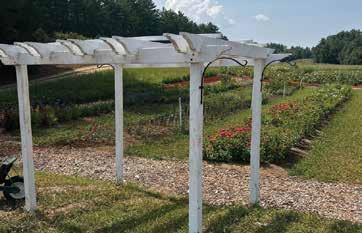
• Shade structure: Gone are the days when homeowners’ most accessible option to create shade on patios and decks were umbrellas extending out from the center of outdoor dining tables. Pergolas and gazebos are now available in a wide range of shapes
and styles, making these a must-have for homeowners who want to entertain while ensuring guests remain comfortable on hot days. A hardtop gazebo with roof hooks to accommodate fans, lights and even plants can serve as an aesthetically appealing safe haven from summer sun.
• Hammock: A hammock is a simple yet unique, functional and affordable feature to consider for an outdoor living space. If the existing landscaping allows, situate a hammock between two tall, sturdy trees. Such a sight can contribute to a welcoming and calming ambiance in an outdoor living space, and provide extra room to lounge and relax beneath the shade of trees.
• Game zone: If entertaining is the primary motivation behind an outdoor living space renovation, then designate part of the space for games and activities. A designated bocce court will draw visitors who want to relax and enjoy a little friendly competition away from dining areas and other spaces. A small putting green can allow golfers to work on their short games, and such spaces can offer ample opportunities for fun if homeowners are inclined to host putting contests during backyard barbecues. Whatever game tickles homeowners’ fancy, designating a space exclusively for games can up the entertainment value of an outdoor living space.
The popularity of outdoor living spaces remains high. Homeowners hoping to enhance their existing spaces can consider a number of unique features to meet their goals. ~Metro








Bathrooms are more than just places to wash up. These spaces are evolving from utilitarian rooms to high-tech sanctuaries with all the modern conveniences one can imagine. Homeowners are increasingly investing more into their bathrooms, reflecting a growing desire for quiet luxury and personal health.
According to the 2026 National Kitchen & Bath Association (NKBA) Trends Report, 72 percent of designers report that clients are enlarging their bathrooms to accommodate new wellness-centered features. Modern bathrooms are defined by some notable features.
Home spa shower: The NKBA reports more homeowners now prioritize a larger, feature-rich shower over just a bathtub. Steam showers are no longer niche; they integrate aromatherapy and chromotherapy (mood-enhancing light) systems into the designs. Although open, walk-in showers are still popular for their accessibility, there’s a rising trend in shower pods, which are enclosed, cozy spaces that more effectively retain heat and steam.
Aging in place elements: Features once associated with getting older are now being rebranded as high-end design elements. According to Forbes, curbless entries and built-in benches are some luxury safety features built into modern bathrooms.
Smart technology: Polaris Market Research says the global smart bathroom market is projected to exceed $11 billion in 2026. Technology focused on efficiency and hygiene is popular.
Intelligent toilets that have self-cleaning UV nozzles, heated seats and motion-activated lids are rising in popularity. Smart faucets with precise flow control and leak detection also are becoming standard, with Houzz saying sustainability features like these are a must-have for 84 percent of renovators.
Evolving minimalism: Organic minimalism is a defining style within modern bathroom trends for 2026. This idea prioritizes clean looks with natural materials like stone and wood, which are replacing cool grays and stark whites that have been dominating bathroom schemes for some time, according to Re-Bath design expert Jenny Mars. Designers favor large-format slabs or tiles to minimize grout lines. Earthy tones like sage green, terracotta, and warm wood vanities also are popular.
Layered lighting: Design pros are using lighting as a functional tool, and say that task lighting must be layered for the best effect. Nighttime-specific low-glow lighting and integrated mirror LEDs support a natural circadian rhythm while offering comfort and safety. The NKBA says 91 percent of respondents cite lighting as a top priority in their bathroom designs. Mood lighting in showers and other lighting features are popular requests.
Modern bathrooms continue to evolve with features that add aesthetic appeal, sustainability and technology to these historically utilitarian spaces. ~Metro











matters. With over 11,000 closed transactions and $3.4 billion in sales, we don't just list homes—we sell




Here’s your opportunity to snap up one of the best deals so far in 2026 with this one-of-a-kind estate property in the Lakes Region only minutes to downtown Wofeboro. Pristine 4 bedroom 1795 Colonial with 6 replaces, 2 bedroom, 2 bath post and beam carriage House with 2 relplaces, barn, pool, bunkhouse and so much more on over 9 acres. Built in equity. $1,800,000

Stunning 5-bedroom, 5-bath colonial o ers exceptional quality and value just minutes from downtown Wolfeboro and Lake Winnipesaukee. e home was completely renovated in 2021, to the highest standards with premium materials, designer nishes, and meticulous cra smanship. Essentially a new luxury home in a coveted location. Beautiful landscaping. $895,000














Wow! Forty-six years representing so many homeowners just like you. ank

By Chef Kelly Ross
Today’s food theme celebrates a classic: tacos. Back in the day, tacos meant nothing but ground beef with taco seasoning and veggies, cheese, and salsa stuffed into a crispy corn tortilla. As much as I do love them, today we’ll have fun as the options are

somewhat endless for proteins and veggies, as well as the various accoutrements. I have fantastic taco options for you, including one each with steak, chicken, and shrimp, but first, we’ll start with two great vegetarian options that this diehard carnivore absolutely loves. The first one offers a potpourri of veggies, and











will get you at least 8 tacos, so plan accordingly. You can have these made in 20 minutes or less.
Black Bean and Corn Tacos
1 medium onion, finely chopped
1 medium green pepper, finely chopped
1 small sweet red pepper, finely chopped
1 can black beans, 15 oz, rinsed and drained
2 large tomatoes, seeded and chopped
2 cups shredded cabbage
1 cup fresh or frozen corn
2 tbsp taco seasoning
2 tbsp lime juice
2 garlic cloves, minced
1 cup cooked brown rice
8 taco shells, warmed, corn or flour
¾ - 1 cup shredded Mexican cheese blend
½ cup sour cream
In a large nonstick skillet coated with cooking spray, sauté onion and peppers until crisp-tender. Add the beans, tomatoes, cabbage, corn, taco seasoning, lime juice, and garlic. Cook and stir over medium heat for 8-10 minutes or until vegetables are tender. Stir in the rice and heat throughout. Spoon bean mixture into taco shells. Top with cheese and sour cream and/or any other optional extras that sound good to you.
With our next and last vegetarian option, corn and mushrooms are the main characters; sometimes, simple is the way to go by letting a couple of great flavors stand on their own. There is a little bit of onion in the mix with a few extra flavors as well, but the shrooms and corn truly shine. The total time is barely half an hour, and this one will get you 8 tacos as well.

Mushroom Tacos with Charred Corn Salsa
6 tbsp vegetable oil
1 tsp lime zest and 2 tbsp freshsqueezed lime juice
4 tsp chipotle in adobo sauce
1 lb portobella mushrooms
Kosher salt and fresh grind black pepper
1 cup finely chopped sweet onion, (about ½ large onion)
½ cup sour cream
2 ears corn, shucked
8 corn tortillas

Cilantro sprigs for service
In a small bowl, whisk together 5 tbsp oil, 1 tbsp lime juice, and 2 tsp chipotle sauce, then brush the mixture onto both sides of mushrooms. Season generously with salt. In a large bowl, stir together lime zest, remaining 1 tbsp lime juice, and onion, then season with salt and pepper. In another small bowl, combine the remaining 2 tsp chipotle sauce, sour cream, and 1 tbsp water and season with salt. Heat a cast-iron skillet or grill pan over medium-high until very hot. Add a light slick of oil. Grill

www.kitchensofwolfeboronh.com





mushrooms, flipping once, until charred in places, 3-4 minutes a side, then transfer to a plate. Grill corn, turning occasionally, until charred, 6-8 minutes. Cut kernels off cobs and stir into onion mixture with remaining 1 tbsp oil. Season with salt and pepper. Grill tortillas on a dry skillet, flipping once, 30 seconds. Cut the shrooms into ½ inch strips. Top tortillas with sour cream mixture, mushrooms, corn salsa, and cilantro, then serve. It’s a great punch of veggie flavors that you won’t soon forget.
Now we move on to tacos stuffed with meat and other fun. This one has a chicken teriyaki theme, which is always a fun flavor combo, but my favorite aspect of this recipe is the pear and pineapple salsa that accompanies it. As for the chicken, the longer it marinates, the better, so I will generally soak it the day before. As for the salsa, I go ga-ga over anything with grilled fruit in the mix. Teriyaki chicken may not be the usual thought when it comes to tacos, but thinking outside of the box is one of the many things that can make cooking so much fun. You can have these made in a half hour or so, and yup, this one gets you 8 tacos once again.
Teriyaki Chicken Tacos with Grilled Pineapple Pear Salsa
For the Teriyaki Chicken
1 lb chicken breasts, stabbed many times with a meat needler or a fork
½cup teriyaki sauce
2 cloves garlic, minced
1 tbsp honey
1 tbsp oil
Salt & pepper to taste
For the Pineapple Pear Salsa
3 rings of fresh pineapple, ½ inch in thickness
1 ripe pear, diced
¼ cup red onion, chopped
1 jalapeño, diced
Juice of 1 lime
2 tbsp chopped cilantro
Salt & pepper to taste
The Rest
8 small tortillas, flour or corn
Shredded cabbage, sliced avocado, lime wedges, etc, optional
In a mixing bowl, whisk together teriyaki sauce, garlic, honey, oil, salt, and black pepper. Add chicken and toss to coat evenly. Cover and marinate in the refrigerator for at least 30 minutes to allow flavors to infuse, but overnight is suggested to let the marinade be able to get right inside the chicken. Heat a castiron skillet or grill pan over medium-high until very hot, lightly oil the pan, and add pineapple rings in a single layer. Cook for 2-3 minutes per side until lightly caramelized. Remove from heat and set aside, and dice once cool. Keep the same pan over medium-high heat, adding a small amount of oil if needed.






Place marinated chicken in a single layer, cook for 4-5 minutes per side, depending on thickness, ensuring the interior is fully cooked. Let the chicken rest for several minutes, then slice into strips, then into bite-sized pieces. In a separate bowl, combine the grilled pineapple, diced pear, chopped onion, jalapeño, lime juice, and cilantro. Season with salt and black pepper to taste. Stir to integrate all components evenly. Heat tortillas in a dry skillet over medium heat for approximately 30 seconds per side, until pliable and lightly toasted. Lay warm tortillas flat and fill with grilled chicken. Top with a generous spoonful of pineapple pear salsa and, if desired, add cabbage, avocado slices, and a squeeze of lime. Arrange assembled tacos on a platter and accompany with extra lime wedges as desired.
Let’s bust out some shrimp for the next taco recipe! This taco also has an amazing cilantro lime coleslaw that has great flavor and adds a wonderful crunch. In what is becoming a similar theme, this makes 8 tacos and takes half an hour to make.
Shrimp Tacos with Cilantro Lime Slaw
For The Shrimp
1 lb medium shrimp, peeled and deveined, tails removed,
41/50 in size
1 tsp each chili powder, cumin, and paprika
½ tsp salt
For The Cilantro Lime Slaw
½ cup sour cream
¼ cup oil
¼ cup water
½ cup cilantro leaves
2 cloves garlic






¼ tsp salt + more to taste, as needed
Juice of 2 limes
2-3 cups shredded green cabbage
The Rest
8 tortillas, corn or flour, medium-sized white corn tortillas work best
Fresh cilantro for topping
Lime wedges
1-2 avocados, sliced
In a small bowl, mix all dry seasoning ingredients. Pat both sides of the shrimp dry and then gently toss in a large bowl with seasonings. Cover and place it in the fridge while preparing the slaw. Add all slaw ingredients, except the cabbage, to the bowl of a food processor and process until smooth. Taste and add salt or lime juice as preferred. Toss a little more than ½ cup of the sauce, but not all, with the cabbage until the cabbage is coated to your liking. It should resemble a coleslaw. Use leftover sauce on top of the tacos or as a dressing in a salad. Heat a drizzle of oil in a large skillet over medium-high heat. Add the shrimp to the hot pan and sauté for a few minutes, flipping occasionally, until the shrimp are cooked through. Place tortillas in a heated, ungreased skillet for about 15 seconds per side. Alternatively, heat 4-6 tortillas between two damp paper towels in the microwave for about 30 seconds. To assemble tacos, fill tortillas with shrimp, a generous serving of the slaw, and fresh avocado. Drizzle additional sauce over top and serve with a squeeze of fresh lime juice. Deee-licious!!

Lastly, my favorite of the day, and also the most labor-intensive, but it’s worth every second of prep work! Steak rules this



one, and it’s accompanied by a bunch of great extras. The total time is closer to 1 ½ hours than the usual half hour, although it’s all quite easy. Besides the awesome marinade for the beef, this comes with a yummy chimichurri sauce, plus a homemade Pico de Gallo as well as a quick-pickled veggie recipe. If you don’t want all the extras, you don’t have to make them, which will cut down on the time involved. The pickled veggies and the Pico de Gallo can be made the day before, as well as the marinade for the beef, so most of the work can be done the day before the day of cooking, or earlier in the day anyway. Also, Pico de Gallo goes great with many items, not to mention the pickled veggies. I use both on burgers quite often, so a few of these items can multitask if you care to go that route. As for the pickled veggies, the veggie options you can use are many, so you can sub almost any that sound great. A flank or skirt steak works best for this dish, so once it is cooked and sliced, you will have a delicious, tender steak taco. This will give you a dozen tacos.
The Ultimate Steak Taco 2 lbs flank Steak or skirt steak
1–2 large, sliced sweet onions
1 bunch scallions

¾ tsp kosher salt
Steak Taco Marinade
1/3 cup fresh-squeezed orange juice, 1-2 oranges
¼ cup fresh-squeezed lime juice, 2 limes
1/3 cup soy sauce
1/3 cup olive oil
½ tsp sugar
4 garlic cloves, finely minced
½ cup chopped cilantro
½ tsp each of ground cumin and chili powder
2 tsp adobo sauce from canned chipotles for a nicely smoky flavor, optional
For The Chimichurri Sauce
1 bunch fresh cilantro
1 bunch fresh parsley
¼ cup fresh lime juice, 1–2 limes
½ cup olive oil, or more
¼ cup chopped onion
2 garlic cloves
2 tsp ground cumin
2 tsp ground coriander
½ of one jalapeño pepper
For The Pico de Gallo….Makes 2 cups
4 vine-ripe tomatoes, chopped ½ medium red onion, chopped 2 green onions, white and green parts, sliced 1 jalapeno or serrano chili pepper, minced


1 handful fresh cilantro leaves, chopped
3 garlic cloves, minced
1 ½ limes, juiced
¼ cup extra-virgin olive oil
1 tsp kosher salt
For The Quick Pickled Veggies
2 cups of a mix of sliced radishes, onion, carrots, cukes, peppers, or whatever you like
1 cup vinegar
1 cup water
½ tsp kosher salt
2 tbsp sugar
1 tsp whole peppercorns
A few sprigs of cilantro
The Rest
12 flour or corn tortilla, 6 inches in diameter
Avocado slices or guacamole, optional
Sour cream, optional
Queso fresco or cotija cheese, optional
Lime wedge, optional
In a large bowl, mix the ingredients for the marinade. With a meat tenderizer, ideally, or with a fork, stab the steak repeatedly on both sides, then place the steak and onions in the bowl and toss with marinade. Let it sit at room temp for 30 minutes, turning occasionally, or marinate for up to 6 hours in the fridge, bringing to room temp before grilling. For the chimichurri sauce, either chop everything finely and place all ingredients in a bowl, or alternatively, place all dry ingredients in a food processor, pulsing several times until chopped. Add oil, lime juice, cumin, coriander, and salt. Pulse repeatedly until combined, but not too smooth. Add more oil if you want a loose sauce. Set aside in a small serving bowl for half an hour before serving. As for the Pico de Gallo, finely dice the tomato, onion, jalapeño, garlic, and cilantro. Season with salt, pepper, and lime. Sometimes I’ll add diced avocado and a couple of splashes of hot sauce. Place all in a bowl, mix, and let sit for 15 minutes to 24 hours. For the pickled veggies, in a small saucepan, combine water, vinegar, sugar, salt, and peppercorns. Add your choice of sliced radishes, slivered onions, thinly sliced carrots, or whatever else you like. Bring to a boil, then remove and place in the refrigerator until cold. Remove and place it in a serving bowl or jar. Top with a little fresh cilantro. Using a cast-iron skillet, medium-high to high heat until very hot (look for faint wisps of smoke). Lightly oil the pan. I usually cook to medium-rare, 5-7 mins each side, depending on thickness. Flip once for the best sear. When done, transfer to a plate or cutting board and let rest for 10 minutes before thinly slicing the meat against the grain. Using the same hot pan, cook the onions and scallions until tender and charred. A little char is good for everything. Dice/chop onions and scallions. Lightly grill the tortillas until soft and pliable, 20-30 seconds per side. Serve everything together, along with any additional garnishes, and start building some killer tacos.


CENTER HARBOR
318 Whittier Highway 603-253-4381
Happy taco day, my friends, and remember that almost anything good can work inside a taco shell. Until next time, keep your taste buds happy and smiling. If you care to reach out with any questions or feedback, please touch base at fenwaysox10@ gmail.com.



Pests can be problematic for homeowners. Pests can be frightening, and an infestation can result in property damage if it is not discovered or treated promptly. According to Green Pest Management, termites can hollow out beams, beetles can tunnel through hardwood, and rodents can chew through wiring and insulation. It doesn’t take long for damage to escalate. And homeowners may not know issues are building until problems have become visible.
To address pests effectively, both inside and outside of the home, homeowners should prioritize prevention and physical barriers first. Chemicals and professional pest treatment services may be necessary if initial efforts are not enough. Here are some strategies homeowners can try.
• Check the perimeter. Pests can enter a home through small gaps in the foundation, as well as around windows and doors. Use silicone caulk around windows and stuff steel wool in gaps around plumbing pipes.
• Address moisture issues. Many insects are attracted to dampness. It’s important to fix leaky faucets immediately and use a dehumidifier in basements or crawl spaces to make the environment less hospitable to pests.
• Manage crumbs and trash. Pests like an easy food source, so move dry goods into glass or sealed plastic containers. Clean up crumbs around the kitchen, empty catches in the sink drain readily, and be sure to take out the garbage before it gets full
and malodorous; otherwise, you might be luring pests indoors.

• Create a buffer zone outside. Try not to plant vegetation too close to the home. While mulch is coveted for its use in landscaping, it can act as a highway for termites and ants. Gravel or bare dirt may be better against the house.
• Eliminate standing water. Clear gutters and address low-lying areas of the landscape. Turlock Mosquito Abatement District says mosquitoes grow in standing water, and they can develop into biting mosquitoes in amounts of water as small as that needed to fill a bottle cap. Tip and toss out any water to prevent mosquito breeding.
• Use natural repellents. Peppermint oil might deter spiders and rodents near entry points. Diatomaceous earth is a fine powder made from fossilized, microscopic remains of hardshelled aquatic organisms. While used primarily in some pool filtration systems, DE also can dehydrate insects with exoskeletons, like ants or roaches.
If pests become problematic and first-line treatments are not working, consult with a professional pest company to see what the answer might be. ~Metro




By Joel Bocko

Water is a resource easy to take for granted, especially inside modern homes with apparently endless streams running through hidden pipes, available at the turn of a handle both inside and outside. Washing hands, cleaning dishes, boiling food, brushing teeth, taking baths and showers, flushing toilets, cycling through laundry, irrigating gardens, and keeping the lawn green and healthy all demand this water. However, not all tasks nor methods for performing them are equally consumptive and efficient. Water waste can become an economic, ecological, and engineering concern, heightened by increased drought conditions and the rising cost of living.
Such concerns require the attention not just of homeowners receiving their water from a public service, but also tenants (some of whose communities and/or leases allow them to be billed for water use) and owners of private wells on their properties. The last group is particularly prominent in New Hampshire, with well-owners encompassing 46% of households (among the highest percentages of any state). Whether the primary worry is immediate price or environmental sustainability, everyone who uses water is affected, and everyone can do something to address this.
With that in mind, a number of options for conservation are worth considering. To start with the simplest fix, low in cost and effort, we’ve all been taught since an early age that “every drop counts”. This includes shutting off a sink or even shower faucet before and after a particular task, or in between successive tasks. Without sacrificing comfort or convenience, applying soap to wet surfaces (be they hands, hair, or dishes) can require minimal dampening before reaching the rinsing stage. Although the amount of water conserved in each incident is minimal, over


months and years the savings can be enormous (2 gallons per minute is the average faucet release, so shutting the water off while brushing your teeth for 2 minutes in the morning and evening can save 8 gallons right there).
For some initial cost but long-term savings, low-flow installations can supplement decisions about when and how often to use water. Faucets that release 1.5 gallons a minute save water without any further effort (these are widely available at locations like Bradley Hardware in Wolfeboro).

Low-flow toilets can save even more than faucets, although by now the basic consumer standard has moved across the board toward much lower flow than earlier eras (when toilets used up to 3 or 4 times the current amount of water for flushing). When considering flow dynamics, look for the WaterSense label, designated by the Environmental Protection Agency to help determine efficiency; WaterSense is a voluntary program certifying which products use 20% less water than the industry standard.
Beyond water flow management, homeowners can also keep an eye on leaks. Nationwide, a trillion gallons are wasted through leaks with 11 million homes contributing to the loss. Individually, while small leaks tend to disperse wasted water over a long period (only 9 gallons a year on average), your house could be a part of that 9% that wastes over 50 gallons a year. It’s important to find out where any leaks may be coming from and address

• Custom Brick and Block
• Stonework
• Fireplace Design
• Chimney Lining
• Video Chimney Inspections
• New Chimney Construction
• Chimney Sweeps
• Chimney Repair


them quickly. As with other methods of water conservation, this can be done through individual action and oversight, or by installing automatic systems for more initial cost but potential long-term savings.
On a personal level, homeowners can check the usage on their bills: anything in excess of 12,000 gallons per winter month for a family of four is considering indicative of major leaking. You can also spare water for 2 hours and then check the meter to see if the reading has changed, implying otherwise undetected use. Toilet leaks can be revealed by food coloring in the tank (though you’ll want to flush after 10 minutes to avoid stains), and gaskets or pipe fittings should be monitored regularly for surface leaks. It’s also a good idea to check on a toilet flapper/valve seal after 5 years. Showerheads can get particularly leaky (10 drips a minute means 500 gallons a year), and in-ground irrigation systems should be examined every spring.
Depending on your handiness and the complexity of the issue, you may want to fix any leaks yourself, with or without the help of a friend or neighbor. You may also want to seek professional aid. Many plumbers offer not just repair services but actual leak detection (Heritage Home Service in Laconia being one such example), using their skills to not only solve a problem but identify any sources in the first place. If you are worried about a recurring issue or are absent from your home for an extended







period, you may also want to install a leak sensor or water flow management system like Moen, Zooz, or EcoNet.
When it comes to permanent leak detection, some consumers prefer to buy a whole proprietary package (Moen Flo is one such option), while others mix and match different products. Here too, WaterSense can be useful, providing an online guide (epa.gov/watersense) titled “Know Your Flow and Curb Water Waste” with an emphasis on such devices. This is the most intensive and holistic way to approach leaks within the household; however, the most water tends to be used - and potentially wasted - on the external parts of one’s property.
To preserve outside water and streamline its use in lawncare and/or gardening, homeowners should consider water catchment, including through rain barrels, as well as native plantings (details on these can be found in other articles in this issue of Home). Native plantings in particular can be a good way to achieve balance in low-maintenance landscaping, which is often described as “xeriscaping”. Although the term refers to any gardening which requires substantially less irrigation than normal, it’s often misapplied to cactus- and gravel-heavy landscaping more typical of arid Southwestern desert regions. In fact, many indigenous New Hampshire plants are quite drought-tolerant, and mulch is superior to gravel as a bed.
Finally, at the more ambitious end of the scale, greywater systems can preserve water by recycling what is used in the sink, shower/bath, and laundry (but nothing from the toilet, which is considered blackwater). There are informal, low-tech ways, like filling a sealed basin, to preserve greywater temporarily for near-immediate re-use since it sours quickly. As far as installing a system which automatically filters, treats, and recycles greywater for irrigation, flushing, or other purposes, the codes and regulations can get quite complicated. Homeowners’ and builders’ accounts of what is allowed and advisable tend to vary between community and situation.
Additionally, greywater systems can be expensive and difficult to maintain, and many who have tried to do not recommend pursuing this route. This is a solution that may be worth looking into for those who want a more comprehensive and long-term strategy to conserve their water. However, for most homeowners, addressing leaks, excess use, and perhaps outside irrigation needs will take priority over recycling what they’re using beyond the requirements of a public delivery or septic system.
With all these approaches available, spring is the perfect time to consider water conservation; the EPA even designates Fix a Leak Week in mid-March. Emerging from a winter in which heating needs can lead to atypical water use (who hasn’t lingered in a hot shower on a cold day?), anticipating the need to freshen up the early growth outside, and seized by the spirit of spring cleaning and household organization, homeowners are often inspired by the season. You may as well take this opportunity to consider the most abundant substance on Earth - and how to keep it that way.

One of the endearing components of the Netflix series “Stranger Things,” which reached its conclusion at the close of 2025, is how the show harkened viewers back to the unencumbered days of being a kid in the 1980s — that is, until those kids had to fight for their survival against otherworldly foes. Demogorgons and mind flayers aside, the Hawkins kids would hop on their bikes and traverse their town or engage their imaginations during game play in a wood-paneled basement. Baby Boomers, Generation Xers and even Millennials can likely recall youthful days when they had plenty of free time on their hands to pursue various adventures.
Fast forward to 2026, and today’s children lead much more structured lives. With the rise of “helicopter parenting” and “tiger parenting,” children find themselves continuously engaged with academics, structured sports teams, music lessons, and choreographed play dates, largely initiated by the adults in their lives. “Free play,” defined as child-initiated, unstructured activity, has largely been phased out.
The American Academy of Pediatrics and the Centers for Disease Control and Prevention suggest that free play is not simply a break from learning, but the “primary vehicle through which children develop the brain architecture necessary for adult success.” Free play should be encouraged and not lambasted. Here’s a look at how free play is imperative for healthy kids.
• Improves executive functioning: Research published in The Journal of Pediatrics says children who have more time for unstructured play have better self-regulation and executive function. These elements can predict academic success better than IQ, say health experts.
• Greater brain development: Researchers at Baylor College of Medicine have found that children who don’t play much develop brains 20 to 30 percent smaller than is normal for their age.
• Stress reduction: In their clinical report, “The Power of Play,” the AAP suggests that when play and safe, stable, nurturing relationships are missing in a child’s life, stress hormones can elevate to harmful levels. Play is so essential to kids that the AAP suggests pediatricians recommend more of it at each child well visit.
• Promotes conflict resolution: Children who engage in free play learn on their own how to keep the game going through compromise, rather than relying on a parent or referee.
Free play is an important component of a child’s well-being, and one that is not stressed nearly as much as it should be for good health and future success. Kids can enjoy self-directed play that is nature-based and unplugged from digital distractions.
~Metro






By Alyson Short
Living in New Hampshire’s Lakes Region — or anywhere across New England — you know that ticks are more than a seasonal nuisance. They are a genuine public health concern. The black-legged tick, commonly known as the deer tick, is the primary carrier of Lyme disease, babesiosis, Powassan and anaplasmosis in our region. Lone star ticks and American dog ticks round out the local roster, each capable of transmitting their own collection of terrible illnesses including alpha gal. As tick populations have expanded northward in recent decades, driven by milder winters and expanding deer habitat, New England residents face longer and more intense tick seasons than ever before.
The good news: there are many things you can do on your own property to reduce tick exposure. A layered approach — combining habitat modification, natural deterrents, targeted biological tools, and thoughtful landscaping — can substantially lower the tick burden in the spaces where you and your family spend the most time.
Ticks are not sprinters. They don’t jump or fly. Instead, they practice a behavior called “questing” — clinging to the tips of tall grasses, low shrubs, and leaf litter with their front legs extended, waiting to hitch a ride on a passing animal or person. Because ticks are highly susceptible to desiccation (drying out), they thrive in cool, moist, shaded environments and avoid hot, dry, open areas. This biology is your greatest ally in tick management.
The most dangerous tick zone on any residential property is the transition area where manicured lawn meets woods, brush, or stone walls. This zone — the woodland edge — is tick central. Focusing your mitigation efforts here will give you the most meaningful results.



One of the simplest and most effective tick-reduction strategies is regular lawn maintenance. Keeping grass mowed to around three inches denies ticks the shaded, humid microclimate they need to survive. Allowing grass to grow to five or six inches — even for a week — can create ideal questing conditions. When mowing, use a bagging attachment rather than leaving long clippings behind, as accumulated clippings mimic leaf litter.
Trim shrubs and low-hanging branches to allow more sunlight to penetrate your yard. Ticks disdain direct sunlight and heat. The more open and sunny you can make your primary activity areas — patios, play areas, garden paths — the less hospitable those spaces become for ticks.
Leaf litter is another critical factor. In autumn, raking leaves away from high-traffic areas is not just tidy; it is tick control. Decomposing leaf piles near walkways, around foundations, and along fence lines create perfect overwintering habitat for ticks. If you prefer the ecological benefits of leaving leaves in place for beneficial insects and soil health, consider consolidating them in low-traffic corners of your yard or in designated compost areas well away from where people and pets spend time.
One of the most time-tested and research-supported tactics for residential tick control is establishing a three-foot-wide barrier of dry wood chips, bark mulch, or gravel between your lawn and any adjacent woods, brush, or unmaintained vegetation. Ticks are reluctant to cross this dry, exposed zone because of moisture loss. The barrier does double duty: it physically discourages tick migration into your yard, and it serves as a visual reminder to family members and guests that the area beyond it carries higher tick risk. For best results, use broad, dry wood chips or bark rather than shredded, fine mulch — shredded varieties retain moisture
and can actually attract ticks.
One of the most innovative and increasingly popular at-home tick-control tools is the tick tube. Understanding why requires a brief lesson in tick biology: deer ticks don’t actually acquire Lyme disease from deer. They acquire it primarily by feeding on white-footed mice during their larval stage. Mice are, in effect, the primary reservoir hosts for Lyme disease in New England. Control the tick burden on mice, and you dramatically reduce the number of infected ticks entering your property.
Tick tubes are cardboard or biodegradable tubes packed with permethrin-treated cotton. Mice, always in search of soft nesting material, collect the cotton and carry it into their burrows. The permethrin binds to the oils on their fur, killing any ticks that attempt to feed on them — without harming the mice themselves. Research by the Connecticut Agricultural Experiment Station found that consistent use of tick tube systems reduces tick populations over several seasons. When used consistently, tick tubes reduce the risk of exposure to an infected tick by a significant margin. Commercial products like Thermacell Tick Control Tubes (the successor to the original Damminix brand) are widely available at hardware and outdoor supply stores throughout New Hampshire.
Place approximately twelve tick tubes per half-acre, deployed in areas where mice are likely to travel: along stone walls, under decks and porches, at the woodland edge, and near wood piles or brush. Tubes should be placed in spring and again in late summer or fall to coincide with the two primary larval tick feeding periods. Some pest control companies also offer to install tick tubes as part of broader management programs.
For the budget-conscious homeowner, tick tubes are also sim-




ple to make at home using cardboard tubes (from toilet paper, paper towels, or wrapping paper) or re-using PVC pipe. A diameter of 1.5 to 2 inches is ideal, cut to 3 to 4 inches in length. Pack each tube with permethrin treated cotton (available at outdoor supply stores) and place them in your targeted areas.
One important safety note: while permethrin is considered safe for dogs once it has fully dried, it is highly toxic to aquatic life and to cats, who metabolize the compound very differently. Keep cats indoors or away from treated areas until tubes are fully in place and any exposed cotton has dried. Never place tick tubes near drainage ditches, streams, ponds, or other waterways – a particularly important consideration in the Lakes Region, where water is never far away.
Strategic planting is another meaningful layer of protection. Because deer are major tick transport vehicles, reducing deer traffic through your yard reduces tick introduction. Replacing deer-favored plants — like rhododendrons, azaleas, arborvitae, and crabapple — with deer-resistant varieties along your property borders can measurably reduce your tick exposure over time. Deer-resistant options well-suited to the New England climate include American holly, boxwood, scotch pine, daffodils, lavender, sage, marigolds, and native mountain mint.
Native mountain mint deserves special mention. It produces aromatic oils that naturally repel ticks and many other insects, supports pollinators, aids soil health, and is well-adapted to New Hampshire conditions. Lavender and rosemary are similarly fragrant tick deterrents, though they prefer well-drained, sunny spots and may benefit from winter protection in the Lakes Region.
There is also compelling research linking invasive plant re-
moval to reduced tick populations. Japanese barberry — a common ornamental shrub in New England landscapes — creates dense, humid habitat ideal for tick survival and provides cover for white-footed mice. Removing barberry and replacing it with native shrubs can help reduce local tick populations. Similarly, removing invasive honeysuckle has been shown to reduce tickborne disease risk.
Moving bird feeders and birdbaths as far from your home and primary activity areas as possible is also advisable. While birds are natural tick predators — American robins, blue jays, and wild turkeys all consume ticks — they also transport immature ticks across great distances, potentially introducing ticks to areas of your yard that would otherwise be lower-risk.
Wood piles and old stone walls are favorite hiding and nesting sites for mice, chipmunks, and other small rodents — and therefore for ticks. Store firewood in dry, sunny locations away from the house, stacked neatly off the ground to allow air circulation. Keep the vegetation around stone walls trimmed short. If possible, reduce or eliminate unnecessary wood and debris piles entirely. The less rodent habitat you provide near your home and yard, the fewer tick hosts you are supporting.
Nature has its own tick-control workforce, and you can encourage it. Opossums are remarkable tick consumers — a single opossum can groom and kill thousands of ticks in a single season. Garden snakes help by controlling rodent populations, removing the hosts that ticks depend on. Installing a nest box for owls or hawks and maintaining standing tree snags (dead trunks that don’t pose a safety hazard) provides habitat for raptors that prey on mice. A biodiverse yard — one with a variety of native plants, layers of vegetation, and welcoming habitat for a range of








species — is a more resilient ecosystem that naturally keeps any one disease-carrying species from dominating.
Professional yard spraying remains the fastest and most aggressive tool in the tick-control arsenal, and it has its place. Several reputable services operate in the Lakes Region, including Lakes Region Tick Control (lakesregiontickcontrol.com) — which uses an all-natural essential-oil-based formula — and Mosquito Squad of New Hampshire Lakes Region (mosquitosquad.com), which offers both traditional and natural barrier spray programs on a recurring schedule from spring through fall.
However, homeowners should understand the trade-offs. Traditional spray products typically rely on synthetic pyrethroids such as permethrin, bifenthrin, or carbaryl. These are effective, but they carry real risks that deserve consideration. As mentioned, cats are particularly vulnerable to pyrethroid compounds — their bodies metabolize these chemicals slowly, and exposure can trigger tremors, seizures, and even death. Permethrin-based products are also highly toxic to fish and aquatic invertebrates, and runoff into lakes, streams, and wetlands — a real concern in the waterway-rich Lakes Region — can cause significant ecological damage. Broad-spectrum pyrethroids also kill beneficial insects, including bees and other pollinators.
If you choose professional treatment, ask specifically about natural and organic options. Lakes Region companies offer essential-oil-based formulas using cedar oil, rosemary oil, peppermint oil, and geraniol, which are effective and are much safer for pets, wildlife, and waterways. Targeted application — focusing on tick harborage zones at the woodland edge, around stone walls, and in ornamental plantings, rather than blanket-spraying the entire property — also significantly reduces the ecological footprint of
any treatment.
The University of New Hampshire Cooperative Extension recommends that no more than two pesticide applications be made in any given year for good tick control results. Always ensure that any professional applicator is licensed in New Hampshire and can provide a written pest control plan before work begins.
No single method eliminates tick risk entirely, but combining habitat management, tick tubes, thoughtful planting, and an awareness of wildlife dynamics can dramatically reduce the tick burden in the areas where you live, work, and play. For Lakes Region residents, the goal is not to wage chemical warfare on the landscape — it is to make your immediate environment less hospitable to ticks while preserving the biodiversity and ecological health that makes this corner of New Hampshire worth protecting in the first place.
Homeowners who would like additional information are encouraged to use the following resources: Lakes Region Tick Control: www.lakesregiontickcontrol.com; Mosquito Pros NH: mosquitoprosnh.com; Mosquito Squad of NH Lakes Region: 603-301-4857 or mosquitosquad.com/new-hampshire-lakes; UNH Cooperative Extension, Tick Biology & Management: extension.unh.edu; and NH DPHS Tick Information: www.dhhs. nh.gov.
Always remember to perform thorough tick checks after any time outdoors — on yourself, your children, and your pets — and consult your veterinarian about appropriate tick-prevention treatments for your animals. Early removal is your last and most reliable line of defense.






Even though no two homes are the same, rooms tend to take on similar characteristics regardless of which property they’re a part of. Kitchens tend to be popular gathering spaces, while basements have become go-to spots for game rooms and watch parties.
Garages also tend to share certain characteristics between homes, and one notable attribute is the tendency to become difficult-to-navigate dumping grounds for a wide range of items, including lawn and garden tools, children’s toys, sporting goods, and seasonal home decor. Though there’s nothing wrong with utilizing a garage as a storage space, the following are three simple ways homeowners can get more out of these spaces.
1. Utilize the wall space. The walls in a garage have lots of potential. Effective use of walls within a garage can ensure garden tools, small toys and other items do not accumulate on the floor. Such accumulations contribute much to the reputation of garages as dumping grounds for miscellaneous items. By clearing the floors of clutter, and utilizing wall spaces to store items, homeowners can open up the spaces to serve any number of functions, including home gyms, art studios or even parking spaces to protect vehicles from the elements. A storage organizer system with various hooks can be mounted on a garage wall to free up floor space, while shelving can be hung to store paint cans, power tool
batteries and other items.
2. Look upward. If garage ceilings extend several feet above the height of homeowners’ vehicles, then the spaces above where cars might be parked can be converted into storage space for large recreational items, like canoes or kayaks, or seasonal decor that does not need to be accessed on a regular basis. A simple kayak hoist utilizing a pulley system clears floor space and allows kayaks to be stored overhead. Lifting storage racks work in similar fashion and make for great additions for anyone who needs to store containers full of seasonal decor but does not want to do so by stacking items on the floor. A hand crank system for a lifting storage rack makes for easy and safe access.
3. Install new lighting. Without ample lighting, garages may not be conducive to recreational pursuits like painting, crafting or even exercising. A lighting upgrade is a relatively affordable renovation that can make a big difference, illuminating spaces not exactly known for brightness, especially if there’s no windows. If you want to spend time in the garage during winter and stay warm, then some new lighting can make that possible.
Homeowners whose garages are currently serving as cluttered storage closets can do much to get more out of these useful spaces. ~Metro











By Mike Moore
There are so many factors that can have a positive impact on the quality of your home garden, but perhaps the most common recommendation for success is incorporating a good percentage of native plants and shrubs. Botanical systems thrive on co-evolution; the shrubs, trees, and plants that historically grow in this region support the surrounding habitat, while invasive species not native to New Hampshire can complicate your quest to develop the perfect landscaping for your yard.
Planting with a purpose helps reinforce a healthy balance in the ecosystem. Native species have been feeding off of and making their homes in these native plants for hundreds, even thousands, of years. The nectar and pollen produced by the local shrubs and flowers help keep bees, butterflies, and smaller woodland creatures fed. Eliminating this vegetation or letting your garden be overtaken by more invasive types can tilt the whole habitat out of balance if other organisms don’t have their source of nourishment that they’ve relied upon throughout time. Because the native plants and shrubs grow naturally and were not deliberately introduced by a human planting them, there are so many benefits to having them take up a good majority of your garden. It is recommended that at least 70% planted be of the native variety to provide structure and longevity, while the remaining 30% can be those less common, non-native plants that can add a little extra style and charm.
So, what are the best kinds of plants and shrubs that you





should you be looking to add to your garden here in the Lakes Region? Lilac bushes and shrubs burst on to the scene with their sweet scent and unmatched beauty when they bloom during the later portion of spring. This native species can be seen just about everywhere throughout the towns and forest of the area, and offer so many benefits right away, from their low maintenance process to grow, to their penchant for lasting for multiple generations. The shrubs grow easily in areas of your yard that get a good amount of direct sunlight (roughly six hours of sunlight a day). Plant the lilacs in an area with a lot of heavy shade, and you will be less likely to see them flourish. Lilac bushes are best to plant in the early spring, and if planting from the bare root, you can expect the bush or tree to start blooming fully in about three to four years. Some similar bushes that are quite popular in Northern New England are Witch Hazel, Wild Geranium, Common Yarrow, Lady Fern, and Purple Coneflower. These, like lilacs, are a popular with the local pollinating residents and all offer the same low maintenance approach to get an exceptional bloom.
While the old adage “April showers bring May flowers” is definitely true in New Hampshire, the later summer heat can bring weeks of dry spells that wreak havoc on everyone’s yards and gardens. To combat that, there are a variety of drought resistant vegetation that can be implemented into your yard scape. Many of these plants offer the same level of aesthetic appeal and longevity as types that require more water to sustain. The coneflower is a popular choice that grow rather easily regardless of the condition

of the soil or amount of sun and shade the area receives.
Some people make the mistake of assuming drought tolerant shrubs don’t need any attention or water, but just like any plant, it will need plenty of watering in the early stages so it can take root. Once fully rooted, the shrubs need very little water beyond what Mother Nature brings to remain fully sustainable. A multitude of drought resistant shrub options work well for your yard. Sumac, bayberry bushes, juniper, and Virginia creepers accomplish the goal of ensuring that 70 percent of your garden contains native species. For those of you with less mature landscaping that are wanting to plant drought resistant trees, oak, pine, birch, and crab apple trees survive well in Northern New Hampshire. Lilac trees are also very popular around the lakes, as they can grow up to 15-20 feet tall and spread about as wide.
Fruit producing trees also grow particularly well here. While the trees won’t bear those apples, pears, and plums until the fall, the flowers that bloom on the trees in the spring can be a great compliment to your landscape. Macintosh and Honey Crisp apples are among the most popular, but many local homeowners find luck planting apricot, cherry, and peach trees as well. One tip that home gardeners find effective is to plant at least two varieties to increase the amount of fruit it produces. Check the drainage in the area you intend to plant the trees, since the nutrients in the soil won’t hold and the fruit won’t produce if the ground is too moist or too dry.
Lianas, or climbing vines, are a great way to add some privacy to your yard, but they also play an important part in keeping the habitat lively. Fox Grapes and Virginia Creepers are common in New Hampshire, forming entangled thickets that serve as a great place for species to nest, have easy access to food, and overall, help
provide stability to the ecosys tem.
There is only so much that we alone can do to maintain a beautiful, lush garden. Help is needed from our local pollinators to keep everything alive and looking wonderful. Filling your garden and landscape with these types of polli nator-friendly plants does wonders for the natural habi tat cycle. With plenty to feed off of, the pollinators will prosper and avoid slipping onto the endangered species list. Their presence in our area is crucial, so ensuring balance involves taking care of them so they can take care









of us. In Northern New Hampshire, the decline in population of bees and butterflies has been an ongoing issue due to factors like climate change, overuse of pesticides, and invasive plants taking over that provide no use to the pollinators. When local homeowners offer enough native shrubbery to keep the pollinators fed, it helps combat the declining population.
Beyond providing the plants for pollinating birds and insects, there are a few other things you can do to make your garden friendlier for them. Avoid using pesticides, try not to plant too many non-native plant varieties, and ensure there are nest and shelter areas for them to stay protected. Just about every plant, shrub, flower, and tree listed above help feed the birds, bees, butterflies, moths, and caterpillars. Those plants that are specifically rich with pollen or nectar enjoyed by the local bird population are Wild Columbine, Wild Bergamot, Sunflowers, and Black-eyed Susans, to name just a few. Wild Geranium, Blazing Star, and Golden Alexander are three particular varieties from which the native bee population feed. Butterflies and caterpillars have an abundance of choices when looking for a good plant for pollination. Swamp Milkweed and New England Aster both great options and are essential to the caterpillar breeding process.
When living in or visiting New Hampshire, most people appreciate the awe-inspiring nature to be found around every corner. But maintaining the pristine New Hampshire ecosystem by planting native species liberally, the habitat benefits greatly when we help the environment flourish. Whether you are adding some plants into an existing, thick garden or starting your landscaping from scratch, there are countless ways to have an enviable yard while still taking care of our other important inhabitants of the Lakes Region.






By Thomas P. Caldwell
As solar technology advances and costs continue to fall, homeowners who have hesitated to install solar panels have more incentive than ever to do so. The demand for large computing centers to support artificial intelligence and threats from an increasingly troubled world are pushing traditional electricity costs up and making transmission facilities vulnerable. For now, the government is still offering incentives to make the installation of solar arrays more affordable, and in some cases, home solar even generates income through net metering programs.
For those concerned about the challenges of climate change, solar power provides a way to avoid carbon emissions from the burning of fossil fuels, whether coal, oil, or propane, and does not carry the long-range problem of handling radioactive waste from nuclear reactors.
Solar energy is much more efficient than traditional electric grids which lose a significant amount of energy during trans-
mission and distribution, creating a higher demand for power generation. A home solar array puts that power closer to where it will be used, minimizing energy loss.
There also is the buffer against power outages. While solar output is affected by the cloud cover and the nighttime loss of sunlight, battery storage can save the energy generated during sunny days for use at other times, including when storms take down power lines.
Even when a connection to the grid is necessary to ensure power when the solar is not producing energy, the panels can significantly reduce electricity bills.
The increasing interest in solar power has led to advancements in the ways that eco-friendly technologies can support sustainable living. The development of more efficient and affordable solar panels has led to continuous improvements in other renewable energy sources that support broader environmental initiatives. The resulting policy changes have encouraged even





Now, aside from rooftop and back-yard solar arrays, there are solar water heating systems for domestic use. There are solar pathway lights, phone chargers, and other products that reduce the reliance on electricity from far away.
The expanded use of energy from the sun has led to advances that make today’s solar panel systems extremely durable and able to withstand harsh weather conditions, requiring very little maintenance after installation.
Beyond installing the solar arrays, the advantages of renewable energy can be extended by purchasing Energy Star-certified products and appliances that are optimized for solar operation. There are refrigerators and laundry machines specially designed to run efficiently on solar electricity.
Energy-monitoring systems can check older appliances for efficiency, helping to identify ways to reduce electric usage. Doing washing at night or during other periods of low demand can make up for inefficiency in appliances, but if they are too power-hungry, it may be time for replacement.
For even greater sustainability, homeowners should consider strategically planting trees that provide shade to keep the house cooler during the summer. Doing so reduces the demand for air conditioning.
Practical Considerations
The US Department of Energy offers useful guidelines for purchasing solar energy systems at www.energy.gov/eere/solar/ homeowners-guide-solar.
One consideration is the tree cover. If trees on your property keep your roof in shadow for most of the day, a rooftop array
is not a good choice. Other factors that may make the roof unsuitable is its age, slope, and size. Solar panels perform best on south-facing roofs with a slope between 15 and 40 degrees.
Rooftop installations make the most sense when done around the same time as reshingling. It does not make sense to put panels in place if they will need to be removed during a roofing job a few years down the road.
If your yard is large enough, with an open sky overhead, a ground-mounted system may be better. However, the upfront cost of a pole mount is typically higher than a roof mount because, while a roof already provides the necessary structure, a pole mount requires excavating, trenching, pouring concrete, and installation of the pipe or steel structure. That requires more time for installation — typically, at least a day more than a roof-mounted system.
The lifetime cost of a pole mount system, however, can be lower, especially if the roof setup has a less-than-ideal orientation. Ground arrays can be set to the exact specifications for an ideal tilt and orientation. That tilt can be changed throughout the year, based on where the sun is.
Ground-mounted solar panels, rather than pole-mounted arrays, are an option for those with spacious backyards. The panels lie flat on the ground or are slightly tilted to capture maximum sunlight. While pole-mounted systems elevate the panels off the ground, which is particularly beneficial in areas with limited ground space and shady areas, both types usually offer advantages over rooftop installations in energy efficiency, maintenance, and installation.

There even are portable solar panels that can be moved around to catch the sun at its peak. They are useful for temporary setups









or for use in multiple locations for outdoor activities like camping, or for garden sheds and campers.
Then there is the option of community solar if the yard is too small and the roof is unsuitable for a solar array. Community solar allows groups of people to share the benefits of a single solar array on- or off-site. The costs of purchasing and installing a community solar energy system are divided among all of the participants.
If the idea of solar power is appealing and you need one more reason to act now, consider that tariffs on solar equipment are expected to increase the installation costs in the coming year. By contacting a solar design and installation company now, you can lock in the costs while rebates may still be available and before costs increase.


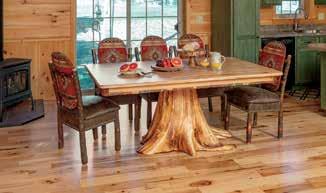
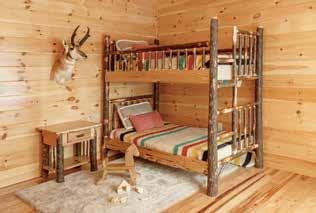



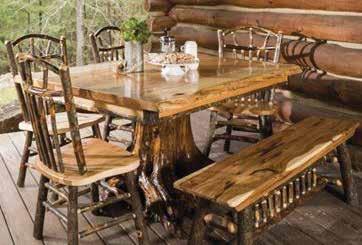




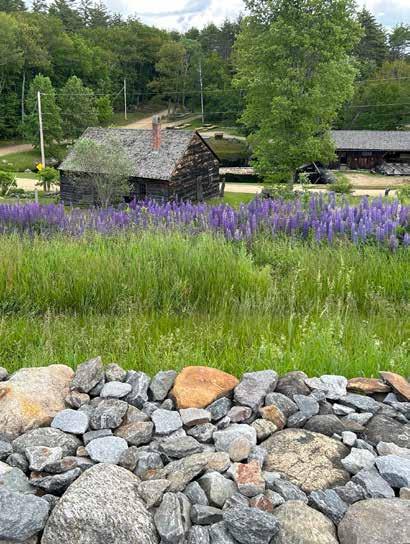

By Mark Okrant
A drive or walk along New Hampshire’s country roads places one in close contact with artifacts of the region’s natural and cultural history. Threading their way through the countryside are miles of stone walls—continuous single or double rows of large stones, or stacks of small ones, that are at least four times as long as wide. So how did these artifacts from more than two hundred years ago get here?
Most stone walls, which more properly should be called rock walls, depended upon the fieldstones already present in the newly inhabited fields. Here in New Hampshire, granite was the most popular rock, with gneiss and limestone serving as alternatives in some locations. Regardless of the rock type, the source for the region’s enormous supply of raw materials was the Laurentide Ice Sheet, which flowed across much of New England before receding, beginning 30 thousand years ago and lasting approximately 15 thousand more. The great ice sheet is estimated to have been more than one mile thick.
As it moved south, the ice stripped away the region’s soils and lifted rocks ranging in size from tiny grains to giant boulders. The twin processes of plucking and abrasion produced what scientists have termed the greatest land transaction in our nation’s history. Plucking—pulling away by prying rock from the lee sides of elevated land—produced a massive load of material within, under, and on both sides of the ice sheet. As the glacier moved forward, abrasion ground away at the original landforms. Centuries later, a warming trend gradually brought an end to the ice age. As the glacier retreated, it left behind massive deposits of unsorted rocks and fragments of varying sizes, called glacial till. Where fine soils were left behind by meltwater, these formed



the basis of a farming economy that early colonists were quick to exploit. Farms were scratched out on patches of land that contained old-growth forest. The earliest documented stone wall in New England dates to 1607, with most of the region’s stone walls having been built between 1775 and 1825. From 1775 onward, thousands of walls were built by New England farmers, with a number subsequently repaired. According to a fencing census published in 1871, the total length of those walls was in excess of 236 thousand miles, or nearly the distance from Earth to the moon.
Farmers who occupied this region prepared their fields by clearing, sorting, and stacking rocks to create space for agriculture. As they removed tons of rocks, New England farmers lined them along the edges of their property to define property lines. It must be noted that this pragmatic way of removing rocks was not shared universally. Years ago, I visited the countryside in central Manitoba and was surprised to see that those farmers had stacked massive amounts of rocks in huge piles at the centers of their properties. This struck me as a colossal waste of time and misuse of resources.
Within New England, stone walls followed existing survey lines, tree lines, or natural features, thereby serving as divisions between property owners. In some cases, they were used to separate an owner’s crop fields, hay meadows, woodlots, and pastures. The addition of gates and fence-toppers kept one’s animals out of the gardens and fields where they might do a substantial amount of damage.
Preparation of sites for stone walls has been described as minimal, but systematic. Farmers scratched a shallow trench to remove roots and soft organic layer, thereby establishing a bottom foundation that would not allow uneven sinking of the wall. Large, flattish stones were reserved for the base, then laid directly on the exposed firm subsoil. Nearby, other rocks were sorted into larger “face” stones for the sides of the wall, while smaller “hearting” stones were applied to the center. Each spring, new stones heaved up by frost were applied to existing walls or used for repairs.
The height of the stone walls was adjusted based upon the type of livestock being contained—sheep and smaller stock necessitated higher, tighter walls, while cattle could be held in lower walls that were supplemented by rails or wire. Walls for internal division served to strategically guide animals toward barns and away from sensitive vegetation.
Ultimately, construction of stone walls was discontinued by changing economic forces within the nation as a whole. One key factor was the onset of America’s Industrial Revolution (beginning 1787), which resulted in development of textile mills within the region’s towns and cities. As cities became attractive workplaces, the exodus of farm families continued in earnest. Also, beginning in the 1820s and lasting throughout the nineteenth century, the push of farming into more fertile soils within New York, Ohio, and western territories stimulated a further evacuation of the region’s farms. As land use changed—from farms to woodlands—a number of walls were abandoned.
As someone who deconstructed a stone wall while building fire trails in the Connecticut state forest more than 50 years ago, I can offer my own thoughts to readers:
1. the rocks that comprise those structures are heavier than you might imagine
2. insect life, in the form of red ant and spider nests, are likely to
From patios to retaining walls, we create durable and beautiful features that elevate your property’s appeal.


Enhance your outdoor spaces with our expert hardscaping services.
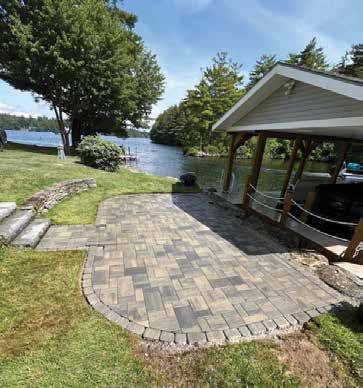
We understand that your home is your sanctuary; we’re here to ensure it reflects your vision and lifestyle.




Lakes Region please call 1-877-66-ANRIK
14 fully stocked vans with America’s greatest employees! Servicing over 5000 satisfied customers • Family owned and operated for over 30 years.
Accepting New Customers
Jobs Done In A Timely Manner Highest Quality at Reasonable Rates We do one thing and do it best!
be disturbed during deconstruction
3. these are remnants of a significant time in the region’s natural and cultural history; therefore—
4. please don’t attempt to repair or take them apart on your own! New Hampshire has several laws regarding stone wall removal, with local ordinances potentially further protecting them. Consulting a professional and clarifying applicable laws is essential.
A number of readers who have stone walls adorning their property have concerns about long-term maintenance. One organization that offers help is the Stone Trust of Dummerston, Vermont. The Trust offers one-day workshops, such as “Intro to Dry Stone Walling”, and retaining wall workshops that cover structure, repair, and rebuilding of traditional stone walls. Their New Hampshire workshops are taught by certified dry-stone wallers and are offered within a reasonable drive from the Lakes Region. Additional information can be found at thestonetrust. org.
Instate workshops are offered at Broadview Farm in Mount Vernon. These are two-day events that focus upon deconstructing and rebuilding walls to proper standards, including basic repair and maintenance techniques. Finally, Friction & Gravity, a New Hampshire dry-stone specialist, focuses on building and repairing stone walls. Site-based, one-on-one instruction may be obtained from this source.
Stone walls are truly treasures. Should they disappear from the landscape, this region will have lost a cultural element that ties us to our past.










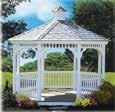




By Kathi Caldwell-Hopper
To buy a house or a condominium? Or maybe land or a little rustic cottage on a Lake Winnipesaukee island? Should we wait to see if interest rates go down further or buy now? What is the competition these days if we find a home we like?
These and many more questions are asked of area realtors all the time as local and second-home owners shop for property. There are as many homes in the Lakes Region as there are tastes and requirements when it comes to buying or selling real estate.
Each year has been a roller coaster ride since Covid; this was sometimes true in the years before the pandemic when an occa-
sional recession or time of political turmoil turned things upside down. The good news is that overall, according to some area realtors, things in the market seem to be leveling out. The wild ride of high prices and very limited inventory has eased, although some issues remain.
Says Frank Roche, owner/broker of Roche Realty Group in Meredith, “This past winter, real estate activity in the Lakes Region slowed down a bit compared to more recent years. It was a cold, snowy winter and there were a number of geopolitical issues and concerns around the world.” These things can affect sales and buyer confidence.





Christoper Williams, associate broker at Meredith Landing Real Estate, comments about the current real estate market, “The Lakes Region was a little down from last year in regard to new listings and sales of residential homes. It hasn’t felt slower because the numbers have been steady over the last three winters. Stability is helpful and I feel makes for a better market.”
Over the winter just ended, business was steady and realtors did see potential buyers shopping for homes and condominiums. “The market was stronger this winter,” explains associate broker/ realtor Shannon Casey of Keller Williams Coastal and Lakes & Mountains Realty. She was busy showing properties to local buyers who saw the slower pace of winter as a good time to shop because there is less competition of out-of-area buyers. The snowbirds are away and the tourists have yet to arrive in any numbers. Thus, it is easier to shop for a home with less competition and a clearer path to becoming a homeowner.
The current market seems different than the Covid years, and Christoper Wiliams explains, “I watch new listings and sold properties during the same winter times each year. During the first couple of years affected by Covid, more properties closed than were listed. That has changed and since the winter of 20232024 until now, we are seeing more new residential listings than sold properties. This has paused the housing prices to keep increasing like we saw when Covid was in full swing.
“What is also interesting is that after the winter of 2021-22, the interest rates jumped and reached a peak in 2023-2024. The result was that sellers held off listing because they did not want to give up low rates for a new mortgage that would have these higher rates. Covid sales helped clear up a lot of stagnant inven-
tory but then new listings slowed down. There has also been an increase in new construction to help the inventory. This in turn has helped land sales.”
New construction is happening all over the Lakes Region with areas such as Weirs Beach with a lot of condominium building. Says Casey, “There is currently a big desire for condominiums. There are all sorts of reasons people want a condominium, from downsizing to wanting less maintenance.”
Casey adds that there are a variety of condominiums under construction around the area and these are selling briskly. The units, she says, are of a high level with modern finishes, quality construction and in some cases, easy lake access. These factors add up to a condominium being a sensible choice for some, but not all, buyers.
As we move into summer and then fall, predictions are that we





will see a busy real estate season with many second home owners in the area.
Says Roche, “We have been experiencing a good number of second home buyers and semi retirees looking for properties throughout the region and we have a number of individuals looking for investment properties. We see scattered demand in all of the towns surrounding the Lakes Region.
“New Hampshire as a state recorded a net domestic in-migration of 6,824 people that have moved into our state during 2025. If you look where a lot of it is coming from, Massachusetts experienced a net domestic out-migration of 33,340 people during 2025, per the Census Bureau. New York was the number two net out-migration state in the nation and New Jersey was the number three out-migration state. You can expect a number of these individuals are considering moves into our state, as well as

&
since 1938 253 Sheep Davis Road • Concord • perrybrothersmonuments.com 603-225-6721 perrybrothersmonuments@gmail.com
Maine.
“The individuals, families, and semi-retirees who have been relocating to the Lakes Region are obviously attracted to the natural resources and aid-back atmosphere. The beautiful scenery, multitude of lakes and rivers, and the mountains nearby are a huge attraction. So many people are into adventure, personal fitness, and with the abundance of hiking trails throughout the region, there’s plenty to offer. The diverse water sport activities, winter skiing, cross-country skiing, snowmobiling and snowshoeing are a big draw,” Roche adds.
Says Christoper Williams, “We have a strong second home market around the lake. I feel this buyer is more interested in turn-key homes that are ready to move in and enjoy. When you have a short summer season window, that buyer doesn’t want to use their time fixing up their home. They want to enjoy it right out of the gate.”
He continues, remembering the Covid years and the current post-pandemic market, “When Covid hit, it was about safety; buyers assumed the Lakes Region was safer due to the rural nature of some towns. Retirement seems to be a driving force for many buyers that are done with the rat race and ready to have a bit slower pace while still in a position to enjoy the amenities offered in the Lakes and White Mountain regions.”
Casey says those with second homes in the Lakes Region may be looking to downsize as they reach retirement age. They may be ready to move permanently to the area and want an easy lifestyle, of perhaps, one-floor living or other conveniences.
First-time, year-round residents are looking for easy living as well with open concept floor plans, room for a growing family and not a lot of fixer-upper issues in a house.
We can no longer take the safety of our water for granted. When you turn on your faucet, bathe your child, water your lawn, or flush your toilet, you want to know that your water is safe and clean. We will test and explain your water chemistry in a way that is easy to understand and then recommend the most efficient, effective and economical water treatment solution, custom fit to your needs.






There will continue to be second home and vacation-home buyers entering the Lakes Region from Massachusetts, New York, New Jersey, Connecticut, Rhode Island, Southern New Hampshire, Florida, and even states out West. There are also a good number of investors shopping for rental properties and Airbnb’s.
Looking at statistics, Roche shares, “For waterfront home sales on Lake Winnipesaukee in 2025, there were a total of 97 individual sales. The breakdown was as follows: Moultonborough had 29 sales, Alton had 20 sales, Meredith had 19 sales, Wolfeboro had nine sales, Tuftonboro had nine sales, Gilford had six sales, and Laconia had five sales.
“During 2025, the median sale price on Lake Winnipesaukee was $2,750,000, with only 26 days on the market. The sales prices ranged from $665,000 to a high of $8,100,000. The ‘big lake’ experienced a nice increase of unit sales and a considerable increase in sales price.
“Lake Winnisquam had 19 sales in 2025 at a median sales price of $1,520,000 with 25 median days on the market, compared to 2024, with 17 sales and a median sales price of $1,400,000, with 20 median days on the market.”
The towns of Gilford, Meredith and anyplace with waterfront and views are desirable for buyers, and Casey adds, “Some buyers are looking for a quieter lake property which might be less populated than Winnipesaukee.” This could take those buyers to smaller lakes such as Squam or Winnisquam.”
It could also take them to a lake island. Such property has the allure of perhaps a lesser price tag than on the mainland, but buyers need to think ahead and make sure there are available utilities such as electricity. Should they need to get, for example,

We offer services such as: well drilling, pump installation, water testing, filtration, landscape
a new refrigerator, they would have to move it on a barge. If these are not obstacles for a buyer seeking a quieter lifestyle, an island property might fit their needs.
Williams concludes when thinking ahead to the near future, “I think we will see more of the same in a stabilized market. Less highs and lows and more traditional real estate. I also feel there will be more attention given to land sales when buyers cannot find that perfect house and will opt to build.”
He advises buyers to work with a local lender that knows the products available to suit specific needs. Stick with it and don’t be discouraged. He comments, “There is a home out there for you so put in the effort and you will be successful. Also, be willing to look outside the box of the perfect home and see how you can turn a less than perfect home into your dream home. And of course, work with a good realtor.”
Casey is optimistic about the upcoming season, saying, “Interest rates are healthier than before and lender programs are good. First-time buyers are looking for mortgage payments that are do-able and they want convenience living with low maintenance. They can find it in the Lakes Region.”
Addressing current and near future housing prices, Roche says, “I can see a moderation in price increases. The massive jumps in pricing in recent years were unsustainable. I feel more inventories will appear in the spring, and days on the market will gradually increase.”
(Thanks to Frank Roche, Christopher Williams and Shannon Casey, all Lakes Region/NH realtors who provided information and insights for this story.)

There’s no shortage of ways to utilize interior spaces in a home. Interior spaces have grown considerably in recent decades. According to the U.S. Census Bureau, the median size of a new home in 1980 was 1,595 square feet. By 2018, the median size of a newly constructed home was 2,386 square feet. Though Realtor.com data indicates the median home size started to shrink between 2015 and 2025, modern homes continue to provide lots of room to maneuver.
When confronted with ample interior space, homeowners may wonder what to do with all that extra room. Playrooms can be a great way to utilize extra space to the fullest, particularly in homes with children. Parents planning a playroom in their homes can consider these tips to ensure the space becomes a fun room everyone can enjoy.
• Measure the space. Measuring the dimensions in a prospective playroom can erase any doubts homeowners may have regarding how much space they have to work with. Taking measurements also makes it easier to identify which furnishings, including couches and storage units, will fit comfortably into the space. Homeowners who plan to install new flooring or carpeting also will need to know the dimensions to get an accurate idea of how much that portion of the conversion project will cost.
• Keep in mind young children’s preferences to stay close. A basement playroom may work as children enter their tweens and early adolescence, but such separation from the rest of the home may compel young children to avoid the space. Elementary school children and younger kids generally like to stay close to Mom and Dad, so a basement playroom may not be ideal for such young-
sters. In such instances, converting a seldom-used formal dining room into a temporary playroom may be a better option. As children age, the basement can be utilized as a playroom with greater frequency until it becomes the lone play space in the home.
• Emphasize organization. Playrooms can quickly be overrun by toys. Though no two children are exactly the same, the professionals at Brain Balance Achievement Centers note the expected attention span of a two-year-old is four to six minutes. A fouryear-old’s expected attention span may peak at 12 minutes, while an eight-year-old’s expected attention span is between 16 and 24 minutes. That means kids will pivot from one toy to another with frequency, which underscores the need for ample storage. Storage should be built into the design of the space after measuring its dimensions. Avoid storage solutions that extend too high up the wall, as that’s hard for children to reach and might lead to accidents. Creative storage solutions abound online, and parents are urged to exercise due diligence to find the safest, most effective units for their children and their space.
• Make it multi-generational. Free play is important for youngsters, but kids will want Mom or Dad and even older siblings nearby even when they’re playing on their own. So it makes sense to equip the space with areas that accommodate everyone in the household. A reading chair for adults and a ping pong table and arcade game for older kids can ensure everyone gets to have fun in the playroom.
A playroom can make for a fun way to utilize extra space inside a home. ~Metro
























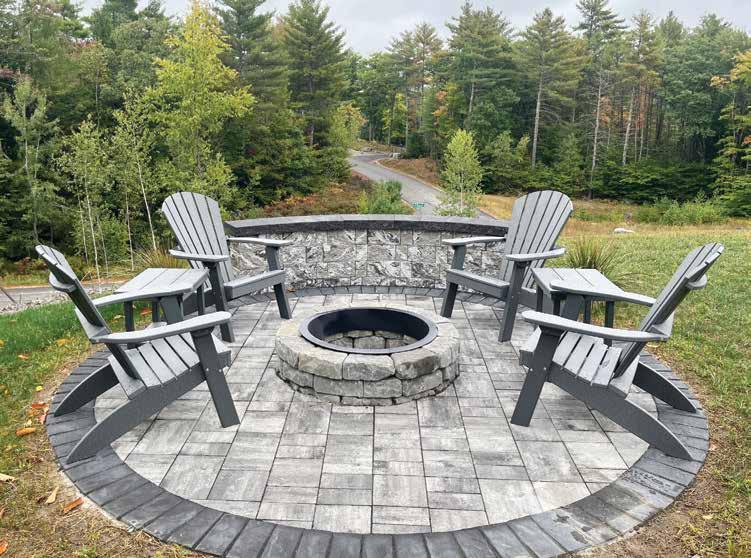




Parents of young children have undoubtedly read or learned about the benefits of giving children time to engage in creative pursuits. Such activities can help foster cognitive development in youngsters, but the benefits of being creative don’t end in adolescence. In fact, adults also have much to gain from being creative as well.
A 2021 study published in the International Journal of Environmental Research and Public Health noted a positive relationship between creativity and subjective well-being in adults. Such findings are a feather in the cap of creative pursuits, and enough to compel some adults to wonder which hobbies they can pursue in an effort to ignite their creative fire. Creativity can be defined in a number of ways, particularly with respect to recreational pursuits, but various activities might be just what adults need to reap the rewards of being more creative.

creative pursuits like painting were 73 percent less likely to develop cognitive issues that can lead to dementia.
• Writing: Writing is another creative pursuit that can make for a great hobby. Writing in a journal, even if it’s a recap of the day’s events and not writing fiction, can clear up mental clutter, which in turn can open a pathway to more creative thinking. Adults also can utilize a journal to do some creative writing.
• Knitting: Knitting is another hobby that allows adults to indulge their creative side. Adults must design patterns, choose colors and even create items wholly from scratch when knitting, which makes this a great way to be more creative with personal time.
• Painting: Many adults who paint characterize this recreational activity as a great way to unwind and ease stress. Painting requires creativity, and even avid painters may not recognize that painting is a mental exercise that encourages problem-solving. That can have a profound impact on mental health, as a 2015 study in the journal Neurology found that adults who engaged in
• Playing an instrument: Learning to play a musical instrument affords adults an opportunity to express themselves. Playing a musical instrument also has been linked to a range of cognitive benefits, including sharpened decision-making, improved memory and focus and enhanced mental flexibility.
Various activities encourage adults to be creative and foster a greater sense of creativity in men and women. Such pursuits make invaluable hobbies and pay both short- and long-term dividends. ~Metro












By Thomas P. Caldwell
Spring cleaning is one of those tasks that probably brings little joy but has other benefits in an organized, healthy, and generally more pleasant home. Approached the right way, spring cleaning is not a burdensome chore but, rather, a process of decluttering, reorganizing, and preparing for the seasonal transition to warmer months.
It is important to approach spring cleaning as a project over time, not something to be accomplished all at once, to the detriment of family life and your own wellbeing. Taking a room-byroom approach allows breaks between each segment and makes the job easier to handle than taking on the entire project at once.
Plan to spend two or three hours of focused cleaning time each day, breaking the work into smaller, manageable chunks that allow for rest periods and focusing on other things that are important the remainder of the day.
The effort can be minimized with the use of “smart” technology. Robotic vacuums can take on deep cleaning functions, while smart thermostats optimize the air circulation. There are air quality monitors that will track the improvements during cleaning, and smart lighting can ensure adequate illumination to see

that nothing gets missed.
Another way to save on personal labor is to hire professional cleaners to handle windows and carpets, while specialists can clean ductwork and check out heating, ventilation, and air conditioning systems to make sure they are operating at optimal levels. Maintaining or repairing appliances will pay off in the long run by extending their lives and ensuring they are operating at maximum efficiency.
When using household cleaners, it is important to use them correctly, never mixing different cleaners together in the hopes of making them more powerful; doing so can create toxic fumes. Many of the calls to poison control centers involve poisonings or exposure to toxic elements due to the misuse of cleaning products. Even overuse of a single product can leave fumes and residue without improving the cleaning results.
Do not consider products labeled “green” or “natural” as completely safe. They may contain ingredients that can cause irritation or toxicity at concentrated levels. As with any cleaning product, ensure there is proper ventilation, and that they are stored properly to avoid misidentifying them or leaving them accessible to children.
Before or during cleaning, keep decluttering in mind. A big part of spring cleaning is disposing of items no longer used or need-


ed. One of the hazards of sorting is becoming distracted by the memories; try to be ruthless with things that have been unused for long periods of time. At the same time, be mindful that others in the family may have a use for some of them and make sure this loss will not bring regrets later.
As for the things that are kept, labeling them and where they are can make it easier to find them later, whether stored in bins, racks, clear containers, drawers, or closets.
An easy way to maintain clean air is to add indoor plants. Spider plants, peace lilies, bamboo palm, and other plants produce oxygen and absorb carbon monoxide while filtering out toxins such as benzene and formaldehyde.
Effective spring cleaning involves removing and washing all removable covers from furniture, vacuuming the cushions — top and bottom — as well as vacuuming under the furniture. Check screws and fittings on the furniture to make sure they are tight. Empty drawers and polish wood surfaces; clean lamps and replace any bulbs that are not working; dust television and computer screens with microfiber cloth and clean behind and around them; check to be sure that all power strips and remotes are cleaned and working; wash curtains and wipe down venetian blind slats; and wash windows, checking their seals and frames for damage.
When cleaning wooden floors, start by using a dry mop to remove the debris and dirt before using a wet mop. Avoid harsh ingredients by using dish soap mixed with essential oils. A trick to remove scuff marks is to use a tennis ball to gently remove the rubber marks.
Follow the manufacturer’s directions when cleaning an oven. For refrigerators, remove all food and discard those items beyond their expiration date. Then remove and thoroughly wash





the shelves and drawers, while also cleaning the interior with a baking soda solution. Clean the dishwasher by running an empty cycle before cleaning the filter and spray arms, and wipe down the door seals and exterior. Make sure the cutlery basket is thoroughly cleaned.
As with the refrigerator, cupboard shelves should be emptied and thoroughly cleaned, and food should be checked for expiration dates. When replacing the food, reorganize it by category and frequency of use. Clean the inside of any food storage containers.
For families with young children, elderly relatives, or pets, it is important to clean toys, mobility devices, and water dishes, and make sure hazardous items are stored away. Medications and health supplies should be organized.
Beyond the obvious cleaning, it is a good idea to check under the sinks for leaks, water damage, and loose pipes and fittings. Clean around the base and behind the toilet, disinfecting the flush handle and seat. Make sure fans and filters are cleaned or replaced.
Then there are the storage areas in attics and garages. Look for signs of pests or moisture; make sure yard equipment is clean and working; and reorganize items according to how often and when they are used.
Clear walkways and cut back plants that are touching the house or garage, and clean any outdoor furniture and cushions. Repair any winter damage in the yard and prepare tools and outdoor equipment for the coming season.
Having a list and breaking the tasks down to manageable segments will help accomplish all that needs to be done, while keeping everyone sane and healthy.














It’s well-documented that kitchens are popular gathering spaces in homes. Perhaps that’s one reason why homeowners looking to sell their homes direct so much attention to the kitchen before listing their properties. The real estate experts at Trulia note that emphasis is well worth it, as buyers inspect kitchens and primary bathrooms more than any other spaces in a home.
Cabinets and countertops garner considerable attention when pondering kitchen renovations, but it’s equally important that homeowners pay attention to flooring when planning a remodel. The following are some notable flooring materials homeowners may want to consider as they plan to remodel their kitchens.
• Ceramic tile: Ceramic tile is a popular kitchen flooring material. The flooring experts at Avalon Flooring note that ceramic tile boasts an elegant and clean feel. Ceramic tile also is durable and easy to maintain. That simple maintenance includes ease of cleaning, as ceramic tile can be quickly cleared of spills and dirt tracked into a kitchen from outside. Ceramic tile also comes in a wide variety of colors, a versatility that undoubtedly adds to its popularity.
• Porcelain tile: Porcelain tile is another versatile option that can add instant aesthetic appeal to a kitchen. Porcelain tile is waterproof, which appeals to many homeowners looking to reno-
vate their kitchens. Porcelain also is easily cleaned and durable, as flooring experts estimate that porcelain tiles can last anywhere from 15 to 50 years. Porcelain tile also requires minimal maintenance, which appeals to busy homeowners.
• Engineered hardwood: Engineered hardwood is a popular choice that many homeowners appreciate due to its strength and aesthetic appeal. This flooring material is made with real wood that’s reinforced to make it even more durable and water-resistant. The result is an easily maintained product that also can last as long as solid wood flooring so long as it’s well-maintained. Various shades, designs and textures are available, which makes this a versatile option.
• Laminate flooring: Laminate flooring is a budget-friendly option that’s available in a wide range of styles, colors and patterns. The smooth surface of laminate flooring makes it easy to clean, and it’s resistance to water is another characteristic that appeals to homeowners. But spills on laminate floors are best cleaned up quickly, and the material is vulnerable to warping and staining if exposed to moisture for extended periods of time.
These are some of the options homeowners can consider as they ponder which material to install on their kitchen floors as they remodel these popular rooms. ~Metro