
Version: June 2026

Version: June 2026
It is my pleasure to welcome you to Senior School at The Knox School. The journey through Years 7 to 12 is both exciting and deeply formative. It is a time of growth, discovery and challenge, as each student navigates their own pathway through adolescence. We are privileged to work in partnership with students and their families during this significant stage, supporting both learning and personal development.
At The Knox School, we recognise the Senior School years as a vital transition to adulthood. We are committed to nurturing confident, capable and compassionate young people who are equipped with the knowledge, skills and character to thrive in a complex and evolving world. Our aim is for every student to flourish academically, socially, and personally.
This is achieved through a strong and authentic partnership between students, families, and staff. Students are encouraged to pursue a balanced approach to their academic studies and personal growth, embracing curiosity, challenge and a growth mindset. Along the way, they are supported by dedicated educators who build meaningful relationships and provide guidance across all aspects of school life; academic, physical, social and emotional. We value the role of families as partners in this journey, working together to set high expectations and provide a supportive foundation for each student’s success.
Wellbeing is central to life in the Senior School. Our pastoral care structure, tailored to the needs of each age and stage, fosters a strong sense of connection and belonging. When students feel known, valued and supported, they are better positioned to achieve positive outcomes and develop the resilience needed for future challenges.
This handbook is designed to support students and families in making the most of the Senior School experience. It contains important information and guidance, and should be read alongside The Nest. We encourage you to engage with it fully and to connect with teachers, Mentors or Academic Coaches should you have any questions.
We are a school that celebrates diversity in culture, interests and skills, and we encourage the celebration of this breadth of difference. As such, we wish all students in the Senior School all the very best for the year ahead and we look forward to celebrating with each of you your successes and watching you thrive at The Knox School.
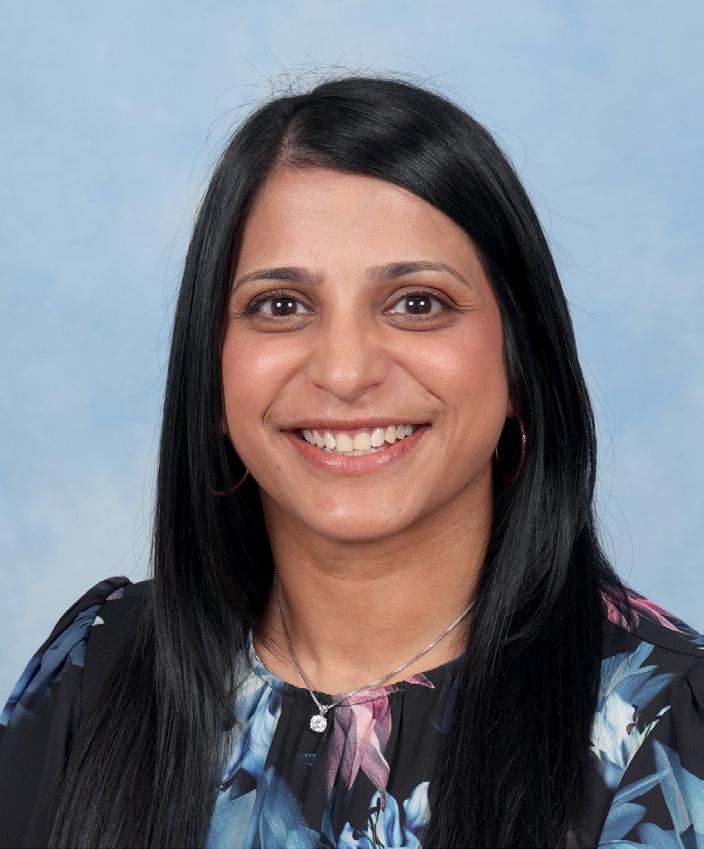
Ms Janelle Mathias Associate Principal: Head of Senior School
The Knox School enhances and develops the aspiring mind with a passion for ife long, local and global discovery and learning.
Grow and promote the learning and wellbeing of each student, so they thrive and contribute to a complex and changing world: they become the ‘architects and advocates’ of, and for their future.
It is expected that members of our community will do their best to implement the desired modelling of the values within the total life of the School.
Achievement
Accomplishing a ‘personal best’ in the world of work, education or personal development.
Being emotionally & physically supported, helping others and understanding their perspectives.
The mental/psychological skill to properly adapt to stress and adversity.
Responsibility
Being personally accountable for and able to make decisions influencing a course of action.
Respect
Honour or regard for the worth of others.
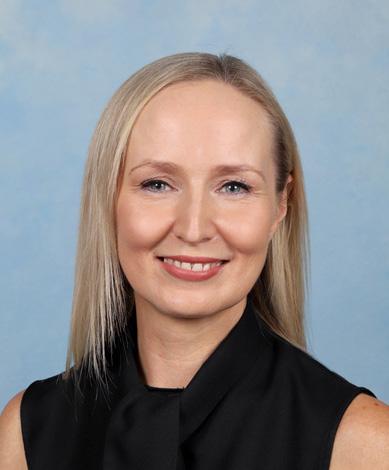
Ms Nikki Kirkup Principal
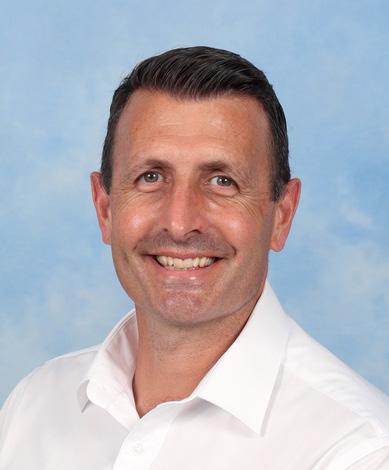
Mr Christian Stuckey Head of Students (Years 7-10)
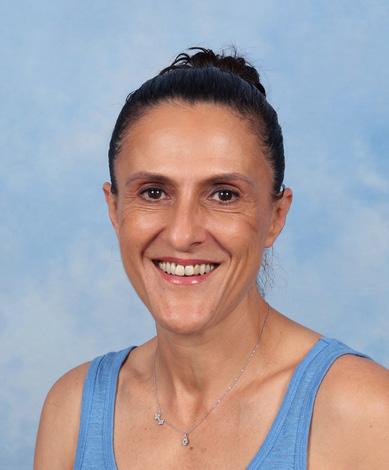
Ms Sonia Lili EA to the Head of Senior School
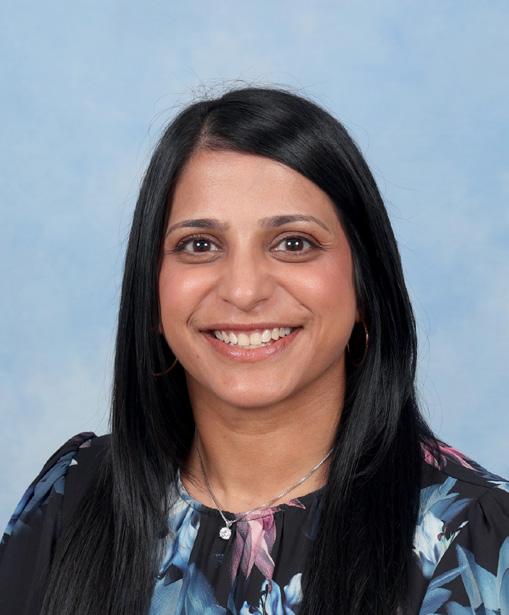
Ms Janelle Mathias
Associate Principal: Head of Senior School
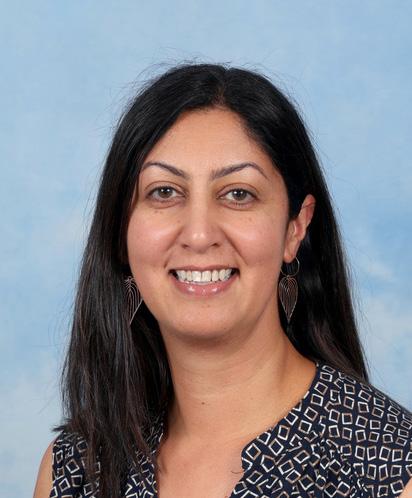
Ms Alison Crawford Head of Academics (Acting) (Years 7-10)
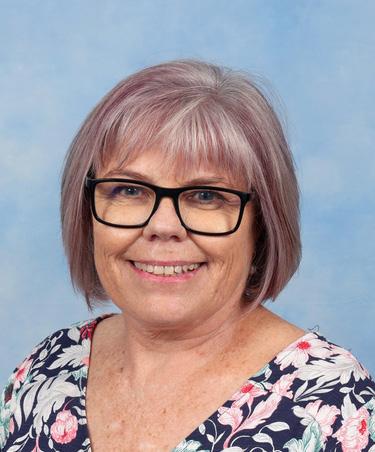
Ms Jacky Burton Career Development Practitioner & VCE/VET Coordinator
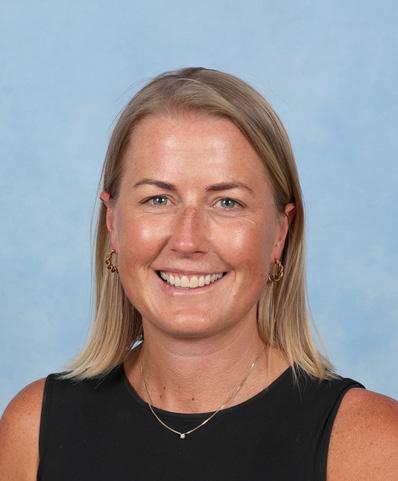
Ms Emma Kenney
Deputy Head of Senior School & Student Wellbeing
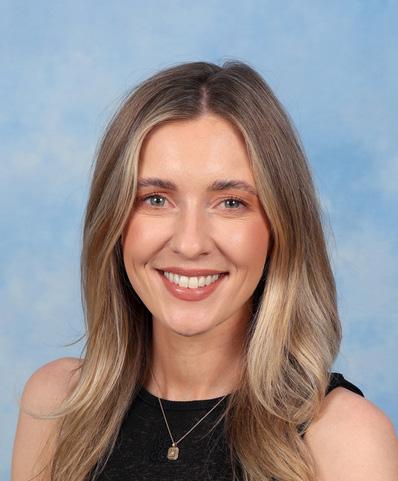
Emer Fox Head of Students (Years 11-12)
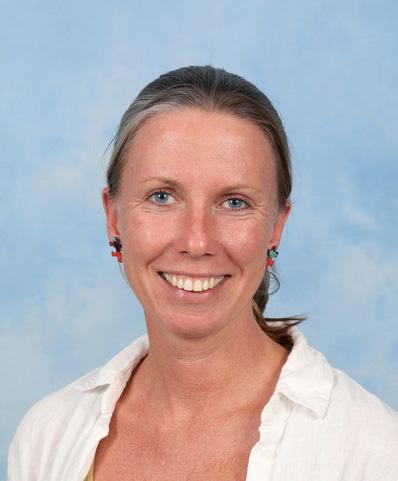
Ms Natasha Tereshchenko Head of International Students
Associate Principal: Head of Senior School
Ms Janelle Mathias
Deputy Head of Senior School & Student Wellbeing
Ms Emma Kenny
EA to the Head of Senior School
Ms Sonia Lili
Head of Students (Years 7-10)
Mr Christian Stuckey
Head of Academics (Years 7-10) (Acting)
Ms Alison Crawford
Head of Students (Years 11-12)
Ms Emer Fox
Career Development Practitioner & VCE/VET Coordinator
Ms Jacky Burton
8805 3855 janelle mathias@knox .vic .edu .au
8805 3841 emma kenny@knox vic edu au
8805 3820 sonia .lili@knox .vic edu .au
8805 3856 christian stuckey@knox vic edu au
8805 3836 alison crawford@knox vic edu au
8805 3823 emer fox@knox .vic .edu .au
8805 3833 jacky .burton@knox vic .edu au
Please contact Reception on 8805 3800 to be put through to a Head of Department.
Head of English
Ms Liesl Schultz liesl schultz@knox vic edu au
Interim Head of Mathematics
Mr Patrick Mete patrick mete@knox vic edu au
Head of Science
Mr Darragh Sheehan darragh sheehan@knox vic edu au
Head of Humanities
Ms Renata Machado renata .machado@knox .vic edu .au
Head of Technology, Art and Design
Ms Maria Ana Sanchez mariaana .sanchez@knox .vic .edu .au
Head of Health and Physical Education
Ms Emma Nemec emma .nemec@knox .vic .edu au
Head of Music & Performing Arts
Mr Nico Di Stefano nico distefano@knox .vic .edu .au
Head of Inclusive Education
Ms Maly O’Grady maly ogrady@knox vic edu au
Head of Languages
Ms Gemma Beard gemma beard@knox vic edu au
Year 7 to Year 12
Absences & General Enquiries Reception
Update Contact Details/Registrar
Ms Tania Castles
Payment of Accounts
Medical Enquiry/School Nurse
Colleen Norvill
Career Development Practitioner & VCE/VET Coordinator
Ms Jacky Burton
Head of International Students
Ms Natasha Tereshchenko
IT Helpdesk
Community Cafe
Uniform Shop
Music Enquiries
Ms Shani Cossins
8805 3800 reception@knox .vic edu .au
8805 3800 registrar@knox .vic .edu .au
8805 3807 accounts@knox vic edu au
8805 3838 colleen .norvill@knox .vic .edu .au
8805 3833 jacky .burton@knox .vic .edu .au
8805 3837 natasha tereshchenko@knox vic edu au
8805 3888 helpdesk@knox .vic .edu .au
8805 3834 communitycafe@knox .vic .edu .au
8805 3860
8805 3826 shani cossins@knox vic edu au
In the Senior School, the Mentor/Academic Coach (AC) is the key point of contact for students and their families. If you require any assistance, questions in the first instance should be directed to the Mentor/AC via email or phone. The Mentor/AC will assist and support the student in all aspects of their academic and wellbeing journey.
Level 1
For contact with the School in the first instance for matters concerning a student’s experience
SCHOOL RECEPTION
For notification of student absences
MENTOR (Years 7-10) / ACADEMIC COACH (Years 11- 12)
For general queries about a student’s experience and student wellbeing
INDIVIDUAL CLASSROOM TEACHERS
For classroom specific queries
Most student matters will be managed by staff at Level 1. Where queries and matterrs need to be escalated by Mentors, teachers, students and parents, staff at Level 2 will be in touch.
Level 2
Escalation of support for students and families
HEAD OF STUDENTS (Years 7-10) (Years 11-12)
For escalation of matters to do with a students experience and wellbeing, including attendance .
HEAD OF ACADEMICS (Years 7-10) / VCE COODINATOR (Years 11-12)
Supports each student’s academic pathway by monitoring progress and developing targeted learning interventions .
HEAD OF DEPARTMENT
For subject curriculum and assessment matters relating to a student’s academic classes
At Level 2, additional staff may be included to support students including School Psychologist, School Nurse, Head of Inclusive Education, Head of Sport, Career Development Practitioner, Head of International Students, etc.
Level 3
Escalation, as required
Level 4
Escalation, as required
ASSOCIATE PRINCIPAL: HEAD OF SENIOR SCHOOL
The HoSS oversees the three journeys of students in the Senior School at TKS Matters will be escalated as required Parents seeking an extended leave of absence for their young person are to request approval through the HoSS
PRINCIPAL
Classroom teachers are available to provide advice on subject matters, study techniques and general information on student performance. Parents, carers and students are also welcome to contact Heads of Department for subject-related matters.
Frriday 30 January Year 7 Students commence
Monday 2 February New Students Years 8-11 commence
Tuesday 3 February All Senior Students commence Friday 2 April Term 1 concludes Term
Tuesday 21 April Term 2 commences
Monday 8 June King’s Birthday Holiday
Friday 26 June Term 2 concludes
Tuesday 21 July Term 3 commences
Friday 18 September Term 3 concludes
Monday 5 October Term 4 commences
Monday 2 November Student Free Day
Tuesday 3 November Melbourne Cup Day Holiday
Wednesday 9 December Term 4 concludes
It is important that students arrive at school ready and organised for the day ahead. Period 1 commences at 8:40am and students should arrive before 8:35 so that they may have time to go to their locker and collect their learning materials for Periods 1 and 2.
- 9:30
-
1:35 – 2:25
– 3:20
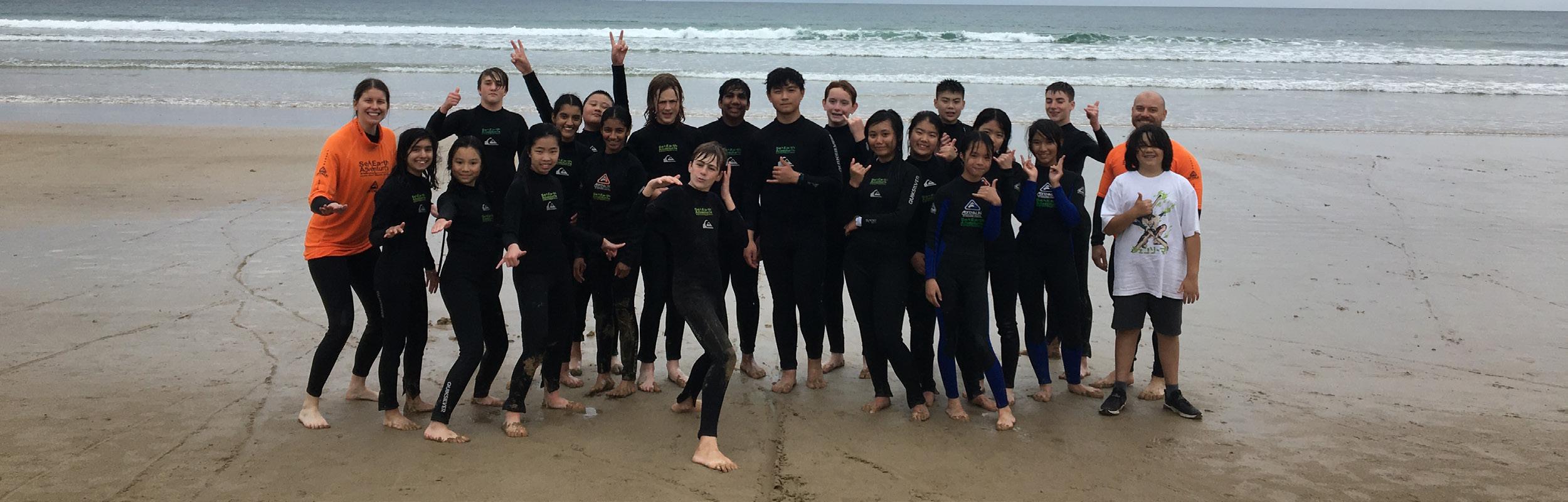
The School’s camps and outdoor education program is an integral part of the learning for all students and helps to build connections, resilience, independence, and an appreciation for the natural environment. There are compulsory Year level camps from Years 7 to 10 and all students are expected to attend. The cost of these camps is incorporated into the consolidated charge.
Other non-year level camps are offered during the years, such as Music Camp or Outdoor Education elective camps, and may incur an additional cost to parents.
10 Monday 4 - Friday 8 May - Week 2
The Head of Senior School leads and manages the activities of students and staff, in line with the School’s vision and strategic plan. They are responsible for the smooth running of the Senior School, including the pastoral care of students, discipline and general organisation.
The Deputy Head of Senior School works with the students and with other Senior School staff, including the Head of Senior School and Heads of Students, to assist with the smooth running of all aspects of the Senior School.
As the Head of Student Wellbeing, the Deputy Head of Senior School is primarily concerned with building a positive and inclusive learning environment where students feel safe, connected, and valued. They work with and support each respective Head of Students to develop mentor programs that cater for the social and emotional needs of students and work closely with the School Psychologist and the respective Head of Students to discuss the best approach to support students during challenging times.
The Head of Students has primary oversight and responsibility for student belonging, non-academic programs, and pastoral care in their stage through the development and management of age and stage specific wellbeing and pastoral programs, student monitoring, development and maintenance of the school-home relationship, and the coordination and management of the Mentors/Academic Coaches.
The Heads of Students are integral to the cultural development of the school through leading students, teachers and families through initiatives and programs that align with the school’s strategic direction and the school’s values of achievement, care and empathy, respect, resilience, and responsibility.
The Head of Academics has responsibility for the academic outcomes, progress and tracking of students at their stage. They work closely with other staff and teachers with respect to the particular programs and learning needs of students in the Senior School and provide support to individual students with regard to academics.
The VCE/VET Coordinator is primarily concerned with the day-to-day administration of the School’s VCE program: assessment and reporting proesses ad the dissemination of key information to students, parents and staff. They work closely with other staff with respect to the particular programs and learning needs of students in the Senior School and provides support to individual students with regard to academics.
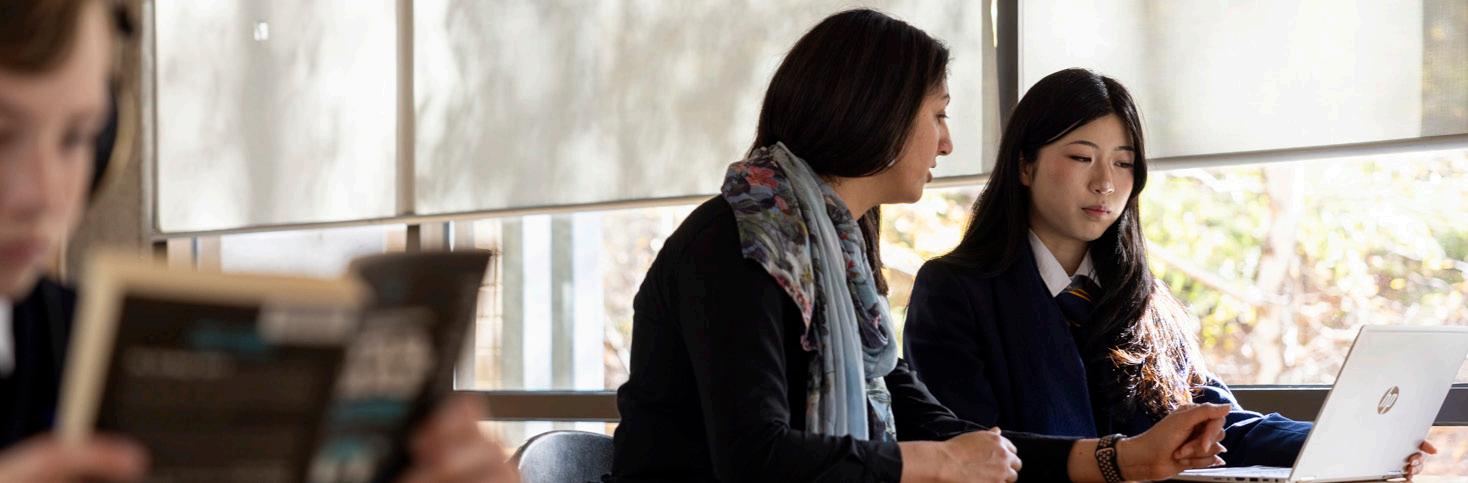
The role of Mentors (Years 7 to 10) and Academic Coaches (Years 11 and 12) in the Senior School is to know each of their students. They will work individually with students to improve student academic and wellbeing outcomes in a manner which is consistent with the core values of the School. Mentors/AC will take into consideration the social, emotional, and physical wellbeing of students when supporting their academic growth.
Mentors/AC are the first “port-of-call” for parents, teachers, and students in matters of pastoral care and wellbeing.
The Knox School book supplier is Campion Education. They are located at 1/170-180 Rooks Road, Nunawading, and contactable on 1300 433 982 or sales@campion.com.au
Students are to order their books online. Campion offers and excellent website assisting parents with the purchase and delivery of all school items. Visit www.campion.com.au
The Community Café is the perfect spot for students, parents and guardians to enjoy a coffee and some delicious food offerings. The Community Café is located in The David Aitken Building and is open Monday to Friday from 7.30am to 4pm and operates on a cashless system.
The School’s registered nurse is on campus from 8:30am to 4:00pm Monday to Friday to administer the Health Centre. The Health Centre is located adjacent to the Staff Room in the Daniel Rechtman Information Common.
Many students find their years at school enjoyable and rewarding. However, students also sometimes hit bumps in the road and may need a helping hand to get through. All students have ‘ups’ and ‘downs’. Sometimes these ‘downs’ have a huge effect on us, and those around us.
Please contact your child’s Mentor or Academic Coach, Head of Students, Head of Student Wellbeing or the Head of Senior School to discuss a referral to the School Psychologist.
The Knox School’s Library aims to provide a gateway through which our school community can enter an environment that fosters lifelong learning, independent decision-making and cultural development on a ‘research and presentational’ model. To this end, the Library will acquire, preserve and make available the widest variety of print and electronic materials to support the curriculum and reflect the needs and diversity within the school community.
The School Library is open Monday to Thursday 8:00am - 5:00pm and Friday 8:00am - 4:00pm.
All items of uniform are available for purchase through the uniform shop which is located in the Daniel Rechtman Information Common adjacent to the Health Centre.
If students are unwell and unable to attend School, the parent/guardian/homestay is requested to notify the School before 9:00am. The School will contact parents by SMS or telephone prior to 10:00am if there is an unexplained absence and will continue until they are able to contact a parent/guardian/homestay.
For Senior School students, please contact Reception on 8805 3800 or reception@knox.vic.edu.au
We ask that every effort is made for all students to be on time. Students arriving late to School are required to sign-in at Reception prior to attending their first class for the day.
The School fully expects all students to attend every lesson every day and students cannot expect to achieve strong results if their attitude to study and attendance is irregular. Attendance is of particular importance to VCE students and, if not followed, can result in a student jeopardising a VCE unit and possibly that Study. International students may lose their Australian Student Visa if absences remain unexplained.
Students who have approval to leave School early must sign out and provide written notice from a parent/guardian. Senior School students are to sign out at Main Reception.
Further information on the Attendance/Absence policy, including requesting a Leave of Absence, is available on Page 20.
Communications
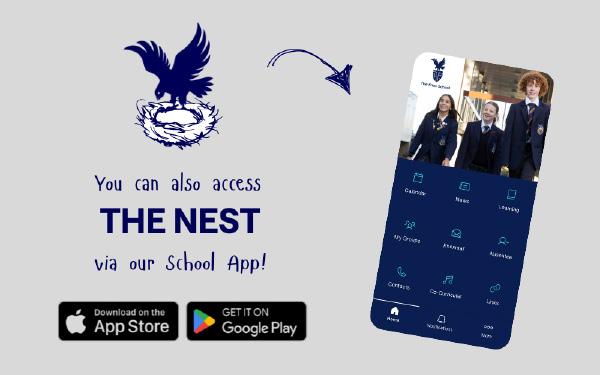
Nest All day-to-day communication and records of continuous reporting and assessment are located on The Nest. This platform is to be used by students, staff and parents.
The Co-Curricular Program is an integral part of the broad range of learning experiences offered to students at The Knox School. The School offers an extensive array of co-curricular activities and aims to cater for the diverse interests and talents of our students. Activities may run at lunch time or after school and run between 1 hour and 1.5 hours unless otherwise stated. Some activities are taken by outside providers and others are taken by staff of The Knox School. As some programs do not finish until 5.00pm, it is recommended that students bring an additional snack to school for afternoon tea.
The Knox School experiences significant parking restrictions throughout the school day. Unfortunately, there are insufficient parks on campus to accommodate all the staff. Therefore, Year 12 students who drive to school must park off site, observing the posted signage and applicable road rules.
Excursions and incursions are seen as an integral part of the rich and stimulating school curriculum as they enable students to explore, extend and enrich their learning and their social skills development, in a non-school setting. Excursions/ incursions may have a cultural, environmental or outdoor emphasis and complement the educational programs offered at The Knox School.
Regular excursions and incursions are planned for each year level. Parents are advised well in advance if students will be attending a program outside the school and will be asked to respond via Paperly with approval. On occasion there may be opportunities for parents to attend excursions to assist with supervision.
The House system is an integral feature of our practice, particularly for competitions, festivals and student leadership. The House system provides the sense of belonging to a small unit such as a House and each House develops its own spirit. House events are held in sports, performing and creative arts and other areas.
All students belong to one of 4 houses at TKS:
Caroline Chisholm (1808-1877)
Progressive 19th-century English humanitarian known mostly for her involvement with female immigrant welfare in Australia
Lawrence
Marjorie Lawrence (1907-1979)
Victorian soprano Became an international operatic performer Afflicted with polio in 1941, she continued to entertain troops during the war She received the Légion d’honneur in 1946 and a CBE in 1976 .
Captain Matthew Flinders (1774-1814)
Distinguished English navigator and cartographer who was the first to circumnavigate Australia and identify it as a continent
Andrew Barton “Banjo” Paterson (1864- 1941)
Australian bush poet, journalist and author He wrote many ballads and poems about Australian life, focusing particularly on the rural and outback areas
Students are automatically placed in the same House as an older sibling, unless otherwise instructed.
The Knox School is a digitally rich environment where engagement with learning technology is a normal aspect of student learning. The School’s use of technology throughout student learning programs is commensurate to the age group and mindful that technology is a tool to assist learning, not an end in and of itself.
Years 7 to 9
Years 10 to 12
One to one laptop program whereby devices are owned by the School and loaned to students in these years.
The Years 10-12 Bring Your Own Technology (BYOT) Program requires students to bring their own technology, such as a laptop, to assist in their learning
Lockers for students in Years 7 to 12 will be issued on the first day of the school year. Year 7 students and new students in Years 8-12 will be supplied with a combination lock, as paid for in the book list. This lock is the only one to be used. Current students in Years 8 -12 will retain their combination lock from the previous year.
Students are encouraged to name all items of clothing, belongings and learning resources. All named items, when found, should be returned to the student’s Mentor/AC. Any unnamed items found will be held at Reception, Junior School (in the yellow Lost Property bin), Senior School office or the Physical Education Department Office (upstairs in the gym) until the end of term at which point, they will be disposed if they remain unclaimed. Students wishing to claim unnamed items will need to provide some evidence that they are the rightful owner. Every endeavour is made to trace lost belongings.
The use of mobile devices, smart watches and Bluetooth ear buds is not permitted from 8:35am – 3:20pm (Monday, Wednesday – Friday) and 8:35am – 2:55pm (Tuesday) and should be not visible during the day and should be locked away safely in student lockers. Teachers may make an exemption within their class if their lesson requires the use of listening devices.
Inappropriate or irresponsible use of personal devices will result in them being confiscated for a period of time. Parents will then be advised.
The Knox School has zero tolerance for child abuse and is committed to the protection and safety of all children from all forms of child abuse. We demonstrate this commitment through the implementation of a comprehensive Child Protection Program incorporating the Child Safe Standards designed to keep children safe.
For more information on this, please visit knox.vic.edu.au
Students in Years 11 and 12 will, on occasion, have a study period in their timetable. In being provided a study period, student have access to teachers who may (dependant on availability) be able to support your subject specific learning; will be able to work collaboratively with your peers forming sound study habits; and will be able to work with the Senior School team to support you in developing your study routines.
The following guidelines are put in place to ensure that all students are using their time productively and that they do not impact on others.
• Students are expected to stay within the Upper Senior Building or Library for the duration of their study period.
• Students are to sign the book at the Upper Senior (Years 11/12) Office to indicate the location they are using for study.
• All students are expected to work productively during their study period and are not to distract other students.
Students who consistently misuse their study period will be required to complete supervised study periods with a senior teacher.
We have several strategies in place to make drop-off and pick-up as safe and efficient as possible. Senior School parents are encouraged to use the Merryn Grove entry and roundabout. The Burwood Hwy entry and a ‘kiss and drop’ area is for Junior School students only. For more information, please visit our website.
The Knox School is well-serviced by a variety of transport systems and we offer several chartered bus routes from surrounding suburbs, comprising coach services run specifically for the School as well as our own fleet of mini buses driven by qualified drivers. For more information, please visit our website.
Students may ride a bicycle to school if they have received the necessary permission from the relevant Head of Students and their parents.
Permission is dependent upon:
a) the wearing of an approved helmet
b) the secure locking of bikes in appropriate bays during school hours
For the safety of our staff and students, all visitors to the School during the school day should first go to Main Reception and sign in. All visitors will receive a visitor sticker which must be worn for the duration of their stay. Visitors are also asked to sign out at Main Reception. If a meeting has been arranged with parents, the staff member will come to Reception after parents have signed in. This also applies to parent volunteers.
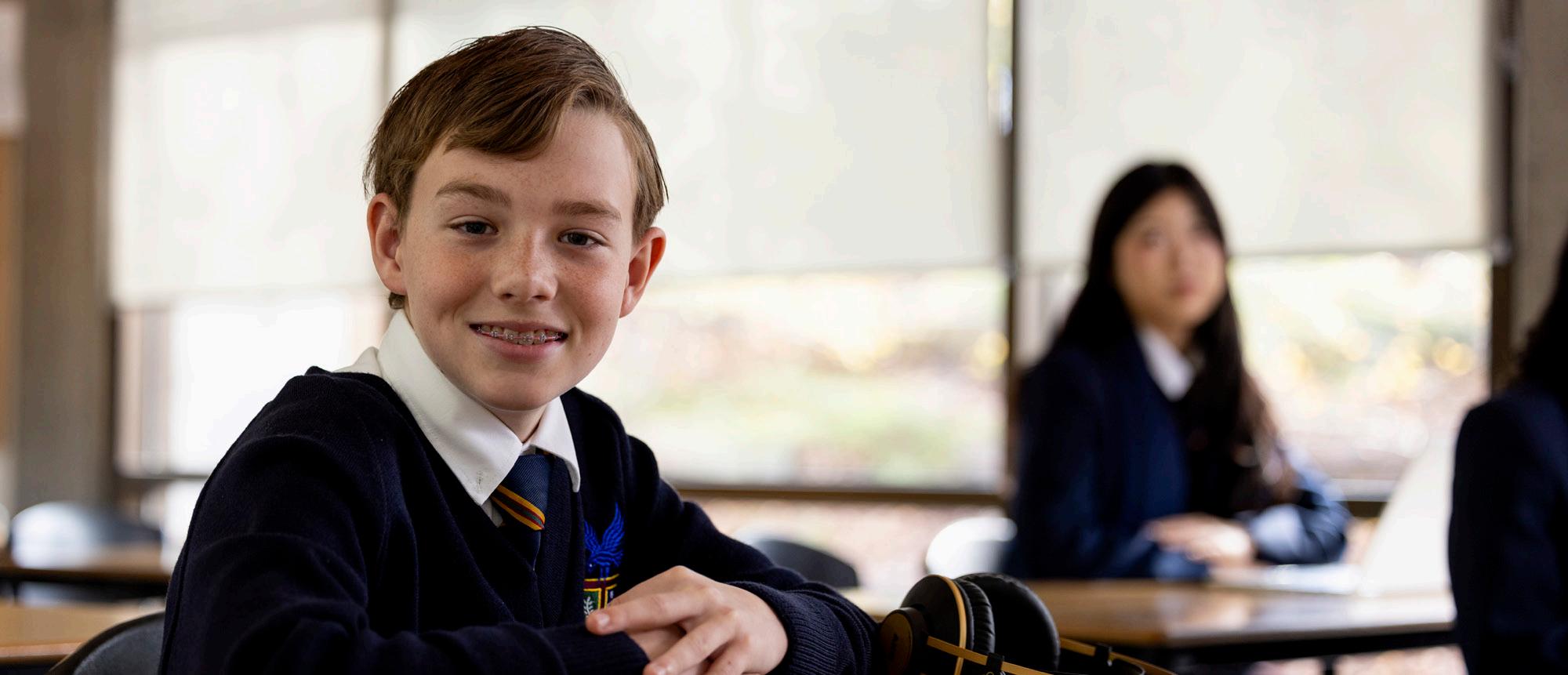
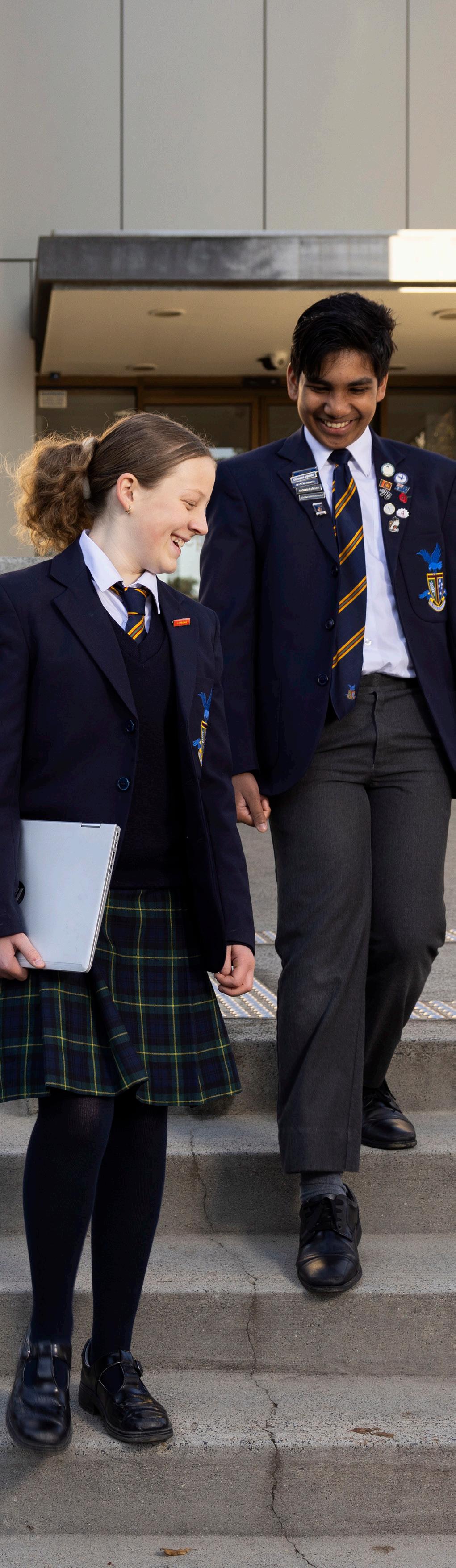
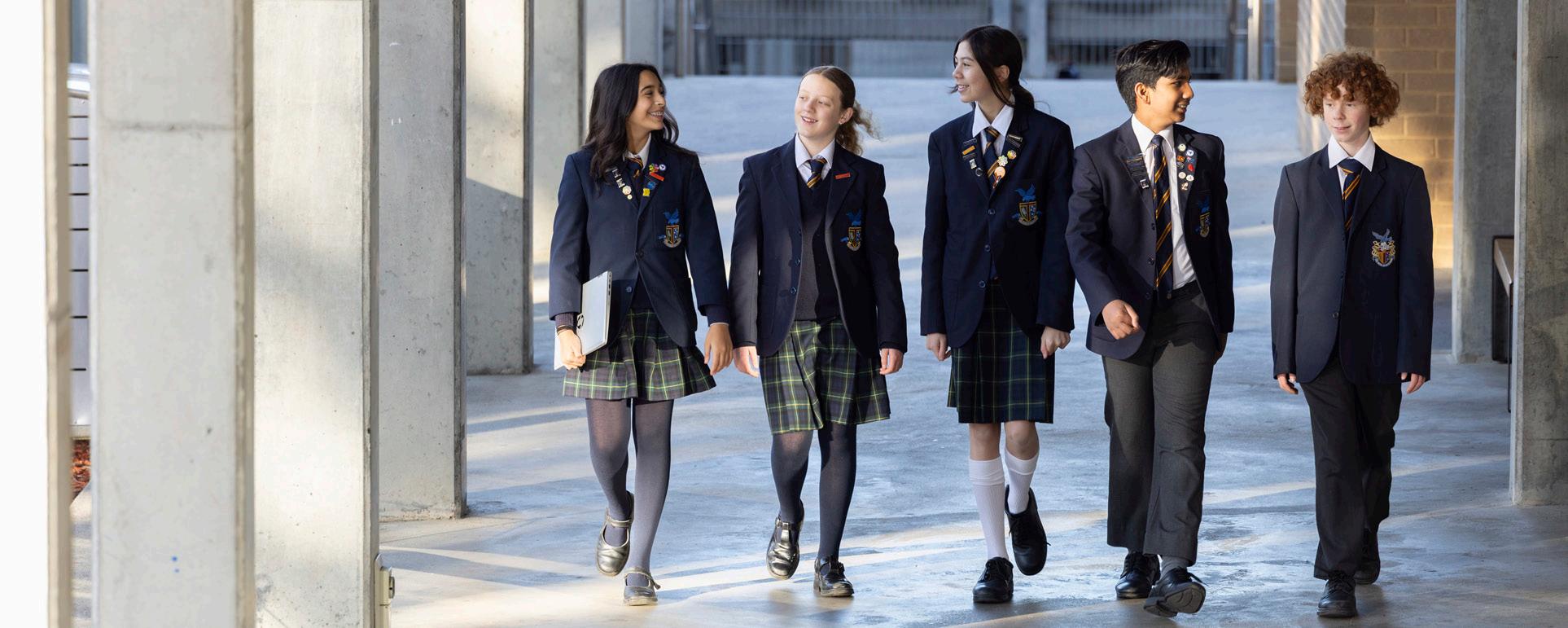
The Knox School uniform offers a sense of unity and belonging for students and is to be worn in accordance with the School values and what is appropriate and respectful for a mixed age, culturally diverse, co-educational school community.
Students are required to always wear the relevant uniform correctly; at School, when travelling to/from School, and on formal occasions. The blazer is to be worn to/from School, and for all formal assemblies unless advised otherwise. It would not be appropriate for students to wear uniform with non-uniform shoes, cap, jumper, etc. Additionally, the School uniform and the Sport uniform are to be worn separately and not in combination with each other. All items of clothing should be clearly named so that they can be returned to the owner, if misplaced.
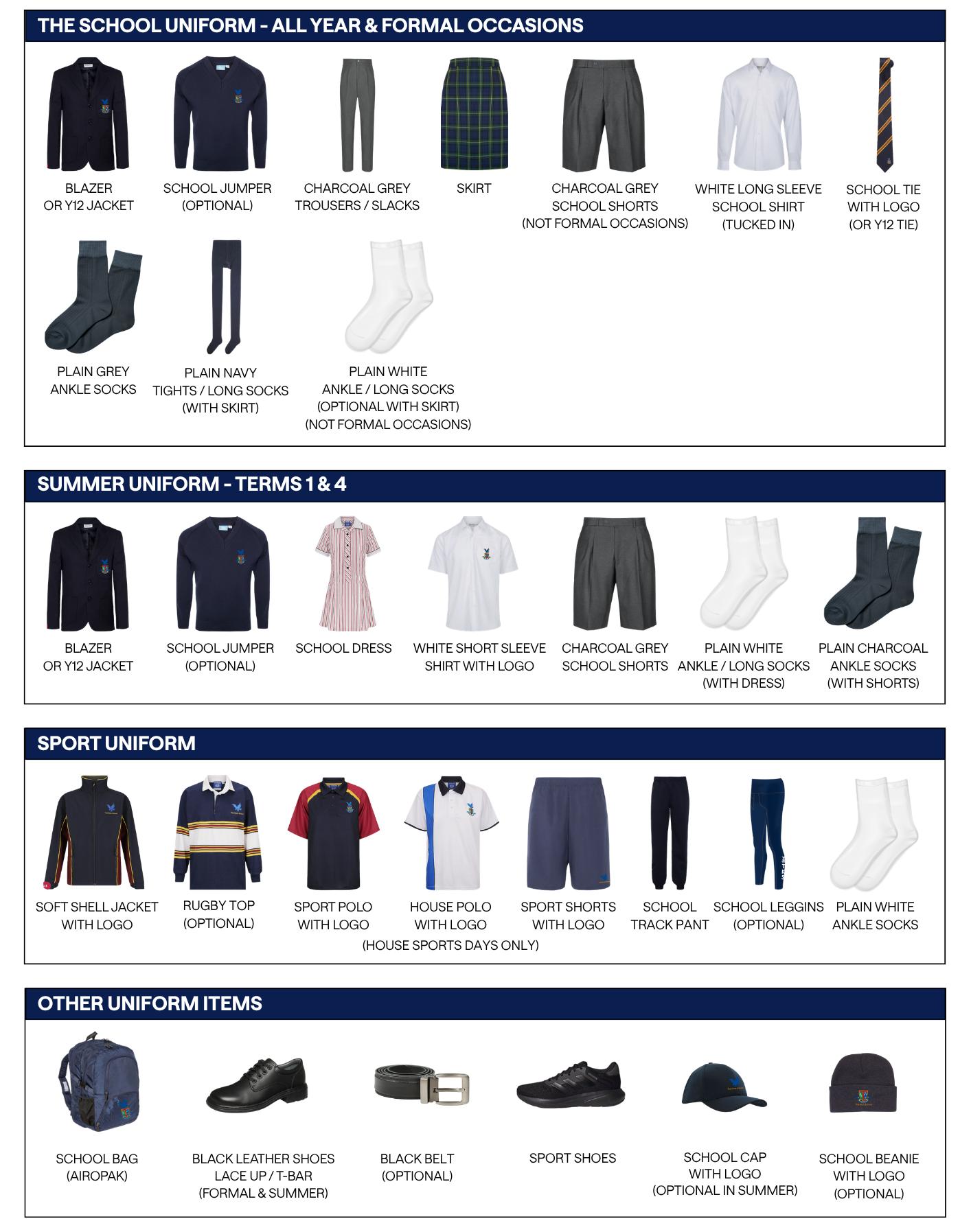
The School has two uniforms:
• The School Uniform (All year and formal occasions)
• Summer Variation Uniform (Terms 1 and 4, only)
• Blazer (or Year 12 jacket*)
• White, long sleeved shirt, tucked in
• School tie (or Year 12 tie)
• Charcoal grey trousers
• Plain grey socks
• Black leather shoes
Optional
• School jumper
• A black, plain belt may be worn (if required)
• Blazer (or Year 12 jacket*)
• White, long sleeved shirt, tucked in
• School tie (or Year 12 tie)
• Tartan Skirt
• Navy tights
• Black leather shoes or T-bar
Optional
• School jumper
• Plain white socks may be worn instead of navy tights*
• Charcoal grey shorts (with tie and long-sleeved shirt) may be worn instead of trousers*
The School Uniform may be worn during these terms
• Blazer (or Year 12 jacket*)
• White, short sleeved shirt, open necked shirt with school crest
• Charcoal grey shorts
• Plain grey socks
• Black leather shoes
Optional
• The school cap or wide-brimmed hat is strongly encouraged when outdoors
• A black, plain belt may be worn (if required)
• Blazer (or Year 12 jacket*)
• Summer dress
• Plain white socks
• Black leather shoes or T-bar
Optional
• The school cap or wide-brimmed hat is strongly encouraged when outdoors
* This uniform item is permitted except on designated formal uniform occasions, such as Presentation Night, School photos, School tours, some assemblies.
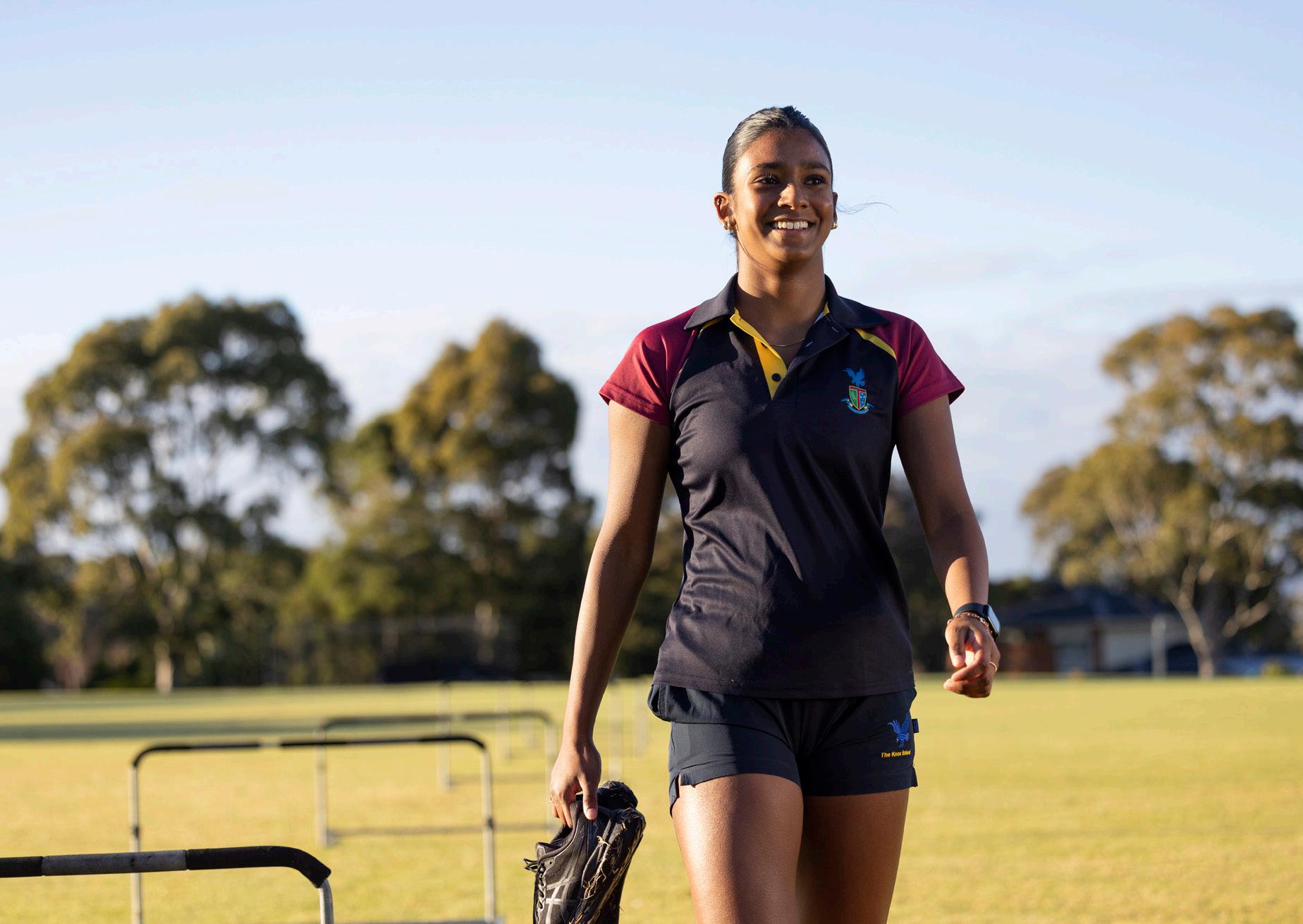
The Knox School Sport Uniform is worn for EISM Sport and PE classes and is compulsory for all students in the Senior School. It consists of:
• The navy-blue TKS Sports Polo,
• Navy sport shorts,
• Plain white socks,
• The TKS soft shell jacket and track pants may be worn, as required.
Students who have PE during Periods 1 and 2 may arrive to School in their Sport uniform and change into their School uniform at recess. If students have PE during Periods 5 and 6, they are to change into their Sport uniform at lunchtime and may travel home in their Sport uniform. For those students who have PE during Periods 3 and 4, they are to come to school in School uniform and change into Sport Uniform at recess and back into School uniform at lunch.
On the day a student has EISM Sport, students may come to school in their Sport Uniform and are not required to wear their School uniform. Unique sport uniform items, such as basketball singlets, football jumpers, etc., may only be worn when playing their sport and are NOT permitted to be worn in lieu of the Sports uniform.
• Year 7 – Mondays
• Years 8-9 – Thursdays
• Years 10-12 – Wednesdays
Students must be mindful to bring all correct elements of their uniform to school when changing at school.
The white House polo is compulsory for students in the Senior School and is worn during School House sports competition events, and may be worn for PE classes. The House polo cannot be worn for EISM Sport. Each of the four Houses is distinguishable by the coloured stripe on the polo.
The purpose of our School uniform is to connect us; we should wear with it pride. Part of wearing a uniform includes observing specific conventions, including:
• Clean, well-groomed, and naturally coloured hair that is kept off the face and is free from an excess of style or product. Hair accessories should be in the school colours of blue and gold.
• If hair touches the shoulders, it MUST be tied back for the following subjects: Art, PE/Sport, Science, and Hospitality. Other subjects may require hair to be tied back dependent on activity.
• A cleanly shaven face.
• Unobtrusive make-up and plain, natural coloured nail polish.
• A limit of two piercings per ear fitted with small, plain studs or sleepers.
Facial piercings, visible tattoos, prominently undercut hair, acrylic nails and nail art, and jewellery such as bracelets, rings and necklaces, would all be considered contrary to the School’s expectations.
On special occasions students may be permitted to wear their own casual clothes to school instead of their normal uniform. On these occasions, the School still expects students to observe principles concerning the professionalism of a workplace and the respect for others.
Students need to be mindful of the styles of clothing and appearance that are deemed to be inappropriate at The Knox School. The following should be considered when dressing on Casual Clothes Days:
• Singlet tops, tops that expose the torso, micro shorts/skirts.
• Inappropriate slogans or images, and culturally insensitive attire is not permitted.
• Shoes are to be enclosed.
• Hair still needs to be tied back for those subjects identified above.
Students should be mindful that if they are dressed inappropriately, or their appearance is deemed not suitable, then they will be required to change into more appropriate clothing or return home.
It is School policy that students attend all scheduled school days (including Head Start at the end of the year). Students are to attend every lesson, complete as much work as possible and be actively engaged in the lesson as it is difficult to duplicate the learning environment at home. Interaction and discussions are an important aspect of learning and will assist all students in reaching their full potential. In the event of absence, a written explanation from a parent or guardian and/or a doctor’s certificate is required.
Students are not permitted to leave the School premises and then return for later classes unless a specific appointment has been made and written permission from the parent or guardian is given to the Main Reception. With the exception for Year 12 students from the start of Term 2, students with private study periods at the beginning or end of the day are expected to be at School as per any school day. Year 12 students are expected to sign in and out at Reception once permission is provided to the School by parents for their child to arrive late/leave early if they have private study periods at the beginning or end of the day.
If a student will be absent from School for reasons other than a School activity, or illness or misadventure, prior written approval must be sought by a parent or support provider from the Head of Students. If the request for leave is more than 3 days, approval will need to be sort from the Associate Principal: Head of Senior School.
Where an absence occurs for medical reasons or special circumstances (such as EISM activities, bereavement, misadventure, School sanctioned activities and excursions, or for elite sporting or cultural activities), a student’s records will show their absence as ‘approved’. Supporting evidence such as a medical certificate may be required.
Leave that has been approved for the reasons above do not count towards the attendance requirement. However, time away from the classroom can be difficult to catch up and students are advised to contact their teachers about work they have missed while absent.
Where one of the above criteria are not met, the student’s absence will be acknowledged but generally approval for that absence will not be given unless it is for a substantial reason. Please note that activities such as overseas travel or holiday arrangements with family would not, in normal circumstances, be regarded as a substantial reason.
All VCE units involve a minimum of 50 hours of scheduled classroom instruction over the duration of a semester. In accordance with the VCAA, if a student has completed work but there has been a substantial breach of attendance rules, the School may need to assign an N for one or more outcomes and/or the Unit. To satisfy the attendance requirements of VCE, the School policy is that students must attend at least 90% of classes unless there is due cause and adequate documentary evidence provided.
International students are expected to remain at School until the advertised final term or year date (including the final calendar day of the academic year) as well as return in time for the commencement of each term and semester.
All students who leave Australia must provide the Head of International Students with a written request from their parents or support provider detailing the dates, times and airline by which they intend to first exit Australia and then later return.
The Core subjects are the main focus for students in Years 7 to 10. These subjects are English, Mathematics, Science, Humanities and Health and Physical Education (HPE). For Year 7 and 8 students the Core subjects include a Language.
Years 9 and 10 provides the opportunity to trial a number of different elective subjects alongside their core subjects. These electives may offer a taster of the VCE subjects on offer at the school and help to develop the skillset required for success. They are therefore exciting and challenging years where students are consolidating their learning and thinking seriously about their preferred pathways.
Refer to the Subject Selection Handbook for further details.
The Knox School supports students in being independent learners and architects for their own learning. We also believe in preparing students for different modes of learning beyond their time at school, as this develops lifelong learning and agency.
Flexible Learning Periods are used for asynchronous tasks, project work with students from that class, academic support, or to have one-on-one time with their teachers to engage in deeper learning in their subject.
Students in Years 11 and 12 will, on occasion, have Private Study Periods allocated in their timetable. These periods should be used for the purposes of completing assigned work, revision and course preparation across the range of subjects a student undertakes. Students must not distract others, play online games or watch videos unrelated to their school work during these times.
During these times, students are to sign-in using the register outside the Head of Students (Year 11/12) office in the Upper Senior School building to record their presence and indicate their location for the period. Students can spend their Private Study Periods in either of the Multi-Purpose Areas in the Upper Senior School Building, the Library, or designated and approved study room.
The School provides an Academic Mentoring program during many flexible learning periods. Academic Mentors are Alumni with specialties in diverse areas. More information will be advertised to students at the commencement of the school year.
The Knox School students’ home learning completed each evening and on weekends usually complements class work and can be presented in various forms such as: completing assignments, making models, writing essays, developing opinions, conducting investigations, reviewing content, and reading. Students will often need to revise their current and past units of work in preparation for assessments or simply complete unfinished class work.
Students in the Senior School are encouraged to construct a homework/study timetable for themselves. This timetable should take into account a reasonable distribution of time that includes the use of study periods at school and time in the library after school hours, with rest breaks provided during long periods of study. Students with commitments outside of school hours may create a homework timetable that accommodates their other needs. Mentors can assist in the development of a timetable.
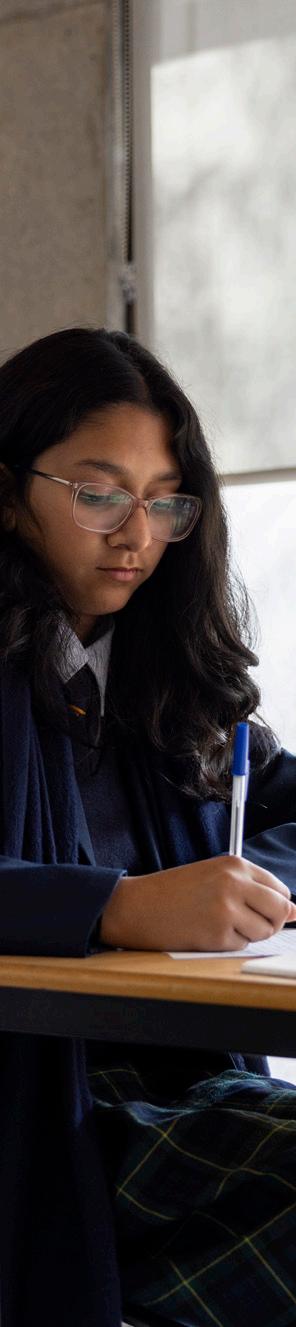
When studying at home, it is recommended that an effective learning environment is created that minimises distractions. The area should be quiet, well-lit, and provide a suitable work surface. A visible location may enable parents to keep a check on a student’s progress with their homework in addition to monitoring the use of technology.
There is no definitive answer as to how much homework a student should undertake each evening. However, we offer the following as a guide:
Year 12
Year 11
Year 10
Years 8 and 9
Year 7
In order to succeed, evidence suggests that students should be undertaking a minimum of 20 hours of self-directed learning, consolidation and preparation per week – roughly 4 hours per subject – outside of the regular class hours.
Students should undertake at least 12.5 hours of self-directed learning, consolidation and preparation per week outside of the regular class hours.
Students should invest 10 hours of revision and set work per week outside of the regular class hours.
Students should be look to complete 1.5 hours an evening of set work and revision.
Initially, students should be undertaking no more than 1 hour of set work and revision per evening. This may gradually increase as the transition year continues.
Parents and students receive information regarding their progress in subjects throughout the year via our Continuous Online Reporting system accessed via The Nest.
To access feedback of students on The Nest please follow these steps:
1. Login to The Nest portal.
2. Select your child.
3. Select the grades component underneath your child’s details.
4. Use the ‘select a subject’ drop down menu to select your child’s subject and go to their grades.
5. Click on the Assessments you would like to view under the Assessments heading to access detailed information about your child’s learning. Note that you should always click the blue hyperlinked text.
Years 7 to 12 students receive an electronic End of Semester Report at the end of Term 2, and at the end of Term 4. Reports are accessible via The Nest.
Parent/Student/Teacher Conferences are conducted throughout the year, and students are encouraged to attend these evenings with their parents to engage in the learning partnership.
The Head Start program begins at the conclusion of the Year 10 and Year 11 examinations. In this time, students will commence work in studies for the coming year. The aim of this program is to orientate students to their subjects and to outline the first coursework tasks, as well as provide homework over the vacation period.
Head Start attendance is compulsory for all students in Years 7 to Year 11.
Students who are ill and unable to attend School to complete Assessment Tasks must obtain a medical certificate and present this to the Executive Assistant in the Senior School Office. Failure to follow these procedures may result in the student being given a zero for that task.
The classroom teacher will make arrangements with the student to undertake the missed assessment task at a mutually agreed upon time within the following two weeks of the original assessment. This might be during the next class, before or after school, or it could be during a student’s study period if applicable. Students should be prepared to undertake the assessment on the first day they return to school.
In Years 10 and 11, School based examinations are a fundamental and important method of assessment and are used to determine Acceleration into Unit 3&4 studies. Internal school examinations are held at the end of Terms 2 and 4. Examinations are only rescheduled due to illness or another significant event that prevented the examination being completed during its original scheduled time. Any student who is unable to attend an examination must notify the Head of Academics (7-10) and/or VCE Coordinator on the day of their absence and provide a medical certificate to the Executive Assistant in the Senior School Office upon their return to school.
Students who are late to a SAC or examination will be permitted to complete the task, however, they will have to conclude the assessment by the scheduled finishing time. Please note that tests and examinations will not be rescheduled for international students who leave Australia before the conclusion of the term or for any student going on holidays during the examination period.
Students studying Units 1-4 of VCE subjects are to refer to the VCE Handbook for further information.
Students are expected to work with their classroom teacher well in advance of task due dates if they feel they need additional time to submit homework or assessment tasks. The goal is for the student to complete the work and to be given the opportunity to do so.
No penalty is applied when students negotiate with their teachers, prior to a due date, a second due date. Parents will be informed. A result of zero may be confirmed if due work is not submitted by the new due date.
Students studying Units 1-4 of VCE subjects are to refer to the VCE Handbook for further information.
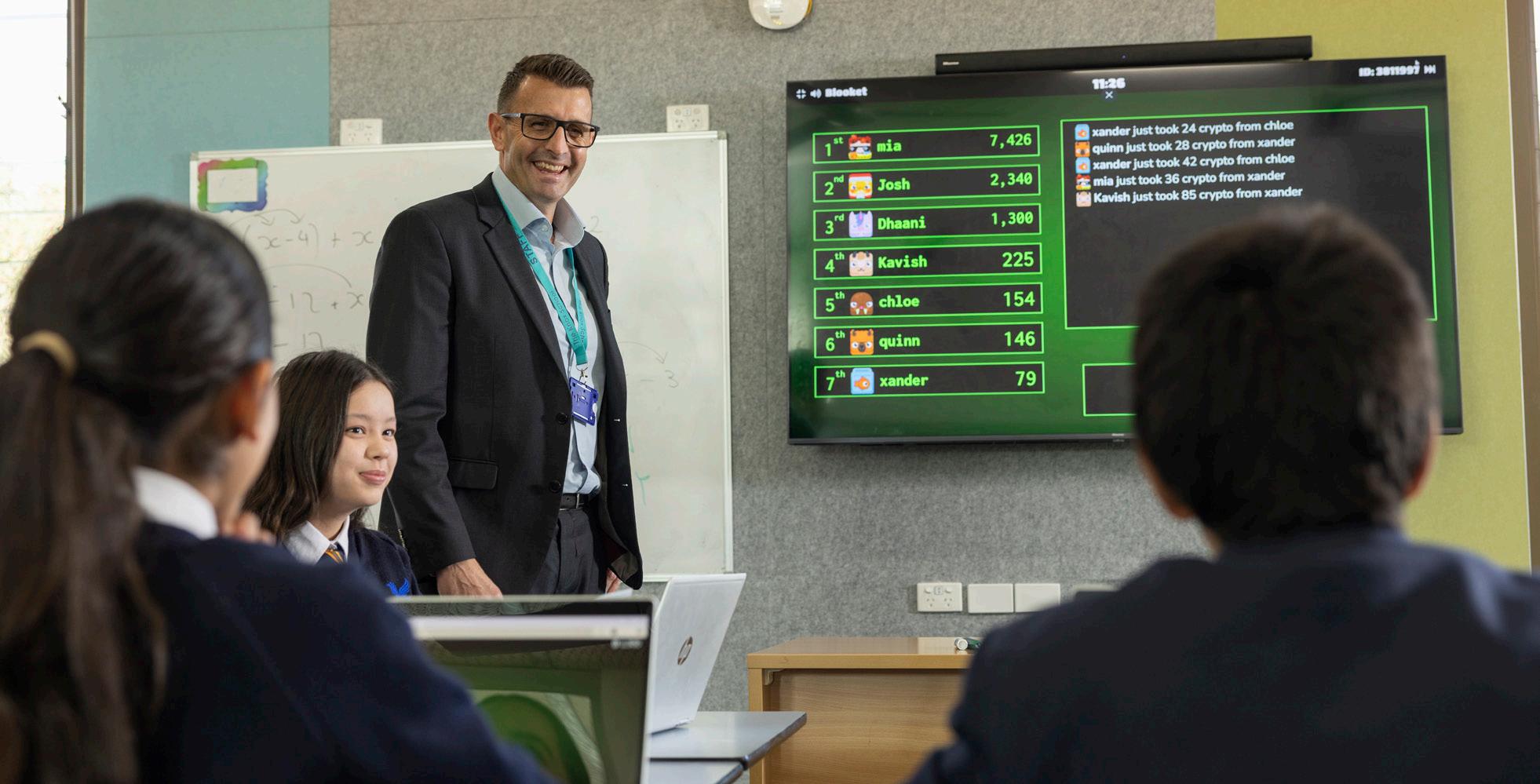
The Knox School values truth and honesty and expects all students to approach their learning with academic integrity. All work submitted by students is expected to be their own thought, research or ideas expressed in their own words. If a student uses another person’s words or ideas from any form of written text, electronic or visual source, without stating where it comes from, the student is guilty of plagiarism.
Each of the following activities is plagiarism/academic misconduct and is therefore unacceptable.
• Copying someone else’s work in part or in whole and presenting it as your own;
• Using material directly from books, journals, or digital sources, such as translators, without referencing;
• Building on the ideas of others without reference to the source;
• Handing in work to which another person such as a parent, tutor or subject expert has substantially contributed;
• Using words, ideas or designs of others in practical and performance tasks without appropriate acknowledgement or copyright permission;
• Paying someone to write or prepare material and/or responses;
• Using artificial intelligence (AI) bots, apps, or sites to generate content/responses.
Work that is plagiarised will not be considered as part of the assessment. Students will be required to resubmit work but no change of score or grade will take place. Students who assist another student in a breach of rules will be penalised.
Students studying Units 1-4 of VCE subjects are to refer to the VCE Handbook for further information.
The National Assessment Program – Literacy and Numeracy (NAPLAN)
NAPLAN assessment is held annually for all Year 7 and 9 students. Information will be provided to students and parents regarding the testing early in Term 1.
General Achievement Test (GAT)
All students enrolled in one or more VCE Units 3 and 4 study sit the GAT. The VCAA uses GAT results, along with other external assessments, in a process known as moderation to align each school’s local graded assessment scores to the state-wide scale. Additionally, the GAT also assess a student’s skills against new Literacy and Numeracy Standards.
Students studying Units 1-4 of VCE subjects are to refer to the VCE Handbook for further information.
Online Academic Assessment Services (AAS) testing occurs annually in Term 1 for Year 8 and 10 students. Students and parents will be advised prior to the testing. This testing provides valuable detailed diagnostic information to be used by our staff to further inform their teaching programs and how to best support each individual student.
Year 10 testing will also assist staff in advising students during their VCE subject selection.
220 Burwood Highway, Wantirna South P: 03 8805 3800 – E: info@knox.vic.edu.au www.facebook.com/knoxschool www .knox .vic .edu .au