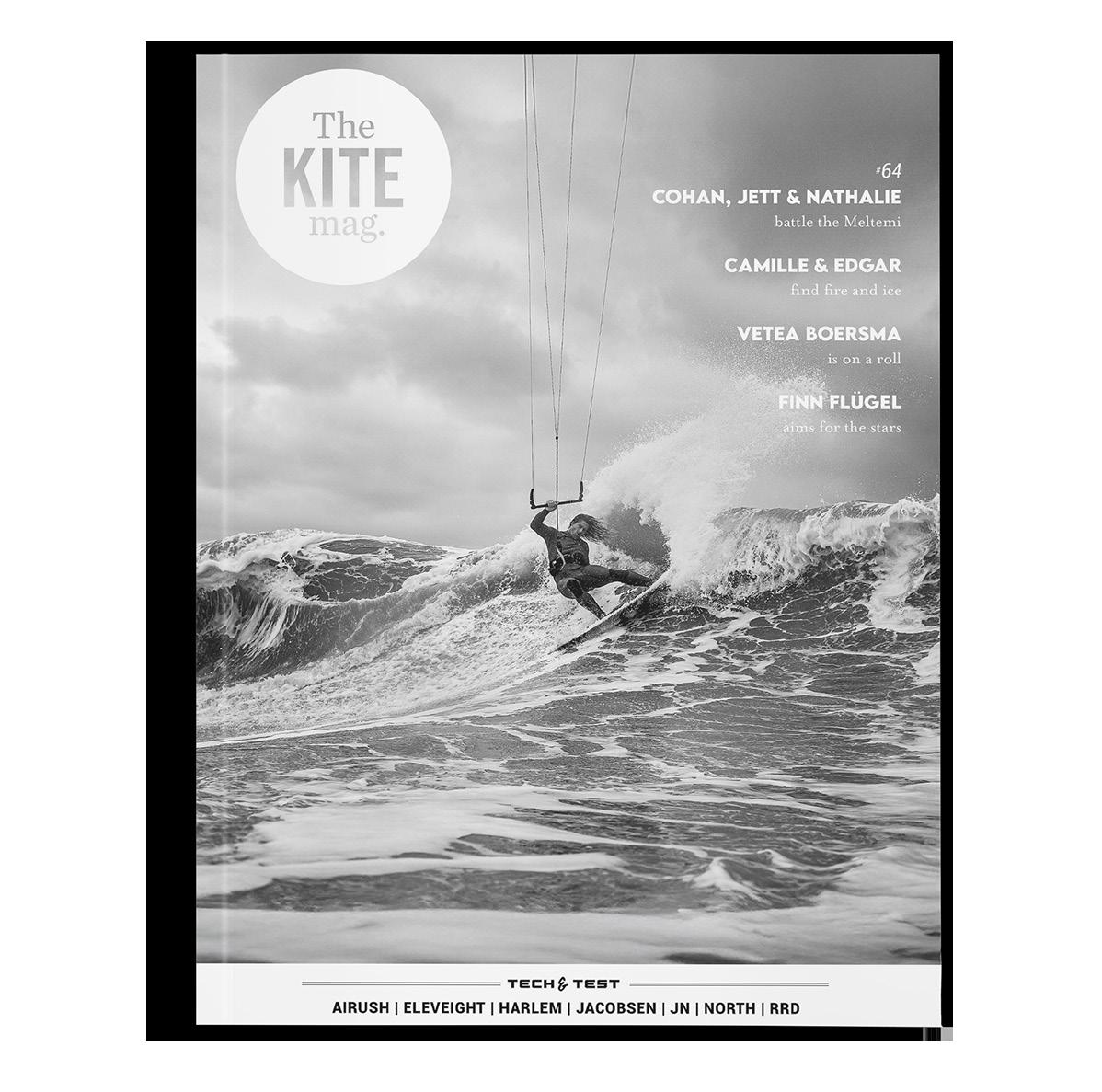
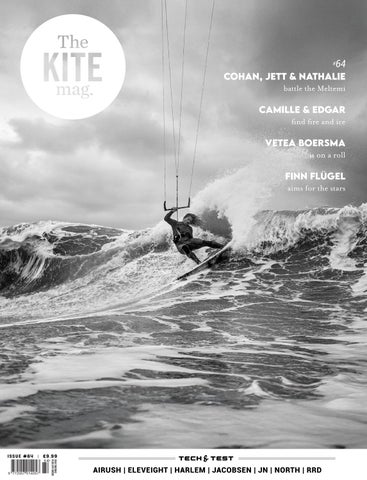
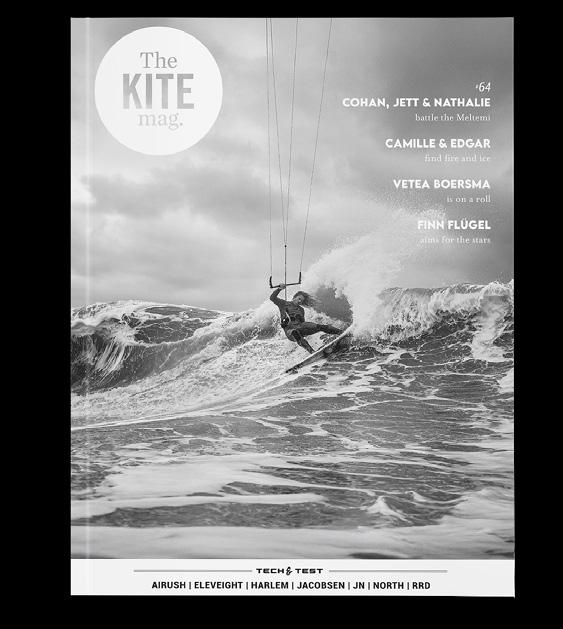
Cohan, Jett & nathalie battle the Meltemi Camille & edgar find fire and ice
Vetea Boersma is on a roll
Finn Flügel aims for the stars #64
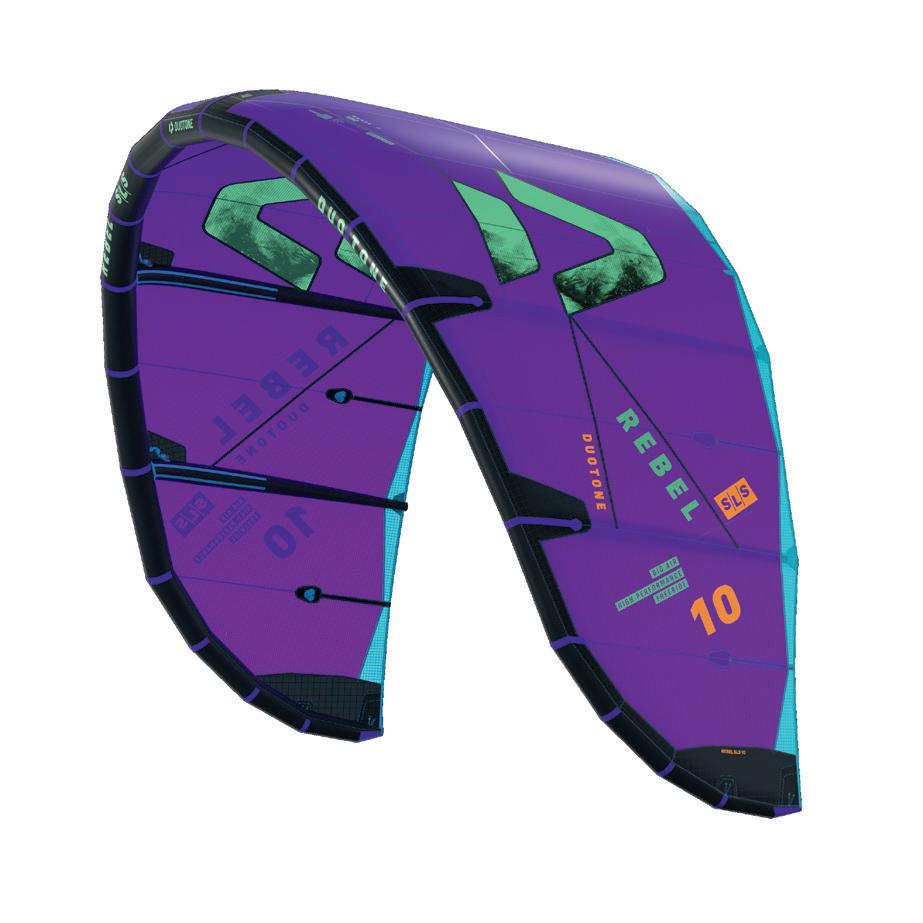

REBEL SLS C07
REBEL SLS C05
REBEL SLS C08
Take your riding to the next level
Cohan, Jett & nathalie battle the Meltemi Camille & edgar find fire and ice
Vetea Boersma is on a roll
Finn Flügel aims for the stars #64
Take your riding to the next level
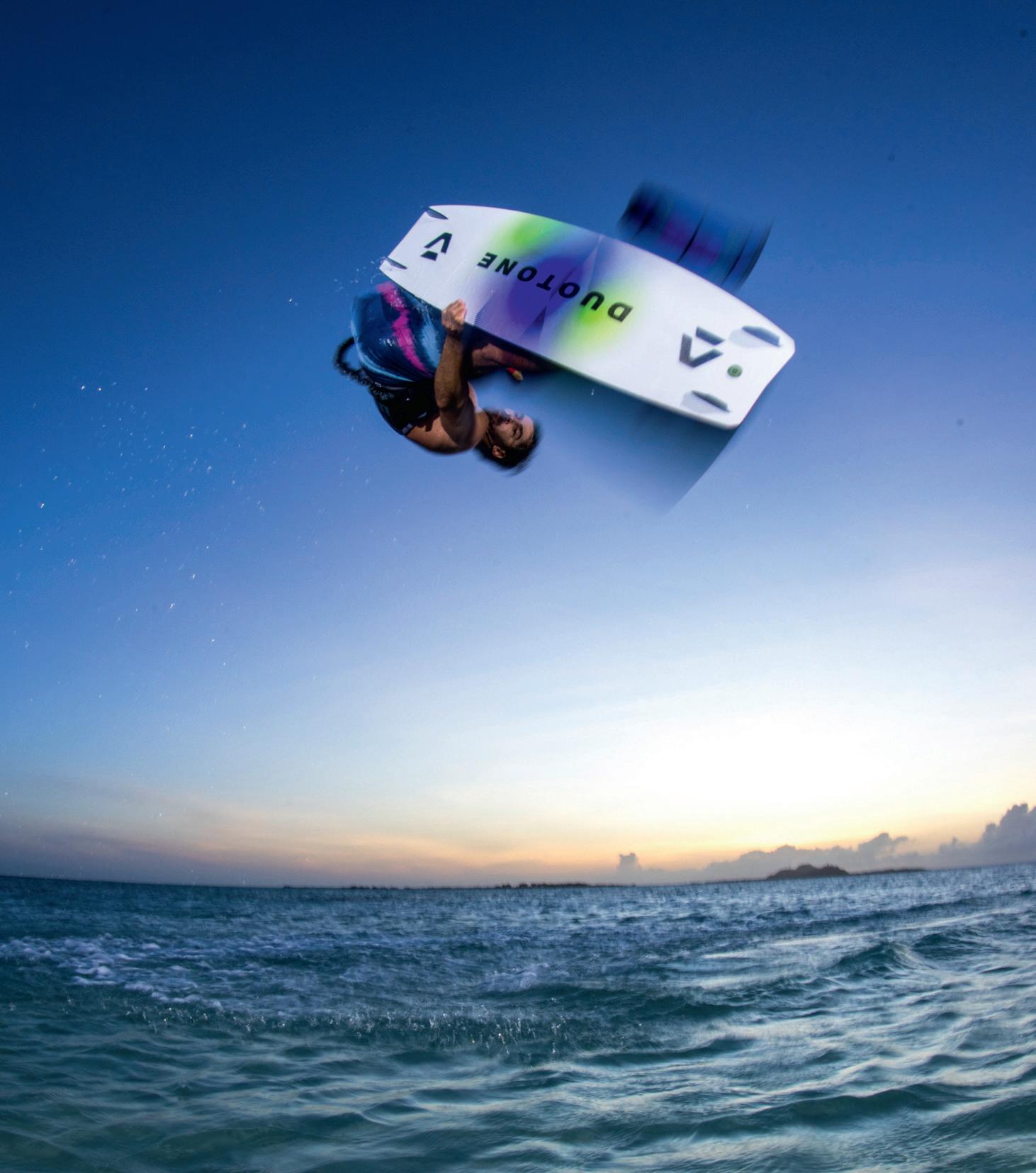
TWINTIP EXCELLENCE FOR MAXIMUM BIG AIR AND FREESTYLE DOMINANCE
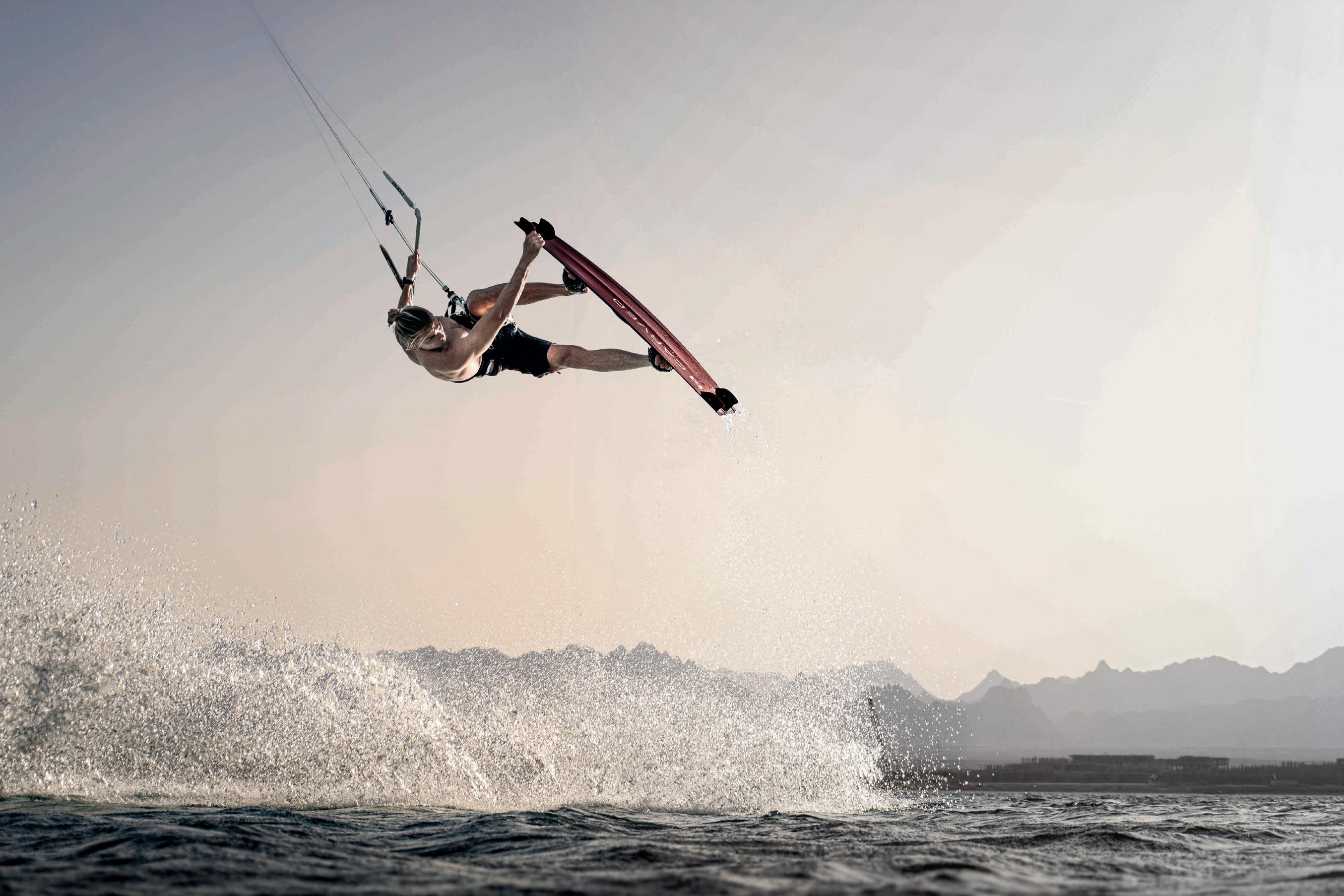
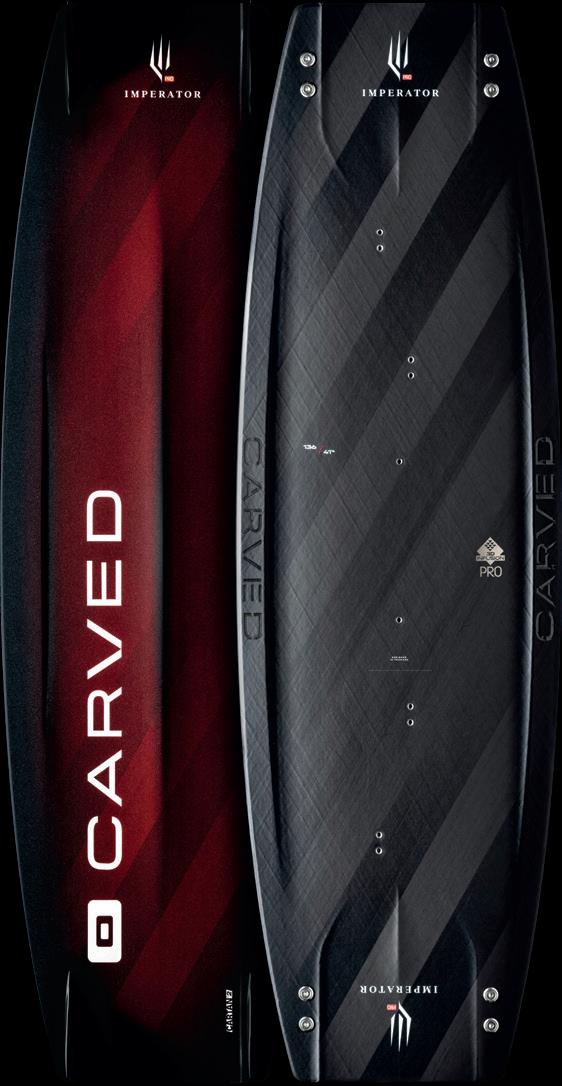
The next evolution of the legend – the all-new Imperator Pro is here to prove it's more than just a board. It’s a statement. Made for riders who operate at the very edge of performance, who push higher, fly further, and demand nothing less than perfection and style under their feet. Built without compromise, engineered for the extraordinary.

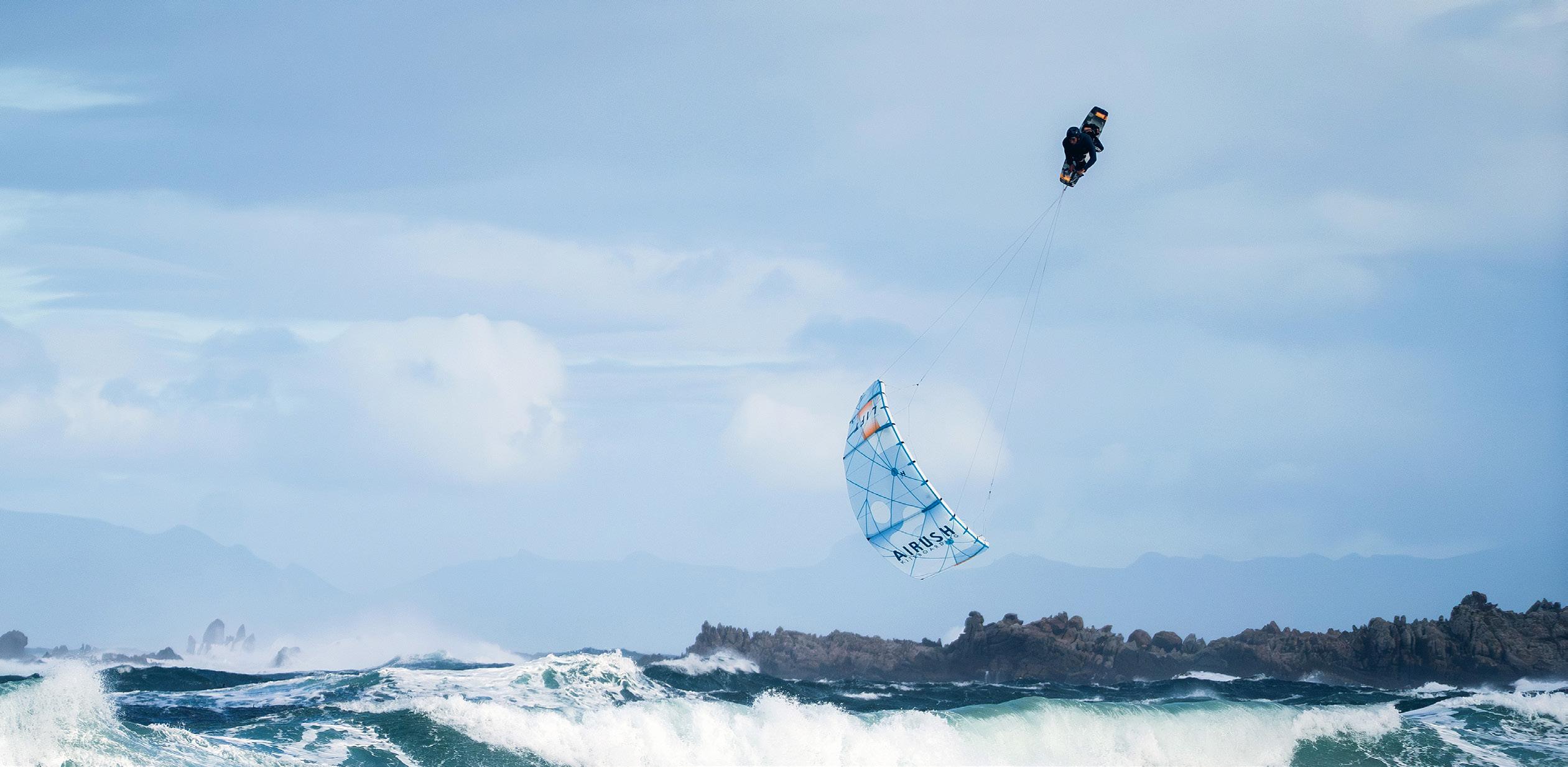
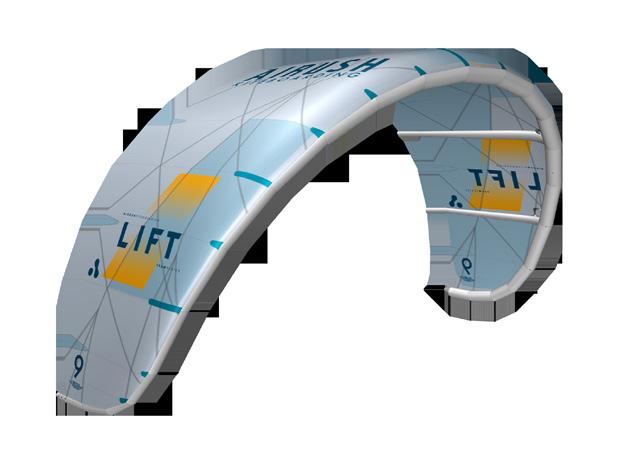

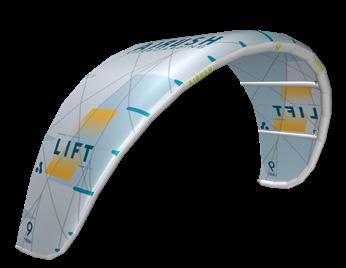
THE LIFT TEAM - POWERED BY H2 ULTRA PE & ULTRA BOND WELDED SEAMS
The Lift Team redefines big air performance. Built with the new H2 Ultra PE leading edge and tri-axial laminate technology, it’s lighter, faster, and more responsive than ever. Ultra Bond welded center panels fuse key sections for uncompromising strength and precision. Engineered for explosive lift, massive hangtime, and rock-solid stability, the Lift Team is the ultimate big air machine.
AVAILABLE IN: 7, 8, 9, 10, 12, 14 M
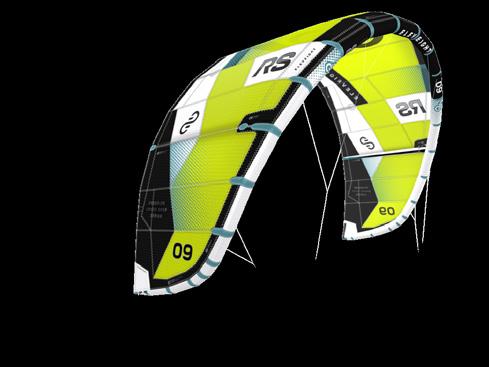
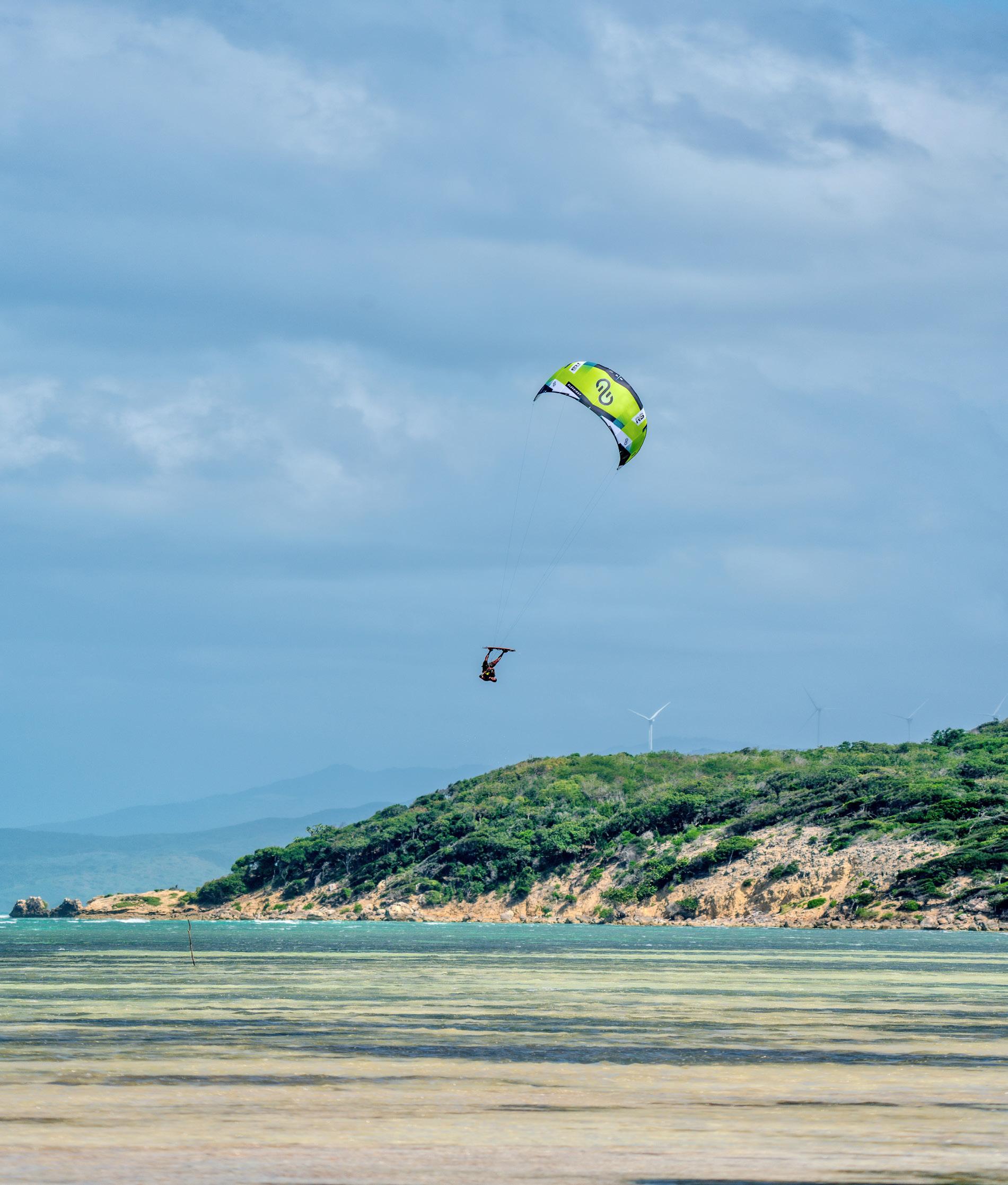
84 // Meltemi Battleground
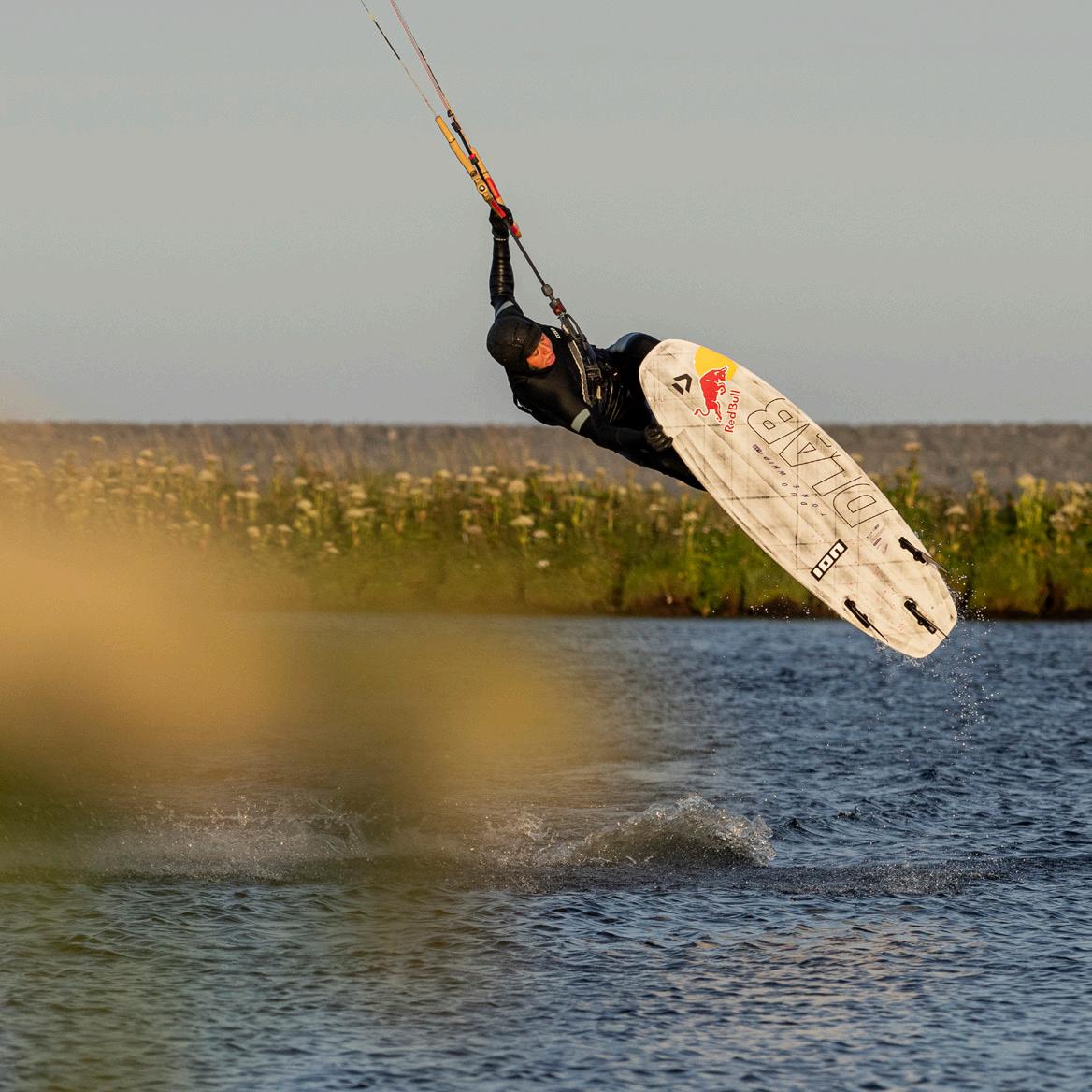
Cohan van Dijk, Jett Bradshaw and Nathalie Lambrecht’s trip to Greece was fraught with peril, but the Meltemi wind guaranteed some extreme Big Air action for the three riders…
94 // Born of Fire
Iceland’s endless coastline and stunning volcanic scenery dished up exactly what Camille Losserand and Edgar needed to bag the shots for ION’s latest collection…
104 // Sushi Roll
Vetea Boersma from Hood River has a powerful riding style and loves chasing hardcore conditions. It hasn’t always been plain sailing for him but he’s now on a roll…
112 // Reach for the Stars
Finn Flügel has his sights clearly set on becoming a star in the kiteboarding world. He’s already well on his way, regularly placing on the podium in multiple disciplines.
34 // Tribute to Graham Howes
40 // On The List … Punta Chame, Panama
// I’m on it … Giel Vlugt and Zara Hoogenraad
// Behind the Clip … Reider Decker 54 // The Mission … Roderick Pijls | Charly Martin
// Gallery … Red Bull Megaloop | GKA
// Technique … Camille Losserand
// Tech and Materials … Airush
// Tell Me About It … Harlem | North | RRD
// Tested … Eleveight | Harlem | jacobsen | JN
// Reflections … Kari Schibevaag
It can be easy to forget that – regardless of how we decide to spend our time on the water; be it sniffing out waves, looking for those 35+knot Big-Air-Perfection days, pitting ourselves against the fastest riders on the planet around the race course, or whatever else floats your kite-driven boat – we are all connected by one thing: the love of harnessing the power of the wind in a kite, and turning that movement of air into movement of us.
We’re all feverishly checking our favored forecast on Windguru, keeping an eye on that tree which we know only begins to move when it is breezing up, and watching the clouds to assess whether there’s enough wind yet… We’re all wind junkies. Waiting to drop everything and head out for our next hit. I love it. You can’t just turn up like you can at the gym, or book a slot like you would for a padel court. We’re all at the whim of the wind.
This unique factor draws us all together and – although in sporting terms kiting is a niche endeavor – none of us would swap a good kite session for anything else.
It’s this passion for the wind and for sport that makes the kitesurfing community such a unique one… When you hook up with your kiting mates, or when you see someone at an airport who you can tell is a kiter – you know that you are part of the same exclusive club.
Our community was rocked recently with the passing of a guy who epitomized everything that makes kiting special, Graham Howes. The outpouring of grief from the kiting community was pretty much total. You may not have known much about Graham, but tributes to him, and reflections about him, were everywhere. The whole kite community was in shock…
I hung out with Graham a few times and he also contributed to TheKiteMag. He always stuck in my memory as one of those few people who never had a bad word to say, never had any attitude, and was always just a super nice guy. The kind of person you’d gravitate towards if you had just rocked up at an event or a party and you knew would have a smile, some solid banter, and would make you feel immediately at home. He was also the undisputed king of Cape Town, and always at the heart of the scene. When the KOTA returned and ever-more eyes turned to the Big Air scene and to the Mother City, Graham was there: ready to welcome the kitesurfing world for the biggest few weeks of the year.
More recently Graham – having had his own struggles – was a champion of men’s mental health, utilizing his network and his Dirty Habits channels to encourage guys to talk more to each other and to reach out if they were having a tough time.
Graham was, basically, always thinking about other people and what he could do to make their lives better. We can all learn from Graham, and sharing the love for our kiting community and keeping an eye out for one another is the best tribute that we can offer to him…
Enjoy the issue,
Alex (and Sarah)
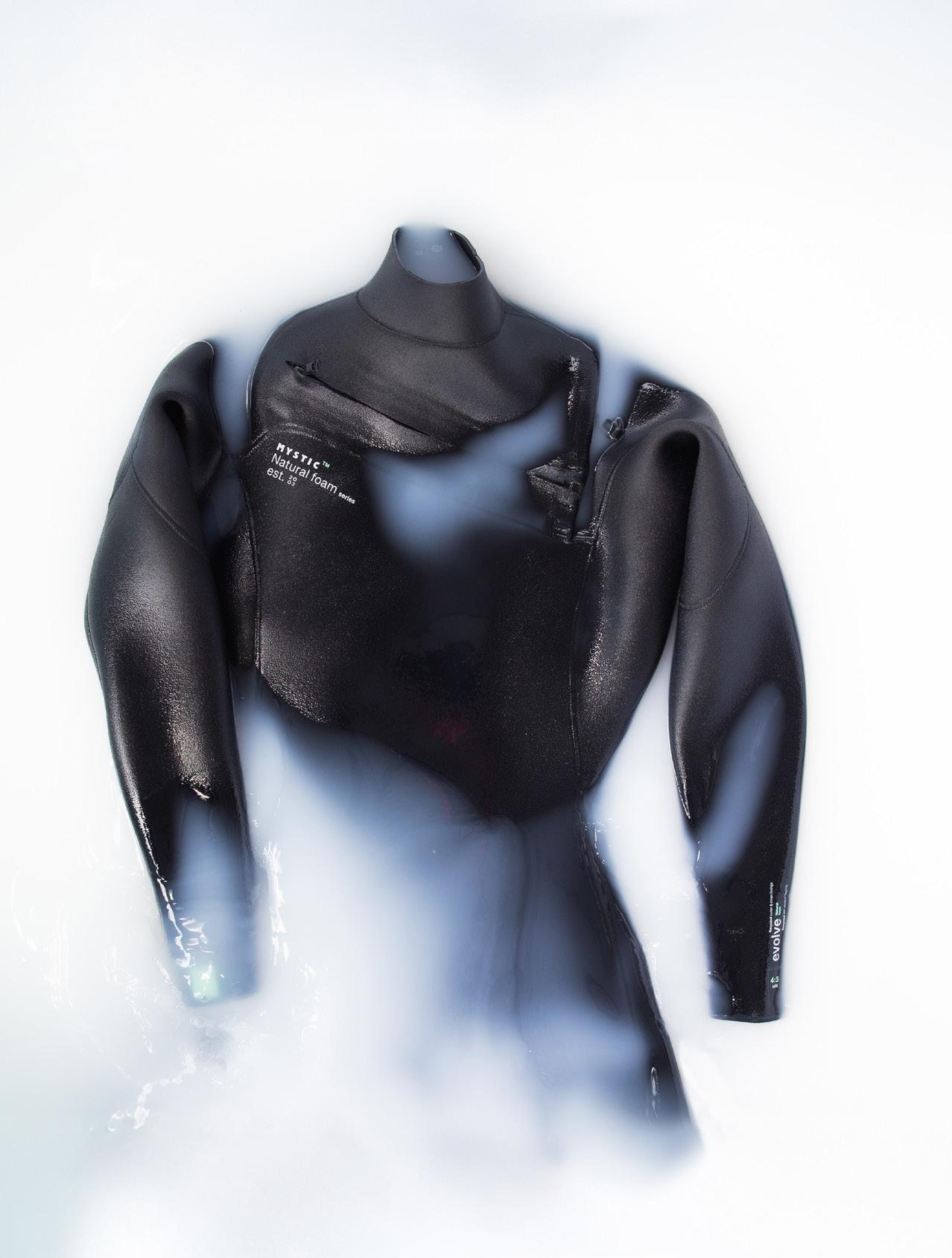
We wanted a wetsuit with less environmental impact—without compromising on flexibility. So we built the Evolve. Made with Natural Foam, developed from renewable materials including natural rubber, sugarcane, oyster shell, and plant oils. It’s warm, soft, and lightweight. Most wetsuits made with renewable materials sacrifice flexibility. The Evolve changes that. It’s 100% neoprene-free, and still moves the way a wetsuit should.
Waterproof stretch taping (100%)
GBS (Glued Blind Stitched)
YKK Front-zip
Glideskin neck construction
Aquabarrier
Hex-tech kneepads
Non-slip wrist and ankle cuffs
Key pocket 2.0: keyloop with mini buckle
Aquaflush 2.0
EDITOR
Sarah Sylvester
EDITOR-IN-CHIEF
Alex Hapgood
ART DIRECTOR
Nikki Hall
TECHNICAL EDITOR
Richard Boughton
ONLINE MEDIA MANAGER
Gemma Hamaini
DIGITAL EDITORS
Peri Roberts & Kyle Cabano
DIGITAL MARKETING
Tom Weyers
CONTRIBUTORS
Andre Magarao, Andy Troy, Axel Reese, Azzan Al Sinani, Benjamin Strang, Benny Crum, Cédric Bornarel, Daniel Pankoke, Eugenio Bucci, Fabian Moser, Francesca Guiotto Hockley, Isak Anton Petersen, Jacopo Giusti, Jamie Hockley, Jason Broderick, Kristen Cooper, Lone Helle, Lukas K Stiller, Marcel van Hoorn, Michael Zeilinger, Michel Bakker, Nikola Bagarov, Nomadicsea, Patrick van der Ven, reemedia, Ryan Goloversic, Samuel Cárdenas, Samuel Tomé, Toby Bromwich, Ydwer van der Heide
ADVERTISING
Advertising enquiries can be sent to advertising@thekitemag.com
COPYRIGHT
All material in TheKiteMag is subject to copyright. Reproduction without the express permission of the publishers will result in prosecution.
PUBLISHER
TheKiteMag is published by Water Born Media Limited, 20-22 Wenlock Road, London N1 7GU
ENVIRONMENTAL
This magazine is printed on paper sourced from responsibly managed sources using vegetable based inks. Both the paper used in the production and the manufacturing process are FCS ® certified. The printers are also accredited to ISO14001, the internationally recognized environmental standard. FIND US ON
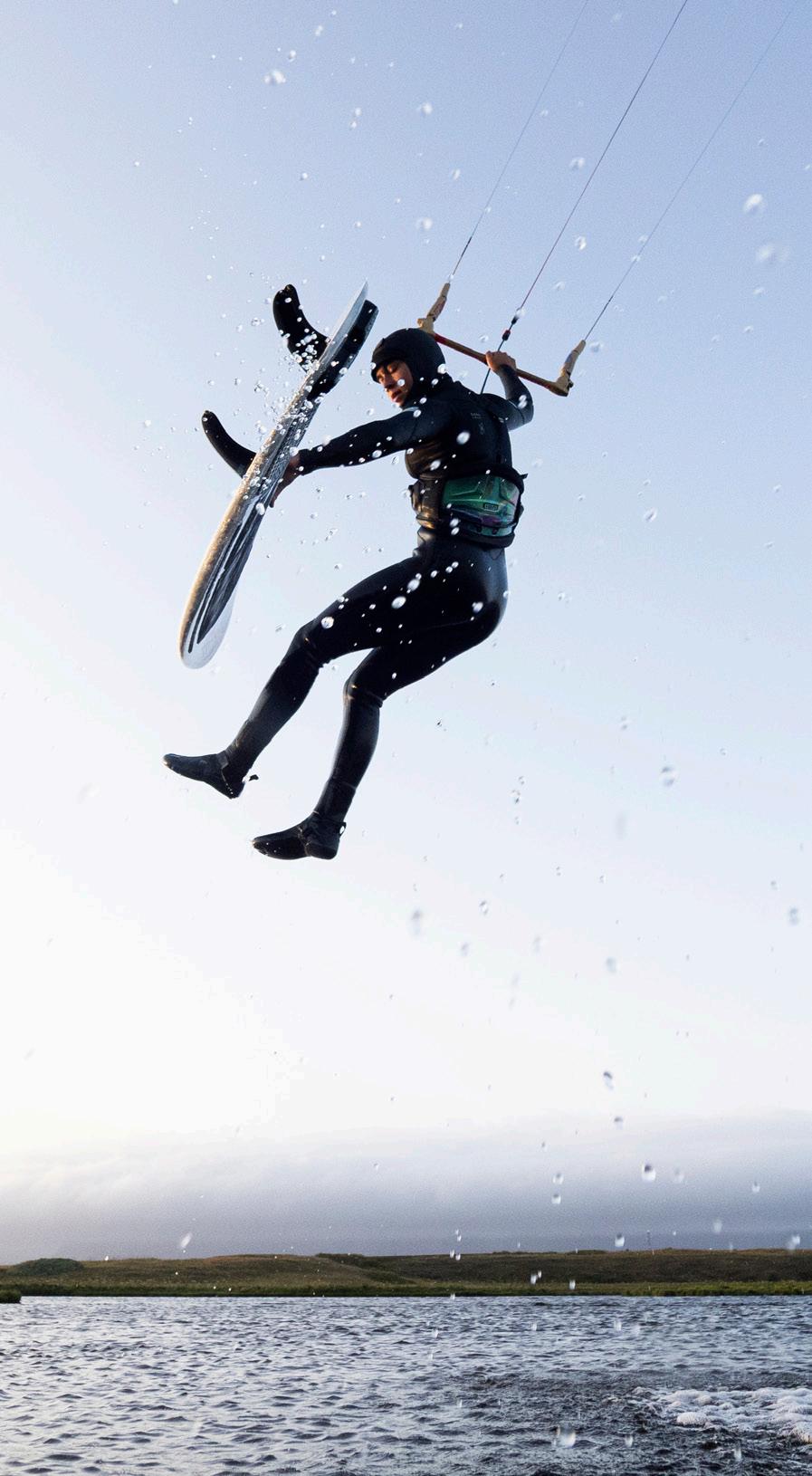







TKM: Leo is on fire right now, having come first in the recent GKA Youth Kite-Surf event and second in the Youth Big Air event, plus he gave the men a run for their money and placed fourth in the Hydrofoil and Kite-Surf events. He’s making it all look very easy.
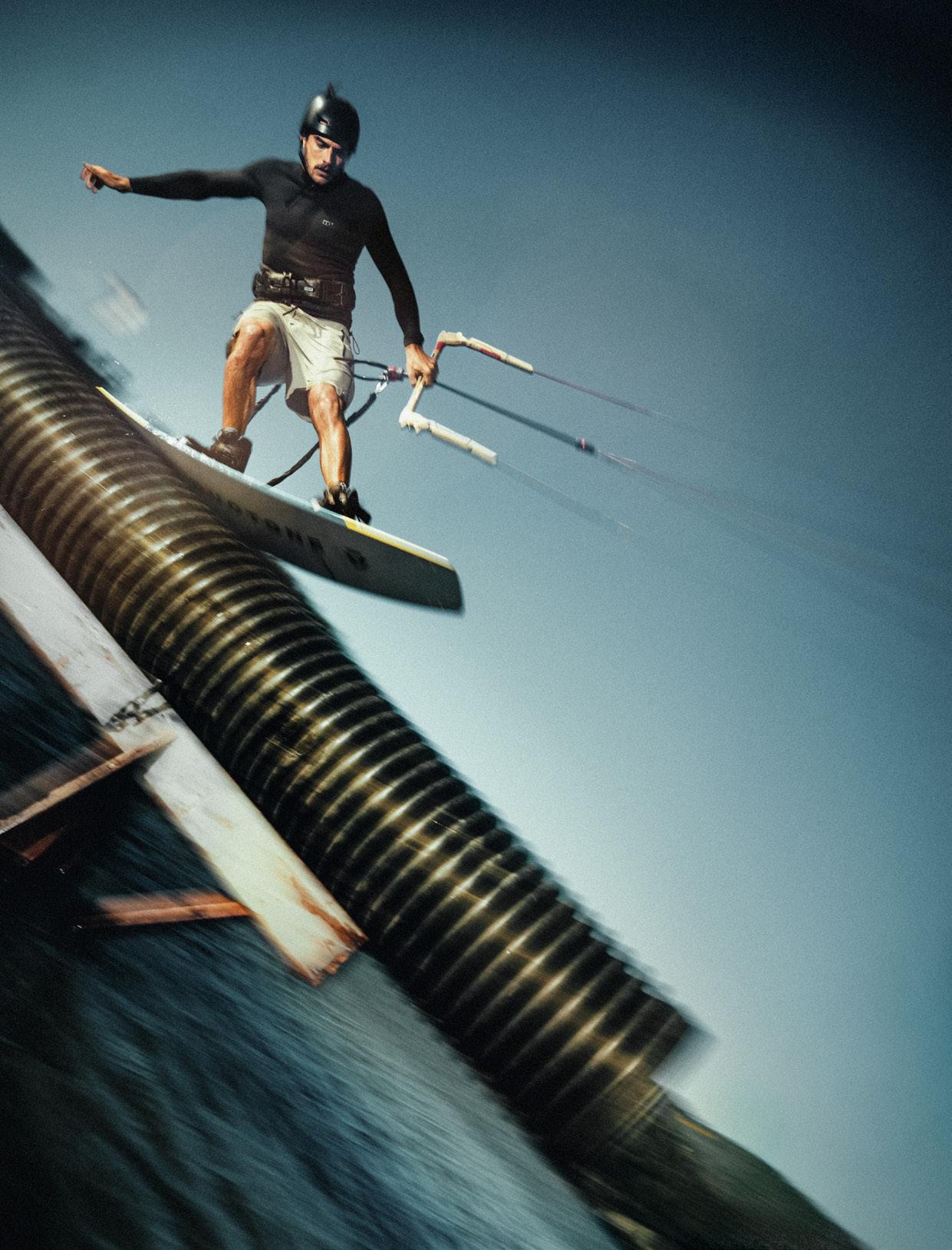
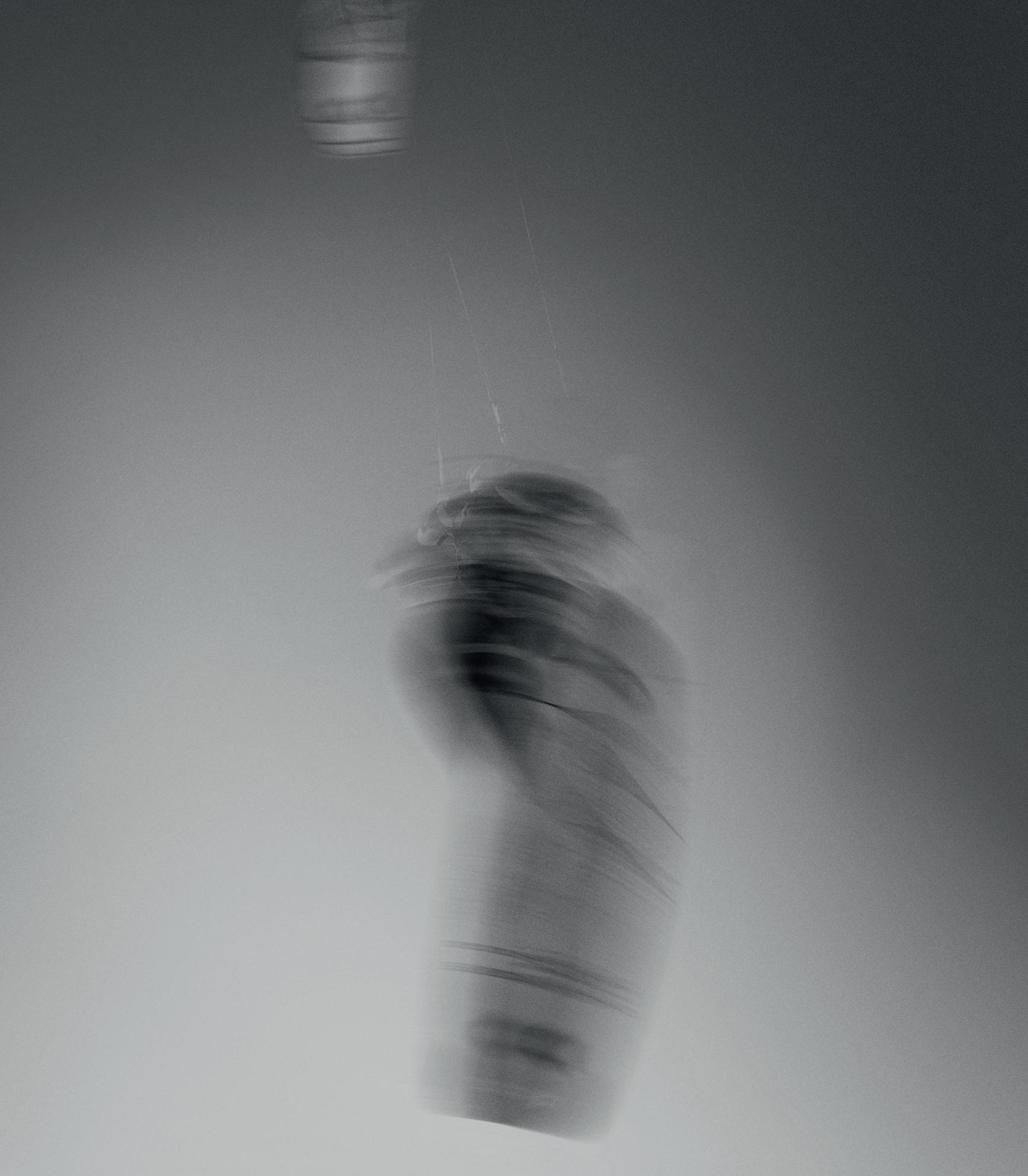
NF: One of the things I’ve come to appreciate about park riding this summer is the kind of people it attracts. It’s not just riders – it’s board sport heads from skate, surf and snow, and even photographers who see the obstacles we ride as a new creative challenge. That’s exactly how I met Ben. Last year he showed up at the park not knowing anyone, snapped a few photos, and one ended up printed in the Duotone Bliss Book – no plan, no setup – just pure spontaneity. Fast forward to this summer in Hood River, we managed to link up for one quick evening session amongst the chaos. The wind wasn’t anything special, but Ben wanted to shoot frozen speed blurs with his flash. We rode for a while, and finally, one shot came out just right.
PHOTO MICHAEL ZEILINGER / LEVITAZ
LOCATION LAC DE SERRE-PONÇON, FRANCE
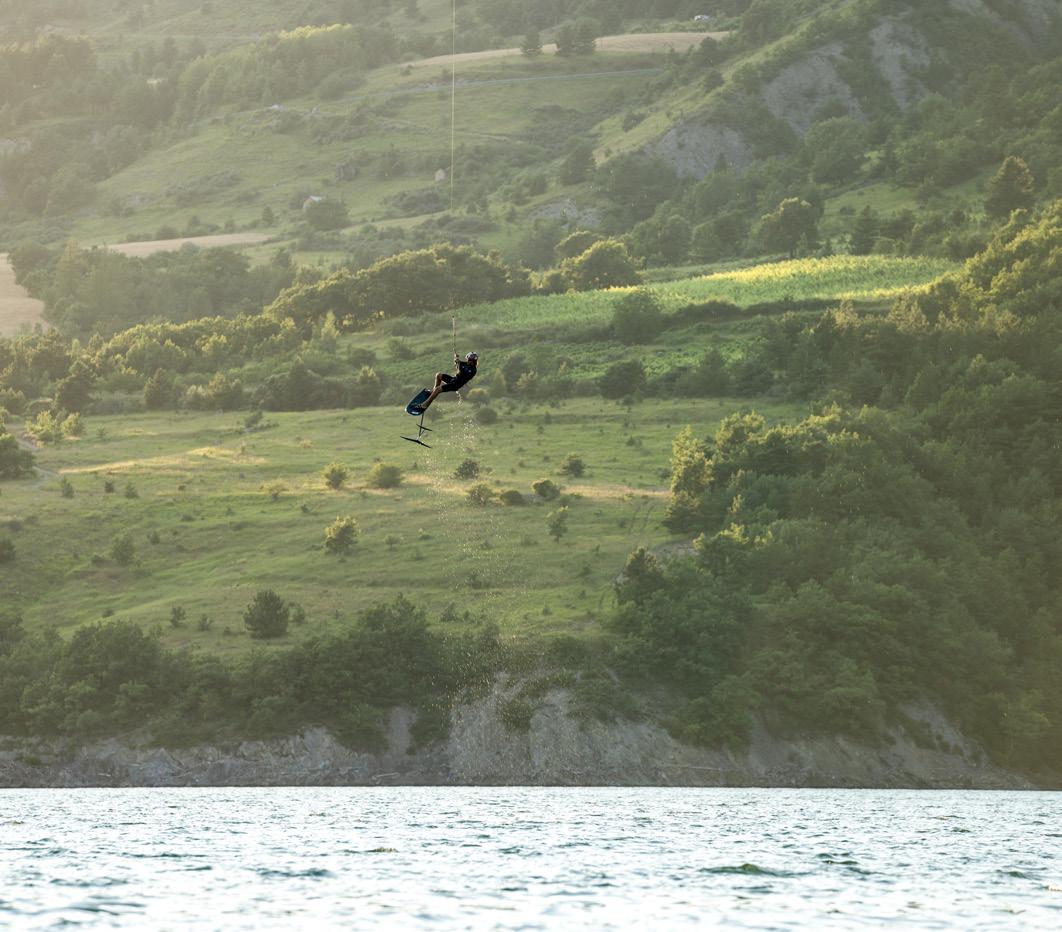
MZ: After a day driving the boat for our product shoot, Théo finally gets the chance for a quick sunset run. I capture him with the soft evening light shining over Lac de Serre-Ponçon, hovering for a breath above the water after a clean pop, with foil up and a nice spray. Ah, quiet hills, simple joy…
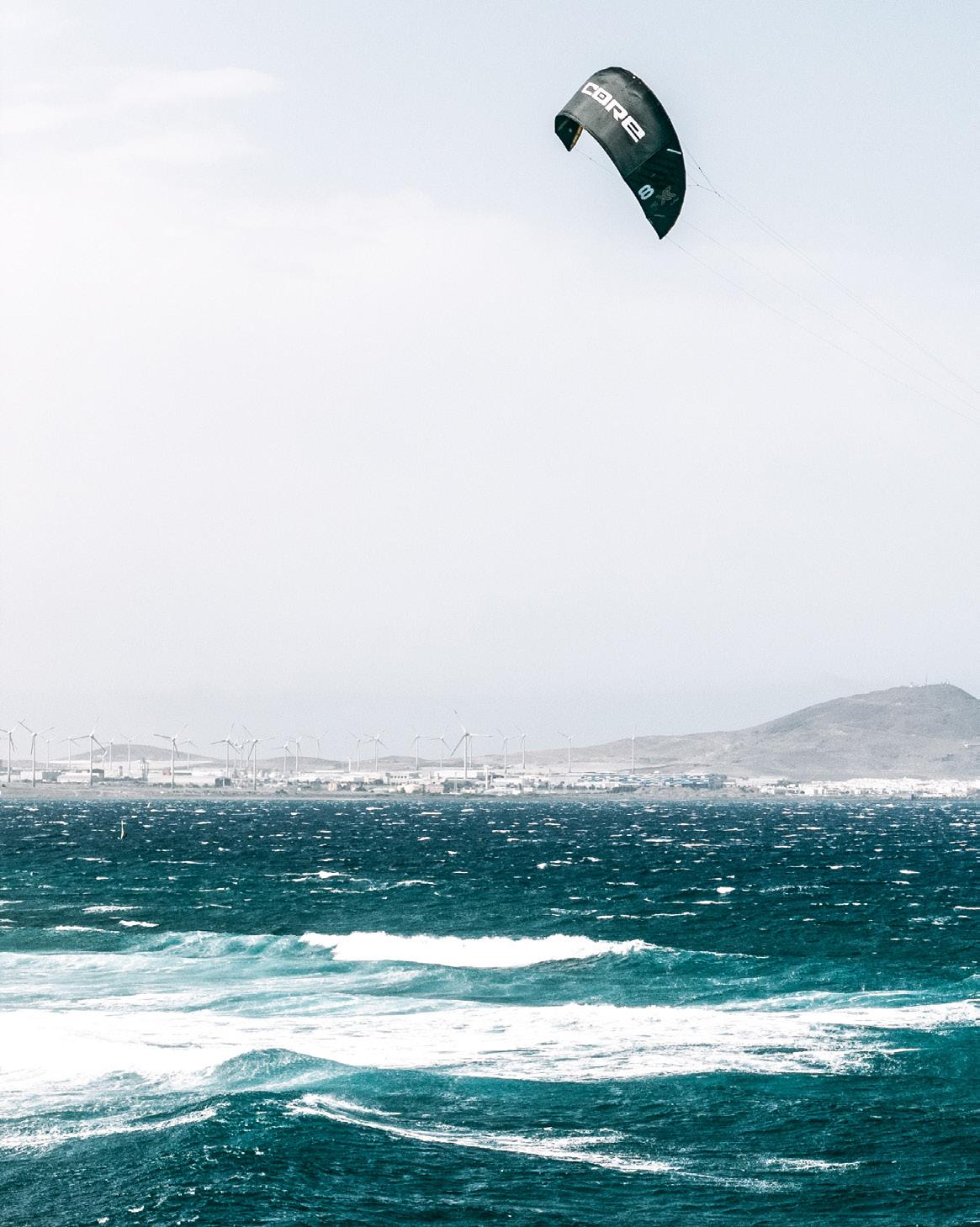
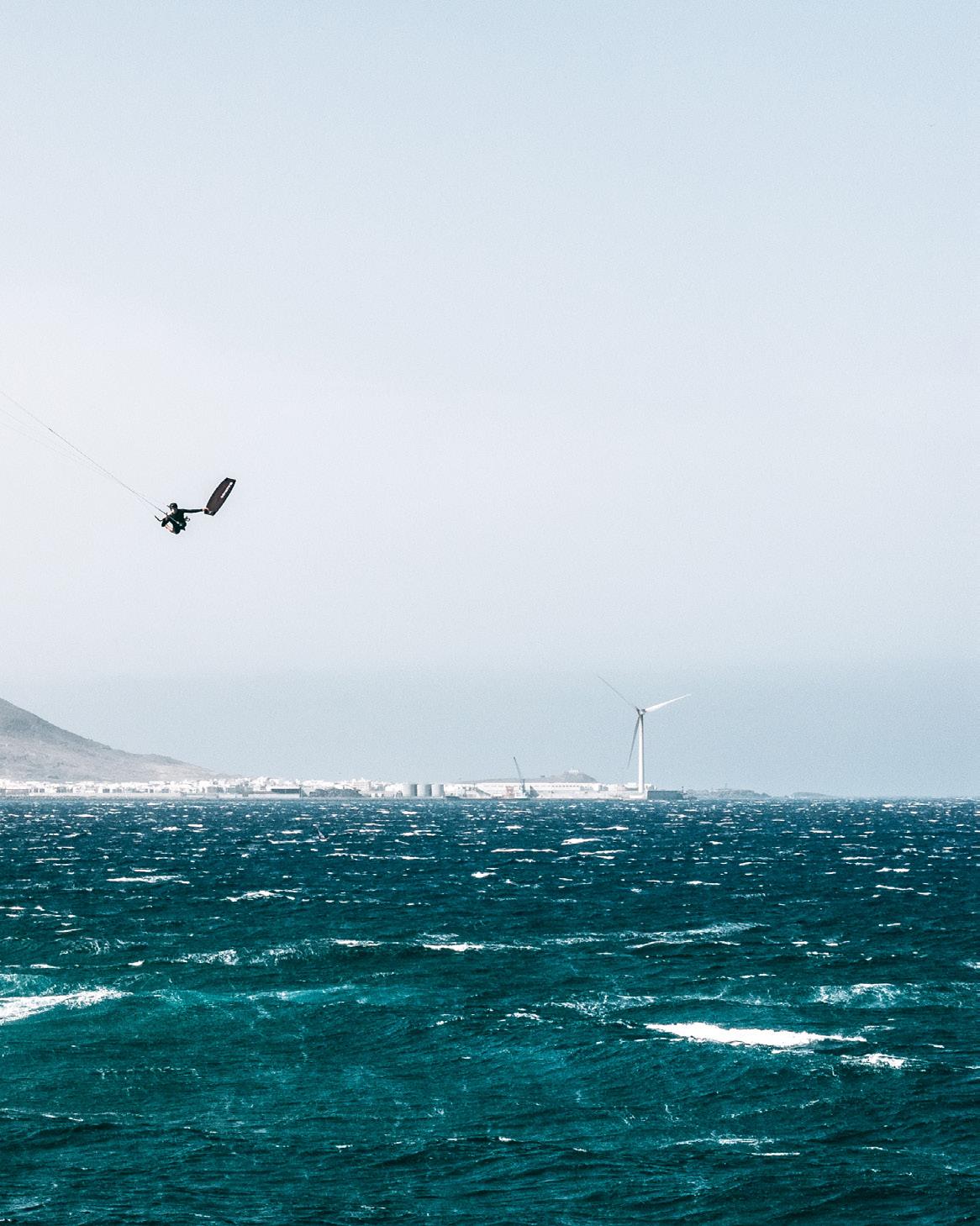
ST: This shot was captured during a last-minute mission with Giel Vlugt, Fabian and Hendrik van der Eems – right at the legendary spot of Pozo. The conditions were raw, powerful and absolutely perfect to unleash the XR Pro 2 for our goal: capturing top-class content for the product release. Hendrik was shooting from land while Fabian chased every move with the drone. Right from the start I could send it to the moon with full confidence – the kite felt insanely lofty, sharp and ready for every limit I was willing to push.

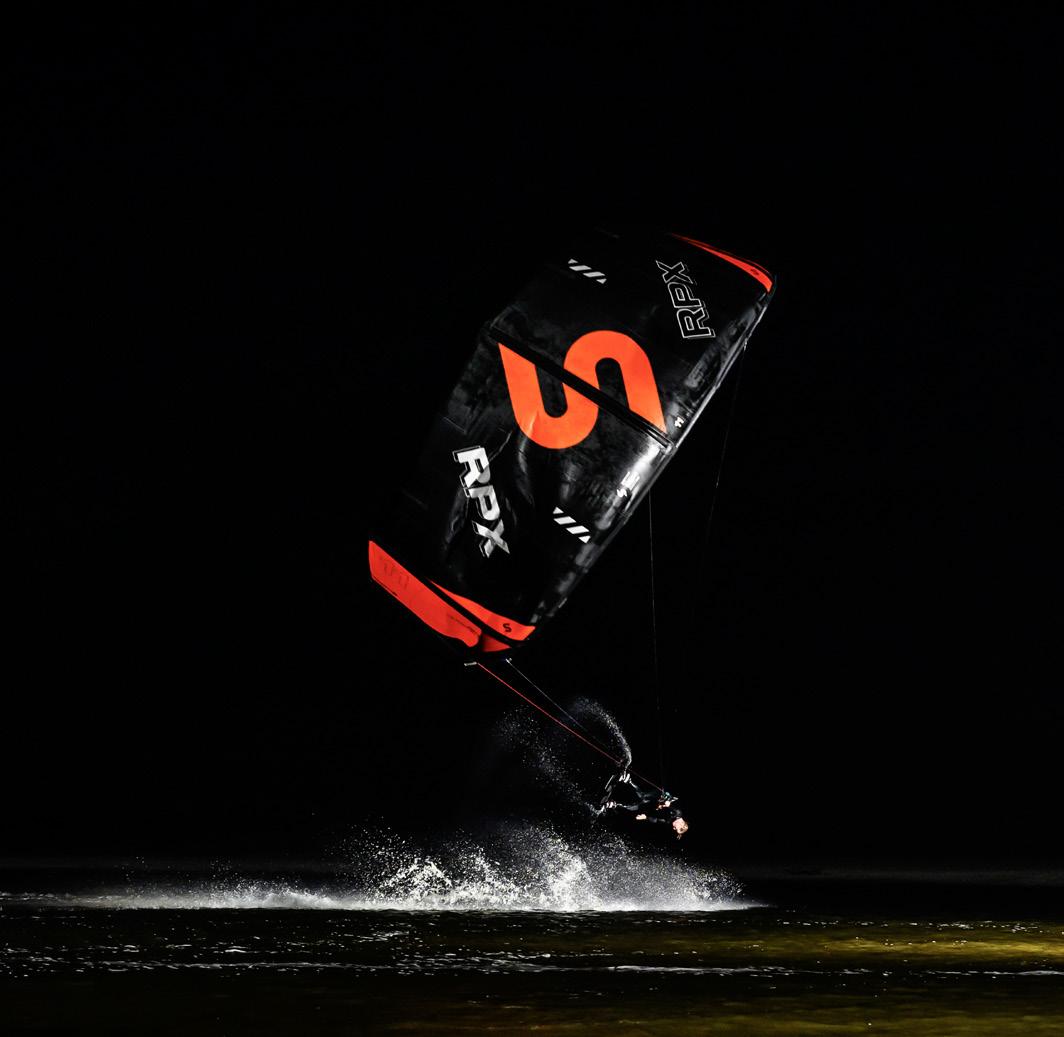
FS: During a night shoot with Patrick, we set out to capture something unique. The Backmobe was the perfect trick – combining a super low kite, massive spray, and a powerful body position that creates both style and tension in the frame. Adding flash units and a spotlight on the car gave the scene extra depth and drama, making this shot possible.
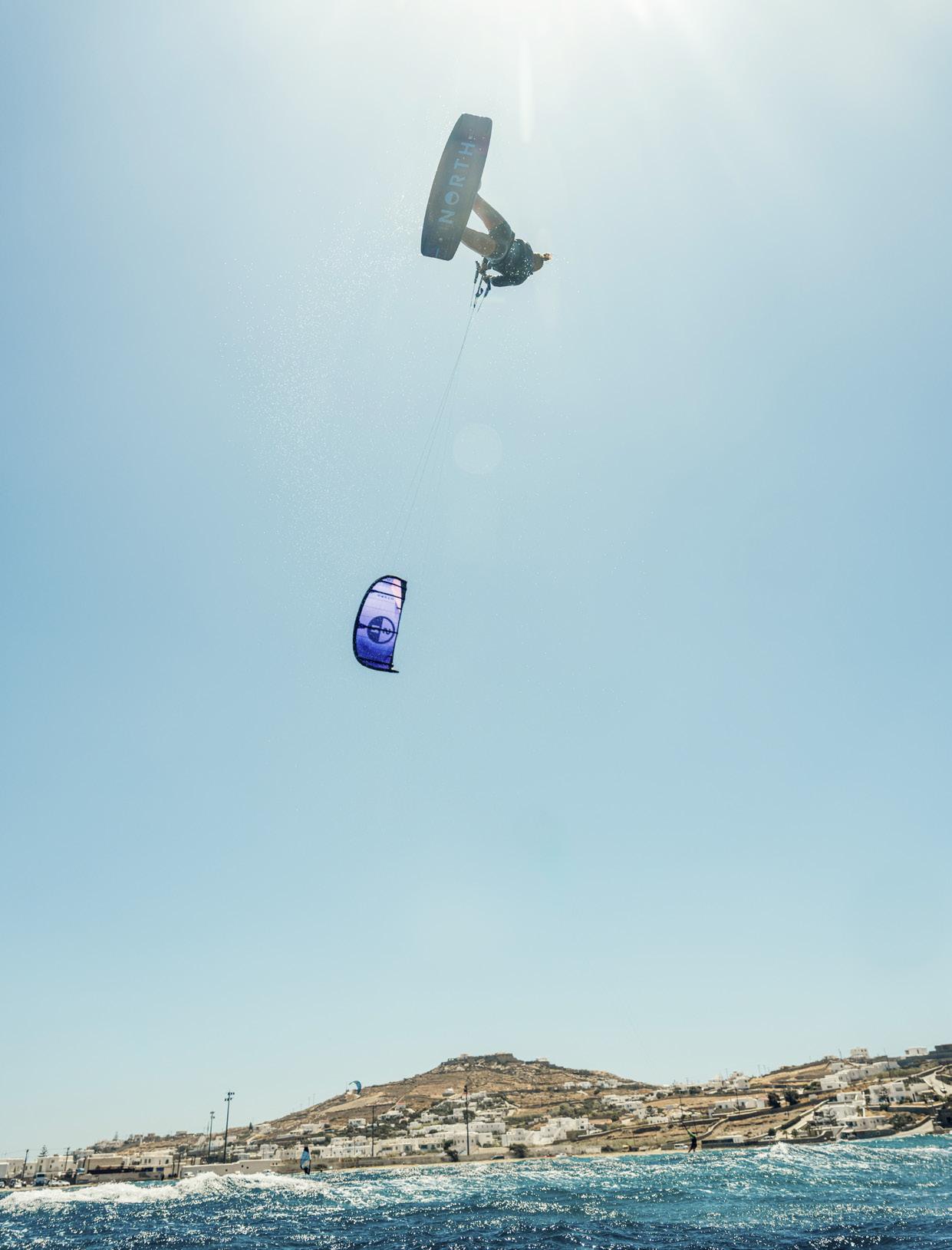
NL: Our trip to Greece, which you can read about later in the mag, was all about chasing Big Air conditions. It helped me train for the Red Bull Megaloop. I was so excited to compete in the first-ever women’s Megaloop – we made history. Finally, we had the chance to ride in the stormy Dutch conditions. These opportunities matter, not just for our own progression, but to inspire the next generation. What we fight for now isn’t only about us, it’s about opening doors so that the next generation can push it even further.
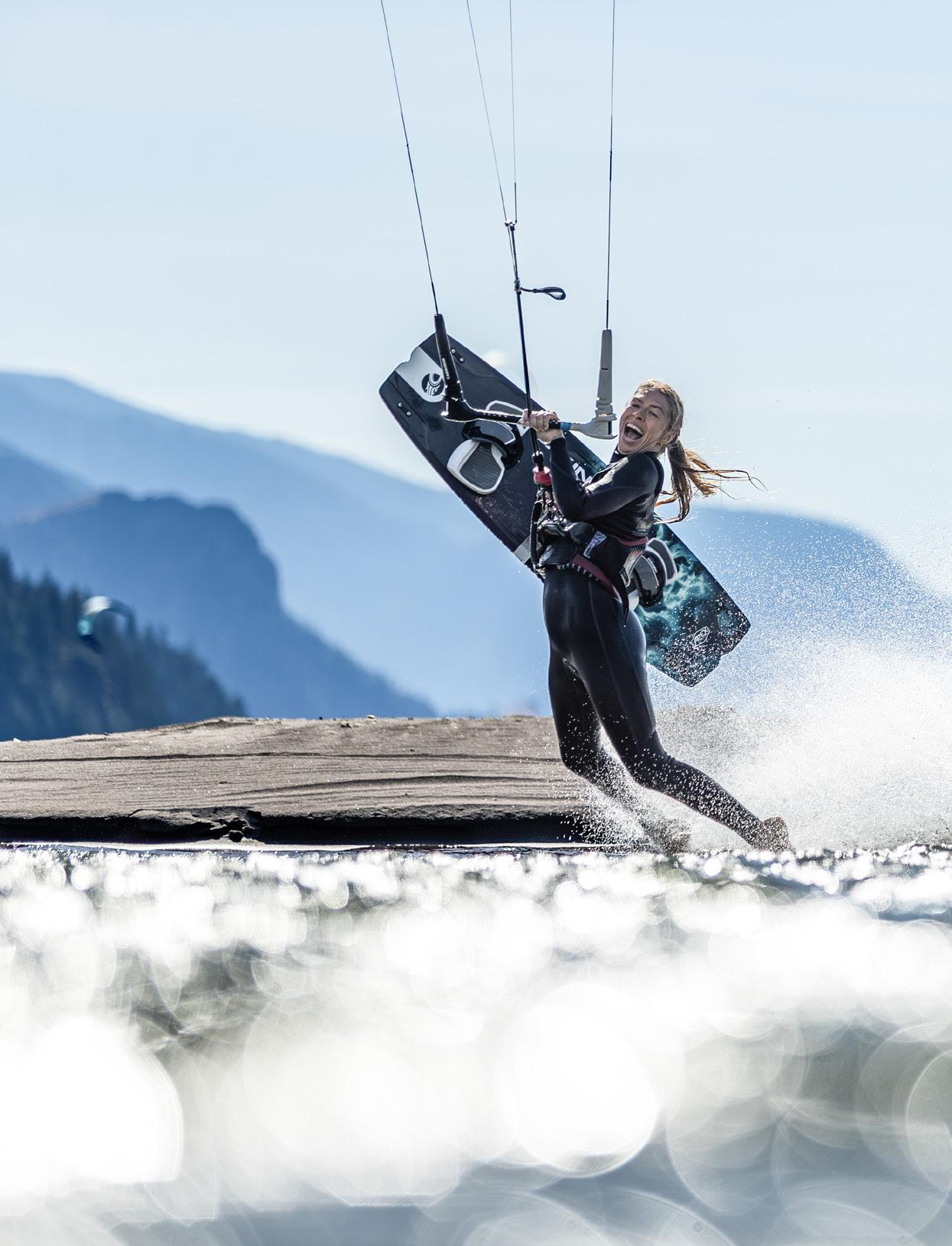
RIDER HANNAH WHITELEY
HW: Just living my best life doing this lizard barefoot slide. Damn, this one feels good. This sand spit in Hood River was the perfect spot for this slide – butter-flat water and empty! What can I say… The lizard slides were going down left, right and center with the obligatory cheesy grin. It’s not about what you do, it’s about how much fun you have doing it… Wishing you a good wind forecast.
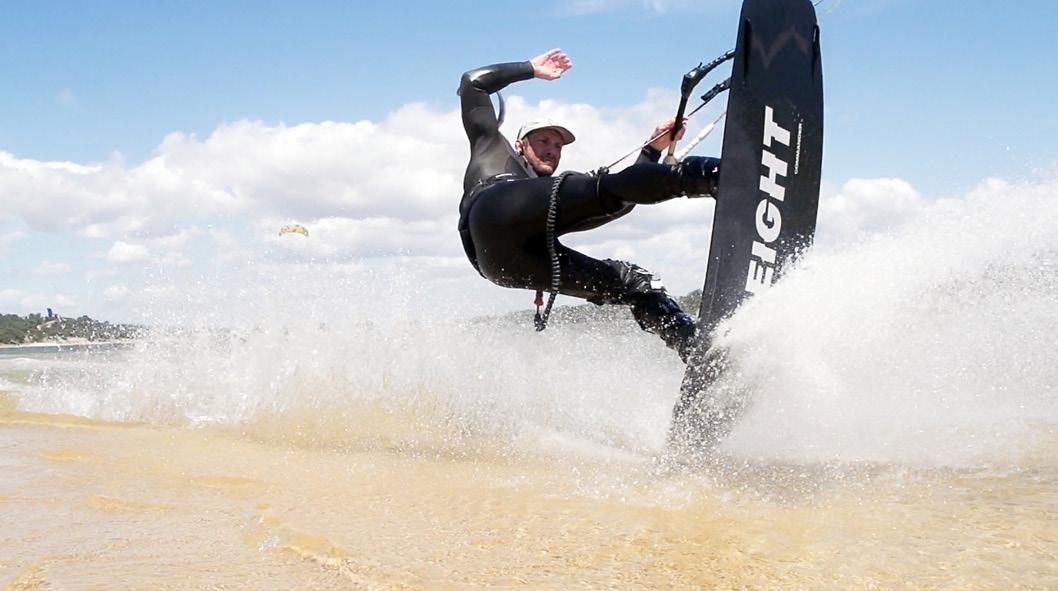
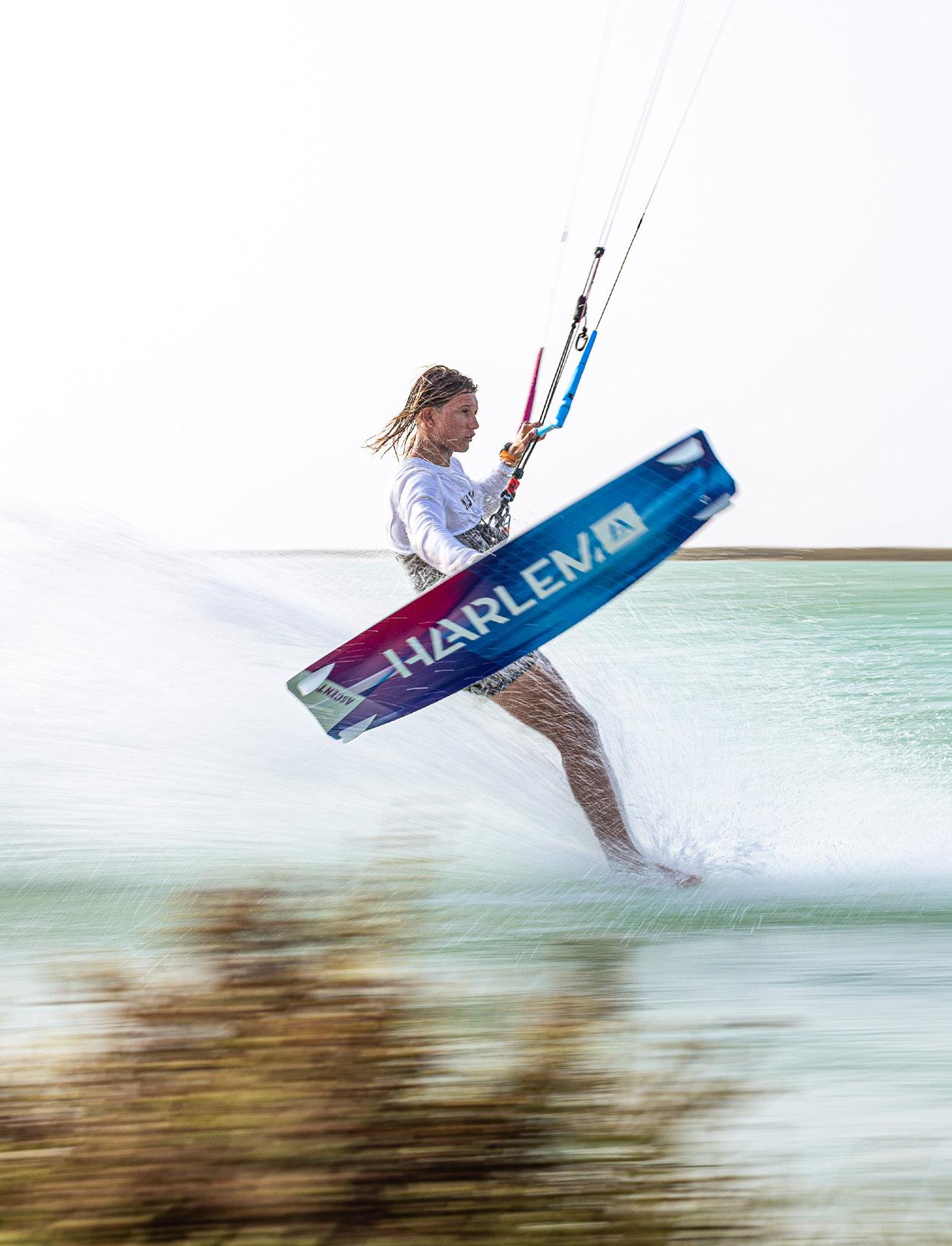
Ryan Goloversic: Sometimes the best sessions aren’t on the main kite circuit, they’re tucked away in hidden corners where the water is glassy and the vibe is just friends and freedom. I recently got to hang out with Chris Bobryk. Here he’s buttering out on his new pro model board, riding a lesser known lagoon on the west coast of Europe. No crowds, no noise, just clean lines, good energy, and a reminder that the best memories happen off the map.
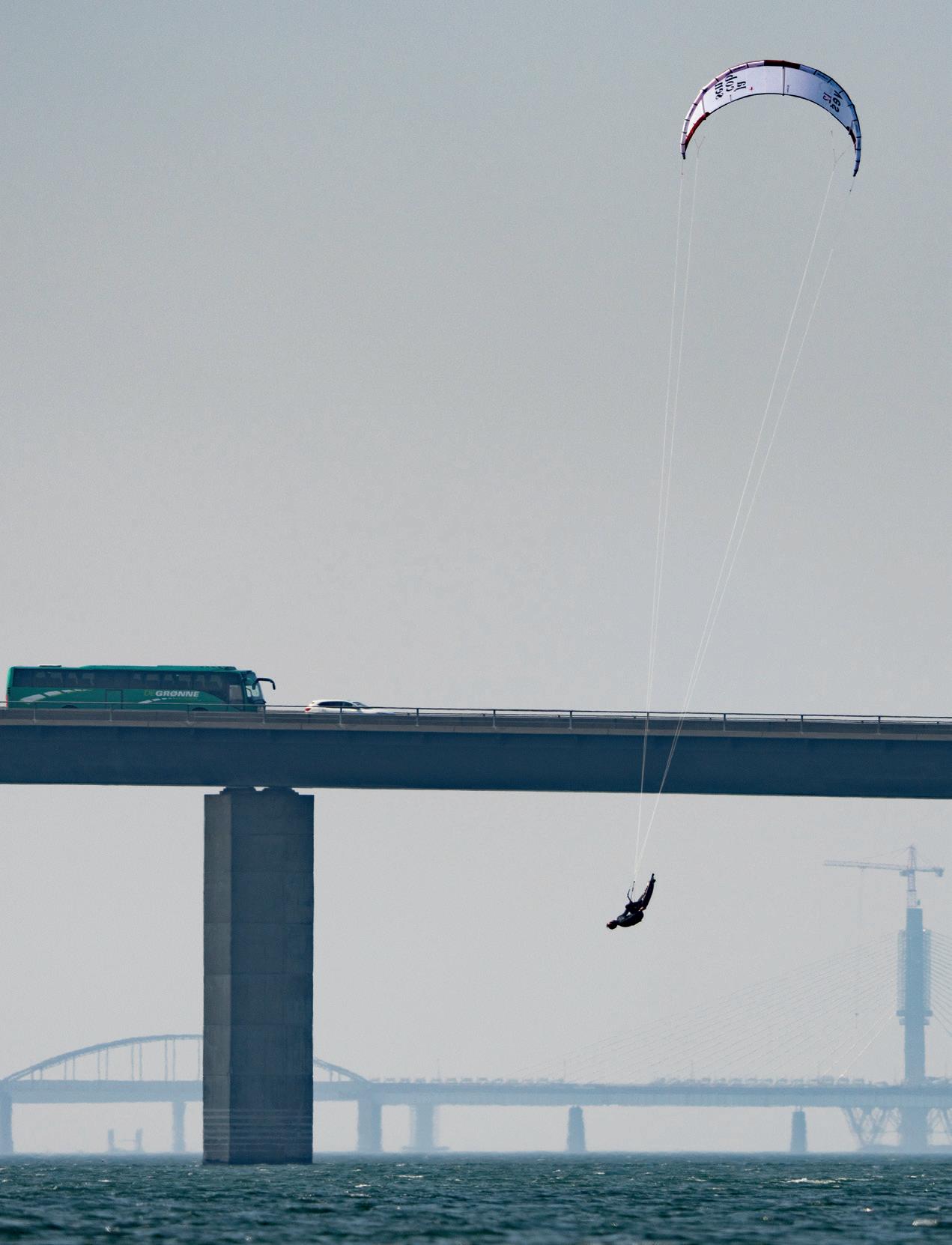
COPENHAGEN
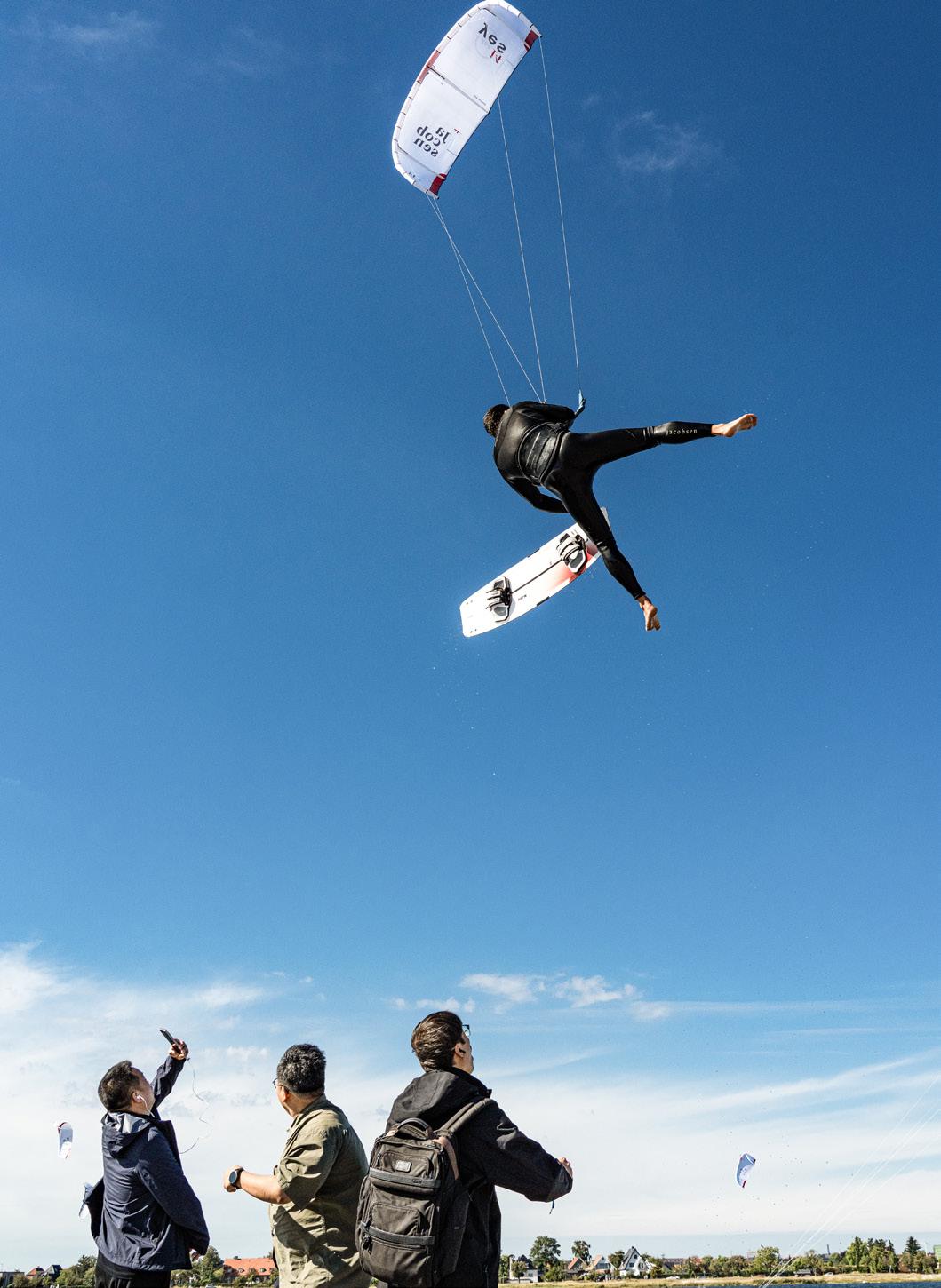
TKM: Have no fear tourists. Nick knows exactly what he’s doing.
BY NICK JACOBSEN
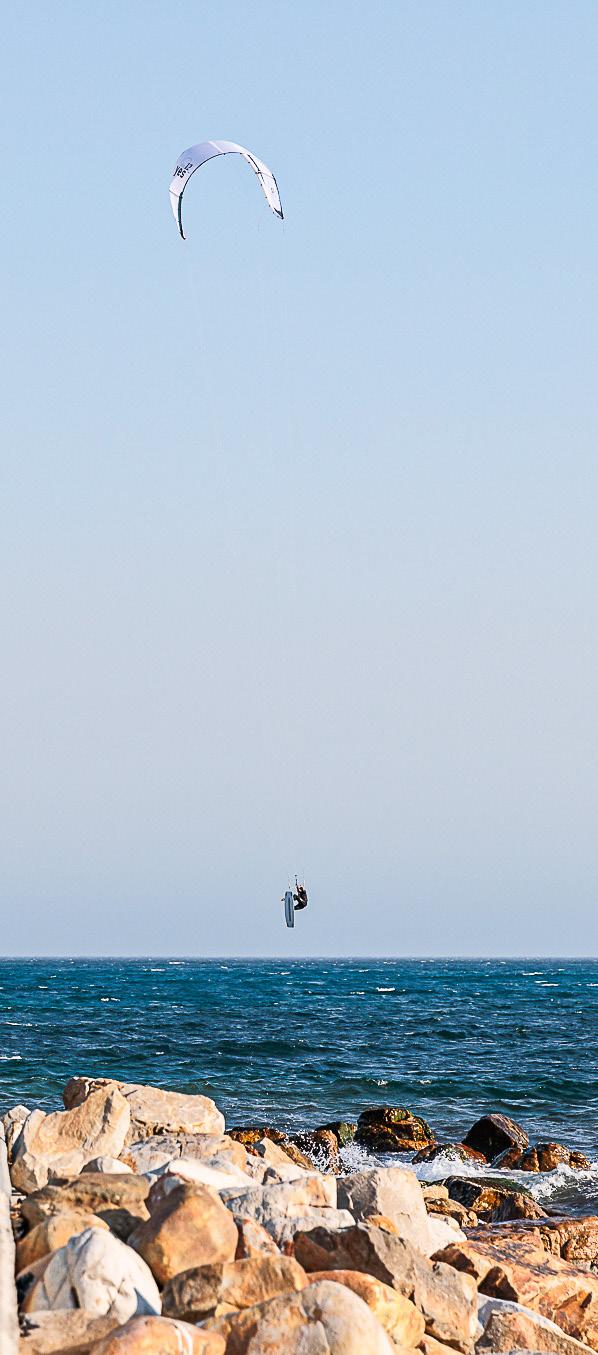
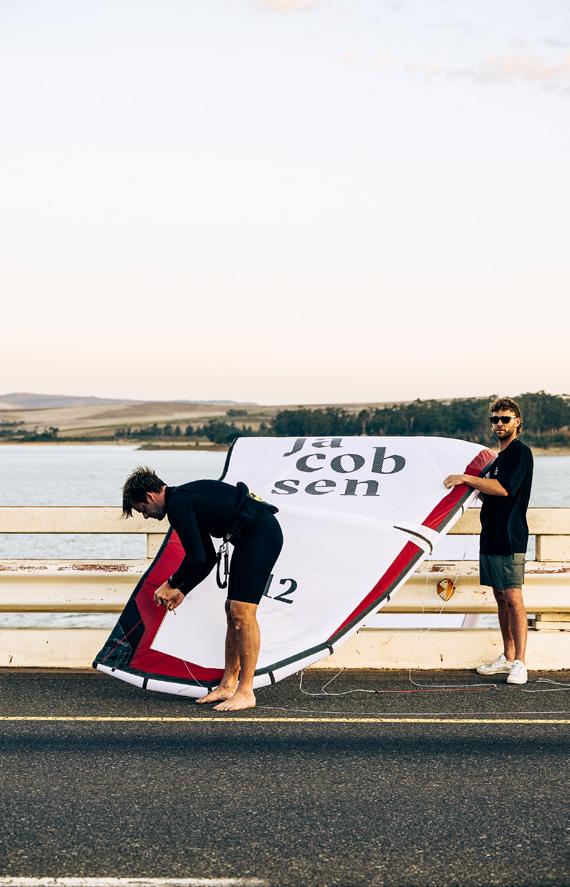
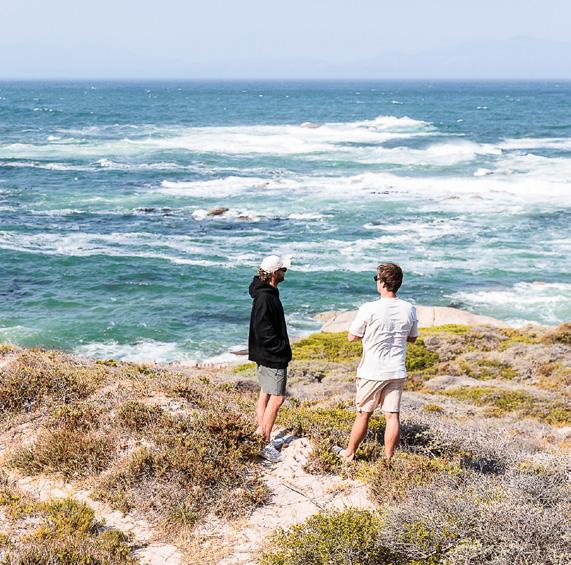
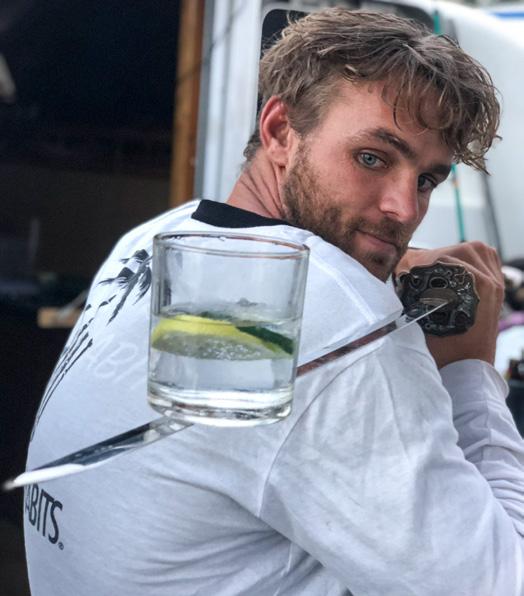
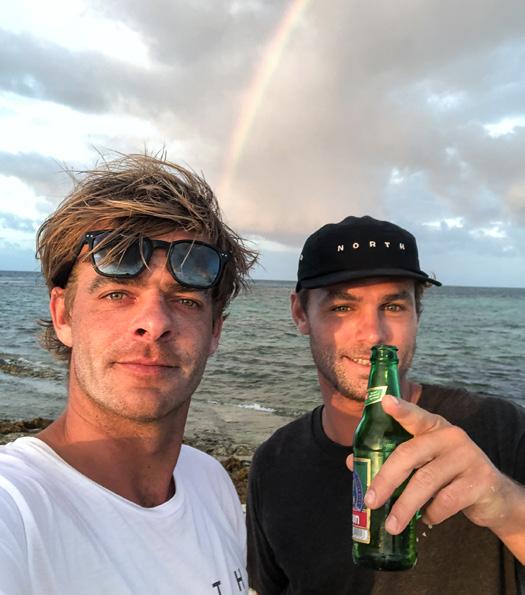
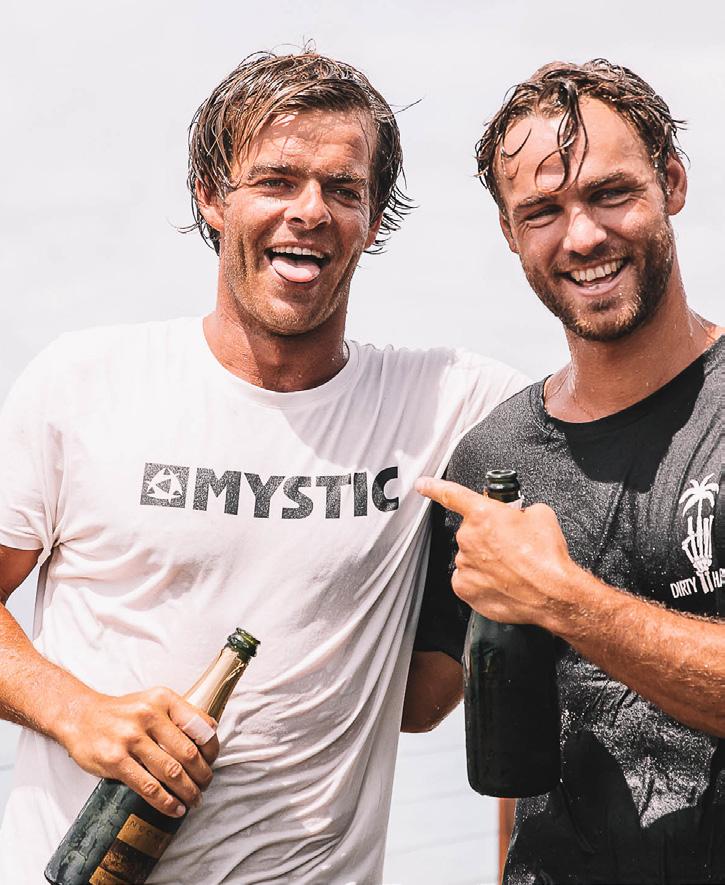
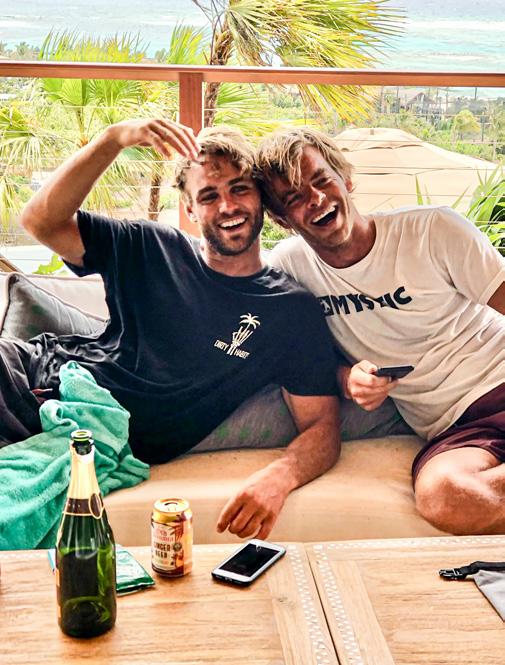
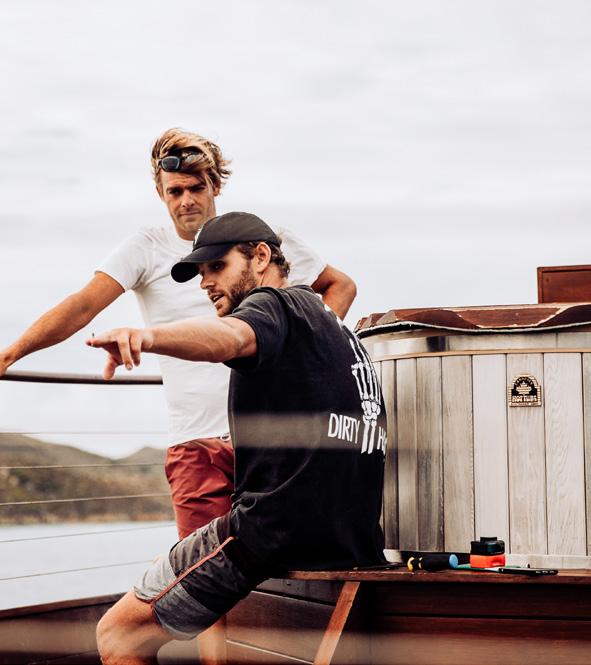
Having Graham as a friend was one of the greatest privileges of my life – something I wish everyone could experience at least once in their lifetime.
I was lucky to know him for over two decades. From a young age, we traveled the world together and shared moments so close it sometimes felt like we had merged into one person. People would often joke that we were like a married old couple, and they weren’t wrong.
The knowledge I gained from Graham was beyond measure. He wasn’t just handsome and well-spoken, he was also one of the smartest people I’ve ever known, though always in his own unique way. He somehow always knew the right thing to do, which drove me crazy at times, especially when he’d remind me with a cheeky, “I told you so,” after I ignored his advice.
I could fill volumes writing about Graham and the bond we shared, but I’ll keep it short.
Graham, you are missed. Every week, every day, and every second. The impact you had, not only on our beautiful industry but on everyone who crossed your path, was truly extraordinary. ■



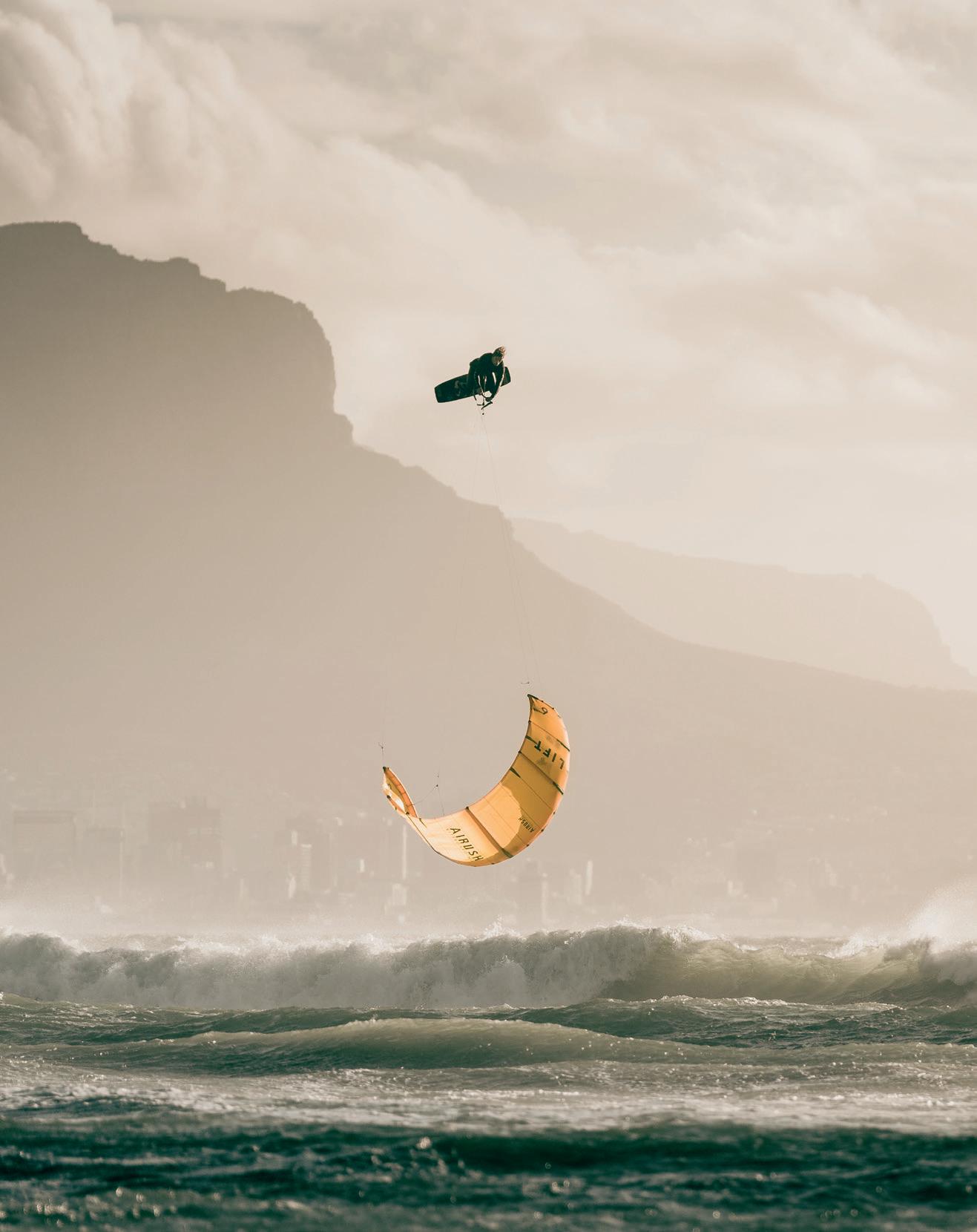
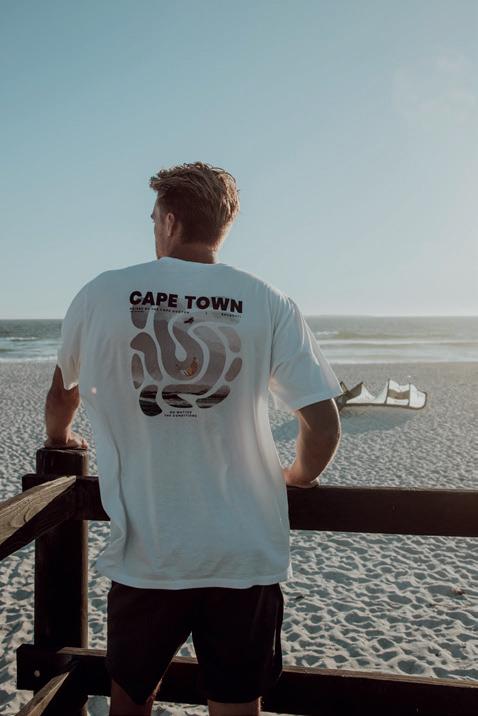
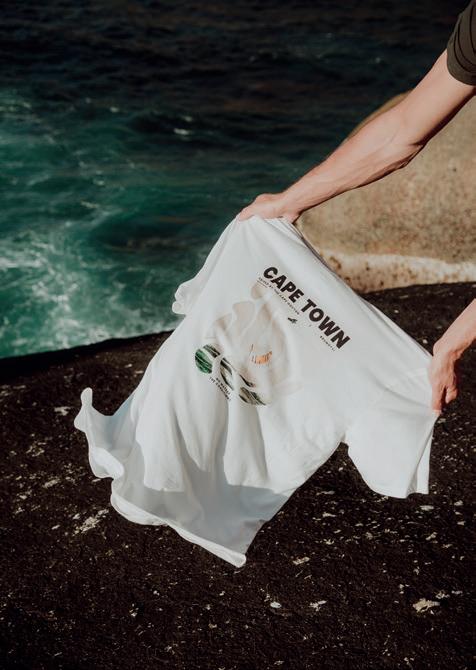
Every product tells a story. Ours starts with people who push the limits, like Jason van der Spuy.
His big air skills and powerful ‘superloops’ have earned him a place among the best in the world. That’s why we brought one of his most iconic moments in Cape Town back to life — as part of the new Hometown Series.
WORDS JAMIE HOCKLEY
PHOTOS FRANCESCA GUIOTTO HOCKLEY
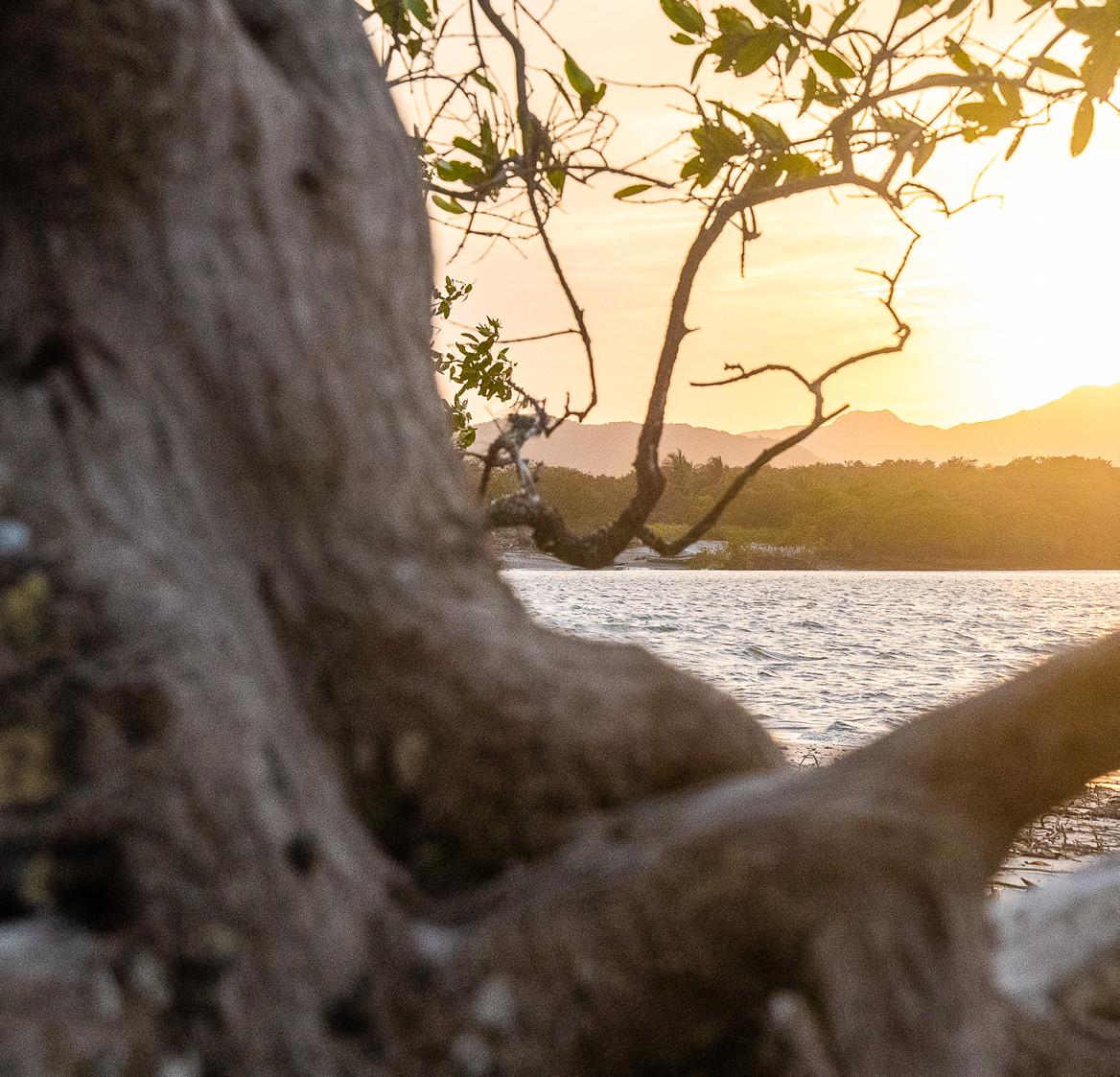
"It is the balance that makes Punta Chame special. Accessibility is simple... Yet once here, it feels remote, a bubble separated from the capital’s hustle and bustle."
The road to Punta Chame feels like a gradual escape from the everyday. Leaving the Pan-American Highway behind, the asphalt narrows, twisting past farmland and lakes before the mangroves open to glimpses of the ocean. As the peninsula reaches into the Pacific, the palms lean to the wind and kites streak across the horizon.
Stepping away from the rhythms of daily life, my wife and I decided it was time to fully commit to the lifestyle we had always dreamed of. We set
out on a sabbatical dedicated to travel, adventure and chasing the wind, determined to tick off the kite spots that had long lived on our bucket list. Panama, with its raw coastlines and steady Pacific trades, set the stage for our first adventure.
Just an hour and a half west of Panama City, Punta Chame offers a striking contrast to the capital’s skyscrapers and rush-hour energy. This finger-shaped 25-kilometer promontory is bordered by the Pacific Ocean on one side and the wide sweep of Bahía de Chame on the other. At its farthest tip lies a small fishing village, where life follows the rhythm of tides rather than traffic. Arriving here, the salty Pacific air hit us first, a gentle reminder that we were far from the city’s rush and slowing our pace almost immediately. Nestled between ocean and bay, this stretch of coast offers a unique sense of space, with one road in, beaches on either side, and the water always within reach.
Herons patrolled the mangroves with quiet patience, while brightly colored iguanas lounged on stone fences, sunbathing like local celebrities. As visiting kiters, we felt a rare combination of freedom and calm, close enough to the city for convenience, yet far enough to leave the world’s noise behind. Where we stayed blended perfectly with the area’s low-key vibe. Simple cabanas, kite hostels, and tucked-away guesthouses all shared the same calm, unhurried energy, letting the sounds of the ocean set the pace for our days.
Early December signals the start of the wind season here, which runs until April, with January and February bringing steady trades of twenty to twenty-five knots each day. Thanks to the venturi effect created by the peninsula and bay, mornings often start strong, taper around midday, and then build again in the afternoon, giving riders plenty of opportunities to make the most out of each session.
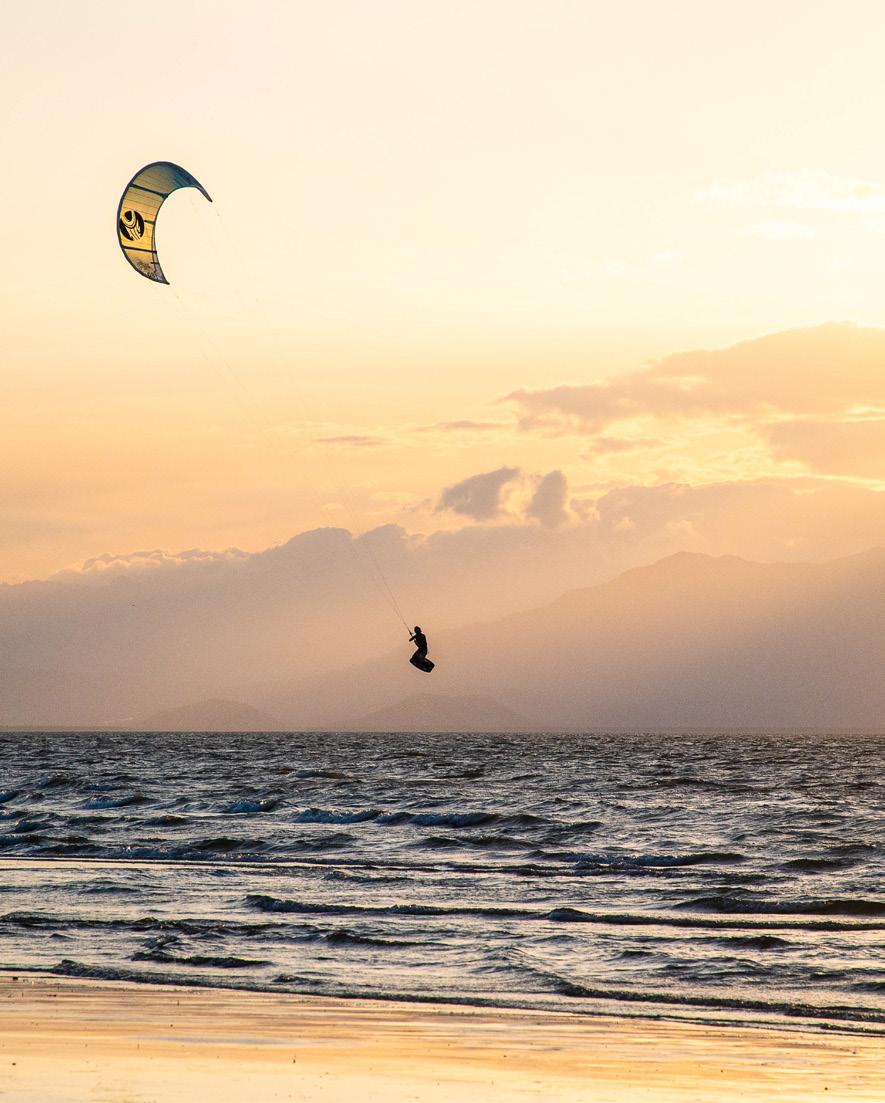
For years, this quiet stretch of coast lingered in the shadow of more famous kite destinations. That changed in 2014, when Punta Chame hosted a PKRA world tour stop and earned its place on the map. Since then, it has grown into a hub for riders drawn to its steady winds and unmistakable Latin American vibe. The community here is wonderfully diverse, from local riders escaping the city for a few hours, to expats fully settled into coastal life, and international kiters chasing winter winds. Weekends buzz with city families enjoying a breath of beach air, while weekdays drift into a calmer, more meditative pace.
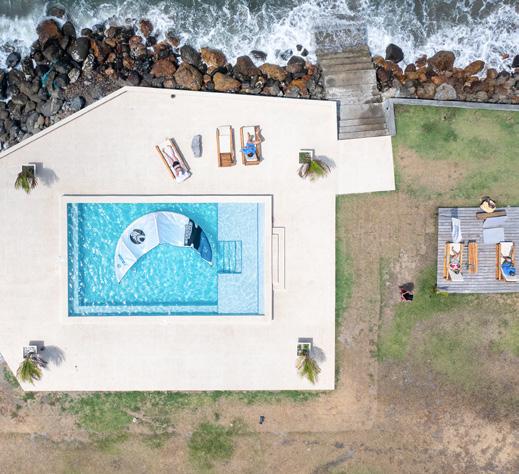
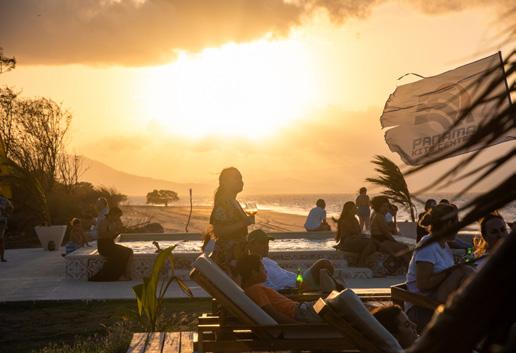
The heart of the kite scene beats at Panama Kite Center (PKC), a beachfront hub combining a kite school and gear rentals working with Cabrinha and CORE, a well-stocked shop, and onsite studios and glamping tents. Part of the same oceanfront venue, the Solé Beach Club serves as the peninsula’s social anchor, offering everything from hearty post-session meals to sunset cocktails with fellow kiters. On weekends, the club comes alive with DJ sets and live music, adding a festive buzz to the laid-back flow. On rest days, we could not resist the new infinity pool, which offered frontrow seats to all the action out on the water.
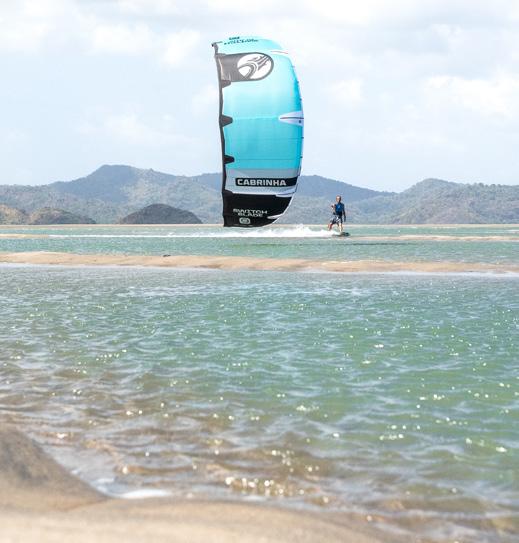
The main kite beach that faces Bahía de Chame is vast, stretching several kilometers toward the fishing village. Low tide turns the bay into a bump-and-jump playground, while higher tides erase the beach and roll out smaller waves ideal for carving and gliding. PKC’s location along this coastline is what sets it apart. A tidal lagoon stretches out in front of the center, with a sandbar and inlet creating a sheltered, shallow-water playground that is ideal for beginners dialing in their first rides or freeriders seeking flat water for that perfect takeoff. Foil and wing sessions start in the bay at low tide, but hitting the inside lagoon near the beach works best just before high tide. Tack smart, and the whole bay unfolds, letting you slice upwind to the very tip.
For variety, Punta Chame does not disappoint. Isla Taborcillo, famously dubbed the “John Wayne Island” after the Hollywood star that once owned it, is a short boat ride across the bay. The island reveals kilometer-long butter-flat tidal pools accessible only during spring low tides. A kite safari timed to the lunar calendar sent us weaving across sand spits, sliding through narrow channels, and drawing lines across glassy lagoons together, an experience that stays with you long after the wind dies down. For downwind lovers, two more lagoons lie just a short ride from the main
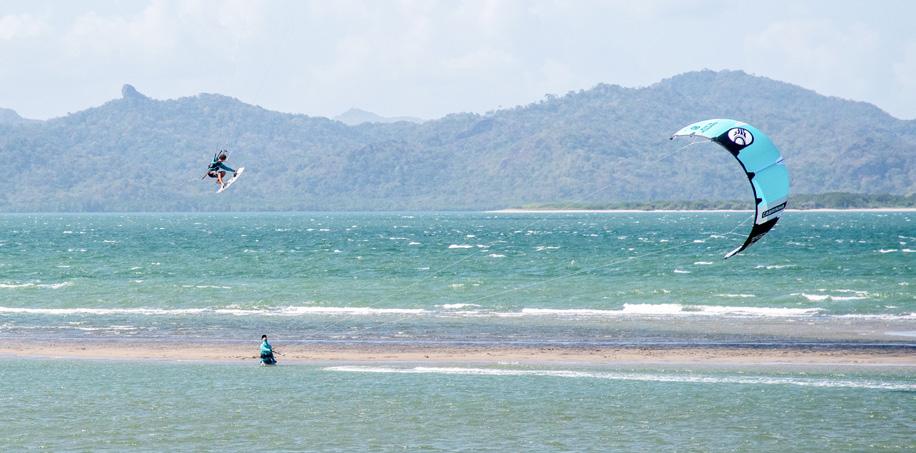
beach. The smaller one is a 10-minute dash, while the larger river-mouth lagoon, with two protected sandbars nearby, becomes a dream playground for freestyle riders chasing flat, quiet water away from the crowds. The spot started turning heads as a freestyle destination after appearing in the series Hidden Lines, chronicling Nick Jacobsen, Kevin Langeree and Youri Zoon as they ticked off bucket-list destinations, including Panama.
ashore to swap stories over a cold beer. For those craving more adventure, this corner of the coast delivers. Surf trips to the nearby Playa Caracol, waterfall hikes and island boat tours keep the adrenaline flowing. A sunrise hike treated us to sweeping views of the bay and ocean, while the mangroves and wetlands revealed a hidden world of birds and wildlife. We spent hours cliff-jumping and swimming in the natural pools of the Chame Canyons at Las Cajones, completely losing track of time.
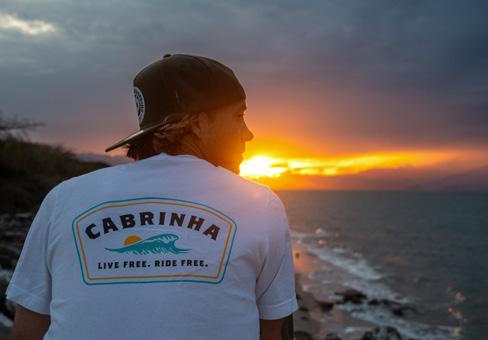
Off the water, Punta Chame keeps the pace easy. Days stretch into hammock hours, seafood lunches linger into the afternoon, and sunsets deserve their own daily ritual. With the Pacific glowing gold, riders often stay on the water until last light, before drifting
It is the balance that makes Punta Chame special. Accessibility is simple, fly into Panama City, drive west, and you can be riding the same afternoon. Yet once here, it feels remote, a bubble separated from the capital’s hustle and bustle. The conditions are consistent, the variety keeps sessions fresh, and the vibe remains refreshingly low-key compared to destinations that have tipped into overcrowding. Punta Chame strikes that rare balance of convenience and escape, a place to push your riding, discover new spots, or simply let the days drift without agenda. For those chasing winter sun, progression, or just the reset that comes with saltwater and space, this is Panama at its most authentic. ■
Getting There
Fly into Tocumen International Airport (PTY). Then rent a car or PKC can organize a transfer.
Staying There
Stay at PKC or there are a number of cabanas, kite hostels and guesthouses nearby.
Rubber
No wetsuit needed!
Beer
I would say the best beer is Balboa – it is a Panamanian pale lager.
In the Bag
9 and 12m
Most Likely to Hear
A wide variety of international languages.
Least Likely To Hear
The hustle and bustle of Panama City.
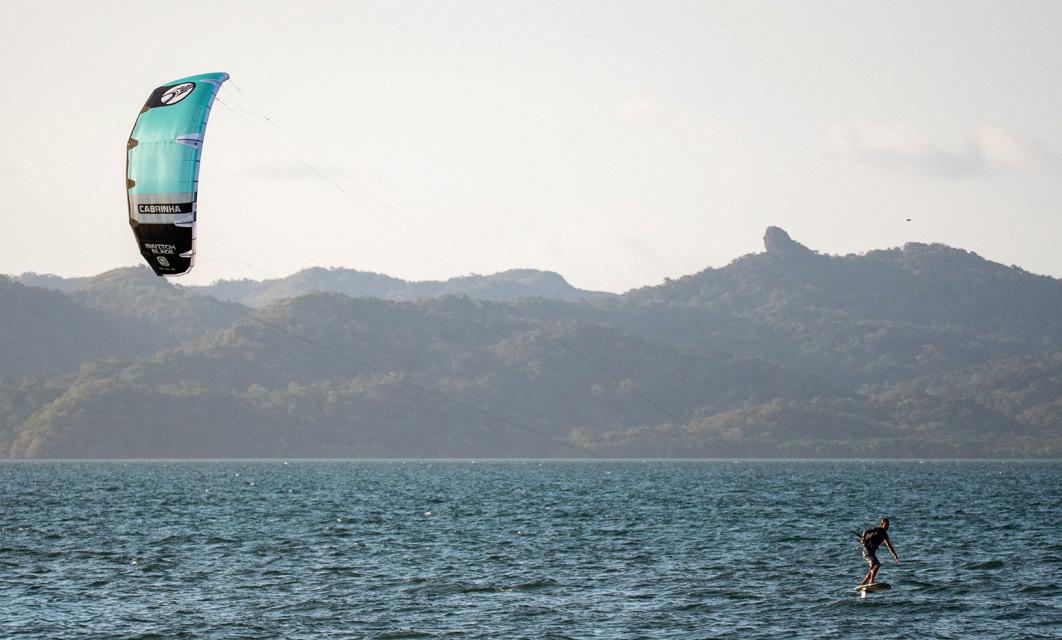
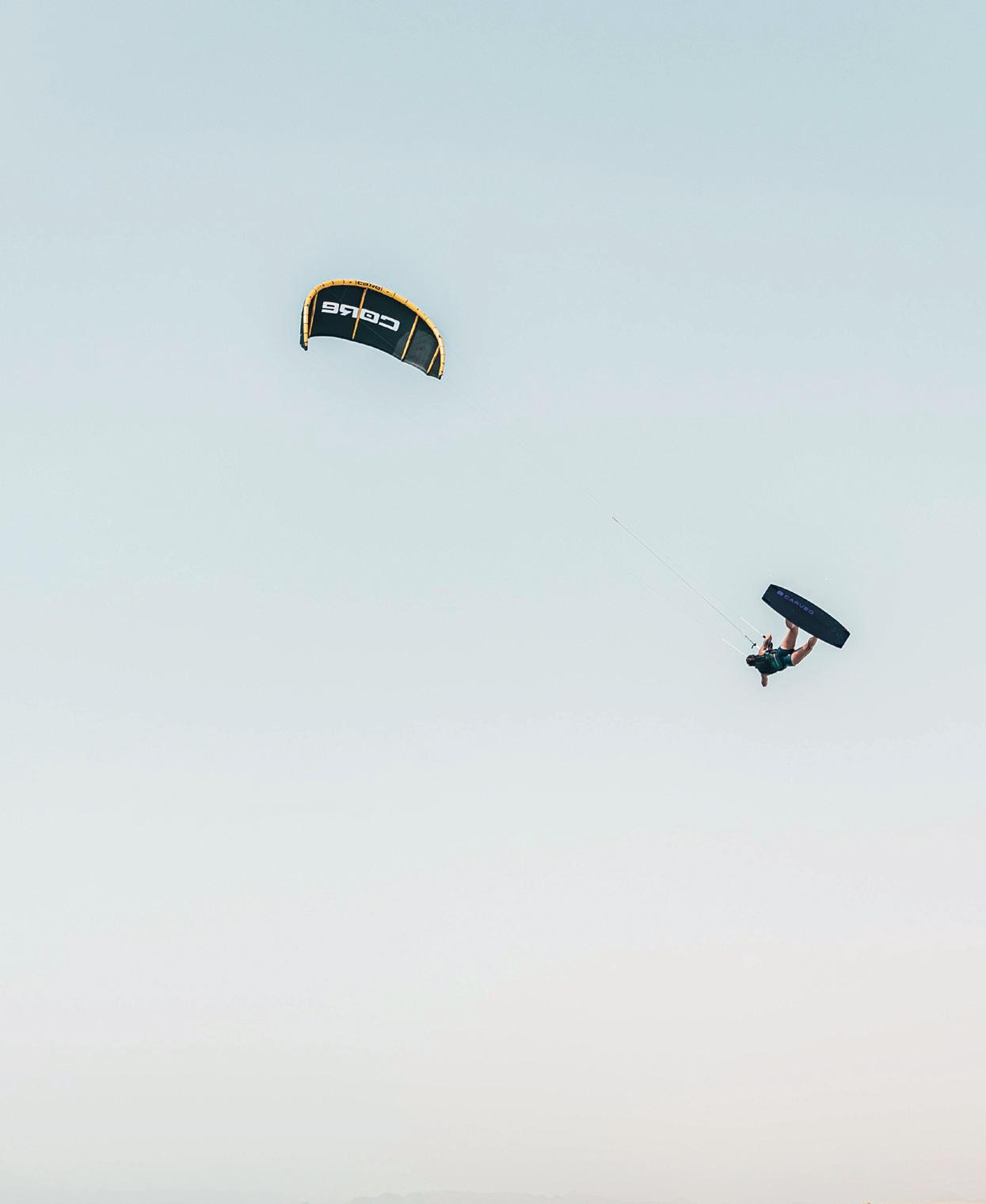

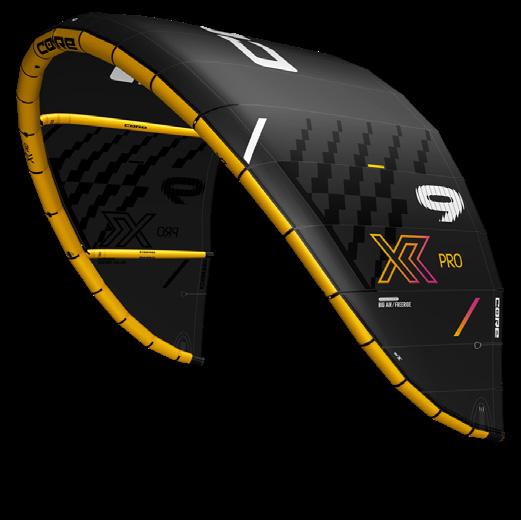
September saw Zara Hoogenraad crowned the first women’s Red Bull Megaloop champion. She achieved this success on the CORE XR Pro and her boyfriend, Giel Vlugt, reached the semifinals at the same event using the newest version of this kite, the XR Pro 2. Time to find out more from them about this latest release from CORE.
PHOTOS NIKOLA BAGAROV
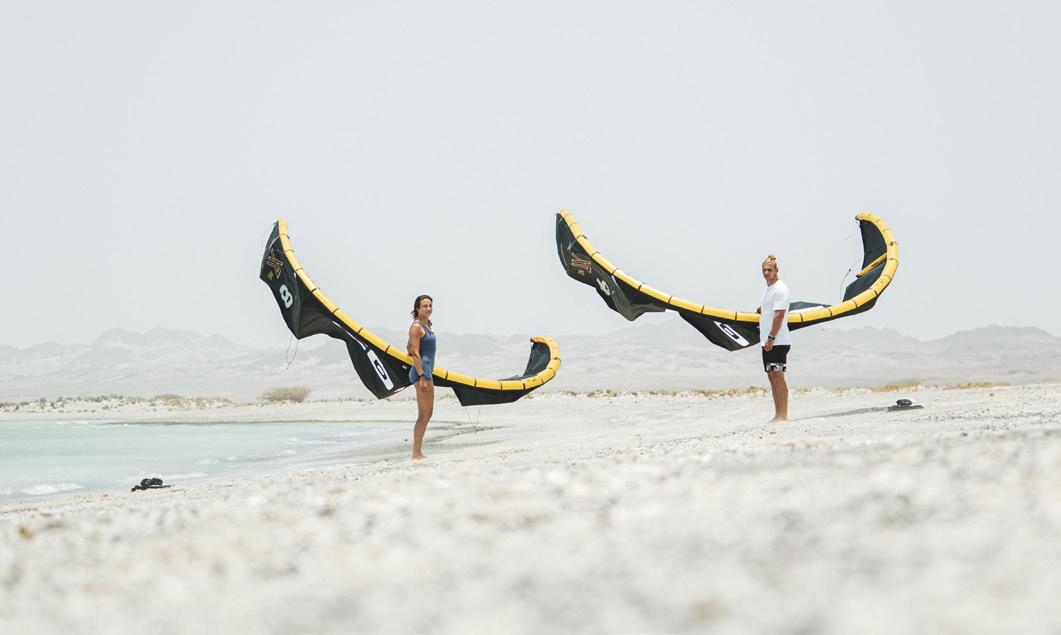
Zara: I’ve been riding the XR since I joined CORE in 2021. I started with the XR6, learned my first loops on it, then moved to the XR7 when it came out and later the XR Pro. What I love most about the XR Pro is how high I can go and how extreme I can make it look. The power in the loop with the right kite angle gives me so much adrenaline. I love it!
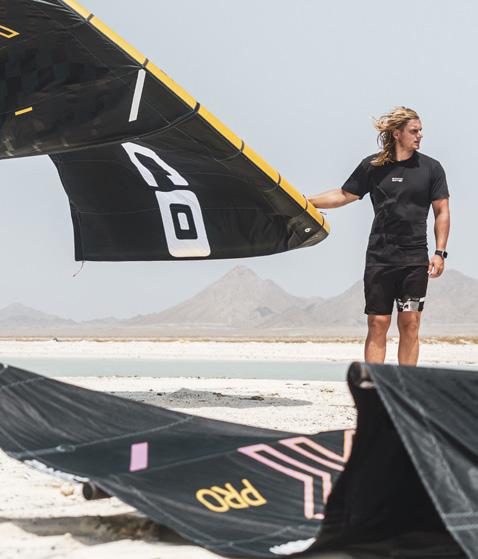
Giel: I started riding the XR five years ago, and historically they’ve only changed a little. However this year there have been plenty of changes and the XR Pro 2 has taken a serious leap! I love the XR Pros – I love the power, hangtime and boost that’s just unparalleled.
Frank Ilfrich [the Designer] and his team somehow managed to get more lift, more hangtime, less bar pressure, and quicker steering from the new version. It’s more intuitive and lighter on the bar allowing for easier handling. But the kite is still an absolute rocket. A record breaker for sure!
Zara: I haven’t ridden the XR Pro 2 a lot yet, but I could feel the difference straight away. It takes everything to the next level – more height, smoother loops, and you get that extra lift in the downloop. It makes the impossible feel easy, which is exactly what you need in Big Air.
Giel: We have been testing for Frank and been giving feedback. However Frank and his team have been calling all the shots and making the changes. But I believe that’s how we manage to achieve a better product – rider feedback and designer tweaks. That’s the way to go!
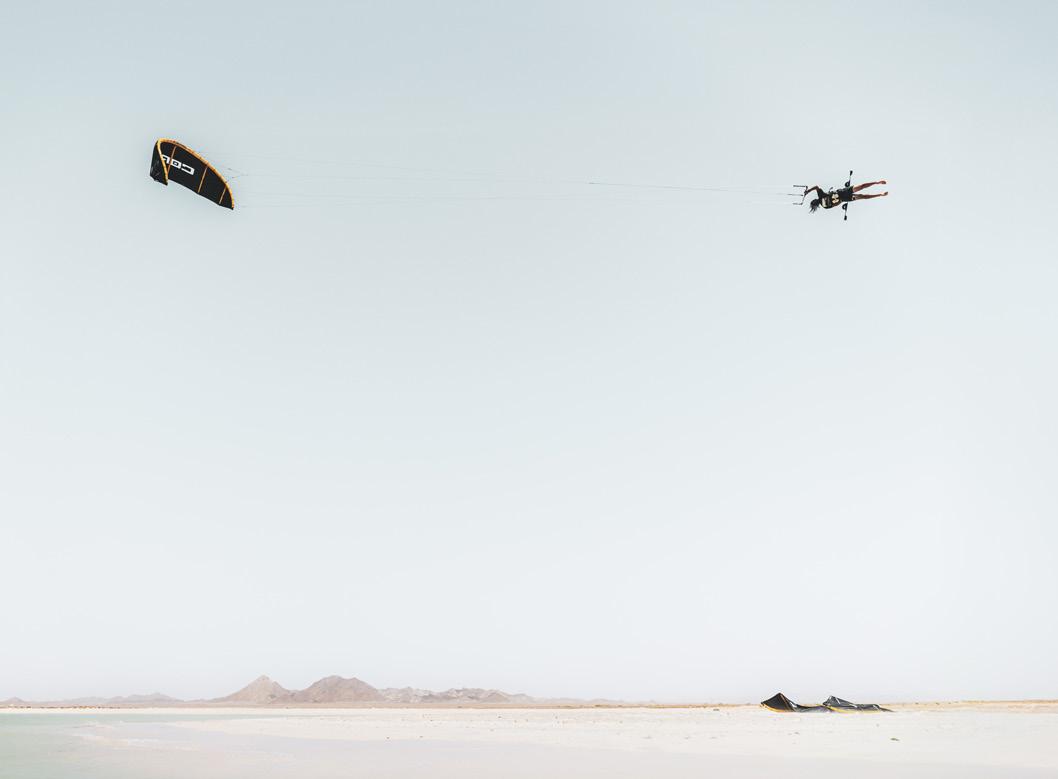
We have both been injured recently and couldn’t kite for a while. So I was sad I couldn’t give the team more feedback since the testing timing was exactly when I was injured. In the end it all worked out because in my opinion they knocked it out of the park!
Zara: I’ve just come back from my injury, so my recent focus has been getting back to my old level and being ready for the Red Bull Megaloop. I rode the XR Pro 1 at the Megaloop, because I didn’t want to switch to a kite I didn’t fully know yet. But the XR Pro 2 is the kite I’ll be pushing on now that I’m back.
Giel: I was riding the XR Pro 2 at Red Bull Megaloop, getting some of the highest loops in while weighing the most and being on an 8m like almost all other riders. I will definitely be using this kite for the next competitions. Apart from double looping – there I will stick to my Pace Pro.
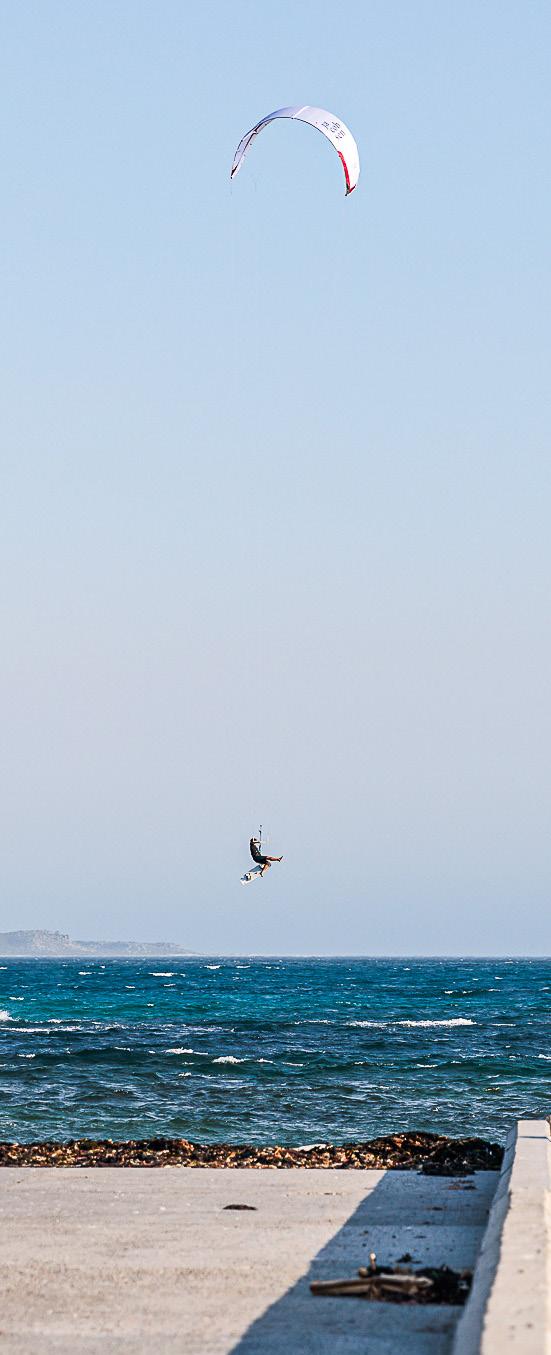
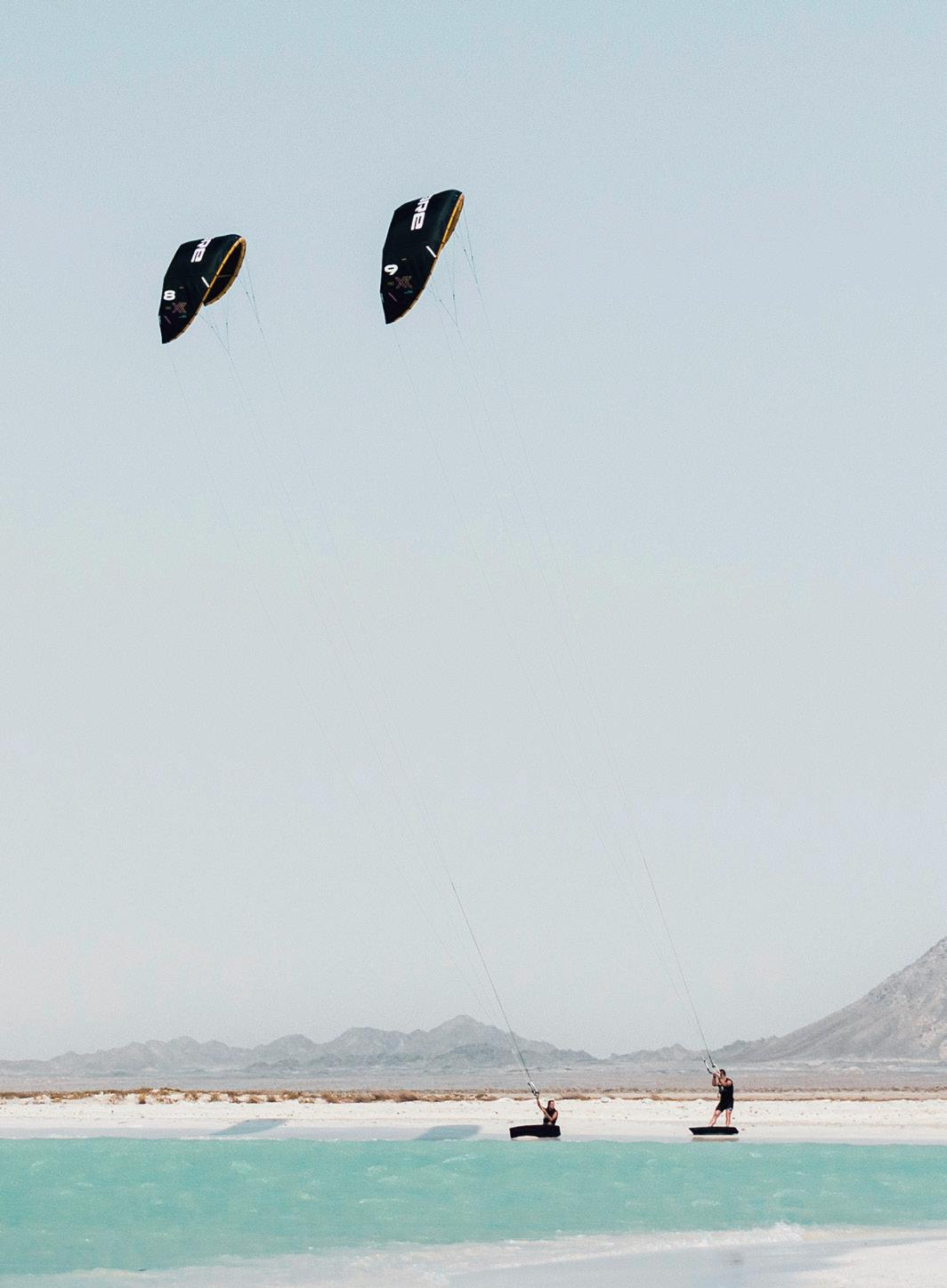
We recently visited Oman where these photos were taken. It is always a really nice trip – away from the crowds and pressure but just enjoying the moment and enjoying kiting. However this year wasn’t as windy as it normally is so we booked our return flight a little sooner as Tarifa was cooking up some Levante storms!
Zara: Oman was my first trip after the injury and the first time Giel and I were back on the water together. The place is always beautiful –blue water, super nice people and enjoying fresh lobster every night.
Now it’s all about training and enjoying some time at home in Tarifa and competing when the wind decides to hit competition spots. At the end of October, it’s back to Cape Town to start preparing for the biggest event of the year – the Red Bull King of the Air. ■
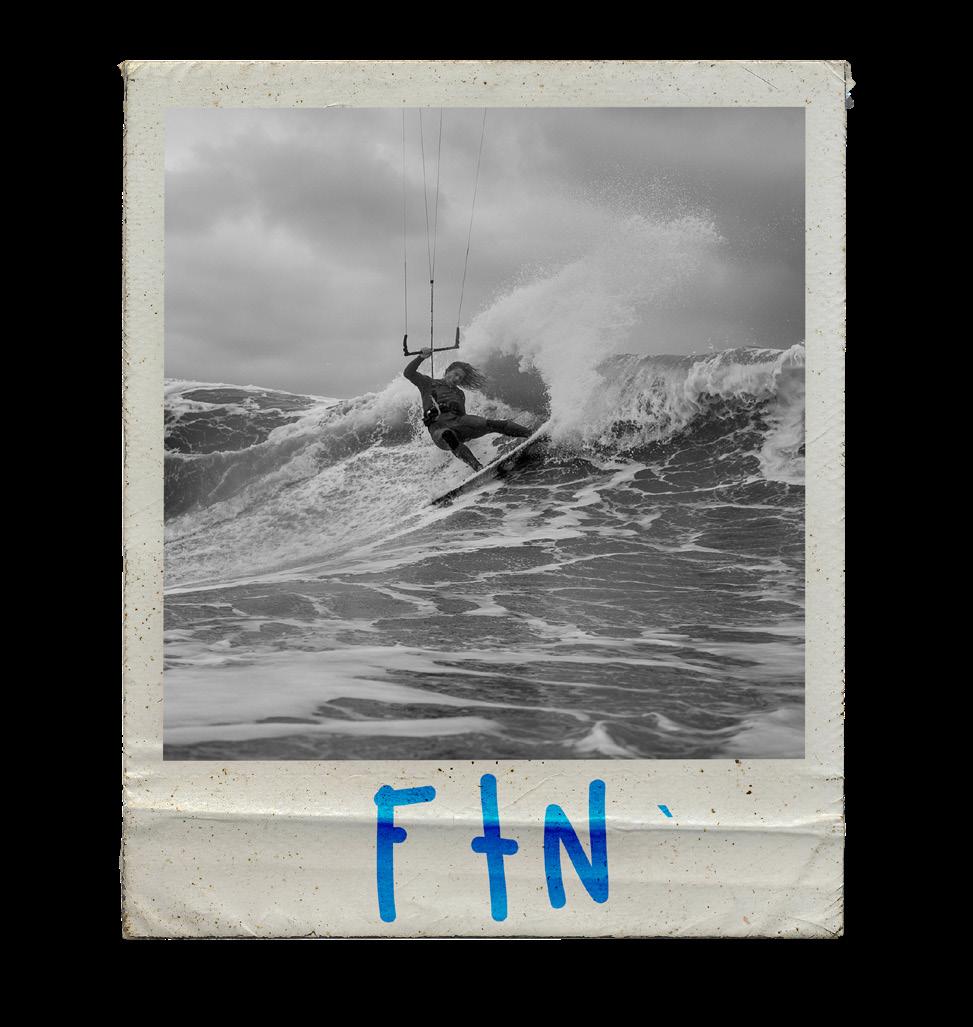

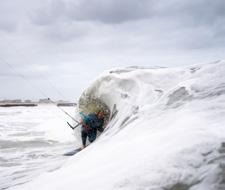
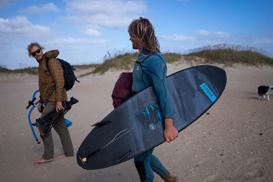
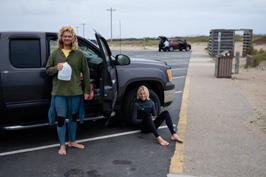
Reider Decker, shot on an old-school camera by Michael Davis and released as a longer-than-average edit, makes for a refreshing change. Reider talks us through how the film came about.

How does it start, again? Straight joy. Excitement, entertaining.
How does it end? Burnout from doing it too much. Frustration from lack of progression. Boredom from doing the same thing. Tiredness from dealing with repetitive injuries.
You keep going, until you can’t go anymore. Where was it?
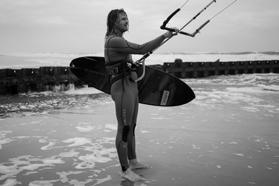
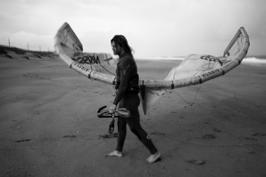
I grew up at our Sail Shop in Hatteras NC, surrounded by kiters and windsurfers. I was the youngest of our grom squad. Morgan Skiperdene and Evan Netsch were crushing it, progressing to be sponsored kiters competing at a high level.
This was just past the era of two-line death buckets – inflatable kites with no depower or safety releases – which had an affinity for lengthy unintentional body drags to the shore or into hard objects. When four-line kites
to becoming “pro”, magazines, short edits, and full movies. There was a lot of excitement for the growth of the sport. There was a resounding feeling that kiting was going to hit the masses one day.
At that time, I couldn’t do a front-to-blind to save my life on my 2004 Cabrinha Blacktip, and I am not sure if I could now either. I was a chubby teen with kiting as my only outlet. I wasn’t catching many social cues and was awkward outside the shop setting. This is pretty standard for that age, but it made kiting feel really important. It was the only thing I enjoyed. Once I took it too seriously, however, the fun went away and my drive to kite left with it.
The fun came back with kiting strapless. We got a Nobile skimboard, just to fill a board order, and I found myself on it all the time. At first, nothing felt right or wrong when strapless
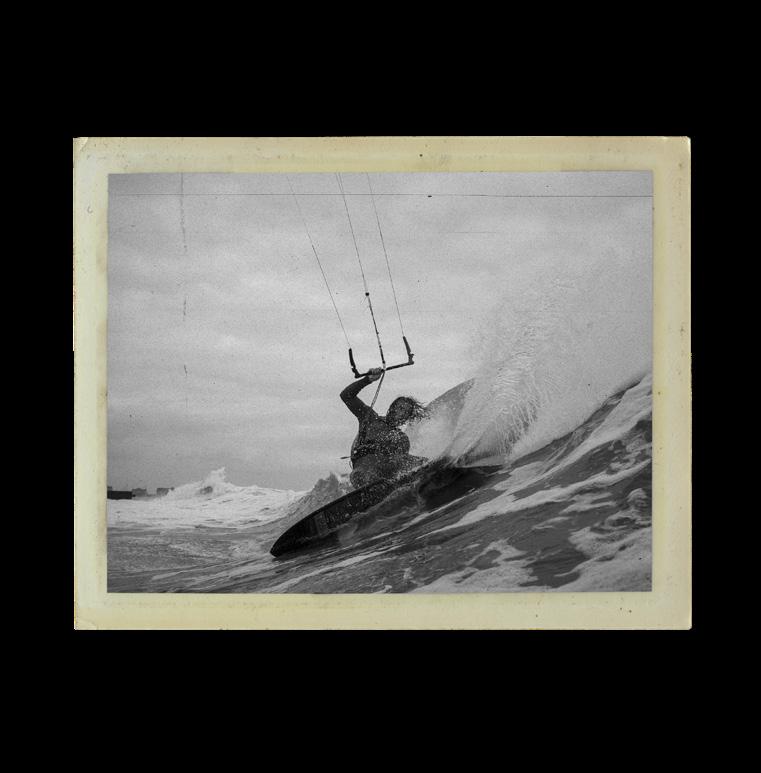
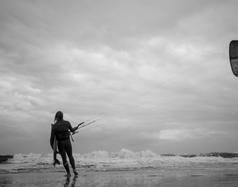
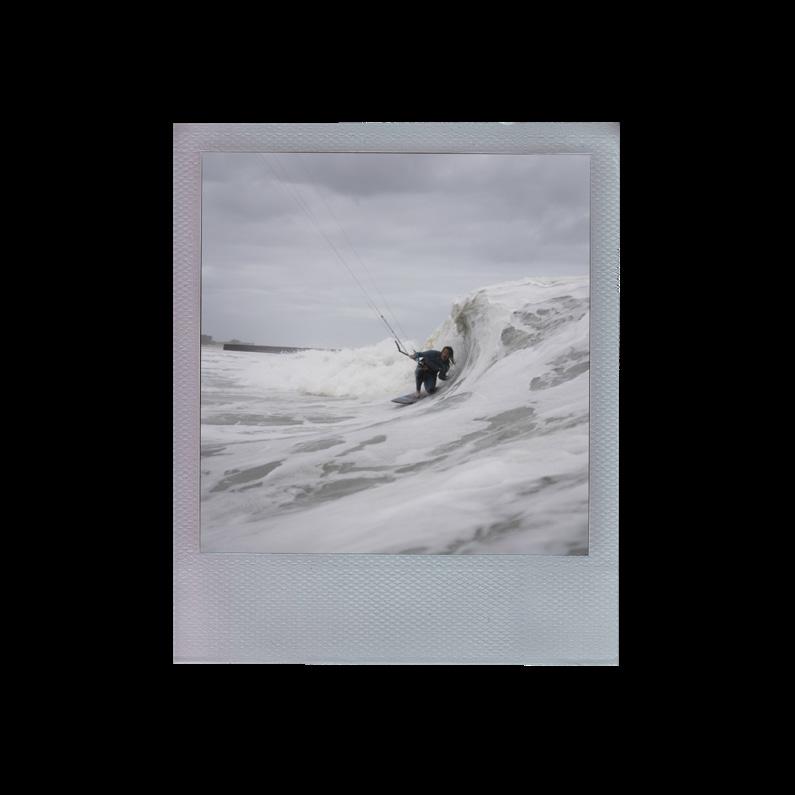


overconfident, looking back. The conclusion I reached was: “Never lose a passion by taking it too seriously and losing what made it a passion.” Athletes all over the world are able to take their sports seriously and still love them simultaneously. It is hard, but, as shown by many, it’s possible.
The skimboard I rode switched to a surfboard
see a lot of different places. After traveling a bit, I was surprised with how good Hatteras was compared to a lot of spots. Short of world class wave spots, Hatteras has most everywhere else beat, and you never have to fight for waves. Competing was fun and the community was great, but traveling a long way to end a comp running up the beach on a 12m underpowered felt a bit anticlimactic (how the last two of the
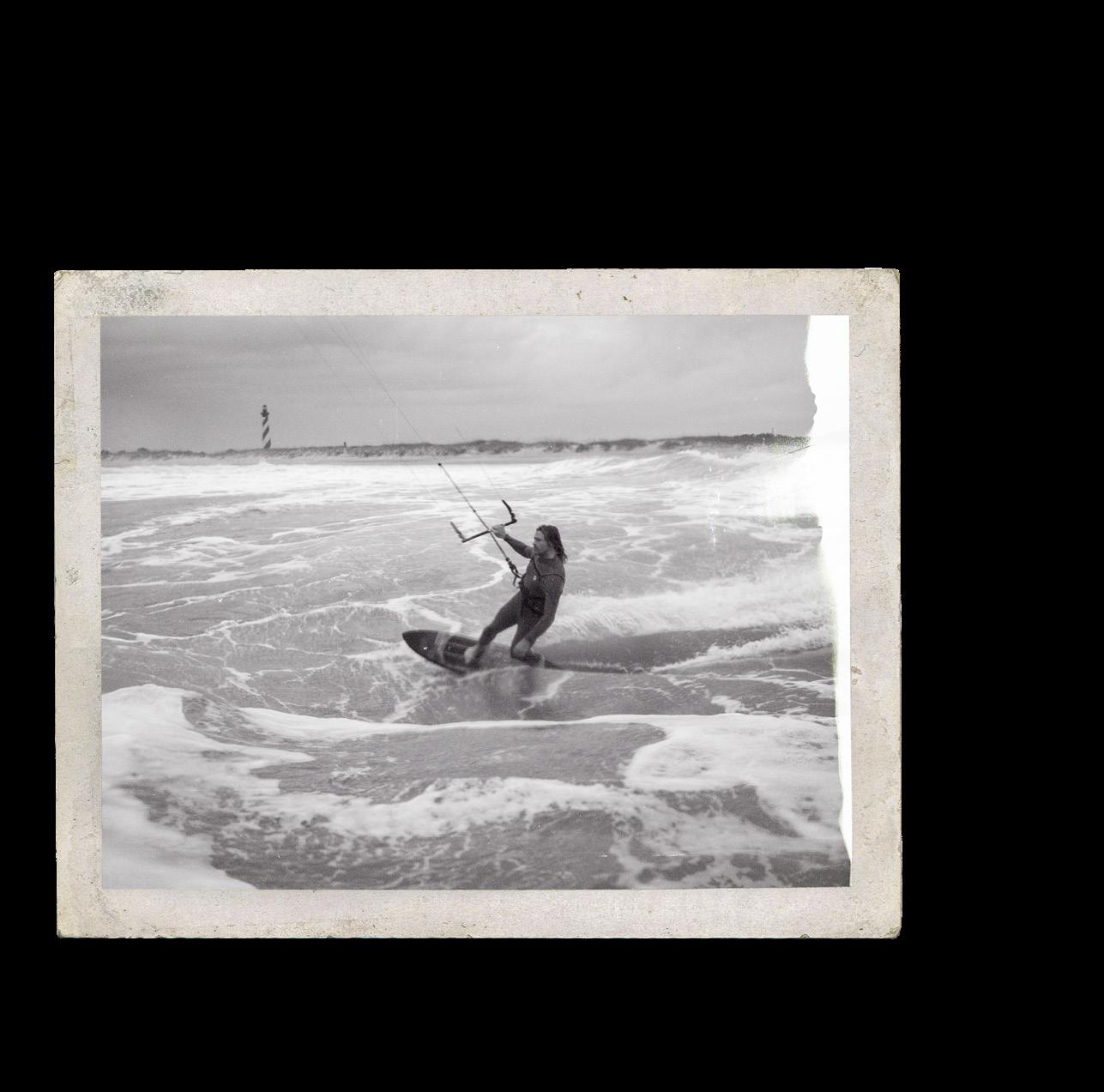
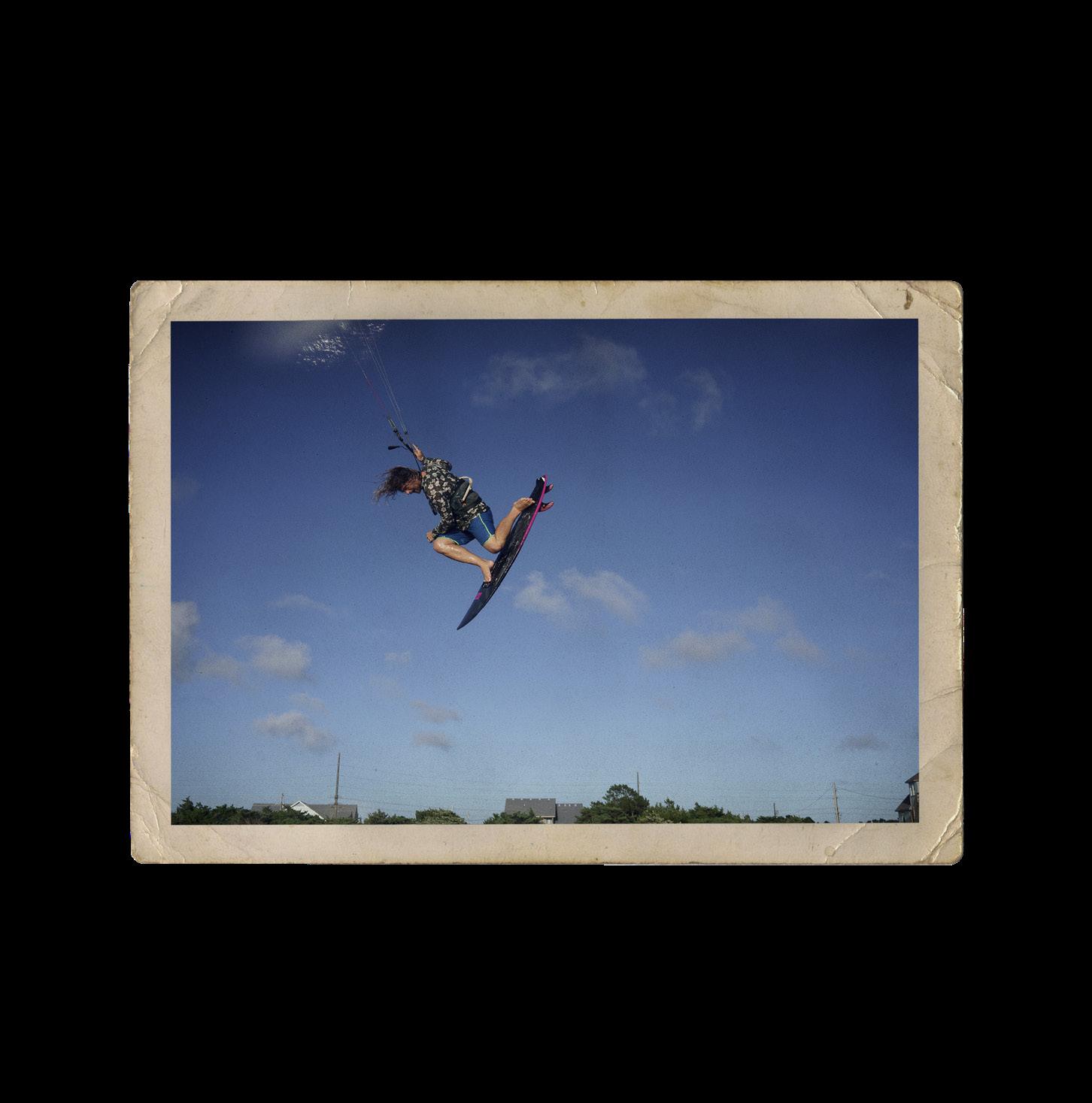


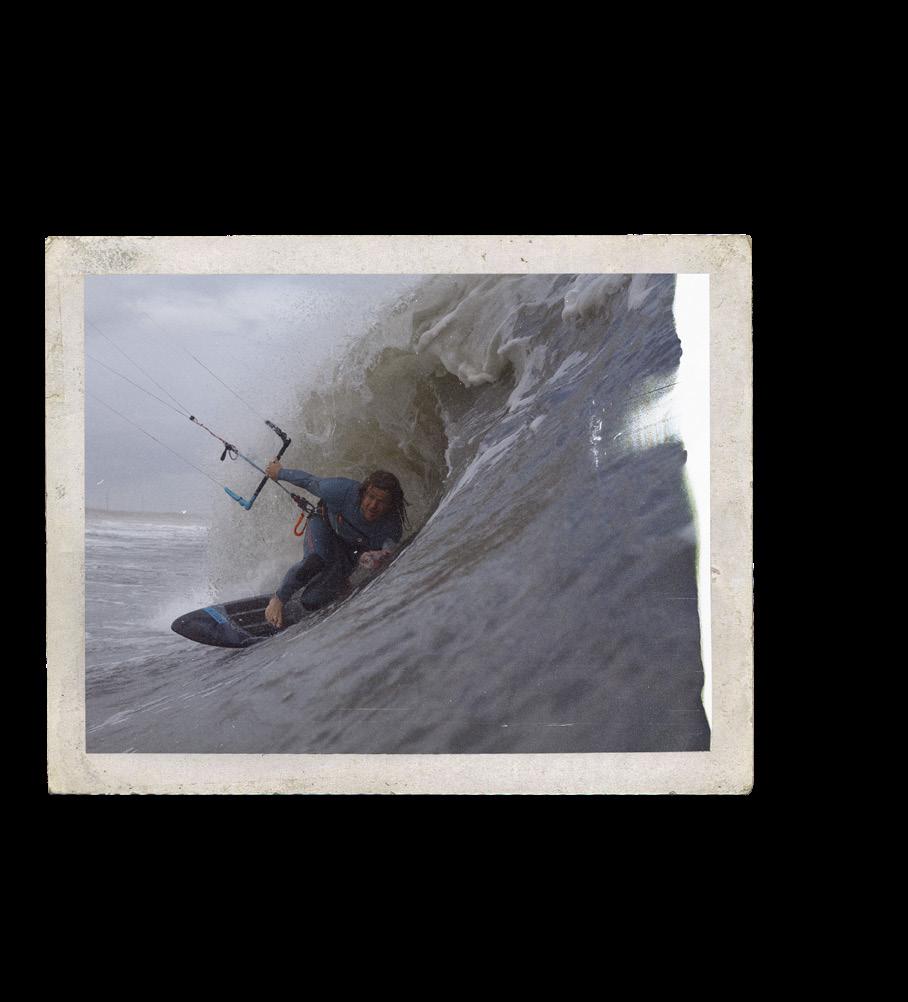
working for us before he knew how to kite. He studied videography in school and worked at a cable park filming wakeboarding before coming to Hatteras Island Sail Shop. He loves oldschool skate and wakeboard movies. We still have the VHS tapes in the Shop of old kite and wakeboard movies like Unhooked and 12 Honkeys, which he frothed on.
After Michael was at the shop for only a month, we got some really good wave riding footage. It was his first time ever filming kiting and he got the shots. He made a short edit with the footage but he suggested keeping it for a longer edit instead and I agreed.
Benny and I grew up together in Hatteras. He surfed and skated his whole life, but he didn’t kite. He was down to shoot water photos the same day Michael was filming, and he pulled some shots right out of the gate. These are a lot of the shots in this article. We organized down
Over the course of the years Michael went from not kiting to kiting on everything and primarily strapless and in the waves. We kept filming on an old-school camera that was popular for skate edits in the early 2000s. It gave the film that old-school aesthetic, nice colors, and capped the recording at one hour per session which we both liked. My father, Barton, would hassle us about when we were going to finish the edit so we put a deadline on it.
In the fall, we released it and premiered it at the Shop, while the road was still closed to visitors due to hurricane overwash on the roads. That is the most Hatteras thing to have happened. The video is called F*ck the Noise or FTN.
Barton rolled his eyes at the name. Despite me coming up with the name a while back, it does
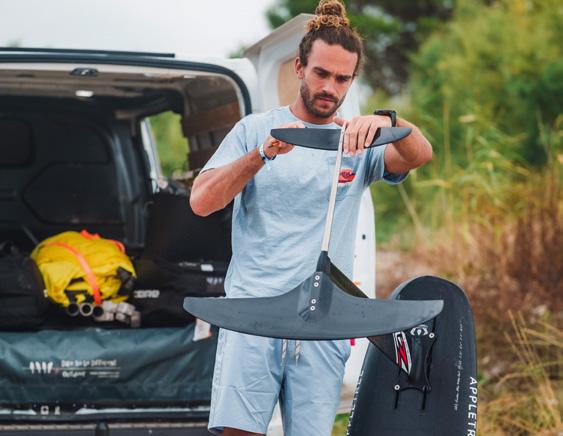
Sometimes it’s the unexpected moments and unplanned sessions that end up being the most memorable. On a recent road trip through Italy, Roderick Pijls had all his gear packed and ready in his van for just such a session.
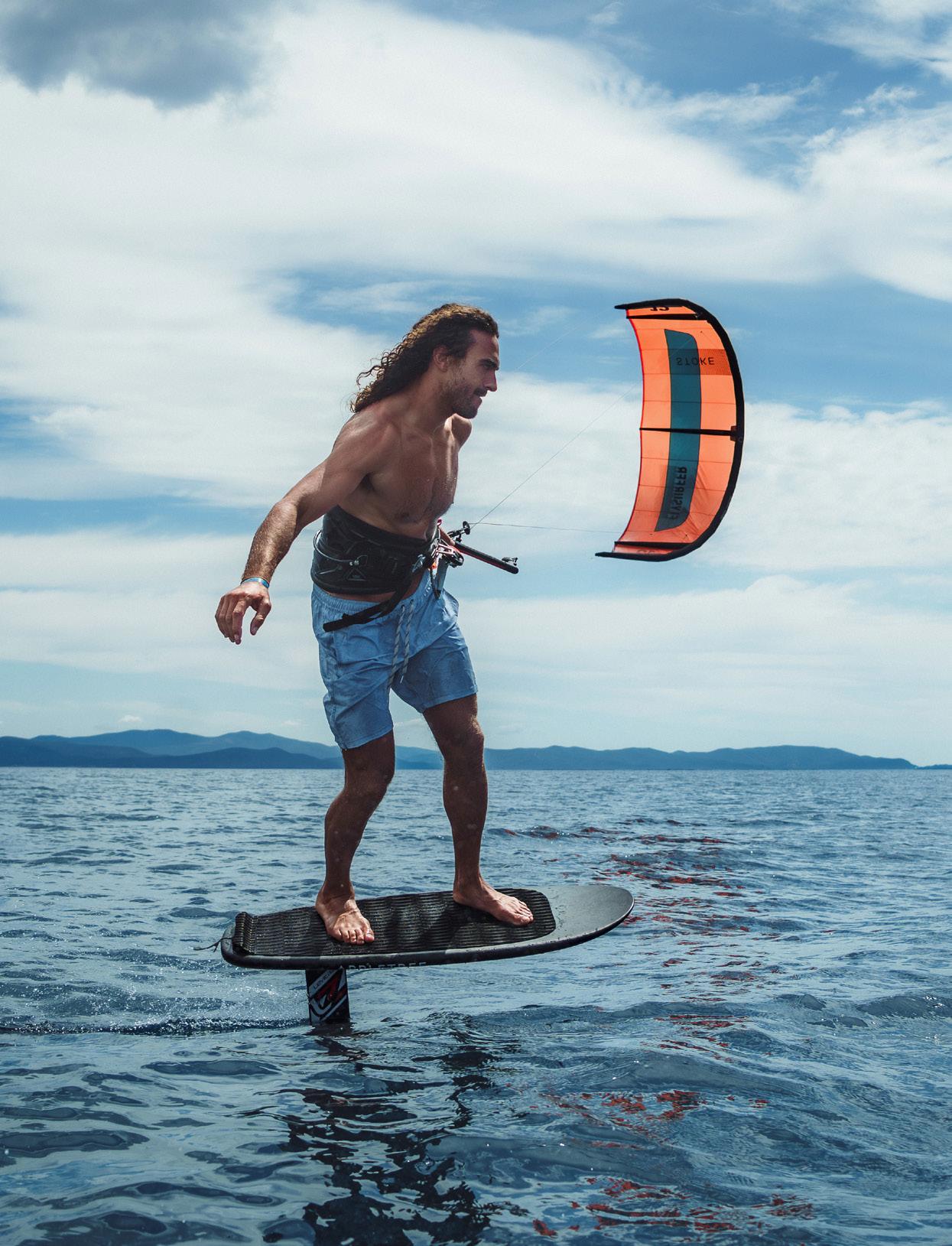
I’ve always believed that work and passion don’t have to be on opposite ends of the scale. For me, they go hand in hand – or maybe board in hand, to be more accurate.
I just got back from a work trip in Sicily, a beautiful island with so much to offer. The project was intense but fulfilling, with so many impressions, so many hours on the water, and amazing smiles for many different people. But as always, while I was ticking off my to-do list, I kept one eye on the forecast. Not just in Sicily, but also on the route home.
While driving towards the ferry at Palermo I checked the forecast once more. Sure enough, conditions near Pisa lit up… perfect for foiling. So I did what I always do: messaged a friend who lives near Pisa, took a small detour, pulled the van off the road, popped up the rooftop tent, and dialed in a sweet session. The wind was just too good to let pass without taking advantage of it –strong enough for the foil, a bit inconsistent, but completely worth breaking up the road trip for – meeting up with an old friend, dialing a session in, getting a good Italian pasta and continuing the drive.
This kind of balance has become my rhythm. Whether I’m heading to an event, a shoot, or a meeting, my van is always packed with gear, just in case. It’s not about escaping work – it’s about Living it Fully – making room for those spontaneous moments that recharge me. Combining both of these worlds gives me more energy to push harder in both.
The van has become more than just a mode of transport – it represents freedom, flexibility, and the ability to adapt. I’m not just driving from point A to B. See it as if I’m chasing opportunities – on land and on water.
Sicily was inspiring. The work I was involved in there reminded me how lucky I am to be able to spend so much time on the water and in nature. But the session near Pisa reminded me why I fell in love with this lifestyle in the first place. It wasn’t scheduled, it wasn’t part of the plan – and that’s exactly why it was so good.
These in-between moments, the unexpected sessions, the quiet sunrises after a long drive… they keep me grounded. They fuel the fire. And every time I get back behind the wheel or my laptop or at an event, salty and smiling, I know I’m exactly where I need to be.
I’m already looking forward to the next detour… ■


We get sent a lot of wave riding shots but these hit a little differently. The combination of double-overhead barrels, a talented photographer willing to place himself right inside said waves, and a talented rider willing to risk all, made for something out of the ordinary…
WORDS CHARLY MARTIN | PHOTOS CÉDRIC BORNAREL

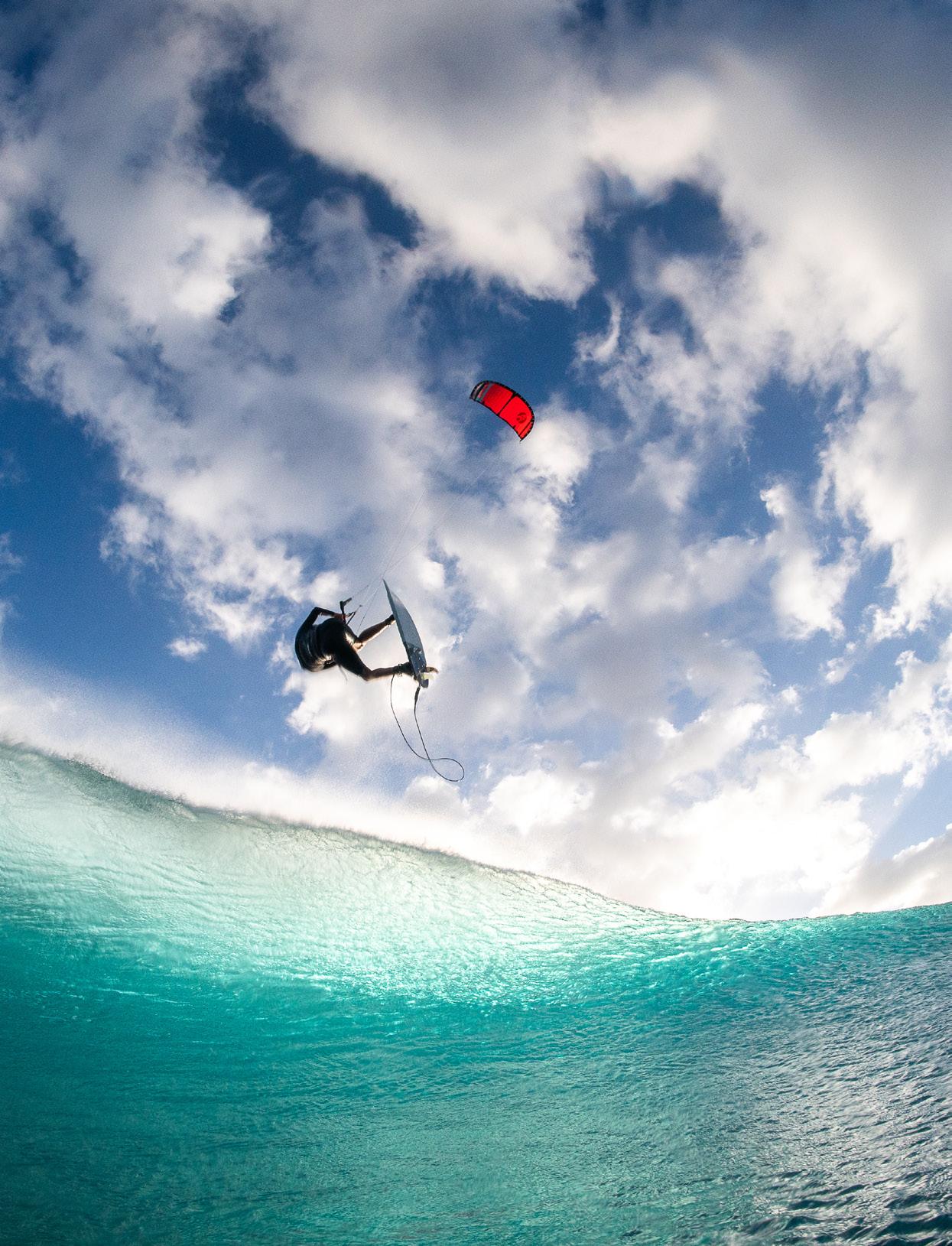
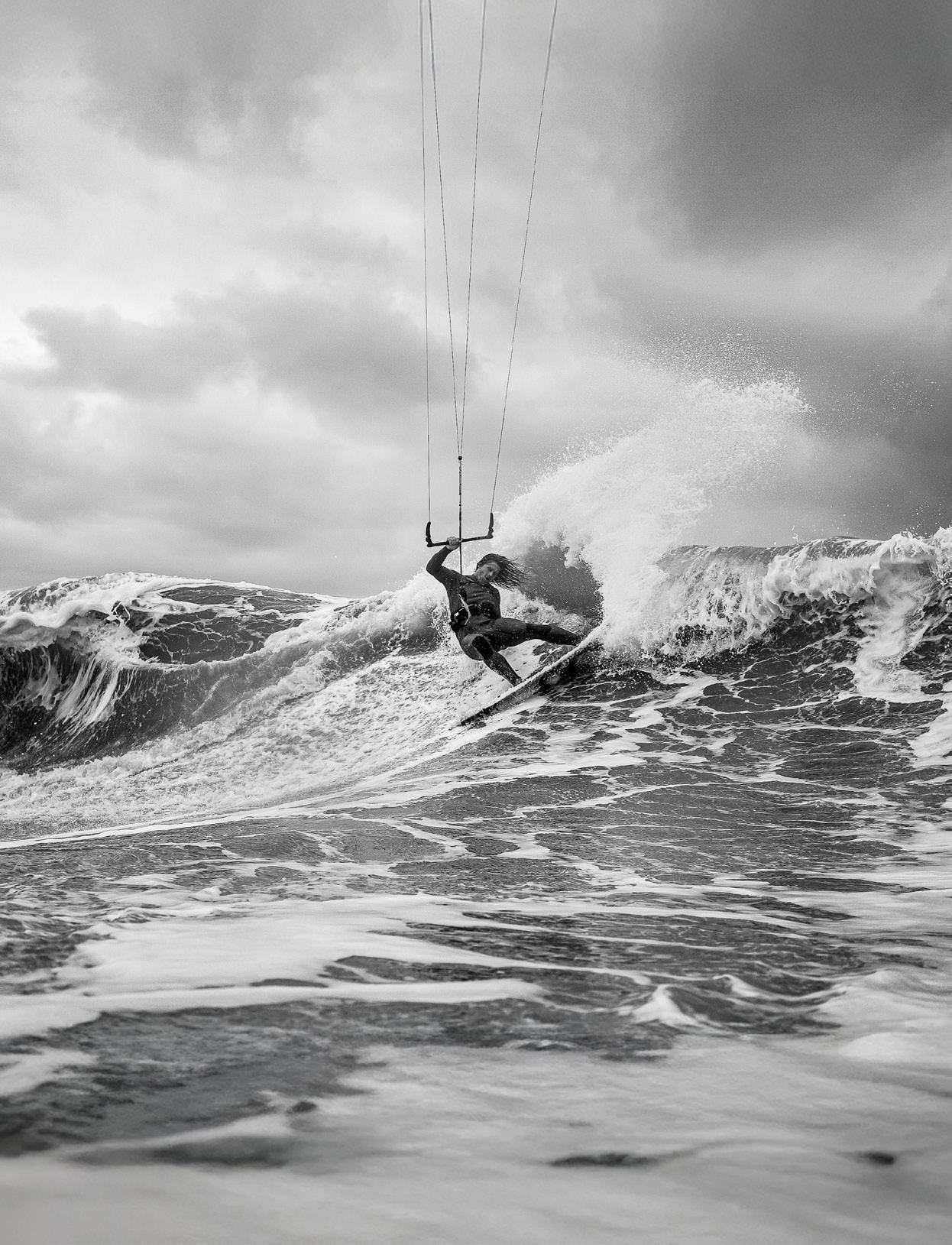
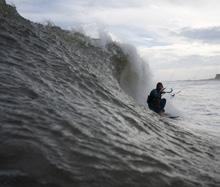
These photos were taken during a magical session in crystal-clear water, at Pointe au Sel on Réunion Island where I live.
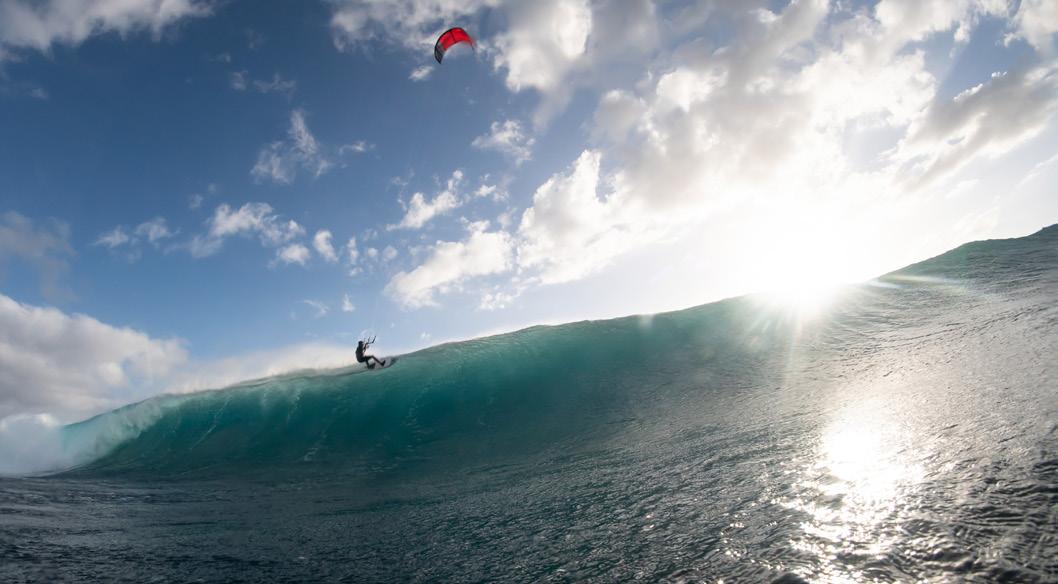
The weather gods delivered up perfectly formed waves reaching 3 and a half meters, as well as incredible light. I was in good company in the water with Antoine Martin, a professional surfer, and Pierre Godet, a local surfer, and behind the lens, Cédric, the photographer who had the courage and talent to position himself inside the wave to capture these moments.
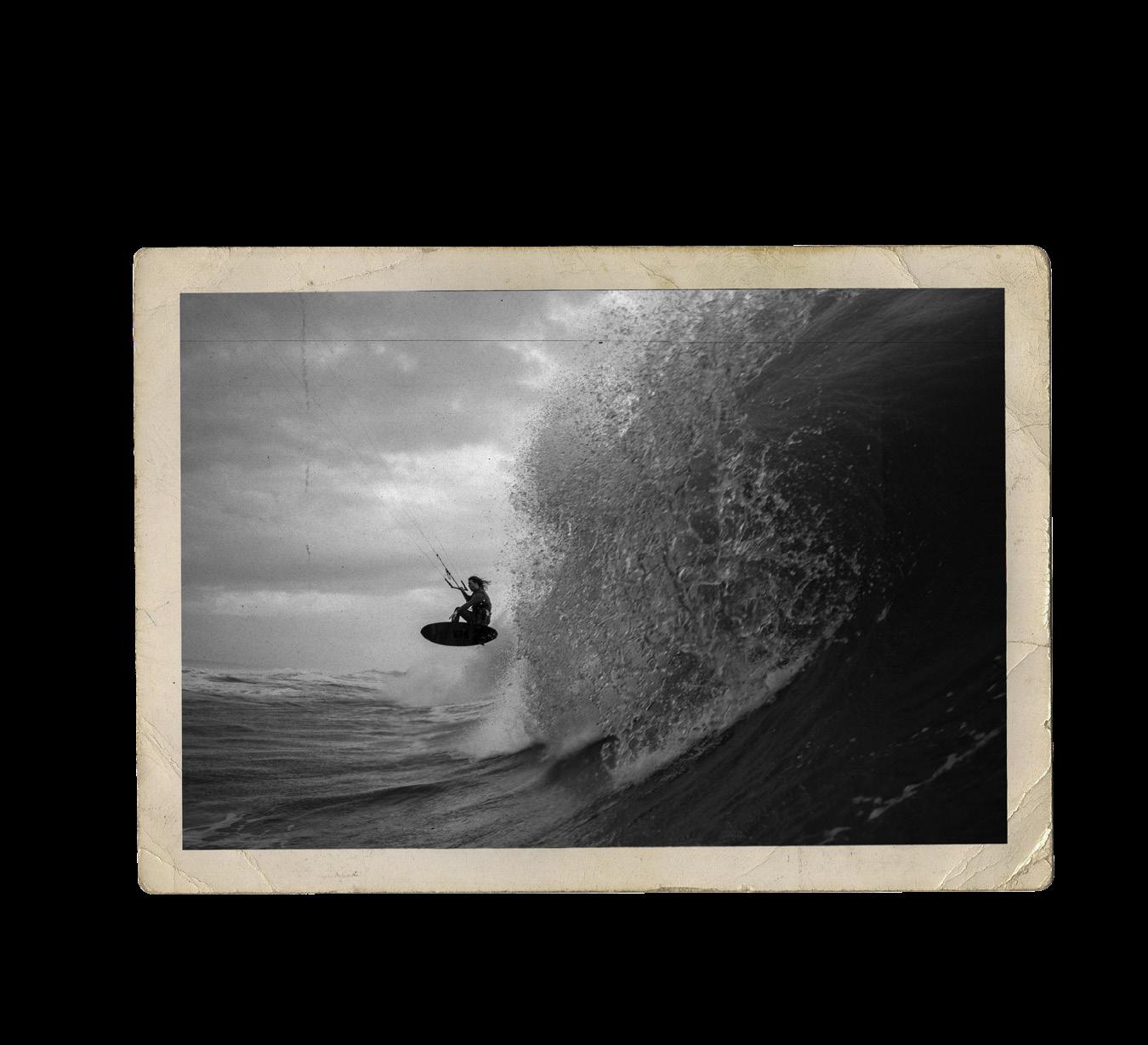
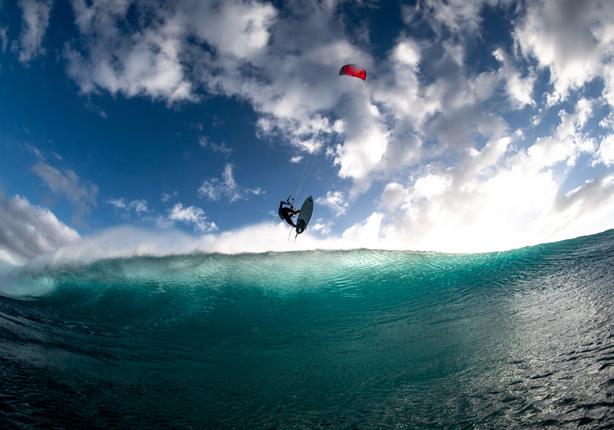
Hanging above a wave is a feeling that is difficult to put into words. It is both an incomparable adrenaline rush and a moment of total humility. I felt a certain sense of freedom, as if time had stopped, although without forgetting the power of the ocean, which made me realize how small we are in the face of nature. In those moments, I wasn't in control of anything, I just let myself go with the flow, adapted, and let myself be carried away.
That day, I gave it my all and tried everything: committed turns, deep tubes that sometimes swallowed me whole, and airs. Some maneuvers worked, while others resulted in heavy wipeouts, with tons of water crashing down upon me. What made this session even more special was the way it was immortalized. My thanks go to Cédric – his images are not just photos – they convey the emotion of the moment. They allow me to relive that day and once again feel the mixture of excitement and pure joy.
Between the beauty of the spot, the camaraderie shared in the water, and the feeling of being at one with the ocean, this session will remain etched in my memory. Nothing compares to the intensity of those moments suspended above the waves of Réunion… ■
DIRECT DRIVE. FEATHERWEIGHT. ERGONOMIC FIT.
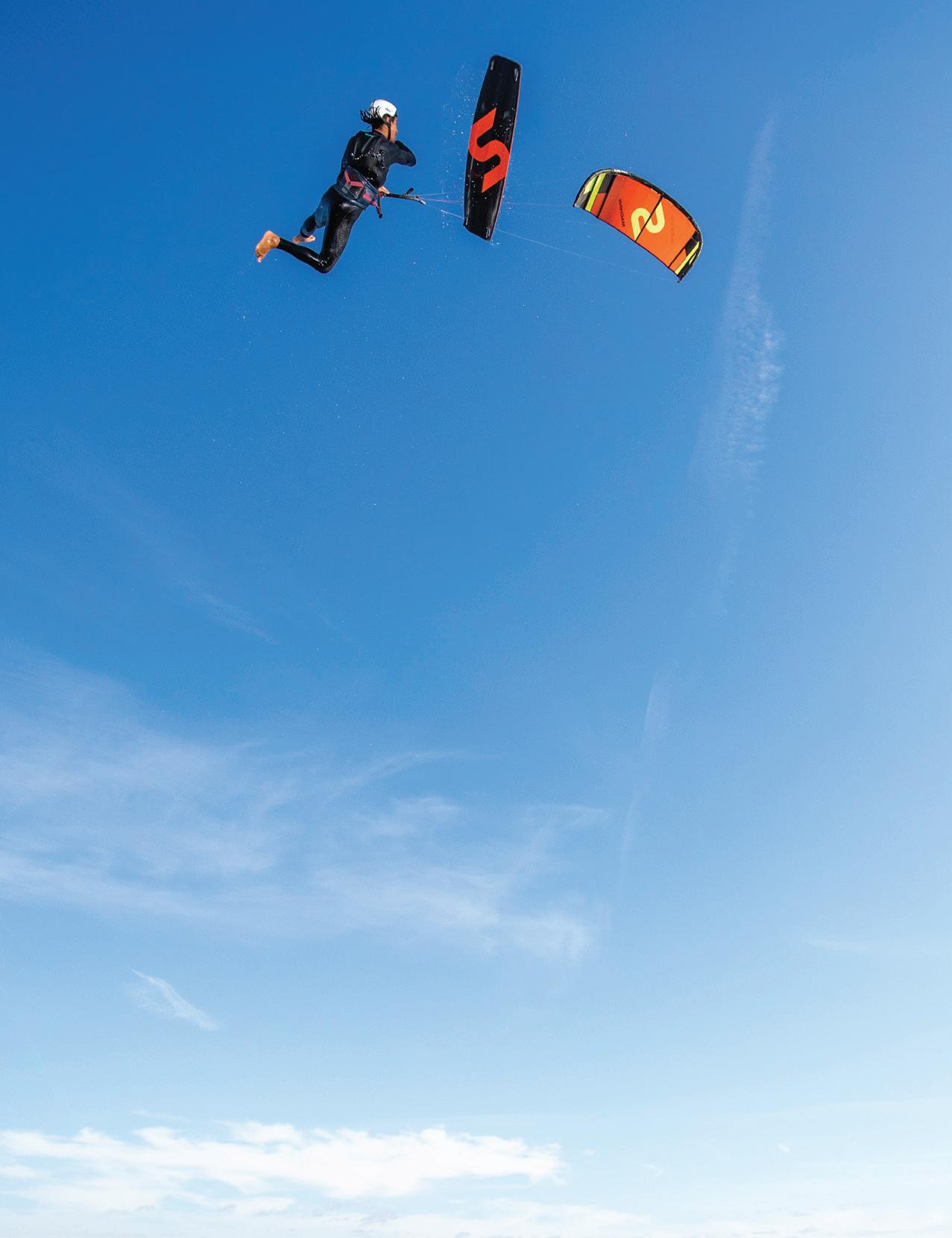
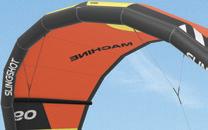

“The first time I tried the new Machine V3 was in France during the photoshoot. The first feel was mind-blowing. The wind was super gusty—blowing 15–30 knots— and I was very impressed with how well the kite held its shape. It almost has the feel of a foil kite: you get heavier bar pressure, so when you’re throwing boardo s you can really focus on the board and rotation. You can forget about the kite, yet always know exactly where it is. I find that feel especially helpful in light-wind conditions. If you want the feel of going high, doing tic-tacs, enjoying floaty jumps, and that sheet-and-go response, you should choose the Machine V3.”
-Jacopo Franza
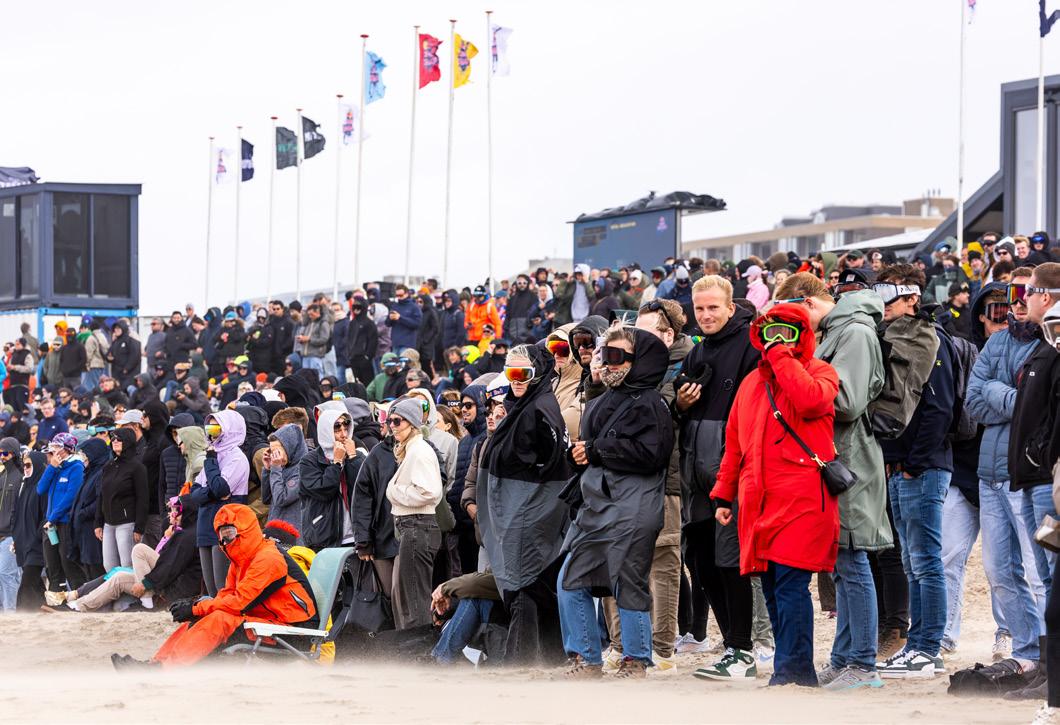
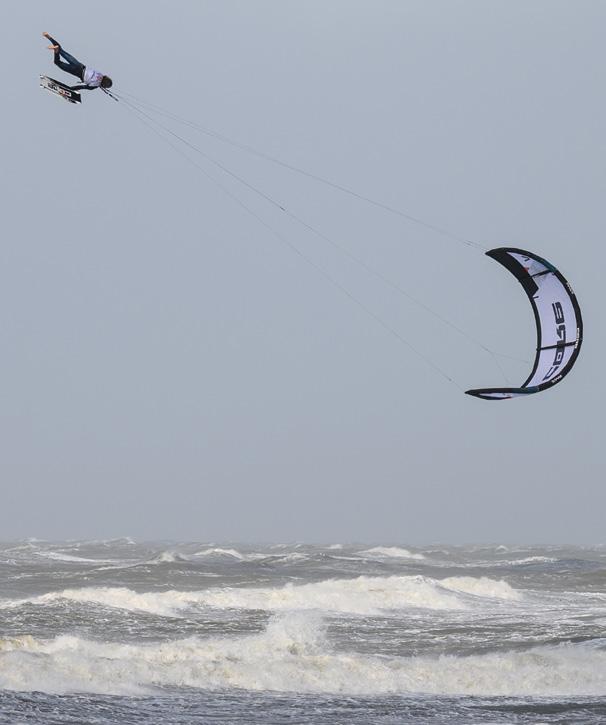
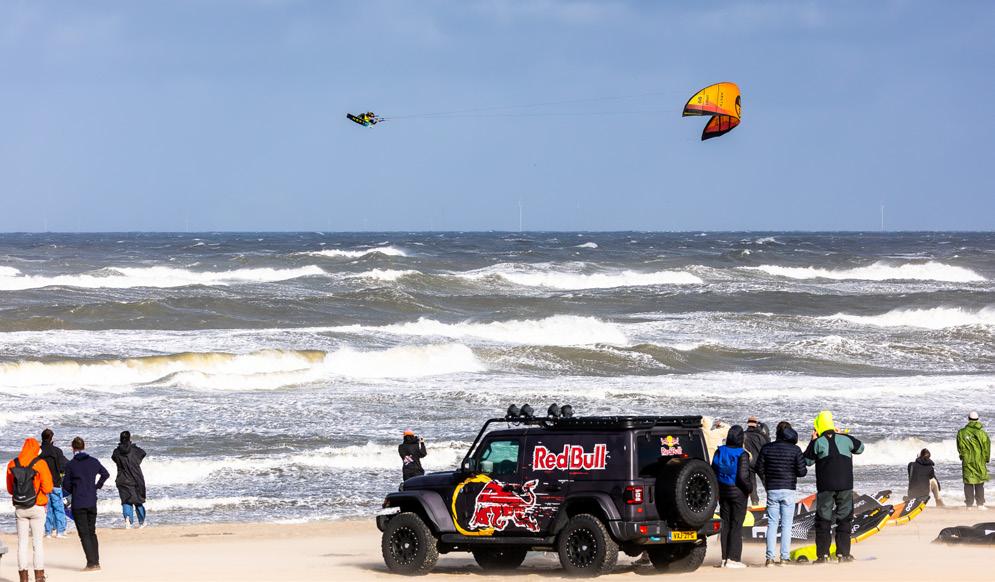
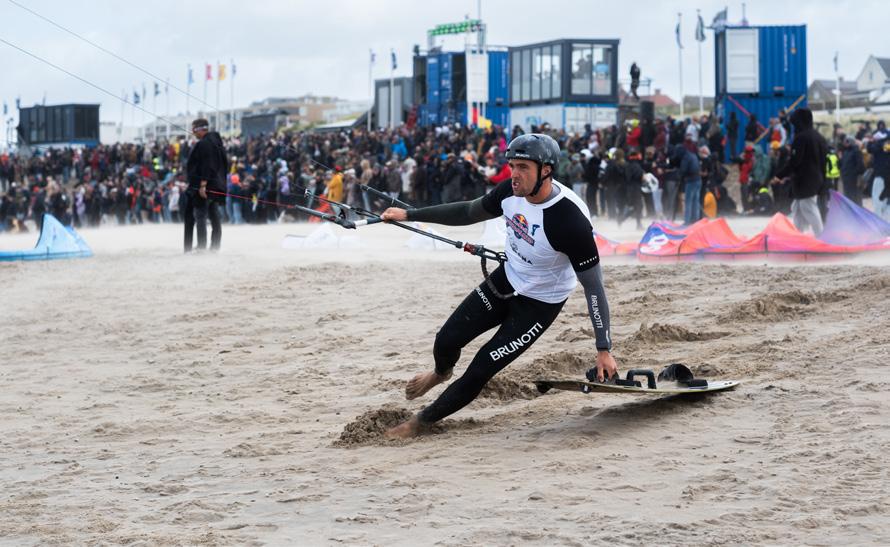
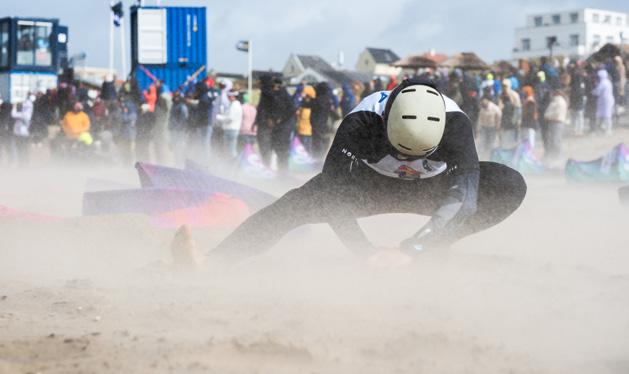
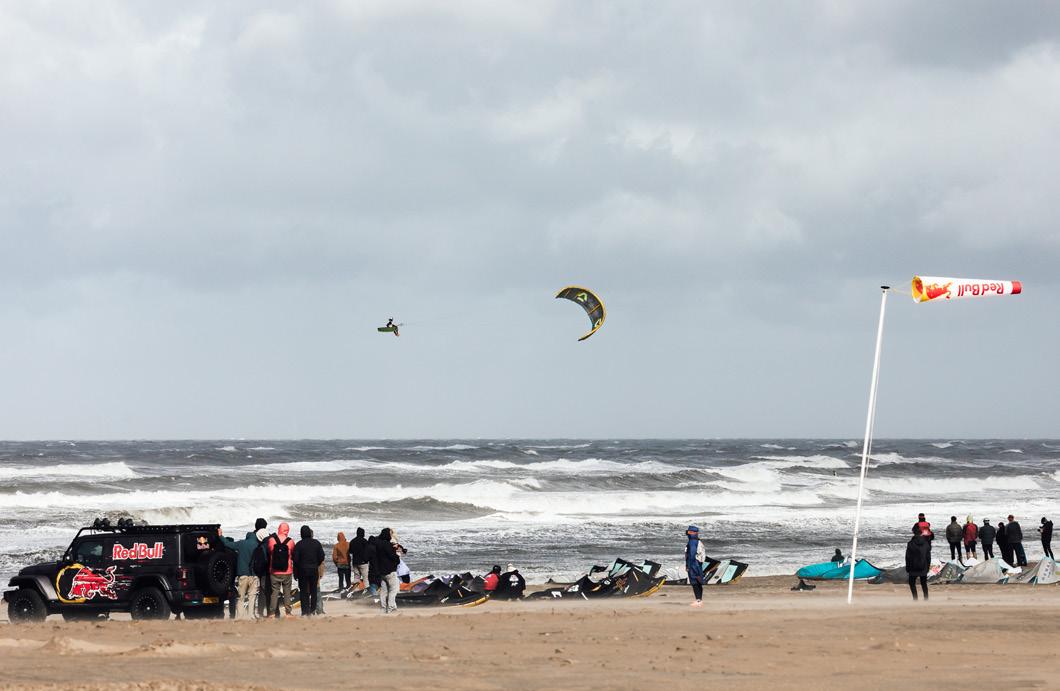
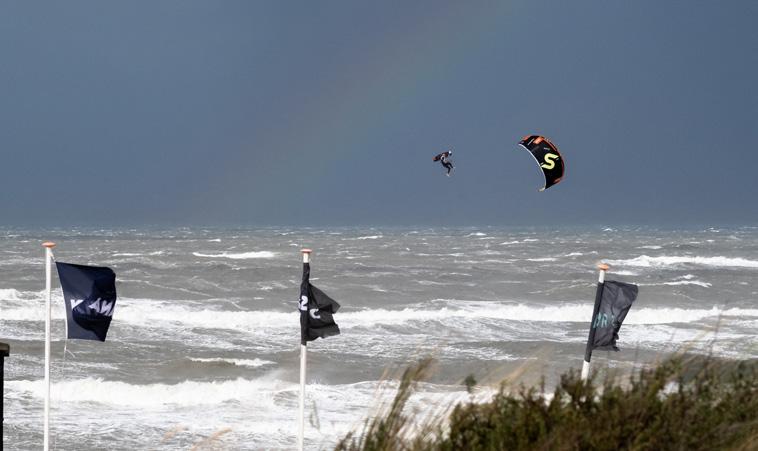
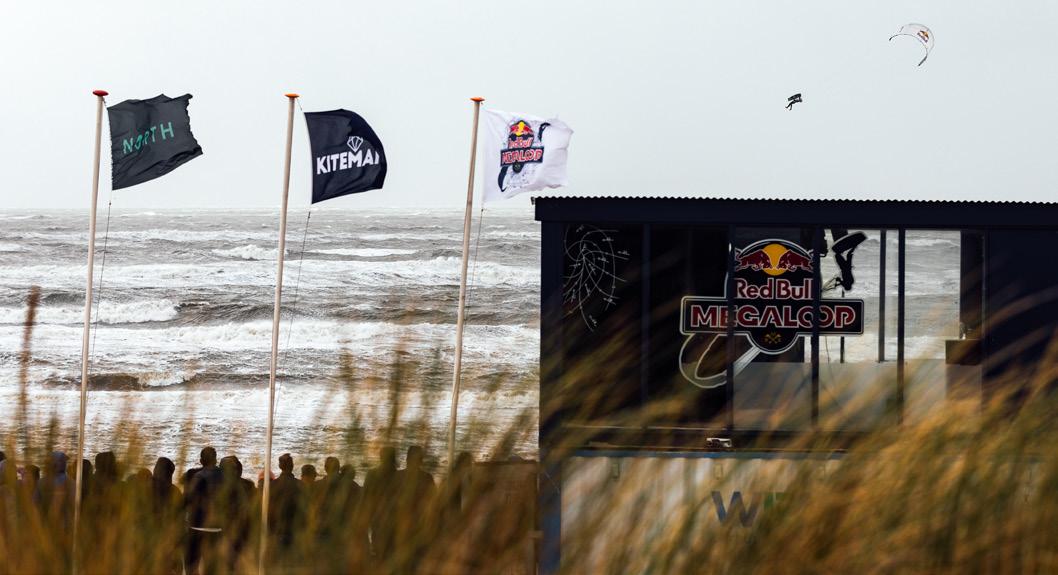
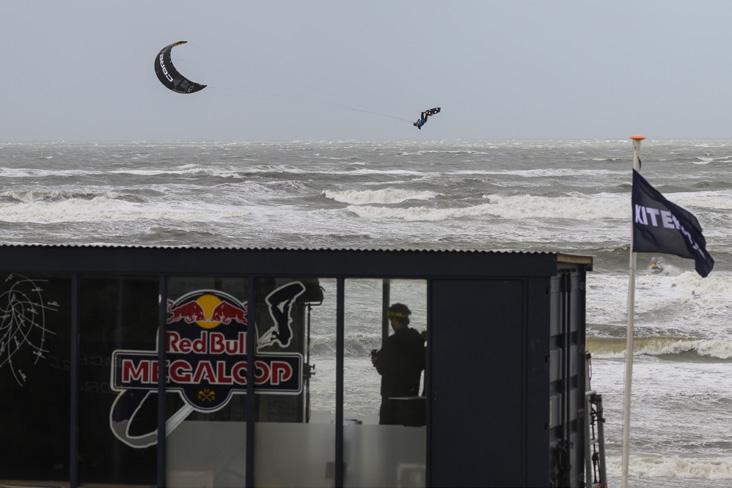
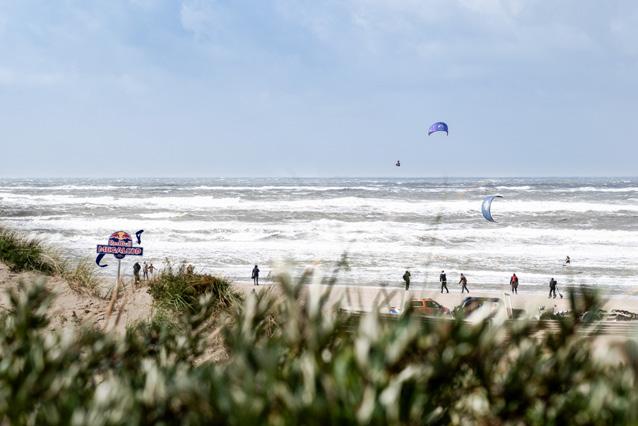
On September 15, the Dutch coastline became the stage for one of kiting’s most extreme events. Red Bull Megaloop returned in breathtaking fashion, after a one-year hiatus, as 22 of the world’s best Big Air riders faced the fury of Storm Amy in Noordwijk, battling 55 knots of wind and three-meter waves.
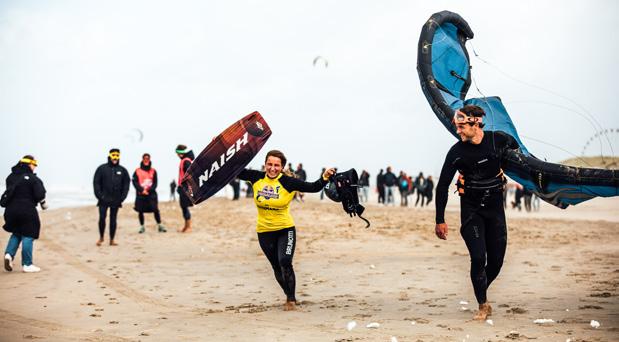
For the first time in the event’s history, a women’s division was introduced. Six female riders faced the storm head-on and, with extreme jumps and plenty of style, proved that the future of the event and Big Air is just as much determined by women. Meanwhile, the men’s division, consisting of 16 riders, featured
a new rule: lines could be a maximum of 18 meters long. This line restriction, the talk of the town, was not just a technical shift; it’s a game-changing move designed to elevate the competition to new extremes. Shorter lines allow for faster, more aggressive kite movements, pushing riders to go bigger and commit harder to their megaloops.
In heat 1, Jett Bradshaw immediately added fuel to the fire. He took to the water with only 14 meters of line. It resulted in faster, more aggressive loops, raw power, and a clear message: this is what Red Bull Megaloop is all about.
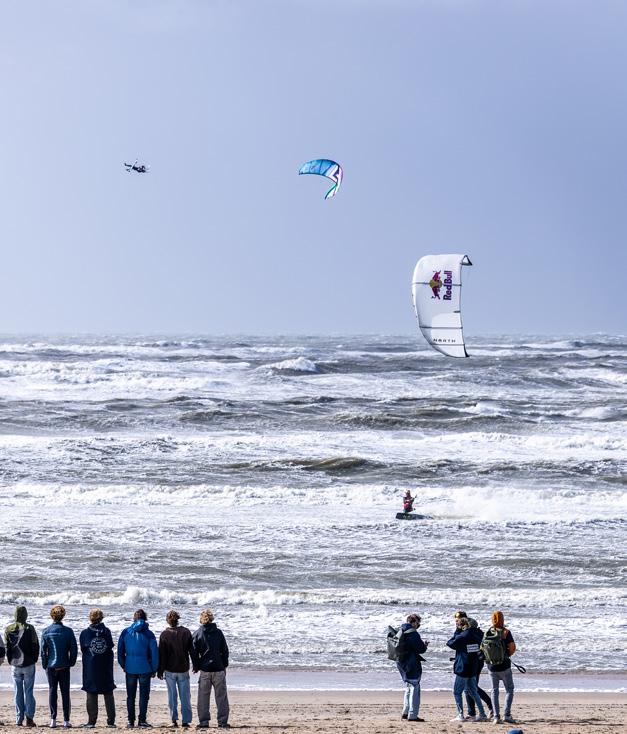
By eliminating Stijn Mul in the semifinal, Andrea Principi made it to the final where, in the last few minutes, his boogieloop rodeo earned him a high score, but it wasn’t quite enough to win the final.
Lorenzo Casati made it to the final after a super-intense semi-final heat against Jason van der Spuy, who lost his board after three minutes and fell behind. Casati secured first place with a doobieloop boardoff scoring 9.04 points, the highest score of the day. He was crowned the 2025 Red Bull Megaloop champion.
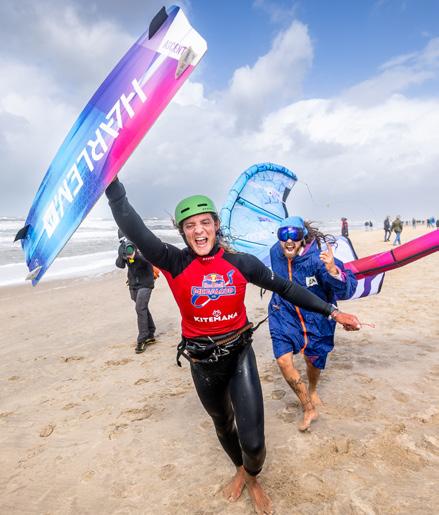
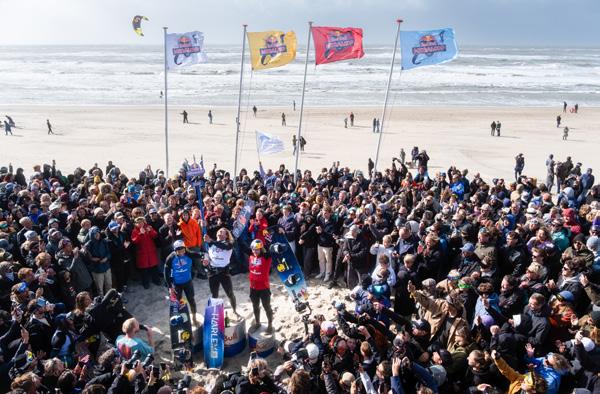
Nathalie Lambrecht secured her spot in the final by achieving the women’s highest score of the day with a 7.58 for her boogieloop. She went on to take second place.
Dutch athlete Zara Hoogenraad qualified directly for the final in round 1 and went on to be crowned the first-ever female Red Bull Megaloop champion on home ground.
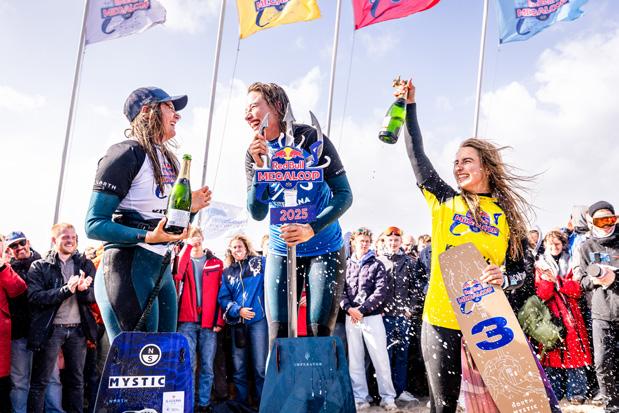
By beating Sarah Sadek in the semifinal, Alessa Sophia Mensch reached the finals, taking the third spot on the podium.
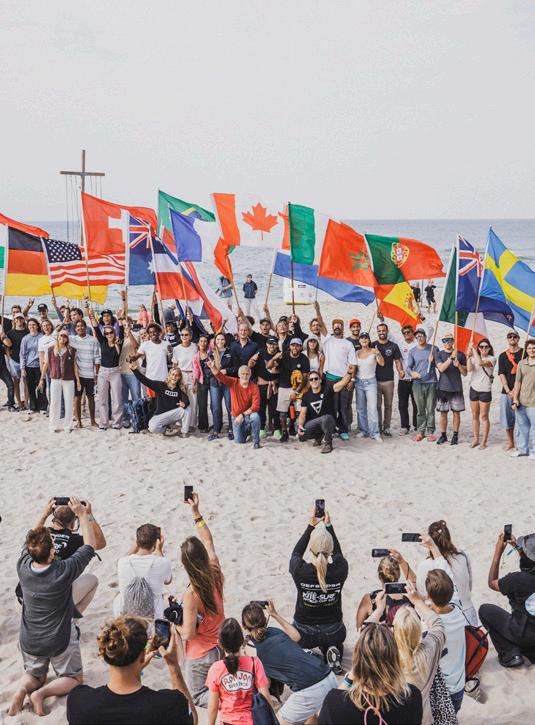
The GKA Kite World Cup Sylt returned to the north German island on the Baltic for another year. Again it featured two disciplines: the season’s second stop in Kite-Surf and the opening round in Hydrofoil Big Air. The German stop of the world tour is a long-standing fixture on Sylt’s iconic Brandenburger Strand. The conditions served up by the island in late August are unpredictable, though last year the athletes reveled in big breakers and winds that topped 50 knots.
This year Sylt offered only marginal conditions, which were ideal for the Hydrofoil Big Air competition. Reigning world champion, France’s Charles Brodel, was absent through in-
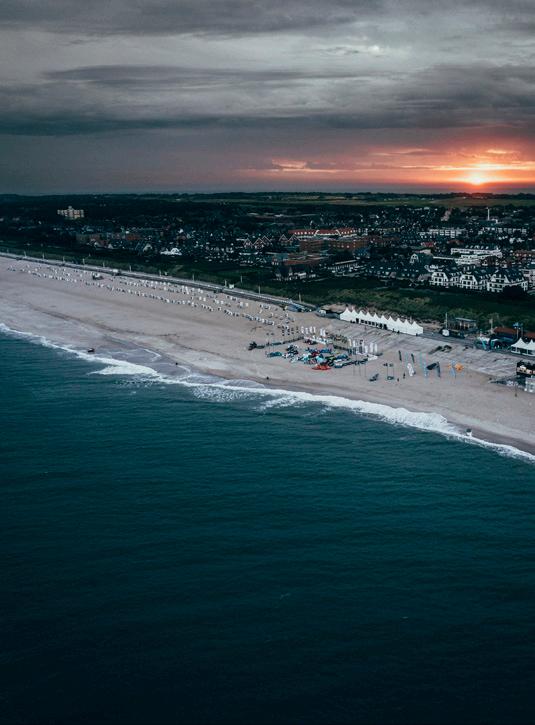
jury, leaving the field wide open. Sylt was the first Hydrofoil stop of the world championship, which will be settled in Abu Dhabi in November.
The Kite-Surf call was the second of the season after a fivemonth break following the opener in Cape Verde. The difficult conditions of light breezes and small waves threw up a host of surprises. In the men’s competition, which was contested mostly in the strapless freestyle trick format, favorites Matchu Lopes, Airton Cozzolino and Pedro Matos all made early exits, denting their world title hopes with two stops still to come.
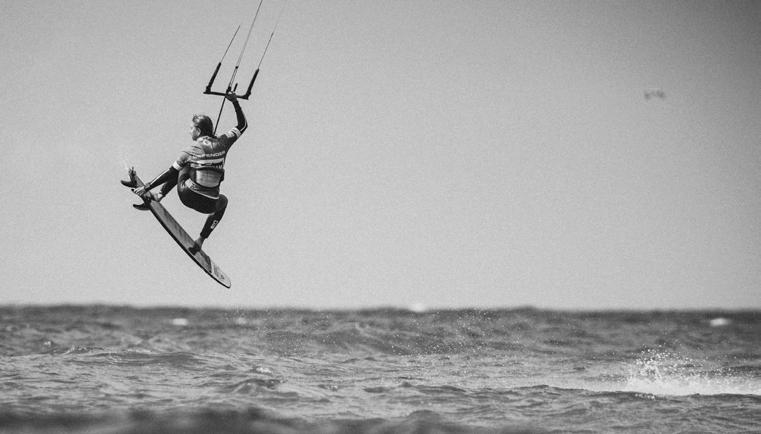
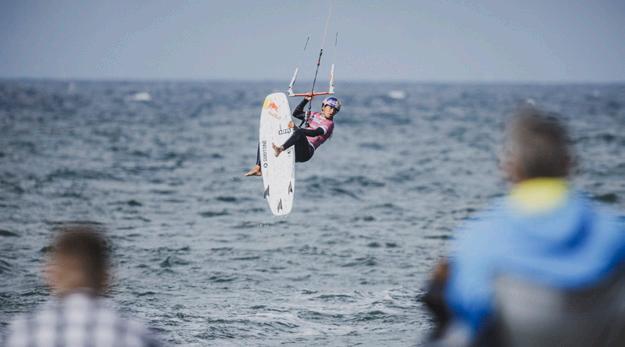
Camille Losserand is the reigning Big Air Surfboard world champion. The emphasis on strapless freestyle tricks at Sylt played to her strengths. In the final her tricks again scored big despite the tricky, light breezes. But Losserand fell just short in the end and was beaten into second place by a fraction of a point.
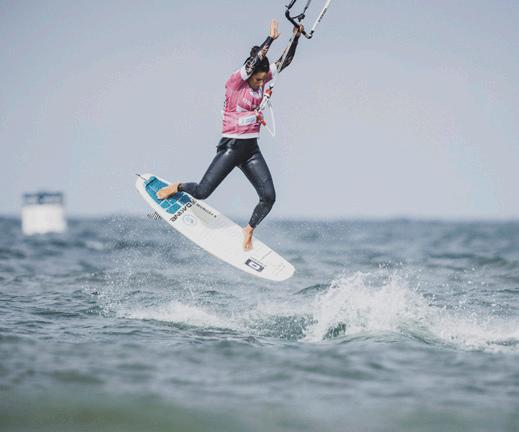
Capucine Delannoy is the reigning Kite-Surf world champion and headed to Germany in top spot after winning the opening round in the waves of Cape Verde. In Sylt she continually pulled out a Frontroll Shove-it that earned eight-point plus scores from 10. She is the only woman who has mastered the move. In the final Delannoy did all the damage early with the same high-scoring trick that gave her the win.
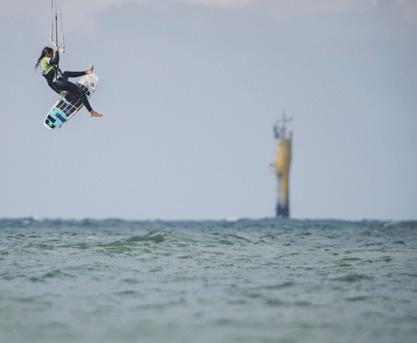
Sofia Monti came to Sylt having missed the opening tour stop in Cape Verde. But the conditions in Germany, without waves, suited her strapless freestyle game. In the semi-final she was just outpointed despite throwing down three strong freestyle tricks. The mini-final saw her do enough to take the win and claim third place.
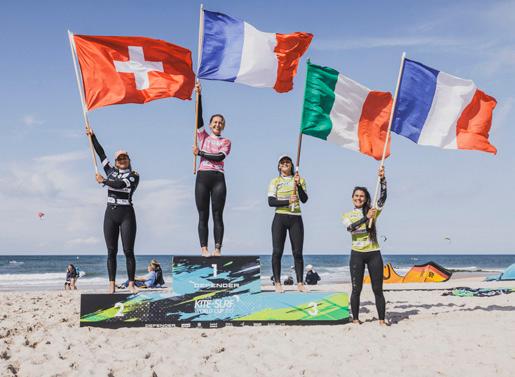
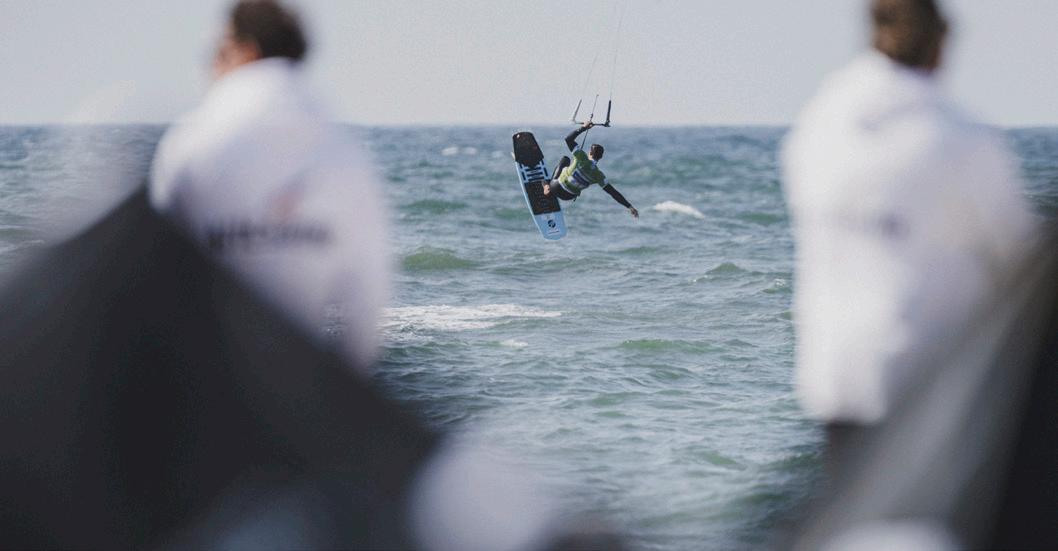
Theo Demanez is an all-round waterman, including wingfoiling in his repertoire. In Sylt he was also battling in the Big Air Hydrofoil competition. In the Kite-Surf contest his high-scoring Double Frontrolls and Frontroll Shove-its ended the run of Airton Cozzolino. Demanez also sent Leonardo Casati packing in the semi-final. The Frenchman was all business in the final, with his first two big tricks that gave him the lead and helped him to first World Cup win.
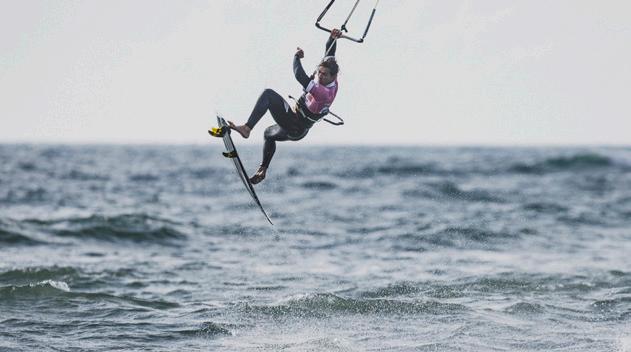
Reigning world champion, Gabriel Benetton, holds the crown thanks to consistency last season, though he failed to win an event. In Sylt his strength in the waves and in strapless freestyle again shone through. In the final Benetton’s big Frontroll Shove-it and strong surfing got him close to the win, but in the end he took second.
Leonardo Casati had an epic outing in Sylt. The 16-year-old earned a fourth place in Kite-Surf after seeing off tough challenges from much more experienced riders.
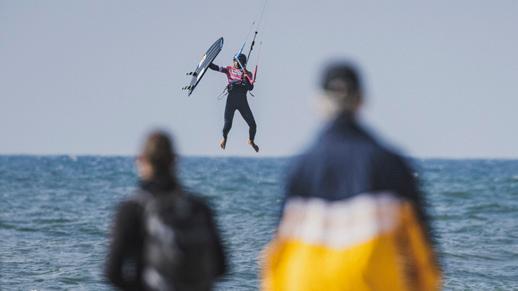
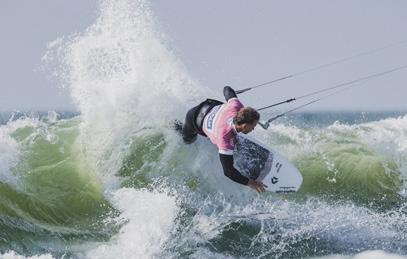
Former Kite-Surf world champion, James Carew, is eager to reclaim his crown. But in the light conditions in Sylt the powerful Australian struggled to land his strapless tricks or find good waves in the mixed format. In the mini-final run-off, Carew came roaring back and a big 313 handle-pass move for 8.17 was enough to help him to third place.
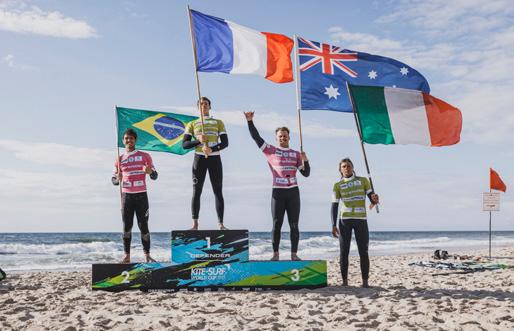
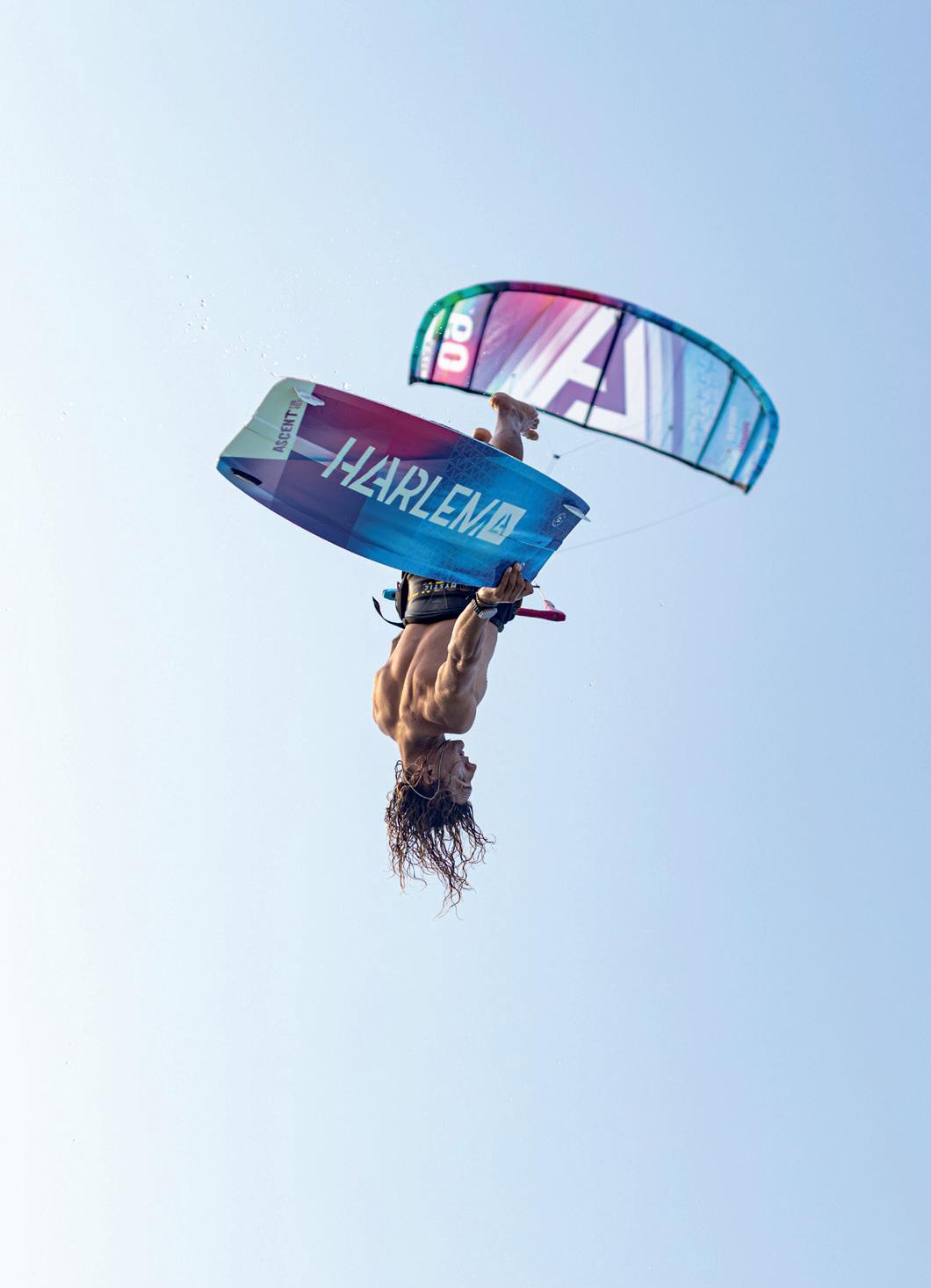
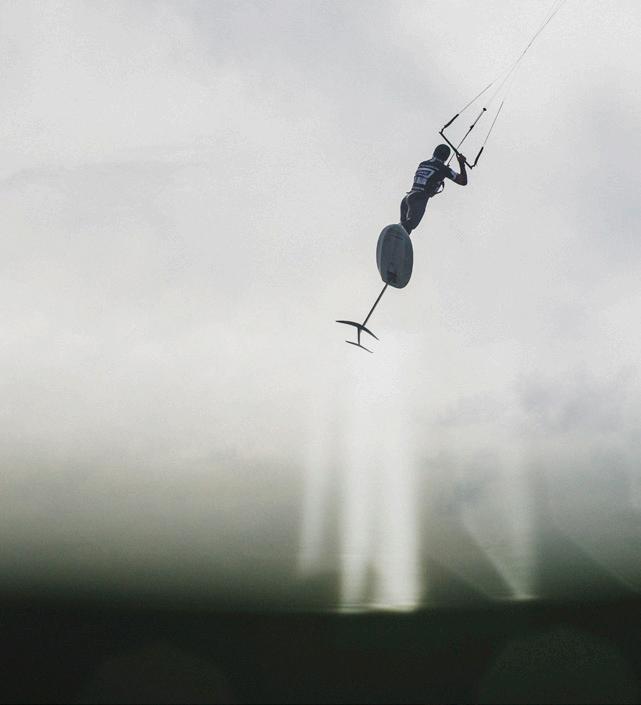
Hugo Wigglesworth holds the WOO world record for the highest jump, at 36.7 meters. The 18-year-old has been making his way up the ranks in Big Air Twin-tip competition. He also chose a foil kite that he used to battle his way to the final. Wigglesworth impressed the judges with his massive hang-time, and the complexity and control of his moves. A Backroll Board-off with multiple rotations late in the heat cemented his lead and earned him his first World Cup victory.
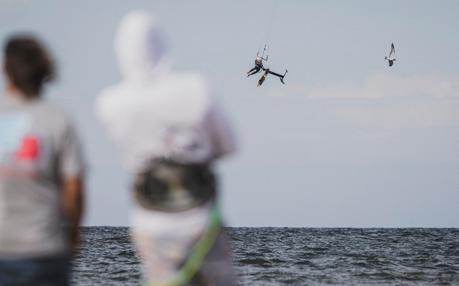
The German 16-year-old, Finn Flügel, was fresh off becoming the GKA Youth Big Air world champion in Twin-tip. In front of home fans at Sylt he continued his winning ways. In the final he also used a foil kite in the light winds to great effect. In the end he was outpointed by a small margin and landed second overall.
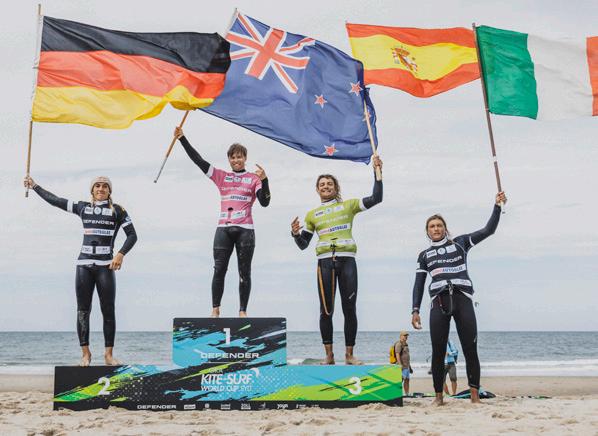
1 Hugo Wigglesworth (NZL)
2 Finn Flügel (GER)
3 Lorenzo Casati (ESP)
4 Leonardo Casati (ITA)
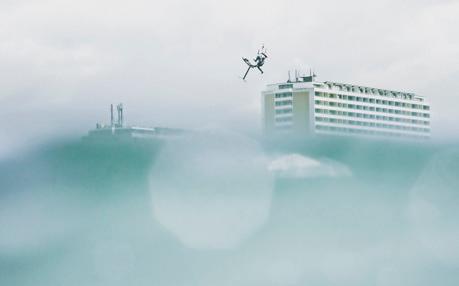
Lorenzo Casati is the reigning GKA Big Air Twin-tip world champion. But Casati likes to push all the kiteboarding disciplines. In Sylt he struggled for height in the lighter conditions. In the final he made a slow start, but late in the heat he nailed a handle-pass trick. It was enough to edge him into third place.
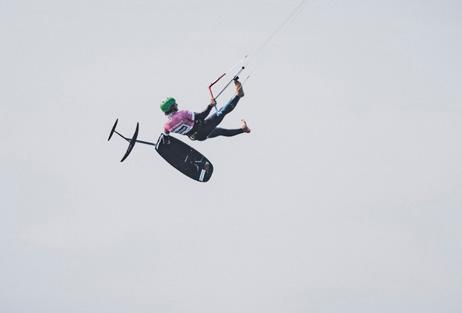
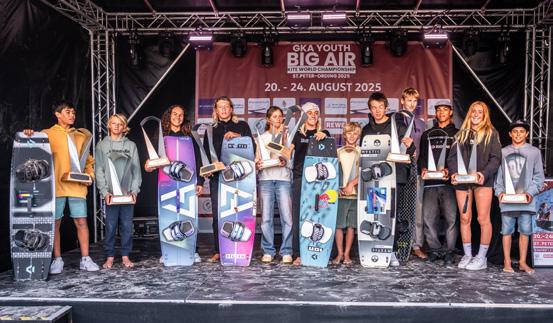
Days of windy action concluded with the winners of the first-ever GKA Youth Big Air World Championships in St Peter-Ording, Germany, being crowned in a celebration of kiteboarding’s future. Local hero, Germany’s Finn Flügel, won the Men’s U19 event with a flawless display that had the judges continually reaching for the Innovation category of breath-taking tricks not seen before in competition.
Bulgaria’s Aya Kasabova, still just 14, won the Women’s U19 division when she saw off strong challenges from the other six athletes who joined the female ranks. All age groups were ac-
U14 BOYS
1 Basile Serre (FRA)
2 Kai Lieffering (NED)
3 Tommaso Caglini (ITA)
U16 BOYS
1 Maxwell Dahl (DEN)
2 Ben Gerhardt (AUS)
3 Pierfrancesco Rizzello (ITA)
U19 MEN
1 Finn Flügel (GER)
2 Leonardo Casati (ITA)
3 Marten Koblischke (GER)
U19 WOMEN
1 Aya Kasabova (BUL)
2 Amber Skinner (AUS)
3 Lina Richter (GER)
commodated in the female U19 class. The Boy’s U16 division was won by Denmark’s Maxwell Dahl in the second most competitive group, with 13 young athletes from around the world battling for the coveted crown.
In all, 56 riders from a remarkable 19 countries worldwide travelled to battle on the chilly Baltic Sea, eager for the chance of a tilt at one of the four Youth Big Air world championship titles on offer. The GKA Youth Big Air Worlds was hosted during the California Kitesurf Masters, the biggest kite expo in the world.
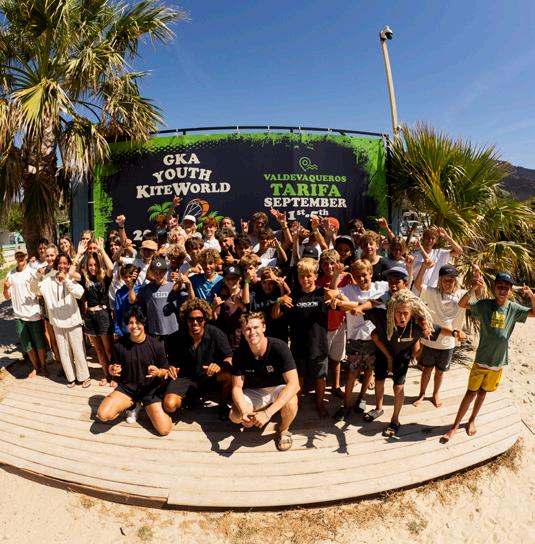
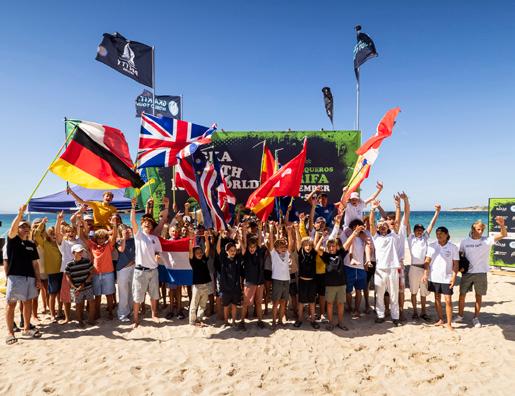
The GKA Youth Kite World Championships went off in Tarifa, Spain, awarding coveted crowns in Freestyle Twin-tip and Kite-Surf to boys and girls in the U14, U16 and U19 divisions.
In a measure of the young athletes’ desire to land world titles, 53 riders from 16 nations around the world signed up for the Freestyle division. In the Kite-Surf class, 25 athletes from 10 countries joined the fray. It was the fourth straight year that Tarifa, southern Spain, has hosted a Youth world title race.
The competition threw up a host of surprises, with favorites occasionally bested by new faces on the Youth tour. Aya Kasabov won the U19 Women’s Kite-Surf division, but was surprisingly beaten into second place by Spain’s Vera Vazquez in the U19 Freestyle division. Germany’s Finn Flügel, winner of a senior Freestyle World Cup, was bested by Hungary’s Benedek Szente in the U19 Freestyle. Italy’s Leonardo Casati made no such slips and took the U19 Kite-Surf crown.
FREESTYLE RESULTS
U19 WOMEN
1 Vera Vazquez (ESP)
2 Aya Kasabova (BUL)
3 Elena Kyngdon (AUS)
4 Charlotte Losserand (SUI)
U14 MEN
1 Gonzalo Capela (ESP)
2 Henry Gerhardt (AUS)
3 Carlos Montans Alonso (ESP)
4 Alejandro Sanchez (ESP)
U16 MEN
1 Pedro Alexandre (BRA)
2 Léo Schlichter (FRA)
3 Pierfrancesco Rizzello (ITA)
4 Ben Gerhardt (AUS)
U19 MEN
1 Benedek Szente (HUN)
2 Finn Flügel (GER)
3 Rafael Montero (ESP)
4 Oscar Jalon (FRA)
U19 WOMEN
Aya Kasabova (BUL)
Zara Jones (GBR)
Charlotte Losserand (SUI)
Andrea Ivanov Ivanova (ESP)
MEN
Tommaso Lazzari (ITA)
Carlos Montans Quirce (ESP)
Teo Sarquella (ESP)
Sam Sarquella (ESP)
Santiago Montero Basterra (ESP)
Pedro Alexandre (BRA)
Juan Moreno (ESP)
Joaquin Montans Quirce (ESP)
Leonardo Casati (ITA)
Javier Lopez Martín (ESP)
Johannes Sarny (AUT)
Domi Moreno (ESP)
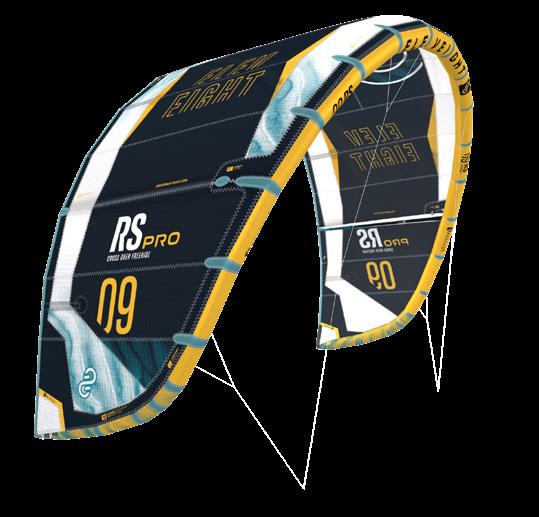
If you’re a freerider chasing top-tier performance, the RS Pro features the lightest state-of-the-art construction available for superior flight. Now upgraded with Teijin’s X6 ripstop, V2 is lighter and tougher where it counts. A rotated leading edge seam reduces snag, and triple-closing seams lock in durability. A refined arc boosts low-end power, while new bridle settings deliver even sharper bar feel. Plus the upgraded kite bag offers smarter, more compact storage.
Designed for smaller swell and strapless freestyle, the Badger combines high nose volume with a classic fish tail, delivering ultra-snappy turns without sacrificing grip. The new version comes with an optimized coating that makes it a good 100g lighter. Meanwhile, the new Badger Pro, 25% lighter than the Badger 2, has a full carbon wrap and a significantly thinner EPS core for epic flex characteristics, board feedback and control, while still offering maximum protection against dents and snaps.
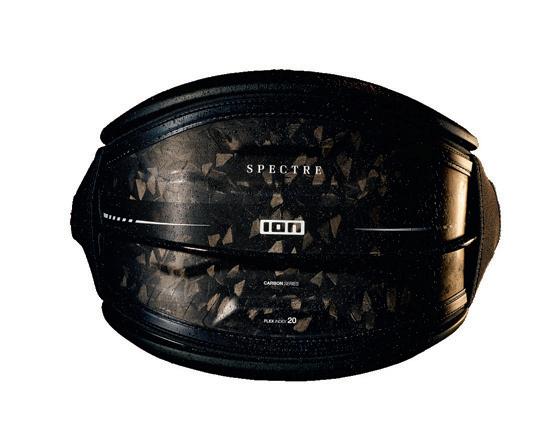
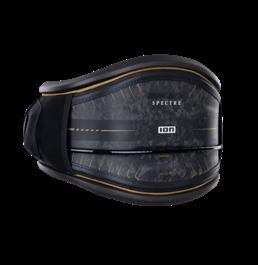
The all-new Spectre features a fully carbon hard shell for ultimate back support and lightning-fast response, plus a Carbon Fusion Plate for maximum stiffness with minimal weight. Just 1050g, the Spectre is one of the lightest and most responsive harnesses in ION’s lineup. The ultra-light, ultra-stiff Spectre Bar 2.0 spreader bar distributes forces symmetrically, and non-slip EVA padding keeps the harness locked in place for stability and feedback, even during rotations.
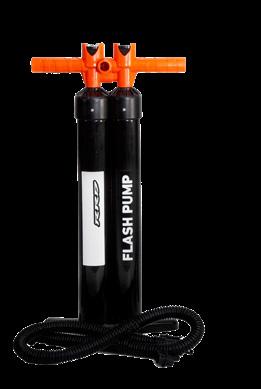
The new RRD pump combines efficiency, durability and versatility in one tool. With its double 5.5-liter chambers delivering up to 18 PSI, it guarantees powerful inflation while allowing you to easily switch from triple to double to single action depending on your needs. Equipped with seals and an anti-sand filter, it ensures a longer lifespan for both the pump and your kite. Thanks to the extra-long body and high-airflow piston, inflation is smoother and requires less effort.
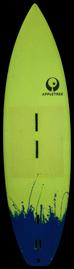
This high-performance Big Air board is tuned for the more aggressive rider, delivering ultimate edge control for powerful upwind tracking and Big Air sends in even the most overpowered conditions. The Triaxial Pro Carbon construction delivers a fast and reactive response when loaded, with greater torsional and longitudinal board stiffness, while the concave and channels enables smoother landings and precise control – perfect for lining up that kicker, edging hard, and sending it to the moon!
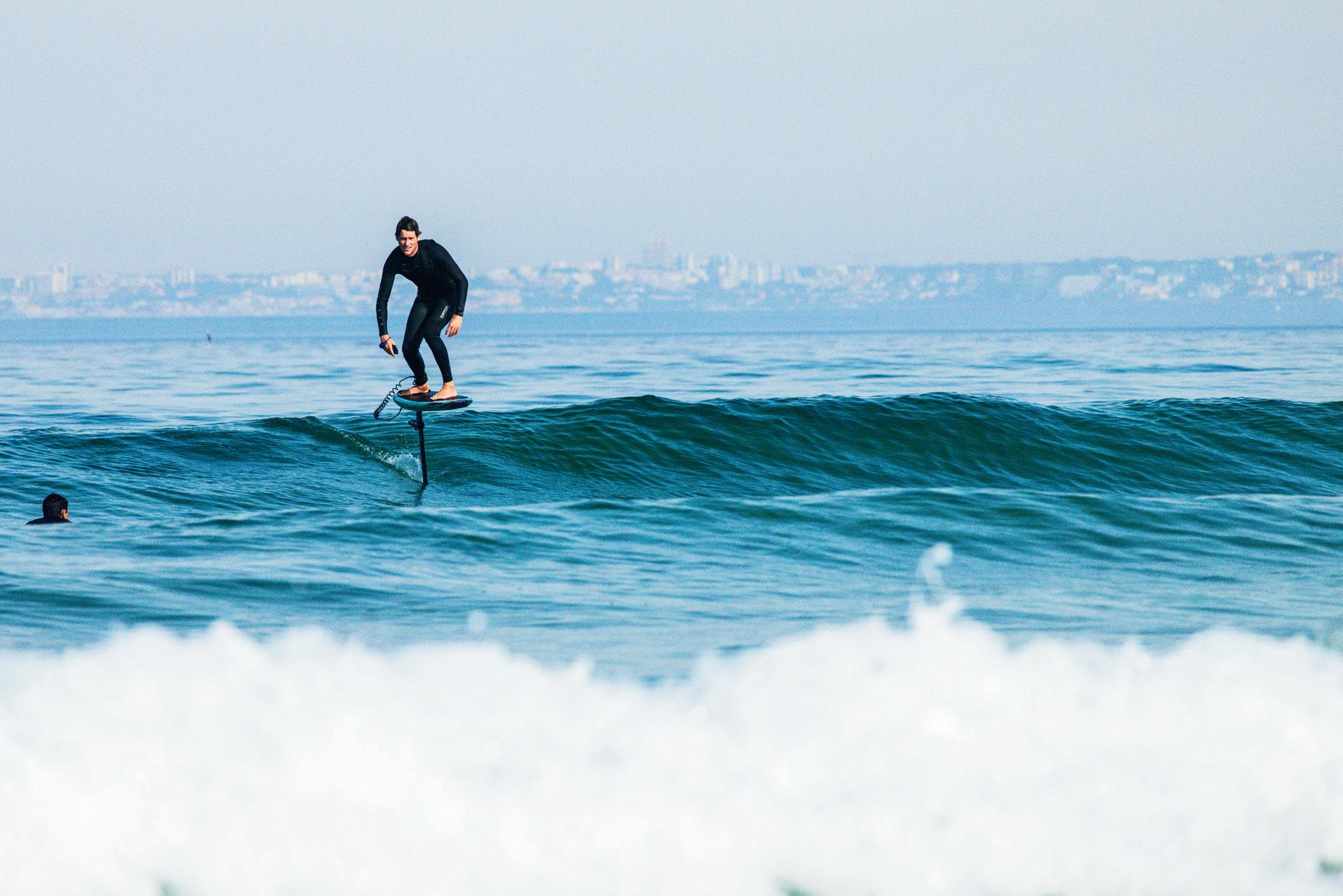
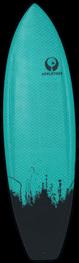
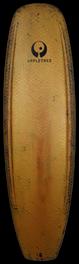
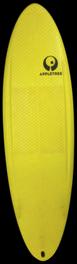
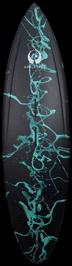
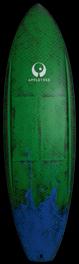
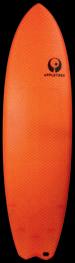
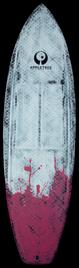


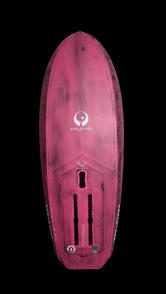
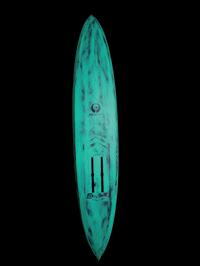
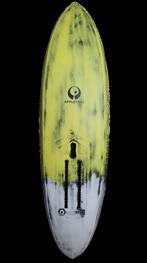
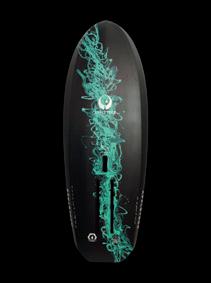
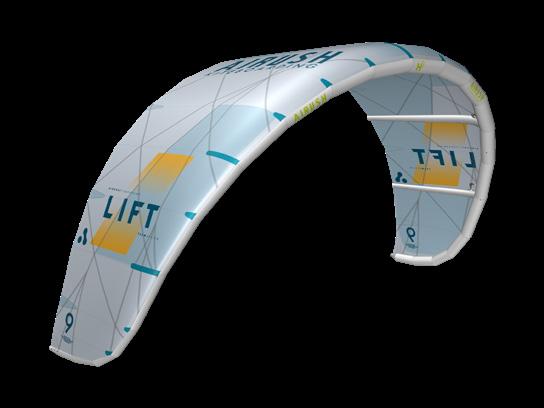
This high-performance freeride / Big Air machine will give you explosive power and smooth loops, with massive lift and hangtime, as well as stability in the wildest conditions. Like all the latest Team Series kites, the newest version now features an H2 Ultra PE Air Frame making it stronger, more abrasion-resistant, and super light. The new Lift Team also has Ultra Bond Welded Seams, a technology that allows bonding of key sections of the leading edge. Read more further on in the mag.
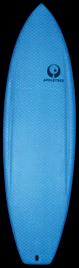
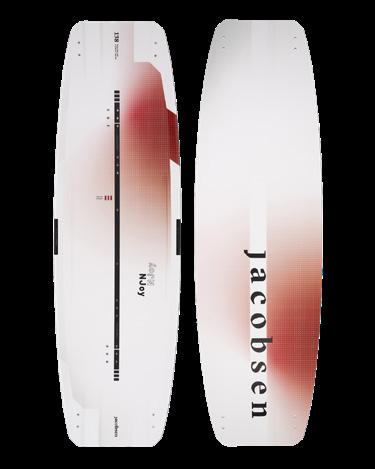
Say hello to pure stoke with this freeride twintip built to turn every session into a good time. Crafted for all levels of riders who want a board that’s easy to ride but never boring, the NJOY blends control, comfort and just the right amount of pop. Its lightweight paulownia wood construction and smooth flex pattern give you buttery landings and confident grip, and it combines bidirectional carbon and laminate and quadraxial laminate for maximum strength.
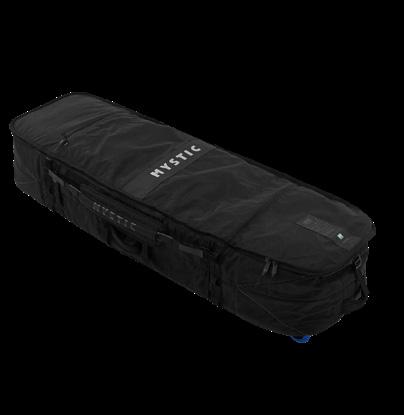
Designed for efficiency and convenience, this board bag features an updated fixed wheel system for easy transport. Constructed from lightweight nylon ripstop fabric, it includes removable skeleton poles for added stiffness and support, especially when traveling with just your kites and not the board. The 3D mesh air vent keeps your gear fresh, while two transparent inner pockets store screws and fins. Easily foldable for compact storage, it’s perfect for traveling light.
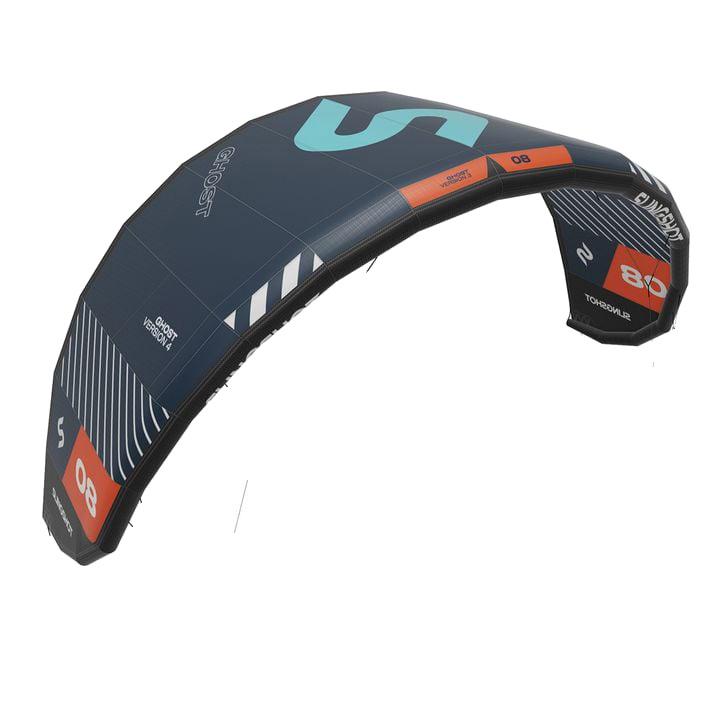
This is Slingshot’s answer for beginners seeking an easy-touse kite and enthusiasts looking to pack light while exceling across multiple disciplines. It delivers smooth low-end power and sheet-and-go efficiency, keeping you riding even through lightwind lulls, and strikes the perfect balance between durability and weight savings. New for V4 is a refined canopy layout that resists bagging out, along with a reinforced center strut for added structure and stability and ensuring it gets back in the air if it ends up in the water...
10
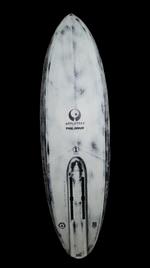
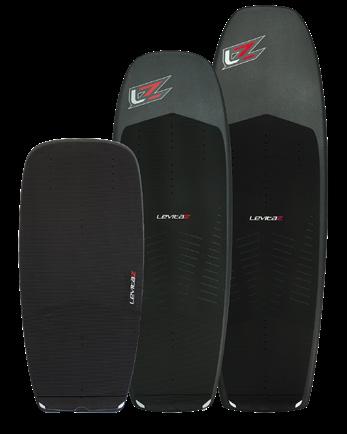
Made from 100% carbon fiber, these boards are incredibly stiff and featherlight. Handmade in Portugal with a closedcell 50K foam core, they remain unaffected by water or heat, delivering maximum durability and resilience. A concave deck adds control, beveled rails make touchdowns forgiving, and reduced rail volume means faster waterstarts. A unique vacuum lamination process guarantees a perfect bond to the core, resulting in a long-lasting, high-performance board.
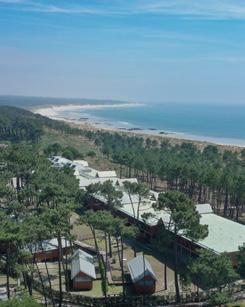
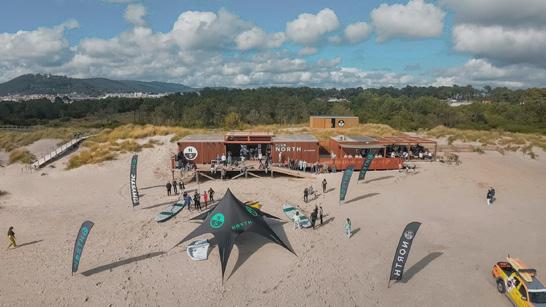
Praia do Cabedelo - Viana do Castelo, Portugal
LESSONS - COURSES - RENTALS



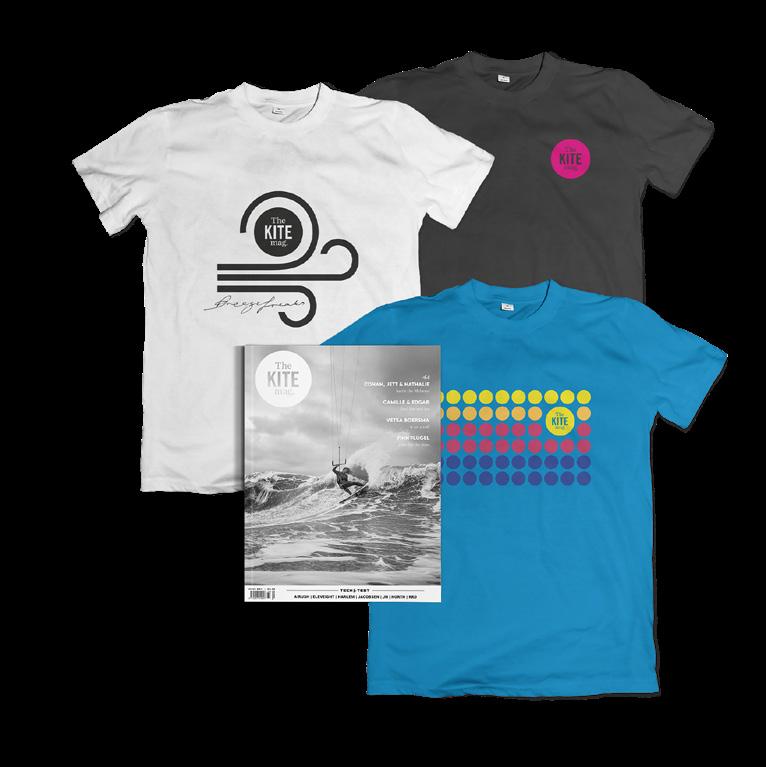
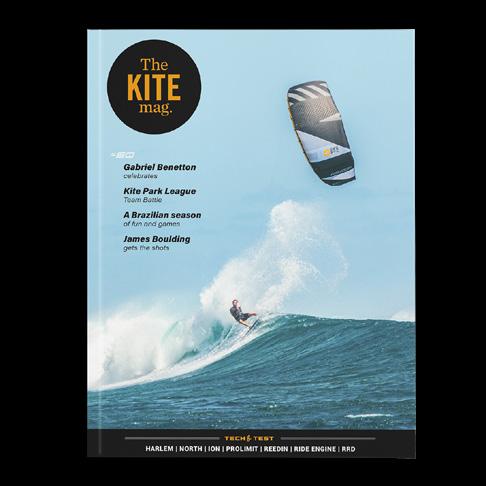
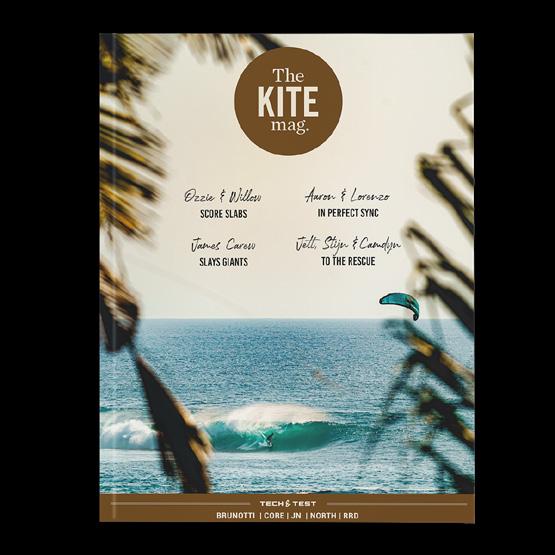
AND GET FIVE ISSUES OF THE VERY BEST KITESURFING CONTENT
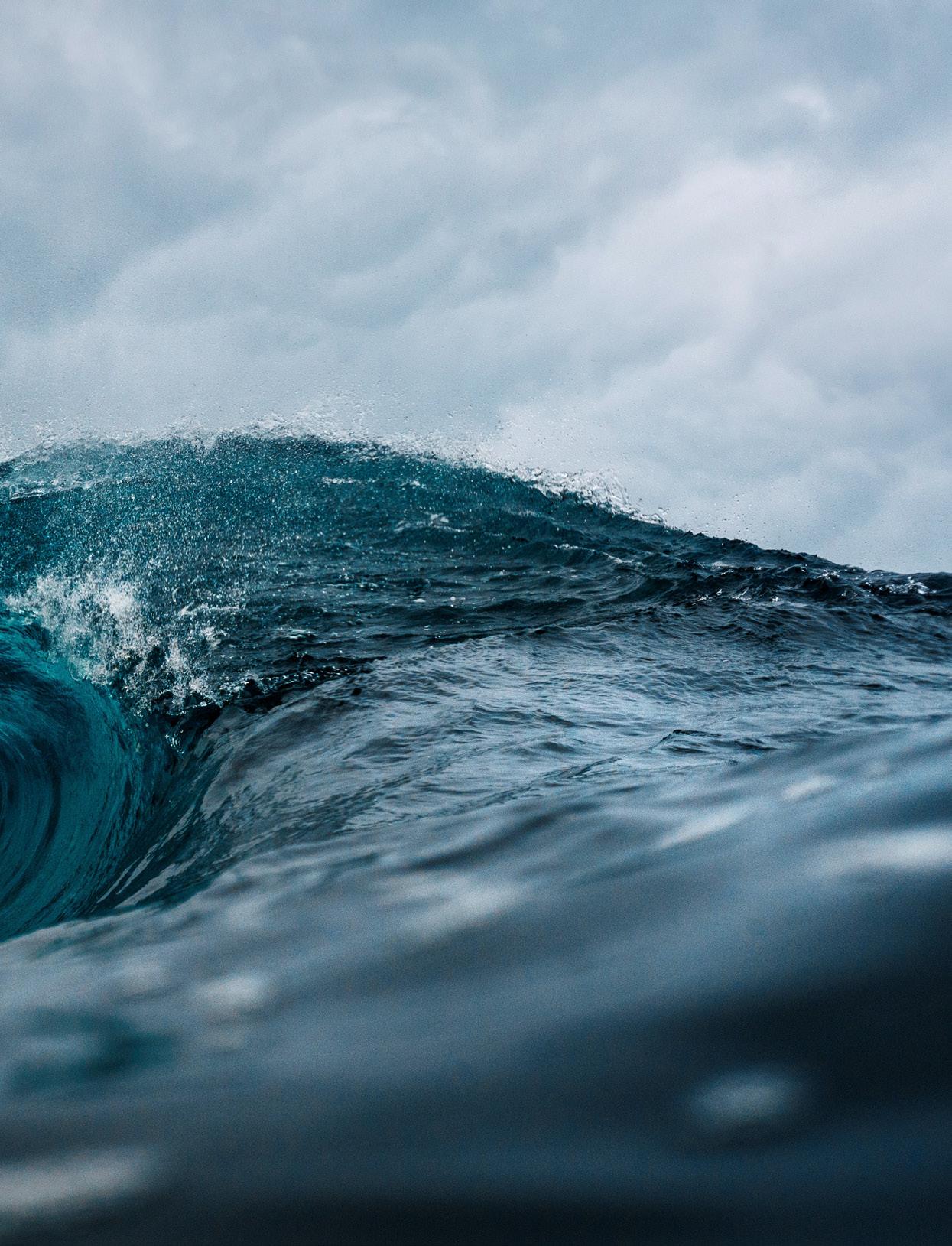

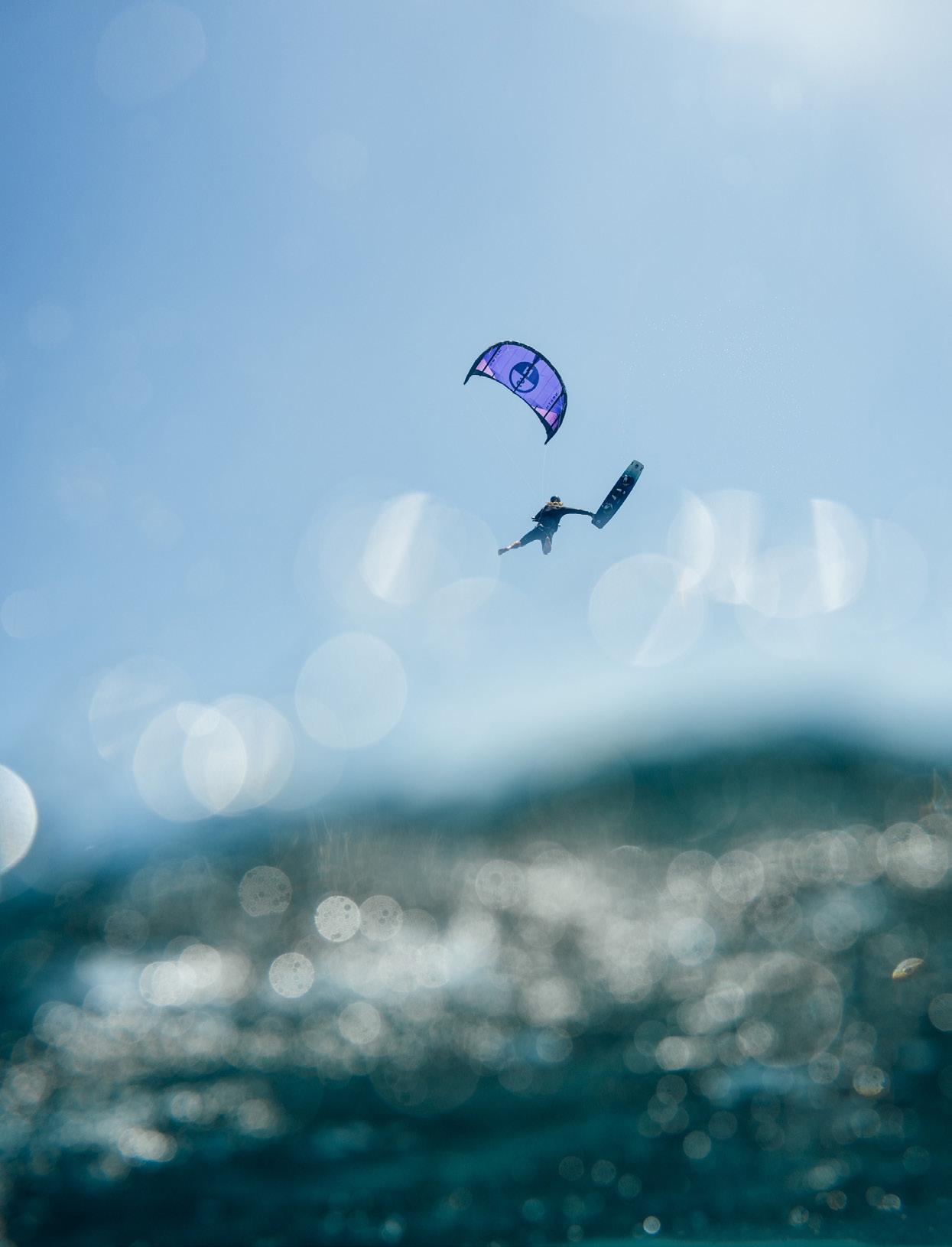
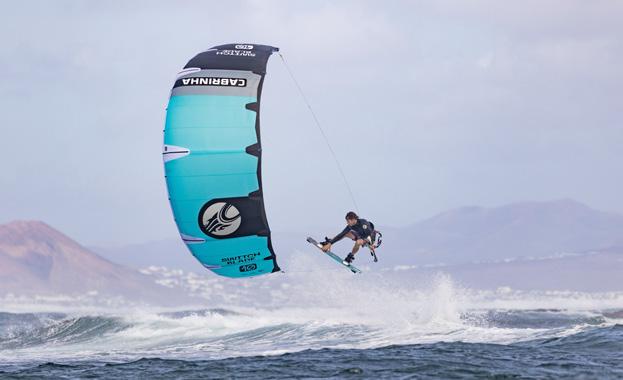
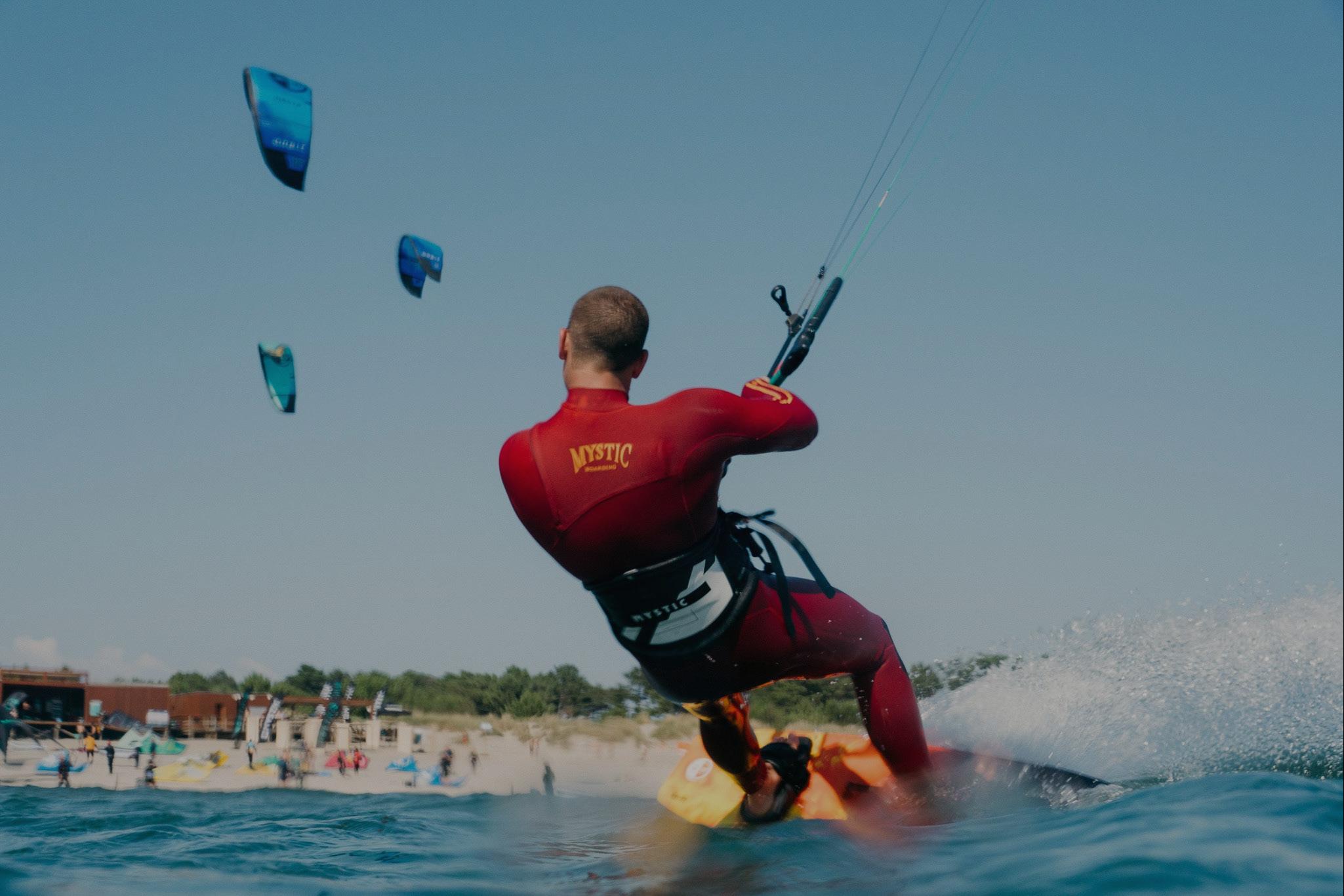
When Meltemi winds howl, the Greek Cyclades islands become a battleground for Big Air mastery. The 2026 North shoot with Cohan van Dijk, Jett Bradshaw and Nathalie Lambrecht nearly bombed – with cancelled ferries, damaged cars, and bruised ribs – yet landed epic loops with raw Aegean stoke. North Actionsports Creative Producer, Michel Bakker, shares the story.
here’s an old saying in Greece: “the wind decides”. By the end of our 10-day shoot across the Cyclades, we knew exactly what that meant. The North Big Air campaign was always going to be about raw conditions – spots where the riders could push and our gear could speak for itself. We chose Tinos as our base, with strike missions to nearby Mykonos and Rinia. But nothing ran to script, and the shoot quickly became a baptism of the Meltemi’s unpredictability and Tinos’ wild terrain.
When the Meltemi wind wakes the Aegean each summer, the Cyclades transform into a kiteboarding mecca – and Tinos is where raw island spirit meets world-class conditions. Nestled in the heart of these sun-soaked islands, Tinos is often overshadowed by its flashier neighbors Mykonos and Paros. But for those chasing Big Air challenges amid authentic Greek charm, Tinos stands apart.
From June through August, the Meltemi – a fierce, dry north-northwesterly wind – blows consistently across the Cyclades, depending largely on pressure differences between the Balkans and the Aegean Sea. This seasonal wind can surge reliably from 15 up to 40 knots or more, delivering thrilling, high-velocity sessions. Tinos captures the Meltemi's power uniquely. Its varied coastline includes exposed north-facing bays primed for Big Air, alongside sheltered coves ideal for freeride or foil practice. Locals and seasoned riders know its rhythms well and plan their days by its moods.
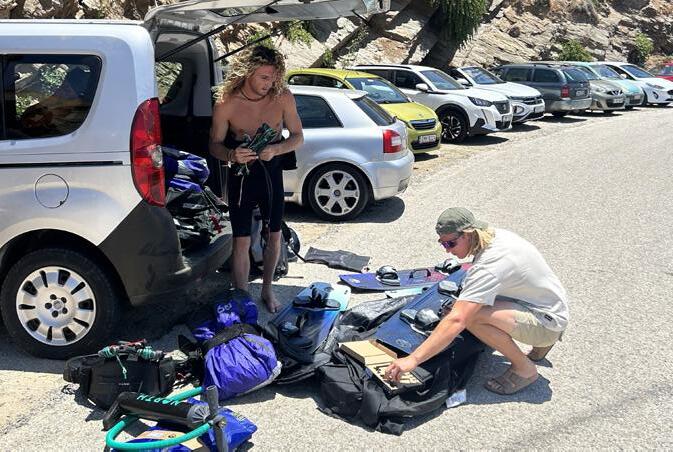
We touched down in Athens, only to learn every ferry was cancelled thanks to howling winds. Instead of Tinos, we found ourselves stuck at Rafina port, grabbing the last two hotel rooms within walking distance. Nathalie was stranded in Paros, Jett on Mykonos. It was chaotic, but hinted at what the week ahead would bring: nothing smooth, everything earned.
When we finally made it over to Tinos, the opening day started ambitiously with remote Kavalourko Beach – a rocky descent down a dirt road that left one rental car with fresh scars. Little wonder that the rental car company had warned us not to take the cars on dirt roads… The spot demands respect. It gifted us moody gusts and a tight launch that forced the riders to squeeze through a rock chute into the open sea. Hardly forgiving conditions, but that’s where Cohan, Jett and Nathalie thrive. Once the kites hit the sky, all the fuss dropped away. Loops landed, three-color kite shots bagged, cars (barely) coaxed back uphill.
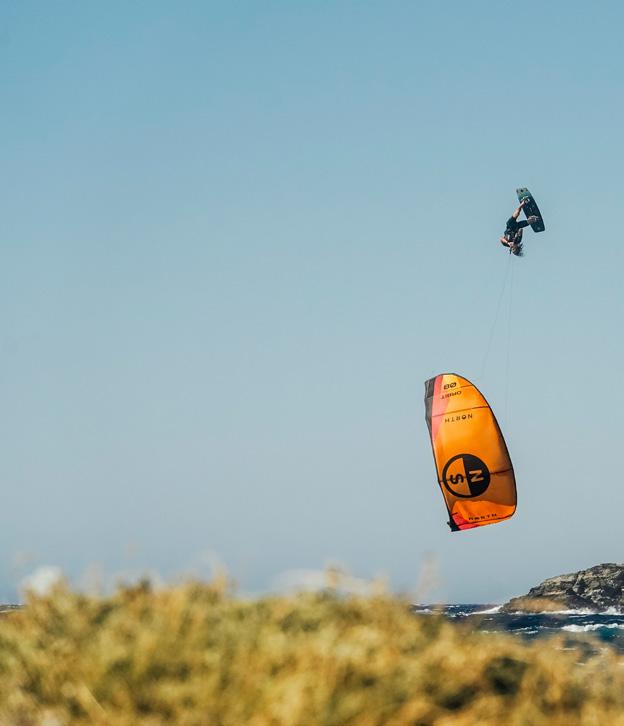
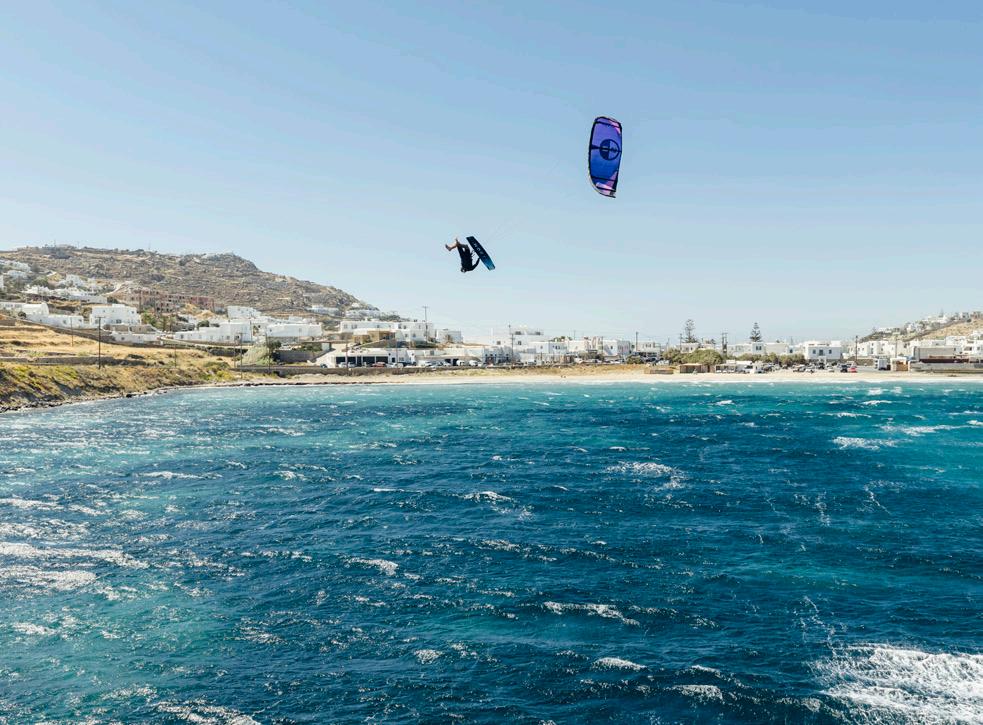
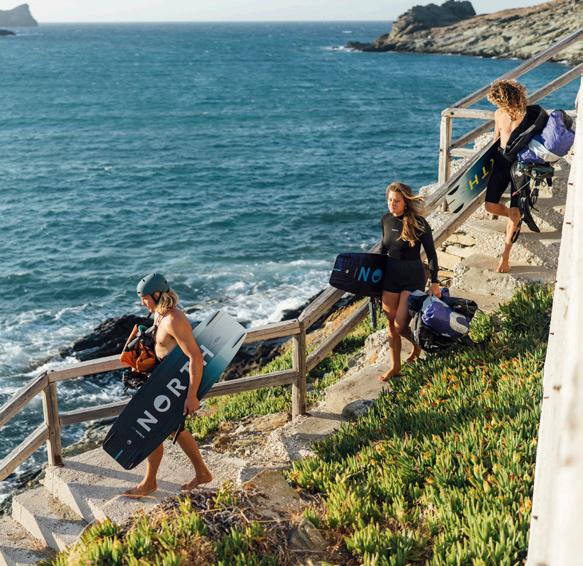
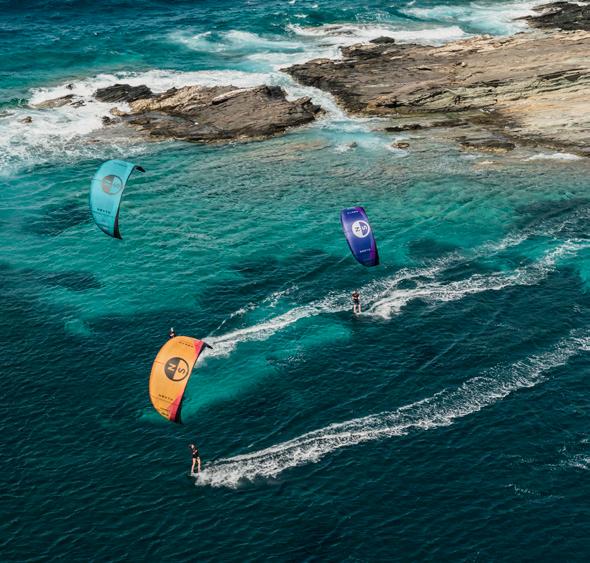
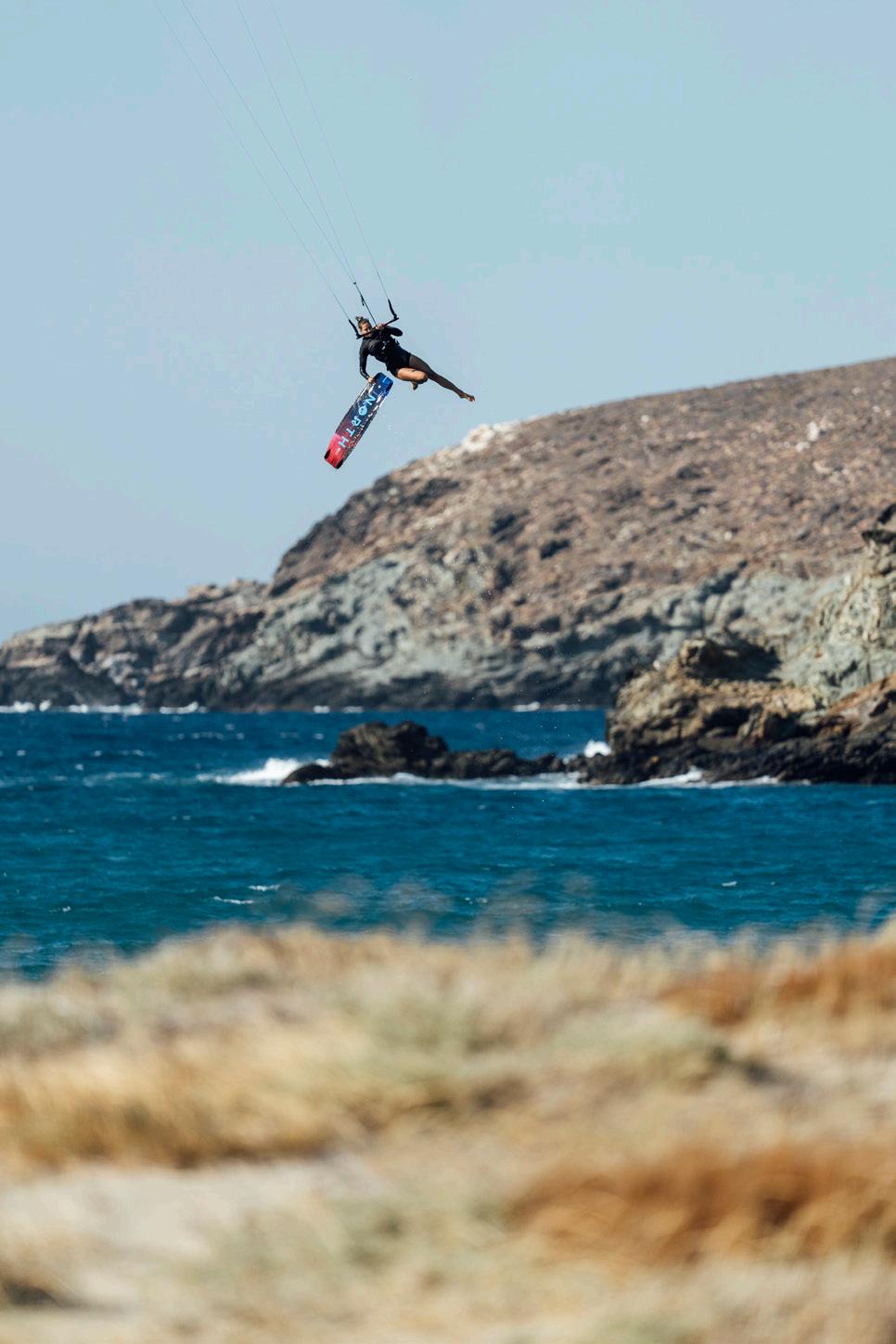
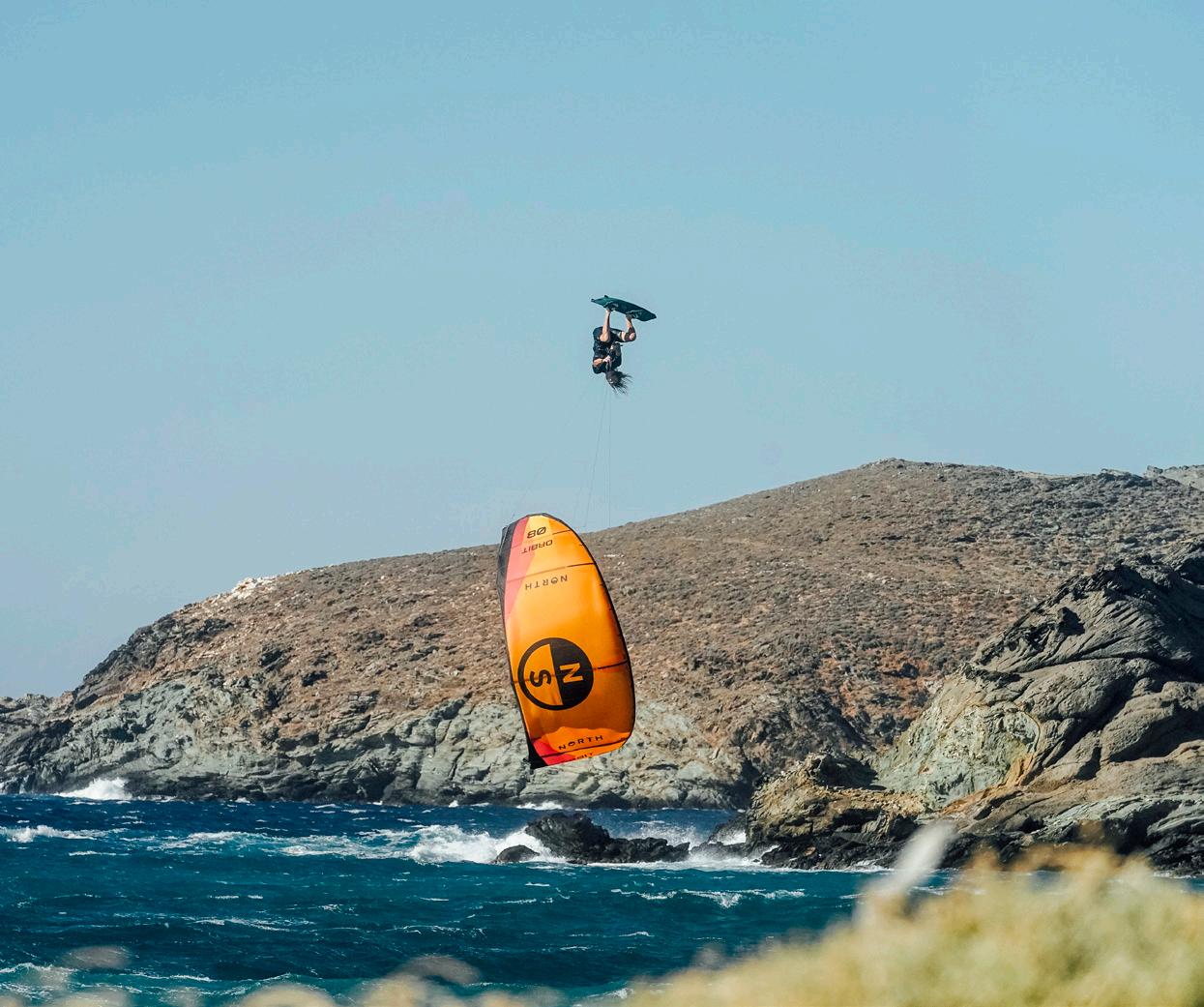
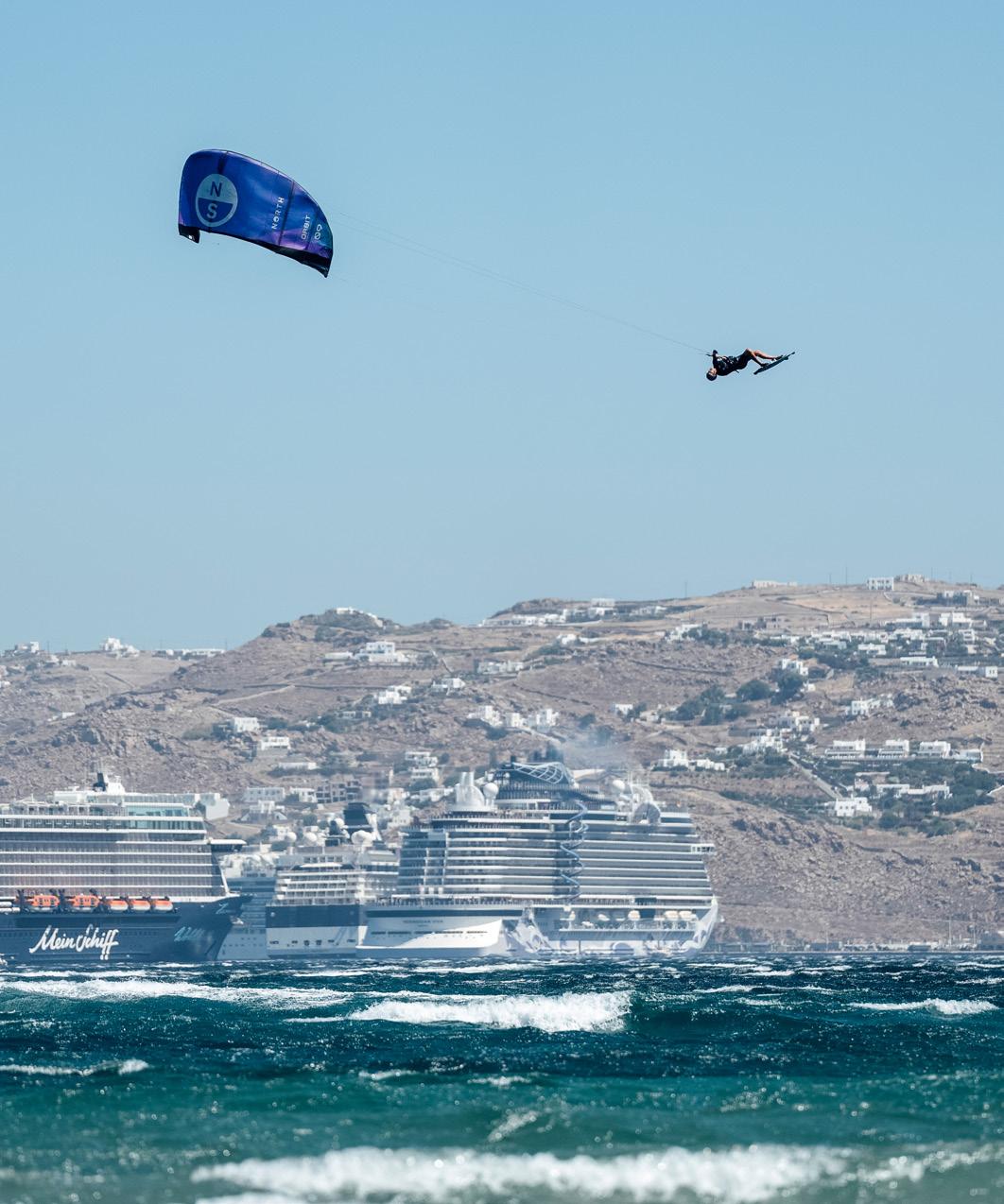
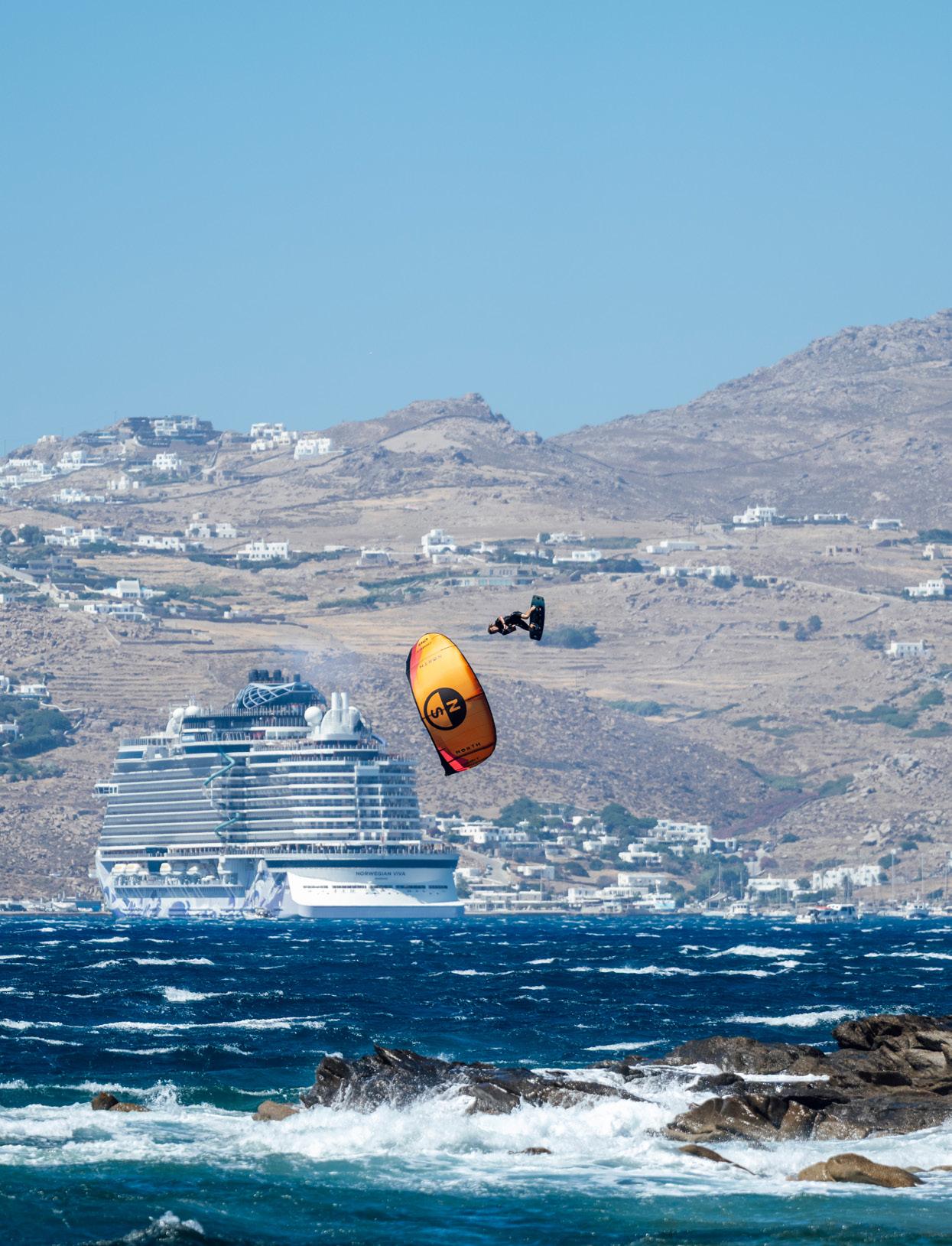
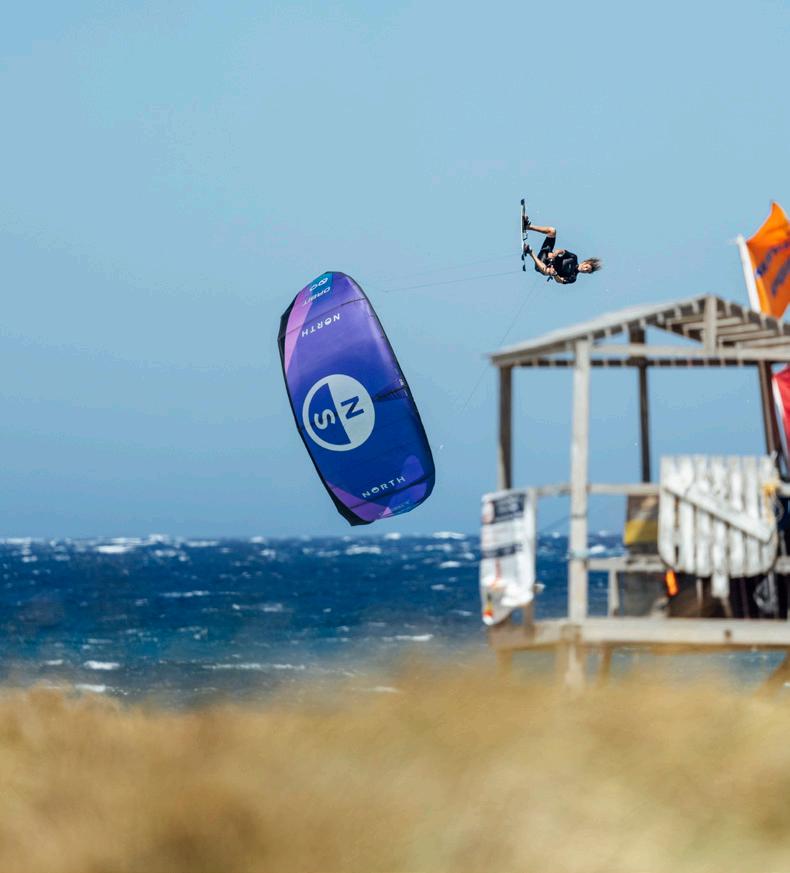
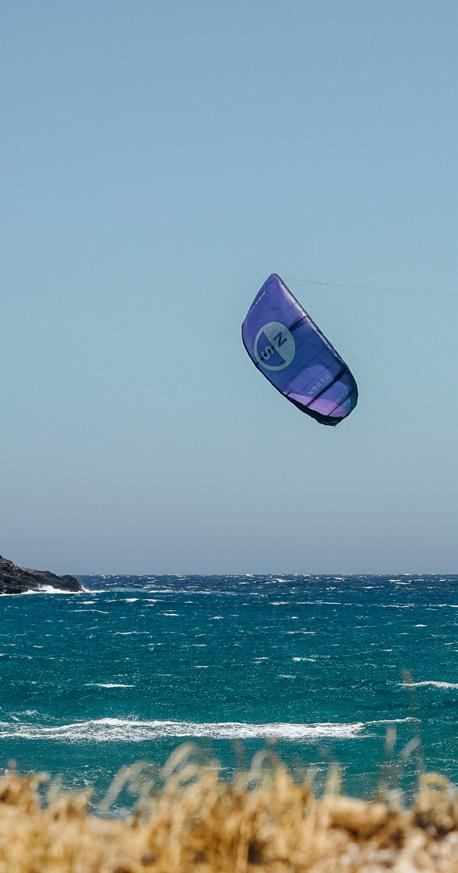
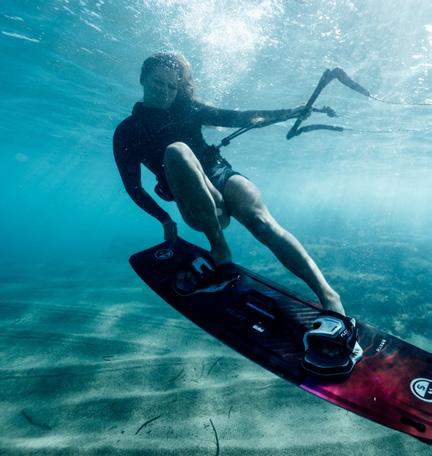
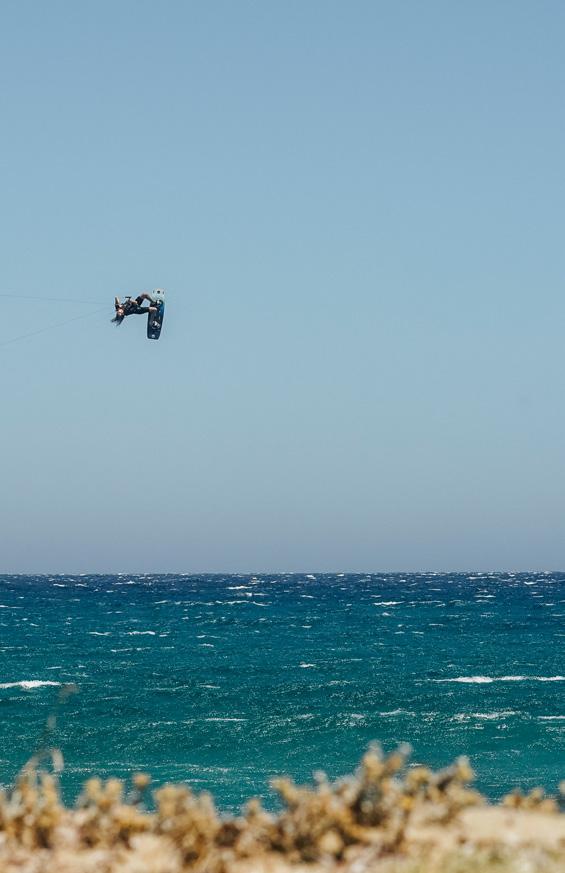
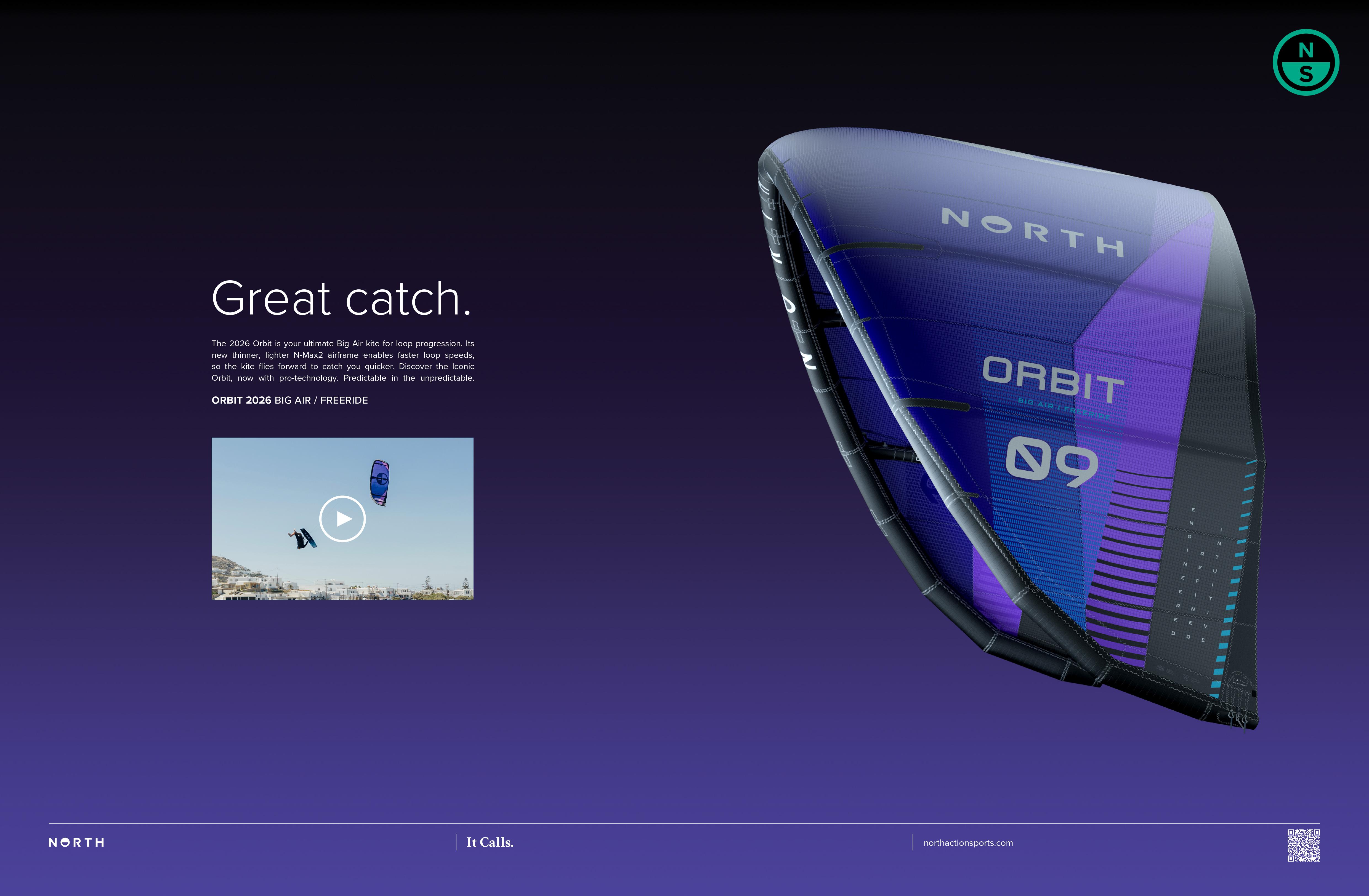
Kolimpithra Beach, the main kite hub, became our anchor, its north-facing bowl funneling Meltemi straight across a wide, sandy expanse. Friendly beach bars lounge at the edges, making it a social magnet for riders and locals alike. Evenings here are magic: turquoise holo-choppy water, and enough wind for the new Orbit to show its teeth. Its thinner leading edge and refined bridle let our riders tune in for loft and lightning-fast loops when gusts ran into the 30s. After the session the beach bars buzzed with lively crowds sharing stories of their day’s ride.
Two days later, we chased the Meltemi by ferry across to Mykonos. The wind was nuking by 9:30am, and Cohan, fired up from a slow couple of days, went straight into a board-off loop and slammed so hard he thought he’d cracked his ribs. Just like that, he was benched. It was a sober reminder of Big Air’s edge – milliseconds between career-worthy clips and campaign-ending crashes.
The next day we woke early, excited for a sunrise session at a new scenic spot, Paralia Livada Beach. We set off in convoy, but somewhere along the way, Cohan missed a turn and ended up an hour late – to a windless, sheltered spot. With sunrise fading, we captured some exploration shots before heading back for a quick nap. Then around 6pm, just as we thought the day was done, the wind gave us Kolimpithra in its wildest form: with 40-knot pulses against the golden Aegean sunset. Nathalie went full send on short lines, encouraged by Cohan and Jett, followed by Jett launching massive loops as the locals cheered. Some brutal crashes didn’t stop the stoke, and we scored a ton of epic shots before wrapping the day with beers and new friends.
Tinos is no easy ride. Roads are rugged, wind can be brutally gusty, and the island’s vibe is far from touristy commercialism. Yet that is the appeal. Here, gear and rider find a true test – and through it, something genuine is captured. It’s the kind of place where wind rules, the rugged landscape humbles, and the simple pleasure of riding restores something deep within. For those willing to embrace its challenges, Tinos promises moments of kiting magic that linger long after the Meltemi quiets and the kites are packed away… ■
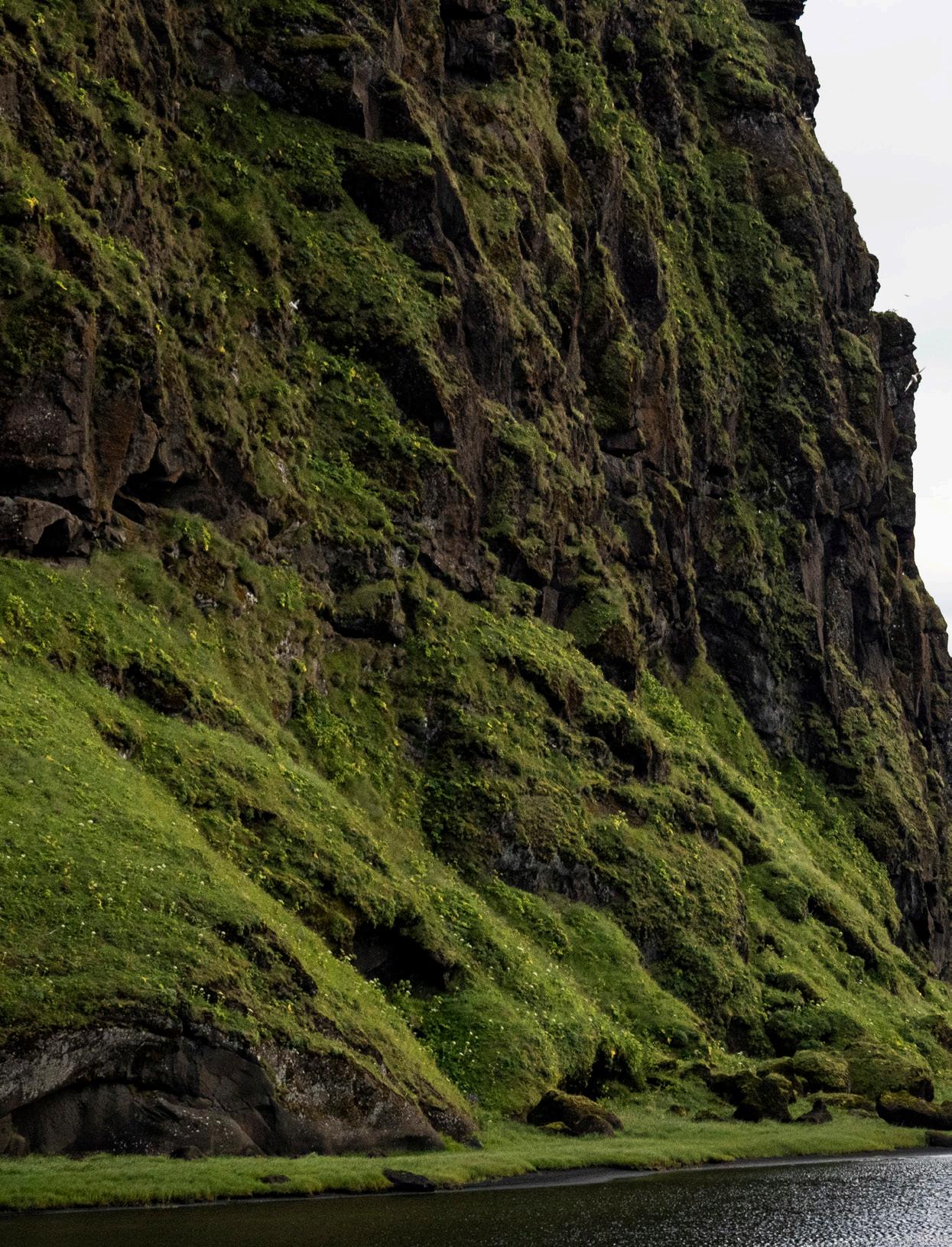

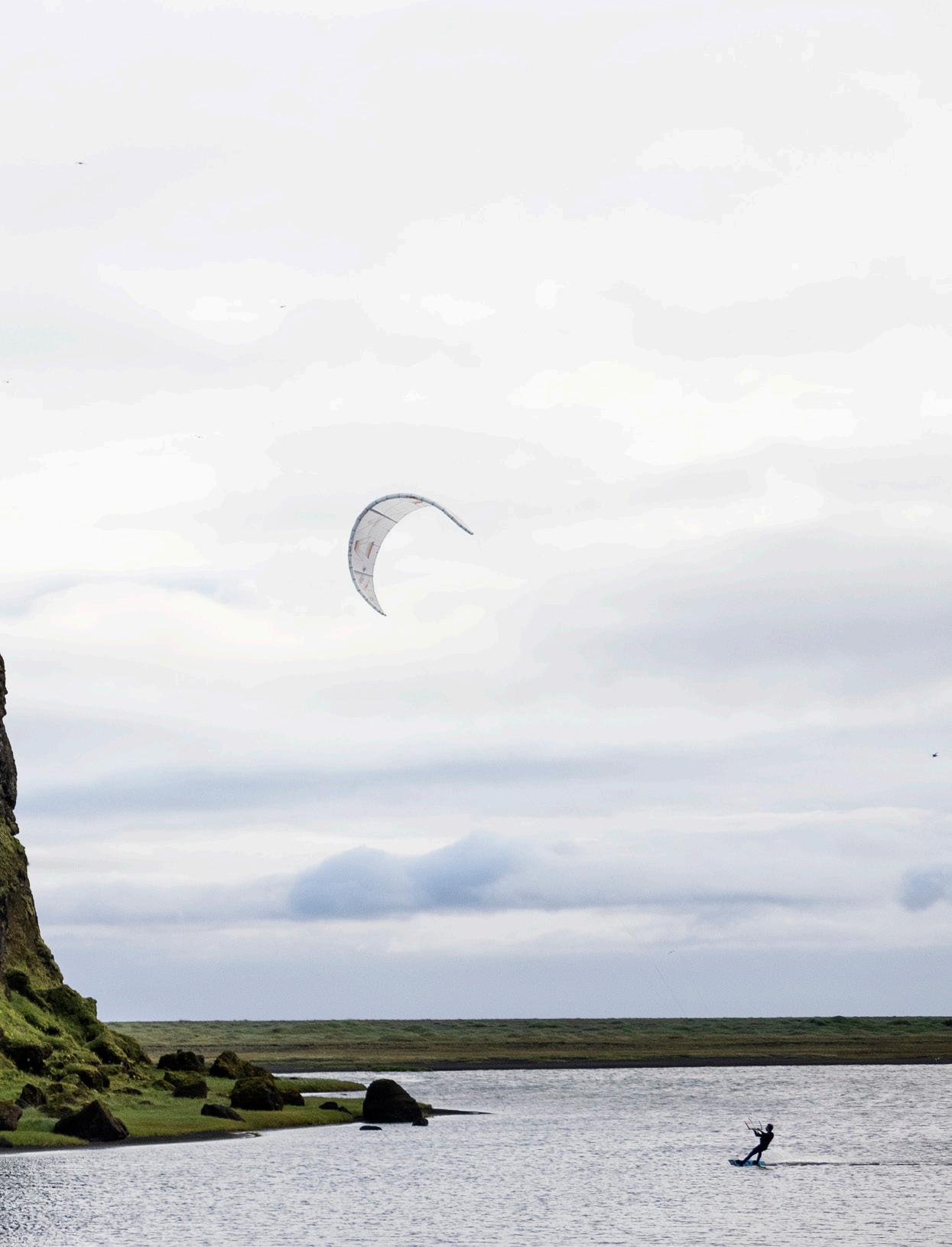
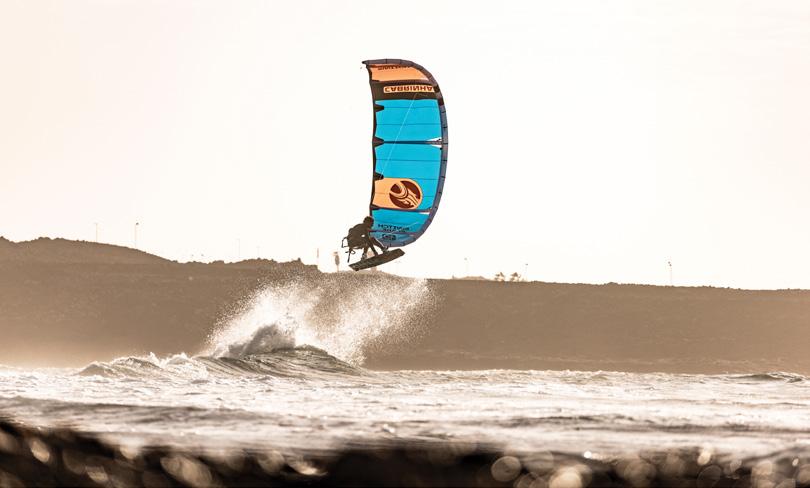
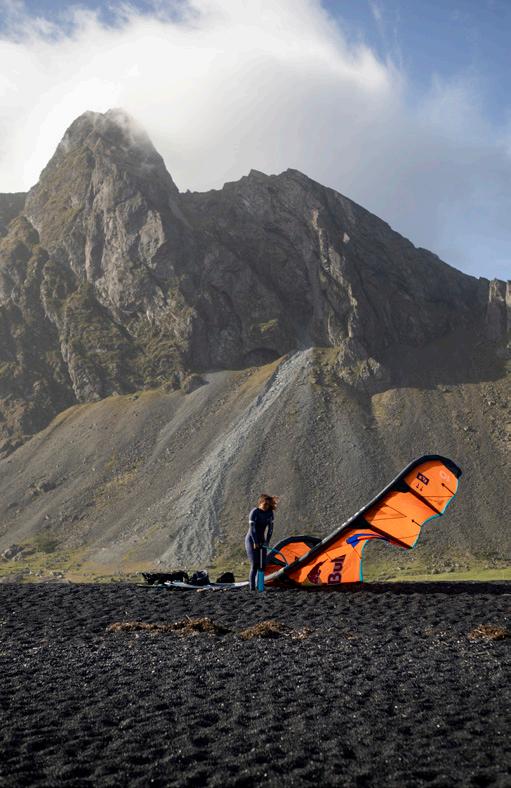
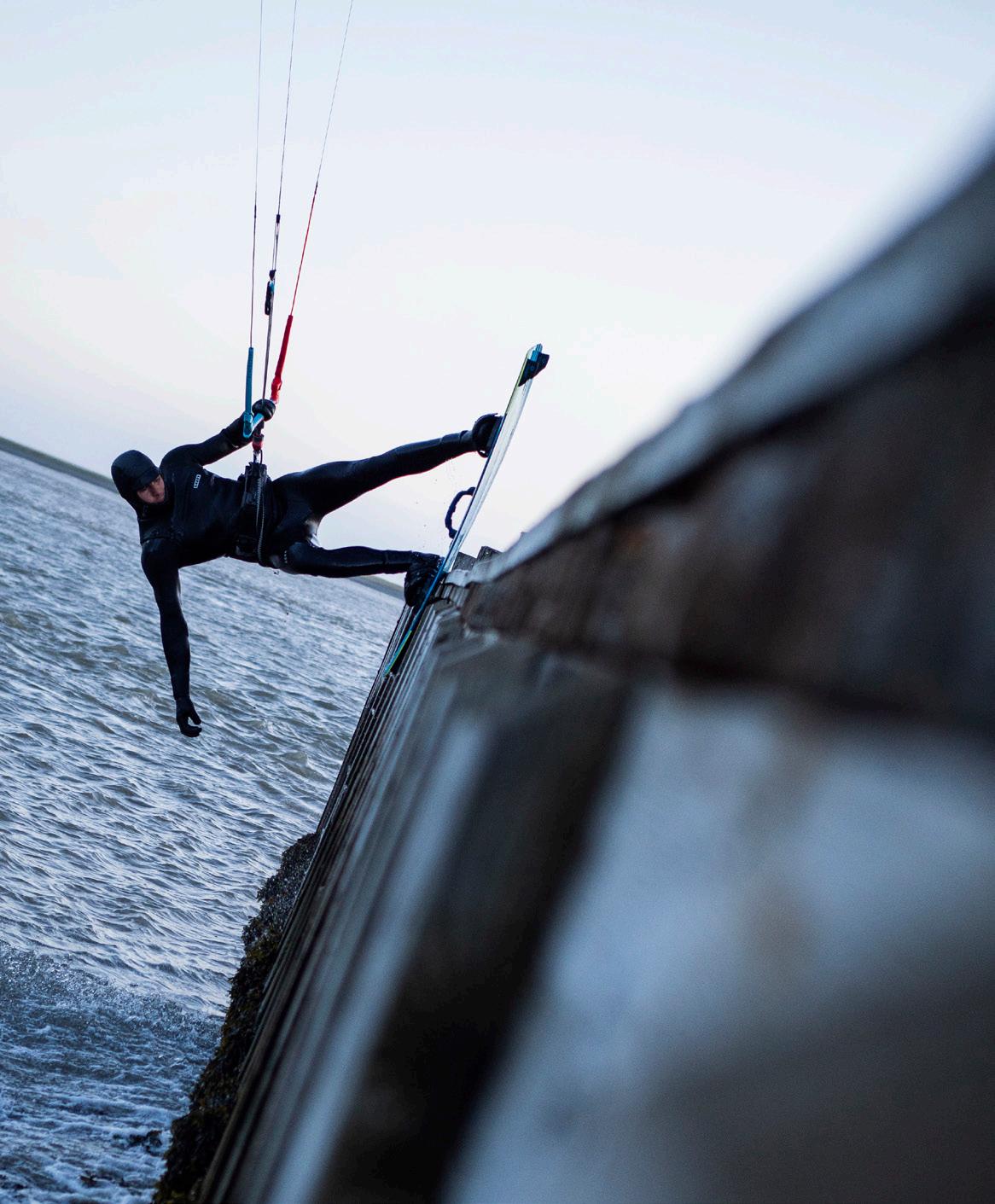
When it’s mid-summer in Europe but you’re needing to shoot your Fall/Winter collection, then Iceland with its dramatic landscape and moody skies is a winner of a destination.
David Mariot, ION’s Marketing Manager, whisked team riders Camille Losserand and Edgar Ulrich to the remote island for a memorable trip of exploration and adventure.
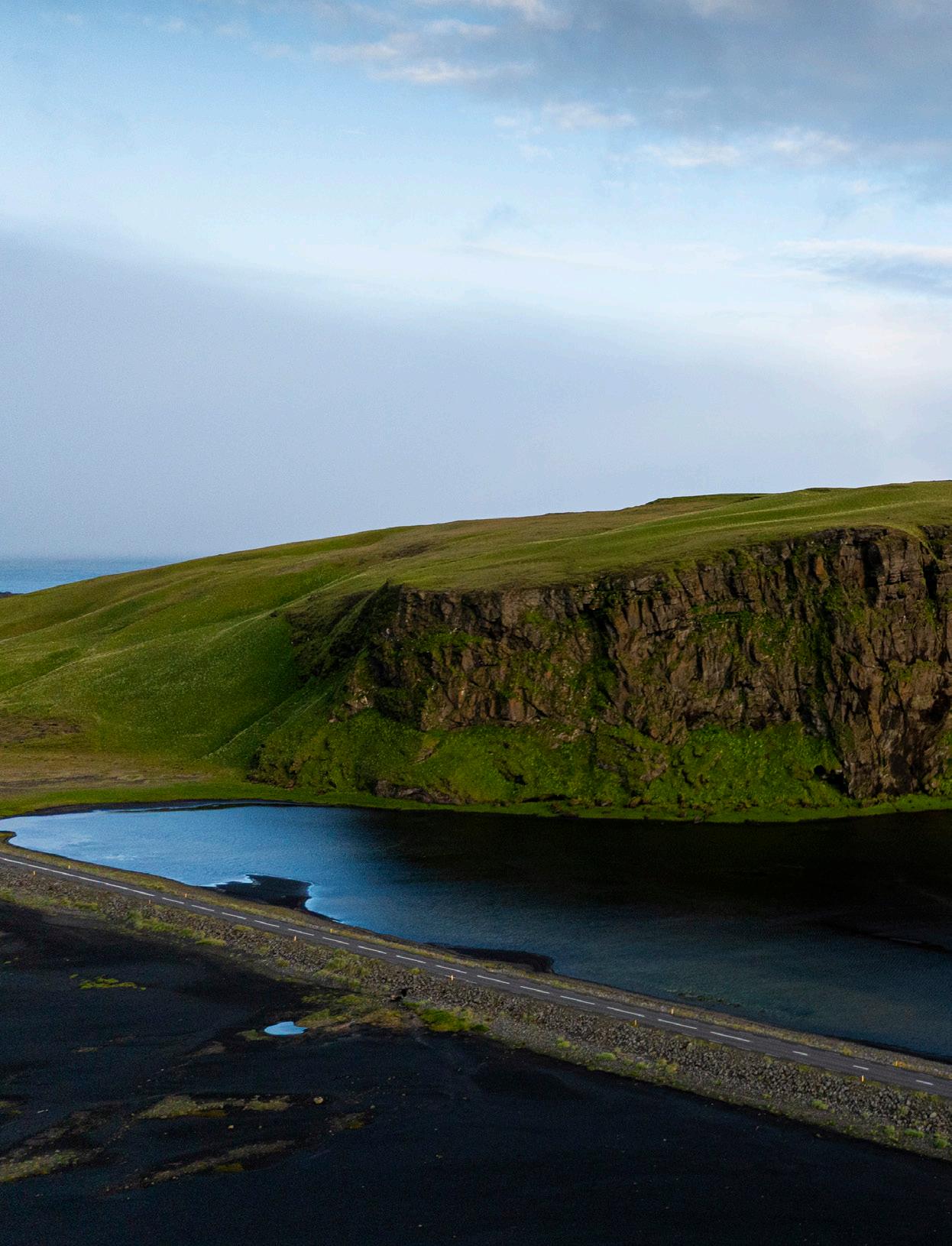
Iceland lies in the far North Atlantic – a jagged, wind-carved island born of fire and shaped by ice. Glaciers meet lava fields, geysers burst from black rock, and the coastline unrolls like an unfinished map. It’s a place that refuses to be tamed, and that’s exactly why we chose it.
We weren’t here to chase the perfect kite conditions – if that were the goal, we would’ve flown to Brazil or Cape Town like everyone else. But this trip was about something else: exploration, raw nature, and the unexpected. The spirit of ION has always lived in the wild edges of the world, and Iceland felt like the right canvas for the Fall/Winter 2026 campaign.
Five of us set off with two overloaded cars and little expectation beyond movement. Camille and Edgar – our French athletes – brought equal parts skill and spontaneity. Samu, our photographer, added his particular brand of creative chaos to every scene. Arthur Samzun, behind the video lens, chased light and wind like it was a second instinct. Together, we rolled into this adventure not as a crew, but as something more fluid: a roaming team of creators, hungry for moments.
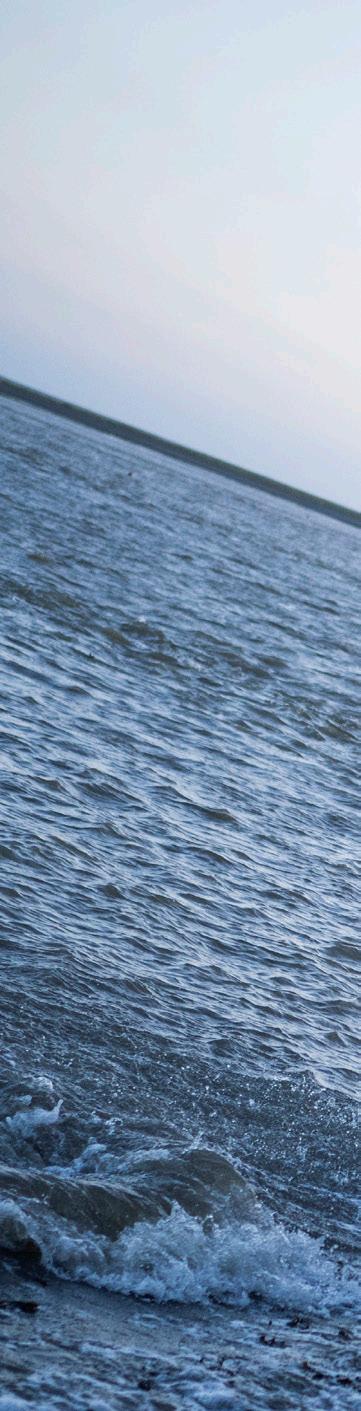
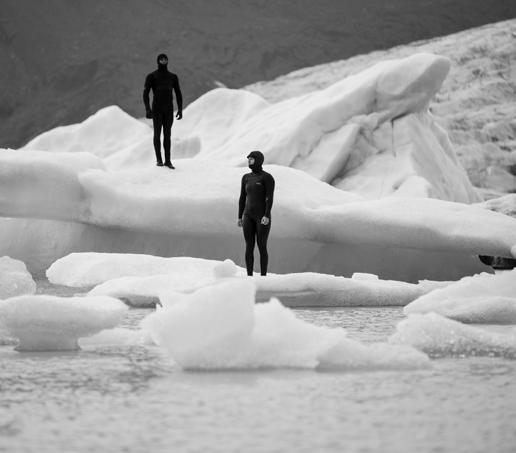
Our days quickly found rhythm… sleeping just long enough to catch breakfast, packing the cars like Tetris, grabbing hummus sandwiches from roadside supermarkets, and heading off into whatever direction the day – or the wind – demanded. Most shoots happened late. Iceland never really gets dark in July, which gave us the gift of endless light. We kited alone in midnight lagoons. We foiled between drifting icebergs. We built surreal night shoots in black sand caves, lit by strobes and softened by smoke.


"THIS TRIP WAS ABOUT SOMETHING ELSE: EXPLORATION, RAW NATURE, AND THE UNEXPECTED."
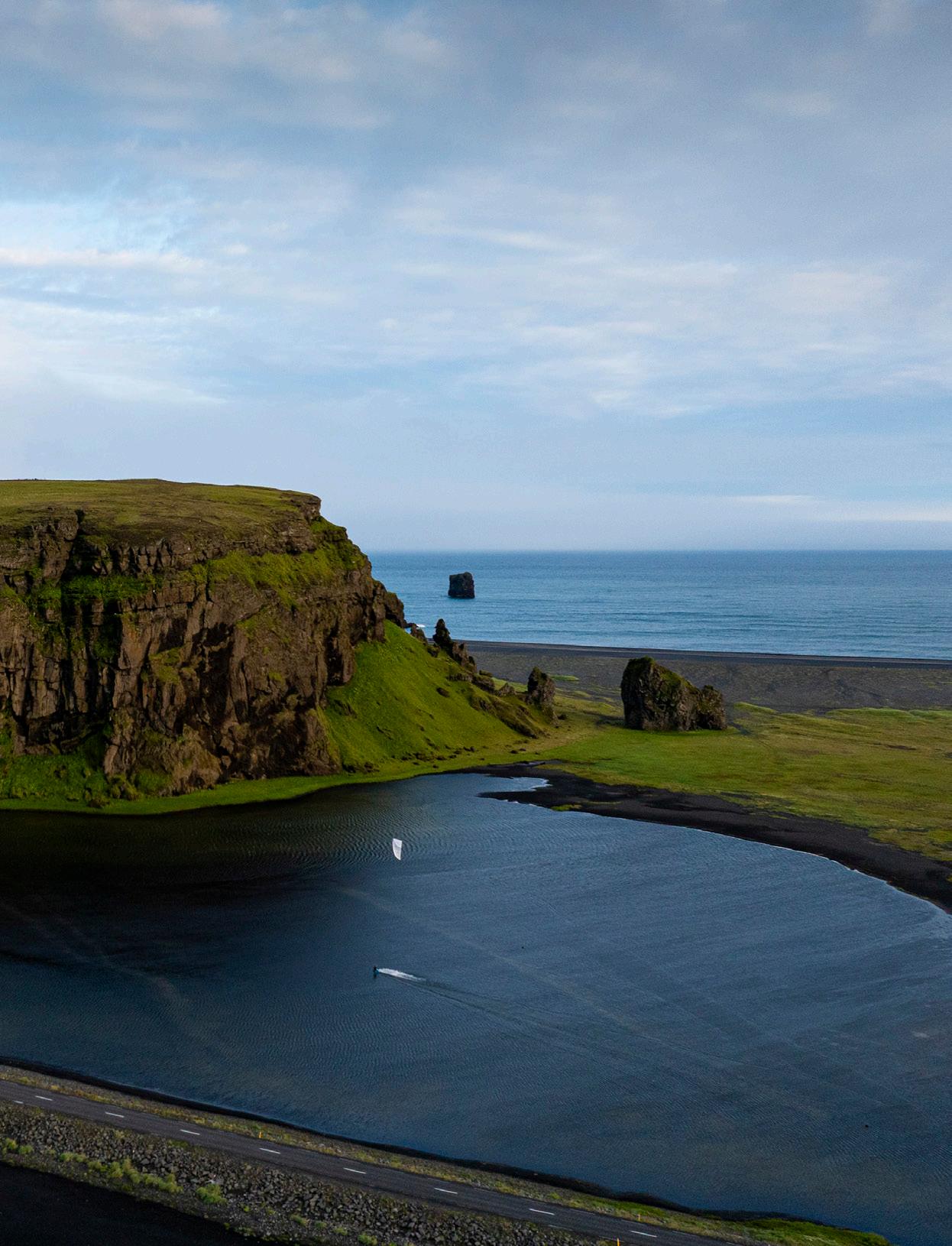
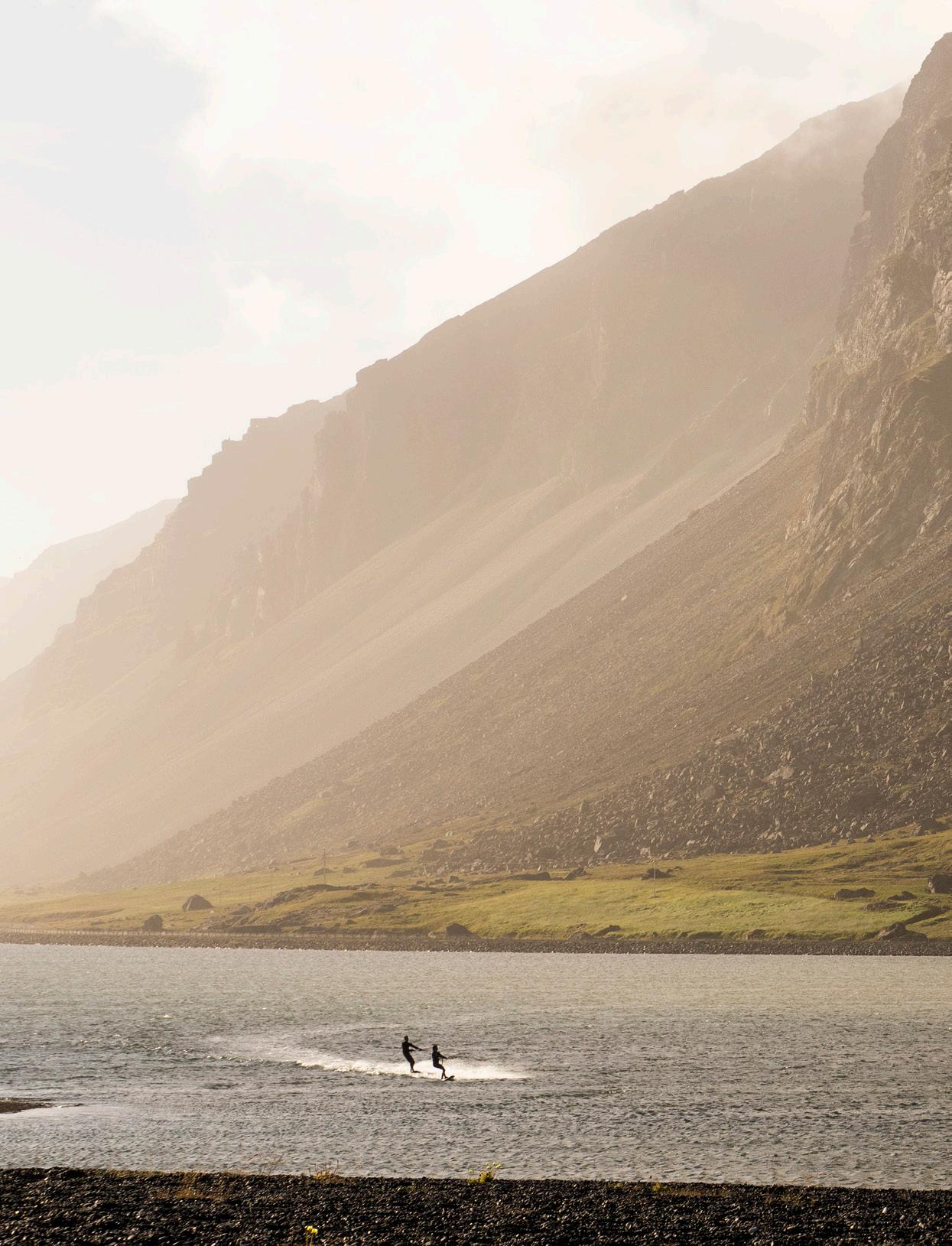
"ONLY CURIOSITY, INSTINCT, AND A SHARED DRIVE TO MAKE SOMETHING THAT FELT LIKE HERE."
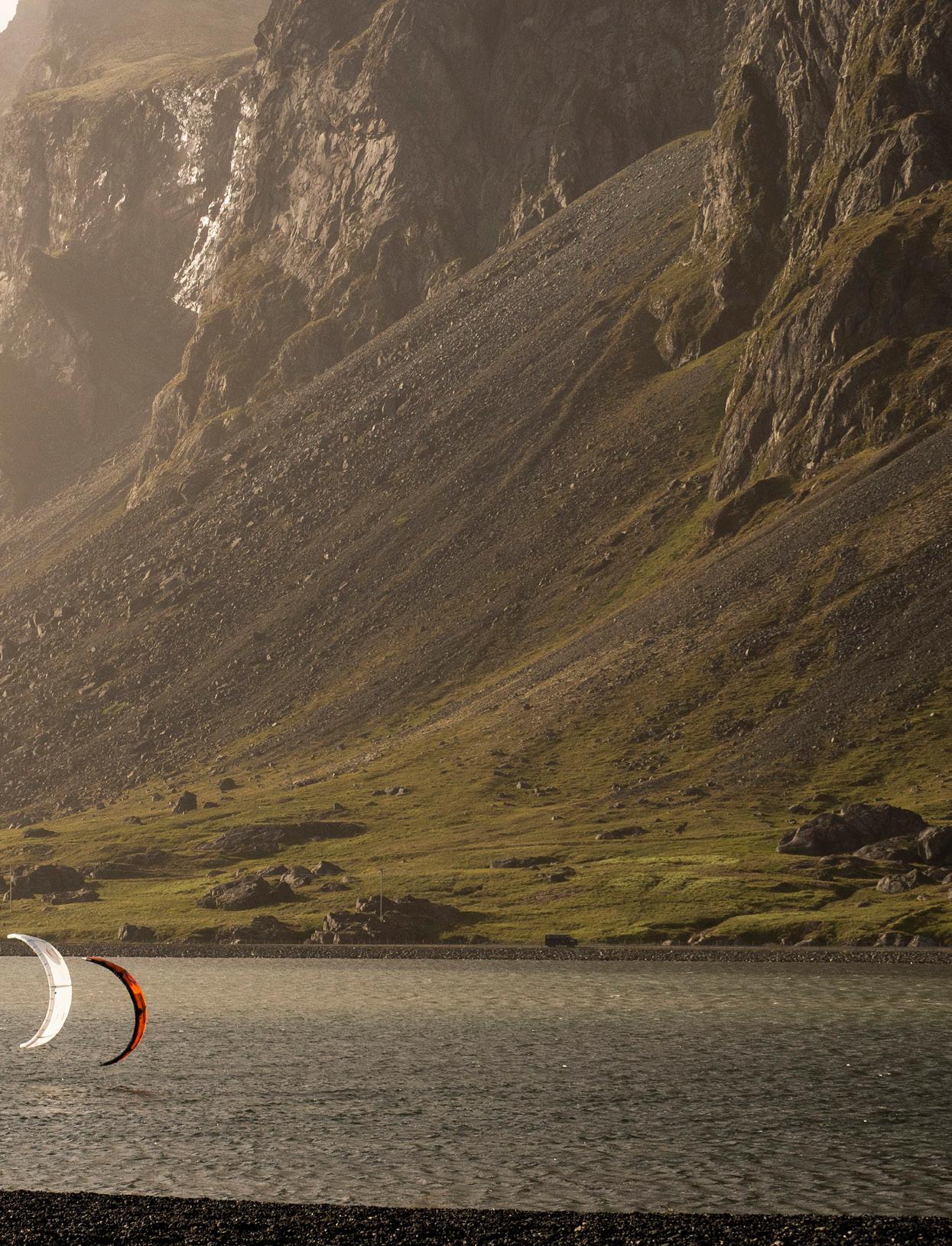
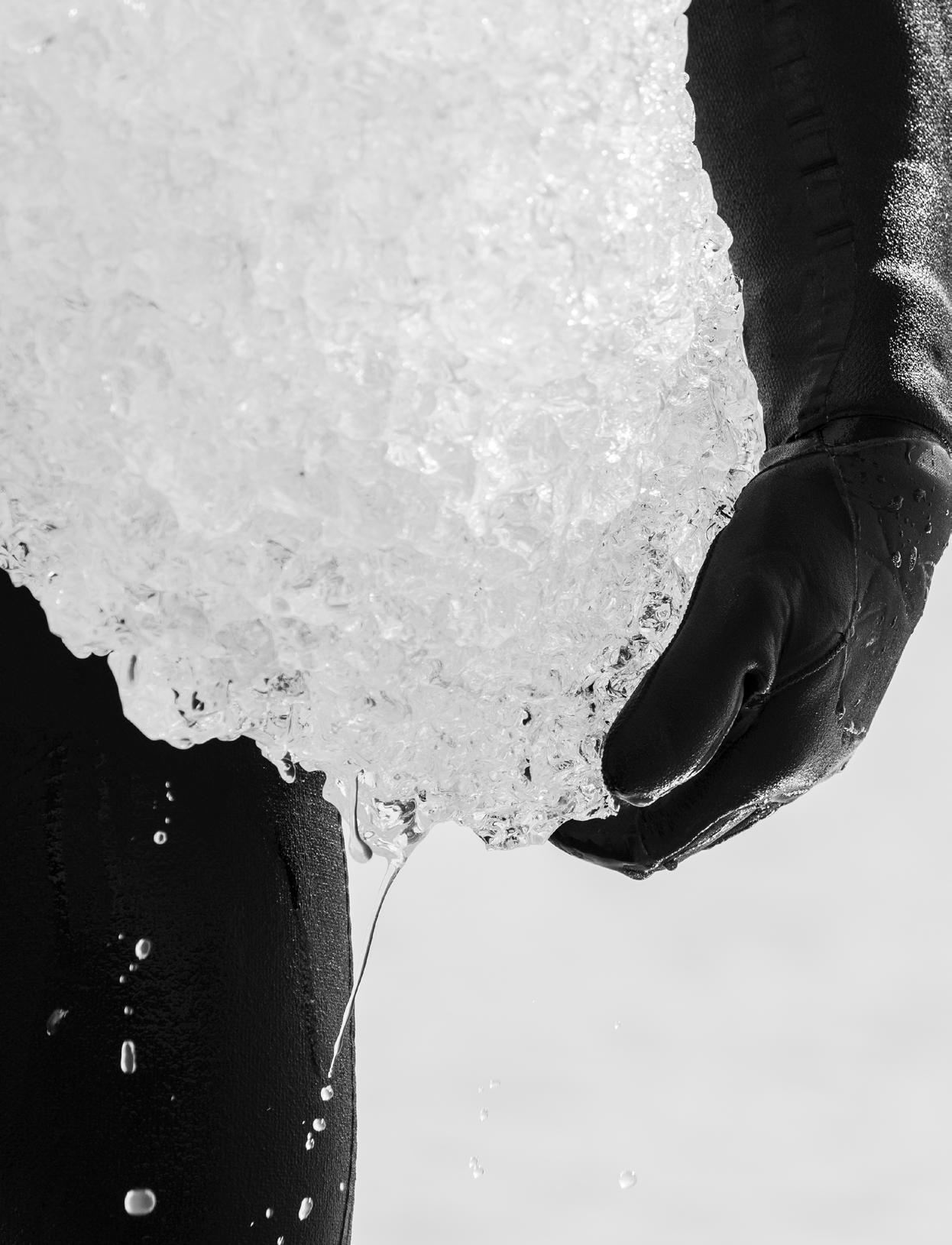

Somehow, between stormfronts and sunrise, we found time to play cards, laugh until we couldn’t breathe, and joke about “The French Connection” – Camille, Edgar and Arthur in their own rolling French embassy of music and mischief. There was never a plan that lasted more than a few hours. Only curiosity, instinct, and a shared drive to make something that felt like here
Some moments stunned us: Edgar jumping from a cliff with a kite, pulling a loop mid-air while we stood below, wide-eyed and borderline concerned. Or the endless blue of Iceland’s river deltas, captured from above like brushstrokes on ice. And some moments grounded us: an unexpected visit to a local man’s self-made museum, built from washed-up shipwreck scrap and centered around a house he constructed from an old oil tank. He welcomed us like friends and showed us a side of the island not found on any map – one built on stories, not locations.
As the trip came to a close, we were tired, but happy. We knew we’d only scratched the surface of what Iceland has to offer. The coastline is endless, the possibilities vast, and the desire to return stronger than ever. In a poetic twist of timing, just hours after we left the island, a volcano erupted – massive, violent, beautiful. Of course, we would have loved to see it. But more than anything, it confirmed what we already felt: we have to come back. ■
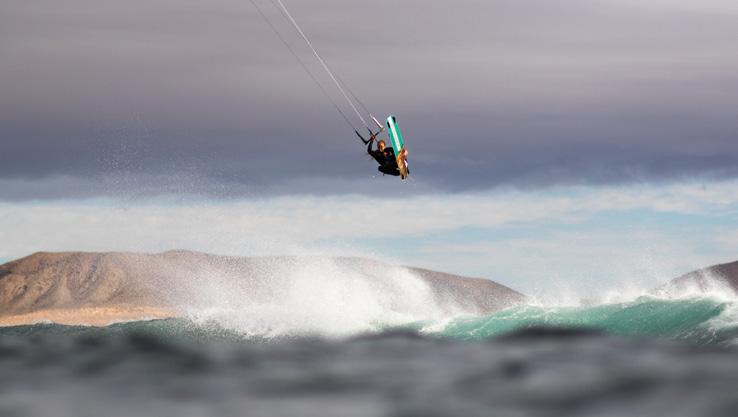
Vetea Boersma has been fairly quiet the last few years, having had an enforced time off the water, and it’s been four years since he last appeared in TheKiteMag. So, unless you’re from Hood River, you’d be forgiven for not knowing who he is. We thought it was time to rectify that and find out more about this super talented rider who loves a sushi roll…
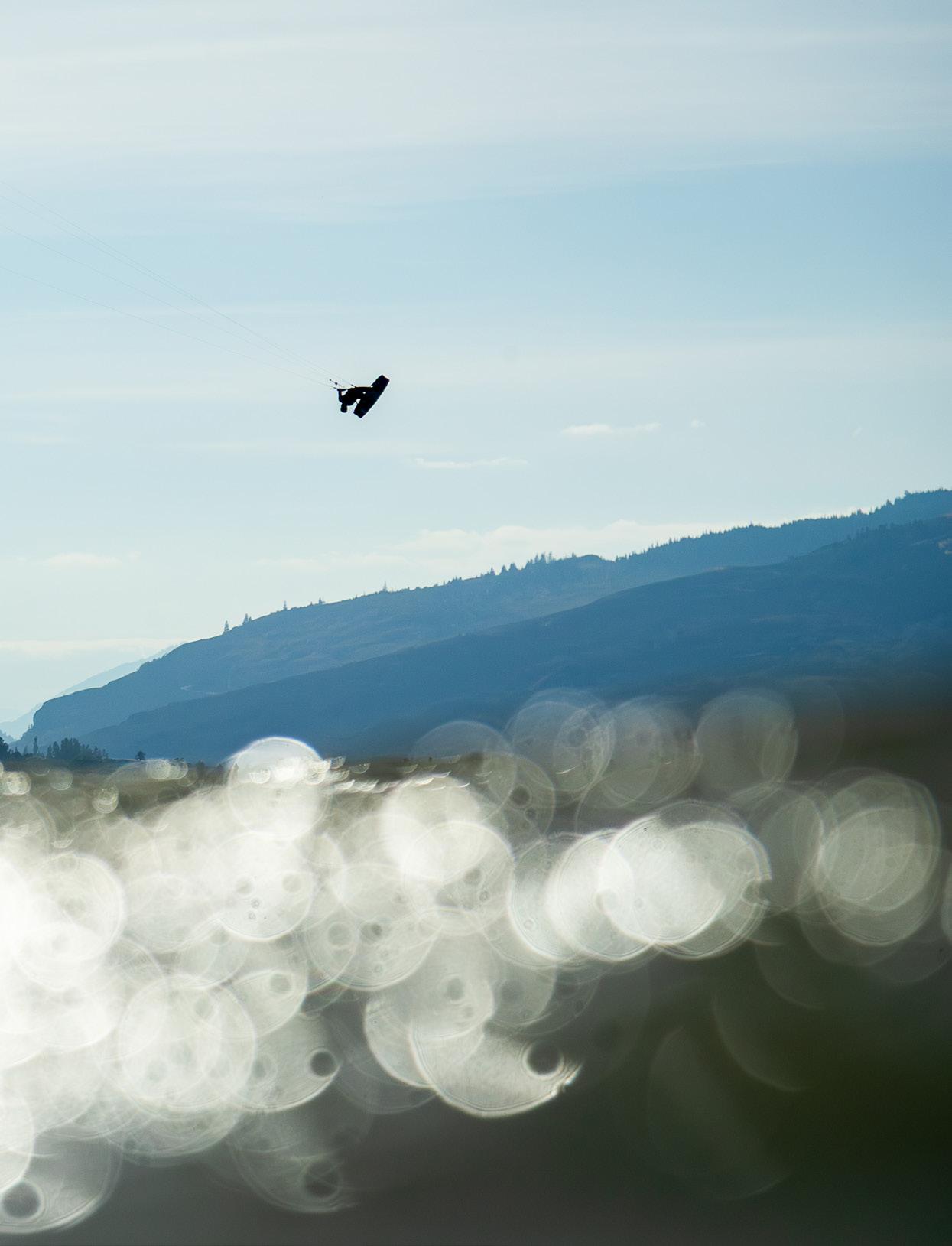
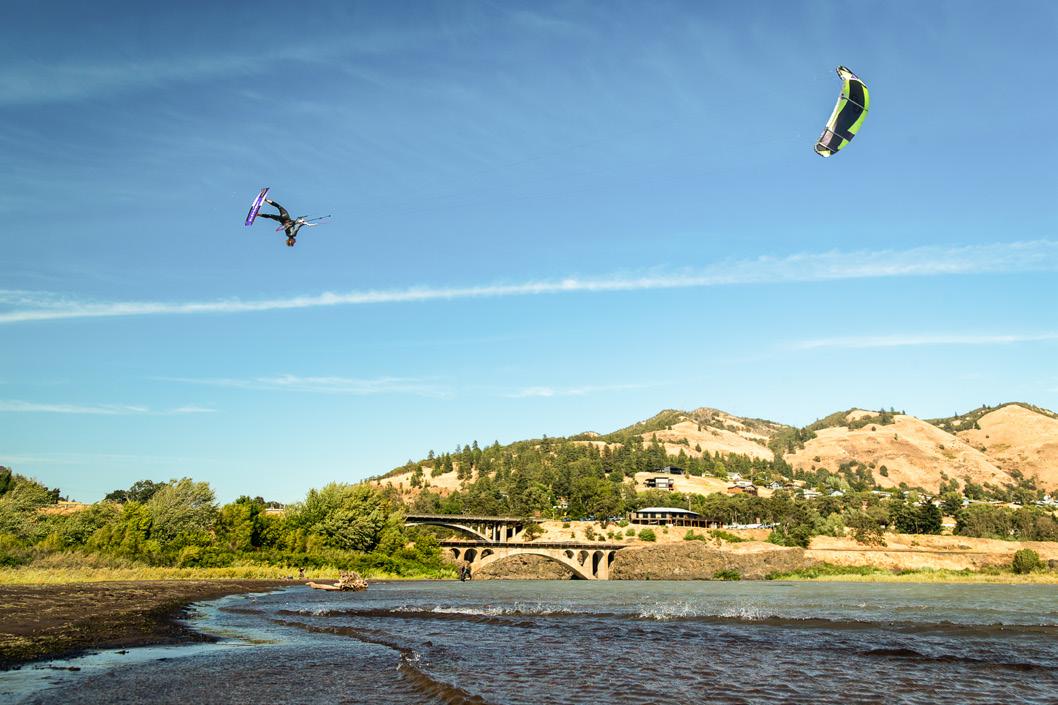
Hey, my name is Vetea Boersma. I’m 25 years old and proud to call Hood River, Oregon my home. Growing up in a place that’s considered one of the meccas of wind sports, it was only natural that I found my way into kiteboarding.
A huge influence in my journey has been my dad. He’s a former Olympic silver medalist in windsurfing and someone I’ve always looked up to. He taught me how to kite when I was just eight years old. Back then, I was one of the only groms on the water, but from day one, I was hooked. What started as a way to spend time with my dad quickly turned into a lifelong passion. Having someone with that level of experience and dedication as a mentor made a massive impact on how I approach the sport. He’s always been my biggest inspiration, both on and off the water.
Over the years, I’ve worked hard to develop my own style: powerful, stylish, and full of variety. One of the achievements I’m proudest of is inventing a trick I call the “Sushi Roll”: a clean, clockwise rotation around the kite. When you get it right, it feels smooth, controlled and super satisfying. It’s one of those tricks that looks simple but demands timing, finesse and precision.
Unlike my dad, I’ve never been too focused on competition. What really drives me is the adventure traveling to new places and chasing hardcore conditions. There’s something about big waves, strong wind, and unfamiliar terrain that pushes my riding and brings out the best in me. It’s that raw, unpredictable nature of the sport that keeps me hungry.
But the journey hasn’t always been smooth. Four years ago, I had to undergo a serious hip operation that kept me off the water for nearly two years. It was one of the toughest challenges I’ve ever faced. Being told by doctors that I might never kite at a high level again was devastating. Rebuilding from scratch physically and mentally was humbling. But that recovery process taught me to appreciate every single session more deeply. It reminded me why I love this sport and how lucky I am to be out there. I’ve always believed the harder you work, the sweeter the reward, and that comeback was a big part of my story. If you want something bad enough, you can make it happen. I refused to accept that my story was over and so it continues.
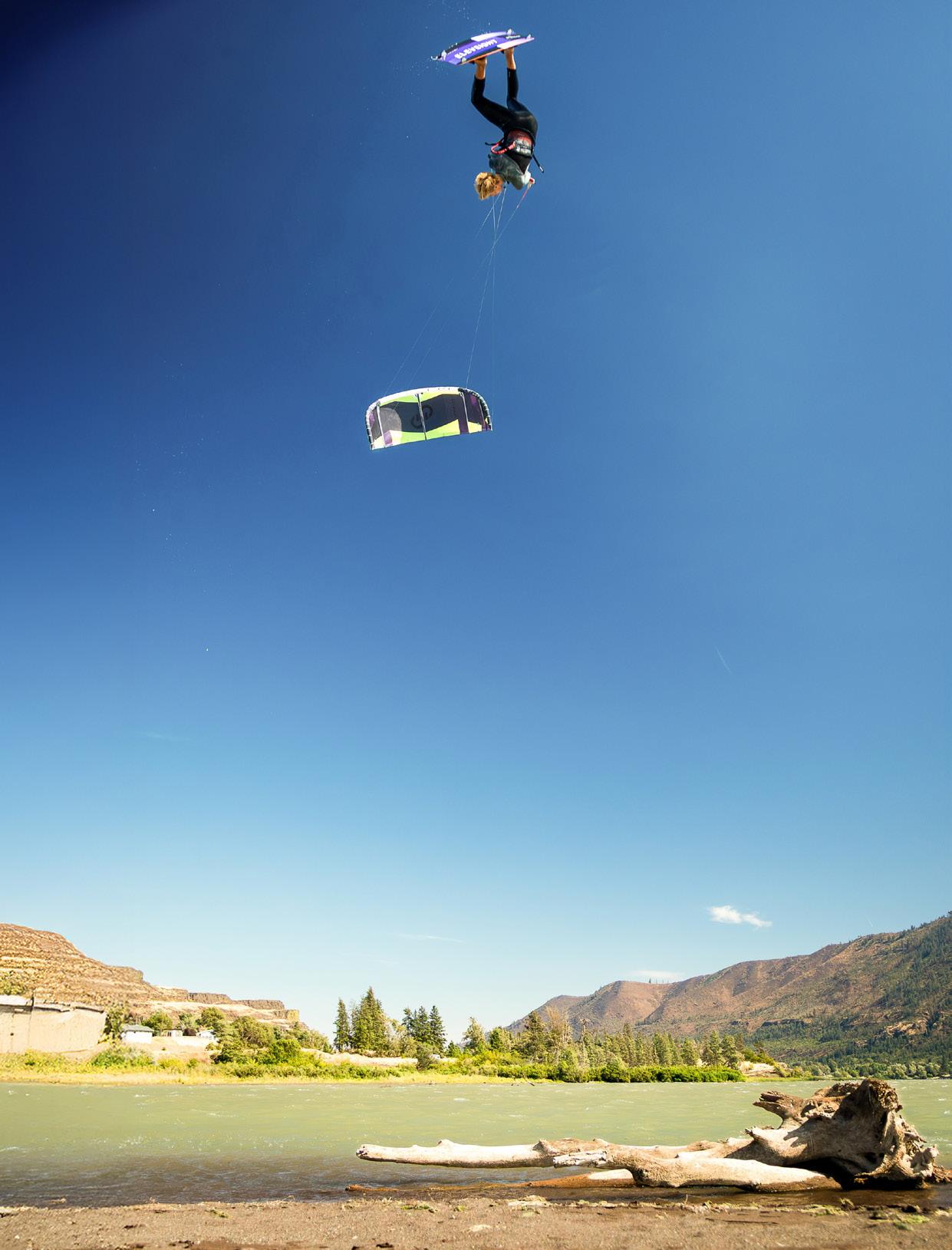
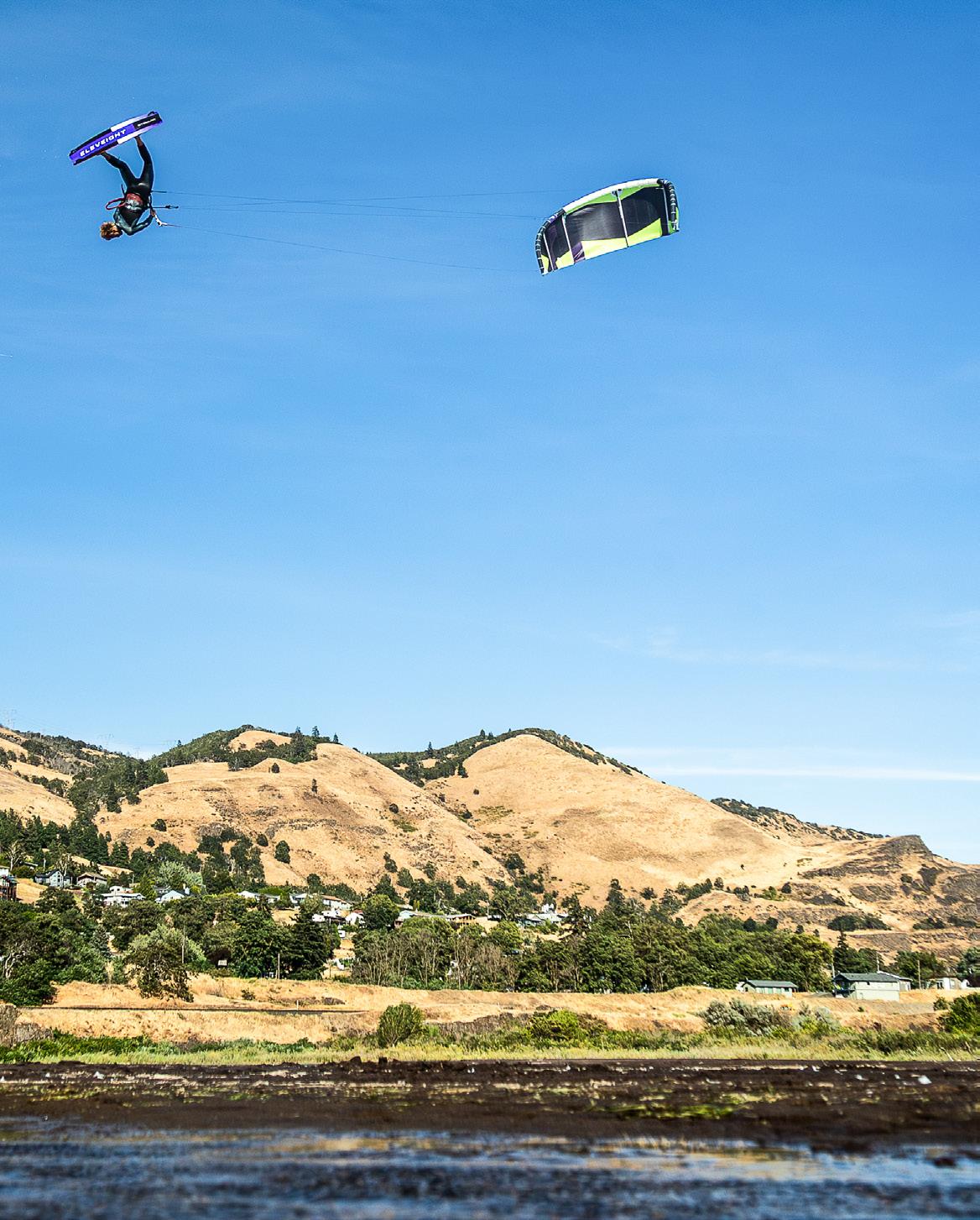
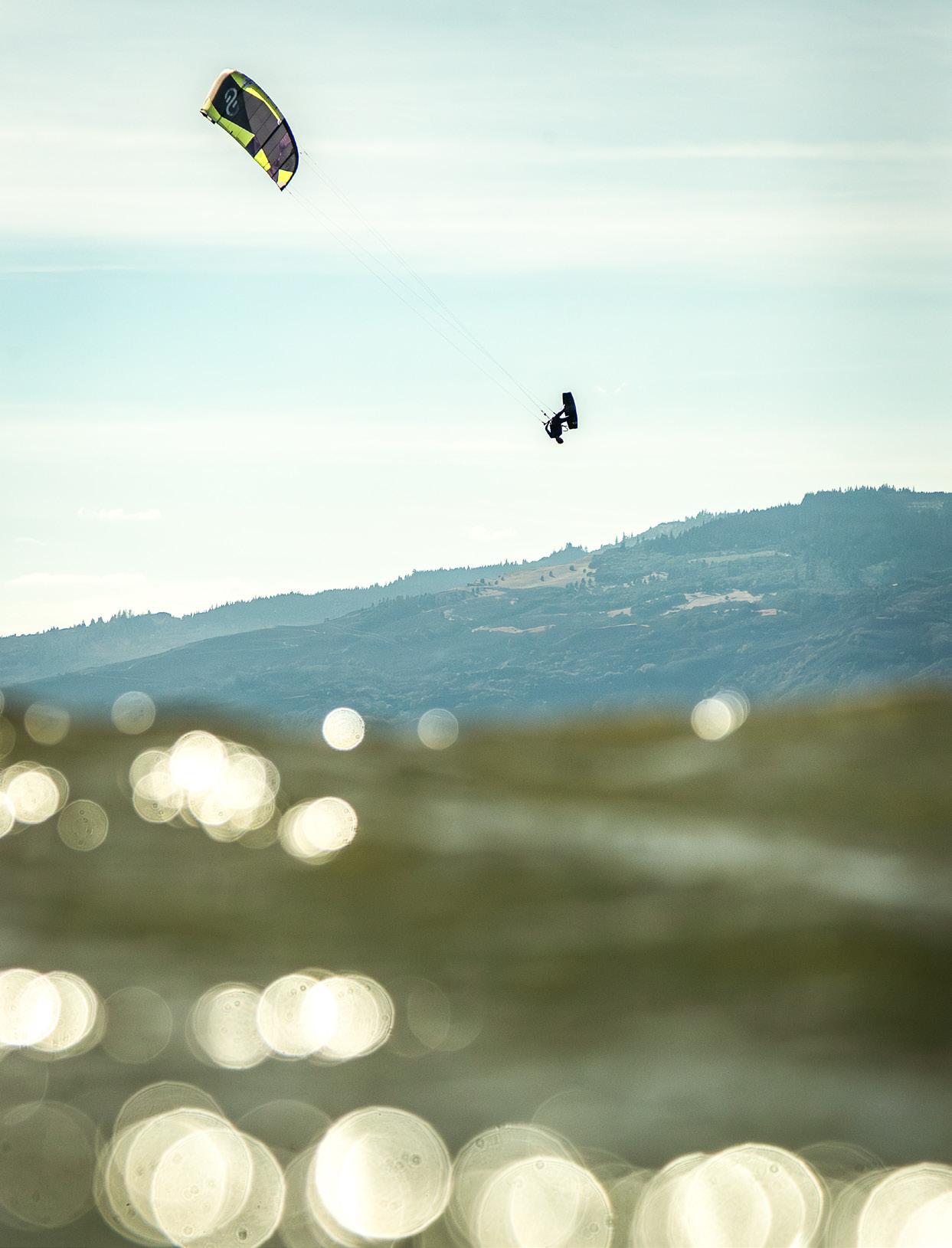
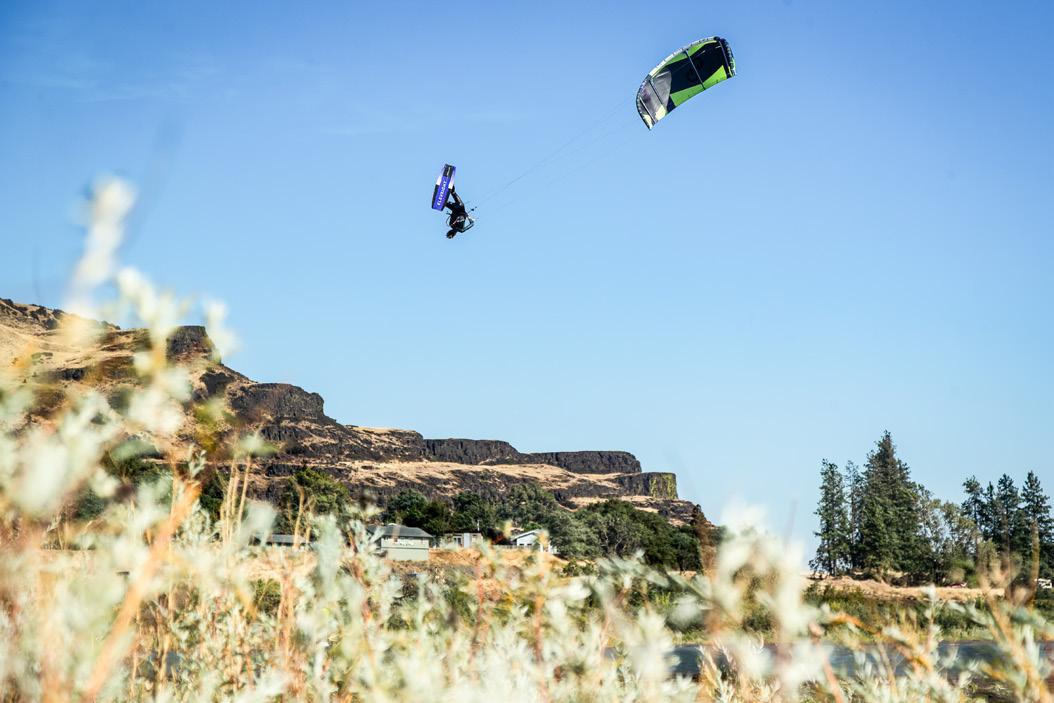
The latest step on my journey is that I recently joined the Eleveight team. This year’s AWSI in Hood River gave me the chance to meet the whole crew. The event was a highlight for me – the vibes were unreal with good people, epic sessions, testing gear, and, of course, crushing burritos after long windy days. Events like that remind me how strong and supportive our kiteboarding community is, and why Hood River is such a special place to call home.
Looking ahead, my goals are simple: keep progressing, keep creating, and keep riding with style. I want to inspire the next generation the same way I was inspired as a kid. Whether it’s landing a new trick, filming fresh content, or just chasing the wind, I’m here for all of it.
Thanks for reading and see you on the water.
Photographer, Andre Magarao: “I first met Vetea years ago, back when he was attending the World Class Kiteboard Academy in Brazil – around 2017 or 2018. Even then, it was clear he was one of the most promising young riders, and we had the chance to shoot together a few times.
Not long after, I was heartbroken to hear he would need hip surgery. Coming from a tennis family, I know all too well how often that surgery can mark the end of a career in sports. For a young kiteboarder with so much potential, it felt like a crushing setback.
Ever since, I’ve followed his recovery closely, always hoping he’d make it back. That’s why it was such a special moment to reconnect and shoot with him again this year in Hood River. Watching him push into his tricks with confidence and move so comfortably in the water was more than just inspiring – it was a reminder of his resilience and determination.” ■
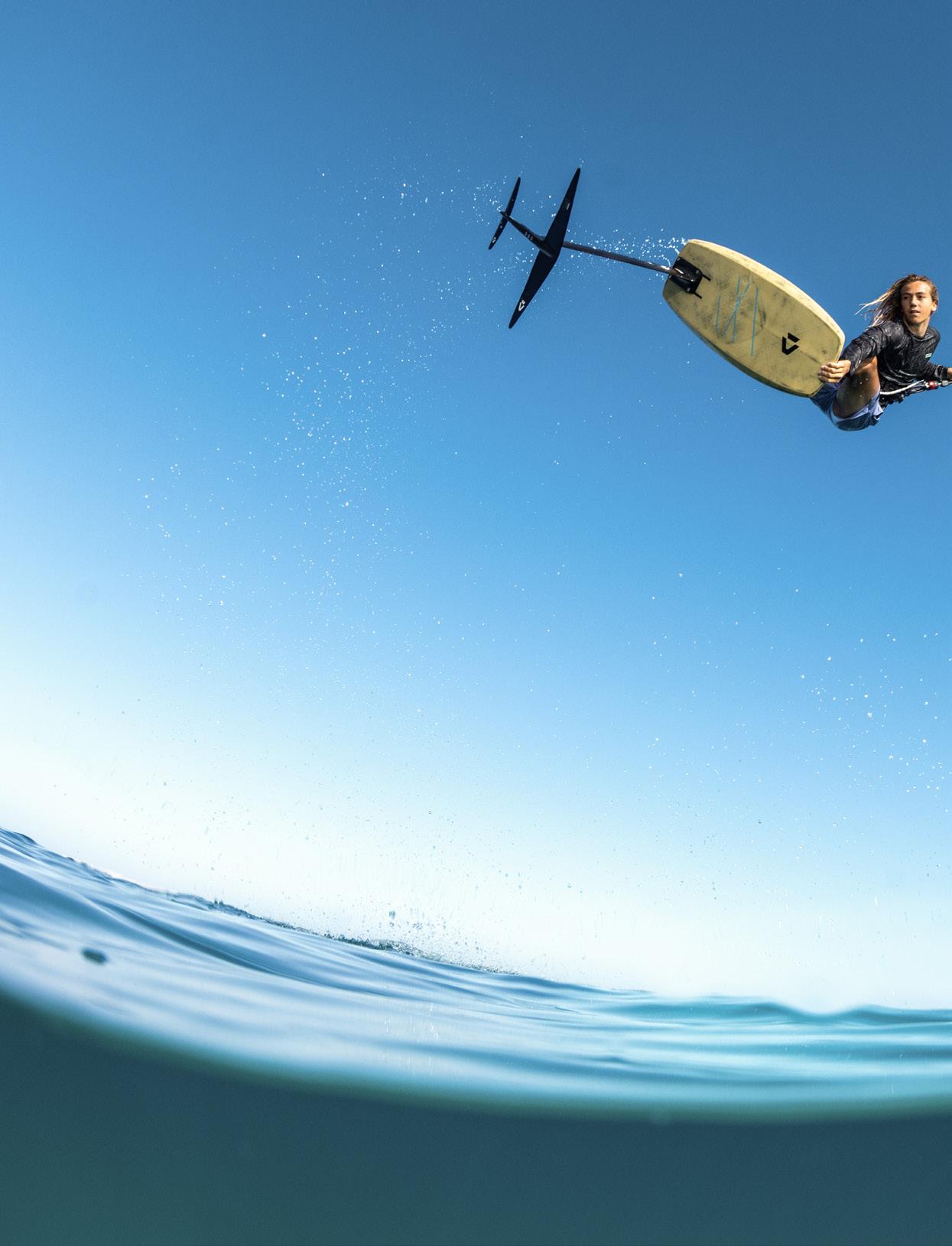
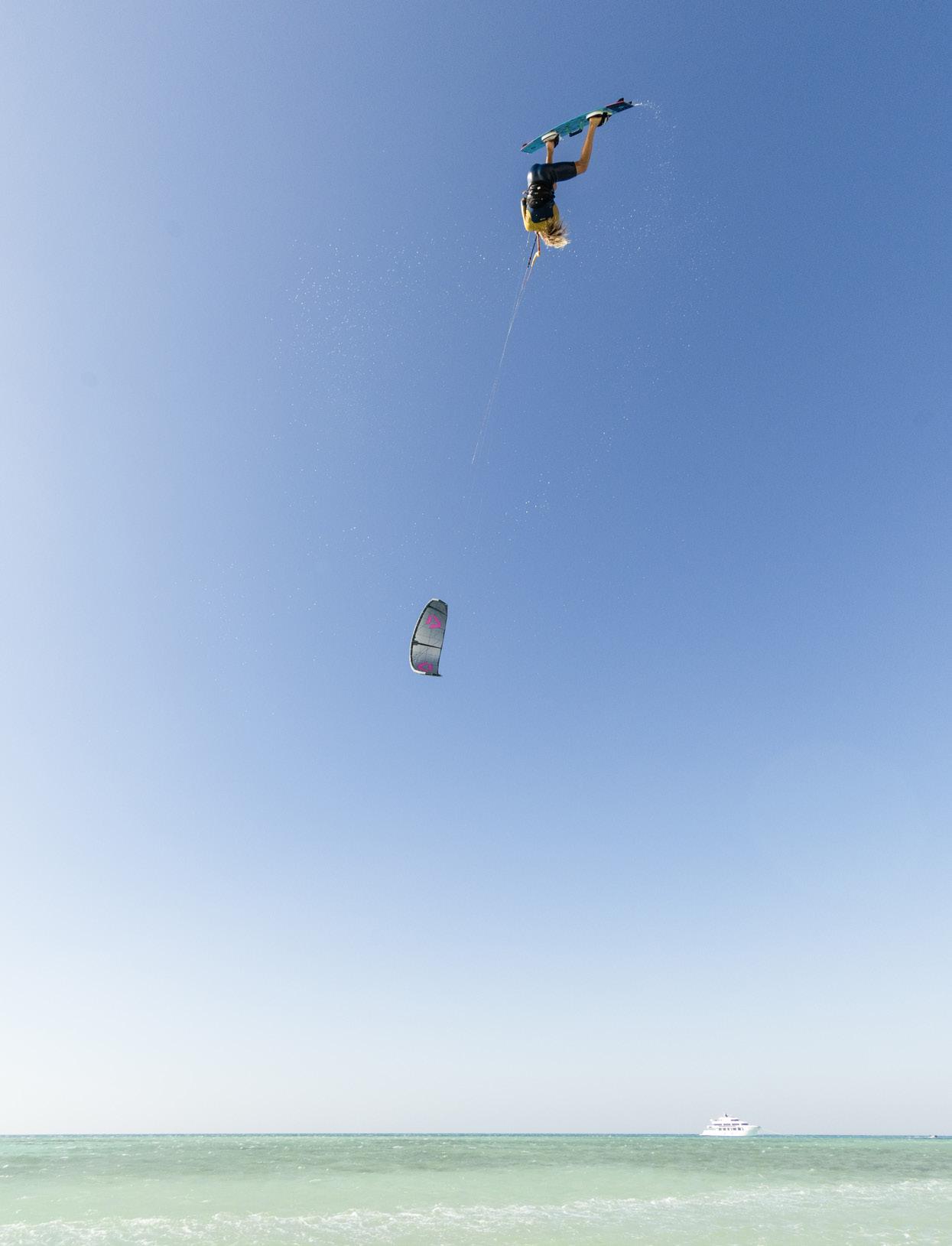
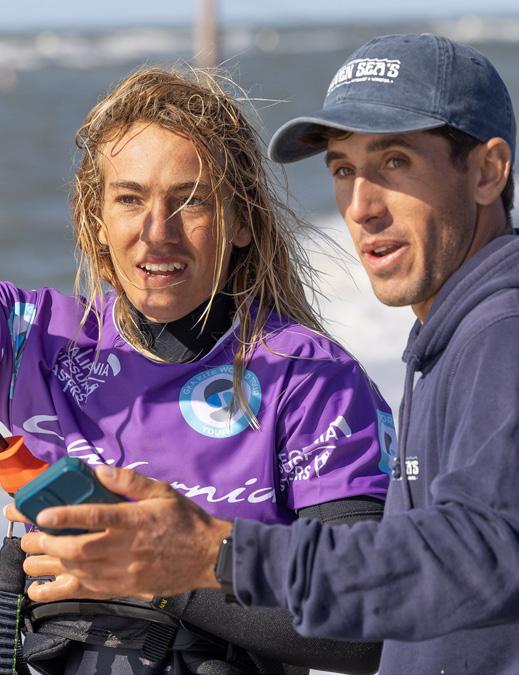
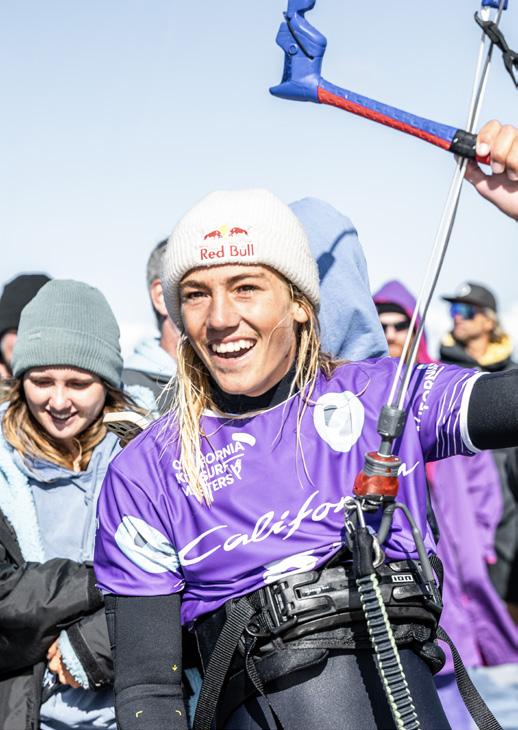
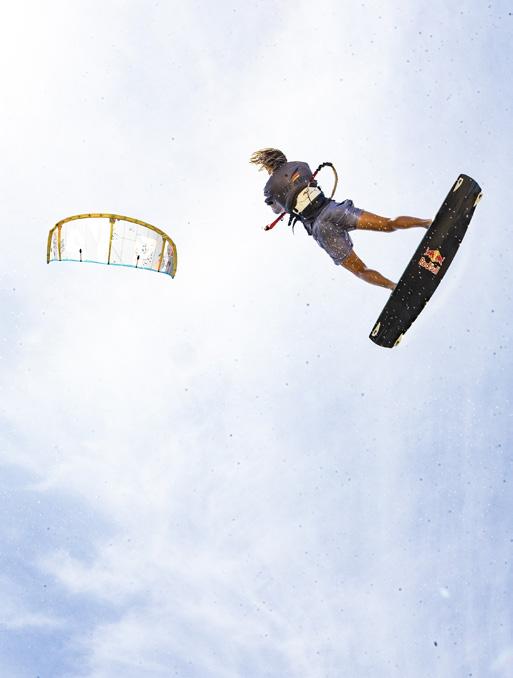
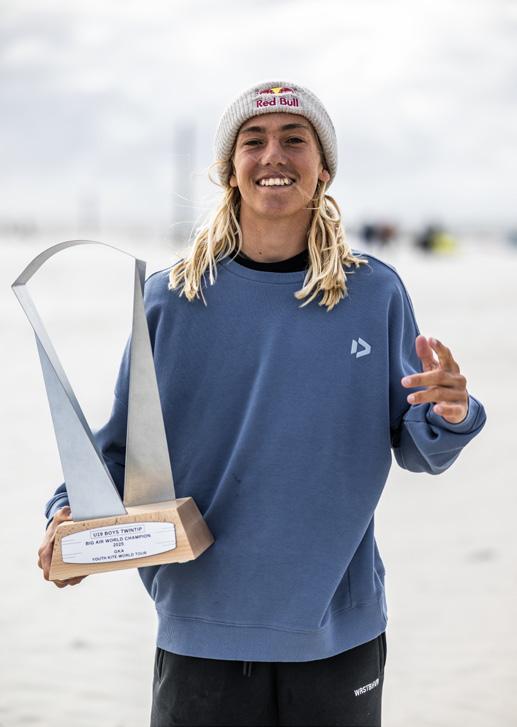
Last year we interviewed Finn Flügel, who, at the young age of 15, was already an accomplished rider on the world’s competition circuit. A year on and now 16, he is going from strength to strength, having recently won the GKA Youth Big Air event and placing second in both the GKA Hydrofoil Big Air and Youth Freestyle events. He certainly has his sights set on podium domination.
INTRO AND INTERVIEW AXEL REESE
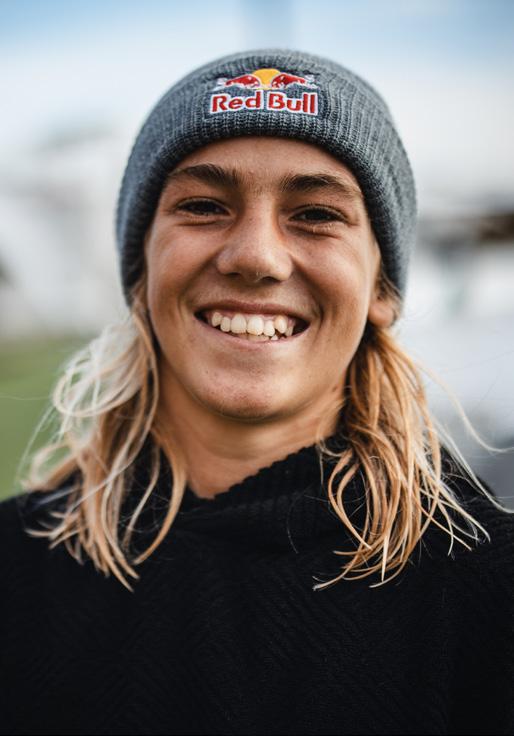
Together with his parents Simone and Bernd, Finn Flügel is laser-focused on one goal: winning as many world championship titles as possible, as fast as possible. This plan has been meticulously developed, almost as if engineered on a drawing board.
Finn started using a trainer kite at the age of three. His father, who ran a water sports center in El Gouna, Egypt, and is now the man behind water sports brand F2, claims Finn‘s dedication is unparalleled: “There is probably no one in the world who has spent more time learning to use a kite on the beach than Finn.”
The family’s plan included hiring a private school teacher who traveled with Finn to the world’s best kite spots. He also has his own kitesurfing coach, who accompanies him for a week every six weeks and gives him specific “homework”. Finn is dreaming big and aims to become the most successful pro in the sport. He currently competes in three disciplines – freestyle, Big Air and hydrofoil Big Air – and is shaking up the Freestyle World Cup by using straps instead of boots…
Finn: Becoming world champion is my absolute dream. Ever since I started kiting, I’ve been working towards this. I compete in all disciplines except strapless and would love to become world champion in every discipline in the future! I’ve already been Freestyle world champion several times at the Youth World Championships and this year I won my very first U19 Big Air crown. The experience of winning in St. Peter-Ording, as a German rider in front of my home crowd, was really something special.
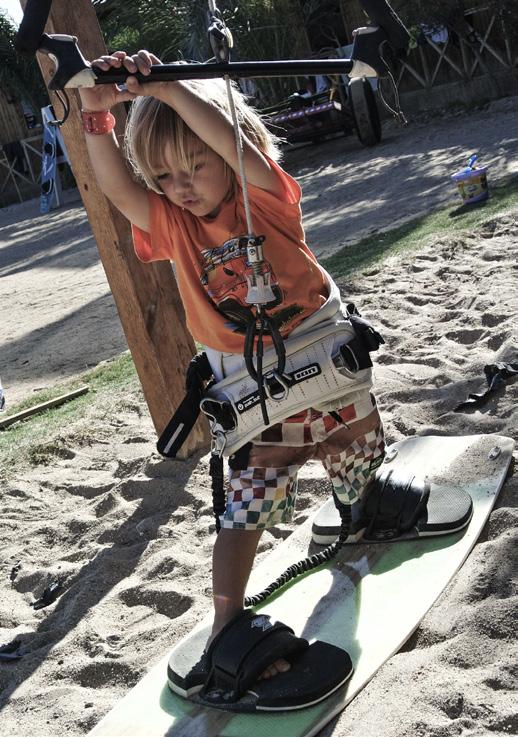
As Axel said above, I grew up with water sports. At just a few weeks old, my parents already took me to Sylt in our camper van. We were always on or in the water. I’ve been told that I always wanted to “help” with setting up the kite or laying out the bar. I probably thought that I was already a kiter. When I was three, I got my first trainer kite, which I still have by the way, and my dad taught me how to use it. I would fly it all the time, accompanied by our barking dog. Next, I really wanted to have my own board, so my dad’s production team built one for me. I then took my mum’s harness, far too big for me of course, and hooked myself up to a practice bar. I loved it and simply imitated what I saw others doing.
We spent a lot of time at our center in Egypt and I learnt to swim, windsurf and kitesurf there. I was always on the beach watching, and waiting for my parents or one of the instructors to take me on their board. When I turned six, I was finally allowed to practice on my own with an instructor. That was also the time we hosted the 2016 Freestyle World Cup. I was super excited and could hardly wait to get out on the water myself. One of my best memories was kiting with six-time world champion Carlos Mario. He has really inspired me. He has been consistently at the top for years, has shaped freestyle like no other and
has always remained friendly and down-to-earth. It’s crazy: when I read the competitors’ list today, so many people from back then are still around and we’re now racing for the title together. From then on, it was clear that I definitely wanted to do freestyle. Luckily, there were always nice people at the center who helped me, so I was able to do my first unhooked tricks when I turned nine.
When I was in fourth grade, with the words “we can do it”, I convinced my parents to let me transfer from my school in Germany to the Swiss school in El Gouna. They weren’t overly happy about the idea at first because I was in various sports clubs and had good friends – they didn’t think it was such a good idea to give all that up. But the desire that I could one day be a pro kiter was simply all that drove me. In the end, I prevailed and started at the new school. I got on really well with my class teacher straight away and he then learnt to kite with us and we spent a lot of time together on the water. At some point, school wasn’t working out anymore because I was already competing in my first World Cups at the age of 12. My teacher was considering going back to Switzerland, but when he heard that we were looking for a private school teacher, he signed up. We had three great years traveling to places like Brazil and Tarifa and it was a special time. I now study online on my own, but I can always ask him if I need help.
Another important person on my journey has been my coach. Of course, it’s always a question of money whether you can afford a trainer or whether you want to spend the money on one. I don’t know any different myself. From an early age, every sport I’ve played included a coach. It’s unimaginable to play football or tennis without a coach, but for us kiters, it’s a rarity and I’m really happy that my parents support me having one… For me, my coach is a friend, someone I trust and respect, and is also extremely important to me in the comps. In my case, it’s Nico Delmas, ex-World Cup pro from France, who knows me inside out and knows exactly how to calm me when I’m nervous. Then I can focus and do the tricks that we discuss beforehand that he tells me to do. For me, we are a dream team.
Also important is my sponsors. I am now a rider for Red Bull. What can I say – a dream came true! Many people have said to me that my surname Flügel, which means wing, fits with Red Bull and its slogan like no other. I hope that wasn’t the only reason they signed me! We had been in contact before, but when you consider energy drinks and sugar I was too young to sign with them, and we took our time to get to know each other and build up trust. Last autumn, the time had come and I was very happy to join them. That day will certainly be one of the highlights of my career. As for my kite sponsor Duotone I had hoped that we would get talking at some point. As I do the three different disciplines I feel they are the right brand for providing my different gear and I feel super comfortable in the team. I recently took part in my first photoshoot with them, which I absolutely loved. With them I have the opportunity to learn a lot and I hope that I can give it all back in the future.
While on the topic of gear let’s talk about the debate between boots and straps. For me the question has long ceased to exist. When I was younger and didn’t, or couldn’t, have an opinion of my own, I just ac-
cepted that freestylers had to ride with boots. However, I’ve never liked riding in boots because I’ve always thought that you couldn’t move as well in them, the crashes were much harder, and the risk of injury was too high for me. Everyone told me that “real” freestylers should ride with boots. At some point, I stopping caring and switched to straps. I belong to a new generation of riders. I really like the new GKA format, where toeside, blind tricks and combos are part of it. For me, it’s so much more technical than before, and that’s what my riding style stands for. I hope that the judges will recognize this at some point and reward us youngsters for riding a different kind of freestyle.
Freestyle is my absolute kite base and everything has been built on it. I could only just ride when I already wanted to unhook and do my first little raileys. I don’t know what I was thinking! It was really hard at the beginning, not being very strong, but I didn’t let it stop me. Fortunately, I already had a coach at the age of 10, so I was able to build step by step. Today, I love freestyling in places like Brazil or Greece and I’m working really hard to win the Freestyle World Cup. Freestyle and the high technical level you need also help me in the Big Air disciplines and I find it exciting when you can mix the elements.
All eyes are on Big Air right now and it is crazy how it has developed over the last few years. All kiters seem to want to jump high and so many want to do Big Air comps. For me, spending so much time in El Gouna, which doesn’t often have strong wind, you learn how to deal with less wind and how to make the best of it. For me, Big Air is oldschool air style, jumping with around 15 knots, nice single loops, and then occasional sessions at Balneario or Barcarès in 35 knots plus. My tendency in Big Air is definitely in the direction of high, technically difficult single-loop tricks, blind landings and so on. There’s still a lot of room for improvement here, and I know I can learn new things almost every day. That really drives me on.
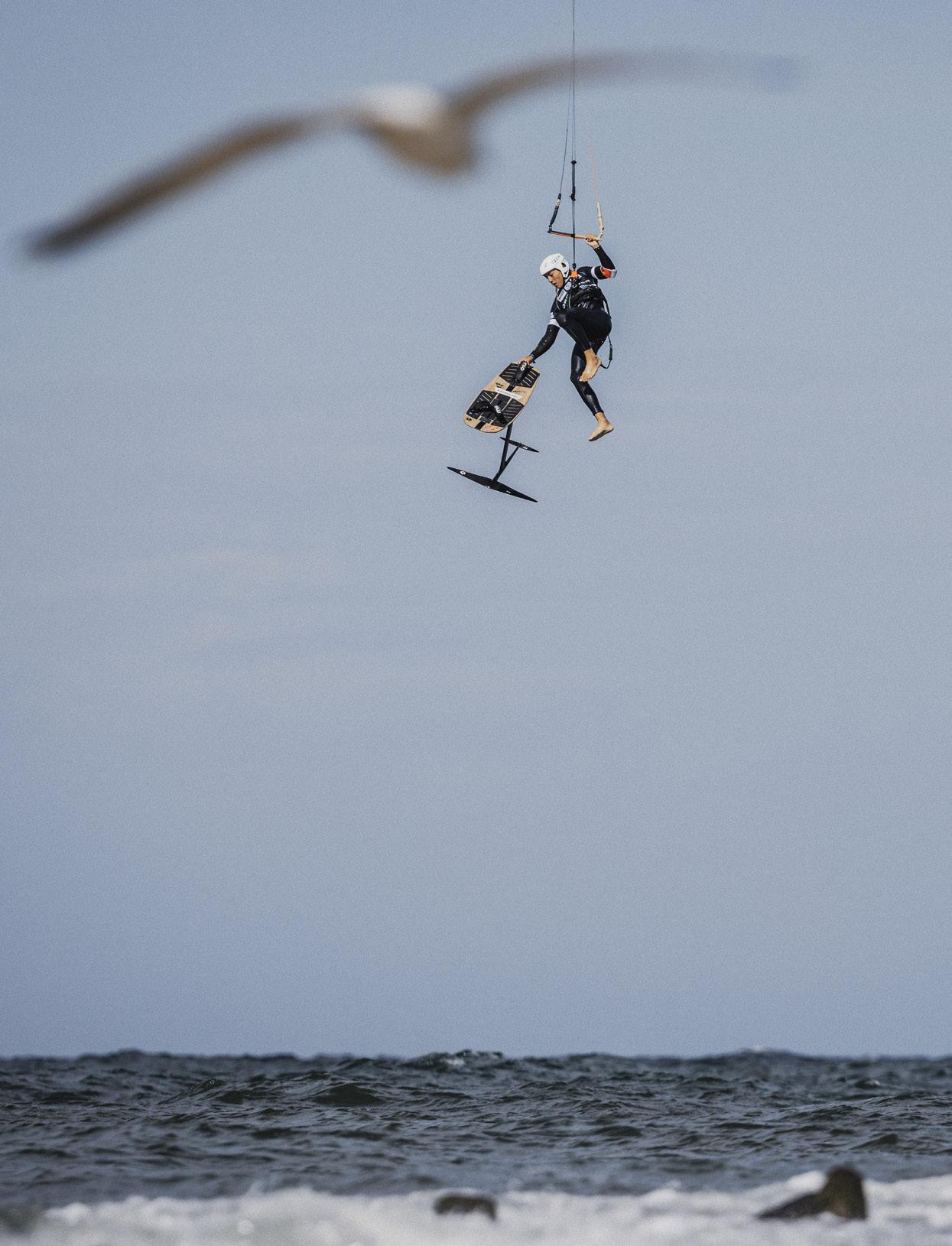
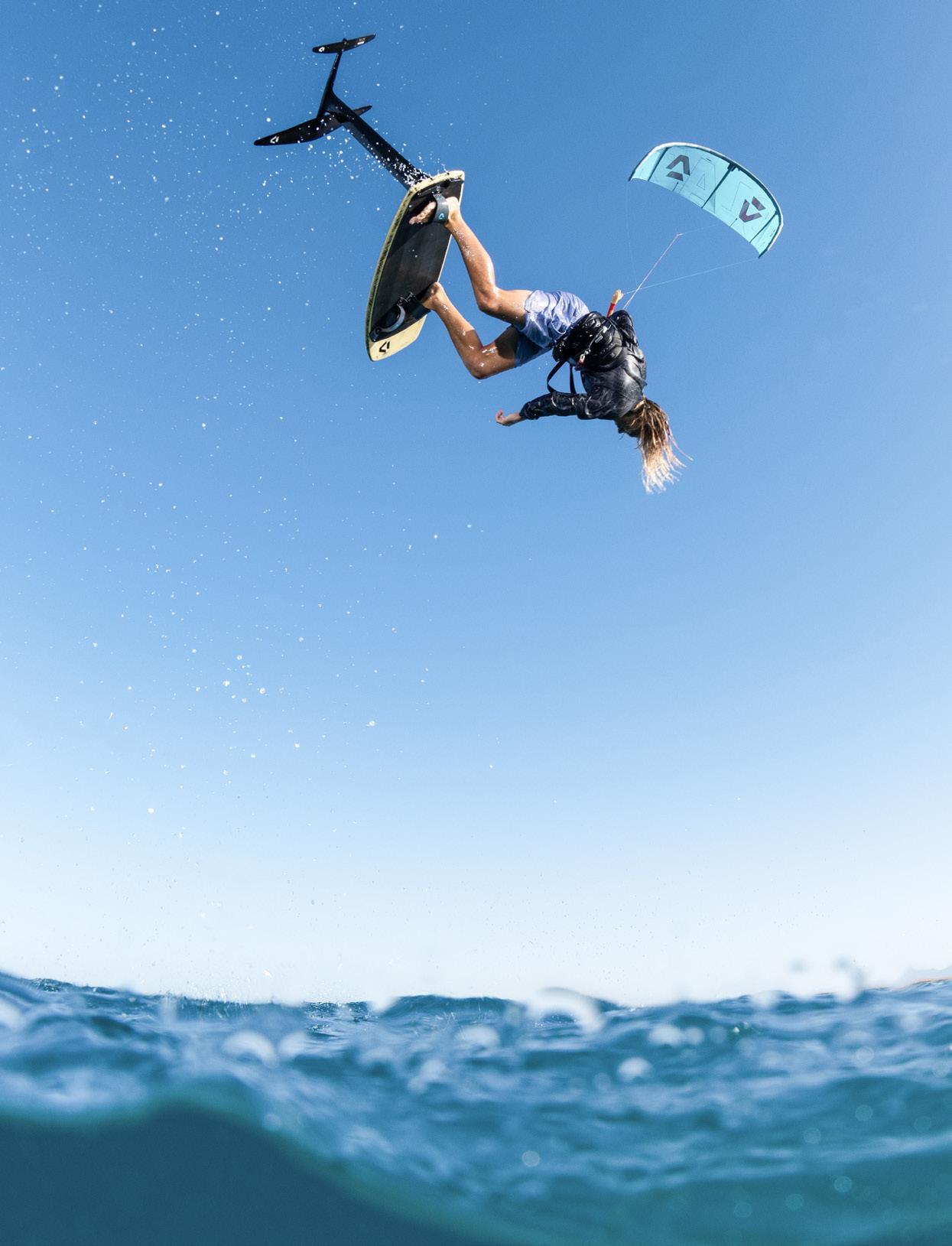
I was just nine years old when I was allowed to try out a foil board for the first time. I can still remember exactly how it felt – strange and yet exciting at the same time – and I rode it for so long on the subsequent days. I quickly realized that you can jump really high with it, even if there is less wind. The term Big Air hadn’t even crossed my mind yet. Back then, it was a real exception that I enjoyed foiling as a young kiter. It was mostly older riders who foiled in light winds. That was around the time when the GKA started organizing the first hydrofoil events, and I was 12 when I was allowed to take part for the first time in Tarifa. When I see how the sport is developing and the number of participants is increasing, it makes me very happy. I’m really fighting for hydrofoil events to become more and more important. It looks so spectacular even when there’s not much wind, and the tricks we’re doing right now are just incredible! I think it’s a great advert for the sport. The jumps are high, and spectators can recognize turns and easily understand the tricks we do.
Whether I’m doing freestyle, hydrofoil or Big Air, I’m constantly thinking about what’s possible. Or rather, when I go out on the water, I almost always want to add a turn or a grab to my sessions. For me, that’s just part of the training. When world firsts come out of it, it’s a really great feeling! I never want to stop with my performance. My aim is to mix as many elements as possible from the different disciplines that I do. My own style is important – it’s my unique selling point, my business card. The coolest thing is when people see you riding and say: “That’s Finn, I can recognize him by his style” – then you know you’re on the right track… ■
RIDER CAMILLE LOSSERAND PHOTOS AND INTRO AXEL REESE
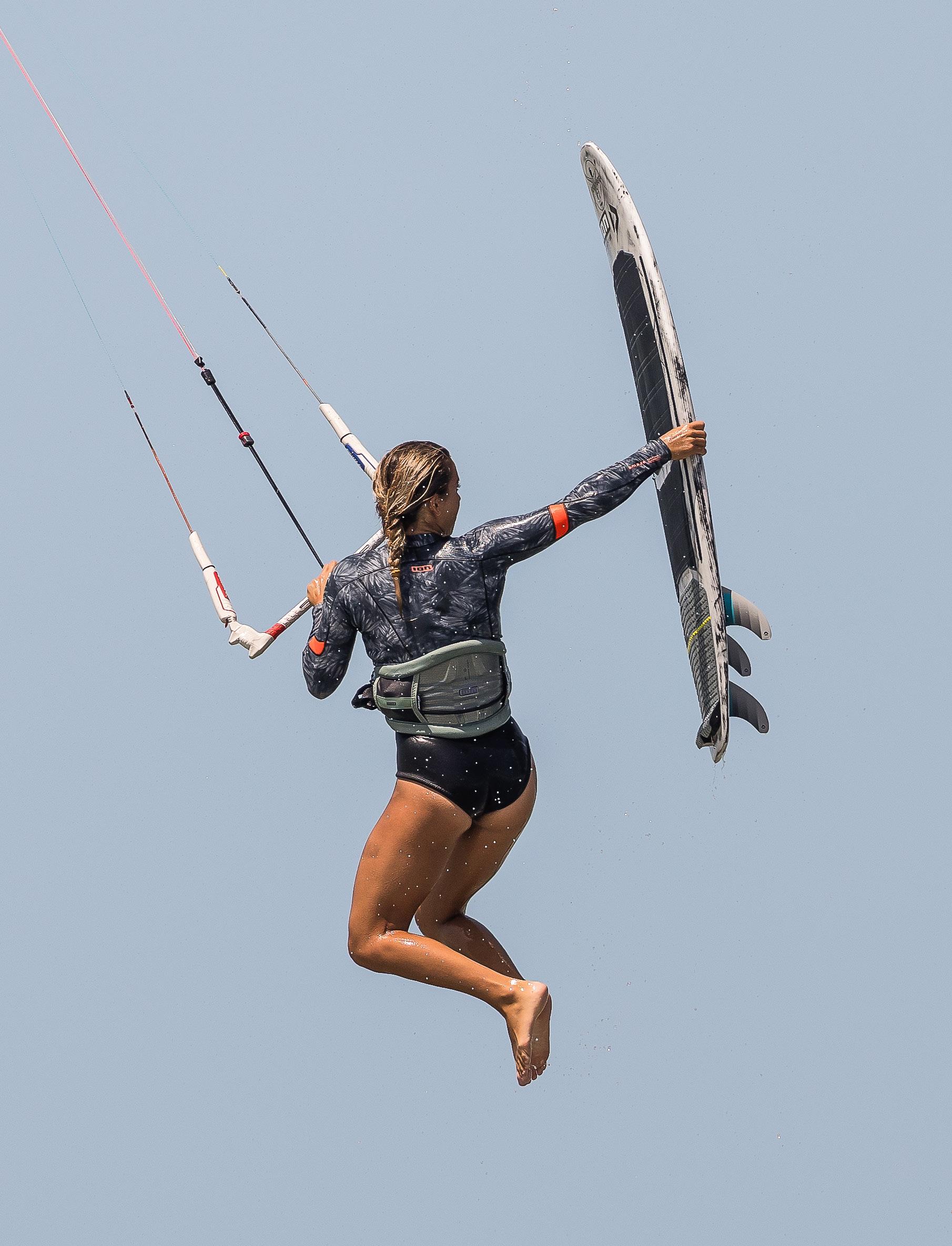
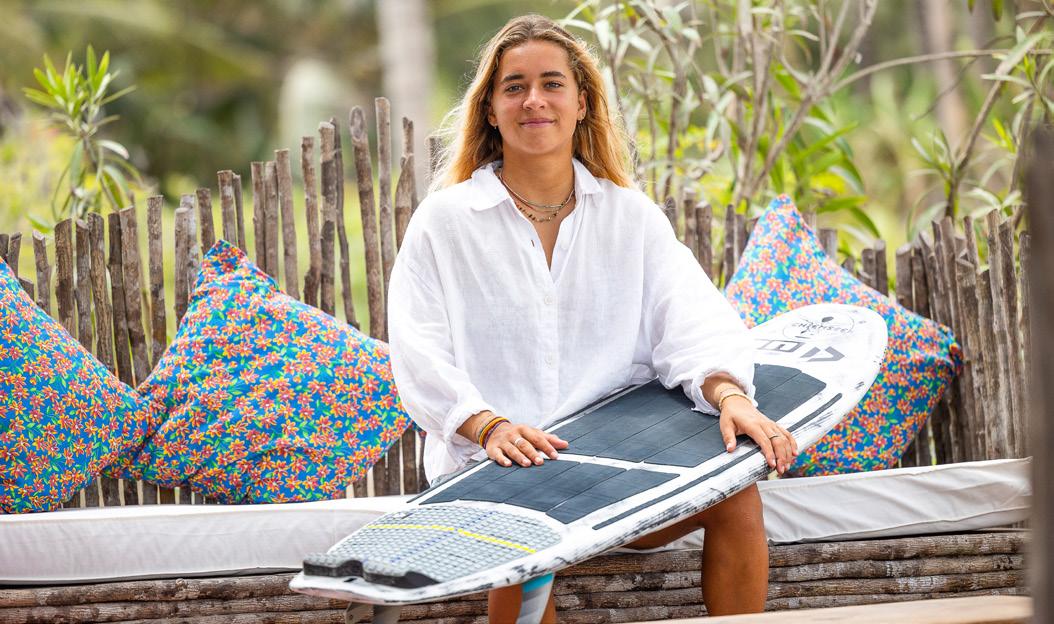
Tic tac, tic tac, tic tac… Is that the sound of a ticking clock…? Well in this case it is a trick in kitesurfing, and these days a fairly standard trick, part of the average repertoire of every top rider in the strapless freestyle World Cup. I spoke to Camille in Prea, Brazil. Every day, with an endless wind of 25 to 30 knots, the Swiss rider practices various
jumps on her strapless board and garnishes many of them with that very same tic-tac trick.
Camille: The Tic-Tac is a jump where you grab the board and twist it 360 in the air. I first tried this around 2020. I was in southern Spain
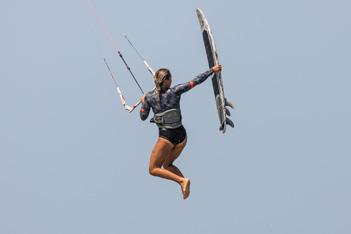
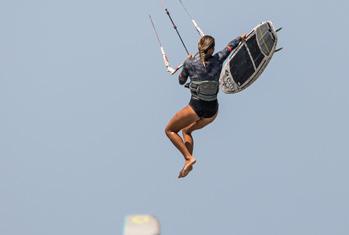
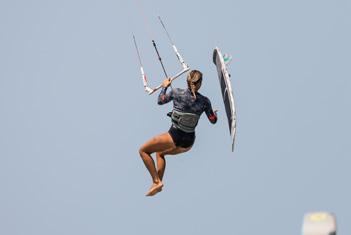
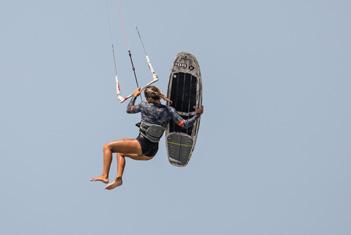
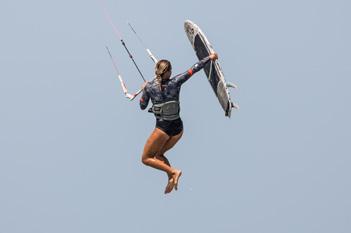
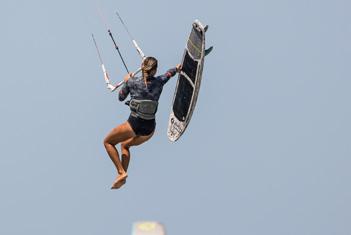
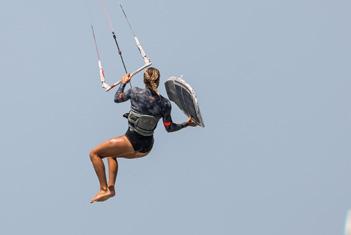
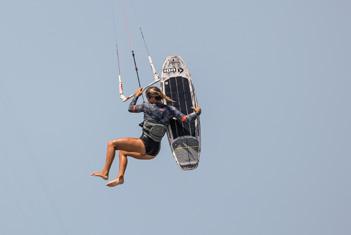
watching strapless pro Keanu Merten. He was doing this trick and it looked so cool!
1. You need to get some speed up to generate a good pop on a strapless board as well as quite a bit of height to get enough time for the trick –two to three meters is good – then you have enough time to do it and to land it properly.
2. The position of the kite is very important – it should be at 12 o’clock more or less to remain very stable and balanced.
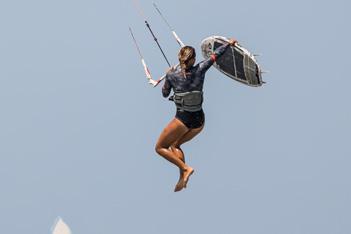
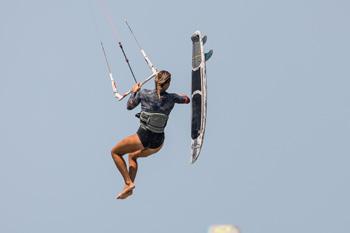
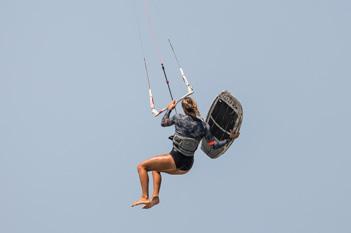
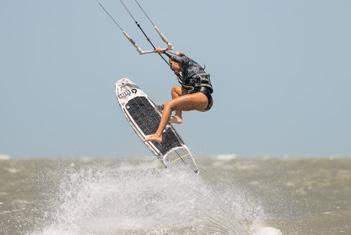
3. And then there is the movement of your wrist and hand – your arm is going up to twist the board to a curve.
4. Ideally you need at least 20 knots of wind before you can attempt this trick. With lighter wind it is still possible but then you’ll need more speed for the pop. If the wind is too strong, like more than 30 knots, then the board can fly away too easily.
5. My favorite kite size for this trick is probably a 10m in 20 knots or an 8m in 25 knots. ■



THERE’S BEEN A LOT OF HYPE LATELY ABOUT ULTRA PE. WHAT MAKES IT SUCH A UNIQUE MATERIAL?
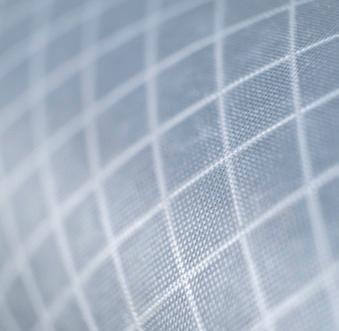
Ultra PE, which most people know as Dyneema or Spectra, has actually been around for decades, mainly in ropes and flying lines. What makes it special is the strength-to-weight ratio – it’s much stronger than polyester at the same weight, it’s extremely abrasion-resistant, and it’s so light it floats on water.
The tricky part is working with it. You can’t heat it above about 160 degrees, which rules out traditional sailcloth processes. It’s taken years of development to figure out how to stabilize it properly and make it consistently at scale.
WHERE DID AIRUSH’S JOURNEY WITH ULTRA PE START?
We’ve been using Ultra PE in our Load Frame for over 10 years, so we had early insight into how it could improve material responsiveness and durability. Our first real project was with Dyneema Corporation about eight years ago. That’s when we saw both the huge potential and the challenges – it looked like the perfect solution on paper, but we knew it would be a long road.
From there, we partnered with ALUULA, Challenge Sailcloth, and Dimension Polyant. What’s important for us is a closed-loop process – our designers define the characteristics we need, then we work hand-in-hand with the fabric partner to refine it through long-term testing and mass production.
Ho’okipa worked well for us because of its bias properties, which matched what we wanted in terms of higher pressures and durability. ALUULA Aeris then gave us incredible weight savings through a new bonding process. With H2, we’ve come full circle – back to a primarily woven Ultra PE – but with some major refinements.
SO HOW DOES H2 COMPARE TO HO’OKIPA?
Weight is the first big difference. H2 comes in under 85gsm. Ho’okipa is about 120gsm, and regular Dacron is around 160gsm. So both are lighter and more responsive than Dacron, but
H2 pushes things further.
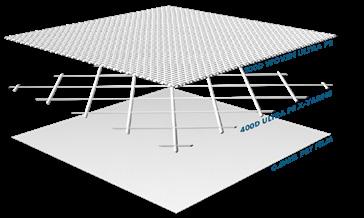
The construction is also different. H2 is 100D 100% Ultra PE, whereas Ho’okipa is a 200D blend of 50% Ultra PE and 50% polyester. The manufacturing process has also taken a big step forward – tighter, more stable weave, higher pre-tension stability, less bias stretch, and lower weight after lamination.
On the water, the key thing riders will notice is elongation – or really, the lack of it. H2 shows the lowest stretch in our lab tests, which means the kite keeps its shape under inflation, responds instantly to bar input, and snaps back straight when you let go of the steering.
SOME RIDERS ARE SKEPTICAL – CAN YOU REALLY MAKE KITES LIGHTER AND MORE DURABLE AT THE SAME TIME?
It’s a fair question. For us, weight savings never come at the cost of reliability. With Ultra PE, it’s pretty straightforward. You’re swapping a heavier, weaker fiber for one that’s half the weight but much stronger. That gives you room to cut weight without sacrificing durability.
Another important piece of the puzzle is bladders. A lot of the weight savings in the market come from thinner bladders, and sometimes that gets mistakenly credited to the material. We’ve reduced our bladder weight by about 25% over the last five years, but we don’t use what we’d call “ultralight” bladders because the trade-offs aren’t worth it.
The bottom line is: these kites live in a harsh environment – salt, sand, UV, crashes… Reliability is non-negotiable. Our goal is always higher performance, but with the same, or better, durability that Airush has built its reputation on.
WHAT ABOUT CANOPY CLOTH? ARE WE GOING TO SEE THE SAME KIND OF SHIFTS THERE?
Canopies have become pretty standardized. Teijin is still the benchmark. The important thing for riders to understand is that increased “ripstop” doesn’t mean performance – it just helps stop a tear once it starts. It doesn’t reduce stretch, add abrasion resistance, or stop flapping. The real enemies of canopy are flapping and UV. Manage those, and you add years to a kite’s life.
LOOKING AHEAD, WHAT’S THE NEXT BIG STEP FOR AIRUSH MATERIALS?
Welding and bonding. That’s why we’re excited
to be introducing Ultra Bond Welded Seams on the new Lift Team. It’s a Dimension Polyant technology that allows us to bond key sections of the leading edge, delivering unparalleled stability and precision.
We still keep the stitching in place – both for precision during assembly and as a backup reinforcement if anything were to fail – but welding gives us a stronger, more consistent seam overall. It’s another leap forward in the material matrix. ■
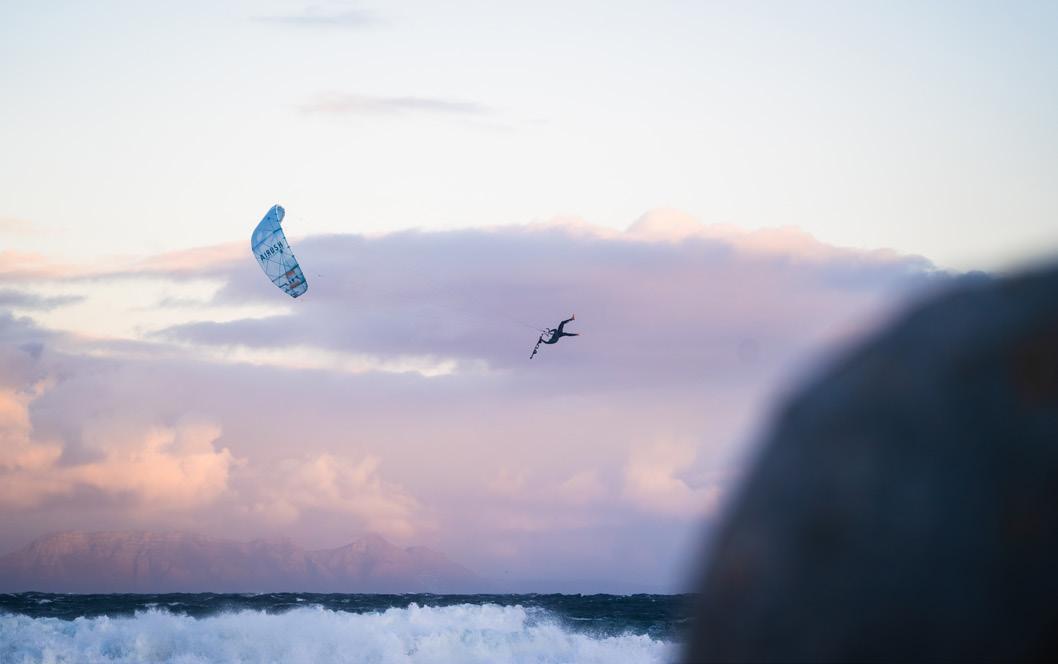
RRD Religion Y31 TELL ME ABOUT IT
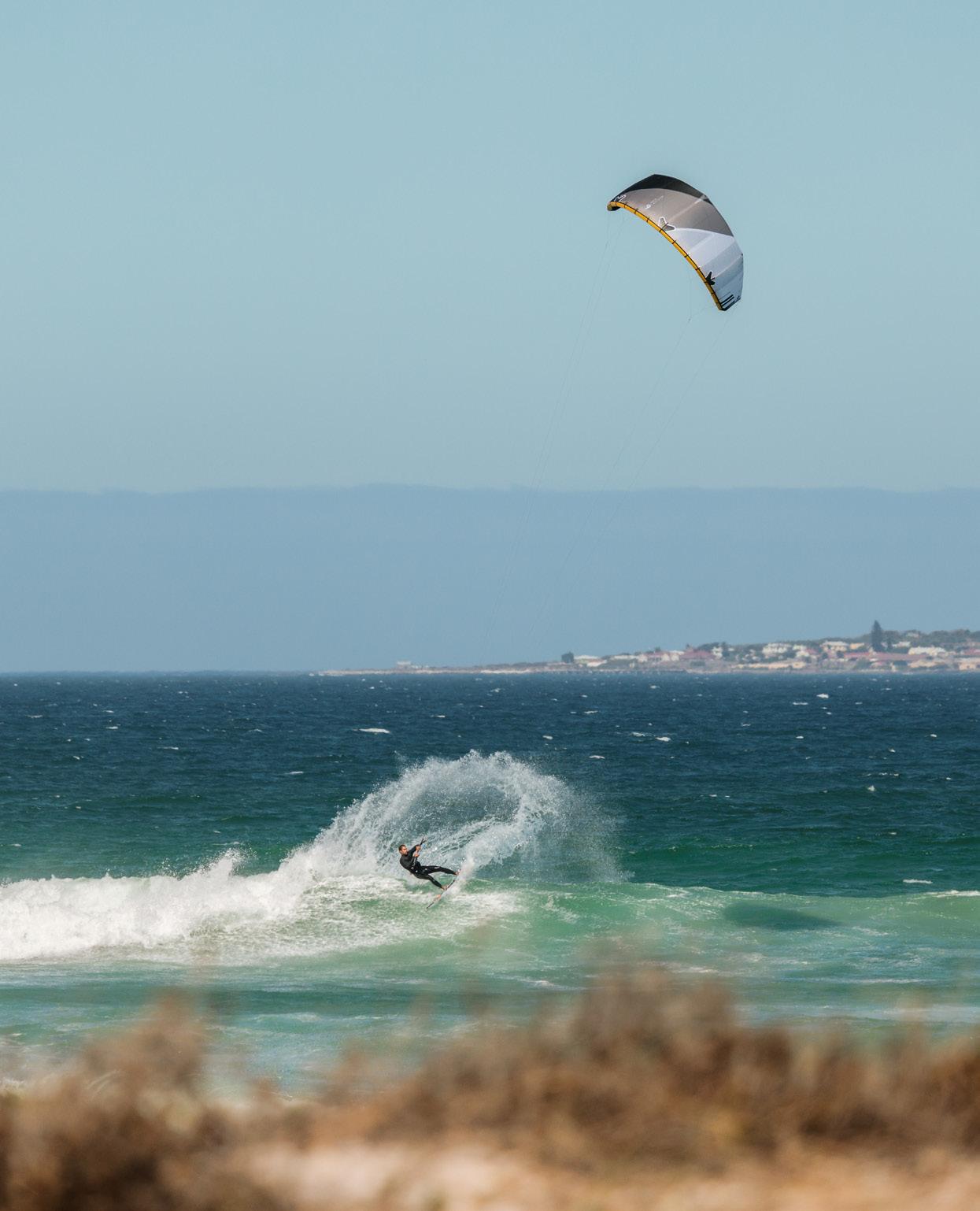
How do you improve upon a long-standing, popular kite? RRD talk us through the process they went through to release the latest version of their Religion wave kite.
RRD are FIRM fans of Cape Town. Did it once again prove the right spot for redesigning the Religion?
Every year, the RRD wave team heads down to Cape Town, South Africa – the ultimate playground for testing gear in real-world, hardcore conditions. It’s where wind, waves, and raw power come together, and it’s the only place that truly lets us push our kites to their limits. This year, our mission was clear: take the legacy of the Religion Y30 and raise the bar once again with the all-new Religion Y31.
And how much has the new version changed compared to the previous one?
After the huge success of the Y30, we knew we had to keep the same DNA: the kite is available in two technologies – Aluula and Dacron –giving riders the choice between ultralight precision and bombproof reliability. But the Y31 is not just an update; it’s the result of months of relentless testing, tuning, and fine adjustments carried out by a dedicated crew.
Who was the crew involved in this latest iteration?
Our core team in Cape Town – Carl Ferreira, Ralf Bachstuster, and RRD designer Werther Castelletti – spent weeks on the water, going through endless sessions in every condition possible. From side-off reef breaks to gusty onshore sessions, the kite was meticulously tested, tweaked, and trimmed to the millimeter. Every bridle length, every connection point, and every tension adjustment was checked, rechecked, and fine-tuned.
Was there anything they particularly focused on?
One of the main focuses this year was experimenting with new bridle systems. Small details make massive differences in how the kite re-
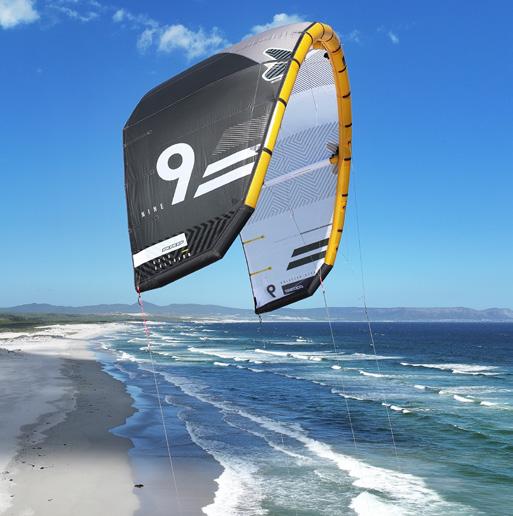
acts when you’re deep in the pocket of a wave, driving off the rail, or throwing a vertical turn under the lip. The new setups were designed to deliver the perfect balance between direct response, drift and stability, so that the rider always feels fully connected to both kite and board without any compromise.
And was the team happy with the result?
Cape Town gave us everything: nuking 40-knot days, playful waisthigh walls, and double-overhead bombs. And the Y31 delivered in all of them. The result? A kite that feels perfectly dialed in for surfing, with buttery smooth drift, lightning-fast steering, and absolute precision when you need to punch out a bottom turn or line up a vertical hit. ■
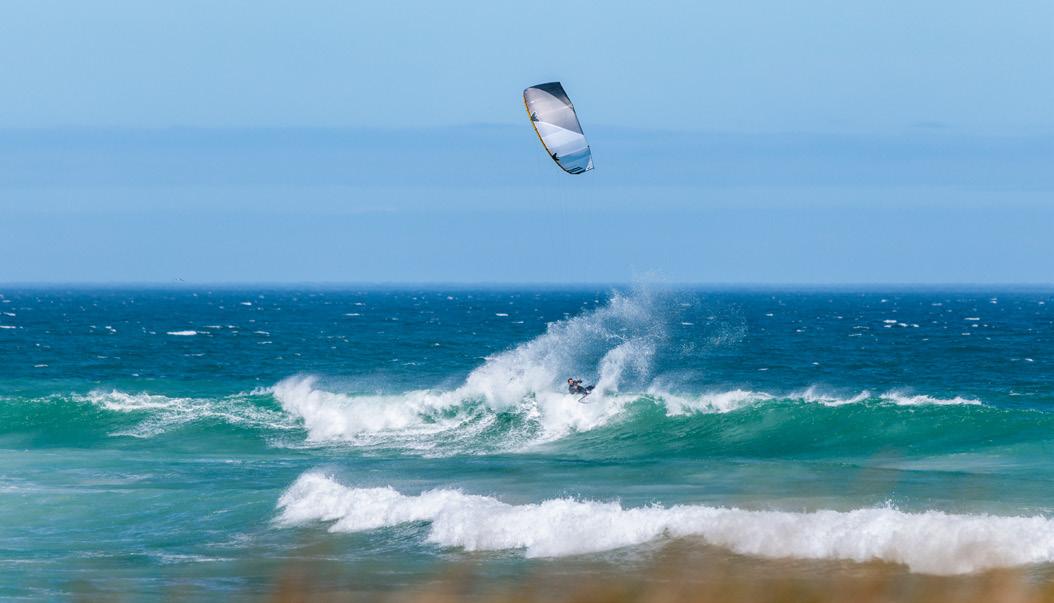

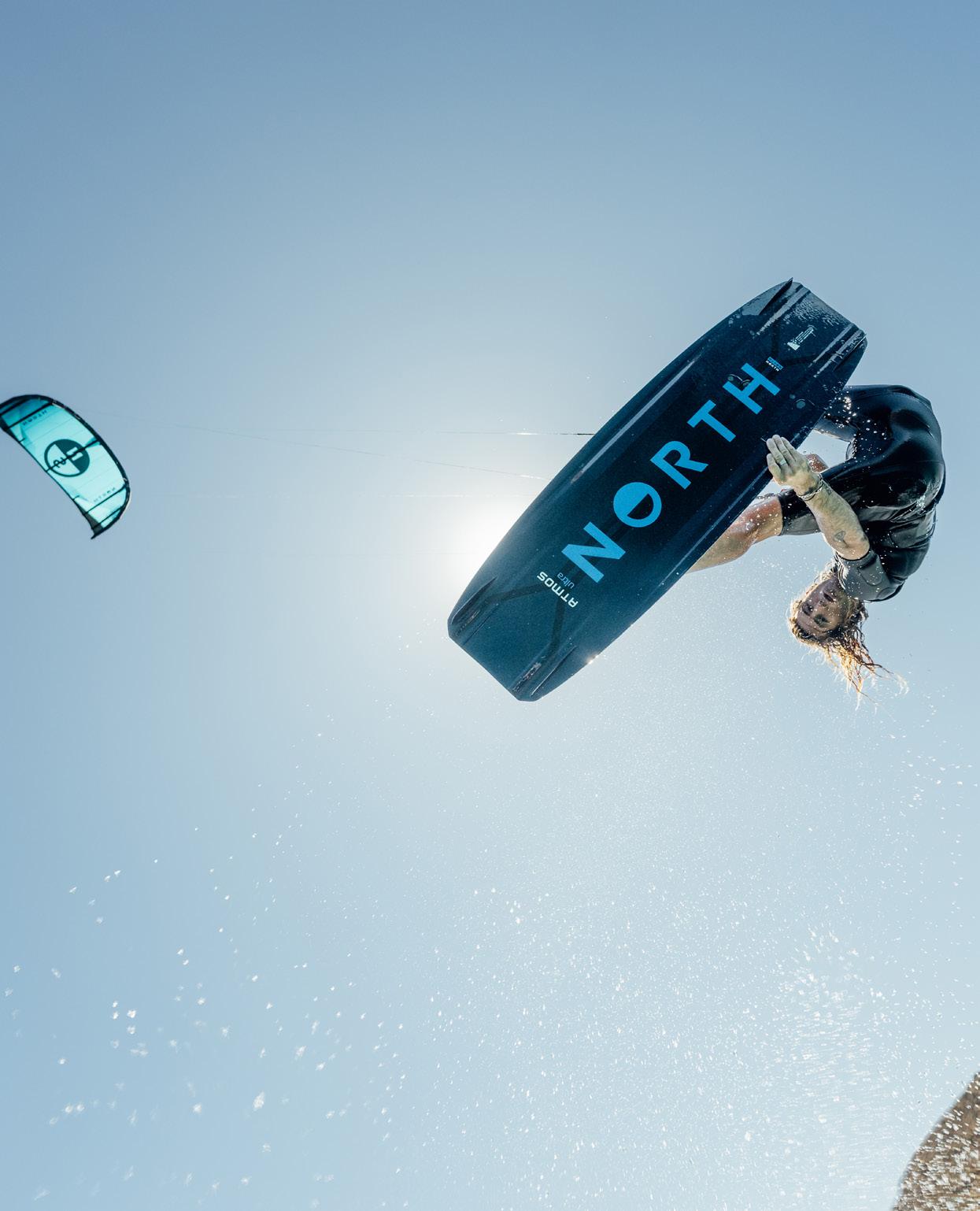
The brand-new Atmos Ultra is the lightest board North have produced yet. We gave the team a shout to find out more about this high-performance freeride twintip.
Tell us how you have been able to produce such a light board!
The ultra-light (sub-2kg) weight comes from combining a dual-density AirLite PMI foam core with a Paulownia wood frame. Higher-density foam reinforcement under the heels prevents core crush, while the Y-shaped frame absorbs slamming impacts and transfers loads efficiently. The board layup uses varying grades and weights of carbon –including High Modulus Carbon UD Tape – to reinforce critical areas and optimize stiffness and flex selectively. Additionally, we’ve developed a new printing method that shaves excess weight by eliminating weighty top sheets and printing directly onto the carbon. Weighing in just 1.8kg (138cm), the board feels truly alive under your feet.
What type of rider will the Ultra suit? It’s not designed for the hardest landings, right?
The Ultra is primarily designed for riders seeking a high-performance freeride experience focused on lightweight comfort, responsive ride feel, and smooth control. It’s also for riders who tend toward marathon-length sessions on the water, as the lighter weight means less fatigue. You’re right, the Atmos Ultra is not built for the hardest landings or extreme Big Air punishment. For riders looking for maximum durability and the ability to absorb heavy crashes, we recommend the Atmos or Atmos Pro instead.
Does the Ultra have the 3DY Technology like the other Atmos boards?
Yes, the Ultra retains our signature 3DY Carbon technology, with the addition of High Modulus Carbon. This creates a stiff beam between the bindings and tips for explosive pop and fast edge response, while allowing targeted flex elsewhere for shock absorption, making the ride smooth yet lively.
Talk us through the Ultra’s shape and rocker and how this affects its performance.
Like the Atmos Pro, Atmos and Astra, the Atmos Ultra features a double concave-to-deep-V center spine with quad channels, and extended grip channels outside the double concave. The bottom contours enable smoother landings and powerful upwind riding, with greater edge control than ever before. Quad channel tips push water flow out towards the fins for effective tracking, and the medium-high outline curve delivers easy carving through turns. Its progressive medium rocker and rail profiles are tuned for both early planing and powered riding, balancing quick pop with comfortable ride characteristics.
What bindings would you recommend for the Ultra?
The Atmos Ultra is complemented by our lightweight, cushioned Flex Pro bindings, which feature triple-density dynamic support technology. The Flex Pro are available in four sizes to ensure a comfortable, secure fit, and positioned to take advantage of the Atmos Ultra’s FlipTech centerline mounting, which extends the life of your rails.
Who has been involved with the design and testing of the Ultra? And has the rest of the team enjoyed riding it?
The Ultra was developed and tested collaboratively by North’s Design Engineers and top International Team Riders focused on pushing freeride boundaries. Feedback from the likes of Marc Jacobs and Cohan van Dijk has been highly positive, praising the Ultra’s incredibly light feel, fluid ride, precise control, and overall comfort. We like to say it’s the board we always dreamed of making and the entire team’s favorite for smooth freeride sessions, with its “crazy light feeling”, freedom, and instant feedback to every movement. ■
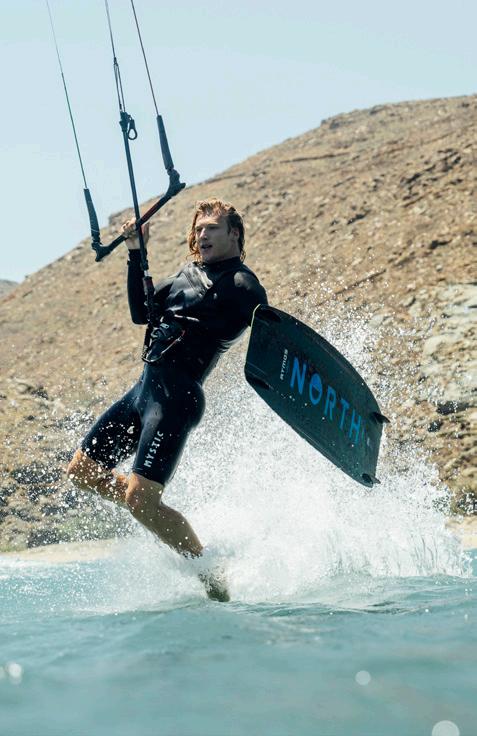
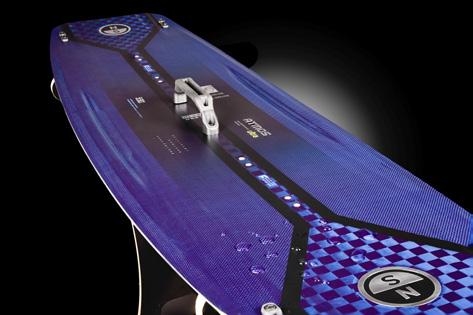
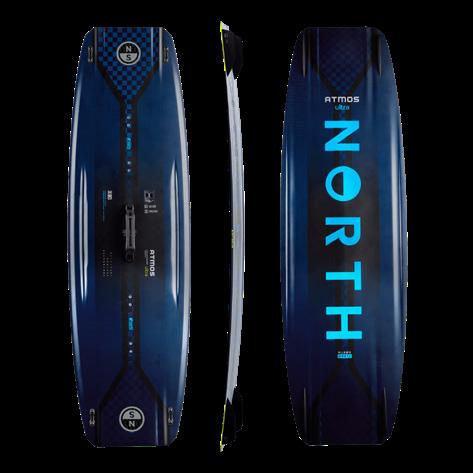
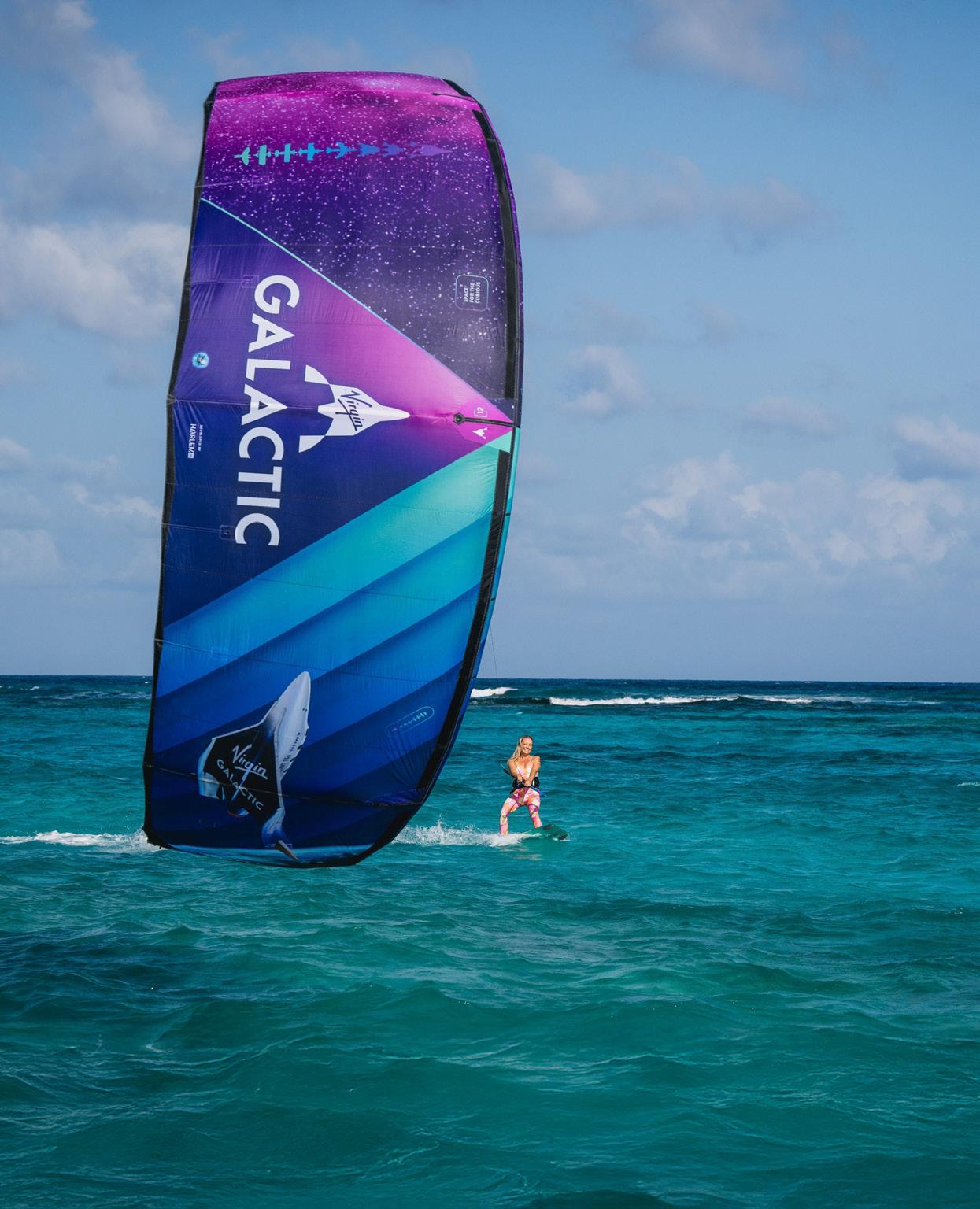
Can you summarize, for those who don’t know about digital printing, how it differs from the majority of kites on the market.
Traditionally kites use screen printing, adding weight and constraints to design and creativity and also imposing significant environmental burdens.
Crafted at Brainchild Production, our entire kite and wing lineup features the innovative Digital Eco Printing technology – using non-colored fabrics and eco-friendly ink, it saves up to four times more water and energy compared to traditional methods. The new method allows us to minimize our environmental footprint, while also unlocking boundless design and customization possibilities.
For local businesses and global brands, it’s a powerful way to put their logo on the water with huge visibility. And for kiters with an artistic streak, it’s a chance to express yourself and stand out.
Does it make any difference in terms of the kite’s performance?
Performance stays exactly as designed – light, strong, and responsive. The real difference is freedom: unlimited design options, no minimum order quantities, cleaner production, and a kite that looks as good as it rides.
As far as design is concerned are there any limits to what the customer can choose, and how does the process work with Harlem to finalize the design?
There are virtually no limits. We offer two options:
• Partial customization: 60% of the kite keeps its original design, 40% is yours to customize. Perfect for kite schools for example that want to brand their Harlem range or personal touches at a cost-effective price.
• Full customization: The entire kite becomes a blank canvas – anything from corporate branding to original artwork is possible. We do require that there is a minimum of Harlem’s logo visible.
Our team helps prepare the production files and can also assist with design if needed. Once complete, your kite or wing arrives in a matching custom bag.
Which kite models are available for customization and how quickly can a customer expect to receive their customized Harlem kite?
Our entire kite and wing range is fully customizable, in any size. Whether you’re a Big Air rider wanting a custom Peak, or you prefer the all-rounder Thrive, or a wingfoiler looking for a custom Pace, you can make it yours. Customers can expect their custom kite on their doorstep in six to eight weeks’ time.
And what’s next?!
We’re excited to expand customization to our full board range very soon.
Scott, tell us about the design on your current kites
The design I’m using now was made for an investment company in the Netherlands. They loved the idea of having their logo on a kite. After showing them a few options, they chose the final version you see on the water today.
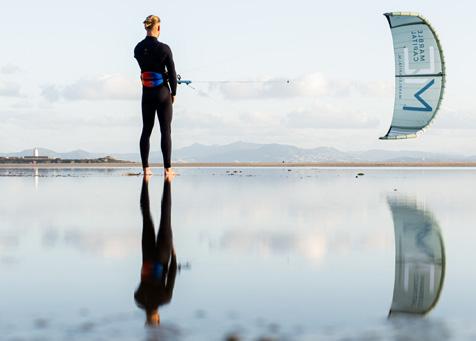
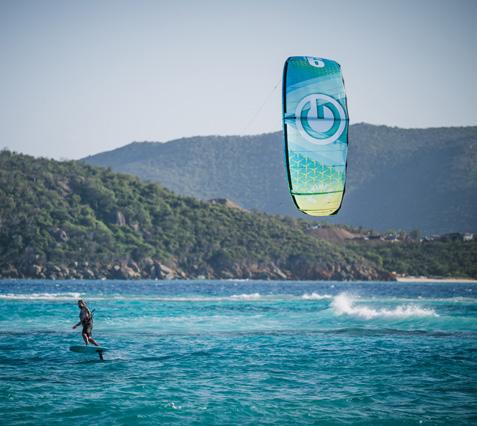
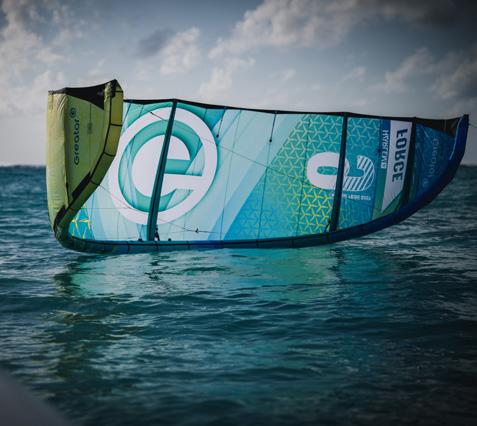
What difference does it make for you as a pro rider being able to promote your other sponsors in this customized way?
For me it’s a game-changer. Since shifting from competition into the marketing side of kitesurfing, I’ve been able to use customized kites as moving billboards – working with companies both inside and outside the sport.
Where have you been riding these kites recently?
Most recently in Tarifa, my hometown. One of the companies I worked with is based there, so they wanted me to use the kite both on the water and on the beach as a way to promote their business locally. ■
If you got our last issue, you probably read our review of the latest Eleveight RS. Alongside it, we received the all-new XS V6, giving us a couple of months to test it in a wide range of conditions. We were big fans of last year’s model, so were stoked to have the XS at our disposal a couple of months to really put it through its paces.
The Eleveight XS is a 5-strut, high aspect ratio Big Air kite. Wondering what “XS” stands for? It’s short for Extreme Series, and this kite real ly lives up to its name. It’s built to handle serious Big Air conditions. Eleveight has chosen materials specifically to withstand the harshest environments: traditional, trusted Dacron; a durable 4x4 yarn canopy; and an even tougher 6x6 yarn fabric on the trailing edge and other high-stress areas. Combined with Eleveight’s signature construction and reinforcements in key zones, the XS feels impressively solid, a kite designed to keep its performance season after season, even if you only take it out in the wildest conditions. Of course, there’s a tradeoff. The XS isn’t the lightest kite in its category, but as a dedicated Big Air machine, that small extra weight feels like a fair price to pay for its stability and durability.
Our first session with the kite was in over 30 knots. As we rigged up, we remembered our first session last year – the lift was so aggressive we ended up tightening our footstraps mid-session because our back foot kept slipping out the board. This time, we tightened them before hitting the water. It proved to be a smart move… Let’s start with the basics. This kite is grunty and delivers a lot of power, but it balances that with excellent depower. The bar pressure is on the heavier side, yet it gives great, direct feedback – worth noting that it’s a pulley-free design. Turning speed is average for its size, and it feels rock-solid and compact in the air, even in wild gusts. Thanks to this, it would be a fantastic option for heavier riders or anyone whose current kite deforms under high loads.
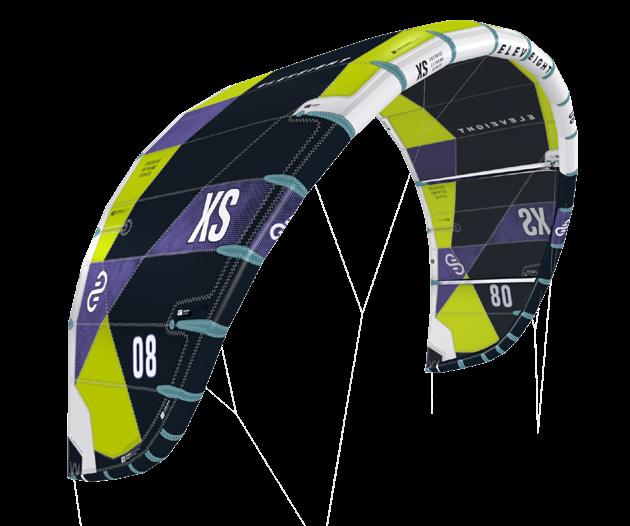
quite the opposite – the XS loops on a surprisingly tight arc, making kiteloops smoother and easier to combine with other tricks. All this said, the kite also comes with multiple tuning options on both the steering lines and the front bridles. With just a few knots adjustments you can change its turning style – from tight, fast loops to old-school low loops with massive pull.
So, how does it jump? This is where the XS really shines. It still delivers one of the most aggressive, vertical lifts we’ve ever experienced – the same addictive boost that made us love last year’s version. The sensation is unique: during takeoff, the kite sits slightly forward rather than pulling directly overhead. This translates into incredible lift and hangtime, allowing you to cover significant distance downwind. And what about kiteloops? With its medium-to-high bar pressure, we expected a massive yank and a radical, hard-to-control loop. In reality, it’s
Recently, we had the chance to review the Harlem Peak kite, but we were chuffed to also receive the Harlem Ascent twintip – their flagship Big Air/freeride board – at the same time for testing. Right from the unboxing, we noticed plenty of refined details, such as the double concave, central channel and overall sleek shape. Visually, it was clear that this board had been thoughtfully and meticulously designed.
Our first task was setting it up. The footstraps offer multiple mounting options, allowing for various strap positions and pad angles to match your personal preference. The fins come mounted at a slight angle,
Who is the XS V6 for? With its huge lift, long hangtime and easy, controllable loops, the XS is a dream for Big Air riders. It does require some skills to unlock its full potential, but nothing that a bit of practice can’t achieve. And thanks to its impressive low and high end range, excellent upwind performance and super-easy water relaunch, the XS V6 is also a solid choice for freeriders who want a versatile, high-performance kite.
We mentioned it in our V5 review, but it’s still true: the XS V6 proves that a smart, well-thought-out design using traditional materials can keep pace with the latest high-tech innovations.
which gave us an early indication of the board’s intended riding style. Once fully assembled, the board felt light, thanks to its carbon and fiberglass construction combined with lightweight footstraps. Before writing this review, we had the chance to put in plenty of sessions on the Harlem Ascent, and a few key features stood out. The first, and most obvious from the very first tack, is its incredible grip. Once you’re locked in riding upwind, the board holds its edge effortlessly while slicing through chop, making for an exceptionally smooth and comfortable ride. A big part of this performance comes from the seamless integration between the board’s construction and its footstraps,
The Wild Thing was Jochum and Nesler’s first kite back in 2003, the dawn of kiting. At the time it made a huge statement, a full four-line C shape with an aggressive high-aspect design and no less than seven (yes, seven) struts as well as some battens in the wingtips. Its black and white zebra print caught the eye of the whole industry, and still remains an iconic moment of the sport for many. The kite’s legacy models have been through all the key phases over the last couple of decades, with a hybrid C shape in the WT2, a mid-aspect open C in the WT3, a lean and fast boosting machine in the WT4, WT5 and the Revival. With JN’s recent renaissance as a brand, the latest WT is a full redesign, but keeping the DNA of the old model strong. One of the most distinctive graphic designs in kite history now has six color options available. It’s aimed at ticking all the usual high-performance freeride boxes with a dash of Big Air thrown in for good measure, in five sizes ranging from 6.5m to 14m. It comes in very snazzy (and perfectly sized) bag with a repair kit. The inflation system is a high-volume SUP valve affair, Kevlar covers the leading edge joins, and all the modern trimmings are present.
From a shape perspective we’re presented with an open-arced, fivestrut kite that’s relatively lean in its tube diameters and immediately looks as though it means business. The front tube design carries over from the other models and has the Perfect Arc technology which means more tailored tubes with less segmentation resulting in less parasitic drag and a stiffer airframe. We think that some design inspiration has perhaps come across from the Mr. F model as well, but the aspect ratio has been stretched right out. The struts are all ultra-thin and the central three benefit from Floating Batten technology which means a perfectly trimmed canopy profile in the center of the kite. This allows the kite to luff exceptionally well, which is important when exiting maneuvers for a leaner high-aspect kite that likes to push forward in the window. Material choices are high end and sensible with industry standard two-core Teijin cloth on the canopy, and a stiff Dimension-Polyant Dacron making up the airframe, which even when very overpowered didn’t flinch, which is a testament to the well-designed and minimal bridle configuration. It runs on four lines with a high-V split.
For the more ambitious free rider, the Wild Thing is going to impress
which work together to dampen vibrations. Even in the roughest conditions, this combo kept the ride stable and far more comfortable than expected.
That same grip translates directly into performance. It allows for explosive vertical pops, and you never lose the edge, even when loading up for jumps at high speed. This made our Big Air sessions especially enjoyable. The consistent edge hold also makes it easier to find and extend the sweet spot for takeoffs, something that riders progressing their jump technique will truly appreciate. Another standout feature is the board’s forgiving landings. Thanks to its smart shaping, well-engineered construction, and maybe a touch of witchcraft, even slightly off landings, especially those lacking horizontal speed, felt smooth. The board seems to convert impact into forward motion, helping you ride out of landings more easily.
The Ascent is available in two board sizes (135 and 138) and two footstrap sizes, making it adaptable for a wide range of riders. Whether you’re a full-on Big Air enthusiast or a freerider just out to enjoy whatever conditions the day brings, the Ascent is built to deliver and put a smile on your face.
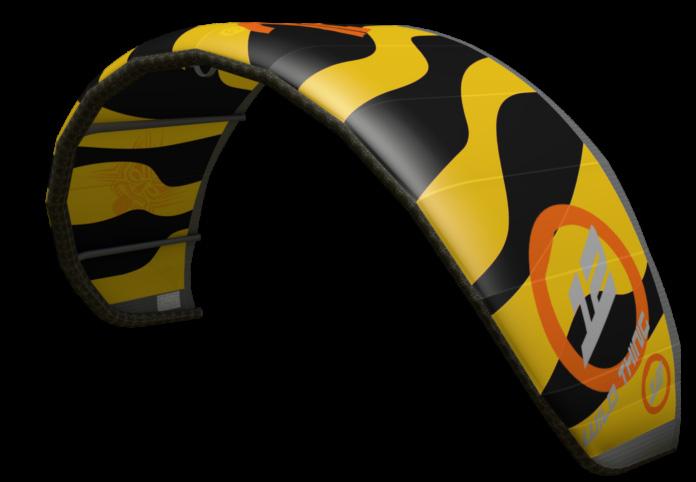
you with masses of lift on sheet, direct handling and assertive, yet throttleable power delivery. We’d put the bar pressure in the middle weight sector across brands and kites of a similar target, but what has always shone with JN kites is how nuanced the handling and feedback down to the bar is. You know exactly where the kite is when you need to without vagueness. Exceptionally stable in the upper reaches of its top end, it has a decent amount of static background pull and downloops really well, allowing you to hover down from jumps and maybe stick a grab in where you’d have been previously hesitant. It’s not all about the top end though; it gets going pretty early for a five strutter, flies forward well in lighter conditions and sneaks upwind well. Overall the wind range and usability is extremely impressive.
The Wild Thing has had a ground up redesign bringing it up to modern standards, making an extremely accessible high-performance tool for the seasoned rider. The smaller sizes are versatile as well, with anything under a 10m having a strong crossover into wave work in stronger conditions with that snappy handling really getting that five strutter moving. It’s brilliant to see that iconic graphic design still around with strong performance to live up to its strong image and lineage, and it sits correctly as JN’s flagship model.
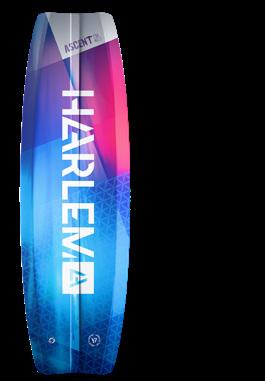
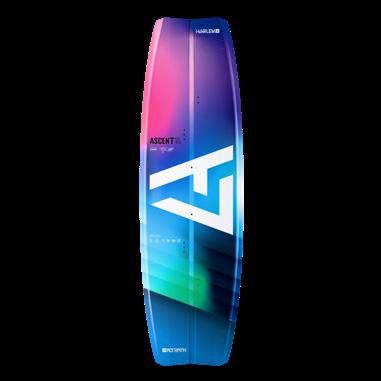
RANGE TURNING SPEED
Historically, plenty of good ideas have come from the flatlands of Den mark: Lego, small mermaids, the door hook made from the colored balls, and those fancy designer table lamps. So unless you’ve been living under a rock for the last twenty years, the name Nick Jacobsen should ring a bell. You’d be forgiven for as suming the crane-climbing Danish stunt enthusiast would be a reckless character, but in person you’re presented with a calm, intelligent Scandinavian gentleman, calculating risk vs reward at every juncture. As he’s grown into a mature elder statesman of the sport, it was almost inevitable he’d develop his own products, and with the jacobsen project, he’s assembled a team of close friends to produce some kite gear tailored to their exacting standards.
The first product to drop is the YES, packaged for the per formance freeride sector, and built on a mid to high aspect three-strut platform. Sizes range from 5m through to 10m in 1m increments and then a 12m and 14m to top the range. We tested the 9 prime.
Visually striking in a virginal silvery white, it’s a detailed and high-end build and an eye has definitely been kept on weight saving as well as durability. They’ve employed some well-proven modern materials with a three-core-rip stop canopy and high-end Dacron on the front tube. For instance, each leading edge segment join has a lightweight Kevlar style scuff guard, and the leading edge to canopy join has some performance mid-weight Dacron to smooth the transition between the fabric weights. The short ten-point twin slider bridle is all low diameter minimizing drag. Re movable trailing edge battens have been employed to con trol any flutter. It’s obvious their mysterious kite designer has seen some previous action. From a shape perspective, it has a little more of a complete arc compared to your aver age freeride kite, and quite full wingtips.
The MISSION bar system is clean, functional and sturdy feeling. It’s a low split, self-untwisting affair which means you need to pay attention everything is on the correct side and untwisted with the front lines when you set up. It comes on 25m lines as standard, but line extensions can be removed to scale it down to 22m when required. It has a modern click-in seatbelt-style safety system, neat indents for stowing away the bungees, and a comfortable gently textured grip. The good old British Clamcleat on the trim is easily replaceable. The more eagle eyed may notice some of the core components span across a few other brands so spares will be readily available.
In the air you can immediately notice a positive residual background pull and grunt. There’s a feeling of presence and solidity to the YES, which gives you an acute awareness of the kite position. Turning is fast and responsive, with the sliders visibly doing their thing to get the kite to pivot turn and whip round a loop. It produced an ultra-smooth linear power delivery which seemed to rescue us from any daft steering in puts before the calamity occurred. You’ve got plenty of punch available, but it’s all very throttleable, and forgiving.
Handling is one of the most important attributes to a freeride kite, and the word we kept coming back to with the YES was precise, and in a multitude of situations. On the top end of the wind range, with a twintip on your feet, the YES remains very composed and provides a solid and (I daresay) friendly platform for Big Air antics. It made riskier moves feel very safe and instilled a feeling of confidence, essential for the progressing rider. In the current market of sometimes ultra-scary
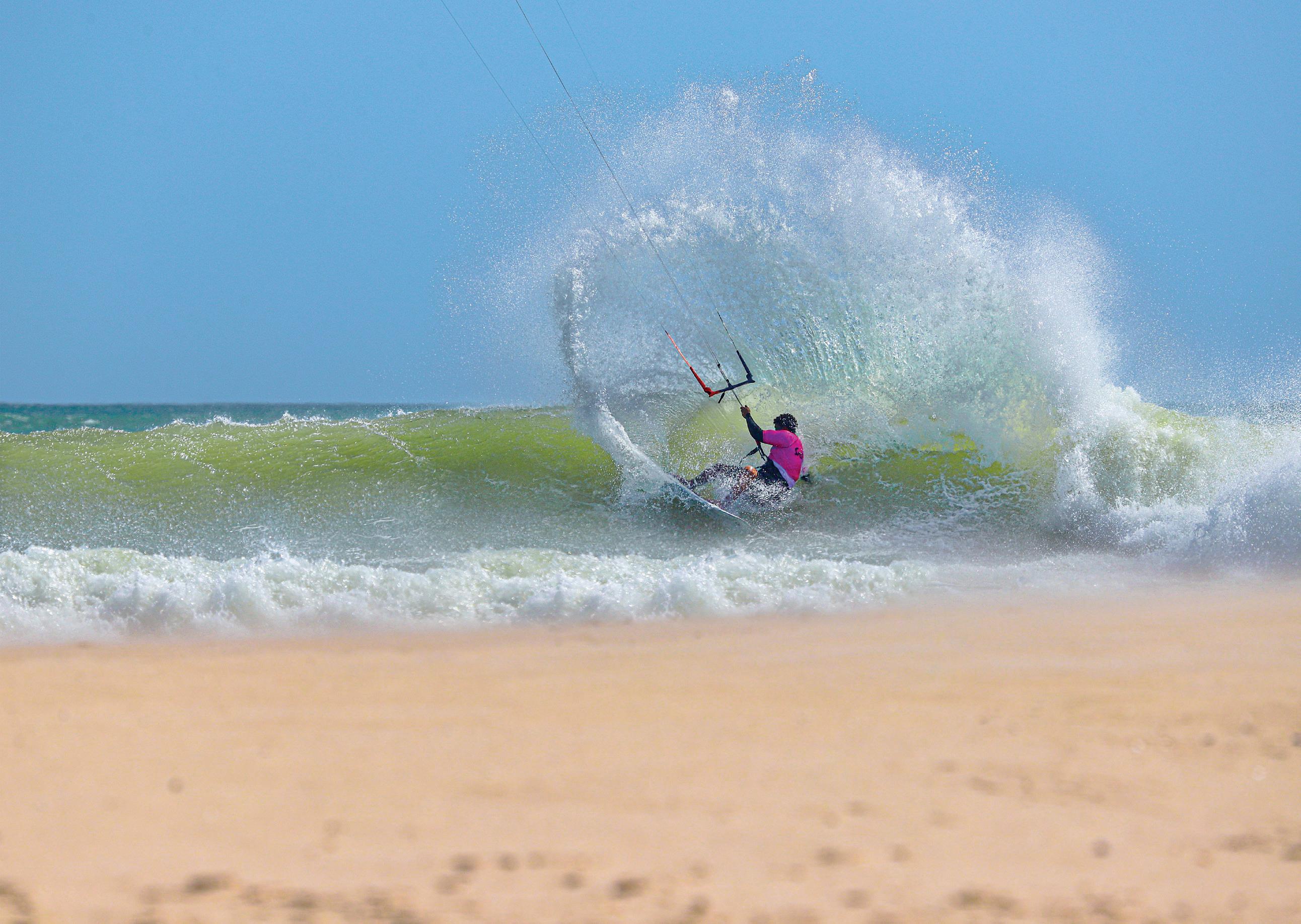
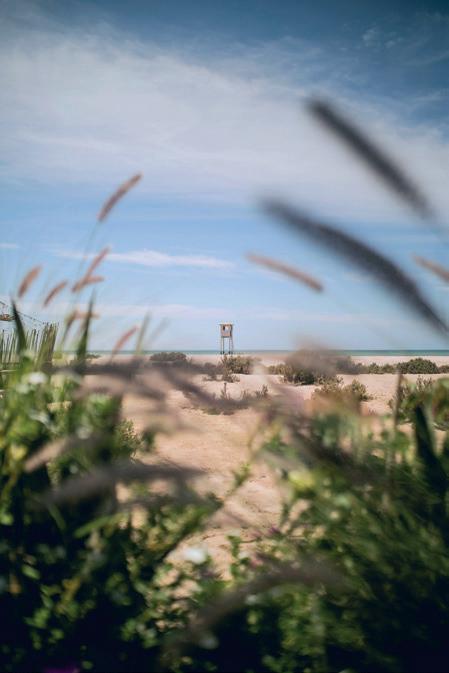
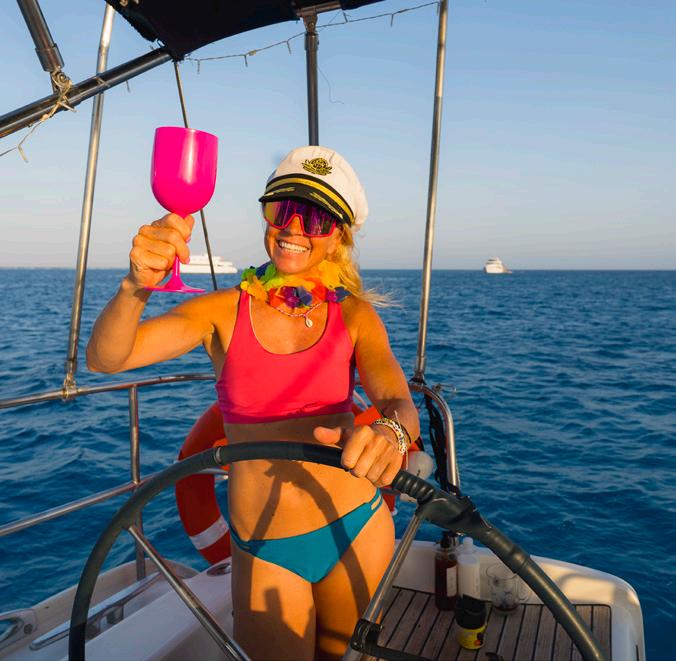
In today’s fast-paced world, the pressure to perform is ever-present. We are constantly expected to be available, ready to respond to messages, emails and social media notifications. Whether it’s work or our personal lives, there’s an underlying expectation to always be “on”, to give 100% all the time. It’s easy to feel overwhelmed, as if you’re on a treadmill you can’t step off. I, Kari, often find myself caught in that cycle – constantly available, constantly performing – and it can be exhausting…
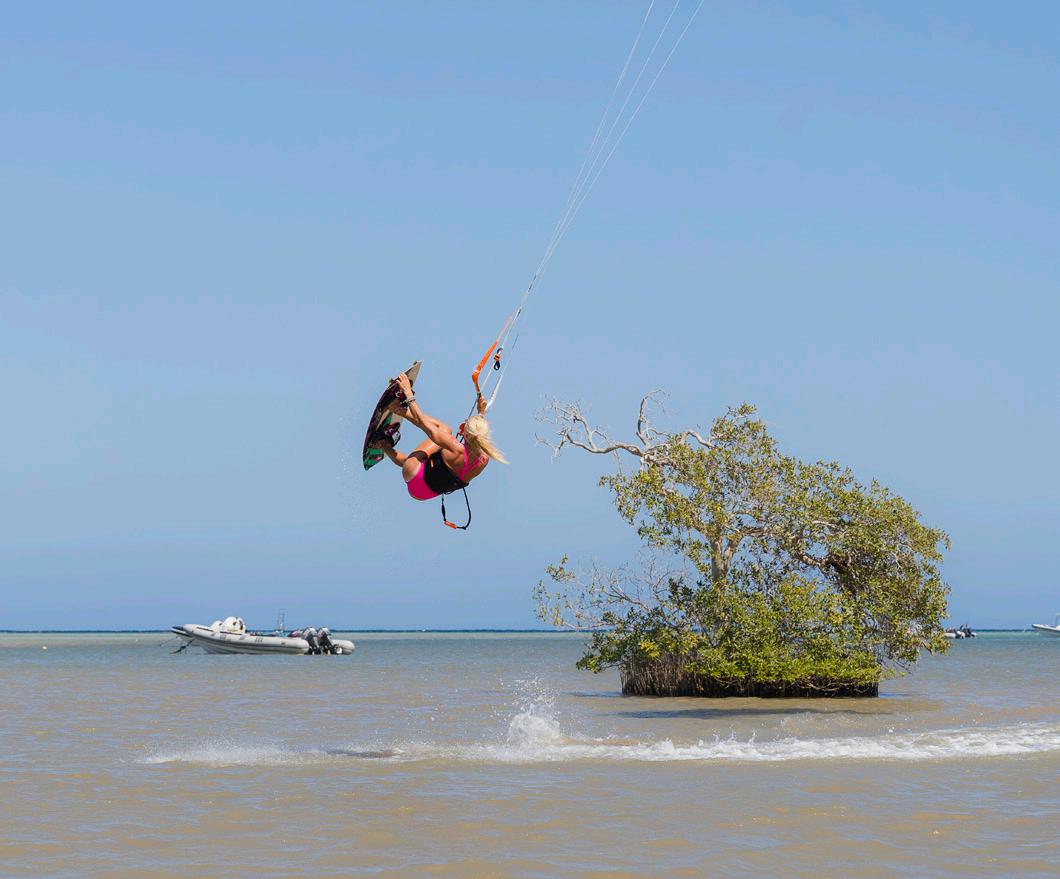
The modern world thrives on connectivity, but being so interconnected means we rarely have time for ourselves. We don’t even realize how much it affects us until we feel completely drained, emotionally and mentally. I reached a point where I felt like I needed to unplug – completely. I longed for an escape from the constant buzz of notifications and the invisible pressure of social expectations. I wanted, for once, to be off the grid.
Recently, I had the opportunity to do exactly that. I called a friend and invited her to join a sailing trip. We’d be out at sea for several days, with no phone reception, no internet, and no interruptions. At once she said: “Yes, it’s what I need right now”. We had space for two more so her sister and her friend, who were also keen to escape, joined us. We packed the bags and headed out.
The moment I stepped onto the boat (after 14 hours of travel), something shifted. There was a quiet, an absence of all the usual distractions. We sailed out, leaving behind any trace of modern technology. At first, I kept reaching for my phone, out of habit. I wanted to check if there were any new messages or updates from the world outside. It took me a while to adjust, but after some time, I began to feel something I hadn’t in a long time – stillness. I wasn’t worrying about my phone or social media. I wasn’t thinking about work emails or what I had to get done tomorrow. Instead, I was fully present. This was good after a long summer season.
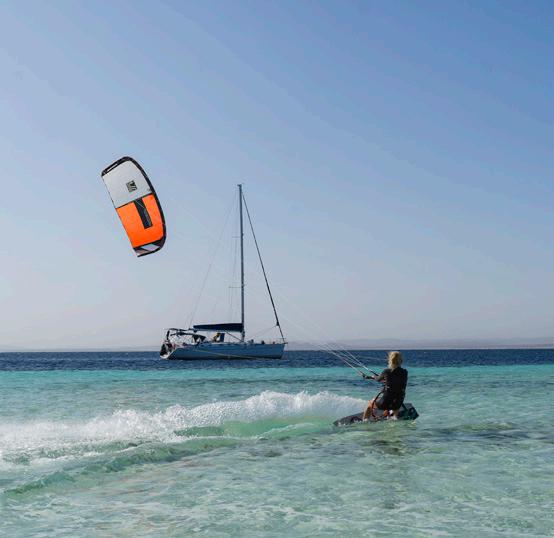
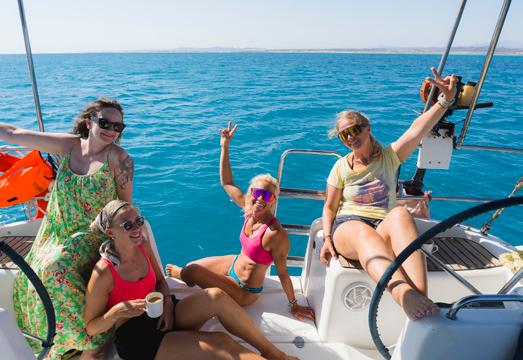
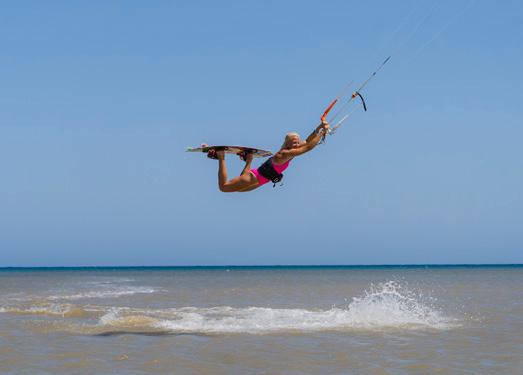
I spent the days on the boat doing simple, meaningful things. I finally finished reading a book I had been trying to get through for months but never had the time to complete. Each evening, we gathered together on the boat, eating meals and talking, not distracted by anything else. We laughed, we shared stories, and we were completely in the moment. There was no need to share our experiences on social media or capture the “perfect” photo for others. It was just us, and the beauty of that was something I hadn’t realized I was missing until then.
We swam in crystal-clear waters, dived with dolphins, and I spent time kiting across the gentle ocean. I would sit on the deck at sunset, watching the sky change colors, feeling completely connected to the world around me, yet disconnected from the digital one I had left behind. At night, I’d lie under the stars on the boat’s main sail, the sky stretching out infinitely above me. It became the best bedroom I could ever imagine, with the stars as my nightlight. I took pictures but not as many as I normally do, which did feel a bit strange.
Being so fully immersed in the moment, without the constant pull of notifications or the urge to check my phone, was a revelation. It allowed me to reconnect with myself, to be more present in the conversations and experiences I was having. The boat became a sanctuary, a space where time slowed down, and I could breathe deeply again. For the first time in a long time, I wasn’t thinking about the next thing I needed to do. I was simply existing, enjoying every minute and just looking forward to performing under or over the ocean.
This time away also made me reflect on how much we, as a society, are caught up in our routines, our expectations, and our constant connectivity. We rarely stop to think about how much pressure we place on ourselves to be available, to be “successful”, and to meet the demands of modern life. But the truth is, we all need a break from it. We need to step outside of our usual patterns and find moments where we can disconnect and recharge.
Think about this for a second – you are talking to a friend – do they pick up their phone or look at their watch when you are talking to them? Or do you do this? This takes the focus away from what you are talking about with the person in front of you.
For me, being out on the ocean, without any digital ties, was the perfect reset. But I think the takeaway is broader than just one sailing trip. It’s about finding your version of escape, whatever that might be. Whether it’s taking a walk in the mountains, camping by a lake, or simply turning off your phone for a day – everyone needs that pause. It’s important to recognize when we’ve hit our limit and give ourselves permission to step away from the pressures we face.
Taking a break isn’t a sign of weakness; it’s essential for our mental and emotional well-being. We don’t always need to be available, and we certainly don’t need to be performing at 100% all the time. Sometimes, it’s okay to just be – to sit in the quiet, enjoy the view, or have an uninterrupted conversation with someone. It’s in those moments that we can truly reconnect with ourselves and the world around us. Sometimes, the most important thing we can do is step off the path we’re on, even if just for a little while, and give ourselves the space to rest. It’s not about always being “on”. It’s about knowing when to turn off and just enjoy the ride. ■
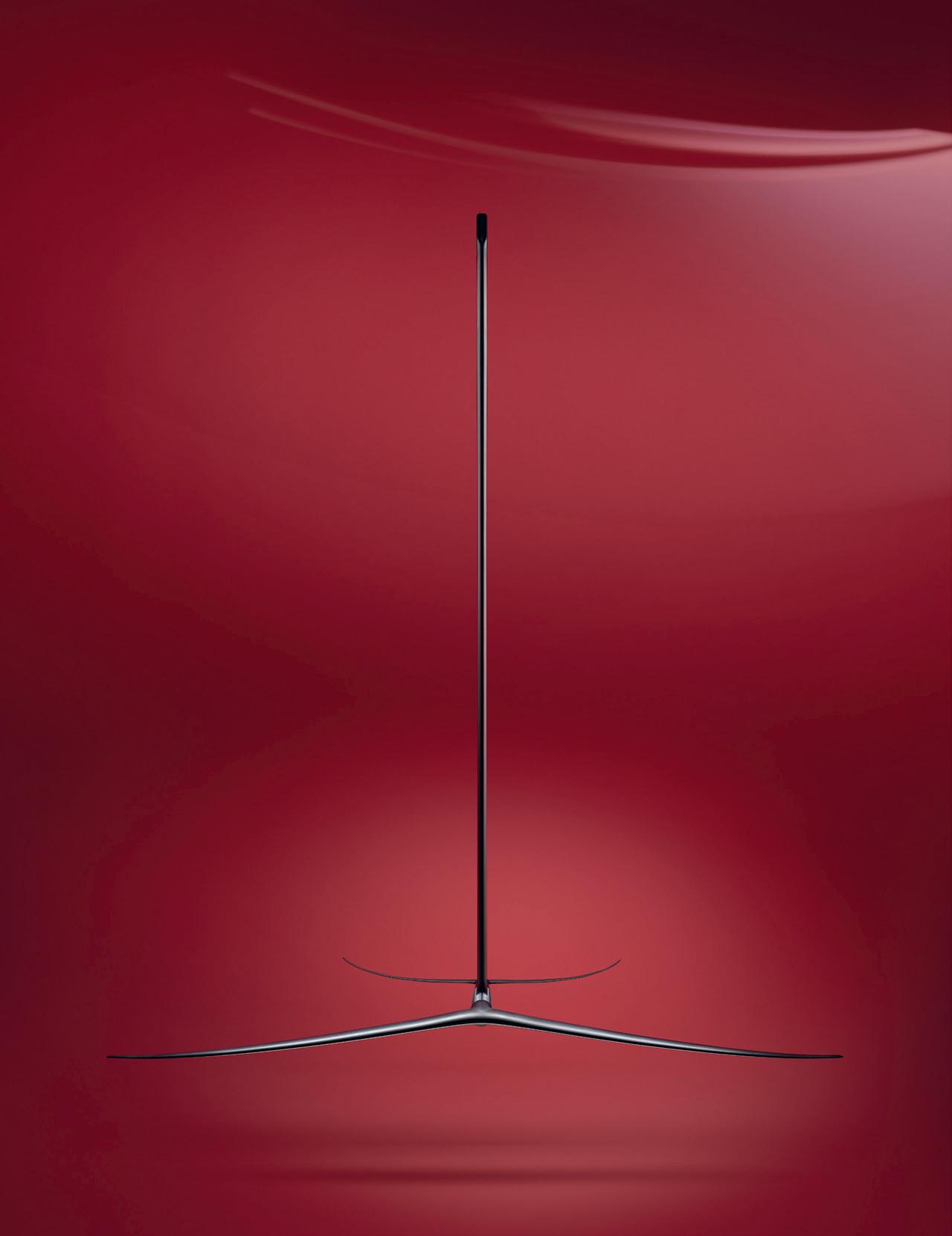

HOW WAS IT FOR YOU?