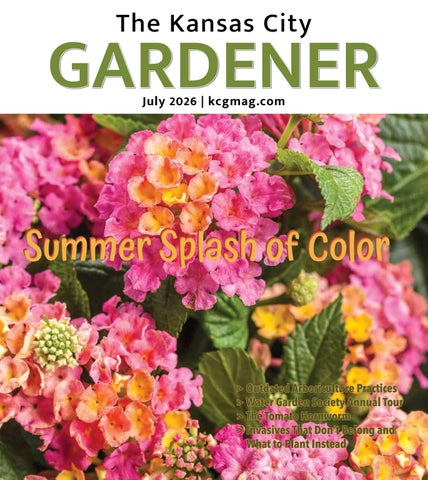
GARDENER
Independently owned and operated since 1996
PUBLISHER
Michael Cavanaugh
EDITOR
Elizabeth Cavanaugh
CONTRIBUTORS
Lauren English
Markis Hill
Jesse Kirk
Lenora Larson
Katy Meeks
Anthony Reardon
Arricca Elin SanSone
Scott Woodbury
DISTRIBUTION
Publishers Delivery Solutions, Inc.
IF YOU WOULD LIKE TO DISTRIBUTE the magazine at your place of business, please contact Mike Cavanaugh at mike@kcgmag.com 913-648-4728
NEED MORE MAGAZINES? mike@kcgmag.com 913-648-4728
CONTACT US P.O. Box 8725 Prairie Village, KS 66208 913-648-4728
ADVERTISING
Mike Cavanaugh at mike@kcgmag.com 913-648-4728
QUESTIONS ABOUT EDITORIAL AND SUBSCRIPTIONS
Elizabeth Cavanaugh elizabeth@kcgmag.com 913-648-4728
HOW TO SUBSCRIBE
See details on page 19.
WEBSITE kcgmag.com

The Joy of July
Other than a few herbs in a container to use for meals, all planting is complete for the season. There are a dozen empty spaces in the landscape where boxwood used to grow. Mr. Gardener removed the ones damaged by the March freeze (or died). In the fall, he will divide hosta and fill those holes. Thanks to Mother Nature and the generous rainfall over the last couple of months, all of the newly planted natives are thriving. A morning walk through the garden is such a joy.
Mr. Gardener and I joined the city pool this year. We live within walking distance, and thought how nice it would be to jump in cool water after being hot and sweaty in the garden. Not only is this a refreshing option for relaxation, but also for working in a little exercise.
Back when the kids were young, membership to the city pool was a given. It was an affordable staycation option. First though, you must be a competent swimmer.
I recall when it was time for the youngest of the Cavanaugh clan to take swimming lessons. Early on, she was a self-taught swimmer motivated by keeping up with older siblings. Now it was time for formal
instruction. Declaring, she already knew how to swim, the soon-to-be better swimmer was reluctant to participate.
It didn’t take much encouragement after the first day when she realized how much fun this could be. Every day she described some new aspect of swimming that she had learned. A new word, a new breathing technique, new strokes, and all with seven-year-old enthusiasm. The simple joy of participation was evident in her words and in her smile, and at the end of the course she was proud of her accomplishments.
A gardener’s joy is much the same. Many of us are self-taught gardeners and our motivation comes in various forms. Some are reluctant to try something new, yet others are ever searching for a new addition to the garden. For all gardeners, though, our joy is simple. We are thrilled when fickle hydrangea finally bloom. We are delighted when the daylilies repeat their annual performance, and we are simply ecstatic when others speak of our garden’s beauty.
The joy of life can be found in all that we encounter, from monumental accomplishments to every day tasks.
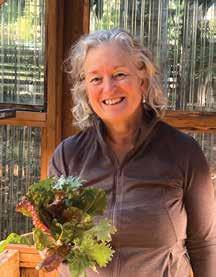
You don’t have to go far and you don’t have to look too hard. Take a walk. Visit your neighbor’s garden, and listen. Listen to the joy in their words as they describe their garden life. Discover the joy that lies waiting in you. Identify the things that bring you joy, that enrich your life, and then share that joy with others. Your garden is the perfect place to start.
I’ll see you in the garden!


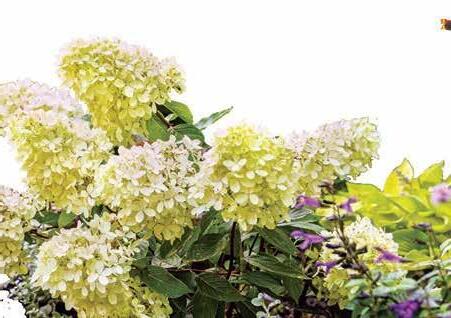
Limelight Prime® Hydrangea
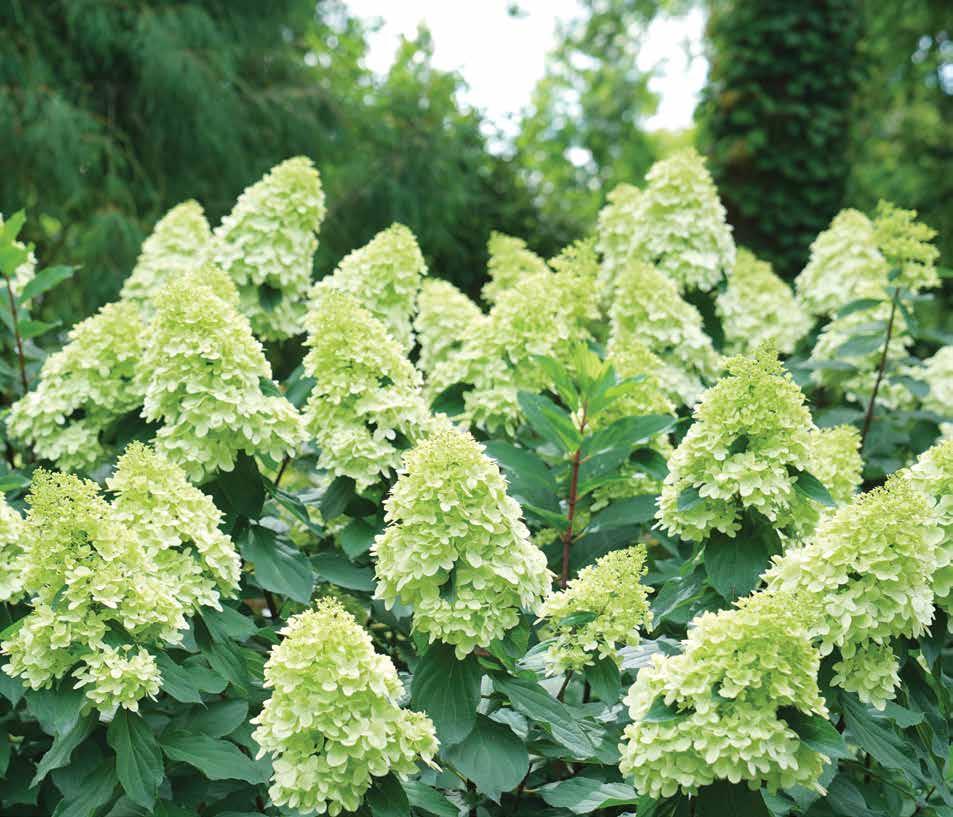
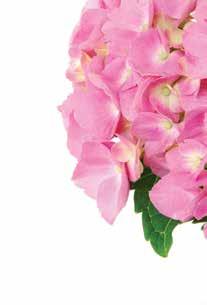
If you like ‘Limelight’ in your garden or landscape, you’ll love Limelight Prime panicle hydrangea. It offers earlier blooms, a more space-saving habit, and stunning pink hues in fall. Each flower is held sturdily above handsome, dark green leaves for an easy-care display, all summer long.
Look for Limelight Prime hydrangea in the distinctive white Proven Winners ® container at your local garden center, or learn more at LimelightPrimeHydrangea .com

SHRUB LEAF COLOR CHANGE
COULD BE INSECT DAMAGE
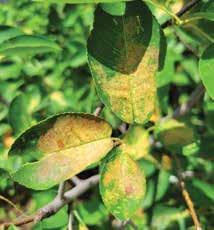
Question: My serviceberry tree leaves turned color, but not the orange fall color. The leaves started turning pale yellow. It started to change near the center of the leaf and spread out towards the edges. Is this some kind of disease?
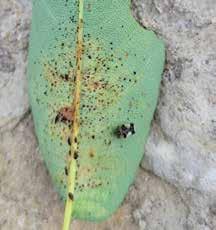
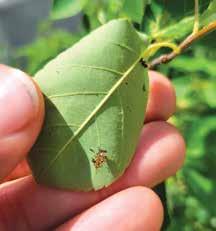
Markis’ Answer: What you are seeing is not a disease. It is insect feeding damage from lacebugs. Lacebugs are native insects with several different species, giving them a very wide host range. They feed on the undersides of leaves by piercing the leaf tissue and sucking out the contents. Over time, repeated feeding can cause the leaf to appear “bleached.” Last year, aromatic asters were hit hard by lacebug feeding.
It might be a habit to pick up a spray bottle at the first sign of this damage. However, there are nonchemical control options for suppressing lacebug populations. A forceful stream of water directed at the undersides of the leaves can knock them off, slowing the damage they cause. If the damage is widespread, natural predators such as green lacewings and lady beetle larvae can be added to slow population growth. Using insecticides might kill beneficial predators already feeding on lacebugs. Leaves that have lacebug damage do not turn green again.
WHEN COOL SEASON LAWN TURNS BROWN
Question: My lawn is turning brown. Does that mean I need to fertilize more?
Markis’ Answer: No! Cool-season lawns with Kentucky bluegrass,

Ask the Experts
tall fescue, or ryegrass can go dormant due to the hot, dry conditions in the Great Plains. Grass will naturally turn brown or a duller color to conserve nutrients until cooler temperatures return. Adding nitrogen now could exacerbate other underlying problems, such as weed growth or disease growth. Warm-season lawns behave differently and might require fertilizer.
If you want to keep your coolseason lawn green, you will need to keep it watered throughout the hot summer months. Watering in the morning or late evening can help reduce evaporation losses. Raising your mower height to 3 ½ inches also can help reduce drought stress. As the length of our hot weather in the summer increases year over year, if keeping a green lawn is important to you but you don’t care for the high water bills, switching to a warmseason turf might just be worth the hassle.
MITIGATING CUCUMBER VINE DECLINE
Question: I am so excited for the yearly haul of cucumbers from
my garden. Every year, however, it seems like the vines only keep their quality for so long before they wither in the late summer. How can I help prevent this?
Anthony’s Answer: Yes, unfortunately, cucumbers are frequently victims of late-summer decline due to a variety of factors that hit all at once. Be it ambient heat and soil temperature, inconsistent soil moisture, insect pressure from cucumber beetles, disease pressure from powdery mildew or bacterial wilt, or simply heavy fruit production sapping energy, there is no shortage of factors contributing to their weakening.
Preventing this decline largely relies on proactive measures taken early in the summer. These measures include topping-off garden mulch to maintain a 3-inch layer, helping to ensure consistent soil moisture and temperature. They include active scouting for pests and, when necessary, beginning a treatment plan of neem oil alternated with insecticidal soap before significant feeding ruins vines or vector disease. They include frequent harvesting and avoiding
overripe fruit that can sap energy or attract pests. And, if there are any major pest or disease infestations, it means the pruning of that portion of the plant, or removal of the plant altogether, to control the spread.
YIKES! SPIDER MITES AGAIN
Question: One issue I never seem to avoid with my plants when summer comes around is spider mites! Whether it’s my tomato leaves yellowing from the bottom up, my cucumber leaves doing the same, or even my eggplants or peppers showing signs of mottling, they always seem to find me. What can I do?
Anthony’s Answer: Spider mites thrive in warm and dry conditions, so it makes sense that they always show up for you as summer progresses. Luckily, their treatment is simple and rarely warrants the use of an actual miticide. Given their microscopic, soft-bodied nature, spider mites usually can be treated by blasting plants with a strong jet of water a couple of times a week. The pressure from said jet is usually enough to squish the tiny invaders.
MARKIS HILL | Horticulture Agents | ANTHONY REARDON
Markis Hill and Anthony Reardon are the horticulture agents for K-State Extension Johnson County, each specializing in ornamentals and edible crops, respectively. For free information fact sheets, visit www.johnson.k-state. edu, or call our Garden Hotline at 913-715-7050.

Damage from lacebug Lacebug
Lacebug
Photos by Markis Hill.














High Maintenance Gardening Gives You Wings
I’ve spent much of my career encouraging people to find the easiest path forward in the garden. Low-maintenance gardening is the name of the game. The working legs of low maintenance (and the tenants of my articles over the years) include water reduction, light and safe use of fertilizers and pesticides, living green mulch vs. brown mulch, healthy soil, inter-plant compatibility, and weed-free stability. These are all worthy practices to consider to generate a stable, low-maintenance garden. But today, I am taking a departure from these time-saving concepts. This article is about garden activities that take extra time. They’re not for everybody, but perhaps you crave more from your garden, perhaps you enjoy hard work. The following ideas may reap rewards, but they also come with some extra effort.
A walk through the native plant section of my favorite garden center proves my first point. There aren’t

any native annuals sold in pots. No red whiskers (Polanisia dodecandra), no palafox (Palafoxia callosa), no wallflower (Erysimum capitatum), no witchgrass (Panicum capillare), no Helen’s flower (Helenium autumnale), no blue-eyed Mary (Collinsia verna), no snow-on-themountain (Euphorbia marginata), no nuttin’. Why aren’t there any annual native plants? I don’t know, perhaps they require too much maintenance?
I include annual plants in my new garden plantings to fill gaps and add instant color during the first and second growing seasons, while perennial plants are taking their sweet time to fill out. Why not fill the gaps with something that grows and blooms quickly?

starting in January, so seedlings get big enough to plant outside by April. Also, in the spring after the first growing season, I search my garden for volunteer seedlings. You have to know what you’re looking for, so they don’t get pulled out with the weeds. I use an app on my phone called Picture This, to help with identification. It works well, but not perfectly. You may also find the Grow Native! seedling and weed identification guides helpful; both are available at grownative.org.
How do I do it, you ask? The hard way. I buy seed packets online from local Missouri native seed growers. I grow them from seed at home in my basement grow room in winter,
In the garden, seedlings are often growing in the wrong place, in need of relocation. At times, there are too many, at other times, not enough. It has to do with how much mulch you use and if there is bare soil (gaps) between the establishing perennials and grasses. It’s best to wait until new seedlings are at least 2 to 3 inches tall to transplant, so there are enough roots to hold a soil
ball together. Use a garden trowel and move them with the soil intact, or pot them up to share with a friend. Starting to sound like a lot of work? You get the picture. Another garden passion that absorbs my time, especially in winter, is growing vines. I occasionally see petite trellises or fences supporting a tangle of showy ornamental clematis. But rarely are they well taken care of and growing to their full potential on an arbor above your head. Big vines reap big rewards, but they also require your attention. Crossvine (Bignonia capreolata) growing up an old tree will surprise you one day in spring when the orange petals start falling to the garden floor below. Coral honeysuckle (Lonicera sempervirens) and American wisteria (Wisteria frutescens) will attract hummingbirds. Pipevine will get munched by pipevine swallowtail caterpillars. Possum grape (Vitis cinerea) produces the best grape juice and feeds every bird in the neighbor-
Scott Woodbury is the owner of Cacalia: Native Garden Design and Wilding, and he is a Grow Native! professional member. Find suppliers of native plants and seed, as well as landscaping services, at grownative.org.
SCOTT WOODBURY Horticulturist
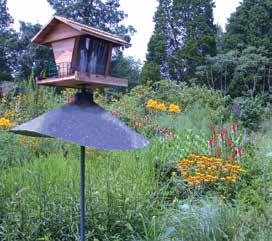
Bird feeder
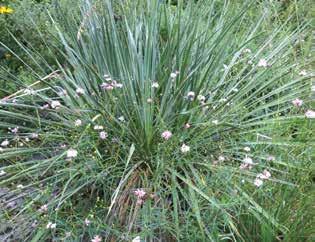
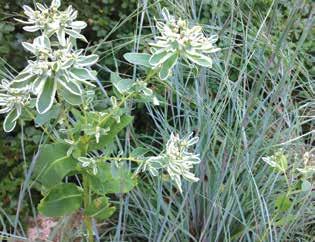
Palafox callosa with blooms and Yucca glauca Snow-on-the-mountain and Little bluestem
Photos by Scott Woodbury.
hood in late summer. Unless your vine is growing up a tall tree, trellised vines require annual pruning to keep their growth in check, so they don’t choke out themselves or the structure they’re growing on.
Bird gardening can be a rewarding way to spend quality time outdoors. You will need a birdbath(s), feeding stations, and nest boxes for a variety of birds, and hopefully a water feature, all requiring regular maintenance. You will also need native plants that support caterpillars that feed baby birds, and dense berry-producing shrubs/trees that support tree-nesting birds. With your leftover time, you will be busy rescuing baby birds that flop out of the nest, vying for your immediate attention.
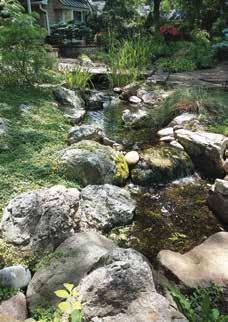
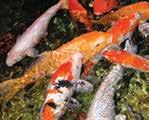
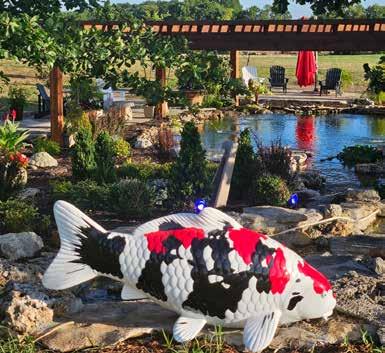
I have one customer who loves his koi pond, though so does the neighborhood great blue heron (newly added to his list of backyard birds with glee and horror). Now he’s busy protecting the remaining fish, as well as skimming leaves, scrubbing algae, and cleaning silt
filters. The rewards outweigh the labor, I think.
I also love to fine-prune certain shrubs to train them into trees in winter. Buttonbush (Cephalanthus occidentalis) always has too many branches, but can be shaped to look like a magnificent little tree. Same can be true of indigo bush (Amorpha fruticosa), rusty blackhaw viburnum (Viburnum rufidulum), smooth alder (Alnus serrulata), gum bumelia (Sideroxylon lanuginosum), and wafer ash (Ptelea trifoliata).
There’s always something to do in the garden, especially if you challenge yourself with a few new activities. It’s a great way to get outside, breathe fresh air, and soak in a dose of vitamin N (for nature, see Richard Louv’s book Vitamin N: the Essential Guide to Nature-Rich Life).
If you ask me, low-maintenance gardening might just turn you into a couch potato when you really should be outside tinkering with a new project. Perhaps it’s time to step up your game. After all, you know what they say, gardening will give you wings!

BLUE SPRINGS
Colonial Gardens, 27610 E Wyatt Rd
FAIRWAY
Hen House, 2724 W 53rd St
KANSAS CITY, KS
Hen House, 8120 Parallel Pkwy
House of Rocks, 1725 Merriam Ln
KANSAS CITY, MO
Heartland Nursery, 10300 View High Dr
Planter’s Seed Company, 513 E Walnut
Soil Service Garden Center, 7130 Troost
Suburban L & G, 4 W 135th St
Sutherlands, 311 W 72nd St
Lawn Busters




9 a.m. to 5 p.m. — Rain or Shine
July 25 Tour #1, Missouri South, including Jackson and Cass Counties
Aug 8 Tour #2, Kansas and Missouri, North of I-70
Aug 15 Tour #3, Kansas South of I-70

TICKETS AVAILABLE NOW!
Good for all 3 Saturdays, are $15/person. Tickets include maps, addresses, and host written descriptions for each water feature. Children under 14 attend free. Purchase tickets now through Eventbrite by scanning the QR code.
More information about the tour is available on the WGS website www.kcwatergardens.com, or on the Water Garden Society of Greater Kansas City Facebook page.
LEAWOOD
Hen House, 11721 Roe Ave
LEE’S SUMMIT
Randy’s Lakeview Nursery, 1820 NE County Park Rd
LENEXA
Hen House, 15000 W 87th Pkwy
Suburban L & G, 9275 Dunraven St
LIBERTY
Family Tree Nursery, 830 W Liberty
LOUISBURG
Swan’s Water Gardens, 4385 W 247th St
N KANSAS CITY, MO
KC Pond, 1557 Swift
OLATHE
Hen House, 13600 Blackbob Rd
Sutherlands, 16665 W 151st St
OVERLAND PARK
Family Tree Nursery, 8424 Farley
Hen House, 11930 College Blvd
Hen House, 6900 W 135th St
Suburban L & G, 10501 Roe Ave
PRAIRIE VILLAGE
Hen House, 4050 W 83rd St
Hen House, 6950 Mission Ln


RAYMORE
Creekside Market, 800 E Walnut St
SHAWNEE
Earl May Garden Center, 21700 Midland Dr
Family Tree Nursery, 7036 Nieman Rd
SMITHVILLE
Pack’s Hardware, 116 N US Hwy 169
LAWRENCE
Botanical Dreams, 612 N 2nd St
Clinton Parkway Nursery, 4900 Clinton Pkwy
Uplift Coffee, 624 N 2nd St
OTTAWA The Wet Lilies
The Tomato Hornworm: Can Beauty Buy Forgiveness?
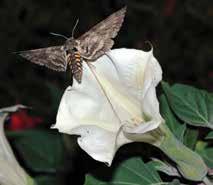
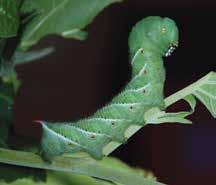
Love them or hate them, tomato hornworms inspire strong emotions. Some of us appreciate their impressive size and beautiful whitestriped green bodies and jaunty tail AKA “horn.” The fake eyespot on its face creates the illusion of a perky personality. I even maintain a foster program for hornworms and gladly adopt any brought by friends from their gardens. However, devoted tomato growers may not find them charming when a vine has lost every leaf!
The Perpetrator
A tomato’s fruit holds a sacred place in most gardeners’ hearts. Some members of the Tomato Family (Solanaceae) are also a host plant for two species of native sphinx moths so their caterpillars are the usual suspects when the vines’ leaves disappear. Large green fecal pellets may be the first clue to spying the perpetrator. Manduca quinquemaculata is THE Tomato Hornworm with a black horn and white markings shaped like Vs. The Tobacco Horn-

worm caterpillar, Manduca sexta is actually far more common in the Midwest and is distinguished by a red horn and markings of single white lines rather than Vs. (I have found a true tomato hornworm only once in my 40-plus years of midwestern gardening!) Gardeners may call both “Tomato Hornworms” and kill them on sight without realizing that they are murdering Hummingbird Moths. Yes, the Tomato Hornworm metamorphoses into the 5-spotted Hummingbird Moth and the Tobacco Hornworm becomes the Carolina Hummingbird Moth. In early evening these hummingbirdsized sphinx moths hover over tubular flowers. With 10-inch tongues for sipping nectar, they are a primary pollinator for night-blooming flowers and deserve to be respected, even revered.
Strategies for Co-existence
Gardeners face a dilemma: “How can I cherish Hummingbird Moths and eat tomatoes too?” The
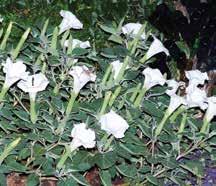
answer is easy, select a “sacrificial tomato plant.” One indeterminate tomato vine is reserved “for the hornworms.” Use high nitrogen fertilizer and remove all flower buds to promote abundant leaves. This plant will usually be the female moth’s choice for egg-laying because its foliage is the lushest among your tomato vines. Any caterpillars found on “your” tomato vines can be easily relocated to “their” vine because hornworms do not bite or sting and their skin is soft like a baby’s cheek. My second solution is to eliminate the competition between us by planting an inedible hornworm host plant from the Tomato Family. There are many choices including native plants like nightshade and jimson weed and ornamentals such as such as Nicotiana alata, an annual selfseeding bedding flower that is also a pollinator favorite. If you have space, consider the spectacular hardy perennial vine Datura innoxia, also known as Angel’s Trumpet and Devil’s Trumpet. It sprawls to 10
feet with large blue-green leaves and 10-inch deep white trumpets that unfurl at dusk to attract nocturnal pollinators, especially hovering Hummingbird Moths. Please note, Datura is not the Moon Flower, which is the annual night-blooming tropical Morning Glory, Ipomoea alba. Once again, the botanical name clarifies a plant’s identity.
Shared Interests
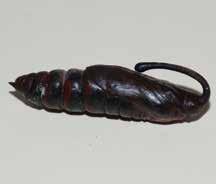
K-State has recommended notill farming for 40 years. Finally, this message is reaching enlightened home gardeners who now understand that tilling destroys the soil’s structure and disrupts the microbial communities that plants depend upon. Because hornworms pupate underground, tilling may kill them by grinding the pupae into mothburgers. Humans and hummingbird moths agree: no tilling! And by employing a sacrificial tomato plant or a non-edible member of the Tomato Family, a gardener can enjoy both tomatoes and hummingbird moths.
at lenora.longlips@gmail.com.
LENORA LARSON Butterfly Maven
Marais des Cygnes Extension Master Gardener, Idalia Butterfly Society and Kansas Native Plant Society member, Lenora Larson gardens and hosts butterflies in the cruel winds and clay soil of Paola, Kansas. She may be contacted
Its parent, the Carolina Hummingbird Moth, nectaring on Datura with its 10” tongue.
Tobacco Hornworm munching Datura. The white “teeth” are its six legs.
Hornworms burrow underground to metamorphosize into moths. The strap contains their tongue.
Datura innoxia in bloom. See the hummingbird moth?
Photos by Lenora Larson.












Keeping the season bright with a Summer Splash of Color Summer Splash of Color Summer Splash of Color
ansas City summers can be hard on flowering plants. By mid-July, some of the flowers that looked fantastic in spring are already looking a little worn out. Containers dry faster than expected. A few missed waterings suddenly matter. Even established garden beds can begin to lose some of their color. Fortunately, a few tough plants actually hit their stride when the humidity and temperatures spike. These six plants, three annuals and three perennials, consistently survive, even thrive, long after many plants have thrown in the towel.
Annuals
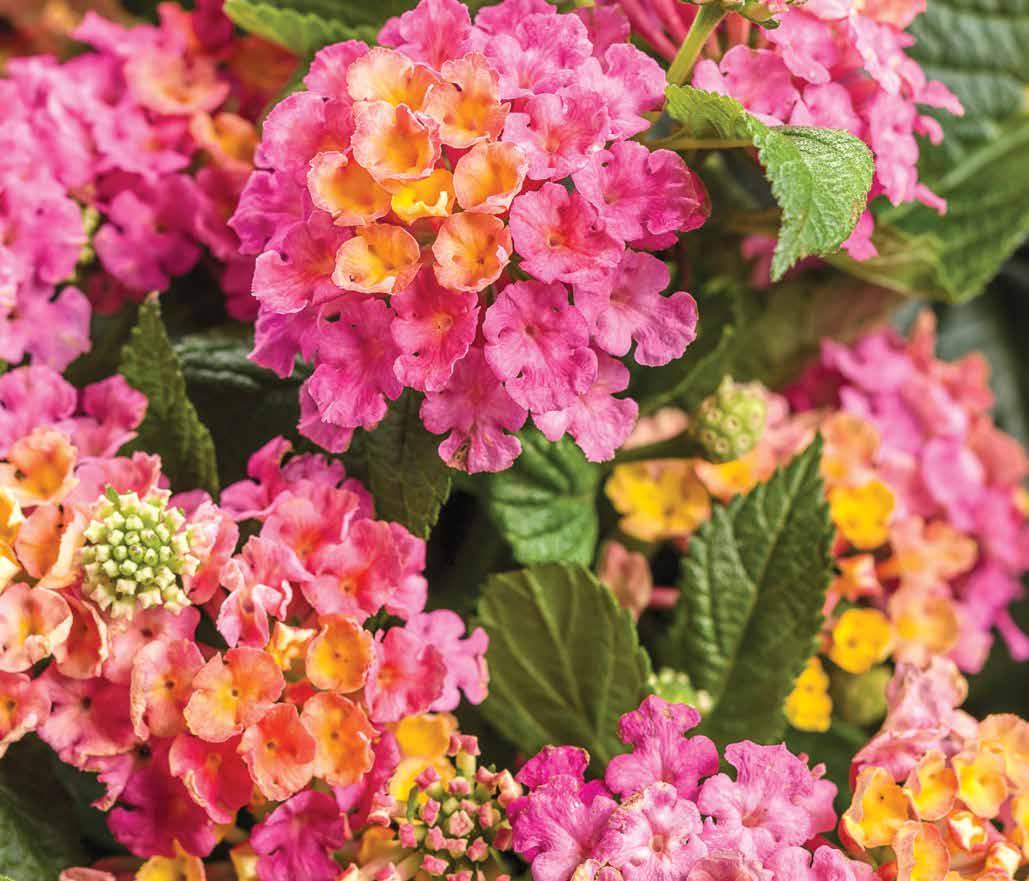
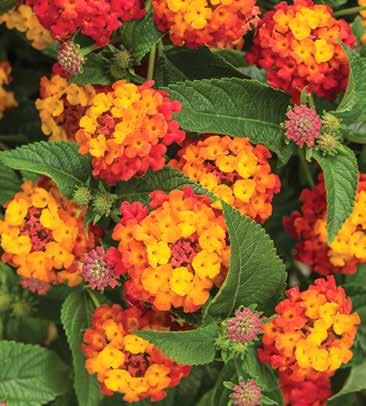
Lantana: There’s a reason you see lantana everywhere. Give it full sun and decent drainage, and it practically takes care of itself. The bright flower clusters are a magnet for pollinators, and while other annuals start drooping by July, lantana just keeps pushing out blooms. It works equally well in landscape beds, containers, and hanging baskets. It isn’t a rare or unusual plant, but sometimes the classics become classics for a reason.
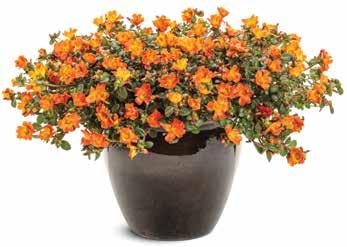
Purslane (Portulaca): Another favorite for hot and sunny locations, its thick succulent leaves hold up incredibly well during dry spells, making it a lifesaver for hanging baskets that usually require daily watering in

August. The flowers come in vibrant shades of pink, orange, yellow, and white opening on sunny days and closing on cloudy ones. It’s a tough plant that puts on a colorful show through the end of the season.
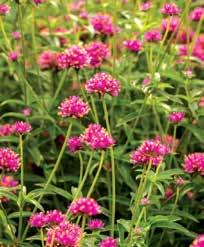
Gomphrena (Globe amaranth): This may be one of the most underappreciated annuals available. It tends to get overlooked in favor of flashier plants, but by August it is often one of the best looking plants in the garden. The small globe-shaped flowers come in shades of pink and purple, and keep blooming through the heat and humidity with very little fuss. It also makes for excellent cut flowers and dries beautifully for arrangements. Gomphrena is one of those plants that quietly goes about its business all summer long, never demanding much attention but consistently earning its spot.
Perennials
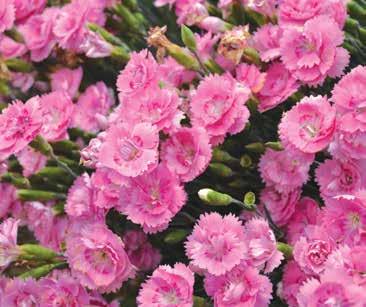
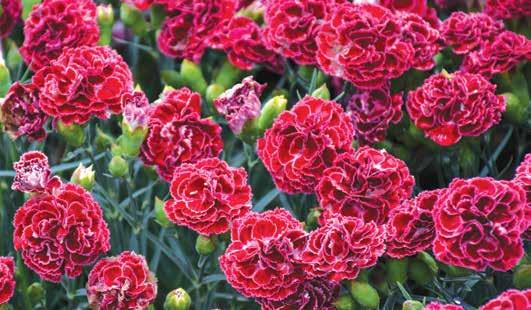
Dianthus: This one might surprise. Most gardeners think of it as a spring bloomer, and that’s fair. But many varieties continue looking good well into summer, especially when planted in a sunny location with good drainage. The blue-gray and green foliage stays tidy, and the bubblegum fragrant flowers in shades of pink, red, purple, and white are a bonus. Once established, dianthus can get by on less water
than many people expect. It may not be the first perennial that comes to mind when discussing drought tolerance, but it has earned a place in the conversation.
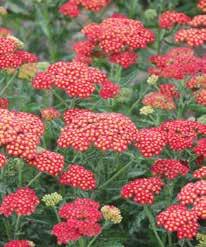
Yarrow: It is easy to understand why this has been a staple of toughgarden plantings for years. It seems perfectly content growing in conditions that would leave other perennials struggling. The ferny foliage provides texture even when the plant is not blooming, while the flat flower clusters attract pollinators throughout the season. Whether planted in soft pastel shades or brighter colors, yarrow brings a relaxed, easygoing feel to the garden. It is one of those plants that gardeners often come to appreciate more with each passing year.
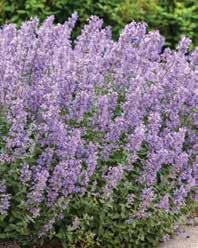
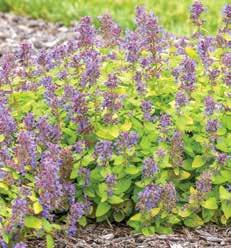
Catmint: If you want a perennial that absolutely refuses to stop blooming, plant catmint. The soft foli age looks sharp all season, and the lavender-blue flowers last for months. If it starts looking a little spent, just give it a quick haircut after the first flush of blooms to trigger a second wave. Catmint is
also one of those plants that tends to look right at home almost anywhere. Planted along a walkway or near a patio, or mixed into a perennial border, it rarely feels out of place.
The truth: NO plant is completely maintenance free. Even the toughest performers appreciate a good soaking during extended periods of hot weather. That’s why choosing plants that naturally tolerate Kansas City’s summer conditions makes gardening easier and more enjoyable.
These six selections demonstrate that it is possible to have colorful containers, attractive flower beds, and thriving gathering spaces. Without the constant need for watering, there will be more time for relaxing in your garden.
Katy Meeks is the assistant manager of the Annuals and Perennials department at Suburban Lawn and Garden on Roe Avenue in Overland Park, Kansas. A plant enthusiast with a particular love for both garden plants and houseplants, she enjoys helping gardeners build beautiful, successful gardens and collections of their own.
KATY MEEKS Plant Enthusiast
Portulaca Mojave Tangerine
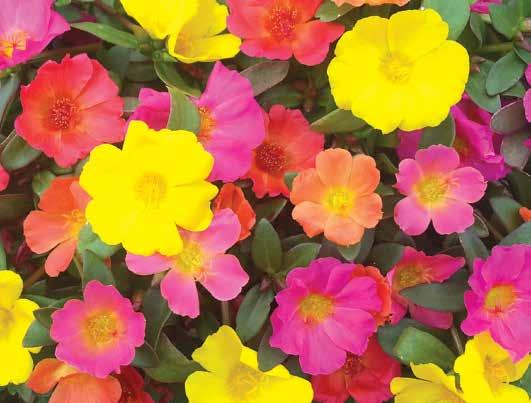
Portulaca Mojave Mix
Lantana Luscious Citrus Blend
Dianthus Cherry Vanilla
Dianthus Sweetie Pie
Catmint Lemon Purrfection
Catmint Cats Meow
Yarrow Firefly Red Pop
Gomphrena Truffula Pink
All photos courtesy of Proven Winners.
Rose Report tips and reminders for summer rose care
Water
Water is the key word this month! July is hot and humid in the metropolitan Kansas City area with daily highs ranging from 86 to 94 degrees and overnight lows in the upper 60s and mid-70s with not much precipitation. Each rose bush needs five gallons of water, twice a week now (two inches of water per week). I usually water on Tuesdays and Saturdays, beginning early in the morning so that the leaves dry quickly with the morning sun. Proper air circulation, avoiding overhead watering late in the day, and pruning are crucial for disease control. When I hand water some of my roses, I use a wand and water around each bush (away from the base) for one minute. I have soaker hoses in other areas that run for 30 minutes, twice a week, equaling two inches of water.

Pests and Diseases
Cercospora leaf spot and black spot are common in July, causing spots and premature defoliation. The KCRS website offers help in treating these (kansascityrosesociety.org/ rose-diseases/). In addition, continue to drown Japanese Beetles in soapy water anytime you see them on your roses!
Mulch
This is a good month to refresh your rose beds with two to three inches of mulch or compost to reduce moisture evaporation and minimize plant stress during hot, dry periods. The top cover also blocks sunlight, preventing weed seed germination and reduces competition for water and nutrients. Keep mulch a few inches away from the base of the rose to prevent rot.
If you are fertilizing this month, it is a good time to give your roses a break from the heat and use a mild liquid or granular organic product with lower macronutrient numbers. It will not burn the leaves or the roots of your roses. Remember to fertilize early in the morning when the temperature is the coolest and water in the product really well.
Deadheading
Continue to deadhead your roses, including your repeat-flowering climbers. Unfortunately, the blooms will fade fast this month because of the heat.
Climbers
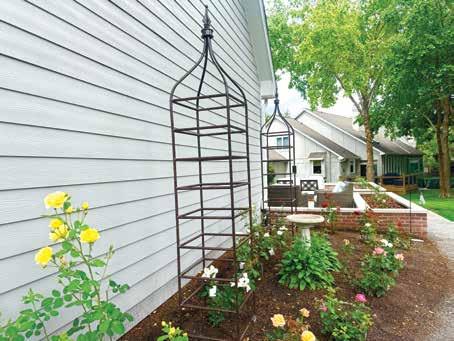
This is a great month to think about adding a climber to your rose garden next year, if you do not have one yet. In March, I transplanted two climbers that I had grown on small vertical trellises. I’ll be training these climbers to wrap around the new 8-ft. square trellises (see photo above). This will encourage lateral
growth on the canes. Climbers need horizontal growth, not vertical, to reach their full blooming potential. The Laura Conyers Smith Municipal Rose Garden at Loose Park showcases over 30 varieties of climber roses that cascade across chains, stone pillars and cedar trellises (see kansascityrosesociety.org/climbers).
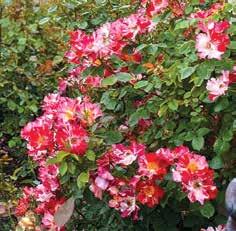
Granted, July is a tough month for any rose in Kansas City, but there are some robust large-flowered climbers at the Rose Garden, such as ‘Dublin Bay’, ‘Cancan’, and ‘Fourth of July’. In addition, many new disease-resistant climbers are available locally and online.
‘John Davis’ is a hardy Canadian climber rose that boasts double, sometimes quartered, old-fashioned blooms of rich candy-pink, opening to show golden centers. John Davis is an outstanding rose ranking a high 8.8 ARS rating and can be grown in cold as well as in warm climates.
Climbing roses can be trained to wrap around a square or circular trellis to showcase lateral blooms in any garden.
FEATURED ROSE
‘Fourth of July’
This stunning, Large-Flowered Climber is a red blend with dark green, glossy leaves. It has a high ARS (American Rose Society) rating of 8.2 and continues to bloom in the heat of the summer. What a perfect rose to celebrate America’s 250th birthday!
Lauren English is an American Rose Society Consulting Rosarian, past KCRS Garden Chair and a life-time member of Kansas City Rose Society. She can be reached at Ask a Rose Expert email, rosehelp@kcrosesociety.org.
LAUREN ENGLISH Consulting Rosarian
Fertilizer
Photos by Lauren English.









Outdated Arboriculture Practices
Arboriculture is not a new profession. Trees have been studied and managed for thousands of years, but our modern understanding of tree biology has advanced dramatically over the past century. Much of what we know today can be traced to the work of Alex Shigo, often referred to as the father of modern arboriculture. His research transformed our understanding of how trees respond to injury, decay, and pruning.
As our knowledge has evolved, many practices that were once considered beneficial have been proven ineffective or even harmful. Unfortunately, I still encounter these practices daily. Anyone who is not staying current with developments in arboriculture may not be providing the best tree care.
Topping
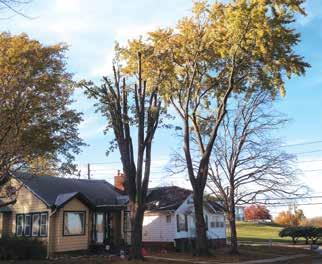
Topping involves cutting large branches back to stubs or indiscriminately reducing the height of a tree. Homeowners often request topping because they believe it will make a tree safer or keep it smaller. In reality, topping creates large wounds, removes a significant portion of the tree’s food-producing canopy, and often stimulates the growth of numerous weakly attached sprouts.
*There is always an asterisk, for me it’s any of our pear cultivars. Many ornamental pear trees were heavily topped years ago and have developed a stable cycle of regrowth and reduction. While topping is not recommended as a management strategy, I consider pears weeds on sticks. Removal will always be my first recommendation but if a pear is all you’ve got, I do believe a topped pear will remain in the landscape longer

than a pear left to its own devices.
Thinning
For decades, arborists commonly removed large percentages of interior foliage in an effort to allow more sunlight and wind through the canopy. Research has shown that those interior limbs are incredibly important for energy dissipation, a phenomenon termed mass-dampening. Excessive thinning, or lions-tailing, creates sails of foliage out at the end of the limb and actually increases the degree of oscillation making limbs more likely to fail due to wind, snow or ice load.
healthy ones.
*There is recent conflicting research suggesting using lac balsam or lanolin as a wound dressing as well as very recent research regarding covering wounds immediately and keeping them damp to aid in wound wood development. We’re all still learning here!
Nitrogen Fertilization
*That does not mean thinning is never appropriate. Certain tree species susceptible to foliar fungal diseases can benefit from improved air circulation. Fruit trees in our area suffer greatly from fungal issues and pruning for air circulation is recommended. It also positively benefits fruit quality. However, for large mature shade trees, I likely would not recommend canopy thinning.
Filling Hollows
Historically, arborists commonly cleaned out decay and filled cavities with concrete, then foam, believing it would strengthen the tree. Filling a cavity does not stop decay, restore structural strength, or improve the tree’s ability to defend itself. In some cases, these materials can interfere with inspection, trap mois-
JESSE KIRK Master Arborist
ture within the cavity, and ultimately make removal more difficult and expensive. Modern arboriculture focuses on evaluating the extent of decay, monitoring structural stability, and managing risk.
Pruning Paint
For many years, homeowners were encouraged to paint pruning cuts and wounds with petroleum based products or other sealants. Research has repeatedly shown that these products do not improve a tree’s ability to compartmentalize wounds and sometimes may slow the natural process.
*There is, however, an important exception. Arborists commonly use wound paint on oak and elm trees when pruning during periods when insects may spread vascular wilt diseases such as oak wilt and Dutch elm disease. In these situations, the paint is not intended to help the wound heal. Instead, it serves as a temporary deterrent to insects that may carry disease from infected trees to
Fertilizer is often marketed as a cure-all, but nutrient deficiencies are only one of many possible causes of decline. Soil compaction, drought stress, root damage, stem girdling roots, construction injury, insects, and diseases all can produce symptoms that resemble nutrient deficiencies.
Applying fertilizer without understanding the underlying problem can waste money and occasionally make matters worse. Before investing in fertilization, it is often worthwhile to conduct a soil test and have the tree evaluated by a qualified arborist. Proper diagnosis should come before treatment.
*In our urban landscape of lush green grass, nitrogen is almost never the deficient nutrient. Though I am intrigued by current research regarding Phosphites, their fungistatic properties, and testimonies suggesting they jump start a tree’s stress response.
Tree care continues to evolve as researchers learn more about how trees grow and respond to stress. The best management decisions are based on current science, not practices that were common decades ago. Staying informed and working with qualified professionals can help ensure your trees remain healthy, safe, and valuable for generations to come.
Jesse Kirk is District Manager for Wellnitz Tree Care and a Registered Consulting Arborist and ISA Board Certified Master Arborist. A graduate of Kansas State University, he specializes in professional tree management, plant health care, and arboricultural consulting. Email him at Jkirk@wellnitztreecare.com or call 913-350-0050.
These homeowners got the 2-for-1 special, a topped tree next to a lions-tailed tree.
Upcoming Garden Events
Heartland Hosta and Shade Plant Society
Sat, Sep 12; at the Woods Chapel Community of Christ Church, 500 NE Woods Chapel Rd, Lee’s Summit, MO 64064. Hospitality at 9:30a, brief meeting and speaker 10a-12p. Guests are welcome.
Kansas City Cactus and Succulent Society
Sun, Jul 12, 1:30-3:30p; at Trailside Center, 9901 Holmes Rd, Kansas City, MO. Growing columnar Trichocereus (also known as Echinopsis). Unlike most desert cacti, they are fast-growing, highly forgiving, and adaptable to many climates, making them excellent plants for beginners. We will discover the basics of growing these unique cacti, easily grafting them, and the challenges in growing big cacti. Everyone is welcome and refreshments will be served.
Leavenworth County Master Gardeners
Wed, Jul 8, 11a; at Riverfront Community Center, 123 Esplanade St, Leavenworth, KS 66048. Katy White with Missouri Organic Recycling Earth Advocate Team will discuss “Composting Made Simple: Basics, Benefits & Breaking it Down” including introductory information and practical applications for gardeners. The meeting is free. Visitors are welcome. For more information contact the Leavenworth County K-State extension office at 913-364-5700.
Olathe Garden & Civic Club
Tues, Aug 18, 1p; at Grace Church, Chapel, 11485 S Ridgeview Rd, Olathe, KS 66061. **Free & Open to the Public** Join us for a meeting with details about how and what to enter in the annual Flower and Horticultural show at the Johnson County Old Settlers event in September.
Habitat Garden Tours
Jul 11, Oct 3. Highlighting Kansas City residents who understand why what you plant matters. These events are an opportunity for Deep Roots to recognize the native gardeners in different neighborhoods of Kansas City and showcase their beautiful gardens. The goals are to inspire locals to plant native, share knowledge on gardening maintenance and design strategies, and strengthen the native gardening community by bringing them together for a morning of plant talk, sunshine and laughter. See more at: www.deeproots.org/ habitatgardens
Public Iris Sale
Sat, Aug 22 at the Social Hall in Colonial Church of Prairie Village, 7039 Mission Rd, Prairie Village, KS. Details to come.
can use, canning is a great way to enjoy that harvest year-round. This introductory class covers the essential elements of both water bath and pressure canning, including which method is best for different types of foods. You’ll learn research-based, safe food preservation practices and gain hands-on experience to build confidence in preserving the flavors of the growing season for your family and pantry. Learn more and register at: https://www.johnson.kstate.edu/newsandevents/classes-events/
extension/consumer-horticulture/gardenhour/. Interested in learning about prairie gardening throughout the year? Information on previous Backyard Prairie sessions are available on our YouTube channel.
Daylily Open House
Sat, Jul 4 and Sun, Jul 5 from 9a-1p. Additional days by appointment. Gardens have 600 varieties. Hart’s Daylilies, 7460 W 255th, Louisburg, KS. For information call 816-769-4600.
Water Garden Society Tour
See our ad on page 7 in this issue.
K-State Garden Hour Webinar: Addressing Food Insecurity Through Extension
Wed, Jul 1, Noon-1p; Virtual Webinar FREE. While growing produce is a meaningful way to combat food insecurity, navigating the complexities of our food systems is necessary to improve food access for all. Join Anthony Reardon, Johnson County Horticulture - Small Farms Agent, as he explores how Extension is working to support the many facets of our local food systems, ensuring sustainable and resilient practices that create future food access for all. Register at: https://www.johnson.kstate.edu/newsandevents/classes-events/
Starting a Pollinator Garden
Thur, Jul 9, 6:30p; at Basehor Community Library, 1400, 158th St, Basehor, KS 66007. Join Leavenworth County Master Gardeners Diana Thurlow and Dana Joras as they discuss site selection, soil needs and tried-and-tested plants to create a successful pollinator garden supportive of bees and butterflies in NE Kansas. The meeting is free and open to the public. For more information contact the Leavenworth County K-State extension office at 913364-5700.
Canning 101
Sat, Jul 11, 9a-1p; at K-State Extension Johnson County, 11811 S Sunset Dr, Suite 1500, Olathe, KS 66061. When the garden produces more tomatoes, beans, peppers, berries, and other fresh produce than you
Digital Tools for the Garden Thur, Jul 16, 7p; at Leavenworth Public Library, 417 Spruce St, Leavenworth, KS 66048. Leavenworth County Master Gardeners Shanda Lauer and Joyce Howell will present how to apply useful apps and on-line tools for garden planning, identifying plants, caring for your plants and managing garden tasks efficiently. The meeting is free and open to the public. For more information contact the Leavenworth County K-State extension office at 913364-5700.
Water Features for Your Garden Tues, Jul 21, 6:30p; at Tonganoxie Public Library, 217 E 4th St, Tonganoxie, KS 66086. Leavenworth County Master Gardener Ernie May will discuss the basics of water features and the many forms in which those features (and kits) are available. He will also review some plants that may be appropriate for those features or for use in water gardens. The meeting is free and open to the public. For more information contact the Leavenworth County K-State extension office at 913-364-5700.
Backyard Prairie: Summer Tues, Jul 21, 6-7p, by K-State Extension Johnson County. Virtual Webinar FREE. Native plants can transform your landscape into a vibrant, resilient garden that supports pollinators and wildlife while reducing maintenance needs. Join Patti Ragsdale, president of the Kansas Native Plant Society and Executive Director of Botanical Belonging, to learn what your prairie or native garden needs during the summer months. Discover seasonal maintenance tasks, how to evaluate plant establishment, what to expect as your planting matures, and how to plan for future success. Whether you’re nurturing a newly planted prairie or managing an established native landscape, you’ll leave with practical guidance and answers to your questions. Register at: https://hnr.k-state.edu/
Gardening and Cooking with Herbs Fri, Jul 24, 10:30a; at Meadowbrook Park Clubhouse, 9101 Nall Ave, Prairie Village, KS 66207. Offered by K-State Extension Johnson County. Discover the joy of growing and using fresh herbs in this engaging, hands-on session! Gardening and Cooking with Herbs introduces participants to the basics of cultivating common culinary herbs. The session also includes a delicious culinary component: simple demonstrations and tasting opportunities that highlight how fresh herbs can elevate everyday meals. To register go to: https:// www.johnson.k-state.edu/newsandevents/ classes-events/
Gardening with a Master Gardener: Growing & Drying Flowers for Floral Arrangements
Tues, Aug 4, 2p; Virtual, Free Webinar, offered by K-State Extension Johnson County. What are the best flowers to grow for dried arrangements? What are the different ways we can dry or preserve them? What are some fun ways to use them in wreaths, door decorations, table runners, and everlasting vase arrangements. Register at: https://hnr.k-state.edu/extension/ consumer-horticulture/garden-hour/
K-State Garden Hour Webinar: Local Food Gardening Projects in Kansas Wed, Aug 5, noon-1p. Virtual Webinar FREE. Extension is committed to community success and expanding access to healthy food. Join K-State Horticulture Agents from around the state to learn more about food gardening initiatives in Kansas. Explore the success stories of these gardens and discover how these programs give back to the community through education, volunteerism, and shared harvests. Dive into practical strategies that inspire collaboration and help expand food gardening opportunities statewide. Register at https://hnr.k-state.edu/extension/consumer-horticulture/garden-hour/.
List garden events, club meetings, plant sales, and more for FREE! Send details to: elizabeth@kcgmag.com. Deadline for the August issue is July 7.
TOURS
7 Invasive Plants That Don’t Belong in Your Garden (and What to Plant Instead)
As gardeners, we adore plants that are low-maintenance, fast-growing, and adaptable to many different types of conditions. Unfortunately, some popular plants that check those blocks are considered invasive. But what does that mean?
Basically, invasive plants are bullies. They crowd out native plants and upset local ecosystems that wildlife rely on for food and shelter. These plants spread aggressively by seeds, creeping stems and roots, or fruits eaten by birds and dropped elsewhere. Unfortunately, you still can buy many invasive plants at retailers and online nurseries, so you may not realize they’re a bad choice when you’re shopping.
You can check the status of a plant on invasive.org or through your local university coop extension service. You also can find many native alternatives that support local wildlife, preserve biodiversity, and can be integrated into your existing borders and beds.
In addition, plant breeders are developing non-invasive varieties. “People often turn to the familiar because what they know already works,” says Stacey Hirvela, horticulturist and marketing manager for Proven Winners ColorChoice Shrubs. “Recognizing this, we have long made it a goal to introduce versions of these popular plants that don’t set viable seed, or set no seed at all.”
The development of any new plant typically takes 6 to 8 years. “For non-invasive alternatives, you

add another 5 years for sterility testing,” says Hirvela. “This involves harvesting any fruit set, counting them, germinating them, counting the number of seeds that germinate (if any), and then repeating this process over multiple years.” Because it’s a substantial investment, noninvasive varieties have only recently started to come to market.
Ahead, here are the most commonly available invasive plants that don’t belong in your garden, as well as what to plant instead:
Butterfly Bush (Buddleia davidii)
Native to Japan and China, butterfly bush is a popular deciduous shrub for its spikes of flowers that butterflies love. However, the shrub
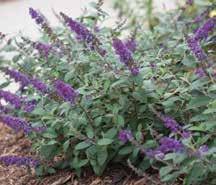
easily invades disturbed sites and natural areas.
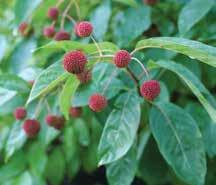
Alternatives: Buttonbush (Cephalanthus occidentalis), such as Sugar Shack, has charming round blooms and brilliant fall color. Or plant noninvasive cultivars of butterfly bush, such as Lo & Behold Blue Chip Jr. or Pugster Blue.
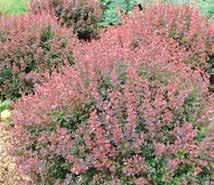
Barberry (Berberis thunbergii)
Native to Japan, this deciduous shrub with bright fall color can form dense stands that crowd out native plants. Its branches root where they touch the ground, and it also spreads by seed. The spines also make it unappealing.
Alternatives: Winterberry holly (Ilex verticillata) is a North Ameri-
can native with pretty red berries providing cold-weather interest. Or look for sterile barberry shrubs such as Sunjoy Mini Maroon.
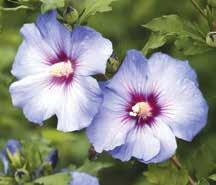
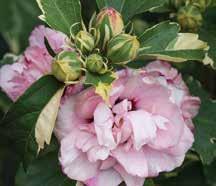
Rose of Sharon (Hibiscus syriacus)
Native to Asia and India, this late summer bloomer spreads aggressively by seed, so it’s considered invasive in some states. But even if it’s not invasive where you live, it drops seeds that form many nuisance plants.
Alternatives: Swamp mallow (Hibiscus moscheutos) is a native alternative with similar flowers. Or plant Rose of Sharon varieties that have few to no seeds, such as Azzurri Blue Satin or Sugar Tip.
Arricca specializes in writing lifestyle and gardening content. With a background in health reporting, she applies these same research skills when writing about the science of growing things. She trials new plants in her garden, and her houseplant collection consists of 60+ varieties. Arricca writes for publications such as Country Living, House Beautiful, Good Housekeeping, VERANDA, Southern Living, and more.
ARRICCA ELIN SANSONE Garden Writer
Buddleia Lo & Behold Blue Chip Jr.
Barberry Sunjoy Mini Maroon
Rose of Sharon Sugar Tip
Buttonbush Sugar Shack
Rose of Sharon Azzurri Blue Satin
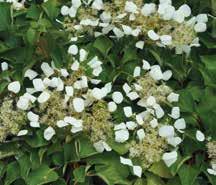
Climbing Hydrangea
This perennial is planted as a groundcover or vine, but it will take over your garden because it tolerates all types of soil and growing conditions. It roots from seeds, roots and leaf nodes, making it an aggressive grower that can spread up to 100 feet tall and wide.
Alternatives: Sweet potato vine (Ipomoea batatas) is an annual in every color from lime green to burgundy. Or plant climbing hydrangea (Hydrangea petiolaris), which has lacy summer-time flowers and clinging rootlets that won’t damage structures.
Heavenly Bamboo
(Nandina domestica)
Also called nandina, this woody shrub has evergreen leaves that resemble bamboo, fruit that birds love (which helps it spread), and drought and shade tolerance so it grows anywhere, displacing native species. Its berries are toxic to pets and some wild birds, especially cedar waxwings.
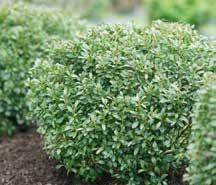
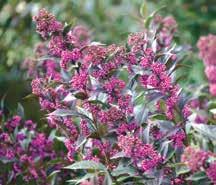
Alternatives: Beautyberry (Callicarpa americana) is a native deciduous shrub with pretty purple berries. Or choose inkberry (Ilex glabra) varieties such as Gem Box or Strongbox for their rounded evergreen forms that boast shiny foliage.
Bush (Euonymus alatus)
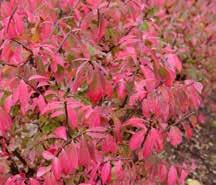
Native to Asia, this deciduous shrub is loved for its fast growth and bright red fall color. But it can establish in forests, fields, and disturbed areas where it will out-compete native plants to form dense thickets.
Alternatives: Oakleaf hydrangea (Hydrangea quercifolia) is a native shrub with beautiful flowers and red fall color. Or plant seedless burning bush cultivars, such as Fire Ball Seedless.
Bradford Pear (Pyrus calleryana ‘Bradford’)
Planted since the 1960s, this cultivar cannot pollinate itself but can cross-pollinate with other callery pear cultivars. It has become naturalized in many areas and creates dense thickets that crowd out native plants. It’s also a structurally-weak tree with smelly flowers.
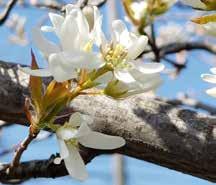
Alternatives: Serviceberry (Amelanchier arborea) is a native tree with pretty flowers and edible berries. Spring Glory is a lovely cultivar that stays more compact for smaller yards. Pagoda dogwood (Cornus alternifolia) is a native with small spring flowers, berries birds love, with an attractive branching pattern.

Grow Naturally For Healthier Soil & Plants
EARTH RIGHT products help you beat the heat. Our conditioner is in all of the plant products. This helps wick water, keeping plants cooler. For bigger roots & lots of blooms use Mushroom Stuff™ & Sure Bloom™ in gardens. Great in containers! Mushroom Stuff on turf thickens your rhizome grass. Keeps roots from burning & soil conditioned.









English Ivy (Hedera helix)
Burning
Inkberry Strongbox
Burning Bush Fire Ball
Beautyberry
Serviceberry Spring Glory
GARDEN CALENDAR
July list of what to do in the garden.
TURF
• Mow bluegrass and tall fescue at 3 to 3 1/2 inches.
• Mow Zoysia at 1 1/2 inches.
• Fertilize Zoysia to encourage summer growth with a high-nitrogen fertilizer.
• Let grass clippings fall to return nutrients to the soil.
• Look for summer diseases such as brown patches; treat as needed.
• Sharpen mower blades for a clean cut.
• Replace the lawn mower air filter and change the lawn mower oil per owner’s manual.
• Prepare to control perennial grassy weeds such as crabgrass, fescue, and nimblewill.
• Take a soil test to prepare for fall lawn renovation.
• Water deeply and less often for deep roots and a healthy lawn.
TREES AND SHRUBS
• Water newly planted shrubs and young trees (planted within the last three to five years) during dry weather.
• Keep plants mulched to conserve moisture and cool roots.
• Remove sucker growth from the base of trees and along branches.
• Prune diseased, dead, or hazardous limbs.
VEGETABLES AND FRUITS
• Harvest fruits of your labor and enjoy.
• Control weeds’ growth to preserve water and nutrients.

• Fertilize vegetables to encourage plant development.
• Watch for foliar disease development on lower tomato leaves and treat with a fungicide.
• Prepare for fall gardening. Plant potatoes, broccoli, and other fall crops.
• Spray sweet corn to control corn earworms as silks emerge.
• Be on the lookout for pests in the garden and control.
• Remove old raspberry canes after harvest.
FLOWERS
• Remove faded flowers from annuals to stimulate more buds for late summer color.
• Deadhead perennials to prevent seeding and encourage plant growth.
• Replenish mulch layers; 2 to 3 inches deep is ideal.
• Cut fresh bouquets for enjoyment.
• Lightly fertilize annuals monthly for best flowering.
• Dig, divide, and replant crowded irises.
• Dig, divide, and replant daylilies.
• Fertilize roses for fall blossoms.
• Fertilize and water container gardens.
• Complete the final pinching of chrysanthemum tips for bushier plants.
MISCELLANEOUS
• Keep compost pile moist for fast processing and turn occasionally.
• Take photographs of the garden to document success and for future planning.
K-State Extension Johnson County recommends environmentally-friendly gardening practices. This starts by identifying and monitoring problems. Cultural practices and controls are the best approach for a healthy garden. If needed, use physical, biological or chemical controls. Always consider the least toxic approach first. Markis Hill and Anthony Reardon are the horticulture agents for K-State Extension Johnson County, each specializing in ornamentals and edible crops, respectively. For free information fact sheets, visit www.johnson.k-state.edu, or call our Garden Hotline at 913-715-7050.
33rd Annual Water Garden Tour, the tradition continues
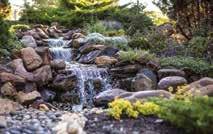
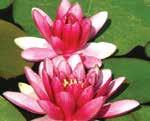
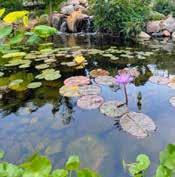
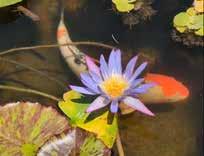
The Greater Kansas City Water Garden Society invites you to continue the exciting summer of patriotism with the 33rd annual water garden tour—Red, White and Bloom—on three separate Saturdays in July and August. Each Saturday tour will spotlight 12 unique water features with lily and lotus blooms exploding in celebration of America’s 250th birthday and Kansas City hosting the FIFA World Cup 2026.
From 9 a.m. to 5 p.m., visitors can meet working plein-air artists at select sites as they reflect on the art of nature. Some homes feature working garden trains, fountains, and sculpture gardens, in a variety of settings and designs.
Tour tickets, good for all three Saturdays, are $15 per person. Tickets include maps, addresses, and host-written descriptions for each water feature. Many visitors take photos and ask questions of the homeowners about ponds, landscaping challenges, and specific plant names. So bring
your pencil and paper to keep track of the inspirational moments.
Proceeds from the tour support the KC Water Garden Society service projects for schools and other non-profits. Tickets will be available on Eventbrite and in local retail garden centers by the first of June.
Tour #1 – July 25, Missouri South, including Jackson and Cass counties
Tour # 2 – August 8, Kansas and Missouri, North of I-70
Tour # 3 – August 15, Kansas South of I-70
Look for updates and artists locations on our Facebook page and website, kcwatergardens.com.
Hotlines for Gardeners
Extension Master Gardeners are ready to answer
CASS COUNTY
816-380-8194; Wed, 9am-noon; casscomg@gmail.com
DOUGLAS COUNTY
785-843-7058; dgcogardenhotline@gmail.com; Mon, Wed, Fri, 1-4pm
GREATER KANSAS CITY MISSOURI AREA
816-833-8733 (TREE); Mon-Fri, 9am-noon; mggkc.hotline@gmail.com
JOHNSON COUNTY, KS
913-715-7050; Mon-Fri, 9am-4pm; garden.help@jocogov.org
JOHNSON COUNTY, MO
660-747-3193; Wed, 9am-noon
LEAVENWORTH COUNTY
913-364-5700; Leave a message. A Master Gardener will contact you.
MIAMI COUNTY & LINN COUNTY
913-294-4306; Apr 1 thru Oct 1; Thurs, 8am-noon
WYANDOTTE COUNTY
913-299-9300; Mon-Fri, 9am-4pm
QUESTIONS ABOUT ROSES?
Ask a Rose Expert; rosehelp@kcrosesociety.org; www.kansascityrosesociety.org
SUBSCRIBE TODAY
For convenient mail delivery, complete the form below and send with your check for $38.00. You will receive a one-year subscription.


Please enclose your check payable to The Kansas City Gardener and mail with this form to: P.O. Box 8725, Prairie Village, KS 66208
Shrub
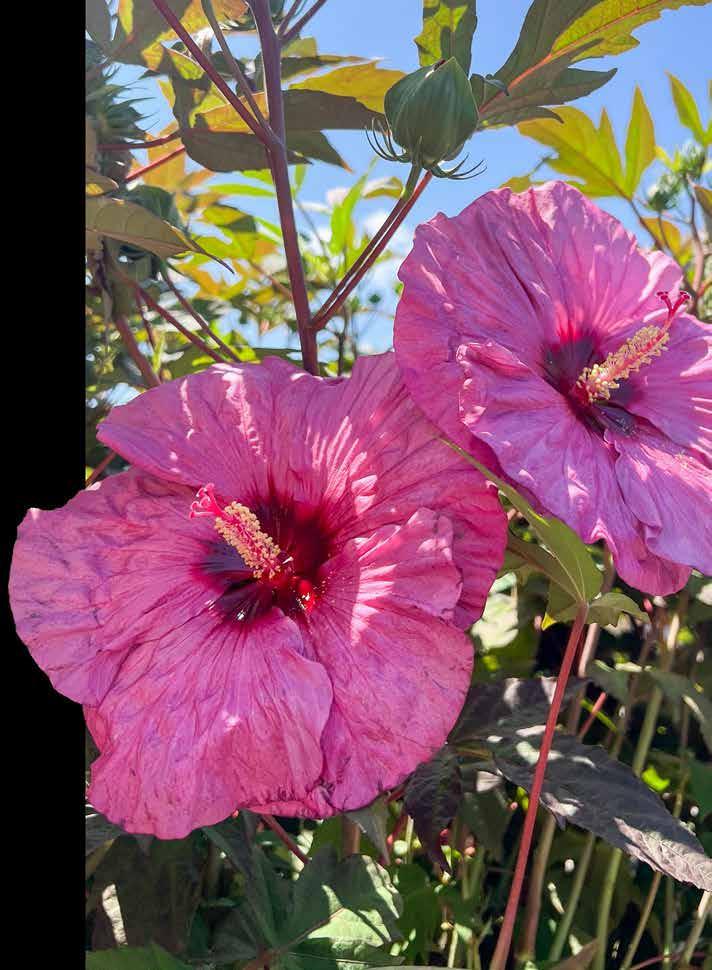
Big Blooms All Summer Long
Hardy Hibiscus available now at all locations. These stunning perennials are known for their enormous dinner plate sized blooms that just keep coming from mid July all the way to the first frost. Come grab yours before they’re gone.