













JERUSALEM








SHABBAT: BEGINS ENDS
London 21:04 22:24 Manchester 21:23 22:56 Leeds 21:19 23:04 Liverpool 21:22 23:05 Birmingham 20:00 22:39
Antwerp 21:39 23:12
Bournemouth 21:02 22:33
Gateshead 21:26 23:20 Jerusalem 19:09 20:28

JERUSALEM
SHABBAT: BEGINS ENDS
London 21:04 22:24 Manchester 21:23 22:56 Leeds 21:19 23:04 Liverpool 21:22 23:05 Birmingham 20:00 22:39
Antwerp 21:39 23:12
Bournemouth 21:02 22:33
Gateshead 21:26 23:20 Jerusalem 19:09 20:28


BY SAUL HERSH
As American forces launched strikes against Iranian military targets and a bitter diplomatic row erupted between Israel and Turkey, Israelis are doubting that Sunday’s air raid sirens which blared across much of the country will remain quiet long term.
After the war resumed again a few days ago, it quickly stopped, allowing schools to reopen, businesses to resume operations and families to emerge cautiously from bomb shelters after one of the most tense periods since the latest confrontation with Iran began.

military response designed to avoid a wider regional conflict.
condemning Israel’s right to defend itself.
Throughout the latest escalation, families across Israel were repeatedly forced to run for shelter as Iranian missiles and drones targeted the Jewish state.
Parents carried sleeping children into reinforced rooms in the middle of the night as Home Front Command alerts sounded across the country. Elderly residents hurried down stairwells seeking protection while warning sirens echoed through cities, towns and villages.
The apparent lull came amid escalating regional tensions. Overnight, US President Donald Trump ordered retaliatory strikes against Iranian military assets following an attack that reportedly brought down an

At the same time, a war of words has intensified between Israel and Turkey.
In Jerusalem, Tel Aviv, Beersheva, Haifa, Bet Shemesh, Ashdod and dozens of other communities, daily life was effectively brought to a standstill.
Schools closed, public gatherings were re-
























Continued from page 1
Families spent hours inside bomb shelters following reports of incoming missile barrages launched from Iran and its regional allies. WhatsApp groups, emergency alert systems and news channels became essential lifelines as residents attempted to monitor developments in real time.
While Israel’s sophisticated missile defence network intercepted the vast majority of incoming threats, the psychological toll was considerable.
Parents described frightened children breaking down in tears as sirens sounded repeatedly throughout the day and night. Others spoke of sleeping fully clothed in case they needed to rush for cover at a moment’s notice.
Residents reported hearing powerful explosions overhead as Israeli air defence systems destroyed incoming missiles before they could reach population centres.
Although casualties remained limited compared to the scale of the attacks, the atmosphere of fear was impossible to ignore.
The latest confrontation once again demonstrated the reach of Iran’s missile capabilities and the extent to which daily life in Israel can be disrupted during periods of heightened tension.
Now, with the immediate threat apparently reduced, attention has turned to
what happens next.
Prime Minister Benjamin Netanyahu has sought to project strength while warning Tehran against future aggression.
Speaking after the apparent cessation of attacks, Netanyahu delivered one of his strongest warnings yet to the Iranian regime.
“If Iran makes the mistake of attacking us again, we will respond with overwhelming force,” he declared.
The Prime Minister argued that Iran and its terrorist proxies had attempted to create a dangerous new reality in which Israel would be expected to absorb attacks without retaliation.
“That did not happen and it will not happen,” Netanyahu said.
His comments have been interpreted as a clear message that Israel remains prepared to strike Iranian targets if necessary.
However, reports emerging from Washington suggest that the Israeli leadership faced significant pressure from the White House to avoid a broader military campaign.
According to American media reports, President Trump urged Netanyahu not to launch further major strikes against Iran following the latest exchange of attacks.
The US administration is believed to be concerned that continued escalation could rapidly develop into a regional war involving multiple countries and terrorist
organisations across the Middle East.
Reports have suggested that Trump warned Netanyahu that Israel risked becoming increasingly isolated if it reignited a full-scale conflict with Tehran.
One widely reported account quoted Trump as telling the Israeli Prime Minister: “You better be careful, or you will be on your own very soon.”
Whether those exact words were used remains unclear, but the reports have generated considerable debate inside Israel.
Many security analysts argue that Iran was under severe military pressure and that the current ceasefire gives Tehran valuable time to regroup.
They warn that the Islamic Republic could use the pause to rebuild military infrastructure, replenish missile stockpiles and prepare for future confrontations with Israel and the West.
Others believe Trump’s intervention may have prevented a much larger conflict that could have engulfed the region.
Supporters of restraint argue that Israel has already demonstrated its military superiority and that avoiding a wider war serves both Israeli and American strategic interests.
Meanwhile, concern continues to focus on Hezbollah.
Although the Iranian-backed terror organisation in Lebanon did not fully enter the latest conflict, tensions along Israel’s
northern border remain extremely high.
Israeli defence officials continue to monitor Hezbollah’s activities closely, while Iranian officials have repeatedly warned Israel against expanding military operations into Lebanon.
Israeli leaders have responded by insisting they will continue acting wherever necessary to defend the country’s security and prevent future attacks.
For now, Israelis are attempting to return to normal life.
Children have returned to school. Shopping centres are busy once again. Offices have reopened and roads are filling with traffic. Yet beneath the surface, anxiety remains.
The bomb shelters may be empty today.
The sirens may have fallen silent.
But after days of fear, sleepless nights and repeated dashes for cover, many Israelis suspect this ceasefire may be little more than a temporary pause in a conflict that remains far from resolved.
Netanyahu’s warning to Tehran, Trump’s efforts to restrain further escalation, growing tensions with Hezbollah and the increasingly hostile rhetoric from Turkey all serve as reminders that the Middle East remains dangerously volatile.
For now, Israel is enjoying a fragile calm.
But few are willing to bet that the final chapter of this confrontation has already been written.

BY MARTIN KENT
Thousands of travellers received welcome news this week as Wizz Air confirmed it is resuming flights to and from Israel, marking one of the strongest signs yet that international aviation is returning to normal following weeks of disruption caused by the Iran conflict.
The budget airline, which has long been one of the most popular carriers for Israelis travelling to Europe and the United Kingdom, is among a growing list of airlines restoring services to Ben Gurion Airport after security conditions improved.
For many passengers, the announcement will come as a major relief.
Throughout the recent conflict,

millions of Israelis endured repeated missile alerts and long periods in shelters as Iran launched attacks against the Jewish state. At the same time, numerous foreign airlines suspended services, leaving travellers stranded abroad and forcing others to cancel family visits, business trips and holidays.
The return of Wizz Air is particularly significant because of the airline’s extensive network of affordable routes connecting Israel with destinations across Europe.
Industry experts believe the decision may encourage additional carriers that remain cautious to follow suit in the coming weeks.
At the height of the crisis, many foreign airlines halted flights due to security concerns, leading to soaring ticket prices and limited availability on remaining routes. Some passengers were forced to travel through Cyprus, Greece and other European hubs in order to reach Israel.
Now, confidence appears to be gradually returning.
Ben Gurion Airport remained operational throughout much of the conflict despite periodic disruptions
Turn your home into your golden years.
If you’re over 55 and own your own home, you can unlock its value with a Lifetime Mortgage.
and heightened security measures.
Airport authorities, airlines and security personnel worked around the clock to ensure operations could continue safely while protecting passengers and staff.
The reopening of international routes is expected to provide an important boost to Israel’s economy and tourism sector.
Hotels, tour operators and businesses that depend on overseas visitors have been heavily affected by months of uncertainty and are hopeful that the return of major airlines will encourage travellers to start booking visits once again.
The development is also welcome news for the large Anglo-Israeli community.
Many families rely on regular flights between Israel and the United Kingdom for business, simchas, family visits and educational commitments. Flight cancellations and uncertainty over recent weeks left many unsure whether planned journeys could go ahead.
Travel industry analysts expect strong demand in the coming months as passengers who delayed travel plans begin rebooking flights.
While some airlines are initially returning with reduced schedules,
industry observers expect capacity to increase steadily if the security situation remains stable.
Israeli officials have welcomed the return of Wizz Air and other international carriers, viewing it as a demonstration of confidence in Israel’s security and resilience.
Despite missile threats, regional tensions and repeated attempts by Israel’s enemies to disrupt daily life, the country’s transport infrastructure has continued functioning and remained connected to the outside world.
Passengers are still being advised to check directly with airlines before travelling, as schedules may continue to change depending on operational requirements and security assessments. Nevertheless, the return of Wizz Air represents an important milestone. After weeks of uncertainty, grounded flights and disrupted travel plans, the sight of international airlines once again committing to Israel is being seen as a sign that life is slowly returning to normal.
For many travellers, it is the clearest indication yet that the skies above Israel are beginning to reopen.
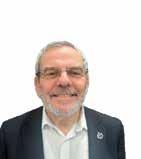









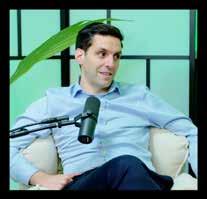



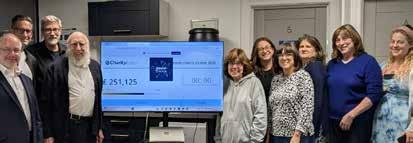
The Jewish Family Centre (JFC) raised over £275,500 with donations still incoming through its recent Charity Extra match funding campaign, providing a significant boost to the charity's work supporting children, parents and families across the Jewish community who are facing silent struggles.
The 36-hour campaign, which took place on 31 May and 1 June, "The Sound of Silence", highlighted the often unseen and unspoken challenges families face behind closed doors.
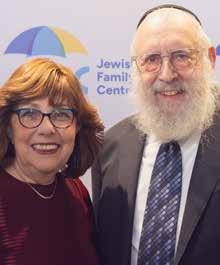
Through a series of impactful campaign adverts and a moving animated film told through the eyes of a young girl concerned about her younger brother, the campaign shone a light on an important truth: when families are
struggling, children often feel it first. At the Jewish Family Centre in Temple Fortune, families can access support before difficulties become overwhelming, with services including counselling and therapy, family support, parenting guidance, advocacy with schools and statutory agencies, supervised contact visits and practical assistance.
The campaign comes during a landmark year for the organisation, which is celebrating its 25th anniversary of working with Jewish families.
Founded by Sandy Weinbaum as a welcoming space for parents and children to connect, the Jewish Family Centre has grown into the community's only organisation providing such a broad range of holistic family
support under one roof. Demand for services continues to rise, with increasing numbers of families seeking support for emotional, financial, educational and social challenges.
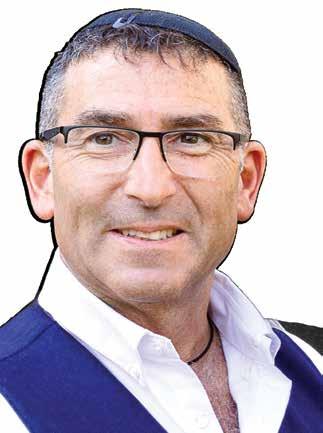
Sandy Weinbaum, Founder and CEO of the Jewish Family Centre, said: "The success of this campaign demonstrates the incredible compassion that exists within our community. 'The Sound of Silence' resonated with so many people because it reflects what we see every day: families carrying burdens quietly, often unsure where to turn. Thanks to the extraordinary generosity of our match funders, team leaders, donors and supporters, more families will receive the counselling, practical support and compassionate care they need, and more children will have the chance to simply be children again".
Sandy
added, "As we celebrate our 25th anniversary, we are incredibly grateful to everyone who has helped us reach this milestone and to those who continue to ensure that no family has to face life's challenges alone."
The funds raised will help the charity respond to growing demand for its services, ensuring that more families can access the practical, emotional and therapeutic support they need to build stronger, more hopeful futures.
For more information about the Jewish Family Centre and its services, visit www. jewishfamilycentre.org.uk.
Donations to the campaign can still be made until 17 June 2026 https://www. charityextra.com/jfc



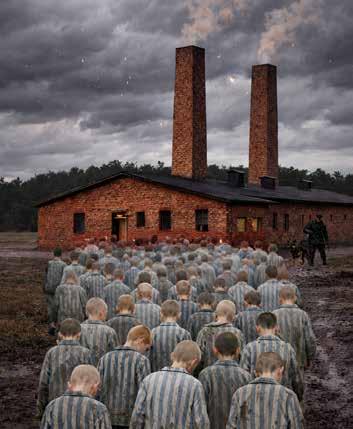
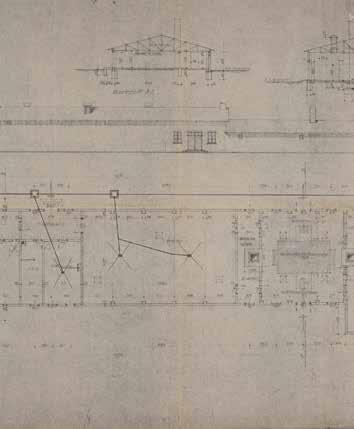
Private screenings available for shuls, organisations and youth groups (ages 15+).
Undeniable is a remarkable Holocaust documentary by JRoots, telling the story of the only known group of teenagers to enter a working Auschwitz gas chamber - and walk out alive.
Featuring powerful first-hand testimony from six survivors, their values and life lessons, alongside unseen Nazi archives, forensic evidence and a new section combatting denial.
In a time of increasing Holocaust distortion and moral erosion, this is a must-see film.

















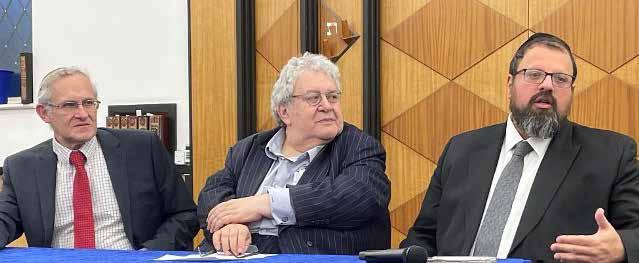
Leading rabbis have warned that Jews must not retreat from the great moral debates of the age, as Western societies grapple with rising extremism. Speaking before more than 120 people at a Jewish Ethics Project dinner hosted by Ner Yisrael, one of Europe’s largest Modern Orthodox communities, in north-west London, Dayan Eliezer Zobin, Rabbi of Ner Yisrael, and Rabbi Mosheh Lichtenstein, Rosh Yeshiva of Yeshivat Har Etzion, addressed some of the most pressing questions facing Jewish communities in Britain, Israel and the Diaspora. The discussion was moderated by Rabbi Michael Pollak.
After touching on UK-related issues, such as the Assisted Dying Bill, the discussion turned to interfaith relations and the legacy of Rabbi Joseph B. Soloveitchik. Addressing
his grandfather’s well-known caution towards interfaith dialogue, Rabbi Lichtenstein argued that whilst faith

communities must remain faithful to their own religious convictions, they nevertheless share important moral concerns. “The major divide today is often not between one faith and another, as it was in medieval times,” he said, “but between those who believe in a transcendent moral reality and those who do not.”
Dayan Zobin remarked that recent events had fundamentally altered the nature of his rabbinic work. Reflecting on meetings with senior Muslim and Christian religious leaders in London, he said: “We’re not dealing with interfaith or theology. Together we’re dealing with survival. As like minded faith leaders we are trying to rebuild a basic sense of shared humanity. When I entered the rabbinate, I never imagined I would find myself having these conversations, but now they are needed. The challenge today is maintaining the ability of communities across the UK to speak a common moral language.”
Dayan Zobin further warned “many teenagers are being drawn into a negative and materialistic worldview that is soul-destroying,” he said. “Anything we can do to restore a sense of spirituality, shared values and transcendence in Britain and across the Western world is vital.”
Questions also focused on campus antisemitism and anti-Israel hostility.
Whilst recognising the seriousness of current trends, Dayan Zobin cautioned against both alarmism and simplistic solutions. “The narrative that Britain is now simply an antisemitic society is not, in my view, correct,” he said.
“There are trends that are worrying and problematic, and we must address them. But we also need a calm assessment of the reality in which we live.”
He also warned the Jewish community against embracing populist allies uncritically, arguing that extremism ultimately seeks to destroy trust between communities. “The terrorists want moderates on both sides to despair,” he said. “If we allow that to happen, we hand victory to the extremists.”
The discussion also turned to Israel-Diaspora relations, with Rabbi Lichtenstein urging Jews abroad not to disengage from Israel because of political or religious disagreements.
“Continue learning, continue listening, continue participating in the conversation,” he said, arguing that even profound disagreements should not weaken the bonds between Jews in Israel and abroad.
On artificial intelligence, Rabbi Lichtenstein cautioned against rushing to issue definitive religious declarations before the technology and its impact is properly understood.
Throughout the evening, both rabbis argued that Judaism must engage confidently with the great moral questions of the age and, as Dayan Zobin remarked, “Judaism ultimately calls upon us to recognise the dignity of every human being, how each individual is to be cherished; for that, we need more spirituality in society.”

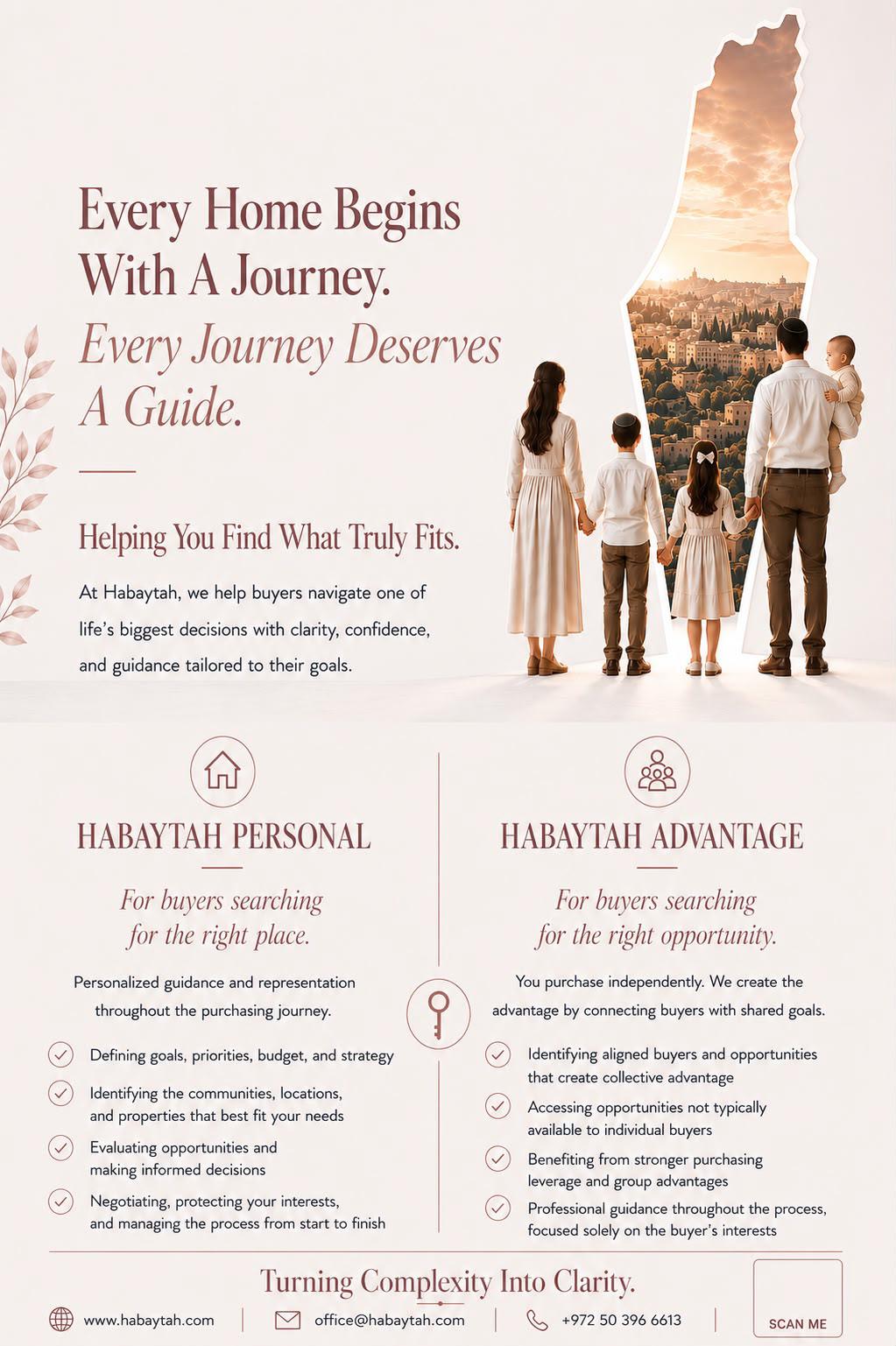
London residents considering Aliyah, purchasing a home in Israel, or exploring Israeli real estate investment will have a rare opportunity to access an exceptional range of information and opportunities at the upcoming Great Israeli Real Estate & Aliyah Event.
This year’s event brings together a record-breaking number of affordable projects from across Israel, with vendors representing developments literally from north to south. Visitors will be able to explore a wide variety of residential and investment opportunities, including apartments suited for future Aliyah, family use, long-term planning, rental income, and smart investment.
A key highlight of the event will be the breadth of projects available in one place. Rather than hearing about one city, one neighborhood, or one developer, participants will be able to compare options throughout the country, ask questions directly, and understand what is currently available in today’s Israeli market. Several vendors will also be offering exclusive deals and benefits
available only to event participants.
Alongside the real estate exhibition, the event will feature a rich and varied lecture programme, including expert presentations, panels, and interviews on Aliyah, finance, buying property in Israel, and current challenges facing Jewish communities. The lineup includes experienced Aliyah advisors and professionals who will address common concerns, dispel myths, and set the record straight about what it really takes to make the move.
Whether visitors are seriously preparing for Aliyah, beginning to think about a future in Israel, looking for an investment opportunity, or simply seeking honest, practical information, the event is designed to provide clarity, confidence, and concrete next steps.
The Great Israeli Real Estate & Aliyah Event will take place on Sunday, 14 June 2026, from 11:30 a.m. to 5:00 p.m.
Participation is free with advance registration: israelevent2026.com


Meet the professionals who can help you understand the opportunities, the process, and the practical steps ahead



Special panels and interviews on current challenges and strengthening Jewish identity The ‘Stop the Hate’ organization Sunday, June 14, 2026 • 11:30 a.m. – 5:00 p.m.

Register Now Find Your Focus
Choose the lectures that match your questions 11:30 12:45 14:15 15:30 SPONSORED BY

One on one, discussing the burning topics of the day

Yoni Kempinsky, Editor of Arutz Sheva, with Rabbi Dr Yoni Birnbaum, Senior Rabbi of Kinloss - Finchley United Synagogue
Making the Move: Smart, Stable, Strategic Dov Newmark of Make Aliyah Easy
Panel discussion on Buying in Israel with Clarity and Confidence
Dan Eisenberg, Coo at IsraTransfer and Shira Finkle, Habayta



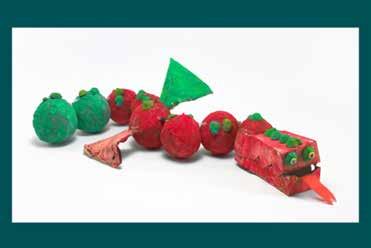
Take One Picture is a national educational programme that invites primary school children to explore a masterpiece from the National Gallery’s collection and use it as inspiration for creative learning across a range of subjects. This year’s project is based on Canaletto’s A Regatta on the Grand Canal, encouraging pupils to respond to the artwork through their own ideas, interpretations and artistic creations.
Inspired by the energy and atmosphere of the painting, Beit Shvidler’s pupils worked together to design and create a dragon sculpture.
Throughout the project, the children developed their artistic skills, explored different materials and techniques, and collaborated to bring their shared vision to life.
The annual exhibition is a highly regarded showcase of children’s artwork from schools across
the country, making it a special honour for the pupils to have their work selected for display. Their inclusion reflects the creativity, dedication and enthusiasm they demonstrated throughout the project.
The exhibition runs from June until the end of August 2026, giving visitors the opportunity to view and celebrate the achievements of young artists from across the UK. Beit Shvidler is proud to be part of this inspiring celebration of creativity and learning.
Former
now
make a siyum this week on all of shas!

BY YAAKOV BARR
This week on the Between the Lines podcast, I sat down with an anonymous guest to discuss a struggle that affects more people than many of us realise.
What makes his story so powerful is not only the nature of the struggle, but who he is.
He came from a good home, learnt in yeshiva and later in kollel, got married, built a family, and from the outside appeared to be living a normal, successful life.
Yet behind closed doors he was battling a hidden addiction linked to inappropriate online content and behaviours that had begun many years earlier.
Like many people, he assumed that with time, maturity, and marriage, the struggle would simply disappear. It didn’t.
What follows is an honest and courageous conversation about secrecy, shame, marriage, recovery, and the challenges facing individuals growing up in an increasingly digital world.
Without giving too much away, one particular part of the conversation stayed with me long after we finished recording.
When I asked him what might have made the biggest difference when he was younger, his answer was not more information, stricter rules, or harsher consequences.
It was feeling able to talk.
That answer should make every parent stop and think.
Many of us spend enormous amounts of time worrying about the challenges our children may face online. We worry about exposure to inappropriate material. We worry about peer pressure. We worry about the influences around them.
But perhaps the more important question is this:
If our child encounters something confusing, upsetting, embarrassing, or troubling, will they feel able to come to us?
The most powerful protection we can give our children is not perfect answers. It is a relationship that can tolerate difficult conversations.
How do we build that?
First, stay calm when your child tells you something difficult. Children quickly learn which topics are safe to discuss
and which ones trigger panic, anger, or disappointment.
Second, listen before you advise. Many children stop talking because every conversation becomes a lesson. Understanding usually needs to come before guidance.
Third, talk about difficult topics before they become a crisis. When conversations about friendships, mistakes, stress, online life, and personal challenges happen naturally, children learn that these subjects are not off-limits.
Finally, separate the child from the behaviour. A child should feel, “I have made a mistake,” not, “There is something wrong with me.”
One line from this week’s podcast sums it up perfectly: Children do not open up
because their parents have all the answers. They open up because they believe their parents can handle the truth. I hope you’ll join us for what I believe is one of the most important conversations we have had on the podcast so far.
Yaakov Barr is the CEO for JTeen. He is a Psychotherapist (MSc accred) and a Clinical Supervisor

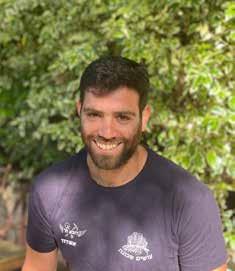
The Founder and CEO of Osim Shechuna (Building Neighbourhoods), Shlomo Lampert, is helping a new generation of young leaders strengthen communities across Israel.
Amid the ongoing security crises ravaging Israel’s northern frontier, a profound domestic battle is being waged - not with armour, but with the raw potential of Israel’s youth. At the forefront of this effort is Osim Shechuna, a grassroots organisation dedicated to community renewal and youth leadership.
Yonatan Galon, who leads the JNF UK team in Israel, sat down with Shlomo to discuss how his organisation has transformed from a localised neighbourhood initiative into a critical pillar of national resilience along Israel’s borders, and why early backing from JNF UK proved to be a vital catalyst for this success.
The Vision: Building communities through leadership
JNF UK: Shlomo, Osim Shechuna was founded just five and a half years ago. What inspired its creation?
Shlomo: Osim Shechuna was established in response to growing social divisions and polarisation within Israeli society. I felt that we were losing our sense of mutual responsibility. Our goal was to bring people together through meaningful community action while developing the next generation of leaders from within their own communities.
same, but the urgency increased dramatically. Overnight, we mobilised volunteers to support communities in crisis while expanding programmes for young people affected by trauma and disruption.
One example is our “Big Brothers on the Street” initiative, which provides positive role models, practical support and a sense of belonging for vulnerable young people.
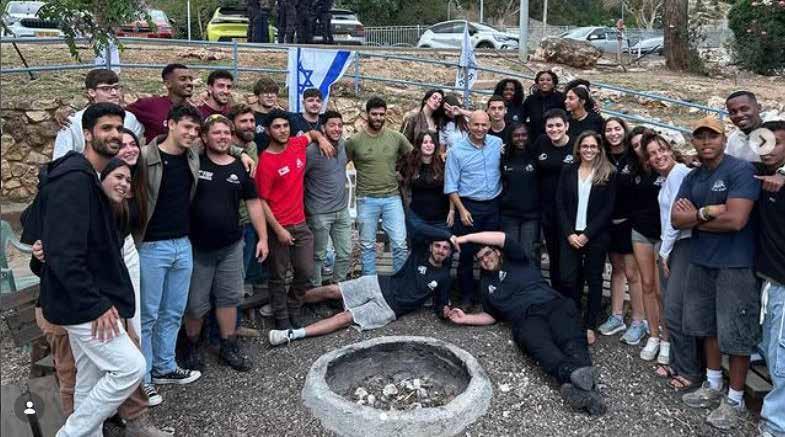
The initiative focuses on supporting at-risk youth in economically and socially disadvantaged neighbourhoods. Operating primarily during late nights and weekends, volunteer mentors patrol local hangouts to engage with street youth directly in their own environments. By building consistent, trusting relationships, these volunteers act as positive role models (“big brothers”) who listen to the teenagers’ challenges, offer guidance, and actively help direct them toward constructive paths, including leadership opportunities and meaningful community service. October 7 reinforced something we have always believed: strong communities are built from the ground up. The young people leading today will become Israel’s future leaders.
Answering the Call on the Northern Border
next to them. If a siren goes off, they are ten seconds away from safety. But while it’s quiet, they are engaged in positive, educational and social action instead of wandering the streets.
We are currently preparing to expand
before we had state support and infrastructure. Their early investment allowed us to build trust within communities, prove our model and demonstrate the impact of our work. Now, we are in the process of signing a contract with the mu-
our leadership and community-building initiatives into 13 additional northern border cities and regional councils. We are also launching a new programme this September to support further youth along the eastern border in more remote areas.
JNF UK: You often speak about the long-term impact on individuals. Can you share a success story?
nicipalities for expanding the programme to 13 more border cities, but we never would have reached the negotiating table without JNF UK’s early belief in us.
JNF UK: What is your final message to British Jewry supporting JNF UK’s work with you?
JNF UK: What does that look like in practice today?
Shlomo: Everything we do is based on the belief that local people should lead change in their own communities. We run gap-year programmes, National Service placements and youth leadership initiatives that help young people take responsibility, strengthen their neighbourhoods and create a greater sense of pride and belonging.
Today, our gap-year programme operates in eight locations across Israel, and our National Service programme places 100 young women in communities where they can make a real difference.
JNF UK: How has your mission shifted since the devastating events of October 7th?
Shlomo: Our mission remained the
JNF UK: The situation on the northern border remains incredibly precarious, with tens of thousands still displaced and regular sirens disrupting life. What are you seeing on the ground?
Shlomo: It is a sober reality. In 43 evacuated communities, schools have closed because of ongoing security threats. Many areas face population loss, economic hardship and growing social challenges among young people, including rising education dropout rates and alcohol or drug abuse.
JNF UK: How is Osim Shechuna helping address these challenges?
Shlomo: Through what we call “placemaking”. Our youth are bored and traumatised, so we give them a purpose. We don’t import outside groups; we empower local residents to become pioneers within their own neighbourhoods. We take the neglected public spaces and bomb shelters, renovate them, and build benches, firepits, and gardens right
Shlomo: There are so many. Take Suwafel, who made Aliyah from Ethiopia and grew up in an incredibly tough neighbourhood in Ashkelon, where crime was rampant. He chose to do something positive and began to volunteer with us, then completed a leadership academy programme (Mechina), and went on to serve in an elite IDF unit. Today, he’s back volunteering as a “Big Brother” in his old neighbourhood.
JNF UK: Your organisation now operates on a national scale. How did you reach this point?
Shlomo: This is where the role of international diaspora support, specifically JNF UK, becomes so vital. When you start a highly innovative, bottom-up programme in Israel, the government is notoriously slow to act. It can take a year or two for government ministries to sign a contract.
Philanthropy is the engine that gets us off the ground. JNF UK was a vital early partner that understood our vision
Shlomo: When you support this work, you are not giving charity to “poor people” on the border; you are partnering with the new pioneers of the Jewish people. Recovery will take years, but by investing in our youth, we are building an unbreakable foundation for Israel’s future.
You can find out more about JNF UK’s work with Osim Shechuna and other partners by visiting www.jnf.co.uk





1,000 guests gathered at Jewish Care’s Annual Dinner tonight for a moving celebration of the charity’s work, raising an incredible £5.6 million to support its life-changing services. The evening placed Jewish Care’s clients and families at the heart of the evening. Nine of the charity’s clients and volunteers who were the stars of the night, shared their powerful stories of care, courage and compassion. The funds raised will help Jewish Care meet the £20 million it needs each year, at a time of significant growing demand and when many of its services receive no government funding.
Hosted at Grosvenor House by journalists and broadcasters Emily Maitlis and Rob Rinder MBE, who generously donated their time, the Dinner celebrated the impact of Jewish Care’s transformative services across the community. They highlighted the growing need for care, connection and support at every stage of life. From Jami’s mental health services, now part of Jewish Care for people aged 11 and over, to specialist support for older people with increasingly complex needs. They also recognised how important this support is at a time of rising antisemitism in the UK and around the world.
Guests had the first opportunity to see inside the brand-new Sugar & Ronson Campus which will support the local Jewish community in Essex and north east London. A fly-through video showcased the beautiful 66bed Sugar Family Care Home, where the first residents will soon move in, and The Ronson Community Centre, the vibrant hub that will be opening this summer. Thanks to the generous support of the Sugar Family, and the Ronson Family through The Gerald and Gail Ronson Family Foundation it has been possible to realise the long-held dream of bringing all Jewish Care’s local services under one roof.
the measure of success is seeing quality of life for the people who are going to be living there.”
On stage, Emily Maitlis, said:
“Tonight the stars of the show are Jewish Care’s clients – the 12,000 people whose lives are touched by the organisation every single week.”
Guests heard first-hand stories of the difference Jewish Care makes through its community services, dementia care, mental health support and end-of-life care.
One of the most poignant moments of the evening came from Holocaust survivor Janine Webber BEM, the last remaining survivor of the Lvov ghetto in the UK. Janine spoke about her childhood escape, the years she spent in hiding, and the lasting trauma of losing all the members of her immediate family during the Holocaust.
For decades, Janine was unable to speak about what she had endured. It
creative journey which saw the members write and compose the studio-recorded original song, A New Beginning that was released on all streaming platforms this Spring.
Evelyn said the service gives David purpose, joy and friendship, while also giving her and their son Ralph vital respite from caring responsibilities.
She said:
“I really can't express how much Jewish Care has helped us. They're there if we need them. David absolutely loves it. The place and the people are out of this world.”
With the number of people living with dementia expected to rise by up to 25 per cent over the next decade, Jewish Care’s dementia day centres play a vital role in helping people live well at home for longer, reducing isolation and ensuring families do not feel alone.
In its new five-year strategy for 2026–2030, Altogether Stronger, Jewish Care has pledged to double the number of people supported through its community services, strengthen critical areas of provision and develop new services where the community most needs them.

was through being referred to Jewish Care’s Holocaust Survivors’ Centre where she received specialist therapeutic support from the Shalvata service, together with the care of staff, volunteers and fellow survivors, that Janine began to heal and share her testimony with future generations.
Janine said:
Speaking on the night from his table, Lord Sugar, who has been involved with Jewish Care for over four decades, said to Emily Maitlis,
“The truth is, giving to Jewish Care has always been very simple for me: you can see the difference it makes – it’s just people helping people. Choosing a care home for a loved one is one of the biggest decisions you have to make. You want to walk in and immediately think, they’ll be safe here. They’re going to be happy here. They’re going to be treated with dignity here. I wanted it to feel like a home. And
“The centre is vital. It gives us somewhere to go and be safe with friends who understand what we’ve been through. Without that support, I wouldn’t be able to tell my story as I do now.”
Guests also heard from Evelyn Middleditch, who described how Jewish Care’s award-winning dementia day services have transformed life for her husband David and for their wider family. David attends Jewish Care’s Sam Beckman Centre for people living with dementia, where he takes part in activities including quizzes, theatre, dancing and singing. As part of The Sam Beckman Choir, David was part of the
Volunteer Barbara Jaye spoke with Emily Maitlis about the role Jewish Care’s community centres play in tackling loneliness and creating a sense of belonging. Through Jewish Care’s Redbridge Jewish Community Centre, Barbara found friendship, purpose and the opportunity to give back, including through Singing for Memory groups supporting people living with dementia.
She said:
“They welcomed me with open arms. Whether it’s singing, table tennis or supporting people with dementia, it just feels good to be part of something that brings people joy. Seeing people smile, sing and feel happy together –that’s what Jewish Care does so well.”
In one of the evening’s most powerful testimonies, John Featherman shared his experience of severe mental illness and how he attempted to take his own life* – and how support from Jami, Jewish Care’s mental health service, helped to
save his life.
John spoke candidly about feeling isolated and overwhelmed, and about finding understanding, community and hope through peer support and the Jami Head Room café. He has since become a volunteer and a champion, using his experience to support others.
John said:
“Jami and everything it does has the power to change lives. It really did save my life – and I hope that, thanks to your support, it will save many more.”
Siblings Emma Parker and Ben Roback moved guests as they spoke about the care their grandmother, Sheila Sekenofsky z’l, ‘Bubby’, received at Jewish Care’s Vi and John Rubens House. They described the dignity, warmth and compassion shown not only to their grandmother, but to their whole family, from personalised daily care to end-oflife support.
Emma explained: “Bubby was a truly remarkable woman who had an incredible zest for life. She used to play with us and take us swimming, and she was also a huge part of our Jewish identity.”
Ben added: “It was important for Bubby to be in a Jewish environment, to be with other Jewish people. She was always excited to tell us when she had been to a Friday night or Saturday morning service, and especially what they had for kiddush.
“At the care home, she wasn’t just another resident - she was known, respected and loved. She had an amazing life, and thanks to the Jewish Care staff, who spoke to my grandma and my mum about how Bubby wanted the end of her life to be, she also had an amazing end of life.”
Rob Rinder also highlighted Jewish Care’s award-winning care, including the award for End-of-Life Care in Dementia Care at the UK Dementia Awards and recognition for Community Services at the NAPA Activity Awards. Jewish Care is currently shortlisted as Finalists in residential care, retirement living,
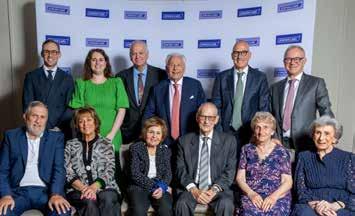
dementia and end-of-life care awards.
Speaking about his own family’s experience when he reached out to Jewish Care for support with his own dad, David, who is living with dementia, Rob shared, “We needed help, we needed guidance, and we needed somewhere for my dad to live. What I remember most in that first call to Jewish Care, is how I felt then when I put the phone down. Relief. Not because everything had suddenly become simple, it absolutely hadn't, but because for the first time in a long time I felt we were no longer carrying this by ourselves. Somebody understood, somebody knew the road ahead and that behind all the questions was a family trying to do the right thing by someone they loved. From that conversation Dad came to Otto Schiff care home.
“From the carers, I saw the simple acts of thoughtfulness and kindness, the sort of kindness that asks for absolutely nothing in return.
“Dad’s carers see him, Jewish Care sees him, and in doing so they're giving something back to my family that we desperately needed: not perfect peace, but the peace that comes from knowing that tonight my dad is safe, and that even when we can't be there, someone who cares for him completely, is.”
Guests enjoyed an uplifting performance from award-winning West End star and Wicked leading actress and
singer, Emma Kingston, who sang songs from Yentl, Les Misérables and Wicked.
Speaking after the dinner, Jewish Care Life President, The Lord Levy, said:
“We are deeply grateful to everyone who supported us at this year’s Annual Dinner, helping us raise such an incredible amount of £5.6 million. At a time of real challenge for our community, these vital funds will help us continue providing life-changing Jewish care and support to the 12,000 people whose lives we touch each week.
“It is through the commitment of our lay leaders, together with our exceptional staff and volunteers, that Jewish Care is able to be there for so many people and families across our community.”
Jewish Care Chair, Marcus Sperber, said, “Our heartfelt thanks go to our hosts, Emily Maitlis and Rob Rinder, to Emma Kingston, to our table hosts, and to everyone whose time and support made the evening such a success.
“We are especially grateful to the clients and volunteers who shared their stories so movingly and are at the heart of all we do.
“We rely entirely on the generosity of our community to provide the highest quality care and support, rooted in dignity, respect, and Jewish traditions and values, and we are immensely grateful to them.”

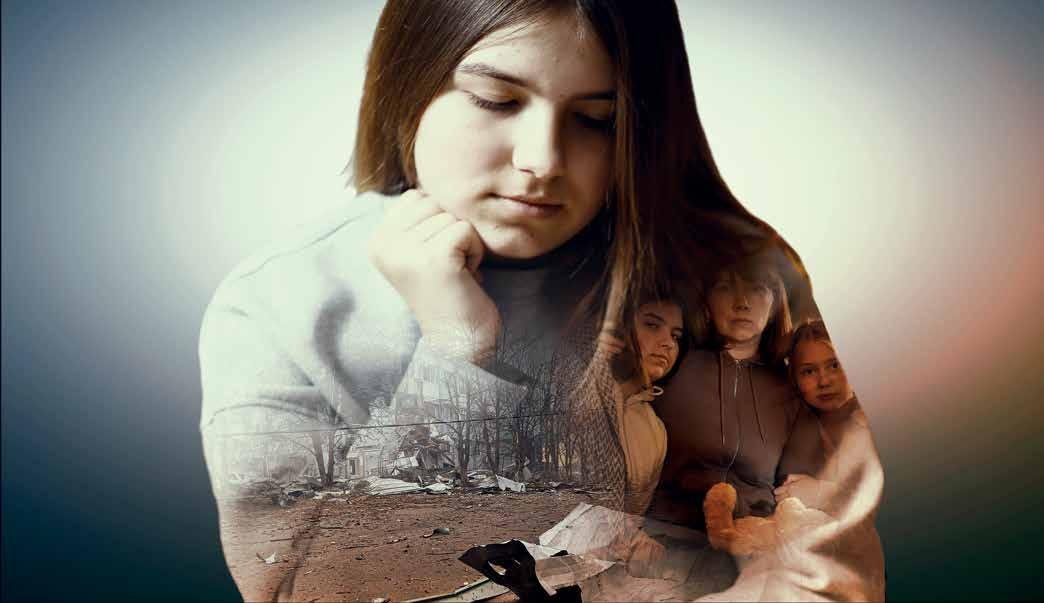
World Jewish Relief is providing vital psychological support in Ukraine and Israel, helping people living through war process trauma, cope with daily life and hold on to hope. More than 50,000 people have already been supported, but many more urgently need your help.






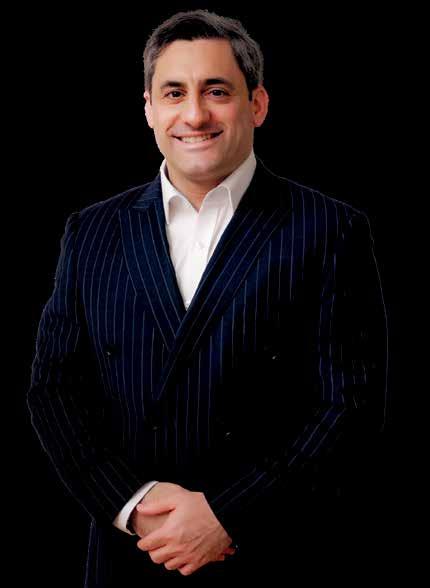
BY TANYA MARANTZ-BOTSCHKO
Every year, when I meet British Jews at Israel property exhibitions, I notice the same pattern.
Most people arrive with a shortlist already in mind. Jerusalem. Ra’anana. Perhaps Tel Aviv. Sometimes Beit Shemesh. They have visited those places before or they have friends or family there. They know the area and feel comfortable with it.
The challenge is that many people never look beyond those familiar names. As a result, they can leave an exhibition believing that buying a home in Israel is simply beyond their reach.
This year’s property fair comes at a particularly interesting time.
The UK property market is presenting new challenges. Mortgage rates remain significantly higher than many buyers became accustomed to over the past decade.
Affordability remains a concern for families looking to move up the property ladder. At the same time, many within the Jewish community are thinking seriously about what the future might look like for themselves and their children.
valuable. Not because visitors will necessarily find the home they eventually buy, but because they are exposed to parts of Israel, they may never have considered before.
One of the most common misconceptions about buying property in Israel is that the country revolves around a handful of well-known locations. Ask a British Jew where they would consider living and the same places tend to come up.
Yet anyone who lives in Israel knows the reality is far more diverse.
Across the country there are thriving towns and growing neighbourhoods that rarely feature in conversations taking place in north-west London or Manchester. Some offer better transport connections than people realise. Others provide
spend your time speaking to representatives from Jerusalem or Ra’anana and leave having discovered an entirely different option that better suits your family’s needs, priorities and budget.
In many ways, the Israeli property market has undergone the same evolution seen around the world.
There was a time when people felt they needed to live in the centre of everything. Today, many families are placing greater importance on quality of life, accessibility, value and the environment in which they want to raise their children.
The question has shifted from “Where is the most desirable postcode?” to “Where can we build the life we want?”
That is particularly true for younger families.

Whether Aliyah is something people are actively planning or simply beginning to explore, it is clearly becoming a bigger part of the conversation.
That is one reason why events such as this weekend’s property fair are so
excellent schools, strong local infrastructure and housing that is considerably more attainable than in some of the best-known destinations for olim.
The difficulty is not that these places do not exist. Many people simply do not know about them.
You can arrive at the fair expecting to
Parents are increasingly asking practical questions. Can we afford a home without overstretching ourselves financially? Will our children have room to grow? Can we stay connected to employment opportunities while enjoying a better balance between work, family and everyday life?
Those questions often lead buyers to places they had never previously considered.
That is certainly what we see at Carmay HaNadiv.
For many visitors, it is not a development they arrive at the exhibition specifically looking for. Yet once they understand the location, the transport links, the affordability and the long-term vision behind the project, it becomes a viable and attractive option.
Not because it is trying to compete with Jerusalem, Ra’anana or Tel Aviv.
Simply because it offers a different option.
One of the most useful things any
prospective buyer can do when attending a property exhibition is leave preconceived ideas at the door.
Treat it as an opportunity to learn. Ask questions. Compare locations. Understand how different regions of Israel are developing. Look beyond the places you already know.
The reality is that no two families are looking for exactly the same thing. The right solution for one person may be completely unsuitable for another.
What matters is finding a place that aligns with your priorities, your budget and your plans for the future.
For some, that will still be Jerusalem. For others, it will be Ra’anana or Tel Aviv.
But increasingly, families are discovering opportunities in places they had never heard of six months earlier.
That is perhaps the greatest value of an event like this weekend’s property fair. Not that it provides all the answers, but that it opens the door to possibilities. And sometimes the place that feels most like home is the one you were not expecting to find.
If you are unable to attend the exhibition this weekend but would like to learn more about Carmay HaNadiv, we would be delighted to hear from you. Whether you are actively planning aliyah or simply exploring your options, our team would be happy to answer your questions and provide further information.
Contact Tanya at tanya@carmayhanadiv.co.il, WhatsApp +9720545405603 or visit www.carmay-hanadiv. co.il/en to find out more.









BY RABBI RAPHY GARSON
Nestled in the hills of eastern Portugal near the Spanish border lies Castelo de Vide. Home to just 3,200 residents, the town immediately reminded me of Safed (Tzfat) in Israel. Its whitewashed houses, winding alleyways, stone staircases, and hilltop vistas create an atmosphere that feels timeless and unmistakably Jewish. Yet beyond its beauty, Castelo de Vide preserves one of the most remarkable stories of Jewish heritage in the Iberian Peninsula.
The town’s former mayor, Carolino Tapajedo, told me that seventeen Jews from Gibraltar arrived here in 1320 and helped establish a thriving textile industry. Among the families he identified were the Abudarhams and Benadys, surnames still familiar in Gibraltar today. Whatever the precise details of their arrival, Castelo de Vide became an important centre of Jewish life.
Before the expulsion and forced conversion of Portuguese Jewry at the end of the fifteenth century, a vibrant Jewish community flourished within the Judiaria, the Jewish Quarter whose narrow streets still echo with the memory of
those who once lived there.
A descendant of Crypto-Jews himself, Tapajedo dedicated much of his life to preserving the town’s Jewish past. Thanks to his efforts, forgotten stories were recovered, historic sites restored, and visitors introduced to a chapter of Portuguese Jewish life that might otherwise have been lost.
Among the most extraordinary discoveries was a medieval mikveh beneath what is believed to have been the synagogue, built in 1333 under the authority of King Afonso IV. The find provided powerful archaeological evidence of an organised Jewish community before the forced conversions of 1497.
remains a silent witness to centuries of faith, hope, and resilience. In that moment, the past was alive.
Throughout the Jewish Quarter, signs mark homes once inhabited by Jewish families. Carved into the stone doorways are haunting reminders of a community forced into hiding. Some houses bear upside-down menorahs; others display crosses etched into the very recess where a mezuzah once hung. These silent stones tell the story of Jews compelled to embrace Christianity outwardly while risking everything to preserve their Jewish identity in secret.

Standing inside the small synagogue, I was drawn to the ancient Aron HaKodesh. As my hand touched its worn surface, I felt I was touching history itself. Generations of Jews had stood before it praying for redemption. Though the community was scattered long ago, the Aron
The town’s beautiful fountain stands as both a landmark and a haunting reminder of the past. Here, according to local tradition, forced baptisms took place. Yet rather than symbolising defeat, the fountain speaks of resilience. Many who passed through these ceremonies continued to practice Judaism in secret, risking their lives to preserve the faith and traditions of their ancestors. Most remarkable of all is that Jewish life never truly disappeared. Long after the Jews were gone, echoes of their traditions remained. For generations, families observed customs whose origins had been forgotten. Even today, during Easter week which often coincides with Pesach the town preserves traditions of
eating matzah-like unleavened bread and slaughtering lambs in a manner reminiscent of the Korban Pesach. These customs offer a glimpse into the enduring legacy of Crypto-Jewish memory.
Tapajedo also shared a striking observation about the Inquisition. He believed women were often targeted because inquisitors understood that Jewish continuity was sustained within the home. Mothers and grandmothers transmitted traditions, customs, and identity from one generation to the next. By targeting women, the Inquisition sought to break the chain of Jewish memory itself.
I will never forget the moment I understood what it means to “touch history.”
Carolino told me about Ester Coen, an Israeli woman whose family had fled Castelo de Vide for Turkey before the Inquisition. In 2015 she returned carrying a key her family had preserved for more than five centuries - the very key used to lock their home when they left, believing they would one day return. As he told the story, Carolino reached into his pocket, took out the key, and placed it in my hand.
At that moment, Castelo de Vide was no longer merely history. It was alive. Today, the town stands as a living monument to the endurance of Jewish faith, memory, and identity, a testament to a people who refused to forget who they were, even in the darkest of times.
Rabbi Raphy Garson, raised in Gibraltar, served 18 years as Senior Rabbi of Ohr Yisrael Federation in Elstree and now leads the Rabbinic Team at Tiferet Eyal Synagogue in Hendon. A Holocaust educator, he has guided over 6,500 students to Poland and leads Jewish heritage journeys worldwide with JRoots.






As Orach Chaim Foundation prepares for a major fundraising campaign in UK and around the world next week, Rabbi Avromy Bleich of Kyiv has shared the remarkable story of a Jewish community that refuses to give up despite war, displacement and unimaginable hardship.
The campaign aims to raise $1 million to support Jewish children, Holocaust survivors, refugees and struggling families in Ukraine and neighbouring countries. The appeal comes as the war continues to impact thousands of lives more than four years after Russia’s invasion.
The roots of Orach Chaim stretch back more than 30 years. In 1989, Rabbi Yaakov Bleich, Chief Rabbi of Ukraine, arrived in Kyiv and helped revive Jewish life at a time when there was just a single functioning synagogue in the city.
apartments in Budapest. While they have jobs, schools and access to Jewish life, the challenges remain immense.
“We continue organising events and programmes because rebuilding a life is not simple.”
Remarkably, Rabbi Bleich himself never expected to return to Kyiv. Growing up, he never imagined he would one day make Ukraine his life’s mission.
“At that time it was the only synagogue open,” Rabbi Bleich recalled.
Over the following three decades, a thriving Jewish infrastructure emerged. Schools, student centres, orphan programmes, youth activities and community services transformed Jewish life in Kyiv.
Then came February 2022.
“One day everything was normal. By Thursday morning people had lost everything overnight,” Rabbi Bleich said.
He described a successful businessman who had just moved into a new apartment and owned a flourishing restaurant. He fled to Israel and, years later, is still struggling to rebuild his life.
Another member of the community who once enjoyed a successful career in Kyiv is now driving a bus in New York.
“The war took our community back 25 years,” Rabbi Bleich said.
“My father asked me to help with a summer camp for children facing difficult situations,” he explained. “We give them three weeks of love.”
Standing at the camp years ago, watching boys step off the bus, he remembers wondering what he was doing there.
“Hashem had other plans.”
What began as a temporary project became a lifelong commitment. He eventually took responsibility for orphan programmes, student centres and community development.
After the war broke out, Rabbi Bleich left Ukraine for a period before returning to Kyiv roughly a year later.
bustling with activity.
Rabbi Bleich says the numbers have surprised even him.
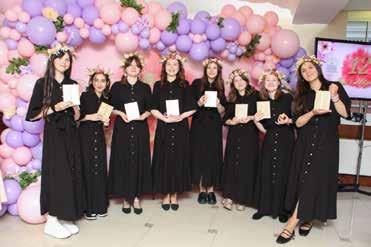
“I never imagined that by 2025 we would have 100 children in our day school, 60 students between the ages of eighteen and twenty seven attending our student programmes regularly, and 45 teenagers participating every Sunday.”
The organisation also runs Torah classes for women and girls and attracts around 400 participants for major events such as Purim and Chanukah.
“People are coming back for Shabbat. They’re coming back for Yom Tov. There is a real return happening.”
Many of the faces are new.
“There are people now who I never knew before the war.”
Alongside youth programming, Orach Chaim continues operating services for Holocaust survivors and elderly residents. Its orphan programmes support children who have either lost parents or come from deeply unstable family situations.
The upcoming campaign is being organised by Manchester-based Reb Yechiel Emanuel and Noson Feldman through the Orach Chaim Foundation. The goal is ambitious: raising $1 million in just a few days.
Rabbi Bleich says the funds are urgently
“The war showed us that danger may be outside, but our doors are never closed.”
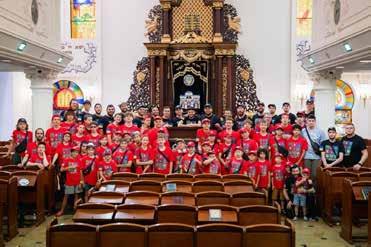
Many refugees remain displaced to this day. A hundred and twenty members of the community still live together in
“The first Shabbat back was emotional. Everywhere you looked, people were gone. Shops were closed. Schools had disappeared. Entire neighbourhoods had emptied.”
Yet despite the devastation, the community slowly began rebuilding.
Today, Orach Chaim is once again
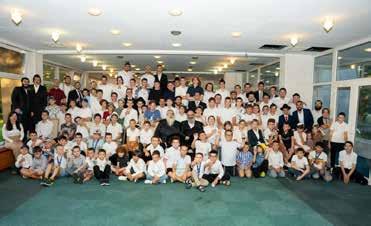
The conflict has also touched the community directly. Many men of military age remain unable to leave Ukraine because they are needed for national service. Community members are currently serving on the front lines.
One former camper made aliyah, served in the Israel Defense Forces and later returned to Ukraine as a volunteer. He lost a hand fighting on the front line.
“We have lost people. We have members of our community serving and fighting right now.”
Despite everything, Rabbi Bleich says he is witnessing a growing return to Jewish life.
needed to maintain programmes that continue supporting children, refugees, Holocaust survivors and vulnerable families affected by the war.
“It costs millions of pounds every year to keep these services running,” he said. “Before the war, 90 per cent of our donors were Kyiv businessmen. Today, it is not even 5 per cent.”
For Rabbi Bleich, the message is simple.
“The war is still going on. The needs are still there. But Jewish Kyiv is rebuilding.” And after everything the community has endured, that rebuilding itself may be the greatest victory of all.

@sabenyuk




















BY RABBI NAFTALI SCHIFF
What3Words:
Over the past two weeks, travelling across the United States and Canada for the US launch with Harper (Collins) Horizon for our JRoots film UNDENIABLE and book MIRACLE, I have found myself moving constantly between two starkly different Jewish realities.
One moment, speaking about the cattle trucks, the camps and the unimaginable horrors endured by fifty-one Hungarian teenage boys on Simchat Torah 1944. Listening once again to testimony of starvation, brutality, fear and loss.
Standing emotionally inside the darkest chapters of Jewish history.
Then, almost immediately afterwards, finding myself in some of the most affluent Jewish communities perhaps ever to exist in the long story of our people. Many magnificent homes. Immaculate lawns. Luxury cars. Swimming pools. Beautiful shuls. Communities blessed with prosperity, comfort and success. All these on the verge of a 10 week summer vacation of relatively care free fun, family and relaxation.
At times, the contrast has felt almost surreal.
Of course, none of this is to ignore the very real unease many Jews now feel. Across North America and beyond, the tide of anti-Israel and anti-Jewish sentiment has been rising alarmingly. University campuses, media narratives and public discourse have all shifted in deeply troubling ways. Nobody can say with certainty where these currents may yet lead.
And yet, despite those concerns, it remains true that by and large Jews in the West today enjoy levels of material comfort, security and prosperity unprecedented in previous generations. Luxury and user friendly personal tech gadgets sit quite literally at our fingertips. And perhaps precisely within that reality lies one of the great spiritual challenges of our era.
One of the recurring conversations throughout this trip has been about the unique power of JRoots journeys to Poland. Why is it that so many Jews, young and old- affiliated or less so, return from those experiences inspired, galvanised and positively driven ?
Part of the answer, I believe, lies in the rawness of the experience itself. Poland strips life back to its essentials.
It tears away the veneer. The superficiality. The endless distractions and noise of contemporary life. The virtual worlds, curated identities and relentless digital stimulation within which so many people now live.
In Auschwitz at least, nobody cares what designer trainers you wear.
Standing beside crematoria and mass graves has a way of bringing life into perspective and clarifying what actually matters.
It forces people to confront questions modern society often works very hard to help us avoid. Who am I really? What does it mean to be a Jew in 2026? What matters enough to live for? What matters enough to sacrifice for? What kind of life am I actually living and building?
In addition, connecting with pain and tragedy combined with fresh historical context and insight often strip away the ephemeral illusions of modern day life.
But this week I have found myself thinking about another kind of contemporary challenge entirely.
”הגאד
“The more possessions, the more anxiety.”
Our generation lives amidst a level of material abundance unimaginable to most of human history.
Palm trees, pools, luxury vacations, overconsumption. Endless variety of external stimulation accompanied by immediate and constant availability of unparalleled spending power in the palm of our hands. Food of our choice arriving at our front door within minutes. Every product available instantly. Every desire answerable on demand. Technology placing almost limitless distraction into our hands twenty-four hours a day.
Everything is available, immediate and disposable.

Because whilst we naturally associate spiritual struggle with persecution, hardship and loss, our Torah sources and lived experience repeatedly warn us that times of blessing and abundance may present no less dangerous a test.
The Ramchal in Mesilat Yesharim famously writes:
”ינש
“Poverty from one side and wealth from the other.”
Both carry self evident dangers that reach to core of our identity as Jews navigating today’s world.
As we read this week about the Jewish People poised to enter the Promised Land, the Torah describes a land flowing with milk and honey. A place of blessing, prosperity and abundance.
Yet again and again, Moshe warns the people about the dangers that would accompany success itself.
”טעביו
“Yeshurun shall become fat and rebellious.”
It is striking that the Torah does not only foretell what suffering may do to us. It fears what comfort may do to us.
Pirkei Avot echoes a similar concern:
Including, sometimes, the meaning and purpose of life itself.
The danger is not wealth per se.
Judaism has never glorified poverty.
Avraham and Yitzchak were wealthy. Yaakov amassed blessing.
Material success can enable extraordinary generosity, beauty, education, chessed and communal achievement.
The question is whether we possess our possessions or whether our possessions begin to possess us. Whether comfort becomes a platform for gratitude, responsibility and growth, or whether it can quietly numb a sense of appreciation and higher aspiration.
Because the essence of being a Jew is never merely to exist comfortably. In one kitchen of a palm tree surrounded family home I spotted a fridge magnet that read “Growth begins at the edge of your comfort zone.” A healthy reminder.
A Jew is always meant to strive. To grow; to deepen; to become more connected; more refined; more grateful; more purposeful; more spiritually and proactively awake to the myriad of life’s blessings, opportunities and challenges.
Never stagnant.
The challenge may arrive through suffering or through success. Through hunger or through overindulgence. Through persecution or prosperity.
Both pose dangers to living a purposeful, productive, meaningful life of proud Jewish communal identity.
Both can cause a person to forget where
they came from, to forget to Whom thanks is due, to forget the goal, the objective the meaning of life itself.
And perhaps this is one of the great hidden challenges facing the Jewish world today.
How do we raise resilient Jewish children surrounded by abundance, distraction and endless stimulation?
How do we ensure they remain deeply plugged into Jewish values, Jewish responsibility and Jewish purpose whilst living in societies blessed with comfort and consumption?
This is precisely why experiences like Poland or Israel and well planned and organised summer youth camps remain so transformative.
Poland, not because Judaism is built upon death. Israel, not because the current strife in and out defines us. Youth group experiences, not because we live in peer led communities.
But because moments of radical clarity and communal identity help people rediscover life.
The survivors we interviewed for Miracle did not emerge from the ashes dreaming merely of comfort and consumption. They dreamed of rebuilding Jewish life. Jewish families. Jewish joy. Jewish continuity. Jewish meaning.
Many of those who bear witness in the book Miracle lost everything materially and yet somehow retained extraordinary spiritual clarity.
And perhaps that is the question confronting our generation now.
Can we live surrounded by blessing without becoming intoxicated by it?
Can we inhabit a world flowing with milk and honey without drowning in the honey itself?
Jewish history has taught us how to survive suffering.
Our generation may need to learn how to survive success.

In this column Rabbi Naftali Schiff reflects upon 3 key words each week relating to contemporary and relevant issues.
All feedback is welcome- nschiff@ jfutures.org.
Rabbi Schiff is the Founder & CEO of the Family of Jewish Futures networks of educational organisations.




















22-30 JUNE 2027
Mehadrin Kosher
Entire Ship Exclusive to Kosher Travelers



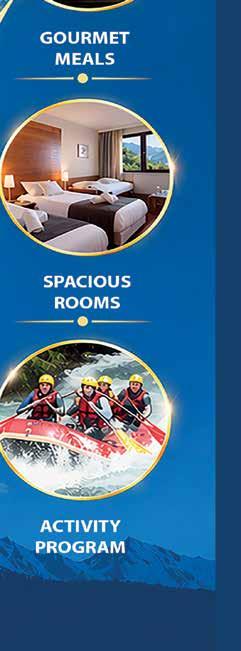
Embark on an unparalleled journey with the world’s only Kosher Travelers Svalbard Expedition.
Explore a remote Arctic wilderness of dramatic fjords, towering icebergs, and breathtaking northern landscapes. Encounter incredible wildlife, including polar bears, walruses, Arctic foxes, seals, whales, and diverse birdlife. All guided by seasoned professionals for a safe and unforgettable experience.




EARLY BIRD DISCOUNT TILL 30 MAY ‘26





* Ideal Cruise Season on the M/V Sea Spirit, Poseidon
* Freshly Prepared Gourmet Cuisine
* Daily Tefilla & Sefer Torah
* Shabbat atmosphere
* Boutique experience for 100 guests
* Personally Hosted by David & Chana

BY RABBI JESSE HORN
One of the Torah’s more well-known contradictions appears in our parasha: who initiated the sending of the spies? In Bamidbar (13:1–2), the command seems to come from Hashem, while in Devarim (1:22), Moshe blames Bnei Yisrael. Many explain this by reinterpreting one of the sections. Rashi (13:1), for example, reads Hashem’s command as permission rather than instruction. Perhaps, however, both sections can be understood literally. A textual difficulty in Bamidbar may point in that direction. Twice the Torah states, “And Moshe sent them” (13:3, 13:17), even though the spies departed only once. Why does the Torah describe two separate “sendings”?
Since the Torah presents two distinct “sendings,” perhaps Moshe sent the spies with two separate assignments. The first section focuses almost entirely on who was chosen. The Torah lists each spy and his tribe (13:4–16), emphasizing their stature and importance (see Rashi 13:3; Ibn Ezra 13:2). It even opens and closes with the phrase, “And these are the
names” (13:4, 13:16). Strikingly, however, no actual mission is described. The Torah says nothing about what the spies were meant to investigate.
By contrast, the second section undoubtedly focuses on the spies’ assignment, to investigate the land. They are to examine the nations in Israel, determine their population and military strength (13:18), look at the land itself (13:19), and see its produce (13:20). While, in the first assignment, the Torah communicates who should go, in the second, it communicates why.
Another important difference that the Torah presents is that the first assignment was “According to the word of Hashem” (13:3), something that the second does not seem to be.
Perhaps we can suggest that the first assignment was Hashem’s design, as “According to the word of Hashem” (13:3) indicates. The second assignment was Bnei Yisrael’s. It becomes evident that Hashem and Bnei Yisrael had different reasons for asking Moshe to send spies. Hashem was interested in who went, disregarding the details; while by contrast, Bnei Yisrael
wanted to hear about the details of the land.
Hashem, completely aware of Israel’s topography, geography and population, did not need spies to return with that information. Hashem wanted the leaders to lead; to return optimistically inspiring the people with confidence for success.
On the other hand, Bnei Yisrael, lacking confidence and questioning Hashem’s description, wanted to double check and hear about the land itself.
Based on this analysis, we can offer a new answer to our original contradiction. When Moshe called Bnei Yisrael the originators of the spies, critiquing them for their lack of confidence, he was correct. They initiated the second assignment; it was completely their idea. Yet, equally correct is the beginning of our parasha (13:1–2), where Hashem proposes sending of the spies.
The upshot is that the exact problem the spies were to fix, they had furthered. They honestly assessed the land, and accurately described it, but that only satisfies Bnei Yisrael’s request. It is not really why they were sent. Hashem wanted
them to come back dreaming of how they could conquer Israel. Hashem wanted them to inspire the nation; to spread confidence, not doubt.
The spies’ lack of confidence is most apparent in their description of the giants. They say “We were like grasshoppers in our eyes and in their eyes too!” (13:33). How the giants actually perceived the spies is not recorded due to irrelevance. What is important to note, is how the spies saw themselves, and therefore how they assumed the giants saw them. In addition to the obvious hard work, belief and hope are the secret to the Zionistic dream. Belief in ourselves and belief in Hashem is the formula for successfully inhibiting Israel. Then, and now, we must recognize our potential, strength and destiny and realize that faith in Hashem enables us to accomplish.
Rabbi Jesse Horn is a Senior Ra”m (Rosh Metivta) at Yeshivat Hakotel and Program Director of Mizrachi Mechanchim. He is a member of the Mizrachi Speakers Bureau (www.mizrachi.org/speakers).


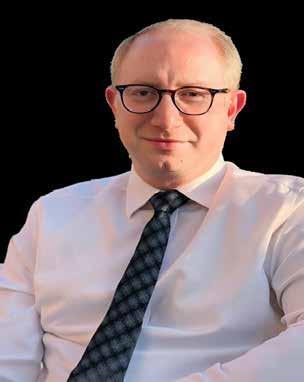

BY RABBI YAKOV SCHONBERG
Chullin 39b discusses whether we rely on an incident’s conclusion to inform us about the circumstances leading up to it and cites a Mishnah in Gittin 66a. If a healthy man instructed an agent to write a Get for his wife but said nothing about delivering it to her, we assume he intended to taunt her rather than to divorce her. In one incident, he gave this instruction, but the agent delivered the Get to the wife without being told to do so. The husband then went to the roof, fell, and died. The Mishnah rules that if he threw himself from the roof, committing suicide, the Get is valid, because we assume it was already his intention to commit suicide when he told the agent to write the Get. It can also be assumed that he intended for the agent to give the Get, but forgot to mention it under stress. His case is similar to that of a dangerously ill person who is sufficiently disoriented to fail to issue his complete instructions. However, if the wind pushed him off the roof and it was not a suicide, we must assume he said nothing about delivering the Get because he was not yet ready to divorce her. This is one of multiple examples in the Gemara concerning suicide, with ongoing discussions about how to justify each case. How does halachah view such a situation?
Shulchan Aruch denies certain rites of burial and mourning to a person who commits suicide (Yoreh De’ah 345). However, its definition of suicide is so restrictive that it is extremely rare to find a situation that meets all the conditions. It stipulates that the person was heard to say that he is going up to the roof, that he goes up immediately and falls, and that he does so in anger or distress. The Ben Ish Chai adds another condition: we do not know whether he repented (Rav Poalim vol. 3, Yoreh De’ah 29). Interestingly, in a study of survivors of jumps from the Golden Gate Bridge, contrary to the assumption that jumpers plan to end their lives without hesitation, almost every survivor reported immediate regret and an overwhelming instinct to live the second they let go of the rail. The Darchei Moshe writes that he is defined as having committed suicide only if he was warned not to go
up to the roof just before he did (Yoreh De’ah 345). The Birkei Yosef writes that a child or anyone with a mental impairment, such as a psychiatric illness, cannot be said to have committed suicide. The Yad Avraham adds the case of one who takes his life to absolve himself of his sins or one who does so for fear of torture (see Pischei Teshuvah loc. cit.). Although we view suicide with compassion, from an educational standpoint, it is important to emphasize that suicide is considered a fundamental sin against one’s faith and, subject to stringent conditions, is liable to capital punishment, even if it cannot be carried out.
Nevertheless, most poskim hold that one is obligated to save any person who attempts to commit suicide. People with suicidal tendencies often have a treatable depressive condition, and it is of the utmost importance that they be encouraged to seek psychiatric consultation. Rav Moshe Rotberg cites a study showing that suicide attempts declined significantly after such treatment (Medical Decisions in Halachah, pp. 40). More common, however, is the challenge posed by patients suffering from chronic ailments and debilitating pain. In the secular world, “death with dignity” is a slogan that carries considerable appeal, justifying removing comatose patients from respirators and allowing them to starve themselves to death. Actively hastening one’s own death by starvation is forbidden as suicide (Ran, Shevuos 10a, according to Rif pagination). In certain situations of terminal illness, generally defined in halachah as a medical condition clearly expected to be fatal within one year, treatment may be withheld. This is considered chayei sha’ah, temporary life. Mature halachic judgment is required to adjudicate the stringent conditions that apply and to distinguish between withholding and withdrawing therapy. These conditions include that the patient is suffering uncontrollably, or is unconscious with no hope of ever recovering consciousness, even for a moment, and, in addition, that the patient has indicated that he does not want continued treatment. For example, pain-relief medication such as morphine may be administered despite the risk of inducing cardiac arrest, provided that the dose is not lethal and is not administered for the purpose of terminating life. The qualifying details for these conditions are complex and sometimes controversial among poskim, so a competent Rav
should be consulted in all cases.
There has been a long-standing debate in the world of medical ethics about suicide or what has been called “mercy killings.” Rav Akiva Tatz identifies areas of divergence between modern Western values and practices and those of the Torah. In evolution-based systems, human life lacks inherent worth, with decisions guided by changing social norms. Quality-of-life concepts shift with trends, and humans are seen as expendable, like other biological entities, making human life no more valuable than that of animals, with accountability limited to individuals and conscience. Conversely, the Torah considers human life invaluable and subject to absolute accountability. These worldviews oppose each other.
In Western liberalism, autonomous self-determination is a core value, especially in a godless system where individuals decide for themselves. When choices don't conflict with others' interests, restrictions aren't justified. In halachah, however, autonomy is more limited, with constraints rooted in Torah values—some choices align with this standard while others do not. In secular thought, opinions vary on the extent of autonomy. Some argue it opposes external authority, while others believe acting according to accepted external authority remains autonomous. The debate centers on how much independence individuals should have. Additionally, there is a discussion on whether autonomy entails a duty to choose or merely a right. They all agree on a right to autonomous choice, but opinions differ on how strongly patients should be compelled to exercise it even if they prefer not to. Where are the practical limits set in the secular system? Currently, the only widely accepted limit is when an individual’s autonomous choice may harm others. Respect for autonomy remains a fiercely defended value. In halachah, there are three categories of patient choice:
1. Permitted choices, which patients must sometimes make (e.g., between acceptable therapeutic options with different risks);
2. Choices mandated

by halachah but not enforceable if the patient refuses (e.g., risky therapy to reverse a terminal condition);
3. Choices mandated by halachah that can be imposed on unwilling individuals (e.g., safe, lifesaving therapy). The halachic view differs from secular views by prioritizing objective halachic obligations over autonomous patient choice, which is only primary in certain cases.
Autonomy isn't a core value in halachah; it views body and life as not personal possessions. The Radbaz explains why testimony in matters affecting oneself is forbidden in capital and corporal cases but not in financial cases. Money is yours to deal with as you wish, but your body and life are not yours: who are you to incur lashes or death when those will be imposed on a body that is not yours (Radvaz on Rambam, Hilchos Sanhedrin 18:6).
A vexed issue regarding autonomy is the assessment of competence. When is the ability to choose compromised by mental, emotional, or illness factors? Secular norms focus on the capacity to choose, not the decision itself. In cases like a depressed patient requesting assistance in dying, the emphasis is on whether depression affects the request. There is a danger in over-respecting autonomy, as it can lead to inappropriate decisions. Data show that many patients requesting physician-assisted suicide weren't properly screened for depression. Currently, depression doesn't invalidate a request to die unless it compromises
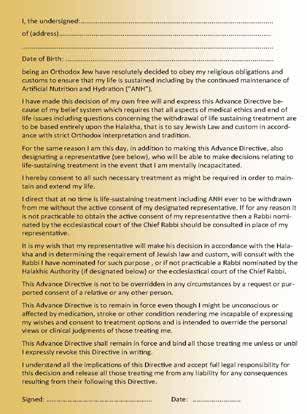
competence. In halachah, a request to die during depression indicates counseling is needed, not lethal drugs. Helping someone die instead of treating pain and depression is a breach of Torah law and ethics. Proper treatment often reduces the desire for death. Judaism values life and proper care over life's autonomy. Concerns about modern autonomy include uneven respect: those seeking to die are supported, even against medical advice, while those wanting to live face resistance. Respecting a patient's choice to die implies respecting their choice to live. Today, unreasonable death wishes are respected, but unreasonable life wishes are not (Dangerous Disease & Dangerous Therapy by Rav Akiva Tatz, pp. 217).
Medical facilities in jurisdictions across the US, UK, and elsewhere typically require patients to sign an advance directive. Without one, healthcare providers may default to standard secular practices that can conflict with Torah principles. A Halachic Living Will is an advance healthcare directive that appoints a trusted proxy to make medical decisions on your behalf if you become incapacitated. It also states that you are Jewish, that you want all care
governed by Jewish law, and that your agent must consult with a specific, named Orthodox Rabbi regarding complex medical questions. Additionally, you can name a Rav or Beth Din whom your representative and doctors should consult when making life-altering decisions. It should be drafted to comply with local law, which varies by country and state. In the UK, for example, the UK Mental Capacity Act requires all health and care staff to take a patient’s religious views and beliefs into account when carrying out instructions a patient has made. This applies specifically to how patients wish to be cared for and to whom they wish to have their care discussed on their behalf, to ensure that their preferences and wishes are understood. It is important to have your signature witnessed by a professional who can assess mental capacity. Once signed, you should keep the original in a safe place, provide a copy to your primary care physician, and carry a wallet-sized emergency card that identifies your nominated agent and Rav.
To contact Rabbi Schonberg, please email, yschonberg@gmail.com
To find out more, you can sign up at mercazdafyomi.com and receive a free gemoroh.


BY RABBI SHAUL YONATAN TAWIL
In this week’s parashah we encounter another tragic incident during the journey phase of the Jewish People in the wilderness. Korach the Levite and his followers, two hundred and fifty dignitaries from the neighbouring tribes, were casting aspersions as to the fact that the priestly duties were heavenly-allocated. The argument was not settled until the authenticity of Moshe Rabbenu’s and Aharon Hakohen’s divinely-assigned roles was miraculously verified. This happened when the main perpetrators of the dispute, along with their families and belongings, were swallowed alive as the ground opened up and they descended to purgatory alive. The two hundred and fifty dignitaries, who challenged Moshe by bringing ketoret- incense, also died instantaneously, as a clear sign to all that Moshe and Aharon had not just taken these positions on their own accord.
How did Korach manage to convince others to join his rebellion against Moshe Rabbenu, risking their lives for it, if they knew that the position of kohen gadol could only be occupied by one person?
Our Sages tell us that Korach managed to rally his neighbours to his cause, since those closer in proximity to a person are more easily influenced by him. Even without consciously joining or including oneself in one’s neighbour’s activities, a person is automatically affected, either positively or negatively. Just as one who walks into
a perfume shop, or on the other extreme, a leather tanner
is automatically affected. The scent attaches itself to the person even without him having any physical contact with the objects that emit a smell. So, it is with the actions and opinions of those in one’s environment, and even their way of talking. Until today, I still have a Mancunian accent even though I have been living in Israel for twenty-five years. It is so ingrained in me, that unless I make a conscious effort to change it, it will remain so.
Additionally, a person will be influenced by his surroundings and society, since he wants to be socially accepted by them. He does not want to feel different or stick out “like a sore thumb,” but rather, he wants to be popular and well-liked in his locality.
For these reasons, a person must be very particular when choosing where to live, to see who the neighbours are, where he will pray, what sort of educational system is available for his children, and what type of friends they will have. All these factors are highly influential on a person, whether he/ she is aware of it or not.
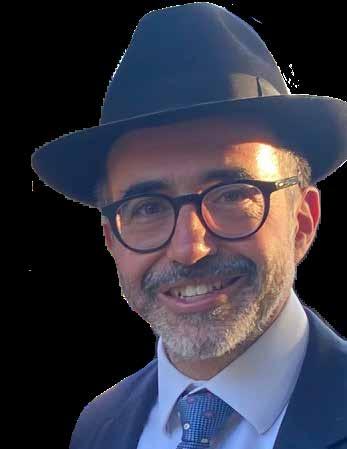
Similarly, when choosing a friend, we must consider if they are going to be a positive influence on us or not. A person who agrees to everything that we do or say is not necessarily the best match for us. A person who is willing to correct us when seeing a fault, or when they see us

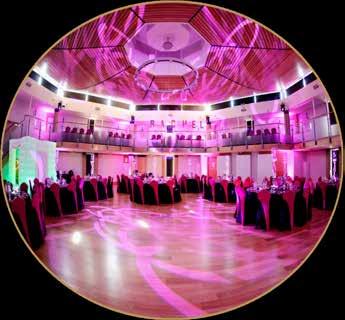












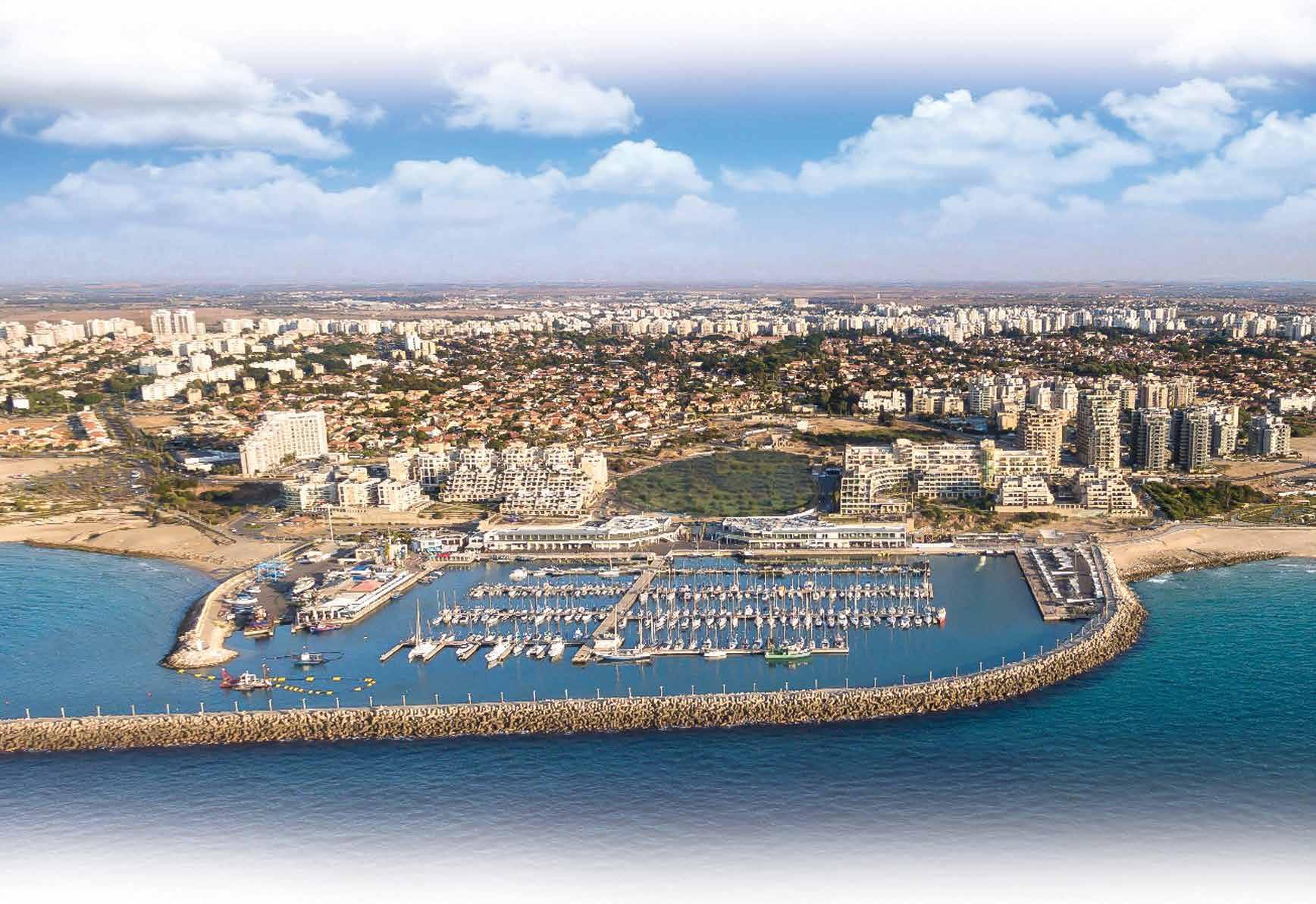




BY SHIRA JOSEPH
There was a time when giving 10% was simply part of being Jewish. Something you did without much deliberation, like keeping kosher or coming home for Shabbat. Tzedakah was baked into Jewish identity so completely that asking why you gave would have felt like an odd question. That default is eroding. And I think we need to be honest about it.
According to the Charities Aid Foundation’s latest UK Giving Report, charitable giving in Britain fell by nearly 10% last year. Six million fewer donors than a decade ago. CAF’s director put it plainly: “Giving is no longer a habit in this country.” The observant Jewish world still has its framework, but for the young Jewish professional who is proud of their heritage without being defined by halacha, nobody is handing them a system. And without a system, giving quietly disappears.
I was reminded of this recently when I sat with a group of employees on a corporate CSR day to discuss charitable giving. One person said something that stopped me: “I only give if I get something back.” My instinct was to wince. But I caught myself, because actually, that honesty is exactly where we need to start. The old model, give because you are Jewish and that is what Jews do, is fading. We can frown at what is replacing it, or we can understand it and work with it. I choose the latter.
GIFT’s mission is to inspire and enable lifelong giving, Tzedakah is a big part of that. Over the past few months I have been sitting down with young Jewish professionals and asking them directly why they give. What I found unsettled me, but it also gave me something unexpected: hope. Because the people who give without a ready-made framework have had to find their own reason. And when you find your own reason, your giving becomes conscious and chosen rather than inherited on autopilot.
Maybe the erosion of the default is not something to mourn. Maybe it is an invitation to reclaim tzedakah more deliberately, as a conscious expression of Jewish identity rather than a box to tick. But first we need to understand what is actually driving people. So here is what I found, and I want you to read it and ask yourself honestly: which one are you?
This is the person who gives when someone they trust asks them to. A friend running a marathon, a colleague’s WhatsApp campaign, a shul appeal from someone they respect. The cause is almost irrelevant. The relationship is everything.
This is largely the model that crowdfunding and charity campaign platforms have been built on, and it works. There is something genuinely human about generosity travelling through trust. But the social giver rarely initiates. If nobody asks, nothing happens. That is a fragile foundation to build a life of tzedakah on.
One young professional told me that when he was setting up his business in South Africa, his rabbi told him: if you want this to succeed, give charity. He laughed when he said it. He is not particularly religious. But he gives every month without fail because tzedakah, in his words, is the ultimate insurance policy.
On the surface that sounds transactional. But he has arrived, by his own winding road, at something ancient and very Jewish. The Talmud notes that tzedakah is the one area where we are actually invited to test G-d.
Every year before Purim I walk into a room of sixth formers and ask if anyone has money for matanot l’evyonim. Every single time: nothing, miss, sorry. So I hand each of them 50p and share four
case studies of families that GIFT supports, details changed for privacy. I ask them to decide where their 50p should go. And then something happens that I never get tired of watching. Once the stories are done, the students, the ones with absolutely no money on them, quietly start pulling cash out of their bags. They had money the whole time. They just did not want to give it. Until a story made a stranger feel real to them.
There is solid research behind this moment. Psychologist Paul Slovic found that people give more to an individual face and name than to statistics about thousands. In fact his research showed that when you combine a personal story with data about the scale of a problem, donations actually go down. The numbers make people feel overwhelmed and helpless. The story makes them feel they can do something. Information does not move people. Proximity does.
Of all the generous young Jewish adults I have spoken to, the majority share one thing in common. They watched their parents give. They saw tzedakah treated as a normal, visible part of family life, not a private financial transaction. And at their bar or bat mitzvah, a parent sat them down and told them to give 10% of their gift money to charity. One conversation at a significant moment, and it became a compass they have carried ever since.
This is how Jewish identity gets transmitted. Not through campaigns or communications, but through a parent making it visible and treating it as simply part of who we are. The question that keeps me up at night is how many of those conversations are not happening anymore.
This is the type I am actively trying to become myself. Every month I pick one cause I am passionate about and direct my tzedakah there. I genuinely look forward to it. It stops being something I
do on autopilot and becomes something I actually think about.
What I love about this approach is that it stays connected to your real life. If Hatzola helped my family this month, they get my donation next month. If a friend tells me JAMI supported her husband through a crisis, that is where I give. Tzedakah becomes woven into your experience rather than sitting in a separate compartment of it. To me, that feels like what Jewish giving was always meant to be.
So here is my conclusion, and it is not entirely a dark one.
Yes, the default is gone. The generation that gave 10% without much reflection is giving way to one that needs a reason. That is genuinely concerning because reasons require cultivation, and cultivation requires effort. But a generation that gives intentionally, that has thought about why and to whom and what it means to them as Jews, is not a lesser generation of givers. It might actually be a more powerful one.
The question is whether we do the work to get them there. Are you having the bar mitzvah conversation with your children? Are you letting them see you give, and see you think about why?
Giving does not decline on its own. It stops being passed on. The default may be gone, but the identity does not have to be. We can reclaim tzedakah not as something we do because we are supposed to, but as something we choose because of who we are.
Which type are you? And what are you passing on?
Shira is extremely passionate about Jewish Education and has previously held roles in Hasmonean High School and St Johns Wood Synagogue. Shira has been working for GIFT Charity for 11 years in various positions and is currently the programme director responsible for overseeing a lot of the projects and activities in order to engage the community in acts of giving.




Dear Rabbi
I got married a year ago. I always assumed my husband was more religiously inclined. I want to keep my marriage spiritually strong, but I have come to discover that my spouse isn’t into synagogue, prayers, or anything beyond some traditions. How do we make our relationship meaningful for both of us?
Lindsey
Dear Lindsey
This is a heartfelt and common challenge - wanting to share your spiritual life with your spouse while recognising that each of you walks your faith journey differently. First, know this: a spiritually strong marriage doesn’t mean you have to be identical in beliefs or practices. In fact, the diversity can be a strength, offering opportunities for growth, empathy, and creativity in how you connect.
If your spouse isn’t drawn to synagogue, consider stepping back and asking: What spiritual values do you both share? From those shared values, you can build rituals that feel meaningful for both of you. Maybe lighting Shabbat candles together isn’t in the cards but taking a quiet moment on Friday night to unplug and talk about the week’s blessings can be just as sacred and a good starting point.
And remember, honouring your spouse’s path means accepting their relationship with spirituality as uniquely theirs. Trying to force your practices onto them might lead to resistance; but inviting them gently to experience some of your traditions with curiosity and openness can be powerful.
Ultimately, your marriage becomes a sacred experiment, where two different spirits blend and grow together. When
you nurture respect, kindness, and openness, you will create the spiritual atmosphere that works for both of you. That sacred space is the real blessing.
Dear Rabbi
I’m exploring the story of Genesis and I have been wondering: If Cain inherited his nature from Adam and Eve, who were created in G-d’s image, where did his capacity for murder come from? Also, when G-d says, “Let us make humans in our image,” who is G-d talking to?
Leon
Dear Leon
These are profound questions that touch on the core of human nature and our spiritual identity. Let’s start with Cain. It’s tempting to think that his behaviour was simply inherited from his parents, but Judaism teaches us about free will - the gift and challenge G-d gives every person to choose their own path. We might have a genetic propensity towards certain behavioural patterns, but we don’t have to give in to them. While Adam and Eve were created in G-d’s image, that image includes the ability to make choices between good and evil. So, Cain’s capacity for wrongdoing wasn’t handed down as a genetic flaw but was a personal decision. Life
constantly tests us in how we relate to G-d, others, and ourselves. Our choices, not just our origins, define who we become.
Regarding the phrase “Let us make humans in our image,” many sages understand this as G-d speaking to spiritual beings or angelsnot in a literal family conversation, but as a divine way of expressing the lofty status of humans.
Being created in G-d’s image means we share certain spiritual traits like creativity, moral awareness, and the potential to elevate ourselves spiritually. We aren’t simply aiming to escape to heaven; rather, we are called to bring that sacredness into the world around us.
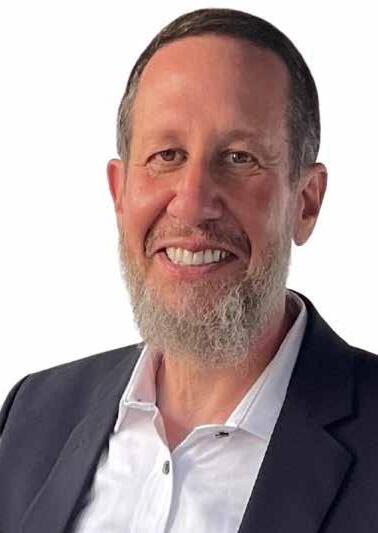
The essence of both these ideas is this: we are endowed with great spiritual gifts and
responsibilities, and how we use them is what truly shapes our destiny. So, choose wisely.
As
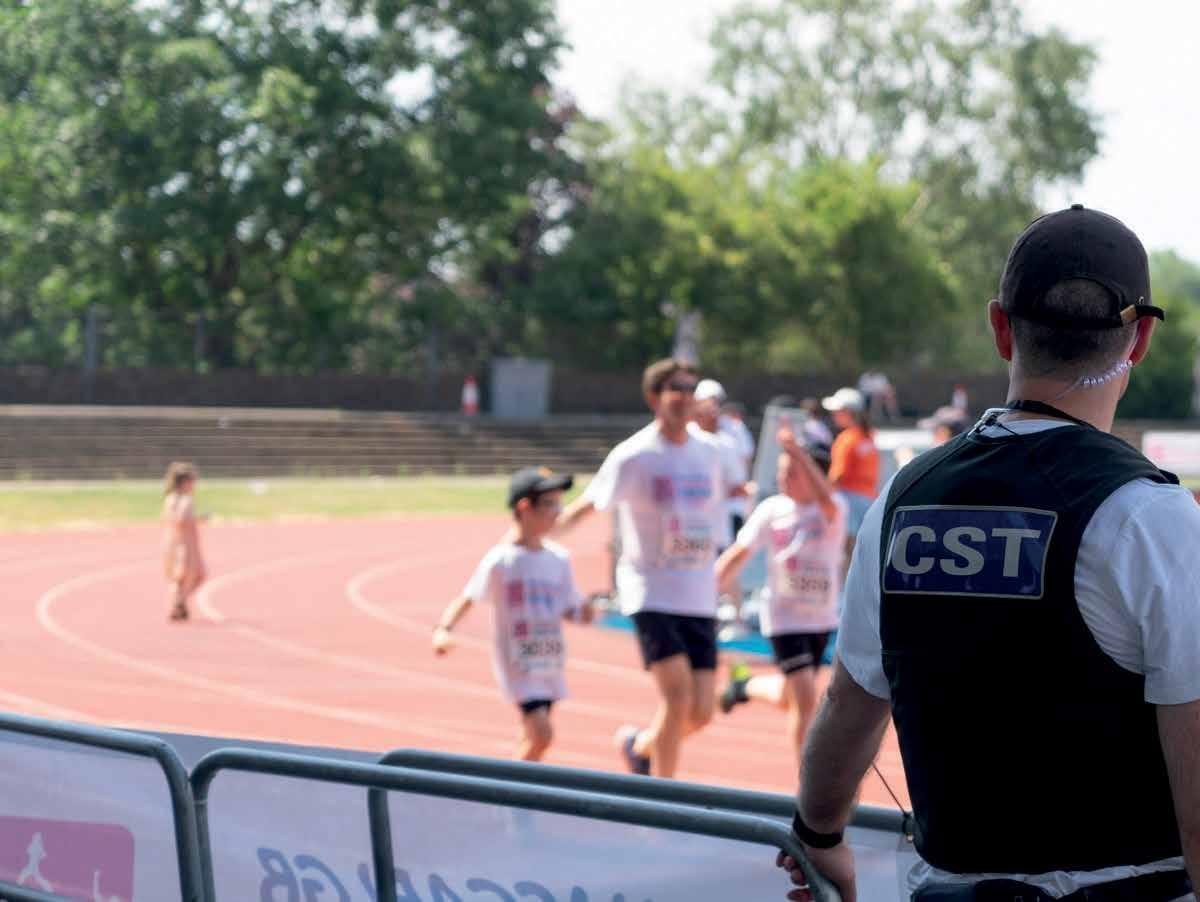


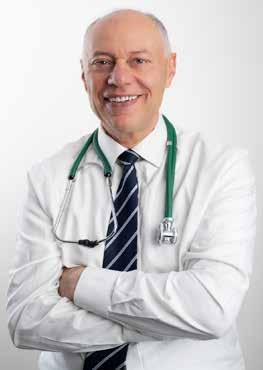
L E T Y O U R J O U R N E Y H O M E B E G I N W I T H U S


J E R U S A L E M
M a m i l l a
2
r o o m s
2 b a t h r o o m s
D o o r m a n b u i l d i n g
G y m & S u k k a h
G r e e n v i e w s
Asking Price:
₪ 5 , 1 5 0 , 0 0 0

H A D E R A
O l g a B e a c h
L u x u r y D u p l e x P e n t h o u s e
4 3 9 S Q M
5 b e d r o o m s
L a r g e b a l c o n i e s , s e a v i e w s
P r i v a t e p o o l
Asking Price: ₪ 6 , 7 0 0 , 0 0 0

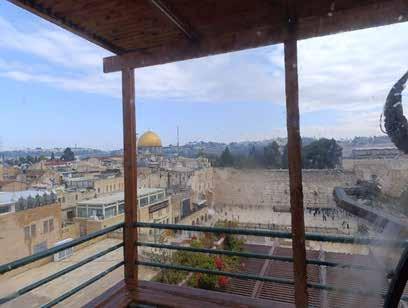
G a r d e n u n i t
O n e l e v e l
3 l a r g e b e d r o o m s
T u r n k e y
B e a u t i f u l l y d e c o r a t e d
P r i c e o n R e q u e s t

E D E N H I L L S
2 r e a d y - b u i l t h o m e s
S o l d a s s h e l l i n s i d e O p t i o n t o c o n n e c t o r b u y i n d i v i d u a l l y
7 m i n u t e s t o R B S P r i c e d u n d e r m a r k e t v a l u e !
Asking Price: ₪ 5 , 5 0 0 , 0 0 0 / p e r u n i t




Relocation
Dedicated project management - from purchase to handover & beyond
• Ongoing property management & rental oversight

Ashkelon new projects and existing options. Luxury sea facing first line options & Ir Hayayin New Area entry level options & pricing.

Netanya luxury sea facing projects and options in Ir Yamim & Shirat Hayam. Walk to beach, pool & gym in complex offering beautiful spacious homes. 5 Rooms with attached additional rooms

New projects & existing options in Aleph, Gimel, Hey, M3 Beit Shemesh & surrounding areas. 3,4,5,6 Rooms Garden and Penthouses options

Carmei Gat new projects & existing options. 2,3,4 bed. Garden & Penthouses & Villas in new Anglo areas with limited pre-sale pricing & payment options

Beautiful villas, houses & apartments. Opportunity to be part of new Yishuv and close to the city with your own home in Dati Leumi community. Various options and sizes to suite all families


New projects high rise & boutique small building options. In all areas limited pre-sale options in prime locations. 2,3,4 bed options, Garden & Penthouses

New projects & existing options, prime locations ready soon or in few years. Limited pre-sale options and prices with no index. 3,4,5 Rooms Penthouses and Garden options

Highrise or boutique building projects & existing options including Old North walk to beach sea views. Pre-sale pricing and payment options on selection of options

This week’s Parshah tells the story of the meraglim, the spies who were sent to explore the Land of Israel. Hashem told Moshe to choose twelve leaders, one from each tribe, to travel through the land and report back on what they saw. The spies spent forty days travelling around the land. When they returned, they brought back huge fruits to show how rich and fertile the land was. However, ten of the spies gave a frightening report. They
said that the cities were strongly protected and that the people living there were too powerful to defeat. Only two spies, Yehoshua and Kalev, remained confident. They told the people that Hashem would help them conquer the land and that there was no reason to be afraid. Sadly, the Jewish people listened to the negative report of the ten spies and became very frightened. They cried and complained, saying that they did not want to enter the land.
The goal of a word wheel puzzle is to create as many words possible with the letters in the word wheel.
Each word must contain at least three letters. You can only use each letter once and every word must have the letter in the centre of the wheel.
Hashem was very disappointed by the people’s lack of trust. As a result, He decreed that the generation who had left Egypt would not enter the Land of Israel. Instead, they would wander in the desert for forty years, one year for each day the spies had spent exploring the land. Only Yehoshua and Kalev would live to enter the land.
The Parshah also teaches several important mitzvot. One of these is the mitzvah of separating challah.
When making dough from the produce of the Land of Israel, a portion is set aside as a special gift for the Kohanim. Finally, Hashem gives the mitzvah of tzitzit. Jewish men wear garments with special fringes attached to the corners. The tzitzit remind us to keep Hashem’s commandments and follow His ways. Every time we look at them, we remember our special connection to Hashem and our responsibility to live as proud Jews.
Two men, a Jew and a Gentile, were marooned on a desert island. The Gentile immediately got to work, dragging rocks to spell out “SOS” in huge letters on the beach, gathering driftwood to build a bonfire, and thinking about ways to build a boat.
The Jew, however, merely sat on the beach and waited.
“What’s the matter with you?” the Gentile exclaimed. “Don’t you want to be rescued?”
The Jew said calmly, “Look, I live in a city with a big Jewish Federation. Last year, I donated a million dollars to them. The year before, I donated a million dollars to them. This year, wherever I am, they’ll find me!”
This unique twist on the classic Sudoku puzzle uses the Hebrew letters א through ט instead of numbers 1–9. The rules remain exactly the same: each row, each column, and each 3×3 box must contain every letter once — without repetition.
החלצהב — and enjoy the puzzle!
Q: Why did the scarecrow win an award?
A: Because he was outstanding in his field!
Q: What do you call cheese that isn’t yours?
A: Nacho Cheese!
Q: Why don't skeletons fight each other?
A: Because they don't have the guts!
Q: What did the ocean say to the beach?
A: Nothing, it just waved!
What starts with E, ends with E, and only have one letter?
2. What words begins and ends with T, and is full of T? 3. What has many keys but can’t open a single door?