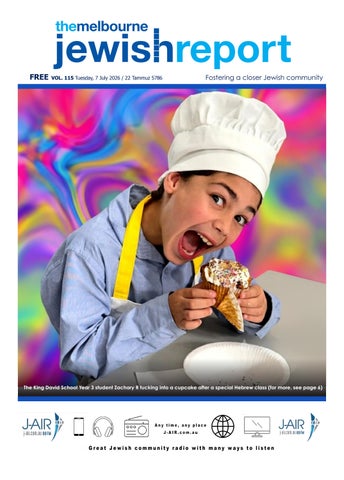
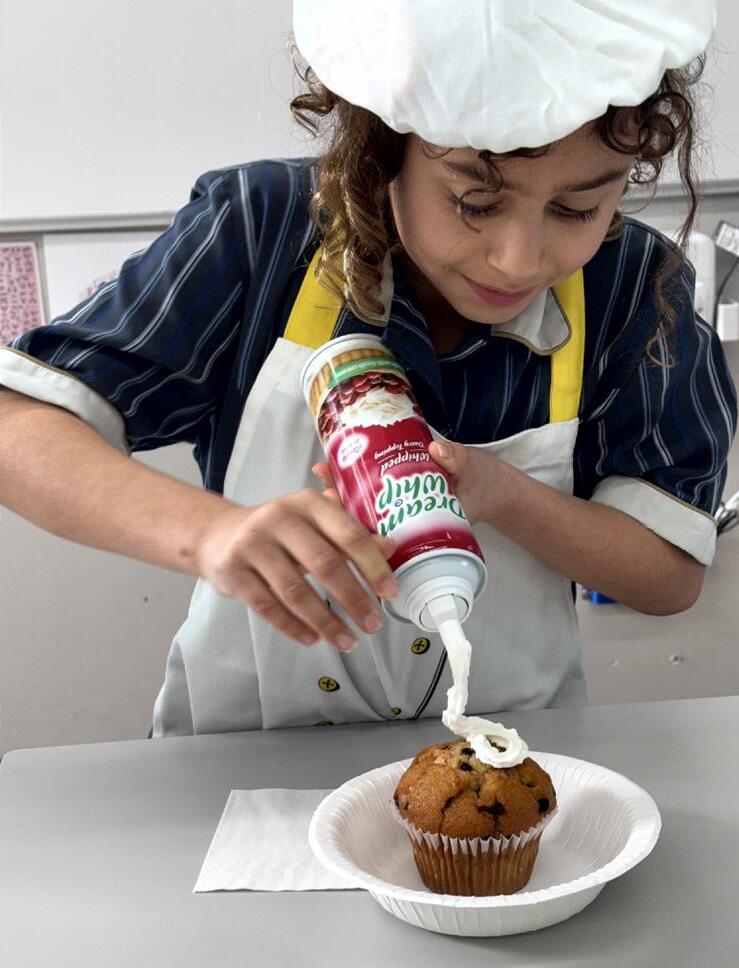
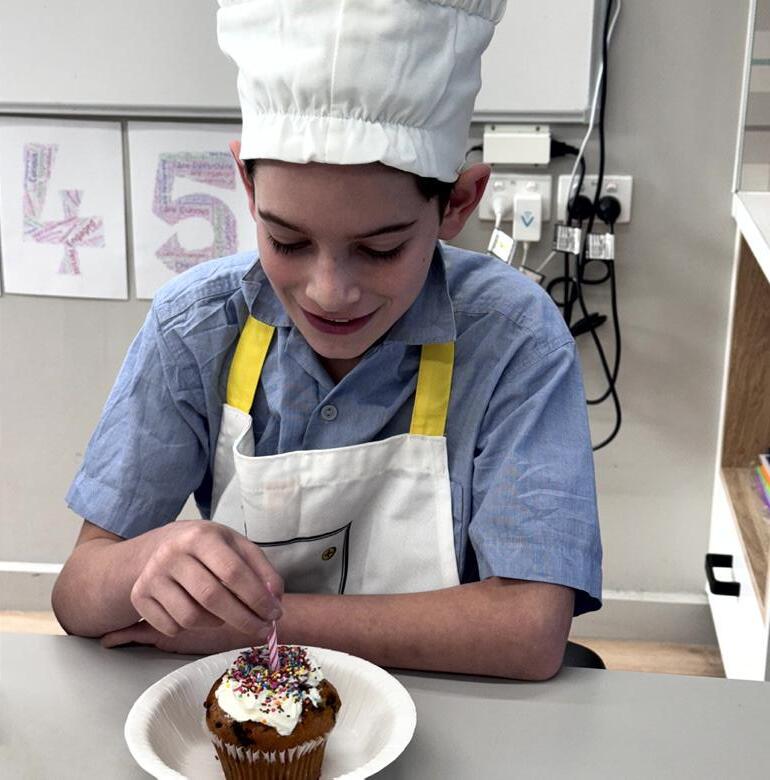
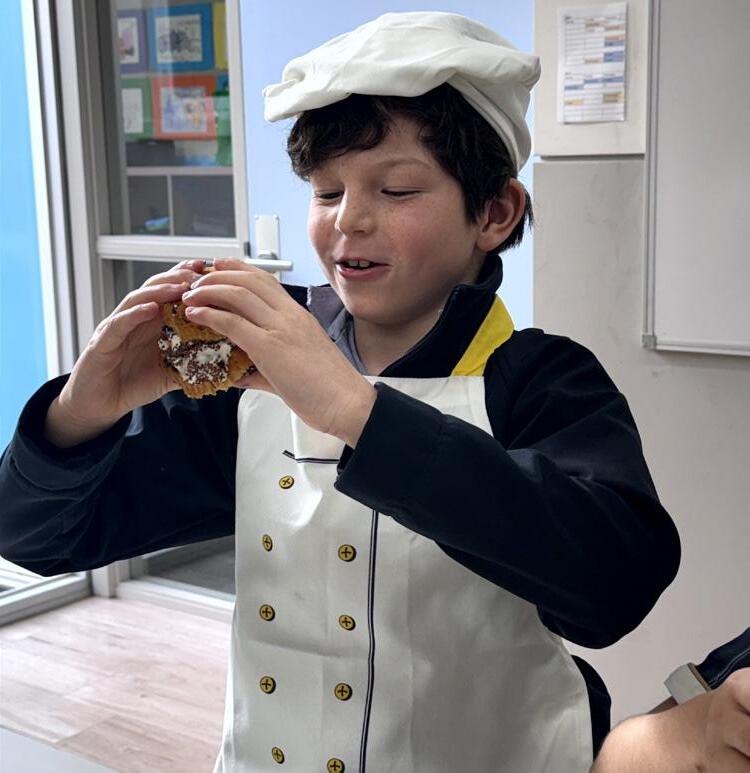
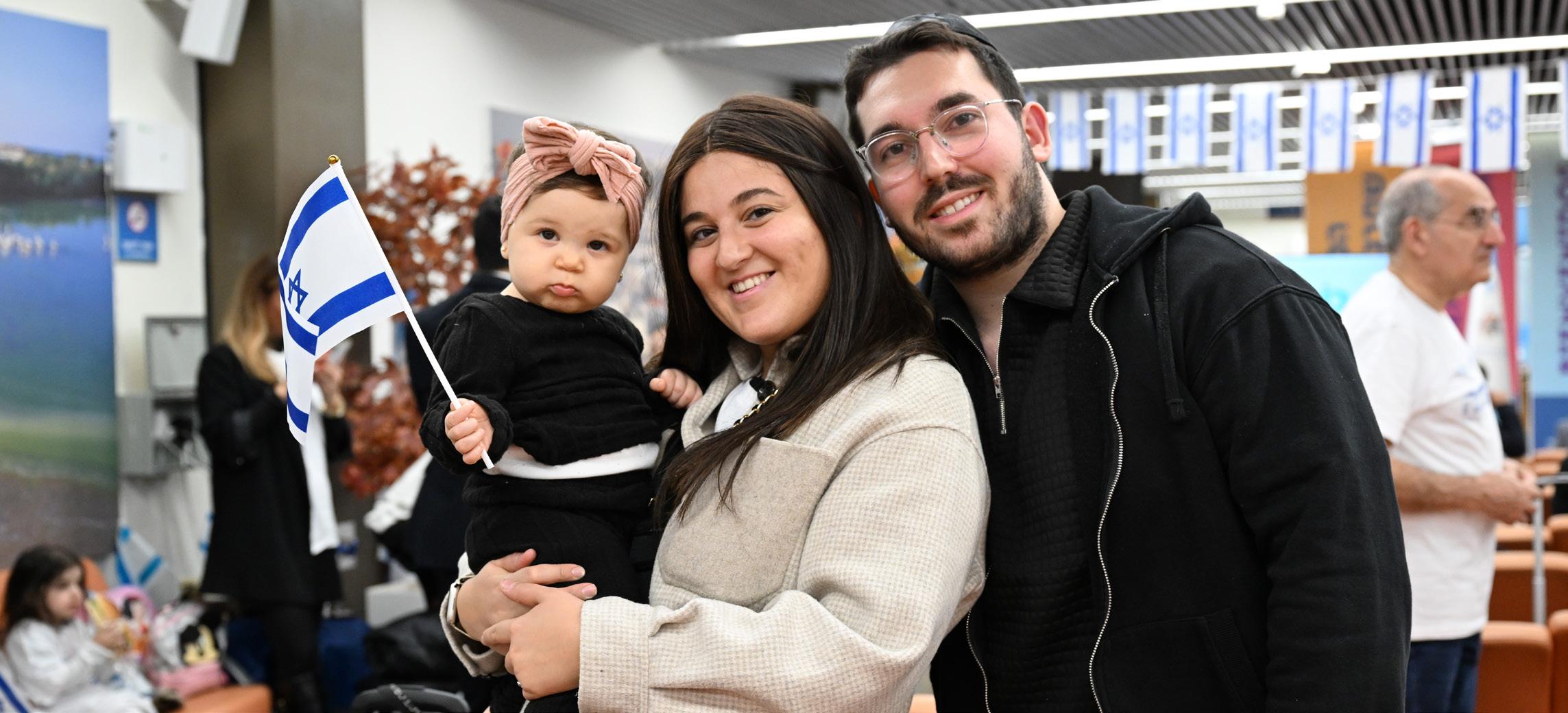
The King David School Year 3 student Zachary R tucking into a cupcake after a special Hebrew class (for more, see page 6)
ANNE-MARIE ELIAS CONSIDERED OPINION
Recently a friend celebrated a milestone birthday. In fact, his family and friends were celebrating. He was finding it extremely difficult to cope and would flinch each time he received a message or card in which the ‘magic number’ was displayed.
While some struggle only with certain birthdays, others find each year difficult. Of course, there are many people who love to celebrate their birthday, irrespective of the number.
Let’s consider what happens from a psychological perspective when we are approaching a milestone birthday.
It can be a time when we may pause and take stock of our lives. Like the start of a new year, a milestone birthday can be the perfect time to take advantage of a fresh-start or a reset. According to researchers at the Wharton School at the University of Pennsylvania, it can spur a mental accounting that motivates movement toward desired goals. If you experience birthday blues, it may be for the following reasons: birthdays activate reflection. We start to compare our past, present and imagined future
CROSSWORD
Coping with milestone birthdays
selves. We might ask questions like: have I achieved enough? Am I happy with who I am? This self-talk can trigger mixed emotions. Try to focus on positive reflection and not indulge in self-criticism.
A milestone birthday, often with a zero or five associated with it, can actually trigger a grief process or existential crisis. Are you grieving the passing of time? Irrespective of our gratitude or success, birthdays highlight the finality of time and our mortality. We may start to consider our childhood simplicity, missed opportunities or people we have lost along the way. Is there an expectation that you will celebrate your birthday in general and your milestone in particular with a grand celebration? When you do not want this type of celebration, it may be difficult for
Dingbats
your loved ones to understand and/or consider your wishes as to how you would like to experience the day.
The memories of sad or traumatic events that occurred around the time of previous birthdays can be reawakened each year, making it difficult to experience joy in the present year. The occurrence of a lifealtering event that influences our outlook on life can also significantly impact our view of celebrating birthdays. Remember to mark the occasion in your own way. You do not need to do what others may wish to.
If you are someone who has been a long-time sufferer of the birthday blues, or someone who just wants to see what all the birthday fuss is all about there are ways to make your birthdays a cause for celebration:
• Build in moments for reflection, gratitude and goal setting.
• Make your birthday like an annual software update for improving your daily life.
• Remind yourself that you matter and that your existence is worth celebrating in the manner of your choosing.
• Don’t disregard the birthday wishes from others. When someone takes the time to acknowledge your birthday, they are essentially saying that you are important and they want to acknowledge you.
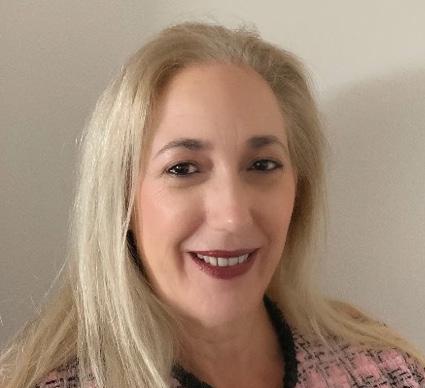
Anne-Marie Elias is a psychologist in clinical practice for 25 years.
8. Comic whose real last name is Leibowitz
9. Trim grass
10. Prophet who learned from Elijah
11. Hummingbirds love it
12. Some stadium workers
17. They phone home?
18. Busted boozer's offense, for short
23. Commoner, briefly
24. Fancy
26. Waspy actress Lily?
29. Peron or Gabor
31. Finish (a game)
33. Endor resident
34. Whistle blowers
35. Wear out to exhaustion
36. Shul wear
40. They're so tired
41. Handyman's assignment
42. Midreshet ___ (Yerushalayim school)
43. Cara and Ryan
45. Knows about
46. Scarfed (down)
48. "Uh uh"
49. Creature alluded to in the "land of milk and honey"
52. Guevara and others
54. Ancient lifeboat
55. It can make a molehill out of a mountain
52. NBA's Brown or White in 2026, e.g. 53. Dayonahg
Finished 57. Zip 58. Spooky sounding lake
Enjoy the sun, perhaps 60. Foes of Saruman, in "The Two Towers"
Blue man group, for short?
Readies, as leftovers
Bathing suits, to Aussies
One learning at 42-Down
Exception lead-in
Friday night staple
Ramaz
YONI GLATT KOSHER
AROUND THE COMMUNITY
ROBERT GREGORY CEO AUSTRALIAN JEWISH ASSOCIATION
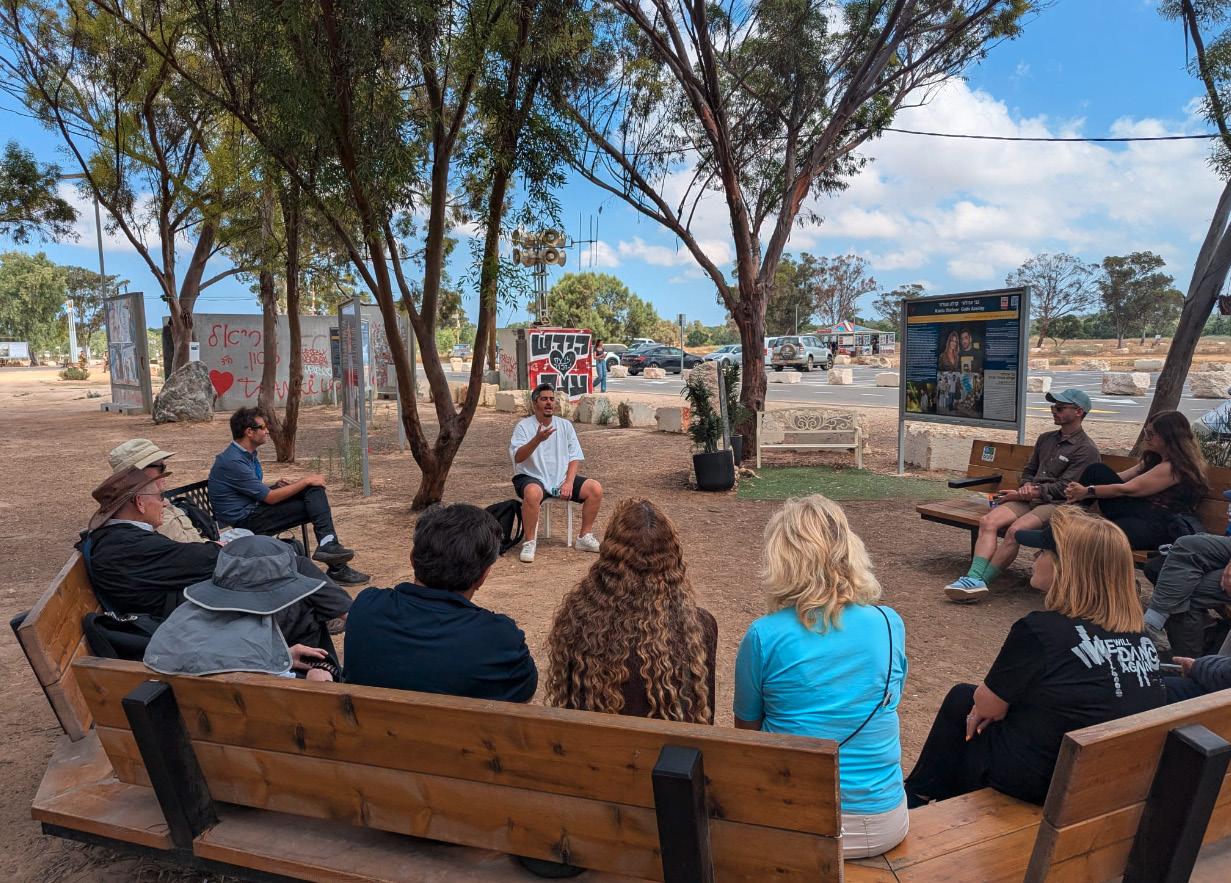
In the days before the Australian Jewish Association's (AJA) 2026 Israel Mission, renewed hostilities broke out with Iran. Several Australian tours were cancelled and there was pressure for AJA to do the same. Instead, we proceeded with the mission and participants were rewarded with another unforgettable experience.
Former Sydneysider Josh Koonin again curated an outstanding itinerary, blending biblical history, current affairs, security, archaeology and Israeli society. About half the participants from last year's mission joined again. Every activity was different. The same will be true again next year.
Among the highlights was two days exploring Judea and Samaria. As guests of the Samaria Regional Council, we visited biblical Shiloh, where the Mishkan (Tabernacle) once stood, Joshua's Altar
The Israel most tourists never see
We also heard from Gadi Taub, Jonathan Spyer and Khaled Abu Toameh, and were hosted for dinner by the Assyrian Supreme Council, experiencing another of Israel's unique
CONSIDERED OPINION
DR DVIR ABRAMOVICH
I walked into the National Holocaust Museum in Amsterdam and a boy stopped me cold. It is the first thing the place hits you with. There it is, a huge image. A boy on a dirt road, walking. On both sides of him, bodies. Not one. Not ten. Hundreds. Starved to the bone, dumped where they dropped, sinking into the mud. Bergen-Belsen. April 1945. This is where antisemitism ends up. We Jews have a name for our part in this. The canary in the coal mine, the little bird that died first when the gas crept in, so the miners knew to run. When they come for us, we tell the world: you are next. We have said it for 80 years.
Antisemitism is not a wound cut into Jews. It is a rot that spreads through everyone who opens the door to it. And it does not sit quietly. The people who swallow it are three times more likely to reach for violence. Left. Right. Believe the lie and the fist is already half made.
This is how a free country dies. Not with a bang. Quietly. Say all this to non-Jews around you and some shrug. A Jewish problem, they think. Yours to carry.
So, tell them to watch who points at us. Once it was torches in the dark. Now the hate marches in broad daylight, down our own main streets, and it has learned to sing. “Globalise the intifada”. “From the river to the sea”.
Here is the part that should scare them more than any headline. This poison does not stay in the Jewish corner. The whole country drinks it. It teaches people to see a plot behind every problem, a traitor in everyone who disagrees, an enemy in anyone who steps out of line. It splits an easy-going country into them and us, and dares you to choose. The right to argue out loud, to think for yourself, to live beside people nothing like you, all of it rots. By the time the poison reaches your door, it has already changed what your country is.
Watch the movement and you will not need me to name it. It storms the lecture theatres and shuts the speaker down. It pins up lists of names. Enemies. Blood on their hands. It rips the poster of the stolen baby off the wall. It calls a massacre resistance and a murdered grandmother a settler. The worship of violence, of intimidation, of threats. There is an old word for all of that at once, and it is not progressive.
And it is not only the rabble in the street. It wears a suit now. In New York, Mayor Zohran Mamdani branded the main pro-Israel lobby AIPAC “monsters” moving “dark money” to “turn us against one another”, the oldest slander going with one word swapped. At home, Greens senator David Shoebridge sat silent on a podcast while the host ranted that Zionists run paedophile and trafficking rings and have “hijacked” our government.
Now the part they always miss. We are the first target. We are never the last. This movement runs a purity test and you will fail it. The gay man who will not chant is smeared as a fraud. The woman who says Hamas raped Jewish women on October 7 is screamed down as a liar. The
First they came …
worker who asks why his union is chanting about a war on the far side of the planet is branded a fascist. The liberal who still believes in free speech becomes the enemy of the people. Incitement does not stay in its lane. A crowd that learns to cheer violence against one of us learns to cheer it against any of you.
And watch the words they reach for. War criminals. Baby killers. Genocidal. Hang those words on a whole people and you have not won an argument. You have lit the torch for a lynch mob. And a lynch mob never stops at the first name.
A country that marinates long enough in the idea that one kind of person is fair game will, sooner or later, watch a man pick up a gun.
The worldview never changes. Some people are not people and killing them is allowed. It takes Jews first. It does not take Jews only. It never has.
So do not fight this for us. We are not your warning bird. We are not your sad lesson from a sadder century. Fight it because the hate in our streets is already walking towards your door.
Towards your kids. Towards everything you told yourself was safe. Say antisemitism the way you would scream “fire” in a packed room, because that is what it is.
And here is the trap they have set for you. The word they hunt with is not “Jew”. It is “Zionist”. And a Zionist, to them, is anyone who thinks Israel has a right to exist. That is most Jews. It is millions of Christians. It may be your neighbour, your boss, the bloke at the footy who says a country should not be wiped off the map.
Watch how it already works. On a Melbourne flatmate page called Fairy Floss, with half a million members, the room ads read “no zios, zio free”, slipped between the love-hearts and the clean kitchen benches. No Jews. Not here. Not ever.
And do not tell yourself this stays small. The poison is already creeping into every corner of this country. The schools. The unions. The universities. Parts of the media. The arts. The town halls. The staff room. The group chat. Soon there is no quiet seat left anywhere. Refuse to march for the death of Israel. Refuse to chant for it. Stay silent when the howling pack wants its slogan and you are marked too, an enemy, a target, a name on the list. There is no such thing as neutral anymore. A New York cafe branded a Jewish congressman in its window: “we don’t serve genocide enablers”.
And hear this, you who think you are safe because you are not a Jew. You are not safe. You never were. This is not a movement. It is a machine and it was built to do one thing: destroy anyone who will not kneel. Silence you. Blacklist you. Cancel you. Take your job, your name, your good standing and burn them in the street while the crowd cheers.
And the next throats it reaches for are not only Jewish. They are yours. The decent soul who will not scream for a nation’s death. The friend who shared the wrong post. The second you stand beside the Jew, the Israeli, the Zionist, you put on his target, and they will hunt you for it without mercy and without end. No apology buys you back.
No record is clean enough to save you. A mob that has learned to destroy a human being for what he believes does not stop, does not tire, does not forgive. It will run out of Jews long before it runs out of hate. And on that day, it turns its burning eyes on you.
And here is the plainest test of a free country and ours is failing it.
When a whole people has to hide who they are just to stay safe, take off the Star of David, tuck the necklace with a map of Israel under the shirt, remove a kippah, go quiet about where they
were born, that country is already sick. A nation that teaches its Jews to vanish has built the machine that will, one day, teach you to vanish too.
A democracy stops being a democracy the moment one group of its people is hounded without end. Discriminated against. Attacked. Harassed. Blacklisted. Shut out. Made to live in fear, every single day, for nothing but who they are. The flag still flies. The elections still run. But a country that does that to one people is not free. It is a democracy in name only and the name will not save it.
A democracy rests on one promise: you are judged for what you do, never for what you are, and no mob decides who belongs. Cut the Jew out of that promise and it dies for everyone. Today the word is “Zionist”. Tomorrow, it is whatever they decide you are. Too loud. Too moderate. Too free in the way you think.
A country where one word decides who keeps their job and who has to go into hiding is not run by laws. It is run by mobs. And a mob never keeps the same enemy for long. The shield they are tearing off the Jew right now, in the open, while you look away, is your shield too. Let it fall and the day they come for you, you will reach for that shield and find it gone. You let them rip it off us first. Now there is nothing left to save you. American historian and diplomat Deborah Lipstadt left us the line to end on. If you love freedom and you hate tyranny, you can do no less than fight this hatred. There is no free country that survives letting it win. Their fight was always your fight. You were just never told.
Dr Dvir Abramovich is chair of the AntiDefamation Commission and the author of eight books.
Dr Dvir Abramovich
KATHY KAPLAN OAM DIRECTOR BET-OLAM AROUND
THE
COMMUNITY
Most of us remember our firsts. Our first pet. Our first job. Our first home.
That first time our first born handed us their first born. We celebrate firsts. We photograph them. We tell stories about them for years afterwards.
Lasts, though, are different. The last time we sat around a family table together.
The last time we spoke to a loved one. The last holiday we took together. Most of us never know when what we are doing will be the last time we will be doing it. That’s part of what makes those moments so precious.
Jewish tradition understands this better than most. While much of modern culture encourages us to focus on what comes next, Judaism invites us to pay attention to what is happening now. Shabbat arrives each week and asks us to stop. Festivals interrupt our routine and ask us to notice.
Life-cycle rituals help us mark transitions rather than rush past them. In a world obsessed with the future, Judaism reminds us that today's ordinary moments are often tomorrow's most treasured memories.
Most of us can identify a moment we wish we had appreciated more fully:
The last time we did something
That final family gathering before the diagnosis that changed everything. The last visit we cut short because we thought there would be another. The last chance we had to ask a question whose answer disappeared with them. We assume there will be another opportunity. We assume there will be a tomorrow. Usually there is.
But sometimes there isn't. And that may be one of life's most important lessons. Recognising that every experience might be our last encourages us to be more present, more grateful and more attentive. It reminds us to ask questions while we can. To take photographs. To record family stories. To express appreciation. To spend time with the
people who matter. It also reminds us that planning ahead is not about dwelling on death. It is about caring for the people we love. One day, someone will have a final conversation with us. One day, someone will attend a final family gathering that includes us. One day, those who love us will be left not only with our possessions but with their memories of us.
The question is not whether that day will come. The question is what we leave behind when it does.
Will our loved ones know our wishes? Will they know our stories? Will they know what mattered most to us? The greatest gifts we leave are rarely financial. More often, they are clarity, memories, values and love. Perhaps that’s why Judaism places such emphasis on remembrance.
A life is not measured only by its beginning or its end.
A life is measured by its “dash”, the space between birth and death. It’s measured by all those ordinary moments in between: meals shared, stories told, kindness offered and relationships nurtured. We may never know when we are doing something for the last time.
But knowing that possibility exists can inspire us to make today's “ordinary” moments count even more.
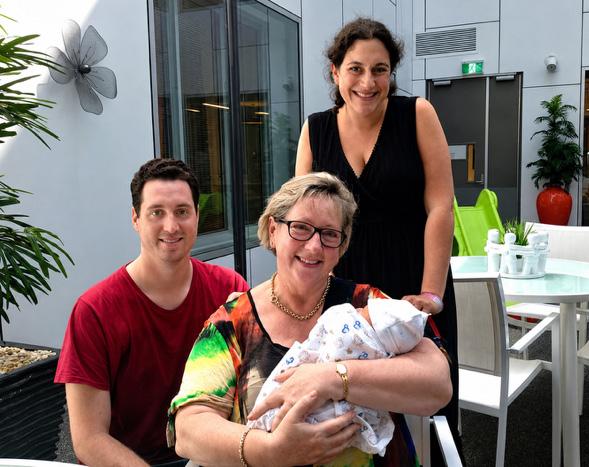
Kathy Kaplan OAM with her first grandchild, her son and daughter-in-law
AROUND THE COMMUNITY
THE KING DAVID SCHOOL
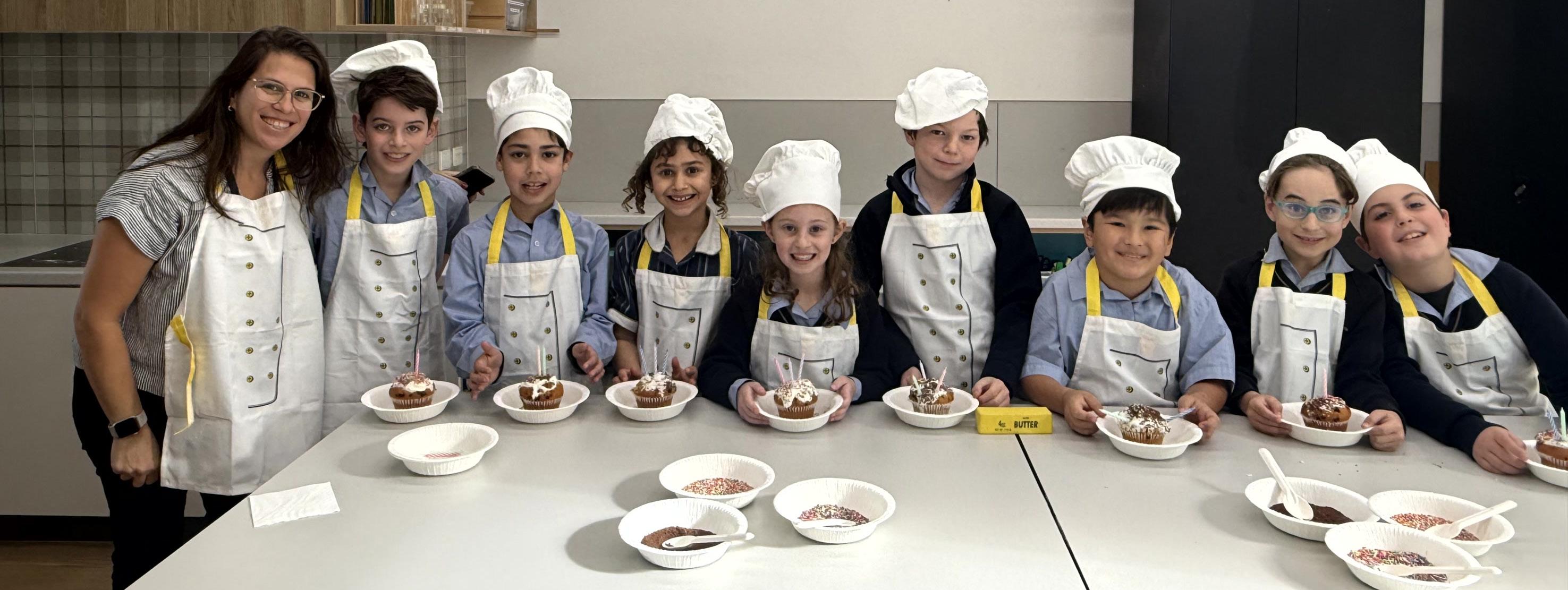
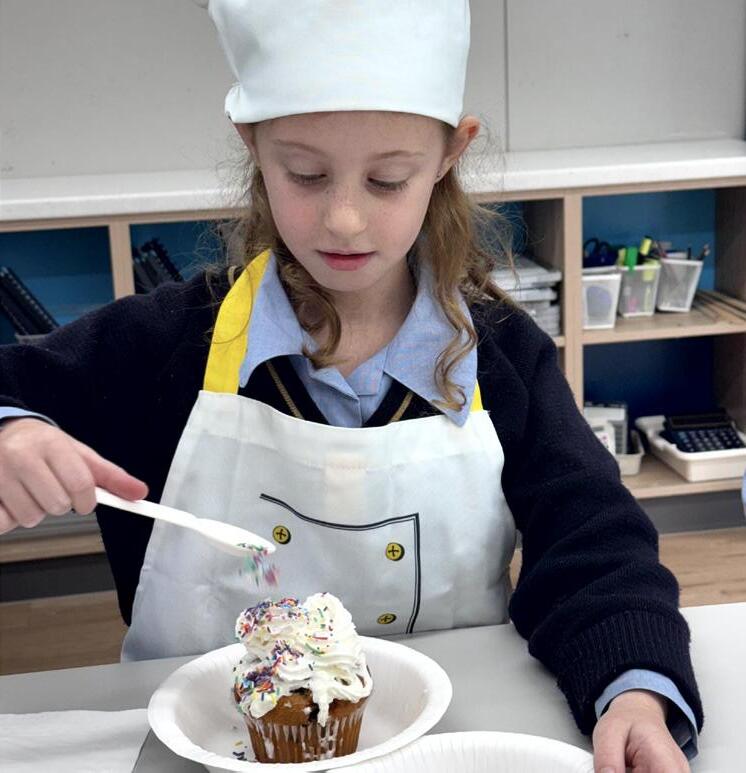
Year 3 Hebrew students combined practising vocabulary with a delicious practical lesson about the joy of sweet treats (surely the occasional indulgence is allowed!).
The young learners revised their Hebrew sentences while decorating and then eating multicoloured cupcakes.
Cakes galore
Israel: the existence they call a provocation
Israel is not usually criticised in the ordinary manner of nations. It is often invited to participate in a more sinister exercise: the public reconsideration of its existence. In diplomatic salons, university rooms, newspaper columns and activist proceedings, the inquiry is staged with solemn faces and sterilised language.
Does Israel have a right to exist? No one asks this of France, Pakistan, Syria, Turkey, China or the many states whose arrival in history was accompanied by conquest, partition, massacre, expulsion and myth.
Only Israel is expected to stand before the tribunal of existence itself. The question appears civil. That is precisely its danger.
Pause over the absurdity. International law does not require a state to re-sit its examination in existence every decade, every war or whenever its enemies discover a new vocabulary.
States may be criticised, condemned, sanctioned, investigated and rebuked. But their right to exist is not usually placed on the table. With
Israel, however, the argument often begins where it would end for others: with the claim that the state itself is the problem.
Here the irony tightens its knot. The Jewish state is accused of being an exception, yet it is the world that has
made it exceptional. Israel is expected to behave like a member of the family of nations, while being spoken of as trouble, a regrettable eruption of Jewish sovereignty in a world more comfortable with Jewish petitions than Jewish power. The Jews were admired when they were dispersed, murdered, pitied and made into a moral symbol. The difficulty began when they acquired borders, soldiers, elections, intelligence services and the indecent persistence of not perishing.
There is a grave difference between criticising Israel and denying its legitimacy. Anyone may oppose a government in Jerusalem, detest a prime minister, condemn a military decision and remain within the ordinary language of politics. But when that same person says that Israel, unique among nations, is a racist idea by nature, or that Jewish self-determination is inadmissible in principle, he has not entered a refined moral chamber, but has moved from argument to delegitimisation.
International law is not a machine for abolishing inconvenient peoples,
nor was the post-war order created to return the Jews, having survived a century of mass death, to the status of a tolerated abstraction. The United Nations may descend into farce, but it was built to recognise states, not to put them on trial before hostile majorities.
Almost every nation on Earth has emerged from conquest, partition, migration, civil war, imperial collapse, religious conflict or some ugly transaction with history.
Yet, only Israel is asked to convert its origins into a permanent plea bargain. The demand is not for better policy, but for existential repentance. Exist, but apologise. Defend yourself, but confess. Survive, but do not become too convincing.
Peace would require two peoples to recognise that neither will disappear. Delegitimisation offers something cheaper, darker and more intoxicating: the fantasy that the Jewish problem can be solved by renaming Jewish sovereignty as a crime.
That fantasy has had many costumes. None of them has ended well.
Yael Rath (Hebrew teacher) with the class
Ari K
Tilly P
Romi B Ruben B
AB BOSKANY
Ab Boskany
For more than 106 years, Keren Hayesod-UIA has stood alongside the People of Israel. Long before Israel became a sovereign state, generations of Australian Jews helped build the foundations of the homeland we know today. They understood that a strong Israel would require vision, commitment and the collective support of Jewish communities globally.
Today, Israel faces new challenges. The events of recent years have reminded us that resilience cannot be taken for granted. The strength of Israel's communities, the wellbeing of its most vulnerable citizens and the security of the Jewish homeland all depend on the choices we make today. That is why legacy giving matters.
A gift in your Will to the People of Israel through UIA is more than a financial contribution. It is a powerful statement that your commitment to Israel will continue beyond your lifetime. It is an investment in the people, programs and communities that will shape Israel's future for generations to come.
Through UIA, legacy gifts support national priorities that touch every aspect of life on a national scale with meaningful impact. They help welcome new olim to Israel and provide the
EVEN 1%
MAKES
Israel’s future is in all our hands
support they need to build successful new lives. They strengthen vulnerable families, mentor at-risk youth, care for elderly Holocaust survivors, support victims of terror and help communities recover from trauma and crisis.
Most importantly, they ensure that Israel remains a place where every Jew knows they have a home.
The beauty of a legacy gift is that it allows each of us to become part of something bigger than ourselves, a
A DIFFERENCE THE FUTURE OF THE PEOPLE OF ISRAEL IS IN ALL OF OUR HANDS.
generational commitment to the future of Israel. Family and loved ones will always come first, but after providing for those closest to us, even a modest gift can make an extraordinary difference.
In fact, a gift of just one per cent of an estate can help strengthen lives and communities long into the future.
At its heart, legacy giving is about continuity. It is about ensuring that the values we hold dear – responsibility, community, resilience and care for one
another – live on. The future of Israel is not someone else's responsibility. It belongs to all of us.
And through a legacy gift to UIA, each of us has the opportunity to help shape that future for generations to come.
For further information, please contact UIA Vic gifts in Wills coordinator Estelle Wytwornik on 9272-5562, email estelle.wytwornik@uiavic.org.au or visit uiaaustralia.org.au/gifts-in-wills
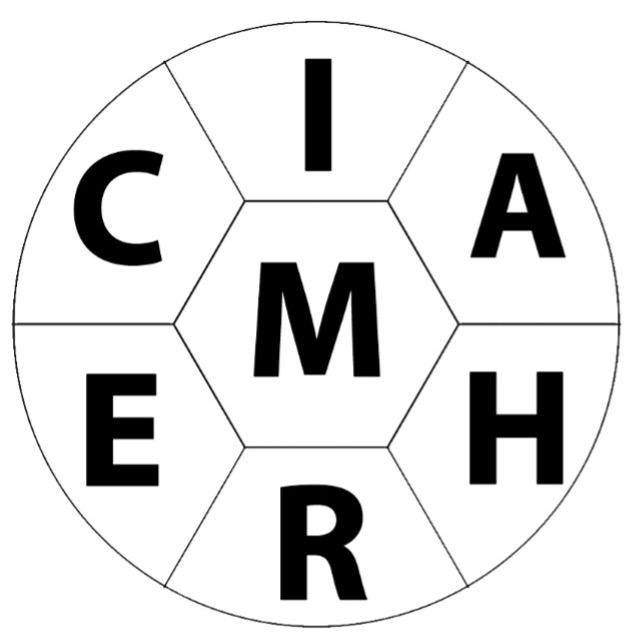
JEWISH SPELLING BEE
How many common words of five or more letters can you spell using the letters in the hive? Every answer must use the centre letter at least once. Letters may be reused in a word. At least one word will use all seven letters and have a direct Jewish connection.
Proper names and hyphenated words are not allowed. Score one point for each answer and three points for a Jewish related word that uses all seven letters.
Rating: 18 = Good; 22 = Excellent; 28 = Genius
Yoni Glatt has published more than 1,000 crossword puzzles worldwide, from the LA Times and Boston Globe to The Jerusalem Post. He has also published two Jewish puzzle books: "Kosher Crosswords" and the sequel "More Kosher Crosswords and Word Games".
Through UIA, legacy gifts support olim to build their new lives in Israel
NOMI KALTMANN COURTESY: THE JEWISH INDEPENDENT CONSIDERED OPINION
Caution: This article contains material that readers will find deeply distressing
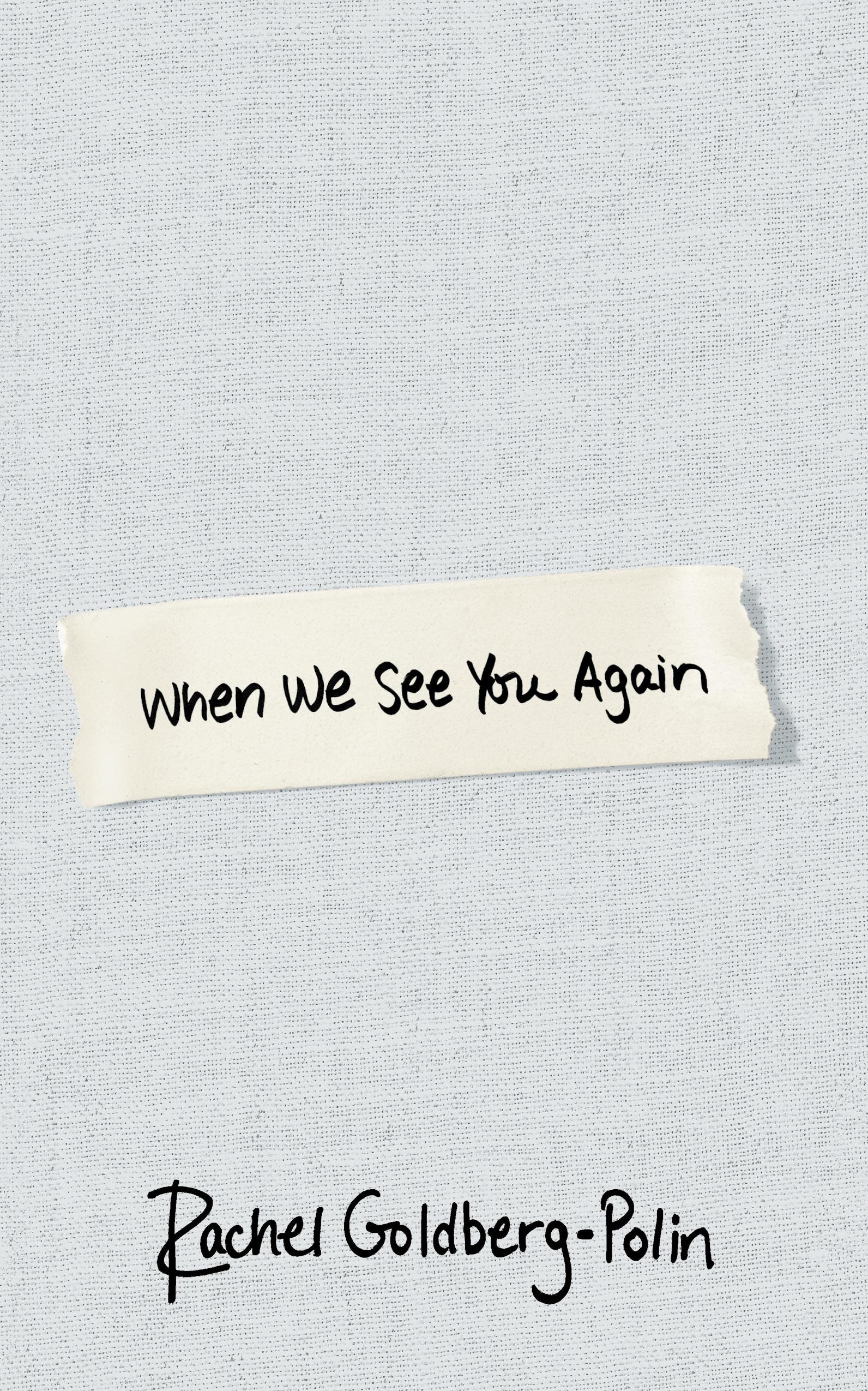
Rachel Goldberg-Polin admits that she is not usually interested in hearing others retell their dreams. She doubts most people remember them properly and suspects details may get embellished in the retelling. Yet, in her memoir When We See You Again she devotes an entire chapter to disturbing dreams she experienced before and after her son Hersh’s kidnapping and murder in Hamas captivity in Gaza.
Anticipating scepticism, she writes: “What I am relieved about is that with each of the following dreams I have the validation of having told someone upon awakening … so let’s make it clear for the record, I am not making these up.”
One dream, in particular, feels impossible to shake. In late September 2023, Rachel dreamt she was standing in her kitchen when Hersh suddenly ran across the living room and out onto the porch. He grabbed the railing, propelled himself upwards and tipped forward. She watched him fall headfirst over the edge.
“But even as I ran, I knew it was too late. He had run too fast and with too much energy. And I knew he was going to die before I could get to him.” The next morning, when she recounted the dream to Hersh, he replied, “Why didn’t you save me?” and Rachel answered, “I tried, but I couldn’t get to you in time”.
It’s a haunting refrain in a raw and heartbreaking book written by Goldberg-Polin, about the agonising 328 days she spent trying to save her son from Hamas’s tunnels after he was kidnapped on October 7, 2023, from a roadside bomb shelter after attending the Nova desert rave party.
His left forearm blown off, Hersh was kept starved, filthy and with five other hostages underground in a tunnel in Rafah for months, until he was executed by Hamas … despite his mother’s agonised efforts to save him. He was returned for burial in Israel on day 330 of the war in Gaza.
Goldberg-Polin, still in the thick of grief knows that her book is not an easy read and warns readers before immersing themselves in her world of agony. “What I realise now, since my heart is shattered into tiny pieces, is that it is easier to share than when it was one mighty solid and strong heart. So, please take a shard. Be careful, they are sharp,” she writes.
Dreams, nightmares and realities from a bereaved mother
In an interview with The Jewish Independent about the memoir, Goldberg-Polin reflected on the way grief has reverberated far beyond Israel’s borders, even in Australia. “The Aussie Jewish community is powerfully connected to Israel in ways that run deep,” she said. “The sharing, carrying and holding of the grief is a transcendent bond. I don’t think it matters that we are thousands of miles away from each other.”
Goldberg-Polin’s eloquence and grace in the face of devastating circumstances is inspiring as much as it is devastating. She has tried to resist the increasingly toxic and polarised rhetoric surrounding Israel since October 7.
“I refuse to debase, cheapen and degrade the holiness of the people who have been killed by falling into a trap of adversarial rhetoric,” she said. “The norm has become to scream; the method has become using hate and the genre has become ugliness.”
The physical toll on her body after fighting such a gargantuan battle remains with Goldberg-Polin. “Often I don’t recognise myself,” she writes, listing physical changes to her body from the fight to save Hersh.
“Even my teeth have shifted. So, now, I have a slight speech impediment that I did not have before.
My hair has gotten thin and streaked with grey. I’m shorter.
For real – even the nurse said it is weird I’ve shrunken so much at this [relatively] young age. My handwriting is different.
But no one really writes anymore, so it’s okay. I can no longer read signs from far away, or my book close-up.
After October 7, 2023, I never got my period again. My body died.”
Her faith, too, has shifted shape in the aftermath of Hersh’s death. In her interview, Goldberg-Polin described her spirituality as becoming “stronger and more physical” since October 7.
“I am a believer.
To me, it is clear,” she said. “I live in the unknowing. I don’t try to pretend otherwise or to make sense of it. But I attempt to describe it, so it doesn’t choke me.”
Her faith in humans has been severely dented, not only from contact with the brutality of the terrorists, but also from the “important men” who promised to help but did not. She believes she was frequently lied to as she campaigned for her son’s release.
“I started to understand more about how the world works and who holds the strings to move the marionettes.”
It’s impossible to read GoldbergPolin’s book and not feel the longing for a child that was taken too soon from his mother.
One of the most poignant parts of the book is when she imagines meeting Hersh again in the future. “Every night, I switch off the lights and I say, ‘Another day closer until I see you again’. I believe that. No. I am surer than believing. I know it,” she writes.
Goldberg-Polin is determined that Hersh be remembered not as a symbol, but as a real person. “Hersh was glorious in his normalness,” she said.
“He was gentle and curious. He was easy.” She added that what stays with her most is his ability to listen deeply, “especially to people with whom he disagreed.
I wish I could be more like that. I’m trying. In his honour and memory … I am trying.”
When We See You Again is not an easy read, but it is beautiful. When you finish it, you will want to hug your loved ones a little tighter, knowing how fragile life can be.
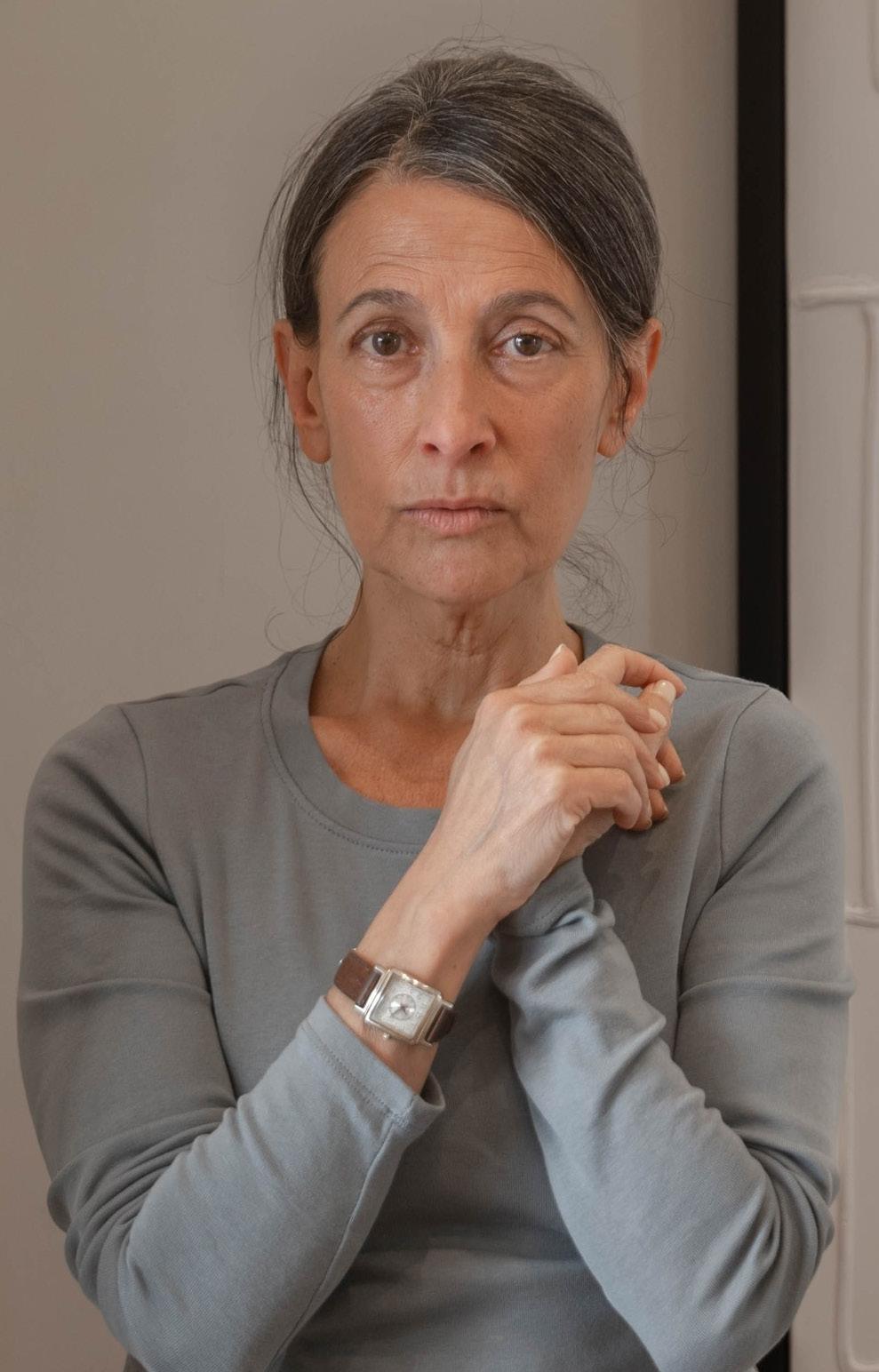
Rachel Goldberg-Polin (photo by Chen G Schimmel)
When We See You Again is published by Hachette Australia
The Islamic regime in Iran is an arch enemy of Israel and the West. Its chants of “Death to America” and “Death to Israel” are not empty slogans but a blueprint for action. Their terror proxies have infiltrated and dominated political institutions, fueled regional unrest and planned terror attacks. Iran has become the number one state sponsor of terrorism.
With a memorandum of understanding signed between the USA and Iran, over the next two months the parties will conduct diplomatic negotiations toward a comprehensive agreement, including a definitive solution to Iran's nuclear threat. Israel has consistently supported a diplomatic resolution to the Iranian threat and supports President Trump’s vision of ensuring that Iran no longer has nuclear capabilities, ballistic missiles or the ability to funnel money to its proxies. Israel’s position is clear: with or without an agreement, Iran will not be allowed to obtain nuclear weapons.
Some commentators have sought to minimise the results of the military campaign, but its impact is undeniable. Before the campaign, Iran was racing toward a nuclear weapon and stockpiling tens of thousands of ballistic missiles, with the intention of launching them against Israel and the West. Both
Iran ceasefire
programs posed a clear existential threat.
The military effort prevented the regime from producing atomic bombs and destroyed its nuclear infrastructure. Those existential threats have now been removed from the immediate agenda. That, on its own, was worth the effort.
Our joint military effort shattered Iran's terror axis, decapitated leaders of the regime, destroyed the majority of its missile production facilities and stockpiles, hit countless industries and
military sites, and destroyed its navy and air force. We weakened the Islamic Revolutionary Guard Corps and Basij forces and created conditions conducive to the fall of the Islamic regime. It is now up to the Iranian people to seize the opportunity to overthrow it.
Simultaneously, Israel defended itself on several fronts and acted decisively against Iran’s terror proxies. In Gaza, we eliminated Hamas’ leadership, including the masterminds of October 7. In fact, all but one of the leaders who planned the
massacre have been killed. Thousands of terrorists and countless terror infrastructure sites have been destroyed. We returned every hostage from Gaza.
As for Hezbollah, we eliminated its leader Nasrallah, prevented the Radwan Force invading the Galilee and destroyed the majority of the 150,000 rockets and missiles built to destroy Israeli cities. With the pager operation, we neutralised thousands of their key leaders and militants.
The weakening of Hezbollah has led to some significant developments: it enabled the rise of a new Syrian leader, outside the Iranian axis, and allowed the Lebanese people to elect a president of their choice. As a result, Israel, Lebanon and the USA have now signed a trilateral historical framework agreement, with the hope of establishing long-lasting peace between Israel and Lebanon. Israel’s military achievements against Hezbollah and Iran made this diplomatic breakthrough possible.
Israel will not measure its enemies by theoretical intentions, but by actual operative capabilities. Israel will not allow terrorists to camp on its borders and plan attacks against our citizens.
Such achievements were once been regarded as delusional. Today, they are reality. But the threat is not over. The battle for Israel’s peaceful existence has not ceased. Yet, Israel has shown that “Never Again” is now.
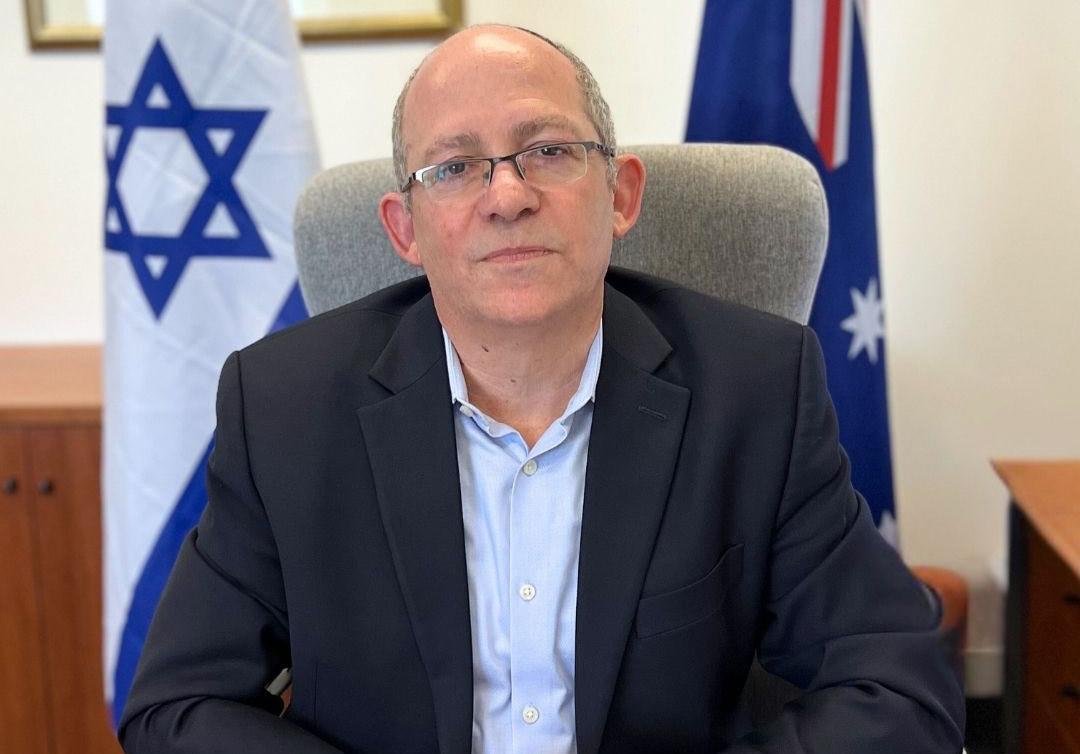
Dr Hillel Newman
CONSIDERED OPINION
DAVID SCHULBERG
Itai Ater is a professor of economics at the Coller School of Management at Tel Aviv University, a research fellow at the Centre for Economic Policy Research (CEPR) and head of the Israeli Economists’ Forum for Democracy. His current research focuses on recent emigration trends from Israel. More broadly, his work examines the cost of living, competition and transportation policy, with a focus on issues that directly affect everyday life in Israel.
He spoke with David Schulberg.
David
I understand that you're concerned that there is a major brain drain going on that's affecting Israel’s viability.
Itai
I'm a professor of economics at Tel Aviv University and as a professor I have access to administrative records from the Central Bureau of Statistics in Israel. We're looking at the data and counting the Israelis who left, starting in 2009, up to 2024. Then we look at the graphs, and one sees a big jump in the number of Israelis leaving, starting in 2023. We are talking about Israeli citizens who have left Israel for more than a year, that is for an extended period.
Starting in 2023, the numbers spike. It's going from about 30,000 in a regular year to about 50,000 in ‘23 and ‘24. Not only is there a record number of Israelis leaving, but there is also a significant slowdown in the number of Israelis who return to Israel. Together the figures indicate there is a big reason to be concerned.
What we see is a change which could affect the security of Israel, the economy of Israel and so on. When we look at who leaves, we see there are many medical doctors, engineers and many young academics.
David
Previously I spoke with Muhammad Darwashe, who is an expert on JewishArab relations. The reason I bring him up is that he indicated that a lot of Arab teachers and doctors are seeking employment outside Israel because finding employment in Israel is proving difficult. What's happening in the IsraeliArab sector with this issue?
Itai
We haven't focused on this, but I can say that both Jews and Arabs are leaving Israel. It’s the same proportion of the Israeli population of Arabs and Jews who decide to leave Israel.
I know that New Zealand is suffering from a brain drain and some immigration, but Israel, unlike countries like Venezuela or Iran that suffered from brain drain, is much more fragile. The implication could be much worse because the Israeli economy cannot rely on natural resources like oil or gas. It pretty much depends on its human capital. Take for example the tech industry in Israel. This is the engine of the Israeli economy and when we are taking out engineers and
Israel’s brain drain
PhDs and academia, then there is a huge concern for the tech system.
Unlike Venezuela that has oil that can help to keep the economy going, in Israel there is a concern that if many people are leaving, the economy would suffer. Let me express some caution in the sense of what we're talking about.
If we knew that the numbers of people who leave stay as they are right now, then the Israel economy is large enough and strong enough to be able to cope with the numbers leaving.
We have elections this year in Israel. If things don't change after the elections … the numbers that we are seeing now could grow significantly, and perhaps dramatically. The upcoming elections, sometime in September or October, are crucial for the future of Israel.
If we want Israel to be a prosperous country, a liberal country, we need to have a government that works for the Israeli people and not for certain small groups of the Israeli population. Much of the Israeli people and those who work in the tech sector and the academia are not represented by the current government. That needs to be emphasised.
David
You've referred to the Israeli economy at the end of 2022 as having been at the best place that it had been for a long time – maybe the best place ever. What
Let’s see what will happen in the near future. Another negative indicator is the credit agency ratings from S&P and Moody's, which for the first time have gone down in the last three years.
David
What are the attitudes of those Israelis who are choosing to leave?
Itai
We just count the number of people who are leaving so we don't really know that.
We have some sense of where they have been living in Israel, the cities from which they are coming. It's not surprising that relatively more of those who have left are coming from the centre of Israel, like the Tel Aviv region. If we look at the figures from previous elections, those who live in Tel Aviv tend to vote in larger numbers for the opposition rather than the coalition. More people who leave therefore are likely to be in favour of the opposition and not the coalition.
David
One of the reasons obviously is the ongoing war, which makes it difficult for many Israelis, especially if you're having to serve in the Army and try to run a business at the same time. It’s a very difficult situation to be in. What are the overall driving forces that are making Israelis leave and choose to live elsewhere?
Itai
is the state of the Israeli economy now? People look at the Israeli stock market. Of course, they can see a 55 per cent increase in the last 12 months, which is quite extraordinary, but what about the other economic indicators? What's the overall picture?
Itai
At the end of 2022, indeed the economy was in its best situation ever. Since then, it has declined. The most common measure of the state of an economy is the GDP per capita. In 2021 and 2022, the GDP per capita growth was at the top of the OECD. Since then, the economy has stagnated. The GDP per capita was zero for ‘23 and ‘24, mostly because of October 7th and the war, but the Israeli economy was stagnant. The debt-to-GDP ratio has increased from about 60 per cent to almost 70 per cent.
There are many indicators that show that the Israeli economy is not doing well because of the war, yet it also needs to be said that the situation is not all bad. The stock market has been strong, and the tech industry can recover to maintain its abilities and capabilities, which is crucial for Israel. There are mixed signs and we hope that the economy will keep recovering.
That's very important for the future but having strong human capital is crucial for the future of the economy and Israel.
What you mentioned of course is the primary reason. Like after October 7th, we saw many people leaving, especially young people. We see a lot of young people – nearly 80 per cent of those who leave are below the age of 40. Also, many people just after the Army choose to go elsewhere. Hopefully they will return, but for now we see that after service they have been away for more than a year. So, October 7th and the fact that people have had to risk their lives and spent so much time in miluim (Israeli military service) are crucial reasons. Also, the fact that you see ultra-Orthodox Jews not pulling their weight.
This inequality is an extra burden and another reason for people to say this is not sustainable; it cannot work like this. This is the primary reason for people leaving. But we also see that many people left before October 7th. We think that those who left before then is due to the attempt by the government to change the Israeli democracy. During 2023, many people probably remember the judicial overhaul and the mass protests against the government. I know that many people have left because of this concern about the future of Israel’s democracy. Both reasons are the main driving forces for people choosing to leave Israel.
This is an edited extract from an interview with Israeli economist Itai Ater that was aired on ‘The Israel Connexion’ program on J-AIR community radio. The full conversation is available as a podcast on the J-AIR website, on Omny Studio and other podcast platforms. David’s program can be heard weekly on J-AIR in Melbourne and 2TripleO in Sydney.
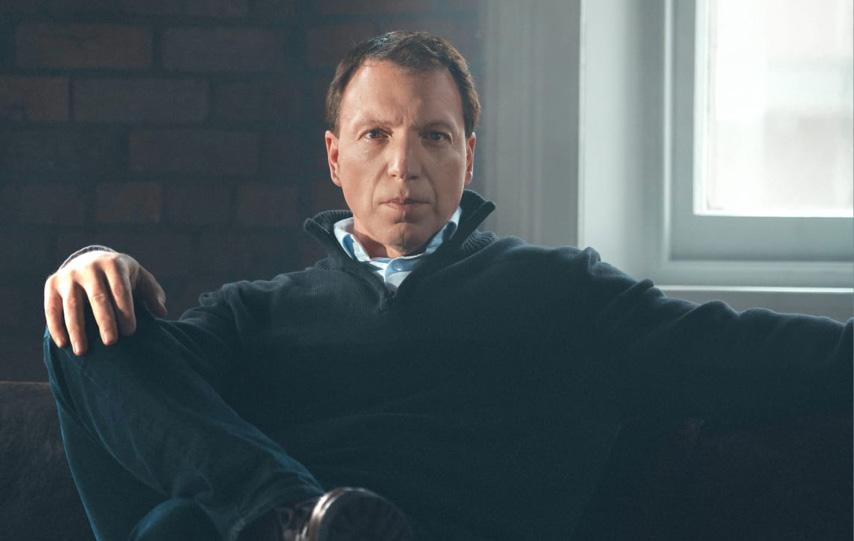
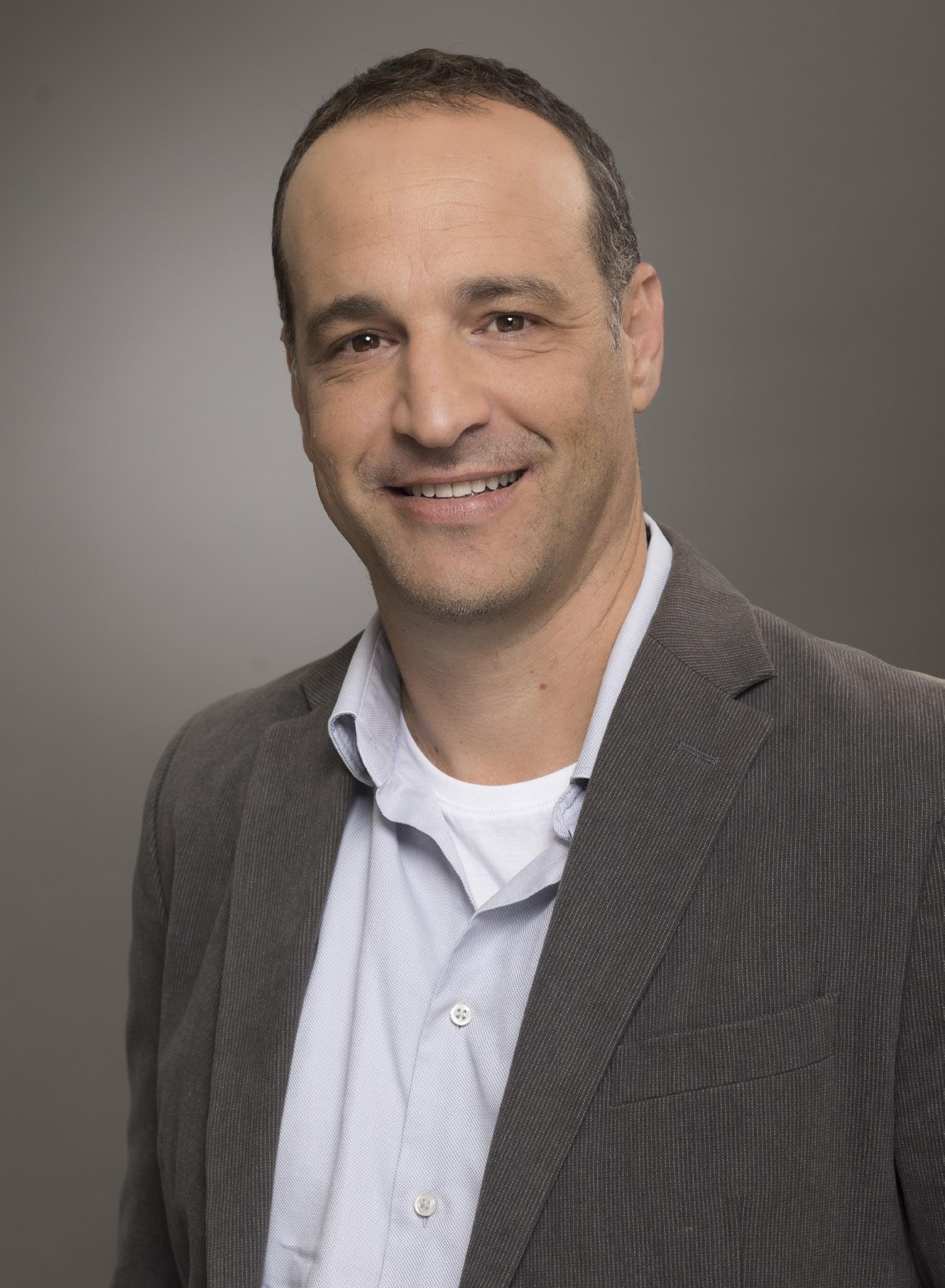
Itai Ater
AROUND THE COMMUNITY
DAVID SOLOMON, CEO AUSTRALIAN FRIENDS OF TEL AVIV UNIVERSITY
Israel’s universities are among the country’s greatest national assets.
Long before Israel became known as the Start-Up Nation, its universities were building the intellectual foundations of its scientific, technological, medical and economic strength. They have educated generations of leaders, produced worldclass research, and helped transform a small country with few natural resources into a global centre of innovation.
This contribution should be a source of pride for all who care about Israel’s future. At a time when Israel faces profound security, social and economic challenges, its universities remain engines of resilience, creativity and hope. They are places where ideas become discoveries, where discoveries become technologies, and where technologies become solutions that can improve lives far beyond Israel’s borders.
Tel Aviv University (TAU) is a powerful example of this national story.
Located in the heart of Israel’s commercial, cultural and high-tech capital, TAU sits at the meeting point between academic excellence and real-world application. It is Israel’s largest and most diversified university, bringing together science, medicine, engineering, business, law, the humanities, the arts and the social sciences on one campus.
How Tel Aviv University turns Israeli excellence into global impact
That breadth matters. Many of today’s greatest challenges – from health and climate to artificial intelligence, food security and cyber – cannot be solved within one discipline alone.
This culture of interdisciplinary impact is reflected internationally. In the QS World University Rankings for 2027, TAU was ranked No. 1 in Israel and 208th globally. Even more significantly, TAU was ranked 29th in the world for Citations per Faculty – a measure of how widely its research is
aftau.asn.au
read, cited and built upon by the global academic community.
But TAU’s impact is not confined to academic journals. In medicine and artificial intelligence, researchers from TAU and Sheba Medical Center recently developed an AI-based system that may point the way toward needle-free blood testing. Using a short video of blood vessels in the eye, the system was able to assess key blood markers and detect anaemia with encouraging accuracy.
For a confidential conversation, please call David Solomon on 0418 465 556 or davidsolomon@aftau.org.au
Its potential is profound for faster, simpler and more accessible screening, particularly for communities with limited access to medical infrastructure.
The movement from discovery to application is also visible in entrepreneurship. In PitchBook’s 2025 university ranking, Tel Aviv University was ranked seventh in the world and first outside the United States for producing undergraduate alumni who founded venture-capital-backed companies. Over the past decade, TAU alumni founded 736 companies that raised US$30 billion. A Stanfordlinked study has also ranked TAU first outside the United States for the number of unicorns founded by alumni. These are not abstract achievements. They show how education, research and entrepreneurship can combine to create companies, jobs, technologies and solutions that reach across the world. For supporters of Israel, this matters deeply.
Supporting TAU is investing in Israel’s capacity to contribute to the world: through science, medicine, technology, leadership and ideas. It’s about ensuring that, even in difficult times, Israel continues to generate knowledge that advances humanity. That is the promise of Tel Aviv University – Israeli excellence, translated into global impact.
Tel Aviv University researchers
CANDLE LIGHTING TIMES
Slandering Gwyneth Paltrow
Friday, Nov 22, 2024 8:00 PM
Shabbat ends, Nov 23, 2024 9:04 PM
Friday, Nov 29, 2024 8:07 PM
Critics are blasting the actress for her luxury Israeli high-rise commercial, dubbing her “Gwynocide”.
Shabbat ends, Nov 30, 2024 9:12 PM
tells a taxi driver to take her to “51 Park”. When he asks if she’s referring to New York City, Paltrow smiles and explains that she’s going to 51 Park in the city of Herzliya, in Israel.
Friday, Dec 6, 2024 8:13 PM
In today’s poisonous atmosphere of anti-Israel venom, being associated with anything Israeli leads to hate.
Shabbat ends, Dec 7, 2024 9:19 PM
Gwyneth Paltrow is either “nasty or simply stupid” and “she needs to be cancelled”. That’s the verdict from France 24, France’s government-owned authoritative news outlet, after the actress appeared in an ad for a new apartment building in Israel. Social media users have dubbed Paltrow, whose father was Jewish and is a longstanding supporter of the Jewish state, “Gwynocide” for daring to advertise Israeli real estate.
to take a job with Israelis is tainted and taking a huge risk.
Labelling Israel a pariah State
For those who mean the world to you, only the finest will do.
Muddled thinking
Friday, Dec 13, 2024 8:19 PM
Shabbat ends, Dec 14, 2024 9:25 PM
Friday, Dec 20, 2024 8:23 PM
Shabbat ends, Dec 21, 2024 9:29 PM
Melbourne Jewish Report Disclaimer:
Alana Hadid, sister of the models Bella and Gigi Hadid, denounced her as “tone deaf” and “complicit” in Israel’s supposed crimes. Social media influencer Matt Bernstein declared that Paltrow’s “level of greed and depravity is truly incomprehensible”. Britain’s Guardian newspaper compared Paltrow’s commercial with the Holocaust movie The Zone of Interest, which tells the story of the SS guards living next to a Nazi death camp.
Except where expressly stated otherwise, content in The Melbourne Jewish Report is provided as general informations only. The articles in this paper have been contributed by a third party. The opinions, facts and any media content here are presented solely by the author, and The Jewish Report assumes no responsibility for them. It is not intended as advice and must not be relied upon as such. You should make your own inquiries and take independent advice tailored to your specific circumstances prior to making any decisions. We do not make any representation or warranty that any material in the papers will be reliable, accurate or complete, nor do we accept any responsibility arising in any way from errors or omissions. We will not be liable for loss resulting from any action or decision by you in reliance on the material in the papers. By reading the papers, you acknowledge that we are not responsible for, and accept no liability in relation to, any reader’s use of, access to or conduct in connection with the papers in any circumstance. Photographs submitted by individuals or organisations are assumed to be their property and are therefore not otherwise credited. All articles in this paper have received the expressed consent of the author to publish in this paper.
The Jewish Report; ISSN 2204-4639
Publisher: The Jewish Report Pty Ltd (ACN 167302981)
Paltow’s “crime” was to appear in a commercial for 51 Park, a new development of two residential apartment buildings in Herzliya, a suburb of Tel Aviv. In the ad, Paltrow breezily
Distributor: TJR Distribution Pty Ltd ACN 165158029
Some are accusing Paltrow of “ethnic cleansing”. Yet Herzliya, where the apartments Paltrow advertised are located, is firmly within Israel’s “green line”, Israel’s pre-1967 borders. It was founded in 1924 on a patch of unoccupied land along Israel’s coast; nobody was displaced to establish the town. Paltrow’s detractors accuse her of supporting “genocide”. Euro News, an online magazine, justifies this utterly bogus claim by pointing out that the apartments Paltrow advertised are “mere miles away” from Gaza, as if that taints them with malfeasance. The Guardian criticises the luxury nature of the buildings, pointing out that they “boast a swimming pool, a Pilates pool, a wine room and gym, among other luxuries”. The implication is that it’s unseemly and wrong for Israelis to live in nice surroundings.
Comments or suggestions to: editor@thejewishreport.com.au
Article submissions to: www.thejewishreport.com.au/article-submission-guidelines
Advertising: editor@thejewishreport.com.au
Website: www.thejewishreport.com.au
Printer: Spotpress Pty Ltd
What Paltrow’s detractors really mean is that Israelis are a pariah people who don’t deserve to live in peace. The implication is chilling: Anyone willing
The hatred being directed at Paltrow came just as Eurosatory, Europe’s premier annual defence industry convention, was getting underway in Paris. Despite Israel being one of the world’s leaders in the defence industry, Israeli delegates were being treated as pariahs.
Israel was barred from setting up a national pavilion or sending government officials to the event. Israel was also singled out as the only country allowed to exhibit defensive weapons only. Despite abiding by all these restrictions, Israeli industry representatives found themselves literally walled off by wooden barriers and unable to advertise their wares. That discriminatory action followed this year’s Venice Biennale art show, which saw national pavilions close rather than share the event space with Belu-Simion Fainaru, the artist who was representing Israel.
It preceded the Marseille International Film Festival, which saw Israeli film director Nadav Lapid withdraw after other directors promised to pull out if he participated. The fact that Lapid is a rabid critic of Israel – he’s declared that he can no longer live in Israel and entered an intensely anti-Israel film –didn’t matter at all. Merely being born in Israel was enough to cancel him.
A major study in June 2026 found that in 36 countries surveyed, a median of 67 per cent people have unfavourable views of Israel. In the United States, 60 per cent of adults reported unfavourable views of Israel. Numbers were higher in Europe: 69 per cent of Britons view Israel negatively; in Sweden, that number is 78 per cent. In Pakistan, 95 per cent of people view Israel unfavourably; in Turkey, a whopping 97 per cent of adults reported having negative views. With Israel’s reputation in freefall, it’s unsurprising that Paltrow is receiving the
Gwyneth Paltrow should be applauded for taking the gamble to appear in the Israeli commercial. Her daring support reminds us that Israel still has many supporters, people who are willing to engage with it as they would with any state, without singling Israel out for special treatment. That should give us
Ian Sharp Jewellery Craftsmanship iansharpjewellery
Let’s support Paltrow by posting positively about her on social media, by defending her in conversation, and by acknowledging her bravery in doing business with Israel. More importantly, let’s rally to express our Jewish pride. With Israel and Jews so under attack, this is the time to live more Jewishly. Don’t let Israel’s haters define who we are.
CONSIDERED OPINION
ADAM EZEKIEL FOUNDER OF SOUL ACTIVE COURTESY AISH.COM
Two years ago, a sniper's bullet nearly killed me. Today, I run a fitness program for Jews who want to get stronger without leaving their values at the door.
On July 2, 2024, I was shot in the chest.I remember the moment the world narrowed to a single thought: Am I dying? Is this it? Nine months after October 7, I joined Rabbi Atlas and the Ohel Ari community in Ra'anana on a trip through Judea and Samaria. The country had changed. We had all changed. Earlier that day, we'd visited Homesh. Standing on that mountain, looking at a tiny Jewish community surrounded by Arab villages, one thought crossed my mind: All it would take is one sniper. It stayed with me.
Later, at Har Bracha, our group of 30 stood at a lookout toward Shechem (Nablus) as our guide walked us through the biblical history. I stepped back from the group. Below us were thousands of Arab homes. I looked at the windows and thought: Someone could open a window, shoot, close it, and disappear. Then I heard loud bangs in the distance. A moment later, I felt intense pain in my arm and chest. At first, I thought I was having a heart attack. Then I realised my heart was not pounding. As I fell to the ground, I quickly understood that I was hit by a bullet.
“I’m shot,” I said. I wasn’t screaming. I wasn’t even bleeding that much. The bullet had come from far away, approximately 900 metres, and entered my upper right chest. For a few minutes, there was confusion. I was lying on the ground, in the worst pain I had ever felt, trying to explain that I had been shot. Then the medic arrived, removed my shirt and saw the wound. “There’s an entry wound and no exit wound,” she said. “He was shot. Get him out of here immediately.”
For 17 years, I had worked as a personal trainer and nutritionist, helping other people build strength. I taught people how to push through discomfort, how to keep going, and how to take care of the body God gave them. And then, in one terrifying instant, I needed every bit of strength I had ever spoken about to recover physically and psychologically. I survived, but surviving was only the first day of the real work.
My wife, Rivka, and I have four children. We live in Ra’anana where we’ve been building the life we dreamed of. When my family heard I had been shot, their world was shaken. This was not only my trauma. It entered our home. But it also changed our home. We hug more now. We say “I love you” more. We understand a little more deeply that nothing is guaranteed. A regular morning, a regular hug, a regular goodbye – none of it is small anymore.
Finding meaning in the darkness Recovery is not a single triumphant moment. It’s the quiet mornings when getting out of bed feels like lifting a barbell that was not there before. It’s the pain no one sees, the fear no one hears. The private conversations with God when you are trying to understand why this happened, what it means,
An Arab sniper shot me in the chest
and who you are supposed to become because of it. Every morning, we say in the blessing: She’asah li kol tzorki — that God gives me everything I need. After the attack, those words became very real.
Terror is evil. Being shot is evil, and the pain it caused my family, my body and my soul was real. But I also believe, with complete faith, that nothing in my life is random. If God allowed this to become part of my story, then somehow it was designed for me – not to break me, but to shape me and build me. I needed to become stronger. I needed to become a fighter in a deeper way. I needed to become a leader. And I believe this became part of my mission: to help the Jewish People become stronger, healthier and more alive. Somehow, even in the darkness, I knew God had my back.
In the morning blessings, we also say that God directs the steps of man — hameichin mitzadei gaver. That bullet had an address. Me. I didn’t choose to be shot, but I believe my steps were guided before I understood where they were leading. Even in the darkest moment of my life, I was not abandoned. This was somehow part of my path. I was injured but I did not feel abandoned. I felt held. So I trained, slowly and with purpose. As I got stronger, I realised the strength I was rebuilding was not only physical. It was the strength to begin again. The strength to stop asking only “Why did this happen to me?” and start asking “What am I supposed to do with it?” One of the biggest lessons I took from being shot was surprisingly simple: do not complain. That does not mean pretending pain is not real. The pain and fear were real.
But I kept thinking about the two spies, Joshua and Caleb, who saw the same giants as the other ten spies. They saw the same fortified cities and heard the same frightening reports. But they chose a different response. They did not deny reality. They chose faith inside reality. They believed God was with them. I wanted to live that way. I wanted to say: Yes, this is painful and frightening, but God is with me. I am alive and I will heal. I still have work to do. I will write a better story in my chapter of Jewish history. That became my turning point.
Giving others strength
For years, I had trained people oneon-one: CEOs, doctors, business owners, athletes, soldiers, parents and small groups. I loved helping people, but after the attack I felt a much bigger question pressing on me. Was I giving everything I could give? Was I using my experience, my training, my story and my second chance as fully as possible? The answer was no. And that is how the mission of Soul Active was born. Soul Active is geared for Jews who want to take care of the body God gave them without compromising their values. So many people feel that fitness is not “for them”. They think they are too busy, too out of shape, too far from where they want to be, or that the fitness world does not understand their life.
I know what it feels like to feel far away from strength. I lived through the version of it where my body was nearly taken from me. And I know with everything in me that it is never too late to get stronger. Soul Active is simple by design: 15 minutes a day, six days a week. Two days of strength. One day of cardio. One
day of full-body HIIT. One day of core. One day of stretching and recovery. And one day of rest. Every four weeks, there is a new program. Members get the workout videos through WhatsApp. I send the morning workout, a reminder during the day, and a poll at night for accountability. All they need is a pair of dumbbells or resistance bands.
More than a workout
There is also a leaderboard, where people can see their progress compared to others and stay motivated. But what has moved me most is the community. People share their wins, their struggles, their healthy meals, their setbacks and their small victories. It is growing every week, and for me it’s a dream come true. They are people from all walks of life who have not exercised in years, all choosing to take one small step forward. Watching them get stronger is incredibly meaningful. Every one of them is, in a small way, part of my own recovery. Because when they get stronger, something in me gets stronger too.
When one parent becomes healthier, their children and spouse see it. Their home changes. Strength and energy spread. A person is only doing a 15-minute workout, but sometimes he is changing the atmosphere of his whole family.
A person can be knocked down in the most violent way imaginable and still choose, day after day, to get back up. And then, with God’s help, he can turn around and help lift others too. Two years ago, I almost lost my life to Arab snipers. This year, I am spending it helping other people reclaim theirs.
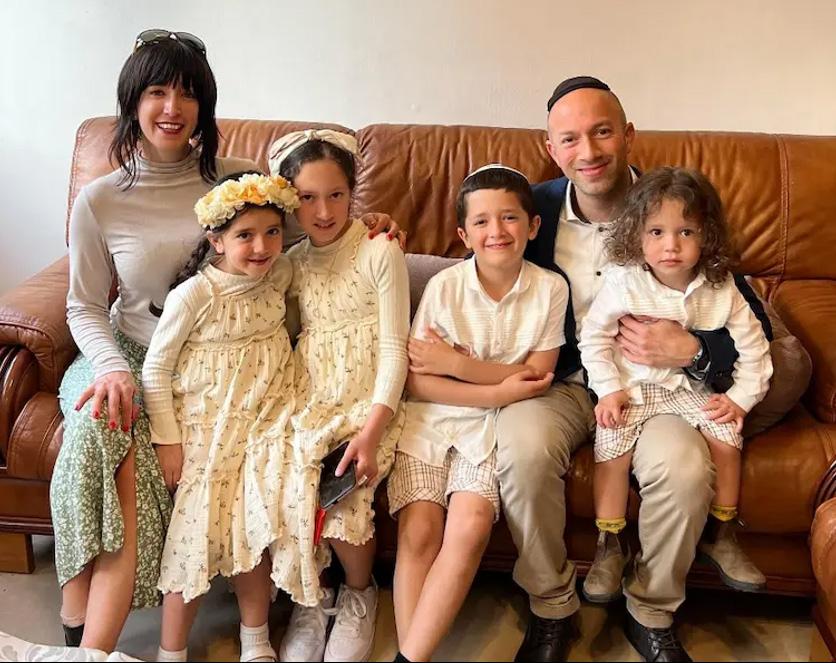
Adam Ezekiel with his family
RABBINIC
THOUGHT
RABBI DANIEL RABIN
Whenever I visit Israel, I come home with stories. Some are about places. Others are about events. But every so often, I meet someone who leaves a lasting impression and changes the way I see the country. This time, it was Dr Adi Katz Biton.
As part of a recent delegation to Israel with Shurat HaDin, an organisation that combats terrorism through legal action around the world, we visited Rambam Medical Centre in Haifa. There we met Dr Biton, an oral and maxillofacial surgeon. I knew very little about her field of medicine and certainly not about the extraordinary role it has played since October 7.
Reconstructive facial surgery is about far more than appearance. It is about restoring the things most of us take for granted: the ability to breathe, eat, speak, smile and look in the mirror without being reminded every day of the trauma someone has endured. Since the war began, Dr Biton and her team have treated countless soldiers suffering devastating facial injuries. Every operation demands extraordinary precision, patience and teamwork. Their mission is not simply to save lives, but to restore the best quality of life possible.
Medical war heroes
Dr Biton shared a story about a young Arab girl from Yehuda and Shomron. She was caught in the crossfire during a dispute between two Hamas terrorists. A stray bullet struck her face, leaving her with life-changing injuries.
Rushed to Rambam Hospital, no one paused to ask where she came from. No
one asked about her religion or ethnicity. The only question was, “How do we help this little girl?”
Over many months, Dr Biton and her colleagues painstakingly reconstructed her face. In doing so, they gave her far more than medical treatment. They gave her the opportunity to grow up
What is true leadership?
Leadership is one of those concepts people love to talk about. We admire it, study it and aspire to it. In bookshops, entire shelves are dedicated to the subject. Yet for all the discussion about it, defining exactly what makes a good leader remains surprisingly difficult.
Is a good leader someone who speaks confidently on behalf of others?
Someone who leads from the front? Someone who notices the vulnerable and steps in to help? Someone who acts without waiting to be asked? I suspect all of these qualities can be part of good leadership. But perhaps the most important quality is accepting responsibility.
At this moment in Jewish history, leadership has never been more important.
Over the past two years, our community has experienced challenges many of us never imagined we would face in Australia. We have seen antisemitism become more visible. We have watched our children questioned because of their Jewish identity.
We have seen hostility on university campuses, vandalism of communal institutions and a growing sense of unease. It is natural in times like these to look towards political leaders and ask, "What are they going to do?"
Of course, governments matter. Good political leadership matters. We should
continue to advocate, engage and expect our elected representatives to uphold the values of justice, equality and safety for every Australian. But if we wait only for others to lead, we have already missed the point. The strength of the Jewish people has never rested solely
with confidence, dignity and hope. As I listened, I realised this is an Israel that rarely makes the headlines. We hear about military operations, political debates and international criticism. Those stories dominate the news cycle. What we hear far less about are the quiet heroes. I speak of the surgeons who spend entire days rebuilding shattered faces. The nurses who walk alongside patients through months of recovery. The rehabilitation teams who help people reclaim their independence after unimaginable trauma. Israel has become one of the world’s leading centres for trauma and reconstructive medicine. Out of tragedy has come medical expertise that is transforming lives every day. I left Rambam inspired by Dr Adi Katz Biton. Not only because of her remarkable skill, but because of what she represents.
In a world where so many people only hear the lies told about Israel, they rarely get to hear stories like these. Stories of extraordinary surgeons, nurses and medical teams who dedicate their lives to healing others, regardless of religion, ethnicity or background. These are the stories that need to be told.
In closing, I wanted to address a couple of errors I inadvertently made in last month’s column about remarkable 100-year-old Lola Putt. I said she was born in Poland in 1924, when that should have been in Salonica, Greece in 1926.
on politicians, governments or public figures. It has always rested on ordinary Jews who understood that leadership begins with personal responsibility.
Leadership is not a title. It is not a position. It is not a microphone or a platform.
Leadership is the decision to ask, "What can I do?" It is checking in on a neighbour who is feeling isolated. It is standing proudly as a Jew, even when it is uncomfortable to do so. It is supporting Jewish schools, synagogues and community organisations.
It is attending a rally, volunteering your time, mentoring a young person, giving tzedakah, visiting someone who is lonely or simply refusing to remain silent when hatred appears.
The Talmud teaches, "In a place where there are no leaders, strive to be a leader." It says, "You step forward." That teaching feels especially relevant today. Each of us has influence.
Whether within our family, our workplace, our friendship circle or our community, someone is watching how we respond to difficult moments. Someone is learning from our example. The question is not whether we are leaders, rather what kind of leaders we choose to be.
History reminds us that the Jewish people have survived not because every generation produced extraordinary public figures, but because every generation produced ordinary people who lived with extraordinary courage, faith and responsibility.
Perhaps that is what our community needs most today.
Leadership has never belonged to a select few. It belongs to every one of us. May we never underestimate the impact one person can have. And may we
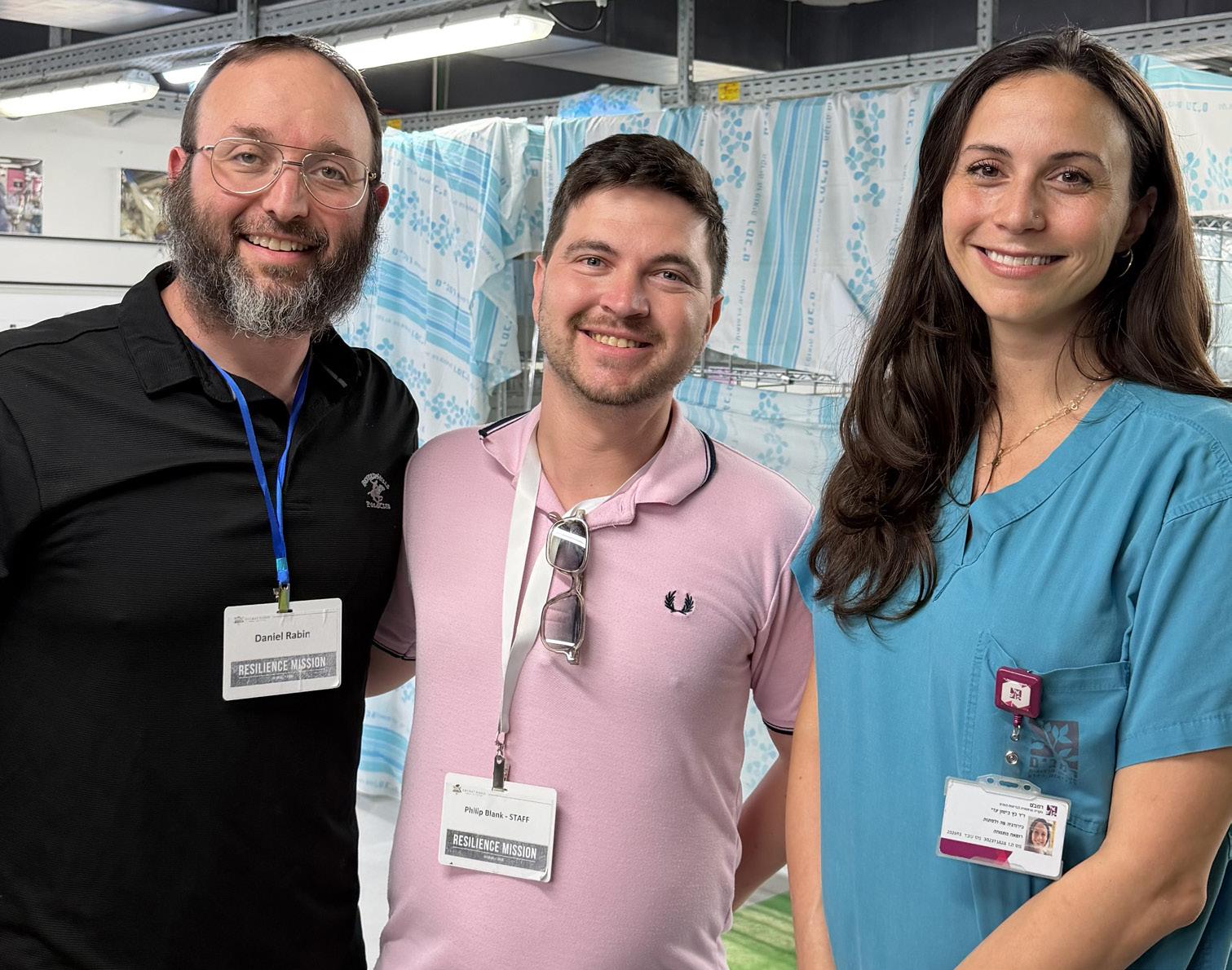
From left: Rabbi Daniel Rabin, Philip Blank (project manager at Shurat HaDin) and Dr Adi Katz Biton at the Rambam Hospital in Haifa
RABBI GABI KALTMANN
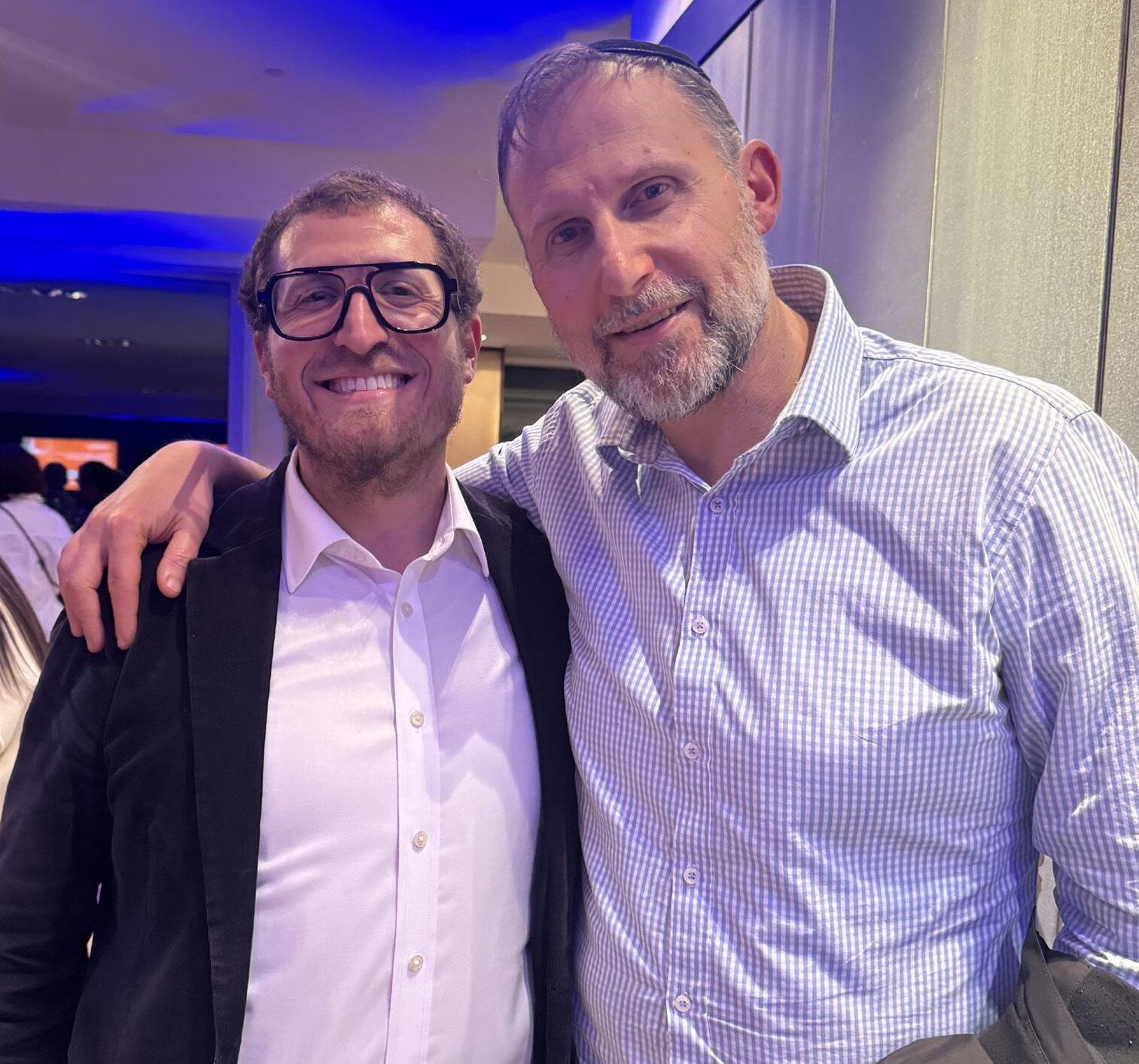
From left: Rabbi Gabi Kaltmann with community leader and philanthropist Josh Goldhirsch
THOUGHT
RABBI DR BENJI LEVY RABBINIC
Think about the last time you put your phone down at dinner and felt guilty about it. Not because you were missing something important. Just because you weren't looking. That low-level anxiety is so familiar that most of us have stopped noticing it. We have accepted it as the background noise of modern life. But it is worth asking: when did privacy become something to apologise for?
We live in an age that has confused openness with virtue. Social media taught us that vulnerability is connection and pulling back is a flaw. The influencer generation turned the inside of our homes into content. And, somewhere along the way, keeping something sacred, something just for the people we love, started to feel almost selfish.
Judaism has always known otherwise. There is a moment in the Torah that most people rush past. Balak hires Balaam, the most sought-after professional curser of the ancient world, to destroy the Jewish people. Balaam climbs his mountain, surveys the Israelite camp below, opens his mouth … and blesses them instead. The Talmud explains what stopped him. He saw that no tent opening faced another. No neighbour could peer into anyone else's private space. The people had built a culture of dignity into the very architecture of their lives. And that, say the rabbis, is what turned the curse into the blessing we still sing today: "How goodly are your tents, O Jacob" (Numbers 24:5). The tents were goodly because of what they protected.
The holiness of closing the door
There is a kabbalistic concept that goes even deeper. The mystics call it divine contraction (tzimtzum). Before creation, God's infinite light filled everything. For the world to exist at all, God had to intentionally contract. Pull back. Make space. The most creative act in history was an act of withdrawal. Without it, nothing else could be. That is a radical idea. And we need it today. We cannot build real relationships while simultaneously performing for an audience. Love requires privacy. Grief requires privacy. The kind of growth that actually changes a person requires privacy. When everything is shareable, nothing stays sacred. Shabbat reminds me of this every week. It is when the most magical moments happen for my family and me. No screens, no notifications, no audience. And yet those moments, precisely because they are unrecorded and unshared, remain etched in our hearts in a way that no photograph ever could.
The Hebrew word for holiness, kedusha, comes from a root meaning to set apart. To sanctify something is to designate it as not for everyone. Holiness is not only what you bring in. It is also what you keep out. Not every thought belongs online. Not every struggle needs a witness. The moments that shape us most tend to happen quietly, away from the scroll, in the presence of only the people who matter most.
"How goodly are your tents, O Jacob" was a blessing born from the sight of a people who understood that. May we have the wisdom, and the courage, to protect those spaces again.
Rabbi Dr Benji Levy is host of 40mystics. com, CEO of SHARE.fund and global ambassador for Moriah College
Spreading Jewish understanding
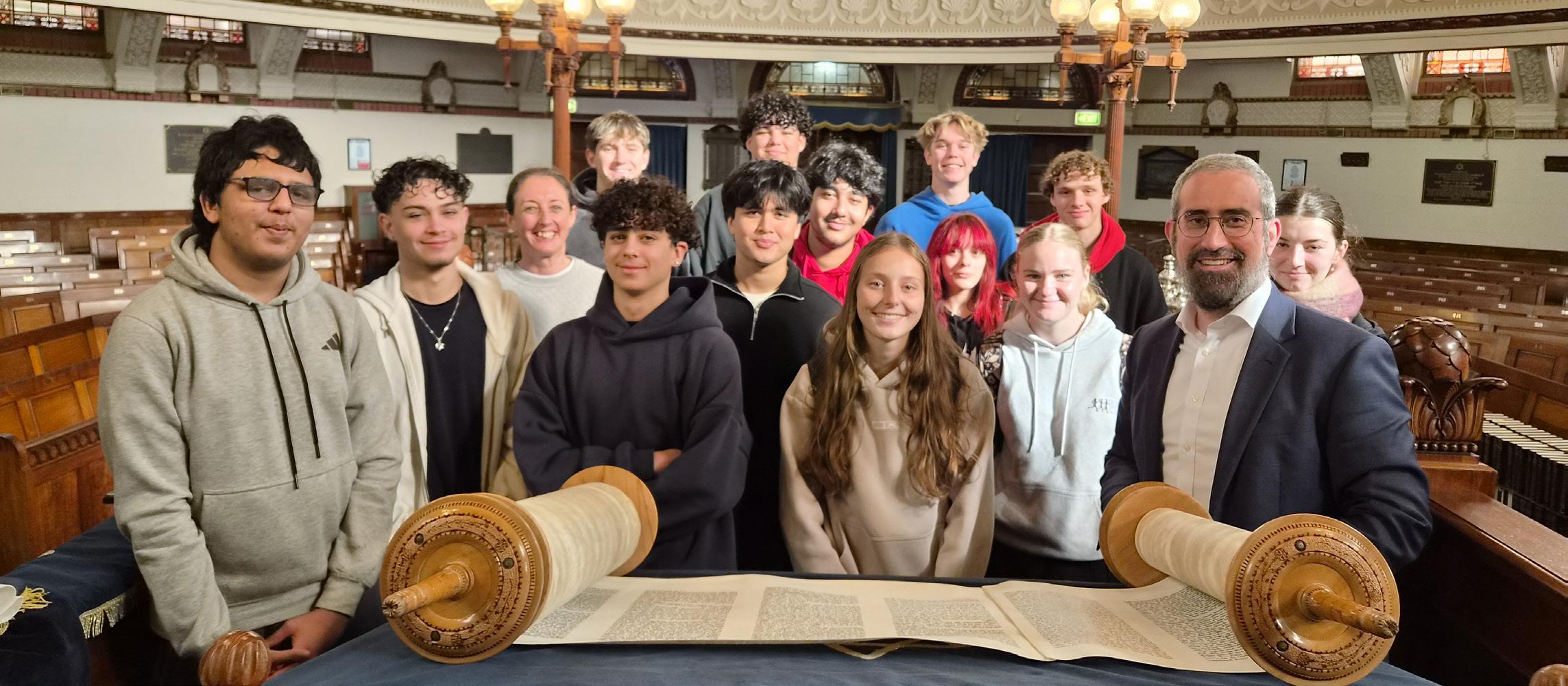
from James Fallon High School
recently visited St Kilda Shule. For most, it was their first time inside a synagogue. Their journey was especially meaningful, with the group travelling about four hours to connect with the Jewish community in Melbourne. St Kilda Shule welcomes 500 people a year from schools, community groups and interfaith organisations, but this stood out as the longest journey undertaken by any school group we have hosted.
The students’ visit reflected genuine curiosity, openness and respect. It was heartening to see young people so willing to engage with a community and tradition that was unfamiliar to many of them.
During their time with us, the students explored Jewish history, tradition and contemporary Jewish life. They were shown the Torah scroll and learned about its central place in Jewish worship and identity. They also gained an understanding of the structure and features of the synagogue, including the bimah, Aron Hakodesh (the Holy Ark), and the role of prayer in Jewish communal life. Throughout the session, the students asked thoughtful questions, showing a real interest in learning through direct experience and conversation.
One question that stood out was why Orthodox synagogues have designated seating for men and women. This
opened a meaningful discussion about Jewish tradition, prayer, modesty and focus, and how different communities express these values in different ways.
The students listened respectfully, even though this practice was unfamiliar to them.
The visit provided an opportunity to engage with Jewish practice and identity in a warm and open environment. For many, it helped turn the unfamiliar into the human, personal and accessible. It also gave them a chance to better understand the Jewish community as a living and vibrant part of Australian society.
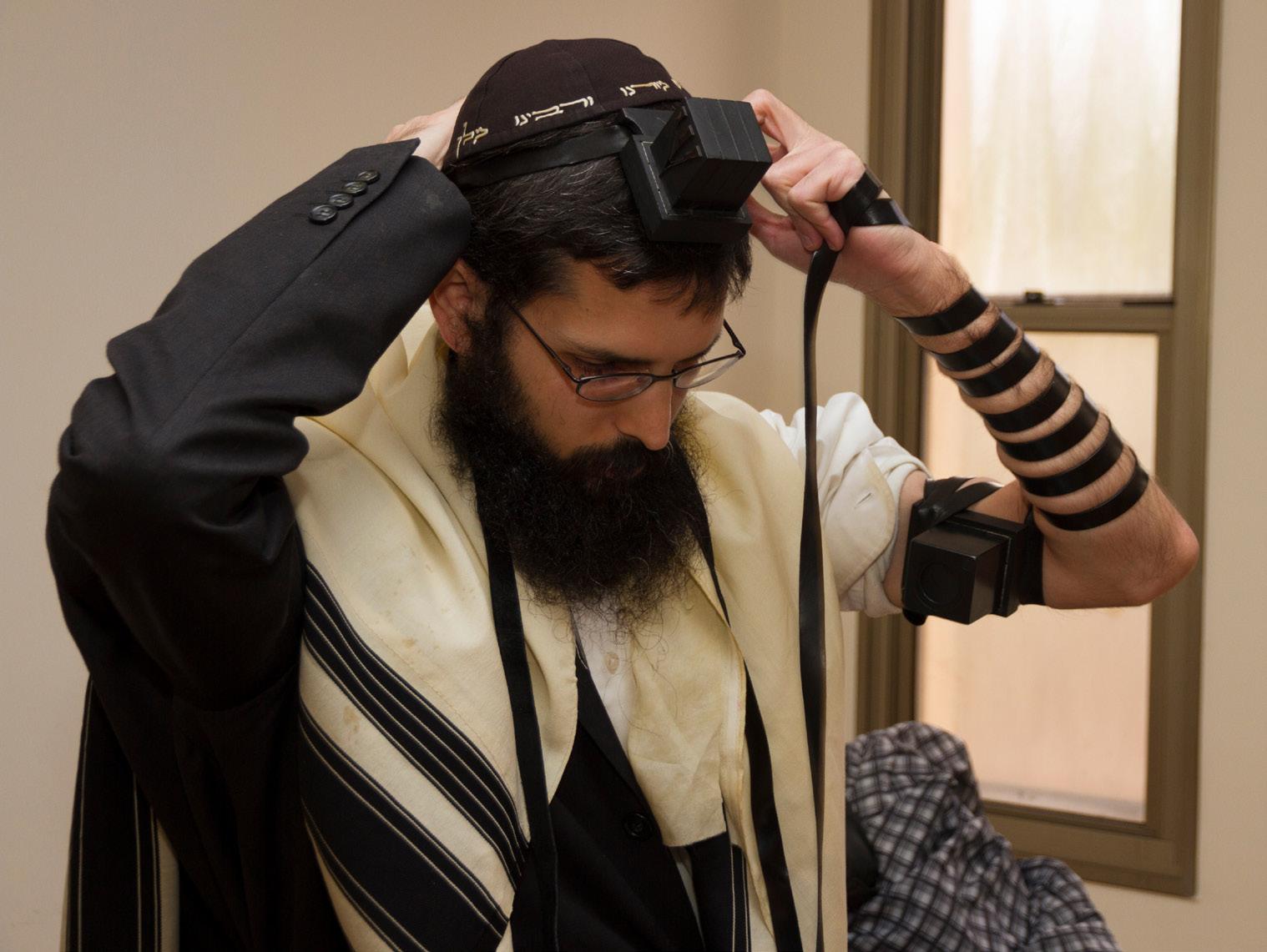
One particularly moving moment involved two Jewish brothers from the school laying tefillin in front of their classmates. All were able to witness a real expression of Jewish identity, not as something abstract, but as something lived and meaningful.
Following their visit to the synagogue, the students continued their Jewish experience with a visit to the Melbourne Holocaust Museum, further deepening their understanding of Jewish history. Collectively, this gave them a broader appreciation of both the richness of Jewish life and the painful history the Jewish people have endured.
At a time when the Jewish community continues to face significant challenges, including antisemitism, the visit was a heartening reminder of the power of education and dialogue. Despite the difficulties our community is facing, there are many people who genuinely want to learn, connect and support us, and that gives me great hope.
It was personally rewarding and uplifting to see the enthusiasm shown by the students. Their willingness to travel from rural New South Wales to engage with the Jewish community is a powerful example of how cross-cultural understanding can build bridges and strengthen mutual respect.
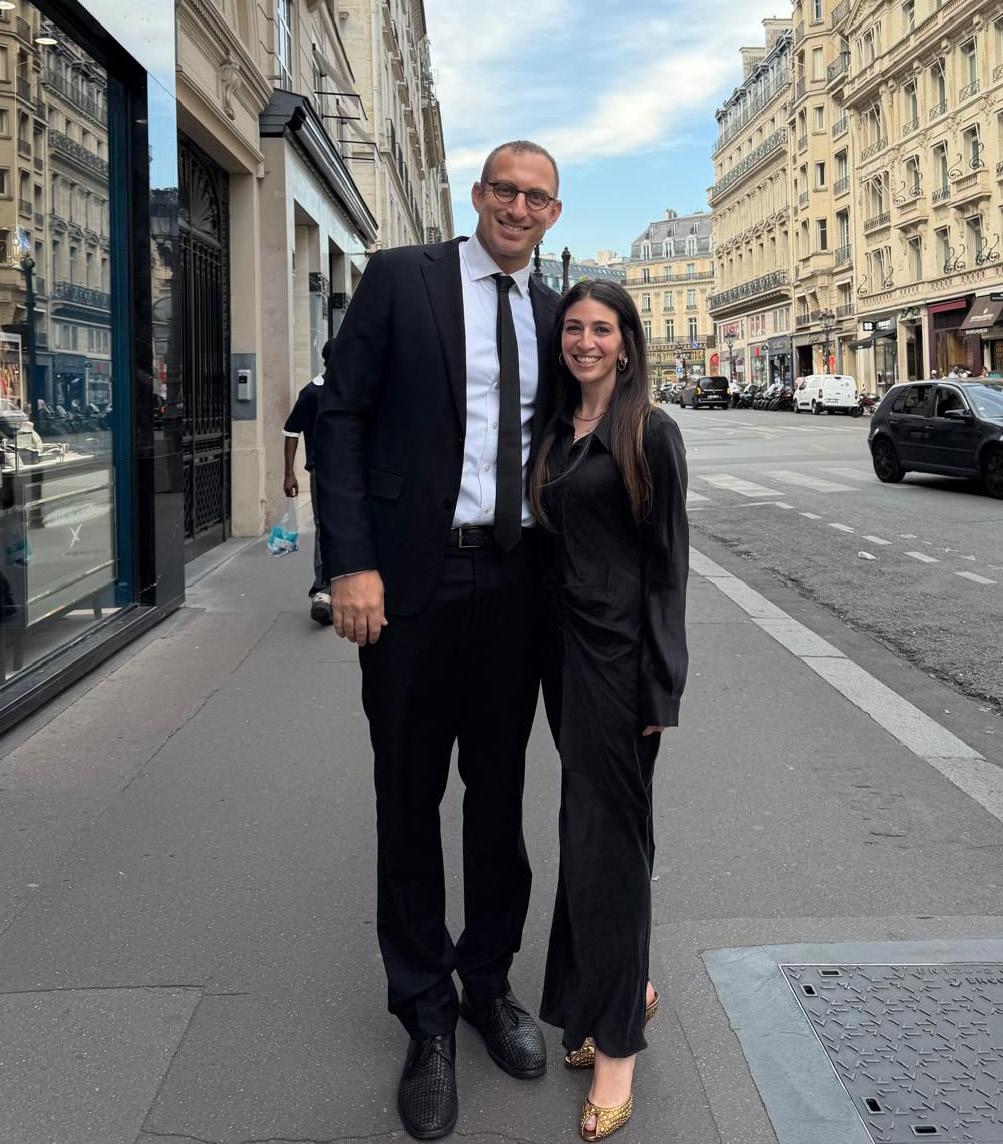
Rabbi Dr Benji Levy and his wife, Renana, in Paris in June 2026
Students
in Albury
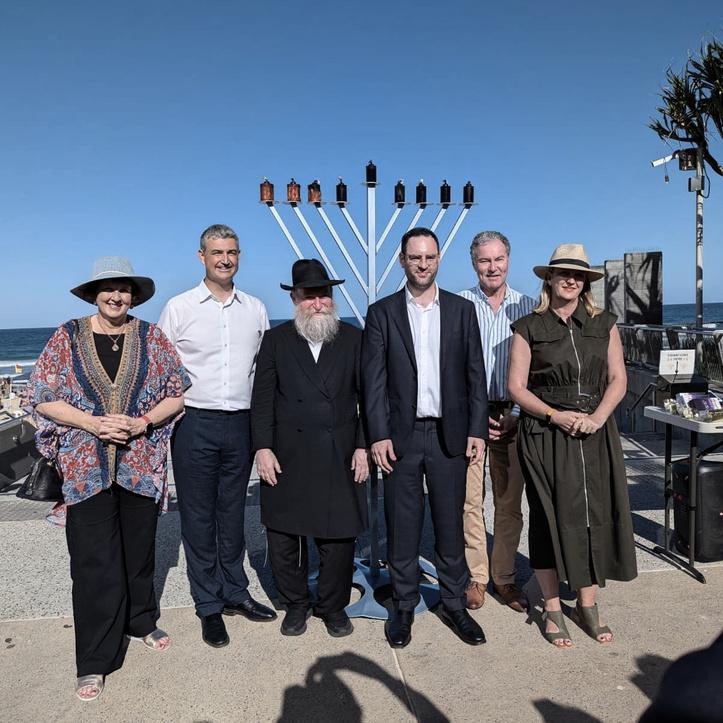
RABBI YAAKOV GLASMAN AM
Rabbi Yaakov Glasman AM with students and a teacher from James Fallon High School at St Kilda Shule
RABBINIC THOUGHT
RABBI ARON MOSS
Question:
Rabbi, I believe in G-d. I’m spiritual. I try to be kind, thoughtful, moral. But honestly, I can’t understand why G-d would want me to wrap leather boxes on my arm, nail a mezuzah to my door, eat dry crackers for a week, or wear strings hanging from my clothes. Surely if G-d wants anything from us, it’s sincerity, love, goodness and spirituality. These rituals seem so random and mechanical. Why would an infinite G-d demand such mundane things?
Answer:
You remind me of the husband whose wife went away on a trip. Before leaving, she said to him, “Please pick me up from the airport on Wednesday morning at 7:00 am.”
Wednesday arrives. She lands. She walks into the terminal and looks around. No husband.
She waits. Calls him. No answer. Forty minutes later, annoyed and exhausted, she gets an Uber home. She opens the front door and there he is, asleep on the couch. He is awoken
Why put on tefillin?
by the sound of the slamming door. “Where were you?” she asks.
He says, “I slept in. Because I was up all night writing you a poem.” And with a big smile he presents her with a piece of paper. “Here it is.”
Now maybe it was a magnificent poem. Maybe Shakespeare himself would have been impressed. His wife wasn’t. Because she didn’t ask for a poem. She asked him to pick her up at 7:00 am.
The poem was what he thought she would appreciate. It was sincere. It came from the heart. But relationships are not built on giving the other person what you think is meaningful. Relationships are built on listening carefully and responding to what they actually ask for.
That’s Judaism.
If religion was left to us, we would all write poems. We would invent moving ceremonies, mystical experiences and
feel-good rituals. We would choose the practices that resonate with us personally and avoid the ones that don’t. And all of that may seem very spiritual.
But at Sinai, G-d said: this is what I want from you. Put on tefillin. Put a mezuzah on your door. Eat matzah on Passover. Wear tzitzit. Why does He want these things? I have no idea. Maybe there are deep mystical reasons. Maybe some practical ones too. But perhaps the deepest reason is that the point is not the object. The point is the relationship.
Real love means learning to step outside yourself and enter the world of the other. It means putting aside, at least sometimes, what feels meaningful to you, and doing what matters to them. Not because you fully understand it. Not because it comes naturally. Simply because they asked. That is how trust grows. That is how loyalty deepens. That is how relationships become real.
There’s a time and place for poetry. But sometimes there’s nothing more romantic, more loving, or more meaningful than simply showing up at the airport at 7:00 am.
My first, eye-opening week back in Tel Aviv
Landing in Tel Aviv after Melbourne is a bit like switching from classical music to a nightclub at full volume. Australia politely waits its turn. Israel politely wonders why you’re taking so long.
Within my first week I’d remembered exactly why I love this place, and why I return home utterly exhausted.
Let’s start with personal space. Or, more accurately, the complete absence of it.
In Melbourne, if someone stands too close in a supermarket queue, you silently edge your trolley forward to restore the sacred 60-centimetre buffer zone. In Tel Aviv, if someone isn’t breathing on your neck, you wonder whether you’ve accidentally joined the wrong queue.
The lack of space isn’t just physical. It’s social.
People know everything. They know your name after meeting you once. They remember what you wore yesterday. And the day before. They know your cousin, your dentist and, probably, your ex-boyfriend.
Within minutes of meeting someone, the interrogation begins. “Are you married?”
“No.” “Why not?” “Children?” “No.” “Why not?” The questions aren’t considered rude. They’re considered conversation.
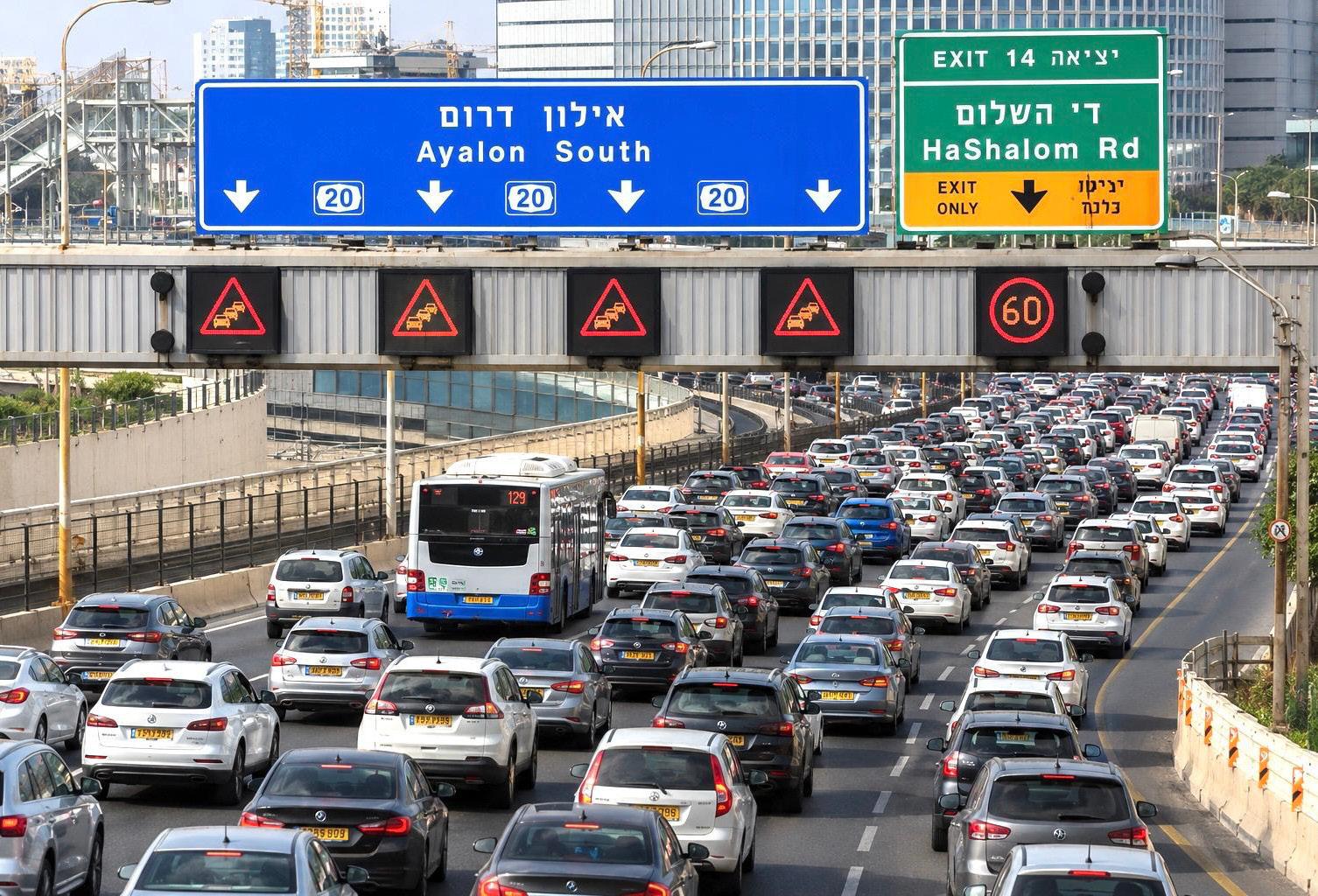
Then there are the cars. Parking in Tel Aviv deserves Olympic recognition. Australians believe they’ve parallel parked well if they’re within 30 centimetres of the kerb. Israelis consider
parking complete only when both bumpers are gently kissing the cars in front and behind. The bump is less an accident than the final affectionate adjustment. I watched one driver reverse purely by sound. Tap. Forward. Tap. Done. No anxiety. No apologies. Just another Tuesday.
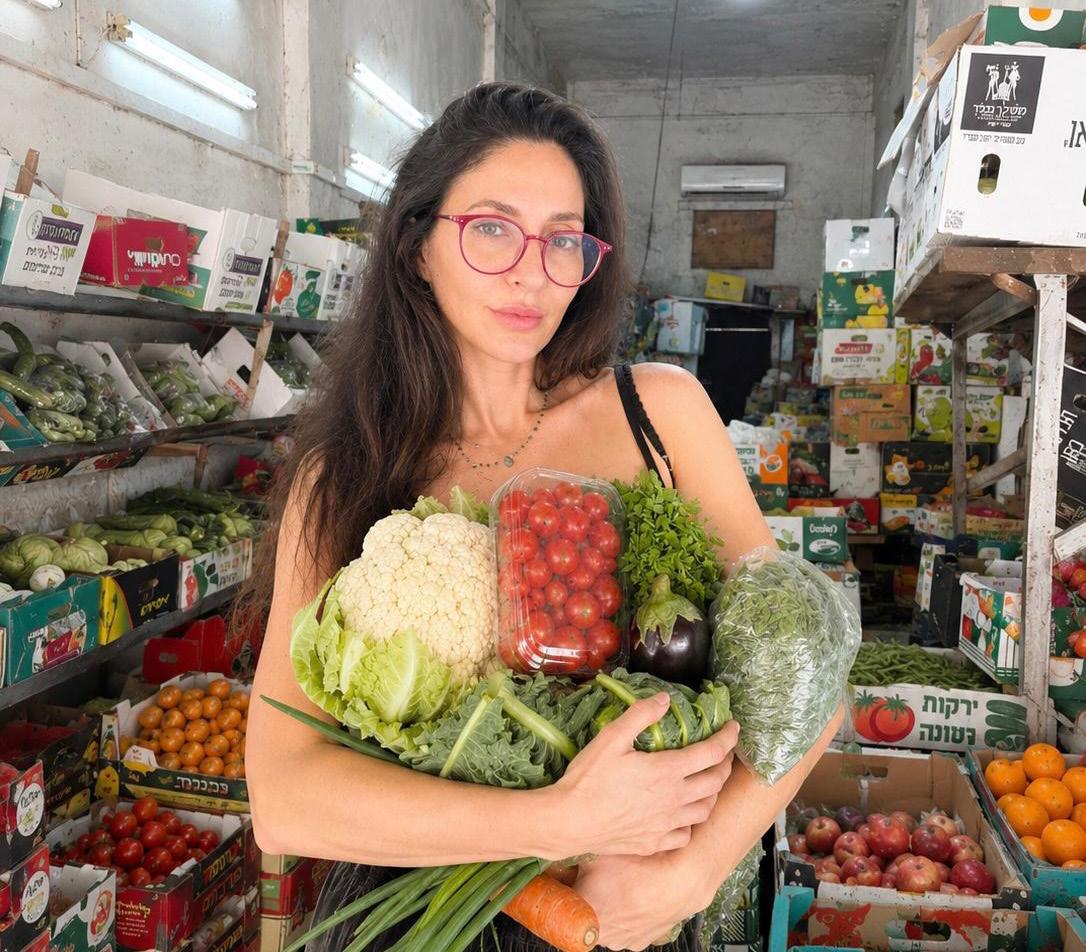
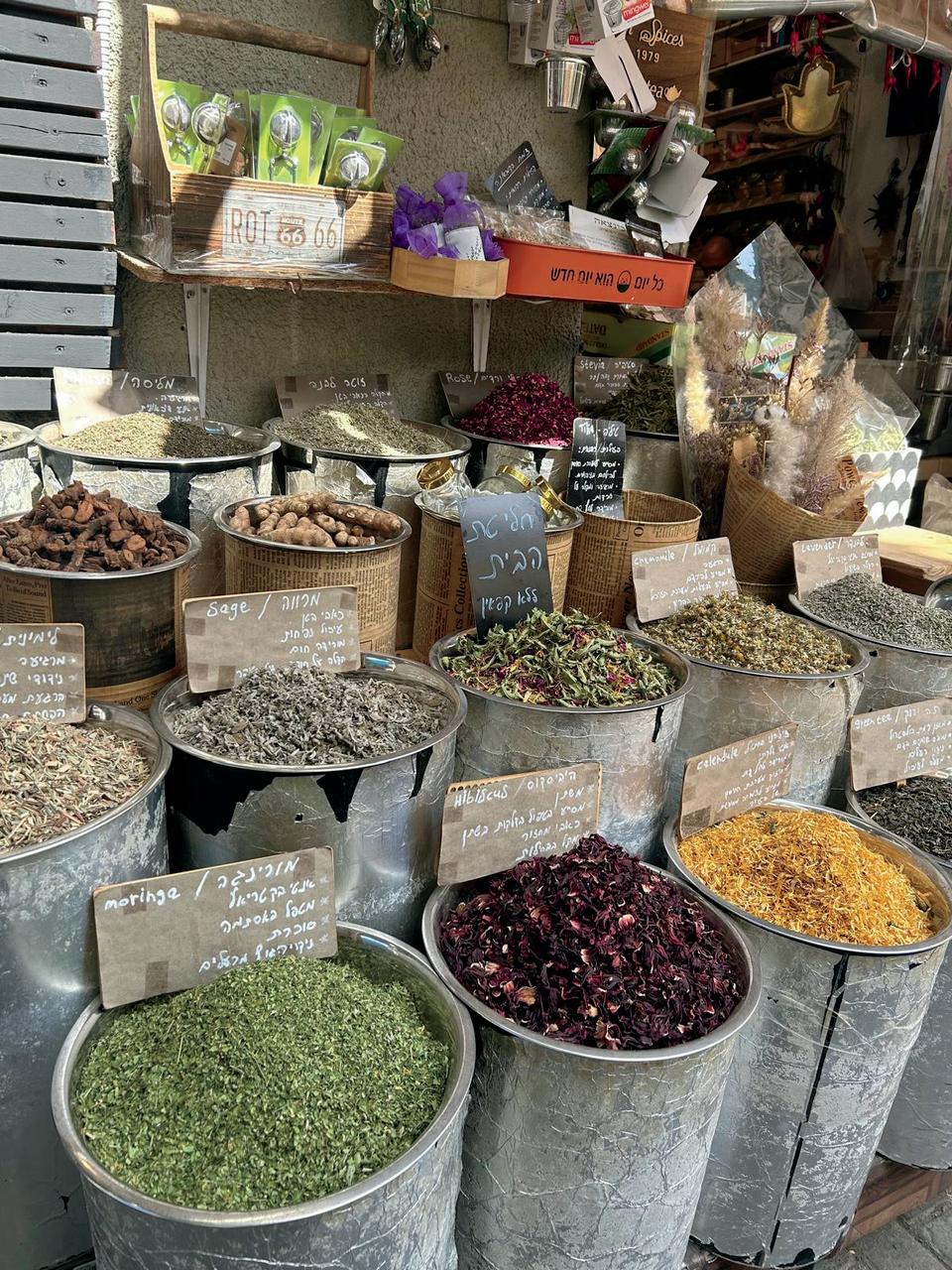
The markets deserve their own category of organised chaos. Music
pounds from giant speakers – thumping nightclub beats at 11 in the morning while people buy tomatoes. A fruit seller is juggling peaches with circus-worthy confidence. Another vendor bellows that he has “the sexiest lettuce in Israel”, and somehow you almost believe him. Everything is performed at maximum volume. Buying herbs feels like attending live theatre.
Then there was my mobile phone saga. I visited a phone shop to reconnect my service. The assistant needed to test my new number. Fair enough, I thought. That evening my phone buzzed. “Hi.” Then another message. “Would you like to go on a date?”
Apparently technical support had evolved into speed dating. In Melbourne that would probably generate an HR investigation. In Tel Aviv, it somehow felt like just another Tuesday.
Israel has always fascinated me because almost nothing seems off-limits. People tell you exactly what they think. They’ll criticise your haircut, recommend a dermatologist, ask about your salary and then invite you to Friday-night dinner, all before you’ve finished your coffee. It’s wonderfully exhausting.
For all its beautiful beaches, incredible food and ancient history, what keeps drawing me back isn’t perfection. It’s the glorious unpredictability.
Israel doesn’t politely exist beside you. It sweeps you into the conversation, asks overly personal questions, feeds you too much hummus, honks its horn for reasons unknown and somehow convinces you this is all completely normal.
By the end of one week, I’d been questioned, squeezed, serenaded, nearly flattened by an electric scooter and asked out by customer service. Tel Aviv is the kind of city that grabs you by the shoulders, shouts over your ear, slips you a plate of hummus and a wink, and somehow leaves you grinning in the middle of the noise.
SHARONNE TIDHAR
Shopping at a greengrocery store in Tel Aviv
CONSIDERED OPINION
RAMONA FREEDMAN
ALIYAH ADVENTURES
On behalf of all Israelis, I apologise.
The number of singleuse everything and anything here in the Holy Land is staggering. The number of items nonchalantly tossed on a daily basis is mind-blowing.
In their defence, they have so much going on that it is genuinely hard for this particular population to put important you front and centre.
Confession: recycling, as Aussies know it, with local councils providing dedicated bins for each home, doesn’t exist here. Having said that, there are communal drop off points, yet one wonders where all that truly goes.
I will now mention a word that I hadn’t uttered in years, that is until it confronted me in various guises: Styrofoam! Dear Lord, it seems to reproduce here!
When it comes to plastic bags, it is a throwback to the late 1980s-era and, I confess, it is abominable how quickly one reacquaints with that particular paramour from long ago. I neither encourage nor recommend it, however it does seep into the everyday.
Having said all that, Israelis don’t mean to disrespect nor destabilise you. The thing is that this country is rather distracted with the dramatic daily reality of … oh … trifles, like war on several fronts, and soldiers in and out of combat zones.
Throw in a quick one-day war and locals here run to purchase a seismic quantity of plastic, which they think is fantastic. They are stocking up their bomb shelters with plastic water bottles and the like … just in case.
Perhaps Israelis are remiss in not thinking about the long-term effects of all of this, but they find it all to be a rather neat short-term solution. I guess they simply want to ensure they are here for the long-term.
The irony is that the State of Israel produces brilliant environmental scientists, improving and creating extraordinary things. One wonders if while contemplating the wonders of nature, they may just be sipping on a Coke Zero through a plastic straw. Perhaps it is better not to know.
Admittedly, the “Three Rs” – Reduce, Reuse, Recycle, haven’t gripped the nation as yet but I will tell you what has: the FIFA World Cup. It is dominating Israelis’ precious free time right now. The local television station, Channel 11, has the broadcasting rights for the Mondial and I have been watching games on and off, all-the-while listening to the heartfelt Hebrew commentary.
You hear passionate discussions about it during games in homes, you hear it on the radio, you hear it in supermarkets. Messi. Ronaldo. One can hardly blame them. I have come to appreciate how important it is to dip out of everyday reality for a few minutes here and there. It is healthy.
When I lived in our Great Southern Land, for years we would sit down to do the quiz in the weekend newspaper. Without boasting, I would say we did rather well with the cumulative knowledge around our long, large
Yellow diamonds
Shabbat tables back then. Not so here. Yes, we buy the newspaper. Yes, we slowly read out the comparable quiz, ensuring all understand each question (which is quite a mission). One week, we collectively scored a paltry one out of 15. The next week, it was five.
It was dismal really, but we were oh so proud of that ‘achievement’. Onwards and upwards.
As I type this, I am the mother-of-thebride. I am navigating on a new level again. The wedding dress designer didn’t speak much English. There may have been some theatrical gesticulating to convey desired outcomes.
We went to the pre-wedding dinner tasting at the venue. We realised quickly who amongst us had the best command of Hebrew and elected him (my dear son-in-law) to be our spokesperson. We debated which items we loved, which we didn’t. When it came time to select, despite the Hebrew being on par, the caterer didn’t really care what we thought. He said regardless, he was serving this, that and the other respectively. And that was that! Israelis march to the beat of their own drum.
This edition marks two years since I moved to Israel … since my family and I made Aliyah. It feels divinely orchestrated that my work at Telfed (which supports South African, Australian and New Zealand olim to build a home in Israel) aligns so seamlessly with this column, to which I contribute monthly about allthings-Aliyah. Now, professionally, with the support of my terrific Telfed team here in Ra’anana, I help Australians, New Zealanders and South Africans on a daily basis.
I am adapting to and adopting cultural traits in real-time. If people sing a song, nowadays I often recognise it. Do I understand all the lyrics? Don’t be daft – of course not. But I can hum along. When I first arrived, I thought it was utterly bizarre that most of Israel seems to shut down on a Tuesday afternoon. How random. How ridiculous, I thought.
Now, while it is, at times, annoying, it is understandable.
After all, with the work week starting on a Sunday morning (the horror!) … Tuesday afternoon is the mid-point and well, Israelis have a lot on their To Do lists. I have now tried every brand of Israeli-made chocolate and I must say that Australian manufacturers win that contest (and “yes”, Kiwis too, with your wonderful Whittaker’s).
I haven’t done official research on this, but I do believe I am living in a country with proportionally more shorter people than many other nations. I know this because at five-foot-two (in the old scale), more often than not I don’t feel out of place. Such a bonus!
I continue my quiet campaign of not honking my car horn in Ra’anana. My husband has been roped into this too (against his will) by yours truly. When you drive into Jerusalem, you do notice a stark difference. That doesn’t mean Ra’anana residents park legally. You sometimes see an astonishing number of cars parked wildly up on the curb. In one short, dead-end street I counted eight cars in my immediate vicinity that would all be unceremoniously booked in Australia. The thing is, while aesthetically it looks rather disconcerting, bordering on dangerous, in reality, Israelis just get so much done, so much faster.
Speaking of road rules. I am now confident enough to zigzag my way around Israel in my car on highways. I simply weave into the ‘slow’ lane on the far right-hand side and marvel at the chutzpah of Israeli drivers. On one level it is downright impressive.
And then I see a string of yellow diamonds painted on one particular highway lane. Yellow diamonds. I didn’t take a driving test here per se. I try and guess what they might be for. Buses only? Taxis? More than two passengers? Sometimes, a combination of all of the above. Sometimes it depends upon the time of day. And sometimes, after picking up my crew from Herzliya train
station, there is no other way to turn right onto another highway than to cross over the mysterious yellow diamond lane.
Legal? Illegal? I am still trying to work that out. Have I been booked while undertaking these observations? Why yes, I have. Do I know precisely why? Not really. If that is what it takes for me to get myself to Osher Ad, which is the kosher equivalent of Costco, then drive on highways I will.
I have so much still to learn. Yet, despite only landing here two short years ago, it does feel like home. A different home. A crazy home. A chaotic home. But a home nonetheless. There is a camaraderie here like in no other place I have been. Here is a case-in-point: I needed help with a pigeon nesting problem. I asked a friend and she sent me a number with a contact name: ‘Bird Man’. Fortunately, Bird Man spoke broken English. He took the time to tell me his name was actually Zalman Fleischer. He asked if I knew the origin of his name? Why, “no”. Not off the top of my head.
He proceeded to proudly tell me that Zalman was derived from King Solomon. Smiling to himself, this weathered dude who had fought in wars for Israel’s survival asked if I knew I was actually speaking with a king? (They may be short, but they are not short of confidence!) Oh, Bird Man, how can I not treat you with due deference … and then secretly wince at the cost of your quote.
Despite so many hardships and losses, Israelis are a glass-half-full people. They are not spoilt. They appreciate the little things. A drama-free ‘regular’ day is another day to be celebrated. The truth is, yellow or not, each Israeli is like a rough diamond. Scratch the surface and each reveals something quite eternal with qualities that are timeless. Twenty-four months on, I know this to be true.
For now it’s over and out from Ramona in Ra’anana.
ALAN BENDER SOUL GOURMET FOODIE CORNER
To my horror, there are no longer any kosher rusks available. With winter here, I must have the “dunk” on a Shabbat morning before shule. This recipe is for a buttermilk rush, but my big oven in the kitchen is pareve so I switched buttermilk for coconut cream, which worked out perfectly.
Ingredients:
500 grams self-raising flour
180 grams CSR raw sugar (I like the course texture and flavor)
250 grams butter (I used Nuttelex for pareve)
250 ml buttermilk (I used coconut cream)
1 large egg
2 teaspoons good vanilla essence
Method:
1: Preheat oven to 180C.
2: Place all the dry ingredients in a bowl and mix.
3: In a pan on the stove or a bowl in the microwave melt the butter, but don’t let it boil. Remove from the heat and add the buttermilk, egg and vanilla, mixing well to combine.
4: Add the wet to the dry ingredients and mix until combined and you have a thick dough.
Home-made rusks
5: Spray a 20 cm x 20 cm dish with a little vegetable oil and press in the dough, smoothing the top. Then bake for 40 minutes until it is golden brown on top. Insert a sharp knife and if it comes out cleanly, it is ready to come out of the oven.
6: Allow it to cool in the dish for about 10 minutes then cut into 20 “equalish” sized pieces.
7: Remove from the baking dish and place on an oven tray lined with baking paper, then dry in the oven for about five hours at 100C, but keep checking every hour. The rusk must be completely dry in the middle.
Let’s play:
You now have the basic dough, so now try adding the following flavors in different batches: choc chip, cranberry, raisin or, my favorite, pink lady muesli.
For a more rustic look, roll the dough into equal size balls. Place the balls on the baking tray so they are just touching and bake until cooked. Allow the dough to cool, then gently pull apart the balls and dry them.
CANDLE LIGHTING TIMES
Friday, Jul 10, 2026 4:58 pm
Shabbat ends, Jul 11, 2026 6:00 pm
Friday, Jul 17, 2026 5:03 pm
Shabbat ends, Jul 18, 2026 6:04 pm
Friday, Jul 24, 2026 5:08 pm
Shabbat ends, Jul 25, 2026 6:09 pm
Friday, July 31, 2026 5:14 PM
Shabbat ends, August 1, 2026 6:14 PM
Friday, August 7, 2026 5:20 PM
Shabbat ends, August 8, 2026 6:19 PM
Sydney Jewish Report Disclaimer:
Except where expressly stated otherwise, content in The Sydney Jewish Report is provided as general informations only. The articles in this paper have been contributed by a third party. The opinions, facts and any media content here are presented solely by the author, and The Jewish Report assumes no responsibility for them. It is not intended as advice and must not be relied upon as such. You should make your own inquiries and take independent advice tailored to your specific circumstances prior to making any decisions. We do not make any representation or warranty that any material in the papers will be reliable, accurate or complete, nor do we accept any responsibility arising in any way from errors or omissions. We will not be liable for loss resulting from any action or decision by you in reliance on the material in the papers. By reading the papers, you acknowledge that we are not responsible for, and accept no liability in relation to, any reader’s use of, access to or conduct in connection with the papers in any circumstance. Photographs submitted by individuals or organisations are assumed to be their property and are therefore not otherwise credited. All articles in this paper have received the expressed consent of the author to publish in this paper.
The Jewish Report; ISSN 2204-4639
Publisher: The Jewish Report Pty Ltd (ACN 167302981)
Distributor: TJR Distribution Pty Ltd ACN 165158029
Comments or suggestions to: editor@thejewishreport.com.au
Article submissions to: www.thejewishreport.com.au/article-submission-guidelines
Questions/comments/compliments: email Yoni at koshercrosswords@gmail.com
Crossword answers
REVIEW
LOSING FACE
The wellness industry gets a welldeserved dressing down in Marieke Hardy’s uproarious comedy with a dark underbelly, Losing Face.
Jo (Michala Banas), Lauren (Christie Whelan Browne) and Simone (Madeleine Sami) have been besties since ... forever.
Only these days they don’t see much of each other because, well, life has gotten in the way.
In fact, they haven’t been together for five years, when with only a week’s notice, Jo invites them to join her at an upmarket retreat named Royal You.
Jo, who is turning 50 during their fourday stay, is determined to reconnect and have fun.
Of no fixed address, she appears to have landed on her feet and become a travel writer, hence this freebie.
Lauren is a harried wife and mother of twins, who has moved from the city to Castlemaine and never has a moment to herself.
Simone drops the news that she is engaged … to a 32-year-old woman whom she has only known for 10 months.
While Jo and Lauren and Jo and Simone seem tight, there are tensions between Lauren and Simone, after Lauren didn’t receive an invitation to Simone’s wedding.
The upbeat, supercilious, wellness centre guru is a man who defies age, with the pretentious name of Tomas (you have
Chin up
to drag out the “a”, so Tomaaas), played by Wil King.
His chief advocate is his receptionist and nurse (Genevieve Morris). Morris doubles as a competitive, older guest at the retreat.
What Jo, Lauren and Simone discover is that far from being only a wellness facility that offers facials, body treatments and a spa, it is also a medical centre.
The trio’s “flaws” are highlighted in no uncertain terms. They are goaded into trying to reclaim their youthful selves, so after getting drunk and high, each finds themselves black and blue, and bandaged.
All I can say is careful what you wish for.
Developed through MTC’s NEXT STAGE
Writers’ Program, Losing Face contains line after line of hilarity, as well as some dirty dealings.
It has been magnificently realised by a handful of outstanding actors, who pontificate and flit about, and an equally accomplished behind the scenes’ team.
Michala Banas plays free spirited with distinction.
Christie Whelan Browne revels in being weighed down, leaving her character’s wild days behind. As Simone, Madeleine Sami is determined to live life on her terms.
Wil King gives a bravura performance as the highly showy wellness guru.
In both her roles, Genevieve Morris makes an art form of buying into the hype surrounding eternal youth, Tomas
and Royal You. The multi-level, opulent set design, with revolving centrepiece, by set and costume designer Jo Briscoe, is masterful.It depicts a reception area, treatment room, suite, open spa and a cliff top.
Headlining the costuming is the boyish, effeminate outfit worn by Tomas and oversize hat atop the older guest.
As we enter the theatre, a series of affirmations on the curtain that covers the stage sets the tone of the wellness retreat.
At the start of the play proper, a giant video display reveals the three women at the centre of proceedings in extreme close up (how confronting) readying themselves.
Plaudits to the audio-visual designer Justin Gardam.
The impact of Losing Face wouldn’t be complete without the rigorous efforts of lighting designer Amelia Lever-Davidson and composer/sound designer Kelly Ryall.
Even before seeing this, I worried greatly about the potential negative impact of the focus on beauty at any cost in our society.
Think injectables, nips, tucks and body lifts.
Losing Face plays on the alarm with alacrity and polish.
One hour 45 minutes without interval, it may be a hoot, but it also sends a powerful message.
Well directed by Leticia Cáceres, it is on at Southbank Theatre, The Sumner until 25th July, 2026.
Sexually charged comedic drama
It starts with a pointed quote from Oscar Wilde: “One should always be in love. That is the reason one should never marry.”
Then, a whip smart script and some seriously good acting transport us to eye opening conversation between two couples living in the same apartment block.
Music teacher Joe (Seth Rogen) and his wife Angela’s (Olivia Wilde) daughter is sleeping out for the night.
The couple isn’t exactly on the same page when Angela invites their freespirited upstairs neighbours over for dinner.
Angela and Joe, having recently completed a refurbishment of their place in San Francisco, are at loggerheads.
Truth be told, their marriage is on very shaky ground and Joe’s regularly miserable countenance isn’t helping matters.
When he arrives home from work that day, Joe isn’t in the right frame of mind for visitors. But Angela gives him no choice because she has spent considerable time preparing.
Joe and Angela are still fighting when psychotherapist and sexologist Piña (Penelope Cruz) and her former firefighter boyfriend Hawk (Edward Norton) ring the doorbell.
Joe has an axe to grind with them due to the loud noises coming from their apartment when they are having sex.
Much to Angela’s horror, Joe tells her he intends to confront them about it.
Joe doesn’t exactly make them feel welcome, but Hawk tells Joe that he appreciates his candour.
Conversation between the couples lurches back and forth from awkward and heated to convivial, with an emphasis on the former.
Also, it is clear that there is sexual tension in the air, which will get a whole lot more charged. Joe and Angela are about to be shocked.
With a screenplay by Will McCormack and Rashida Jones, The Invite is an English-language remake of the 2020 Spanish film The People Upstairs by Cesc Gay. In turn, The People Upstairs was adapted from Gay’s play of the same name that opened in Barcelona in 2015.
A four-hander, The Invite has a decidedly theatrical feel, although, importantly, there is no shortage of twists in amongst the blunt talk and soulsearching.
It is a most engaging work, courtesy of fine performances. None is better than Seth Rogen, who generates humour, antipathy and surprise as Joe.
As Piña, a smouldering Penelope Cruz heats up the screen with her confidence and charisma.
There is an inherent sadness, anxiety, disappointment and frustration in Olivia Wilde’s portrayal of Angela. Wilde also doubles are the film’s director, and a most accomplished one at that.
She made her mark with Booksmart (2019) and continues to convey that aptitude in The Invite.
Edward Norton conveys a pleasant demeanour, while cutting to the chase, as Hawk.
I also appreciated the sound bed that accompanies the work.
Devonté Hynes is responsible for the stirring composition.
There are no beg pardons about The Invite and that is its strength.
Rated MA, it scores an 8 out of 10.
For more of Alex First’s reviews, go to https://www.itellyouwhatithink.com
From left: Madeleine Sami, Michala Banas and Christie Whelan Browne in MTC’s Losing Face (photo by Pia Johnson)
THE INVITE (MA) ALEX FIRST MOVIE REVIEW
From left: Penélope Cruz and Olivia Wilde in The Invite
AUSTRALIAN FRIENDS OF THE HEBREW UNIVERSITY AROUND THE
The Hebrew University of Jerusalem has reached a remarkable milestone, celebrating its tenth Nobel Prize, a powerful testament to its enduring legacy of innovation, intellectual leadership and global impact. For a university founded on a vision of advancing knowledge for the benefit of humanity, this achievement reflects more than individual excellence. It speaks to a culture that consistently nurtures curiosity, critical thinking and groundbreaking discovery.
From the outset, the Hebrew University has been associated with intellectual giants. Albert Einstein, whose vision helped inspire the university’s founding, was awarded the Nobel Prize in Physics for his discovery of the photoelectric effect, a breakthrough that transformed modern science.
Its Nobel laureates span diverse fields, including chemistry, economics and science, highlighting the institution’s breadth of influence. From pioneering work in game theory that reshaped economic thinking to discoveries that have advanced medicine and technology, these achievements have had far-reaching implications globally.
Professor Joel Mokyr recently received the Nobel Prize in Economic Sciences
A legacy of excellence
explaining how scientific knowledge and technological innovation drive sustained economic growth.
It underscores the university’s continued relevance in an increasingly complex world, reflecting decades of investment in research excellence, innovation and education. It also highlights the role of universities in developing future leaders and creating solutions to global challenges.
Supporting this mission from Australia is the Australian Friends of the Hebrew University, which strengthens connections
philanthropy, community engagement and educational opportunities. Through scholarships, research support and student exchanges, Australian supporters help ensure that Hebrew University remains at the forefront of discovery and learning.
Behind every breakthrough lies the generosity of donors who understand that investing in education and research creates benefits that extend across generations. One of the most meaningful ways to support this work is through a legacy gift or bequest. By
the trip of a
will, supporters help secure the future of world-class research, education and innovation, creating an impact that will be felt long after their lifetime. To recognise and thank those who have made this commitment, and with thanks to a generous donor, the Australian Friends, together with the British Friends, is organising an exclusive Legacy Mission. Taking place in early November 2026, this all-expenses-paid journey invites a small group of supporters who have included the university in their estate planning to experience firsthand the impact of their future gift. Participants meet leading academics and researchers, visit pioneering laboratories and centres of excellence, and gain unique insight into projects addressing some of humanity’s greatest challenges. Often, however, it is the personal encounters that leave the deepest impression. Meeting students whose lives have been transformed by scholarships, researchers pursuing lifechanging discoveries, and young leaders shaping Israel’s future brings home the profound difference a legacy gift can make. As Hebrew University looks to the future, its mission remains clear: to push the boundaries of knowledge, foster innovation and contribute meaningfully to global progress.
To find out more about attending the Legacy Mission, please contact Rob Schneider for a confidential discussion
Join us in early November on an all- expenses-paid Legacy Mission to Israel generously funded by an anonymous donor who wants to thank and honour suppor ters who choose to leave a bequest to the Hebrew University of Jerusalem.
Experience Israel like never before:
• Special access to Hebrew University campuses and researchers
• Guided tours, cultural highlights, and unique events
• Return air fares, accommodation, meals, and all tours included (excl travel insurance)
Your legacy shapes the future of discovery, innovation, and contribution at Israel’s leading institution of higher education, The Hebrew University of Jerusalem – The University of the Jewish People.
This unforgettable journey celebrates you and the impac t you will make benefitting generations to come.
To qualif y you must be over 60 and commit to a minimum legacy to The Hebrew University of Jerusalem