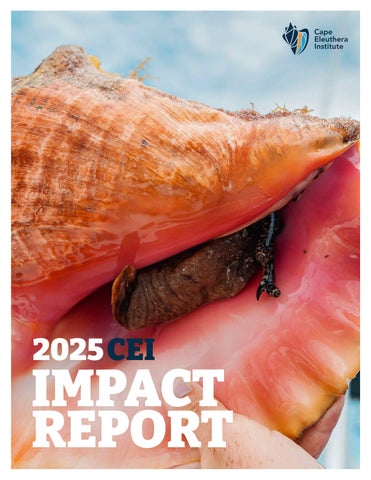
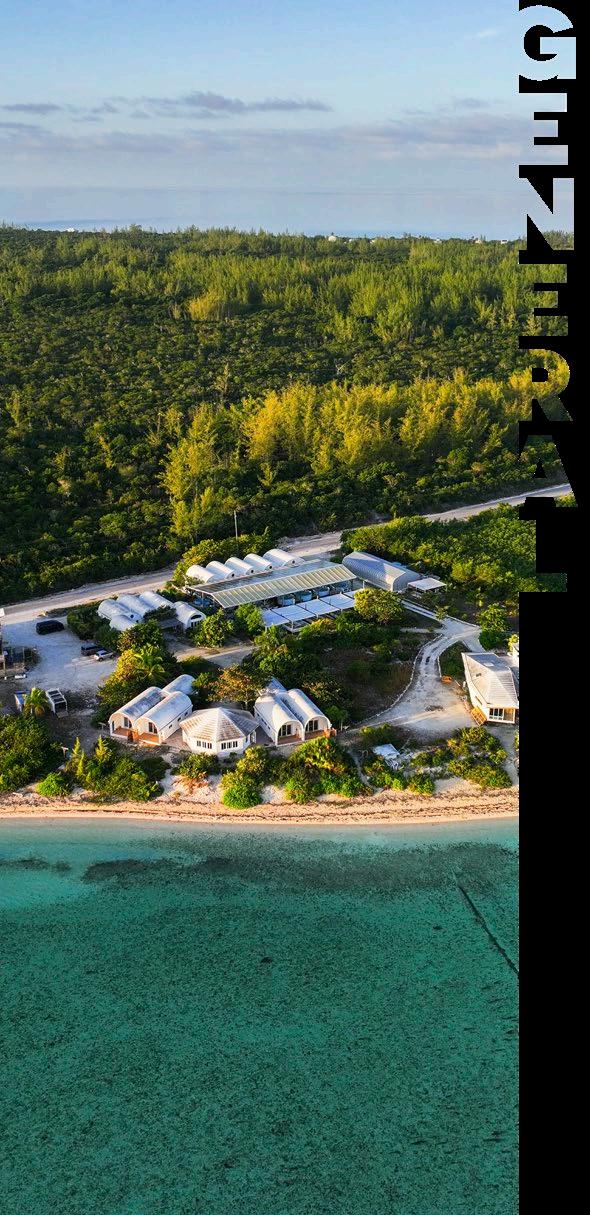
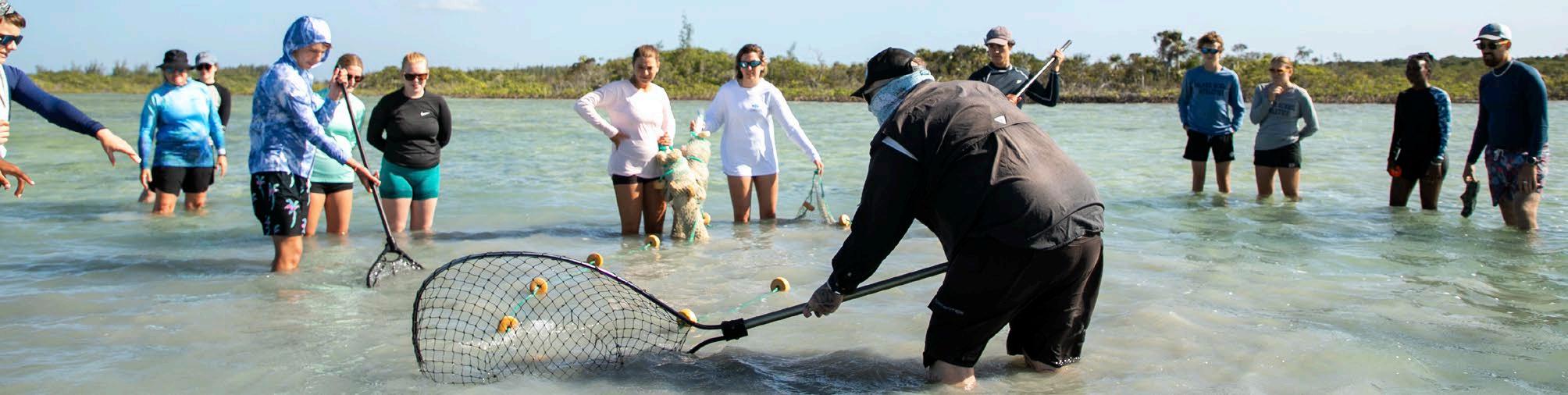
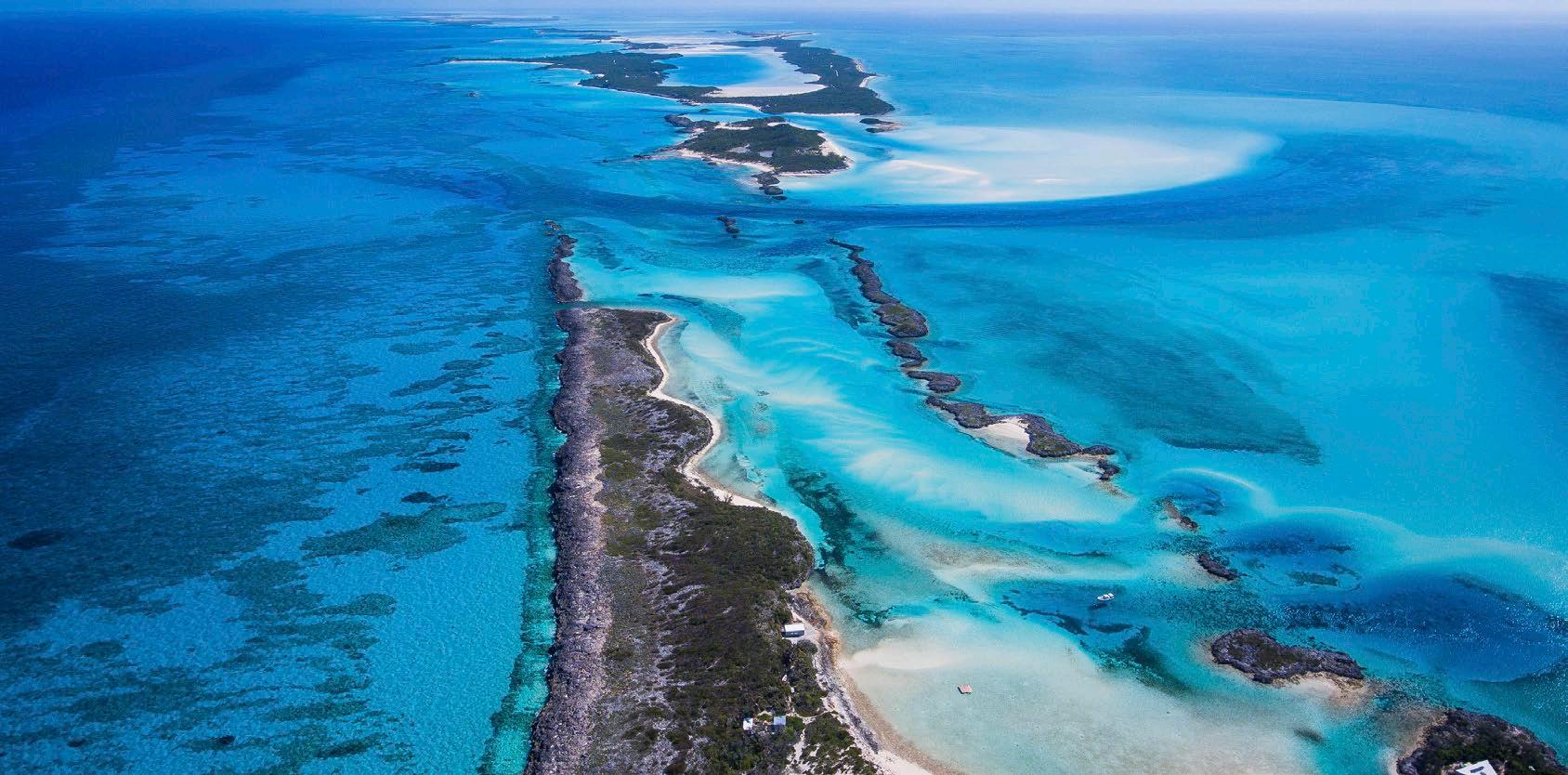
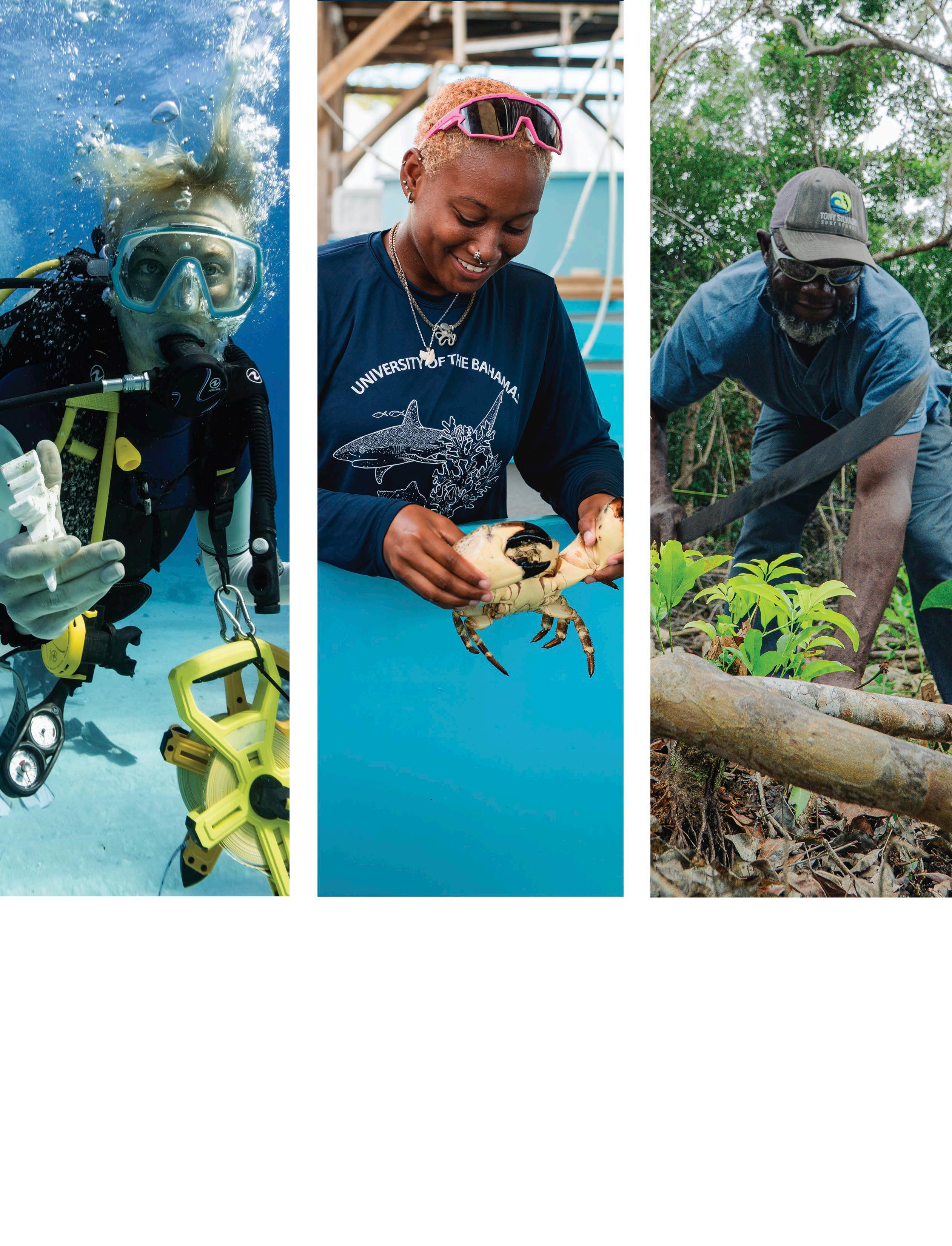
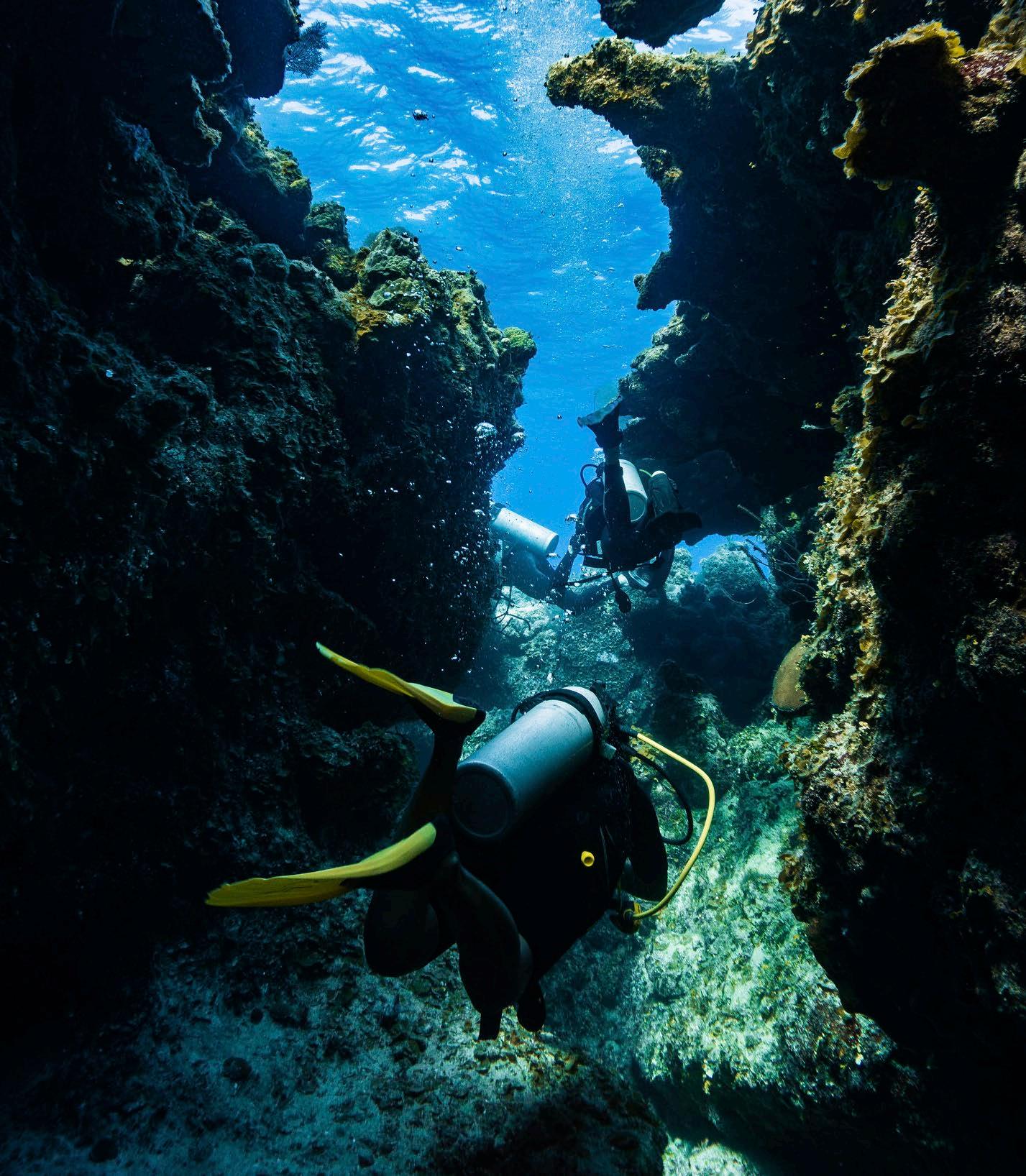
The Cape Eleuthera Institute (CEI) is a dedicated center for research and innovation in South Eleuthera, The Bahamas, where scientists, engineers, educators, and students work together to conduct meaningful work spanning the fields of conservation, sustainability, marine and terrestrial science, and outreach and education. Our work addresses a wide range of the most pressing environmental issues facing our oceans and island habitats. As the Cape Eleuthera Institute operates within the wider Island School ‘edu-system,’ contributing to a shared mission and interfacing with all of our other departments, our work is not only done for the sake of environmental sustainability, it is also a matter of necessity. As we live and work on a small campus on a small island, the expertise and leadership our team provides are essential to enable impactful experiential education and student-driven natural resource management projects that allow us to strive towards our mission of living well in this place.
Over 2025, our team grew substantially, and we have an exciting and well-balanced portfolio of work. We welcomed back several Island School alumni into full-time research positions (Noah Sonnenberg and Paityn Wedder), have made exciting progress in coral reef restoration and aquaculture, have expanded our renewable energy and water production capacity, broken ground on a new agroforestry research system, and have launched dedicated efforts into marine mammal research and marine protected area strategy.
We also worked to define four strategic pillars that encompass our current work and will serve to guide our efforts over the next 5-10 years: ‘marine conservation’, ‘energy, waste, and water’, ‘food security’, and ‘nature-based tourism’. We have built significant momentum in each of these areas and are excited about the alignment of our work with
As we approach the 20-year anniversary of CEI, we are excited to share our past, present, and future work with friends and colleagues, and to start the new year with more impactful work.
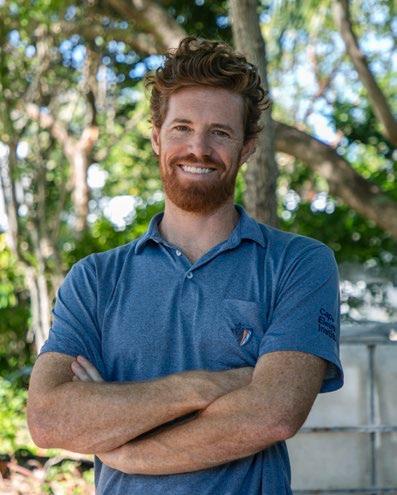
Eric Schneider
Dr. Eric Schneider Director of Research and Innovation
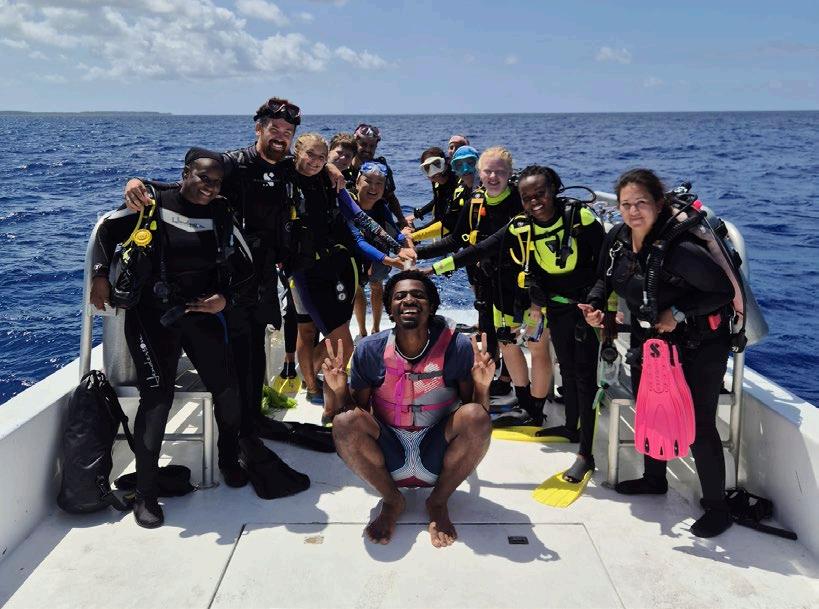
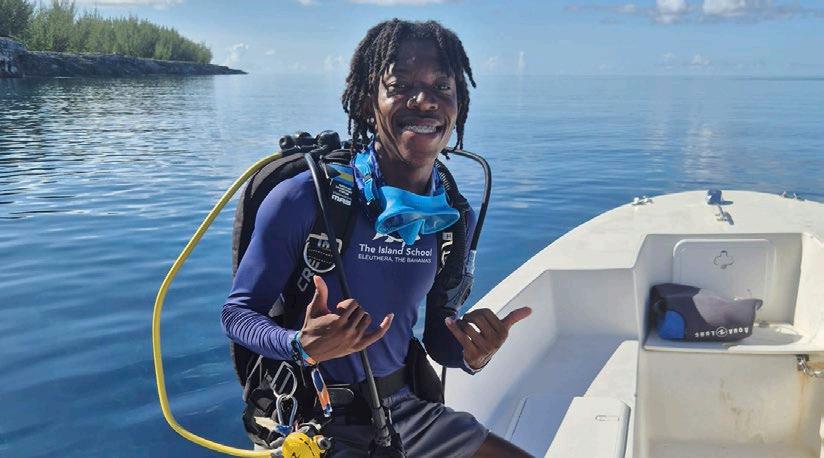
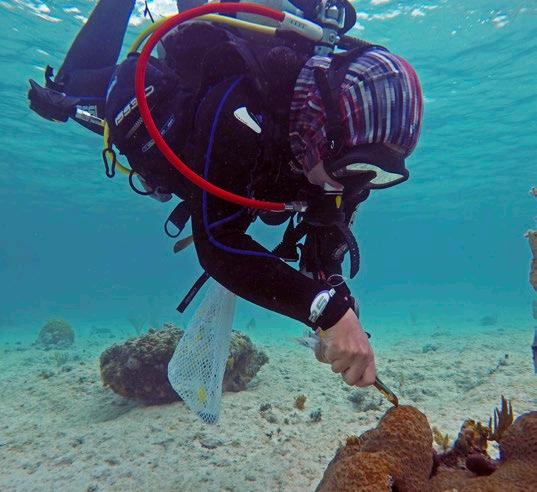
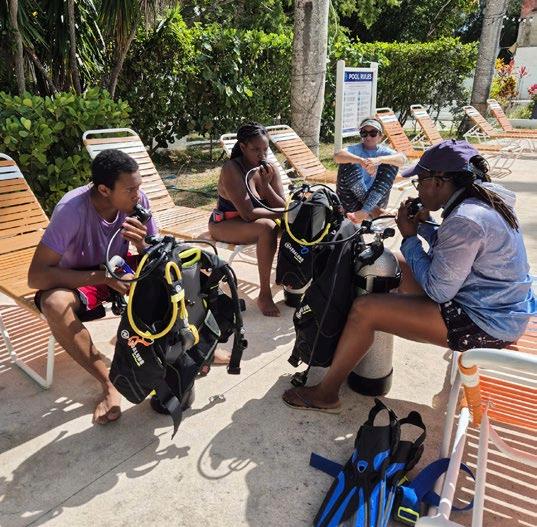
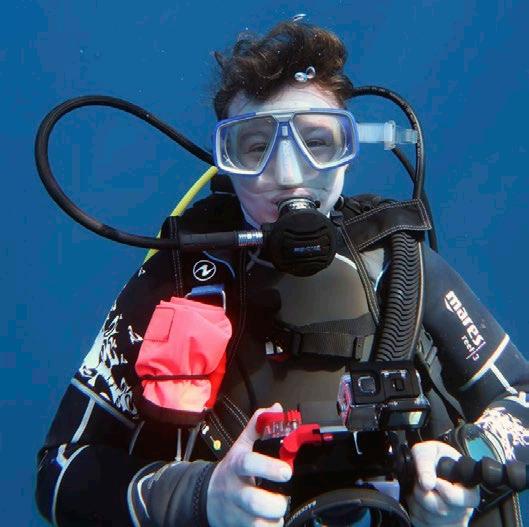
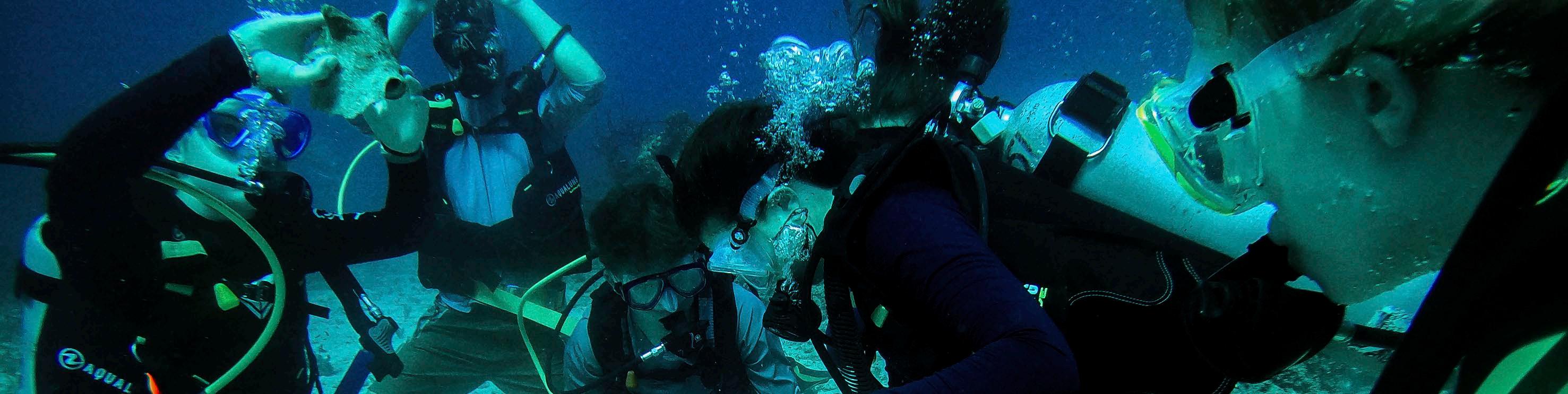
Provided 95 PADI Scuba Certifications
Six hundred students interacted with CEI through visiting and local programs
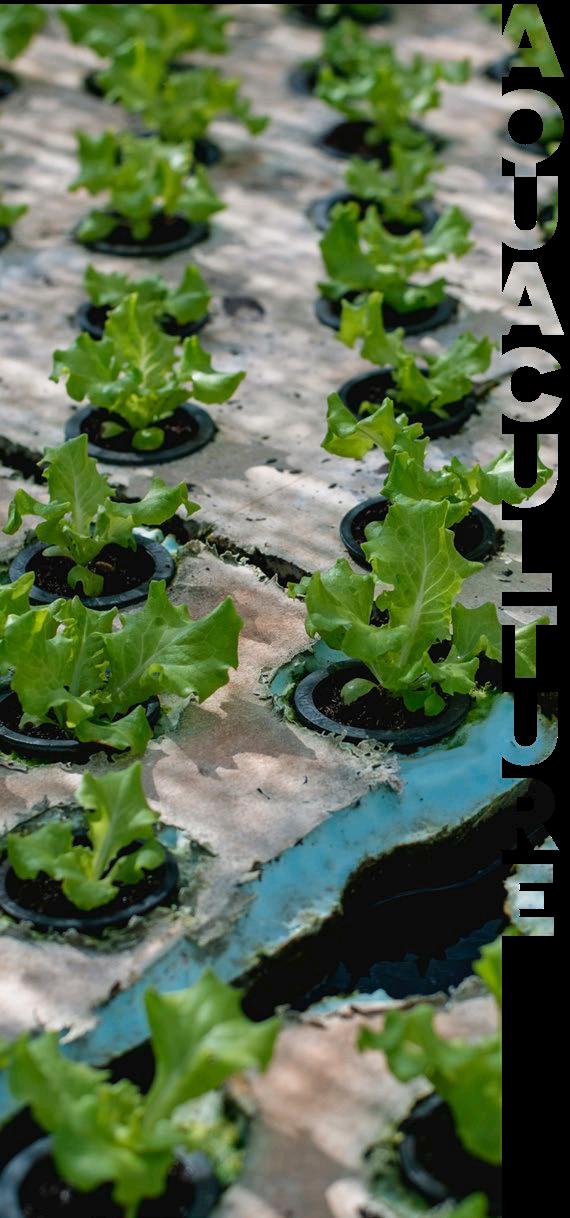
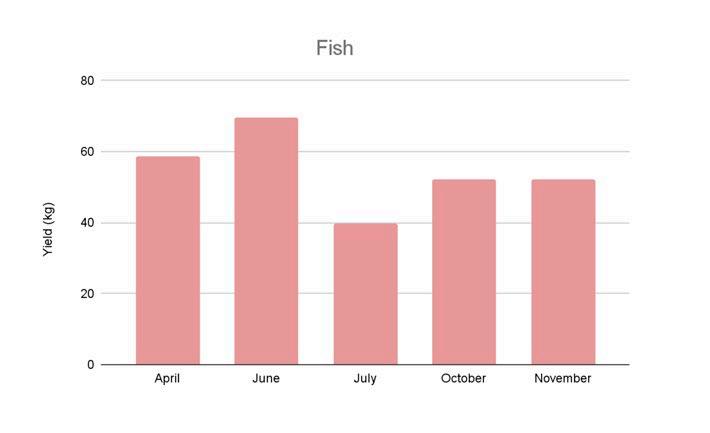
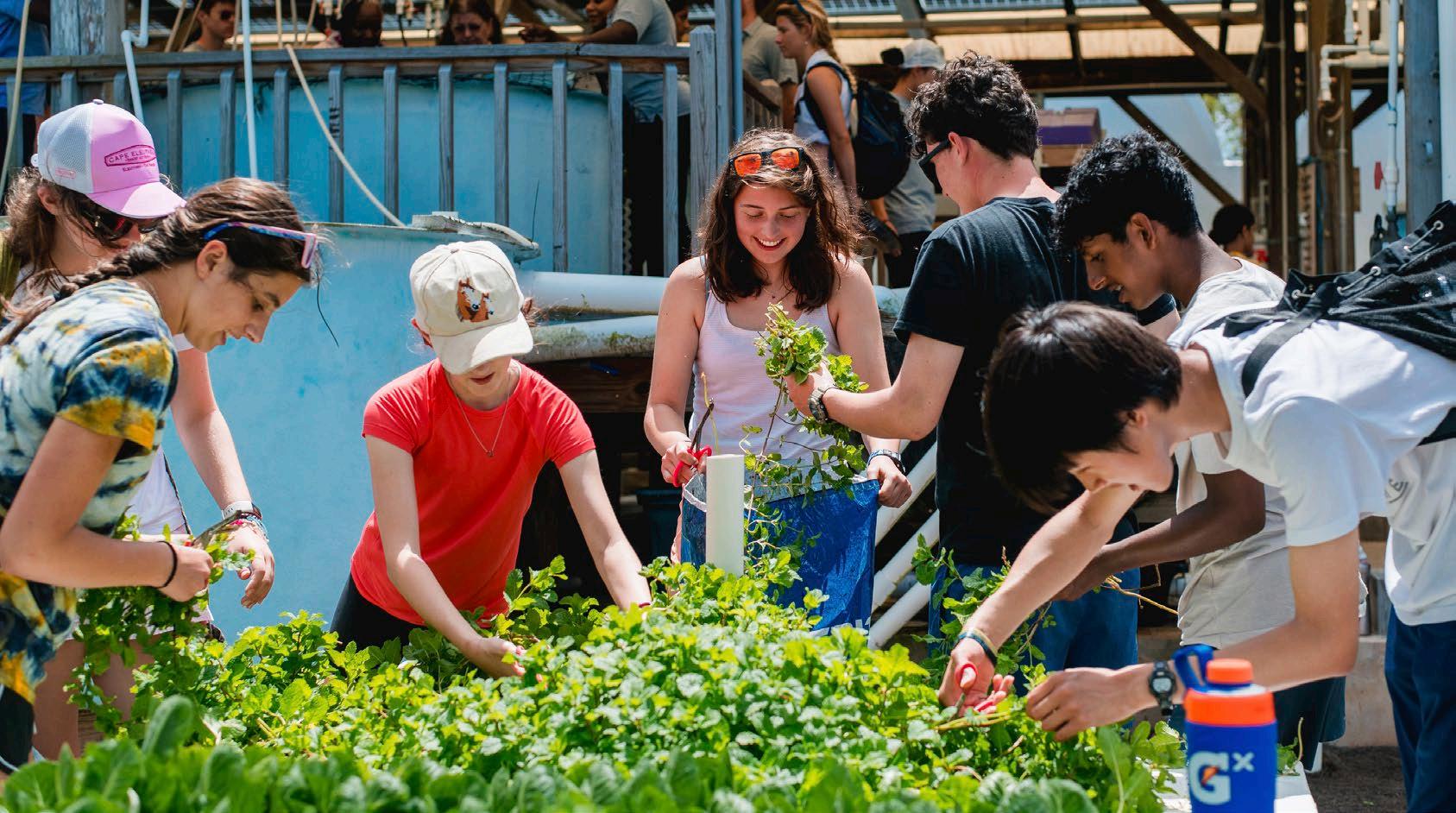
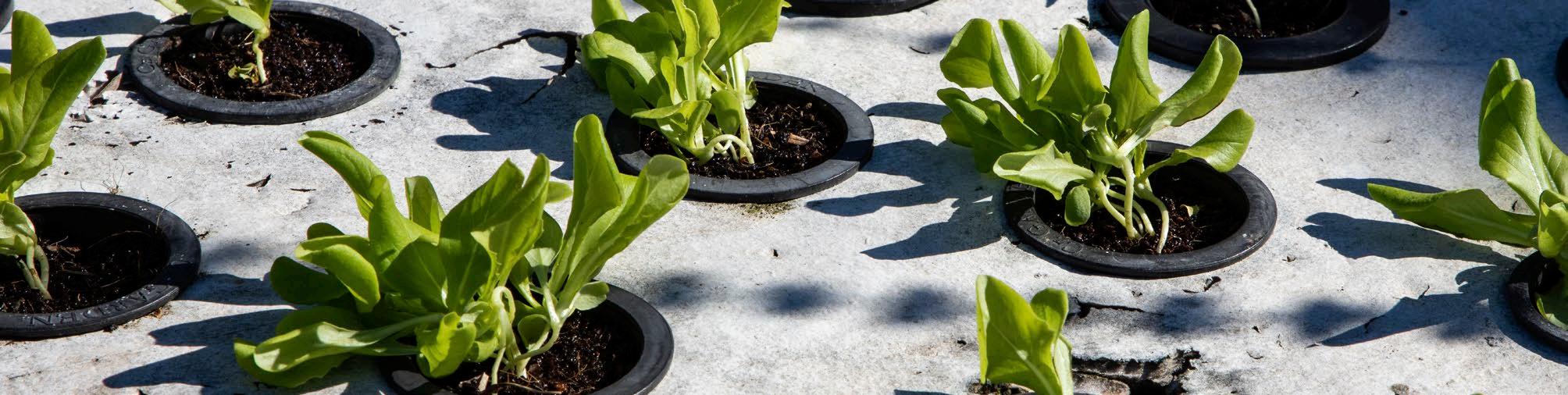
Aquaponics supplied our campus Dining Hall with 450 kg (990 lbs) of lettuce and 270 kg (596 lbs) of tilapia in 2025
Launched a mangrove restoration project
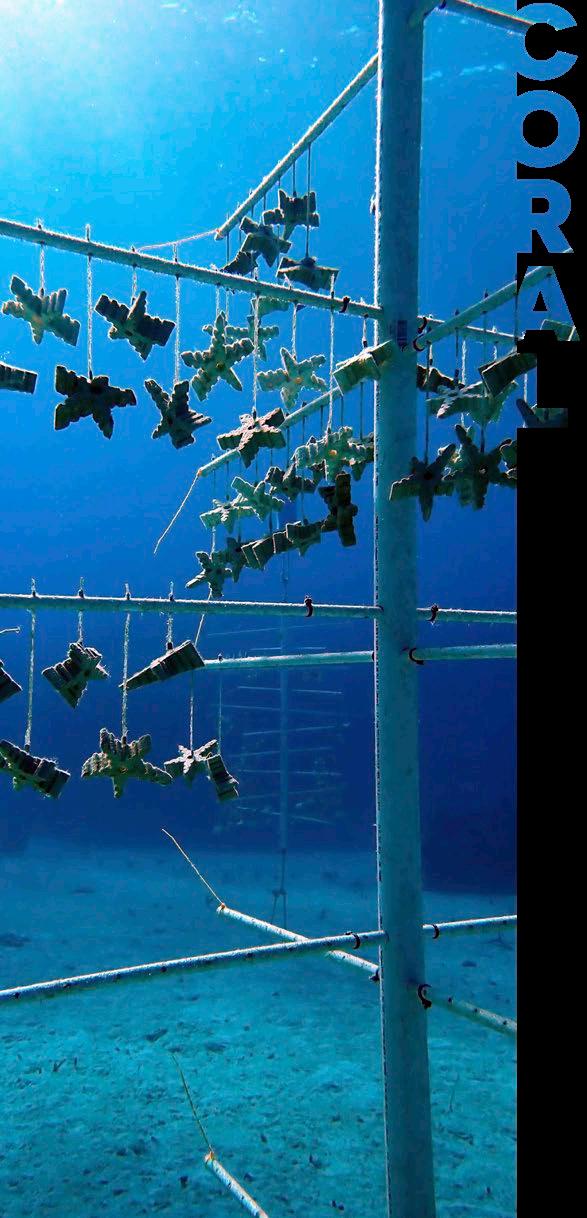
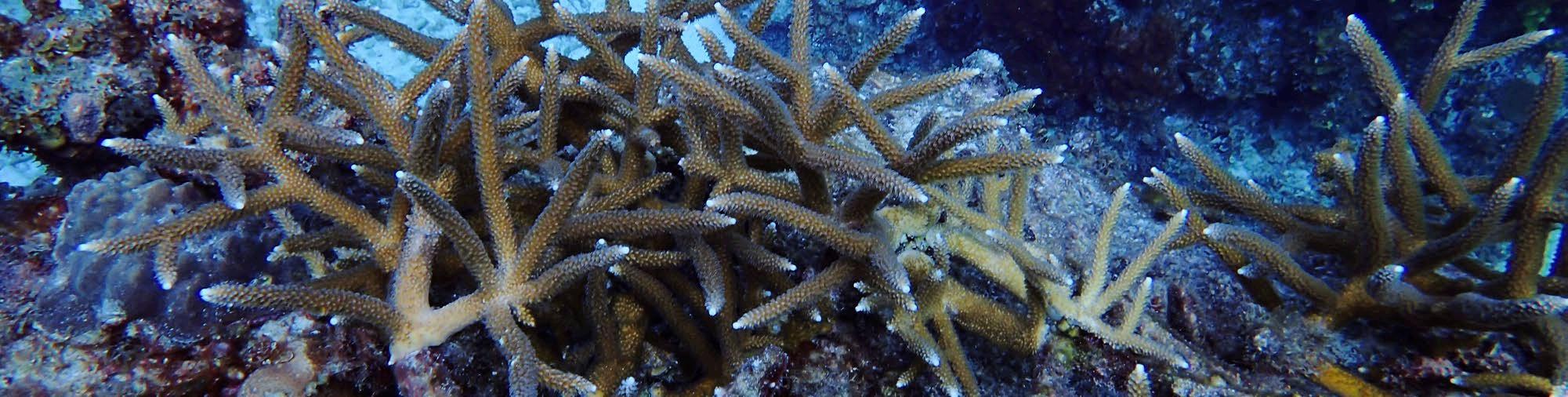
9,786 corals growing in oceanbased nursery
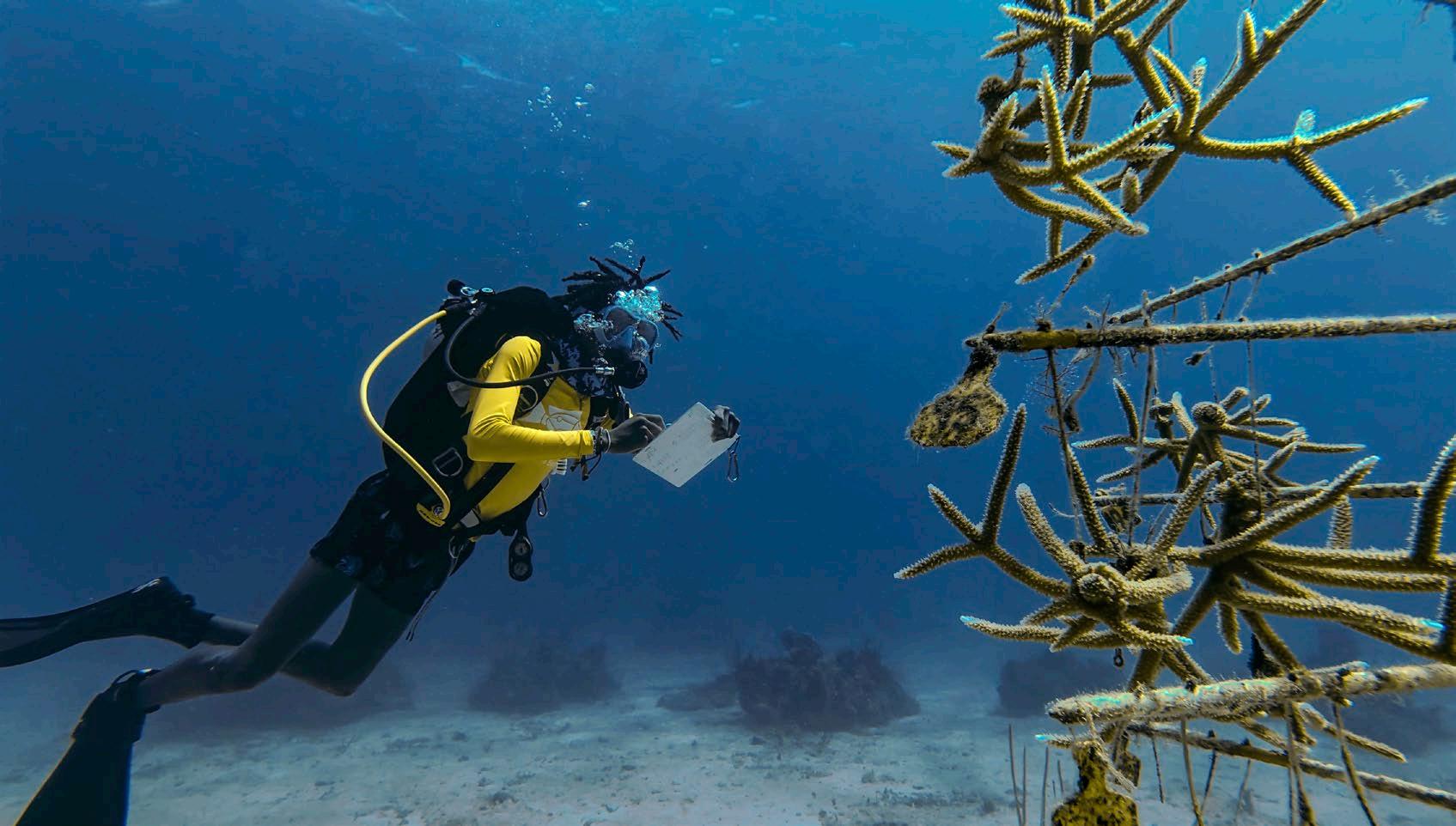
74 outplanted corals monitored in 4 dive sites
116,000 embryos reared, 9,000 recruits in 150 substrates in the lab-based facility
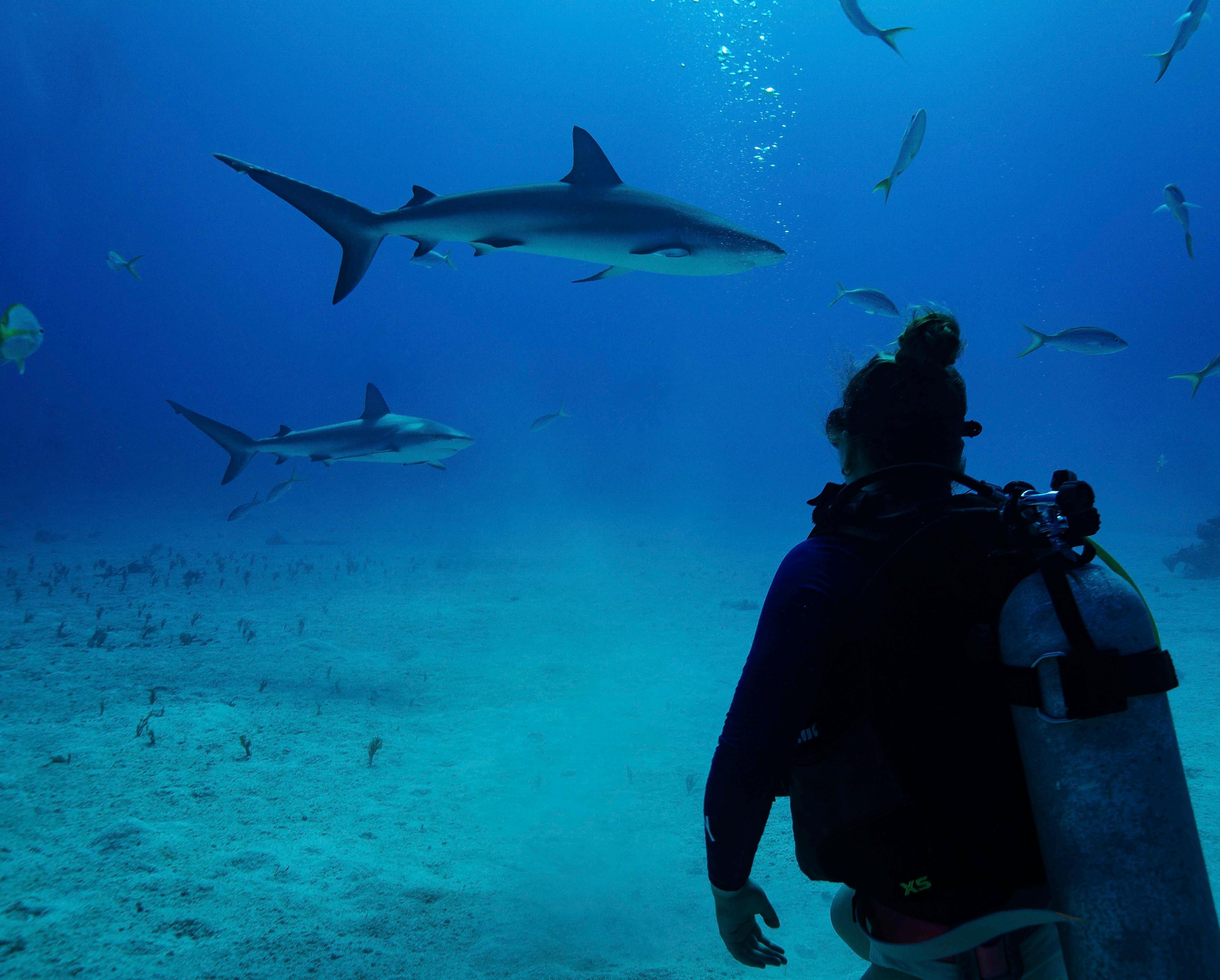
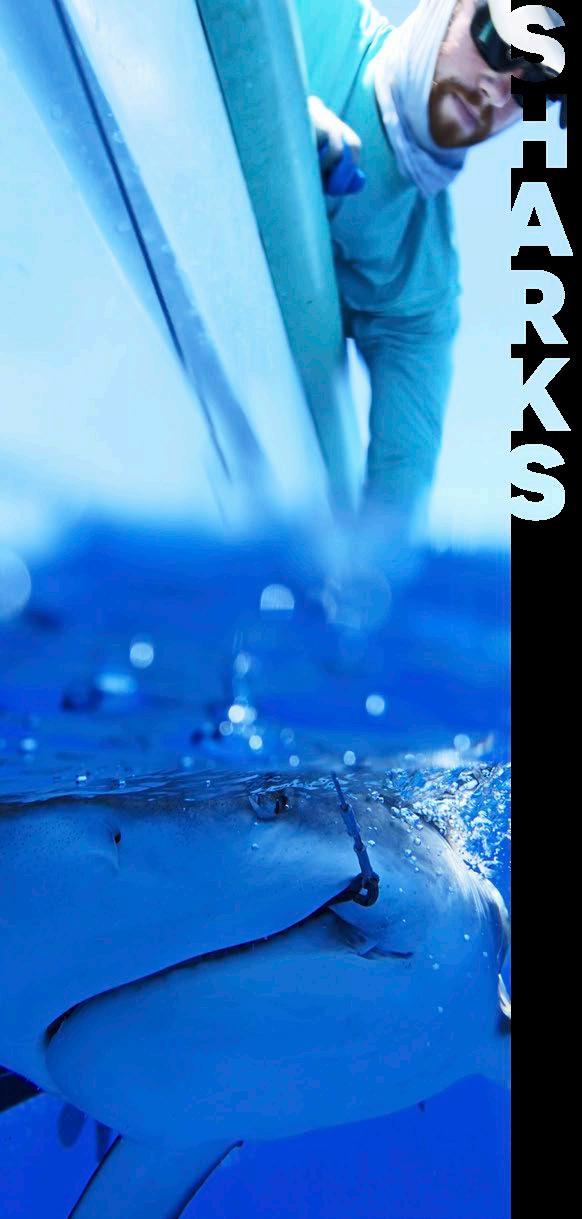
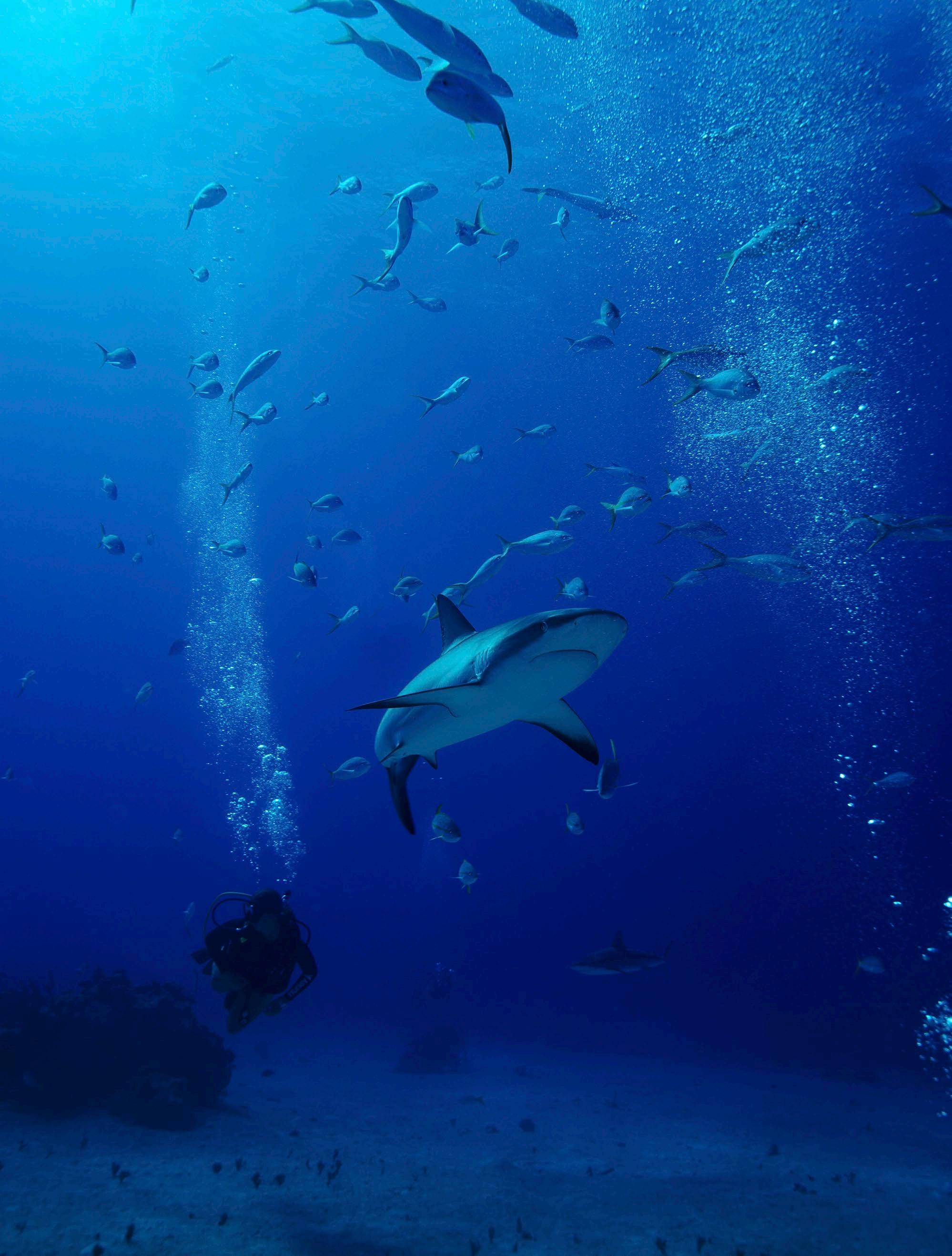
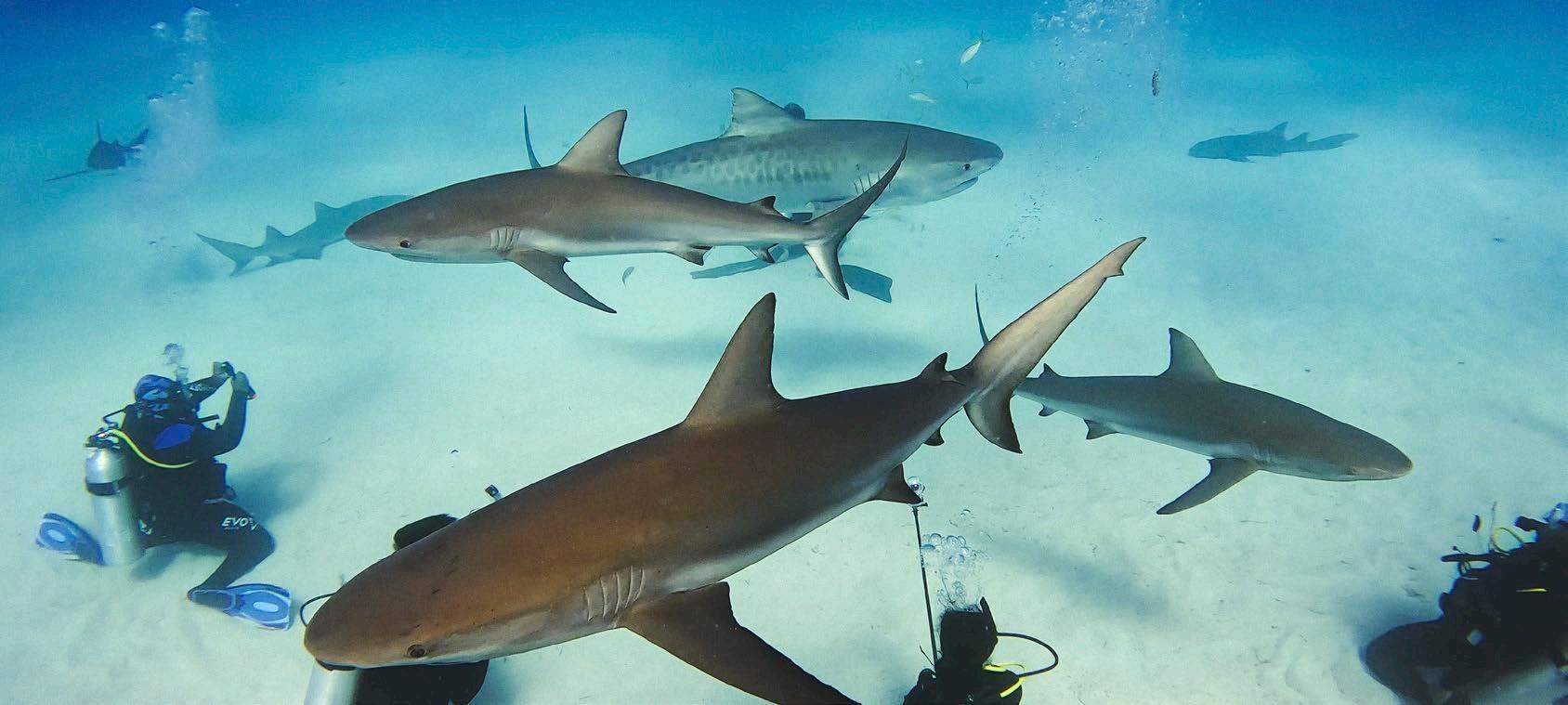
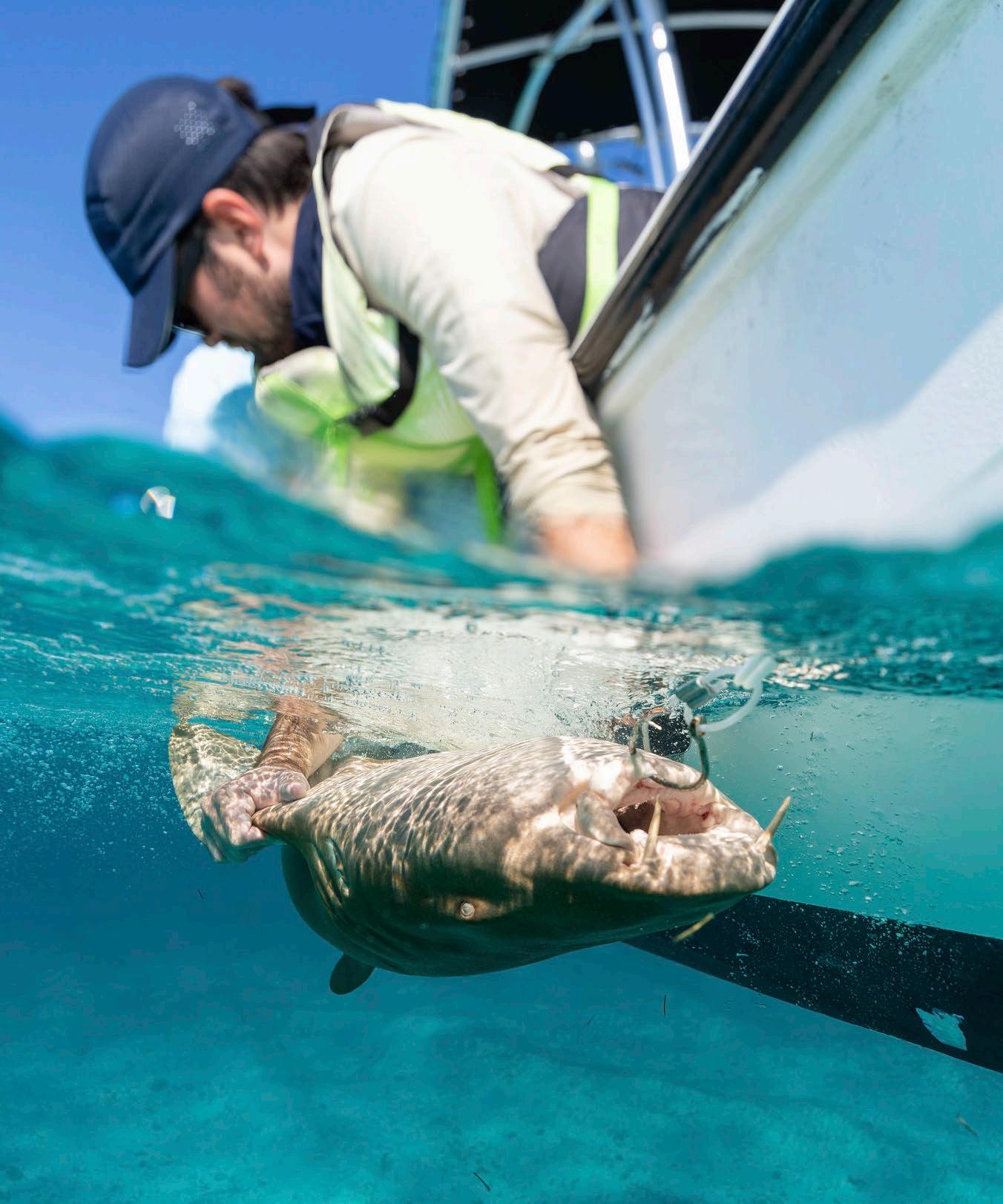
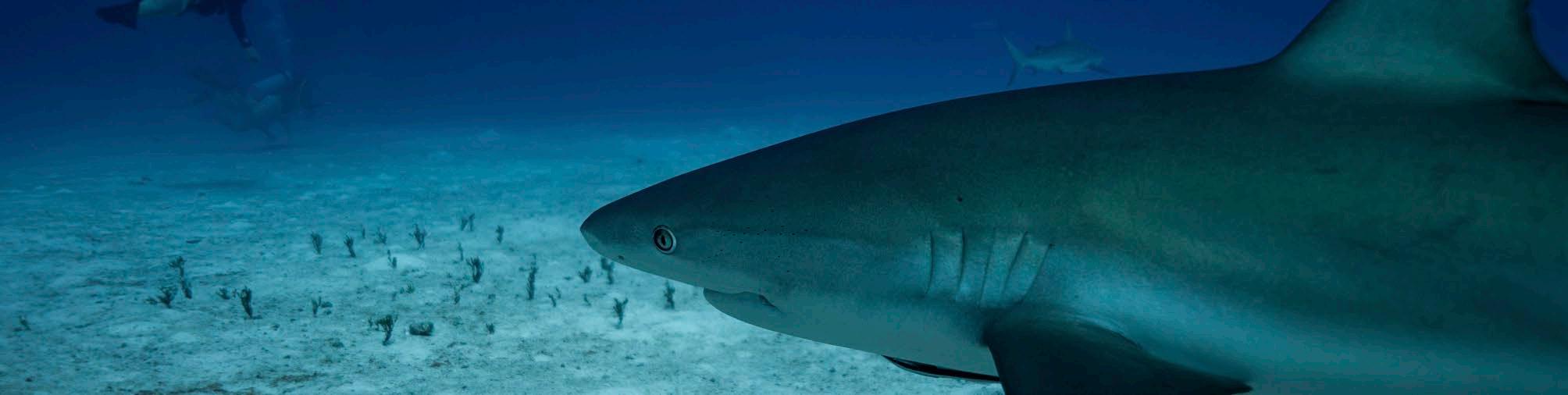
103 sharks sampled, part of several different research projects
23 drone surveys completed to support population and behavioral assessments
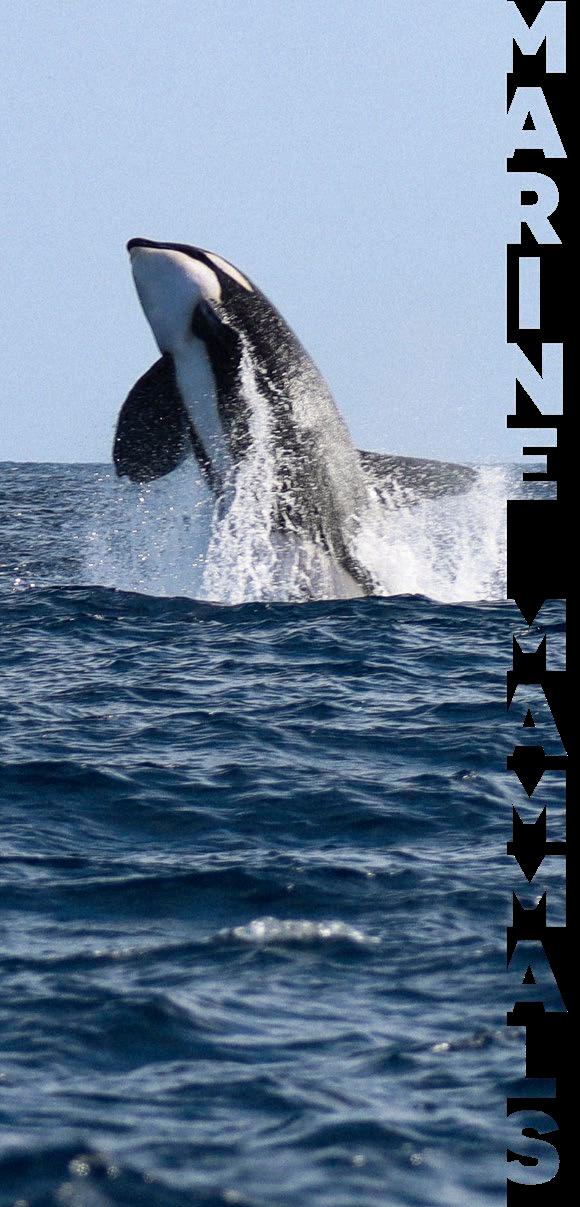
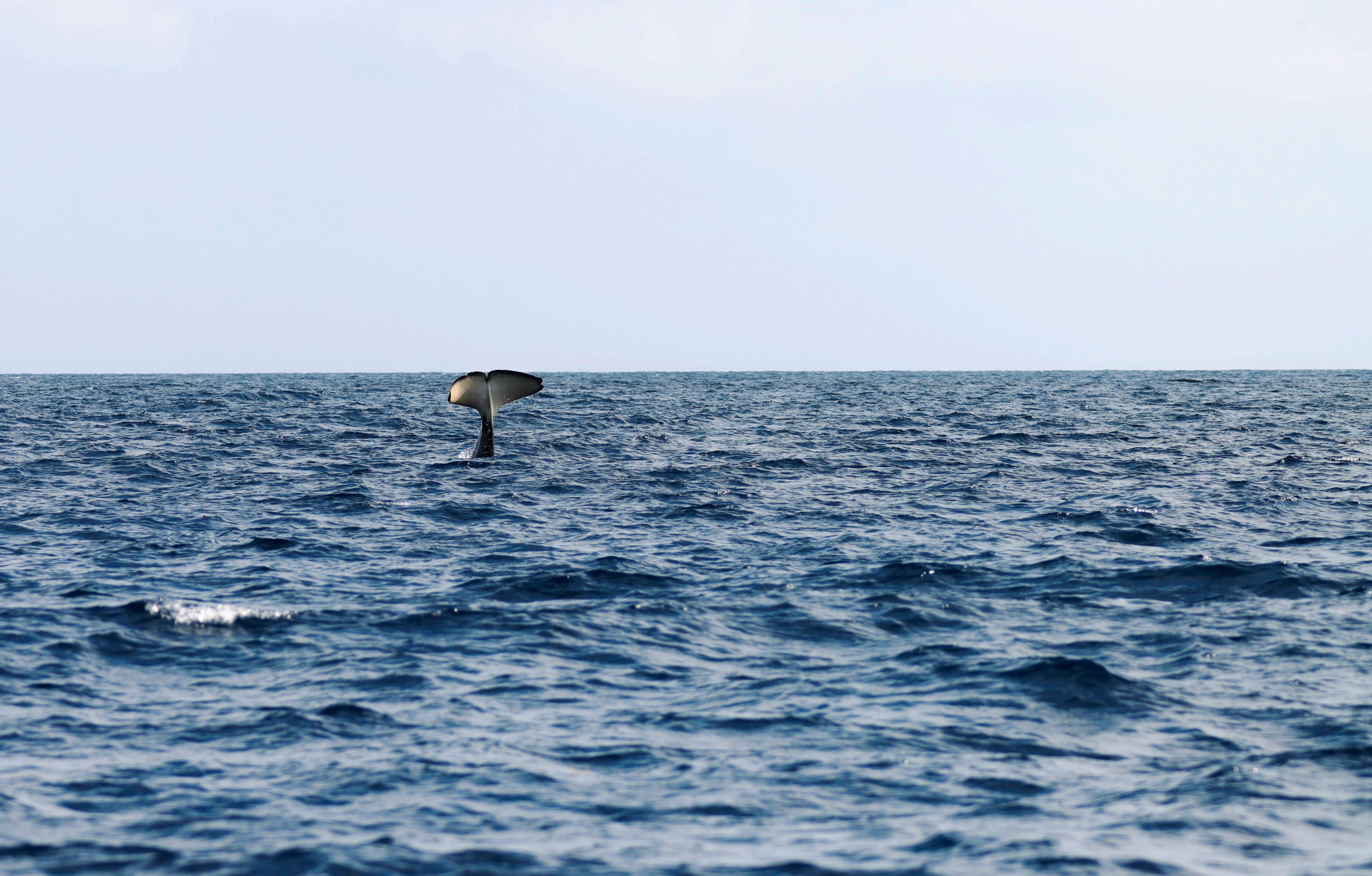
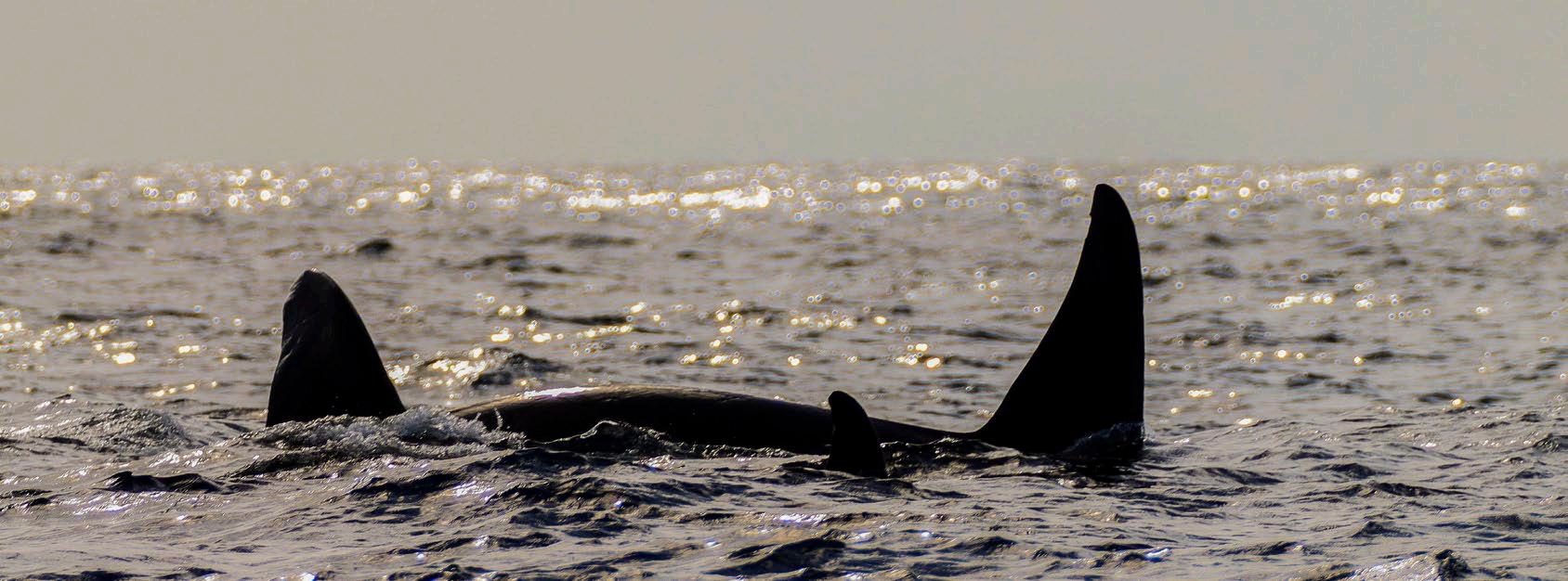
Documented orcas in the Exuma Sound
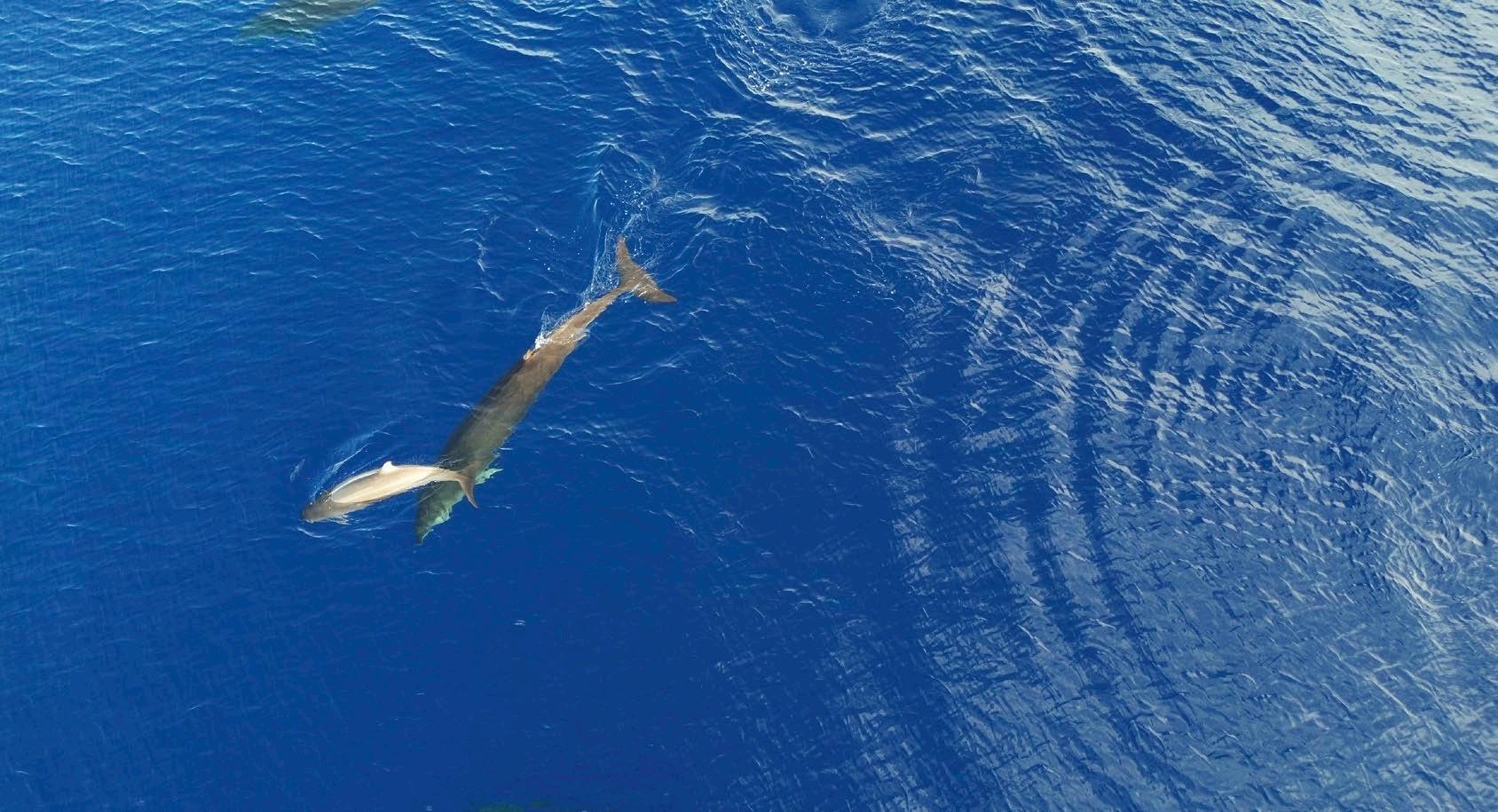
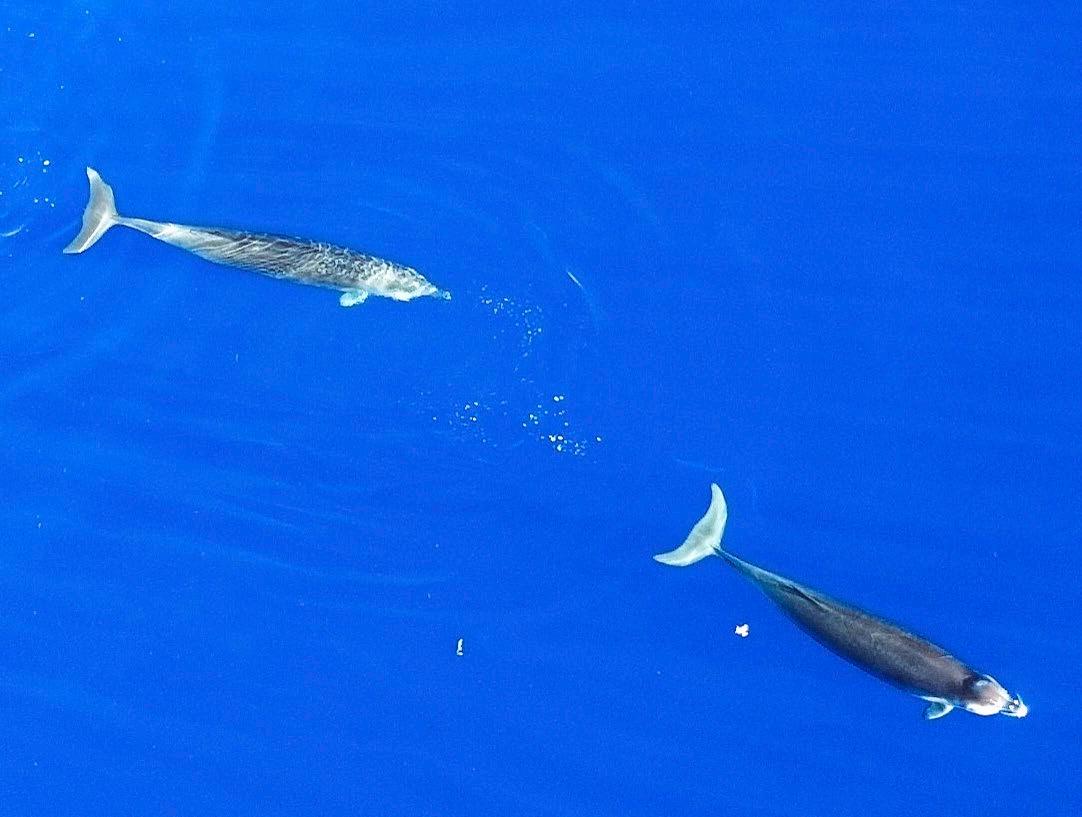
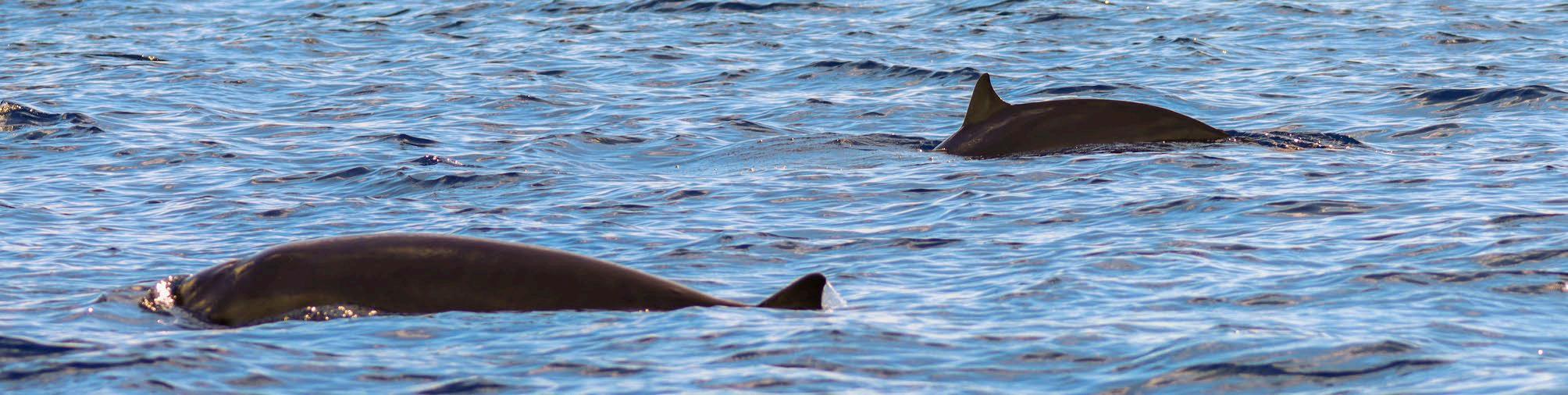
Gervais’ beaked whale mother and calf pair recorded via drone initiating a deep foraging dive
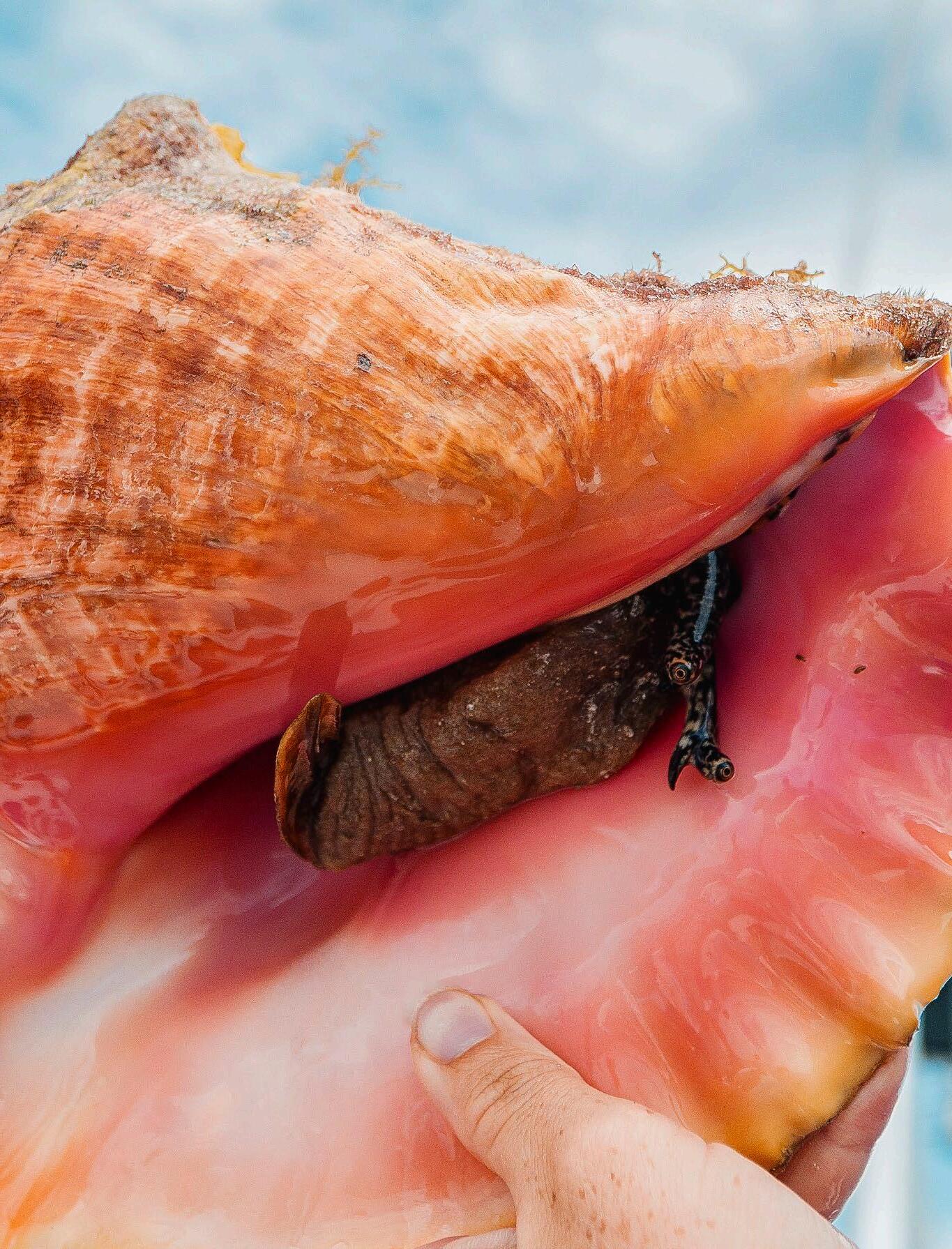
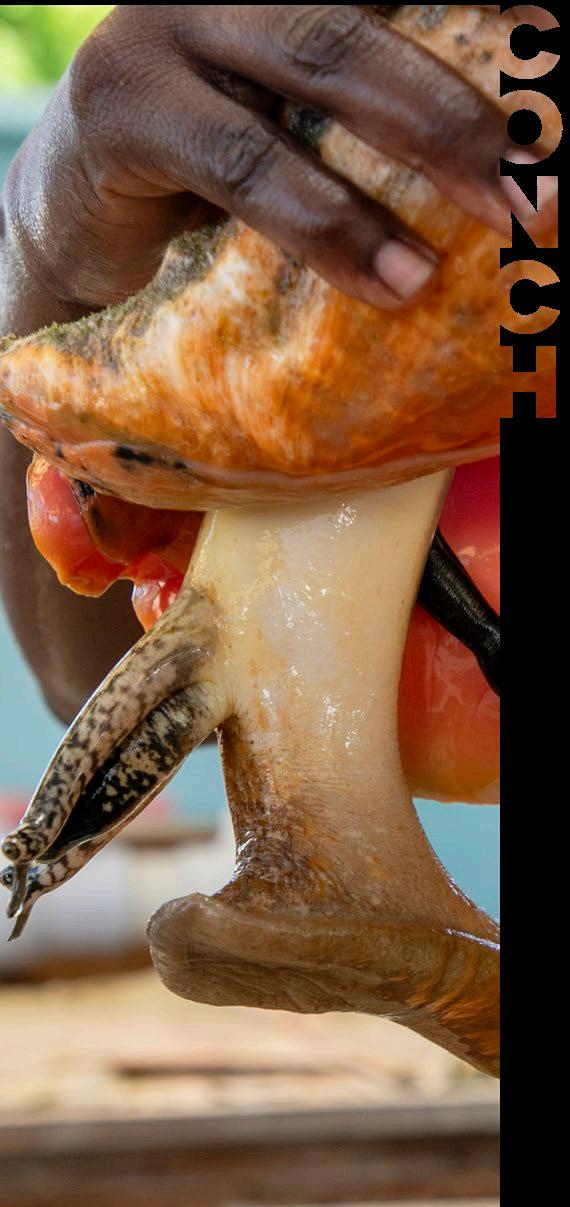
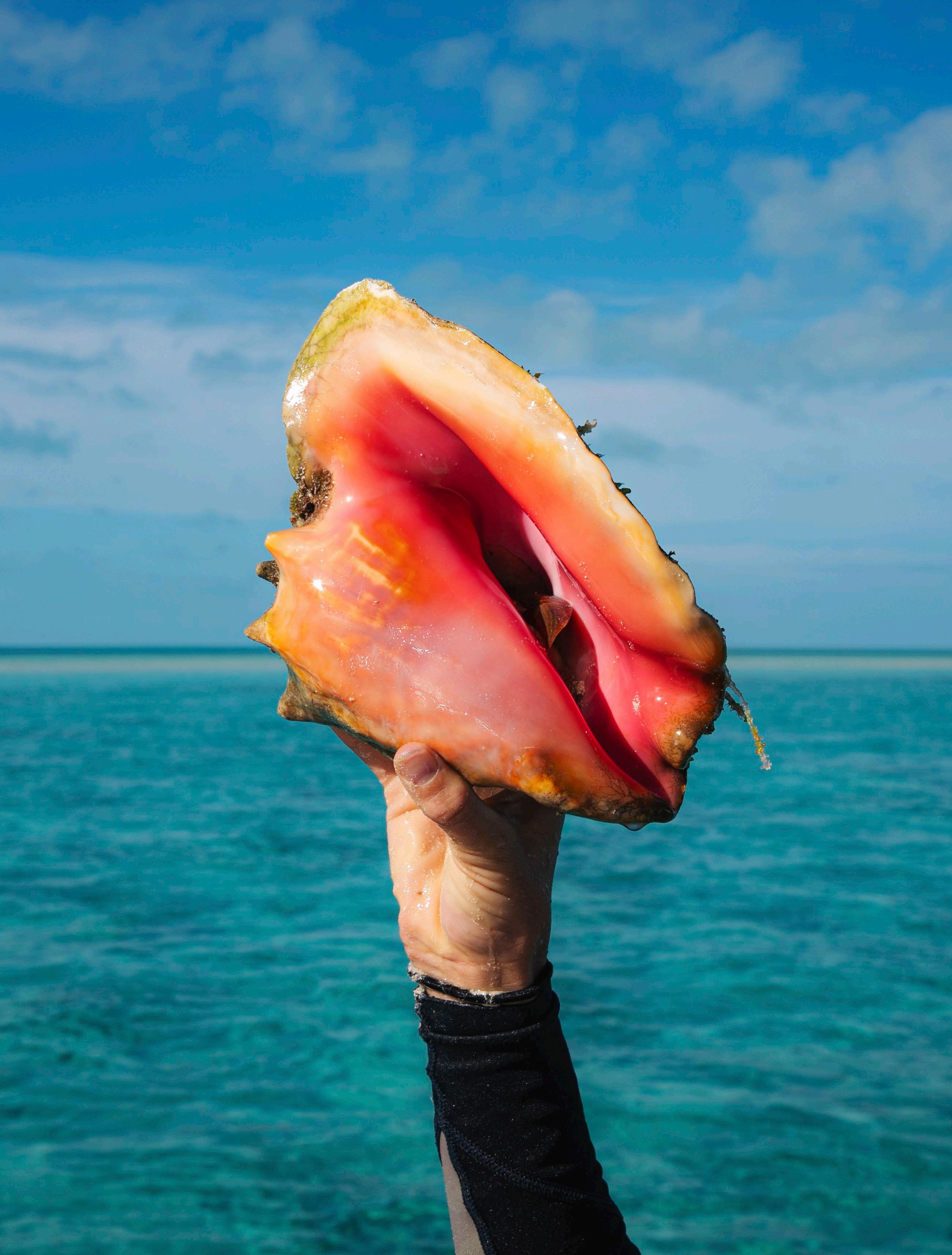
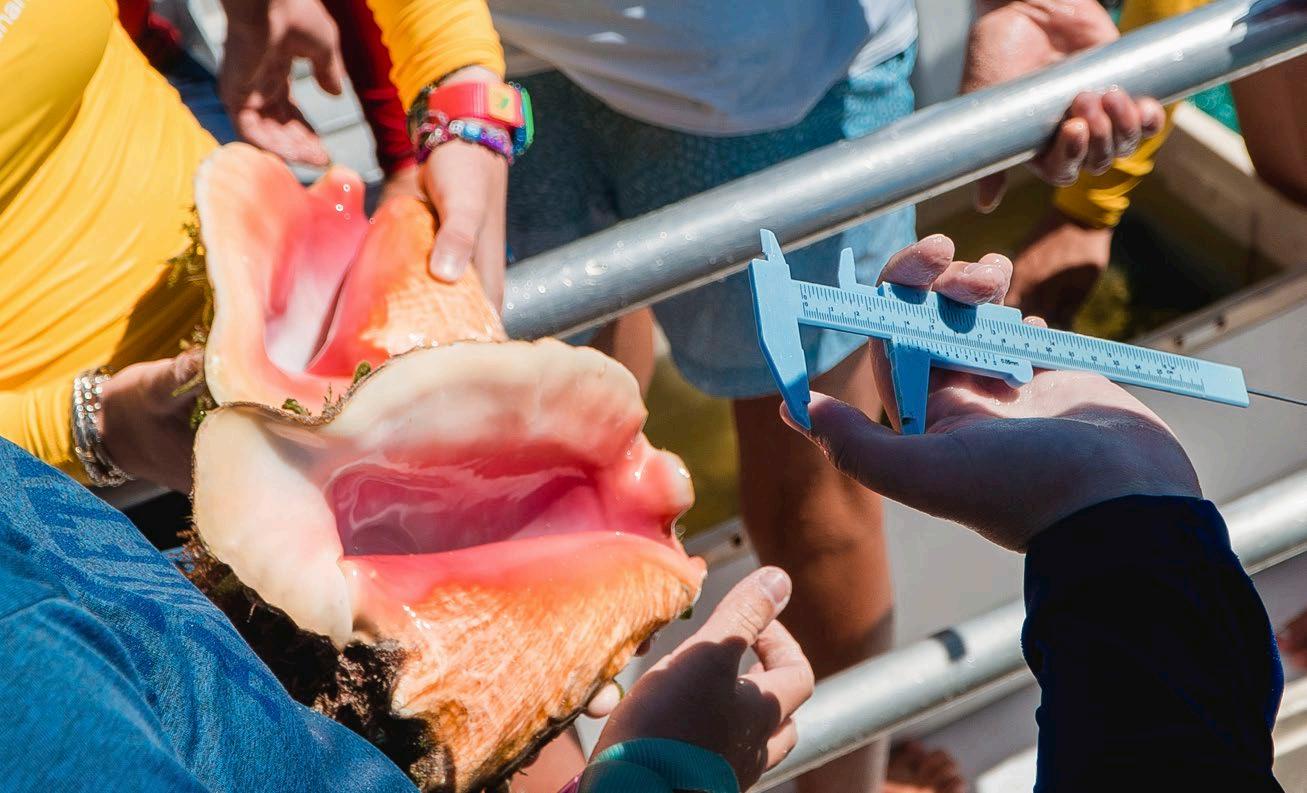
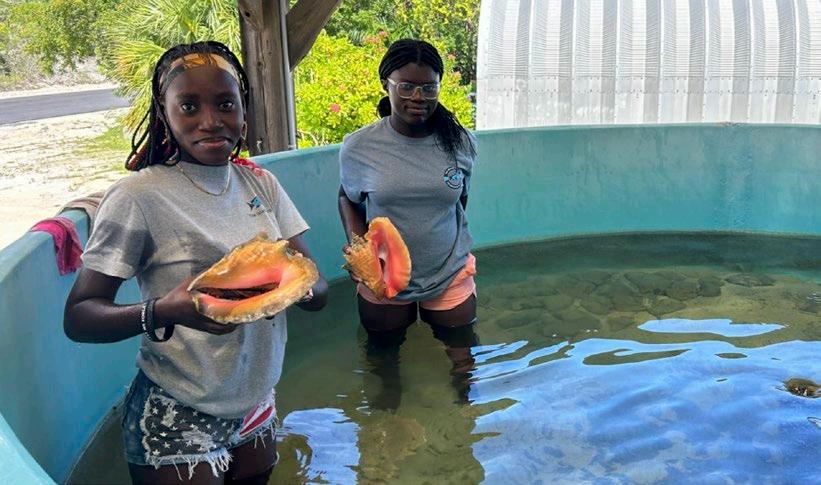
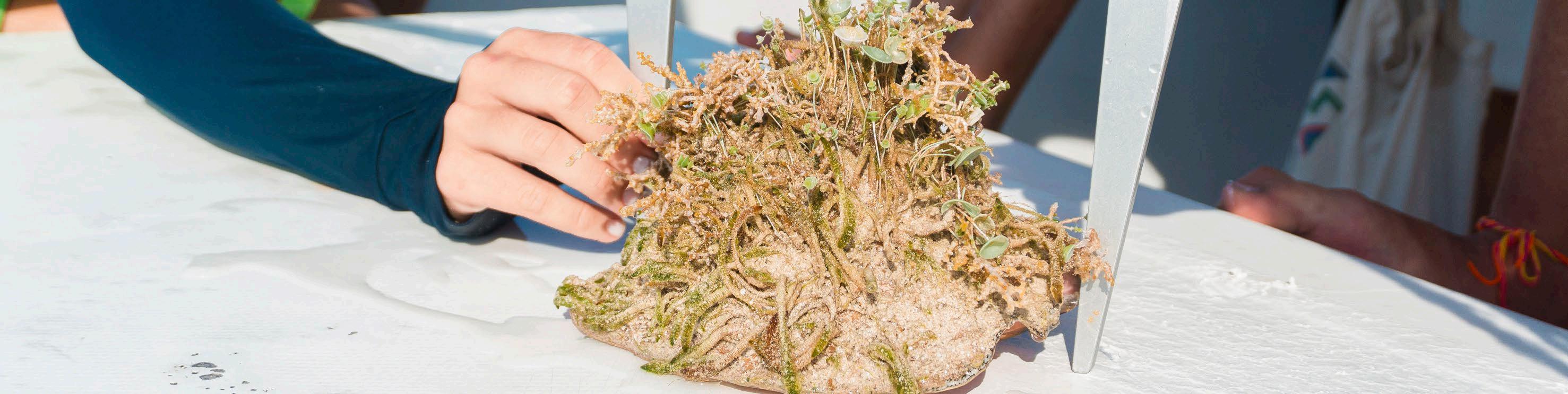
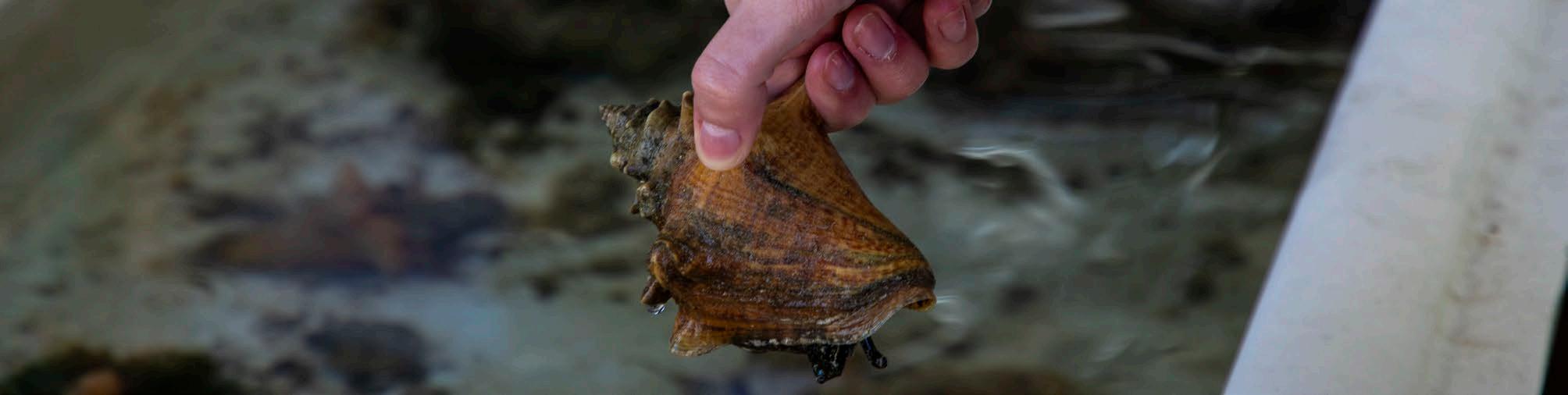
First successful conch egg mass production in our wetlab—the second time this has happened in The Bahamas!
In partnership with Florida Atlantic University, we began the process of installing a queen conch mobile hatchery to restore local queen conch populations
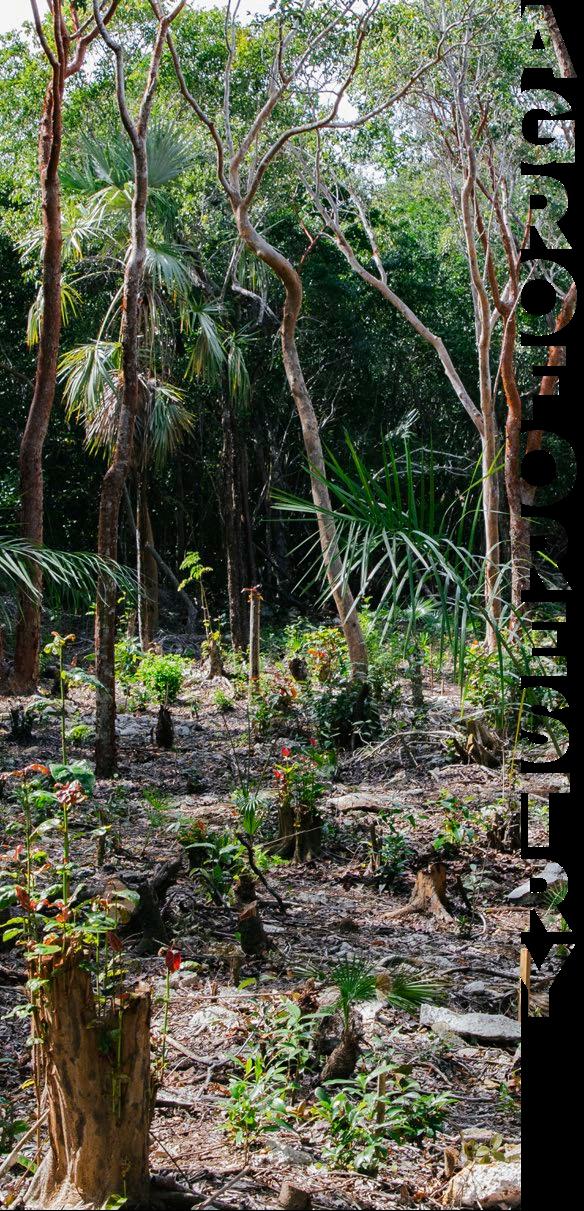
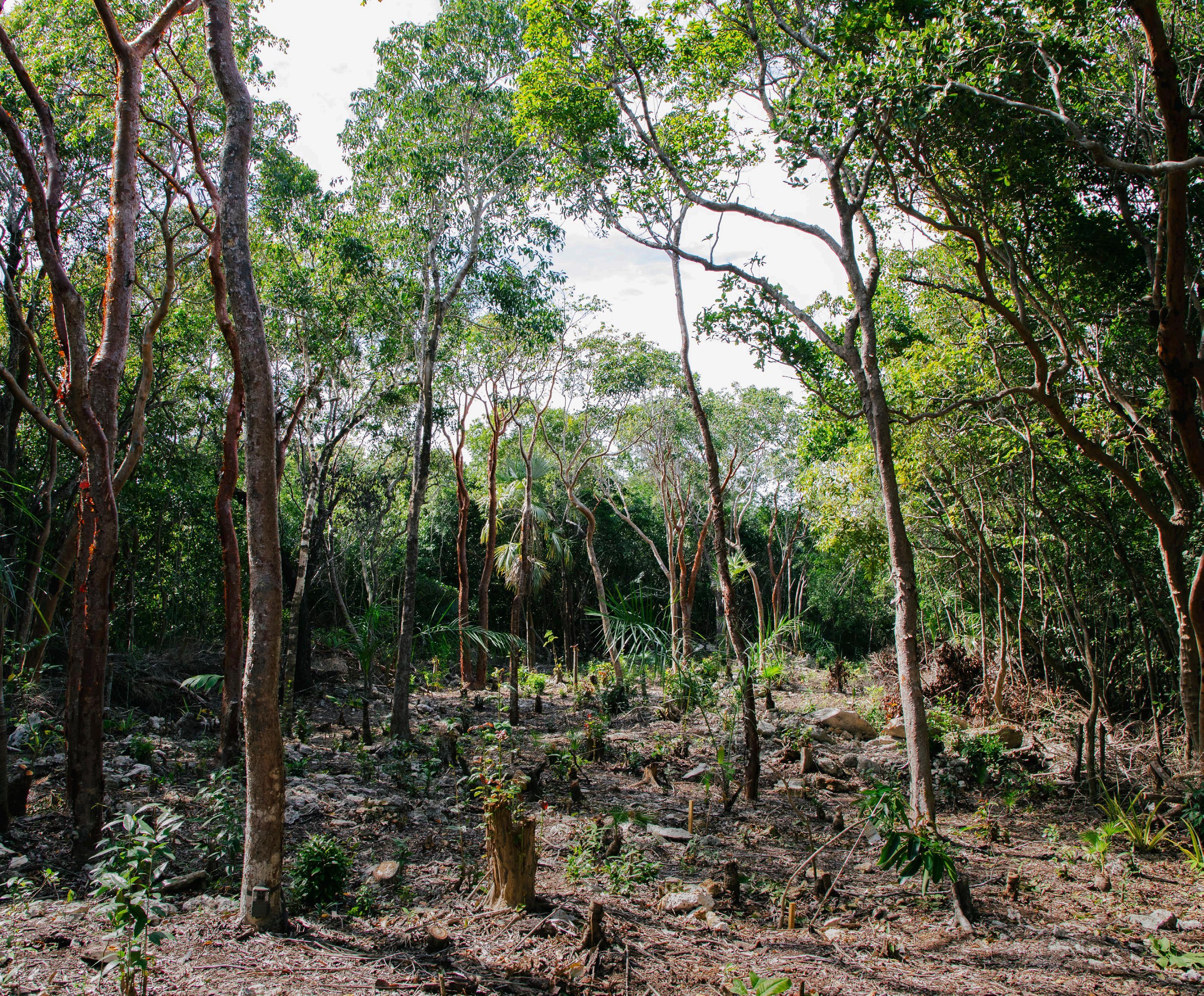
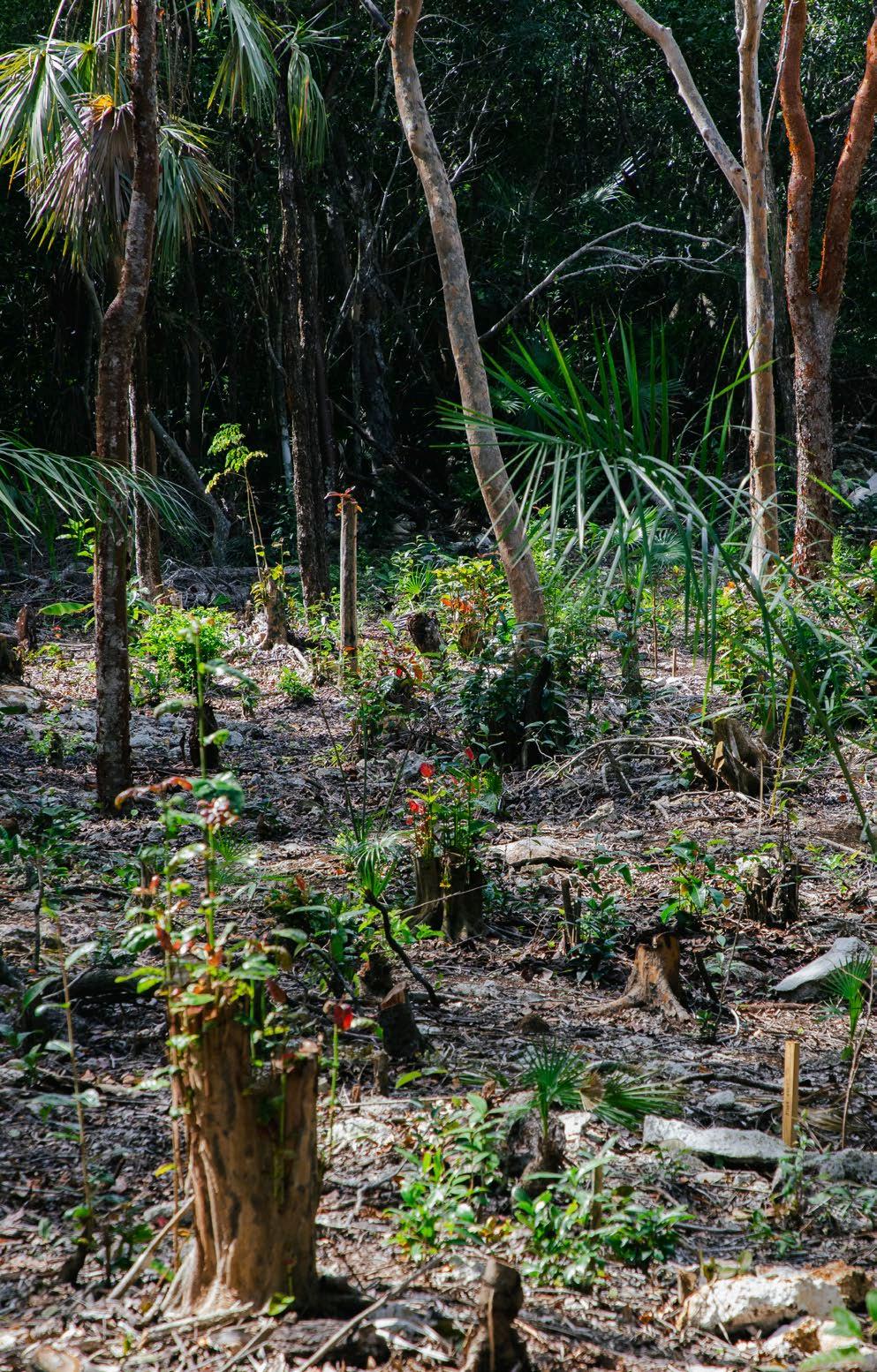
CEI launched an Agroforestry project and broke ground on a 22-acre site in June
122 fruit trees and bushes planted at the site to date
Offset 40% of our electricity usage through sustainable energy production
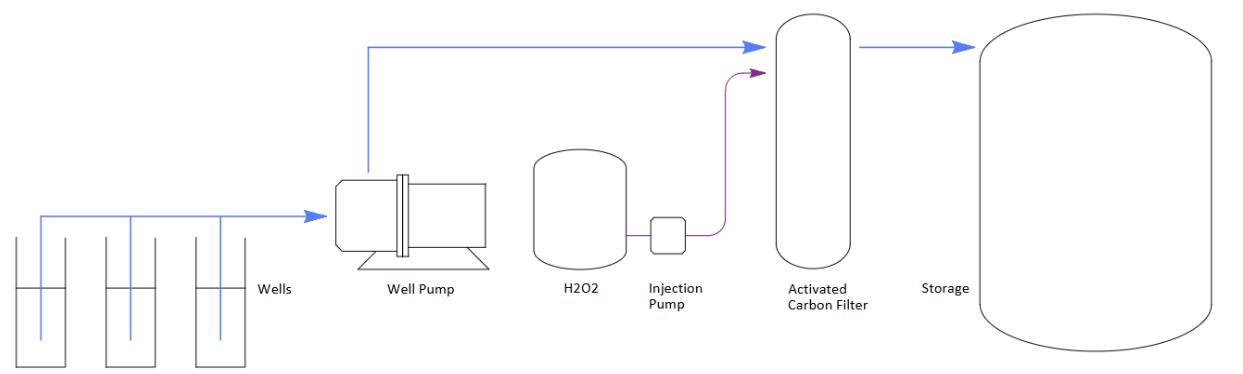
New wells and a well-water pretreatment system have allowed us to achieve long-term potable water security
The Cape Eleuthera Queen Conch Conservancy
By Kennedy Wall
Expanding “Conchservation” at CEI
Last year marked a major milestone in our marine conservation research with the launch of the Cape Eleuthera Queen Conch Conservancy, a new initiative based at CEI in partnership with Florida Atlantic University’s Harbor Branch Oceanographic Institute (FAU HBOI).
Supported by the Longer Tables Fund, the Moore Bahamas Foundation, and the Builder’s Initiative, this effort is advancing a scalable, community-led model for queen conch restoration that supports local livelihoods while safeguarding one of The Bahamas’ most iconic species.
This project seeks to help restore queen conch populations in South Eleuthera by establishing a Queen Conch Mobile Lab under the guidance of Dr. Megan Davis, the world’s foremost expert in queen conch aquaculture, and her team at FAU HBOI’s Queen Conch Lab (QCL). Constructed and outfitted at FAU HBOI, the Mobile Lab will grow queen conch from the egg mass to the early juvenile stage, with the capacity to produce up to 2,000 conch each year for restoration and research efforts. The Mobile Lab, set to arrive at CEI in early this year, is the third lab of its kind in The Bahamas alongside the other two mobile labs located in Grand Bahama and Great Exuma.
Along with the implementation of the Mobile Lab, the Conservancy’s broader goals combine science, education, and community involvement to ensure the long-term survival of this culturally and ecologically vital species. CEI is working closely with South Eleuthera fishers to support sustainable harvest practices, invest in local infrastructure—such as a new boat ramp and cleaning station—and build shared governance frameworks for emerging marine protected areas like the South Eleuthera Marine Managed Area.
Once the Mobile Lab has landed at CEI, we will work to provide aquaculture training and education for local staff, as well as meaningful hands-on experiences for students, fishers, and the wider community. The Mobile Lab offers us a unique way to expand our experiential learning programs and teach students about the life stages of this important species. Through the Mobile Lab, educational programming, and community outreach, the Cape Eleuthera Queen Conch Conservancy will expand CEI’s scientific programs, deepen community partnerships, and strengthen pathways for policy engagement and sustainable fisheries management.
Students determine the ages of queen conch in research class
Solar and Water Solutions
By Brett Ziter
Sustainable Systems
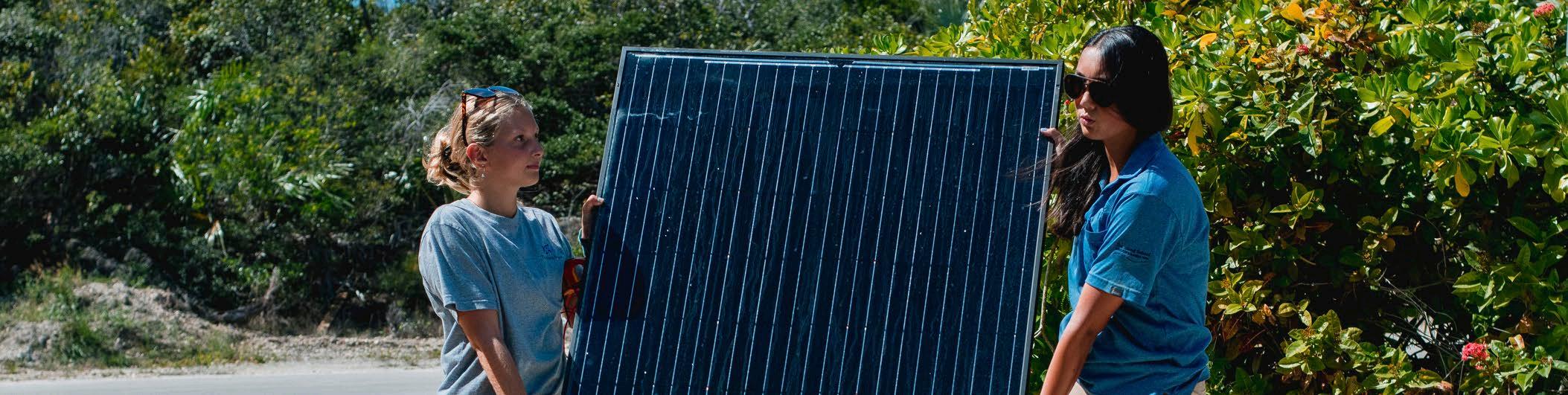
2025 saw modest improvements to our electricity mix at The Island School and Cape Eleuthera Institute. We installed two new solar arrays on campus—one at the Tin Can and one on the roof of the Center for Sustainable Development (CSD).
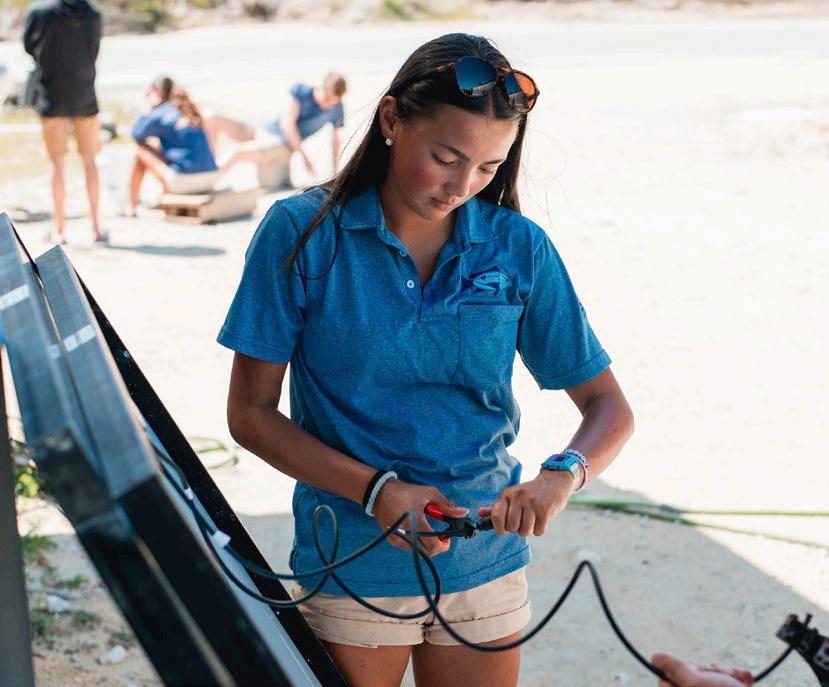
The Tin Can is a marine storage building on the CEI campus. It is full of freezers that house shark bait and research samples. In the spring of 2025, a group of eight Island School Semester students began this project by studying the fundamentals of electricity consumption and production and how it relates to carbon emissions and climate change.
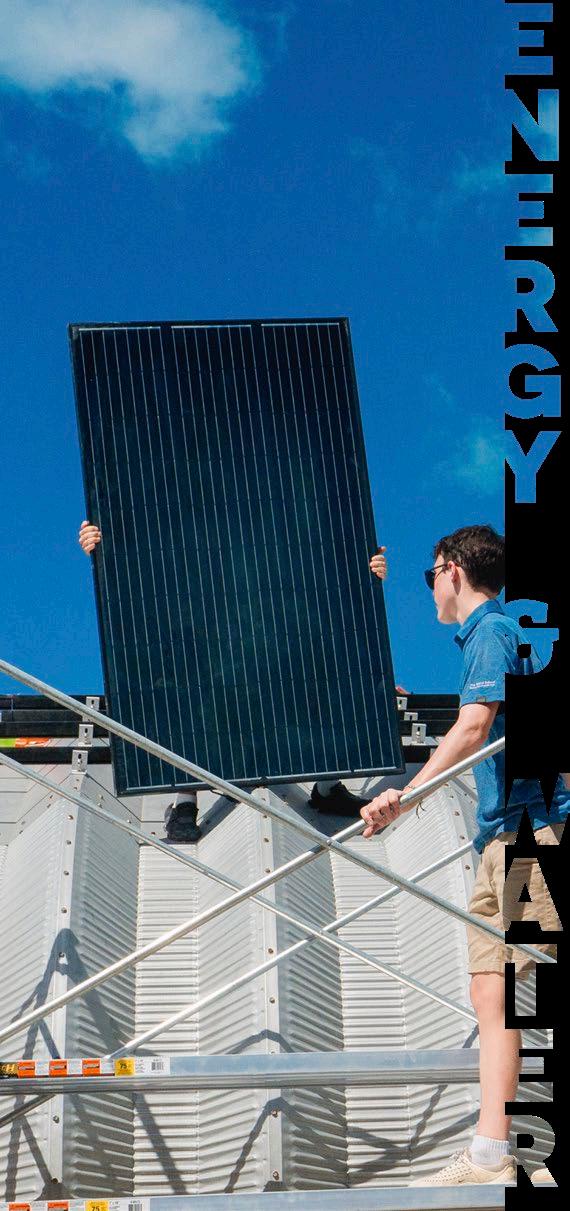
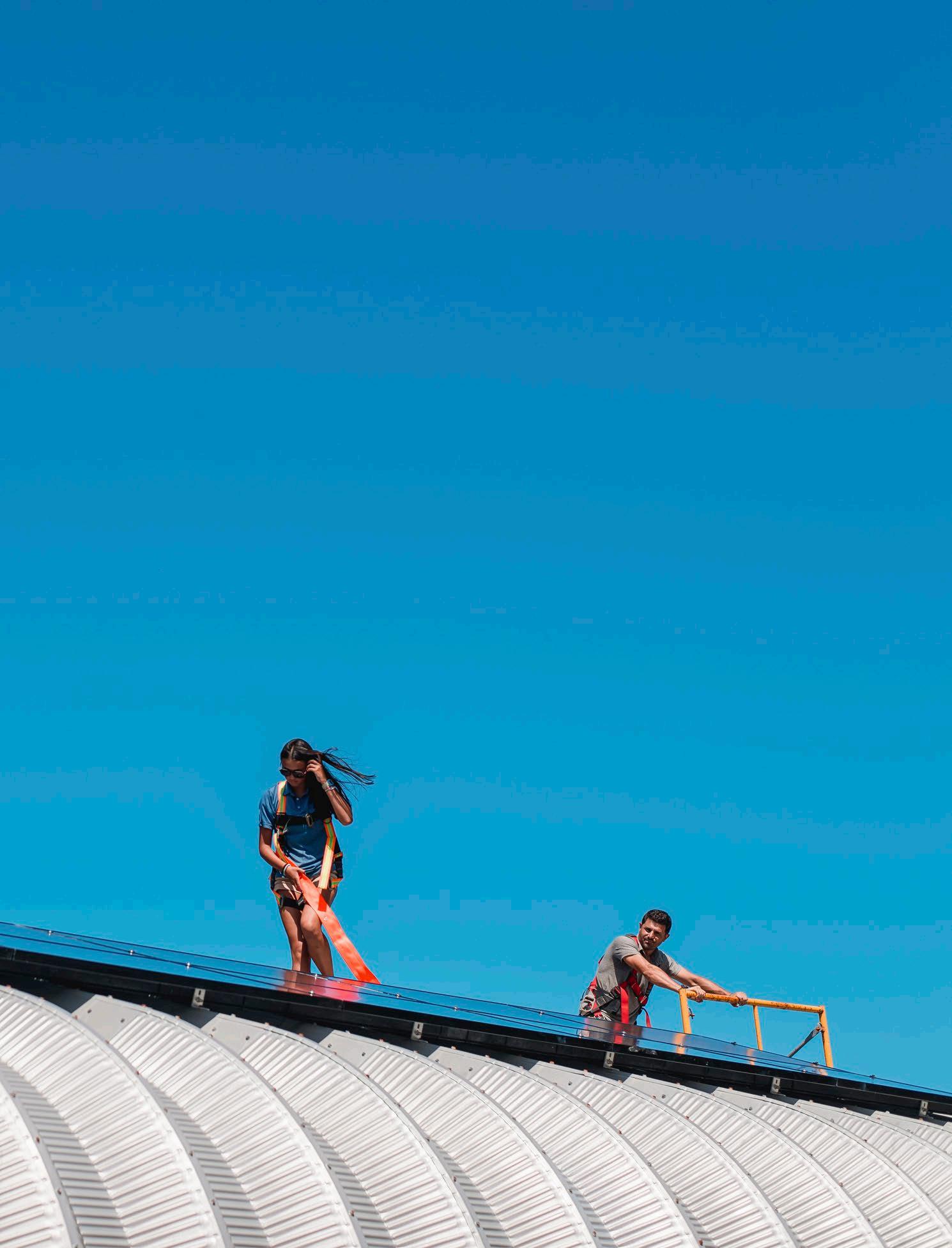
To offset emissions from our campus, students designed and installed a 6-kilowatt (kW) grid-tied solar system, similar to what might be appropriate for a local residence here on Eleuthera. The results can be used to demonstrate a pathway toward greater energy justice on our island. This was the first new solar installation at The Island School in five years, and we believe it is the first clean energy addition to the CEI campus in twenty years!
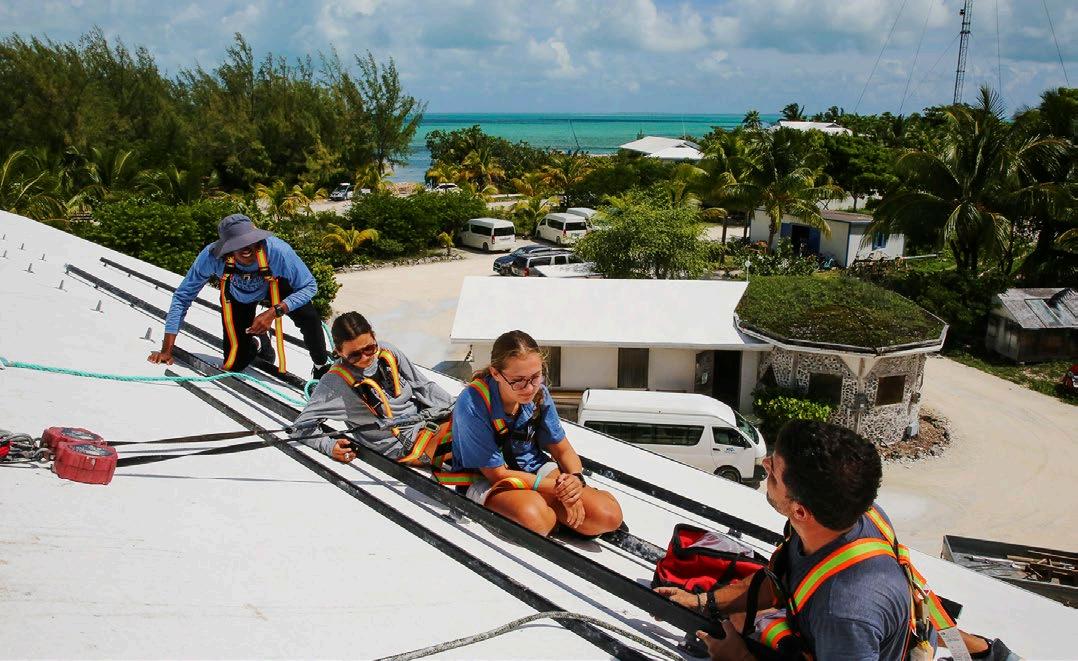
Our CSD is among the newer buildings on campus. It is built to rigorous structural standards, positioned far from the coastline, and elevated above sea level. These were intentional design choices to give us an appropriate hurricane shelter. For these reasons, Spring 2025 students identified CSD as a perfect location to pilot the concept of solar-plus-storage at The Island School. Funds were raised, and students in the Fall 2025 Semester program took on the challenge of implementing this project.
CSD is now equipped with an 8 kW solar array and 15 kWh of battery storage, enough to provide us with a grid-independent energy hub so we can stay powered in the event of any major outages. True energy security in action!
As we move into 2026, we look forward to exploring the concept of energy storage elsewhere on campus, continuing to add renewable capacity, and finding efficiencies that allow us to reduce our electricity consumption.
We
offset 40% of our electricity usage through sustainable energy production in 2025.
An Island School student prepares wiring for solar installation on the Tin Can.
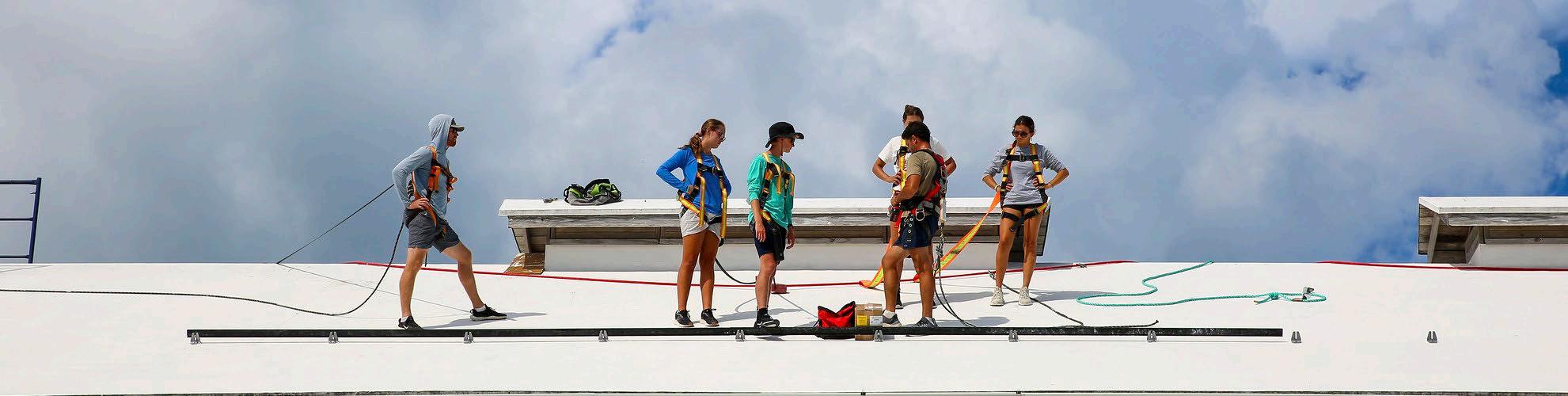
Students and faculty install a solar array on top of CSD.
Tin Can and CSD Installations
We’ve been hard at work creating innovative solutions for a number of challenges within our water supply chain and processing infrastructure on campus.
This year’s dry season was very dry—and very long. With hardly any rain and no connection to a municipal water service, our small well-pumping system in the outer loop could not keep up. We relied heavily on potable water delivery from down island.
Water delivery comes from the fresh water lens below Tarpum Bay. There is reason to wonder if this lens is stressed and not a long-term sustainable solution. It is also hard water—high in mineral content from the island’s natural limestone composition—and untreated on arrival.
This water stresses our pumping and treatment infrastructure; it often comes with unpleasant taste and odor; puts us at risk of supply interruptions, and is very expensive. Between December 2024 and June 2025, we spent approximately $50,000 on water truck deliveries to support campus water needs.
To resolve these issues, we invested in a new wellpumping system on campus.
This system includes five shallow wells drilled into our orchard, a new pump and pipework, an activated carbon filter, and an H O injection system to oxidize organic materials that cause unpleasant odors. This system will allow us to meet all of our campus water demands, quickly paying for itself several times over.
These upgrades are designed to complement our existing rainwater capture infrastructure, while allowing us full control over where we source water and how we process it. The fresh water lens below Cape Eleuthera is plentiful and should easily replenish itself each year with new rainfall. Until further notice, The Island School has officially achieved complete water security!
We continue to work on infrastructure upgrades to ensure we can share our water resource safely, efficiently, equitably, and with redundancy across all parts of campus and all programs.
Well water pumping system explained
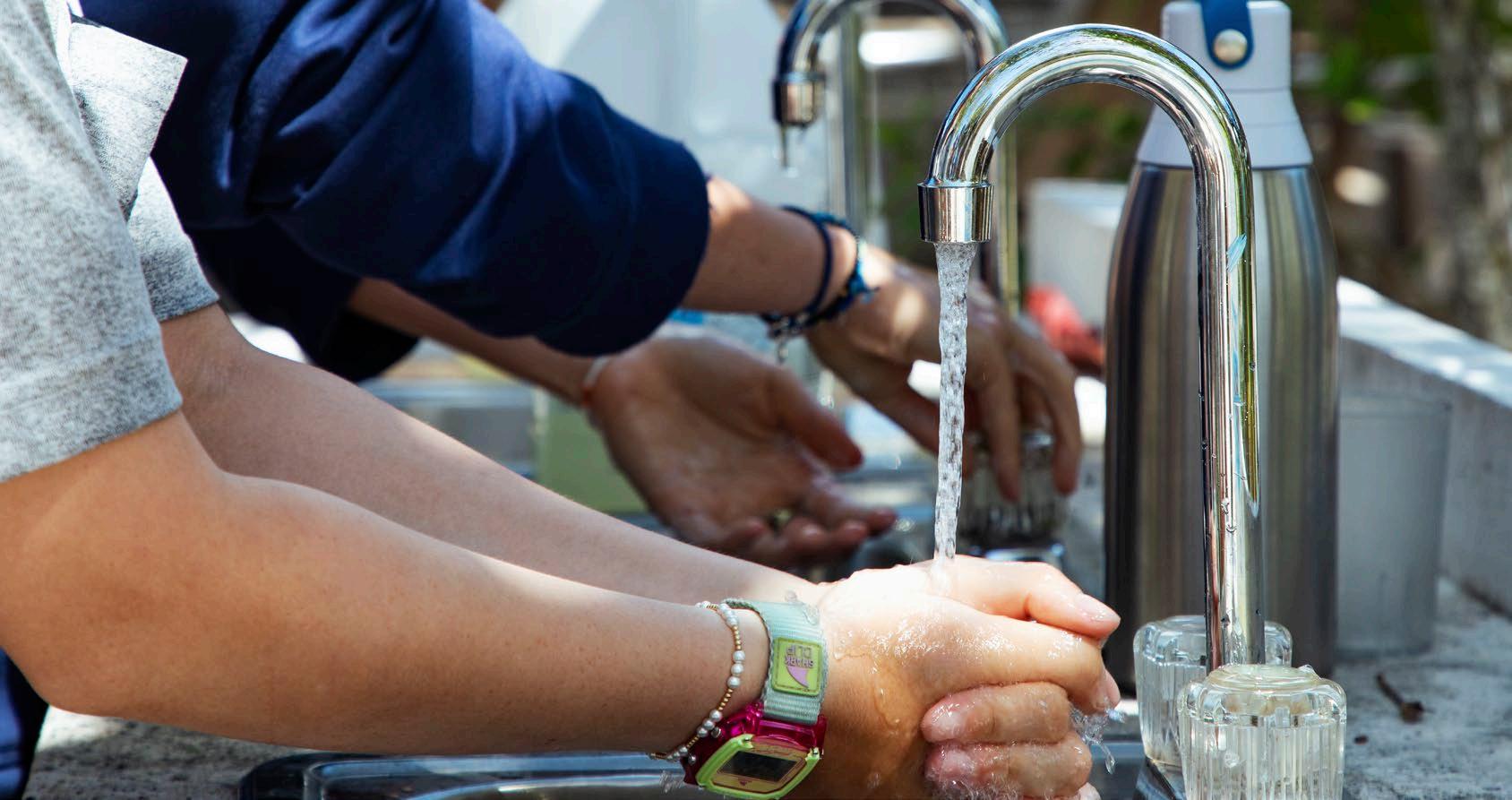
Students and staff wash hands and utilize water infrastructure on campus
Aquaculture Research Projectss
By Mia Avril, Tereno Johnson, Michael Bowleg
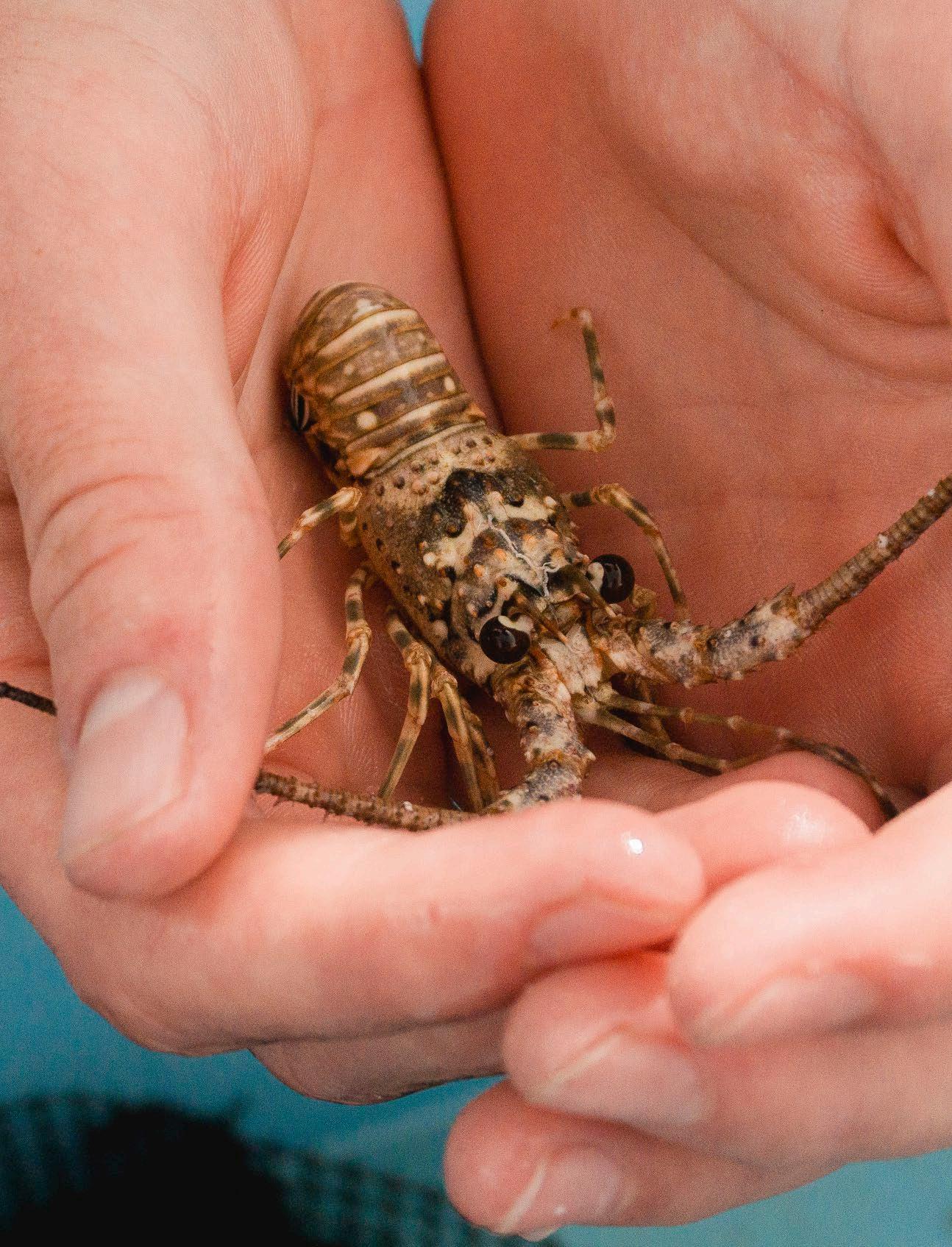
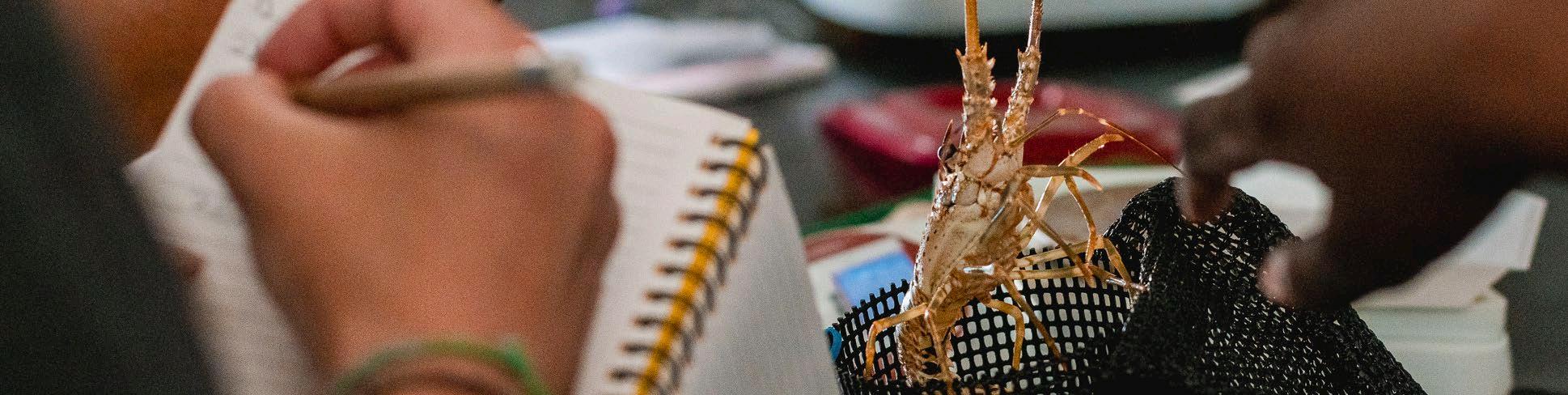
Prior research into lobster nutrition was continued in the spring of 2025. This research was also the focus of the spring Semester Student Research Project. Students gained hands-on experience caring for and researching spiny lobsters; culminating in promising results showing high survival and modest growth in lobsters fed up to 50% black soldier fly larvae protein.
Two critical new research programs for CEI’s queen conch conservation program were launched: the Queen Conch Broodstock or “Conchstock” project and the Queen Conch Nutrition project. Both aim to bolster CEI’s capacity for conch conservation research and have already begun to show promising results by the end of 2025. The nutrition project was able to produce natural food to nourish all 24 conch on campus. In the summer of 2025, the conch broodstock project surprised us with not one, but two separate spawning events occurred with conch under CEI’s careful husbandry; only the second ever recorded time in this region.
The fall semester featured a student research project focused on applying emerging solutions to conch nutrition. Students participated in nascent algal scrubber research, investigating ways to encourage local algae species to recruit onto and subsequently grow on various mesh substrates in both open shore and controlled lab tank environments. This research found that it is possible to grow a diverse assemblage of nutritious algae for juvenile and adult conch; furthering in-house efforts to bridge CEI’s research interests with the incoming FAU mobile lab.
Fisher Interviews and Livelihood Insights
In 2025, the Sustainable Livelihoods project conducted an extensive round of in-depth interviews with fishers across Eleuthera, Spanish Wells, and several nearby communities to document their lived experiences, economic realities, and adaptive strategies (below). These conversations provided an unfiltered view of the daily pressures facing Bahamian small scale fishers: rising fuel prices, unpredictable weather patterns, declining nearshore stocks, and the increasing cost of maintaining boats and gear. Fishers also shared important perspectives on how seasonal closures and storm events affect household income and food security. The interviews revealed clear patterns of vulnerability but also highlighted the remarkable adaptability and resourcefulness that fishers rely on to keep their livelihoods viable.
The interviews were instrumental in shaping the project’s emerging approach to sustainable livelihoods and blue financing. Fishers repeatedly expressed the need for more reliable access to small loans for gear, engines, and cold storage, as well as interest in an insurance mechanism that could help them recover quickly after hurricanes or equipment losses. Many also voiced a desire for training opportunities particularly in aquaculture, improved handling techniques, and value added seafood production. These insights directly support the development of financial tools and livelihood programs being developed in a way which responds directly to on the ground needs. Most importantly, the interview process strengthened relationships and built trust, positioning fishers as co-creators of solutions that enhance economic resilience and long term sustainability.
Lobster Aquaculture
Conch Aquaculture
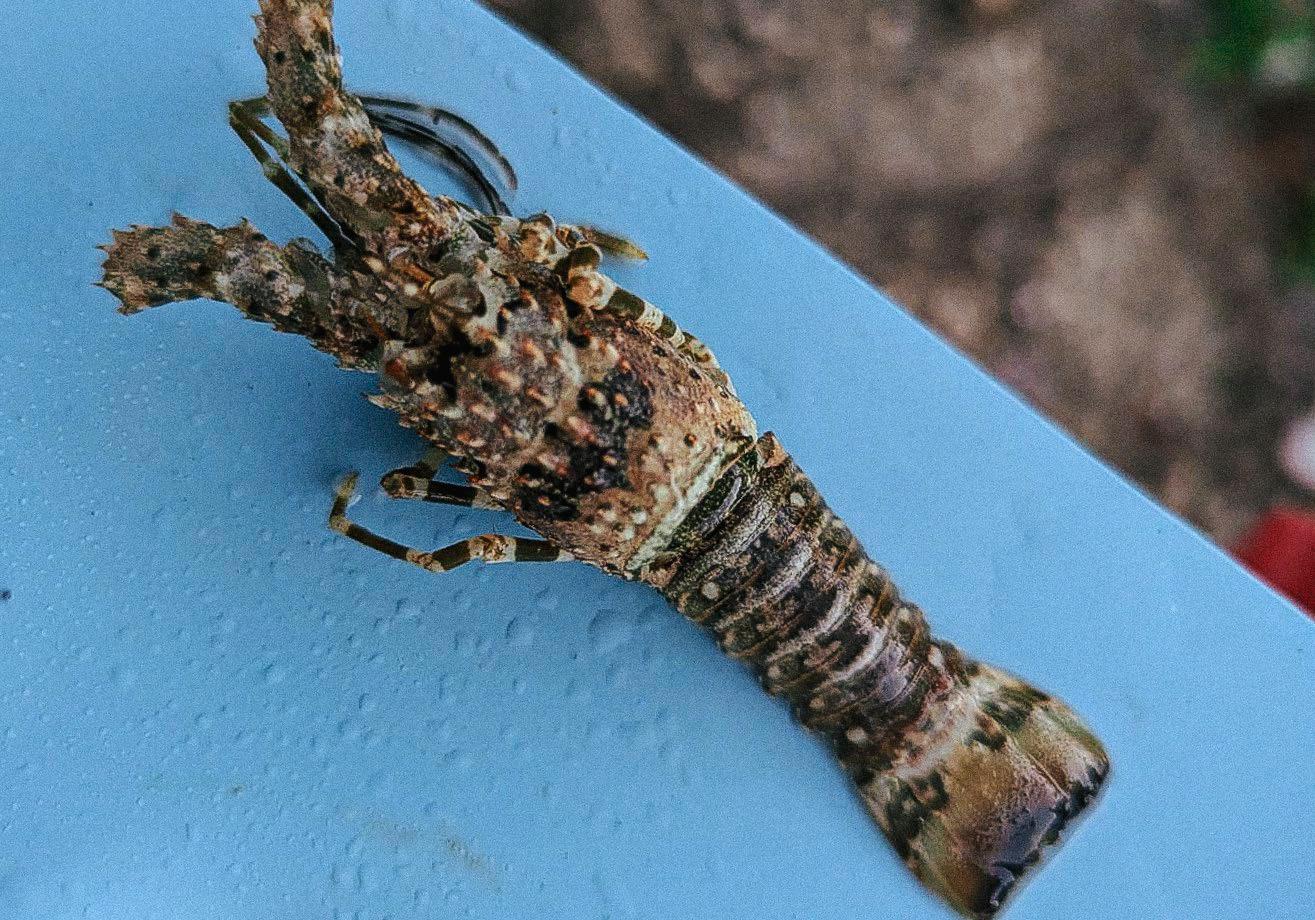
A molted lobster carapace from the diet trial.
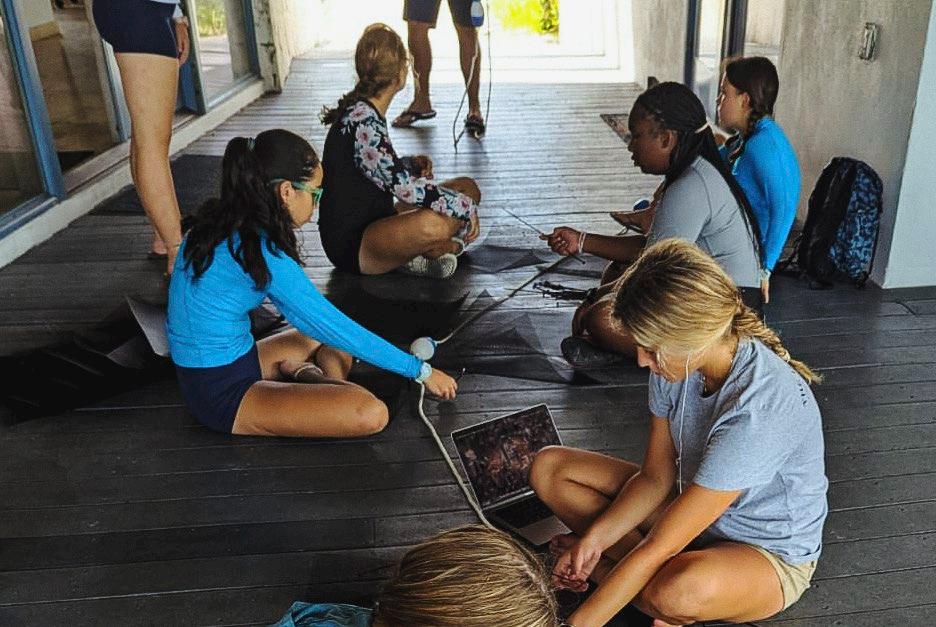
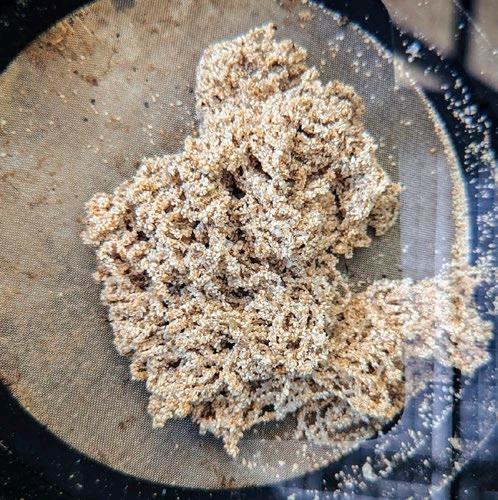
Students contructing and deploying algae substrate lines as part of their Queen Conch Research Project.
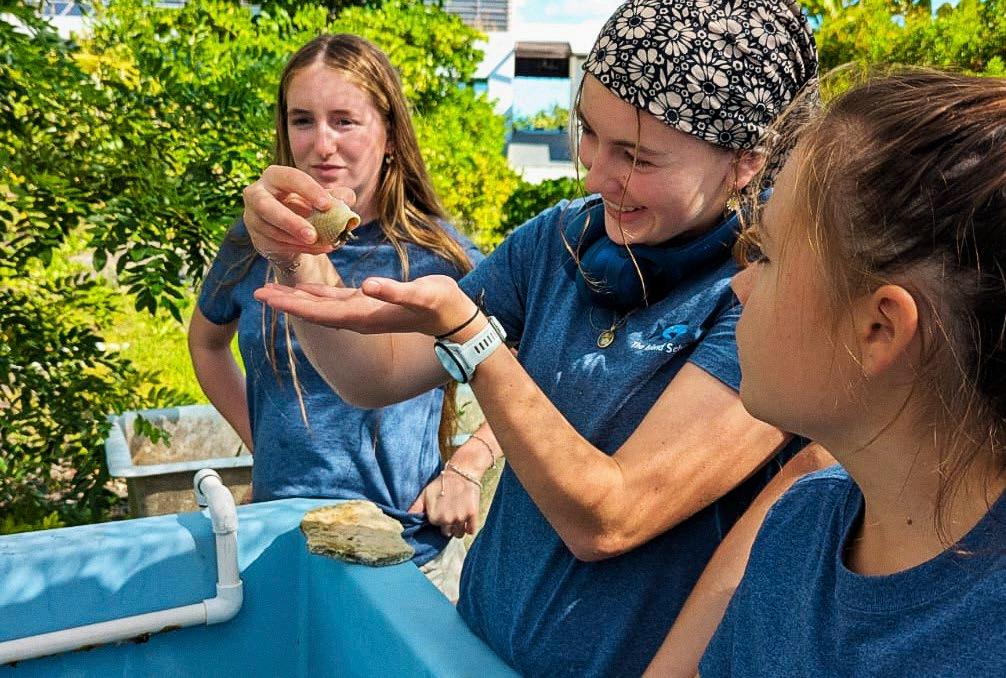
Students in the Queen Conch Research Project sharing knowledge about the conch in their care.
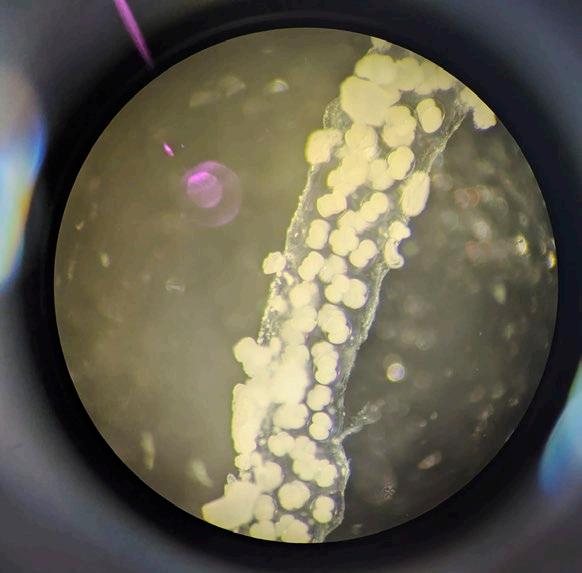
An egg mass laid by conch at CEI’s wetlab. Conch eggs laid at CEI’s wetlab, within their egg strand.
Students conducting interviews with a fisher.
Fisher Priorities, Needs, and Emerging Solutions
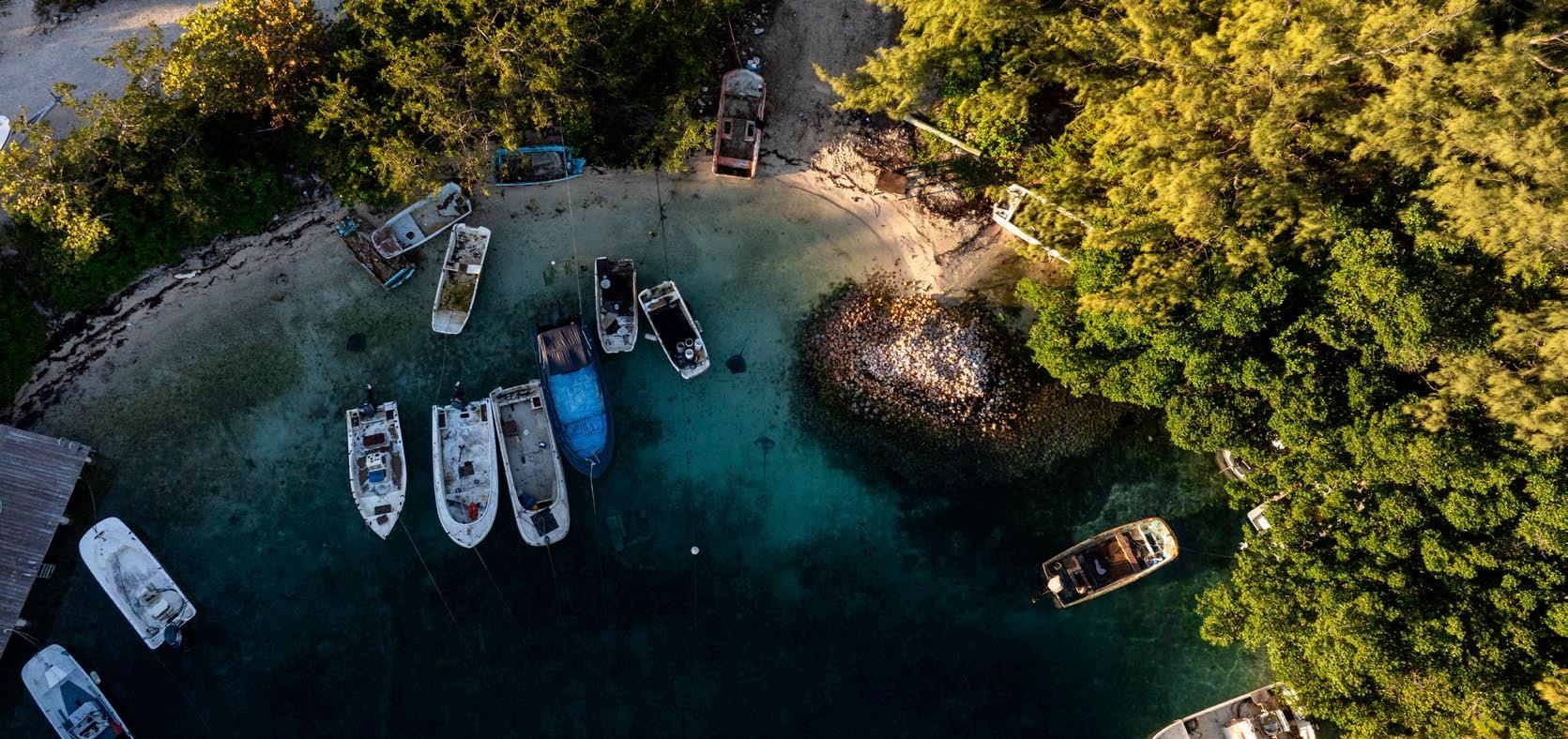
Access point for local fishers in South Eleuthera
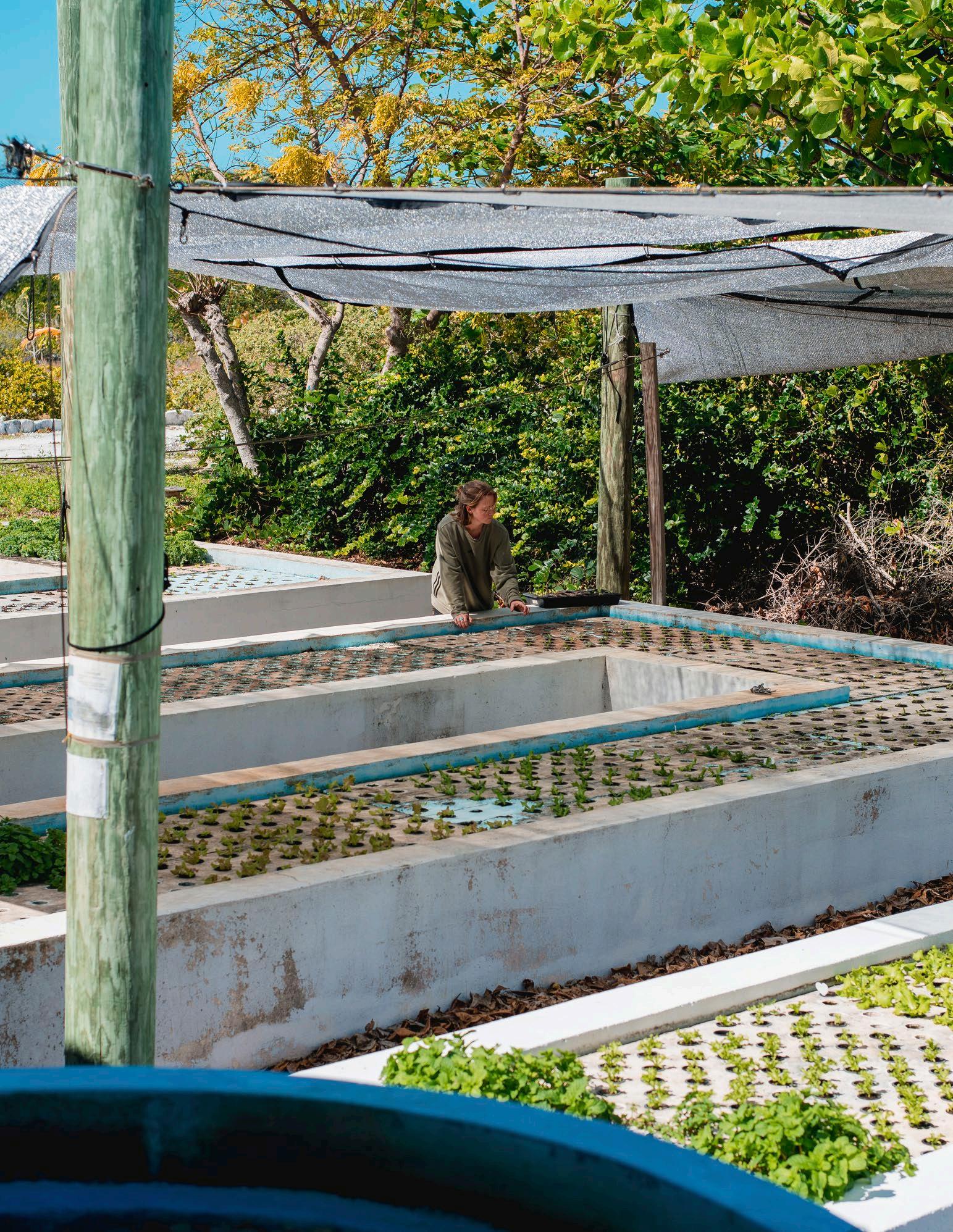
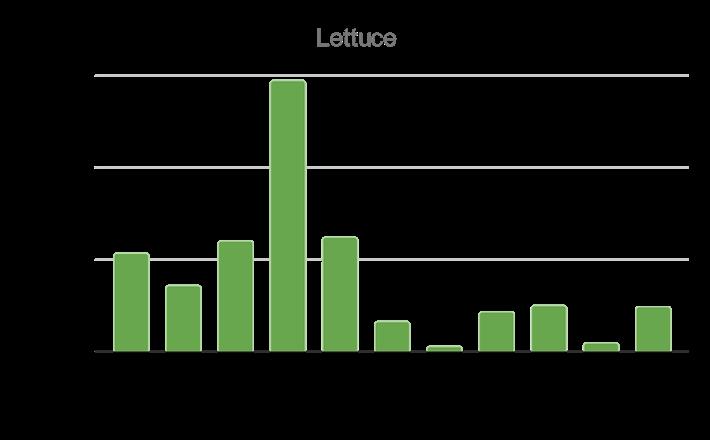
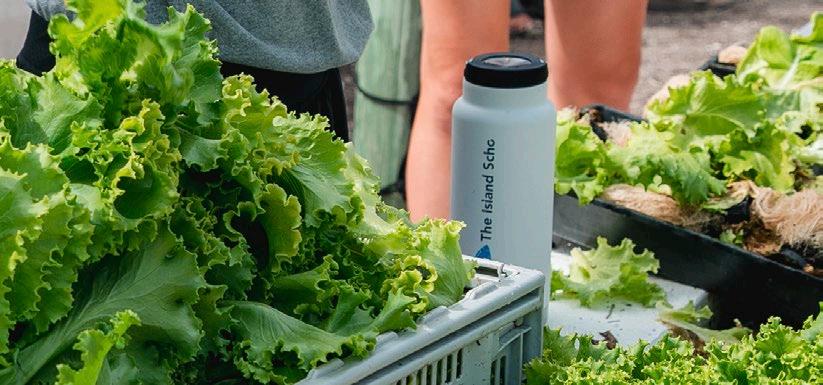
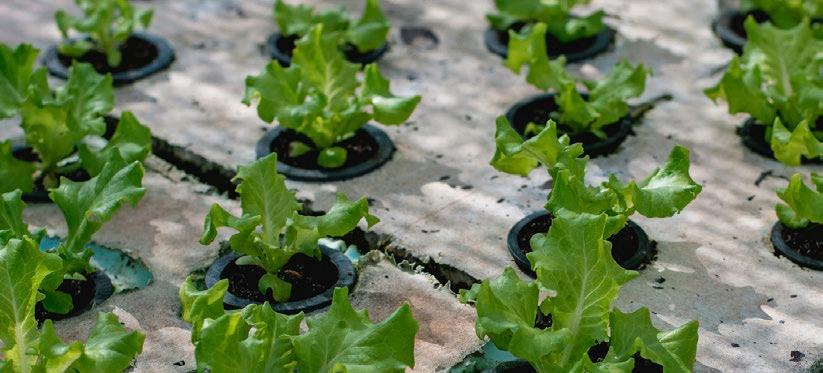
The aquaponics system continued to supply the dining hall with greens and herbs in 2025. Lettuce production for the year totaled 450 kg.
The low summer yield was primarily due to higher average temperature and reduced shade. Lettuce production was supplemented by other crops.
There were also fish harvests, supplying the dining hall with a total of 270 kg of tilapia.
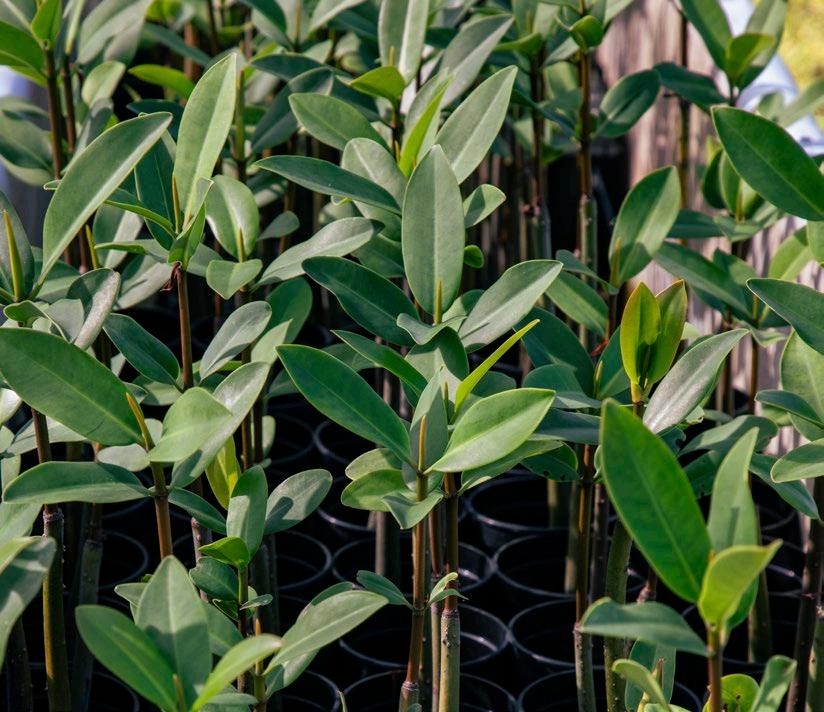
As the CEI has joined The Bahamas Mangrove Alliance, the mangrove work in 2025 focused on establishing a small but effective pilot effort to grow healthy seedlings from locally collected propagules. Working with wider Island School community members, we collected red mangrove propagules that met a predetermined criteria and cultured them in growing trays whilst monitoring survival, rooting success, and early growth (left). Although still in its early stages, this pilot provides the essential technical foundation for a larger vision: the development of a full-scale mangrove nursery system capable of supplying restoration projects across The Bahamas.
The success of the initial propagation work demonstrates strong capacity for scaling up. Over the next year, the project will expand nursery capacity and formalize propagation protocols with the goal of contributing to developing a network of community-led nurseries.
Mangroves
Successfull mangrove nursery shows early growth.
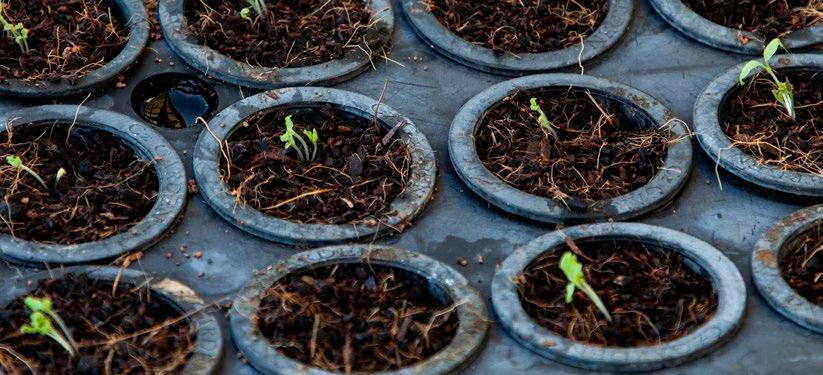
Lettuce and fish yields for 2025. Aquaponics process from bottom to top.
In order to validate research into a more sustainable aquaculture production sector in The Bahamas, it was important to determine how the Bahamian public perceived aquaculture. As part of a student research project, community surveys were carried out to assess Bahamian perceptions of aquaculture and the consumption of farmed fish. Results show that familiarity with aquaculture strongly influences acceptance: individuals who understood how aquaculture systems work were significantly more open to eating farmed products. At the same time, respondents expressed concerns about farming practices, particularly around environmental impact, water quality, and fish welfare.
The findings also highlight the importance of cultivating species that are culturally relevant and commonly consumed in The Bahamas, as this would greatly improve public interest and marketability.
Overall, the survey results suggest that increasing public education and aligning production with local food preferences will be essential for expanding aquaculture in the region.
During the year, the aquaculture team contributed to CEI’s education and outreach by supporting 6 visiting programs, and hosting 9 apprentices (5 local Deep Creek Middle School apprentices) for the spring and fall semesters.
During the summer, the aquaculture team also mentored two high school students as part of the Summer Apprenticeship program.
University of Plymouth
CEI’s partnership with the UoP has been further strengthened through the enrolment of aquaculture manager, Mia Avril, into a doctoral program with the department of biological sciences. The project will explore the development of local feed formulations using locally sourced ingredients to support the sustainable growth of aquaculture production in The Bahamas and wider Caribbean region. The department hosted a short visit from members of the UoP’s aquaculture nutrition research team led by Professor Daniel Merrifield in October. The visit allowed the UoP partners to tour CEI’s facilities and to demonstrate some sampling techniques to be employed during the data collection phase of the project.
Beyond its direct contributions to sustainable aquaculture, the outcomes from this research has the potential to support other livestock farming not only at CEI but in The Bahamas by localising livestock feed sources.
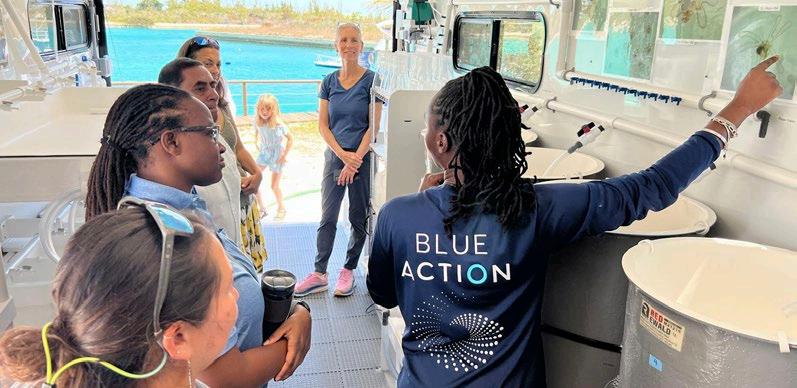
CEI’s collaboration with FAU advanced further as researchers attended the second annual training workshop in Conservation Cove, Grand Bahama, hosted by FAU’s Queen Conch Lab and the Blue Action Lab. The week-long event focused on all aspects of operation for CEI’s upcoming mobile conch lab, including egg mass incubation, larval rearing protocols, and larger operational considerations for daily maintenance of a mobile conch lab. The training also focused on conch broodstock husbandry and management, which included live and frozen diet preparation and proper tank maintenance.
This knowledge transfer was a much appreciated opportunity for CEI’s conch research team to be inducted into FAU’s regional queen conch aquaculture network; providing a medium for ongoing support and collaboration for more than just current joint conservation projects. It was after this thought-provoking event that CEI’s conch team felt empowered to pursue the new conch research projects that shaped much of the remainder of the year.
Student interviewing resident of Tarpum Bay, Eleuthera.
Visiting Groups and Outreach
Summer apprentices Widlene Alexis and Amelia Pratt.
Visiting programs participate in a lettuce harvest.
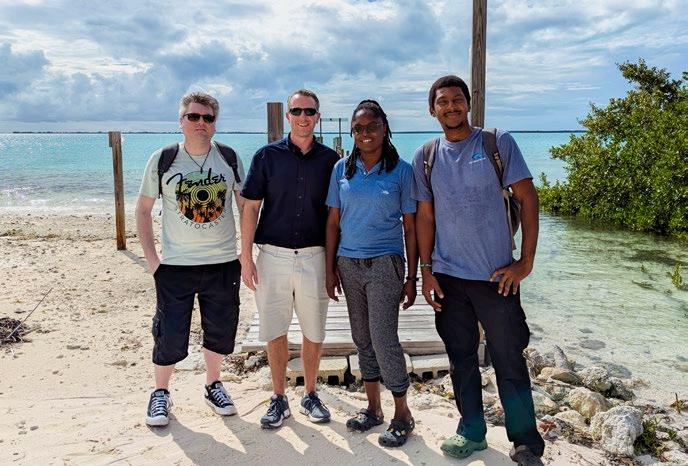
From left to right, Matt Emery and Daniel Merrifield (UoP), Mia Avril and Tereno Johnson (CEI)
Florida Atlantic University & Blue Action Lab
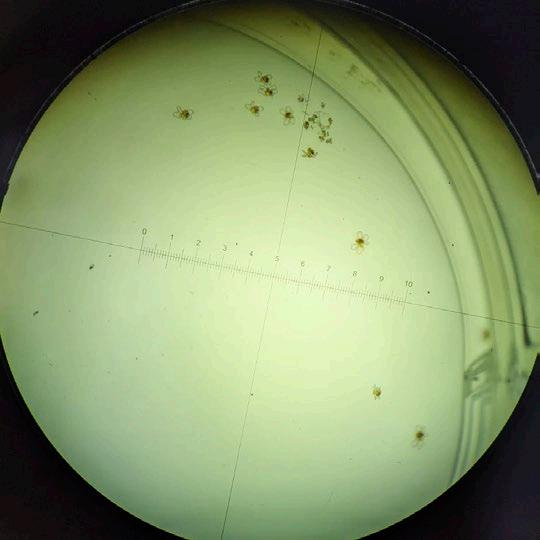
Veligers under the microscope viewed during the Queen Conch Conservation workshop.
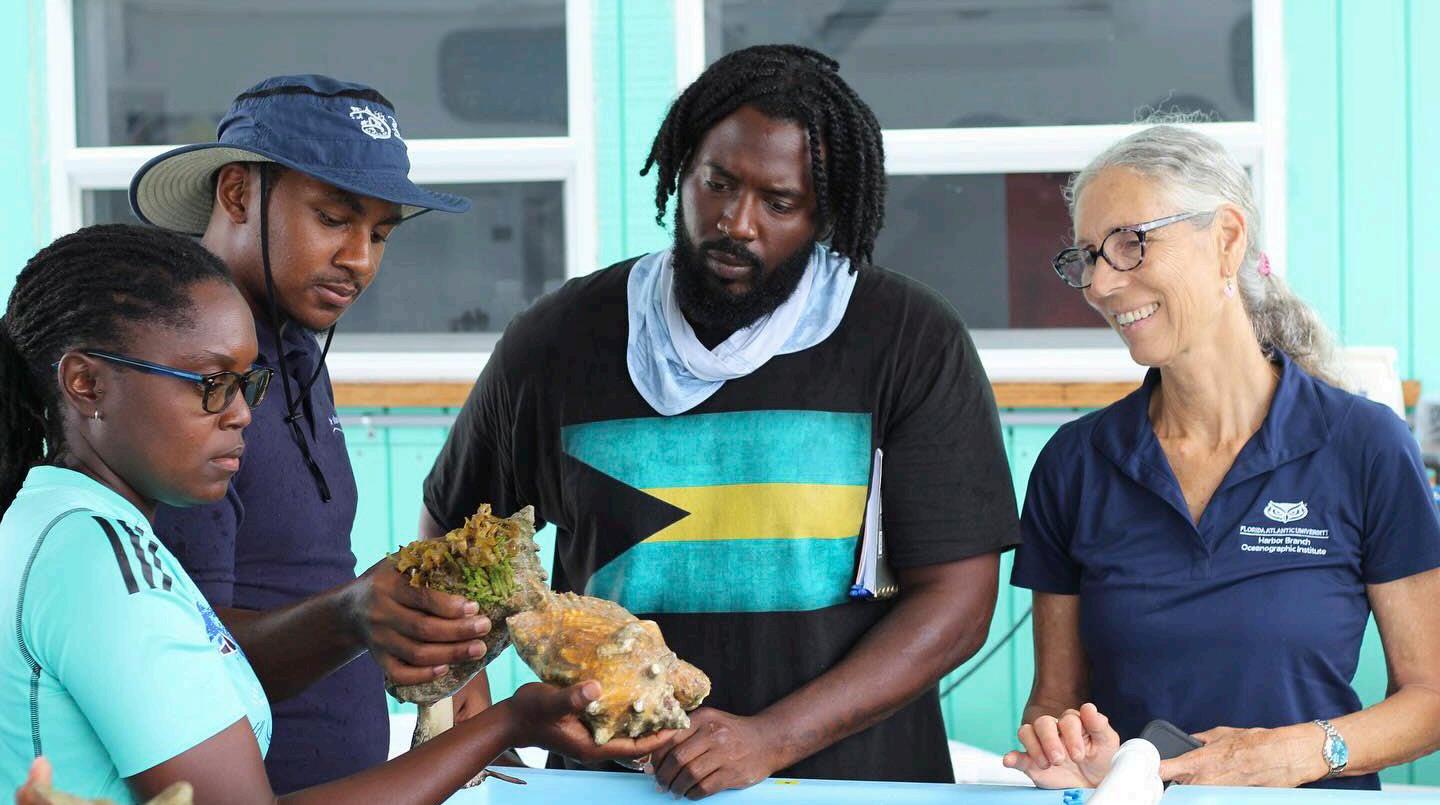
CEI’s Queen Conch team observing conch broodstock with Dr. Davis at the Blue Action Lab Mobile Hatchery.
Building
Agroforestry at the Cape Eleuthera Institute
By Paityn Wedder
The Cape Eleuthera Institute’s new agroforestry project advances sustainable food production while studying the impacts on biodiversity in the native forest ecosystem, the ‘coppice.’
The Bahamas currently imports nearly 90% of its food— primarily from the United States—at an annual cost of almost $1 billion. Similarly, the Island School community imports approximately 70% of its dining hall food. This reliance on imports carries significant environmental, economic, and social costs, including a high transportationrelated carbon footprint, vulnerability to supply chain disruptions, strain on coastal and port ecosystems, and reduced local agriculture and biodiversity.
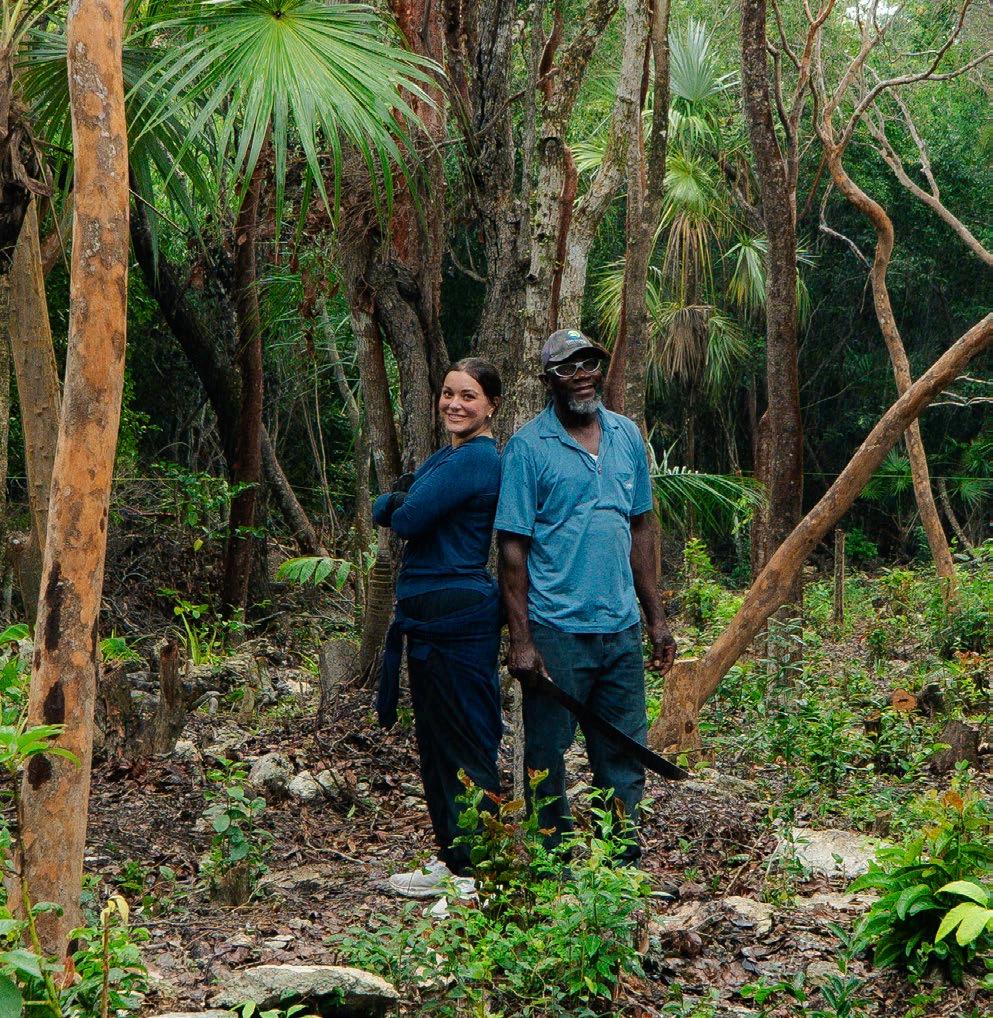
To address these challenges, CEI’s agroforestry system will supply food for staff, students, and visiting programs on our campus. Agroforestry integrates trees and shrubs with crops and livestock to create productive, resilient, and diverse land use systems by leveraging natural ecological interactions. By preserving the integrity of the Bahamian coppice ecosystem, this project will enhance biodiversity, improve soil health, and strengthen food security, while supporting sustainable local economies through a multifunctional landscape. The agroforestry research project is led by Paityn Wedder and Elidieu Joseph, one of The Island School’s longest tenured employees. Paityn, a Fall 2015 Island School alumnus, recently returned to Eleuthera to support our team as a research faculty member.
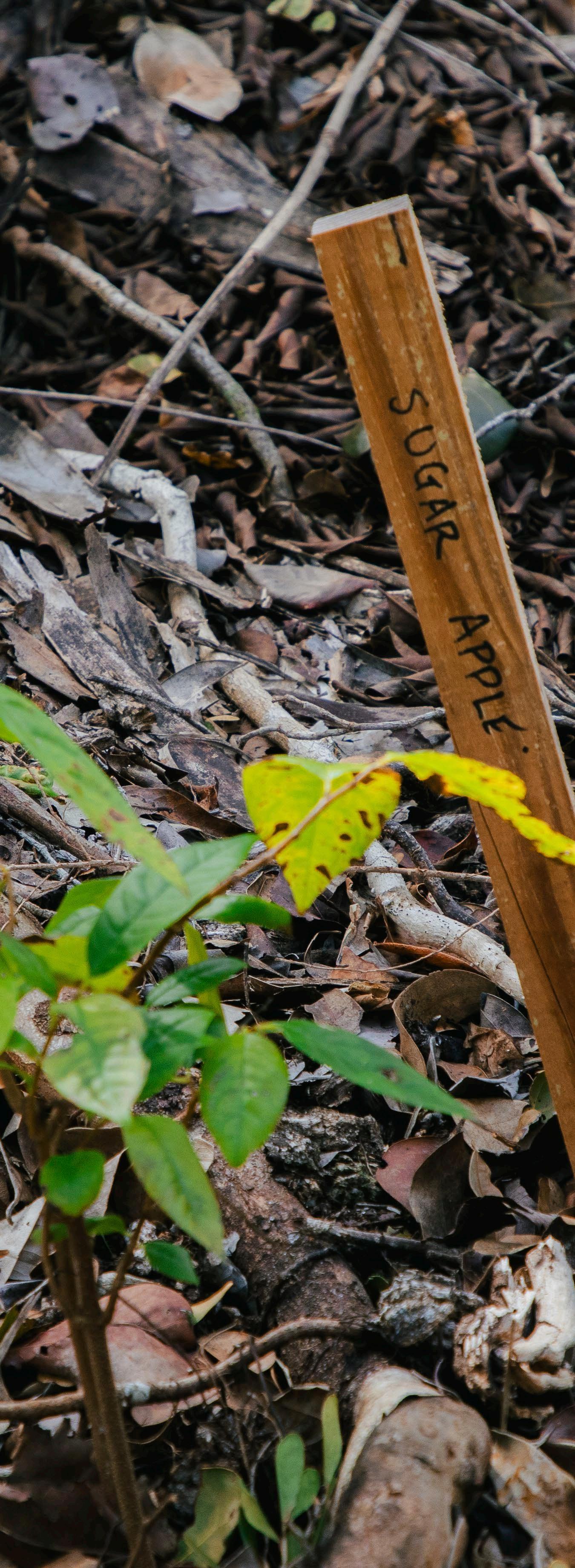
In June 2025, CEI broke ground on the first 40-by-300foot row of the agroforestry site near our campus in South Eleuthera. The row was cleared and planted by hand, preserving as many existing trees as possible for shade, windbreaks, and other ecological benefits. Crops include avocado, mango, citrus, sugar apple, breadfruit, moringa, mahogany, bananas, plantains, coconuts, pineapples, passionfruit, soursop, and starfruit. Our team is especially thankful to the Cape Eleuthera Resort and Marina, who have graciously allowed access to land for the project and have been an excited and motivated partner in its early stages.
Island School Semester students, Deep Creek Middle School students, and groups of students in visiting programs will be involved with the installation, monitoring, and harvesting of the agroforestry system. Students will play a central role in day-to-day operations, gaining hands-on experience that connects academic learning with real-world sustainability practices. Paityn will lead a Semester student research project examining how insect biodiversity in an integrated agroforestry plot compares with that of an unaltered coppice ecosystem. She will also conduct her own long-term research on the feasibility of agroforestry in The Bahamas.
Looking ahead, the agroforestry project will expand through longterm biodiversity monitoring and the planting of additional rows with new crop varieties, further reducing dependence on imported food. Ultimately, we aim to produce enough food to share with the broader Eleuthera community and demonstrate that local agriculture can not only succeed, but can thrive, on the island.
The Bahamas Coral Innovation Hub
By Natalia Hurtado, and Silia Woodside
Introduction
Coral reefs provide habitat to many organisms, while protecting shorelines and contributing to sustainability of livelihoods. Unfortunately, these valuable ecosystems are exposed to multiple stressors that are significantly reducing coral populations faster than they can reproduce and recover. The Bahamas Coral Innovation Hub (BCIH) started in 2018, with the aim of advancing coral restoration, while combining research with outreach and education. The BCIH is a collaborative initiative between The Cape Eleuthera Institute (CEI), The Perry Institute for Marine Science (PIMS), and The Nature Conservancy (TNC) to drive coral research, restoration, and conservation forward. We are powered by the labs, boats, and facilities of The Island School on South Eleuthera. Work at the BCIH focuses on three key objectives to restore Bahamian reefs:
Enhance and diversify restoration efforts through a multi-technique approach.
Establish and maintain long-term monitoring of restoration projects in South Eleuthera.
Engage students locally and internationally in coral reef restoration and create educational and research opportunities for Bahamians and emerging scientists.
Summary Metrics
• 4 nursery locations maintained in Eleuthera (Tunnel Rock, Harbour Rocks, The Cove, Lighthouse)
• 21 coral nursery trees (3 with sexually propagated corals, 1 with microfragments)
• 95 PADI Certifications: 16 Open Water Divers, 7 Discover Scuba Divers, 16 Reef, Rescue Divers, 32 PADI AWARE Coral Reef Conservation, 6 Fish Identification, 12 Advanced Open Water, 3 Rescue divers, 1 Emergency First Response, 1 Divemaster
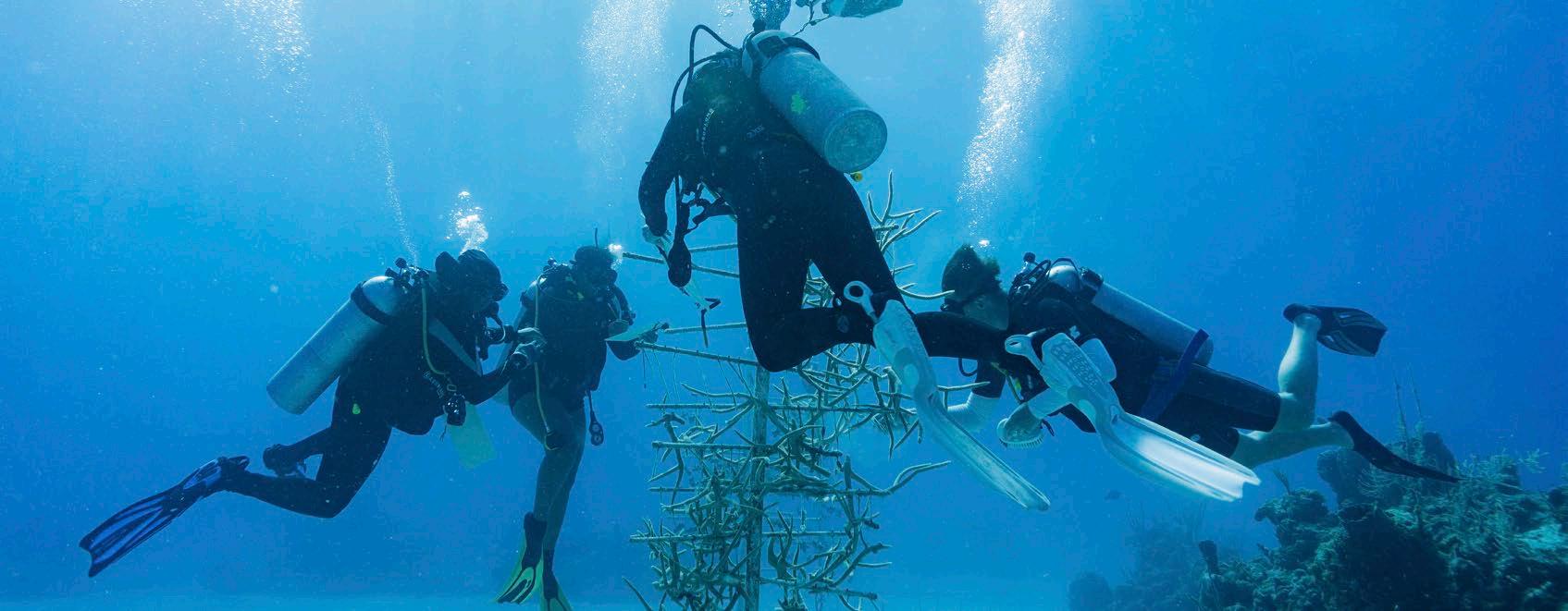
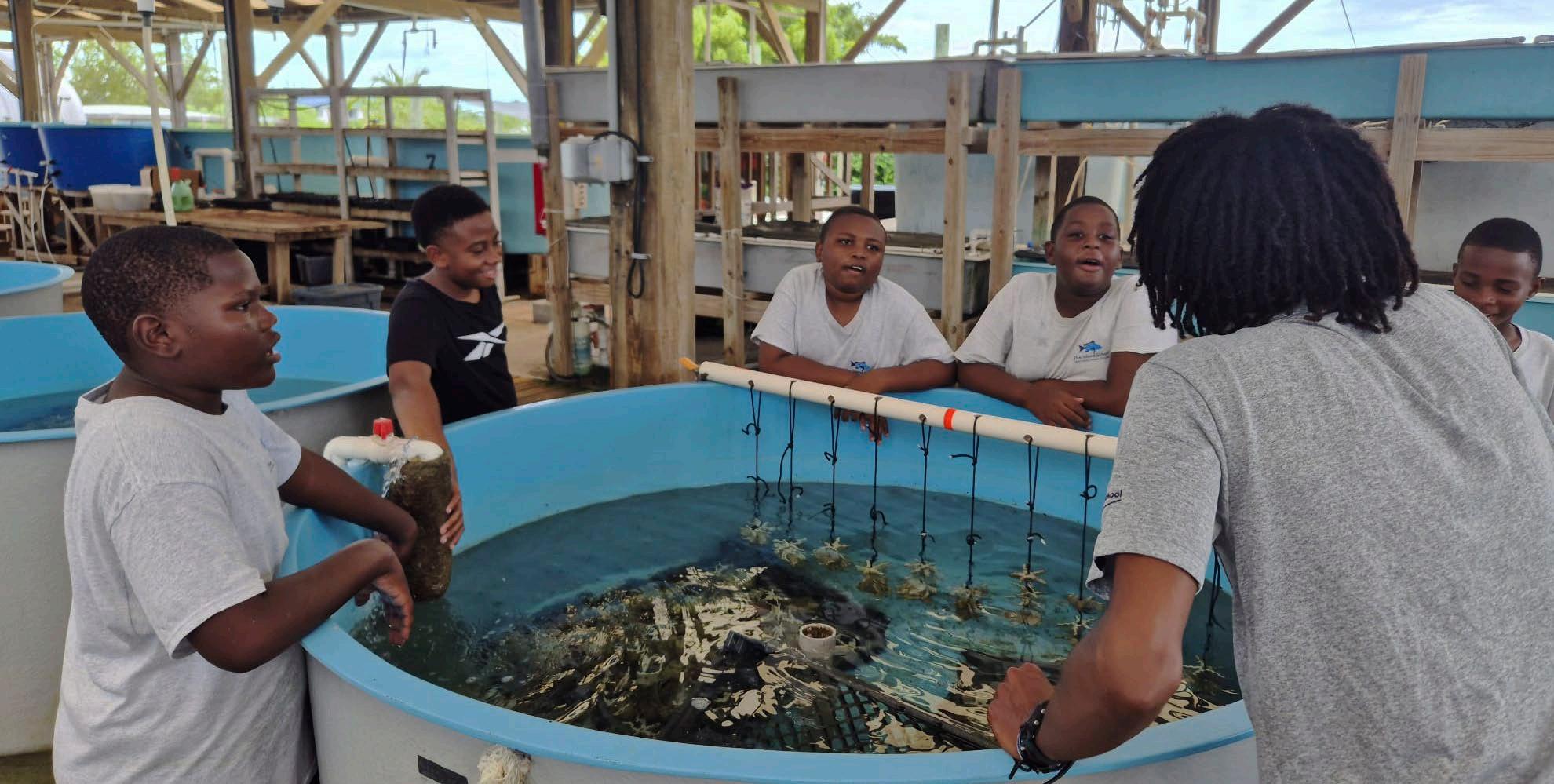
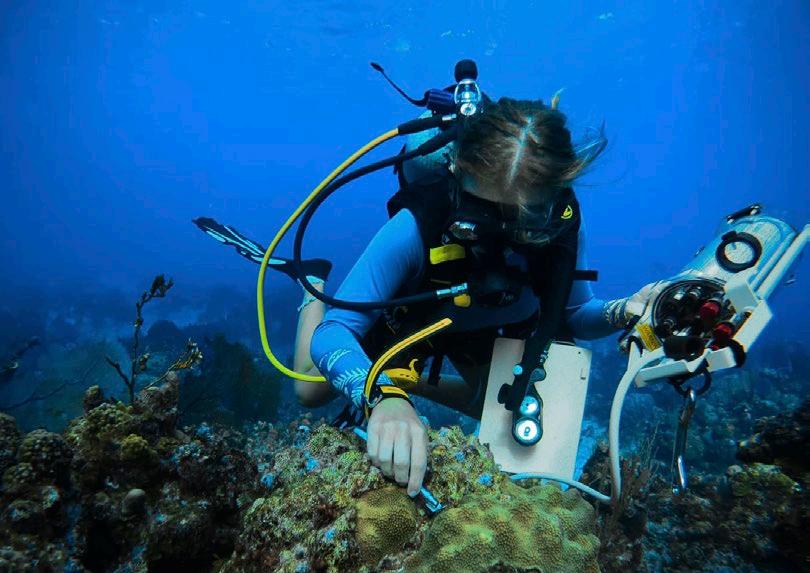
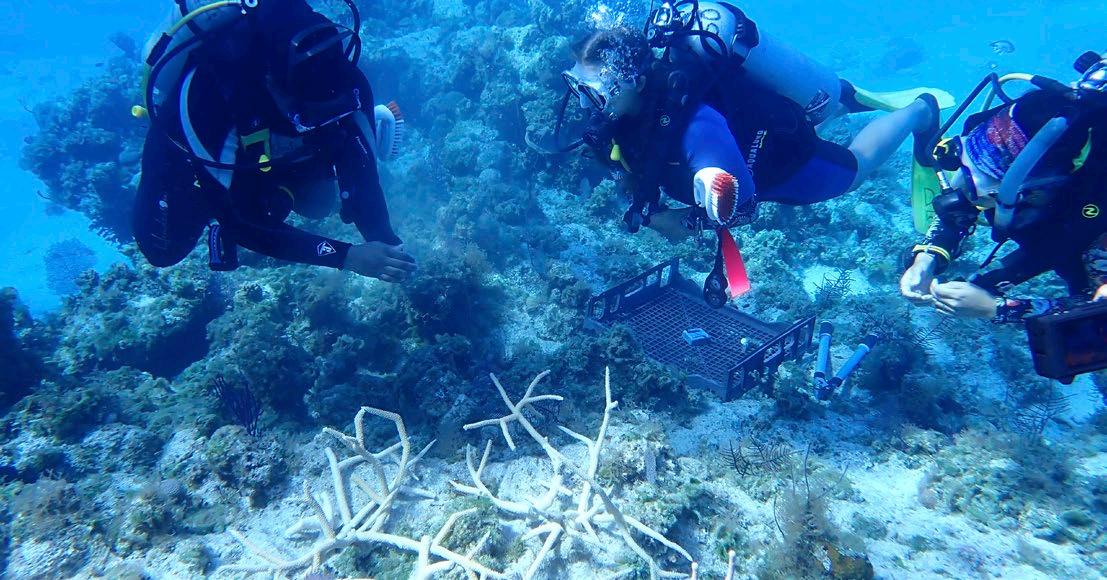
A group of CEI researchers at one of our coral nurseries in South Eleuthera
OBJECTIVE 1: Enhance and diversify restoration efforts through a multi-technique approach
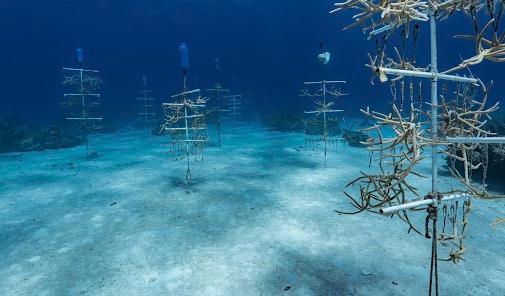
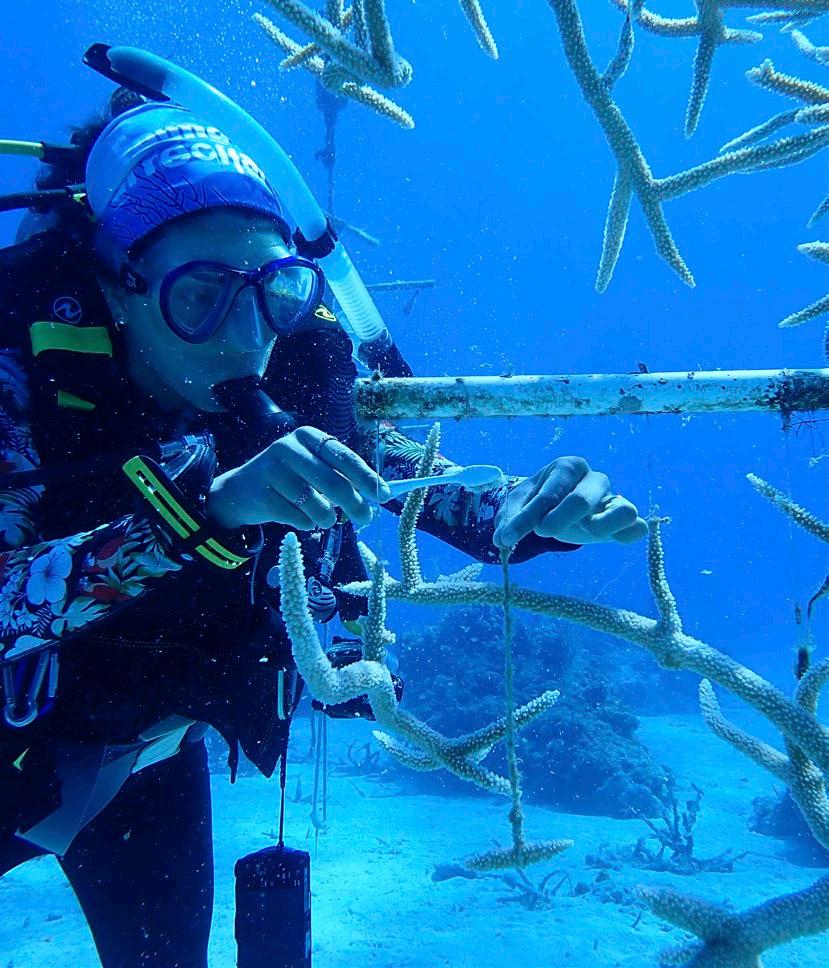
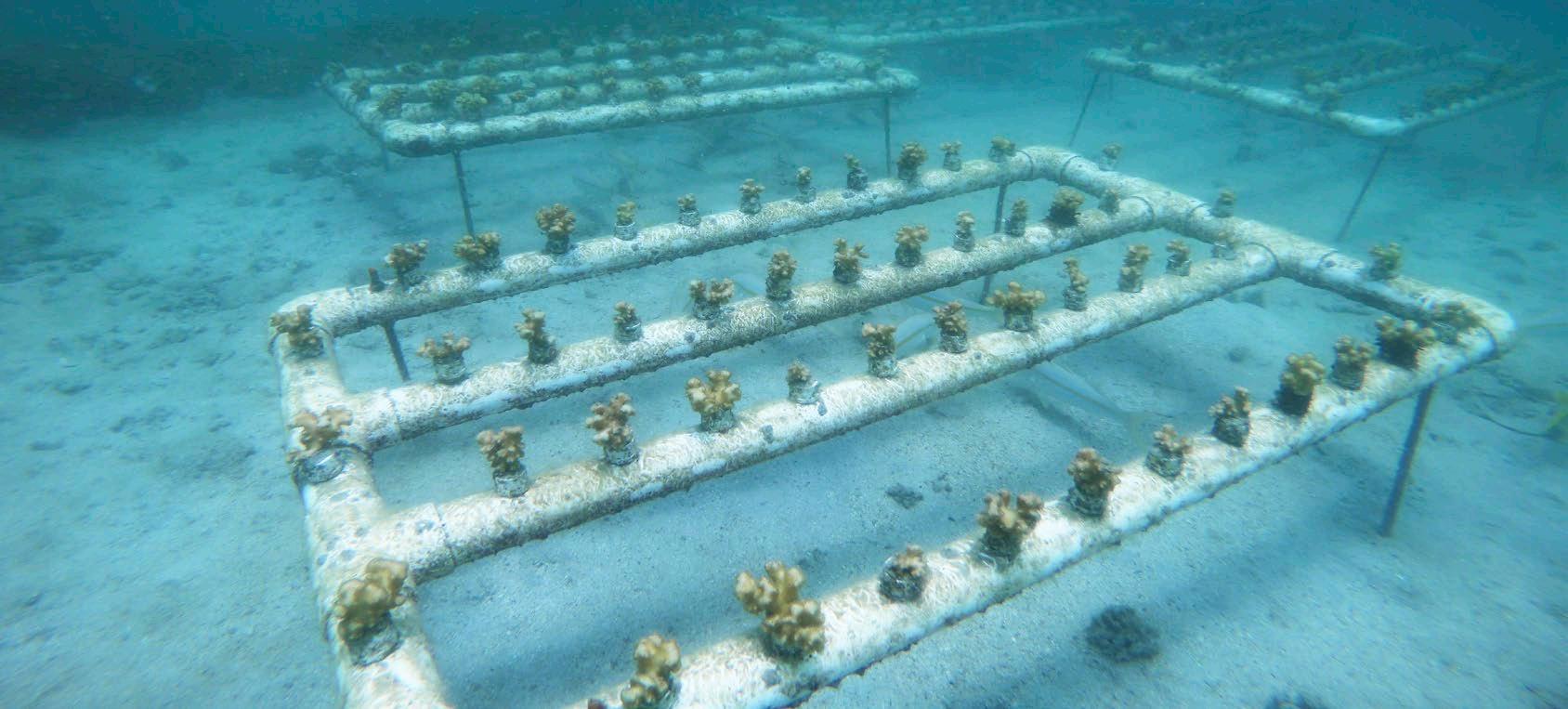
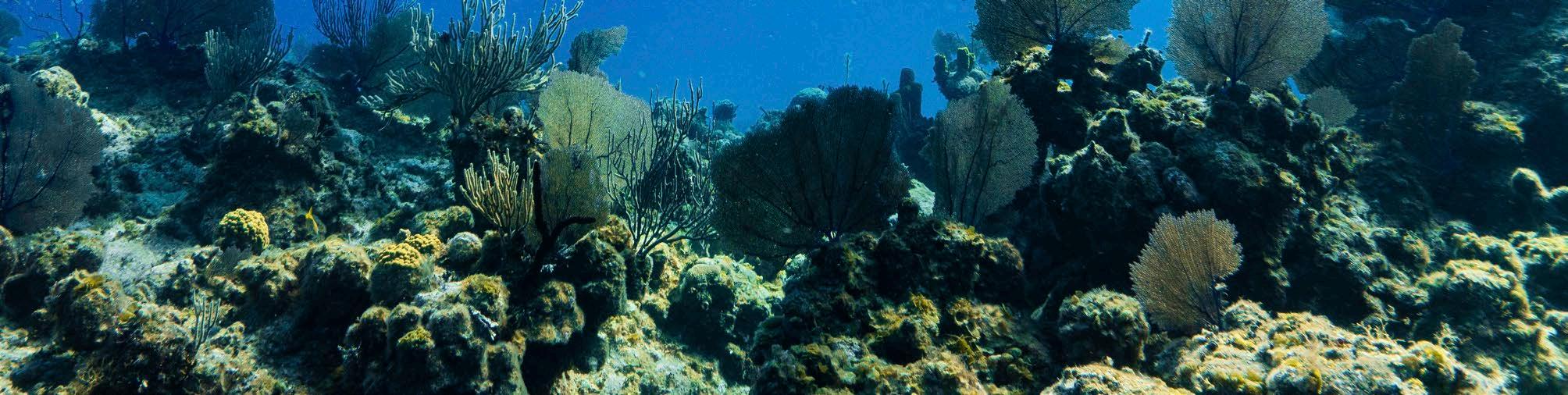
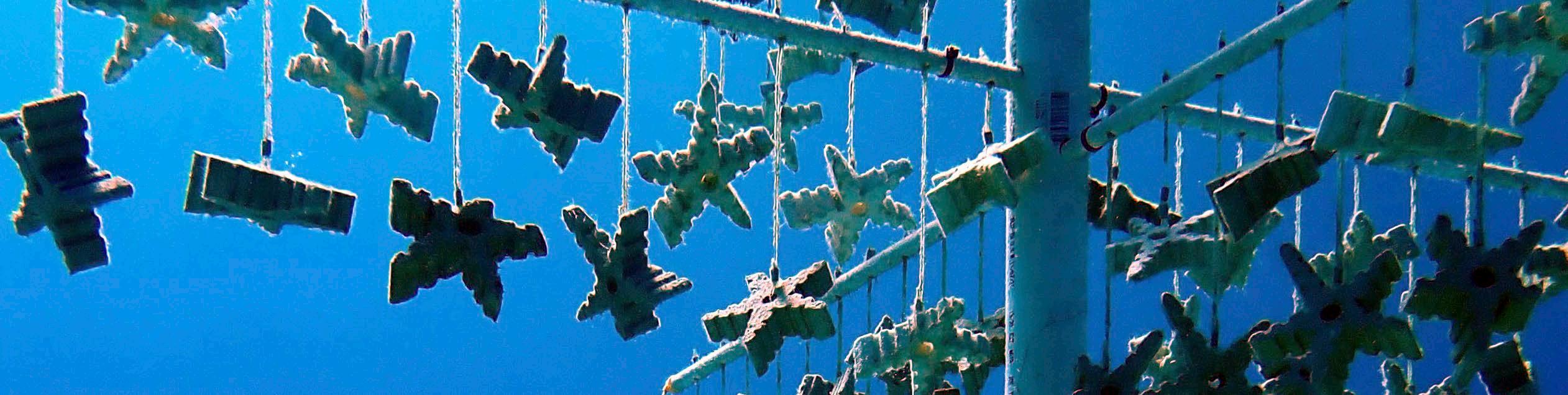
Coral nurseries are key for supporting reef recovery after disturbances, while providing valuable scientific insights into coral growth, resilience and local adaptation. The BCIH project currently has an ocean-based nursery, which is part of the Reef Rescue Network. Our team manages two sites in South Eleuthera (Tunnel Rock and Harbour Rocks) with 21 coral trees, and also provides maintenance to nurseries at Lighthouse and The Cove. Keeping corals in nurseries is crucial to minimize predation and enhance growth prior to outplanting corals onto reefs. Our team uses coral reproduction strategies to increase abundance and genetic diversity of corals growing in nurseries such that colonies in our nurseries are obtained from fragmentation, microfragmentation and larval propagation.
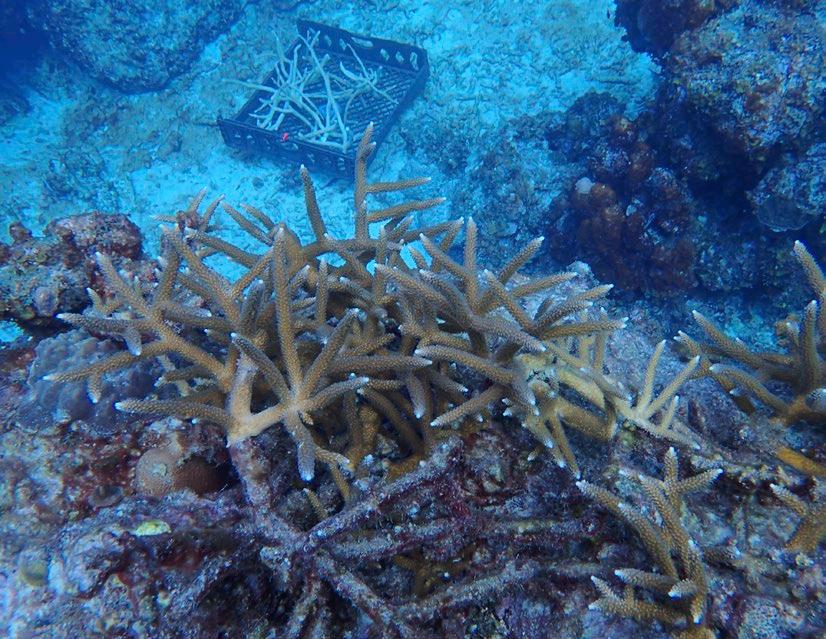
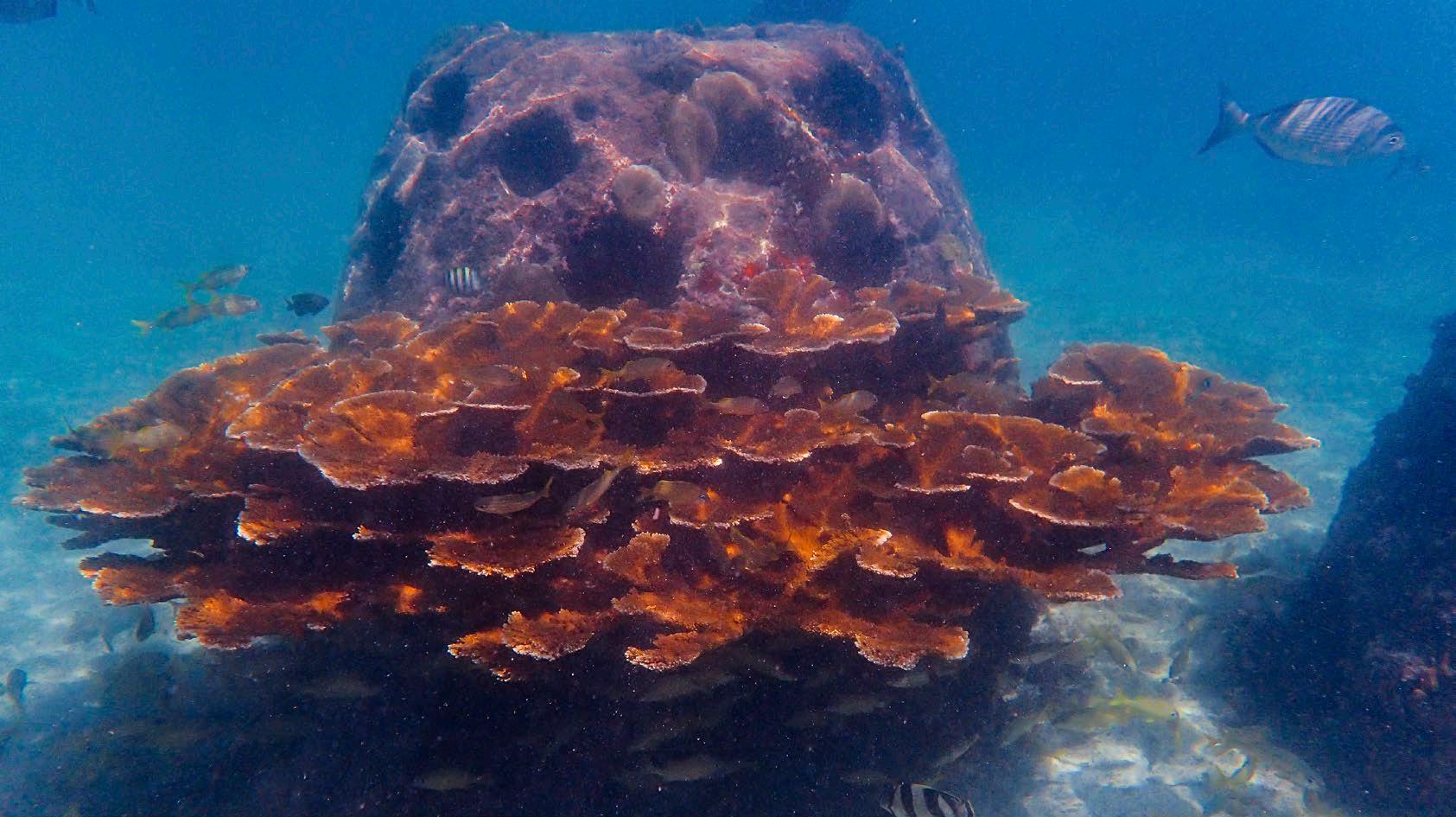
Fragmentation: Using asexual reproduction, corals are cut into smaller pieces of around 5 cm, the pieces are attached to the nurseries and once they reach 30 cm are outplanted on the reef. The nurseries were populated with fragments from other existing nurseries within the The Reef Rescue Network from different thermal regimes as well as wild colonies from South Eleuthera, using Critically Endangered coral species like Staghorn and Elkhorn coral. All the corals currently growing at the nursery, survived a severe heatwave in 2023. Our nursery currently has 591 fragments (580 staghorn and 11 Elkhorn).
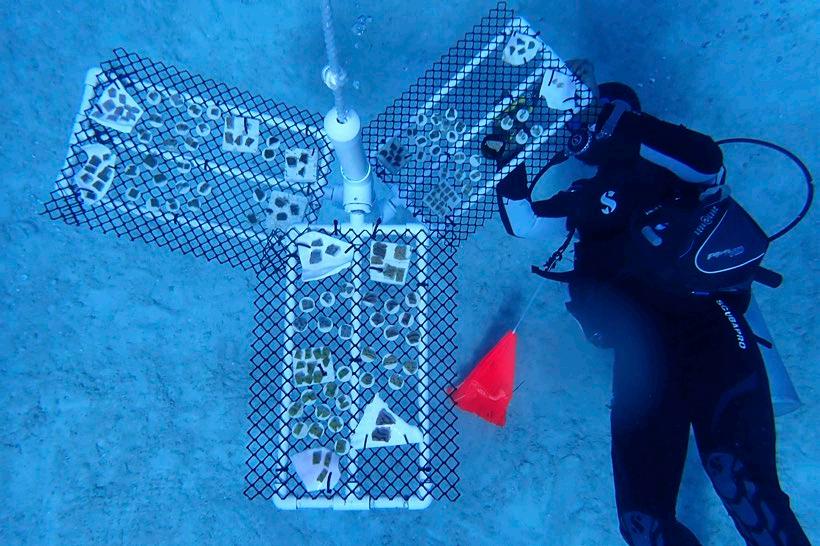
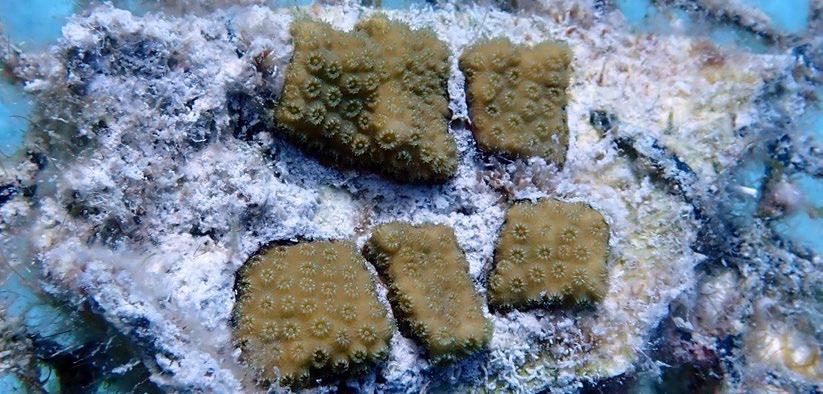
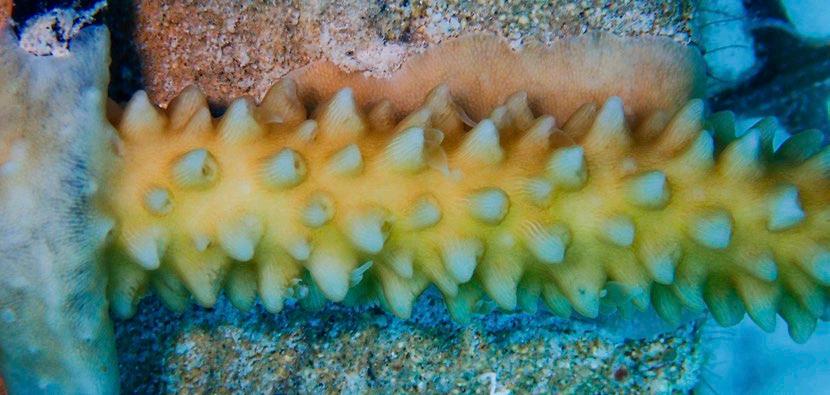
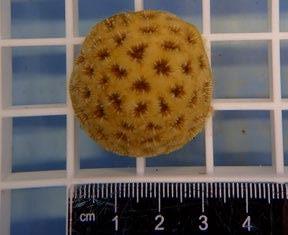
Microfragmentation: Using asexual reproduction, boulder corals are cut into very small fragments (roughly 1-2 cm ), which initiates a rapid growth response. Microfragmentation can increase coral growth rates up to 50% in slow growing but essential species such as star corals. The microfragmentation tree currently holds 195 corals from 7 different species including Diploria labyrinthiformis, Montastraea cavernosa, Siderastrea siderea, Acropora cervicornis, Porites astreoides, Porites porites, Orbicella faveolata. In order to continue to test different sustainable approaches and materials, glass bottles and conch shells were also used as substrates for the fragments. The fragments have been growing and are showing signs of fusion after only a few months.
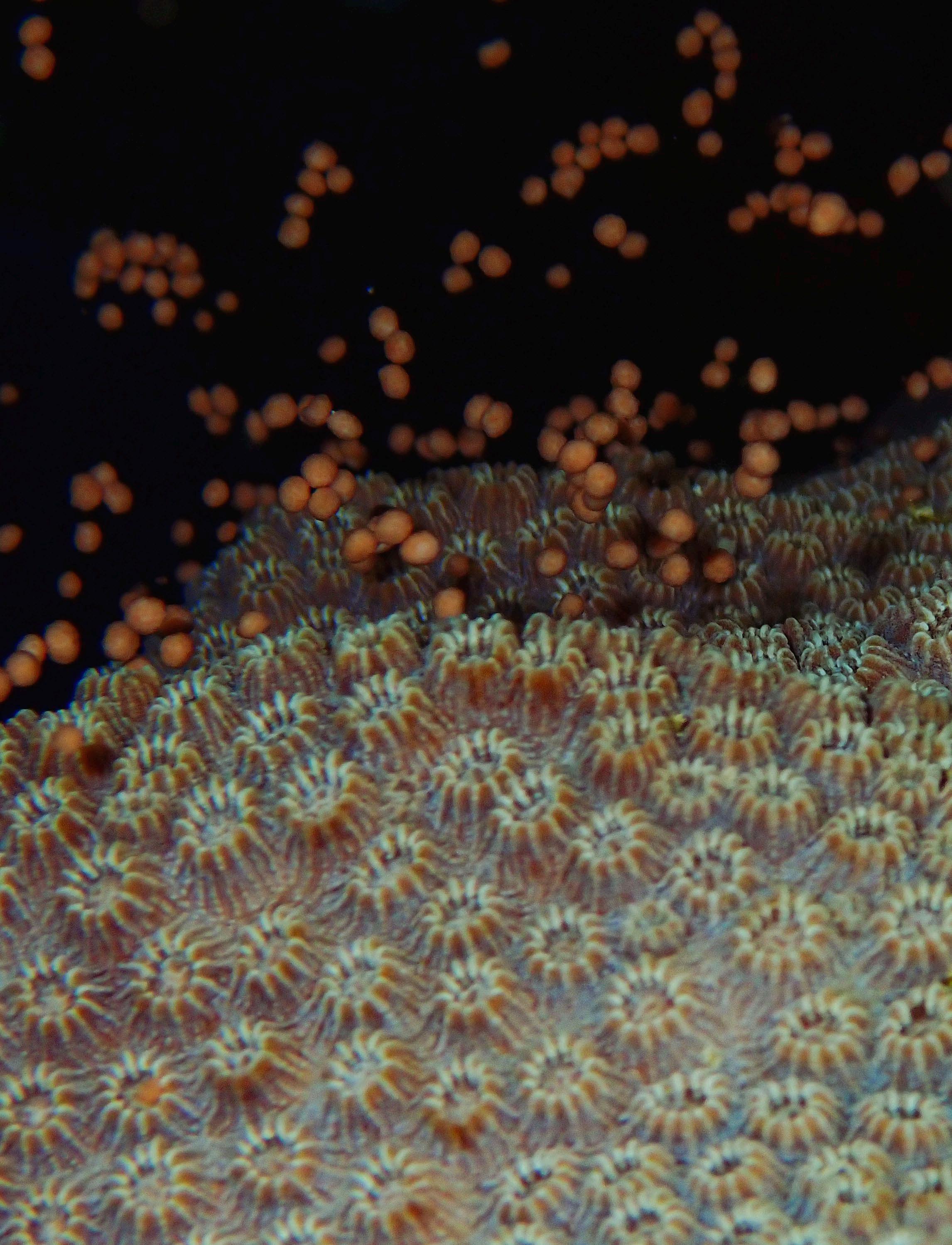
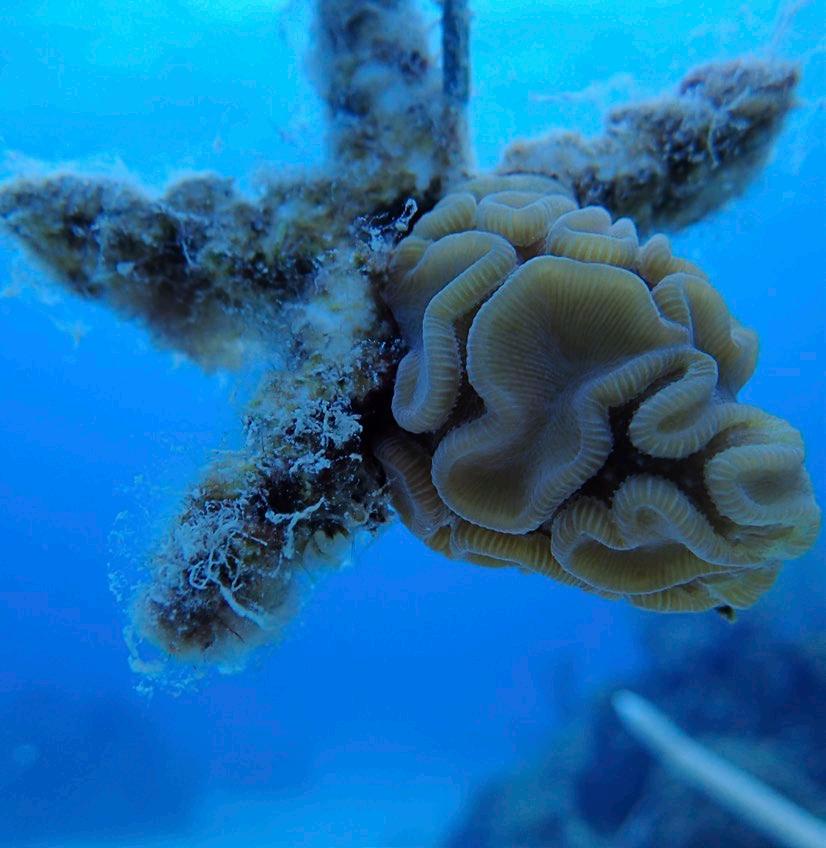
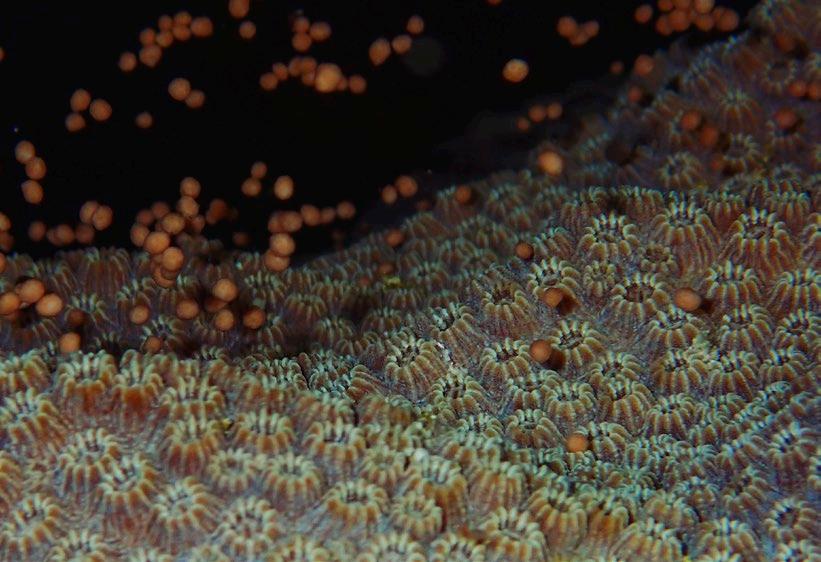
Larval propagation: Corals reproduce sexually by releasing their gametes into the seawater for fertilization, in a process called spawning. During coral spawning events, gametes can be collected by divers and reared in lab facilities where fertilization and survival is higher than would occur naturally in the ocean. The resulting coral offspring can then be returned to the reef where they will continue to grow and increase coral cover.
The nursery phase in sexually propagated corals is crucial to reduce stressors, predation and algae overgrowth in early life stages. Gametes from Orbicella faveolata were collected during their spawning peak last August. After successful fertilization 116,000 larvae were transferred to a seeding tent and a Coral Rearing In situ Basin (CRIB) provided by SECORE with conditioned substrates. After successful recruitment 18,000 recruits in 300 substrates were distributed between the oceanbased nursery and the land-based facility.
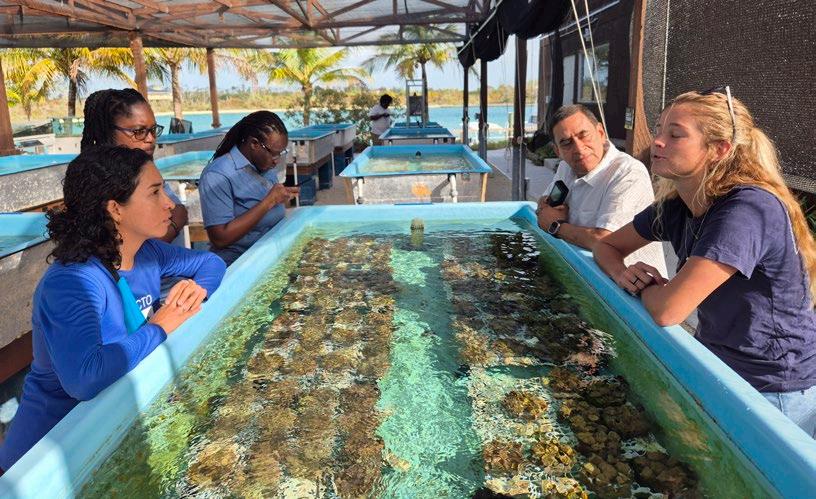
The BCIH land-based facility has been steadily growing since its inception in 2019. The facility is a contingency plan to maintain genetic diversity with replicates from the ocean-based nursery, perform experiments with corals to improve restoration strategies in the wild, and propagate larvae of several species for study and restoration. Outdoor and indoor systems were established and The Hub’s wet lab water has been optimized for coral growth and experimentation with specialized filtration systems and lights to stabilize environmental conditions and protect against pathogens. Our team has been conducting heat stress experiments and its effect on reproduction, embryogenesis, settlement and survival on early life stages of coral. This work has been done in a partnership with Wageningen University while hosting master students to perform their master thesis.
Ocean Based Nurseries
Ocean based nursery with staghorn cora
Microfragmentation tree with boulder species
Mountainous star coral microfragments Grooved brain coral sexually propagated juvenile
Land-Based Facility
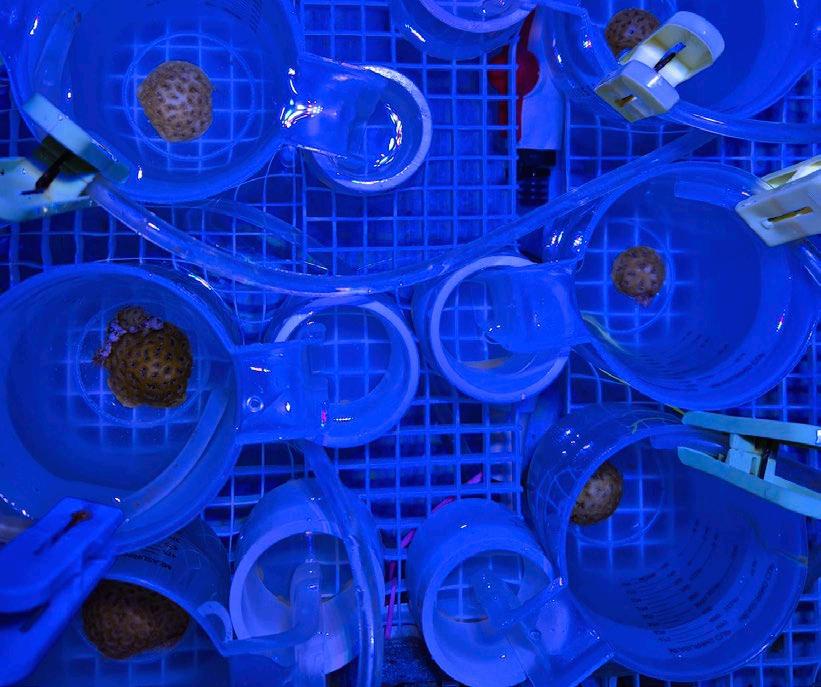
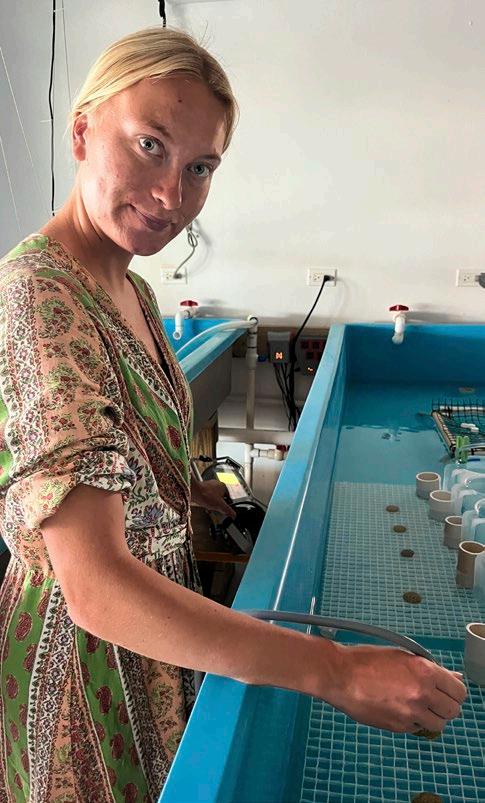
Substrates with recruits in lab based-facility
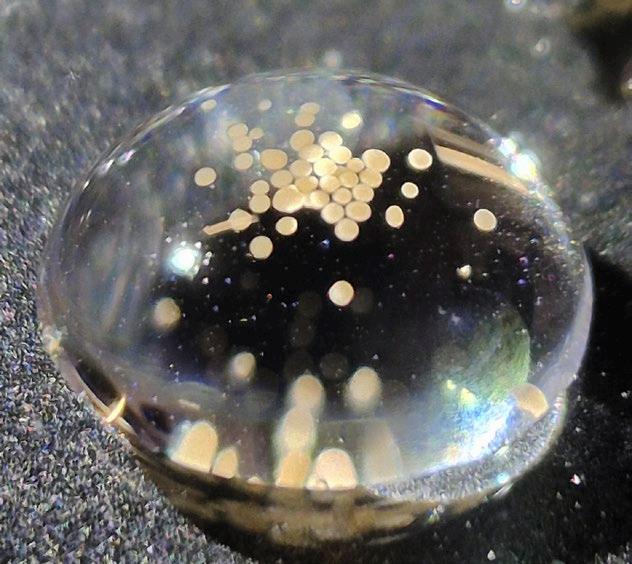
Coral embryos in one drop of seawater
Set up to collect coral larvae in the lab
OBJECTIVE 2: Establish and maintain long-term monitoring of restoration projects in South Eleuthera
Since 2020, the BCIH has been compiling spawning observations of key reef-building coral species in The Bahamas and calculating their predicted spawning times and dates. These predictions have accurately identified spawning peaks for the region. Our team has been conducting monitoring dives every spawning season and every year releases a booklet with key information. The guide to coral spawning predictions functions as a resource for tracking and planning during spawning periods across different coral species and reef areas. The guide describes the spawning behavior and predictions of 11 species. The distribution of spawning regions was determined by sunset times and is presented as three zones across the Bahamas. These zones then correlate with the provided spawning predictions table, based on past and current observations.
Over the past year, the BCIH team successfully outplanted 74 nursery-reared corals colonies across targeted restoration sites, where survival was recorded after a massive bleaching event. These outplanting efforts increased local coral cover, enhanced genetic diversity and habitat recovery. During spawning dives, our team observed the integration into the natural reef framework as outplanted corals served as a refuge to many invertebrates and fish. Long-term monitoring using photogrammetry, revealed that several wild coral colonies suffered mass mortalities, reflecting ongoing environmental pressures. However, staghorn corals that survived are those propagated in our ocean-based nursery, highlighting the importance and effectiveness of active restoration in maintaining coral presence and reef structure. These results reinforce the need for continued outplanting and long-term monitoring to support ecosystem recovery.
Monitoring Sites and Testing Materials with Semester Students
Growing corals in ocean nurseries has been proven to be effective, unfortunately outplanted corals have been affected by algae overgrowth and predation. Our team has been testing coral growth on rebar covered by resin and sand for future dome installation. The integration of artificial structures with propagated corals is on the horizon, our team partnered with a local artist (Chris Symonette) who provided an artistic component to creating future underwater sculptures to be used as artificial reefs.
As a first step, sustainable materials like conch shells, glass and lime mixed with cement were tested, integrating semester student research projects and offering training opportunities while expanding the project’s scientific capacity. Together, this work strengthened the technical foundation for the next phase of outplanting, ensuring future deployments are more efficient, resilient, and informed by both research and practice.
The increase of heat waves causes bleaching, leading to disease outbreaks and subsequent coral mortality. Last year, mass mortalities were recorded on key coral reef building species. Therefore, assessing the current status of grazers and coral juveniles is essential to guide and prioritize conservation efforts. Semester students at The Island School, carried surveys in South Eleuthera to better understand reef resilience and inform future restoration. The first project assessed coral juveniles following the 2023 Caribbean-wide bleaching event and found high numbers of Mountainous star coral recruits, suggesting strong adult recovery and the emergence of a resilient new generation. However, they also saw weedy species showing reef degradation and changes in the species composition. The second project examined the role of grazers such as parrotfish and sea urchins in maintaining reef health, revealing that sites with fewer grazers had higher macroalgal cover and lower coral cover, showing the importance of protecting these species.
Our lead coral scientist, Natalia Hurtado started the project: “Towards resilient reef restorati,on, using larval propagation” as part of her Ph.D. in collaboration with Wageningen University & Research in The Netherlands. The main goal of this project is to identify and breed heat resistant corals that can survive warming ocean conditions. Over time, this approach could improve reef functions while building resilience to major disturbances in coral populations and communities, while understanding trade-offs in early life stages (i.e., does gaining heat tolerance mean losing other functions).
In 2025, our facility hosted two master’s students (Ilse van Brugge & Belle Swanenberg) from Wageningen University & Research, as part of an agreement between the University and Cape Eleuthera Institute. The students did their master thesis and evaluated heat tolerance on parents and their larvae and their capacity to produce larvae under changing conditions.
Coral Spawning Monitoring
Long-Term Monitoring of Outplanted
Mountainous star coral releasing gametes during spawning event
Staghorn coral growing in cement mixed with glass
Local artist Chris Symontte during lesson with semester students Focused on future underwater sculptures
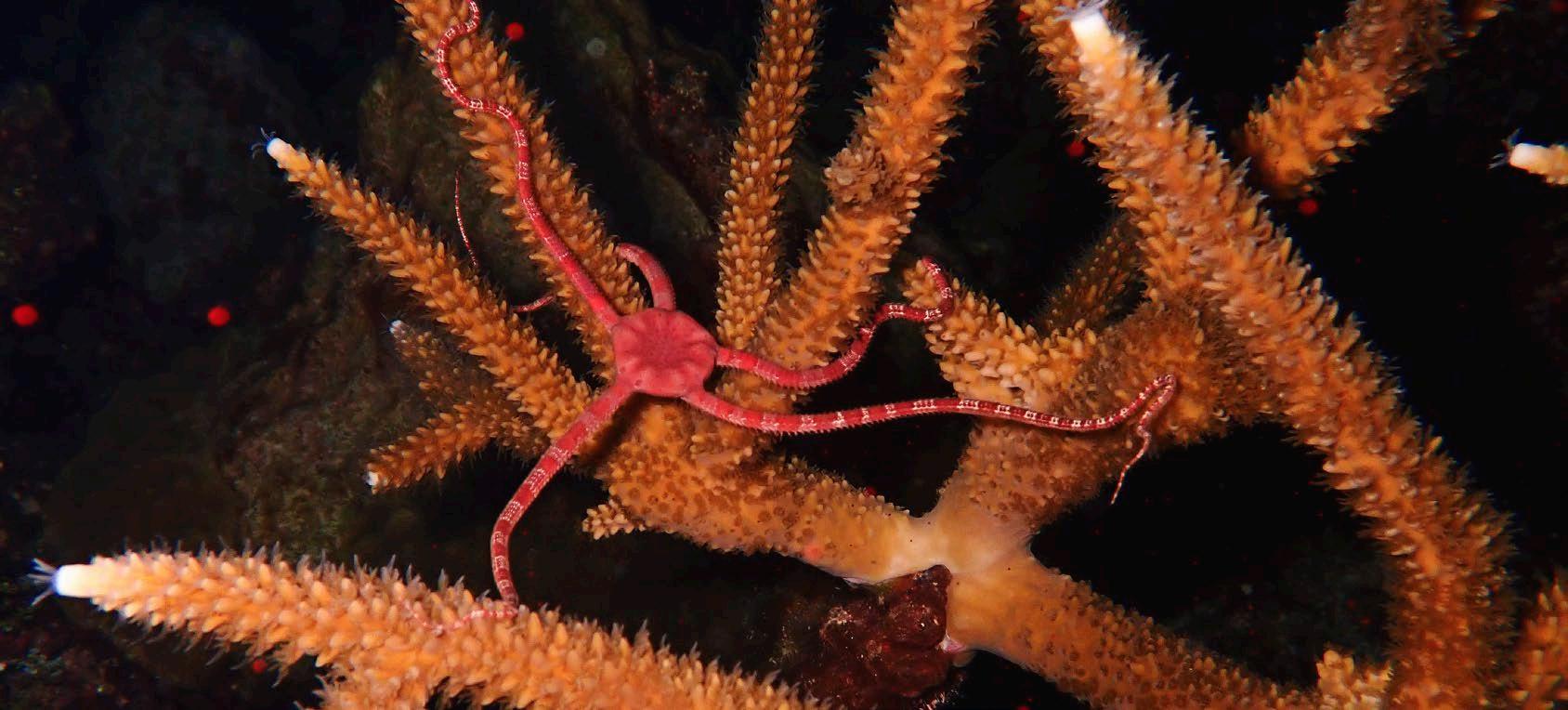
Ruby brittle star releasing gametes using outplanted staghorn as refuge from predators
Staghorn coral outplanting in South Eleuthera
Marine Heat Waves and Heat Tolerance
Mountainous star coral colonies monitored in the field diving with PAM
Heat stress experiment in the lab using a PAM
Before heat
Bleached after heat
Fully recovered after 3 months
OBJECTIVE: 3 Engage Students Locally and Internationally in Coral Reef Restoration and Create Educational and
Research Opportunities for Bahamians and Emerging Scientists
Training Students and Emerging Scientists
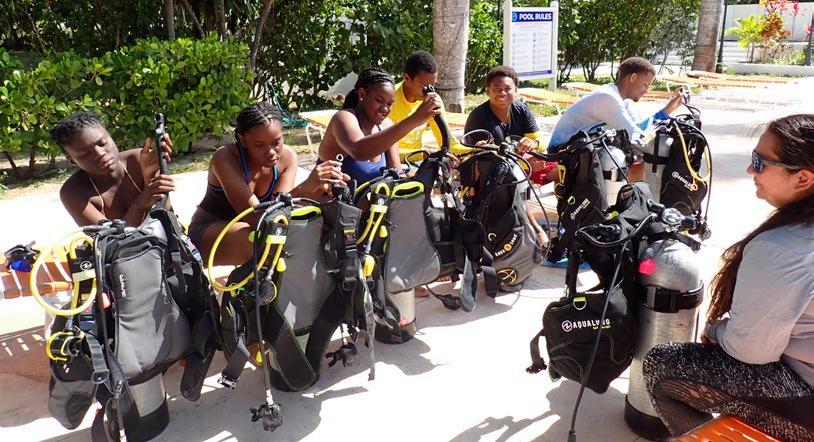
Our team strongly supports younger generations from local communities and scientists in early stages of their career. The BCIH provides education and raises awareness about the importance of coral reefs and coral restoration, providing PADI dive certifications like the AWARE Coral Conservation Specialty and Reef Rescue Diver Specialty. Bachelors-level students and people with marine backgrounds enroll in the marine internship at the Cape Eleuthera Institute and have the opportunity to continue their diving education as part of professional development. This year our team provided 95 PADI Certifications (16 Open Water Divers, 7 Discover Scuba Divers (4 Bahamians), 16 Reef Rescue Divers, 32 PADI AWARE Coral Reef Conservation (18 Bahamians), 6 Fish Identification, 12 Advanced Open Water, 3 Rescue divers, 1 Emergency First Response, 1 Divemaster.
Several programs at The Island School are supported by the BCIH team, participants from the Young Leadership Program (YLP) got the opportunity to dive for the first time. These young leaders become positive role models in their communities while building character and also their diving skills.
In addition, participants of the Summer Apprentice Program and students from Deep Creek Middle School also had the opportunity to explore the ocean and got the PADI Coral Reef Conservation certification, furthering their knowledge in safeguarding marine ecosystems. Our team is led by PADI dive professionals and highly supports PADI’s commitment to inclusivity, emphasizing that diving is for everyone. This year our team organized a diversity dive, PADI Women’s Dive Day which started to encourage more female participation in scuba diving, and now it has become a worldwide celebration that brings everyone together. Our team invited divers of all genders, ages, backgrounds, and experience levels to celebrate diversity in diving.
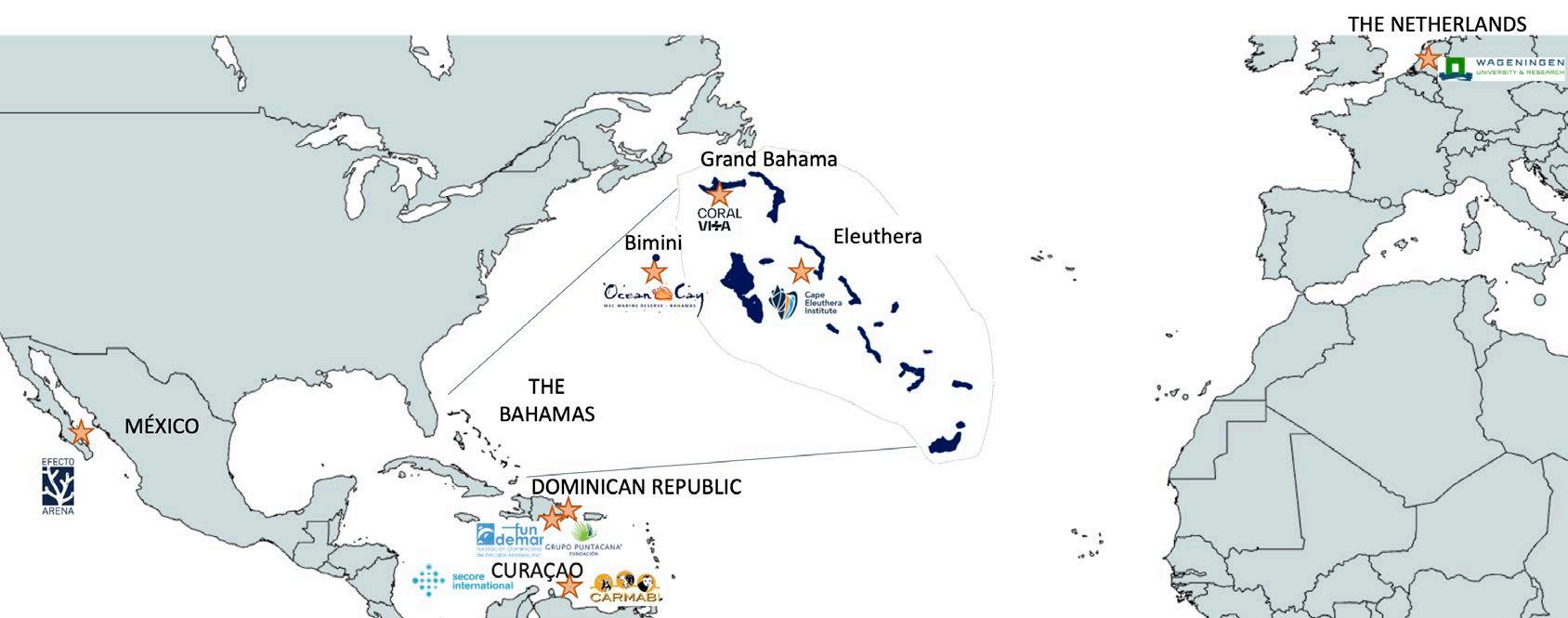
Effective coral restoration and maintaining projects over time could be possible by establishing collaborations and learning from international and local partners. In 2025, our team strengthened their efforts and goals by participating in dynamic learning exchanges and training opportunities, and improved broader perspectives on their field for longterm resilience while visiting México, Dominican Republic, Curaçao & The Netherlands). Diverse knowledge, cutting-edge restoration techniques, innovative and sustainable business models, and lessons learned from fieldwork across different regions. On a local scale, our team traveled to other Bahamian islands (Grand Bahama & Bimini) with established coral initiatives. By combining global innovation with local leadership, coral restoration efforts become more adaptive, inclusive, and impactful.
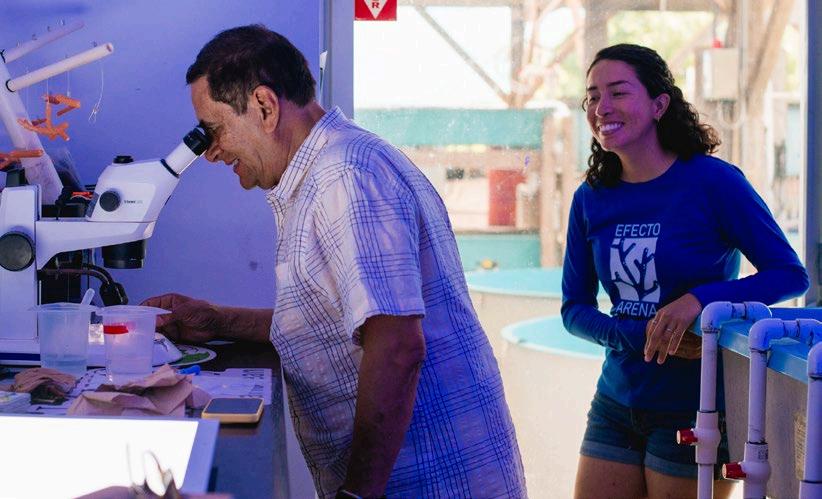
Innovaciones Alumbra demonstrated its commitment to driving collaborative environmental stewardship by supporting and funding the knowledge exchange between The BCIH, Efecto Arena (La Paz, México), and Coral Vita (Grand Bahama). The BCIH team hosted The Efecto Arena team at The Island School facilities, they explored our campus, learned about our educational programs and joined workshops led by our BCIH team, focused on coral propagation techniques, land-based
Our team also had the opportunity to travel to La Paz, México. Efecto Arena successfully implemented a landbased coral raceway system modeled after The BCIH, showing how shared infrastructure designs can be adapted across regions. Our team practiced new attachment methods using couplings and in-house epoxy as well as new substrate designs. They also learned about artificial intelligence use and how software such as Pointcloud could be incorporated into restoration activities to help improve accuracy and standardize measurements and monitoring practices. This knowledge exchange between the three organizations represents a promising model for regional collaboration in coral restoration. The exchange not only highlighted the importance of cross-border partnerships but also demonstrated the value of combining research, innovation, and community engagement to foster long-term reef resilience. As climate change continues to threaten coral reefs globally, building a network of practitioners dedicated to learning from one another is essential for scaling impact and ensuring a sustainable future for our oceans.
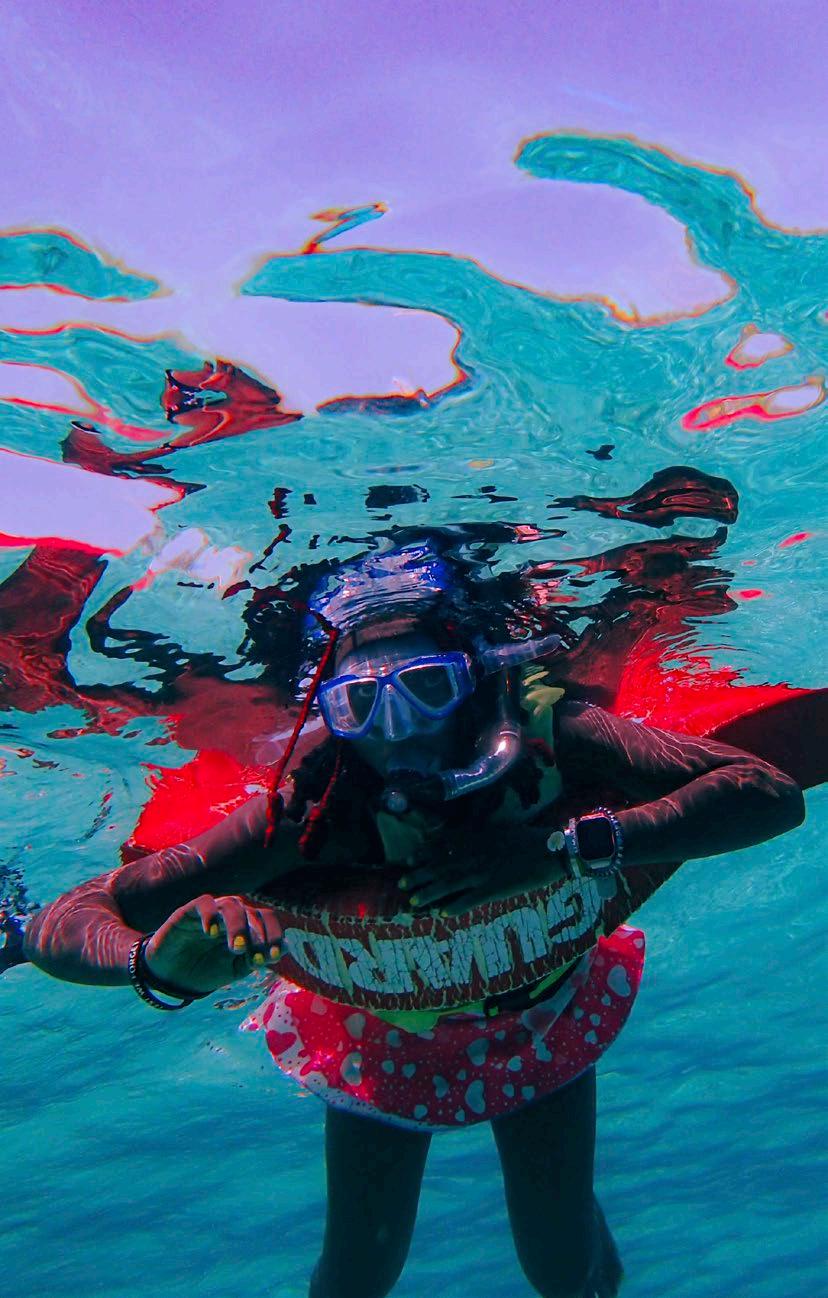
Snorkeling, Diving, and Diversity
Students get certified for scuba diving
Summer Apprentice Young Leadership Program participants during confined training
Knowledge Exchange, Learning Opportunities, and Collaboration
South Eleuthera, La Paz, México, and Grand Bahama, The Bahamas
Efecto Arena at BCIH ocean-based nursery
La Paz, México (Efecto Arena), Bayahibe & Punta Cana, Dominican Republic (FUNDEMAR & Punta Cana Foundation), Grand Bahama (Coral Vita & Blue Action Lab), Ocean Cay, Bimini (MSC Marine Reserve), Eleuthera (Cape Eleuthera Institute), Curaçao (CARMABI Research Station, SECORE), Wageningen, The Netherlands (Wageningen University & Research)
Efecto Arena and BCIH team at Queen Conch Lab
South Eleuthera, The BahamasCape Eleuthera Institute
Carlos Cáceres and Victoria Muñoz, members of Efecto Arena completed the PADI Reef Rescue Specialty course, and got involved in coral nursery maintenance and outplanting. They also joined several workshops provided by our team, like microfragmentation, coral spawning and lab management to rear coral larvae.
Located in La Paz, Baja California, Efecto Arena is a non-profit organization committed to marine and coastal conservation, environmental education, and outreach. They use coral gardening, advanced propagation and restoration techniques and disseminate this knowledge through an educational program that engages children, youth, and adults, fostering greater connection and responsibility with our marine ecosystems.
Members from Efecto Arena and CEI visited Coral Vita, a for profit commercial reef restoration platform, to learn more about their business model and various techniques that can be implemented into each of the respective organization’s restoration efforts.
Collaborations
On a local scale, our team collaborated with The Department of Environmental Planning & Protection (DEPP) and Disney. The nursery established at Lockout Cay in Lighthouse was populated with heat tolerant staghorn and elkhorn growing at the BCIH Ocean-Based nursery, our team supported a visit to the nursery with DEPP officers and Disney Conservation staff. Internationally, our team leader Natalia Hurtado, had the opportunity to participate in the Advanced Restoration Training in CARMABI (Research station) organized by SECORE in Curaçao. This valuable opportunity provided hands-on experience in larval propagation protocols. Natalia also had the chance to participate in the 8th AcroporaNet Symposium in The Institute for Water Education Delft, The Netherlands, where she made multiple connections with Dutch Research Institutions. Collaborations and networking are key to advancing and maximizing the impact of coral restoration techniques. Our partnership with Wageningen University & Research has been an extremely valuable connection that expands opportunities and supports progress in ways that wouldn’t be possible alone.
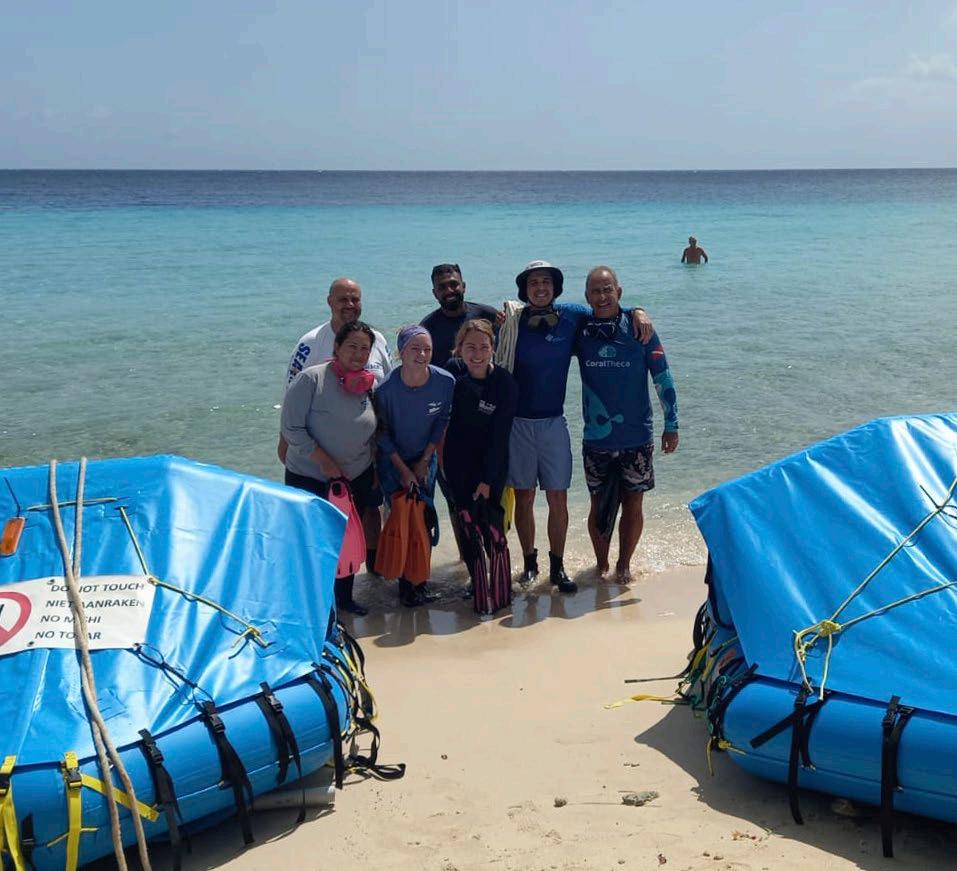
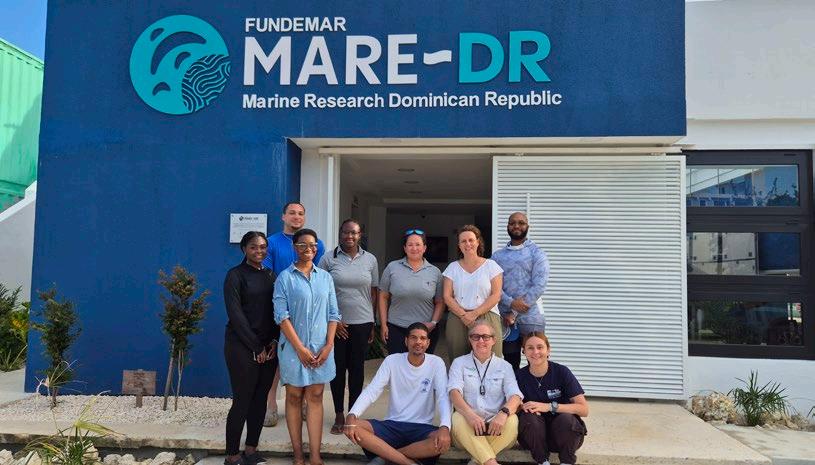
Members from the BCIH along with Gimel Morley, Lead Coral Aquarist at PIMS visited the Dominican Republic to participate in a learning exchange. They visited Fundemar in Bayahibe and Punta Cana Foundation in Punta Cana to tour both their land based and ocean based facilities in order to develop new ideas to implement and upgrade the current facilities of the coral hub. During the knowledge exchange it was possible to share methods, protocols and lessons learned, since the organizations conduct similar research it was an enriching experience to refine approaches with insights from diverse contexts and expertise.
Efecto Arena team members assisting with outplanting in Eleuthera
Carlos Caceres from Efecto Arena at BCIH lab Coral Vita facilities tour
Ocean based nursery bed in La Paz
Grand Bahama, The Bahamas - Coral Vita & Blue Action Lab
BCIH team with Cyrilia Thompson (DEPP), Giles Deal (DMR), Solomon Gibson (TNC), Nigel Sands (BAMSI) visiting Fundemar in Bayahibe
All the work done by the Coral Hub in 2025 was made possible by the financial support needed to advance research while strengthening outreach efforts. This year marked the start of a grant fromTNC to support the growth and development of The BICH, to advance coral reef conservation, restoration and monitoring in The Bahamas and Caribbean region, through research, capacity-building and direct site intervention. The main goals are to design and implement a reef restoration and monitoring plan, develop a five-year strategic and sustainable funding plan and plan and implement a youth education and outreach program.
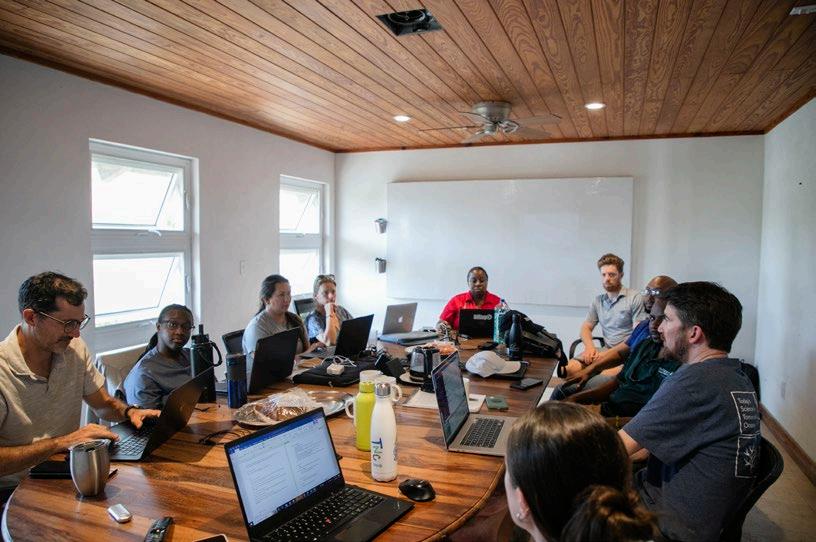
In early February members from the three partner organizations met in Eleuthera and participated in a workshop organized by TNC and hosted by Cape Eleuthera Island School. During the workshop the work plan was discussed and deliverables were adjusted based on feedback from all the participants. Besides all the work previously described, with the support from TNC it was possible to host a Bahamian intern who successfully completed a marine internship. Born and raised in New Providence, Ricardo Walkes Jr. is a young Bahamian and an avid scuba diver with a deep interest in coral reefs, eager to contribute with restoration efforts in his own country while gaining hands-on experience in marine conservation. He is pursuing a bachelor’s degree in small island studies and marine science at The University of the Bahamas. His journey reflects the power of local leadership in creating lasting change.
Natalia started working with the BCIH in 2019 and earlier this year she was promoted by PIMS as the BCIH Project Manager. She has been involved in many coral projects in Colombia, The Netherlands, Bonaire, Curaçao, and Qatar. Now, she is an external Ph.D. candidate and, besides studying early life stages of corals in a climate change era, she is also applying her expertise at the Hub, hoping to help to rehabilitate threatened coral populations by using sexual and asexual propagation to grow and research different coral species. Natalia has been a dive professional since 2008, and she earned the 2024-2025 PADI Elite Instructor Award in recognition of outstanding accomplishment in PADI Diver Training.
Anjleen is a marine biologist working with coral reef ecosystems and a trained scientific diver. She was previously based in Europe and Southeast Asia, including India, Timor-Leste, Sri Lanka, Philippines, and Maldives, and has recently relocated to the Bahamas for her role as assistant research faculty. Her focus research field examines the role of artificial reef structures, with an interest in shipwrecks functioning as habitats for marine communities. She completed her Masters in Marine Biology at Bremen University in September 2023 and worked with Sri Lankan based organisations on coral reef monitoring and mapping projects. In addition to her work in the field and underwater, Anjleen is experienced with the aquarium trade and the maintenance of aquatic flora and fauna systems as well as SciComm. Her new role with CEI will also focus on integrating and furthering research and marine education.
Silia has been working with The Bahamas Coral Innovation Hub for the last 4 years. At first, Silia joined the team as an intern supported by The Nature Conservancy back in 2019. Silia started diving at a young age in West End, Grand Bahama and has always been passionate about coral reefs, outreach and community engagement. Her passion for the Ocean and her dedication to protect coral reefs lead her to study Marine Biology at The University of New Brunswick and came back to Eleuthera in 2021 as Research Technician., then was promoted to Research Assistant and then full-time Researcher. With the support of The Nature Conservancy, Silia had the opportunity to combine coral research with Education and now plays an important role as our Coral Programs Training Coordinator.
Partner organization (left: From left to right: Dr. Nick Higgs (CEI), Silia Woodside (CEI, PIMS), Natalia Hurtado (CEI, PIMS), Kennedy Wall (CEI), Marcia Musgrove (TNC), Dr. Eric Schneider (CEI), Solomon Gibson (TNC), Frederick Arnett (TNC), Dr. Aaron Hartmann (PIMS), Blinne Finnegan (TNC))
Ricardo analyzing the coral nursery
CEI intern Ricardo Walkes Jr
Natalia Hurtado López, BSc, MSc - Research Faculty (CEI)
Anjleen Hannak, BSc, Msc - Assistant Research Faculty (CEI)
Silia Woodside, BSc - Coral Programs Training Coordinator (CEI) Research Technician (PIMS)
CEI Launches Marine Mammal Research Project
By Natalie Hodges
Students Engage in Cetacean Field Surveys
New Cape Eleuthera Institute research faculty member Natalie Hodges initiated surveys of toothed whale species within the Exuma Sound during the Fall of 2025.
The Exuma Sound Ecosystem Research Project (EXERP), which started at CEI in 2017, documented the presence of 14 different cetacean species within Exuma Sound. The newly developed Marine Mammal research programme at CEI will build upon this baseline by comprehensively surveying different regions of this deep-water habitat to establish patterns in species distribution.
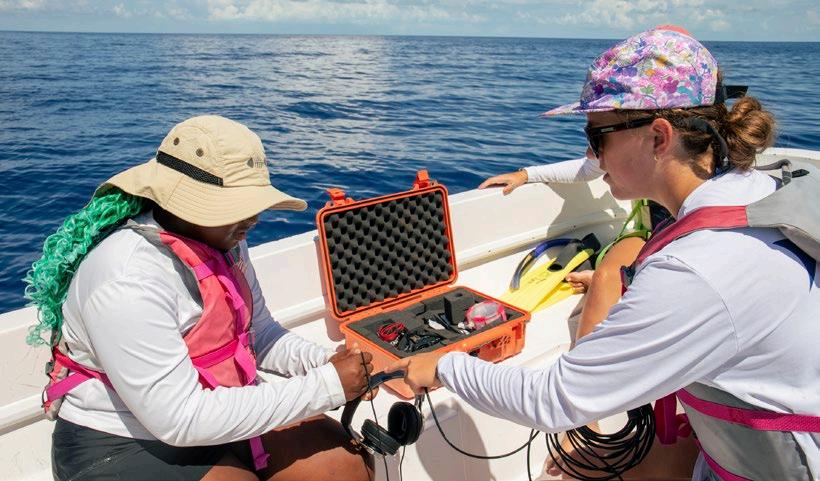
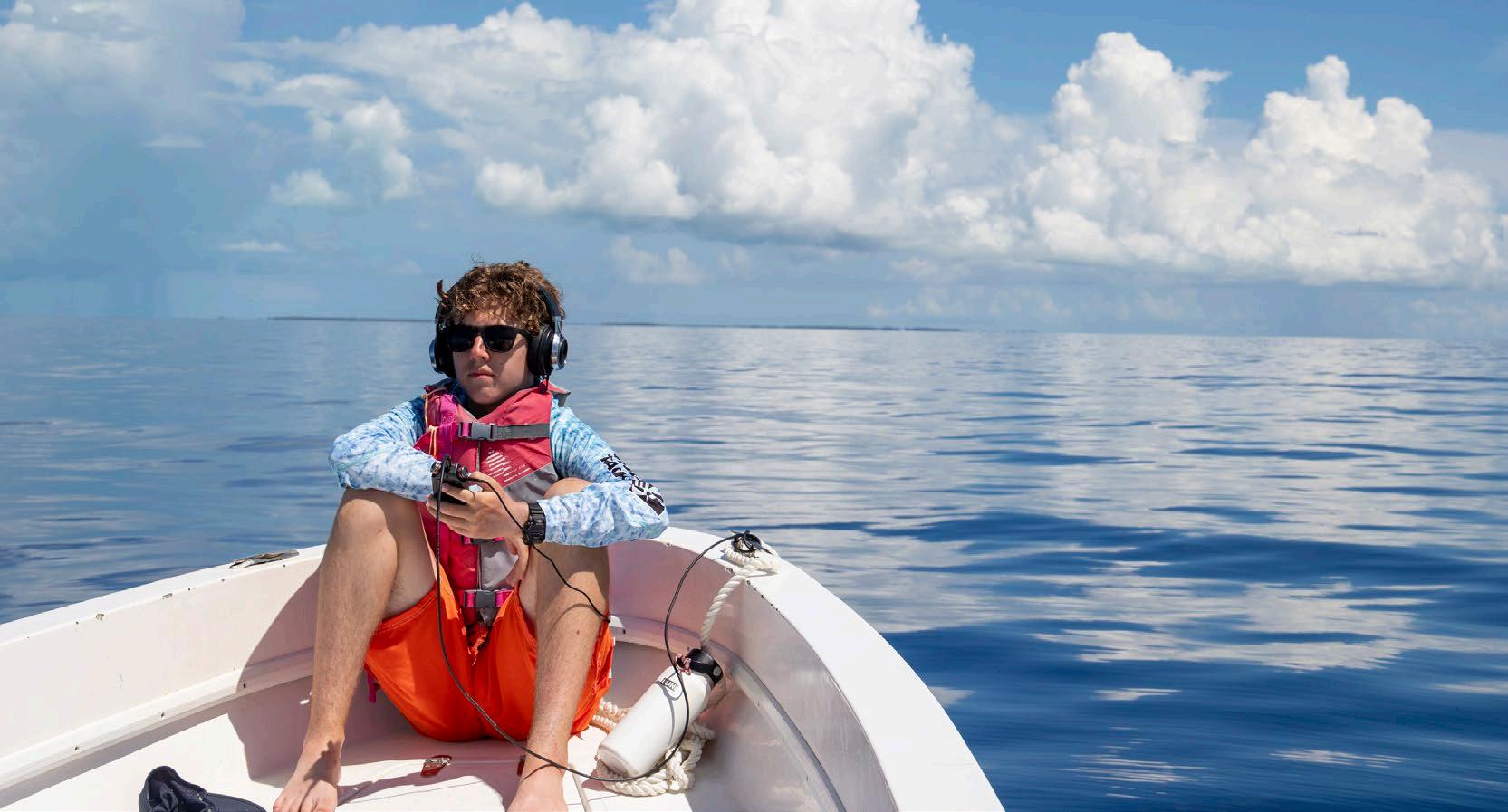
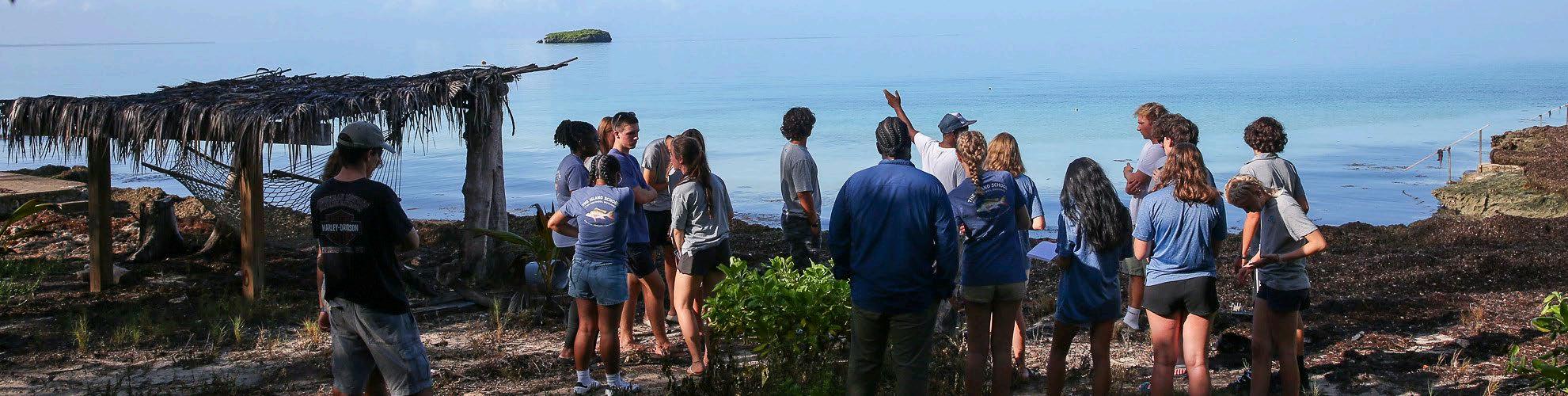
Island School Semester students participate in fieldwork alongside CEI scientists to run boat-based line transect surveys, collecting visual (photo-identification) and acoustic (sounds produced by echolocating whales) data.
Beaked whales are deep-diving specialists, capable of dives that exceed 1,000 metres in depth and two hours in duration. The Exuma Sound is home to resident populations of three species of beaked whale: Blainville’s beaked whale, Gervais’ beaked whale, and Cuvier’s beaked whale.
Research at CEI focuses on modelling the distribution and foraging activity of these species relative to physical oceanographic variables, including bathymetry (depth and seafloor slope), thermocline dimensions, and tidal cycles. Beaked whales show high site fidelity in other regions, selectively foraging in areas with high prey density. The availability of alternative suitable habitat is a factor in assessing threats to local populations and their capacity to migrate in response to disturbance. All species of whale are protected within The Bahamas under the 2005 Marine Mammal Protection Act. Identifying regions of critical habitat is an essential step in ensuring that human activities which may result in displacement of marine mammals outside of their current range will not result in long-term harm to resident populations.
Site Fidelity and First Insights for a Rarely Observed Species
The accessibility of beaked whale populations, located less than 30 minutes by boat from CEI’s facilities in South Eleuthera, provides an opportunity to advance the global understanding of these elusive marine mammals.
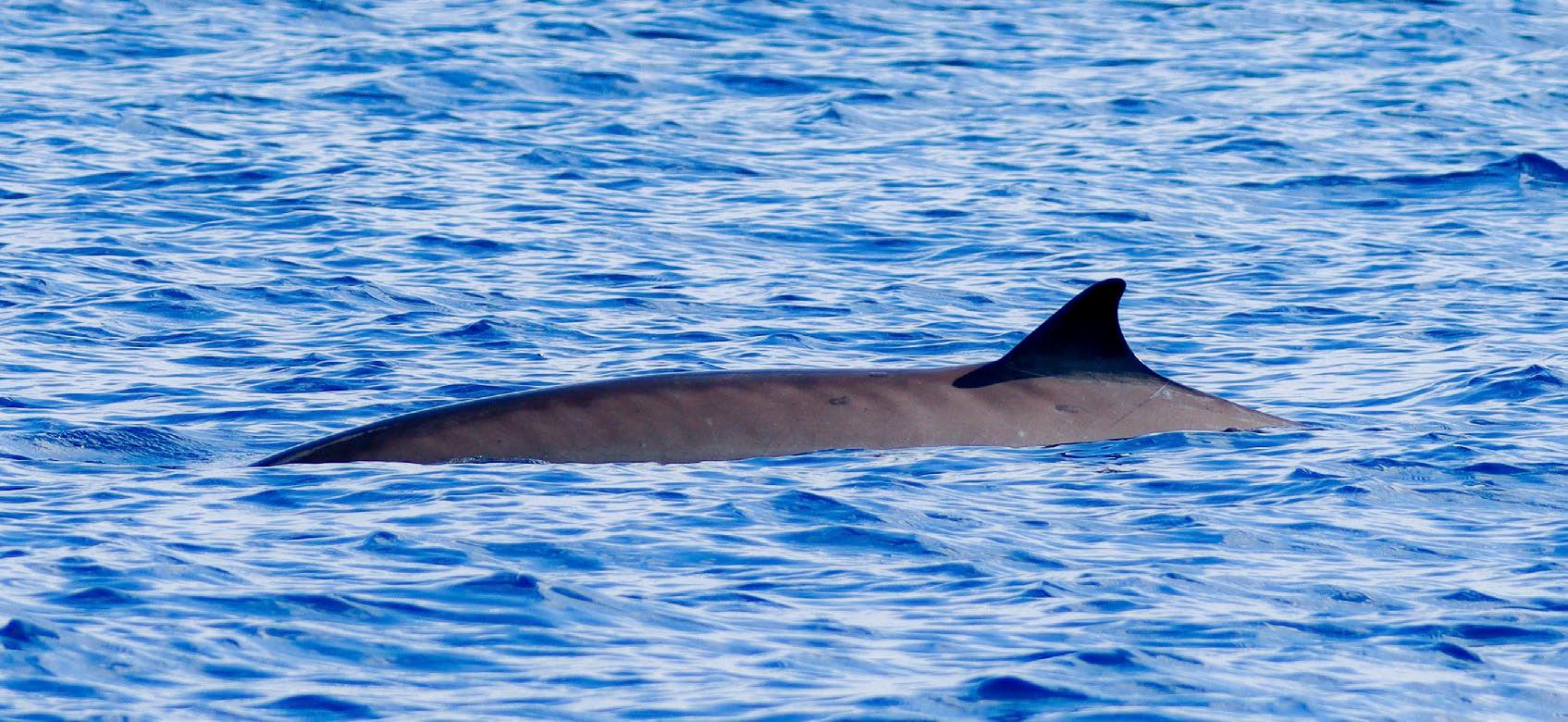
The Gervais’ beaked whale (Mesoplodon europaeus) is typically associated with remote offshore regions. As a result, there is currently insufficient data available on their reproductive ecology or life history to develop accurate assessments of the conservation status of the species globally, or resident local populations exposed to specific threats. Exuma Sound is the proposed location for a series of 19 SpaceX Falcon 9 booster landings throughout 2026. As a semi-enclosed basin with limited vessel traffic,
this environment has historically provided a habitat with low levels of ambient noise. Echolocating marine mammals demonstrate high sensitivity to anthropogenic noise, and responses to introduced noise above their tolerance threshold can range from migration out of prior habitat, to mass mortality and stranding events.
Throughout the Fall of 2025, CEI researchers documented Gervais’ beaked whales repeatedly within a region of an approximately four-mile radius in the Northeast corner of the Exuma Sound, known locally as ‘Tommy Point.’ CEI researchers recorded drone footage of a Gervais’ beaked whale calf initiating a deep foraging dive alongside its mother; the first time this synchronised diving behaviour has been documented.
Cetacean Species Research
Students setting up hydrophone for acoustic monitoring
Student listening to acoustic projections from hydrophone
M.europaeus, identifiable through vertical bars (stripes), a deep indent around the blowhole, and a dark patch surrounding the eye. The circular scars are from cookiecutter sharks, which remove small discs of flesh from the whales while they are foraging at depth. These scars can be used to identify individuals when re-sighted at a later date, and track associations between animals over decades
These initial observations suggest that this region of the Exuma Sound may provide valuable beaked whale foraging habitat, potentially indicating regions of increased prey density and high productivity within deepsea ecosystems.
The deep-sea ecosystems of The Bahamas have a role in carbon sequestration, and a high density of mesopelagic predators, such as squid, would result in faster rates of transport of carbon into deep-sea storage. The monetary value of this carbon sequestration service, according to the deep-sea Biological Carbon Pump (BCP), has been quantified as between $1.9 and 2.7 trillion USD globally (Berzaghi et al. 2025). Continued surveys of these candidate regions of increased deep-sea productivity within the Exuma Sound will assist in providing the data needed for informed decision-making regarding the use of Bahamian marine resources of value.
https://www.chelonia.co.uk/wp-content/ uploads/2024/10/DeepF-POD-User-Guide. pdf
Collaborations with Acoustic Monitoring Developers Chelonia LTD.
Next year, CEI will collaborate with Chelonia Limited to field test a modified prototype design of their Deep F-Pod, an acoustic logger that can be deployed at depths over 1000 metres to detect the high-frequency echolocation clicks emitted by beaked whales (over 60,000 Hertz, well beyond the upper limits of the human auditory range of approximately 20,000 Hertz).
Island School Semester students will be involved in deploying F-Pods as part of a deep-water array that will collect physical oceanographic data through CTDs (conductivity, temperature, and depth sensors) in addition to the acoustic loggers.
Acoustic monitoring of deep-diving cetacean species will enable CEI researchers to acquire data on habitat use and diel patterns in foraging activity, and we’re excited to be able to assist Chelonia Ltd. in testing these units in the field under the extreme pressures experienced by diving beaked whales—over 1,500 pounds per square inch.
Increasing Public Awareness of Threats to Marine Mammals in The Bahamas
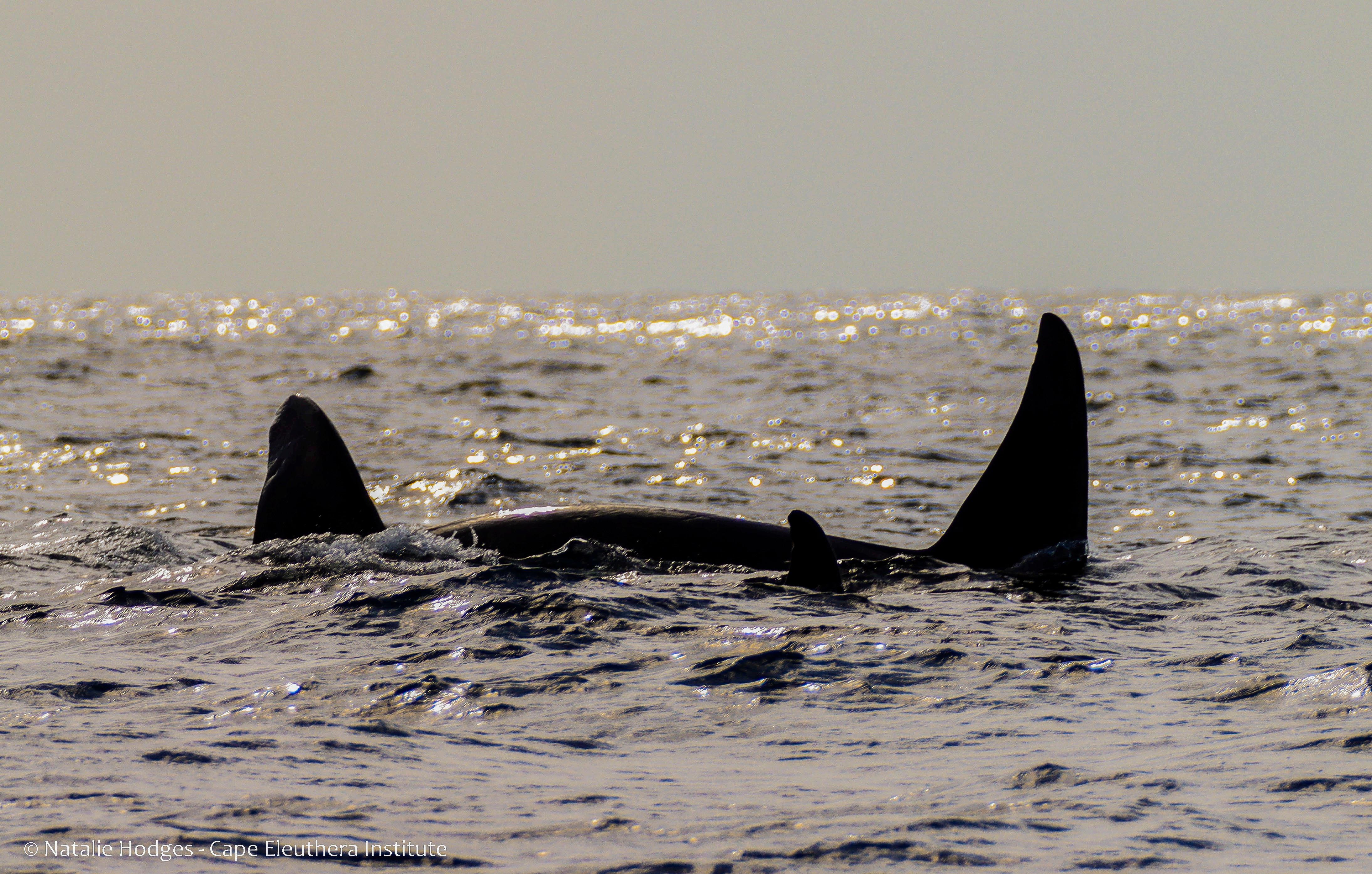
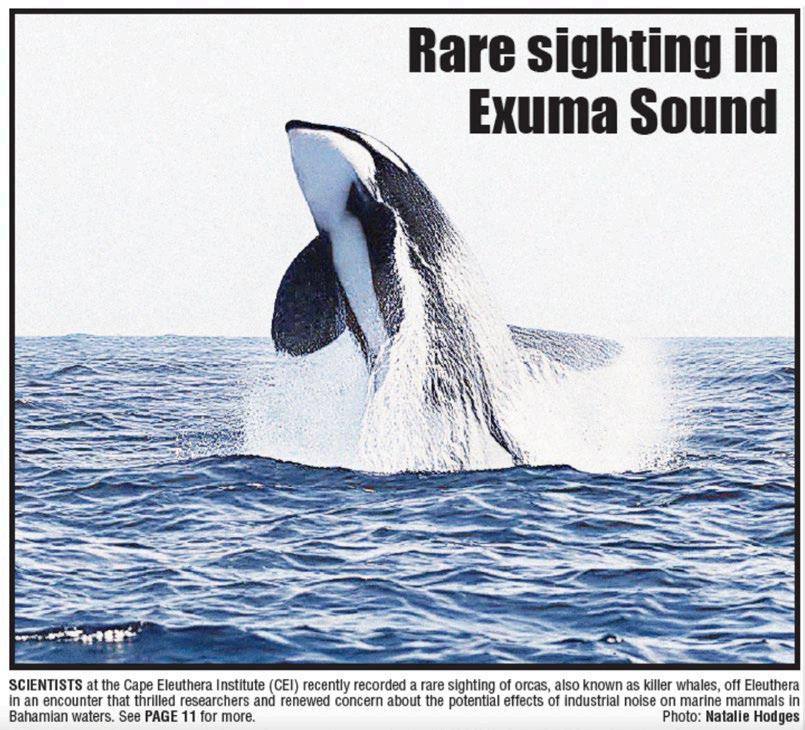
In late 2025, CEI scientists had an encounter with a group of orcas (Orcinus orca) or “killer whales” in the Exuma Sound.
The animals’ behavior (tail slapping and breaching) suggested they may have been engaged in a hunt. The killer whales spent two hours circling the same area within the Exuma Sound where Gervais’ beaked whales have been repeatedly sighted, lending further support to the identification of this region of the Exuma Sound as a critical foraging habitat supporting a diversity of cetacean species.
Of the three killer whales observed, two were identified as previous visitors to The Bahamas, documented within the Bahamas Marine Mammal Research Organisation (BMMRO) catalogue of individuals. Oo4 (pictured breaching) was first observed in The Bahamas in 1995. The animals were identified through their unique combination of nicks of missing tissue and scarring patterns.
Photographs of Oo4 also revealed that this animal is sadly entangled in abandoned fishing line. The encounter was reported by Bahamian news publication The Tribune as a front page article, generating further public awareness of threats to marine mammal populations within The Bahamas.
Over the next year, marine mammal research at the CEI will focus on building a photo-identification catalogue of individuals within the resident population of Gervais’ beaked whales to facilitate long-term monitoring and develop an understanding of the species’ social structure.
To improve the accuracy of our abundance estimates for these animals, we will also deploy a vertical hydrophone array to determine the depth at which they typically begin foraging, as well as the proportion of dives spent echolocating. This data will allow us to create distance-sampling models to understand species abundance more clearly.
Marine mammal research at CEI over the next year is focused on:
• Building a photo-identification catalogue of individuals within the resident population of M.europaeus, to facilitate long-term monitoring and identify associations between individuals and the social structure of this species
• Deploying a vertical hydrophone array to determine depth at which M.europaeus typically begins foraging; proportion of dives spent echolocating; click rate per unit time - all of which will help improve the accuracy of abundance estimates using distance-sampling models
• Using focal-follows to determine average dive duration and surface intervals for M.europaeus
• Deploying a vertical CTD array to establish spatial patterns in thermocline dimensions throughout Exuma Sound; this data will be made publicly available for use in climate modelling by colleagues at the University of The Bahamas.
A mother and her calf practice deep diving
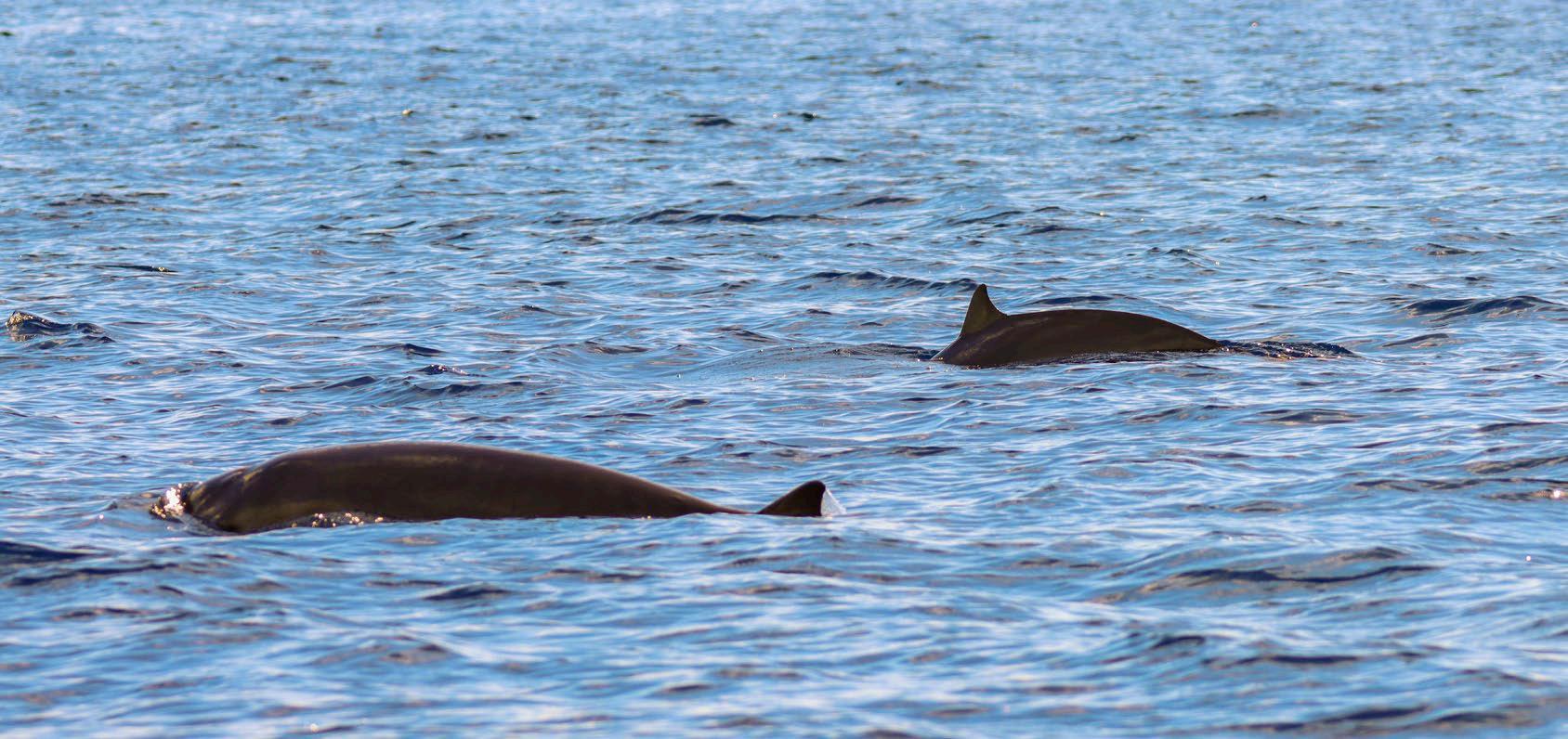
A pair of beaked whales photographed from a drone
Future Research on Marine Mammals
A section from a Tribune publication addressing marine mammal research in the Exuma Sound
A pod of orcas makes an unexpected appearance in the Exuma Sound
Cape Eleuthera Institute’s Shark Research and Conservation Program
By Natascha Wosnick, and Noah Sonnenberg
Shark Research Through Feeding
In 2025, the Cape Eleuthera Institute’s shark research and conservation program focused on understanding how food-based tourism activities influence shark behavior across multiple Bahamian shark species. With shark tourism representing a major economic driver in The Bahamas, this work aimed to provide empirical data to inform best practices that balance conservation, safety, and sustainable tourism.
Fall 2025
During the fall semester, student researchers led a fieldbased project examining how different attraction and feeding methods alter Lemon shark behavior. This work, centered on testing and comparing bait-based attraction methods across multiple sites and life stages, using aerial drone surveys and underwater video to quantify arrival times, residency, social interactions, and behavioral changes. By pairing structured data collection with student driven inquiry, the project strengthened both scientific understanding and experiential learning outcomes.
A core component of the 2025 shark research program was direct engagement with local stakeholders and education partners to ensure that research outcomes are relevant, inclusive, and applicable to real world tourism contexts. As part of this effort, the research team conducted interviews with a local Bahamian shark tour operator to better understand current practices.
In parallel, the team conducted a pilot study with students from the Early Learning Center at The Island School. This pilot explored whether controlled, nearshore shark attraction activities could provide a safe, engaging, and educational experience for audiences without the need for scuba certification. Observations from this pilot helped refine methods for minimizing disturbance while maximizing educational value, and demonstrated the potential for age inclusive shark experiences that support conservation education.
Our 2025 research efforts created a multi-species, multi-site dataset that spans lemon sharks, Caribbean reef sharks, tiger sharks, and hammerheads.
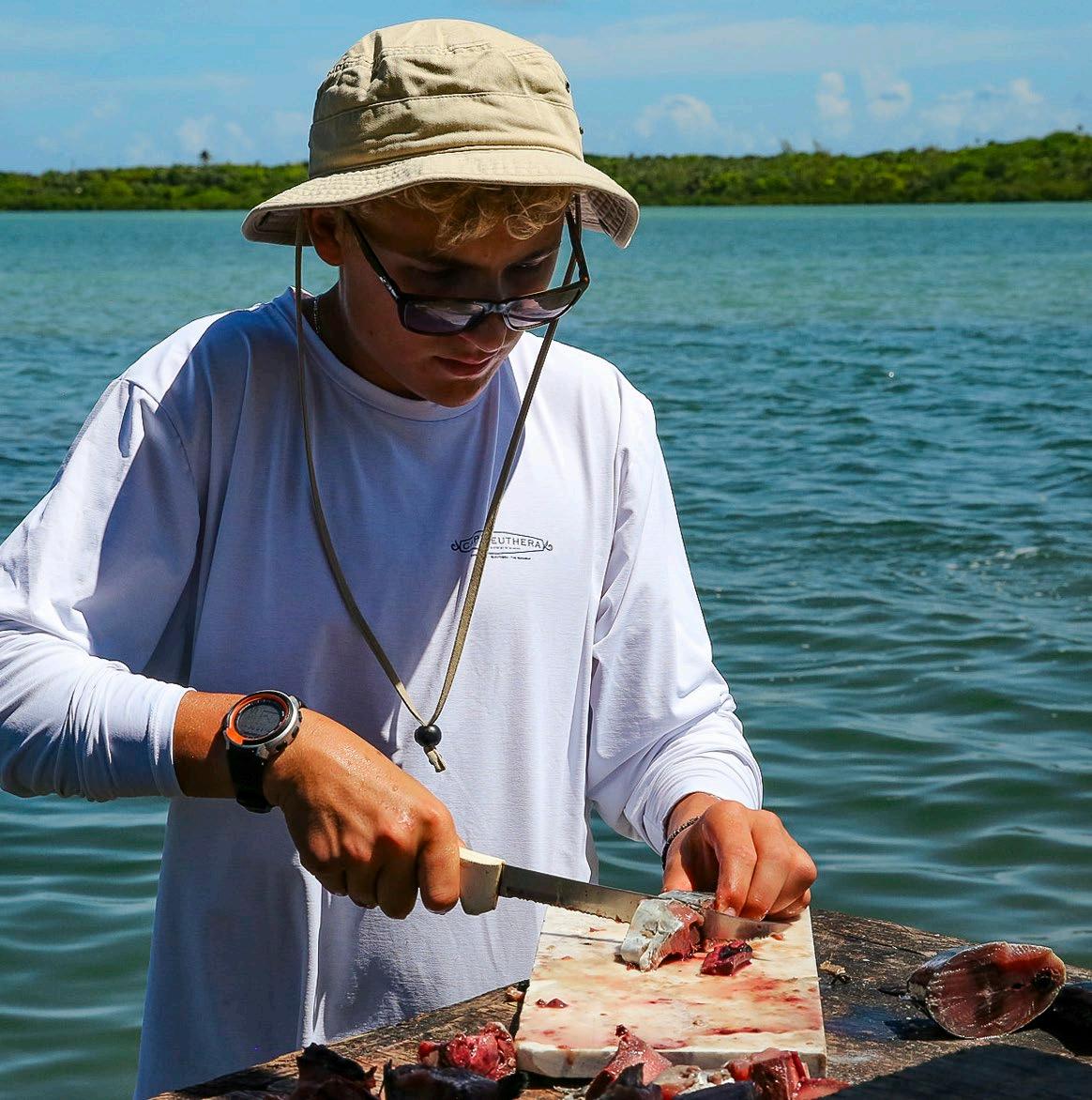
A student cuts a fish for a feeding experiment
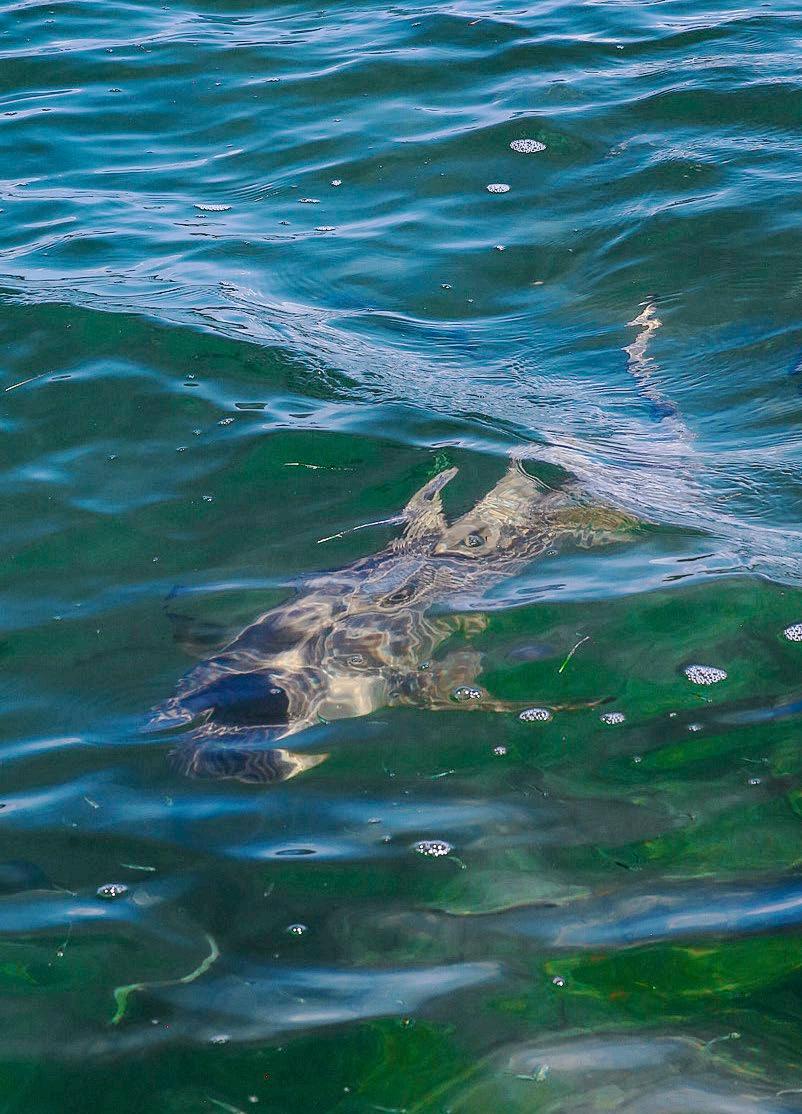
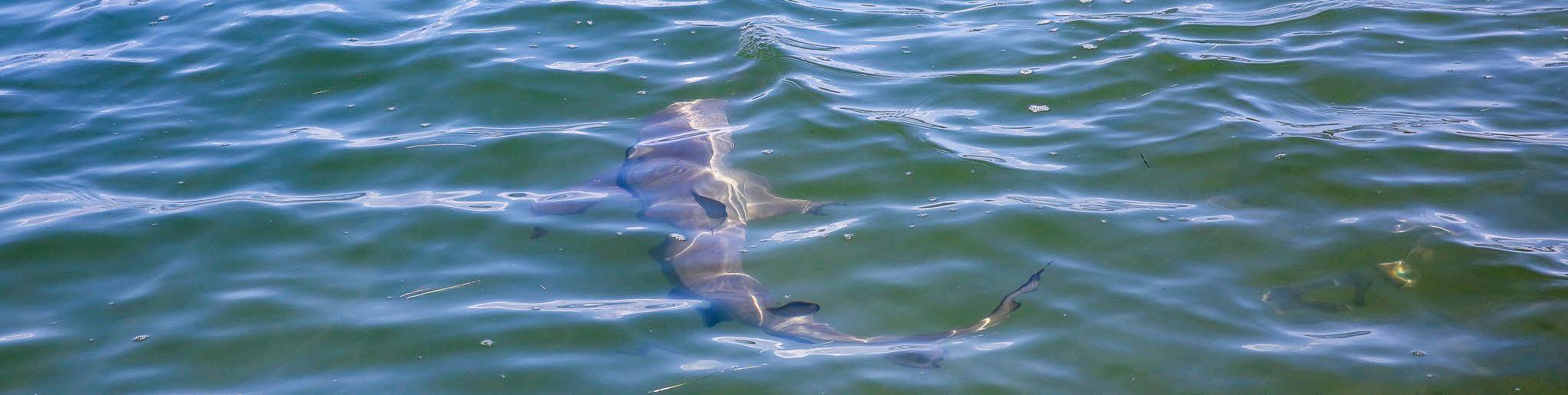
A lemon shark swims close to shore searching for food
Building on this, the CEI with support from the Moore Bahamas Foundation worked with Shark Explorers to conduct a dedicated dive expedition to two of the world’s most iconic shark dive locations, Tiger Beach and Hammerhead Beach. These sites provided a unique opportunity to study large bodied apex and mesopredatory sharks within established tourism settings.
At these locations, researchers collected behavioral data during different feeding approaches, allowing comparisons between methods commonly used in shark tourism operations. Observations focused on changes in shark spacing, approach behavior, and competitive interactions. This work represents an important step toward evaluating how tourism practices may influence shark behavior at sites that attract global attention and high visitor volumes.
In addition to offshore dive sites, the research team conducted feed trials at Split Head, a local nearshore reef site in South Eleuthera. Here, trials focused on Caribbean reef sharks, a species frequently encountered by both recreational divers and snorkelers. By working in a local context, this component of the project allowed researchers to examine shark responses under conditions more representative of community-based tourism operations.
Together, these efforts created a multi-species, multi-site dataset that spans lemon sharks, Caribbean reef sharks, tiger sharks, and hammerheads. Across all projects, the unifying theme of 2025 was a systematic evaluation of how feeding and non-feeding attraction methods shape shark behavior in Bahamian waters.
Looking Ahead to 2026
In 2026, this research will continue and expand in scope. Ongoing feed trials will be complemented by new work investigating how sharks use the The Bahamas Shark Sanctuary, with a particular focus on South Eleuthera as a potential reproductive hotspot.
Planned research includes hormone analysis and ultrasound examinations of nurse sharks and Caribbean reef sharks to better understand reproductive timing, condition, and habitat use. By integrating behavioral observations with physiological data, this next phase of research will provide a more holistic understanding of shark ecology in protected Bahamian waters, supporting evidence-based management and reinforcing The Bahamas’ global leadership in shark conservation.
Local Feed Trials with Caribbean Reef
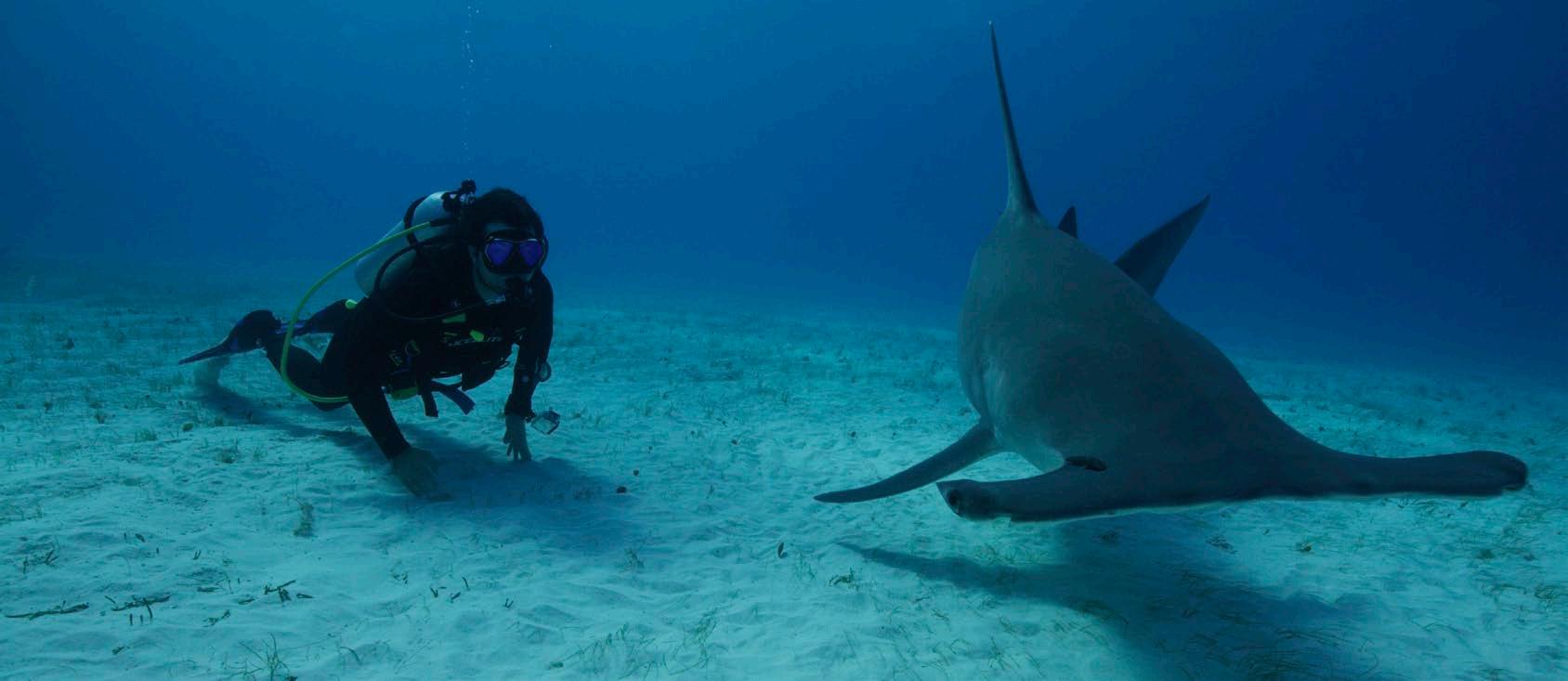
CEI researcher dives with a hammerhead
Field work observing carribean reef and tiger sharks
A nurse shark recieves a work-up out in the field
S25 and F25 Student Research Projects
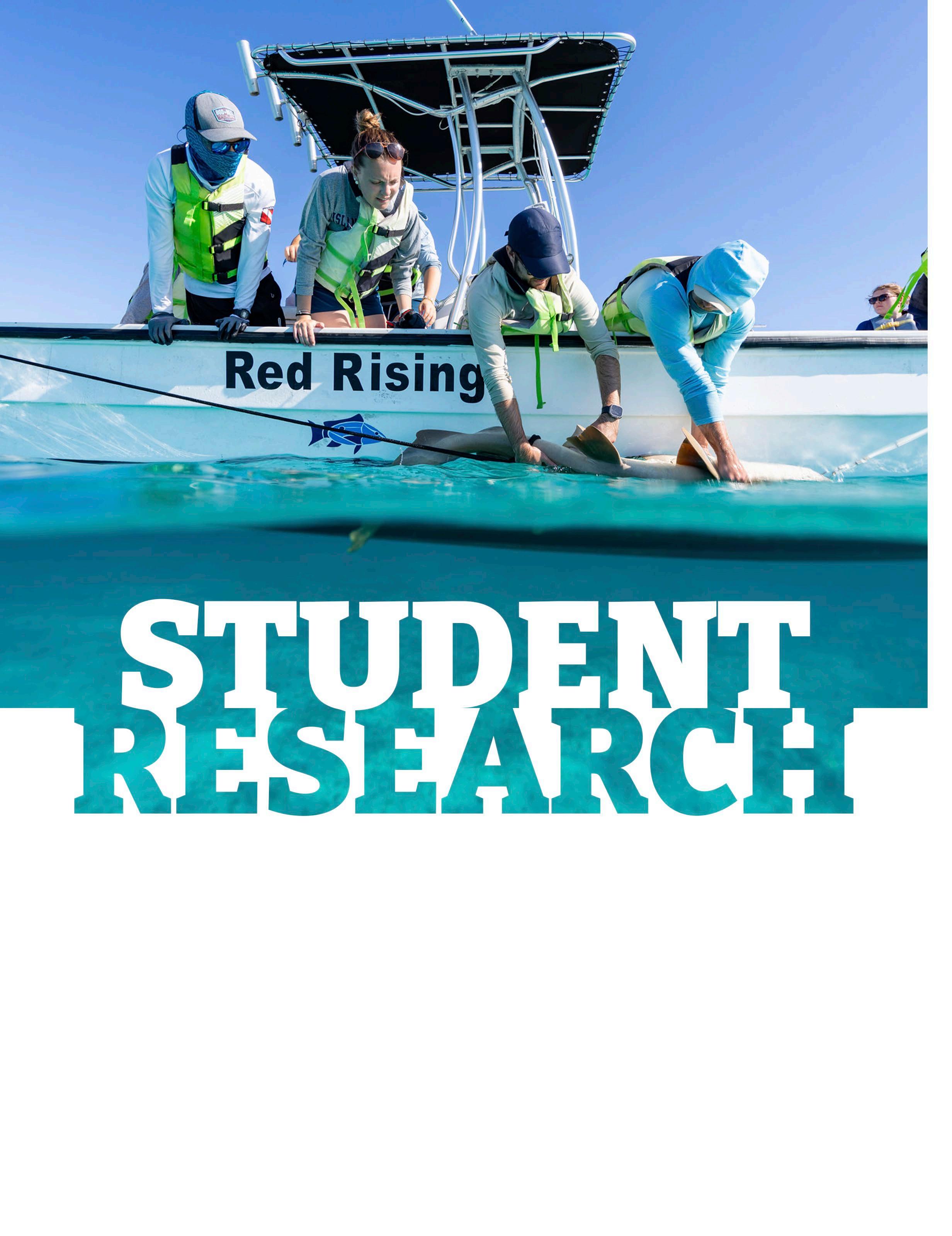
Working alongside our team of researchers and engineers at CEI, the Island School Semester students have a unique opportunity to engage in science in an impactful way. Through the semester research program, these students step into the role of young researchers by diving into ongoing projects at CEI that address real-world challenges. Whether conducting reef surveys, installing solar panels, or studying animal behavior in the wet lab, students engage in the full research process: asking questions, designing methods, collecting and analyzing data, and communicating their findings in a symposium modeled after that of an actual scientific conference.
This year we incorporated a new evaluation system into our research program in which students receive performance reviews focused on communication, collaboration, professionalism, and leadership. Using this alternative evaluation system elevates our student expectations to mirror those of our research internship program, fostering professional accountability, skill development, and authentic assessment of students’ growth and contributions to their research projects. This hands-on, inquiry-driven approach helps students build a deep understanding of the scientific process while contributing to work that has meaningful local and global impact.
Monitoring the Health and Resilience of Coral Juveniles Along Southern Eleuthera
A New Solar Installation at Cape Eleuthera Institute
Assessing Queen Conch (Aliger gigas) Population Abundance and Distribution in Eleuthera, The Bahamas
Analyzing How the Diversity and Density of Coral Grazers Compares to Algal Cover on Coral Reefs in South Eleuthera
Use of Black Soldier Fly Larvae as a Protein Source for Caribbean Spiny Lobster
Alexandra Rao, Hattie Chang, Scout Olney, Chase Hatfield, Mia Zilian, Ani Griffiths Advisors: Natalia Hurtado, Silia Woodside
Veronika Elias, Camille Hacking, Remington Helms, Sadie Kelley, Victor Lu, Willa Schwartz, Thomas Sheets, Wyatt Thornton, Advisors: Brett Ziter, Eugene Thompson, Bianca Lee, Em Lansdown
Kateri Cordasco, Sophia Kendall, Lucy Lawson, Winston Ochs, Eliana Ormeño, Keagan Roye, Sofia Spellman, Stasia Spurling, and Ja’mar White, Advisors: Kennedy Wall, Cate Humphries
Ashenafi J. Hawgood, Henry I. Goldman, Jane A. Huffman, Lydia A. Cunningham, Journey M. Higgs, Angeline L. Adams, Advisors: Silia Woodside, Natalia Hurtado
Anderson Horn, Conrad Cestar, James Opp, Maeve Upton, Matthew Manning and Miles McMoore Advisors: Tereno Johnson, Frida Kaebler DeLong, Mia Avril
Examining Batoid Species Diversity, Distribution, and Data Gaps to Inform Conservation Efforts in The Bahamas
Assessing Sustainable And Artistic Approaches to Coral Outplanting for Future Artificial Reefs
Behavioral Response of Caribbean Reef Sharks to Chumming: Implications for Ecotourism
Feeding the Future: One Fish at a Time
Investigating Connections Between Two Key Drivers of The Blue Economy: The Shark Diving Industry and Conch Fishery
From Scrubber to Conch: An Effective Algal-Based Diet for Conchservation
A Bright Idea: Energy Research Project
Investigating the Abundance and Distribution of DeepDiving Toothed Whales in Exuma Sound
When Life Gives You Lemons, Make Science; Shark Behavior Meets a Tourist Experience
Sustainable Livelihoods: Understanding Pre & Post-Storm Needs of Fishers
Vivienne Alfonso, Addie Clark, Cian Davis, Jack Kriebel, Koa Opper, Lila Plenge, Sienna Pollock, Gabriella Ransom, and Sonja Rikkers, Advisors: Natascha Wosnick, Tamara Dörfer, Diana Kemunto, Ariana Hamilton
Aishwarya Priesing, Oliver Foster, Rhys Brooks, Katherine Klebe, Theodore Fischer, Lillian Early, William Hogan, Claus Smith, Cormac Pierce, Advisors: Eric Schneider (PhD), Lulu Wright and Katie Whipp
Drew Gawrelski, Victoria Margerum, Sebastian Schultz-Bainbridge, Kai Bailey, Clara Brookes-La Blanc, Jazmin Estrada, Nina Richards, Advisors: Mia Avril, Nico Novara Christians, Kiana Fields
Henry Brand, Dymonde Lundy, Joanne Zhao, Effie Dunn, Alice Lewin, Madison Fledderjohn, Chukwuka Okoli, Soren Scoville, Advisors: Natalie Hodges and Sarah Kathryn Ruder
Mac Salyer, Isla Summerfield, Ivan Prempeh, Charlie Robertson, Cael Conroy, Nico DuPont, Dylan Mcelhinney Advisors: Natascha Wosnick, Noah Sonnenberg, and Diana Kemunto
Emerson Murray, Skye Lonergan, Jenny Wang, Syd Gilpin, Carson Kaplan, Henry Hyland, Heidi Wolfehagen, Bear Gyves, Advisors: Dr. Michael Bowleg Jr. & Mackenzie Dyche-Brookes
Atticus Bond, Luke Gates, Payton Maley, Morgan Manning, Malin McCord, Eviana Wald Advisors: Kennedy Wall, Max Spitler
Sammie Clark, Brian Forster, George Jensen, Miles Hunter, Ethan St. Jean, Rachel Thedinga Advisors: Brett Ziter, Emily Wangenheim, Isabella Battiston, Samantha Ramirez Ruvalcaba
New Hires
Tereno Johnson
Natalie Hodges
Michael Bowleg
Noah Sonnenberg
Paityn Wedder
Anjleen Hannak
Visiting Researchers
Dr. Kurt Gamperl, Memorial University of Newfoundland
Research Technicians & Assistants
Tom Elliot
Taylor Cargill
Tamara Dörfer
Mackenzie Dyche-Brookes
Diana Kemunto-Mongare
Elizabeth Mao
Maia Saad
Belle Swanenberg (WUR Masters Student)
Ilse van Brugge (WUR Masters Student)
Eugene Thompson
Brooke Bartlett
Isabella Battiston
Emma Blanck
Nico Christians
Augusta Halle
Ariana Hamilton-Bakke
Andrew Hohmann
Frida Kaeubler-DeLong
Zoltan Kotrebai
Bianca Lee
Kendra Mainprize
Samantha Ramirez Ruvalcaba
Maddy Rosenbaum
Ricardo Walkes Jr
Schneider, E.V.C., VanLeeuwen, T.E., Parker, E.N., Symonette, E.C., Kichorowsky, J.K., Brittain, C., McGaw, I.J.. Mark-recapture reveals differential survival based on harvest method in a claw-only stone crab fishery, with notes on identifying harvest method used and improving autotomy efficiency. Science Direct. 2025.
McGaw, I.J., McSweeney, M.T., Bigelow, W.F., Gaitor, K.T., Seamone, S.G., O’Shea, O.R., Higgs, N.D., Brittain, C., Kuenzi, M.T.. Harvesting Practices and Local Ecological Knowledge (LEK) of Bahamian Land Crabs: Bridging Gaps Between Traditional and Scientific Knowledge. Animals 15(20), 2941. 2025.
Wosnick, N., Dorfer, T., Turner, M., Nicholls, C., Richardson, M., Genier, I., Hauser-Davis, R.A.. Assessing the potential physiological impacts of urban development around lemon shark (Negaprion brevirostris) nurseries: effects on neonate and juvenile health. Marine Pollution Bulletin. 2025.
Botterell, Z.L.R., Ardren, J., Dove, E., McArthur, E., Addison, D.S., Adegbile, O.M., Agamboue, P.D., Agyekumhene, A., Allman, P., Alterman, A., Anderson, A., Arenholz, T., Ariano-Sanchez, D., Arnold, Z., Baez, J.C., Bahar, A., Barbosa, C., Barrios-Garrido, H., Baskale, E., Berumen, M.L., et al. A global assessment of microplastic abundance and characteristics on marine turtle nesting beaches. Marine Pollution Bulletin vol. 215 (2025).
Allerton, A.J., Schneider, E.V.C., Kiszka, J., Talwar, B.S. Trends in Marine Mammal Bycatch in US Fisheries From 1990 to 2017. Aquatic Conservation: Marine and Freshwater Ecosystems (2025).
Schneider, E.V.C., Talwar, B.S., Bailey, D.M., et al. Determination of distance away and depth of transmitters relative to a vertical acoustic telemetry array in the open ocean. Anim Biotelemetry 13, 1 (2025).
Porter, E. S., and Gamperl, A. K.. Effects of acute cooling and bradycardia on central venous pressure and cardiac function in Nile tilapia (Oreochromis niloticus). Journal of Comparative Physiology B (2025): 1-7.
Gamperl, A.K., Porter, E.S., Brooks, A.B.. The scaled sardine’s unique metabolic phenotype and its implications for the susceptibility of small tropical pelagic fishes to climate change. Sci Rep 15, 14496 (2025).
A year of new science in The Bahamas.
Eric Schneider, PhD Director of Research & Innovation
Natascha Wosnick, PhD
Natalie Hodges
Kennedy Wall
Brett Ziter
Michael Bowleg, PhD
Mia Avril
Patricia Thompson
Noah Sonnenberg
Natalia Hurtado
Elidieu Joseph Paityn Wedder
Silia Woodside
Tereno Johnson
Anjleen Hannak
Funders and Supporters
Message of Gratitude
In 2025, thanks to your invaluable support, we have achieved significant milestones in advancing our research and conservation goals. We would like to extend our deepest gratitude to our generous funders and dedicated partners for their continued support. Together, we’ve made significant strides in protecting vital ecosystems, innovating sustainable solutions, and educating young minds that will lead the next generation of environmental stewards. We look forward to continuing this impactful journey together, fostering a healthier, more sustainable future for our oceans and the people who depend on them. Thank you for believing in our work!
Ways of Giving
Would you like to help us lead impactful conservation efforts in The Bahamas? We rely on strong, collaborative partnerships with visionary, practical, and passionate individuals to drive meaningful change.
Make an Impact
We have the capacity to scale and manage significant funding, using it effectively to achieve measurable outcomes backed by scientific research. To explore how your philanthropic goals can support our research and innovation, please contact our Development Department by email at donations@islandschool.org.