
AUSTRALIA’S





































































Welcome to the June-July 2026 issue of National Liquor News.
The Australian liquor industry has never stood still. But right now, the pace of change feels faster than ever.
Retailers are navigating rising costs, evolving consumer expectations, increased competition and shifting drinking occasions, all while trying to protect margins and maintain relevance in their local communities. Yet if there is one theme that consistently emerges throughout this issue of National Liquor News, it is that the most successful operators aren’t simply responding to change –they’re finding ways to turn it into opportunity.
That thinking is particularly evident in our banner groups feature, where leaders from Independent Brands Australia, Liquor Marketing Group, Independent Liquor Group, Liquor Legends, Liquor Barons and Thirsty Camel discuss how technology, loyalty, data and local execution are reshaping the independent retail landscape. While each group approaches the market differently, there is a common belief that scale alone is no longer enough. The future belongs to retailers who can combine strong local relationships with smarter retail tools and deeper customer engagement.
You’ll also find examples of transformation playing out across categories. Our feature on Cognac and brandy explores how a category once considered traditional is finding new
momentum through premiumisation, education and experiential discovery. Meanwhile, our NoLo report examines how moderation has evolved from a niche trend into a permanent part of the drinks landscape, creating new opportunities for retailers willing to merchandise and position the category strategically.
This issue also highlights retailers continuing to invest in experience. From Barrel & Batch’s expansion into Melbourne to Tim Goddard’s reflections on nearly three decades in wine retail, there is a clear reminder that independent retail’s greatest advantage remains its ability to create genuine human connection.
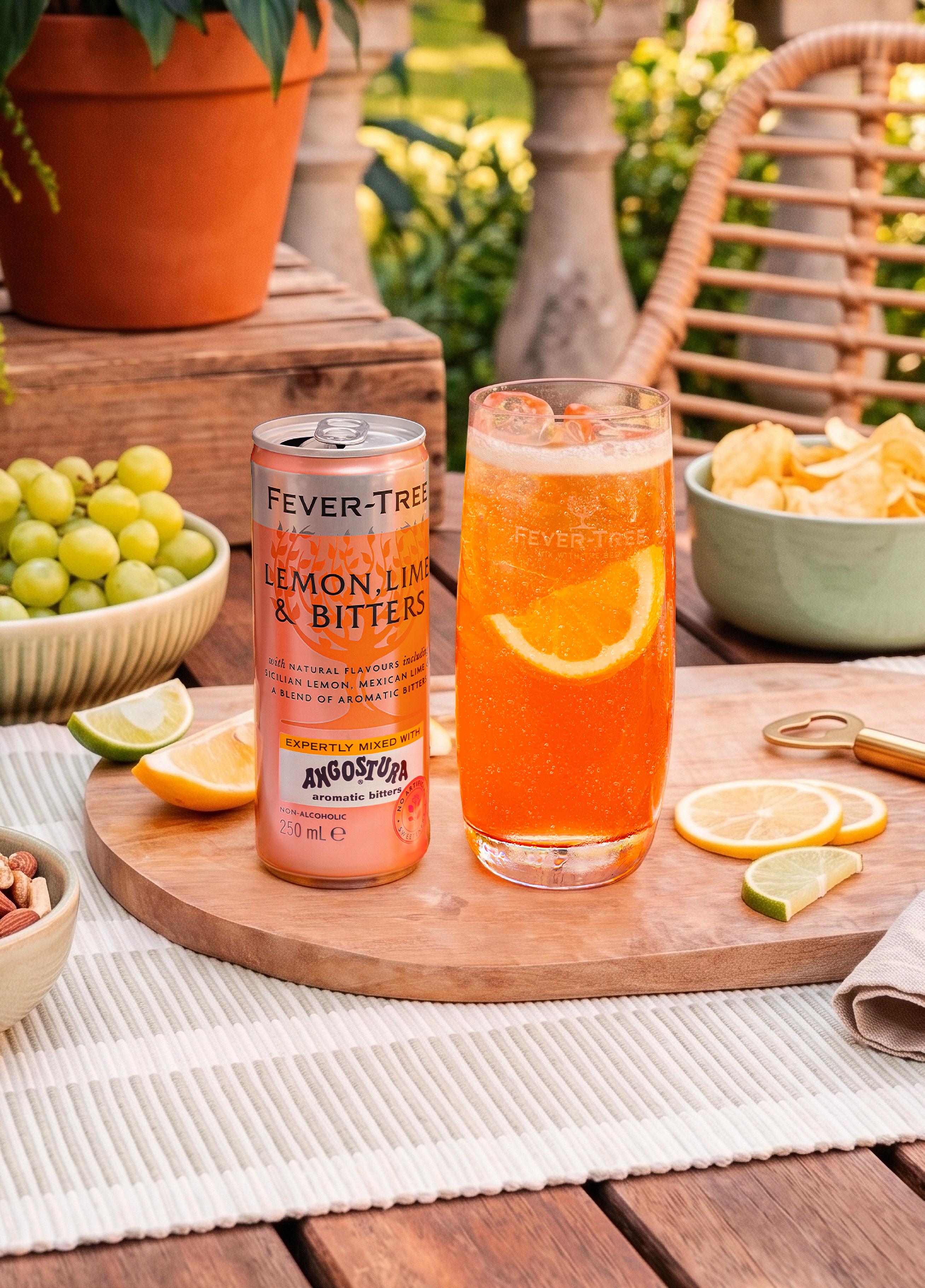
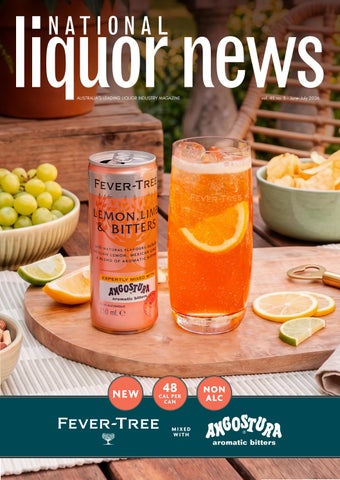
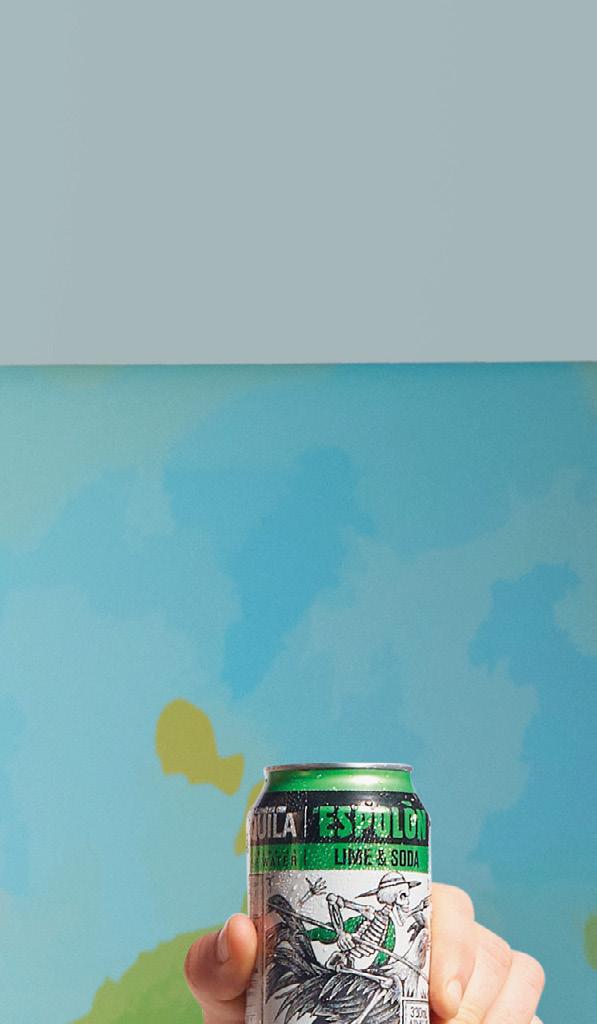
On our cover, Fever-Tree explores another evolving consumer trend with the launch of its premium Lemon, Lime & Bitters, bringing a bar-quality take on one of Australia’s most iconic serves into the off-premise channel. As moderation, premiumisation and flavour-led choices continue to influence purchasing decisions, it offers an interesting example of how suppliers are responding to changing consumer expectations.
We hope you enjoy this issue!
Cheers, Deb
Deb Jackson, Managing Editor 02 8586 6156 djackson@intermedia.com.au
2037 Tel: 02 9660 2113 Fax: 02 9660 4419
Publisher: Paul Wootton pwootton@intermedia.com.au
Managing Editor: Deb Jackson djackson@intermedia.com.au
Senior Journalist: Molly Nicholas mnicholas@intermedia.com.au
Journalist: Sienna Martyn smartyn@intermedia.com.au
General Manager Sales –Liquor & Hospitality Group: Shane T. Williams stwilliams@intermedia.com.au
Group Art Director –Liquor and Hospitality: Kea Webb-Smith kea@intermedia.com.au
Prepress: Tony Willson tony@intermedia.com.au
Production Manager: Jacqui Cooper jacqui@intermedia.com.au
Subscription Rates
1yr (11 issues) for $70.00 (inc GST) 2yrs (22 issues)for
Saving 30% To subscribe and to view other overseas rates visit www.intermedia.com.au or Call: 1800 651 422 (Mon – Fri 8:30-5pm AEST) Email: subscriptions@intermedia.com.au FOOD & BEVERAGE

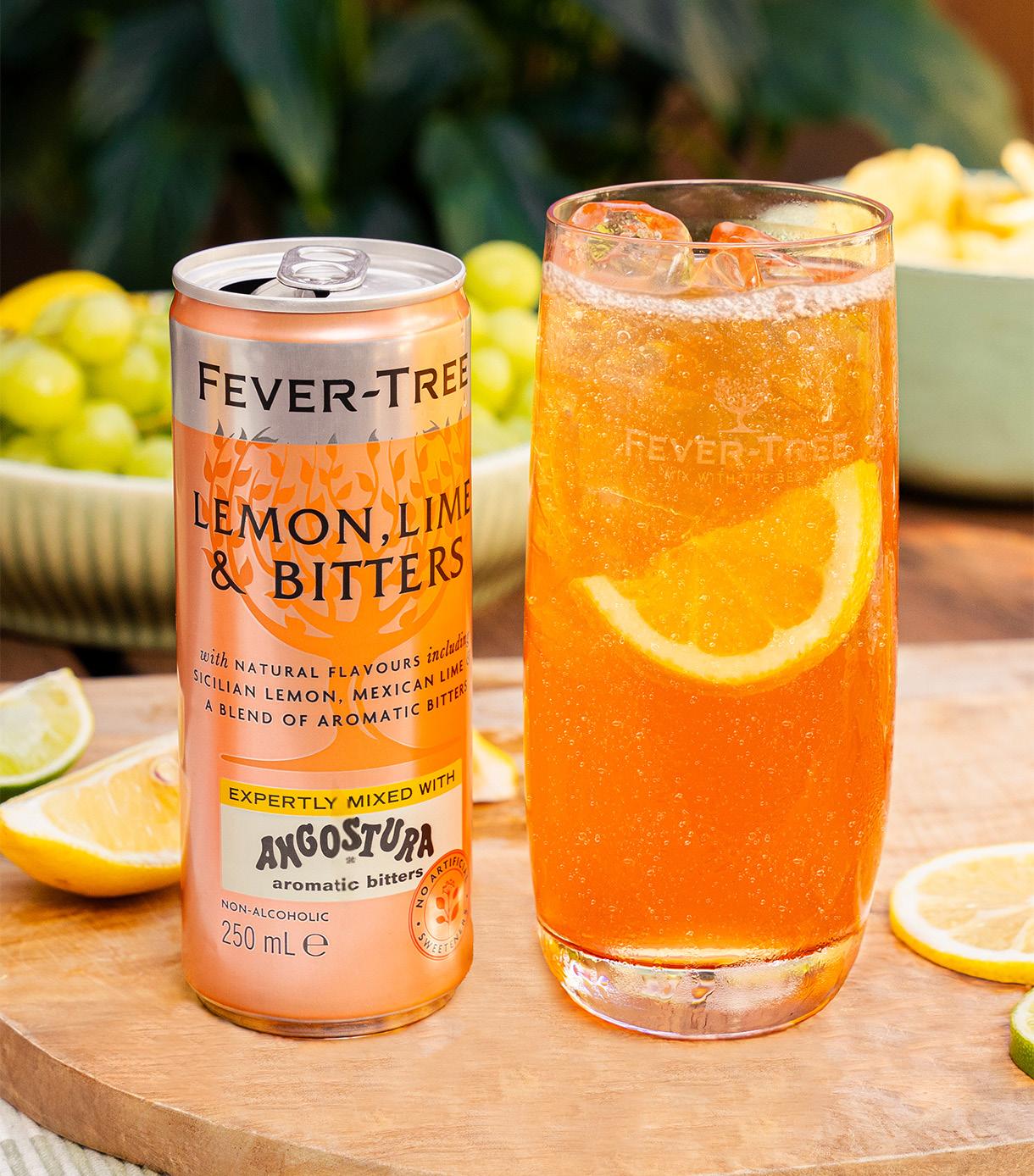
Fever-Tree is bringing a bar-quality lemon, lime and bitters into the retail landscape, tapping into growing demand for sophisticated non-alcoholic options.
One of Australia’s most enduring mixed drinks, lemon, lime and bitters is finding renewed relevance as moderation reshapes drinking occasions across the country. Younger consumers in particular are driving demand for sophisticated non-alcoholic options that deliver the same flavour and quality expectations as their alcoholic counterparts.
More than four in 10 Australians aged 18-34 now enjoy a lemon, lime and bitters at least once a month, highlighting the drink’s growing role in social occasions. Although lemon, lime and bitters has long been a staple in pubs, bars and restaurants across the country, retail offerings have historically struggled to replicate the balance, freshness and carbonation of the serve.
As consumers move away from mass-market products perceived to lack quality and taste, there is a clear opportunity to translate the drink’s strong on-premise appeal into a premium retail offering.
Applying its uncompromising approach to flavour and quality to the fast-growing adult soft drink category, Fever-Tree recently introduced an elevated take on the Australian icon – Lemon, Lime & Bitters. Crafted with zesty Sicilian lemons, sun-ripened Mexican limes, and signature Angostura® bitters, Fever-Tree Lemon, Lime & Bitters delivers barquality taste, premium ingredients, and modern versatility.
Fever-Tree Australia’s Senior Technical Manager, Kat Murray, said: “Lemon, lime and bitters is an iconic Australian drink, and we see a clear opportunity to elevate it for today’s consumer. This launch allows us to bring a more refined, adult soft drink to market, aligned with evolving consumer preferences and the growing demand for sophisticated non-alcoholic options.
“Consumers are increasingly looking for drinks made with real ingredients and no artificial additives. What we’re doing is bringing consistency, quality and high-quality ingredients to that experience.”
As consumer trends continue to evolve, with more people becoming intentional about what and when they drink, the opportunity for liquor retailers is to expand their offering with drinks that feel
“Lemon, lime and bitters is an iconic Australian drink, and we see a clear opportunity to elevate it for today’s consumer.”
socially appropriate, sophisticated, and premium, meeting evolving consumer demand.
Designed to be enjoyed on its own as a premium adult soft drink, served over ice for a bar-quality experience, or used as a high-quality mixer, Fever-Tree Lemon, Lime & Bitters is a ready-to-drink option that stays true to how the drink is supposed to taste. Refined and balanced, the blend of naturally sourced Sicilian lemons, Mexican limes and Angostura® bitters delivers a vibrant, crisp and refreshing flavour profile with depth.
Non-alcoholic and containing just 19 calories per 100ml, the product offers a more premium adult soft drink alternative. As with the broader Fever-Tree range, it contains no artificial flavourings or sweeteners, reflecting growing consumer demand for beverages made with real ingredients.
Setting a new benchmark for quality and helping unlock the next phase of growth in the premium adult soft drink category, the launch of Fever-Tree Lemon, Lime & Bitters signals the brand’s growth ambitions in Australia, with a focus on new occasions and growth opportunities.
Now available in a convenient 4x250ml can format, Fever-Tree Lemon, Lime & Bitters delivers a consistent, bar-quality experience while bringing quality and brand credibility to a culturally embedded favourite. The portfolio also includes Ginger Beer, Pink Grapefruit Soda, Lime & Yuzu Soda, and Sicilian Lemon Soda. ■





The owner of Cool Wine, Hobart has spent almost 30 years at the forefront of an evolving wine market, dedicated to helping consumers navigate its complexities.
Retail Unfiltered looks beyond the shopfront to uncover the commercial thinking behind Australia’s liquor retailers. In each issue, we explore the strategies, decisions and market positioning driving performance at store level.
Today we get to know the owner of Hobart’s Cool Wine, Tim Goddard whose more than 30-year career in wine has been marked by passion, adaptability and curiosity.
Originally from Hobart, Goddard began his career in hospitality as a teenager with an education in hotel management.
“While studying, I met an old German fellow who used to come teach us about wine. As soon as I had my first sip of a German Riesling that he brought to class, I was absolutely taken. I thought to myself ‘wine is going to be my journey’.”
By the late 80s Goddard had landed a job at renowned Hobart bottle shop Aberfeldy Cellars – a place he says paved the way for his career.
“I went on to manage the store, and the experience was a fantastic introduction to wine. The Tassie wine industry was very young at the time but there was so much to learn about the rest of the world,” he explained.
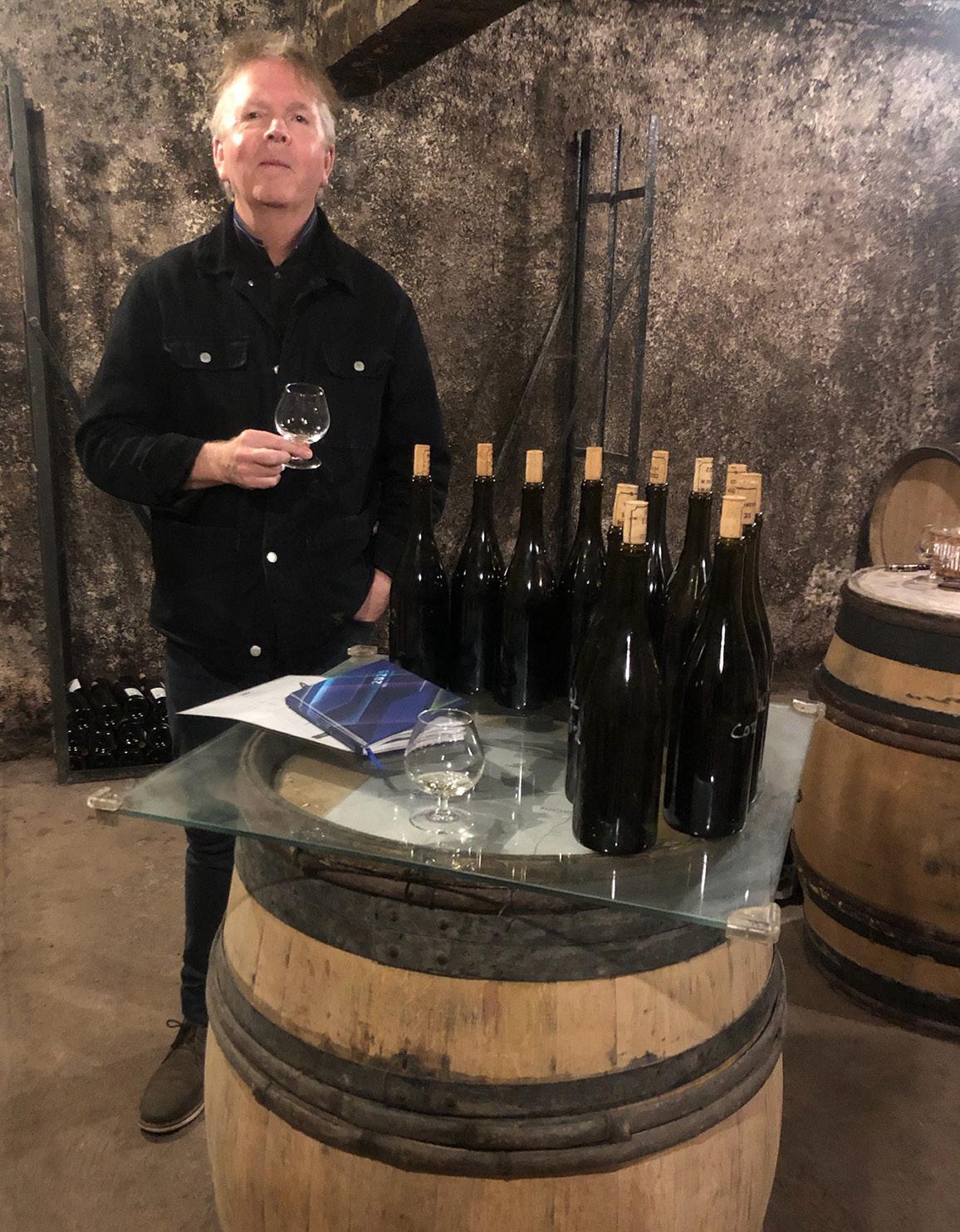
After gaining 10 years of first-hand wine experience, Goddard was offered a job in 1995 by Tasmanian businessman David Walsh AO, who had recently acquired Hobart’s Moorilla Estate.
“He bought the winery on Berriedale Peninsula and offered me the job as general manager. He then went on to build an allnew winery and later the Museum of Old and New Art (MONA) next door.”
Following 11 years building the Moorilla brand, expanding exports and improving production quality, Goddard saw a gap in the local retail landscape. Focused on value and quality-driven experiences he embarked on a journey to create Cool Wine.
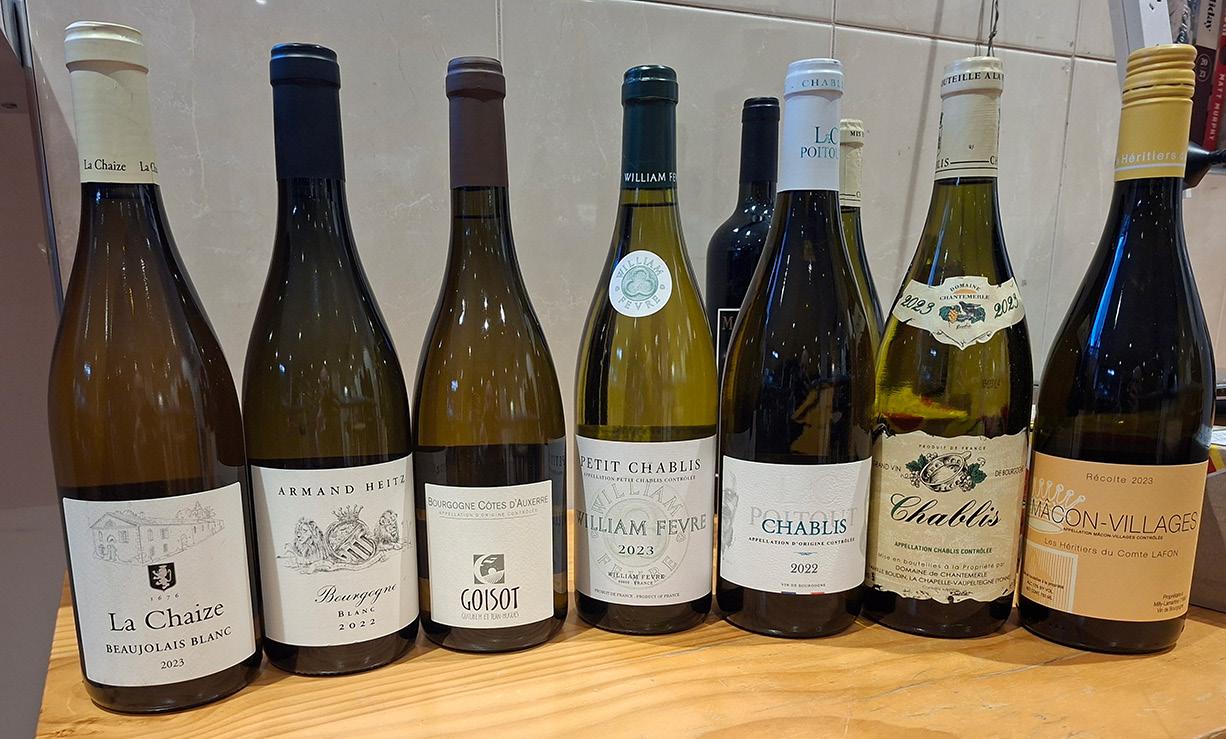
“When my wife Monica and I started Cool Wine, we simply wanted it to be about sharing very good wine – whether its $10 or $210 wine. I based this off some advice I got while at Aberfeldy Cellars. Someone said, ‘It’s important to cover as many bases as you can. Look after the entry level end and do the best you can at the top end too.’ We also wanted to specialise in Tasmanian wine and support a lot of smaller producers who might not have their own cellar door or a real way to market with the big chains.”
Almost 20 years since Cool Wine opened its doors, Goddard reflected on the evolution of the store’s concept and how he has kept pace with a rapidly changing industry.
“We had to evolve with the landscape,” he said. “The key to success for us has been flexibility with trends and listening to what our customers actually want to drink. It’s been equally as important for us to set some of those trends ourselves.
“I’ve never been afraid of following a trend in whatever direction it’s going. Being open to what we can do in a particular market segment, and seeing if it works and how our customers respond, has worked tremendously well,” explained Goddard
He continued: “For example, we’ve met demand for natural wines in recent years. Additionally, when we opened the shop, we had about 30 different beers. Now we have literally hundreds of beers and ciders.”
In a modern market where competition is fierce, Goddard says his support of small producers has remained a constant.
“It’s a competitive world out there, and if you’ve got a choice to support someone smaller who’s doing the right thing, it’s
worth seeking out. They’re the ones who’ve got passion. Look for local and you’ll always find something great.”
Following many years managing an active and dynamic range, Goddard says he learned the value of keeping customers engaged. His strategy has been writing a weekly newsletter shared with a database of nearly 4,500 customers.
After publishing close to 900 editions, he says it has been instrumental in creating rapport with customers, empowering discovery and increasing confidence in-store.
“The newsletter is sort of old school and a bit quirky. We don’t bang on too much. It shows a wine we think is great with a short, sharp, blurb with two key points. That’s what’s been successful, it’s just stuck. We recently found an obscure Tannat from Uruguay it’s a delicious, lovely wine for a good price and people have loved it.”
Another guiding principle of his career and his store has been creating genuine connections and shared experiences around wine.
“We have a lot of customers who come to our shop because it is fully independent, and they know we’re all about good wine from word-of-mouth. They like that we are family-owned, have really good staff who love what they do and love telling them about great wines and spirits.
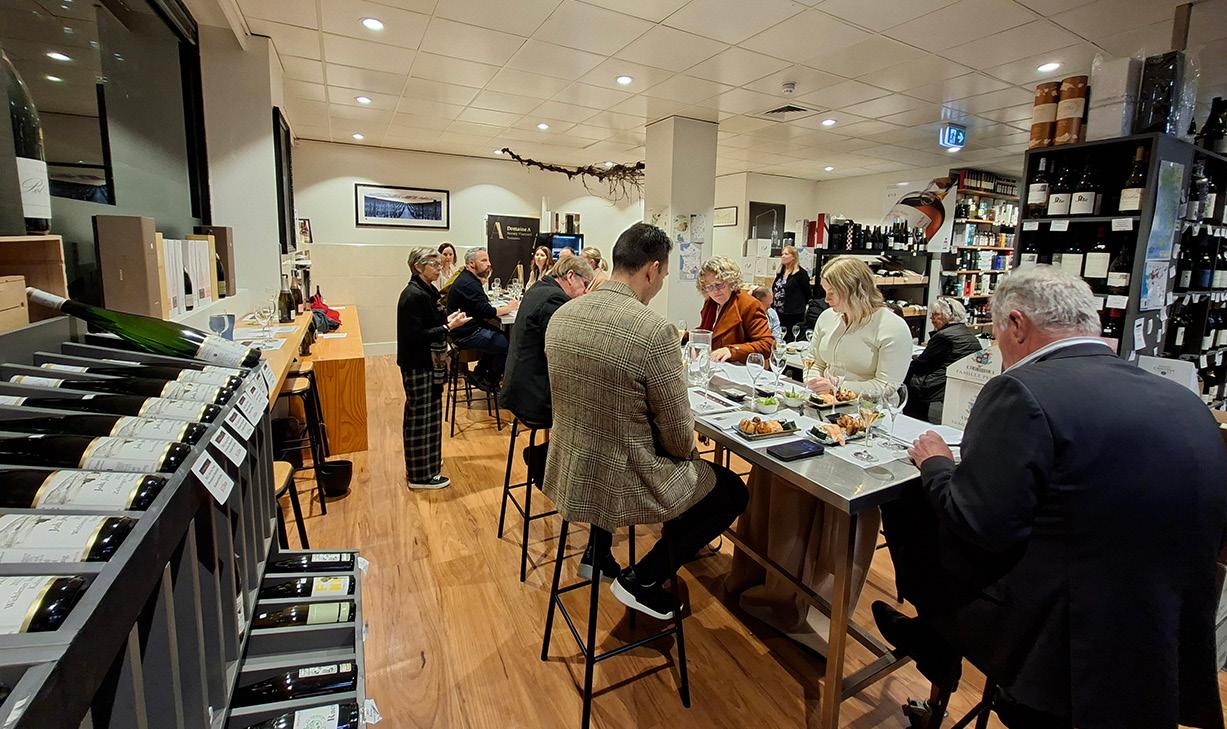
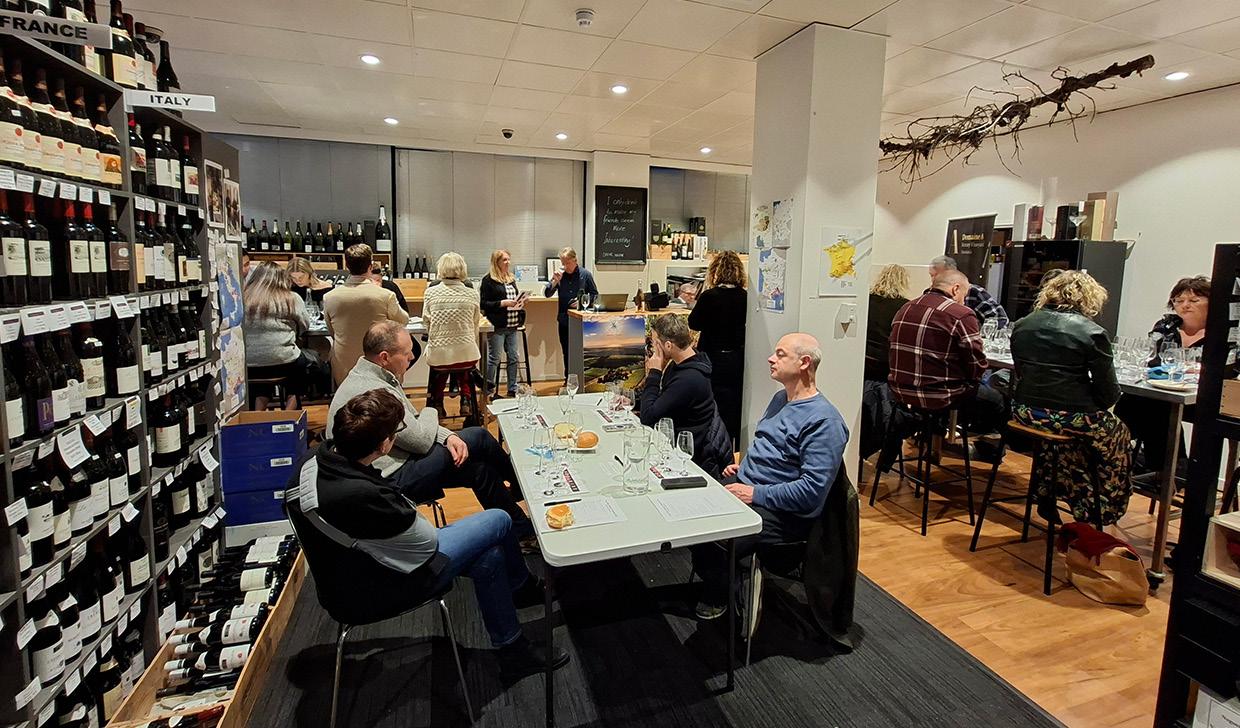
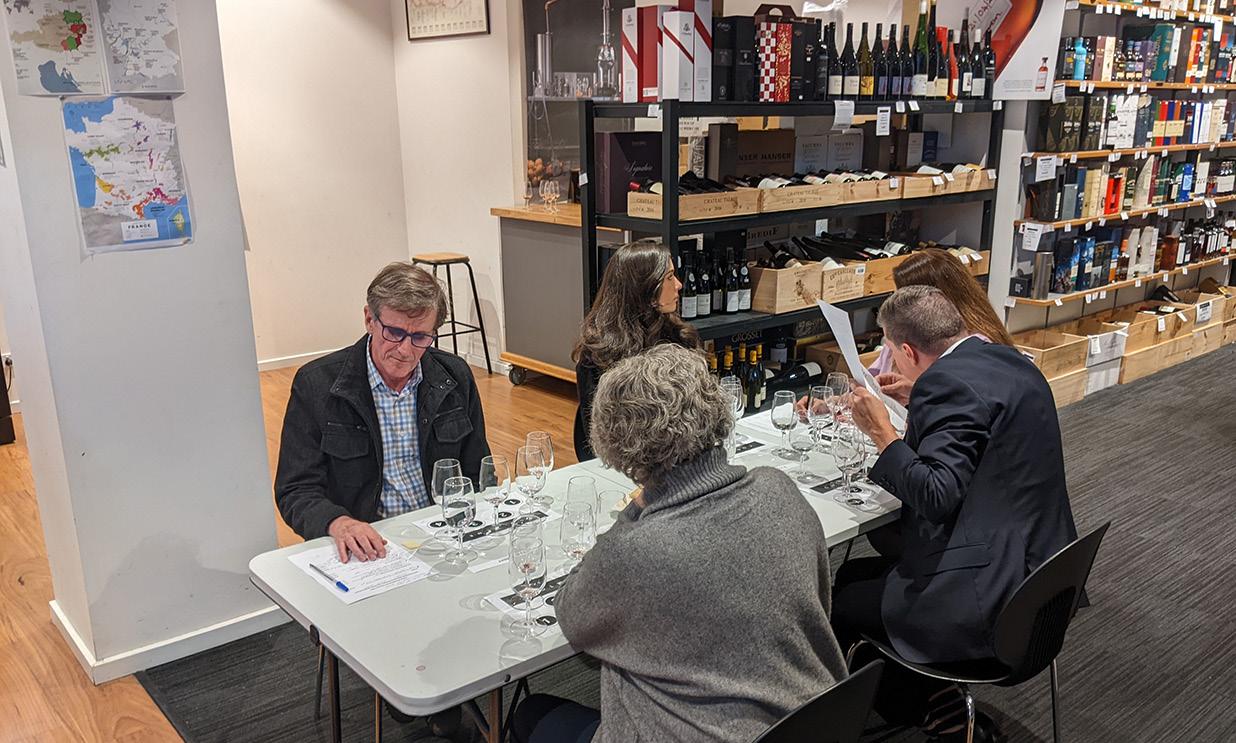
“To complement that, we do a lot of wine tastings and events that bring lots of people in. We do free tastings and paid, sit-down tutor tastings, where we educate people in a fun way about all sorts of wine, whether it be Tasmanian or otherwise.”
Looking ahead to the cool months, Goddard plans to place greater emphasis on tastings to foster community connection during the quieter period.
“As the weather changes, people are looking for something to do. Our tastings are short, sharp, educational and a fun way to connect. They’re not big boozy nights.
“Heading towards the quieter months, we really try and focus on product and creating some events to keep the business vibrant and interesting to people.” ■
2024 Island Belle Pinot Noir
Excellent, modestly priced, Pinot Noir produced by renowned makers Peter Dawson and Tim James (aka Dawson and James). Made with fruit from the exceptional Meadowbank Vineyard-Derwent valley in the same year that Meadowbank Pinot Noir won the Jimmy Watson Trophy at the Royal Melbourne Wine Show.
This second label of Dawson and James took the trophy for the Best Pinot Noir at the Tasmanian Wine Show 2026, from 80+ entries. Suffice to say, it’s delicious to drink now and cellar for four to six years.
RRP: $39.50
2022 M. Plouzeau Chinon
‘Chateau de La Bonnelierre’
An amazing small maker, organically grown Cabernet Franc. Marc Plouzeau makes delicious deeply fruited Cabernet Franc, this is an outstanding example, with plush ripe raspberry/blueberry notes.
RRP: $33.50 (direct import to Cool Wine)
The Sydneybased liquor retailer is entering a new market for the first time with an experience-led, wine-focused space, writes Sienna Martyn.
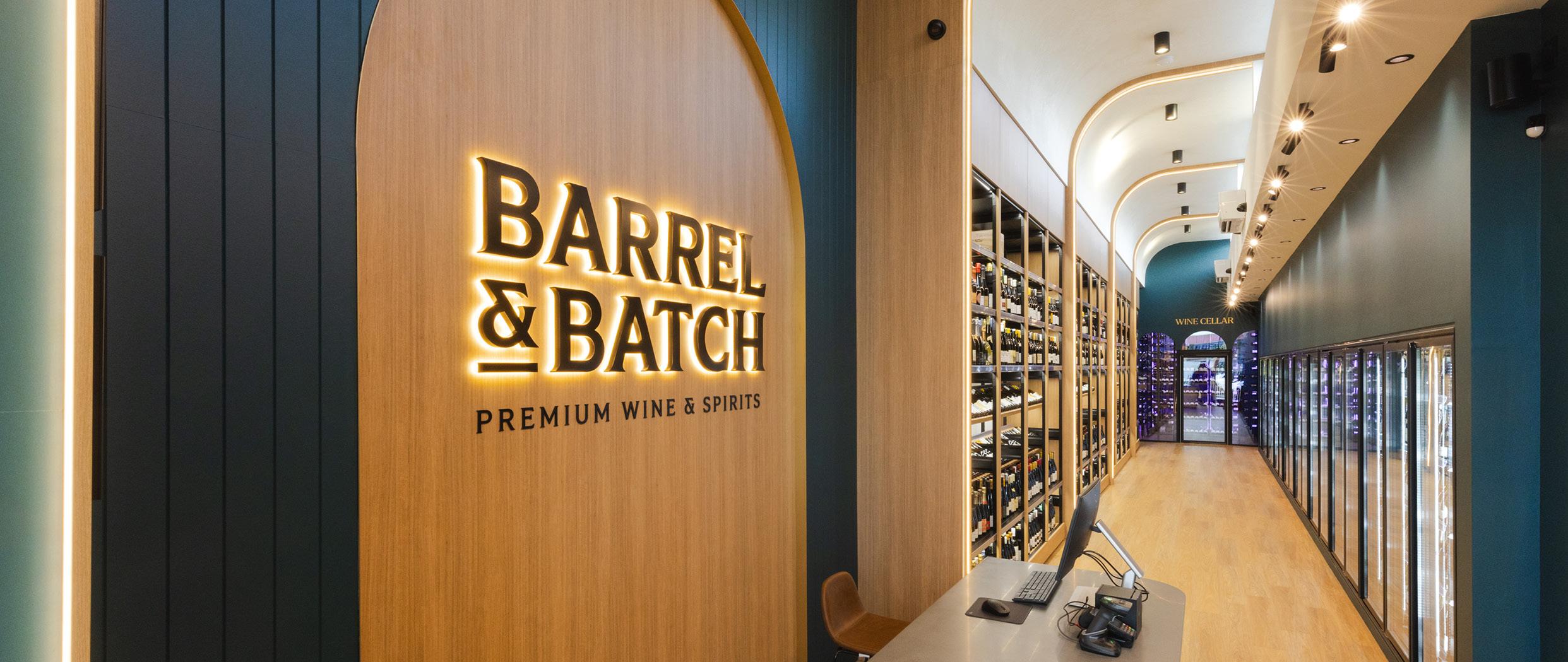
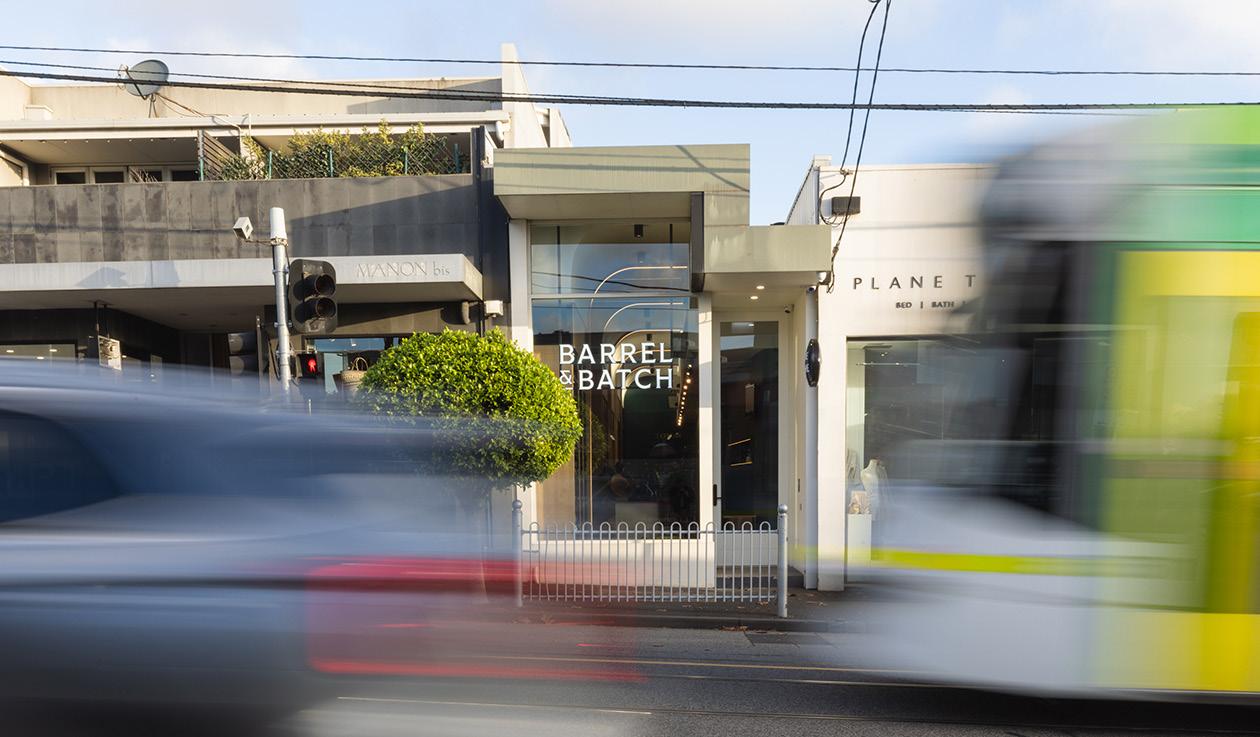
Representing a key step in the expansion of its physical retail network, Barrel & Batch has opened a new store in Hawksburn, Melbourne – the brand’s first location outside of Sydney.
As a suburb known for its strong food and wine culture and engaged local community, Andrew Nicolaou, General Manager of Paramount Retail, said Hawksburn felt like a natural fit for the newest Barrel & Batch.
“With a customer base that values quality, provenance and hospitality, we saw an opportunity for a more considered and discovery-led drinks retail experience within the area. One that combines knowledgeable service, premium ranging and a welcoming environment without feeling intimidating or transactional,” he explained.
Introducing a new wine-led and experience-driven format to Hawksburn, Nicolaou said the goal is to appeal to two consumer audiences equally well.
“For wine enthusiasts and collectors, we want Hawksburn to feel like a destination worth visiting, somewhere they can discover rare allocations, benchmark producers and bottles they may struggle to find elsewhere.
“At the same time, we also want it to feel like a genuine neighbourhood bottle shop for local customers who simply enjoy good wine and want access to a more thoughtful and interesting range.”
purpose
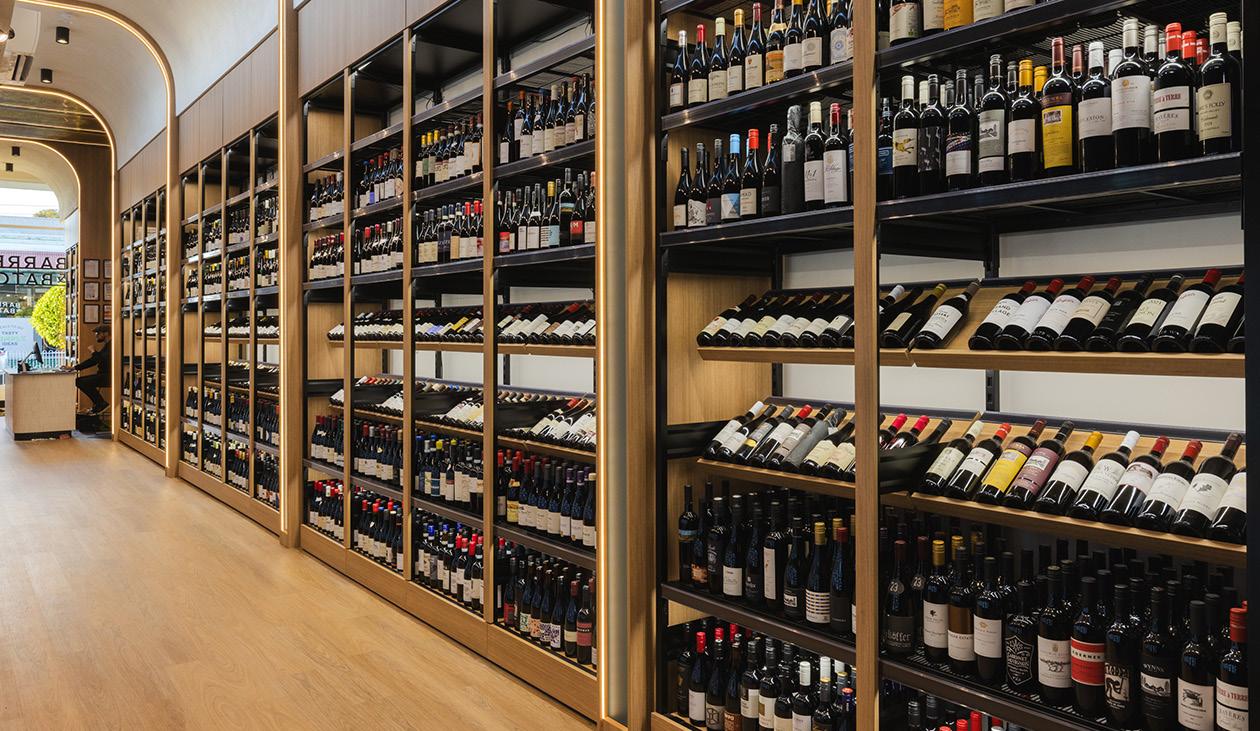
Ranging more than 1,200 wines and a collection of premium spirits including exclusive whisky releases and limited-edition bottles, the space and range has been carefully curated with the local customer in mind.
“There will be a strong focus on Australian producers and the exceptional work happening locally across regions such as the Yarra Valley, Mornington Peninsula and Tasmania, alongside benchmark international producers and smaller growers from key wine regions around the world.
“Within spirits, premium whisky remains a major focus for the business, particularly exclusive and limited-release bottlings that offer customers something genuinely difficult to find elsewhere,” said Nicolaou.
The range also focuses on balancing familiarity and discovery, supported by the service and expertise of the team in-store led by Store Manager Dan Banks who brings more than 20 years of hospitality and retail experience to the role.
“Whether someone is looking for a special bottle for the cellar or simply a delicious bottle for dinner that night, the focus will always be on thoughtful recommendations and approachable service.”
Adding to the in-store experience will be regular tastings and supplier collaborations with the goal of always having something open worth trying in-store.
“We plan to regularly host tastings, producer
showcases and supplier activations, working closely with winemakers and local hospitality partners to bring products and stories to life through in-store experiences and content across our digital channels.
“Over time, we’d like the store to become a space where customers can continue learning and discovering new producers, regions and styles in a welcoming environment.”
In terms of design, creating a space that feels warm, open and easy to explore was vital in bringing the Barrel & Batch brand to life in a new market.
“The design was approached with restraint, warmth and premium detail in mind,” said Nicolaou.
“Rather than feeling like a traditional bottle shop, the goal was to create a more elevated and considered retail environment that still feels approachable and comfortable to spend time in. Natural textures, warm lighting and a more thoughtful layout allow the products and stories behind them to take centre stage.”
Featuring a premium fit out and a dedicated temperaturecontrolled wine cellar at the rear, the store layout eases browsing and showcases the rare, collectible and cellar-worthy wines available.
“The layout has been built around discovery and conversation rather than high-volume retail. We wanted customers to feel comfortable taking their time, asking questions and exploring different parts of the range without the space feeling overwhelming.”
Nicolaou added: “There’s also a strong emphasis on flexibility within the store, allowing for regular tastings, supplier activations and evolving displays throughout the year.”
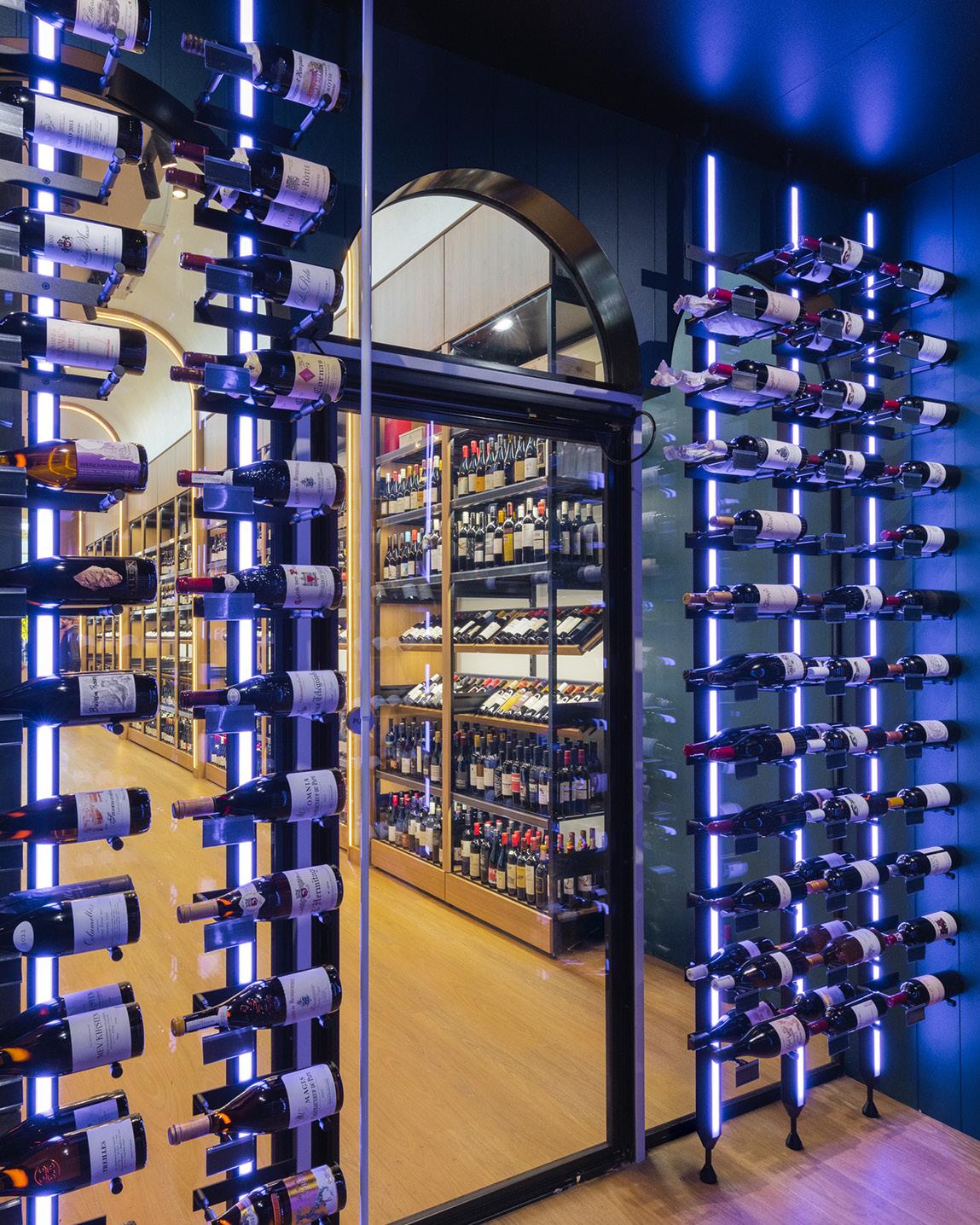
With the doors to Barrel & Batch Hawksburn now open, Nicolaou said the team’s immediate focus will be to settle into a new community.
“It’s about getting to know the local customer base and continuing to refine the experience as we go. We want to take the time to understand what customers are looking for, what they’re excited by and how they want to engage with the space.
“A big part of that will be building relationships and creating an environment people genuinely want to return to regularly.”
The opening of the Hawksburn store has also set the tone for future Barrel & Batch locations, with a stronger focus on tastings, community, storytelling and premium in-store experiences across the board.
Nicolaou said over the next 12 months, the focus will be on continuing to build a premium retail network that sets itself apart in a competitive market.
“That includes opening additional Barrel & Batch stores, strengthening supplier and producer relationships, growing our wine and whisky offering, and continuing to create experiences that encourage customers to engage more deeply with the category.
“The physical expansion also builds on strong recent growth across the Barrel & Batch e-commerce business, particularly within premium wine, while continuing to strengthen the brand’s exclusive whisky offering and supplier partnerships.”
He concluded: “At the centre of it all is building a brand that customers trust – whether they’re shopping online, visiting us instore, or discovering something new through one of our tastings or events.” ■
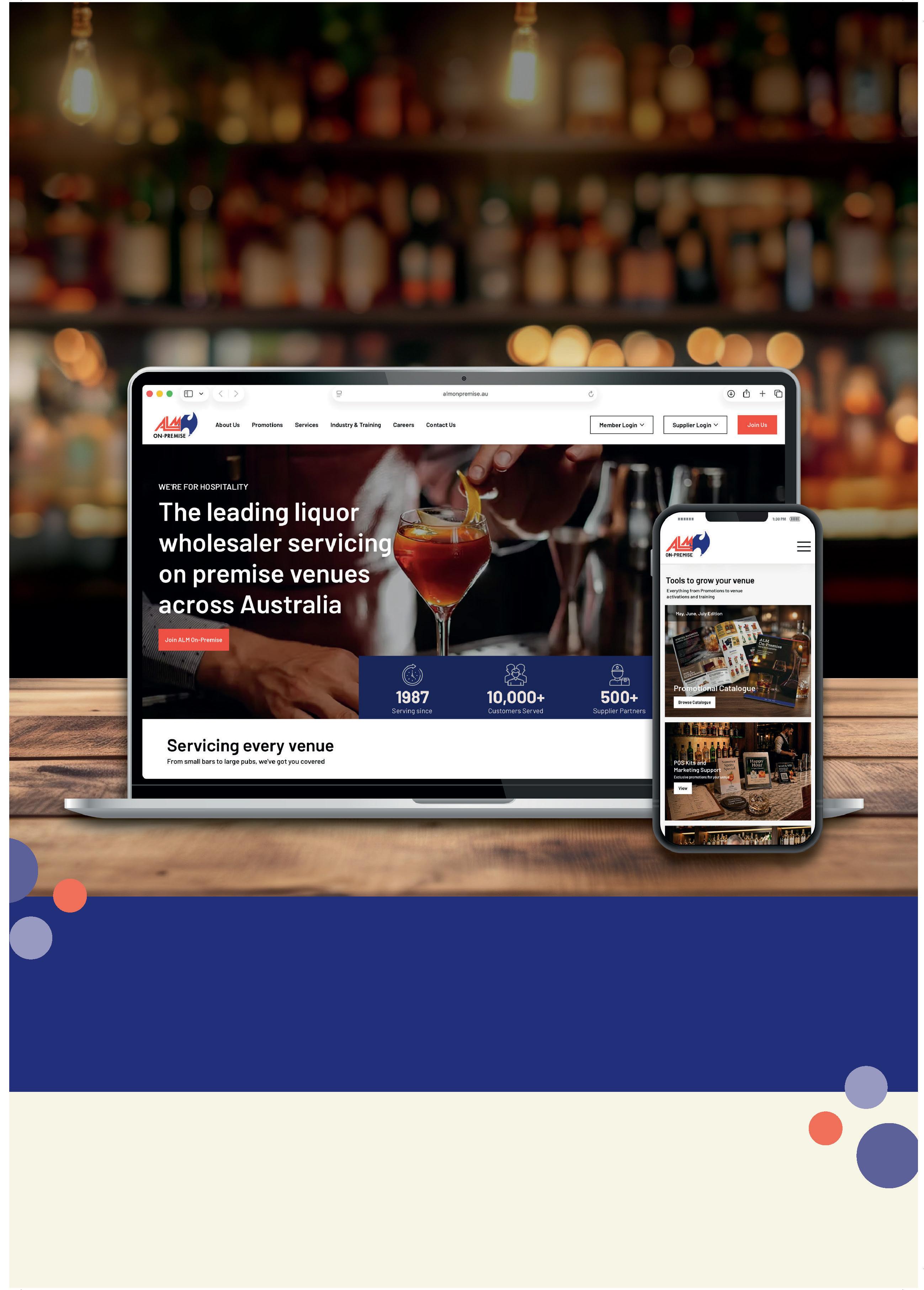
ALM On-Premise has launched a new standalone website, creating a centralised digital hub for customers and supplier partners across the on-premise channel.
This exciting platform brings together customer offers, services and an engagement tool into one destination, reflecting ALM’s broader strategy to deliver value beyond product and price. It also supports a shift towards a more connected, dataled model, while reinforcing the scale and capability of its parent company, Metcash.
Built around what matters most to customers, the website provides clear access to promotions, value-added Metcash services, and, over time, training and capability resources that support venue operators deliver their customer experience.
The new site provides a modern, user-friendly experience, while acting as a central hub for programs, insights and supplier activation opportunities. By consolidating these elements, ALM
Small businesses and venue operators are being urged to register their branded SMS sender IDs before new anti-scam rules come into effect on 1 July 2026.
Under the new rules introduced by the Australian Communications and Media Authority, businesses using unregistered branded sender IDs in SMS or MMS messages will have their messages labelled ‘Unverified’ rather than displaying their business name.
The regulator said this could affect customer trust and engagement, with messages potentially grouped alongside scam texts from other unregistered senders.
Adam Suckling, Deputy Chair of the ACMA, warned many smaller operators may not realise the changes apply to them.
“Branded sender IDs are widely used by businesses of all shapes and sizes in their marketing, appointment scheduling and billings,” Suckling said.
“We are urging small businesses and community organisations to act now – work out if your organisation
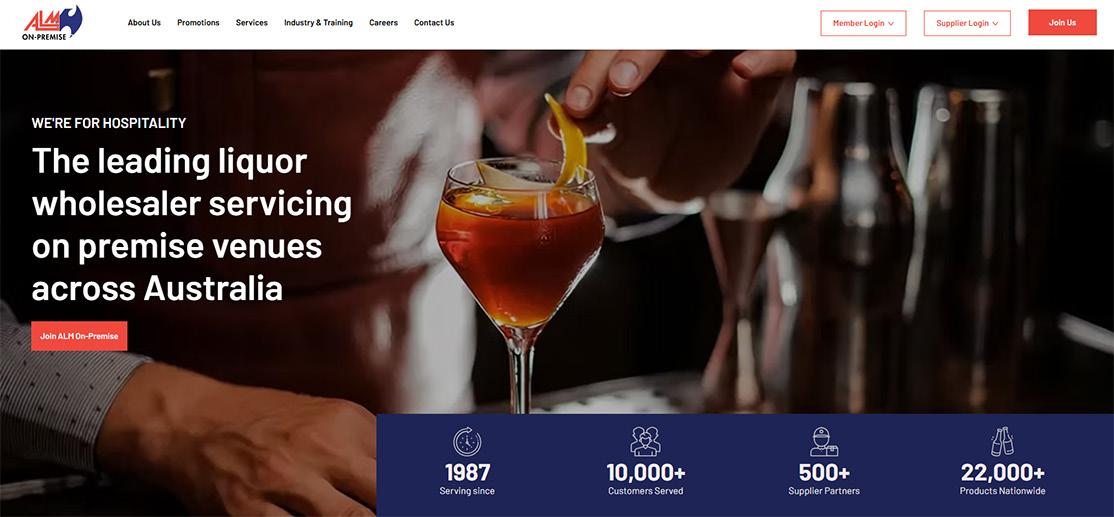
On-Premise will deliver more consistent communication and strengthen its presence within the on-premise channel.
Deborah Barrese, Digital Marketing Manager On-Premise, said:
“The new website is all about strengthening our offer: delivering clear communication, real value and meaningful support for both our on-premise customers and supplier partners, while strengthening the ALM On-Premise brand in a fast evolving digital environment.”
The launch marks a step forward in ALM On-Premise’s digital capability, positioning the business as a more connected and future-ready wholesaler.

uses branded sender IDs and contact your telco or message provider if you want to continue using them from 1 July.”
Suckling said sender IDs help customers quickly identify businesses and are commonly used by operators including dentists, GPs, schools, childcare centres and franchisees.
“Failing to register may mean consumers miss important messages or no longer trust them,” he said.
The ACMA said businesses relying on SMS for appointments, billing notifications, customer updates and marketing campaigns could be particularly affected if they fail to register before the deadline.

Best Retail Liquor Outlet winner Notting Hill Hotel has claimed the AHA (Vic) title for the fourth consecutive year.
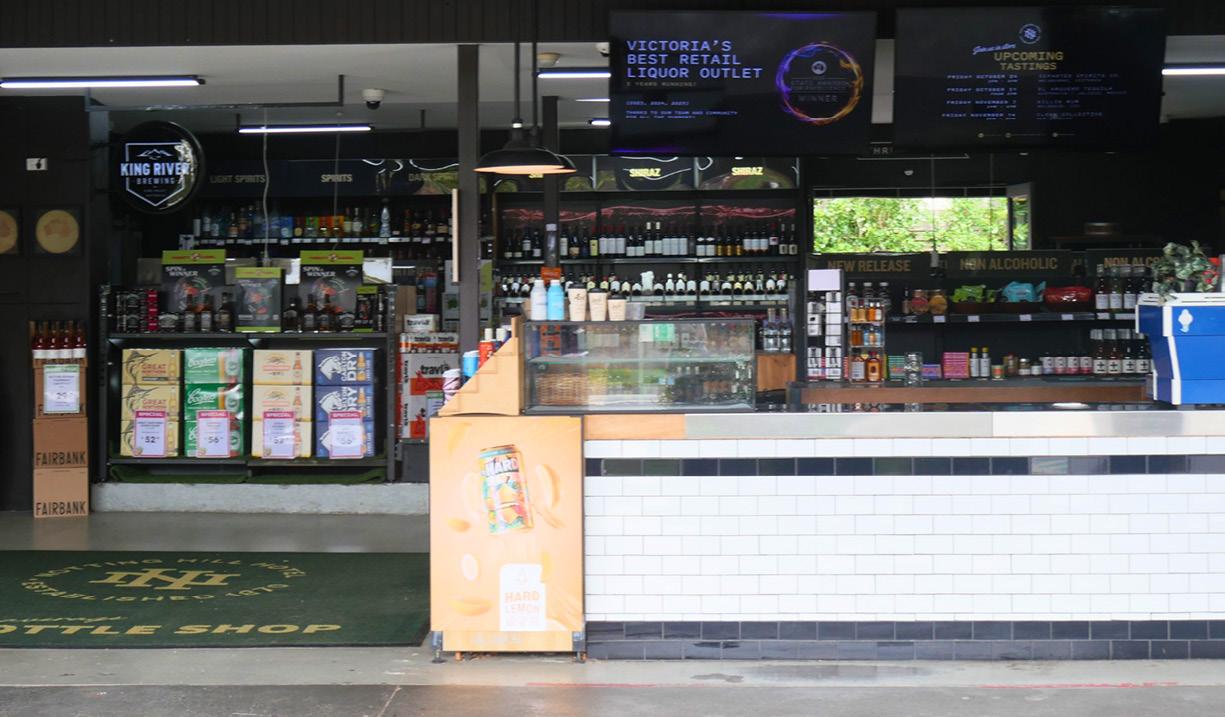
The Australian Hotels Association Victoria has recognised Notting Hill Hotel as Best Retail Liquor Outlet at the 2026 State Awards for Excellence, marking the fourth consecutive year the venue has claimed the title.
Speaking to National Liquor News, bottle shop manager Dylan Curtis said the achievement reflects the consistency and commitment of the entire team, particularly around customer service and adapting to changing shopper expectations.
“It means a lot to me and the team to take home the award for the fourth year in a row. It shows that our hard work and focus on customer service is being recognised by those in the industry,” he said.
Curtis said the venue’s retail offer has been built around balancing major brands with local and independent products while also evolving in line with consumer trends.
“We provide a unique offering with a local and independent range of beers, wines, and spirits, while still providing the big brands,” he explained.
“We also try to offer something a bit different when it comes to things like food products, non-alc and mixers, while still listening to customer feedback with what they’re after in their local bottle shop.”
The hotel’s broader hospitality footprint has also played a role in shaping its customer base and retail strategy.
“As we’re attached to an independent hotel that features four bars, and three kitchens, we’re able to capture an extensive demographic both in the hotel, along with the bottle shop,” Curtis said.

Alongside its retail offer, the venue has continued strengthening ties within the local community through partnerships with football clubs and initiatives such as a weekday drive-through coffee service from 6am.
Curtis said the business was also responding to increasingly priceconscious consumers by focusing on value-driven promotions and strategic ranging.
“We’re acknowledging this by highlighting certain products in-store that offer great value, without compromising quality, and highlighting our promotions (with the help of Thirsty Camel) that provide great savings,” he said.
“Thirsty Camel have been a great help to us in-store, helping us advertise to a broader audience with their scope and weekly promotions, and I don’t think we could provide what we do without their assistance.”
Curtis added that evolving consumer preferences around moderation and wellness are continuing to shape purchasing behaviour.
“Increasingly we’re noticing that customers are more mindful with what they’re drinking, whether it be low/no alcohol, low sugar, low carb or even something that’s made locally,” he said.
“We’re noticing the recent spike in premix RTD products, so we’re always trying to keep our shelves full of new and exciting products, while keeping up to date with what people are consuming.”
The 2026 AHA (Vic) State Awards for Excellence attracted more than 1,300 attendees and celebrated leading venues and hospitality professionals from across the state. ■
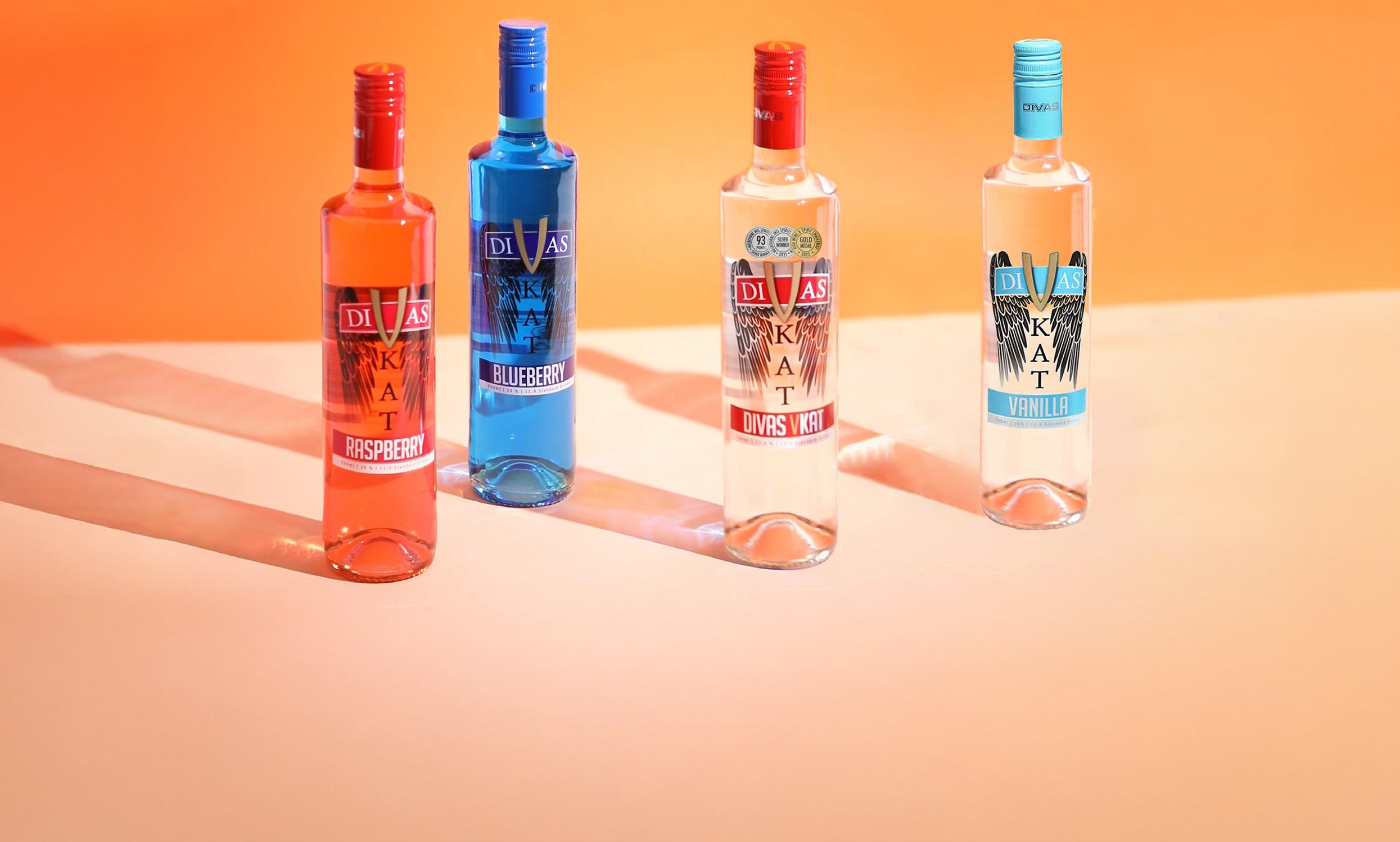
Wine industry challenges are driving producers towards new categories, with Divas VKAT responding to demand for flavour-led and value-driven beverages.
As the wine market continues to grapple with oversupply, shifting demand and changing consumption habits, the industry is increasingly looking for new ways to adapt. A wave of innovation has seen new formats emerge, sitting between established categories and diversifying the selection of wine-based beverages on the market.
Since launching in 2012, Australian-made vodka alternative Divas VKAT has been at the forefront of this evolution. Crafted from 100 per cent grapes, VKAT is built on an advanced wine base, resonating strongly with consumers trading across from wine and spritz occasions.
Jae Jang, Managing Director for Divas Beverages, told National Liquor News: “The Australian wine industry is facing challenges unlike anything we’ve seen before – but with challenge comes innovation. Drawing on three generations of alcohol-making expertise, we’ve been able to adapt and create new category solutions. Seeing how far VKAT and the business have come is something I’m incredibly proud of every day.”
Using grapes sourced from the Riverina, Divas Beverages Production Manager Ben Ceccato says VKAT supports long-term stability for Australian growers in a difficult time for the sector.
“Through advanced clarification technology, we remove colour and aroma to create the high-quality grape base we’re known for. With a streamlined production process, we’re able to move quickly – responding to emerging trends across not just vodka alternatives, but also soju, liqueurs and RTDs,” Ceccato explained.
As drinkers move towards alcohol choices that are flavour-led, approachable and accessible, hybrid-style products like VKAT are
catering to a broader behavioural shift – giving consumers a more contemporary way to engage with wine-based beverages.
Appealing to flavour-led drinkers, VKAT offers versatility across occasions; enjoyed neat, with a mixer or as a cocktail base. With five variants available – VKAT Original, VKAT Raspberry, VKAT Blueberry, VKAT Vanilla and VKAT Black Label – the range delivers a smooth, clean liquid with a highly accessible taste profile.
And for value-conscious shoppers, particularly younger generations, affordability is just as important as flavour, driving demand for drinks that deliver both quality and experience without the premium price tag. With a high value equation for both the shopper and retailer, VKAT delivers incremental sales growth by not only capturing new drinkers but also lapsed drinkers due to escalating retail pricing. Owing to its structure, VKAT also delivers one of the most competitive costs per standard drink in the category.
Shae McEnallay, Manager of Chippendale Cellars, says VKAT is a key player as customers increasingly seek out value-driven alcohol choices.
“Divas VKAT works very well with university students, even though it’s a little bit lower in strength it’s still 22 per cent ABV, and two bottles for $25 flies out the door,” he stated.
Playing a unique role as a recruitment brand into the light alcohol category, VKAT has proven its relevance and longevity as the preferred vodka alternative across many leading retailers.
Divas Beverages now sells its products to more than 3,700 bottle shops across Australia. To find out more about the range and how to stock it, visit divasbeverages.com.au/divas-vkat or contact your Divas Beverages sales representative. ■
Group strategy targets retail growth, hotel investment and $300 million in cost savings by FY29.

Endeavour Group has unveiled a major strategic reset aimed at strengthening retail competitiveness, accelerating hotel investment and simplifying operations across the business, while also reshaping its Pinnacle Drinks portfolio to focus on higher-performing brands and assets.
Announced as part of the company’s Investor Day update, the strategy follows a detailed review led by Managing Director and CEO Jayne Hrdlicka and centres on three priorities: resetting Endeavour’s multibrand retail strategy, unlocking growth within Hotels and reducing operational complexity across the Group.
As part of the transformation, Endeavour Group confirmed a significant restructure of its Pinnacle Drinks business, repositioning the portfolio to focus on brands and regions delivering the strongest retail returns and customer demand.
The move will see Pinnacle transition to a more asset-light operating model, with Endeavour reducing its own grape production by more than 80 per cent and consolidating winery operations from seven sites to three.
The business will retain strategically important assets including Cape Mentelle in Margaret River, Isabel Estate in New Zealand’s Marlborough region and Dorrien Estate in the Barossa Valley.
Meanwhile, Endeavour will seek a new owner for the award-winning Oakridge Wines business and operation in the Yarra Valley, while the Chapel Hill, Riddoch and Krondorf brands will remain within the portfolio despite associated vineyards and physical assets being sold.
Endeavour Group also confirmed it does not intend to renew its lease of Josef Chromy Wines, with associated assets currently under review.
The company said the domestic Pinnacle range would be further rationalised to focus on brands with the strongest retail demand and customer engagement.
The changes form part of a broader Endeavour Group transformation strategy focused on simplifying operations, reducing costs and sharpening retail competitiveness. The company is targeting $300 million in cost savings by FY29, including approximately $100 million in FY27.
In retail, the Group said it would reinforce price leadership at Dan Murphy’s while repositioning both Dan Murphy’s and BWS to better serve their distinct customer segments.
The strategy update also acknowledged the business had previously prioritised margin over volume, which it said weakened price competitiveness and customer trust.
“Today’s decisions reflect a clear choice to refocus Pinnacle on its primary role – serving our Retail businesses and the customers that drive growth,” Hrdlicka said.
“By concentrating on the brands and assets that customers value most, we are building a more focused private label portfolio.”
As part of the strategy update, Hrdlicka added: “We examined the business through a number of lenses and have made the tough choices required to deliver the Group’s next phase of growth.
“There is significant untapped potential in Australia’s best Retail liquor brands and Hotels, and we now have the roadmap in place to ensure that potential is fully realised for our customers and our shareholders.”
Industry bodies have called for an urgent review of spirits tax settings in wake of illicit alcohol findings.
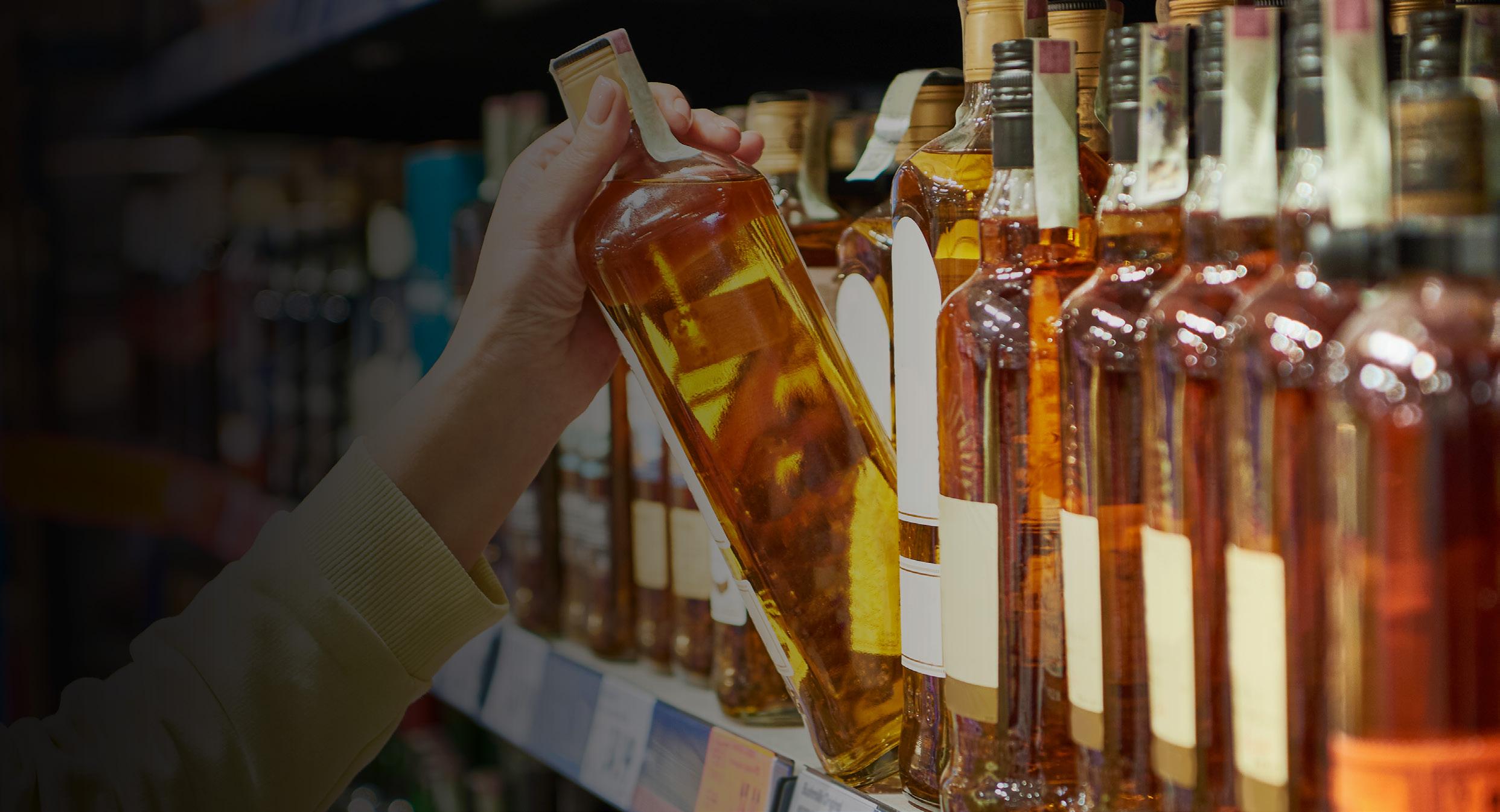
Growing concerns around illicit alcohol in Australia have prompted urgent calls for government action after research revealed contaminated spirits are being sold openly through Melbourne bottle shops.
Peak industry bodies including Retail Drinks Australia, Spirits & Cocktails Australia and the Australian Distillers Association, have warned the issue poses a serious threat to public safety, legitimate businesses and confidence in Australia’s regulated alcohol market.
The calls follow research from the National Drug and Alcohol Research Centre and the National Drug Research Institute, which identified suspected illicit vodka products being sold at significantly lower prices than legitimate alternatives.
Researchers found some products displayed poor-quality packaging, missing barcodes and visible contaminants, while chemical testing identified methanol and plasticisers outside Australian food safety standards.
“The prevalence of contaminated spirits identified in published research is absolutely unacceptable in a country such as Australia, which has always had high standards for food and beverage products underpinned by a strong regulatory framework,” said
& Cocktails Australia.
Fanner said Australia’s spirits excise, among the highest globally outside Scandinavia, was creating conditions that risk incentivising illicit trade. The excise will rise again in August to more than $110 per litre of pure alcohol.
“This situation cannot be allowed to continue. We are calling on the Federal Government to urgently review the tax settings that are creating the incentives for illicit trade in alcohol,” he said.
“Industry has consistently warned government that Australia’s spirits taxation arrangements, combining high tax rates and loose controls, are now creating an environment that risks incentivising dema nd for illicit alcohol and opportunistic behaviour.”
Michael Waters, CEO of Retail Drinks Australia, said illegal alcohol was becoming a growing concern for the wider industry.
“Illegal alcohol is no longer a niche compliance issue. It is a growing threat to consumers, legitimate retailers, government revenue, and public confidence in the alcohol supply chain,” he said.
“The legitimate industry will not stand for criminal or non-compliant operators
who avoid excise, bypass regulatory obligations, and sell products at prices that should immediately raise suspicion.”
Waters said Retail Drinks had introduced enhanced Product Ranging Guidelines through its Know Your Product campaign to help retailers identify and report suspicious products.
“The lesson from illicit tobacco is that once illegal markets become entrenched, they are much harder to unwind. We do not want illegal alcohol to go down the same path,” he said.
Kylie Lethbridge, CEO of the Australian Distillers Association, said the issue also threatened one of Australia’s fastest-growing manufacturing sectors.
“The spirits sector has grown into a significant contributor to the national economy, generating $15.5 billion in annual economic activity, supporting more than 100,000 jobs and attracting more than 630,000 tourism visits annually across regional Australia,” she said.
“Any alcohol produced or sold outside Australia’s strict regulatory framework is deeply concerning and poses significant risks to consumer confidence, public safety and the legitimate businesses operating responsibly within the law.” ■
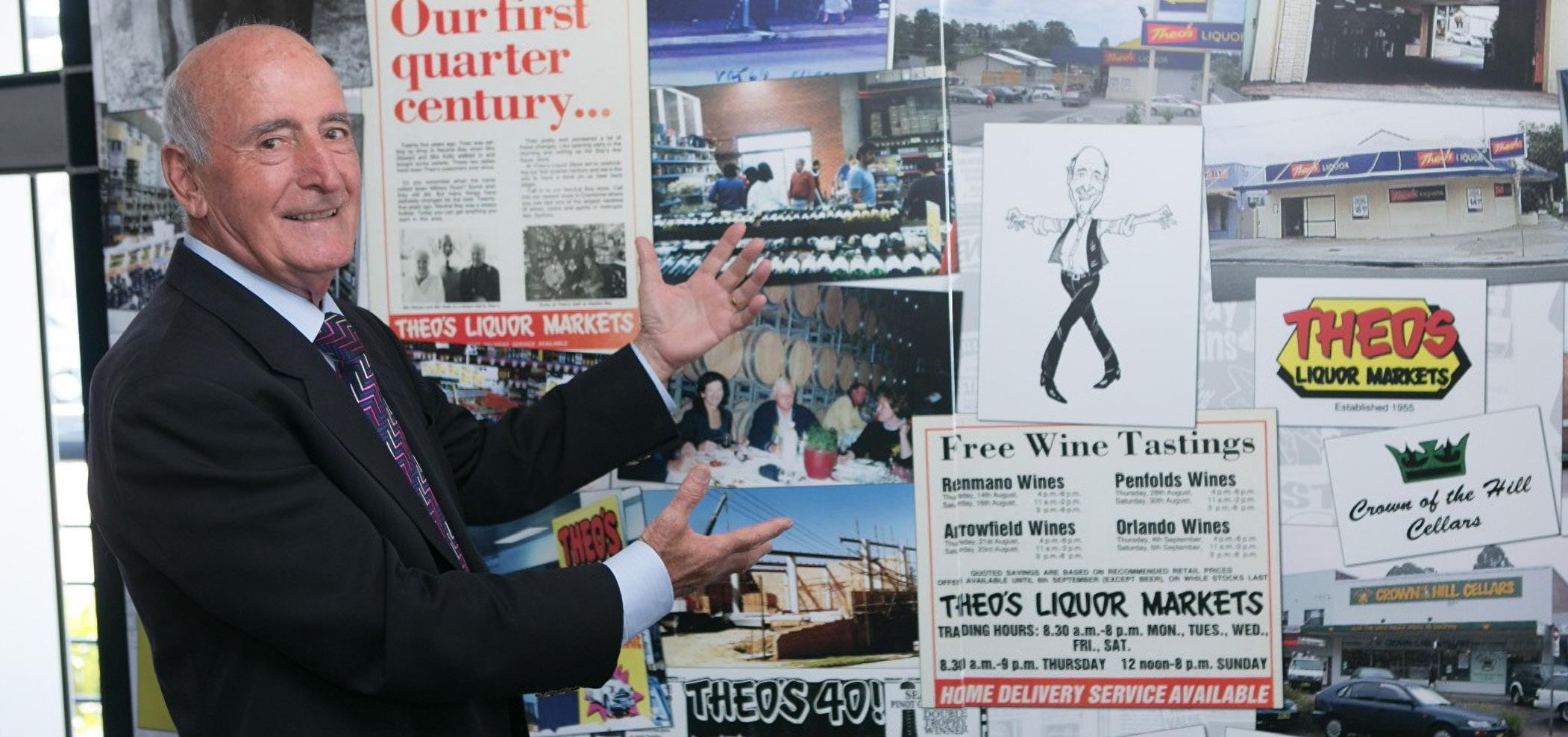
Tributes have flowed for Theo Karedis, who leaves a legacy of innovation, integrity and enduring influence across Australian liquor retail.
Theo Karedis was never one for the spotlight, but his impact on Australian liquor retail was impossible to ignore.
A pioneer, negotiator, mentor and above all a family man, Theo passed away aged 90, leaving behind a legacy that continues to shape the industry he helped build.
From humble beginnings arriving in Australia from Greece without speaking English, Theo built Theo’s Liquor into one of the most powerful independent retail networks in the country, at one point becoming the largest liquor-only retail group in Australia outside of Coles and Woolworths.
A retailer ahead of his time
Long before modern retail strategies were formalised, Theo understood the fundamentals of price, range, execution and customer.
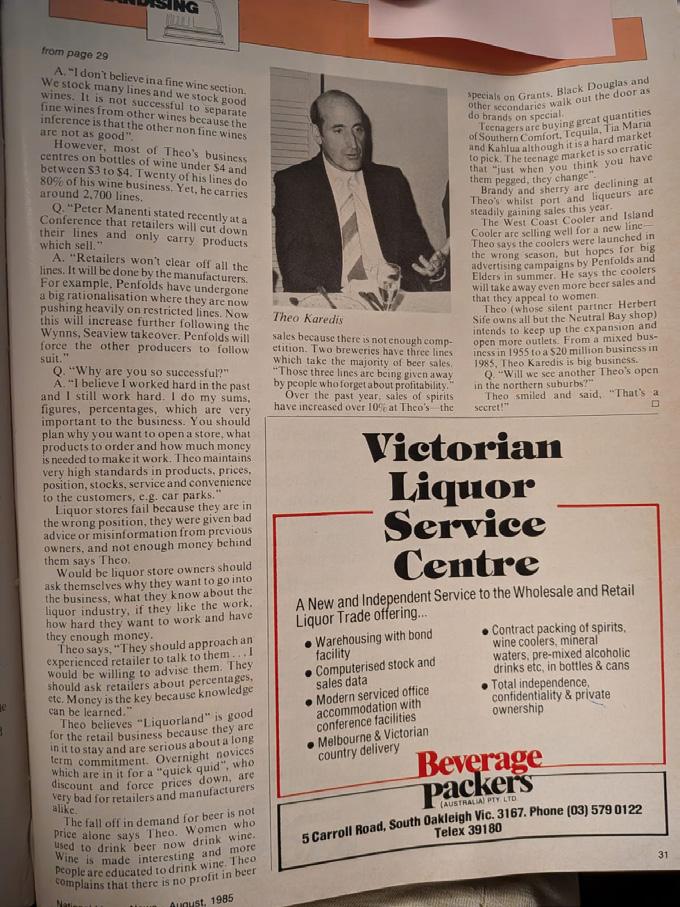
As he told National Liquor News in 1985: “Retailers won’t clear off all the lines. It will be done by the manufacturers.”
He also said: “I don’t believe in a fine wine section… we stock many lines and we stock good wines. It is not successful to separate
fine wines from other wines because the inference is that the other non-fine wines are not as good.”
Theo transitioned from supermarket retail into liquor, pioneering direct bulk buying and passing on discounts to customers, including being one of the first to sell wine by the case at scale. His stores were deliberately positioned in high-profile freestanding sites with dedicated parking, setting a standard that would later define large-format liquor retailing.
As John Carmody told National Liquor News: “We’ve lost one of the key pioneers and driving forces of our industry… he built Theo’s Liquor from the ground up into one of the largest independent liquor retail networks in the country… and set a benchmark for execution, scale and commercial discipline that many in the industry have since followed.”
Across every tribute received by National Liquor News, one theme remained constant:
Theo was a formidable negotiator, but always fair.
Bruce Tyrrell said: “The great thing about dealing with Theo was his word was his bond, so you always knew where you stood… he taught a lot of key account reps how the trade really worked.”
Mitchell Taylor described him as: “A legendary visionary… fierce and very tough… yet always a gentleman and a pleasure to deal with.”
Doug May reflected: “A genuine gentleman who took the retail liquor industry to another level… a true professional and a beautiful man, who was a pleasure to do business with.”
Jeff Richardson added: “He was always a true gentleman, fair and a hard negotiator… a man of his word and a very successful businessman, who did not suffer fools.”
Former Coles Liquor NSW State Manager Peter Hampson said: “There was nothing that we respected more as a competitor than the Theo’s Liquor Group. Theo was an extremely aggressive competitor that didn’t give an inch.”
He added: “He was an extremely knowledgeable retailer and very passionate about his store teams… the stories I was told by team members of his compassion and understanding gave me a different light on the man. Tough, yes – but very passionate about his people.”
Theo didn’t just build a business; he helped build brands and careers.
Bill Calabria told National Liquor News: “At a time when he had countless established Australian brands to choose from, he backed one of our products… that belief became a foundation for our growth… we are forever grateful.”
On behalf of the Williams family, Shane T Williams reflected on Theo’s willingness to embrace innovation, including private label wines that were “ahead of their time”.
Williams also recalled a moment at Luna Park when Theo was asked if he had any regrets.
“Theo paused and said, ‘well, I could have been a bit harder on the suppliers.’ The room let out a roaring laugh. Theo was known for being firm but fair and treated everyone with respect.”
Michael Farah described Theo as: “A true gentleman and visionary… way ahead of his time, where he saw opportunity, others saw risk.”
Vaughan Peters added: “I would definitely consider Theo as a true pioneer of the liquor industry.”
Doug May also highlighted Theo’s commercial foresight, noting he recognised early the link between spirits and mixer sales, influencing merchandising strategies still used today.
Beyond retail innovation, Theo’s greatest legacy may have been the people he developed.

John Tsapicounis said Theo’s business led the way with stock control systems, efficient purchasing and staff development, adding: “Theo always personally supported his staff, building loyalty and highly skilled employees.”
After working with Theo for 20 years, Frank Mastroianni said: “Theo was an incredible mentor… he made a genuine effort to know every team member by name.”
Garth Oldfield reflected: “He was firm but fair… he had a way of teaching lessons you didn’t forget… those moments shaped how I think about my business today.”
Jim Lindsay added: “The alumni of Theo’s Liquor… have gone on to be some of the most savvy and articulate independent retailers in NSW.”
Michael Samios said Theo “left a hugely positive indelible mark on the liquor industry… a true icon of our industry”.
Ian Cowley also reflected on the culture within the business, recalling “one of the most passionate groups of store managers”
he had worked with. “The culture was awesome, we all pitched in and drove the business hard because we loved it,” he said.
Cowley described Theo’s network as one of the first “big box” liquor operations, driven by strong merchandising and customer engagement.
Reflecting on the camaraderie across the group, he added: “Each year Theo’s would host an AGM getaway for all the store managers… the culture was awesome… this was the good old days… I will never forget it.”
Through the tributes that have flowed in from across the industry, it is clear Theo’s influence extended well beyond his own stores.
Former Australian Liquor Stores Association CEO Terry Mott said: “He made an indelible mark on liquor retailing in Sydney… his success in building a trusted family brand became a model followed by many.”
At the centre of everything Theo built was family. His son Greg worked alongside him for 40 years, eventually taking over leadership following the sale of the business to Coles.
Greg has lost not only his father, but his business partner and best friend, a bond that defined both the man and the business.
As Shane T Williams recalled: “With Theo, you always felt like you were part of a wider family.”
Theo belonged to a generation of independent retailers who defined the modern liquor landscape, operators who built businesses through instinct, discipline and relationships.
Four decades on from his 1985 National Liquor News interview, where he insisted “the majority of people want to go to the stores, browse around and touch the wine”, the fundamentals Theo built his business on remain unchanged.
He will be remembered as a true industry legend. Vale Theo Karedis. ■
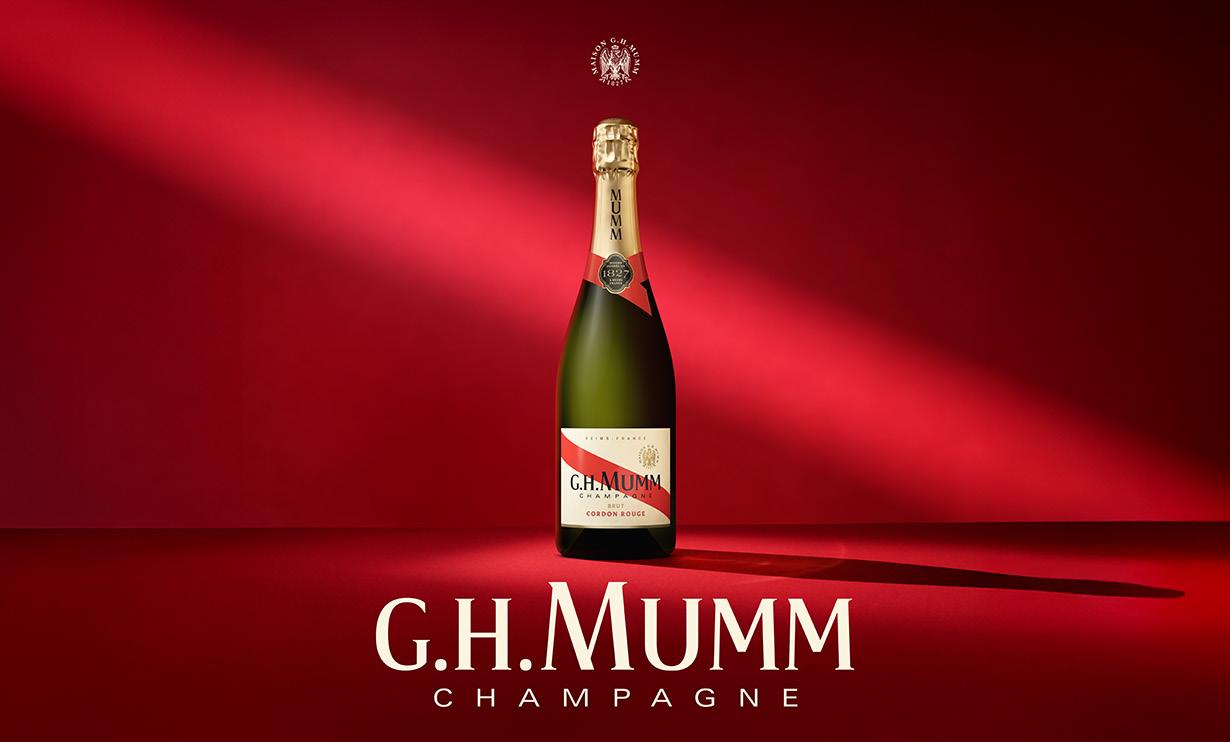
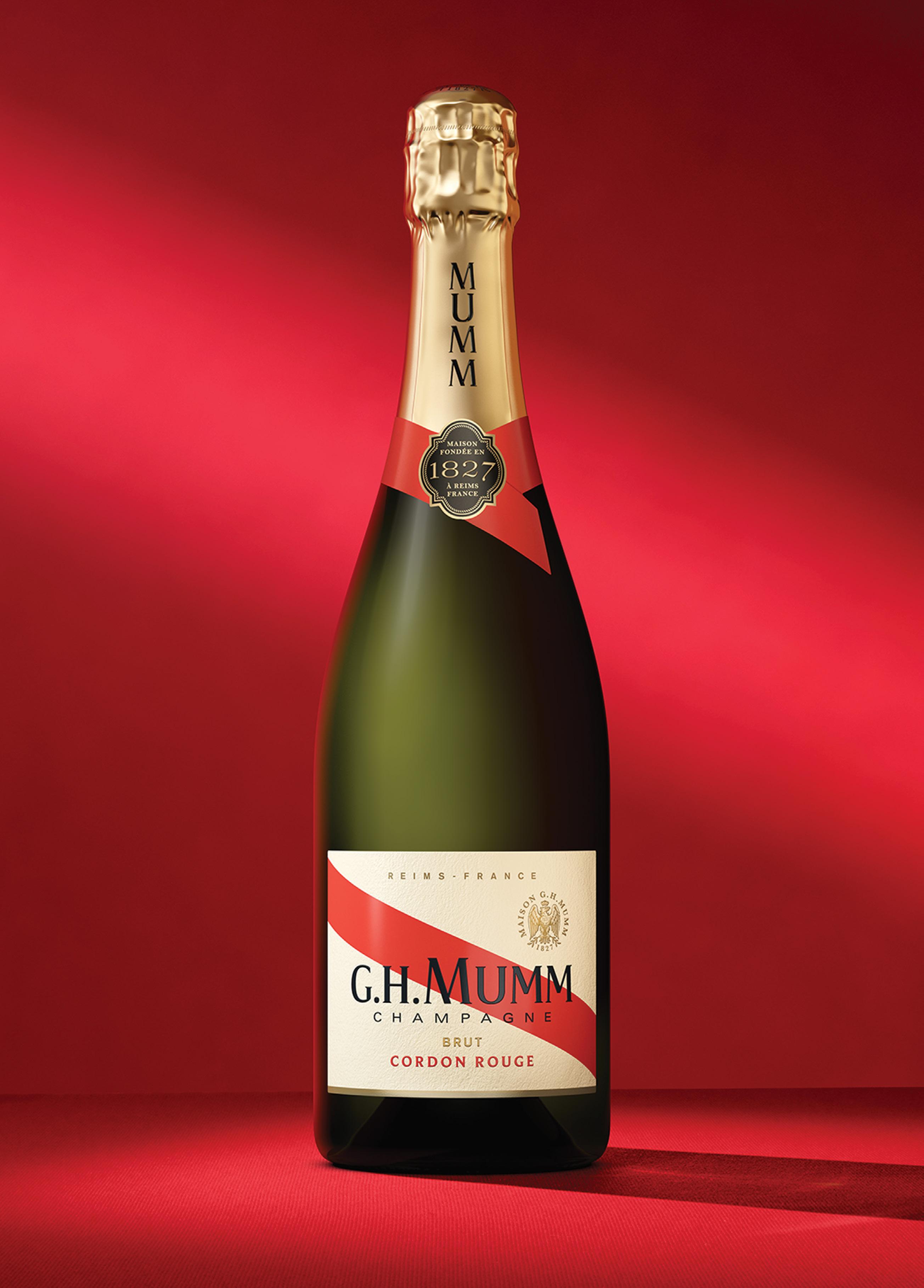
Maison Mumm has unveiled a striking new design for its flagship Mumm Cordon Rouge Champagne, marking the lead-up to the cuvée’s 150th anniversary celebrations in 2026.
The refreshed look draws heavily on the Champagne house’s heritage while introducing a more contemporary interpretation of its iconic identity. Central to the redesign is the famous red ribbon, first introduced by Georges Hermann Mumm in 1876 as a symbol of excellence and prestige. The ribbon now appears as an elegant red half-tie across the label, reimagining the original silk sash in a modern style.
Other heritage-inspired details include the return of the cream-coloured label, a medallion featuring Maison Mumm’s 1827 founding date, and a stylised version of the House’s historic eagle, delicately hot-embossed in gold.
The redesign comes as Mumm Cordon Rouge continues to reinforce its reputation as one of Champagne’s most recognisable non-vintage cuvées. The wine’s legacy stretches from accompanying Captain Jean-Baptiste Charcot’s Antarctic expedition in 1904 through to becoming the first Champagne designed for zero-gravity consumption aboard a space flight in 2025.
Maison Mumm Cellar Master Yann Munier said the redesign reflects the enduring relevance of the cuvée.
“This creative (r)evolution restores a sense of prestige to Mumm’s iconic cuvée, underscoring its timeless and authentic dimension.”
Mumm Cordon Rouge is led by Pinot Noir, Maison Mumm’s signature grape variety, sourced primarily from the Montagne de Reims. After nearly two years ageing in the House’s historic Reims cellars, the champagne delivers generous white and yellow fruit aromas alongside pastry notes, vibrant freshness and elegant fullness on the palate.
Available now with an RRP of $79.
Distributor: Pernod Ricard
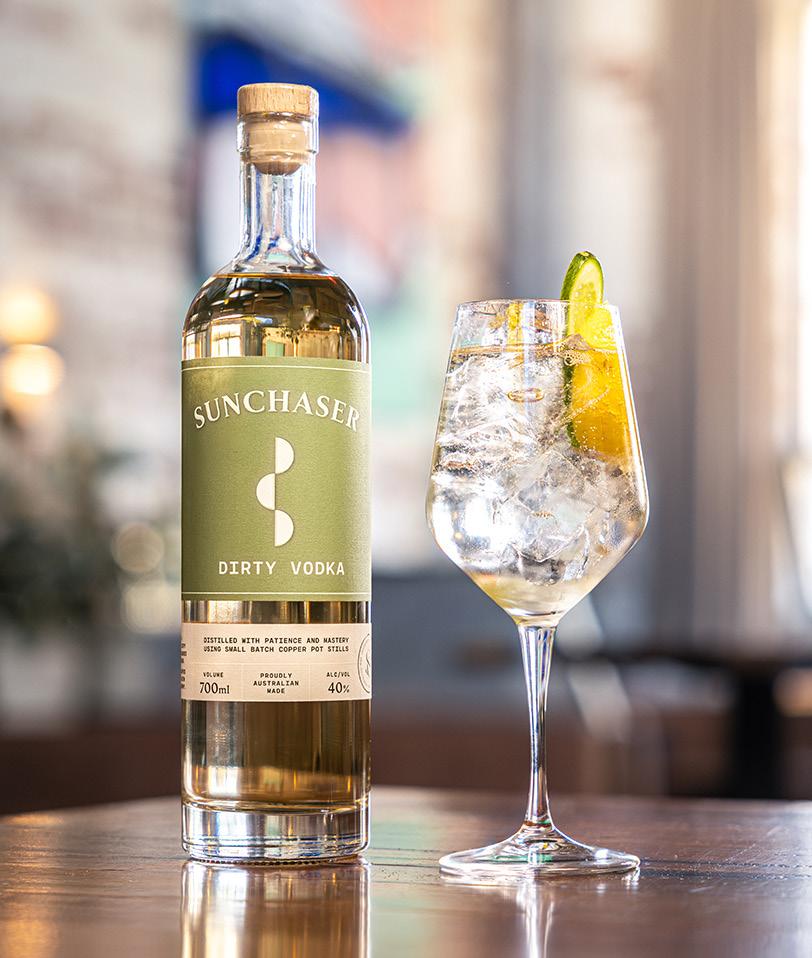
A mothballed distillery site in Brunswick, Melbourne, has been revived with the launch of independent spirits venture Oakburn Distillery and its contemporary brand, Sunchaser Spirits.
Led by former Bacardi, Brown-Forman and Paramount Liquor executive Sean Forsyth, the business enters the market with more than 150,000 litres of aged Australian whisky stock spanning multiple styles and maturation profiles.
“This is a rare opportunity in Australian whisky,” said Forsyth. “To inherit mature stock of this scale and quality gives us the ability to enter the market with credibility from day one, while still building for the long term.”
Oakburn is positioning itself as a modern Australian whisky house, with plans for aged straight rye and American-style single malt releases, alongside ongoing cask and grain experimentation.
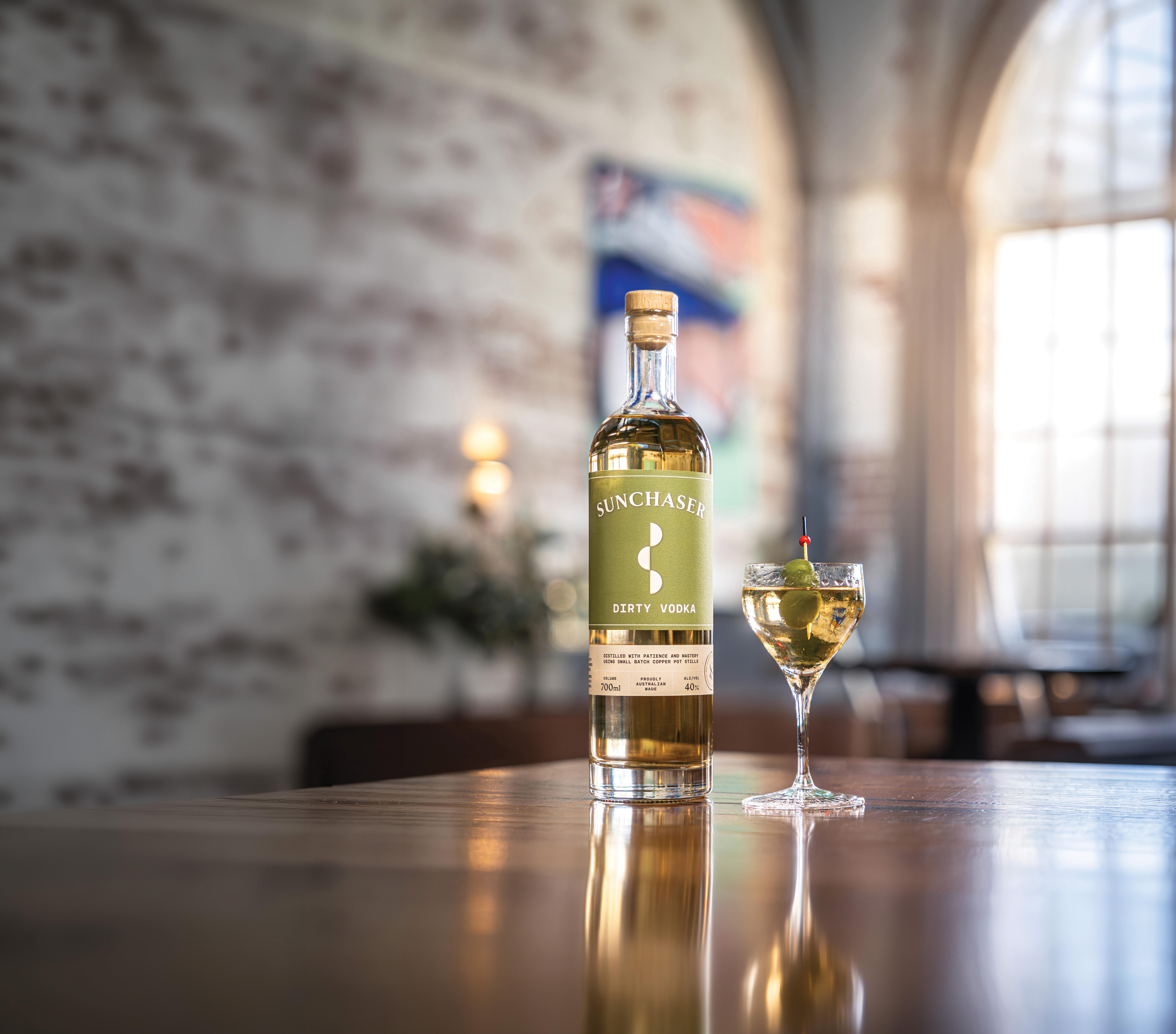
Alongside the whisky program, Sunchaser Spirits has launched a range of innovation-led products including Pure Vodka, Dirty Vodka and Agave Triple Sec. Central to the brand strategy is the ‘Dirty Spritz’ - a lower-ABV, savoury spritz serve designed for modern drinking occasions.
“We’re building this with the trade, not just selling into it,” Forsyth said.
Distributor: Altus Brands
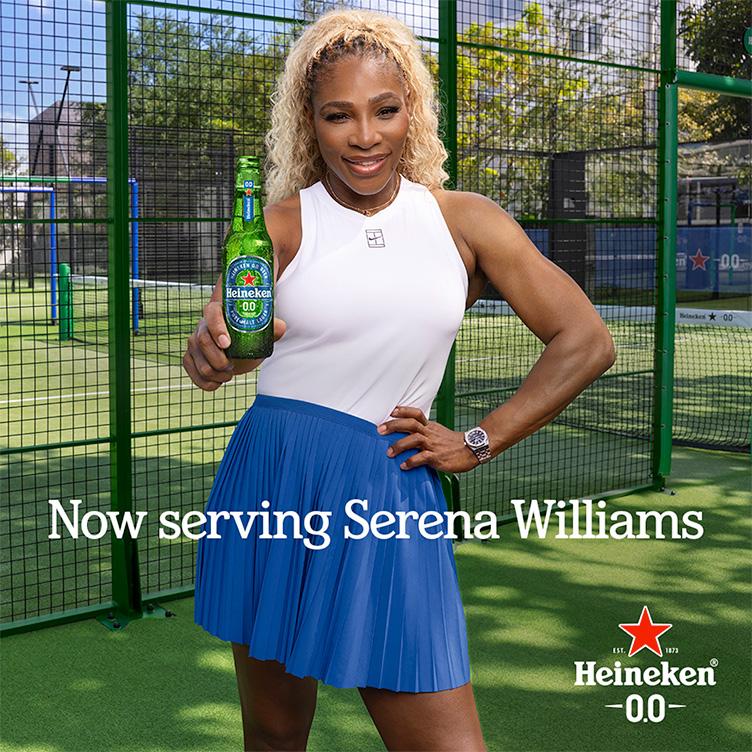
Serena Williams returns to the court as Heineken® 0.0 global ambassador
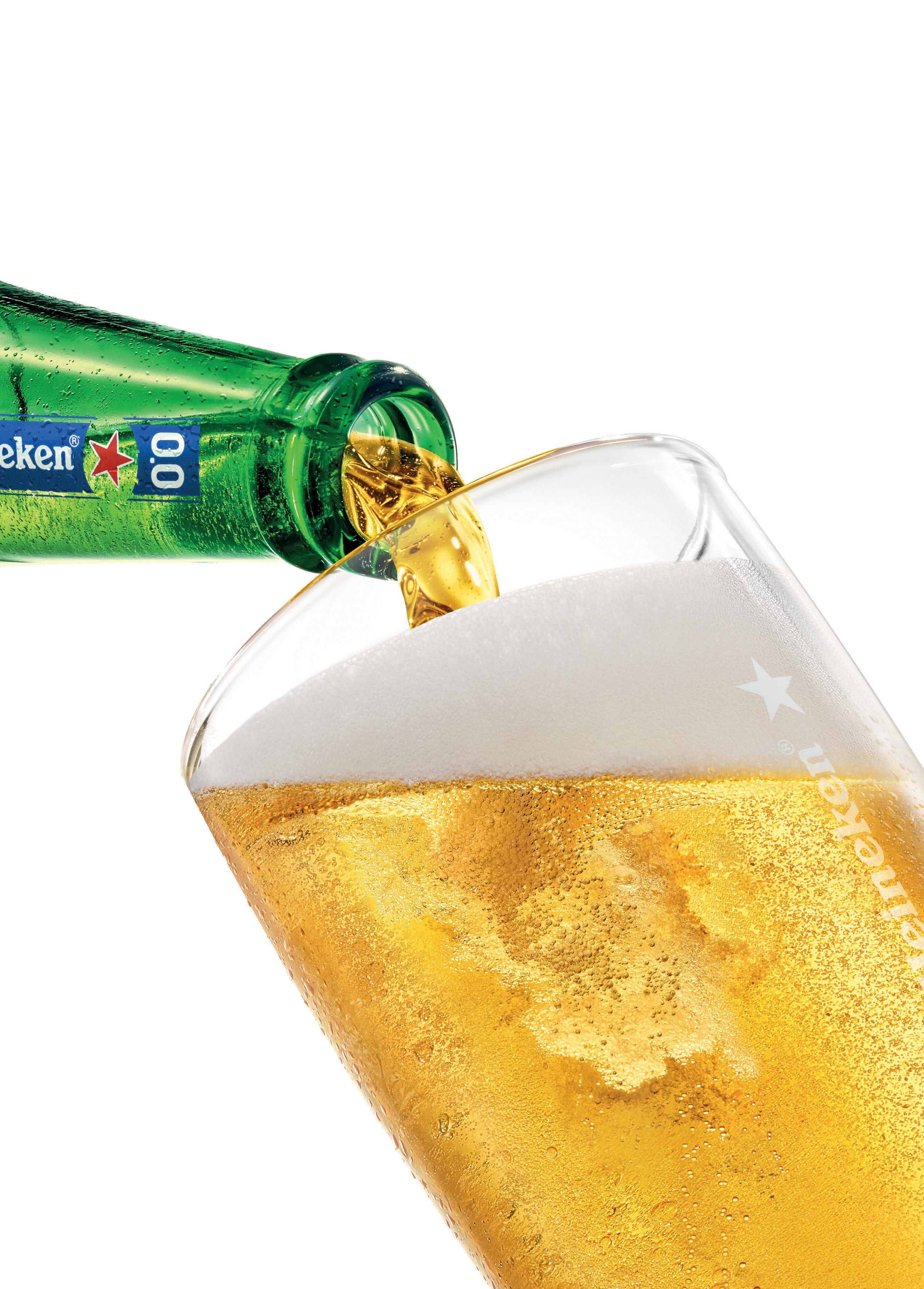
Heineken® 0.0 has announced Serena Williams as its new global ambassador in a multi-year partnership that celebrates the joy of connecting with others through one of the world’s fastest growing social sports, padel.
Recognised as one of the greatest athletes of all time, Serena has recently embraced padel as a way to stay active while meeting others who share her passion for racket sports. It is this love of padel that makes her a natural fit for Heineken® 0.0, a brand that champions social connection and refreshing moments both on and off the court.
Williams said: “For me, it’s always about showing up as my best self. Partnering with Heineken® 0.0 reflects the kind of intentional choices I make every day – it’s a no-alcohol option that still lets me stay active, keep moving, and connect with new people.”
The partnership was launched with Williams surprising a group of unsuspecting padel players in Miami, stepping in as their final teammate and connecting after the game over a Heineken® 0.0. The moment brought to life what the brand stands for: making space for new experiences, building connections, and enjoying social occasions without compromise.
Distributor: LION
At a time when rising excise and cost-of-living pressures are reshaping alcohol consumption, Divas Beverages is delivering a compelling alternative with VKAT, a vodka alternative built on exceptional taste and standout value.
Designed to recruit new consumers, VKAT addresses a key barrier for shoppers seeking to experiment beyond wine or spritz, who often find traditional options either too harsh or too expensive. VKAT bridges this gap, offering a smooth, clean, award-winning taste profile at a price point comparable to wine, making it an accessible entry into the broader light alcohol category.
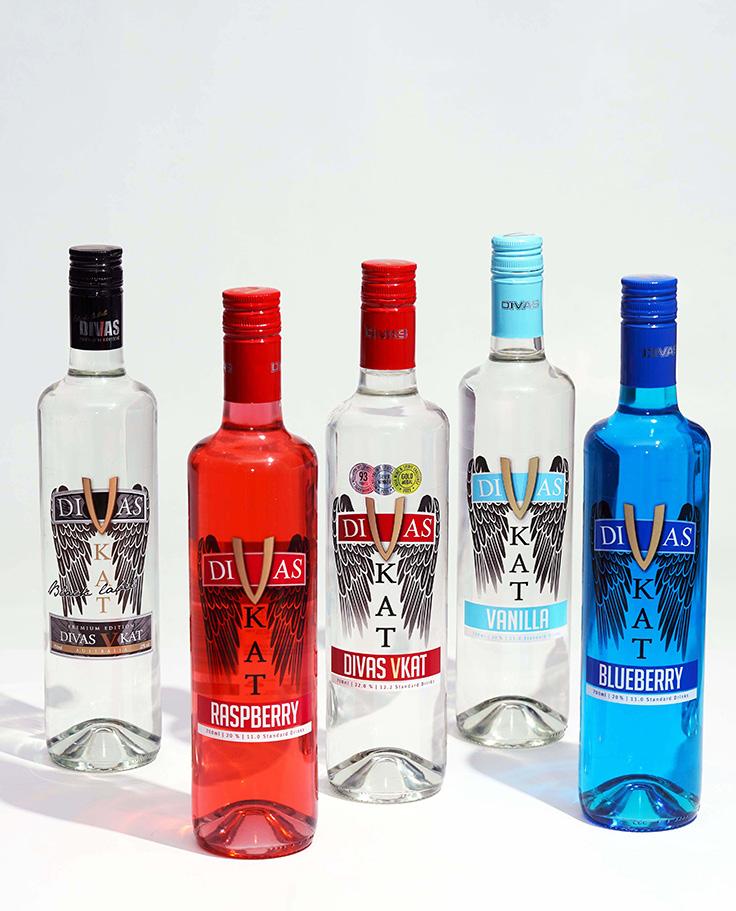
Underpinned by a wine-based production model, VKAT delivers a genuine three-way win – stronger retailer margins, compelling shopper value, and supporting Australian grape producers.
Already the eightth largest brand across all spirits and wine-based liqueurs, and the largest vodka-alternative brand delivering over 100K 9lt per annum in Australia (+12 per cent growth), VKAT is proving its role as a scalable, valueled growth driver in the category.
VKAT is available in Original, Black, Raspberry, Blueberry and Vanilla 700ml and 1L.
Distributor: Divas Beverages
Molly’s Irish Cream continues to strengthen its presence in the growing liqueurs category with the launch of Molly’s Salted Caramel – an indulgent, flavour-forward addition designed to delight both loyal fans and new consumers alike.
As flavoured whisky and Irish cream variants drive increasing interest, this latest expression taps into the demand for richer, more contemporary taste profiles.
Delivering a smooth, velvety texture with notes of sweet caramel balanced by a hint of salt, Molly’s Salted Caramel is both approachable and versatile. Perfect served over ice, mixed into cocktails, or enjoyed as an after-dinner treat, it brings a touch of indulgence to any occasion. Presented in a generous one litre format, it also represents exceptional value for customers seeking premium taste without the premium price point.
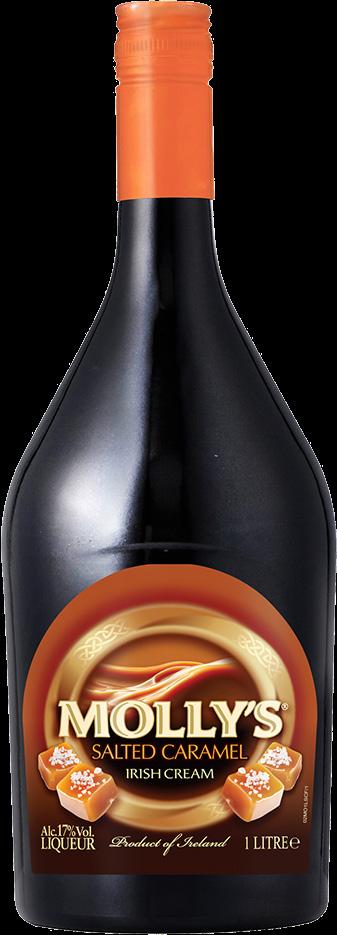
Available exclusively to ALM customers through Independent Beverage Partners, Molly’s Salted Caramel sits seamlessly alongside the Original Molly’s Irish Cream – making it a standout dual-offer that’s ideal for back bars and retail displays. A perfect addition to your range, it’s a simple way to elevate your bar with flavour, texture and consumer appeal.
Distributor: Independent Beverage Partners
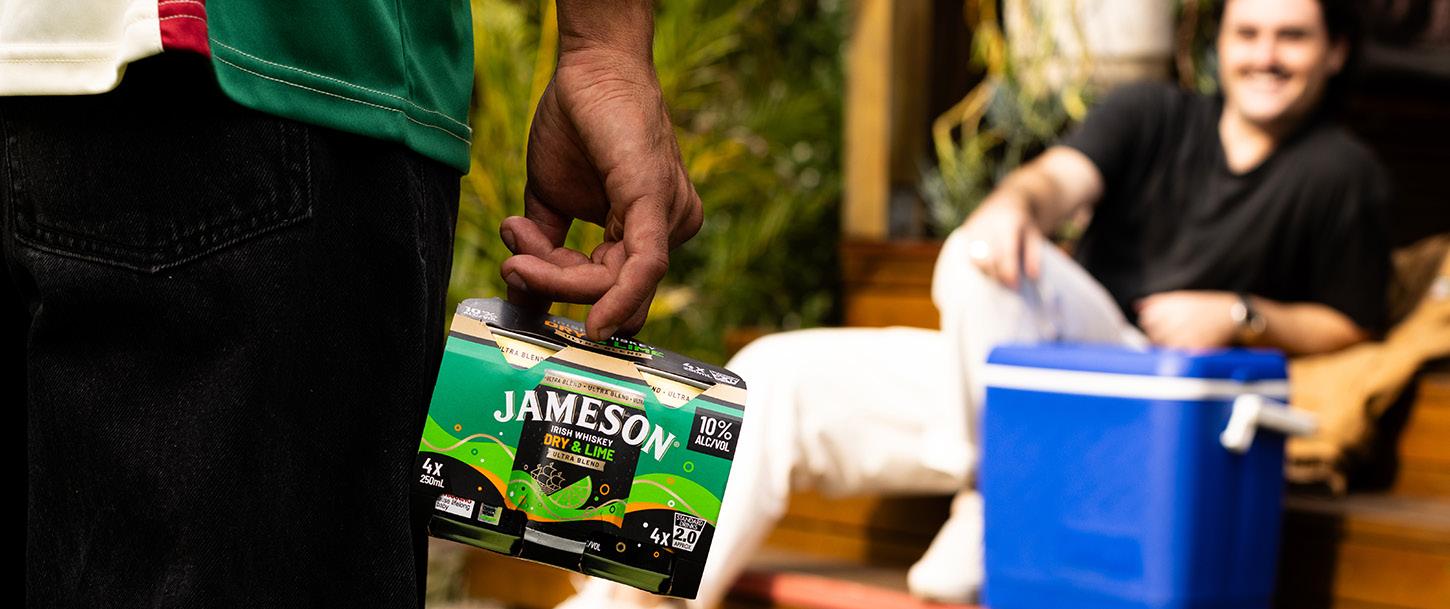
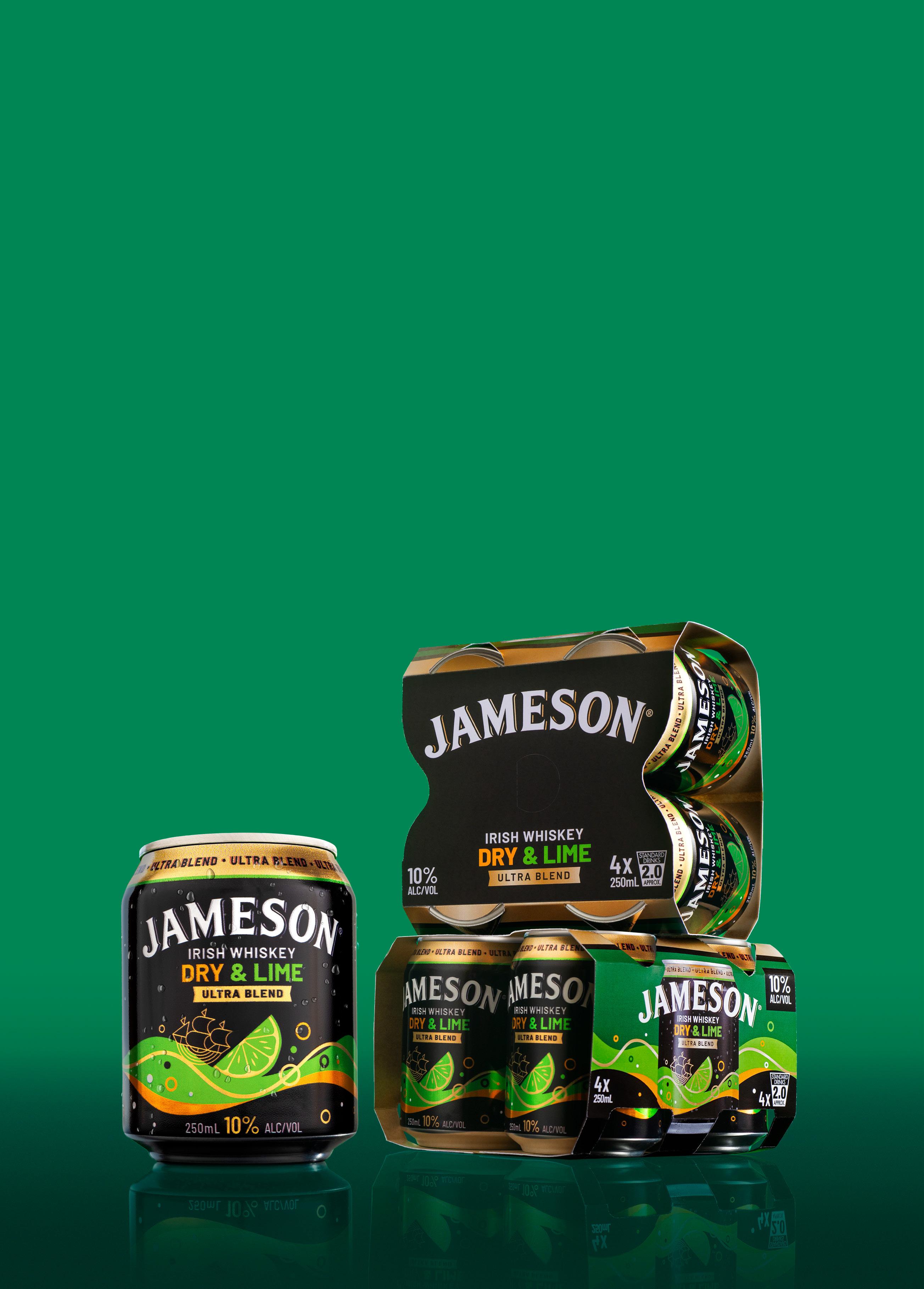
Jameson is extending its RTD range with the launch of Jameson Dry & Lime Ultra Blend, responding to a clear growth opportunity to recruit new consumers into the high-ABV dark RTD segment.
The new 10 per cent ABV Ultra Blend introduces a distinctive offer within the Jameson RTD portfolio, expanding the brand’s presence into the >8.5 per cent ABV category. While the category has traditionally been driven by older, highly brand-loyal consumers, Jameson’s strength lies in its ability to attract a broader audience through brand equity, modern design, and refreshment.
Flavour is central to the proposition. Dry & Lime operates as a key point of difference in a space dominated by cola-led variants, delivering a refreshing taste profile that mirrors the appeal of light RTDs while retaining the structure and authenticity of a dark spirit. This makes the Ultra Blend particularly relevant to 18 to 40-year-old consumers, a demographic that has increasingly migrated towards flavour-led light RTDs.
Importantly, Jameson Dry & Lime Ultra Blend becomes the first Dry & Lime SKU in the >8.5 per cent ABV ‘Ultra’ category, creating a new entry point within dark RTDs and elevating recruitment potential. While there is natural crossover with existing Jameson RTD drinkers, recruitment remains the core role of the innovation.
The launch is positioned to support recruitment into the category, winning share both from the light RTD segment and high-ABV Bourbon and cola offerings that dominate. Backed by Jameson’s Irish heritage – closely aligned with approachability and easygoing values – the brand continues to resonate strongly with Australian consumers, reinforcing its relevance across both established and emerging RTD occasions.
Distributor: Pernod Ricard
As the first brand from the Everstill Spirits portfolio to hit the market, Breaking Barrels challenges traditional conventions around aged spirits and how they’re defined.
Matured in just 30 days, Breaking Barrels offers the depth and character of aged whisky without the wait, existing outside regulations that stipulate a spirit cannot be called a whisky without barrel ageing for two years.
CEO Luis Senra says: “Using Steel Barrel Technology, we recreate the key conditions of barrel ageing – temperature, pressure, and real oak interaction. The difference is, instead of putting the spirit in the barrel, we put the barrel in the spirit.
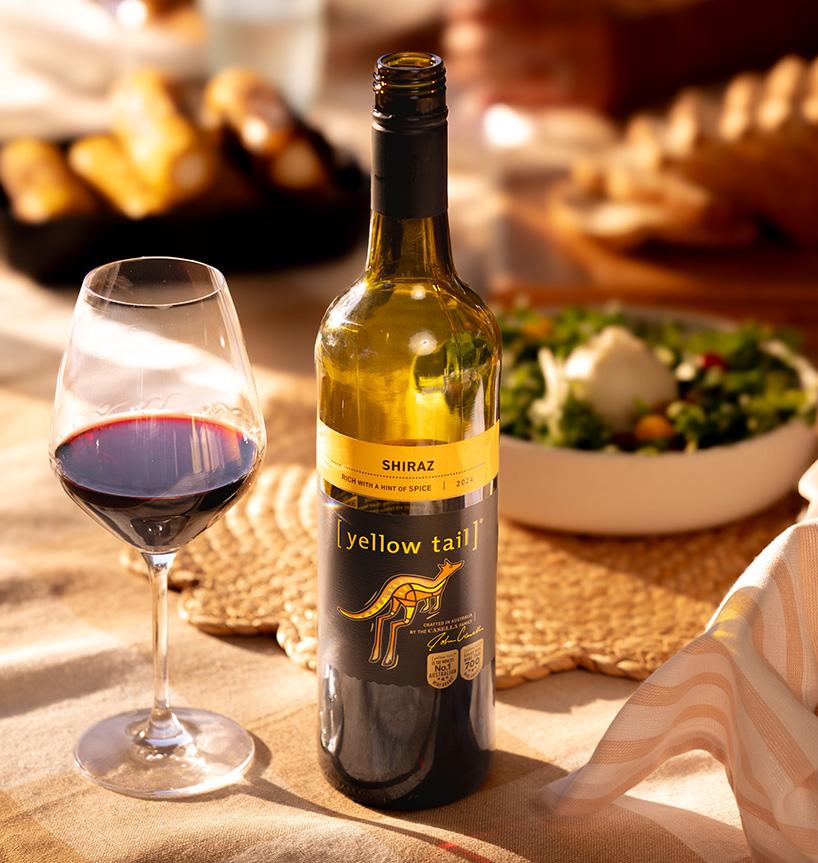
Casella Family Brands has marked a major milestone for [yellow tail], with the brand celebrating 25 years alongside a significant international awards win.
At the 2026 China Wine & Spirits Awards (CWSA), the 2024 [yellow tail] Shiraz was named Best Australian Wine of the Year and awarded Double Gold, underlining the brand’s ability to deliver quality at scale.
Launched in 2001, [yellow tail] has become the world’s number one Australian wine brand (IWSR), maintaining family ownership, a clear brand proposition and strong market relevance over a quarter of a century.
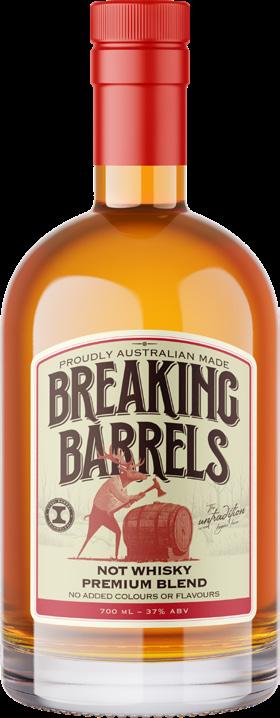
“Until now, delivering this level of quality meant long ageing times and higher costs that pushed up price. With Breaking Barrels, we remove the wait and deliver the same depth and smoothness at a far more accessible price point.”
Breaking Barrels is now available in 200ml and 700ml bottles.
Distributor: Everstill Spirits Co
A key driver of that consistency is the brand’s sourcing network, which spans more than 900 vineyard sections across 400-plus blocks, supplied by over 300 growers across 30 regions and more than 50 grape varieties. This scale gives the winemaking team the flexibility to select and blend fruit that consistently overdelivers relative to price, while ensuring reliability year-on-year despite variable vintage conditions.
Chris Blockley, Head of Sales for Australia, said: “For 25 years, [yellow tail] has been guided by one simple principle, and that is to make great quality wine that people love to drink. Being recognised with these global awards is a powerful endorsement of the care, winemaking expertise and consistency behind every bottle. For our customers, it’s proof that [yellow tail] continues to deliver quality at scale, backed by a brand consumers know and trust.”
The anniversary and award recognition reinforce [yellow tail]’s position as a dependable, high-performing brand for both consumers and retailers alike.
Distributor: Casella Family Brands

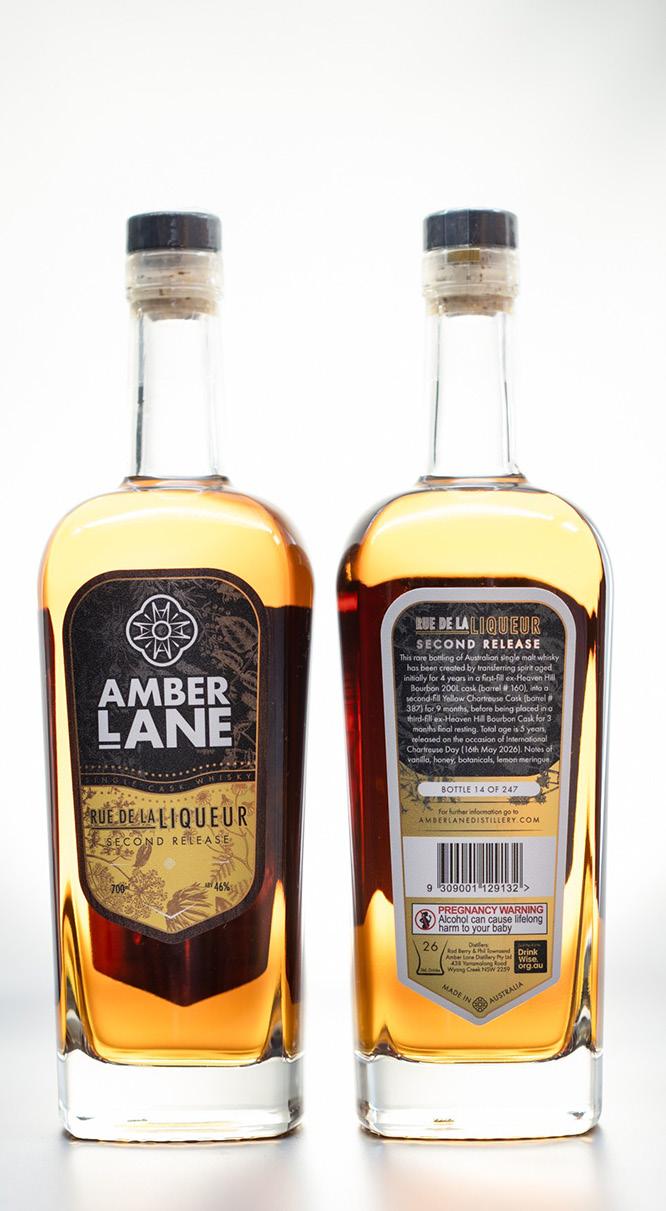
Amber Lane Distillery has unveiled the second-fill barrel release of its Rue de La Liqueur whisky, believed to be the world’s first whisky aged in an ex-Chartreuse cask.
Released ahead of International Chartreuse Day on 16 May, the 2026 expression follows last year’s soldout debut release. The whisky was initially matured for four years in an ex-Heaven Hill bourbon cask before spending nine months in a secondfill ex-Yellow Chartreuse barrel and a further three months resting in bourbon oak.
Amber Lane said the release pays homage to the historic French herbal liqueur, with tasting notes including honey, botanicals, lemon meringue, vanilla and gentle spice.
“We are excited to officially unveil the second iteration of our popular Rue de la Liqueur expression,” said co-owner Rod Berry.
“This will likely be the final version of this expression, so we’re encouraging whisky and Chartreuse lovers alike to add this incredible whisky to their collection.”
Rue de La Liqueur (700ml, 46 per cent ABV) has an RRP of $225.
Distributor: Amber Lane Distillery
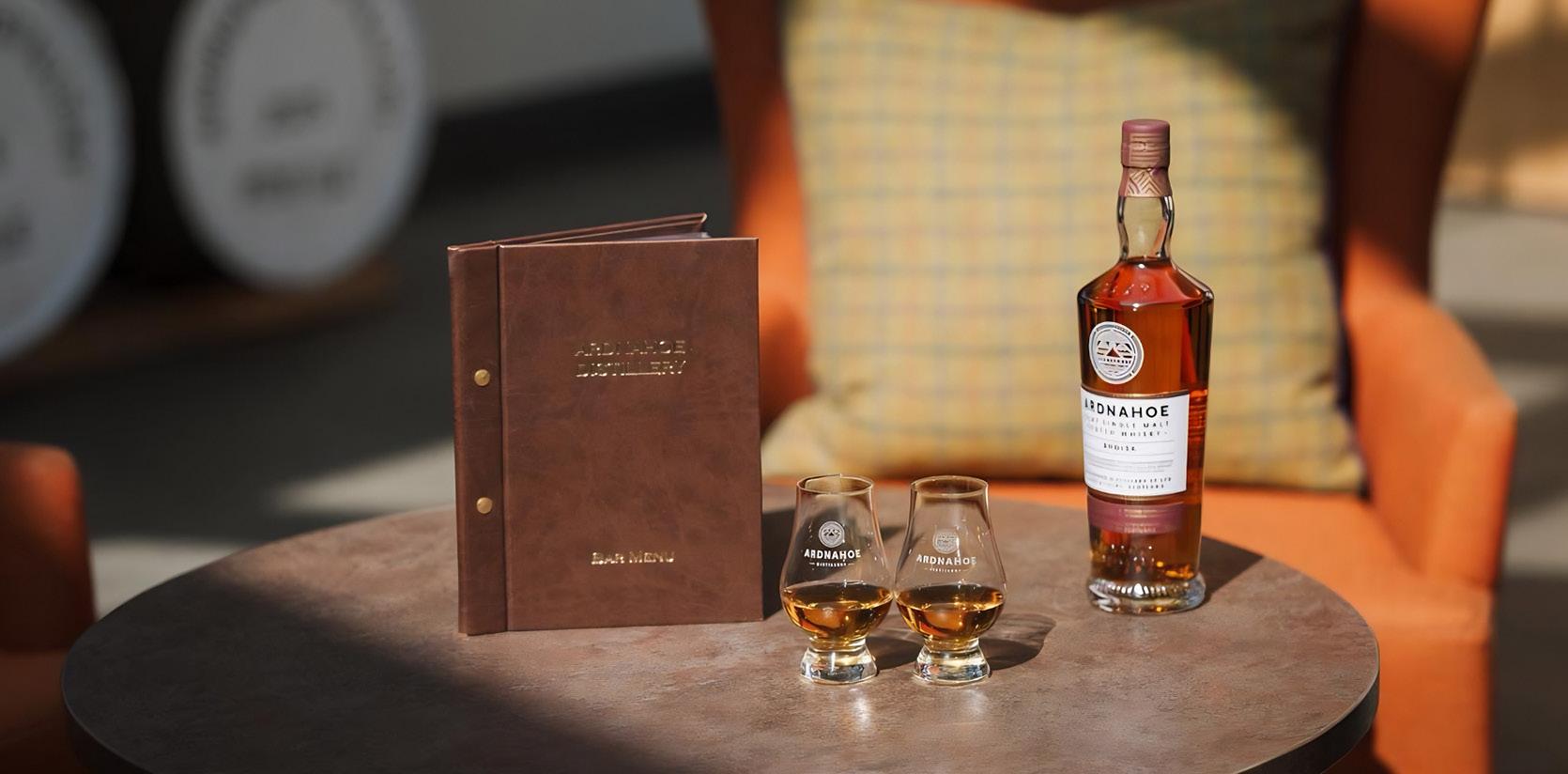
The Whisky List has been appointed as national Australian distributor for Ardnahoe Distillery, bringing the independent Islay producer to the local market for the first time.
Built by independent bottler Hunter Laing & Co., Ardnahoe was commissioned in 2018 as the first new distillery constructed on Islay in more than a decade. The distillery has gained attention for its traditional production methods, including extended fermentation times and the use of worm tub condensers, alongside maturation in ex-bourbon and sherry casks.
Head of Whisky Education at The Whisky List, Emma Cookson, said Ardnahoe had long been one of the most anticipated new Islay distilleries.
“Their meticulous approach to crafting whiskies that emulate the classic Islay style is amazing to see (and taste!) and I’m so thrilled we have the opportunity to represent and share Ardnahoe in Australia,” she said.
The first shipment will include Ardnahoe’s core range and limited releases, arriving ahead of The Whisky Show Sydney and the Fèis Ìle x Top Shelf Melbourne Festival.
Distributor: The Whisky List
Retail enquiries: sales@thewhiskylist.com.au
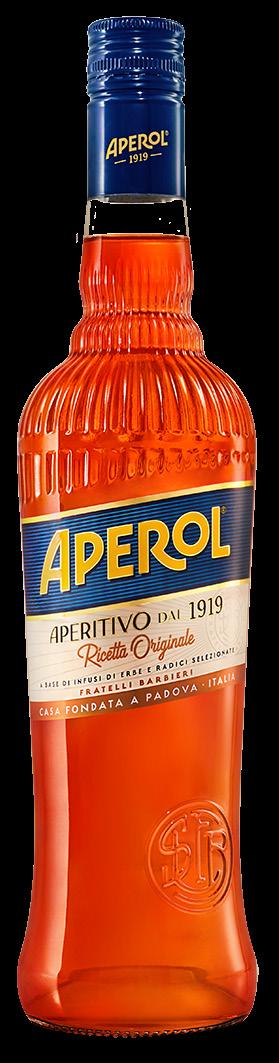
Aperol has revealed a contemporary redesign of its signature bottle, blending modern Italian styling with the heritage elements that have defined the aperitivo brand for more than a century.
The updated design introduces rippled glass around the bottle’s shoulder to place Aperol’s signature orange liquid centre stage, alongside a more refined silhouette inspired by Italian architecture. A smaller front label has also been introduced to further emphasise the liquid, while a transparent back label includes a guide to creating the perfect Aperol Spritz.
The redesign pays tribute to the brand’s Italian heritage, with an embossed monogram of the Barbieri brothers, who first created Aperol in 1919, now featured on every bottle.
“The liquid inside remains unchanged while the exterior evolves,” the company said, noting the original recipe remains closely guarded.
Andrea Neri, Managing Director House of Aperitifs, said the redesign celebrates the essence of the brand while giving it a more contemporary expression.
“Every detail has been carefully considered to enhance the Aperol experience and reaffirm the brand’s place at the heart of modern Aperitivo culture,” he said.
The new-look bottle will arrive in Australian retail stores and online from July 2026. Distributor: Campari Australia
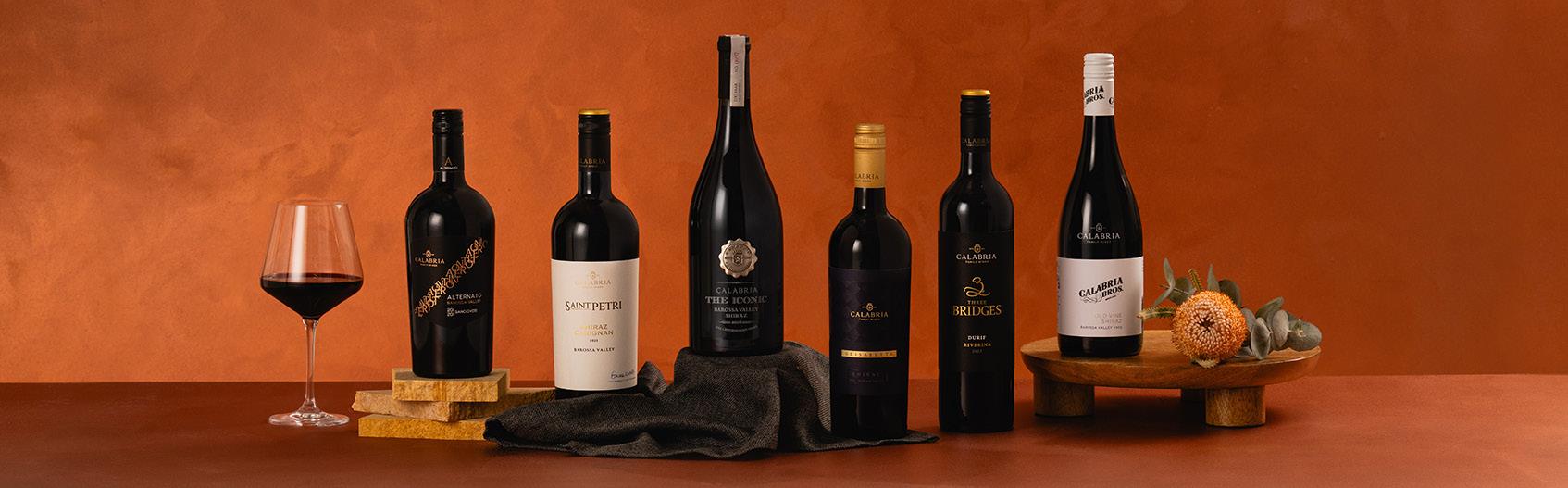
Calabria Family Wine Group has consolidated its domestic operations, confirming House of Fine Wine as its unified trading and distribution platform.
The move follows the Group’s February acquisition of House of Fine Wine and The Wine Company, bringing its domestic distribution businesses together under a single, premium market-facing identity.
Under the House of Fine Wine banner, Calabria will combine portfolios and teams across all three businesses, strengthening its national reach across on-premise and independent retail channels. The transition is designed to simplify engagement for customers while supporting a more scalable distribution model.
Calabria confirmed there will be no changes to ownership, customer relationships, supply arrangements or trading terms, with the business remaining family owned.
Andrew Calabria, Sales & Marketing Director, said: “This is a natural and exciting next step following our recent acquisitions. By bringing our distribution businesses together under the House of Fine Wine name, we’re creating greater clarity for the market while building a platform that supports growth, investment and long-term partnerships.”
Simon Limmer, Chief Executive Officer of Indevin Group, added: “Calabria Family Wine Group brings deep market expertise, with a strong distribution platform that ensures greater consistency in how brands are represented. We’re confident this next phase will strengthen execution for Villa Maria in Australia and support continued investment in long-term brand building with the trade.”
Distributor: House of Fine Wine
Four Pillars is expanding its portfolio with the limited-edition Three Peach Gin, a delicate, fruit-driven release designed for refreshing cocktails.
Inspired by brunch serves, the gin builds on a Bellini-style flavour profile, combining multiple peach expressions with the distillery’s signature botanical approach. The base spirit is distilled across Four Pillars’ original stills, Wilma and Jude, with botanicals including juniper, bourbon vanilla, roasted almonds, wattle seed, strawberry gum and native quandong. Fresh apples, finger limes and peaches are added during distillation, before a yellow and white peach macerate is introduced post-distillation.
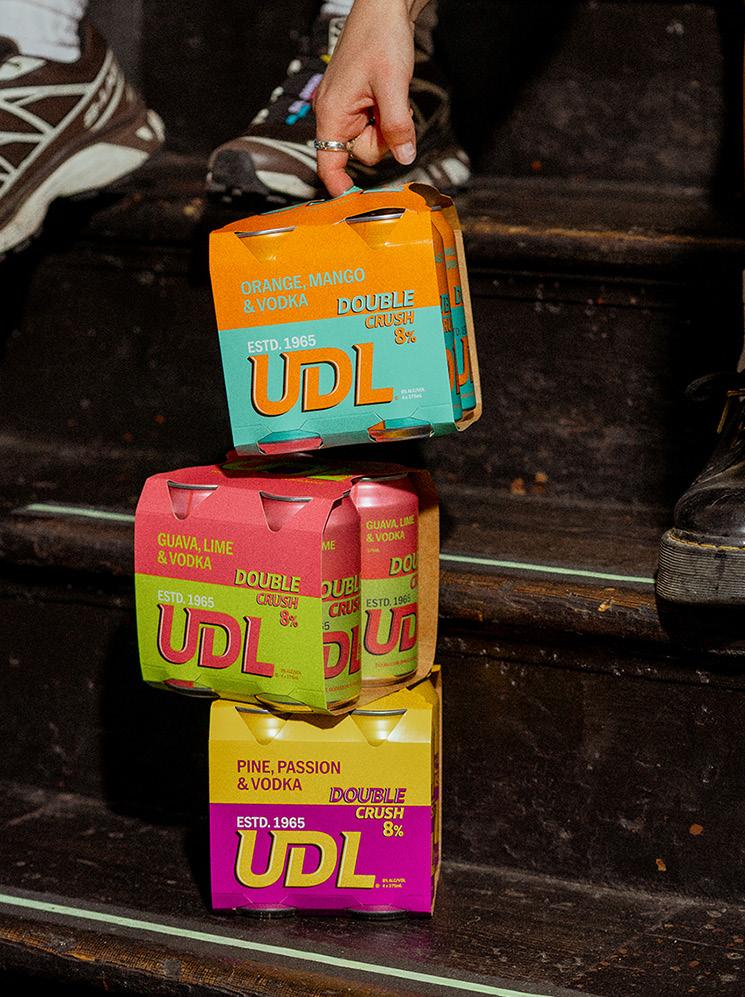
UDL has expanded into the growing high-strength RTD category with the launch of UDL Double Crush 8%, a new vodkabased premix range available in three flavour variants.
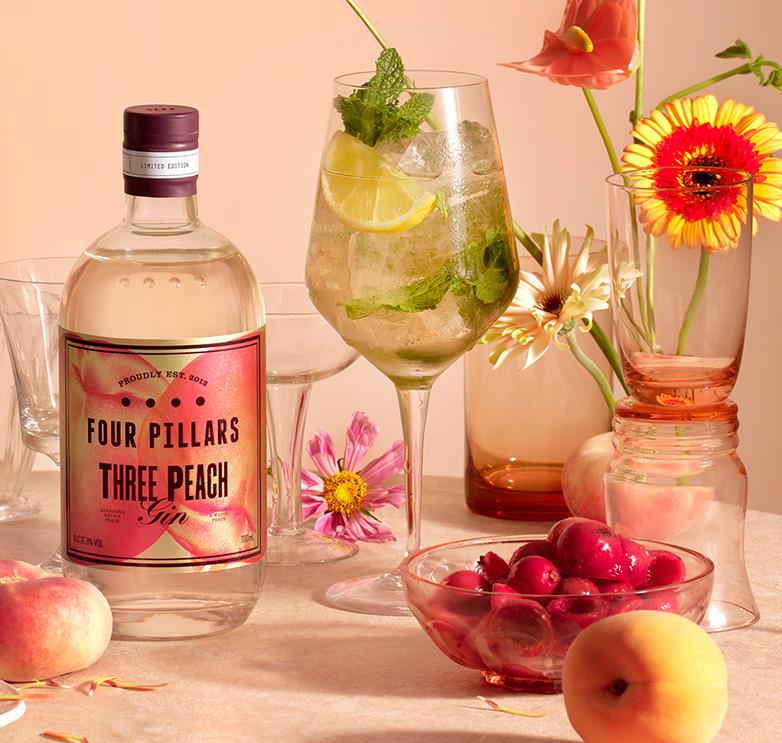
Four Pillars Head of Distilling Sarah Prowse says: “The final liquid is a delicate, layered gin that balances fresh peach, zesty green apples and finger lime citrus with the warming spices from the dry botanicals and the aromas from the strawberry gum.
“There are aromas of white stone fruit and white chocolate with hints of citrus and green apple, and on the palate there is a soft rounded sweetness with a crisp finish. We made it to a lower ABV – 37.8 per cent (the same as our Bloody Shiraz Gin), which suits some of the more delicate botanicals and also happens to be pretty perfect for a brunch tipple.”
Distributor: LION
The eight per cent ABV range launches in 375ml cans across Orange & Mango, Guava & Lime, and Pineapple & Passionfruit, targeting consumers seeking higherstrength RTDs that still deliver on flavour and drinkability.
The launch marks a significant move for the heritage premix brand, established in 1965, as it strengthens its presence within the evolving RTD category.
“Flavour always comes first for us,” said Michael Newbold, Senior Brand Manager at VOK Beverages.
“If it doesn’t taste great, people won’t pick it up again. Double Crush is about delivering a bigger experience without it being overly sweet or heavy – it’s bold, balanced and built to be enjoyed.”
UDL Double Crush 8% is available now in independent bottle shops nationally and online via Sippify, with a fourpack RRP of $33.
Distributor: VOK Beverages
De Bortoli Wines is expanding its flavour-led range with the release of Pepper & Spice Shiraz, building on the success of Buttery Chardonnay and reinforcing its focus on clear, expressive styles.
Shiraz remains Australia’s leading red variety, accounting for nearly 40 per cent of the market, with strong demand for bold, flavour-driven expressions. Pepper & Spice Shiraz leans into this preference, delivering ripe plum and blackberry, cracked pepper and warm spice, with a smooth, generous finish.
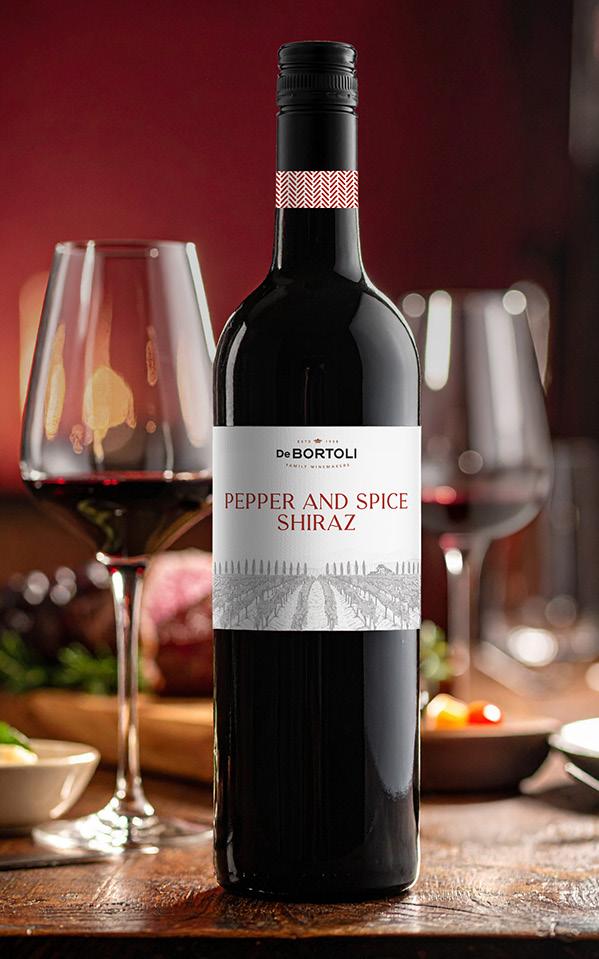
Winemaker Roberto Delgado says the intent was clear: “Shiraz is Australia’s signature red, and we wanted to create a wine that celebrates everything people already love about the style. With Pepper & Spice, we didn’t want to shy away from intensity. We wanted to embrace it. It’s bold and full-bodied, but it finishes smooth. It’s a wine with presence.”
Designed to simplify choice at shelf, the wine features clear flavour cues on-pack to support confident purchase decisions.
Distributor: De Bortoli Wines
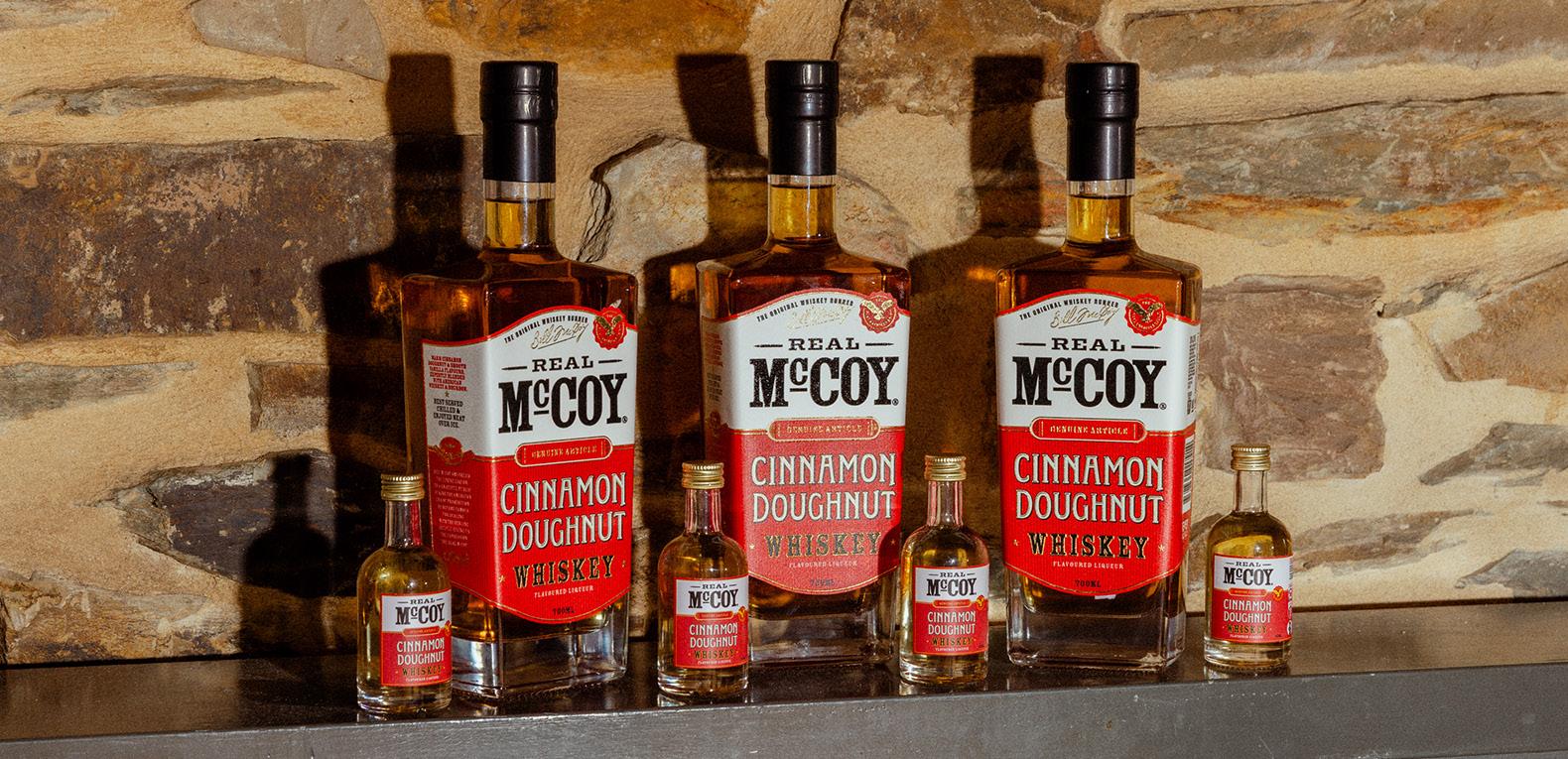
VOK Beverages has announced the national launch of Real McCoy Cinnamon Doughnut, expanding its flavoured whiskey liqueur portfolio following strong performance from its existing variants.
Landing in April, the release targets continued growth in flavour-led spirits, as consumers seek more approachable, flavour-driven alternatives to traditional whiskey. Search trends in early 2026 highlight rising demand for “crowd-pleasing” and shareable drinks, reinforcing momentum behind experience-led products. Meanwhile, dark spirits continue to gain traction locally, with whiskey and bourbon consumption rising around four per cent annually since 2021.
Built on an American whiskey and bourbon base, the 30 per cent ABV liqueur delivers warm vanilla, cinnamon sugar and baked doughnut notes.
“With Real McCoy, we’re focused on nostalgic flavours people already love and giving them a new way to enjoy them,” says Johann Einarson, Brand Manager at VOK Beverages. “It’s indulgent and playful, but balanced – and importantly, versatile enough to work across multiple drinking occasions, from chilled shots through to cocktail serves.”
Distributor: VOK Beverages
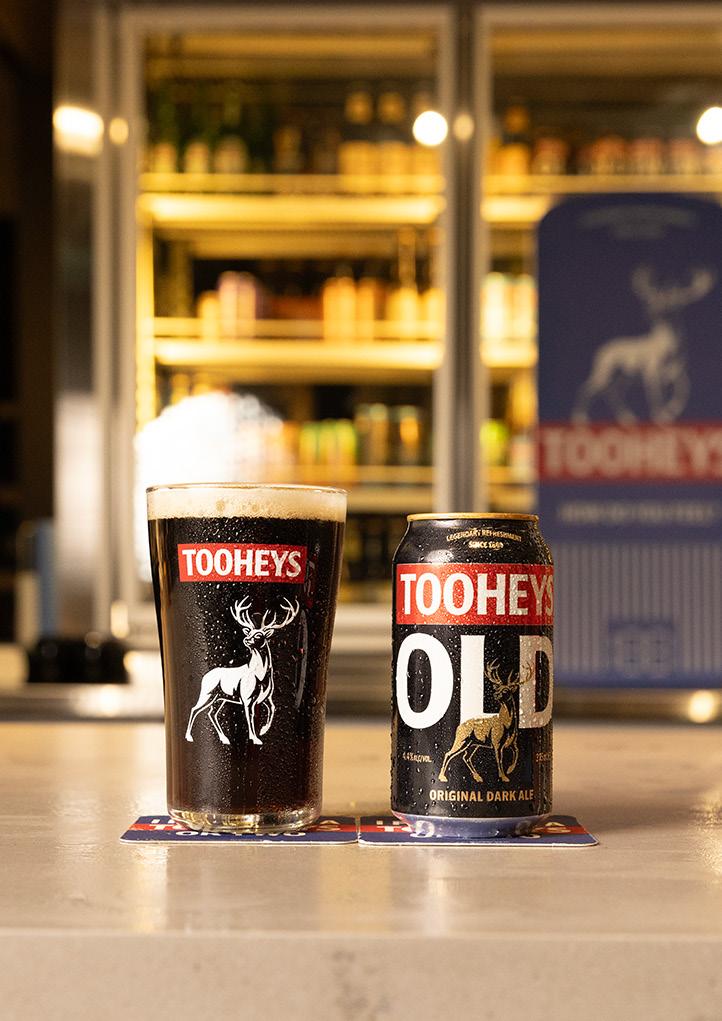
Tooheys has relaunched its iconic Tooheys Old Dark Ale in 375ml cans, marking the first time in decades the heritage brew has been available in this format.
First brewed in 1869, Tooheys Old has remained a staple in Australian pubs for more than 150 years, known for its top-fermentation process and roasted malt profile. The move to cans responds to longstanding consumer demand, offering greater convenience and portability beyond the traditional on tap serve.
Karen Sterling-Levis, Brand Director - Core Beer at LION, said: “Tooheys Old is a legend of the Australian brewing industry, and its fans are arguably the most passionate in the country.
“For years, the question wasn’t if we should put Old in a can, but when. We’ve listened to the pub talk and social media comments, and we’re stoked to finally say ‘yes, it can’.”
She added: “The beauty of Tooheys Old is that it defies the ‘heavy’ dark beer stereotype; it’s refreshing, smooth, and surprisingly easy drinking.”
Distributor: LION
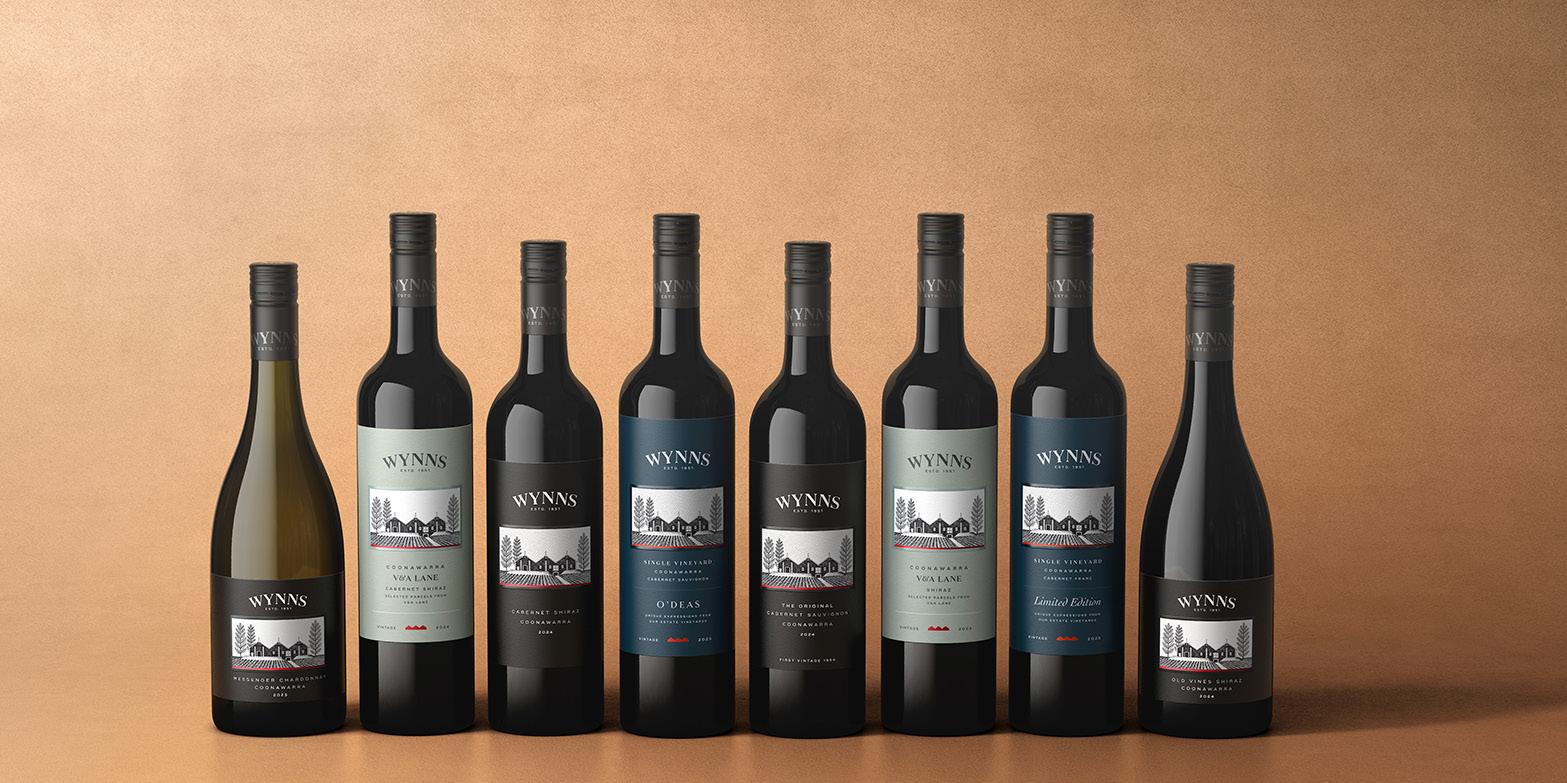
Wynns Coonawarra Estate released its 2026 Wynnsday Collection on Wednesday 3 June – known affectionately as Wynnsday – featuring eight wines spanning three Coonawarra vintages.
Wynns Winemaker Sue Hodder describes the three very different vintages – 2023, 2024, and 2025 – as testament to the quality and versatility of Wynns Terra Rossa vineyards.
“From the cooler, wet 2023 vintage we welcome the O’Deas Single Vineyard Cabernet Sauvignon, representing the next gen of Wynns Cabernet vineyards,” she stated.
From the 2024 vintage, the release includes five reds, including the return of the V&A Lane Shiraz and Cabernet Shiraz duo, alongside the inaugural release of Black Label Cabernet Shiraz, the 69th vintage of Wynns Black Label The Original Cabernet Sauvignon and the Black Label Old Vines Shiraz. From 2025, two wines return for their second release – Black Label Messenger Chardonnay and Single Vineyard Cabernet Franc. Distributor: Wynns Coonawarra Estate

Gibson releases new Barossa benchmark blend
Gibson Wines has released The Prospect Shiraz Montepulciano 2023, positioning the blend as a response to a warming Barossa and a marker of evolving regional style.
Founder and viticulturist Rob Gibson says each vintage brings new challenges. With warmer seasons and compressed harvests becoming the norm, Gibson is leaning into blending as a tool for resilience.
“As a viticulturist we try and predict the unpredictable. There is no crystal ball for the future. Gut instinct and experience lead the way,” he says.
Montepulciano plays a key role, delivering structure and freshness alongside Shiraz’s depth. Positioned within the Heart and Soul tier, the wine is designed as a contemporary reference point.
“The Prospect was born from a restless curiosity, seeking continued improvement in what we do and what we produce,” says Gibson.
Distributor: Gibson Wines
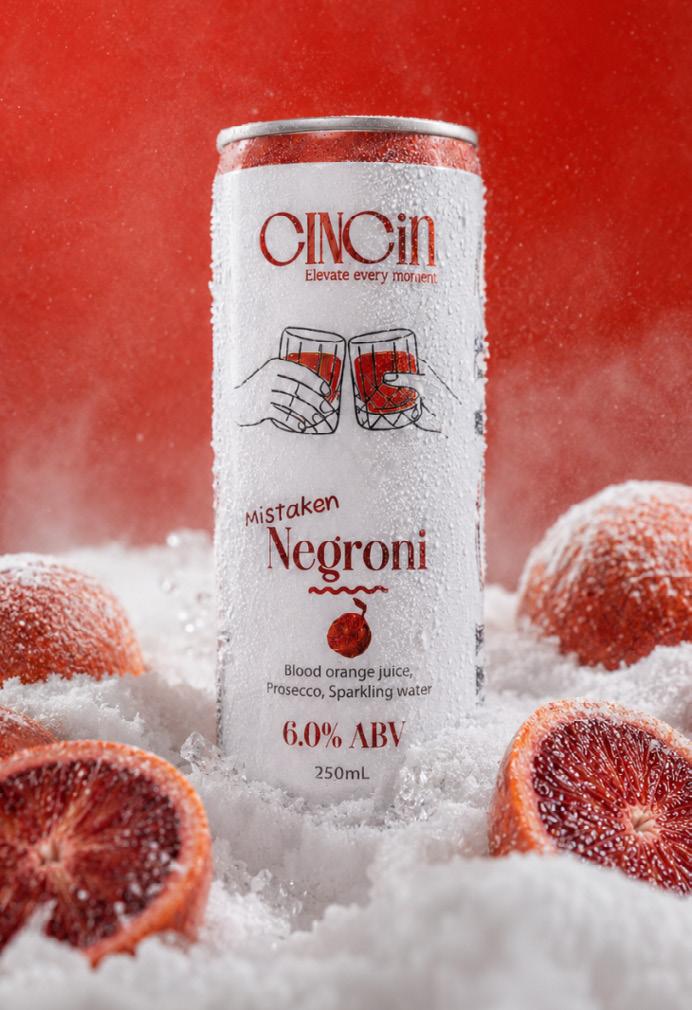
positions spritz for year-round occasions with new Mistaken Negroni
Premium spritz brand CinCin has introduced a new flavour to its portfolio, the Mistaken Negroni. A playful take on the classic Negroni, the canned cocktail was made lighter and more approachable by swapping the gin found in the traditional cocktail for Prosecco.
Inspired by the Negroni Sbagliato, Mistaken Negroni is built with Prosecco, real blood orange juice and sparkling water. Packaged at six per cent ABV in a 250ml slimline can, the result is a sparkling blood orange spritz that delivers the same depth, bitterness and citrus complexity consumers have come to expect from a Negroni, without the heaviness.
CinCin is positioning the Mistaken Negroni as a year-round spritz with a winter-specific launch, designed to extend the RTD spritz category beyond its traditional summer peak with a convenient cocktail-style serve. Ready for winter drinking occasions, Mistaken Negroni features no artificial flavours or colours.
Distributor: CinCin Beverages
Retail Drinks Australia warns illegal alcohol threatens retailer safety, consumer trust, and fair market competition.

Illegal alcohol is emerging as a serious, and under recognised, issue for Australia’s retail liquor sector. While it has not yet reached the scale or visibility of illegal tobacco, recent enforcement activity and tax data suggest the problem is growing and warrants early, coordinated action.
At its core, illegal alcohol encompasses a range of activity, from small-scale home distillation through to large, organised operations producing counterfeit branded products or distributing alcohol outside regulatory frameworks. In some cases, products are manufactured using industrial-grade or denatured alcohol, with no quality control or safety oversight.
The scale of the issue is difficult to quantify, but the indicators are clear. The Australian Taxation Office estimates alcohol excise losses exceeded $860 million in 2023–24, while industry analysis suggests illegal alcohol accounts for approximately 7.5 per cent of total consumption. Over the past five years, the tax gap has continued to grow, highlighting the increasing sophistication and scale of illegal activity.
For retailers, the risks are both commercial and reputational. Illegal products undercut legitimate businesses on price, distort fair competition, and expose retailers (often unknowingly) to compliance risk. For consumers, the stakes are even higher, with unregulated products posing serious health risks, including contamination and, in extreme cases, methanol poisoning.
Recognising this, Retail Drinks Australia has strengthened its focus on education and prevention through its updated and enhanced Product Ranging
Guidelines, which provide practical tools to help liquor retailers make responsible product ranging decisions, including importantly how to identify, avoid and respond to illegal alcohol. The Guidelines emphasise five key principles that underpin its overarching goal: compliance, harm minimisation, safety, verifiable and traceable, and responsibly placed.
Liquor retailers are encouraged to adopt a ‘know your product’ approach by verifying supplier credentials, ensuring labelling compliance, and treating ‘too-good-to-be-true’ pricing or nonstandard supply channels as red flags. These simple but effective checks can significantly reduce the risk of illegal products entering legitimate supply chains.
However, industry action alone is not sufficient. Australia’s regulatory environment spans multiple agencies across federal, state and territory jurisdictions, and engagement on illegal alcohol remains inconsistent. Stronger coordination, improved data sharing, and a nationally consistent enforcement approach will be critical to addressing the issue effectively. Our ‘Illegal Products Working Group’, which formed in late 2024 and reports up to the Retail Drinks Board via the Safe to Serve Committee continues to proactively lead the charge.
Encouragingly, there is growing recognition across government and enforcement bodies that early intervention is key. The experience with illegal tobacco demonstrates the cost of delayed action is a lesson the alcohol sector cannot afford to repeat.
Illegal alcohol remains an emerging issue, but it is one the industry must take seriously now. ■

“The experience with illegal tobacco demonstrates the cost of delayed action is a lesson the alcohol sector cannot afford to repeat.”
Waters Chief Executive Officer
DrinkWise launches
‘Never Have I Ever’ initiative to deliver moderation and mental health messages to support young adults.
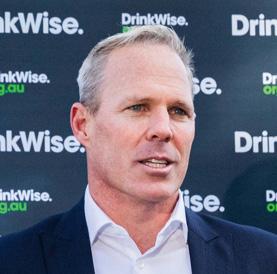
DrinkWise launched the Never Have I Ever campaign at Parliament House recently, with an event hosted by the Speaker of the House of Representatives, the Hon Milton Dick MP. Developed in partnership with ReachOut, the national education campaign is designed to prompt self-reflection, open conversations about mental health and provide a clear pathway to advice and support for those who may be trying to use alcohol as a way of coping with stress and anxiety.
The campaign responds to emerging evidence that, while risky drinking among young adults has declined overall, some young adults – particularly young – are using alcohol as a way to try to cope with stress and anxiety. DrinkWise research shows that 72 per cent of young women reported experiencing stress or anxiety, reinforcing the need for early intervention and accessible support.
For pub owners and venue operators, the campaign provides a practical opportunity to support patrons in a discreet, timely and relevant way. By displaying Never Have I Ever materials on the back of toilet doors and across digital screens, venues can help connect young adults with trusted support services in the environments where these prompts may be most meaningful.
The campaign, developed by DrinkWise
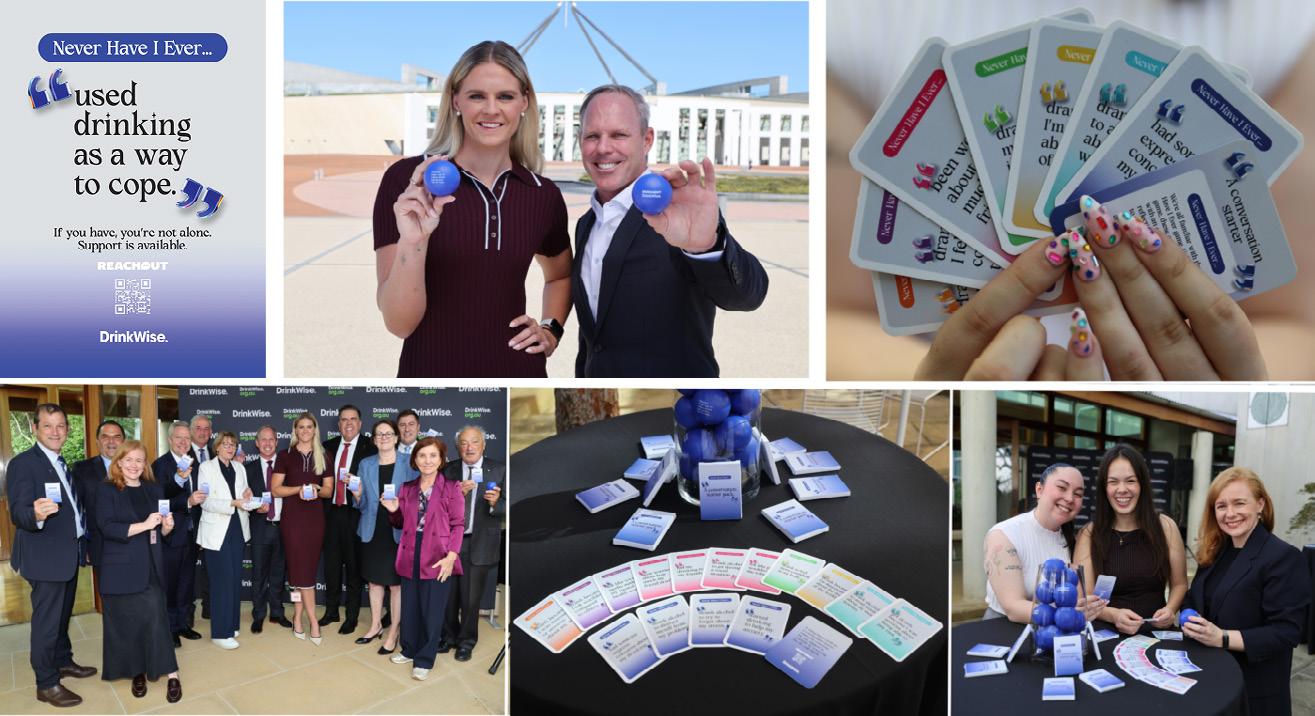
in conjunction with support service ReachOut, young Australians and medical experts, was shared with government representatives at the launch to highlight an opportunity to support young people within their electorates. Dual Olympic gold medallist Shayna Jack OAM. Jack shared her personal experience of facing intense pressure, public scrutiny and the toll stress and anxiety can take, helping normalise conversations about seeking support.
“As an athlete, I’ve been lucky enough to experience some incredible highs in my career. But I’ve also been in a situation that was devastating to me personally and that played out on a national stage. I felt completely overwhelmed by the stress, anxiety and weight of everything that came with it. I want young Australians to hear that they are not alone. I hope sharing my experience gives young people the confidence to speak up and ask for help if they need it from one of the many valuable support services such as ReachOut and through the information available on the DrinkWise website.”
ReachOut CEO Gary Groves also reinforced the importance the campaign and earlier conversations and connection to help pathways, emphasising that simple prompts, conversations and links to support service can make a real difference.
The launch attracted significant national media interest across television, radio and print, helping amplify the campaign messages. It also demonstrated how DrinkWise works with support services, government and community partners to connect Australians with credible information, advice and assistance.
For DrinkWise, Never Have I Ever extends its impact beyond moments of consumption by addressing some of the underlying drivers of excessive and problematic drinking behaviour. This preventative campaign and approach reflect the evolution of DrinkWise’s work over the past 20 years – using research, partnerships and practical education to support safer and healthier choices.
The campaign will continue to roll out nationally across digital, social and licensed environments. Pub owners and industry partners can play an important role in helping spread the campaign messages by making them visible in their venues and helping young adults know they are supported when trying to manage stress and anxiety.
Get in touch via info@drinkwise.org.au if you can display the Never Have I Ever materials and help continue the collective effort to create a safer and healthier drinking culture in Australia. ■

Australia remains New Zealand wine’s most revealing market. It is mature, competitive, and barely growing in volume. Yet it is also a market where New Zealand continues to outperform the category, maintain a price premium, and convert awareness into purchase with unusual efficiency.
New brand health tracking from IWSR suggests that New Zealand’s challenge in Australia is no longer one of awareness or credibility. The foundations of the brand are strong. The task now is evolution, specifically, how those strengths are activated for a different generation of drinkers and a changing definition of the ‘wine occasion’.
From a retail perspective, New Zealand bottled wine continues to track ahead of a largely stagnant Australian market. While total bottled wine sales barely moved over the past year, New Zealand achieved modest growth in both volume and value.
Critically, this growth has been delivered while holding a premium price position. New Zealand wines sold at an average of $14.20 per bottle, versus $13.09 for the total market, a premium underpinned by persistent consumer perceptions of quality, trust and taste.
Those perceptions are not eroding.
IWSR’s 2026 tracker shows they remain stable, robust, and closely aligned with the top drivers of wine purchase. In practical terms, this is what continues to give New Zealand wine permission to hold price in a highly promotional market.
One of the most important findings in the 2026 tracking is just how efficiently New Zealand converts awareness into consumption. Of every 100 Australian wine drinkers, 64 are aware of New Zealand wine and 37 go on to consume it – a 58 per cent conversion rate, second only to domestic Australian wine and stronger than any other international origin.
This matters because it reframes the challenge. More awareness will not, on its own, deliver growth. New Zealand already enjoys a strong position mid funnel. The opportunity lies in how the brand shows up in contemporary purchase and drinking occasions.
The gap is not awareness. It is relevance.
The most meaningful shift in the IWSR data is not in New Zealand’s core brand assets – taste, quality and trust remain strong and unchanged. Instead, it appears in an attribute that has historically sat outside wine’s comfort zone in Australia: refreshment.
The association with ‘more naturally refreshing wines’ is the only image attribute to show a statistically significant increase in the latest tracking, rising eight percentage points in two years.
This shift is particularly important because it aligns directly with broader market trends toward lighter styles, casual occasions, and mindful drinking.
Historically, wine has struggled to compete in refreshment led moments, ceding ground to RTDs, beer and other alternatives. What the data now suggests is that New Zealand wine is uniquely placed to challenge that.
The strategic implication is straightforward. New Zealand does not need to reinvent itself to engage younger drinkers. Nor does it need to trade down.
Instead, the task is to defend the premium bedrock that resonates with existing buyers, while activating the differentiators that matter more to the next generation – refreshment, sustainability and a sense of natural ease.
For retailers and brand owners, that means thinking beyond varietal competition alone, and more deliberately about occasion: how New Zealand wine earns a place alongside other refreshment choices. ■
Amidst changing consumer preferences globally, mid-strength wine is presenting a growth opportunity for Australian wine businesses.
With funding from the Department of Agriculture, Fisheries and Forestry through the Grape and Wine Sector Long-term Viability Support Package, Wine Australia commissioned Nielsen IQ (NIQ) to conduct a rigorous project to identify the most promising consumer segments and category proposition ideas to build and scale the market for mid-strength and lighter style wine across Australia, USA, UK, and China.
Using a comprehensive mixed-method research program of data analysis and in-depth customer research, NIQ found strong consumer appeal and clear commercial potential in Australia and key global markets.
The NIQ research reported that consumers are changing their expectations around occasions and consumption patterns. Moderation is now mainstream behaviour across all alcohol. However, this study has shown that consumers see moderation as managing consumption, not a lowering of product expectations. Consumers still want flavour and drinks that suit occasions, but the behavioural lens has shifted.
The research showed that consumers are not looking to compromise on enjoyment but are seeking options that are lighter and suited to a wider range of occasions. However, anything that feels like a downgrade in quality is rejected by consumers. This creates space, not loss, for innovation across alcohol categories and sets the context for new propositions
that respond to changed consumer preferences.
Through immersive qualitative focus groups with Australian consumers, NIQ found a growing cohort of people want:
• To enjoy the taste and ritual of wine in ways that suit a range of occasions.
• A lighter option that is suited to longer social occasions.
• Wine that is simple to choose, versatile with food and approachable for groups with varied preferences.
• A drink that is aligned with consumer preferences for moderation and a range of occasions.
This qualitative exploration enabled NIQ to uncover a set of value propositions that directly responded to how Australians want to drink wine today. These value propositions were then pressure-tested and brought to life through a collaborative workshop with wine brand representatives from across the Australian wine industry. By combining consumer-led insight with deep industry expertise, we collectively shaped and refined the most compelling opportunities and category propositions.
This process culminated in the development of a new category concept that intends to broaden wine’s relevance in response to changing consumer occasions and preferences.
The detailed research reports and summary of the major outcomes and takeaways are available exclusively for Australian wine levy-payers to review and explore via Wine Australia’s website. ■

“Consumers are not looking to compromise on enjoyment but are seeking options that are lighter and suited to a wider range of occasions.”
Experience-led premiumisation is reshaping liquor retail, as consumers prioritise quality, storytelling and meaningful purchasing occasions.

Premiumisation continues to influence Australia’s liquor market, even as consumers become more selective with their spending. While Australians may be drinking less overall, they are increasingly choosing better-quality products and looking for more meaningful purchase experiences.
According to research from Shop! ANZ and Vypr, 47 per cent of Australians are drinking less or have stopped altogether. At the same time, taste and quality remain key purchase drivers, with 78 per cent of wine drinkers saying taste is the primary factor influencing purchase decisions. This shift creates significant opportunities for premium wine, craft spirits and premium beer brands, however, only if they can clearly communicate why they deserve a higher price point.
In retail environments, premiumisation is becoming far more experience led. Across Australian liquor stores, we are seeing retailers and brands move beyond traditional shelf displays to create moments that educate, engage and inspire shoppers.
Dan Murphy’s has increasingly leaned into curated discovery experiences through premium whisky cabinets, craft beer feature zones and guided tasting events that encourage shoppers to explore products they may not have previously considered.

Similarly, independent retailers are creating theatre around local provenance, highlighting boutique wineries, small-batch distilleries and limited-release craft products through storytelling and staff recommendations.
Premiumisation is not limited to traditional categories. Even within fastergrowing segments like RTDs, which have reached $2.5 billion in on-premise value and are continuing to grow double digits, we’re seeing a clear shift toward more premium formats, sophisticated flavour profiles and stronger brand storytelling. Australian retailers are responding by dedicating greater visibility and fridge space to premium RTD ranges, positioning them alongside premium spirits rather than value-led alternatives. This reinforces that the desire for quality and experience spans the entire liquor landscape.
At Extravert, we see firsthand how experiential activation helps drive this premium conversion. A tasting is no longer simply about handing out samples, it includes building confidence and connection. When shoppers can hear the story behind a Tasmanian whisky, understand the craftsmanship behind a small-batch gin, or learn how a wine pairs with food and occasion, they become far more willing to trade up.
We know premiumisation is often linked to occasion-based purchasing. Consumers are more inclined to spend more when buying for entertaining, gifting or celebrations. Retailers who bring these occasions to life in-store through seasonal activations, pairing recommendations or premium display experiences are seeing stronger engagement and higher basket spend.
This is particularly important in a crowded retail landscape where visual cues alone are no longer enough to differentiate products. Packaging and price still matter, but they are increasingly supported by storytelling, education and interaction.
The brands performing best in premium liquor today are those that create an emotional connection with shoppers. Whether through tastings, ambassador-led education, curated retail experiences or occasion-led activations, they are helping consumers understand not just what the product is, but why it is worth paying more for.
As consumer expectations continue to evolve, premiumisation will be driven less by status and more by experience. In that environment, the brands and retailers that succeed will be the ones that turn curiosity into confidence and ultimately, conversion. ■
Moderation is reshaping alcohol branding, with consumers increasingly choosing drinks by occasion, function and lifestyle.

Long gone are the days of mixing up rocket fuel from whatever was left in your parents’ liquor cabinet. Drinking culture hasn’t disappeared. It’s just become more considered.
People still want ritual. They still want something cold in their hand at a barbecue, something interesting at the end of the day, something social on a Friday night. But they’re thinking harder about what they drink, when they drink it, and how they want to feel afterwards.
That shift is changing the branding brief.
For a long time, alcohol brands relied on a familiar set of category cues: heritage, provenance, bold brand blocking, craft credibility. Those things still matter, but they no longer guarantee relevance.
Alcohol brands are now competing less by category and more by occasion.
The Tuesday night wind-down. The long lunch that still ends productively. The festival without the hangover. The premium drink that feels like a treat without feeling excessive.
That’s why moderation is influencing the category far beyond the actual size of the low and non-alcoholic segment, introducing a new language around clarity, function and permission.
What started as a product shift is now changing broader consumer expectations around alcohol. Packaging, language, ingredients, format, and positioning are all moving with it. You can already see it happening on shelf.
Low sugar, natural ingredients, functional benefits, lower ABV, cleaner flavour profiles – these are no longer secondary messages buried on the back of the pack. In many cases, they’ve become frontof-pack reasons to choose the product in the first place.
In some categories, the product itself is almost secondary to what it enables – a clearer head tomorrow, a more social experience, a healthier lifestyle, or a sense of balance – and consumers are increasingly buying into outcomes as much as products – feeling
better the next day, staying social longer, or simply fitting alcohol into a more balanced lifestyle.
That’s a very different branding territory to where alcohol has traditionally operated.
We’ve seen this shift firsthand through brands like NEU, where the functionality occasion plays a much bigger role in the product story than traditional alcohol category cues ever did.
At the same time, a lot of newer alcohol branding is borrowing cues from functional beverages, premium wellness, and modern FMCG rather than traditional liquor design systems.
The challenge is that as more brands become lighter, cleaner, and more refined, they also risk becoming harder to distinguish from one another.
That’s where branding and packaging must work harder, not just to look premium, but to make consumer decisions easier.
Moderation-led consumers browse differently. They are scanning for occasion fit, taste, health cues, quality, function, and credibility all at once. Brands that communicate those things clearly have a growing advantage.
We’re also seeing premiumisation rise alongside moderation for the same reason. If people are drinking less often, they tend to care more about why they are choosing when they do drink: better ingredients, better flavour, better design, better experience, a better story.
The opportunity for alcohol brands is not to become apologetic about drinking. It’s to become more intentional about the role they play in people’s lives.
The brands that understand this shift earliest and can move fluidly between worlds – indulgence and wellness, function and fun, social energy and self-awareness – will shape the next decade of the category, not abandoning alcohol’s traditional role in culture, but redefining it for a generation that wants balance without sacrificing experience. ■

BrightSide Executive Search is the only dedicated drinks recruitment specialist nationally and has been a trusted advisor to the industry for well over a decade. Through accessing its wide-reaching network of potential candidates, BrightSide takes the hassle out of recruitment for drinks businesses, advising how they can stay nimble and competitive in a tight market to attract the absolute right person for each role. The latest BrightSide success stories below show the strong abilities of the recruitment agency in partnership with drinks businesses of all sizes, country-wide.

Branca Salaverry brings a wealth of luxury drinks experience to her new role as Brand and Marketing Director with Sullivans Cove.

Pure Wine Co
welcomed Elle Lang to the SA team as Trade Marketing Exec, bringing her passion for wine and marketing together.
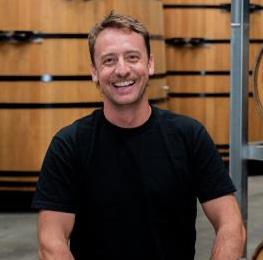
Liam Thomas is loving his new role with Blue Sky Drinks, maintaining his strong industry networks as Key Account Manager Independents.

Orion Breweries is enjoying the wealth of industry experience, knowledge and networks Brett Freeman brings as Country Manager ANZ.

Medtrina Beverages is excited to have the energy, passion and experience Moni Royds brings to her new role as Account Manager NSW.
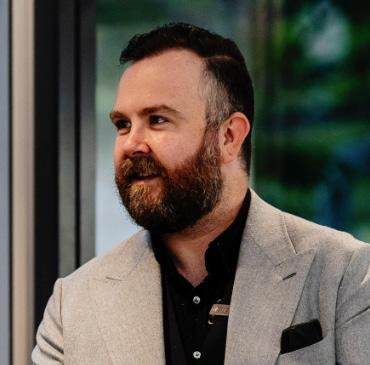
Shane Batchler loves his new role at Florcita Tequila, combining his drinks experience with genuine passion as Brand Ambassador QLD.
For more information www.brightside.careers

Josh Beattie has hit the ground running, leveraging his extensive experience in beer as Area Sales Manager VIC with Coopers Brewery.
Riley Tibbits has joined Casella Family Brands as NAM Spirits & RTDs for CLG & ED bringing prior drinks industry experience from NZ.

Sam Johnstone brings a huge amount of drinks experience and industry networks as Key Account Manager On-Premise with Proximo Spirits.
Nigel Venning is taking the lead on all things creative, bringing a new lens to the industry as the Creative Lead for Coopers Brewery SA.
Template leases may appear costeffective, but legal oversights can create significant financial and commercial leasing risks.


Template leases are widely available and often appear to offer a quick and cost-effective solution. However, commercial and retail leasing is highly technical, and using a template without careful legal consideration can expose both landlords and tenants to significant financial and legal risk. A lease is not simply a form document, it is a long-term agreement and often a valuable asset in a business.
One of the most significant risks is using a commercial lease template for premises that are actually retail. Retail leases are governed by specific legislation which imposes mandatory obligations that do not apply to standard commercial leases. A person drafting a lease must determine whether the premises fall within the relevant retail leasing legislation.
If a retail lease is incorrectly documented using a commercial template, this may result in failure to provide a compliant disclosure statement, inclusion of unenforceable provisions, inability to recover certain outgoings, and breach of the Act. For example, in some states, if the required disclosure statement is not provided, the tenant may have the right to terminate the lease within the first six months.
Template leases may fail to properly incorporate the terms agreed in the Heads of Agreement, such as incentives, rent review structures, or other negotiated commercial terms.
Many template leases favour either the landlord or the tenant. For example, some precedent leases provide that the tenant must pay the landlord’s legal costs for amendments, even if this was never agreed between the parties. If a template is used without reviewing all clauses, parties may unknowingly accept obligations different from what was originally negotiated.
the lease
Templates do not prompt parties to conduct important due diligence. Without proper searches, you may fail to confirm the correct property owner, verify the tenant’s legal entity, check ASIC records, or identify mortgagee interests. Further, if a lease is not registered, the tenant’s interest may not be protected if the landlord sells the property.
Legislation changes regularly, meaning older templates may no longer comply with the law.
Templates also fail to account for property-specific issues. Most leases require tailored special conditions, such as clauses dealing with maintenance and replacement of building systems like air-conditioning, which are common sources of dispute.
The perceived cost saving of using a template is often illusory. Rectifying a defective lease can involve:
• Litigation
• Tribunal proceedings
• Loss of rent
• Inability to recover outgoings
• Tenant termination rights
• Significant make good disputes
The lease is the asset of the business. Weak documentation weakens the asset.
Although template leases may appear convenient and cost effective, they can create significant legal and financial risk. Obtaining advice from a lawyer experienced in leasing helps ensure the lease reflects the parties’ agreement and properly protects their interests. ■
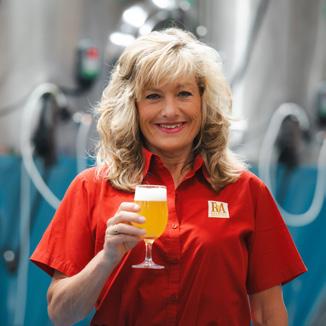
Lotte Peplow, Brewers Association’s American Craft Beer Ambassador for Europe, returns from the US with respect and awe for the popular Hazy/Juicy IPA style.
Hazy/Juicy IPA has come to dominate the global craft beer landscape becoming ubiquitous throughout beer drinking nations of the world. At the recent World Beer Cup, the most prestigious beer competition in the world, held in Philadelphia, PA, hazy IPA was the second largest category with 274 entries, just behind West Coast style IPA with 293.
Organised by the Brewers Association, the not-for-profit trade association for small and independent American craft brewers, the competition, now in its 30th year, serves as a benchmark for quality and continues to attract the highest number of entries of any global beer competition with 8,166 this year from 50 different countries.
TWØBAYS Brewing Co from Dromana in the Mornington Peninsula, was once again successful on the world stage bringing home a silver in the Gluten-Free beer category for its Rum Smuggler Barrel-Aged Imperial Stout.
‘Hazies’ – How it all began
Hazy/Juicy IPA originated in New England, America back in the early 2010s with the emergence of a new style of beer that focused less on clarity and bitterness and more on a soft mouthfeel, unfiltered appearance and a tropical, fruit-forward hop character.
Initially termed New England IPA, or ‘NEIPA’, in homage to the region of its birth, the approachable new style quickly became popular with other breweries eager to experiment with the soon to be ‘haze-craze’. The Alchemist brewery in Vermont was widely credited with creating the style back in 2011, with the launch of Heady Topper, a beer considered to be the original forefather of the style.
The Brewers Association recognised the Hazy/Juicy IPA style as an official category in 2018, since then it has become the first (or second) most competitive category at both the World Beer Cup and Great American Beer Festival.
During the 2010s Hazy IPAs exploded in popularity and it wasn’t long before breweries across the world were jumping on the haze bandwagon. In the US, ‘Hazies’ account for 10.5 per cent by value and 8.9 per cent by volume (off-premise scan data NielsenIQ) of the off-premise craft beer market and 9.9 per cent of the onpremise market (NIQCGA data/estimates).
Why are Hazy IPAs popular
Unlike classic IPAs with their signature piney bitterness and clarity of appearance, Hazy IPAs are all about the soft, velvety mouthfeel, unfiltered appearance and juicy, tropical fruit-forward hop expression. The subdued bitterness makes them accessible and approachable to first time drinkers as well as die-hard IPA fans. A flagship example, Sierra Nevada Hazy Little Thing, was launched in 2018 and is now the bestselling Hazy/Juicy IPA in the USA, and widely available around the world. According to Iain Newell, European Marketing Director at Sierra Nevada Brewing Co, 65 per cent of beer drinkers were not hazy beer fans or had never tried one, until they sampled Sierra Nevada’s Hazy Little Thing.
Hazy IPAs are made with the four essential components of beer but the grain bill, hop selection and brewing techniques are all different, as outlined below.
Malts: Flaked oats and flaked wheat are used to create a smooth, creamy texture and mouthfeel, and the hazy appearance is achieved. The high protein content of oats and wheat adds body and fullness to the beer without adding sweetness.
Hops: Hazy IPAs typically use hop varieties known for their juicy, tropical fruit character such as Citra, Mosaic, Azacca, Galaxy and Nelson Sauvin. Brewers avoid isomerisation of bittering hops, which creates the classic bitter aftertaste, but instead focus on late hopping and dry hopping after fermentation to achieve the subdued bitterness and vibrant, fruity, tropical hop character of the style. This technique preserves volatile aroma compounds that would boil off if added at an early stage.
American craft brewers have a unique advantage over other brewing nations due to their proximity to some of the world’s premier hop growing regions, allowing them to hand-select the freshest, highest quality, most sought-after hops available. Many brewers visit the hop fields themselves multiple times a year and work directly with the growers. They not only visually inspect the harvest but crush open the hops in their hands to examine the resins and oils as well as inhale the all-important aroma that defines world class Hazy IPA. Such attention to detail helps produce award-winning American craft beers.
Yeast: Brewers favour strains that produce fruity esters during fermentation and enhance hop biotransformation. They need yeast to stay suspended in the beer for longer, thus contributing to a hazy appearance and fullness of body.
What started as a regional experiment has exploded into a global phenomenon with almost every brewing nation in the world producing the style. The fact that American craft brewers pioneered the style is testimony to their inventive, innovative and daring approach.
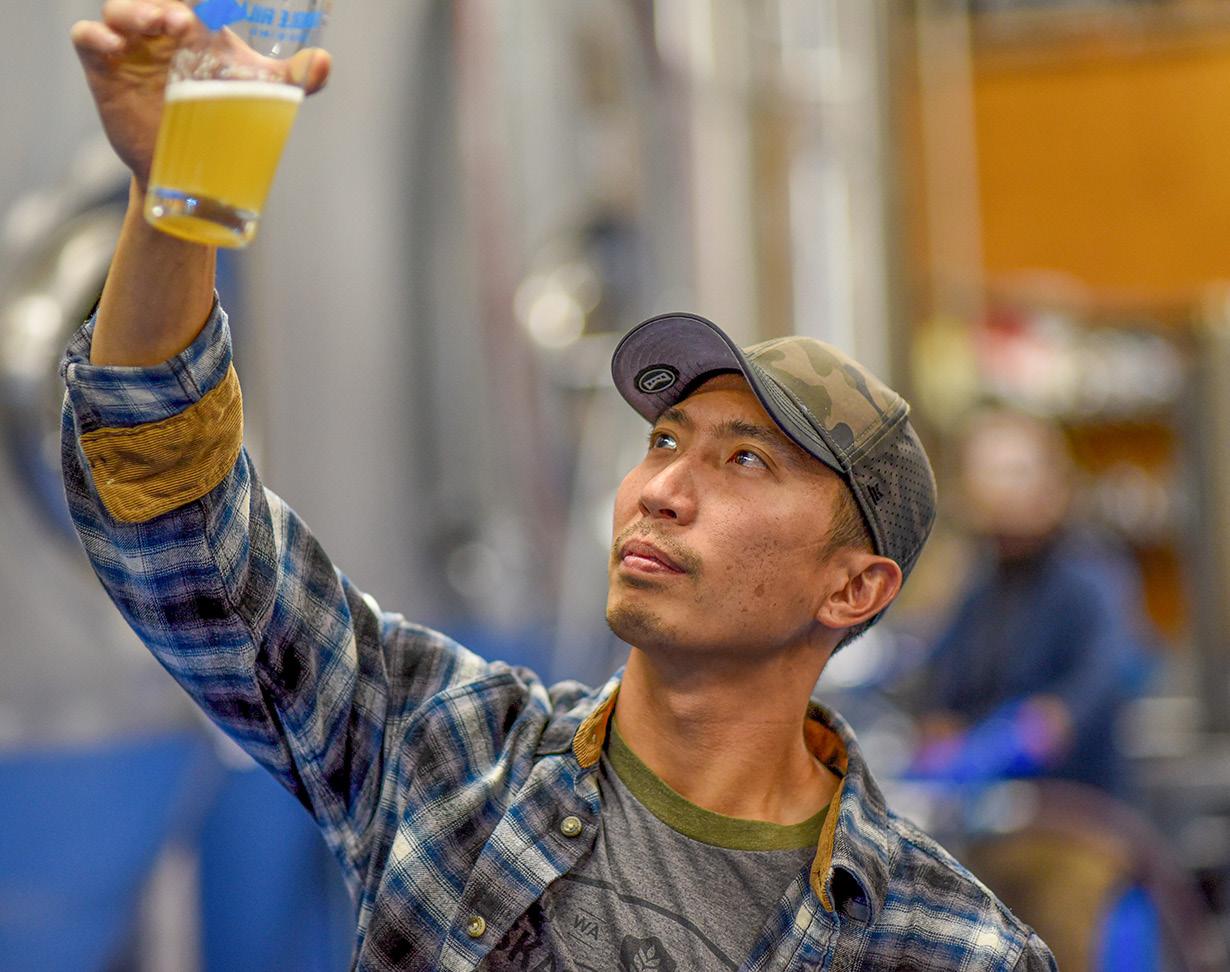
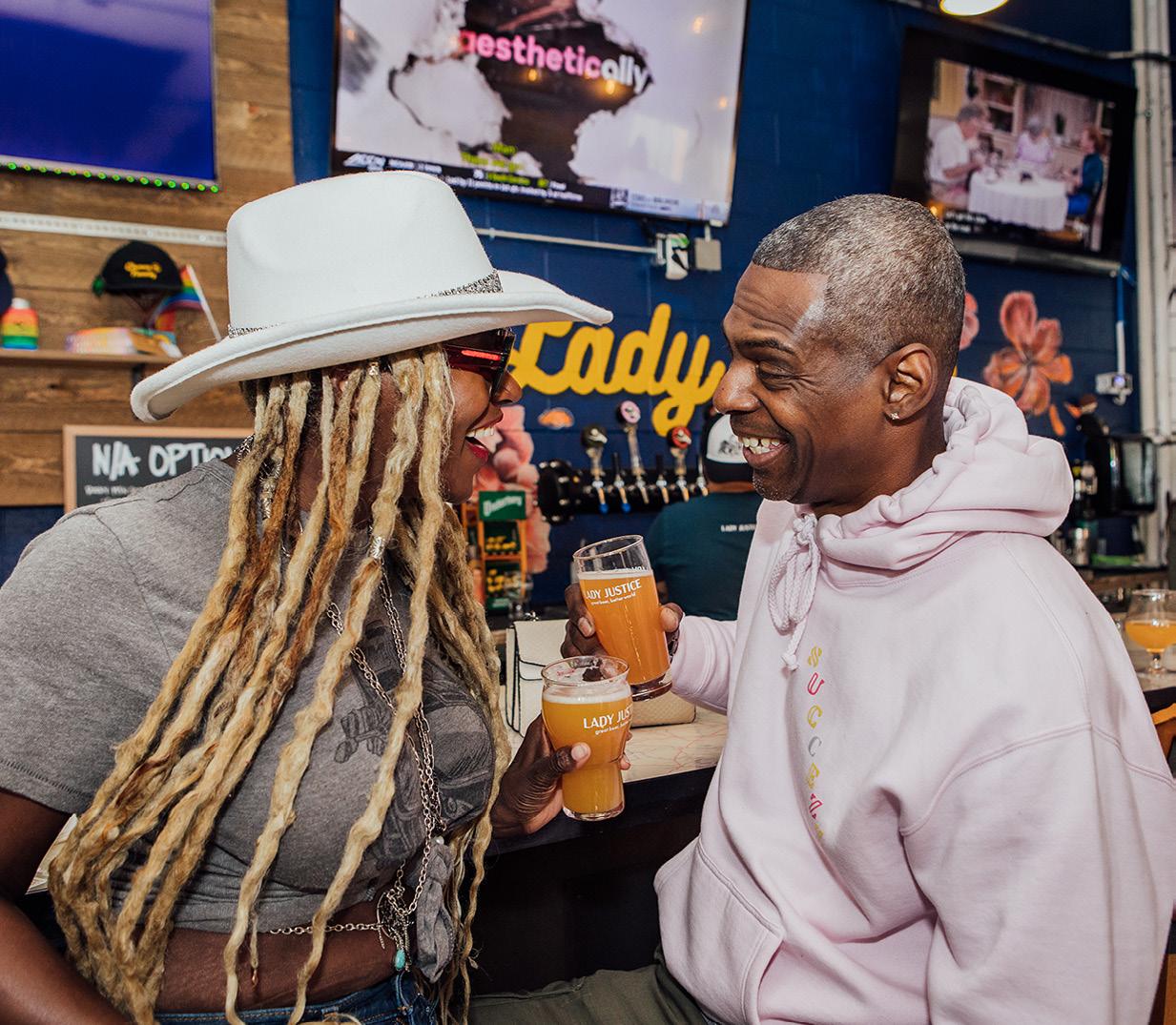
But will it last? Toppling Goliath Brewing Co, from Decorah, IO, produces award winning Hazy IPAs. Brewmaster Mike Saboe has the final say: “While we may have a reached a peak in the haze craze, I don’t think it’s the only peak we’ll see in this category as time goes on. IPA as a broad category has captured peoples’ attention since its beginning and now a well-crafted Hazy has expanded and diversified that interest. What began as a way of layering more hop flavour into a beer using different techniques and newer varieties of high oil content hops resonates with beer drinkers because of its authentic aesthetic and polished, but unfiltered flavour. With the continued development of new hop varietals and almost infinite permutations of flavour available, the beautiful glow and vibrant aromas of a fresh Hazy is something that I believe will always be a part of the beer drinker’s rotation.” ■
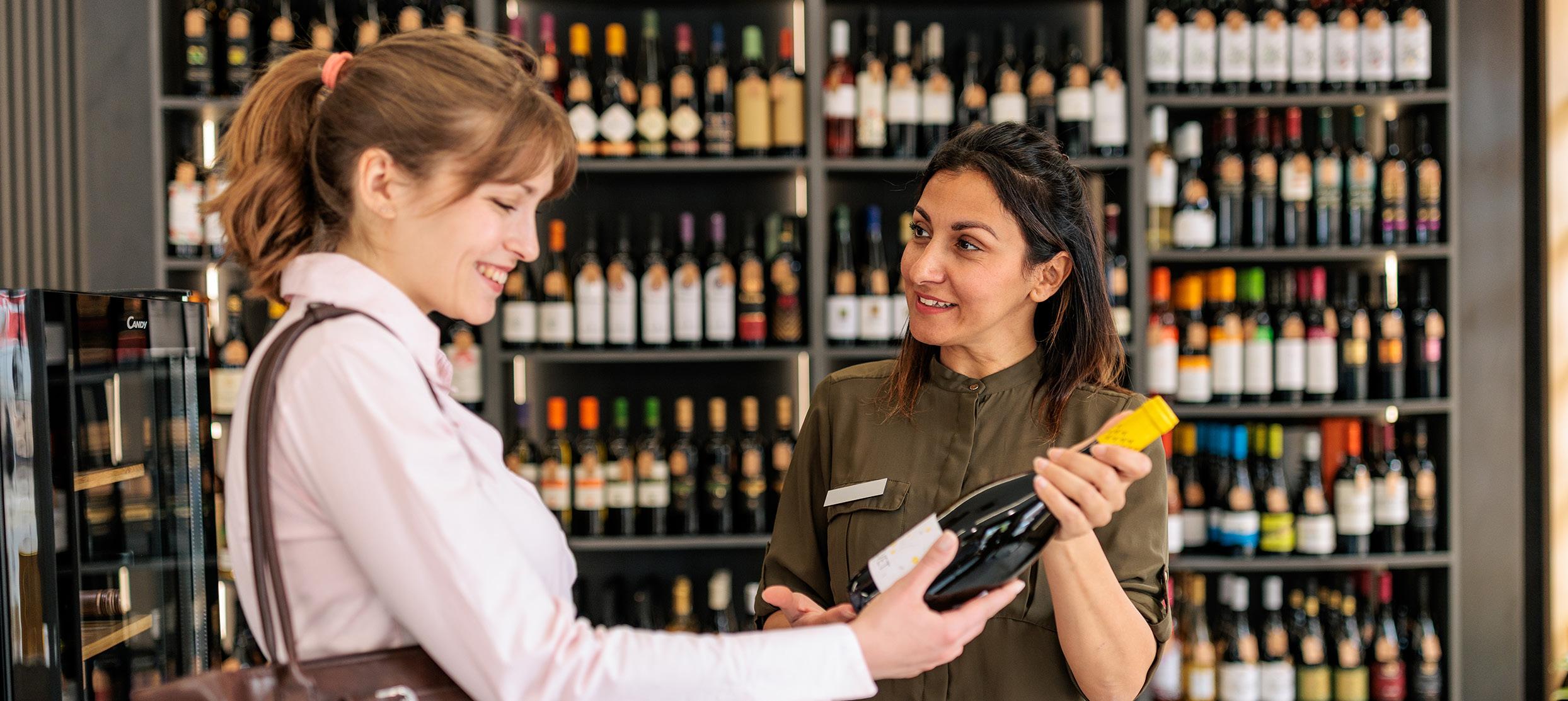
Liquor retailers must rethink casual staffing models to improve culture, retention, product knowledge and customer service.
The rapid growth of ‘casualisation’ in the workforce 40 years ago was set up in part to lower labour cost for businesses, but despite four decades of ‘practice’, one could argue that we haven’t done that job very well. And what do we talk about at most manager’s meeting? The cost of wages.
Yet, in retail in general, and retail liquor in particular, we remain under fire for a general lack of customer service, high wait times during sales spikes, poor product knowledge, high staff churn and a ‘fill in’ mentality workforce. So, here are some aspects to consider with staff groups (I say groups, not teams, mainly because most groups of employees don’t show team tendencies), store dynamics and workplace culture:
• Look at your number of current staff and the mix between full-time, part-time and casual (are there lines of demarcation between the groups?)
• What are your casual staff average number of shifts. Are they getting enough shifts? Are they motivated?
• In larger stores, can staff work across departments/categories? Do you find staff are often under-utilised in one area and cannot assist when another is busy?
• Rate your skill level of current staff. We often add another staff member to a shift to cope with under-performers, but two good staff on a shift are better than three average staff any day.
• Are staff too slow on the job? Are you adding staff to the roster to cover poorer or untrained staff?
• Consider your store layout and its impact on rostering. Do you have to have extra staff to man the store if customers aren’t allowed in the cool room?
• Consider your workplace culture. Do you have a supportive team culture? A ‘pulling up’ versus a ‘pulling down’ culture where staff look to lowest performance and match that? Do staff come to work and say, ‘Who’s on duty?’ They want to know what they can get away with.
• Have you currently got lots of new staff? A high staff churn leads to low staff skill levels and rostering nightmares.
• What sort of induction process do you have in-store? We often set staff up to fail by not spelling out key rules and expectations and wonder why staff disappoint.
• All venues and particularly regional ones often find getting good staff difficult, so

looking after your better staff is vital. Staff leave for many reasons, often out of our control but also often due to culture issues, poor induction, lack of training, not enough shifts, lack of managerial fairness, limited career progression, no feedback on performance and unclear communication on rules and expectations.
An example of the now greater expectations on staff would be in the area of premiumisation. If I, as a customer, intend to buy a premium spirit for example, I expect a premium level of product knowledge, such as knowing the botanicals in a gin or if a whiskey has been aged. This, of course applies to wines (particularly food matching) and craft and premium beer as well.
Interestingly, consider how many liquor managers there are across retail and hospitality who started in the industry as a casual with no intention of this being their career, who have ended up staying. So, who are the next liquor retail managers? Well, they’re in the current casual workforce and just don’t know it yet. Let’s hope they develop some good staff management skills, but I wonder where they’re going to come from.
Food for thought. ■
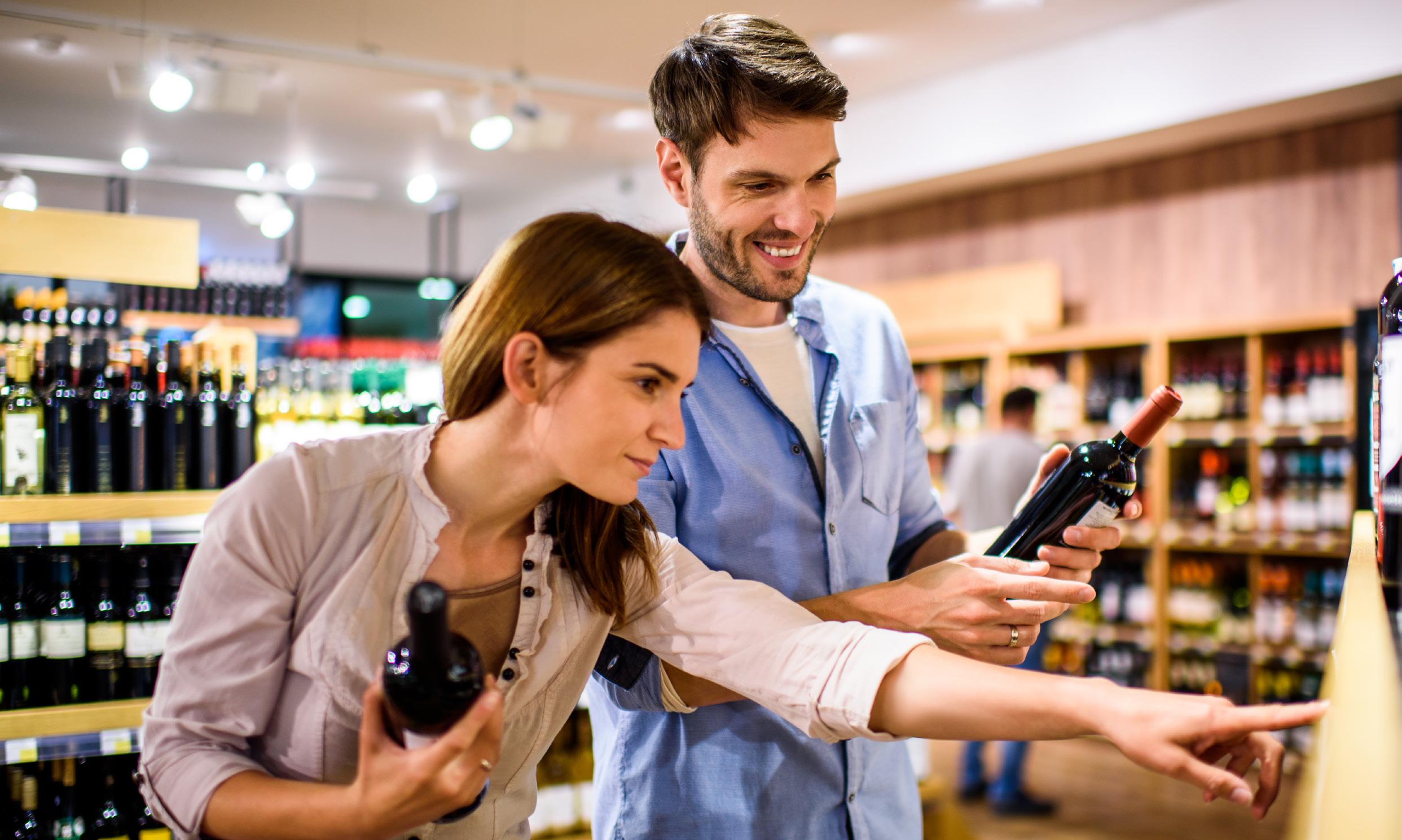
From AI and loyalty to localisation and growth, banner groups are reshaping independent liquor retailing.
Australia’s liquor retail landscape remains highly competitive, but for independent retailers, scale alone is no longer the defining advantage. In an environment shaped by rising operating costs, shifting shopper behaviour, margin pressure and rapid digital transformation, banner groups are increasingly proving their value through data, loyalty, technology, marketing and operational support.
Across the country, independent retailers are leaning into localisation, customer experience and smarter retail execution to differentiate themselves in market. At the same time, banner groups are investing heavily in the platforms and partnerships designed to help stores compete more effectively against larger national operators and an increasingly fragmented path to purchase.
What emerges throughout this feature is a clear focus on connected retailing. Whether through advanced CRM capability, AI-driven ranging and promotional planning, integrated loyalty ecosystems, digital ticketing, or stronger supplier collaboration, banner groups are evolving beyond traditional buying and marketing support to become strategic business partners for independent retailers.
Despite ongoing economic pressures, there is also a strong sense of confidence across the sector. The groups featured speak consistently about sustainable growth, long-term investment and helping retailers build stronger relationships with their local customers.
As part of this feature, National Liquor News speaks with Independent Brands Australia, Liquor Marketing Group, Independent Liquor Group, Liquor Legends, Liquor Barons and Thirsty Camel Victoria about the priorities, innovations and retail strategies shaping the next phase of independent liquor retailing. ■


Leaders from Australia’s major banner groups share how they are helping independents compete and grow.
“Our strategy is about building a stronger, more sustainable retail network – one that protects value, lifts retail standards, strengthens partnerships and delivers a shopping experience that keeps customers coming back.”
– John Barakat, Executive General Manager, Independent Brands Australia
“What our liquid stock control service provides is a stock control system that is reliable, is going to work under pressure and at scale, with a complete support service that ensures the operator is not having to tie themselves to a computer screen and try and work out how to make these systems work.”
– John Carmody, General Manager, Liquor Legends
“We know there is no one-size-fits-all approach for independents. Every business is different, shaped by its local community, customers and operating environment. That is why our support needs to be practical, informed and tailored to each member’s business. Our role is to help ease that pressure where we can. This means giving members relevant advice, targeted opportunities and strong trading support, while also working closely with suppliers to bring useful insights and the best possible outcomes.”
– Paul Esposito, CEO, Independent Liquor Group
“Shoppers want to gain insight, have personalised offers, browse and derive value both pre-store, at home (e-commerce) and in-store. LMG provides these tools for our retailers through a group where they jointly own the platforms, which is critical as it means the programs are designed solely to support them to grow their sales and profitability.”
– Damien Page, General Manager – Merchandise & Marketing, Liquor Marketing Group
“One of the biggest strengths of Thirsty Camel is that we are genuinely member focused. As a cooperative, our priority is always reinvesting back into initiatives that help our retailers grow stronger businesses and remain relevant within their local communities. Beyond promotions and pricing support, members benefit from loyalty and customer data insights, marketing support, supplier partnerships and retail innovation.”
– Adrian Moelands, General Manager (Vic), Thirsty Camel
“Liquor Barons exists solely for its members. This distributing cooperative structure ensures that every strategic decision we make is focused entirely on driving member profitability, not extracting value for distant shareholders. We offer the highest margins and the most adaptable business model available today. Our retailers gain exclusive access to enterprise-level capabilities – like our advanced AI integrations, powerful loyalty ecosystem, and award-winning marketing – while retaining their fierce local independence. We handle the sophisticated back-end operations so our members can focus entirely on what they do best: being the trusted, local liquor experts across Western Australia.”
– Chris O’Brien, Managing Director, Liquor Barons
John Barakat, Executive General Manager at IBA, outlines how loyalty, data and retail support are shaping independent liquor retail growth.
Q. How is the role of banner groups evolving in today’s retail environment as competition intensifies across price, range and convenience?
We know cost of living or cost of running a business isn’t getting cheaper. We want to ensure our retailers are generating sustainable growth that keeps them competitive, drives shoppers into their stores and keeps value in the industry.
Our strategy is about building a stronger, more sustainable retail network – one that protects value, lifts retail standards, strengthens partnerships and delivers a shopping experience that keeps customers coming back. Shoppers want better shopping experiences, easier navigation in-store, stronger ranging, more engaging promotions and personalised digital experiences that make shopping easier and more relevant.
Shoppers expect more personalised communications, stronger loyalty engagement, seamless digital experiences and offers that are relevant to them. The retailers who build stronger digital
relationships with their customers will be the ones who create greater loyalty and longterm growth.
For us it is a multi-pronged approach to growth – winning with our banner network of retailers, our suppliers and the stewardship of the industry for the next generation of independent retailers.
Q. How are you differentiating each of your banner brands to ensure they remain relevant to changing shopper expectations?
Customer expectations are evolving quickly. IBA stores continue to deliver competitive quality and a convenient offer that differentiates them in the market and has allowed them to continue to take market share from their competitors – in what has been a challenging market for everyone.
We are proud of our local retail offering which is underpinned by shopper preference for the convenience, range, quality and value. We believe one of the key battles out there in the market is the shopping experience. Whether it’s store presentation,

ranging discipline, promotional execution, customer service, digital or local area marketing – consistency and quality across the network will matter more than ever and we are investing to drive this.
Q. How is understanding the shopper crucial to your strategy?
We know we have a competitive advantage of being independent which allows us to position ourselves differently – reinforcing flexibility, community connection and local relevance.
Our retailers interact with their shoppers every day, they know them by name and offer a service which we believe only an independent can deliver. And our shopper loyalty programs deliver scale and personalisation driving shoppers into store not only through member prices, but we reward every shop through points for all our Cellarbrations, The Bottle-O and Porters loyalty shoppers. In the competitive landscape for shoppers and baskets we can deliver differentiation for independents, and we have over 540 retailers on the program (May 2026).
“The retailers who build stronger digital relationships with their customers will be the ones who create greater loyalty and long-term growth.”
This year we also launched IGA Rewards for our IGA Liquor retailers. Cashback has been successful for our grocery retailers, and we are excited to now reward both the food and liquor cross shop and unlock even more occasions.
Q. In a market where doing business is increasing becoming more costly how does IBA support its retailers?
We work alongside our retailers as true partners, helping them navigate an increasingly challenging business environment. With a growing focus on efficiency, we deliver competitive merchant fees that help retailers save thousands of dollars. We also offer competitive energy rates and have recently introduced Duress, providing a valuable and costeffective solution to support the safety of retailers and their staff. As we continue to grow, we remain committed to introducing more services and solutions that help retailers reduce the cost of doing business and improve operational efficiency.
Q. How is data playing a role in decision making for IBA?
As part of our Platinum Program IBA has partnered with Circana to launch the Platinum Liquid Data Engage (LDE) reporting service, delivering a modular, first to market liquor analytics capability on the Circana platform. The LDE Reporting Platform gives our Platinum Suppliers and IBA retailers access to richer, more consistent scan data views, enabling improved ranging conversations, promotional program effectiveness analysis and more informed insights for the network using shopper loyalty data. Data is important but having platforms to generate and deliver insights will enable us to understand how new products are playing a role in growth and promotions that help us to win key selling periods. This capability strengthens the value and partnership for IBA, our retailers and suppliers and supports data led decision making across the independent liquor network. ■
Damien Page, General
Manager
–Merchandise & Marketing, Liquor Marketing Group, explains how LMG is leveraging scale, technology and retailer ownership to strengthen member performance.

Q. What have been the highlights for LMG so far this year?
The 2026 calendar year to date has delivered continued progress for LMG members. Market conditions have been more subdued; however, LMG has been able to drive market leading sales growth through the platforms, investments and shopper retention which has been built over the past years.
The LMG loyalty program has grown significantly with the April ‘Loyalty Month’ initiative enabling LMG members to grow sales against the prior year. The benefits of Loyalty Month are greater than just the sales performance, with an incredible +40.5 per cent growth in Loyalty sales during the month compared to Christmas 2025.
LMG is confident that the combination of price investment, marketing platforms (including loyalty) and retail service, which is local and personal, will continue to deliver market leading performance throughout 2026 and beyond.
Q. How has LMG sustained its growth momentum into 2026?
Sales growth momentum is a great thing and an enduring asset if you continue to evolve and improve your customer offer. Growing customer numbers means more shoppers are experiencing the service and offers
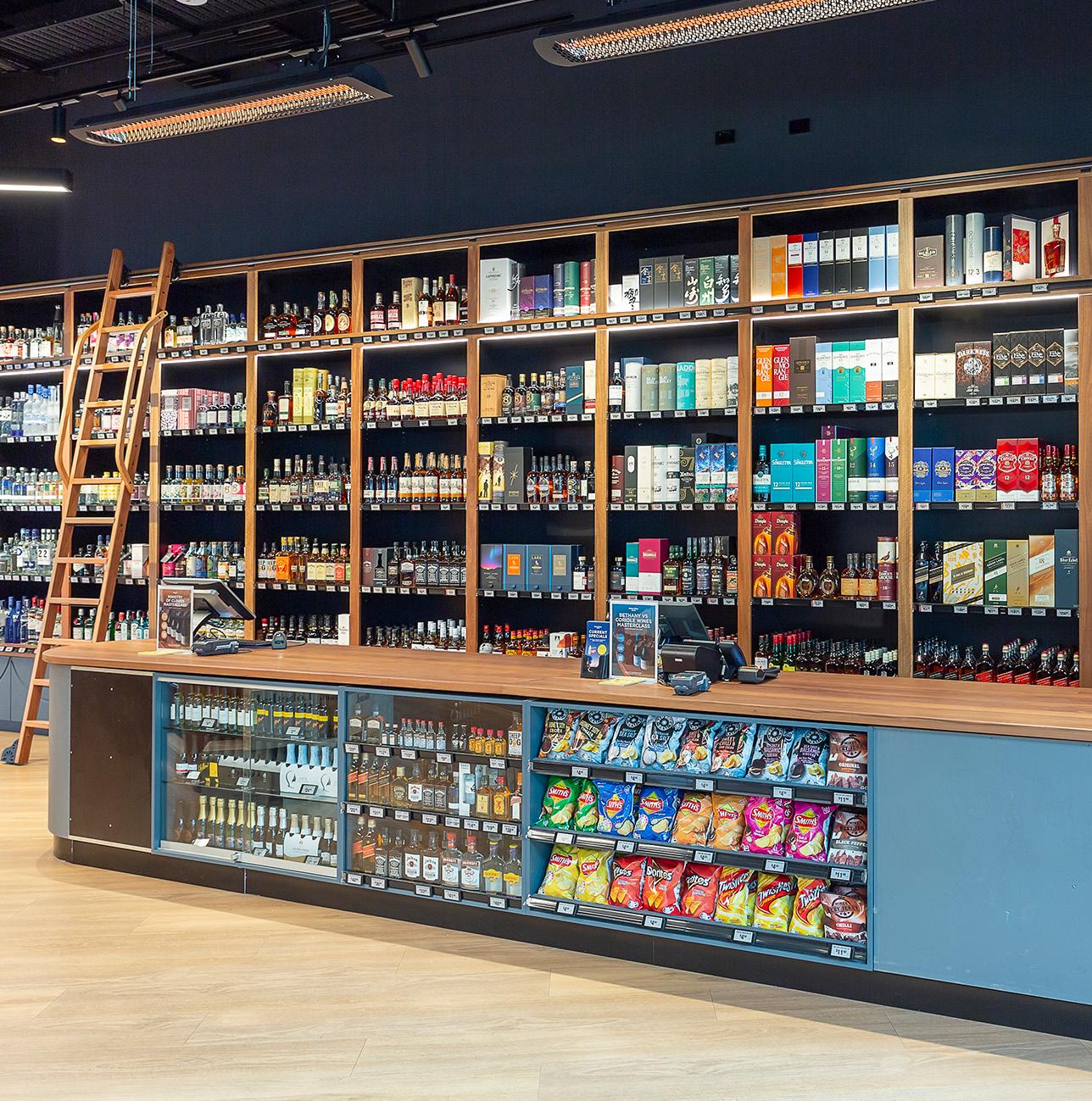
provided by LMG members and making those stores their retailer of choice.
The addition of greater price investment, loyalty, marketing activation and retail execution will retain these shoppers and grow the reach and conversion of more shoppers to our stores.
Q. What does the addition of groups including Black Rhino Group, Duxton Pubs and Cook Beaumont Group mean for LMG?
We are privileged that these groups selected LMG after competitive tenders. Each of these groups are well aligned with LMG and our members in that the focus and opportunity is how we grow retail sales and market share for every one of our members.
A credit to these organisations, and all LMG members, that they see the opportunity to be supported with retail products, service, price investment, and marketing to achieve their business growth objectives.
LMG is operated solely for its members with a focus on long term sustainable growth through sales performance and margin enhancement. LMG’s structure, as a membership-owned group with no equity holders, means the sole focus is long-term performance and support of members.
Q. What are the biggest opportunities and challenges facing independent liquor retail?
Consumer spending pressure and cost of doing business are the two greatest challenges for independent liquor retailers. The challenge for share of the consumers wallet will deliver challenges and opportunities. Those retailers who continue to service, engage and entice shoppers to their stores will win more of the discretionary spend of consumers.
Retail cost of doing business is real and increasing. There are a range of areas where LMG can support, including merchant fee rates, insurance, power rates, along with automating retail tasks through electronic shelf labels, buying insights, etc. Each dollar saved or hour saved allows our retailers to focus on growing sales to more than offset pricing pressures.
Q. Do you have any other messages for the trade?
Like all parts of industry, the speed of evolution is only increasing. In only a short period of time since launching Loyalty, we have seen the impact and insights develop considerably and will only become more powerful through application of AI and sharing of insights for benefit of all stakeholders. ■

With over 500 stores nationwide, LMG has the broadest reach of any independent liquor loyalty program. This has allowed us to understand customers by location, category and product trends, and create true advocacy.
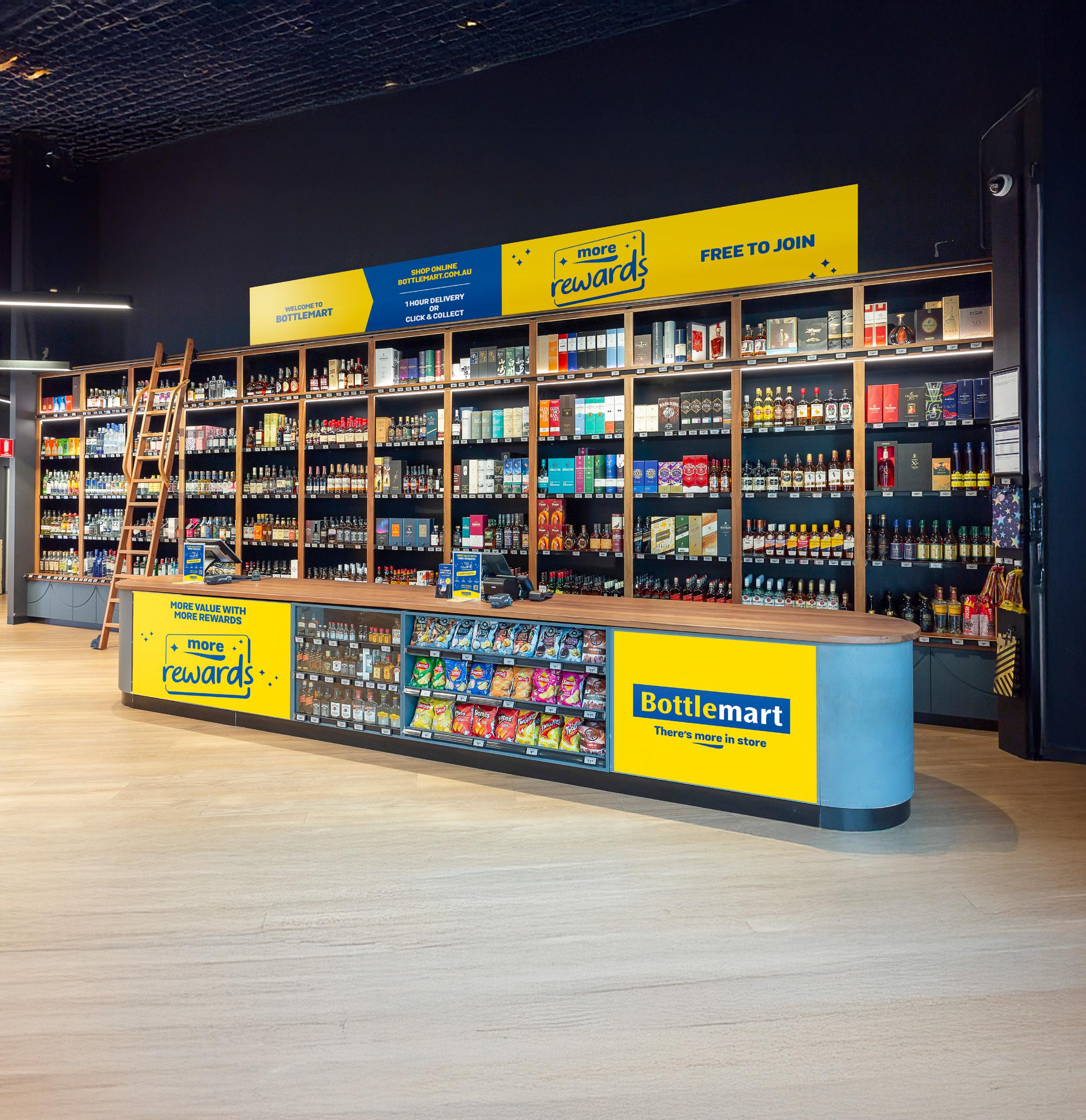
Designed to drive incremental visits and amplify sales, our loyalty programs deliver measurable value through sustained shopper engagement and profitability. Whether you have a drive-through, large or small format store, LMG has a loyalty program designed for you.


ILG CEO Paul Esposito discusses e-commerce growth, member support and future opportunities across the co-operative network.
Q. How has 2026 been for ILG so far?

The completion and launch of our Swanbank Distribution Centre has been a defining milestone for ILG in 2026. This significant investment is already improving operational efficiencies and positioning the business strongly for future growth.
Another key focus has been the evolution of our sales team, as we welcome new talent and fresh perspectives into the co-operative while continuing to build on the experience already within the business.
Q. While the broader liquor market has remained largely flat, ILG recorded overall growth of 3.6 per cent in the first half. What does this say about the strength of the ILG network?
Our performance reflects the strength of our relationships with both supplier members and bannered members, alongside continued membership growth across the network.
We have also invested heavily in e-commerce, which has delivered stronger online engagement and revenue growth for both members and ILG. We continue working with technology partners to further enhance the platform and make it even easier for members to transact and grow in an increasingly digital market.
Q. How are you building on this momentum in the second half of the year?
Our focus remains on delivering practical tools and support that help members operate more efficiently in a challenging retail environment.
Technology-driven solutions continue to be a major priority, including the ongoing development of our new member portal, designed to streamline access to tools, information and support.
We also see strong opportunity in expanding our retail services support, particularly around store layout and space optimisation. At the same time, we are increasing our focus on Victoria, with the appointment of a dedicated state manager expected shortly to drive further growth in the market.
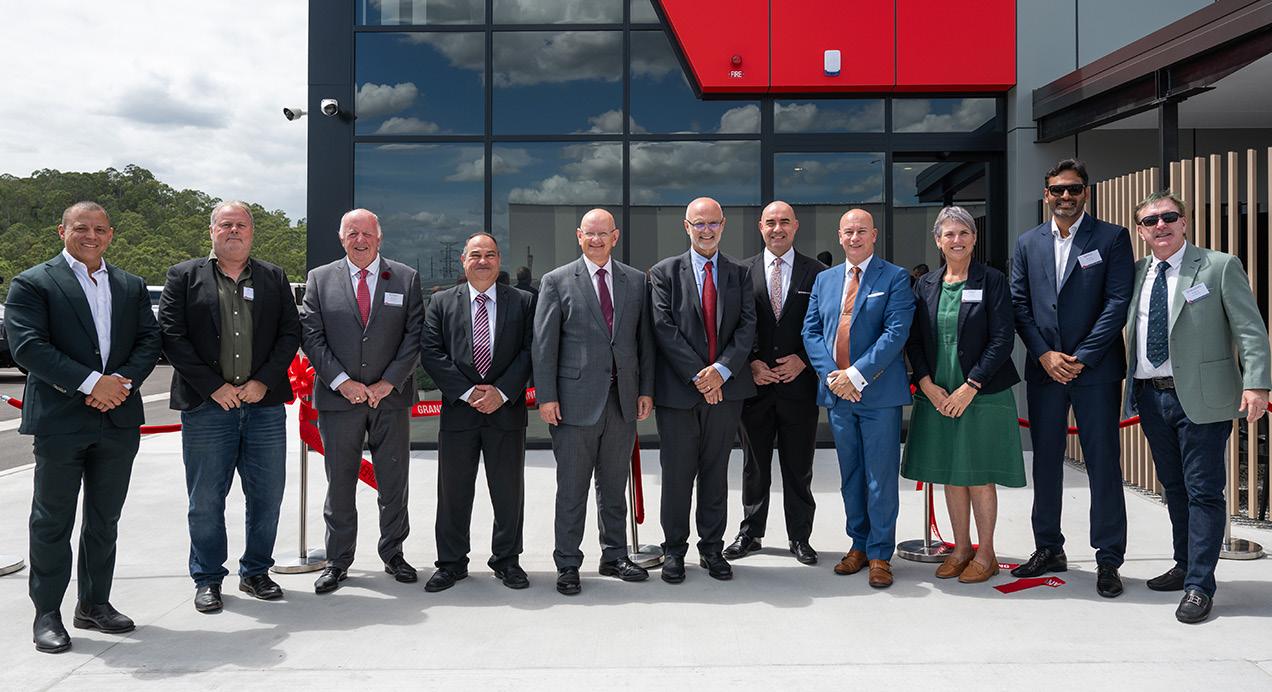
Q. ILG+ has been one of the group’s biggest initiatives this year. How is this progressing?
ILG+ was launched to provide members with smarter and more efficient marketing solutions through a centralised platform. The portal gives advertising members streamlined access to studio requests, social media assets, promotional collateral and point-ofsale materials.
It also includes an integrated AI Editor tool, allowing members to quickly update pricing across digital assets and in-store tickets. Alongside ILG+, we have expanded digital payment capabilities across our e-commerce stores, including the introduction of Apple Pay, with Google Pay scheduled for early 2027. We are continuing to see strong member adoption across our e-commerce platforms as more new features are rolled out.
Q. Having seen strong member engagement over the last 12 months, what are the key benefits of being part of the ILG banner?
Our co-operative structure remains one of our greatest strengths. Our members are not customers; they are part owners of the business itself.
That model ensures member feedback is heard and acted upon, while fostering close relationships built on trust, transparency and shared success. We believe that strong connection with members is a key point of difference in an increasingly competitive market.
Q. What are you looking forward to in the next 12 months?
Over the next 12 months, our priority will be helping members navigate increasing cost pressures while continuing to strengthen member and supplier partnerships.
We recently completed our annual strategic workshop, which allowed us to identify future opportunities and areas for improvement across the business. Having a clear and commercially grounded plan puts us in a strong position to continue delivering meaningful support and real value to members over the next 12 months. ■

Q. What are the key priorities for Liquor Legends as you head into FY27?
Our focus is on delivering sustainable growth through industryleading innovation and ensuring our members have the tools they need to drive transaction and GP dollar growth in a challenging retail environment. We’ve spent a lot of time redefining our strategic objectives and refining the services that deliver the greatest value to our members.
Year after year, we continue to achieve strong growth because we have fantastic members who execute to a very high standard. The challenge for us is continually redefining what we deliver to keep that momentum going. Recruitment and retention remain important, but we’re also very conscious that our model is not for everybody. What matters is having the right partnerships and alignment across the network.
Q. Loyalty and CRM have long been strengths for Liquor Legends. How are those platforms evolving?
Our Swordfish CRM platform has been delivering personalised messaging for 20 years, but the capability today is vastly different to what it once was.
What’s really exciting is the integration across on-premise, offpremise and online channels. Having the ability to connect all of those touchpoints through AI-driven personalisation and insights is something that genuinely sets us apart.
We’ve also launched our app, which is already live and moving into further development phases. Five or six years ago we didn’t necessarily see the need for an app because the website was doing the job, but consumer engagement has evolved significantly and the app allows us to communicate promotions, loyalty offers and event activity far more effectively.
Q. How important are technology and automation to supporting retailers at store level?
Technology is absolutely central to what we do. One of the best
examples is LARA, our automated replenishment platform, which is now being used weekly across more than 140 outlets.
LARA combines the best buying practices we’ve developed over the last 36 years and translates that into a practical tool for retail managers. It provides visibility around stock movement, promotions, ordering quantities and inventory performance in real time.
The real benefit is that it removes complexity for retailers and helps them make faster, smarter decisions without having to manually process huge amounts of information.
Q. What role does liquid stock control play in driving retail performance?
Stock control is one of the most important operational pieces in liquor retail because it impacts margin, cash flow and efficiency.
What our liquid stock control service provides is a reliable system backed by a complete support structure, so operators don’t have to spend their time sitting behind a computer trying to manage administration.
We’ve been refining these processes for more than 30 years and the goal is always to ensure staff can focus on serving customers, not troubleshooting systems or chasing reporting. The combination of strong stock control and integrated marketing is what ultimately drives strong retail performance.
Q. Looking ahead, how do all these initiatives come together to support long-term growth?
It’s the connection between all of the services that creates the opportunity. Whether it’s loyalty, category management, automation, stock control or marketing, everything is designed to work together as part of one connected ecosystem.
The strength of our systems means we can react quickly, support retailers efficiently and continue evolving with the market. In an environment that remains incredibly challenging, having stable, integrated and scalable systems gives our members a real competitive advantage. ■



Chris O’Brien, General Manager, Liquor Barons, discusses AI investment, local retailing and cooperative-led growth strategies.
Q. What have been the highlights for Liquor Barons in 2026?
So far, 2026 has been an exceptional year for Liquor Barons. Operating efficiently for more than 30 years as a proudly Western Australian distributing cooperative, we continue to post outstanding results. A major highlight has been our relentless drive toward technological innovation. We are currently adding a sophisticated layer of artificial intelligence to our already market-leading POS, loyalty, and data systems.
At Liquor Barons, we possess an entrepreneurial mindset and take pride in being proactive rather than reactive. This major investment in digitalising our promotional planning and range management ensures both our members and our supplier partners achieve highly objective, data-driven commercial success.
Q. Liquor Barons has really leant into its consumers’ appetite for authenticity and local discovery over the last 12 months. How has this translated into success? The modern consumer has moved past generic retail; they demand an experience that is bespoke, curated, and exceptionally local. Because every Liquor Barons store is independently run by locals who intimately know their community best, we are perfectly positioned to satisfy this appetite. This authenticity translates directly into steady foot traffic and basket growth. Our model is engineered to provide the highest margins and the most flexibility in the market, empowering our retailers to dynamically tailor their offerings to their specific neighbourhoods rather than adhering to a rigid, one-sizefits-all corporate mandate.

Q. The reinvented A Thirst for Discovery campaign has been a big focus for Liquor Barons. How has its evolution helped the network develop a more distinct identity?
Our A Thirst for Discovery campaign has exceeded all expectations and stands as another clear example of our market-leading consumer marketing. In a broader retail landscape where most major chains simply shout about price competition, Liquor Barons is deliberately doubling down on brand.
The campaign takes our character, ‘The Baron,’ beyond the bottle shop to celebrate exploration, curiosity, and true local connection. It reminds WA shoppers that discovery isn’t just about what is in the bottle, but the stories that come with it, cementing our identity as a sophisticated brand built on genuine character and swagger.
Q. What are the biggest challenges for liquor retailers right now? How are Liquor Barons members overcoming them?
Rising operational costs and shifting regulatory frameworks are constant pressures across the board. Right now, we are closely navigating the RBA’s changing rules around merchant fees. However, true to our nimble and entrepreneurial nature, we are actively turning this challenge into a distinct commercial advantage. These impending rule changes will make our already formidable 120,000-member loyalty program even stronger. We are significantly increasing our resources and capital investment in this area to ensure our members can continue to leverage deep consumer data to deliver unmatched value. ■
Join Us to Honour the 2026 Trophy Winners and Celebrate 200 Years of the Sydney Royal Wine Show.


Adrian Moelands, General Manager (Vic) at Thirsty Camel, discusses loyalty, retail innovation and independent growth strategies.
Q. What have been the highlights for Thirsty Camel in 2026?
So far, 2026 has been a strong year of momentum for Thirsty Camel, particularly around investing back into our stores and improving the customer experience. Some of the biggest milestones have been the rollout of digital ticketing across more Victorian stores, the launch of Hump Day Deals, continued growth of Hump Club, and our Victorian regional roadshows.
The roadshows in particular have been a highlight, giving us the opportunity to connect directly with store teams and reinforce that our focus remains on helping independent retailers compete and win locally.
Q. How is Hump Club evolving and what benefits is it delivering retailers?
Hump Club continues to go from strength to strength and has become one of the biggest drivers of value across our network of stores in Victoria. Since the launch of Version 3, we’ve seen strong month-on-month growth in offer redemption, membership and loyalty transactions.
The biggest unlock for retailers has been access to smarter customer data and delivering more personalised rewards to their members. This is driving increased visit frequency, stronger basket size and improved customer retention.
Q. How successful has Hump Day Deals been since launch?
Hump Day Deals has launched with a bang and has quickly become one of our most exciting customer engagement programs. The concept is simple – every Wednesday we announce a one-day-only disruptive offer exclusively for Hump Club members, whether that’s a deep discount, bundle deal, gift with purchase or free drink on us.
The program has been incredibly successful in driving midweek foot traffic and creating excitement around the brands and products featured in the deals. In some cases, we’ve generated the equivalent of two weeks’ worth of loyalty sign-ups in a single day through Hump Day Deals activity alone. Wednesday is quickly becoming our strongest day for Hump Club transactions and revenue.

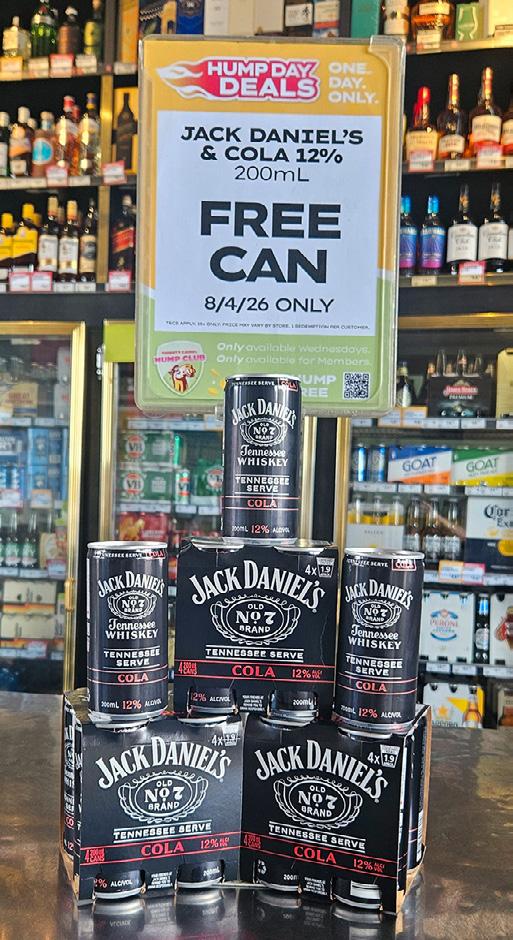
It’s given stores another reason to communicate with customers during the week and has helped reinforce Hump Club as a genuine value program rather than just a traditional points-based loyalty offering.
Q. How are operational initiatives like digital ticketing helping stores compete more effectively?
Our focus has been on giving members practical tools that improve both profitability and operational efficiency. The increased rebate investment helps stores remain competitive while still protecting margin, particularly in a challenging retail environment.
A major focus for us recently has been the launch of Prosper Hospitality Collective, an exciting new initiative designed to leverage the scale of the independent on-premise market to unlock better buying outcomes, reduce operational costs and deliver more value back to independent venues.
Digital ticketing has also been a game changer for many stores. It allows retailers to react quickly to market conditions with near real-time pricing updates, promote late-week or weekend offers more effectively, and create a more engaging customer experience in-store. We’ll continue to onboard more Victorian stores to the digital ticketing program in FY27.
We’ve also recently introduced new lockable display units designed to help combat the growing issue of theft in liquor retail, giving stores smarter ways to protect high-value products without compromising shopability or presentation.
Q. What opportunities and challenges do you see for independent liquor retail over the next 12 months?
The independent liquor landscape remains highly competitive, particularly with ongoing cost-of-living pressures impacting consumer spending and retailer profitability. Margin pressure and the increasing operational costs faced by small business owners will continue to be key challenges across the next 12 months.
At the same time, there’s a huge opportunity for independents to differentiate through expanding our definition of convenience, loyalty and customer experience. ■

CAMEL COMMUNITY Networking &
STORE SIGNAGE Specialist
&
design fitouts
Insight driven category management.
Everyday Value Program

Core range based on your store size (Large, Medium or Small)
EXPERT KNOWLEDGE Managers with extensive liquor & retail experience
Disruptive marketing support.
National marketing campaigns at key selling periods
‘Always On’ digital advertising
Exclusive activations with big brands
Access to
and trends
Market leader in loyalty.
Hump Club customers spend 50% more per transaction than regular customers
Unlimited redemptions on member pricing.


Retailers are redefining Cognac and brandy through premiumisation, education, smaller formats and experiential discovery.
For years, Cognac and brandy have occupied an unusual position in Australian liquor retail. Revered by loyal drinkers and closely tied to gifting and celebration occasions, the categories have simultaneously struggled to recruit younger consumers while facing mounting competition from tequila, whisky and premium rum.
Yet beneath the headline declines, suppliers and retailers say a more nuanced transformation is underway – one defined less by contraction and more by premiumisation, occasion-based purchasing and a shift toward curated, experience-driven consumption.
According to Circana Senior Consultant for Liquor & Tobacco Andrew Gerrard, both Cognac and brandy are currently under pressure in Australian retail.
“Both Cognac and brandy have declined in the MAT to 15/02/26 as shoppers are both spending and consuming less of these categories,” he says.
“In comparison to total glass spirits these two
are seeing greater rates of decline, potentially due to pricing / affordability as Cognac is more of a premium category.”
However, suppliers argue the broader story is more complex than simple category decline.
Kristy Rutherford, Marketing Director for the Pacific at Pernod Ricard, says Cognac is proving resilient at both the ultra-premium and accessible ends of the market.
“Cognac is holding its ground with modest positive momentum, growing +1.8 per cent RSV (MAT 12/4/26), though performance is increasingly polarised,” she says.
“Growth is concentrated at the top end of the price spectrum (above $180) and at entry-level price points under $110, while the middle of the category continues to soften.”
That polarisation is becoming one of the defining themes shaping retailer strategies.
“This is not a reinvention of the category. It’s a reawakening.”
Ryan Sullivan, Marketing Director at Spirits Platform, describes the current environment as fragmentation rather than outright decline.
“The Cognac category is not declining uniformly,” he says. “At the more accessible end, consumers are actively trading down or reducing frequency, while at the ultra-premium end there is still strong demand for exclusivity, rarity and status driven purchases.”
For retailers, that means success increasingly depends on understanding where value still exists within the category, and how consumers now define luxury.
Premiumisation without excess Sullivan says consumption occasions are becoming increasingly deliberate and experience led.
“We are also seeing examples of consumers drinking ‘less but better’, with purchase occasions becoming more intentional and experience driven rather than habitual.”
That behaviour is reshaping everything from ranging decisions to pack formats and merchandising strategies.
At Red Bottle, Associate Director Andrew McKay says shoppers are still engaging strongly with Cognac, particularly in stores located in metropolitan CBDs and areas with strong Asian consumer demographics.
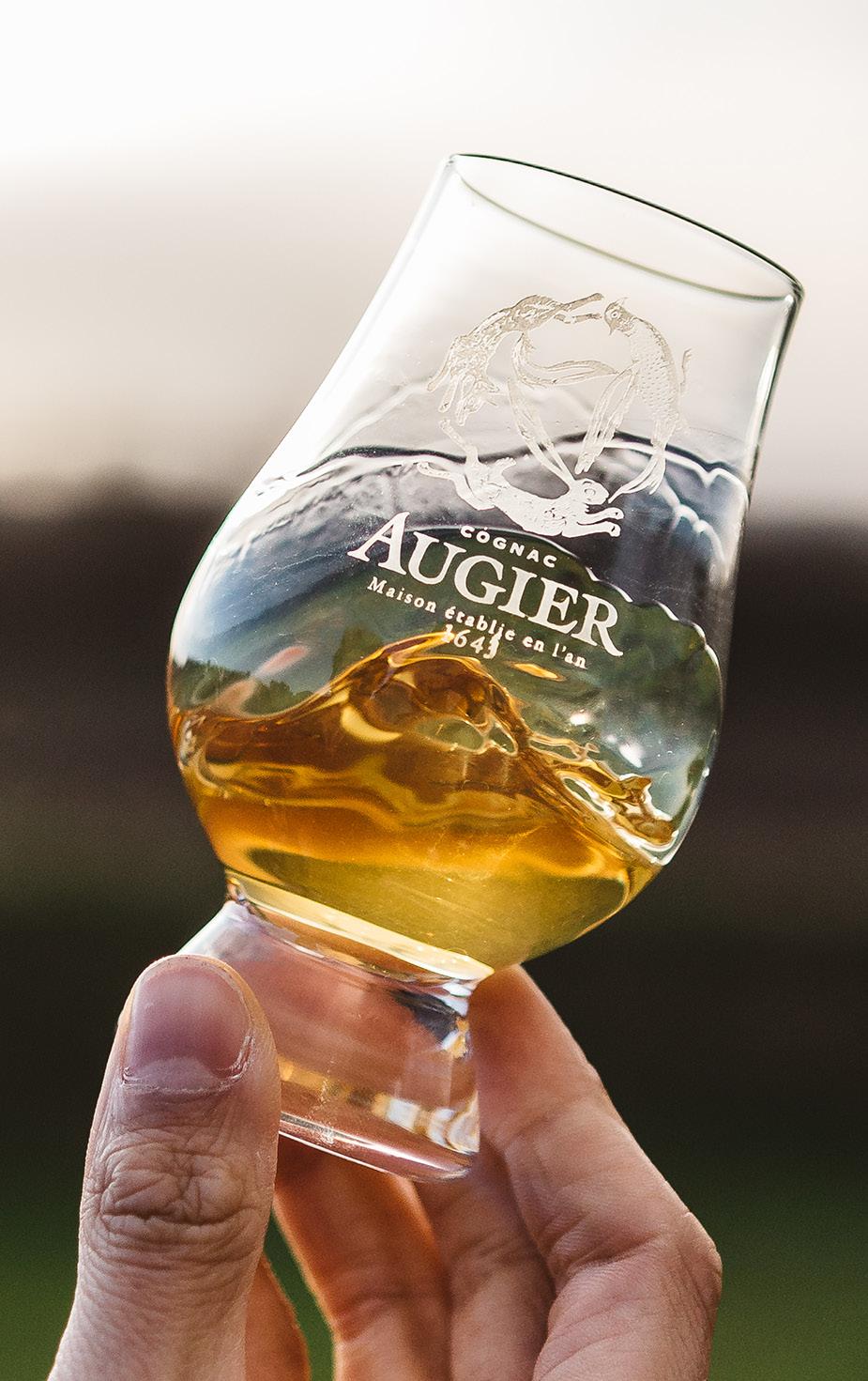
“Cognac is a reasonable part of our business due to the location of stores in the CBD especially around Chinatown,” he says.
However, McKay says the category’s strongest growth is no longer necessarily coming from traditional large-format premium purchases.
“The mid tiers around VS and VSOP are continuing to perform well, especially in small formats (200ml and 50ml) as customers trade down in affordable luxury,” he says.
“They still want to experience a fine Cognac, but don’t really want a 700ml bottle.”
That trend toward smaller formats is becoming increasingly important for suppliers and retailers alike.
Circana’s Gerrard says smaller packs may provide one of the clearest pathways to attracting new shoppers into the category.
He says: “Investigate smaller pack formats (e.g. 200ml to 500ml) in order to lower the barrier to entry and to entice more novice or light buyers into the category.”
Rutherford agrees, noting that smaller formats are now helping drive accessibility, moderation and trial.
“The segment above $100 is beginning to emerge as well as smaller formats and innovation, pointing to a broader shift toward trial, moderation and convenience,” she says.
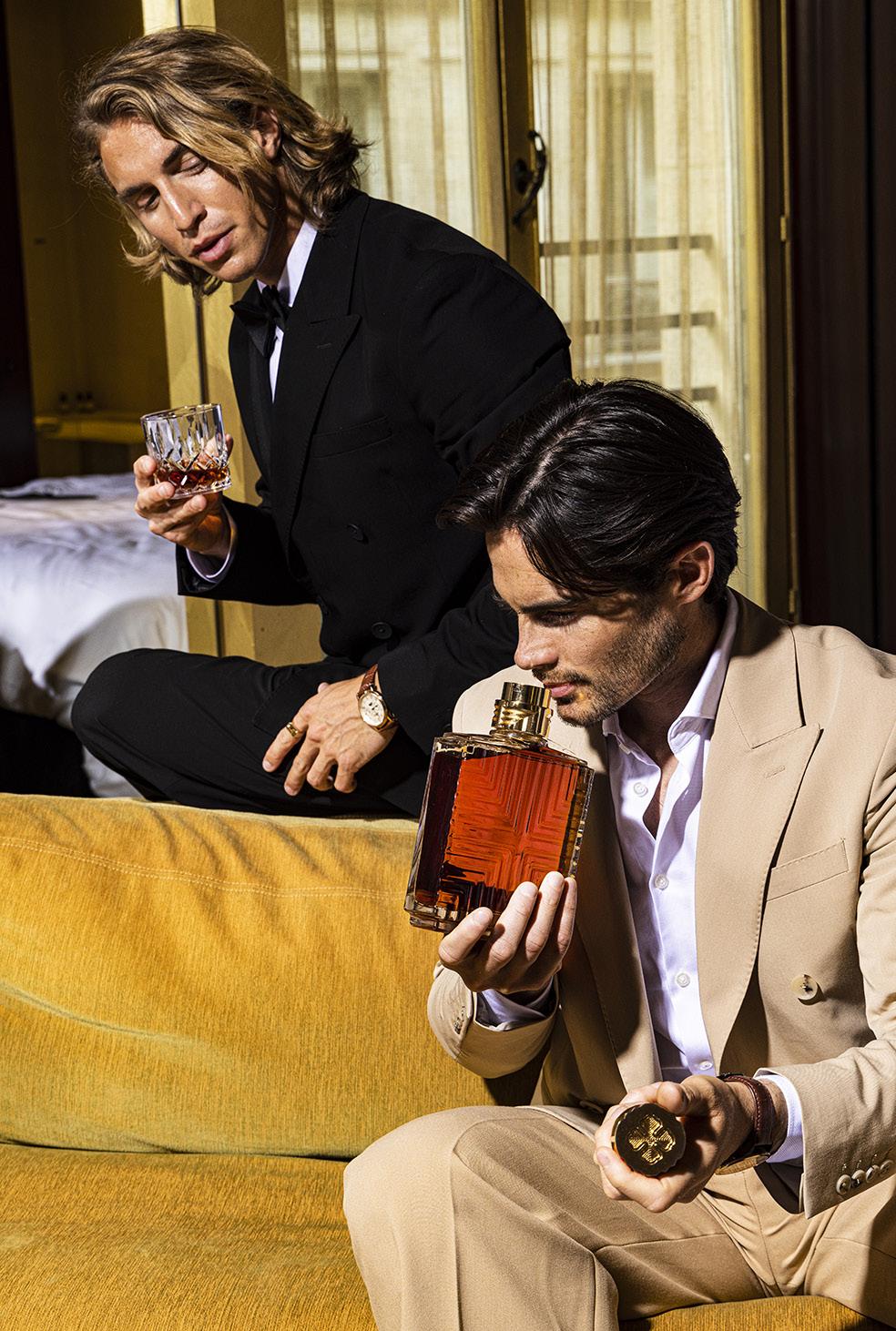
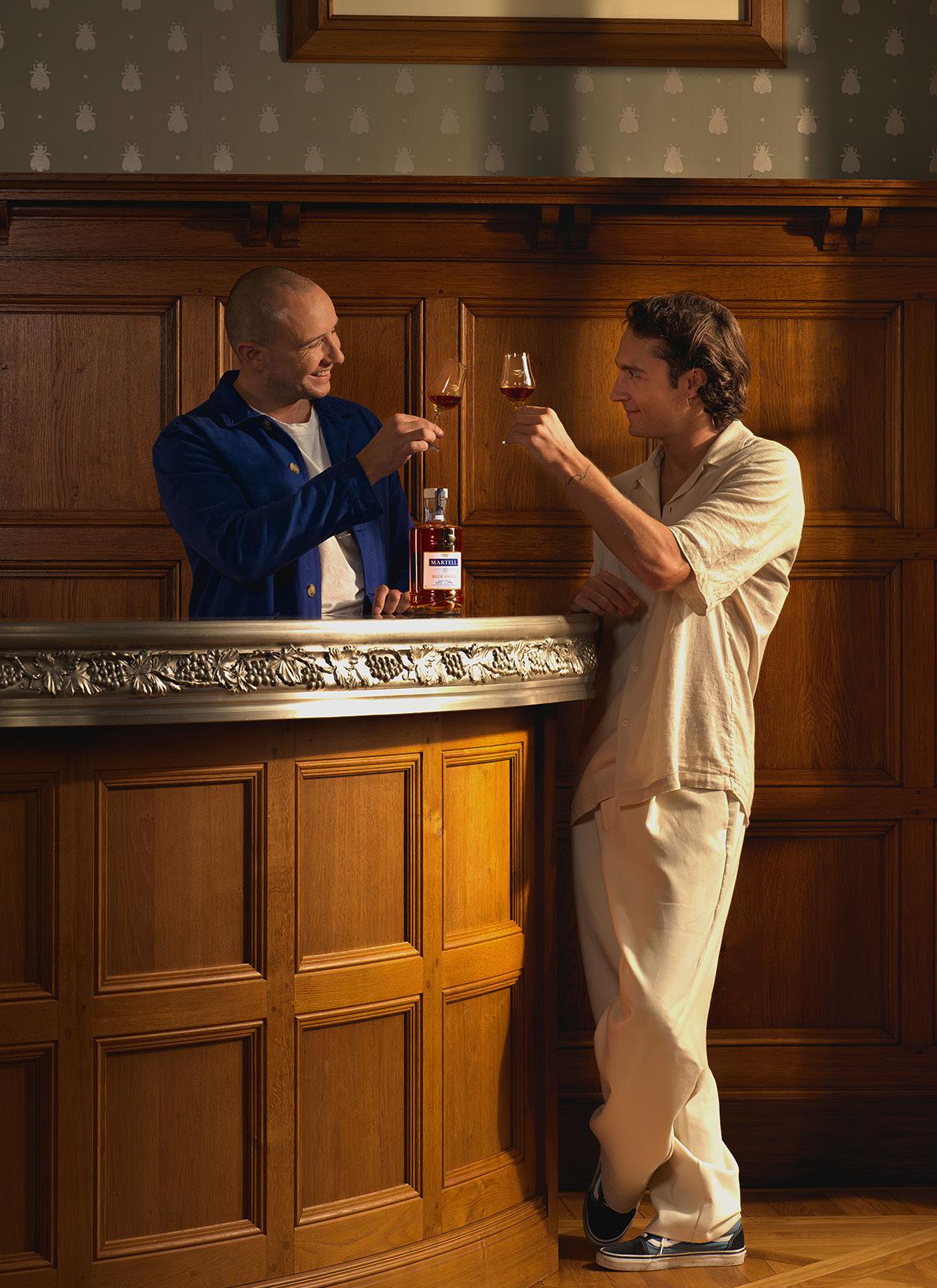
While ultra-premium and entry-level products are finding traction, the mid-tier remains under pressure.
Franco Palumbo, General Manager Wholesale for Alepat Taylor, says the strongest opportunity currently sits within accessible premium Cognac.
“There’s a real opportunity in the VS and VSOP tiers under $100, where consumers still want premium but expect value,” he says.
This search for affordable luxury is being accelerated by rising prices across other premium spirits categories.
“Again, this is especially relevant in the VS and VSOP tiers, where Cognac offers a premium yet attainable alternative to categories like Whisky and Rum, which have seen significant recent price inflation but don’t necessarily deliver the same quality, provenance and complex flavour profile of Cognac.”
For suppliers, the challenge is ensuring consumers understand those quality differences and feel confident exploring the category.
“We’re seeing return shoppers quickly looking to trade-up when they understand the quality difference,” Palumbo says.
“That’s why we’ve rationalised our ranging from Camus to offer more unique options in the sub-$150 price point, to encourage experimentation within the category.”
As consumers become more selective, education is emerging as one of the category’s most important retail tools.
“The category isn’t in decline, it’s in transition.”
Kristy Rutherford, Pernod Ricard
Palumbo argues that education may be the single biggest lever available to retailers looking to grow category value.
“For new entrants, authenticity and flavour are key drivers so education is critical – arguably the biggest lever retailers have to grow value in this category,” he says.
“Many consumers still perceive Cognac as either too expensive or too traditional.”
He says retailers that can clearly explain production styles, ageing classifications and flavour profiles are significantly more likely to convert browsing shoppers into buyers.
“Staff who can clearly communicate the difference between VS, VSOP and XO and the age of spirit in the bottle, a production story where terroir is as important as in wine, and the flavour profile and drinking recommendations are far more likely to convert interest into sales.”
Yet modern luxury consumers increasingly want more than information alone.
Sullivan says immersive experiences are now becoming more powerful than traditional education models.
“Luxury spirits consumers increasingly want ritual, theatre, craftsmanship and memorable experiences alongside the liquid itself,” he says.
This is reshaping how luxury spirits brands approach retail engagement and experiential activations.
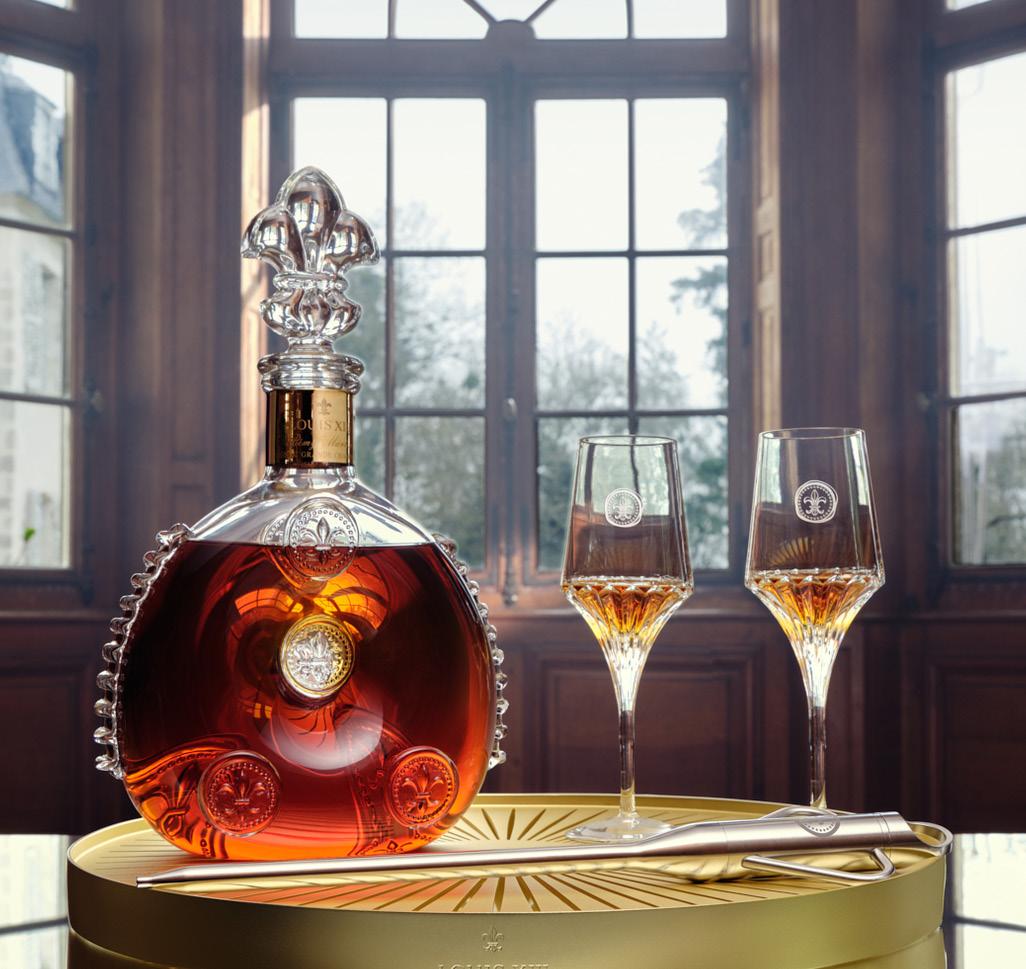
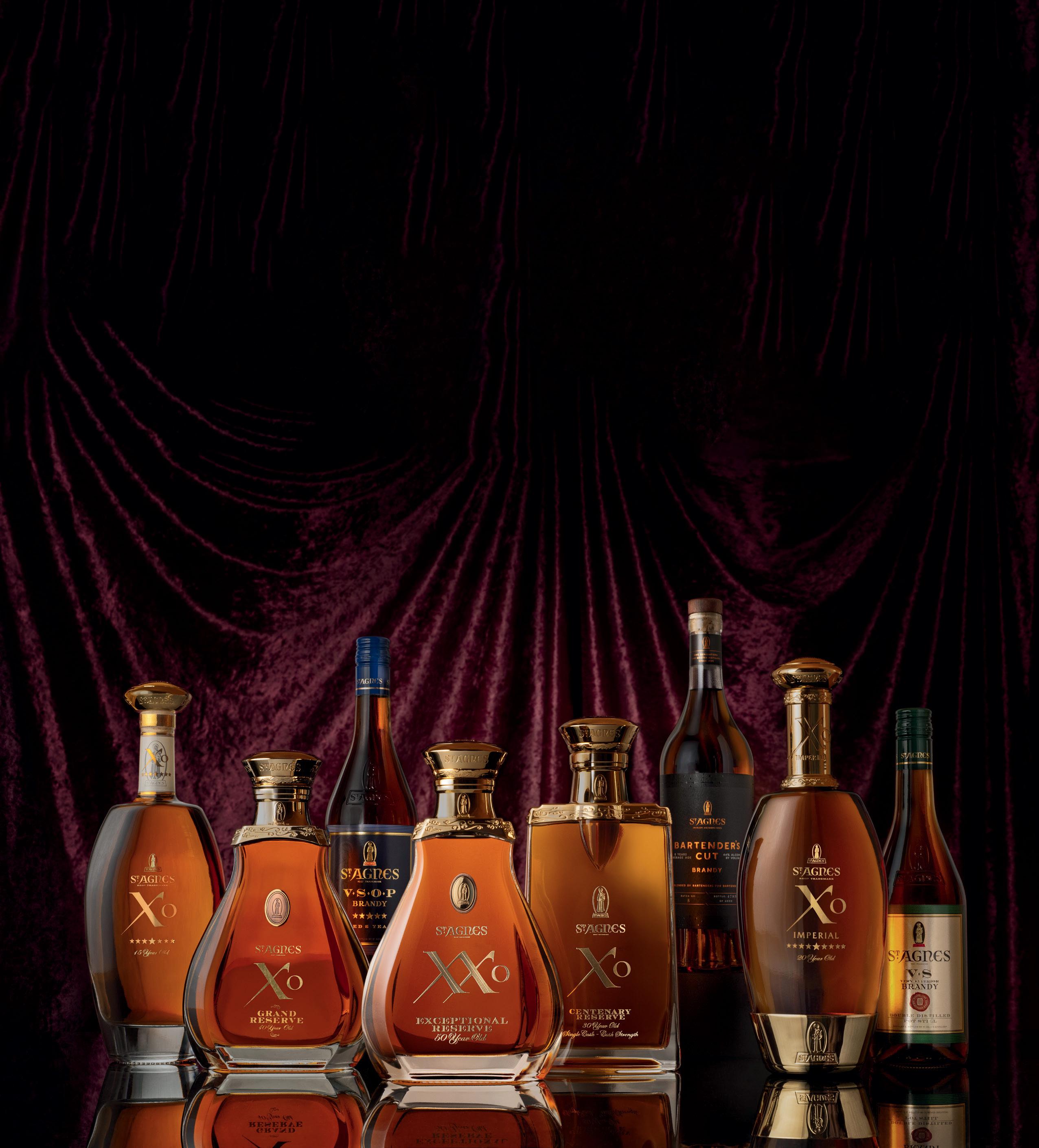
“Education is critical – arguably the biggest lever retailers have to grow value in this category.”
Franco Palumbo, Alepat Taylor
“The future opportunity for Cognac in Australia likely sits less in traditional late night consumption rituals and more in elevated hosting, gifting, food pairing and modern luxury entertaining,” he says.
While Cognac remains steeped in heritage and tradition, suppliers say cultural relevance is increasingly critical to attracting younger and more diverse audiences.
McKay says some of the category’s biggest successes have come from brands embedding themselves within broader popular culture.
“Hennessy’s NBA sponsorship and recent Jackson Wang collaboration have really driven awareness to a much wider audience where it has almost become part of the culture to certain consumers – it’s not a Cognac for them, its Hennessy.”
That broader cultural positioning is helping Cognac remain visible in a highly competitive premium spirits market.
At the same time, suppliers say younger consumers are prioritising authenticity and emotional connection over traditional status symbols.
“Younger affluent consumers are increasingly seeking authenticity, provenance and experiences over traditional status cues alone,” Sullivan says.
Rutherford believes this broader shift is fundamentally changing how consumers approach dark spirits.
She says: “Traditional Cognac, and Martell in particular, retains a strong and durable association with prestige, gifting and celebration.”
However, she says newer consumers are also embracing local and non-French brandy styles in more casual and experimental ways.
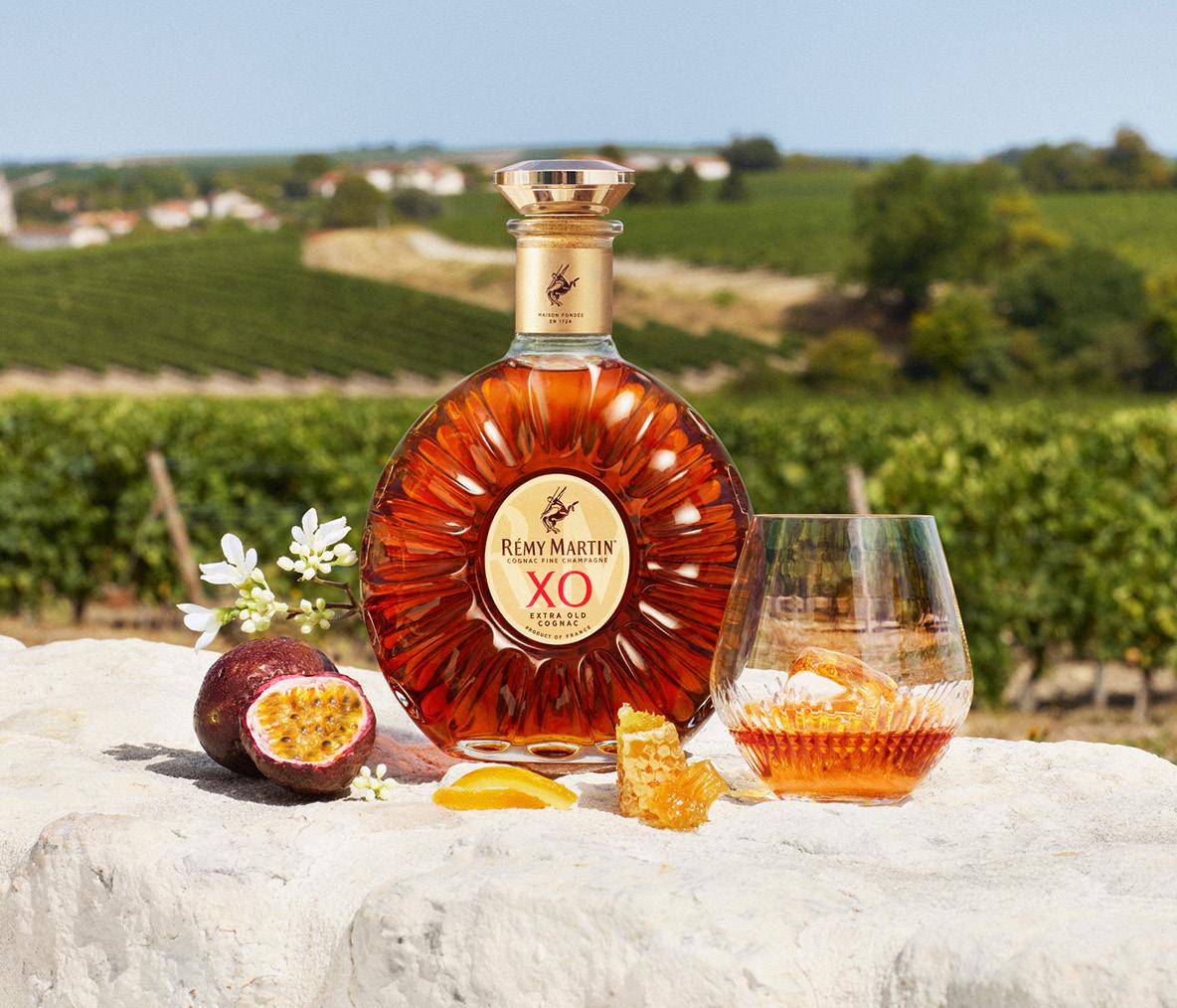
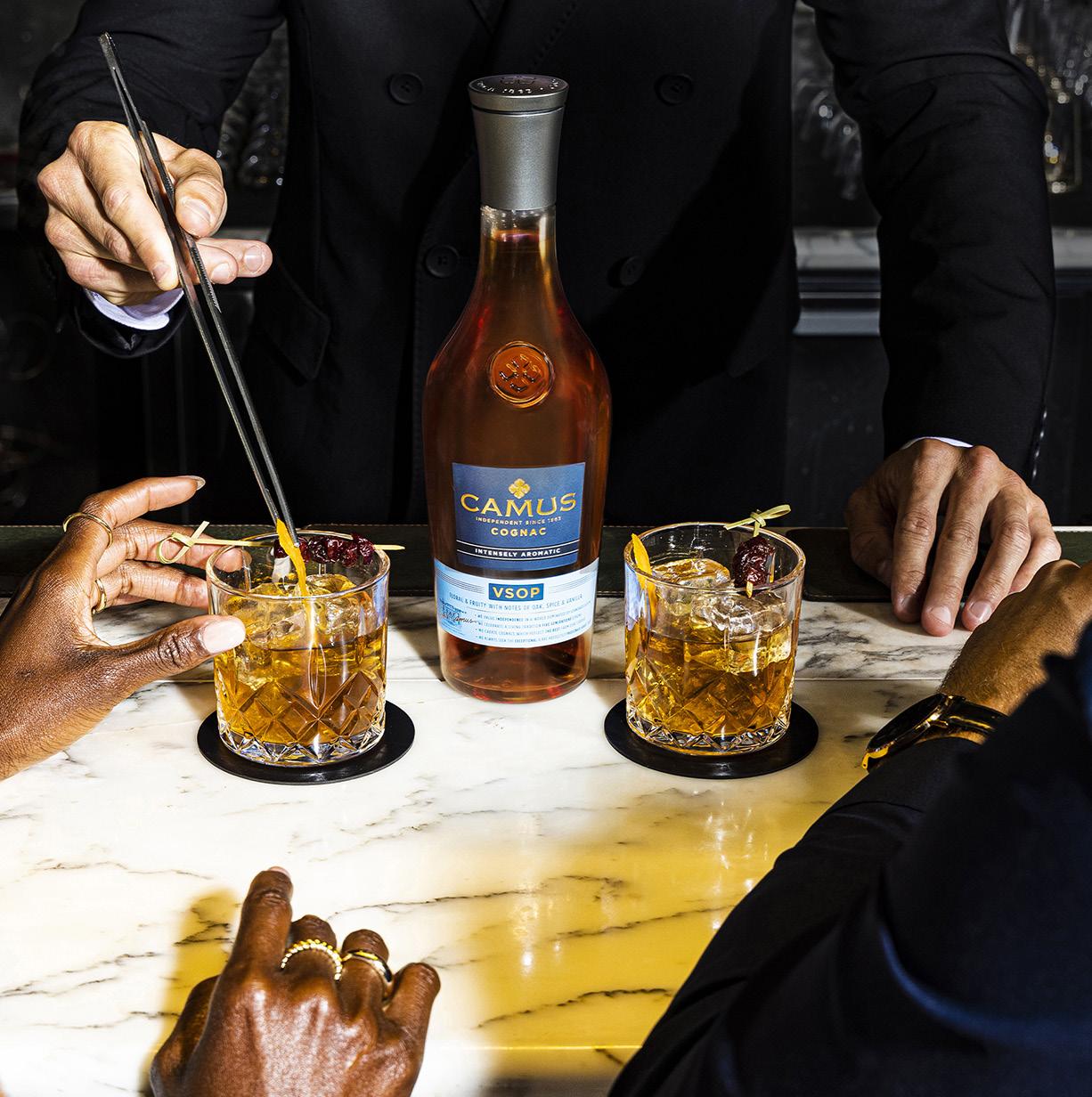
“These are being rediscovered as more approachable, everyday options better suited to cocktails, heritage storytelling and experimentation.”
For retailers, the category’s evolution is creating new ranging and merchandising opportunities.
Rather than carrying extensive ranges, suppliers increasingly advocate for more curated and intentional selections.
“For retailers, success in this category isn’t about range size – it’s about picking the right brands,” Palumbo says.
His recommendations are straightforward: “Curate rather than over-range. Champion brands with authentic stories and standout liquid quality. Invest in simple in-store education.”
Rutherford similarly believes retailers should focus on category roles rather than simply expanding shelf space.
“Global icons like Martell and Hennessy anchor trust, gifting and trade up and are essential for retailer credibility and basket value,” she says.
“Niche, local and emerging brands… drive discovery and capture shoppers who are drifting away from traditional French brandy.”
The retailers performing best, she says, are simplifying decision making while creating clear trade up pathways.
“Best in class retailers keep icons highly visible and simple while curating a tight but intentional selection of premium and local alternatives.”
Clear shelf messaging, gifting cues and format segmentation also becoming increasingly important.
“Retailers who simplify the decision while elevating value will be the ones who outperform over the next two years,” Rutherford says.
Retailers and suppliers also see significant opportunity flowing from the on-premise sector into retail.
Red Bottle’s McKay says building stronger cocktail occasions for Cognac could play a major role in broadening consumer appeal.
“Unlike some other growth spirits like tequila and American whiskies, Cognac isn’t part of that fresher, lighter fruit flavoured spirit occasion that lends itself to easy-to-make popular cocktails,” he says.
“The more work that can be done in the onpremise space to build Cognac-based cocktails and drink occasions will hopefully then spill out into more retail sales.”
Matt Redin, Marketing Manager at Angove Family Winemakers, agrees that premium cocktail culture is helping introduce brandy to new audiences.
“The resurgence of cocktail culture, combined with premium back-bar placement, is helping to reintroduce brandy to a new generation, ultimately creating pull-through demand in retail.”
That crossover between on-premise discovery and off-premise purchasing is becoming increasingly valuable as consumers seek more guided exploration.
Despite current volume softness, most suppliers remain optimistic about the category’s long-term future.
Rutherford says: “What’s increasingly clear is that the category isn’t in decline, it’s in transition.”
She says value growth is increasingly being driven by fewer but more intentional purchases, with consumers willing to trade up when the story is clear and choosing accessibility through format rather than price discounting.
For retailers, that means adapting to a category where emotional value, authenticity and curation increasingly matter as much as price and brand recognition.
Sullivan says the retailers and brands that succeed will be those that create meaningful consumer connection.
“The brands and retailers who win will likely be those who create emotional resonance, experiential value and culturally relevant luxury storytelling.”
At the same time, the rise of Australian brandy is adding fresh momentum and diversity to the broader category landscape.
For Redin, the category’s future is no longer about reclaiming – it is about redefining perceptions entirely.
“This is not a reinvention of the category,” he says.
“It’s a reawakening.” ■
Australian brandy is emerging as one of the category’s most compelling premium stories, driven by provenance, age statements and value relative to imported Cognac.
Matt Redin, Marketing Manager at Angove Family Winemakers, says local producers are benefiting from consumers seeking authenticity and discovery.
“Australian consumers are increasingly gravitating toward locally produced, authentic, and craft-driven spirits, and that momentum is now flowing into the brandy category,” he says.
St Agnes Brandy, which celebrated its 100-year anniversary in 2025, has become a flagship example of the category’s evolution. Redin points to the St Agnes XXO 50-Year-Old Exceptional Reserve receiving a 100-point score and the continued double-digit growth of the St Agnes XO 15-Year-Old as evidence that Australian brandy is gaining credibility globally and domestically.
For retailers, Redin says the opportunity lies in repositioning Australian brandy as a premium dark spirit rather than a legacy category.
“To unlock real growth, Australian brandy needs to be positioned as a premium category, never a peripheral one,” he says.
“That starts with placing it alongside whisky and other dark spirits, where consumers are already in a premium mindset, rather than confining it to a legacy ‘brandy corner’.”
He also recommends clear trade up ladders, visible quality cues and storytelling around provenance and craftsmanship.
“The retailers seeing the strongest results are those who present Australian brandy not as a substitute for cognac, but as a premium discovery in its own right.”
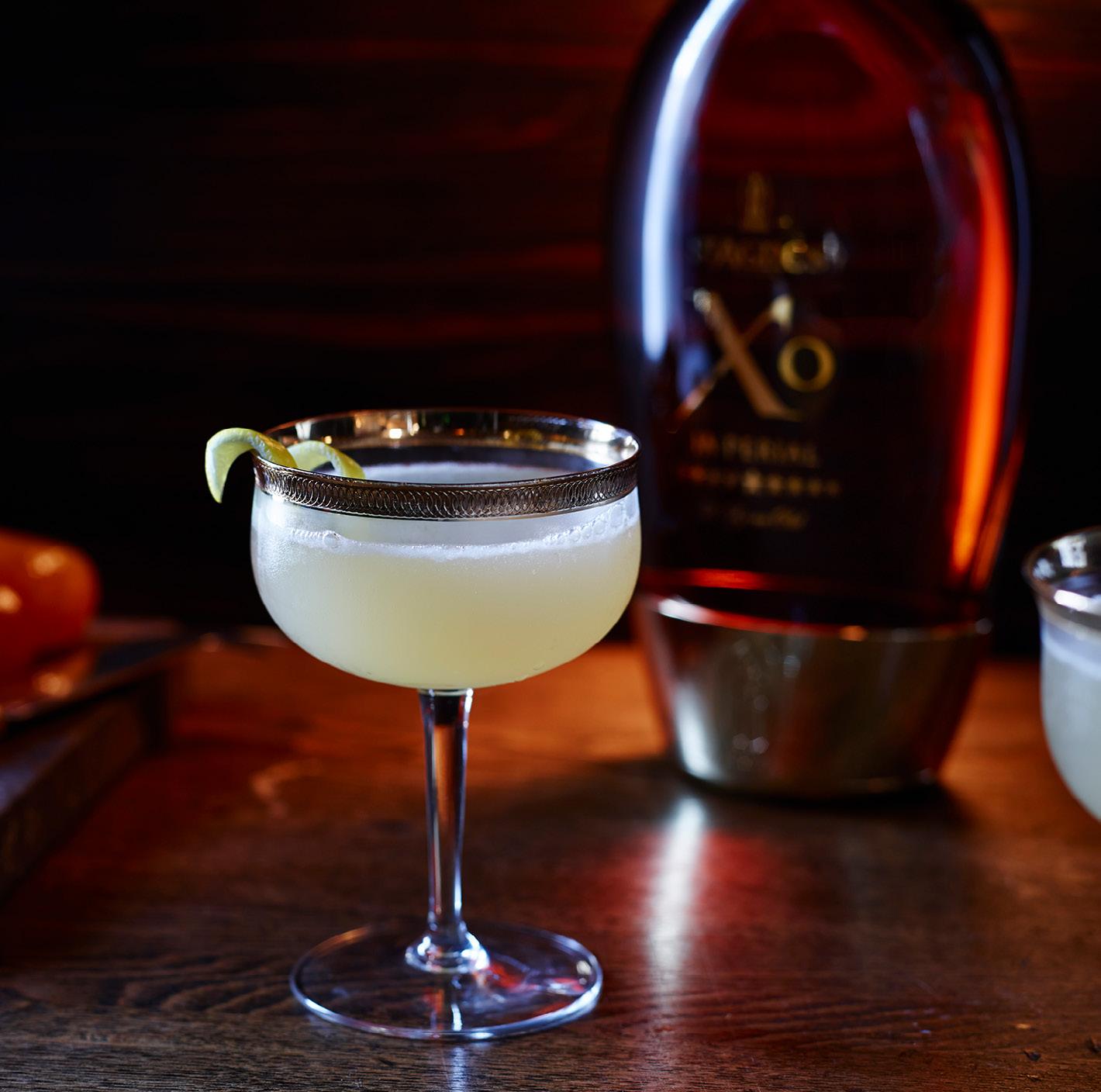
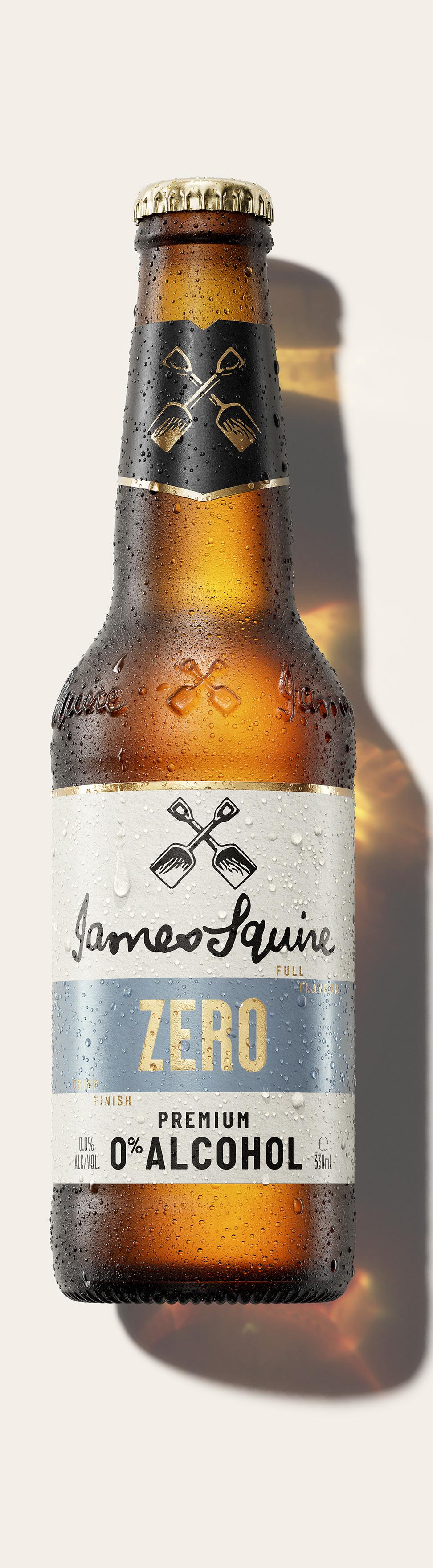
As the no- and low-alcohol segment establishes itself as a staple, a deliberate strategy can help retailers capture growing demand, writes Molly Nicholas.
On a strong upward trajectory, the no-and low-alcohol (NoLo) category has seen strong gains in the top 10 global markets in recent years. The category recorded double-digit volume growth of 13 per cent during 2024, translating to 61 million people recruited into no-alcohol between 2022 and 2024, and 38 million into low-alcohol.
Momentum shows no signs of slowing down either. While total beverage alcohol volumes are expected to grow at a compound annual growth rate (CAGR) of one per cent between 2024 and 2028, the IWSR forecasts seven per cent volume growth for no-alcohol beverages in the same period – driven largely by the no-alcohol beer segment, but boosted by additional gains for RTDs, wine and spirits.
Data published by the IWSR in 2026 has revealed that the most commonly cited motivations for buying non-alcoholic products are health related – with 37 per cent of alcohol-free beer consumers and 40 per cent of alcohol-free wine and spirits consumers citing “a healthy lifestyle choice”.
While the moderation mindset has certainly contributed to the growth of the NoLo market, Susie Goldspink, Senior Insights Manager – RTDs and No/Low Alcohol for IWSR, says it’s no longer the only motivation as the market becomes more established and categories outside beer gain participation.
“Other drivers besides health and moderation are now increasingly important, particularly in those emerging no-alcohol categories. Factors such as taste, availability and brand are becoming key drivers of choice, especially among younger legal drinking age consumers,” Goldspink stated.
According to Kerry Appathurai, Executive General Manager Sales and Customer for Lion, beer remains the growth engine for the NoLo segment – commanding 71 per cent of alcohol-free sales, with wine the next largest contributor at 25 per cent. She says mid-strength continues to dominate the moderation conversation, now accounting for 30 per cent of packaged beer sales and driving around 90 per cent of category growth over the past year.
“In terms of penetration, zero-alcohol beer is now reaching around five per cent of beer buyers, or approximately 2.5 per cent of all households, with gradual year-onyear increases. Repeat purchase remains more limited than traditional beer, reflecting the category’s still-developing role in consumers’ repertoires,” Appathurai added.
“Encouragingly, perceptions of quality are improving with nearly half (49 per cent) of Australian alcohol-free consumers agreeing that the taste of non-alcoholic beer, wine and spirits has improved in recent years.”
Kerry Appathurai, Executive General Manager Sales and Customer, Lion
At Asahi Beverages, the NoLo segment now accounts for around one third of total beer sales. While much of this can be attributed to the moderation message being increasingly adopted by beer lovers, Asahi Beverages’ Head of Beer Ben Eyles believes growing consumer interest can also be linked to investment in NPD, marketing and innovation.
“Great Northern Super Crisp at 3.5 per cent has led this category and been Australia’s number one beer for many years. Meanwhile, Carlton Dry 3.5% has been enormously popular since it launched two years ago and the new VB Mid is experiencing similar success.
“This underlines Asahi’s commitment to creating new occasions and expanding existing occasions as we drive mutual growth for our customers,” Eyles stated.
According to Nick Cogger, CEO & Co-founder of Better Beer, the opportunity in this space now is increasing overall beer volume by litre – not ABV.
“We think consumers will happily have a six-pack of a light (i.e. Halfy) beer on a Friday night and then get up early for a run the next day. For a full-strength six-pack drinker – a run the next morning might not be on the cards. They will therefore cut down the liquid consumed,” Cogger told National Liquor News
For a long time, dealcoholisation in wine was associated with a noticeable loss of flavour, aroma and structure, due to flavour compounds being stripped out. This hurt the perception of quality among consumers, but technological advances are helping to better preserve wine’s original character and having a measurable impact on quality.
More than two years in the making, Treasury Wine Estates (TWE) has demonstrated its confidence in this evolution by investing $15 million in an inhouse facility dedicated to NoLo production with state-of-the-art dealcoholisation technology, complemented by world-first patent pending processes for treating the aromatic component of wine that locks in flavour.
TWE General Manager Sales and Marketing – International, Sarah Parkes, says: “[The facility] houses customised vacuum distillation equipment to separate the base wine into three parts: de-alcoholised wine base, aroma essence and alcohol spirit. Using a proprietary process, the aroma essence goes through a second treatment to remove alcohol while protecting delicate compounds responsible for the wine’s aroma and flavour. This treated aroma is then blended with the dealcoholised wine base.
“The system has been designed to overcome challenges with existing processes for removing alcohol from wine that change its chemistry and impact richness, body and mouthfeel.”
While advancements in production are helping to improve quality and perception in de-alcoholised wines, other producers are taking a different direction entirely. Crafted at a purpose-built facility in Melbourne, NON is a non-alcoholic wine alternative built from scratch and without the need for dealcoholisation.
NON’s founder Aaron Trotman says that while de-alcoholised beer has improved significantly due to the base holding up better, wine hasn’t followed that path as cleanly.
“That’s why the better products aren’t trying to replicate wine. They’re building something that behaves like it, especially with food,” he stated.
From Trotman’s perspective, staff advocacy and training is an underrated element when it comes to NoLo conversaion. He says when the team gets it, they’ll sell it; and when they don’t, stock sits. Additionally, he identifies three means of execution that consistently drive sales of NoLo products in-store:
1. Dedicated non-alcoholic bays. He says: “Give it its own space. If it’s buried, it doesn’t move. A clear block signals the category is real and worth considering.”
2. Clear cues on usage. “Food pairing, occasion, serve. People need to know when to drink it, not just what it is.”
3. Premium signals. “Price, packaging, positioning. If it looks cheap, it sells cheap. If it looks like it belongs on a table, it moves.”
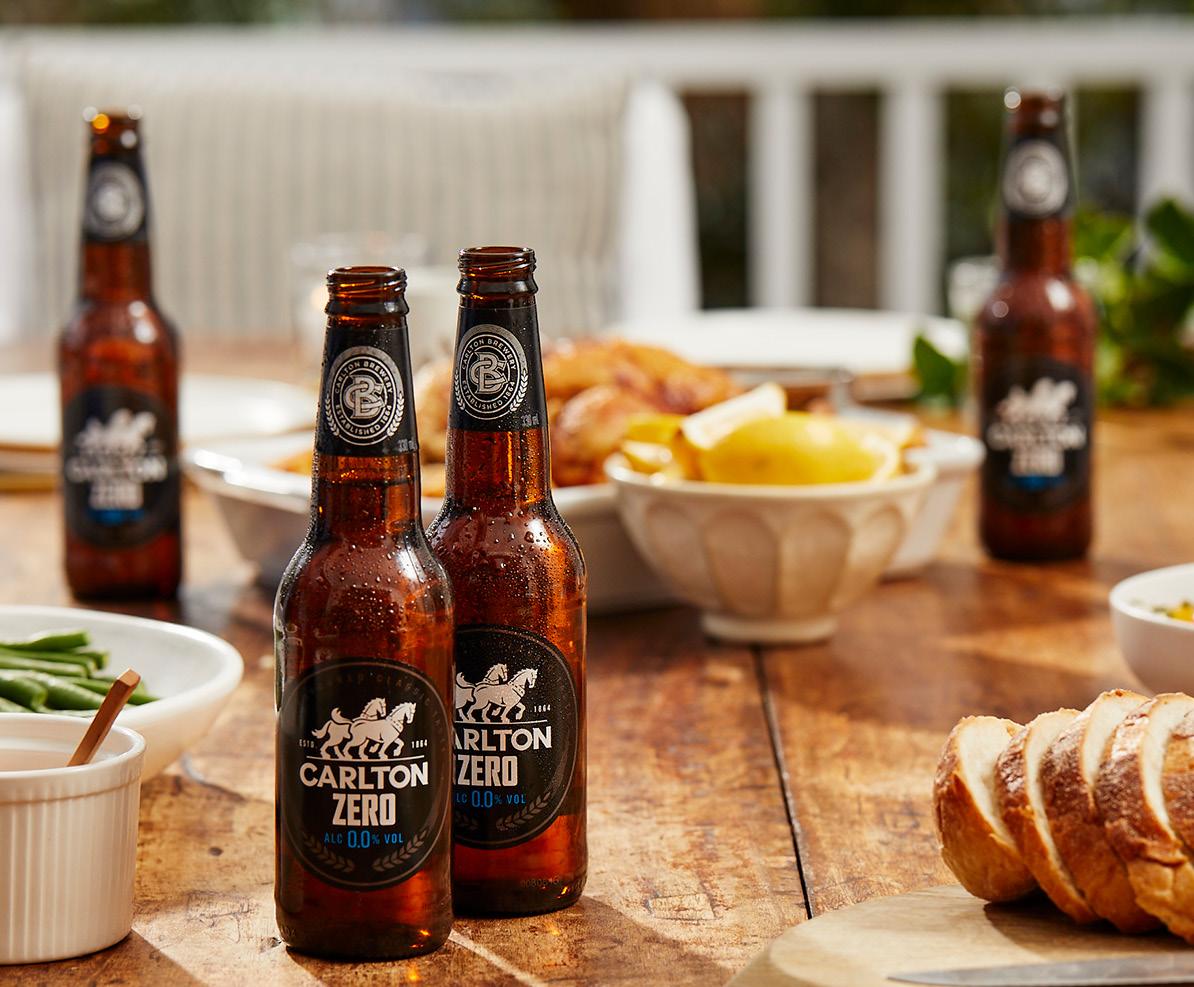
Rather than starting with wine and removing the alcohol, NON starts with flavour and structure, and consumers can feel the difference immediately, says Trotman.
“Dealcoholisation can only take you so far. You strip out alcohol, you lose structure, aroma, weight. Then you try to patch it back together.
“What’s actually moving the needle is a different approach –building flavour from the ground up, not removing alcohol from finished wine; using real produce, fermentation, tannin, salinity, and acidity as building blocks; and borrowing techniques from kitchens, not just wineries.”
Increasingly, factors beyond health and moderation have greater influence in driving consumption frequency in the NoLo segment. Consumer research conducted by the IWSR found that since 2022, taste, availability, brand and category awareness have become increasingly decisive factors in driving purchases – with 52 per cent of NoLo buyers seeking brands they already know and 32 per cent driven by taste preference.
Appathurai says: “Encouragingly, perceptions of quality are improving with nearly half (49 per cent) of Australian alcohol-free consumers agreeing that the taste of non-alcoholic beer, wine and spirits has improved in recent years.
“This uplift in flavour credibility is helping to drive trial and, importantly, legitimising the category as a viable alternative in social settings, not just a compromise.”
With mid-strength beer now accounting for a significant portion of total beer sales, Eyles says it should be a prominent feature of in-store advertising. Non-alcoholic beer, however, requires a more bespoke approach given its smaller scale, Eyles explains.
“As consumer tastes continue to evolve and beerdrinking occasions expand, all retail beer sections should feature a zero-alcohol area for beer lovers looking to moderate their consumption.”
Ben Eyles, Head of Beer, Asahi Beverages
“However, as consumer tastes continue to evolve and beerdrinking occasions expand, all retail beer sections should feature a zero-alcohol area for beer lovers looking to moderate their consumption,” he explained.
Cogger added: “We really focus on creating awareness and hype for NPD or existing products, followed by great retail execution so customers can find us when they are in the store. We have also positioned our ‘light beer’ with a differentiating naming convention, Halfy, to see if we can break through the barrier that light beer as a category is.”
When building a NoLo wine range, Trotman’s advice is to keep it tight and intentional. He recommends building ranges around structure over varietals and encourages retailers to consider price variability and ensure that format matches behaviour.
“If everything sits under $15, you signal low quality. A strong range spans $20–$40+ and holds its ground,” he stated. “And 750ml still matters. It signals occasion, sharing, and food.”
In terms of occasion, Appathurai says NoLo beverages are strongly linked to immediate consumption, and thus chilled availability can significantly enhance conversion. She also points to strategic ranging and promotion to maximise visibility.
“As always, in-store execution is critical; destination merchandising either through dedicated zero-alcohol bays or clearly signposted sections within existing categories can help shoppers navigate what is still a fragmented space. Cross-merchandising alongside full-strength equivalents also supports trade-up and substitution.
“Beyond the physical shelf, there is also a role for digital and omnichannel engagement. These shoppers are often already in the liquor category, so targeted prompts whether online or via loyalty platforms can encourage incremental addition to basket and drive trial,” Appathurai concluded. ■
“If everything sits under $15, you signal low quality. A strong range spans $20–$40+ and holds its ground.”
Aaron Trotman, Founder, NON
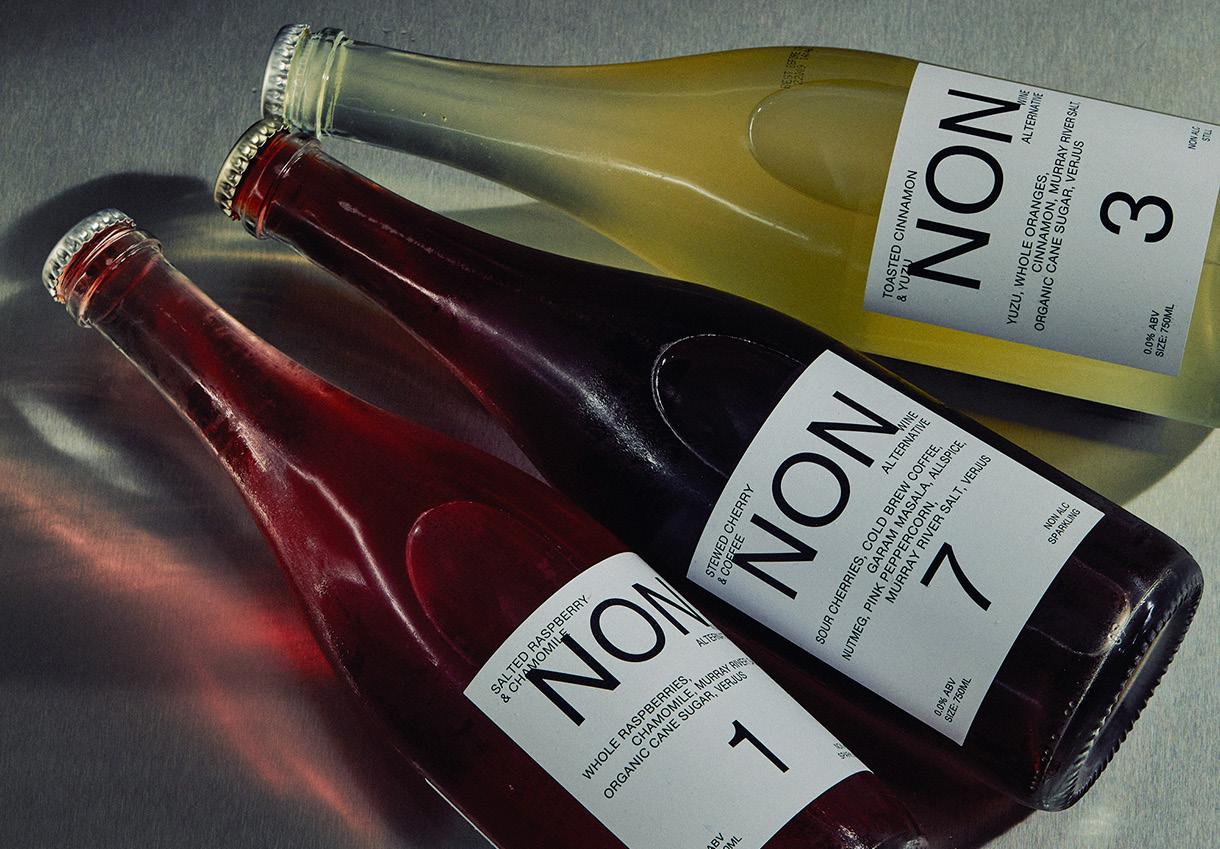
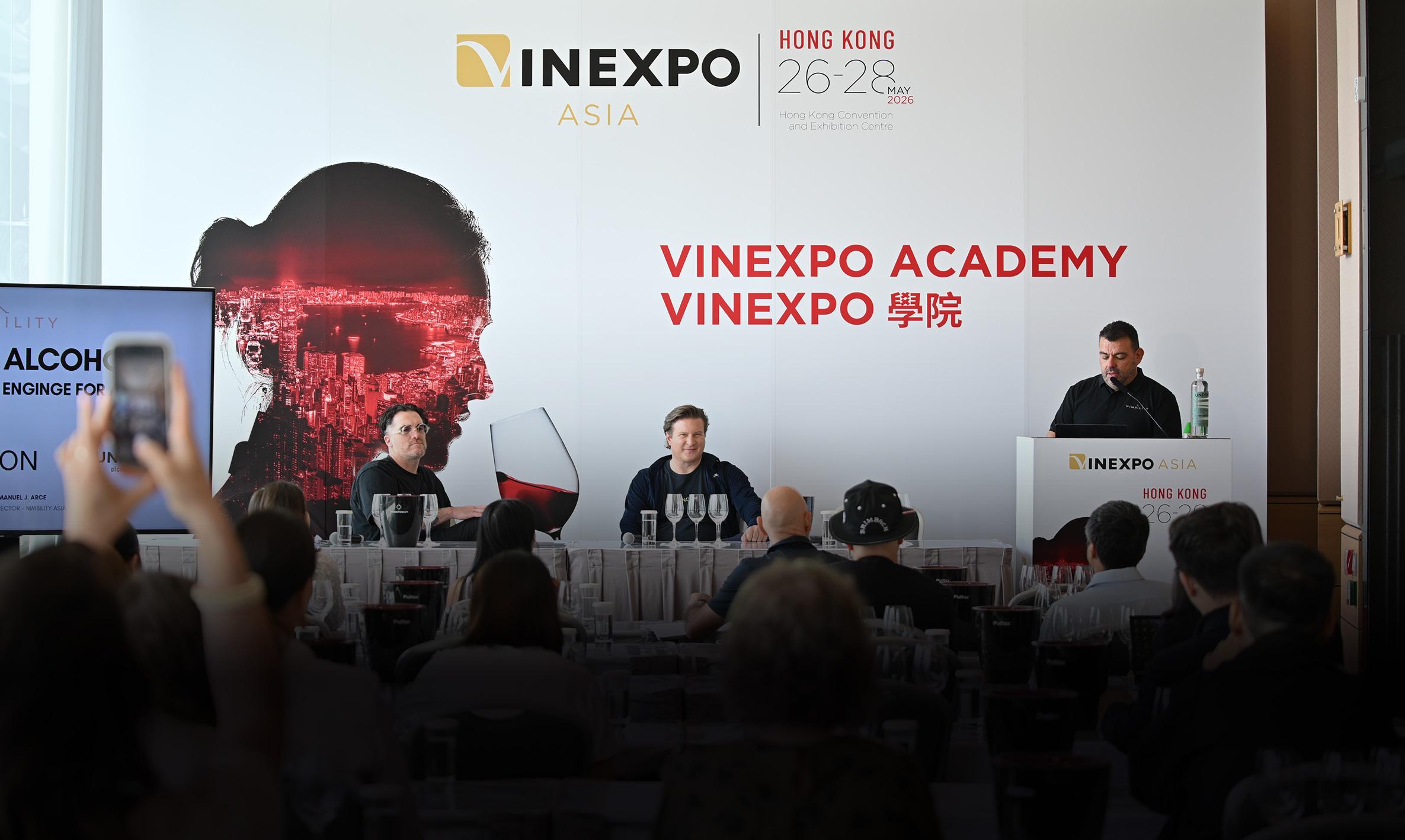
Vinexpo Asia returned to Hong Kong in 2026 offering an exclusive meeting place for key buyers and liquor industry professionals in the Greater China and Asia Pacific regions.
This year’s event was held at the HKCEC from 26-28 May, creating a strategic meeting point for professionals engaging with a global wine and spirit market undergoing significant transformation.
Exhibitors from more than 30 countries were on display, alongside regional and institutional pavilions and an all-new dedicated spirits area Be Spirits and nonalcohol area, Be No.
The Wine Australia pavilion returned with 53 wine producers co-exhibiting and representing the country’s top winemaking regions.
Also representing Australia was the largest delegation of spirits and distilleries, with 32 local producers exhibiting in partnership with AusTrade and the Australian Distillers Association (ADA).
Appetite for Australian-made Despite ongoing market challenges, attendees agreed that investment in visibility within mature and emerging markets across
the APAC region is driving sustainable growth for Australia’s liquor industry.
Sitting among producers conducting quality meetings, Paul Turale, General Manager of Market Development for Wine Australia, said among the cohort, the importance of provenance and storytelling was clear.
“Depending on the buyer, the story we tell is also different. Some have more of a collective Australia position whereas others take a more regional approach. Having a combination of individual producers and regional booths enables us collectively to tell a really strong story about the quality, diversity, and innovation Australian wines provide,” he explained.
“That comes directly from the wineries and the exporters who invest significantly in being here. They see the benefit in coming together as a whole and being able to showcase what we have to offer to buyers from across the APAC region.”
CEO of Distillers South Australia Chloe Reschke-Maguire said the inclusion of Be Spirits in the show has provided a unique and rare international opportunity for the emerging Australian spirits category.
With everything from whiskey, rum, gin and RTDs on display, she said the response from key buyers across the board has been promising.
“People are surprised by what we have here, they are curious and want to find out more, and that’s exactly what Australian spirits is all about. We create these beautiful spirits that reflect on the provenance of our country.
“For us to be exposed to so many different markets here and have that opportunity to tell the Australian spirit story, talk about where our products come from and the locally grown ingredients that make them.
To have that opportunity to meet the buyers and tell them that story as well, and connect them with the distillers is just fantastic,” said Reschke-Maguire.
More than 40 conferences, roundtables and masterclasses were also on offer across the three days through the Vinexpo Academy.
A notable session included a masterclass on the no- and low-alcohol categories as an emerging growth engine in the APAC region.
The panel was led by Manuel Arce, Director of Spirits and Non-Alc at Nimbility
Limited in discussion with Australia’s Aaron Trotman, Founder of NON alongside Andre Stork, Co-Founder and CEO of Undone.
The session combined market intelligence and insights with a guided tasting, designed to equip trade professionals with a clear understanding of opportunity, consumer behaviours and the occasions driving growth and adoption across APAC.
A key takeaway was Australia’s success in innovation and education within the category that has contributed to the integration of high-quality no-and low-alcohol products.
Arce noted: “Australia is the most mature non-alcoholic market in APAC and is being used as a benchmark market for scale and normalisation in the rest of the region. Consumer education is well established with direct categorybuilding initiative across major retailers showing continued investment.”
During the masterclass Trotman led a tasting of NON’s wine alternatives and highlighted its success in premium on- and off-premise international trade channels.
Currently available in 15 markets with another 15 more expected by the end of 2026, he said the brand’s success is underpinned by valuing flavour and redefining drinking occasions for those moderating or abstaining from alcohol.
“What we do as a brand is we have an interesting finish in all of our products. That way you are thinking about what you are having in the glass, not what you’re not having, which I think is one of the fundamental issues of the category.”
Overall, Vinexpo Asia 2026 presented a unique opportunity for Australian producers across industries to collaborate, showcase diversity and provenance and share strategies to support long term growth.
It was clear across the showroom floor, that producers shared a collective sense of optimism for the future of Australian-made products in greater China and southeast Asia.
Turale said the goal for Wine Australia is to build on the momentum of the show, focused on partnership, continued visibility in markets and facilitation for members.
“The ongoing focus is not necessarily building the ‘Wine Australia’ brand but to facilitate brand building for all of the wineries that come with us on the journey.
“Despite all the challenges that are currently being thrown at us, we’ve got such a large and enthusiastic group here. We know we can’t do it all. Collaboration and shared resources ensure we are all hopefully rowing in the same direction.”
Reschke-Maguire shared the sentiment: “We expect Australian spirits to continue to grow. Both our goal and the biggest challenge is education. Liquid on lips is so important so events like Vinexpo really do make a difference in telling our story to the world and we are only just getting started.” ■
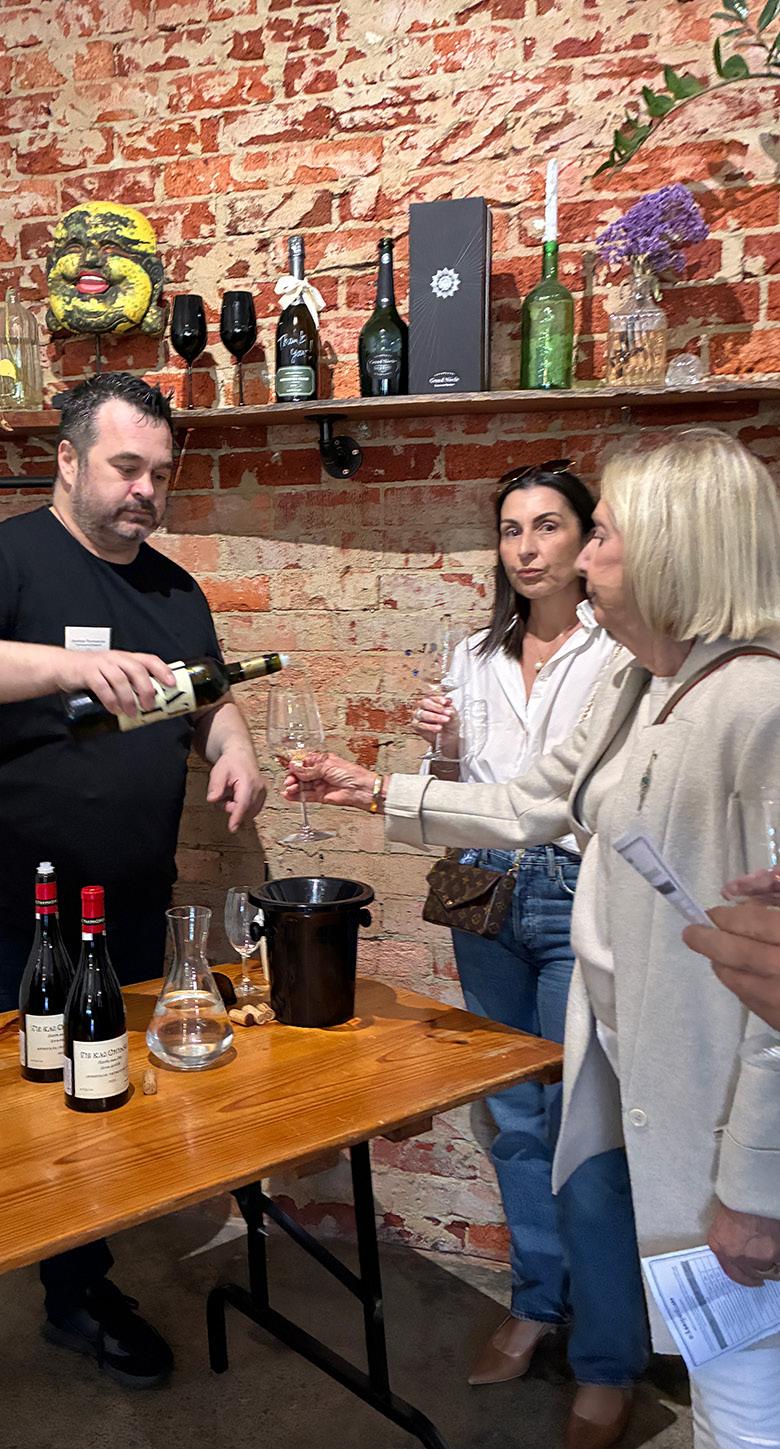
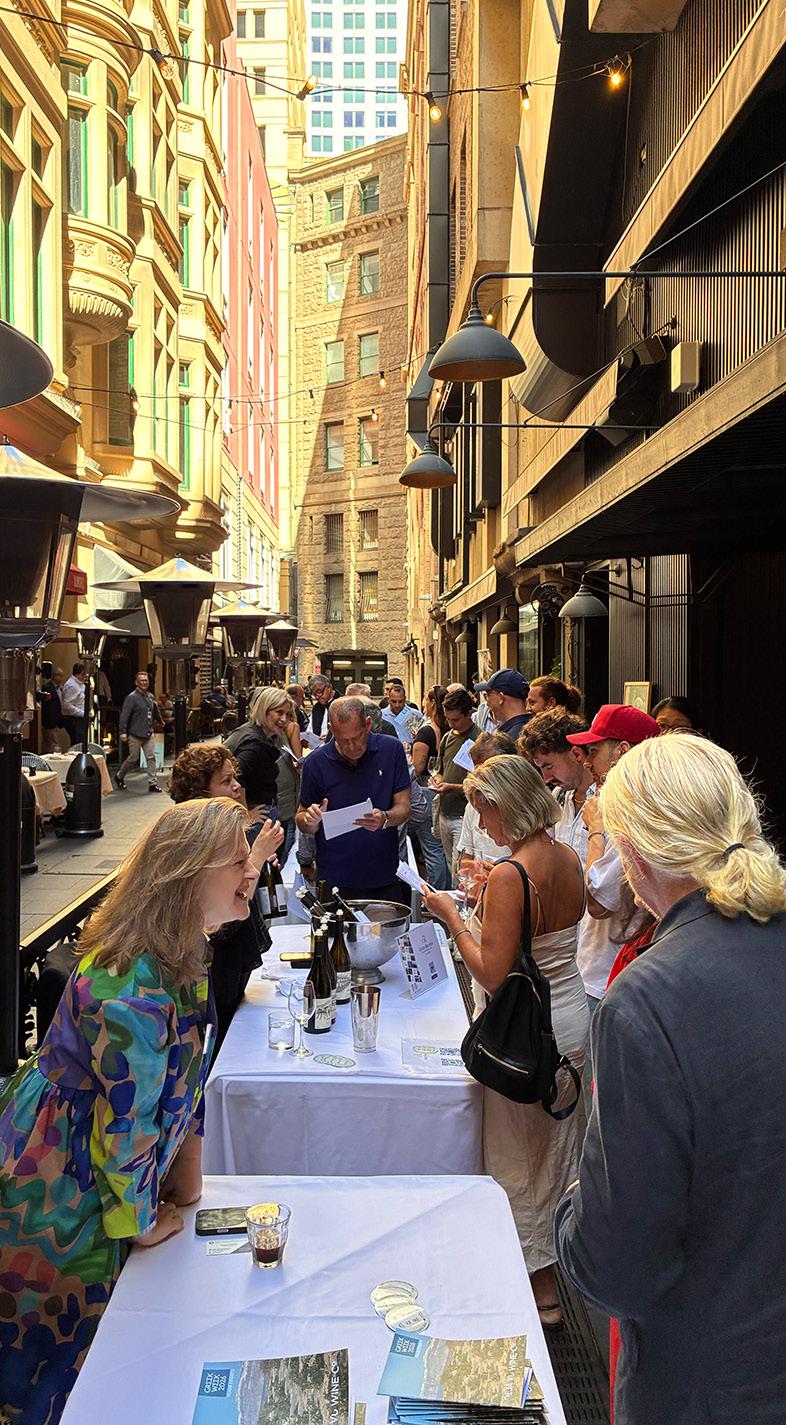
Greek producers are betting on premium positioning, storytelling and quality to grow Australian retail opportunities.
The recent Greek Week trade days held in Brisbane, Sydney, Melbourne and Perth saw a delegation of Greek winemakers bring their wines to the Australian trade in a bid to drive awareness and engagement with the region.
The events, which were co-funded by the Greek government, were organised by Déjà Vu Wine Co alongside Eleni Blouchou, Managing Partner at Stelka Comms. Blouchou manages the National Promotional Program on Wine for the Australian market and also works with a number of Greek wineries on their marketing and communications strategies.
Speaking to National Liquor News , Blouchou said the quality of Greek wines has evolved significantly over the last 20 years, something reflected in the wines showcased during Greek Week.
A new generation of winemakers
Explaining that evolution, Blouchou said: “First of all we have winemakers that are studying Vinology and leading figures have travelled abroad to study winemaking, mainly in France, and then they returned and they started making quality wine because they were trained to do so.
“And now their children, which is the next generation, they take the lead and still they study but they studied in Italy, they studied in the USA, so they are very international and also this helps with their communication and they can exchange ideas. It is easier to get in contact with people that are in the same industry.
“We also had support from the European Union to modernise the wineries, to have
equipment that works better and this helps to make a much better wine.”
Blouchou said that focus on quality is also extending into vineyard practices, with producers placing greater emphasis on fruit quality and sustainable viticulture.
“We are trying to get back to the origin and be more careful with the work in the vineyard, this is where the wine starts and if you have a good fruit, it’s very difficult to spoil it.
“And we have a lot of organic wine; we have biodynamic wine.”
While Blouchou said Greek wine is unable to compete at the entry-level price point because vineyards are small and much of the work is done by hand, she believes the value proposition is strong in the premium category.
“In the bracket of the higher quality wines, because the wines are very good, they are cheap for what they offer.
“So, when you have to compete with a higher price point, the wines are very good for their price.”
As for where retailers should begin when introducing Greek wines to their shelves, Blouchou said retailers should tailor their ranging decisions to their customer base.
“For me it has to do with the clientele of the place. If the clientele is knowledgeable, they can start with the varieties like Xinomavro or Assyrtiko.
“And I would start with a nice, fresh Agiorgitiko, a nice Malagousia, which are very consumer-friendly wines because they are a bit more aromatic, and they are easier to consume.
“You have to decide based on who your clients are.”
Discussing the future of Greek wine in Australia, Blouchou said the producers involved in Greek Week see strong long-term potential in the market.
“All this week the group, the winemakers who have been here, we all agree this is a market that has a very nice potential, because people are very familiar with the product.
“This makes us very optimistic, and we really believe that this would be one of our leading markets in the future.” ■
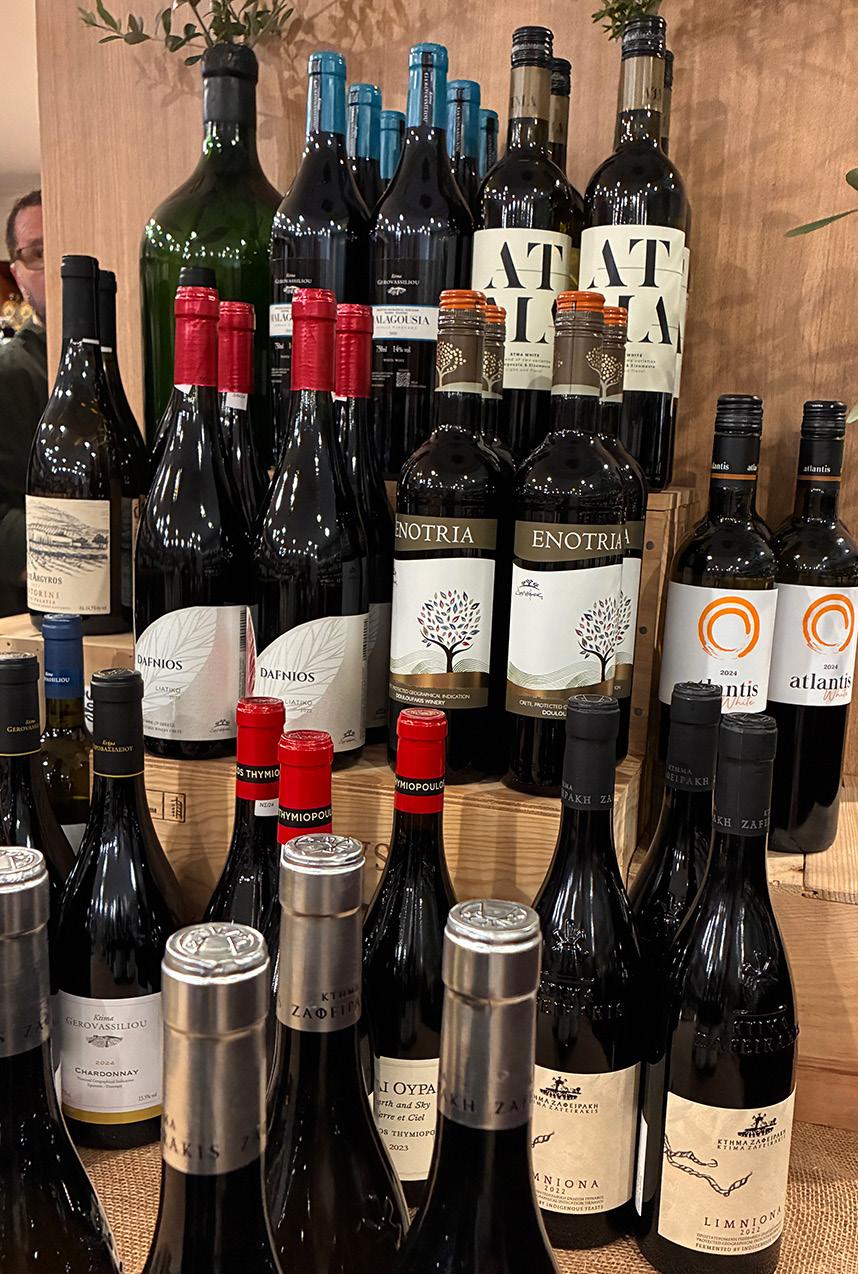
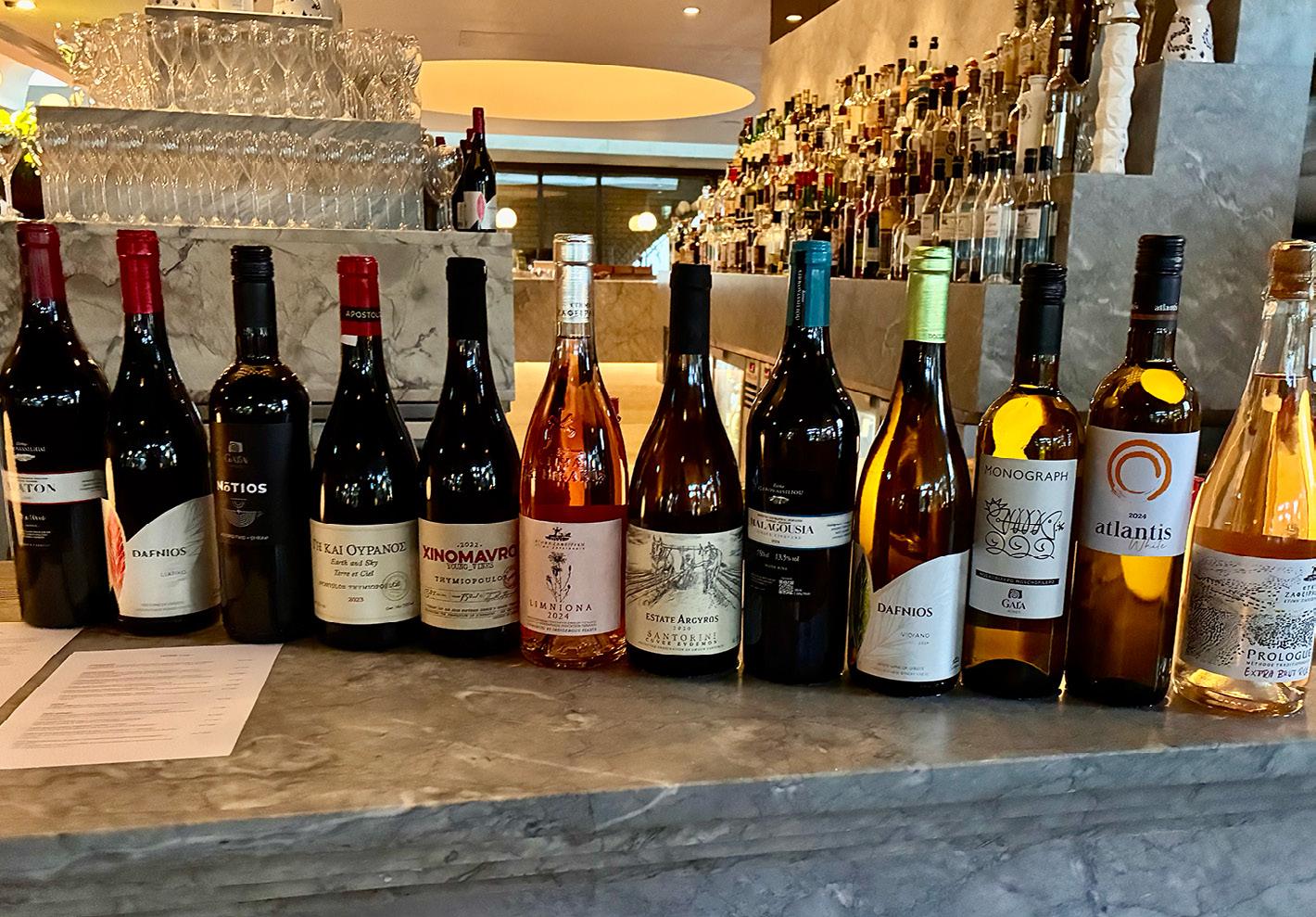
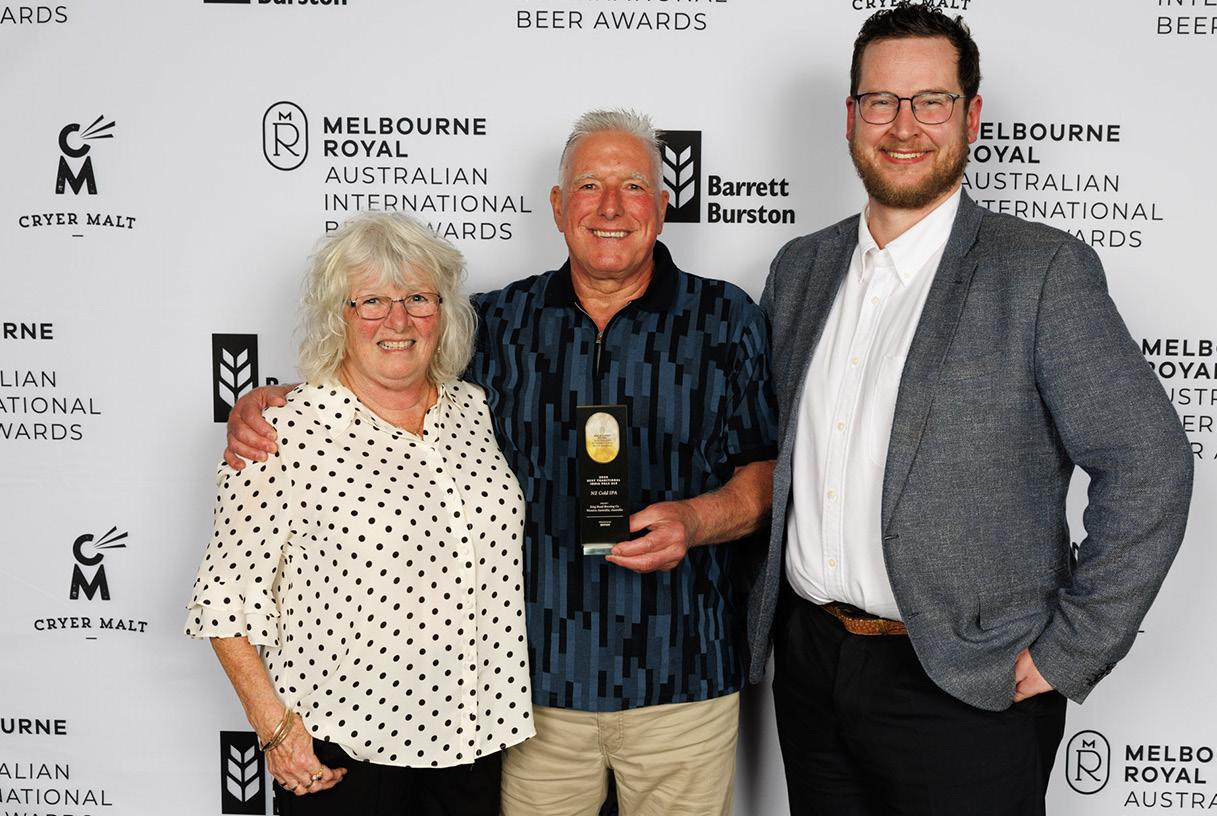
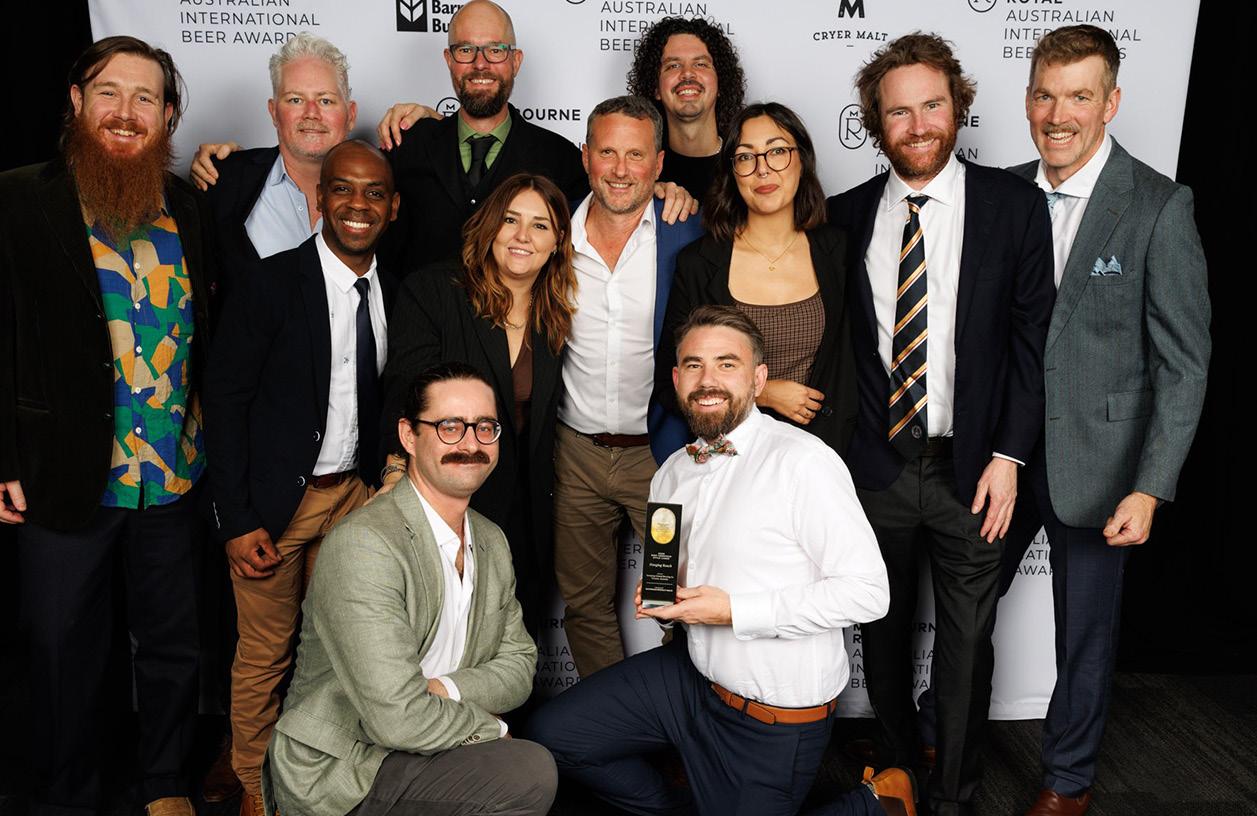
Mountain Goat Brewery, Pirate Life Brewing, Hawkesbury Brewing Co and Stomping Ground Brewing Co were recognised as some of Australia’s best in 2026.
The 2026 Melbourne Royal Australian International Beer Awards (AIBAs) have unveiled this year’s standout breweries, cideries and producers from Australia and around the world.
This year’s winners were selected by a panel led by co-head judges Jon Seltin and Tina Panoutsos.
In 2026, the AIBAs introduced eight new beer styles and updated existing classes to celebrate innovation, diversity and international brewing standards.
The Design Awards also returned with a new Tap Decal Design class and refined judging criteria, developed in consultation with the Awards’ design judging panel.
Australia’s largest beer competition celebrated excellence across the industry with Mountain Goat Brewery taking home the prestigious Champion Australian Beer award and Best Modern IPA for its beer, Bract to the Future.
Brewed using the experimental NZH-106 varietal from the NZ Hops Bract Program, the winning beer forms part of an exclusive global trial, with only 60 breweries worldwide selected to work with the hop during its commercialisation process.
The award was presented to Mountain Goat on the night by Andrew Sutherland from Oast House Hops – part of the NZ Hops co-op and the grower behind the NZH-106 varietal.
From NSW, Hawksbury Brewing Co. was recognised among the best of the country’s breweries winning the trophy for Champion Medium Australian Brewery and Best Porter (including Baltic-Style Porter) or Stout for its Coasty Stout.
Judges recognised the team as a “powerhouse of precision and personality, delivering consistency and craft excellence across a standout portfolio”.
Representing the brewery on the night were brewers, Tim Best, Lindsay Crawford and Oscar McDonald who proudly accepted the awards.
“This is a massive moment for our crew. We are incredibly proud to be recognised among some of the best breweries in the world –especially while staying true to who we are: independent, local and producing excellent beverages for our customers,” said the brewery team accepting the awards.
South Australia’s Pirate Life Brewing Co also impressed judges scoring two trophies – Champion Large Australian Brewery and a Consistency of Excellence award for its Mosaic IPA.
The judges described the brewery as “fearless, flavour-forward, and fiercely consistent”.
“For us, it’s all about sweating the onepercenters, day in, day out,” said Pirate Life General Manager Mark Moran. “Consistency comes from tight systems, dedication, innovation, and a crew that genuinely cares about the end result.
“The reality is, we’re always chasing improvement, whether it’s a batch of Mosaic or South Coast Crisp Lager. These awards are a reflection of that mindset and the people who live and breathe this brand.”
Notably, Western Australia’s Froth Craft Brewery made its debut at the awards, recognised with the Gary Sheppard Memorial Trophy for Best New Exhibitor.
John Marcus, Head Brewer at Froth Craft said: “The team is absolutely stoked right now. Just to see some of our beers get up on the screen as top five candidates was fantastic. But then to walk away with a trophy, it is an amazing feeling. All I can put that result down to is that we turn up every day with a focus on trying to continuously be better.”
From Victoria, 2 Brothers Brewery, also celebrated a major milestone on the night in a dark beer category, claiming the Best Amber/Dark Ale trophy for its brew, Grizz.
First entered into the AIBAs in 2012, the beer has remained a consistent favourite with judges over the years, previously earning a gold medal in 2017 before finally claiming top honours in 2026.
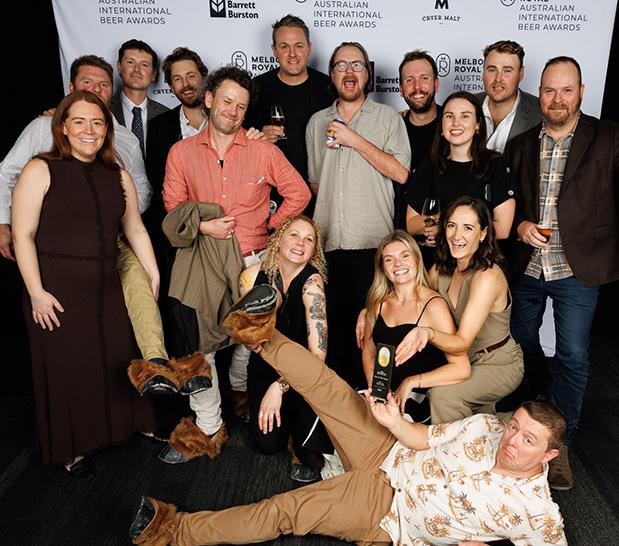
Also out of Victoria, Stomping Ground Brewing Co was awarded the prestigious Champion Australian Independent Beer award.
Recognised for its “independent spirit, community roots and flawless execution” judges agreed that Stomping Ground “continues to define excellence in Aussie craft beer”
Guy Greenstone, Stomping Ground’s co-founder said the team are thrilled with the results.
“Hanging Rauch Smoked Lager means a lot to us – it was one of the very first beers we brewed. Made with 50 per cent smoked malt from Bamberg, Germany, it’s definitely not a mainstream beer, but it’s always had a bit of a cult following and is one of our team’s absolute favourites.”
First picking up a best in show award at the Ballarat Beer Festival in 2018, Hanging Rauch has gone on to win three trophies across the Indies, back-to-back at the AIBAs, four gold medals and two silvers.
“For a smoked lager to receive that level of recognition over such a long period is really special,” said Greenstone.
“We put that success down to the skill and consistency of our brewing team, and the quality processes they’ve built around every beer we make. Hanging Rauch is a beer that demands balance, precision and restraint. The team has done an amazing job keeping it true to style while making it genuinely drinkable and delicious.”
Among the night’s major winners was King Road Brewery who claimed the awards for Champion Small Australian Brewery and Champion Australian Independent Brewery.
“We are stoked to get the Trophy for our NZ Cold IPA – and even more so to pick up the Champion Small and Independent Brewery awards. The quality of beer in Australia is amazing, so it’s a real honour to be recognised amongst the top,” said Steve Wearing, Head Brewer at King Road Brewery.
Reflecting the continued growth and innovation within the nonalcohol and reduced-alcohol category, Love Shack Brewery was awarded Best Reduced/Low Alcohol Beer for its mid-strength Red Ale.
The win comes after a challenging period for the brewery, which recently lost stock during the Victorian bushfires in early 2026.
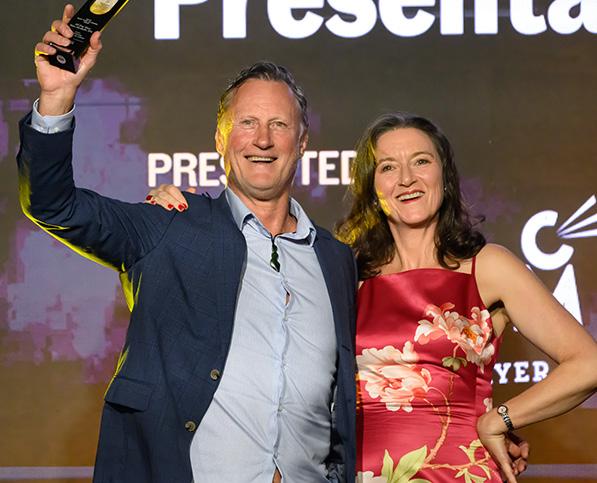
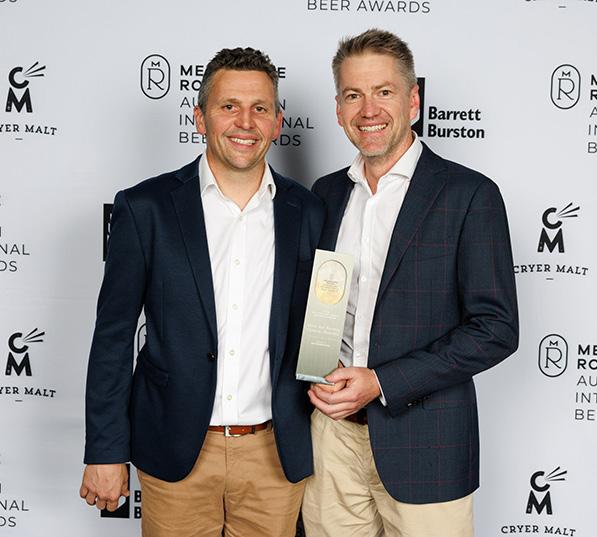
In support of affected producers, the brewery (among others) was provided free competition entries making the recognition especially meaningful.
International winners at the 2026 AIBAs included Zebra Craft Beer’s Weissbier from China, which took home Champion International Beer and New Zealand’s Heyday Beer Co, which was awarded Best Design for the packaging of its Soul Cat Hazy IPA.
Also from New Zealand, Altitude Brewing was awarded Champion Small International Brewery for the second year in a row.
Eliott Menzies, Founder of Altitude Brewing said: “[We are] incredibly stoked to back up our results from last year. Achieving our set goals and receiving valuable feedback from such high-calibre peers is simply the best feeling. What an honour.
“If I can credit one thing for setting us apart, it would be the entire team’s synergy. The unity, enthusiasm, and dedication of everyone in our brewery was clear to see during last night’s ceremony, and this directly translates into quality products.”
Kirrily Waldhorn, Senior Manager of Food & Beverage Awards at Melbourne Royal commented on the quality and high standard reflected in this year’s winners.
“Each year the standard continues to lift, and 2026 was no exception – the quality of entries this year was exceptional, with some truly standout examples of innovation, craftsmanship and creativity across the board,” she said.
“To be recognised at this level is a reflection of the passion and precision driving our brewing community, and a reminder of just how strong Australian and international beer continues to be on the world stage.” ■ Scan here for the full list of winners
Brown Family Wine Group hosted a long lunch at OTTO Sydney celebrating Pirie and the growing momentum behind premium Australian sparkling wine.
Held in partnership with Denver & Liely, the event brought together media, trade, consumers and friends of the brand for an afternoon focused on food, wine and conversation.
Hosted by Tom Wallace alongside Katherine Brown and Julien Marteau, guests enjoyed a curated Italian menu from the OTTO team paired with the Pirie range, while learning more about the craftsmanship, winemaking philosophy and Tasmanian provenance behind each release.
The lunch also highlighted the increasing presence of Pirie within premium restaurants and luxury hospitality venues, reflecting growing consumer demand for highquality Australian sparkling wine.
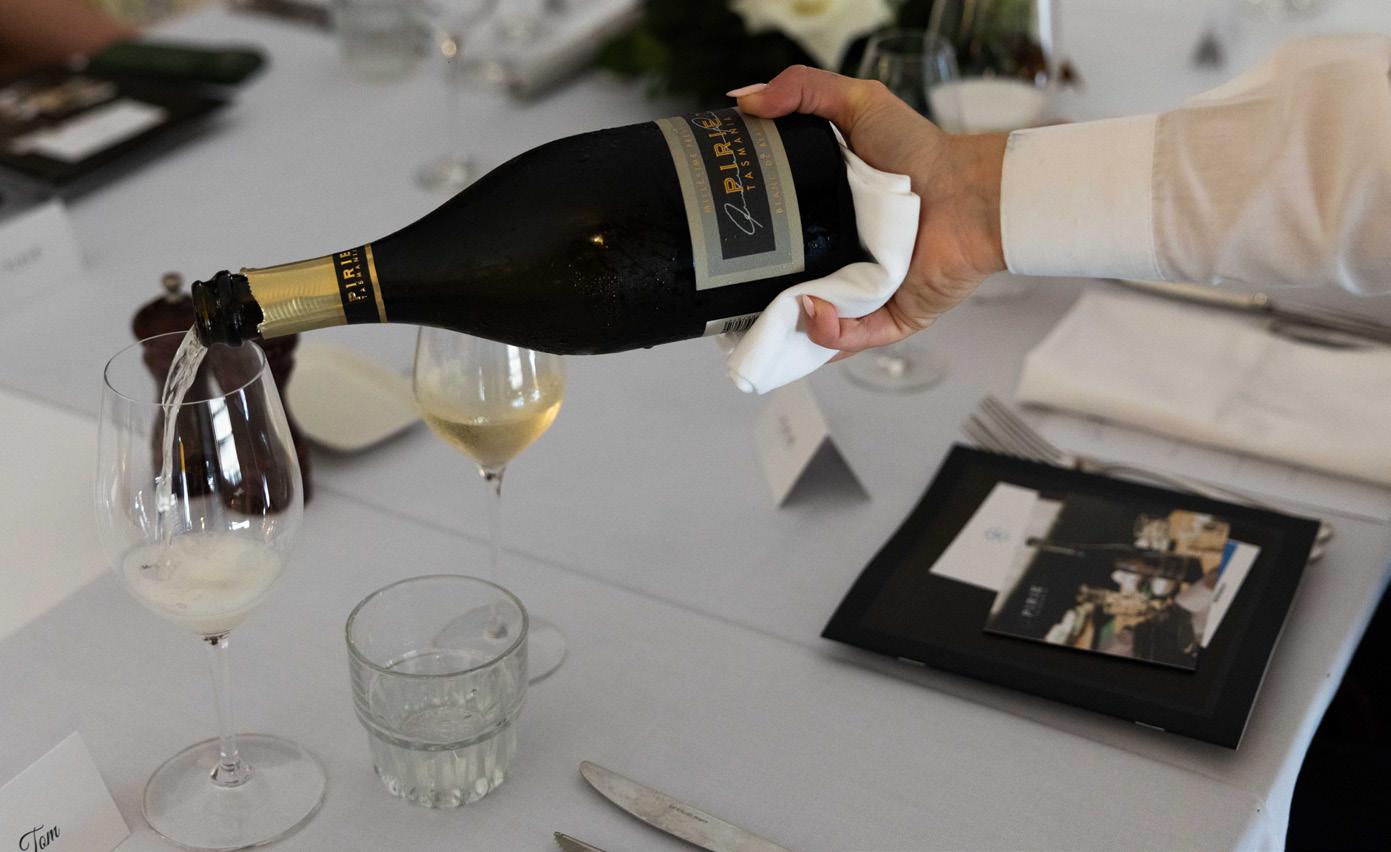
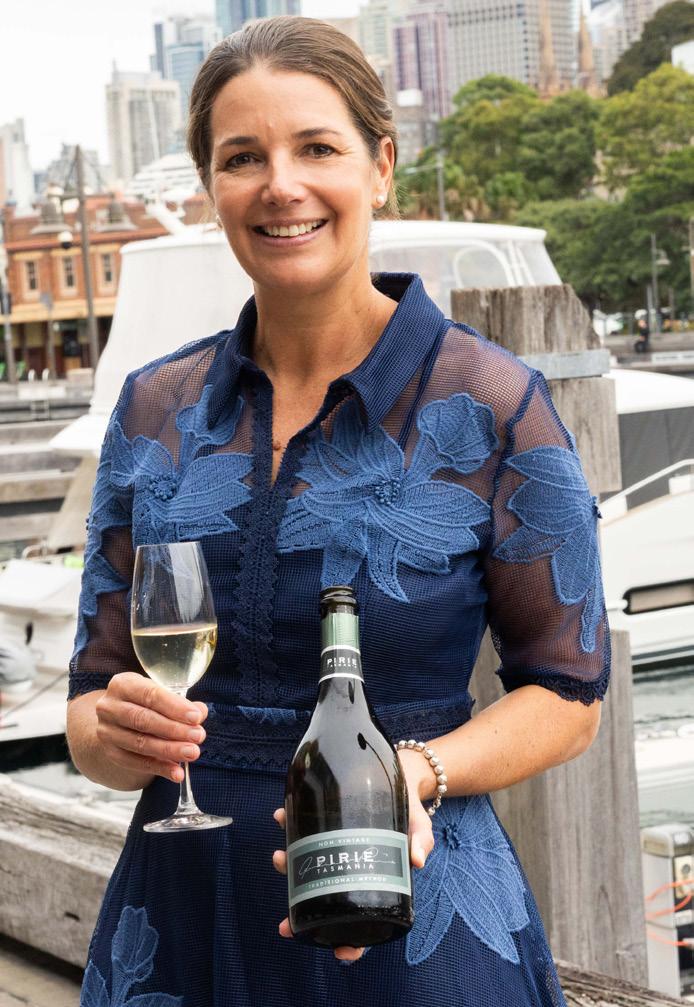
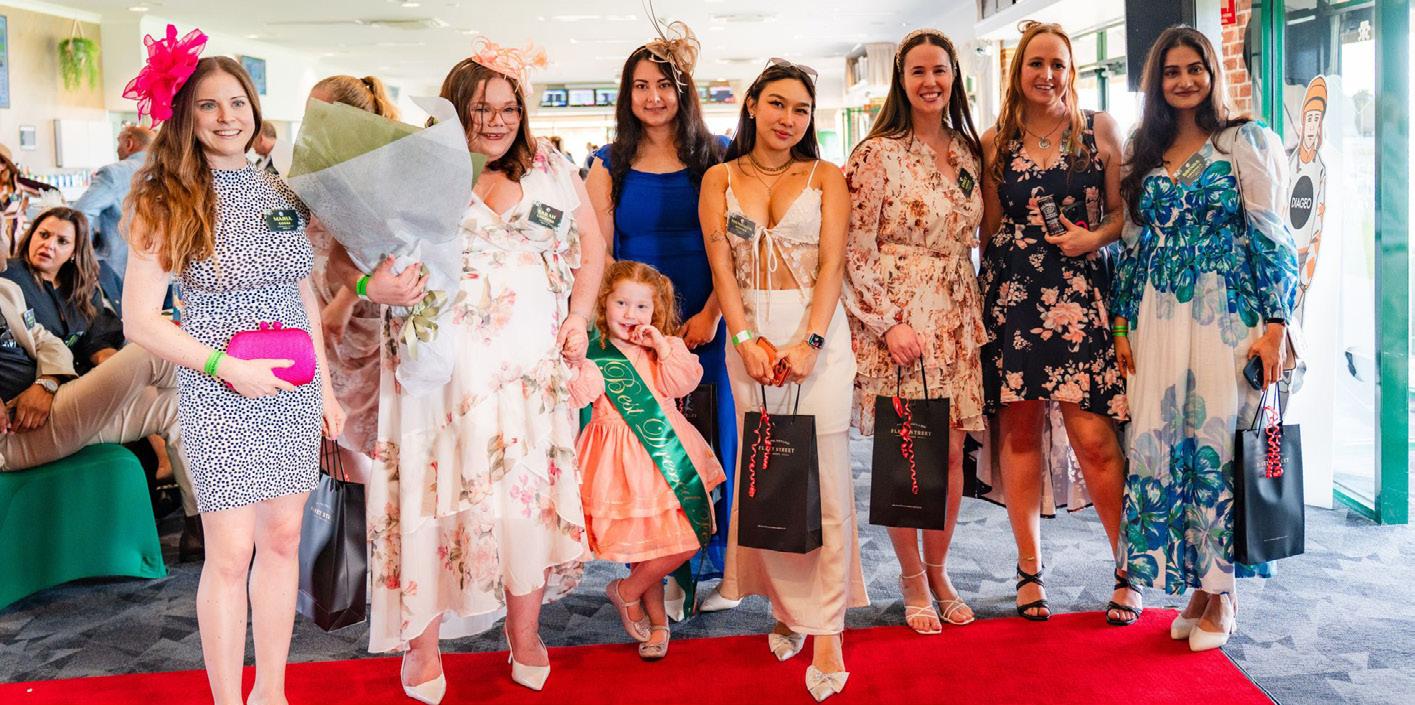
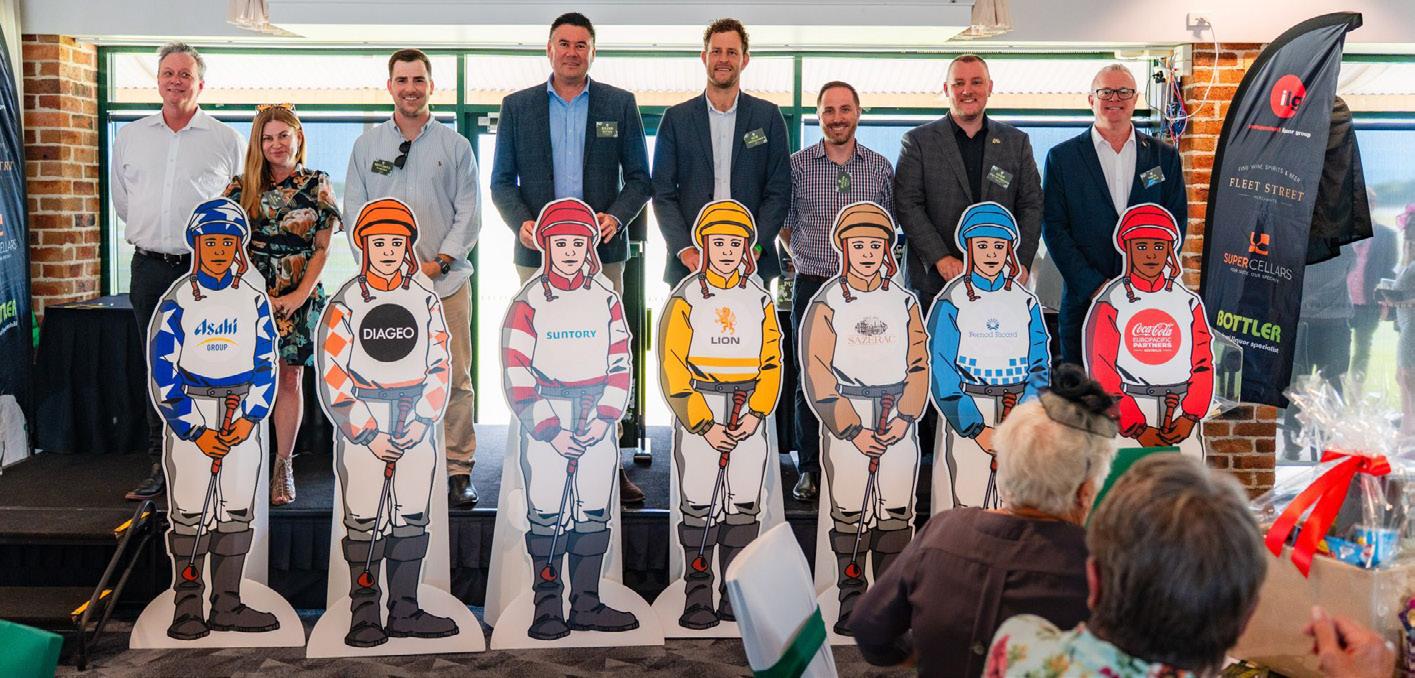

Members and suppliers came together at the Hawkesbury Racecourse in March for Independent Liquor Group’s (ILG) annual NSW Race Day – a key event in the cooperative’s social calendar.
Each year, the annual race days provide an opportunity for ILG members and suppliers to reconnect face to face, enjoying a buffet lunch, live music performances, and betting on their favourite horses as they race to the finish line. This year, through fundraising activities, the event raised close to $2,000 for ILG’s I Love Giving Foundation.
Raffle prizes were handed out throughout the day to lucky winners, while Fashions on the Field determined the best dressed men and women. The annual race day also gave suppliers the opportunity to showcase their newest products and releases, while giving members the chance to build supplier relationships and experience newto-market products firsthand.