
AUSTRALIA’S





























more information, contact Shane Williams: stwilliams@intermedia.com.au

• Networking bars
• Intermission brand activation
• Brand launches
• Pre-drinks sponsorship
• Award sponsorship
• Best dressed
• After-party sponsorship
• Photo booth sponsorship
• Your creative ideas

Welcome back, and I hope you had a wonderful Christmas and New Year. I also hope the festive trading period delivered strong results for your stores, your teams were supported through the busiest weeks of the year, and you’ve had at least a brief moment to pause before the year ahead gathers pace.
Looking back, 2025 was a year that demanded discipline. Cost-of-living pressures reshaped shopper behaviour, moderation moved from trend to default mindset, and value was redefined far beyond price alone. For many across the liquor industry, success came not from chasing volume, but from clearer ranging, clearer propositions, and a sharper understanding of when, why and how consumers choose to drink.
What stood out most was the industry’s ability to adapt. Retailers leaned into agility, suppliers refined innovation, and brands focused on relevance. While conditions were far from easy, the year reinforced the importance of resilience, collaboration and long-term thinking in a market that continues to evolve.
As we move into 2026, optimism feels more measured, but no less real. The conversations shaping this year are not about dramatic
reinvention, but about refinement. Consumers are more intentional – they are drinking less but choosing better. Retailers who can guide shoppers through choice, rather than overwhelm them with it, are well placed to win.
In this year’s Industry Leaders Forum, we asked senior voices from across retail, supply and brand leadership to share their outlook on what lies ahead. Their insights paint a picture of an industry entering its next phase – one defined by smarter value, meaningful premiumisation, moderation without compromise, and a renewed focus on experience.
As always, I’d like to thank the leaders who generously shared their perspectives. I hope this edition sparks conversation, challenges assumptions, and provides practical insight as you plan for the year ahead.
Here’s to a strong, considered and successful 2026.
Cheers, Deb
Deb Jackson, Managing Editor 02 8586 6156
djackson@intermedia.com.au
2037 Tel: 02 9660 2113 Fax: 02 9660 4419
Publisher: Paul Wootton pwootton@intermedia.com.au
Managing Editor: Deb Jackson djackson@intermedia.com.au
Senior Journalist: Molly Nicholas mnicholas@intermedia.com.au
Journalist: Sienna Martyn smartyn@intermedia.com.au
General Manager Sales –Liquor & Hospitality Group: Shane T. Williams stwilliams@intermedia.com.au
Group Art Director –Liquor and Hospitality: Kea Webb-Smith kea@intermedia.com.au
Prepress: Tony Willson tony@intermedia.com.au
Production Manager: Jacqui Cooper jacqui@intermedia.com.au
Subscription Rates
1yr (11 issues) for $70.00 (inc GST) 2yrs (22 issues)for $112.00 (inc GST) – Saving 20% 3yrs (33 issues) for $147.00 (inc GST) – Saving 30% To subscribe and to view other overseas rates visit www.intermedia.com.au or Call: 1800 651 422 (Mon – Fri 8:30-5pm AEST) Email: subscriptions@intermedia.com.au FOOD & BEVERAGE







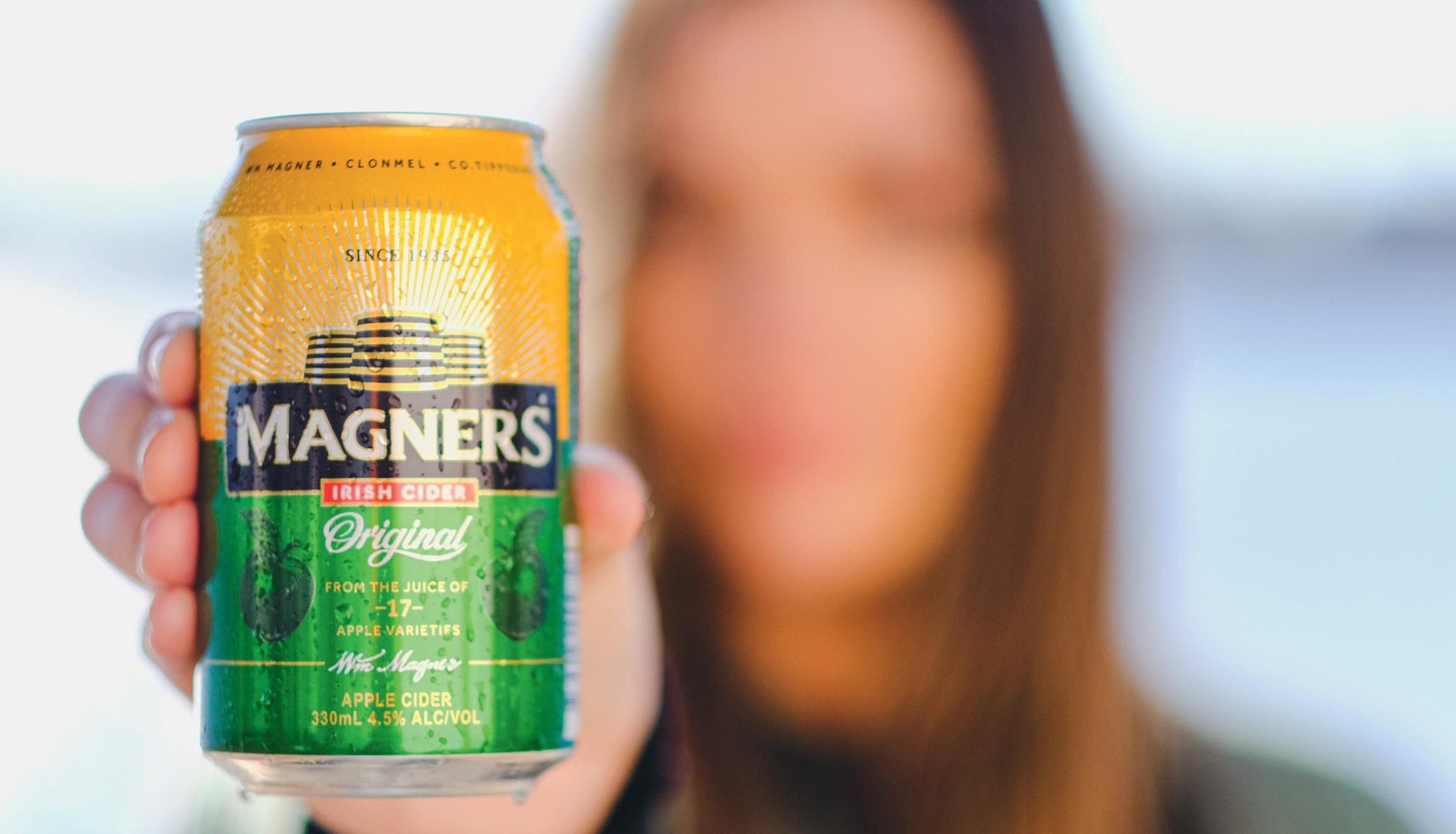
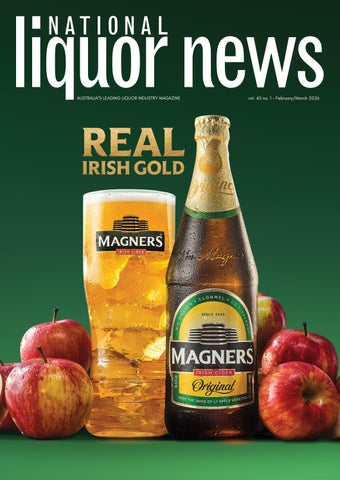
As retailers and venues look to maximise value in a challenging category, Magners Original Irish Cider is proving that premium, well-supported brands can still deliver standout growth.
“Our focus is, put simply, getting more people picking premium cider, more often.”
Mimi Crompton
Magners Brand Manager
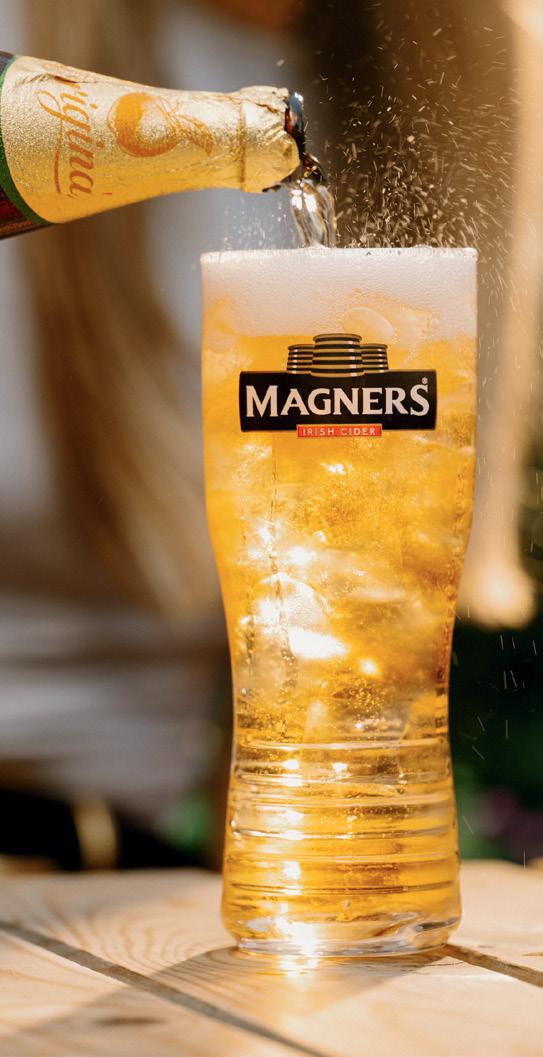
Since kicking off its exclusive distribution partnership with Good Drinks Australia (GDA) in 2022, Magners Original Irish Cider has gone from strength-tostrength, delivering sustained 20 per cent growth, and closing out 2025 with 26.7 per cent value growth MAT – almost 30 per cent ahead of the total cider category. And not only is Magners outperforming the cider category, it’s outpacing and overtaking its key competitors with its position firmly cemented as the fastest-growing cider within Australia’s top 10.
Despite being challenged in recent years, GDA believes the cider category remains hugely important, representing almost 55 million litres and $453.5 million in retail sales each year, with one-in-four consumers participating. Through a focus on recruitment and premiumisation, GDA is committed to accelerating Magners’ growth trajectory in 2026 and beyond.
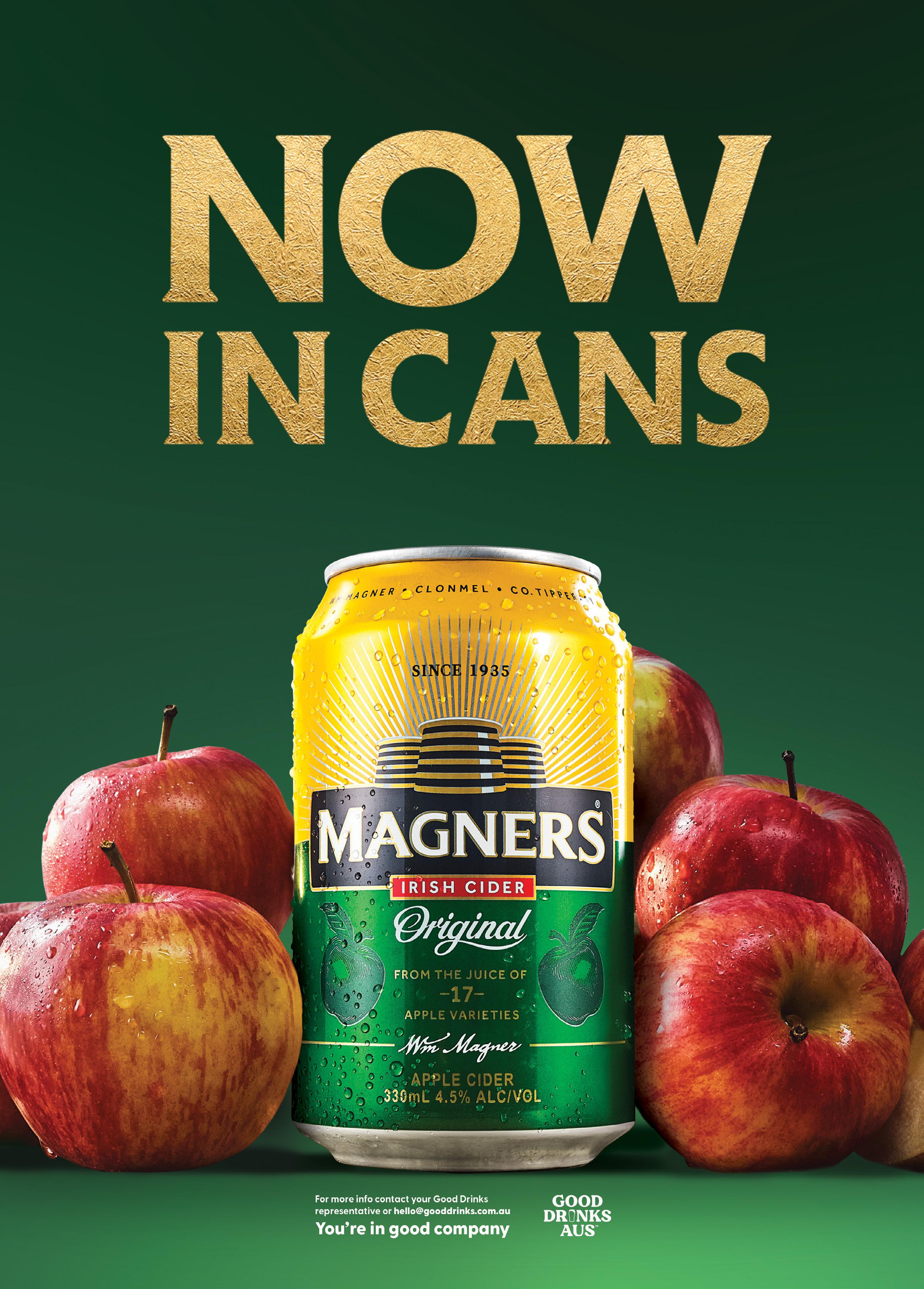
Mimi Crompton, Magners Brand Manager, says the recently launched 330ml can format has been a key momentum driver for the brand.
“Our focus is, put simply, getting more people picking premium cider, more often. Introducing the 330ml can format has been pivotal to this – it’s really opened the brand up to a whole new drinker and occasion base.”
Supporting this premiumisation strategy, Magners continues to invest in best-in-class marketing, building on the success of recent campaigns that have been recognised and awarded both nationally and internationally for their creative excellence.
“The ‘Real to our Core’ and ‘Real Irish Gold’ campaigns have proven to be an incredibly strong foundation for Magners,” Crompton says. “Backed by exciting trade promotions to drive engagement and VPO – including the recent ‘Win Real Gold’ promotion, festive St Patrick’s Day activations and a ‘Peeling Lucky?’ promotion to follow – we’re really excited to keep building this momentum in 2026.”
With St Patrick’s Day – Magners’ biggest cultural and commercial moment of the year – fast approaching on March 17, Magners is perfectly primed to capitalise on increased demand for authentic Irish Cider.
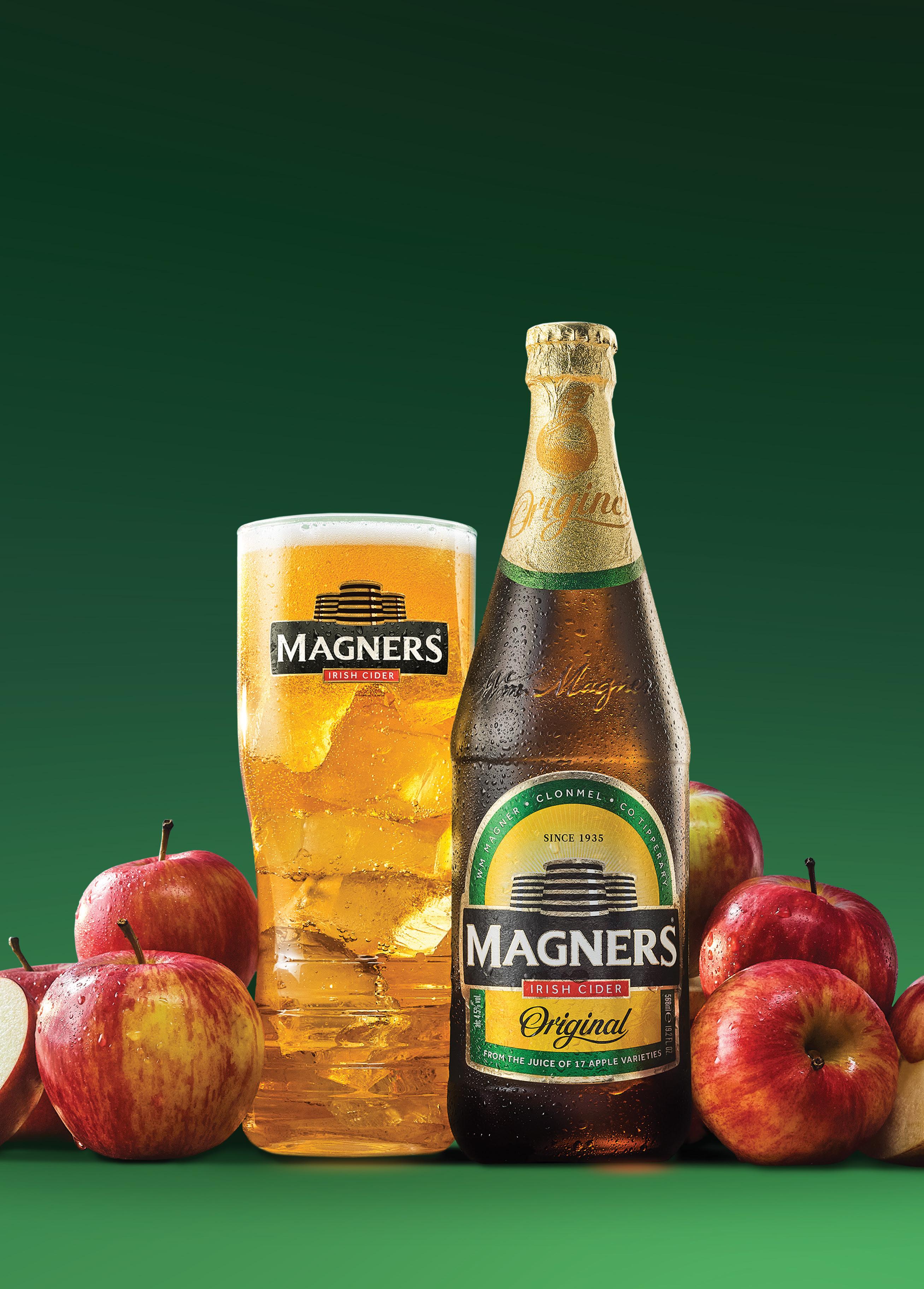
Magners Original Irish Cider is available in 568ml and 330ml bottles, 330ml cans and 49.5 litre kegs. To place an order, contact your local Good Drinks representative or the Good Drinks CXC on 1800 233 728
Source: Circana Market Edge Australia Liquor Weighted To 14/12/25

A look back at some of the defining industry news from the past 12 months.
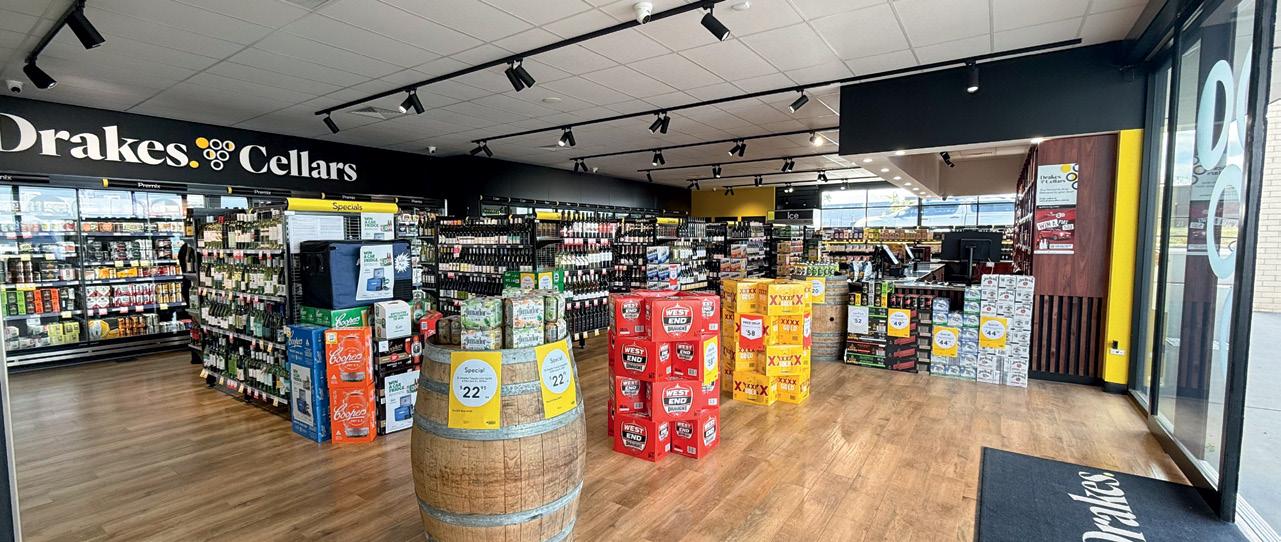
Drakes Supermarkets rebranded its liquor arm as Drakes Cellars, rolling out the new identity across six South Australian stores from 30 June, 2025. The stores, formerly trading under the Cellarbrations banner, are located in Aston Hills, Eyre, Findon, Gawler East, Mount Barker and Wallaroo.
The move reflected Drakes’ focus on independence, family ownership and strengthening local partnerships, with Paramount Liquor appointed as exclusive supply partner.
Drakes Director John-Paul Drake said: “At Drakes, we’re here for a good time and a long time… it’s like wine and cheese – a match made in heaven.”
Paramount Liquor Director Leigh Rowe added: “This partnership is built on trust, shared ambition, and a clear goal.”
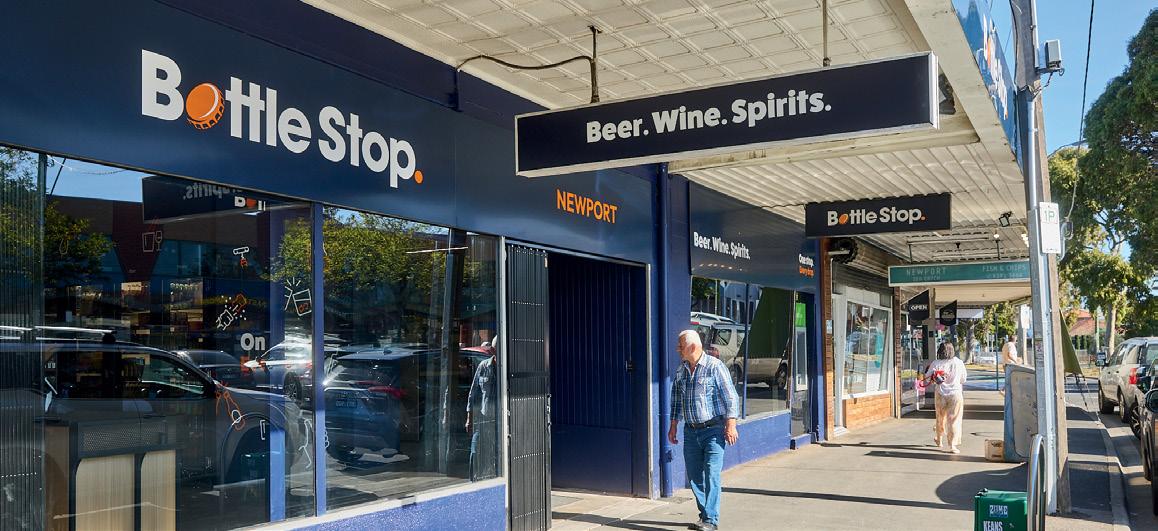
Paramount Retail opened its first fully-rebuilt liquor store, Bottle Stop Newport, in May 2025, marking a key milestone in the group’s dual-banner growth strategy.
Bottle Stop, Paramount Retail’s convenience-led format, underwent a complete transformation to reflect the group’s ambition to create modern, community-first liquor stores. With a focus on sharp pricing, convenience and a techforward shopping experience, the Newport store set a new benchmark for the expanding physical portfolio.
CEO Leigh Rowe said the store represented more than a renovation, describing it as a clear showcase of Paramount Retail’s future vision, designed with the local community firmly in mind.
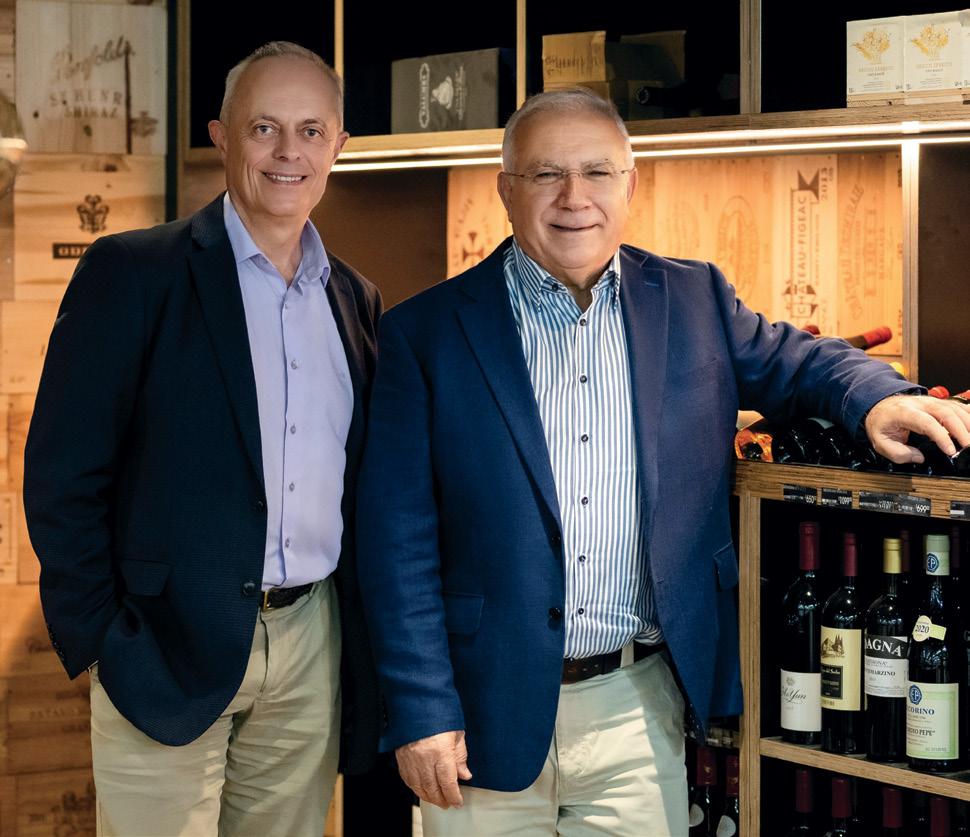
Oliver’s Wines, the online wine information and retail platform founded by internationally renowned critic Jeremy Oliver, moved towards bricks-and-mortar expansion through a partnership with leading liquor retailer Tony Leon. After operating exclusively online for just over 12 months, the business focused on developing highly visible landmark stores closely connected to its digital platform.
Oliver and Leon, whose career included expanding Dan Murphy’s to 88 stores, have begun searching for the first physical Oliver’s Wines location in Melbourne, with Sydney and Brisbane to follow.
Oliver said a physical presence would strengthen customer relationships, support online sales and allow for a multi-purpose format incorporating a wine bar, events and education.
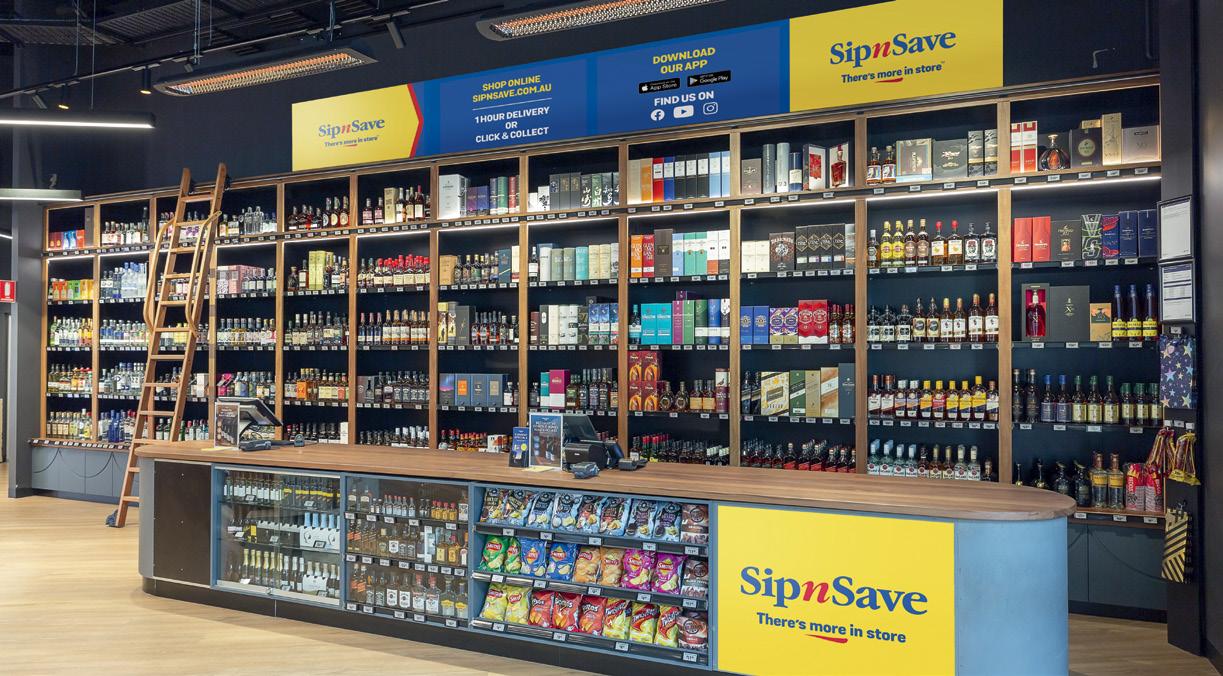
In May, Liquor Marketing Group (LMG) and SipnSave celebrated 20 years since the formation of the joint venture that brought the two groups together.
Founded in 1977, LMG initially operated primarily in New South Wales, while SipnSave launched in South Australia in 1979 and became part of LMG’s national footprint in 2005.
By 2025, SipnSave had grown into one of South Australia’s largest independent packaged liquor groups, operating 100 outlets statewide. LMG represented more than 1,400 independent retailers nationally.
LMG Director and SipnSave Chairman Tony Hurley said the milestone reflected a long-term focus on supporting members and meeting shopper needs, building enduring brand equity.
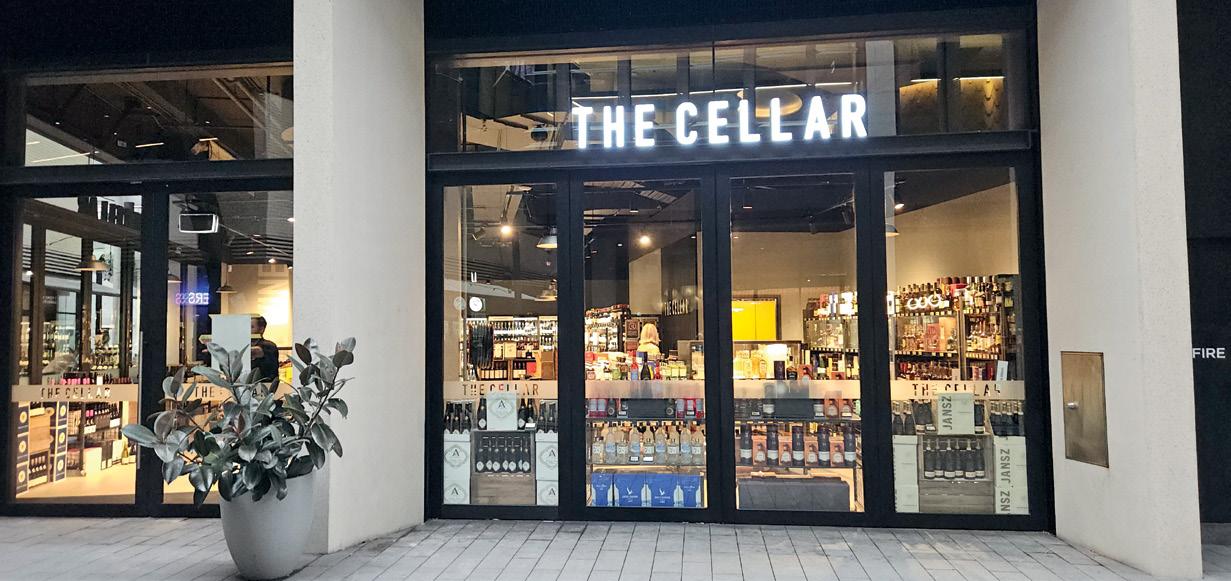
Endeavour Group launched The Cellar at Barangaroo in February, a small-scale premium retail trial designed to complement its core Dan Murphy’s and BWS brands.
The concept offers a curated range, personalised service and a refined shopping experience in one of Sydney’s most dynamic precincts. General Manager Premium Andrew Shedden said the trial allows Endeavour Group to explore premium customer preferences in high-density urban locations without shifting focus from its flagship brands.
Barangaroo marked the third iteration of The Cellar concept, following Martin Place and Lane Cove, with each store tailored to local customer needs. The tightly scoped trial was intended to inform future innovation across the broader retail portfolio.
In April, Endeavour Group appointed Jayne Hrdlicka as its next Managing Director and Chief Executive Officer, with her tenure commencing on 1 January 2026.
Hrdlicka was selected following an extensive global search to replace outgoing CEO Steve Donohue, who stepped down after a 30-year career and led the business through its demerger from Woolworths Group in 2021.
The Board noted Hrdlicka’s strong track record leading complex, consumer-facing organisations, including Virgin Australia, Jetstar and the a2 Milk Company, as well as her deep understanding of Endeavour’s retail and hotel businesses.
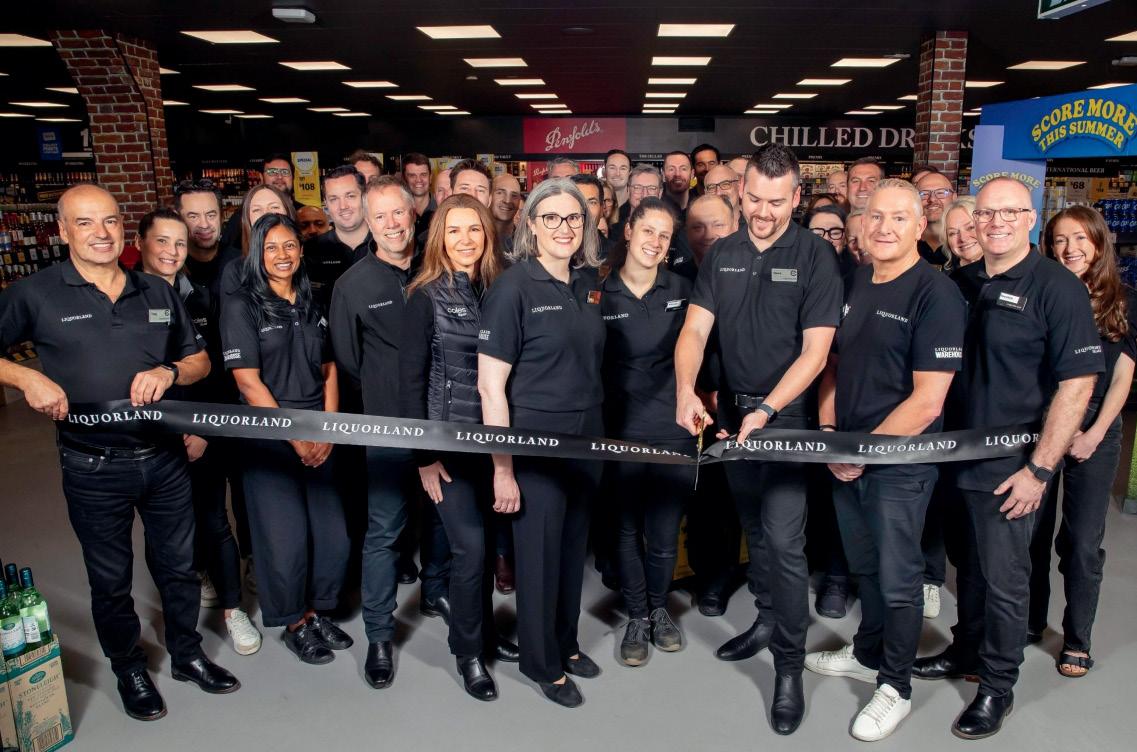
Coles Liquor unveiled Liquorland Warehouse Balwyn in December, marking the final store to transition under the national Simply Liquorland conversion program.
Following the conversion of more than 670 stores to its Black & White format between 2020 and 2024, Coles Liquor trialled a pilot across select Vintage Cellars and First Choice Liquor Market stores in late 2024. After a successful 16-week trial, the group announced the national conversion of all remaining stores to the Liquorland brand in March 2025.
The rollout increased Liquorland’s footprint by 25 per cent and unified product range, promotions, Flybuys and omnichannel services under three Liquorland banners.
United Innkeeper celebrated its 50th anniversary with a special event in Melbourne, attended by 230 guests including founding members, past board representatives, suppliers and partners.
Established in 1974, the cooperative later launched the Thirsty Camel bottle shop banner in 2007, a move that reshaped independent liquor retailing across Victoria and beyond.
Thirsty Camel Victoria General Manager Adrian Moelands said the milestone provided an opportunity to reflect on the group’s history, community spirit and long-standing relationships.
The celebration highlighted United Innkeeper’s origins, the creation of the Thirsty Camel brand and the conferences that became a defining tradition, while recognising five decades of collaboration, growth and enduring friendships across the industry.
ILG elects new board as co-operative marks 50 years
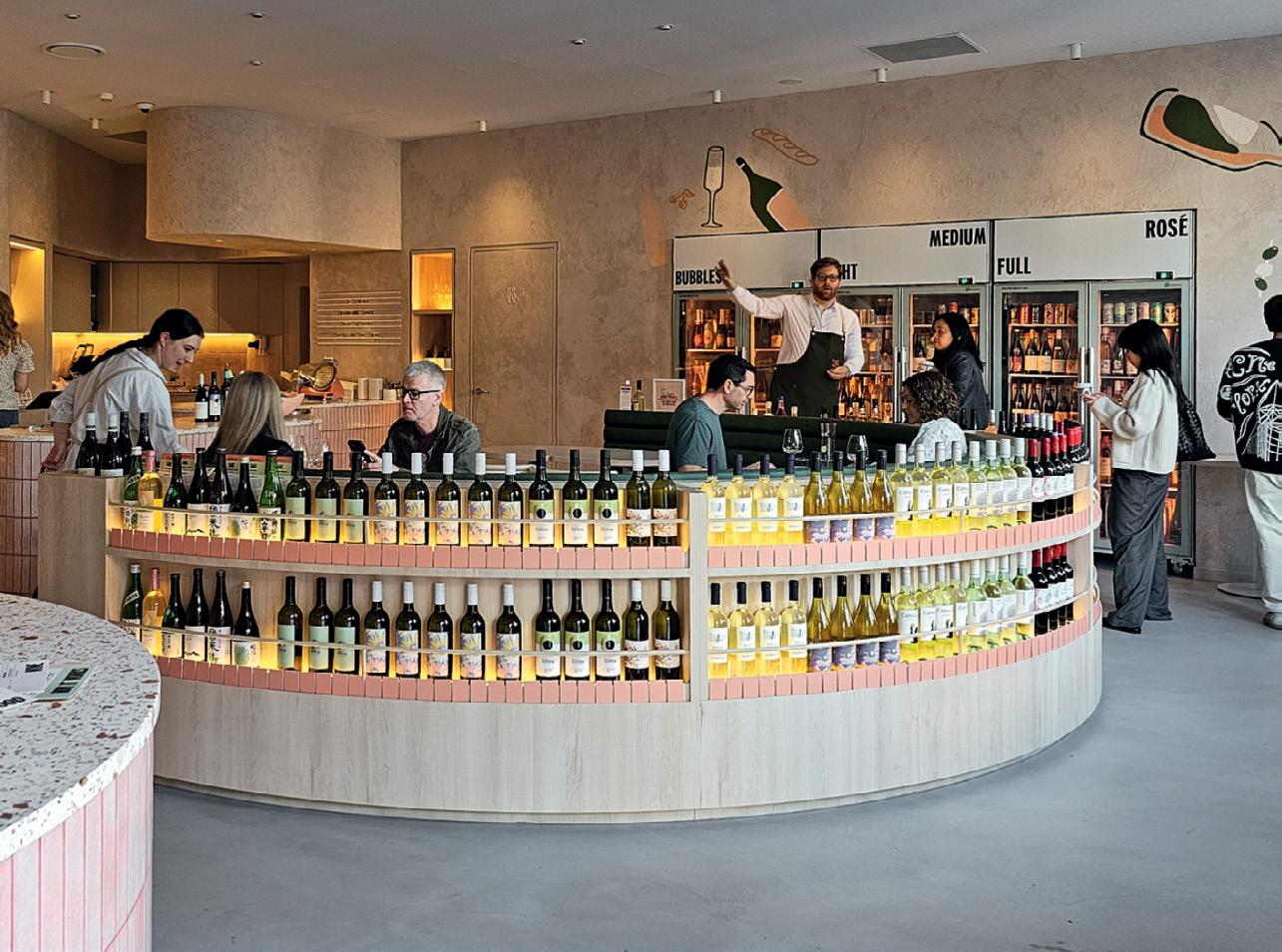
Good Pair Days opened its first bricks-and-mortar wine bar and bottle shop on Crown Street, Surry Hills in September, marking a major step in the digital-first retailer’s evolution.
Founded on personalised wine discovery driven by data and technology, the business translated its online palatematching model into a physical setting, allowing members to access their profiles, log tastings and redeem rewards in-store.
Co-founder and CEO Tom Walenkamp said the move reflected a belief that the brand was always a retailer, not just an online platform. The Crown Street venue combines wine bar and retail formats, offering tastings, events and member benefits, while acting as a highly visible brand showcase with plans for future expansion.

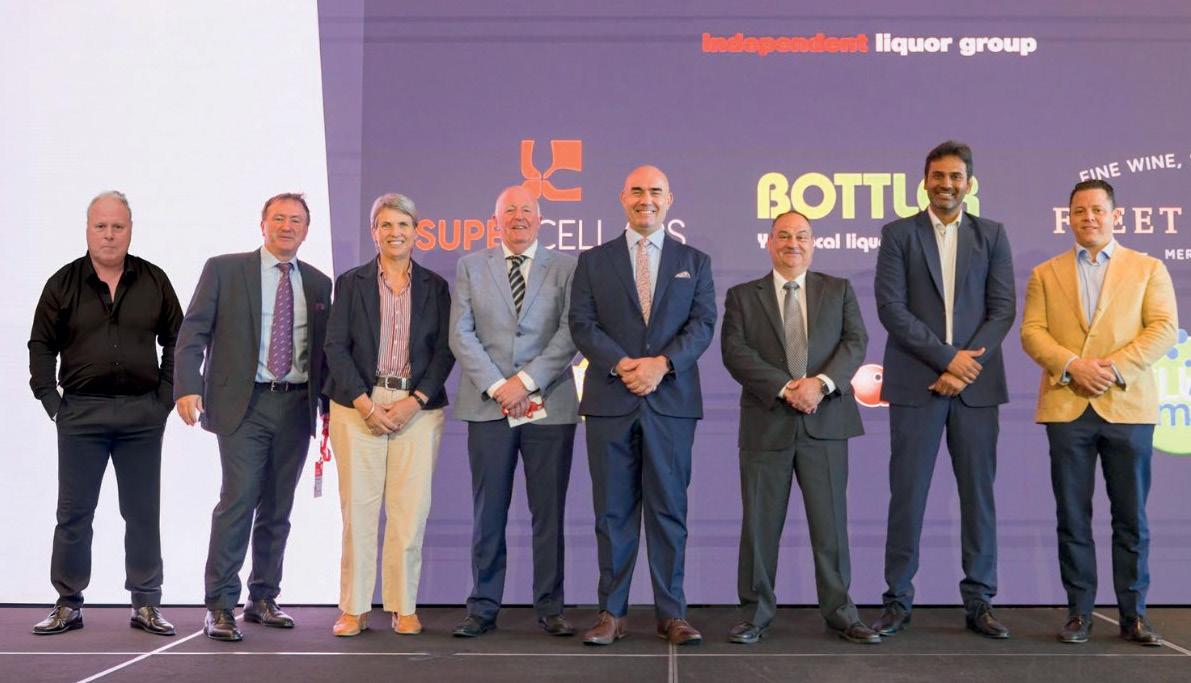
Independent Liquor Group (ILG) confirmed its 2025–26 Board of Directors following the co-operative’s Annual General Meeting, held in October at the W Hotel Sydney as part of its 50th anniversary celebrations.
The Board comprised re-elected directors Tracy Hatch (Wellshot Hotel), Ripple Parekh (Parekh Retail), Robert McGhee (Hillside Hotel) and Shaughn Murphy (Lucky Star Tavern), alongside returning director Doug Dalley (Mackay Northern Beaches Bowls Club).
The announcement followed a strong financial year marked by record sales, increased member benefits and continued national expansion. ILG also reported significant investment across infrastructure, logistics and digital capability, including progress on the Swanbank distribution facility, as it marked five decades supporting independent liquor retailers.

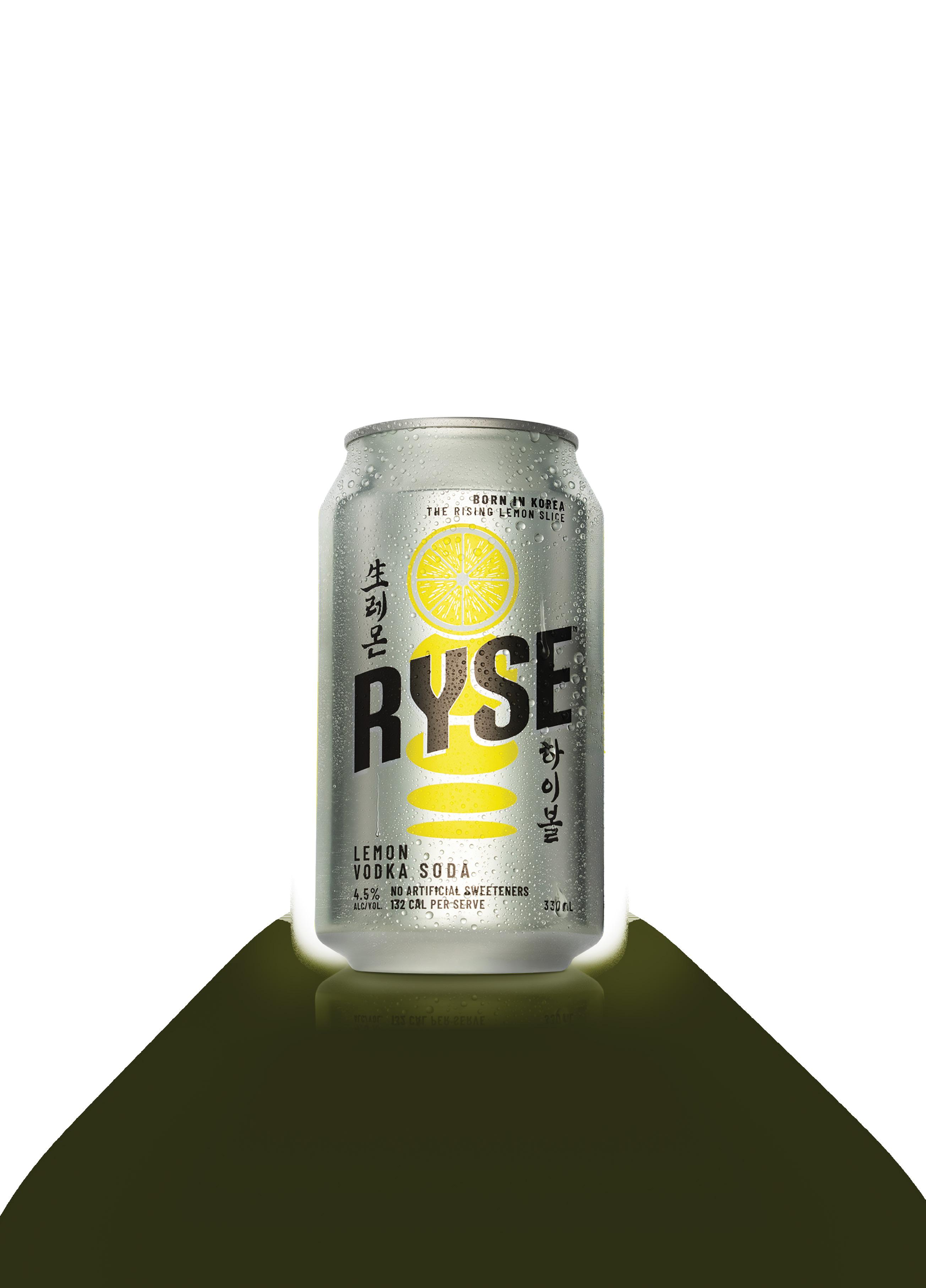

ALDI has announced that its award-winning range of beer, wine and spirits is now available for same day delivery through DoorDash in New South Wales and Victoria.
It is the first time the ALDI liquor range has been available for delivery, with the retailer also announcing that its Special Buys will be available for delivery.
Simon Padovani-Ginies, Group Director at ALDI Australia, said: “Whether it’s for a celebration, a quiet night in or a lastminute gathering, customers in New South Wales and Victoria can order their favourite ALDI liquor products direct to their door, simply through the tap of the DoorDash app.
“Since launching our partnership with DoorDash in 2025, we have been working hard to ensure as much of the ALDI offering is available to customers for delivery.
“Adding liquor for our New South Wales and Victorians shoppers and our beloved Special Buys for all Australian shoppers means they can access more of the high-quality, low-priced ALDI products they know and love in a more convenient way.”
Simon Rossi, Vice President DoorDash APAC, added: “Through this latest expansion of our partnership with ALDI, we’re offering customers unrivalled convenience and greater access to more of ALDI’s range.
“Thanks to DoorDash’s on-demand delivery technology, those purchases from the middle aisle and ALDI’s liquor range are now exclusively online and available direct to shopper’s doors for the first time ever. Working alongside ALDI, DoorDash is proud to continue delivering Australians a shopping experience that places convenience, choice and value at the forefront.”
DoorDash is already a signatory to the Retail Drinks Australia Online Alcohol Sale & Delivery Code of Conduct and sits on the association’s Code Administration Committee.
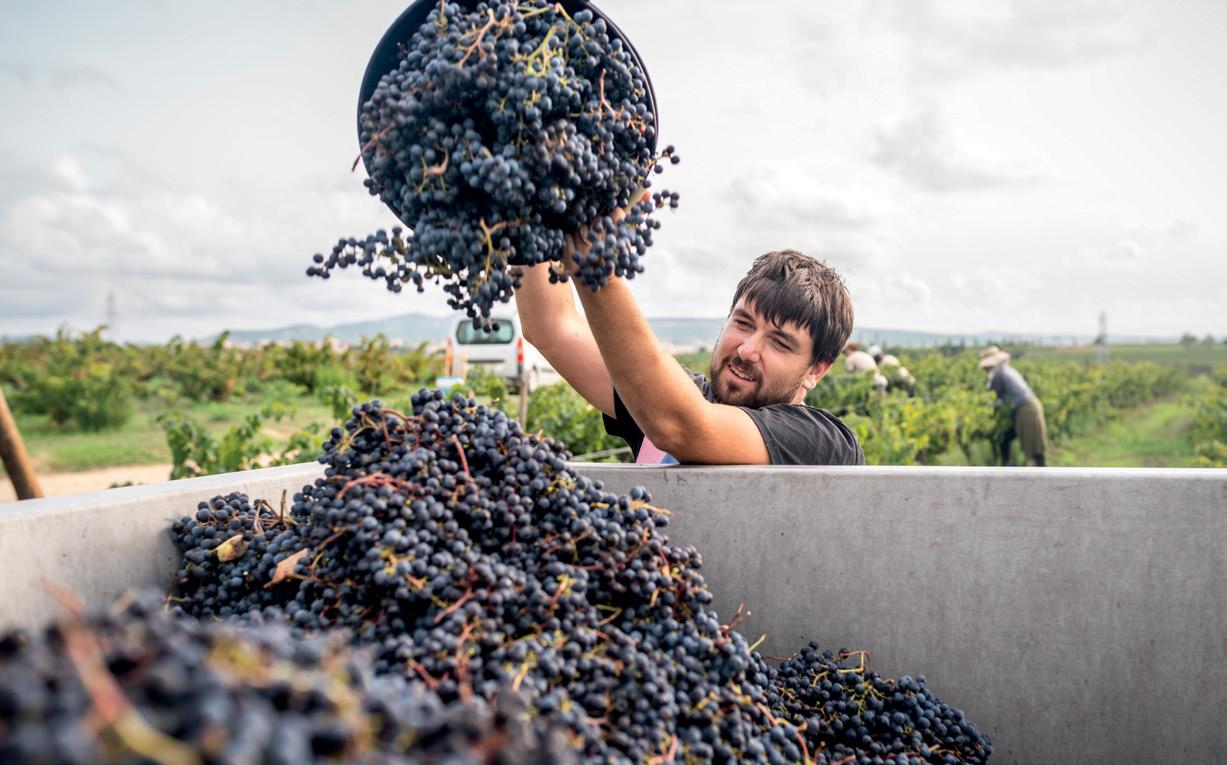
Australian Grape & Wine (AGW) has shared details of its 2026-27 Pre-Budget submission, which calls on the Government to protect regional communities from deepening financial distress and mental health impacts, and to halt the deepening crisis facing Australia’s wine sector.
The submission, Securing the Future of Australia’s Wine Regions: A Targeted Crisis Intervention and Structural Adjustment Plan, outlines a $139.25m, three-year package to address structural oversupply, rebuild demand, and support growers and winemakers facing prolonged financial hardship.
AGW CEO Lee McLean said: “This is not a shortterm downturn, and it is not a problem the industry can solve alone.
“Australia’s wine sector is facing a structural crisis driven by collapsing global demand and the lasting impacts of the China trade disruption. Left unmanaged, the adjustment will be disorderly, prolonged and deeply damaging for regional communities.”
The submission highlights the heightened financial and mental health pressures being heaped on rural communities, with national wine inventories of 2.06 billion litres, and 262 million litres more wine in storage than is commercially sustainable.
AGW’s Pre-Budget submission outlines a suite of targeted, time-limited measures designed to support an orderly transition, accelerate recovery and rebuild demand in affected regions. Proposed initiatives include business transition support, concessional loan programs, export re-engagement assistance, domestic tourism stimulus measures, and the expansion of mental health services to strengthen community resilience and workforce wellbeing.
AGW said the measures align directly with the Government’s priorities on regional development, mental health, trade diversification, productivity and the Future Made in Australia agenda, and reflect long-standing precedents for government intervention following major external shocks.













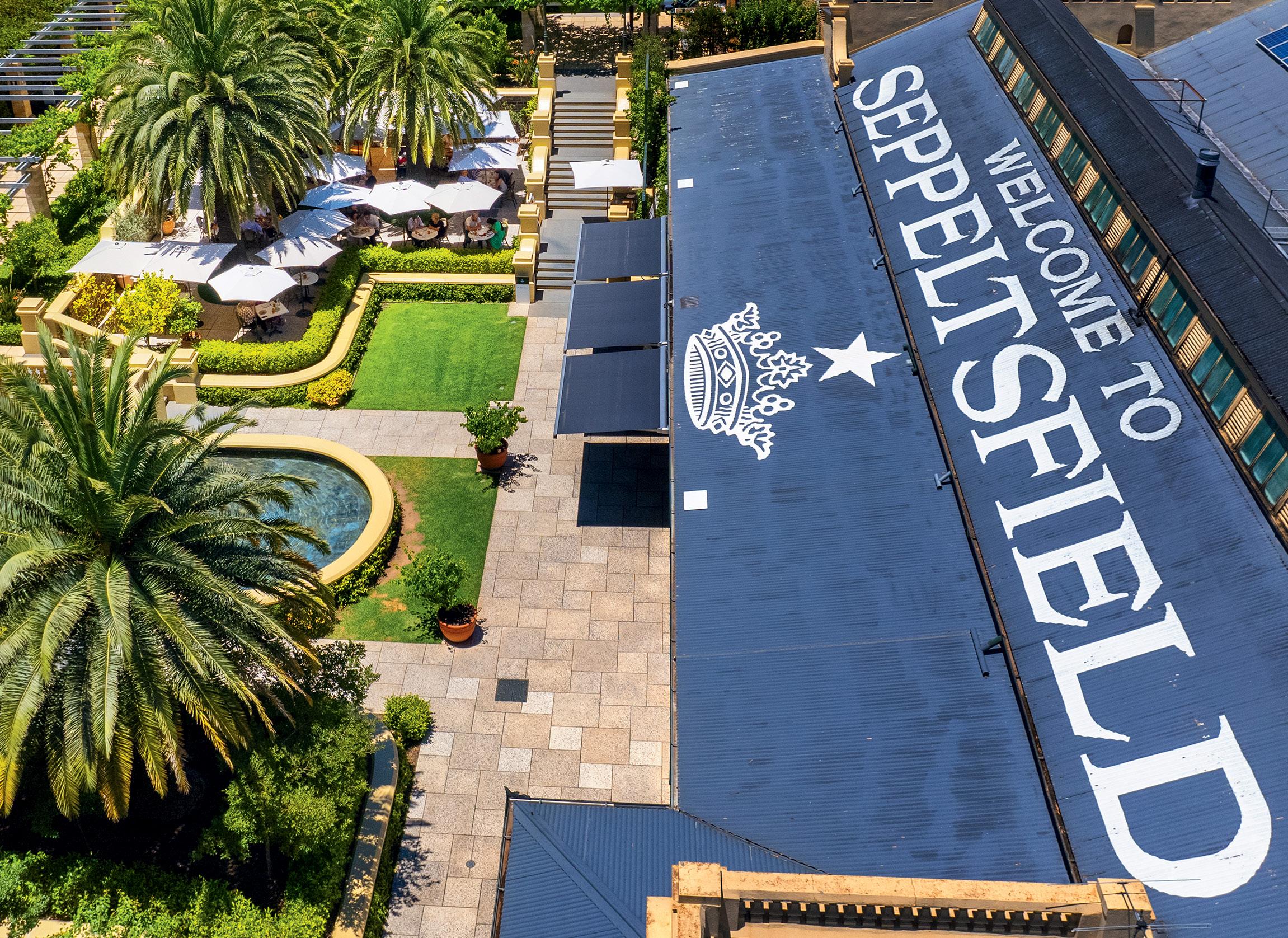
Seppeltsfield marks 175 years with celebrations, heritage storytelling, ambitious future plans and national tourism accolades.
Seppeltsfield is preparing for a landmark year as the historic Barossa winery celebrates its 175th anniversary, marking its founding in 1851.
The milestone will be commemorated through a series of special events throughout the year, beginning with the release of a dedicated 175th Anniversary Video that reflects on the people, place and defining moments that have shaped the Estate over generations.
Narrated by Seppeltsfield’s Executive Chairman and Proprietor, Warren Randall, the video traces the Estate’s journey from its earliest days in the Barossa to the living legacy that continues today.
Reflecting on the founders’ vision, Randall said: “The ambition of Joseph and Johanna Seppelt who founded in this place in the Barossa in 1851, was simply magnificent.”
He also spoke of the personal significance of acquiring the Estate nearly two decades ago.
He says: “When I acquired the Seppeltsfield
Estate nearly 20 years ago, I felt a reconnection with history – an overwhelming feeling of responsibility, excitement and opportunity. A true national treasure which has helped shape the history of the Australian wine industry.”
Looking to the future, Randall said the anniversary year would balance reflection with ambition.
“I feel incredibly privileged to be the current custodian and I have audacious plans to set the Estate up for the next 175 years, until 2201. For now, this year is set to be an exciting year ahead at Seppeltsfield, with a series of moments planned at the Estate.”
The celebrations follow a standout period of recognition for Seppeltsfield, which was recently inducted into the South Australian Tourism Commission’s 2025 Hall of Fame and named Best Tourism Winery at the 2024 Qantas Australian Tourism Awards.
“I feel incredibly privileged to be the current custodian and I have audacious plans to set the Estate up for the next 175 years.”
Warren Randall


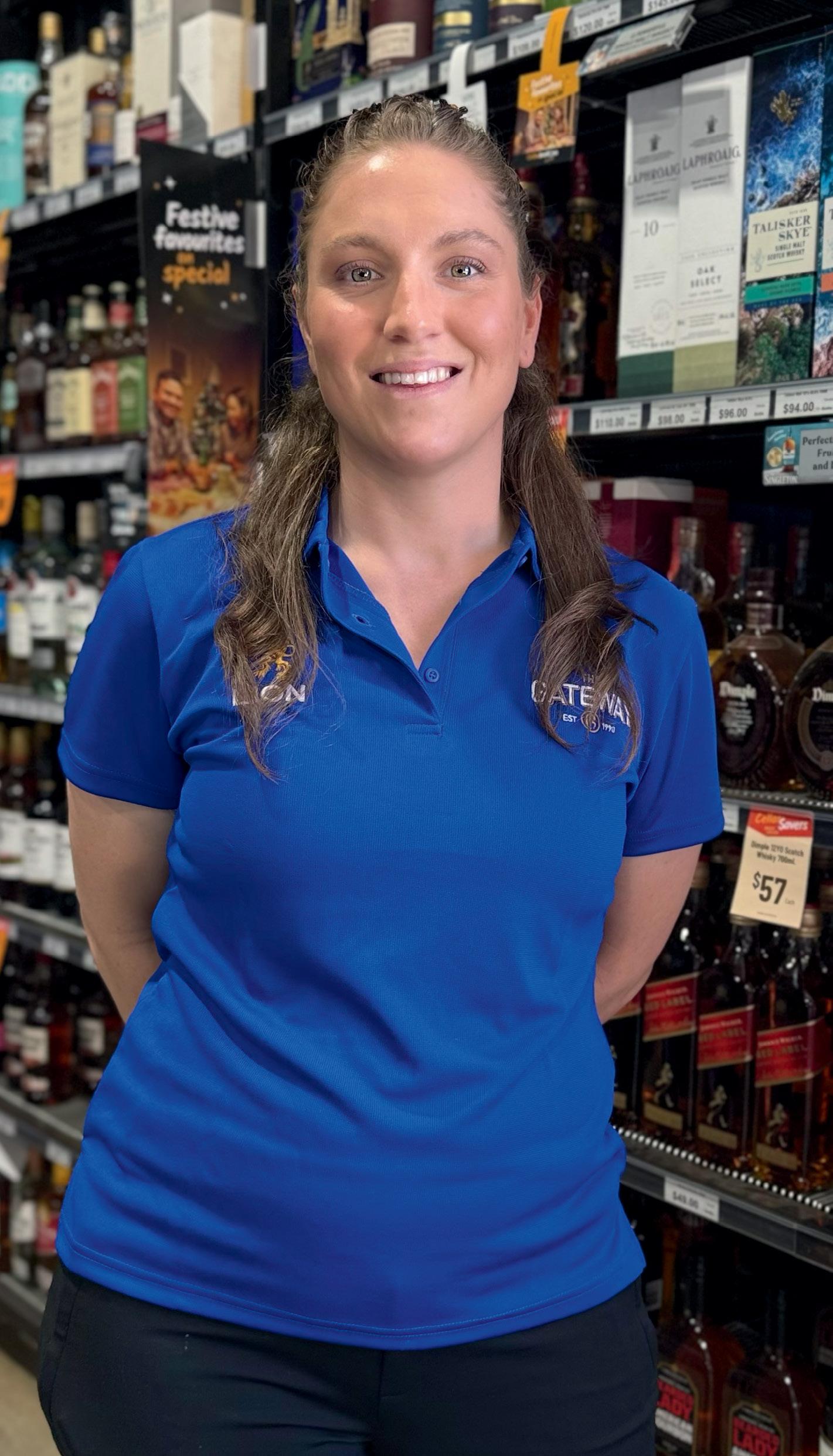
Retail unfiltered dives behind the counter to uncover the real people of Australia’s liquor retail industry. This issue we get to know Lorianne Lowerson, Bottle Shop and Beverage Manager at The Gateway Hotel and Cellarbrations, Mildura.
Known in-store and in the Mildura community as ‘Loz’, her driving force is bringing people together through shared experiences and community connection.
“I love the diverse personalities you come across in the liquor industry. Almost everybody has a funky individual back story and a personality to match it. The liquor industry is a common ground where any demographic can come together and collaborate or have a chat. Our customers and the development of the staffing team is what makes the day-to-day life in retail liquor the most rewarding,” she said.
With that in mind Lowerson said that 2025 was one of her best years yet.
“The past 12 months have been the most satisfying so far, from breaking past years goals and targets to increasing our accounts and building a solid team instore who not only know the products they are selling but know our customers and what they enjoy drinking.
“We increased foot traffic, basket spend, and loyalty by making sure our focus was on giving our customers a fantastic experience every time they come through the doors.”
Lowerson also praised the efforts of staff at both The Gateway and Cellarbrations for delivering impressive follow through on- and off-premise.
“The connection that we have between the pub as our hospitality venue and our retail side just works seamlessly. It comes down to the staff who create positive relationships and make sure customers leave the venue feeling inspired to stop by and pick up an extra bottle or can of something to enjoy at home.”
Lowerson first learned about the liquor industry pouring drinks in a local nightclub before eventually landing one of many roles at The Gateway.
“I worked my way through almost every position in the venue, starting in the bistro through to Gaming Attendant, Bistro Supervisor, Duty Manager and eventually finding my feet out in the Gateway’s attached bottle shop,” she said.

One of her priorities is to support the change in perception of liquor retail for the next generation from merely a job to a career.
“I would love to see more staff understand that working in retail liquor can be anything you want it to be. My journey in the industry has been incredible and lead me to meeting inspiring individuals, broadening my business knowledge, creating wonderful friendships and opportunities. The job you pick up in retail liquor, may become a great career you would never have imagined,” she said.
Serving her community in more ways than one, Lowerson is also deeply involved in Women’s AFL in Sunraysia and the Millewa region, as a player, coach, and League Director.
She said what sets Cellarbrations Mildura apart is the role the store plays in connecting its community members – whether that’s through sport or in-store experiences.
“Our store is the largest drive-through bottle shop in the area, with an amazing cliental of local clubs, sporting teams and businesses. Our staff are all wonderful with great personalities and are always happy to chat. The Gateway does a lot of sponsorship for sporting clubs and in return we have built a loyal customer base of people who are active in those parts of our community.”
Teamwork, mateship and comradery are all values Lowerson said she has learned along the way and continue to be her secret to success when it comes to empowering her staff.
“I’m a massive believer in leading by example and
“The liquor industry is a common ground where any demographic can come together and collaborate or have a chat. Our customers and the development of the staffing team is what makes the day-to-day life in retail liquor the most rewarding.”
Lorianne Lowerson

find myself using my sporting background as a guide for management. I would never ask a staff member to do something I wouldn’t do myself. Recognition and honest conversations are a key player to helping staff develop and learn.”
Building a range inspired by Mildura
Equally as important to the success of Cellarbrations Mildura has been its range that is curated with its customers’ needs in mind.
Lowerson said encouraging discovery while keeping classics and community favourites in stock further drives loyalty and consumer trust in the staff that keep the store thriving.
“We like to keep a baseline of ‘known and tried’ products that will never fade, while adding a few variations for the customer looking for something a little different. Even though our biggest moving stock is packaged beer, we love to bring in new, exciting flavours through the store.
“I am also a big fan of trying something new, you never know what you like (or don’t like) until you try it. I don’t know what I’m trying to sell unless myself or the staff have tried the products ourselves. Our customers trust us, and we would never try to sell something to a customer that wasn’t in their ballpark.” ■
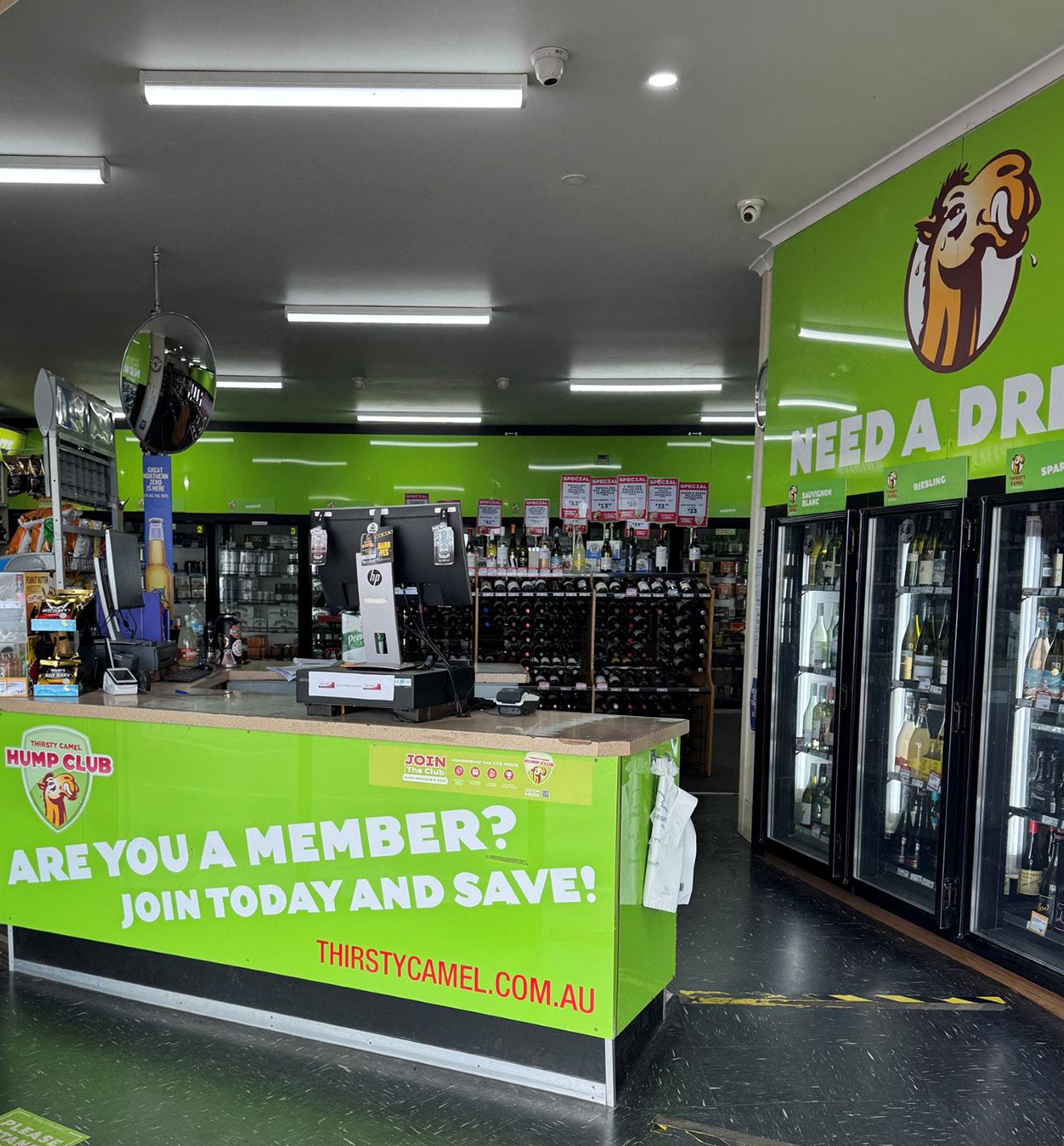
In October 2025, United Innkeeper – the association that went on to form the Thirsty Camel bottle shop banner in 2007 – celebrated its 50th anniversary. Over the course of those five decades, what is now Thirsty Camel Portland has been a proud custodian of that banner.
Thirsty Camel Portland Store Manager Mark McIntyre describes United Innkeeper and Thirsty Camel as a big family that spans generations.
“It is very competitive in the marketplace and offers its compliant members generous quarterly rebates. The group is always looking at more ways to deliver more profitability to its members,” he stated.
Located on the waterfront on the southwest coast of Victoria, Thirsty Camel Portland is a drive-through bottle shop holding a prime position in Portland and benefitting from multiple car parks. The convenience of shopping quickly and efficiently is what sets the store apart from its competitors, says McIntyre, but beyond that, it’s the store’s close links to its community and customer-centric approach that offer a competitive advantage.
“Without getting complicated, our philosophy is simple – customer-first, swift and efficient service. Everything else is second.
“We sponsor a number of sporting clubs and supply a few other small licences in the area. Our competitors are monitored regularly regarding pricing, and we react accordingly especially with key sellers. Ongoing staff training, building product knowledge and capitalising on our strengths, while also acknowledging our weaknesses, really sets us apart.”
Owing to the convenience it offers and its customer-first philosophy, the store has strongly embedded itself in the regional Portland community. But, being located more than four hours from Melbourne isn’t without its challenges, especially in busy trading periods.
As a store that puts the customer before everything else, McIntyre highlights just how essential it is that your offer resonates with shoppers of a variety of tastes and interests.
“Beer and premix are our biggest categories but having a wide range of choice in all other areas is important, while also having that steady flow of new products coming through.”
“As a consequence of our location, we need to carry a large stock weight to overcome out-of-stock lines. Buying quantity when the price is right, and having close relationships with suppliers and carriers is imperative,” McIntyre explains.
Historically, Portland has always been Thirsty Camel’s biggest Hump Club store. McIntyre believes that customers see the program as more than a salesdriven club, offering competitive pricing, prizes, bonuses, games and personalised offers that make it easier to keep them coming back.
“We constantly reinforce to all staff that Hump Club is our special point of difference from our competitors –our special ‘tool’ if you like. The more of our customers we can encourage to join the program, the more likely they will become repeat customers and give us a chance to build an ongoing relationship with them.
“We ask every customer if they are a member of the club at POS, and if not, we use that opportunity to sell the benefits of joining while also offering our best service. This is something that is done by all staff, for all of our customers, every single day, and as a consequence a significant portion (more than 60 per cent) of our daily sales are to loyalty members,” McIntyre stated.
Additionally, Thirsty Camel Portland has introduced its own value-driven promotional initiatives over the years. By packaging key products in unusual pack sizes, the store has been able to achieve unique price points – such as seven cans of Jim Beam White Label Bourbon & Cola for $30 – which others have not been able to match.
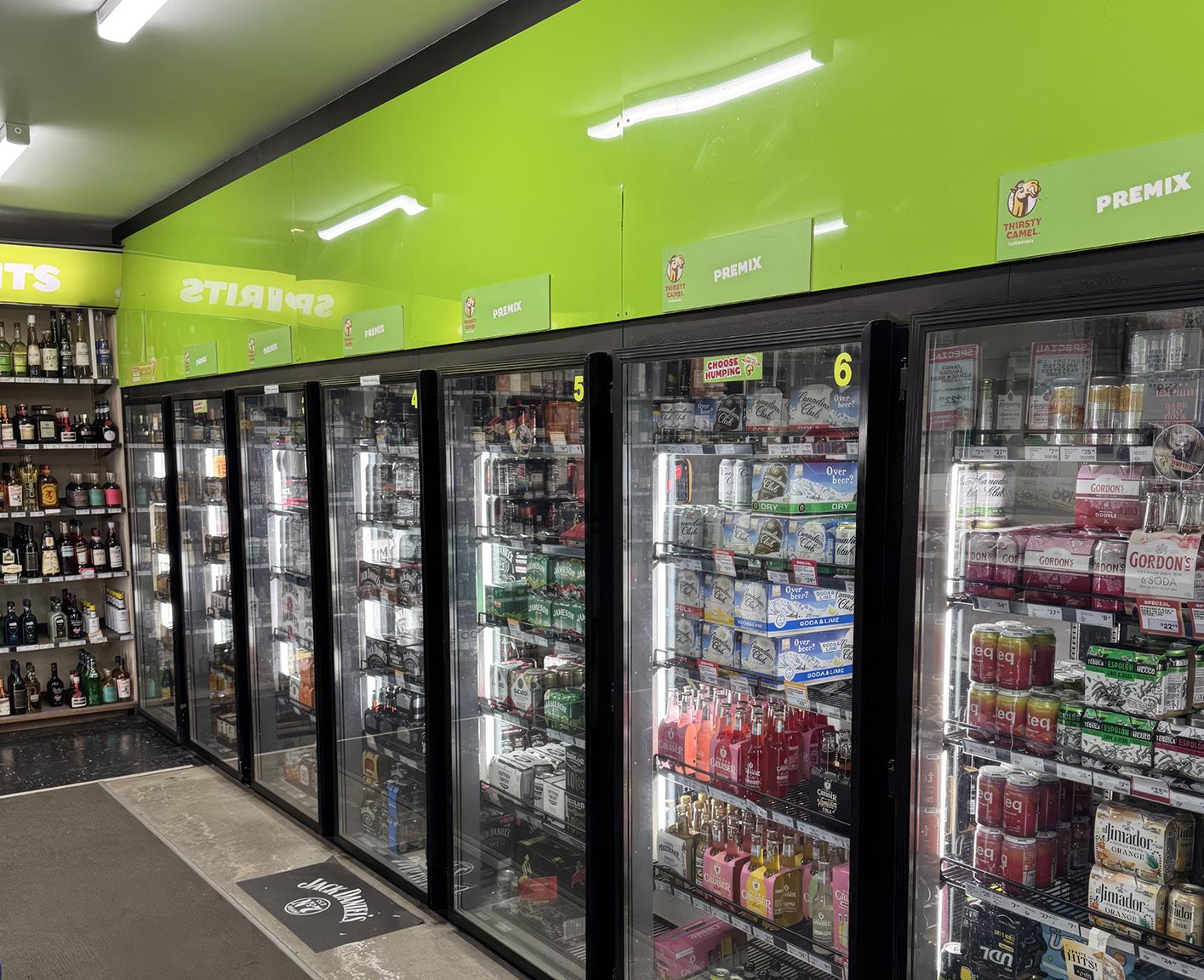
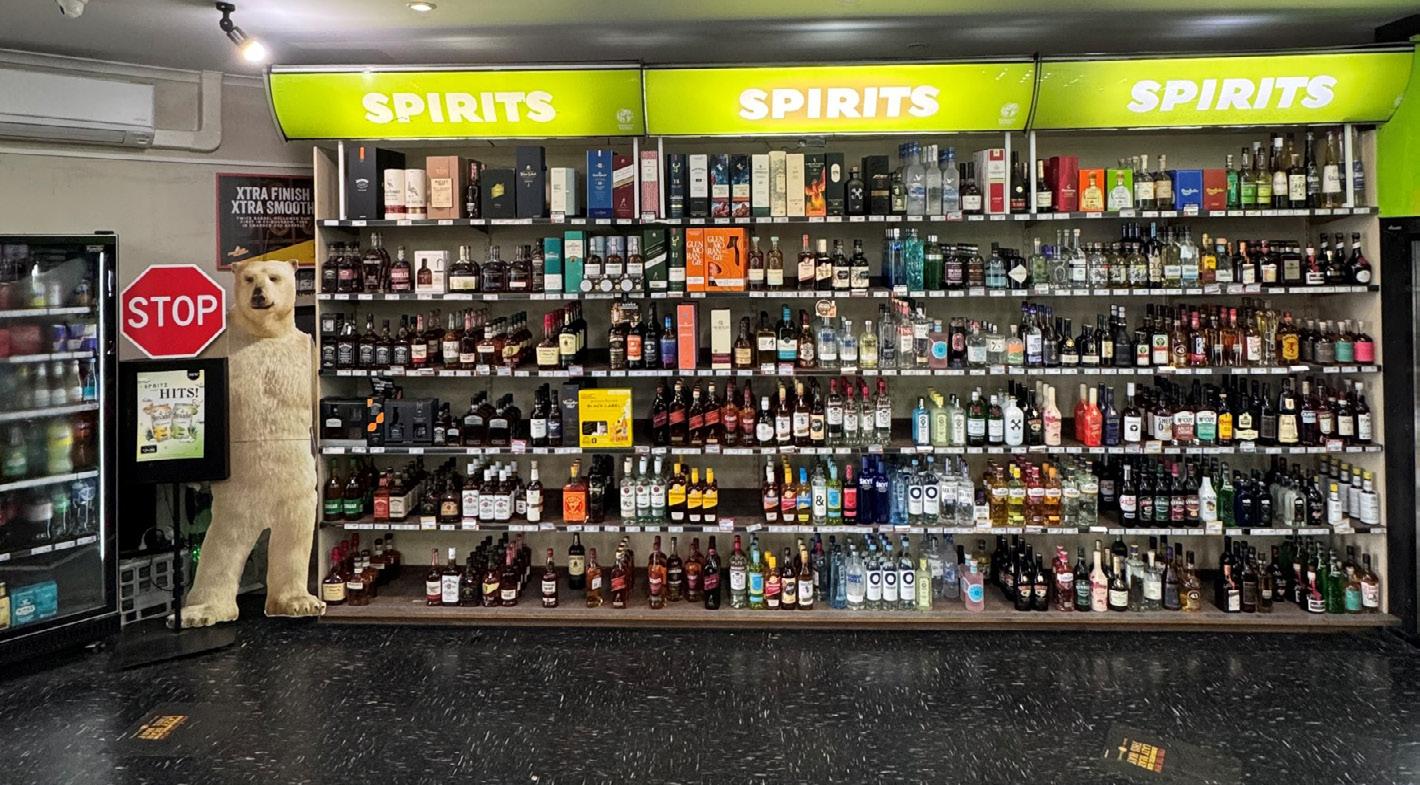
“We have a very steady trade with our regular customers for these products. Generating enthusiasm amongst staff regarding promotions and products becomes infectious to our clientele,” McIntyre added.
Like many independent liquor retailers, McIntyre finds growing competition from larger chains to be one of the biggest challenges for the industry. Despite this, he is confident that independents can use their agility and authenticity to their advantage and continue to win over shoppers.
“From our perspective, the biggest issue is the growing power of the supermarkets who have declared that they want 100 per cent of the total retail market. Clearly this would also not be beneficial to suppliers, so there should always be a place in retail for the independents.
“Loyalty programs like Hump Club, excellent customer relationships, competitive pricing and enjoyable shopping experiences along with a neat, clean and wellticketed store should help keep them at bay.
“We are always striving to be better. Having a happy closely knit team working in the same direction, being hands on salespeople and not just cash register operators and listening to our customers should ensure we get good results,” McIntyre explained. ■
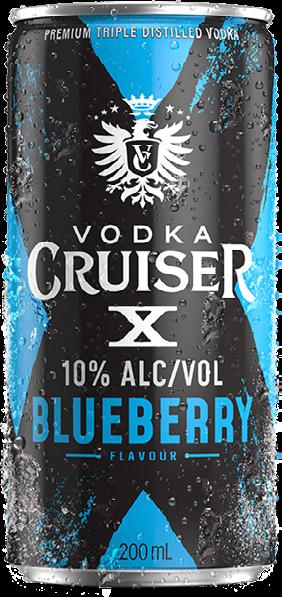
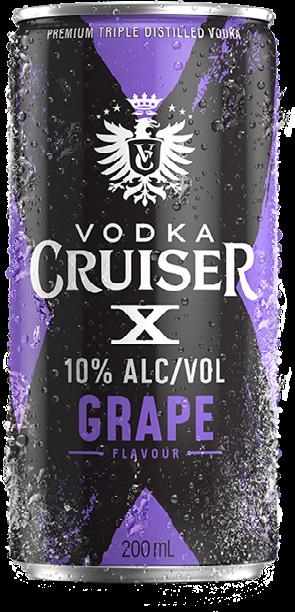
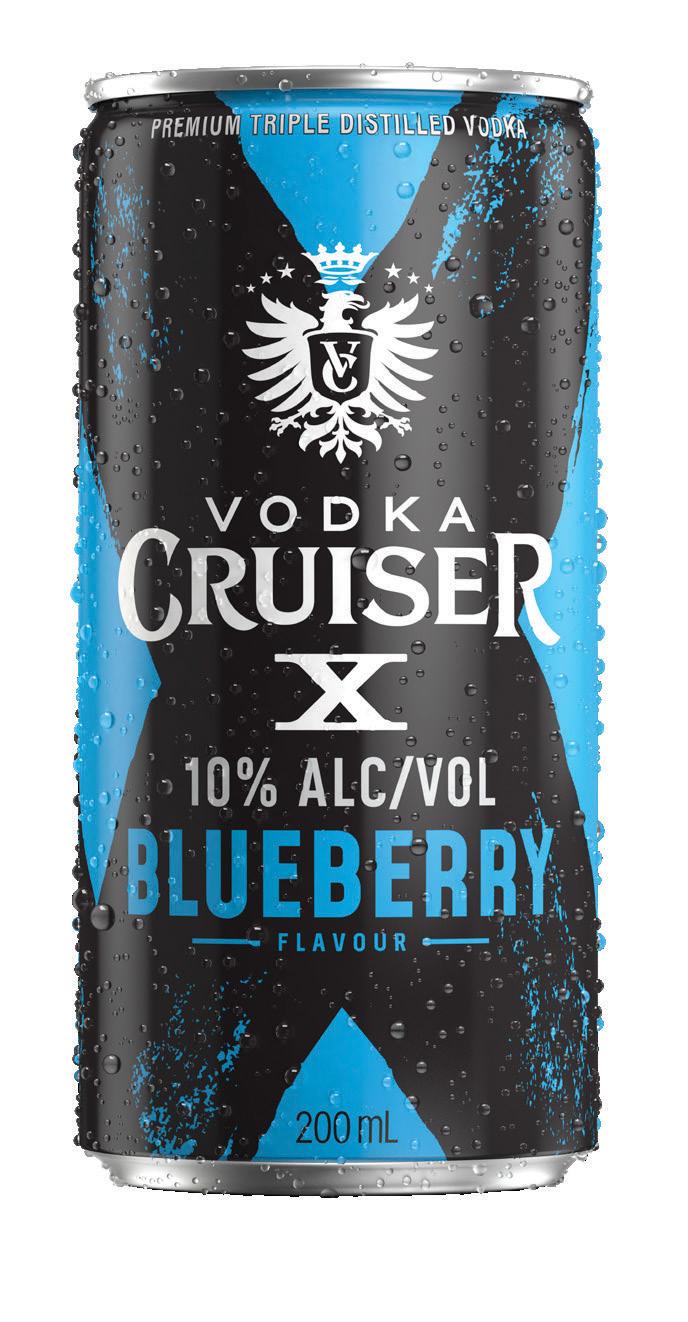
Vodka Cruiser is expanding its RTD portfolio with the launch of Vodka Cruiser X, a new 10 per cent ABV range designed to tap into higher-energy social occasions and evolving consumer preferences around value and format.
Rolling out nationally from 23 February 2026, Vodka Cruiser X will be available in a 200ml can format, packed as a four-pack, with each can containing 1.6 standard drinks. The range will launch in two flavours – Blueberry and Grape – and is positioned squarely at the pre-drinks and house party occasion, offering a shareable option for nights out and social gatherings.
The launch comes as high-ABV light RTDs continue to accelerate, now accounting for 37.8 per cent of the light RTD segment and growing at 22 per cent. Vodka Cruiser remains the number one RTD brand on brand power, holding leadership among 18–34-yearolds, including Gen Z and young Millennials.
The new mini-can format aims to deliver price efficiency on a dollars-per-standard-drink basis, while also responding to demand for reduced liquid volume without compromising strength.
An Asahi Beverages spokesperson said: “We’re excited to deliver the biggest NPD launch Vodka Cruiser has ever seen, including a culturally relevant and disruptive through-the-line plan to drive Gen Z recruitment and unlock more occasions.”
Distributor: Asahi Beverages
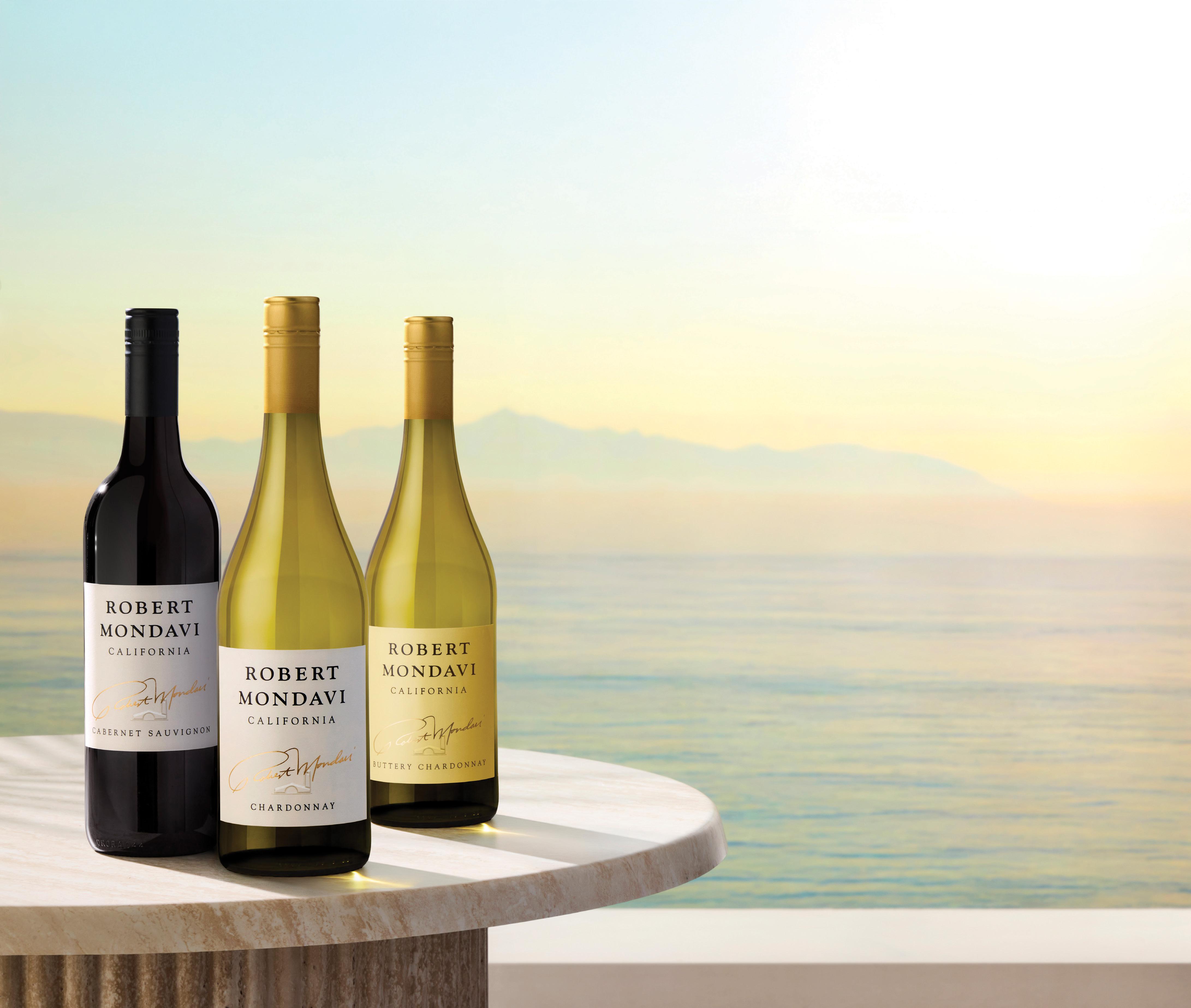
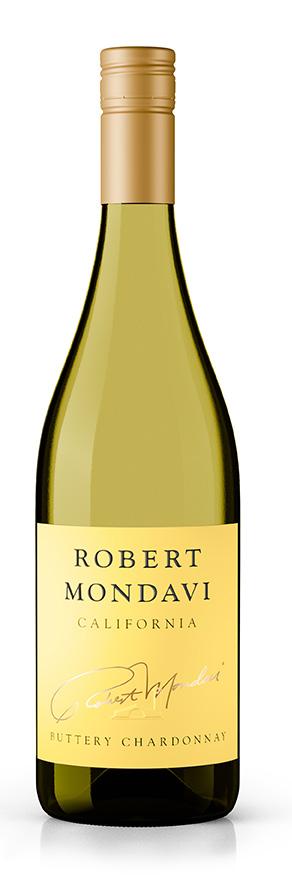
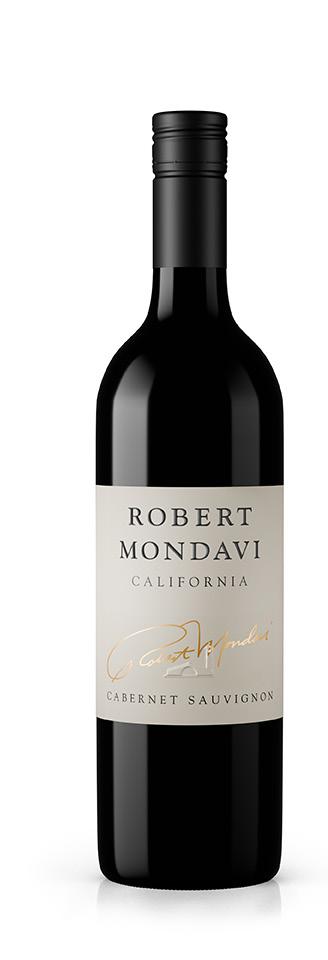
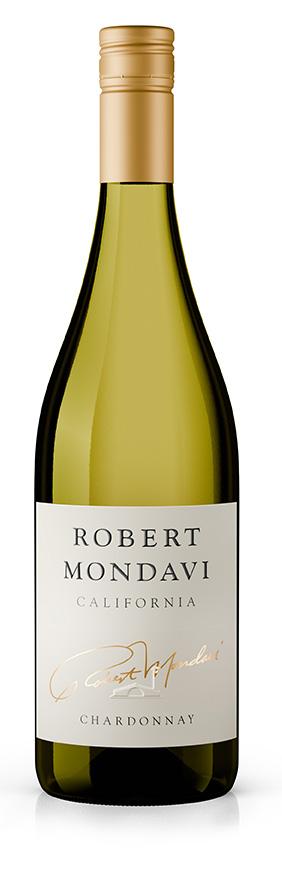
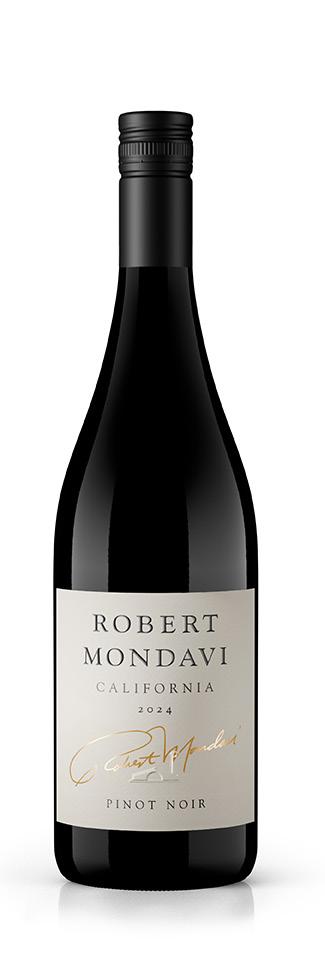
Robert Mondavi has unveiled a new Robert Mondavi California range to mark the brand’s 60th anniversary and the opening of a new state-of-the-art winery in Napa Valley.
The new range builds on Robert Mondavi’s founding vision to bring quality Californian wine to the everyday table, shaped by the state’s coastal influence, sunshine and food-led lifestyle. Fruit for this wine has been sourced from vineyards across California’s coast, with the aim of capturing the region’s terroir while delivering wines that balance generosity with refinement.
The focused portfolio comprises of a Cabernet Sauvignon, Pinot Noir and two Chardonnay styles, positioned to offer classic Californian expressions at an accessible price point. Prior Robert Mondavi ranges have led the way for popularity in the Buttery Chardonnay category, and this range is no different, delivering a bold, creamy style with apricot and apple flavours. For consumers seeking a fresher option, the classic Chardonnay offers restrained oak alongside nectarine and tropical fruit notes.
The Cabernet Sauvignon presents a quintessential Californian style, showing red cherry, blackberry and subtle dried herb characters, while the Pinot Noir is refined and elegant, with dark cherry, strawberry and baking spice notes.
The Robert Mondavi California range is designed to appeal to a broad spectrum of drinkers and occasions, from relaxed outdoor dining to informal gatherings.
To be among the first to range, contact Dean Kornman, Sales Manager on dean.kornman@cbrands.com or phone +61 407 995 307 or 1800 819 341.
Distributor: Constellation Brands
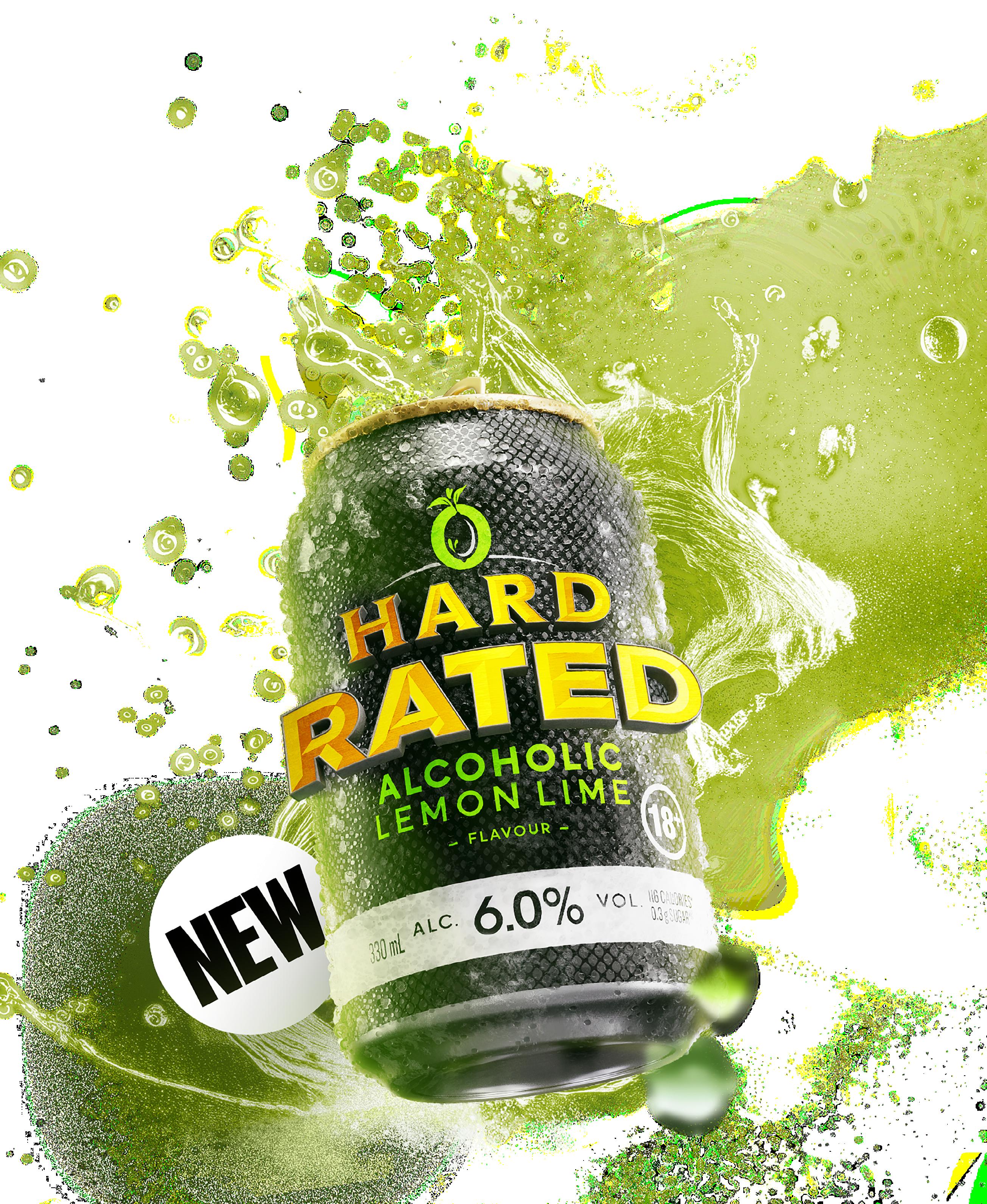
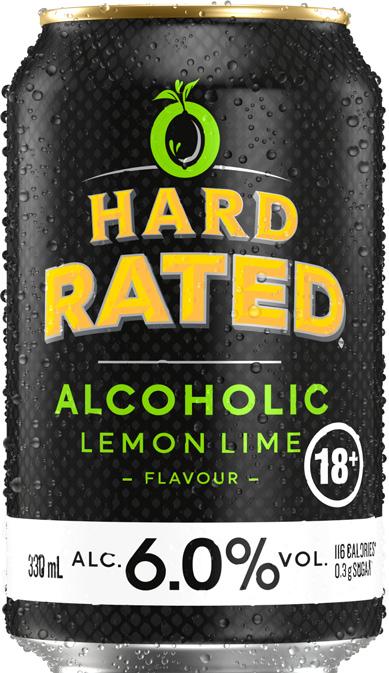
Hard Rated is expanding its higher-ABV offering with the launch of Hard Rated Alcoholic Lemon Lime 6%, building on the strong performance of its Lemon 6% variant and the popularity of Lemon Lime as the brand’s second-best flavour at 4.5% ABV.
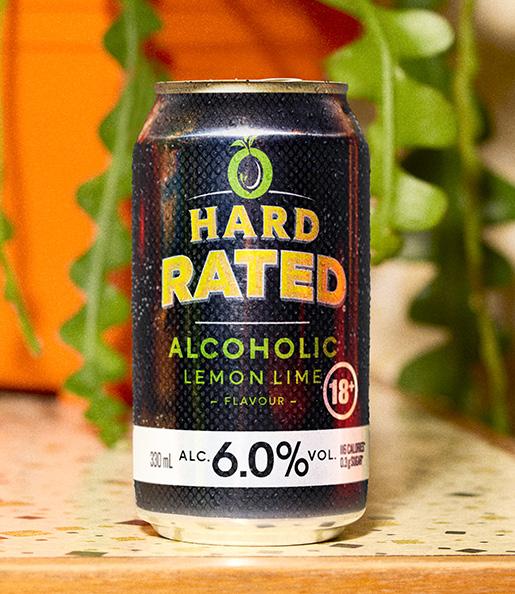
Available to order nationally from 23 February 2026, the new SKU delivers the same zesty lemon-lime profile consumers know from the core range, while tapping into growing demand for higher-strength, lower-sugar light RTDs. Each can contains just 0.3g of sugar and 116 calories, positioning it for extended social and celebration occasions where drinkers are seeking flavour and strength without excess sweetness.
The launch comes as high-ABV light RTDs continue to accelerate, now accounting for 37.8 per cent of the light RTD segment and growing at 22 per cent. Hard Rated remains the number one light RTD brand in Australia and has driven category growth for the past two years. Low-sugar products now represent 32 per cent of light RTD value sales, underlining the shift toward balance and moderation.
An Asahi Beverages spokesperson said: “Off the back of successful launches of classic Lemon 6%, and zesty Lemon Lime 4.5%, Hard Rated Alcoholic Lemon Lime 6% has been born. It’s our second higher ABV drink in the range and is a refreshing and low sugar option that you can continue to enjoy into the night, without compromising on taste and ABV.”
Distributor: Asahi Beverages
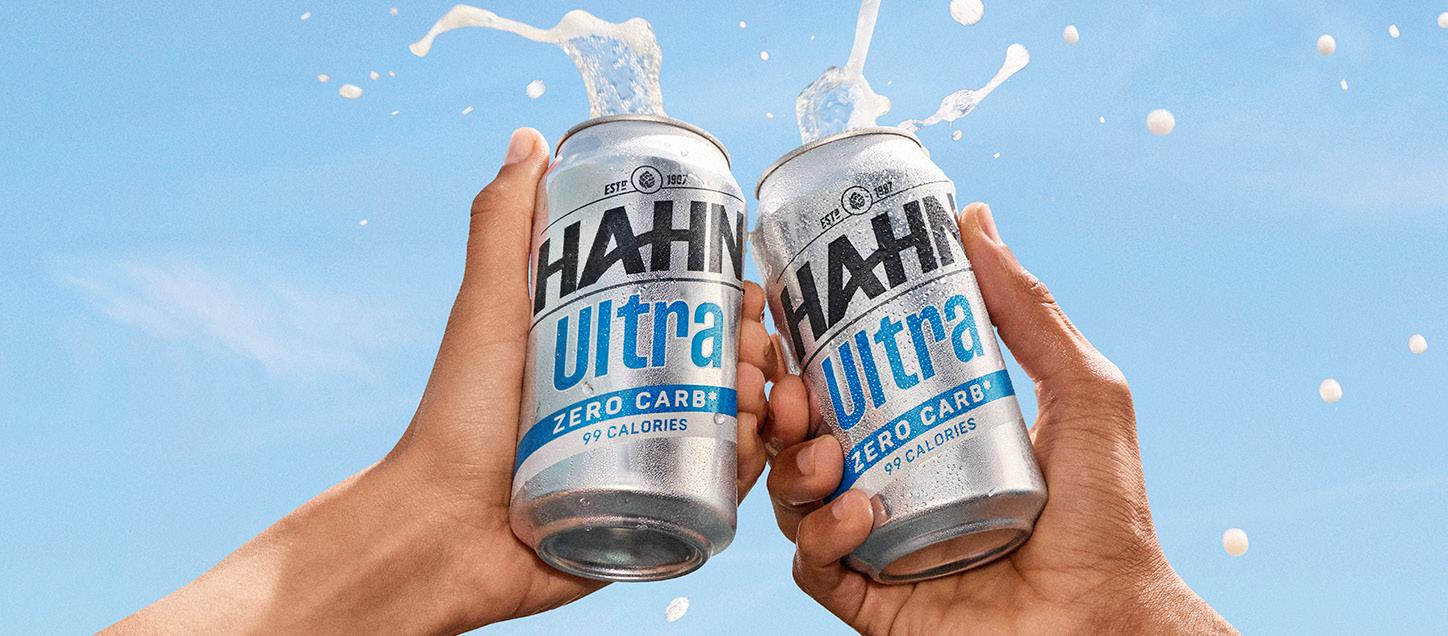
Lion’s iconic range of Ultra zero carb beers are now available in can format. Hahn Ultra, Tooheys Ultra and XXXX Ultra have extended from bottles to cans, due to continued strong demand for the range.
Aussie drinkers are paying close attention to carbs, and Lion’s range of Ultra low and zero carb beers give consumers the opportunity to enjoy lower carb versions of their favourite classic beers without compromising on taste. These consumers are driving continued demand for the ultra-low and zero carb beer category. Expanding into can format provides even more convenience for these beers to fit into a broad range of occasions.
Distributor: Lion
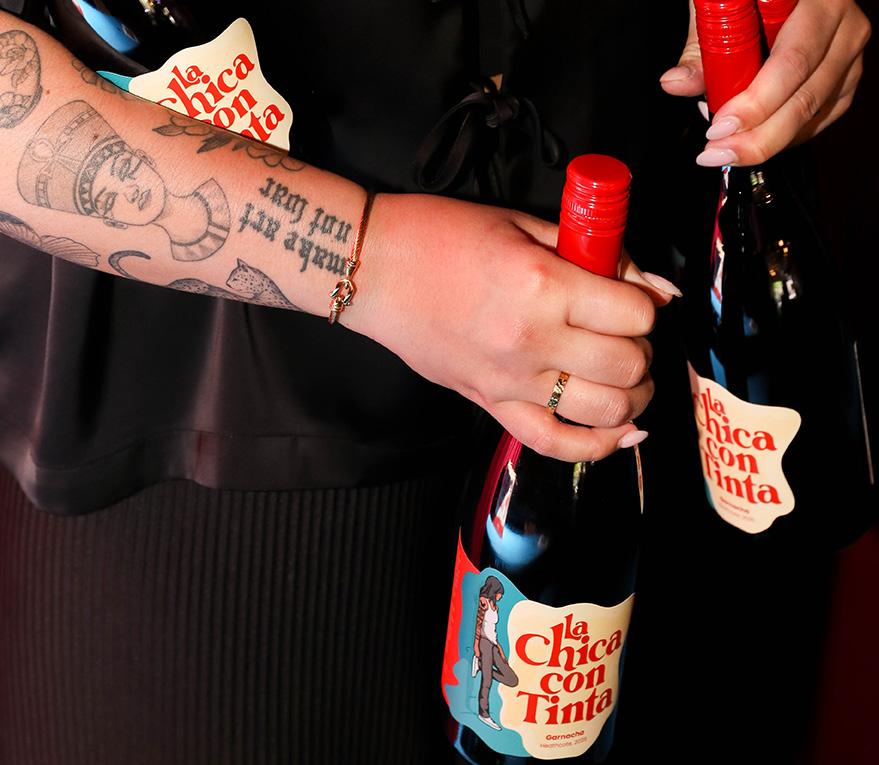
Hirsch Wine Group has launched La Chica Con Tinta, a new wine brand inspired by Spanish and Latin American culture and built around lesserknown varietals with attitude and authenticity.
Translated as ‘The Girl with Tattoos’, the range is overseen by Chief Winemaker Peter Mackey and debuts with two Heathcote-grown expressions: a 2025 Arinto and a 2025 Garnacha. The project holds personal significance for Mackey and Hirsch Wine Group CEO Ben Hirsch, both of whom share deep ties to Spanish-speaking wine cultures through time spent living and working abroad.
Positioned as a wanderer in search of adventure, La Chica Con Tinta uses storytelling and bold visual design to connect provenance, travel and flavour. Her tattoos map journeys, while each wine reflects places visited and memories made.
The 2025 Arinto is a lively white grown in Heathcote, delivering bright citrus, juicy melon and stone fruit with subtle florals, grapefruit notes and a fine line of acidity. Crisp yet textural, it offers a fresh, contemporary take on the Portuguese variety.
The 2025 Garnacha is a medium-bodied red with a delicate savoury edge, layered with fragrant red berries, strawberry and cherry, lifted by clove, orange rind and spice. Designed to be served slightly chilled, it offers a modern, versatile style suited to evolving consumer tastes.
Crafted in small batches from selected Heathcote parcels, the range highlights how Old World grapes can thrive under Australian conditions, delivering wines that are expressive, origin-led and unapologetically different.
Distributor: Hirsch Wine Group
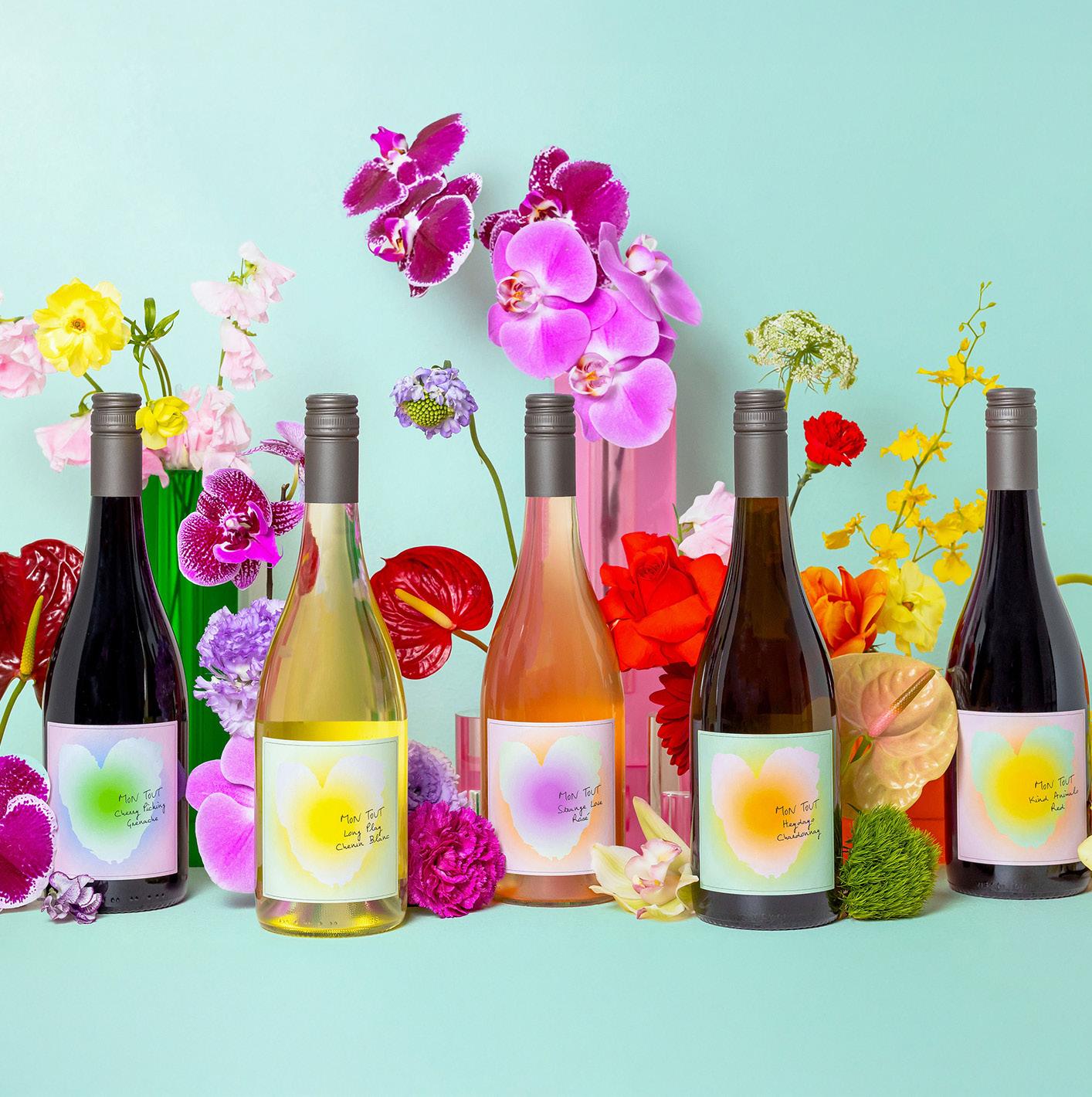
Tout 2025 vintage reflects season-led winemaking shift
Western Australian wine label Mon Tout has released its 2025 vintage, with a notable evolution of its Strange Love wine reflecting the conditions of the year and the brand’s minimal-intervention ethos.
For the 2025 vintage, Strange Love moves away from Grenache, reemerging as a Pinot Noir and Pinot Gris blend sourced from Pemberton and Mount Barker. The result is a crisp, dry style showing strawberry and spice, offering a bright, expressive snapshot of the season.
Founded by second-generation winemaker Richard Burch, Mon Tout, meaning ‘my everything’ in French, was created as a platform for handsoff winemaking, allowing each vintage to respond naturally to seasonal conditions. Fruit is drawn from sustainably farmed vineyards across the Great Southern and Margaret River, with gentle fermentation using vessels including ceramic eggs and old French puncheons.
“Mon Tout has always been about letting nature take the lead,” Burch said. “We start with grapes that are growing well, which means our varietals and blends often see a change from year to year.
“Our Strange Love got a revamp in this vintage… the combination really sang.”
Returning wines include Long Play Chenin Blanc and Cherry Picking Grenache. The 2025 range will be available from early 2026, RRP $33, with a limited three-pack retailing at $100.
Distributor: Young & Rashleigh (NSW), Footprint Wines (VIC), Off the Vine (WA)
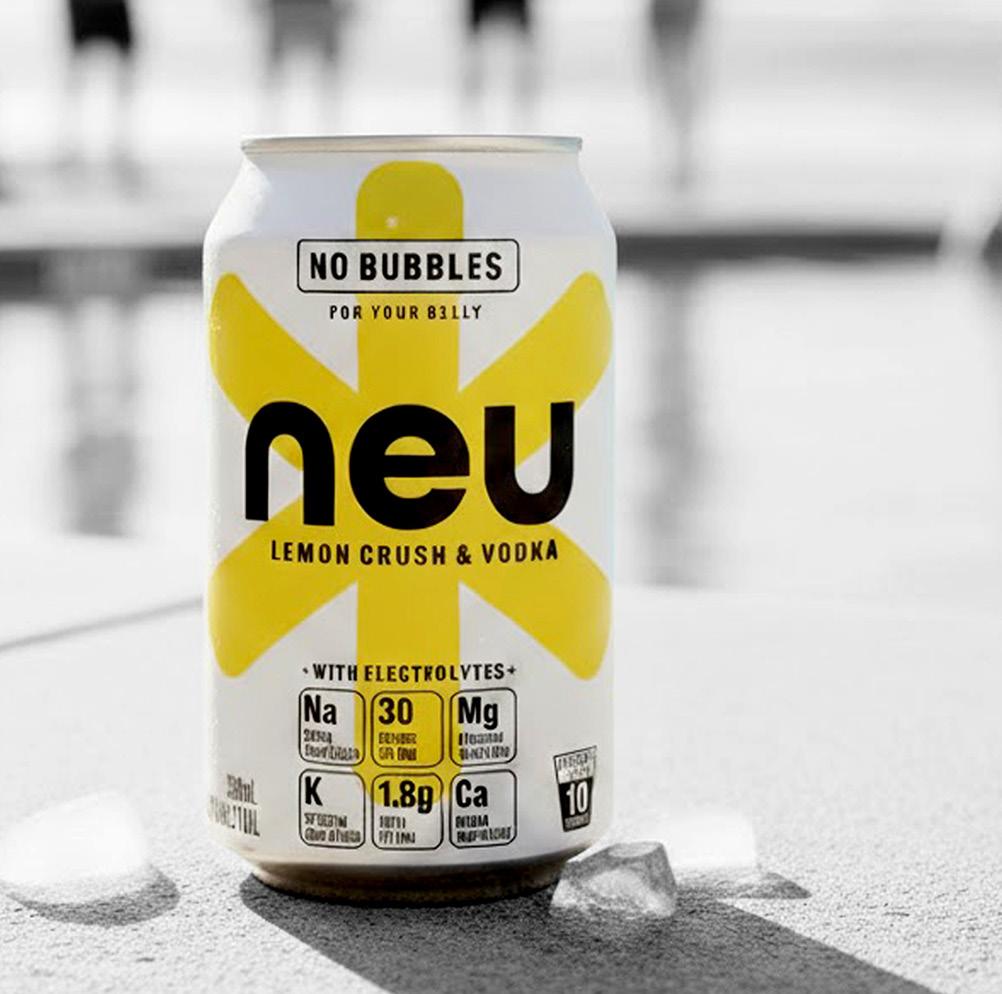
Australia’s newest RTD entrant NEU has launched into the market with rapid early sell-through, signalling strong consumer appetite for noncarbonated premix formats.
Officially released in December, NEU is positioned as Australia’s first no-bubble vodka RTD with electrolytes. Forecast to last three months on shelf, initial inventory sold through in just weeks, with more than 12,000 cans purchased in the first month. The 330ml format contains 99 calories, is low sugar and uses natural flavours, colours and sweeteners, targeting active, lifestyle-led consumers seeking lighter-style alternatives to traditional fizzy premixes.
Developed over nine months and created in Sydney, NEU gained early traction through wordof-mouth across run clubs, fitness communities and social networks ahead of launch.
Paolo Marinoni, General Manager of NEU, said: “Most premixes taste like alcoholic soft drinks and leave drinkers feeling bloated… We identified a clear gap in the market and, in just nine months, took NEU from idea to shelf.”
NEU is currently in stock across 30+ Sydney retailers, including Dan Murphy’s, with national expansion underway and direct-to-consumer launching in February.
Distributor: Direct
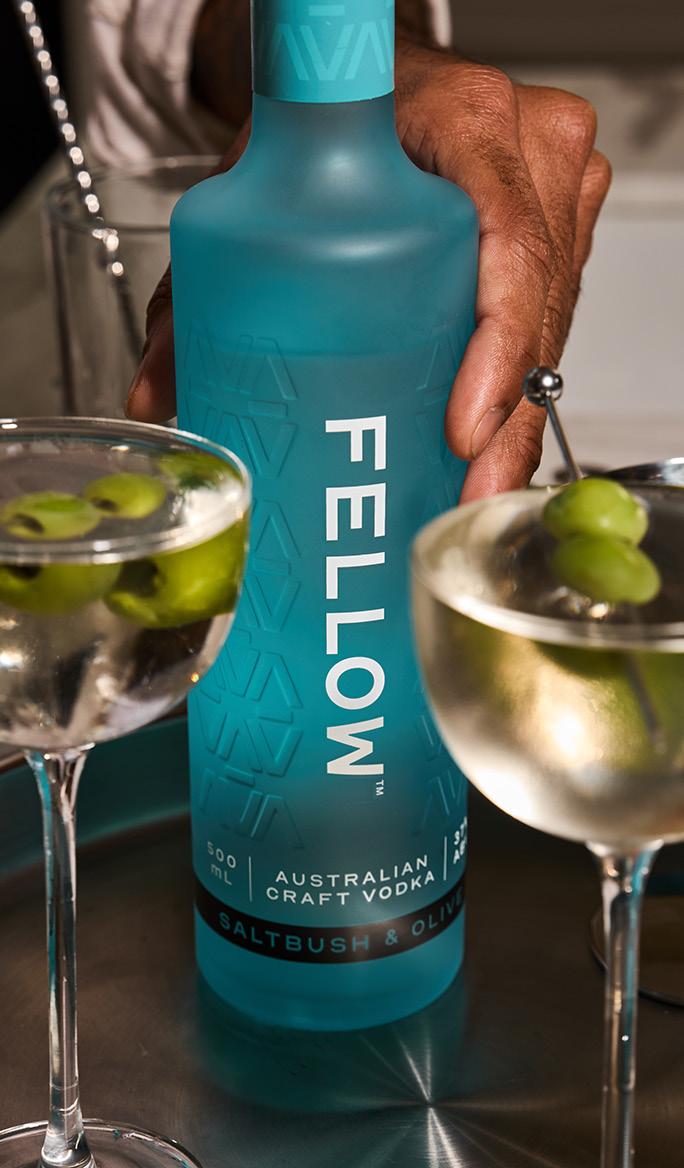
Australian craft vodka brand FELLOW has introduced Saltbush & Olive, a distinct vodka expression built for drinkers who like their spirits full-flavour, textured and food-friendly. The flavour expression is led by award-winning Mt Zero extra virgin olive oil, chosen for its balanced herbaceous and fruity character and the velvety mouthfeel it brings to the final spirit. Olive leaf supports the oil with greener, more savoury notes and a subtle, pleasant bitterness.
At the heart of the profile is Saltbush, an Australian native that contributes earthy minerality and a natural saline finish. To frame the saltbush, FELLOW distils with classic Mediterranean herbs creating a spirit that feels right at home alongside seafood, olives and long lunches.
To keep the serve bright, pink grapefruit is hand cut delivering lifted citrus oils and creating a marmalade-like aroma.
The result is a vodka that can stand as the hero in simple serves and elevated classics, without losing balance or finesse.
Distributor: We Are Tailored
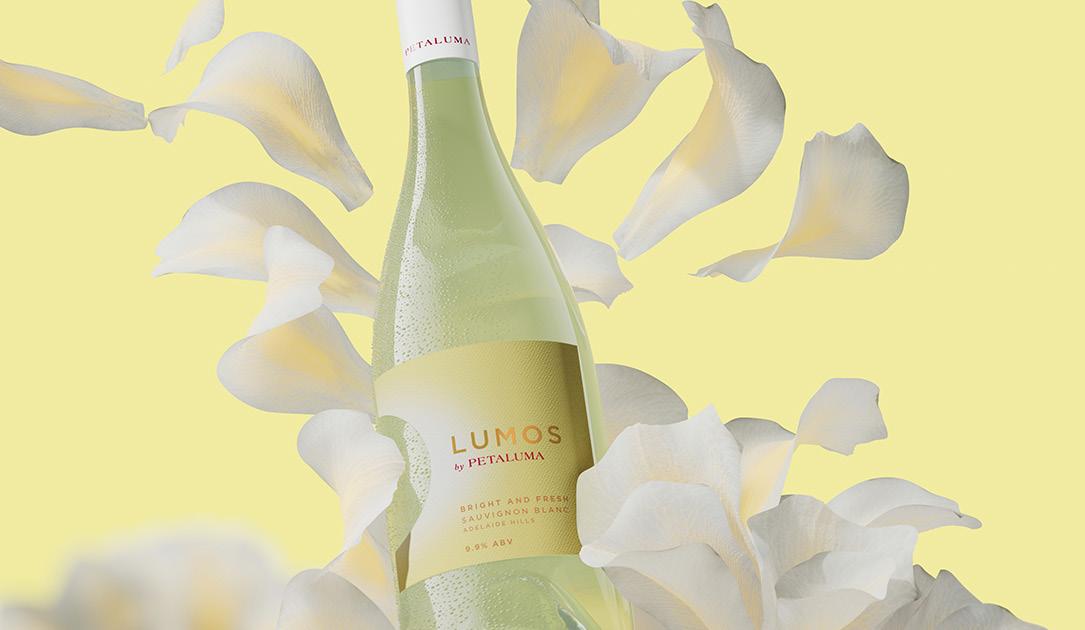
Adelaide Hills winery Petaluma has launched a brand-new wine collection, Lumos by Petaluma, centred around lighter styles of wine and sophisticated drinking occasions. Comprising three wines with an ABV of 9.9 per cent, the collection caters to consumers seeking a premium, lower alcohol wine.
Designed to reflect the brand’s focus on craftmanship and modern wine enjoyment, the collection has launched with three varietals: Sauvignon Blanc, Pinot Gris and Prosecco. Lumos by Petaluma takes its name from the Latin word lumen, meaning ‘light’.
Reflecting contemporary tastes, the Sauvignon Blanc is described as having tropical passionfruit and zesty citrus flavours, while the Pinot Gris offers notes of pear and quince with a crisp, clean finish. Bright and refreshing, the Prosecco has a palate of generous cool-climate fruit.
Ben Thoman, Petaluma’s Winemaker, stated: “Lumos is about enjoying wine in a way that feels balanced and bright. Each bottle reflects Petaluma’s dedication to quality and detail, but with a style that’s lighter on its feet and perfectly suited to today’s lifestyle.”
Distributor: Vinarchy
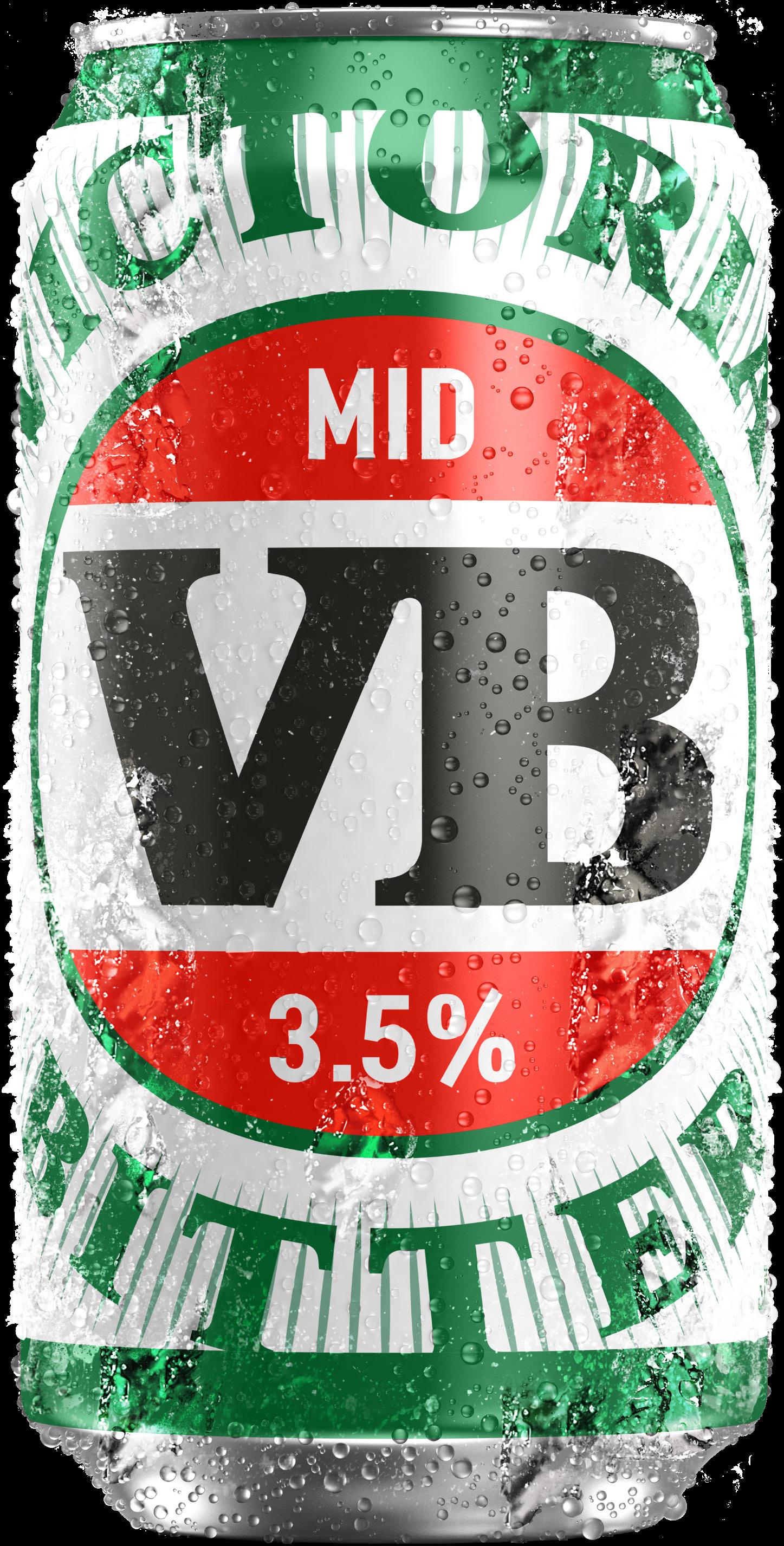
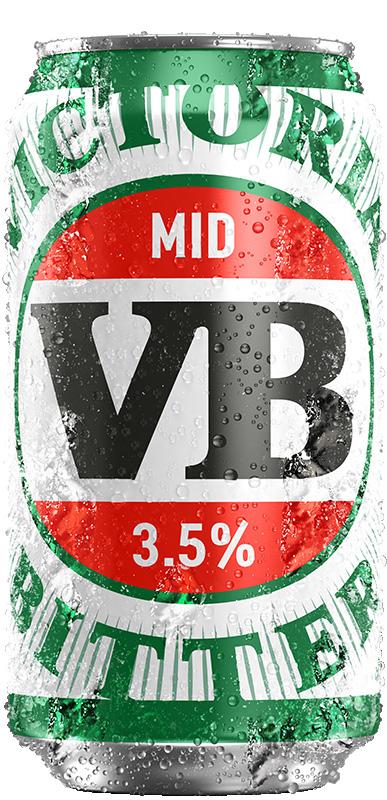
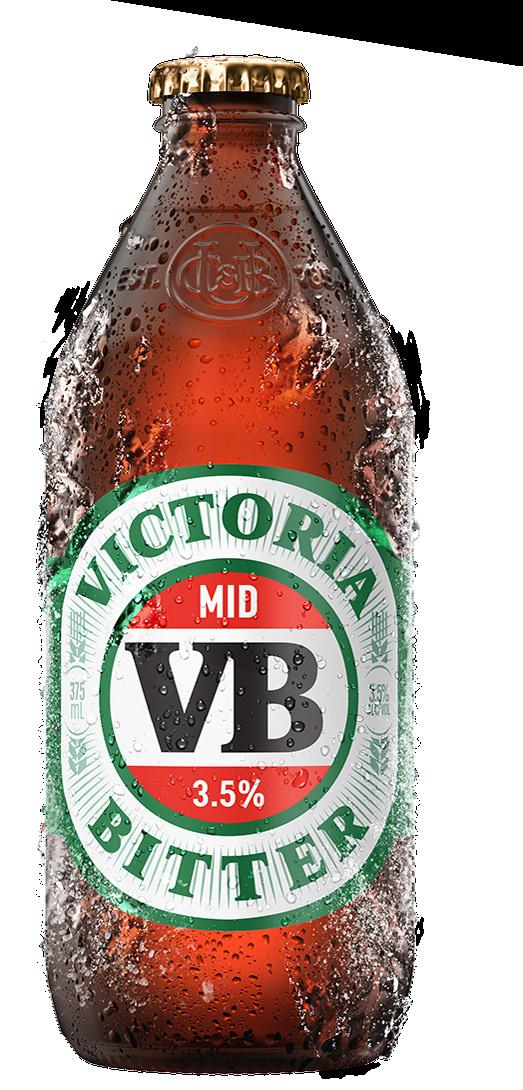
Victoria Bitter has expanded its portfolio with the launch of VB 3.5, a new mid-strength beer designed to capture growing demand for lower-alcohol options without compromising on flavour.
Rolling out nationally from 23 February 2026, VB 3.5 is a pack-only release available across all off-premise channels. The range will be offered in 375ml cans and 375ml stubby formats, positioning it for both fridge-fill and social occasions. At 3.5 per cent ABV, each serve contains one standard drink, aligning with consumer demand for moderation while maintaining sessionability.
VB 3.5 has been brewed to deliver the classic VB character at a lower alcohol level, featuring a light fruity aroma, full-flavoured palate and rounded hop bitterness. Compared with contemporary mid-strengths, the beer offers higher bitterness and a fuller body, reinforcing its positioning as a ‘big cold mid’.
The launch taps into sustained momentum within the mid-strength segment, which has gained the most share in beer over the past year and now accounts for around a quarter of total beer sales. VB 3.5 is positioned to unlock additional daytime, food-led and extended social occasions where drinkers are seeking balance between flavour, refreshment and alcohol moderation.
Distributor: Asahi Beverages
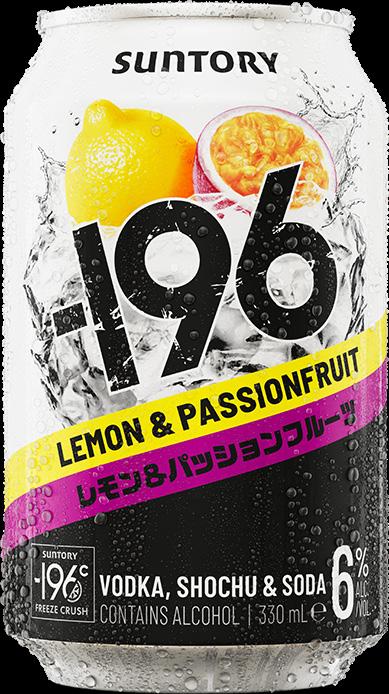
RTD portfolio with two new releases
Suntory Oceania is expanding its RTD lineup with two distinctive innovations designed to capture growth across both RTD categories.
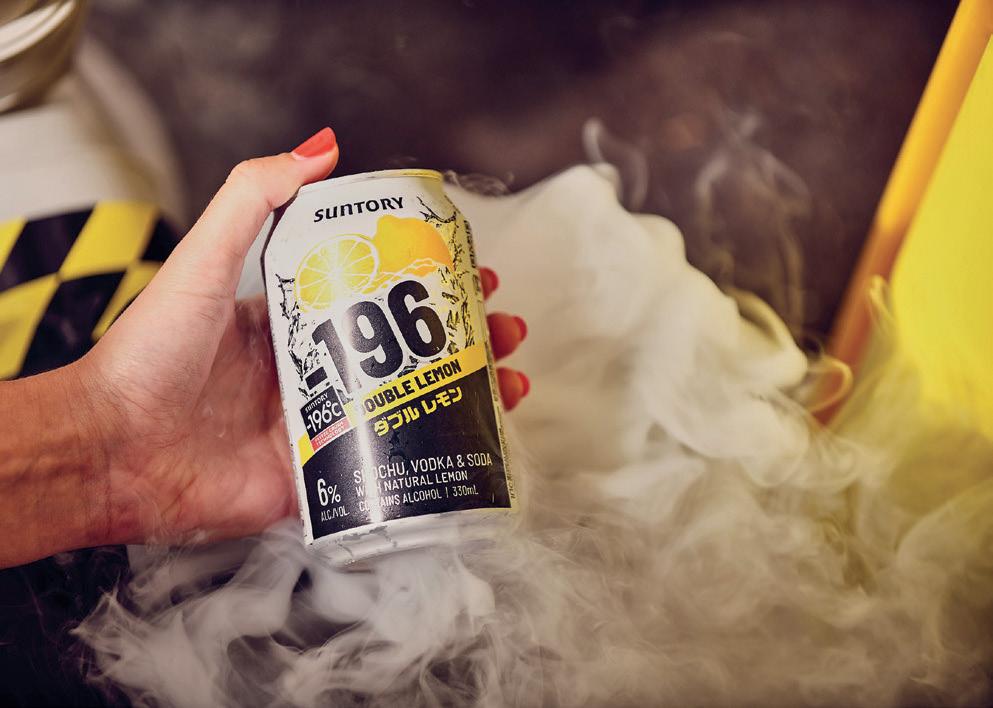
Suntory -196 is unveiling a fresh twist to its iconic range with the launch of its new Lemon Passionfruit flavour – a blend crafted to meet the rising demand for innovative vodka RTDs.
Utilising Suntory’s proprietary Freeze Crush Infusion (FCI) technology, -196 Lemon Passionfruit delivers a surprisingly bold, whole-fruit taste, harmoniously combining zesty citrus with the vibrant sweetness of passionfruit to deliver a crisp, full-flavour experience. With refreshing RTDs now representing around a third of category sales, this new flavour combination is well-placed to accelerate momentum ahead of key seasonal occasions. Suntory -196 Lemon Passionfruit is available in 330ml cans, retailing at $27 for a four-pack and $56 for a 10-pack.
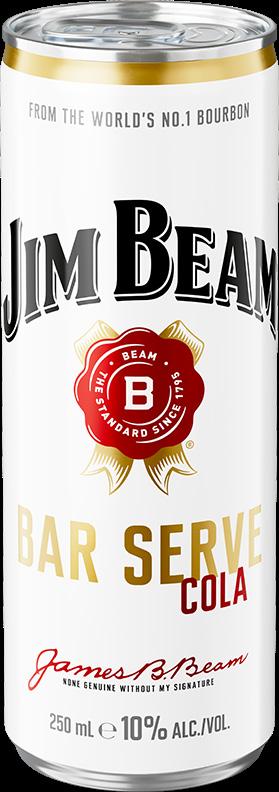
Suntory is also introducing Jim Beam Bar Serve – a premium serve crafted for consumers seeking a full-flavour Bourbon in a convenient can. Delivering intense Bourbon character with notes of oak and sweet cola, it provides a compelling trade-up option as higher-ABV formats continue to drive premiumisation and value growth across RTDs. Jim Beam Bar Serve retails at $35 for a four-pack of 250ml cans.
Distributor: Suntory Oceania
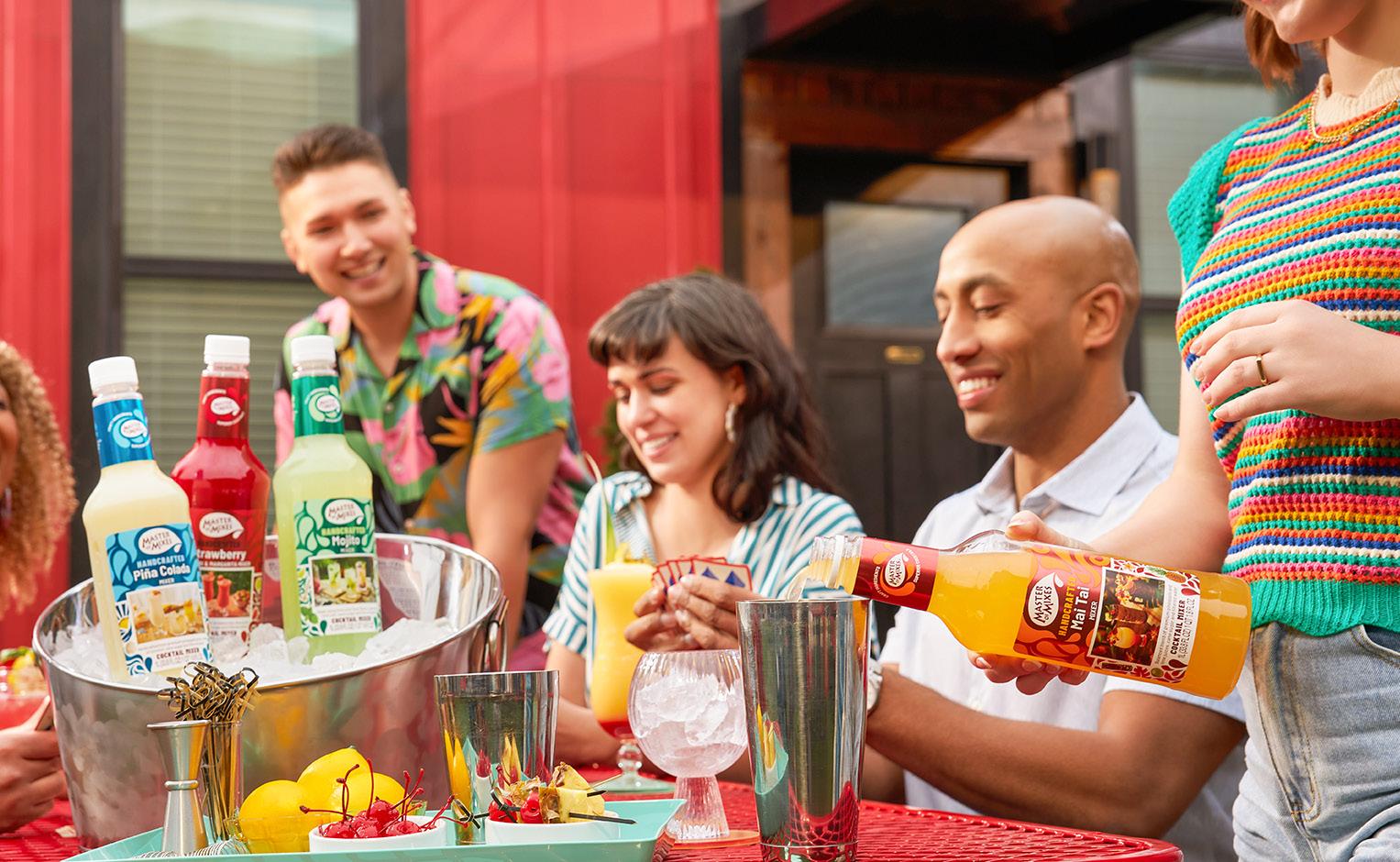
Spirits Platform has been appointed Australian distributor for American Beverage Marketers’ (ABM) cocktail mixer brands Master of Mixes®, Finest Call® and Reàl Infused Exotics™, transitioning from Sazerac.
Effective 1 March 2026, Spirits Platform will manage the portfolio across the Australian on-premise, retail and selected grocery channels. Distributed in more than 100 countries, the ABM range is recognised globally for flavour consistency and practical performance, supporting both high-volume hospitality and at-home cocktail occasions.
The addition strengthens Spirits Platform’s cocktail offering, complementing its premium spirits and liqueurs portfolio while helping venues reduce back-bar complexity and deliver consistent results at scale. Master of Mixes® is positioned for retail and home mixology, Finest Call® remains a bartender-preferred solution for professional environments, and Reàl Infused Exotics™ spans on-premise and retail with bold, real-fruit flavour profiles.
“This partnership is a natural extension of Spirits Platform’s commitment to delivering complete cocktail solutions for the Australian market,” said Ian Atherton, CEO of Spirits Platform.
Distributor: Spirits Platform
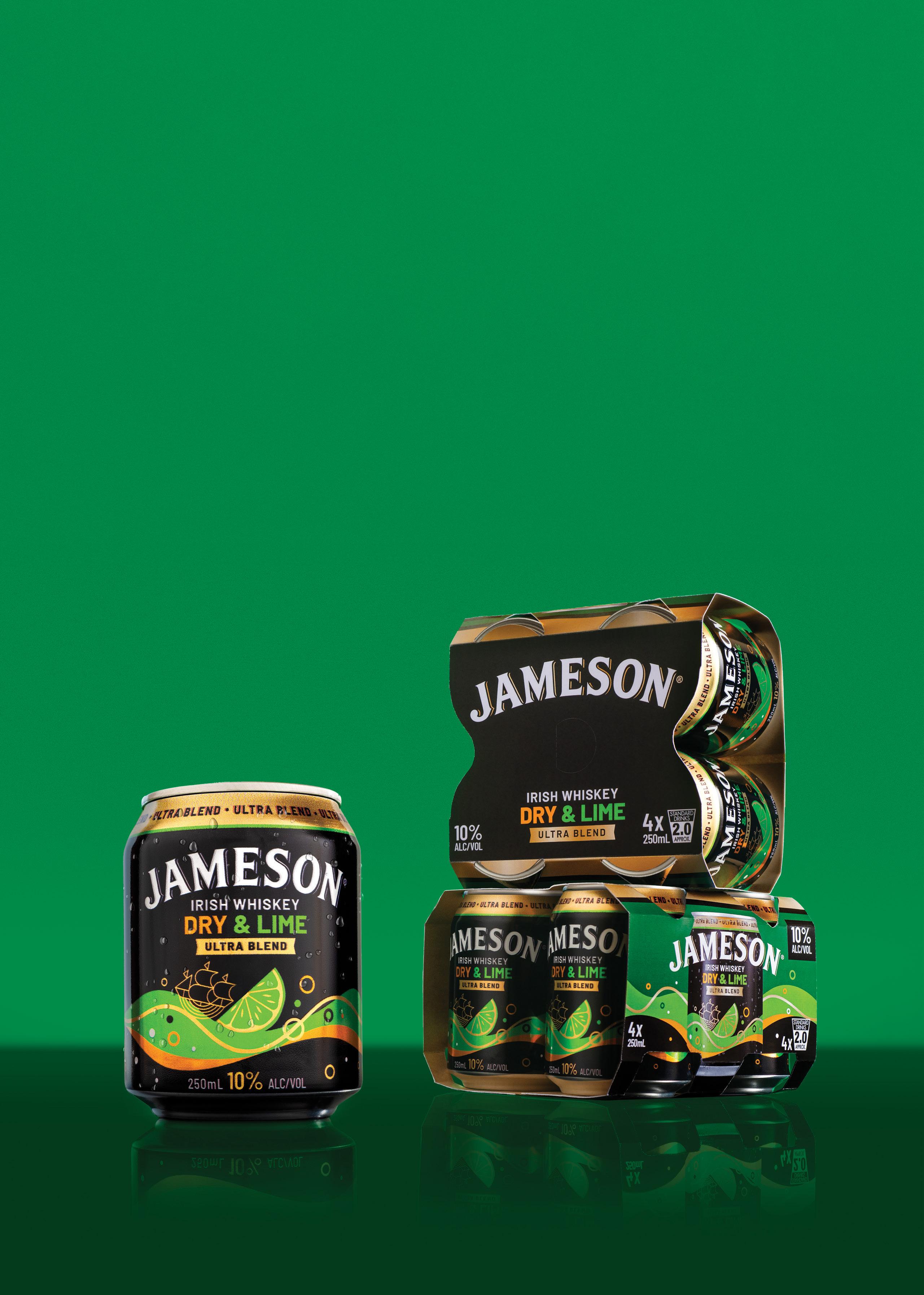
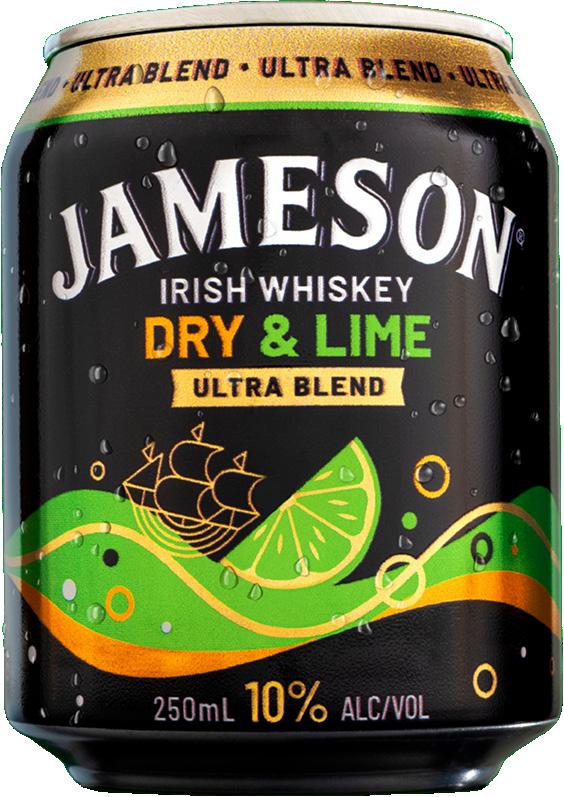
A bold new launch from Jameson sees the world’s number one Irish whiskey enter the Ultra RTD space.
At 10 per cent ABV, Jameson Dry & Lime Ultra Blend is a small-format RTD that offers a more premium, refreshing, and versatile experience.
The serve is a double pour of Jameson and a bold twist on the classic mix, balancing dry ginger spice and lime zest.
While most dark, ultra ABV products in the Australian market are currently cola-based, the flavour profile of Dry & Lime disrupts the market, delivering innovation to the dark RTD category.
Will Case, Senior Brand Manager, said: “We believe it will not only recruit new consumers, but also re-energise existing fans, redefining what premium convenience looks and, importantly, tastes like.”
Distributor: Pernod Ricard
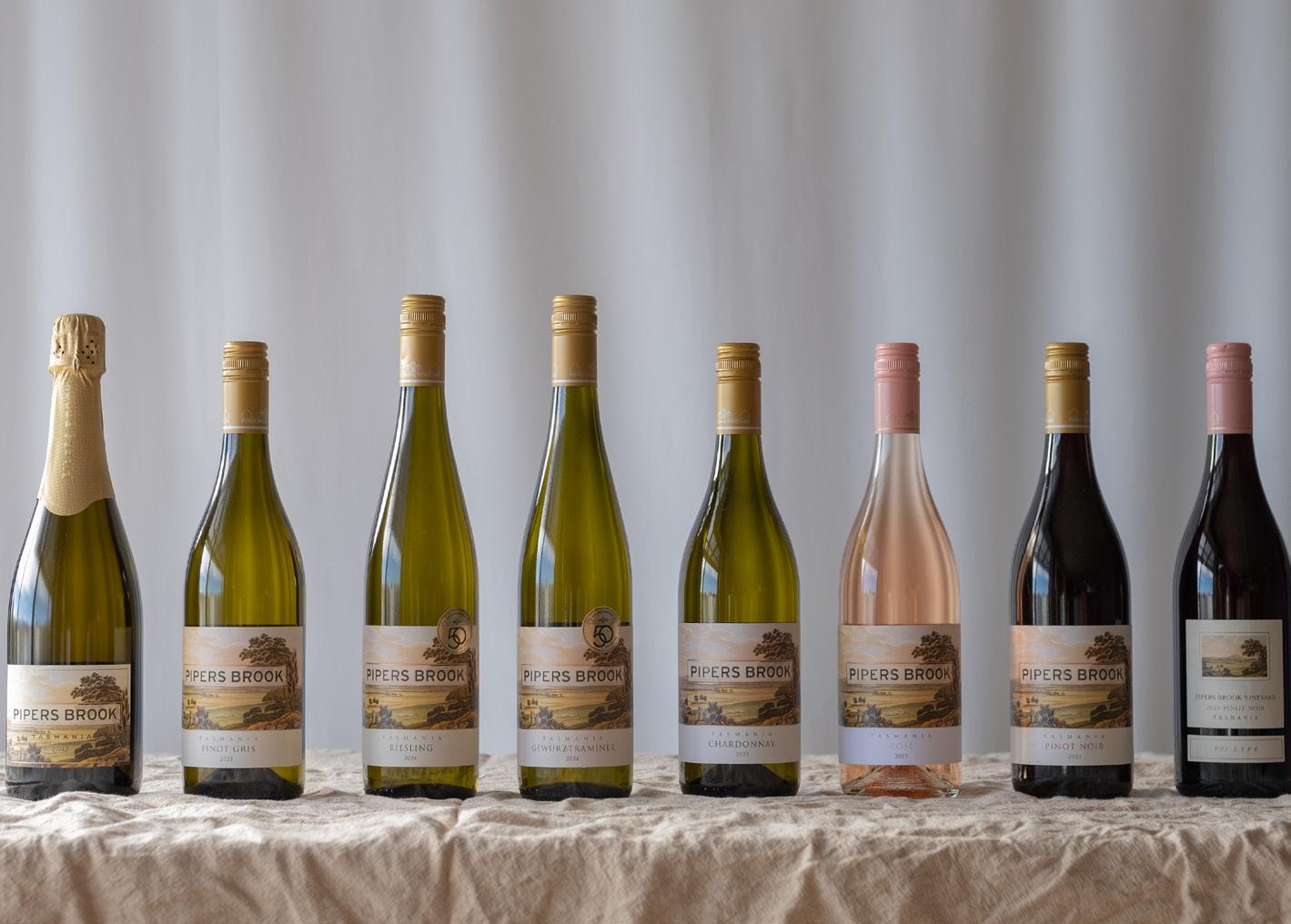
Pure Wine Co has been appointed exclusive mainland distributor of Pipers Brook Vineyard, adding the Tasmanian producer’s Kreglinger Sparkling, Pipers Brook Estate, Pipers Tasmania and Ninth Island labels to its national portfolio.
Established in 1974, Pipers Brook Vineyard is located in Tasmania’s northeast and is owned by Launceston’s de Moor family. With vineyards across Pipers Brook and the West Tamar, the winery is recognised for cool-climate Pinot Noir, Chardonnay, aromatic whites and sparkling wines that express Tasmania’s regional character and provenance.
Effective from 1 March 2026, Pure Wine Co will manage national mainland distribution and trade sales for all four brands, simplifying access for retail and on-premise customers. Tasmanian distribution will continue to be managed directly by the winery.
Paul de Moor, Managing Director of Pipers Brook Vineyard, said: “Partnering with Pure Wine Co reflects our ambition to continue growing the presence of our iconic Tasmanian wines nationally.”
Pure Wine Co Executive Chair Joanna Chronis added: “We’re absolutely thrilled to partner with the team at Pipers Brook and represent these iconic Tasmanian brands.”
Distributor: Pure Wine Co (Mainland Australia) and Direct (Tasmania)
collaboration
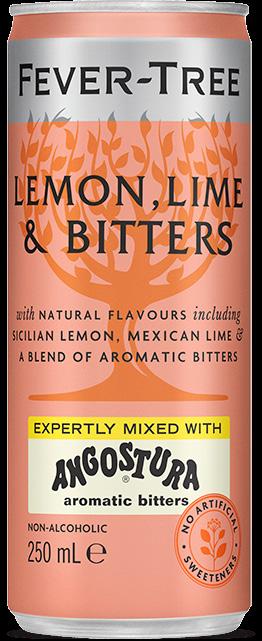
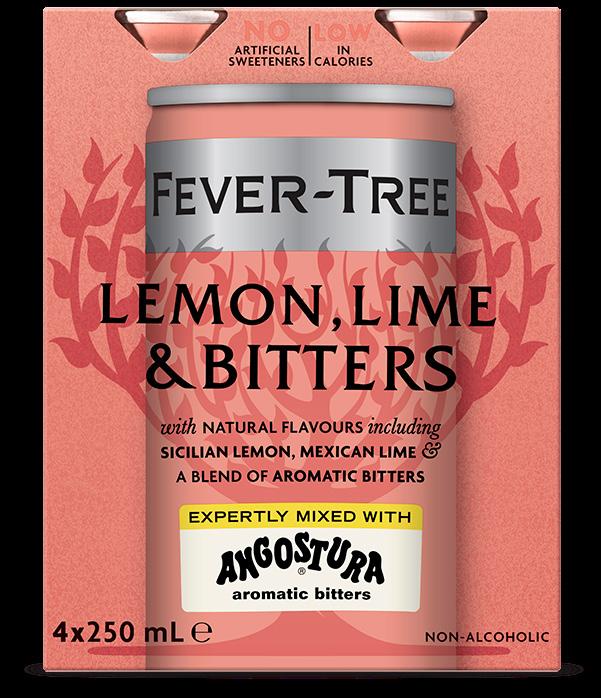
Creating an elevated take on a classic Australian serve, Fever-Tree and Angostura aromatic bitters have created a world-first premium Lemon Lime & Bitters soda.
As voted by top bartenders, Fever-Tree and Angostura are the world’s top trending, bestselling mixer and spirit brands and have come together to create a new product that puts both brand’s unique stamp on an Australian pub classic.
Launching in mid-March 2026, the soda features Sicilian lemons and Mexican lime flavours layered with the complexity of bitters, creating a balance of zesty, sweet citrus and bitter spice.
At only 19 calories per 100ml, the premium mixer is an addition to Fever-Tree’s growing range of better-for-you sodas – perfect for mixing or enjoyed as a non-alcoholic option for consumers seeking moderation and full-flavour.
Distributor: Fever-Tree
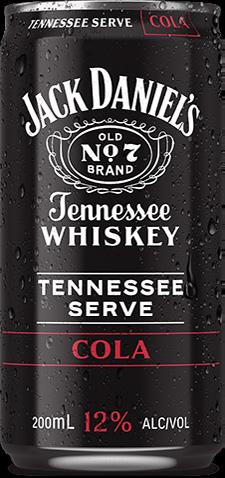
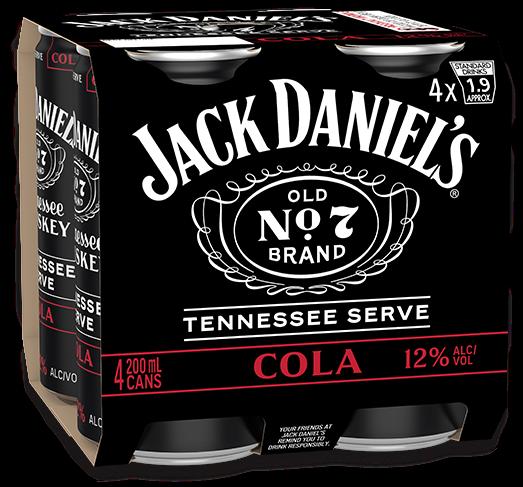
Jack Daniel’s has always been poured with character, and now Tennessee Serve extends that tradition, with a bolder flavour mixed with the smooth taste of cola. Jack Daniel’s Tennessee Serve is a bold American Whiskey serve for those looking for just the right mix of premium whiskey and cola. It’s an easy, convenient ready-to-drink for those who like to savour the whiskey, not the mixer.
Build your footprint in the fastest growing segment of the North American Whiskey RTD market, with the world first release: Jack Daniel’s Tennessee Serve. A 12 per cent ABV American Whiskey & Cola RTD from the number one RTD and Bourbon Trademark, and the number one brand contributing to North American Whiskey growth in dollars. Jack Daniel’s Tennessee Serve is the ideal premium 12 per cent RTD, with the brand already holding the number one position in the 10 per cent ABV segment in dollar value.
Tennessee Serve comes in 200ml cans, four-packs, and cases of 24, RRP $38.
Speak with your Brown-Forman rep today about stocking the world first RTD, Jack Daniel’s & Cola Tennessee Serve.
Distributor: Brown-Forman
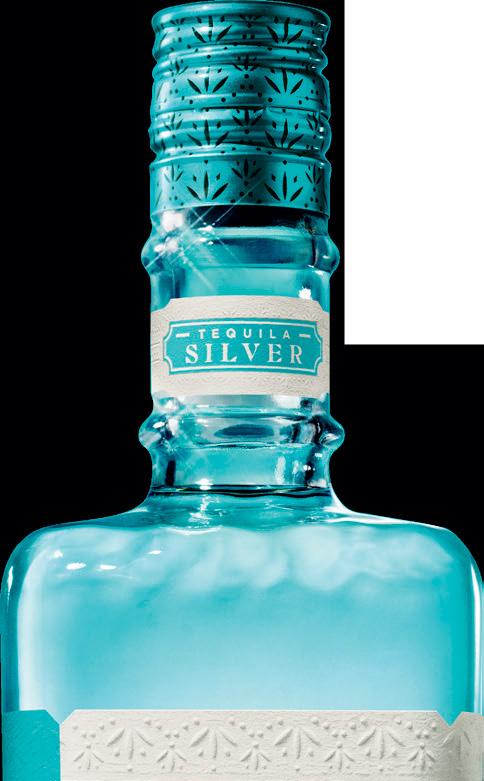
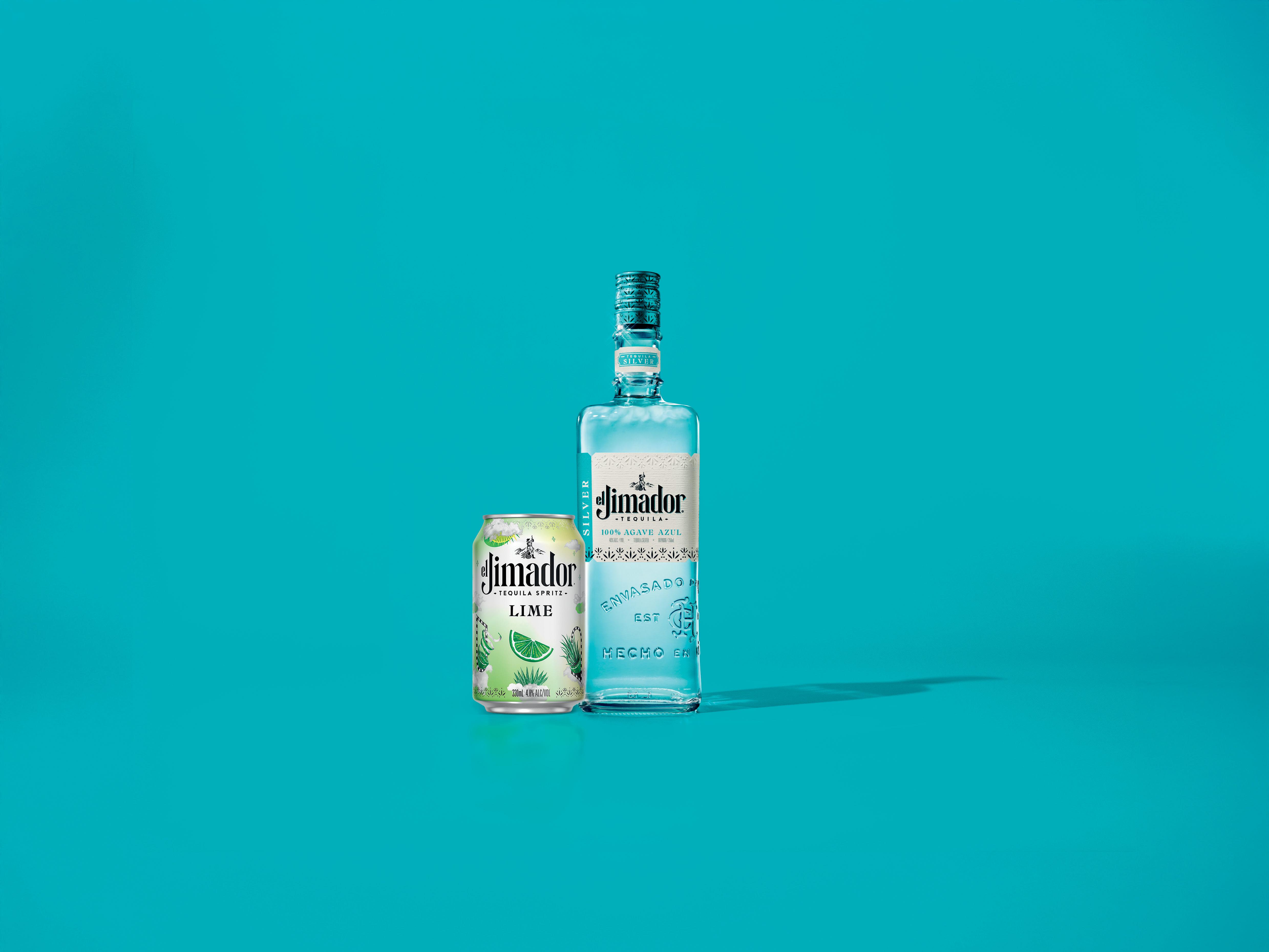
PLEASE DRINK RESPONSIBLY. EL JIMADOR IS A REGISTERED TRADEMARK. ©2026 BROWN-FORMAN CORPORATION. ALL RIGHTS RESERVED.
*CIRCANA AU CLG SCAN + ALM WW MAT TO 29/6/25
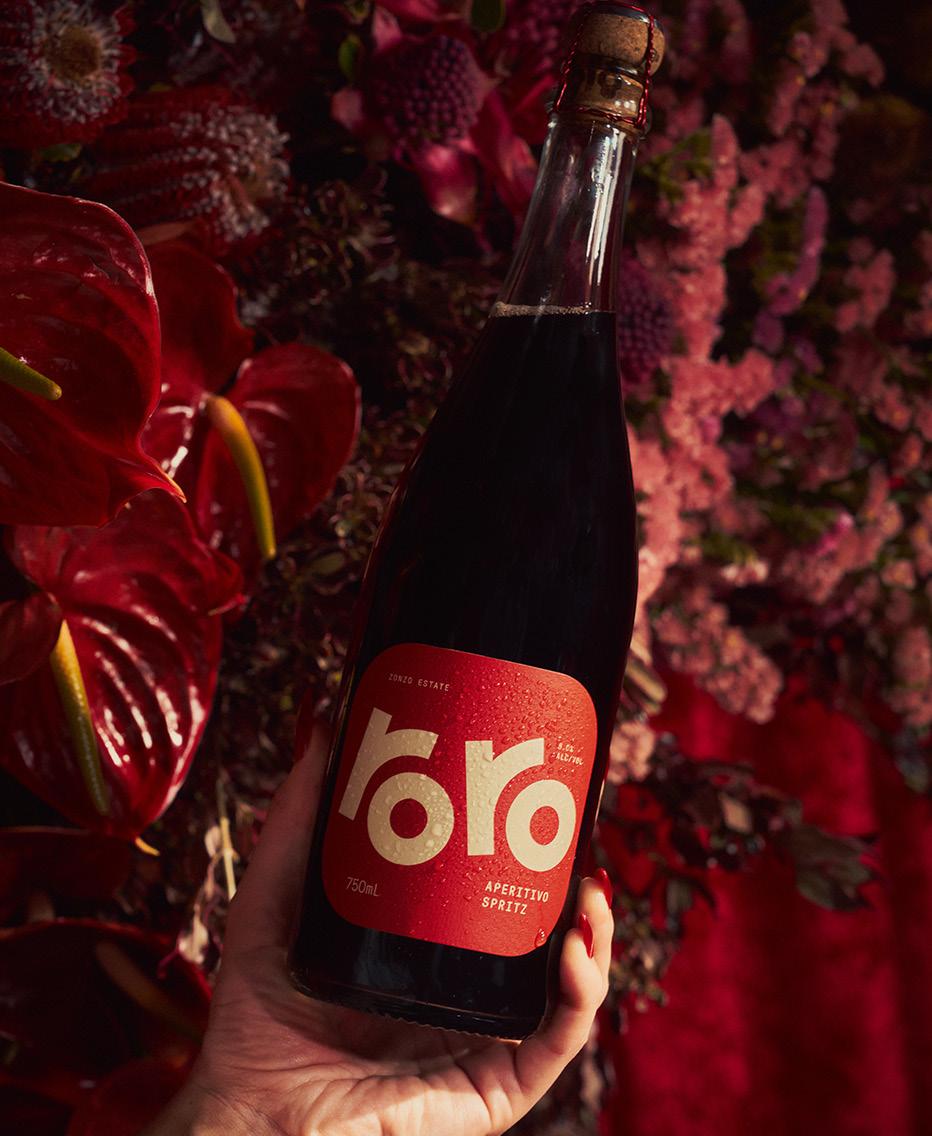
Joining the ever-popular Zoncello, Cicchio and Bellina, Roro is the fourth and latest addition to Zonzo Estate’s bottled spritz range, taking inspiration from classic Italian aperitifs.
Packaged in 750ml corked bottles, the ready-to-pour creation is vibrant in colour, with a distinctively dark tint reminiscent of a negroni or sangria. Moving away from the bitter bite of traditional aperitifs, Roro offers a citrus-driven, yet savoury flavour profile with slight caramel notes on the palate and a touch of sweetness.
“Roro is best served chilled, over ice. We like to garnish with a slice of fresh orange, which really brings out the citrus notes. It is equally good chilled, without the ice,” says Zonzo Estate’s Director Rod Micallef.
“It fits in beautifully with our current portfolio of spritz products and is a new and exciting offering that we hope will appeal to a wide range of people.”
Leaning into its positioning as a playful alternative to more traditional spritz, Roro’s Italo-disco-inspired packaging features a disco ball muselet and a red ‘dancing shoes’ logo symbolising movement and celebration.
Roro Spritz launched in October 2025 via Dan Murphy’s, LaManna, Jefferies and Lower Plenty Liquor, with Zonzo Estate now focused on rolling out the product to independent liquor retailers across the country.
Distributor: Zonzo Estate
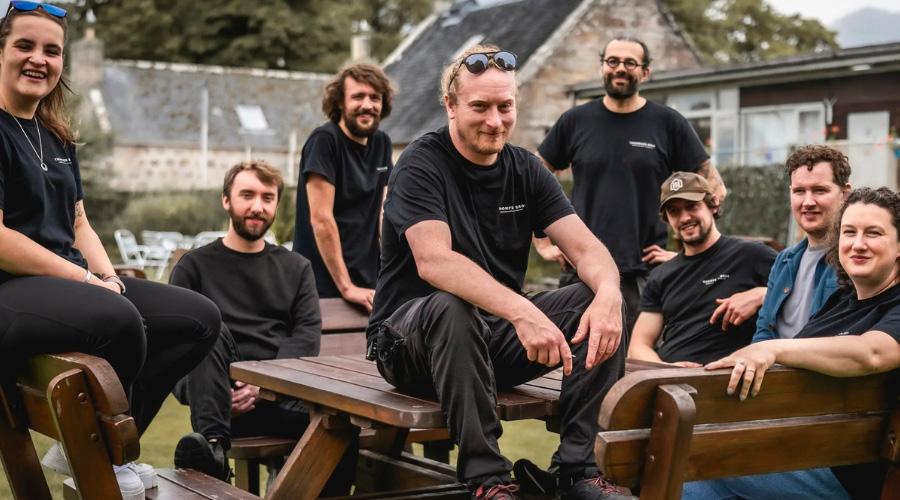
Casa de Vinos has been appointed the official Australian importer of Thompson Bros. whisky and Dornoch Distillery, expanding its premium Scotch whisky portfolio.
Founded in the Highland town of Dornoch by brothers Phil and Simon Thompson, Thompson Bros. has built an international following for its small-batch, transparently labelled Scotch whiskies. Often released as single cask and bottled at natural strength, the whiskies are driven by minimal intervention and a strong focus on flavour and provenance, making them highly sought after by collectors and engaged whisky drinkers.
Central to the brand is Dornoch Distillery, the brothers’ hands-on distilling project, recognised for its traditional production methods including long fermentations and direct-fired stills. The distillery reflects the Thompsons’ long-term vision to revive classic Highland whisky character through site-driven production.
Under the partnership, Casa de Vinos will introduce a curated selection of Thompson Bros. bottlings to Australia, including limited releases aligned with the Dornoch philosophy. The partnership will officially launch in March, with first shipments expected to arrive in April through select retailers and on-premise venues.
Distributor: Casa de Vinos
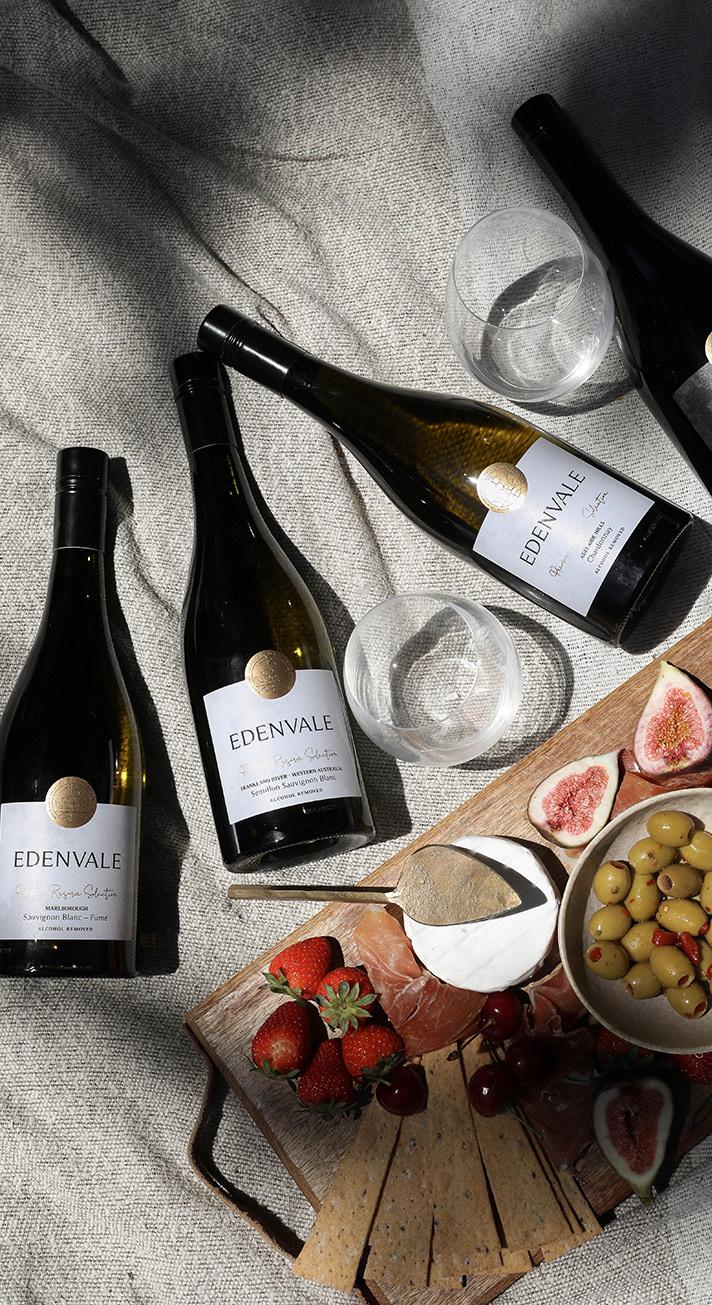
Non-alcoholic wine brand Edenvale Wines has launched three new products, including two Premium Reserve wines and its first sparkling aperitivo.
The Premium Reserve Sauvignon Blanc Fumé is positioned as an alternative to Marlborough Sauvignon Blanc, offering vibrant tropical flavours, creamy texture and subtle oak influence, with aromas of lychee, kiwi and floral notes layered with savoury complexity.
The Premium Reserve Adelaide Hills Chardonnay delivers white peach and green apple flavours, with hints of vanilla and chocolate and a soft, buttery finish from extended lees ageing.
Rounding out the range, Edenvale’s Sparkling Aperitivo provides a modern, alcohol-free take on the Italian classic, blending south-east Australian grapes with citrus zest and subtle herbal notes.
Distributor: Edenvale Wines
Leaders from across the liquor retail and wholesale industry share their thoughts and experiences on the evolving market landscape and opportunities within the sector in 2026.
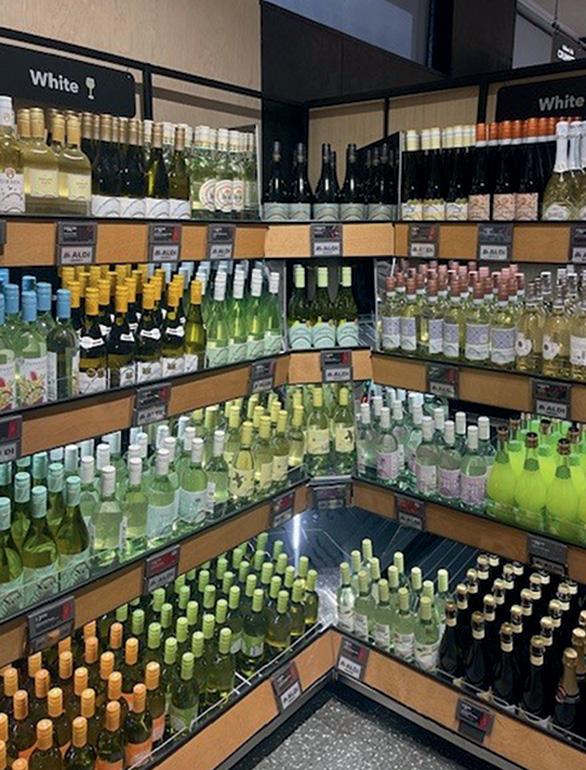
ALDI’s alignment with the value-conscious consumer and changing tastes is driving strong momentum in a challenging economic environment.
A spending-conscious mindset was prevalent in Australian shoppers in 2025, but with value a core part of ALDI’s proposition, liquor performance remained strong with a focus on providing value across sparkling, spirits and beer, and expanding its range in the wine category.
Jason Bowyer, Buying Director –Sparkling Wine & Wine, ALDI, says: “Value is at the core of ALDI, and our Everyday Low Prices is embraced by our shoppers. Our customers want value in all areas, and our liquor program tailors this across all price points. ALDI has long demonstrated that our quality exceeds what you would expect at our price point, and that trust is extending into our wine, beer and liquor range.”
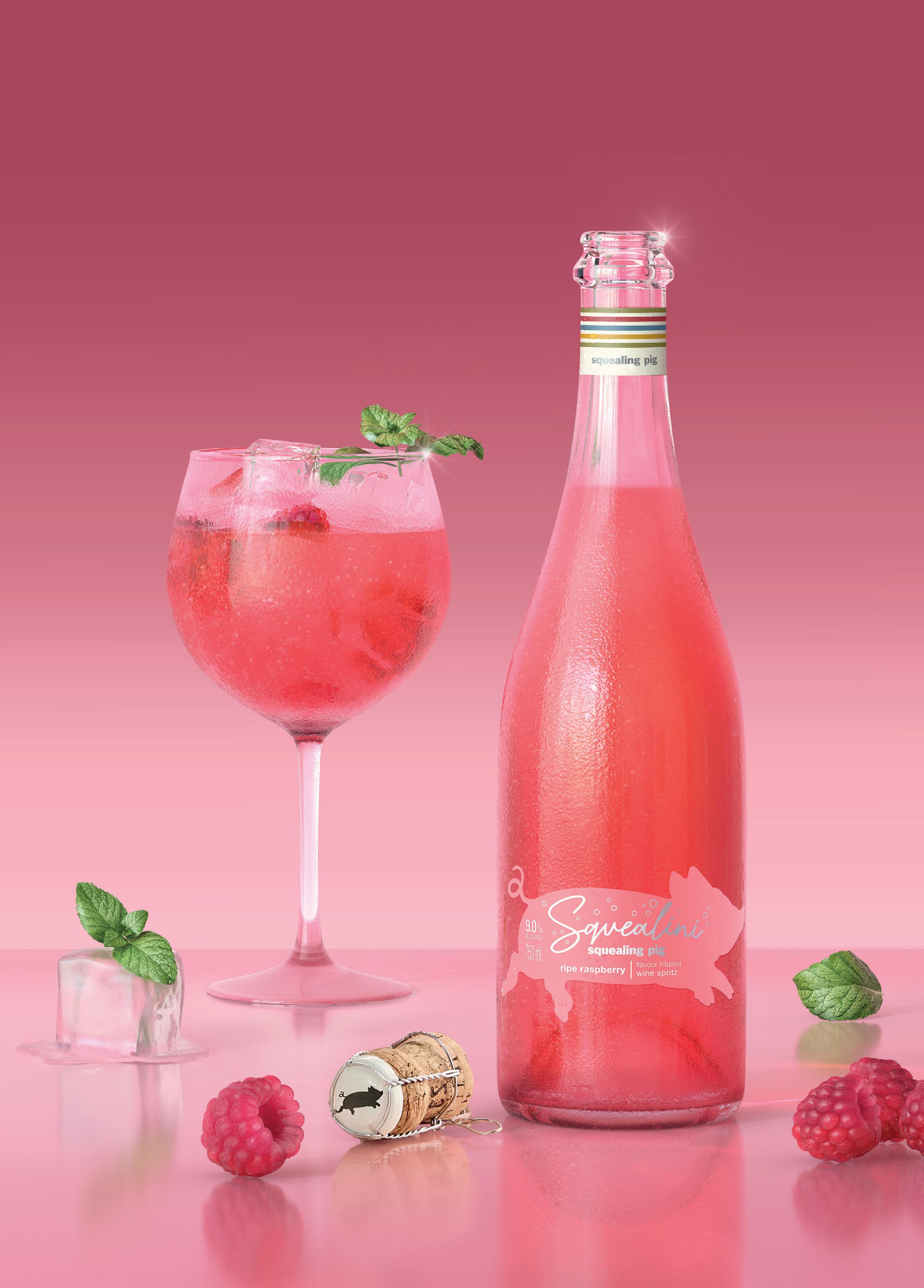
While value is a key growth driver for ALDI, the liquor range and customer offer is also shaped by key consumer trends, and the retailer has capitalised on strong sparkling performance, driven by flavoured spritz, Prosecco, and Champagne’s rebound.
“Celebration and refreshment are top of mind for customers and the rise of trending new flavours in spritz drive consumers into this category,” says Bowyer.
“In wine there has been a real appetite for new and interesting products, from lighterin-alcohol options to fresh imported whites and rosé. Chardonnay offers excitement through premiumisation, its diversity of styles, and the buttery trend is here to stay. In red wine, increasingly we are seeing demand for styles that offer lighter, fresher and softer profiles without higher tannins and oak.
“Driving the beer trend is moderation and value. Low-carb, mid-strength and
smaller formats are all resonating with consumers as they manage the cost of living,” he continued.
For ALDI, curating its range in line with such trends allows the group to ensure its offer remains relevant and compelling.
“We always start with identifying trends, being consumer-led and not productionled,” Bowyer explains. “We are known for outstanding value so there is always a genuine desire to be real to that. We look at gaps in the market and identify market needs to fill those gaps.”
Looking ahead, Bowyer sees range size as both a challenge and opportunity for ALDI – coupling a tightly-focused core range with limited-time offers.
“We need to continually innovate and

In a tightening economic environment, a major focus for ALDI is supporting suppliers and fostering strong partnerships to deliver quality and value for customers.
Bowyer says: “Our suppliers want open, honest and front footed communication. Partnership is two-way, and we remain steadfast in being respectful to supplier partners while ensuring we are delivering the best possible value for customers.”
bring new products to our customers. The challenge is deciding which new product developments become permanent favourites and which may need to pause until the right moment.”
And over the course of 2026, Bowyer expects alignment with shifting consumer behaviours to continue driving momentum for ALDI.
“Health consciousness is certainly a trend in this space that is unlikely to go anywhere, with lighter to zero-alcohol options across beverages from mocktails to non-alcoholic beers, and flavour-based elevated sparkling will continue to grow. Lighter and fresher taste profiles are an extension of the health trend, and also unlikely to slow down. In wine, this shows up as lower-alcohol reds, and more lightly-framed reds with greater tannin modification,” he concluded. ■
With new leadership at the helm, BWS is using value, loyalty and personalised shopping to drive customer engagement.
Jeanette Fenske was appointed Managing Director of BWS in September 2025, leveraging more than three decades of retail expertise to lead the business through its next phase of growth. Coming into BWS and the wider Endeavour Group, she notes the standout talent and passion of the teams.
“The BWS team and the wider Endeavour teams delivered their biggest Christmas ever in terms of sales, meaning everyone finished 2025 in such a strong fashion,” she stated.
Fenske stepped into the role alongside Benjamin Ward as MD for Dan Murphy’s. She sees the two brands as being complementary yet distinct in their role and is confident that the energising work of both teams reinforces where their strengths lie.
“My focus for BWS is simplifying the experience. Whether it’s a customer grabbing a four-pack on the way to a barbecue, ordering a delivery for Friday night, or discovering something new, BWS needs to be the frictionless option,” she told National Liquor News
“We’re using both brands to ensure
we cover every customer need, from the planned stock-up-shop to the convenience of BWS being the local stop on the way to any social occasion.”
Fenske and Ward’s appointments aren’t the only leadership change at Endeavour, with Jayne Hrdlicka now officially in the building as Group CEO as of 1 January.
“Jayne has been very clear that while we know where we are headed strategically, the immediate focus is on execution. In the recent trading update, she outlined three clear priorities for us as a leadership team,” says Fenske.
“First is getting more sophisticated in how we take price to market – ensuring our pricing architecture delivers genuine value. Second is driving sales velocity through initiatives that aren’t just about price, such as better range and in-store execution. And third, as always, is finding continued opportunities to manage costs so we can reinvest in the customer.”
While social occasions remain cherished,
As she looks ahead to her first full year in the role, Fenske foresees strong relationships with supplier partners.
“We simply can’t deliver for our customers without your support – whether that’s bringing exciting new products to market or working with us to deliver great value during a tough economic cycle. The next 12 months are about being bold, competitive, and customer-led, and I’m excited about what we can execute together.”

smarter shoppers are searching for value –seeking out promotions, cross-shopping, and watching their spend – making it more important than ever to get the offer right, says Fenske.
“For BWS, this means our job is to balance that value with our core promise of convenience. We need to be the easiest place to grab a great deal on the way to whatever our customer’s occasion may be.
“We have incredible data through our loyalty programs, but as an industry, we are often still quite ‘mass market’ in how we talk to shoppers. The opportunity for BWS is to move from generic one-sizefits-all promotions to more personalised offers, which is something the BWS app and mechanisms like Appy Deals are really driving forward for us.
“We are seeing the same momentum with the Dan Murphy’s My Dan’s app, which is becoming a critical tool for engagement. Ultimately, it’s about using these digital platforms to ensure the right customer sees the right value at the right time,” Fenske added. ■
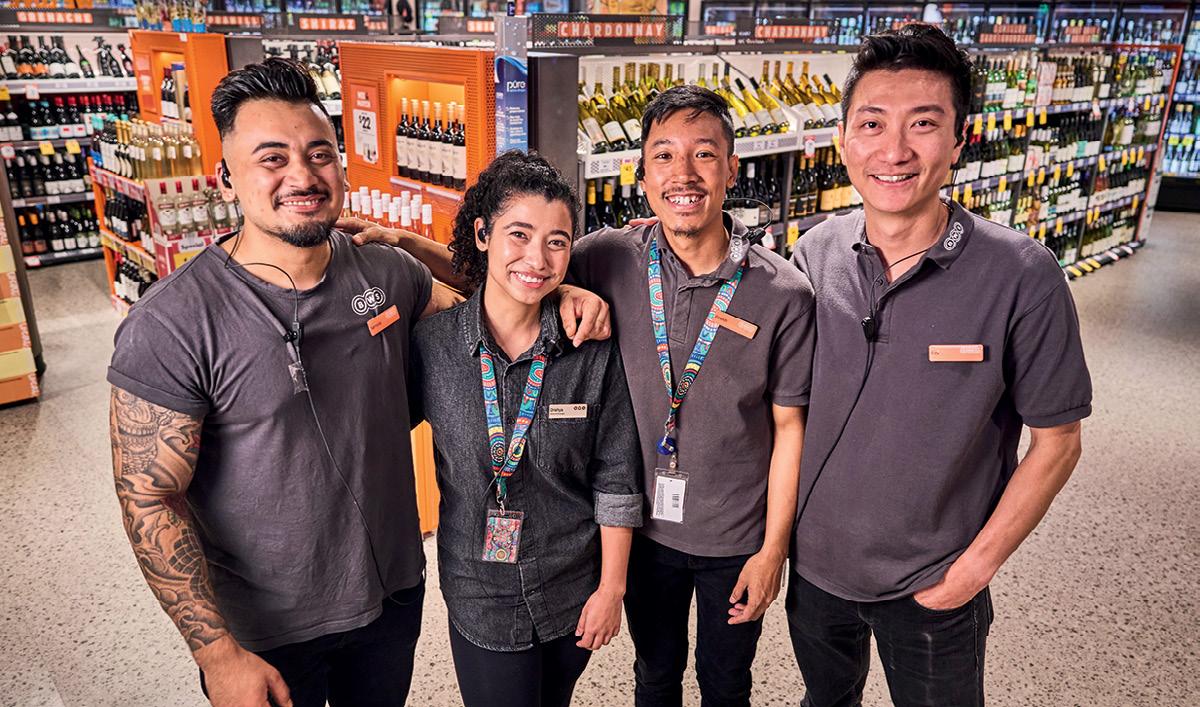
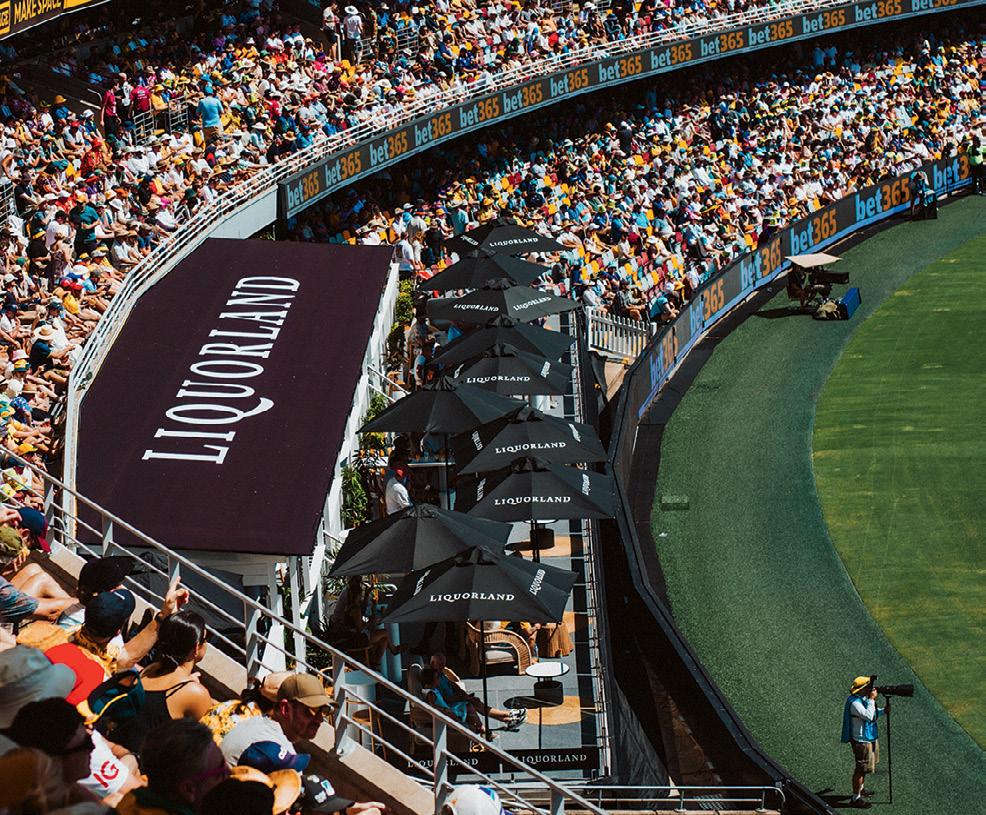
Coles Liquor completed its Simply Liquorland transformation in 2025, aligning its stores under one brand and adding value for customers.
Bringing First Choice Liquor Market and Vintage Cellars under the Liquorland brand, Coles Liquor completed the biggest transformation in the company’s history in December 2025. Across the country, the Simply Liquorland transformation saw 174 stores converted to Liquorland Warehouse and Liquorland Cellars over a period of 14 months, with customers already responding positively to the additional value available through the Liquorland Price Match Promise, the ability to earn Flybuys points, and Buy More, Save More promotions.
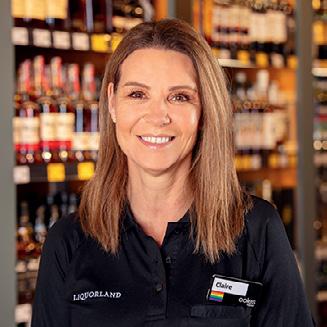
Claire Lauber, Coles Liquor CEO, told National Liquor News: “This extraordinary program was all about simplification –offering our customers one brand, one core range and one price across our network of more than 900 stores. As part of the brand alignment, we are also offering customers more choice, with up to 800 products added to certain stores.
“It has been wonderful to see customers enjoying the new store formats, with an uplift in customer engagement and satisfaction and Flybuys swipe rates increasing significantly since the same time last year, as well as Net Promoter Score gains across range, value and ease of shop.”
In 2025, Coles Liquor connected with customers through partnerships with Golf Australia and Cricket Australia, and by launching more than 50 new products exclusive to Liquorland, including Libertas Limoncello Spritz in partnership with women’s charity Fitted For Work, and Sterimberg Brut Cuvee which retails for just $9.
As the liquor market evolves, Coles Liquor remains driven by customer demand and being able to deliver exactly what customers need, when they need it.
“We know many of our customers are
Lauber was appointed CEO of Coles Liquor in May 2025, while Michael Coutrney moved into the role of Chief Customer Experience Officer. After five years in supermarket operations, Lauber brought her operational skills to the final stages of the Simply Liquorland project to deliver it in time for Christmas trading.
“It’s given me the chance to once again lead a business from end-to-end, where I can shape strategy, drive transformation and see the full impact of our decisions. The liquor industry is fast-moving and ever-changing, so it has been a lot of fun stepping into this new role and executing Coles Liquor’s biggest project to date, with a dynamic and experienced team. I’d also like to acknowledge the fantastic job Michael did during his time in the role,” Lauber stated.
enjoying the convenience of shopping online. Thanks to Simply Liquorland we’ve brought three websites into one, which has had a positive impact on conversion. Alongside this, on-demand partners have grown 6.7 per cent year-on-year across Q1, and most recently, e-commerce overall has grown 6.8 per cent in Q1. It is wonderful to see strong momentum heading into Q2 and we are looking forward to strong results in 2026,” says Lauber.
Looking ahead, Lauber describes value and ease of shopping as a major focus, as well as connecting with customers outof-store through continued partnerships and activations.
“We know convenience is paramount for our customers, and with almost 60 per cent of Liquorland stores located adjacent to a Coles supermarket, we want to make the shopping experience even easier, and further cement Coles as the destination for food and drink,” Lauber added. ■
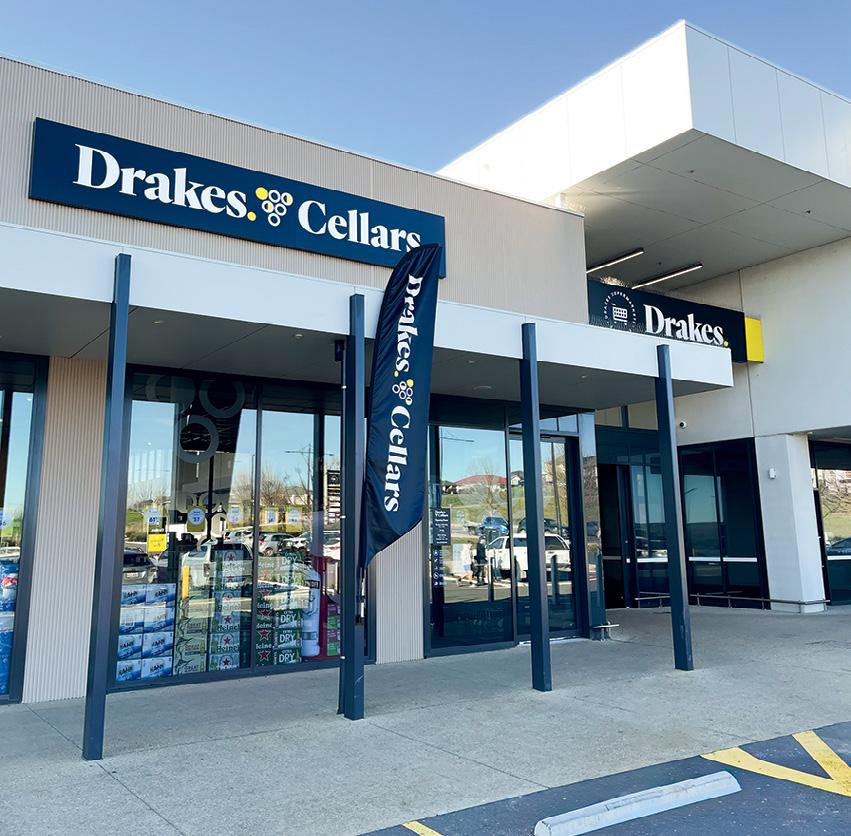
The South Australian liquor retailer transitioned from the Cellarbrations banner to Drakes Cellars in 2025, with a focus on family ownership and independence.
In 2025, Drakes Supermarkets officially launched the Drakes Cellars brand, building on the reputation, trust and customer loyalty established over the past 51 years.
The transition from the Cellarbrations banner required a complete rebrand of all six stores, where every touchpoint was reviewed, including external signage, internal category signage, entry mats, window decals, digital assets and Drakes Cellars’ online platform.
Joanne Elson, Category Manager at Drakes, describes the transition as a natural and strategic evolution, coinciding with a move to wholesale supply through Paramount Liquor.
“ Since launch, the rebrand has strengthened brand identity, improved customer recognition and delivered positive momentum for the business, supporting ongoing sales growth and positioning Drakes Cellars strongly for the future.
“The rebrand has strengthened our ability to serve local communities by delivering a tailored liquor range, strong value for money and the same exceptional customer service that customers have come to expect from the Drakes brand. It positions Drakes Cellars for continued growth while reinforcing our commitment to supporting local suppliers and delivering a premium yet accessible shopping experience,” Elson stated.
With each store tailored to reflect its local demographic, the Drakes Cellars rebrand was launched through a targeted geo-specific campaign across digital media, catalogues and television.
“ This approach delivered a significant
uplift in sales that has continued well beyond the initial launch campaign,” Elson added.
The foundation of Drakes Cellars is its family ownership and independence –accomplished through genuine community engagement, strong support of local suppliers and a customer-first approach, brought to life by the New Local positioning.
Central to this approach is a commitment to supporting local producers and suppliers, a legacy that Drakes Cellars continues from Drakes Supermarkets.
“We are deeply connected to the communities we serve, showcasing some of Australia’s best wineries, breweries, and distilleries. Each store reflects its region – whether it’s the coastal character of Wallaroo or the cool-climate wine culture of the Adelaide Hills, our range and in-store experience are tailored to local tastes and preferences,” Elson explains.
“Our knowledgeable store teams play a critical role in bringing this experience to life through warm, genuine customer engagement. This is complemented by a strong in-store tasting and events program, closely integrated with our social channels, which allows us to educate customers, create in-store theatre and foster authentic relationships.”
Though Drakes Cellars – like many businesses – continues to navigate the rising costs of doing business, the group is excited about what 2026 holds, with a clear focus

on strengthening its offer while remaining closely aligned to evolving customer needs.
“We will continue to collaborate with local supply partners and contribute to the circular economy. Monitoring market trends and supporting NPD will remain a key focus, along with expanding options that cater to wellness-conscious customers.
“Delivering strong value will be a key priority, supported by a robust promotional and lock-down program designed to ensure price consistency, drive foot traffic and encourage repeat purchase. In parallel, we will continue to enhance our e-commerce platform while exploring growth opportunities through acquisitions and new greenfield sites.
“The biggest challenge will be navigating ongoing cost-of-living pressures and understanding how they influence customer behaviour. A strong promotional program, deep value offering, and exceptional in-store experience will be essential in meeting this challenge,” Elson concluded. ■
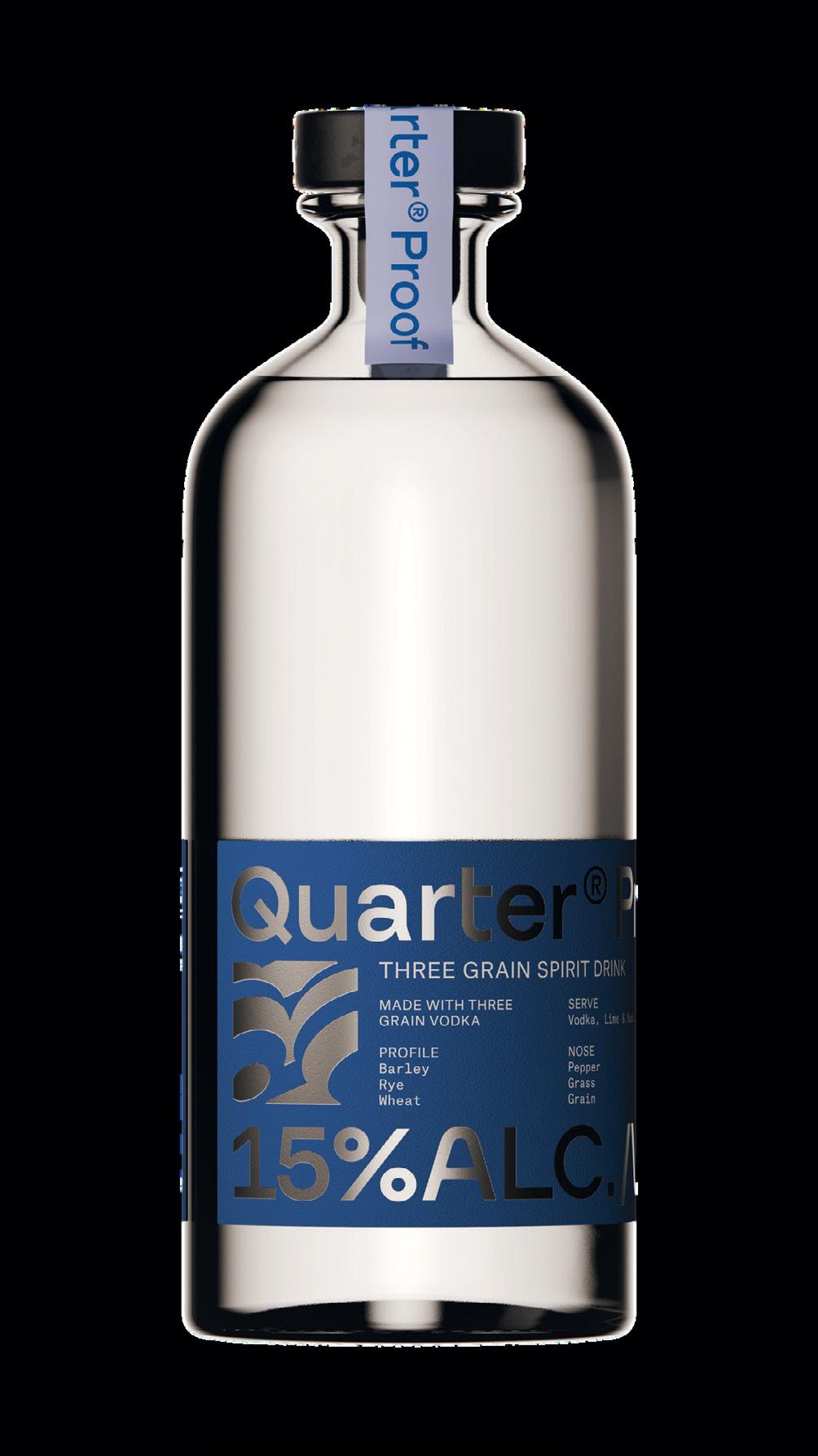
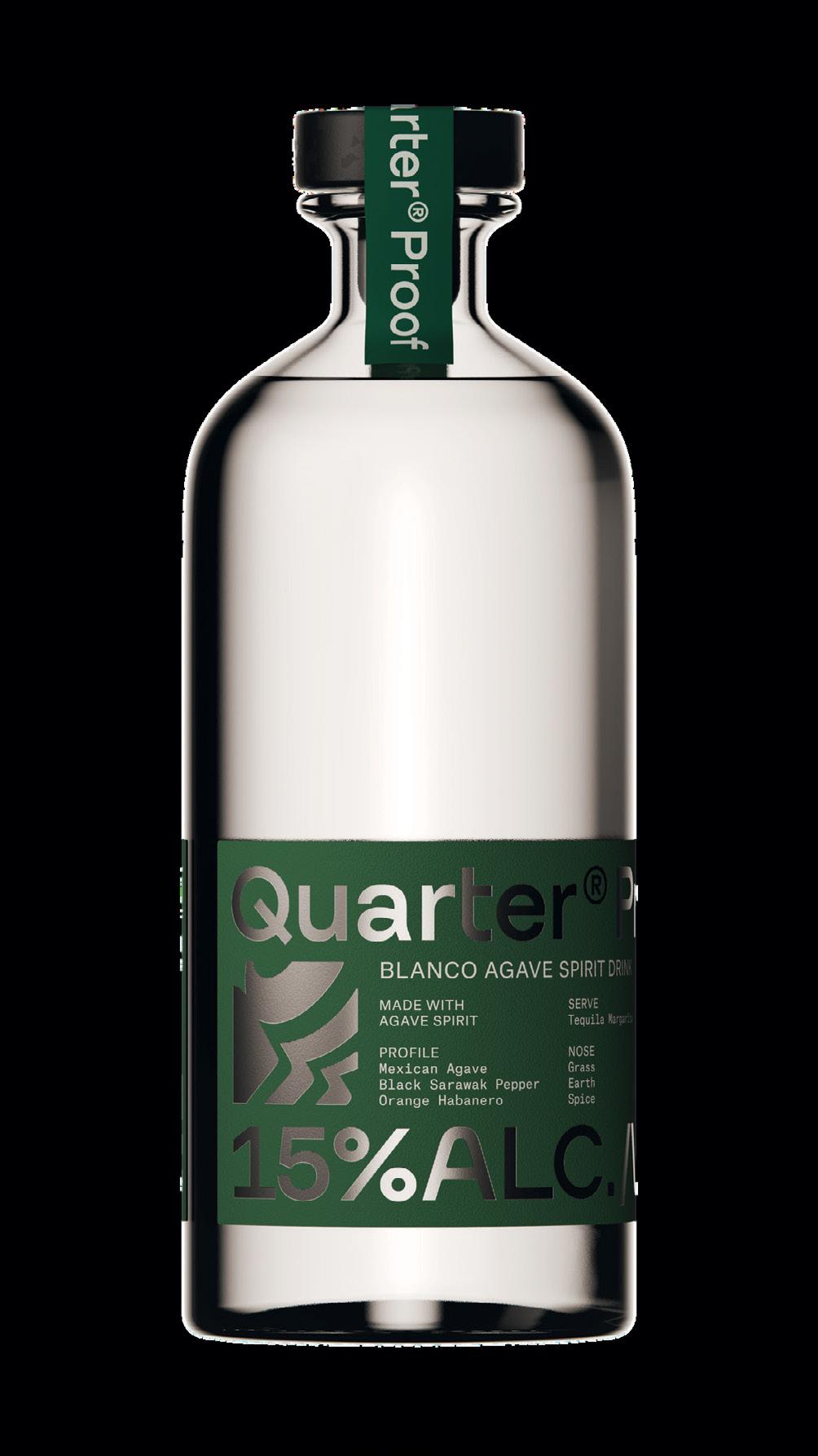
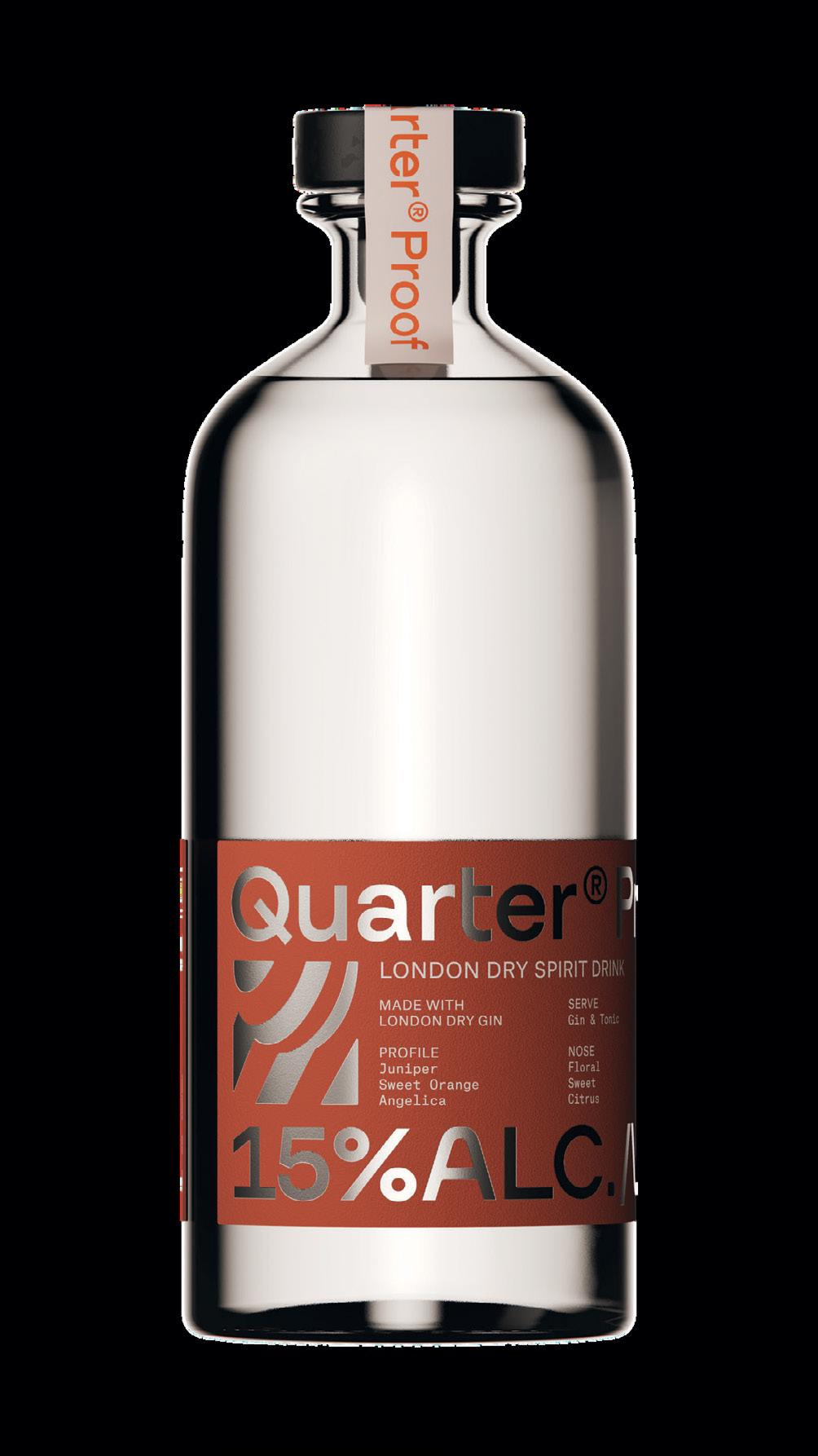
Independent Brands Australia continued to deliver growth in 2025, underpinned by a curated retail offering, enhanced loyalty programs and strong partnerships with retailers.
In 2025, the message from Independent Brands Australia (IBA) was clear –independents are thriving. With a strategy focused on shopper loyalty, technology and data, and the right promotional levers, the year was marked by significant growth.
IBA’s Executive General Manager John Barakat told National Liquor News: “We released to the market our half year numbers toward the backend of 2025 and again independents are winning – it is a fantastic result to continue to deliver growth and consolidate the growth we have had in previous years.
“IBA stores continue to deliver competitive quality and a convenient offer that differentiates them in the market and has allowed them to continue to take market share from their competitors, in what has been a challenging market for everyone. We are proud of our retailer offering which is underpinned by shopper preference for the convenience, range, quality and value.”
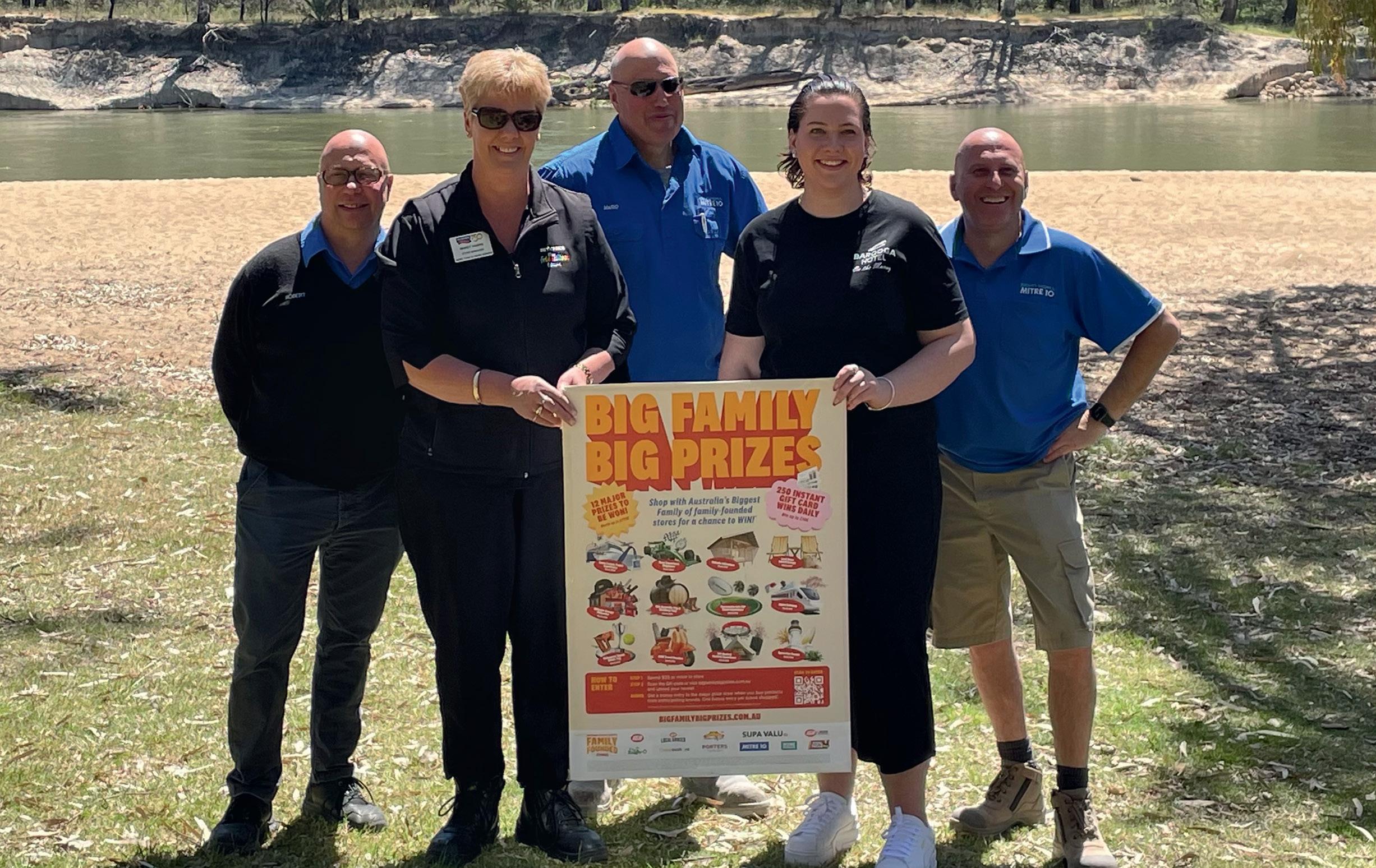
Metcash launched its cross-pillar Family Founded campaign last year, aiming to celebrate its network of family-founded retailers across liquor, food and hardware stores, and backed by a major investment.
The flagship in-store competition – Big Family, Big Prizes – gave shoppers who spent $25 or more in participating stores the chance to win a share of instant and major prizes. More than just an in-store promo, Family Founded sought to resonate with consumers who are increasingly motivated by authenticity, locality and community connection.
Spanning more than 3200 stores, the promotion was supported by a significant advertising investment across TV, radio, digital and social media, and in-store, new digital screens were rolled out to create theatre for shoppers and target communications in real time.
“This campaign celebrated our family of family-founded retailers – whether they are family-founded, family-owned or family-

built, it highlighted the unique benefits they provide local shoppers. We had a huge amount of engagement from shoppers but also over 3000 retailers participating across Metcash,” Barakat explains.
“The campaign has momentum; our retailers and local communities are stronger together, and the teams are already planning the next evolution. It was fantastic to see on social media the hardware store, grocer and liquor retailer together supporting their communities. We are creating recognition and loyalty for our network of familyfounded stores year after year.”
The campaign underscored the competitive advantage independents have, and just how crucial an understanding of the shopper is to IBA’s strategy
“Our strategy allows for a two-pronged approach to shopper. Our retailers interact with their shoppers every day, they know them by name and offer a service which we believe only an independent can deliver. And our loyalty programs deliver scale
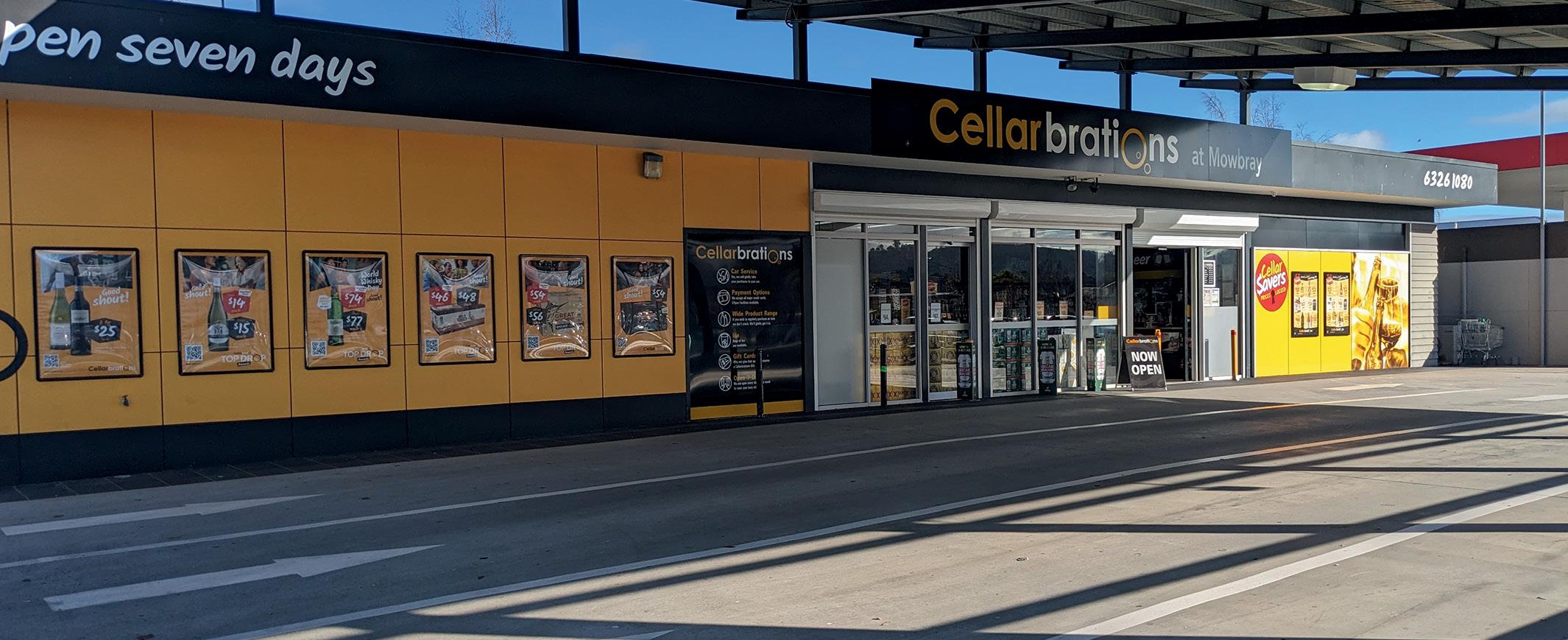
and personalisation driving shoppers into store not only through member prices, but we reward every shop. Our Cellarbrations, The Bottle-O and Porters loyalty shoppers are rewarded with every purchase through points,” Barakat stated.
“In the competitive landscape for shoppers and baskets we can deliver differentiation for independents, and we had over 500 retailers on the program as of December 2025.
“In 2026 we will also launch IGA Rewards for our IGA Liquor retailers. We are excited to drive the already successful grocery cashback loyalty offering to our IGA Liquor shoppers.”
In a market where doing business is increasingly becoming more costly, IBA remains committed to supporting retailers
to secure tangible benefits, maximise profitability and stay competitive.
“We are in partnership with every one of our retailers. And in a landscape where the cost of doing business is increasing and every retailer is wanting to drive efficiencies, we offer our competitive merchant fees, which have saved some retailers thousands, Choice Energy offers our retailers competitive energy rates, and recently we have added Duress ensuring a competitive offer to support retailers and their staff safety,” says Barakat.
“However, the heart of what we do is driving great programs to deliver strong commercial outcomes for retailers, and for shoppers: price, range, personalisation and local deliver our unique value proposition driving them into the store for every shop.”
While retailers battle with rising costs, they also face the challenge of retail media becoming more competitive.
Explaining what opportunities there are for IBA and Metcash in this space, Barakat said: “Regardless of the industry knowing your shopper, what they want and what they like, how they shop in an omnichannel environment is critical to driving shoppers in-store and online.
“Local Eyes connects brands with shoppers across food, hardware and liquor. This year we will be able to understand the tradie further, the barbecue shop, the meal pairing occasion, and in turn, drive these shoppers into our stores for their whole occasion shop.
“At time of publish we are hoping to have over 100 screens in our liquor stores enabling brands to connect local shoppers, with the right products, at the right time and we will continue to enable more retailers to take advantage of this added value,” Barakat concluded. ■
Building on the momentum of its 50th anniversary, Independent Liquor Group will expand its e-commerce program and grow its footprint in Victoria and Queensland.
In trying times, a focus on promotional programs and price points saw Independent Liquor Group (ILG) finish 2025 with record growth once again, delivering 28 per cent growth in member benefits. Continuing that momentum, growth is up four per cent in the first half of FY26, with retail banners growing at 3.6 per cent versus the previous year.
Strong operational performance was underpinned by ILG’s year-long 50th anniversary campaign – providing ongoing motivation and a sense of excitement for members and suppliers alike. In addition to the special anniversary quiz held in conjunction with National Liquor News, the cooperative saw a boost in engagement across its golf and race days, and a remarkable influx of first-time participants to its annual Study Tour.
“The carefully designed program created more opportunities for meaningful member engagement, thoughtfully blending educational and commercial sessions with immersive cultural and heritage experiences unique to each destination. This balance allowed members to connect more with one another while gaining industry insights in settings that reflected both the Spanish and Portuguese history, character and spirit,” says ILG CEO Paul Esposito.
A four-in-one event participation rate topped off a fantastic year at ILG’s Family Reunion, where 700 members, suppliers and past ILG Board members came together in Sydney to celebrate the milestone.
One of ILG’s biggest initiatives in 2026 will be the launch of ILG PLUS – an exclusive marketing hub helping members grow their digital presence, respond quickly to new opportunities and stay competitive. ILG PLUS offers a centralised library of marketing assets, customisable materials with support from the studio team, and easyto-share bannered promotional posts for social media and websites.
“This platform supports ILG’s 2026 priority of expanding our e-commerce program, which currently includes 250 stores across three banners, with a target of 350 by year-end. By providing tools that streamline campaign creation, promote brand consistency and enhance online visibility, ILG PLUS enables members to maximise their digital footprint and take full advantage of marketing and promotional opportunities,” says Esposito.


Focused on welcoming new members to the cooperative, Esposito urges all independent retailers to consider becoming a member of ILG and embraces the opportunity to discuss membership or answer any questions.
“We believe your experience and perspective will be a valuable addition to our membership. ILG is structured differently from both listed and family-run businesses. As a cooperative, ILG is owned and governed by its members and its primary purpose is to serve its members’ long-term interests, not external shareholders,” he stated.
As well as furthering its expansion into Victoria, the cooperative is set to move into a newly constructed, purpose-built warehouse located in Swanbank, Queensland, this year.
“This strategic development marks an important milestone for the cooperative as it continues to adapt and grow within the Queensland market,” Esposito explains.
“Our new warehouse has been specifically designed to meet the increasing demands of our Queensland operations. Outfitted with state-of-the-art logistical technology, the facility will support more efficient and streamlined processes throughout our supply chain.
“By implementing advanced systems and workflows, the Swanbank warehouse will generate significant cost efficiencies. These savings will enable ILG to reinvest in other areas of the business, ensuring ongoing improvements and benefits for our members.”
Backed by the momentum of the previous year, ILR translated strong foundations into growth and profitability for its members in 2025, leveraging the relevance of independents.
Building on the transformational work of 2024, Independent Liquor Retailers (ILR) sharpened its focus on balancing local authenticity with the benefits of scale in 2025, resulting in a year of consolidation and momentum.
Moving from transformation to execution, ILR’s foundations built across data, technology and membership growth were translated into clearer insights and more effective, store-level programs, says CEO Anthony Abdallah.
“We strengthened category execution, established the foundations for loyalty and e-commerce tools, and deepened supplier collaboration through joint business planning. The result is a more confident, connected network of retailers benefiting from scale, while retaining full control over how they serve their local customers.
“Achievements throughout the year included continued membership growth, stronger supplier collaboration, and the expansion of structured programs that improved consistency, margin protection and store performance. Initiatives across
competitive pricing, rebates, marketing and category programs helped members stay profitable.”
Like much of the industry, ILR faced pressure from rising costs, shifting consumer behaviour and increased competition in 2025, but Abdallah says the group addressed these challenges by leaning into what independents do best – trust, agility and authenticity.
“Through stronger group buying power, transparent supplier partnerships and dataled insights, we helped members protect margins while remaining competitive. By turning complexity into practical, store-level solutions, ILR ensured members could adapt without losing their local edge,” he stated.
“Members are supported through flexible category programs, timely access to new product launches and tools that allow them to respond quickly at a local level.
Technology, digital capability and data insights play a key role, always with a focus on simplicity and relevance for each store.”
Over the next 12 months, Abdallah sees
For Abdallah, e-commerce is central to ILR’s strategic focus, supporting changing shopping habits and the continued growth of omnichannel retail.
“Rather than a one-size-fits-all approach, ILR is working closely with members to tailor digital solutions to their customer base and trading environment. This includes online range visibility, integrating loyalty and rewards, and delivering seamless clickand-collect and delivery experiences,” he tells National Liquor News
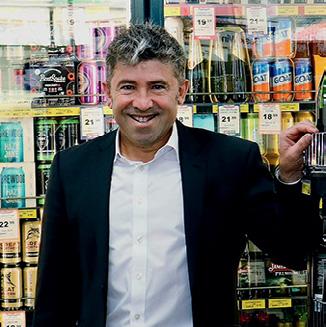
Anthony Abdallah Chief Executive Officer
the trust, transparency and local connection offered by independents being more relevant than ever.
“In 2026, ILR’s immediate focus is strengthening what it means to be Proudly Local while continuing to unlock the power of collective scale. Opportunities lie in further uniting premium programs with strong everyday value propositions, expanding digital and data capabilities, and growing the member base with likeminded independent retailers. Challenges will remain around cost pressures and competitive intensity, but ILR is well positioned to meet them by delivering trusted pricing, stronger supplier alignment and genuine community connection – areas where independents consistently win.
“Our message to the network is clear: collaboration, authenticity and data-led decision-making are the keys to sustainable growth. By aligning members, suppliers and partners around shared success, ILR will continue to champion the strength and resilience of the independent liquor channel,” Abdallah concluded. ■

“The goal is simple: to make it easier for customers to shop with their local independent, whenever and however they choose. The first e-commerce sites were launched in 2025, with more to follow this year.”
WA cooperative Liquor Barons leans into local storytelling and brand-led marketing, unlocking opportunities for future success.
Local ownership, sharpened brand presence and continued customer trust were all defining factors for Liquor Barons’ continued success in 2025 said General Manager Chris O’Brien.
“We capitalised on consumers’ growing appetite for authenticity, innovation and local discovery, areas that are perfectly aligned to our strengths as a Western Australian-owned independent group. Above all, the year reinforced the strength of our independent model and the value of investing in a distinctive, community-led retail experience.”
O’Brien explained that customers resonated with the reinvented Thirst for Discovery campaign as a result of its local storytelling.
“Customers engaged strongly with The Baron’s expanded presence and the campaign’s broader celebration of WA lifestyle and storytelling. By taking the platform beyond the bottle shop and
Within Liquor Barons, value and occasion-driven choices shaped consumer purchasing decisions in 2025, which O’Brien expects to continue this year.
“We saw customers broaden their tastes, with citrus-led profiles and bolder, more expressive flavour exploration. Shoppers increasingly sought both higher-ABV and larger pack sizes, which gained momentum alongside value, convenience and social sharing occasions. Consumers demonstrated a willingness to experiment, balancing flavour discovery with formats and strengths that suited their lifestyle, and our stores were well placed to guide and curate that exploration.”

into the everyday moments that define how our customers enjoy our products, we have strengthened emotional connection and clearly differentiated our brand in a market largely focused on price.”
He added: “This evolution has reinforced the value of investing in a distinctive identity built on curiosity, community and local expertise. As we move forward, we will continue to build out this creative platform, enhance our brand-led approach, and elevate the role of local producers and store-level knowledge to ensure Liquor Barons remains the most trusted and character-rich independent liquor retailer in WA.”
Despite ongoing industry challenges, O’Brien said Liquor Barons’ structure ultimately contributed to its members’ collective success.
“We navigated industry-wide challenges including supply chain pressures, rising operating costs and the need to maintain brand consistency across a diverse network. Our cooperative structure enabled us to support members effectively and keep building market momentum.”
Refreshed and refocused in 2026
Emphasising Liquor Barons’ people-first approach, O’Brien said his motivation for success in the new year remains the passionate retailers who shape the business.


“The most rewarding part of our industry is working with passionate, community-driven independent store owners and seeing the direct impact our support has on their success. Liquor Barons is full of character, expertise and local pride, and being able to champion that every day is incredibly motivating. Our members and customers keep us inspired to keep lifting the bar and delivering a retail experience that truly reflects WA.”
He said the new year also brings a focus on the banner group’s foundational values and a strategic refresh.
“Our goal is to continue strengthening what makes us distinct: independence, local expertise and a curated shopping experience.
“In 2026 we will sharpen our focus on enhancing the in-store brand experience, elevating our retail media capabilities and expanding data-driven support for members. We’re investing in improved digital touchpoints, stronger seasonal campaigns and deeper collaborations with key WA suppliers.” ■
Focused on delivering actionable insights, innovation and market agility, Liquor Legends reveals its ambitions for 2026 and beyond.
Liquor Legends’ National Trade and Marketing Manager Vaughan Peters said 2025 was another positive year across the board for the banner group.
“Category performance tracked ahead of industry benchmarks, member engagement has been exceptionally strong, and our trading partner relationships continue to grow for the benefit of all.”
He said the group’s clear category focus and adaptability unlocked opportunities for growth and momentum.
“Our dedicated and competitive category team constantly assesses market shifts, challenges assumptions, and develops action. Each category presented unique opportunities, and without the willingness to adapt, nothing changes. What stands out for me is our ability to reflect on what we can do better and then make the call to do it. Our REWARDS loyalty program is also unmatched. The ability to measure, share insights, and nurture this network is invaluable,” said Peters.
This year also saw the creation of the Liquor Legends Rewards App, which Peters said will improve assistance for retailers and engage customers beyond the checkout.
“We introduced the intention of a purposeful app in early 2025. We’ve taken the time to get this right. We’re in the soft launch of phase one to test functionality,
with phase two, the major launch, expected early in 2026. The app will be fully integrated with all other marketing touchpoints.”
In 2025, Peters said the group’s greatest challenge was maintaining relevance for members in a competitive market, which remains a key focus this year.
“We pride ourselves on the service we provide to help members achieve profitability. This links directly to staying relevant to shopper demands, which links to our trading partnerships. Relevance comes in many forms, and we will never become complacent.”
Peters said 2026 is about fostering those valuable relationships and providing actionable insights.
“We’ll reset our strategic objectives and hold ourselves accountable. The number one objective remains: grow members’ gross profit. We’ll stay adaptable, welcome opportunities, and prioritise based on impact.
“Insights carry a lot of factual weight in how we support members. We’re not afraid of change, in fact, we encourage it. Many industry retailers have had the same store layouts for 10–15 years. We’re challenging those conservative approaches.”
Peters said a key example is the Liquor Legends ‘Category/Segment’ project rolled

out with help from trading partners that has already seen impressive results.
“We identified a progressive change in a specific category segment which posed a challenge on range, space and shopability and developed an action plan. Following outstanding results across, stock management, sales, and gross profit, our operations team are implementing this initiative across 100 stores. We embraced change, based on shopper behaviour, and providing a logical solution for our retailers that we will continue into the future.” ■
Peters emphasised that agility and relevance in market is supported by strong technology integration and innovation across the group and will remain a key focus.
“Technology has always been part of Liquor Legends’ DNA, and this is reflected in the vision acknowledgments we receive. Our dedicated systems management team works hard behind the scenes to deliver tools that improve business efficiency. From internal planning and automated stock replenishment to communication platforms and our rewards app.”
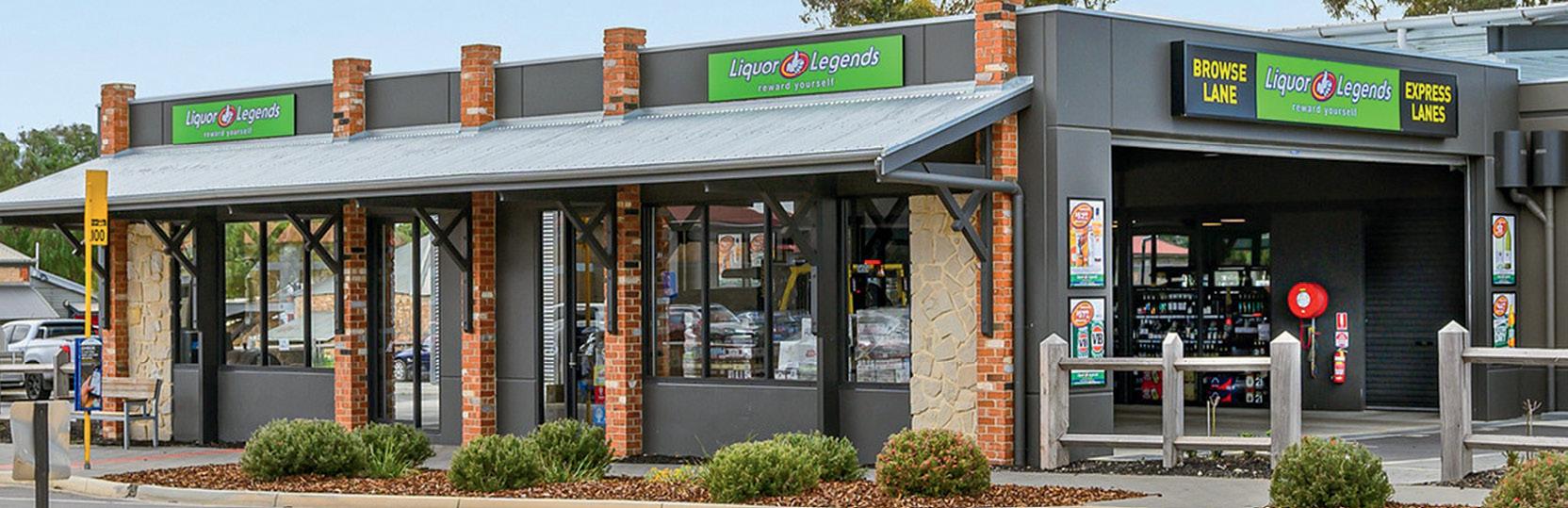
He added: “AI is fast-moving tech, and we’ve already adopted this in LARA (Legendary Auto Replenishment App). The power of AI won’t be ignored, but we’ll progress with caution, be security conscious and protect our DNA.”
*<0.5g Carbohydrates.
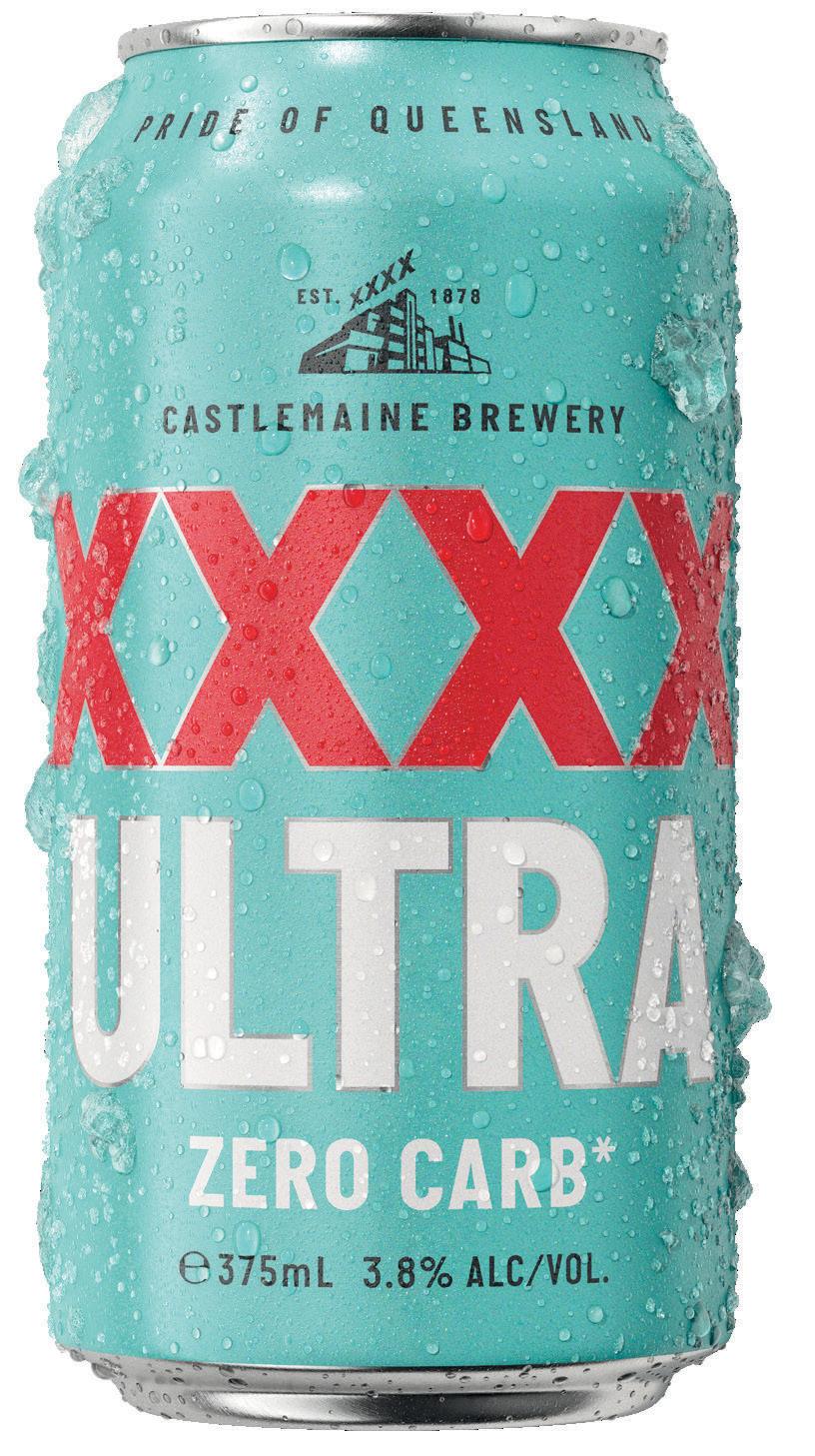


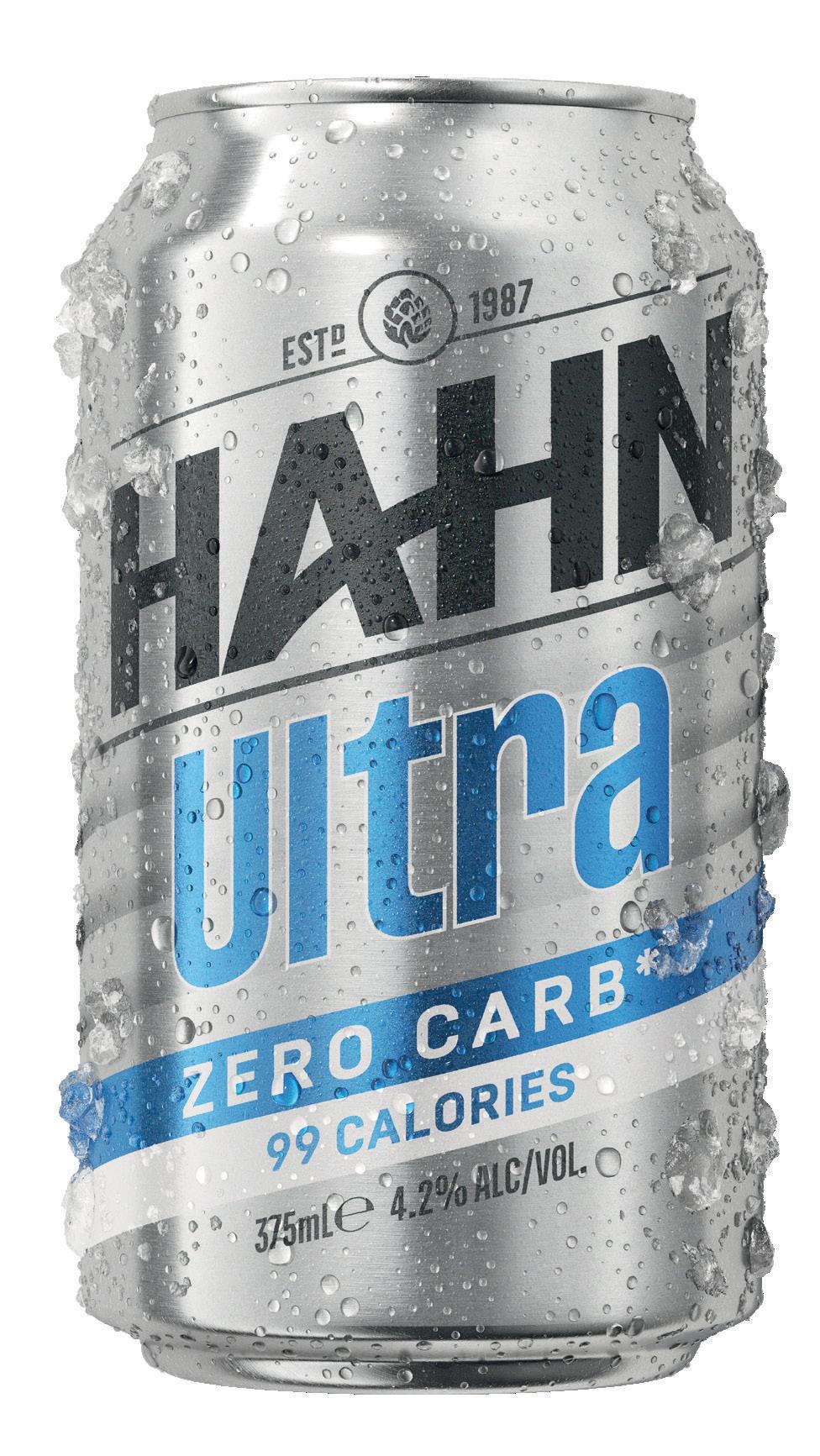
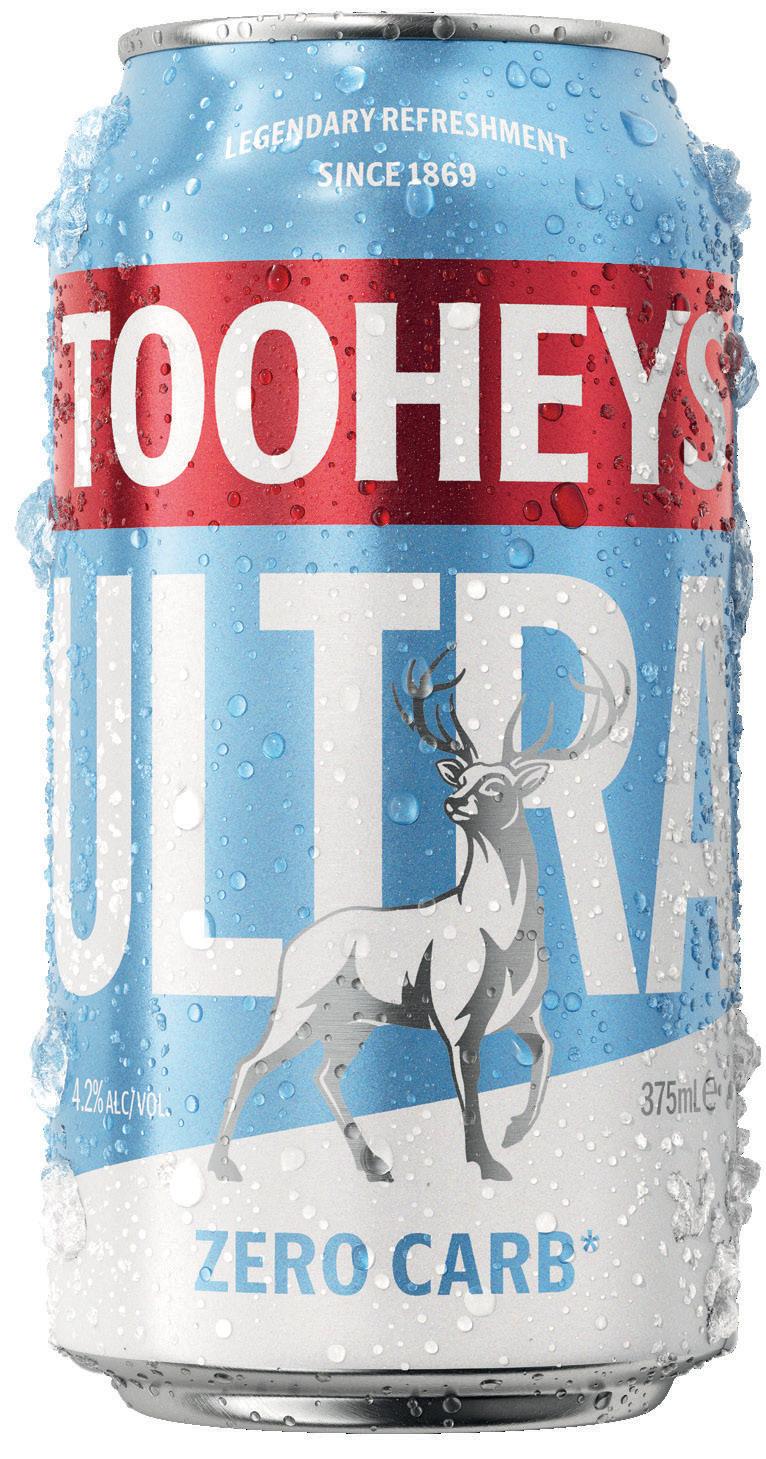


With a focus on customer experience and supplier partnerships, Paramount Liquor’s ambition is to create the most advanced and intuitive B2B platform in the industry.
In 2025, Paramount Liquor made significant progress in simplifying the customer experience and laying the groundwork for future trade solutions. Major milestones included the launch of a new website and the rollout of industry-first partnerships with EzTenda, Mirakl, FASSTA and Frntlne, reducing operational complexity across ordering, supplier agreements, invoicing, payroll management and training.
“Together, these partnerships give venues more choice, more clarity when locking in long-term supplier agreements, and access to digital tools that support how hospitality businesses actually operate,” says CEO Nathan Rowe.
Paramount Liquor hosted its biggestever conference in Queenstown in October, themed Faster Smarter Together to reflect a focus on agility, data-led intelligence and innovation.
“That message wasn’t just for the conference, it set a clear direction for how we move forward with confidence and how we work every day – connected, collaborative, and building momentum together.
“It was an action-packed three days of collaboration that put a huge amount of wind in the sails and now serves as a cornerstone for how we execute into 2026, as we continue to foster the strongest hospitality culture in the world,” Rowe explained.
And beyond the major milestones, progress also showed up in the day-to-day work that continues to build confidence in where the business is heading – which was reinforced when Paramount Liquor was
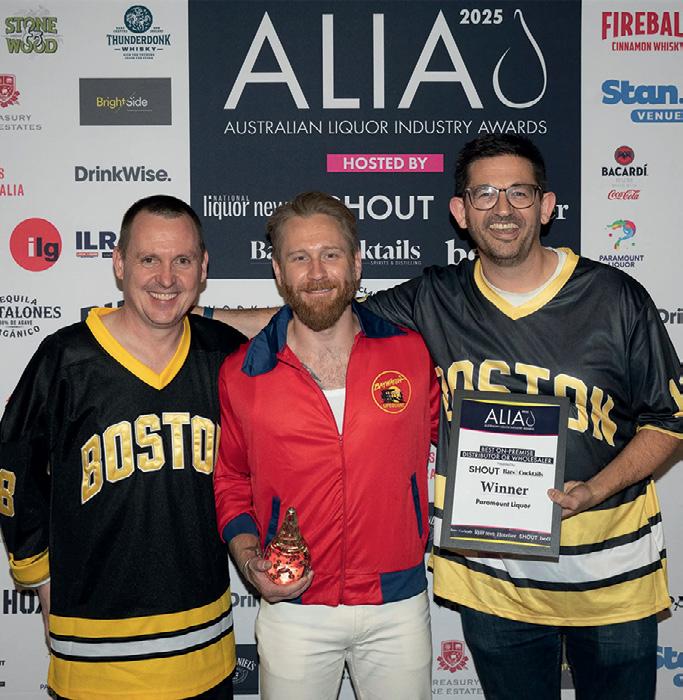
named Best On-Premise Distributor or Wholesaler at the 2025 Australian Liquor Industry Awards.
“We thank our customers and supplier partners for the trust they place in us and for the role they play in shaping how we continue to evolve. This recognition belongs to our people across the business and reflects a culture built on shared effort, commitment, and genuine care for the industry we serve,” Rowe stated.
In 2026, Paramount Liquor will continue to push forward by further simplifying how customers do business with the group – reducing friction, delivering smarter insights, extending digital and retail media capabilities, and making it easier to access the right products, deals and support. This includes the rollout of Launchpad – a personalised onboarding experience designed to help new customers realise value from the outset.

“Using AI-driven recommendations, Launchpad guides customers through a tailored setup journey, supporting confident product selection based on their business needs. Launchpad is part of the broader work underway for the year ahead, reflecting our ongoing focus on delivering practical tools and operating as a true partner for hospitality businesses,” says Rowe.
As the wholesaler continues to grow and innovate, and finds new ways to strengthen partnerships, Rowe says one thing remains unchanged – putting people at the heart of everything the business does.
“Guided by this belief, we move into 2026 with confidence in our direction and clarity about what comes next. I’m proud of what we’re building together, and the fun part is that we’re only just getting started.
“The challenge will be maintaining clarity and alignment as we scale, ensuring innovation remains purposeful, teams stay connected, and partnerships continue to be built on trust and shared value. If we get that right, 2026 presents a strong opportunity to deepen relationships, deliver meaningful progress, and continue fostering the strongest hospitality culture in the world,” Rowe concluded. ■
To read more about Paramount Liquor’s digital transformation, scan the QR code here.
By investing in its in-store experience, upskilling staff and growing its online retail channel, Red Bottle is ready to capitalise on the opportunities ahead.
On top of the tightened consumer spending, rising business costs and increased supplier prices felt across the country, Red Bottle was challenged by a rise in retail liquor thefts and aggressive behaviour in its CBD stores. Local Government restrictions on Anzac Day trading – which were implemented without consultation with liquor retailers – also had an impact.
Despite all of this, Red Bottle harnessed signs of an uptick in consumer confidence in 2025 and responded with resilience. Momentum across premix and RTDs continues to build across the network of stores, and a move into better value wine has seen wine sales grow.
“We have had to be even more focused on ensuring we are running our stores as efficiently as we are able to, while still delivering the best shopping experience we can,” says Andrew McKay, Associate Director.
“At Red Bottle, we try to be the best possible retailers we can be, while doing it in a way that makes us all want to come back again tomorrow and do it again.”
That sentiment was recognised at the 2025 Retail Drinks Industry Awards, where Red Bottle Pitt Street was awarded Liquor Store of the Year. McKay attributes the success not only to strong leadership, but a diverse product mix backed up by well-trained and knowledgeable staff.
“Our philosophy is very evident in our Store Manager Julianne and her team at Pitt Street and is part of the reason for her store’s
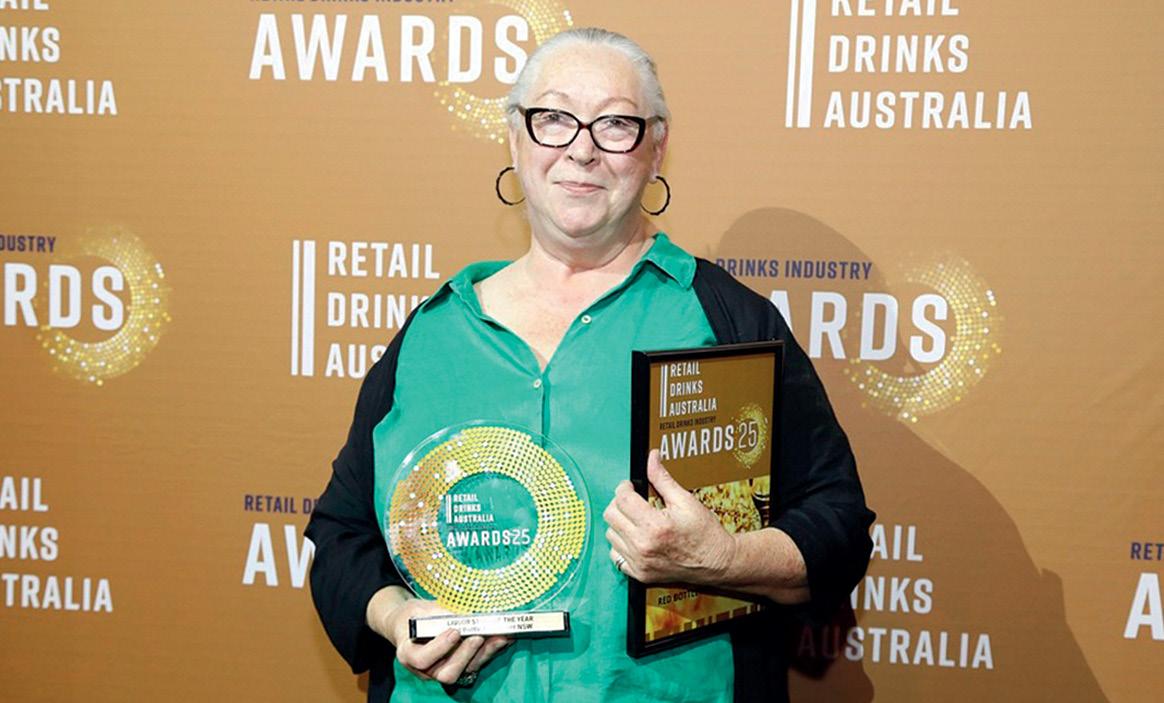
McKay sees demand for lighter options of all varieties – from low-alcohol, low carb- and sugar-free options to lighter styles of wine – keeping momentum over the next 12 months. He says Red Bottle’s stores will stay responsive to changing tastes and emerging trends.
“At Red Bottle, we encourage our store managers to be entrepreneurial with their product selection to react to market trends, so we will capitalise on these trends by working with our valued supplier partners to increase the ranges of these types of products and put more sales emphasis on these drinks through consumer tastings and catalogue advertising.”
success. Having a great range, being ultra convenient, catering to her local demographic, and leading a team of friendly and welcoming multi-cultural staff has also been instrumental in the store’s success,” he stated.
As it seeks to enhance in-store experiences in the year ahead, Red Bottle is upskilling its staff through industry training and product knowledge – from WSET courses to structured tastings with suppliers – helping the business live up to its ideals of championing good independent liquor retailing and reinvesting in its stores.
“In addition to this, we constantly review in-store layouts to ensure the stores are easy to shop, and we are currently looking at more options for impactful floor displays, rather than ubiquitous shelving options,” McKay explains.
The group will also invest in the growth of its online retail channel in 2026.
“In the online space, we will continue to drive a premium offer of rarer and harder to source products that do not need to be price driven in order to succeed. A great online experience is far more than the cheapest price, and we will continue to operate responsibly and grow in this space,” McKay added. ■
Retailers are seeing the tangible benefits of Thirsty Camel Victoria’s new rebate structure, enhanced loyalty program and creative marketing campaigns.
Thirsty Camel Victoria achieved major milestones in 2025, from its biggest-ever Forum and the 50-year anniversary of United Innkeeper to the launch of Hump Club Version 3, alongside solid store growth and a new rebate structure.
For Adrian Moelands, General Manager of Thirsty Camel Victoria, these moments highlighted the strength and longevity of the group’s member community. In particular, the 2025 Thirsty Camel Forum held in Perth reflected strong engagement across the network.
“Bringing members together face-to-face remains one of the most valuable aspects of our Forums. Key takeaways from the event included a new rebate structure, our digital ticketing rollout, the evolution of Hump Club, and the ongoing importance of community,” he stated.
The launch of Hump Club Version 3 saw Thirsty Camel double down on its loyalty offering, shifting from one-size-fits-all rewards toward a more personalised, experience-driven program.
“Key features include unlimited member-only offer redemptions, birthday and anniversary rewards, surprise-and-delight moments, and personalised offers tailored to individual shopping preferences. Rather than simply incentivising spend, the program is designed to build an ongoing relationship between the customer and their local Thirsty Camel store.”
Already, retailers are seeing tangible benefits such as increased shopping frequency and higher average basket size. Meanwhile, the ability to offer unlimited redemptions on weekly member-only
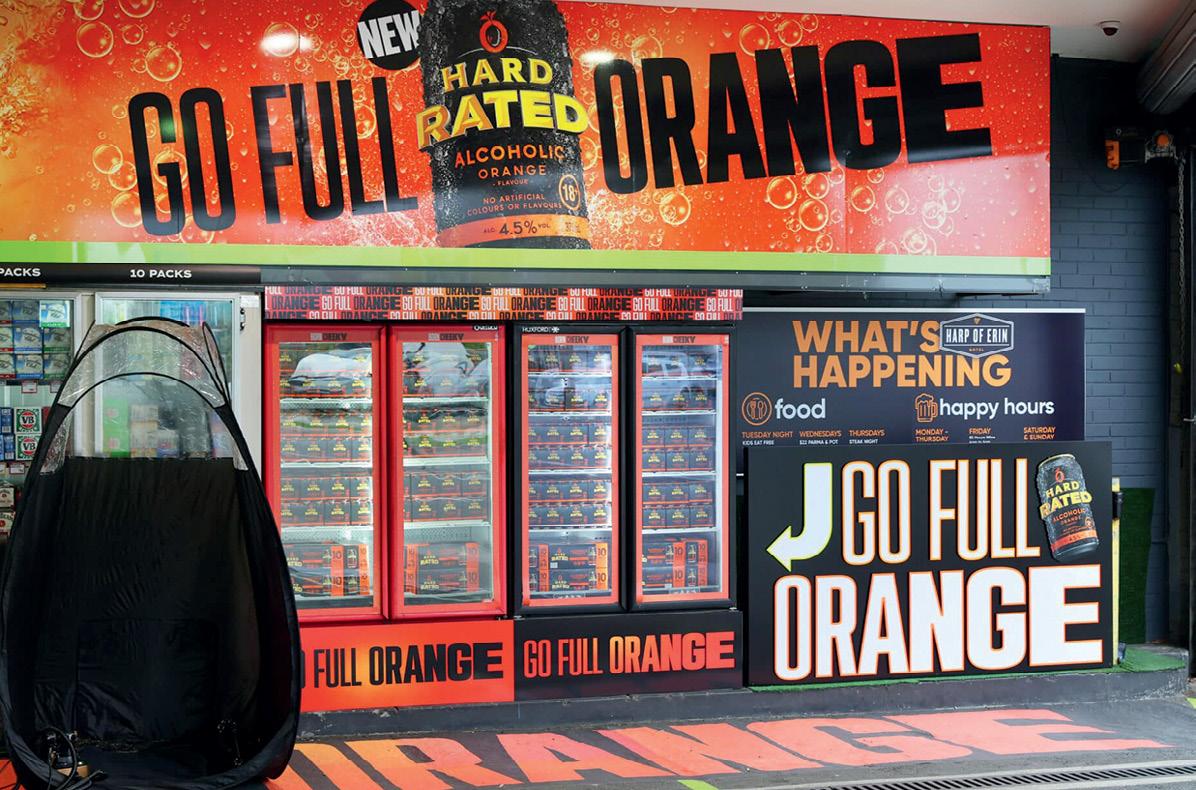

Thirsty Camel maintained a strong focus on creative marketing in 2025 – from a beer-battered fish ’n’ chips drive-through with Better Beer to free fake tans to celebrate the launch of Hard Rated Alcoholic Orange.
Moelands sees these campaigns as a natural extension of the Thirsty Camel brand.
“Our point of difference in the market is our fun, distinctive tone of voice, and we approach our campaigns in the same way. That consistency allows us to create cutthrough moments that drive awareness and foot traffic, while giving our stores campaigns that feel recognisably Thirsty Camel and relevant.
“Success is measured through awareness, engagement and in-store impact. Our two major PR activations in 2025 reached 7.5 million Australians and generated 137 media hits, significantly lifting store visibility. At a local level, campaigns drove new customers into stores and delivered sales uplift both on the day and in the months that followed.”
pricing gives stores a powerful tool to unlock repeat visits and drive incremental sales.
“Looking ahead to 2026, we’ll build on this momentum with the launch of Hump Day Deals – super sharp, Wednesday-only offers exclusive to Hump Club members. The aim is to disrupt midweek shopping behaviour, drive foot traffic on traditionally quieter days, and continue reinforcing the value of loyalty for both customers and retailers,” Moelands added.
Another major focus for Thirsty Camel in the year ahead is margin delivery and operational support for members.
“That includes leveraging our increased rebate investment, continuing the rollout of digital ticketing to support more dynamic and flexible pricing, and ensuring our stores have the tools they need to compete effectively.
“There’s also strong opportunity in expanding our capability beyond retail. In late 2025, we launched Prosper Hospitality, which helps independent pubs purchase everything they use from the front door to the back door of the venue at scale,” Moelands concluded. ■

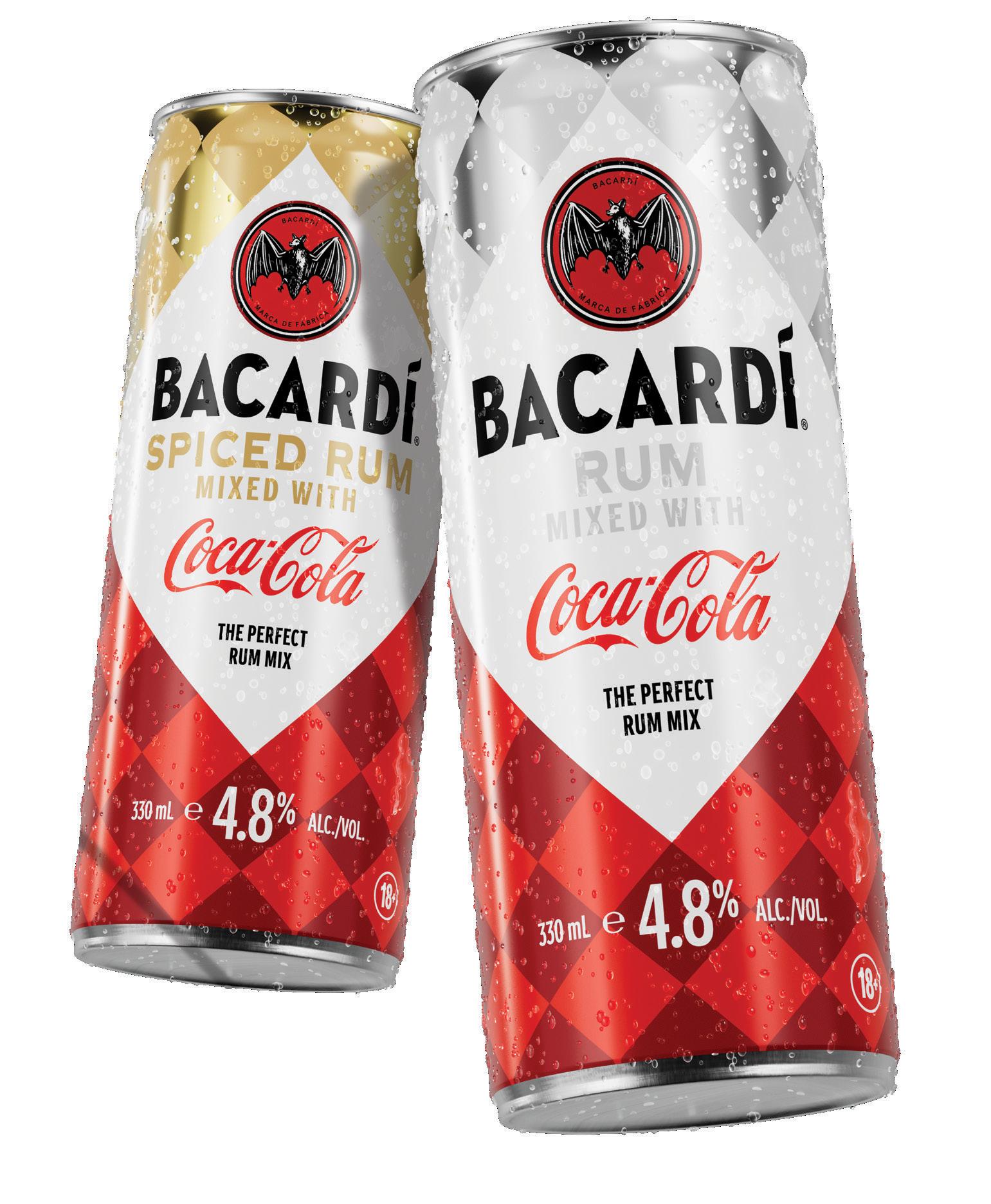
Key suppliers from across the country analyse some of the most important reflections of 2025, explain how they plan to activate in the year ahead, and highlight things to watch in liquor retail in 2026.
Amber Beverage Australia strengthens its business, revitalises its flagship brand, and expands its distribution network and portfolio to drive future growth.
In 2025, the focus for Amber Beverage Australia was getting the basics right. In a competitive, price-sensitive market, the focus was on execution – improving efficiency, aligning teams, and working more closely with customers and partners. The portfolio performed well, driven by a partnership-led approach, strong brand principles, and the ability to compete across multiple categories and price segments, supported by a high standard of distribution and service.
CEO Uliana Linenko stated: “Brands with clear positioning, consistent availability and strong value perception delivered the strongest results, reflecting a disciplined focus on execution excellence, data-led ranging discussions and tailored solutions for key trade partners.
“With a complete and balanced portfolio spanning spirits, bitter and liquors, vermouths, non-alcoholic spirits, Amber Beverage Australia is positioned as a reliable, long-term partner rather than a single-brand supplier,” she continued.
One of the most noticeable changes over the past year for Amber Beverage Australia has been the continued evolution of the STOLI vodka brand in the local market. Globally, the move from Stolichnaya to STOLI was driven by a simple idea: modernise an iconic premium vodka with over 85 years of heritage and make it easier to engage with.
“The liquid hasn’t changed. The heritage remains. What has evolved is the brand expression – now cleaner, more contemporary, and easier to engage with. In Australia, the focus has been on reintroducing STOLI as a premium vodka with relevance for today’s consumer: keeping credibility, reducing complexity, and bringing a fresher, more modern attitude to the brand,” says Linenko.
The transition is being carefully managed with a focus on simplicity for customers and partners. Over the past year, the business made a deliberate shift to strengthen fundamentals and improve day-to-day execution, focusing on three key areas: team diversity, efficiency and clear direction.
As the business moves into 2026, Amber Beverage Australia does so with stronger foundations, a refreshed flagship brand, a diversified

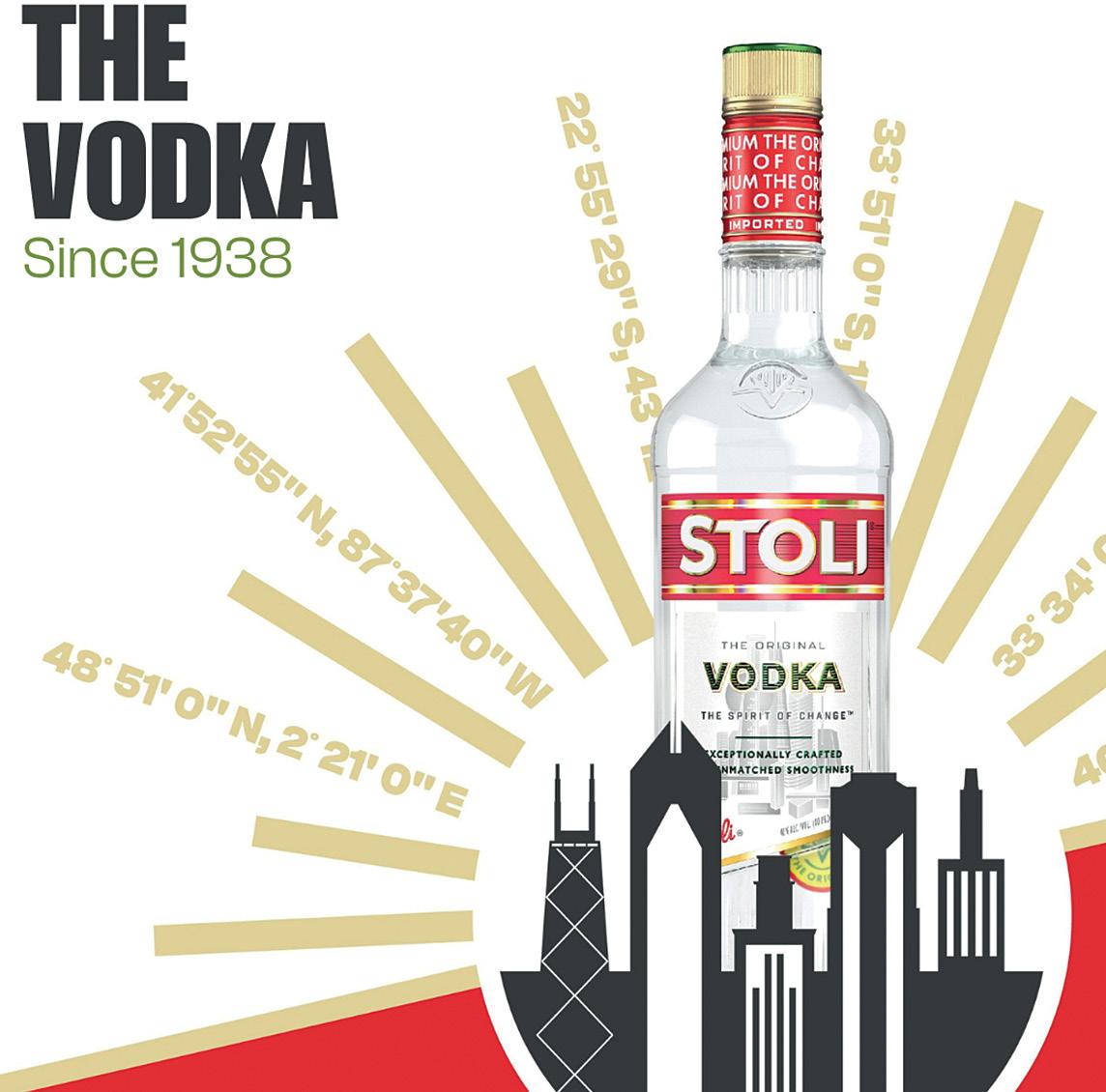
portfolio and a people-first culture – proving that sustainable progress often comes from simplifying the approach, sharpening the focus and empowering the right talent.
Looking ahead, the focus is on building scale and momentum across the portfolio. Covering multiple categories and price segments – from premium and super-premium to more accessible offerings –the business is well positioned to support a wide range of customer needs. Beyond STOLI, tequila remains a key priority led by 818 Tequila, alongside Rooster Rojo and KAH Tequila, complemented by whiskey brands Tenjaku, Writer’s Tears and Elijah Craig Bourbon, as well as Fernet-Branca, Carpano and Antica vermouths.
“The inclusion of Lyre’s reflects the growing importance of the no- and low-alcohol category, supporting more flexible drinking occasions, while specialty brands such as Shanky’s Whip and Fee Brothers further strengthen relevance within cocktail culture and the on-premise channel. Maintaining the right balance between price, positioning and premium credentials will remain critical in a competitive market,” Linenko concluded. ■
Asahi Beverages is investing to achieve mutual growth with customers through its new OneAsahi model.
A defining year saw Asahi Beverages reorganise the business as part of its shift to the OneAsahi model, designed to strengthen its partnerships with customers by bringing a renewed focus and expertise to each channel with dedicated reps.
Already, customers have begun to unlock growth as the business becomes more responsive, efficient and attuned to their needs, says Amanda Sellers, Asahi Beverages Group CEO.
“OneAsahi is the biggest change to Asahi since we acquired Carlton & United Breweries in 2020 and we are committed to keep building on the improvements it’s already delivered,” she stated.
The business remains driven by a clear ambition: to create and deliver an outstanding portfolio of beverages for every occasion. For Asahi, this means building brands that consumers love and growing categories via innovation and working closely with our customers.
In 2025, Asahi showed how it responds to and leads trends to achieve mutual growth with customers by unveiling a new $60m canning line in Queensland. The new line comes as preference increases for cans over stubbies, with up to 400 million cans of beer expected to roll off the line each year.
“This investment doesn’t just ensure we keep pace with a longterm trend – it has created 27 new fulltime jobs. More than 97 per cent of the beverages Asahi sells in Australia are made by us right here, and the canning line underscores our long-term commitment to local manufacturing and jobs,” Sellers explains.
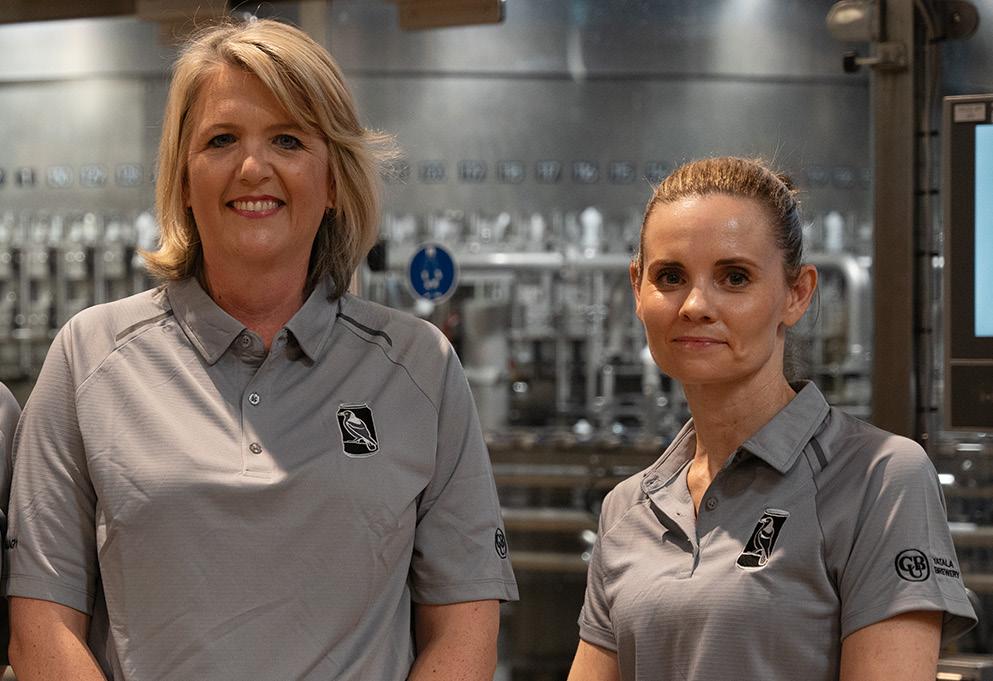

Firmly focused on the new OneAsahi model, 2025 also saw Asahi take major steps to simplify its warehousing and distribution network by starting construction of a new state-of-the-art distribution centre in Melbourne’s west, which is expected to be operational in two years.
“We’ll soon have more exciting announcements about similar projects in other states as we work to provide a more efficient service,” Sellers added.
Great Northern Super Crisp 3.5% has been Australia’s number one beer for several years, reflecting how moderation embeds itself into Aussie beer culture. Carlton Dry 3.5%, meanwhile, grew exponentially – more than tripling in volume throughout the year as Asahi’s number one driver of beer value growth.
“In August last year, we also launched Great Northern Light (two per cent ABV), which is a refreshing beer made for moderation and great moments. It already makes up more than 10 per cent of the light beer market and has reinvigorated the entire light segment, which is up more than 10 per cent versus the previous year,” Sellers explains.
“We will continue to expand our mid-strength beer range and we’re working on some exciting developments in the light beer category. With one third of our beer sales now no-, low- or midstrength, moderation is no longer just a trend. It’s a permanent part of Aussie beer culture.”
Hard Rated remained a consumer favourite, leading the RTD category with more than 10 per cent market share and growing strongly in the off-premise. Asahi expanded the line to now include Hard Rated Alcoholic Lemon, Hard Rated Alcoholic Lemon Lime, Hard Rated Alcoholic Orange, Hard Rated Alcoholic Lemon 6% and Hard Rated Alcoholic Lemon Zero Sugar.
With the moderation trend also extending to the RTD category, Asahi used Hard Rated to reignite the zero-sugar light RTD segment, and in the year ahead will continue to innovate across categories with products that respond to evolving trends and create new ones.
“This new year promises to be an incredibly exciting one for Asahi and our valued customers,” Sellers said. “As new trends continue to reshape our industry, we can’t wait to continue working closely with our customers to achieve mutual growth.” ■
Momentum shows no sign of slowing for Brewguru, after the successful launch of market-disrupting RTD RYSE.
Korea’s number one RTD manufacturer entered the local market in 2025 with the launch of an Australian-first product, RYSE. Blending vodka and sparkling soda, a fresh slice of lemon rises to the top of every can upon opening – an elevated and sophisticated RTD with tangible innovation.
Brewguru’s ANZ CEO Mikkeli Han tells National Liquor News the launch of RYSE was about discipline as much as ambition.
“We spent time understanding local consumer behaviour, retailer expectations, execution standards and local compliance requirements before launch. Our focus was getting the fundamentals (compliance, supply chain, pricing architecture, and trade alignment) right while launching with a clear point of difference.”
A key element in the launch of RYSE was penetration of the off-premise market, with Brewguru focused on clear differentiation and disciplined execution.
“Our approach has been targeted rather than blanket. Whilst we are working with most key retailers, we have focused on the right stores, the right locations, and the right retail partners where premium RTDs perform best,” Han continued.
“Penetration so far has been about proving velocity and execution, not chasing distribution for its own sake. Looking ahead, our ambition is to deepen distribution, build stronger rate of sale, and establish RYSE as a must-stock premium RTD rather than a seasonal novelty.”
Last year, Brewguru sold more than 2.5 million cases across Korea, Hong Kong, China, Taiwan and Japan. Han says the clear trend is a shift from novelty-driven RTDs to experience-driven ones, and he sees the same consumer behaviours unfolding in Australia.
“Consumers want authenticity, visible quality cues, and drinks that fit longer social occasions. We are also seeing cleaner, citrusled profiles outperform heavier, sweeter styles globally, which is a trend that’s already emerging in Australia,” he stated.
While Han recognises that growth in Korea does not dictate outcomes for Australia, the fast-moving and highly competitive testing ground guides the way Brewguru thinks about flavour balance, sessionability, packaging cues and innovation for the Australian market.
Brewguru launched RYSE at the Australian Liquor Industry Awards on Wednesday 5 November 2025, and already Han says the response has been overwhelmingly positive.
“Consumers immediately understand that RYSE is different with the clean flavour profile, premium positioning, and the fresh lemon in-can all resonate strongly. We are seeing particularly strong engagement from drinkers trading up within RTDs, looking for something more sophisticated but still highly sessionable. Early repeat rates and feedback suggest RYSE is connecting with exactly the audience we designed it for.”

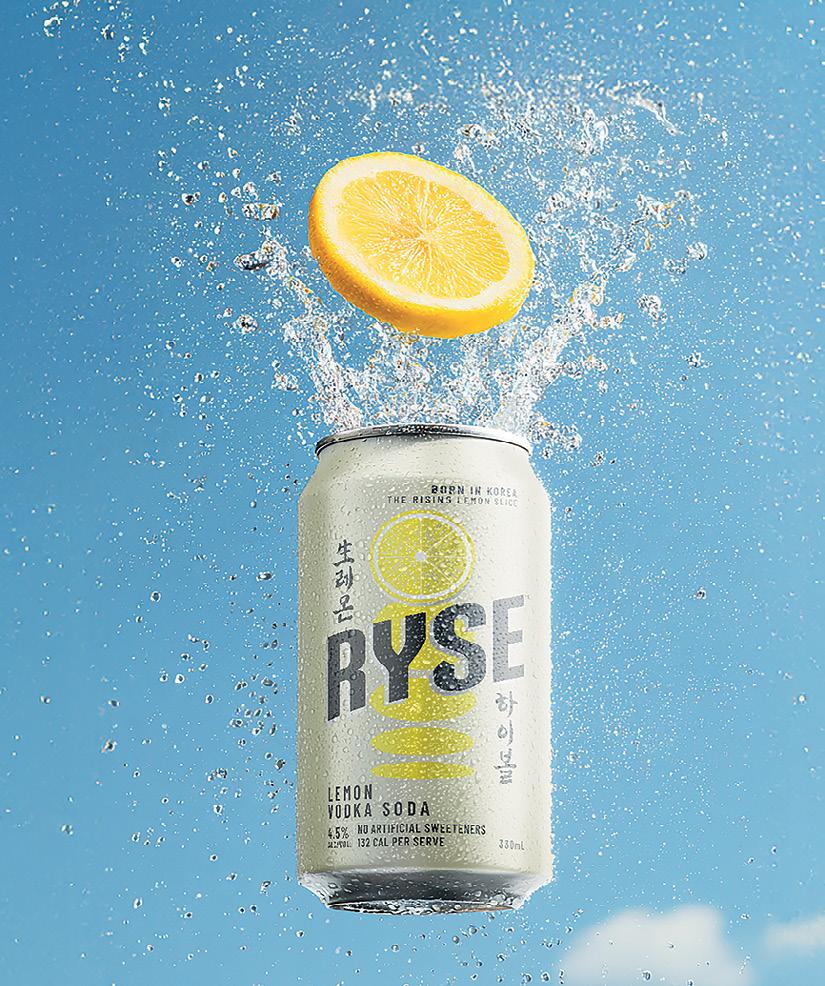
“Without giving too much away, 2026 will see us build on what RYSE already stands for rather than chasing line extension for its own sake. That means new variants will continue to focus on premium cues, clean flavour, and genuine differentiation. Innovation is our DNA. Australia saw RTD 2.0 in 2025, so perhaps RTD 3.0 in 2026?,” Han added.
Building on this momentum, the immediate focus for Brewguru in 2026 is threefold: scaling RYSE with consistency, maintaining seamless operational execution, and continuing to drive meaningful innovation.
“The opportunity is clear – premium RTDs remain one of the strongest growth engines in alcohol. The challenge is equally clear: Australia is unforgiving of brands that lose focus or drift into sameness. Staying disciplined is critical,” Han concluded. ■
Building on the energy of a landmark project, BrightSide will continue to connect the industry’s top talent and employers in the year ahead.
Despite the challenges facing the drinks industry in 2025, specialist recruitment agency BrightSide had a strong year, backed by the momentum of Suntory Oceania’s Licensed Territory Managers project for which BrightSide helped recruit over 75 new Suntorians.
Amber King, Co-founder and Director of BrightSide, says: “We are proud that we were chosen as their preferred partner given our industry experience and national reach. We started the project after the 2024 Christmas break, so we were feeling rejuvenated and ready to go. It was a huge volume of work, and we successfully delivered in a very tight timeframe, ensuring full sales teams could start on the same day nationally.”
Throughout the year, BrightSide recruited for roles spanning sales, marketing, finance, supply chain/logistics and crucial internal support roles, including some pivotal new senior hires.
Observing the shifts driving drinks industry recruitment, BrightSide Cofounder and Director Sue Lauritz identified flexibility as a key driver for candidates, alongside job satisfaction and culture.
“We’ve also noticed candidates –predominantly at rep and mid-management level – seeking higher financial reward in today’s economy, which affects smaller businesses or start-ups when trying to attract talent in a competitive market of SME’s and tier-ones also seeking the best talent,” Lauritz stated.
King says candidates are also becoming
savvier about company perks, meaning employers need to confidently sell their business, their vision, and opportunities for advancement or personal development.
“What we do particularly well at BrightSide is represent our clients’ brands in the market. It’s like having a dedicated team of brand ambassadors highlighting the people and culture aspect of your business and why they should entertain a conversation. We fly the flag for all our customers and take great pride in ensuring we represent each business accurately and in good faith resulting in the right talent matching.”
In the year ahead, in an increasingly competitive landscape, Lauritz and King urge employers not to be complacent, and see success hinging on the fundamentals done well: a compelling employee value proposition, well-defined role descriptions, structured interview processes, appropriate assessment tools, and a considered onboarding experience.
Preparing for an even bigger 2026,
Lauritz and King will leverage their position as Australia’s only dedicated drinks industry recruitment specialists for more than a decade, and their team’s 80 years’ combined experience, to do what they do best – connect the drinks industry.
“BrightSide remains firmly committed to being the go-to recruitment partner for the drinks industry. While we’re best known for our strength in sales and marketing recruitment, we’ve perhaps flown under the radar in other critical functions such as finance, supply chain and logistics. Our team has the experience, track record and capability to deliver outstanding outcomes across these areas.
“As we often say, our net worth is our network. Without BrightSide’s credibility and reach, it’s extremely difficult to achieve the level of cut-through we consistently deliver. Add to that the time and cost of pulling internal teams away from their day-to-day, often revenue-generating roles to manage recruitment themselves, and the value of working with an industry expert becomes clear,” Lauritz concluded. ■































































Brown Family Wine Group has taken a consumer-centric approach to category innovation, leveraging significant growth in Prosecco.
With global wine consumption continuing to soften, the focus for Brown Family Wine Group in 2025 was remaining disciplined, relevant and close to the consumer, and mitigating category headwinds through innovation, brand differentiation and continued international expansion.
The group experienced positive momentum in the off-premise channel, led by Prosecco and Moscato, says CEO Cameron MacFarlane.
“Brown Brothers Prosecco recorded double-digit growth and remains the number one Australian Prosecco, while Brown Brothers Moscato continues to hold its position as Australia’s number one white wine.
“Flavour-led innovation such as Brown Brothers Moscato Lush Lychee and Yuzu Lemon Prosecco Spritz also resonated strongly. These results reflect a consumerfirst approach, offering approachable styles, familiar flavours and convenient formats that help recruit new consumers into wine.
“We’ll continue to build on momentum by expanding our spritz range and thoughtfully exploring new formats that align with how consumers are increasingly engaging with wine across different occasions.
“In parallel, we have refreshed the Brown Brothers Classic range with updated packaging that presents a more contemporary expression of the brand, while continuing to respect and uphold the traditions and winemaking heritage that define Brown Brothers,” MacFarlane stated.
It was an incredible year for Prosecco across the board, representing one of the strongest growth engines in Australian sparkling wine
with sales up 14 per cent in value and 10 per cent in volume over 12 months.
“As Australia’s leading Prosecco producer, we see this as both an opportunity and a responsibility, to help shape the category in a way that is sustainable, relevant and consumer-led,” MacFarlane added.
“By focusing on accessibility, convenience and quality, our aim is to continue growing Prosecco in a way that brings new consumers into sparkling wine and supports long-term category health.”
In 2025, Brown Family Wine Group’s NPD strategy was shaped by three priorities: recruiting new consumers, supporting global growth and premiumising the portfolio. Launches like the Prosecco in an aluminium bottle – which is around 40 per cent lighter than glass, quicker to chill, portable and resealable – illustrate the group’s commitment to innovation.
While MacFarlane sees further opportunity in Prosecco and spritz innovation, the group will also focus on expanding its premium Tasmanian wines and continuing international growth.
“Consumer insights around flavour exploration, moderation and convenience have informed recent launches, while our Tasmanian wines underpin our premium strategy. In 2026, we’ll continue to focus on fresh, lighter styles, sustainable packaging, low-alcohol options and innovation that aligns with both environmental responsibility and global relevance.
“The opportunity lies in sparkling

momentum, premium cool-climate wines and recruiting the next generation into wine.
“Brown Family Wine Group remains committed to blending tradition with innovation. By working closely with our trade partners, we aim to drive category growth, keep wine relevant and ensure it continues to play a meaningful role in modern lifestyles for generations to come,” MacFarlane concluded. ■
Last year, Brown Family Wine Group announced a new partnership with Oatley Fine Wine Merchants, making them the exclusive distributor of the Tasmanian wines of Tamar Ridge and Pirie for the independent retail channel.
MacFarlane says: “For retailers, this means stronger support, increased visibility and improved access to premium Tasmanian Pinot Noir and sparkling wines, underpinned by shared values of quality and provenance.”
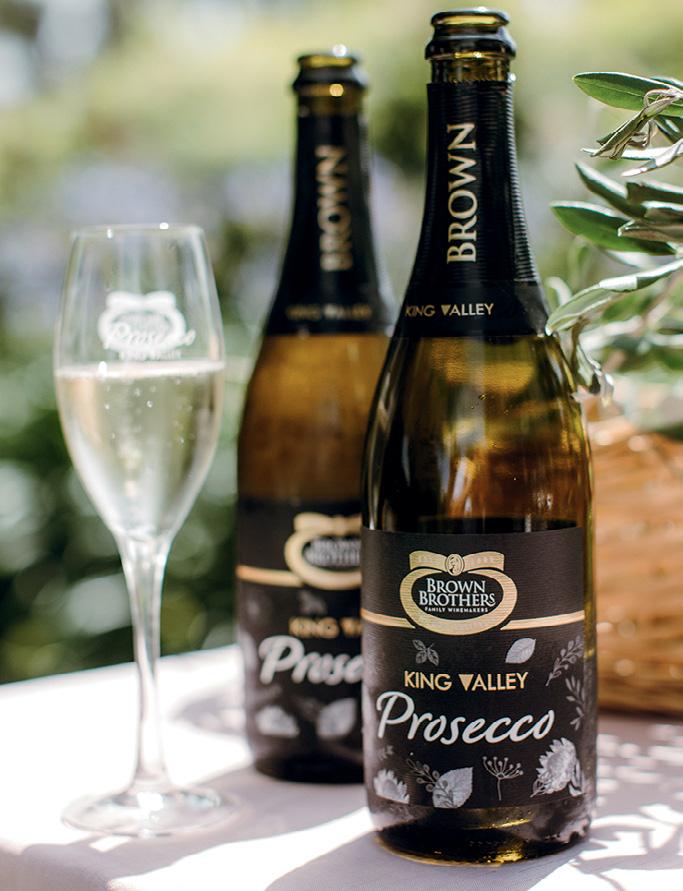
UNMATCHED RANGE, PERSONALISED SERVICE, SMART TOOLS BUILT FOR HOSPITALITY AND DELIVERY YOU CAN RELY ON.

Brown-Forman’s respected brands have retained consumer demand, while strong growth has validated the portfolio premiumisation strategy.
Despite a year defined by economic uncertainty and rapidly changing consumer behaviour, Brown-Forman ANZ Vice President and Managing Director, Brad Madigan, says the company’s flagship brands have continued to perform well –a reminder that in challenging times, the strength of a brand truly shows its value.
Jack Daniel’s retained its crown as Australia’s number one liquor trademark, boosted by resilient premiumisation seen in Gentleman Jack’s double-digit MAT growth1, and the launch of the exciting ‘That’s What Makes Jack, Jack’ campaign – reintroducing the brand’s history and reinforcing its value proposition, paired with heightened focus across the Jack & Cola portfolio.
Throughout the year, Brown-Forman focused on strengthening its position in key high-growth categories by working closely with retail business partners to identify and unlock new opportunities and deliver engagement that genuinely cuts through to the consumer and shopper.
“While Jack Daniel’s anchored the strategy, growth was further bolstered by the broader premium portfolio. Brands such as Woodford Reserve and Diplomático Rum played a pivotal role, offering diverse, high-quality premium options that underscores the company’s commitment to premiumisation,” says Madigan.
He continued: “2025 was also a landmark year for our agave portfolio. El Jimador has solidified its position as Australia’s number one, 100 per cent agave tequila.”
Brown-Forman backed this growth
with the largest investment in the brand’s history, including all-new activations and the launch of two new RTD SKUs – the Lime and Orange El Jimador Spritz.
Building on the trends of 2025, Madigan sees consumer choice in the RTD sector as both a challenge and opportunity in the year ahead.
“With the market crowded by an influx of new entrants and a shift toward light RTD offerings, established heavyweights like our Jack & Cola must continue to innovate in both flavour and format to maintain a fair share of voice, which is something we intend to continue in 2026.”
In Q1, Brown-Forman will launch a new range of flavour- and ABV-led offerings across its Jack Daniel’s RTD portfolio, and in Q2, will expand the appeal of the Jack Daniel’s trademark further with the arrival of Jack Daniel’s Blackberry.
“After seeing its massive success in the US, we are confident this liquid – perfect over ice with lemonade – will recruit new consumers and open up refreshing new drinking occasions.
“On the prestige side of our portfolio, it is not every day you turn 200. We look forward to celebrating The Glendronach’s bicentennial with a number of rare, limited expressions and immersive consumer experiences.”
Above all, Madigan says: “We remain dual-focused: delivering immediate category growth for our partners, while maintaining significant investment required for longterm brand building.

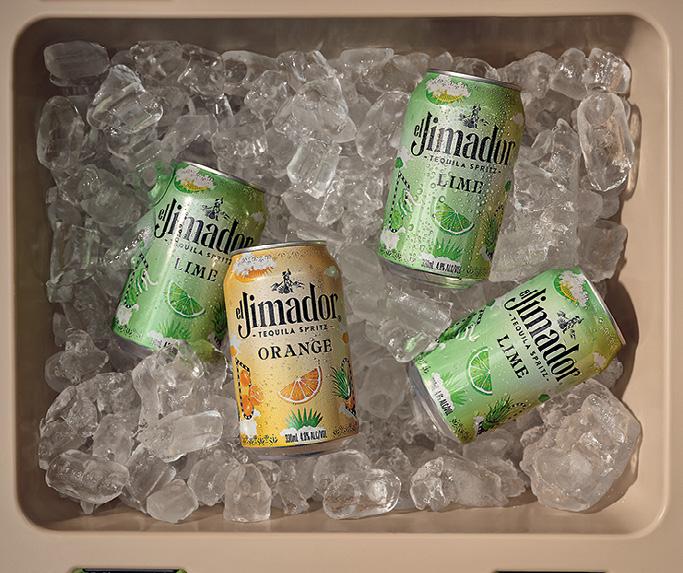
“We remain dualfocused: delivering immediate category growth for our partners, while maintaining significant investment required for long-term brand building.”
Brad Madigan
“Looking ahead to 2026, our strategy is anchored in showing up with excellence every day – delivering strong in-outlet execution, building cohesive and valuecreating retailer partnerships, and further elevating experience-led activation in the on-premise. Through initiatives like our Elevate program, we’re committed to introducing consumers to new ways to experience the Brown-Forman portfolio, creating a powerful halo that influences purchasing decisions in retail.” ■ 1 Circana ALM + CLG Scan Dec MAT 25
A new distribution deal with Bacardi-Martini Australia and a strong innovation pipeline are enabling CCEP to deliver mutual success for retail partners.
In 2025, Coca-Cola Europacific Partners (CCEP) announced its new partnership with Bacardi-Martini Australia. To Mitchell Lenaghan, Director of Licensed for CCEP, one of the greatest achievements of the year was partnering with retailers to bring the Bacardi portfolio to consumers around Australia in time for the festive season.
“Our new agreement with Bacardi in Australia is an exciting opportunity to combine the strength of its iconic brands with CCEP’s unmatched scale and execution capability. With one of the largest and most experienced sales, merchandising, and distribution networks in the country, CCEP is uniquely positioned to elevate the company’s portfolio across Australia.
“Bacardi has a terrific portfolio of premium products that are well loved by Australian consumers. Our scale in both sales and distribution will help to expand the availability of these brands to customers and consumers around Australia, while also leveraging our data and insights to deliver precision in execution, supporting retailers to drive improved volume and performance,” he told National Liquor News
CCEP continued to demonstrate its bold market ambitions with the completion of a $22.2 million can line upgrade at its Richlands production site in Queensland last year, and a further $75 million multi-year investment in a new can line at the same facility.
Not long after the announcement of the new CCEP and BacardiMartini partnership, BACARDÍ Rum & Coca-Cola launched in Australia, marking the first time Coca-Cola has been available in an alcoholic RTD in this market.
“Retailers tell us they value the convenience of a ready-to-drink option built from two brands their shoppers already know well. Working closely with Bacardi, over the next 12 months, we’ll build steady, sustainable momentum by expanding availability in the right channels, simplifying execution for customers, and ensuring clear, compelling shopper communication,” Lenaghan explained.
Building on the success of BACARDÍ Rum & Coca-Cola, Lenaghan highlights a pipeline of innovation for the year ahead targeting evolving consumer tastes and emerging drinking trends.
In the off-premise channel, he sees a standout opportunity in light RTD in particular.
“We worked closely with customers to redefine the role of Billson’s in the light RTD category last year, establishing a flavour-forward core portfolio that is resonating strongly with consumers. These steps have strengthened our position and created new opportunities for growth in 2026.
“Our focus is always on delivering products that meet needs, whether that’s new flavour profiles, modern mix combinations or formats designed for convenience and accessibility. Our goal is to support customers with options that are commercially relevant and aligned to where consumers are heading. There’s more to come, and we’re looking forward to sharing – stay tuned,” he added.
Looking ahead, Lenaghan also expects premium spirits like Grey Goose, PATRÓN and Bombay Sapphire to help retailers capture higher basket values by meeting demand for elevated experiences.
“Opportunities lie in premiumisation and innovation, while the challenge will be maintaining agility in a competitive and fastmoving market. We’re committed to working hand-in-hand with retailers to stay ahead and deliver growth together,” he stated.
“Our immediate focus is building strong joint business plans with retail partners to deliver shared success. This includes aligning on key selling periods and unlocking emerging occasions, such as Halloween, that offer fresh ways to engage consumers and drive incremental sales.” ■
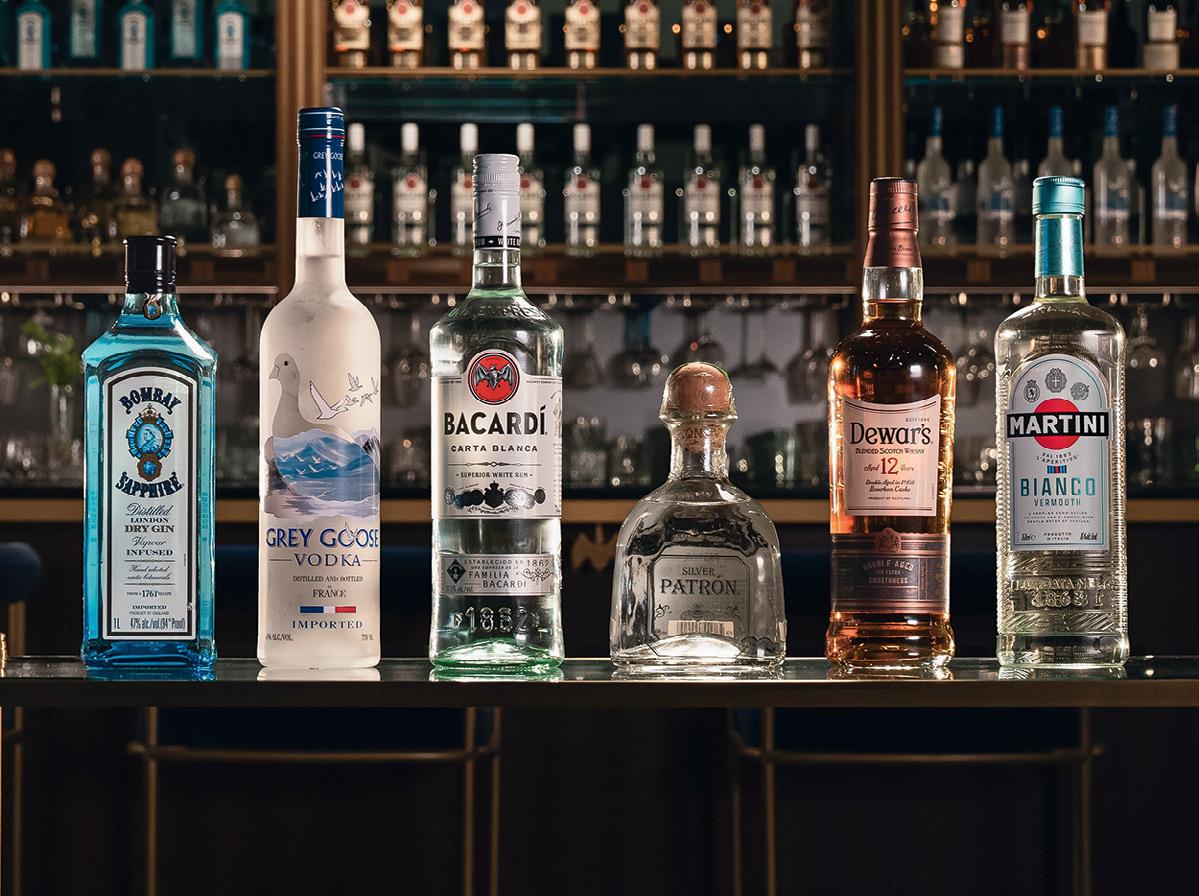
Focused on doing things differently, Drinkworks will spend the next year driving the premium international beer and cider category performance through retail sales value and partnerships.
Faced with the challenge of a declining market in premium international beer and cider, Drinkworks General Manager Stephen Hopkins said the company has spent the past 12 months motivated by evolving the categories.
“Cider is not often rejected, but it’s also not top of mind. What we’ve tried to do is grow salience that cider is suitable for more occasions and inspire people to purchase. We invested in hard cider and delivering on flavour in a category that’s outside of RTDs. But more importantly, we’re really
delivering on outstanding value. If you look at a standard drink in terms of cider versus RTDs, it offers a great amount of value.”
Finishing the year 10 per cent up over 2024, Hopkins explained that the company’s off-premise market share in cider has grown significantly – a rare feat with established brands.
“It’s been on the back of our hard ciders that we have brought to market. Our 8.2 per cent ABV Hard Cider brought more people into the category. Strongbow has been the big winner for us with 50 per cent of its
Committed to supporting retailers in delivering agile, premium products to market, Hopkins said Drinkworks is positioned to build on flavour innovation and occasiondriven marketing.
“We’ve got some new flavour variants that will come out over 2026 like Desperados that has bandwidth to attract more consumers to the flavoured beer segment. Optimising 10-packs will be a big thing too with huge opportunity and good margins for consumers and retailers.
“We’ll continue to drive our category captaincy in International beer and cider by using insights to identify how the category can be grown even further. Our merchandising and sales teams will expand our reach across the country, investing in more merchandising, including on-pack promotions. Recent on-pack promotions for Strongbow and Stella were met with overwhelming success, and we plan to build on these initiatives.

growth directly attributed to the innovation that we’re putting into the marketplace.”
Speaking broadly about Drinkworks’ portfolio, Hopkins said: “While not every innovation is going to work, category value is coming from innovation. It’s about being considered, using insights to inform NPD rather than being fast copiers of the marketplace.
“We are also committed to helping our retailers. It’s less about single brand players; it is large suppliers looking at the bigger picture. Even if it benefits competitors.
Building on the momentum of 2025, Drinkworks remains focused on driving value in the premium international beer and cider market in Australia.
“Our course is about taking the focus off price. It’s a race to the bottom for competitors playing the price game. We will continue to work with our retail partners around promotions to distract away from just the lowest price in the market. Our focal point is adding value. How do we upsize? How do we move from just trading equations with the shopper and get shoppers conversion away from price.
“While we’re seeing volumes flatten or decline, we see multiple opportunities to extract more value for our products. We’ll keep launching premium and super premium products at the top tier price point to keep encouraging consumers to spend more on quality and convenience.” ■

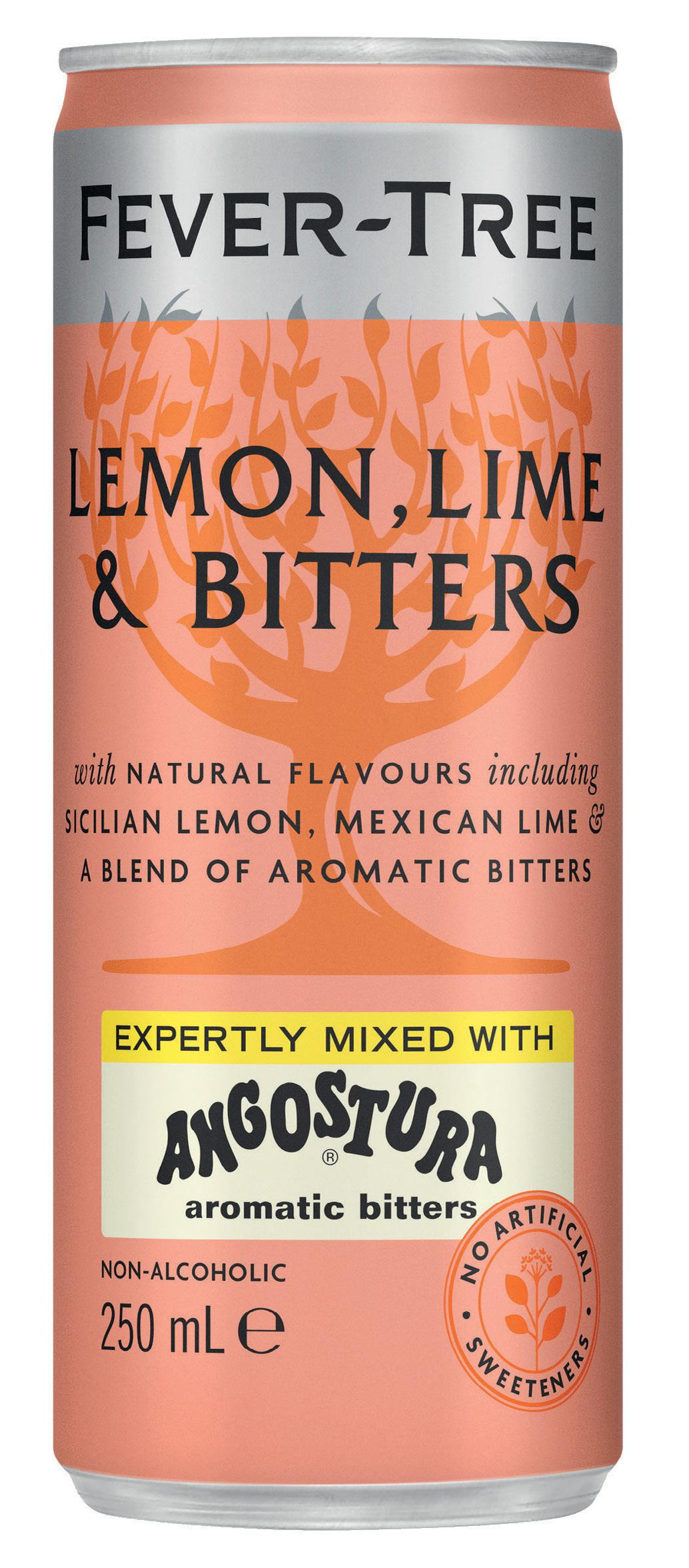
FELLR Founders and Directors Will Morgan and Andy Skora reflect on how insight-driven innovation, brand identity and strategic expansion resonate off-premise.
Against the backdrop of ongoing cost-ofliving challenges, Australian RTD brand FELLR experienced a standout year of performance off-premise in 2025.
Co-Founder and Director Will Morgan said success was driven by building a strong retail-first portfolio and national go-tomarket strategy.
“We made deliberate changes to ensure our range, formats and execution were better aligned to the realities of the offpremise environment. A renewed focus on our core range, innovation and value genuinely resonated with shoppers. Our 10-pack format delivered strong growth following a pack redesign, improving shelf standout and value perception.”
Growth continued in FELLR’s core four
per cent ABV alcoholic soda range with CoFounder and Director Andy Skora saying Watermelon remains a standout.
“These SKUs remain the backbone of the business nationally, delivering a strong rate of sale, repeat purchase and growing brand loyalty. Their continued success saw the range picked up by Venues NSW’s stadium portfolio across Accor Stadium, CommBank Stadium, McDonald Jones Stadium and WIN Stadiums – adding to FELLR’s stadium presence in the SCG and Allianz Stadium,” he said.
The brand also celebrated another year of success at the World Premix Awards for its Alfred’s Apartment FELLR Lemon Squash winning World’s Best Premix.
“It was a huge moment for the team and a real testament to the work and focus we
put into liquid development at FELLR. The goal was a drink that’s refreshing without being thin, and flavourful without being overly sweet – exactly what today’s RTD consumer is looking for,” said Morgan.
He explained, it was also one of the first FELLR products developed using real fruit juice and became the backbone of the Pink Lemonade SKU launched in August 2025.
Reflecting on the considerable expansion of the RTD market since FELLR’s inception in 2020, Morgan noted what continues to set the brand apart is its consistency and targeted innovation.
“Our differentiation comes from a strong local brand, fewer SKUs, clear flavour cues,
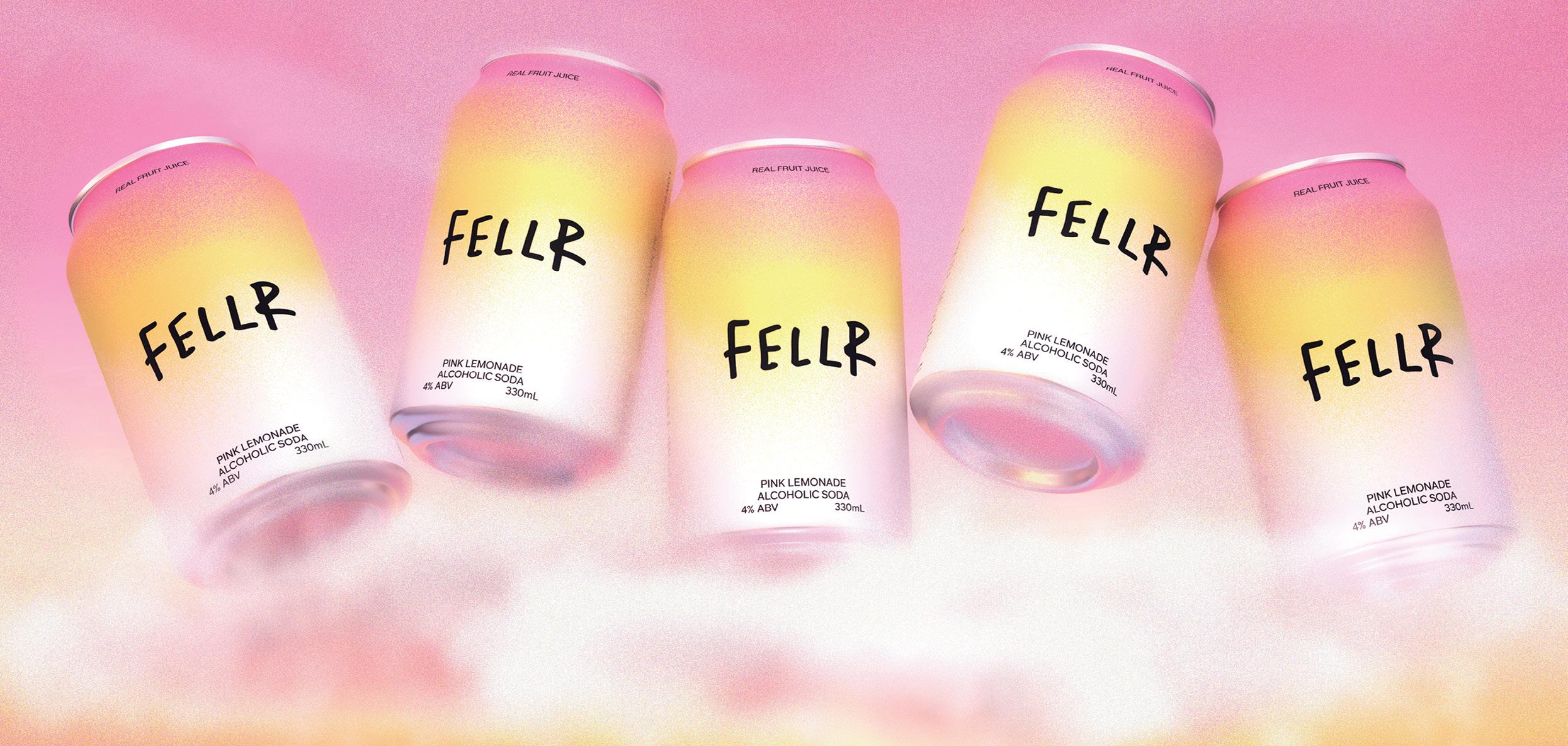
sessionable ABVs, and liquids that overdeliver on taste without compromise. That approach has helped FELLR become one of the most awarded, flavour-led RTDs in Australia, with strong repeat purchase and deep brand loyalty.
“From the start we put the quality of the liquid first, building a brand that reflects the tastes and lifestyle of modern Australian consumers. We’ve always believed that no matter how strong the branding or price, if the liquid doesn’t deliver, consumers won’t come back,” he explained.
As the market has matured, Morgan said portfolio expansion has been guided by consumer insight rather than trend chasing.
“Shoppers respond to real fruit, which signals natural, premium, and betterfor-you qualities. We brought that to life with FELLR Pink Lemonade, using real raspberry and lemon juice to deliver a fullflavoured RTD that still fits our low-sugar, sessionable credentials.”
Skora added: “The response from shoppers so far has been exceptional, reinforcing the strong demand for flavourforward RTDs that are better-for-you.”
Meeting expectations, setting new standards
Strengthening FELLR’s foundation offpremise, building on the previous year’s wins across the market and supporting retailers in-store will all be major priorities for the brand in 2026.
Morgan said FELLR will focus on consolidating and expanding its national presence, and ensuring innovation continues to balance shopper expectations and brand authenticity.
“We’ll keep building on the strong momentum of our core four per cent alcoholic soda range, while supporting innovation in vodka that resonates with consumers. Across RTDs and bottled spirits, we’re testing how different occasions and retail environments respond to new
In 2025 FELLR launched its first bottled spirit, a Watermelon Vodka, unlocking new drinking occasions and growth avenues.
Both founders have backgrounds in spirits, which Skora said allowed for a natural extension that aligned with the brand’s portfolio.
“We noticed most brands take their spirits and move them into RTDs – we decided to flip that. Watermelon Vodka offers a slightly different drinking occasion: more considered purchases for later evenings or higher-energy moments, complementing our on-the-go RTDs for beaches, picnics, and daytime occasions, rather than cannibalising them.”
Looking ahead, Skora said plans to expand FELLR’s bottled spirits range are already in motion.
“Early results have been strong. There’s a lot more to come as we expand onpremise programs, continue our NPD pipeline, and prepare to launch our custom proprietary FELLR bottle, which we’re excited to bring to market at the start of FY27.
“We’re still at the very start of our spirits journey, and our priority is to get our base products right and into our new bottle. That will include an Australian Vodka, but for year one we’ll keep the range focused and manageable.”
products and formats. This approach will help us innovate thoughtfully, keeping the brand aligned with consumer preferences while expanding naturally for FELLR.”
He continued: “Full flavour and real fruit will remain a core focus. Consumers have told us that they’re willing to invest in products that are low sugar, natural ingredients and real fruit, but they’re not
prepared to compromise on taste. That’s why all our innovations will remain flavourfirst, aiming to deliver on our better-for-you positioning, without sacrificing enjoyment. As we continue to build the brand further into vodka, we have a bunch of NPD just around the corner which we’re excited to share as we continue to expand the FELLR brand.” ■

With a focus on merchandising, format and NPD, Fever-Tree will continue its focus on accessibility and visibility in the off-premise market.
Fever-Tree’s Head of Strategy ANZ Alanna Gibson says in 2025 the premium mixer brand saw strong performance and set new standards for excellence in the off-premise.
“We have held the top position of the mixers category in national liquor (double our category share vs. grocery). We made significant headway in independent liquor in 2025, growing 20 per cent unit sales driven by the roll-out of our ‘Perfect Store Program’ getting the right range, right price and right place at scale,” she said.
Gibson explained that visibility is the top sales driver for mixers in the liquor retail channel with Fever-Tree focused on highlighting convenience and accessibility in-store.
“Predominantly purchased on impulse, the continued challenge for mixers is that less than five per cent of volume is purchased from liquor retail. With all spirits sold in the channel and 75 per cent of spirits consumed mixed, we see huge opportunity to unlock serve-based retailing to drive sales of both spirits and mixers together.
“Mixers are essential for driving longterm growth of the liquor retail channel as it enables retailers and suppliers to activate serves like selling the Paloma by co-merchandising Tequila and Fever-Tree Pink Grapefruit Soda.”
Format diversity and the popularity of the spritz were growth drivers of Fever- Tree’s non-core range of flavoured
November 2025 marked a major milestone as Fever-Tree entered the RTD market in collaboration with Australian gin producer Papa Salt.
“We’ve had an incredible response to our Papa Salt and Fever-Tree Blood Orange Spritz RTD. We started with a soft launch in 2025 and sold through 70 per cent of our stock in the first four weeks. In 2026, we are working with Papa Salt to determine how we can hard launch this range at scale. In parallel to our Spritz RTD launch, we will continue to drive the Spritz-style using our flavoured sodas as a base to pair with spirits to unlock delicious Spritz serves.”
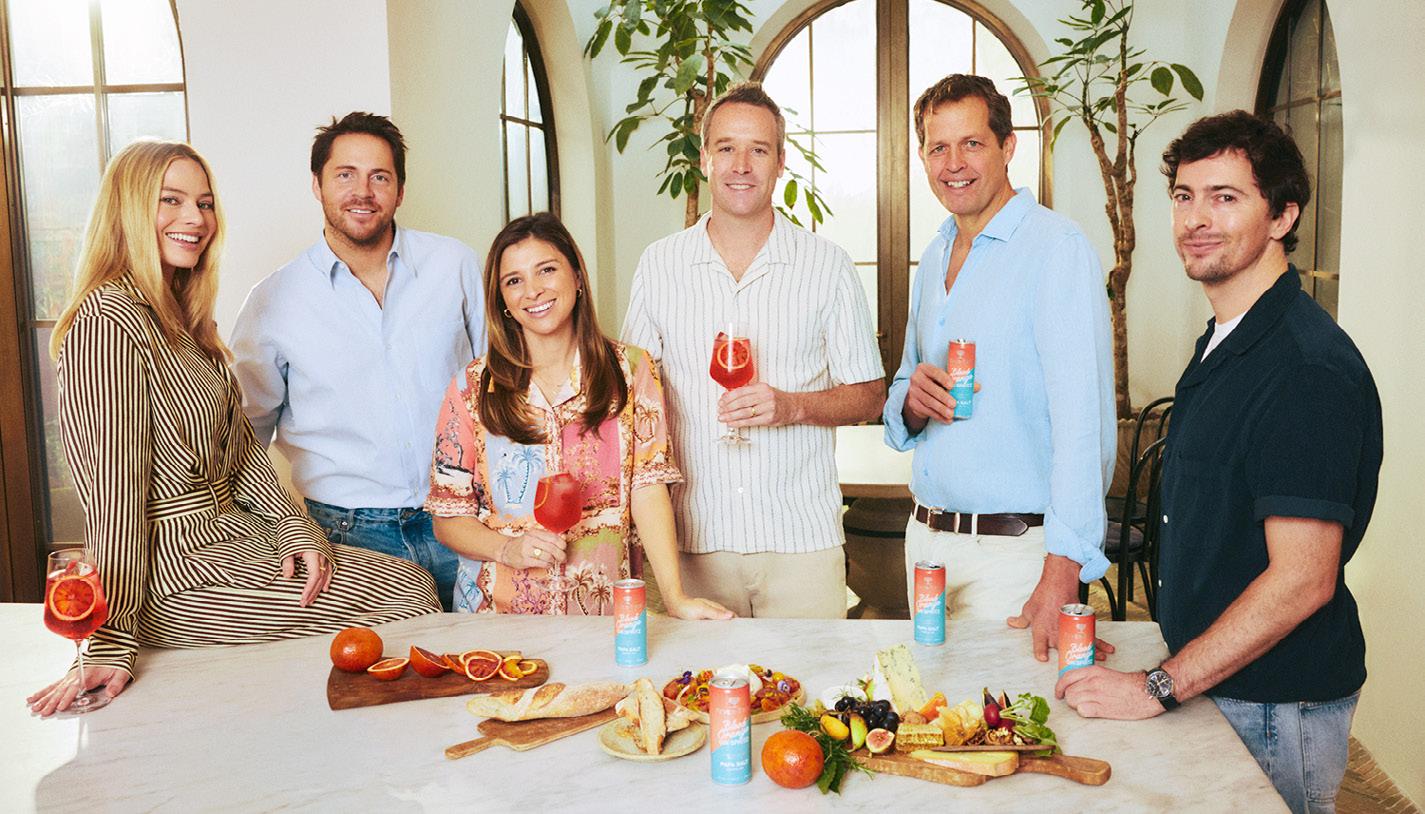

sodas and ginger beer in 2025.
“The 250ml slimline can format has been driving the growth of these flavours as they are highly versatile, unlocking spritzstyle serves and soft consumption. These products are well positioned to harness consumer trends such as moderation and seeking longer, lighter serves, and will be a core part of our portfolio moving into 2026.”
In the off-premise, Gibson said 2026 is about excellence in execution to help liquor retailers strengthen their mixer ranges.
“We know from several case studies that when spirits and mixers are colocated together it helps drive growth of both categories.”
She emphasised that operational streamlining and driving premiumisation through occasion in both the alcoholic and non-alcoholic categories remains crucial.
“From an operational perspective, we are continuing to transition our production to Australia and by H2 2026, over three quarters of our volume will be locally produced. Our positioning is evolving as we target mixed and soft consumption during adult drinking occasions, as moderation increases demand for soft/non-alcoholic serves.”
Gibson added: “We are excited for our major product launch in 2026, Lemon Lime Bitters, which puts Fever-Tree’s premium stamp on one of Australia’s most iconic drinks. We believe this NPD will be a real game changer in the industry.” ■
With a market-leading portfolio and expanding national presence, Good Drinks Australia is focused on relevance, value and execution in retail.
Given soft market conditions, Good Drinks Australia (GDA) finished 2025 strong, delivering eight per cent growth in both volume and value despite the beer category slowing.
“This made us one of the fastest growing beer manufacturers and the fastest craft beer manufacturer across both metrics among the top seven manufacturers for the latest MAT – a result we’re incredibly proud of,” says Mick McKeown, GM Sales & Marketing.
“Overall, 2025 showed what GDA can achieve with strong brands, great partnerships and a clear focus. We head into the year ahead with real momentum and optimism.”
Reaching more than 10 million litres of Gage Roads beer sold in a single year was a major milestone for the brewery, while GDA added fresh energy to its portfolio with the launch of Huey Coastal Lager, Mr Matsumoto Japanese Lager and Matso’s Vodka Pash Pine Crush.
Reflecting on Gage Roads’ milestone,
McKeown says: “Single Fin continues to lead the way as our flagship beer and Australia’s favourite summer ale, providing a strong foundation for the rest of the portfolio.
Behind that is a team that has remained focused, resilient and committed.
“At GDA, we have a saying – don’t die wondering – and that entrepreneurial spirit has been a guiding principle, driving innovation ahead of the curve, standout marketing campaigns, and non-traditional execution across both on- and offpremise channels.”
“The Good Drinks Australia portfolio delivered solid performance across the offpremise last year, with growth driven by strong core brands, effective innovation, and successful pack-format expansion,” McKeown tells National Liquor News
Gage Roads remains a standout performer, delivering 11 per cent growth in both value and volume nationally, underpinned by continued strength in its home market and
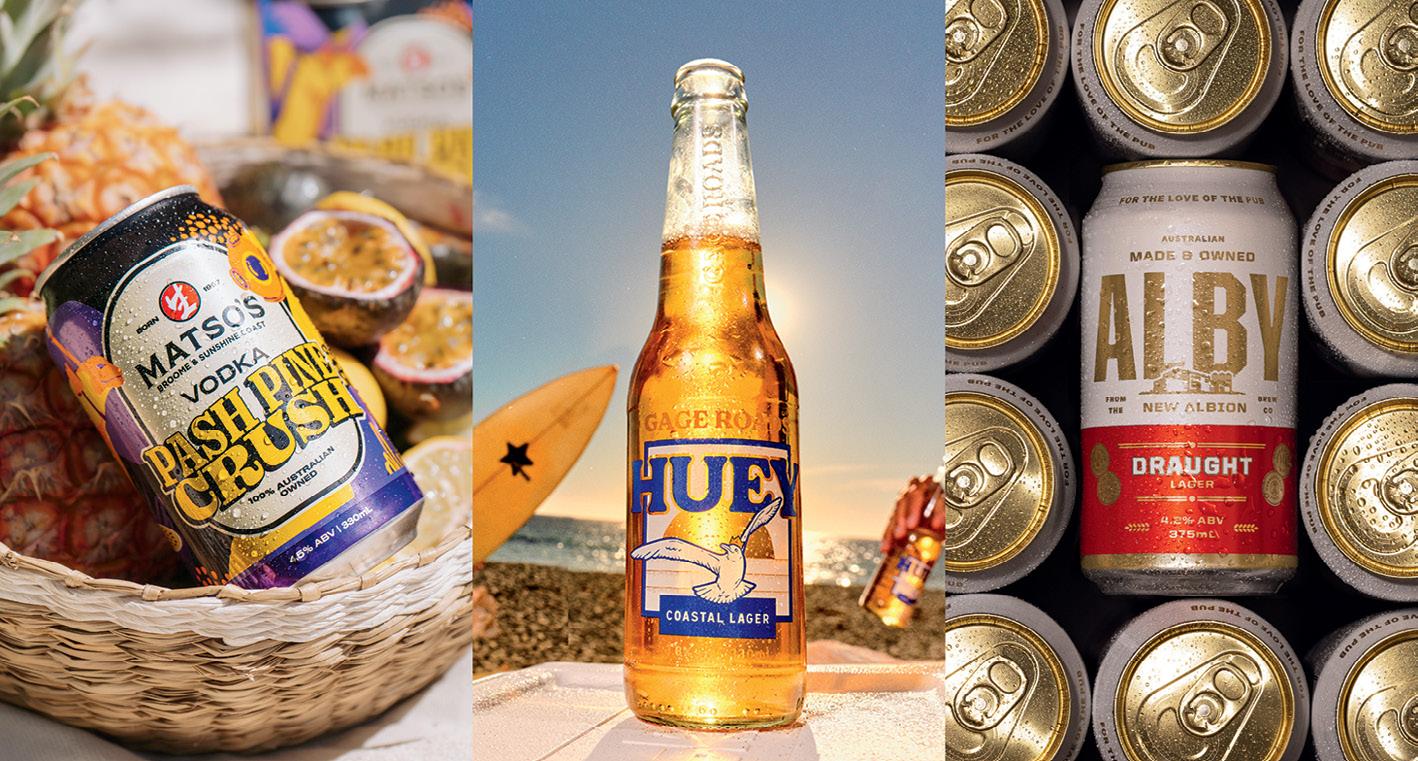
accelerating momentum on the East Coast (+24 per cent MAT growth).
Innovation played a key role in Gage Roads’ success last year, with the launch of New Huey Coastal Lager, Single Fin 30-blocks and the extension of Side Track into 10-packs in WA. Likewise, new flavour innovation saw Matso’s deliver incredible growth.
Another strong contributor to the portfolio is Alby, which delivered 13 per cent value growth and 23 per cent volume growth. Meanwhile, Coors experienced eight per cent growth in 2025.
“Overall, the portfolio is performing well, with Gage Roads, Alby, and Matso’s seeing the greatest success in the offpremise through a combination of brand strength, innovation, and pack strategy,” McKeown added.
In 2026, the immediate focus for GDA is working with retail partners to deliver strong joint business plans and drive focused innovation that adds value to the category and satisfies evolving consumer demands.
“With the cost of living a growing issue, our focus will turn to pack formats to cater for different occasions and to provide affordable occasion specific formats that are a little easier to the back pocket,” McKeown added.
“At GDA, we often say, ‘let’s not just work somewhere – let’s build something’. Making that vision a reality wouldn’t be possible without the incredible support of our customers and consumers. A heartfelt thank you to our retail partners, store owners, and retail teams across Australia – we simply couldn’t have achieved what we did this year without your continued support.” ■
With a new business model focused on Australia and New Zealand, Lion is positioned to respond to changing consumer behaviours and maintain relevance in a changing market.
After a milestone year, Lion closed 2025 with a new leadership team and a new business structure focused on Australia and New Zealand, with Anubha Sahasrabuddhe steering the business into its next phase of growth as CEO and ensuring it becomes more dynamic and market-focused than ever before.
“Throughout 2025, even before the announcement of our new structure, we were committed to building on our incredible heritage spanning more than 180 years,” says Sahasrabuddhe.
“We’re continuing to ensure everything we do is focused on meeting the needs of our consumers, while creating a culture of performance and belonging that drives value for our customers. Our ambition is to be world class in everything we do – and our customers, suppliers, and other partners can expect to see that excellence we aim for amplified with Lion’s new structure.”
In 2025, Lion accepted a record eight awards at the Australian Liquor Industry Awards (ALIA), including the major award for Best Off-Premise Supplier. Sahasrabuddhe describes this success as a reflection of the transformation that is shaping the future of the business.
“We’ve reshaped the business and unlocked investment which has been redirected into our brands, delivering great results for our off-premise customers. We saw strong growth across multiple beer brands like Hahn, Stone & Wood, and KIRIN Ichiban, as well as in the ready-to-drink category with KIRIN Hyoketsu and James Squire, and in gin with Four Pillars.
“Through our customer partnerships, we’ve embraced our role in driving category growth and ensuring the long-term health of our industry through innovation and collaboration.”
While Lion’s spirit and RTD offerings continue to drive growth, beer remains the foundation of the portfolio, supported by ongoing innovation aligned with changing consumer preferences. Hahn in particular is resonating with consumers, enjoying double-digit growth in almost every state and becoming one of the top performing brands.
“We’ve backed the potential of the brand with strong investment, but the taste profile is doing some heavy lifting too, offering lower carb, easy-drinking options for every preference: full-strength,

Anubha Sahasrabuddhe Chief Executive Officer Lion
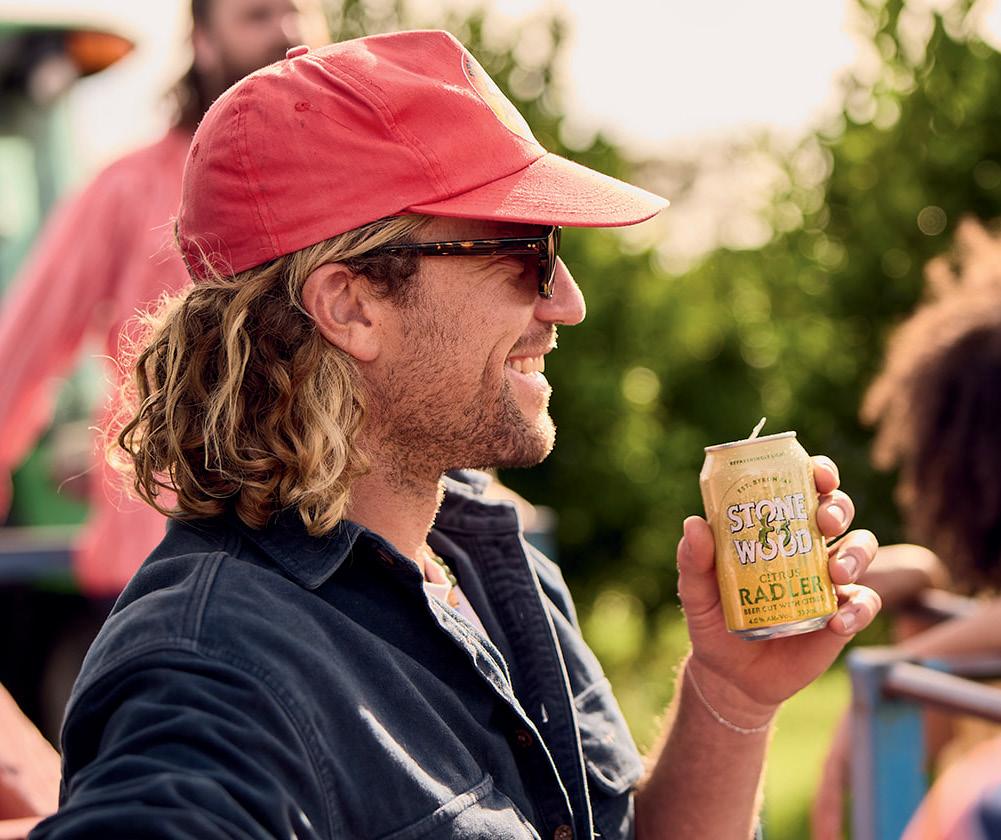
mid-strength, zero carb or gluten free,” says Sahasrabuddhe.
A consumer obsession underpins Lion’s innovation pipeline, ensuring the portfolio continues to deliver for changing consumer preferences with launches like XXXX Ginger Beer, a mid-strength alternative in the ginger beer category; and Stone & Wood Citrus Radler, which introduces beer to new audiences and occasions.
“In 2026, we’ll keep that momentum going, working closely with our retail partners to nail the fundamentals, strengthening our foundation and uncovering new opportunities to grow together. We’ll continue to leverage our expanding portfolio and innovation pipeline, optimise promotional programs, and deliver a wide range of choices for every occasion and every consumer,” says Sahasrabuddhe.
“Consumers want the same great taste and refreshment of their favourite drinks, but they want it with less carbs, less alcohol, less calories, and less sugar. We’re committed to offering satisfying solutions for these consumers. Leading the way is the ultra-low and zero carb beers of our Ultra range, supported by fantastic midstrength, lower carb and lower sugar alternatives across our beer and RTD portfolio. Keeping our RTD flavour range fresh and exciting will also be a priority in 2026.
“The challenge that we’re excited to keep tackling in 2026 is ensuring these offerings deliver real value for consumers as their needs and life stages evolve,” Sahasrabuddhe concluded. ■
With a fresh brand identity and product focus, Manly Spirits Distilling Co is set to scale its renewed momentum into 2026.
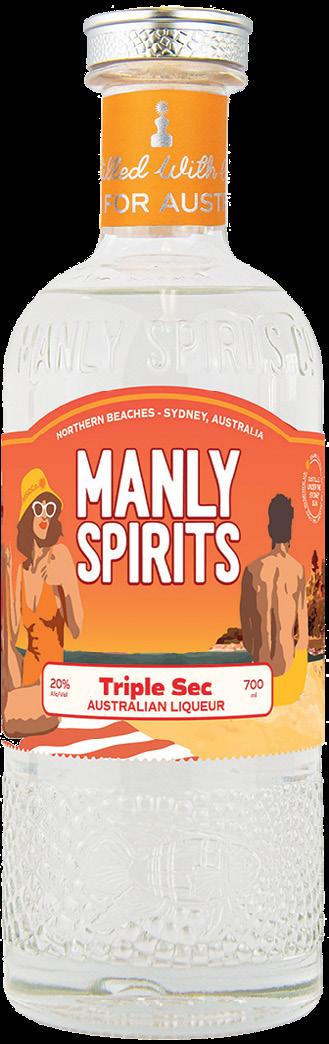
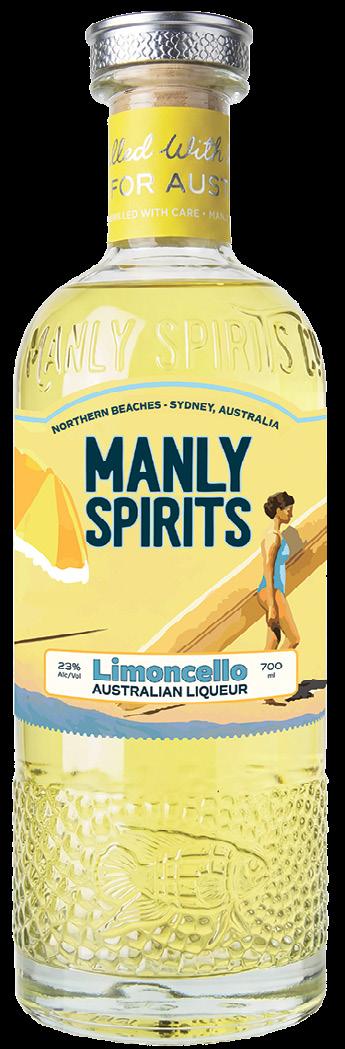
This year Manly Spirits celebrated its 10th anniversary. Reflecting on the journey, Ballesty said: “While the current team has only been here for a small chapter, the founders set an incredible foundation in creating a local alternative to the global megabrands without compromising on flavour or price.
“Everything from the distillery, the ingredients to the brand world was intentional. Our job now is to honour that legacy and propel it forward. The heart of Manly Spirits has always been about giving Australians something of their own, something world-class, and never forgetting where it came from.”
For Manly Spirits Distilling Co., 2025 was a year marked by evolution and innovation as the brand celebrated its 10th anniversary.
Managing Director Adam Ballesty explained the priority was to redefine the brand as a versatile, premium offering in the off-premise market.
“We’ve spent the last year re-establishing Manly Spirits as a core part of the Australian shelf across multiple categories. That remains our obsession. We wake up every day wanting to create liquids that compete with the world’s best, and that mindset drives our innovation, rigour and partnerships.
“We’ve stepped up from being known as a ‘craft distillery’ to being a genuinely sophisticated commercial partner in the off-premise. We brought in people with bigleague experience and that has changed the way we show up. We now have real category insight, can solve customer and shopper challenges, and talk about a portfolio – not just gin.”
While many remember Manly Spirits for its gin focus, Ballesty said as the category’s growth slowed the team embraced the opportunity to pivot, without compromising on quality.
“The challenge for any fast-growing indie brand is share of space and attention. But we also get to move quickly in places global giants simply don’t. Being heavily indexed to gin at a time when the wave slowed meant we needed to rethink.
“Higher ABVs and higher price points meant losing relevance with some shoppers, so we made a shift. It took discipline and

patience, but it’s absolutely paying off. Our customers backed us through the change, and in many ways led it. Today we’re equally strong in vodka, liqueurs and whisky.”
In 2025, the Manly Spirits Limoncello was a standout. Served as a classic digestif or a sessionable spritz, the product doubled its sales in 12 months. While Triple Sec has become the brand’s fastest-selling SKU in the off-premise channel.
In the year ahead, Ballesty plans to further focus the brand’s range of spirits and RTDs, alongside potential new product development in no/low alcohol spirits.
“Consumers want real brands with real flavour. That’s always been true. When we launch a product like Triple Sec, it’s not to chase a summer fad; it’s to build a proper Australian alternative, tuned to Australian tastes. Our distilling team work bloody hard to get it right – and you can taste that,” said Ballesty.
Additionally, the distillery will continue to scale on the momentum of its renewed brand identity that finds balance between product and storytelling.
“Moving away from product-first storytelling and leaning into that iconic coastal lifestyle that Manly and the Northern Beaches are known for gives us real shelf standout, and retailers have been hungry for something with this energy and uniqueness. The challenges however remain the same: staying focused, staying relevant, and staying fast. ■







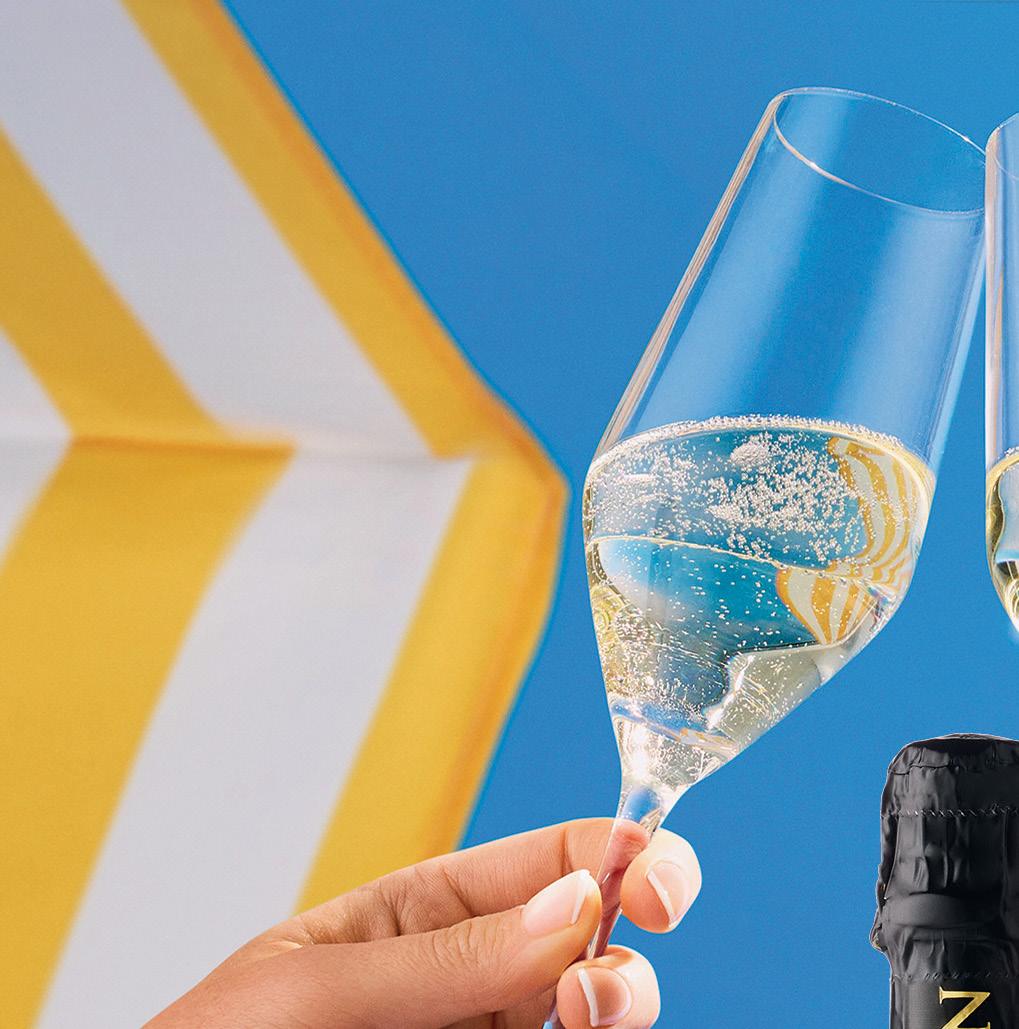












Pernod Ricard is set to deliver on quality, innovation, partnerships and insights to promote sustainable growth of its premium products off-premise.
Strategic evolution and operational change defined 2025 according to Kevin Mapson, Managing Director of Pernod Ricard Pacific whose highlight for the company was its resilience and commitment to customers.
“We worked hard to keep an external focus, ensuring our partners continued to receive the service and support they expect. We delivered on that promise despite the level of change. We maintained strong customer relationships and high standards, and that commitment has been recognised through six supplier awards this financial year,” he said.
Mapson added that the company’s strong off-premise performance in both volume and retail sales value was led by key spirit brands including Absolut and The Glenlivet.
“Our focus on smaller, more convenient pack formats has supported accessibility and incremental occasions. Jameson also had a standout year. Its two-year partnership with Collingwood Football Club accelerated brand and cultural awareness. Malibu also grew significantly, led by the strength of Piña Coladas and boosted by the launch of Malibu Pineapple RTD.”
With the goal of doubling the size of the global business in the next decade, 2026 will see the continuation of Pernod Ricard’s first global business strategy.
Mapson said this focuses on beating the market where it matters, executing at scale,
With a renewed emphasis on spirits, RTDs and Champagne, Mapson said Pernod Ricard’s priority is to help customers unlock premium category growth through partnership.
“We’ll do this by combining global insights with local market intelligence and building occasion-led strategies that make premium relevant and accessible. That means prioritising premium brands for high-value occasions, accelerating RTD innovation to capture convenience trends, and working closely with customers on tailored trade plans that deliver real impact. Our approach is data-driven to ensure resources align with growth priorities, while remaining flexible in how we invest so customers can shape strategies that meet their consumer demands.”
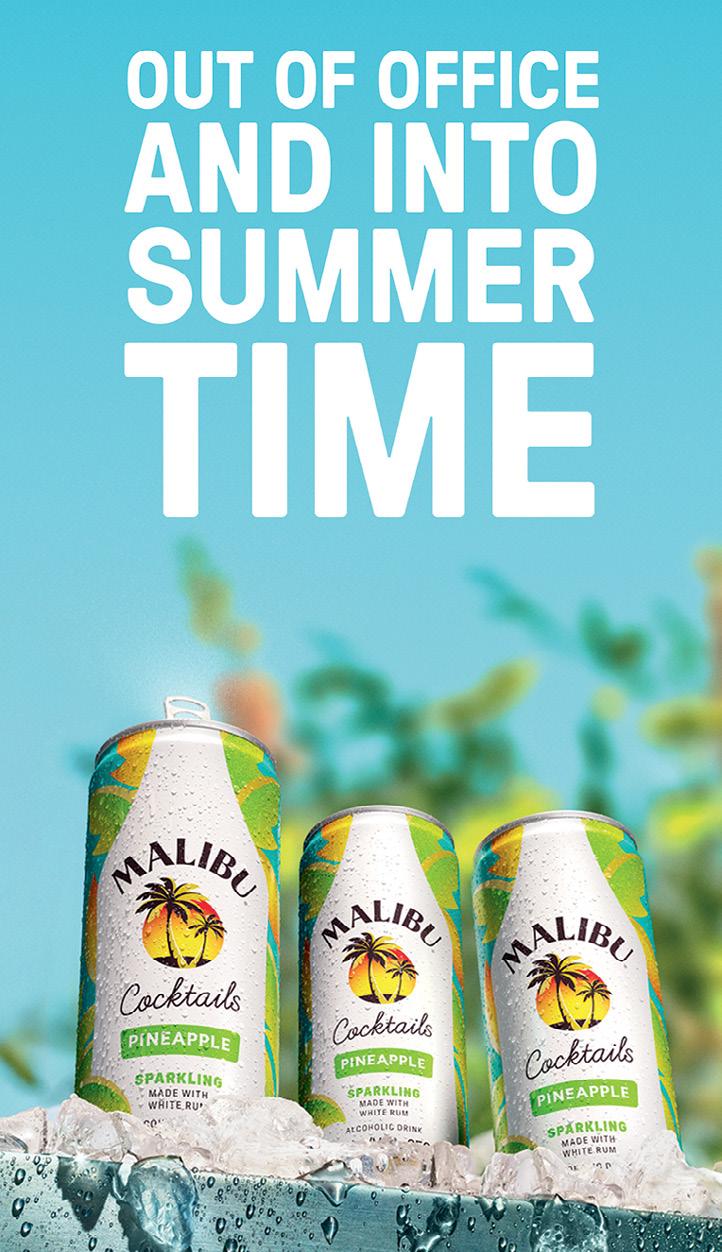
making sharper and sustainable choices, and doing it together as one team.
“Innovation has always been a part of our DNA at Pernod Ricard but for us, it’s not just about launching new products, it’s about thinking creatively to bring consumers something unexpected.
“Over the past nine years, we’ve doubled the size of our Australian business, and we’re on a mission to do it again. RTD is one of the most exciting growth engines. Consumers want convenience, flavour, and trusted brands, and that’s what we’re delivering. Malibu Pineapple has proven the power of iconic brands to recruit new shoppers. In March we’ll take a bold step with the launch of Jameson Ultra Blend. The small-format, high-ABV Dry & Lime serve is premium and refreshing, and will be a game-changer for the dark RTD space.
Pernod Ricard’s ambition to become the preferred house of premium brands and experiences will set new standards in product quality, strategic and retail partnerships in 2026.
“We’re committed to delivering top-quality experiences and elevating consumption standards. Our beverages symbolise quality times, and we continually seek new, impactful moments of sharing,” said Mapson.
He added: “Setting the industry standard for premium isn’t just about occasions, it’s also about how we work. We’re focused on smarter, more collaborative ways of working with each other and our customers, so that together we can deliver value and elevate the category.” ■
After a strong year in 2025, the Clare Valley winery is looking to capitalise on evolving consumer trends.
Following a strong year of commercial and brand momentum, 2025 marked a year of optimism and forward planning for Clare Valley winery Pikes Wines. With Riesling continuing to anchor the portfolio and growing consumer interest in lighter, fresher styles and alternative varietals, the winery is focused on building on its strengths and translating that momentum into sustained growth.
Managing Director Jamie Pike told National Liquor News: “We have achieved some amazing sales outcomes, especially when considering the challenging conditions, resulting in double digit growth for the brand by volume on a rolling 12-month basis.”
The winery also had some great results at the 2025 Clare Valley Wine Show, taking out Best Rosé of Show and Best Dry White other than Riesling for its Luccio range Sangiovese Rosé and Fiano. Pikes’ Luccio Fiano was also awarded the trophy for Best Other Varietal White in Show at the Royal Adelaide Wine Show.
The success of Pikes’ Luccio wine
range was also reflected in its off-premise performance this year, with Pike explaining: “Our range of Luccio wines focusing on southern European varieties like Sangiovese, Fiano and Pinot Grigio are seeing excellent growth in liquor retail.
“Traditionale Riesling also continues to perform well, showing strong growth across many sectors of the retail market,” he added.
Reflective of broader market trends, Pike notes that the winery’s white varietals, light bright reds and rosé wines are all tracking well in liquor retail.
The immediate focus for Pikes Wines in 2026 is continuing to drive its distribution footprint, particularly for its Traditionale Riesling and the Luccio range. Working in partnership with its national distribution partner Robert Oatley Fine Wines, the winery hopes to expand its reach with a growing network of liquor retailers across the country.
Sharing his predictions for the year ahead, Pike anticipates that Riesling, Fiano
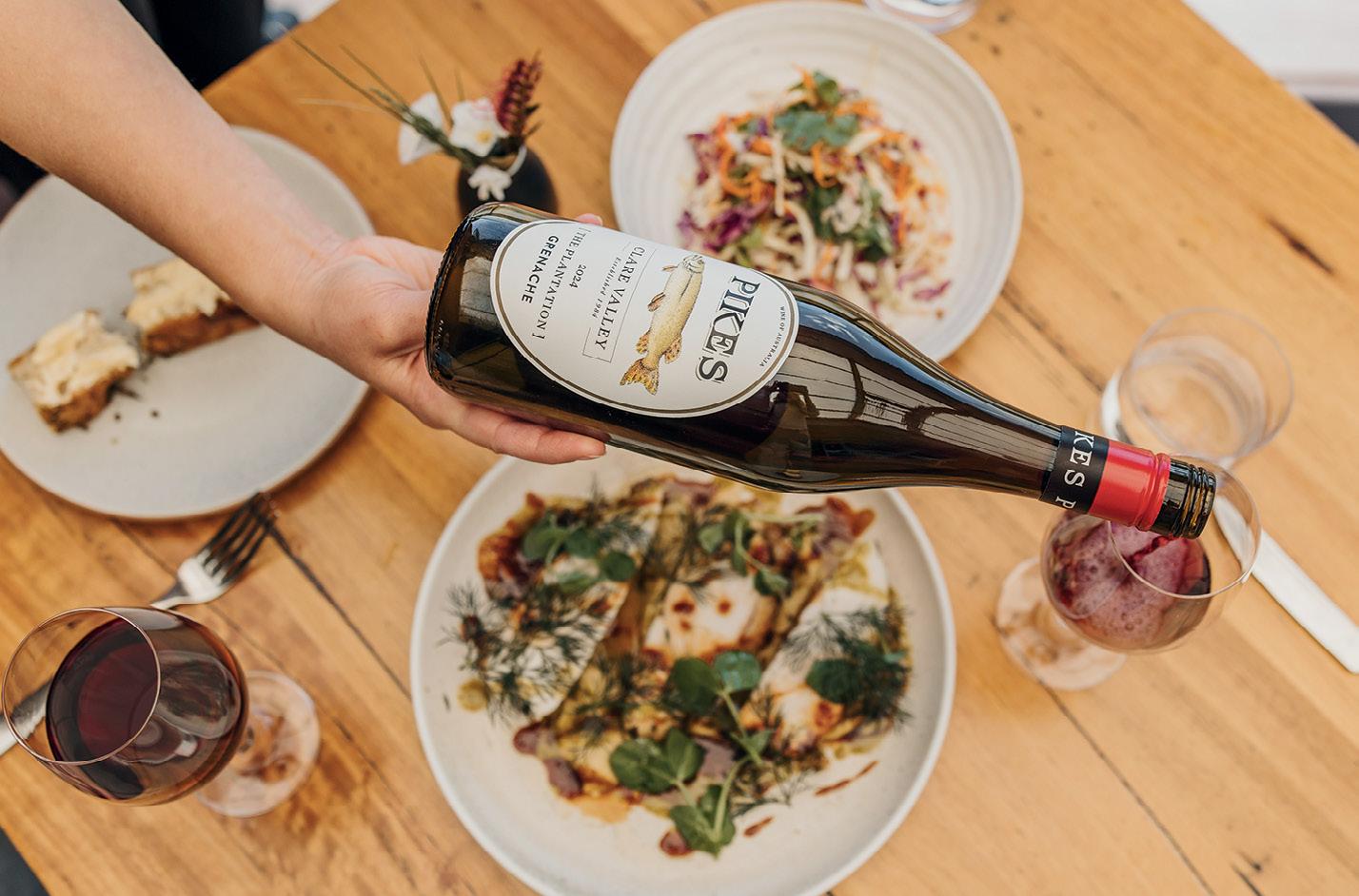
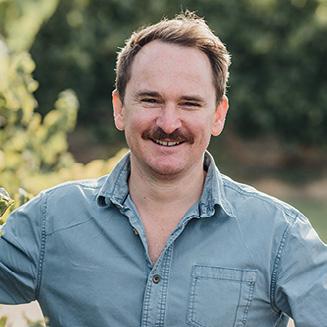
“Our range of Luccio wines focusing on southern European varieties like Sangiovese, Fiano and Pinot Grigio are seeing excellent growth in liquor retail.”
Jamie Pike
and lighter red wines will continue to take market share from larger conventional segments, aligning with increasing demand for lighter and fresher flavour profiles and positioning Pikes’ portfolio for success.
While moderation continues to shape consumer behaviour, Pike says consumers are drinking better when they do drink, and as a result he expects to see the $25+ price category show good growth in 2026. As economic challenges persist, when consumers do spend that little bit extra, Pike believes they do so with brands that they know and trust.
Above all, he highlights just how important it is that winemakers seek to recruit Millennial and Gen Z consumers to the wine category, who are typically less familiar with wine-specific regions and varietals and wine terminology.
“Brands that manage to ‘crack the code’ of engagement with younger consumer categories will perform well across all demographics, but not necessarily the other way around,” Pike concluded. ■
Proof Drinks delivers growth opportunities for premium spirits, targeting consumers’ lifestyle needs and demand for authenticity.
As consumer habits continued to evolve in 2025, Managing Director of Proof Drinks Drew Doty said the year unlocked opportunities for disciplined growth and strategic portfolio consolidation.
“Our focus on premiumisation, brand education, and category diversification positioned us well to meet shifting expectations,” Doty said.
Doty was proud of how the company embraced the growth of mid-strength and low-alcohol spirits, adapting its portfolio to ensure retailers can offer premium, moderation-friendly options.
“The moderation movement is no longer a niche trend – it’s a structural shift in consumer behaviour. We plan to continue expanding in this space with products that deliver full flavour experiences at lower ABVs. The key is ensuring that these offerings don’t feel like compromises; consumers want balance, not sacrifice.
“We’ll continue to partner with producers who share our quality-first philosophy and introduce products that meet the needs of mindful drinkers without diluting the craft and character that define our portfolio,” he said.
In general, Doty noted that brands offering versatility, clear identity and social media-friendly serves performed well across the portfolio.
“Consumers continued to gravitate toward brands with authenticity, craftsmanship, and clear provenance –attributes that many of our partners embody. Tequila remained a standout, driven by interest in agave spirits and the shift toward higher quality sipping options. We also saw
Doty recommends retailers build a range that reflects customers’ needs, global discovery and local authenticity.
“A strong selection balances well known international brands with emerging craft producers, ensuring shoppers can find both the familiar and the unexpected. Understanding which categories are growing, which shopper missions are driving traffic, and where premiumisation is occurring helps retailers curate more effectively.
“Spirits are increasingly purchased based on identity, provenance, and lifestyle alignment. Invest in clear shelf communication, staff education, and visually engaging displays to elevate the shopper experience and encourage trade up.”
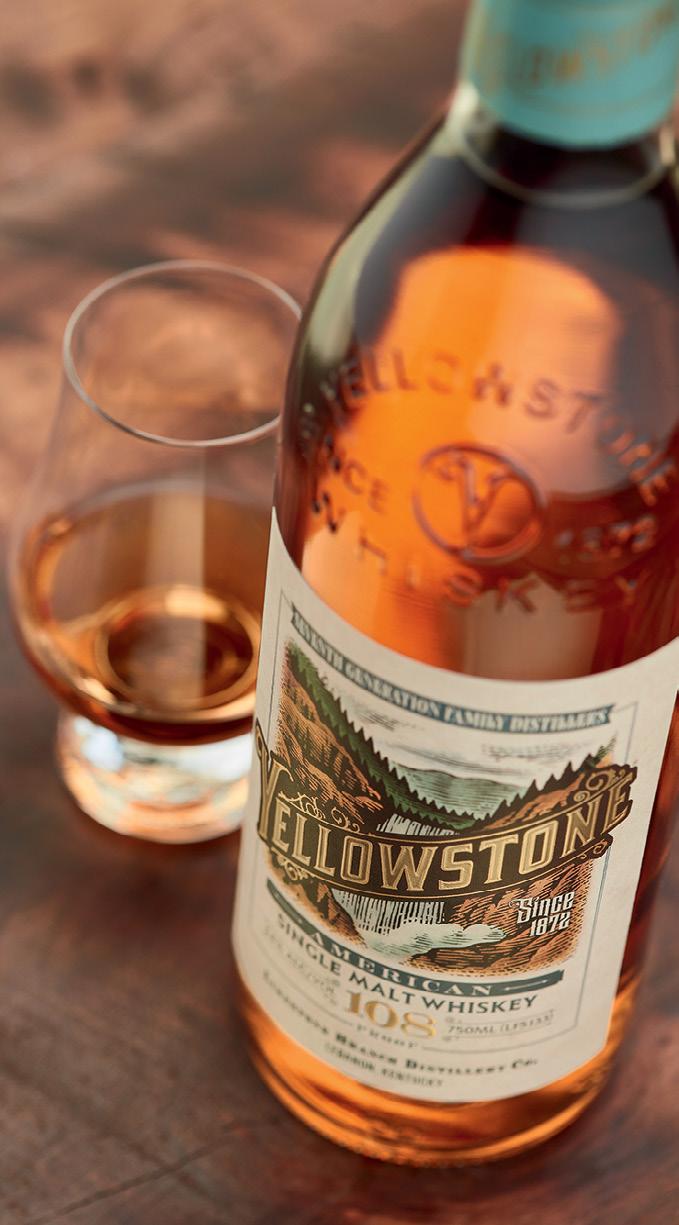

meaningful growth in our modern liqueurs and aperitivo offerings.”
A clear vision for 2026
Proof Drinks’ immediate focus this year is strengthening its core premium spirit categories while accelerating sustainable growth in emerging segments.
“We’ll continue to refine our portfolio to ensure we’re representing brands with long-term potential, not short-term hype. We see significant opportunity in brands that deliver authenticity, sustainability, and elevated drinking experiences,” said Doty.
He added: “We also anticipate strong growth in the home mixology space, where consumers are seeking bar-quality serves without complexity. This creates opportunities for versatile spirits, premium mixers, and education-driven marketing.”
Hands-on support for retail partners remains a priority for Proof Drinks, with plans to deliver integrated, retailer-ready support packages with category insights, brand storytelling, and activations.
“Ultimately, our aim is to make it easier for retailers to drive velocity and margin with brands that genuinely resonate with consumers. We’re investing in scalable POS suites, digital assets, and modular promotional programs that can be tailored to different store formats.
“We’ll also continue strengthening our field execution, including improved merchandising solutions, more robust sampling and education programs, and collaborative planning with retailers to ensure our promotions align with their sales cycles and shopper missions.” ■





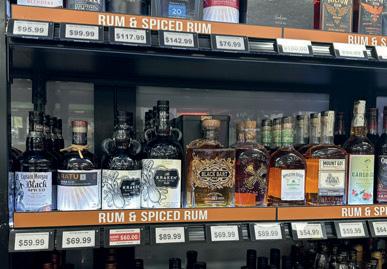






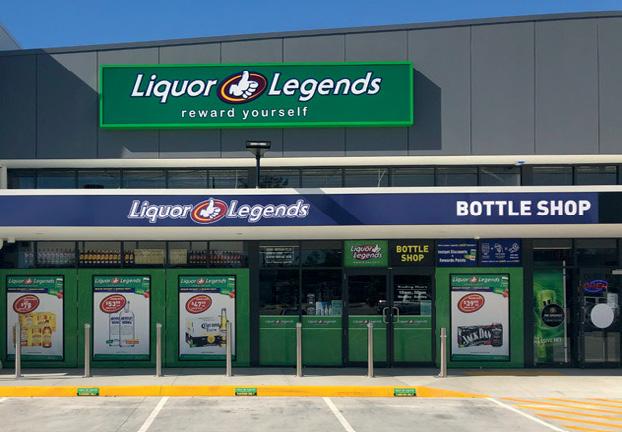


The New Zealand distillery invested in longevity last year, building a $27 million state-of-the-art distillery and bringing its Australian distribution in-house.
For New Zealand’s Scapegrace Distilling Co, 2025 was a year defined by strength building, rather than chasing short-term wins. It was a year for the distillery to back itself and lay foundations for long-term growth, while expanding its footprint in Australia.
Reflecting on the year’s challenges, Cofounder and Managing Director Daniel McLaughlin told National Liquor News: “The global spirits market remains tough, with pressure on margins, shifting consumer behaviour, and a more cautious retail environment. We’ve deliberately leaned into discipline, tightening focus, simplifying where needed, and investing where it really matters.”
While there were challenges to overcome, the biggest achievement for Scapegrace was
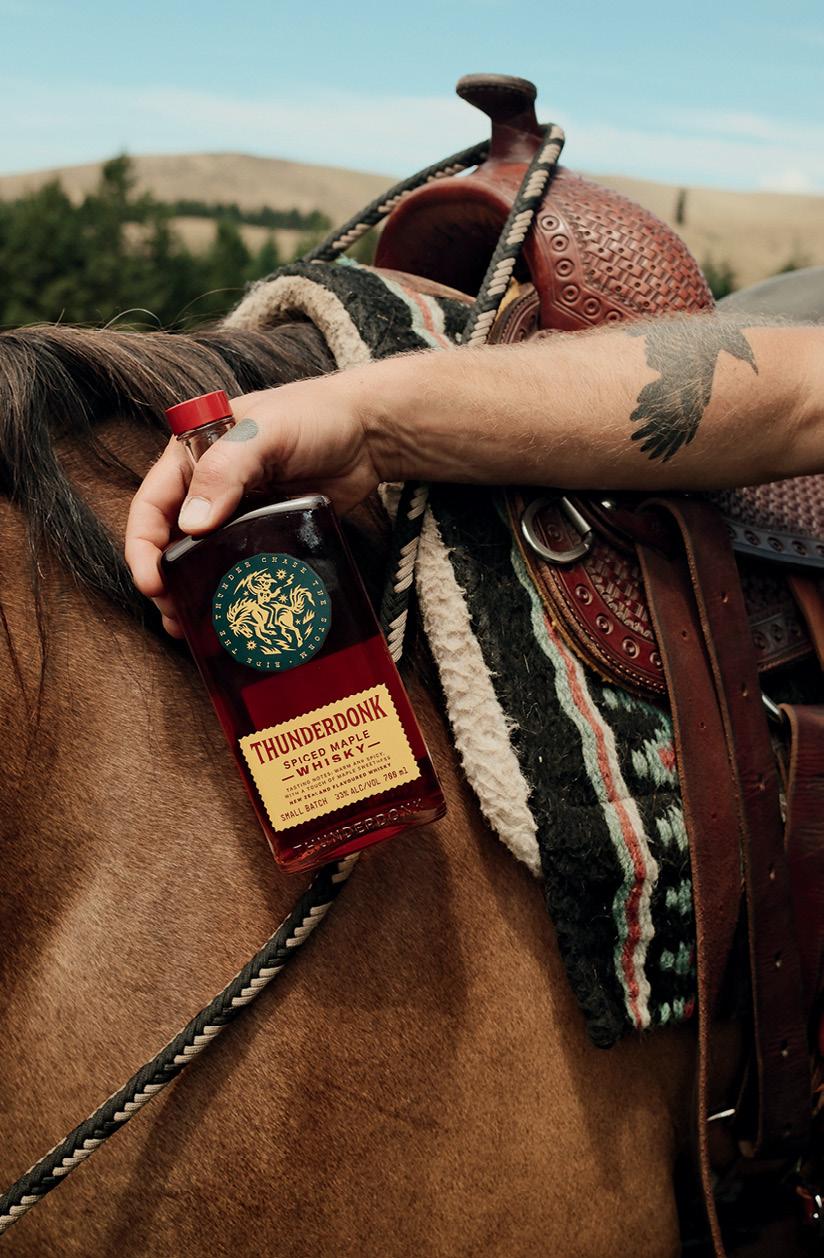
completing and commissioning its new $27 million state-of-the-art distillery – a oncein-a-generation investment designed to set the distillery up for the next 50 to 100 years.
McLaughlin describes the distillery as a physical expression of Scapegrace’s ambition, ensuring the brand can grow globally while staying true to its roots in New Zealand craftmanship.
“It gives us the ability to scale without compromising quality, something that’s non-negotiable for us. From additional still capacity to improved warehousing, maturation, and sustainability features, the distillery was designed to future proof the business,” he stated.
“It also allows us to innovate with confidence, providing more flexibility for new products, long-term whisky maturation, and the ability to support both our own brands at Scapegrace, ThunderDonk and Rogue Society.”
At the same time, the distillery took a decisive step by bringing its Australian distribution in-house and introducing a dedicated sales team. McLaughlin says the move is about long-term commitment, growing sustainably, and partnering properly with the Australian trade.
“Australia is one of the most important markets for Scapegrace globally, and we reached a point where we felt the brand deserved and required deeper local ownership.
“Bringing distribution in-house allows us to be faster, more responsive, and far more connected to retailers and wholesalers. It gives us direct line-of-sight to execution on shelf, ranging decisions, and activation,
which is critical in a competitive market like Australia,” he explained.
With the flavoured whisky category experiencing significant tailwinds, Scapegrace’s immediate focus this year is launching ThunderDonk and ensuring cutthrough in a crowded market. Already, the distillery has secured a national retail partner, and at the same time will expand distribution of its gin and single malt whisky portfolio.
Further, innovation remains central to Scapegrace, McLaughlin explains.
“You’ll see continued momentum in both Scapegrace and ThunderDonk across full strength spirits and RTDs. We’re also excited about expanding our whisky portfolio in Australia, building awareness of New Zealand single malt as a serious global category.
“Across all NPD, the focus is simple. Fewer, better ideas. Products that earn their place on shelf and resonate with modern drinkers rather than chasing trends for the sake of it,” he added.
Looking to Scapegrace’s next phase of growth, McLaughlin says he is already thankful for the support of the Australian trade.
“Scapegrace is committed to being a reliable, long-term partner in Australia. We will continue investing in brands properly, supporting retailers meaningfully, and building categories rather than just SKUs. We’re excited about what’s ahead and look forward to growing together in 2026 and beyond.” ■
Networking &
STORE SIGNAGE
Insight driven category management.
Everyday Value Program

Core range based on your store size (Large, Medium or Small)
EXPERT KNOWLEDGE
Managers with extensive liquor & retail experience
Disruptive marketing support.
National marketing campaigns at key selling periods
‘Always On’ digital advertising
Exclusive activations with big brands
Market leader in loyalty.
Hump Club customers spend 50% more per transaction than regular customers
Unlimited redemptions on member pricing.



With the brand returning to founder-led stewardship, Starward is primed to push the boundaries of what Aussie whisky can be.
Starward Whisky Founder David Vitale says he will look back on 2025 as one of the most pivotal years in the business’s history. It was the year in which the distillery unveiled a bold new pack design across its core range, and launched a new Australian-first spirit, Co-Ferment.
“There’s a popular self-help phrase ‘what got you here won’t get you there’ and I think we realised as a business that we needed to change the way we are doing things if we wanted to fulfil the ambition of the brand,” says Vitale.
While the year was marked by change, one thing remained consistent – Starward’s approach to crafting exceptional whisky. Bestselling wheat and single malt whisky Two-Fold remained Starward’s top performer, increasingly being picked up by the curious whisky explorer, while signature Australian malt whisky Nova continues to be a favourite among enthusiasts.
In an incredibly competitive market, Vitale is insistent that Starward won’t rest on the laurels of awards or price, but continue to explore new horizons.
“We’ve got a compelling proposition that drinkers are excited by – and I’m not just talking about Starward, because I think that when distillers embrace the opportunity to leave behind tradition,
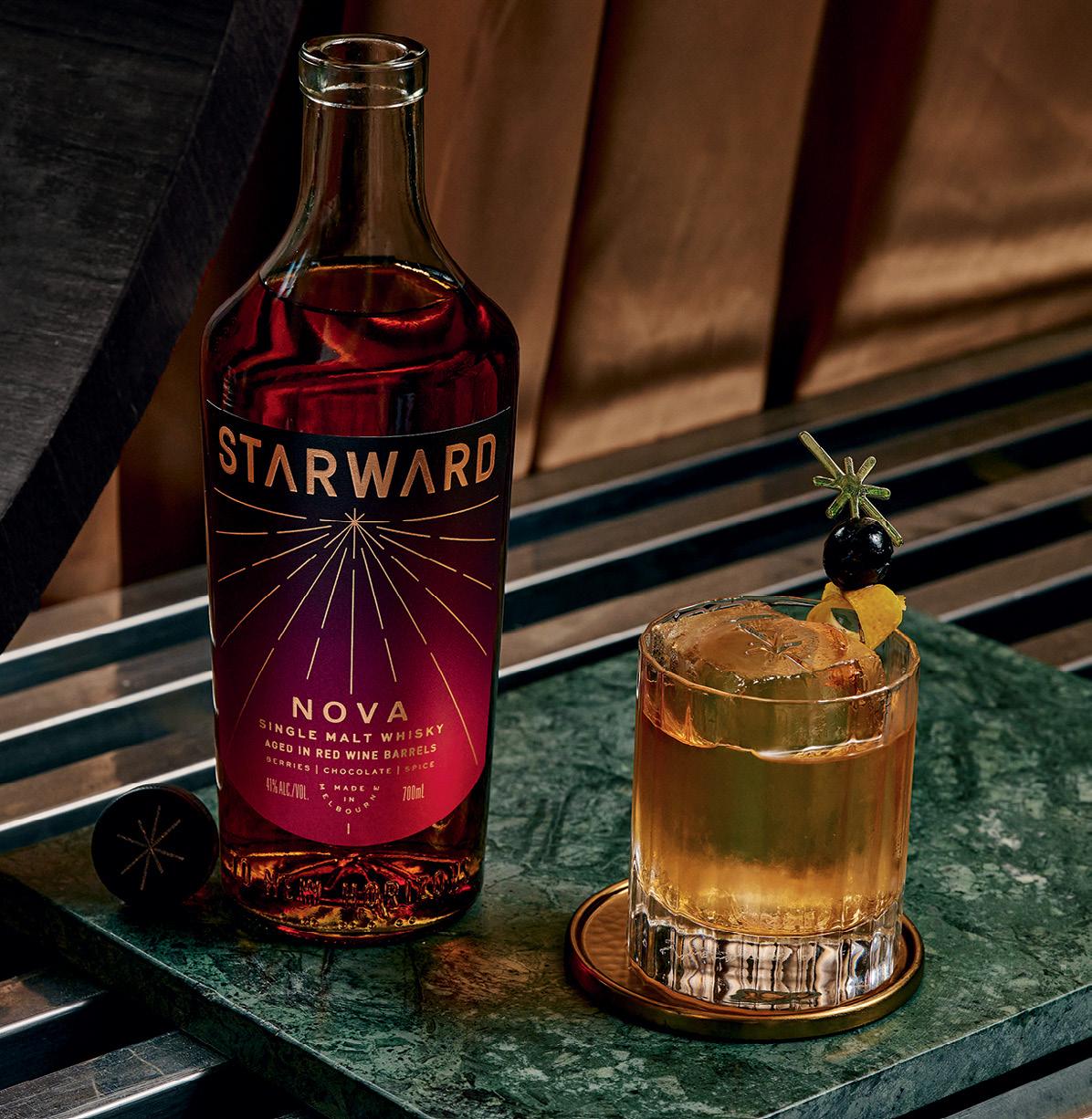

whisky drinkers get really excited by the possibilities of what whisky can be. While we have regulations the define whisky, they don’t get in the way of distillers innovating and that is a unique hallmark of our whiskies.
“We’re blessed to have an amazing portfolio of whiskies that really do something quite singular for whisky drinkers, and I think that gives us the confidence to evolve the business and get it ready for the next 10 years,” he stated.
On a retail level, Vitale believes the Australian whisky category has never been more robust. He says the brand’s direct-to-consumer (DTC) business allows it to gain in-depth market fit and work with retail partners on extended ranging.
“Our off-premise plans are very much anchored in continuing to drive rate of sale of our existing portfolio, ensuring the right products are in the right stores with the tools and programing to support. DTC will remain our playground for innovation as we test and learn before expanded off-premise rollout. More to come,” he told National Liquor News
“After spending five years in the cut-throat US market selling Starward, I don’t take for granted the amazing support we receive from our retail partners as it’s the number one way people discover our brand. We are going to reward your support by making Starward easier to sell, and, if you’re ever in Port Melbourne, please swing by and say hello. I’d love to shout you a drink.”
If 2025 represented change, 2026 is set to be another transformational year for Starward as the brand returns to founder-led stewardship, with Vitale fully acquiring the business.
As he leads the brand into its next chapter – marking the conclusion of Diageo and other shareholder involvement – Vitale says: “It’s been more than ten years since I last led Starward. With considerable work done in that time, this feels like a rare opportunity to scale what we know works, in a category that’s only just getting started. I feel incredibly lucky to be doing that with the best brand, the best people, and the best years still ahead of us.” ■
Since 1938
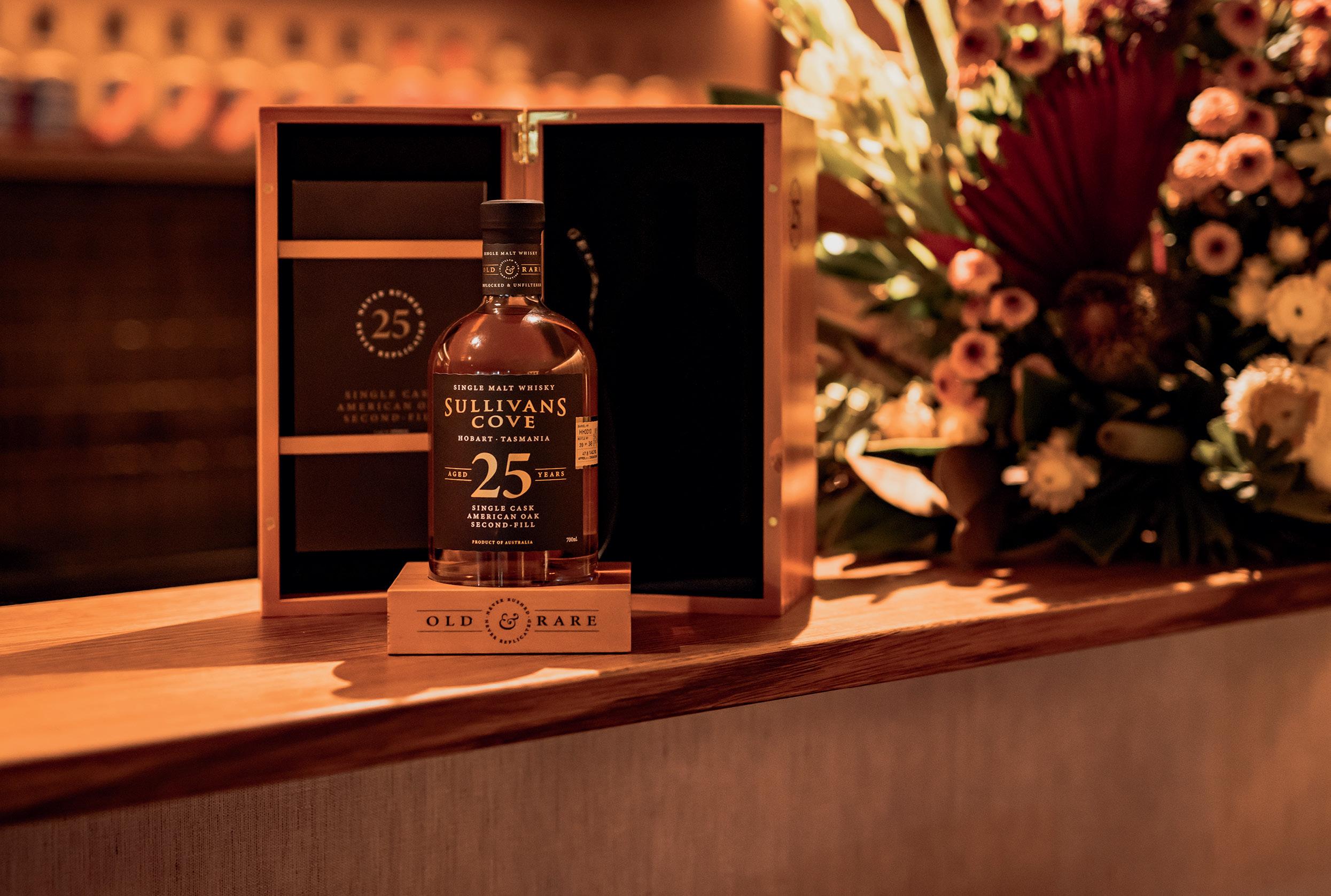
Following a milestone year, Sullivans Cove is aligning supply, strategy and storytelling for sustainable growth.
As Sullivans Cove looks toward its next phase, 2026 shapes as a year of deliberate, strategic building. Fresh from a landmark year of operational milestones and historic releases, the Tasmanian distillery is now focused on translating global reputation into sustainable trade momentum.
For Andy Gaunt, who stepped into the CEO role in April 2025, the past year has been about listening, learning and setting a clear long-term direction. Following a significant upgrade to both distillery operations and the visitor experience, 2025 marked the brand’s first full year operating at a new level of ambition.
“After a significant upgrade to our distillery and visitor experience, 2025 marked our first full year of operations as we set up for future growth and expansion, and the new luxurious distillery visitor experience is fully up and running – it’s a true temple of reverence to single malt whisky,” he said.
The multi-year project represented a major investment in capability and brand
expression, and Gaunt is quick to credit the team behind it.
“This multi-year project was a significant piece of work for the team, and a huge thanks to them all for their dedication, passion and attention to detail.”
Beyond bricks and mortar, the year also delivered a defining moment for Australian whisky on the world stage. The release of two 25-year-old single malt casks marked the oldest whiskies ever released in Australia.
Gaunt said: “These marked another milestone in our distillery and for world whisky, showing the remarkable potential for fully matured whiskies from Tasmania.”
Stepping into the CEO role, Gaunt’s first year has reinforced both the scale of the opportunity and the work still to be done.
“I’ve learnt that the opportunity for Tasmanian whisky is significant, although we’ve got a bit to do to fully communicate what makes our whiskies so different and high quality as well as where they fit into the broader whisky category,” he says.
That opportunity is underpinned by

strong international awareness, built on Sullivans Cove’s 2014 World’s Best Single Malt win.
“The reputation of Sullivans Cove across the world is very strong with high awareness among the whisky trade and whisky enthusiasts,” Gaunt notes, adding that allocation constraints have historically limited the brand’s ability to capitalise. “I’ve also learnt that we’re yet to fully harness that opportunity having been constrained with whisky allocations.”
From constraint to considered allocation
With increased production now flowing through to maturity, that dynamic is beginning to shift. One of Gaunt’s early priorities was establishing a clear 10-year vision, aligning production, sales and marketing around a shared ambition.
“The important job was to put in place a clear vision and strategy for Sullivans Cove for the next 10 years,” he says, outlining that for the first time in a decade, the business
is able to rethink allocation strategy. “We’ve been challenged with a lack of supply compared to demand for the last 10 years, however, with inventory of fully mature whisky increasing, we’ve an opportunity to look at allocations of whisky differently and strategically for the first time in 10 years.”
That shift has clear implications for the trade. While the business remains predominantly direct-to-consumer today, Gaunt signals growing scope to re-engage more meaningfully with retail partners. Central to that is the role of Double Cask, which he describes as the brand’s core expression.
“We’ve seen continued success with Double Cask. For me, this is the heartbeat, the epitome of what we do at Sullivans Cove.
“The balance of rich, indulgent distillery character, and the impact of long, slow maturation in both French oak ex-wine casks and American oak ex Bourbon casks, between seven to 18 years old, delivers one of the most exceptional taste and texture experiences.
“On the other end of the scale, we’ve seen great success with our rare single cask releases, especially the 25-year-old whiskies
Refill casks are emerging as a quiet marker of maturity in Australian whisky. Unlike first-fill barrels, refill casks exert a gentler influence, allowing spirit character, texture and distillery DNA to take centre stage. For Sullivans Cove, releasing refill cask whiskies signals more than innovation – it reflects time, patience and inventory depth that few local producers yet possess. As Australian whisky ages, refill casks offer the trade a powerful storytelling tool and proof that the category is moving beyond youth and experimentation into finesse, balance and long-term credibility on the global stage.
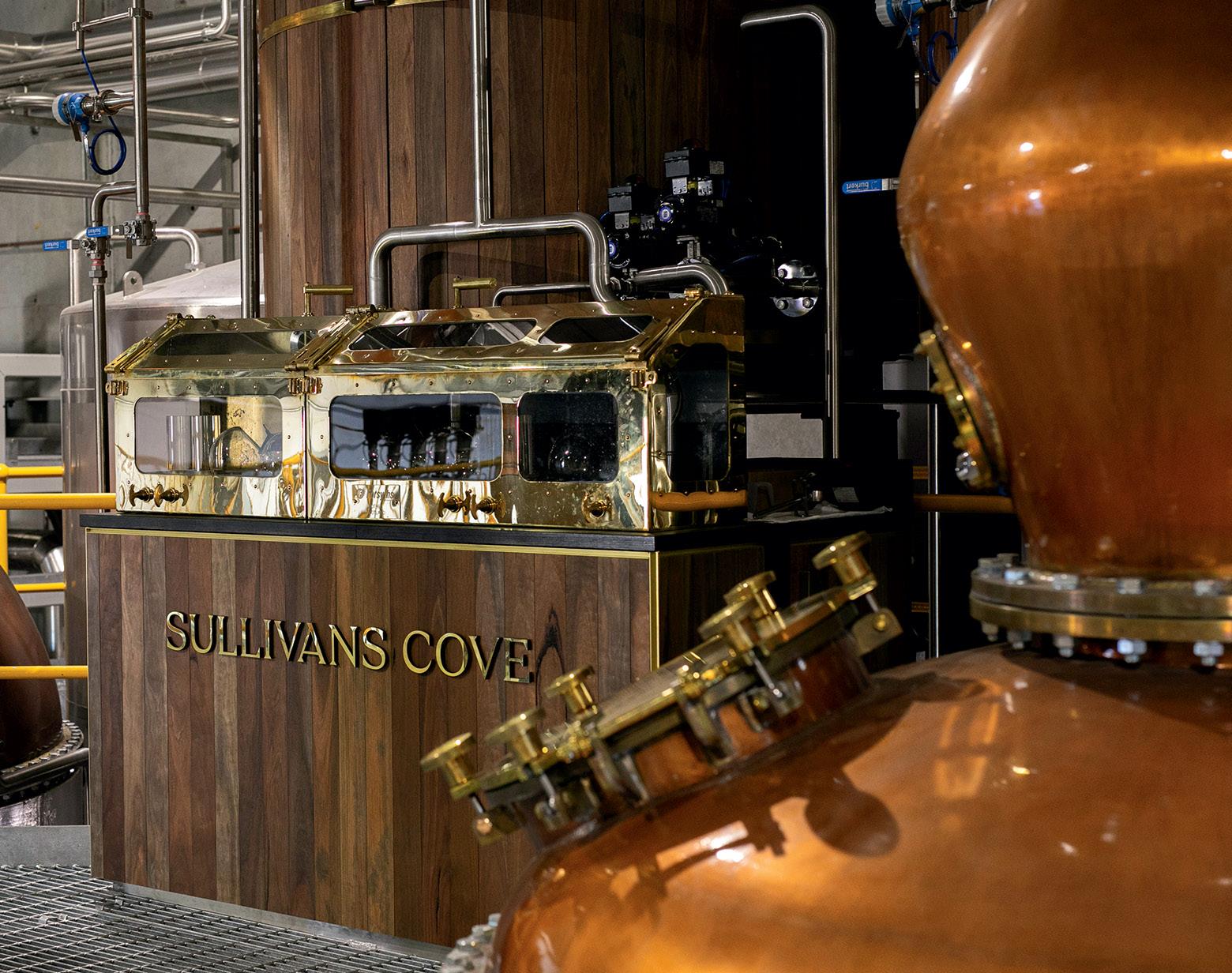
we sold via a well over subscribed ballot,” Gaunt says.
He also highlights the growing importance of refill casks, reflecting the distillery’s age and maturity.
“We’re very fortunate to have been crafting whisky for so long now, that we’re one of the first to be releasing refill casks and seeing the benefits of the finesses and subtlety that these casks give to a fully matured whisky.”
Looking ahead, Gaunt sees a clear growth path for Australian whisky in the off-premise, provided education and merchandising keep pace.
“The opportunity is clear for Australian whisky to grow its market share,” he says. “Education both of our off-premise and onpremise partners as well as for whisky drinkers remains the single biggest opportunity.”
That education extends beyond tastings and training to how the category is presented in-store.
“Looking at how we merchandise the category to make it easier for the large amount of whisky shoppers not currently choosing Australian whiskies to make a more educated choice” will be critical, he adds.
For 2026, storytelling, strategic allocation and ensuring the brand is experienced in the right environments all sit high on the agenda.
“Ensuring our whiskies are being
experienced in the most luxurious and special occasions around the country is a key part of how we share our story,” he says.
Innovation will continue to flow from the distillery, with new expressions emerging from decades of experimentation.
“We’ll be seeing some new and different expressions of our house style in 2026 that we’re very excited about,” Gaunt says, while reinforcing the importance of consistency in the core range.
In a cautious consumer environment, Gaunt expects whisky drinkers to remain discerning, pointing to continued momentum for local and world whiskies that offer authenticity and distinction.
“Consumers are really questioning and seeking to understand the value proposition of their spirits, and how that lines up with their values,” he says.
His message to the trade is clear, that collaboration will determine the category’s future.
“The more support, space and visibility that Tasmanian and Australian whiskies with well managed category solutions in place, the better it will be for the growth opportunities of our industry,” he says. “We make some of the best whisky in the world… but as a small industry by market share measures, we need to work together to grow the category.” ■
Building on the landmark year that brought Suntory Oceania to life, insight-driven innovation and customer partnerships will shape the next wave of growth.
When Suntory Oceania entered the market last year, it became one of the region’s largest multi-beverage players with a portfolio of more than 40 market-leading brands, combining the strengths of Suntory’s RTD, premium spirits, and non-alcoholic businesses to create the fourth-largest beverage group in the region.
Drawing on more than 125 years of Japanese craftsmanship, the business’s distinctive perspective blends tradition with modern innovation, backed by Suntory’s long-held ‘Yatte Minahare’ spirit – the permission to “dream big”.
In 2025, these foundations were strengthened with key leadership appointments and the onboarding of 80 Licensed Field team members in 2025. Now with 1500 employees across the Oceania region, the multi-beverage powerhouse services 10,000 Australian customers, with the reach and agility to execute with excellence in every channel.
Gordon Treanor, Licensed Sales Director – Australia, says the business is now firmly focused on the next phase of growth.
“Last year was about laying down the foundations. The opportunity ahead lies in unlocking the agility, innovation and scale our new business gives us.”
Ensuring differentiation for customers
Suntory Oceania’s founding year was marked by significant RTD innovation, including range extensions for Suntory -196, Canadian Club Lemon Crush and Jim Beam Ginger Beer – three products that ranked in the top five by volume in the September quarter.
Behind the frontline innovation is a deeper shift in how the company is positioning itself to serve the local market.
The opening of its +$400 million carbonneutral Swanbank manufacturing facility in Queensland – the single largest FMCG investment into Australia in the past decade – enables Suntory Oceania to commercialise new ideas at speed.
The site is a critical part of Suntory’s global supply chain, sitting alongside manufacturing sites in Japan, Europe and the US. Together, the network gives the business the capacity to scale global concepts locally and accelerate the rollout of new flavours, formats, and premium experiences tailored for the Australian market.
Treanor says the site offers a strategic advantage.
“It gives us local control, responsiveness, and the ability to bring global ideas to market faster. Swanbank isn’t just a facility – it’s a growth engine for the future.”
Building momentum through innovation and partnerships
With RTD and premium spirits experiencing significant growth, Suntory Oceania will accelerate its focus on innovation and category leadership in the year ahead.
Treanor says: “Opportunities lie in premiumisation and convenience – from

In November, Suntory hosted its global-first RITUALS event, demonstrating to 200 industry leaders how drinking occasions are evolving, where the next demand pockets are emerging, and how partnerships can convert those moments in-store.
new ABV RTD options to premium whisky experiences. We also see strong growth potential in lighter-style drinks that keep flavour front and centre, as consumers seek refreshment without compromising on taste.
“Brand partnerships will add further momentum in 2026. Jim Beam’s new global Formula 1 partnership and ongoing AFL and Rugby League partnerships, alongside Canadian Club’s alignment with The Australian Open Tennis, will bring fresh cultural relevance and high visibility to two powerhouse brands. For retailers, these moments create strong interest and conversion opportunities during peak social and sporting periods.
“As we look ahead, we’re excited to continue working with our trade partners to pioneer new beverage experiences, unlock shared growth opportunities, leverage our east-meets-west portfolio, and create value for the industry.” ■
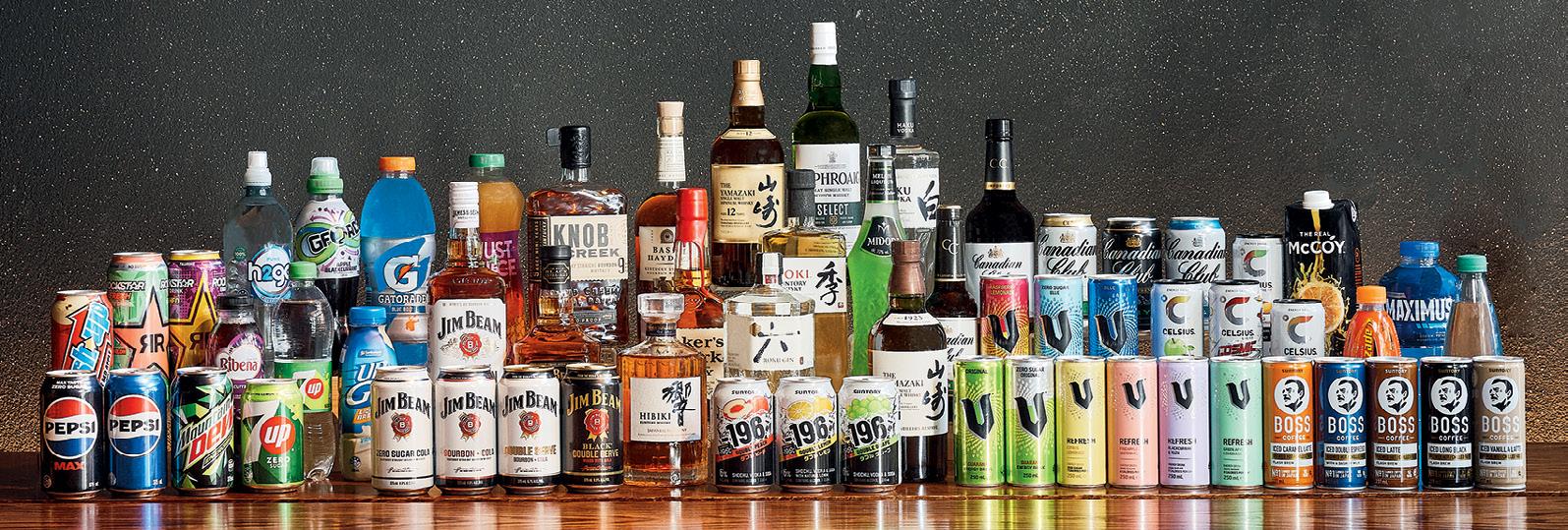
Investment in innovation marked the beginning of Treasury Collective, with its focus in 2026 on market agility and resilience.
In 2025, Treasury Wine Estates (TWE) restructured its premium brands division to form Treasury Collective, supporting its vision to become the world’s most desirable luxury wine company.
Launching in July, the immediate focus was investment in infrastructure and innovation in new product development across its portfolio to support growing market demand for no-and lowalcohol premium wines.
With overall wine consumption continuing to decline, Treasury Collective Managing Director Angus Lilley said 2025 was a reminder that innovation and agility are critical to growth.
“We’ve embraced moderation as a growth opportunity, investing in our priority brands Pepperjack, Squealing Pig, and 19 Crimes to offer lower in alcohol products. The launch of the Sorbet brand brought a fresh, fashion-inspired attitude to the category, while Squealing Pig Spritz ‘Squealini’ expanded with new flavours to meet demand for lighter options. These products reflect our commitment to offering choice without compromise,” he said.
In past the past 12 months, Lilley said these products performed well in the off-premise, as a result of targeted brand campaigns and meeting demand for wines that balance taste and premium experience.
Lilley emphasised that despite changing market dynamics, Treasury Collective’s strategy in 2026 centres on agility through shared insight.
“Our priority is to deepen collaboration with retail partners and leverage insights to drive category growth. Opportunities lie in premiumisation, no- and low- alcohol expansion, and creating distinctive experiences that connect emotionally with consumers. Sustainability will also be a key differentiator as consumers increasingly seek brands with purpose.”
He added: “Partnership is everything. Australian wine has an incredible story to tell with rich heritage, world-class quality, and a future shaped by innovation and sustainability. Treasury Collective looks forward to working closely with our partners to bring that story to life.”

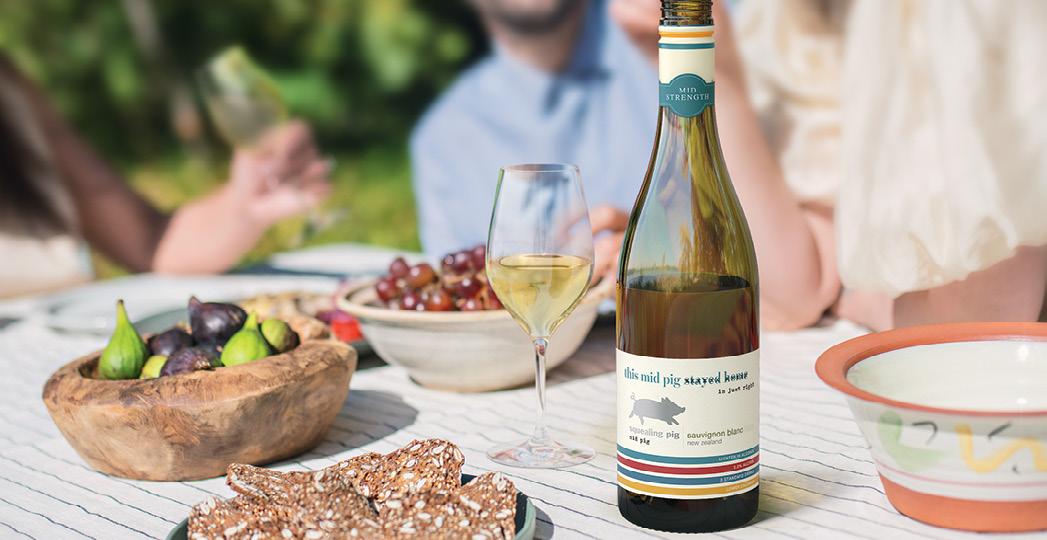
“Shoppers are gravitating toward approachable, refreshing wines that fit modern occasions. Squealing Pig tapped into this trend with its Spritz range, which expanded its flavours to include Ripe Raspberry, Lush Lychee, and Passionfruit and Vanilla – perfect for casual, social moments.”
In 2025 Treasury Collective opened its world-first no- and lowalcohol wine facility in the Barossa Valley, better positioning its priority brands to deliver on quality.
“The facility is a $15 million investment featuring patent-pending technology that preserves flavour and texture while removing alcohol and positions Treasury Collective at the forefront of responsible consumption and category leadership,” said Lilley.
A key goal for Treasury Collective was to target the next generation of wine consumers across global markets.
Lilley said the adoption of AI technology has allowed the company to identify the shift toward convenience and personality and shape the innovation pipeline for Treasury Collective in 2026.
“Our global AI agent powered insights engine turns complexity into clarity by making insights accessible across markets, enabling teams to move from reporting to creative problem-solving. It helps us challenge assumptions in real time and tailor launches to local needs while maintaining a global framework. This capability has already driven success.
“This allows us to shift between markets in seconds, test ideas quickly, and share learnings globally – creating products that feel fresh, relevant, and designed for the next generation.” ■
Vinarchy is committed to driving category growth for the off-premise and being a true partner to retail customers.
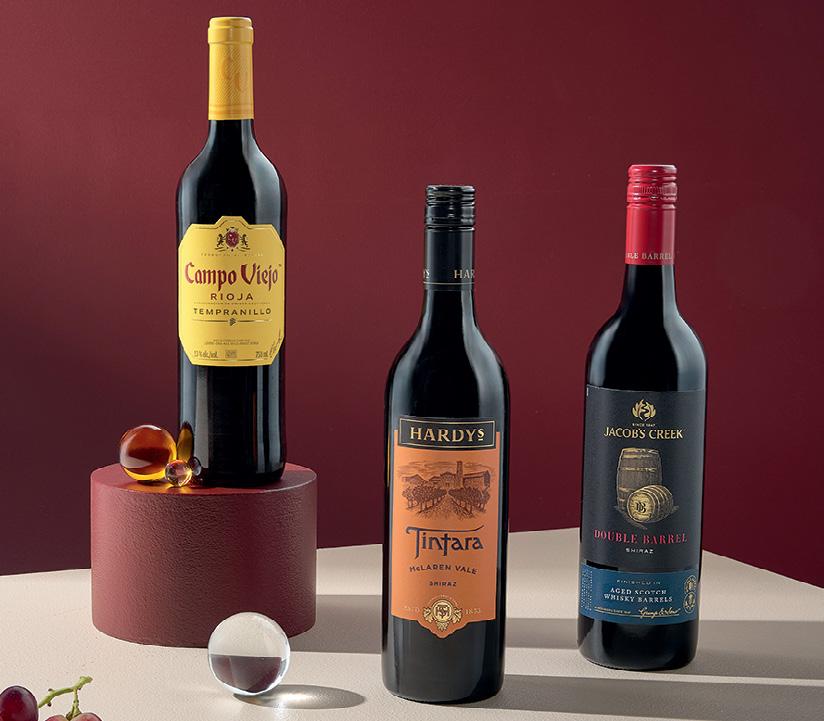
Vinarchy officially launched in May 2025, following the merger of Accolade Wines with the Australia, New Zealand and Spanish wine businesses formerly owned by Pernod Ricard. It was a defining year that brought together almost 2000 people, with operations across 15 countries and an availability footprint in more than 100 countries, uniting two longstanding wine businesses and a truly global portfolio.
Vinarchy CEO Danny Celoni says: “Our immediate focus was on fully integrating the business globally. That means bringing together two great businesses with independent cultures and creating one powerful Vinarchy culture that thrives on positive change, clarity of purpose and shared ambition, for our business and the broader wine industry.”
In June, Vinarchy announced plans to invest significantly in a 12-month transition to strengthen its Australian operational footprint, and by September had assumed full distribution of former Pernod Ricard brands. A key element of the transition was the move to a twin-hub model in South
Australia, a structure that gives Vinarchy the ability to drive volume and scale while being agile, fast and creative.
“For our customers, this investment translates into more reliable stock flow, improved consistency, and a supply chain that can respond faster and more effectively to consumer and customer needs. Ultimately, it enables us to be a better partner to our customers while supporting sustainable growth for the category,” Celoni added.
Bringing growth back into wine Vinarchy’s key brands delivered strong performance in the off-premise last year, reinforcing their relevance with shoppers and their importance to retail partners. Innovation also played a meaningful role in driving momentum, says Celoni, with new launches like Cupio Spicy Rosé, Tatachilla’s Rougie Vie and Lumos by Petaluma targeting evolving consumer tastes and drinking occasions.
“Together, this balance of scale brands, innovation and premium expansion continues to position Vinarchy as a leading driver of growth in the Australian offpremise, and a partner retailers can rely on to win with their shoppers,” he stated.

As Vinarchy moves forward, the focus is on solidifying the foundations that have been built, stabilising the business and setting it up for long-term accelerated growth.
“Our focus is showing up for our retail partners every day through stronger collaboration, deeper partnerships, longterm joint plans, and truly integrated strategies that consistently create value.
“At the same time, we’ll be laser-focused on sharpening our category strategy for wine. We see a real opportunity to bring positivity, confidence, and growth back into the category by building on its incredible heritage while stepping forward as custodians of its future.
“Our scaled production and manufacturing footprint strengthens this approach. In 2026, we’ll continue to integrate these capabilities to support glass-to-grape thinking and deliver meaningful solutions for consumers and retailers, backed by an innovation pipeline that is expansionary, differentiated, and genuinely incremental.
“We’re committed to strengthening our business and working closely with our trade partners to bring excitement, confidence, and growth back into wine in 2026 and beyond,” Celoni concluded. ■
In the coming years, Vinarchy is focused on building global brands with the strength to grow the category. Jacob’s Creek, Hardys and Campo Viejo remain the core brands, and Vinarchy will look to simplify its portfolio by phasing out low-volume, non-core labels that no longer serve the consumer or long-term plans.
Additionally, Vinarchy’s focus will be on driving a pack price architecture agenda that is consumer-focused and enables the right product, the right brand, in the right format, for the right consumer occasion.
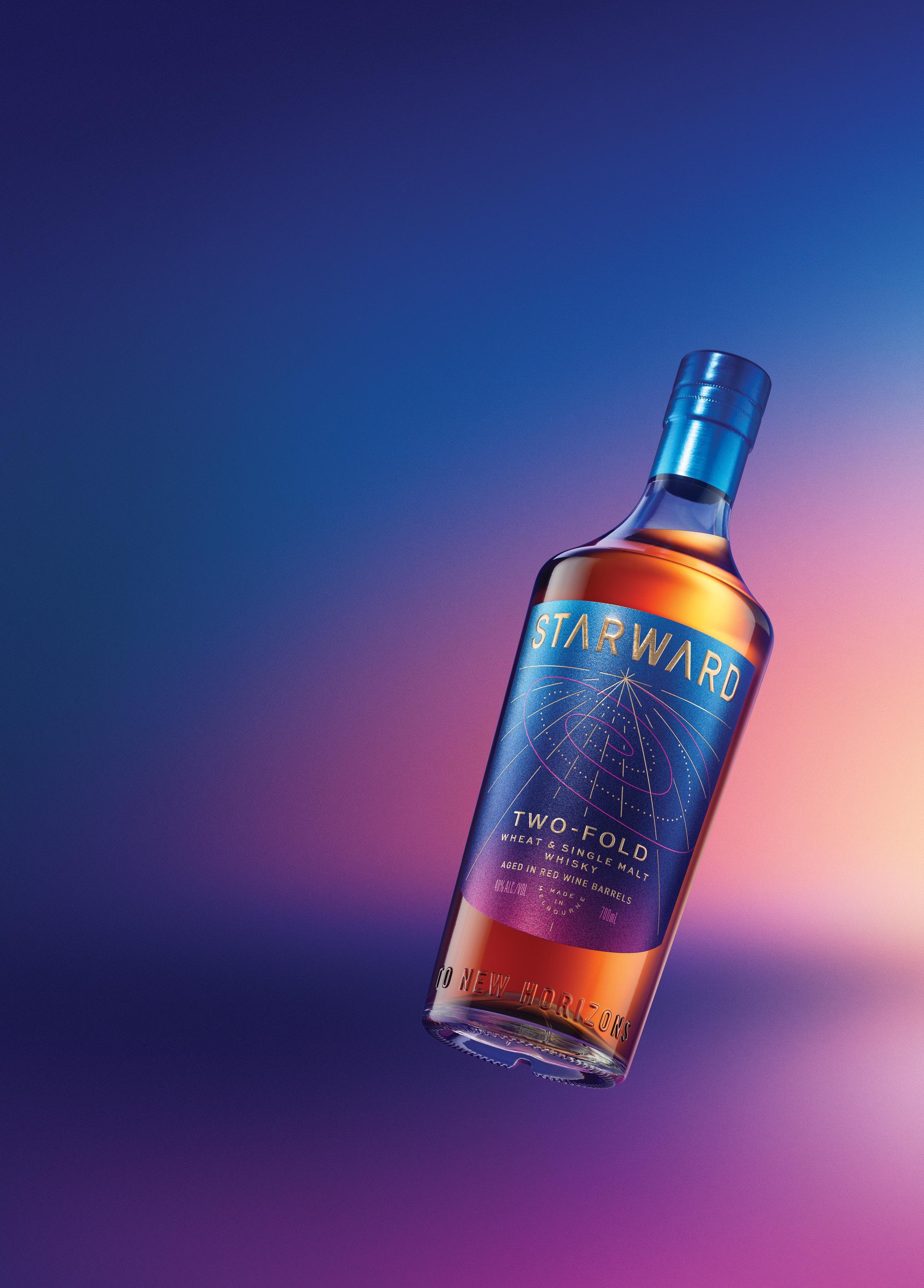
With the vodka category showing continued strength, We Are Tailored aims to make the spirit genuinely versatile again with the launch of FELLOW.
While 2025 wasn’t an easy year to launch and scale brands, We Are Tailored’s biggest achievement of the year was the launch of FELLOW – a complete vodka range designed to challenge the category’s longrunning obsession with neutrality.
Comprising a classic vodka and five expressions built around salty, sweet, sour, savoury and spicy flavours, the range is already stocked in almost more than 800 bottle shops across the country.
Founder Dylan Alexander says: “Vodka has traditionally been built to disappear in the glass. We’ve taken the opposite approach, crafting vodka in a more gin-like way, with flavour and structure at the centre.
“FELLOW Classic has delivered early traction as the dependable anchor, while Saltbush & Olive and Vanilla & Cream have added real depth to the range, pulling in shoppers who want flavour and character and other category drinkers.
“Beyond FELLOW, we also focused on scaling Tailored itself. We grew the team, invested in expanding our internal manufacturing capability to support future volume and consistency, and continued
to build momentum across the broader portfolio; Melbourne Martini, JERRI, Mabel and Little Drippa,” Alexander added.
Unabating competition across spirits and RTD shaped We Are Tailored’s strategy massively last year. Alexander says it’s tempting to chase volume through discounting and one-off SKUs, but the group remained focused on delivering products that are straightforward, credible, and provide the experience consumers expect.
While the challenge with FELLOW was breaking into a category trained to value neutrality and price, a genuine point of difference and tight execution built the product for a sustainable rate of sale, and the same approach was applied across the portfolio.
“With Melbourne Martini, we didn’t try to be everything to everyone, we consolidated behind the products consumers want most and focused on doing them exceptionally well.
“Mabel treated 2025 as a year to sharpen its role in the portfolio, focusing on defining
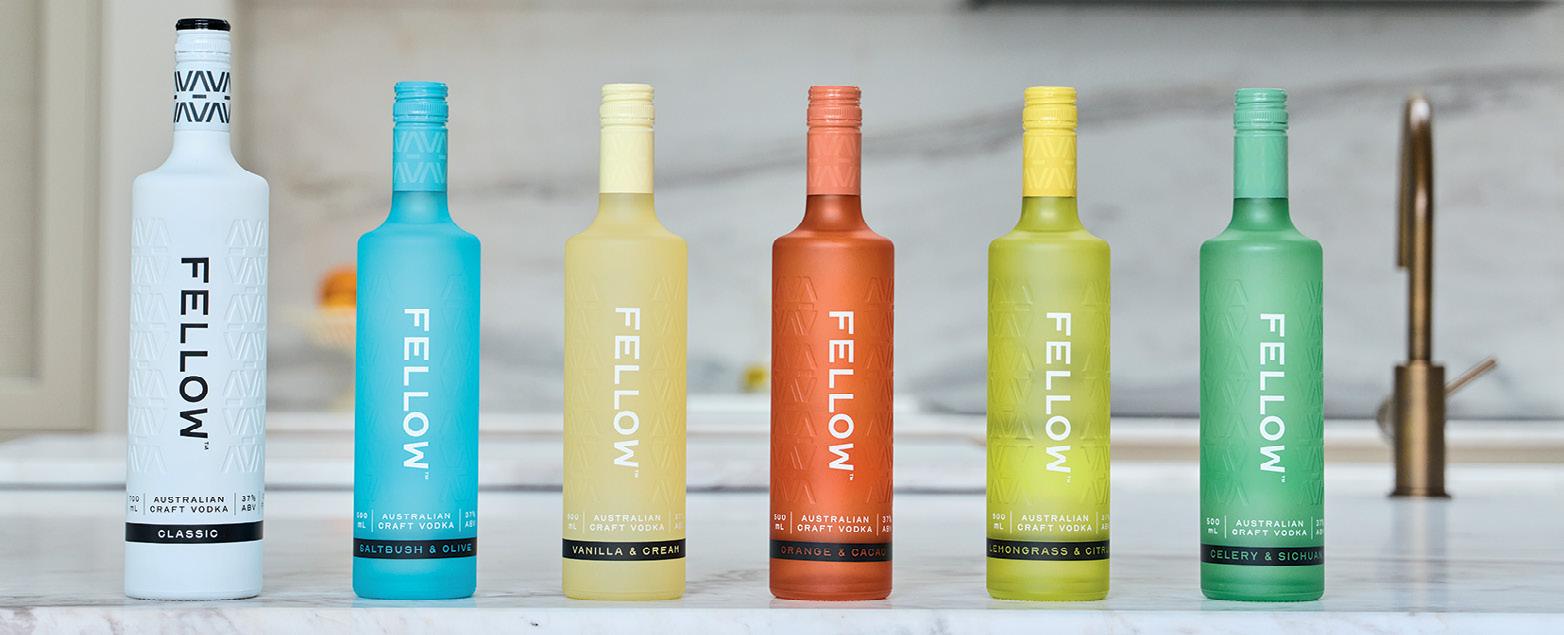

a clear flavour pipeline and identifying where the brand can add genuine value –laying the groundwork for considered new flavour launches and renewed momentum in 2026.
“For JERRI, we expanded the range bringing out JERRI Rum, Pineapple & Coconut and also launched JERRI Slushies for on-premise venues.
“The other key piece was partnership. We worked closely with retail and on-premise partners, listened hard to what was and wasn’t working, and built solutions that were commercially realistic and mutually beneficial,” Alexander continued.
In 2025, We Are Tailored began actively exploring international expansion for its owned brands, with one clear ambition: build FELLOW into a global vodka brand that can stand alongside the established giants by changing what people expect from the category.
In the year ahead, the immediate focus is growing the FELLOW Vodka range, including the rollout of additional flavour expressions, and prepare for the planned launch of the FELLOW RTD range.
“The opportunity lies in leveraging the growing equity of FELLOW into adjacent formats, while ensuring any RTD launch is true to the brand, flavour-forward, and commercially sustainable. The challenge will be entering a highly competitive RTD category, which is why our approach will be measured, differentiated and consumer-led,” Alexander concluded. ■
Thought leaders from industry associations, data organisations and researchers reflect on the most influential trends, market patterns and consumer behaviours of 2025, while looking to the year ahead – sharing the latest insights and revealing their key predictions for 2026.
ABAC Independent Chair Hon Tony Smith highlights the improvements made to the regulatory system in 2025, the issues dominating complaints, and priorities for 2026.
The opportunity for the Alcohol Beverages Advertising Code Scheme (ABAC) in 2025 was to continue strengthening its position as the centrepiece of alcohol and alcohol-alternative marketing regulation in Australia. This meant delivering meaningful improvements to the regulatory system and maintaining its independent complaint resolution system.
ABAC Independent Chair Hon Tony Smith stated: “Building on the 2024 independent review by Directors Australia that confirmed ABAC as self-regulatory best practice, we implemented significant refinements throughout 2025. These included recruiting a panelist with extensive youth market research expertise, streamlining our rules and procedures, and enhancing our determination format for greater clarity and consistency.
“The rapid adoption of Generative AI across marketing prompted us to develop comprehensive guidance for maintaining responsible practices with this emerging technology, which was integrated into our annually reviewed Digital Best Practice Guide in 2025.”
The ABAC provides a level playing field for responsible businesses by responding to community complaints, offering extensive freelyavailable education resources, and encouraging proactive industry compliance through its pre-vetting service – which received more than 2,700 requests throughout 2025 and recorded the highest demand in ABAC’s history in November 2025.
“There is an almost negligible risk of Code breach when clearance is sought through pre-vetting. This service remains one of the most effective tools available to marketers committed to responsible practice,” Smith stated.
Digital marketing – particularly Instagram posts to brand accounts – continues to dominate ABAC’s complaints, determinations and breaches. In 2025, the organisation commissioned compliance monitoring of alcohol and alcohol-alternative social media accounts to ensure age restriction controls are in place.
“The social media age restriction audit completed by JWS Research revealed encouraging progress among ABAC signatories, though there remains work to do across the broader industry. This simple five-minute step – activating age restrictions on Instagram, Facebook and YouTube accounts – demonstrates commitment

to marketing alcohol exclusively to adults,” says Smith.
“In 2025 ABAC was granted priority flagger status with Google and established an avenue to report non-compliance to Meta. ABAC will continue to work closely with both industry and social media platforms to raise compliance levels.”
During 2025, ABAC complaints, determinations and breaches of the Code showed a slight decrease – though still higher than prepandemic numbers – with 196 complaints received, which will result in 103 determinations. At the time of this report, 48 complaints were upheld as breaching Code standards, while 45 were dismissed.
“Common issues in 2025 were marketing showing excessive or irresponsible alcohol consumption, having strong appeal to minors and directly implying alcohol use with unsafe activities like swimming,” Smith explains.
“Following increased complaints around alcohol and water safety, we released our Alcohol and Water Safety Compliance Guide in July. The results speak for themselves – fewer subsequent breaches of this provision.
“In 2026, we’ll release independent research commissioned on community perceptions of alcohol marketing and ABAC panel decisions. These insights will guide our regulatory priorities and ensure our Code remains fit for purpose in an evolving marketing landscape.” ■
In 2025, ABAC welcomed Mark Anthony Brands Australia and Parallel 37 Pty Ltd as new direct signatories. Smith encourages other companies to consider making the same commitment to responsible marketing in the year ahead.

https://theshout.com.au/national-liquor-news/subscribe
Norrelle Goldring asks, is agentic commerce the next big thing you need to invest in, or a niche sideshow?
Several years ago, pre-ChatGPT, we were collectively told that voice commerce (ordering things via Alexa, Siri, Google etc) was going to be the next big retail channel. But in the end, social media commerce completely eclipsed it. Voice commerce is yet to really take off.
So, as agentic AI commerce emerges, it’s worth a clear-eyed look at its uses, benefits and risks to determine whether you pay to join the parade, or merely wave at the floats as they go by.
A quick explainer before we kick off: Agentic commerce is AI agents that find, compare and increasingly buy on behalf of shoppers for both one-off and recurring purchases.
Australians are already using AI to shop
At time of writing, ChatGPT is just on three years old, and already AI is embedded in the shopping journey. Not as a niche gimmick but as a mainstream companion, used alongside or instead of search engines.
Three in four Australians use generative AI tools to research or compare purchases, and nearly one in five (skewing younger) use AI daily to help decide what to buy1. What is it, where is it, and how much is it are the most common searches.
PayPal and YouGov report that 48 per cent of Australians have used AI assistants for online shopping product searches, with adoption jumping to 66 per cent among under-45s. Thirty-eight per cent use it for price and deal tracking. Around 61 per cent say they would trust AI to
make product recommendations2. And the recommendations do not stay online. Shoppers are asking AI which Champagne to buy in a certain price bracket to take to a party, which low-sugar RTD flavour is best, or which Pinot Noir suits a dinner dish –and then walk into a bottle shop with a shortlist already in mind.
While the early adopters of AI are 18–24-year-olds, whom we know are increasingly dropping out of liquor categories, the strongest AI adopters are 25–44-year-olds, and in Australia their comfort levels using AI in purchasing is significantly higher than their global peers3 Over 55-year-olds are more cautious, valuing human interaction and are more likely to distrust opaque AI systems and are therefore slower to adopt fully automated journeys.
“In a world where many shoppers are asking an AI ‘what should I buy?’, being in the shortlist of the AI agent may come to matter almost as much as being at eye level on the shelf.”
Norrelle Goldring

Norrelle Goldring
How does agentic AI apply to liquor?
Agentic AI is AI systems that cannot only research, but plan and execute multi-step tasks toward a user’s goal. In commerce, this means AI agents become autonomous shopping assistants that can research, compare, decide – importantly, within constraints outlined by the shopper – and complete a transaction. Shoppers are able to move from consideration to purchase within AI platforms such as ChatGPT, Copilot and Gemini. New platforms such as Stripe’s Instant Checkout in ChatGPT, recently available in the USA and coming to Australia in the near future, facilitate this. Here’s an example of how it works, using Instant Checkout:
• The shopper asks ChatGPT for recommendations, e.g. “show me Pinot Noirs under $30 on Etsy”.
• ChatGPT acts as an AI agent, curating products.
• When the shopper is ready, an inline checkout powered by Stripe appears inside the chat.
• Stripe generates a Shared Payment Token (SPT), tied to that shopper, merchant and basket, so the payment can be processed securely without exposing card details.
• The order flows to the merchant via the Agentic Commerce Protocol (ACP) – an open standard co-developed by Stripe and OpenAI – and is handled by the merchant’s usual ecommerce/ERP stack. From the off-premise liquor shopper’s perspective, a scenario might look like this: Inputting a prompt such as “plan a drinks list for a BBQ for 15 people this
weekend, max $250 total, mostly beer and RTDs with a decent mid-priced Shiraz and some zero-alcohol options. I usually shop at [bottle shop].”
The AI agent:
• Interprets the occasion, group size, budget and retailer preference.
• Balances beer, RTDs, wine and no-/lowalcohol within responsible consumption norms.
• Checks local prices, availability and promotions
• Optimises for total outlay, loyalty programs, and possibly sustainability preferences.
• Surfaces a curated basket and – once agentic checkout is live locally – could complete the transaction in-chat, dispatching the order to the retailer’s back end.
• For higher-frequency categories agents can also enable predictive replenishment – monitoring typical cadence (‘Friday night drinks’, ‘case of lager each month’) and proposing or executing reorders, subject to limits set by the shopper.
From the retailer’s perspective, agentic commerce implies:
• Exposing machine-readable product catalogues with rich product attributes (varietal, region, ABV, pack size, taste descriptors, dietaries).
• Supporting agent-friendly pricing and availability APIs at store or delivery catchment level.
• Integrating with protocols like Agentic Commerce Protocol and emerging payment rails so that agent-placed orders can flow into existing OMS/WMS/POS and loyalty systems.
• Ensuring age-gating, RSA messaging and geo-restrictions (e.g. dry zones) are enforced within the agent flow. Operationally, an agent-placed order should look like a standard e-commerce order or rapid-delivery order to the retailer’s systems. From the manufacturer’s perspective,

agentic commerce is primarily a discovery and recommendation game. It requires:
• Ensuring brands and SKUs are correctly represented in retailer feeds, GS1 data, and public-web content that large language models (LLMs) and agents consume.
• Influencing how agents ‘think’ about the category: occasions, roles, trade-ups, safe-drinking guidance.
• Building content structures that work for AI – tables, FAQs, comparisons, best-of lists, tasting wheels. Not just traditional brand storytelling.
In a world where many shoppers are asking an AI “what should I buy?”, being in the shortlist of the AI agent may come to matter almost as much as being at eye level on the shelf.
For retailers and manufacturers, agentic commerce compresses research and checkout into a few taps or clicks, reducing drop-off and abandoned baskets. AI agents can factor budget, taste preferences and promotions to proactively upsell from mainstream to premium without relying
on in-store staff. They can build automated replenishment orders and provide personalisation at scale via occasions, flavour preferences, and budgets in a way that is difficult to replicate instore.
But it’s not cheap to build, and Australians are enthusiastic but wary. Ninety two per cent of Australians have at least one concern about using AI when shopping, with 64 per cent citing privacy and security of personal information; 30 per cent say they would only use AI tools from brands or platforms they trust4. AI needs to be layered on top of traditional channels rather than be viewed as a replacement, particularly since only around 16 per cent of Australian adults who buy liquor do so online5. Autonomous agents introduce new questions around age verification, responsible service messaging and liability if an agent makes an inappropriate liquor recommendation. And if the AI agent becomes the dominant interface for some shoppers, there is a risk that liquor brands and even retailer brands become invisible back-end suppliers unless they invest in being discoverable, trusted and properly represented in agent logic.

“Agentic AI commerce is not science fiction. It is live in the USA and being actively prepared for the Australian market.”
Norrelle Goldring
The parade is coming to town, get ready At time of writing, the full agentic commerce stack (chat-to-checkout) is not yet live for Australian merchants but will be in the next 12-24 months.
Stripe’s Instant Checkout in ChatGPT is currently available for US ChatGPT users buying from US-based Etsy merchants, with Shopify merchants ‘coming soon’ and Stripe explicitly stating that it will expand to more geographies over time. Australia Post notes that selling on AI chat platforms like ChatGPT isn’t available in Australia yet, but that its partnership with Shopify means that once agentic commerce is turned on locally, Australian Shopify merchants will be able to sell directly through ChatGPT conversations. PayPal is already piloting agentic commerce globally via its agent toolkit and integration with Perplexity Pro, enabling agent-led purchases with PayPal checkout.
In Australia, rollout is likely to occur first via Shopify-based retailers that already use Stripe/ PayPal. And next via large omnichannel groups (e.g. Endeavour Group, Coles Liquor, on-demand platforms) whose tech stacks and volumes justify early adoption.
In the interim, Australian liquor shoppers can – and are – currently using AI tools such as ChatGPT, Gemini, Perplexity, and retailer bots for research, planning and recommendations. And then click out to standard e-commerce or delivery platforms to complete purchases.
Before agentic checkout lands locally, the industry can prepare by:
Making catalogues agent-ready (clean, structured product data, consistent identifiers, clear pricing and availability by store, clear policy data).
Seeding the AI ecosystem, and test and learn for presence with prompts by regularly asking AI tools questions that you think shoppers might ask. E.g. ‘best Australian Pinot Grigio under $25 with good reviews’; ‘good birthday gift for a Melbourne-based whisky lover’, ‘best gin-based premixes for someone who hates tonic’. Record how often your brands and banners appear, how they are described, and whether information the AI serves up is accurate.
• Publishing AI-friendly content – comparisons, FAQs, ‘top 10’ lists by occasion on owned
channels and ensure review/ratings data is accurate and accessible.
• Ensuring e-commerce and inventory systems can support real-time APIs (up-to-date pricing and stock).
• Developing a trust and compliance framework covering data use, consent, RSA compliance and escalation to flag when AI agent behaviour looks wrong or unsafe.
Agentic AI commerce is not science fiction. It is live in the USA and being actively prepared for the Australian market. Australian shoppers – especially younger, higher-income cohorts –are already using AI regularly to research and compare what they buy, including alcohol, and they are open to agents that make shopping more personalised, efficient and less stressful. The nearly one-in-five shoppers who buy liquor online will be open to switching to agentic orders.
For off-premise liquor retailers and manufacturers, the next year or so is about readiness and experimentation so that when Instant Checkout-style capabilities and ACP integrations reach our shores, your brands and banners are not learning from scratch.
Those who move first will not just protect share – they will help shape how AI agents ‘think’ about the liquor category in Australia for years to come.
The agentic commerce parade itself may not be large, but it is going to attract significant crowds. ■
Sources:
1Bench Media 2025 white paper. Campaign Brief
2PayPal Newsroom
3Cognizant “New Minds, New Markets” research segmentation, www.cognizant.com
4PayPal/YouGov report, Inside Small Business+1
5https://fare.org.au/wp-content/uploads/Online-sale-and-deliveryof-alcohol-%E2%80%93-A-growing-risk-to-our-community. pdf?utm_source=chatgpt.com
Norrelle has spent 20+ years in the liquor and FMCG industries in strategy, insights, category and channel, and marketing roles for manufacturers, retailers and consulting houses. She specialises in retail commerce trends and shopping behaviours. Contact her on norrellegoldring@hotmail.com
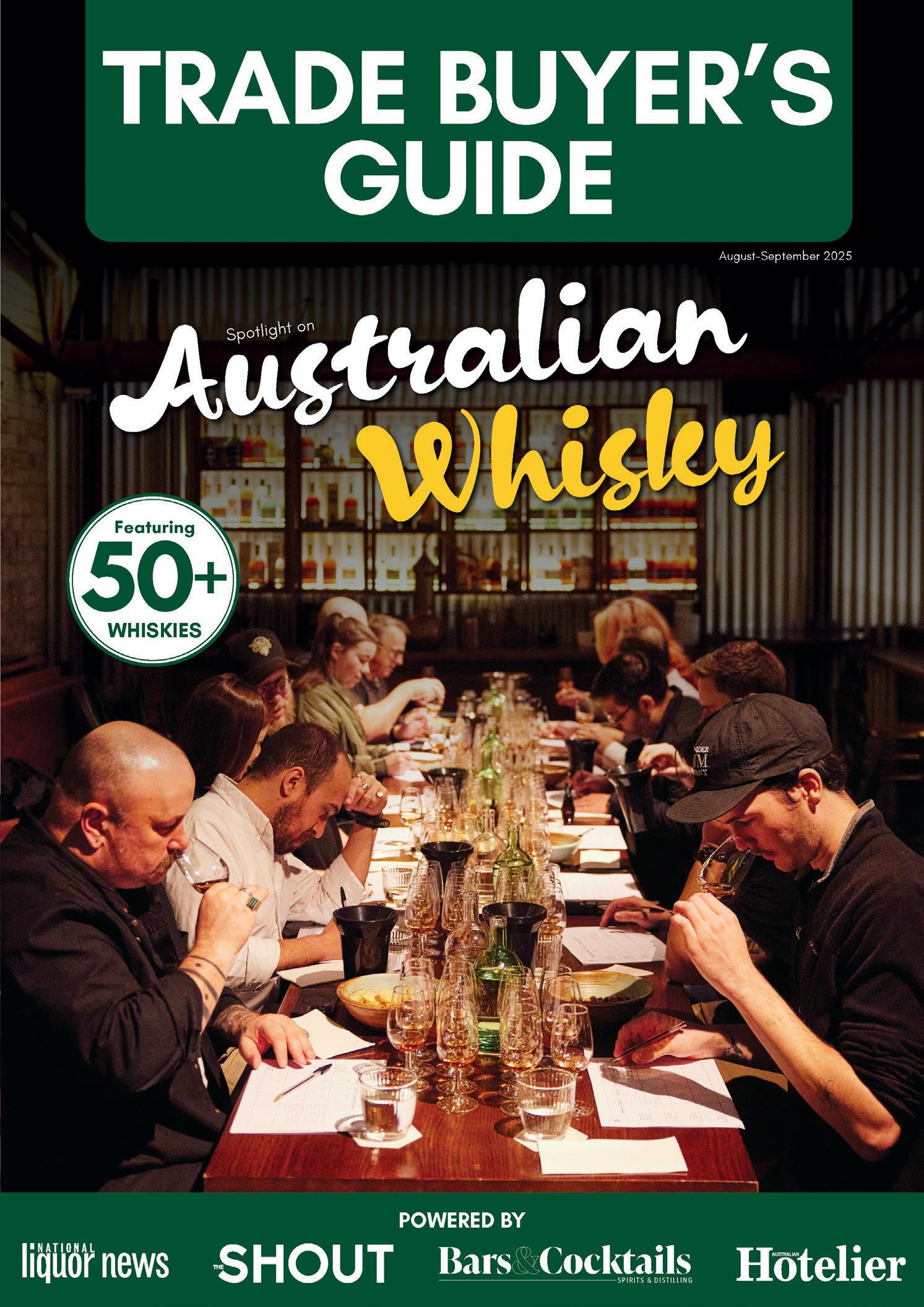
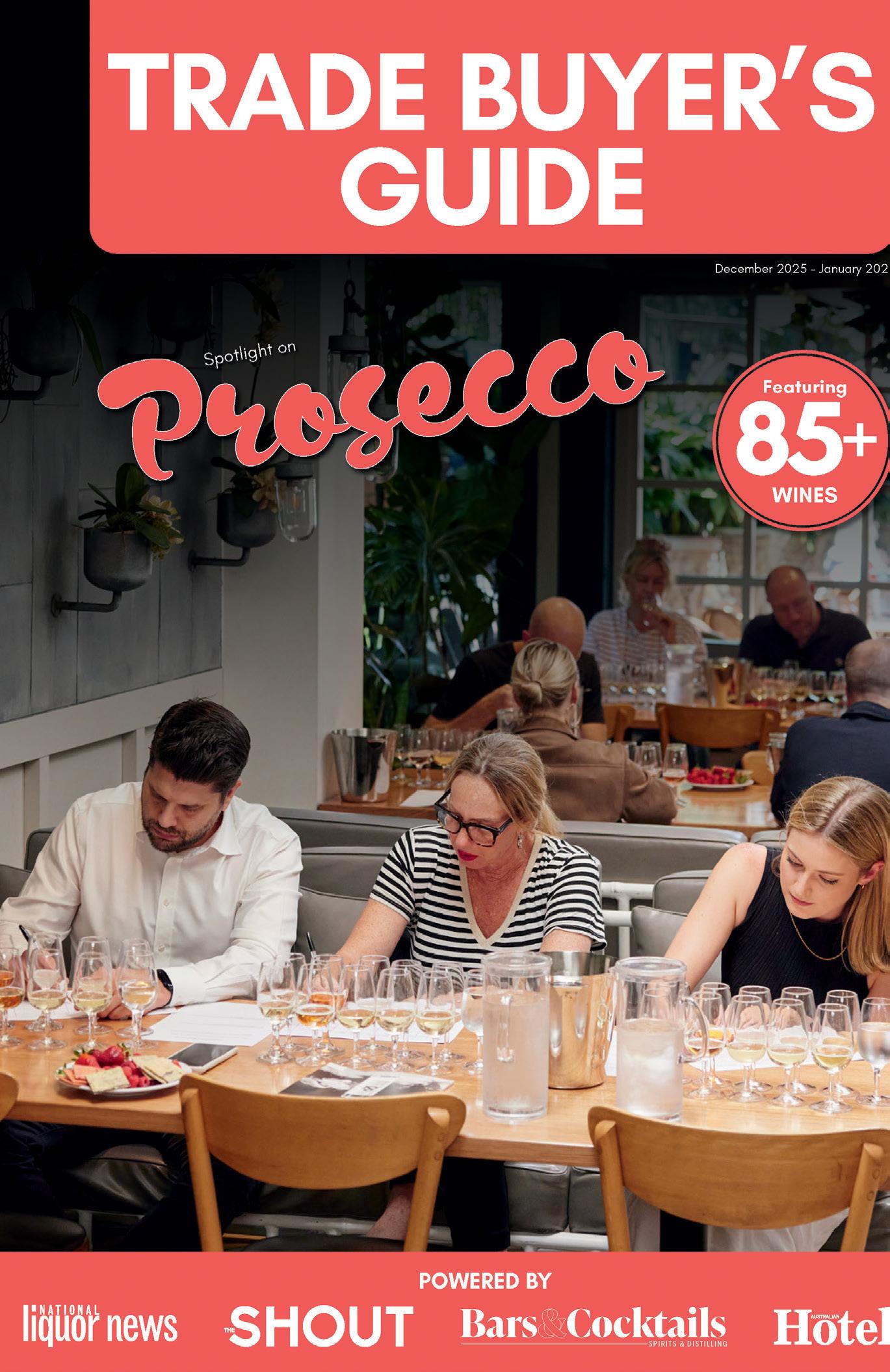

For comprehensive category buyer’s guides, download our latest Trade Buyer’s Guide now. Scan the QR code to download! To submit products and view the 2026 trade buyer’s guide schedule, please contact: Shane T Williams stwilliams@intermedia.com.au
The Brewers Association of Australia is prioritising greater recognition for the industry’s economic contribution, craftmanship and facilitation of responsible social connection.
Representing Australia’s leading brewers as an advocate for a vibrant, sustainable and community-centred beer industry, it would be remiss for the Brewers Association of Australia (BAA) to ignore the challenges the sector has faced over the last 12 months.
Recognising the industry’s vital economic contribution, and the importance of keeping it in policymakers’ minds, CEO Amanda Watson says: “Brewing contributes around $2 billion to the Federal Treasury in excise each year and around $17 billion to the Australian economy across the brewing supply chain.
“That our industry continues to thrive matters to the farmers who grow our barley and hops, it matters to our brewers who are central to the manufacturing of world-class, Australian-made products, and to the premises and outlets who retail our beer – overall employing close to 100,000 full-time employees across a range of sectors where beer and brewing is central.”
Despite acknowledging that challenges remain, the brewing industry celebrated some wins in 2025, such as the pause to indexation on draught beer for two years – sending a positive signal that the Government recognised the importance of a sustainable brewing industry and thriving hospitality and tourism sector.
Relief was also extended to smaller producers by lifting the excise threshold for eligible manufacturers. This was welcome relief for the industry and work on excise reform remains a priority.
Since stepping into the role of CEO in July, Watson has shown a commitment to engaging BAA’s members and addressing their priorities, and she hopes to build on this in 2026 by highlighting the brewing industry’s contribution to the national economy and its alignment to the Government’s Future Made in Australia policy pillar.
Watson says: “We all play a role in local economic growth, and strong employment in agriculture, manufacturing, hospitality, retail and tourism. The full grain-to-glass supply chain that underpins our vibrant industry can only get stronger and make greater contributions to the national, local and social economies of this country if the policy settings are right.”

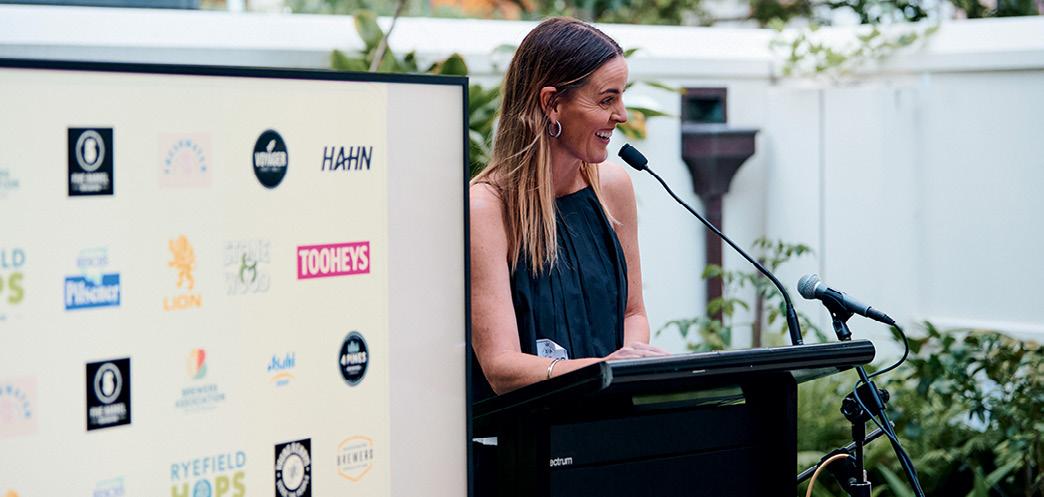
Considering beer’s role in bringing people together, Watson highlights the industry’s obligation to support social connection in a responsible way, and BAA will continue to advocate for consumer choices, including through diverse product options, in 2026.
“Australian beer is unique globally for the quality of reduced-alcohol brewing that has flourished in our country,” she explained.
“Adults who choose to drink beer know they can head to the bottle shop or retailer and get a great drink that hits the flavour mark while allowing the choice of moderation to be fully available to them. BAA members have long embraced alcohol moderation and responsible consumption. They will continue to market this positive message for our category at all points of sale. They have been so successful in creating quality products, that mid-, low-, and no-alcohol beer now make up 30 per cent of sales.”
Watson also sees 2026 as a pivotal year to celebrate the provenance of Australian-made beer.
“Since I joined the Association, what has impressed me is how deeply the traditions of brewing run, and how these traditions have managed to stay central to beer production even as the industry adapts and innovates to changing tastes and consumption trends. Brewers hold tightly to the knowledge that they are, in fact, creating a natural and unique product, and that in Australia today, every beer represents the wonderful companionship of tradition, passion, science and celebration,” she stated. ■
With a focus on quality, local product, Cider Australia will build on the momentum of the past year through innovation and education.
Despite ongoing economic pressure and market challenges, 2025 for Cider Australia, was defined by positive momentum following an organisational restructure and improved strategy.
Warwick Billings, President of Cider Australia said: “As a member-funded organisation, when the marketplace tightens so does membership and sponsorship funds so that’s made for a challenging 18 months. But we have restructured and come through.
“Our heartland is craft cider producers making premium product, which has performed well in the off-premise market in 2025. Some would describe the general cider market as stagnant or in a downturn. However in craft and premium, while we might see a plateauing of what it may have been a few years ago, there remain plenty of opportunities for growth.”
A highlight of the year was the success of the annual Australian Cider Awards held at Rydges World Square Sydney in November, recognising the best ciders in the country.
It was a record year with 231 products entered and judged over two days by nine panellists including Chief Judge
Briony Liebich, of consultancy Flavour Logic and international judge Gabe Cook – aka The Ciderologist.
“We are close to a pre-covid number of entrants. People really see the value in participating,” said Billings.
He explained that amongst this year’s entrants, it was promising to see several producers leaning into ‘drink local’ messaging and exploring provenance through storytelling.
“Drink local is resonating everywhere and certainly the Cider Australia trust mark is showing people that they’re drinking 100 per cent Australian apples. I think that mindset is establishing itself organically in the local market.
“Our producers have embraced it with a great percentage of products in our awards each year showing the trust mark. People see how valuable it can be to embrace local produce, and the education message is getting out there to both consumers and producers.”
Looking ahead, Billings said premiumisation is here to stay with consumers seeking quality
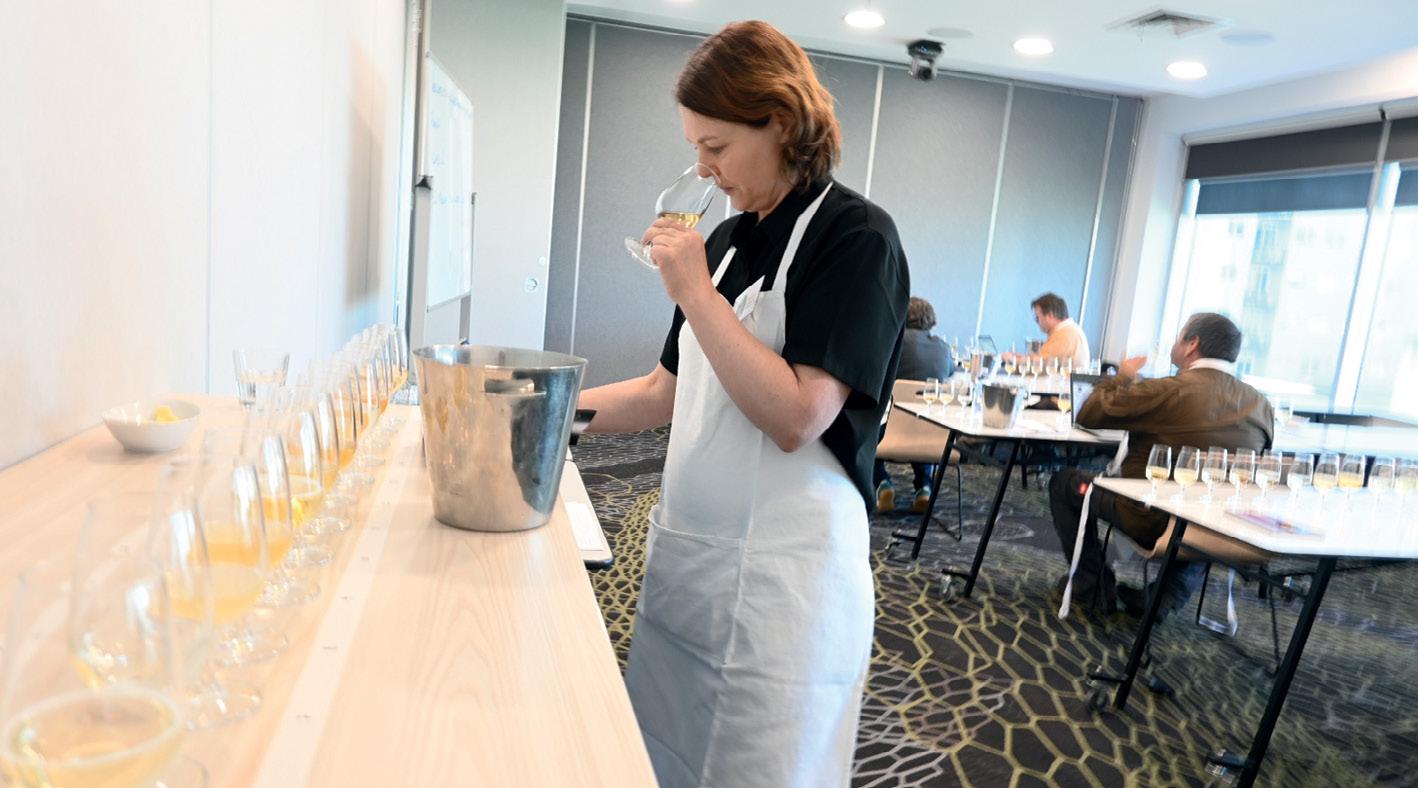

and continuing to lean into moderation.
“The narrative of local, premium product will persist in 2026 as a major selling point. People are spending less and more considered, but the category has a compelling offering.”
In terms of new product development, he said innovation in low alcohol options will create opportunities for growth in the off-premise market.
“There’s a lot of experimentation going on with fruits, creating structure and making for more serious drinks. The mid strengths are also going to be a very strong area for cider producers and consumers, because we can get bags of flavour at that slightly lower alcohol, and they still taste terrific.”
In 2026, Cider Australia also plans to invest in greater category education with targeted training initiatives and promotion of pommelier qualifications.
“We’ll be focusing on staff training across the board. It’ll be designed for customer facing people to build cider knowledge through tasting, the culture of cider, food pairings and all of the background information to help sell our products,” said Billings.
“In the off-premise, it’s training that will be enjoyed because it’s all about confidence. For retailers and consumers, it stops being just another cider, and it becomes a story about flavour, provenance and complexity. When somebody is in-store and isn’t sure what they want, and someone with deep knowledge suggests cider, everyone is happy.” ■

Circana notes that beverage markets appear to be experiencing a period of structural change, with slower alcohol consumption, faster non-alcoholic growth and a powerful shift toward functionality, moderation and sustainability.
The Australian off-premise liquor market, with an estimated value of $26.1 billion in the MAT to 30/11/2025, sees value sales are up one per cent year-on-year, while volumes have declined by 1.4 per cent, underscoring an environment where price (led by excise and price inflation), mix and premiumisation – not consumption – drives dollar sales forward.
Alcohol consumption in Australia – and in other developed markets that Circana tracks – has been on a steady downward trajectory, with litres per capita declining between 2010 and 2025 across all major markets. These long-run consumption shifts have been amplified by post-pandemic inflation, macroeconomic volatility and growing public health interventions.
Circana data shows alcohol volume sales have declined on average by 3.5 per cent per year since 2022 as trading up to more premium, experience rich propositions and smaller serving sizes softens the value impact.
A generational shift in needs and occasions is reshaping the category, as consumers seek beverages that better fit their lifestyles, health goals and taste expectations. Alternative options, often with plant-based or functional credentials, are increasingly viewed as ‘no compromise’ replacements for traditional alcohol in the same occasions. Functional claims such as immune defence, protein, energy, prebiotic/ probiotic and digestion support are among the fastest growing benefit platforms in beverages (in markets tracked by Circana)

“Across food and beverages, sustainability now consistently ranks in the top three choice drivers alongside price and quality, however, high cost, lack of availability and doubts about efficacy pose as key barriers to purchase.”
Andrew Gerrard
with double-digit dollar compound annual growth rate (CAGR) in markets like the US, so expect to see more focus on better-for-you-focused claims and benefits in liquor as brands endeavour to capitalise on growing consumer trends found across total beverages.
Sustainability has become of higher importance for retailers and regulators alike, even as consumer uptake of sustainability marketed beverages underperforms due to price and availability barriers. Across food and beverages, sustainability now consistently ranks in the top three choice drivers alongside price and quality, however, high cost, lack of availability and doubts about efficacy pose as key barriers to purchase.
Using overseas trends as an indicator of potential impacts here in Australia, Circana sees growth in adjacent sectors – especially snacking – redefining beverage pairings and stealing occasions from traditional categories such as hot coffee. These developed markets are seeing increasing drive towards high protein, gut health, plant based and ‘permissible indulgence’ propositions that naturally align with new beverage formats. Innovation pacesetters in snacks include high protein meat, egg and cheese snacks, gut health-focused yoghurts and bold flavoured vegetable crisps, which are often paired with no- and low-alcohol, RTD, spirits, fortified hydration and cold brew infusions.
Seemingly marginal trends – such as GLP 1 weight loss medications and rapid population ageing – are expected to become structural by 2045, further encouraging moderation, underconsumption and a sharper focus on health, lowsugar and low-alcohol.
From the evidence available today, ‘more of the same’ is not a viable growth strategy, hence a disruptive and respectful reinvention of wine and spirits is required to ensure the long-term success of the liquor category. Emerging platforms include canned wines for on-the-go, small-format ‘sessionable’ servings, coffee and tea-based RTD cocktails, mood enhancing non-alcoholic
“From the evidence available today, ‘more of the same’ is not a viable growth strategy, hence a disruptive and respectful reinvention of wine and spirits is required to ensure the long-term success of the liquor category.”
Andrew Gerrard
beverages, virtual tastings and quick commerceenabled home delivery experiences.
Despite being off a small base, zero proof premixed cocktails are elevating the mocktail space, positioning no- and low-alcohol as a credible lifestyle choice rather than a compromise, and supporting the broader convergence of alcoholic and non-alcoholic repertoires.
Traditional mass reach media and celebrity endorsements are struggling to connect with time poor, overstimulated audiences who live across fragmented digital channels. Organic social content, creator communities and informal, experiential consumption occasions now play a pivotal role in building relevance and trial.
Social platforms drive rediscovery of categories like wine through virtual experiences, informal education and user generated storytelling, while in-store theatre and narrative merchandising still matter at the point of choice. The most effective ambassadors are often imperfect and authentic voices – micro influencers, niche communities and even shoppers themselves – rather than traditional polished campaigns.
For brands to be successful in the Australian market they should be encouraged to align portfolios with evolving need states across both alcoholic and non-alcoholic categories, with a deliberate focus on moderation, functionality and occasion-based propositions.
Furthermore, leveraging advanced analytics, agile test and learn, and close collaboration with retailers on data driven growth plans will help to accelerate results from innovation in high growth segments such as no- and low-alcohol, functional beverages and experience-led formats that cater to emerging consumer preferences and needs. ■
After 20 years, DrinkWise reinforces moderation through partnerships, education and community-led initiatives shaping safer cultures.
DrinkWise celebrated 20 years in 2025. During those two decades, we’ve seen significant and positive changes: fewer Australians are drinking at risky levels, underage drinking is substantially down, daily drinking is less common, and far fewer women are drinking during pregnancy. These positive trends are not accidental. They are the result of a sustained effort from DrinkWise, governments, health experts, police, community organisations, trusted ambassadors, broadcasters and industry.
Collectively taking a whole-of-community approach to delivering alcohol education that is both credible and relatable is helping to ensure that Australians are making informed choices and making responsible decisions about their consumption.
A major DrinkWise campaign in 2025 was focused on one of the most significant life moments for young Australians – Schoolies. In partnership with the Australian Government and Smartraveller, DrinkWise delivered targeted resources to support safer Schoolies celebrations in Australia and overseas, including the importance of moderation if choosing to drink, making safe choices, the risks of methanol poisoning, as well as helping parents and teens to have practical safety conversations prior to Schoolies.
The development of shared moderation and respect messaging was once again evident across major sporting events, including AFL Gather Round, NRL State of Origin, LIV Golf and the AFL/ NRL Finals Series. Exposing Australians to moderation and respect messages supported by athletes, coaches, codes, governments, police, support services and industry underpins community expectations around expected and acceptable behaviour. Reminders such as Always respect, always DrinkWise highlight that whether instadium, at the pub or club, when purchasing from a bottle shop, travelling to events or watching from home, the message remains the same.
At a community level, DrinkWise strengthened work with Liquor Accords by equipping local pubs and clubs with consumer relevant messaging to support safer, more respectful environments. The continuation of initiatives such as Stay tasteful while tasting also continued to build momentum across cellar doors and wine festivals nationally, using practical tools that help visitors keep track and pace consumption. Across retail and online environments, DrinkWise
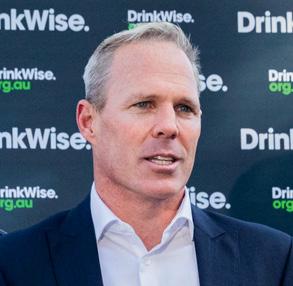

has continued to prioritise ‘decision-point’ prompts that support considered purchasing and responsible consumption.
DrinkWise maintained a strong focus in 2025 on prevention activities that can help deliver long-term health outcomes, with the DrinkWise Fetal Alcohol Spectrum Disorder (FASD) Awareness Program reinforcing that FASD is 100 per cent preventable. Additional culturally informed alcohol education programs were also developed in consultation with indigenous leaders, health professionals and community role models to support local conversations and safer choices in ways that reflect community priorities.
In 2026, DrinkWise will continue to deepen the whole-ofcommunity approach to enable more Australians choosing to consume alcohol to make informed and educated decisions. We will expand partnerships that allow shared ownership of moderation messages in environments where Australians are purchasing and consuming alcohol. There will also be efforts to ensure that the positive gains made over the past 20 years are recognised, thereby reinforcing social norms around moderation.
With statistics highlighting that real and measurable cultural change is possible when common goals around credible research, education and outcomes are aligned, 2026 is also a call to action for industry. With a greater need for proactive education programs and increased community expectations to provide relevant and contextual messages promoting moderation, there are opportunities to demonstrate leadership by supporting DrinkWise in the pursuit of a safer and healthier culture around alcohol. To explore how your organisation can be involved, please contact the DrinkWise team at info@drinkwise.org.au ■
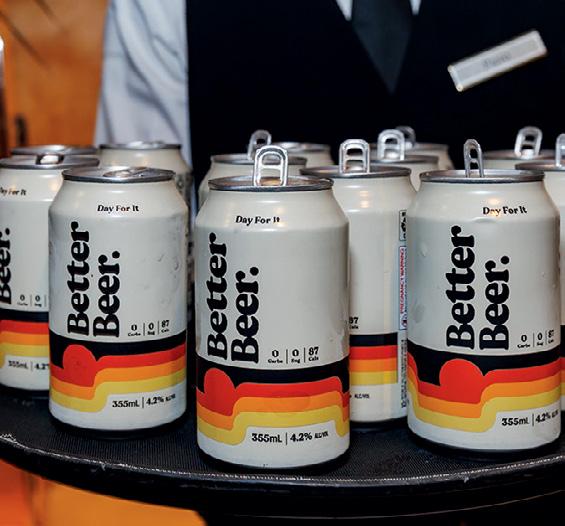
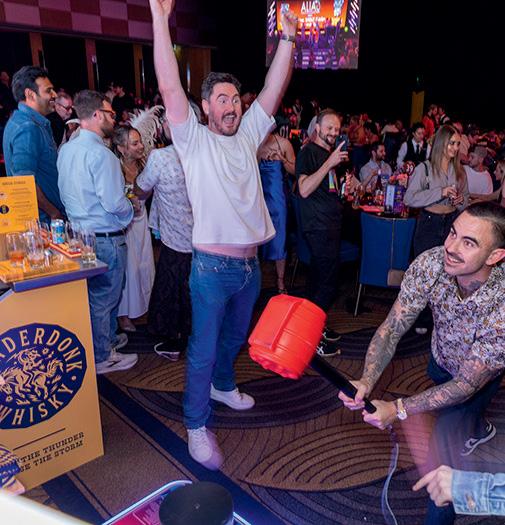
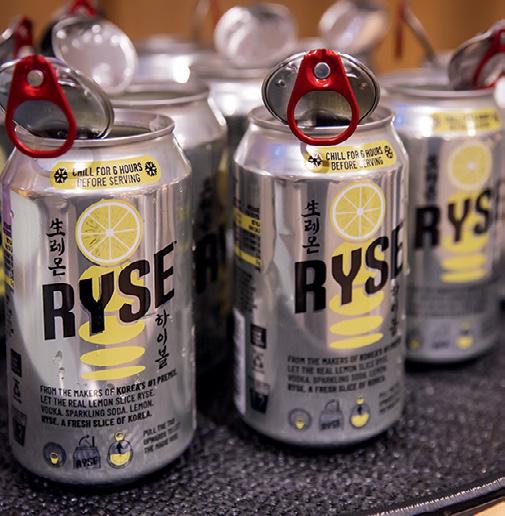
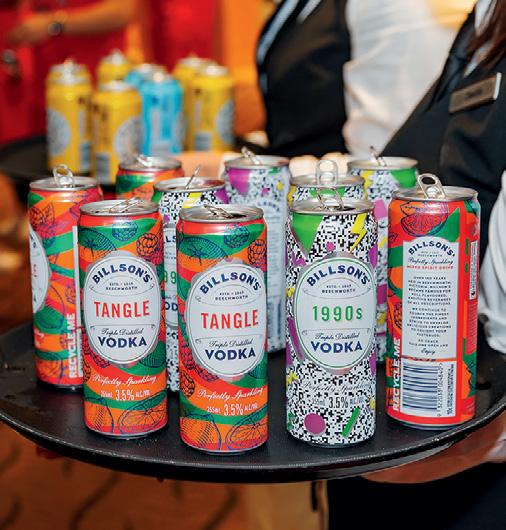
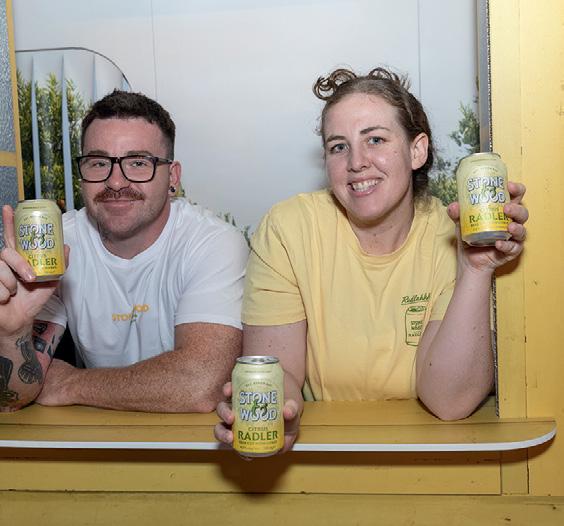


Zebra striping and non-alcoholic RTDs are reshaping drinking habits, accelerating innovation across alcoholic drinks categories.
As health and wellness take centre stage in consumers’ daily decision-making, drinking habits are undergoing a quiet but significant transformation. From the rise of mindful moderation to the growing appeal of alcohol-free alternatives, Australians are rethinking how, when and why they drink. At the heart of this shift is the emerging ‘zebra striping’ trend, where consumers move toward balance, longevity, and wellbeing. This change is not only reshaping social drinking culture but driving innovation across Australia’s alcoholic and ready-to-drink beverages market.
‘Zebra striping’ trend reshapes drinking habits
Euromonitor International’s Global Consumer Trends 2026 report explores key shifts shaping consumer habits. One of the trends, ‘Rewired Wellness’ identifies how consumers no longer view their health journey as linear, but the approach integrates daily decisions on what consumers eat, drink, consume, even devices and data they use to support their wellbeing, as it continues to be a top priority to optimise longevity, appearance and daily performance.




“‘Zebra striping’ refers to the trend where individuals alternate between alcoholic and non-alcoholic beverages during a single social occasion, creating a pattern that helps moderate their drinking.”
Julia Illera
In line with Euromonitor’s World Market for Alcoholic Drinks report, ‘zebra striping’ is reshaping consumers’ drinking habits. ‘Zebra striping’ refers to the trend where individuals alternate between alcoholic and non-alcoholic beverages during a single social occasion, creating a pattern that helps moderate their drinking. This form of mindful drinking is becoming popular across all ages and demographics but is especially evident among younger consumers. Consequently, this impacts alcohol consumption habits, with the health and wellbeing trend reshaping Australia’s alcoholic drinks industry.
According to Euromonitor International’s Voice of the Consumer: Health and Nutrition Survey 2025, global attitudes toward alcohol consumption are shifting. The growing trend toward sobriety is largely driven by a desire to feel healthier (46 per cent) and avoid long-term health risks (42 per cent), along with practical considerations like saving money (30 per cent) and improving sleep quality (25 per cent). In Australia, there was an increase in respondents reducing their alcohol consumption to feel healthier, at 53 per cent, up from 48 per cent in 2024.
Among those who consume alcohol at least occasionally, 53 per cent say they are actively trying to cut back, up from 44 per cent five years ago. Notably, the share of individuals who never drink alcohol rose by three percentage points since 2020. This shift is especially evident among younger consumers, as research shows 36 per cent of Gen Z within legal drinking age report never consuming alcohol.
Non-alcoholic RTDs become one of Australia’s most resilient drink categories
The health and wellbeing trend in Australia is reshaping the alcoholic drinks market, with many Australians reducing their alcohol intake or abstaining altogether. This trend is fuelling strong growth in low- and non-alcoholic options with consumers also seeking healthier alternatives within traditional alcoholic drinks categories, especially in ready-to-drinks (RTDs), prompting suppliers to innovate.
Non-alcoholic RTDs emerged as one of the most dynamic and resilient categories, benefiting from the rising focus on health, wellness, and mindful consumption. Demand has grown for products that offer both functional benefits and social appeal without the effects of alcohol.
One standout example is Coopers Brewery, which launched its first permanent edition, nonalcoholic cans for the first time in its 163-year history in 2025. Other brands which have done so include Gordon’s and BrewDog’s alcohol-free offerings, reinforcing the credibility of nonalcoholic RTDs. These products have carved out a niche in casual, in-home consumption occasions, delivering the indulgence and ritual of traditional RTDs while aligning with wellness-led lifestyles. Looking ahead, consumers in Australia are actively reducing their alcohol intake or are seeking alternatives that better align with their lifestyle goals. This shift will lead to increased spending on beyond non-alcoholic drinks, such as better-for-you beverages, low-calorie carbonates, functional drinks, which offer the social appeal of traditional RTDs without the alcohol content. ■

Mel Anderson, Director of Research & Product at Growth Scope, explores the fallacy of a one-size-fits-all ANZ market execution strategy.
As close ‘cousins’, allies and geographically very close countries, a lot of New Zealandbased operations are led by or at least report through to an Australian operation and are often treated globally as a single ANZ region. This is appropriate for financial reporting, resource management and budgeting, but when it comes to in-market execution of category, marketing, brand or shopper strategies, it couldn’t be more dangerous.
New Zealand often gets lumped together as an extension of Australia in a one-sizefits-all approach to market execution. This is either due to limited budget, resources or insights available to reliably distinguish New Zealand from Australia, or simply due to the relative size and scale of the New Zealand
market compared to Australia. But is this really appropriate? Is New Zealand really similar enough to Australia that a one-sizefits-all strategy will maximise your ROI? If you ask the average Australian they would probably say yes, or near enough is good enough, but if you ask the average New Zealander, you will likely get a very different response. Not dissimilar to the comparison between Canada and the USA.
Having launched our Growth Scope alcohol insights service in New Zealand in late 2024 (a New Zealand market-specific version of our long running Australia liquor insights offering), we now have more than 12 months of New Zealand alcohol consumption behaviour data enabling us to

draw direct comparisons between Australian and New Zealand consumer behaviour. And it turns out that New Zealanders would be correct. New Zealand is not just an extension of Australia, and executing Australian strategies based on Australian insights in New Zealand and hoping to maximise your success is nothing but a fool’s paradise.
Some basic total liquor comparisons of full year 2025 Growth Scope data between Australia and New Zealand show clear differences in consumer behaviour between the two markets:
• New Zealanders are more likely to engage in social occasions.
• Australians are more likely to drink on-premise.
“Executing Australian strategies based on Australian insights in New Zealand is nothing but a fool’s paradise.”
Mel Anderson
• New Zealanders are more likely to engage in after work and pre-dinner drinking, while Australians are more likely to engage in lunchtime drinking.
• New Zealanders drink more frequently and with greater volumes per occasion.
• Australians have bigger repertoires per occasion and therefore higher penetration of most categories per occasion, with the only exceptions being RTD and cider,
which have greater occasion penetration in New Zealand.
This is barely scratching the surface, but the differences are already evident. If you are an Australian-based liquor manufacturer or distributor with responsibilities for in-market execution across the ditch, be wary of taking Australian insights and Australian strategies and applying them in New Zealand. You are likely to be targeting your products/brands
Charts below show differences in penetration on the average most recent alcohol consumption occasion in Australia vs New Zealand:
against sub-optimal occasions, channels, needs and consumer cohorts, and thereby wasting valuable time and money in order to achieve inferior outcomes.
Growth Scope is now available in New Zealand and can help you to tailor your execution specifically for the New Zealand market, enabling you to maximise your growth potential. For more information visit www.growthscope.com.au. ■
Invested in member engagement and policy action, the IBA is optimistic about the future of the independent brewing industry.
While navigating economic and policy headwinds and persistent supply chain challenges, interim CEO Sabrina Kunz said the Independent Brewers Association (IBA) has delivered another year of advocacy success for the brewing industry.
“Far and away our biggest achievement this year was our commitment to increase the excise remission scheme by $50,000 for every brewery in the country. It’s safe to say that our advocacy has delivered real return on investment for our members and given them breathing room as input costs continue to skyrocket.”
The organisation also underwent a significant leadership transition in the past 12 months with Kunz assuming her role in October 2025. She said her priority was the sustainability and success of the team.
“All our members should be very proud of the work our volunteer board did in shepherding that transition and it should give our industry confidence that our organisation is here to continue the fight for Australian-owned breweries,” she said.
A part of the transition she said, was an emphasis on deeper engagement with members to ensure their concerns will continue to be met with actionable solutions.
“What we heard during our 2025 member survey is that our members and the indie community want to be more connected. They want to participate, but are struggling under the burden of small business admin.
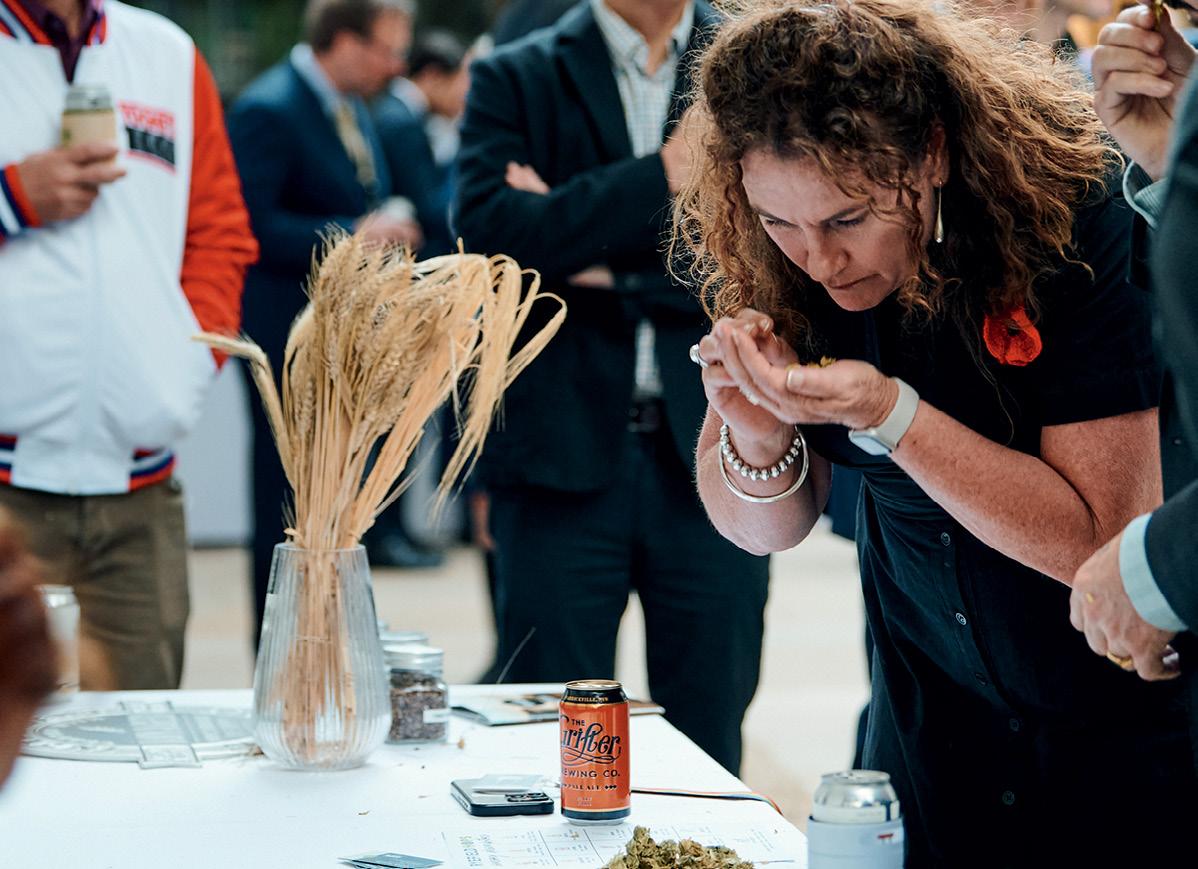

After a year of successful discussion with federal, state and local MPs on excise, regulatory burdens, and market dominance from brands and suppliers, Kunz said the IBA remains optimistic about future collaboration with the country’s decision makers.
“This work never ends. We are in the midst of prebudget submissions for the Federal Government where we will continue to lay out the disparity between the support received by the wine industry compared to Australianowned breweries. We are single minded in making sure that Australia’s brewing industry receives its fair share. We look forward to more opportunities to meet with our Federal and State representatives to ensure they understand how the decisions they make impact small brewing businesses.”
“The Regional Lead program is our attempt at grass roots organising – to improve communication channels between the IBA and all our members at a local level. This officially kicked off in January and I’m very grateful that there are so many volunteers stepping forward to help build a strong sustainable indie brewing industry,” she said.
Kunz explained that the IBA’s continued focus for 2026 will be bringing members together, creating space for partnership and collaboration.
“Our community wants to continue to get together, and so our events calendar has been built out with opportunities for in-person and online connection. We are very proud of the Learn & Connect sessions that we are running in collaboration with the Chartered Institute of Brewers and Distillers (CIBD).”
She added: “As always, the IBA believes that partnering is for the betterment of the industry. CIBD brings strong technical education and so were a natural fit for our members. Partnership is going to matter more than ever as the pie of available funding for all organisations in our sector shrinks. We are hopeful that other organisations, supply chain partners and governments will recognise the leadership role the IBA has played in bringing partnerships together and rewards us for our prudent use of sector resources.” ■
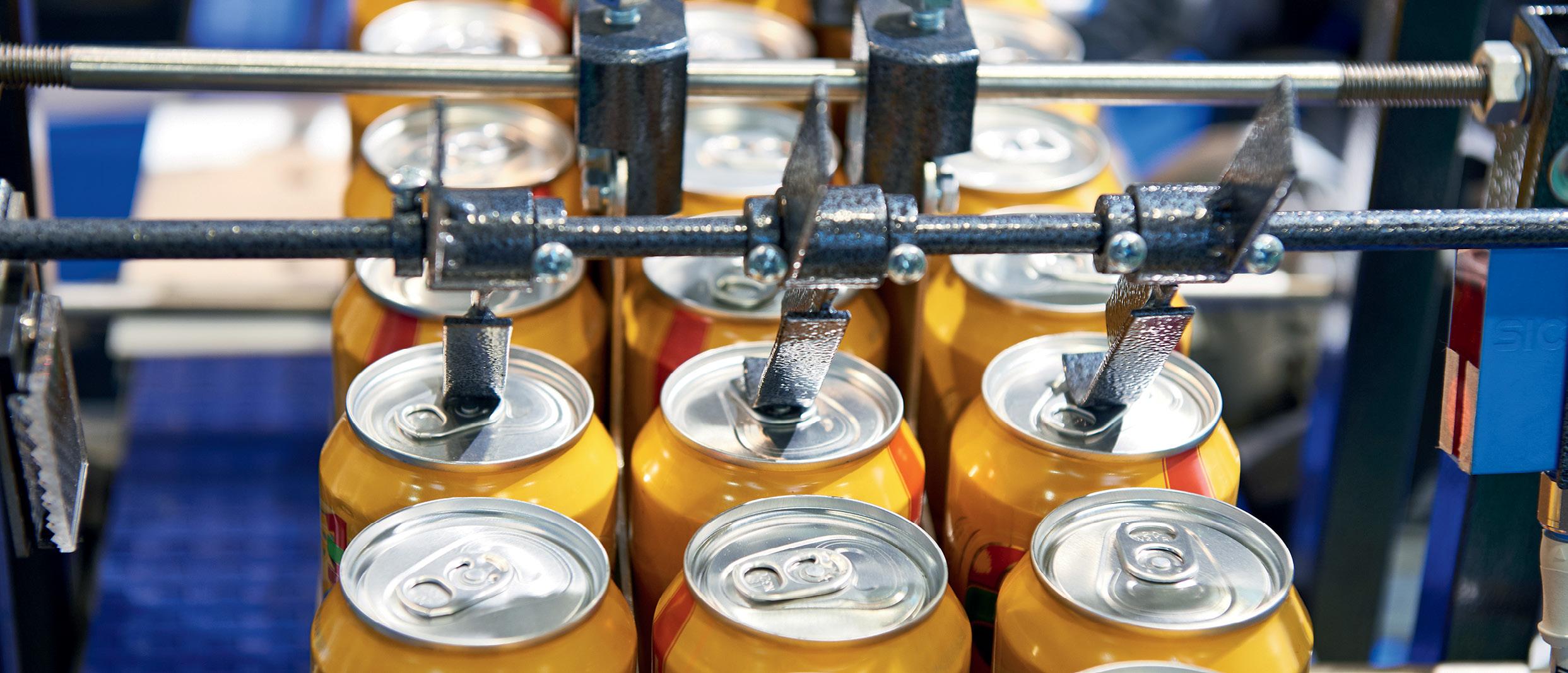
Global alcohol market data analysts IWSR say innovation is not only “strategically fundamental” to drink businesses, but also the keystone to future sales growth.
Innovation means different things to different brands and to different categories in the beverage alcohol industry, but the importance of understanding where to innovate and how to innovate is significant, whatever sector a brand is in.
During a recent episode of the IWSR’s Speakeasy video series Innovation Matters, IWSR’s Head of Consulting Luke Tegner spoke with Richard Halstead, IWSR’s COO Consumer Insights, about how to track innovation and why it’s essential for brands.
Tegner described innovation as “strategically fundamental” to drinks businesses, saying that between 2015 and 2024 the global beer, spirits and RTDs categories grew by $231bn, and more than half of this growth came from innovation launched within the past 10 years.
“It does differ category by category and it differs market by market, but I think it’s probably fair to say that, in a nutshell, growth relies on innovation,” Tegner said.
While the significance of innovation differs by category, IWSR tracks five distinct types of innovation, with each highlighting why brands need to be cognisant of what is happening in their respective sector.
IWSR’s five types of innovation are:
• Completely new-to-world brands
“In a nutshell, growth relies on innovation.”
Luke Tegner
• Brand extensions to an existing umbrella brand
• Flavour extensions
• Cross-category – a brand launching in a new category
• Geographic expansion – an existing brand launching into a new market Innovation also plays out very differently depending on the category. For instance, while RTDs account for less than five per cent of total beverage alcohol (TBA) value globally, IWSR data shows the category represents around 20 per cent of TBA’s incremental value from innovation.
Additionally, single malt whisky can generate more limited releases and experimental expressions that deliver growth in the short term. Beer, however, sees fewer innovations, but a successful new product has the potential to scale rapidly, build meaningful value and travel across multiple global markets.
Another interesting comparison of how innovation differs across categories comes
from a dynamic young market like agave spirits versus a mature category like Cognac. Agave sees a large number of new brands, brand lines and brand extensions, but innovations are much scarcer in Cognac.
IWSR also uses its own trendspotting tool, Radius, which provides regular news and trend reports on beverage alcohol NPD.
Radius founder Claudine Ben-Zenou said that while it is difficult, having the ability to identify and embrace influential trends before someone else does is vital.
“Sometimes it is difficult to be agile about these trends and to be able to jump on them quickly, because by the time the pipeline is played out, the trend could already be over. So, it is really important to be able to respond to them.”
She added: “[Don’t] be too afraid to embrace trends, because often, certainly with larger brands, it’s hard to sell in those products because we’re worried about scale, and taking a risk sometimes can feel really quite scary.
“I often see that play out, where there’s this need to wait to see if the trend is really going to move from emerging to the mainstream. And at that point, it’s almost too late, so I think my message would be just to take a few more risks.” ■
LSA WA takes a proactive approach to operational safety and the sustainable evolution of the state’s liquor retail sector.
Peter Peck, CEO of the Liquor Stores Association of Western Australia (LSA WA) described navigating 2025’s policy landscape as equally rewarding and challenging.
“The industry is moving along at a steady pace. We had legislation amend the Liquor Control Act. There was a lot of discussion behind closed doors ensuring decision makers understood that we are looking for a fair and equitable playing field. That’s what we seem to have got with the legislation, although the proof of the pudding is in the eating, so we’ll wait to see the results,” he said.
A primary concern for the organisation was the impact of packaged alcohol restrictions on two towns – Carnarvon and Derby, which will continue to be a priority in advocacy in 2026.
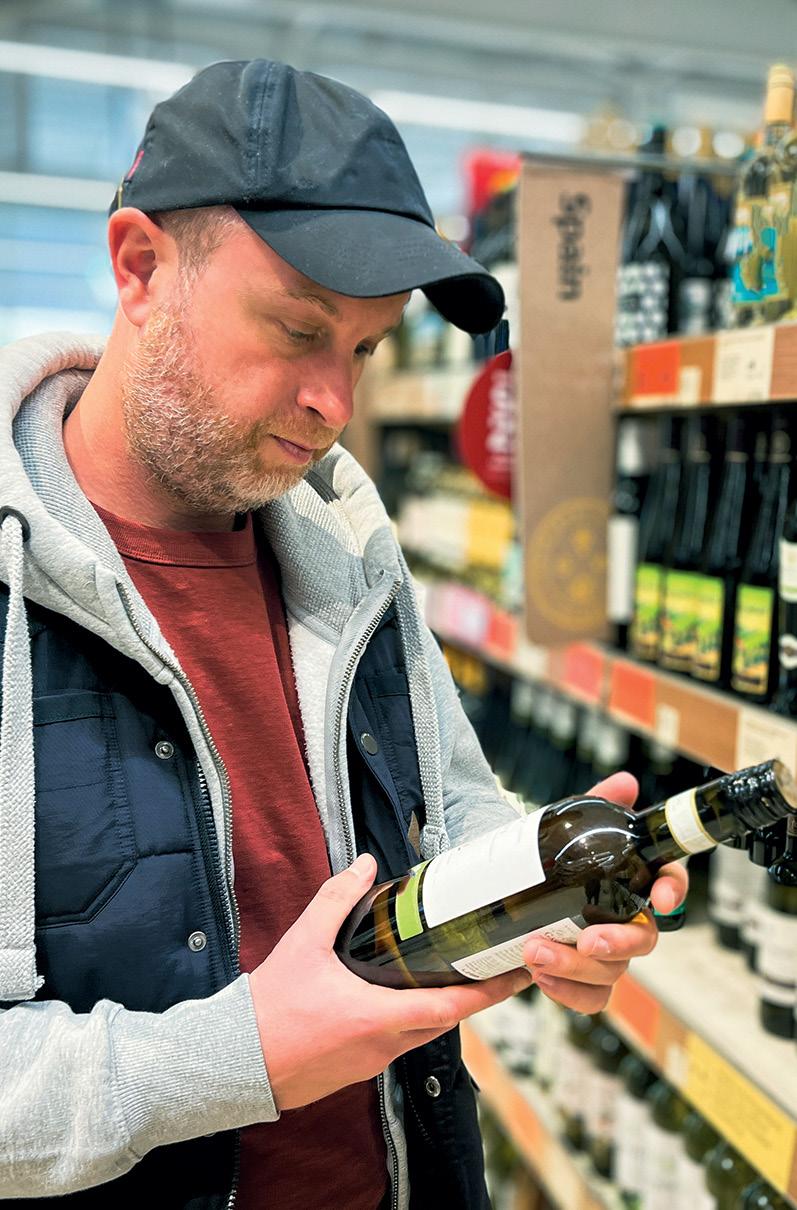
“We have no time or tolerance for anybody who uses alcohol as an excuse.”
Peter Peck
“We’ve got a very small group within communities that have issues with self-control, and that’s been over amplified and become more of an issue than it truly is. It is not only impacting local communities but also their tourism industries with visitors deterred by the illusion of a lawlessness. It’s something that needs to be dealt with. We were the catalyst for several liquor restrictions, so we have a part to play in ensuring the government understands this isn’t working.”
LSA WA’s immediate attention in 2026 will be directed at creating safe working environments for retailers across WA.
“We will engage head on with government. It’s all about making our sector fair, safe and balanced. We will continue to play our part to prevent antisocial behaviour. We have no time or tolerance for anybody who uses alcohol as an excuse,” said Peck.
One of the LSA WA’s biggest safety achievements last year was the implementation of the Banned Drinkers Register (BDR) of people prohibited from purchasing and possessing takeaway liquor.
“In 2026, we are continuing to push for
promised wraparound services for people who get placed on it. We can take the alcohol away but what we’re now starting to find is that people are replacing alcohol with illicit drugs, which is a slippery slope and needs addressing.
“We’re also pushing very hard for mandatory rehab for alcohol theft. If you’re stealing to feed a habit, then you need help and that’s the bottom line. Additionally, we are focused on more legislation and action from the judiciary to implement fines and incarcerations if required,” he explained.
With ongoing regulatory challenges inevitable, Peck emphasised the role of LSA WA in championing the industry’s growth and sustainability.
“The most important thing you need to remember is we’re basically a silent business partner. We’re always looking at how we can collaborate and for different ways to streamline what retailers do. If you’ve got issues, let me know. Communication is our key to success. We can apply pressure. We can put a spotlight on your issues and then hopefully see results.”
To further support members in improving operational efficiency in 2026, he said the LSA WA is in the process of developing a helpful tool, which will be available in the coming months.
“We’re working with a new provider to develop a resource designed to make life a lot simpler for our members. Covering everything from HR, leasing and data – it’s a tool we are excited to roll out.” ■
Challenger and established brands pursue growth differently, revealing strategies for winning shoppers and shelf space.
Walk down the aisle of many Australian retailers today and you’ll see a tension playing out in real time. On one side sit the category leaders, with national distribution, iconic packaging and the kind of advertising heritage that has lived through multiple generations of drinkers. On the other side are the new arrivals: new labels with craft positioning, unexpected flavours, distinctive values, and the ambition to carve out a future that looks different from the past.
Both these groups want the same thing: sustainable commercial growth in a highcost, competitive market. But how they achieve it is fundamentally different – not just in tactics, but how the rules for large and small brands differ in expanding their customer base, build value, and keep their place on the shelf.
This is a story of two roads.
Every challenger brand begins the same way: with limited time, limited resources, and a product that most people have never heard of.
Suppliers tell similar stories, the first production run tied up most of the working capital, the founders’ hand-delivered samples to bars and bottle shops, and the early marketing budget wasn’t a media plan so much as a TikTok password. Where supply chains cost more every quarter, and household budgets are tightening, every activation dollar must work harder than it would for a major brand.
Yet this pressure breeds clarity. Smaller brands can’t afford to launch broad and hope
“When you don’t have millions of dollars to buy awareness, you win by being the best answer for someone specific.”
Shane Cleary
the market notices. The brands that survive their first two years typically do three things exceptionally well:
1. They focus on a consumer that the category is not serving
It might be a drinker searching for lower sugar, a premium ready-to-serve cocktail, a non-traditional flavour profile, or simply a brand with values that feel more like ‘them’. When you don’t have millions of dollars to buy awareness, you win by being the best answer for someone specific, not a weak approximation of what everyone already sells.
This is why younger consumers are such fertile ground. Gen Z is more open to switching, more curious, and more influenced by social proof than previous generations. NIQ’s 2025 H2 OPUS report shows 21.5 per cent of Gen Z consumers state that “trying new things” is a top lifestyle priority, meaning that a small brand with a tight proposition can break in faster than ever before.

2. They justify the price with real value Challenger brands often cost more to make. Smaller production runs mean higher per-unit costs, freight is less efficient, and negotiation power with suppliers is limited. Consumers are willing to accept this, NIQ’s 2025 REACH survey shows 26.6 per cent of consumers are likely to pay more for a better-quality drink – but only if the value is clear.
That value must be visible at the moment of truth:
• Premium ingredients
• Craftsmanship
• Originality
• Environmental or community credentials
• Packaging that looks like it belongs in a better world than the one beside it If that value doesn’t land immediately, the consequence is simple: shoppers don’t pick it up, retailers won’t wait, and the product is gone before the second production run is even quoted.
3. They build awareness sideways, not from the top down Challenger brands rarely launch with national TV or fully funded media mixes. Instead, they build brand memory through:
• Social media shared in real time
• Creator content
• Bartender advocacy
• Word of mouth inside local scenes.
According to NIQ’s 2025 Australian Bartender Report, 75 per cent of bartenders recommend specific drinks during every shift, and 43 per cent of consumers rely on those recommendations when making their choices.
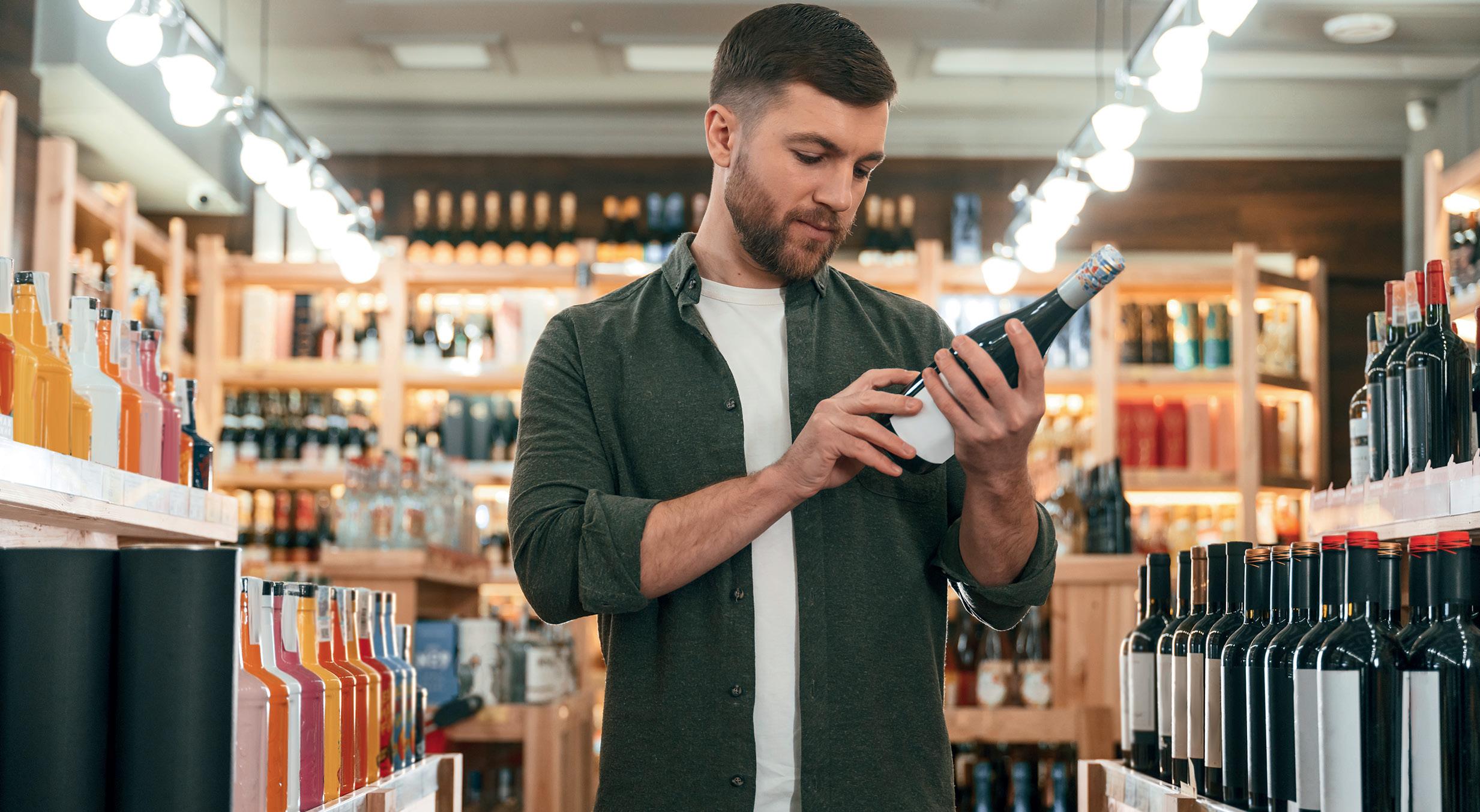
This is the gritty, unglamorous step of the journey – but if velocity is strong, if repeat is healthy, and if the brand brings truly incremental buyers into the category, retailers start to pay attention.
And that’s when the story changes.
The power of incumbency: How large brands continue to grow
If challenger brands grow by being pointed and different, established brands grow by being everywhere a shopper thinks about the category.
Big-brand success is not an accident. It is the cumulative effect of consistent investment, repeat purchase patterns, distribution strength, and brand memory that have been built bottle by bottle, campaign by campaign, aisle by aisle.
The story for large brands is different.
It is tempting to believe big brands succeed because their customers are more loyal. Yet the data shows something more interesting: large brands are bigger because more people buy them at least occasionally. Take beer for example, NIQ’s OMNI Shopper data shows that the top 10 brands equate to 57.4 per cent of the value share for low frequency buyers (between one and four beer occasions per year). Even light and infrequent
buyers matter enormously. Winning an extra ‘occasional’ drinker can be worth as much to annual performance as shifting a heavy buyer up one more purchase event.
They win by building memory structures that reduce friction.
When faced with a wall of bottles, RTDs, and flavoured spirits, most shoppers do not perform a competitive analysis. They choose what they recognise. Distinctive assets – the bottle profile, the label layout, the brand colour, the headline line – exist to make choosing easy.
This is why consistency matters more for big brands than novelty. The most successful large suppliers don’t reinvent everything for every campaign – they reinforce memory structures, so the brand is easy to notice, easy to recall, and easy to choose. They dominate physical availability.
A challenger wins if it gets one new retailer listing.
A major supplier wins when:
• The brand is everywhere drinkers expect it
• The facings are strong
• The brand is on the cocktail list as well as the retail shelf
• Trade partners know their sales velocity and margin story
That ubiquity makes the brand both easier to buy and harder to dislodge. They allocate capital using measurement, not instinct.
The growth programs of large brands typically sit on top of robust analysis:
• Marketing mix modelling
• Incremental ROI measurement
• Field and pricing experiments
• Econometric forecasting Challenger and established brands share the same stage – the same shopper, the same retailers, the same shelf. But their growth mechanics could not be more different:
• Challengers win through distinctiveness, targeting, and story.
• Large brands win through scale, distribution reach, and mental and physical availability.
One is powered by being meaningfully different. The other is powered by being consistently chosen.
The industry needs both. Challenger brands keep the category fresh, interesting, and relevant to new drinkers. Large brands provide the reliability and familiarity that anchor the market. When both succeed, the industry becomes healthier, more innovative, and more profitable. Passion builds the product. Measurement grows the business. ■
New Zealand Winegrowers’ Pinot Noir New Zealand 2025 event set the tone for a year of discussion, discovery and connection.
Like all wine producing nations, New Zealand faced the uncertainty of the slow global economy and weak wine markets in key export destinations in 2025. Despite this, it was a strong year for New Zealand Winegrowers, the highlight being Pinot Noir New Zealand 2025 (PNNZ25) in Ōtautahi Christchurch in February.
Connecting global wine enthusiasts, thought leaders, and industry pioneers, Catherine Wansink, Australia Market Consultant for New Zealand Winegrowers, describes the event as an impactful celebration of New Zealand Pinot Noir.
“The 79 participating wineries represented all member categories, and a range of regions including Wairarapa, Gisborne, Marlborough, Nelson, North Canterbury, Central Otago, and Waitaki Valley each presented their unique expressions of Pinot Noir, as well as other varietals in the wider culinary programme.”
The event was praised for its exceptional programme, quality of speakers, culinary experiences, and the rich diversity of Pinot Noir showcased.
“ This amplifies the premium New Zealand wine message – not only to tell a Pinot Noir story, but a story of the diversity of our varietals, contrasting regions, and our people. Our industry can now build on the momentum generated by PNNZ25 and leverage the global impact from attendees and key connections made to support growth and global recognition,” Wansink added.
For New Zealand Winegrowers, the rest of the year built upon this momentum. In May, the organisation launched its month-long Pour Yourself a Glass of New Zealand campaign, calling on white wine lovers across the world to celebrate New Zealand white wine.
“New Zealand Winegrowers supported the Australian market with a public relations campaign including media sample send outs and influencers on social media to provide a platform to raise awareness of New Zealand white wine,” Wansink explains.
The organisation also celebrated 30 years of Sustainable Winegrowing New Zealand (SWNZ).
“As one of the first sustainability programmes to be established in the global wine sector, today 98 per cent of New Zealand’s


vineyard producing area is SWNZ certified and 10 per cent operates under recognised certified organic programmes. With that level of participation, our sustainability credentials are unique and respected around the world.”
Finally, New Zealand Winegrowers released its 2025 Annual Report in October. The key message is that across three decades of international growth and success, the New Zealand wine industry has built a strong reputation for highly distinctive, premium, sustainable wines.
“That reputation has lifted exports to over $2.10 billion per annum. Success has fuelled investment in 42,000 hectares of vineyards across regional New Zealand, state-of-the-art processing facilities, and strong brands that proudly bear New Zealand on the label. Wine from New Zealand is exported to over 100 countries, with 90 per cent of wine produced here heading to global markets,” Wansink added.
This year, Philip Gregan will step down as CEO when he retires in June, marking 43 years of service to the New Zealand wine industry. As the organisation looks to the future, its focus over the next 12 months is planning Sauvignon Blanc New Zealand 2027.
Taking place in Marlborough from 2-4 February 2027, the celebration of Aotearoa New Zealand’s most iconic grape variety invites guests to experience the region’s terroir, Kiwi hospitality and the evolution of modern Sauvignon Blanc, from vibrant regional expressions and age-worthy styles to cutting-edge innovations –paired with New Zealand’s finest food and culinary creativity. ■
Michael Waters, CEO of Retail Drinks Australia, highlights the initiatives shaping the organisation’s efforts in the year ahead.
As the voice for liquor retail, Retail Drinks Australia (RDA) plays a key role in nurturing a stable political, social and commercial environment in which our liquor industry may grow sustainably and responsibly. I’m excited to share two new initiatives that RDA will soon launch.
The first is our new national Responsible Supply & Delivery of Alcohol training course. Developed over the last 12 months, the course anticipates governments proposing strengthened RSA training as part of their current and imminent regulatory reviews.
In partnership with Diageo, the course not only builds on the NSW RSAT framework but goes further with additional modules that address anti-social behaviour, intoxication, and uniquely, domestic and family violence concerns, with subject matter experts from 1800 Respect and DV Alert involved in its development.
The new training can be accessed via www.training.retaildrinks.org.au – our dedicated online Industry Training Hub.
Another priority area for RDA this year is the ongoing significant issue of crime, safety and security. Retail liquor crime can represent up to half of total retail crime statistics, yet liquor retailers are largely responsible for

“Retail liquor crime can represent up to half of total retail crime statistics, yet liquor retailers are largely responsible for their own protection while balancing staff safety, store security, customer experience, and rising business costs.”
Michael Waters
their own protection while balancing staff safety, store security, customer experience, and rising business costs.
In response, RDA launched the Safe to Serve industry responsibility initiative over two years ago. Since then, resources like the Safe to Serve Toolkit and Store Assessment Guide have been downloaded over 16,000 times.
Our own research last year, which surveyed over 1,000 retail liquor stores and their customers, confirmed that:
• 11 per cent of customers had witnessed an incident
• Almost 50 per cent of staff experience security incidents weekly or more
• 40 per cent of customers changed their shopping behaviour due to safety concerns

• 54 per cent of store staff and owners had engaged with a perpetrator, putting themselves in harms’ way
• Only 47 per cent of security incidents are reported to police; and
• Most stores don’t have the right security measures in place, largely due to cost. The findings highlight the need for stronger penalties for offenders, increased police support, and government grants for store security upgrades. We’ve been briefing governments on our report’s findings and have also joined forces with other aligned retail organisations to advocate for change.
Last year RDA’s Safe to Serve Committee formed an Illegal Products Working Group to focus on the proliferation of illicit tobacco and alcohol. While the $6 billion tax gap resulting from the tobacco black market is well known, fewer are aware of the almost $1 billion gap on illegal alcohol. It’s a serious issue impacting legitimate producers and retailers, and worryingly, presents a significant health risk to consumers.
The second initiative is our new Illegal Products Awareness & Advocacy Campaign which aims to reduce the presence of illegal alcohol and tobacco by building retailer capacity to identify, prevent, and report them. The campaign is complemented by new and enhanced Product Ranging Guidelines.
For more information about RDA’s activities, or how we can service and support your retail liquor business, please visit our website via www.retaildrinks.org.au or contact our office. ■

More than 14 million Australians are now consuming alcohol – up 430,000 since the end of the pandemic in late 2022 driven by an increase for RTDs.
New data from Roy Morgan’s Alcohol Consumption Report shows the proportion of Australian adults who drink alcohol was at 64.9 per cent in the 12 months to September 2025, down 2.9 percentage points from the 12 months to September 2022 (67.8 per cent) at the end of the COVID-19 pandemic.
Although the share of Australians drinking alcohol is down compared to three years ago, the increase in overall population has driven an increase in the market since the end of the pandemic.
In the year to September 2025, 14,047,000 Australians aged 18+ (64.9 per cent) consumed alcohol in an average four-week period, up 432,000 from the 12 months to September 2022 (13,615,000, 67.8 per cent).
Proportion of Australians aged 18+ who consume alcohol in an average four-week period
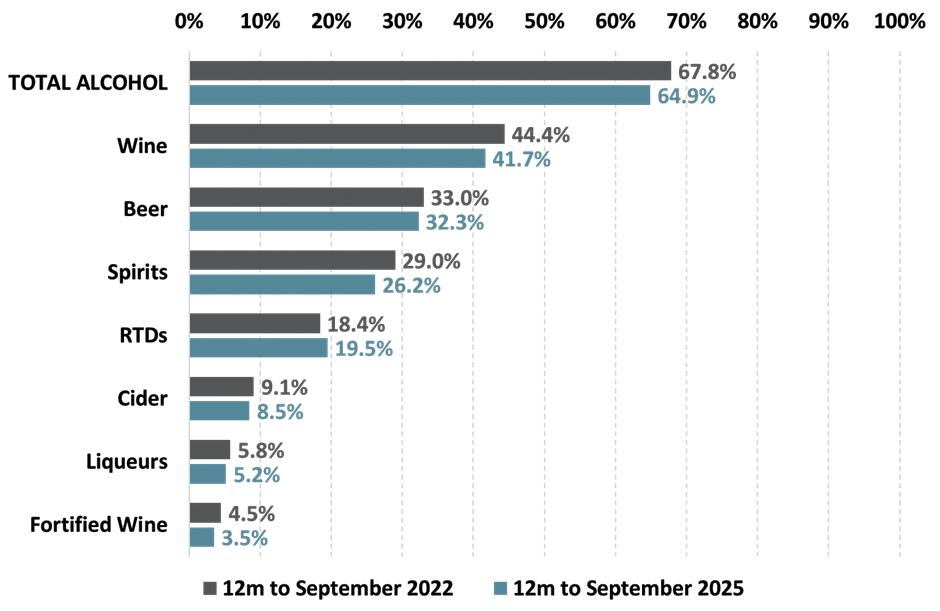
Source: Roy Morgan Single Source Australia, Oct. 2021 – Sep. 2022, n=63,680, Oct. 2024 – Sep. 2025, n=62,914. Base: Australians aged 18+.
The standout alcoholic beverages during the pandemic and in the three years since have been ‘ready-to-drink’ (RTDs) for which consumption increased from 2,101,000 Australians (10.7 per cent) pre-pandemic, to 3,695,000 (18.4 per cent) in the 12 months to September 2022, and now at 4,214,000 (19.5 per cent) in late 2025.This is an increase of almost 1.6 million during the pandemic, and up another 519,000 since late 2022.
The most popular alcohol is wine which increased rapidly during the pandemic, from 8,065,000 (41 per cent) drinking wine prepandemic, up to 8,909,000 (44.4 per cent) in the 12 months to September 2022, and now up to 9,033,000 (41.7 per cent) in late 2025. This represents an increase of over 800,000 during the pandemic, but an increase of only 124,000 in the last three years – and the share of Australians drinking wine has fallen.
RTDs outpace while wine plateaus
Consumption of beer has fluctuated in recent years. After peaking at 7,436,000 (38 per cent) drinking beer pre-pandemic, this plunged to only 6,636,000 (33.0 per cent) in the 12 months to September 2022 – a drop of 800,000 during the pandemic. Since then, the number of Australians drinking beer has recovered, up 355,000 to 6,991,000 (32.3 per cent) in the 12 months to September 2025, but still well below the pre-pandemic peak.
The spirits category enjoyed a clear ‘pandemic boost’ and in the 12 months to December 2021 there were 6,759,000 (33.8 per cent) Australians drinking spirits up by over one million from 5,671,000 (28.7 per cent) pre-pandemic. However, this ‘boost’ was short-lived and dropped to 5,824,000 (29 per cent) in the 12 months to September 2022 and has dropped further since to 5,665,000 (26.2 per cent) in late 2025, down slightly from pre-pandemic.
Roy Morgan CEO Michele Levine says consumption of wine, spirits, and RTDs (‘Ready-to-drink’) soared during the pandemic, but since the pandemic ended
“A look at who is drinking RTDs shows a striking correlation to age.”
Michele Levine
the fortunes of these three alcohol categories have diverged significantly while the share drinking beer has continued to decline.
Age and category split reshapes demand
“There was a rapid increase in the consumption of alcohol during the pandemic years with overall consumption up 513,000 from 13,102,000 Australians 18+ (12 months to September 2019 – 66.9 per cent of adults), to 13,615,000 (12 months to September 2022 – 67.7 per cent of adults).
“The increase in alcohol consumption was driven by three categories of alcohol in particular: RTDs – up 1,563,000 to 3,695,000, wine – up 780,000 to 8,909,000, and spirits – up 591,000 to 5,824,000. However, consumption of beer fell significantly – down 800,000 to 6,636,000.
“Since the lifting of all pandemic-era restrictions in October 2022, consumption of alcohol has continued to increase, though at a slower rate – up 432,000 to 14,047,000 Australian adults in the 12 months to September 2025 - 64.9% of Australian adults drinking alcohol.
“Since late 2022 consumption of RTDs is up 519,000 to 4,214,000 – and equivalent to almost one-in-five Australian adults (19.5 per cent) compared to around one-in-10 (10.7 per cent, 2,101,000) pre-pandemic –a stunning increase.
“A look at who is drinking RTDs shows a striking correlation to age. Nearly a third of Australian adults aged 18-24 (32.8 per cent) drink RTDs in an average four-week period, compared to 28 per cent of 25–34-year-olds,
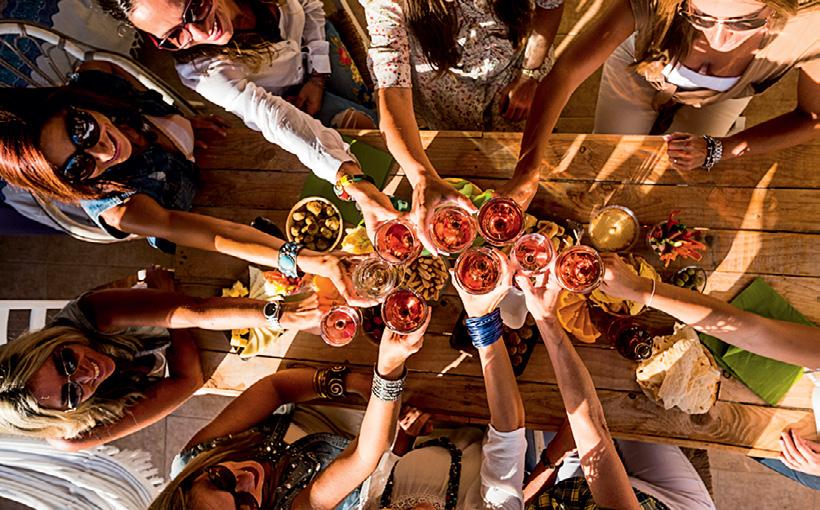
22.9 per cent of 35-49-year-olds, and under 15 per cent of all age groups aged over 50.
“In contrast, the share of Australian adults drinking wine by age increases from 28.9 per cent of 18–24-year-olds, 36.8 per cent of 25-34-year-olds, 40.2 per cent of 35-49-year-olds, and over 45 per cent of Australians aged 50+. In fact, the ‘peak’ wine drinking age group is 65-79-year-olds at almost one-in-two (49.2 per cent).
“Wine remains the most widely consumed type of alcohol – now 9,033,000 Australian adults drink wine in an average four weeks, a marginal increase of 124,000 since late 2022, but up over 900,000 since pre-pandemic. The share of adults drinking wine is at 41.7 per cent, up from 41 per cent pre-pandemic.
“Heading in the opposite direction to these alcohol categories in recent years, and indeed for the last two decades – is consumption of beer. Now fewer than a third of Australian adults (32.3 per cent) drink beer in an average four weeks – down a full 10 percentage points from 20 years ago.
“Unlike other alcohol categories, the decline in consumption of beer did not reverse during the pandemic but has stabilised since late 2022. Now 6,991,000 Australian adults (32.3 per cent) drink, up from a low of 6,636,000 in the 12 months to September 2022 – an increase of 355,000.
“Beer drinking is concentrated among two age groups with 35 per cent of adults aged 35-49 (1,938,000) and 35.7 per cent of people aged 50-64 (1,695,000) drinking beer in an average four weeks – comprising over half of all beer drinkers.” ■
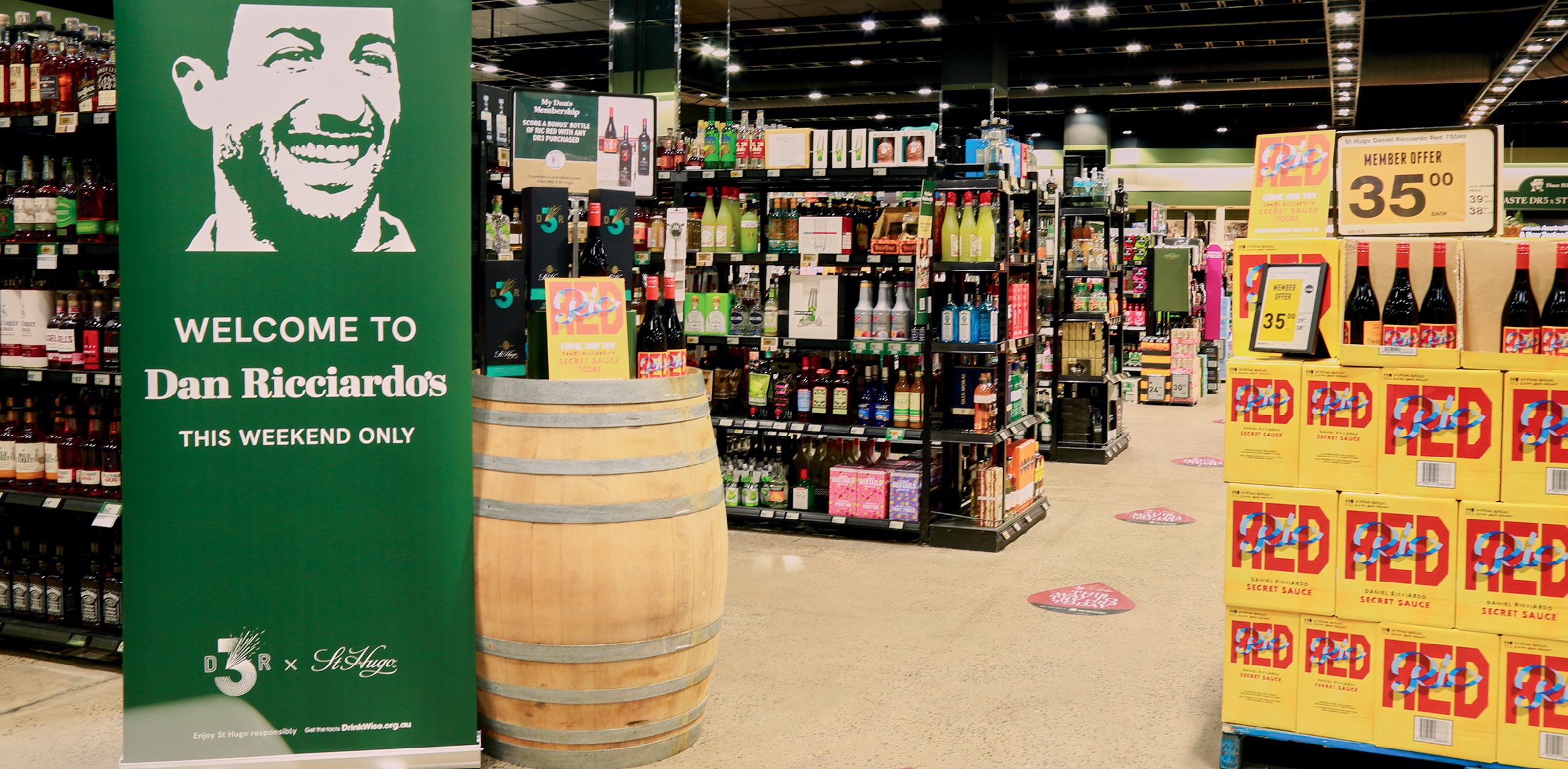
New research from Shop! ANZ with Vypr reveals how price pressure, promotions and moderation are reshaping Australian liquor shopping behaviour.
Who is the liquor store customer of today, how are they shopping and what are they looking for? These burning questions hold the key to providing shoppers with what they need. Retail marketing association, Shop! ANZ, and our intelligence partner, Vypr, have taken a deep dive into this and more, to help liquor suppliers, retailers and marketers to better tailor their offerings to customer needs.
So, what do we know about Australian liquor store shoppers?
The first thing to note is that Australian drinking behaviours are shifting. Almost half of consumers report drinking less or having stopped altogether compared to last year. This decline is driven primarily by the pressures of rising household costs – with the key issues being rising inflation and the threat of further interest rate rises.
But it’s not all doom and gloom – two in five, or 40 per cent of Aussies are drinking the same amount, and just over 10 per cent of people say they are drinking more. The
implications of these stats are that alcohol is now viewed as more of a discretionary item, and one of the first to be sacrificed during periods of financial strain.
While consumers are not abstaining across the board, they are becoming more selective about when and why they drink. For the industry, this means volume growth is unlikely to come from increased frequency. Instead, opportunities lie in premiumisation, innovation, low and noalcohol formats, and delivering stronger value propositions that justify spend.
Keeping all this in mind, it’s unsurprising that the majority of alcohol purchase decisions are made with price as a key consideration. Almost two thirds (66 per cent) of consumers say price is the most important factor when purchasing alcohol in liquor stores, outweighing brand story, packaging, or provenance.
Price sensitivity is at the heart of
Australian drinking behaviour, both in pubs and bars as well as in liquor stores. Eightyfive per cent of consumers have noticed that alcohol has become more expensive over the past five years.
When it comes to retail stores, 82 per cent of shoppers say liquor store prices have risen in the past five years. A quarter of drinkers consider these price hikes to be unfair, showing that even in stores, where shoppers can compare across brands and formats, price remains a highly sensitive issue.
This of course has a flow on effect to just how much consumers are willing to spend on their favourite tipple. Most consumers fall into a mid-range spend when buying from liquor stores. But what is considered mid-range these days? Almost two thirds, or 65 per cent, spend between $11 and $40 per trip, whether that is on a bottle of wine, a six-pack of beer, or a small basket of mixed items.
Lower spenders (12 per cent) typically pick up a single item, while around one in
four (23 per cent) consumers spend more than $40, often linked to bulk purchasing or premium choices. This spread suggests that while affordability is key, there is still space for trade up, provided the product communicates quality and value clearly.
Playing to a shoppers keen eye for a bargain has become central to purchase decisions. Promotions that create immediate, tangible value are favoured, with half of Australian alcohol shoppers indicating that ‘buy one, get one free’ deals are the most likely to influence their choice, with a further 47 per cent preferring price discounts.
Other popular mechanisms to drive basket size and include multi-buy deals (31 per cent) and loyalty rewards (28 per cent). In contrast, free gifts (19 per cent),
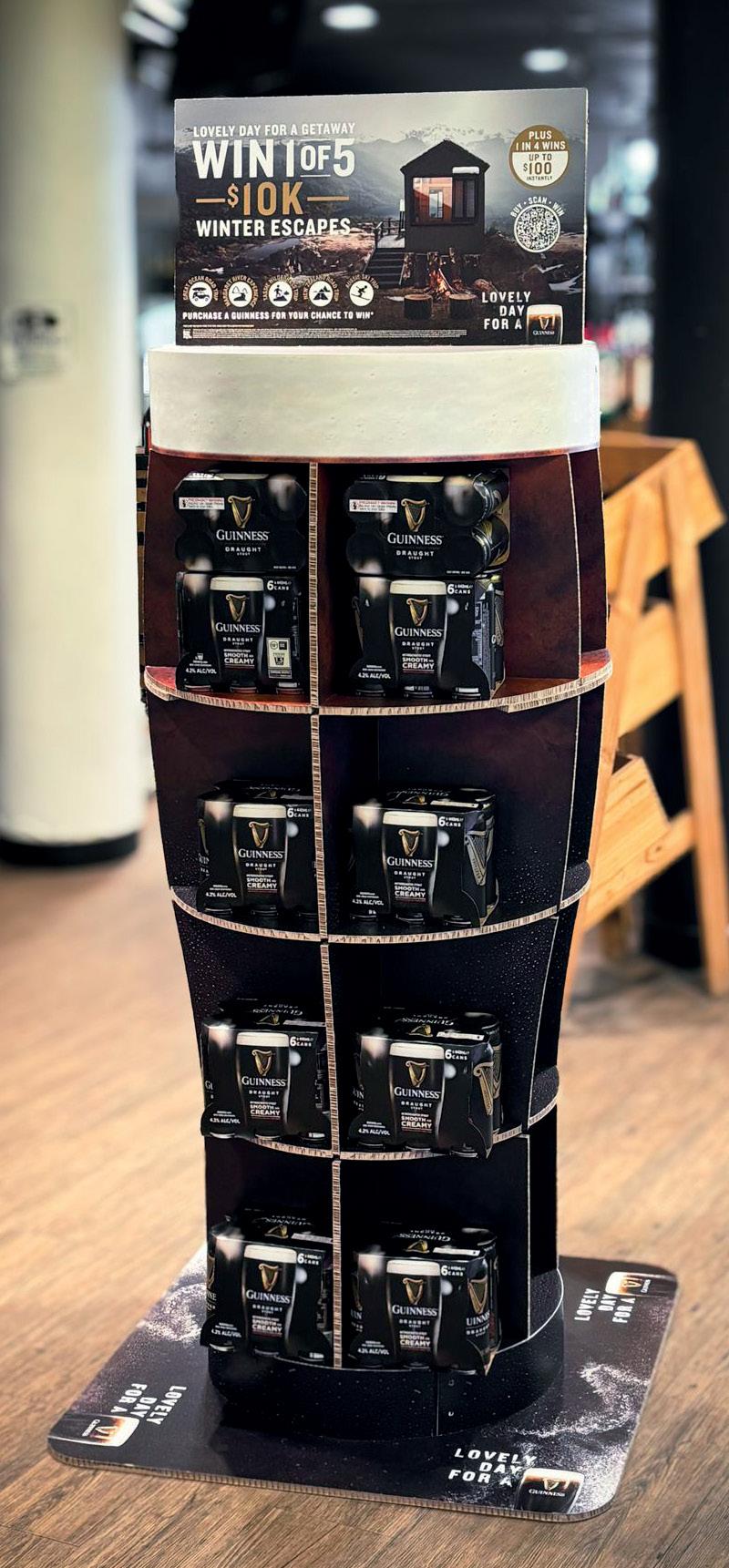
competitions (two per cent), and in-store tastings (10 per cent) have less sway.
In-store is one the most effective points on the path to purchase journey to encourage buyers to part with their hardearned cash. Shoppers are most likely to notice promotions where they make the decision – on the shelf itself via signage (42 per cent). End caps (37 per cent) and point of sale displays (40 per cent) are the other big influencers, while posters (28 per cent), staff recommendations (14 per cent), and sampling stations (21 per cent) also have an impact.
Suppliers and retailers should focus on clear, visible deals at the point of purchase. Those who succeed will be the brands and venues that give shoppers a sense of value, whether that’s on a schooner in a bar or a bottle from the local liquor store.
More than half of Australians drink wine (56 per cent), just over half drink beer (53 per cent), and a similar proportion drink spirits (51 per cent). Only a small minority (eight per cent) say they do not consume any of these categories.
This balance suggests that Australians are not strictly loyal to one type of alcohol, but instead choose across categories depending on occasion, mood, or price. The three leading categories are essentially competing on even footing, meaning that differentiation must come from flavour, value, and context of consumption rather than category dominance.
Despite being the largest market, wine drinkers can be fickle shoppers. Only around one in five (22 per cent) wine drinkers consistently buy a single brand, while most either switch between a handful
Scan the QR code to download the full Shop! ANZ x Vypr report, Australian Liquor: What Shoppers Want In-store Now.
or simply purchase whatever is on offer.
Brand loyalty is strongest among beer drinkers. Half have a go to brand, and nearly all identify with particular labels. Corona, XXXX Gold, and Great Northern were noted as favourites among those we spoke to. This brand loyalty makes consistency in quality and availability particularly important, as once consumers find a brand they like, they are less inclined to stray.
Those purchasing spirits are likely to do so less frequently than other alcohol consumers, with spirits playing a more occasional role tied to social gatherings or cocktails. Brand loyalty is weakest for spirits. Nearly three quarters, or 72 per cent of spirit drinkers rotate between brands. The majority of spirit buyers at 80 per cent, express indifference, saying they drink “whatever is available” or name categories like ‘vodka’ or ‘whisky’, rather than a brand.
The Australian liquor market is in a period of recalibration. Consumers are drinking less overall, and responding to promotional triggers in both on-premise and off-premise channels. For marketers, suppliers and retailers, the challenge lies in effectively positioning products in a market where moderation, value, and taste are the key decision drivers. ■
Carla Bridge is General Manager of Shop! ANZ, the only not for profit association dedicated exclusively to growing and supporting Retail Marketing disciplines across Australia and New Zealand. Part of a global network, Shop! ANZ offers membership, events, research, education and training for relevant to all retail marketers.
As we enter 2026, off-premise liquor must prioritise vision, relevance and alignment over short-term price-led strategies.
As we move into 2026, off-premise liquor is in an odd position. Shopper satisfaction improved throughout last year, premium cues are landing more clearly, and occasionled purchasing is becoming more deliberate and more valuable.
Yet the two biggest players in the country are battling falling profits and chasing a ‘value-conscious’ shopper that likely isn’t as prevalent as they think.
Price-cutting as a strategy has its limits and doesn’t address the underlying weaknesses that exist in the channel.
Shopper data points to exactly those tensions. While satisfaction has lifted overall, the gains are being driven largely by older shoppers. Younger shoppers tell a different story. They feel less confident navigating the offer. Less convinced by what they see on shelf. Less certain that off-premise liquor reflects how they want to shop, drink, and socialise. That is not a marginal issue. It is a signal about where future demand may soften if things don’t change.
These shoppers are not turning their backs on alcohol. They are more considered in how it fits into their lives. They shop with a clear occasion in mind. They care about authenticity, moderation, and how liquor sits alongside food and shared experiences. When those cues are unclear or inconsistent, frustration builds. And frustration does not always show up as complaint. Often, it shows up as disengagement.
The question for 2026 is whether the industry is prepared to respond with intent, or to keep papering over the cracks with special offers.
One area that deserves honest reflection is our reliance on price as the loudest message. Promotions will always matter, but when discounting becomes the primary signal, brands lose meaning and categories flatten. Shoppers increasingly plan brands before they enter the store, yet follow-through at shelf is weakening. That points to a broader issue of coherence, not just pricing.
Equally important is how well we design the experience for the next generation of shoppers. Younger shoppers do not want
“Off-premise liquor does not need reinvention. It needs vision.”
David Shukri

David Shukri
to hunt for answers. They do not want to decode range or signage. They want clarity and reassurance that what they are choosing fits the moment they’re buying for. That requires deliberate design, not incremental tweaks to existing formats.
Above all, the next phase of growth will depend on stronger alignment between retailers and suppliers. Many execution challenges are not failures of effort, but failures of alignment. What works well for older shoppers today does not automatically translate to younger ones. Category strategy, innovation, and activation need to reflect that reality.
Off-premise liquor does not need reinvention. It needs vision and the willingness to look beyond short-term price cuts and invest in relevance that will endure.
The year ahead may be defined by an ongoing race to the bottom if the visionaries who can lead it into the future stay silent. ■

Steve
The spirits sector in Australia has plenty of reasons to enter 2026 feeling optimistic about the future.
Sure, economic headwinds such as inflation, possible interest rate rises and stagnant wage growth will continue to affect consumers’ hip pockets, and taxes on spirits remain amongst the highest in the world (and much higher than beer or wine), but the stage is set for some positive outcomes on key policy settings that could bring about more favourable trading conditions.
Pre-mixed spirits continue to capture greater market share, with more and more variety becoming available in terms of flavours, container size and a range of ABV options. We can expect to see more product innovation and further expansion of offerings, including into the on-premise as venues respond to the changing preferences of their patrons.
Politically, the Albanese Government remains ascendant but is being challenged to contain spending to counter inflation, deliver cost-of-living relief and rebuild social cohesion following December’s appalling Bondi terrorist attack.
Already we’ve seen the Government introduce legislation to freeze the excise on draught beer for two years as a cost-of-living measure, and MP speeches in Parliament have highlighted the role played by people having a drink in hospitality venues in supporting local community engagement.
Spirits & Cocktails Australia has developed a proposal to extend this freeze to tap spirits – specifically pre-mixed spirits designed to be connected to a pouring system and bulk

“Pre-mixed spirits continue to capture greater market share, with more and more variety becoming available in terms of flavours, container size and a range of ABV options.”
Fanner
containers of full-strengths spirits. This proposal has the support of pubs and clubs, and we are looking to work collaboratively with other sector groups in 2026 on a broader approach to on-premise excise.
The Government also oversees a broken excise system, which is leaking revenue in every direction. Fuel excise is being undermined by the uptake of EVs, tobacco excise has collapsed in revenue terms as illicit tobacco runs rampant. In alcohol, the ATO admits it is missing more than $700 million per year in spirits excise alone, a
figure that is rapidly rising and will soon cross the $1 billion per year threshold.
This spirits ‘tax gap’ identified by the ATO is being fuelled by exploitation of the tax-free threshold in the Alcohol Manufacturers Remission (AMR) scheme. The rise of aggregators pooling up excisefree spirits from multiple producers for sale in large quantities is an unintended consequence of the tax break designed to support craft distillers. It is distorting the market and punching an ever-bigger hole in the Federal Budget.
Spirits & Cocktails Australia has provided a submission to the Treasury consultation on increasing the AMR threshold and will make the integrity of the excise system a core focus for 2026. The remission threshold is an important policy supporting the development of the emerging Australian spirits sector, and the tax break should go only to legitimate distillers who have trademarks, who sell direct to customers, and who are claiming only one tax break. ■
Wine Australia is shaping a stronger future for the sector by inspiring consumers to choose Australian wine for more occasions.
With global wine consumption continuing to fall short of production, Australia isn’t the only market facing a challenging environment, and softening demand underscores the importance of bold, collaborative action. Guided by the One Grape & Wine Sector Plan and Wine Australia’s Strategic Plan 2025-30, the focus is clear: unlock new market opportunities, build a more sustainable and resilient industry, and foster greater innovation across the value chain.
In 2025, Wine Australia successfully delivered on these goals with a refreshed marketing strategy, practical new tools to help grapegrowers and winemakers guide business planning, the commencement of the National Vineyard Register development, and programs to build skills and capability across the sector.
A major component of the refreshed marketing strategy was the ‘We make a wine for that’ campaign, designed to keep Australian wine front and centre in the domestic market.
Wine Australia CEO Dr Martin Cole describes the campaign as a platform to remind consumers of the relevance of Australian wine, showcasing its full breadth and capturing attention from category competitors.
“By connecting with real occasions, we’re working collectively to make Australian wine top of mind for more consumer moments – from relaxed gatherings to premium celebrations,” Cole stated.
The campaign resonated strongly, reaching more than 500,000 industry profession-

Wine Australia partnered with Endeavour Group in 2025 to release the first-ever State of the Grape report, providing insight into the trends and innovations shaping the wine category in the off-premise.
“The trend that stood out was consumers shifting their consumption occasions to more meaningful, social catchups. They’re choosing lighterstyles across all alcohol and are looking for value-focused packaging, for example economical pack sizes and ultra convenience.
“These insights are important for wine businesses to capture the available opportunities, and for Wine Australia they are part of the insights that shape our strategic investments for industry,” says Cole.
als and driving direct engagement through Wine Australia’s digital marketing channels. For consumers, it drove awareness of Australian wine regions and varieties, with traffic to australianwine.com up 386 per cent compared with the previous year.

“Feedback from retailers has been very positive and we have seen great results in terms of driving reach and top-of-mind awareness with their customers. We look forward to continuing to build on this momentum as we head into the new year,” Cole added.
In the year ahead, Wine Australia’s focus remains unchanged – helping address the industry’s most pressing challenges in partnership with Australian grapegrowers, winemakers, wine businesses and exporters.
“Our Strategic Plan and Annual Operational Plan detail our response to the challenges. How we adapt and respond along the value chain – from grape to glass – is important to unlocking opportunities,” Cole told National Liquor News
“In 2026, we’re focused on research and innovation, market diversification, sustainability and protecting the integrity of Australian wine to support the sector’s goals. We will deliver market development activations to support producers to seek growth, support global market access to unlock further potential, provide insight to support the balancing of supply to meet demand, and unlock additional funding streams through enhanced market insights, critical research and innovation, ESG, and extension and adoption projects.
“By aligning with the One Grape & Wine Sector Plan, we’re positioning Australian wine for long-term success, ensuring it remains relevant, competitive and celebrated worldwide.” ■

Industry leaders take a closer look at the key trends and consumer behaviours expected to influence the liquor retail landscape in the year ahead, as identified in the National Liquor News 2026 Leaders Forum.
“The biggest opportunity lies in creating and amplifying drinking rituals that connect with consumers – whether it’s refreshing serves like highballs or new formats that fit social and food-led occasions. Rituals will remain a powerful way to build relevance and brand loyalty.”
Gordon Treanor, Licensed Sales Director –Australia, Suntory Oceania
“Better-for-you options across beer and wine will gain further traction as wellness considerations increasingly influence purchasing decisions. Championing local producers will also remain an important focus as customers continue to seek authenticity and regional connection.”
Joanne Elson, Category Manager, Drakes Cellars
istock.com/Liudmila Chernetska
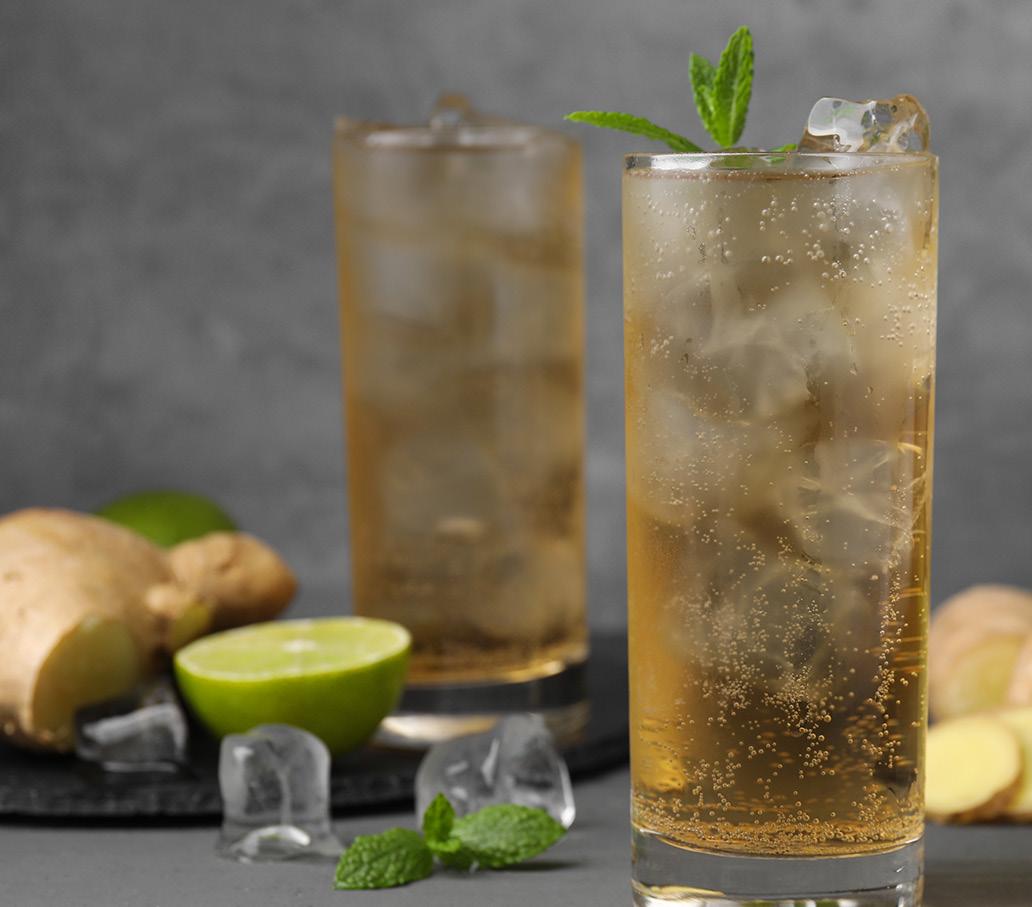
“Authenticity will be a defining theme in 2026. In a world increasingly dominated by digital, consumers are pushing the other way, toward interactions that feel trusted, relatable and consistent across experiences, brands and products. Nostalgia is playing a growing role in that pull toward familiarity rather than novelty for its own sake.”
Nathan Rowe, CEO, Paramount Liquor
“Traditional categories will continue to blur as suppliers continue to look for innovation to drive their growth, so potentially we could see more offerings that are influenced by soft drinks entering the market this year.”
Andrew McKay, Associate Director, Red Bottle
istock.com/fotostorm
“Premiumisation will remain a key trend, with shoppers drinking less but choosing better – from boutique wines and premium beers to innovative RTDs and larger-format spirits. At the same time, occasion-based socialising will continue to influence demand, driving growth in chilled, convenient and easy-entertaining options. Independent retailers are well positioned to capitalise on these shifts through tailored local ranges, private label programs and the agility to respond quickly to emerging consumer preferences.”
Anthony Abdallah, CEO,
Independent Liquor Retailers
“Cost-of-living concerns persist. We know consumers are looking for drinks that are affordable, and that offer a range of options, including no- and low-alcohol and zero sugar, as well as delicious alcohol alternatives. The idea of one-size-fits-all refreshment is fading fast. Consumers tastes are changing, and they want options for different occasions and moods, which is what we strive to deliver.”
Amanda Sellers, Group CEO, Asahi Beverages
“The moderation movement is no longer a niche trend – it’s a structural shift in consumer behaviour. Our integration of Quarter Proof into the portfolio has been a strong first step, and we plan to continue expanding in this space with products that deliver full-flavour experiences at lower ABVs. The key is ensuring that these offerings don’t feel like compromises; consumers want balance, not sacrifice.”
Drew Doty, Managing Director, Proof Drinks
“Value will remain a major consideration. With cost-of-living pressures continuing into 2026, shoppers are more selective and looking for products that feel worth their spend. Brands that deliver both quality liquid and strong brand experience at a fair price will be well-positioned to grow.”
Will Morgan, Director and Co-founder, FELLR
“Quality and provenance will continue to shape purchasing decisions, with consumers expecting transparency, curation and expertise from their retailers. Occasion-led shopping will remain a critical growth area. Retailers who can offer genuine guidance and a sense of place, not just price competitiveness, will be best positioned in the year ahead.”
Chris O’Brien, General Manager, Liquor Barons
“We’re seeing strong momentum in small-format options, particularly 50ml and 200ml packs, especially within glass spirits. As consumer occasions evolve, these formats are meeting demand for flexibility, moderation and trial without compromising quality.”
Adrian Moelands, General Manager, Thirsty Camel Victoria
istock.com/franckreporter


“There are consistent trends around economy, generational appeal, occasion, flavour exploration, abstinence etc. There are so many variables. My prediction, at least in the Liquor Legends world, is that we’ll take it as we see it and adjust accordingly. One thing I do believe, we’ll see a lot more connection between off-premise and on-premise.”
Vaughan Peters, National Trade & Marketing Manager, Liquor Legends
“The cocktail culture, diversity of beverages and innovation continues to drive growth. Sparkling continues to perform driven by flavoured spritz, Prosecco and a rebound back into Champagne. Celebration and refreshment are top of mind for customers and the rise of trending new flavours in spritz drive consumers into this category.”
Jason
Bowyer, Buying Director, ALDI
“An interesting area of focus for Asahi is building our understanding of consumer attitude towards different types of beverages, when and where they like to consume them. This helps ensure we are keeping up with social trends, and producing drinks that people enjoy, for a wide variety of social occasions. For example, small group catch-ups of two to three people have increased in popularity, perhaps due to the busyness of people’s lives, and on these occasions, people like to have a beer or a pre-mixed drink.”
Amanda Sellers, Group CEO, Asahi Beverages
istock.com/IL21
“While moderation remains a dominant consumer theme, we are witnessing a distinct evolution in how it plays out. The conversation has shifted from the calorie-counting of recent years to a flavourforward demand. Younger legal drinking age consumers in particular are seeking products that enhance key occasions without compromising on taste; they are choosing to moderate via volume rather than flavour intensity. Simultaneously, we are seeing a robust recovery in super-premium. Single malts, for instance, delivered doubledigit growth over the Christmas trading period.”
Brad
Madigan,
Vice President and Managing Director, Brown-Forman ANZ
istock.com/SeizaVisuals
istock.com/Valeriia Horovets
“The current trends will continue to focus on health-conscious choices, preferencing low sugar and no- and low-alcohol options as ranges continue to expand, as well as a move to lighter wines and cocktail innovations in the RTD space.”
Paul Esposito, CEO, Independent Liquor Group
“Smaller formats will keep gaining momentum – consumers want flexibility, whether that’s for moderation, trial, or convenience. Flavour will remain a major growth driver. It’s not just about light spirits or RTDs; we’re seeing flavoured options resonate across dark spirits and even sparkling wine, because they bring new consumers into the category and create fresh occasions. Finally, lighter and fresher styles will continue to trend. Think tequila long drinks, spritzstyle serves, and other refreshing formats.”
Kevin Mapson, Managing Director, Pernod Ricard Pacific
“We expect RTD shoppers to become even more intentional. They will shop by occasion rather than price alone, and premium RTDs will continue to gain space as consumers trade up. Shelf standout, clear communication, and trust in the brand will matter more than ever, particularly as the category becomes more crowded.”
Mikkeli Han, ANZ CEO, Brewguru
“Strong brand equity and authenticity will be a differentiator. RTD drinkers care about more than just price – they notice quality, consistency, and the story behind a brand. Those that combine flavour, credibility, and authenticity will stand out from the pack and maintain loyalty, even as the market remains competitive.”
Will Morgan, Director and Co-founder, FELLR
istock.com/Seva_blsv
“We expect to see continued strength in vodka, particularly brands with versatility and clear identity, and RTDs evolving towards simpler flavour profiles, better balance and stronger brand cues. Consumers are prioritising quality and familiarity over experimentation, and ongoing pressure on price, reinforcing the importance of value beyond discounting.”
Dylan Alexander, Founder, We Are Tailored
“If you look at cultural, economic and scan trends, the days of blind experimentation and complicated cocktailing at home that we all picked up during Covid have well passed. Savvy consumers are still willing to spend more on quality liquids and experiment, but they’re looking for more from the bottle; the resurgence in the popularity (and craft) behind classic serves we saw in 2025 isn’t going anywhere, but we’re also seeing increased appetite via our digital channels for breadth of serve recipes across a single product and also multi-serve/ hosting ideas for home.”
David Vitale, Founder, Starward
istock.com/Shaiith

“We expect continuity rather than dramatic shifts. Tequila will remain a standout growth category as consumers become more confident in creating cocktails and mixed drinks at home. Innovation will continue to be critical for attracting shoppers, but the strength of trusted, core brands cannot be underestimated, they provide familiarity and confidence in a crowded market. Retailers who balance innovation with the equity of established brands will be best placed to capture consumer attention and drive sustained growth.”
Mitchell Lenaghan, Director of Licensed, CCEP
“We expect to see three clear themes – flavoured whisky and premium RTDs will continue to outperform, especially spirit-led formats with clear provenance and credibility. Simplification of choice will accelerate, with retailers backing proven performers over endless line extensions – authenticity, origin, and trust will matter more than ever. And consumers are becoming more selective, favouring brands that are genuinely built, not quickly assembled.”
Daniel McLaughlin, Co-founder and Managing Director, Scapegrace Distilling Co
“Will lemon RTDs slow down? I hope so… but probably not. They’re winning. Dark spirit drinkers are moving to lemon drinks in black cans in droves. It’s unisex, it’s simple, it works –and it was hiding in plain sight. RTDs have spent years taking things out — sugar, calories, preservatives. The next wave will be about putting things in, nootropics, adaptogens, BCAAs, electrolytes. They’re here, but they’ll move into the mainstream. In spirits, I’m loving that European drinking culture is finally embedding itself here — vermouths, spritz, vibrant aperitivo moments. Aperol and Campari cracked something open, and we’re all benefitting.”
Adam Ballesty, Managing Director, Manly Spirits Distilling Co.
“High ABV RTD products continue to be a growth driver, and we expect further innovation in this space over the coming year. Alongside this, pack formats and vessel sizes are continuing to push beyond traditional norms, reflecting changing lifestyles and consumption patterns.”
Adrian Moelands, General Manager, Thirsty Camel Victoria
“Building on the trends of 2025, consumer choice in the RTD sector remains both a significant opportunity and a challenge. With the market crowded by an influx of new entrants and a shift toward ‘light’ RTD offerings, established heavyweights like our Jack and Cola must continue to innovate in both flavour and format to maintain a fair share of voice, which is something we intend to continue in 2026.”
Brad Madigan, Vice President and Managing Director, Brown-Forman ANZ
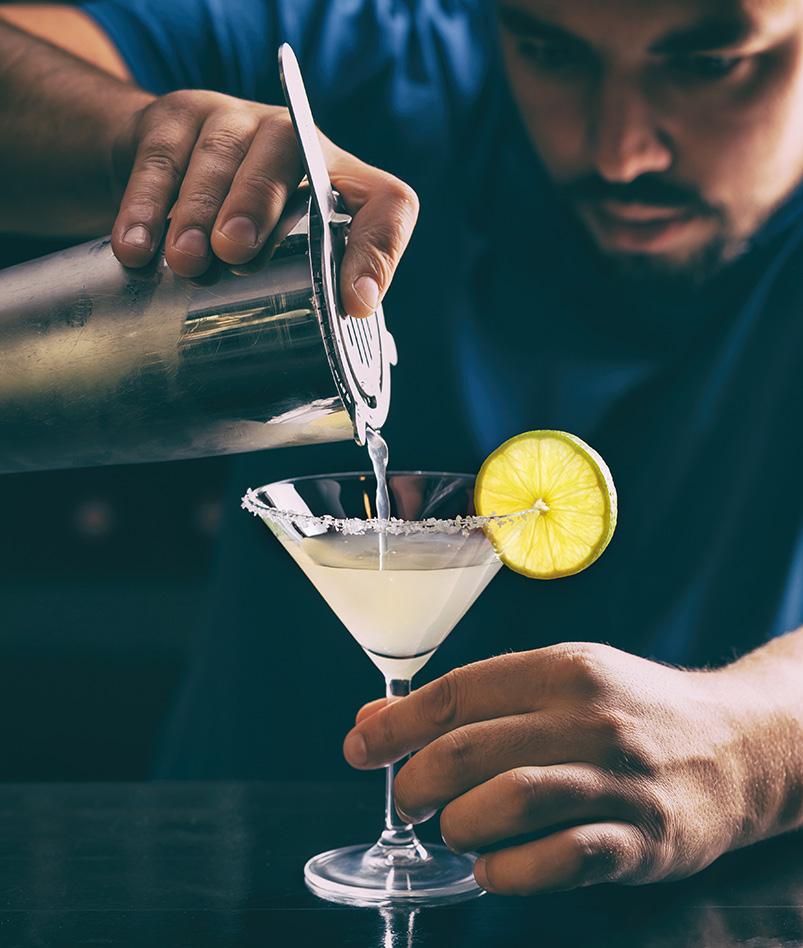
“In 2026, it is time for the off-premise liquor market to harness the on-premise spritz trends and provide solutions to shoppers that help them enjoy these spritz-style serves at home. This can play out through increased spritz RTD ranging, but we believe there is a bigger opportunity in driving sales of FBS and flavoured mixers through co-location and education of perfect pairings to recreate simple spritz-style serves at home.”
Alanna Gibson, Head of Strategy ANZ, Fever-Tree
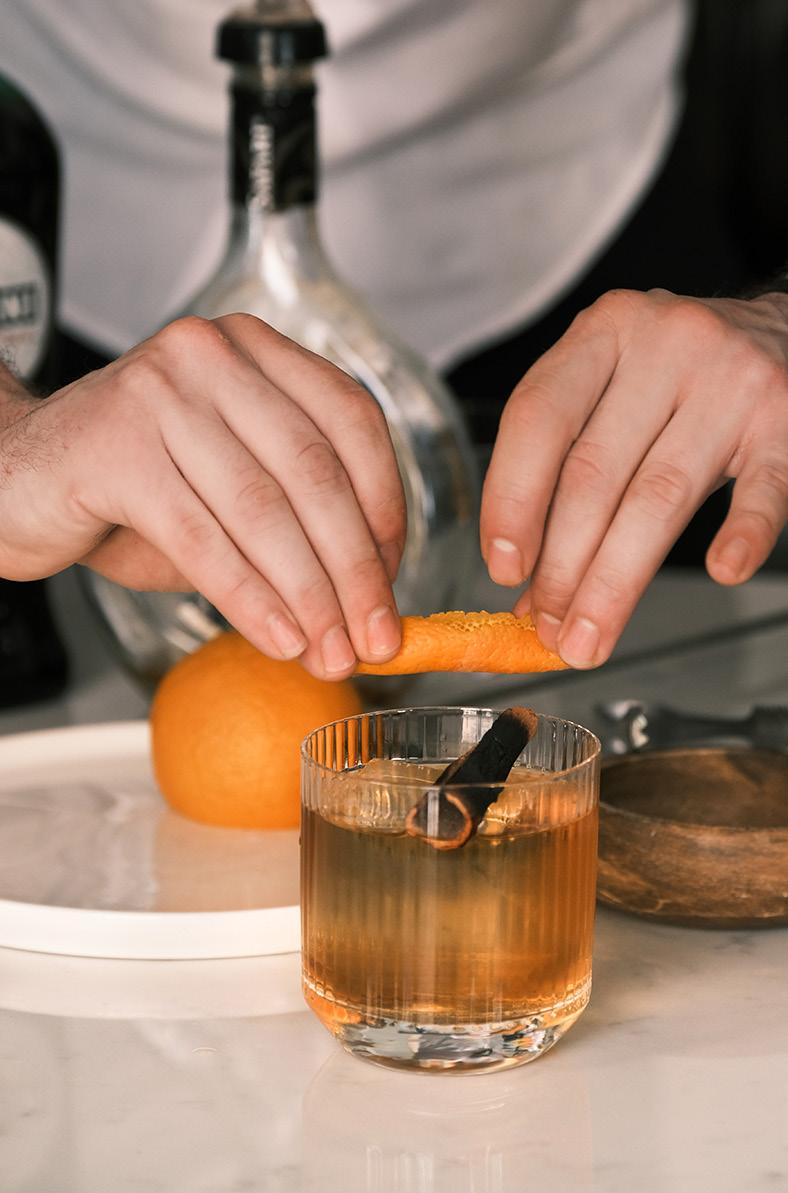
“We are seeing a continued shift toward ‘smart value’. This isn’t just about price; it’s about format. RTDs continue to be a powerhouse because they offer flavour innovation and price certainty – a customer knows exactly what they are spending for a four-pack. We also expect the premiumisation trend to hold up in specific pockets. Even when budgets are tight, customers will treat themselves to a small luxury, like a nice bottle of spirits or premium wine. The home premise remains a massive opportunity for retailers.”
Jeanette Fenske, Managing Director, BWS
“I would predict that we’ll see a continuation of discerning spending, where consumers are really questioning and seeking to understand the value proposition of their spirits, and how that lines up with their values. I also expect to see a continued growth in local whiskies driven by consumers becoming increasingly aware of the quality of our distilling scene, and in a global context the continued growth of ‘world whiskies’ offering diversity, excitement and fresh thinking into the traditional whisky category.”
Andy Gaunt, CEO, Sullivans Cove
istock.com/SeventyFour
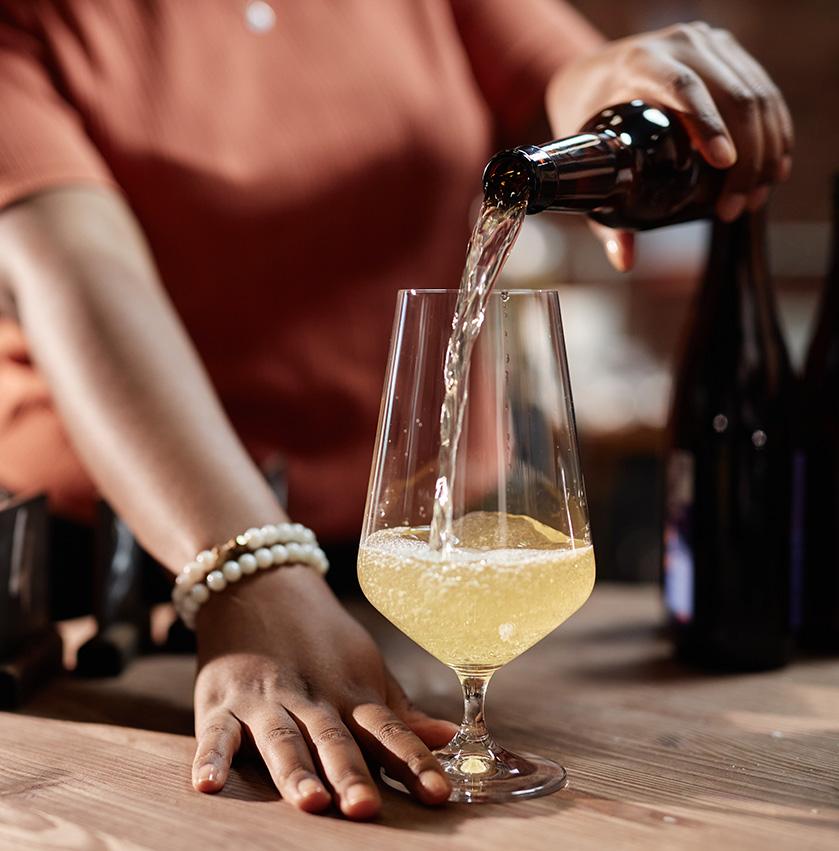
“My members have been innovating many new varietals of beer like radlers, full-flavour low-alcohol, and marketing products that meet particular requirements such as gluten-free and low-no carbohydrate beer. Brewers pride themselves on their capacity to create products that meet different tastes and consumer needs, and what’s great for beer-drinkers is they can purchase smaller volumes or packs of a product. Buying beers in a single, four- or six-pack, allows customers to sample new beers with friends to find the perfect beer and even experiment with how well different brews actually go with certain foods. Consumers have been showing us for a few years now that they are more interested in the experience food and drink pairing, and beer can absolutely contribute to the trend of matching drinks with food.”
Amanda Watson, CEO, Brewers Association
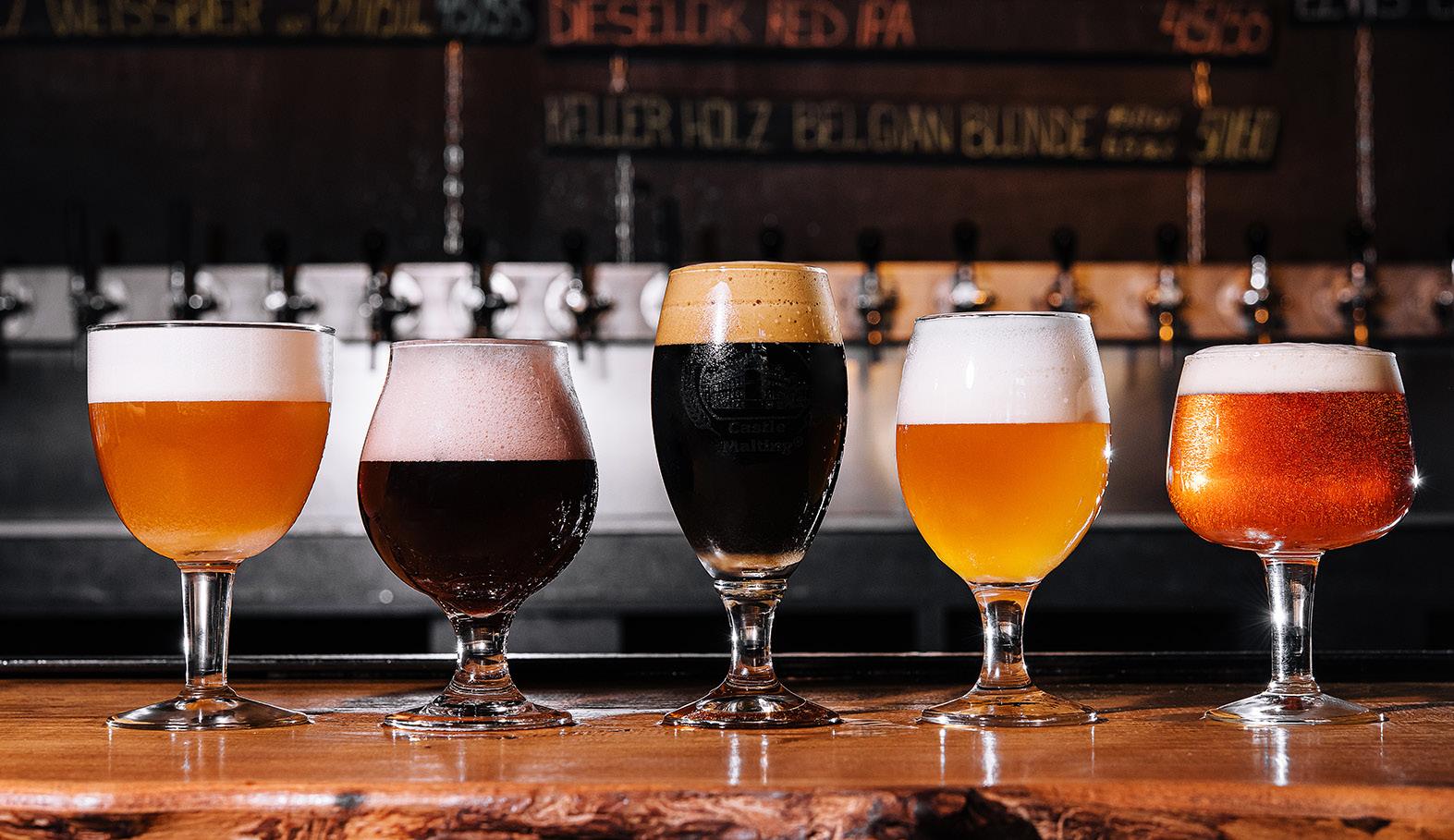
“I believe beer will continue to be defined by easy-drinking lagers, with strong growth across contemporary, international, and craft segments. Consumers are increasingly gravitating toward clean, approachable flavour profiles, supporting the ongoing rise of mid-strength beer. Cans will further cement their dominance in the off-premise, driven by convenience, sustainability and greater occasion breadth. Alongside this, I personally believe there may be a small swing back toward genuine craft innovation. Even as the market favours sessionable liquids, there is always a ‘zig to the zag’, with engaged consumers seeking new and interesting craft offerings.”
Mick McKeown, GM Sales & Marketing, Good Drinks Australia
“From a category perspective, the shift to moderation will continue to shape choices in the year ahead – whether it’s opting for lower alcohol or lower carb/calorie beverages. More broadly, in 2026 we predict high expectations from consumers for personalisation will continue to rise. Consumers want brands and retailers to meet them where they are, with value, convenience, and an exceptional experience every time.”
Anubha Sahasrabuddhe, CEO, LION
istock.com/courtneyk
“Driving the beer trend, is moderation and value. Low carb, mid strength and smaller formats are all resonating with consumers as they manage the cost-of-living.”
Jason Bowyer, Buying Director, ALDI
“The trends in flavour are changing in that the fruit ciders are beginning to settle into distinct profiles. People are less excited about the latest, newest flavour trend and are starting to find the ones that they actually like and returning to that. Another thing is the growing number of ciders in cans. For beer, being in a can is a technical thing in that you’re keeping out oxygen and you’re keeping out light. That’s less of a factor in cider, but the convenience of cans and the fact that festivals don’t like glass makes is quite a strong driver for cans.”
Warwick Billings, President, Cider Australia
“Consumption of beer has fluctuated in recent years. After peaking at 7,436,000 (38 per cent) drinking beer prepandemic, this plunged to only 6,636,000 (33 per cent) in the 12 months to September 2022 – a drop of 800,000 during the pandemic. Since then, the number of Australians drinking beer has recovered, up 355,000 to 6,991,000 (32.3 per cent) in the 12 months to September 2025, but still well below the prepandemic peak.”
Michele Levine, CEO, Roy Morgan Research
“The global growth of the premium beer category went into reverse in the first half of 2025, challenged by ongoing uncertainty and shrinking consumer expenditure, particularly in key beer markets. Nonetheless, premium-and-above beer recorded volume gains in the majority of the world’s top 20 markets, indicating that many opportunities for future growth still remain.”
Marten Lodewijks, Managing Director and President, IWSR
istock.com/GeorgeRudy
istock.com/da-kuk
“Australia’s national drink is becoming unaffordable for the average Australian. And the only organisation fighting for small Australian breweries is the IBA. We are looking to the industry to demonstrate its strong support for our Association and are always grateful to all our members that work so hard for the betterment of all.”
Sabrina Kunz, Interim CEO, Independent Brewers Association
“There’s a lot of change around pack sizes, so we’re seeing a lot of 500ml cans come into the market. Authenticity will also be a big trend in international beers, as there’re so many now brewed locally, but people are looking for authenticity in terms of source of origin. For example, Birra Morreti being fully imported from Italy allows us to extract more value. Our insights tell us that people are willing to pay a premium for products that are fully imported.”
Stephen Hopkins, General Manager, Drinkworks
istock.com/xavierarnau
“Since 2019, there has been a sustained premiumisation trend in beer, with premium and super-premium tiers gaining, showing a longterm shift towards higher-priced quality offerings. But premium-and-above beer peaked in the first half of 2024, with super-premiumand-above beer being a little more insulated. Muted consumer confidence, uncertainty, poor weather and competition from RTDs saw premium beer decline in key markets such as the US, Brazil, China and Germany. However, no-alcohol beer is bucking this trend.”
Marten Lodewijks, Managing Director and President, IWSR
“The momentum of the broader no- and low-alcohol category, including wine, will continue. Wines that are truly refreshing will continue to grow and we’ll be serving more wines chilled. Wines that deliver on provenance – the story and the taste of place – will be loved and play a vital role in the next generation.”
Catherine Wansink, Australia Market Consultant, New Zealand Winegrowers
istock.com/IL21
“In wine there has been a real appetite for new and interesting products, from ‘lighter in alcohol’ options, to fresh imported whites and rosé. Chardonnay offers excitement through premiumisation, and a diversity of styles and the buttery trend is here to stay. In red wine, increasingly we are seeing demand for styles that offer lighter, fresher and softer profiles without higher tannins and oak.”
Jason Bowyer, Buying Director, ALDI
istock.com/AleksandarNakic

“Shoppers are increasingly choosing lighter, more flexible wines that fit everyday moments. Health, wellness and moderation are becoming more important considerations, driving continued momentum behind lower alcohol wines and easy drinking styles. Convenience will also remain key, with formats such as smaller bottles and fridge-friendly options continuing to grow as consumers look for wines that suit a wider range of occasions. “At the same time, consumers are seeking wines that feel more personal and purposeful whether that is craftsmanship, quality cues, or a sustainability story that resonates. Experiences matter more than ever, with people looking to enhance their occasions through what they drink. Accessibility is therefore critical, ensuring the right pack and price architecture exists for the right moments, while still allowing the category to premiumise.”
Danny Celoni, CEO, Vinarchy
“Looking ahead to 2026, for the off-premise we would expect that the trends shaping wine consumption in 2025 will continue. These include evolving drinking occasions for wine and growing demand for wines that allow consumers to enjoy the experience while moderating their alcohol intake (mid-strength alcohol wines for example). There is also a shift toward lighter and more refreshing styles of wines, and alternative packaging formats that reflecting broader trends towards sustainability and convenience.”
Dr Martin Cole, CEO, Wine Australia
istock.com/LordHenriVoton
“We expect continued growth in lighter styles such as Prosecco, rosé and Pinot Noir, alongside spritzes and RTD-style hybrids. Sustainable formats, smaller serves, mindful consumption and strong storytelling around provenance will be increasingly important.”
Cameron MacFarlane, CEO, Brown Family Wine Group
“The most popular alcohol is wine which increased rapidly during the pandemic, from 8,065,000 (41 per cent) drinking wine pre-pandemic, up to 8,909,000 (44.4 per cent) in the 12 months to September 2022, and now up to 9,033,000 (41.7 per cent) in late 2025. This represents an increase of over 800,000 during the pandemic, but an increase of only 124,000 in the last three years – and the share of Australians drinking wine has fallen.”
Michele Levine, CEO, Roy Morgan Research

“For wine, the battle to recruit younger legal drinking age drinkers in sufficient numbers is intensifying, as many mature markets become increasingly reliant on older generations to shift the volume. Experienced drinkers are loyal, but less involved with the category, and lower spending than younger drinkers.”
Richard Halstead, Chief Operating Officer Consumer Insights and Custom Analytics, IWSR
istock.com/Feverpitched
“No- and low-alcohol wines will continue their rapid growth as health-conscious consumers seek balance without sacrificing flavour. Our dedicated no- and lowalcohol facility in the Barossa Valley, combined with our patent-pending Flavour Lock™ technology, positions us well to meet growing consumer demand for moderation while maintaining the quality and character of premium wine. Personalisation will also continue to shape the category. Consumers want products and experiences that reflect their identity – whether through flavour innovation, packaging, or digital engagement. Brands that deliver tailored experiences will see results in a competitive market.”
Angus Lilley, Managing Director, Treasury Collective
istock.com/SimonSkafar
“Above all, value will continue to matter at every price point. Premiumisation will not be limited to the top end of the market but will occur across the entire pricing hierarchy as consumers trade up for better quality, clearer propositions and wines that deliver on experience. Looking ahead, there is a real opportunity for wine to play a broader role across adjacent segments and contest other alcohol categories. By delivering clarity on what the wine is, when to drink it and why it is worth the price, brands and retailers that lead with quality, trust and relevance will be best placed to drive category expansion. Overall, the outlook for wine feels optimistic and exciting.”
Danny Celoni, CEO, Vinarchy
istock.com/jacoblund

“My predictions are that Riesling, Fiano and lighter red wines will continue to take market share from larger, more conventional segments, while the $25+ price category will show solid growth as people drink less but better. In difficult economic times, consumers tend to gravitate towards trusted brands, and brands that manage to ‘crack the code’ of engagement with younger consumer groups will perform well across all demographics, though the reverse is not necessarily true.”
Jamie
Pike, Managing Director, Pikes Wines

Your brand can reach up to 250,000+ trade customers across 6 national publications. Download the 2026 group drinks deck.
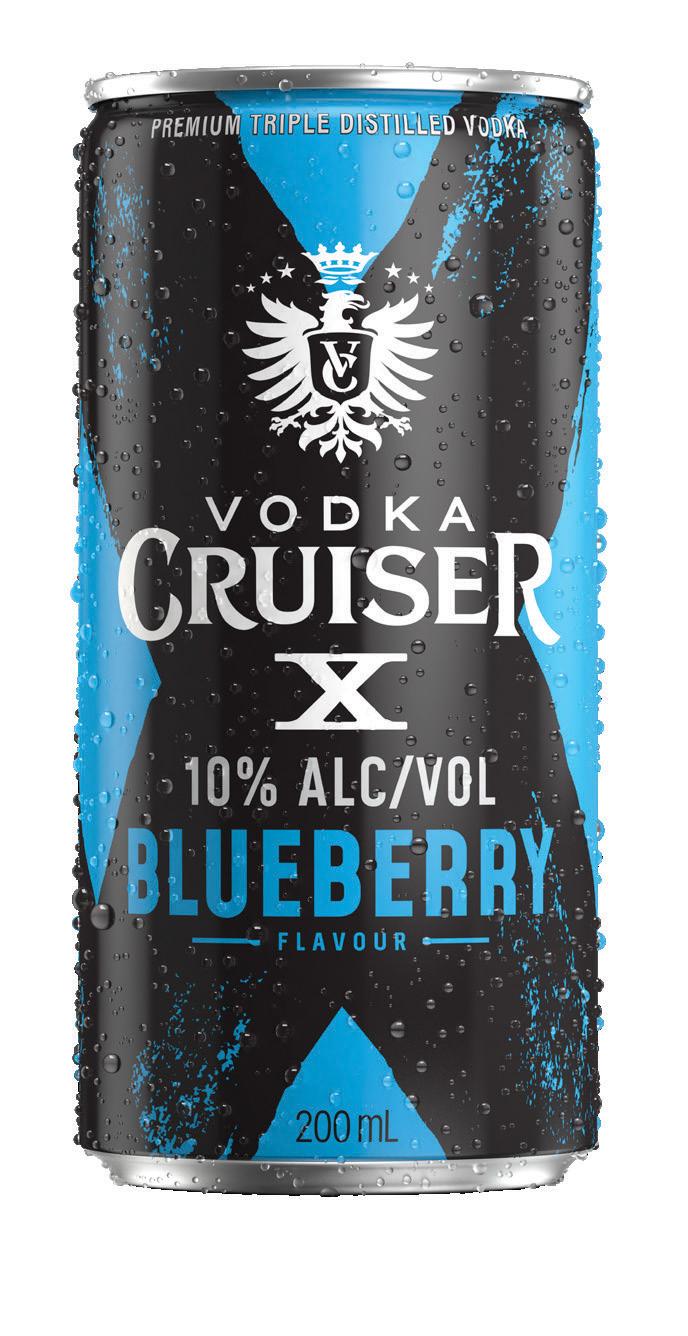
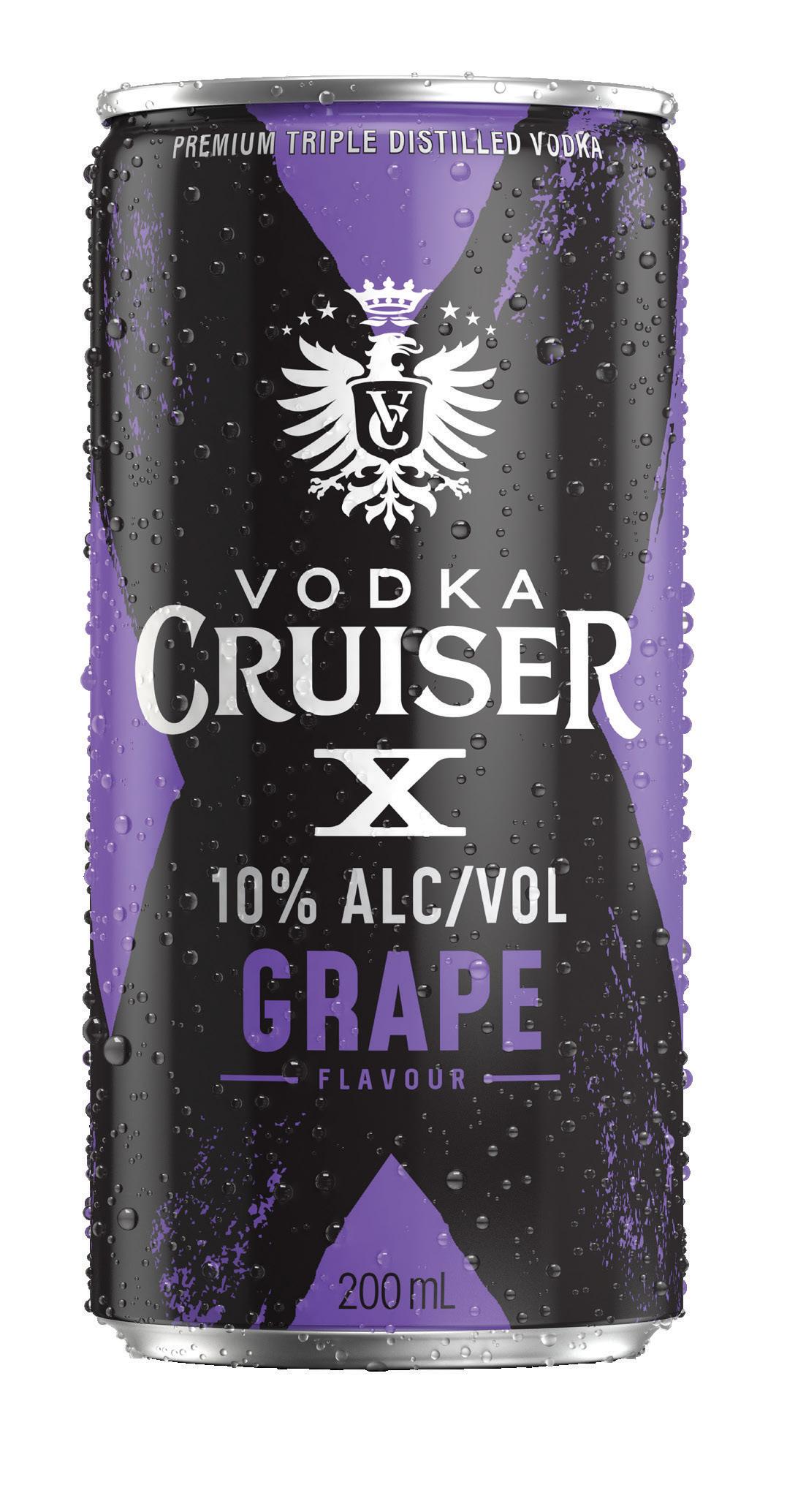
START YOUR NIGHT WITH X