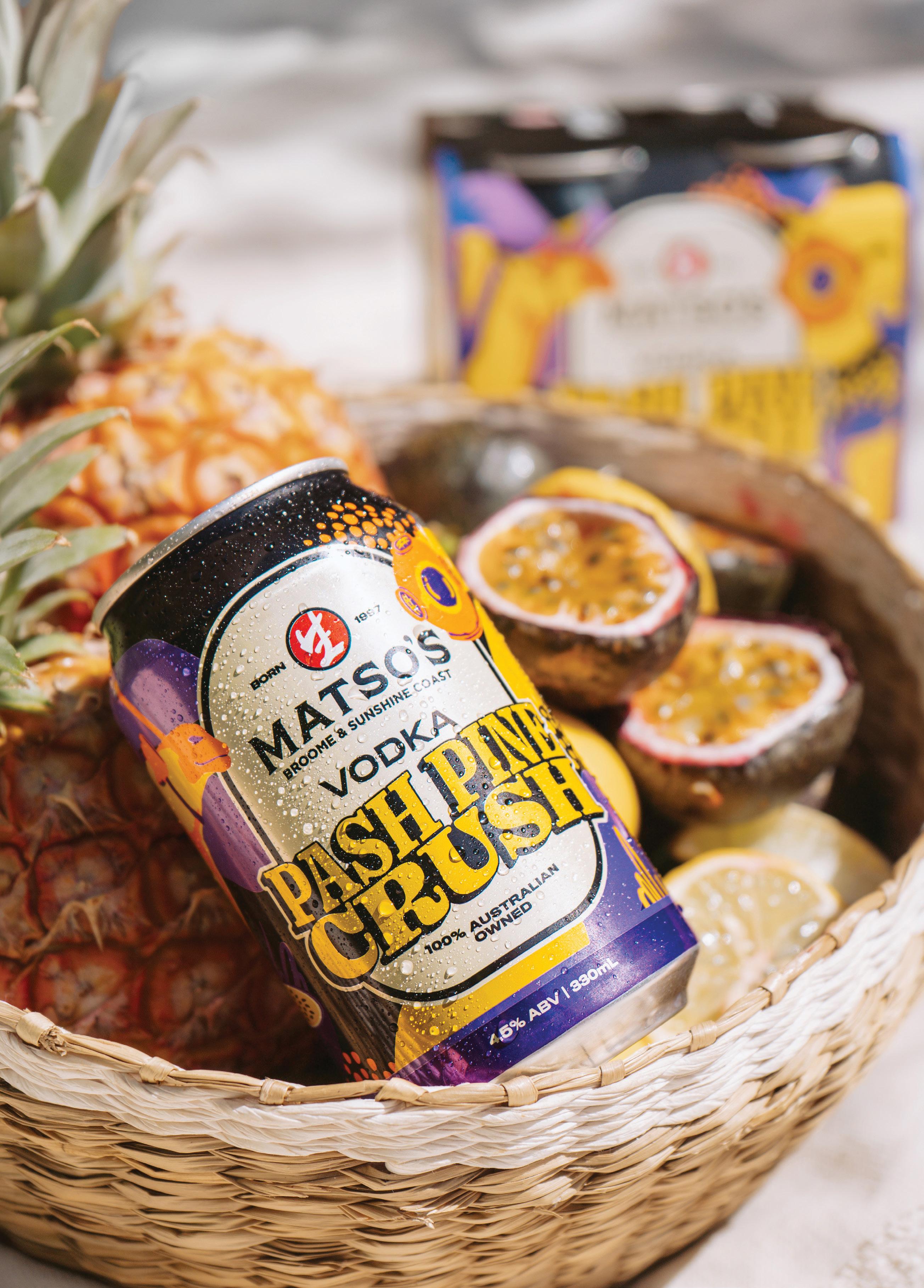
10 Cover Story: Matso’s Vodka Pash Pine Crush has hit pub taps nationwide after a massive summer of sales.
12 Pub Leaders Summit Preview: Check out the stellar line up for the Summit, held on Monday 13 July in Sydney.
16 Irish Pubs: Moving away from tired tropes, Irish pubs are having a resurgence across the country.
20 AGE 2026: Taking place from 11-13 August at ICC Sydney, there will be plenty of new innovations on display.
26 Chef Training: Training is moving off the tools and into more collaborative and dynamic spaces.
30 The Top 50 Gastropubs: Australian Hotelier and Hospitality have launched a new initiative to celebrate Australia’s food-led pubs.
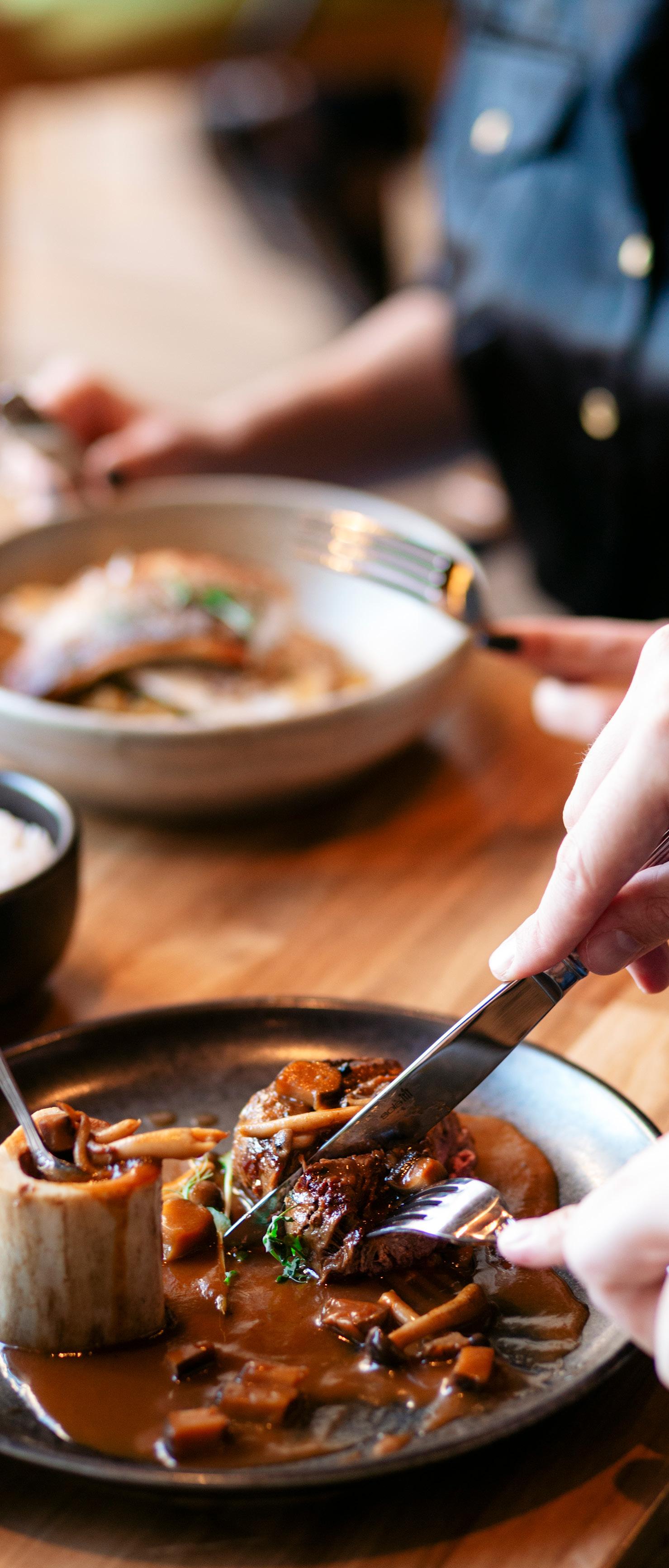
32 Venue Profile: Melbourne’s Bobbie Peels has introduced a gluten-free menu – and attracted a whole new host of patrons.
REGULARS
8 News: What’s happening in pubs across Australia.
34 Design & Build: Inverloch’s Esplanade Hotel has got a headstart on attracting the area’s growing tourist trade through a tasteful revamp.
38 Tales from the Top: Temporarily relocating to the Ed Castle Hotel, Adelaide’s The Cranker shows that a pub’s identity is more than just bricks and mortar.
Editor’s Note
IT’S BEEN a whirlwind first half of the year.
I thought it was just how I was feeling, but everyone I speak to in the industry says the same thing. It’s been pedal to the floor since the start of the year, without the usual slow ramp-up. It’s indicative of the industry trying new things, getting creative and making sure no stone has been left unturned to increase both revenue and efficiency.
At Australian Hotelier we’ve also been pursuing evolution and innovation. This year marks 10 years since we launched the Pub Leaders Summit. To mark such a momentous occasion, we have grown the event to be co-located with a new sister event, HospoNEXT. While the Summit conference is the ideal program for pub owners and
senior management, HospoNEXT is a free, concurrent event that’s great to bring the rest of your staff to, and getting them thinking about what’s next or your venue. In conjunction with Hospitality magazine, we’ve also launched The Top 50 Gastropubs Awards, celebrating and highlighting the standard being set by food-led pubs across Australia. The awards ceremony will be held at HospoNEXT on Monday 13 July. I encourage you to attend!
There’s a lot happening, but as always, I hope your venues are booming and hitting the goals you set for them.
AVC reimagines landmark harbourfront site as The Oriana
Australian Venue Co (AVC) has unveiled a new flagship hospitality destination, The Oriana, transforming the former Squires Landing and Quay restaurant spaces into a four-level multi-experience venue.
When fine dining restaurant Quay closed its doors for good in February, it was revealed that AVC had acquired the leasehold for the space. AVC operated the venue as a functions and events space while long-term plans were formed, with the group now ushering the whole building into a new chapter.
The Oriana, named after the SS Oriana ocean liner, transforms Sydney’s Overseas Passenger Terminal into a social venue reflecting the site’s history as a hub for travel and public gathering.
With upgrades made across bars, kitchens, AV infrastructure and lighting, the site’s evolution includes a complete rebrand and repositioning across all four levels. Responding to what AVC sees as a real opportunity in this pocket of Sydney, Anita O’Connell, operations manager at The Oriana, says the transformed site is easier to navigate, more cohesive and more reflective of how people actually use hospitality spaces today.
“Circular Quay and The Rocks have incredible harbourfront venues, but we felt there was room to create something more connected and complete within the Overseas Passenger Terminal. Rather than each level feeling like a separate offer, The Oriana brings the building together under one identity, with each space playing a distinct role in the overall experience,” explained O’Connell.
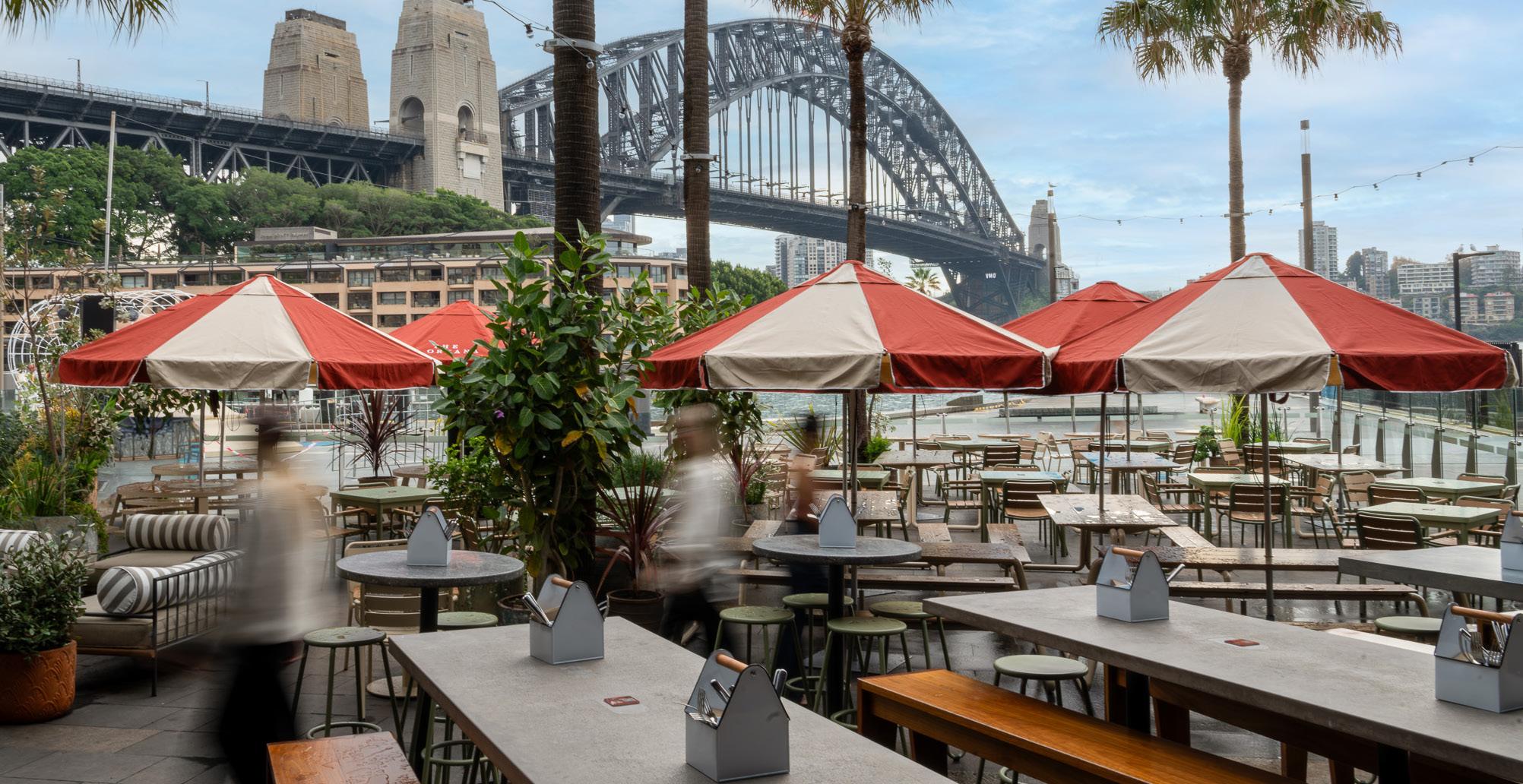
On the ground floor, the open-air harbourside Beer Garden features a large, permanent LED screen, making the venue a go-to destination for live sports. The bars in the first-floor Oriana Pub have been given a refresh, complemented by an updated food offering reflective of the harbourside location. From 9pm, integrated AV and DJ capability allows the space to transition seamlessly into a latenight destination, complete with a curated Martini list.
On the second level, at the heart of The Oriana Restaurant is a menu built around seasonal New South Wales produce and seafood – opening from Friday 22 May. With flexible layouts and sweeping views over Circular Quay, level three provides a dedicated events and private dining space in The Oriana Harbour Room.
While the rebranding elevates the site’s offering significantly, the concept was informed by the aspiration to retain a pub’s essence and its key cultural elements – delivering them on a bigger Sydney scale.
“People often think of a ‘local’ as something you find in a suburban or regional setting, but we wanted The Oriana to bring that same sense of ease and familiarity into an inner-city, harbourfront venue. It should feel like somewhere people can come back to regularly, not just somewhere they visit once for the view,” says O’Connell.
Visit The Oriana on the Pub Leaders Summit Study Tour!
The Oriana will be the last of three stops on the Pub Leaders Summit Study Tour on Tuesday 14 July. The tour will also visit: Social House at The Prince Hotel, Kirrawee by Feros Group; and Harry’s, Surry Hills by The Point.
Enjoy the evolution of these three very different venues, and how they play into the different ways a pub can provide hospitality for today’s patron.
Scan the QR code for tickets. Study Tour tickets can only be purchased by venue operators, and only in conjunction with a Pub Leaders Summit ticket. Capacity is limited, so secure your spot today!
The Oriana overlooks Sydney’s harbour. Image: Brooke Maxwell.
Coolamon Hotel wins prestigious heritage award
The redevelopment of Coolamon Hotel in NSW’s Riverina region – led by Wagga Wagga-based GPG Architecture – has won the prestigious 2026 President’s Prize at the National Trust of Australia (NSW) Heritage Awards – the state’s largest celebration of excellence in the conservation of Aboriginal, built, natural and cultural heritage.
GPG Architecture principal, Gioia Gianniotis, accepted the coveted award at the ceremony and was joined on stage by Coolamon Hotel owners Craig Patterson and Megan Taylor, who purchased the historic venue after the Covid-19 pandemic forced its closure in 2020.
Established in 1880, the Coolamon Hotel has long been a favourite among generations of locals and visitors alike.
Under the expertise of GPG Architecture, the landmark pub recently underwent an extensive heritage restoration and redevelopment.
Completed in mid-2025, the project marked the largest private development
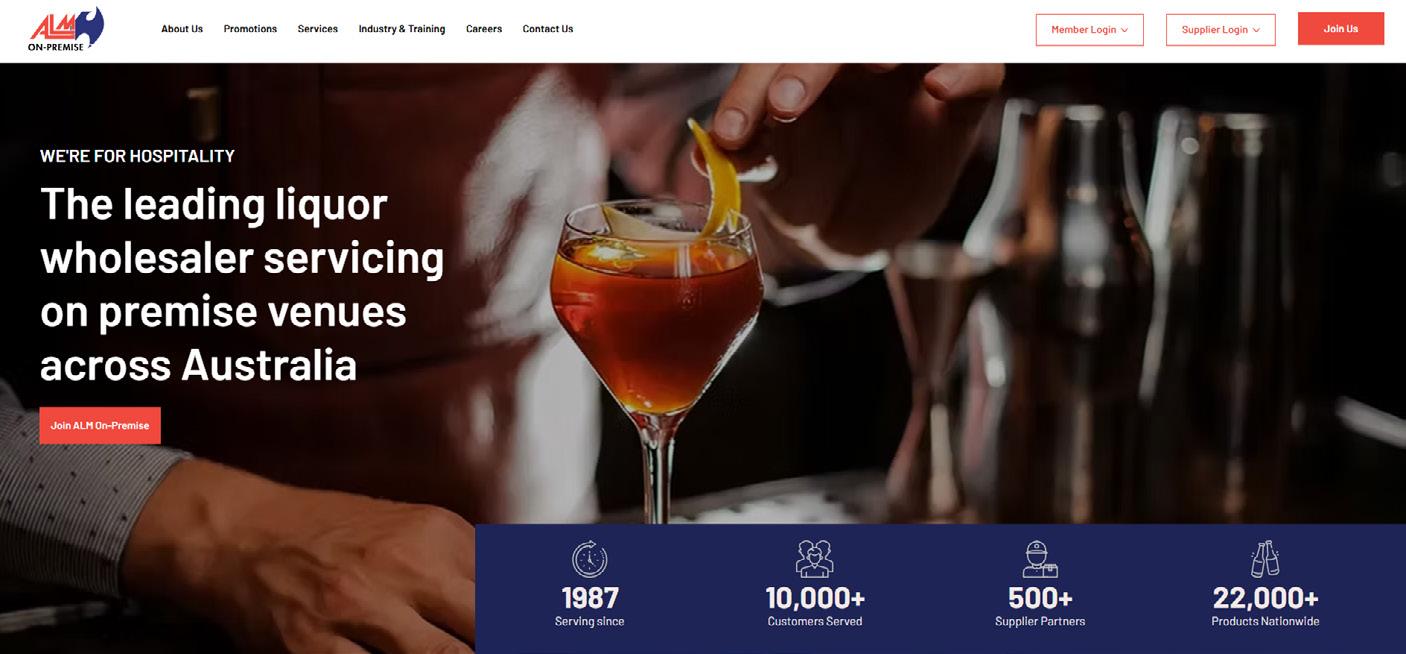
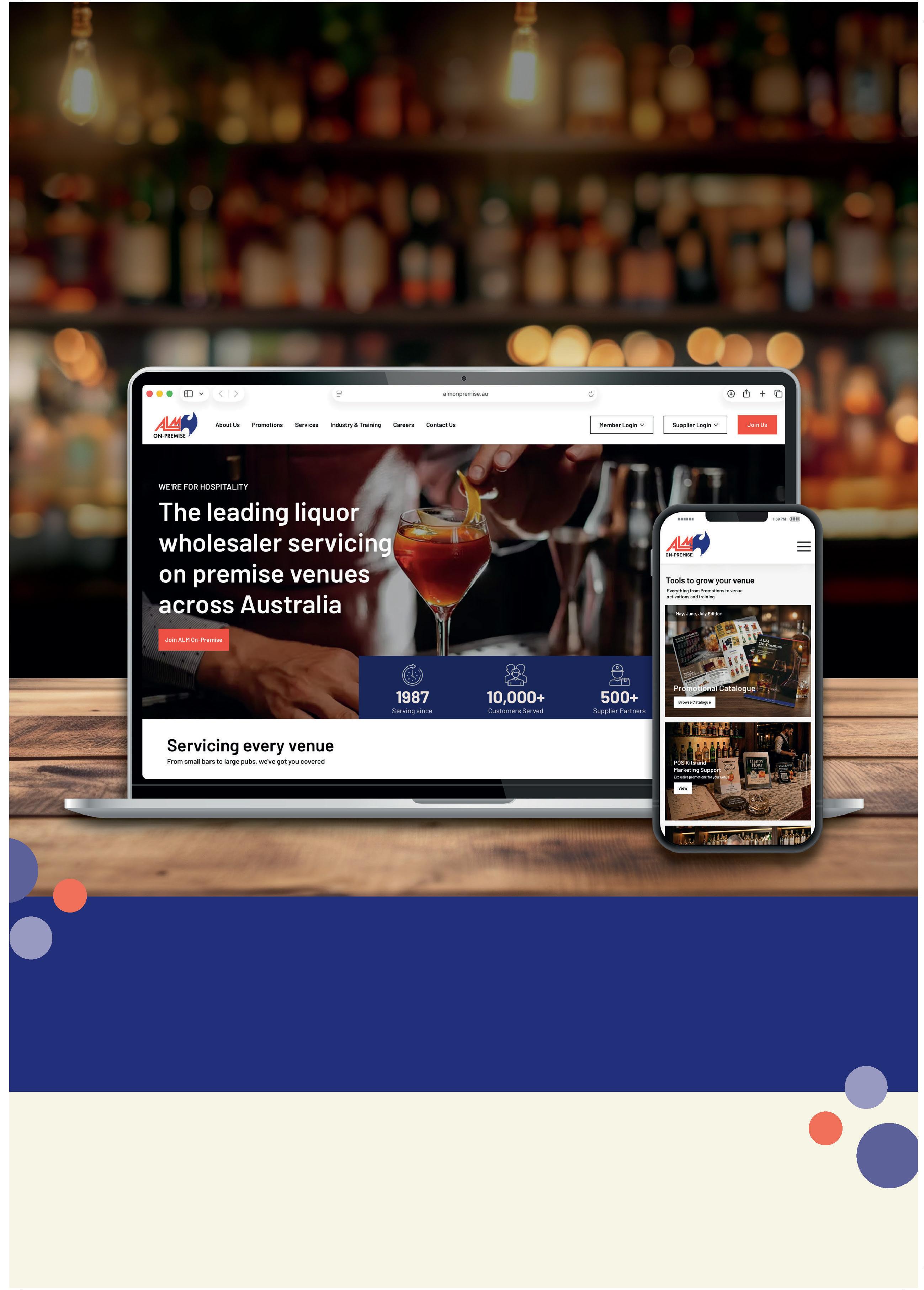
ALM On-Premise launches digital hub
ALM On-Premise has launched a new standalone website, creating a centralised digital hub for customers and supplier partners across the on-premise channel.
This exciting platform brings together customer offers, services and an engagement tool into one destination, reflecting ALM’s broader strategy to deliver value beyond product and price. It also supports a shift towards a more connected, data-led model, while reinforcing the scale and capability of its parent company, Metcash.
Built around what matters most to customers, the website provides clear access to promotions, value-added Metcash services, and, over time, training and capability resources that support venue operators in delivering their customer experience.
in the history of Coolamon Shire, breathing new life into the pub while carefully preserving its rich character and longstanding community significance.
President of the National Trust of Australia (NSW), Bruce Pettman, presented the esteemed President’s Prize to the Coolamon Hotel Redevelopment Project team led by GPG Architecture.
“The rebirth of the Coolamon Hotel stands as a testament to the rich history of Australian country pubs and their impact on people, local economies and cultural heritage,” stated Pettman.
Heritage centrepieces of the Coolamon Hotel include the restored wraparound veranda, exposed exterior brick work, pressed metal ceilings, stained glass, imported ceiling belt fans and 100-yearold fireplaces.
Patterson remarked on the significance of the President’s Prize win, and what it says about regional pubs across Australia.
“Firstly to be shortlisted as a finalist in the National Trust of Australia NSW
architectural awards was an honour.
However, to win the President’s award and to also win the highly commended architectural gong behind the gorgeous Capella Hotel in Sydney is so exciting for us & GPG Architecture,” stated Patterson.
“It’s a window into what is happening in regional Australia to reconnect with heritage buildings. It’s also important that this redevelopment was for its original purpose as a country hotel where many are closing and not being reopened.”
The new site provides a modern, user-friendly experience, while acting as a central hub for programs, insights and supplier activation opportunities. By consolidating these elements, ALM On-Premise will deliver more consistent communication and strengthen its presence within the on-premise channel.
Deborah Barrese, Digital Marketing Manager On-Premise, said: “The new
website is all about strengthening our offer: delivering clear communication, real value and meaningful support for both our on premise customers and supplier partners, while strengthening the ALM On-Premise brand in a fast evolving digital environment.”
The launch marks a step forward in ALM On-Premise’s digital capability, positioning the business as a more connected and future-ready wholesaler.
Tap into flavour innovation with Matso’s Vodka Pash Pine Crush
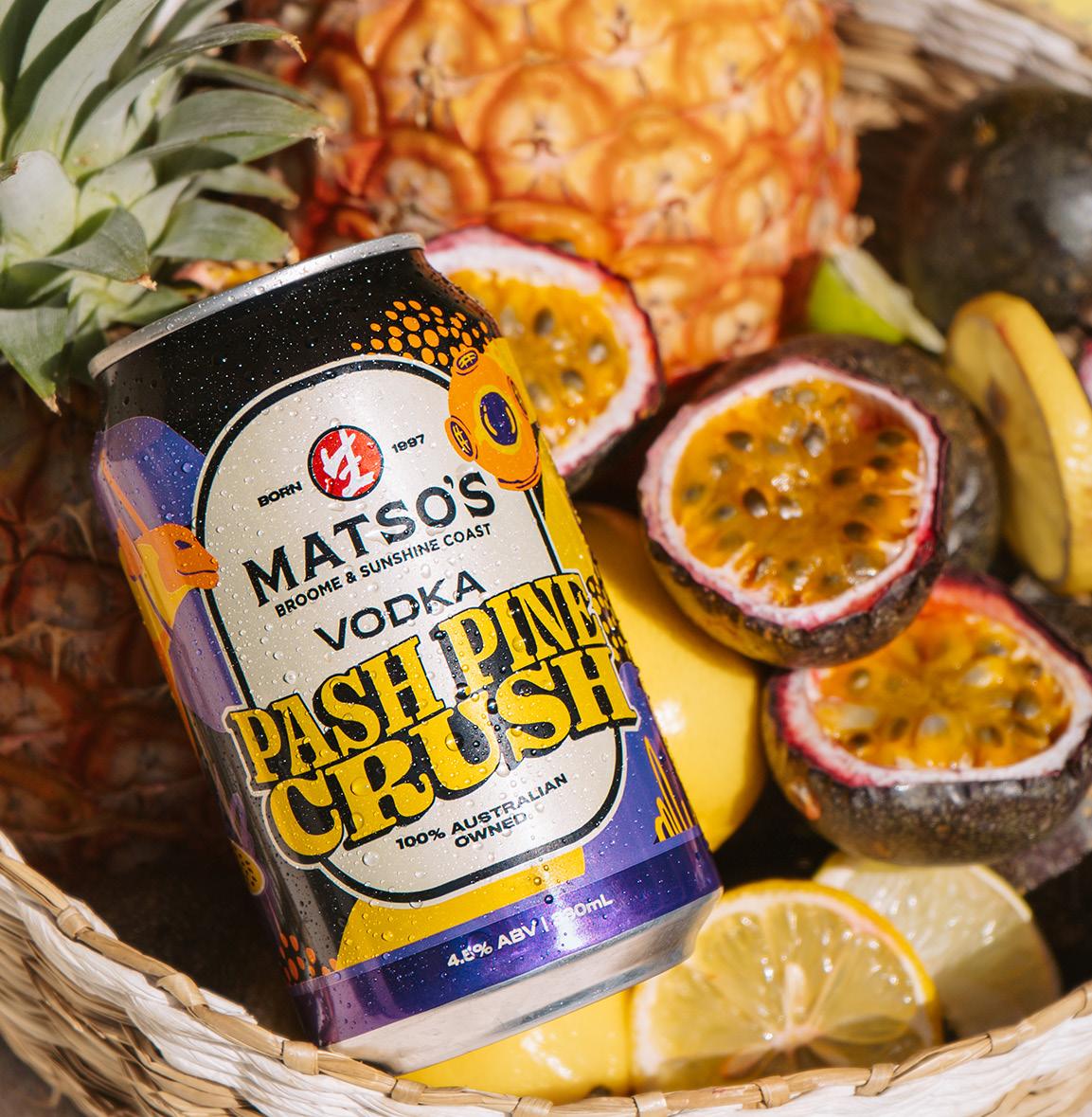
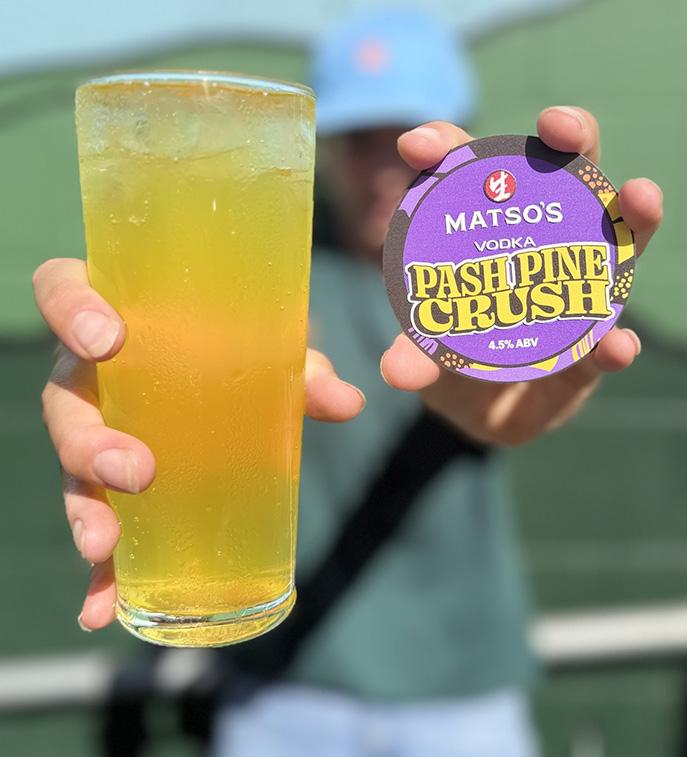
Matso’s Vodka Pash Pine Crush has hit pub taps nationwide after a massive summer of sales.
AFTER A hugely successful summer in its canned format, Matso’s Pash Pine Crush is now available nationally on tap. The second SKU in the ‘Crush’ series, the Pash Pine release moves taste trends on from citrus into the nostalgia of tropical flavours.
The summer craze for Pash Pine was facilitated by a glowing review by Russ Eats, a popular social media reviewer of snacks and drinks. His review received more than two million views, 120,000 shares and 100,000 likes. Vodka Pash Pine Crush was also named RussFest’s #1 alcoholic product of 2025.
Social media is an important part of the consumer buying cycle with 42% of consumers saying they made a purchase based on a social media influencer recommendation*.
Beyond social media hype, the flavour innovation has hit the right note with the Australian public. Pash Pine Crush blends premium vodka with real passionfruit and pineapple, delivering a tropical flavour hit that’s both sweet and sessionable.
Pash Pine Crush is Good Drinks Australia’s fastest selling NPD, with the company selling five months’ worth of stock in six weeks.
“Matso’s Vodka Pash Pine Crush exceeded all expectations over summer, and with expanded distribution and taps pouring nationwide, the tropical wave is only just getting started,” stated Mick McKeown, GM of Sales and Marketing at Good Drinks.
For publicans and venue managers who are looking for the next flavour to help their taps work hard for their establishment, Pash Pine Crush hits all the right notes.
RTD growth in taps
The presence of RTDs on the tap bank is growing, as Australian drinkers –particularly younger adults – look for variety in their in-venue drinking options.
RTD tap sales volume is up +15.8% in total on premise – and +26.5% specifically in pubs – as consumers turn to alternative drinks at the tap bank. * Nearly half (43%) of Australians like to try new products in the on-premise, with sampling often converting into purchase.
Light RTDs continue to grow share (+2.5% MAT) and now represent ~45% of total RTD volume. *
In independent retail Pash Pine Crush brought +55% of consumers into the vodka RTD category and achieved a +30% repeat purchase rate* post promo period, helping recruit new drinkers and grow category consumption. It also has broad appeal across Gen Z and Millennials, as well as among both men and women.
This new, tropical twist on the Crush series can help your venue attract flavour explorers and drive purchase frequency. Partnered with Matso’s Alcoholic Ginger Beer which is up +25.4% in sales growth the brand is a perfect pair in venues.
“Matso’s has always been famous for flavour; we were Australia’s original alcoholic ginger beer and now we have really tapped into a nostalgic flavour in Pash Pine that resonating with consumers. We expect others to follow but our tag line is ‘Matso’s is often copied, never matched,’” stated McKeown.
“With Pash Pine already flowing we can’t wait to partner with publicans to deliver a new wave of incredible flavour on taps banks across the country.”
Reach out to your local Good Drinks representative to enquire about getting Pash Pine Crush on tap at your venue.
Sources: Australian Retail Liquor Market Moves – APRIL 2025 - Circana, Inc. and Circana Group, L.P. and Five Growth Pty Ltd | Circana MarketEdge Australia Liquor Weighted, MAT To 06/04/25. Summit, Liquor Legends Partner Conference, 2026. Salsify (n.d.) Buying behavior trends of food and beverage online shoppers.
Now available in draught format nationwide
Insights and innovation
THE PUB LEADERS SUMMIT will be held on Monday 13 July at Hyatt Regency Sydney, and the program is packed with esteemed leaders and stakeholders from across the pub sector, tackling pressing issues facing the industry, and discussing where new opportunities lie. Here’s a look at what you can expect from the conference.
F&B and staffing
The morning session will focus mainly on the foundational components of venue operations and how they are evolving. A panel on F&B will tackle the challenges that are currently making these necessary components of a pub offer harder and harder to find growth in. Our esteemed panel – AHA CEO Stephen Ferguson, The Point CEO Brett Robinson, The Dry Dock managing director James Ingram, and 2025 ALIA Publican of the Year Rachael Paul – will discuss the demand for value amid rising costs and shrinking margins, the effects of excise and how occasions and activations are driving sales.
Staff culture is also an ongoing conversation publicans are having, both in terms of wellbeing and retention of top talent, as well as how it impacts
The 2026 Pub Leaders Summit, brought to you by Australian Hotelier and Coca-Cola Europacific Partners, will run on Monday 13 July, with a stellar line up of speakers covering an array of topics publicans are contending with.
customer-facing operations. Discussing those topics at the Pub Leaders Summit are Solotel’s CEO Elliot Solomon, Sonnel Hospitality’s CPO Paula Hammond, AVC’s Chief Training and Development Officer Bianca Dawson, and Allara’s Professor Jane Burns
A conversation with Arthur Laundy and Danielle Richardson of Laundy Hotels, will also be held in the morning.
Innovation sessions
After lunch, the Pub Leaders Summit program will tackle a number of topics based in new innovations.
A panel on the arsenal of technological advances pub operators are contending with, will look at the new ways in which AI is being used within businesses, the vast amounts of data tech stacks produce, and how we parse what is helpful and what is not in a human-centric industry. John James, part of the group operations team at Momento Hospitality, will participate in the panel, with more speakers to be announced.
Andy Mullins, director of Sand Hill Road, will sit down for a one-on-one conversation about how 25 years of
hospitality knowledge have coalesced into Melbourne’s Waterside Hotel – one of the most ambitious pub builds in recent years. Following that conversation, Ben Williams of Oolio – Diamond Partner of the Pub Leaders Summit – will present a case study on the Waterside Hotel, breaking down the importance of frictionless guest experience; smarter loyalty and communication; operational efficiency as a margin lever; and platform thinking over silo solutions.
We’ll also hear from Stephen Wools, co-founder of Ballers Clubhouse, on where competitive socialising is heading in venues; and Rachael Paul, co-owner of the Bat & Ball Hotel, and Kayla Seeney, general manager of Camden Valley Inn, will present on how getting creative with events and activations has brought new and repeat visitation to their venues.
Capital expenditure
Big sums are being thrown around by operators and investors, as pubs remain one of the most attractive commercial asset classes. A couple of afternoon sessions will look at where significant investment is being made, and what the
A stellar speaker line-up
These are just some of the esteemed publicans and industry stakeholders that will be speaking at the Pub Leaders Summit this year.
DANIELLE RICHARDSON Director, Laundy Hotels
investment outlook is for market activity in the second half of the year and beyond.
One stream of investment that is intriguing a lot of pub operators is accommodation. Three publicans with plenty of experience in this area will join a panel to discuss: Steven Speed, director of WDS Hotels, who recently undertook a major renovation of The Fortune of War and the adjoining Russell Hotel; Cathy Fitzgibbons, director of The Glen Hotel and Suites in Brisbane, who is in the middle of planning a $30m redevelopment of the pub to more than triple its accommodation offer; and Anna Hurley of Hurley Hotel Group, which just opened the $60m Hotel Panorama, with accommodation being a key component of the offer with 77 rooms.
The last session of the day will see C-suite executives of major pub groups discuss market activity – from buying and selling in pubs, to major capex projects. Elliot Solomon will join the panel to discuss Solotel’s portfolio reset strategy and will be joined by Tim Fitzgerald, COO of Sonnel Hospitality, which is undertaking several major renovations currently, as well as Chris Cornforth, Group CEO of Harvest Hospitality, one of the most active operators and investors in the pub market.
“We are so thrilled with the quality and breadth of speakers we have participating in the Pub Leaders Summit, tackling a range of topics that are pressing for operators across the country,” stated Vanessa Cavasinni, managing editor of Australian Hotelier
“So much incredible knowledge will be shared which will be of real value to venue operators. You won’t want to miss it!”
Don’t miss out on the Pub Leaders Summit!
Scan the QR code to check out the full program and to secure your tickets before it’s too late!
ELLIOT SOLOMON CEO, Solotel ANNA HURLEY Publican, Hurley Hotels Group BRETT ROBINSON Group CEO, The Point
JAMES INGRAM MD, Peninsula Hospitality PAULA HAMMOND
Chief People Officer, Sonnel Hospitality
MONDAY 13 JULY 2026
Hyatt Regency Sydney
THE FUTURE OF HOSPITALITY, TOGETHER
FEATURING:
• Exhibition showcase
• NEXT Stage talks
• Industry insights
• Future Leaders Scholarship
• Top 50 Gastropubs Awards
• Innovation and ideas
• Networking opportunities
• Hospo Hour
Sláinte: Raise a glass for the Irish pub
As Australia’s appetite for authentic social and cultural meeting places grows, Irish pubs are reemerging as spaces that celebrate genuine hospitality and connection.
By Sienna Martyn.
IRISH PUBS have long been an integral part of the tapestry of Australia’s pubs landscape. Rather than leaning into caricature-like design, their resurgence in recent years has been led by a more modern and thoughtful approach to the concept.
For Zengal Hospitality, reinvigorating the role of Irish culture and hospitality in Australia is at the heart of its offering.
Founded by Irish expats Zenita O’Neill and James Gallagher, the pair operates three Melbourne venues –Jimmy O’Neill’s Whiskey & Alehouse, Naughty Nancy’s cocktail bar as well as Aunty Annie’s and Enbarr.
“The Irish pub has well and truly moved past the old stereotypes. What we’re seeing in Ireland now is a shift towards more refined food, more conscious choices around drinking, whether that’s non-alcoholic or midstrength, alongside better design and a more considered overall experience.
“That influence is now coming through strongly in Australia. We’re seeing a resurgence because people want something with substance and experience, culture, connection, and authenticity but delivered in a modern way,” they told Australian Hotelier
This is something that Ray Reilly –Irish expat, publican and the founder of Sydney’s Reilly Group – can personally attest to after more than 20 years in the pub scene.
Since arriving in Australia as a backpacker in the late 1990s, Reilly says Irish pubs have evolved into something that represents both a concept and a universal hospitality style.
“The “Paddy-o-meter” used to be way too high. It was all green tinsel and plastic shamrocks. Thankfully, we’ve moved on to actual quality, proper Guinness, good food, good service, and less theatrics,” he said.
Shared values
Growing up in Ireland significantly shaped Reilly’s understanding of pub culture and tradition. He says at home the pub is “the centre of the universe.”
“It’s where you’re christened, where you celebrate, and eventually, where you’re toasted when you’re gone. It taught me that a pub isn’t a building; it’s a living room with a license. If the walls aren’t talking, you’re doing it wrong,” he explained.
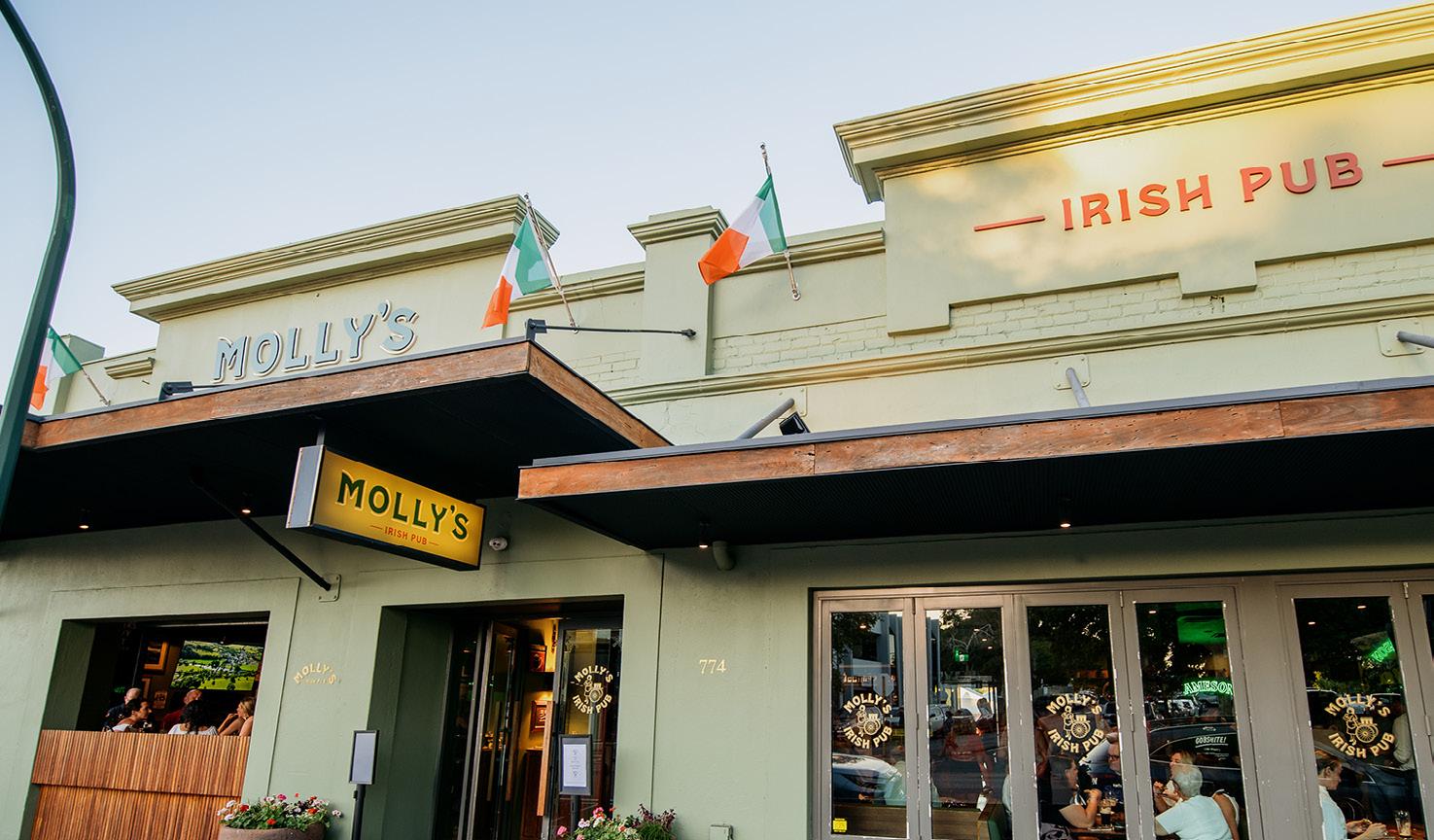
Niall Tolan and Lee Behan, owners of the two Molly’s Irish Pub venues in Perth, shared Reilly’s sentiment.
“The pub is the heartbeat of our communities,” said Behan. “It’s rooted in our heritage and our social history. Coming to Australia I quickly saw a lot of similarities in pub culture here, but there was a big gap in the market for modern Irish pubs, and I think that is starting to be filled.
He explained that the similarities are a key factor in the success of Irish pubs in Australia with patrons resonating with everything from the culture to the hospitality style.
“There are plenty of similarities between Irish people and Australian people. A lot of Australians have Irish heritage so naturally there’s a lot of similarities in how we’re brought up and how we like to go out and experience hospitality,” said Behan.
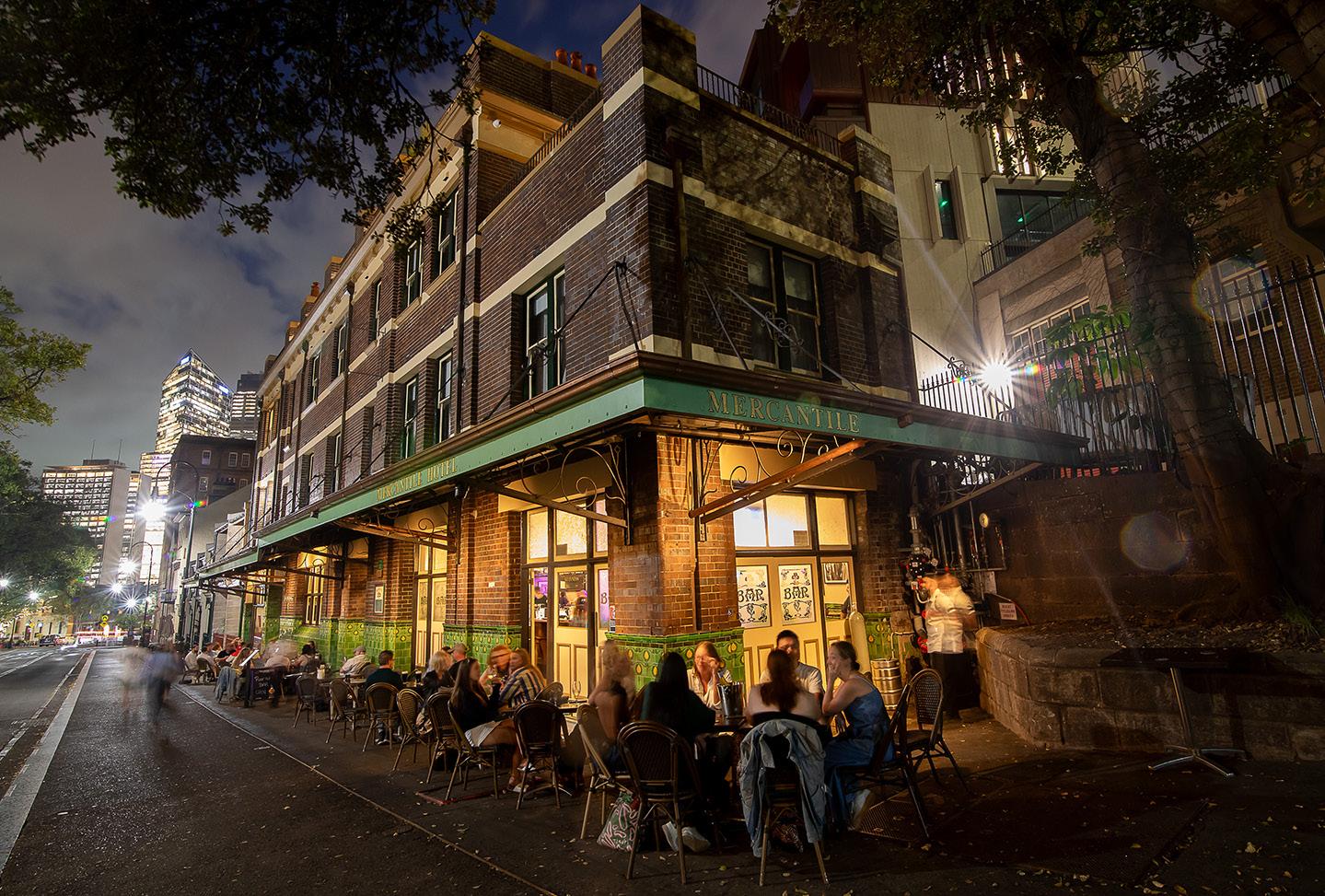
Reaffirming its role as an institution of Irish culture, Sydney’s oldest Irish pub, The Mercantile, recently reopened after a year of renovations.
General manager Mick Comerford believes that the appetite for Irish pubs like The Mercantile will only continue to grow.
“Irish pubs have always played a strong role in Australian hospitality and there’s no denying the appetite for quality Irish pubs and bars in 2026.”
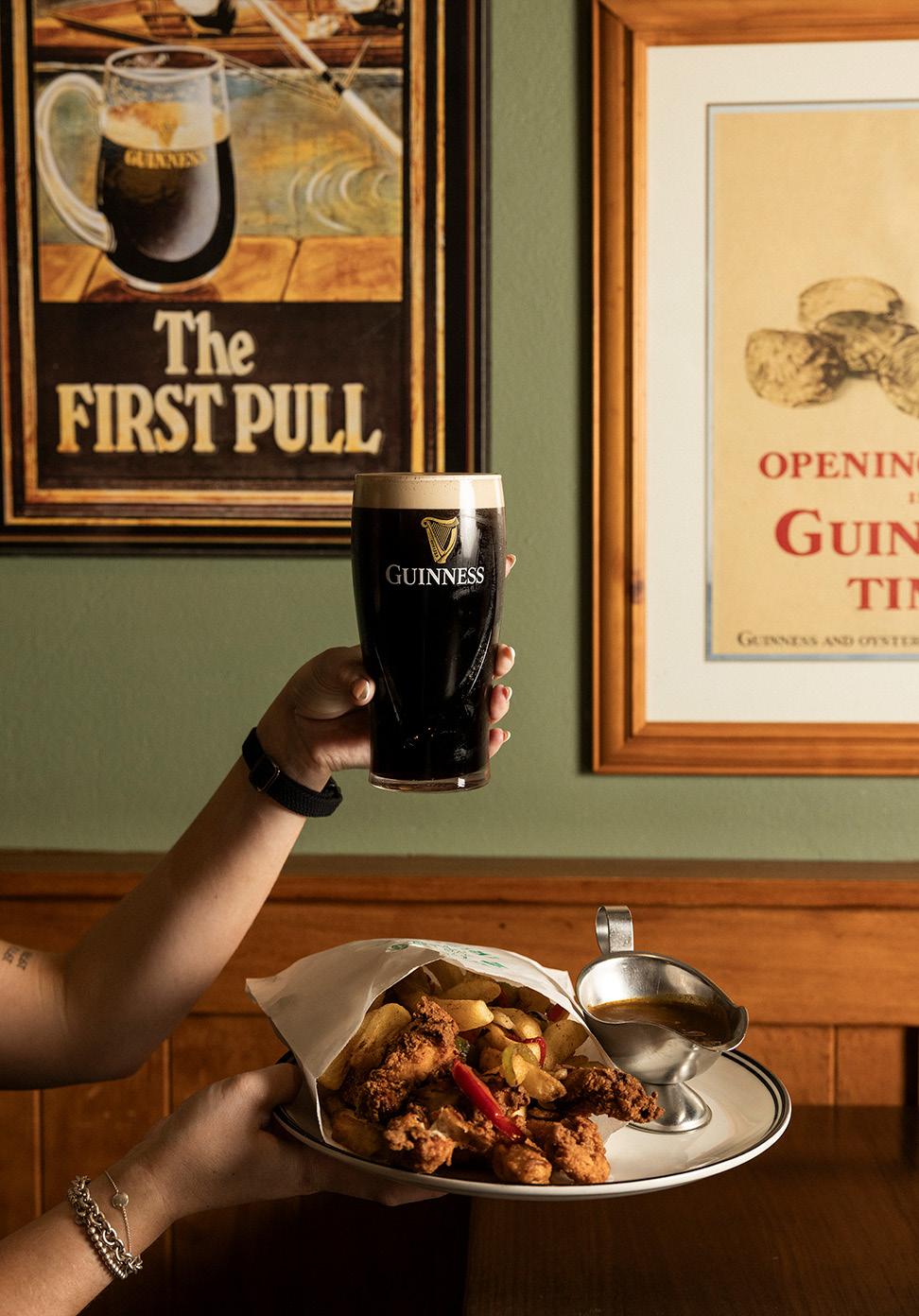
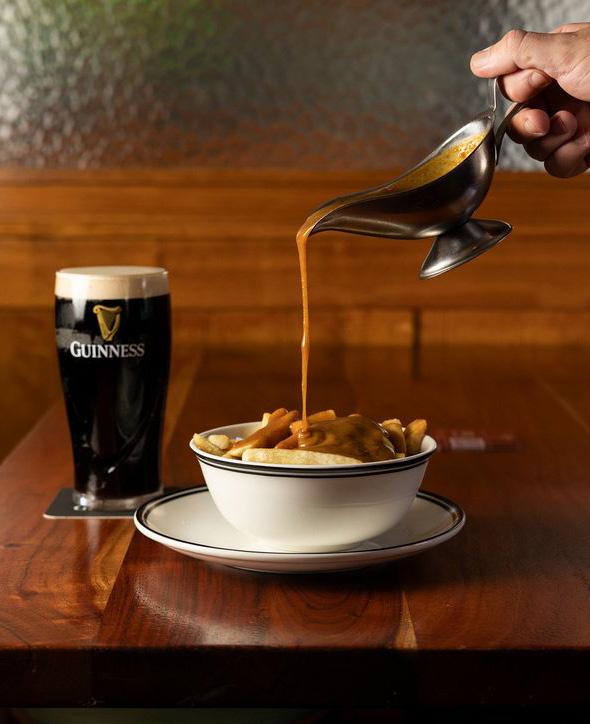
The famed spice bag and Guinness combo at Molly’s Irish Pub
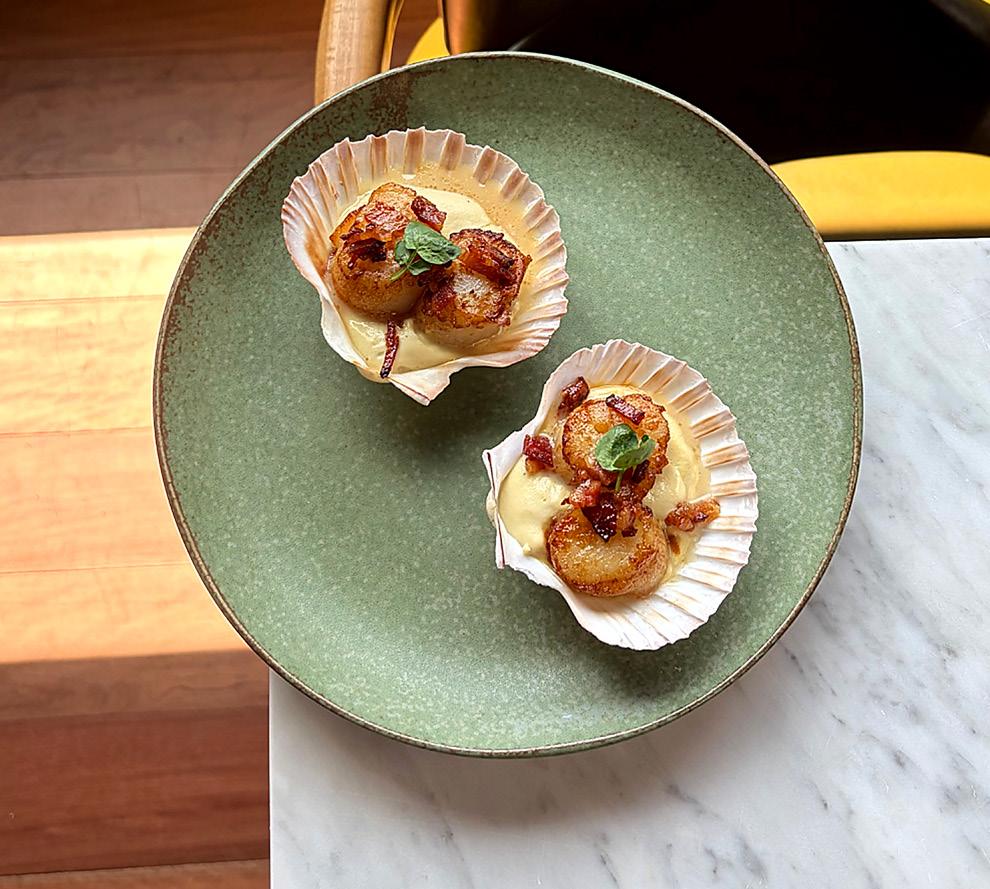
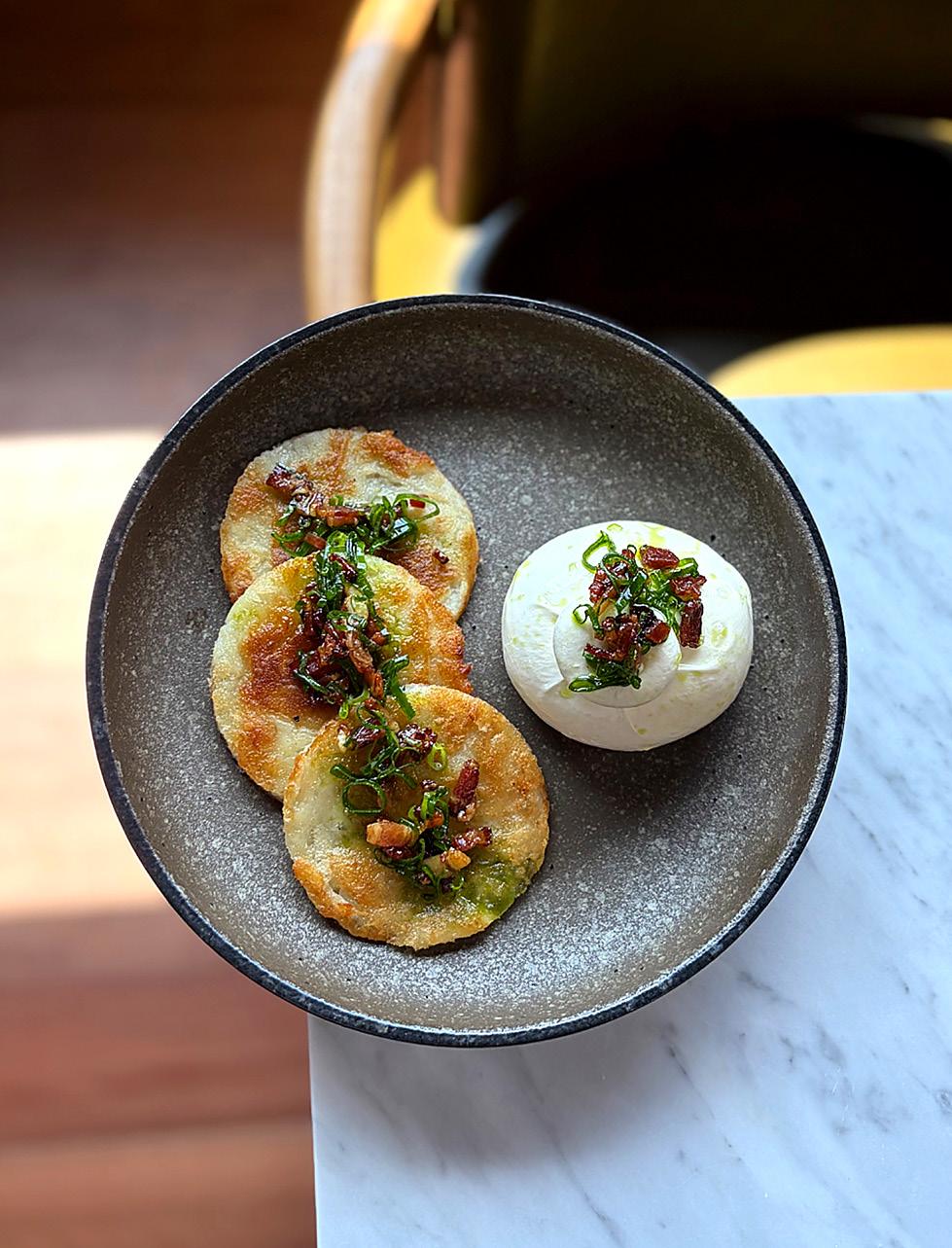
Refined Irish cuisine at Enbarr
Crafting culture away from home
To create experiences that feel authentically Irish in Australia, Comerford said The Mercantile team aims to celebrate heritage and tradition.
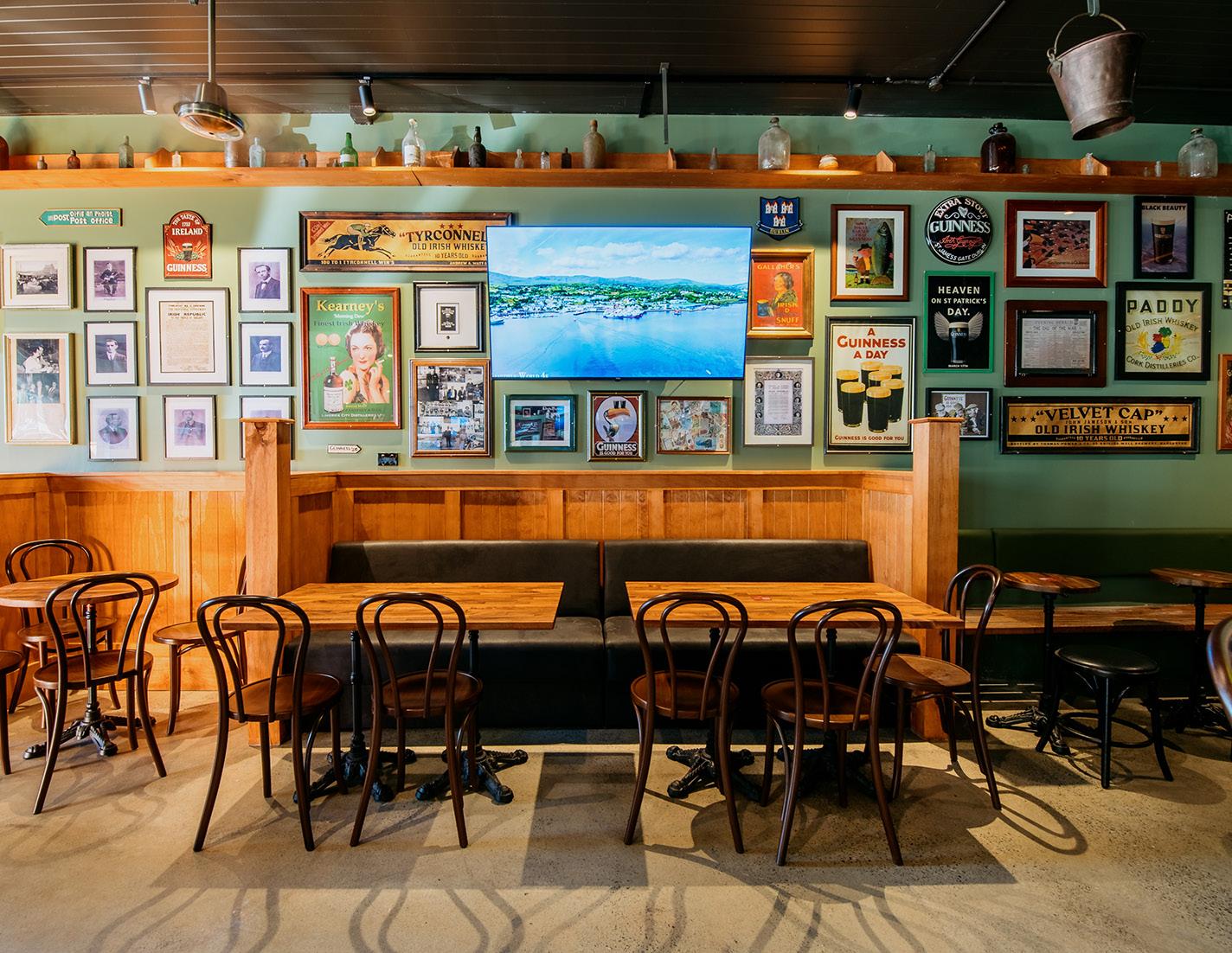
“We have original timber in our bar, live music seven days a week, Irish food favourites that taste like home, Irish staff, Irish history captured in styling elements such as beautiful green tiles, a retro Guinness box on the bar and our great photo on the wall from when U2 held their only press conference of their 1989 tour at the pub.”
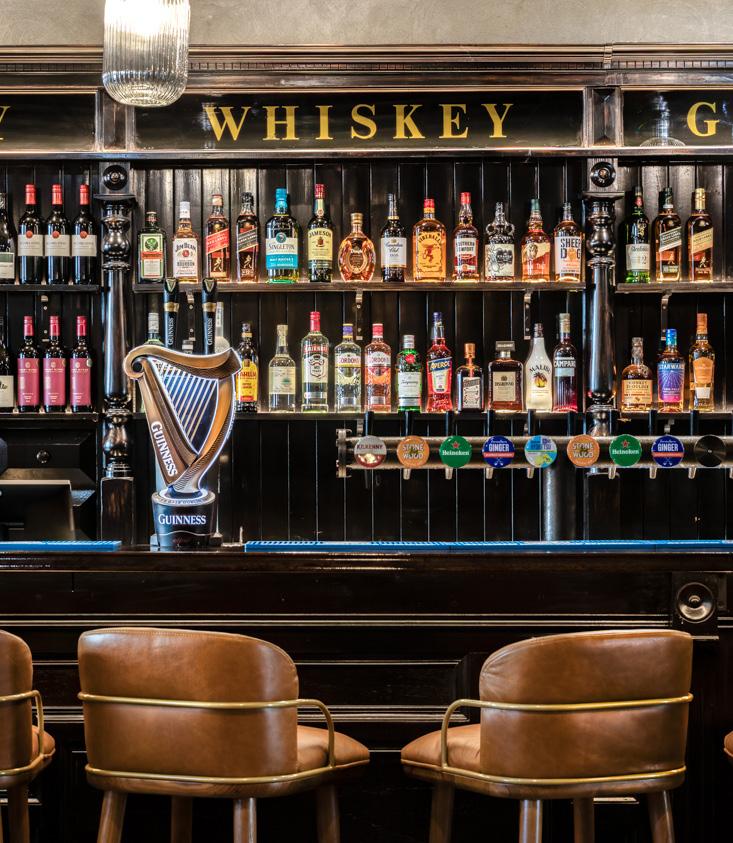
At Auntie Annie’s, O’Neill and Gallagher said design elements like a Guinness tap sourced from Ireland and its original, restored bar from Dublin add to the venue’s Irish feel.
“Beyond that, it’s in the other details – the way we write menus, the drinks we choose, the way we run service, and the focus on live music and storytelling. That’s where it really shows.” Outside of appearances, Reilly explained that for an Irish pub to be successful, hospitality must be at its core.
“The pub is the hardware; the hospitality is the software. You can buy the furniture from a catalogue, but you can’t buy the “craic.” Irish hospitality is that specific ability to make a stranger feel like they owe you a story and making a regular feel like they own the place,” he explained.
O’Neill and Gallagher agreed that for a pub outside of Ireland to truly earn its Irish title, it’s all about the way you make your customers feel.
“The hospitality has to be genuine, the service has to be friendly, and you need to understand the culture, not just decorate for it. And yes, you need to know how to pour a proper Guinness,” they said.
Emphasising the role of an Irish pub’s menus,
Behan said the key to success in Australia is balancing tradition with modern tastes and expectations.
“Our menu has everything. Traditional dishes like beef and Guinness pie, bacon and cabbage and even our famous spice bag. It also has a really solid steak sandwich, which is a quintessential Australian pub dish. We make sure our offering kind of ticks all those boxes.
“In terms of drinks Guinness, Magners, Kilkenny and Coors are the big volume beers that are seen in Ireland and in many Irish pubs around the world and here in Australia. The Irish coffee, which was made famous in more recent years is having a revival too.”
Tolan added: “People come to Irish pubs for good Guinness, so it’s important. We also entered the market at a time when there has been a massive surge globally of Guinness sales because of the ‘split the G’ phenomenon.”
You can buy the furniture from a catalogue, but you can’t buy the “craic.” Irish hospitality is that specific ability to make a stranger feel like they owe you a story and making a regular feel like they own the place.
Ray Reilly, founder, Reilly Group
Molly’s Irish Pub. Image: Matthew Gedling
Sydney’s oldest Irish Pub, The Mercantile. Image: Nathan David Kelly
The modern Irish décor at Auntie Annies
O’Neill and Gallagher suggested that an Irish pub experience is completed with entertainment, as a valuable way to express Irish culture.
“It keeps the core of what an Irish pub is – community, storytelling, music. We’ve adapted it to our local environment, working closely with the community here. Things like our storytelling nights are very Irish in spirit, but they’re driven by local voices. It’s inclusive; anyone can walk in and be part of it.”
A modern future
In terms of what is next for Irish pubs in Australia, Reilly described the concept’s evolution as “back to basics, but better”.
“I think people are tired of sterile, ‘minimalist’ bars where you feel like you’re sitting in an iPhone box. People want warmth. I see a return of the snug, smaller, cozy corners where you can hear your friends talk.
As operators continue to meet patrons where they are, Behan expects to see sustained momentum behind culture as a focal point.
“Around the world you can see the success of Irish pubs in other countries –all aiming to celebrate modern hospitality. And I think we’ll naturally see more of that pop up around Australia.”
He continued: “But to operate and run an authentic Irish pub, it’s similar to running a successful Italian or Greek restaurant. You really need that culture to be within everything, from the founders, staff and chefs to the overall experience.”
In the future Reilly believes the success of Irish pubs will be the continuation of genuine people-first approaches to hospitality.
“Stop obsessing over the concept and start obsessing over the customer. Also, learn how to pour a stout,” he joked. “If you serve a Guinness with a head like a bubble bath, no amount of hospitality is going to save your soul…”
The new Guinness patron
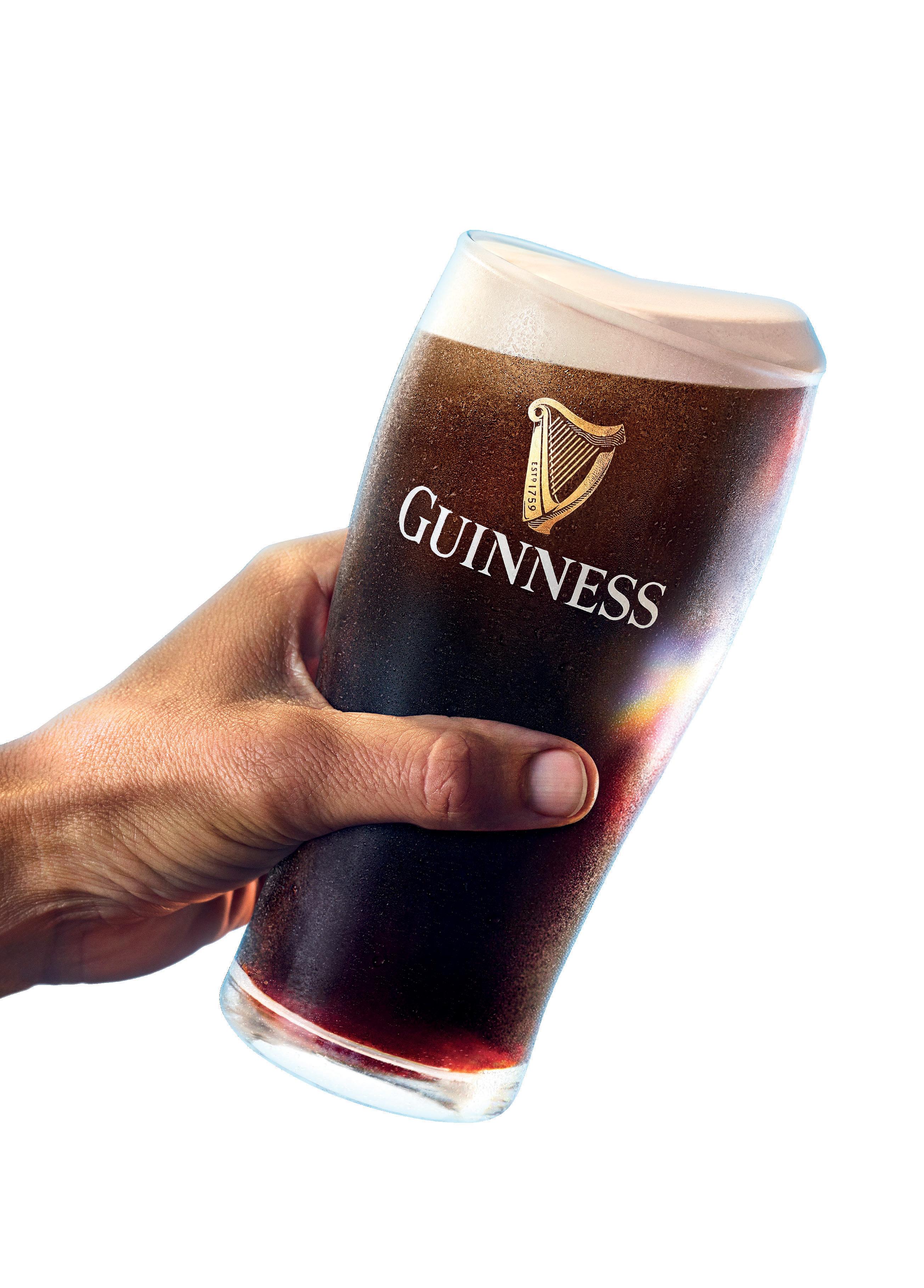
Amy Hiscock, craft and premium beer brand director at LION confirmed that Guinness is resonating with more Australians now than ever, with momentum led by Gen Z drinkers and women.
“It’s become a social ritual that resonates deeply with this new generation of drinkers who value the theatre of the perfect pour. Nearly one in three 18-34 year-olds are choosing the iconic brew and almost one million women trialled Guinness for the first time in the last year alone.
“This is driving us towards one of our biggest years yet, with over 25 million litres expected to be enjoyed nationwide in 2026, equivalent to over 43 million pints – a strong increase of five million litres over last year.”
Hiscock concluded: “This shows that while the Irish pub is its spiritual home, Guinness is truly embedded into the culture of a new generation of drinkers in Australia.”
LOVELY DAY FOR A
Get ready for AGE 2026
The Australasian Gaming Expo (AGE) returns in 2026 as the premier destination for hospitality and venue professionals looking to stay competitive, informed, and connected.
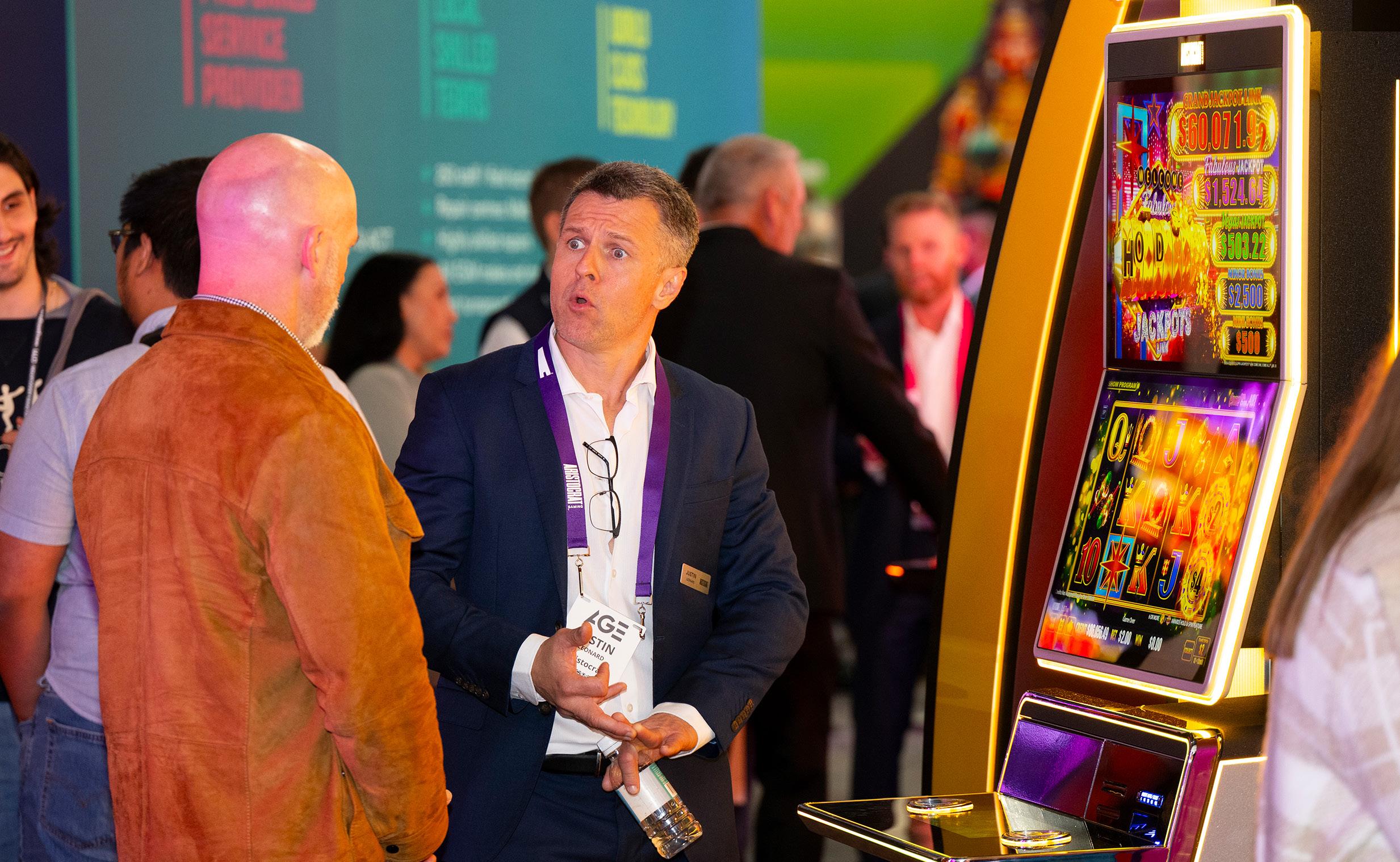
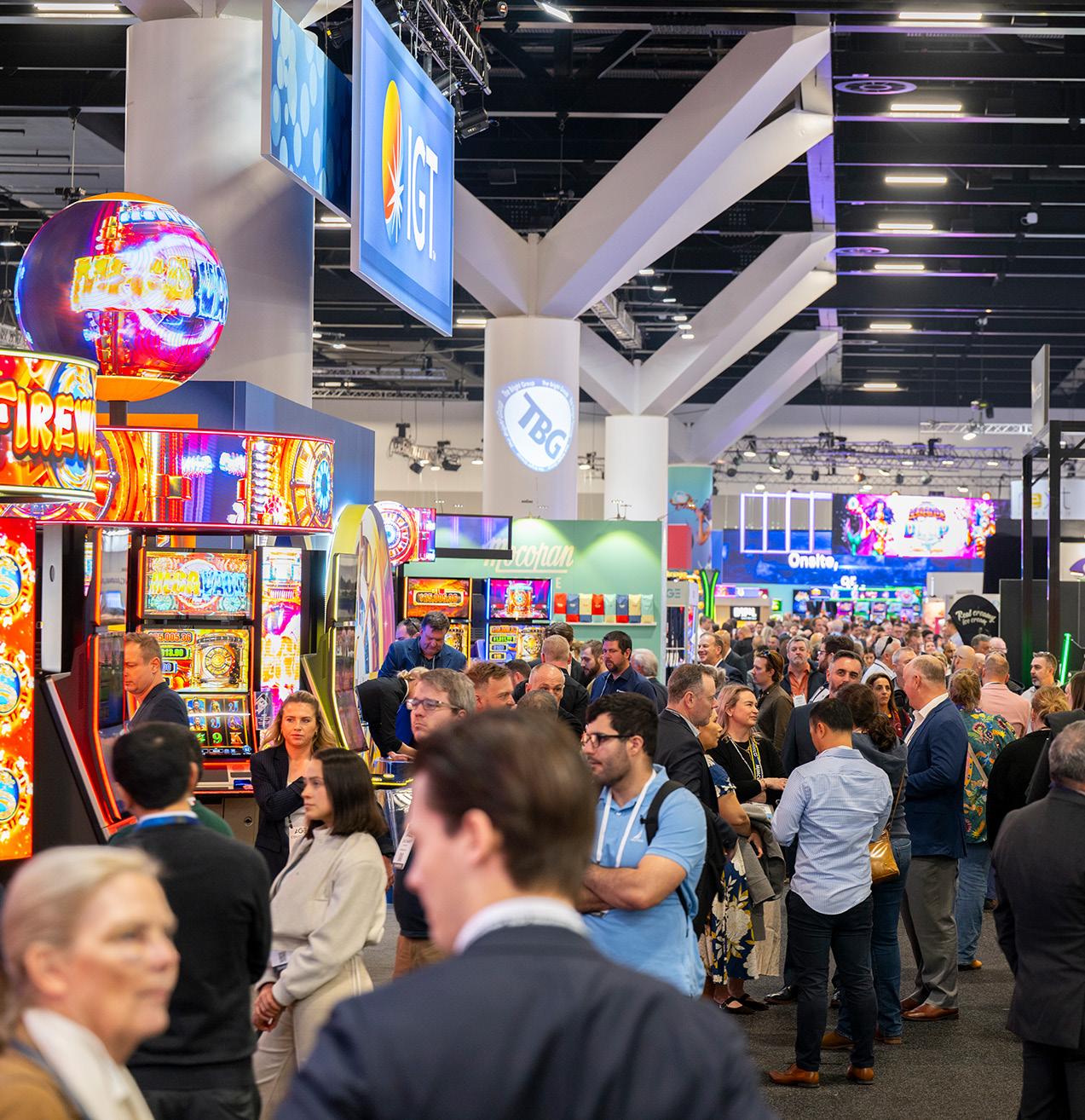
TAKING PLACE from 11-13 August 2026 at the ICC Sydney Exhibition Halls 1-4, the Australasian Gaming Expo (AGE) brings together people, products, and ideas shaping the future of clubs, hotels, and hospitality venues across Australia and beyond.
Recognised as the largest event of its kind in the country, AGE will once again welcome more than 200 exhibitors and thousands of industry professionals across three dynamic days. For venue operators, managers, and decision-makers, it is an efficient and highly valuable way to explore new suppliers, compare solutions, and gain insights that can be applied directly to day-to-day operations.
“The Australasian Gaming Expo continues to play an important role in bringing the industry together, providing a space to share ideas, explore new technologies, and have meaningful conversations about the future of our sector,” Gaming Technologies Association CEO Jinesh Patel said.
The latest on display
The expo floor is designed to deliver practical outcomes. Visitors can expect to see the latest innovations in gaming technology, food, and beverage equipment, point-of-sale systems, signage,
lighting, furniture, security, payments, and venue fit-out solutions. Whether you are planning a refurbishment, upgrading systems or exploring new revenue opportunities, AGE provides direct access to the suppliers and expertise that can support your next move.
“What makes AGE valuable is the ability to see solutions in action and have direct conversations with the people behind them. That level of access is difficult to replicate elsewhere,” Patel said.
“Exhibitors continue to invest significantly in the event, and that commitment reflects the importance of face-to-face engagement in this industry.”
Conversations that matter
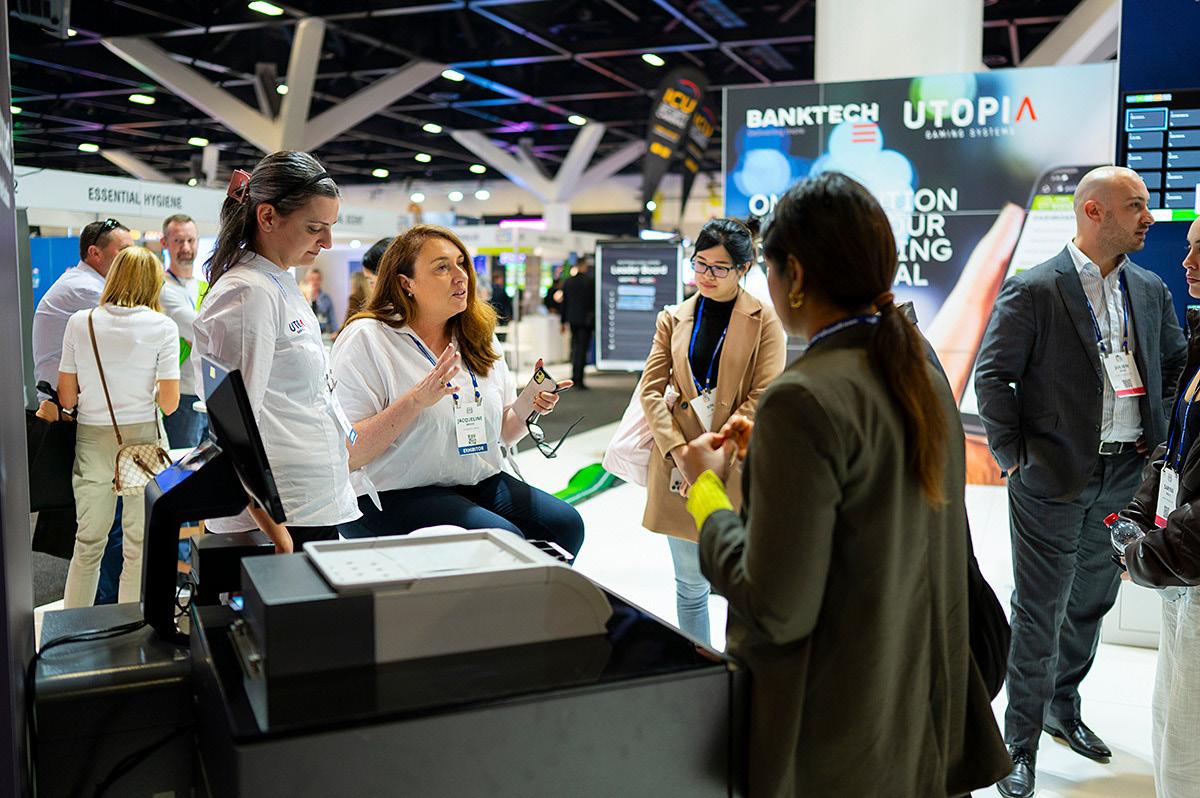
Beyond the exhibition, the AGE Seminar Series offers an added layer of value. Developed to address the most relevant challenges and opportunities facing the industry, the sessions will cover leadership, operational efficiency, workforce development, and emerging commercial strategies. Each seminar is designed to be concise, practical, and immediately applicable, making it easy for busy professionals to gain insights without stepping away from the show floor for long periods.
Networking is still one of the main reasons people attend. AGE
creates a focused environment where meaningful conversations happen naturally. From reconnecting with existing suppliers to meeting new partners, the event brings together a broad cross-section of the industry in one place. It is an opportunity to exchange ideas, benchmark your operations, and discover what other successful venues are doing differently.
Plan your visit
Entry to AGE is free to industry professionals, but registration is required. By registering in advance, visitors can save time on arrival, receive updates, and access key information to help plan their time at the expo. The venue, ICC Sydney, offers convenient access via public transport and is surrounded by a wide range of accommodation and dining options, making it easy to attend for a few hours or across multiple days.
For those looking to maximise their visit, it is recommended to review the exhibitor list ahead of time, identify priority suppliers, and allocate time for seminar sessions. With so much to see, a well-planned schedule ensures you make the most of every moment on the show floor.
The Australasian Gaming Expo continues to be where industry connections are strengthened, new ideas are discovered and business decisions are made. If you are involved in running or supporting a hospitality venue, this is an event that delivers real value.
Register now to attend AGE 2026
Dates: Tuesday 11 August to Thursday 13 August 2026
Location: Halls 1-4, ICC Sydney, Exhibition Centre Register: www.austgamingexpo.com
A new era with Tabcorp
See the best of what’s on offer across retail wagering, entertainment, and gaming from Tabcorp’s flagship brands –TAB, MAX, and SKY.
THE GREEN TEAM
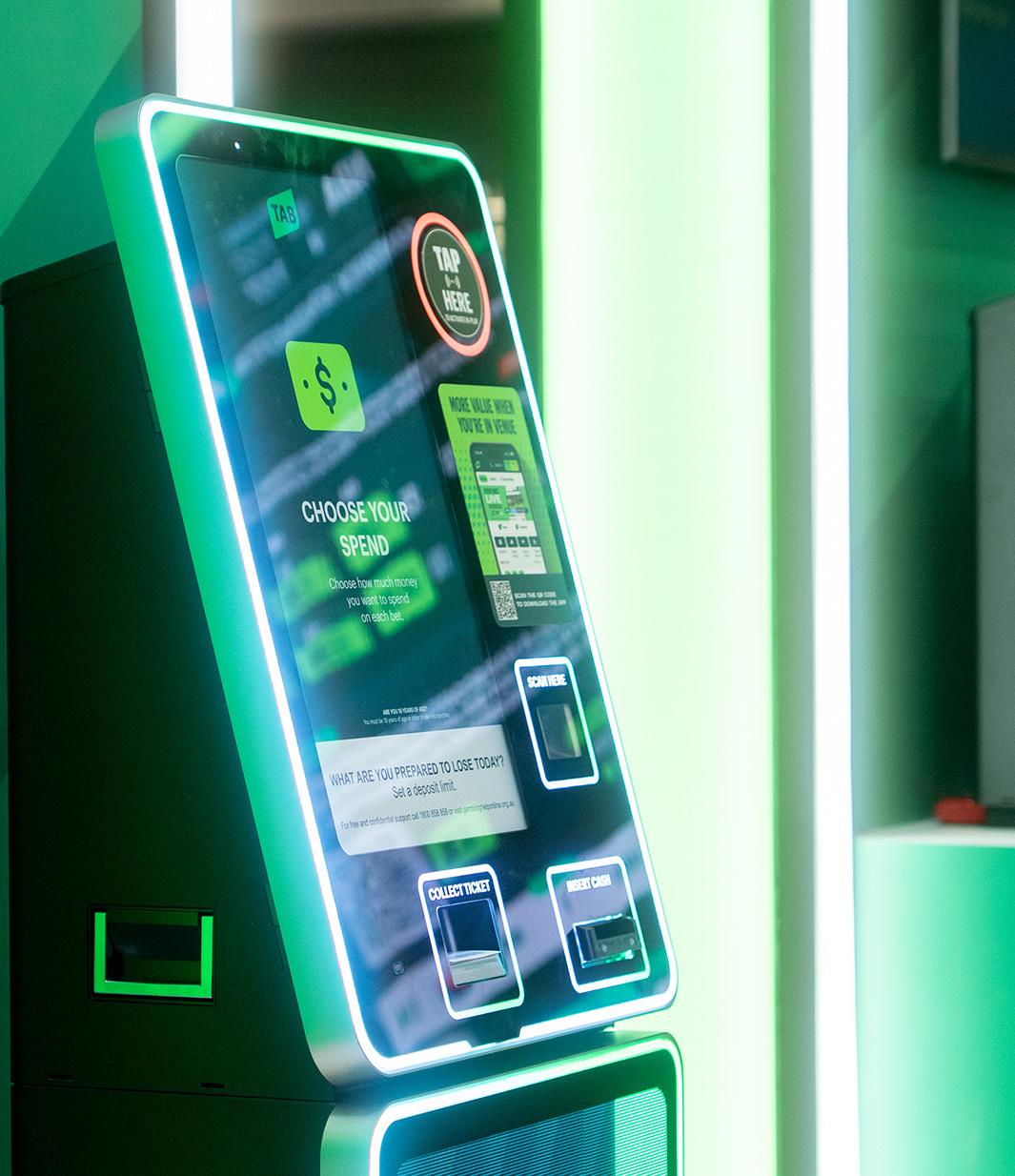
In July, TAB will officially launch the Green Team – a new commercial model that gives TAB Licensed Venues access to next generation wagering products.
Visit the team on stand for a demonstration of TAB Live - a game-changing, real-time, venue only product that allows punters to build live bets on their TAB app and validate instantly in venue.
TAB will also be showcasing their brand-new Self-Service and Operator terminals, with the TAB Training team on hand to run you through the dedicated staff training program.
Plus, learn how your venue can earn points to use towards creating experiences in your venue, with Green Team Rewards.
TECHNICAL SUPPORT VENUES CAN COUNT ON
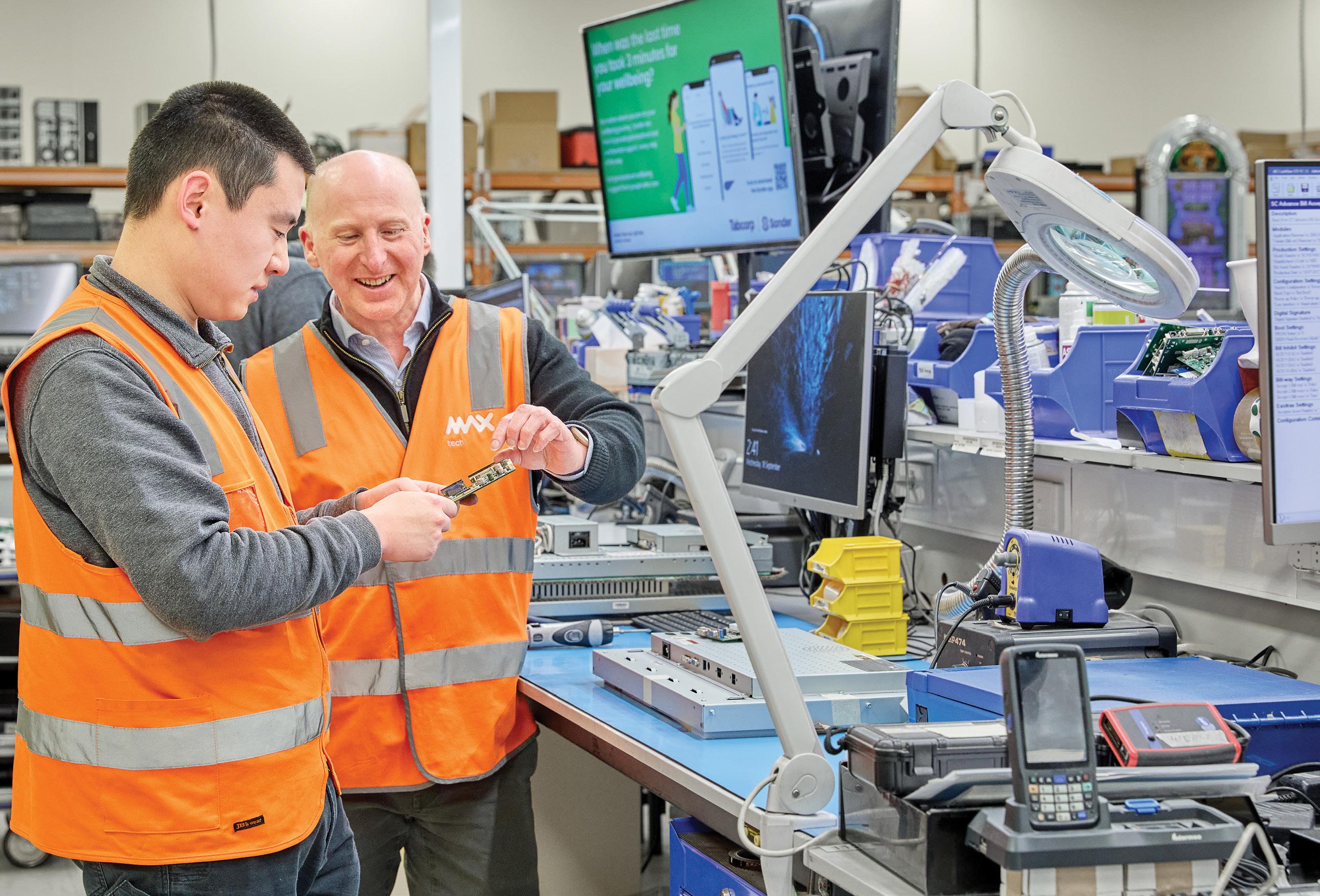
MAX is Australia’s leading end-to-end gaming and venue solutions partner, helping hospitality operators save time, work smarter and improve venue performance through integrated technology, technical services and operational support.
MAX Technical Services delivers trusted, independent gaming machine service and repair in New South Wales. The same trusted team who assists venues with TAB tech can also support your gaming machines, helping protect uptime, maintain performance and support compliance.
Backed by national scale and on-the-ground expertise, MAX Technical Services is a trusted option for venues looking for reliable gaming machine servicing and support.
Drop by stand #460 to have a chat with the team.
Recognising the Australian pubs delivering exceptional food, beverage and guest experience, The Top 50 Gastropubs Awards highlights the operators setting the benchmark for modern pub dining.
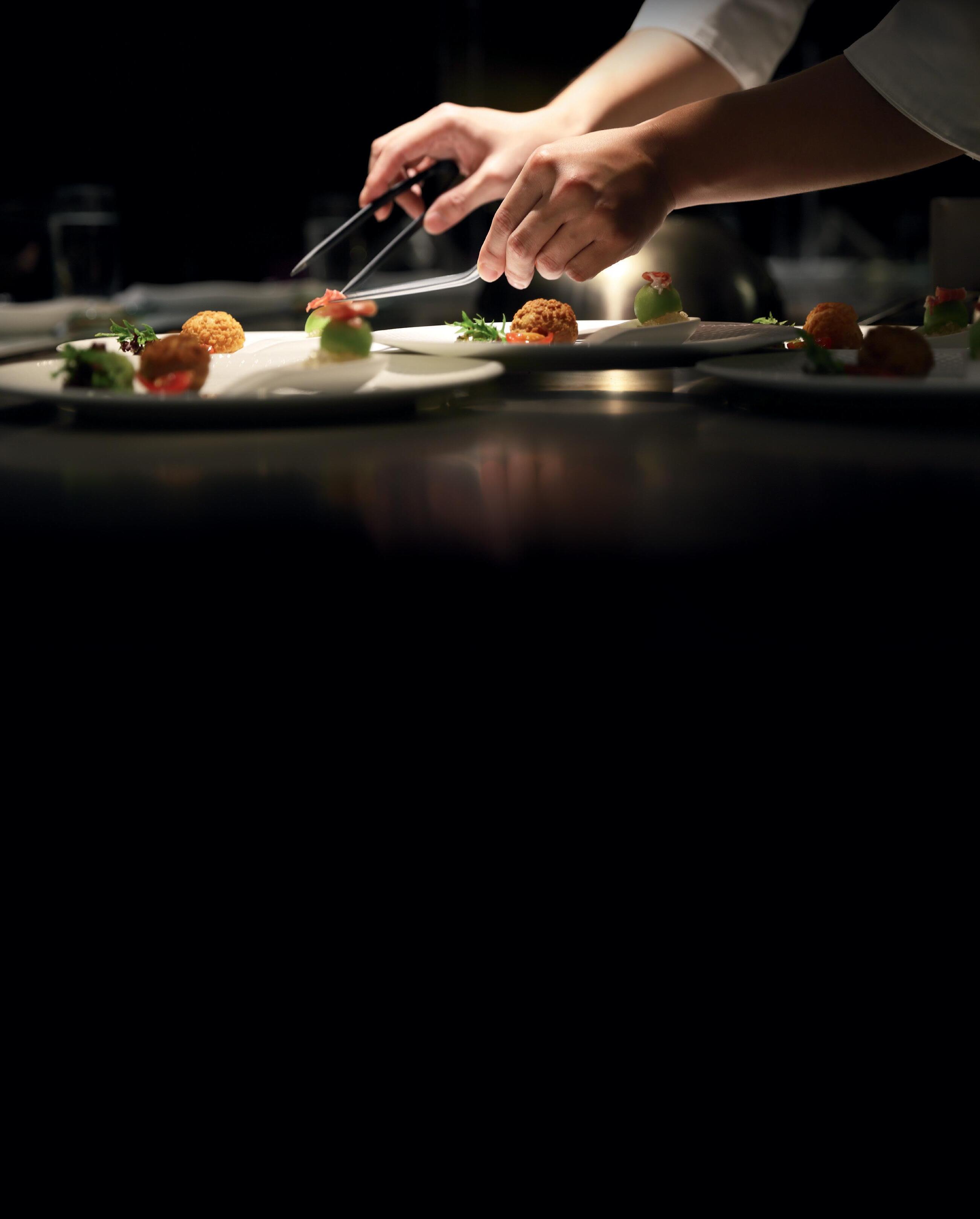
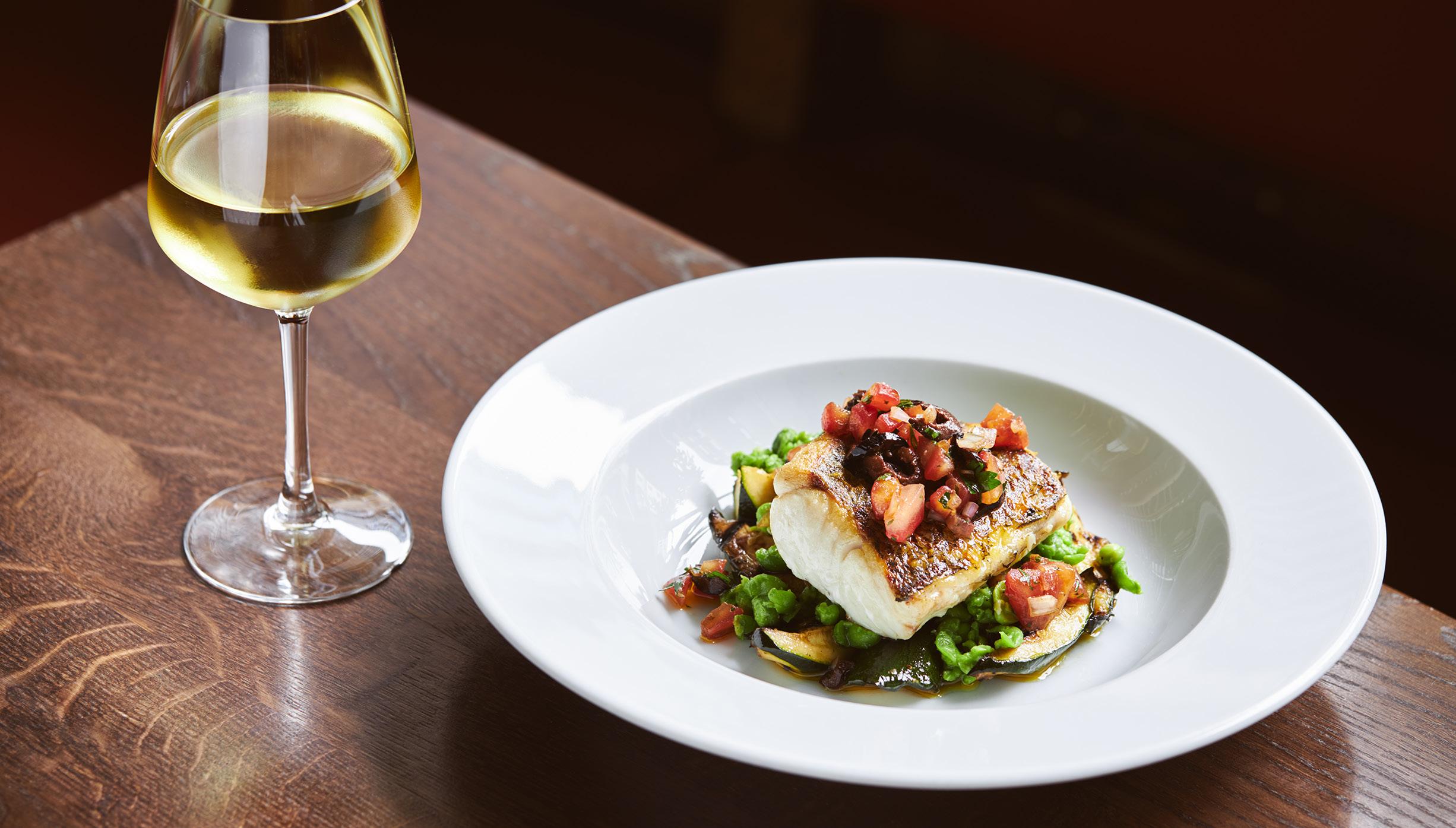
From novel training initiatives to a new approach to dietary restrictions, pub kitchens are constantly innovating
Bobbie Peels’ coeliac-friendly menu.
Photography: Jake Roden
From the kitchen to the classroom
As competitions and conferences reshape how chefs learn and collaborate, training is moving off the floor into dynamic new spaces.
By Molly Nicholas.
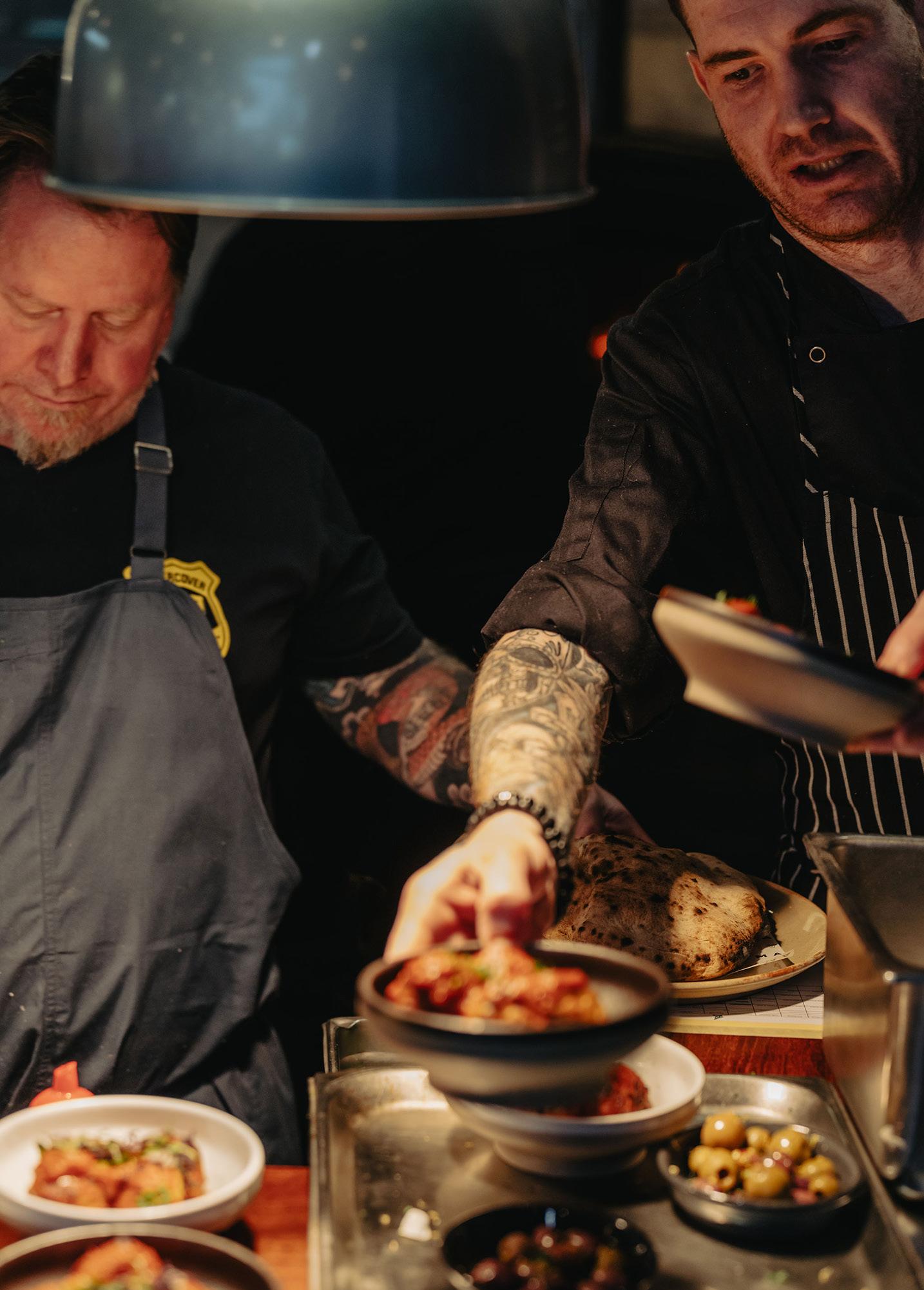
ACROSS THE pub sector, chef training is being reimagined. Combatting the insular ways that kitchen teams can work and the feeling of loneliness that is so often associated with these jobs, many operators are seeking new ways to bring their teams together.
Competitions, conferences and symposium-style gatherings are taking chefs away from the rhythm of daily service and turning training into something dynamic. What’s emerging from these initiatives is a stronger sense of connection, a collective approach to problem solving, and even sharper technical skills.
With a network of more than 20 venues across metropolitan and regional South Australia, Duxton Pubs’ geographical venue spread means that head chefs often work in isolation, despite facing similar problems. In 2024, group executive chef Brendan Boothroyd established the Heart of House Symposium as a means of bringing chefs from across the state together to connect face-to-face, share ideas and strengthen inter-venue relationships.
“The goal was to create a sense of a single brigade across multiple venues. Each kitchen maintains its own identity, but there is a shared mindset – working individually, while still part of a broader team,” Boothroyd told Australian Hotelier
“The symposium breaks down those silos. It allows chefs to step outside their venue, share what is working (and what isn’t), and build a culture
where ideas move freely and everyone benefits. Even the language reflects this – we refer to ‘Heart of House’ rather than back of house, recognising that food is central to what we do in pubs.”
Not only does the experience of being together change the way chefs engage with each other, it also creates a space for development and sharing of tacit knowledge, says Duxton Pubs chief executive officer Mark Condi – and the social connection element helps make these operational learnings stick.
“We focus as a group on key areas such as profitability, procurement, waste and menu engineering. The outcome is that chefs return to their venues with a broader perspective and the confidence to implement meaningful improvements.
“Our chefs are often working within small teams, spread across South Australia, with limited opportunity to connect with peers facing similar challenges. The symposium gives them time to step away, enjoy the experience, and build relationships across the broader Duxton Pubs group.
It allows chefs to step outside their venue, share what is working (and what isn’t), and build a culture where ideas move freely and everyone benefits.
Brendan Boothroyd, Duxton Pubs
Brendan Boothroyd (left) at Alma Tavern
“The real value is what happens afterwards – chefs leave with stronger connections, communicating regularly via phone, messaging and email. That ongoing collaboration is what ensures the operational learnings truly stick,” Condi stated.
Upskilling junior chefs
While the Duxton Pubs initiative brings head chefs together to reshape how kitchens think, communicate and perform, Francis Venues’ annual Chef Competition was established to get junior chefs more involved in the creative process – especially when it comes to costing and dish development.
Tom Francis, managing director of Francis Venues, explains: “We noticed that a lot of [our junior chefs] weren’t stepping up to create specials due to a lack of confidence and knowledge, so we introduced this competition as an engaging way to teach them what goes into creating a dish. It’s also a great way for head chefs to mentor their teams. Each chef must come up with their own dish, work through the costs, and really understand what goes into making a great meal.”
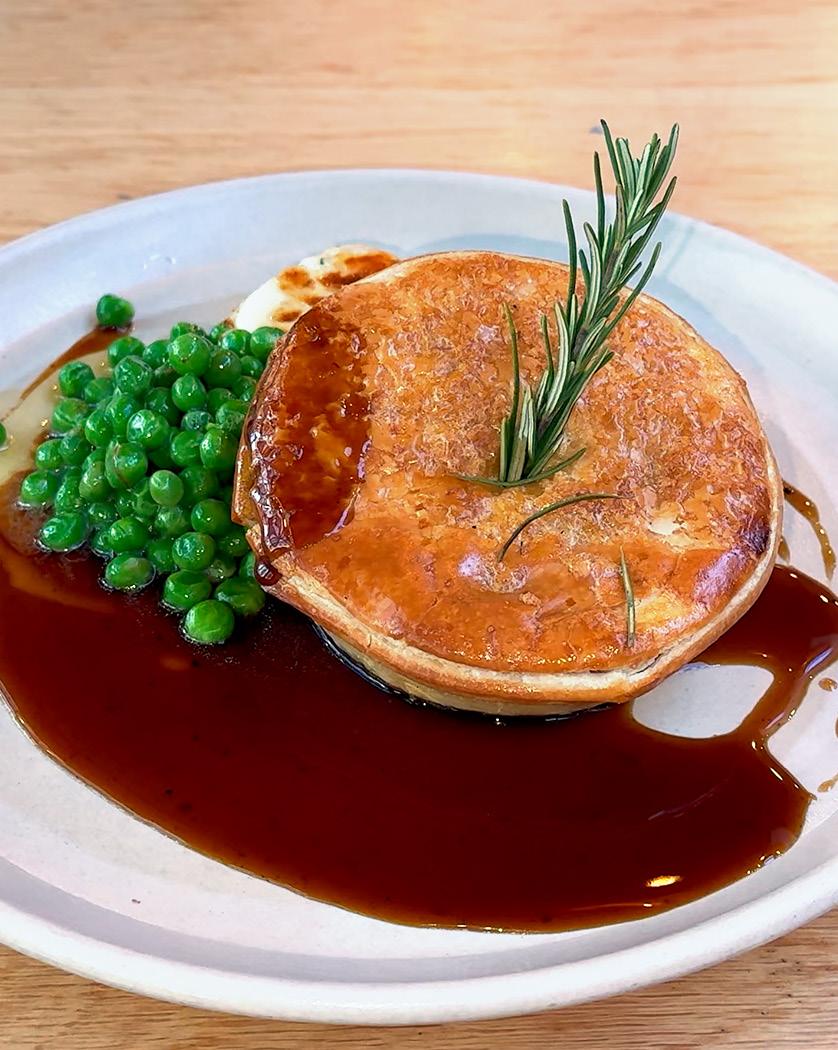
The group has been running the annual Chef Competition for three years now. Following previous themes of seafood and Australian native ingredients, the 2026 iteration tasked junior chefs with creating the ultimate pie to impress a panel of judges – and the Watergardens Hotel took out first place with its slow-cooked lamb pie.
“This year, our chefs had to meet specific criteria,
including food cost, ease of creation, in-season ingredients, and presentation. We chose pies this year for something different and gave our chefs three options: a cased pie, a pot pie, or a traditional French pithivier. One of the key outcomes this year was that the winner was one of our junior chefs, highlighting that the competition levels the playing field and gives everyone an equal opportunity,” Francis explained.
“It’s always a lively day filled with friendly competition. Chefs collaborate, exchange ideas, and discuss their unique approaches to challenges they face in their own venues. The event serves as an excellent bonding opportunity and significantly boosts team morale. Head chefs also share insights from their day-to-day experiences, which is a rare exchange during regular service hours.”
Beyond the pass
Designing the program for such initiatives is a careful and deliberate balancing act, says Boothroyd. When the objective is for chefs to leave with practical tools, tangible operational benefits and commercial impact are essential. But Boothroyd also wants his chefs to leave feeling inspired and has found that the most effective content also allows space for creativity and exploration.
“Too much focus on numbers can disengage people, while too much creativity doesn’t always translate into practical outcomes. We structure the content to reflect the reality of the role. A session on cost control or supply chain might be followed
Junior chefs get a real taste of what it’s like to be a head chef, which helps them think more critically about product management and waste reduction.
Tom Francis, Francis Venues
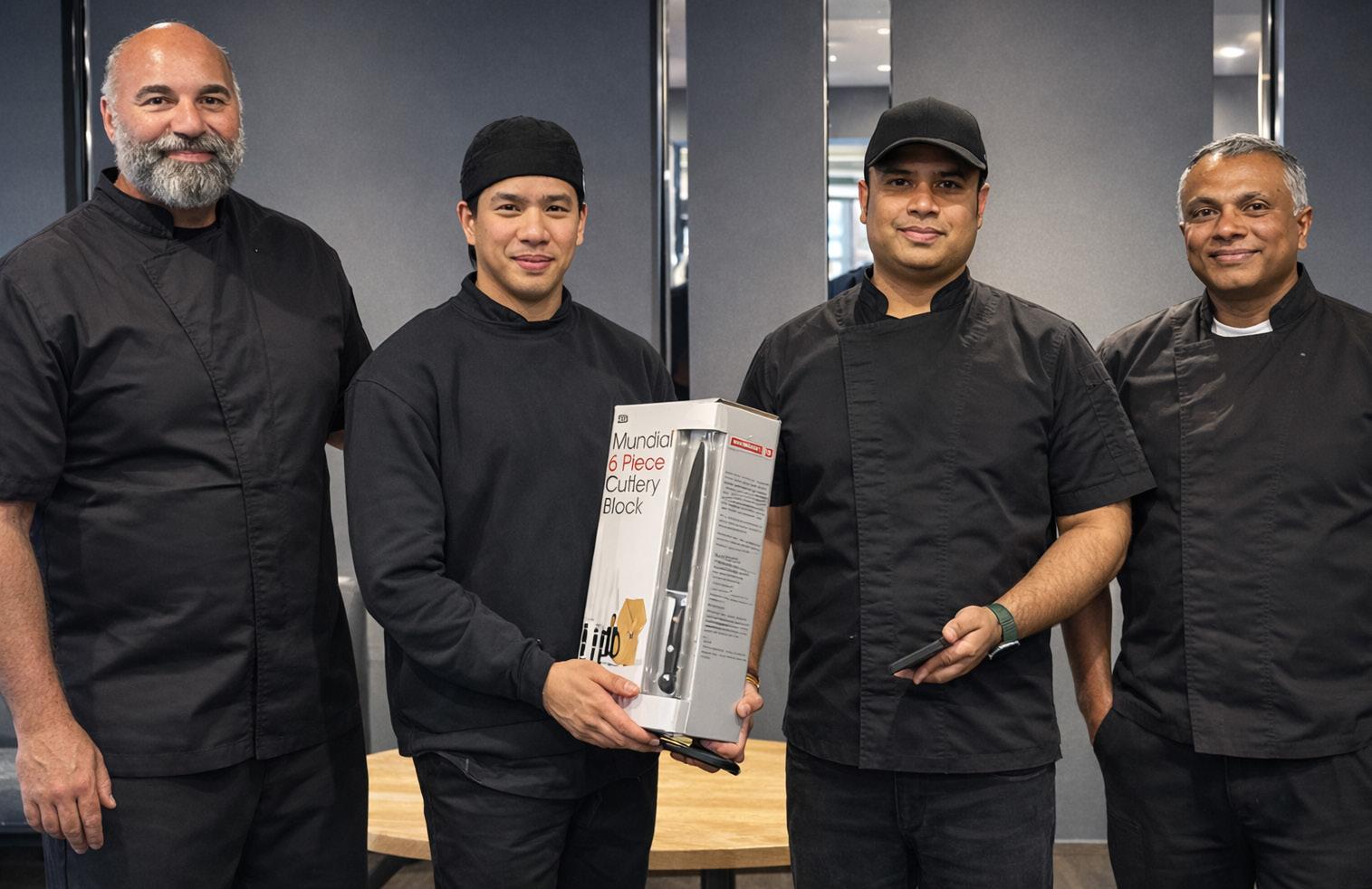
Francis Venues exec chef George Haddad (left) with the winning Watergardens Hotel chef team; and their winning slow-cooked lamb pie pictured right
We
focus as a group on key areas such as profitability, procurement, waste and menu engineering. The outcome is that chefs return to their venues with a broader perspective and the confidence to implement meaningful improvements.”
Mark Condi,
Duxton Pubs
by menu development, helping chefs connect operational discipline with creativity.
“We involve a range of contributors – from procurement specialists like Buyforce, to internal leadership and training providers – to cover all aspects of the business.
“Interactive elements are also key. Group activities such as menu creation and costing exercises ensure participants are actively engaged, building relationships and aligning approaches across venues,” Boothroyd commented.
At a more junior level, these initiatives are also exposing chefs to conversations that will help them understand how decisions in the kitchen connect to the wider business.
“These competitions help our staff better understand what goes into creating a dish and how much thought goes into costing. Junior chefs get a real taste of what it’s like to be a head chef, which helps them think more critically about product management and waste reduction. They also pick up different techniques they can apply in their cooking. We gauge the success of these initiatives through customer feedback, sales performance, and a noticeable reduction in waste,” Francis explained.
Finding time to connect
As crucial as those measurable operational impacts are, one of the most significant shifts observed as a result of the Heart of House Symposium has been how kitchen teams collaborate as a group, rather than operating as isolated venues.
As a direct result of the symposium, a weekly newsletter has been introduced to maintain connection and reinforce the sense of being part of a broader team. The ‘Kitchen Cabinet’ has also evolved from symposium discussions, providing a structured way for chefs to align on products and engage with suppliers collectively.
“Another example is the Heart of House WhatsApp group, which has become an active platform for ongoing communication – whether troubleshooting issues, sharing ideas, or supporting each other operationally,” says Boothroyd.
“On a day-to-day level, the impact is seen in smaller but consistent improvements – how chefs approach costing, manage waste and structure menus. Ideas shared at the symposium are
adopted and adapted across venues. It is less about a single major change and more about establishing a way of working that drives continuous improvement.”
Likewise, the success of the Chef Competition is judged not just logistically, but culturally – and for Francis, that extends beyond cultural shifts among staff to customers and suppliers too.
“The feedback from our customers has been fantastic. We can see through our sales that people really enjoy the dishes that come out of this competition. Staff are genuinely excited to participate, especially since there’s a prize for the venue with the highest sales. It adds a bit of friendly rivalry and helps bring those dishes to life.
“We also love getting our suppliers involved, such as Red Coral Seafood, Morco Fresh, Tip Top Meats and 5Ways Food Service, who join as judges. It creates a strong sense of community and collaboration that makes the whole experience even more rewarding,” Francis stated.
In geographically dispersed operations where communication can be a challenge, Condi says these initiatives are a powerful way of bringing teams together – and that cultural outcome is reinforced by the group’s expansion of its chef symposium to other areas of the business.
“The success of these events is reflected in the fact that we have expanded the model beyond chefs to include dedicated sessions for venue managers, gaming managers and retail managers. For example, compliance is a critical part of our business. Bringing gaming managers together allows us to demonstrate and reinforce expectations in a way that is far more effective face-to-face. The same applies to health and safety training for head chefs,” Condi concluded.
Introducing The Top 50 Gastropubs Awards
Australian Hotelier and Hospitality have launched The Top 50 Gastropubs Awards, celebrating the best food-led pubs in Australia. The ceremony will take place at HospoNEXT at Hyatt Regency Sydney on Monday 13 July.
THIS NEW initiative highlights and celebrates the venues that have nailed their offering and kept Aussie diners coming back for more.
“Gastropubs elevate fare beyond your standard burgers and schnitzels. They are beloved across the country, blending a casual and inviting pub atmosphere with a menu of sophisticated yet approachable dishes,” stated Australian Hotelier managing editor Vanessa Cavasinni.
“At a time when pubs are looking for any advantage to get diners choosing their venue over others, delivering a high-quality yet unintimidating menu is a feat. We want to celebrate the venues doing this well.”
A panel of more than 15 industry experts, alongside the Hospitality and Australian Hotelier editorial teams, have convened to name the venues that are setting the gastropub standard of excellence across the country. The judging panel ranges from hospitality group CEOs and single-venue owners to executive chefs and F&B directors – all with a vested interest in Australia’s dining landscape. And in a nod to the national scope of the
Attend the Top 50 Gastropubs Awards for free!
Want to attend the live ceremony of The Top 50 Gastropubs Awards? You can do so for FREE, by registering at www.hosponext.com.au
Not only will your registration give you access to the awards ceremony, it gives you all-day access to the HospoNEXT show, which will include presentations and panels on the NEXT Stage, as well as an expo of suppliers covering multiple aspects of venue operations.
When: Monday 13 July
Where: Hyatt Regency Sydney
Time: The Top 50 Gastropubs Awards ceremony will kick off at 5pm, after a full day of the HospoNEXT show. www.hosponext.com.au
...delivering a high-quality, yet unintimidating menu is a feat.
We want to celebrate the venues doing this well.
Vanessa Cavasinni, Managing Editor, Australian Hotelier
awards, the judging panel runs the span of the country, from Sydney to Perth.
“We want to acknowledge everything that goes into creating an impressive gastropub –from the quality of the food to the beautiful fit outs, curated wine lists, and exemplary sustainability practices,” says Hospitality editor Laura Box.
“So much work goes into each element of these venues, and we can’t wait to recognise the operators who are crushing it from every angle.”
Panellists have now submitted their judgments on the best gastropubs in Australia, and the ranking process is under way. There are also specific category awards highlighting areas of specialisation within the gastropub offer, including: Best Vegetarian/ Vegan Offer; Best Beverage Program; Best Fit-Out; and more.
The Top 50 Gastropubs Awards ceremony will take place at 5pm on Monday 13 July at HospoNEXT, the new hospitality trade event co-located with the Pub Leaders Summit
Anyone working within hospitality is welcome to attend HospoNEXT and The Top 50 Gastropubs Awards ceremony for FREE, with registration
Feasting with freedom
With inclusive hospitality in mind, Bobbie Peels has introduced a gluten-free menu, improving the pub experience for coeliac patrons.
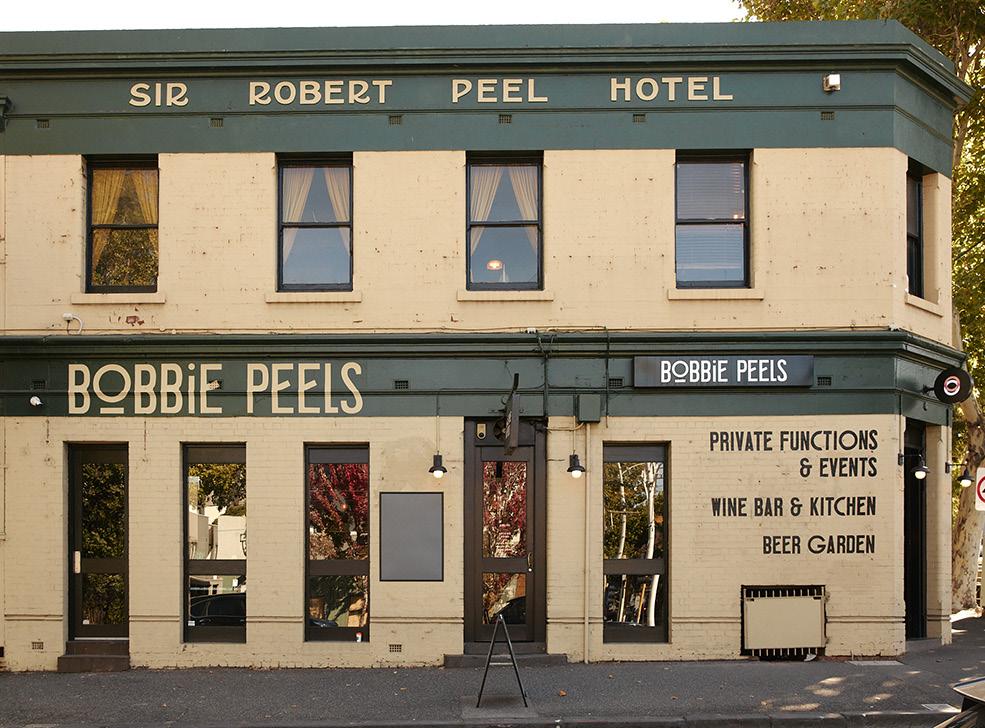
IN THE heart of North Melbourne, 161-year-old pub Bobbie Peels is changing the way coeliac and gluten-free patrons experience the pub with an allnew menu of inclusive classics.
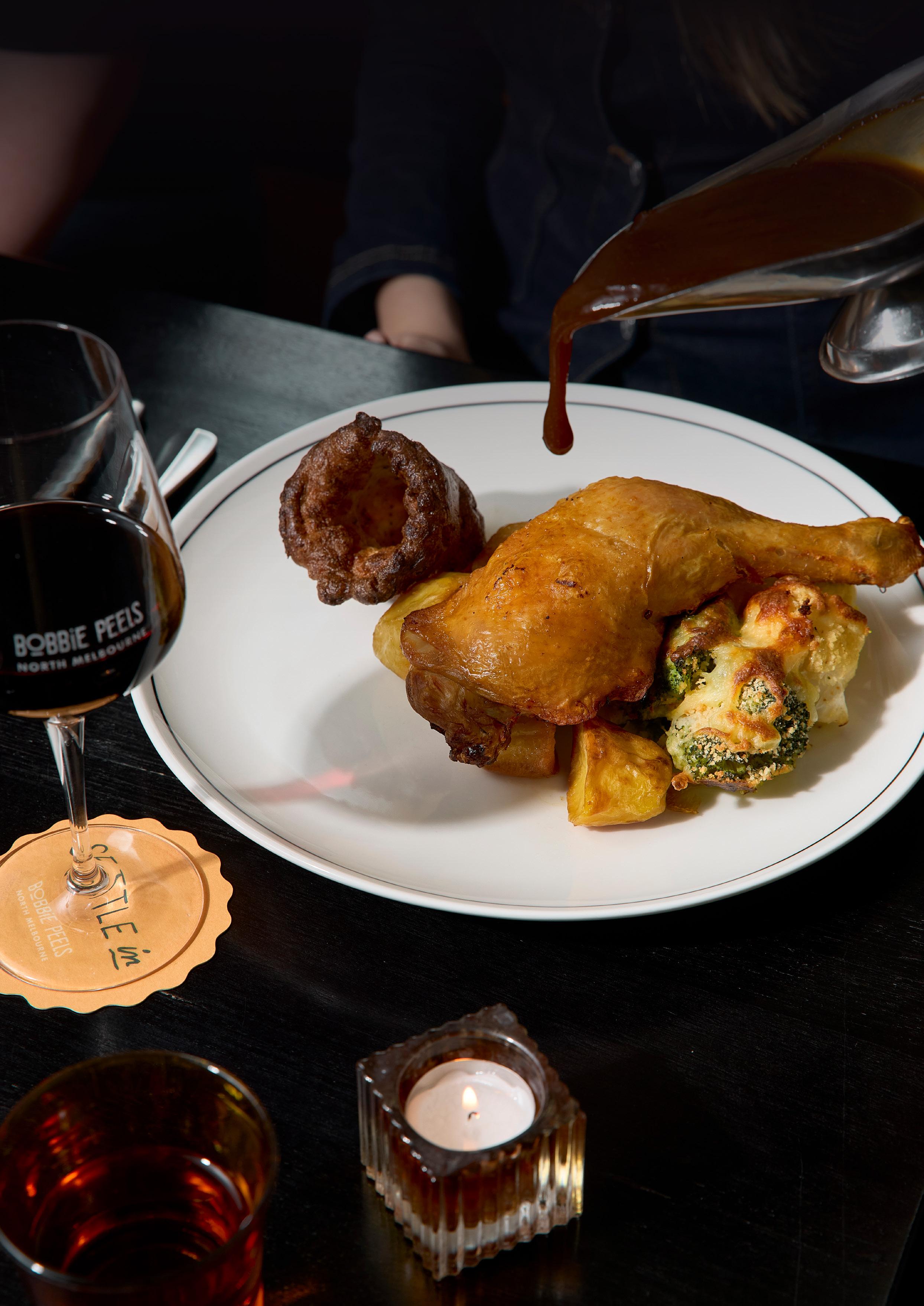
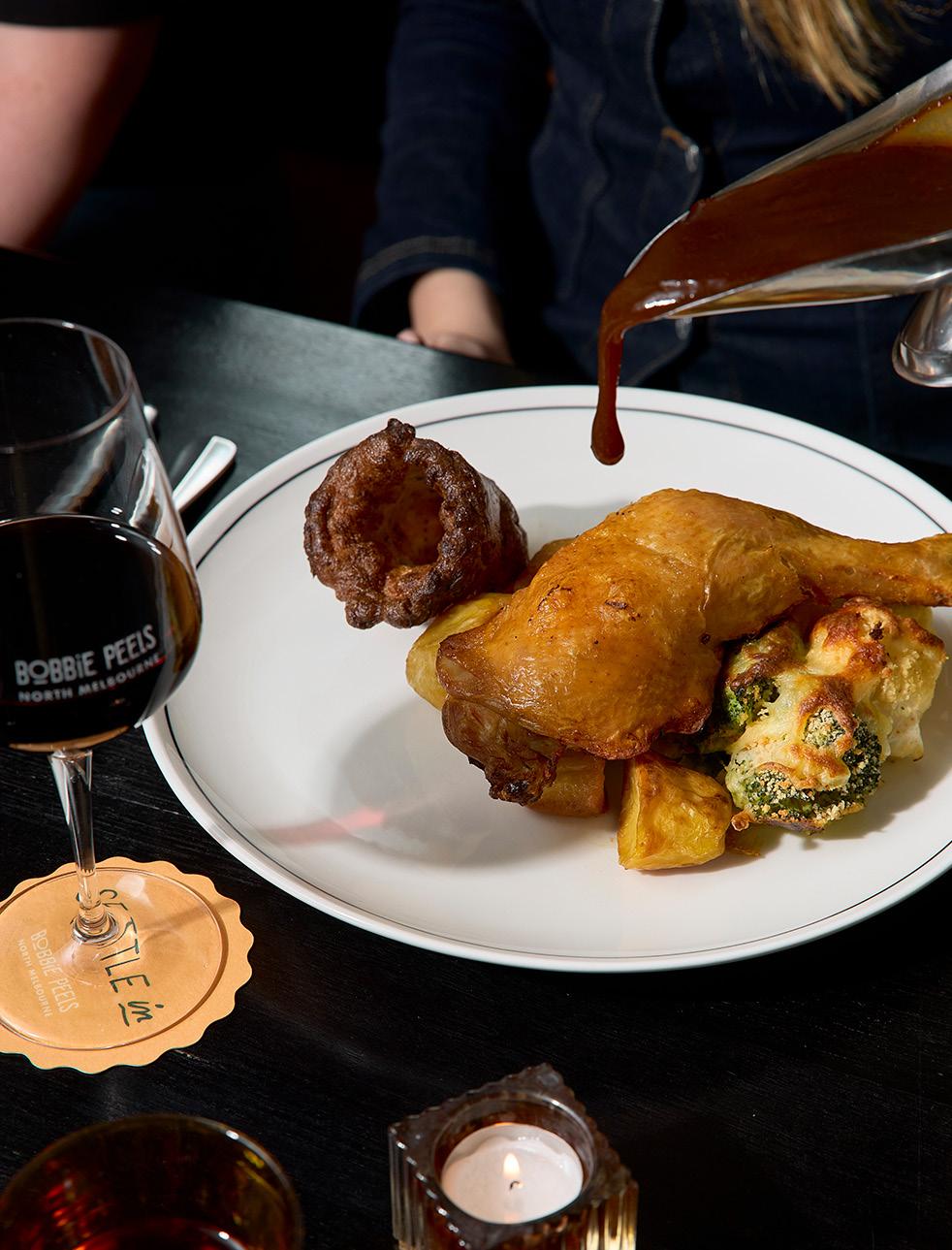
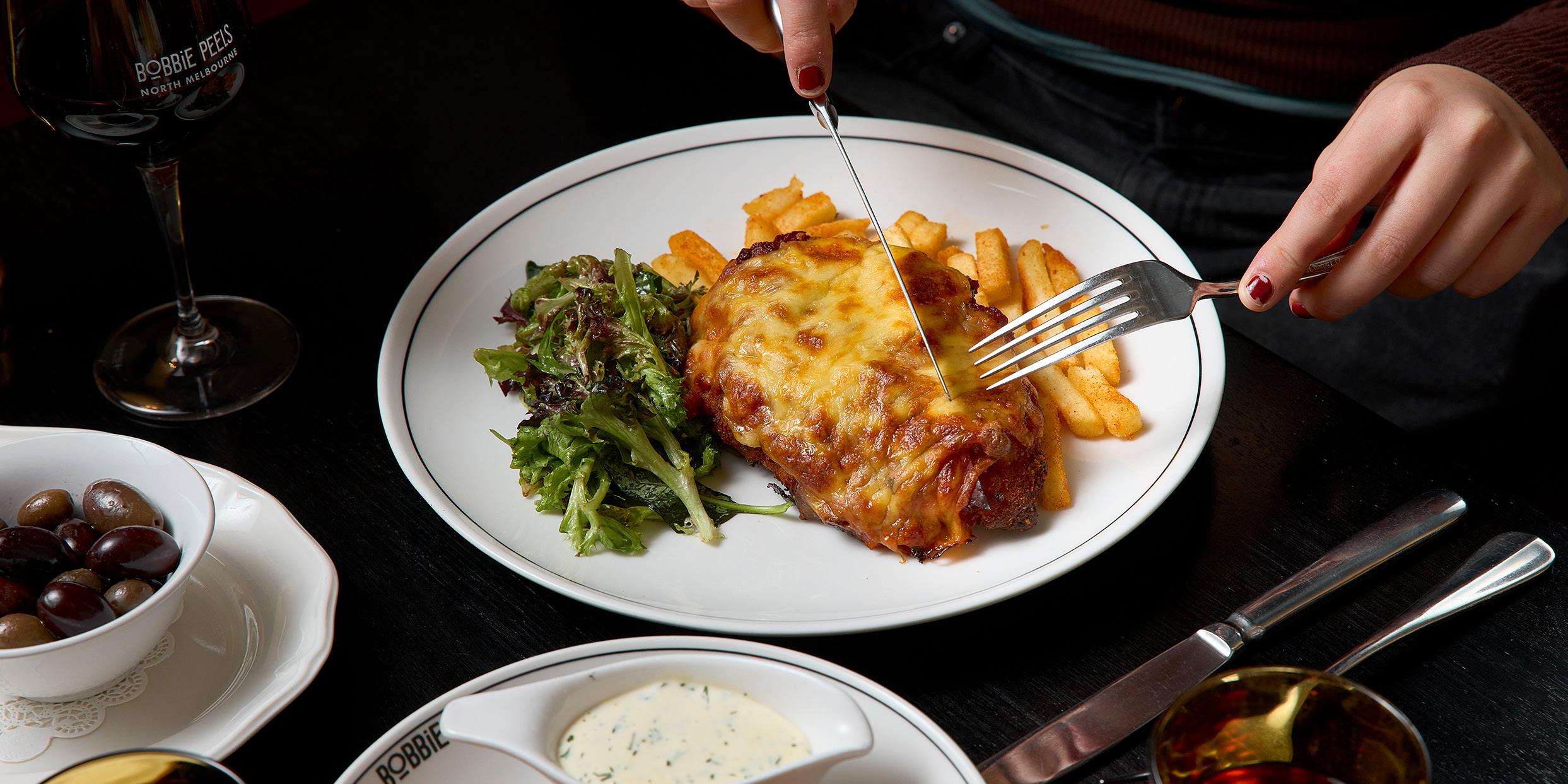
With fryers that have never touched gluten and a menu where most classics are back on the table, gluten-free patrons can now enjoy a range of dishes like chicken parmas, fish n’ chips, Sunday roasts, gnocchi and sausages and mash.
Notably, the shift towards a more accessible menu was not driven by a trend, but by something closer to home for the team.
Co-owner Phil Gijsbers told Australian Hotelier that he was inspired to make the change following his partner’s recent coeliac diagnosis.
“In hospitality you always try and put yourself in your customers’ shoes. When she was diagnosed with coeliac, I started to see all her frustrations, her lack of choices and, more importantly, quality choices. This change is for those people
who have long been misunderstood by the front- and back-of-house,” he said.
Since making the changes, the pub has seen a significant increase in patronage, becoming a go-to for local gluten-free diners.
“The response has been outrageous in the best sense of the word,” joked Gijsbers. “We get groups coming in because one person is coeliac, but they know that everyone on the table is going to get something from us that is great quality and delicious.
“We have had so many people genuinely thank us for providing a service that they may not have had before in a pub setting. It’s a sense of relief for those customers too, and a feeling that it’s achievable to cater to their needs.”
For now, the menu and kitchen are not entirely gluten-free, but with its success so far, Gijsbers said it is not off the cards.
Where safety and quality meet
Bringing the menu concept to life was not without its challenges. Gijsbers said the
size of the kitchen was the first hurdle.
“We’re in an old corner pub which means the kitchen is a bit of shoe box. It definitely took a bit of rethinking of the entire menu to start with. We had to take some dishes off to create space in the kitchen to keep our gluten-free ingredients and workspaces separate.
“We also refined some of our processes to be cleaner. It’s really important to avoid cross contamination, which is especially important during a busy service. Being able to tell all our customers that anything we put a ‘GF’ next to on the menu is as safe as it possibly can be is something we are very proud to have,” he explained.
Another challenge he noted is the additional cost of sourcing high quality alternatives to staple products like breadcrumbs.
“There is always a gluten-free ‘tax’ on things. They are generally more expensive than their glutenous alternatives so for us it’s also about operating a sustainable model on our end too,” said Gijsbers.
The gluten-free menu is bringing new groups to Bobbie Peels.
Photography: Jake Roden
Most importantly, the team prioritised delivering menu items that did not compromise on quality, flavour and texture.
“Our head chef David Watson previously worked for Grossi Group which have operated a number of hatted Melbourne restaurants, so his standards have always been incredibly high. He is a big fan of making sauces and stocks from scratch and all those small touches that equate to quality.
“As a result our chicken parmas have been a big hit. They use gluten-free breadcrumbs and they are crispy and delicious. We use great quality ham and make our sauce in-house. A big part of nailing that was testing and trialling and making sure we landed on a final product we were proud to serve up,” noted Gijsbers.
The true test of the quality, he said has been the overwhelming feedback from all patrons – gluten-free or not.
“Most won’t even notice its glutenfree unless we tell them.”
A learning opportunity
For the Bobbie Peels team, the process of creating an inclusive menu, presented as a valuable lesson in meeting customers where they are.
Gijsbers added: “We have also learned that sometimes its important to just double down on what is working well for us. I am excited to see where Dave takes the menu and the next gluten-free options we will be able to offer.”
The team have already begun testing recipes for gluten-free burger buns and pasta options.
Open to accommodating to other dietary requirements in the future, Gijsbers said the team’s immediate goal is to maintain quality and its role as a community-driven pub.
“It is important to us that we stay true to being a ‘pub’ first. The idea of a public house is about creating a hospitality space where everyone is welcome. And that’s exactly what we are trying to demonstrate through our menu.”
The chicken parmigiana with gluten-free breadcrumbs is a massive hit
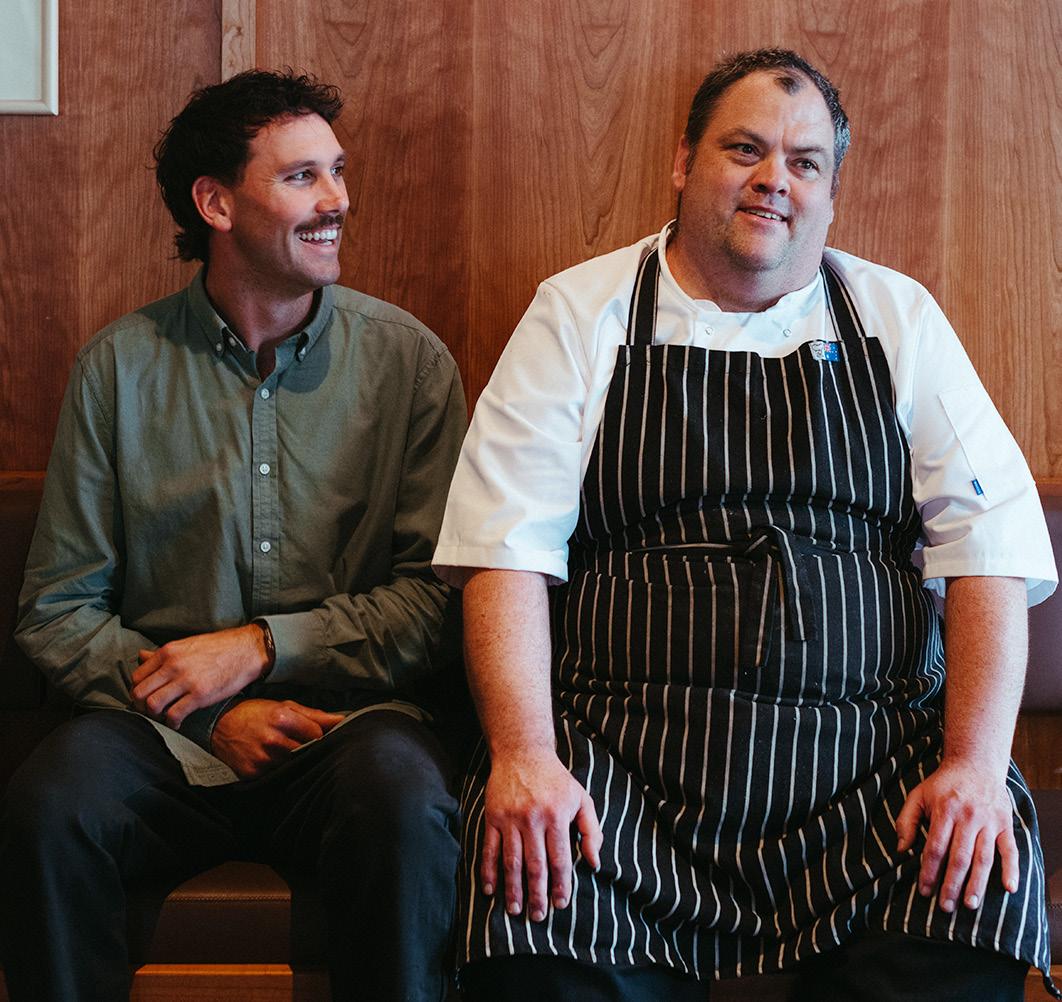
Managing director Dylan Clark and new head chef Robert Paget
Reimagining a coastal classic
Inviting interiors and nostalgic cues have helped Inverloch’s Esplanade Hotel reconnect with the local community.
IN THE coastal Victorian town of Inverloch, the Esplanade Hotel has long stood as a familiar landmark, but a recent renovation has transformed the once closed-off pub into a warm, welcoming destination for locals and visitors alike.
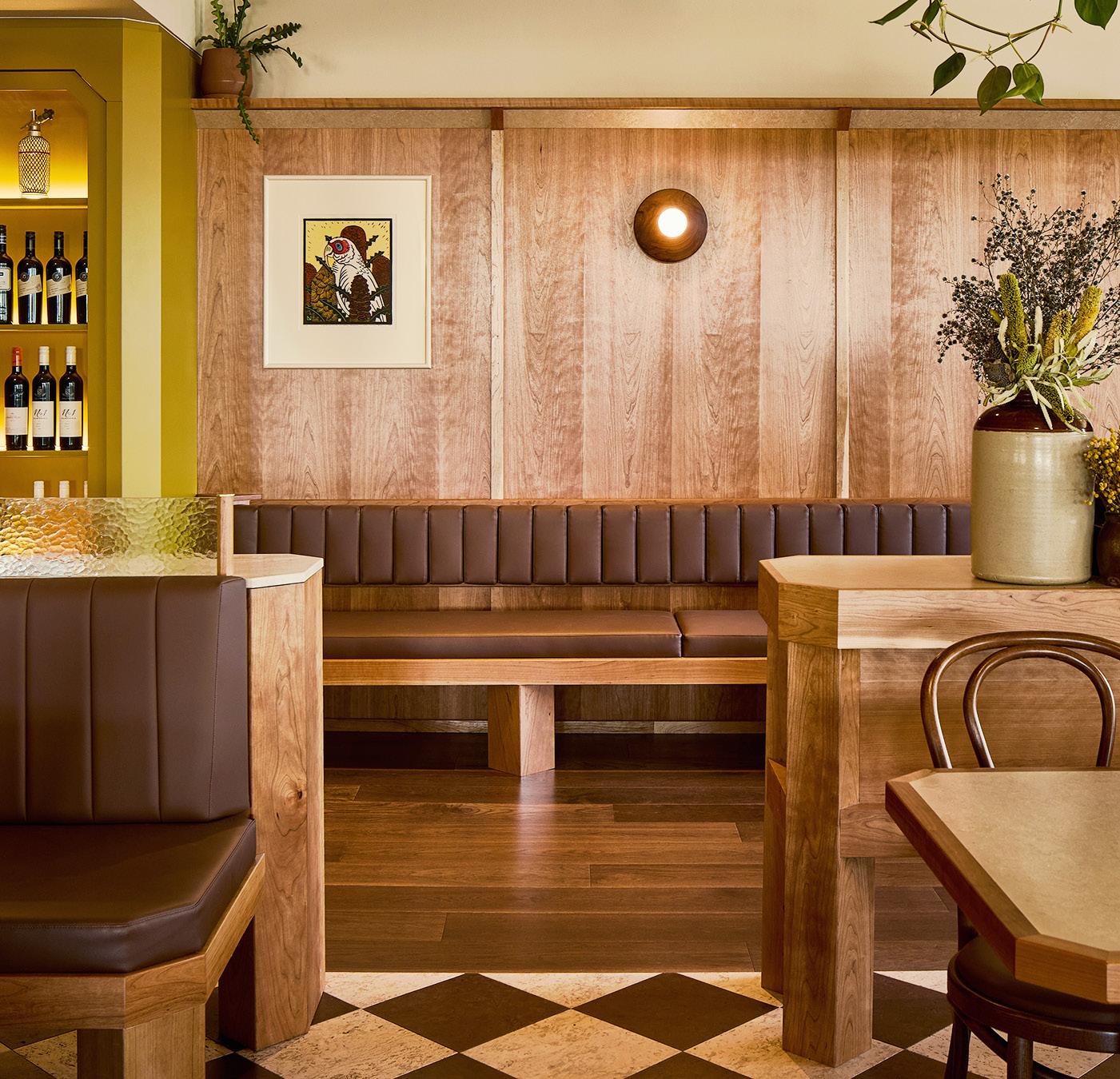
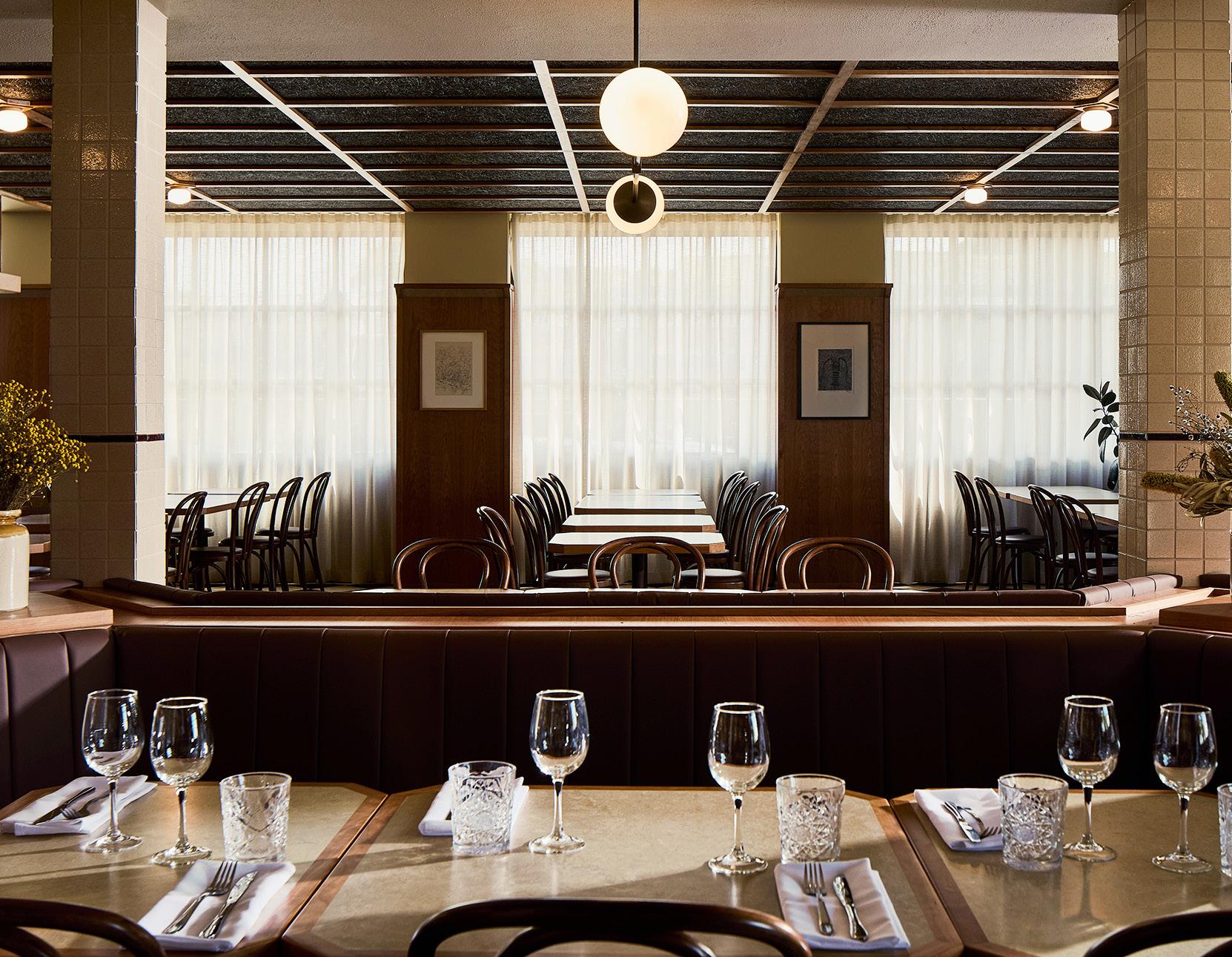
First founded and licensed in 1896, but later destroyed by fire and rebuilt in 1935, the Esplanade Hotel has served its community for more than a century. Embracing that heritage, the reworked pub balances old-world charm with contemporary comfort – replacing bland interiors with rich materials, softened lighting and traditional design cues.
Marking the pub’s first refurbishment since 2008, the overhaul was completed in staged renovations throughout 2024 and 2025 – bringing heritage character back into a “tired” space and seeing the pub shortlisted for Best Restaurant Design in the 2025 Eat Drink Design Awards.
For managing director Dylan Clark, the renovation was driven by a dual ambition: to create a pub that genuinely serves and reflects its local community, while also positioning it to capitalise on growing tourism.
“With Inverloch’s growth and exciting developments in the pipeline for the town, I wanted to get a jump on the rest of the town’s venues and offerings to create a destination people would travel to see and enjoy. Many coastal or regional pubs are visited when people visit or holiday in the town. We wanted to flip that around and get people to visit the pub and as a result get to enjoy Inverloch when they do,” he told Australian Hotelier
A warm welcome
Led by Jack Monte at Studio Heck, the design favoured nostalgic references with the ambition of creating a warmer, more inviting space that appeals to a broader demographic – leaning into what Clark describes as an “old-school coastal Sydney style”.
With Inverloch’s growth… I wanted to get a jump on the rest of the town’s venues and offerings to create a destination people would travel to see and enjoy.
Dylan Clark, Managing Director, Esplanade Hotel
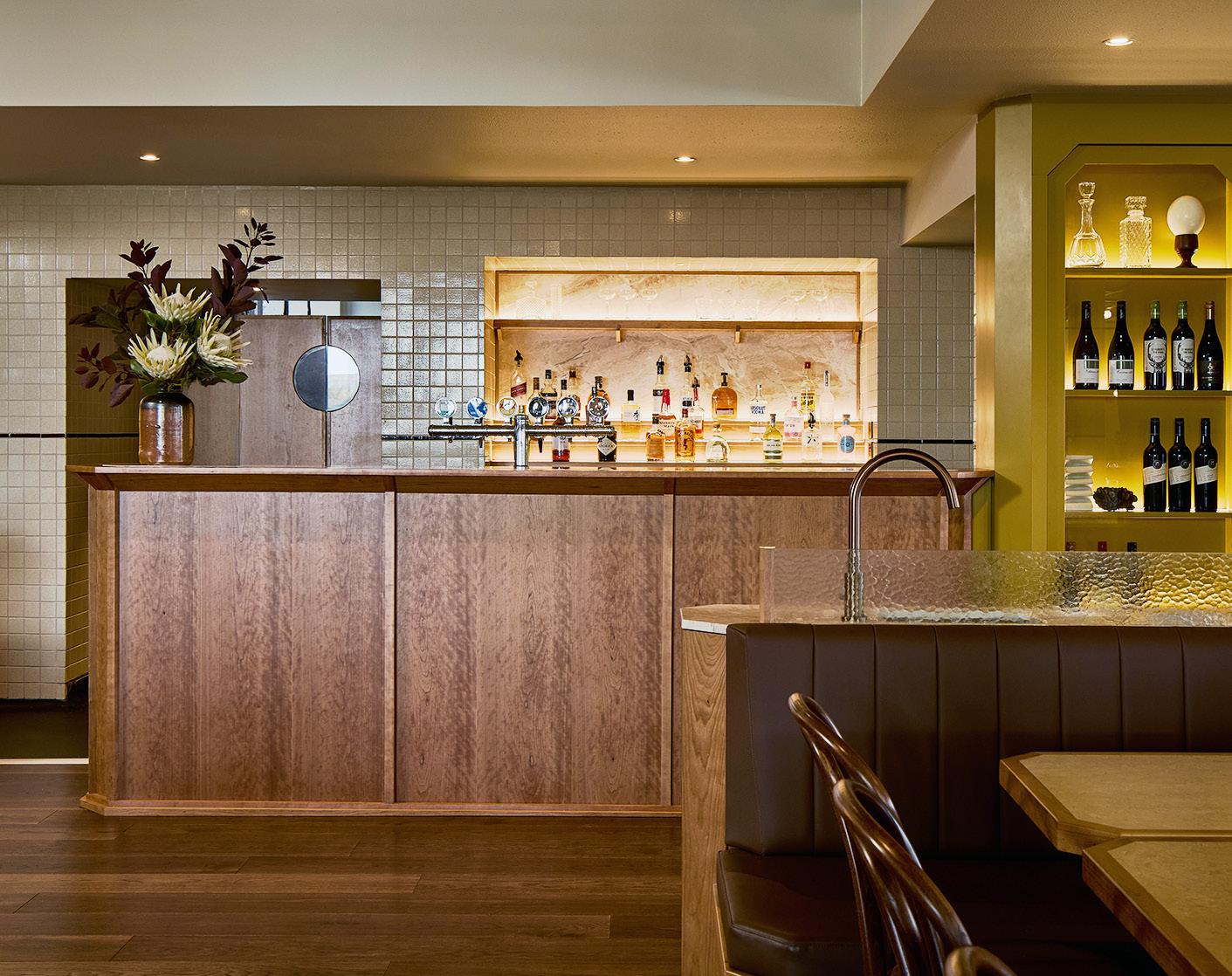
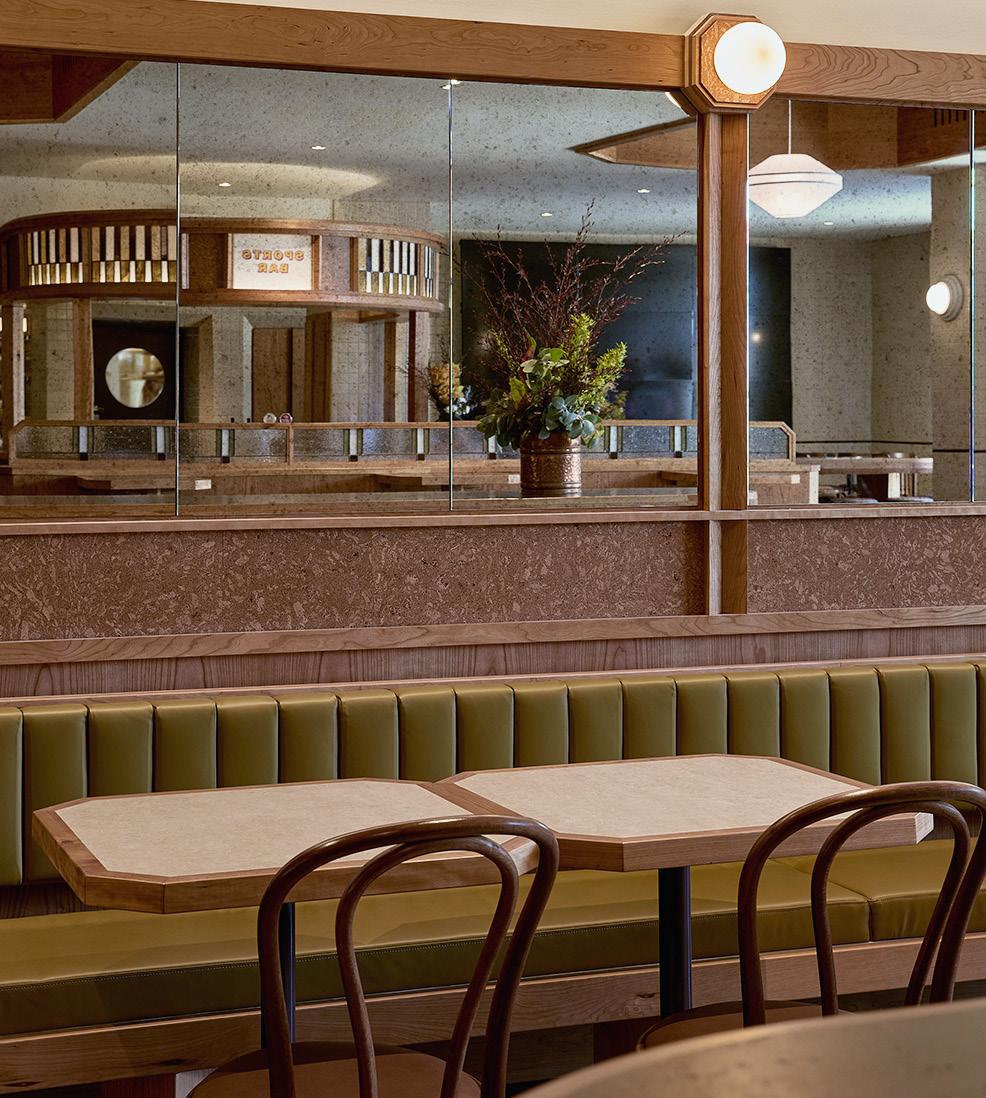
Utilising the all-in-one layout that is traditionally seen in regional pubs, major improvements were made across the public bar and dining room, with both spaces completely gutted and rebuilt. Timber and tiles were introduced to create texture throughout the space, while warm furnishings and curved fittings and fixtures help to soften the space.
“The bar has a real Sydney beachside pub feel, with beautiful light tiles around most of the walls and a stunning curved brick bar with a timber and glass carriageway – a real statement as you walk into the space.
“The timber work from Curve Build and Stelling Carpentry is first class. From curved bench tables for sharing pints with mates to immaculate corners on our dining room tables, the woodwork in this hotel is a real feature.
“New windows and doors throughout both spaces also add lovely natural light to both the public bar and dining room, making for stunning entries,” Clark explains.
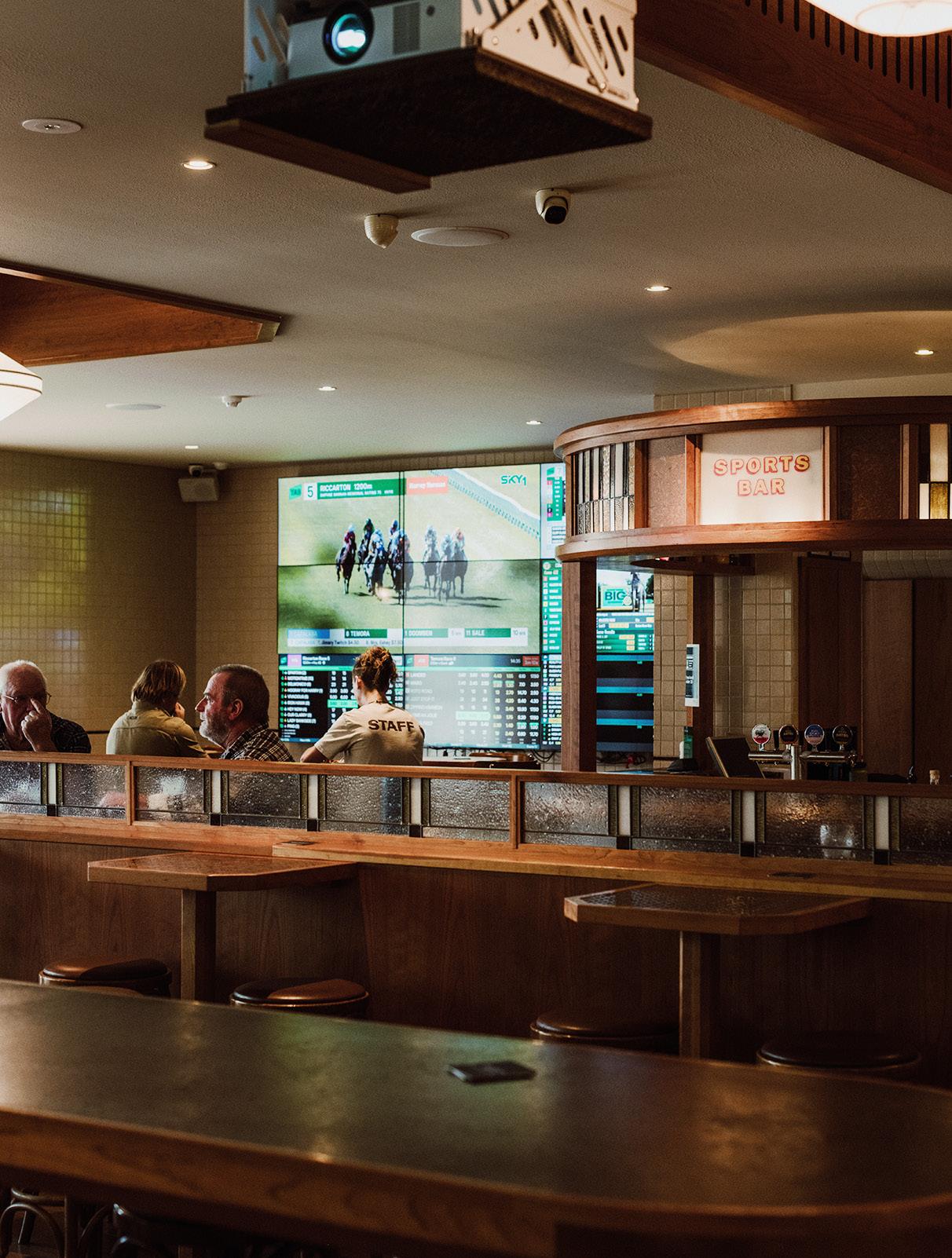
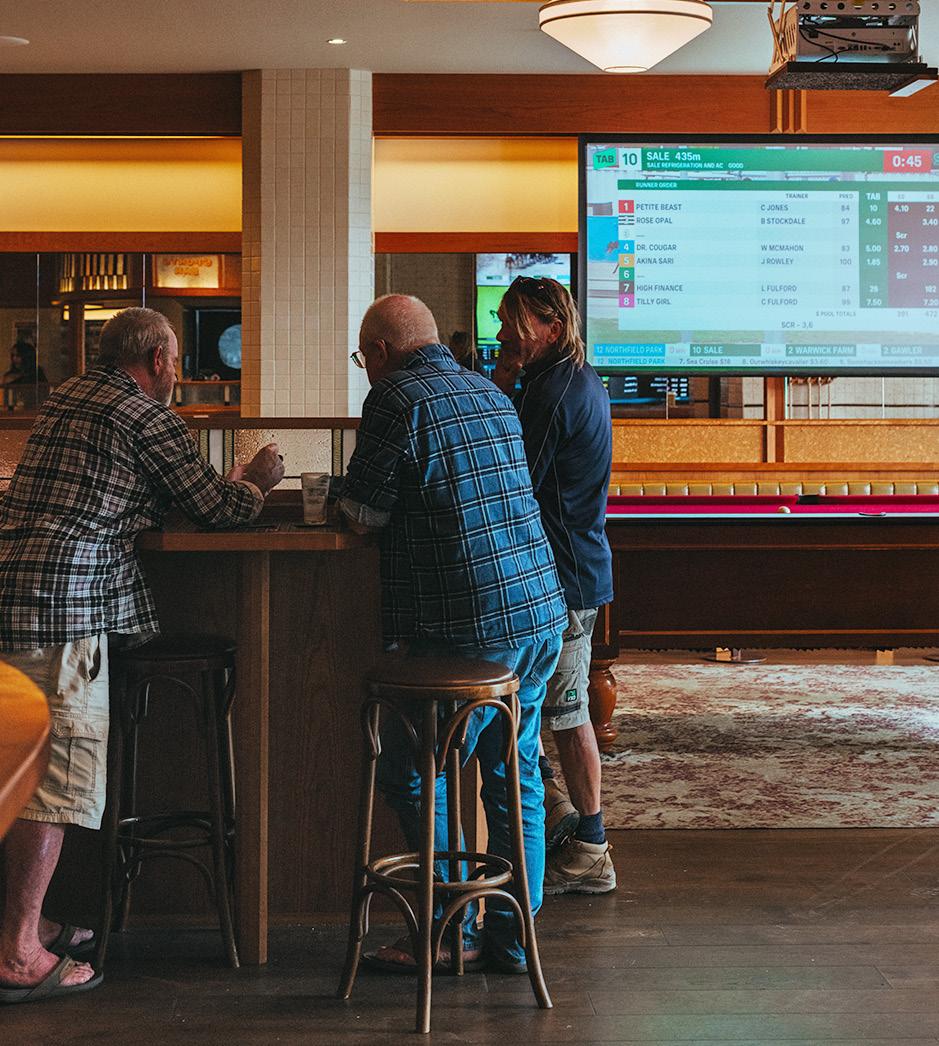
Sports has long been central to the pub’s identity, and that is now reinforced with a dedicated Sports Bar zone, designed for an immersive, social viewing experience.
Photography: Nicky Cawood
“Sports and the TAB have always had a big position in our bar. We didn’t want to shy away from that, but we wanted to execute it in a less ‘in your face’ manner. Better lighting and some smart seating and furniture has definitely made the space more female friendly.”
Outside, patrons will find an adjoining beer garden, where the introduction of more outdoor seating has been a big win. As more and more people choose to drink and dine outdoors, Clark shared plans to make further improvements to the al fresco area of the dining room, which he anticipates will be complete before the end of the year.
Where locals linger
Throughout the renovation, design choices were heavily swayed by Clark’s desire to attract more visitors from Melbourne and the southeast suburbs. The challenge was striking a balance that would meet the expectations of a city crowd without alienating the pub’s loyal local patrons – which he feels was successfully executed.
“It was a tricky balance, but we believe we found the perfect middle ground, incorporating an old coastal
pub vibe with lots of tiles and timber to make it a desirable place to visit for more patrons.
“We couldn’t be happier with the reviews and feedback we’ve received from a large variety of our customer base. Locals (whilst some took a little longer than others) love the spaces and visitation from them is up. Our regular visitors love and appreciate the changes and the effort put into the venue and we’re now attracting more new customers with people hearing of the improvements,” Clark added.
Since reopening, he has observed a significant uptake in wine and cocktail sales as a result of increased patronage from all-female groups, which he attributes to the pubs brighter, warmer aesthetic.
With new head chef Robert Paget appointed to elevate the pub’s food offering to a standard that matches the new and improved space, the updated menu is also proving popular with locals. Designed around high quality gastropub fare, the menu features favourites like bangers and mash, fish and chips, and grassfed Gippsland steaks, all built on gourmet ingredients.
More than a year since the renovation, it seems that the Esplanade Hotel has struck a sweet spot that balances the needs of sports fans, casual diners and latenight cocktail drinkers. Sales are well ahead of where Clark anticipated the improvements would land them, at almost a 20 per cent increase across the venue, with the biggest growth coming from the bar.
“The dining room reflects a five per cent increase since its completion, which is much more in-line with what we expected. We are still happy with that, although we hope the addition of the new head chef will continue to trend this number upward,” Clark concluded.
Thanks to our sponsors and partners
The Cranker’s heart still beats
Saved from demolition, the Crown and Anchor Hotel proves a pub’s value goes far beyond bricks and mortar.
IN JULY 2024, a beloved live music institution in Adelaide faced an existential threat when a development proposal sought to transform the site into short-term student accommodation. The 171-year-old Crown and Anchor Hotel, affectionately known as The Cranker, faced demolition, leaving only the heritage-listed façade behind.
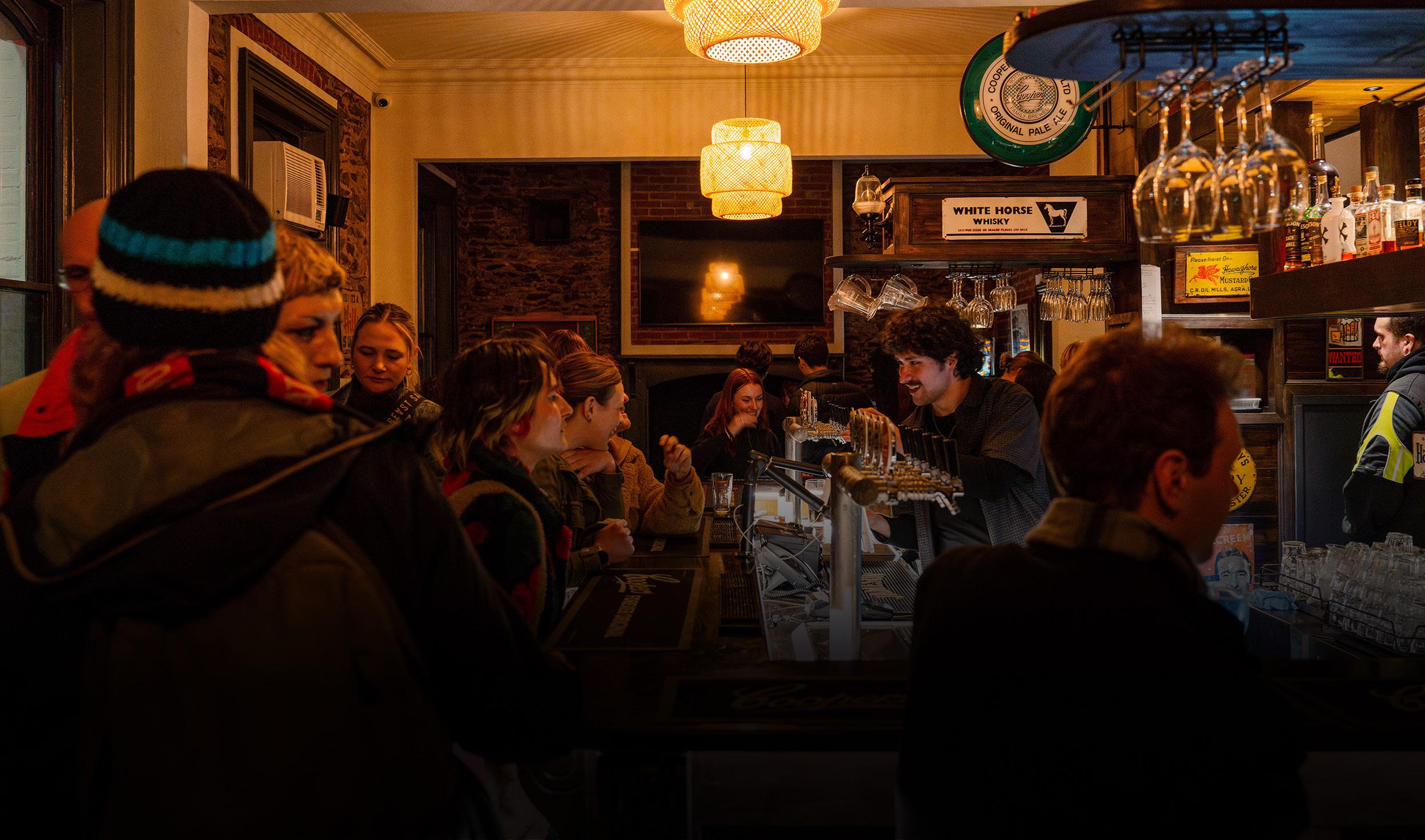
After a community campaign advocated to protect the structure and cultural significance of the venue, a compromise was reached that not only saved it but made it the most protected pub in South Australia. Although the building’s future as a pub was secure, operators were required to vacate the premises in July 2025 while construction took place, with The Cranker finding a temporary home in the former Ed Castle Hotel.
The Cranker’s managing director Tom Skipper told Australian Hotelier: “One thing that was evidently clear through the whole campaign was the sheer groundswell of support. There is a massive core base when it comes to the Crown and Anchor, and that is fed around the DNA of what the pub was all about – the epicentre of emerging live music and contemporary and original live
music, particularly for up-and-coming South Australian bands.
“I think it was one of the biggest advocated movements we’ve seen in South Australia, and a lot of it was driven around the real need for the South Australian Government and the city of Adelaide to actually understand the cultural significance that pubs hold.
“I think it also sent a clear message to developers in this city that you can’t just come in and override planning or usage of a space for your own benefits. I think what’s the most important contributing factor is blocking overseas investment from coming in and destroying venues that offer a really vibrant contribution to Adelaide,” Skipper continued.
Built to stay
The temporary move from the CBD’s East to West End brought plenty of nuances, from transferring The Cranker’s community from one side of the city to the other, to losing the surrounding community of pubs that helped feed the venue.
One of the more beneficial changes has been the increased band room capacity of 250 which allows the pub to sell up to
60 extra tickets a night, maintain active programming, and hold onto the core principles that form the foundation of The Cranker.
“Being in this location I think we’ve adapted and found a different market. I think a lot of the people that called The Cranker their spiritual home were visitors that would probably come into the city once every so often, whereas now we’ve got a bit more of a hardcore base that is supporting us weekly,” says Skipper.
Trading on a temporary licence that was transferred from the Crown and Anchor with the condition that it returns to the venue once it is available – and a lease that reflects a similar agreement – Skipper expects to return to the original location in July 2027, with a refined model and learnings from the temporary home at Ed Castle Hotel that will put them in better stead operationally.
“We’ll be returning to a very different footprint – having a 29-storey student tower next to us, which is going to cast a fair shadow over the pub. That being said, there are parts of what make that pub that can’t be replicated, so there is excitement to be going back there.”