Join us in May for a gathering of like-minded professionals, writes Positive Ageing Summit conference advisor DR TIM HENWOOD.
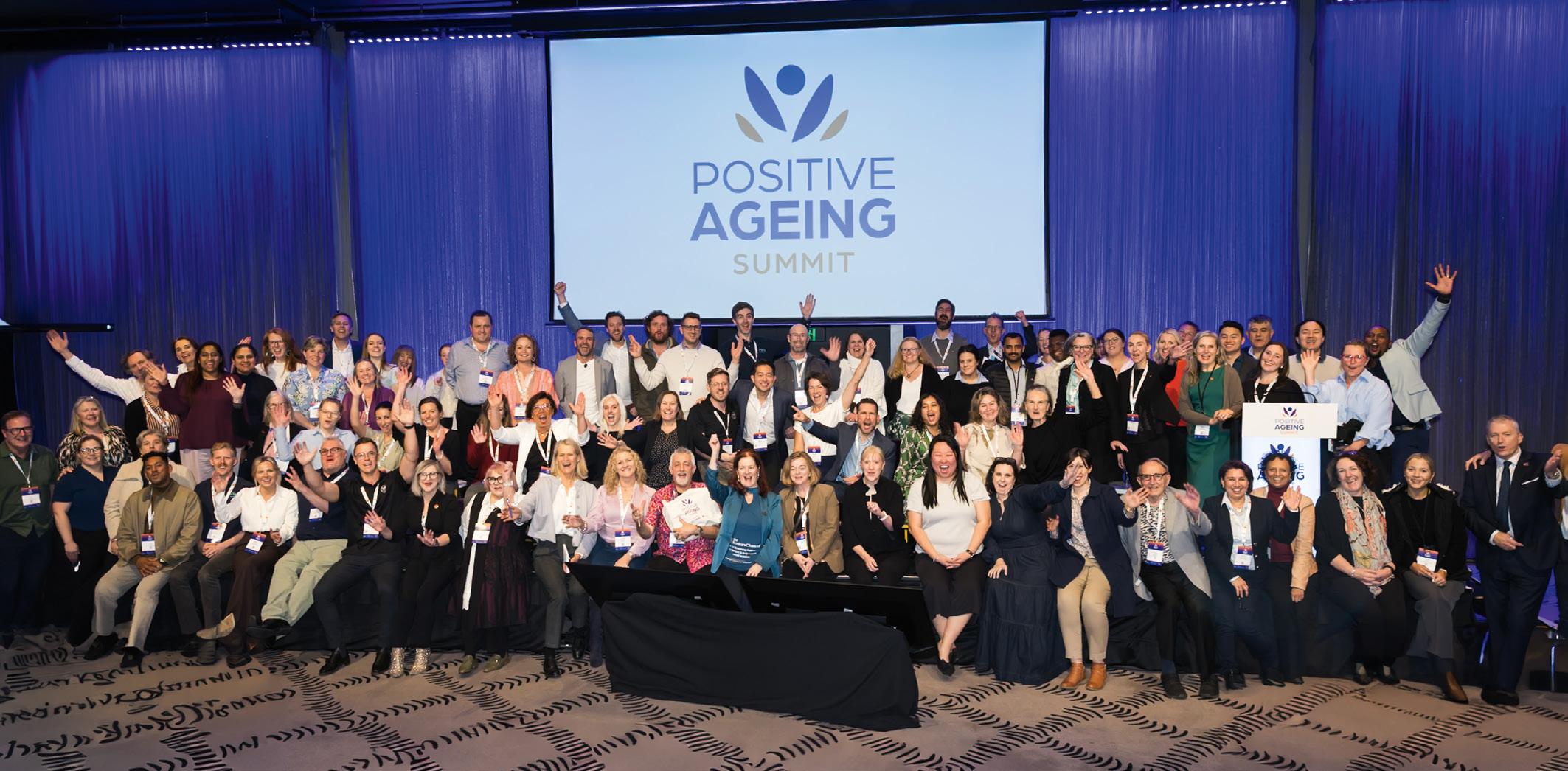
Last year’s Positive Ageing Summit left a strong impression on those who attended. Not simply because of the quality of the program, but also because reablement and positive ageing were finally given voice in a landscape dominated by conversations about care, compliance, and governance.
Engagement was noticeable, with attendees both absorbing information and showing a shared purpose to support older Australians to remain capable, confident and engaged in their own lives.
Across the two days, a common sentiment emerged: people felt like they had found their tribe. As a member of the organising committee, this response was both heartwarming and affirming. It demonstrated we had created something the sector had been waiting for.
Positive Ageing Summit 2026 at Hilton Adelaide on 21–22 May builds on that momentum. And while there will be familiar faces, this year’s program leans into areas that will shape the future of ageing well.
Technology is one such focus. Rather than chasing the next big thing, the discussion is grounded in practical realities, research, innovation and considerations for positive integration.
Technology is already transforming aged care and wellness – from intuitive programming and wearables data to new communication channels and increasing uptake by older adults. Whether providers feel ready or not, the landscape is changing. Ignoring this shift is no longer a viable option.
Another addition to the program is social and meaningful engagement. While the risks of social isolation are widely acknowledged, health, wellness and connection are still too often treated as separate service streams. An evidence-based approach challenges this.
When programs are designed with an understanding of behavioural change, social prescribing and individual meaning, physical wellbeing and social engagement grow together.
Reablement, at its core, is not just about exercise or clinical intervention. It is about working within a person’s capabilities, supporting their goals and strengthening autonomy, confidence, and purpose.
The summit will also feature a keynote from an internationally recognised leader in exercise and later-life health, alongside regulatory and government perspectives examining reform, sector direction and what effective reablement looks like within governance and compliance frameworks. Delegates can also expect practical workshops, experience tours and valuable exchange.
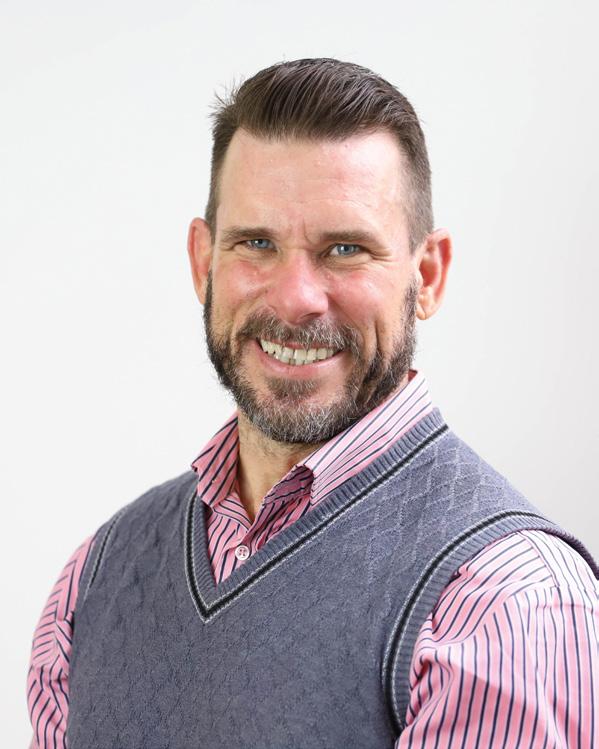
For those considering attending, the proposition is straightforward: this is not just a conference, but a gathering of like-minded professionals committed to advancing the health of ageing Australians. Dr Tim Henwood is principal consultant at AgeFIT Solutions
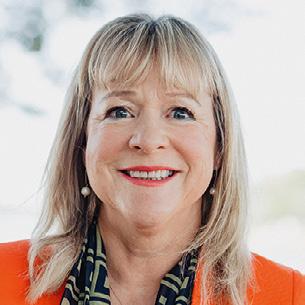
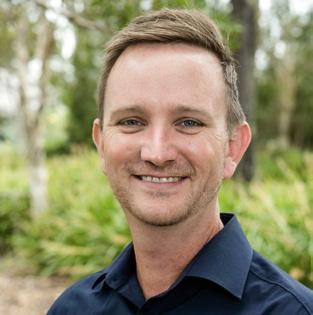
38 Associate Professor Kim van Schooten, Zachary Bailey, Hilary O’Connell and Dr Tuire Karaharju-Huisman answer the question: How is technology improving positive ageing?
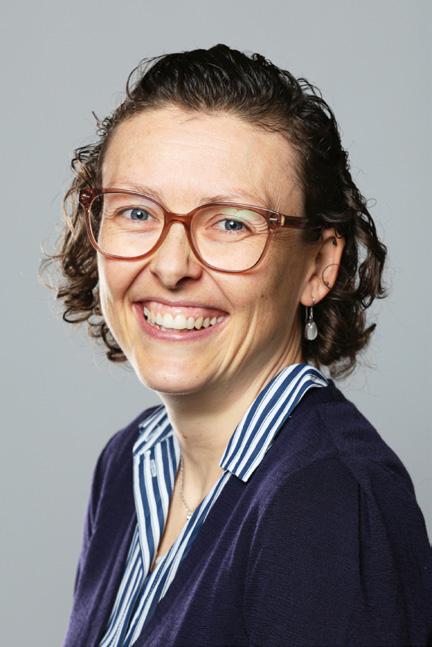
40 Rachael Cook, Jacquie Molloy and Dr Natasha Reid talk about the social, spiritual and behavioural aspects of positive ageing and how they intersect.
42 Marcus Riley offers his positive ageing insights ahead of his keynote address, alongside a preview of other day 1 sessions
44 A preview of four opt-in masterclasses, offering delegates additional practical knowledge in nutrition, reablement, innovation and dementia care
46 Peter Williams shares OneCare’s wellbeing initiatives ahead of his keynote address, alongside a preview of other day 2 sessions
48 Bernard Morrison talks about winning the Inaugural Paul Johnson Award and more, alongside more on the award and PAS site tours
50 Products and services from exhibitors
For decades, much of what we know about health in later life has come from occasional clinic visits or questionnaires. Today, technology allows us to see how people move, sleep and function in their everyday lives. This creates opportunities to identify changes earlier and support people at the right time, while reaching far more people than clinic visits alone.

One exciting development is wearable technology. Small sensors, similar to those used in smartwatches or fitness trackers, can measure how people walk, turn and move throughout the day. In many ways, they function like a Holter monitor for mobility, capturing continuous information about the amount and quality of movement rather than relying on a brief clinic assessment.
These everyday movements contain valuable information. Subtle changes in walking patterns can signal early mobility decline or increasing fall risk. This matters
because around one in three people aged over 65 experience a fall each year, often with serious consequences.
Changes in gait may also reflect emerging health conditions such as cognitive decline, COPD or Parkinson’s disease long before problems become obvious. In our research on safe mobility in ageing and disease, we use wearable sensors to monitor mobility in daily life and identify early signs of balance problems that might otherwise go unnoticed. These technologies are also helping us understand how factors such as sleep and medication use influence next-day mobility and fall risk.
Technology is also making evidencebased support easier to deliver. For instance, StandingTall is a digital balance exercise program that provides personalised balance training older people can complete safely at home. The program adapts to each person’s ability and allows
people to train regularly without needing to attend a clinic, making fall prevention more scalable and accessible. Our research has shown that it can reduce falls by around one in five.
For aged care providers, these technologies offer opportunities to support positive ageing. They can help identify early signs of decline, guide targeted interventions, and enable older people to maintain mobility and independence for longer.
Technology will not replace good care, but it can help care providers identify risks earlier and support older people in remaining active, confident, and engaged in everyday life.
Associate Professor Kim van Schooten is a senior research fellow at Neuroscience Research Australia and Conjoint Associate Professor at UNSW Sydney
Technology is becoming a powerful tool for supporting positive ageing, not by promising miracles, but by helping people live well for longer with greater capability, confidence, and dignity.
Loss of independence doesn’t arrive with fanfare. It unfolds gradually: small shifts in balance, reduced muscle strength, hesitating on the stairs, feeling less confident getting out and about. Most people dismiss these subtle signs as “just getting older,” yet it’s exactly at these early stages that digital tools can make a meaningful population-level impact.
When guidance is accessible, easy to understand, and grounded in everyday actions, people are far more likely to make small changes that protect their independence and quality of life. The good news is that this kind of proactive, practical support – applied consistently –can help slow age-related functional decline.
That’s the strength of iLA’s digital platforms, such as LiveUp and Keep Able. They turn evidence-based information into straightforward actions that people can use immediately. Whether it’s an older person looking for simple ways to stay active or a sector worker trying to embed reablement in their practice, these tools meet people where they are.
Together, these platforms help people notice early shifts in function, explore simple home adjustments that can reduce falls risk, build strength and balance through daily activity, stay socially connected, and understand how assistive technology can maintain – rather than replace – capability. They also support the sector by helping organisations embed reablement approaches consistently across the workforce.
Because this information is digital, it reaches people long before they appear
on waitlists or in crisis-driven care pathways, and it’s available whenever and wherever it is needed. To date, more than 1.5 million users have accessed these platforms, with a broader reach of over 5 million people receiving consistent, empowering messages about staying strong, independent, and connected.
Most importantly, none of this replaces the human relationships at the heart of positive ageing – it strengthens them. By making evidence-based advice widely available, iLA is helping shift Australia toward a more proactive, preventive approach to ageing, giving people the best chance to live the life they want as they age. Hilary O’Connell is principal advisor of healthy ageing and reablement at Independent Living Assessment – iLA
on day 1
When we talk about technology and positive ageing, it’s easy to default to big ideas: AI, robotics, big data and predictive analytics. But in our experience, the most powerful improvements often come from something much simpler: meaningful connection.

At Empathy Studios, through our platforms Konnekt and CareWindow, we work with older Australians, families and care providers every day. What we see consistently is that technology improves positive ageing when it removes barriers rather than adding complexity.
There is a significant opportunity in communities that have historically been overlooked. People living with advanced hearing loss, dementia or complex accessibility needs are often considered too niche or commercially small. Yet for the individual, innovative solutions can be life changing. Supporting these groups strengthens families, services and the broader aged care system.
In fact, many older people don’t struggle with technology itself. Instead, they struggle with technology that wasn’t
designed with them in mind. When devices are cluttered or assume perfect vision, hearing or dexterity, they quietly exclude people. Konnekt addresses this with simpler and more intuitive interfaces, high-quality audio and captions, personalised setup and ongoing tech support.
We empower older people. They are more likely to initiate calls, attend telehealth appointments and stay connected with confidence. Alongside the technical shifts are emotional impacts. It moves someone from “I can’t use this” to “I can do this myself.”
During our work, we’ve also learned that communication challenges rarely sit with just one person. In aged care settings, families often value visibility and clarity.
CareWindow supports this through structured updates, shared communication channels and easy access to care information, helping families and care teams stay aligned and reducing misunderstandings. When communication flows more naturally, relationships strengthen. Trust builds. And when trust is present, care feels more collaborative and
“What we see consistently is that technology improves positive ageing when it removes barriers rather than adding complexity.”
respectful, contributing to a positive care environment.
From what we’ve seen in practice, one lesson stands out: technology works best when it starts by listening to older people, to families and to frontline staff. When innovation is grounded in real needs, it supports dignity, connection and the ability to age positively in place.
Zachary Bailey is director and founder of CareWindow
PAS
2026: Zachary Bailey joins a panel discussing technology and innovation on day 1
Big data can impact all tiers of training
When discussing big data and the benefits for positive ageing and reablement, many topics can be considered, such as personalised medicine, predictive analytics and models including the prevention of falls and the progression of chronic diseases.
Data analysis is a powerful tool to improve care and coordination, strengthen operational efficiencies and reveal trends across a group.
While big data has always been a key component in research and top-level trend analysis, the current sophisticated ecosystems mean this information can now be brought directly to the user, the care team and management for analysis.
As a clinical and user example at HUR, the advancements in technology and data analytics allow us to transform every training session into an intelligent, interconnected and fully integrated computerised exercise system. Importantly, this system supports the three tiers of training:
The user can train independently, yet supervised, with an individualised training program activated via an RFID reader. The tech automatically loads the
training program on the exercise equipment and provides workout instructions, customised settings, progress visuals as well as individual goals. The user can easily track their progress, and the system allows reporting to allied health and medical professionals.
The instructor can create training programs via a library of protocols with automated adjustments for resistance, sets and repetitions easily pre-set for every user individually. The instructor can quickly and easily familiarise users with the equipment setup, as well as streamline user follow-ups, benchmarking, outcome tracking, and equipment usage reports. These features help eliminate mundane tasks and paperwork.
Facility operators can track key performance metrics of facility data, including status, equipment usage, and user outcomes via automated reporting. Outcome tracking data can be reported across time and peer groups. Multi-site management can also be streamlined via the cloud-based operating software to offer complete control in one system.
“Data analysis is a powerful tool to improve care and coordination, strengthen operational efficiencies and reveal trends across a group.”
The exercise data that in the past was reserved for research use only is now a powerful tool that can assist in educating, motivating and monitoring every user. At the same time, it is providing information for management to meet the requirements of customer groups and verify the return on investment in data-driven insights and analytics.
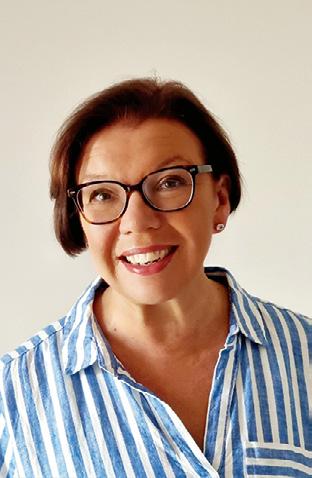
Dr Tuire Karaharju-Huisman is a physiotherapist, exercise physiologist and research lead at HUR Australia
PAS 2026: Dr Tuire Karaharju-Huisman and the HUR Australia team are exhibiting in the showroom both days
NATASHA EGAN talks to three Positive Ageing Summit speakers about the social, spiritual and behavioural aspects of positive ageing and how they intersect.
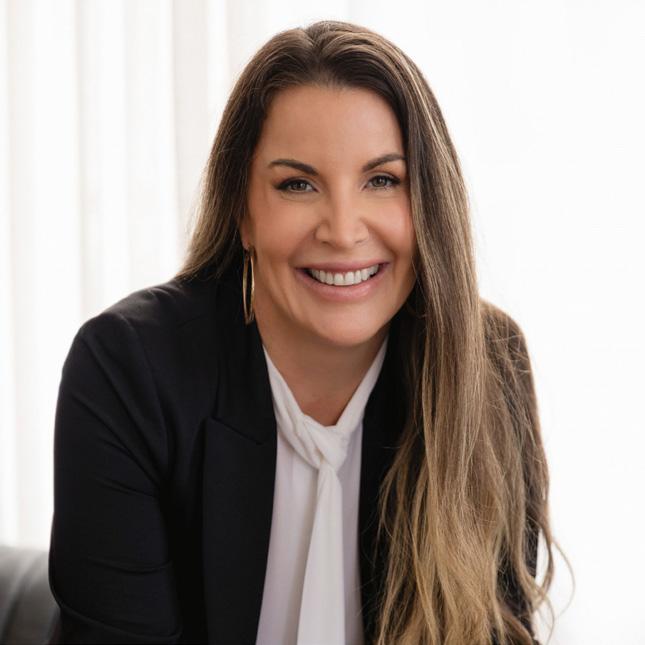
For Rachael Cook, positive ageing is about staying connected, valued and seen as we age. It’s not about staying busy or independent at all costs, says Cook, who is the chief executive officer of not-for-profit social prescribing service Inclusee.
“It means having purpose, identity and belonging, not just access to services,” Cook tells Australian Ageing Agenda
“At Inclusee, we see every day that ageing well is deeply relational. When people feel socially connected, they age with greater confidence, dignity and resilience. When they don’t, loneliness and isolation can quietly erode wellbeing, regardless of how good the clinical care is.”

Therefore, social prescription has a key role to play in positive ageing, she says.
“Social prescription recognises something we’ve overlooked for too long: connection is a form of preventative health. Just as we prescribe exercise or medication, prescribing meaningful social engagement supports mental health, cognitive function and overall wellbeing,” she says.
“Social connection helps people rebuild routine, rediscover purpose and feel part of something bigger than themselves. At Inclusee, we see social engagement reduce loneliness and restore hope. Social prescription gives the system permission to treat human connection as essential, not optional.”
Cook says one of the biggest gaps in the aged care sector is that social connection is still treated as secondary or recreational, rather than central to care.
An essential part of being human Jacquie Molloy agrees on the importance of connection. To her, positive ageing means making friends with time.
“It’s believing that growing older can be a meaningful and fulfilling stage of life. And it requires that we look at the whole person – not only their physical health, but also their emotional, social and spiritual wellbeing,” Molloy tells AAA. Molloy is a communications specialist at Meaningful Ageing Australia – the national peak body for the spiritual care and emotional wellbeing of aged care recipients.
“Too often it relies on overstretched staff, volunteers, or assumptions that family will fill the gap. We need to design connection into care – funded, measured and prioritised. That means investing in social health pathways, embracing digital models that reach people who are isolated or homebound, and partnering with organisations that specialise in connection rather than expecting aged care providers to do everything alone.”
At Positive Ageing Summit 2026, Cook is exploring the question: what would change if we treated social connection as essential to health, not optional to care?
“If we truly reframed connection as preventative health, how would that shift funding decisions, service design and the lived experience of older people?”
Cook calls the social, spiritual and behavioural aspects of positive ageing deeply intertwined.
“Social connection supports spiritual wellbeing by reinforcing meaning, identity and belonging. It also influences behaviour: people who feel connected are more likely to engage in healthy routines, seek support and remain curious about life,” she says.
“When connection breaks down, we often see withdrawal, loss of confidence and declining wellbeing. Positive ageing happens when social, spiritual and behavioural aspects reinforce each other – and connection is the thread that holds them together.”
She says spirituality and meaningfulness are central to positive ageing.
“Spirituality is core to positive ageing because it is an essential part of being human. Spirituality is about how we create meaning,
hope, purpose and connection in our lives. For some, that might include religion and expressions of cultural faith. For others, it might be the peace and emotional wellbeing they experience through a connection with nature, or creativity, or through meditation or being of service to others.”
However, there’s not enough focus on spirituality and meaningfulness in the aged care sector, says Molloy.
“Much of aged care focuses primarily on clinical care, safety and physical needs. But it is the spiritual and emotional aspects that help people to experience life as worthwhile and to age with dignity, hope and connection. And often these aspects are missing or overlooked,” she says.
“This gap can be closed by organisations adopting, and the government supporting, true holistic person-centred care that recognises each person’s unique identity.”
She says all staff can support this by asking simple, reflective questions such as:
• What matters most to you now?
• What gives you a sense of purpose?
• What helps you get through difficult times?
“Conversations like these help shape person-centred care plans that reflect values, identity and beliefs, not just medical needs,” she says.
At PAS 2026, Molloy will answer the question: how can we identify and understand what is meaningful to us and those we love?
Molloy agrees spirituality is just one part of the positive ageing.
“The spiritual, social and behavioural aspects of positive
Strategies to make better health choices
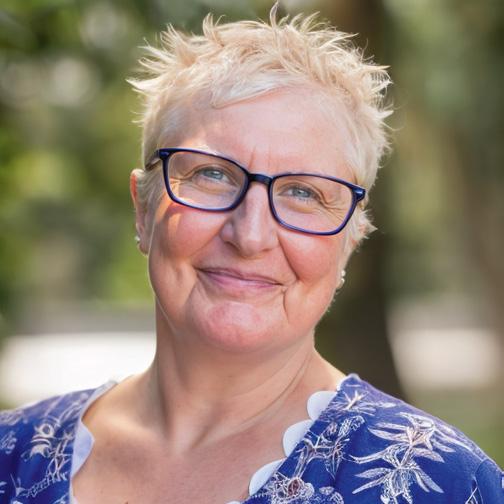
Likewise, Dr Natasha Reid – a behavioural scientist and senior research fellow at the University of Queensland – sees a strong connection between social, spiritual and behavioural aspects.
“These domains are very interconnected and all shape how people experience positive ageing,” Reid tells AAA
“From my perspective, social connections are vital to maintain quality of life as people age, and they are also highly important when it comes to health behaviour change. Spirituality can also very much influence how people view ageing or getting older, what they value in life, and how they approach life transitions.”
At this year’s summit, she will answer the question: what do older adults and the oldest old really want from behavioural interventions, and how can we implement it in the real world?
Behavioural scientists look at the psychological, social and environmental factors that lead to certain behaviours.
ageing are deeply interconnected and together support wellbeing, resilience and quality of life as we age.”
She says when older people experience a sense of purpose or meaning and connection in their life, they are more likely to:
• engage in positive daily activities
• maintain routines that support overall health
• draw on resilience when ill or grieving
• involve themselves in family and social or community activities.
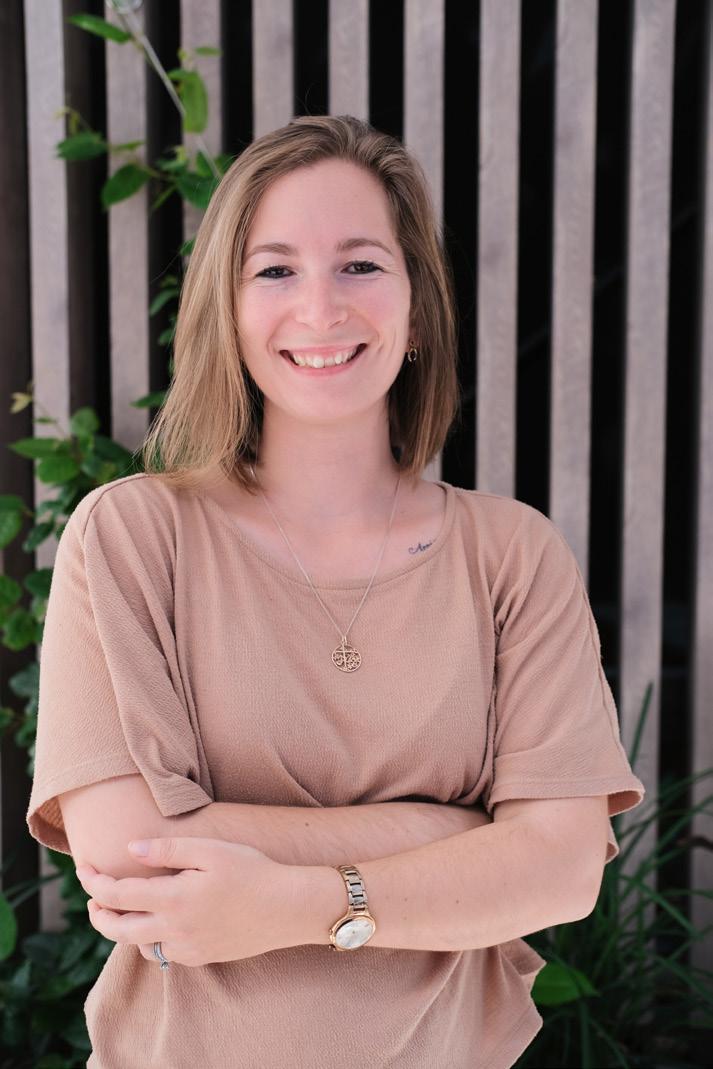
“For me, it’s around health, and designing strategies to make those better health choices easier to make and more sustainable,” says Reid.
Behavioural science is closely related to implementation science, which focuses on system and program design. Behavioural science applies to everyone in the ageing ecosystem, from older people to aged care workers and executives.
“A lot of it – particularly in residential aged care – will come down to the behaviour of staff and management, and then that will filter down to the residents,” says Reid.
A program that worked in a clinical trial might not succeed when implemented without dedicated funding and implementation support. People need to know what they’re doing and why they’re doing it, she says.
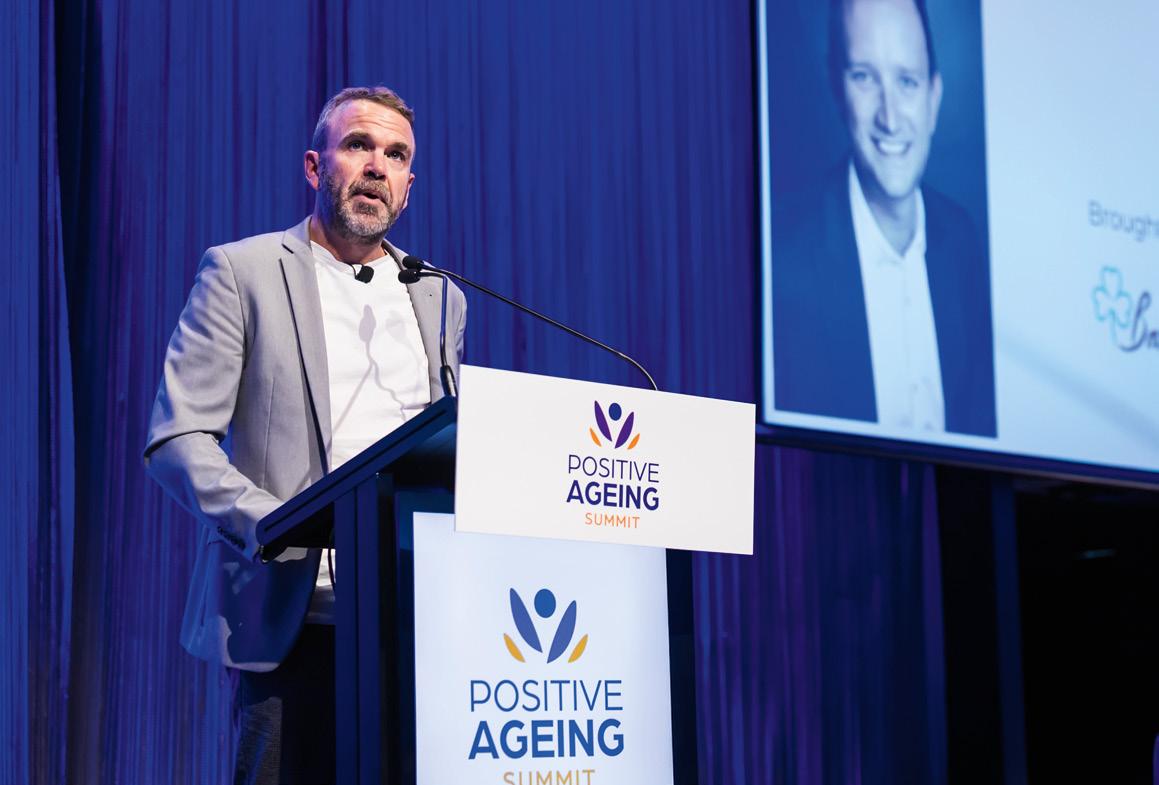
We sit down with BallyCara executive chairman MARCUS RILEY who is returning to the summit in 2026 to share more positive ageing insights.
What does positive ageing mean to you?
Positive ageing is about maximising opportunity, not managing decline. It’s the deliberate pursuit of our healthspan, purpose, connection and contribution at every stage of life. It recognises that ageing is not linear and involves three levels of responsibility – personal, community and societal – to support people to keep living meaningful, self-directed lives for as long as possible.
Tell us about positive ageing initiatives at BallyCara over the last 12 months?
Over the past year at BallyCara, the focus has been to continue embedding wellbeing, not as a program, but as a way of operating. This has included further integration of our approach across teams to create the right opportunities for people aligned to their preferences, needs and goals. We’ve also invested more in workforce wellbeing to support staff in their own pursuit of healthy and positive ageing with tremendous engagement across the organisation.
What are your PAS 2026 goals?
For Positive Ageing Summit 2026, my goal is to contribute to a
Resistance and weight training
Professor Maria Fiatarone Singh – who is the John Sutton Chair of Exercise and Sport Science at the University of Sydney – has over 30 years of research demonstrating the value of resistance training and weight-bearing exercise for older adults. She will deliver the opening keynote about this evidence base, the relationship between strength, mobility, frailty and independence and prevention versus decline.
Medication and positive ageing
more ambitious and aligned narrative across the sector – one that positions ageing as a space of innovation, growth and value. This certainly seems possible based on the atmosphere at last year’s summit. I’m also keen to build meaningful connections that translate into action – partnerships and initiatives that move from conversation to real-world impact.
What is something PAS 2026 delegates will take away from your keynote address?
A deeper understanding of the flicker concept, which is realising a person’s ability to move between different stages of ageing. This recognises the factors at play and the corresponding positive interventions we can apply to overcome setbacks, align to our goals and move to our desired stage. We can then be clear on the roles we play as professionals, communities and organisations in the lives of people who are pursuing their preferred stage of ageing.
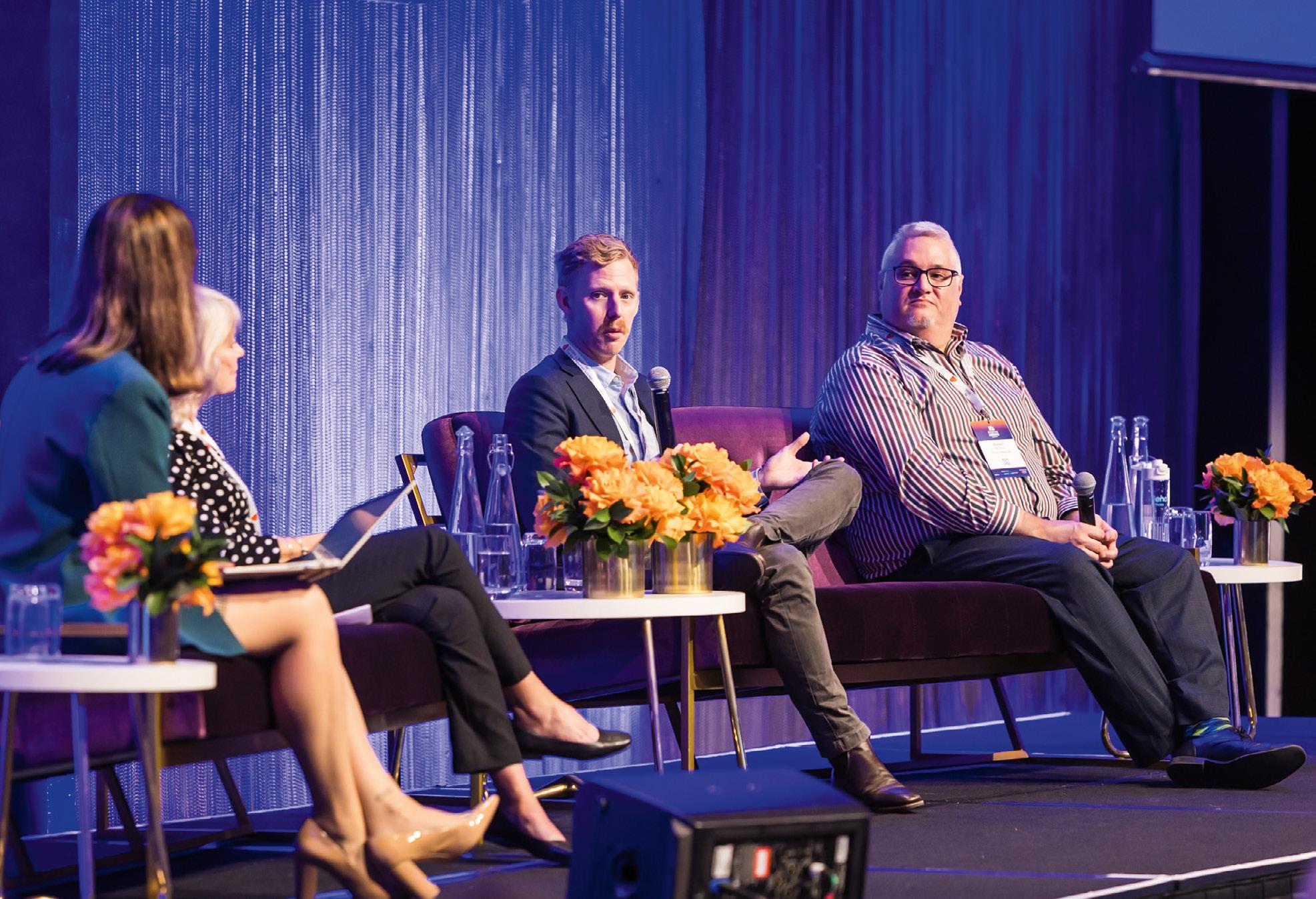
Technology and Innovation panel
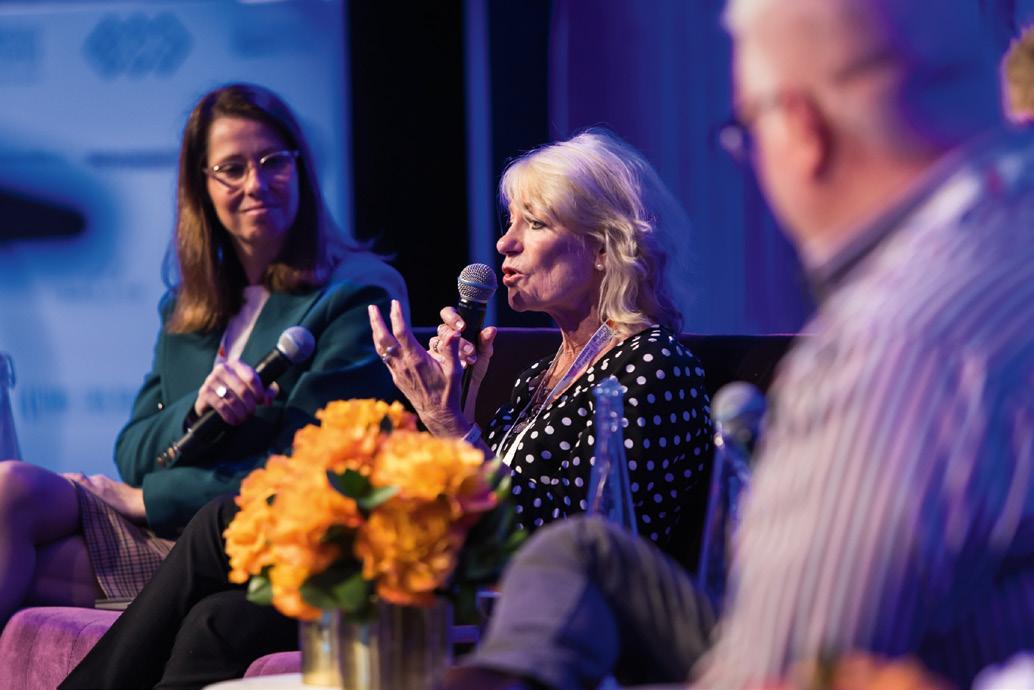
Michael Bonner is a pharmacist, the chief executive officer and owner of professional services company Choice Aged Care, and founder of not-for-profit organisation Wellness Partners Foundation. He will share the real-world impact of embedded pharmacy services and assistive technologies on positive ageing with an aim of shifting the conversation from medication management to partnering in wellness.
Allied health and aged care reform
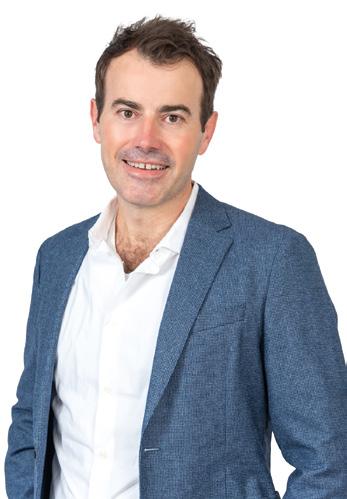
Australia’s Chief Allied Health Officer, Anita Hobson-Powell, is back at Positive Ageing Summit this year to provide a national update on allied health. She will cover projects underway, the role of allied health in the evolving aged care system and how government views allied health within reablement, independence, Support at Home and broader reform.
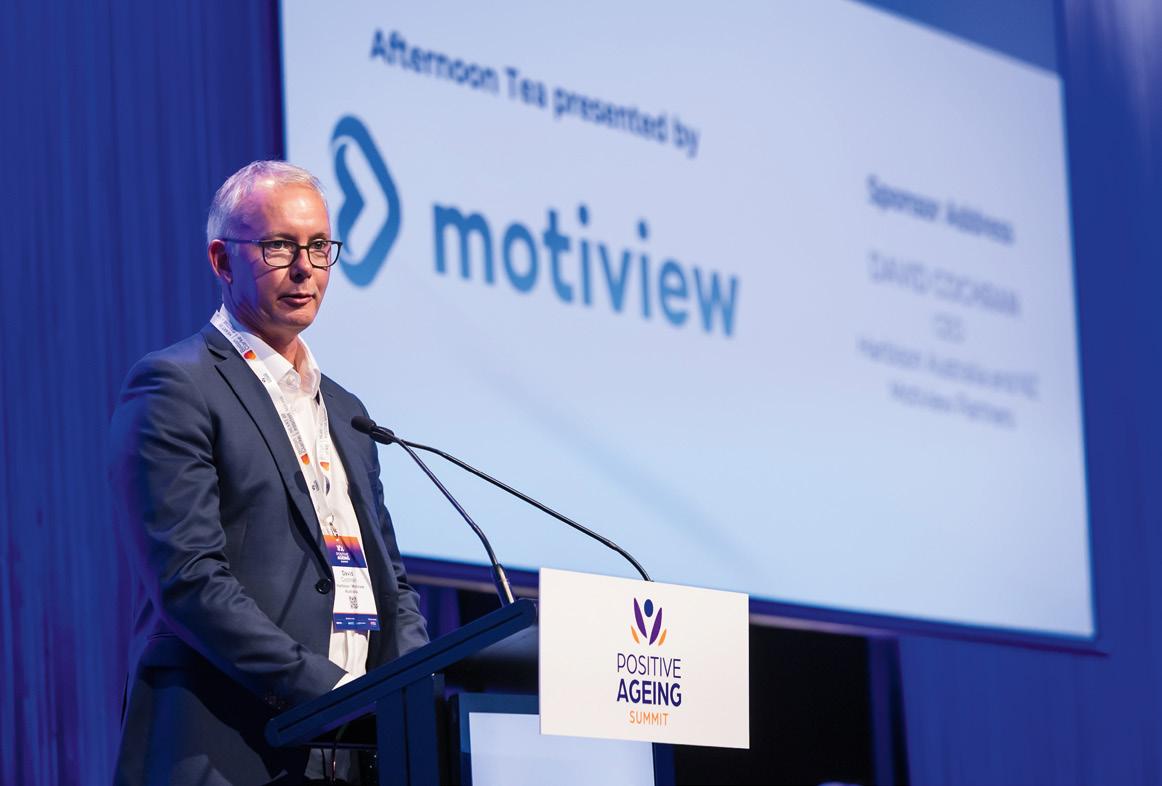
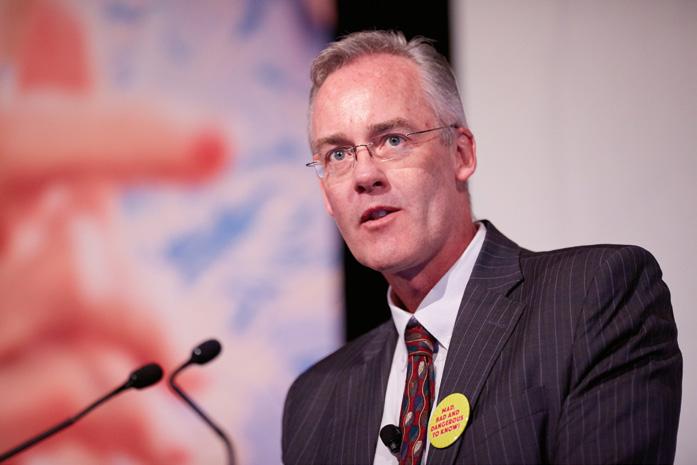
Harbison CEO David Cochran (pictured) returns to PAS to moderate a discussion about the role of technology in supporting independence, engagement and person-centred care, emerging innovations and embracing digital change. The panellists
Balogi Bailey
integration and innovation perspective.
Finding your purpose panel
Jason Skennerton
Simon Kerrigan
Michael Zoumaras
Positive Ageing Summit to this time share the stage to talk about their experiences of finding purpose and following dreams. They will also discuss their journey to aged care, reasons for staying and overcoming barriers.
Physical
Cognitive
Social
Mental

This year’s summit includes four opt-in masterclasses, offering delegates extra knowledge in nutrition, reablement, innovation and dementia care.
Reablement at mealtimes
Learn practical approaches to improve safety, independence and nutritional intake in this interactive session presented by Food Solutions Diet Consultants. Over 90 minutes, dietitian Kylie Walton from Food Solutions will share practical, personcentred approaches to helping people stay nourished and confident at mealtimes while maintaining choice and dignity.

This masterclass will cover how to spot nutrition and swallowing risk early using simple screening triggers, how to set up meals for success through the environment and the right level of support, and how to keep mealtimes safe and enjoyable with realistic nutrition tips and food choices that fit everyday routines.
Participants will have the opportunity to work through short case examples and leave with immediately usable actions to apply with clients, families and care workers.
Focus: Nutrition
When: Day 1, 20 May, 11am – 12.30pm
Cost: $29.95
Innovation that sticks
This 90-minute masterclass from Aged Care Research & Industry Innovation Australia focuses on implementing practical and evidence-based change for positive ageing.
Dr Rebecca Bilton, program and research director, Dr Stephanie Champion, research fellow, and Liana Donleavy, senior manager, will address the challenge of turning evidence, ideas and innovation into good practice. They will focus on practical innovation, effective change management and implementation that works in real world settings and draw on ARIIA’s national work in workforce capability building, best-practice resources and pragmatic implementation know-how.
Aged care leaders, managers and allied health professionals will takeaway clear insights they can adapt to their own roles, services and communities.
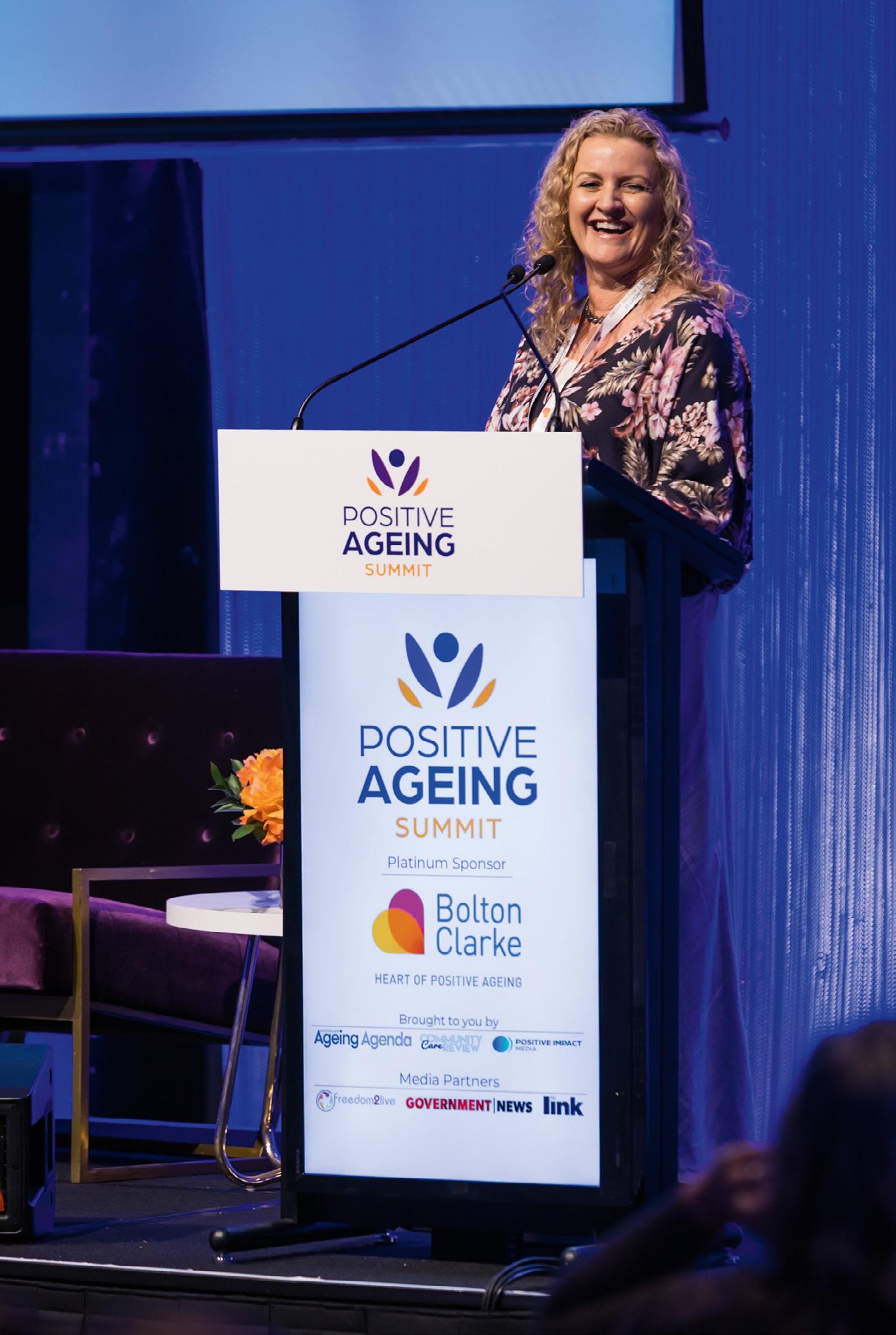
Focus: Innovation
When: Day 2, 21 May, 2pm – 3.30pm
Cost: $29.95
dementia care
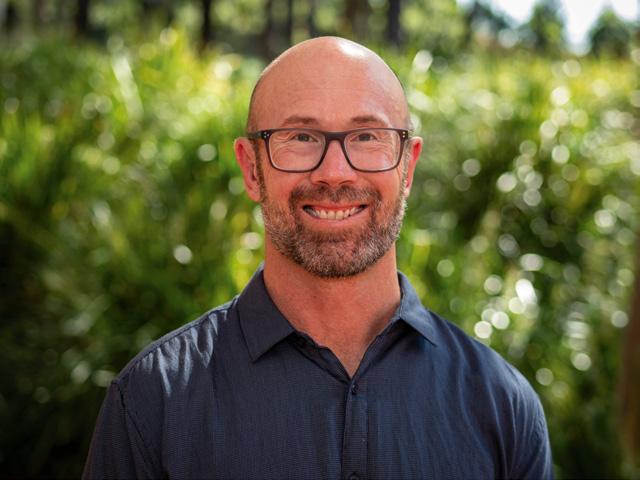
Following last’s year successful masterclass on the role of reablement and dementia support, the team from HammondCare are back to present a breakfast session aimed at improving care for people living with dementia.
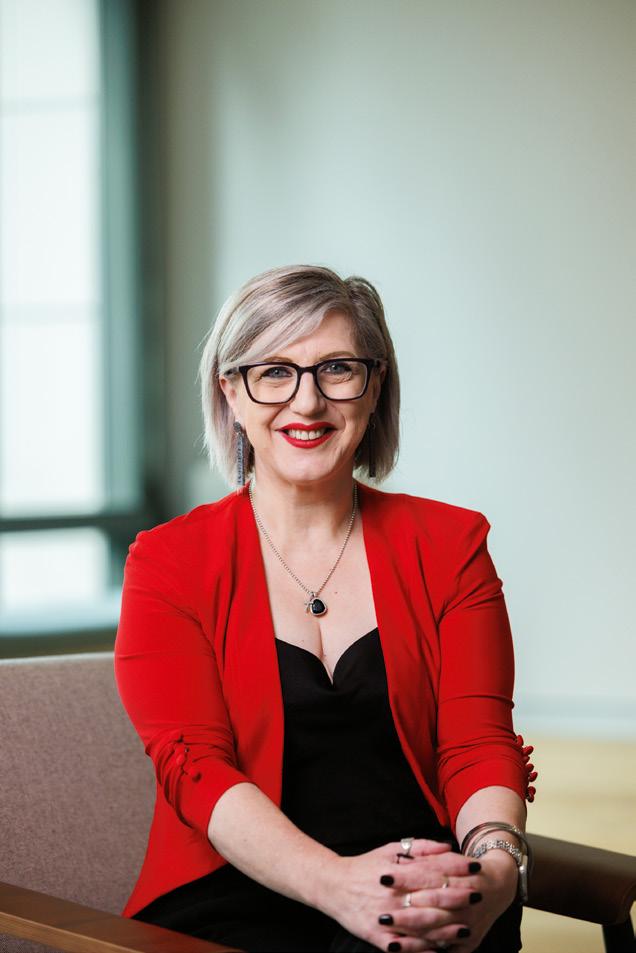
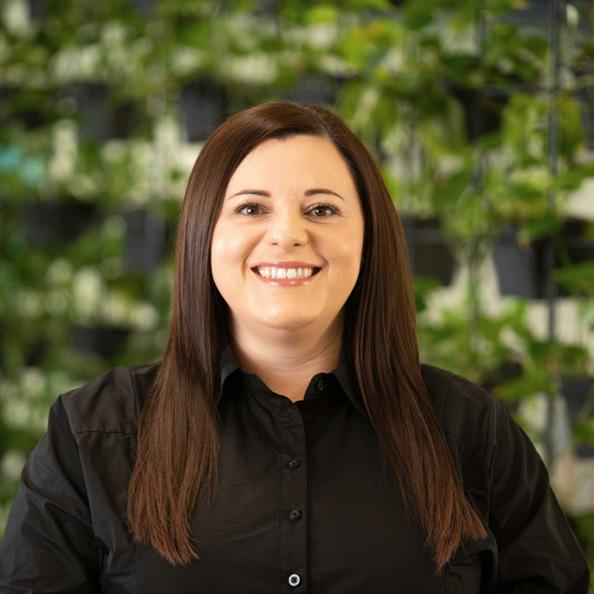

This year there is no additional cost to attend, but delegates must register. During the 50-minute session, Marie Alford will moderate a discussion between her HammondCare colleagues Associate Professor Steve Macfarlane and Professor Chris Poulos, and Tamara Henwood, a dementia doula, carer coach and consultant.
Focus: Dementia
When: Day 2, 21 May, 8am – 8.50am
Cost: Included, but registration required
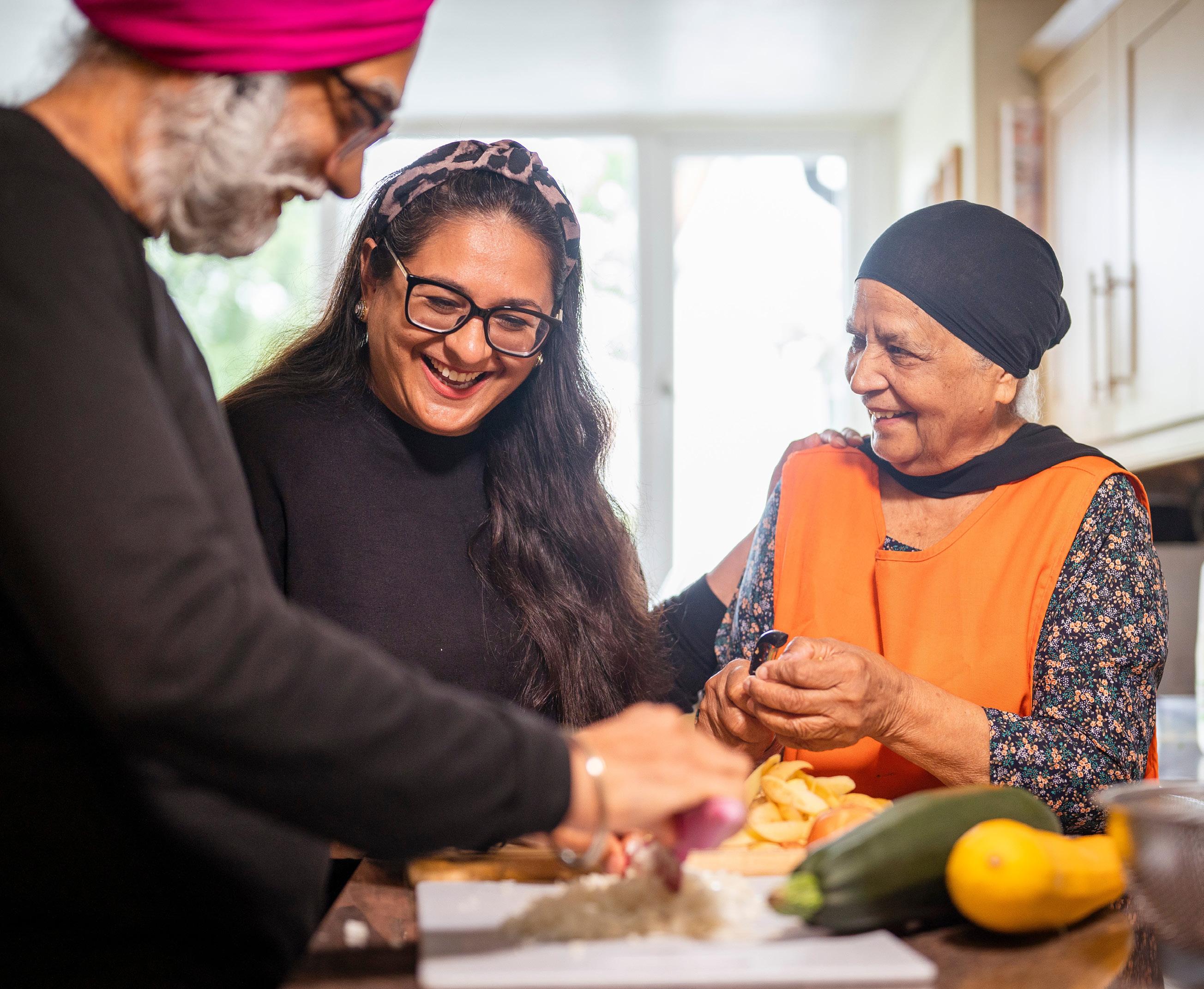
Developed in collaboration with service providers, Keep Able is designed for assessors, coordinators, allied health, and support staff.
Explore free resources, including:
A Practical resources such as guides, tip sheets, and templates to help you embed wellness and reablement in your practice.
A e-Learning modules for flexible, self-paced learning.
A Bitesized professional development sessions and presentations to build specific skills.
A Webinars and conferences with expert insights and discussions.
We catch up with OneCare chief executive officer PETER WILLIAMS, who is back for Positive Ageing Summit’s second year.
What will your keynote focus on at the Positive Ageing Summit?
My keynote centres on the concept of the “last 1000 days.” When we view ageing through this lens, it shifts our thinking from decline and task-based care to a more human question: If this were my last 1,000 days, what would matter? For most people, it’s not routines or clinical care, it’s connection, purpose and meaningful experiences. At OneCare, this has challenged us to design care and environments that enable people to live well right to the end of life. The keynote will explore how we move from “doing for” to “enabling with,” and how small, intentional changes can create meaningful outcomes.
Can you share some examples of how OneCare is supporting positive ageing?
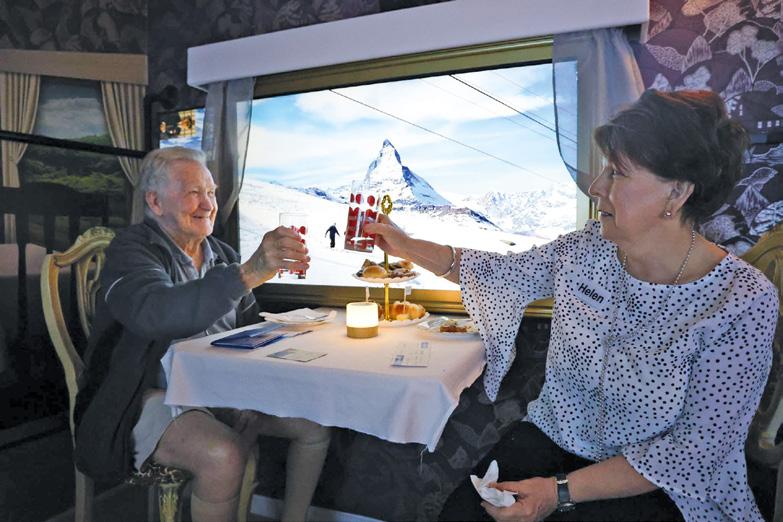
We focus on reconnecting people with themselves, others and their community. Our “bucket list” approach starts with a simple question: What do you still want to do? From there, we work with residents, families and the community to make those moments happen. We’ve also introduced shared immersive experiences that bring people together, sparking memory, conversation and joy. Movement is another key focus. Our graded walking experiences support all abilities from chair-based residents to those accessing the broader community while reconnecting people with place and history. Importantly, much of this has been achieved through community partnerships, not large investments. It’s about asking, who can help us make this possible?
The consumer perspective
Vector Consultants director and consumer advocate to talk about the lived experience of ageing and service engagement. She’ll also discuss what excellent support looks like, where the system works well and where it falls short.
Policy spotlight on Support at Home
Jasmine Snow
Disability and Ageing – will give an overview of the first six months of Support at Home. She will also discuss why reablement and wellness is a primary focus of the program, implementation considerations and tips for providers and programs, and long-term goals.
System oversight and reform
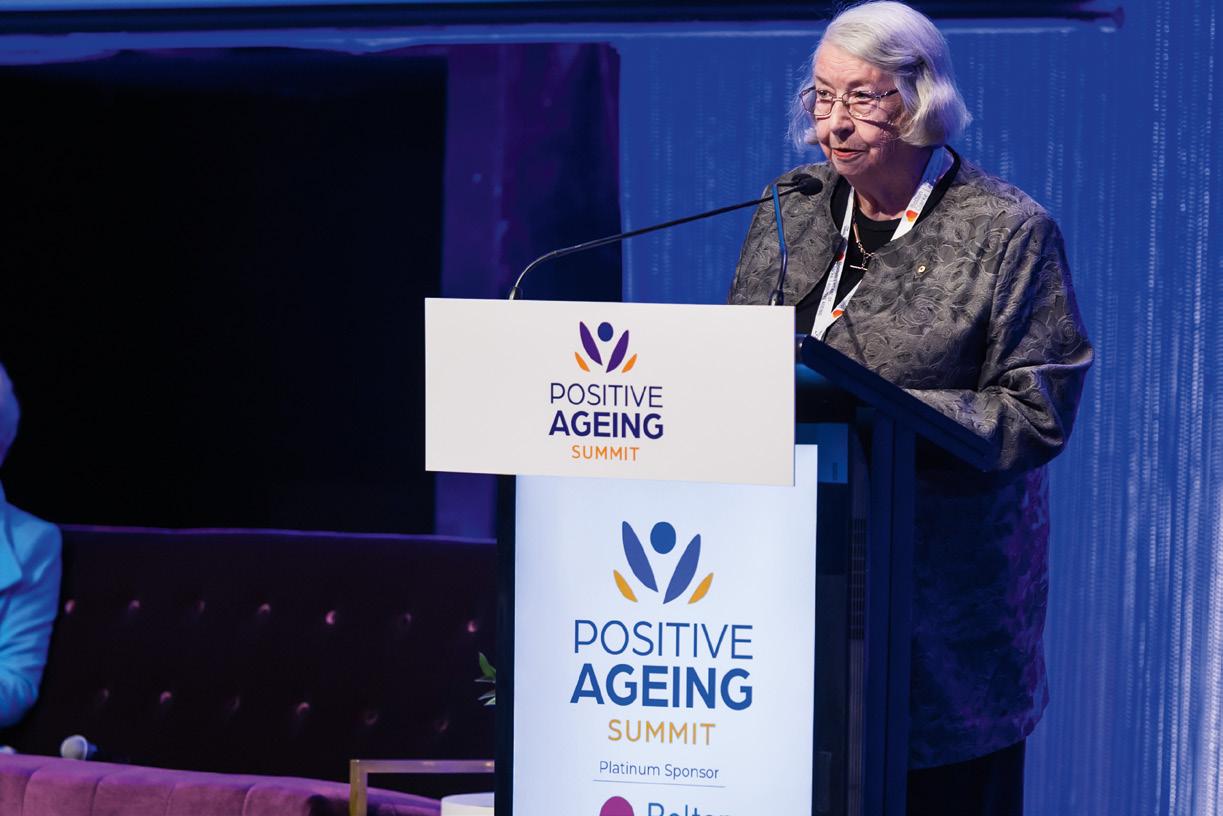
Inspector-General of Aged Care Natalie SiegelBrown will reflect on her 17 months in the role. She will highlight the system challenges that are emerging, share what consumers are telling the Office of the IG, and discuss the reforms that are underway and planned.
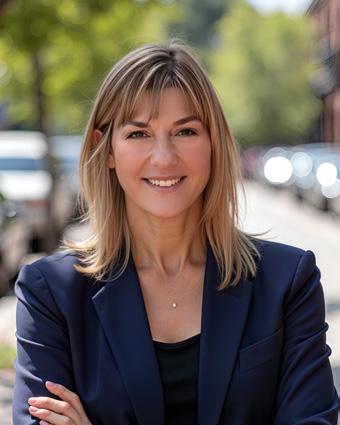
reablement and wellness panel
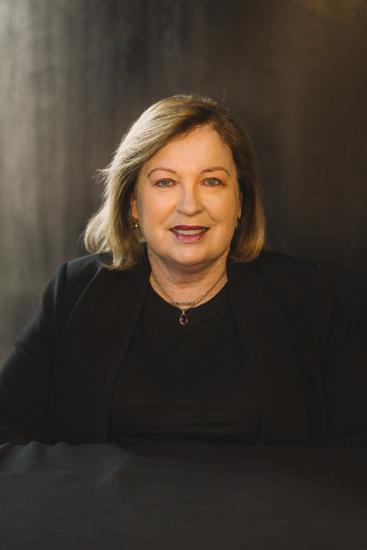
LPA managing director Lorraine Poulos (pictured) is back in the moderator’s chair to this year facilitate a discussion with representatives from the Aged Care Quality and Safety Commission, including deputy commissioner Gary and chief clinical advisor Dr Mandy Callary reablement and wellness in practice and how they align with the quality standards, plus how to support independence and capability and innovation while maintaining safety.
The ex-CEOs panel
Southern Cross Care SA, NT & Vic CEO David (pictured) will facilitate a discussion with his peers about the opportunities missed and those emerging. Joining him on the stage to also talk about strategic barriers to change and lessons from leadership are former aged care CEOs Josephine Boylan most recently led Clayton Church Homes, and Frank Weits who previously led ACH Group for five years.
Find out

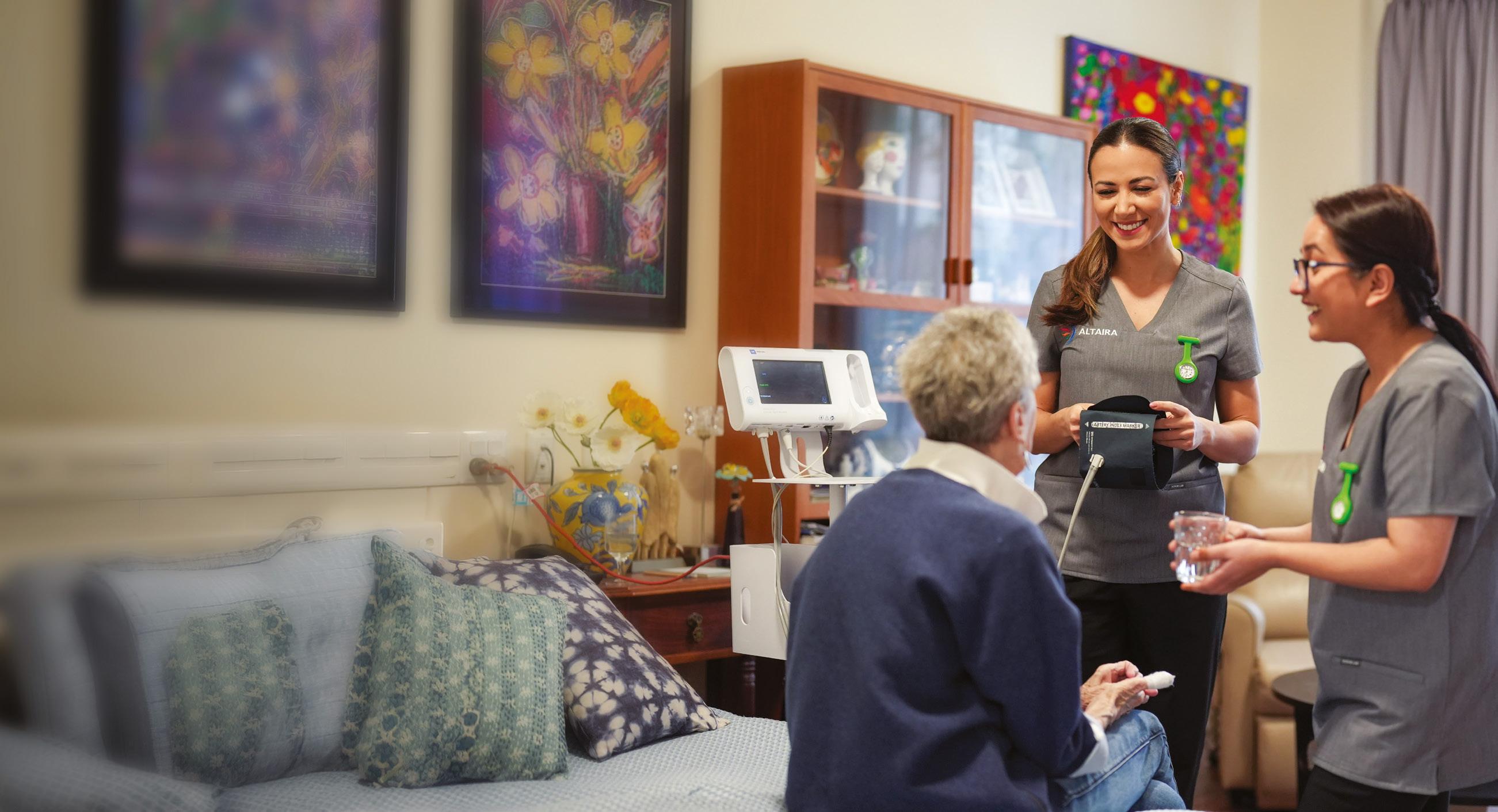








Care Immediate workforce. Delivering in minutes, not days.
Altaira delivers staffing solutions across Healthcare and Nursing, Allied Health, Hospitality, and Cleaning Services for both short-term and permanent placements.
Working in close partnership with aged care providers, we help secure economical charge rates that align with budget requirements while consistently maintaining high standards of quality, safety, and care.
Nurses & Carers
• Registered Nurses
• Enrolled Nurses
• Personal Care Workers
• Clinical Specialists
• ACFI / AN-ACC Specialists
Management
• Quality Managers
• Care Managers
• Site Managers
Allied Health
• Physiotherapists
• Dietitians
• Podiatrists
• Exercise Physiologists
• Occupational Therapists
Hospitality & Domestics
• Kitchen Hands, Cooks & Chefs
• Food & Beverage Attendants
• Domestic & Cleaning Staff
• Administration Staff
“Altaira’s support in providing highly skilled and compassionate agency staff across our Aged Care business has been instrumental in maintaining the quality of care our residents deserve. Their responsiveness, professionalism, and understanding of the sector ensure we can meet workforce demands without compromising on standards. The key benefits of this partnership include improved workforce flexibility, continuity of care, and the confidence that comes from partnering with a team that truly understands the importance of dignity and respect in aged care. Together, we’re not just filling shifts – we’re creating meaningful change that enhances lives”
Dominic Gagliardi, EGM, Social Enterprise, AnglicareSA
“ My connection with Altaira has been long and joyful, and it is grounded in shared values: a genuine love of people, a deep respect for nurses, and a strong belief in education, training, and capabilitybuilding. Altaira supports its nurses to be confident, skilled, and valued - because when nurses feel supported, everyone benefits.”
Jo Boylan, Founding Director of Healthy Ageing in Action (Former CEO Aged Care Provider)
15+ years sector expertise
Australian-owned aged care specialists since 2008.
High clinical governance
Rigorous standards underpinning every placement.
Innovative platform
Custom system for faster, compliant results.
The right person, right shift, every time.
Comprehensive training
In-person & online education for all staff.
Economical charge rates
Meeting your budget without cutting corners.
bookings@altaira.com.au
We talk about wellbeing with BERNARD MORRISON – the general manager of wellbeing and allied programs at Eldercare and inaugural winner of the Paul Johnson Award.
What has winning the Paul Johnson Positive Ageing Award meant to you and your team?
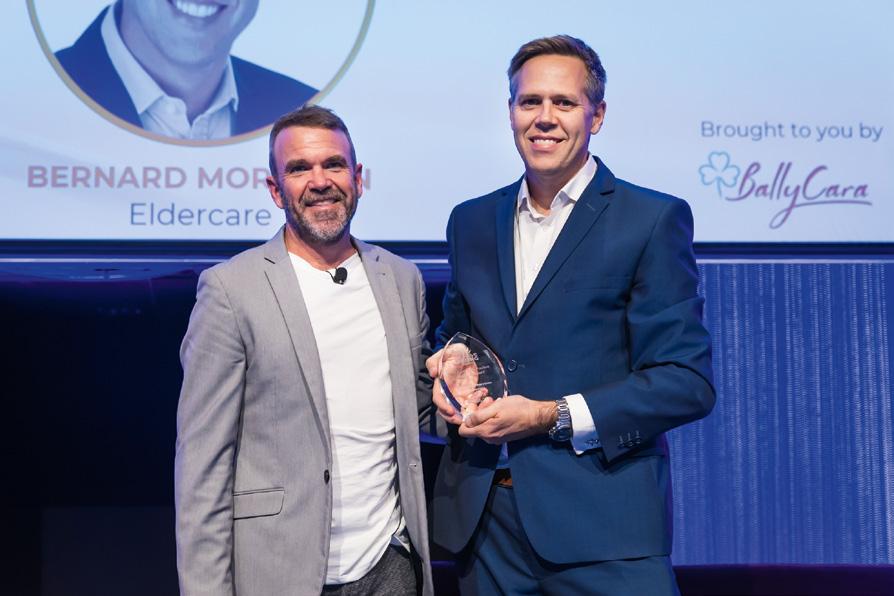
Winning the award has certainly been a highlight within my career. I am very fortunate to have been given license by Eldercare to invest time and energy to explore what wellbeing and positive ageing look like for older Australians in residential aged care. This was a bold and ambitious decision taken about nine years ago. Over that time, we have built the governance systems, the organisational literacy and a culture of innovation that will enable our focus on positive ageing to endure. Although it is a personal award, it is also a reflection of a large team effort, and I know my colleagues enjoyed having public recognition of what we have achieved over the years. Eldercare announced the award on our intranet and via various social media platforms.
Can you update us on Eldercare’s wellbeing strategy?
There is always a lot of activity being progressed with our wellbeing strategy. Over the last couple of years, Eldercare has focused on maximising the amount of time our residents spend engaging in good quality exercise, spending time outdoors,
Paul Johnson Award
and improving the transition experience into residential aged care. Recently, we have made good ground in tackling mental illness, which is a hugely neglected aspect of aged care. We have a broad mental health approach which focuses on both preventative and remedial strategies. Research has informed some of the practices that we are now developing and implementing under a restorative approach to mental health. Good quality social connection and a sense of purpose are significant drivers of human wellbeing. We have recently commenced a long-term partnership with Flinders University through an occupational therapy mental health student placement to reduce loneliness and facilitate resident participation in meaningful roles. We are also partnering with Macquarie University’s
The Paul Johnson Positive Ageing Award returns in 2026 to celebrate outstanding individuals who have demonstrated exceptional leadership, innovation, and impact in promoting positive ageing for older Australians.
It is named in honour of the late Paul Johnson, who spent more than 10 years at not-for-profit aged care, retirement living and wellbeing provider BallyCara. The award is sponsored by BallyCara and includes a cash prize of $1,500 for the winner.
Scan the QR code to find out more
Lifespan Health and Wellbeing Research Centre to adapt and implement Ageing Wisely, a program of tailored psychological treatments to tackle anxiety and depression for older Australians.
What would you like to tell this year’s PAS delegates?
I would like to tell this year’s delegates to immerse yourself in the learnings available at the summit; to use the time to focus on your own activity in this space; and come away from the summit with some actionable ideas. I would like to remind the delegates that Rome wasn’t built in a day. For those who are curious about the science-base of positive ageing, and just beginning to explore deliverable interventions, just make a start. For aged care providers, some quick research will identify the most impactful opportunities – and many of these can be delivered within existing resources. And I would tell academics and practitioners to connect. Genuine success in this space will come from the implementation of methods grounded in evidence.
2026 site tours
This year’s Positive Ageing Summit features two curated experiences for delegates to join after the main program concludes.
Reablement in Action
When: Friday 22 May from 10:30am to 4pm
What: Gain practical insights into mobility, independence, and allied health integration by seeing reablement in practice.
Where: ACH Glenelg, Kieser Glenelg and Adelaide Exercise Physiology
Wine, Wisdom and Walking in Their Shoes
When: Friday 22 May from 10:15am to 4:15pm
What: Experience dementia care firsthand, enjoy lunch and deepen your understanding of person-centred care through lived experience.
Where: d’Arenberg Winery, Swell Brewery, Mollydooker Winery and McLaren Vale
Scan the QR code to the visit PAS website to find out more and purchase tickets
Learn how to apply reablement with people living with cognitive decline or dementia. Discover strategies to help them stay active and engaged in daily life.
Acknowledgement: This article was written by Dr Claire O’Connor, with copyediting by Keep Able. Dr O’Connor is a Senior Research Fellow at University of New South Wales (UNSW), Neuroscience Research Australia (NeuRA), and HammondCare.
Dementia is not a normal part of ageing, but it is more common as people get older. If you support older people living in the community or in residential care, you will likely work with someone with cognitive decline or dementia. With a reablement approach, you can support them to stay engaged and actively participate in everyday life.
What is a reablement approach?
Reablement is a person-centred approach that involves considering the person’s:
• Abilities
• Wants and values
• Support network and the environment around them
A reablement approach is about supporting the person to do the activities they want to do. This means focusing on their strengths and providing support where they may be having difficulties. When it comes to supporting people with cognitive decline or dementia, applying a reablement approach is about:
• Maintaining their abilities for as long as possible
• Delaying decline as much as possible
• Finding new ways to support them to do the things they want to do when their abilities change
Why is a reablement approach important?
When a person has cognitive decline or dementia, they may find it difficult to take part in some of the activities they would like to do throughout the day.
When you work in a support role and notice that a person is finding it difficult to do something, it’s tempting to step in and take over. But taking over leaves the person with fewer opportunities to meaningfully engage in life.
Instead, support the person to keep participating by:
• Recognising their strengths
• Supporting where needed so they can still do as much of the activity as possible
By supporting the person to participate, you’re helping them maintain their abilities for as long as possible.
That’s what taking a reablement approach is all about.
Tips for applying reablement
Get to know them
Ask the person what they want to do. If they can’t tell you what they want but have family around, ask their family what they like and which activities they might enjoy doing.
Focus on their strengths
Focus on what the person can do, not what they can’t do. This will help you find ways to involve them in activities, rather than doing the activities for them.
Here are some examples:
• If the person can’t do a whole load of washing, see if they can fold the clean laundry once it’s dry.
• If the person can’t cook an entire meal, see if they can prepare some of the ingredients.
• If the person needs help in the shower, see if they can still wash some parts of their body themselves. Check in with their care team
If possible, liaise with the person’s allied health team and ask how you can support the programs they’re delivering. Here are some ways you can do this:
• Does the person have prescribed exercises you can encourage them to complete?
• Has the person’s occupational therapist recommended they practise certain activities? Can you support them to do these activities during your visit?
Support them step by step
If cognitive changes make it difficult for the person to participate, try using support strategies to help them get involved in an activity. Here are some examples:
• Break the activity into smaller steps.
• Prompt the person by clearly telling them what to do, one step at a time.
• Show them how to do the activity instead of only telling them.
• Set up the activity so they can see what they’re being asked to do.
• Remove distractions, such as clearing clutter to create a clear workspace or turning off the TV.
The most important thing is encouraging the person to stay engaged in activities. Don’t be afraid to get creative in how you make this happen. Sometimes it takes a bit of trial and error to figure out what works best for each person.
There are many free resources about reablement and how to use it to support people with cognitive decline or dementia. Explore them on Keep Able, or head to the Resource Library for resources covering a range of reablement topics. ●
explore, scan these QR
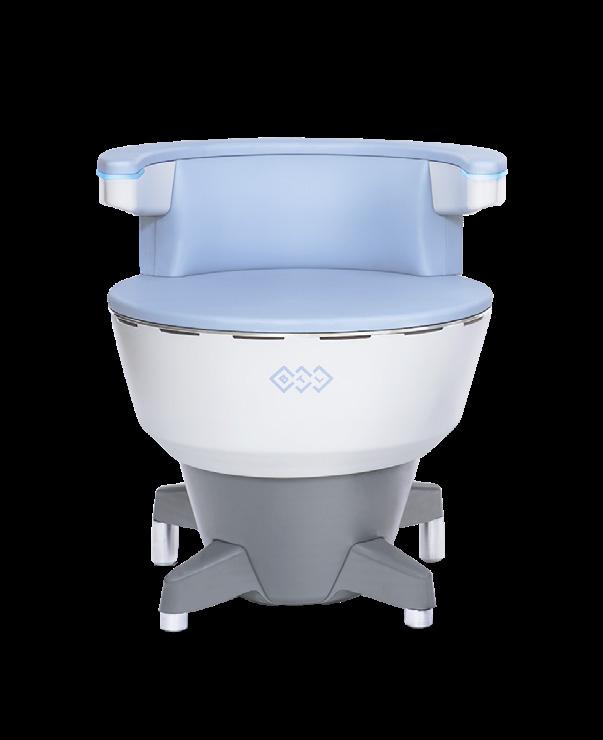

EMSELLA supports urinary incontinence and pelvic floor health
EMSELLA is a non-invasive medical device designed to treat urinary incontinence and support pelvic floor health in both women and men. Using High-Intensity Focused Electromagnetic (HIFEM) technology, it delivers thousands of deep pelvic floor muscle contractions in a single session, helping restore neuromuscular control. Pelvic floor weakness is common with ageing and can significantly impact independence, confidence, and quality of life. EMSELLA offers a discreet, fully clothed treatment with no downtime, making it suitable for a wide range of patients, including those in aged care settings. By improving continence, EMSELLA helps individuals regain confidence, stay active, and maintain a better overall quality of life. Email info@btlmed.com.au or visit btlaesthetics.com.au
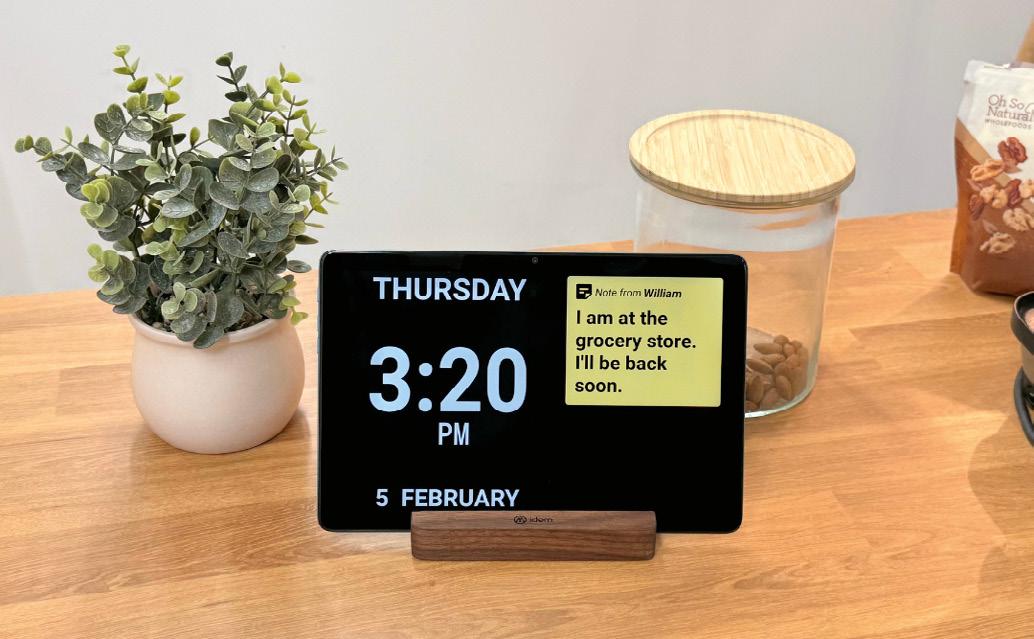
idem Smart Clock – A new generation of reminder clock
The idem Smart Clock is a next-generation reminder device designed specifically for people living with dementia and cognitive challenges. It supports orientation, independence, routine, and connection while easing carer stress. The device delivers clear, tailored information without overload and offers flexible communication through reminders, calendar events, notes and imagebased messages. Carers receive real-time notifications, enabling timely support and insight into patterns. Remote scheduling via the app allows family involvement from anywhere. Features such as video calling, presence sensing, multilingual support, and integrated medication reminders further enhance safety, adherence, and overall wellbeing for both users and carers. Go to homelifetech.com.au
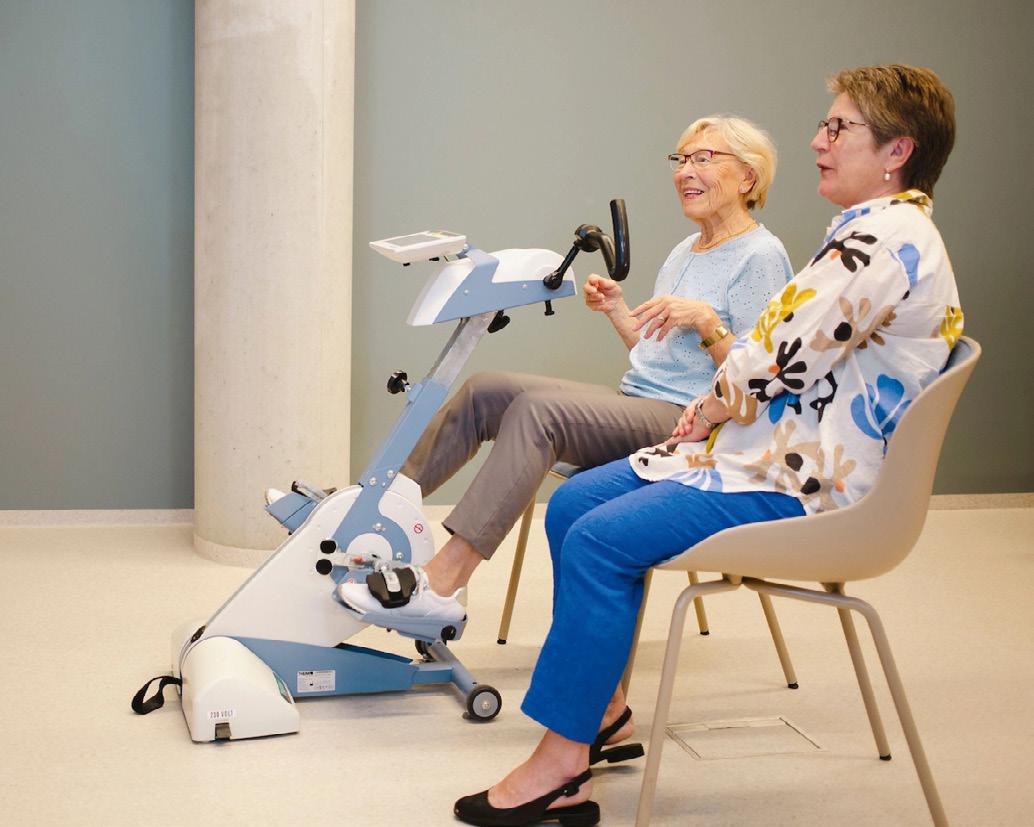
Motiview Australia supports healthier ageing
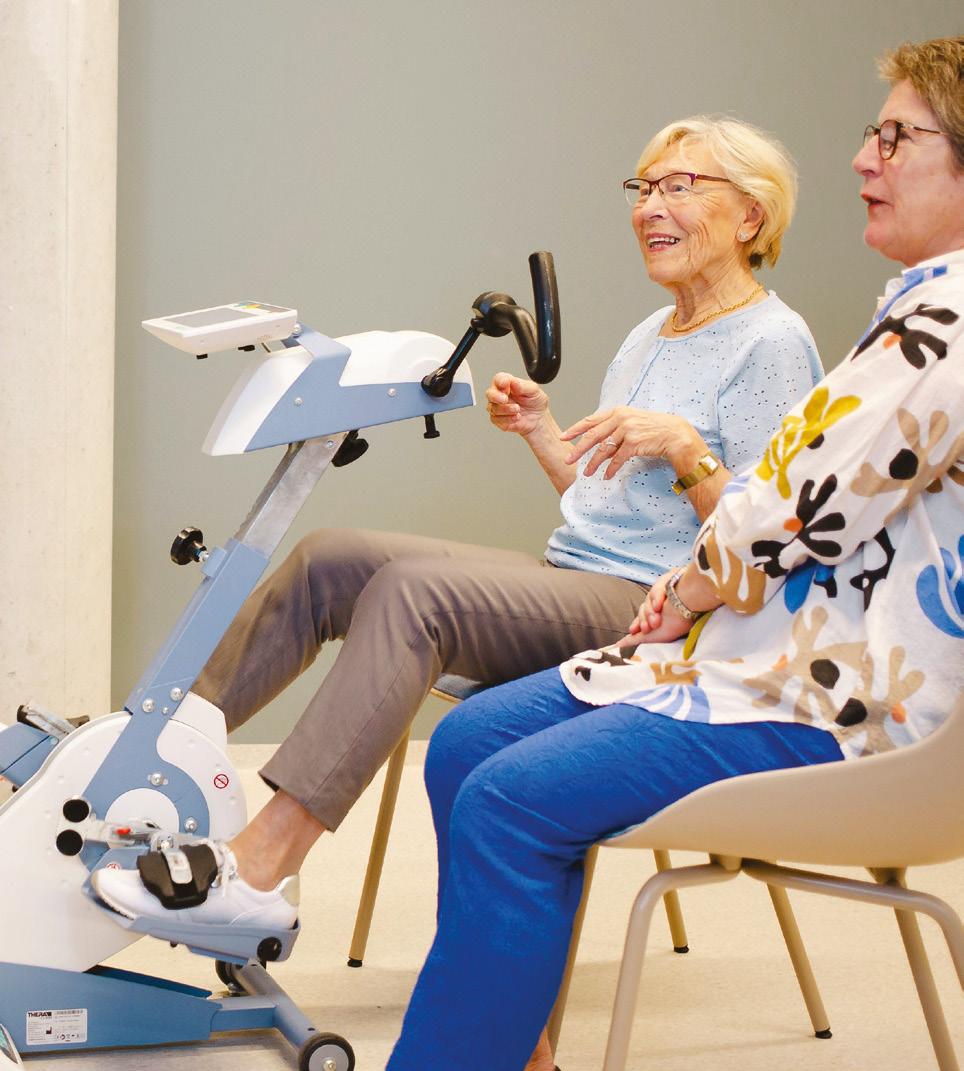
Motiview is an interactive wellbeing solution designed for older adults, combining indoor exercise with immersive virtual travel experiences. Used with stationary bikes or other equipment, it streams a global library of real-world cycling videos, enabling users to “ride” through familiar places or new destinations while staying physically active. The platform promotes increased mobility, cognitive stimulation and social engagement, encouraging reminiscence and conversation among users. Simple to use and scalable across settings, Motiview supports healthier ageing by making exercise enjoyable, meaningful and accessible. Visit motiview.com.au
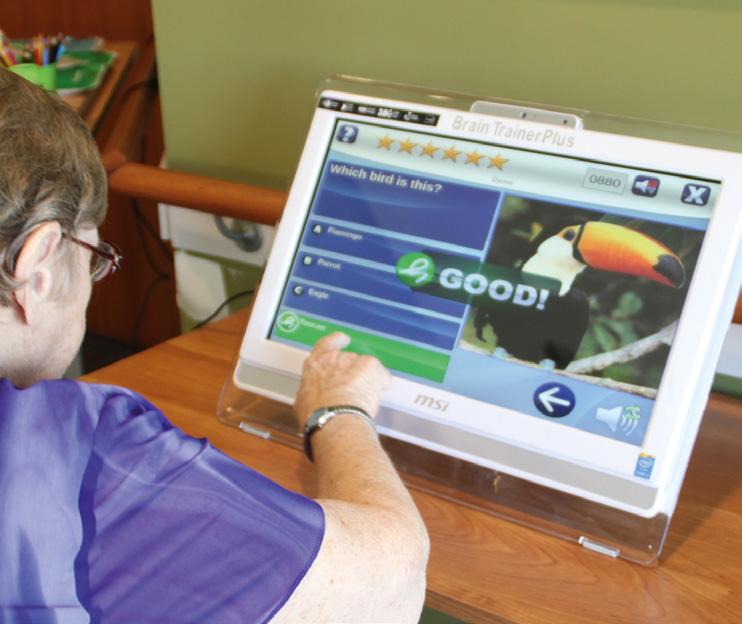
BrainTrainerPlus promotes meaningful interaction
BrainTrainerPlus is an interactive digital platform designed to stimulate cognitive function and memory in older adults through engaging, game-based activities. Developed in the Netherlands, it was inspired by a son’s desire to keep his mother mentally active and connected after she entered residential aged care. Grounded in play-based therapy principles, it supports individuals living with dementia, Alzheimer’s, depression, and cognitive decline. BrainTrainerPlus promotes meaningful interaction, mental stimulation, and daily engagement, helping reduce boredom while enhancing wellbeing. Used by care providers, it offers a practical way to support both residents and staff through enjoyable, purposeful activity. Go to braintrainerplus.com.au