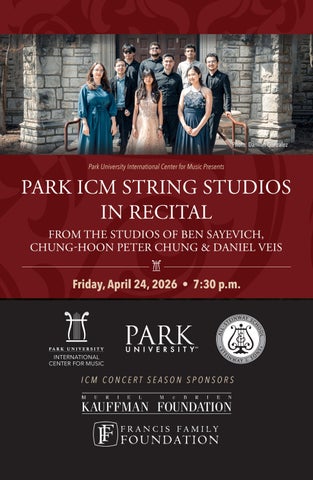
Park University International Center for Music Presents
PARK ICM STRING STUDIOS IN RECITAL
FROM THE STUDIOS OF BEN SAYEVICH, CHUNG-HOON PETER CHUNG & DANIEL VEIS
Friday, April 24, 2026 • 7:30 p.m.
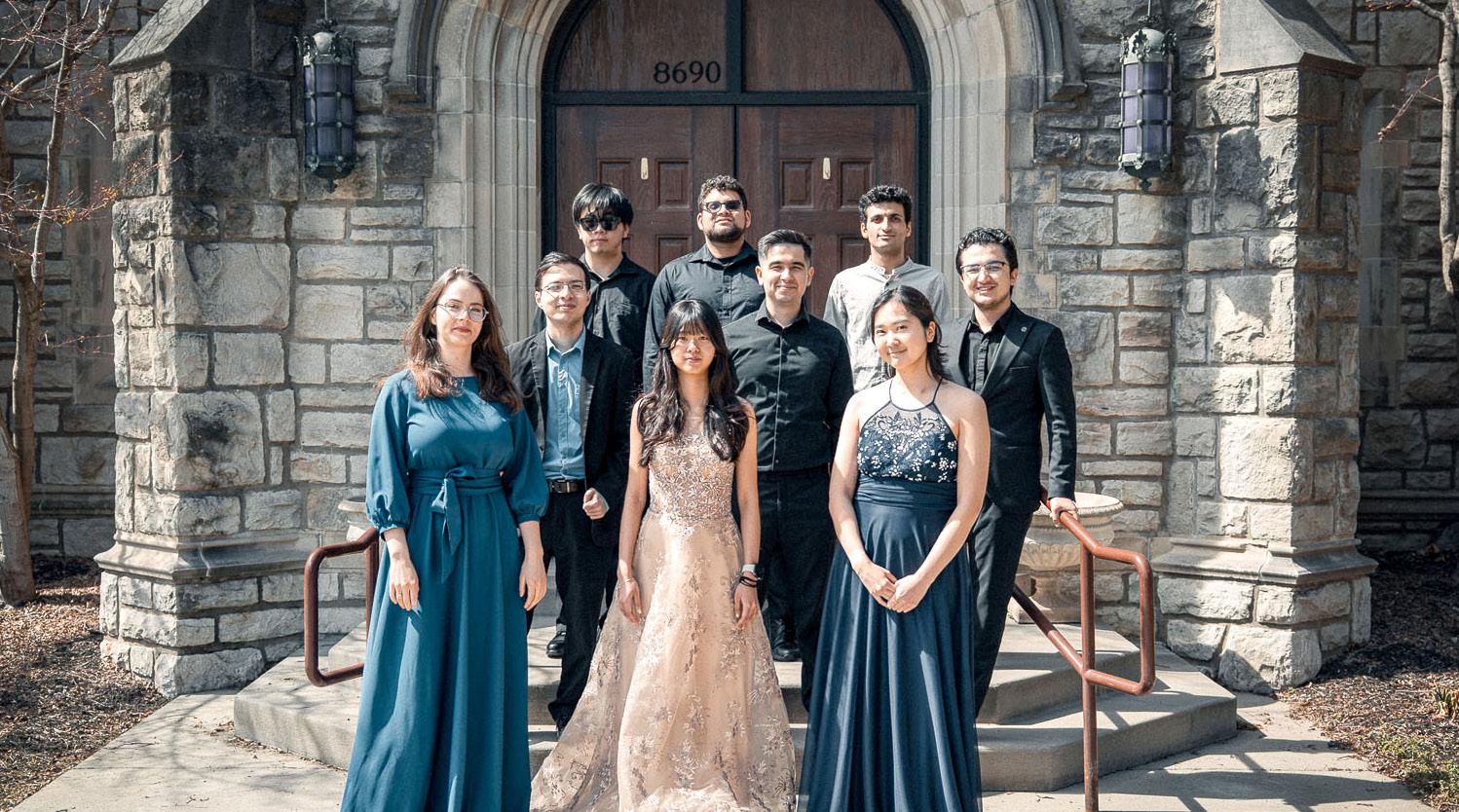




Photo: Damian Gonzalez

Connect With Your Audience


WELCOME TO OUR 23RD SEASON!
Dear Esteemed Patrons and Lovers of Music,
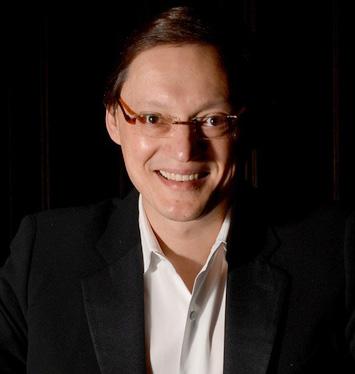
At Park University’s International Center for Music, our purpose is simple yet profound: to shape the future of classical music by nurturing extraordinary talent and sharing it with the world. Each season, our students — rising artists from across the globe — come to Kansas City to learn, perform and inspire. Their artistry enriches our community, connecting hearts through music and leaving a lasting impact far beyond the stage.
This season, we invite you to witness their brilliance alongside renowned guest artists and faculty who join us in advancing our mission. Every performance you attend supports not only world-class music, but also the dreams of the next generation of great musicians.
Thank you for believing in the transformative power of music and for being part of this remarkable journey with us.
With gratitude,
Stanislav Ioudenitch Founder and Artistic Director International Center for Music at Park University
This position is partially funded through the generosity of Paul and Linda DeBruce.
PROGRAMME
ICM String Studios in Recital
From the Studios of Ben Sayevich, Chung-Hoon Peter Chung & Daniel Veis
VIOLIN SONATA NO. 1 IN A MINOR, OP. 105
Robert Schumann (1810-56)
I. Mit leidenschaftlichem Ausdruck
Yuren Zhang, Violin (Artist Diploma in Music Performance)
Lolita Lisovskaya-Sayevich, Director of Collaborative Piano
LAMENT FOR TWO VIOLAS (C.1911-12)
........................................................................................
Frank Bridge (1879-1941)
Victor Diaz, Viola (Master of Music/String Performance)
Iana Korzukhina, Viola (Master of Music/String Performance)
CARMEN FANTASIE
Franz Waxman (1906-67)
Yin-Shiuan Ting, Violin (Bachelor of Music/String Performance)
Lolita Lisovskaya-Sayevich, Piano
“ARMADURA (FOR SOLO CELLO)
Andrea Casarrubios (1988)
Abdumardon Abdurakhmonov, Cello (Bachelor of Music/String Performance)
PROGRAMME (CONTINUED)
ICM String Studios in Recital
Intermission
RECITATIVO AND SCHERZO, OP. 6 FOR SOLO VIOLIN
Fritz Kreisler (1875-1962)
David Brill, Violin
(Graduate Certificate in Music Performance/Strings)
VIOLIN SONATA NO. 7 IN C MINOR
......................................................................
Ludwig van Beethoven (1770-1827)
I. Allegro con brio
Aviv Daniel, Violin (Bachelor of Music/String Performance)
Lolita Lisovskaya-Sayevich, Piano
8 PIECES FOR VIOLIN AND CELLO OP. 39 ...................................................................................
Reinhold Glière (1875-1956)
Mumin Turgunov, Violin (Master of Music/String Performance)
Diyorbek Nortojiev, Cello
(Graduate Certificate in Music Performance/Strings)
INTRODUCTION ET RONDO CAPRICCIOSO, OP. 28 ............................................................................
Camille Saint-Saëns (1835-1921)
Noelle Naito, Violin
(Graduate Certificate in Music Performance/Strings)
Lolita Lisovskaya-Sayevich, Piano
ABOUT TONIGHT’S ARTISTS
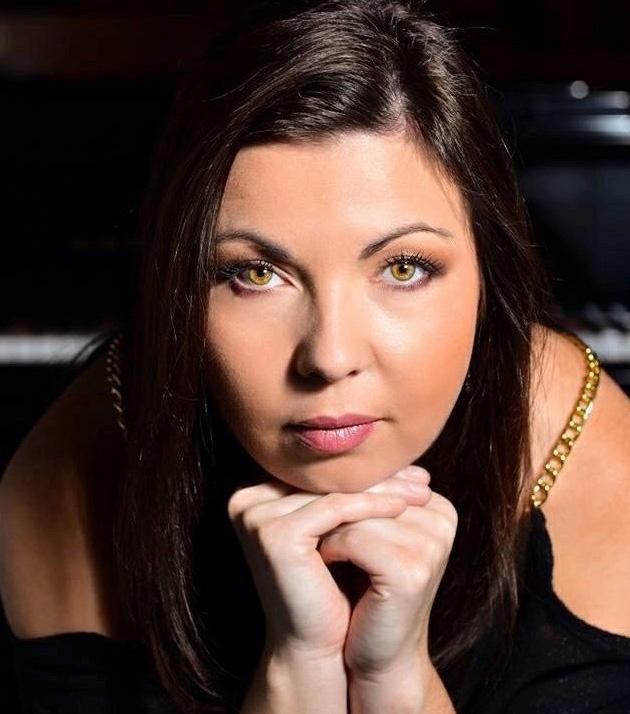
Lolita Lisovskaya-Sayevich
ICM Director of Collaborative Piano
Born into a Tashkent (Uzbekistan) musical family, Lolita Lisovskaya-Sayevich began studying piano at the age of 4. In 1985, she entered the Uspensky Central Music School in Tashkent. In 1993, she started attending a private school for young musicians in Moscow, and that same year received first prize at the Chopin International Piano Competition in Göttingen, Germany. She entered the Tchaikovsky Special Music School in 1995 and two years later was accepted to the Tchaikovsky Moscow Conservatory under the tutelage of Vera Gornostaeva, with whom she continued postgraduate study from 2002-04. Lisovskaya-Sayevich also studied with Stanislav Ioudenitch at Park University.
In 1996, Lisovskaya-Sayevich won the first prize at the Nikolai Rubinstein International Piano Competition, and in 2007 the first prize at the Iowa International Piano Competition. She was awarded scholarships from the Rostropovich Foundation, the Spivakov Foundation and the Nikolai Petrov Foundation. She has also earned the laureate designation from the international program New Names, and Virtuoso 2000 festival in St. Petersburg, Russia. Lisovskaya-Sayevich has recorded at the Hessen Radio Station in Frankfurt, Germany, and at Orfei Radio in Moscow.
Lisovskaya-Sayevich has presented numerous solo recitals and has played as a soloist with orchestras around the world. She has participated in many music festivals, including the Bashmet Festival in Tours in France, Wave 2000 in Japan, International Musical Arts Institute in Maine, Killington (Vt.) Music Festival, Ars Longa and Primavera Classica in Moscow. She has collaborated with renowned musicians such as Daniel Muller-Shott, Shmuel Ashkenasi and members of the Boston Symphony Orchestra. She now performs extensively in chamber music ensembles.
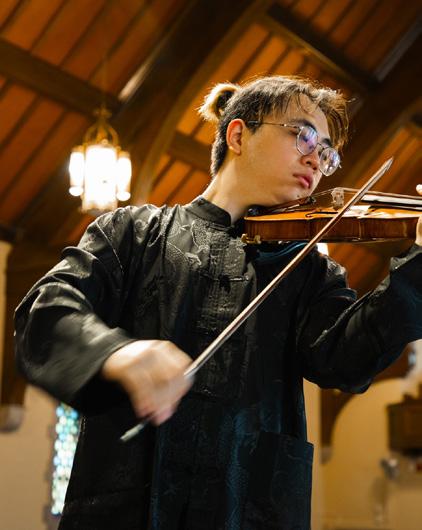
Yuren Zang | Violin
Yuren Zhang was admitted to the Central Conservatory of Music’s Primary School in 2009 and received the opportunity for admission to the Middle School, studying under Wang Hong and Chai Liang. In 2018, Shmuel Ashkenasi recognized his talent and brought him to study at the Mannes School of Music in the U.S. to pursue an undergraduate degree with a full scholarship. Zhang has won first place in the Hong Kong International Violin Competition and China’s division of the Stradivarius International Violin Competition. He has participated in masterclasses with Midori, Maxim Vengerov, Ivry Gitlis, Zakhar Bron, Vadim Repin, Lewis Kaplan and Shlomo Mintz. Zhang has performed across the world, including at Carnegie Hall, Lincoln Center, Kauffman Center for the Performing Arts, Kennedy Center, Beijing Concert Hall, the National Centre for the Performing Arts and WDR Concert Hall. Zhang is currently pursuing an artist diploma in music performance at Park University’s International Center for Music under Ben Sayevich.
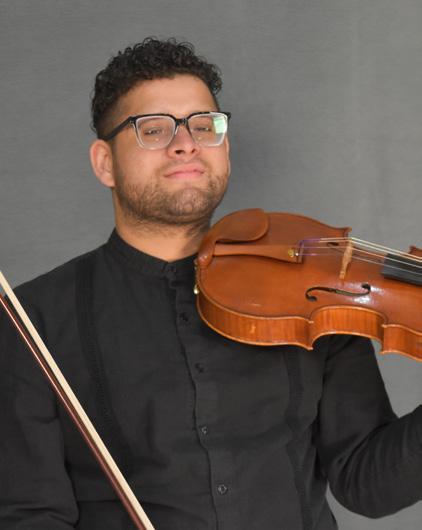
Victor Diaz | Viola
Victor Diaz began his musical training in Bogotá, Colombia, at the National Colombian Conservatory and finished his undergraduate studies at the University of Missouri – Kansas City Conservatory. A four-time winner of the Young Performer Competition from the Colombian Republic Bank, Diaz has traveled the world with orchestras and organizations, such as the Colombian Youth Philharmonic, Orchestra of the Americas, Sphinx Organization, Mahler Chamber Orchestra Academy and Allegro Vivo Music Festival in Austria. Diaz develops outreach performances in the Kansas City area to include Latin American repertoire for the viola. While Diaz is currently completing a masters in music performance at Park University’s International Center for Music, he also subs for the Kansas City Symphony, and teaches privately and for nonprofit organizations such as String Sprouts and Base Academy of Music.
Iana Korzukina | Viola
Korzukhina was born in 1995 in Arkhangelsk, Russia. In 2013, she enrolled in St. Petersburg College, and in 2022, she graduated with honors from the RimskyKorsakov St Petersburg State Conservatory.
She has participated in various competitions as part of string and piano quartets during her studies. In addition to participating in chamber ensembles, she performs solo. A laureate of international competitions, she has participated in master classes under Herman Tsakulov, Yuri Bashmet, Pavel Romanenko, Yuri Afonkin, Vladislav Pesin and Shmuel Ashkenasi.
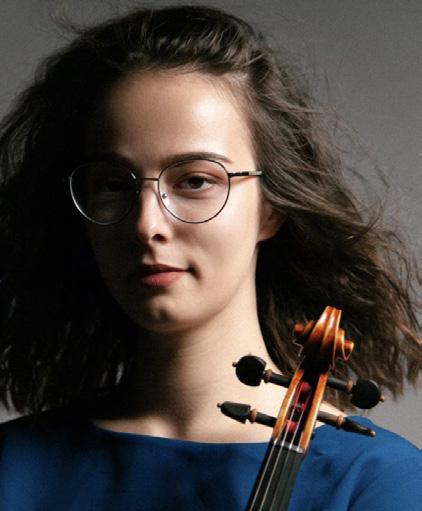
Since 2021, she has performed with orchestras such as the St. Petersburg State Academic Symphony Orchestra, the Kazakh State Symphony Orchestra and the Symphony Orchestra 1703 in Russia, as well as in various festivals.
In 2024, Korzukhina began studying for a master in music performance at Park University International Music with Chung-Hoon Peter Chun.
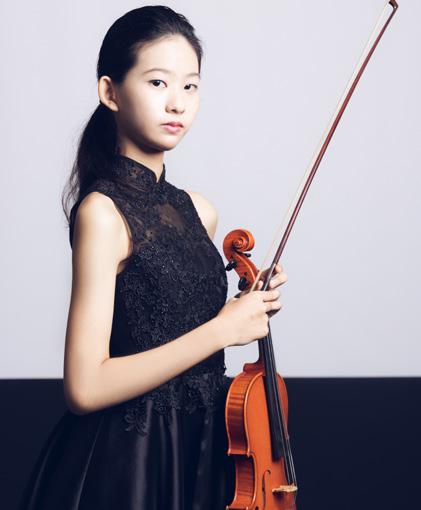
Yin-Shiuan Ting | Violin
Born in Kaohsiung, Taiwan, Yin-Shiuan Ting began to play the violin at the age of 7, and her passion for the instrument continued to grow over the years. In her native Taiwan, Ting studied violin with Jung-Shin Fang and Geoffrey Yeh. From 2016-19, Ting was a member of the Kaohsiung Youth Symphony Orchestra. In 2021, she took third prize at the National Student Music Competition in Kaohsiung. She has participated in masterclasses with musicians such as Olivier Charlier, Midori Gotō and Hu Nai-yuan. Ting is a student of Ben Sayevich at Park University’s International Center for Music working on her bachelor’s degree in music performance.
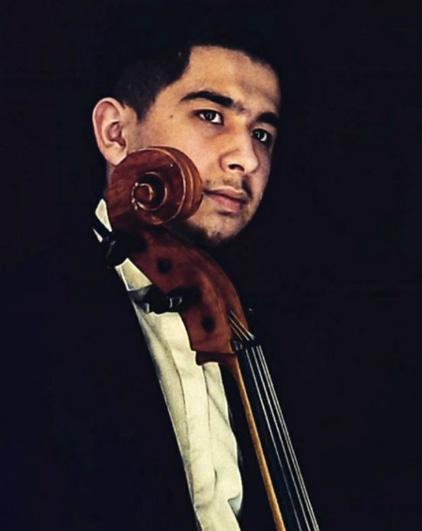
Abdumardon Abdurakhmonov | Cello
Abdumardon Abdurakhmonov is a cellist currently studying at Park University’s International Center for Music with Daniel Veis. Born in Tashkent, Uzbekistan, he began his musical training at the Republican Specialized Music Academic Lyceum named after R. Glier where he studied under Jakhongir Ibragimov. Abdurakhmonov gained early recognition through international competitions, including winning the grand prize at the Darin International Competition (Kazakhstan, 2019) and first prize at the Sozvezdie Talantov International Festival (Russia, 2020). He was also awarded first prize in the chamber orchestra category at the Open Asia International Competition (2019), along with additional prizes at international competitions in Ukraine, Kazakhstan and Russia between 2013-18. As a performer, Abdurakhmonov has appeared as a soloist and chamber musician in Uzbekistan and the U.S. During 2021-22, he was one of the youngest musicians as a member of the National Orchestra of Uzbekistan. That same year, he performed with the Turkiston Chamber Orchestra, including a performance of a concerto by Antonio Vivaldi in Tashkent. He has also performed major works such as Nocturne by Pyotr Ilyich Tchaikovsky and Le Grand Tango by Astor Piazzolla. Abdurakhmonov continues to expand his performance experience through ensemble and solo appearances. In 2026, he was awarded a scholarship from Sigma Alpha Iota. Abdurakhmonov is recognized for his discipline, musical sensitivity and strong commitment to artistic growth. He is currently developing his career as a soloist, with the goal of performing on international stages.
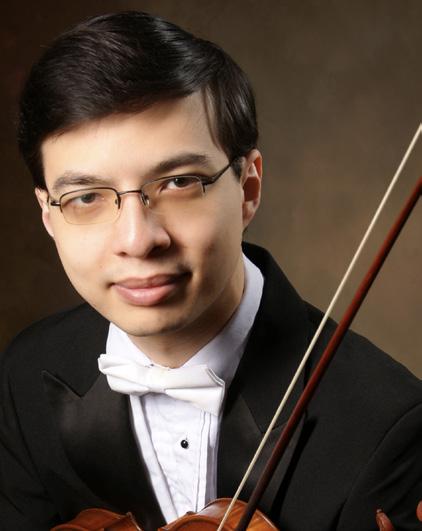
David Brill | Violin
David Brill was recognized as a child prodigy and began his violin studies at the age of 3. Since then, he has won a number of violin competitions around the world. In 2013, Brill attended the Tanglewood Music Festival on a full scholarship. In 2015, Brill won first prize in the concerto competition held at the Philadelphia International Music Festival, and was awarded a solo performance with the Ocean City Pops Orchestra. In 2016, he won first prize in the Lynn Conservatory Concerto Competition where he performed as a soloist with the Lynn Philharmonia Orchestra. Brill also is a three-time winner of the Lynn Conservatory Chamber Music Competition partnering with the Lyric Chamber Music Society of New York. In 2018, Brill placed first in the senior division of the Grand Prize Virtuoso
International Music Competition, in Vienna, Austria, and was invited to perform as a soloist at the Musikverein. That same year, he also won first prize in the senior division at the Golden Classical Music Awards International Competition and gave his solo debut in Weill Recital Hall at Carnegie Hall in New York. In 2022, Brill received an honorable mention in the Nomea International Violin Competition as well as the Vienna New Year’s Concert International Competition. Brill is currently pursuing a graduate certificate in music performance under Ben Sayevich at the International Center for Music at Park University.
Aviv Daniel | Violin
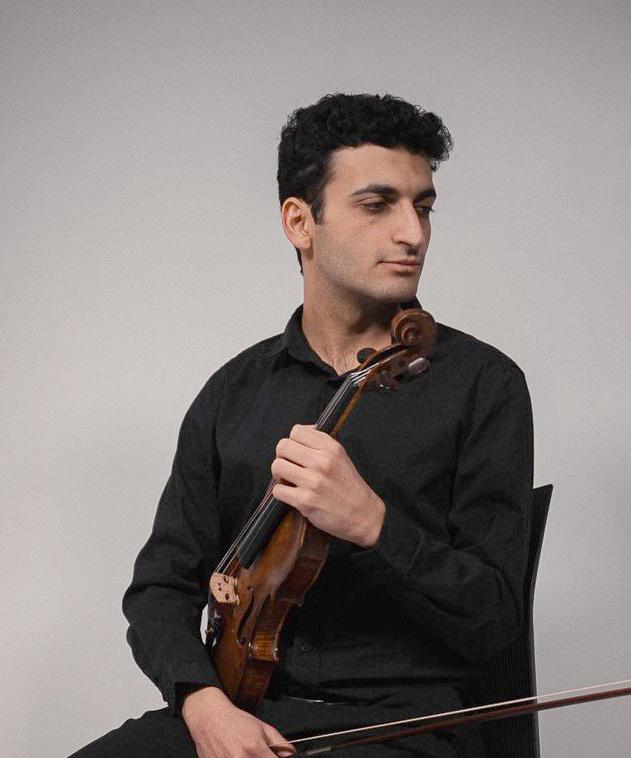
Aviv Daniel is an Israeli violinist, born in 2000 in Jerusalem and started playing the violin at a young age. He studied at the Thelma Yellin High School of Arts and then at Buchman Mehta School of Music at Tel Aviv University with Mila Feldman. Today, Daniel studies at Park University’s International Center for Music with Ben Sayevich. Daniel has participated in numerous masterclasses with Miriam Fried, Grigory Kalinovsky, Hagai Shaham, Annie Shnarch, Vadim Gluzman, Dora Schwartzberg, Itzhak Rashkovsky, Chaim Taub and Irena Svetlova. He participated in the David Goldman Program for Outstanding Musicians and Jerusalem Music Center Programs, such as Huberman Program. Daniel also played as a soloist with the Thelma Yellin Symphony Orchestra in a tour in 2018 and took part in a Kesher Eilon summer course in 2019. In the past, Daniel has studied violin with Matvey Liberman, Emma Elishov, Mira Masin and Ludmila Ozrizky. He plays on a violin loaned by America Israel Culture Foundation. Daniel has been a recipient of America Israel Culture Foundation scholarships and of Ronen Foundation scholarships since 2015.
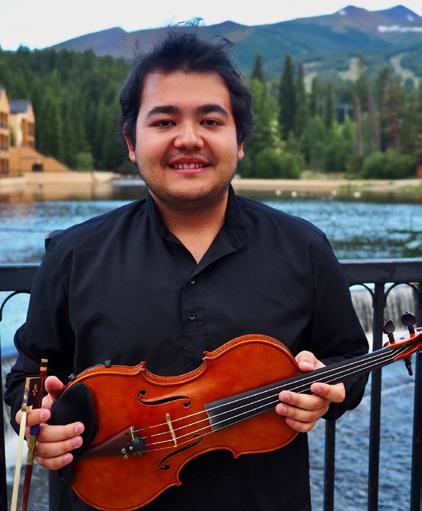
Mumin Turgunov | Violin
Mumin Turgunov is a distinguished violinist whose artistry bridges the traditions of Uzbekistan with the global stage as his journey reflects a steadfast commitment to excellence and musical expression.
Born and raised in Tashkent, Uzbekistan, Turgunov began his violin studies at the Glier School of Music, where he trained for 11 years. His early career was marked by significant milestones, including being appointed concertmaster of the Consonanza
Chamber Orchestra for the Tashkent and Uzbekistan Diocese in 2018. That same year, he was honored with the Diploma for Best Musician of the Season, recognizing his leadership and artistry in orchestral performance.
In 2019, he earned second prize in the Republican Competition of Uzbekistan, showcasing his technical brilliance and musical sensitivity on a national platform. In 2020, Turgunov joined the State Symphony Orchestra of Uzbekistan as a full-time violinist, where he further honed his skills in large-scale orchestral repertoire. His passion for music and dedication to his craft led him to Park University’s International Center for Music in 2021. In 2022, Turgunov secured a position as a substitute violinist with the Kansas City Symphony, followed by a similar role with the New World Symphony in Miami in 2023. Beyond his orchestral work, Turgunov is a passionate advocate for solo and chamber music, delighting audiences with his dynamic interpretations. Turgunov, who earned a Bachelor of Music degree in 2025 from the Park ICM, is currently pursuing a Master of Music degree in violin performance under the guidance of violinist Ben Sayevich.
Diyorbek Nortojiev | Cello
Originally from Uzbekistan, Diyorbek Nortojiev’s musical journey began more than a decade ago at the prestigious Glier School of Music in Tashkent, Uzbekistan, where he honed his craft under celebrated mentors such as Dadabaeva Nigora and Jakhangir Ibragimov. His talent as a dedicated cellist has gained international recognition, notably in 2024, when Nortojiev received the Undergraduate Scholarship from the Kansas City alumnae chapter of Sigma Alpha Iota.
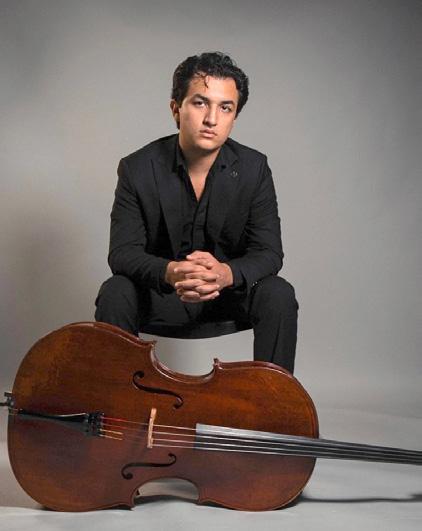
In 2018, he showcased his skills at the IV S. Knushevitsky International Cello Competition in Saratov, Russia, and secured first prize at the II “Istedod” International Music Competition in Tashkent that same year. In 2017, he earned third prize at the A. Jubanov International Competition in Almaty, Kazakhstan. While passionate about solo cello repertoire, Nortojiev also finds great joy in collaborating with chamber ensembles and orchestras, including the Kansas City Symphony where he serves as a regular substitute. Nortojiev, is currently pursuing a graduate certificate in cello performance under the guidance of world-renowned cellist Daniel Veis in the Park University International Center for Music. He earned a Bachelor of Music degree from Park in 2024 and is currently pursuing a graduate certificate in music performance.
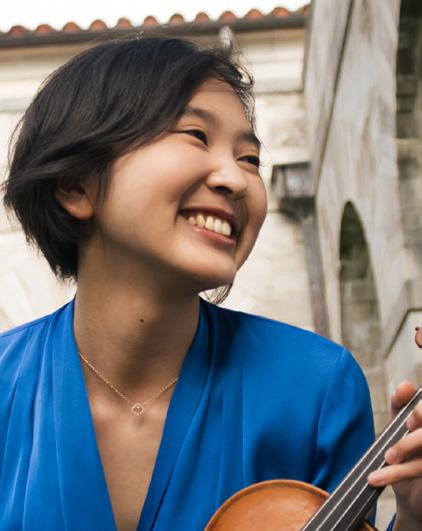
Noelle Naito | Violin
Noelle Midori Takebe Naito is a Japanese American violinist. She made her orchestra debut with the Kostroma Symphony Orchestra (Russia) at age 9 and has since performed with the Columbia (Md.) Orchestra, Landon Symphonette (Bethesda, Md.), the U.S. Army Orchestra and the Flint (Mich.) Symphony Orchestra. Naito has played in venues such as Weill Recital Hall,Cadogan Hall, Franz Liszt House, the Embassy of Japan and the German Consulate in New York City. She has won numerous competitions, including the William C. Byrd Young Artist Competition and the U.S. Army Orchestra Competition. In 2019, Naito was selected as a student artist at the Julliard School’s Starling-Delay Symposium where she performed in masterclasses for Kathleen Winkler and Midori.
Naito currently studies at International Center for Music at Park University under Ben Sayevich, where she is pursuing a graduate certificate in music performance. She plays on a 1662 Andrea Guarneri graciously loaned by the Ryuji Ueno Foundation.
PROGRAM NOTES by Paul Horsley
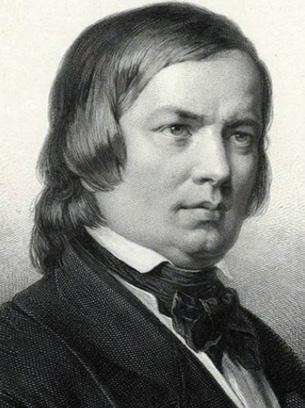
Robert Schumann (1810-1856):
Violin Sonata No. 1 in A minor, Op. 105
I. Mit leidenschaftlichem Ausdruck
It is sobering to contemplate that when Schumann composed, at age 41, his First Violin Sonata, he had less than five years to live. By September of 1851 the composer had written most of the music by which he is known today: peerless piano works, song cycles, chamber music, symphonies, concertos, operatic and choral works. His career was evidently going well: He had recently assumed the position of Municipal Kapellmeister in Düsseldorf, where he conducted an orchestra and, from the fall of 1851, organized local musicians into chamber ensembles. But he was showing increased symptoms of bipolar disorder, tinnitus, and possibly advanced-stage syphilis. He began hearing angelic voices singing Bach, and he complained of a persistent “A” ringing in his ear. Just a few years after he completed his first two Violin Sonatas and the A-minor Piano Trio, the angelic voices turned demonic, and after leaping into the Rhine in an 1854 suicide attempt, he entered the asylum where he would spend his final months.
Photo: Damian Gonzalez
In January 1850 his friend Ferdinand David, a former concertmaster of the Gewandhaus Orchestra, had written: “Your Fantasiestücke (Op. 73) I find so charming! I wonder why don’t you compose anything for violin and piano? The genre is so lacking in anything solid and new, and I don’t know anyone who could do it up better than you.” Schumann responded, and David performed the public premiere of the First Sonata in March of 1852, with the composer’s wife, Clara, at the keyboard. Schumann completed the Second Sonata in D minor shortly afterward; a third followed in 1853, in A minor, the final work before the composer’s final unraveling.
The orchestrally conceived opening movement of Op. 105 (to translate: With passionate expression) places the violin line mostly in the middle of the busy piano filigree, rather than above it. This elusive movement finds its way into the mind and the heart—with its free use of canon (imitative figures between violin and piano) and a free-wheeling but intuitive, even “organic,” approach to sonata form.
PROGRAM NOTES (CONT.)
Frank Bridge (1879-1941):
Lament for Two Violas (c. 1911-12)
Frank Bridge was the ninth of the dozen or so children of William Henry Bridge, a printer and lithographer who also directed theater orchestras. Frank’s taskmaster father enlisted his son to play violin and viola in these bands, eventually installing him as substitute conductor and parttime arranger. In his early twenties Bridge began the study of piano and violin at the Royal College of Music, eventually taking up composition with the legendary Charles Villiers Stanford—teacher of Holst, Vaughan Williams, Herbert Howells, John Ireland, Rebecca Clarke, and many others.
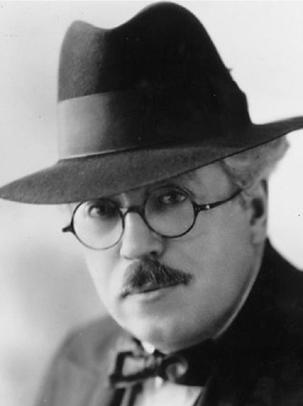
After his studies, Bridge taught, conducted, and performed in leading British orchestras and string quartets—primarily as a violist, following in the grand tradition of Mozart, Mendelssohn, Dvořák, Hindemith, and many others. In the years before World War I, he became a leading chamber-music performer, promoter, and coach, and in the 1920s his compositions began to show the impact of experiments of the Second Viennese School. He was among the gifted members of his generation, but it was left to the young Benjamin Britten—who greatly admired the symphonic poem The Sea—to help rebuild public and critical assessment of Bridge’s music. Britten would later honor him in his own Variations on a Theme of Frank Bridge
Bridge wrote a large quantity of chamber and orchestral works, songs, and choral music. He wrote several laments during his life, as did many composers during the tumultuous first quarter of the 20th century. The Lament for Two Violas was one of two duos written in 1912 and performed that year by the composer and legendary violist Lionel Tertis. The manuscript is lost but the piece was reconstructed from sketches. It is one of the most moving laments in the literature, with lovingly constructed textures that sound at times as if a whole string quartet were playing.
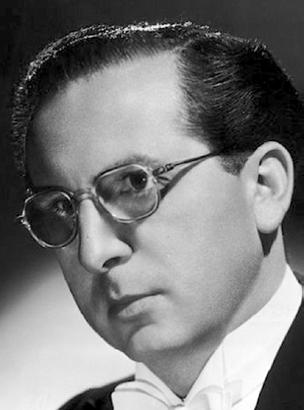
Franz Waxman (1906-67): Carmen Fantasie
The most famous opera of all time began as a popular novel by Prosper Mérimée, a French novelist and historian fascinated with Spain and its mystique. But it was Georges Bizet who proposed making the 1846 book into an opera, even though the action was a tad too graphic for Paris’ Opéra-Comique
PROGRAM NOTES (CONT.)
(Carmen’s violent death onstage, for instance, tested the boundaries of 19thcentury French opera.) First performed in March 1875, the opera was received coolly at first, but its sensationalistic aspects helped sustain its early reputation. Today it remains the most familiar of all operas.
Adaptations have proliferated in the 150 years since: from Carmen Jones to Beyoncé’s Carmen: A Hip-Hopera, from ballets by Roland Petit and Alberto Alonso (the latter with music by Rodion Shchedrin) to musical suites by Vladimir Horowitz and Pablo Sarasate. Waxman’s version began as a four-minute suite for Warner Bros. potboiler Humoresque, the score of which—with Isaac Stern on violin—was nominated for an Academy Award. (Waxman, who scored some 150 films, would later win Oscars for Sunset Boulevard and A Place in the Sun). Jascha Heifetz saw the film and asked Waxman, one of Hollywood’s most successful and prolific composers, to expand it into a concert piece. Heifetz gave the work its premiere in September 1946 on the Bell Telephone Hour.
The Fantasie is a masterful interweaving of the opera’s familiar themes, combined in a way that makes them seem unusually fresh. It has proven to be one of the most popular concert adaptations of Carmen, with versions for solo viola, cello, double bass, flute, trumpet, tuba, and marimba.
Andrea Casarrubios (b. 1988): Armadura for cello solo
The Spanish-born cellist and composer Andrea Casarrubios studied at the Peabody Conservatory and earned a doctorate at the Graduate Center of the City University of New York. Among her cello teachers were Maria de Macedo, Lluís Claret, Amit Peled, Marcy Rosen, and Ralph Kirshbaum. She was also involved, as part of her doctoral degree, with Ensemble Connect in New York, and she studied composition with John Corigliano.
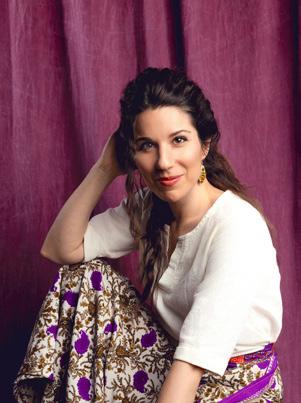
Casarrubios has performed widely as soloist and chamber musician—at Carnegie Hall, Lincoln Center, Disney Concert Hall, and at the Piatigorsky, Ravinia, and Verbier festivals. Her works have been programmed by the Philadelphia Orchestra, the Chicago Symphony, the Indianapolis Symphony, the Sphinx Organization, and many other groups. Her SEVEN, which had its premiere in Carnegie Hall in 2020, has been performed around the globe; the 2024 recording of the work was nominated for a Grammy Award. (ICM audiences will recall the Carr-Petrova Duo’s performance of the composer’s Magnitude, an homage to women worldwide who strive for change.)
PROGRAM NOTES (CONT.)
Armadura draws inspiration from the Mexican artist Frida Kahlo, a pioneer of 20th-century art. “The music evokes the silent life and imposed fortress,” the composer writes, “capturing the fragility of the nascent worlds within, and the effort exerted to protect them.” Severely injured in a bus accident, Kahlo painted and embroidered into artworks the medical corsets she had to wear— transforming her “armor” (armadura) into strength. Casarrubios’ expressive and tonally grounded piece was commissioned by the Extensity Concert Series. Cellist Christine Lamprea performed its premiere in March 2022 in New York, on a concert of the WOMEN NOW Festival.
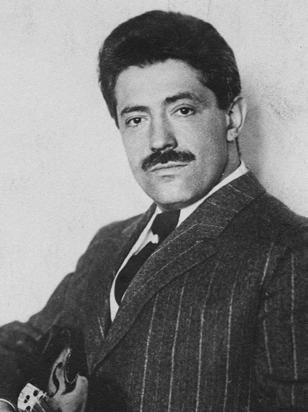
Fritz Kreisler (1875-1962):
Recitativo and Scherzo, Op. 6 for solo violin
Fritz Kreisler helped shape the way we think about musical phrasing, technique, and even vibrato. His sweet, expressive tone was widely imitated throughout the 20th century, by an impressive range of musicians. Born in Vienna, Kreisler entered the Conservatory there at the ripe age of seven, studying violin with Joseph Hellmesberger and counterpoint with Anton Bruckner. Later, at the Paris Conservatory, he continued with Léo Delibes (composition) and Lambert Massart (violin). Kreisler began his professional touring career in 1888, aged 13, and by the early 20th century he was creating a sensation around the world. He studied medicine briefly and lived through two world wars: He even served in the First War, as an officer in the Austrian army. Through the 1920s and ’30s he lived in Berlin and toured extensively, performing recitals and orchestral concerts. The Nazi Anschuss of Austria made life perilous, and in 1938 Kreisler relocated first to Paris. In 1939 he left for the United States, where he became a citizen in 1943.
Kreisler was a composer of note, with an output that includes violin pieces (Schön Rosmarin, Liebesfreud, Caprice viennois, Tambourin chinois), arrangements of works by composers such as Corelli and Albéniz, and pieces imitating the styles of Haydn, Stamitz, and others. The Recitativo and Scherzo dates from 1911 and was dedicated to Kreisler’s friend Eugène Ysäye. It opens with a solemn and declamatory Lento con espressione—fiercely dramatic but ultimately mournful. The mood brightens with the Scherzo, which relishes in the work’s fiendish, scintillating difficulties.
PROGRAM NOTES (CONT.)
Ludwig van Beethoven (1770-1827):
Violin Sonata in C minor, Op. 30, No. 2
I. Allegro con brio
Nine of Beethoven’s 10 violin sonatas were written during a concentrated period between 1798 and 1803, when the composer was experiencing his first Viennese fame and crystalizing his first maturity. It was a decade of great artistic and emotional upheaval for Beethoven, for at the height of his new fame he began to realize he was going deaf. Works unleashed by this crisis would ultimately include epoch-defining masterpieces such as the Third, Fourth, and Fifth Symphonies, the Fourth and Fifth Piano Concertos, the Violin Concerto, the “Appassionata” Sonata, the three “Razumovsky” quartets, the Quartetto Serioso, and the opera Fidelio.
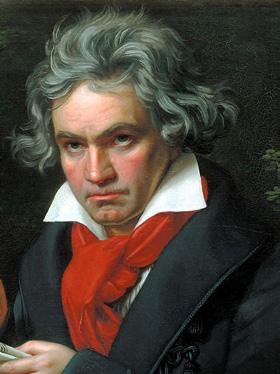
But that is to jump ahead somewhat. The three sonatas of Op. 30 were composed in 1801 and 1802 and published in 1803 with a dedication to the 25-year-old Czar Alexander I—whom Beethoven had begun to admire for his purported Enlightenment views. They were printed, as were many such sonatas at the time, as Sonatas for the Pianoforte with the Accompaniment of the Violin. The piano does often take precedence here, not least perhaps because they were usually performed with the composer at the keyboard.
The key of C minor had gradually become the young Beethoven’s favorite key for “serious works,” as heard in the Op. 1, No. 3 Piano Trio, the Op. 9, No. 3 String Trio, the Op. 10, No. 1 and Op. 13 Piano Sonatas, the String Quartet Op. 18, No. 4, and especially the Third Piano Concerto. In just a few years C-minor would become his “heroic” key, for works such as the Fifth Symphony and the Overture to Coriolan. A torrent of drama bursts forth in the Allegro con brio of Op. 30, No. 2—its opening motif (long-note, rapid sixteenth-notes, abrupt quarter-note) “foretelling the new and larger scheme of Beethovenian sonata form that can unfold from the possibilities latent in such a single figure,” as Lewis Lockwood writes, “abrupt, terse figures stated early and then composed out to far-distant consequences.”
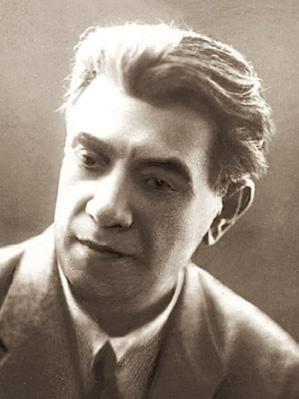
Reinhold Glière (1875-1956): Eight Pieces for Violin and Cello, Op. 39
A contemporary of Schoenberg and Stravinsky, Glière maintained an artistic outlook that was nevertheless more firmly rooted in the 19th century than the 20th. He was
PROGRAM NOTES (CONT.)
educated at the Moscow Conservatory under Taneyev and Ippolitov-Ivanov and later in Berlin, and he spent his career as director of the Kiev Conservatory (1914-20) and as professor of composition at Moscow Conservatory (to 1941). He made the difficult transition from czarist life to Soviet “reorientation” with greater success than most composers of his generation: with music that garnered ample official accolades, including the 1938 People’s Artist of the U.S.S.R. award.
He produced several remarkable and lasting scores—including three symphonies (most notably the Third, subtitled “Ilya Murometz” after an ancient Russian hero), concertos, chamber works, and ballet scores. Many listeners today know at least his Russian Sailor’s Dance, an orchestral hit from the 1927 ballet The Red Poppy.
The Eight Pieces for Violin and Cello were composed in 1909, shortly after Glière returned from a stint in Berlin (1905-1908), where from he studied conducting with Oskar Fried These eight vigorous duets, each about two minutes in duration, bear a dedication to the cellist Boris Kaliushno. They demonstrate a mastery of the miniature, ranging in mood and texture from the light to the substantial, the lyrical to the dance-like, as seen in their titles: Prelude, Gavotte, Berceuse, Canzonetta, Intermezzo, Impromptu, Scherzo, Etude.
Camille Saint-Saëns (1835-1921): Introduction et Rondo Capriccioso, Op. 28
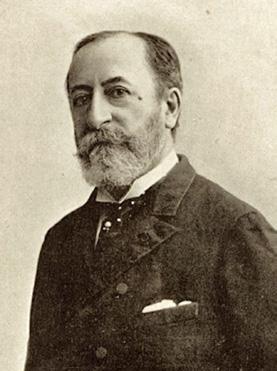
Widely read and deeply interested in all aspects of arts and letters, Saint-Saëns possessed a solemnly serious nature that found expression in operas, sacred works, and large-scale symphonic compositions, yet many of his best works were written “with his left hand,” as he said, works that seem to require virtually no effort from either composer or listener but which are solidly constructed and peerlessly melodic. But he also distinguished himself in instrumental music, and by the time he wrote the Introduction and Rondo in 1863 he was forging new paths for concertante music.
He wrote the piece for his friend, the teenaged violin virtuoso Pablo de Sarasate, for whose virtuosity Saint-Saëns had already tailored his A-major Violin Concerto. In addition to showing off the young violinist’s dazzling skill, the Introduction and Rondo also shows off Saint-Saëns’s melodic and symphonic gifts and his dashing inner spirit. The idea of a two-movement solo structure such as this, with a slow introduction followed by a quick “main” movement, stems perhaps from the cabaletta-style aria found in Rossini and Bellini: This often consisted of two or more sections of radically varying character. Saint-Saëns marks his Introduction with the word malinconico (melancholy); after the violin sings its brief, plaintive tune, the capricious Rondo provides the soloist with ample opportunity to shine.
Park International Center for Music
FACULTY & STAFF
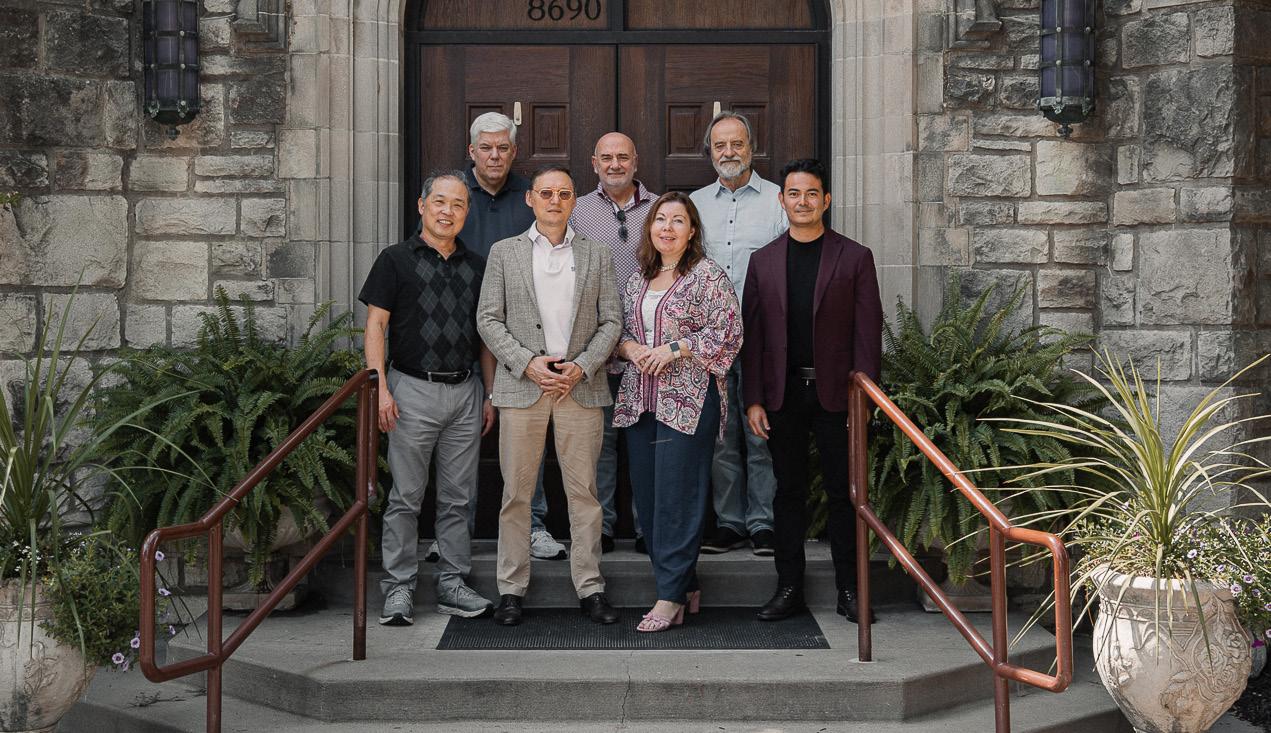
Damian Gonzalez
Stanislav Ioudenitch
Founder & Artistic Director
Piano Studio
Behzod Abduraimov Artist-in-Residence
Gustavo Fernandez Agreda
ICM Coordinator
Shmuel Ashkenasi
Distinguish Visiting Artist, violin
Peter Chun, Viola Studio
Christine Grossman Orchestral Repertoire, viola
Lolita Lisovskaya-Sayevich Director of Collaborative Piano
Steven McDonald Director of Orchestra
Ben Sayevich
Violin Studio
Daniel Veis
Cello Studio
Photo:
Park International Center for Music
PATRONS SOCIETY MEMBERS
The Patrons Society makes it possible for Park International Center for Music students to pursue their dreams of professional careers on the concert stage.
Our Patrons provide essential support for scholarships, faculty, and performance opportunities, ensuring world-class music thrives in Kansas City and beyond.
We are deeply grateful for the generosity of each member listed below.
SUPERLATIVE
Richard J. Stern Foundation for the Arts - Commerce Bank, Trustee *
Ronald and Phyllis Nolan *
Jerry M. White and Cyprienne Simchowitz
EXCEPTIONAL
Brad and Marilyn Brewster *
SUPREME
Commerce Bank *
Brad and Theresa Freilich
Barnett and Shirley Helzberg
Benny and Edith Lee *
John and Debra Starr *
EXTRAORDINAIRE
Joe and Jeanne Brandmeyer *
Thomas and Mary Bet Brown *
Vincent and Julie Clark *
Stanley Fisher and Rita Zhorov *
Stephen L. Melton *
Mira Mdivani/Mdivani Corporate
Immigration Law Firm *
Susan Morgenthaler*
Rob and Joelle Smith
Nicole and Myron Wang *
PATRON
Andrew and Peggy Beal *
Deborah Borek and David Wiseman *
Lisa Browar *
Rich Coble and Annette Luyben *
Paul S. Fingersh and Brenda Althouse *
Patty Garney *
David and Lorelei Gibson *
Ihab and Colleen Hassan *
Ms. Lisa Merrill Hickok
Robert E. Hoskins, ‘74 *
Walter Love and Sarah Good *
John and Jacqueline Middelkamp *
Patrick and Teresa Morrison *
Holly Nielsen *
Charles and Susan Porter *
James and Laurie Rote *
John and Angela Walker *
Barbara and Phil Wassmer *
Joyce Weiblen *
John and Karen Yungmeyer *
We gratefully acknowledge these donors as of March 25, 2026.








BEHZOD ABDURAIMOV
In Solo Recital
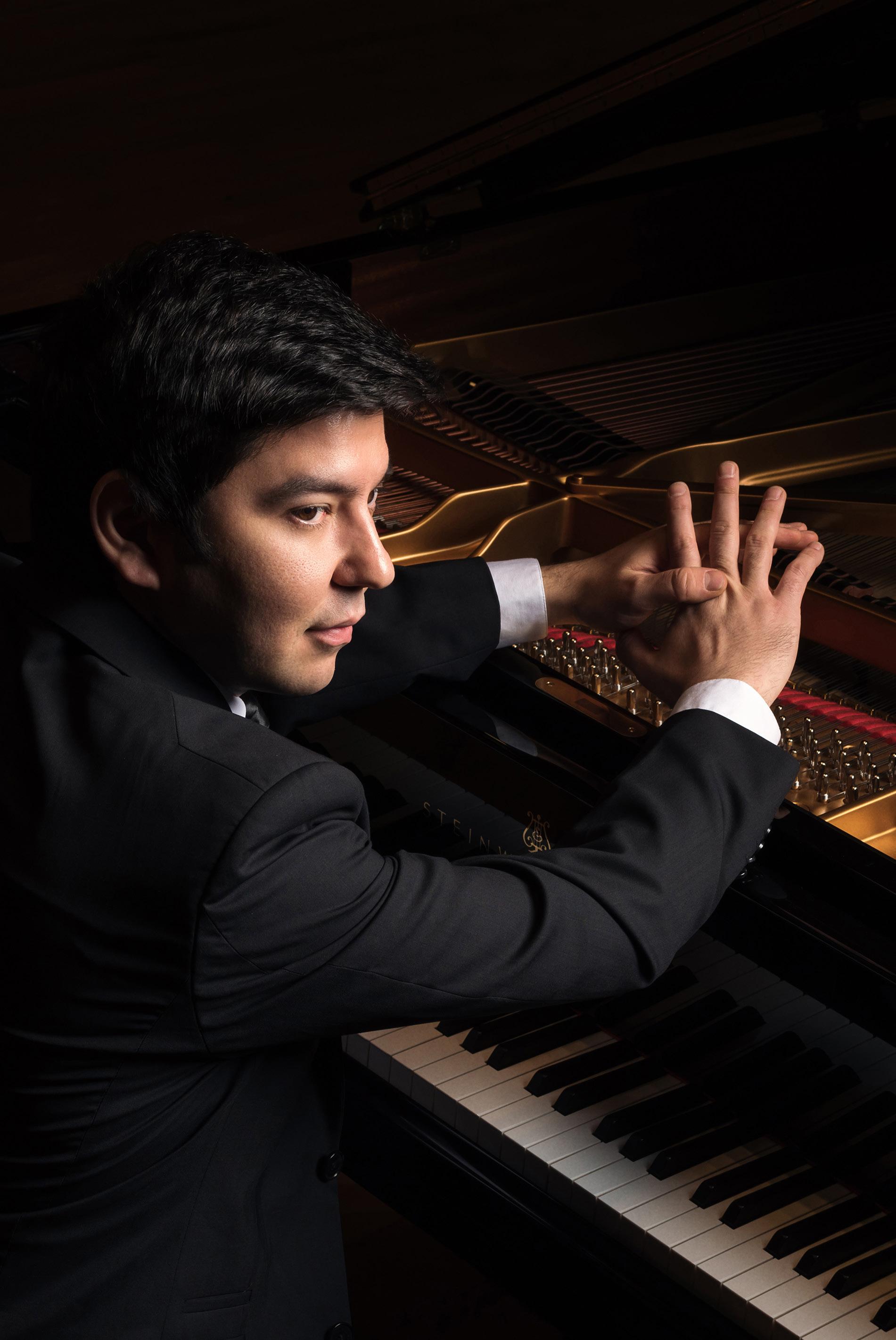
“Behzod Abduraimov has the magic touch.” The Times (UK)
Behzod Abduraimov’s performances combine an immense depth of musicality with phenomenal technique and delicacy. He performs with many of the world’s leading orchestras and conductors, and his critically acclaimed recordings have set a new standard. Abduraimov has a number of notable debuts in the 2025/26 season including with the New York Philharmonic and National Symphony Orchestra (Washington, D.C.).
THE 1900 BUILDING
Friday, May 1, 2026 • 7:30 P.M.