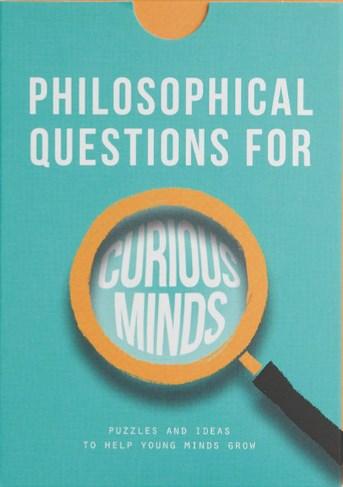
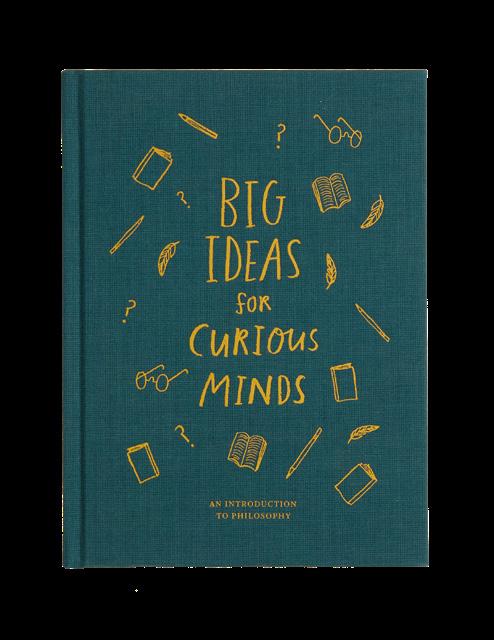
- The School of Life | Big Ideas for Curious Minds | Philosophical Questions for Curious Mind
- The School of Life |What are you Feeling?
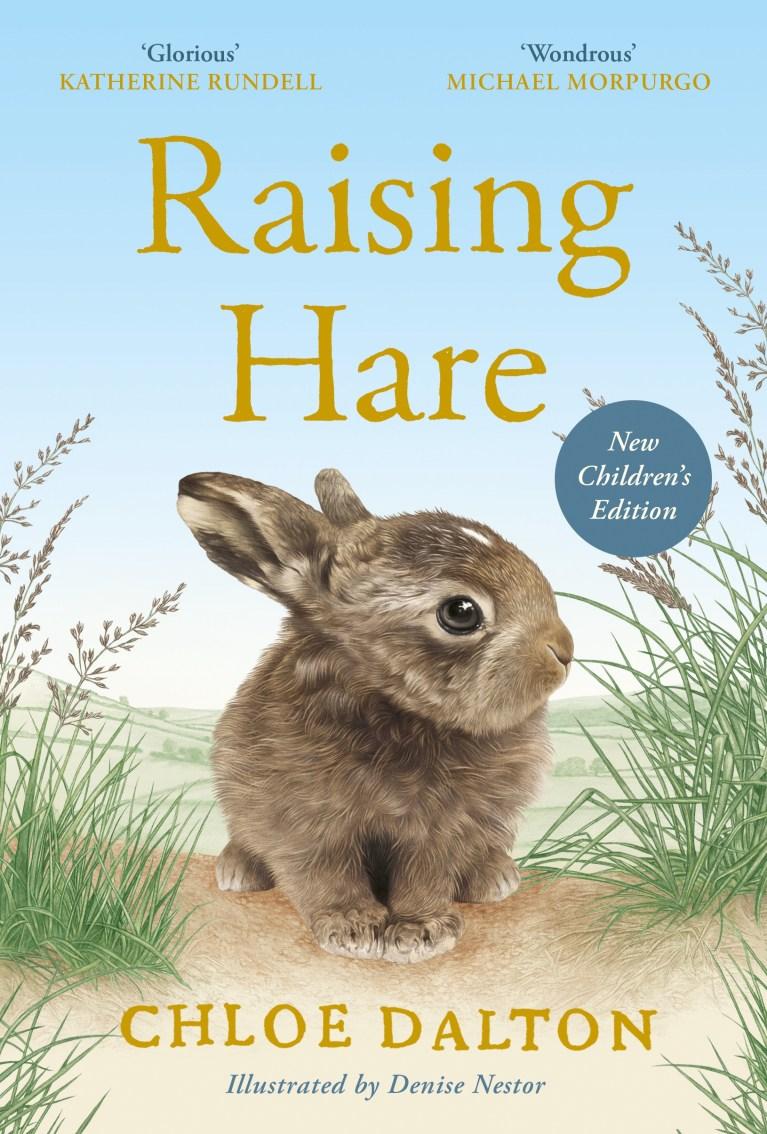
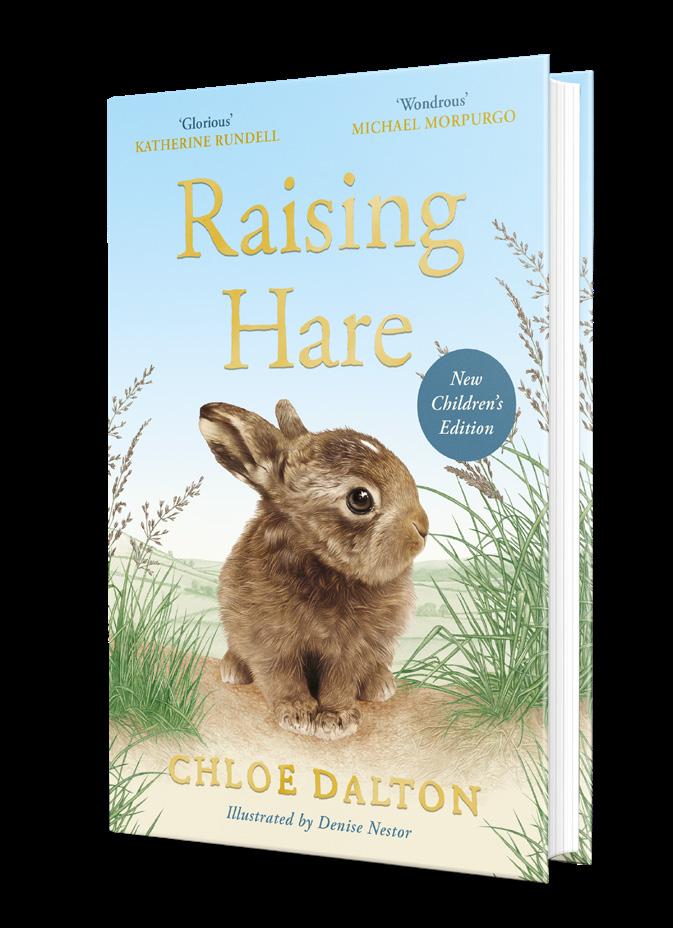
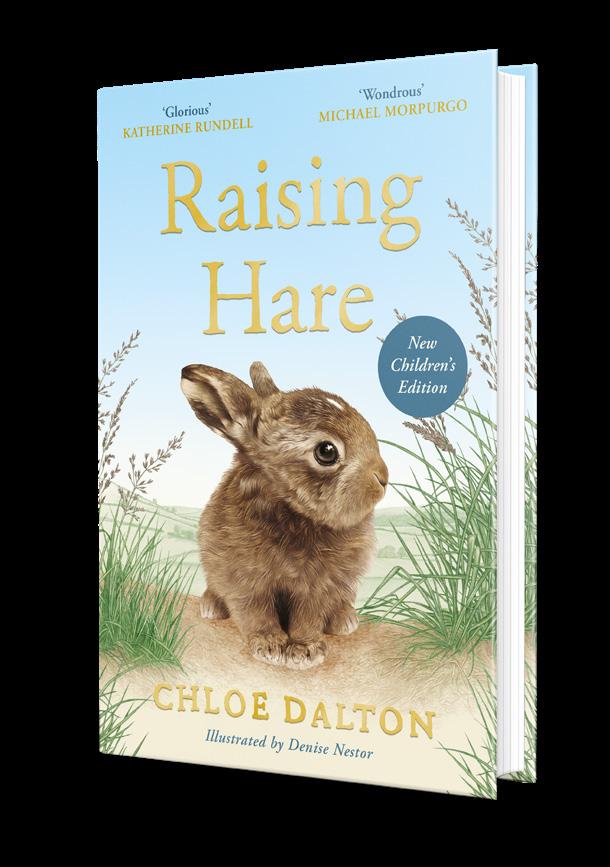
Raising Hare by Chloe Dalton
About the book
One winter’s day, Chloe Dalton went for a countryside walk and discovered a newborn baby hare – no bigger than her hand – chased by a dog and separated from its mother.
Worried for its safety, Chloe took the tiny hare home and learned how to feed and care for it . . . and an extraordinary friendship began.
This is the true tale of how Chloe and the hare, with its drumming paws and distinctive charm, lived alongside each other until the time came for it to return to the wild.
But when the hare is finally ready to jump over the garden wall, will Chloe ever see it again?
Look closely at nature through an artist’s eyes
Throughout Raising Hare, Chloe carefully observes the hare and the world around it. These activities encourage pupils to slow down, notice details and respond creatively to the natural world through drawing, mark-making and visual exploration.
Curriculum Links
Art
& Design
H Observing and recording from first-hand and secondary sources
H Developing drawing and sketching techniques
H Exploring texture, pattern and form
H Responding to the natural world through art :
H Using a range of materials creatively
Activities at a Glance
Activity 1:
Observational Drawing
Creative Thinking
H Looking closely at details
H Experimenting with different artistic approaches
Create a detailed drawing of a hare by focusing on what can really be seen.
Activity 2:
Movement Studies
Explore how a hare moves by sketching a sequence of actions.
Activity 3:
Texture Exploration
Investigate the textures of the hare and its environment using different materials.
These resources were created by Shapes for Schools
Activity 1: Observational Drawing
Aim
To develop observational drawing skills by studying the features of a hare.
Activity
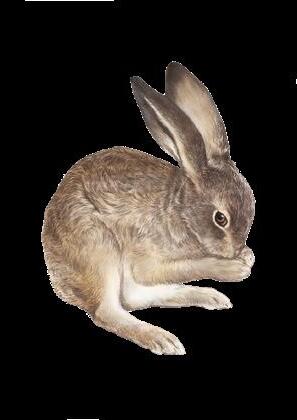
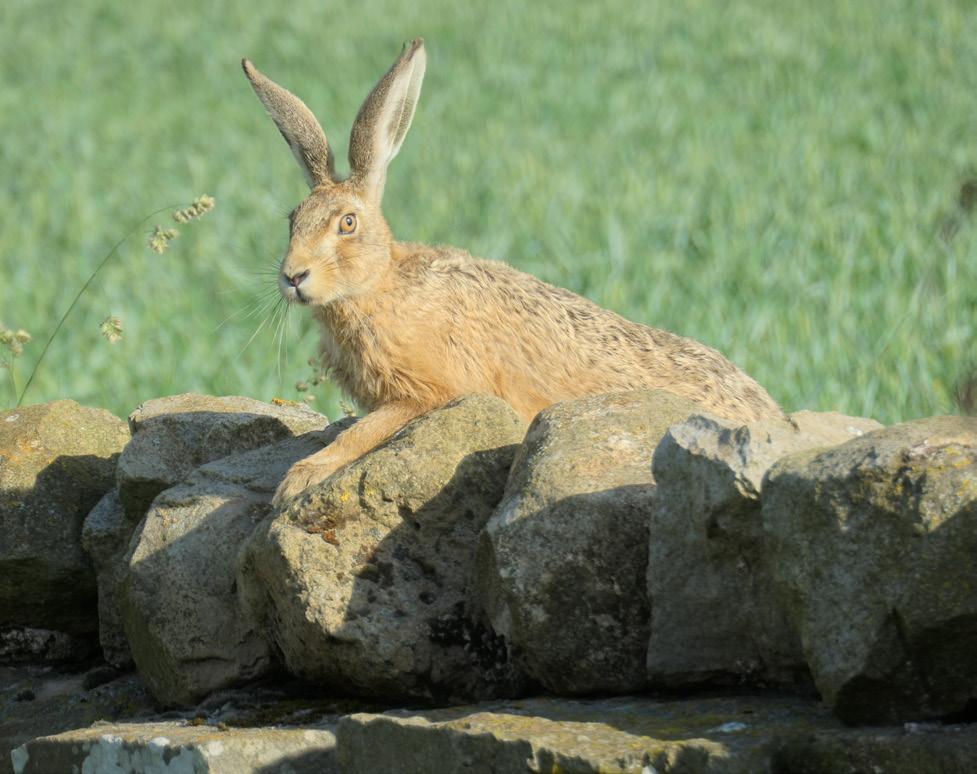
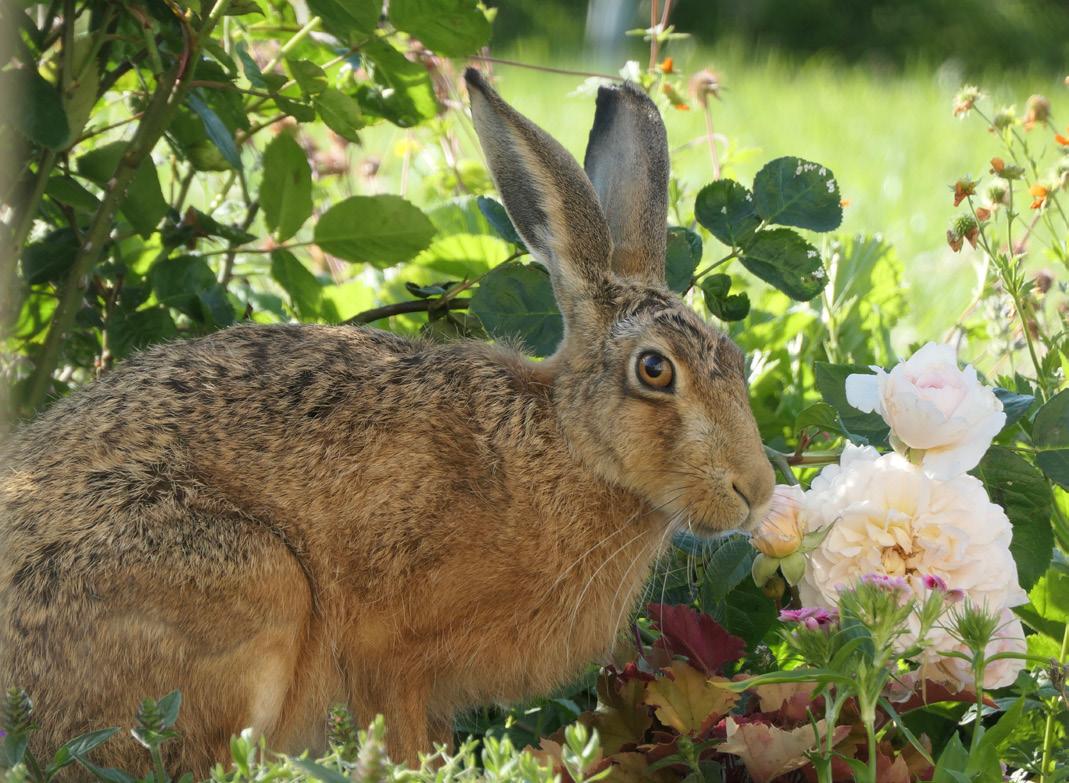
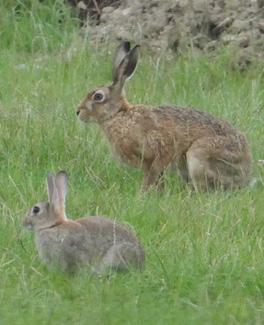
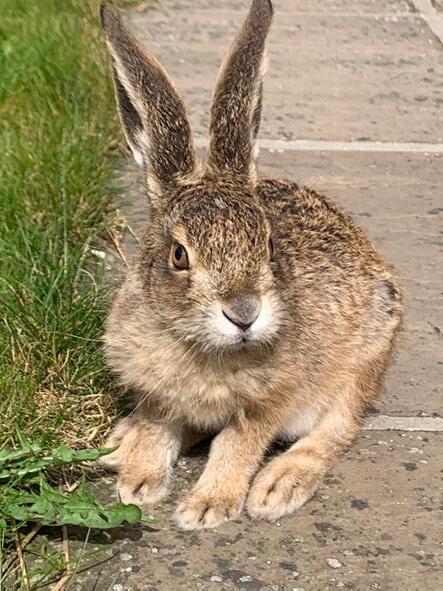
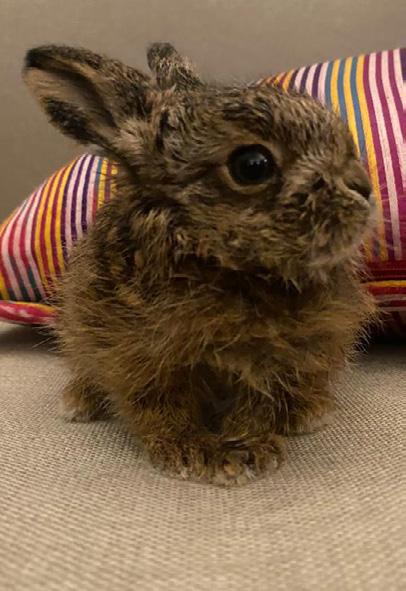
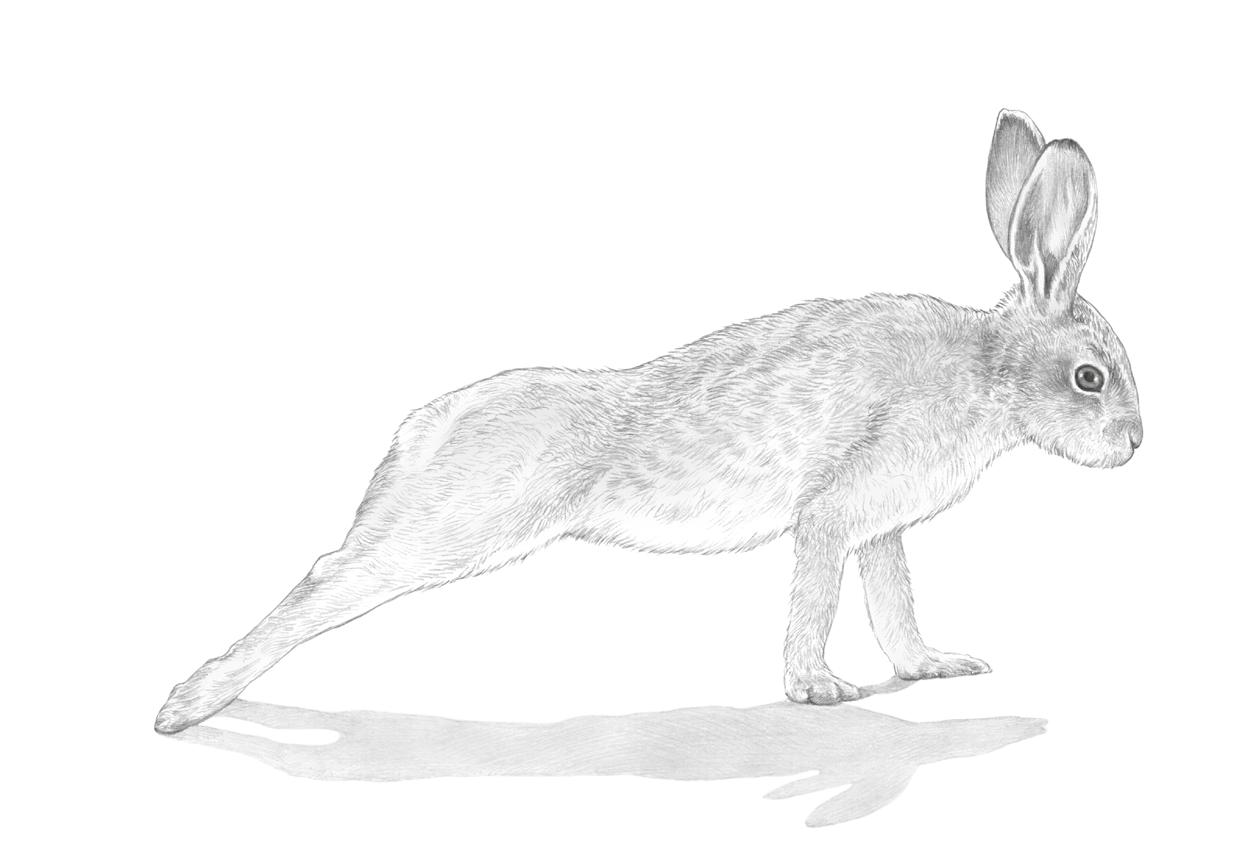
Look carefully at these images of the hare, including the photo of the hare alongside a rabbit. On the next page create a detailed observational drawing, focusing on features such as:
H ears
H eyes
H legs
H fur
H posture
As you draw, add labels describing what you notice. For example: long ears, powerful back legs, amber eyes, mottled fur. Try to record what you actually see rather than what you think a hare should look like.
HDiscussion Questions
H Which feature was the most difficult to draw?
H What details did you notice when you looked closely?
H How is a hare different from a rabbit?
Extension
Create a second drawing showing the hare from a different angle.
To explore how artists can show movement through drawing.
Activity
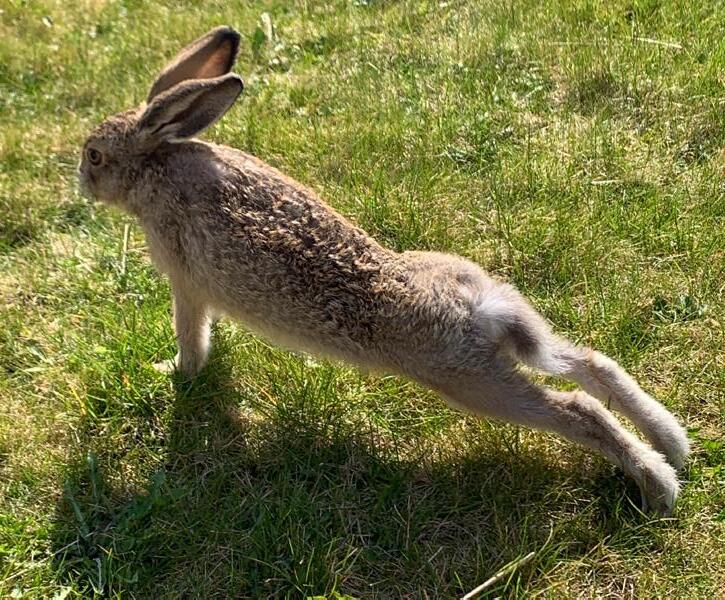
Hares can crouch, leap, run and change direction very quickly. On the next page create a sequence of quick sketches showing a hare moving. Using descriptions from the book and reference images, sketch a sequence showing:
H crouching low in a field
H remaining still and hidden
H launching into movement
H running at speed
Focus on: body shape, leg position, balance, direction of movement Try using simple lines and shapes rather than detailed drawings.
HDiscussion Questions
H Which sketch best shows movement?
H How does a hare’s body change as it moves?
H Which features help a hare move quickly?
Extension
Create a comic-strip style sequence showing a hare crossing a field.
Activity 2: Movement Studies
Crouching low in a field
Remaining still and hidden
Launching into movement
Running at speed
Focus on: body shape, leg position, balance, direction of movement
Try using simple lines and shapes rather than detailed drawings.
Activity 3: Texture Exploration
Aim
To explore texture and pattern in the natural world.
Activity
The book contains rich descriptions of the hare and its environment.
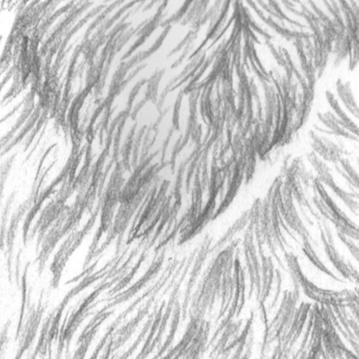
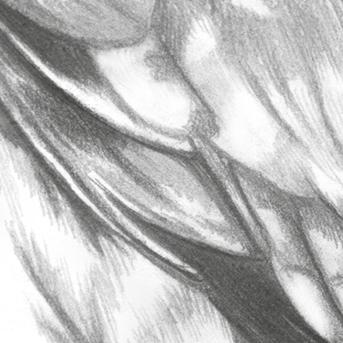
On the next page experiment with different materials and mark-making techniques to recreate textures such as:
H fur
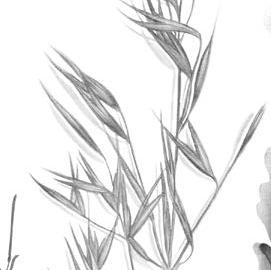
H grass
H soil
H leaves
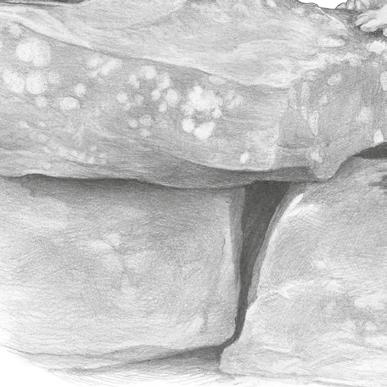
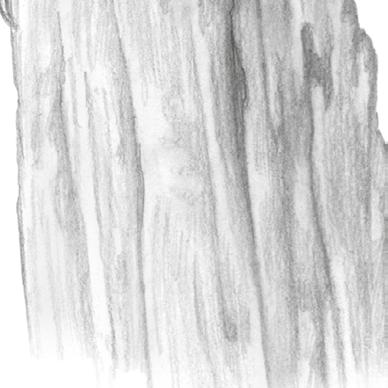
H bark
You may use: pencils, charcoal, crayons, collage materials, textured papers
Create a texture sample for each surface and label it.
HDiscussion Questions
H Which materials created the most realistic textures?
H Which texture was the most challenging to recreate?
H How do writers and artists both help us imagine texture?
Extension
Combine several textures to create a mixed-media countryside scene inspired by the book.
Activity 3: Texture Exploration
These resources were created by Shapes for Schools
Looshkin by Jamie Smart
David Fickling Books
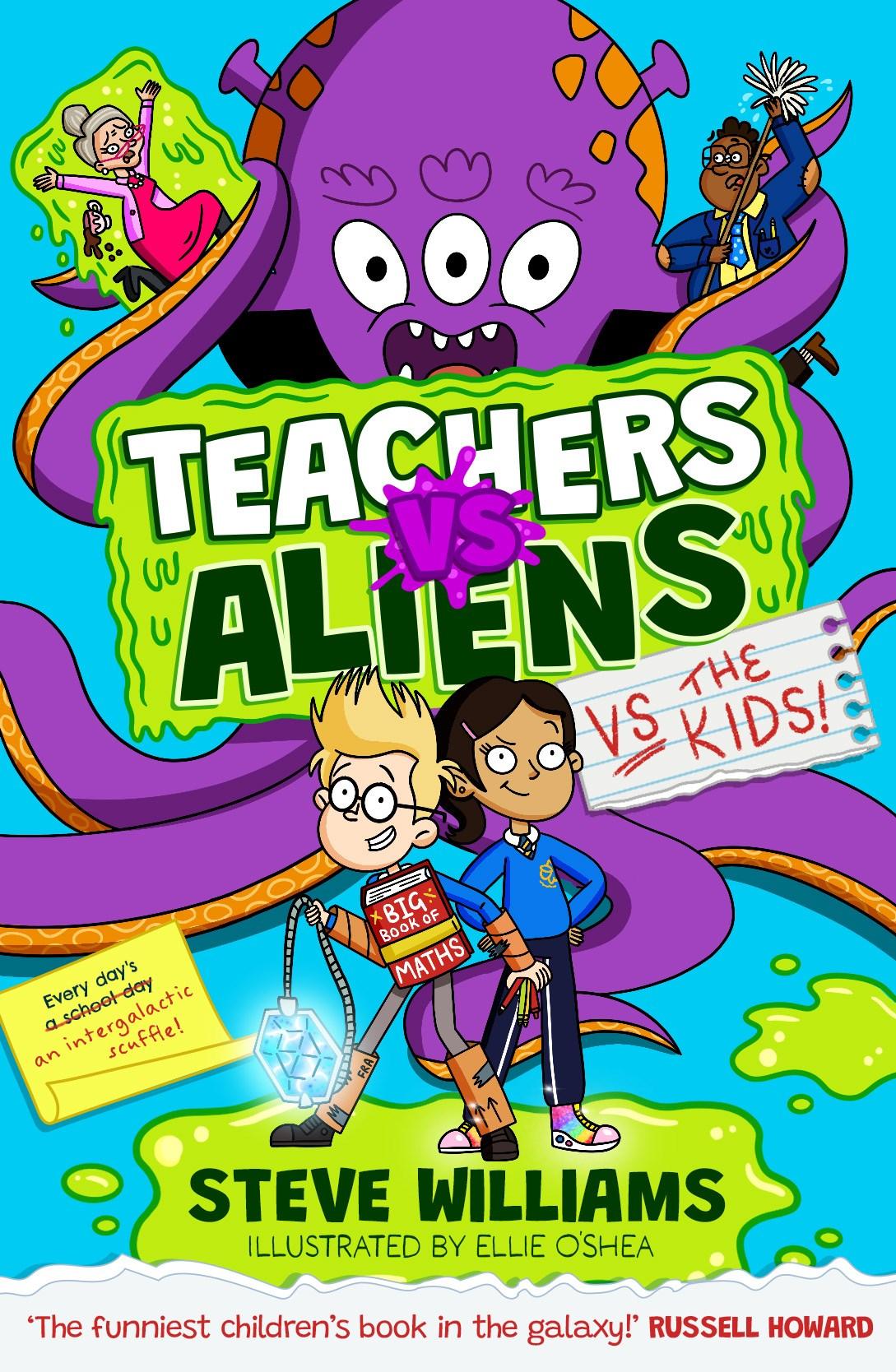
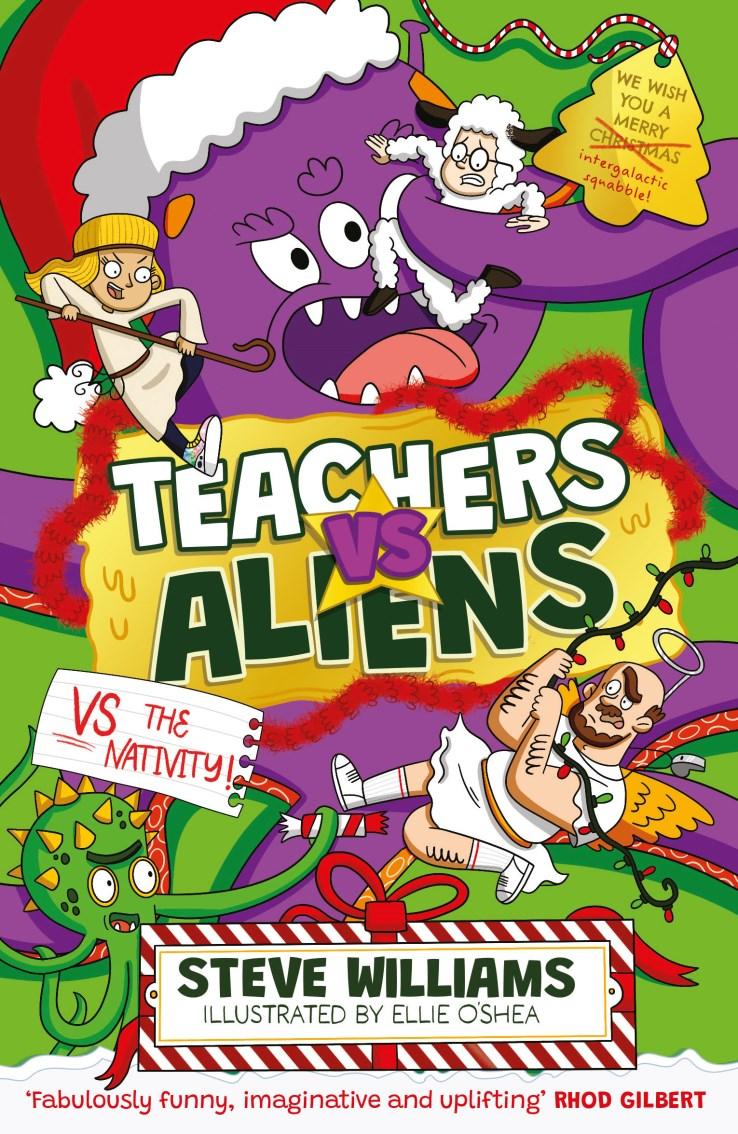
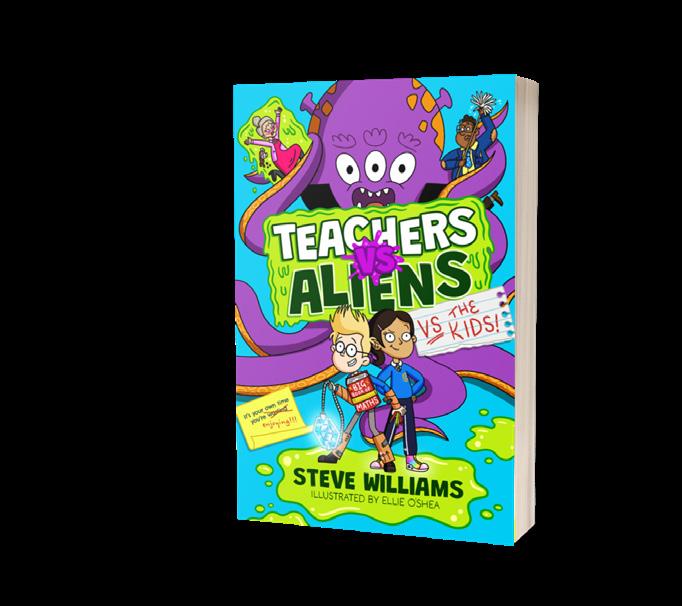
Teachers vs. Aliens by SteveWilliams
Duckworth
LIST IT LIKE A LEGEND!
Finley is a list-making MASTERMIND! He’s got lists for EVERYTHING!
In Teachers vs Aliens, Finley ranks the Top 5 Most Dangerous Things He’s Ever Done (Warning: do NOT gargle ‘Jingle Bells’ with milk) and Top Five Most Perfect Times to Scream (when you accidentally call a teacher ‘Mum’, obviously!).
Now it’s YOUR turn! Your mission: Create your own Top Five list!
Need inspiration? Try one of these:
Top 5 Superpowers to Have in an Alien Invasion
Top 5 Snacks That Would Totally Scare an Alien Away
Be as silly, weird, and OUT-OF-THIS-WORLD as possible... Finley would approve!
Top 5 5) 4) 3)
Write your name here What is the title of your list? Our hero, Finley!
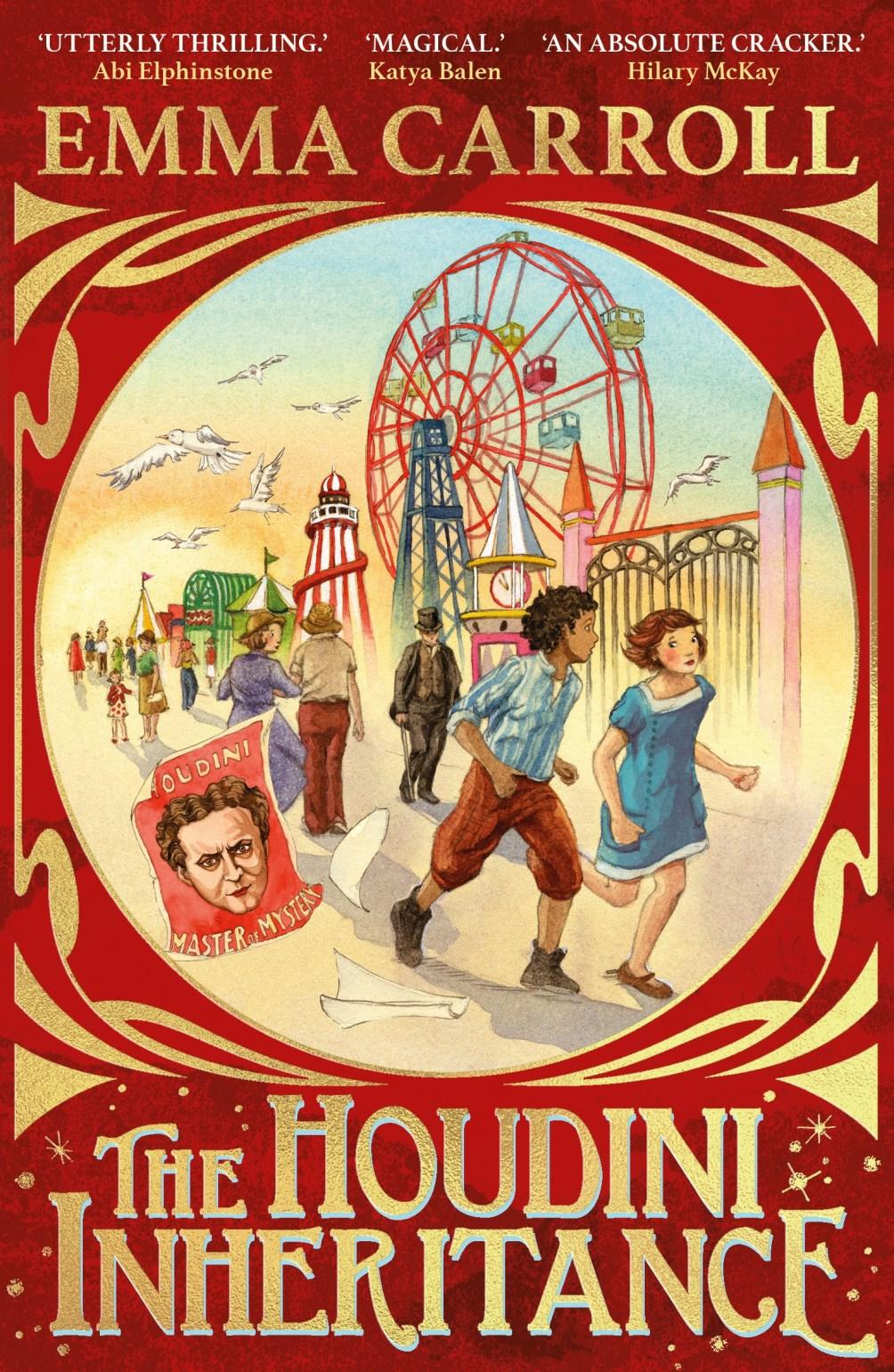
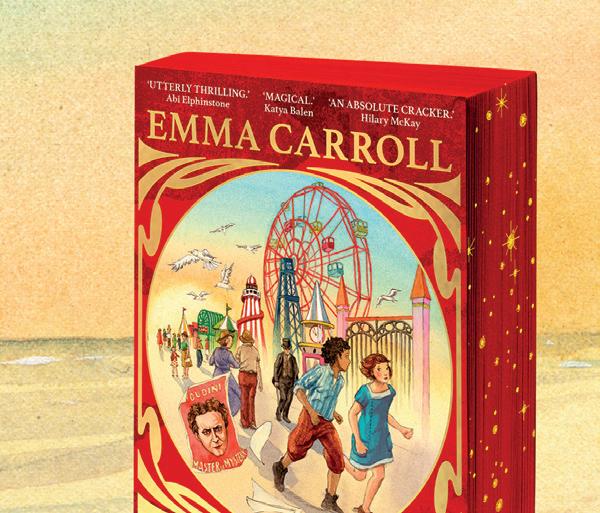
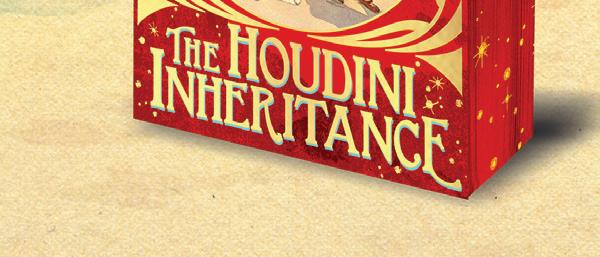
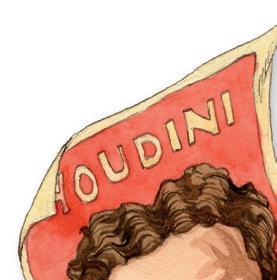
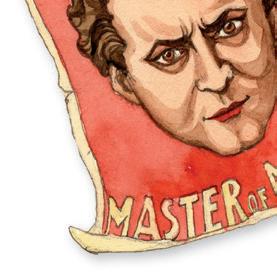
The Houdini Inheritance by
Emma Carroll
Faber
Can you unjumble the letters of these secret code words?
Harry Houdini’s TOP SECRET magical activities TOP SECRET
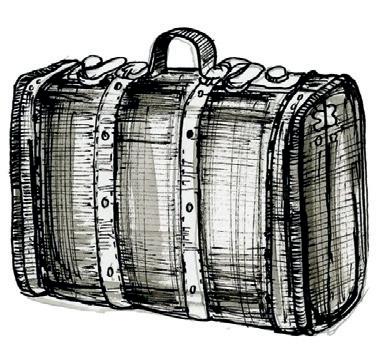
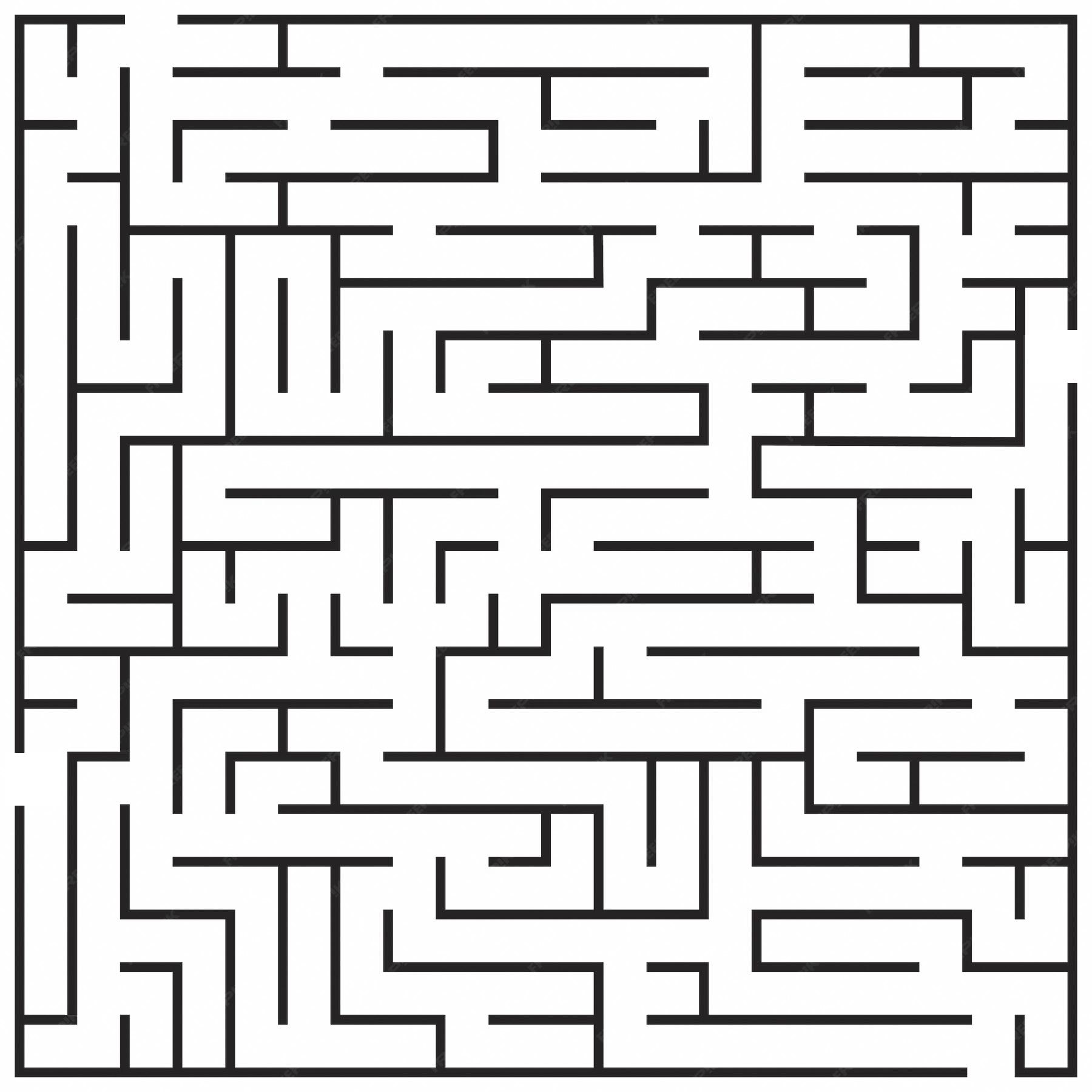
Houdini needs your help to unlock his suitcase of magic tricks! Follow the maze to find the right key.
Houdini’s pet dog ERIC has escaped! Colour in all of the squares below that contain the letters of his name (E, R, I and C) to follow his paw prints and find a clue about which tent he’s hiding in. Once the clue is revealed, circle the correct tent.
Harry Houdini’s TOP SECRET magical activities
Draw your own poster for Houdini’s MARVELLOUS magic show in the box below!
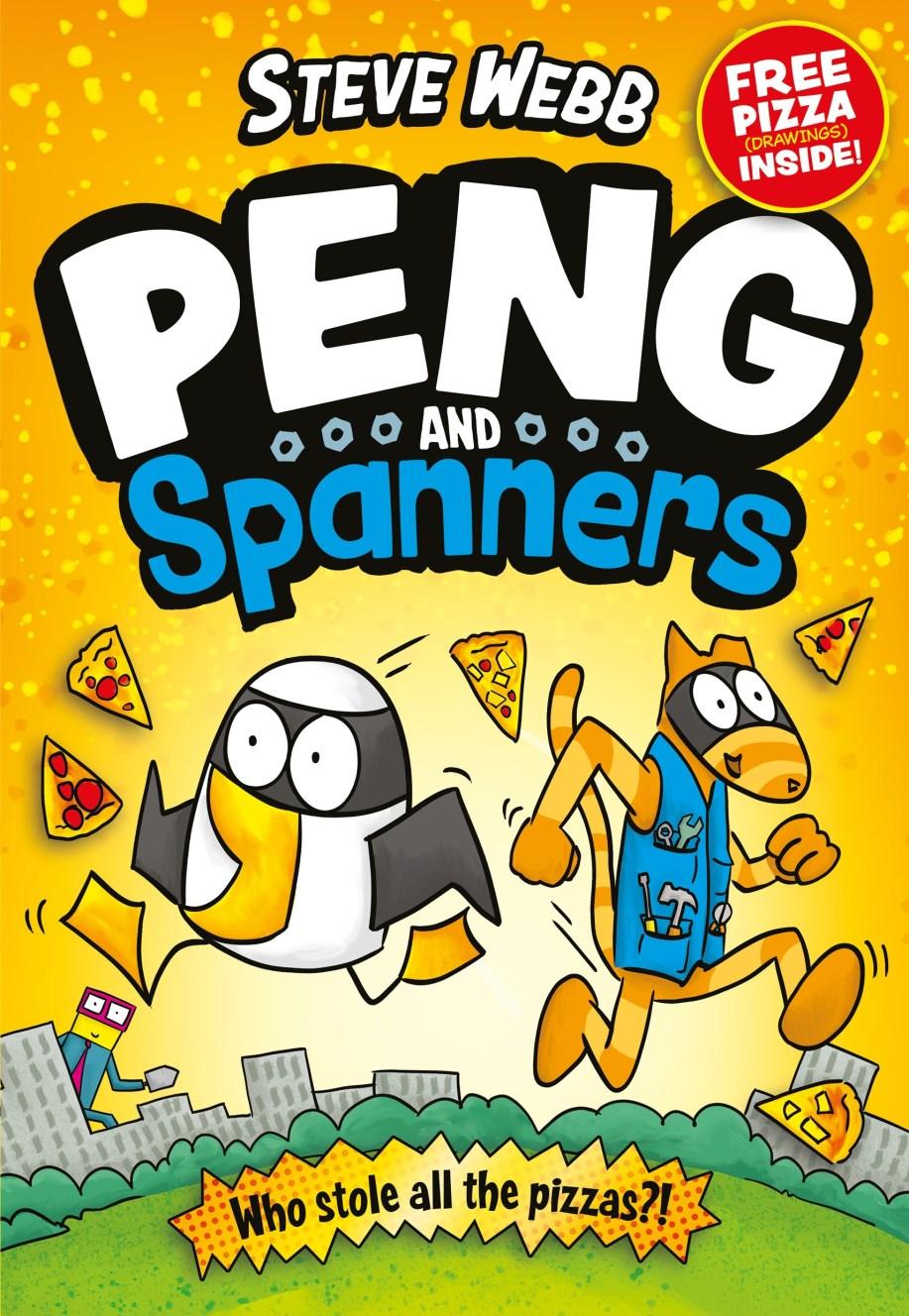
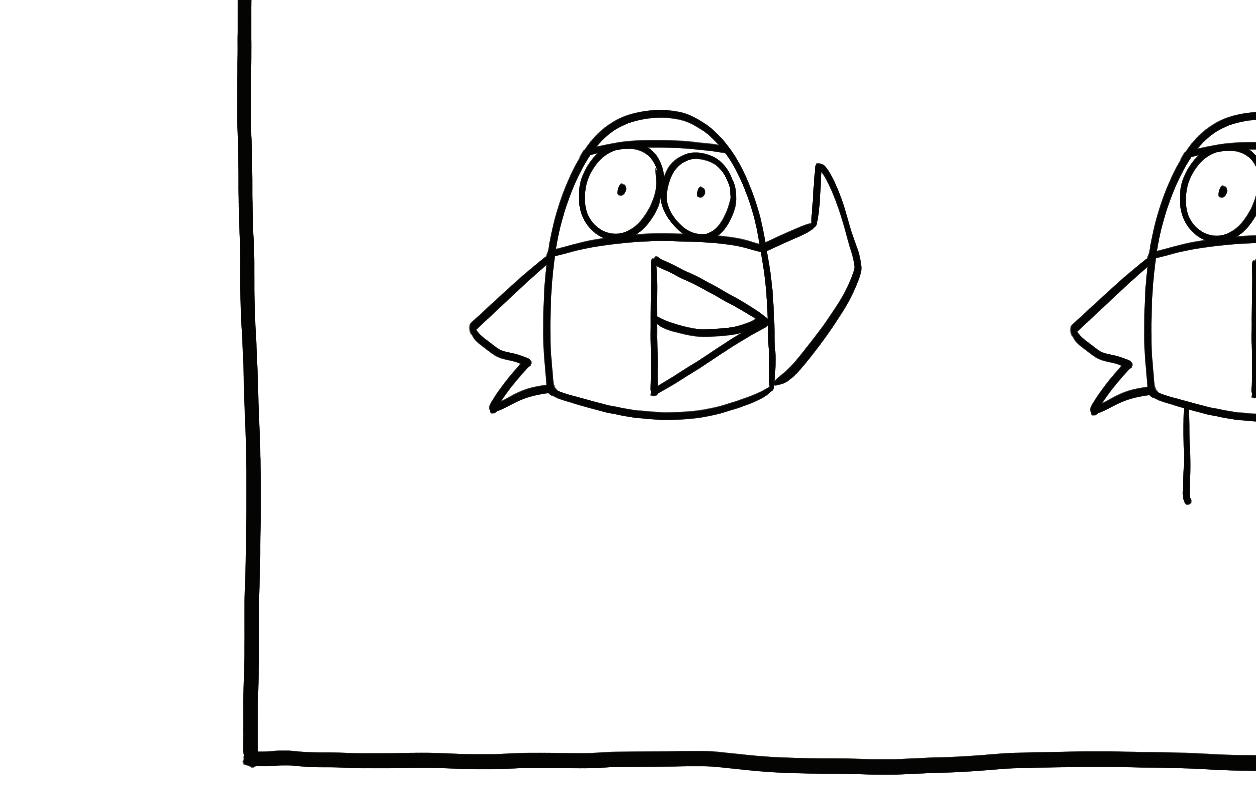
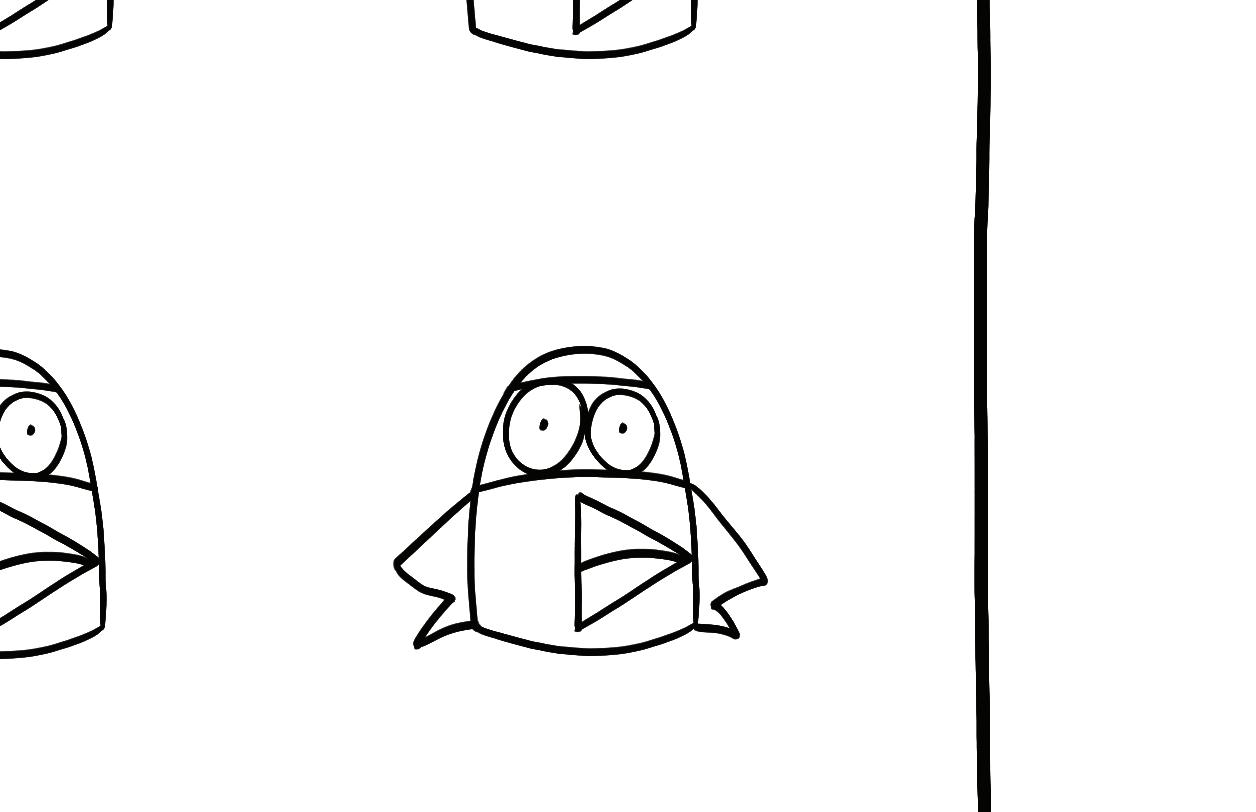
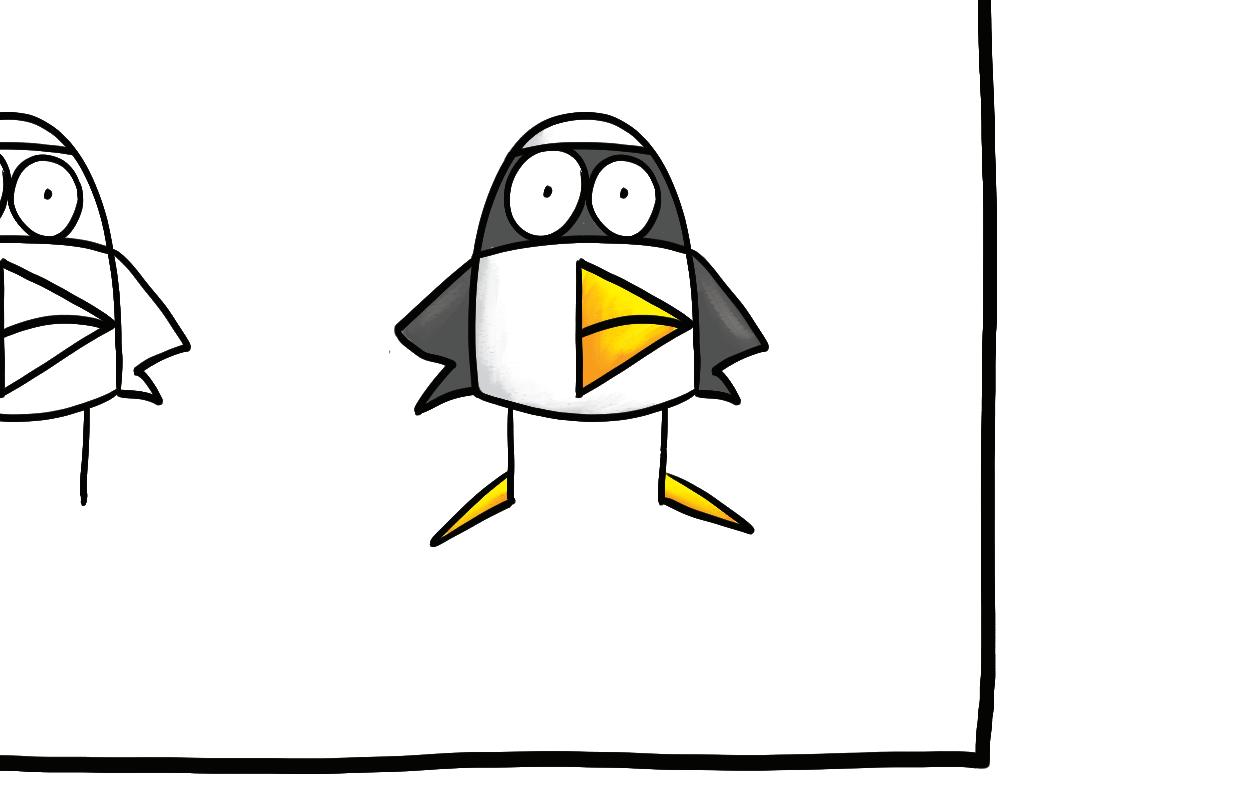
Your favourite superhero penguin and cat are back!
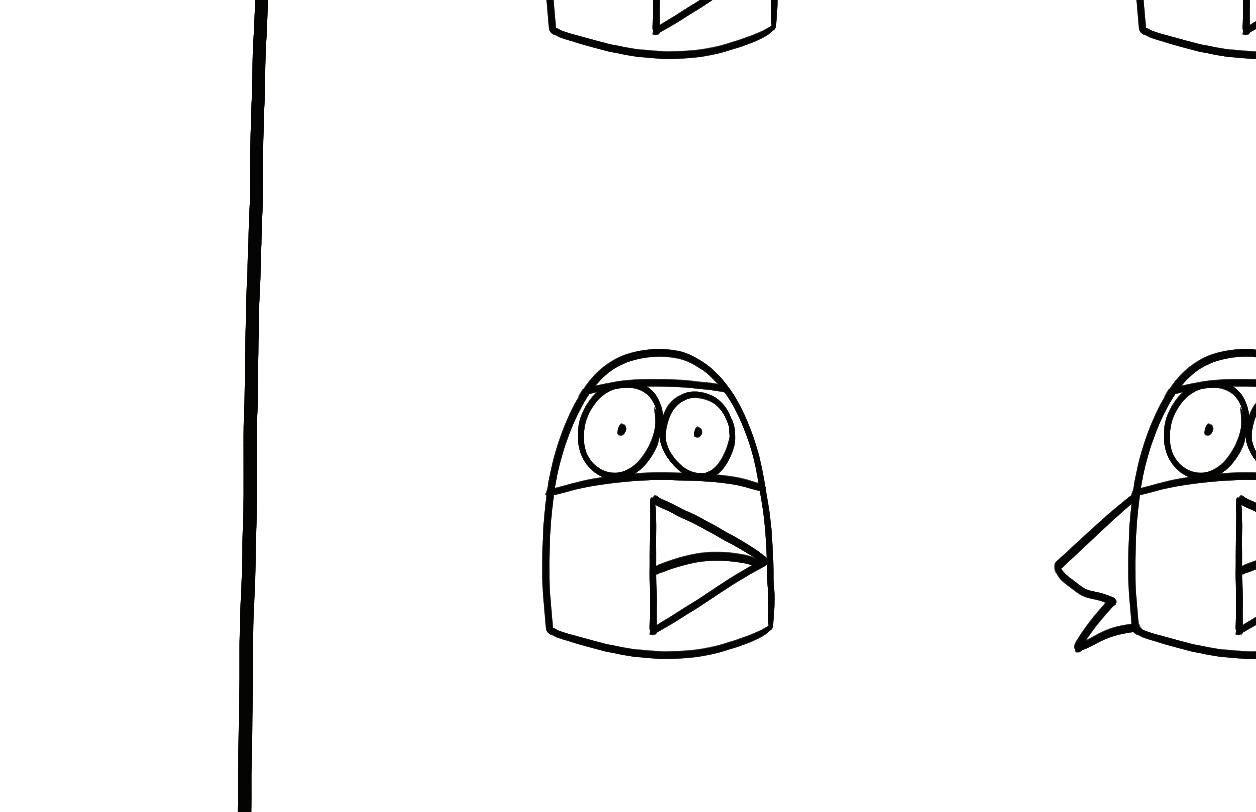
has an oval shaped body, with a curvy bo om!
a moody mouth!
a triangle shaped beak
a smile if you prefer.
big eyes. Make Peng wave instead if you like!
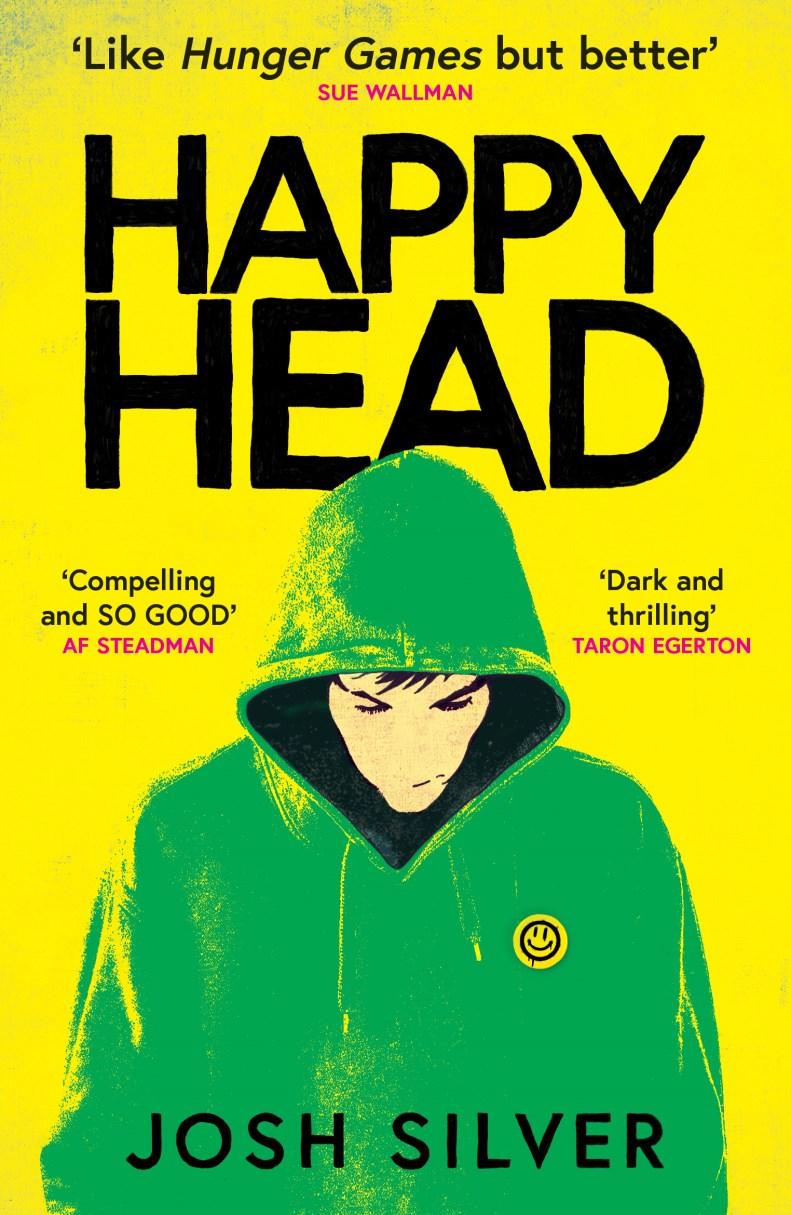
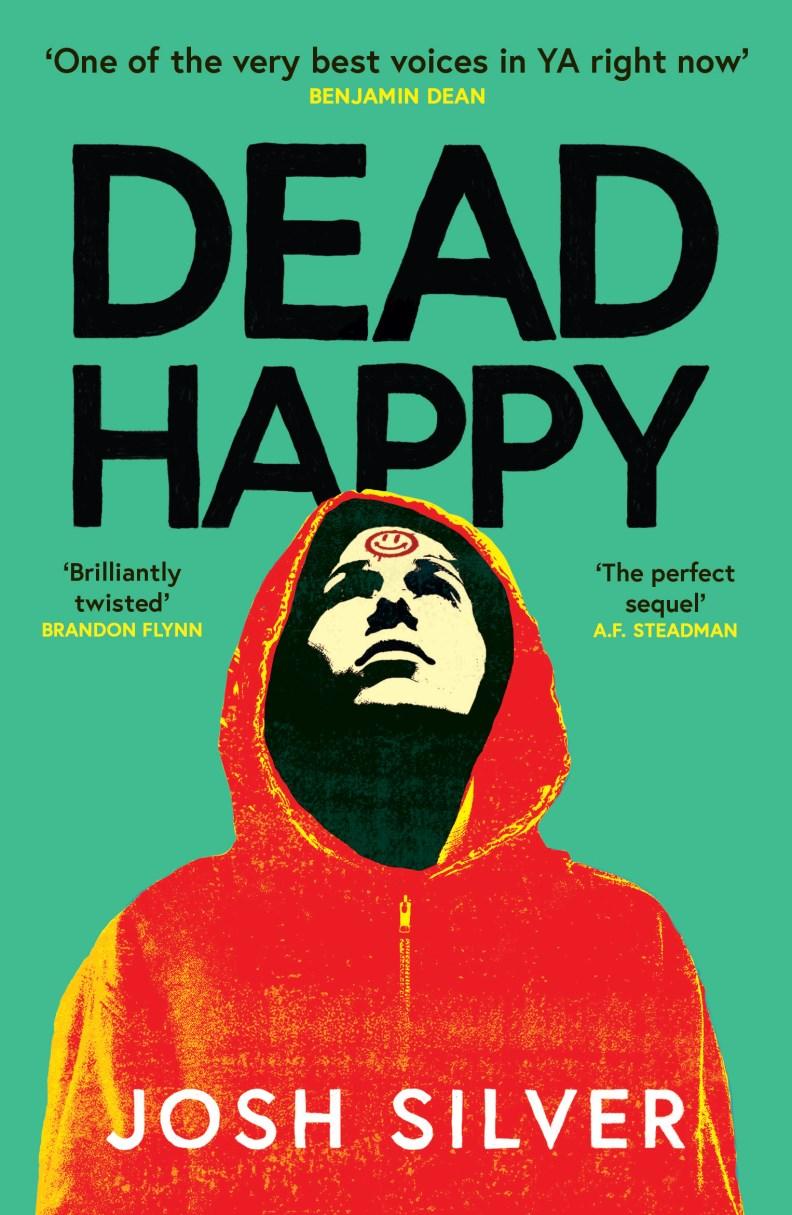
Happyhead by Josh Silver
DISCUSSION QUESTIONS
1. In the novel, we see the dangers of toxic positivity extremified. What do you feel that this says about wellness culture in our society?
2. What were your gut instincts about the ‘Overalls’ at the start of the book? What early descriptions of them made you feel this way?
3. Those who follow the orders from the ‘Overalls’ and ‘fit in’ are rewarded. Do you feel that there are ways that you can relate to this? Make note of a few examples and discuss with your peers.
4. At HappyHead, access to devices and the internet are prohibited. How do you think social media perpetuates false notions of happiness?
5. Those who succeed in the programme are categorised as the ‘Elite’, while those who ‘fail’ at being happy, like Finn, are categorised as ‘Bottom Percentile’. In what ways do you feel that this is reflected in real life?
6. Performance is a key theme in the novel. Seb performs his sexuality, Eleanor performs happiness, the ‘Overalls’ perform their duty of care. What comment is this making about society generally?
7. Seb and Finn have to hide their sexuality in order to be accepted into the programme and succeed. How do you feel this reflects LGBTQIA+ relationships within our current society?
8. Make a list of all the songs referenced in the book. What are their similarities and differences? Why do you think the author decided to include these songs?
9. Look at pages 154-156, where Seb is asked if he likes himself. Do you believe that liking yourself is vital to happiness?
10. There was a time when I really wanted to be a Good Person. I thought it was our ultimate aim in life as human beings. Our Biggest Goal. And, once we reached it, we would be happy. Do you think that there is such a thing as being a good person? If so, do you think being a good person equates to happiness?
11. I feel sick. This is not what I want. I want to… go back to my strange white room and wait for the screen to tell me what to do. What does this say about Seb’s character? How does it reflect what he is hoping to achieve in the experiment?
12. The author describes his book as a cross between Love Island and Squid Game. Can you find three examples where this is apparent in the novel?
13. What did you think of the ending? What are you expecting from the second book?
14. In the author interview at the back of the book, Josh Silver is asked whether he believes if happiness is an illusion. Taking his answer into consideration, do you agree or disagree? Why?
junior
Sand maze
Try and reach the middle of this circular maze!
clue hunt
How many magnifying glasses can you find on this sheet?
(Don’t include this example)
symbol sudoku
Fill the gaps so no symbol appears twice in a row, column, or 2x2 grid
Spot the Difference
Buster McPaws has an imposter! Can you find all 7 differences between the two of them?
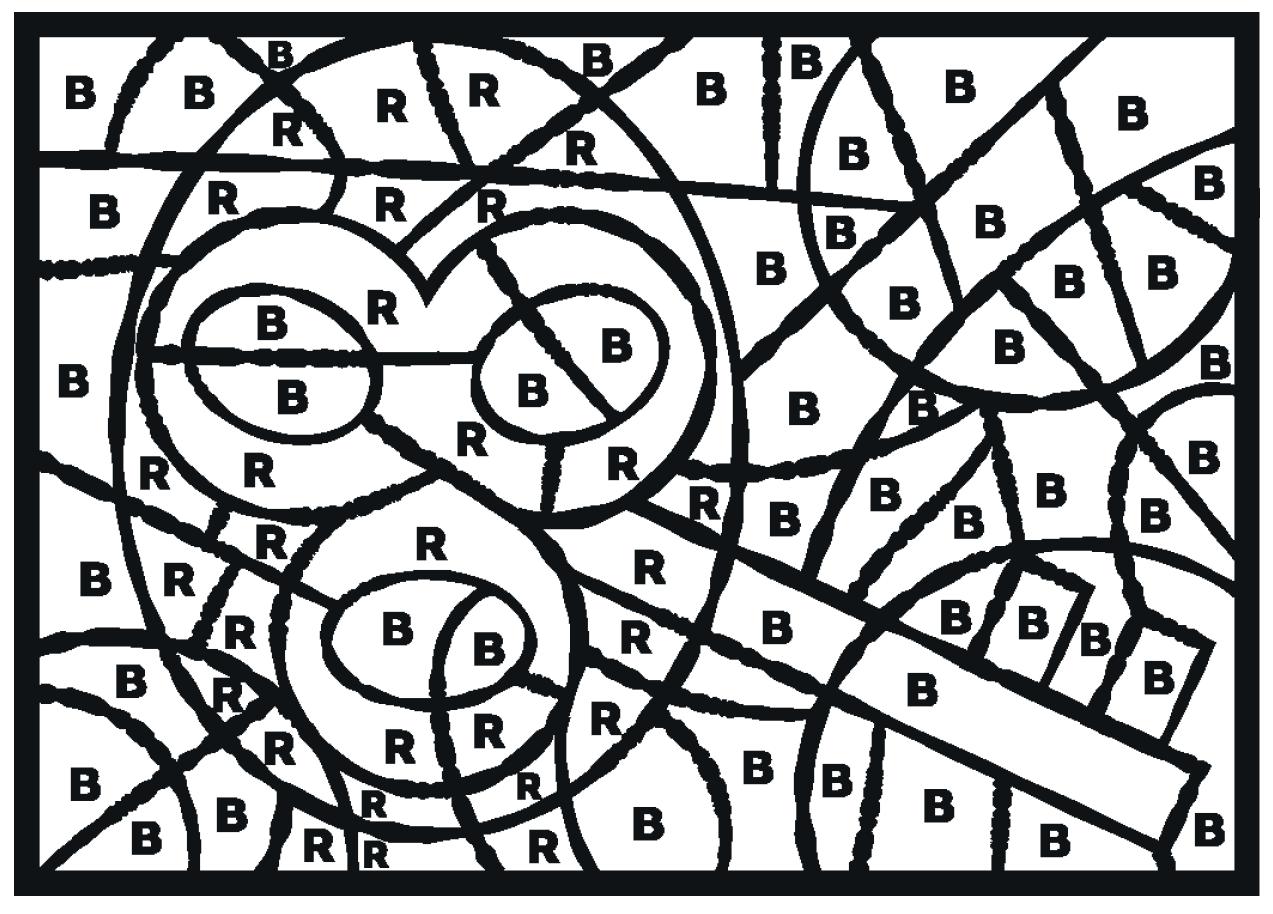
mystery man
A strange person has been committing crimes lately... colour in all the areas with the letter ‘R’ in them to reveal the face of this masked figure
Mystery Message...
Use the cipher to unscramble this strange coded message Buster received...
Tricky Trip
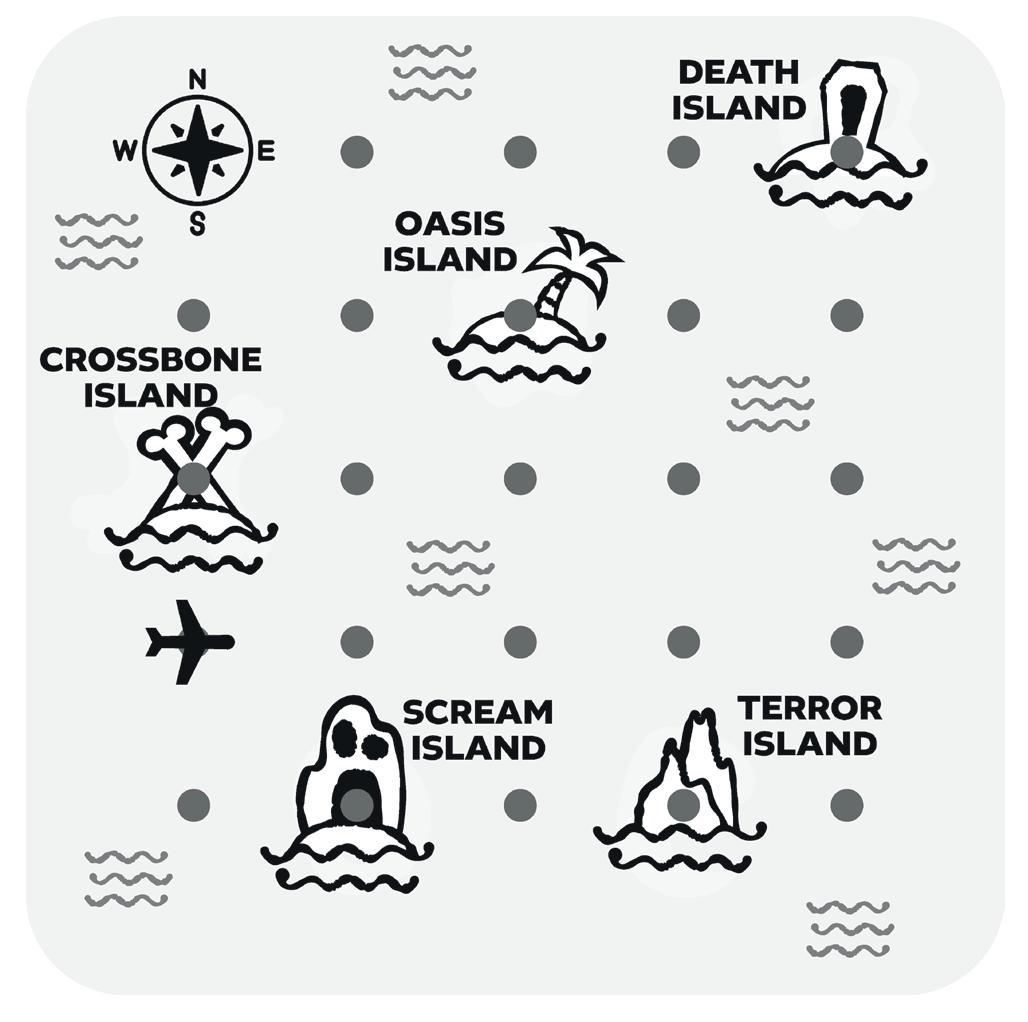
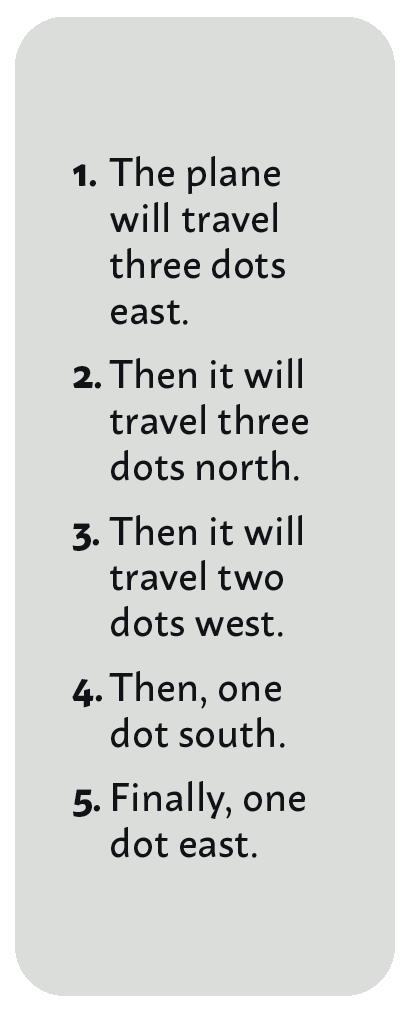
plane, use the clues to work out where Buster is going!
Finding Buster
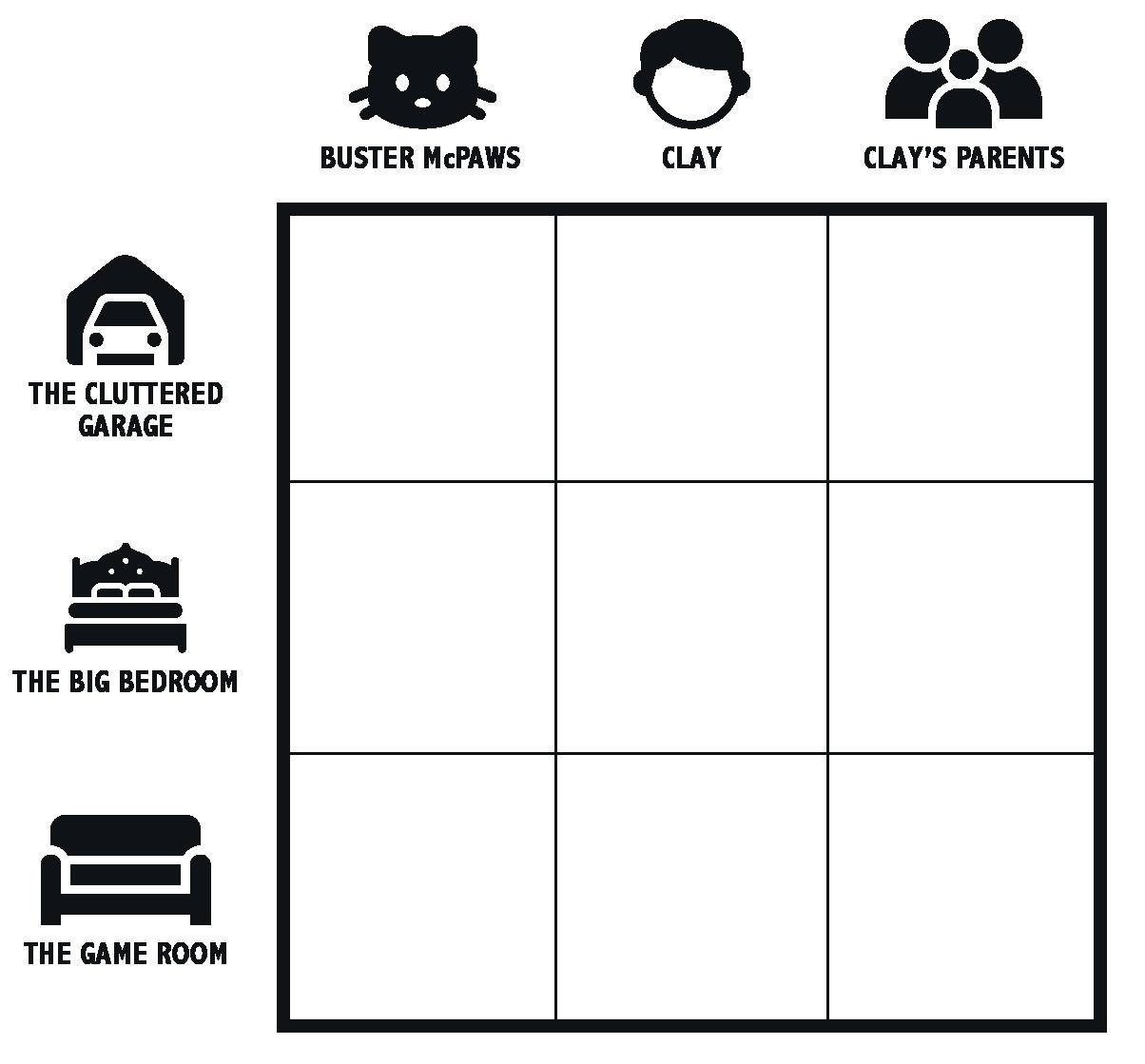
Can you use the clues to complete the grid and work out where Buster McPaws is currently snoozing?
Buster is not in the Bedroom Clay is working in the Garage
Continue perfecting your
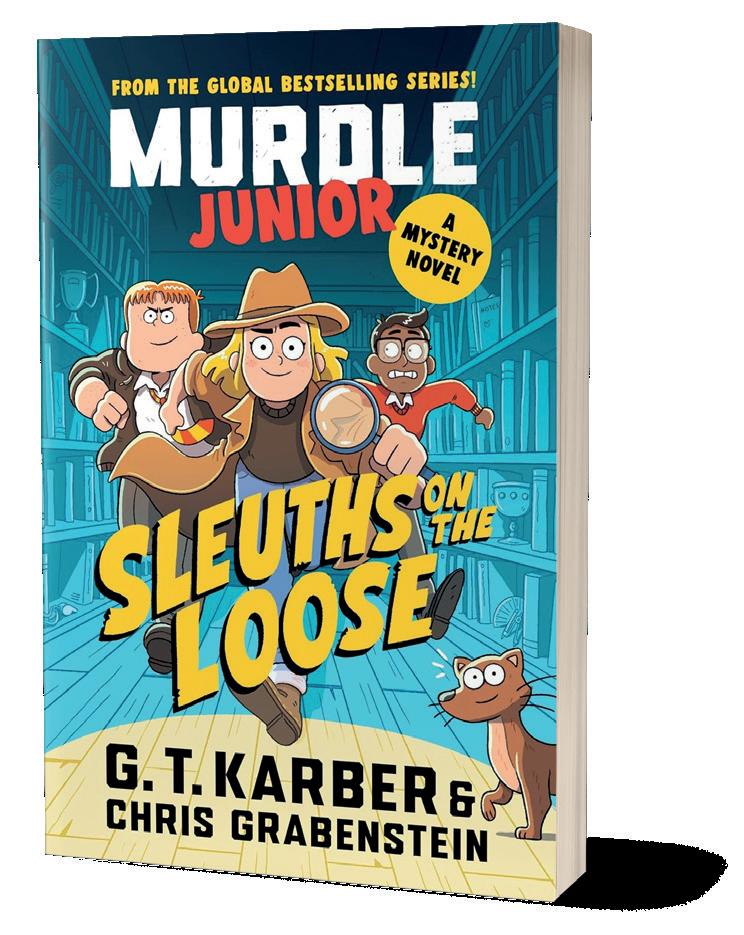
skills with Mini Murdle Junior, out now!
Odd Gull
Which one of these seagulls is different from the others?
fingerprints
“Julius did it” “The Cat did it” “I didn’t do it” “Julius is lying”
Liar Liar
Here’s a riddle for you. There are four suspects, and one of them has committed a crime. They each make one statement, but only one of them is telling the truth. Who committed the crime?
A detective always knows when to look for fingerprints! Can you spot which print below doesn’t have a matching pair? p u p p u z z z e l p u z p z l l E e p u u u z z z e l z u z p p l l e e p u p z l e p u z z e e u U p u u E l e L l z e z z l p u z e z l e p u z l p z l z e z p p u l z z u u u u z z e p z z u p l
word jumble
rearrange the letters to spell out something crucial when solving a mystery! E V I D E N C E
puzzling
It’s time to search for the really secret clues. The word ‘Puzzle’ appears in this grid just once! Can you find it? The word can be horizontal, vertical, or diagonal, and can also be backwards!
symbol sudoku
Complete the grid without repeating a symbol in any row, column, or 2x3 box.
Writing trouble
Jake and her pals have written essays for their class homework, but forgot to put their names on it! Using
the clues and the grid, can you work out who wrote with what instrument, and how many pages they did?
1. Brick used ink
2. Brick wrote 4 more pages than Olivia
3. The person who wrote 20 pages used crayon
4. sterling wrote 4 more pages than jake
5. Jake wrote with pen
Paw Prints
Something suspicious has been walking about... How many paw prints, like the one below, can you find on this sheet?
Scribe/Scribble
PLOT
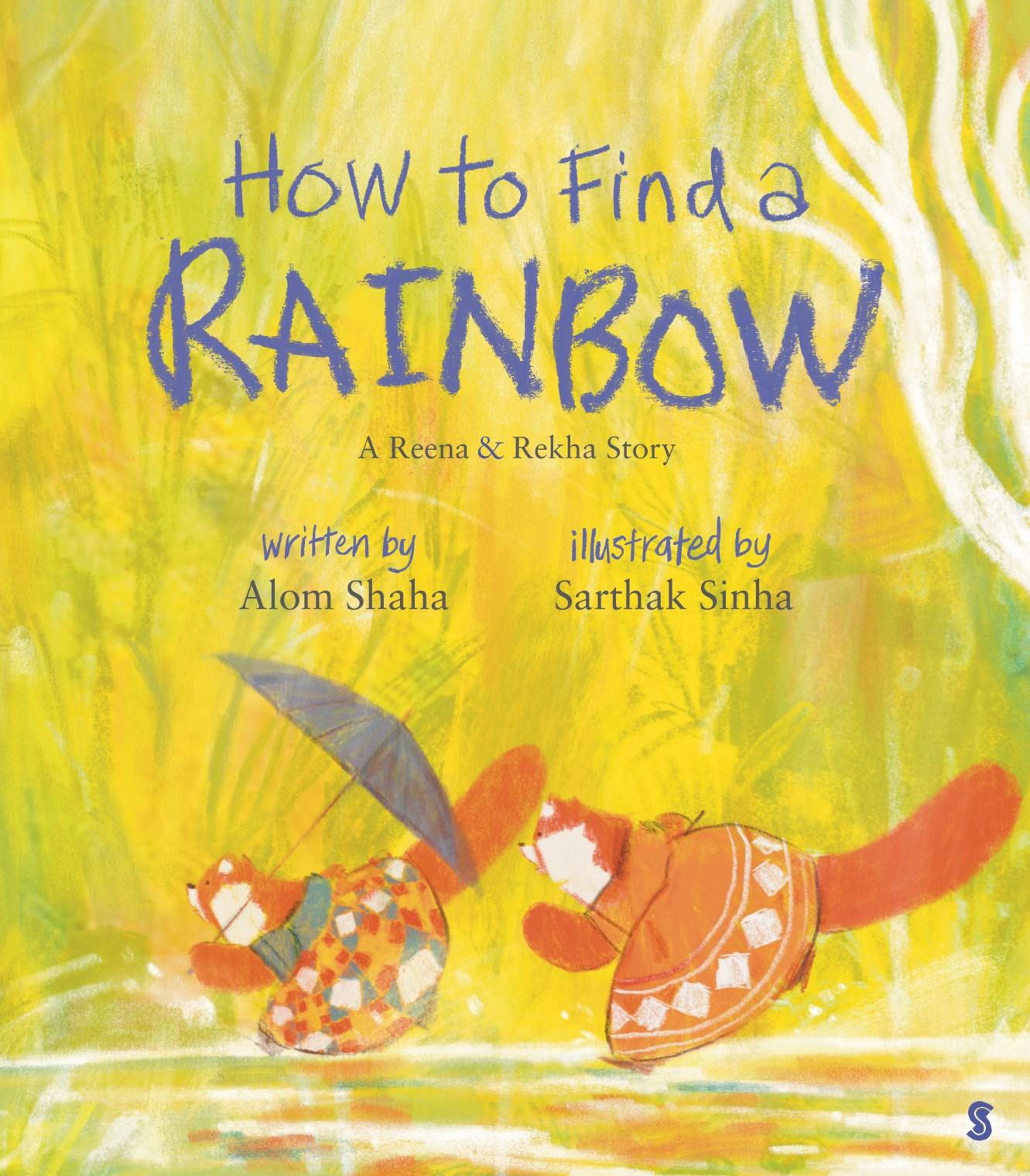
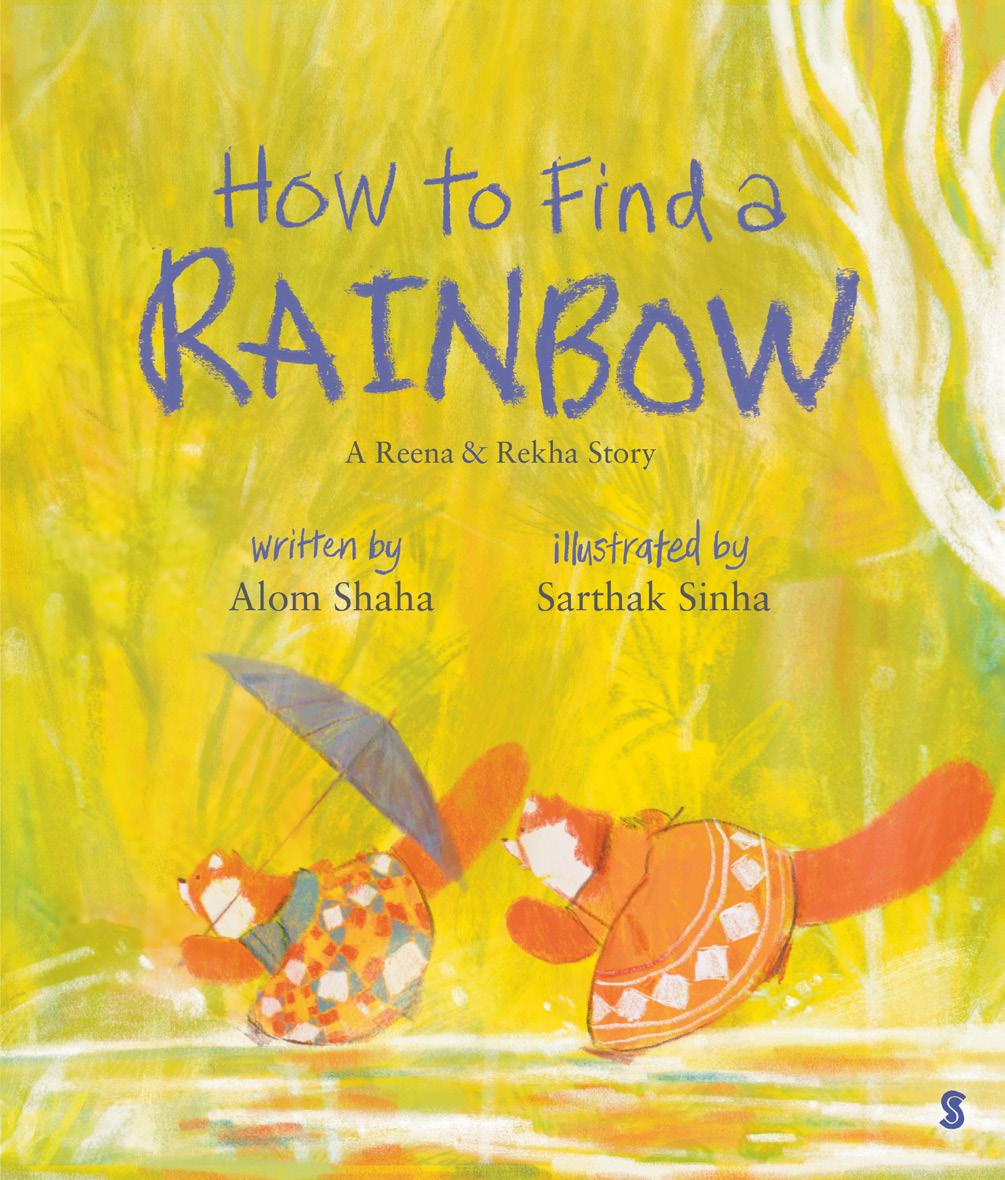
A vibrantly illustrated tale about finding light even in the gloomiest of times, How to Find a Rainbow will warm your heart — and give you a handy guide to making your own rainbow, too!
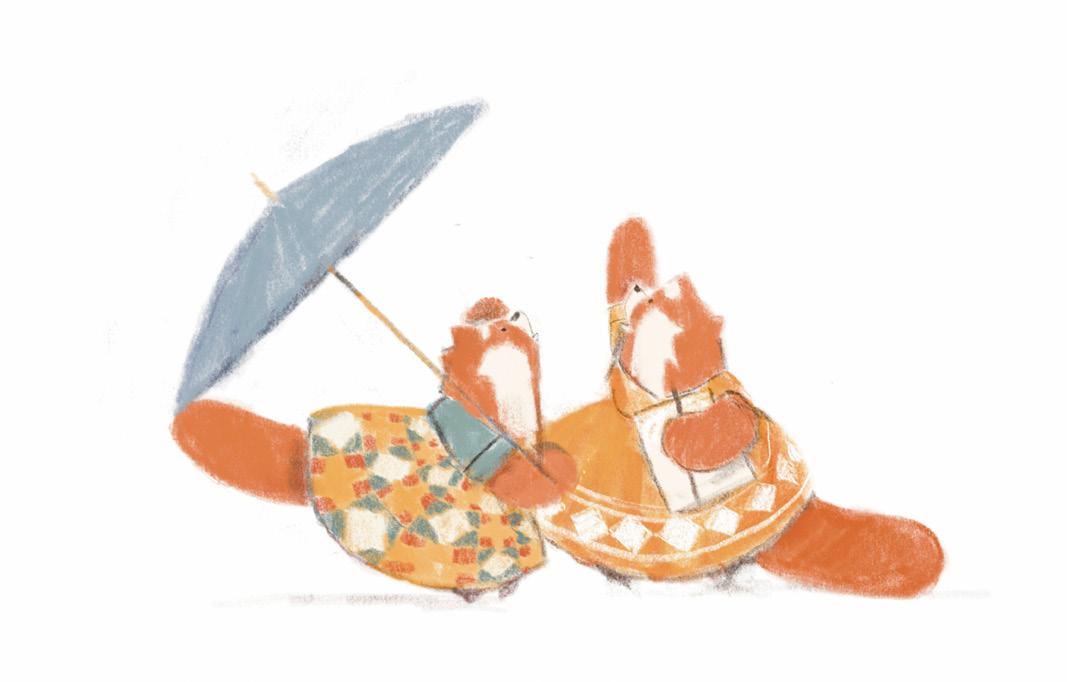
When Rekha spots a rainbow, she rushes indoors to tell her sister about it.
Reena will want to paint it, for sure!
But when the sisters go outside to find it, the rainbow disappears. Where could it have gone?
Reena hates rainy days. She hates the way the dark clouds make everything look so dull.
TEACHING NOTES
How to Find a Rainbow
Title
How to Find a Rainbow
Author
Alom Shaha
Illustrator
Sarthak Sinha
Publication
February 2024
Category
Picture book
ISBN 9781915590398 (Hardback) 9781915590404 (paperback)
THEMES
Backyard science
Natural world Sisters
Accepting difference
Red pandas Colour spectrum
Holistic
learning
Rekha loves rainy days. She loves the way the rain makes the earth smell.
The School of Life
An Introduction to Philosophy for Children
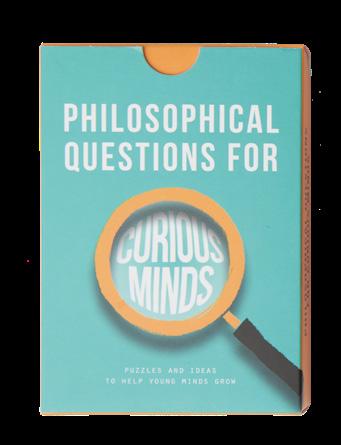
With Big Ideas for Curious Minds and Philosophical Questions for Curious Minds
overall aims / curriculum links:
1. Develop confident, independent thinking
2. Encourage sharing and challenging of ideas
3. Encourage willingness to speculate, take risks and use imagination
4. Foster consideration and respect for others
5. Introduce important philosophical ideas
Supporting ideas for Teachers & Students
For use in the classroom or at home.
Suitable for ages 9+
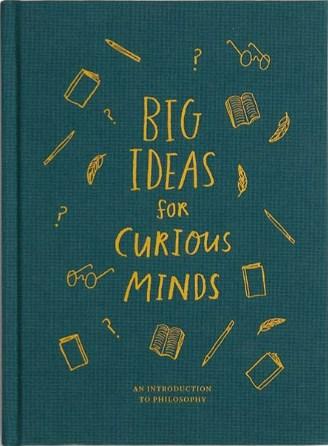
Big Ideas for Curious Minds: An Introduction to Philosophy
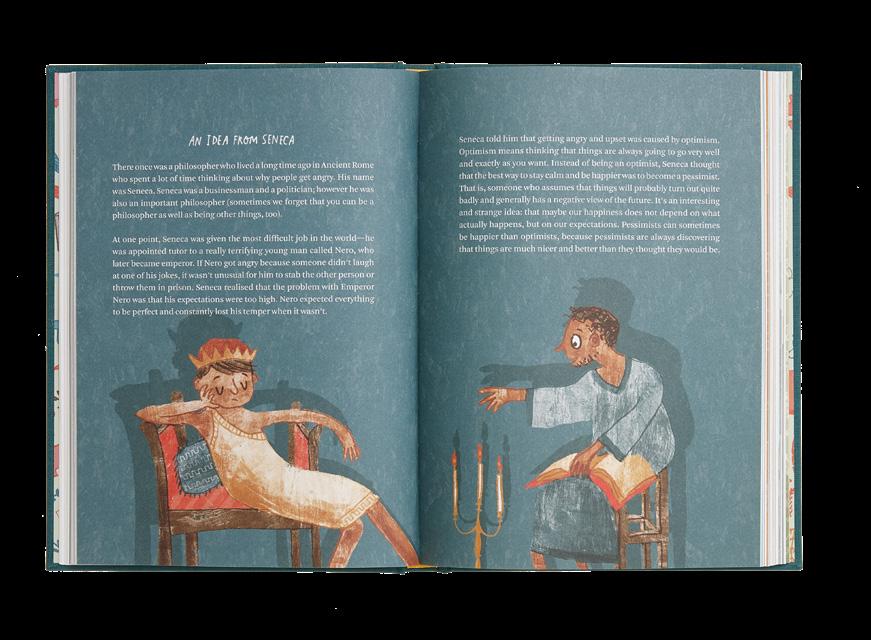
Big Ideas for Curious Minds is designed to harness children’s spontaneous philosophical instinct and to develop it through introductions to some of the most vibrant and essential philosophical ideas from history. The book takes us to meet leading figures of philosophy from around the world and from all eras – and shows us how their ideas continue to matter. The book is filled with exercises and beautiful illustrations to bring the ideas of great thinkers vibrantly to life.
Suggested for curious minds aged 9+.
Philosophical Questions for Curious Minds
Children are born philosophers – but in order to fully bring out the best of their thinking, it helps to equip them with the largest and most thought-expanding questions. This is a pack of the very sharpest, based on the biggest conundrums of philosophy, and is guaranteed to generate lively, warm and fascinating conversations among families and friends. No prior knowledge is required; all that counts is a spirit of curiosity.
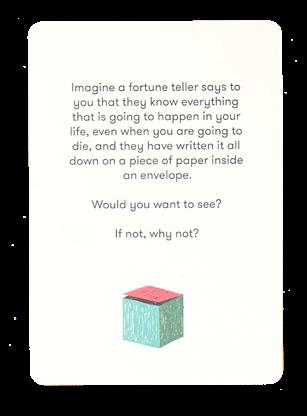
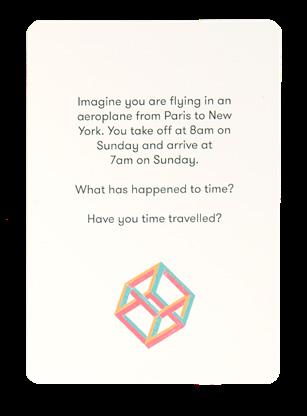
The pack includes questions like: Is it ever right to lie? When might freedom not be a good thing? What’s the difference between living and being alive? How does money make you happy – and when doesn’t it?
With these questions to hand, conversation will forever be profound and entertaining, and minds young and old will have a crash course in the joys and adventures of philosophy.
Suggested for curious minds aged 9+.
1. WHAT IS PHILOSOPHY? ............................................. 1
objectives:
Understand the definition of Philosophy; explore what it means to be ‘wise’.
2. ASKING ‘WHY?’ ........................................................ 5 with Socrates objectives:
Understand the importance of challenging assumptions; explore the process of asking ‘why?’.
3. BEING CURIOUS ........................................................ 9 with Philosophical Questions for Curious Minds objectives:
Understand the value of being curious; formulate questions to explore; evaluate the quality of questions.
4. THE MEANING OF LIFE ............................................... 13 with Aristotle objectives:
Explore what makes life interesting and good; identify personal and societal problems and how to fix them; set personal goals.
This Mini-Scheme of work can be used with children either at home or in the classroom. It includes material for between 4–6 lessons. The lessons can be completed in sequence or children can dip in and out of activities as they wish.
note:
It is advised that teachers, parents or carers read through this Mini-Scheme and complete any tasks before students, to ensure that everyone is comfortable with its themes and activities.
The School of Life
2. Asking ‘Why?’– With Socrates
big idea / big question
Socrates was always asking people tricky ‘why’ questions. He was not being mean or awkward; he really wanted to have an interesting discussion.
start:
This task aims to show children that being ‘unwise’ does not necessarily mean lacking knowledge, but lacking curiosity or wonder.
1. Two students volunteer to role-play:
2. The Expert will talk about a topic they know.
3. The Non-Expert will only be allowed to ask questions, especially ‘What is…’ and ‘Why…’ questions.
4. The teacher may end the activity when the Expert begins to repeat their answers or the conversation goes around in circles.
This activity allows the group to see the type of conversations that Socrates had with the Sophists, and it aims to show that asking questions (not having answers) can really be a kind of wisdom. It may also show children that unlearning is just as important as learning when the Expert changes their mind in response to a particular question.
It is important to show children that this activity is about friends working together in search of truth, and that it is not meant to be a competition. This is because competition in this activity, with a ‘winner’ and a ‘loser’, will result in neither person learning about the truth.
ACTIVITY PACK
Supporting ideas for Teachers & Students
For use in the classroom or at home.
Suitable for ages 6+
These activities can be used with children at home or in the classroom. They can be completed in sequence or children can dip in and out of activities as they wish. QR codes are included in the resources simply point any device’s camera to it, to receive answers or links to relevant websites.
Teachers: A provision map is included at the back of this activity pack.
It is advised that teachers, parents or carers read through this booklet and complete any tasks before students, to ensure that everyone is comfortable with its themes and activities.