Collaborative SUMMIT
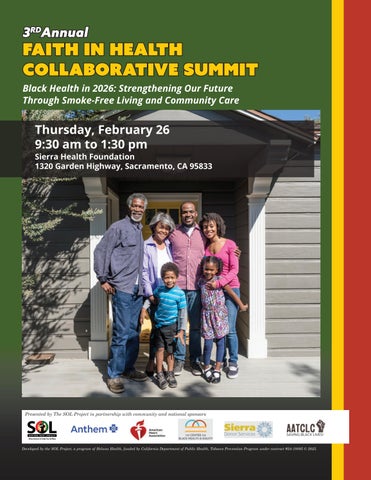
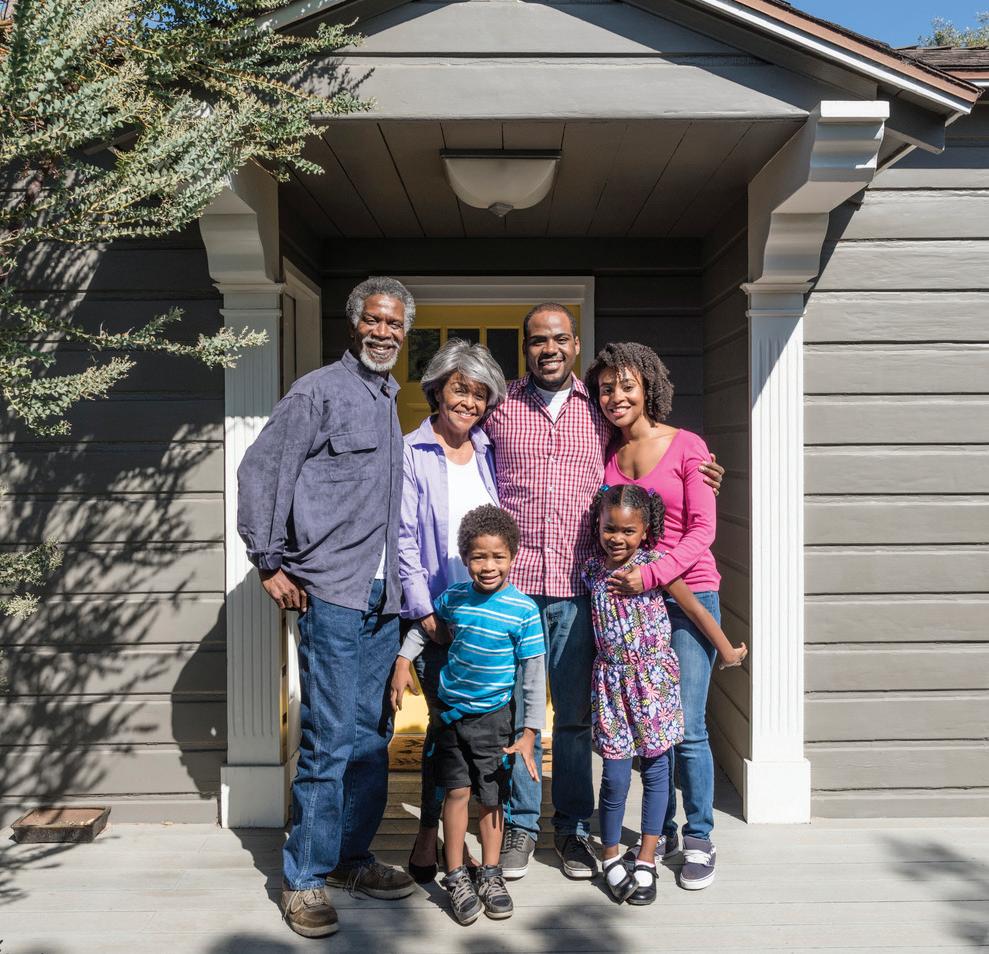
Black Health in 2026: Strengthening Our Future Through Smoke-Free Living and Community Care
Thursday, February 26
9:30 am to 1:30 pm
Sierra Health Foundation 1320 Garden Highway, Sacramento, CA 95833



Eat Better | Be More Active
Manage Blood Sugar | Manage Weight
Control Cholesterol | Manage Blood Pressure
Quit Tobacco | Get Healthy Sleep

Congratulations to the SOL Project on the 3rd Annual Faith in Health Collaborative.
The American Heart Association – alongside other organizations committed to this work – is investing in community programs and working to change systems and policies so all people everywhere have access to what they need to live longer, healthier lives. ©
LEARN MORE
Welcome

Welcome to the 3rd Annual Faith In Health Collaborative Summit, presented by The SOL Project. We are honored to gather under this year’s theme: “Black Health in 2026: Strengthening Our Future Through Smoke-Free Living and Community Care.”
This theme is both a vision and a responsibility. As we look toward 2026 and beyond, we must remain clear-eyed about the challenges before us. The tobacco industry continues to disproportionately target Black communities and other vulnerable populations through predatory marketing and addiction-driven profits, while working to weaken smoke-free protections that safeguard public health. Our response must be rooted in unity, education, and action.
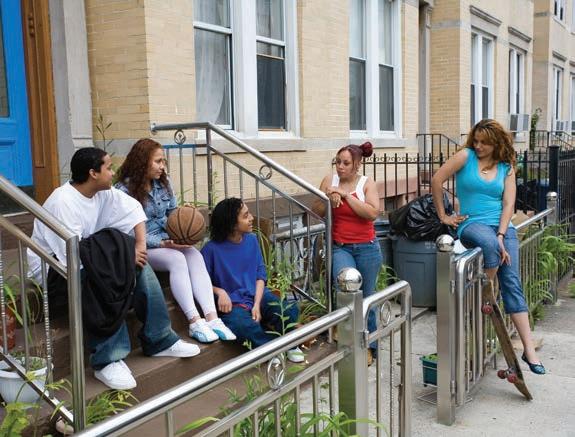
When anyone smokes or vapes tobacco or marijuana where people live and play, it affects entire families and communities. There is no safe level of secondhand smoke exposure. In multi-unit housing—such as apartments, townhomes, and condominiums—smoke does not stay contained. It drifts through vents, windows, hallways, and shared spaces, exposing neighbors without their consent. Toxic particles also linger long after the smoke disappears, clinging to walls, carpets, and furniture and creating thirdhand smoke. Ventilation and air fresheners do not remove these harmful effects.
Smoking and vaping increase fire risks and raise housing maintenance and insurance costs that impact everyone. Tobacco and marijuana litter also compromise outdoor spaces, making playgrounds and gathering areas less safe for children and families. These realities underscore why smoke-free housing and outdoor policies are essential for community health, safety, and economic stability.
This Summit is a call to action. It challenges us to work together—faith leaders, health professionals, housing advocates, policymakers, and residents—to protect our youth, support our neighbors, and strengthen the environments where we live, worship, and gather. Smoke-free living is not just about policy; it is about preserving life, preventing disease, reducing early addiction, and protecting the legacy we leave for the next generation.
At the heart of this work is community care—the shared commitment to create spaces where health is protected, dignity is upheld, and equity guides our decisions. Today’s sessions are designed to inform, inspire, and equip you with practical tools and partnerships to advance this mission.
Thank you for being here and for standing in commitment to a healthier, stronger future. Together, we strengthen Black health—today and for generations to come.
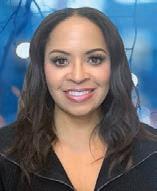
KIMBERLY BANKSTON-LEE Founder and Executive Director
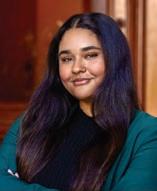
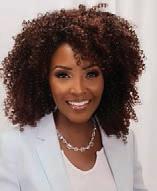

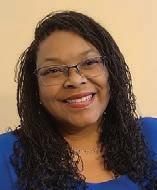
ANISSA ADAMS Community Engagement Coordinator
3rd Annual Faith in Health Collaborative Summit
3rd Annual Faith in Health Collaborative Summit

3rd Annual Faith In Health Collaborative Summit Black Health in 2026: Strengthening Our Future Through Smoke-Free Living and Community Care
Thursday, February 26, 2026 | 9:30 am to 1:30 pm
Master of Ceremony
MC/HOST - DR. THOMAS HOPKINS – “DR. TOM” IInternal medicine physician & former Chief Medical Correspondent for Sacramento’s NBC affiliate, KCRA-3
Welcome and Introductions
SOL Overview
• Kimberly Bankston-Lee, Co-Founder and Executive Director of The SOL Project
• Valarie Scruggs, Project Director, SOL Project’s Empowering Local Communities
Mobilizing African American Organizations: Leadership, Strategy, and Staying Power
• Keynote Speaker Gregory Bolden, Community Initiatives Program Manager, Center for Black Health and Equity
Faith Leaders Advancing Smoke-Free Living
• MODERATOR: Pastor Tecoy Porter, Genesis Baptist Church
• Pastor Dominique Beaumonte, Restoration Church
• Pastor Joy Johnson, Higher Hope Christian Church
• Pastor Deborah Simmons, South Sacramento Christian Center
• Pastor Anthony Robertson, New Hope Missionary Baptist Church
Community Care in Action: Health Coverage, Equity Programs & Quit Support Resources
• Savannah Robinson, Community Relations Representative II, Anthem - Medicaid Plan Marketing Northern CA Region
• Rhonda Smith, Executive Director, California Black Health Network
• Kick It CA
Turning Community Voices into Smoke-Free Multi-Unit Housing Policies
• Nykeia Harris, California Tobacco Prevention Program
• Tracey Andrews, MPH, Program Specialist, Tobacco Control Program - Public Health Dept Alameda County Health
• Leila Gholamrezaei-Eha, MPH, Project Director & Health Educator - Fresno County Department of Public Health
Engaging Youth, Elevating Voices
• MODERATOR: Jerist Roberts, Community Engagement and Communications Specialist, Center for Collaborative Planning
• Lorreen Pryor, President & CEO, and Fxxii Irvin, Mentor, Counselor, & Youth Advocate, Black Youth Leadership Project
• Berry Accius, Founder & CEO, and Kayla Green, Program Coordinator, Voices of Youth
Champion Awards
Lunch
Calling Out the Tobacco Industry’s Targeting of the Black Community and Communities of Color
• Eric Batch, National Vice President of Advocacy Outreach & Partnerships, American Heart Association, and Ryon Everidge aka Ryon Everidge, Spoken Word Artist
Smoke is Smoke
• Dr. Phillip Gardiner, Co-Founder & Co-Chair, African American Tobacco Control Leadership Council
Closing Remarks & Survey
Presenters
KEYNOTE SPEAKER
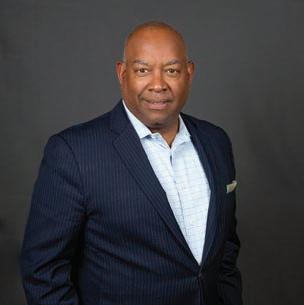
DR. GREGORY BOLDEN is a nationally recognized public health leader with 30 years of experience in men’s health, community organizing, and chronic disease prevention. He serves as Community Initiatives Program Manager at The Center for Black Health & Equity, advancing programs addressing menthol tobacco, vaping, and health disparities affecting people of African descent. Dr. Bolden has advised the Congressional Black Caucus Health Brain Trust and contributed to major research and COVID-19 equity efforts. He holds a PhD in Community Medicine and Public Health.
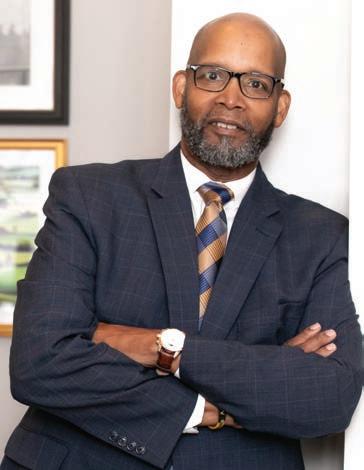
MC/Host
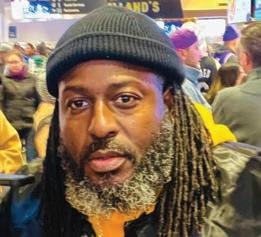
Thomas Hopkins, M.D., is a board-certified Internal Medicine physician in Roseville, California, with over 25 years of experience. Affiliated with Sutter Independent Physicians and Hill Physicians Medical Group, he has served in key leadership roles, including Chairman of the Board for Sutter Independent Physicians. Dr. Hopkins is also a Medical Director for hospice services and a trusted regional media expert. Known for his engaging style, he is a sought-after speaker on leadership, population health, and preventive wellness.
SUMMIT SPEAKERS
Berry Accius is the Co-Founder and CEO of Voice of the Youth (VOY), a Sacramento-based organization dedicated to mentorship, violence prevention, and advancing social justice. A lifelong community activist, he addresses systemic oppression and racial disparities through youth empowerment and community safety initiatives. Berry is the author of influential works including The Power of Youth Activism and Breaking the Cycle of Violence, and has been featured in documentaries highlighting VOY’s mission and Sacramento’s ongoing pursuit of change.
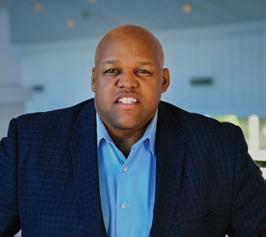
Eric Batch is the National Vice President of Advocacy Outreach and Partnerships for the American Heart Association. A leader in public health policy, he has advanced major legislative efforts in tobacco control, healthcare access, and cardiovascular health, including playing a key role in the passage of California’s Prop 56 tobacco tax initiative. Eric has also produced award-winning media campaigns amplifying tobacco prevention messages. He holds a Master of Public Policy from USC and serves as an Adjunct Professor at USC’s Sol Price School of Public Policy.
SUMMIT SPEAKERS
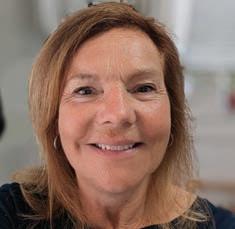
Tracey Andrews is a program specialist with the Alameda County Public Health Department Tobacco Control Program, focusing on smoke-free multi-unit housing efforts through program planning, policy education support and implementation of adopted policy. She holds an MPH with a dental emphasis from AT Still University of Health Sciences and a license as a registered dental hygienist. In 2016, she began her employment with the Alameda County Public Health Department after moving from Connecticut to the gentler climate of California. She brings her cumulative experiences as a public health dental professional to tobacco control. Pronouns She/ Her/Hers.
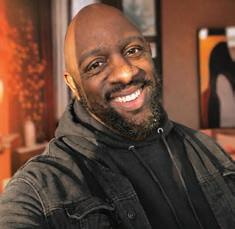
Dominique Beaumonte is an educator, mentor, minister, and community leader whose work reflects resilience, faith, and a deep commitment to empowering African American men and boys. With extensive experience in higher education administration, he advocates for equity, restorative justice, and holistic student support. Dominique is the founding pastor of Reconciliation Church and Executive Director of the Bread of Life Center, advancing spiritual formation and community transformation. He also serves as President of the California Northwest Youth Department, supporting youth across more than 50 churches.

Ryon Everidge aka Ryon
Cali is a Los Angeles–based artist, spoken-word performer, and advocate for social change. Known for his tribute song “So LA,” he uses music and storytelling to uplift communities. As an ambassador for the American Heart Association, Ryon raises awareness about the tobacco industry’s impact on marginalized populations through powerful works like “How Long Will You Target Me.” A sought-after speaker, including engagements with the NAACP, he inspires young audiences toward action and empowerment.
Presenters
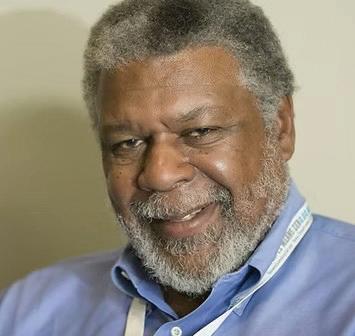
Dr. Phillip Gardiner is a Public Health activist, administrator, evaluator and researcher.
For the past 25 years, he has worked on studies ranging from Hypertension, Multiculturalism and AIDS, to Breast Cancer, Prostate Cancer, Diabetes and Smoking. For the past 20 years, Dr. Gardiner has lectured around the country on African American health disparities generally and menthol smoking in the Black Community, particularly. Dr. Gardiner recently retired as the Senior Program Officer for the Tobacco Related Disease Research Program (TRDRP), University of California Office of the President, a position he had been in since 1997. Dr. Gardiner is a Founding Member and is currently the CoChair of the African American Tobacco Control Leadership Council (AATCLC), a group of Black professionals dedicated to fighting the scourge of tobacco impacting African American communities both in California and Nationally.
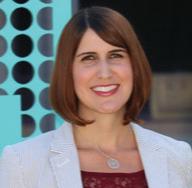
Leila Gholamrezaei-Eha serves as the Project Director for the Tobacco Prevention Program with 19 years of experience at the Fresno County Department of Public Health.
Leila specializes in tobacco prevention and control efforts, having worked on successful policy campaigns focusing on smokefree outdoor areas, multiunit housing, storefront advertising, and tobacco retailer licensing. Her expertise also includes community organizing, coalition building, working with elected officials, and material development.
Presenters
SUMMIT SPEAKERS
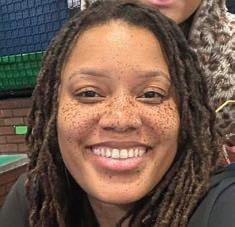
Kayla Green, MSW, ASW, is a trauma-informed therapist and community mental health advocate with over 15 years of experience supporting youth and underserved families. She serves as Program Supervisor at SAC Connect and Program Coordinator for Voice of the Youth, expanding mentorship, advocacy, and opportunity pathways for more than 700 youth and 5,000 families. A Howard University graduate, Kayla’s work centers on culturally responsive care, resilience-building, and strengthening support systems for Black communities.
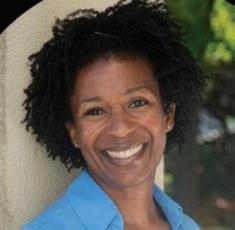
Nykeia Harris is a Program Consultant with the California Department of Public Health’s California Tobacco Prevention Program (CTPP), serving as a subject matter expert in secondhand smoke and smokefree multi-unit housing. She facilitates statewide Community of Practice calls and supports residents impacted by drifting smoke exposure. Previously, she directed the Calaveras County Tobacco Prevention Program. Nykeia holds MPH and BS degrees from CSU Fullerton and is a Certified Health Education Specialist (CHES).
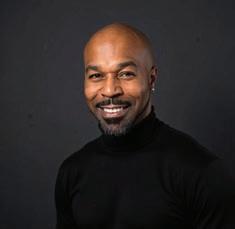
Fxxii Irvin is a mentor, counselor, and youth advocate with the Black Youth Leadership Project (BYLP), supporting boys ages 8 to 18 throughout Sacramento. Through honest guidance and lived experience, he helps youth navigate emotional growth, manhood, academic success, bullying prevention, and positive decisionmaking. Irvin empowers young people to set measurable goals, practice accountability, and build pathways toward opportunity. His work reflects a deep commitment to restoration, community impact, and helping the next generation thrive.
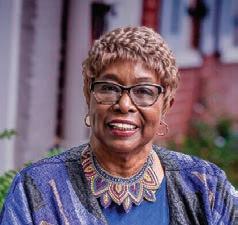
Reverend Dr. Joy Johnson is a public theologian and faith leader dedicated to advancing community and social justice. She serves as Board Chair of PICO California and Religious Co-Chair for the Sacramento Branch NAACP. Dr. Johnson is the founding pastor of Higher Hope Christian Church and president of Life Matters, Inc., a nonprofit supporting low-income housing communities. She is also a leading architect of Community Healing Circles, promoting healing and restoration in Black and underserved communities. Dr. Johnson holds a doctorate from Sacramento Theological Seminary.
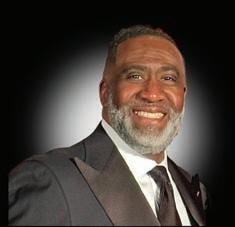
Dr./Pastor Tecoy Porter Sr is the Senior Pastor of Genesis Church Sacramento and President of the National Action Network Sacramento Chapter, known for his work at the intersection of faith and justice. With over 25 years of experience, he is a civil rights advocate, nonprofit leader, recording artist, and educator who champions educational equity, criminal justice reform, and community empowerment. Dr. Porter holds a Doctorate of Strategic Leadership and has been recognized for his work with the prestigious Wyatt T. Walker Award.
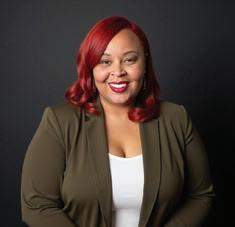
Lorreen Pryor has served as President and CEO of the Black Youth Leadership Project (BYLP) since 2009. A California State University, Sacramento alumna with a B.A. in Media Communication, she brings over 20 years of experience in public policy, youth development, and community advocacy. Her background includes 16 years as a legislative staffer and early work supporting system-impacted youth through foster care and transitional living programs, shaping her equity-centered leadership and commitment to empowering young people.
SUMMIT SPEAKERS
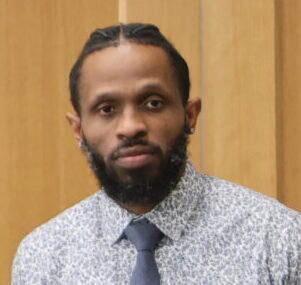
Jerist Roberts joined Center for Collaborative Planning in 2023, bringing extensive experience in community service, youth advocacy, and education. He previously served as a Mental Health and Family Advocate at John F. Kennedy High School and has spent five years as a college professor with the Los Rios Community College District. At CCP, Jerist supports Sacramento County prevention programming, leadership development, and substance use prevention outreach. He holds a B.S. from Alcorn State University and a Master’s from Concordia University Irvine.
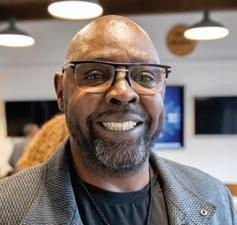
Anthony Robertson is a Sacramento native, U.S. Army veteran, and community leader dedicated to faith and service. A Luther Burbank High School graduate, he was recognized for athletic leadership and inspiration. He served as a Sergeant during Desert Shield/Desert Storm and later built a career with SMUD. In 2010, Anthony was elected Pastor of New Home Missionary Baptist Church, where his Spirit-led ministry is focused on uplifting families and strengthening the community.
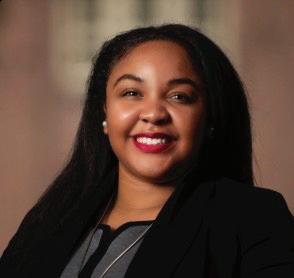
Savannah Robinson is a Community Relations professional with Anthem Blue Cross Medi-Cal, with over five years of experience strengthening partnerships and expanding access to care for underserved communities. She specializes in outreach, provider engagement, and implementing high-impact health initiatives addressing social determinants of health. Savannah has supported large-scale events connecting individuals to preventive services and vital resources. Recognized with the Anthem Impact Award, she is passionate about reducing healthcare disparities and advancing culturally responsive, sustainable health outcomes.
Presenters
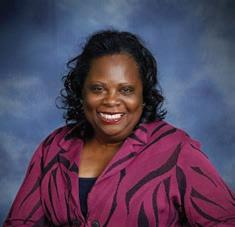
Pastor Deborah Simmons is a published author, attorney, and ministry leader with over 36 years of service. She holds a Juris Doctorate, a Doctorate in Christian Education, and an Associate Degree in Math. She is the CoFounder of South Sacramento Christian Center and author of Little Sad Face, a book promoting healing and awareness for children impacted by abuse. Dr. Simmons is a passionate advocate and eloquent speaker dedicated to empowering others, especially women, to walk in purpose and wholeness.
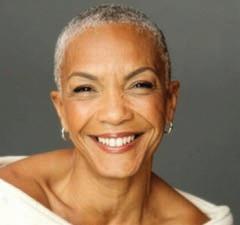
Rhonda Smith is the Executive Director of the California Black Health Network, advancing health equity for Black Californians. A seasoned nonprofit leader and consultant, she has led successful health disparities initiatives focused on community outreach, health promotion, and behavior change. Her work includes leadership roles with LiveHealthy OC and the Susan G. Komen® Circle of Promise California Initiative, addressing systemic and community-level inequities. Rhonda holds an MBA from the University of Virginia and a B.S. in Civil Engineering from Virginia Tech.
A FRICAN AMERICAN
CONTROL LEADERSHIP COUNCI L
RESISTANCE • EMPOWERMENT • ADVOCACY
SINCE THE 1960'S BIG TOBACCO HAS AGGRESSIVELY TARGETED AFRICAN AMERICAN COMMUNITIES WITH MENTHOL CIGARETTES.
This
has led to much higher rates of cancer, heart disease, stroke, and death. Today, tobacco is the number one culprit of preventable deaths for Black people in America.
BUT WE CAN CHANGE THAT FACT.
OUR HISTORY
From a fledgling unfunded group of determined African American tobacco control activists, the AATCLC has built an incredible track record as an organization that has changed the trajectory of tobacco control in the US
Since our inception, the AATCLC has worked tirelessly. We have traveled across the country, engaging with communities, while building community capacity and igniting along the way a growing number of empowered members of the Black Community We have also provided technical assistance to health departments, private foundations, coalitions, and municipalities working to pass ordinances that would prohibit the sale of menthol cigarettes and other flavored tobacco products
The AATCLC were active partners with the city of Chicago when in 2013 it passed the first-ever legislation to restrict the sale of mentholated and flavored tobacco products Since Chicago’s historic legislation, which had only applied to retailers within a 500 ft. radius of schools, the regulation of menthol cigarettes and other flavored tobacco products has evolved
Now, over a hundred American jurisdictions and two states, including the states of Massachusetts and California, have passed legislation that prohibits the sales of Menthol Cigarettes throughout their entire jurisdiction The AATCLC has played an integral role in these historic advances to remove Menthol and all flavored tobacco products from the marketplace
OUR MISSION
Formed in 2008, the mission of the African American Tobacco Control Leadership Council (AATCLC) is to inform and influence the direction of tobacco control as it affects the lives of African American and African Immigrant communities The AATCLC works at the intersection of social injustice and public health policy
Working with health jurisdictions, elected officials, community-based organizations, tobacco researchers, activists, faith-based communities, and the media, the AATCLC plays a key role in elevating the once obscure issue of regulating the sale of menthol and flavored tobacco products to one of national concern and action
WHERE WE ARE TODAY
“A LUTA CONTINUA!”
This year, we will continue to promote a national #NoMenthol Poetry Contest tour At each location, including some college campuses, we will bring the message that removing menthol from the marketplace will Save Black Lives At each college campus, we will bring high school students from surrounding neighborhoods to participate to expose them to the #NoMenthol message and college itself
Simultaneously, we will address the many burning issues that we confront in Tobacco Control and nicotine liberation work by establishing a nationwide campaign centered around Black Youth and vaping Vaping, once heralded as a harm reduction product, has been shown to have serious respiratory abnormalities associated with its use, especially for youth We will be reaching out to African American Organizations around the country to join us in the fight to prevent our kids from vaping
We are also launching a podcast called “Cut Through the Smoke.” AATCLC will regularly address many of the burning issues we confront in Tobacco Control, such as Smoke is smoke, Menthol and Flavors, and Tobacco Industry interference, among others
At bottom-be appraised: We ain’t going nowhere We will continue our work around liberation from Nicotine (Cessation). We will continue to call out Hookah, Cigars, and Cannabis Parlors Because Smoke is Smoke And yes, we will continue to fight city-by-city, state-by-state, and at the Federal level to end the predatory marketing of Menthol Cigarettes in the Black Community A Luta Continua!

www.anthem.com/ca/medi-cal



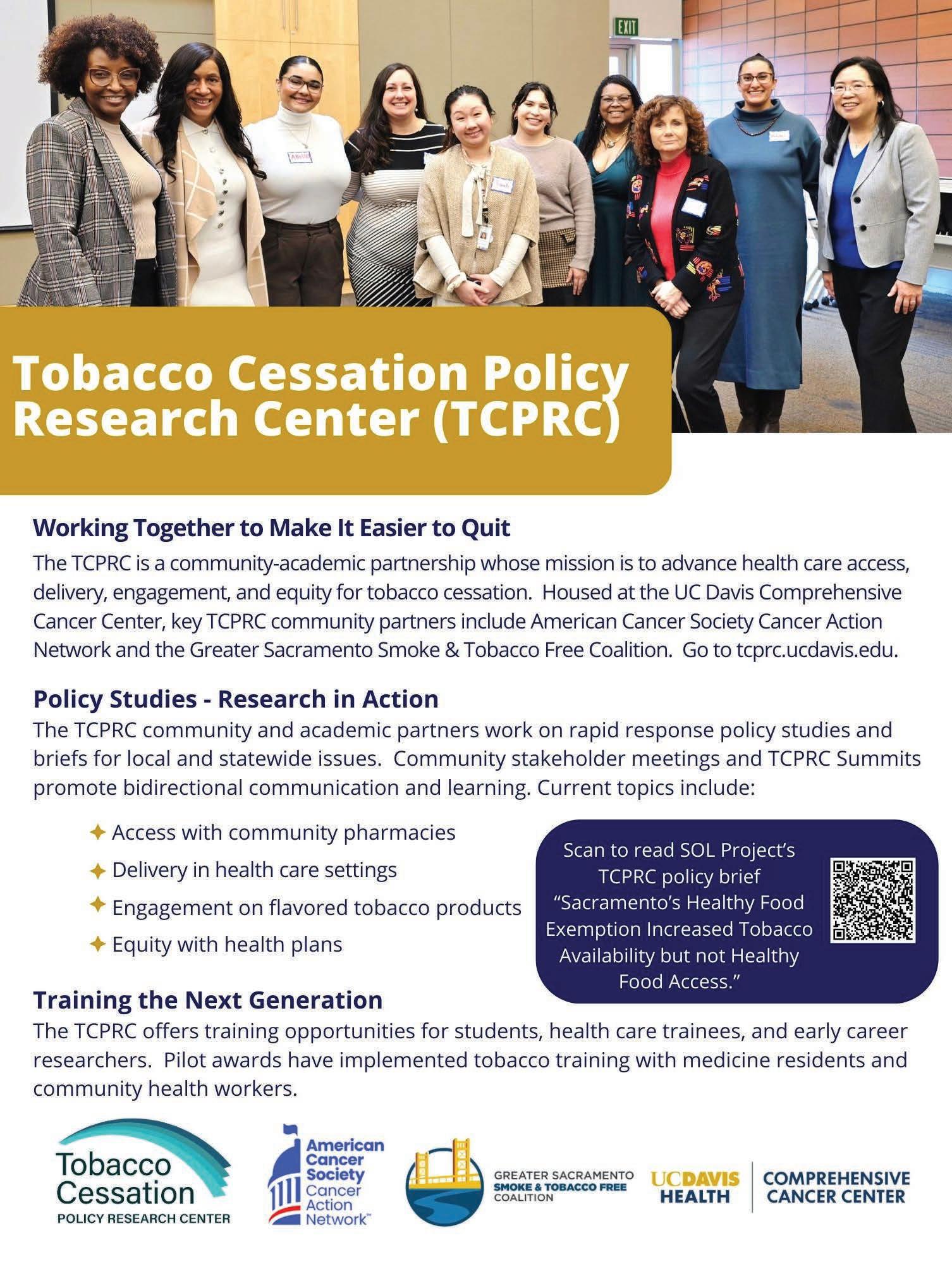
SOL Project 2026 RECIPIENTS
With deep appreciation the SOL Project proudly presents the Champion Award for their unwavering commitment to creating a tobacco- and vape-free future.
Honoring a Visionary Leader for a Tobacco-Free Future
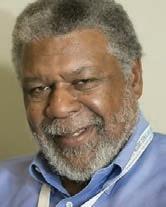
Dr. Phillip Gardiner Co-Founder & Co-Chair of African American Tobacco Control Leadership Council
Award Award
SOL Project
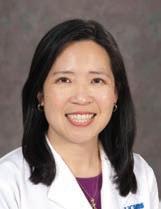
Dr. Elisa Tong, M.D. M.A. Director, Tobacco Cessation Policy Research Center
2025 RECIPIENTS
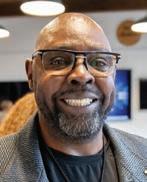
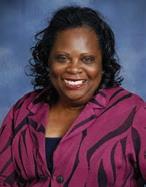
Pastor Anthony Robertson New Hope Missionary Baptist Church
Pastor Deborah Simmons Co-Founder of South Sacramento Christian Center
Dr./Pastor Tecoy Porter Genesis Baptist Church
Dr. Thomas Hopkins, M.D, Internal Medicine Physician
3rd Annual Faith in Health Collaborative Summit
THE CENTER

FOR BLACK HEALTH & EQUITY

The Center for Black Health & Equity is a leading nationally recognized public health entity that provides solut issues impacting African American health.
We engage health care organizations, public health officials, f leaders, and African American communities in health promotion and disease prevention work.
Our mission: benefit communities and people of African descent. do this by building community capacity, developing community infrastructure, and advocating for equitycentered policies. We are committed to addressing the social and economic injustices that have marginalized our communities and led to deep health disparities.
For more information, visit centerforblackhealth.org
Join us on Sunday, May 17, 2026
Our annual observation, is a day we highlight the detrimental impacts commercial menthol tobacco products have on Black communities.
Every third Sunday in May, we engage faith and community leaders to educate congregants about smoking, vaping, and the role of new menthol products and other flavors in initiating tobacco addiction.



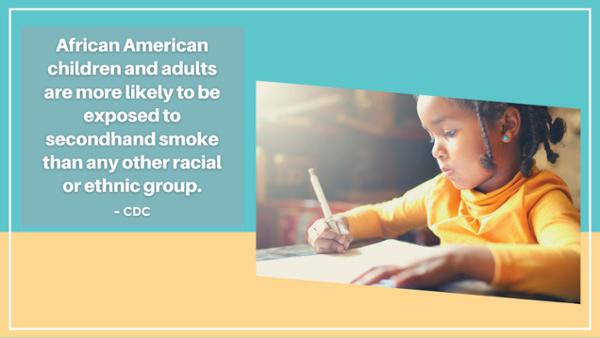
Smoke-Free Housing Protects Everyone. All residents can help support smoke-free housing .
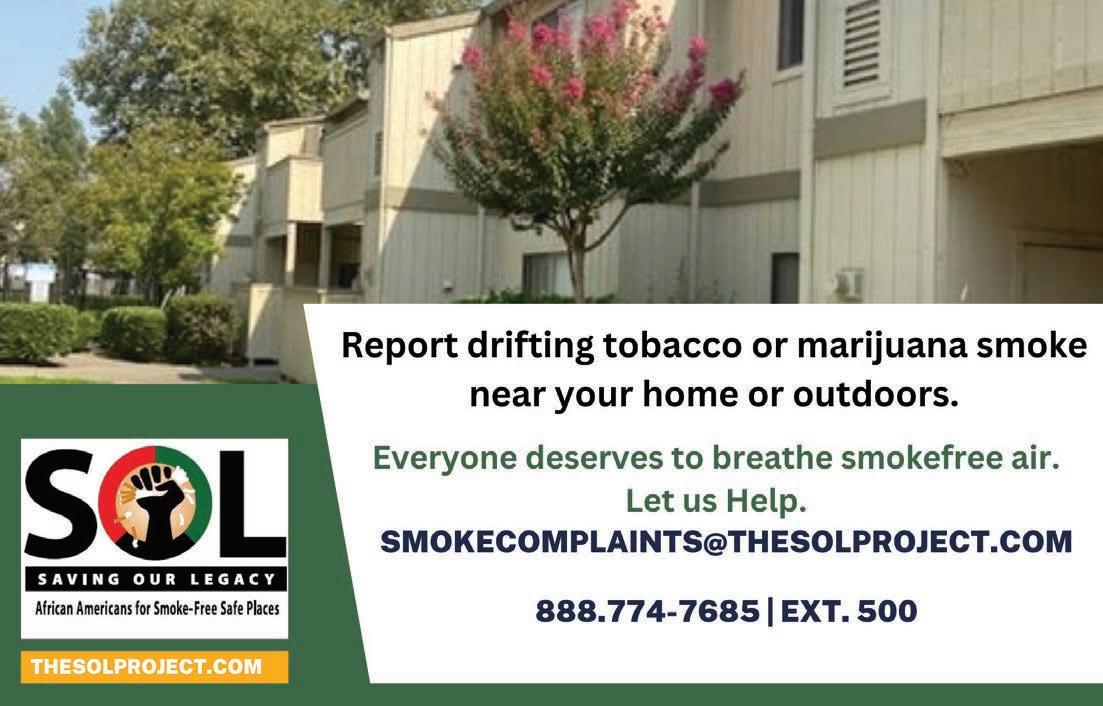
People living in multi-unit housing deserve to be healthy and smokefree.

8 out of 10 residents
in multi-unit housing choose to make their homes smokefree. However, they may still be exposed to secondhand smoke in and around their home.
+ Smoke can drift from one unit into another under doorways, through ventilation systems, and even electrical outlets.
+ Smoke can drift into homes from patios and balconies.
+ Residents may be exposed to secondhand smoke in parking lots, stairwells, and pools.
What is Thirdhand Smoke?
Thirdhand smoke is a toxic residue that builds up on surfaces and furnishings when someone smokes indoors.
Children and pets are most likely to suffer from the effects of thirdhand smoke.
Breathing secondhand smoke can lead to serious health problems.
Adults:
Heartdisease, stroke, and lungcancer
Children & Babies:
Sudden Infant Death Syndrome(SIDS), severe asthma attacks, ear infections, and lung problems
Pets:
Cancer and respiratory infections
Secondhand smoke kills 41,000 nonsmokers a year.
The World Health Organization has stated that 100% smokefree policies are the only way to entirely protect multi-unit housing residents from harmful exposure to secondhand smoke.
Join the growing number of community members and lawmakers who support smokefree multi-unit housing rules.

Smokefree multi-unit housing policies protect tenants.
Strong smokefree policies prohibit smoking anywhere on the property including: Benefits for both residents and property owners:
Inside units
On balconies and/or patios
Outdoor common areas such as pools, parking lots, and stairwells
Since most people don’t smoke, there is market demand for smokefree housing
Reduced turnover costs
smoking units are much more expensive to clean and tend to remain on the market longer
+ Lower fire risk and related insurance costs
+ Smokefree environments encourage people who smoke to quit or attempt to quit
For more information and help creating smokefree multi-unit housing rules in your community:
PublicHealth Law Center
(651) 290-7506
www.publichealthlawcenter.org
For general questions contact: The SOL Project www.thesolproject.com info@thesolproject.com 888-774-7685 x300




Sources: Public Health, Andrea,SL,etal. Attitudes, Experiences, and Acceptance of Smoke-Free Policies Among US Multiunit Housing Residents. American Journal of 102.10 (2012): 1868-71.
U.S. Department of Health and Human Services. The Health Consequences of Smoking—50 Years of Progress. 2014.
U.S. Department of Health and Human Services. The Health Consequences of Involuntary Exposure to Tobacco Smoke. 2006. California Department of Public Health. Thirdhand Smoke. 2017.
U.S. Food and Drug Administration. Be Smoke-free and Help Your Pets Live Longer, Healthier Lives. 2017. www.fda.gov/animal-veterinary/animalhealth-literacy/be-smoke-free-and-help-your-pets-live-longer-healthier-lives. [Accessed 8/2020]. World Health Organization. WHO Report on the Global Tobacco Epidemic 2009. 2009 ©2020 California Department of Public Health. Funded under contract #16-10064. J707 - 08/20



BREATHE FOR TWO: SUPPORTING BLACK MOMS & BABIES
We are recruiting focus group participants wh0...
All participants will receive a $100 Amazon Gift Card for completing the focus group!
IDENTIFY AS BLACK (18+) ARE PREGNANT OR DELIVERED WITHIN THE PAST 3 MONTHS LIVE IN SACRAMENTO COUNTY HAVE USED CANNABIS OR TOBACCO (CIGARETTES, CIGARS, VAPES, HOOKAH, POUCHES, CHEW) OR HAVE BEEN EXPOSED TO CANNABIS AND/OR TOBACCO SMOKE.