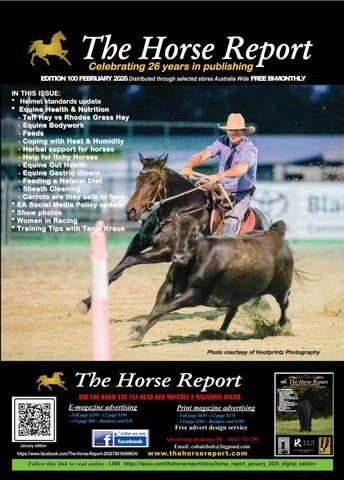
EDITION 100 FEBRUARY 2026 Distributed through selected stores Australia Wide FREE BI-MONTHLY
IN THIS ISSUE:
* Helmet standards update
*
*
--
-
-
- H
f
t c h y H o r s e s
- E q u i n e G u t H e a l t h
- E q u i n e G u t H e a l t h
- E q u i n e G a s t r i c U l c e r s
- E q u i n e G a s t r i c U l c e r s
- F e e d i n g a N a t u r a l D i e t
- F e e d i n g a N a t u r a l D i e t
- S h e a t h C l e a n i n g - S h e a t h C l e a n i n g
- C a r r o t s a r e t h a y s a f e t o f e e d
- C a r r o t s a r e t h a y s a f e t o f e e d
* E A S o c i a l M e d i a P o l i c y u p d a t e
* E A S o c i a l e d i a P o l i c y u p d a t e
* S h o w p h o t o s * S h o w p h o t o s
* W o m e n i n R a c i n g * W o m e n i n R a c i n g
* T r a i n i
The Horse Report Update to equestrian helmet standards
Supplied by EQUESTRIAN AUSTRALIA
EAis updating its helmet standards in light of the changes to the FEI standards.
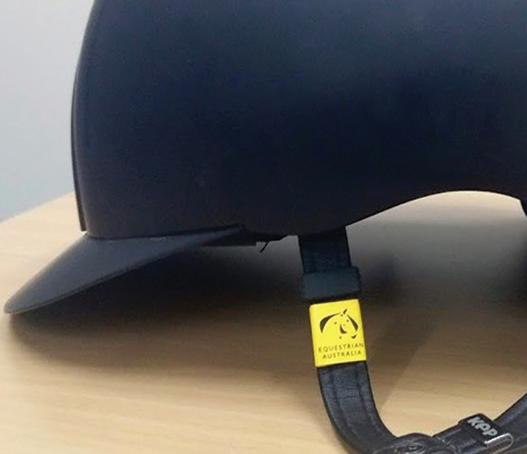
EN1384:2023 with a quality testing label is now an approved standard and will be added to the list of approved standards and published on the EAwebsite.
VG1 remains approved by the FEI but only with a quality testing label (eg BSI Kitemark).
The BSI kitemark (or other similar quality testing labels) indicate that, as well as having originally met the specified standard, the product must have passed quality testing (quality testing monitors the ongoing quality of the product according to the original standard).
EArecognises that members may have purchased products allowable under the previous EA standards list which accepted VG1 without a quality testing label.
As a lack of ongoing quality testing does not necessarily mean that a product will not meet the original standard, EAwill continue to accept existing yellowtagged helmets and will yellow-
tag any as yet untagged helmets with this standard up until 31 December 2026.
From 1 January 2027, a new tag (of a different colour) will be required to indicate compliance with the updated standards and a progressive system of retagging existing helmets that meet the updated standards will be introduced during 2026. More information will be provided prior to the roll out of the new tags.
The objective of the helmet standards is to ensure that members can easily identify helmets that will provide them with the best protection that current research suggests.
The tag is to assist event officials in identifying helmets that are manufactured to the correct standard.
If you have any concerns or questions regarding the above, please email safety@equestrian.org.au
The current yellow EAhelmet tag will be accepted up untill 31 /12/2026
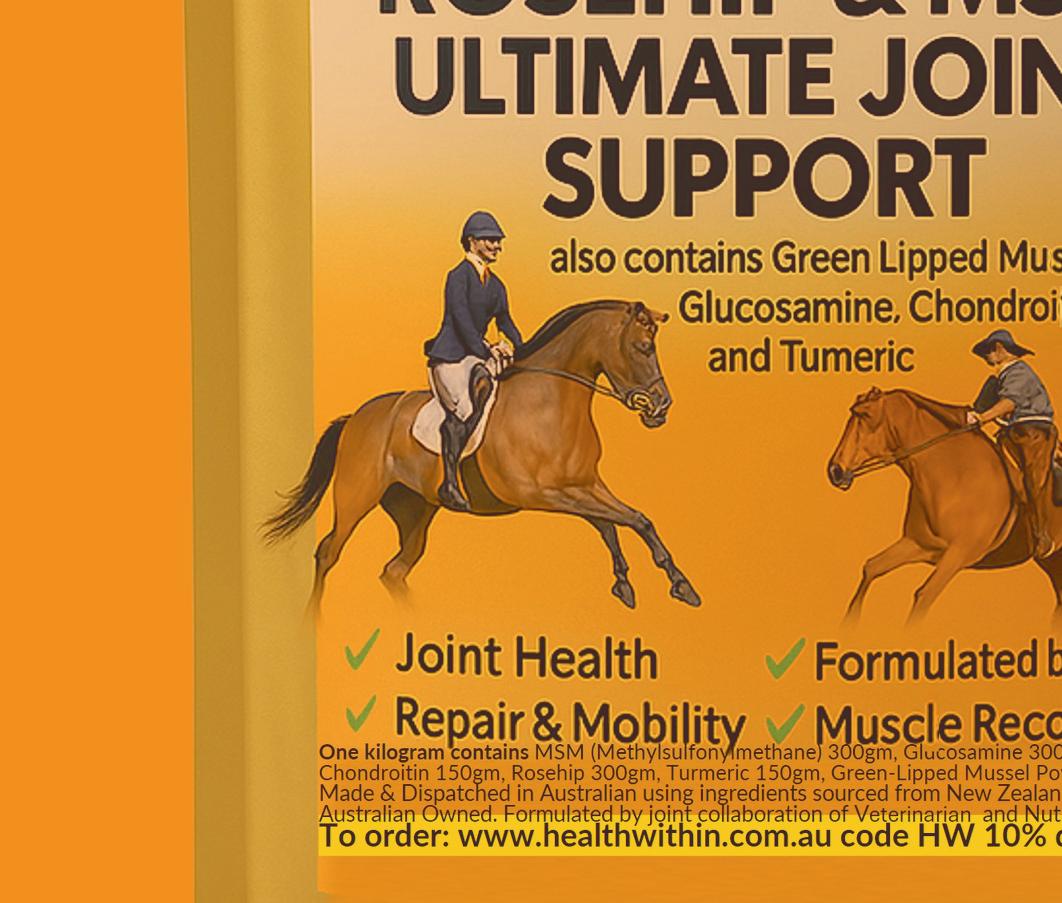
The Secret is out!
Vet-formulated for joint protection & mobility Combines Rosehip, MSM, Glucosamine, Chondroitin, Green-Lipped Mussel & Turmeric Results in as little as 2–3 weeks
"This blend is absolutely mind-blowing. All of the therapeutic ingredients that horse owners once had to use separately are now in one powerful, practitioner strength formula."
– Tamara Frances, Nutritionist & Herbalist
The Horse Report Hygain® fuels the future with fresh packaging
Provided by HYGAIN
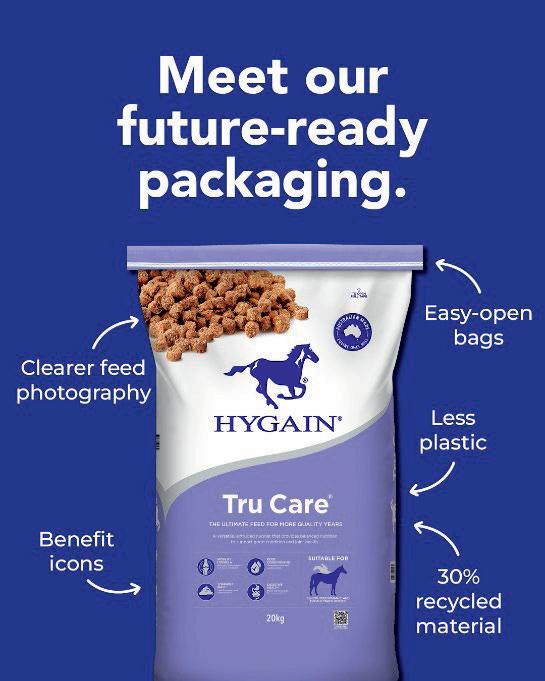
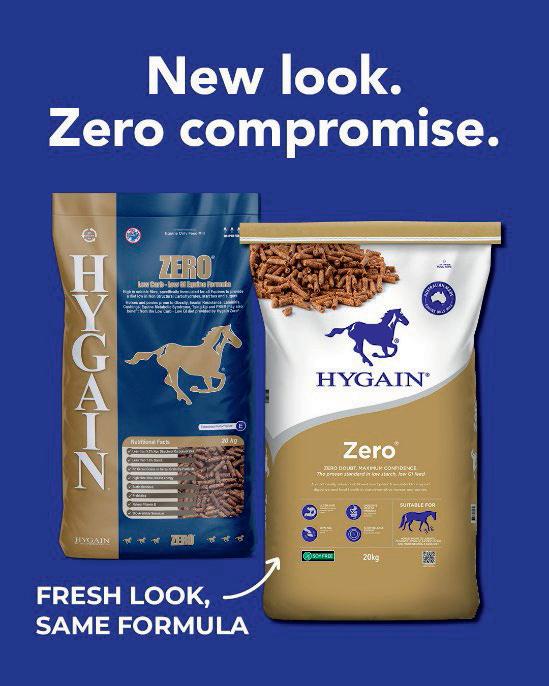
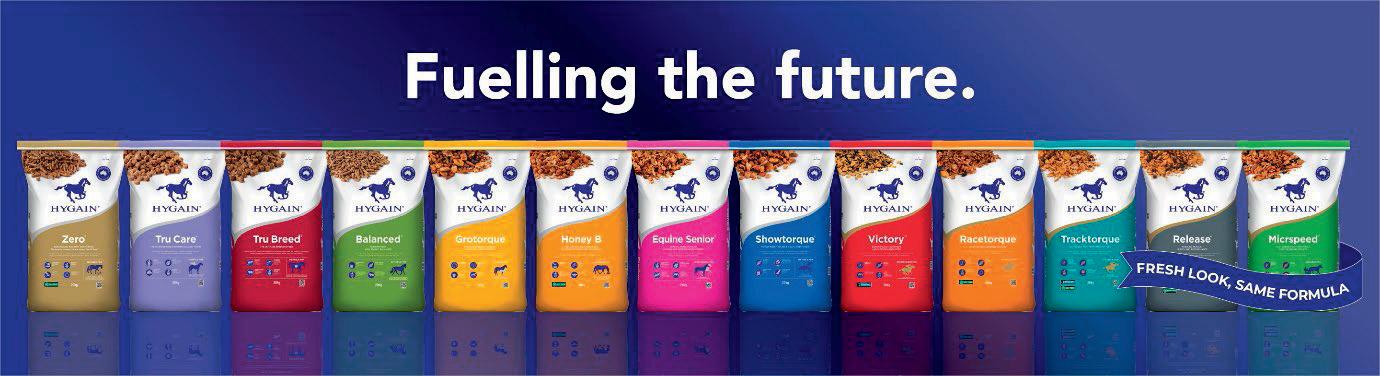
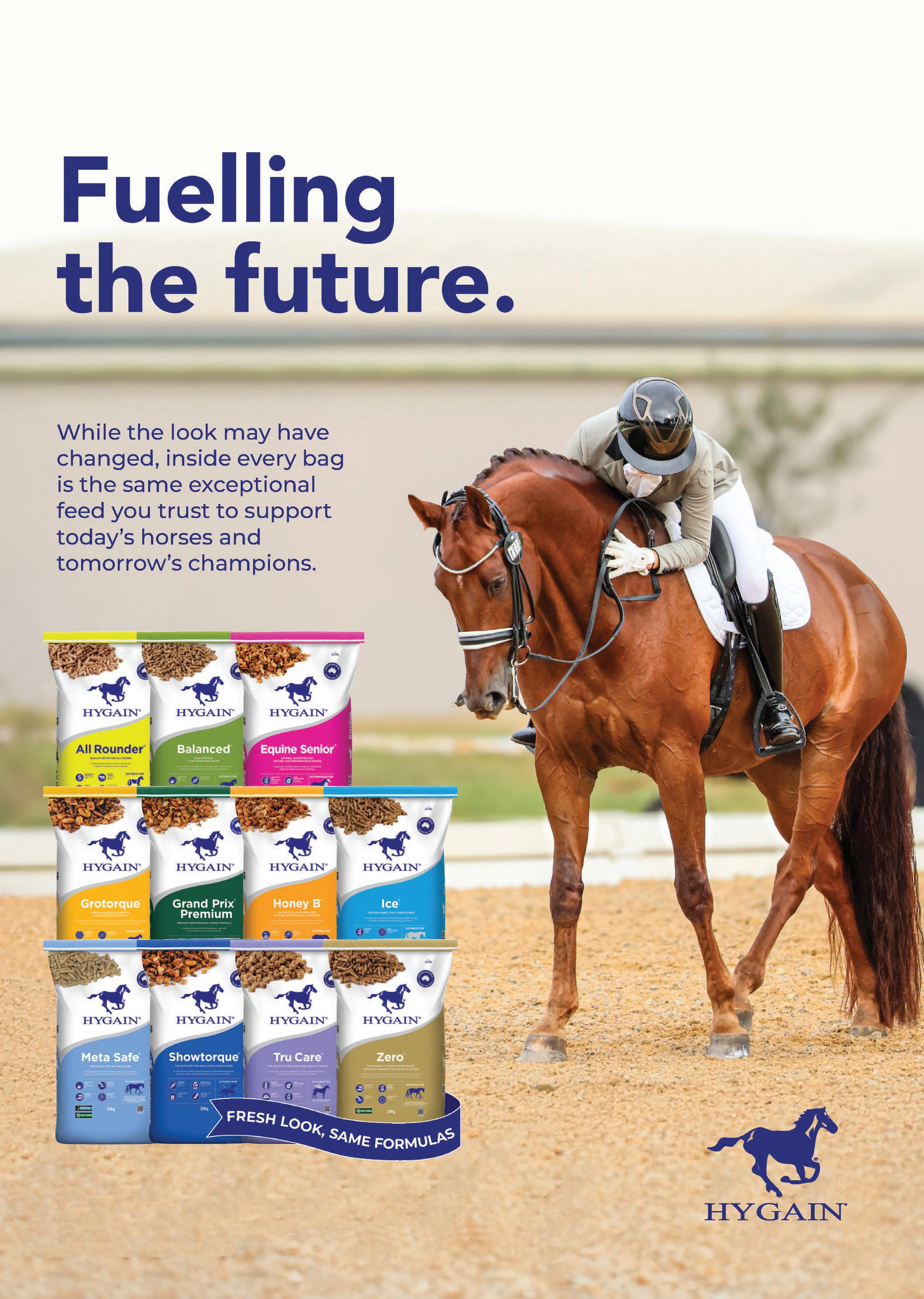
Hygain® is proud to unveil a fresh new look for its entire feed range, rolling out to stockists across Australia and New Zealand from February 2026. The redesigned bags make choosing the right feed faster, easier and more intuitive, while continuing to deliver the same trusted formulas horse owners have relied on for 43 years.
Modelled on the clean, clear design of the recently launched Hygain® Edge® race feed, the refreshed packaging makes it simple to see what’s inside and recognise your favourite feeds at a glance.
Larger, sharper feed images, consistent styling across the range and easy-open bags combine to make feeding time smoother and more efficient. The update also incorporates
cent recycled material and use less plastic overall, reflecting Hygain®’s commitment to fuelling the future without compromising durability or feed quality.
“We wanted all our packaging to reflect the quality, care and advanced nutrition behind every bag of Hygain® feed,” Hygain CEO Peter Weaver said.
every bag, including starch content for each feed. At the same time, the move to less plastic and recycled materials is part of our ongoing commitment to more sustainable operations.”
Additional packaging improvements include:
• Prominent Australian-made equine-only icon on every bag to highlight our dedication to
Hygain® website for easy access to detailed feed information.
• “Suitable for” icons on the front of every bag to show the type of horse each feed is designed for.
• Simplified gusset design for easier identification on pallets, helping stores, transporters and customers.
• Distinctive visual cues to differentiate feed types:
o Racing feeds: gold metallic swoosh on the front
o Fortified (complete) feeds: white header with blue logo
o Non-fortified feeds (including grain and fibre): blue header with white logo
The new Hygain® bags will begin appearing in stores from February 2026, bringing a smarter, clearer and more consistent look to the range while maintaining the same feed quality horse owners trust across the
Feeding Teff Hay vs Rhodes Grass Hay
Supplied by FEEDXL EQUINE NUTRITION
Teff Hay seems to be gaining popularity as a hay option for many horse owners and because it is sold as a low starch low sugar hay, it is starting to be recommended in place of Rhodes Grass Hay.
But if you are lucky enough to have access to Rhodes Grass Hay, here are some things to think about before considering a swap:
1. Rhodes Grass Hay is low in oxalate, containing approximately 2.5 to 3 g/kg of oxalate. Teff Hay is moderate to high in oxalate at 10 to 12 g/kg. This means Teff needs careful supplementation of calcium, phosphorus and magnesium to prevent it from causing Bighead Disease.
With Rhodes being so low in oxalate, Bighead is not an issue (though you do still need to make sure you correctly balance the diet for minerals and vitamins as forages rarely contain enough to meet a horse’s requirement).
2. Rhodes Grass Hay is more
reliable and consistent when it comes to the low starch, low sugar characteristic. From the analyses coming through at FeedXL, Teff can be high in starch, with one analysis sent through showing an as-fed starch content of 7.1% and total NSC of 13.7% which, for a laminitic horse, is going to be too high.
While soaking would more than likely bring this non-structural carbohydrate (NSC) level back down to safe levels it makes for much more time-consuming feeding… so if you have access to Rhodes Grass it would be
much easier to use this.
3. Teff Hay causes some odd behavioural issues in some horses and this is normally associated with an alkaline fecal pH. There is no way of explaining this, and it doesn’t happen with all horses on Teff so it isn’t certain if all Teff Hay is the same or if there is a certain variety that causes this issue.
So, while Teff gives people in cooler climates a low NSC option which is welcome, it is not yet well understood and not without its issues. If there is a choice between Teff and Rhodes go with Rhodes Hay every time.
If you’d like to read more about oxalate and bighead disease, check out our blog: https://feedxl.com/25-bighead/
www.feedxl.com follow us on
support@feedxl.com
Equine Health Feature
The Horse Report
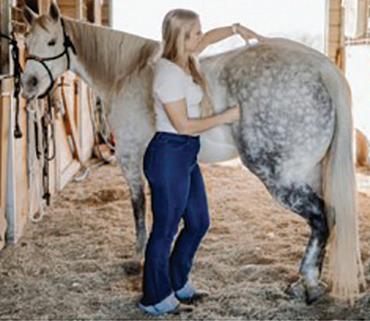
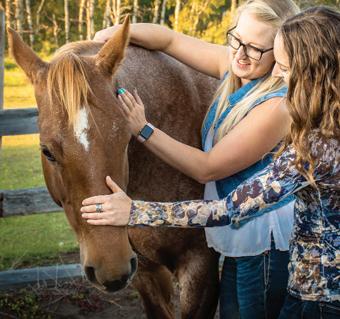
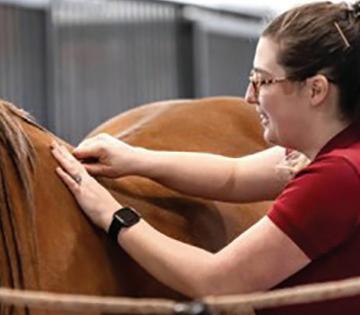
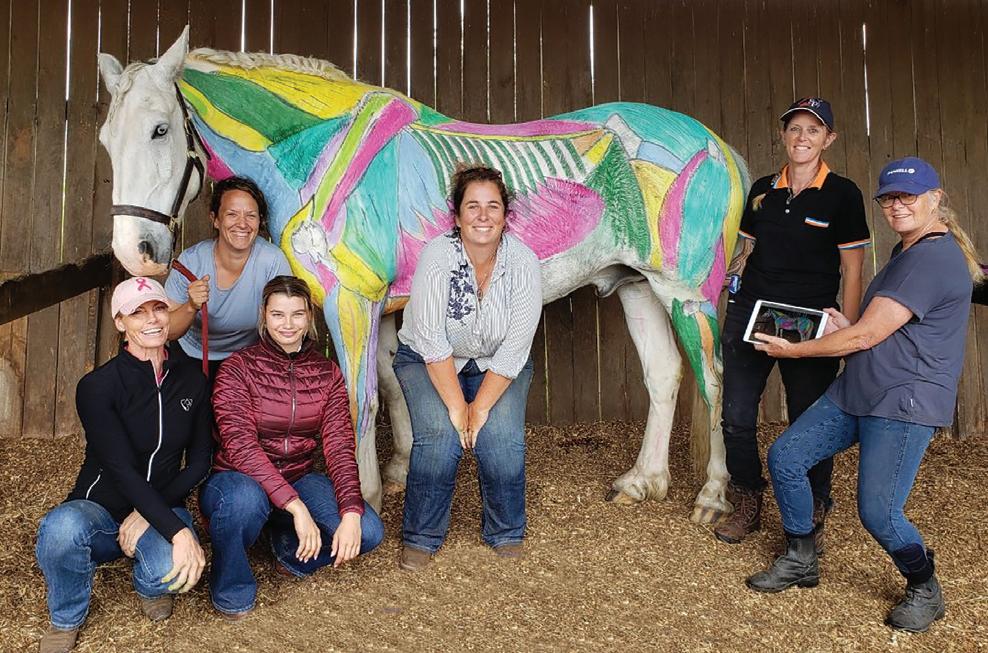
How holistic bodywork is shaping the future
By Dr ANGELIQUE BARBARA, Founder of Holistic Animal Studies
In the world of equine care, we’re witnessing a meaningful shift.
Where once the focus lay solely on veterinary intervention, training schedules, and farrier appointments, more horse owners and professionals are now asking deeper questions about how a horse feels—and not just physically, but energetically, emotionally, and neurologically.
This is where holistic equine bodywork is stepping out of the “alternative” corner and into the mainstream conversation.
Holistic bodywork isn’t about replacing conventional care—it’s about complementing and enhancing it.
It's based on the understanding that the horse is not just a set of moving parts but a complete, interconnected being.
From fascia to frequency, horses respond profoundly when we work with their systems, not against them.
The Nervous System: The starting point for true healing
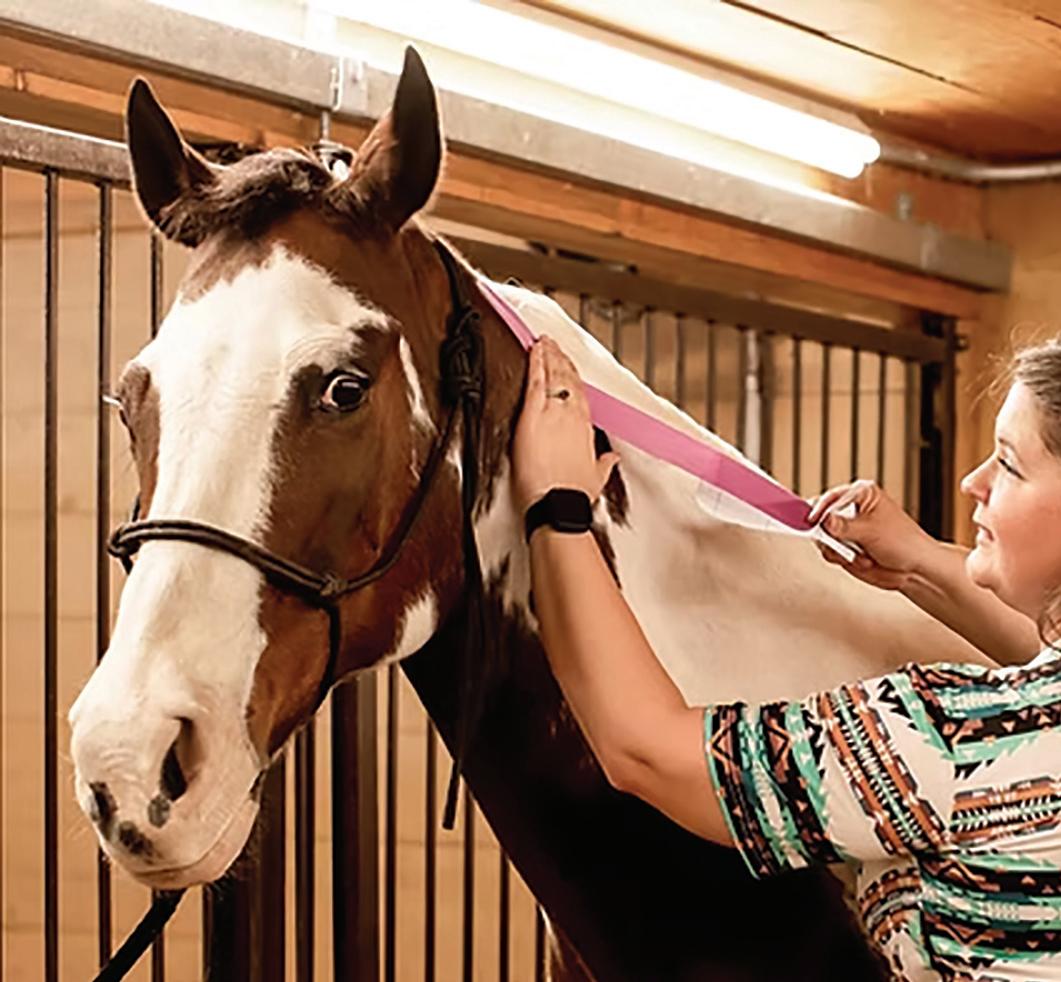
One of the foundational goals in holistic bodywork is to shift the horse into a parasympathetic (rest-and-digest) state. Whether you’re performing equine massage, craniosacral therapy, or even kinesiology taping, you're doing more than relieving muscle tension—you’re supporting the nervous system in recalibrating from stress and trauma.
This is especially important in performance horses or those with a history of injury, behavioural issues, or chronic tightness. Adysregulated nervous system can manifest as anything from girthiness and spooking to resistance under saddle.
By using techniques that prioritize relaxation and regulation, such as cranial holds or myofascial unwinding, practitioners help horses access a state where true healing can occur.
Continued page 7
Holistic bodywork isn’t about replacing conventional care—it’s about complementing and enhancing it.
The Horse Report
Equine wellness care that goes beyond the saddle
From page 6
Fascia, flow and functional movement Fascia—once an overlooked tissue—is now getting the attention it deserves. This web of connective tissue influences posture, movement, and even internal organ function. Restrictions in fascia can pull across the body, affecting everything from stride length to behavioral expression.
Through bodywork approaches like myofascial release or targeted stretching, we help restore fluidity and freedom of movement, allowing the horse to use their body more symmetrically and efficiently.
This becomes especially valuable in disciplines where unevenness or tension can make the difference between soundness and sidelining.
Proprioception: More than just movement Incorporating proprioceptive techniques— such as balance exercises, kinesiology taping, and Animal Neuro-myofascial Release Technique—adds another layer to the work. These tools support the body’s internal GPS, helping horses re-learn healthy movement patterns, reduce compensations, and stay more in tune with their bodies. For rehab horses or those coming back into work, proprioceptive input is a game changer. Australia’s equine industry is as diverse as it is dynamic. From elite sport horses and endurance competitors to trail partners and retirees, every horse deserves the chance to move and feel better.
With rising interest in wellness-based care
and equine longevity, holistic bodywork offers practical, affordable, and effective tools for owners and professionals alike. What’s more, as access to advanced veterinary care may be limited in some rural regions, bodywork techniques—when applied responsibly and with proper training—can become a powerful preventative strategy.
Educating the next generation of equine carers
At Holistic Animal Studies, we train equine professionals and horse lovers around the world in modalities that support wholehorse wellness—from massage and cran-
iosacral therapy to cold therapy and kinesiology taping. Our goal is to empower caregivers with knowledge that’s rooted in both science and compassion.
Holistic bodywork doesn’t just improve performance—it builds trust, nurtures connection, and supports long-term soundness. As horses give us their best, it's time we respond with care that goes beyond the saddle.
To learn more about training in equine bodywork or incorporating holistic tools into your horse’s care plan, visit: .. https://holistic-animal-studies-by-angelsanimals-llc.thinkific.com or https:// www.holisticanimalstudies.net/
Incorporating proprioceptive techniques is a game changer in horse rehabilation.
The Horse Report
The Horse Report
How can I manage my itchy horse?
By LARISSA BILSTON, BAgrSc (Hons 1), Nutritionist, Farmalogic
Successful management of itchy horses relies on identifying what caused the initial scratching.
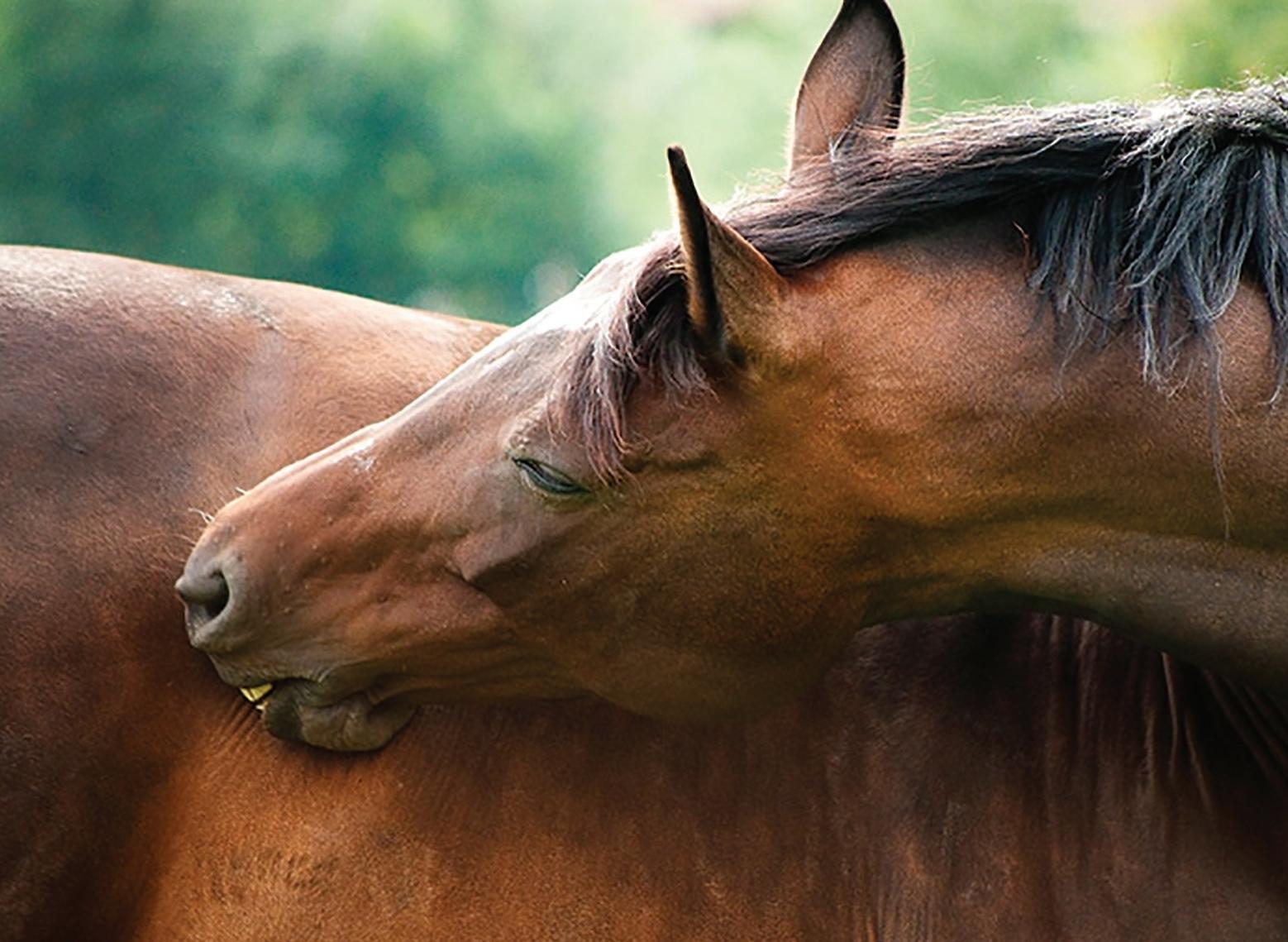
For most horses, the itch cycle begins with an immune response to midge bites. Other common causes include reactions to mycotoxins, allergic reactions, parasites and bacterial or fungal skin infections. Skin condition and the location of your horse's initial scratching are the first clues to look for in identifying why your horse gets itchy.
1. Insect bite hypersensitivity tends to cause itchiness around the head, eyes, ears, mane, topline and tail.
2. Feed or pasture mycotoxins or contact allergies caused by hypersensitivity to pollen, sawdust or other particles in the environment cause hives and general itchiness in some horses.
3. Itch around the head, neck, chest, shoulders and underside of the belly occurs with Onchocerca cervicalis infestation.
These parasitic nematodes are transmitted by Culicoides midges. Tiny larvae live in the horse's skin and adult worms become encysted in the nuchal ligament of the neck where they are resistant to deworming chemicals.
4. Pinworms and other intestinal parasites can cause itchy tails and hindquarters. Once a horse starts scratching, it can be hard for them to stop and chronic itch can develop. Spring is a good time to run faecal egg counts and plan your worming program. It's also time to get on top of itch in sensitive horses before the weather becomes hot and humid.
Managing the itchy horse
Regardless of the initial trigger, it is essential to provide correct nutrition to optimise immune function and the body's ability to heal.
Seek the advice of a qualified equine nutritionist to ensure correct vitamin and mineral balance. (Grab a free horse diet analysis at
Spring is a good time to run faecal egg counts and plan your worming program and is also time to get on top of itch in sensitive horses before the weather becomes hot and humid.
www.farmalogicglobal.com).
Although a well-balanced diet will include key antioxidants (especially selenium and vitamin E), feed additional antioxidants (including vitamin C, organic selenium and natural vitamin E) to support immune function in hypersensitive horses.
Provide omega-3 fatty acids, especially docosahexaenoic acid (DHA), to improve skin resilience and reduce dryness. You'll need a marine-sourced omega-3 supplement made from algae or fish oil to provide DHA. Plant sources such as linseeds, chia seeds and their oils contain omega-3 in the form of alpha-linolenic acid (ALA).
Managing horses with insect bite sensitivities
Use rugs and masks to cover body, ears, neck and tail.
Apply insecticides (permethrin of at least 1% concentration or 10g per litre) and citronella/neem-based repellents regularly. Many of the sprays commonly used are far to weak to last more than an hour.
Treating Horses with Neck Threadworm or Intestinal Parasites
Ask your vet for a worming protocol to target parasites when they are most susceptible.
Managing horses with mycotoxin-induced Itch
Mycotoxin-associated itch is commonly seen during warm or wet weather. If your horse develops greasy heel, itch and/or signs of photosensitivity (sunburn), feed a toxin binder and apply zinc and antibiotic cream.
Continued page 13
The Horse Report
Damaged skin may lead to bacterial infections
From page 12
Managing chronically itchy horses
Chronic itch tends to be caused by multiple factors which have an additive affect.
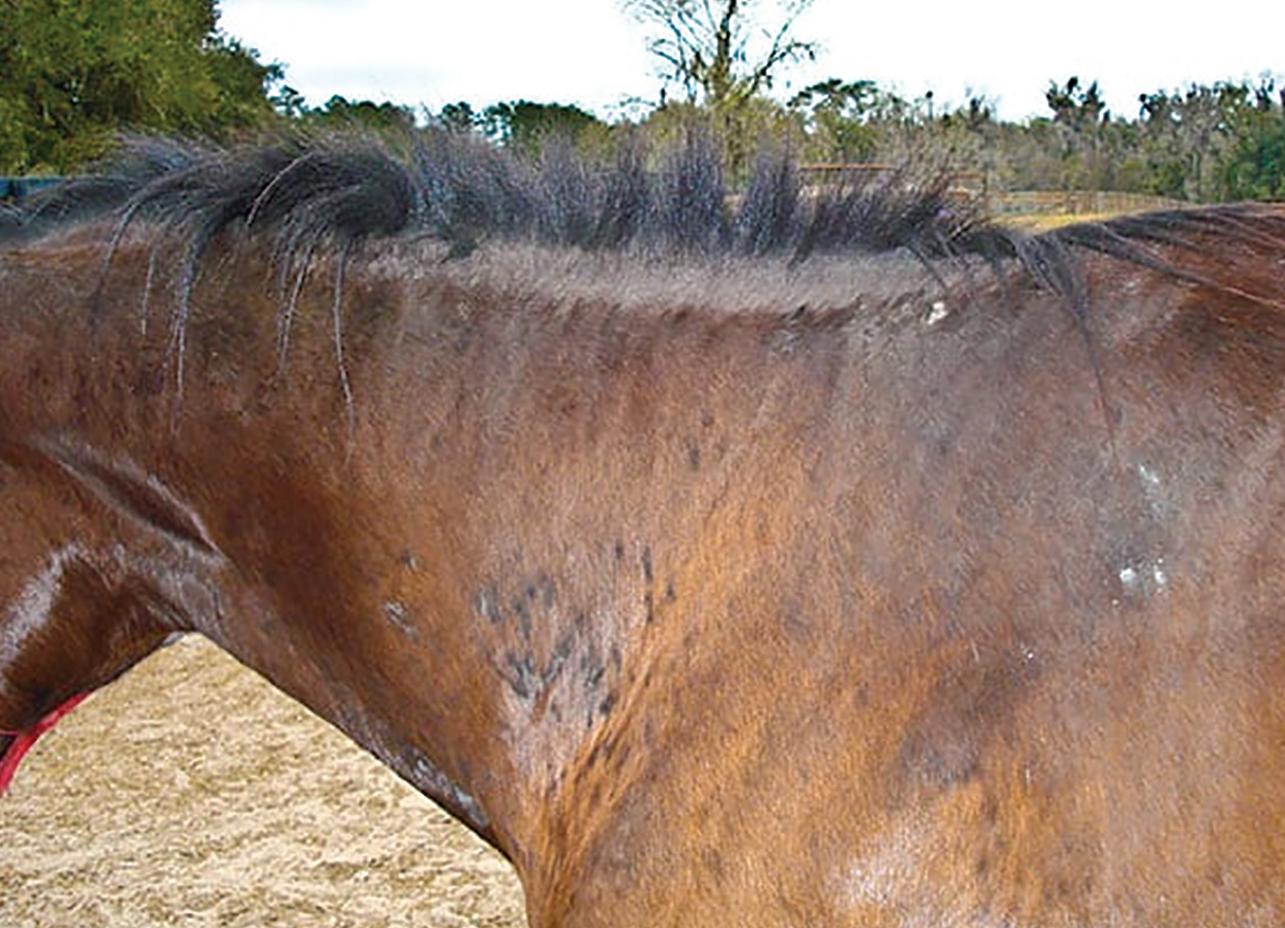
Scratching damages the skin, allowing bacterial and sometimes fungal infections to establish, which continues the itch.
Flaky skin is a sign of bacterial infection.
In addition to nutrition, insecticides, worming and toxin-binders, successful management of chronically itchy horses requires use of effective anti-bacterial shampoos, sprays or lotions and a fungicide if required. Avoid over-use of shampoos which can be too drying.
On the other hand, some creams hold too much moisture in the damaged skin, leaving them more prone to bacterial or fungal colonisation.
Severely damaged skin may require veterinary prescribed anti-inflammatory creams or injections to help break the itch cycle.
Want to know more?
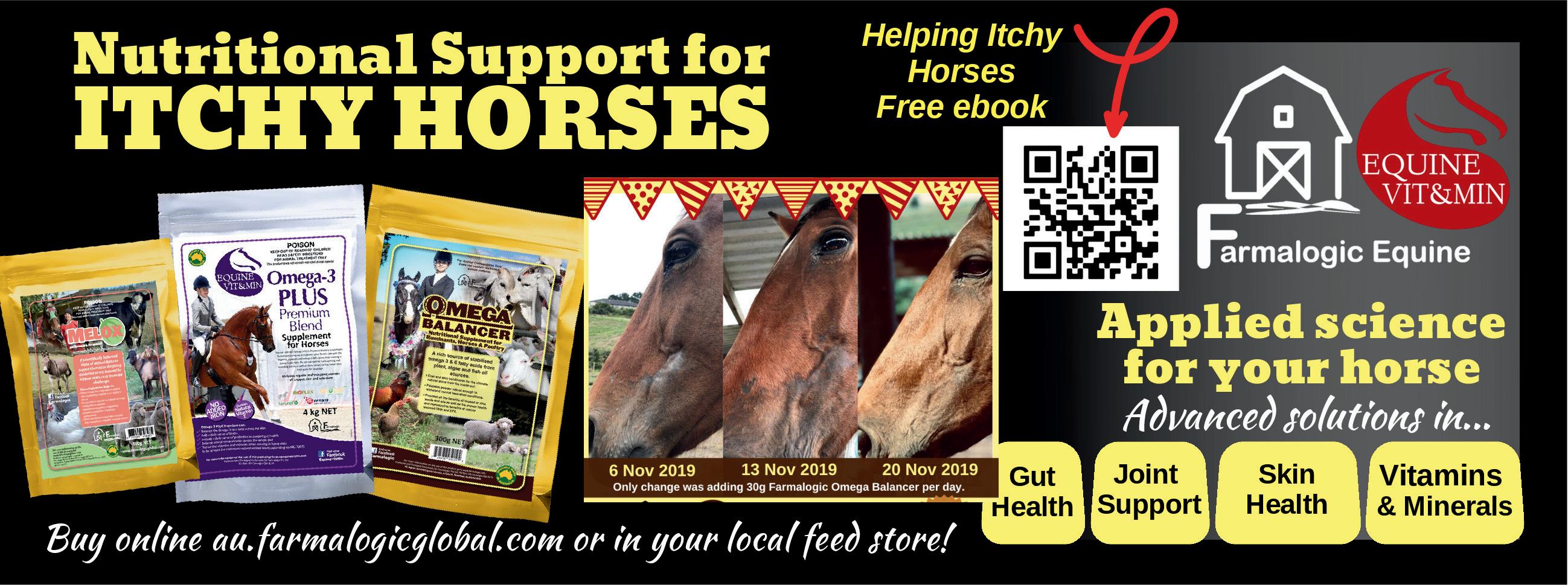
Grab the free Farmalogic ebook, "Let's Talk about Itchy Horses - and how to help them."
This overview covers everything the owner of an itchy horse needs to know, from identifying what makes your horse begin scratching, to how to break the itch cycle and manage chronic itch.
This guide helps to explain the what, why, when and how of:
Itch Triggers:
Insect Bite Sensitivities
Mycotoxins
Worms & Parasites
Flaky Skin in Dry Times
Managing Chronically Itchy Horses
Breaking the Equine Itch Cycle:
Correct Basic Nutrition
Omega Fatty Acid Balance
Trigger Prevention
Off the Shelf Topical Treatments
Anti-Inflammatory Medications
Nutritional Support
* Grab your free copy now at https://au.farmalogicglobal.com/product/itchy-horses/
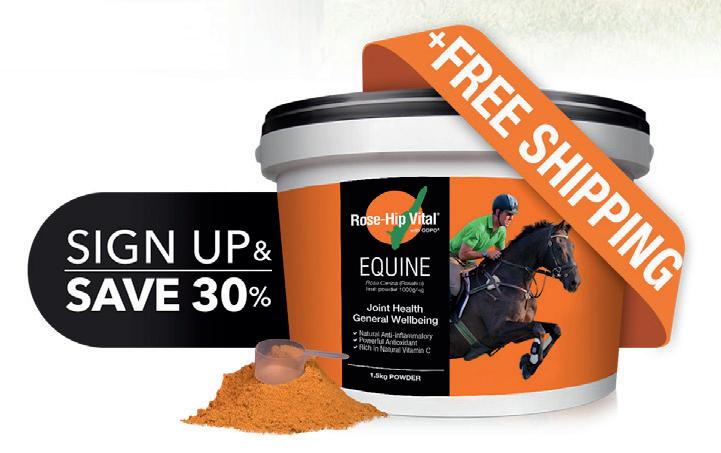
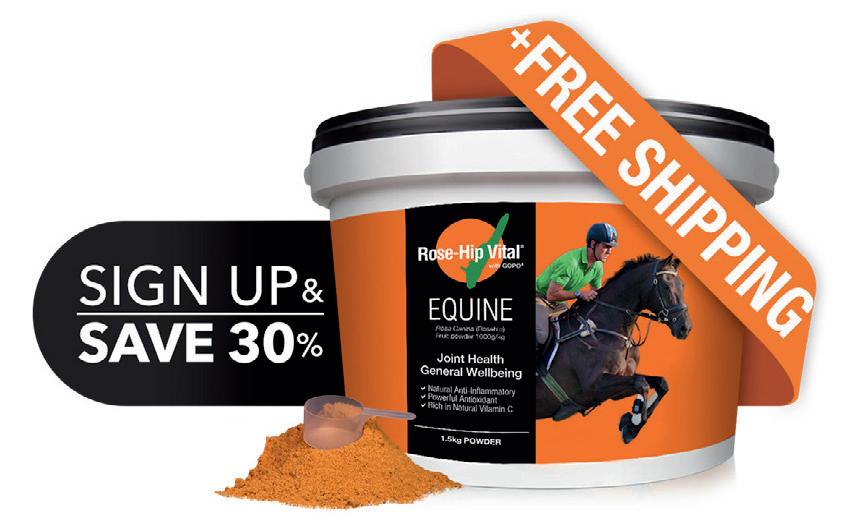
The Rosehip Supplement Loved by Horses and Riders
Rose-Hip Vital Equine is not just for horses. Our wholly natural daily multivitamin is made with only one ingredient, pure Rosa Canina rosehips,
Scratching damages the skin, allowing bacterial and sometimes fungal infections to establish, which continues the itch.
Equine Health Feature
The Horse Report
"The Gold Standard in Equine Bodywork Education - Where Top Professionals Begin." Unlock your future with the Original Equine Body Worker (EEBW) Certification Program, the program that set the benchmark in the industry. Developed by Debranne Pattillo and taught by world-renowned experts, our courses deliver the knowledge, precision, and credibility you need to rise to the top.
YOUR INSTRUCTORS:
Debranne Pattillo MEEBW, MSc.(h.c.), ASTR
Dr. Sandra Howlett, DC. CST-D, ECST, Certified Veterinary Chiropractic, EFLC
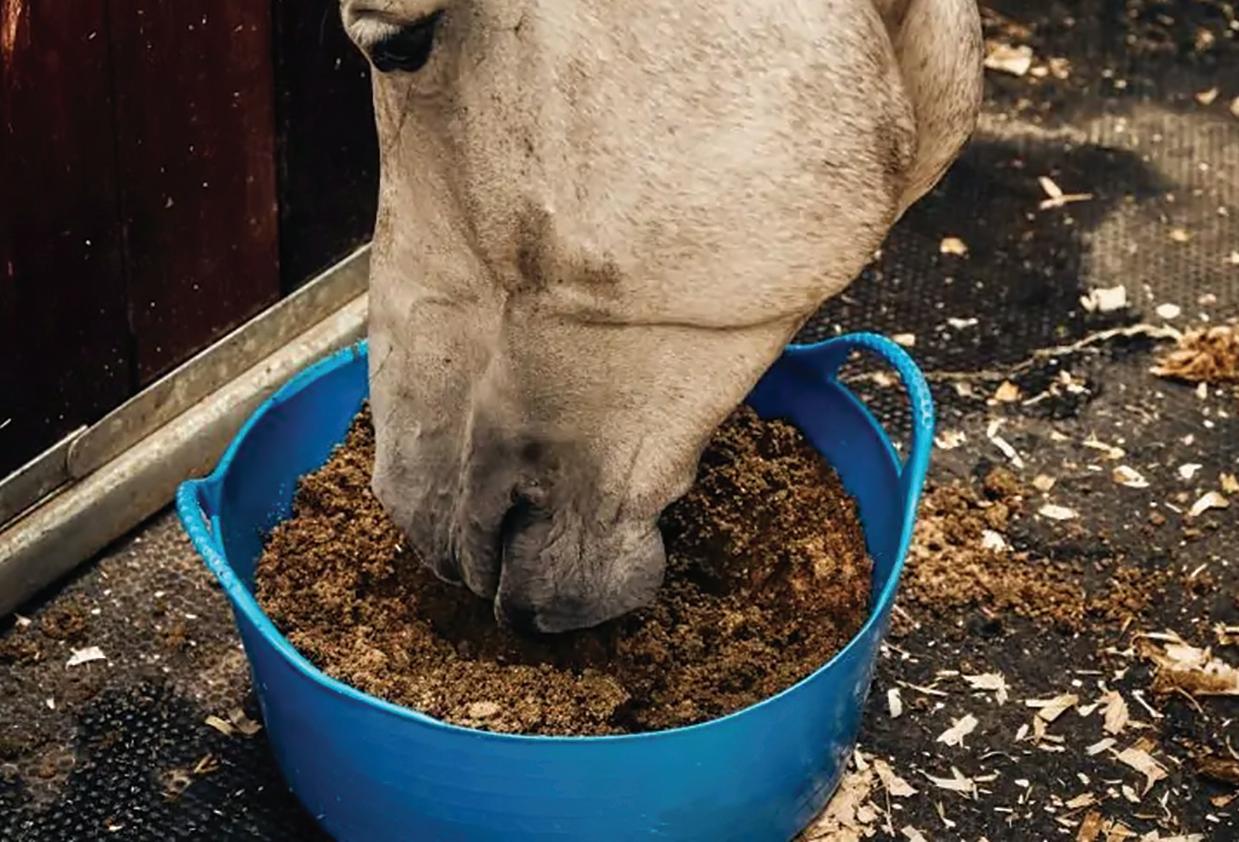
If you’ve ever owned more than one horse, you’ll know their eating habits can be wildly different.
Some act like bottomless pits, while others pick at their hay all day without much urgency.
Just like people, horses have unique appetites, and there are a few reasons why.
Metabolisation
Just as humans have different metabolisms, each horse processes energy differently. It is typical for ponies and hardy breeds to be labelled “easy keepers”.
That is, they can stay in good condition on minimal calories.
On the other hand, hard keepers, typically some
Thoroughbreds and high-performance sport horses, can be the opposite, struggling to hold weight even when being fed maximum calories.
Personality
Appetite isn’t just about biology, it’s also about behaviour.
Some horses are naturally “greedy”, or food motivated, wolfing down feed as soon as the bucket hits the ground. Others are slow, dainty eaters who may take hours to finish a meal.
Stress levels, stable hierarchy (especially if paddocks are shared), and feeding environment, can all influence appetite.
Just like humans, where some live to eat and others eat to live, horses show personality in how they approach food.
Overall health
Ahorse’s workload directly impacts how much fuel they need.
Changes in appetite are sometimes linked to health issues.
Dental problems, ulcers, worms, or pain can reduce how much (or how happily) a horse eats.
On the flip side, metabolic disorders such as insulin resistance can make a horse seem hungrier than normal.
Regular dental care, worming, and vet checks are essential to ensure your horse’s appetite reflects natural variation, not an underlying problem.
Workload
Ahorse’s job directly impacts how much fuel they need. Ahorse in heavy training or competition will often develop
a stronger appetite to match their energy output.
In contrast, a retired paddock companion or lightly ridden horse may not feel the same drive to consume large quantities of feed.
Environment & routine
As we all know, horses are creatures of habit, and their environment can shape how they eat.
Changes in routine, such as new feeding times or moving properties, can temporarily boost or dampen appetite. We often experience this too when travelling or competing away from home.
Products such as Ranvet’s
Recovery Aid Paste can help boost appetite in such situations, but long term, it often is a matter of adjusting to the new routine.
In summary, yes, horses absolutely have different appetites, just like people do. Breed, metabolism, personality, health, workload, and routine all play a role. The best approach is to feed each horse as an individual, monitor body condition regularly, and monitor for sudden changes in eating habits. By tuning into your horse’s unique needs, you’ll help them stay healthy, happy, and in top condition, no matter what type of eater they are.
The Horse Report
What makes Rose-Hip Vital Equine stand
There are in fact many reasons. It all starts with the humble Rosehip, the berry-like fruit of the wild rose bush species Rosa Canina. A wholefood known to be one of nature’s richest sources of natural vitamin C. A superfood containing 8 naturally occurring vitamins (including C, E, B1 and B6) and 23 minerals (including iron, copper, zinc and magnesium), essential fatty acids (omegas 3, 6 and 9),
You may already know rosehips are often fed to horses for immune system support and a
improved circulation and improved digestive function. So you’re probably wondering what makes Rose-Hip Vital® so special?
Rose-Hip Vital® is made from Rosehips manufactured with patented extraction and drying processes which isolate and activate a galactolipid (fatty acid) called GOPO®. GOPO® has clinically proven anti-
The patented processes also concentrate and preserve the naturally occurring vitamins and minerals, transforming Rose-Hip Vital® into a product that is both in a category all on its own, and across many; It’s a joint
antioxidant and a nutritional supplement. It delivers noticeable improvements to mobility, mood, condition, willingness to move forward, performance and recovery while reducing
improving general health and wellbeing, and boosting immunity.
Rose-Hip Vital® is a clinically proven plantand rich source of natural vitamin C. There is no product like it. Unlike other joint supplements, Rose-Hip Vital® is 100% plant-
Rose-Hip Vital® is safe for long term use and it does not swab. It can be used alongside conventional treatments and supplements as well as potentially replacing or reducing the medication.
Horses like it so much, even the fussiest of eaters become more enthusiastic about their feed once Rose-Hip Vital is added. So while Rose-Hip Vital Equine has become a highly use, it also has become highly recommended for improving general health and wellbeing, improving performance and maintaining healthy joints.
How does Rose-Hip Vital® Equine lengthen the lifetime of a working horse?
Vital is comprehensive. There are in excess of placebo controlled clinical trials on people, dogs and horses mainly focusing on antithe unique compound GOPO.
To many people, antioxidants and anti-aging go hand-in-hand. Antioxidants are talked about as the antidote to cell-damaging free radicals. Exercise and the associated stress and increase in oxygen consumption are linked to an increased production of free radicals. When the production of free radicals overwhelms the body’s antioxidant defences, oxidative stress can occur with subsequent
research shows horses need natural vitamin C to help block toxic free radical activity, which causes damage throughout the body including joints and cartilage.
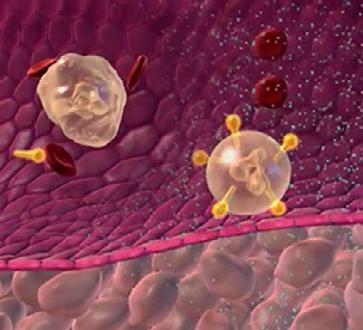
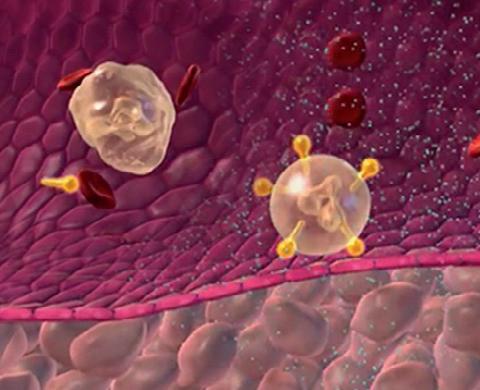
Some white blood cells in the body contain granulocytes which enable them to ‘clean’
bacteria in it. Too many of these white blood cells wear down tissue cartilage. In large numbers they can also produce chemical enzymes and toxic freeradicals which cause even more tissue damage. Excess accumulation of white blood cells combined with the release of chemical substances cause’s joint pain
The more becomes, the more the white blood cells are attracted to it –a painful cycle.
protects cartilage. This means it helps to delay the onset of arthritic changes or slow down further cartilage degeneration if it already exists.
In short, if you want to extend the lifetime of your working horse, feed it a natural antirich source of natural vitamin C. Rose-Hip Vital® Equine is your only option, and the results speak for themselves.
Equine gastric ulcers: signs, diagnosis and treatment
Provided by THE RIVERS EQUINE VETS
Gastric ulcers, or Equine Gastric Ulcer Syndrome (EGUS), is one of the most common diseases affecting the equine stomach. Gastric ulcers can affect all breeds of horses and can be categorised by the area of the stomach they affect, and the severity of the ulceration.
Gastric ulcers can range from mild to severe and can be challenging to identify- no clinical sign or lab test is specific for ulcers. Symptoms can vary, and diagnosis can be tricky as they can present similarly to other common complaints.
Symptoms to look for in your horse:
- Decreased appetite and reluctance to feed.
- Abdominal discomfort (colic)
- Poor performance or a change in attitude.
- Weight loss and poor body condition
- Change in hair coat.
Diagnosis of ulcers
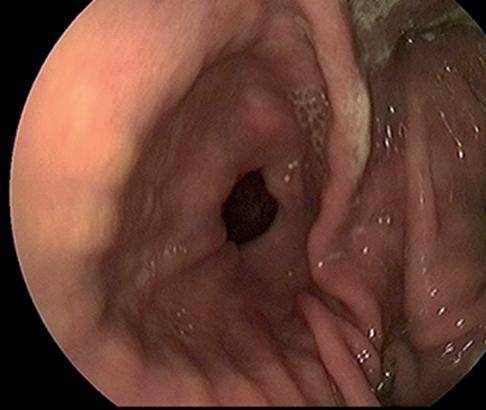
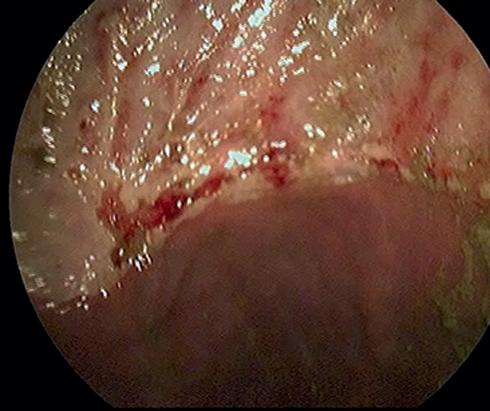
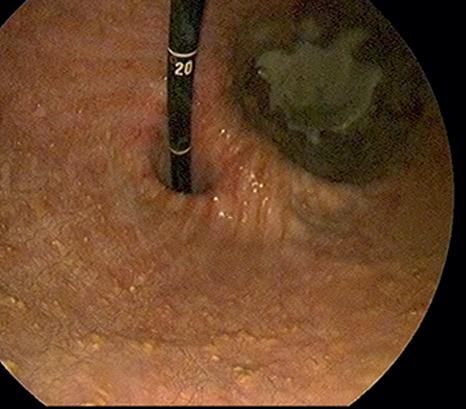
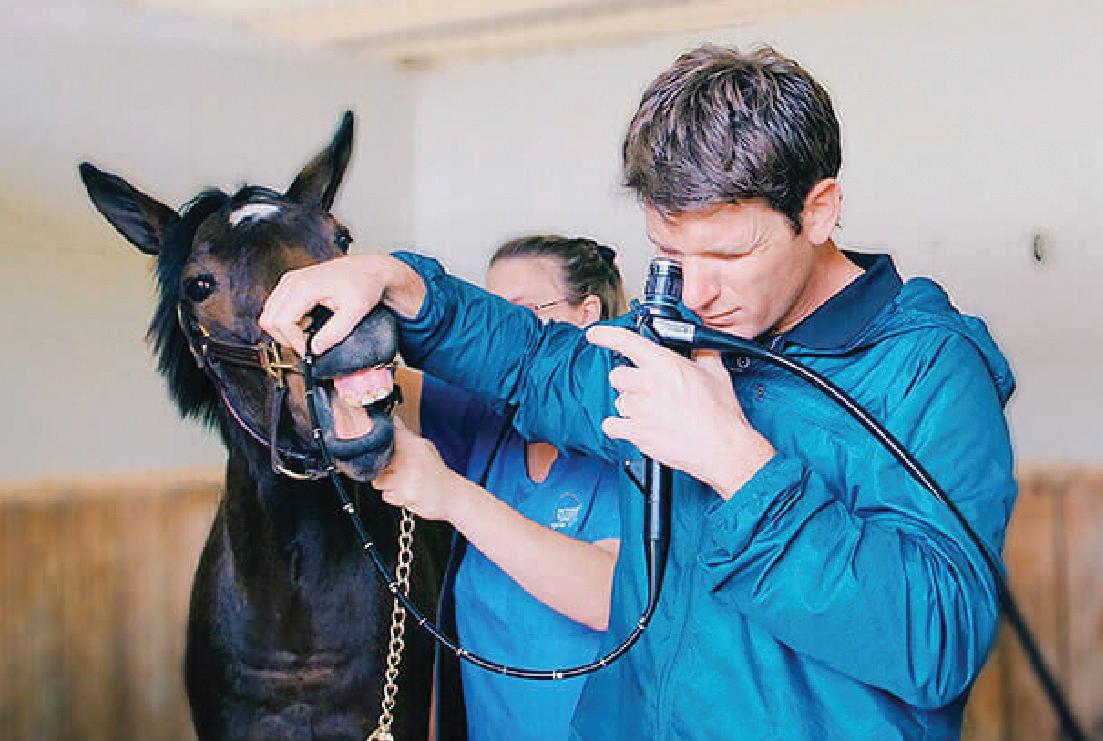
Diagnosis relies on visualisation of ulcers in the stomach region, and this is achieved with the use of a Gastroscope.
The apparatus is a three-metre-long flexible tube that is passed down the oesophagus via the nostril.
Acamera on the end of the scope is used to view the inside of the stomach, with the Gastroscope being connected to a computer screen.
AGastroscope gives us the ability to view the squamous, glandular and pyloric regions
of the stomach - all common areas for ulcers. During your horse’s scope, the vet can take video or photos of any area of interest. Prior to scoping, your horse's stomach will need to be empty, therefore fasting is carried out from the previous evening.
Asedative is used to help keep your horse relaxed and comfortable - the procedure is not painful but it can be a little unfamiliar for your horse.
Treatment
Treatment consists of environmental, behavioural and dietary management as well as medical intervention.
Put simply, it is all about dampening down the acid production within your horse's stomach.
This can be achieved via forage consumption (pasture, roughage eg hay) which provides a physical barrier; lining the stomach to help reduce acid "splashing", H2 blockers (antacids), Sucralfate - which creates a coat-
ing over ulcers, and proton pump inhibitors (or omeprazole) have proven to be extremely effective.
For the holistic person, herbs such as Comfrey Leaf, Marshmallow Root, Liquorice, Meadowsweet and Slippery Elm have all shown properties that provide a mucous layer over the stomach lining, but they do take longer to have a beneficial effect.
To prevent ulcers in horses, avoid long periods without access to feed, and allow your horse to graze for extended periods of timejust as they would in the wild.
Reducing stressors, avoiding high grain diets and prophylactic treatment can help prevent ulcers.
If you suspect your horse is suffering from gastric ulcers, contact The Rivers Equine Vets.
We regularly host Gastroscopy days, please don't hesitate to contact our office on Ph 02 6672 3898
Ulcereze A New Approach to Equine Gastric Health
Provided by Brinicombe
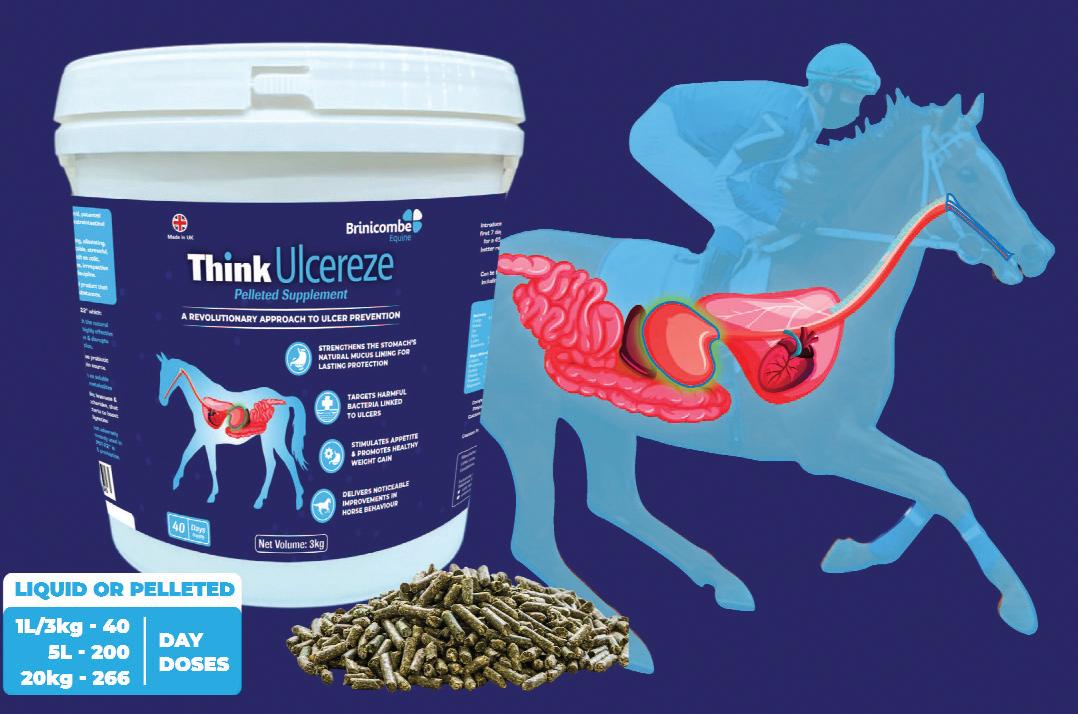
Ulcereze is a UK-developed gastric support supplement built on patented technology designed to help maintain a healthier stomach environment in horses.
Made from a combination of natural, registered feed ingredients, it works synergistically to support gastric comfort and digestive stability-particularly for horses prone to colic, gastritis, or gastric ulcers . Through daily feeding, the active compounds are absorbed via the gut wall and into the bloodstream, where they help reinforce stomach lining integrity.
Laboratory studies suggest the patented ingredients may interfere with the survival mechanisms of Helicobacter pylori, a bacterium capable of thriving in acidic conditions.
By inhibiting urease activity and promoting natural lysozyme production, Ulcereze supports a healthier gastric environment while helping disrupt bacterial replication.
Horse owners commonly report calmer behaviour, improved post-exercise appetite, and better body condition within the first month of use. Unlike omeprazole-based treatments, Ulcereze uses only natural feed materials, allowing continuous use during
Diagnosis of ulcers in the stomach region is achieved with the use of a Gastroscope.
training and competition with no withdrawal period.
With over 15 years of development supported by UK government-funded research at Rothamsted Research and the University of Exeter, the technology now carries patents in the UK and Australia, with further approvals pending globally.
Ulcereze is recommended as both a daily preventive measure and a supportive aid during rest periods to help heal and stabilise the gastric system ahead of training cycles.
AGastroscope examination of your horse’s stomach can provide quick information for treatment of gastric ulcers.
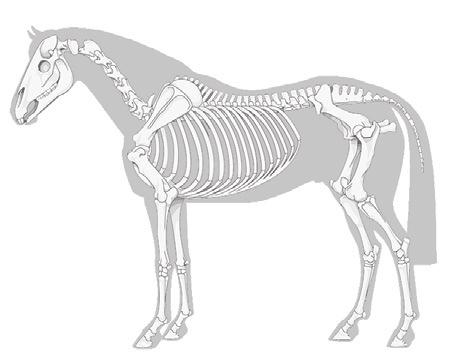
Although over thousands of years, horses have gone from being wild in herds to domesticated, their digestive system has not changed in the slightest.
Mouth
The mouth is the first point of digestion and the chewing and grinding action discussed above combined with the digestive enzymes in the mouth supports breakdown of long stem fibres. The horse’s teeth evolved millions of years ago when they went from being small forest animals who would snack on fruits to grazing 18-20 hours per day in open plains.
These teeth enabling them to chew and grind tough grasses throughout the day and support their grazing nature.
Stomach
From here it goes to the stomach where further digestion and breakdown occurs.
Hydrochloric acid and pepsin breakdown proteins and create an acidic environment to prevent fermentation of starches in the stomach.
The stomach is very small in comparison to the size of the horse, similar to the size of a shopping bag.
Small Intestine
Horses do not have a gall bladder like us humans, and instead have a constant flow of digestive enzymes into the small intestine. This is essential to support the grazing nature of the horse and why it is paramount to ensure domesticated horses have ad lib access to grass or hay. Due to this the small intestine is
where most of the nutrient absorption occurs.
Large
Intestine & Hindgut
The hindgut is the last place feed is sent for digestion and absorption.
This process is unique to herbivores although different herbivores may have different fermentation processes. Lots of microbes reside in the hindgut and do their job to ferment the left-over starch and fibre into Volatile Fatty Acids (VFAs);
which are directly absorbed into the bloodstream for energy.
As we can see nothing has changed in the horses' digestive system from tens of thousands of years ago up until now, why has the way we feed them changed?
Yes, the demands on their bodies are different but does this warrant the use of poor ingredients, unsuitable for the species?
Through domestication it is necessary to supply the horse with food and water, as in most cases
they cannot forage for their own. How often do we make this as close to what they have in the wild?
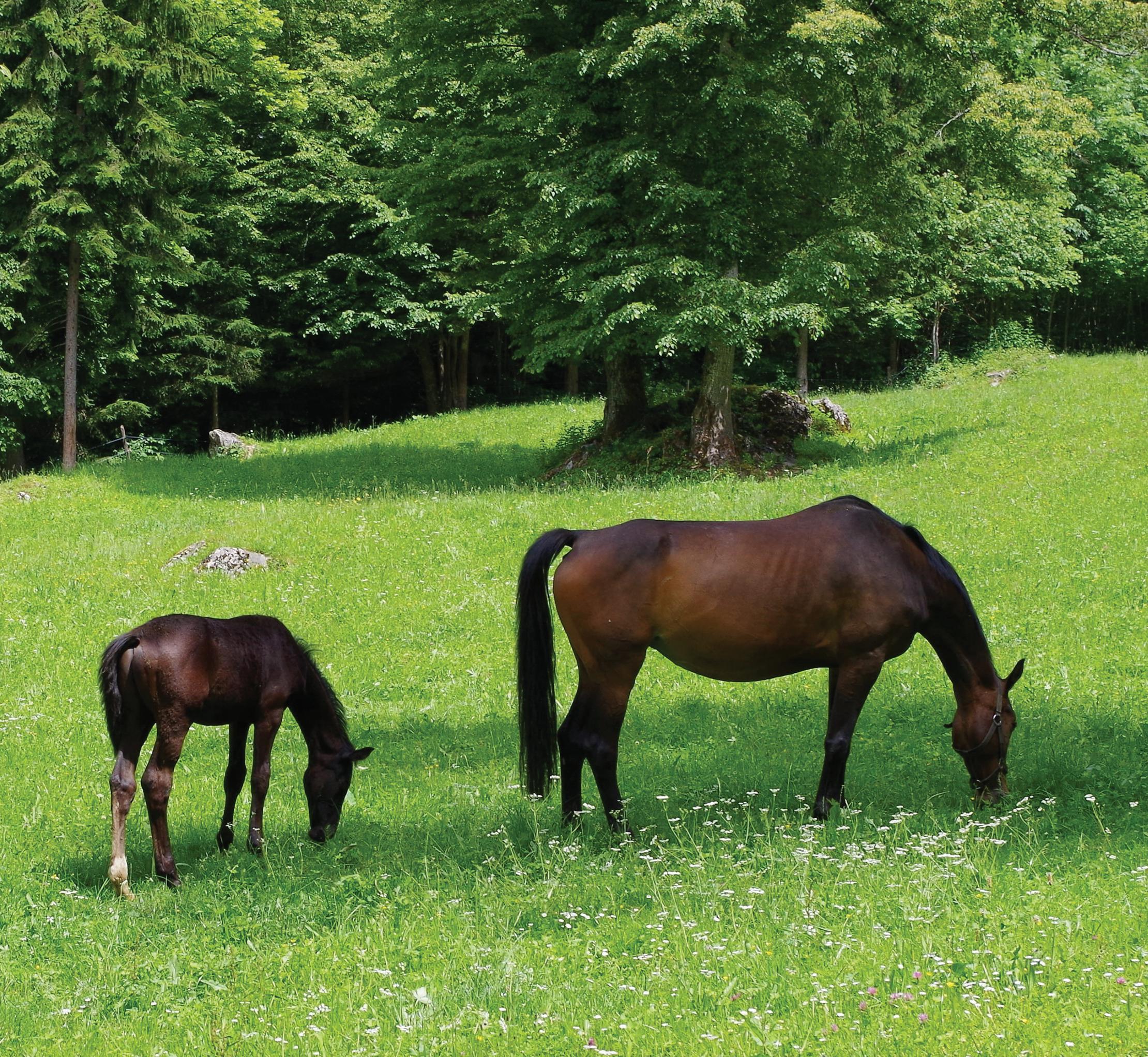
Roughage, grassy paddocks, adlib hay and chaffs are all very natural sources of feed for the horse and close to what their digestive habits are.
Amash of bran, mill-run, beet pulp and soy hulls; not exactly natural forage that is readily available in the wild, let alone roughage.
Grassy paddocks, hay and chaffs are all very natural sources of feed for horses.
The Horse Report
Feeding a horse should never be as complicated
From page 20
Why feed a natural diet
Feeding horses, a natural diet is the same as feeding ourselves a nutritious wholefood diet, it is what our bodies were made to consume.
Horses are not designed to process wasteproducts, non-grass fibre sources, wet porridge or soaked feeds apart from hay cubes where this can be fed dry or damp. One paper in particular reviews natural feeding strategy for the evolution of the horse.
This paper concludes that "the equine gastrointestinal tract is not evolutionary adapted to digest diets fed in current feeding practices" and suggests modern day feeding practises such as restricted feeding, irregular feeding times and cereal feeding can compromise the horses' health and welfare (N. Hilmo et al, 2013).
It would be common knowledge to some to think that what we put in our mouths or our animal's mouths should support the way that digestive system has evolved. However, this seems to be lost quickly with smart marketing techniques and lack of understanding of the evolution of the horse. Another important reason to feed a natural diet is to question why our horses deserve a lesser quality than what we have.
Horses are treated at the highest standard with regular dentistry, chiropractic work, saddle fittings and veterinary treatment to say the least, yet it is accepted to feed them poorer quality feed than what they need biologically.
Not only this but most horses are either athletes, a member of the family, our best friend or a combination of all the above. None of which deserve any less than the best.
Feeding a horse should never be as complicated as marketing campaigns make it seem. They are a grazing animal that need a trickle of feed throughout the day.
Taking into consideration they are domesticated we need to supply them with the best quality vitamins and minerals to support their workload and individuality. This is where a good, qualified and registered nutritionist comes into play.
Daily vitamin and mineral supplements are always usually suggested.
Domesticated horses are not able to forage the thousands of kilometres that wild horses can.
In addition, we ask a lot more from them on a day-to-day basis.
These supplements should always contain human grade ingredients, as our horses deserve nothing less than what we do. For further information please visit our website or email us enq@hiform.com.au
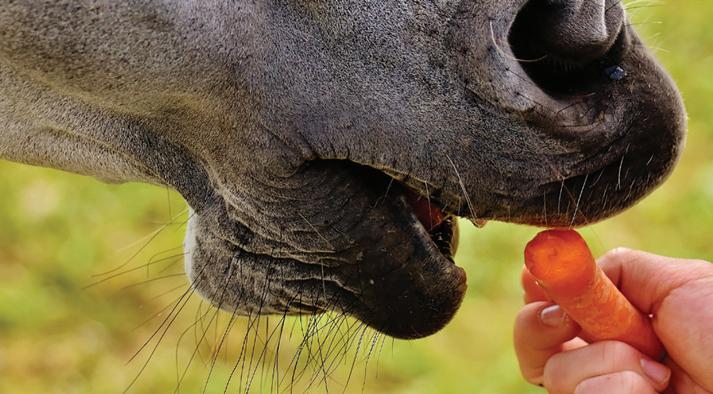
Carrots – Are they safe for my horse?
Supplied by RANVET
Carrots – Are they safe for my horse?
The answer is yes.
We have all feed carrots to our horse, as a treat, reward, training tool or as an extra sprinkle to their feed- but have you ever stopped to think if carrots are good for your horse and are there actually any benefits from feeding them?
What is actually in a carrot?
Carrots are the perfect yummy treat. They are easy to pack, relatively cheap and whose horse doesn’t love carrots? After all they are nice, sweet and crunchy, but do they hold any nutritional value?
Rich in vitamins and minerals; high in Vitamin Aand Vitamin C, 85-90% water
Good source of fibre, low in carbohydrates (but they do contain some low levels of sugar). Low in energy & high in potassium.
How many carrots can I feed?
As with all treats, it is recommended to feed carrots in moderation. No matter what look your horse gives you, live by the saying less
is more. An average of 1-2 for ponies and 2-3 for large horses of carrots per day is best practice. Any more may affect the balanced nutritional ration you already have your horse on and, as with children, they will fill up on the treat and not eat their normal feed.
Carrots are safe for horses that may suffer from metabolic issues or laminitis but again moderation is extremely important, and we would advise checking with your veterinarian to make sure what you are doing is safe for your horse.
An strict instance however where carrots shouldn’t be fed are with horses suffering from Hyperkalemic periodic paralysis (HYPP), due to the high potassium content.
How do should I feed carrots?
How we feed carrots to horses is another question that often gets asked and there are several safe ways to do that
Cutting into small pieces which works well for horses that might gulp their food and not chew properly, therefore avoiding your horse suffering from choke. Keeping the carrot whole but allowing your
TIPS FOR FEEDING
* Feed little and often as a horse has a small stomach
*Always make sure your horse has access to fresh clean water
* Feed according to age, size, workload and temperament
* Feed at the same times each day
* Horses can be fussy eaters always feed from clean buckets
* Make diet changes gradually
*Always feed good quality feed
* Store your feed and hay in a pest & rodent free dry well-ventilated area
* Feed plenty of good quality forage or fibre 50% of your horses diet should be forage
* Make sure your horse gets regular dental care
* Maintain a regular worming schedule
* Give treats: Carrots, apples, and pumpkins are good treats in moderation, but avoid poisonous items like onions or avocados.
horse to take small bites from the carrot whilst holding it. Grating the carrot to add to your horse’s feed. This is particularly good for older horses with poor teeth or horses with dental issues.
Adding into treats such as homemade iceblocks for summer days.
What about the green tops?
They are not toxic to horses and are perfectly safe to give, as are carrots of different colours, they contain the same nutritional value as plain orange carrots.
Should I wash the carrots first?
It is advisable to give them a good wash before feeding just to be sure they are free from any chemical or pesticide residue. Carrots are a wonderful treat for your horse, and when given in moderation are a good addition to a horse’s diet.
The Horse Report
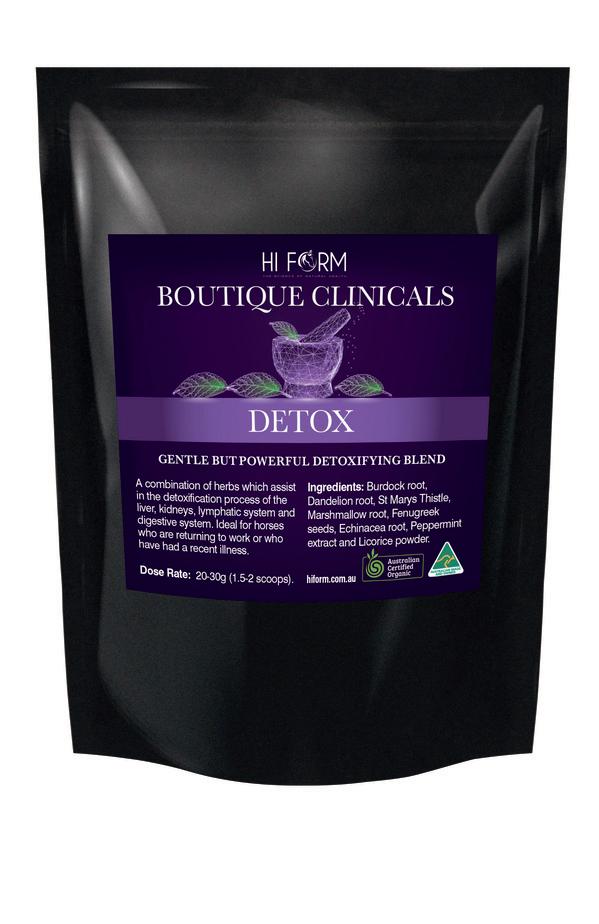
HERBAL TUNE UP WHY YOUR HORSE NEEDS A SEASONAL DETOX
By Karyn Campbell Naturopath & Equine Herbalist
WHY DETOX?
Detoxifying your horse at the start of every season with high-quality herbs can offer several benefits, promoting overall health and well-being. Here are some reasons why this practice might be beneficial:
Remove Toxins: Over time, horses can accumulate toxins from various sources such as environmental pollutants, feed additives, and chemicals. Herbal detoxification can help remove these toxins from their bodies.
Boost Immune System: Certain herbs can strengthen the immune system, making horses more resilient to seasonal illnesses and infections.
Support Liver and Kidney Function:: The liver and kidneys are crucial for filtering out toxins. Herbs like milk thistle and dandelion can support these organs, enhancing their function.
Improve Digestion: Seasonal changes can affect a horse’s digestive system. Herbs like peppermint and fennel can aid in digestion and prevent gastrointestinal issues.
Enhance Coat and Skin Health: Detoxifying can result in a shinier coat and healthier skin, as toxins can often manifest as skin problems.
Increase Energy Levels: Removing toxins
Reduce Inflammation: Some herbs have anti-inflammatory properties that can help reduce inflammation and associated pain, particularly beneficial for older horses or those with joint issues.
Adapt to Seasonal Changes: As seasons change, so do the demands on a horse’s body. Detoxifying can help them adjust more smoothly to changes in weather, diet, and activity levels.
It's essential to use high-quality herbs to ensure the best results and avoid potential contaminants. Consulting with a Equine Herbalist before starting a detox regimen is also recommended to tailor the approach to your horse's specific needs and health conditions.
WHY WE DETOX
The Horse Report
Radiographic proof in clinical results
By Dr ANDREWWATTSBVSc Equine Veterinarian
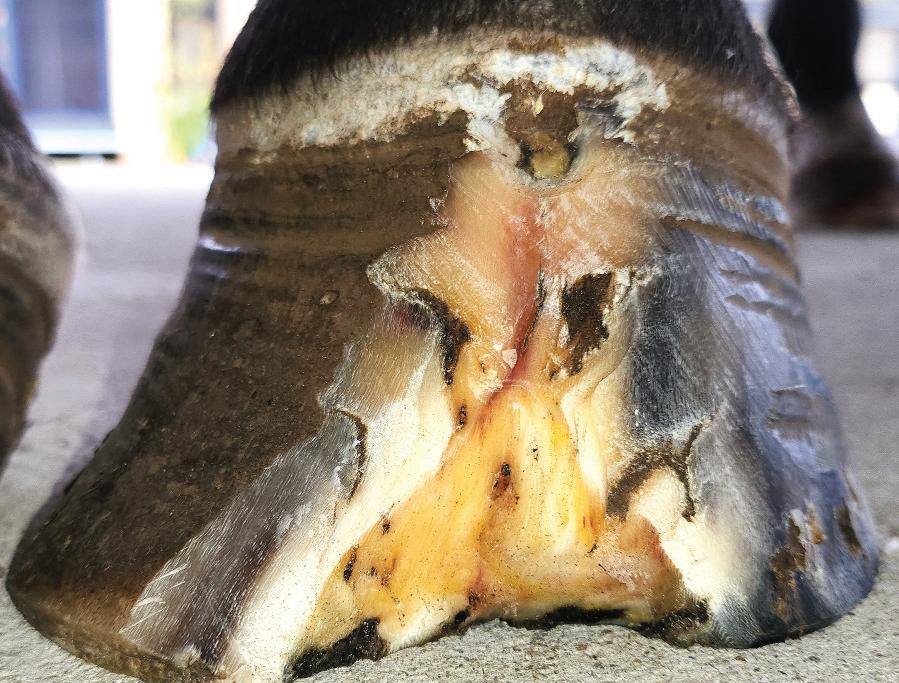
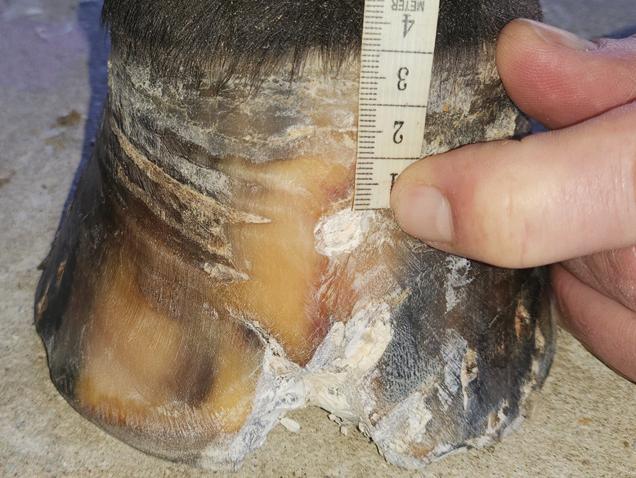
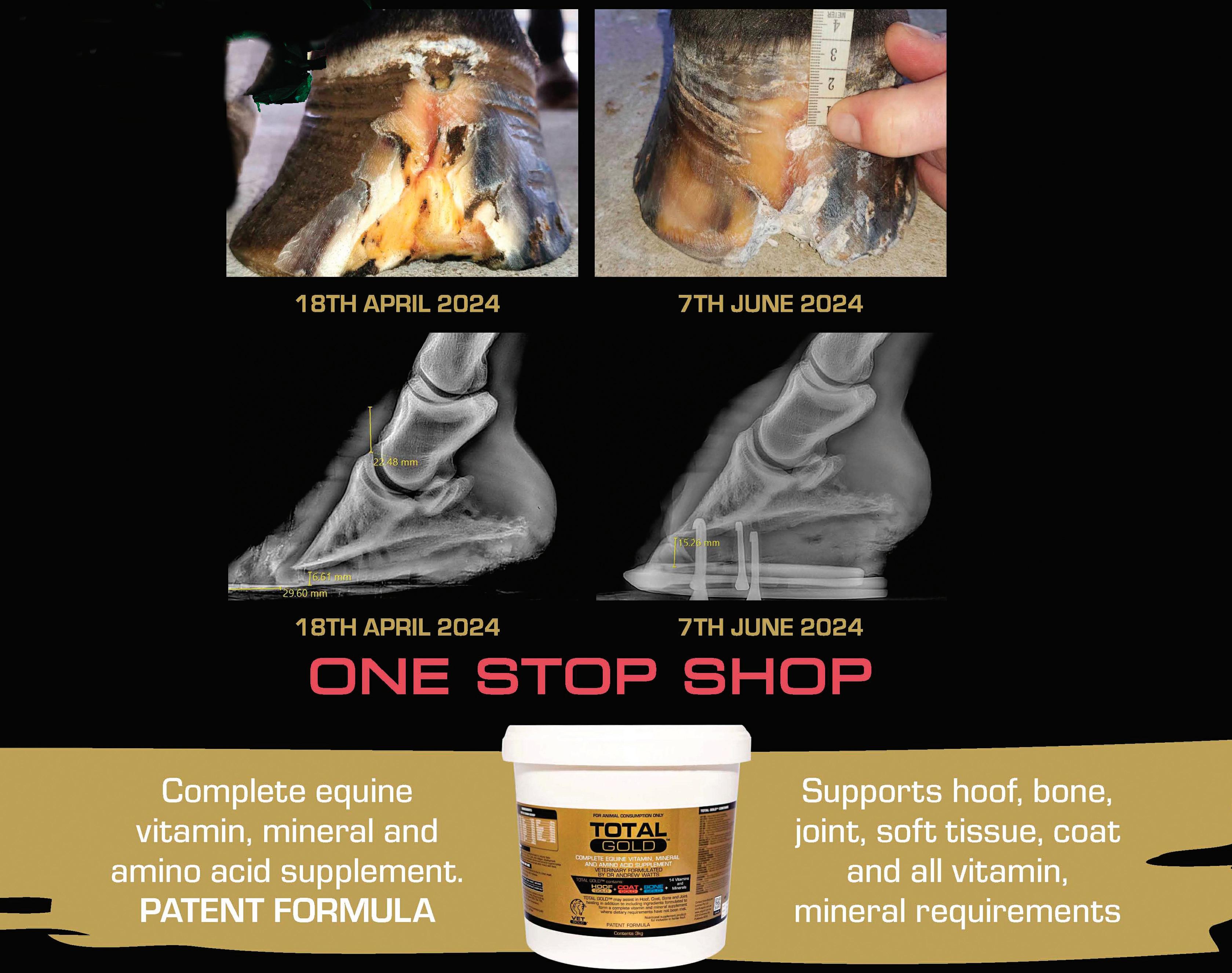
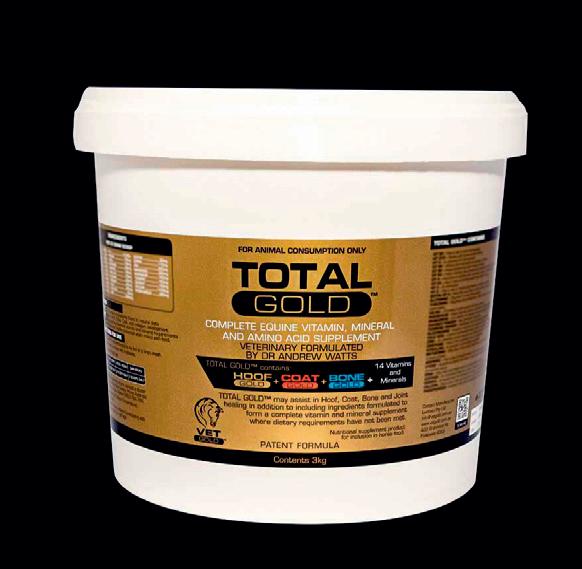
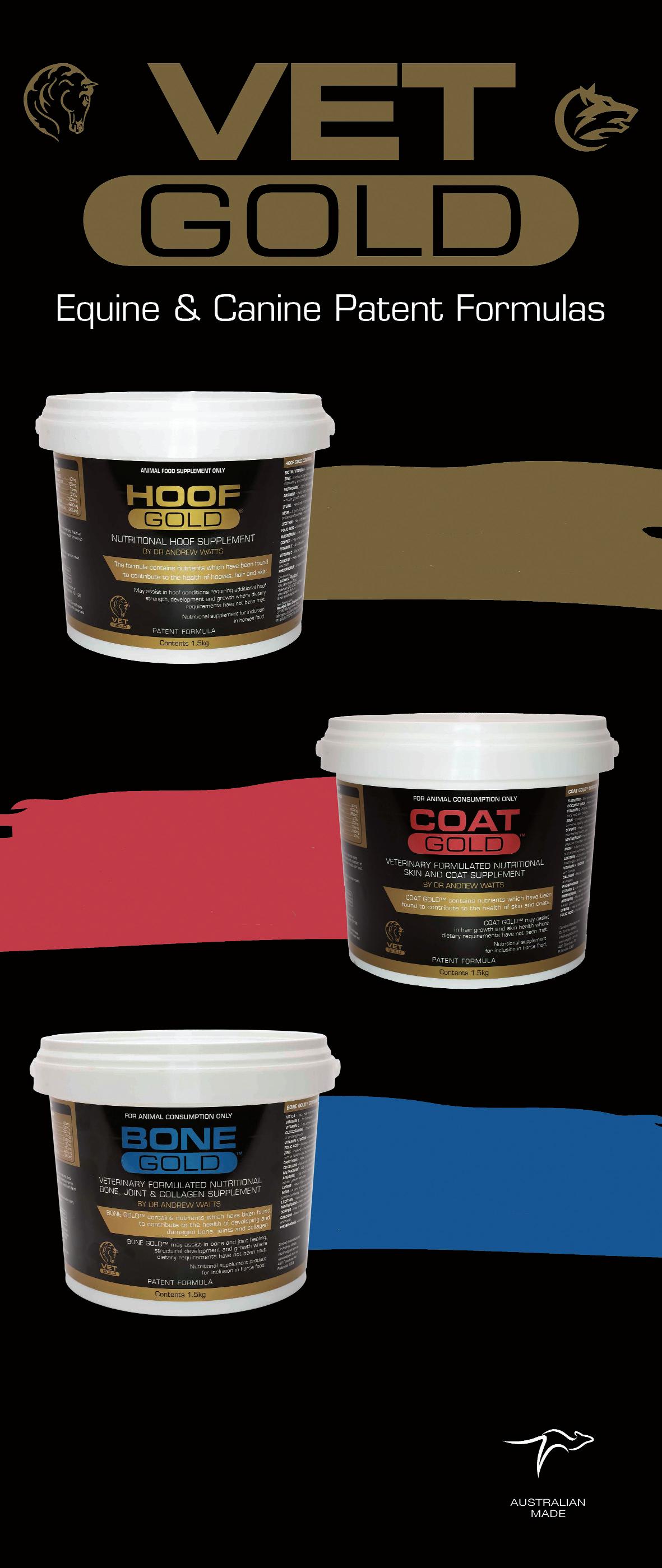
BONE Gold nutritional bone joint and collagen supplement was formulated to provide some of the essential amino acid requirements of collagen type I, II and III (found in bone and connective tissue) in addition to supporting the nitric oxide pathway which has been found to assist in the formation of bone callus postinjury.
Veterinary surgeons have recommended that Bone Gold may assist with sore shins, tendon injuries, ligament injuries, osteoarthritis and post-surgery in horses and polyarthritis, geriatric osteoarthritis, and post-surgery in dogs.
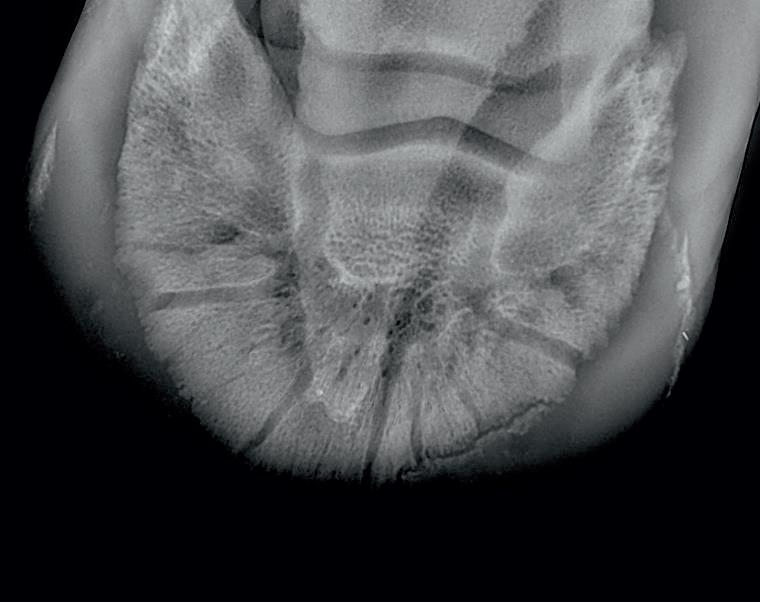
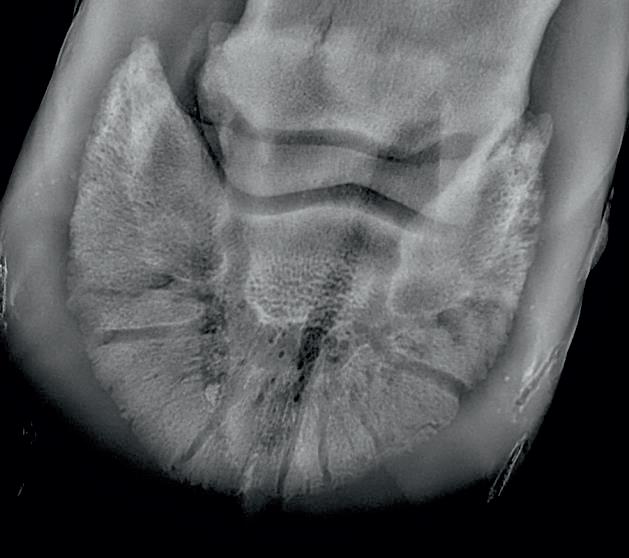
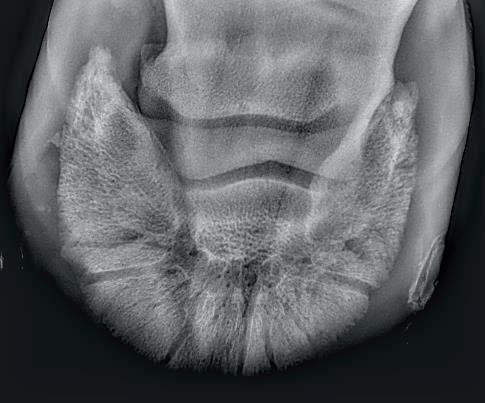
Here is a veterinary radiographic report on a horse with a fracture evident on the medial toe and after treatment and feeding Bone Gold during this period. More information on these products can be found at www.vetgold.com.au
VETERINARY RADIOGRAPHIC REPORT
HORSE: "XXXXXXXX"
DATES OF EXAMINATION: 26TH AUG, 21ST OCT 21 & 17TH NOV '21
PLACE: XXXXXXXXXX FARM
XXXXXXX's left and right front feet were radiographed on 26th Aug, 21st Oct (8 weeks) and again on the 17th Nov '21(12 weeks).
RADIOGRAPHS:
26.08.21: Right Front: Large P3 solar margin fracture evident on medial toe 32.6mm x 4.1mm with approximately 1.4mm separation from parent bone as below left image.
21.10.21: Right Front: Fine residual 4.2mm fracture still evident, approximately 90% resolution
17.11.21: Right Front: Fracture fully resolved
RECOMMENDATIONS:
Radiographic results as of the 17th Nov '21 show total resolution of the original fracture.
XXXXXXX was reshod today utilising off an alloy shoe with a toe clip - inner circumference seated out to avoid any sole pressure.
The horse can return to training. Please do not hesitate to contact me if you have any further queries
COMMENTS:
Solar margin Type IV fractures of this magnitude have well-documented internationally published healing rates of 7 - 12 months. Full resolution of these fractures is rare as most often the fracture fragments are resorbed.
Full resolution in a 3 month period was not anticipated.
The horse was on Bone Gold 3 x scoops fed once per day for this period.
"Go to our webpage or scan the QR Code to see more Bone Gold Radiographic results"
14-15 Stonewall Young Horse Show 20-22 Boneo Grand Prix
MACRH
13-15 NVSJC World Cup Show @ Shepparton
19-21 Jumping with the Stars @Werribee
27-29 Stonewall Grand Prix Show
SHOWHORSE
www.agsshowsnsw.org.au
www.qcas.net.au
www.vicagshows.com.au
www.sacountryshows.com
FEBRUARY
6-7 Tenterfield Show
6-7 Nowra Show
7 Uralla Show
6-8 Allora
6-8 Barastoc Horse of the Year Show 2026 Werribee
13-15 Clifton
13-15 Gundagai Show
13-15 Glen Innes Show
13-15 Maitland Show
14 Dunedoo Sho
20-21 Killarney
20-21 Cessnock Show
20-21 Guyra Show
21 Cooyar
20-22 Canberra Royal Show
27-1 Bega Show
27-28 Inverell Show
27-1 Newcastle Show
28-1 Bell
28-1 Millmerran
MARCH
1 Arabian summer show @ Gatton
4 Show Horse Qld Judges seminar
6-7 Pittsworth
6-7 Proston
7 Tara
8 NNSW Hack show @ Maclean
8 EQ Cup Hack Show @ Park Ridge
13 Miles
13-14 Inglewood 13-14 Murgon
14 Beenleigh 14 Oakey
20-21 Goomeri
20-22 Warwick 25-28 Toowoomba Royal Show
29 Currumbin Hack Show
31-4 SHC Grand Nationals
APRIL
2-13 Sydney Royal Easter Show
26 EQ Anzac Show @ Park Ridge
TRAIL RIDING & CTR
Australian Trail Horse Riders Association0418 438 807 www.athra.com.au
Beaudesert Shire 0429 443 237
Beechmont & District 0419 737 253
Bouldercombe 0459 451 967
Breakaway 0408 712 851
Brisbane Valley 0428 750 145
Cairns Trail Horse Club 0429 008 707
Calen Trail & Sports Club 0428 849 529
Cooloola Trail riders Ph 07 5482 8436
CTHC-Caboolture ph 07 5498 6068
Curtis & District 0438 111 091
Dayboro Trail Riders to 0432 186 200
Email - dayboro.trailriders@gmail.com
Gympie Region Horse Trail Riding Club 0488 015 673
Ipswich & District 0457 881 012
Logan River Redlands 0412 655 613
Mudgeeraba & Hinterland 0407 902 754
Rathdowney Trail Riding 07 5544 1177
Richmond River Trail Horse Riders Club 0431 486 354 / rrthrc@gmail.com
Saturday Horse Activities 0408 361 215
SCATER www.scater.com.au
Ph: 07 5478 8676 or 0417 612 061
Somerset Trail Riding Club - 0418 438 807
Sunny Coast Trail Club - 0428 176 557
Tweed-Byron Trail Riders 0418 400 047
Townsville Horse Trail Club 0407 117 998
Toowoomba Trail Riders 0419 614 426
Toowoomba's Cumburrie 0438 933 032
Trail Riding Australia 0458 342 067
Wide Bay Trail Riders 07 4126 3456
WESTERN
www.aqha.com.au
FEBRUARY
8 SSWPC Multi Judge @ Veresdale
14-15 Burpengary
@ Nambour
The Horse Report
Do I need to clean my gelding’s sheath?
Supplied by RANVET
When to clean the shealth and how often will depend on the individual horse. Some horses may never need their sheath cleaned, were as others might need regular cleaning.
The bigger question is why do geldings need this done?
Many horses get a buildup of a waxy and often flaky substance called Smegma in their sheath, this is an accumulation of dirt, oils and dead skin cells.
Smegma can harden over time and become what is commonly referred to as beans.
If they buildup they can cause discomfort, infection and obstruct the urethra.
If you are concerned your horse needs a clean it is best to discuss with your veterinarian. Your vet will be able to diagnose that your suspicions are true, and that there aren’t adjoining infections taking place.
Further, we want to ensure a trained professional is dealing with this sensitive area to avoid complications.
The sheath has a very balanced bacterial flora. Lastly, it is a safety issue..
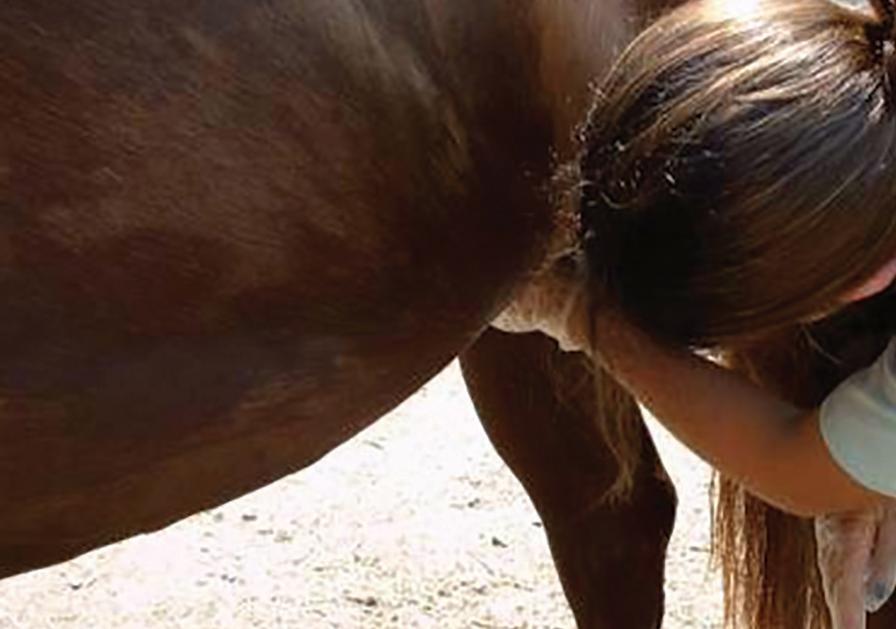
To clean a sheath, you do have to be in a vulnerable position under the horse and if your horse isn’t used to the procedure, it may require a sedative.
If you have done all the checks and your horse is comfortable for you to clean his sheath, there are a few things you will need.
Gloves
Warm Water
Soft cloth or sponge
A mild gentle shampoo or soap that you can dilute in some water. You can use a water-based lubricant if required.
To clean the sheath
Go gently and slowly, the skin is very delicate, you don’t want to damage the sensitive skin barrier or cause any irritation. Carefully wet the sheath thoroughly with warm water.
With diluted shampoo or lubricant, use
If your horse needs a clean it is best to discuss with your veterinarian.
the soft cloth to gently clean and remove beads.
Do not scrub, it may break the skin allowing the introduction of bacteria or infection.
Once clean, rinse the area with warm water and gently dry.
Some important don’ts
Never pull or force the penis out. This is where you will need the help of your vet as sedation may need to be administered by them to help relax your horse. Be careful not to damage or irritate the skin
Never use a hose directly on the sheath, always use warm water and apply gently Avoid certain shampoos, especially ones that may be concentrated, as they can strip the skin of its natural oils and disrupt the natural bacteria.
The best idea is to have a chat with your veterinarian and they can offer you the best advice to help make that decision.
KEY CONSIDERATIONS FOR SHEATH CLEANING:
When to Clean: Annually is a common recommendation, often done when the horse is already sedated for dentistry. Signs it is needed include a strong odor, excessive tail rubbing, or straining to urinate.
The Process: Use a gentle, dedicated, non-irritating, horse-safe cleaner (e.g., Excalibur) or simply warm water. Wear disposable gloves.
Safety First: If your horse is not accustomed to it, have a veterinarian perform it, or use sedation if necessary.
"Beans": Look for and remove any hardened wax buildup (beans) found inside the urethra pocket, as these can cause significant blockage.
Do Not Over-clean: It is recommended to have a veterinarian check to determine how often it needs cleaning.
The Horse Report
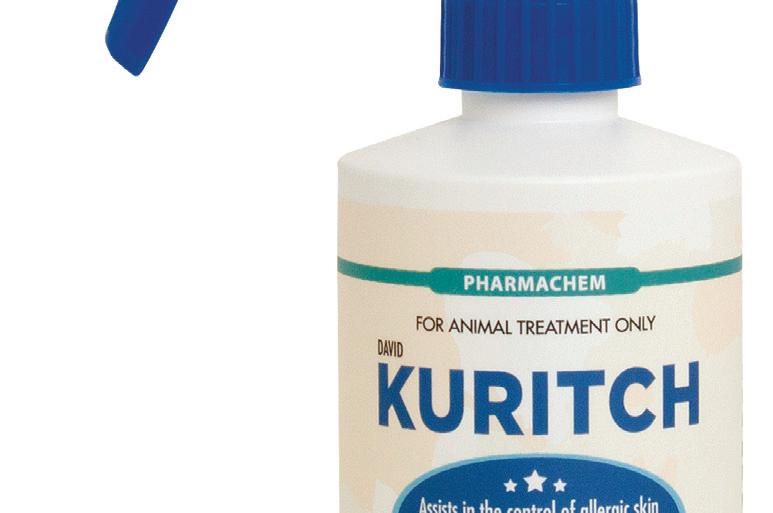
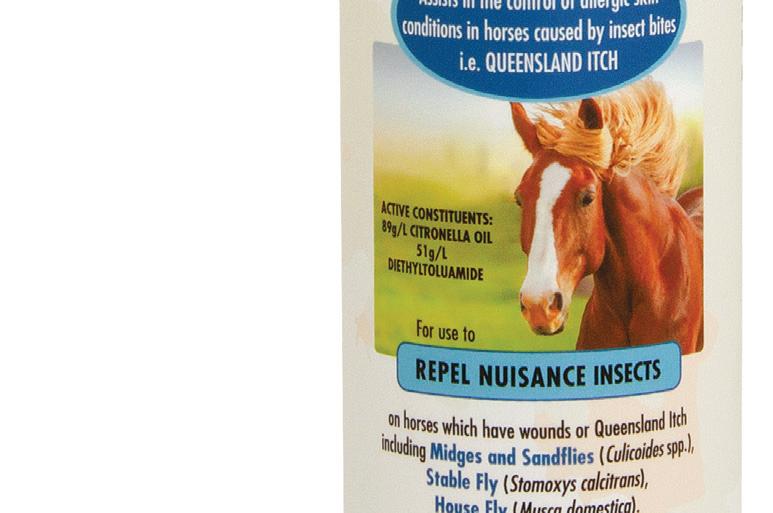
“BYE BYE FLY”
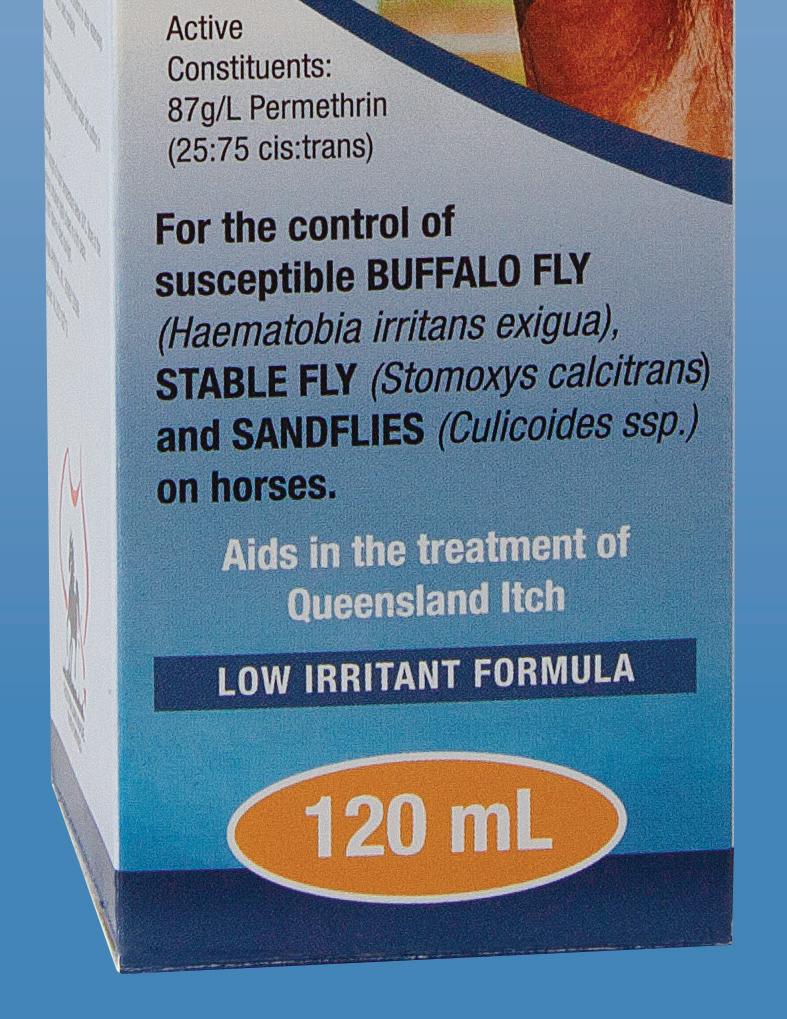
QUEENSLAND ITCH, SWEET ITCH, SUMMER ECZEMA and EQUINE ALLERGIC DERMATITIS are names for distressing skin conditions which affects horses in spring and summer months throughout Australia and around the world.
The usual cause is a hypersensitivity to the bites of flies (in particular sand flies or midges).
While the bite of the flies are an irritation, some horses develop sensitivity to the bite and will rub themselves so much that they cause injury to their skin.
Research shows the cause is an allergic reaction to the chemicals in the saliva of the midges (as with humans).
Not only that, but once or twice a day, stable lies come to the horse, feed vigorously for a minute or two, and then return to the shade to digest their food. These bites can cause intense irritation in some horses. The bites appear as small raised lumps with a central scab.
The effects on the horses can be dramatic. They suffer intense pruritus (itchiness) on the mane, tail, face, ears and back, resulting in biting, rubbing, hair loss, self-trauma and a change of temperament. They become miserable and irritable.
KURITCH has been specially formulated to help assist this problem effectively, in a number of ways:
Firstly, it repels the biting insects using the combination of the natural repellent “Citronella Oil” and a highly effective repellent “DEET”. Secondly, it soothes the irritated areas thus relieving the horse from biting and rubbing, which in turn allows the normal healing process to begin.
Also rugging, hooding or stabling your horses between the hours of 4pm – 7am during spring and summer will limit the contact of the flies.
Should your horse already be suffering from the effects of allergic skin dermatitis, ensure you use QUIT ITCH to treat and relieve the effects of insect bites.
Since the 1970’s, QUIT ITCH has been an essential weapon in the fight against skin disorders in horses.
It achieves this by the inclusion of the natural antiseptic “Eucalyptus oil” and Camphor oil” which naturally relieves itchy skin.
These significant benefits are also enhanced by the “Rain Resistant” and “Low irritant” formula. As it doesn’t contain alcohol (prevalent in most fly sprays) it won’t “sting” the horse. It can also be applied to surface wounds, minor cuts and skin abrasions to help prevent irritation and possible infection by nuisance insects.
Registered by the APVMA in Australia for over 40 years, extensive field experience has proven KURITCH to be a most effective solution for both preventing and healing distressing skin conditions caused by biting insects.
As well as KURITCH as a repellent, environmental management will also assist in protecting your horse.
Midges breed near stagnant water. As they don’t fly more than a few hundred metres from their breeding area, housing or paddocking your horses more than 500 metres from those areas will reduce their exposure to the flies.
The Horse Report
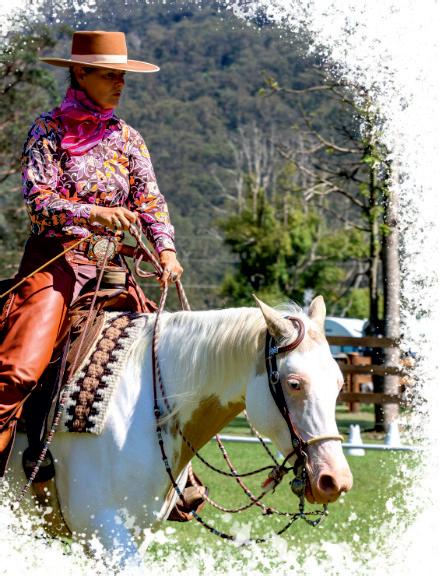
Retreat build confidence and connection
By TANJA KRAUS
It took me quite a few days to collect my thoughts before writing about our five day confidence and connection retreat. Firstly, I have so much gratitude for being able to collaborate with Linda from Nurtured by Nature Psychotherapy.
I've known Linda through her attendance regularly at my clinics, and had an inkling that our material would work well together.
I had an idea that her approach to humans, was in alignment with my approach to horses but this was so much more than that.
Our presentations and lessons entwined and complimented each others so perfectly you would imagine that we wrote them together (we didn't).
Linda's professionalism, her genuine caring, her vulnerability and her life experience truly did nurture the attendees towards growth and progress over the five days.
Linda helped connect them to themselves, which then facilitated a deeper level of understand-
ing and mutual connection with their horses.
Linda worked with individuals privately and in a group setting over the five days, including their horses in sessions
This clinic was held at a magical private property in the Gold Coast hinterland, complete with rolling hills, private waterfalls and crystal clear creeks, abundant birds and wildlife, surrounded by Springbrook and Lamington National Parks. This property held horses and
humans over the five day immersion into our horses and ourselves.
Huge thanks to Land D for allowing us to share Advaita. Our clinic attendees really showed up for this one with open hearts and a great willingness to be vulnerable, reflective and honest with themselves and their horses, which resulted in some deep and positive outcomes.
Our horses responded to this work with honesty, willingness
and open communication, as always we learn so much from them.
Beth shared her passion for art and how it can be a powerful tool for us to process thoughts and emotions, guiding us through a freeing art experience. Thank you for sharing your gift with us
And finally for myself, this clinic was a return to my passions, being a guide for open conversations with our horses, and most importantly being able to translate these conversations with honesty and transparency, without fear of egos becoming bruised and defensive, just raw and honest communication shared with love and respect, being a voice for our horses and sharing how we can build mutual trust and respect, and working with people who have a genuine desire for personal growth. Thank you to all of the participants for their openness Linda and I will be presenting this course and the follow up courses in 2026.
To register your interest please send your email address to tour Facebook page or to tanjakraushorsemanship@gmail.com
www.tanjakraushorsemanship.com
Clinic allowed attendees to be vulnerable, reflective and honest with themselves and their horses, which resulted in some deep and positive outcomes.
The Horse Report Honouring Reg Cleland OAM for service
BY EQUESTRIAN AUSTRALIA
Reg Cleland has been recognised for an extraordinary lifetime of service to equestrian sport, receiving a Medal of the Order of Australia (OAM) in the General Division as part of the 2026 Australia Day Honours List.
This recognition acknowledges more than six decades of dedicated contribution across governance, officiating, course design, mentoring and volunteer service.
It adds to an already distinguished list of honours, including the Australian Sports Medal awarded in 2000, and induction into the Victorian Showjumping, Equestrian Victoria and Equestrian Australia Halls of Fame.
Across generations and disciplines, Reg is widely regarded as an equestrian all rounder. His depth of knowledge, generosity with time and consistent willingness to step in wherever help was needed have shaped events, pathways and people throughout the sport.
Over many years, he has given thousands of unpaid hours to equestrian sport.
Reg’s journey with horses began when his father brought home a pony from the pound that proved impossible to keep in a yard.
Rather than give up, Reg and his best mate at the time, Murray Wheatley, decided to see what the pony could do over rails.
The pony, measuring 14.2hh and aptly named Doubtful, became the starting point of Reg’s lifelong involvement in Jumping.
With Murray riding and Reg acting as strapper and truck driver, the pair began attending shows together. It was during this time that
Reg naturally gravitated toward helping in the jumping ring, picking up poles and assisting wherever he was needed.
In 1960, Reg formally trained as a course designer and judge under Lester Lowerson and Colin Kelly.
From there, his influence grew steadily. He went on to build courses and officiate at most of Australia’s major shows, judge across the country and in South Africa, and represent Australia overseas at events and conferences. Reg spent 20 years as chairman of the Melbourne Showjumping Club and has also been a long serving volunteer steward with the Royal Agricultural Society of Victoria.
At a state level, Reg served on the Equestrian Victoria board for more than 20 years, including eight years as branch chairman, and is a Life Member. Nationally, he was a member of the Equestrian Australia Council and Board from 1993 to 2002 and served as National Showjumping Selector from 1988 to 1992.
During his time as Chairman and later Grounds Manager of the Werribee Park Equestrian Centre, Reg oversaw the creation of the two indoor arenas and the construction of the stable blocks that continue to serve riders today. During the Equine Influenza outbreak, he continued to work at the centre without pay, ensuring it was maintained and ready for use when horses could return.
His wife Fran has spoken openly about how deeply Werribee Park means to Reg, describing it as a place he loves without reservation. Reg also gave generously to the development of young riders.
He served for many years as Vice Chairman of the Pony Club Association of Victoria, delivered clinics and training days, and was instrumental in establishing the Equestrian Victoria Young Rider of the Year Awards.
Now retired, Reg continues to take a strong interest in equestrian sport from his home in Kilmore.
Reg Cleland officiating at a Young Rider of the Year event in the 1990s with Victorian Minister for Sport Tom Reynolds (left) and Olympian Bill Roycroft (right).
The Horse Report Equestrian Australia updates Social Media Policy
BY EQUESTRIAN AUSTRALIA
Equestrian Australia has introduced an updated Social Media Policy, which became effective in December 2025.
The policy is designed to help protect our sport, our people and our broader community in online spaces.
The policy applies to all participants, including athletes, coaches, officials, volunteers, parents, administrators and board members.
It covers both personal and professional use of social media.
What this means for members:
• Use respectful, inclusive and professional language online
• Do not post content that is offensive, discriminatory, misleading or damaging to individuals or the sport
• Avoid commenting on investigations, disputes or confidential matters
• Make it clear when views are personal, noting that personal posts are still subject to the policy
• Take extra care when posting about or communicating with people under 18 years of age
• Respect privacy, copyright and permissions when sharing images or information Social media plays an important role in
promoting equestrian sport, connecting our community and celebrating achievements.
This policy supports responsible use that aligns with Equestrian Australia’s values
of integrity, respect and inclusivity. Members are encouraged to familiarise themselves with the full policy, available on the Equestrian Australia website www.equestrian.org.au
Health Safety and Welfare Stallion Safety Awareness
Stallion safety is a priority for everyone at Equestrian Australia events. To protect athletes, handlers, spectators and other horses, following EA's Stallion Safe Practice Policy is a requirement all EAsanctioned events.
Key requirements
Notification of entering a stallion to organising committee upon entry
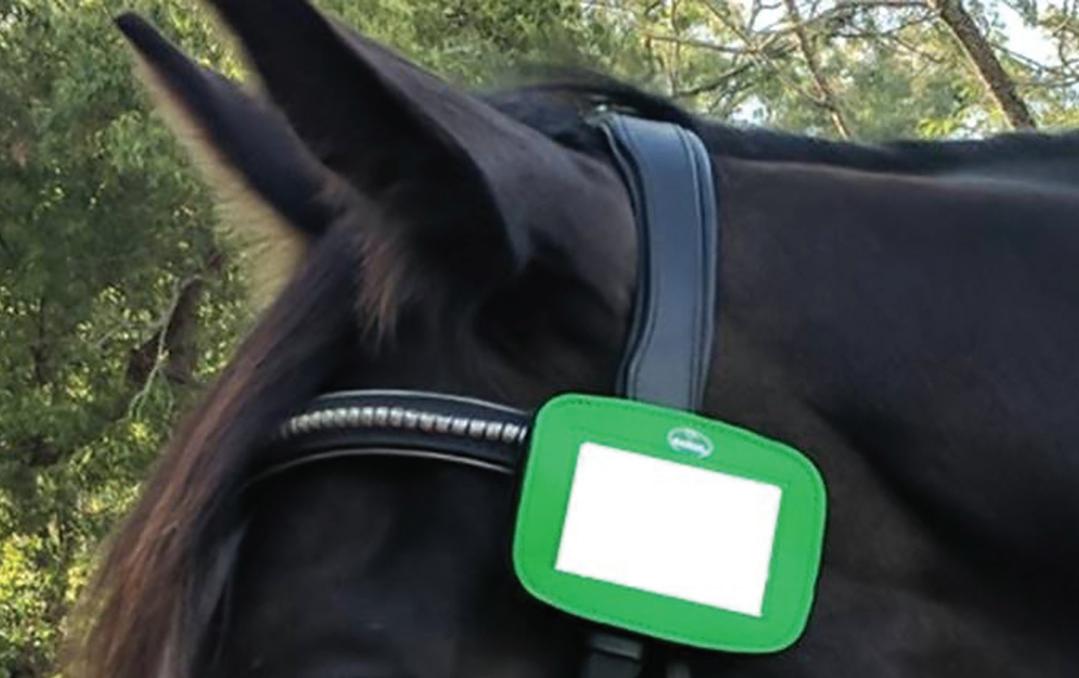
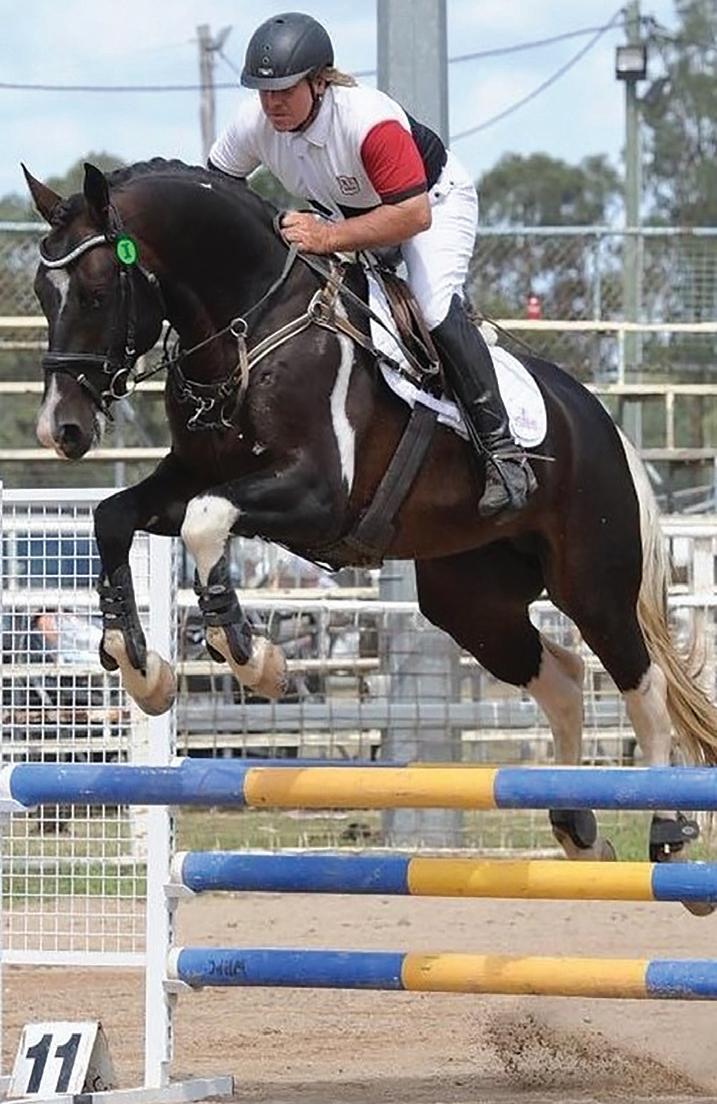
Stallions must wear compliant green identification — on bridle, saddlecloth, or halter discs on both sides of the horse whilst at events and Stable door identification card displayed.
Riders/handlers should be 18+ years old (exceptions only with formal EA approval).
How to comply
Notification — advise event organisers a stallion’s entry and provide responsible contact.
Identification — compliant green number holders/discs visible on both sides at all
All stallions competing in EAsanctioned events must wear compulsory green identification on either side of the horses halter, bridle, breastplate, martingale or saddle cloth.
times whilst handled, and Stable door identification to be clearly displayed Accommodation — confirm secure stabling or other appropriate arrangement. Handlers — remind that riders/handlers must be 18+ (or special permission if under).
Why this matters?
Proper identification and handling practices minimise the risk of incidents and support a safer competition environment for everyone.
Supports clear communication between competitors and organisers
Ensures consistent management of stallions across all disciplines
The EAStallion Safe Practice Policy can be viewed on the website www.equestrian.org.au
Be aware of the details of the policy - personal posts are still subject to the policy.
The Horse Report
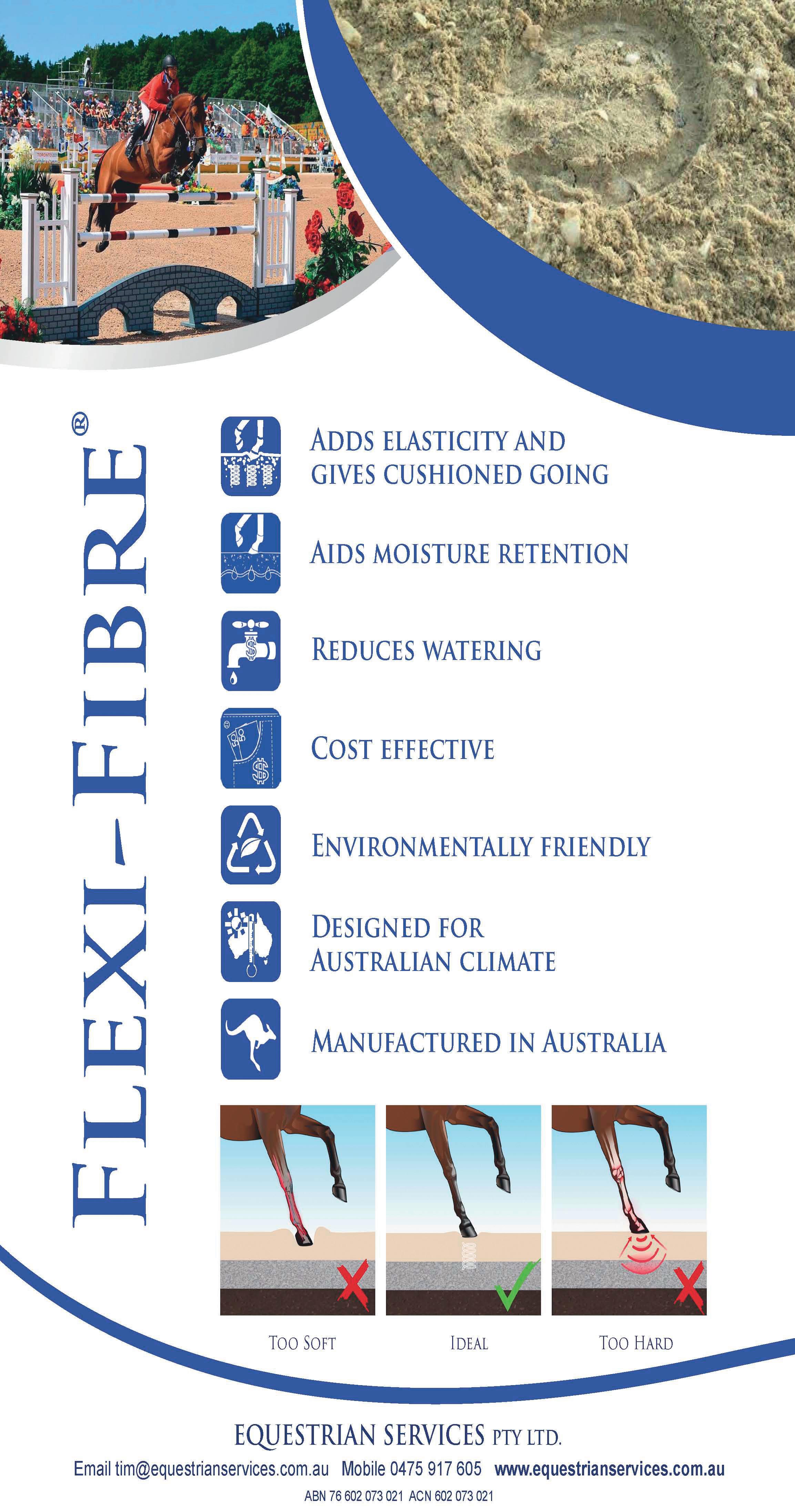
Flexi-Fibre®
Flexi-Fibre
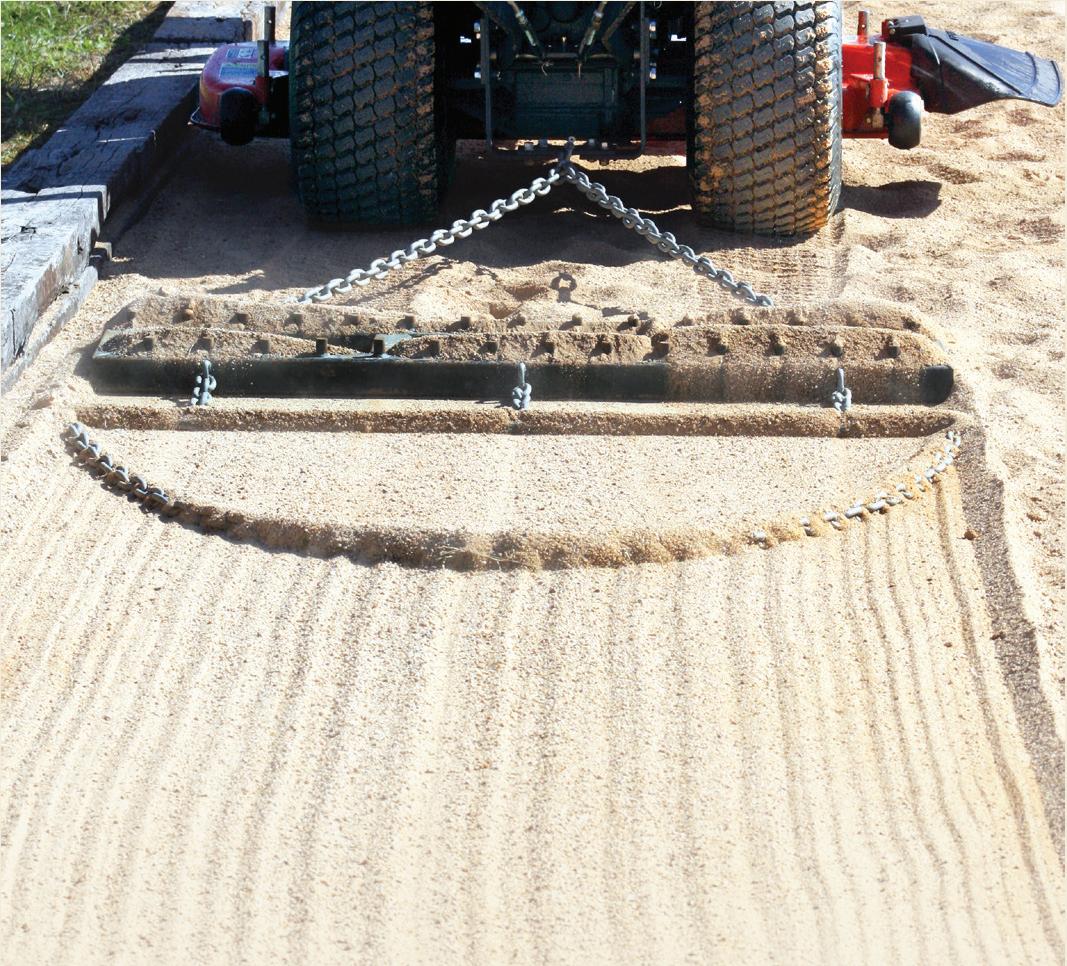
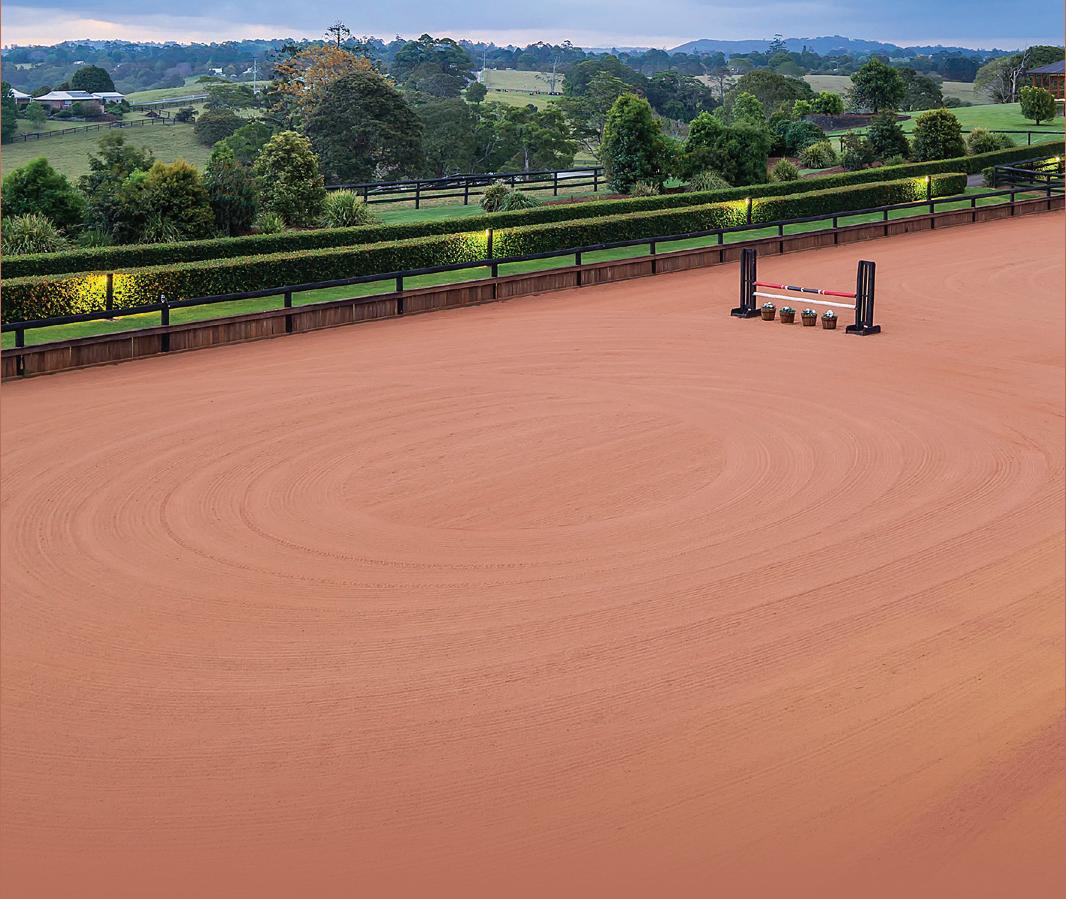
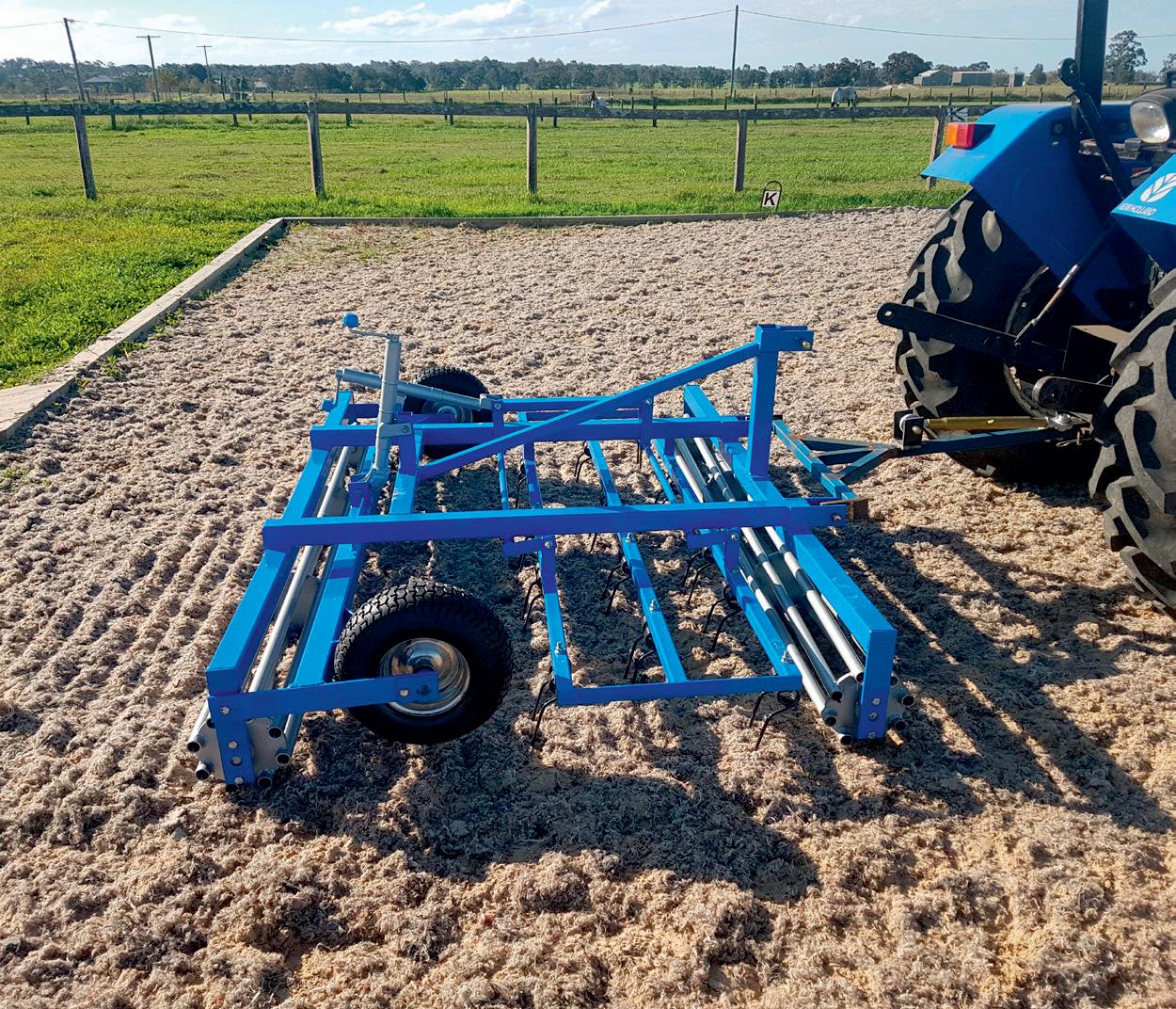
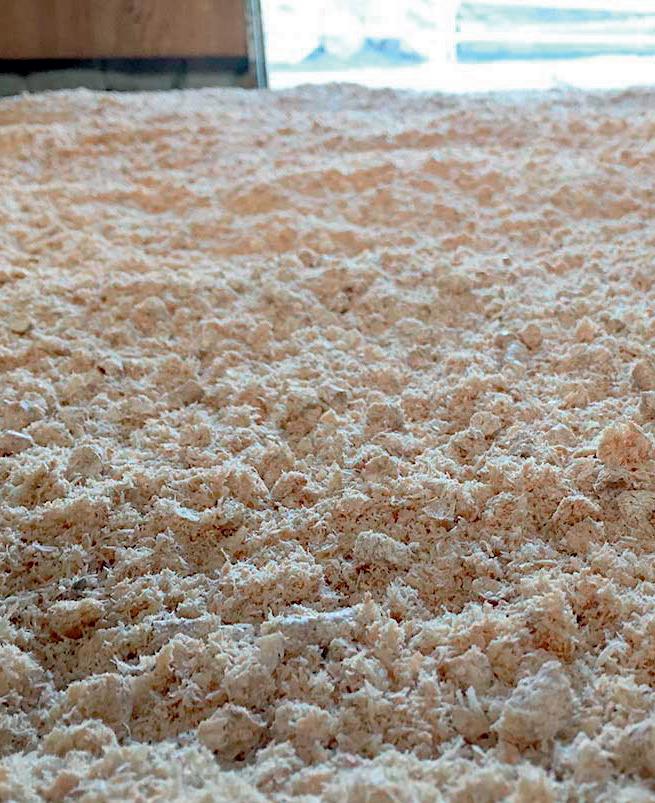
Fibre provides root structure, similar to grass roots in turf, to existing or new sand-based riding surfaces. Fibre improves the surface stability, therefore the horse will work ‘on top’ of the surface rather than ‘through’ it.
Our Flexi Fibre is a mixture of polypropylene, polyester and nylon Fibres which are the base material to all of our surfaces worldwide and similar to all other top surface suppliers. We
Australian conditions and manufacture here in Australia, enabling us to produce at very competitive rates.
• Improves preformance
• Improves stability of new or existing sand surfaces
• Enhances drainage
• Long lasting
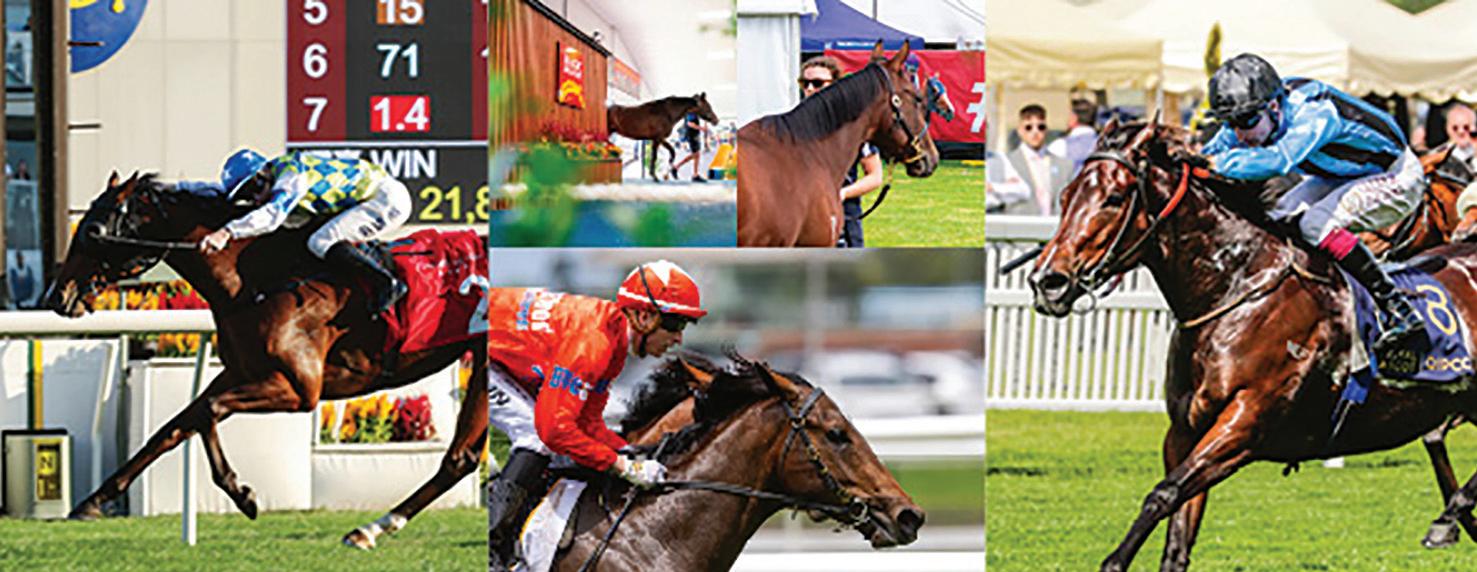
The Horse Report Opportunity knocks - Adelaide to deliver again
One of the Southern Hemisphere's most regarded and best producing auctions is ready to deliver more life changing moments this March with the online release of a quality catalogue for 2026.
From local legends to international champions, the Magic Millions Adelaide Yearling Sale is sale where "opportunity knocks" and the smart buyers answer with incredible consequences.
A412 lot catalogue has been assembled for the Morphettville based auction over two days, Thursday 19 and Friday 20 March.
"The Adelaide Yearling Sale is so highly regarded by all industry players," Magic Millions Managing Director Barry Bowditch said.
"From our vendors to our buyers - whether trainers, owners or traders - it's the sale that keeps producing.
"The reigning European Champion Sprinter Asfoora could have been yours in Adelaide for $30,000. The $12.8 million earner, Private Eye, was a $62,500 buy, while crack Hong Kong star Galaxy Patch, a $50,000 buy, has already earned HK$34.8 million (A$6.65 million).
"Last year's graduates are already up and running and include unbeaten stakes winner Eternal Warrior."
The Adelaide Yearling Sale each year presents a diverse catalogue of future racetrack stars. This year stock by some 107 individual sires are represented - among with 15 freshman stallions.
"The sires represented present prospective
buyers with so many opportunities. From the established stars to an exciting group of first seasoners,” Bowditch said.
"All yearlings offered are eligible to be nominated for the incredible $20 million plus Magic Millions Race Series - the world's richest race series - a series that delivers that complete windfall every year.
"Last year the Magic Millions SA2Yo Classic saw Ole Dancer win on debut for the Peter Moody and Katherine Coleman stable.
The untapped filly returned in the spring to score a brilliant win in the Group One Thousand Guineas.
“All eyes will be on Murray Bridge again in February to see what the race will unveil in 2026.
"We know how much our vendors and buyers love getting to Adelaide.
"From Morphettville to nearby Glenelg and with world class food and award winning
wines - South Australia has to much to offer."
To view the online catalogue for the 2026 Adelaide Yearling Sale click here or download it now via the Equineline Catalog App for iPad.
The printed catalogue for the sale will be combined with that for the 2026 Gold Coast March Yearling Sale, the online catalogue for that sale is also online here.
IMPORTANT DATES
Sat 7 March - Magic Millions SARaceday, Murray Bridge Racecourse Mon 9 March - Adelaide Cup Raceday, Morphettville Racecourse
Mon 16-Wed 18 March - Magic Millions Yearling Sale inspections from 8am Thur 19 March - Adelaide Yearling Sale, Day One, 10am Fri 20 March - Adelaide Yearling Sale, Day Two, 10am
The Rosehip Supplement Loved by Horses and Riders
Rose-Hip Vital Equine is not just for horses. Our wholly natural daily multivitamin is made with only one ingredient, pure Rosa Canina rosehips,
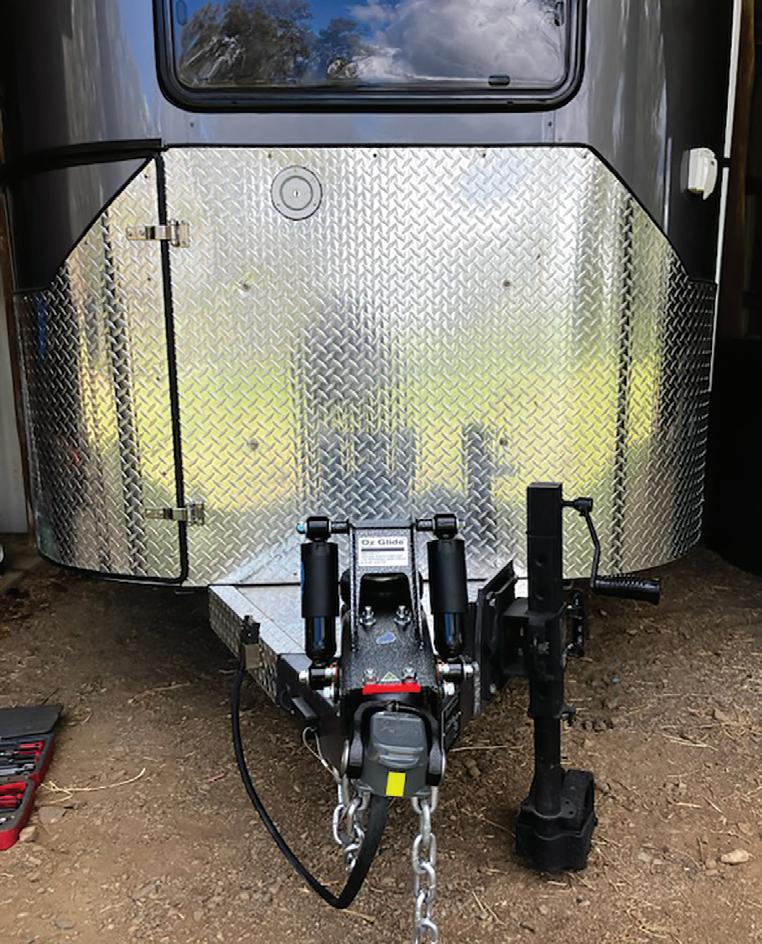
The Horse Report Your Horse Deserves A Better Ride...OzGlide
What is the Oz Glide?
* Premium towing solution;
* Enhances stability, safety and control for tow vehicle;
* Minimises vibrations and impacts generated by travel -for tow vehicle and float;
* Improves longevity of vehicle and float chassis;
saving $ on your investment
* Provides a smoother, more stable and comfortable travel experience for your horse;
Less stress related behaviour, less fatigue, less anxiety
* 100% Australian owned and manufactured;
* Guaranteed to work - or your money back;
* Simple installation
The Horse Report
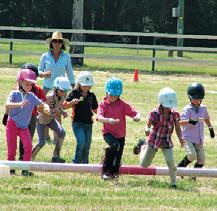
Are you ready for Pony Club
The 2026 Pony Club season has officially started. The organising of rally days, clinics, camps and competitions are well under way. Are you ready for Pony Club - ready for funfilled rally days learning and skill building, making new friendships, building confidence and of course enjoying plenty of time in the saddle with your friends.
How to sign up:
All registrations are done online via JustGo.
Simply head to www.pca.justgo.com/Account.mvc/SignIn
• Log in or create an account
• Select your Pony Club and membership
• Follow the prompts to complete your registration
Reach out to your local Pony Club, they’ll be more than happy to help you get started and answer any questions. Find your local club here: www.ponyclubnsw.org.au/clubs/clubs-map/
Not sure what gear is allowed?
You can find all the details in the National Gear Rules, check them out via the link below so you’re rally-ready www.ponyclubaustralia.com.au/resource-hub/competition/
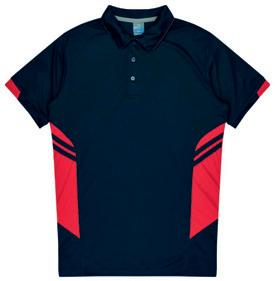
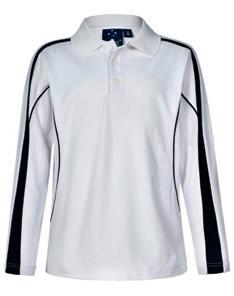
For clubs needing new uniforms or promotional gear visit www.williamson.com.au
Looking for a pony club event in the school holidays why not enroll for a Murwillumbah Pony Club camp. The Murwillumbah club runs a camp in each school holidays. The camps are open to all ages including little lead line riders, junior and senior and associate riders and adult riders so that mums dads and kids can all enjoy pony club and all it offers together. They offer great facilities, stables, camping, canteen, new dressage arenas, jumping and sporting equipment, qualified instructors, friendly helpful members. Based out of the Murwillumbah Showgrounds, Queensland Road, Murwillumbah. For further information on the Murwillumbah events, contact Paula on 0413 733 294.
Murwillumbah Pony Club
HOLIDAY CAMPS
www.pcajustgo.com
The Horse Report
RIDING PONY QLD OFFERS TWO SHOWS
The RPSBS Queensland Committee will again hold two shows in 2026. The first being The 2026 Queensland Riding Pony of the Year show to be held at Park Ridge Pony Club Grounds on Sunday, 24 May. This show offers a great program that includes classes for led and ridden Show Pony, Show Hunter and Overheight exhibits, handler, rider, leading rein, first ridden, home produced and double registered exhibits.
Trophies rugs and garlands will be awarded for all supremes along with awards for most Successful Exhibitor and Breeder.
The second show is the 2026 Queensland Riding Pony Pageant to be held on Sunday 8 November ( venue yet to be decided) offering another great program that includes Yearling, two-year-old and three-year-old Sweepstakes Futurities with cash prize pools. Senior led and ridden program for Show Pony, Show Hunter and Overheight exhibits. Progeny and exhibitor group classes and dualregistration led and ridden classes. Programs will be available at www.rpsbs.com.au/qld/qld-events/ For enquiries contact rpsbsqld@outlook.com
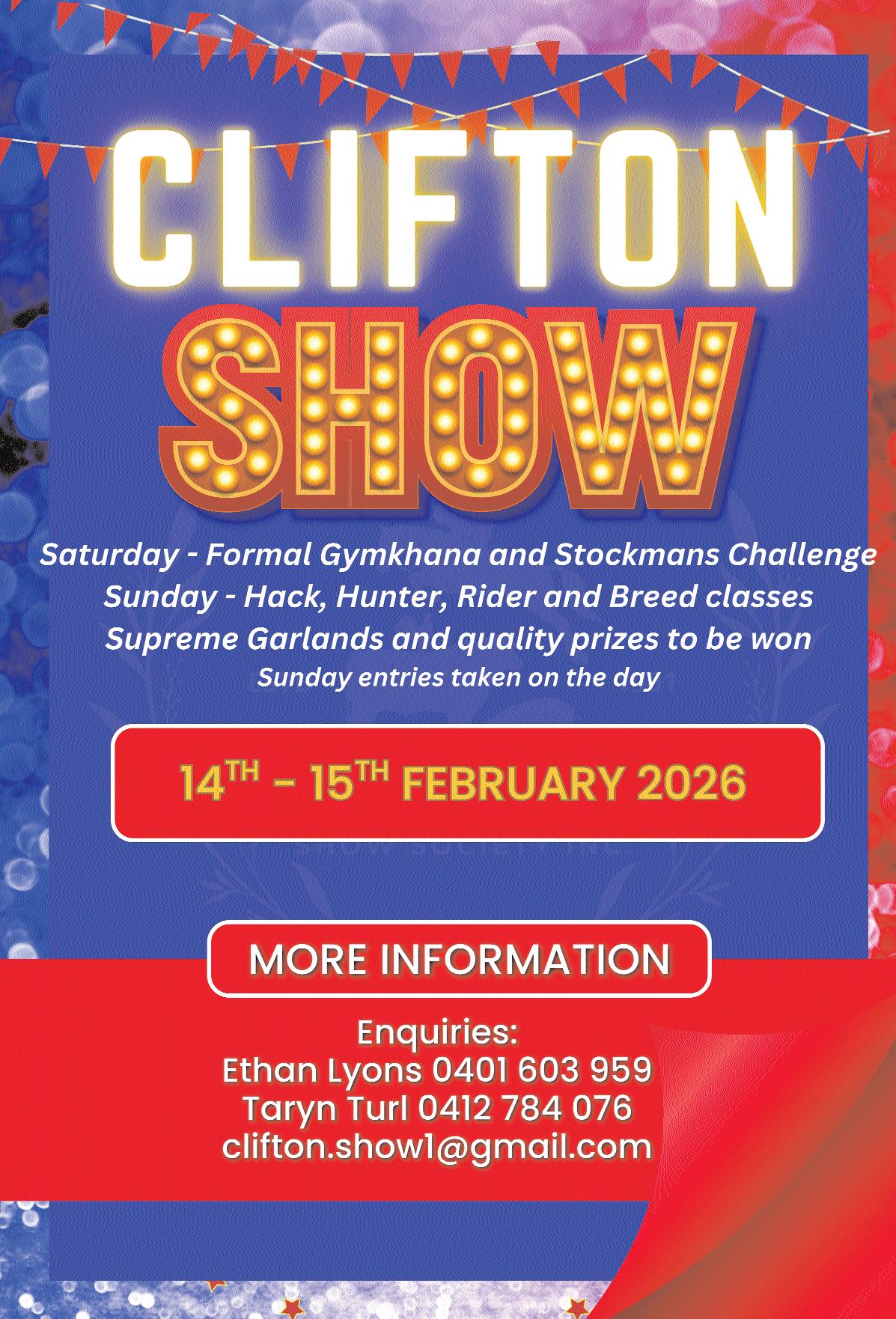
CLIFTON SHOW 2026
The 2026 Clifton show will be held on Saturday 14 and Sunday 15 February at the Clifton Showgrounds
The Saturday program will include the formal gymkhana open to all riders conducted under PCAQLD rules but you don’t need to be a pony club member to participate. The Stockman's Challenge, Showjumping program and Harness events.
The Gymkhana events include Best Presented, Handler Champions and Reserve Handler. Rider Classes, Champion and Reserve Rider, Hack Classes, Champion and Reserve Champion
Hack. Mug Race, Scudda Ho, Running Tee, Stock Horse Race. The events are run in age groups with a champion and reserve awarded in each age group as well as the overall winner for under 13 and 1326 also receiving awards.
Sunday will be the day for Show Hacks, Show Hunter, Rider classes and Breed led and ridden classes
Sunday Features Six Rings of Competition:
Ring 1 - Ponies, Pony Hacks and Junior rider classes
Ring 2 - Various Breeds and Galloway Ring
Ring 3 - Hack’s, Thoroughbreds, Warmbloods and Standardbred
Ring 4 - Australian Stock Horse
Ring 5 - Western Breeds
Ring 6 - Dilutes Australian Points Show/Minis
Major awards are the Supreme Led Arabian Exhibit, Supreme Led Welsh Exhibit, Supreme Led ASH Exhibit, Supreme Led Western Exhibit, Supreme Led Dilute Exhibit, Supreme Led Mini Exhibit, Supreme LED Exhibit, Supreme Show Hunter Hack, Supreme Show Rider and Supreme Show Hack For further information contact Chief Ring Steward: Ethan Lyons - 0401 603 959 Assistant Ring Steward: Taryn Turl - 0412 784 076 Email: Clifton.show1@gmail.com For programs visit www.cliftonshowsociety.com
Riding Pony Stud Book Society Ltd. QLD Committee
2026 QLD RIDINGPONY
OFTHE YEAR
SUNDAY24 MAY Park Ridge Pony Club Grounds
Great program that includes led and ridden Show Pony, Show Hunter and Overheight exhibits, handler, rider, leading rein, first ridden, home produced & double registered classes TROPHIES RUGS AND GARLANDS FOR ALL SUPREMES AWARDS FOR MOST SUCCESSFUL EXHIBITOR & BREEDER
AGM - MAY 28
Nominations for Committee positions via www rpsbs com au
2026 RIDINGPONYPAGEANT
SUNDAY8 NOVEMBER
Venue TBC
Yearling, 2 year old and 3 year old Sweepstakes Futurities with cash prize pools
Senior led and ridden program for Show Pony, Show Hunter and Overheight exhibits
SPONSORSHIP PACKAGES NOW AVAILABLE
Enquiries to Qld RPSBS 0413 733 294 email: rpsbsqld@outlook.com Show entry queries to Emma See - rpsbsqld.treasurer@gmail.com
2026
Judges Seminar
Show Horse Queensland will be hosting an EAJudges Seminar open to anyone interested in the discipline of Show Horse
Wednesday 4 March 2026 6:00 pm AEST - 7:00 pm AEDT online via Zoom
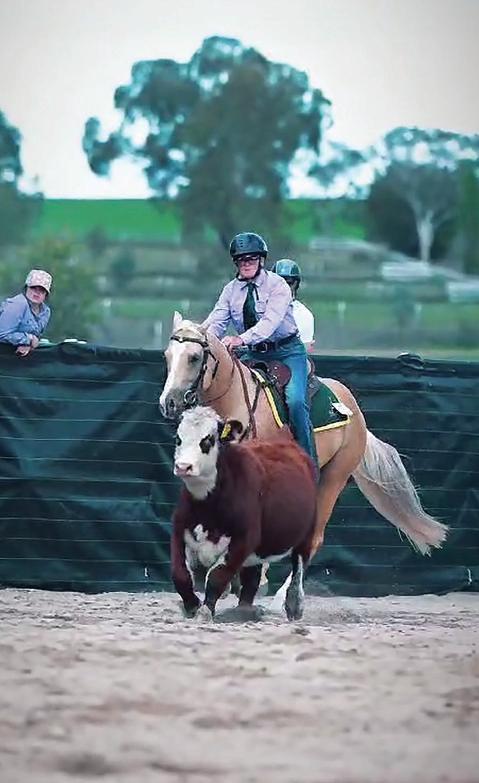
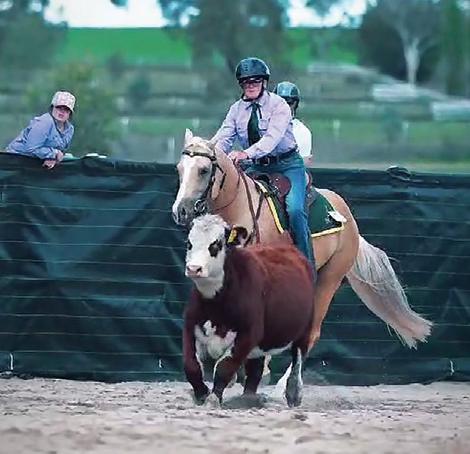
The 2026 Glenarthon Stockmans challenges will be held at Woodenbong Showgrounds on the weekend of May 2 & 3 at Woodenbong showgrounds
There is a lot on offer this year not only for the Open rider but for everyone. They will be running11 challenges and the challenges are open to all breeds not just Australian Stock Horses.
Events include the Tiny Tots Challenge, Mini Challenge, Junior Challenge, Youth Challenge , Encouragement and Rookie Challenges and Challenges for 2, 3 and 4 year old horses.
Plus the feature event the Open challenge Winner of this years challenges will recieves prize money , rugs and great prizes thanks to the wonderful sponsors.
There will be an auction on saturday night to raise money for Neimann Pick Disease awareness and they are still looking for donations for the fundraising auction.
For further information contact the Event Co Ordinator: Colleen McQueen 0429 334 041 Email glenarthonstockhorses@hotmail.com
March 4
Judges seminar via zoom - register via www.nominate.com.au
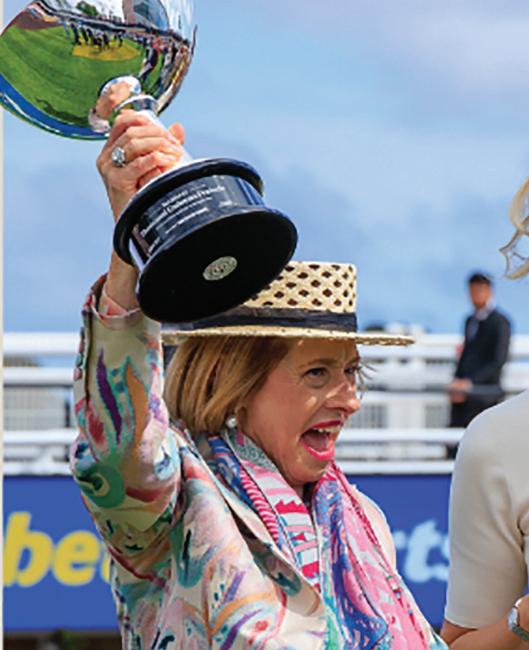
Once upon a time the racing industry was a male dominated world, not many women held notable positions in the industry, especially any that carried any authority or decision making. If you look now, things have changed. Women can be found not only working in every area of the industry, but in charge of those areas and making a huge difference with their knowledge and ideas.
Recently Women in Racing were celebrated at the Magic Millions where there were inductees to the Hall of Fame, as well as the announcement of the National Racing Woman of the Year and the State Winners.
Take a look at the ways in which women are involved in the modern racing industry.
Sales – Sales companies such as Magic Millions and Inglis are doing wonderful things for the industry and not by just selling livestock.
The Magic Millions Yearling Sales in January are now not just about the horses being offered but is a whole showcase; racing, show jumping, polo, award dinners and beach barrier draws are just a few of the things on offer over the week.
There are Women in Racing incentives including bonus prize money for horses owned solely by women, as well as the annual Women in Racing Awards recognizing amazing leaders nationwide. All this is the brainchild of Magic Million co-owner Katie Page.
Trainers – It’s hard to believe, but not so long ago it was unusual for a trainer to be a woman. Now if you look through the race guide, women as trainers are listed everywhere, they are winning the major races and being role models for all the future female trainers coming
along behind them.
Jockeys – You don’t have to look far to find successful female jockeys. One of the leading jockeys in Melbourne, and now Melbourne Cup winner, is Jamie Melham (Kah). There are women riding in races across the country, with some races even hosting as many female riders as male. Not to mention, there are many race days where females dominate the program taking home the wins right across the board, if not the full race card.
Commentators – If you happen to be watching any of the televised vision of racing on a Saturday you will notice that women are domi-
nating in that area as well. More than 50% of the commentators are female and have a wonderful knowledge of the sport, from hosting, to the mounting yard commentary, and post-race interviews.
Executives – Women now hold many varied positions on many of the nation’s racing committees. Once excluded, they are now helping to make decisions that shape how Australian racing is today.
Owners and breeders – Many of the horses you see running in races around Australia are owned, part owned or even bred by women. All women syndications are increasingly popular, particularly with prize money bonuses on offer.
These are just a few of the positions and jobs in the racing industry filled by women, but the options extend much further and there is truly something for everyone including:
Track riders
Stable management
Forepersons/assistant trainers
Strappers/stable hands
Committee members
Sales company staff
Stud management
Agistment/Pre-training/Breaking in Yearling sales staff
Float and truck drivers
Race day officials
Veterinarians
Health and Nutrition advisors
Farriers
If you have a passion for the racing industry there is certainly a job that will suit you and your skills, with gender no longer the barrier it once was.
NSW DPI cattle tick record of movement https://app-cattletick.bfs.dpi.nsw.gov.au
NSW legislation www.legislation.nsw.gov.au
QLD cattle tick zones & accredited certifiers for cattle tick https://www.business.qld.gov.au/
We recommend speaking with one of our authorised officers on 0429 185 136 or email cattletick@dpi.nsw.gov.ua prior to bringing animals into NSW.
Department of Regional NSW
The Secret is out!
Vet-formulated for joint protection & mobility Combines Rosehip, MSM, Glucosamine, Chondroitin, Green-Lipped Mussel & Turmeric Results in as little as 2–3 weeks
"This blend is absolutely mind-blowing. All of the therapeutic ingredients that horse owners once had to use separately are now in one powerful, practitioner strength formula."
– Tamara Frances, Nutritionist & Herbalist
The Horse Report
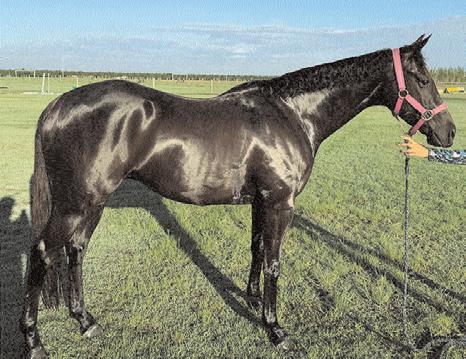
SUPER ANGEL
Price: $20,000.
Height: 15.2hh
Reg: Thoroughbred, SHC, Equimillions
Eligible
Colour: Black/Brown Mare
Sire: Super One
Dam: Bangal Angel
Quality Small Thoroughbred Show Mare
Madge is a rare find — a small TB mare with a lovely temperament, correct conformation, and genuine show-ring potential. She is soft, sweet-natured, and very straightforward to handle both on the ground and under saddle.
Aconsistent and reliable ride, Madge is at the very beginning of her showing career but already boasts impressive results — including winning at her first Royal Show under extremely challenging conditions without putting a foot wrong. Her most recent results include winning her novice and open hack 15-15.2hh class at Brisbane Royal 2025.
She would suit a capable teen rider or an adult looking for an uncomplicated and honest mare to enjoy and produce. However is not a beginners horse and does require a confident rider still. With limited outings due to work commitments, she’s only been lightly shown and would thrive in a home with time to bring out her full potential. Easy to handle in every way
Contact Lillian Mills Ph: 0429 916 767
EBL LUST
Price: $ POA
Height: 15.2 hh (Life)
Reg: Arabian/Warmblood Bay Mare
Sire: Gai el Jullyen
Dam: EBLLush
TOPQUALITYCHILD'S/ADULT'S HACK
Lusty as we call her - needs no introduction to the show world. Ahalf sibling to some amazing EBLprogeny including: EBL Empire EBLEmpress, EBLHavana, EBLHis Royal Highness and EBL Bonds, Lusty has been star from the time she was born.
I bought this mare just broken in for my then 14-year-old daughter and her and Bronte formed an unbelievable team winning at royals and qualifiers all over NSWand QLD as well as winning EANational Interschool Show Horse champions. She has won numerous open and child’s qualifiers and has carried many riders to wins at Sydney Royal and SHC qualifiers. Lusty has way too many accolades to list and is only for sale as Bronte now lives in Brisbane and she is too good to sit in the paddock. She is quiet and easy to handle, float, prep etc but would not suit a timid rider. This mare has never been over shown, due to study commitments and the fact we live in regional NSWso still has so much more to win.
Measuring 15.2hh she is a divine riding class horse and rides a lot bigger. It goes without saying she will only go to an approved, loving home where she will be adored like she has been with us. Lusty has never done dressage as it's not our vibe but she has unlimited potential in that area as she is a lovely mover.
Contact: Rochelle Ph: 0459 367 877
PAULGREN PARK VALHALLA
Price: $40,000.
Height: 15.1 7/8 hh
Reg: SHC, EA, Part Welsh, Riding Pony, ANSA, Arabian Riding Pony
Colour: Chestnut Gelding
Sire: Paulgren Park Victory
Dam: Death Stalker
Prince is well educated and competitive, consistently placing in the top of the line up. He is qualified for GN 2026 and all Royals.
Prince requires little work down even at the biggest shows, is unfazed by rides and show jumpers, but does require a confident and capable rider to get the best out of him.
He has been competed by my 13 and 15 year old daughters who are capable child riders.
Prince is fine to be taken to shows on his own or in company. Easy to prep, shoe, float etc.
Some recent result highlights:
Winner of novice at Sydney Royal Easter Show 2023
Runner up Small Hack - Dubbo hack championships 2024
Winner of open small hack and child’s hack - Toowoomba Royal 2025
Contact: Nicola Grubisa Ph: 0408 494 511
DP BELIEVING
Price: $20,000.
Height: 16.2 ½ hh
Reg: SHC & EA
Colour: Bay
Sex: Gelding
YOB: 2012
Sire: Bel Esprit
Dam: Hypatia
Sailor is a very competitive large hack that has been shown all over Australia.
Ridden in child’s classes by a competent teen and has given his rider the opportunity to learn how to ride and handle his first OTT. Sailor is now ready to give another rider the opportunity to show a large hack. Price is neg to right home.
Contact: Shauna McClean
Ph: 0478 191 171
The Horse Report
JA REGAL TEMPEST
Price: $13,200.
Height: 13.2 hh
Reg: Riding Pony & Saddle Pony
Bay Gelding
YOB: 2020
Sire: Willowcroft Regal Alliance (exp NZ)
Dam: Kolbeach Roses
Offered for your consideration..... 'JARegal Tempest' 5yo Riding Pony 'Gary' as he is known is by Willowcroft Regal Alliance (exp NZ) and from Kolbeach Roses. This pony is super pleasant, unspoilt and an all-round 'Gary'. Just a good bloke.
His first official competition was the QLD State Riding Pony Show a few short weeks ago. He was Reserve Champion Led SH Pony and Supreme Ridden Hunter Pony. He was a pleasure to prepare and exhibit.
Gary is still green in the competition arena but we know with the correct guidance, he will be a super show pony for the whole family.
In show work and ready to be viewed at Paul Austin Equestrian in Tamborine QLD. About to go home to Gympie for a spell over Christmas so be quick!
Enquiries Paul Austin on 0401 660 189 or Mel Gauld on mel@westerhorseannual.com
LANGTREE FLEET STREET
Price: $8,500.
Height: 13.1 7/8 hh
Reg: Riding Pony, Part Welsh, SHC
Colour: Chestnut Gelding
YOB: 2018
Sire: Langtree Destiny
Dam: Langtree First Love
It’s time for our little Flynn to move on to new beginnings with another lucky person.
We have owned Flynn since 3 years old and he has been a pleasure to do anything with. He’s easy to wash, trim, load and float, happily stands at the float all day when out.
He’s been shown in hand and under saddle at many shows and always comes home in the ribbons.
Flynn will make a great child’s show and rider mount, he happily sits in a natural frame and moves over the ground beautifully, he is also suited to a small adult to enjoy as well.
Flynn is a much loved family member and will be very missed, because of this home is most important and price can be negotiated if the home is right.
Contact: Jacquie Ph: 0409 621 917
LANGTREE ENIGMA
Price: $15,000.
Height: 13.3 hh
Reg: Riding Pony
Colour: Black
Sex: Gelding
YOB: 2022
Sire: Langtree Destiny
Dam: Langtree Everlasting
Opportunity to require a very special royal quality large pony. Iggy is a very sweet boy , with that look at me presence and amazing movement.
Destined to be a royal winning saddle pony
He is easy to handle in every way, no nasties or vices making him a pleasure to have in the barn.
Brother to Royal winner Langtree In Vogue
Video available
He is currently in training and show prep , and is ready to be broken in . No time wasters please , this pony will not disappoint.
Contact: Tanya Banks
Ph: 0473 501 430
WESTON PARK MAXIMUS
Price: $19,000.
Height: 13.0 hh
Reg: Welsh
Colour: Chestnut
Sex: Gelding
YOB: 2016
Sire: Steehorst Kyro
Ph: 0421 483 920 Contact: Suzie Kennedy
Dam: Weston Park Madonna
Atrue standout in and out of the ring, Maximus is the ultimate all-rounder for a competitive child rider. Professionally schooled in dressage, exposed to jump lessons, pony club, riding school environments & jump days, Max is beautifully educated, level-headed, and ready for his next little rider.
Career Highlights:
Highly placed in open Show Hunter pony classes, Melbourne & Canberra Royals
Reserve Champion Welsh B Exhibit, Canberra Royal
Contact: Jessica Stalling
The Horse Report
MALIBU PARK TOP CLASS
Price: $ 20,000.
Height: 14.1 7/8 hh
Reg: ASPB, EA, SHCV, Part Welsh
Colour: Bay
Sex: Gelding
YOB: 2018
Sire: LLanarth Top Cat
Dam: Malibu Park French Kitten
Patch is a full novice & has completed at HOTYshows, Barastoc, Royals Melbourne, Geelong, Adelaide, Canberra. He’s also done pony dressage, suited to someone who can take him higher, someone who is not a full beginner, loves food & liquorice & carrots. Patch has beautiful paces. He’s currently in full work & condition, in Mornington VIC.
Contact: Sharon
Ph: 0477 157 638
LENDENE SKYFALL
Price: $12,000.
Height: 14.2 hh
Reg: AHSA, WPCS, Dilutes
Colour: Palomino Gelding
Sire: Ablue Moon’s James Blond
Dam: Marwans Fortune KP
With beauty, movement, and an enviable show record, ‘Tucker’is a superb coloured Galloway who will shine in a competitive show home. Triple registered, he is 4yo and has recently measured just under 14.2hh. Lightly shown with enormous success as a halter horse, Tucker’s accolades include Australian National Champion, Supreme at the Melbourne Summer Horse Show, and Supreme at Barastoc HOTY, with numerous other Champion and Supreme titles to his credit. These already impressive achievements offer only a taste of what is ahead.
Professionally broken in by the Lee sisters at Tamrie Park, and ready to go on with, Tucker’s height, movement, and temperament make him a superb prospect for a ridden home. Kind and willing, with absolutely no dirt, he has taken everything in his stride and has proven to be very quiet under saddle. Elegant and scopey, with beautiful length of rein, a gorgeous face, and expressive eyes, He is easy to do anything with, great to catch, rug, trim, wash, clip, float, etc., and has a lovely, people-oriented nature. He is available to a loving show home where he will have the opportunity to fulfil his potential, and we welcome your enquiry. $12k firm - Video available on request.
Contact: Tamara Lee Ph: 0409 182 938
KOLBEACH HOLLYS RUBY
Price: $25,000. ono
Height: 14.3 ¾ hh
Reg: EA, SHC, RPSB, & ANSA
Brown Bay Mare YOB: 2015
Sire: Kolbeach Hollys Gold
Dam: Broads Beach
Highly decorated Large Hunter Galloway with many Supreme & Champion Led/Ridden titles to her name, qualifying for GN, EANationals, & winning at Royal level with her previous owners. Ruby has displayed an impeccable and forgiving temperament for her young rider over the last two years, and is now looking for a new home due to no fault of her own.
Avery competitive show & rider class mount, for an adult or child, there is no reason she won't excel in the dressage arena either schooling all Novice work.
Photos & video taken 15/11/2025 at Buladelah Ag Show after four rides following 6mths off due to her owners personal circumstances, there was no lunge down, she was incredibly easy to prep and a pleasure all day, winning Champion Large Hunter Galloway and carried 17yo rider to Reserve Champion Adult Rider (with no prior familiarisation).
Contact: Kate Blanchard
Ph: 0447 808 524
WYNARA SWAGGER
Price: $13,500. neg
Height: 14.3 ¾ hh
Reg: Riding Pony
Black GeldingYOB: 2018
Sire: Wynara Charisma
Dam: Noir Cheval
Eye Catching Newcomer Galloway
Harley is an eye catching up to height large Galloway gelding full of potential for the show or dressage ring. He is newcomer eligible and is ready to take out and compete. Harley has 3 forward expressive paces. And covers the ground nicely. He is super easy to handle, catch, clip and float - he has a very friendly personality and will always be the first to greet you at the gate. UTD with vaccinations and teeth done in October. Excellent feet and is currently unshod. Blemish free Harley would excel been in a competitive home to fulfil his potential. He requires a confident rider that will keep progressing with his education and bring out the best in him.
He has also started learning how to jump so would also make an amazing interschool mount for a an ambitious teen.
Contact: Paris Ph: 0448
The Horse Report
CRANELLIE RUPERT
Price: $ POA
Height: 12.0 hh
Reg: Welsh A Grey GeldingYOB: 2020
Sire: Annavale Pippin
Dam: Weston Park Sequin
Affectionately known at home as Rupert, this outstanding gelding is every parent’s dream. He transitions seamlessly from stable to show ring and always gives his all. With a temperament that’s second to none and a proven performance record, Rupert is ready to take his next little rider to the top. He has already enjoyed great success in just his first two seasons in the ring and is now looking for a young jockey to continue his journey with.
Rupert’s Show Highlights Include:
Bathurst Royal 2024 Reserve Champion Ridden Welsh
Brisbane Royal 2024 2nd Ridden Welsh A Tamworth Welsh Show Reserve Champion Led Welsh AGelding Reserve Champion Led Hunter Pony Champion Newcomer Hunter Pony
Toowoomba Royal 2025 2nd Novice Hunter Pony Res Champ Led Welsh 2nd Ridden Welsh A Grafton Hack Championships Champion Amateur Hunter Pony
Contact: Maddie Ph: 0428 200 260
EARLSLEY PARK QUEEN of POP
Price: $12,000.
Height: 12.1 hh
Reg: SHC
Black Mare
Sire: Naruni Park Class
Dam: Earlsley Park Heiress
Beautiful, big moving pony. Lightly shown with success inc. qualifying Grand Nationals in her first season with child rider. Lovely pony to ride with no issues and is willing to learn. She loves kids and will make a future child’s mount. Must sell price neg.
Contact: Caitlin
Ph: 0413 952 066
BORDERSHOW GERONIMO
Price: $15,000. neg
Height: 11.2 hh
Reg: EA, SHCA& RPSB
Sire: Bordershow Electric Blue
Dam: Robarie Emya
**NOWEANATIONALS OPEN QUALIFIED**
Started in the 2025 SHCQ Newcomer Season as of the 2nd of June. Gerry as he is affectionately known at home, is one of those ponies you don’t come past often. With three lovely paces, Gerry has what it takes to be a top child’s pony. Gerry was broken in by an 11 year old girl under professional guidance, and continued his training with professional rider and trainer, Emma Adams. He has had the very best possible start, which now shows in his work ethic and willingness. With now four shows under his belt including two Grand National Qualifiers, EANationals qualifier and one ag show, he has shown that nothing seems to phase him. At his first Grand National Qualifier and first attempt at lead rein he was placed third receiving a first placing from one judge. Gerry has been ridden and handled by children of all ages including as young as five. He is easy to do everything with including all the basics like rugging, clipping, floating etc. Aserious national quality leadrein prospect Gerry is only offered for sale due to his owner having many horses of her own and children that aren’t that interested, otherwise he would be staying. Gerry is available for viewing at the upcoming Grafton Hack Champs.
Contact: Jess Reinke Ph: 0401 828 770
MP PRINCE of POP
Price: $10,000. Price Updated
Height: 12.2 hh
Reg: Riding Pony, SHC
Colour: Bay
Sex: Gelding
YOB: 2021
Sire: Whitmere Marquess
Dam: Rosedale Pop Secret (GN Small Pony Winner)
Charlie has the attributes to be a super competitive child’s mount. Beautifully balanced, correct and eye catching. He has a solid education on the flat, ready for someone to take the reins and let him prove his quality in the Ring. Charlie has a great work ethic, loves the attention. Loves a cuddle and being dragged around by kids. Exposed to farm life, cows, sheep, tractors etc. Qualified for GN Childs Small Pony 2026 eligible for EA& SHC newcomers $15k transport will be taken into consideration.