









The Draft Budget FY2026-27 forecasts expenditure of $237.8 million (including depreciation) in delivering recurrent operations such as but not limited to: roads, parks, and buildings maintenance, library services, community development and events, economic development activities, regulatory services, subdivision and development activities and waste management services.
Each year the Draft Budget is formulated with the aim to set aside 30% - 40% of General Purpose Income for the renewal of Council’s existing assets and other future non-cyclical expenditure. This income which is proactively set aside is referred in this report as ‘Transfer to Reserves.’ It is best practice financial management to control recurrent expenditure each year so that these funds can be set aside within these ranges.
Prior to transfers to Reserves, the Draft Budget FY2026-27 projects an Operating Surplus of $22.8 million. Following transfers to Reserves equivalent to depreciation and for other future non-cyclical expenditure, Council forecasts a Budget Surplus of $50k.
The Local Government Code of Accounting Practice and Financial Reporting (The Code) requires the inclusion of some income received as income for the year, even though the associated expenditure may be incurred in future periods. As the Statutory Format reflects a somewhat misleading result, the Management Reporting Format uses matching principles to monitor Council’s financial performance. The table below details the comparison between the Statutory Format and Management Reporting Format.
Council’ssourcesofrevenue
TotalincomeFY2026-27(Statutoryformat) $331M














Rates and annual charges
Grants and contributions - capital
Grants and contributions - operating

User charges and fees


Interest and investment revenue

Other revenue
TotaloperatingandcapitalexpenditureexcludingdepreciationFY2026-27 $268M












Our annual Operational Plan outlines the actions we will carry out in the coming year to achieve the objectives and long-term goals in our 10-year Community Strategic Plan and 4-year Delivery Program.
I am pleased to present Council’s FY2026-27 Operational Plan. This document forms part of our 2025-29 Delivery Program and builds on the work that Council delivered throughout the 2025-26 financial year. It outlines the actions and projects that Council will deliver over the next 12 months, linking back to our principal activities identified in our 4-year Delivery Program. It is an exciting time for The Hills Shire. Our region is undergoing a major transformation that is creating more local jobs and vibrant places, better transport, improved access and safety, as well as enhancements to help nurture our environment.
Our vision is to create enriched lifestyles and connected people and places through proactive leadership and governance.
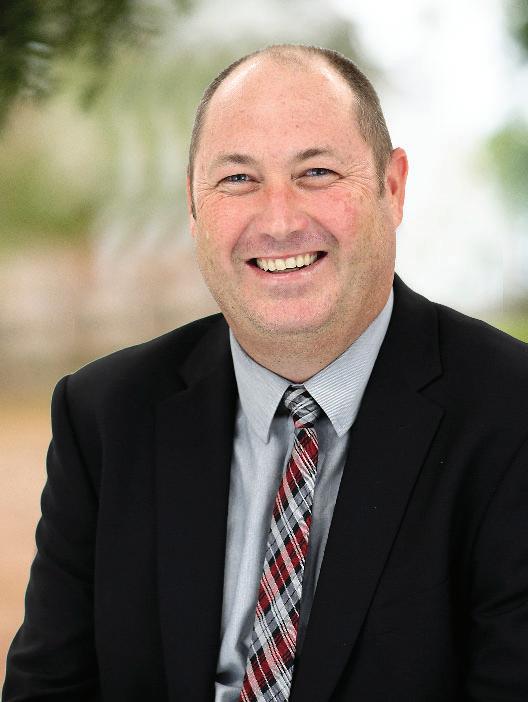
I am proud of the innovative projects and programs being delivered across the organisation that are working to transform our region in a balanced, sustainable and considered way. With accountability at the heart of what we do, our progress will be reported to the community each quarter, as we remain aligned to our delivery program and our community’s aspirations for our Shire.
Michael Edgar
General Manager




TheCommunityStrategicPlan-thecommunity’splanforitsfuture
The Community Strategic Plan (CSP) is Council’s primary strategic plan, outlining the community’s vision and goals for a 10-year period. Developed through community consultation, it includes measurable outcomes to guide Council’s activities and ensure benefits to the community.
The CSP provides a framework for ongoing review and improvement, holding Council accountable with regular updates on progress. It promotes strategic planning, enhances
The Delivery Program outlines medium-term actions to achieve CSP outcomes, detailing key activities aligned with strategic goals and community collaboration. It integrates elements of the Resourcing Strategy, including the Long Term Financial
community participation, fosters collaboration, and clarifies goals for measurement.
The CSP answers 4 key questions:
1. Where are we now?
2. Where do we want to be in 10 years?
3. How will we get there?
4. How will we know we have arrived?
It addresses social, environmental, economic, and civic leadership.
Plan, Asset Management Strategy, and Workforce Plan. The program lists capital projects, accounts for maintenance costs, and ensures financial projections align with the LTFP’s 10-year outlook.
The Operational Plan outlines Council’s actions for the coming year to achieve the objectives and longterm goals of our 10-year Community Strategic Plan and 4-year Delivery Program. It details how these actions will be funded through the annual budget, including Council’s Statement of Revenue Policy, which specifies proposed rates, fees, and charges.
This plan serves as a roadmap for Council and integrates key
components of the Resourcing Strategy, such as the Long Term Financial Plan, Asset Management Strategy, and Workforce Plan. Additionally, it identifies measures to assess the effectiveness of the projects and programs, focusing on outputs. Progress will be monitored through the monthly Budget Review Statement, quarterly reviews of The Hills Shire Plan and the Annual Report.
The Community Strategic Plan requires adequate resources for effective implementation. Council’s Resourcing Strategy outlines how it will support the community’s long-term goals through time, money, assets, and personnel. Reviewed every four years, it includes financial, workforce, and asset management planning.
This document, Council’s FY2026-27 Operational Plan, sets out our role in delivering the 3 values our community told us will improve The Hills as a place to live, work and visit over the next 12 months. This document should be read in conjunction with our FY2025-29 Delivery Program.
The FY2026-27 Operational Plan details the specific actions and projects we plan to deliver during the next 12 months (1 July 2026 – 30 June 2027). These actions are listed under the relevant strategy, principal action and activities.
This document also includes our FY2026-27 annual budget and Statement of Revenue Policy. We will report publicly on our progress against our FY2026-27 Operational Plan every quarter to make sure we stay on track.



















We want to find out your thoughts on the vision and values below. Do these reflect your aspirations for the Hills? Do the values resonate with what you know about your local area?
Toward Hills 2050 is a shared vision for moving toward a more equitable and sustainable future:
• a future that makes sensible use of resources to strengthen economic, social and environmental performance
• a future that puts us in a position to be able to respond to a changing environment and other risks as they exist and emerge
• a future that protects the fundamentals of our quality of life: clean air, water, health, life expectancy, things to do, education and access to meaningful employment
• a future that connects people physically and in other ways within and beyond the Shire
• a future that protects the Garden Shire, a constant reminder of how we value our surroundings
• a future that embraces a well governed, safe and thriving community that can meet its needs for a healthy long life.

We will work hard but can only achieve this vision through strong collaboration across government and the private sector. We are already clearly advocating for our ambitions, both in person and through our local strategic planning statement, supporting strategies, precinct plans, infrastructure plans and those to come, such as the arts and culture strategy.
Towards Hills 2050 brings these together into a single, cohesive vision to support all the work we do.





This value is at the heart of who we are and why we invite everyone to participate in the community life of The Hills Shire. By finding common ground through shared stories, cultures, histories and interests, we can foster a more connected and inclusive community.
Our natural and green spaces shape the built environment and how The Shire will grow. High quality, affordable community facilities and spaces are where people form community connections.
People feel safe living in The Hills and connected to others. We invest in our people, businesses, facilities and spaces to support active lifestyles no matter people’s age or circumstance.
Strategicdirections:
EL1.Avibrantcommunity
EL2.Avaluedandnurturedenvironment
The Hills Shire is a place where people can work near where they live and have plenty of things to do, helping to make both personal and economic connections.
Thriving local businesses are the backbone of a productive economy and more people can work locally with a greater diversity of jobs across both traditional and emerging industries. Through the work of our Economic Growth Plan we will continue to create economic opportunities for more people.
People have plenty of options other than their car – public transport, cycling and walking paths – to connect them to schools, jobs and services, locally and across Greater Sydney. We will continue to advocate for state-led solutions such as motorways to remove through-traffic from our local roads.
Strategicdirections:
CPP1.Agrowingshireandeconomy
CPP2.Timelyprovisionandmaintenanceofinfrastructure
This value defines how we plan, act and are accountable for our decisions.
Our-long term resilience relies on being proactive and responsive about how our community and the local government area changes. We listen, engage and advocate with respect, honesty and fairness. We always and prioritise our resources to meet the needs of the community and improve their quality of life.
Strategicdirection:
PLG1.Proactiveleadership
Asset Lifecycle Benchmark Costings
Asset Systems Management and Audits
Budget Reviews
Building Certificate Applications
Building Inspections (Certification)
Building Maintenance
Buildings Management and Property Leasing
Bushland Maintenance
Capital Works and Maintenance Planning
Capital Works Delivery
Capital Works Review and Reporting
Cemetery Services
Child Long Day Care Services
Children’s Programs (Libraries)
Citizenship
Civic and Community Events
Community and Recreation Facility
Operation
Community Engagement and Online Services
Community Nursery
Community Outcomes
Community Transport
Companion Animals Control
Construction Certificate and Complying Development Certificate Assessment
Construction Certification Assessment (Dwellings and Ancillary Buildings)
Control of Unauthorised Development
Corporate Advertising
Council Meetings
Council services at libraries
Councillor and GM Support
Customer Contact Centre
Debt Recovery
Developer Contributions
Developer Contributions Modeling
Development Application Assessment
Development Monitoring
Drainage (Private Property)
Earth Moving and Haulage
Economic Development
eLibrary
Employee Relations
Environmental Education and Projects
Environmental Monitoring and Regulation
Extractive Industry
Financial Management
Fire Safety Inspections
Fitness and Gym
Fleet and Workshop
Food Premises/Public Health
Regulations
Geographical Information System
Grants
Hall Booking, Venue Hire
Heritage Assessment
Hills Community Care
Home Care Services
Home Library and click and collect services
Inspections and Solutions
Integrated Planning and Reporting
IT Data Management, Infrastructure, Security, Solutions
Land Acquisitions
Land Information System
Learn to Swim and Squads
Leasing
Legal Advice, Representation, Support and Training
LEP and DCP Development and Management
Library Services
Litigation Management
Local Traffic Management
Long Term Financial Planning
Major Projects
Meals on Wheels
Media Relations
Occupation Certificates for Building
Organisational Development
Parking and Vehicle Enforcement
Parks and Open Space Vegetation
Maintenance
Payroll
Planned Civil Maintenance
Planning Instrument Management and Rezoning Applications
Policies and Delegations
Pool Operations
Printing
Procurement
Project Supervision
Property Development
Public Officer
Public Relations
Rates
Records and Information Management
Recreational Infrastructure
Management and Planning
Recruitment Services
Release and Precinct Planning
Release of Subdivision Certificates (Linen Plans)
Revenue and Expenditure
Road Restorations and Maintenance Planning
Roads Infrastructure Management and Planning
Rural Fire Services SES and LEMO
Salary Structure
Shire Presentation and Construction
Social Day Programs
Statutory Financial Statements
Strategic Engagement and Building Assets Planning
Strategic Engagement and Civil Assets Planning
Subdivision Applications Assessment
Subdivision Construction Plan
Assessment and Inspections
Survey and Design
Sustainability
Swimming Pool Safety
Technical Review and Advice
Tender Evaluation and Contract Administration
Trades Maintenance
Traffic and Transport Planning
Training
Tree Planting and Maintenance
Trees and Bushland Management (Private)
Waste Contract Management, Contaminations Management, Illegal Dumping
Waste and Cleansing
Waterways and Stormwater Planning
Western Sydney Infrastructure Grants Program
Work Health and Safety
EL1.Avibrantcommunity
Strategies
EL1.1 Promote accessible and inclusive community services and access to a network of quality recreational spaces and facilities to support leisure, arts, cultural and educational opportunities for people of all abilities, ages and cultural backgrounds
Businessunitresponsible
Children’s Services
Communications and Marketing
Community Venues
Community Services
Hills Community Care
Library Services
Parks and Bushland Maintenance
Waves Fitness and Aquatic Centre
EL1.2 Improve community resilience to shocks and stresses such as floods, bushfire and urban heat
EL1.3 Recognise and value our community’s local heritage and culture
EL2.Avaluedandnurturedenvironment
Strategies
EL2.1 Use effective regulatory strategies, local laws and compliance programs to manage public health and any negative impacts of development on the community
EL2.2 Nurture and improve the quality of green spaces, natural built surroundings and waterways
EL2.3 Embed resilience and adaptation by preparing for increased hazard risks such as flooding, bushfire and urban heat
EL2.4 Embed sound governance and operational frameworks to manage new and existing development with robust policies, plans and processes that meets community needs and expectations
EL2.5 Promote sustainable waste management and resource recovery
Emergency Management
Community Services
Civic Events
Forward Planning
Businessunitresponsible
Environment and Public Health
Regulatory Services
Environment and Public Health
Sustainability
Civil Maintenance
Forward Planning
Sustainability
Development Assessment
Subdivision and Development
Certification
Resource Recovery
DeliveryProgramstrategy:
EL1.1 Promote accessible and inclusive community services and access to a network of quality recreational spaces and facilities to support leisure, arts, cultural and educational opportunities for people of all abilities, ages and cultural backgrounds
DeliveryProgramaction:
EL1.1.2 Provide quality and cost effective long day care services for children, at no cost to Council
Manage child care centresDevelop Council’s 5 long day care centres for sustainable outcomes, while maintaining high quality and accessible services within our growing LGA
Provide long day care to childrenBalcombe Heights, Castle Glen, Ellerman, Eurambie Park and Excelsior child care centres
Compliance with regulatory bodies, and reconcile and manage debts
Marketing to promote to increase occupancy
Manage Council’s 5 long day care centres to exceed National Quality Standards
Complete compliance reporting to regulatory bodies, including monthly updates to internal financial control
Marketing through digital and social channels
Community
Public
Website
DeliveryProgramstrategy:
EL1.1 Promote accessible and inclusive community services and access to a network of quality recreational spaces and facilities to support leisure, arts, cultural and educational opportunities for people of all abilities, ages and cultural backgrounds
EL1.3 Recognise and value our community’s local heritage and culture
EL1.4 Create places and programs that support a safe community
DeliveryProgramaction:
EL1.1.6 Provide community development initiatives that focus on long term sustainability, inclusivity, and participation for community, volunteer and not-for-profit groups
EL1.1.7 Provide annual grants for organisations that connect the community and drive community participation with a focus on maximising the impact of funds and ensuring transparency, inclusivity and long term community outcomes
EL1.3.1 Collaborate with local stakeholders to showcase and promote regional heritage and culture through diverse and multifaceted platforms
EL1.4.1 Provide annual grants for organisations and support the Disability Inclusion Action Plan (DIAP) that connect the community and drive community participation in key priority areas such as domestic violence, youth, disability and mental health with a focus on maximising the impact of funds, ensuring transparency and long term community outcomes
Community developmentFoster the growth of community groups and enhance engagement to address the diverse social needs and challenges within the Hills, thereby enriching residents’ quality of life
Manage the community grants programProvide financial assistance for the community through grants and donations, to build capacity and support the arts, culture and community sectors within the shire
Volunteer managementSupport Council’s volunteer program to grow community connections with council through education, community involvement and up skilling opportunities
continued over page
DeliveryProgramstrategy:
EL1.1 Promote accessible and inclusive community services and access to a network of quality recreational spaces and facilities to support leisure, arts, cultural and educational opportunities for people of all abilities, ages and cultural backgrounds
DeliveryProgramaction:
EL1.1.4 Continue to manage state and federal funding to provide quality, cost effective services for frail aged through the Home and Community Care Program, at no cost to Council
ActivityDescription
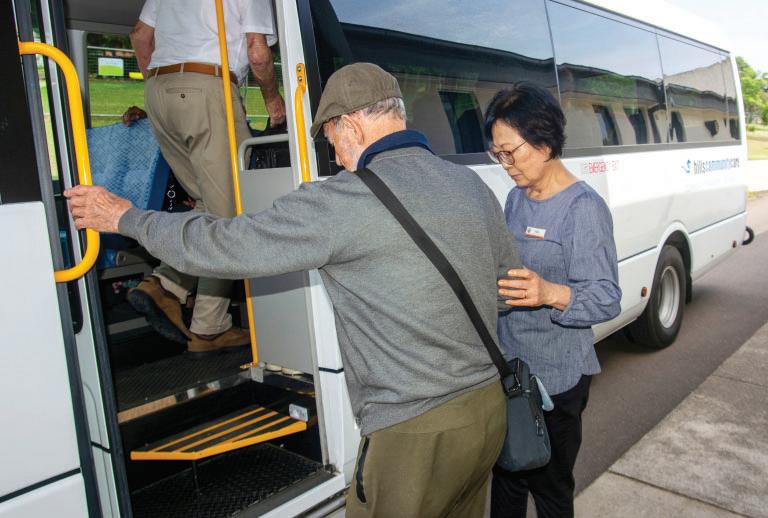
Community transportImprove the quality of life of aged and less mobile residents in our community by providing door to door transport assistance
Food servicesImprove the quality of life for aged and less mobile residents in our community by providing quality home delivered food services
Home modificationsImprove the quality of life for aged and less mobile residents in our community by providing home modification and maintenance services, including lawn care, repairs, and gardening
Domestic assistanceImprove the quality of life for aged and less mobile residents in our community by providing in home domestic assistance
Allied healthImprove the quality of life for aged and less mobile residents in our community by providing occupational therapy services
Centre based programsImprove the quality of life for aged and less mobile residents in our community by providing recreational and centre based programs and social engagement
In-home respite Improve the quality of life for aged and less mobile residents in our community by providing in-home respite services as support continued over page
PerformancemeasuresTarget2026-27
notices for failing to comply with the Aged Care Quality Standards0
expenditure
DeliveryProgramstrategy:
EL1.1 Promote accessible and inclusive community services and access to a network of quality recreational spaces and facilities to support leisure, arts, cultural and educational opportunities for people of all abilities, ages and cultural backgrounds
DeliveryProgramaction:
EL1.1.1 Continue to evolve libraries by offering a wide array of services that support lifelong learning, multimedia access, and exceptional customer service, with an emphasis on integrating cuttingedge technologies to enhance engagement and improve operational efficiency
ActivityDescription
Library lending servicesDeliver high quality physical and digital library collections in a range of formats that support the community’s needs
Library activities/ programs / courses
Library information services and resources
Encourage community participation in a diverse program of engaging activities that target a range of abilities, ages and cultures and support lifelong learning opportunities
Provide access to a wide range of information resources in hard copy and online to support general and educational needs of the community
Library customer serviceProvide high quality customer service in person, by phone and online
Library spacesProvide flexible and accessible library spaces (physical and virtual) that support community needs
% of people who rate the library collection, physical and digital, as good or very good85% Number of events/activities/programs (number of attendees)>30,000
>80% of new stock available for loan within 4 working days of receipt at the library85%
continued over page

DeliveryProgramstrategy:
EL1.1 Promote accessible and inclusive community services and access to a network of quality recreational spaces and facilities to support leisure, arts, cultural and educational opportunities for people of all abilities, ages and cultural backgrounds
DeliveryProgramaction:
EL1.1.5 Provide quality aquatic centre operations that incorporate a mix of customer satisfactions, safety and financial sustainability
Pool and gym facilitiesEnsure the effective use of Council’s Waves Fitness and Aquatic Centre to create a community and lifestyle hub that supports physical and mental wellbeing
Mange pool operationswater quality and water safety
Provide customer service and manage memberships
Comply with all Health Department regulations in relation to water quality and sanitation and provide a safe swimming environment for the public
Provide a range of membership options to suit all lifestyles and ages via upfront and direct debit payment options
Provide learn to swim programs Provide learn to swim and swim squad programs for adults and children
DeliveryProgramstrategy:
EL2.1 Use effective regulatory strategies, local laws and compliance programs to manage public health, public safety and any negative impacts of development on the community
EL2.2 Nurture and improve the quality of green spaces, natural built surroundings and waterways
DeliveryProgramaction:
EL2.1.1 Manage public safety and environmental health through implementation of education, encouragement and enforcement policies and actions
EL2.1.3 Deliver a range of environmental learning opportunities for the diverse groups within the Shire
EL2.2.1 Enhance green spaces to ensure equitable access to improve the community’s wellbeing
ActivityDescription
Environment promotion and education
Environment and health regulation
Approvals, licensing and registration
Inform the community of the environmental goals and achievements of council and build the capacity of the residents of The Hills Shire to be informed and active participants in moving the community towards sustainability
Provide advice to the community and Council regarding environmental matters
Assess applications and monitor premises to ensure resident health and compliance with Council policies, as well as state and federal health and environmental legislation
Regulatory InspectionsMonitor the state of air, noise and water quality and take steps to remedy undesirable conditions and put in place preventative measures
Development application advice Assessment and provisions on advice on environmental health and public health aspects of development applications, including the provision of related conditions of consent
food premises inspected in 12 months (Env Health Services)100%
21 calendar days90%
DeliveryProgramstrategy:
EL2.2 Nurture and improve the quality of green spaces, natural built surroundings and waterways
EL2.3 Embed resilience and adaptation by preparing for increased hazard risks such as flooding, bushfire and urban heat
DeliveryProgramactions:
EL2.2.2 Implement initiatives to look after our biodiversity (flora and fauna) throughout the delivery of Council services subject to funding availability
EL2.3.1 Embed climate change risk assessment in procedures across Council and develop an adaptation plan to mitigate risk
EL2.3.2 Align to the NSW State Government Climate Change (Net Zero Future) Act 2023 as required and in a manner that makes financial sense
EL2.3.3 Implement initiatives to decrease the energy and water use by Council’s infrastructure and reduce greenhouse gas emissions from our operations subject to funding availability
EL2.3.4 Implement proactive measures to minimise the impacts of a changing climate on Council infrastructure and services, as well as the community subject to funding availability
Sustainability policyDevelop and implement environmentally sustainable policy to assist council in performing its operations and services to best practice environmental standards
Energy and water projects
Biodiversity mapping
Tree management applications
Development assessment advice
Evaluate and reduce the energy and water demand of Council properties and operations, in a cost effective and responsible manner conserving water, energy and associated costs
Update Council’s vegetation community map, create a database of flora and fauna records within the Shire, identify priority conservation areas and incorporate this information into a Biodiversity Conservation Plan
Process applications under Council’s tree and bushland management provisions for the lopping, trimming and removal of trees on private property
Assessment and provision of advice on ecology, tree and landscape aspects, development applications including the provision of related conditions of consent
Tree applications processed in 10 days90%
Development application advice provided within 21 calendar days90%
continued over page
DeliveryProgramstrategy:
EL2.5 Promote sustainable waste management and resource recovery
DeliveryProgramactions:
EL2.5.1 Deliver safe, efficient, and cost effective waste, recycling, garden organics and clean up services
EL2.5.2 Continue to provide drop off days and services for hazardous and problematic waste to minimise environmental harm
EL2.5.3 Continue to work regionally to address common waste and resource recovery challenges across the region
EL2.5.4 Provide innovative education and communication programs that encourage community behaviour change to conserve resources and reduce waste generation
EL2.5.5 Develop and implement a Resource Recovery Strategy
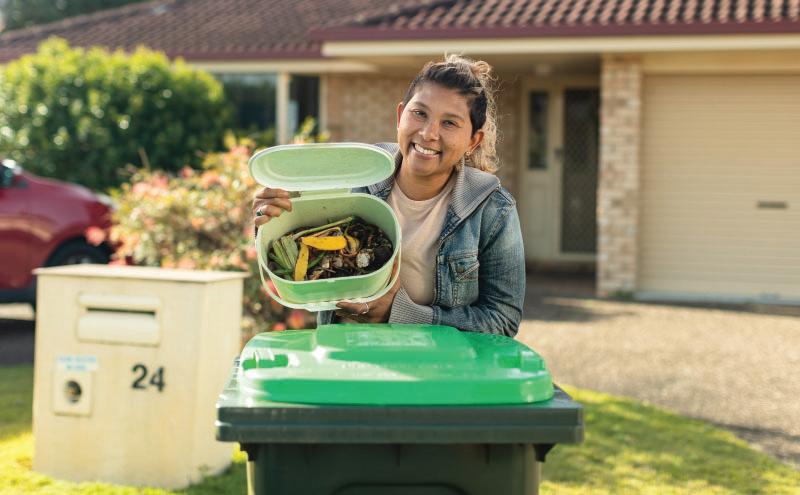
EL2.5.6 Commence a Food Organics and Garden Organics (FOGO) service to be facilitated in the next waste contracts beginning 1 October 2027 and prior to July 2030
Domestic waste serviceProvide a domestic waste management service for the collection and disposal/processing of household garbage, recycling, organics, and bulky waste including associated services and programs
Response to illegal dumping and littering
Waste and recycling projects
Community waste education
Development application advice
Partner with the RID Squad (Regional Illegal Dumping Squad) to investigate, educate and deter illegal dumping on public and private land
Undertake projects that contribute to a circular economy in line with the objectives and goals of The Hills Shire Council Resource Recovery Delivery Program
Educate and inform the community to raise awareness of waste and resource recovery matters, and to improve the performance of the kerbside garbage, recycling and organics bins and the bulky waste collection service
Assess and provide waste management advice on new planning and development applications including the provision of related conditions of consent
continued over page
DeliveryProgramstrategy:
EL2.4 Embed sound governance and operational frameworks to manage new and existing development with robust policies, plans and processes that meets community needs and expectations
DeliveryProgramactions:
EL2.4.2 Determine development applications and land use applications in an efficient and effective manner
Development assessmentDetermine development applications in accordance with the provisions of the Environmental Planning and Assessment Act 1979, Environmental Planning and Assessment Regulations and the National Construction Code
Construction certificate assessments (Class 1 and 10)
State significant development advice
Determine development applications in accordance with the provisions of the Environmental Planning and Assessment Act 1979, Environmental Planning and Assessment Regulations and the National Construction Code
Participate in the stakeholder engagement process for state significant development applications
Provide assessment and technical advice for the Department of Planning, Housing and Infrastructure as required
Customer service adviceProvide accurate information on a range of development related issues to customers either face to face, via telephone or in writing
Pre lodgement / planning enquiries / duty planning Assist customers including residents, applicants and external authorities by providing advice on development matters Legal mattersRespond to Land and Environment Court appeals
DeliveryProgramstrategy:
EL2.1 Use effective regulatory strategies, local laws and compliance programs to manage public health and any negative impacts of development on the community
DeliveryProgramactions:
EL2.1.2 Implement the Shire’s regulatory building, development control, tree management, fire safety and animal control functions
ActivityDescription
Swimming pool inspectionsThe management of Council’s swimming pool inspection program The assessment of swimming pool compliance certificate applications
Investigation / enforcement / monitoring and land use enforcement
Investigate complaints of unauthorised building works, land use, illegal landfilling, bushland clearing and tree removal complaints and complaints relating to enforcement of conditions of consent
The monitoring of building construction and site management issues Investigation of stormwater complaints
Building certificate assessments Assessment and determination of building information certificates
Fire safety monitoringCarry out inspections of premises and ensure compliance with fire safety regulations
The management of Council’s annual fire safety statement program and external combustible cladding program
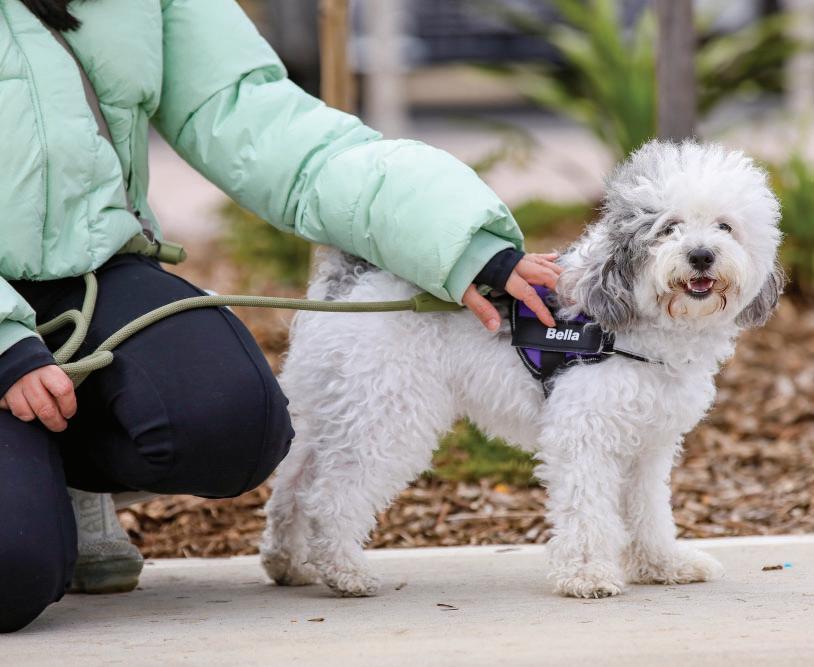
Animal managementEducate the community on responsible pet ownership, investigate nuisance animal complaints and maintain the companion animal program, including the impounding of animals and maintenance of a register of dangerous/menacing/nuisance dog declarations
Road related education and enforcement
Monitor on street and off street parking restrictions, including school zones and provide an educational and enforcement service to the community with respect to parking, vehicle load limits and abandoned vehicle offences
General investigationsInvestigation of incidents applicable to public land, including unauthorised signage and asset defect investigations and the management of Council’s awning management safety program (awnings over public land)
Development application advice Assessment and providing advice on development applications
continued over page
DeliveryProgramstrategy:
EL2.4 Embed sound governance and operational frameworks to manage new and existing development with robust policies, plans and processes that meets community needs and expectations
DeliveryProgramactions:
EL2.4.1 Ensure the subdivision of new land meets all regulatory and policy requirements and enhances The Garden Shire image ActivityDescription
Development assessment
Customer service advice
Determine applications in accordance with the Environmental Planning and Assessment Act 1979, Environmental Planning and Assessment Regulations and the Building Code of Australia (subdivision and small lot housing developments)
Engineering part file comments/ advice
Provide accurate information on a range of development related issues to customers either face to face, via telephone or in writing
Legal mattersRespond to Land and Environment Court appeals
Subdivision certification
Building certification
Development application advice
State significant development advice
Determine and certify post consent certificates for subdivision work or public domain work
Determine complying development certificates (strata subdivision developments), subdivision certificates and strata certificates
Determine and act as principal certifier for post consent certificates for building work (construction certificates) and complying development certificates
Provide engineering advice on development applications
Participate in the stakeholder engagement process for state significant development applications
Provide assessment and technical advice for the Department of Planning, Housing and Infrastructure as required
CPP1.Agrowingshireandeconomy
Strategies
CPP1.1 Support the development, growth and retention of business and industry, employment land and strategic centres
CPP1.2 Support priority growth sectors including the visitor economy, advanced manufacturing, health and education so that more people live near quality jobs
CPP1.3 Create capacity for a diverse range of housing in connected, vibrant, healthy places
CPP1.4 Support, promote and plan safe, efficient and resilient, transport options and travel behaviour, including walking and cycling, and better public transport and road connections
CPP1.5 Prioritise place making in neighbourhoods to create quality places for people
CPP1.6 Plan for recreation and open space to meet the needs of a growing community
Businessunitresponsible
Economic Development
Economic Development
Forward Planning and Land Information
Infrastructure and Transport Planning
Asset Management and Parks
Western Sydney Infrastructure Grants Program
Forward Planning and Land Information
Asset Management and Parks
CPP2.Timelyprovisionandmaintenanceof infrastructure
Strategies
CPP2.1 Manage and maintain a inclusive, attractive safe diverse range of sustainable road corridors and other infrastructure and services
CPP2.2 Provide new and renovate or renew infrastructure in a timely manner that meets the needs of our growing Shire
Businessunitresponsible
Building Maintenance Civil Maintenance
Parks and Bushland Maintenance
Shire Presentation and Fleet
Waterways and Stormwater Asset Planning
Western Sydney Infrastructure Grants Program
Capital Works Management
Parks and Bushland Maintenance
Shire Presentation and Fleet
Waterways and Stormwater Asset Planning
DeliveryProgramstrategy:
CPP1.4 Support, promote and plan safe, efficient and resilient, transport options and travel behaviour, including walking and cycling, and better public transport and road connections
CPP1.6 Plan for recreation and open space to meet the needs of the growing community DeliveryProgramactions:
CPP1.4.9 Prepare asset management plans for all classes of assets in order to maintain a satisfactory condition
CPP1.4.10 Develop and maintain an up-to-date asset systems for effective asset management of all infrastructure assets
CPP1.6.1 Plan, update and encourage understanding of existing master plans for major open space areas and sports grounds by partnering with the broader community, users and sporting groups
ActivityDescription
Asset systems management Plan, forecast, develop and monitor community assets and asset management system and plans
Parks strategic asset management Plan, forecast, develop and monitor parks assets and asset management system and plans
Annual update of Asset Management Plans to take into account condition and critical levels of service
Update of Strategic Asset Management Policy each term of Council100% % of planned asset condition inspections
DeliveryProgramstrategy:
CPP1.1 Support the development, growth and retention of business and industry, employment land and strategic centres
CPP1.2 Support priority growth sectors including the visitor economy, advanced manufacturing, health and education so that more people live near quality jobs
DeliveryProgramactions:
CPP1.1.1 Continue with the completion of actions set out in Council’s Economic Growth Plan which aim to promote The Hills as an attractive destination for business and investment, including key employment locations and precincts
CPP1.1.2 Provide business tools and economic information to existing and potential businesses to better enable them to prepare business plans
CPP1.1.3 Provide educational, informational and connective services for business to better prepare them for opportunities and innovation
CPP1.1.4 Continue with the completion of actions set out in Council’s Economic Growth Plan which aim to support existing local businesses and new businesses
CPP1.2.1 Continue with the completion of actions set out in Council’s Economic Growth Plan which aim to support the visitor economy and promote The Hills as an attractive destination for nature based and agritourism opportunities
ActivityDescription
Business support Support new and existing local businesses and assist them to grow, through activities including new business welcome kits, business newsletters, business helpdesk program, educational workshops and events, networking opportunities, provision of information and demographic data and management of a local business register.
Investment attraction Position and promote The Hills Shire as an attractive destination for business, investment and visitors. This includes both broad and targeted initiatives including the preparation of information and tools to facilitate decision making for investment in The Hills, marketing programs for the area and preparation of prospectus materials and pursuit of partnerships with Government, the local business chambers, industry and institutions in key industry sectors.
DeliveryProgramstrategy:
CPP1.3 Create capacity for a diverse range of housing in connected, vibrant, healthy places
CPP1.5 Prioritise place making in neighbourhoods to create quality places for people DeliveryProgramactions:
CPP1.3.1 Development proposals are assessed and respond to Council’s strategic policy as contained with LEP and DCP
CPP1.3.2 Update the Local Strategy to ensure our land use framework remains capable of delivering homes and job growth while reflecting our natural environment
CPP1.3.3 Consider options for the administration of affordable housing contributions received by Council, for the provision and management of affordable housing within the Shire
CPP1.5.1 Initiate amendments to the planning framework to facilitate the vision for Terminus Street site as articulated within Council’s Castle Hill Precinct Plan
CPP1.5.2 Implement and update developer contributions plans that adequately provide services and facilities to support our growing population
CPP1.5.3 Continue to give effect to the principles and objectives for public domain areas within The Hills, as set out in Council’s Public Domain Strategy and Public Domain Plans for specific locations
Local strategy, policy, precinct plans and place strategies
Planning controls and guidelines
Research and prepare local strategic planning policies that align with, and respond to, state and commonwealth legislative directions and give effect to local planning objectives and priorities. This includes Council’s Local Strategic Planning Statement, housing, productivity and rural strategies and precinct plans and place strategies which set out longer term development, placemaking and infrastructure outcomes within strategically identified growth precincts. Forward Planning is also involved in advocacy to state and commonwealth government seeking and input into planning and policy reforms seeking to give effect to Council’s local planning objectives and priorities
Monitor, update and manage Council’s planning instruments (Local Environmental Plan and Development Control Plan) to ensure the planning settings applicable to land reflect state and commonwealth legislative directions, Council’s statutory responsibilities and, to the maximum extent possible, Council’s local strategic planning objectives and priorities
Planning proposal (rezoning) applications
Infrastructure contributions
Assess and process applications which seek to amend the planning controls applicable to land within The Hills Shire. Typically these applications seek to change the permissible land uses and/or maximum permitted floor space ratio (density) and building heights on individual sites or areas of land.
Identify the local infrastructure (roads and traffic, parks, playing fields, drainage and community facilities) required to service new development areas and, where possible within Government policy and legislative frameworks, put in place contribution mechanisms that enable Council to collect funding from development towards the provision of this local infrastructure. This includes the preparation and review of Contributions Plans (Section 7.11 and Section 7.12) and negotiation of Planning Agreements
Planning certificatesProvide accurate planning information to customers with respect to properties within The Hills Shire through the issue of Section 10.7 Planning Certificates.
Land information and mapping
Allocation of property addresses (house and unit numbers, street names and suburbs) and update of Council’s property information and mapping data to reflect development, subdivision and planning controls that apply to land. Preparation of customised mapping and spatial information continued over page
DeliveryProgramstrategy:
CPP1.4 Support, promote and plan safe, efficient and resilient, transport options and travel behaviour, including walking and cycling, and better public transport and road connections
DeliveryProgramactions:
CPP1.4.1 Continue to implement the identified actions in the adopted Bike Plan
CPP1.4.6 Advocate for government commitment to the funding and delivery of regional road upgrades, including existing State Infrastructure Contribution (SIC) items in greenfield areas and upgrades to the regional road network identified within the Regional Traffic Modelling for Norwest and Castle Hill Strategic Centres
CPP1.4.7 Develop a project plan, underlying resource plan and timeframe for critical road projects for new release and older urban areas
CPP1.4.8 Work with the NSW State Government to finalise the timeframe for the major road arterial upgrade
Street lightingProvide street lighting to the Hills Shire
Traffic managementInvestigate and resolve road safety, traffic and pedestrian management issues
Civil design management of roads, bridges and traffic facilities infrastructure
Plan, design, develop civil design of road, bridges and traffic facilities infrastructure
Capital works projectsManage design projects and prepare construction designs, approvals and estimates of costs
Community consultation for the proposed works in the Shire
Roads and traffic strategic asset management
Advise residents impacted by proposed works
Plan, forecast, develop and monitor civil assets and asset management system and plans
Traffic and transport planningDesign concepts for priority traffic and transport initiatives and provide timely advice on development proposals
Design/approval works to be completed within the time and budget allocated90% Consultation undertaken for all projects as required90% planned
LED street lights as a percentage of the street lighting network >prior year (towards 100%)
% of requests / customer service requests responded to7 days
Number of days to provide comments on DAs for planning proposals21 days
continued over page
DeliveryProgramstrategy:
CPP2.2 Provide new and renovate or renew infrastructure in a timely manner that meets the needs of our growing Shire
DeliveryProgramactions:
CPP2.2.1 Deliver 10 year capital works for civil infrastructure, parks, buildings and stormwater
ActivityDescription
Western Sydney Infrastructure Grants Projects
Manage the delivery of Council’s projects within the NSW Government’s WSIG Program, formerly known as ‘West Invest’.
Manage the, community consultation, administration and acquittal of Council’s WSIG Program projects
Design/approval works to be completed within the time and budget allocated90%
Consultation undertaken for all projects as required90% planned
DeliveryProgramstrategy:
CPP2.1 Manage and maintain a inclusive, attractive safe diverse range of sustainable road corridors and other infrastructure and services
CPP2.2 Provide new and renovate or renew infrastructure in a timely manner that meets the needs of our growing Shire
DeliveryProgramactions:
CPP2.1.1 Maintain The Hills Shire civil infrastructure including roads, footpaths, drainage, bridges and traffic facilities to agreed standards as set out in asset management plans
CPP2.2.1 Deliver 10 year capital works for civil infrastructure, parks, buildings and stormwater
ActivityDescription
Constructed waterways strategic asset management Plan, forecast, develop and monitor waterway assets and prepare and review asset management plans for stormwater infrastructure and natural waterway systems
Natural waterways strategic asset management Plan, forecast, develop and monitor waterway assets and asset management system and plans
Development application advice (PFs) Assess and provide advice on development applications
Stormwater levy and grantPlan, scope and develop projects and activities utilising stormwater management service charge
Waterways capital projectsManage waterways capital projects and provide advice
Flooding advice and informationProvide information and advice related to flooding to internal and external parties
Amount of budgeted levy spent>90% Design projects completed on time and on budget>90%
Development application advice provided within 21 calendar days90%
continued over page
RestorationsManage
Emergency
Flood
DeliveryProgramstrategy:
CPP2.1 Manage and maintain an inclusive, attractive safe diverse range of sustainable road corridors and other infrastructure and services
DeliveryProgramactions:
CPP2.1.2 Our community buildings, parks, gardens and bushland are safe and maintained to agreed standards
CPP2.1.3 Effectively manage the usage of sports fields in relation to their carrying capacity to facilitate sustainability
Turf sportsfield mowing and renovations Maintenance of turfed sports facilities and renovation of the sporting fields and irrigation systems
Synthetic sportsfieldsMaintenance, grooming and repairing of the synthetic turf
Maintenance of passive recreation reserves
Vegetation maintenance of roadside, drainage easements, gardens and mowing of rural nature strips
Tree planting, tree maintenance and pest control
Mowing, gardening, tree, and bushland maintenance of reserves
Maintenance of garden areas, including roadside vegetation maintenance
Maintenance of trees on public land. Pest control
Bushland maintenance Works undertaken to maintain and regenerate bushland. Including weed management, track maintenance and feral animal control
Bushfire mitigation Managing asset protection zones, fire trails and other bushfire mitigation works
Bushcare volunteer and nursery management
Managing bushcare volunteer groups, management of the Bidjiwong Community Nursery
There is no net loss of trees on public land. A replacement tree is planted in the LGA for every tree removed on public land
and bushland
DeliveryProgramstrategy:
CPP2.1 Manage and maintain an inclusive, attractive safe diverse range of sustainable road corridors and other infrastructure and services
DeliveryProgramactions:
CPP2.1.1 Maintain The Hills Shire civil infrastructure including roads, footpaths, drainage, bridges and traffic facilities to agreed standards as set out in asset management plans
ActivityDescription
Public place cleaningCleaning of public amenities, CBD/ mainstreets, playgounds and graffiti removal from public infrastructure
Public place waste collectionCollection of waste from public bins in parks and along roadways
Street sweepingSweeping of roads, CBD/ mainstreets, carparks and shared paths
Fleet maintenanceCarry out maintenance on all of Council's fleet - major plant, motor vehicle, bushfire plant, minor plant and Hills Community Care plant, including purchases and sales
Fleet procurement and disposal Oversee the procurement and disposal of Council's large and small plant assets, including motor vehicles, trucks, bushfire equipment, and Hills Community Care plant, while providing expert advice and information
remove orphan
within
PLG1.Proactiveleadership Strategies
PLG1.1 Facilitate strong 2-way relationships and partnerships with the community, empowering local community involvement in planning and decision-making
PLG1.2 Collaborate and advocate across government and with the private sector to achieve local priorities
PLG1.3 Promote excellent customer service through prompt, friendly and helpful advice and information to the community and meet service standards for all requests by leveraging on advanced technologies, business improvement and innovation
PLG1.4 Embed sound governance and operational frameworks that ensure accountability to the community and meet legislative requirements
PLG1.5 Create a safe and skilled workforce that delivers quality services that meet Council’s strategic direction and goals
PLG1.6 Maintain a strong financial position to support services and strategies and achieve long-term financial sustainability
Businessunitresponsible
Corporate Management
Corporate Management
Customer Service
Executive Services
Information Technology and Business System Development
Corporate Management
Financial Management and Reporting
Human Resources and Wellbeing
Financial Management and Reporting
Property Development and Management
DeliveryProgramstrategy:
PLG1.1 Facilitate strong 2-way relationships and partnerships with the community, empowering local community involvement in planning and decision-making
PLG1.2 Collaborate and advocate across government and with the private sector to achieve local priorities
PLG1.4 Embed sound governance and operational frameworks that ensure accountability to the community and meet legislative requirements
DeliveryProgramactions:
PLG1.1.1 Provide effective civic leadership to the local community by ensuring Council’s financial sustainability and adherence to the principles outlined in the Local Government Act, as well as Council’s plans, programs, strategies and polices
PLG1.1.2 Manage the daily operations of Council in accordance with its strategic plans, programs, strategies, and policies, and provide advice to the mayor and governing body on their development and implementation
PLG1.2.1 Advocate for public and private investment and grants to achieve local priorities
PLG1.4.2 Review and maintain an effective risk management framework and strategy reflecting AS ISO 31000:2018 and the OLG guidelines
PLG1.4.3 Implement an internal audit strategic and annual program reflecting the current IIA standards and the OLG Guidelines
PLG1.4.5 Provide legal support and advice to the organisation, represent Council in legal matters and effectively manage the use of external legal providers ensuring value for money
Corporate management
Provide strong and forward-thinking leadership to respond to challenges, provide a healthy and a safe workplace to guide staff and deliver sustainable operations and innovate with its partners to create positive outcomes for the current community and future generations within legislative frameworks
Risk managementReview periodically Council’s risk appetite statement and relevant policies and procedures, increase its risk management maturity, manage insurance claims, and risk management culture across all of Council, monitoring and updating Council’s risk registers, communicating key risks and controls to management and the ARIC, updating and testing Council’s Business Continuity Plan
Internal auditsSupports Council, ARIC, and management to add value and improve Council’s operations by providing independent objective assurance and consulting advice. Report to ARIC on an adopted audit plan, developed reflecting Council’s risk environment. In addition, it supports Council’s culture of accountability, integrity, and continuous improvement by undertaking annual health checks (governance, risk culture etc), proactively coordinating gap analysis of released regulatory and better practice reports (ICAC, AO other), undertaking compliance reviews and investigations (where required)
Legal mattersManage litigation matters through a combination of in-house representation and referral to panel law firms where appropriate. Provide legal advice to all levels within the organisation concerning all areas of Council’s functions continued over page
DeliveryProgramstrategy:
PLG1.3 Promote excellent customer service through prompt, friendly and helpful advice and information to the community and meet service standards for all requests by leveraging on advanced technologies, business improvement and innovation
DeliveryProgramactions:
PLG1.3.1 Provide integrated technologies to improve customer services across the organisation and the community by leveraging on advanced technologies
PLG1.3.2 Manage business information and Council records as an asset to enable Council to carry out its civic functions and comply with relevant legislation
Building advisory
advice for development enquiries and manage the lodgement of applications submitted through the NSW Planning Portal
Face to face customer service Customer services delivered across the counter at Council’s administration centre
Telephone customer serviceCustomer services delivered over the phone through Council’s contact centre
Records and information management Sort and distribute all general correspondence, including the processing of all forms of documents into corporate systems and electronic routing to relevant officers for action and information. Coordinate the retention and disposal of Council’s records
Average customer wait time (seconds)<100 sec
Grade of service - customers reach an officer within 30 seconds of joining the queue>=80%
Average days for DA lodgement within state mandate (excluding subdivision applications) <7 days
DeliveryProgramstrategy:
PLG1.3 Promote excellent customer service through prompt, friendly and helpful advice and information to the community and meet service standards for all requests by leveraging on advanced technologies, business improvement and innovation
DeliveryProgramactions:
PLG1.3.3 Ensure councillors have access to relevant information and assistance to enable them to fulfill their obligations to lead, govern and serve the community
PLG1.4.4 Implement effective contract management and procurement practices
Public access to government information
Support services to governing body
Facilitate Council meetings
Provide public access to Council information and data to meet the requirements of the Government Information (Public Access (GIPA)) Act
Provide support to the Mayor and Councillors to facilitate their civic leadership duties and ensure the governing body have access to relevant information, and assistance to enable them to fulfil their obligations to lead, govern and serve the community. Prepare and organise for Council elections every 4 years and organise Councillor induction and professional development programs
Prepare agendas, business papers, and minutes and coordinate Council meetings and provide administrative support for Council meetings.
Customer complaints handlingInvestigate and respond to complaints and maintain complaints register including code of conduct complaints and the provision of a support framework for this and other serious complaints received
Corporate governanceProvide essential corporate governance support to the organisation including promoting sound governance policies and procedures throughout the organisation. Manage and oversee Council’s governance framework including developing, maintaining, monitoring, and promoting policies, guidelines, procedures and registers on compliance framework such as delegations, conflict of interest, gifts and benefits, governance health checks, and other governance related requirements
Contract and procurement management
Ensure best practice procurement and contract management focused on value for money, optimised risk allocation and improved supplier performance and continuous improvement in the provision of services and infrastructure for the community
DeliveryProgramstrategy:
PLG1.4 Embed sound governance and operational frameworks that ensure accountability to the community and meet legislative requirements
PLG1.6 Maintain a strong financial position to support services and strategies and achieve long-term financial sustainability
DeliveryProgramactions:
PLG1.4.1 Implement, manage and review the IP&R Framework, provide regular progress updates of The Hills Shire Plan and provide quality services and operations that meet all legislative requirements and statutory responsibilities to support the delivery of this plan
PLG1.6.1 Manage Council finances, provide financial services and undertake long term financial planning that supports Council’s achievement of goals identified in the Community Strategic Plan, Delivery Program, Resourcing Strategy and Operational Plan to ensure long term financial sustainability and overall performance
Manage Integrated Planning and Reporting (IP&R) requirements
Financial performance, management, and reporting
Develop, review, and implement Council’s Community Strategic Plan, Delivery Program, Resourcing Strategy, Operational Plan and Fees and Charges including the Statement of Revenue Policy to ensure compliance with Integrated Planning and Reporting requirements.
Perform quarterly reviews of Council’s Delivery Program and Operational Plan and produce Council’s Annual Report, and the End of Term Report (after Council elections)
Monitor, review and report on Council’s finances to ensure compliance with statutory requirements including the production of Council’s Annual Financial Statements. Manage Council’s cash reserves to ensure cashflow is maintained, is in compliance with relevant legislation and reserve movements are as per Council resolution. Provide financial advice, support and information to the organisation.
Developer Contributions and Voluntary Planning Agreements Financial Management
Supplier and debtors management
Manage Council's investments and taxation functions
Deliver effective and accurate payroll services
continued over page
Manage, monitor and report on Developer Contributions and Voluntary Planning Agreements income and expenditure including cash flows. Regularly review and update contribution plans to ensure contribution rates reflect current market and economic conditions
Process supplier invoices and ensure payment occurs within Council’s standard payment terms. Ensure that any debts owed are collected accurately and on time
Ensure that funds are invested in accordance with Council's adopted Investment Policy. Manage Council's Goods and Services Tax and Fringe Benefits Tax requirements and ensure returns are submitted as per legislative requirements
Maintain and manage payment of council staff in accordance with LG Local Government State award, ATO Australian Tax Office requirements, superannuation and workers compensation legislation. Process termination payments. Implement system updates in relation to legislation changes and maintain up-to-date and accurate records
DeliveryProgramstrategy:
PLG1.5
DeliveryProgramactions:
PLG1.5.1
PLG1.5.2
Implement
Facilitate
Foster
DeliveryProgramstrategy:
PLG1.3 Promote excellent customer service through prompt, friendly and helpful advice and information to the community and meet service standards for all requests by leveraging on advanced technologies, business improvement and innovation
DeliveryProgramactions:
PLG1.3.1 Provide integrated technologies to improve customer services and experiences across the organisation and to the community by leveraging on advanced and secured technologies
Business systems and digital transformations
Digital transformation and user experience
Information technology resilience
Core IT services and device management
IT governance and change management
continued over page
Provide integrated IT systems and technologies to support council operations that are safe, functional, up to date, and support innovation
Improve operational efficiency and user experience through digital transformation and innovation
Implement and maintain effective cyber security policy, controls and actions in that align with OLG Cyber Security Guidelines and Australian Cyber Security Centre Essential 8 Maturity Model
Optimise and standardise core IT infrastructure, mobile devices and software version and access to reduce software and hardware footprint
Establish IT governance frameworks, policies, and procedures, and foster a culture of system champions with cross-functional collaboration, communication and change management

As per Integrated Planning and Reporting Requirements, the Statement of Revenue Policy must be included in an Operational Plan. The following information outlines how Council will generate its revenue for the FY2026-2027 and the major sources of revenue which fund Council’s operations.
Each year the Independent Pricing and Regulatory Tribunal (IPART) sets the rate peg for councils in NSW. The rate peg determines the maximum percentage by which a council can increase its general income in the upcoming financial year, known as the estimated general income yield.
IPART’s rate peg methodology bases the rate peg for each council on several factors:
• the base cost charge (BCC) for its council group
• a catchup adjustment for election costs guarantee rate
• an Emergency Services Levy (ESL) factor if negative and
• a population factor
The BCC measures the percentage change in a basket of 3 key cost components reflecting councils’ primary expenditure in providing services to their communities. The 3 cost components are:
• employee costs, which are measured by changes in the Local Government State (NSW) Award (when available) and adjusted for changes in the superannuation guarantee
• asset costs, which IPART considered, is best measured by the change in the Producer Price Index (PPI) for road and bridge construction. In the absence of a publicly available forecast for the PPI, IPART applied an adjustment to the Reserve Bank of Australia’s (RBA) forecast change in the Consumer Price Index (CPI) to derive a forecast change in the PPI
• other operating costs, which are measured by the RBA’s forecast change in the CPI.
Rates are the primary source of income for Council and fund the provision of services, infrastructure and facilities across the local government area. The rates set by Council are established in accordance with the Local Government Act 1993 and the Local Government (General) Regulations 2021.
The FY2026-27 rate peg for the Hills Shire Council is 4.7%. The rate peg is comprised of a base cost change of 3.0%, and a population factor of 1.7%. The rate peg applies to the total general income and not each rate assessment.
Individual ratepayer rates are affected by other factors, such as land values determined by the Valuer General of NSW, and changes to zoning and planning instruments. Land valuations are currently based on the values as of 1 July 2025 and these will be used to rate properties for the FY2026-27, 202728 and 2028-29.
Council must levy rates on all rateable land within its local government area, using independent valuations provided by Property NSW on behalf of the NSW Valuer General. The land valuations reflect the unimproved value of the land i.e. excluding the value of any houses, buildings or improvements.
The rating structure is reviewed annually to ensure the equitable distribution of rates to properties through the application of the principles of benefit and ability to pay. Council is closely looking at its rating path and the best way to equitably align its rating structure to service the population growth that is expected. We will continue to explore options
that will improve the fair and equitable distribution of rates burden for all our ratepayers.
The Hills Shire Council has 3 rating categories, residential, farmland and business. Each rateable assessment must be categorised according to its dominant or permitted use.
Ratingstructure-ordinaryrates
Council proposes to establish and levy the following ordinary rates for FY2026-27:
1.Residential-AdValoremorlegislative minimumamount
This applies to all rateable properties categorised as residential within The Hills Shire Council LGA. Land is to be categorised as residential if it is a parcel of rateable land valued as one assessment and its dominant use is for residential accommodation. Additionally, vacant land is considered residential if it is zoned or designated for residential use under an environmental planning instrument.
Effective from 1 July 2026, Council will not apply a base amount to residential ordinary rates in FY2026–27. Instead, a minimum amount or ad valorem rating structure will be applied to residential ordinary rates.
The minimum amount is set by the Minister for Local Government under Section 548 of the Act and is adjusted on an annual basis by the Rate Peg mandated by IPART. This amount has been determined to be $655. Under this rating structure, the ad valorem amount is calculated first and then compared with the minimum amount. The residential ratepayer will be charged the greater of the two. This creates a ‘cut-off’ land value where any land value below the cut off will only pay the minimum amount, and any residential assessment greater than this land value will pay ad valorem only.
The minimum amount ensures that all residential properties make a consistent minimum contribution towards the cost of providing local services and infrastructure. Where the calculated ad valorem amount for a residential assessment is less than the minimum amount, the minimum amount will apply.
2.Farmland-AdValoremandbaseamount
This applies to all rateable properties categorised as farmland within The Hill Shire Council LGA.
Land is to be categorised as farmland if it is a parcel of rateable land valued as one assessment and its dominant use is for farming. Farming must have a significant commercial purpose or character, and it should be conducted for profit on a continuous or repetitive basis.
3.Business-AdValoremandbaseamount
This applies to all rateable properties categorised as a business within The Hill Shire Council LGA.
Land is categorised as business if it cannot be categorised as residential, farming or mining.
In addition to ordinary rates, the Local Government Act 1993 makes provision for the levying of special rates.
As provided by section 495 of the Act, Council may make a special rate for or towards meeting the cost of any works, services, facilities or activities provided or undertaken, or proposed to be provided or undertaken, by Council within the whole or any part of the local government area, other than domestic waste management services.
A special rate may be levied on any rateable land which, in Council’s opinion:
• benefits or will benefit from the project, or • contributes to the need for the project, or • has access to the project.
The amount of a special rate is determined having regard to Council’s assessment of the relationship between the cost or estimated cost of the works, services, facilities or activities and the degree of benefit afforded to ratepayers. A special rate is not a special variation.
For the FY2026–27, Council proposes to levy a special rate, to be known as the Infrastructure Renewal Rate (IRR), in accordance the Local Government Act 1993.
The Infrastructure Renewal Rate will fund budgeted expenditure associated with:
• Civil infrastructure
• Parks infrastructure
• Shire Presentation
The total expenditure to be supported by the Infrastructure Renewal Rate is estimated at approximately $42 million.
The special rate will apply to all rating categories, being:
• Residential
• Business
• Farmland
The Infrastructure Renewal Rate (IRR) will comprise an ad valorem and base amount applied to the rateable land value of each assessment.
Revenue raised from the special rate will be applied only for the purpose for which the rate is levied and will be accounted for separately.
For FY2026-27 Council’s rating policy is as follows:
• Council will levy ordinary rates and special rates on farmland properties up to a maximum of 1% of the total permissible rates income
• Council will levy ordinary rates and special rates on business properties up to a minimum of 10% of the total permissible rates income
• the remaining permissible rates income for ordinary rates and special rates will be derived from residential properties.

Once a subdivision or consolidation plan is registered with the Register General and supplementary valuations have been provided by the Valuer General, Council can levy rates and charges on a pro-rata basis starting from the registration date of the plan. Council will also adjust the rates and charges that were applied to the land prior to the plan’s registration.
If rates and charges have been paid in advance any credit amount will be refunded to the current landowner. Any unpaid rates and charges will be divided among the new parcels of land in the registered plan.
Aggregationofvaluesofrateablelandsubject toratescontainingbaseamountsorminimum rates
Council may add together the unit entitlements to a maximum of 2 car space lots and 1 storage lot, for a Residential or Business categorised strata lot.
In accordance with section 548A of the Act, subject to the limitations below. Council will aggregate on request from the owner:
1. where the strata lots are used in conjunction with the unit, by the occupier of the unit
2. the ownership of each strata lot noted on the certificate of title is exactly the same for each strata lot
3. all lots are within the same strata plan, or strata scheme, or the strata plan notes that the lots are used in conjunction
4. the strata lots are not leased out separately.
Applications for aggregation must be made in writing. Approved aggregations will come into effect from the start of the next quarter following receipt of the application and allow the issue of one rate notice on the aggregated values.
The Hills Shire Council will provide eligible pensioners with a rebate on combined rates and domestic waste charges up to a maximum of $250.00 in accordance with The Local Government Act, 1993 Section 575. Rebates will vary dependent on the jointly liable eligible pensioners occupying the property.
The Hills Shire Council will contribute 45% of this rebate. Remaining 55% is reimbursed by the NSW Government.
A pensioner rebate will be granted to eligible pensioners in proportion to the number of full quarters remaining in the financial year after application. Pensioner rebates will cease on the last day of a quarter after the date the pensioner rebate no longer applies e.g. sale of property or change of circumstances.
Council will grant a pensioner rebate for the current financial year and previous financial year only. No further concession will be available.
This voluntary rebate by The Hills Shire Council will grant up to a maximum of $125.00 per applicant even though they are not eligible for a rebate under The Local Government Act. The Hills Shire Council will contribute 100% of this rebate.
The stormwater management service charge is levied under Section 496A of the Local Government Act,1993. Rateable properties are charged under the stormwater management service charge guidelines issued by the Office of Local Government under section 23A of the Local Government Act 1993.
The annual stormwater management service charge provides funds to managing the quantity and quality of stormwater run-off from the Hills Shire Council catchment area with the aim of:
• minimising stormwater, litter and other pollution impacts on aquatic ecosystems
• minimising flooding impacts
• utilising stormwater as a water resource for re-use
• the restoration or rehabilitation of creeks and other waterways
It is proposed to levy the full stormwater charge, for FY2026-27, as set out in accordance with the Local Government (General) Regulations (2021) as follows:
Land categorised as residential$25.00 per rateable property
Strata lots categorised as residential$12.50 per unit
Land categorised as business$25.00 per 350 square metres of land
Strata lots categorised as businessthe relevant proportion of the maximum annual charge that would apply to the land subject to the strata scheme if it were a parcel of land subject to business stormwater management charge, subject to a minimum charge of $5.00
The Stormwater Management Service Charge will raise an estimated yield of $2 million in FY2026-27.
The Storm Water Management Charge was introduced in the FY2006-07 and the prescribed charge has remained unchanged, with no scope for adjustments in line with inflation or any other costs. Funds raised are forecast to only increase in line with the growth in the number of new assessments.
Domestic Waste Management Services are provided on a full cost recovery basis. Costs are determined by contractor charges, tipping levy, Council costs and overheads necessary to manage the service.
The tipping charge is compulsory under Section 88 of the Protection of the Environment Operations (POEO) Act 1997 and requires licensed waste facilities to pay to the government a levy on all waste received at the facility. The levy aims to reduce the amount of waste being disposed of, and to promote recycling and resource recovery. The cost of the levy is transferred from the landfill operator to councils and other landfill users, and is reviewed each year.
The Domestic Waste Management Service Charge for FY2026-27 is levied under Section 496 of the Local Government Act 1993 and the standard service charge has been set at $610 per service, per annum.
Section611charges
Section 611 of the Local Government Act, 1993 permits Council to charge persons who benefit from having private facilities on, above or under public land. Council has commercial arrangements captured under this provision and will continue to charge these in FY2026-27.
The proposed fees and charges for FY2026-27 is a separate document in the Hills Shire Plan. Non statutory fees and user charges are determined by applying Council’s adopted pricing principles outlined in the Financial Charter Policy and based on applying user pays principles.
When arriving at the fee, Council assesses the cost of providing the service, whether the goods or service are provided on a commercial basis, usage of facilities and applying competitive neutrality principles.
Statutory fees and charges are driven and set by legislation and Council has very limited opportunity to recover the full cost of its services.
For FY2026-27, generally the fee has been increased in line with IPART’s Rate Peg. For future years, it is assumed that fees will rise, with CPI projections. The fees set assist with setting the operating revenue budgets for the business units.
Action a resourced critical project or action that will be completed in a 1-2 year timeframe. Actions form part of the annual Operational Plan.
Advalorem the method of calculating the amount payable by multiplying the value of the land by a rate in the dollar.
Capitalbudget Council’s planned expenditure on purchase, sale or construction of items that will provide benefits in future years.
Capitalprojects a project that helps maintain or improve a civil asset, often called infrastructure.
Capitalworks projects to either renew, upgrade, or construct assets owned by The Hills Shire community.
Civilassets includes roads, drainage systems, bridges, traffic facilities, footpaths, cycleways, signs and street furniture.
CommunityStrategicPlan identifies the long-term aspirations our community want to see delivered in The Hills Shire over the next 20 years. The ‘big picture’ plan for the Shire.
Communityoutcomes are high level objectives or aspirations of the community for the future of our Shire – the things that define more specifically what the long-term vision for our Shire will look like. The outcomes are established by the community, through community engagement and feedback on their aspirations for the future of the Shire.
CommunityEngagementStrategy outlines how Council plans to and maintains regular engagement and discussions with its community and partners.
DADevelopmentApplication - a formal application submitted to Council for permission to carry out a new development.
DCPDevelopmentControlPlan - provides detailed planning and design guidelines to support the planning controls in the LEP.
DeliveryProgram a strategic document with a minimum 4-year outlook, which outlines the key strategies the organisation will undertake to achieve the desired outcomes in the Community Strategic Plan.
DIAPDisabilityInclusionActionPlan - identifies strategies and actions to help make The Hills Shire more accessible and inclusive as required by the Disability Inclusion Act 2014 (NSW).
EEOEqualEmploymentOpportunity is the principle that everyone should have equal access to employment opportunities based on merit.
IntegratedPlanningandReportingLegislation andFramework(IP&R) the IPR framework for Local Government was introduced in 2009 as an amendment to the Local Government Act 1993. The IP&R framework consists of a hierarchy of documents including a long-term Community Strategic Plan, a Community Engagement Strategy, a Resource Strategy, a Delivery Program, and an Operational Plan for each elected Council term. The IP&R framework was developed to assist councils to improve their long term community, financial and asset planning.
LEPLocalEnvironmentPlan shows the different development zones indicating where different types of development can occur within the Shire.
LSPSLocalStrategicPlanningStatement sets out the 20-year vision for land use in The Hills Shire Local Government Area (LGA). The LSPS recognises the special characteristics which contribute to The Hills Shire’s local identity and how growth and change will be managed in the future.
LTFP the purpose of the Long-Term Financial Plan is to express in financial terms the activities that Council proposes to undertake over the medium to longer term to help guide Council’s future actions depending on the longer-term revenue and expenditure proposals.
Operatingbudget a record of annual transactions that are not capital (see capital budget).
WHS Work, Health and Safety involves the management of risks to the health and safety of everyone in the workplace.
www.thehills.nsw.gov.au
3 Columbia Court
Norwest NSW 2153
PO Box 7064, Norwest 2153
P +61 2 9843 0555
E council@thehills.nsw.gov.au
If you do not speak English and need an interpreter, contact the Translating and Interpreting Service on 131 450 and ask them to call Council on 9843 0555.