TOWARDS HILLS
About The Hills
The Hills Shire is about 30 km from Sydney CBD, in the north west of Greater Sydney.
The Hills Local Government Area (LGA) is located in its entirety upon Dharug land. We acknowledge the Dharug people and pay respects to ancestors and Elders past and present.
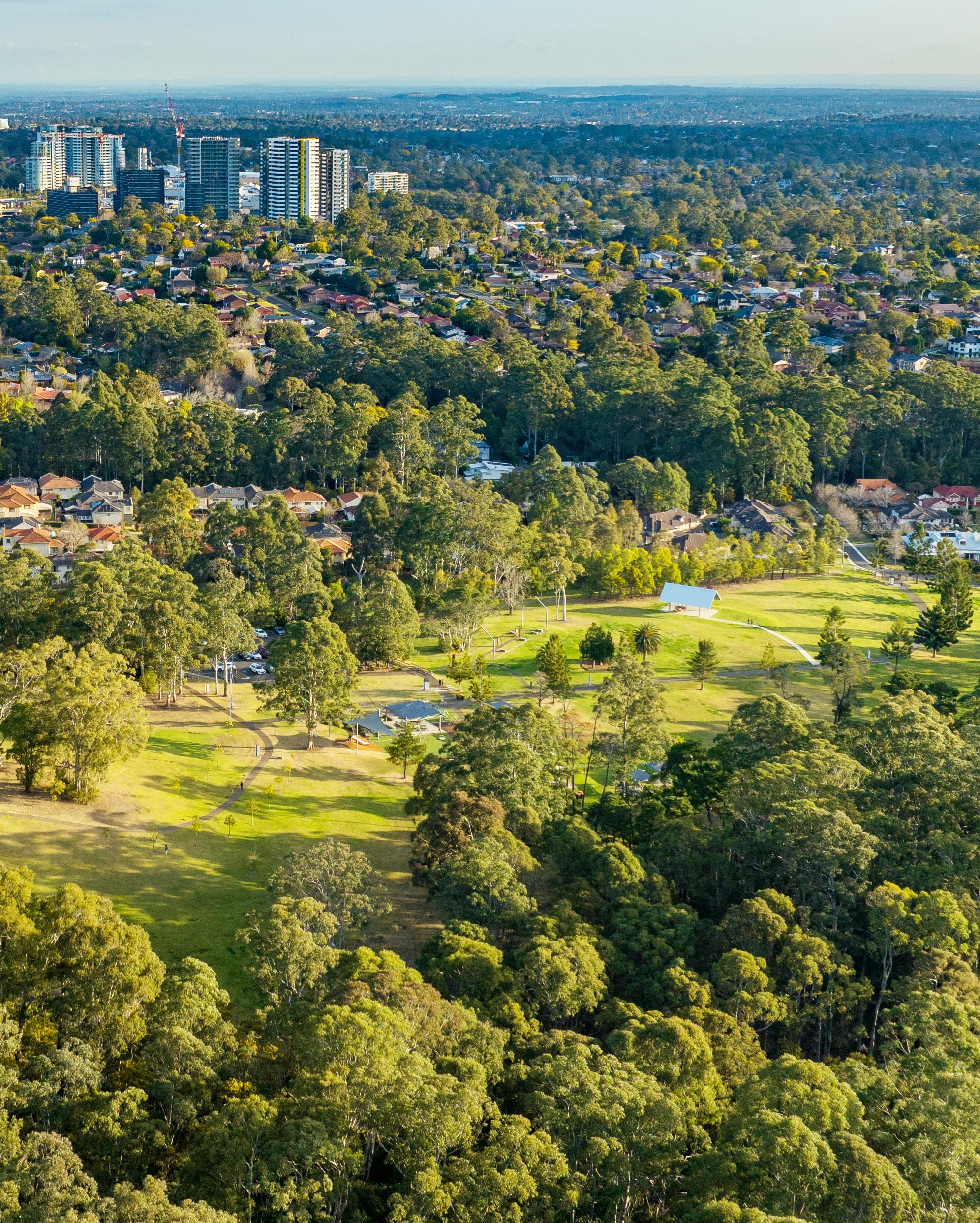
Known as The Garden Shire, this 380 sqkm area is valued for its natural environment and the green backdrop of its unique rural area.
People enjoy a range of lifestyle and employment options, and can access contemporary transport, health, recreation and education infrastructure.
History
The history of The Hills Shire is shaped by its landscapes.
The Traditional Custodians of the land, the Dharug people, lived sustainably on the land for generations, drawing from the area’s abundant natural resources, including surrounding waterways like the Hawkesbury River and its tributaries.
European settlers arrived in the late 18th century, drawn to the fertile land. As the area grew – benefiting from the construction of the rail line to Castle Hill – it became known for its farming and orchards, particularly its supply of citrus and stone fruits to the rest of Sydney.
Significant suburban development occurred after World War II as the area transitioned from mainly rural uses to its position today as a thriving residential and business district.
The
Hills today
Only around 30% of the Shire is urban – the remaining 70% is characterised by rural lands, resource lands, scenic bushland and natural beauty, with the mighty Hawkesbury River along its most northern boundary.
The Hawkesbury River has an economic function, not just an environmental function. It supports drinking water, recreation, agriculture and food supply. It also supports recovering waters for runoff and wastewater. Its environmental, social and economic contribution to Greater Sydney is significant.
As Greater Sydney’s population grows, these waters and lands are under more and more pressure. We must value the social, economic and environmental contribution of these lands as the tension between retaining them and further urbanisation continues.
The Hills Shire is changing as more people move to the area and more houses, workplaces, shops and centres are developed.
We’ve seen major change within the North West Growth Area, a 10,000 ha greenfield development area that spans our local government area as well as Blacktown and Hawkesbury LGAs. It will ultimately accommodate 70,000 homes and 30,000 jobs.
As well as greenfield development, the urban area is set to densify around centres such as Castle Hill, Norwest and Rouse Hill and places served by Sydney Metro Northwest.
More people will live in apartments in these areas, making the way people move around, to and from The Shire – whether on roads, Metro services, express and local buses or on foot or by bike – increasingly important as traffic congestion becomes a real burden.
We also need to plan so that every resident has fair access to local services, regardless of whether these are Council provided, private facilities or managed by the NSW Government. This includes schools; childcare, health care and emergency services; sporting facilities; local pools; and places to meet.
Few areas in Greater Sydney have experienced these levels of growth – growth figures have outpaced the Greater Sydney average over the last 5 to 10 years. And when we look at forecasts to 2046 and beyond, our population will increase by more than 50%.
Towards Hills 2050 focuses on how we can optimise growth and address any challenges.
To respond in the right way, we need to look at where we will have an influence on better outcomes for residents, how we can advocate for the community in all our interactions with NSW Government representatives and agencies, and which policies and actions will capitalise on the new businesses, development and people in the Shire.
While we can provide advice, advocate the community’s position or develop clear policies and strategies, success requires support and investment from the NSW and Australian governments or our entrepreneurial private sector.
218,264
People living in The Shire 2025
326,725
Forecast population by 2046
Who we are 4.36% Population growth 2022-23 only 2.77% for Greater Sydney 115,081 new residents, or 54.37% growth, between 2024 and 2046 Volunteers 13.7% proportion of residents who do some form of voluntary work - higher than the Greater Sydney average 9TH
Households 52.1%
Average no. of people per household
The Hills LGA Greater Sydney average
couples with children much higher than the Greater Sydney average of 34.4% 3.11 2.68
Dwellings
74,776 in 2025
Country of birth 40.4% of residents were born overseas, with a large proportion of these people born in India and China
Language 38.8%
The Hills Shire’s position in the Index of Relative Socio-economic Advantage and Disadvantage (SEIFA) for all NSW LGAs. of residents speak a language other than English at home
Our economy Employment
Local jobs
88,518 in 2023-24
0.76 jobs to worker ratio – this means fewer jobs than resident workers, with the biggest divergence in knowledge industries. a 2% contribution to the state’s overall GSP Economic output $24,851.6m construction ($6,184m) the highest contributor Unemployment 2.7% in 2024 Bachelor or higher degree 40.5% of residents Greater Sydney average 33.4%
Businesses
24,755 in 2023
Economy (GRP)
$14.86b billion in 2023
All data from .idCommmunity and .id forecasts (https://profile.id.com.au/the-hills) and based on ABS Census and National Institute of Economic and industry Research (NIEIR) data
The Hills community
Compared to Greater Sydney, The Hills has a higher proportion of residents who were born overseas and speak a language other than English at home. We also have a larger proportion of households with 4 people (usually families). This requires us to plan for a range of housing stock, facilities and services that can support families.
Unemployment was 2.9% in September 2024, well under the overall rate of 4.2% for Greater Sydney. In 2022-23, the area’s biggest employer was health care (15,445 jobs) followed by retail (15,099 jobs).
We do, however, see more than 72% of educated professionals – or 22,611 people - leaving the area for work; of these more than one-fifth travel to the City of Sydney. While there may be a housing shortage at the moment, our land use planning should aim for more jobs in the Hills - and in the type of industries that would reduce the number of people having to travel outside the area for work.
Message from the Mayor
Towards Hills 2050 is the highest level of strategic planning undertaken by Council
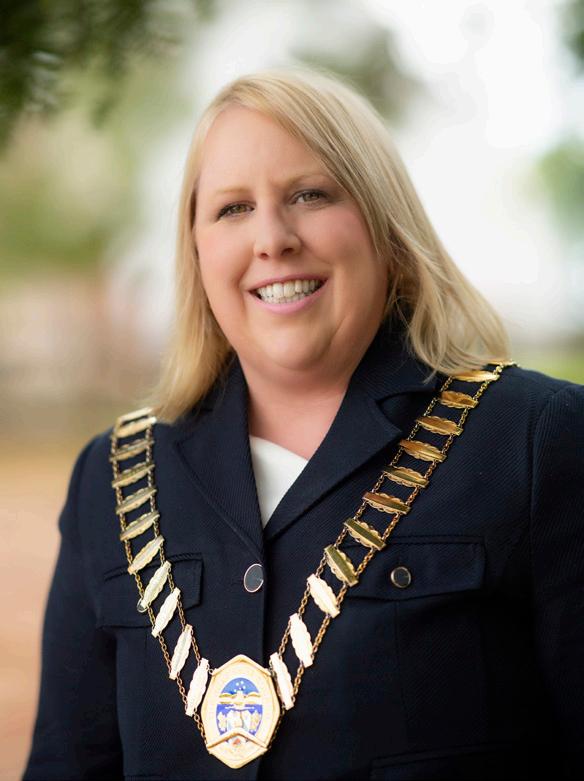
Feedback from the Towards Hills 2050 Strategic Plan demonstrates our community’s deep love for the region and a strong desire to protect the future of the Shire. I want to thank everyone who provided their feedback and helped shape the future of our community.
The comments reflect a strong appreciation for the area’s natural beauty, welcoming spirit, and vibrant community life.
Our analysis revealed three key themes: a meaningful connection to nature, a sense of belonging, and awareness of ongoing growth and change.
It’s essential to recognise these themes as we plan for the Shire’s future—a place undergoing dramatic changes due to an influx of new residents, homes, and businesses.
Over recent decades, we have accommodated significant growth for Greater Sydney, and we anticipate this pattern will continue. Residents need to understand that the NSW Government sets growth targets, manages rezonings in our area, and creates policies to address population growth.
Currently, we have the zoned capacity for more than 50,000 homes, and recent NSW Government policies have added tens of thousands of additional homes.
This is why we need a community strategic plan that truly reflects our collective vision. While Council does much for the local population, we do not set population policy, nor do we provide health, education, or major transport services—all of which are essential for a good quality of life.
The community has made it clear: we welcome growth - when it’s managed responsibly. But there’s growing concern that development is outpacing infrastructure, and the NSW Government has been too slow to act.
That’s why your feedback is so important as you voice concerns about development encroaching on
open spaces and threatening The Hills’ ‘Garden Shire’ identity—what makes our region truly special.
Many comments also highlighted that the welcoming, inclusive atmosphere of our community is deeply cherished by residents who want to maintain strong community connections even as the population grows. The growth-related challenges—such as infrastructure and transport needs—provide opportunities for proactive planning to support a thriving and balanced community. Overall, the input demonstrates a community that is engaged and committed to shaping a sustainable and vibrant future. The Towards Hills 2050 plan thoughtfully responds to these insights by prioritising the protection of green spaces, fostering community connections, and guiding sustainable growth. With these important themes clearly embedded in the Plan’s goals and actions, Towards Hills 2050 is well-positioned to support the community’s vision.
The Plan makes it clear to all levels of government what the community wants and what we believe is the right way to manage growth - enhancing quality of life in the process.
My fellow councillors and I will use this document when advocating for the community’s needs with other levels of government - state and federal. We’ll speak frankly and honestly about what people here need as we welcome such an unprecedented level of growth.
I want to thank everyone again. Your feedback has laid the foundation for a strong, community-led vision - one that will guide how we grow, connect, and thrive together into the future.
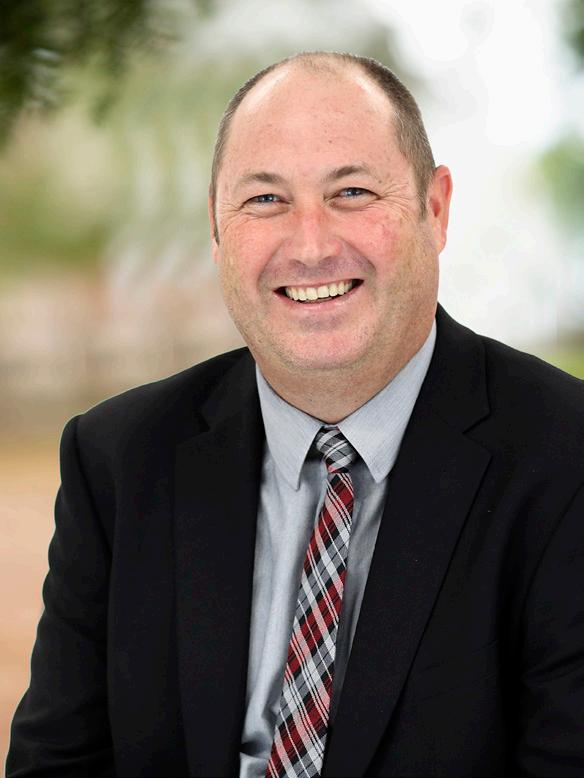
Dr Michelle Byrne Mayor mayor.byrne@thehills.nsw.gov.au
April 2025
Message from the General Manager
Quality of life is our one key priority for our residents
Right across The Hills Shire Council, there’s a key thing that we’re focused on for our residents: quality of life. Towards Hills 2050 sets out the strategic directions that influence every part of what we do at Council. It’s a key document that outlines the community’s aspirations and sets a shared vision for the Shire across a multi-decade horizon.
I would like to thank each of you for commenting on the Plan, helping us prepare a roadmap for the future of our community. What was particularly pleasing is how well this Plan resonated with people’s feedback. This is not just a Council Plan, but one that should be taken on board by all our stakeholders.
By looking ahead to 2050, we’re setting new goals and working with residents, government, businesses, and community groups to enhance the Shire’s liveability, resilience, and inclusiveness for generations to come.
Our staff work across a wide range of services and locations throughout the Shire. No matter where they are or what role they perform, they are dedicated to improving the quality of life for our community.
We take pride in delivering the best possible service at the lowest possible cost. This includes everything from fair and efficient regulatory services,
to building and maintaining essential infrastructure, to delivering high-quality childcare and engaging school holiday programs at our libraries, and providing outstanding customer service.
Our work also extends to coordinating waste collection, developing more sustainable waste solutions, running the Bidjiwong Community Nursery, and ensuring strong corporate governance, leadership, and advocacy on behalf of our residents, businesses, and community partners.
As our population continues to grow, we remain actively engaged with all areas of the NSW Government to secure better outcomes for our community.
Your feedback and this Community Strategic Plan Towards Hills 2050 will help us to make better financial decisions across all the work we do and leverage the assets – physical, human, and financial – that we have in place to continually make The Hills a fantastic place to live, work, and spend time. We should all be proud of our Shire, its natural and physical beauty, and the attributes that contribute to our lives. I would like to thank everyone who contributed to this plan and shaping the future of our region as we head towards 2050.
Michael Edgar General Manager
April 2025
Introduction
Towards Hills 2050 is The Hills Shire Council’s Community Strategic Plan.
About this plan
Councils formally shape their priorities and activities around community strategic plans – these are the documents that reflect the community’s vision and aspiration for a place - in this case, our place, the Hills Shire.
The community strategic plan is part of the Integrated Planning and Reporting (IP&R) framework. The framework represents a suite of integrated planning documents, including our delivery program and operational plan, all informed by the community strategic plan.
You can read more about this at the ‘Making it happen’ section.
Community strategic plans must have a 10-year horizon, but we know we need to think beyond that. Towards Hills 2050 takes our planning to 2050 and beyond, allowing us to really consider our ambitions for The Hills over the next generation. This also represents a reasonable timeframe to establish and aim for longterm aspirations and goals.
Purpose
The purpose of Towards Hills 2050 is to bring the community’s aspirations for The Hills to life. As a Council, we have many programs and policies for the community, but we also know there’s a lot that impacts the community that is out of our control.
This plan aims to clarify the different roles in shaping the kind of place where we live, and sets out the expectations that you should have of us.
It helps us to plan ahead as we face an even greater level of growth over the next 10 years and beyond –especially when we know the population will increase by more than 50% between now and 2050.
It will shape the more effective transport connections we need, so that less of us are caught every day in traffic congestion.
It will help us to plan and budget for the right community facilities that are essential to a growing population.
It will also help us to maintain an attractive built and natural environment as housing densities increase in different parts of The Shire.
Council
The plan guides all our work. It is the essential, higherlevel document that guides the priorities across every business area.
Councillors
The plan guides their decision-making and their discussions with elected representatives in other councils and the NSW Government.
Other levels of government
The plan provides an understanding of the services and funds required to support citizens, businesses and places in The Hills Shire.
Community
The CSP is your plan. This reflects what we have heard from you about the kind of place you want to live. The plan is reviewed every 4 years so the you can continually provide feedback.
Local business
The plan will help to build certainty around where activity will happen, how goods might be more efficiently delivered and what kind of investment might be available. It helps businesses understand their contribution to the Shire.
Challenges and opportunities
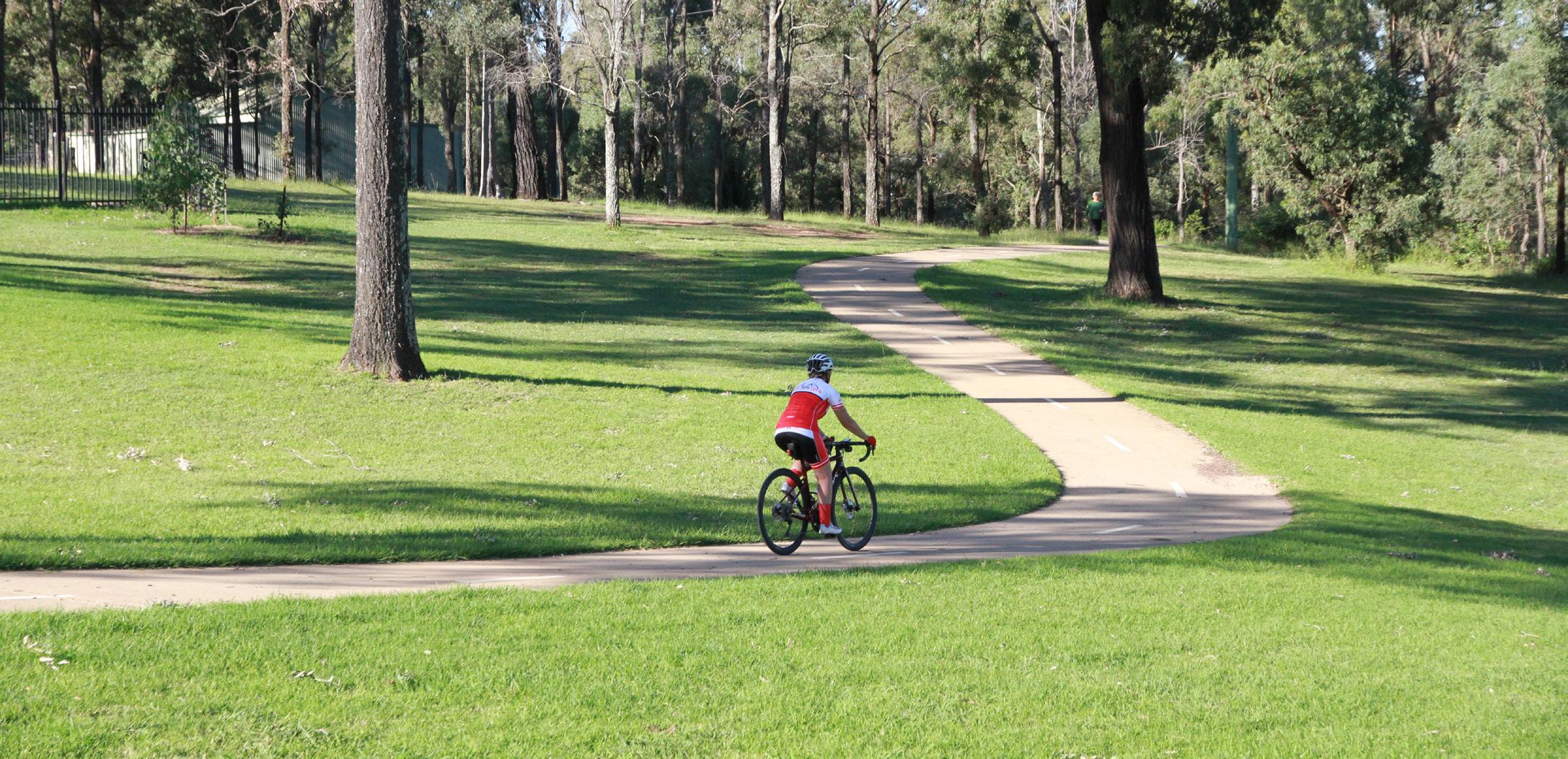
Towards Hills 2050 aims to address the challenges we face in the Hills Shire and make the very most of the opportunities that we have here.
Our key challenge is population growth, yet this can be an opportunity as well. As we look at how we can accommodate this unprecedented growth, and we plan for how this will influence local transport, services and places, we can also shape development in a way that is more sustainable, better for the community and a lot more efficient.
This will require us to work more effectively with the NSW Government to make sure it invests in new schools, upgrades to major roads or major transport infrastructure to benefit more people.
Another challenge not just in the Hills Shire but across NSW and Australia is the cost of living, particularly the cost of housing. We believe policy’s of federal and state are contributing to this and our only way of helping is to provide supply and a rich diversity of housing types so that there’s more on offer for a range of different households.
As we accommodate more housing, it is essential to collaborate at all levels – Commonwealth, state and local – to ensure that new housing provides a genuine diversity of options for buyers and tenants. The kind of homes on offer in the Hills need to suit families and their needs.
We need to focus on the places within The Hills Shire that are likely to accommodate most of this new housing. It’s essential to ensure that these developments create vibrant, leafy and cooler places that offer more services closer to where people live.
Our focus also includes the strategic centres – Norwest, Rouse Hill and Castle Hill – which are expected to host the majority of new jobs and workplaces. We must plan for these locations in a way that attracts more businesses, particularly those that align with the skills of local residents. This will help make these centres great places to spend time outside of work, with a mix of different uses.
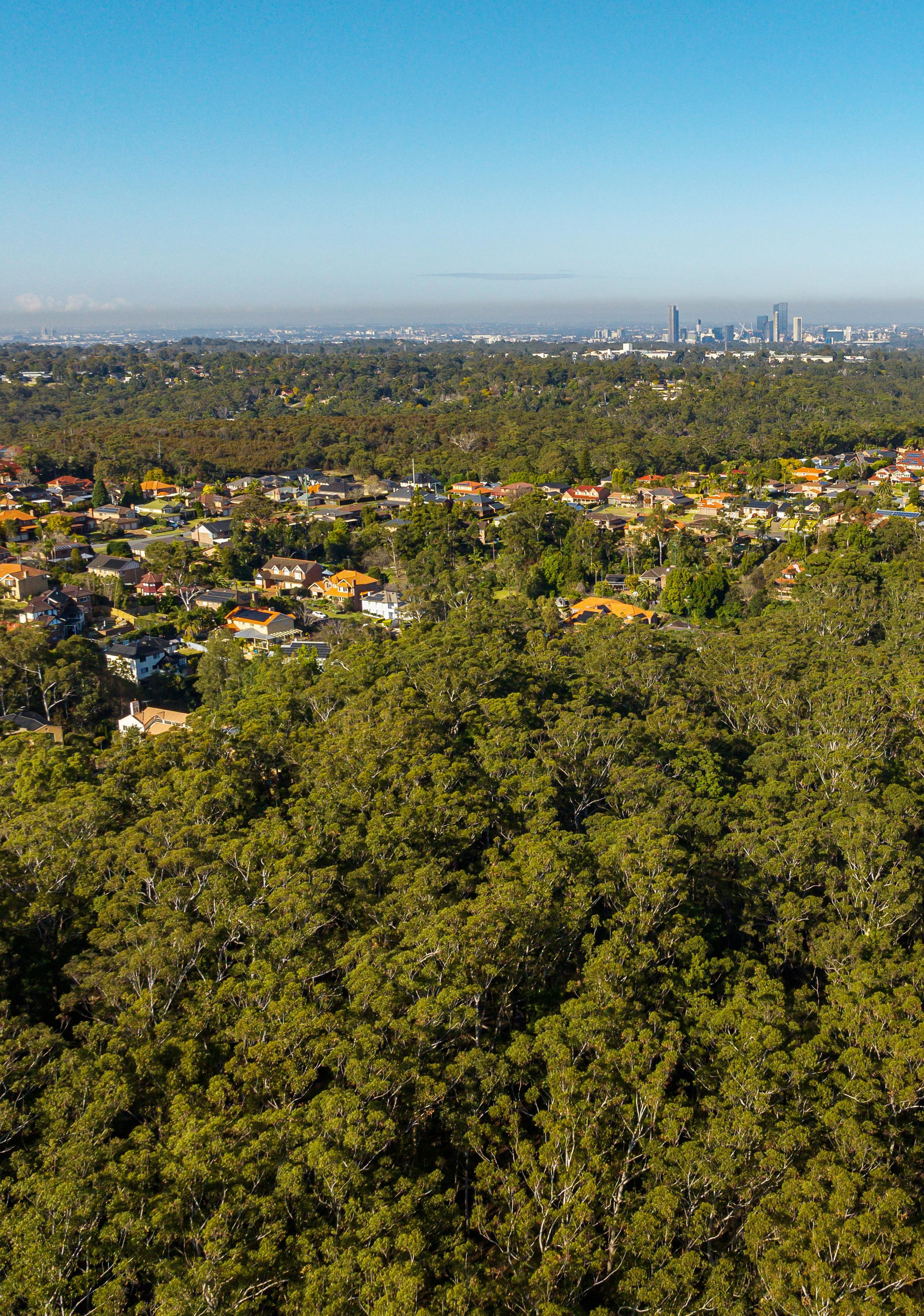
One of the most unique aspects of the Hills Shire is that most of the area is rural land or bushland
As the area grows, we need to nurture and enhance the rural areas. In addition to the scenic, natural and biodiversity values of these lands, they provide continued opportunities for agricultural, tourism, state parks and of course a swimmable Hawkesbury River.
Western Sydney International Airport will create tourism opportunities and provide efficient freight connections for produce and flower industries. Other local opportunities include local events;
nurturing local waterways, biodiversity and bushland areas; and keeping people safe and healthy during extreme weather events such as bushfires or floods. Population growth not just in our area but across Greater Sydney will put pressure on these lands and waterways. It will take a collective approach to manage these pressures.
We’re lucky in terms of the many sporting facilities we have in the Shire. As a place that attracts families, we’re also attracting young people who will want to be active.
We know we’ll face service gaps in the future without intervention, particularly if participation rates are maintained or increase. And we also know how important these facilities are from a community perspective - not just for the budding sports stars, but for the people who come together to watch their local team.
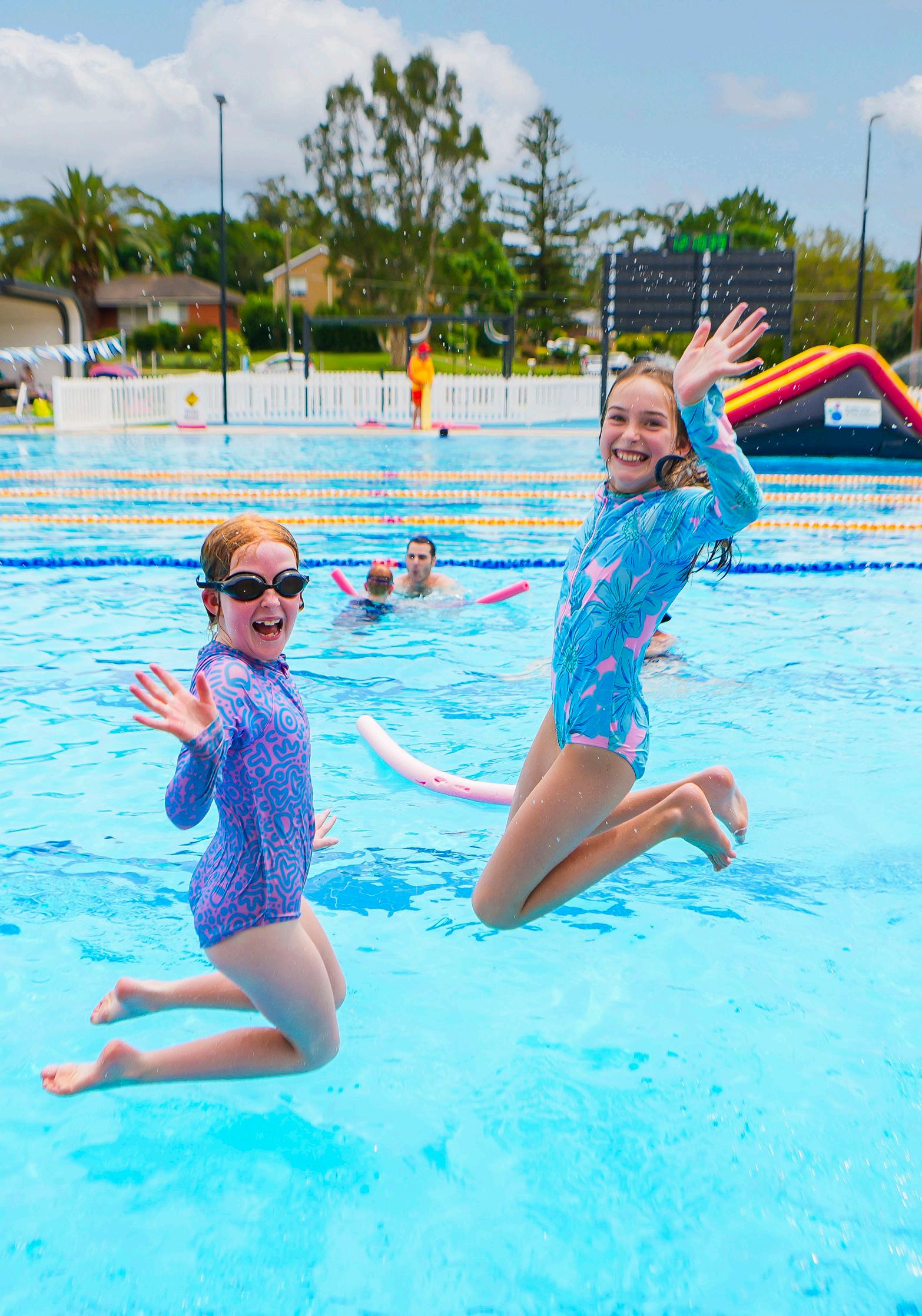
We face a similar challenge in terms of providing facilities such as new libraries, aquatic centres or community halls, and will
seek out opportunities to be innovative in seeking funding sources.
A key achievement is our return to a strong financial position, as confirmed by TCorp. We need to be able to retain that strong position and balance this against the changing needs of the community, societal trends and the potential of new technology. Maintaining our strong finances ensures Council has legitimate strategic capacity to provide for its residents.
We face both a challenge and an opportunity in terms of involving the community in our decisions. We want locals to feel they are participating in the area’s future. We’ll look at innovative ways to connect with the community.
As part of this, we’ll also look at how we can retain opportunities for everyone –opportunities to feel part of this unique place, to connect with other locals, to volunteer, to find the right job within easy reach of where people live, or to be able to spend time outdoors of with others or at Council-run events.
Council’s role
Council is just one player in shaping the future of the Shire. As the custodian of $5.9 billion in assets and services, provider of many local government services, we are uniquely positioned to be a champion for the community when we’re working with the many other levels of government who have a stake in the Shire’s future.
Because this is an area that has been identified by the NSW Government for growth, we are always in a situation where we need to work with NSW Government agencies. We need to be at the table when they’re making decisions so that the plans and investments made at that level make sense for everyone.
Towards Hills 2050 will be just one of the elements that will assist us as we work with the NSW Government as we manage the growing population.
Who does what? What is Council’s responsibility and what is the NSW Government’s responsibility?
Council provides local government services to its community. It is the level of government closest to residents; residents look to Council for the elements that impact their quality of life.
In addition to this local focus, the Shire is a keystone to Greater Sydney’s growth. The Australian Government’s population policies mean that more people will come to Sydney for opportunities and will require housing and jobs. Many will want to live in the north west.
The 3 LGAs of Hawkesbury, the Hills and Blacktown contain the North West Growth Centre, which will be home to more than a million people and a major production hub for Western Sydney, Greater Sydney, NSW and the nation.
This illustrates that many levels of government have an interest in the Hills, and Council cannot control all the levers at play.
Residents have told us, for example, that while they love Metro services, there is a lack of car parking and bike parking at the stations. These aspects –along with all the planning and delivery of the Metro services – are managed by Transport for NSW, a NSW Government agency.
In this example, our role is to advocate to Transport for NSW for more parking or better bus services to the station. Even though we manage parking in other places across the Hills, we don’t manage the parking on land that Transport for NSW owns and developed to support the Metro stations.
Not every council sees the NSW Government involvement in shaping their area like The Hills Shire Council. As we represent one of the areas that is incorporating so much of Greater Sydney’s growth, and much of the planning for this city-wide growth occurs at the state level, a lot of decisions that directly affect our locals aren’t taken locally.
The NSW Government also makes decisions that cross local government boundaries as they apply either to the whole state or a broader area.
The NSW Government has signed onto the National Housing Accord – as part of this, it has established targets for all LGAs in Greater Sydney and has created a Housing Delivery Authority to provide a new planning pathway for certain residential developments.
We must continue to be at the table when decisions are made about the type and location of housing and other development in The Hills Shire, and will communicate with residents and businesses the extent of our responsibilities in these areas.
To succeed, we will need continued federal and state funding for national roads, freeways, schools, hospitals and facilities for art and culture. These are beyond local government’s capacity and will require commitment and effort from other agencies to succeed.
Hills Shire Council responsibilities
• Planning, delivering and maintaining local infrastructure, such as roads, parks, libraries, public spaces and community facilities
• Undertaking local statutory planning - establishing the local plans, controls, regulations and zoning that shape development - and strategic planning, the longer-term vision for the Hills, expressed through our Local Strategic Planning Statement and other documents like our Economic Growth Plan
• Managing waste and the environment - bin collection, recycling, the upkeep of local parks, waterways, bushland and conservation areas
• Planning for local places and helping to incentivise local businesses
• Providing regulatory and community services such as childcare centres, Meals on Wheels, sports grounds and libraries or organising community events or programs to maintain community health, safety and convenience.
NSW Government responsibilities
• State-level strategic planning for Greater Sydney and setting targets for the number of homes that need to be provided in the Hills Shire
• Transport and land use planning for Greater Sydney, which includes Sydney Metro Northwest or major roads such as the M2 Motorway or regional roads such as Old Windsor Road
• Planning for hospitals through the North Western Sydney Local Health District and new schools, such as such as the new high school for Schofields and Tallawong announced in the 2024-25 NSW Budget
• Providing services through NSW Police and Fire and Rescue NSW.
Vision and values
We want to find out your thoughts on the vision and values below. Do these reflect your aspirations for The Hills? Do the values resonate with what you know about your local area?
Towards Hills 2050 is a shared vision that recognises our growth and strives for a more equitable and sustainable future:
• a future that makes sensible use of resources to strengthen economic, social and environmental performance
• a future that puts us in a position to be able to respond to a changing environment and other risks as they exist and emerge
• a future that protects the fundamentals of our quality of life: clean air, water, health, secure housing, life expectancy, things to do, education and access to meaningful employment
• a future that connects people physically and in other ways within and beyond The Shire
• a future that protects The Garden Shire, a constant reminder of how we value our surroundings
• a future that embraces a well governed, safe and thriving community that can meet its needs for a healthy long life.
VisionWe will work hard but can only achieve this vision through strong collaboration across government and the private sector. We are already clearly advocating for our ambitions, both in person and through our local strategic planning statement, supporting strategies, precinct plans, infrastructure plans and those to come, such as the arts and culture strategy.
Towards Hills 2050 brings these together into a single, cohesive vision to support all the work we do.

Enriched lifestyles
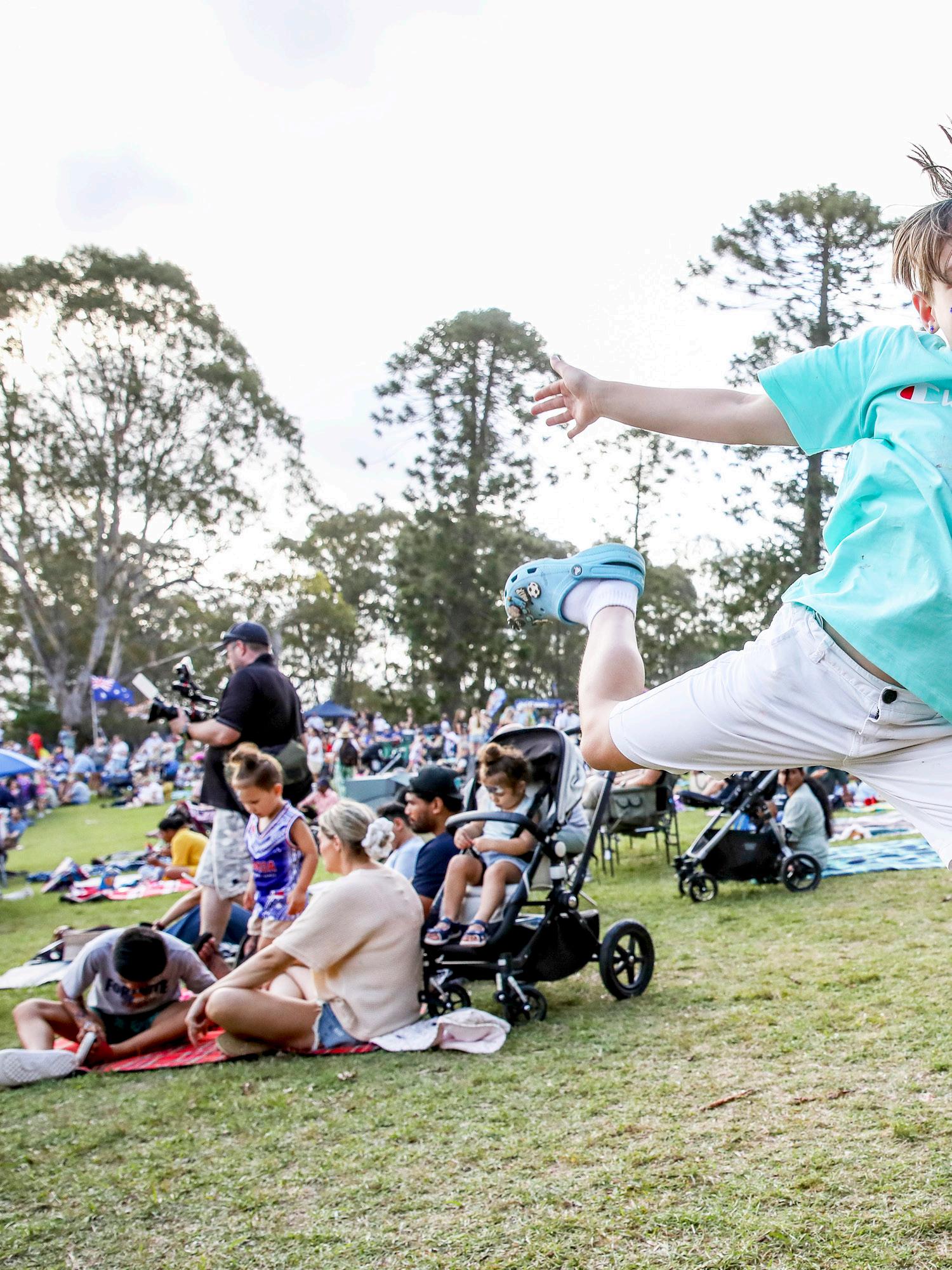
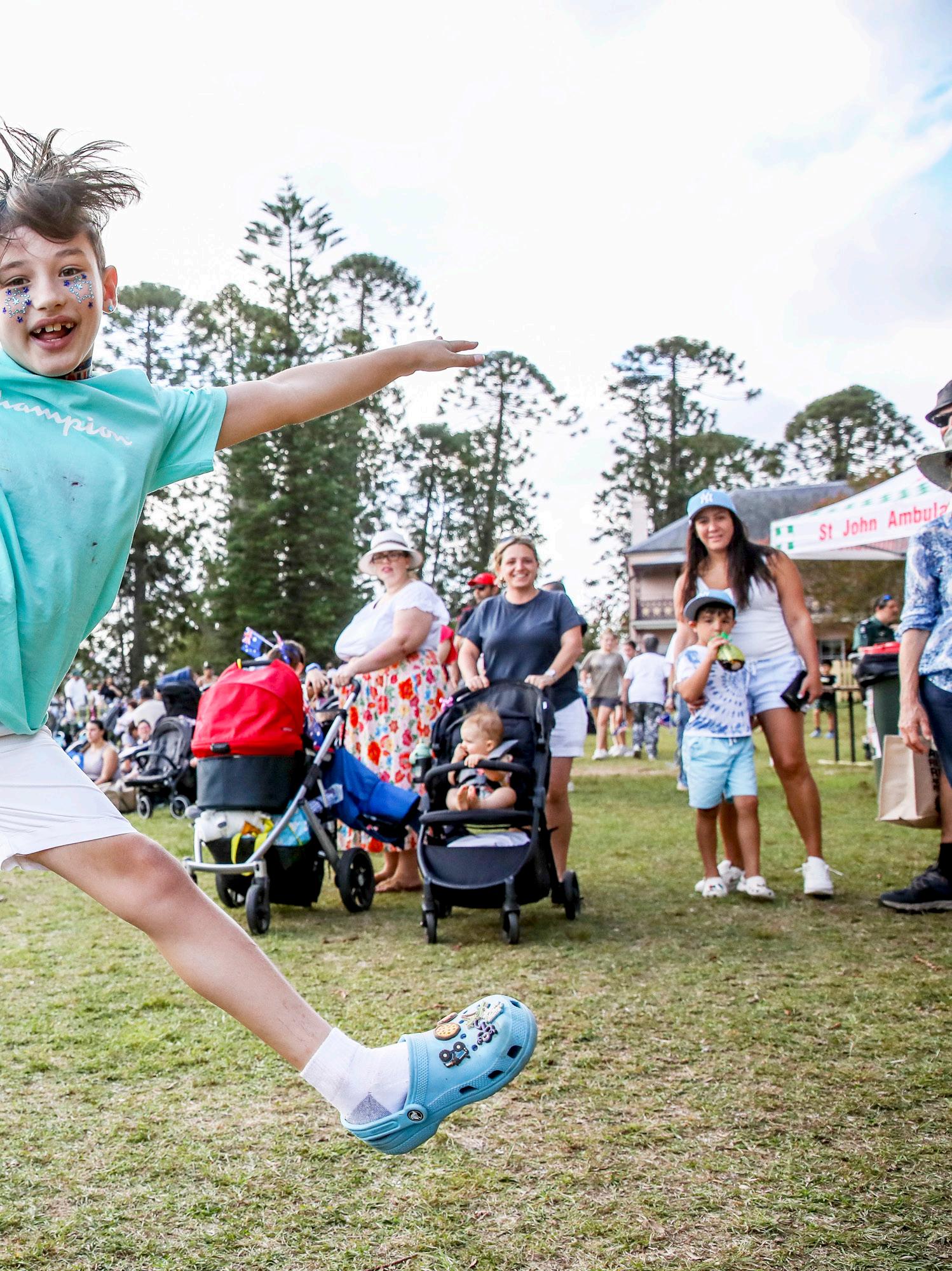
This value is at the heart of who we are and why we invite everyone to participate in the community life of The Hills Shire. By finding common ground through shared stories, cultures, histories and interests, we can foster a more connected and inclusive community.
Our natural and green spaces shape the built environment and how The Shire will grow. High quality, affordable community facilities and spaces are where people form community connections.
People feel safe living in The Hills and connected to others. We invest in our people, businesses, facilities and spaces to support active lifestyles no matter people’s age or circumstance.
Strategic directions:
EL1. A vibrant community
EL2. A valued and nurtured environment
Connected people and places
The Hills Shire is a place where people can work near where they live and have plenty of things to do, helping to make both personal and economic connections.
Thriving local businesses are the backbone of a productive economy and more people can work locally with a greater diversity of jobs across both traditional and emerging industries. Through our Economic Growth Plan we will continue to create economic opportunities for more people.
People have plenty of options other than their car – public transport, cycling and walking paths – to connect them to schools, jobs and services, locally and across Greater Sydney. We will continue to advocate for state-led solutions such as motorways to remove through-traffic from our local roads.
Strategic directions:
CPP1. A growing Shire and economy
CPP2. Timely provision and maintenance of infrastructure
Proactive leadership and governance
This value defines how we plan, act and are accountable for our decisions.
Our long-term resilience relies on being proactive and responsive about how our community and the LGA changes. We listen, engage and advocate with respect, honesty and fairness. We always prioritise our resources to meet the needs of the community and improve their quality of life.
Our financial sustainability is paramount. We will continue to understand the lessons of the past to maintain a strong financial discipline. As a well resourced council we have the strategic and operational capacity to provide essential local government services that match community need.
Strategic direction: PLG1. Proactive leadership
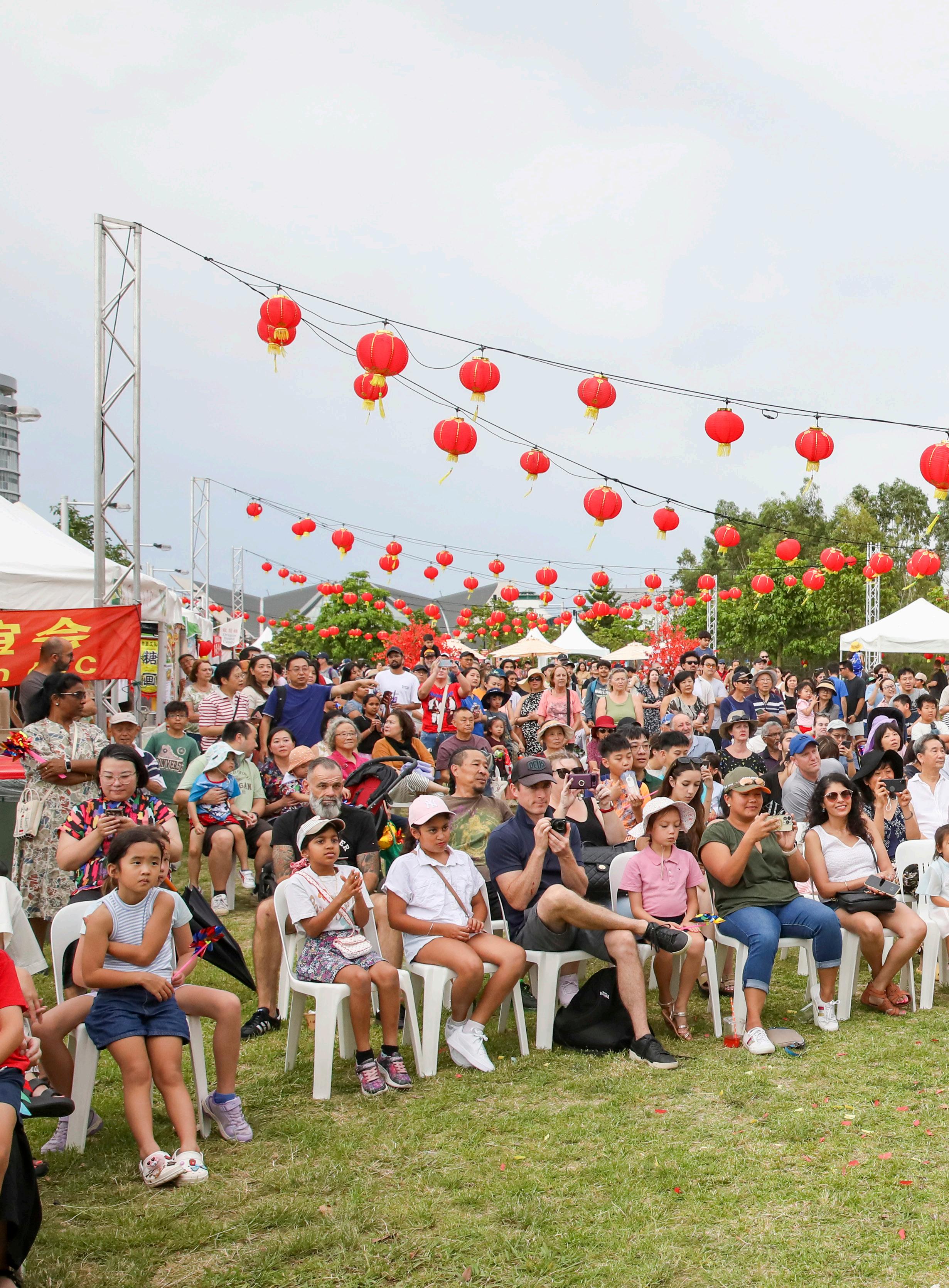
Strategic directions
Our 5 strategic directions contain supporting strategies. These feed into our Delivery Program – see the ‘Making it happen’ section to find out more.
We’ve identified the role we will take in these strategies. Some strategies depend on the decisions and investment of, for example, NSW Government agencies. Our role, therefore, may be to advocate for the best possible outcome for the Hills.
In other instances, we’ll need to partner with these agencies, with community groups or with neighbouring councils. We’ve therefore set out who we will need to work with to achieve the strategy.
For each strategy, we’ve established how we’ll measure success – this is essential for our continued planning but also so that we can be as transparent as possible in communicating how we’re progressing against our strategic directions.
Enriched lifestyles
The Hills Shire can be a place where everyone has the opportunity to access the places, jobs, services and communities that help them to thrive.
We know that people love living here – community surveys show us that 95% of residents agree that The Hills Shire is a good place to live.
We need to think about how we can constantly improve people’s lifestyles, particularly in the context of the growth we have already seen and are yet to experience.
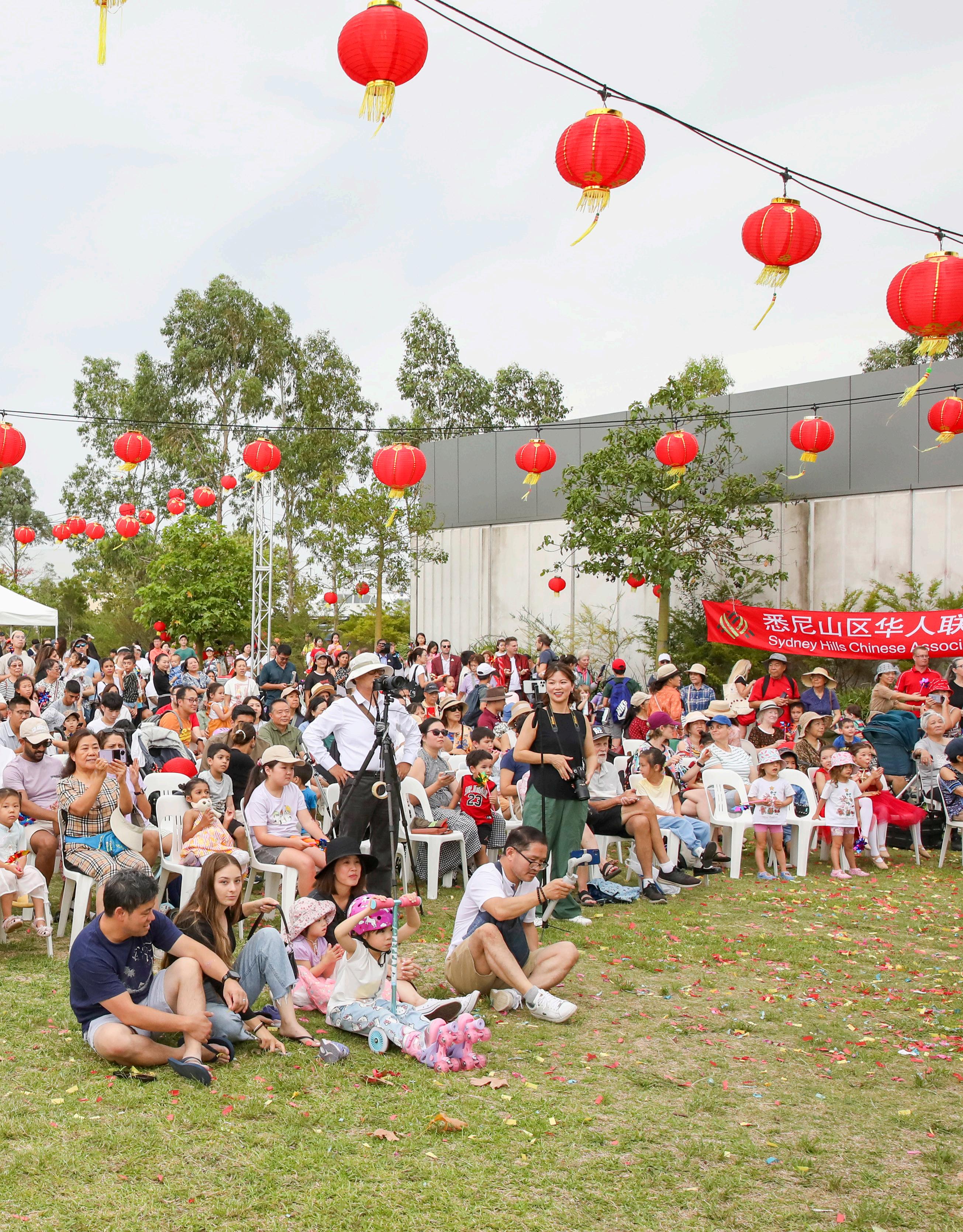
We want to make people’s lives better every day: reduce congestion, reduce overcrowding at schools or difficulty accessing health services, and make it easier for people to enjoy the outdoors and connect with others.
EL1 A vibrant community
This strategic direction drives our ambitions over the next 10 years and beyond to build a shire that is inclusive, resilient and healthy. People will be able to visit or live in vibrant and prosperous places that offer a diversity of services, arts, culture, entertainment and retail.
We have a diverse community here in The Hills, with many residents born overseas. We must reflect these rich cultural perspectives in the way we plan for local services, infrastructure, connections and housing options.
The way we plan for this community needs to be based on local decisions - we need to advocate
to the NSW Government and state agencies for local needs. Council deserves a greater say in the decisions that affect our communities and greater autonomy to act with and for our community.
Our sporting facilities are one of our strengths. We also need to make it easier for people to take part in arts, culture and cultural expression in a variety of forms. In addition to our Cultural Action Plan for the Sydney Hills, we will look to the NSW 24-Hour Economy Strategy and Creative Communities policy to leverage our vibrant cultural life and stimulate local economic growth and social connections.
EL1.1 Promote accessible and inclusive community services and access to a network of quality recreational spaces and facilities to support leisure, arts, cultural and educational opportunities for people of all abilities, ages and cultural backgrounds
EL1.2 Improve community resilience to shocks and stresses such as floods, bushfire and urban heat
Lead, partner Local community groups and service providers
Local sporting groups and clubs
School communities
· Adjoining councils
· Create NSW
Office of the 24Hour Economy Commissioner
NSW Department of Education
Multicultural NSW
· NSW Office of Sport
Partner Local community groups
· School communities
· NSW Department of Education
NSW State Emergency Service
NSW Rural Fire Service Fire and Rescue NSW
· NSW Reconstruction Authority
· NSW Health
Increased use of Council services and facilities
Cultural asset utilisation rates
Increased community satisfaction with Council services and facilities
Increase in people feeling they can access those services
Increased number of identified neighbourhood safer places
Bushfire mitigation plan implemented
Increase in people who say they are aware of natural hazards and responses
survey
survey
survey
Volunteering is part of the Hills culture, with many in the community using their own time and resources to help others, whether this is by running community groups, providing Meals on Wheels services or regenerating our precious outdoor areas through Bushcare. We will continue to support this true representation of a vibrant community.
Social infrastructure is vital, and whether this is a local library, gallery or sports ground, these need to be inclusive, accessible spaces for all. We will continue to provide more opportunities for the community to engage through events, and our future.
We can also encourage more people to live healthier lifestyles, with pedestrian-oriented local-traffic streets and shared open spaces that encourage active engagement through walking, cycling and community gatherings. These public areas must be accessible for people of all abilities.
Well-designed shared spaces and inclusive design will meet social and cultural needs and contribute to economic vitality. This includes places that welcome activity and economic opportunities at all times and in a way that people feel safe day and night.
EL1.3 Recognise and value the community’s local heritage and culture
EL1.4 Create places and programs that support a safe community
Lead, partner
· Local community groups
· School communities
Local Aboriginal land groups and organisations
NSW Department of Education
NSW Environment and Heritage
NSW Department of Planning, Housing and Infrastructure
Lead, partner
Local community groups
Local sporting groups and clubs
School communities
NSW Department of Communities and Justice
NSW Police
· NSW State Emergency Service
· NSW Rural Fire Service
Fire and Rescue NSW Multicultural NSW
Increased community participation in cultural events
Increased community satisfaction with heritage assets Council information Community survey
Increased percentage of residents who feel safe in public spaces
Reduced rates of crime per capita
Community survey
NSW Police crime data
EL2 A valued and nurtured environment
This strategic direction drives our ambitions over the next 10 years and beyond so that more people can enjoy and connect with a nurtured natural environment. We want to optimise green spaces to help alleviate urban heat and maintain our Garden Shire values. We want to help residents and businesses to minimise waste and energy use.
We work to nurture biodiversity and preserve open spaces and recreational assets. We see the health of the Hawkesbury River and surrounding ecosystems as particularly important. We want to
EL2.1 Use effective regulatory strategies, local laws and compliance programs to manage public health, public safety and any negative impacts of development on the community and environment
EL2.2 Nurture and improve the quality of green spaces, natural built surroundings and waterways
plan for the river’s health such that it is safe enough to swim in; if our rivers are of that quality, we can then meet all related goals.
Our rural and resource lands will remain low to no-growth zones. We will continue to safeguard rural landscapes to reduce the risks from natural hazard events while continuing to invest wisely in their sustainable use. To achieve a more strategic outcome, we will also investigate further biodiversity certification opportunities in the Shire.
Lead, partner Local businesses
NSW Department of Climate Change, Energy, the Environment and Water
NSW Environment Protection Authority
· NSW Food Authority
· Office of Local Government
Increased community satisfaction with how Council responds to public health and environmental compliance matters
General absence of adverse fines or findings against Council
information
EL2.3 Embed resilience and adaptation by preparing for increased hazard risks such as flooding, bushfire and urban heat
Partner
· Local community groups
· Adjoining councils
Hawkesbury-Nepean River System Coastal Management Program (Steering Committee)
Resilient Sydney
NSW Department of Climate Change, Energy, the Environment and Water
NSW Environment Protection Authority
Sydney Water
Hawkesbury River County Council
Lead, partner
Resilient Sydney
NSW Reconstruction Authority
· NSW Department of Climate Change, Energy, the Environment and Water
· NSW Environment Protection Authority
· NSW State Emergency Service
· NSW Rural Fire Service Fire and Rescue NSW
Performance against a suite of sustainability measures
Improved waterway health to maintain a swimmable HawkesburyNepean River
Various, including Resilient Sydney platform
Better consideration of climate and hazards in planning for infrastructure and services
Increased urban tree canopy cover (includes bushland, street trees and trees on private property)
Increased use of smart technology to monitor the environment
Council information
Resilient Sydney platform
Council information
How we’ll get there Strategies Our role Our partners
How we’ll measure success Data we’ll use
We will continue to connect people and places through walking and cycling paths to enhance the Sydney-wide Blue-Green Grid.
A core focus is on building community resilience in the face of changing climate. We will tackle risks to maintain safer, more resilient communities.
Commonwealth and state policy and legislation to meet emission reduction targets that mandate a
net zero future will influence our operations. We will align our strategies with these commitments while ensuring our actions remain feasible and within our capabilities over time.
We’ll take a similar approach in terms of new technologies; we may not be an early adopter as we recognise the need to balance our financial position. We will invest in technologies that have demonstrated success within our risk tolerance.
EL2.4 Embed sound governance and operational frameworks to manage new and existing development with robust policies, plans and processes that meet community needs and expectations
EL2.5 Promote sustainable waste management and resource recovery
Lead
Lead, advocate
· Department of Planning, Housing and Infrastructure
NSW Department of Climate Change, Energy, the Environment and Water
Ongoing improvement to development controls and approval processes to meet regulatory requirements and community expectations around environmental performance Council information
· NSW Department of Climate Change, Energy, the Environment and Water
· NSW Environment Protection Authority
· Sydney Water Electricity providers
Increased performance against suite of domestic waste measures
Increased volume of domestic waste diverted from landfill
Decreased consumption of electricity, gas and water (Council operations) Council information Council information Council information
How we’ll get there Strategies Our role Our partners
How we’ll measure success Data we’ll use
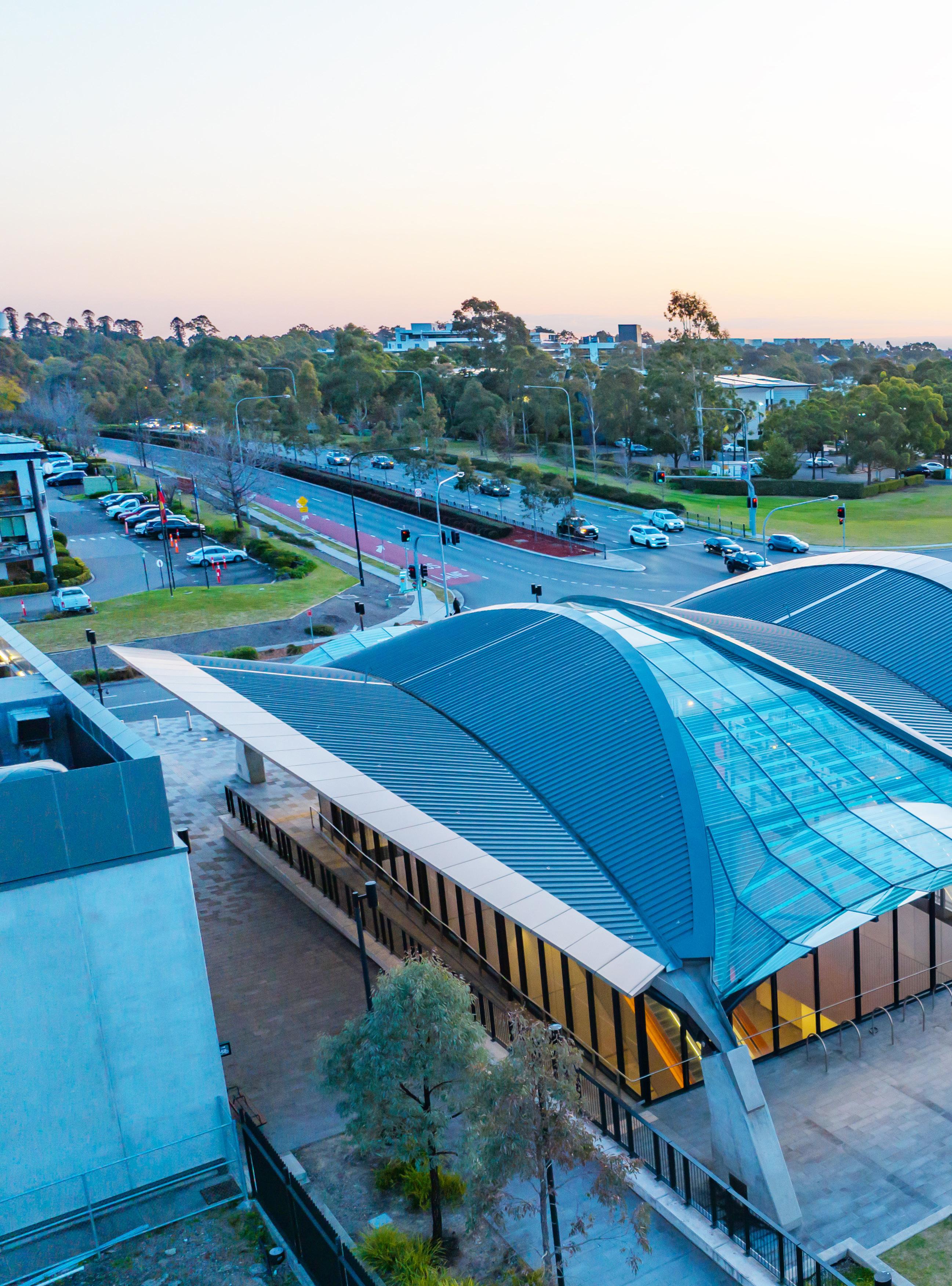
Connected people and places
As we plan for an increase in population numbers, we will require a greater diversity of housing, meeting our targets in a way that matches what the community wants. Given its role, the NSW Government needs to plan for higher density housing in the right locations, creating great places with plenty of activity and opportunities to connect and have access to transport and services.
We have such a rich and diverse history here in the Hills and as we grow, we want to work with community groups, First Nations Elders, migrant groups and businesses to help the community feel connected and continue to value the Hills. We can optimise the area’s can-do attitude and eagerness to volunteer and support others.
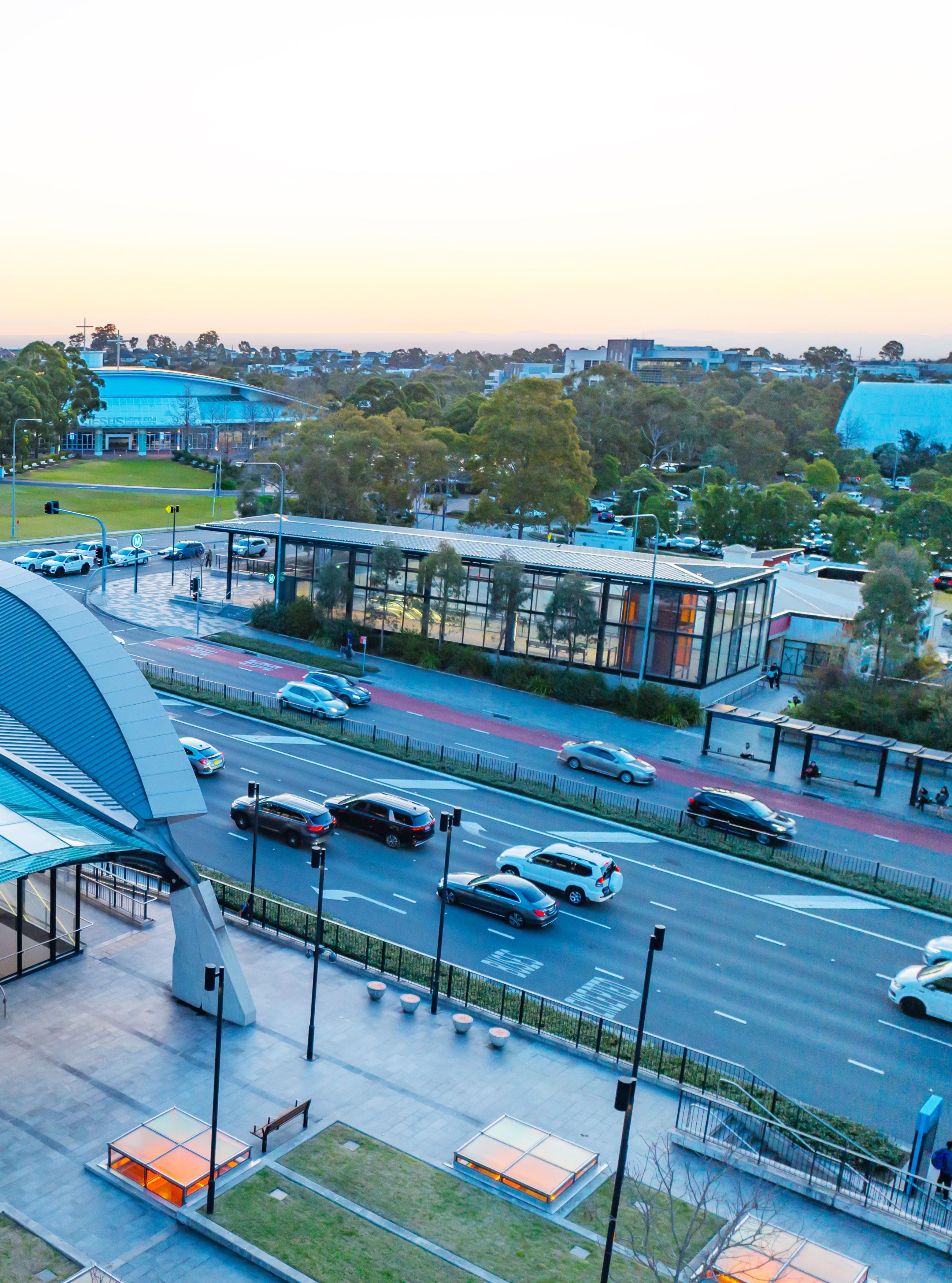
Our major centres - Norwest, Castle Hill and Rouse Hill - will provide a mix of jobs in industries of the future, so fewer people have to travel out of the area for work. Other employment areas that offer a mix of jobs include Annangrove Road Employment Area and Box Hill Business Park.
People want to find it easier to travel around the Shire and to other areas of Greater Sydney as we advocate for the right investment in transport infrastructure and more efficient roads to ease congestion. Part of that solution will require more people to shift from using their cars to walking, cycling and public transport including the world class Sydney Metro.
CPP 1 A growing shire and economy
This strategic direction drives our ambitions over the next 10 years and beyond to implement good growth planning that creates desirable places for people to live in, work in and visit. As we plan for different housing types and densities, we’ll also be planning for the new jobs that match people’s skills and abilities.
The Hills Shire has contributed to Greater Sydney’s population and jobs growth for many decades. The community values low density neighbourhoods; many feel that character is under threat.
Higher densities and intensity of development should be located around larger centres; too much
CPP1.1 Support the development, growth and retention of business and industry, employment land and strategic centres
CPP1.2 Support priority growth sectors including the visitor economy, advanced manufacturing, health and education so that more people live near quality jobs
CPP1.3 Create capacity for a diverse range of housing in connected, vibrant, healthy places
Lead, partner, advocate
Advocate
development outside these areas could erode the Garden Shire character.
We will continue to advocate against state policies that could detract from the character of our low density suburbs that feature single dwellings on single lots.
The community needs access to the right kind of facilities, services and homes to live a long, prosperous and healthy life - this includes the facilities and assets contributed by the private sector. We will keep pushing for planning reforms that prioritise community outcomes, not just development targets.
Local businesses and chambers of commerce
· Western Sydney Business Connection
· Development industry
Universities and education
providers
NSW Department of Planning, Housing and Infrastructure
Office of the 24-Hour Economy Commissioner
· Local businesses and chambers of commerce
Western Sydney Business Connection
Universities and education providers
Investment NSW
Destination NSW
Increased community satisfaction with Council’s business partnerships and economic development initiatives
Increase in the no. of business ABNs to Council
Community survey Council information
Lead, partner, advocate
Development industry
Adjoining councils
· NSW Department of Planning, Housing and Infrastructure
· Housing Delivery Authority
Homes NSW
· Transport for NSW
Percentage increase in gross regional product for the Hills Shire
Increased proportion of residents working in the Hills Shire
Increased employment in priority industry sectors (health care and social assistance; professional, scientific and technical services; manufacturing; education and training)
Increased satisfaction with access to a range of shopping and community services
Planning capacity available to meet or exceed NSW Government housing targets
Increased mix of housing types including larger apartments and lot sizes as a percentage of developments
Increased housing in strategic locations such as around Metro stations
Increased level of community satisfaction with the quality of new development
National Institute of Economics and Industry Research (NEIR), ABS
Community survey Council information
Urban Development Program Council information
Community survey
We will continue to ensure the Shire’s employment lands are not lost to the short-term need for new housing as we support higher housing densities close to world-class transport and with the full provision of supporting infrastructure. This will help us to preserve the character of lower density suburbs.
We will advocate for investment so that through traffic moves efficiently via regional roads, not local, suburban roads. Major arterial road upgrades and links to Parramatta, the Aerotropolis and Sydney’s broader transport network are essential to sustainable growth and economic opportunities.
Our economy must be future-focused, capitalising on health investments like the Rouse Hill Hospital, fostering emerging industries, attracting knowledgeintensive jobs and evolving employment lands to attract jobs of the future. This will align job creation with the Shire’s skilled workforce and reduce the jobs-to-resident worker imbalance.
Other economic innovations and policies around the night-time economy will attract business and provide for people’s lifestyles.
CPP1.4 Support, promote and plan safe, efficient and resilient, transport options and travel behaviour, including walking and cycling, and better public transport and road connections
CPP1.5 Prioritise place making in neighbourhoods to create quality places for people
Lead, partner, advocate
Local community groups
· School communities
Local businesses
Development industry
Transport for NSW
· NSW Department of Planning, Housing and Infrastructure
· Adjoining councils
Lead, partner
CPP1.6 Plan for recreation and open space to meet the needs of a growing community
Lead, partner
Local community groups
Local businesses
· Development industry
· NSW Department of Planning, Housing and Infrastructure
· Housing Delivery Authority
Transport for NSW
NSW Department of Education
NSW Health
· Create NSW Office of the 24-Hour Economy Commissioner
· Local sporting groups and clubs
·
School communities
Adjoining councils
Development industry
NSW Department of Planning, Housing and Infrastructure
Housing Delivery Authority
· NSW Office of Sport
Investment NSW
Increased satisfaction with the quality of the public domain
Reduced community complaints relating to maintenance, cleanliness and graffiti
Meet or exceed Council’s benchmarks for the provision of open space and recreation such as playing fields, courts and indoor facilities
Increased proportion of homes in urban areas within 400 m of open space
Increased use of local open space
Higher ratio of active recreation space per head of population
How we’ll get there Strategies
Our role Our partners
How we’ll measure success Data we’ll use
Increased in public transport use for journey to work ABS, journey to work data
CPP 2 Timely provision and maintenance of infrastructure
This strategic direction drives our ambitions over the next 10 years and beyond to plan for, operate, renew or maintain the infrastructure, services and public spaces that support the health and wellbeing of this growing and changing community.
We are responsible for a suite of local infrastructure plans. We will continue to invest development contributions on the services and facilities that are
needed in direct response to development. We will continue to advocate for the NSW and Australian governments to provide critical infrastructure that matches their responsibilities.
The growing community will need regional and arterial roads, buses, schools, medical facilities, along with arts and cultural assets.
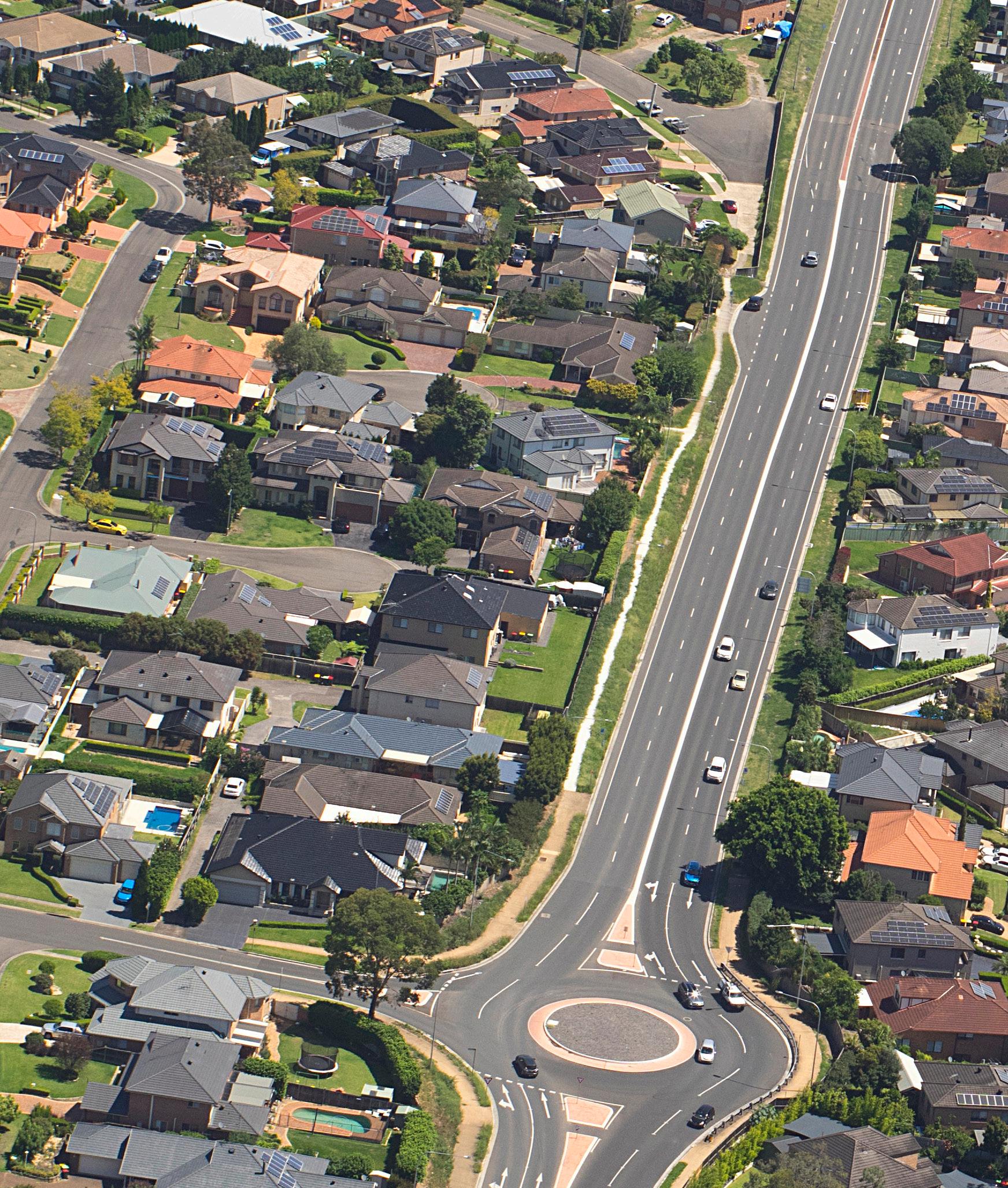
Infrastructure optimisation and adaptation are key priorities, ensuring our assets are fit for the future and can continue to support quality of life over the long term.
We’ll be in a better position to foster a connected, healthy and sustainable community if we can optimise the infrastructure we have, optimise the investment in new or upgraded infrastructure from
CPP2.1 Manage and maintain an inclusive, attractive safe diverse range of sustainable road corridors and other infrastructure and services
CPP2.2 Provide new and renovate or renew infrastructure in a timely manner that meets the needs of a growing Shire
Lead, partner, advocate
all levels of government and optimise people’s access to infrastructure and services.
We can better integrate our own planning around land uses, transport and infrastructure with state-led planning and coordinate our work with ongoing maintenance of infrastructure to maximise efficiencies.
Local community groups
· Local sporting groups and clubs
· Transport for NSW
Sydney Water
Electricity providers
Infrastructure NSW
· Adjoining LGAs (eg Blacktown, Parramatta, Hornsby and Hawkesbury)
Lead, advocate Development industry
· Adjoining councils
Transport for NSW
NSW Department of Planning, Housing and Infrastructure
Sydney Water
Electricity providers
· Infrastructure NSW
Maintain or increase community satisfaction with condition of civic spaces, buildings and public open spaces
Community survey
Increased community satisfaction with infrastructure keeping up with demand Community survey
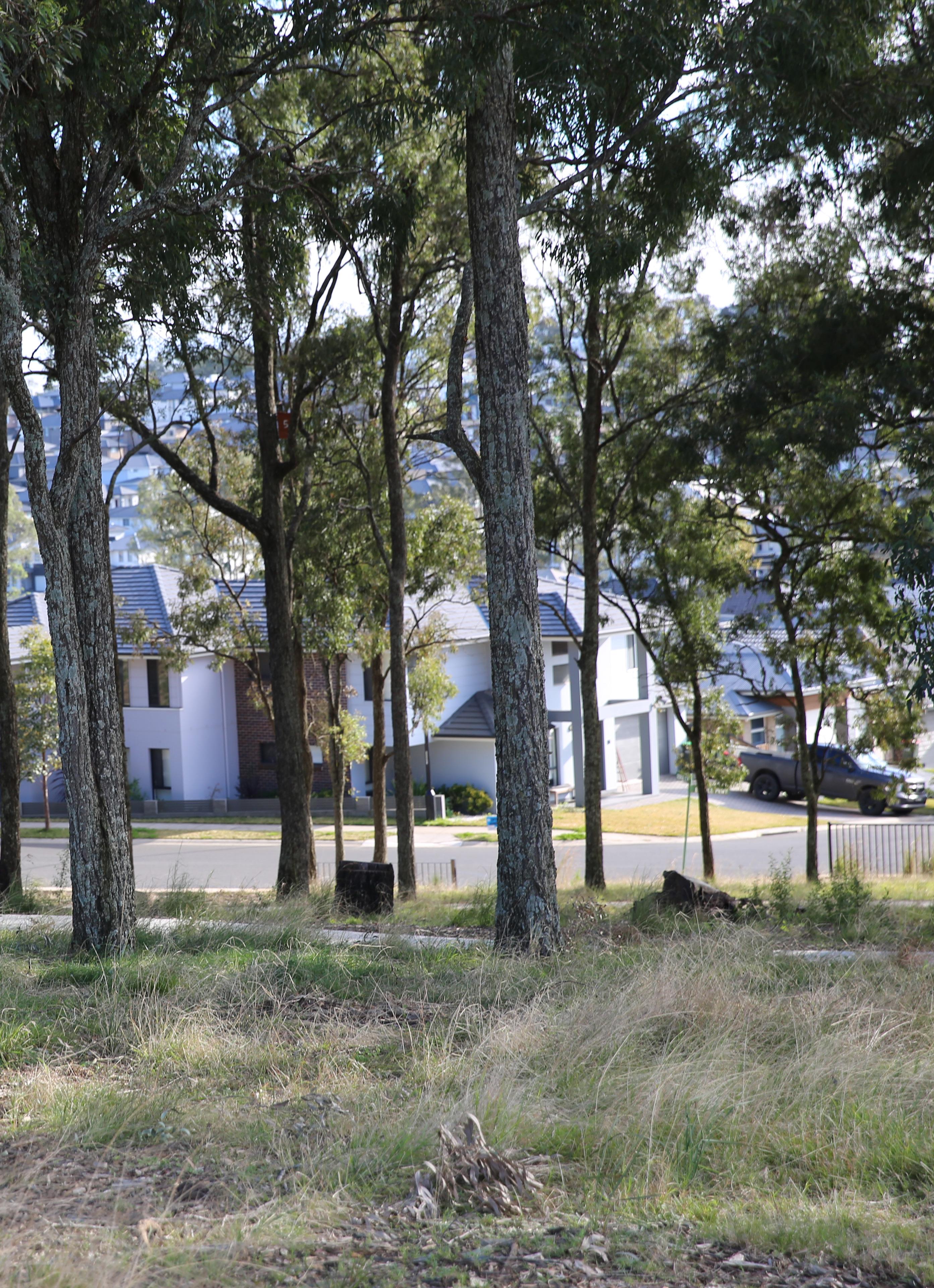
Box Hill infrastructure
We have provided input to a parliamentary inquiry to illustrate the risks of developer contributions system to a council and the significant gaps between accepting growth and providing infrastructure for new communities.
Drawing from the development of Box Hill Precinct as an example, we noted that:
• capping of contributions meant that we only received contributions at the capped rate imposed by the NSW Government, leading to a substantial funding deficit
• assessment and review timeframes of contributions plans resulted in significant amounts of development being approved at outdated, lower and insufficient contribution rates, limiting our ability to respond to quickly changing economic circumstances.
Proactive leadership and governance
To Council, proactive leadership is about professional conduct; good communication with our residents, local businesses and partners across government; giving people access to information; making the right financial decisions; and undertaking the highest quality long-term planning and engagement.
We seek to set the tone expected. With our exceptional growth, we must be well led, well resourced and able to meet our challenges and create opportunities. Our focus on financial discipline is key; that means holding others to account for their roles rather than Council accepting the cost shifted to it.
We will continue to live within our means. We will aim to keep rates low by keeping our service
delivery to our core responsibilities. We will price our services and facilities fairly, recognising the principles of neutral competitive policy and our financial charter.
We will serve our community in an efficient, proactive and meaningful way. We will keep monitoring rates, look to find ways to reduce risk and be prepared to take opportunities where appropriate.
We will strive to be a responsible employer. We will effectively manage and develop our staff, attracting the right people with the right skills providing opportunities for continuous improvement to meet the needs of our growing shire.
We will continue to advocate, collaborate and seek partnerships to provide services to our residents.
PLG1 Proactive leadership
This strategic direction drives our ambitions over the next 10 years and beyond to shape the way we work. We will be proactive, accountable and transparent, working every day towards the betterment of our residents while being financially responsible and sustainable.
We need to respond to community feedback around how we interact with our residents and how easily
Strategies
people can access information or get in touch with Council. This includes our efforts to continuously communicate with people to build an understanding of our role compared to the role of the NSW Government.
We are eager for people to feel they can – and that they do – have a real say in the issues that impact them everyday.
What will we do to get there? Our role Our partners How we’ll measure success Data source
PLG1.1 Facilitate strong 2-way relationships and partnerships with the community, empowering local community involvement in planning and decision-making
PLG1.2 Collaborate and advocate across government and with the private sector to achieve local priorities
Lead Local community groups
Local businesses
NSW Office of Local Government
· NSW Department of Planning, Housing and Infrastructure
Advocate, partner
· Local community groups and service providers
Local businesses and chambers of commerce
Development industry
Adjoining councils
· Western Sydney Regional Organisation of Councils
· Australian Government
NSW Premier’s Department and Cabinet Office
NSW Office of Local Government
NSW Department of Planning, Housing and Infrastructure
Transport for NSW
Local Government NSW
· NSW Independent Pricing and Regulatory Tribunal
Increased satisfaction with the opportunities to have a real say on issues and to access planning information
Number of responses to engagement activities
Increased satisfaction with Council’s advocacy performance on local issues
Grant funding applied for and received
Community survey Council information
Community survey Council information
PLG1.3 Promote excellent customer service through prompt, friendly and helpful advice and information to the community and meet service standards for all requests by leveraging on advanced technologies, business improvement and innovation
Lead NSW Office of Local Government
NSW Department of Customer Service
Increased satisfaction with council customer service performance
Customer issues resolved at first contact
Community survey Council information
Collaboration is central to securing our fair share of government funding, support and services. We will show leadership in the way we collaborate and advocate across government and with the private sector to achieve priorities and outcomes that are important to our local community.
Our disciplined financial performance ensures we remain fit for the future, with the ability to invest in strategic initiatives that respond to evolving community needs. We will continue to make efficient use of the resources we have and keep costs as low as possible including rates and other charges. Strategies
PLG1.4 Embed sound governance and operational frameworks that ensure accountability to the community and meet legislative requirements
PLG1.5 Create a safe and skilled workforce that delivers quality services that meet Council’s strategic direction and goals
Lead NSW Office of Local Government
NSW Independent Pricing and Regulatory Tribunal
NSW Information and Privacy Commission
NSW Electoral Commission
· NSW Ombudsman Audit Risk Insurance Committee (ARIC)
Lead NSW Office of Local Government
NSW Department of Customer Service
Higher Governance Health Check rating
Number of ARIC meetings held annually Health Check rating Council Information
PLG1.6 Maintain a strong financial position to support services and strategies and achieve long-term financial sustainability
Lead NSW Office of Local Government
NSW Independent Pricing and Regulatory Tribunal
Increased staff job satisfaction
Lost time injury frequency rate
Increased average number of training hours per employee per year Council information
Financial sustainability benchmarks met or exceeded Council information
The Hills key places
Most of the jobs
in The Hills Shire are in 3 strategic centres: Norwest, Castle Hill and Rouse Hill
As The Shire grows, these places will accommodate jobs that support urban growth and, in time, suit the local workforce. We have specific precinct plans for these 3 centres and they are all serviced by Sydney Metro acting as emerging transport nodes. Baulkham Hills is also an important centre for the Hills
Another important place in The Shire is the rural area, home to semi-rural living and a range of industries including agricultural production, flower crops, equine industries, extractive resource industries and tourism. As this makes up around 70% of The Shire it’s an important element in our future planning.
While Towards Hills 2050 applies to all of The Hills Shire, it focuses on these key places that will help us to fulfill our potential as a connected, equitable and sustainable Shire.
Metropolitan Rural Areas
Sydney Metro
Strategic Centres
Village/Town Centres
Motorway (M2/M7)
Hawkesbury River
CASTLE
BAULKHAM
Norwest
Norwest Precinct Plan seeks to foster economic growth, enhance quality of life and establish Norwest as a key destination in Greater Sydney. The plan aims to create around 30,000 new jobs by 2041 and provide for more than 18,000 new homes.
Norwest is serviced by 3 Sydney Metro Northwest stations – Showground, Norwest and Bella Vista – and major road and T-Way connections to places like Sydney CBD, North Sydney, St Leonards, Chatswood, Macquarie Park and Parramatta.
We’ll continue to focus on connections between Norwest and Parramatta CBD and Western Sydney Aerotropolis. This includes an extension from St Marys to Tallawong station, a potential mass transit corridor from Norwest to Parramatta and the Outer Sydney Orbital.
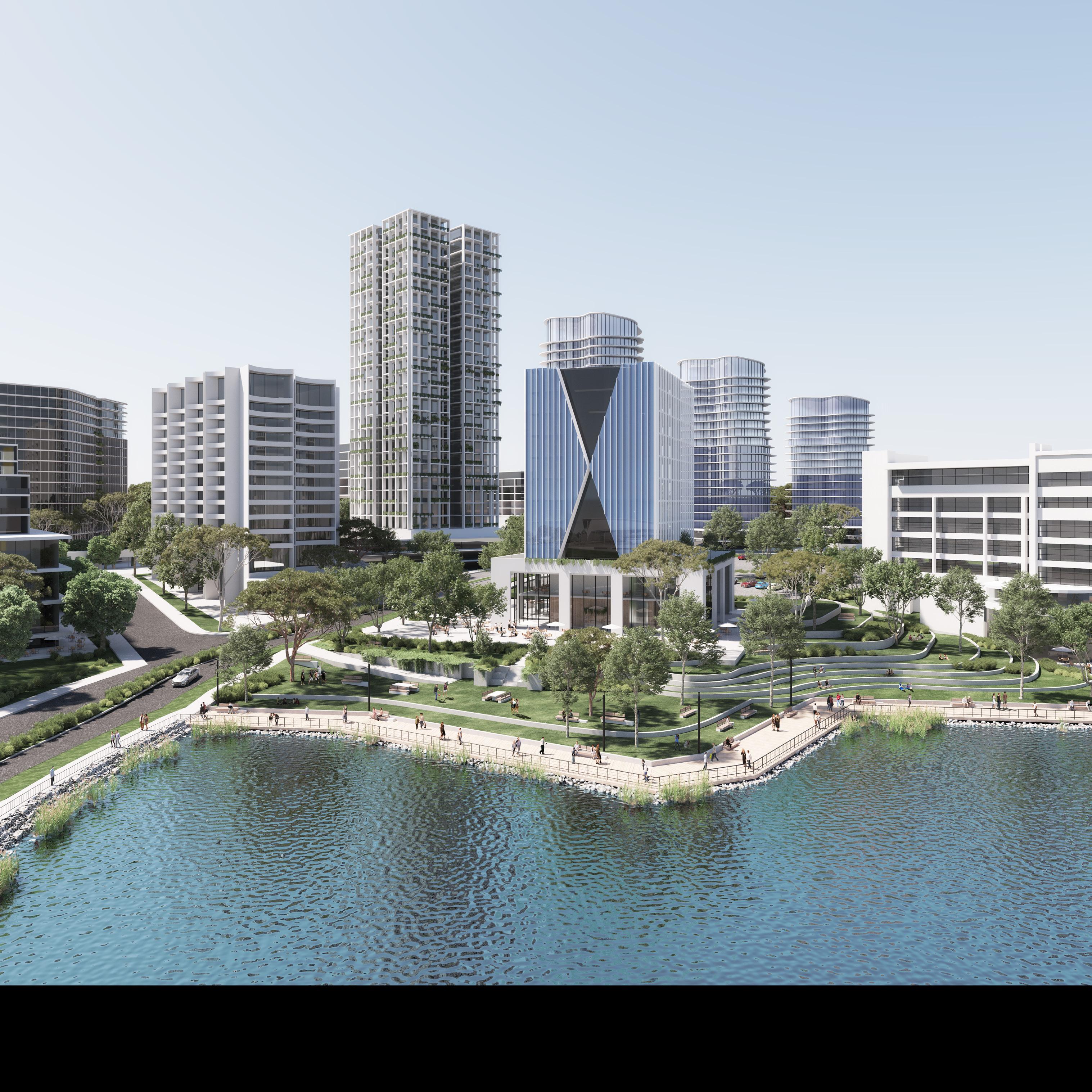
Public open space at Norwest
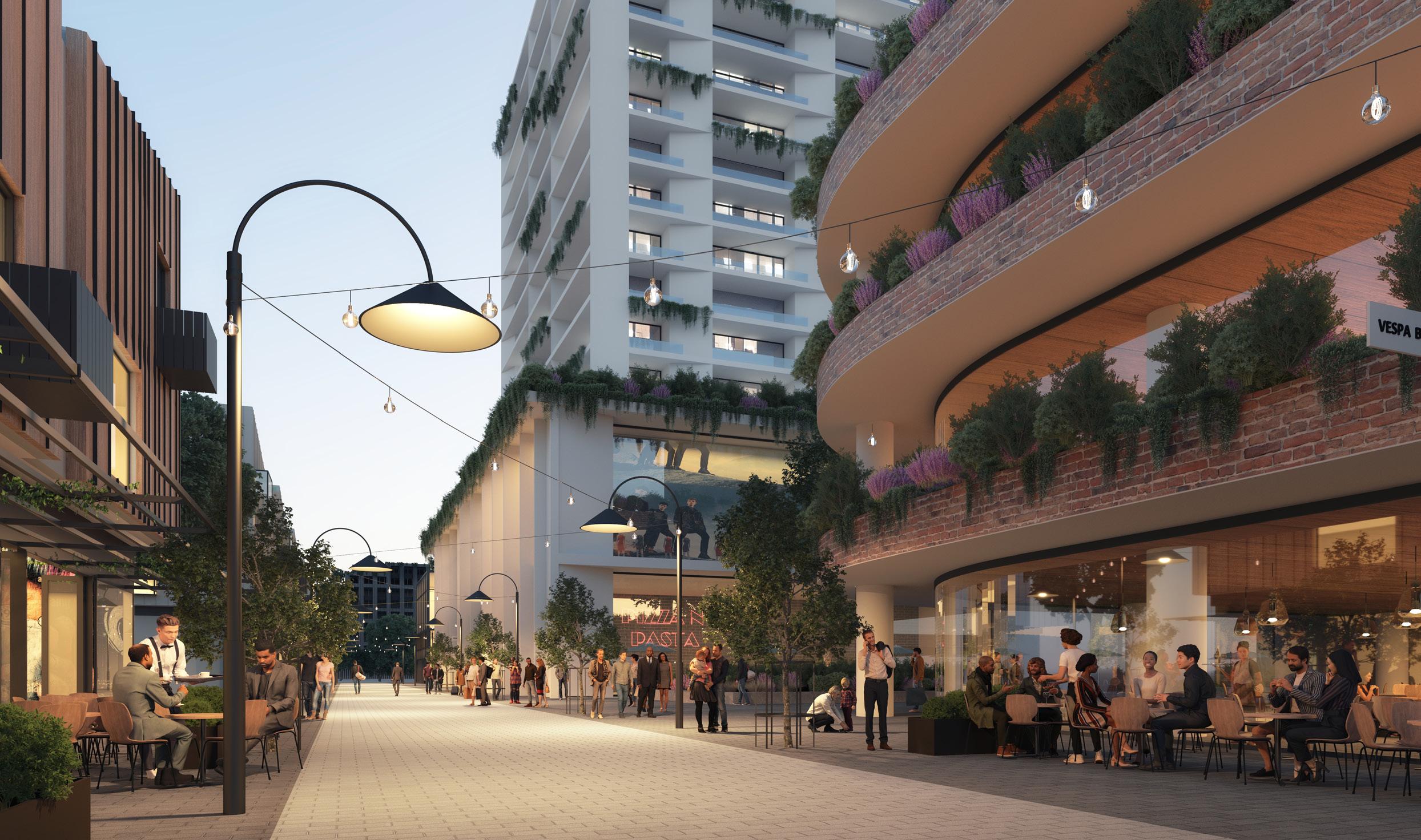
As Norwest grows we will focus on creating open space. Not only around Marketown, but plazas around the Metro and perhaps a new northern park as depicted here.
We worked closely with Mulpha Australia on their proposal to redevelop Norwest Marketown Shopping Centre. Our efforts mean that 50% of the site will be dedicated to open space, including a 6,000 sqm waterfront park facing Norwest Lake.
This advocacy work allowed a focus on place making initiatives that will make Norwest Marketown a central hub for the community. The proposal will also include a community centre and library for locals.
Castle Hill
Castle Hill is the CBD of The Hills Shire. The Castle Hill Precinct Plan aims to transform the area into a vibrant regional centre that offers a mix of entertainment, leisure, shopping, education, employment and residential opportunities. The plan is expected to create approximately 18,000 new jobs in the area by 2041 and around 7,500 new homes.
We’ll look at creating a greater diversity of homes in Castle Hill, and where the best places are for higher density living and an influx of activity, from outdoor dining and new retail along Old Northern Road or Main Street, to activating McDougall Lane.
The tallest buildings that will cement its CBD status will be within walking distance of the Metro station. We’ll carefully plan for these to transition to lower density buildings around the edges of the centre.
Rouse Hill
Rouse Hill Precinct Plan aims to transform the area into a vibrant regional destination and a mixed-use strategic centre that offers a balanced mix of employment, residential and recreational opportunities.
The NSW Government’s investment in Rouse Hill Hospital will make Rouse Hill a prime destination for knowledge-intensive businesses focused on health, education, science, technology, finance and advanced manufacturing.
These are the jobs of the future; attracting these jobs will help to address the disparity between the skills of residents and the kind of jobs available locally.
Land around the Metro station and T-way interchange is ideal for attractive walking and cycling tracks, urban plazas and optimising the Caddies Creek corridor.
Baulkham Hills
Baulkham Hills is one of our most established urban areas. It has the potential to be the node that connects workers in The Hills to Greater Parramatta and the Shire’s strategic centres.
We will continue to work with the NSW Government to advocate for regional transport connectivity improvements between Baulkham Hills Town Centre, Parramatta and Norwest.
Case study: OBF Taste of Wisemans
In 2024, we expanded the Orange Blossom Festival to include the Taste of Wisemans event.
On the last Sunday in September, Wisemans Ferry Park came alive with street performers, food and drink stalls, live performances and plenty of activities for kids and oldies alike.
The event supported local food, wine and produce businesses as well as local artists, galleries and performers.
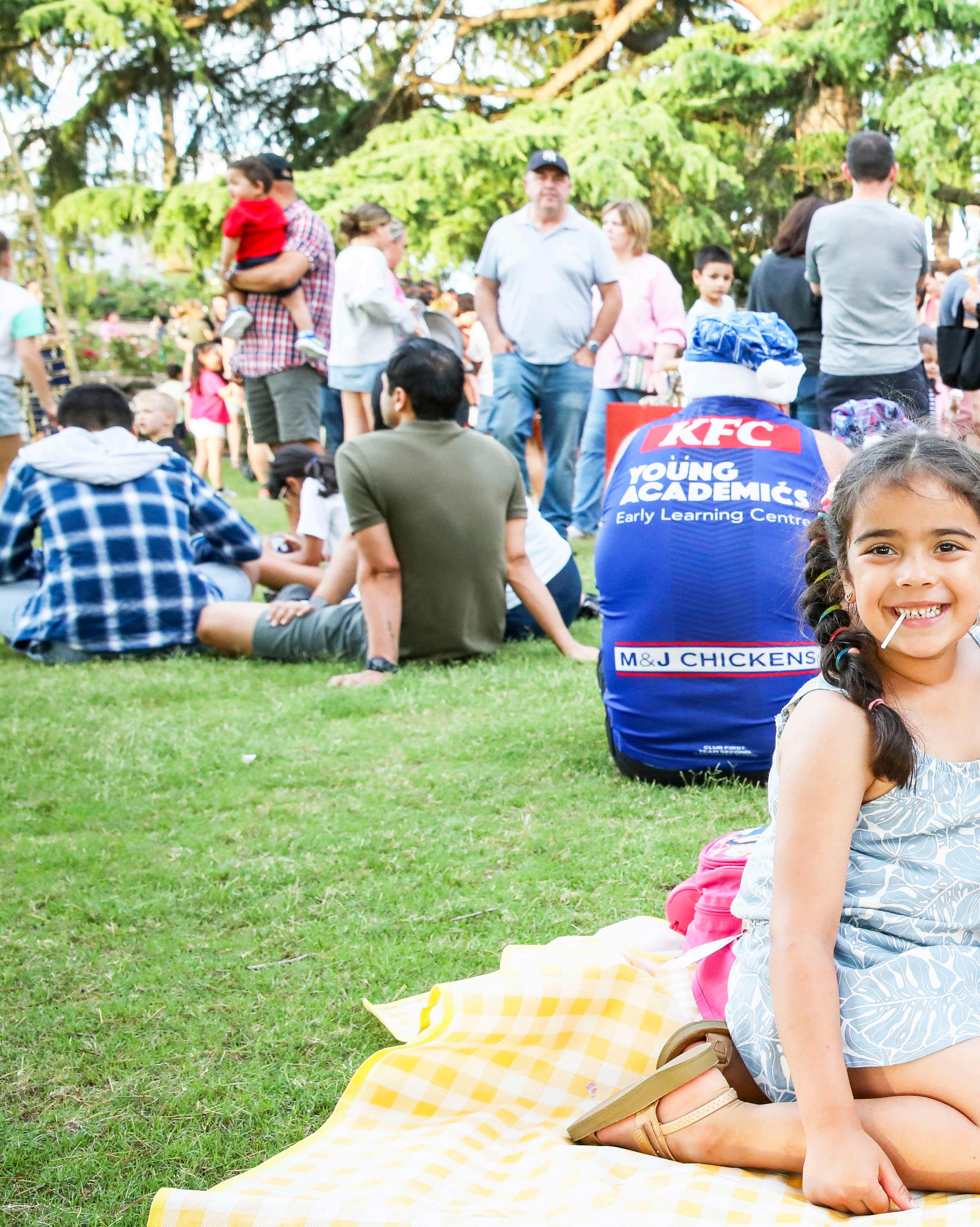
We welcomed more than 2,000 visitors and 35 local vendors, with people visiting The Shire’s rural north from as far away as Tamworth. This is the kind of future where residents and visitors have an opportunity to gather, experience and enjoy The Hills Shire.

Rural lands
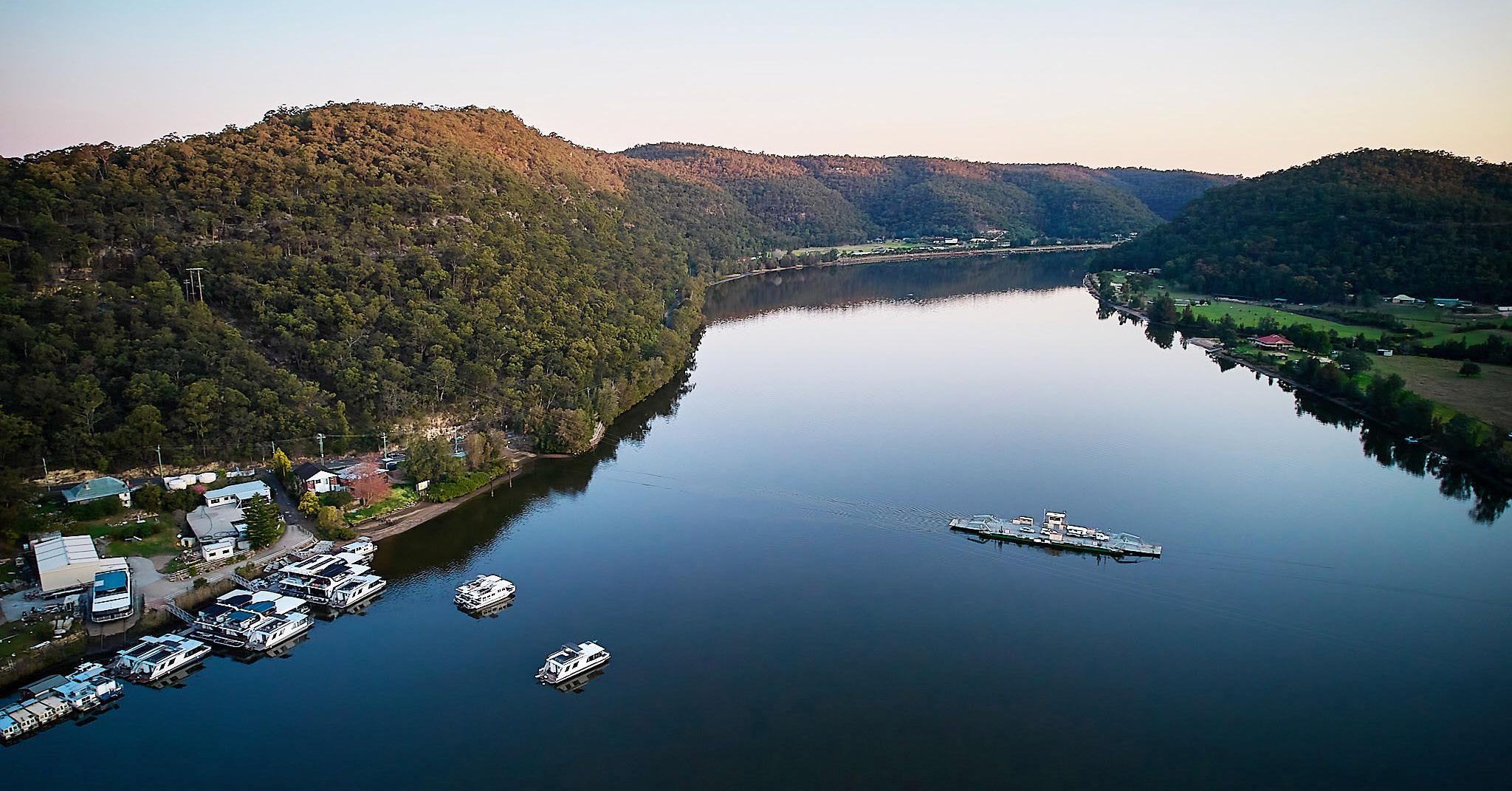
The Hills has more than 27,600 hectares of rural zoned land. It includes villages such as Wisemans Ferry in the north, Maraylya and Glenorie in the centre and places like Annangrove, Dural and Kenthurst closer to urban areas.
Key industries in the region consist of fruit and vegetable production, poultry farming, nurseries and animal grazing. Extractive industries around Maroota in the north produce sand and materials for construction and landscape supply.
It is essential to protect the interface between urban and rural areas, particularly the landscape that surrounds The Garden Shire. This region is working to build resilience against threats such as bushfires and flooding.
Residents in rural areas still need to have easy access to services and we have the potential to lift economic output through new tourism-focused initiatives, especially if we can improve connections to Western Sydney International Airport.
Transformative projects
Several projects – some confirmed, others confirmed yet unfunded and others proposed – have the potential to transform The Hills Shire, just as we’re already seeing with Sydney Metro Northwest.
These projects and investments are driven by other levels of government but are essential to our area. We will continue to advocate to partners across the NSW Government and Australian Government to either confirm these investments or get the best out of these investments for the people of The Hills.
Mass transit between Norwest and Parramatta
A mass transit link between Norwest and Parramatta via Baulkham Hills will support jobs growth in the Norwest Business Park and provide a meaningful connection to Parramatta CBD.
Around 12% of Hills residents work in Parramatta and 10% of the Hills workforce comes from City of Parramatta and Cumberland LGAs.
All major connections between the links to Parramatta are congested; it is difficult to plan trip travel times.
As Parramatta evolves into Sydney’s second CBD, efficient transport connections from the growing north west, including the Hills, are essential.
Future Transport 2056 nominates a city-shaping link between Norwest and Parramatta as a 20year visionary project with no firm commitment to planning at this stage. We will continue to advocate for this essential project to secure the long-term viability of Norwest and ease congestion pressures for commuters.
Rail connection to Western Sydney International Airport
The potential to extend Metro services between Tallawong and St Marys could then connect on to the future Sydney Metro – Western Sydney Airport Line, set to be operational by 2026. The completion of the Metro is essential to an orbital network that can support Sydney and Western Sydney’s growth and prosperity.
This will take passengers and goods from St Marys to Western Sydney Aerotropolis and the new airport, opening up business and employment opportunities for Hills residents and the potential to increase visitor numbers in The Hills, particularly in the rural north.
Grade separation at Windsor Road and Seven Hills Road
The intersection of Windsor Road, Old Northern Road and Seven Hills Road at Baulkham Hills is a pinch point that creates traffic congestion and delays for Baulkham Hills residents every day.
We are continuing to advocate for grade separation to improve the intersection capacity and through traffic speed; we already have concept plans in place for either a partial or full grade separation of Windsor and Seven Hills roads.
As these are regional roads and most of the traffic is through traffic, we will continue to advocate to NSW Government for grade separation, particularly as any mass transit link between Greater Parramatta and Norwest via Baulkham Hills is years away.
Box Hill and Rouse Hill public transport corridor
North West Growth Area planning for Box Hill and Box Hill Industrial precincts is focused on an additional 9,600 new homes and space for up to 16,000 new jobs.
As Box Hill grows and Rouse Hill thrives as a commercial, retail and residential hub, public transport connections between the 2 areas will reduce congestion along Windsor Road and Old Pitt Town Road, while allowing Box Hill residents to access Sydney Metro services at Rouse Hill. Upgrades to Windsor Road will be essential to support this.
There is a preserved public transport corridor in Rouse Hill along Withers Road, Mile End Road and Green Hills Drive. We’re continuing to investigate the right transport mode to best service the community.
Outer Sydney Orbital
A well planned and functioning freeway network can remove through-traffic from local centres and roads. The resultant congestion limits how locals move around and connect with and to their local centres.
The planned Outer Sydney Orbital will be essential to the businesses working from or accessing Box Hill Business Park and Annangrove Road Industrial Area. It will also remove through traffic from busy centres, easing congestion in Rouse Hill, Baulkham Hills and Castle Hill.
The orbital will provide connections between businesses at Box Hill and Annangrove to Western Sydney International Airport and the Central Coast, The Shire’s primary freight destination.
This connection is critical to The Shire’s fledgling business park and industrial areas, while protecting the long-term viability of freight routes that services existing industries and extractive industries in the rural north.
Annangrove Road upgrade
Annangrove Road connects Windsor Road and Pennant Hills Road via New Line and Boundary Roads at Dural. As more residents and businesses come into the North West Growth Area, congestion on Annangrove Road will be unacceptable and unproductive.
We are working to amend the status of Annangrove Road to an arterial road to secure funding for upgrades. Any upgrade would include a bypass of
Kenthurst Road at Dural to connect directly with Old Northern Road then New Line Road, easing congestion around Dural and Round Corner.
Bus priority measures
Continued investment in bus priority measures – for example, the extension of the bus lane north of Rembrandt Drive in Baulkham Hills to Norwest – will increase patronage, removing more cars from the roads and supporting Sydney Metro Northwest. Bus services need to be affordable and more efficient if we’re going to achieve a modal shift from cars to public transport.
These are essential for commuters travelling to destinations not serviced by rail, including Parramatta and Western Sydney.
Hawkesbury River health
A healthy Hawkesbury River and rural landscape is a foundation for the visitor economy, supporting activities on the water like kayaking or houseboating or nearby farm stay experiences and fruit picking.
Increasing urbanisation can impact the river’s quality and health, increasing its turbidity and potentially limiting how people interact with the water. The river’s health also depends on the health of local waterways.
We need to safeguard water supply and protect water health and enjoyment. We will continue to collaborate with other councils and catchment management authorities as we manage the stormwater network, wetlands and coastal areas along the Hawkesbury.
This includes our collaboration with the NSW Government to respond to regional flood risk, including flood awareness and education.
Community engagement
Our stakeholders
Groups How we engage
• public meetings
• publications
• website
Residents and ratepayers
• social media
• rates notices
• community meetings
Business
Community groups and volunteers
Visitors
Customers
Employees and their representatives
Partners –regional and national
Other levels of government
Suppliers
Media
• information display or kiosk
• public exhibition
• annual report
• phone surveys
• focus groups and workshops
• publications
• website
• social media
• focus groups and workshops
• committees
• events
• website www.thehills.nsw.gov.au
• published information
• customer satisfaction measurements
• customer care and service
• staff portal
• staff briefings and onsite meetings
• employee survey
• website
• publications
• fact sheets
• feedback forms
• exit surveys
• interviews
• emails
• newsletters
• contract management – account management relationships
• regular engagement through site visits
• formal meetings
• briefings
• networks
• correspondence
• one-on-one meetings
• contract management – account management relationships
• media releases
• briefings
• interviews
• social media
our stakeholders are important
Provide guidance on values, engagement and feedback
we are important to our stakeholders
Provide civic leadership representation, services and facilities. Generate sustainable growth and return to the community
Build capacity and drive the local economy
Build trust and bridges to local communities through services
Provide economic benefit, generate employment opportunities and financial viability
Provide us with feedback and utilise the services and products
Central to the success of our business by providing valuable knowledge, skills and labour
Provide shared knowledge, cultural experiences, knowledge and resources
Provide funding opportunities, services, planning direction, legislation and networks
Provide good value and quality products and services
Build and protect reputation and raise awareness of our services and facilities
Provide and promote business
Provide support and partnerships
Provide products, services and facilities
Provide products and services at good value and quality
Provide a fair, engaging and enriching work experience with career development and flexible work arrangements
Provide advocacy, leadership, cultural vibrancy, and resources in line with policy and legislation
Provide local strategies, partnerships and networks
Provide fair access to business opportunities in line with policy and legislation
Provide trend data as well as social, environmental, economic and governance information
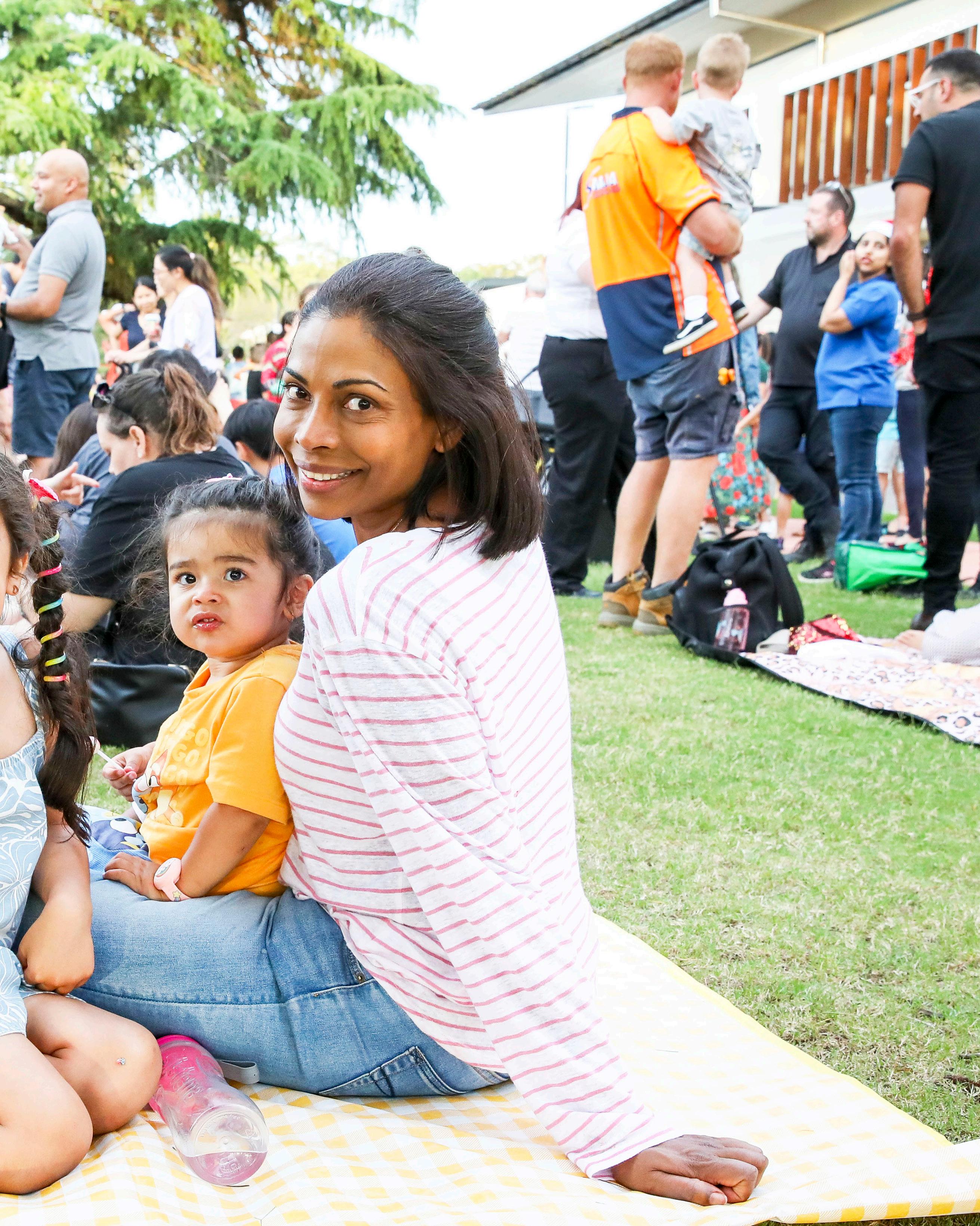
We conduct regular surveys and other engagement activities around annual operational plans, our local strategic planning statement, precinct studies and Hills Performance Sentiment Index. These give us a picture of what people think.
In providing feedback to Towards Hills 2050, we invite you to also let us know if there’s any major issues that you believe we need to consider.
What we’ve heard
Transport and infrastructure
Traffic congestion, road maintenance and public transport accessibility are key concerns for residents. Our 2023 Community Satisfaction Survey (CSS) revealed that 43% of respondents prioritise addressing traffic congestion, an increase from 2021. Similarly, road maintenance remains a top priority, with 27% of residents highlighting its importance.
Metro services have improved public transport access, with 22% of residents valuing the convenience of public transport – 3 times higher than in 2021. However, 66% of residents also advocate for more shared pathways. Engagement on the Castle Hill Precinct Plan highlighted the need for pedestrian bridges, community buses and quality walking and cycling links.
Infrastructure improvements should also address accessibility for people with disabilities. While newer areas of the LGA incorporate accessible designs, older suburbs still present barriers. Suggestions include consulting with disability organisations to enhance Council facilities and improve features like smart pedestrian crossings and footpaths.
Housing and communities
The Hills Shire offers a high quality of life, with 88% of residents rating it as ‘good’ or ‘very good’. While development and its impact on infrastructure remain a concern for 35% of residents, this represents a slight decrease from 38% in 2021.
Similarly, concerns about population management have declined from 21% in 2021 to 15% in 2023, possibly reflecting a shift in focus toward pressing issues like traffic and the environment.
Parks and open spaces are considered vital as population density increases, particularly for residents with limited private outdoor areas. Residents value the area’s family-friendly atmosphere and community spirit, though a sense of belonging has declined from 91% in 2016 to 78% in 2023. Indicators of social cohesion, such as volunteering and access to emergency support from friends or family, have also seen slight declines.
For people with disabilities, addressing attitudinal barriers is crucial. The Disability Inclusion Action Plan (DIAP) calls for disability education for Council staff, inclusive practices at Council events and opportunities for interaction between people with and without disabilities to foster understanding and inclusion.
Housing affordability and development
Housing remains a contentious issue. In an April 2024 survey, 44.6% of respondents felt the pace of development in the LGA was ‘too fast’, while 34.2% felt it was ‘too slow’. The CSS confirmed that managing development and its impacts is a key priority.
While 52% of respondents believe there is sufficient housing in the area, only 10-14% agree that housing is affordable. A notable 79% are concerned about young residents’ ability to afford homes locally.
Maintaining the area’s suburban and rural character is also important to residents, with 11% listing it as a valued aspect of living in the LGA.
Economy
The proportion of residents who agree there are economic opportunities in The Hills Shire declined from 72% in 2016 to 64% in 2023. However, attendance at community festivals and cultural events rose from 25% in 2021 to 51% in 2023.
The DIAP emphasises the importance of employment opportunities for people with disabilities and suggests Council support local businesses in creating inclusive workplaces. Looking for opportunities to raise awareness, promote inclusion and provide opportunities for interaction will be key.
Environment
The environment and open space is the most valued aspect of living in the Hills Shire for 51% CSS respondents. Other than development, roads and traffic, environmental management is seen as the highest priority issue facing the Hills Shire. Residents value bushland regeneration, water quality and maintaining open spaces, particularly in denser urban areas.
For residents with disabilities, ensuring emergency response plan consider their needs is essential.
Proactive leadership and governance
Residents view proactive leadership as encompassing professional conduct, clear communication, balanced decision-making, long-term planning and opportunities for public engagement.
The 2023 CSS identified 6 areas relating to leadership where community satisfaction has decreased since 2021, including Council’s financial management and ability to provide a real say on issues.
Trust in local government remains relatively strong. In an April 2023 survey, 80% of respondents trusted The Hills Shire Council to plan infrastructure for housing growth more than the NSW Government. However, 30% of respondents indicated they do not fully understand the differing responsibilities between Council and the NSW Government.
The DIAP suggests Council can demonstrate inclusive leadership by improving information on accessibility, implementing a workplace adjustment policy, and developing accessible public spaces. Establishing a DIAP Reference Group of people with lived experience could support these initiatives.
Engagement outcomes summary
Council conducted a variety of engagement activities to ensure The Hills Shire CSP was shaped by a diversity of people from across the community. This section below provides a summary of discussions across all engagement activities.
Workshop participants and online survey respondents were asked to articulate, in one word how they would describe The Hills Shire. They were also asked what this word meant to them to help understand their concerns and the aspects of the area that they value.
The single words most commonly used by respondents to describe The Hills Shire were:
Green [5]
Inclusive [3]
Overcrowded [3]
Safe [2]
Serene [2]
Diverse [2]
Family friendly [2]
Home [2]
Changing [2]
The deeper analysis of all the words and the definition of each provided by respondents revealed distinct themes which reveal how community currently feel about The Hills Shire and specific aspects that they value and concerns that they currently have.
The themes were identified through a comparison of the words/terms and meanings identified in each engagement, prioritising overlapping and shared intent, and acknowledging variations and nuances behind the differing meanings of key words to each individual.
The following were the most prominent and overlapping values across all engagement activities.
Value and connection to nature
There is a strong value and appreciation for the natural setting and surroundings across The Hills Shire with some describing it as lush and vast, and that the bushland and green spaces creates a feeling of quiet and calm. Respondents appreciate the diversity of landscapes and being able to use them for recreation and active play.
The sense of The Hills Shire not being “The Garden Shire” anymore resulting from the current rate of growth and development was clearly expressed. Concerns were also expressed about there being a diminishing amount of available open space,
not enough trees and that development is being prioritised over nature. While one respondent commented that the “outer Hill Shire is the green belt of Sydney” another described the current landscape as being an ‘eyesore’.
Welcoming community and local connectedness
The respondents were generally positive and expressed a sense of connection to the community within the Hills Shire. They used words such as caring, family friendly, inclusive, and diverse. This is showing that one of the key strengths of the Shire is that it is accommodating of people of all backgrounds and people of different community groups. One respondent described The Hills Shire as “home” said it was due to the “community support and events happening [which] try to bring together cultures from different backgrounds”. However, some respondents felt a sense of increasing disconnection from community, related to the rapid change that is occurring across the area and the increased population and growth. Some felt they did not feel there is a sense of community spirit or identity.
Value the garden shire identity but rapid growth and change feels overwhelming Words like overcrowded, changing, busy, large, developing and transitioning were all the ways that people described how the significant growth and changes occurring in the LGA feels. Many respondents were concerned about the amount and type of developments and growth happening in the Hills Shire and in particular the potential loss of community and the highly valued identity/ characteristic of this LGA being green and leafy.
A majority of respondents raised concerns about the lack of infrastructure and services not keeping up with the growth of the Hills Shire. Many citing the need for more schools, libraries, and public transport links. Many also raised how the growth is affecting the transport system, that it has become congested and they are experiencing traffic-gridlock.
Making it happen
Once finalised, Towards Hills 2050 will be the key document that influences all the work we do across Council.
Under the Integrated Planning and Reporting (IP&R) Framework, Towards Hills 2050, as the Community Strategic Plan, has a planning horizon of 10+ years. It guides all our activities.
It informs our Resourcing Strategy, which has the same 10-year horizon. It includes our: Long-Term Financial Plan and Asset Management Strategy with the Workforce Management Strategy covering a 4 year horizon.
These are supported by the Delivery Program (4 years), which identifies key projects and services, as well as the annual Operational Plan (one year), which includes specific actions and budgets for the year.
Towards Hills 2050, therefore, will guide specific actions that inform the day to day work and reporting across our business areas. It also informs more strategic planning in business areas across civil works, parks, buildings, community facilities, waste management, transport and environment.
It also aligns with, and informs updates to, key
strategies such as our Local Strategic Planning Statement and supporting strategies and economic development plans.
Towards Hills 2050 is essential to how we interact with NSW Government agencies and how we can influence the outcomes of state-level strategic planning. Our robust financial planning, governance mechanisms, detailed analysis and community consultation help us to articulate where there are gaps between state-level expectations and the reality of what we are able to achieve on the ground.
We will monitor and evaluate our success through quarterly and annual reporting, and provide the Office of Local Government with a State of the Shire Report every 4 years.
Integrated Planning and Reporting framework
Aligning with NSW Government priorities
Every day we work with other councils and other levels of government - we’re all partners in achieving the best possible outcomes for the people and places of the Hills.
For example, when we plan for Castle Hill, Rouse Hill and Norwest we know that the Greater Sydney-wide strategic planning consider these strategic centres - this means the NSW Government also has an interest in their success. Collaboration is key.
Other NSW Government policies around transport and housing directly impact how our Shire will grow and change.
In developing Towards Hills 2050, we’ve considered a whole range of NSW Government strategies, plans and policies. And through the life of this plan, as the NSW Government adapts its own positions and policies in terms of planning for the future, we will also adapt where needed to ensure that continued alignment.
In addition to state-level strategic planning for NSW, Greater Sydney and our district, we will have input to, or aim to align with, the State Infrastructure Strategy and Future Transport.
Other policies include:
• The work of the Housing Delivery Authority
• Transport-Oriented Development Program
• Low and Mid Rise Housing Program
• National Housing Accord
• NSW Housing Pattern Book
• Draft Bush Fire Prone Land Package
• Net Zero Plan Stage 1 2020-30: Implementation update 2024
• Circular Design Guidelines for the Built Environment
• Shelter in place guideline for flash flooding
• Strategic Cycleway Corridors
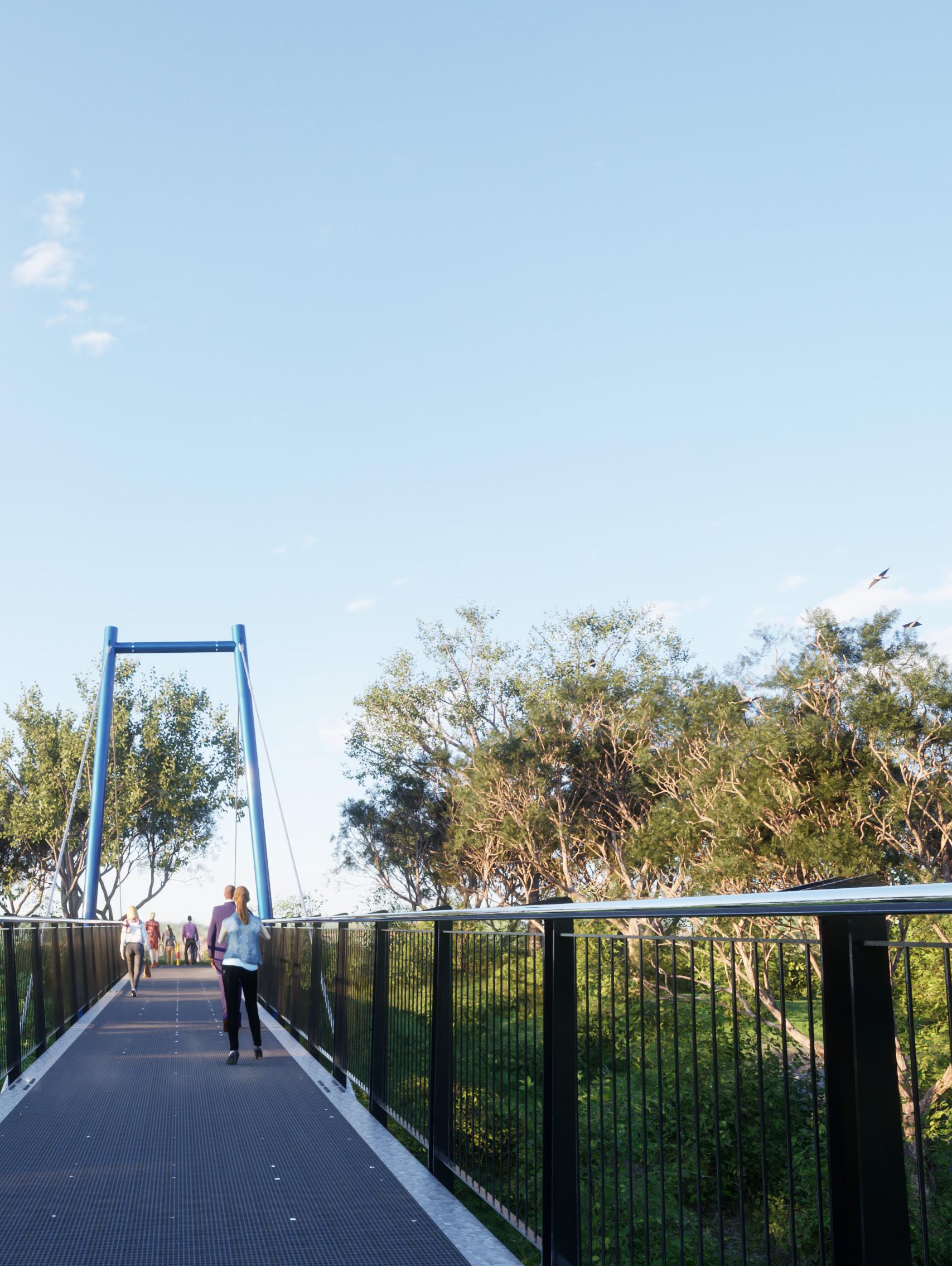
• Policy Paper – Next steps for Business Improvement Districts
• Guide to Transport Impact Assessment
• NSW 24-hour Economy Strategy
• Creative Communities: NSW Arts, Culture and Creative Industries Policy 2024-2033
• Cultural State Environmental Planning Policy (SEPP)
• State Disaster Mitigation Plan and ongoing disaster adaptation planning for the Hawkesbury-Nepean River
• NSW Industry Policy
www.thehills.nsw.gov.au
3 Columbia Court Norwest NSW 2153 PO Box 7064, Norwest 2153
P +61 2 9843 0555
E council@thehills.nsw.gov.au
If you do not speak English and need an interpreter, contact the Translating and Interpreting Service on 131 450 and ask them to call Council on 9843 0555.