Welcome to issue 15 of the Safer For All newsletter
Safety is not simply a policy or a set of procedures; it is a responsibility we all share, whether we work on site, on the road or in the office.
This newsletter highlights the progress we have made together, while reminding us why constant vigilance matters. You will read how our divisions have strengthened reporting, with a significant rise in near miss submissions across Waste Solutions, Quarry Products and Homes. That increase is encouraging because it shows a more open, proactive culture in which people are identifying hazards early and helping to prevent harm.
You will read about some of the most important risks facing our teams, from dust exposure and occupational lung disease to drug and alcohol misuse, site safety, bridge strikes, vehicle access and the correct use of PPE. Alongside these practical features, you will see examples of ‘You said – We did’ in action, demonstrating how reported concerns are leading to real improvements.
There is also an important focus on wellbeing, with reminders that support is available whenever it is needed. I encourage every employee and contractor to take time to read this issue carefully. The messages in these pages are relevant to all of us and could make a lasting difference. Thank you for continuing to play your part in keeping Hills Safer For All.
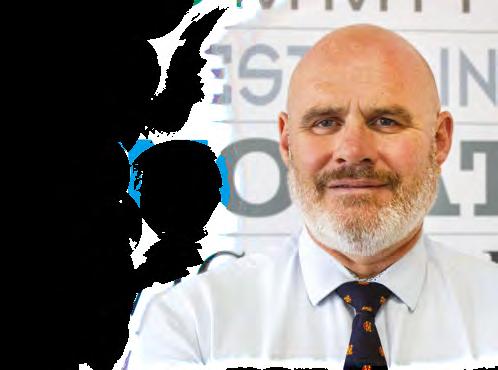
Mike Hill, Chairman
WASTE SOLUTIONS
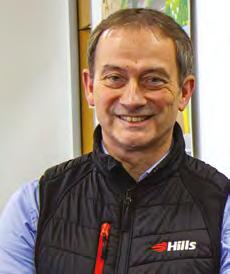
Paul Elling — Compliance Manager
Continued improvement
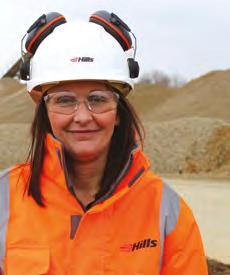
Thanks to the continued efforts and positive engagement from our teams to deliver Hills’ priority commitment of ensuring safe and healthy environments for all employees, contractors and site visitors – we continued improvement across our operations compared to the previous year.
Proactive approach
This proactive approach to risk management has delivered measurable safety improvements as evidenced by a significant increase in the number of near miss reports submitted and a reduction in both lost workdays and RIDDOR recordable incidents. Our partnership with Pristine Condition has been central to this achievement – through both tailored training and induction videos.
Retained ISOs
Other key improvements introduced last year included adopting balanced scorecards to define and measure our performance goals; successfully retaining our external ISO and SafeContractor approvals; focusing on timely close out of corrective actions; continuing the migration of key health and safety systems and records onto EcoOnline, and prioritising the delivery of key training to our colleagues.
NEAR MISSES
WASTE SOLUTIONS 2024 Vs 2025
QUARRY PRODUCTS
Mia Jones — Health and Safety Manager
Strong progress
In 2025, Quarry Products made strong progress in improving health and safety performance, with near miss reports rising from 173 in 2024 to 545 in 2025, showing better employee engagement and a stronger commitment to identifying and controlling hazards before they result in harm. Although overall incident numbers rose, this is attributed to improved accuracy and transparency in reporting, rather than declining safety standards.
Continued emphasis
Drug and alcohol testing after incidents has revealed some substance misuse, prompting continued emphasis on fitness for work. Training remains a priority: 23 employees completed IOSH Managing Safely, geotechnical training began, with LOTOTO (Lock Out Tag Out Try Out) training scheduled next to further strengthen competency across high risk tasks.
Notable success
A notable recent success was the HSE Geotechnical Intervention in March, where Quarry Products achieved compliance in all six assessed areas, reflecting ongoing commitment to regulatory standards and continuous improvement.
NEAR MISSES
QUARRY PRODUCTS 2024 Vs 2025
HOMES
Mark Tinson — Divisional Managing Director
Significant progress
Reflecting on 2025, the Homes division has made significant progress in providing a safe environment for both employees and subcontractors, thanks to the efforts of the office and onsite teams.
Reporting near misses
Site management continues to emphasise the importance of reporting near misses, though this message has yet to fully resonate with our contract partners — a challenge we are actively addressing.

Ongoing focus
Our comprehensive, up-to-date policies guide daily practices, and we are working to boost onsite awareness regarding the dangers of construction dust and debris. It is vital to understand the long-term health risks posed by exposure, including silicosis, lung cancer, COPD, and asthma. These conditions can affect individuals far into the future if proper precautions and PPE are not used today. Our ongoing focus is to ensure everyone remains vigilant and protected.
Deadly serious
HSE insights on work-related fatalities
“Health and safety gone mad,” an all-too-common, lazy response to stories in the press and on social media. But imagine how ‘mad’ you’d be if a colleague, friend or loved one died because someone hadn’t taken health and safety seriously.
The Health and Safety Executive (HSE) monitors and, where appropriate, prosecutes businesses whose actions lead to accidents and worse still, fatalities.
The Hills Group and its divisions are constantly looking to improve ways in which they can improve safety. The company is mindful not only of the inherent risks associated with quarrying, waste management and construction, but also of the risks to colleagues working in offices and members of the public who interact with us or live near to our sites.
The following data from the HSE illustrates the very real, immediate and long-term dangers related to our core activities:
11,000 lung disease deaths each year in the UK
MESOTHELIOMA: 20%
OTHER DISEASES: 3%
CHRONIC OBSTRUCTIVE PULMONARY DISEASE (COPD) 35%
ASBESTOS RELATED LUNG CANCER: 20%
NON-ASBESTOS RELATED LUNG CANCER: 23%
The fatal accident statistics shown on the facing page are tragic. However the fatalities caused each year by a fall from height (35), or being struck by a moving object (18) are dwarfed by the 11,000 people who die each year in the UK of lung disease, linked to past exposure at work.
Occupational lung diseases typically take a long time to develop following exposure to the agent that caused them. Therefore, current data reflects the effect of past working conditions. With these figures in mind, the following pages issue a clear reminder to contractors and employees on the importance of wearing correctly fitted respiratory protective equipment (RPE).
Percentages do not sum to 100% due to rounding
Source: Estimates from epidemiological information including burden of occupational cancer research.
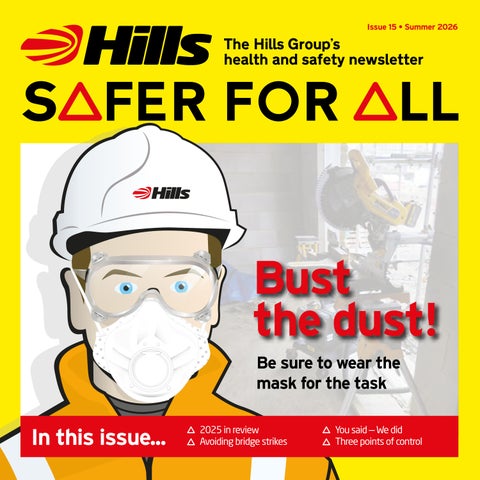
Bust the dust!
Whether involved in waste, construction, or quarrying, dust is a hazard that should be taken seriously when moving waste or aggregates or when cutting or grinding building materials.
Exposure to any dust can result in serious health problems, so it is important that you follow all mandatory Respiratory Protective Equipment (RPE) instructions whether you’re an employee or contractor.
The risks:
• Exposure to any dust in excessive amounts can create respiratory problems.
• The harmful effects of dust can vary, from skin irritation and eye problems to silicosis and lung cancer, depending on the composition of the dust and the type and degree of exposure.
Mask for the task!
Wearing an incorrectly fitted face mask could increase your risk of silicosis.
Silicosis is one of several chronic lung diseases which can be caused by inhaling large amounts of crystalline silica dust known as respirable crystalline silica (RCS). While too fine to see with the naked eye, this dust is produced during the extraction, crushing and cutting of certain types of stone, rock, sand and clay. Thankfully, wearing correctly fitted RPE and personal protective equipment (PPE) alongside safe working practices can reduce the risk of exposure.
Occupational health surveillance programmes also reassure selected operational roles, by monitoring specific risks to support ongoing health and wellbeing.
To ensure your RPE is providing adequate protection, it must fit properly. All tight-fitting RPE must be fit-tested before initial use and correctly positioned while being used.
• Perform a self-check of your mask before every use to ensure the perfect fit.
• Make sure your mask is clean and in good working order. Replace disposable masks and filters as recommended by the manufacturer.
• Always store your mask in a clean, dust-free area when you are not wearing it to avoid contamination.
Stubble could be trouble!
The Health and Safety Executive requires users to be clean shaven when there is a requirement to wear a tight-fitting face mask. If this isn’t possible an alternative form of RPE should be used i.e. a powered air respirator.
Eye-eye!
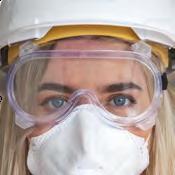
Your eye protection should be appropriate for any task being undertaken. Safety goggles should be worn to protect from general dust and debris, and particularly when cutting or grinding materials.

One swab could affect your job…
All employees, contractors and agency workers are subject to random, post-incident and reasonable suspicion drug and alcohol testing.
Hills operates a programme of unannounced random testing on employees, agency workers and contractors on a regular basis throughout the year. You could be called to participate in a test at any point.
For more information see Section 12 of the Drugs and Alcohol Policy on eTouch.
If drugs or alcohol are an issue for you, help is at hand.
You can speak to your Line Manager or Supervisor. Alternatively, the HR team is ready to listen.
The Wellbeing Hub also contains details of organisations that can offer help with dependency issues.

Help is available 24/7

The Bupa Employee Assistance Programme (EAP) is FREE for ALL employees and is available 24/7.
The EAP gives you access to six telephone and six face-to-face counselling sessions to discuss whatever is on your mind –whether it’s stress, bereavement, financial worries, anxiety and depression or issues with drugs and alcohol.
• For a confidential chat call 0800 269 616
• Start an online CBT assessment: bupa.com/cbt PIN: BuPaHM
• Useful self-help tools: bupa.co.uk/eaponline
The EAP also offers access to free expert advice on topics including: legal issues, financial matters, child and dependant care advice and a 24/7 anytime healthline.
Scan the QR code at the top of this page to find out more.
There’s no shame in asking for help with your mental health.

Near Miss reporting
You said, we did...
Reporting Near Misses, whether they be unsafe acts or unsafe conditions, means action can be taken – which in turn helps to reduce the risk of serious accidents or even fatalities. Do your bit to keep Hills’ sites Safer For All… report any Near Misses. Here is a selection of recently reported Near Misses and the actions taken.
ENTRANCE EXIT
You said: We did: Member of public attempted to drive out of the Household Recycling Centre via the ‘In’ gate.
Site staff spoke to the driver and instructed them to follow the site one way system.
You said: We did:
Customer bin store floor covered in cooking oil, creating risk of slip trip and fall.
Customer contacted and requested to clean floor prior to next collection.
You said: We did:
Transfer Station emergency exit door lock broken, leaving building insecure out of hours.
Door lock replaced.

You said: We did:
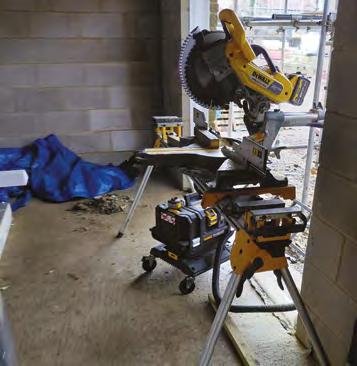
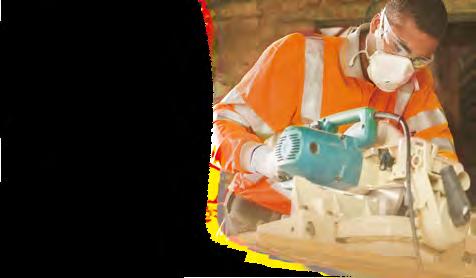
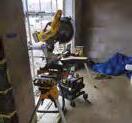
Sub-contractor carpenter using a circular saw without bags/dust suppression.
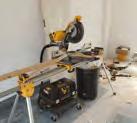
Contractor informed and dust suppression equipment attached.
You said: We did:
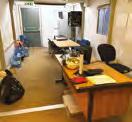
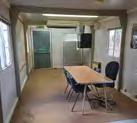
Lack of housekeeping creating several hazards. Removed waste, alternative storage solutions found.
You said: We did:
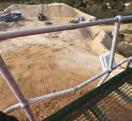
Damaged handrail creating a fall from height hazard.
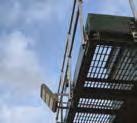
Rail replaced, making gantry safe.
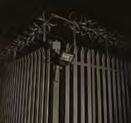
You said: We did: Lack of lighting around the Shorncote Fuel and AdBlue Tanks.
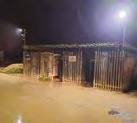
New lighting installed.
SEE IT SORT IT REPORT IT
If you see something which is not safe, don’t walk by. We all have a responsibility to do the right thing. Remove, replace or rectify the situation, if it is safe to do so.
Inform the Site Manager or report to your Line Manager. Then report a Near Miss on EconOnline.
Here
are some examples of when you should not walk by – but instead take action to sort it.
See it: COSHH cabinet left open
Sort it: Photograph open cabinet, then close and lock. Return key to secure place
Report it: Submit photo as part of a Near Miss report.
See it: Trailing cable in office creating a trip hazard
Sort it: Photograph cable, then move out of the way
Report it: Submit photo as part of a Near Miss report.
See it: Colleague not wearing correct PPE
Sort it: Tell colleague and/or Supervisor/ Manager
Report it: Submit Near Miss report.
See it: Walkway partially obstructed by loose materials creating a trip hazard
Sort it: Photograph loose material, then brush away to clear walkway
Report it: Submit photo as part of a Near Miss report.
Are you sitting comfortably?
You may think you’re sitting comfortably, but are you slouching or twisting in a way that could harm your back-health in the long term? Below are recommendations on how to sit behind the wheel or at your desk:
• Your seat should be adjustable
• You should have a clear view of the road ahead and your instrument panel
• You should be close enough to the steering wheel to hold it comfortably at around 120°
• Your lower back should be supported
• There should be no pressure under your thighs or behind your knees
• Your feet should comfortably reach the pedals.
• Your chair should be adjustable
• Your eyes should be level with the top of your screen
• Forearms should be horizontal and wrists straight
• Your lower back should be supported
• There should be no pressure under your thighs or behind your knees
• Your feet should be firmly on the floor or on a footrest.
• Standing frequently to move and stretch helps avoid back pain and injury.
• Standing and rehydrating is even better, avoiding sleepiness and helping concentration.
• LGV drivers must take their legally required breaks as instructed by their Supervisor or Manager.
• Car drivers and desk workers should take frequent and appropriate breaks.
TOP TIPS TO STAY SAFE ON SITE
When tipping on site, be sure to first assess all conditions. Even if it is a familiar site, conditions may have changed. Only proceed if it is safe to do so.
There are a number of overhead risks when raising the body of a truck:
• Overhead power lines: The highest risk involves the raised tipper body contacting or getting too close to live electrical cables. Electricity can ‘jump’ (arc) through the air to the raised body, meaning physical contact with the wire is not necessary to cause a fatal shock.
• Other obstructions: Raised bodies can strike low-hanging branches, overhead beams, lighting, or telephone lines and can even cause the truck to overturn.
CHECK YOUR LEVELS!
Tipping on uneven and soft ground with an uneven load is a major cause of fatal accidents.
• Always check that the ground is both level and firm before starting the tipping process
• Ensure the load is evenly distributed in the tipper body before attempting to lift it
• Immediately stop tipping if the load sticks or the vehicle appears unstable
• Never leave the cab during the tipping process to avoid being caught in a potential crush zone
• Stop tipping immediately if the load does not start sliding out right away, as this indicates a potential for a ‘stuck load’ incident.
ARCH ENEMIES
HOW TO AVOID LGV BRIDGE STRIKES
Every year around 1,800 bridges are struck by LGVs, costing an estimated £20 million annually.
But the real impact goes far beyond the financial cost. These incidents can create serious safety risks for drivers and other road users.
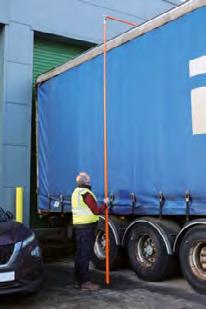
Before every LGV journey, remember to:
1 Measure the height of the vehicle and/or load
2 Display this correct height on the in-cab height warning device
3 Plan the route before leaving
4 Stick to this route and remain alert to avoid any low bridges.
If you come across an unexpected road closure or diversion — or if you are unsure whether your vehicle will fit under a marked bridge, park up and call the transport office for guidance.
Car Sat Nav devices must not be used in any company LGVs as they are unsuitable.
ACCIDENT REPORTING
If you have an accident whilst driving for work … follow these six steps
1 Call the police if anyone is injured, or the incident is on the motorway.
2 Call and report the incident immediately to your Transport Supervisor or Manager.
3 If the incident involved another vehicle or property, collect:
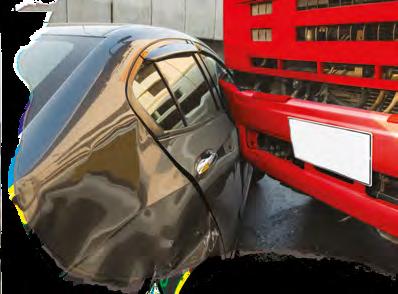
• Name, address and phone number of the third party, plus their vehicle and insurance details.
• Make a note of any passengers, injuries, witnesses or police involvement.
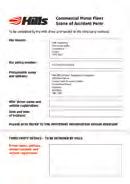
4 At the scene, complete the Commercial Motor Fleet Scene of Accident Form (Bump Card).
• Leave the top section of the form with the third party. Retain the bottom section.
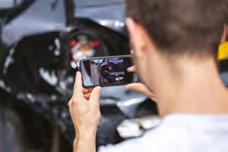
5 Take photographs.
6 Complete a Driver Accident Statement (DAS) form with your Supervisor/Manager. Be sure to take some time to debrief properly and prioritise your own wellbeing


3 Points of Control (not just contact)
You will probably access and egress your vehicle many times during a day – so always remember to maintain three points of control with your feet or hands to prevent falls and injury. Don’t use a steering wheel – it moves!
It is more than maintaining contact – you need to control of your body weight when getting in and out of your vehicle. Also make sure your PPE boots are fastened and clean, and wipe your hands before climbing to ensure you have control and not just contact.

4 KEY PPE RULES:
1 Know what you need Check the task and the risks before you start so you select the right PPE for the job. If you’re unsure, ask.
2 Wear it correctly
Put PPE on as instructed and make sure it fits properly and is adjusted to give full protection.
3 Check it is in good condition
Before use, inspect your PPE for damage, contamination, or signs of wear. If it’s not in good condition, do not use it.
4 Replace as required
Replace PPE immediately if it’s damaged, past its service life, or no longer fits or seals correctly.
Safer For All coffee break
To be in with a chance of winning one of three £50 Tesco vouchers, answer the simple quiz questions below – then scan or photograph this page and email to comms@hills-group.co.uk no later than 31 August 2026.
1. By what percentage did near miss reporting increase in Waste Solutions from 2024 to 2025?
2. What system are employees asked to use to report a Near Miss?
3. According to the dust safety feature, what does RPE stand for?
4. Before every LGV journey, what four actions are drivers reminded to take to help avoid bridge strikes?
5. What is the estimated number of Lung Disease deaths each year which are linked to past exposures at work? You could win one of three £50 Tesco vouchers!


