The price look-up (PLU) sticker is about to become the poster child for one small step towards a healthier planet. Since 1990, the ubiquitous plastic label has allowed bulk fresh produce to be accurately identified and priced without delay at the retail counter. But Europe is proposing a move to industrially compostable PLUs with implementation likely by 2028.
That’s why the Canadian Produce Marketing Association (CPMA) coordinated an international meeting in Niagara Falls, Ontario on October 1, 2024 to gather consensus on certified compostable produce stickers. The big news is that attendees agreed with enthusiastic endorsement from the Compost Council of Canada.
“Since its incorporation in 2006, the International Federation of Produce Standards (IFPS) has led the produce industry in global standardization efforts around traceability, data management, and produce
identification,” says Jane Proctor, IFPS chair. “Sustainability is recognized as the next big challenge and opportunity for the industry and we were therefore happy to co-host this important event.”
Cost of packing line equipment
A PLU sticker has three components: a sticker substrate, inks and an adhesive. Rod Baeini, general manager and vice-president sales for Accu-Label, says his Windsor-based company introduced a paper label 23 years ago. With a cost-competitive product, in his view the hurdle is not the label itself but the investment in equipment to make it work. Until growers are legislated to use it, they have no incentive to migrate.
Interestingly, Accu-Label, uses water-based inks and hot-melt adhesive to make its labels stick. The company has customized its formulations for different fruits.
“Take peaches, for example,” says Baeini. “Because of their skin type, we have to use a stronger adhesive than
apples. We use a formulation for tender fruit that won’t peel off the skin.”
Lack of global harmonization
Sinclair International, a global supplier of compostable fresh produce labels, has recently signed a deal with New Zealand’s Zespri kiwifruit to provide an industrial compostable label that works in an automated, high-speed application. In real terms, that means speeds of applying 150 to 720 labels per minute.
“We’re now into our fourth iteration of compostable labels,” says Wil Murray senior director of operations for Sinclair, based out of California. The newest label is certified for industrial composting in 12 weeks and for home composting which could take up to a year. Not only does the company supply PLU labels but promotional labels up to three inches by two inches in size suitable for watermelons or squash.
Continued on page 3
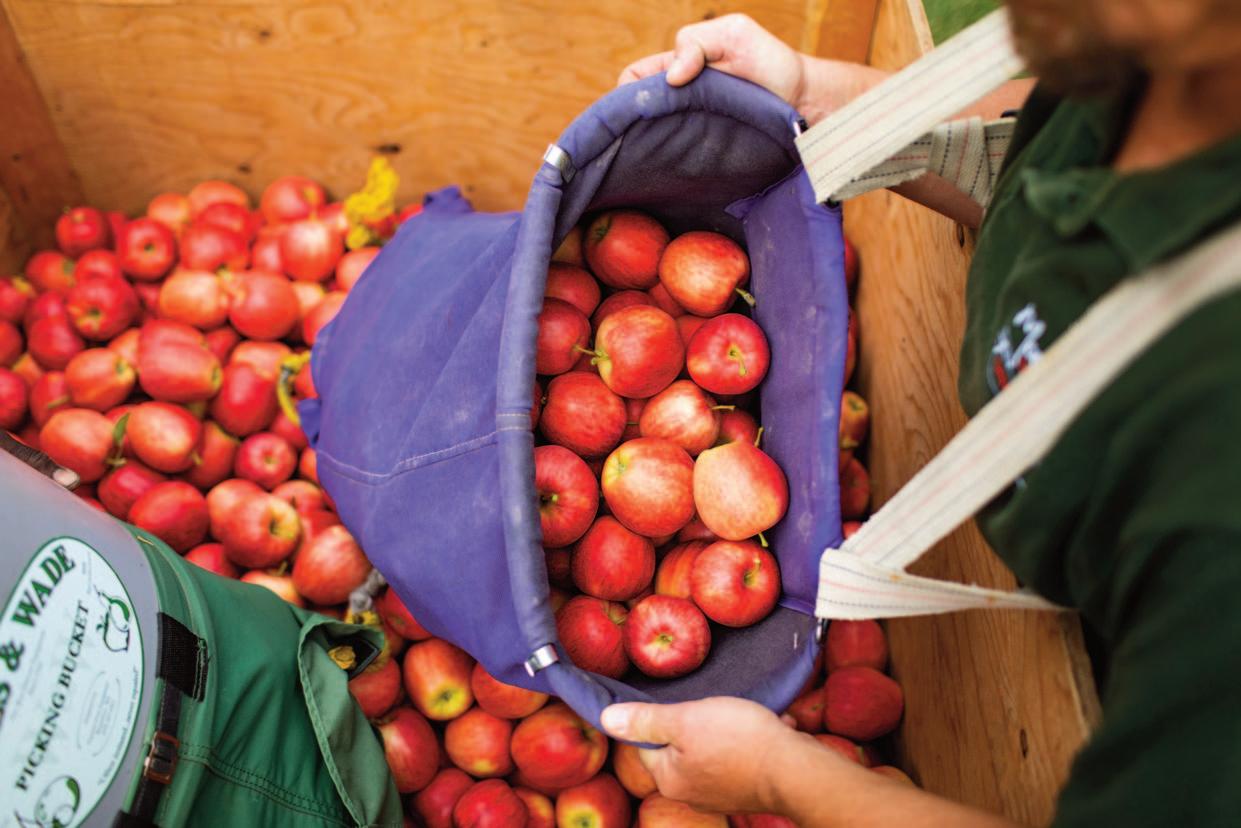
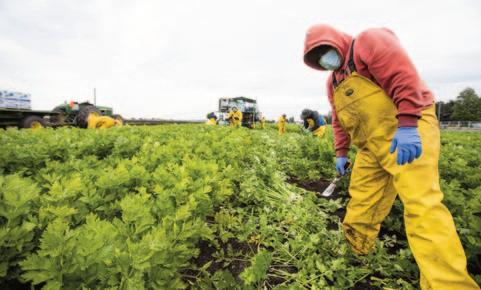
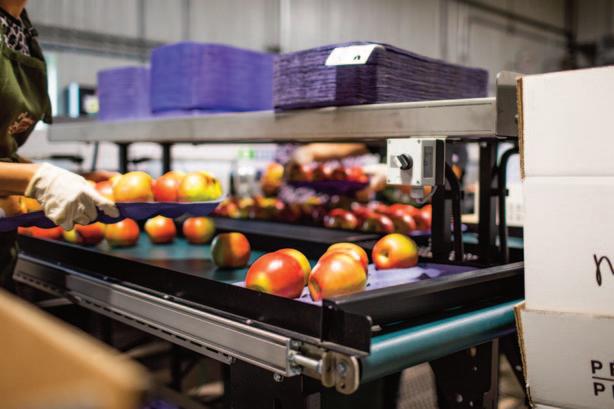
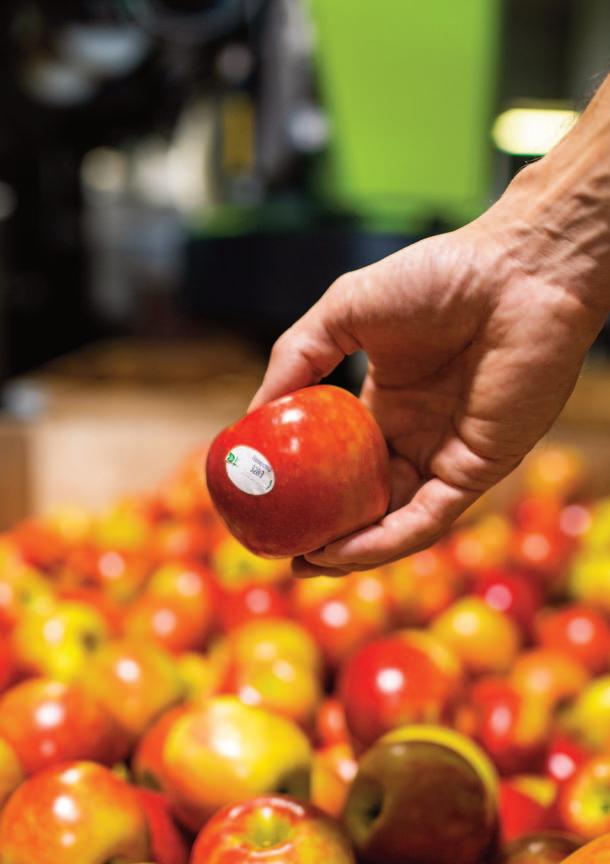
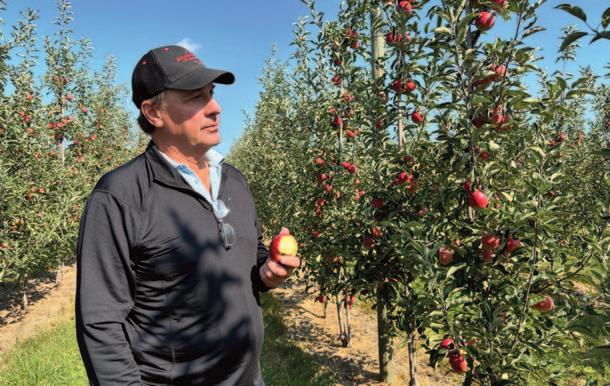
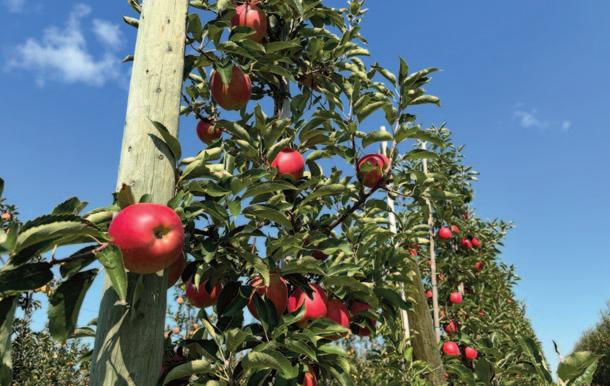
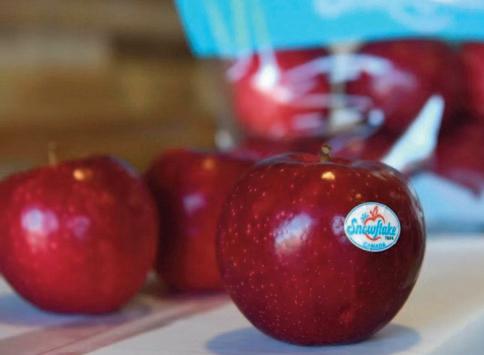
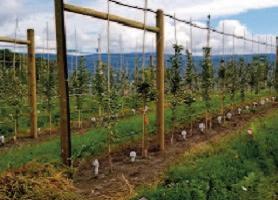
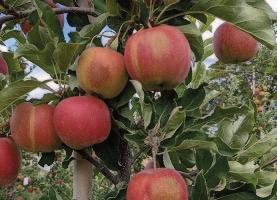
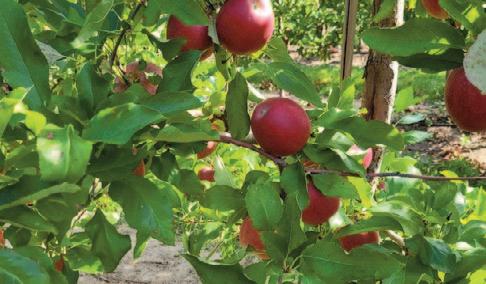
getting apples to the shelf in pristine condition. One of the components is applying a price look-up (PLU) sticker to bulk fruits or vegetables. That seemingly simple step may change as the global industry strives towards industrially compostable PLU stickers. Photos by Marcella DiLonardo.
AT PRESS TIME…
OFVGA coordinates booth at the Royal
Fri Nov. 1 - Holland Marsh Growers’ Association
Sat Nov. 2 - Ontario Fruit & Vegetable Growers’ Association
Sun Nov. 3 - Ontario Fruit & Vegetable Growers’ Association
Sun Nov. 10 - Ontario Fruit and Vegetable Growers’ Association
Mental health initiative for migrant workers
The governments of Canada and Ontario are investing nearly $1.8 million over two years to provide international agricultural workers (IAWs) in Ontario with enhanced access to mental health supports in Spanish, Tagalog, French and English.
Delivered by the Canadian Mental Health Association (CMHA), Ontario Division, in close partnership with its Windsor-Essex and BrantHaldimand-Norfolk regional branches, the International Agricultural Worker Wellness Program will support IAWs with managing stress, homesickness
and isolation. The program will provide referrals to free local services, including recreational activities, primary care, counselling, support groups, in-person workshops, and more.
“Ontario respects and appreciates the international agricultural workers who call our province home and who contribute so much to our almost $51 billion agri-food sector,” said Rob Flack, Ontario Minister of Agriculture, Food and Agribusiness. “The IAW Wellness Program will help these important workers access the supports and services needed to improve their quality of life and better integrate into our dynamic agri-food workforce of more than 871,000 men and women.”
The program will launch in early 2025 and be delivered over two years, with resources available in Spanish, French and English in year one, expanding to include Tagalog in year two. The program will focus on the Windsor-Essex region first and then expand to Brant-
Haldimand-Norfolk in year two. Both regions have high populations of IAWs. In the second year, the program will also offer support to farm operators with workshops on how to create safer workplaces.
This investment recognizes the critical contribution IAWs make in Ontario’s agricultural economy. It builds on the success of the IAW Welcome Centre and the IAW Welcoming Communities Initiative.
In 2023, Ontario launched the Virtual Welcome Centre, a w ebpage of resources for IAWs available in English, Spanish and French. It includes information and links about worker rights and responsibilities, adjusting to life in Ontario, health care, human and labour trafficking, and living and working safely in the community.
Source: Ontario Ministry of Agriculture, Food & Agribusiness October 17, 2024 news release
NEWSMAKERS
The Ontario Greenhouse Vegetable Growers have appointed Steve Peters, a former Ontario minister of agriculture, minister of labour and Speaker of the House, to the role of chair effective November 1, 2024. With a long record of service to municipal and provincial governments, he will be leading a dynamic sector that currently stewards 4,100 acres of greenhouse-grown tomatoes, peppers and cucumbers.
Miles Grodan will be retiring from Wine Growers BC effective end of December 2024. He’s been with the organization since October 2010, most recently in the role of CEO. As the British Columbia industry undergoes massive change with replanting of vineyards, the association is also updating its governance model to reflect new marketing and advocacy efforts.
Ontario Craft Wineries has announced that Michelle Wasylyshen has joined as the new president & CEO. She brings more than 25 years of experience in both the public and private sectors. Her specialties include all realms of public affairs, including strategic and crisis communications, media relations, policy development and issues management. Most recently, she led the media and communications functions for Retail Council of Canada.
The North American Potato Storage Organization (NAPSO) has announced its central committee, a diverse group of industry experts, each bringing invaluable knowledge and experience to the organization. They include:
• Kristie Steffen, Raw Storage & Sustainability, Cavendish
• Kent Wasden, Owner, Group Ag
• Chandra Singh, RDAR Research Chair in Agricultural Engineering & Technology, Director of the Advanced PostHarvest Technology Centre (APHTC)
• Kutay Ozturk, Assistant Extension Professor of Potato Pathology, University of Maine Cooperative Extension
• Darin Gibson, President, Gaia Consulting
• Travis Blacker, VP of Research and Industry Relations, Idaho Potato Commission (IPC)
• Victoria Stamper, General Manager, United Potato Growers of Canada (UPGC)
• Andrew Lorimar, Director of Exclusive Varietal Programs, EarthFresh
• Steve Moorehead, Director of Agronomy, Little Potato Company
A webinar is slated for November 4 at 10 am PST titled “Potato storage – the first 45 days.” To register: contact@napso.info
The Canadian Farm Writers’ Federation announced its annual awards at a banquet in Halifax, Nova Scotia in early October. The Grower’s editor, Karen Davidson, won Farm Writer of the Year for her five entries that exhibited a strong commitment to Canadian agricultural writing focused on agronomy, ag technology, current affairs, business, people, places and daily farm life. Next, kudos to freelance photographer Michael Abril who won silver in People Photography for the November 2023 cover story depicting Martin Gibouleau and his Guatemalan seasonal workers. And finally, congratulations to freelance photographer Glenn Lowson for his action shot of Mexican seasonal workers heaving butternut squash into a tractor loader at the farm of Tracy and Pete Gubbels.
A round of applause to all the growers who welcome The Grower and team for interviews. And congrats to all the winners and sponsors of this prestigious competition.
VENECIA F1
Steve Peters
Are PLUs stuck on plastic?
Continnued from page 1
“From my perspective, the driver to collaborate on a global standard is the difficulty in navigating different regulations and standards in Europe, New Zealand, Australia and North America,” says Murray. “The cost and operational complexity are expensive for produce packers and distributors to manage.”
Lack of synchronicity with composting infrastructure
Here in Canada, the CPMA’s Daniel Duguay, sustainability specialist, has published guidance to the produce sector during this transitional period of moving towards more sustainable packaging.
“A significant portion of discarded PLU stickers accompany produce waste streams such as peelings, fruit cores and expired product – all of which are high-value input to Canada’s industrial organics recycling industry,” says Duguay. “PLU stickers which accompany produce residuals can unfortunately contaminate the composting processes, adversely impacting the compost quality and value.”
CPMA has been working closely with the Compost Council of Canada to mitigate these adverse impacts. The advice is to migrate to certified industrially compostable PLU stickers. Standards are met if PLUs:
• comply with defined industrial compost quality standards,
• are tested by an accredited laboratory, and
• are certified by a recognized certification body.
Certification provides assurances that the industrially compostable PLU stickers:
• Decompose at a rate that is required by industrial composting systems,
• Result in trace elements that are in accordance with defined compost quality standards, and
• Result in biomass which meets the expectations of the agriculture sector, such as having no adverse impacts on plant growth and meet eco-toxicity requirements.
“Moving to a certified compostable format for PLUs is a priority for organics recycling facilities,” said Susan Antler, executive director, Compost Council of Canada and member of the International Compost Alliance (ICA). “The current non-compostable format is not compatible with producing quality compost nor can the stickers be easily removed during the organics recycling process and can result in the collected organics being sent to landfill or incineration, contributing to climate change and diminishing an important resource to build soil health.”
An evolving Canadian context
Daniel Duguay says there is a unique opportunity to consider the European standard as a global PLU standard. Preferably, if consensus can be reached, adoption of the standard would be industry-led and not governmentregulated. The current risk is that compostable PLU requirements diverge from country to country. Australia and New Zealand already have their own standard. He makes another key point: “This is about compostability not material composition. The risk of non-compostable stickers irrespective of composition must be mitigated.”
The objective is to adopt a global standard for PLUs and stickers applied directly to produce only and to keep the conversation about compostable packaging on a different track.
Next steps include broader engagement with regional and global fresh produce industry counterparts, including the EU and other key markets where PLU requirements are rapidly evolving. Europe is expected to sign off on its PLU sticker regulations by end of 2024. That’s when the clock starts ticking on the transition by 2028.
The question remains: will the rest of the world sign on? If there’s a global standard, then by rights, label costs should come down due to economies of scale.
PLUs have a small footprint, but are
visible to consumers. The move to compostable labels would be a good news story for the produce sector which is eager to act on sustainable initiatives. Secondly and just as importantly, don’t underestimate the value of playback to a federal government which wants to burnish its environment credentials.
The Grower is “Digging Deeper” with Daniel Duguay, sustainability specialist, Canadian Produce Marketing Association. He’s one of the architects of an international plan to harmonize compostable price look-up (PLU) stickers for fresh fruit and vegetables. Target date: 2028. This podcast is sponsored by Cohort Wholesale.
This conveyor belt is configured to handle tray apples, each of which must have a PLU sticker.
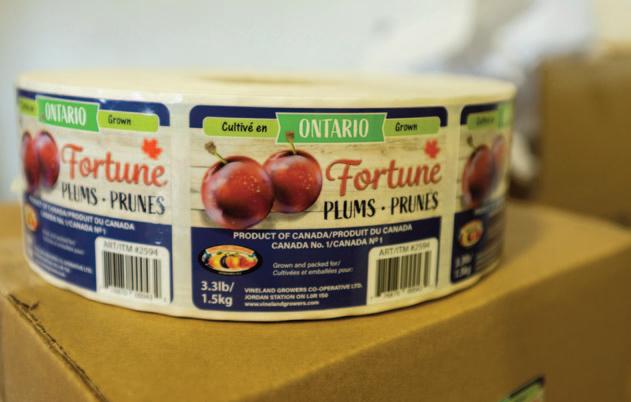
Some suppliers can provide a larger label that can work in high-speed applications.
The formulation for a compostable PLU sticker is different for an apple than a peach.
BRITISH COLUMBIA
BC Ag Council lobbies for agricultural water reserves
In the lead-up to the BC provincial election on October 19, the BC Agriculture Council linked with the BC Dairy Association on a letter campaign called “No Food Without Water.”
The outreach campaign said, “Due to climate change, extreme weather is becoming more common, creating greater uncertainty for agriculture producers across British Columbia, and threatening our food security. With a provincial election underway, now is the time to tell candidates from all parties to commit to protecting
QUÉBEC
water for growing food and agricultural products.”
Water should be prioritized for agricultural production at a level consistent with that of drinking water.
Modelled after BC’s Agricultural Land Reserve, Agricultural Water Reserves (AWRs) would protect access to water in agricultural regions across British Columbia, ensuring farming and ranching have priority access during times of drought or water scarcity.
The letter campaign was directed to those MLAs running for 93 seats in the legislature.
Québec entomologist receives rare recognition from the Canadian Agricultural Hall of Fame
KAREN DAVIDSON
A lifetime ago, Charles Vincent became enamored with the rustle in the grass at his uncle’s farm. More specifically, the city boy from the island of Montréal, was wide-eyed about the jumping prowess of the grasshoppers. This would spark a career in entomology, the study of insects.
At the time, he didn’t know that grasshoppers have ears on their bellies, a simple eardrum called a tympana that allows the insects to hear the song of their mates. In many ways, this quirky feature mimics Vincent’s own abilities to listen to diverse audiences throughout his 40-year career, communicating with farmers, peer scientists and school kids.
In November 2024, Dr. Charles Vincent is receiving one of the nation’s highest accolades, induction into the Canadian Agricultural Hall of Fame. He’s in rare company, one of a
handful of scientists to be so honoured.
The citation discloses that “the research scientist with Agriculture and Agri-Food Canada has studied insects of economic impact on Canadian food production, guided by a vision for developing sustainable agricultural systems that are commercially viable with the lowest environmental impact possible.”
Vincent credits his employer, Agriculture and Agri-Food Canada (AAFC) for a unique opportunity to work at its research station in Saint-Jean-surRichelieu, once he graduated from McGill University in 1983 with his PhD. Over the decades, he collaborated with other scientists across the country. And indeed, his orbit broadened to include U.S. colleagues and many in Europe. To this day, he’s vicepresident of a Germany-based organization called the International Society for Pest Information, a hub for scientific papers.
“When you do science, you
must read what others have done and not re-invent the wheel,” Vincent says, noting his respect for the taxpayer’s dollar. “And then you think about those ideas and talk to growers to see what their needs are.”
His first scientific breakthrough was understanding the biology of plum curculio, a prehistoric-looking insect that lays eggs in the body of fruits such as apples, plums, cherries and peaches. After codling moth, it’s the second most damaging insect for apples in North America.
“I read some scientific literature and discovered that the insect is nocturnal,” recalls Vincent. “So with a graduate student, we tracked the movements with radioactive tracers at night. Not sure we’d be able to do that now,” he laughs.
The recommendation, validated in commercial orchards, was that only the perimeter of the orchard needed to be sprayed with a saving of about 60 per cent insecticide versus treating an entire block of apples. Back in
1987, this technique was in the vanguard of integrated pest management, understanding both disease and insect life cycles and treating the problem at precise times.
With this success in hand, Vincent tackled the European apple sawfly, an introduced insect that leaves ribbon scars on apples. The larvae eat the flesh of developing apples, causing them to fall to the ground early in the growing season.
“The adults of this species are synchronized to lay their eggs at bloom time when apples can’t be sprayed without undue harm to pollinating insects,” Vincent explains. “But working in the field, we discovered a small window to spray after petal fall. It’s only about three to five days.”
That’s not enough time, practically speaking, for growers to control this pest, so Vincent tapped into the research of European colleagues. Curious about biological control, he pursued the research of Polish and Russian scientists who were
looking at a parasite. Thanks to AAFC funds for translation of obscure articles, he determined that the sawfly is specific to apple trees and even more encouraging is the fact that the parasite is specific to the sawfly. It overwinters in cold climates, and as such, would be a candidate for Québec winters.
With live shipments of parasitic wasps from Basel, Switzerland and quarantine services in Ottawa, he was able to proceed in establishing a colony at the AAFC experimental farm in Frelighsburg Québec that had never been sprayed -- “a rare commodity” says Vincent. This was the first step in proving that biological control was possible in a commodity that traditionally requires an intensive spray program.
These were the building blocks for another assignment: using a virus to control codling moth in apples. He spent five weeks in a Swiss laboratory to learn various aspects related to management of codling moth with a specific virus. In collaboration with BioTepp, a Québec-based company, he did research conducive to the registration of Virosft CP4. This was the first viral insecticide registered for agricultural use in Canada. Altogether, his career has provided practical tools that have reduced the quantity of insecticides used in commercial production in apples, grapes and blueberries.
Today, there is nothing retiring about the retired research scientist with a home base in Saint-Lambert, Québec. In August 2024, he travelled to Kyoto, Japan for the International Congress of Entomology, a hub for specialists who share insights on global trends in insects.
Dr. Charles Vincent is pictured releasing apple sawfly parasites in an Agriculture and Agri-Food Canada apple orchard in Kentville, Nova Scotia, June 2010.
CROSS COUNTRY DIGEST ALBERTA
Speaker’s agenda underlines the challenges and opportunities for 2025
The Potato Growers of Alberta will host its 58th Annual Potato Conference and Tradeshow in Calgary from November 19-21.
November 19. Jonathan Whitworth, USDA-ARS will be speaking about “This ain’t your grandfather’s PVY-PVY and other virus.”
November 20. Keynote speaker Brett Gardiner has titled his presentation: “Growing through it.”
Mark Pavak, WSU, will speak about “New varieties and how we manage them.”
Nevin Rosaasen, APGCAlberta Wetland Stewardship, will share his experience with “Proof of excellence in the
ONTARIO
Red grape varietal sales down in Ontario
Despite a promising grape harvest in Ontario, growers are concerned that local wineries have cut back on purchases of red grape varietals.
“The problem is an underpurchased crop,” says Debbie Zimmerman, CEO, Grape Growers of Ontario (GGO) at end of September 2024. “Highvalued red vinifera varieties make up a substantial part of the $7 million worth of grapes that remain unsold.”
Zimmerman points to the practice of wineries buying cheaper, imported wines to blend. These wines are not to be confused with Vintners Quality Alliance (VQA) wines which are certified to be 100 per cent Ontario-grown grapes.
The provincial government is heading in the right direction, says Zimmerman, with sales of VQA wines now available at corner stores. That’s a move which should grow the domestic market.
In addition, the government removed a cap on how much Ontario wineries can access in support funds for VQA wines. A winery that received up to $250,000 in 2023 could apply for several times that amount in 2024.
Many of Ontario’s 500 grape growers are within the Greenbelt. This protected land and its farmers should be supported, says Zimmerman, to reach economic potential. The 2023 farmgate value of Ontario grapes was $101 million.
Source: Grape Growers of Ontario
cropping sector.” Team AB Crops 3 Year Water Monitoring Program.
Two hours in the program are set aside to delve into storage issues. Todd Forbush, MSU, will speak about “Potato production and storage.” Then storage challenges will be addressed by a grower panel: Addy Waxman, Emily Ford, Ryan Jensen and Matt Visser.
November 21. Mike Harding is slated to talk about “Potato
seed piece decay: causes, consequences and BMPs.”
The closing speaker is Cedric Porter who will address “A changing global potato market.”
Chair of the board for the Potato Growers of Alberta, Alison Davie, will offer closing remarks. Hospitality events and the trade show will ensure a well-attended event.
2024 harvest photo courtesy of Michiel Buijsse, Coaldale, Alberta
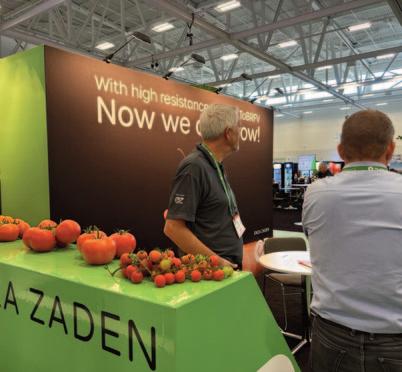
Now we can grow! With high resistance against ToBRFV
We’ve developed high resistance tomato varieties against ToBRFV –strong and uncompromised in quality. Together with the right sanitary measures, we’re creating a brighter future for all. We’ve made it now we can grow!
Experience HREZ
Not only has Gilvesy contributed to the OGVG but beyond as a director on the Ontario Fruit and Vegetable Growers’ Association and The
Ontario Greenhouse Alliance.
An astute business strategist, George Gilvesy will be missed.
High-tech, 13-acre propagation facility opens in Ontario
Ontario Plants has officially opened a new 13-acre, high-tech greenhouse facility at Glencoe in southwestern Ontario. This year’s greenhouse tour, in conjunction with the Canadian Greenhouse Conference, made a stop.
This new facility prioritizes world-class biosecurity, quality assurance and sustainability, ensuring young plants can thrive and ultimately supply consumers
with nutritious, flavourful produce. Speed doors ensure an optimal growing environment and the facility has safety-certified cleaning stations, comprehensive pest management and rigorous monitoring by in-house food safety experts and entomologists.
Mathieu van der Sande, CEO of Ontario Plants, said: “The new 13-acre greenhouse at Glencoe is a game-changer for Ontario
Plants and most importantly for our customers. Ontario Plants has evolved to focus squarely on producing high-quality young plants and the Glencoe facility demonstrates this growing excellence. We now have two high-tech greenhouse facilities –at Glencoe and St. Thomas –meaning greater flexibility to meet customer demand for young, healthy and productive plants.”
Skytree opens North American HQ in Toronto
Skytree, a pioneering Dutch climate tech company specializing in carbon utilization and removal solutions, has announced the opening of its North American HQ in Toronto and a new office in Nashville, Tennessee.
Born out of the European Space Agency (ESA), Skytree has spent the last decade perfecting its onsite CO2 generation technology for European markets. Building on this success, the company is bringing its leading technology to North America by establishing its presence in Toronto and Nashville.
Skytree is leading a transition away from fossil fuels, providing local, onsite CO2 generation across multiple markets. CO2 is a crucial commodity used in many industries, including indoor farming, greenhouses, food & beverage and e-fuels.
The company is driving the circular economy by transforming CO2 from a waste product into a valuable resource, generating CO2 from the atmosphere, at the location where that CO2 is needed.
This helps to negate the need for transport and disrupts existing fossil fuel based CO2 supply chains by offering secure future
More than 90 per cent of rainwater from Glencoe’s roof will be captured and reused in the greenhouse. Energy efficiency is improved by using 2800 hybrid LED/ HPS lights, the Dalsem Air semi-closed system and renewable energy from heat pumps and a planned six-acre solar installation.
Ontario Plants now produces
CO2 supply at stable prices, in a marketplace where fossil fuel CO2 supply chains are increasingly interrupted.
Skytree chose a North American HQ destination that is strongly connected to large-scale climate mitigation efforts and with a substantial academic and industrial ecosystem for collaboration as well as talent recruitment. Nashville was chosen as a secondary base for the North America team, and will be focused on connecting with customers in the United States, headed up by Camille Hanna, business development director.
young plants under a total of 49 acres of glass across two locations, Glencoe and St Thomas, with 36 more acres of state-of-the-art greenhouses under development.
Source: Ontario Plants Propagation October 9, 2024 news release
Skytree has already established a presence in North America through connections with Canadian businesses and has announced partnerships with Deep Sky and Fieldless Farms, with Skytree’s DAC technology already deployed in the field.
In the future, Skytree has plans to open a second location in Canada as a manufacturing facility, creating more highvalue jobs in the country.
Dalsem Air
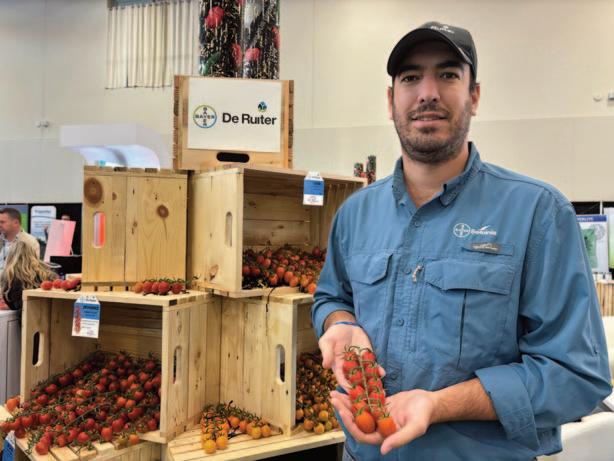
De Ruiter brand spotlights innovations at the recent Canadian Greenhouse Conference
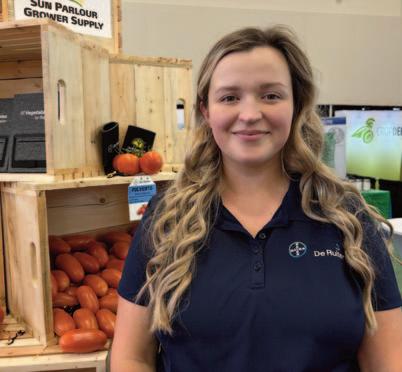
At the 2024 Canadian Greenhouse Conference (CGC), experts from De Ruiter showcased the latest innovations designed to help growers in the protected culture space. This included the introduction of the latest varieties to delight consumers, highlights on diseaseresistant portfolio advancements, and the introduction of digital technologies for the brand. At the conference booth, next to Sun Parlour Grower Supply, De Ruiter engaged with growers and other representatives from the industry as they showcased their latest products and those that are in the pipeline.
Innovation was all the buzz with the development of new product lines and varieties in the Vegetables by Bayer seed portfolio. Last year strawberries were introduced and this year the expansion of disease-resistant tomatoes took center stage. Growers were able to discuss the challenges they are facing in their operations and enquire about the benefits that De Ruiter products provide.
“This is the reason we [De Ruiter Seeds] work closely with growers to learn their specific operational needs and develop customized solutions,” says Stephanie Poletti, protected culture marketing manager. “Now more than ever, growers need reliable varieties that deliver high performance and disease
“
Now more than ever, growers need reliable varieties that deliver high performance and disease resistance.
~ STEPHANIE POLETTI
resistance. Our goal is grower success by providing them with high-quality, high-performing seeds that give growers confidence at every level.”
Attendees learned about the latest innovations in tomatoes that are resistant to Tomato Brown Rugose Fruit Virus (ToBRFV). ToBRVF is a threat to the global tomato industry, and the De Ruiter brand is committed to using its research and development in its breeding program to help address the current issues the industry is facing as quickly as possible throughout their tomato portfolio.
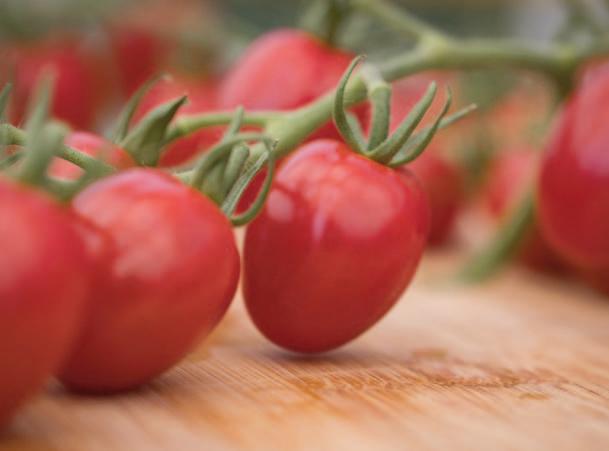
During the CGC event, one of the tomatoes showcased was the new variety Devoured*, a cherry plum loose (grape) tomato hybrid. What makes Devoured stand out is its overall appearance,
exceptional flavour and robust diseaseresistance package. In 2023 and 2024 Bayer internal trials**, Devoured had a higher average Degrees Brix compared to varieties such as Syngenta Sweetelle and Rijk Zwaan Romietto. In 2023 and 2024 consumer preference studies, Devoured’s smooth shape and overall appearance rated statically higher in direct consumer panels over Sweetelle and Romietto. Devoured will be joining the Vegetables by Bayer tomato portfolio, uniting with two other high-performing, ToBRFV-resistant tomato varieties: Ferreira and Novero.
For those CGC attendees who were not able to visit the Bayer De Ruiter Tomato Demo House this spring in Kingsville, a new virtual interactive tour was available in the booth and now is available online.
Scene at the Canadian Greenhouse Conference
Also released during the conference were the updated disease guides which provide descriptions and pictures of the more commonly found diseases worldwide for crucifers, cucurbits, onions, peppers, eggplants and tomatoes.
De Ruiter Seeds and the full supporting team at Vegetables by Bayer - including expert R&D teams - are constantly working to provide innovative solutions and new vegetable seeds for growers in protected environments. De Ruiter® collaborates with growers to assist them in producing high-quality vegetables yearround, providing insights into the latest consumer needs and growing trends while maintaining the essential agronomic traits that help ensure a healthy harvest and success throughout the value chain.
*Anticipated commercialization fall, 2025. Experimental/precommercial varieties are being shown/described for demonstration purposes only and are not being offered for sale.
**Noted for studies - 2024 results are based on questionnaire consumer panels with more than 300 individuals in three separate locations in Canada versus competitors, Sweetelle and Romietto.
Source: De Ruiter October 15, 2024 news release
Plant breeder Alejandro Aviles.
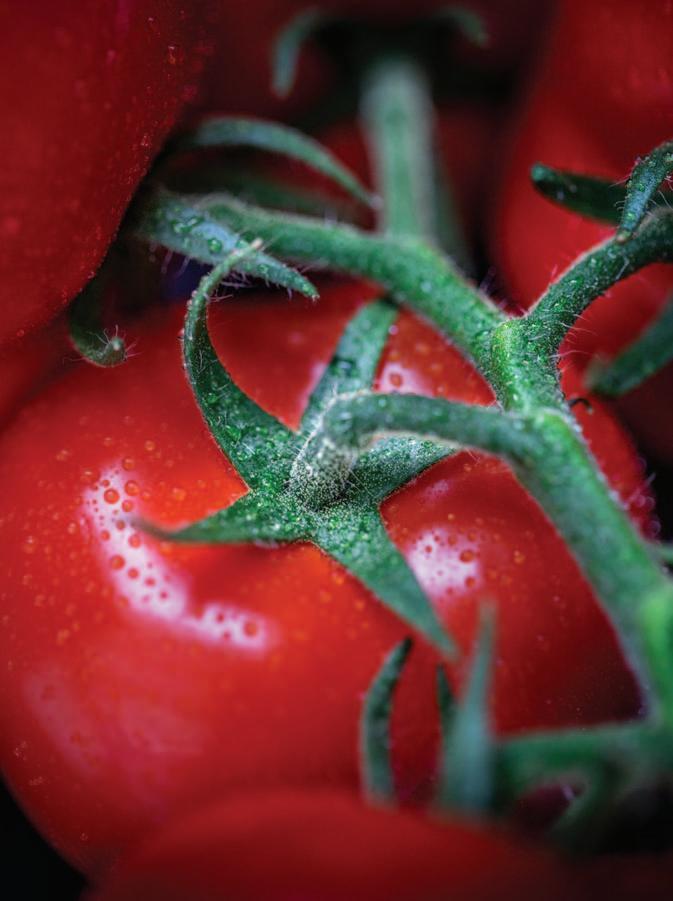
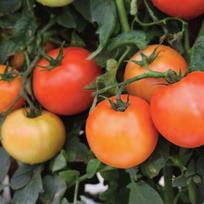
Devoured tomatoes
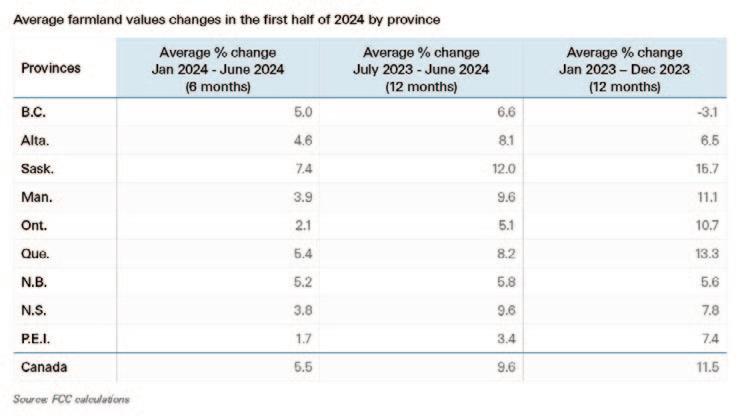
Canadian cultivated farmland values rose by an average of 5.5 per cent in the first half of 2024, according to the midyear farmland values review by Farm Credit Canada (FCC). Over the 12 months from July 2023 to June 2024, there was a 9.6 per cent increase, representing a slowdown compared to the previous 12month period (January to December 2023).
“Farmland values increased at a slower rate, yet 5.5 per cent growth in six months is still a very strong number,” said J.P. Gervais, FCC’s chief economist.
For the second consecutive year, Saskatchewan and Québec have recorded the highest average six-month increases in the country, at 7.4 per cent and 5.4 per cent, respectively. The rates in New Brunswick, British Columbia, and Alberta all settled in the same range, 5.2 per cent, 5.0 per cent, and 4.6 per cent, respectively. Manitoba recorded a growth rate of 3.9 per cent, closely followed by Nova Scotia at 3.8 per cent. Ontario recorded a lower increase at 2.1 per cent, with Prince Edward Island concluding the list at 1.7 per cent.
Elevated borrowing costs, lower commodity prices and the increased price of land hasn’t deterred some buyers. Looking ahead, declining borrowing costs and a limited supply of available farmland should sustain the current high prices for farmland.
“The continued rise in farmland values highlights a positive and robust long-term outlook for the agriculture sector. As we move into the latter half of 2024, the trends in farm revenues and interest rates will be key indicators of where farmland values might head next,” said Gervais.
Gervais noted that farm cash receipts are projected to decline overall in 2024 by 3.3 per cent as commodity prices show few signs of a quick rebound, possibly limiting farmers' willingness and capacity to assign higher valuations to farmland.
For more economic insights and analysis, visit FCC Economics at fcc.ca/Economics.
Source: Farm Credit Canada October 8, 2024 news release
Telling Ontario’s edible hort story
Many of you may have noticed that the Ontario Fruit and Vegetable Growers’ Association (OFVGA) has been much more vocal in our publicfacing communications about our sector. This is driven by increased public and media scrutiny of agriculture and food production, as well as the need for broader general understanding of where food comes from, how it’s produced and why it’s so
important that we don’t lose the ability to feed ourselves.
Our efforts take a two-pronged approach, focusing both specifically on labour and more broadly on domestic food production and sustainability. Here’s an overview of what we’ve been up to this year on both fronts.
More than a Migrant Worker
This initiative specifically shines a light on the importance of seasonal and temporary foreign workers to our sector and to Canadian food production. Launched in 2021, MTAMW empowers international farm workers in Ontario to tell their own stories in their own words about why they come to Canada to earn a living.
More often than not, it’s bad stories that make headlines and the other stories go untold, and we believe in giving those workers a voice as well. Our goal is also to
ensure that anyone searching online – whether in search engines or social channels – for information about migrant farm workers will also find our resources to give them access to a more balanced story.
This year, we’ve run two stories with the Ottawa Citizen –one in June focusing on how Ontario farm jobs are a coveted opportunity for Seasonal Agricultural Worker Program (SAWP) workers, and the other in October highlighting the many positive changes that have taken place in recent years to ensure better experiences for both workers and employers. You can find these articles on the More than a Migrant Worker website under “news”.
These are complemented by articles in the Hill Times, a publication for those working on and around Parliament Hill, and the iPolitics Queen’s Park newsletter. As well, we’ve had great success having stories
picked up by print and online publications that we’ve prepared and placed on the News Canada digital wire service, and two ads we’ve placed in the LCBO’s Food and Drink magazine have been well received.
We also continue to respond to negative media stories about seasonal and temporary workers, including the release of the final report by the UN Special Rapporteur on Contemporary Forms of Slavery this summer.
Senior policy advisor Stefan Larrass and OFVGA labour section chair Bill George continue to make themselves available for interviews and as subject matter experts to media, government and other stakeholders, which helps bring clarity and factual context to ongoing discussions around international agricultural workers.
Larrass and George were both interviewed by multiple publications for response to the UN rapporteur comments, and
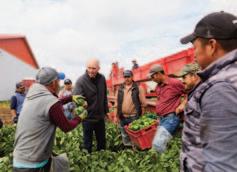
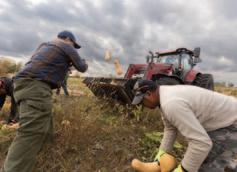
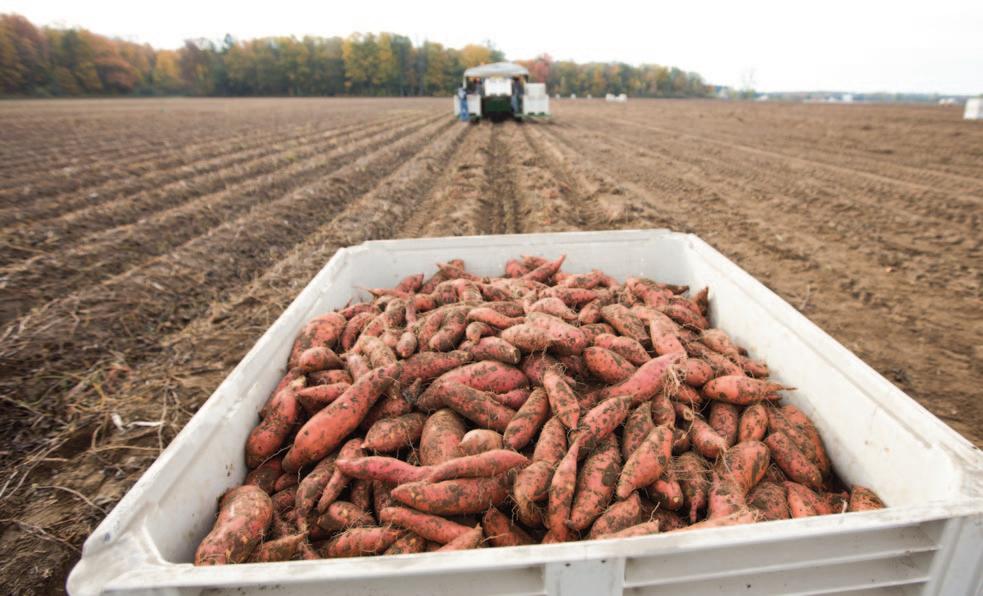
Not much has changed since this photo of sweet potato harvest was taken October 14, 2014. However, quality is the best ever, according to Mikayla Streef, Princeton, Ontario. “We’re thankful they turned out so nice because the growing season was a tricky one,” she says. “We got a ton of rain early in the season, and then ended with a long drought. Our irrigation season was 12 weeks long this year compared to four-ish weeks last year!” Thanks to Streef Produce Limited, these vegetable growers are a key cog in the packaging and distribution of vegetables in the Fresh from the Farm school fundraising program. They will be starting school deliveries the beginning of November to some of the more than 575 Ontario schools and child care centres that registered to participate across the province this year. Photo by Glenn Lowson.
opinions expressed in The Grower are those of the newspaper’s editorial staff and/or contributor, and do not necessarily reflect the view of the association. All rights reserved. The contents of this publication may not be reproduced either whole or in part without the prior written consent of the publisher. OFFICE 355
following the OFVGA news release around the positive compliance statistics, we saw mainstream media coverage that used several quotes and statistics from the release.
OFVGA has also been involved with events involving workers, such as the Jamaican Liaison Service summer appreciation events, the Norfolk County soccer tournament and bus tours for government and food professionals hosted by Farm and Food Care Ontario, where our team is part of the on-bus group of experts to answer questions from tour participants.
Promoting Ontario horticulture production
This year we’ve also continued positive outreach around horticulture production in general, focusing on sustainability and on the importance of domestic food production.
We’ve just run another successful series of GO Train posters over the summer on the Lakeshore line heading into Toronto, and we’re continuing digital ads on urban panels and billboards. We post regular blogs and release monthly news stories to media, which are complemented by online advertising on websites and social channels including Facebook, Instagram and LinkedIn.
We’ve also had stories published in the Hill Times and the iPolitics Queen’s Park newsletter, highlighting issues around crop protection and sustainable production.
And finally, our News Canada story series focused on edible horticulture, combined with the migrant worker articles, have racked up more than 11 million impressions, including pick-up on the MSN online news feed and many urban sites, such as BramptonToday.com and more.
If we don’t tell our story someone else will, or so the saying goes – and we’re working hard to make sure our voice is part of the mix when Ontarians have questions about fruit and vegetable production.
Shawn Brenn is a potato grower and chair, Ontario Fruit & Vegetable Growers’ Association.
SHAWN BRENN
We’re wasting less food but there’s still more to do
Efforts to curb food waste are succeeding. A new report from Value Chain Management International (VCMI) shows that, compared to just five years ago, overall food waste in Canada has dropped by nearly 20 per cent.
The comprehensive 49-page report, an update on a 2019 study called The Avoidable Crisis of Food Waste: Technical Report, was produced by VCMI for Second Harvest, Canada’s largest food rescue organization.
The report’s 10 authors attribute the massive drop in food waste to food businesses being more conscious than ever of the problem, along with better reporting.
As an example, they note that the federal government has
revised how industry food waste statistics are monitored and reported. That means better information in and better information out.
As well, most commercial operations, particularly those of larger scale, have appointed an environmental, social and governance person or group possessing a detailed understanding and verified data on food waste, say the report authors.
And they believe that business and all levels of government are much more aware of food waste and the need to address it by supporting industry stakeholders. That’s led to efforts to better understand the widespread burdens associated with food waste.
Despite these gains, though, the job’s far from done.
The two biggest causes of avoidable food waste -- excess inventory and date coding – are not easy to quell.
And food waste figures are still dramatic. The report estimates the total value of avoidable food waste – that is, edible food fit for human consumption that is discarded – is $50 billion. Water used for processing food that ends up as waste equals more than 150 days of water flow over Niagara Falls. And greenhouse gas
emissions related to food waste equal 77.65 million tonnes of carbon dioxide.
All told, the cost of food waste on industry performance is $17.72 billion, which equates to 12 per cent of prices paid for food at retail in 2022.
The report says climate change is driving increased food waste along the food value chain. In particular, the report notes how wild swings in weather are affecting crops, resulting in more fruits and vegetables that don’t meet customers’ exacting specifications.
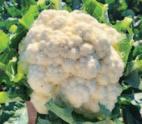
The authors note that a food upcycling organization in Eastern Canada says it regularly hears of large proportions – more than 40 per cent -- of crops such as cauliflower being wasted, because of imperfections (either under sized, oversized or blemished).
The report says bias against imperfect produce is getting worse, further threatening gains that have been made on food waste frontiers elsewhere. That bias is causing despair among the industry where there is neither the demand nor the processing and storage capacity required to accept more crops of this type, even though they are perfectly edible.
Imperfect produce is a big part
of the report’s suggested ways forward. The authors call for fresh fruit and vegetable suppliers and their customers to collaborate on specifications suited to the sourcing and merchandizing outof-spec products, such as different sizing and colour variations, for select markets.
They say government policies and regulations should be reviewed to identify those measures that prevent or discourage the sale of fresh produce which cannot presently be sold in Canadian retail stores.
And finally, the report urges retailers to educate wary
consumers about the many qualities of imperfect produce.
“Communicate and promote to consumers the economic and environmental benefits of purchasing imperfect fruits and vegetables,” say the authors, “including how seemingly imperfect fresh produce can possess better internal qualities and provide a better eating experience.”
Owen Roberts is a past-president of the International Federation of Agricultural Journalists and a communications instructor at the University of Illinois
OWEN ROBERTS
FARM & FOOD CARE ONTARIO
JESSICA McCANN
tours
Farm
In NOVEMBER 2024, Farm & Food Care Ontario (FFCO) officially celebrated its 100th farm tour since the program’s inception in 2004. Over two decades, the tours have featured 258 farms and food processing facilities, with many being fruit and vegetable growers across the province.
This fall, FFCO was grateful for the support of Algoma Orchards, McGregor’s Produce, Mountain Orchards, Nortera Foods, Zekveld’s Garden Market and Freeman herbs who all opened their doors to host culinary students, food industry professionals, and government staff.
On September 19, FFCO, in partnership with the More than a Migrant Worker (MTAMW) program, hosted 37 Ottawa-area, food industry professionals on a tour of McGregor’s Produce. Guests learned about fruit and vegetable production and met the farm’s team of talented Jamaican seasonal agricultural workers, many of whom have worked with the McGregor family for more than a decade.
Owners Deb, Ian, Jim and Ann McGregor shared insights about their family farm and, along with their seasonal workers joined a reception where they answered guests’ questions and
gave a tour of the farm. Guests then headed to the raspberry patch where they were taught how to properly pick raspberries. One attendee shared that her most significant takeaway of the day was “understanding the role and importance of migrant workers.”
Additional tours this fall took 50 employees from Agriculture and Agri-Food Canada out to Mountain Orchards to learn about apple production. Ontario Apple Growers assisted both with that tour and with a tour of Centennial College culinary students to Algoma Orchards the same week. Niagara college culinary students visited Freeman herbs in Beamsville as part of its day-long agenda.
The final tour of the year in early October took 35 Fanshawe College culinary students to a field near London where staff from Nortera Foods showed the group how kidney beans, green beans and sweet corn are harvested. Five harvesting machines working in a field alongside the tour were a day’s highlight for the guests.
Virtual food and farm field trips
As a part of Ontario Agriculture Week, FFCO, in partnership with AgScape, hosted two Virtual Food and Farming Field Trips on October 7 and 10 to Schooley Orchards and Thomas Brothers Farm Market.
Farmer Jennifer Schooley showed the record 14,000 students attending online around her family’s orchards, answering questions about Ontario-grown apples. The same week, farmer Reg Thomas spoke to students about being a vegetable grower and how his farm market operates.
Over the week, more than 16,500 students from 550 Ontario schools registered for these virtual field trips. Students asked many questions in real time of the farmers about growing and storing apples and vegetables, as well as the impacts of climate change on farming.
Breakfast on the Farm
On Saturday, September 14, 2024, 2,500 guests gathered at Hillmanor Holsteins near Dublin, Ontario, for FFCO’s Breakfast on the Farm. Hosted by the Louwagie family, the event offered a unique opportunity for non-farming community members to experience modern agriculture.
OFVGA members were well represented, with More than a Migrant Worker and Fresh from the Farm campaigns on display as well as giveaways of Ontariogrown carrots. Ontario Apple Growers was also on-site with samples, and apples were featured as a part of the breakfast menu.
Many visitors expressed newfound admiration for local farmers in their post-event
surveys, with one attendee remarking, “I will never complain about the price of local food again.” Another noted, “This event exposed so many to the newest advances in farming and the pride all who have chosen this profession feel.”
The impact was amplified by the participation of dozens of
partners and exhibitors and 200 volunteers. For information on future FFCO events, visit www.FarmFoodCareON.org.
Jessica McCann is communications coordinator, Farm & Food Care Ontario.
COMING EVENTS 2024
Nov 1-10 Royal Agricultural Winter Fair, Toronto, ON
Nov 6 GLASE Summit, Hotel St. Paul, Montréal, QC
Nov 17-19 Advancing Women Conference, Sheraton Fallsview, Niagara Falls, ON
Nov 18-20 Fall Harvest Advocacy Event, Parliament Hill, Ottawa, ON
Nov 19-21 Alberta Potato Conference and Trade Show, Grey Eagle Resort & Casino, Calgary, AB
Nov 20 PEI Potato Board Annual General Meeting, Charlottetown, PE
Nov 21-23 Interpoma, Fiera Bolzano, Italy
Nov 21-23 Épatante Potato Harvest Banquet & Potato Summit, Manoir Richelieu, La Malbaie, QC
Nov 22 PEI Potato Board Annual Banquet, Delta Prince Edward, Charlottetown, PE
Nov 22 Ontario Produce Marketing Association Gala & Awards Ceremony, Bellvue Manor, Vaughan, ON
Nov 24-26 Interpom 2024, Kortrijk, Belgium
Nov 26-27 Ontario Federation of Agriculture Annual General Meeting, Delta Toronto Airport Hotel & Conference Centre, Toronto, ON
Nov 27-Dec 1 Canada’s Outstanding Young Farmer National Event, Sandman Signature Lethbridge Lodge, Lethbridge, AB
Nov 28 Ontario Harvest Gala, Delta Hotel, Guelph, ON
Dec 4 Ontario Potato Board Annual General Meeting, Delta Hotel, Guelph, ON
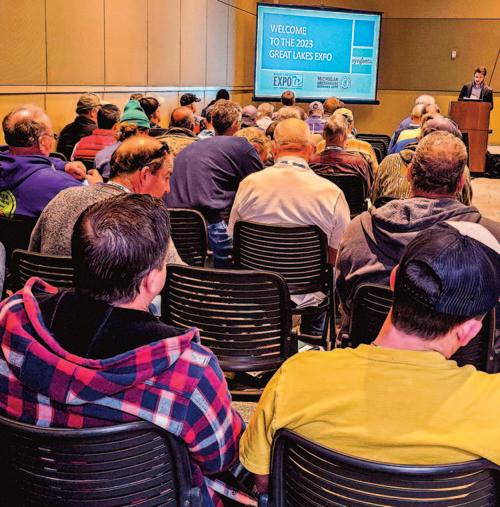
Dec 10-12 Great Lakes Expo, Grand Rapids, MI
2025
Jan 14-15 Potato Expo, Las Vegas, NV
Jan 22-25 Guelph Organic Conference, Guelph, ON
Jan 28 Québec Apple Growers Annual General Meeting, Centre culturel et communautaire de la PointeValaine, Otterburn Park, QC
Feb 3-6 North American Strawberry Growers’ Association and North American Raspberry Blackberry Association Annual General Meeting, Outrigger Kona Resort & Spa, Kailua-Kona, Hawaii
RETAIL NAVIGATOR
As the marketplace turns
As the seasons change, so does the marketplace. Your passion for producing food also needs to keep up with population demographics which are changing fast.
Statistics Canada reported that, as of July 1, 2024, our numbers hit 41,288,599. Through international immigration, our numbers increased by 250,000 in the April 1 to July 1 quarter. By province, Alberta is experiencing the fastest growth.
Immigration, access to information and travel all impact the food and beverage industry. You might have decided to produce an apple variety because it was great in baking, but that consumer preference may change as the population ages and as new
citizens bring their own recipes to the table.
Food influencers may tout new health benefits in specific products that drive sales. Or perhaps you can spotlight a nutrition benefit that refreshes the health halo on your product.
Consider the potato category. When I worked at a store, the big item was a 10lb bag. When we put 20lb bags on sale, I had to get it up on my shoulder to carry it out for people. Now, you would be hard pressed to find a 20lb bag of potatoes and a lot of space is devoted to mini potatoes or creamers. Consumers want potatoes that cook faster and can be used in different applications. This requires change in your business from varieties to equipment to mindset.
To see change in the business, it can be helpful to look at different categories. The other day I was looking for frozen lemonade. That used to be a sizeable section with a number of national brands. It is now one door in the frozen aisle with limited SKUs. You can still buy frozen orange juice, lemonade and fruit punch but there is one brand and private label.
Obviously, consumers have changed and are willing to pay
the premium for orange juice not from concentrate. One would think in this environment where people are trying to reduce a grocery bill, a $1.79 frozen orange juice might win over a $5.99 Tropicana. Obviously, consumers are looking for the convenience and perhaps health benefits of not-from-concentrate pure juice.
We know that consumers are exposed to so much more in terms of flavour. Significant percentages of shelf space are devoted to products from all over the world with many different flavours and ingredients. Ask yourself if the products you are producing are items that would appeal to a changing population.
Product benefits evolve
If you have heard me speak at an event, you might have heard me talk about product features and benefits. Features are easy to talk about, but people buy for benefits. You should be thinking about the benefits your product delivers in today’s marketplace.
An example of this in Nova Scotia is sauerkraut. The origin of the product is probably from people who immigrated from Germany and made pickled
cabbage. This was a means to keep cabbage much longer by adding vinegar and salt. Now we see fermented foods as a popular trend for gut health. The benefit of sauerkraut in the past was a preservative and now it is right on trend for gut health.
Unfortunately, a lot of the producers did not or could not evolve and sell into the current marketplace. This is not easy work.
Customers change too
In the marketplace, suppliers are doing more of the work. You need to prepare the food safety documentation, focus on service level, and learn what is happening on your customer’s shelf. You need to participate in their programs and monitor the results. Being a good supplier today is very different than it used to be.
Change is inevitable and understanding what is important to consumers and customers is important work. It can be challenging and not as rewarding as harvesting a field or orchard.
One way to stay abreast of these trends is to attend trade shows, both on the retailer side and the consumer side. Or watch the
The Futsu squash tastes very nutty, sweet and a bit earthy. The skin tastes similar to a baked potato. It has firm but creamy flesh.
news that comes out of these shows in magazines or web postings.
Peter Chapman is a retail consultant, professional speaker and the author of A la Cart-a suppliers’ guide to retailer’s priorities. Peter is based in Halifax, N.S. where he is the principal at SKUFood. Peter works with producers and processors to help them get their products on the shelf and into the shopping cart.
PETER CHAPMAN
FOCUS: SEED & ROOTSTOCK
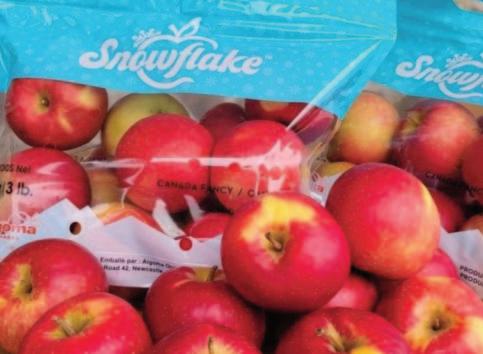
Snowflake apples: new on the block in 2024
“I
KAREN DAVIDSON
If apples could be designed for The Big Crunch, Snowflake apples would be it. Red-skinned and white-fleshed, the new varietal checks off the boxes of what an apple should be. What’s different is a complex flavour that hints of tartness. And perhaps the trait that’s most valued by retailers: it doesn’t go soft on the
Eating local, well into winter, is desirable in the world of Canadian retail. As the Red Delicious variety trails off in popularity, Snowflake apples may be well poised to move into that space. Snowflake apples had a soft launch in 2023, but they will be featured this coming fall by major retailers operating in Ontario: Loblaw, Walmart, Costco. For some retailers, they will be packaged in attractive stand-up pouches at prices that will encourage trialling. No
consumer-sensitive environment. The branding will be consistent in other packaging formats. What’s the story of the apple itself? Gone are the days when the genealogy of an apple is known to the industry. The stakes are so competitive that no one
really knows if that’s a touch of Honeycrisp or perhaps Granny Smith contributing to the tartness of an apple.
That’s the answer of Kirk Kemp, president, Algoma Orchards, when asked about the genetics of Snowflake, the apple that’s been licensed to his family company. He’s not being coy. He regales with the story of a Russian apple whose budwood was spirited out of the country disguised as the feather in a fedora.
“Twenty years ago, I spotted a small trial at the Summerland Varieties Corporation in British Columbia,” Kemp recalls. “Right away, I was interested in drafting a contract for the right to grow and sell this apple. It was still a numbered variety. We didn’t propagate the trees. We bought them from authorized nurseries.”
It took quite a few years to negotiate the terms, but in 2017, he grew a few apples on his Newcastle, Ontario acreage. In the intervening years, he and his team now have 45 acres – 70,000 high-density trees – planted to Snowflake, so called for its lenticels that resemble the prongs of a snowflake. Lenticels are the raised pores on the apple’s skin that allow gas exchange between the atmosphere and the internal tissues.
“It grows like a Gala,” says Kemp, now capping his 48th crop season. “It colours well. It sizes well. And it tends to be annual bearing, rather than taking a rest in the second season.”
Algoma Orchards opened an on-site retail produce store in 2009. While it’s become its own profit centre in addition to the orchard and processing business, it’s also become an informal laboratory for testing consumer sentiments. The feedback has been overwhelmingly positive.
“I think Snowflake is going to do very well,” says Kemp. “I wish I had another 20,000 boxes this year.”
Kirk Kemp, president, Algoma Orchards, Newcastle, Ontario, samples a Snowflake apple, ready to harvest in the first week of September 2024. He owns the license to grow this new apple variety in Canada. He’s contracted five other Ontario growers to plant and grow Snowflake for the next 25 years.
The brilliantly red Snowflake apple was showing its characteristic colours and sizing the first week of September 2024.
Stand-up pouches and other packaging formats are marketready for leading national retailers.
think Snowflake is going to do very well. I wish I had another 20,000 boxes this year.” ~ Kirk Kemp
JUSTIFY
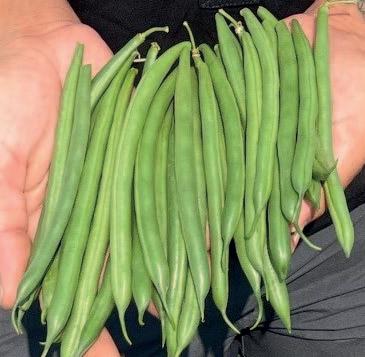
Variety that shows excellent vigour in difficult conditions, particularly due to its resistance to root rot. Excellent yield of straight, very uniform pods of 15 cm that have a medium sieve.
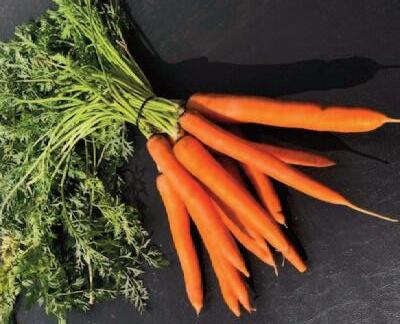
ORANGE FANCY F1
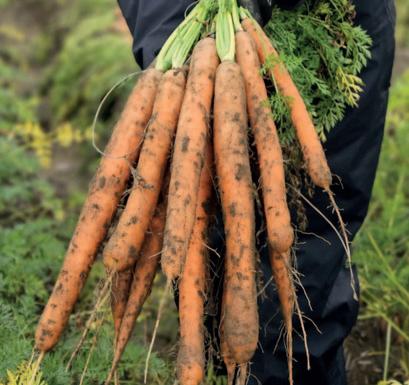
Early long carrot for cello. High quality due to its smoothness and straight roots. Its cylindrical shape allows for excellent yields. Adapted to mineral and muck soils.
MB, SK, AB & BC Ben Yurkiw ben.yurkiw@norseco.com 604 354-1830
BRENNAN Y.B.R. F1
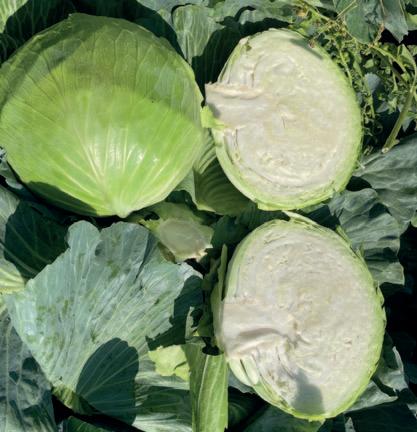
Bronco type with tolerance to black rot. Heads fill early during growth and can reach 2.2 kg at full maturity.
BAZZU
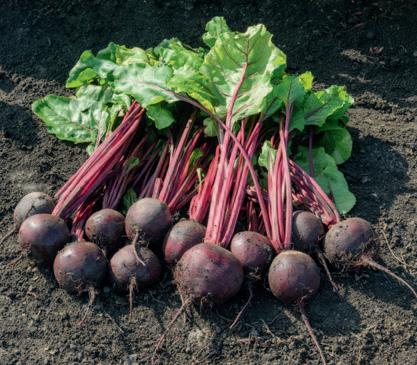
New beet with a nice round shape and a smooth skin. Deep red colour, both internally and externally. Fine but strong leaf attachment. Nice combination of intermediate resistance to rhizomania (BNYVV) with a high quality level. Suitable for fresh market, industry and storage.
Eastern Montérégie & Maritime Provinces Marie-Pierre Grimard, P. Tech marie-pierre.grimard@norseco.com 450 261-7468
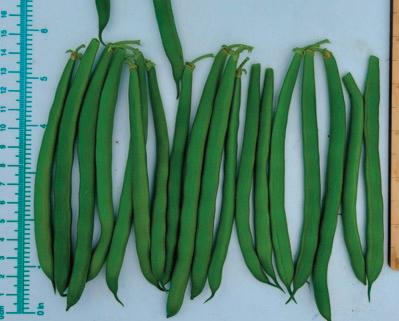
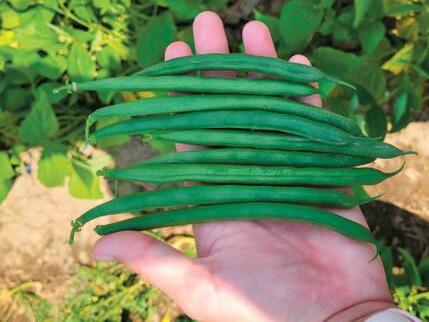
56 Day Green bush bean, upright plant producing straight sieve 4 and 5 pods Well suited for hand picking. Beans have a mild shine and a dark green colour.
AWAKEN
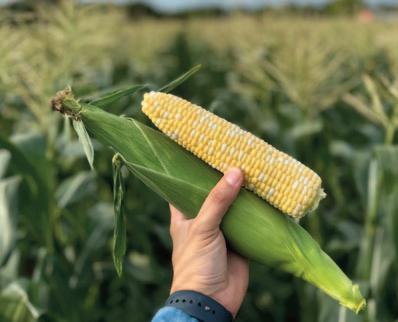
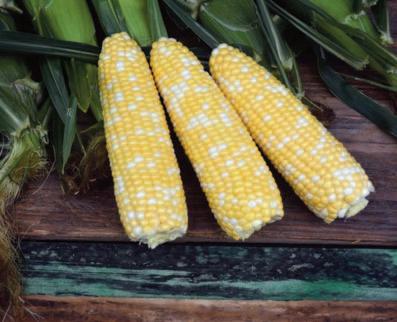
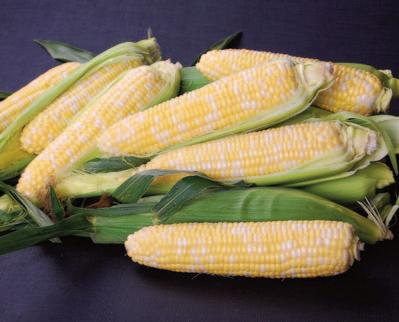
Strong out of the ground, quick to maturity, easy to pick in 68 days. Deep blocky kernels makes for a juicy sweet bite of the 16-18 row cob, with a bonus of the plant architecture of a mid season variety. This SH2 Bicolour will find a place on your farm.
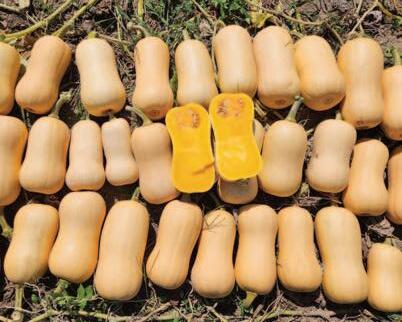
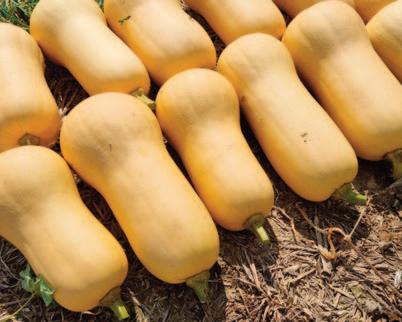
A medium sized hybrid butternut with a very uniform blocky shape. Its mid season maturity, high yield and uniformity, will make this your main season workhorse. The flesh is deep orange in colour and has an excellent eating quality. Vine has a medium growth habit, 100 day maturity.
SANFORD – PV958
ISABELLE BUTTERNUT SQUASH
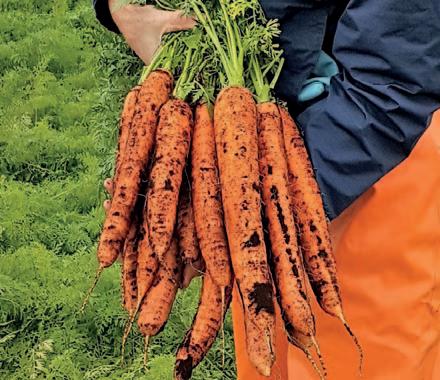
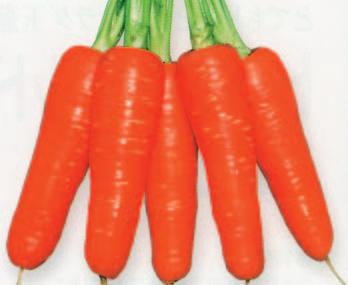
ORANGE SLICE F1 - Smooth and long roots with a cylindrical shape. This hybrid has vigorous and healthy foliage. Can be used for both fresh market and for the slicing segment.
COSMIC F1 - Large-eared variety that will bring ample sweet corn. Easy to snap with a short shank. Good tip cover and well filled to the tip. And most important, very tender kernels and very good sweet taste. Cosmic has a high resistance to common rust.
CARLA F1 - Fresh market butternut squash, very uniform in size and shape. High yield potential due to a small seed cavity for an excellent flesh recovery. High quality flesh. Average weight: 1.5-2 kg. Very vigorous vine.
JUSTIFY BEAN
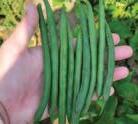
NEW! 58 days. Long, dark green very straight high quality pods that are heavy set for excellent yield potential. Robust disease package for reliable performance.
CONQUEST XR SWEET CORN NEW! 78 days. An excellent shipper corn with great color contrast and gloss. Excellent tip fill combined with a robust plant. Resistant to Common Rust. Stokes Exclusive.
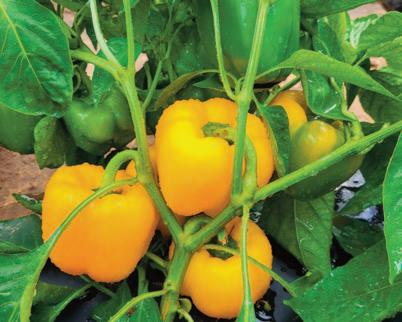
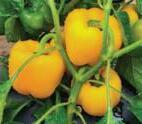
YELLOWFIN SWEET BELL PEPPER NEW! Early maturing, bright, canary yellow fruit with an excellent smooth, blocky shape. Heavy fruit set and excellent quality helps increase yield potential.
FOCUS:
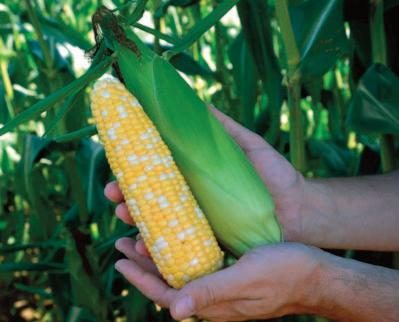
Elysian is a 78-day, that will provide plenty of flavorful sweet corn for your fresh market. As part of the Nirvana Series, Elysian features stronger plants, higher ears (with an excellent husk), better vigor, and an improved disease package.
CR1698-SHIN KURODA
Also named New Kuroda. It is a famous Japanese variety and is most popular in Asian markets. 100 days after sowing. Dark orange both exterior and interior. Tender and sweet flavored. Approx.7” long, ½ LB in weight. Fast growing and high yield. Tolerant to viruses and heat.
CORTEZ – PUMPKIN
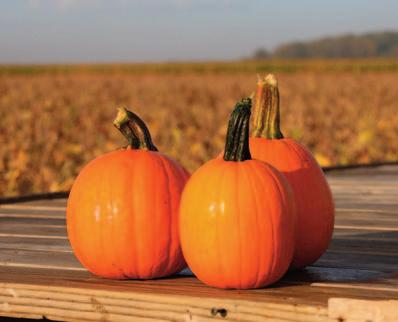
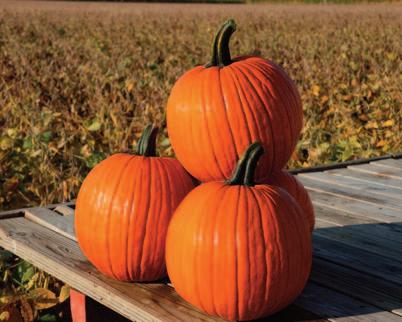
Cortez is a 90-day pie pumpkin. Its orange shell is offset beautifully by its strong dark green handle. Cortez is known to produce high yields and is well suited for the boxing market. Cortez was born out of the Rupp Seeds breeding program.
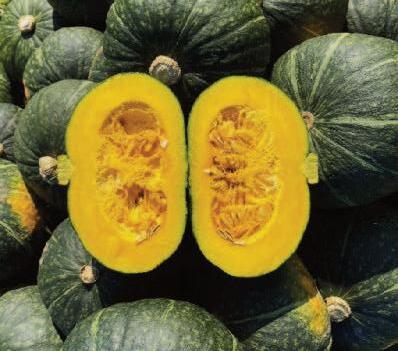
Kabocha type. Ready for harvest in 85~95 days after sowing. Fruits are flat, featuring a dark green color with grey spots and strips. Deep orange flesh with nutty and sweet flavor. 2~3 fruits per plant, 4~5LB.
Bodie can grow almost anywhere. It’s an extra-large, dark orange pumpkin with a strong handle. Growing to around 25 lbs, Bodie is an excellent choice for fresh markets and wholesalers. It is born out of the Rupp Seeds breeding program.
more information visit
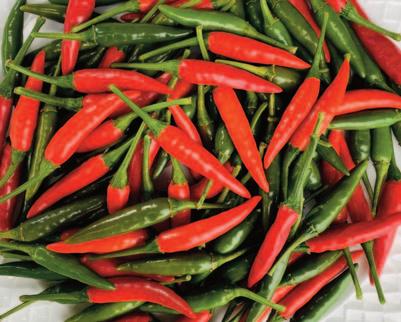
Chinese Chao Tian Jiao (Facing Heaven chili) variety. Medium to late maturity. The plants are vigorous and productive, producing fruits approx. 4.5~5 cm in length, 1 cm in diameter. The fruits are very spicy with a distinct flavor. Both fresh and dried peppers are extensively used in Chinese and Asian cuisines. RUPP SEEDS For more information visit www.ruppseeds.com
more information visit www.seedway.com
SW1722-KABOCHA 932 F1
PP1630-SKY STARS NO.1 F1
ELYSIAN – SWEET CORN
BODIE – PUMPKIN
COASTAL – 76 Day Bicolor SH2 Sweet Corn - High quality shipper ear with a short shank and sturdy plant. Great tip-fill. HR: Ps (Rp1G)
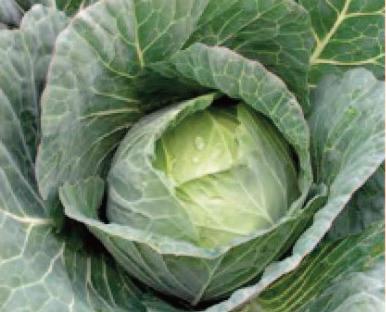
MORETON – 115 DAY Processing/Kraut/Slaw Cabbage
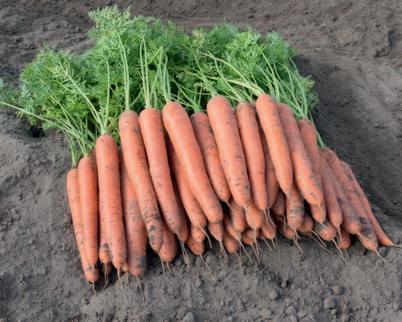
NAVEDO – 63 Day Fresh Market Slicing, Cello CarrotSlicer/fresh market late nantes, new variety showing good results as a slicer. Also good for fresh market bunching, 8-10 inch length root.
FOCUS: SEED & ROOTSTOCK
Larger rootstocks prove fruitful in growing a more climate-resilient apple
A summer of extreme heat devastated tree fruits across British Columbia in 2021, with the apple sector being just one of many that saw considerably lower yields and deteriorated quality at harvest. Increasing the resiliency of crops will be vital in sustaining the apple sector going forward, and one way to do this is by selecting the right rootstock. Dr. Hao Xu, a research scientist at Agriculture and Agri-Food Canada (AAFC) has discovered that larger and more vigorous rootstocks can play a key role in alleviating heat stress in apples.
To put this to the test, Dr. Xu’s team at the Summerland Research and Development Centre conducted field trials with ‘Ambrosia’ apples produced from five rootstocks of differing size –the large-dwarfing Geneva 935 and Geneva 202; the moderatedwarfing Malling 26 and Malling
9NIC29; and the small-dwarfing Budagovsky 9. By the end of the third growing season, trunk cross section diameter at 30 cm above graft union was 25.9 mm on Malling 9NIC29, which was similar to the other moderatedwarfing Malling 26, 13 per cent larger than small-dwarfing Budagovsky 9, and 14 per cent smaller than the two largedwarfing Geneva rootstocks.
The team used an apple delta absorbance (DA) meter, a rapid and non-destructive handheld tool, to help in detecting and evaluating symptoms of sunburn browning at the preharvest stage.
“We found that this tool was reliable and efficient in giving us a better understanding of heatstress related changes in the apple skin on a cellular level,” says Dr. Xu. “We’re now working on refining the protocol of using the DA meter to assist in early
detection and evaluation of sunburn browning severities on affected fruits.”
After comparing and evaluating the yields of each rootstock, the team found that the large-dwarfing Geneva 935 was the most successful in mitigating sunburn damage. The study revealed that when soil moisture was adequate, the larger rootstocks had a better capacity to transport water, which allowed for a higher stem water potential and a more transpirational cooling effect. Additionally, this rootstock was shown to produce a larger canopy volume, which helped in shading the crops against sun exposure. All of these characteristics effectively contributed to alleviating heat stress in the crops and reducing sunburn damage. Dr. Xu’s team has also found similar outcomes from trials with the ‘Buckeye
enhance crop resilience to extreme temperatures,” she says. The apple sunburn research was conducted in collaboration with Dr. Suzanne Blatt from Kentville Research and Development Centre, and Dr. Yoichiro Watanabe, Dr. Kelly Ross and Dr. Xiaotang Yang from Summerland Research and Development Centre. Danielle Ediger, Davis Iritani, Lana Fukumoto and Kandace Zurowski-Tiffin provided technical support.
Key discoveries and benefits
Gala’ variety, suggesting largedwarfing rootstocks can benefit more than just ‘Ambrosia’ apples.
“Our research will be vital in providing key information to facilitate decision making on the use of innovative large-dwarfing rootstocks in order to enhance production resilience in a warmer climate,” says Dr. Xu. As the climate becomes more and more unpredictable for growers, rootstock selection may prove to be a viable long-term measure towards building resilience in apple orchards. While small-dwarfing rootstocks are the industry standard as of now, Dr. Xu is hoping her research can demonstrate the importance of incorporating larger rootstocks.
“When managed appropriately, large-dwarfing rootstocks can not only increase yield efficiency per acre, but they can also
• Dr. Hao Xu’s team conducted field trials with ‘Ambrosia’ apples produced from five rootstocks of differing size, and found that the large-dwarfing Geneva 935 rootstock was the most successful in reducing sunburn damage.
• The study revealed that the larger rootstocks had a better capacity to transport water, which allowed for a higher stem water potential and a more transpirational cooling effect, and produced a larger canopy volume that helped in shading the crops against sun exposure.
• The study also found that the DA meter, a rapid and nondestructive handheld tool, is reliable and efficient in detecting sunburn browning in apples at the preharvest stage, and can assist in early detection and evaluation of heat-related damages to the fruit skin.
Source: Agriculture and Agri-Food Canada
CFIA consults grape growers
The Canadian Food Inspection Agency (CFIA) has launched a public consultation to seek comments on the program directive D-2401: Spotted lanternfly (Lycorma delicatula) – domestic and import phytosanitary requirements.
The consultation is now open and closes on October 25, 2024.
This new directive describes the phytosanitary import requirements for nursery stock and logs of deciduous species with bark from regulated areas of the continental United States (U.S.) to prevent the introduction of spotted lanternfly (Lycorma delicatula) into Canada. It also outlines the domestic requirements for these same articles moving from regulated to non-regulated areas in Canada to prevent the spread of this pest to non-infested areas.
Section 4 outlines the scope of this new directive.
• 4.2 Regulated articles – “All things moving (imported or moved domestically) from a regulated area to an unregulated area must be free from all life stages of spotted lanternfly prior to being moved.”
• 4.3 Regulated articles exempt from CFIA documentation requirements
• 4.4 Regulated articles with specific phytosanitary documentation requirements that may also need to be part of the spotted lanternfly program
o Nursery stock (woody trees and shrubs)
o Logs of deciduous species with bark attached
How to participate
1. Review the directive D-24-01: Spotted lanternfly (Lycorma delicatula) – domestic and import phytosanitary requirements
2. Email your comments to cfia.ias-eee.acia@inspection.gc.ca (by October 25, 2024)
Source: Canadian Grapevine Certification Network October 2024 newsletter
The new apple rootstock trial at Summerland Research and Development Centre.
Sunburn browning damage in apples after 2021 heat wave
FOCUS: SEED & ROOTSTOCK
Seed Potato Inspection Training Course valued by industry
REBECCA MacSWAIN
On June 24th and 25th, the Canadian Food Inspection Agency (CFIA) hosted an industry Seed Potato Inspection training course at Ridgetown College in Ridgetown, Ontario. Fifteen participants of primarily potato producers and some industry representatives from Prince Edward Island, Ontario, Manitoba, Saskatchewan, and Alberta, attended the two-day course. The training provided a comprehensive overview of the CFIA seed inspection process, covering seed potato regulations, preparation for inspection, biosecurity, common potato diseases quarantine pests and in-field plot demonstrations.
Of particular value were the field demonstration plots planted by Ridgetown College and CFIA, where participants were taught and then tested on their ability to identify and detect problem plants, as well as how different viruses present in different potato varieties. Examples of Potato Virus strains X, Y, XY, Potato Leaf Roll Virus, Blackleg, and foreign plants provided the participants with the opportunity to see the visual symptoms that CFIA inspectors look for during seed inspections.
This course is highly beneficial for the industry, fostering collaboration with CFIA and enhancing the understanding of seed regulations and the intricacies of the seed inspection process. Industry is hopeful that the course will be held again in subsequent years.
MacSwain is seed coordinator, PEI Potato Board.
I was in a bind and needed sweetcorn seed fast. Monday, I called Rupp and got Nicole. She was great! I told her the situation and she found a solution. On Wednesday evening, the seed’s sitting by the door. I’m very appreciative. Thanks again!
Brennen R.
Top Performers in Our Summer Trials
Every
Rebecca
Reprinted courtesy of PEI Potato News.
Group photo of course participants
Plant showing visual symptoms of virus
Stacey Bajema, Seed Director Potato Growers of Alberta, Rebecca MacSwain, PEI Potato Board, Danny McCardle, McCardle Bros, PEI
XANADU
New techniques are advancing apple rootstocks
KAREN DAVIDSON
What’s in that pencil-sized rootstock? At least a decade of research and breeding expertise says Dr. Gennaro Fazio, plant breeder and research geneticist working at the Plant Genetics Resources Unit in Geneva, New York. Continuing research is unveiling how powerful the root system is in determining such characteristics as fire blight resistance and nutrient uptake.
“No rootstock is perfect,” says Fazio, in his latest webinar about new technologies in the Geneva Apple Rootstock Breeding Program. “But in the last 20 years, we’ve made huge strides increasing the diversity of rootstocks and the resilience of the apple industry.”
Dwarfing rootstocks have
enabled growers to make their land more productive and to harvest the sun more efficiently.
In 2023, the breeding program released three new rootstocks:
• Geneva 257 is a semi-dwarfing rootstock that imparts large fruit and high crop load in varieties such as SnapDragon or Gala, allowing for more high-density orchards with larger fruit
• Geneva 484, another semidwarfing rootstock, is also highly productive and yield-efficient.
• Geneva 66 is a semi-dwarfing, red-leafed and productive rootstock, resistant to fire blight and conducive to cider-making for those growers who mechanically harvest their trees
At the same time, the program launched an online tool to help growers match a rootstock from its large portfolio with traits complementary to the characteristics
or needs of their scion. The tool is rich with data points including nutrient uptake, productivity, vigour, growing area, and heat unit variations.
Why does this matter?
Growers can be more precise in designing a new orchard that suits unique soils, trellis systems and changing climate. Steve Cummins, son of Dr. Jim Cummins, one of Geneva’s foremost researchers, gives an example.
“G.41 is almost the perfect rootstock. It has excellent fruit size, induces wide branch angles, and reduces biennial bearing with Honeycrisp, giving it much greater cumulative yield than M.9 or B.9. It is cold hardy, and it is resistant to all major diseases, including woolly apple aphid. The only problems we have had with this stock are brittle roots and breakage at the graft union in the nursery. Breakage has also been reported for young trees carrying heavy loads. We have switched to 100% whip-andtongue grafting on G.41, and this has eliminated breakage in the nursery, but we do strongly recommend that young trees in the orchard receive support for their first few years. Susceptibility to latent virus has not yet been
determined. G.41 performs very well in replant situations.”
Dr. Fazio adds a caveat regarding G.41 with Honeycrisp: “It tends to absorb potassium very well which brings the potassium to calcium ratio to imbalanced levels in fruit which results in higher percentage of bitter pit. Therefore, we don’t recommend that combination, unless potassium fertilizer is reduced drastically.”
The complexity of developing rootstocks was undertaken in 1968 by the Cornell University’s School of Integrative Plant Science which started the Geneva Apple Rootstock Program. In another landmark year – 1998 –it became a joint breeding program with the United States Department of AgricultureAgricultural Research Service. The directive was to develop new dwarfing rootstocks with favourable traits including disease resistance, cold hardiness, and increased productivity.
Fast forward and Dr. Fazio has taken up the work of the pioneers. While traveling in Europe, he became interested in the Story® Inored apple selection, a variety with diseaseresistant qualities released by the Novadi Corporation and sold in the United States under license by Brandt’s Fruit Trees, LLC. He
approached Brandt’s Fruit Trees about the possibility of trialing Story® on the newest Geneva® rootstocks, and some selections which have yet to be released. Noting the attractive colouration, enjoyable eating experience and apple scab tolerance of the variety, he believes combining Story® with disease-resistant Geneva® rootstock is a great fit and would provide value to the eastern growing districts of the U.S. and indeed Canada.
“There is a real possibility of combining scab resistance and fire blight resistance in Geneva rootstock,” says Kevin Brandt, vice-president, Brandt’s Fruit Trees, Yakima, Washington. His company provided the budwood to Sierra Gold Nursery in California and was invited subsequently to participate in a 2024 trial with the Story® Inored apple selection in conjunction with the Geneva® rootstock.
“I like the open release concept,” he says, “where all growers will have access to this rootstock once tried and tested.”
The Geneva program launched a testing program amongst several New York state growers in spring 2024. Data is currently being collected with results to be incorporated into the program’s online rootstock selection tool.
Genetic progress made through on-farm sweet corn variety trials
KAREN DAVIDSON
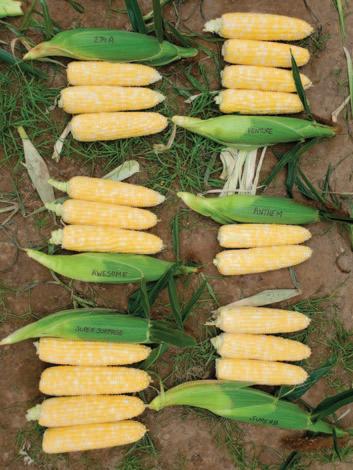
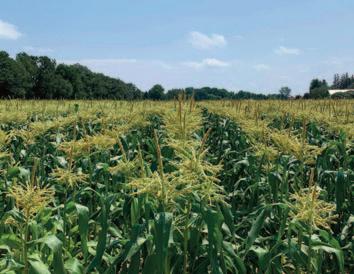
Stokes Seeds has been conducting on-farm trials for years to put their new varieties under commercial growing conditions. One such example is a 202-variety sweet corn trial at Welsh Bros farm near Scotland, Ontario.
Charles Welsh says that trial results are important to keep on top of trends for his 500 acres of sweet corn that is marketed at the Ontario Food Terminal. Welsh grows 10 sweet corn varieties every year, usually swapping out a couple older varieties for new entrants.
“Consumers want sweet, sweet corn,” he says. 2024 seemed to be in lower demand year. It’s his observation that a dozen cobs of corn is too much for a family of four. The demographics of smaller households and singleperson households are driving this trend.
“I like giving my list of wanted characteristics to the breeders,” says Welsh. “They may answer that it’s impossible, but this is how progress is made.”
His list includes traits such as flavour, yield, disease resistance and length of shank. Some diseases have been bred out –Stewarts’ wilt comes to mind. But newer ones keep emerging.
“This is the first year that we have observed tar spot on our farm,” says Welsh. Tar spot is caused by the fungus known as Phyllachora maydis and can be identified by small, raised black and circular spots present on corn leaves, stalks, and husks. The black spots on the outer husk make it unattractive for sale, although the corn quality is not affected.
Tar spot first arrived in Ontario in the field corn crop late in the season in 2020 explains Elaine Roddy, vegetable specialist for Ontario Ministry of Agriculture, Food and
Agribusiness (OMAFA). It has continued to be an issue in field corn in southwestern Ontario.
“2024 is the first year we have seen it really move into the sweet corn crop,” says Roddy, observing symptoms mid-to-late September, the tail end of the sweet corn season.
“On the Ridgetown campus, our plots went from no sign of disease to heavily infected in a period of 7-10 days,” she says.
There is not a lot of research specifically in sweet corn. The general consensus is that if it appears later in the crop development (post-tasselling), then it will not have a significant impact on yield.
“With a new disease such as this, we are still learning,” says Roddy. “There are several fungicides currently registered that will work on tar spot, however they must be applied preventatively, and that is not currently a common practice in much of the sweet corn crop. We can expect to see varietal tolerances, but again not much published data is available at this time.”
No doubt, all sweet corn companies will be taking note.
Emily Robins, trial lead for Stokes Seeds, says the list of desirable characteristics is already long. They include plant stand (plant vigour/evenness of germination), plant health, ease of picking, flags/shank/husk/ear/cob tip/kernel appearance, size, and taste (tenderness, sweetness, flavour).
“We make approximately 20 measurements/evaluations per variety,” says Robins. “We look for the same things our customers want: a variety that consistently performs year after year. Many of the varieties in the trial won't make it to our catalogue or farmer's field, usually because they're missing something. For example, while it's important to have a strong, healthy plant that is easy to pick, it's the taste that
will keep a customer returning. And vice versa, a great tasting cob won't save a variety if the plant is disease-prone. We have seed companies with excellent breeders that understand this as well as we do so they strive for
that full package.”
One trend that Robins has noticed is that sweet corn is available for much longer than the traditional mid-July to midSeptember window. Thanks to breeders, sweet corn can be
available from as early as the first of July to Thanksgiving weekend in mid-October.
That’s precisely the growing season that Charles Welsh delivered on in 2024.
Thrips species studied in strawberries
ASHLEY SUMMERFIELD, REILLY SMITH AND ERICA PATE
Thrips are a major agricultural pest in Ontario, including in strawberries. To better understand the thrips species composition in Ontario, commercial strawberry farms in southern Ontario were surveyed during the spring and summer of 2023. This study included open field, high tunnel, and greenhouse production styles, with the objective of determining the proportion of eastern (EFT) and western (WFT) flower thrips (Frankliniella occidentalis and F. tritici) and onion thrips (OT, Thrips tabaci) in the different production styles.
Methods
Two methods were used to monitor thrips; sticky cards, which were collected weekly, and plant taps, which involves tapping blossom clusters into a tray and collecting any thrips that were knocked out using an aspirator (a device used to suck up small insects into a tube).
These samples were then identified and counted at Vineland Research and Innovation Centre. On sticky cards, western flower thrips (WFT) and eastern flower thrips (EFT) cannot be distinguished and were combined into a single “Flower Thrips” category (WFT/EFT). Whereas in the plant tap samples, they were identified separately.
To accurately identify any pattern between outdoor and protected production styles, high tunnel and field sites were paired up within proximity to one another. From each site, the count data from multiple sticky cards collected each sampling date were combined, and a single species proportion was used per sampling date.
Results
The card counts indicated that the proportion of WFT/EFT was highest in the greenhouse, lowest in the field, and high tunnel was intermediate (Fig. 1). Onion thrips were the second most numerous thrips species in both high tunnel and field. The proportion of onion thrips in each production style was significantly different from others; 33 per cent of thrips collected on sticky cards in the field were onion thrips,
compared to 20 per cent in high tunnels and only 0.5 per cent in greenhouse strawberries.
The paired field and high tunnel data found location had a significant effect on thrips species composition, while production style (field vs. high tunnel) did not, suggesting that the thrips composition in the surrounding landscape may be a stronger determinant of species proportions than production style. For example, proximity to an onion, garlic, or cabbage field would favour a larger population of OT, while proximity to a floriculture greenhouse may favour WFT. Therefore, it is possible that the high proportion of WFT/EFT in greenhouse strawberries is more attributable to region than production style, although further investigation is necessary.
In the plant tap samples, OT comprised a smaller proportion compared to what was found on the sticky cards (Fig. 2).
This could suggest that a) OT are caught on cards as they are dispersing, but do not settle or establish in the crop as well as WFT and EFT, or b) that plant tapping method did not favour the collection of OT. Onion thrips are less dependent on flowers compared to WFT & EFT, and are typically found more uniformly throughout the plant, whereas “Flower Thrips” will be more concentrated on or near blooms. If that were the case, then leaf taps may have recovered more OT than what was observed in the flowers.
Overall, of the “Flower Thrips” collected in plant taps, eastern flower thrips were the most abundant species in both production styles, but were a far greater proportion in field grown strawberry (90%) than was found in high tunnel (58%).
In 2024, we continued the project to understand more about the thrips species composition and if there is a difference in production systems (greenhouse vs field) or if it’s due to location as the previous data may suggest. Sticky cards and plant tap samples from commercial strawberry farms in different regions of southern Ontario continued this season and results are pending identification.
Proper identification of thrips is important as effective control measures can vary greatly by species. Identifying the species is necessary to choose appropriate management strategies. To
identify thrips on your own farm, check out ‘Thrips under the lens: identification is key’ in the September edition of The Grower or visit the ONgreenhousevegetables blog (ongreenhousevegetables.ca) for thrips identification resources from recent workshops (ongreenhousevegetables.ca/2024/ 09/26/thrips-id-workshopresources/).
The western flower thrips are the predominant species found in greenhouse strawberries and the most difficult to control with pesticides due to its propensity to develop resistance. In the greenhouse, biological control is the primary tool used to manage most thrips and pesticides are a last resort.
Some recommended management strategies:
Cultural control:
- Thrips have a wide host range, including many weed species. Weed control is important to minimize alternative hosts.
- Avoid driving thrips into the field by mowing flowering weeds during strawberry bloom.
Biological control:
- Because western flower thrips have developed resistance to most registered pesticides, biological control is now the primary strategy for controlling thrips in greenhouse crops, including releasing phytoseid mites such as Neoseiulus cucumeris or Amblyseius swirskii) and predatory bugs and beetles such as Orius insidiosus or Dalotia coriaria. For a complete list of biocontrol agents, contact a local supplier or keep an eye on the ONGreenhouseVegetables.ca blog for the upcoming release of Publication 836A, Integrated Pest Management for Greenhouse Fruits and Vegetables. If adopting a biocontrol strategy, early release is important before the thrips population becomes too large and use compatible pesticides as much as possible.
Beauveria bassiana and Metarhizium brunneum are beneficial fungal pathogens of thrips that are registered for use in the greenhouse.
Chemical control:
Chemical control of thrips can be difficult due to the timing –thrips are often found during bloom – and because thrips can develop resistance quickly. Thrips are also often hidden in flowers and under the calyx, protected
1. Species composition of thrips caught on sticky cards in Greenhouse, High tunnel, and Field strawberry crops. Frankliniella species (F. occidentalis and F. tritici) were counted together (WFT/EFT) as they could not be reliably differentiated on sticky cards.
from insecticides, so thorough coverage is essential. Pesticides may be more effective for some thrips species (onion thrips, eastern flower thrips) compared to western flower thrips. If using a pesticide to control thrips, follow these general guidelines:
• Begin applications early, before the thrips population grows too large.
• Apply pesticides in early morning or late afternoon when flight activity of thrips is at a peak. This increases exposure of the thrips to the pesticides.
• Options for thrips control in field-grown strawberry includes spinetoram (group 5), cyantraniliprole (group 28), cyclaniliprole (group 28), and flonicamid (group 29)
• Currently only the microbial
pesticides mentioned above are registered for use against thrips in greenhouse strawberries.
Ashley Summerfield is with the Vineland Research and Innovation Centre; Reilly Smith is a summer research assistant, OMAFA, Erica Pate is fruit crop specialist, OMAFA.
Figure
Figure 2. Species composition of plant tap samples
Figure 3. Thrips damage on strawberry.
Fall herbicide options for strawberries
Dormant straw-covered strawberries.
ERICA PATE
Using pre-emergence herbicides in the late fall and very early spring contributes to good season-long weed control. Late fall herbicide applications should be made when the plants are dormant and the soil is not frozen, before mulch is applied, in November or December.
Herbicides applied at this timing will prevent weed-seed germination next spring. The
INTERNATIONAL
herbicide you choose depends on the spectrum of weed control, soil type, previous applications and herbicide tolerance of the varieties in your fields.
Note that each of these herbicides has a maximum of one application per year, except for Sinbar, which can be applied three times a year on new plantings or twice a year on established plantings following renovation. Remember that each of these herbicides has residual soil activity that will affect
Late fall herbicide options:
Product Group Notes
Sinbar (terbacil)
Reflex (fomesafen)
Goal 2XL, Basket 2XL (oxyfluorfen)
Chateau EZ (flumioxazin)
Authority 480 (sulfentrazone)
Devrinol 2-XT (napropamide)
5
14
14
14
14
germination of cover crops for some months after application. If next year will be the last harvesting year for your planting, see the product label for plant-back restrictions.
See product labels or the Ontario crop protection hub
Apply to a weed-free soil just before mulching. Use a low rate where it is planned to use Sinbar again in the spring. Do not apply to weak or stressed plants.
Do not apply Reflex to any field more often than once every 2 years. Use a minimum of 200 L water/ha. Apply with surfactant if weeds have emerged. Maximum 1 application per year.
Will also control small weed seedlings.
Apply once per season as a broadcast spray to dormant plants or as a row middle spray using a shielded sprayer to non-dormant plants. Do not allow spray drift to come in contact with fruit or foliage. Unacceptable crop injury may occur if this product comes into contact with non-dormant structures.
Best results obtained when the soil is moist at the time of application and followed by at least 1.25 cm of rain 2 weeks after application. Do not tank-mix with other group 14s. Maximum 1 application per year.
Apply once per year before weeds emerge. Incorporation by rainfall, irrigation, or cultivation is essential.
(Ontario.ca/cropprotection) for more details on these herbicides. The Strawberry IPM Weed Management Guide from New Brunswick is another excellent resource for weed control options (www2.gnb.ca/content/dam/gnb/ Departments/10/pdf/Agriculture/ SmallFruits-Petitsfruits/ StrawberryIPM.pdf).
Erica Pate is fruit crop specialist for the Ontario Ministry of Agriculture, Food and Agribusiness.
By far, Peru is biggest producer of highbush blueberries
The U.S. Highbush Blueberry Council publishes statistics of trade numbers by country. Note that Canada places fourth after Peru, Mexico and Chile with production of 54.1 million pounds.
On its website, the data and insights centre shows that there was total movement of 802.1 million pounds in the
last 365 days, down 2.7 per cent over the 12 months previous. Price, however, was pegged at USD $3.01/pound average FOB. That’s up 9.3 per cent over 12 months previous.
USDA - AMS | USDA - Agricultural Marketing Service tracks all movement and shipping point prices for
blueberries shipped domestically, even if the product was produced and imported into the U.S. This dataset is updated daily and represents statistics collected as of October 18, 2024 for the last 365 days.
Fruit and vegetable growers support food rescue efforts
As part of Ontario Agriculture Week and in the spirit of Thanksgiving, fruit and vegetable growers across Ontario stepped up to help combat food insecurity in the province.
The Ontario Fruit and Vegetable Growers’ Association (OFVGA) has announced a $25,000 donation to Second Harvest, Canada’s largest food rescue charity. This contribution will help provide nutritious food to families in need.
This donation aligns with Ontario Agriculture Week, a celebration of Ontario’s fresh, healthy food and a recognition of the vital role farmers play in feeding communities.
“Supporting Second Harvest in its mission to reduce hunger and food waste is one way growers are working to give back to their local communities, while also working tirelessly to fill grocery shelves and drive the local economy,” says Shawn Brenn, potato grower and OFVGA chair.
The OFVGA’s commitment to fighting food insecurity is highlighted by this ongoing partnership with Second Harvest. While many individual farmers contribute regularly to local food banks and healthy eating initiatives, this marks the fourth year in a row that the OFVGA has made a direct donation.
in Toronto, Second Harvest redistributes nutritious but unsold food to charities, non-profits and Indigenous communities across Canada. Over its 35-year history, the organization rescued more than 87.4 million pounds of healthy food last year alone, preventing more than 288 million pounds of greenhouse gases from entering the atmosphere.
“Each year, the generous donations from the Ontario Fruit and Vegetable Growers’ Association greatly enhance our mission to deliver healthy food to those in need,” stated Lori Nikkel, CEO of Second Harvest. “This recent contribution will be quickly utilized in our ongoing efforts to combat food waste and food insecurity in Ontario.”
The OFVGA represents Ontario’s 3,500 fruit and vegetable farmers and advocates on issues affecting the horticulture sector. Visit ofvga.org and Follow @OntFruitVeg on X and facebook.com/ofvga on Facebook.
Second Harvest is a global leader in food rescue, operating at the intersection of hunger relief and environmental protection. Learn more about their mission at secondharvest.ca.
Source: Ontario Fruit & Vegetable Growers’ Association October 9, 2024 news release
is hereby given that the 166TH Annual Members and Directors’ Meeting of the Ontario Fruit and Vegetable Growers’ Association will be held in person at Hilton Niagara Falls/Fallsview Hotel & Suites on February 18th, 2025
OFVGA is currently accepting nominations for the Industry Award of Merit, which will be presented at the event. The Award recognizes outstanding contributions to the fruit and vegetable industry by an individual, group of individuals or organization. Deadline for submitting nominations is January 12, 2025. More information, including the nomination form, is available on the OFVGA website, OFVGA.ORG
Based
MARKETPLACE WORKS
Global leaders recognize importance of agricultural innovation
Agricultural innovations can address many of the world's most pressing problems. Growers in Canada and around the world are facing increasing challenges including pest pressures, climate change and global uncertainty. They need access to tools, including plant breeding innovations and pesticides, to grow more high-quality food to meet rising global demands while limiting agricultural impact on the environment. And they need fair, rules-based trade to access the global marketplace. Global leaders are turning their attention to the urgent issue of productivity and recognizing agriculture as a solutions provider.
At a recent B20 meeting in Brazil, the Sustainable Food Systems & Agriculture Task Force set out a series of recommendations to support climate resilience and farmer productivity. This task force brought together business leaders from the G20 countries representing the agricultural value chain and its recommendations were brought forward to the G20 Agricultural Working Group, which will inform G20 meetings in November 2024.
The recommendations of the task force focused on innovation and trade as solutions to food security and economic prosperity. They highlighted the need to enhance productivity growth by fostering scalable and sciencebased innovation and promoting a more equitable sustainable productivity growth cycle.
They also noted the need for continued support of the WTO’s rules-based multilateral agricultural trade system and the elimination of market distorting barriers through the support of actionable and science-based rules.
The G20 Leaders’ Summit will be held November 18-29, 2024 in Rio de Janeiro, Brazil under the theme: Building a Just World and a Sustainable Planet.
This recognition from global leaders about the need for innovation to drive productivity removes ideology from the equation and focuses us on solutions for problems that need urgent action.
The G20 Agriculture Working Group Ministerial Declaration reflected the recommendations from the B20 meetings with a focus on:
• The critical role of production and productivity in food system transformation;
• The recognition that there is no “one-size-fits-all” approach to the complex challenges facing farmers and our food system;
• The support for targeted policies that focus upon outcomes-driven, sustainable and innovative solutions rooted in science and adapted to local contexts;
• The role of international trade in food security, with the WTO’s rules-based multilateral trading system at its core; and
• The need for concrete steps to be taken to ensure trade flow in agricultural and food products. We are pleased to see global
leaders acknowledge the importance of agricultural innovation to advance productivity, which supports sustainability in global food systems. Too often ideology stands in the way of progress when it comes to agriculture.
This recognition from global leaders about the need for innovation to drive productivity removes ideology from the equation and focuses us on solutions for problems that need urgent action.
Horticulture growers are on the front lines when it comes to adapting to changing climate conditions and facing new and changing pest pressures.
Maintaining and indeed raising productivity simply does not happen if growers do not have access to a whole toolbox of innovations to draw from. Whether it is traditional crop
protection tools, biologicals, seed innovation or precision application technology, there is a clear recognition from global leaders that we need to take science-based approaches to add more tools to the toolbox rather than restricting access to critical innovations, which can too often be the case when politics and ideology come into play.
Canadian farmers are poised and ready to sustainably grow more food for both Canadians and those around the world that need it. But we need a regulatory environment that enables innovation and we need global adherence to rules-based trading systems that allow Canadiangrown food to get to global markets. This is a timely reminder for Canada about the need to elevate the profile of agriculture as a solutions provider and to do everything it can
unleash the full potential of the industry.
Our global food systems are a remarkable achievement. In the last six decades, crop productivity has soared by 138 per cent using only 15 per cent more land, while the world population more than doubled. But we cannot rest on our past achievements. We have seen a stagnation of productivity gains in global agriculture, including here in Canada, in recent decades. There is an urgent need to embrace innovation to help reverse that trend if we are going to meet the food and feed needs of the world while confronting climate change, biodiversity loss and pollution.
Pierre Petelle is president and CEO, CropLife Canada.
PIERRE PETELLE
CCOVI pest control research aims to protect Niagara vineyards
Bolstered by expertise from its in-house entomologist, Brock's Cool Climate Oenology and Viticulture Institute (CCOVI) is leading new research on managing high-priority insect pressures in the vineyard.
“Insect habitats are expanding through climate change and international trade, adding new challenges and compounding existing issues,” said CCOVI's newest scientist, Malkie Spodek.
She is evaluating whether a new technology for treating powdery mildew -- a chemicalfree combination of ozone, ultraviolet light and hydrogen peroxide developed by Niagarabased Clean Works Inc. -- can also be used as a control measure for late-stage multicoloured Asian lady beetles (MALBs).
The company has successfully used the technology at Vineland Estates Winery, which prompted Spodek to wonder about broader applications for the industry.
“There is evidence of ultraviolet light and hydrogen peroxide successfully being used as a control measure for insects,” Spodek explained.
CCOVI has conducted worldleading research on MALBs, which move from harvested soy crops into vineyards where they can be incorporated into the grape harvest. This introduces a class of molecules that contribute undesirable “green” characteristics to wine, often likened to green pepper or peanut butter.
“Growers have zero tolerance for MALBs, as a single insect can impact an entire harvest,” Spodek said. “There is no shortage of research on its impacts, from
economic and environmental implications to buyer perception, and we want to build on that foundation and find more effective management strategies.”
Supported by the Ontario Agri-Food Research Initiative (OAFRI), Spodek will expose beetles to different variations of the Clean Works treatment in both laboratory and vineyard trials. She will then follow their lifespan for several months to determine if the treatment dispersed them or had impacts on their biology, such as to their reproductive rates. If successful, the alternative treatment could reduce or even replace the synthetic pesticides currently used to mitigate MALBs in the vineyard.
Spodek is also working with CCOVI principal scientist Sudarsana Poojari to monitor two vineyards for insects that vector Grapevine Red Blotch (GRBV).
Supported by Ontario Grape and Wine Research Incorporated (OGWRI) and the Ontario Ministry of Agriculture, Food and Agribusiness through the Marketing and Vineyard Improvement Program (MVIP), the project builds on CCOVI Professional Affiliate Justin Renkema's research identifying the planthopper as a vector of the damaging grapevine virus.
The vineyards, located on opposite sides of the Welland Canal, were planted in 2018 using virus-tested materials. One site is now showing evidence of GRBV and the two researchers will work together to evaluate the insect populations in each vineyard and determine the level of
virus present in their bodies.
“If we can identify which insects are vectoring this virus, we can study their biology and enhance existing integrated pest management strategies to more effectively protect the vitality of the industry's vineyards,” Spodek said.
Closely related to the planthopper is another problematic insect Spodek said is “right on the doorstep” the spotted lanternfly (SLF).
Currently found in the United States, this invasive species is capable of surviving Canada's cold winters and can lay eggs on
Koppert launches renewed Side Effects app
Koppert has rebranded and added new features and improvements to its Side Effects app which currently provides critical advice on the side effects of chemical agents on biological control products and pollinators to more than 40,000 users worldwide.
“At Koppert we are committed to continuous innovation,” says product manager Tom Vroegop. “The new and improved features on our Side Effects app make it one of the most comprehensive and effective Integrated Pest Management tools on the market.”
The Koppert One Side Effects app evaluates the compatibility of various pesticides, considering both direct effects such as mortality or hindered development of eggs or pupae, and indirect effects such as reduced reproductive capacity of beneficial microbes and insects, problems with molting, or a repellent effect.
New features of the renewed Side Effects app include Koppert’s Digital Assistant, making the Side Effects app the first of Koppert’s digital tools to feature this cutting-edge AI tool. The new Digital Assistant feature on the app won the international GreenTech concept award in June for its potential to contribute to advancing sustainable agriculture. Now, the Digital Assistant is ready for its first commercial use, enabling growers to access information through the app’s standard search functionality or by asking the Digital Assistant for
advice. This flexibility allows users to choose their preferred method of information retrieval. Other new features include the search history, which can trace the user’s earlier inquiries, and an improved design and interface to add to the user’s experience.
The Side Effects app will be available through the new Koppert One portal. “Digital tools such as the Side Effects app and new services will be integrated into this single digital touchpoint. The launch of Koppert’s renewed Side Effects app will therefore also mark the global introduction of the Koppert One portal,” explains Vroegop.
Current users will be notified about the upgrade via app notifications or website pop-ups. New users can download the app from the App Store or Google Play and immediately explore its new features. The website version is available here.
Source: Koppert October 1, 2024 news release
any flat surface allowing it to be transported by vehicles crossing the border. While there have been several recent unconfirmed sightings of the damaging insect in Ontario, no established SLF populations have officially been detected in Canada to date.
“When an invasive species comes to a large place, it either comes in large numbers or small numbers that multiply quickly because there is nothing in the natural environment to control it,” Spodek said. “From what we're seeing in the United States, its voracious feeding capacity significantly weakens the vine,
and its secretions can lead to mould development on the fruit, which has a ripple effect impacting yields and fruit quality.”
Lead by the OGWRI's Darien Temprile, the project will investigate if any registered insecticides in Canada can effectively treat the pest. Building on the work of CCOVI professional affiliate Wendy McFadden-Smith and funded through OAFRI, this work seeks to provide the industry with a proactive management strategy for the SLF.
Source: Brock University October 9, 2024 news release
Malkie Spodek, a scientist at Brock's Cool Climate Oenology and Viticulture Institute, is involved in several research projects aimed to make Niagara's vineyards more resilient to high-priority pests.
INTERNATIONAL
International Sustainability Summit Report advocates for harmonization
The Canadian Produce Marketing Association (CPMA), in partnership with the International Federation for Produce Standards (IFPS) and the Global Coalition of Fresh Produce, has released the final report from the International Sustainability Summit hosted on April 26 in Vancouver. Attracting more than 100 participants from around the globe, this one-day event brought together fresh produce leaders from across the world to discuss leading sustainability challenges, barriers and opportunities for the fresh produce industry.
“Harmonization is increasingly important to achieve sustainability of the fresh produce sector both domestically and around the world,” said Ron Lemaire, CPMA president. “Harmonization is necessary – if not increasingly critical – to achieving the sustainability outcomes required to make the fresh produce industry resilient and sustainable in the long term. The International Sustainability Summit report and Sustainability Charter provide a timely set of principles and strategic outcomes to guide the industry as it navigates the complexities of sustainability monitoring and reporting.”
“Since its incorporation in 2006, the IFPS has led the produce industry in global standardization efforts around traceability, data management, and
produce identification. Sustainability is recognized as the next big challenge and opportunity for the industry and we were therefore happy to co-host this important event. Our members from produce organizations around the globe look forward to leveraging the Summit outcomes to move forward towards a standardized approach to sustainability implementation and reporting,” said Jane Proctor, IFPS chair.
Included in the report is a Draft Fresh Produce Sustainability Charter based on the day’s proceedings, which includes principles that should guide the fresh produce industry towards more harmonized sustainability practices:
1. Adopt an Integrated Approach to Sustainability: Recognize the interconnectedness of environmental, social, and governance (ESG) aspects and adopt a systems-based view to address sustainability holistically.
2. Foster a Culture of Continuous Improvement: Set ambitious yet realistic sustainability goals and targets to drive ongoing progress. Regularly measure and report on sustainability performance to identify areas for improvement.
3. Prioritize Global Harmonization
and Common Standards: Develop harmonized, industry-wide standards and best practices for sustainability metrics, reporting, and certifications. Align these standards with globally recognized frameworks like the UN Sustainable Development Goals.
4. Elevate Industry Leadership and Advocacy: Industry and associations should play a proactive role in shaping sustainability narratives and policies, advocate for supportive government policies, research funding, and infrastructure investments.
Apple of my AI: MSU’s improved robotic apple picker
A robotic apple picker developed by Michigan State University slowly rolls through a west Michigan orchard systematically picking apples off the trees thanks to a collaborative partnership with the U.S. Department of Agriculture. Researchers at MSU aims to advance the robot’s functionality compared to previous robotic pickers using artificial intelligence, or AI, to harvest the ripest apples and leverage engineering technology to protect the apples from bruising.
When MSU’s Zhaojian Li, a Red Cedar Distinguished Associate Professor in the College of Engineering, partnered with Renfu Lu with the USDA, they wanted to automate apple picking to address labour shortages and rising costs while maintaining the quality of the apples picked.
With support from USDA, Li and Lu developed their first robotic apple picker in 2021. Since then, advances in technology have led to the latest
version of the robotic prototype, which uses AI and engineering technology to select and pick the best apples.
“Everything keeps getting better,” said Li. “Steady progress has been made over the years and we can pick more high-quality apples faster and more robustly.”
The apple-picking robot uses an RGB-D camera that provides images containing the colour of the apples (the RGB) and the depth or location (the D) of the apples on the tree. AI uses these images to identify the apples that are ripe and ready for picking. Then, one of the robotic arms is directed to the best apple. The soft silicone gripper on the arm gently “grabs” the apple while the robotic arm suctions the apple — “picking” it from the tree. Next, the arm moves over to a conveyor belt and the vacuum inside the robotic arm is turned off, which drops the apple, and the process repeats. Currently, the robot can pick an apple in 3.6 seconds or approximately one ton of apples a
day compared to a skilled apple picker, who can pick about six tons of apples in a day.
“This is just the beginning,” said Joe Affholter, commercialization program director for the Michigan Translational Research and Commercialization, or MTRAC, Innovation Hub for AgBio with the MSU Innovation Center. “This technology has great potential locally, state-wide and even nationally to make an impact on the permanent longterm labour shortage that is threatening the specialty crop industry in Michigan and across the U.S.”
The MTRAC AgBio program is co-funded by MSU and the Michigan Economic Development Corporation. To advance the robotic apple picker technology, the program has provided funding to improve the efficiency of the system in both rate and accuracy. Looking ahead, the researchers have identified new opportunities for further improvement and have
BOOK AD SPACE NOVEMBER 15, 2024 AD COPY DUE NOVEMBER 19, 2024
The Summit’s Final Report also outlines strategic outcomes to pursue in support of sustainability harmonization, as well as leading barriers and risks which should be monitored and mitigated.
The International Sustainability Summit’s final report, Draft Fresh Produce Sustainability Charter, as well as participant presentations and video recordings are available on the CPMA website.
Source: Canadian Produce Marketing Association October 15, 2024 news release
sought additional funding as the technology moves rapidly toward testing in commercial orchards in Michigan. These developments are particularly timely for farm operations that have high fruit volumes, as they contend with an ever-decreasing number of workers to handpick all the apples. The race to develop technologies that meet the need is clearly underway.
With the support of a newly funded $3.5 million project by the USDA, Li and Lu anticipate that
this robotic system will continue to advance in precision over the next four years and could eventually be used throughout Michigan and in other appleproducing states such as Washington, Oregon and Pennsylvania.
“This could significantly help support local orchards, while also improve the apple orchard industry across the U.S.,” said Li.
Source: Michigan State University October 16, 2024 news release