



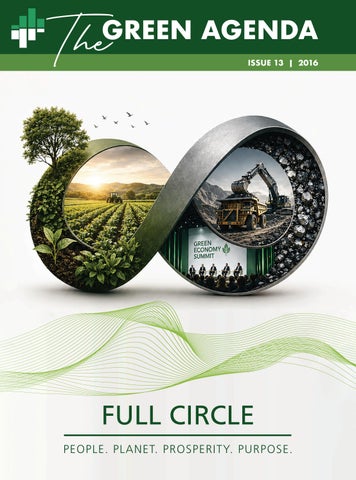
As South Africa continues to navigate the transition toward a greener, more inclusive economy, this edition of The Green Agenda Magazine arrives at a defining moment for sustainability, industrial transformation, and circular economic growth. Across sectors from mining and manufacturing to agriculture and waste recovery, the country is witnessing a powerful shift toward business models that place environmental responsibility and long-term resilience at the centre of development.
One of the standout moments shaping this edition was the recent Mining Indaba 2026, where sustainability emerged as a central pillar of discussion throughout the conference. Once largely focused on investment and extraction, the mining conversation is rapidly evolving toward responsible resource management, renewable energy integration, water stewardship, decarbonisation, and communitycentred development.
This edition also reflects on key insights from Africa’s Green Economy Summit, where circular economy solutions took centre stage. Conversations throughout the summit reinforced a powerful truth: waste is no longer simply waste - it is economic opportunity, job creation, and a catalyst for inclusive growth.
One of the most impactful voices from the summit was Petco CEO, Telly Chauke. Who highlighted the critical role of South Africa’s collection and recycling sector in driving economic participation and environmental impact. Sharing the realities of the industry, Chauke noted:
“The continent has significant manufacturing capacity and the potential to convert waste into finished goods that add value to industry and communities alike.”
Equally significant is the role of Producer Responsibility Organisations in enabling accessible recycling infrastructure. In this issue, we spotlight Fibre Circle, the Producer Responsibility Organisation for the paper and fibre-based packaging industry, which recently launched its innovative national Waste Facilities Locator. The interactive web-based platform is designed to help South Africans quickly identify nearby recycling and waste facilities, removing one of the everyday barriers to responsible waste management and encouraging greater public participation in recycling initiatives.
This edition further explores the evolving landscape of sustainable supply chains through our feature theme:
As global markets increasingly demand ethical sourcing, transparency, and environmental responsibility, South Africa’s agricultural sector is undergoing a profound transformation. We examine how farmers, producers, exporters, and sustainability organisations are working together to create supply chains that are globally competitive, socially responsible, and environmentally resilient.
A key contributor to this conversation is The Sustainability Initiative of South Africa (SIZA), whose work continues to strengthen ethical trade, responsible farming practices, and sustainable agricultural compliance across the country. Through technology, traceability and data-driven farming methods, the agricultural sector is steadily embracing digital sustainability solutions that are reshaping food production for a changing world.
We hope this edition inspires meaningful dialogue, fresh collaboration, and renewed commitment toward building an economy where sustainability and opportunity grow hand in hand.
Enjoy the read.
GREG PENFOLD | EDITOR
EDITORIAL DIRECTOR Royston Lamond
EDITOR Greg Penfold
DIRECTOR Thandiswa Mbijane
DESIGN AND LAYOUT Raw Art
ONLINE COORDINATOR
Shejali Kandhai
WEBSITE COORDINATOR Yazied Davids

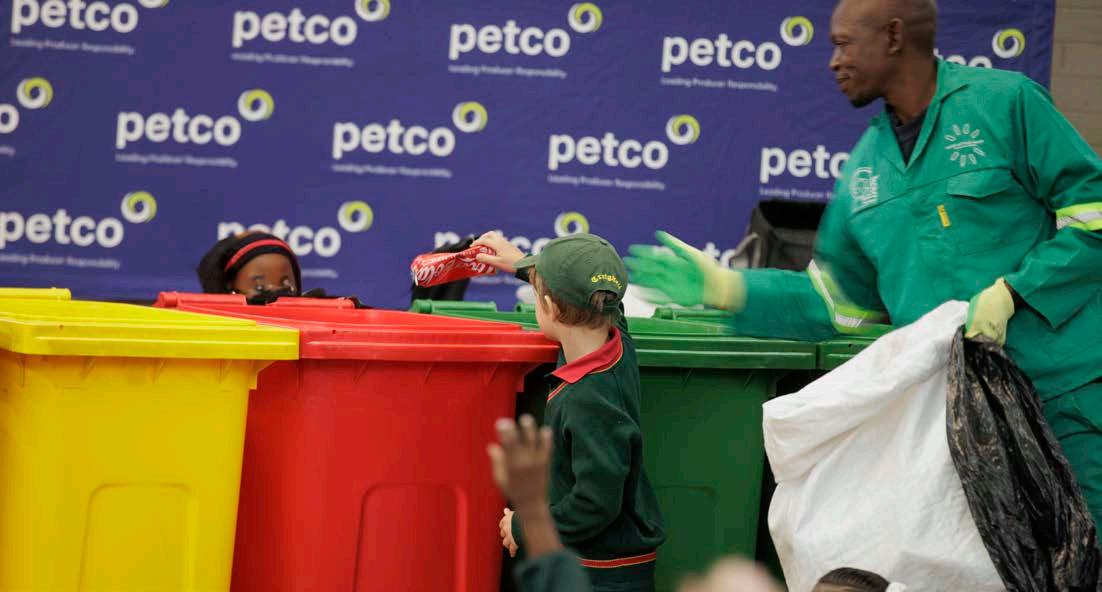
Meeting targets for 99% of the packaging tonnages placed on the market by our members wouldn’t be possible without the waste pickers, buy-back centres, contracted recyclers, producers and government who keep the circular economy moving.
These stats represent the work of the collection and recycling industry and reflect a unique truth about recycling: we don’t wait for opportunity, we create it. In 2025, our contracted recyclers purchased over R600 million worth of post-consumer packaging from the collection sector and sustained 8,560 income opportunities for waste pickers across the country.
It doesn’t end there. Your impact extended beyond the economy and into the environment:
• 389,000 tonnes of carbon emissions were alleviated.*
• 86,000 m3 of landfill space saved.*
• PET plastic bottles and jars: 90% collection and 87% recycling rate.
• Liquid Board Packaging: 33% collection and 31% recycling rate.
*For context and detailed results, please refer to the 2025 Petco Annual Review.
As recycling gains momentum, Fibre Circle works to cut down barriers to entry
South Africa’s recycling efforts are gaining momentum. The most recent Fibre Circle statistics show that 72.1% of recyclable paper was diverted from landfills, evidence of both progress and public willingness to participate. Yet for many households, businesses and waste pickers, recycling still breaks down at a practical level: not knowing where to take materials, what each site accepts, or who to contact.
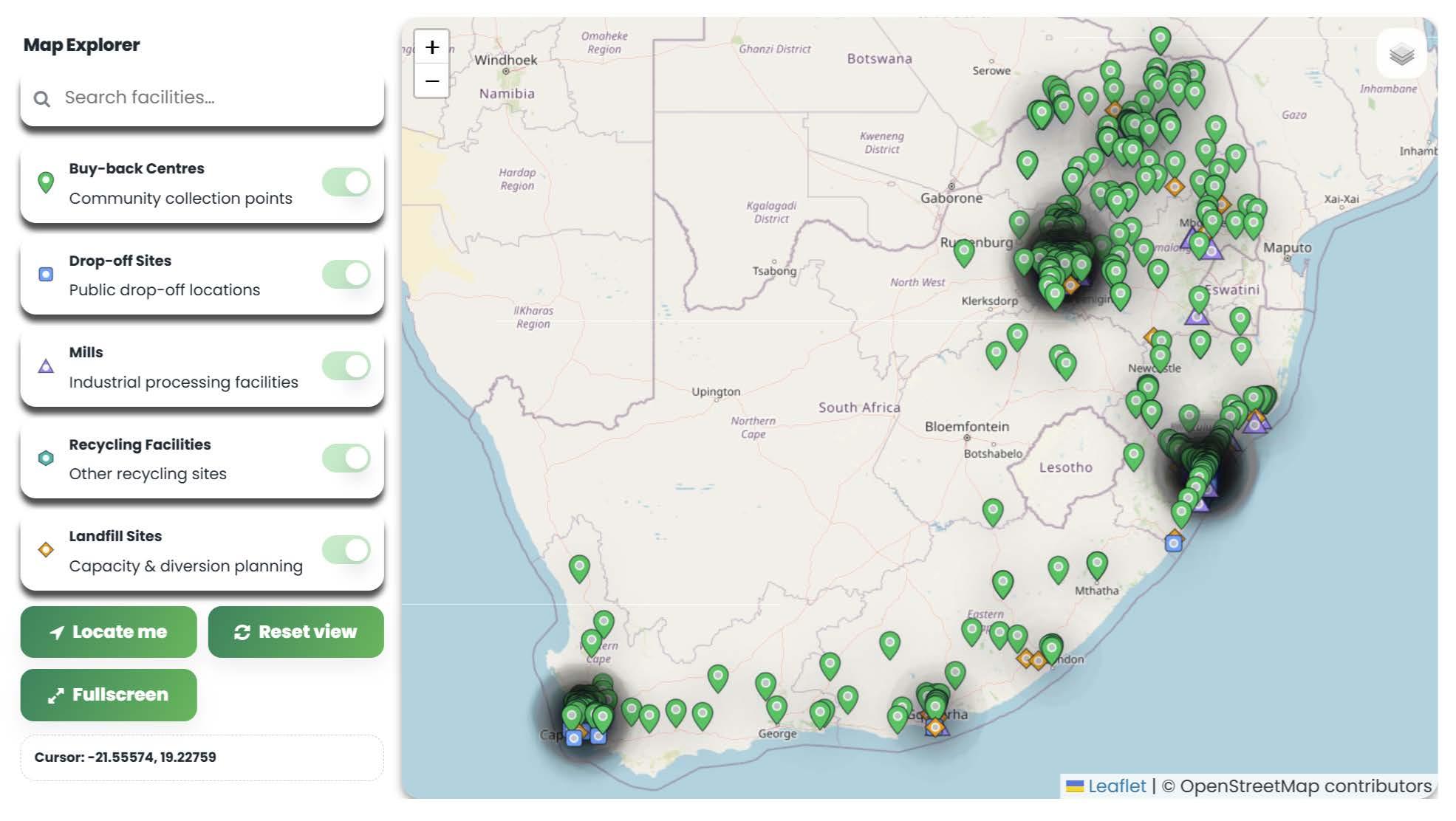
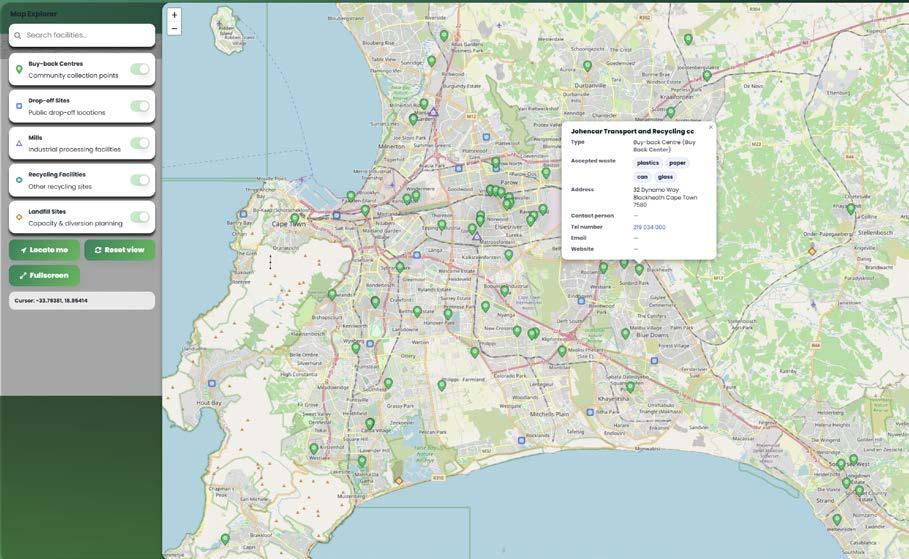
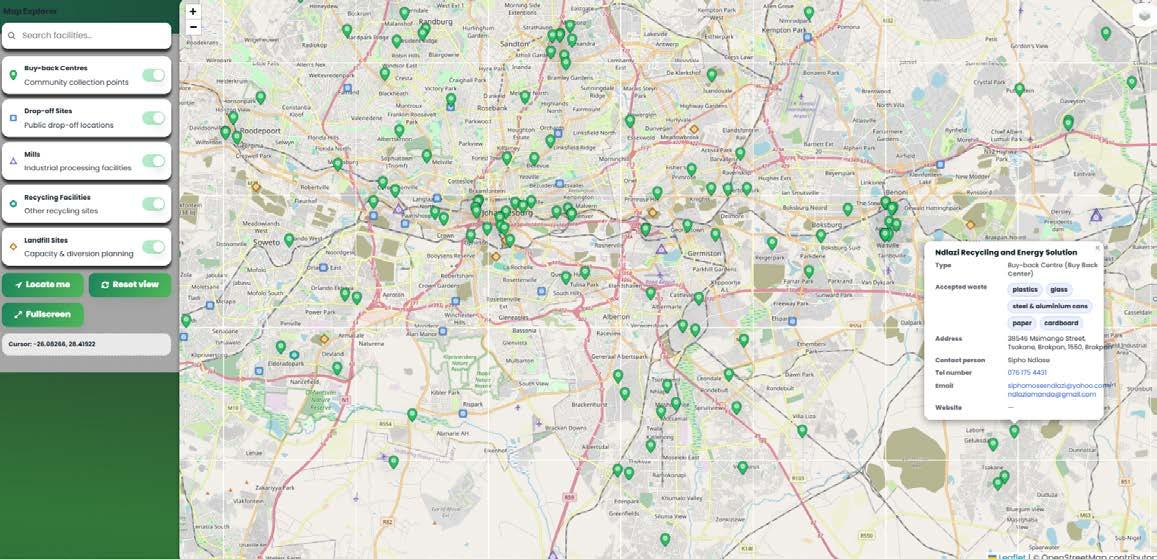
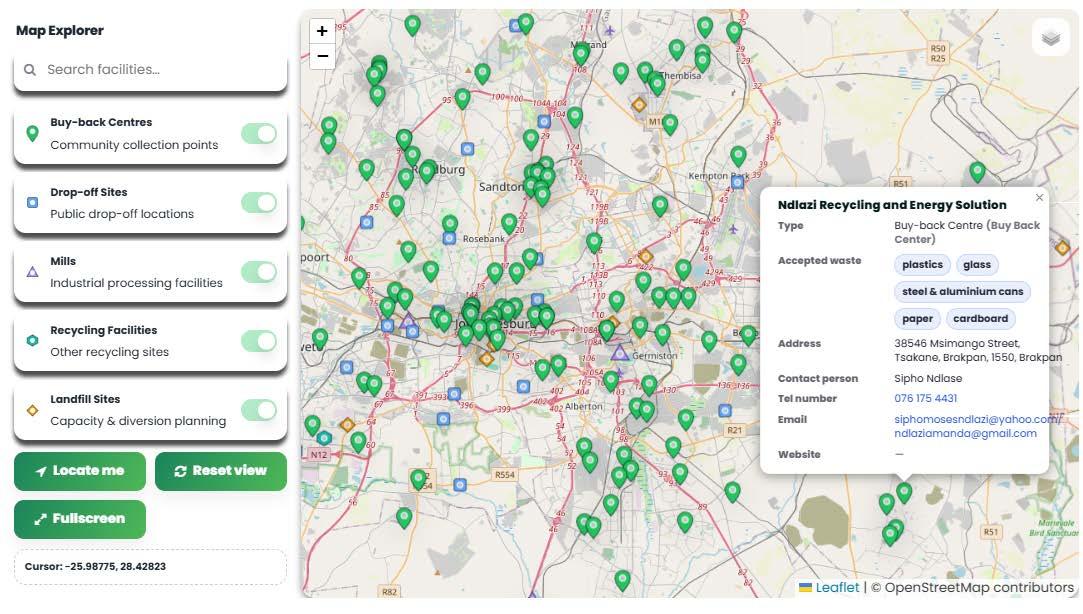
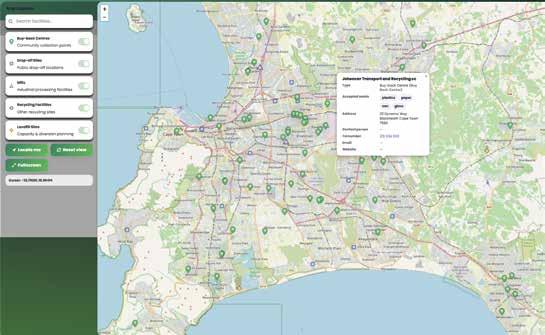
To address this everyday barrier, the Producer Responsibility Organisation (PRO) for the paper and fibre-based packaging industry, Fibre Circle, has launched the national Waste Facilities Locator, an interactive, web-based map designed to help South Africans quickly find nearby waste and recycling facilities.
Removing friction from the recycling chain
The platform enables users to identify buy-back centres, public drop-off sites, recycling facilities, mills, and landfill sites across the country. Each listed facility includes key information such as location, type of site, materials accepted and, where available, contact details and website links.
“Recycling often fails at the first step: access to clear, reliable information,” says Edith Leeuta, CEO of Fibre Circle. “We know
South Africans are willing to recycle. But willingness needs to be matched with practical tools. By making recycling infrastructure visible and easy to navigate, we can remove friction and improve recovery rates.”
One of the common challenges in recycling is the cost of uncertainty. Arriving at a site that does not accept certain materials or discovering too late that it is not the correct facility type results in wasted time and transport costs. By presenting essential information upfront, the Waste Facilities Locator helps users plan before they travel, supporting cleaner loads, reduced contamination and more consistent participation.
Enabling smarter planning for waste pickers and municipalities
The interactive database is designed to add value across the recycling chain, making it easier for households to identify dropoff points and acceptable material, and for businesses to plan collection partnerships.
The greatest impact will be felt by waste pickers and municipalities. For waste pickers, time and transport costs can determine whether a day is profitable, and being able to identify buy-back centres and confirm accepted materials helps waste pickers plan smarter routes and avoid unnecessary travel. Municipalities can improve resource diversion planning, and support more targeted investment in recovery infrastructure, as the mapped view of waste infrastructure helps highlight gaps in service coverage.
Circular economic integration
Leeuta emphasises that strengthening South Africa’s circular economy depends not only on awareness campaigns, but on
improving access to infrastructure. When recycling becomes simpler and more predictable, participation becomes routine, and volumes increase.
“In a country where unemployment and service delivery pressures are real, circular economy growth is also an opportunity for inclusive economic activity. We want to make it as easy as possible to move material back into the economy,” says Leeuta.
As the Waste Facilities Locator expands, maintaining current data and broad geographic coverage will remain a priority, particularly in underserved areas. By making waste and recycling infrastructure searchable and transparent, Fibre Circle aims to support a more connected, efficient recovery system and help move more materials back into productive use.
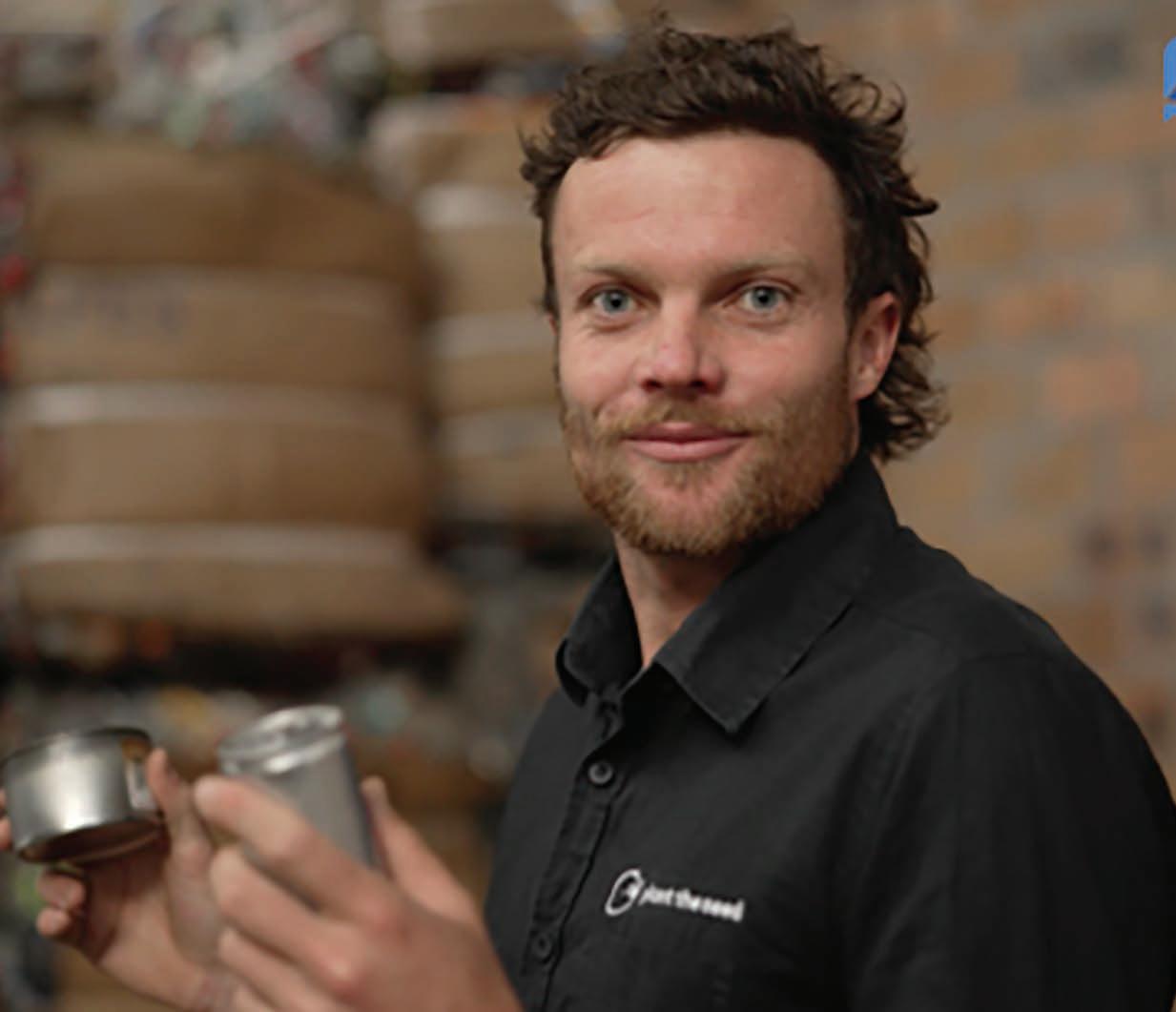
MetPac-SA is proud to announce the measurable success of its partnership with Plant the Seed Education in delivering a national zero-waste awareness and infrastructure project that is already demonstrating tangible environmental results.
As lead sponsor and strategic partner, MetPac-SA enabled the development and rollout of a 12-part Zero Waste educational video series designed specifically for South African audiences, complete with Afrikaans and Xhosa subtitles to maximise accessibility. The series addresses key waste streams, i.e. metals, PET, paper, polystyrene, food waste, HDPE and e-waste, while promoting separation at source and circular economy principles.
Since launch, the series has achieved nearly 200,000 views across digital platforms and direct school distribution channels, with more than 147,000 learners reached through structured school assemblies and classroom sessions. The content has also generated over 109,000 social media impressions, demonstrating strong engagement with sustainability-focused audiences.
Beyond awareness, the partnership translated education into action through the implementation of the Zero Waste Toolkit in six schools in Sasolburg and Vanderbijlpark. The initiative combined infrastructure deployment (including 300 recycling bins and educational materials) with accredited teacher training, learner workshops and ground staff training.
From February to December 2025, the project diverted 8,672.8 kilograms of recyclables from landfill, with metals accounting for nearly 12% of total recovered material. Following targeted interventions mid-year, recycling volumes tripled in the final four months of the programme, underscoring the effectiveness of combining infrastructure, education and collection support.
“Education is the foundation of sustainable recycling systems. If we want to improve recovery rates and strengthen the circular economy, we must start by equipping communities, especially young people, with the right knowledge and tools. This partnership demonstrates that when industry steps forward with practical support, we can achieve measurable results,”
said Dr Kishan Singh, CEO of MetPac-SA, highlighting that the initiative reflects the organisation’s commitment to proactive industry leadership. He added that the project aligns directly with MetPac-SA’s broader extended producer responsibility (EPR) objectives.
“As an industry body representing metal packaging manufacturers, we recognise that compliance alone is not enough. We have a responsibility to invest in initiatives that drive real behaviour change. Through Plant the Seed, we have been able to support both education and infrastructure, thereby ensuring that separation at source becomes a daily practice rather than just a concept.”
The programme also supported local collection capacity by strengthening a regional recycler through a funded retainer model, ensuring consistent removal of materials and reinforcing the economic value of recyclables within the community.
For trade sectors such as engineering, packaging manufacturing and print media, the project provides a working model of how collaborative, industry-funded initiatives can translate sustainability commitments into quantifiable environmental outcomes.
Looking ahead to 2026, additional short-form digital content will be rolled out to expand reach and deepen engagement, while participating schools continue to build on the separationat-source systems already established.
“Waste is not merely an environmental issue, but also a systems issue. By combining education, infrastructure and industry collaboration, we are helping to build systems that work for communities, for the environment and for the future of packaging in South Africa,” Dr Singh concludes.
For more information, visit www.metpacsa.org.za or www. planttheseed.co.za
R320,000 Master’s bursary programme targets final-year chemical engineering students to boost skills and industry innovation
The Paper and Allied Manufacturers of South Africa (PAMSA) is investing in the next generation of chemical engineers through its 2027–2028 Master’s in Engineering Bursary Programme, aimed at strengthening South Africa’s skills pipeline and advancing innovation in the circular bioeconomy.
This initiative has been equipping young chemical engineering students for more than a decade with their industry-relevant research helping the South African pulp and paper sector to further contribute to the circular bioeconomy and develop more resource-efficient processes.
“Students on this programme work at the forefront of innovation in an industry that transforms renewable wood fibre and recycled materials into everyday essentials such as printing paper, packaging, tissue and wood fibre-based materials,” says Jane Molony, executive director of PAMSA.
Funding the next generation of engineers
Open to final-year students studying a BSc or BEng in Chemical Engineering, the programme offers a two-year bursary valued at R320,000, covering tuition, accommodation, study materials and living expenses. Successful candidates would undertake full-time Master’s study at leading South African institutions, including North-West University, Stellenbosch University, the University of Pretoria and the University of the Witwatersrand.
“Over the course of two years, students will engage in research projects that align closely with industry priorities, covering areas such as process optimisation, energy and water efficiency, waste-to-value innovation, and the development of bio-based materials and fuels,” explains Molony.
She adds that many of the programme’s graduates go on to become engineers-in-training at PAMSA’s member companies, gaining valuable practical experience and career opportunities.
Who should apply
The programme is only open to final-year students and recent graduates with a BSc or BEng in Chemical Engineering.
The students are required to demonstrate strong academic performance, with a minimum 60% average in their final year, and must have completed, or be on track to complete, their studies within five years. In addition, candidates should be committed to pursuing full-time Master’s study and be motivated to contribute to research that supports industry needs and advances the circular bioeconomy.
Applications close on 12 June 2026. Apply here
Qiniso Ngiba
Qiniso Ngiba, a process engineer and graduate of the 2020–2021 Master’s programme at Stellenbosch University, researched the conversion of lignin from waste pulping liquors into slow-release nitrogen fertilisers and soil conditioning materials, supporting more sustainable use of forestry resources.
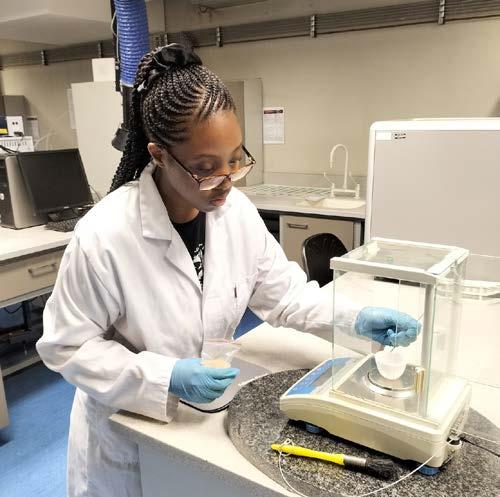
Kelly Campbell Kelly Campbell, a chemical engineering graduate completing her MEng at Stellenbosch University, is exploring how food waste can be converted into ethanol through fermentation. Her research aims to divert organic waste from landfill while producing a high-value product with applications in the chemical and transport sectors.
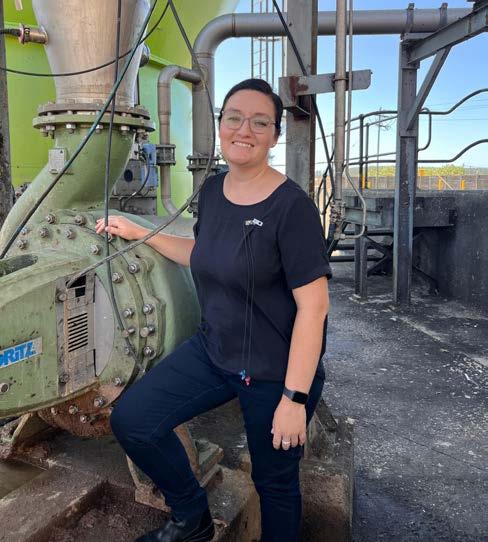
Chris du Toit
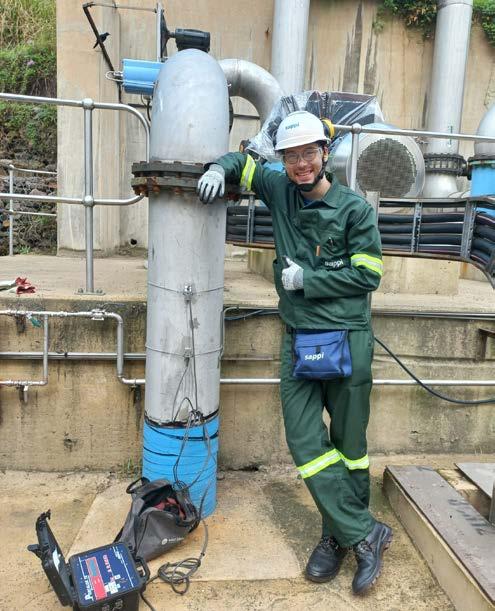
Chris du Toit is a chemical engineer in training at Sappi’s Saiccor mill on the KwaZulu-Natal south coast. His work focuses on process improvement, combining proactive trend monitoring to identify optimisation opportunities with root cause investigations to resolve operational challenges. Working within multidisciplinary teams, he contributes to designing more efficient systems through both theoretical analysis and hands-on involvement, including simulations, sampling, experiments and overseeing equipment installation and maintenance.
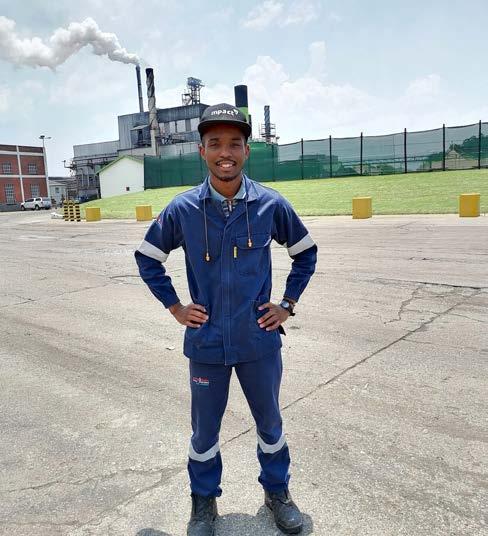
Lerato Tau
Lerato Tau, a master’s student at University of Pretoria, is using thermogravimetric analysis (TGA) to better understand how paper materials respond to heat. By tracking how materials lose weight as temperatures rise, her research reveals their composition and thermal stability. This faster, safer method delivers results in hours rather than days, offering practical benefits for the papermaking industry. She will be graduating this year.
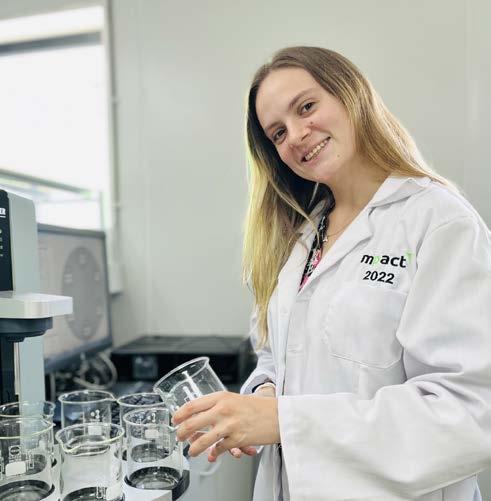
Sonja Boshoff
Process engineer Sonja Boshoff, an alumna of Stellenbosch University, played a key role in early research that led to a bioethanol production project using paper sludge. Now part of the process team at Mpact’s Felixton mill, she continues to advance waste-to-energy solutions that support a more sustainable and innovative paper industry.
Rand Merchant Bank (RMB) is proud to announce the successful financial structuring of the landmark Cape water performancebased bond transaction. The outcomes-based transaction structure will support The Nature Conservancy (TNC) South Africa, a nonprofit with established conservation programs, with implementing a conservation project to ecologically restore priority water catchment areas through the removal of invasive plants, thus increasing stream flow into storage dams (i.e. water reclamation).
The bulk of the funds for this conservation project has been raised through contributions from outcomes-based funders (OBFs) as part of the broader transaction structure. TNC South Africa is also bringing separate matching donor funding to support the project. The connection between the bond and the conservation project arises from the project outcomebased success payment mechanism, which links bond investors’ financial returns to the level of project success achieved.
The Cape water performance-based bond is the first capitalmarkets instrument issued by a commercial bank globally where investor outcomes are directly tied to verified ecological and environmental restoration outcomes.
RMB sees this transaction as the first step in establishing a replicable programme. Designed as the first in a series, this transaction creates a template to finance restoration of priority catchments across South Africa’s Strategic Water Source Areas (SWSAs) on a sustainable and scalable basis.
“This is a R2.5 billion market signal that natural capital has entered mainstream finance. The collaboration with TNC South Africa as project implementer, and the appointment of Conservation Alpha as independent design and technical agent, ensures that the Cape water performance-based bond transaction is not only financially innovative, but also scientifically rigorous, ecologically grounded, and globally benchmarked,” said RMB’s Martin Potgieter.
Securing South Africa’s Water Future
Louise Stafford, The Nature Conservancy (TNC), South Africa Country Director, said “The Cape water performance-based bond marks a pivotal moment in conservation finance. It moves us beyond short-term, project-based funding by creating a pathway toward sustained, long-term investment in nature. TNC South Africa has been a strategic partner in the development of this bond by providing science expertise, ecological and invasive alien plant management input that underpins the technical credibility of the project.”
The project targets the removal of invasive plants to restore priority catchments in the Western Cape Water Supply System by supporting the work of TNC-SA and the Greater Cape Town Water Fund for five years. The areas to be cleared are part of remote parts of Boland Grootwinterhoek Strategic Water Source Area (SWSA), one of 22 SWSAs in South Africa. Studies have shown that removing invasive plants can increase waterflow at a fraction of the cost of other technologies, while the project focuses on the most productive water catchment areas. SWSAs make up only 10% of the country’s surface area delivering 60% of the country’s water and support two-thirds of our economic activity.
The bond enables sustained investment in restoring these critical landscapes, securing water supplies for people, and the economy in the Greater Cape Town Region.

“Clearly demonstrating what an investment has achieved is the backbone of impact finance. Investment returns in the Cape water performance-based bond rely on performance and so we require systems to independently verify results. This independence and transparency are critical to ensure trust in these results, and to scale nature-based impact finance products,” said Chris Barichievy, Director of Science at Conservation Alpha.
This transaction was a FirstRand group effort involving FirstRand Bank (as issuer, project agent, and conditional funding donor), RMB (as arranger, structurer and distributor), Ashburton Investments (as a bond investor) and the FirstRand Foundation as an anchor OBF and the coordinating public benefit organisation (PBO) in the structure.
Investor demand was led by the International Finance Corporation (IFC), FSD Africa Investments and Aluwani as coanchors, with participation from Ashburton Investments, Eskom Pension and Provident Fund, Optimum Investment Group and Sanlam Life.
The FirstRand Foundation played a catalytic role in the transaction, committing R50 million over five years as an outcomes-based contribution to the transaction. Beyond its financial commitment, the FirstRand Foundation also acted as a coordinating anchor for other philanthropic partners, helping to align funding around a shared-outcomes framework and governance approach, and unlock private investment at scale while demonstrating how philanthropy can play a systemshaping role in advancing innovative climate and water resilience solutions.
The Development Bank of Southern Africa (DBSA) also committed R50 million as an outcomes-based funder for the project, aligned to its mandate to enable financial innovation in the green economy space and support the development of an instrument that is durable and can be scaled.
Other outcomes-based funding partners that contributed to the success of the transaction include Remgro, The Rupert Nature Foundation and the Lewis Foundation.
Key Features and Benefits:
• Performance-linked returns: Noteholder returns vary based on verified impact, supporting the successful clearing of hectares (that restores streamflow in our rivers).
• Mainstreaming natural capital: The deal signals that nature is becoming a differentiated, investable asset class for local asset managers and multinational institutions.
• Economic upliftment: The project creates meaningful green employment opportunities, particularly for rural communities, women, and youth.
• A national blueprint: This issuance is the first in a planned series intended to roll out across other important catchments in SA.
• Risk mitigation: The structure protects downside risk, allowing bond investors to retain the comfort of an investment-grade note while gaining exposure to a potential success premium.

and why is it important for
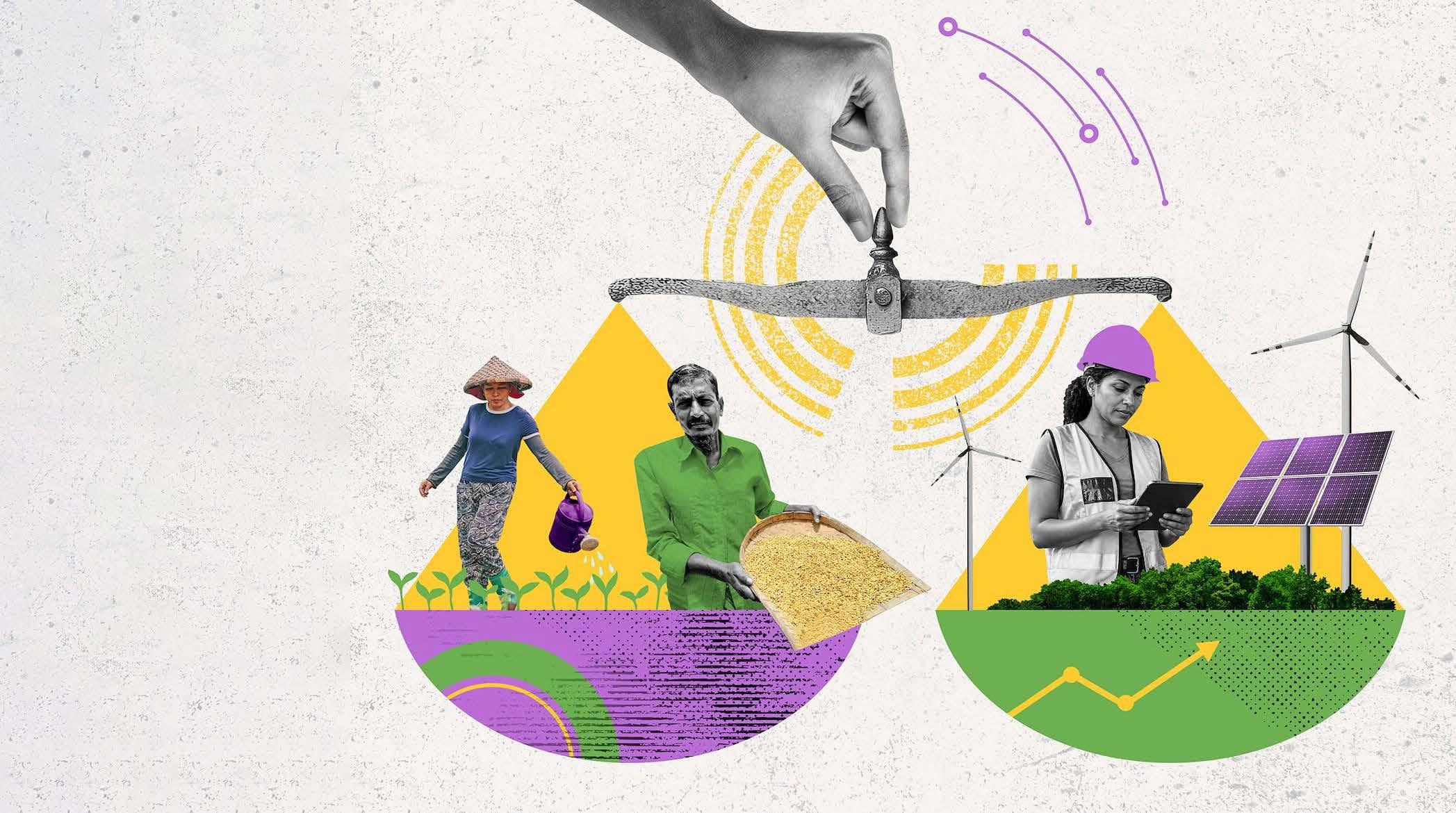
The concept of just transition refers to integrating social justice and equity principles, processes and practices in climate action.
Broadly speaking, a just transition can take place when countries shift to low-carbon and climate-resilient development pathways in a way that is equitable, socially inclusive and economically viable, ensuring that the benefits of the transition are shared widely while minimizing negative impacts on workers, communities and vulnerable groups.
However, a just transition must be defined locally, according to each country’s priorities, economic structure and social context. What fairness in the transition means can therefore differ widely based on location. In some countries, it can mean supporting coal workers transition to new sectors and keeping the price of electricity stable to protect vulnerable groups. In others, it can mean protecting rural livelihoods while reducing deforestation or ensuring that new jobs in green sectors are available to both women and men.
Furthermore, just transition considerations cannot be separated from broader issues around global climate justice and the principle of common but differentiated responsibilities included in the Paris Agreement
Why is the concept of just transition important?
The climate crisis is the greatest challenge humanity has ever faced. Countries need to urgently take bold, large-scale action to avoid the worst of its consequences. But there are profound social implications in how governments choose to cut greenhouse gas emissions, from impacts on livelihoods, jobs, education and health to concerns about social justice, human rights and gender equality.
While the Paris Agreement sets a clear direction of action, it is up to individual countries to decide which transition pathways they
will take. If not managed well, the socio-economic transformation pursued through climate action runs the risk of further increasing social inequality and exclusion and making businesses and markets less competitive, while eroding public support for climate ambition. By strengthening transition pathways that reinforce equity and inclusivity and leave no one behind, countries can minimize these challenges in pursuit of a low-carbon future.
Developing countries face specific transition challenges, including fiscal constraints, high poverty rates, weak social safety nets, energy access gaps and greater vulnerability to climate change impacts. While developed countries can subsidize green technologies and industries, developing countries with reduced access to capital risk being shut out of emerging low-carbon value chains. This leaves the populations and economies of developing countries more vulnerable to potential negative consequences resulting from the global shift to low-carbon development.
What are the benefits of a just transition?
As countries worldwide continue to update and implement their national climate plans (NDCs) and long-term strategies (LTLEDS), embedding the principles, processes and practices of just transition in their climate action can have multiple benefits:
• A just transition helps bring the public along. If governments can demonstrate the socio-economic benefits afforded by a low-carbon transition, they can build a broad base of public support for higher climate ambition as citizens will be more likely to get behind the associated policies and investments.
• A just transition can create new green jobs with guaranteed living wages, proper workplace safety protections and health benefits. These quality jobs will lift people, their families and their communities up. They will also help attract the workers needed for the necessary economic transformation.
• A just transition lays the social groundwork for a resilient
net-zero economy. With transparent planning and the active participation of a broad range of stakeholders, governments can minimize opposition that can derail the move away from fossil fuels and other harmful activities such as deforestation and wasteful production practices.
• A just transition can drive local solutions. By undergoing the consultative processes associated with achieving just transition, countries can better understand the positive and negative impacts of climate action and then identify the best solutions for their context.
• A just transition reinforces the urgency for concerted efforts to combat climate change. Transitions are often disruptive and deliberate effort is needed to make them manageable. A just transition strategy will help leaders stay focused on the urgent task of rapid decarbonization, while also striving for fair and inclusive outcomes.
• A just transition helps advance progress on all the Sustainable Development Goals (SDGs), particularly those related to gender equality, affordable and clean energy, decent work and economic growth, reduced inequalities, and responsible production and consumption.
Who’s involved in making a just transition happen?
Integrating just transition in climate policies and climate action requires a whole-of-society approach which brings all key actors and stakeholders together to articulate a joint vision for the low-carbon transition. Making the transition fair and inclusive is in everyone’s interest because it strengthens social acceptance, protects livelihoods, and makes climate action more sustainable and politically feasible.
As convenors of social dialogue and consultation processes, governments have the primary responsibility to put in place the policy and regulatory frameworks needed to accelerate climate action underpinned by a just transition. Governments are also critical investors – owners of state enterprises and infrastructure – and employers of public sector workers, who have essential roles to play in enabling a just transition.
Meanwhile, businesses play a critical role in identifying risks and tapping into opportunities, helping create and grow new markets and value chains. They are also key to ensuring labour rights and human rights are respected and helping workers gain new green skills.
Trade unions are pivotal to achieving a just transition, ensuring the needs of workers are represented when transition plans are being shaped. They also play a role in making sure that green jobs are good jobs with fair wages, benefits and safe working conditions.
Universities and vocational schools produce the knowledge and shape the workforce needed for a just transition to happen, having a direct hand in how quickly countries can achieve their climate goals. With children and young people under 30 making up half the world’s population, they need relevant skills that allow them to participate and thrive in a low-carbon economy.
The international community is a key stakeholder in driving a global just transition. Through a process guided by the United Nations Framework Convention on Climate Change (UNFCCC), the international community has increasingly institutionalized just transition as a core component of global climate governance. In recent years, the process has advanced from broad political recognition to concrete commitments. At COP28, just transition was formally embedded in the climate negotiations process through the operationalization of the Just Transition Work Programme. Then, at COP30, a dedicated Just Transition Mechanism was established to support cooperation, technical assistance and capacity-building for country-led transition pathways, signalling that just transition is a key enabler of effective climate action.
What are the obstacles to achieving a just transition? Countries can face a number of obstacles in their efforts to achieve a just transition.
Often, there is often a lack of clarity and consensus on what a just transition entails in practice. While the concept is widely endorsed, its interpretation varies across countries depending on economic structures, labour markets and development priorities. This can lead to fragmented approaches, where just transition is treated as a high-level principle rather than translated into concrete policies, targets and implementation frameworks.
There are also significant gaps in data, evidence and national capacities. Many countries lack robust data on the socio-economic benefits of climate action, as well as the analytical tools needed to assess how different policies affect jobs, incomes and vulnerable groups. At the same time, limited technical and institutional capacities constrain both policy design and implementation. This includes the ability to conduct impact assessments and modelling, coordinate across sectors, and align education and training systems with emerging green labour market needs. Together, these gaps make it difficult to prioritize interventions, design targeted support measures and ensure effective delivery.
Inadequate and misaligned investment is another critical barrier. Just transition measures, such as reskilling programmes, social protection mechanisms and regional economic diversification processes, require sustained public investment, yet these areas are often underfunded. At the same time, private and international finance tends to prioritize mitigation infrastructure, with insufficient attention to social dimensions. This often results in a gap between ambition and implementation. n
FEATURING LANDMARK
EVENTS DRIVING IMPACT



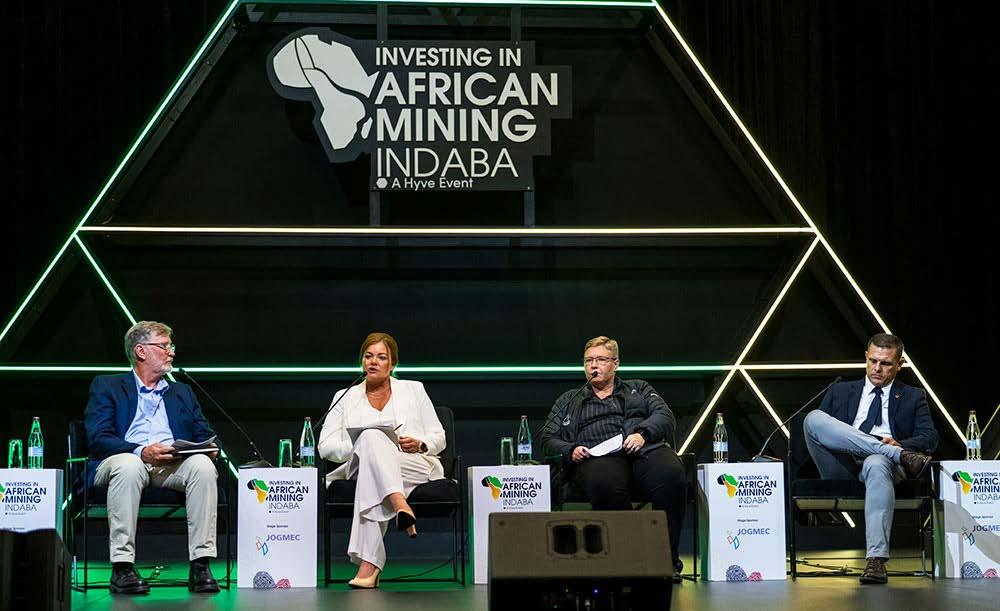
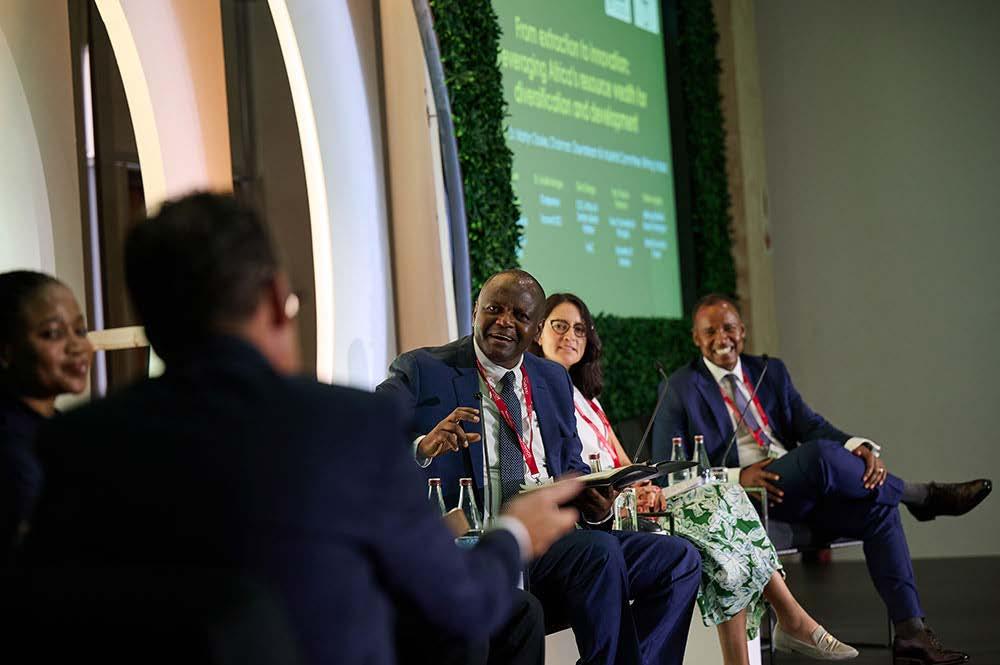
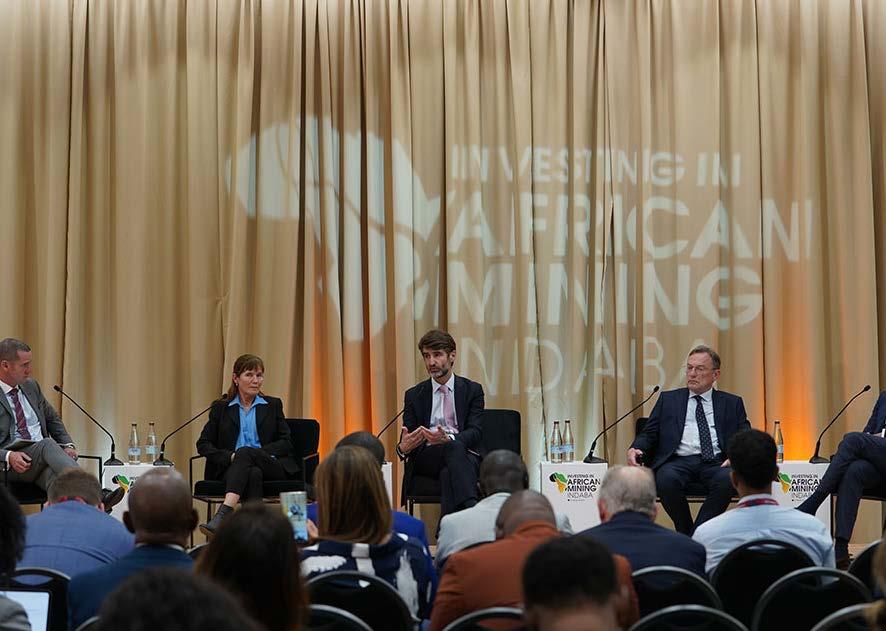
The curtains have closed on another landmark edition of Mining Indaba 2026, but the conversations, commitments and collaborative momentum generated during the week-long gathering continue to echo across the African mining landscape. Held in Cape Town, the 2026 edition of the continent’s premier mining investment conference emerged not merely as an industry event, but as a defining statement about the future of mining in Africa —one rooted in sustainability, partnership, beneficiation and inclusive economic growth.
This year’s theme, “Stronger Together: Progress Through Partnerships,” resonated deeply throughout the conference halls and ministerial discussions, highlighting a growing consensus that the future of African mining cannot be built in silos. Governments, mining houses, financiers, innovators, communities and environmental stakeholders increasingly recognise that the
continent’s mineral wealth must serve as a catalyst for long-term development rather than short-term extraction.
At the centre of the dialogue was the urgent global demand for critical minerals essential to the green energy transition including lithium, manganese, cobalt, platinum group metals and rare earth elements. Africa, with its vast untapped reserves, stands at the threshold of unprecedented opportunity. Yet what made Mining Indaba 2026 particularly significant was the clear shift in tone: the focus is no longer solely on exporting raw minerals, but on building value chains, industrialising locally, and ensuring communities benefit meaningfully from mining activity.
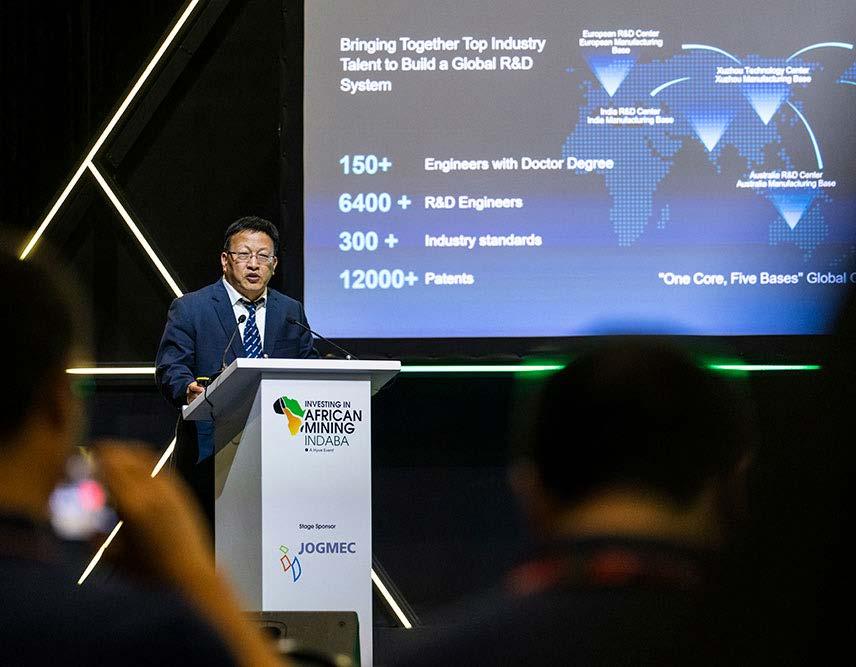
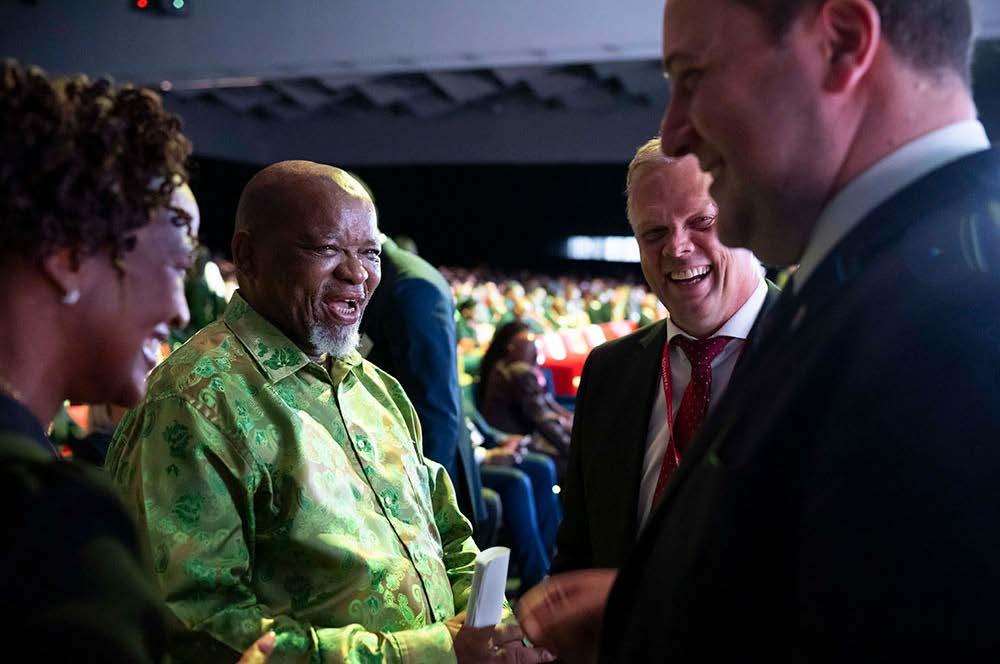
Gwede Mantashe (Minister of Mineral and Petroleum Resources), delivered one of the event’s most closely watched addresses, setting a firm and ambitious tone for the continent’s mining
future. Speaking at the Ministerial Symposium in Cape Town, Mantashe described the current global moment as “critical” for African mining and investment.
“The world is changing fast, and Africa must act as a team,” Mantashe declared during discussions around critical minerals and industrial development.
His remarks reflected a broader African sentiment emerging strongly throughout the conference that the continent must move beyond the historical “pit-to-port” model that has long exported wealth without sufficient local benefit. Instead, leaders called for beneficiation, processing and manufacturing to increasingly take place on African soil.
“We cannot continue along pit-to-port models,” Mantashe warned, emphasising that Africa’s minerals must drive industrialisation, jobs and technological development across the continent.
Perhaps one of the most encouraging aspects of Mining Indaba 2026 was the strong emphasis on sustainability and responsible mining practices. Environmental, Social and Governance (ESG) principles were no longer treated as peripheral talking points, but rather as central pillars shaping investment decisions and operational strategies.
From renewable-powered mining operations to water stewardship, community inclusion and circular economy initiatives, the event showcased how mining companies are increasingly aligning profitability with sustainability objectives. Discussions around decarbonisation and cleaner mining technologies revealed a sector actively reimagining its role within the global climate transition.
The conference also highlighted the growing importance of infrastructure development and regional cooperation in unlocking Africa’s mining potential. Rail networks, energy security, ports


narrative. Rather than simply responding to international demand, African policymakers and industry leaders positioned themselves as active architects of the future minerals economy. The adoption of frameworks around critical minerals and regional cooperation during South Africa’s G20 engagements further reinforced Africa’s growing strategic influence.
Industry leaders and advisory board members repeatedly stressed that partnership would be the foundation upon which Africa’s mining transformation must be built. One of the standout remarks from the conference described partnerships not as “tools of convenience,” but as “instruments of collective empowerment.”
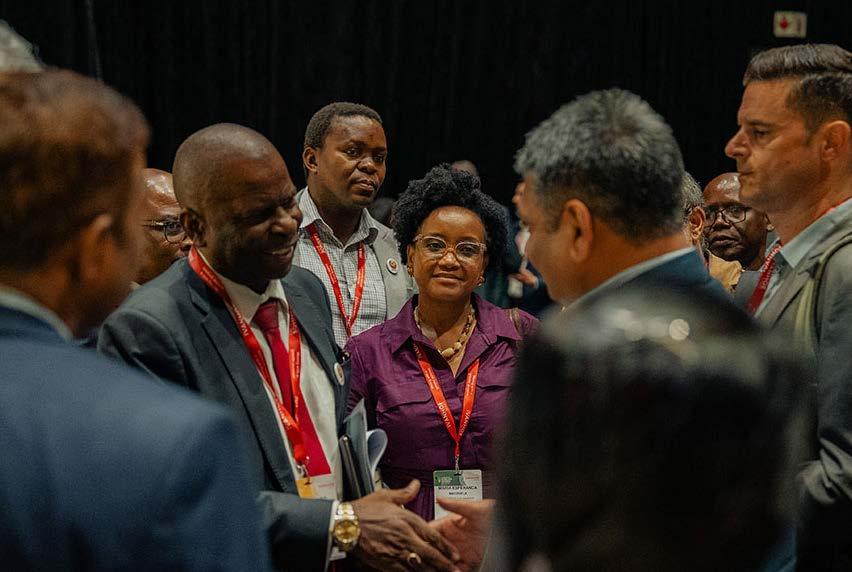
This collaborative spirit was evident throughout the event. Junior miners connected with global investors, governments engaged financiers on infrastructure solutions, and sustainability experts worked alongside mining executives to shape more responsible operational models. The atmosphere suggested a mining industry increasingly aware that its long-term success depends on social legitimacy, environmental responsibility and economic inclusivity.
Importantly, Mining Indaba 2026 also reinforced confidence in South Africa’s mining sector at a time when global competition for investment is intensifying. The country’s renewed focus on exploration funding, critical minerals strategies and regulatory reform sent positive signals to investors looking for stability and long-term opportunity.
While challenges remain including energy costs, illegal mining, regulatory certainty and infrastructure constraints the tone of this year’s gathering was undeniably forward-looking. There was a strong sense that Africa is entering a new era in which mining could become a driving force behind industrialisation, job creation and sustainable development.
Mining Indaba 2026 ultimately succeeded because it moved beyond rhetoric. It presented a practical and collaborative vision for the future of African mining one where sustainability and profitability are no longer seen as opposing forces, but as mutually dependent goals.
As delegates departed Cape Town, the message was clear: Africa’s mineral wealth represents far more than commodities beneath the ground. Managed responsibly, collaboratively and sustainably, it has the power to reshape economies, empower communities and position the continent at the forefront of the global green transition.
The future of mining in South Africa and across the African continent appears increasingly promising not simply because of what lies underground, but because of the partnerships, innovation and shared vision now emerging above it. n
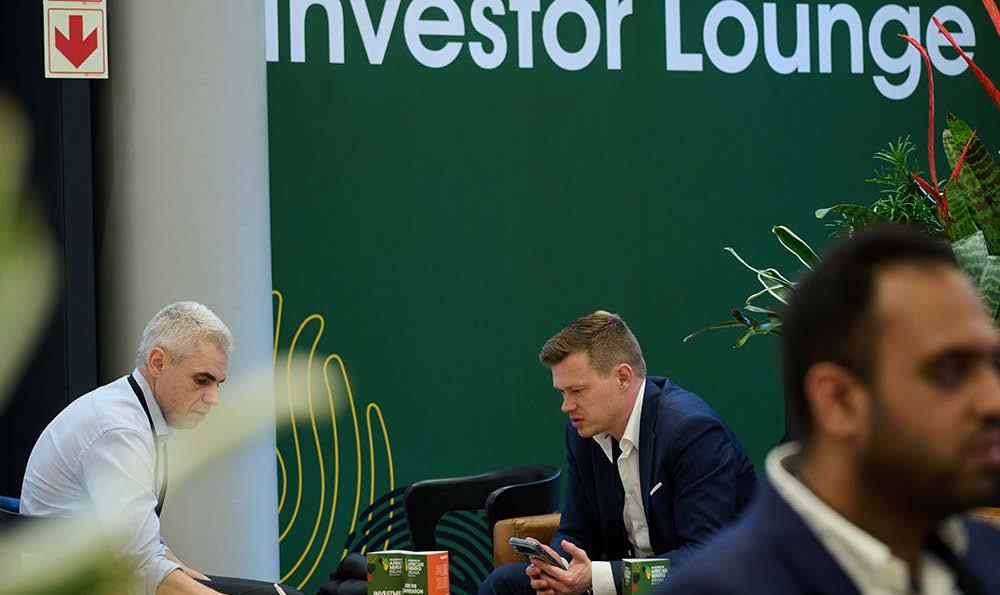
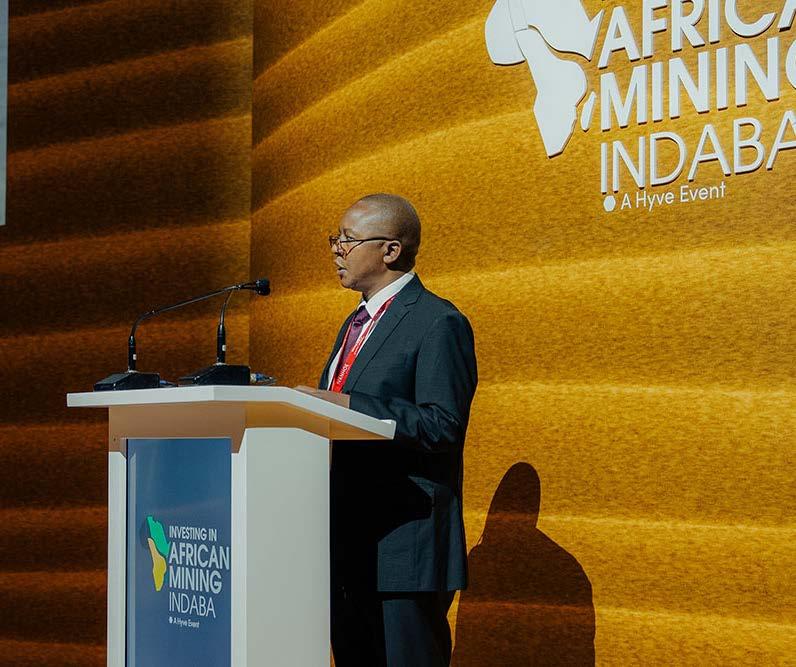
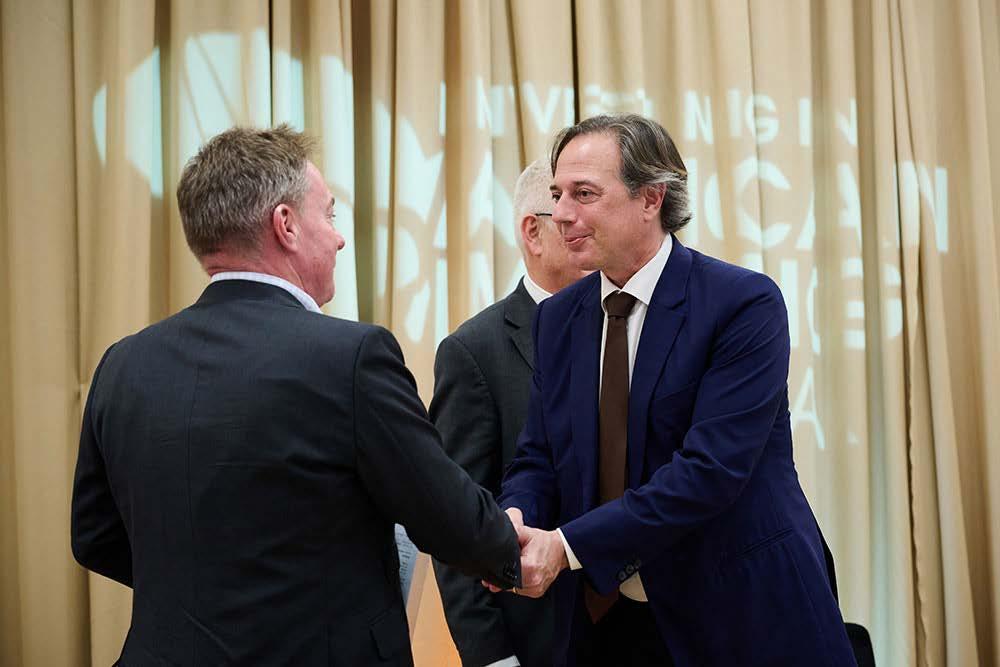
“AGES, we will be judged by the lives we change and green jobs that the youth can benefit from. We are here to share global solutions, not seek charity.” With these words Harsen Nyambe Nyambe, Director of Sustainable Environment and Blue Economy at the African Union Commission in Ethiopia welcomed the audience at the opening session of the fourth edition of Africa’s Green Economy Summit (AGES) in Cape Town in February. The African Union is the official host organisation of the event.
Since its inception four years ago, AGES has become thé event to showcase green economy projects from across the continent and connect them with global capital. This year’s packed programme spanned the full green economy: Energy, transport, water, agriculture, waste, green buildings, blue economy and clean tech. The three-day conference united sector leaders, investors, governments and innovators to unlock capital and accelerate impact.
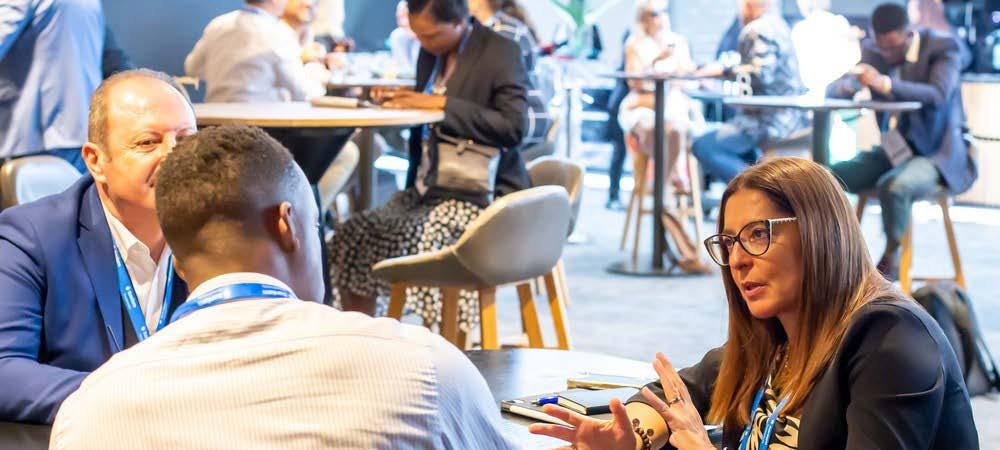
This combination of attendees created a unique and charged atmosphere for discussions on access to capital and investment opportunities, engage policymakers and build strategic partnerships.
New on the AGES programme this year were workshops diving into the evolving landscape of nature and biodiversity finance. From green bonds to biodiversity credits, each session explored a different pathway for mobilising capital to protect, restore and invest in Africa’s natural assets.
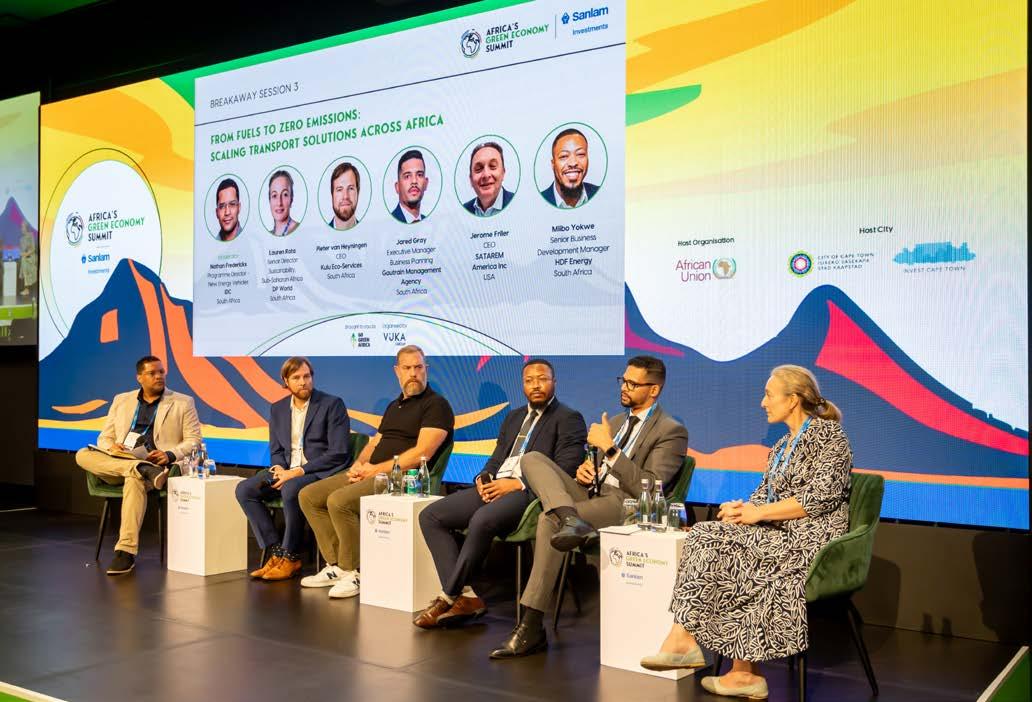
The WWF’s Samantha Petersen led an all-women panel discussion on how innovative bond structures, including green, blue and wildlife conservation bonds, are being used to finance nature-positive outcomes.
“It was a rich, honest and appropriately nuanced conversation,” said Samantha. “It is not just about innovative finance. It's really about alignment.”
Carbon markets=huge opportunity
Following the success of the Carbon Markets 101 Masterclass at last year’s AGES, another one was offered this year, as demand for foundational learning in the African carbon markets and project development and implementation continues to grow.
Olufunso Somorin, Carbon Markets Coordinator at the African Development Bank Group was one of the facilitators in this packed session: “Carbon markets present a huge opportunity for Africa. We cannot afford to miss out. We did once. We have a second chance now. We have to do things differently going forward.”
Jobs, jobs, jobs!
Economic transformation and job creation were recurring central themes during the AGES conferences sessions, breakaways and project pitches.
The green economy in Africa will create an estimated 3.3 million new direct jobs by 2030. These opportunities are concentrated in renewable energy (particularly solar, which could generate 1.7 million jobs), emobility, sustainable agriculture and waste management. Some projections suggest up to 100 million jobs by 2050.
“Educational institutions have to rethink about how they impart new skills to students,” was the opinion of Maxwell Gomera, Resident Representative of UNDP South Africa and Director of the Africa Sustainable Finance Hub, Africa Region. “Students must now leave university with a skill that they can apply in their communities.”
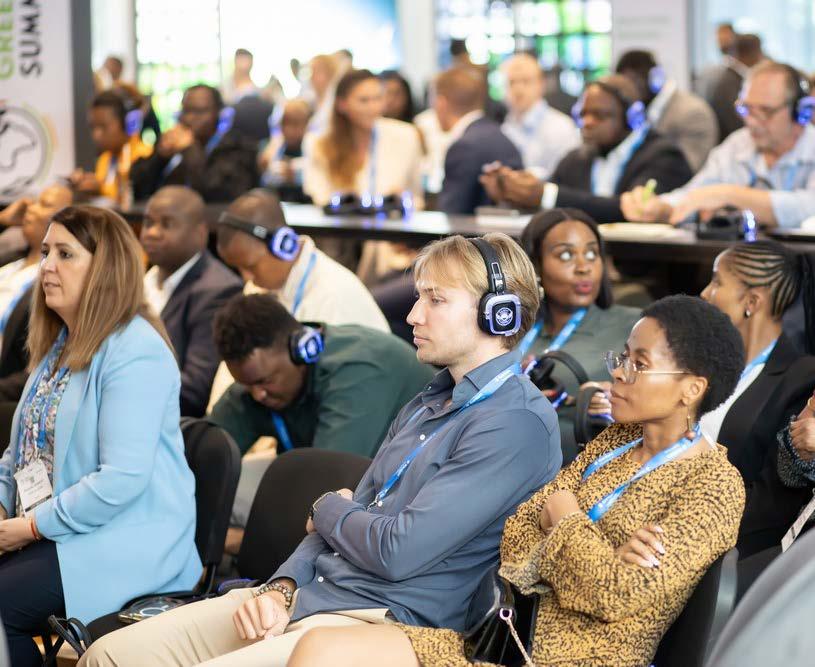
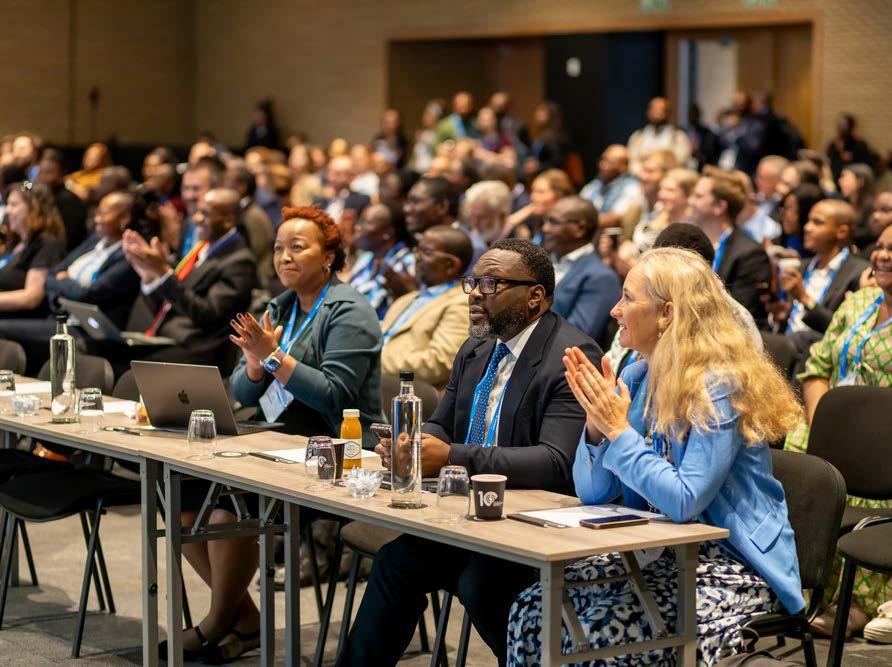
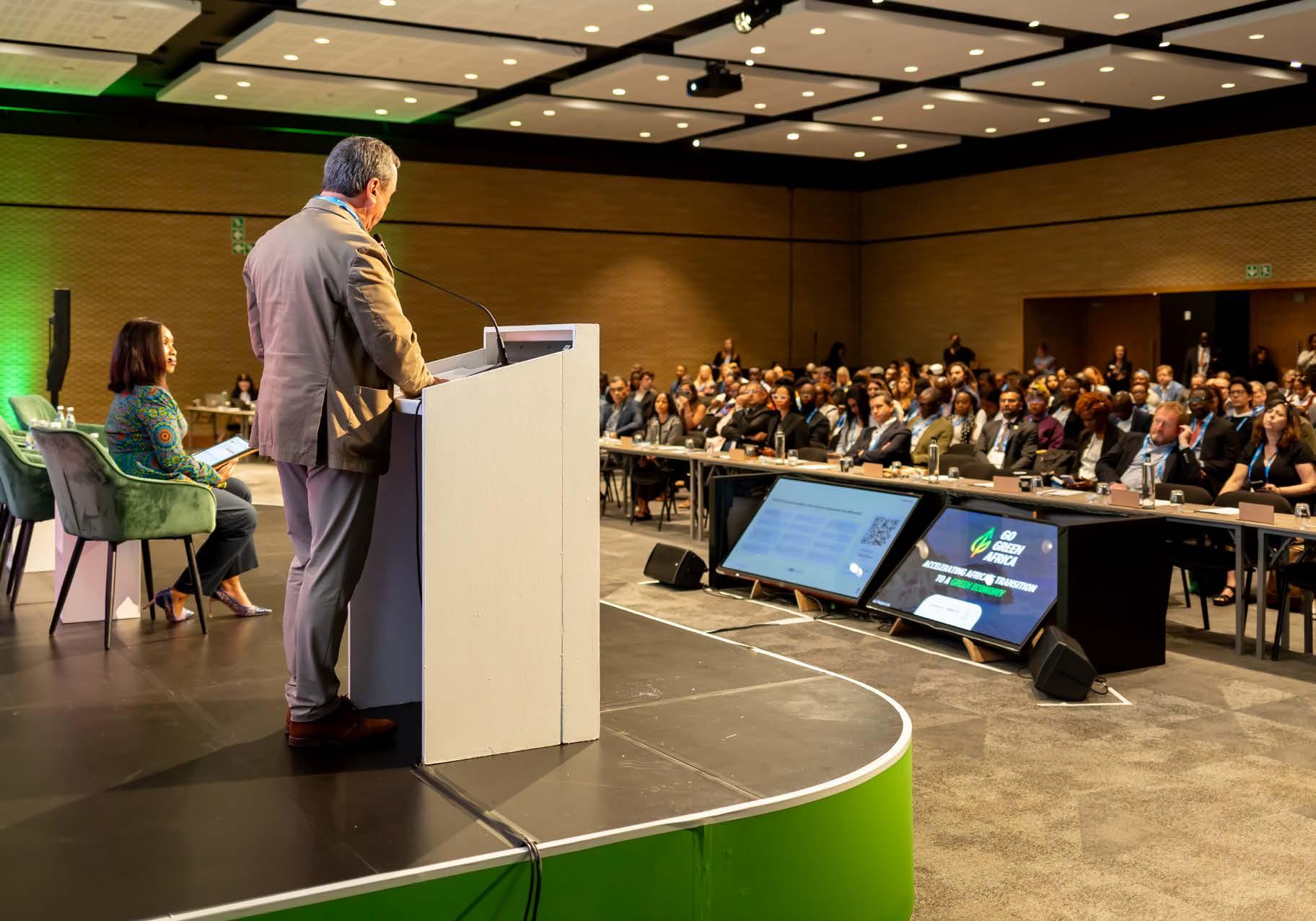
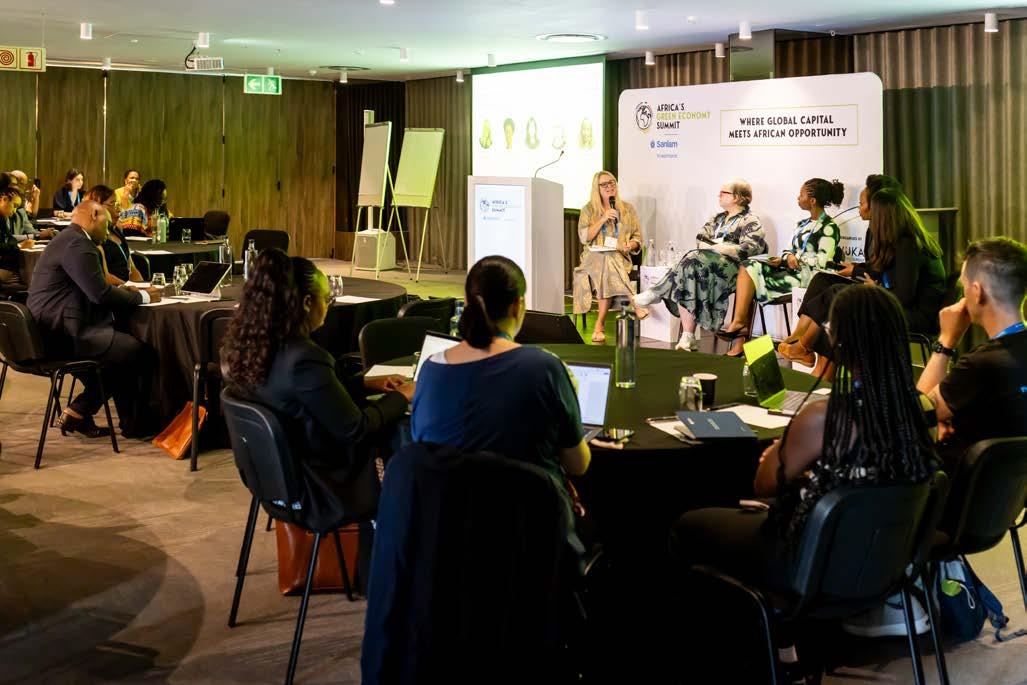
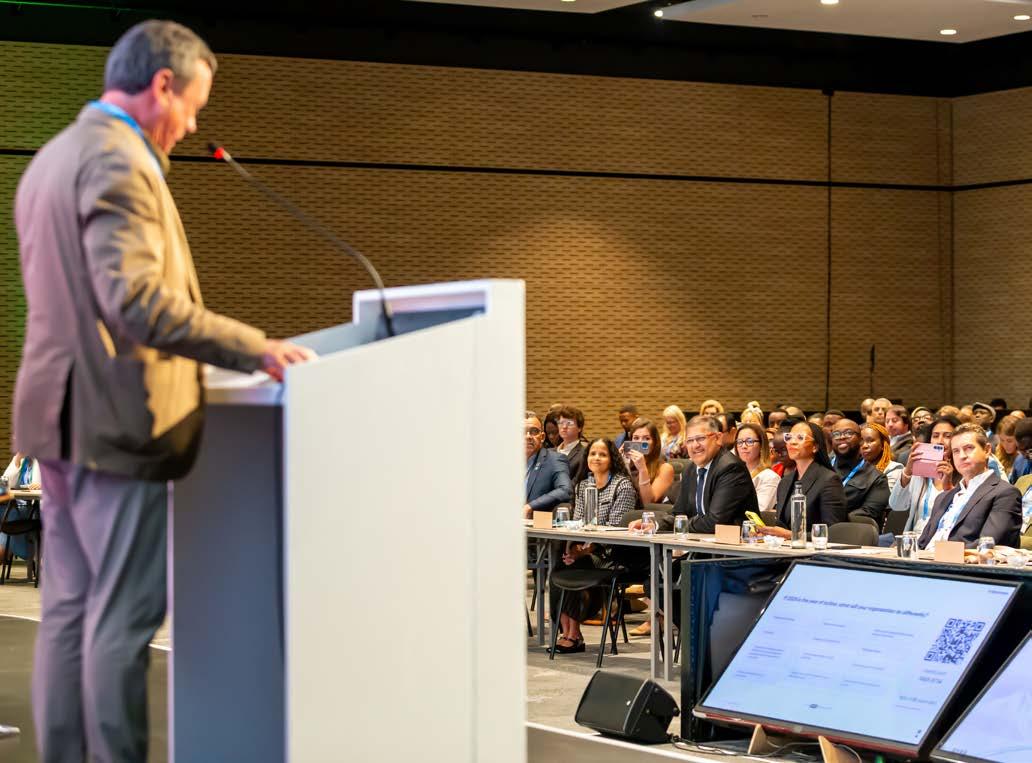
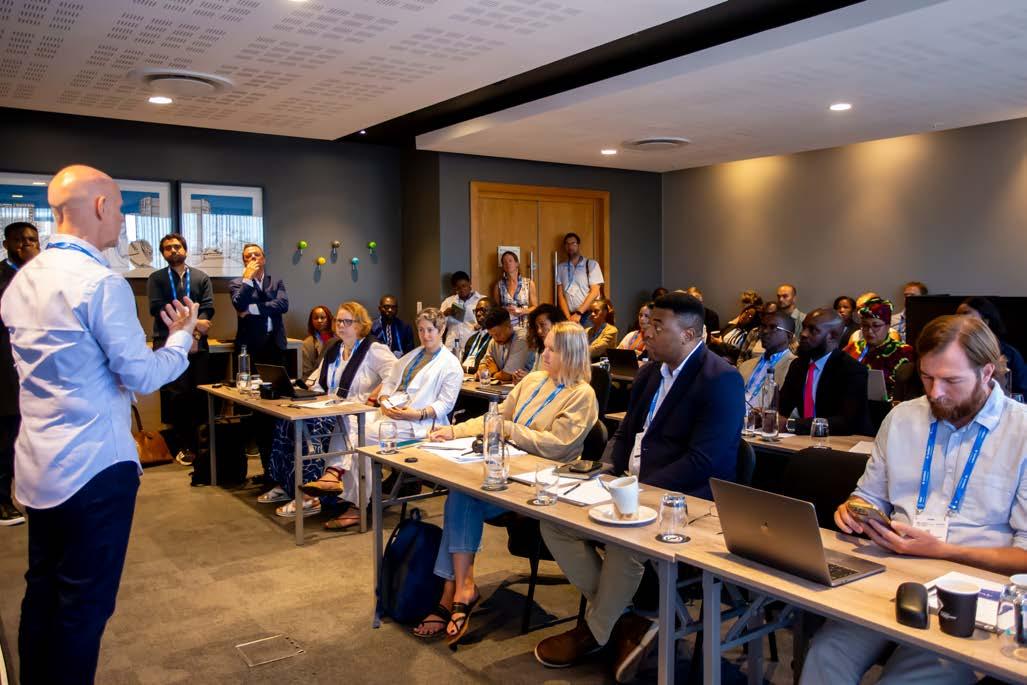
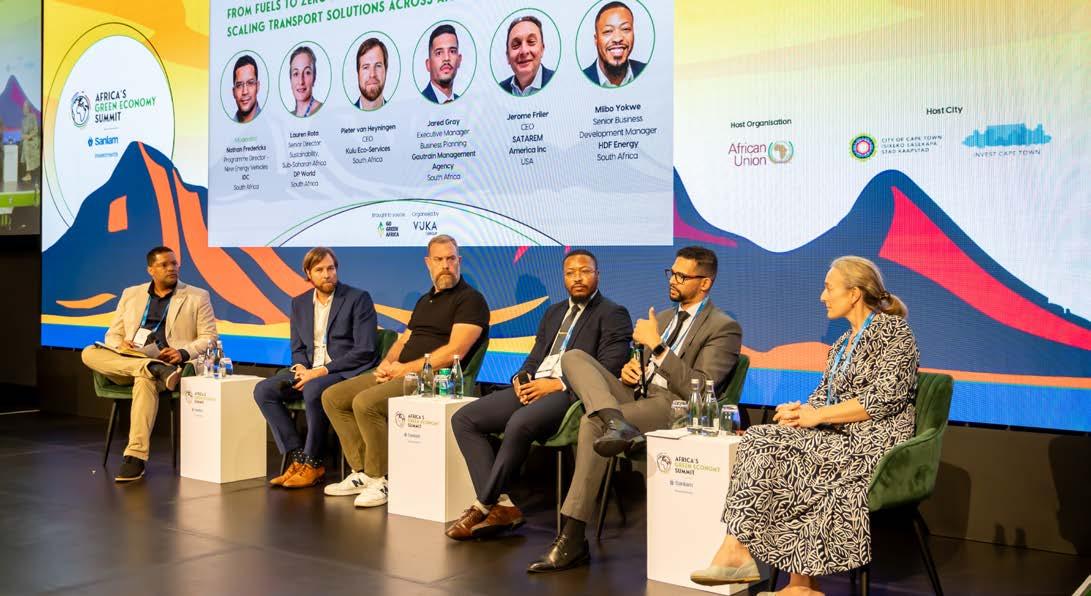
“I feel like our mission for AGES to connect capital with Africa’s green economy opportunities is just getting started,” stated an elated Iain Banner, Founder and Chairman of Go Green Africa (GGA), “with over 700 delegates registered, 660 match-making sessions recorded and 55 green company pitches made to over 120 financiers (from DFIs all the way to family offices).”
“While in excess of R400m of investment has landed to date, I have a medium term objective to see that exceed R1bn of investment. And why is that important? Because it equates to jobs, jobs, jobs! And that is what will lift Africa up.”
Africa’s opportunity to leapfrog
Sanlam Investments was the title sponsor for the third year running. During his keynote speech, Sanlam Investments CEO Carl Roothman reminded the audience that it is not Africa’s right to get investments; “We have to work incredibly hard for these investments. We’re competing with Asia, with East Europe. But, the opportunity, if we do it right and channel the money and go from ambition to action, we can leapfrog what is happening in the rest of the world, with all of the resources we have in Africa.”
Earlier the South African Deputy Minister of Forestry, Fisheries and Environment Narend Singh said that South Africa was “one of five countries in Africa with a Climate Change Act. The challenge now is implementation. To achieve realistic action, a plethora of actions need to be addressed.” These include “creating the ecosystem for entrepreneurs and small businesses, who are the disruptors, to be able to realise an inclusive lowcarbon economy.”
Proving again that AGES showcases best practices and success stories on the ground, the so-called “godfather of hydropower in South Africa,” sector pioneer Ian de Jager of I&F Engineering, was an audience favourite.
He is trusted by many large-scale farmers to develop hydropower systems on their farms. He jokingly described farmers as “a total different breed of species” when he goes through the process of assessing the feasibility of hydropower on a particular farm, adding that, “farmers don’t want information, they want the answer.”
The WomenIN session proved to be a lively and stirring session that explored how women leaders, entrepreneurs and investors are transforming Africa’s green and blue economy.
“Instead of shying away from difficult conversations, I think we should use the spaces that we are given as women to drive the changes that we want to see,” proclaimed Nomathemba Mhlanga, Chief Sustainability Officer at Coega Development Corporation.
“It's very clear that Africa has a huge opportunity in terms of a green economic growth transition,” said Dr John Roome, former World Bank climate change pioneer and chairman of the AGES advisory board, at the event’s closing session.
“By green economic growth transition we don't only mean being worried about climate and environment, but also figuring out how one can drive economic growth and poverty reduction in a way that is climate smart, environmentally responsive and addresses poverty at the same time.”
AGES returns to Cape Town from 16 to 19 March 2027. n
Key highlights and achievements
Africa Energy Indaba 2026 served as a strategic platform for addressing the urgent need to expand energy access across the continent while driving investment into bankable energy projects. With over 600 million people in Africa still lacking reliable electricity access, discussions emphasised the importance of scaling up infrastructure development, improving policy frameworks and fostering stronger public-private partnerships. Ambition alone does not deliver electricity to 300 million Africans by 2030; execution does.
How Mission 300 is strengthening institutional expertise within African governments, while reducing investment risk to attract private capital for building the necessary energy infrastructure.
The World Bank and African Development Bank Group are making a lot of progress with their Mission300 projects so far (44 million people with electricity access to date!).
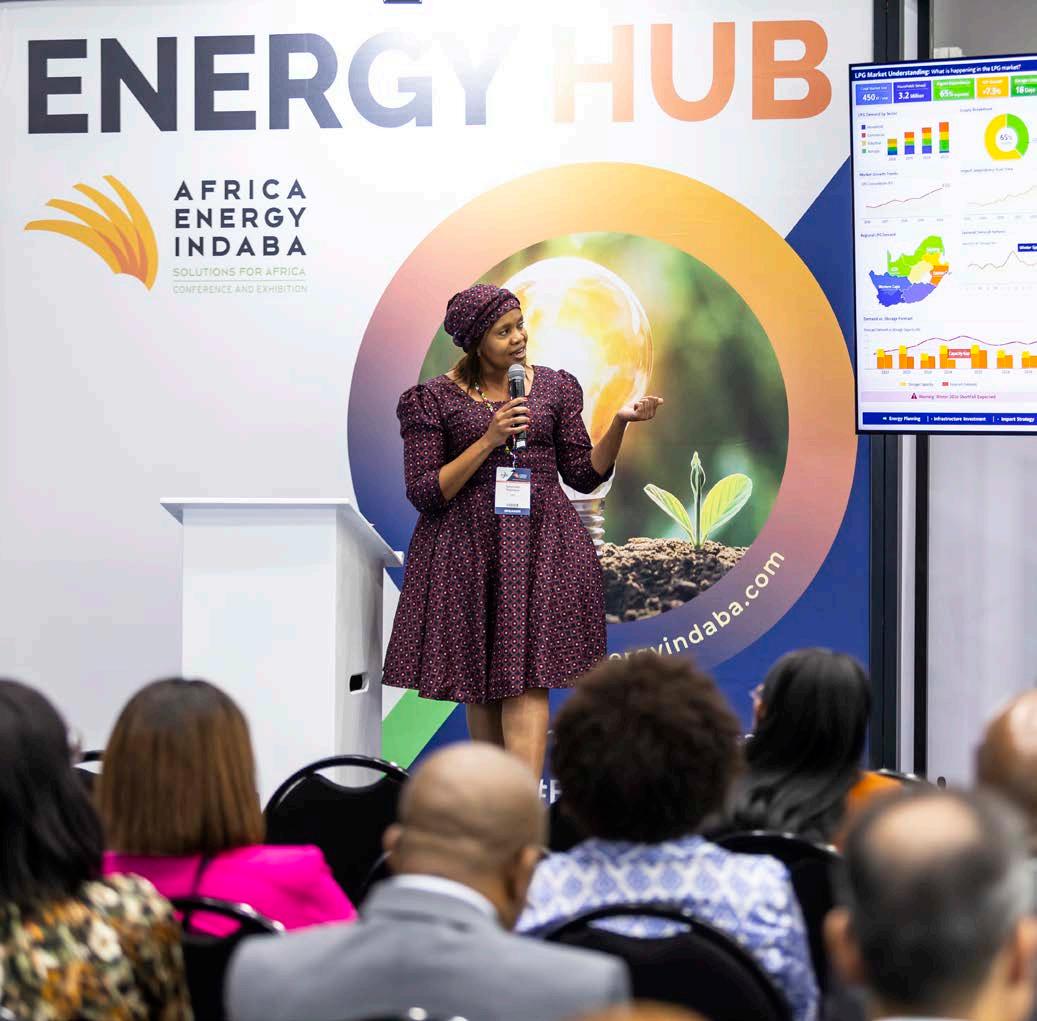
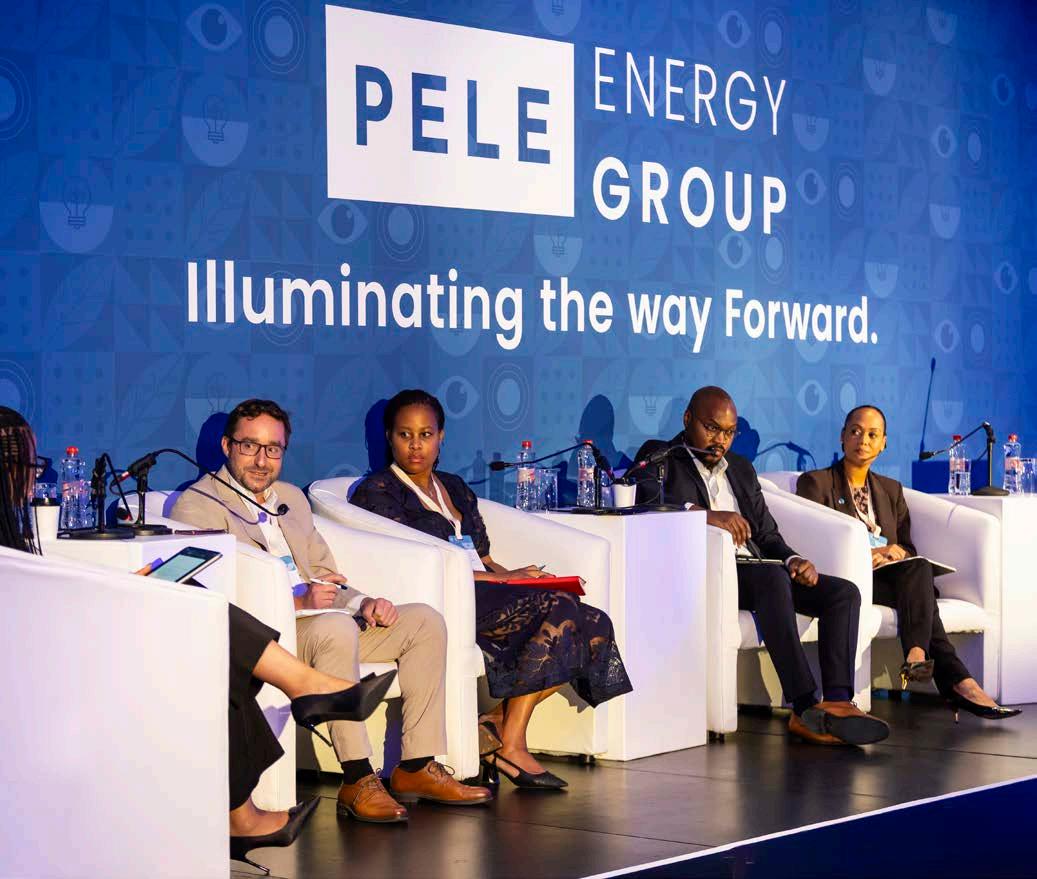
The event featured a dynamic programme of keynote addresses, panel discussions and specialised sessions that explored key themes including energy security, renewable energy expansion, project financing, grid infrastructure development and regional power integration. Stakeholders also highlighted the importance of accelerating project pipelines to attract global investment into Africa’s energy sector.
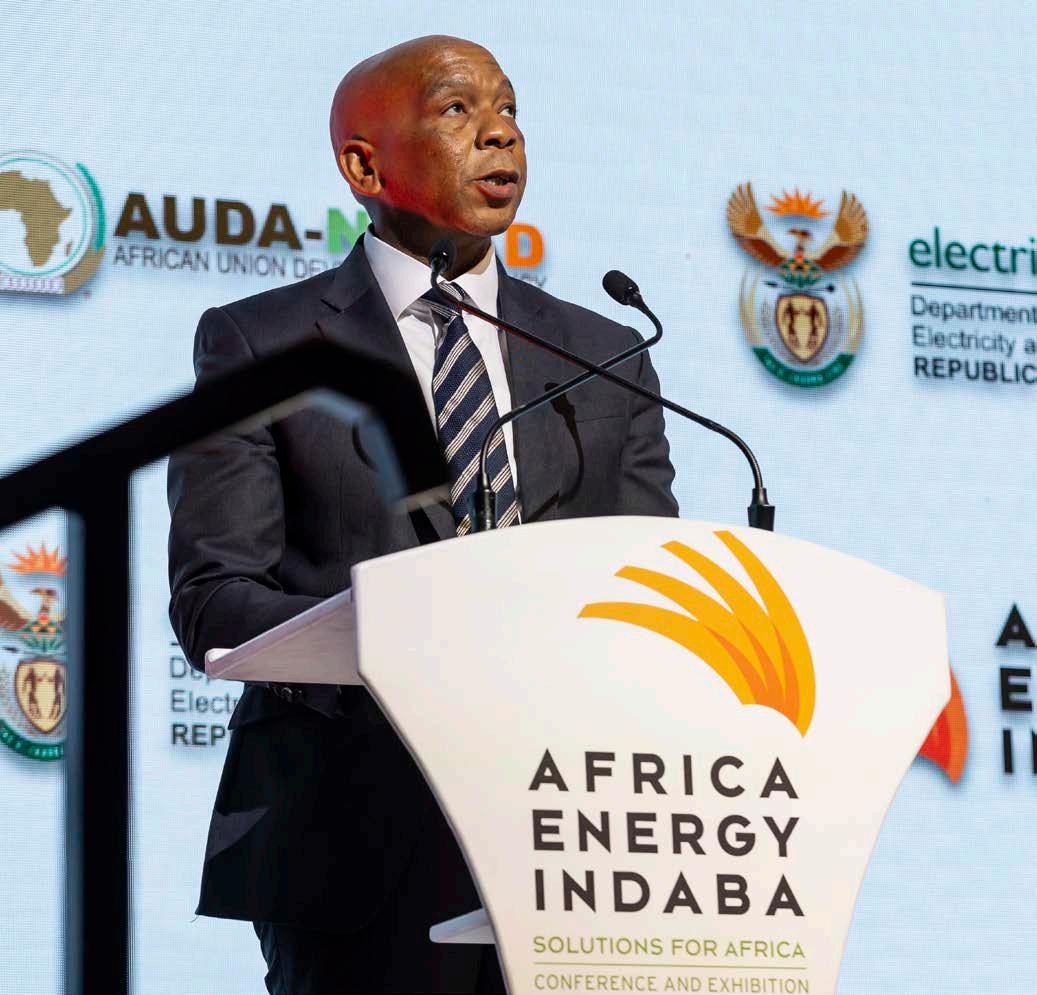
A highlight of the 2026 Indaba was the Presidential Keynote Address delivered by H.E. President Cyril Ramaphosa , underscoring the importance of energy security, infrastructure development and regional cooperation in unlocking Africa’s economic potential.
The 2026 Africa Energy Indaba delivered several important announcements and partnerships that underscore the event’s role as a catalyst for energy investment and collaboration.
1. Mission 300 Commitment Expanded
As part of Mission 300 Day during the Indaba, The Rockefeller

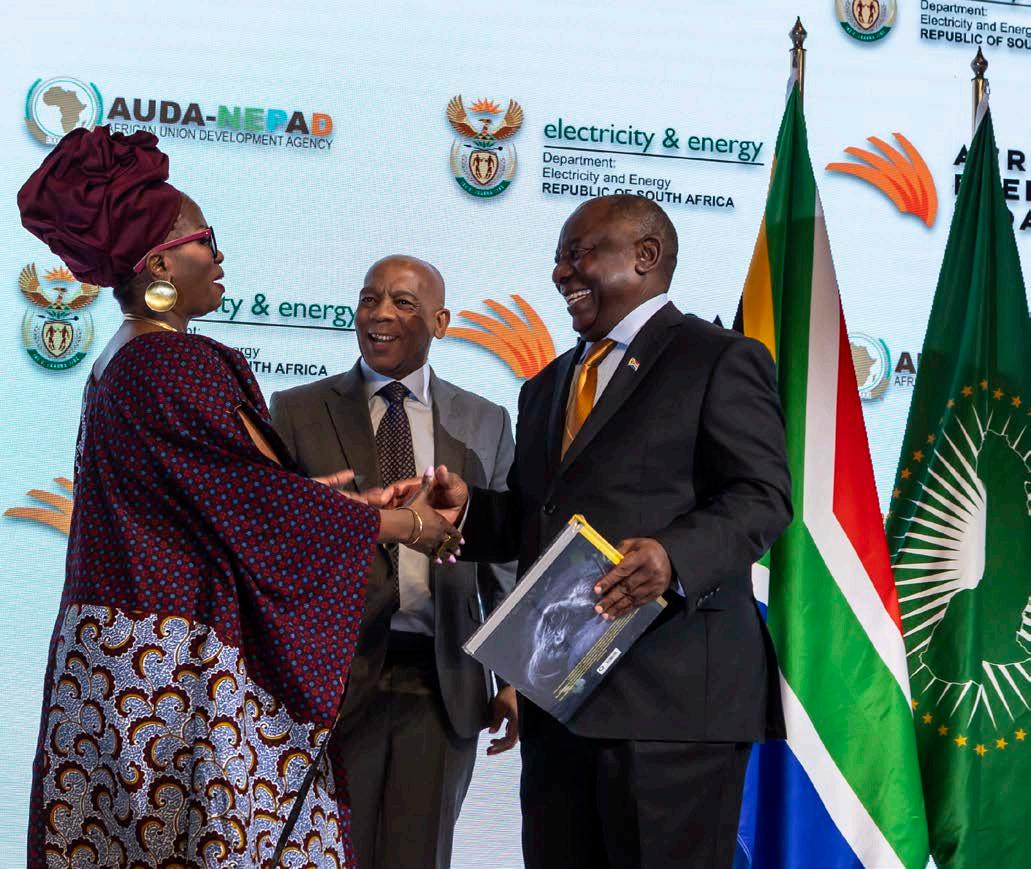

Foundation announced an additional US$10 million in support of Mission 300, the ambitious initiative led by the World Bank Group and the African Development Bank aimed at connecting 300 million Africans to electricity by 2030.
The announcement reinforced the growing momentum behind Mission 300 and highlighted the importance of global partnerships in addressing Africa’s energy access gap.
2. Nuclear Energy Cooperation Agreement
During the Nuclear Forum, South Africa’s Nuclear Energy Corporation (Necsa) and Russia’s Rosatom signed a Memorandum of Understanding (MoU) to strengthen cooperation in nuclear skills development, training and research.
The partnership supports South Africa’s nuclear expansion ambitions and focuses on developing the next generation of nuclear professionals, promoting women’s participation in the sector and advancing collaborative research programmes.
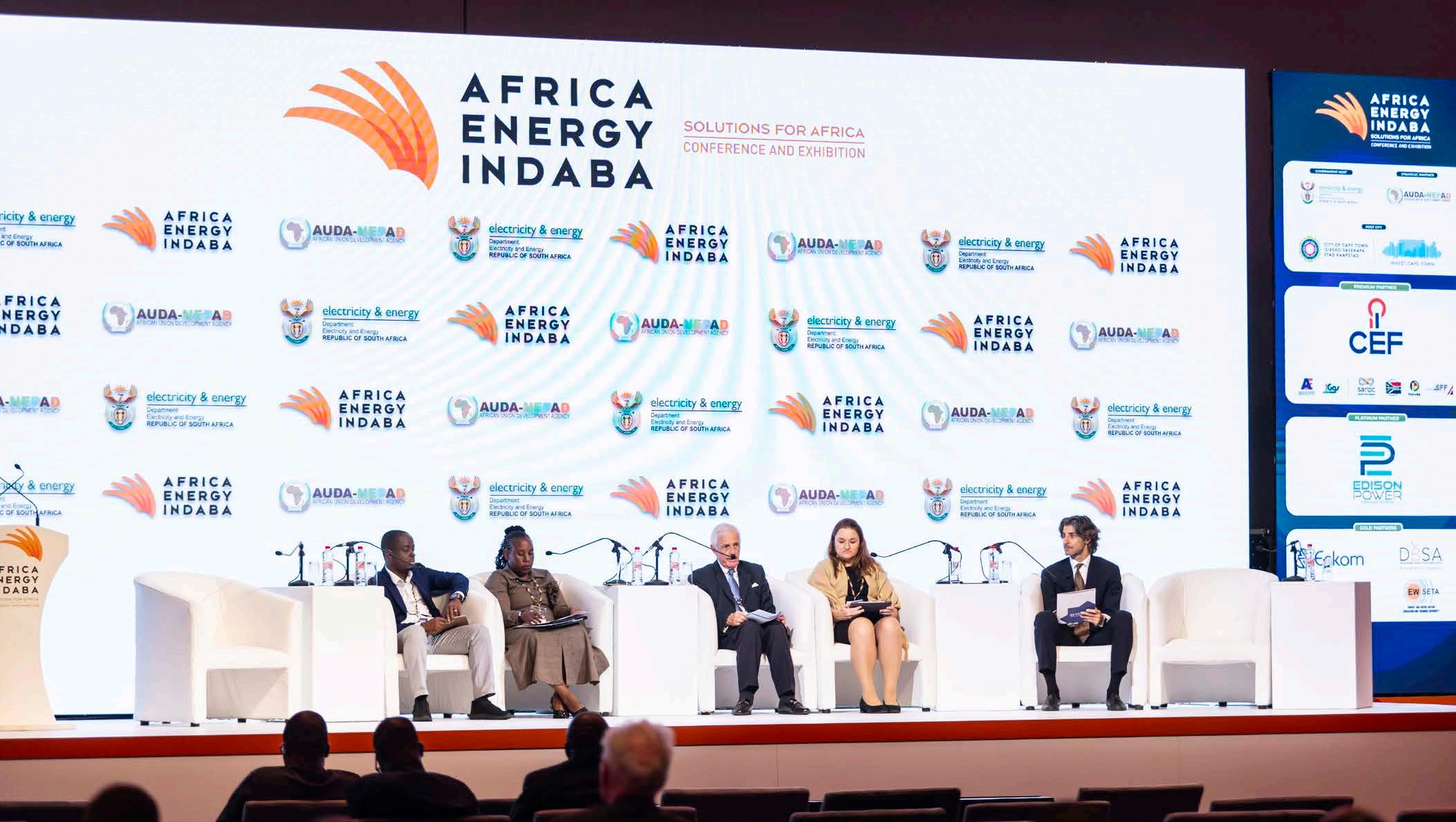
A further milestone of the Nuclear Forum was the signing of the Declaration to Triple Global Nuclear Capacity by 2050, in collaboration with the World Nuclear Association. The declaration reflects growing international recognition of nuclear power as a critical component of global energy security and decarbonisation strategies.
A key highlight of the Indaba was the Ministerial Roundtable on the Africa Ten-Year Infrastructure Investment Plan for CrossBorder Interconnectivity (TYIIP)
The roundtable focused on accelerating priority transmission and power infrastructure projects across the continent, strengthening project preparation mechanisms, improving cross-border coordination and mobilising both public and private investment to enable regional energy integration.
Energy leaders emphasised that cross-border interconnectivity and regional power pools will be essential to delivering reliable and affordable electricity across Africa.
The Indaba also hosted the South African Investment Forum, hosted by the Department of Electricity and Energy, which profiled a range of investment opportunities in South Africa’s evolving energy sector.
The forum provided investors with insights into new projects across renewable energy, transmission infrastructure, gas-topower developments, nuclear energy expansion and emerging technologies.
The Africa Energy Indaba 2026 brought together energy stakeholders to explore pathways for:
1. Strengthening energy security and resilience across Africa
2. Accelerating energy investment and project development
3. Advancing regional power integration and cross-border infrastructure
4. Supporting Africa’s just and inclusive energy transition
5. Unlocking the potential of gas-to-power, renewables, storage and grid expansion
Government leaders, development finance institutions, utilities, private sector companies and technology innovators participated in a series of high-level discussions, ministerial roundtables and industry forums.

Among the key themes and outcomes emerging from the 2026 Indaba were:
Energy Investment Acceleration
Delegates emphasised the need to significantly increase investment in generation, transmission and distribution infrastructure to meet Africa’s rapidly growing energy demand.
Regional Integration and Infrastructure Development
Ministers and industry leaders highlighted the importance of strengthening regional power pools and cross-border interconnectors to improve reliability and unlock continental energy markets.
Energy Transition Aligned with Industrial Growth
A central message from the conference was that Africa’s energy transition must support industrialisation, job creation and economic development while advancing sustainability goals.
Strategic Role of Natural Gas
The Africa Gas Forum reinforced the role of natural gas as a transition fuel capable of supporting electricity generation, industrial growth and energy stability across the continent.
Strong emphasis was placed on collaboration between governments, investors and development partners to accelerate project implementation and mobilise large-scale energy financing.
Africa’s Energy Future
The Africa Energy Indaba continues to play a critical role in shaping the continent’s energy policy landscape and investment pipeline.
Driving the vision for Africa’s energy future
For nearly two decades, Africa Energy Indaba has remained committed to its mission of driving dialogue, investment and solutions that support Africa’s energy growth and sustainability. The platform continues to play a vital role in shaping policy conversations, facilitating partnerships and unlocking opportunities that advance energy access and economic development across the continent.
By convening influential stakeholders from across the energy ecosystem, the Indaba has become a catalyst for meaningful engagement that contributes to strengthening South Africa’s energy sector while supporting broader continental initiatives aimed at expanding power generation capacity and improving energy resilience.
Reflections and the way forward
Reflecting on the outcomes of the event, the Managing Director of Africa Energy Indaba emphasised the importance of collaboration and decisive action in addressing Africa’s energy challenges.
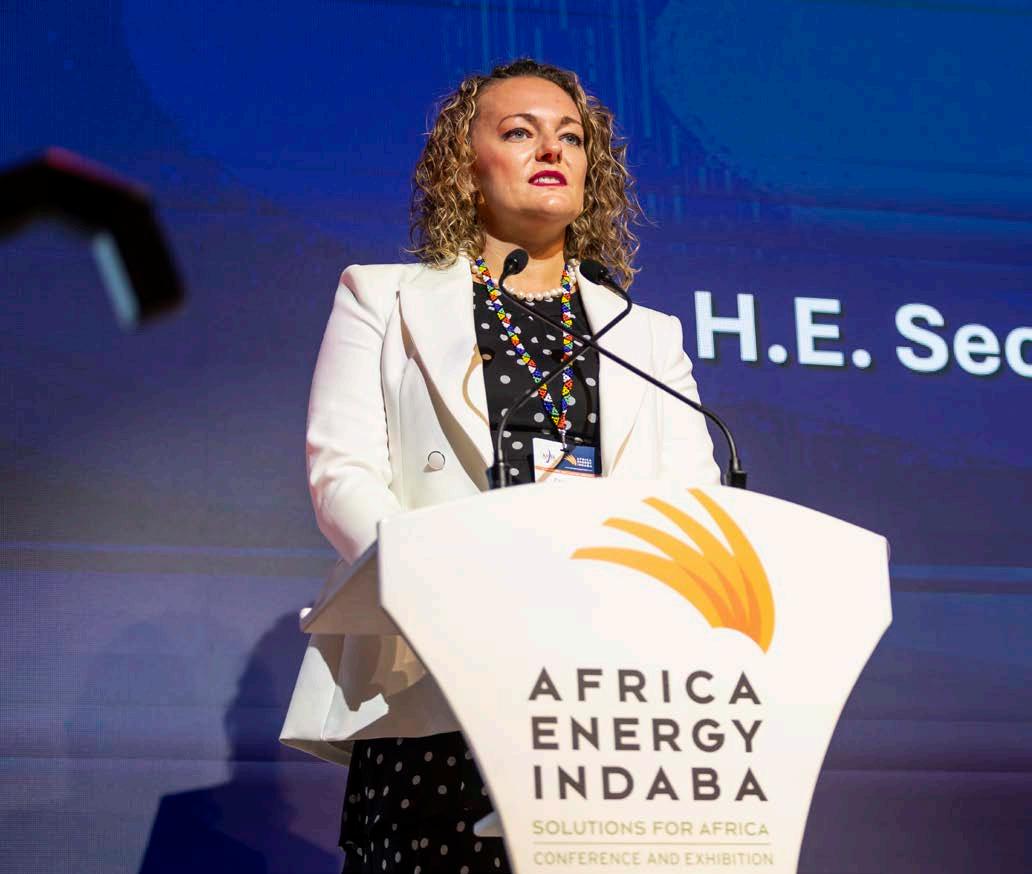
“The Africa Energy Indaba provides a critical platform for alignment between governments, utilities, investors and solution providers. With ministerial participation at this level, meaningful dialogue can translate into tangible action,” said Liz Hart, Managing Director of the Africa Energy Indaba.
Looking ahead, Africa Energy Indaba will continue to serve as a critical platform for shaping the continent’s energy future by bringing together the stakeholders needed to turn dialogue into tangible solutions.
As Africa navigates a rapidly evolving global energy landscape, the outcomes of Africa Energy Indaba 2026 underscore the importance of sustained collaboration, innovation and investment to ensure that the continent’s energy potential is fully realised. n

The world is entering a new economic era. Businesses, governments, and investors are beginning to recognise that waste is not merely an environmental problem it is a massive economic inefficiency. In response, a new model is rapidly emerging: the circular economy.
The future of business will not belong to companies that simply sell products. It will belong to businesses that eliminate waste, regenerate resources, extend product lifecycles, and create value continuously across entire ecosystems.
Circular business is no longer a sustainability trend. It is becoming one of the defining economic transformations of the 21st century.
The traditional economic system relies heavily on finite resources. Every year, billions of tonnes of materials are extracted from the earth, processed into products, and ultimately discarded into landfills or oceans. This model has led to resource depletion, rising carbon emissions, biodiversity loss, and escalating waste management challenges.
Circular business challenges this entire framework.
Instead of asking, “How do we sell more products?” circular companies ask:
• How do we keep materials in use longer?
• How do we eliminate waste entirely?
• How do we design products to be reused, repaired, refurbished, or recycled?
• How do we create regenerative systems instead of extractive ones?
At its core, circularity is about decoupling economic growth from resource consumption.
This shift represents one of the most profound business transitions since the Industrial Revolution.
The rise of circular business is being driven by multiple global pressures converging at once.
Critical minerals, metals, water resources, and energy inputs are becoming increasingly constrained and expensive. As populations grow and industrial demand accelerates, businesses face rising operational risks linked to supply chain instability.
Circular systems reduce dependency on primary materials by keeping resources circulating within the economy.
Governments worldwide are introducing stricter climate regulations, carbon taxes, and sustainability disclosure requirements. Businesses that fail to adapt may face higher operational costs, investor pressure, and reputational damage.
Circular models naturally reduce emissions because they minimise extraction, manufacturing intensity, and waste generation.
3.
Environmental, Social, and Governance (ESG) principles are increasingly shaping investment decisions. Investors are now evaluating companies based not only on profitability but also on long-term sustainability resilience.
Circular businesses are increasingly viewed as lower-risk, futureready investments.
Modern consumers particularly younger generations are demanding sustainable products, ethical sourcing, transparency, and environmentally responsible brands.
Ownership itself is evolving. Many consumers now prefer access over ownership through rental, subscription, sharing, and resale models.
The future of circular business will be powered by innovation across multiple industries. Several models are already reshaping the global economy.
Product-as-a-Service
Instead of selling products outright, companies increasingly provide access through subscriptions or leasing models.
This allows manufacturers to retain ownership of materials and products while ensuring maintenance, upgrades, and recycling.
Examples include:
• Mobility-as-a-service
• Office equipment leasing
• Fashion rental platforms
• Industrial machinery subscriptions
This model transforms waste into recurring value.
Repair and Refurbishment Economies
For decades, products were intentionally designed with limited lifespans. Today, businesses are rediscovering the economic value of durability and repairability.
Refurbished electronics, remanufactured machinery, and repair ecosystems are becoming billion-dollar industries.

The “right-to-repair” movement is also gaining momentum globally, pushing manufacturers toward more sustainable product design.
Resale and Secondary Markets
Second-hand commerce is no longer niche. Digital platforms have transformed resale into a mainstream economic sector.
Fashion, furniture, electronics, luxury goods, and even construction materials are now part of thriving secondary marketplaces.
In the future, businesses will increasingly design products with resale value in mind.
Industrial Symbiosis
One company’s waste can become another company’s raw material.
Industrial symbiosis ecosystems are emerging where industries collaborate to exchange materials, water, energy, and byproducts. These systems dramatically reduce operational costs while lowering environmental impact.
The industrial parks of the future may function like ecosystems rather than isolated factories.
Technology is becoming a major enabler of the circular economy. Artificial intelligence, blockchain, IoT sensors, and advanced analytics are transforming how materials are tracked, reused, and recovered.
AI and Predictive Systems
Artificial intelligence can optimise inventory management, reduce waste in manufacturing, and predict maintenance needs before equipment fails.
Digital Product Passports
Products may soon carry digital records showing where materials originated, how they were produced, and how they can be recycled or reused.
Smart Waste Management
Advanced sorting technologies and automation are making recycling systems faster, cleaner, and more efficient.
Advanced Recycling Technologies
Innovations in chemical recycling and material recovery are unlocking the ability to recycle complex products that were previously impossible to process economically.
Technology is turning circularity from an environmental aspiration into a scalable business strategy.
For African economies, circular business represents more than environmental sustainability - it is a pathway toward industrialisation, job creation, and economic resilience.
Africa already has strong informal circular systems through repair cultures, reuse markets, and material recovery networks. In many ways, parts of the continent have practised circularity for decades out of economic necessity.
The opportunity now is to formalise, scale, and modernise these systems.
Key opportunities include:
• Renewable energy industries
• Plastic recovery and recycling
• Agricultural waste beneficiation
• Sustainable construction materials
• E-waste recovery industries
• Circular manufacturing hubs
South Africa, Kenya, Rwanda, and several other African nations are increasingly investing in green industrialisation and circular economy strategies.
As global supply chains shift toward sustainability compliance, African businesses that embrace circularity could become highly competitive in international markets.
The transition to circular business will also reshape employment. New industries and job categories are emerging in:
• Recycling innovation
• Renewable energy
• Sustainable design
• Circular engineering
• Material science
• Green finance
• Repair and remanufacturing
• Waste-to-value industries
Future business leaders will require systems thinkingunderstanding how products, supply chains, communities, and ecosystems connect.
Universities and institutions are already beginning to integrate circular economy principles into business, engineering, and sustainability programmes.
Despite its promise, the transition toward circular business will not be simple.
Major challenges remain:
• Limited recycling infrastructure
• High upfront investment costs
• Weak regulatory alignment
• Consumer awareness gaps
• Complex global supply chains
• Limited access to green financing in developing economies
Many industries are still deeply embedded in linear production models that prioritise short-term profits over long-term sustainability.
However, history shows that economic systems evolve when pressure, innovation, and opportunity converge. That convergence is happening now.
The businesses that thrive in the coming decades will not necessarily be the largest or oldest. They will be the most adaptable.
Circular businesses gain several strategic advantages:
• Lower material costs
• Stronger supply chain resilience
• Improved brand trust
• Regulatory preparedness
• Increased investor confidence
• Long-term operational sustainability
Circularity is increasingly becoming a competitive differentiator rather than a compliance exercise.
The future of circular business ultimately challenges one of the oldest assumptions in economics: that growth must come from consuming more resources.
The next generation of successful businesses will likely grow not by producing more waste, but by creating more value from fewer resources.
This is not simply an environmental adjustment. It is a complete reimagining of how economies function.
The companies that embrace this transition early will help shape a world where profitability and sustainability are no longer opposing forces, but partners in a new economic model.
The future of business is not linear.
It is circular, regenerative, intelligent, and resilient. n


Recyclable Rawmaterials


Across the globe, plastic pollution has become one of the defining environmental crises of our time. From oceans clogged with waste to overflowing landfills and microplastics infiltrating food systems, the world is searching urgently for sustainable alternatives to conventional packaging. In the middle of this global challenge, a young Kenyan innovator is emerging as one of Africa’s most exciting climate-tech pioneers.
Meet Joseph Nguthiru, the founder and CEO of HyaPak a revolutionary Kenyan startup transforming invasive water hyacinth into biodegradable packaging solutions that could reshape the future of packaging worldwide.
Recognised by the United Nations Environment Programme as a Young Champion of the Earth, Nguthiru is proving that Africa is not merely participating in the sustainability revolution it is helping lead it.
The inspiration behind HyaPak began on Kenya’s Lake Naivasha, where dense invasions of water hyacinth have devastated aquatic
ecosystems, blocked waterways, reduced oxygen levels in lakes, and threatened local fishing livelihoods. Instead of seeing only a problem, Nguthiru saw untapped potential.
His breakthrough idea was elegantly simple yet deeply transformative: use one environmental problem to solve another.
HyaPak harvests water hyacinth one of the world’s most invasive aquatic weeds and converts it into biodegradable alternatives to single-use plastics. The company produces packaging materials, seedling bags, food carton linings, wrappers, tumblers, and other sustainable products designed to naturally decompose after use.
Unlike conventional plastic that can persist in the environment for hundreds of years, HyaPak’s materials biodegrade within months at the end of their usable lifetime, dramatically reducing long-term pollution and landfill accumulation. According to the company, some products decompose within three to six months, while certain applications can be extended up to a year depending on usage needs.
What makes HyaPak especially powerful is that it embodies the principles of the circular economy, a system where waste becomes a resource instead of an environmental burden.
In HyaPak’s model:
• Invasive weeds are harvested from polluted waterways
• Communities are employed in collection and processing
• Plant fibres are extracted and transformed into packaging materials
• The products safely biodegrade after use
• Soil and ecosystems benefit instead of suffer
This creates an environmental and economic loop that is regenerative rather than destructive.
As Nguthiru explained through UNEP, HyaPak is “using one problem…to solve another problem.”
One of the most revolutionary aspects of HyaPak’s innovation is its end-of-life design philosophy.
Traditional plastic packaging is engineered for durability but this durability becomes a disaster when disposable items remain in nature for centuries. HyaPak flips this model entirely.
Its biodegradable packaging is designed to serve its purpose effectively during use, then naturally break down at the end of its lifecycle without leaving harmful pollution behind.
Africa, with its growing population, entrepreneurial youth, and urgent environmental challenges, is becoming a laboratory for practical sustainability innovation. HyaPak is part of a new generation of African climate-tech ventures building solutions tailored to local realities while offering global relevance.
He has also been recognised as:
• An Obama Leader
• A Presidential Awardee for Best Innovator in Kenya
• A member of Africa’s 40 Under 40
• A Meta Top 25 Under 25 Young Climate Prize winner
These accolades reflect growing global acknowledgement that climate solutions from Africa are becoming central to the future of sustainable development. n

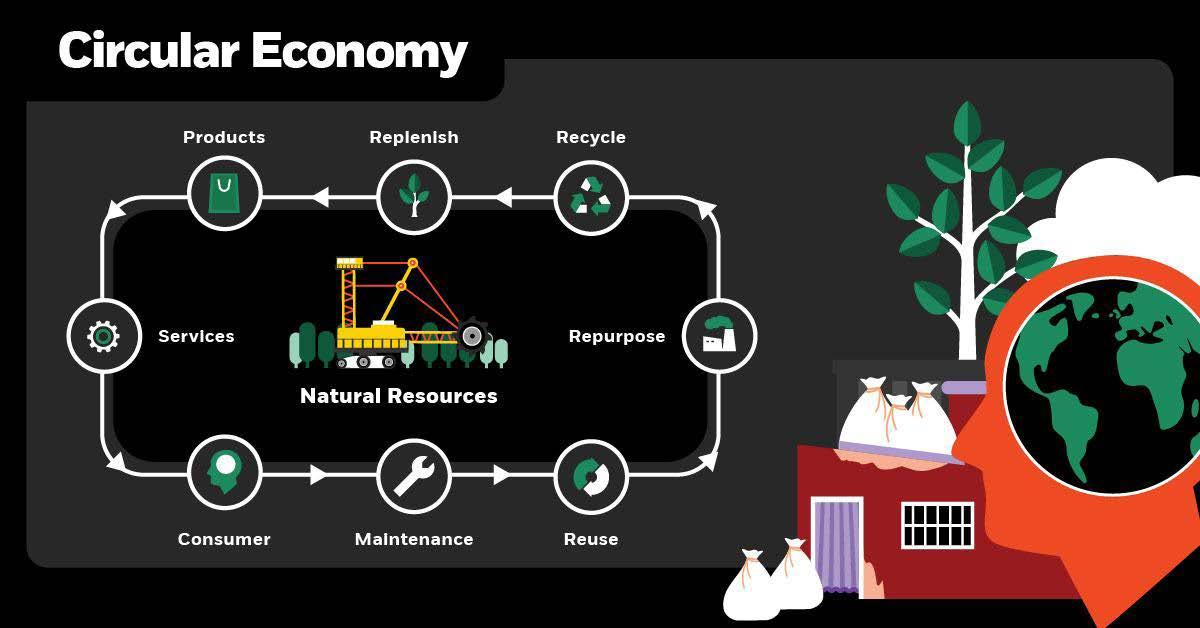
As South Africa continues to confront the realities of climate change, rising landfill pressure, resource scarcity and growing consumer awareness, 2026 is emerging as a defining year for the circular economy. Across the country, industries are increasingly moving away from the outdated “take, make, dispose” model toward systems built on reuse, recycling and regeneration. Nowhere is this transition more visible than in the paper packaging and recycling sectors.
From boardrooms to buy-back centres, from paper mills to informal waste reclaimers, South Africa’s circular economy is steadily gaining momentum and it is creating jobs, stimulating innovation and reducing environmental impact in the process.
At the centre of this transformation is the growing recognition that waste is no longer simply waste. It is a valuable economic resource.
The paper packaging industry has become one of the strongest examples of circularity in South Africa. Unlike many single-use materials that struggle to re-enter the value chain, paper fibre can be recycled multiple times, creating an ongoing loop of production and reuse.
According to Fibre Circle, paper fibres can be recycled up to 25 times, making paper packaging one of the most sustainable packaging solutions currently available. The organisation has become a leading voice in South Africa’s transition toward a low-waste economy through its management of Extended Producer Responsibility (EPR) programmes for the paper and paper packaging sector.
EPR legislation has become one of the biggest drivers behind
the circular economy in recent years. It places responsibility on producers to ensure that packaging materials are recovered, recycled and kept out of landfill systems. In 2026, this policy framework is beginning to show measurable results as more businesses invest in recyclable design, recovery infrastructure and consumer awareness.
Paper packaging is increasingly replacing problematic plastics in sectors such as retail, food service and e-commerce. Consumers are also becoming more conscious of sustainability credentials, pushing brands to adopt packaging solutions that are recyclable, renewable and environmentally responsible.
Among South Africa’s strongest circular economy success stories is Mpact, the country’s largest paper and plastics packaging and recycling business.
The company has positioned itself as a major force in “closing the loop” on recyclable packaging materials. Mpact collected more than 588,000 tonnes of recyclable materials from post- and preconsumer waste streams, including paper, glass, cans and plastics. Its integrated model demonstrates how circularity can function at industrial scale. Recovered paper is recycled at Mpact’s mills and transformed into new cartonboard and containerboard products, which then re-enter the packaging market. This system reduces dependence on virgin raw materials while simultaneously diverting waste from landfill.
More importantly, the recycling economy has become a major source of livelihood. Mpact estimates that recycling activities support income opportunities for between 60,000 and 90,000 people across South Africa, many of whom operate within the informal sector.
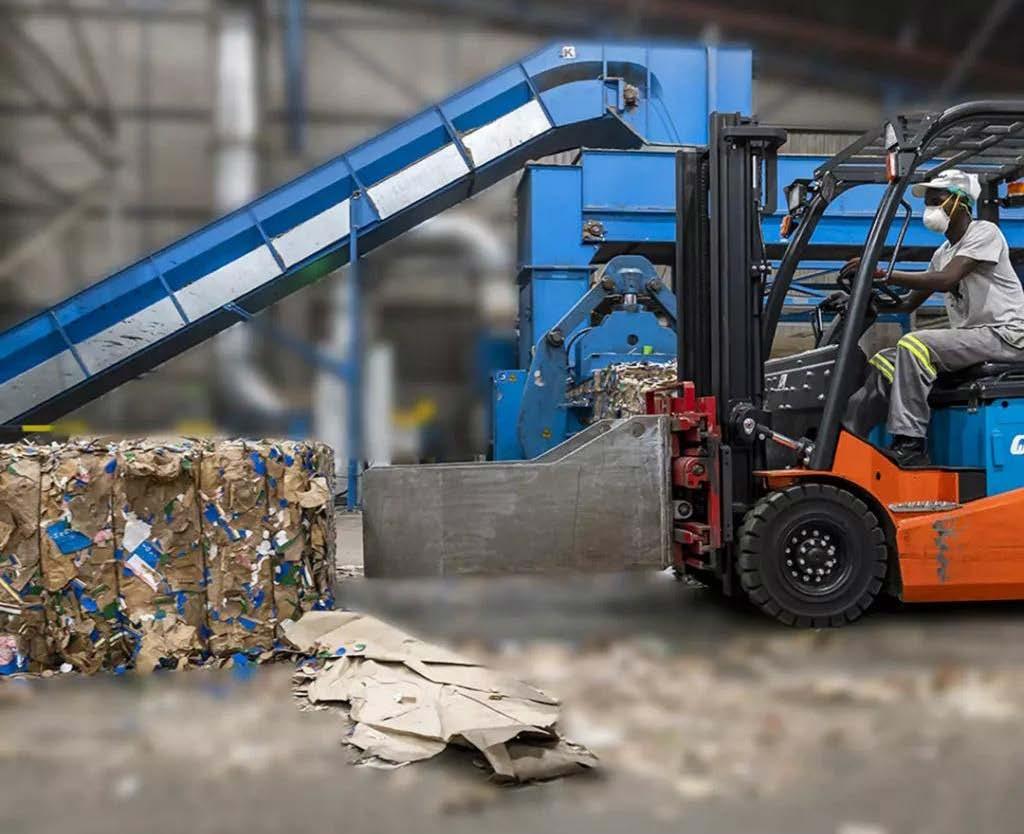
This highlights one of the most important realities of South Africa’s circular economy: sustainability is no longer only about environmental protection - it is also about economic inclusion and social resilience.
Another organisation playing a pivotal role is Petco, one of South Africa’s leading Producer Responsibility Organisations.
Petco has become a key driver in advancing packaging recovery and recycling systems across the country. The organisation supports collection networks, recycling value chains, packaging design innovation and end-use market development for recycled materials.
Its work demonstrates how collaboration between producers, recyclers, municipalities and consumers is essential to building a functioning circular economy.
South Africa’s packaging sector is increasingly recognising that sustainability is not simply a compliance issue, it is a competitive advantage. Brands that demonstrate measurable environmental
responsibility are earning stronger trust from environmentally conscious consumers and investors alike.
While large organisations and policy frameworks often dominate discussions around circularity, South Africa’s recycling economy would not function without informal waste reclaimers.
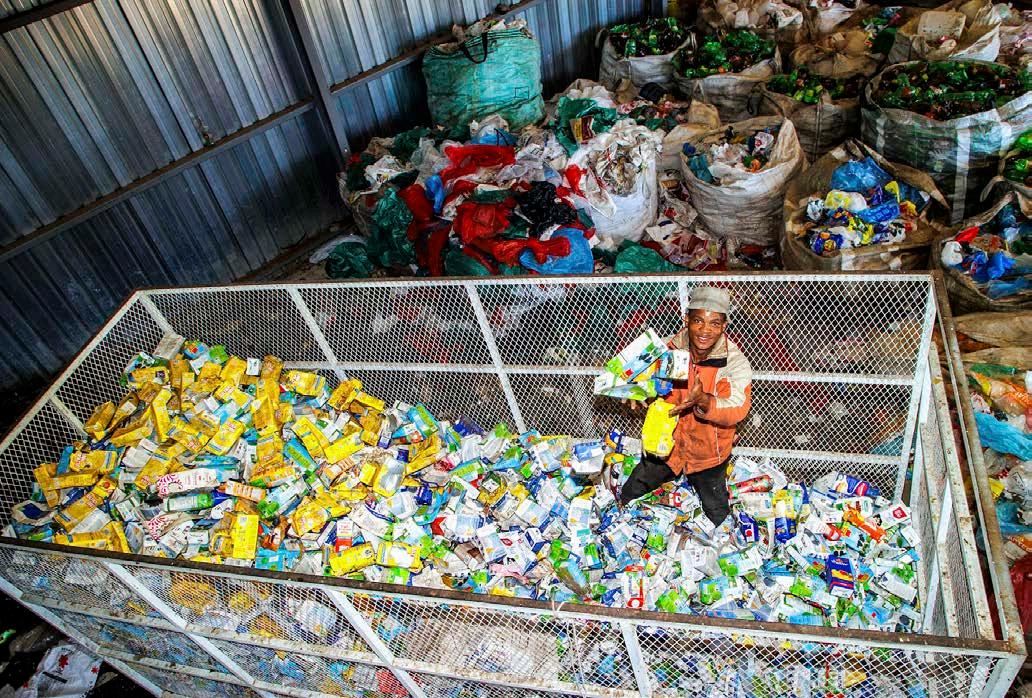
Across cities and townships, reclaimers collect cardboard, paper, cans and plastics that would otherwise end up in landfill. Their work keeps valuable materials circulating through the economy while reducing municipal waste burdens.
Online discussions and public sentiment increasingly recognise the role of reclaimers as essential environmental workers. Many South Africans now acknowledge that the country’s recycling success has been built not only through corporate investment, but also through grassroots collection systems driven by informal entrepreneurs.
In many ways, South Africa’s circular economy has evolved organically out of necessity — but this necessity has created innovation, resilience and opportunity.
What makes 2026 particularly significant is the growing alignment between policy, business strategy and public awareness.
Several key trends are converging:
• Increased implementation of Extended Producer Responsibility regulations
• Rising investment in recyclable and fibre-based packaging
• Greater collaboration between industry and recycling organisations
• Consumer demand for sustainable products and packaging
• Growing recognition of waste reclaimers and informal recycling networks
• Corporate ESG commitments becoming central to business operations
The circular economy is no longer viewed as a niche environmental concept. It is increasingly being recognised as an economic model capable of supporting green growth, job creation and climate resilience.
South Africa still faces considerable challenges. Infrastructure gaps, inconsistent municipal recycling systems and contamination of recyclable waste streams remain major obstacles. Public education around separation-at-source also needs significant improvement.
However, the progress being made across the paper packaging and recycling sectors suggests that the country is moving in the right direction.
The promise of the circular economy lies in its ability to fundamentally rethink how society values materials, products and waste. In a circular system, products are designed to remain in use for as long as possible, and materials continuously flow back into production cycles instead of being discarded.
South Africa’s paper packaging and recycling sectors are increasingly proving that this vision is achievable.
Organisations such as Mpact, Fibre Circle and Petco are helping build the foundations of a more resource-efficient economy one where sustainability and economic growth can coexist.
As 2026 unfolds, the question may no longer be whether South Africa is ready for the circular economy.
The real question is whether the country can afford not to embrace it. n
South Africa’s recycling efforts are gaining momentum. The most recent Fibre Circle statistics show that 72.1% of recyclable paper was diverted from landfills, evidence of both progress and public willingness to participate. Yet for many households, businesses and waste pickers, recycling still breaks down at a practical level: not knowing where to take materials, what each site accepts, or who to contact.
To address this everyday barrier, the Producer Responsibility Organisation (PRO) for the paper and fibre-based packaging industry, Fibre Circle, has launched the national Waste Facilities Locator, an interactive, web-based map designed to help South Africans quickly find nearby waste and recycling facilities.
The platform enables users to identify buy-back centres, public drop-off sites, recycling facilities, mills, and landfill sites across the country. Each listed facility includes key information such as location, type of site, materials accepted and, where available, contact details and website links.
“RECYCLING OFTEN FAILS AT THE FIRST STEP: ACCESS TO CLEAR, RELIABLE INFORMATION. WE KNOW SOUTH AFRICANS ARE WILLING TO RECYCLE. BUT WILLINGNESS NEEDS TO BE MATCHED WITH PRACTICAL TOOLS. BY MAKING RECYCLING INFRASTRUCTURE VISIBLE AND EASY TO NAVIGATE, WE CAN REMOVE FRICTION AND IMPROVE RECOVERY RATES.”
Edith Leeuta, CEO of Fibre Circle
One of the common challenges in recycling is the cost of uncertainty. Arriving at a site that does not accept certain materials or discovering too late that it is not the correct facility type results in wasted time and transport costs. By presenting essential information upfront, the Waste Facilities Locator helps users plan before they travel, supporting cleaner loads, reduced contamination and more consistent participation.
Fibre Circle is a government-recognised producer responsibility organisation. We manage extended producer responsibility programmes to keep paper and paper packaging, which are renewable and recyclable products, out of South Africa’s landfills. This helps to create a clean and dignified living and working environments for all South Africans.
The interactive database is designed to add value across the recycling chain, making it easier for households to identify drop-off points and acceptable material, and for businesses to plan collection partnerships. The greatest impact will be felt by waste pickers and municipalities. For waste pickers, time and transport costs can determine whether a day is profitable, and being able to identify buy-back centres and confirm accepted materials helps waste pickers plan smarter routes and avoid unnecessary travel. Municipalities can improve resource diversion planning, and support more targeted investment in recovery infrastructure, as the mapped view of waste infrastructure helps highlight gaps in service coverage.
Leeuta emphasises that strengthening South Africa’s circular economy depends not only on awareness campaigns, but on improving access to infrastructure. When recycling becomes simpler and more predictable, participation becomes routine, and volumes increase.
““IN A COUNTRY WHERE UNEMPLOYMENT AND SERVICE DELIVERY PRESSURES ARE REAL, CIRCULAR ECONOMY GROWTH IS ALSO AN OPPORTUNITY FOR INCLUSIVE ECONOMIC ACTIVITY. WE WANT TO MAKE IT AS EASY AS POSSIBLE TO MOVE MATERIAL BACK INTO THE ECONOMY,”
Edith Leeuta, CEO of Fibre Circle
As the Waste Facilities Locator expands, maintaining current data and broad geographic coverage will remain a priority, particularly in underserved areas. By making waste and recycling infrastructure searchable and transparent, Fibre Circle aims to support a more connected, efficient recovery system and help move more materials back into productive use.
Telly Chauke, Petco CEO
Newly released data shows how South Africa’s collection and recycling sector received a significant boost from packaging producers and brand owners in 2025
– many of them prominent global brands.
The investment in the sector is detailed in the annual results announced by South Africa’s longest-standing producer responsibility organisation, Petco. It reveals how its members’ extended producer responsibility fees were used to boost the collection and recycling value chain across the country in 2025.
The audited results show that, on behalf of its members, Petco diverted 86,000 cubic metres of post-consumer packaging –namely PET plastic and liquid board packaging (LBP) – from landfill in 2025. This is 10,000 cubic metres more than in 2024 and is equivalent to 2,600 standard shipping containers.
These efforts also mitigated 389,000 tonnes of carbon that would have been emitted in the production of virgin material – comparable to carbon that could be sequestered by planting 17,600 hectares of spekboom.

The results also detail the sponsorship of almost R9 million worth of equipment and infrastructure to support the work of grassroots collection businesses, and the training of over 7,300 participants in recycling skills development workshops.
In addition, these companies, through their membership of Petco, provided a further R90 million in financial support to recyclers, which allowed the recyclers to purchase post-consumer packaging worth R600 million from recycling collection and buy-back centres.
Almost 70% of the PET beverage bottles and more than half of the long-life milk and juice cartons that consumers see on supermarket shelves are put there by Petco members.
Members comprise large and small companies – from retailers such as Pick n Pay and Woolworths to bottlers Coca-Cola Beverages
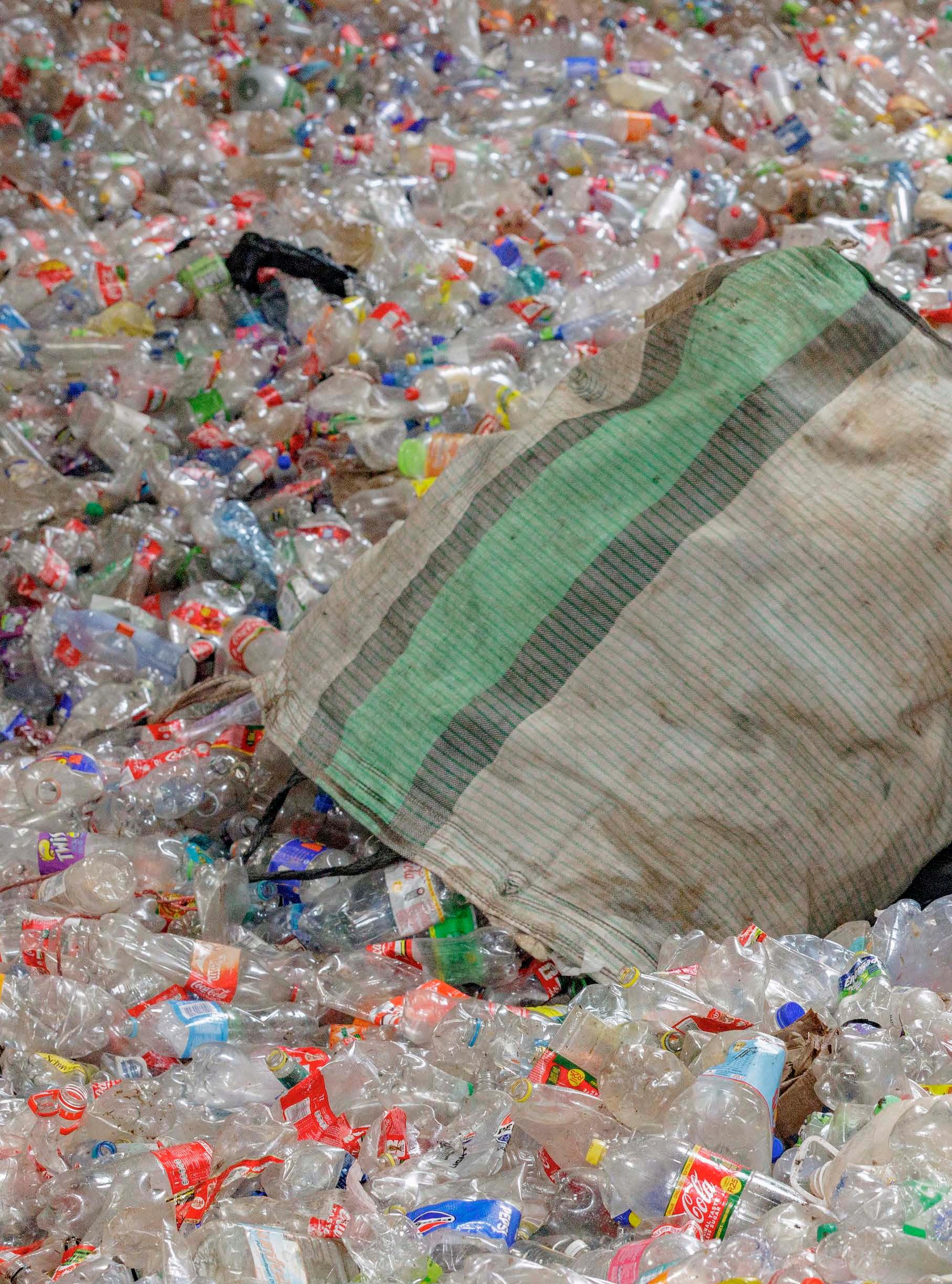
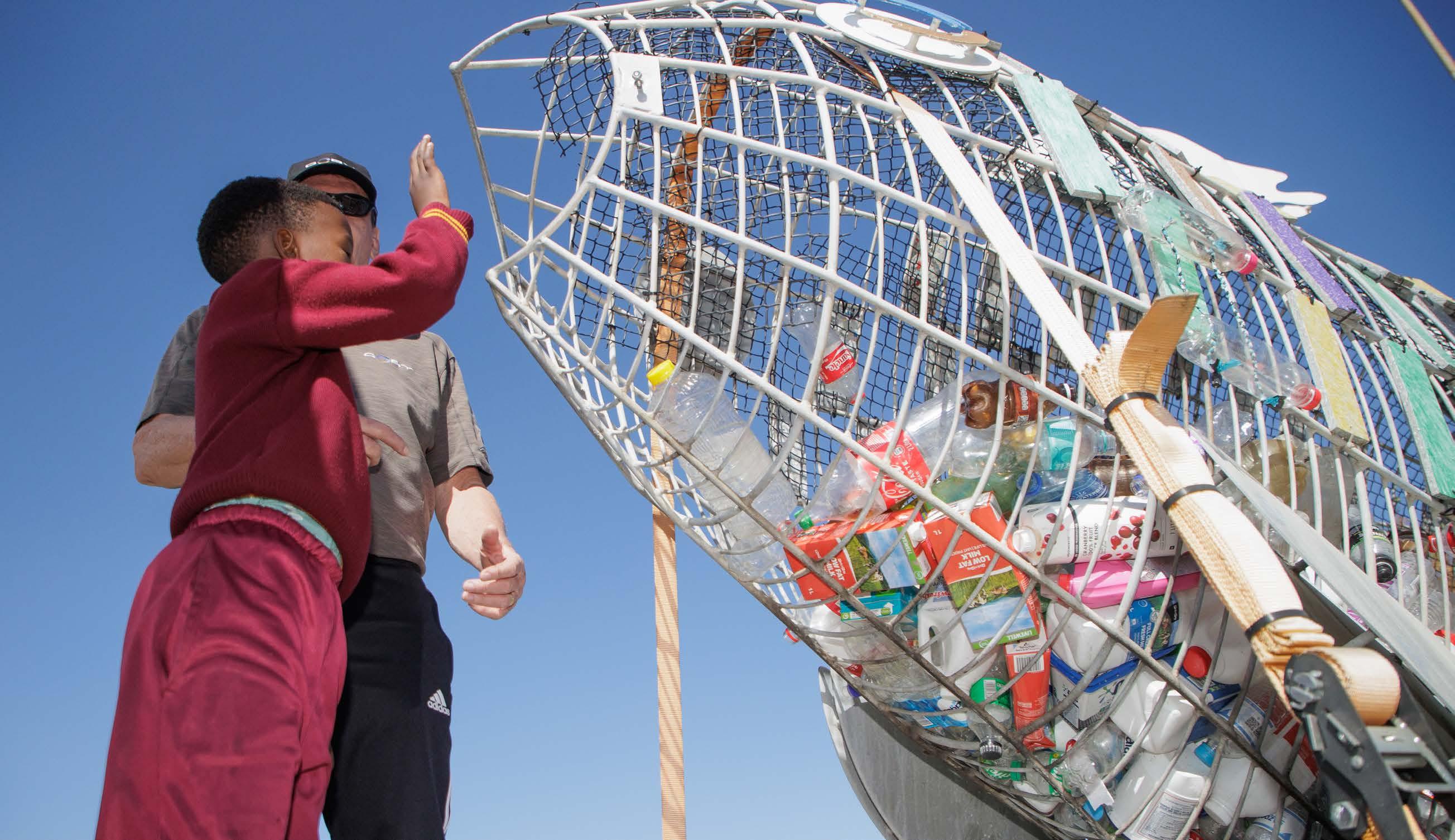
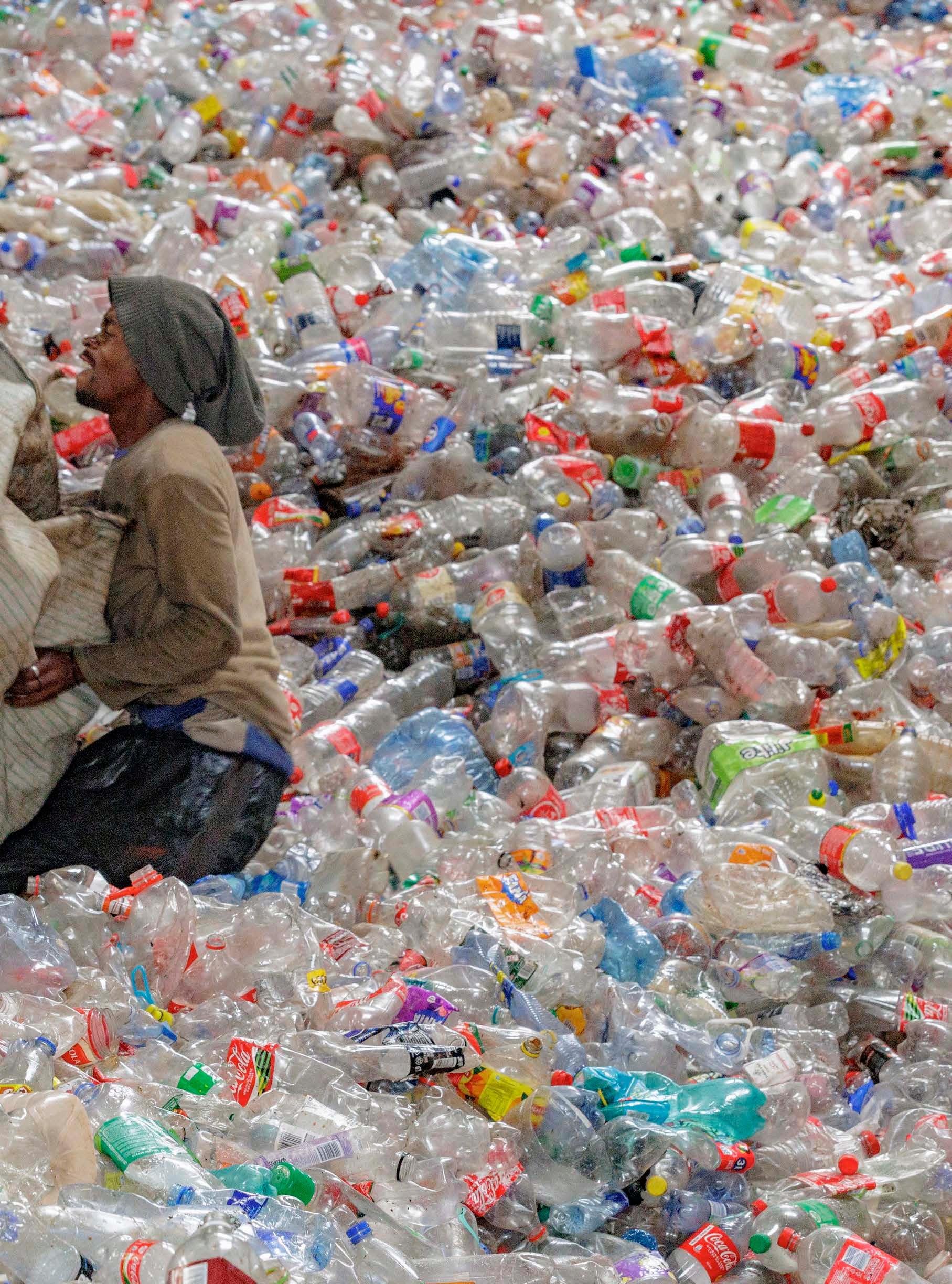
South Africa, and Twizza; FMCG brands Unilever, PepsiCo and Tiger Brands, and packaging manufacturer Tetra Pak, as well as niche brands like kombucha producer Happy Culture and hospitality amenities supplier The Bespoke Amenities Company.
With the South African paper and packaging sector now in the fourth year of mandatory extended producer responsibility (EPR), Petco chief executive officer Telly Chauke said members took their EPR obligations seriously, and that the organisation was once again delighted to report that it had met the legislated collection and recycling targets set by the Department of Forestry, Fisheries and the Environment (DFFE) for the key packaging streams it represents.
“Petco has successfully met or surpassed the legislated targets for these materials. Last year, we once again met the targets for 99% of the packaging tonnages our members placed on the market,” Chauke confirmed.
“It’s significant to have continued year-on-year growth in performance against the backdrop of a challenging year for brand owners, retailers and importers, and the recycling industry.
“However, we are also very conscious of the additional value of EPR in terms of the social and environmental benefits of our work,” Chauke said.
“Meeting our members’ EPR obligations, while partnering with government, industry and grassroots organisations to build a more inclusive, sustainable and effective circular economy, remains our primary focus. There is also steady progress in recognising the elemental role of waste pickers in the ecosystem, with real steps taken to ensure fair compensation for the work they do.”
“Petco has successfully met or surpassed the legislated targets for these materials. Last year, we once again met the targets for 99% of the packaging tonnages our members placed on the market. Chauke confirmed.
According to the data, since launching the new scheme for liquid board packaging, or beverage cartons, in 2023, Petco has quadrupled the collection and recycling rates for this packaging material – to 33% and 31% respectively for 2025.
With beverage consumption falling below the forecasted figures over the festive season, Petco also recorded a higher than normal PET bottle collection rate last year – 14% more than the previous year’s 76% – and ensured that 87% was recycled.
Petco chairman Ralph Jewson, who also represents retailer Woolworths on the board, said: “Over the past two decades, Petco has developed a tried and tested EPR model that offers credible reporting, having turned the ambition of bottle-to-bottle recycling into a circular reality. Today, this is a mature scheme with a fully developed value chain that continues to deliver results.”
Despite exceptional performance in 2025, Jewson said there were ongoing concerns about the financial pressure facing South Africa’s recycling value chain.
“As we move into 2026, the sector continues to grapple with high feedstock costs, rising electricity and fuel prices, expensive transport,
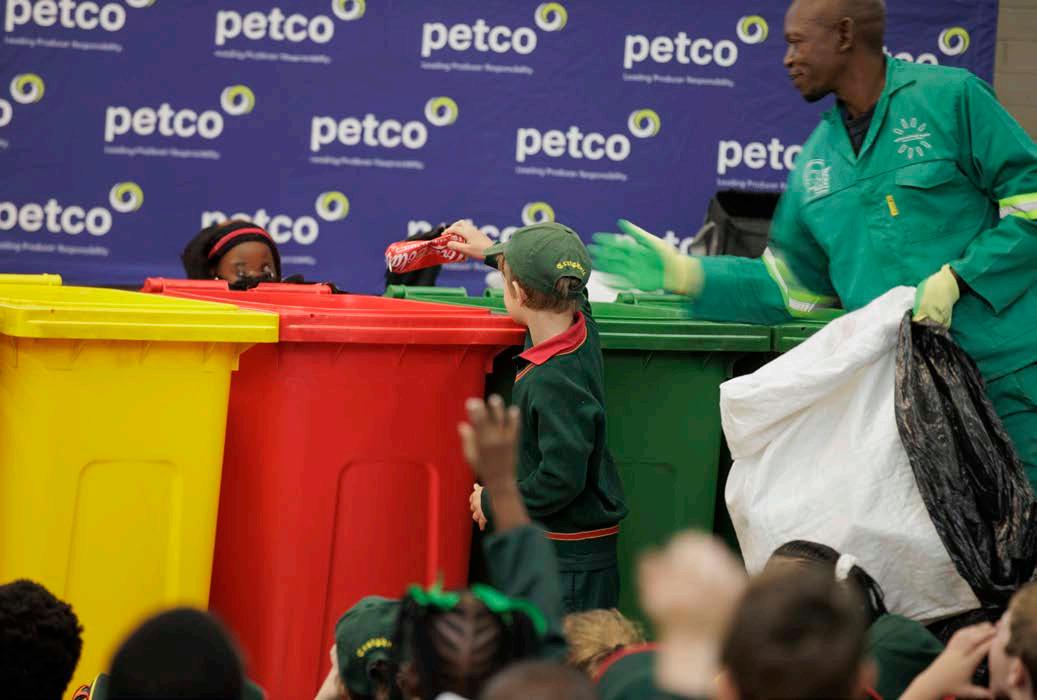
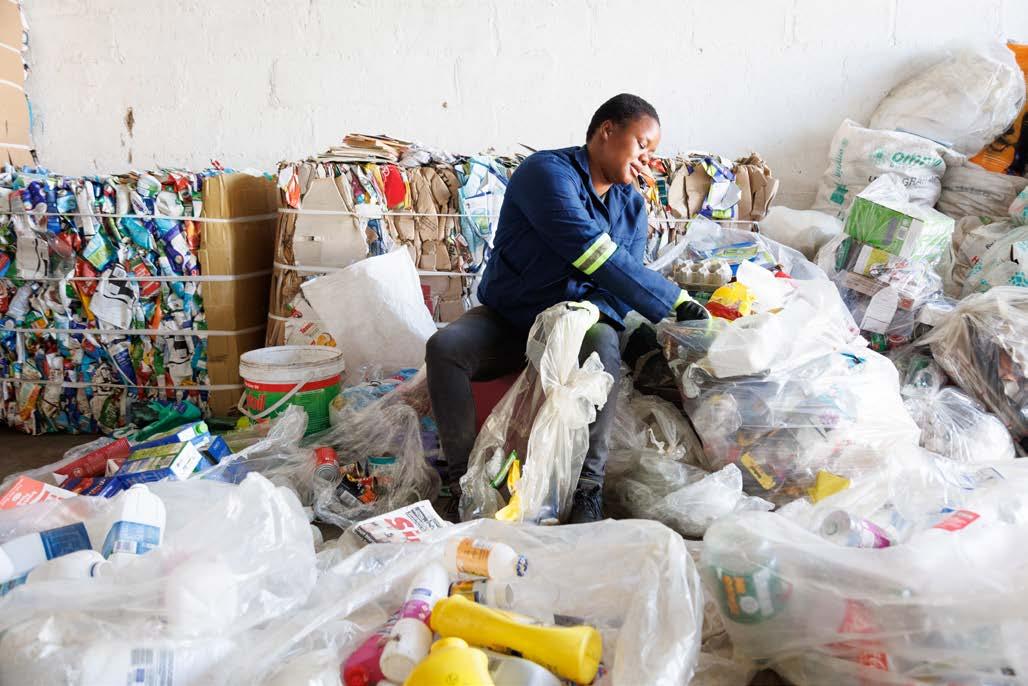
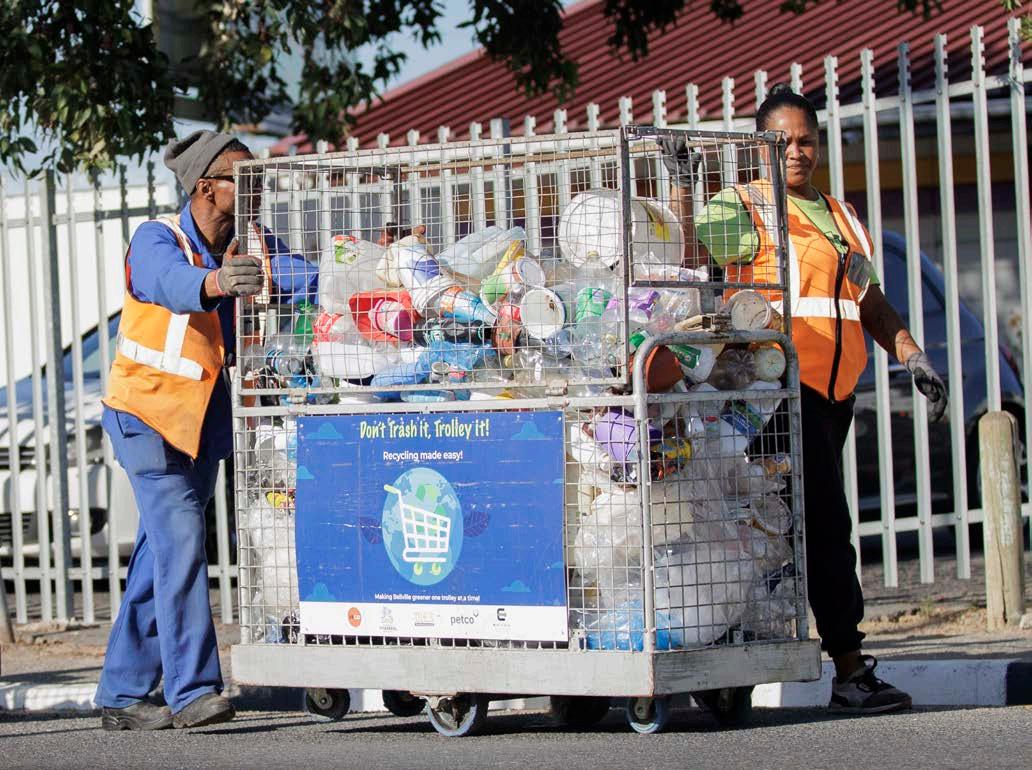
softer demand for recycled material and increasing competition from cheaper imports. These challenges are affecting collectors, recyclers, manufacturers and brand owners alike, placing strain on margins, limiting investment and slowing growth across the industry.
“The recycling system can only function effectively when every part of the value chain remains commercially viable and there is steady demand for recycled content. Without stronger market support and fairer trading conditions, 2026 is expected to remain a difficult year for the recycling industry.”
Jewson added that growing future collection and recycling volumes would require all brand owners to design their packaging with the end of life in mind.
“The aspiration of circularity comes with the responsibility to make better design choices that become standard practice,” he said n

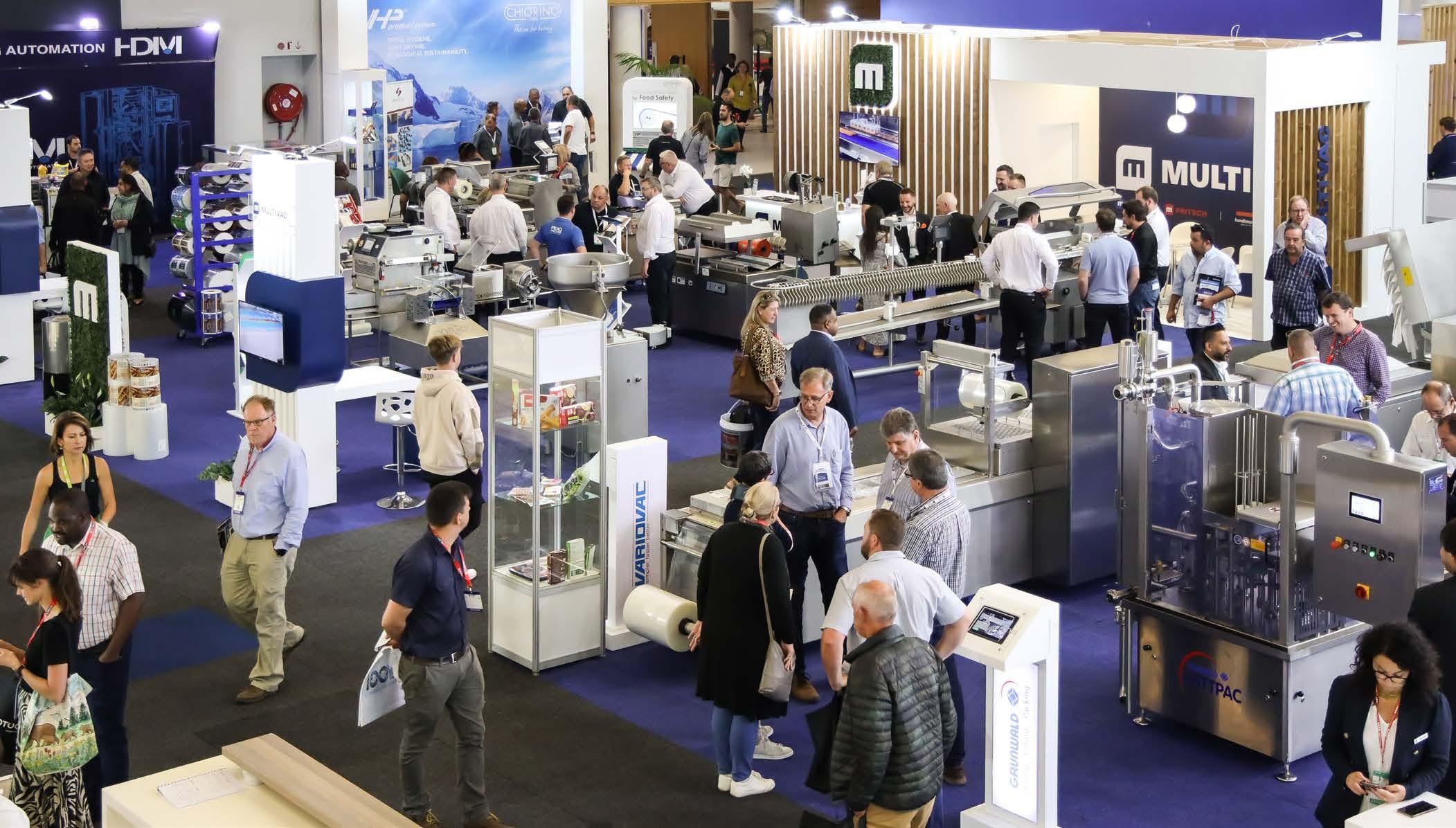
The South African packaging industry continues to outperform the country’s GDP growth rate, driven by a number of sustained market forces. Population growth, urbanisation and rising income levels are fuelling demand for consumer goods and, in turn, packaging solutions. The rapid expansion of e-commerce, alongside growth in the beauty, pharmaceutical, and food and beverage sectors, is further accelerating demand. Increasingly, both consumers and producers are also prioritising sustainability, making eco-friendly packaging one of the most significant growth drivers in the market.
With more than 20 years’ experience, Propak Cape provides an established trade exhibition platform to support the continued expansion of the local packaging sector. The exhibition brings together leading suppliers, industry experts and buyers, creating opportunities for meaningful engagement and commercial partnerships. It will showcase the latest technological advancements, emerging trends and breakthrough innovations, with a strong focus on sustainable and recyclable solutions that are shaping the future of packaging.
The Western Cape is South Africa’s leading region for agri-food exports to key international markets, including the Netherlands, the United States, the United Kingdom, France and Italy. With a strategic focus on export-led growth, competitiveness and innovation, the province provides a strong foundation for hosting Propak Cape 2026. The event is well positioned to support trade development while reinforcing the region’s role in the global value chain. In addition to packaging, the exhibition incorporates co-located shows covering plastics, processing, labelling, print, and food and beverage packaging, offering a comprehensive view of the sector.
“Exhibition space at Propak Cape 2026 has been fully sold out months in advance of the show, demonstrating strong industry support and reinforcing its track record as a platform for generating leads and driving sales,” says Mark Anderson, Portfolio Director at Montgomery Group Africa, organisers of the show. “With rapid advancements in technology, visitors can expect to see the latest products and innovations from across packaging, plastics,
print, labelling, food processing and related sectors, presented by 200-plus local and international exhibitors.”
“Investments in capital equipment and industrial technologies are significant, long-term commitments and typically involve input from a range of stakeholders — from plant managers and engineers to procurement and finance teams,” continues Anderson. “Being able to see machinery in operation and engage directly with technical specialists is therefore a critical part of the decision-making process. Propak Cape provides a neutral platform where these decision-makers can explore solutions, ask detailed questions, and assess long-term value. Attending the exhibition is a smart business move.”
Propak Cape takes place once every three years in the Western Cape, offering a focused, three-day platform for innovation, collaboration and industry engagement. A programme of freeto-attend seminar sessions will deliver insights into key packaging and processing trends, while an industry conference hosted by the Institute of Packaging SA (IPSA) will provide additional value through expert-led discussions and knowledge sharing.
Propak Cape 2026 will take place at the Cape Town International Conference Centre (CTICC) from 27-29 October 2026 incorporating Pro-Plas Expo, Print Expo, Pro-Label Expo, FoodPro Expo, and the Wine & Olive Oil Production Expo. The event is supported by IPSA, Packaging SA, Plastics SA, and Printing SA.
For further information, visit www.propakcape.co.za
For additional enquiries, contact: Natasha Heiberg
Head of Marketing
Montgomery Group Africa
Tel: +27 (0)11 835 1565 | Cell: +27 (0)76 168 0762
Email: natasha.heiberg@montgomerygroup.com
Commercially grown timber (sawn & round) in South Africa is primarily of Eucalyptus and Pinus species of non -durable varieties (sapwood & heartwood), and susceptible to biological attack by fungal decay and wood destroying insects. To ensure a long service life it’s necessary to treat the timber with wood preservatives
Timber is placed in a pressure vessel and put through vacuum and pressure cycles that allows absorption of the chemicals into the treatable sapwood of the timber and that the penetration and retention of the chosen hazard class is achieved.
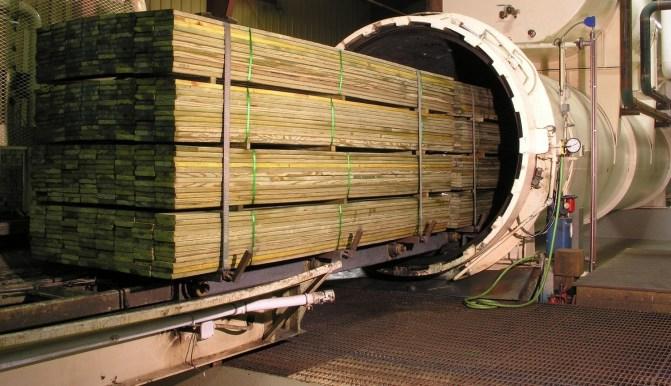
TREATED TIMBER SHALL BEAR MARKINGS CONTAINING THE FOLLOWING MINIMUM INFORMATION
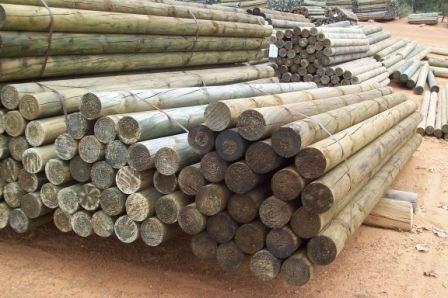
Treatment plant identification (ABCTT)
Certification mark (SABS/SATAS/ACT)
SANS Standard Number (e.g 457 / 1288)
Exposure / Hazard class (e.g H4)
Year of treatment (10 depicting 2010)
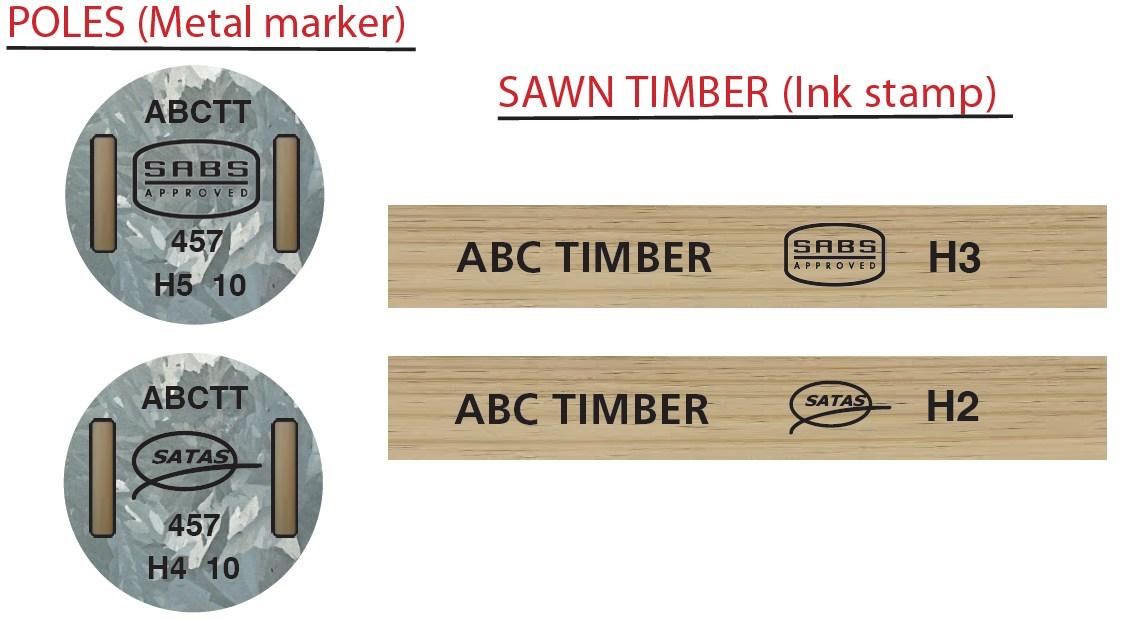
CHOOSE THE CORRECT PRESERVATIVE TREATED TIMBER FOR YOUR END APPLICATION (H classes)
H2 – Low Hazard: Inside above ground
H3 – Moderate Hazard: Outside above ground
H4 – High Hazard: In ground contact
H5 – High Hazard: In contact with heavy wet soil or in fresh water
H6 – High Hazard: Prolonged immersion in marine waters


FOR MORE INFORMATION ON ANY ASPECT RELATED TO TREATED TIMBER PRODUCTS AND THE CORRECT USE OF TREATED TIMBER OR WHERE TO CONTACT SAWPA MEMBERS, PLEASE CONTACT:
Tel: 011 974 1061 / 078 144 6213 admin@sawpa.co.za www.sawpa.co.za



In the global race toward carbon neutrality, industries across the world are searching for materials that not only reduce emissions, but actively contribute to climate resilience. Steel, concrete and plastic continue to dominate modern construction and infrastructure, yet one of humanity’s oldest building materials is quietly re-emerging as one of the most climate-smart resources of the future: wood.
At the forefront of this conversation in South Africa is the South African Wood Preservers Association (SAWPA), an organisation championing the role of treated timber as a sustainable, durable and carbon-conscious material for modern development. Through advocacy, technical guidance and industry collaboration, SAWPA is reshaping perceptions around timber preservation and revealing a powerful truth often overlooked in climate discussions preserving wood also means preserving carbon.
According to SAWPA, treated timber plays a critical role in extending the lifespan of wood products, reducing waste and ensuring long-term structural performance. This is not merely an industrial benefit; it is an environmental imperative.
The true climate advantage emerges when timber is properly preserved.
Research highlighted by the South African forestry and timber sector shows that treated timber utility poles can sequester between 186kg and 572kg of CO2 equivalent gases over their total life cycle. Studies further indicate that timber products have significantly lower embodied carbon than steel and concrete alternatives.
This places treated timber at the centre of sustainable infrastructure conversations globally.
The climate value of timber preservation is especially significant in South Africa, where the built environment is increasingly under pressure to transition toward greener construction practices. South Africa’s plantation forestry sector already contributes meaningfully to carbon sequestration. Industry data suggests that the country’s plantation forests store tens of millions of tonnes of carbon while supporting renewable material production for housing, mining, agriculture and utilities.
Yet despite its environmental potential, timber preservation often remains misunderstood.
For decades, sustainability narratives have focused primarily on renewable energy, recycling and emissions reduction technologies. Far less attention has been given to the carbonstorage role of long-life wood products. SAWPA has consistently worked to change that narrative by educating both industry and consumers about the environmental benefits of preservativetreated timber and the importance of responsible wood use.
The association’s advocacy comes at a time when the world is increasingly embracing the concept of the circular economy - an economic model centred on durability, resource efficiency and waste minimisation. Treated timber aligns naturally with these principles. Extending the lifespan of timber products reduces
By preserving wood, we preserve carbon. And by preserving carbon, we protect the future.
the need for replacement materials, decreases pressure on raw resources and minimises lifecycle emissions.
South Africa is uniquely positioned to participate in this transition.
The country possesses a well-established forestry value chain, technical expertise in timber treatment and growing awareness around sustainable infrastructure. Organisations such as SAWPA are helping bridge the gap between environmental ambition and practical implementation by promoting standards, education and responsible preservation technologies.
Importantly, timber preservation should not be confused with environmental compromise. Modern wood preservation systems are heavily regulated and guided by standards designed to ensure safe and effective use. SAWPA continues to provide technical guidance around treatment processes, hazard classifications, disposal practices and responsible application methods.
The broader message is becoming increasingly clear: sustainability is not only about what materials we use, but how long we keep them in service.
This is the untold climate value of treated timber.
As the global sustainability agenda accelerates, industries will increasingly be judged not only by profitability, but by their environmental contribution and carbon intelligence. In this evolving landscape, SAWPA’s work positions the wood preservation sector as far more than a supporting industry - it becomes an essential contributor to South Africa’s green transition.
Part of the answer may already be growing quietly in sustainably managed forests, waiting to be preserved, protected and transformed into the climate-conscious infrastructure of tomorrow.
By preserving wood, we preserve carbon. And by preserving carbon, we protect the future. n
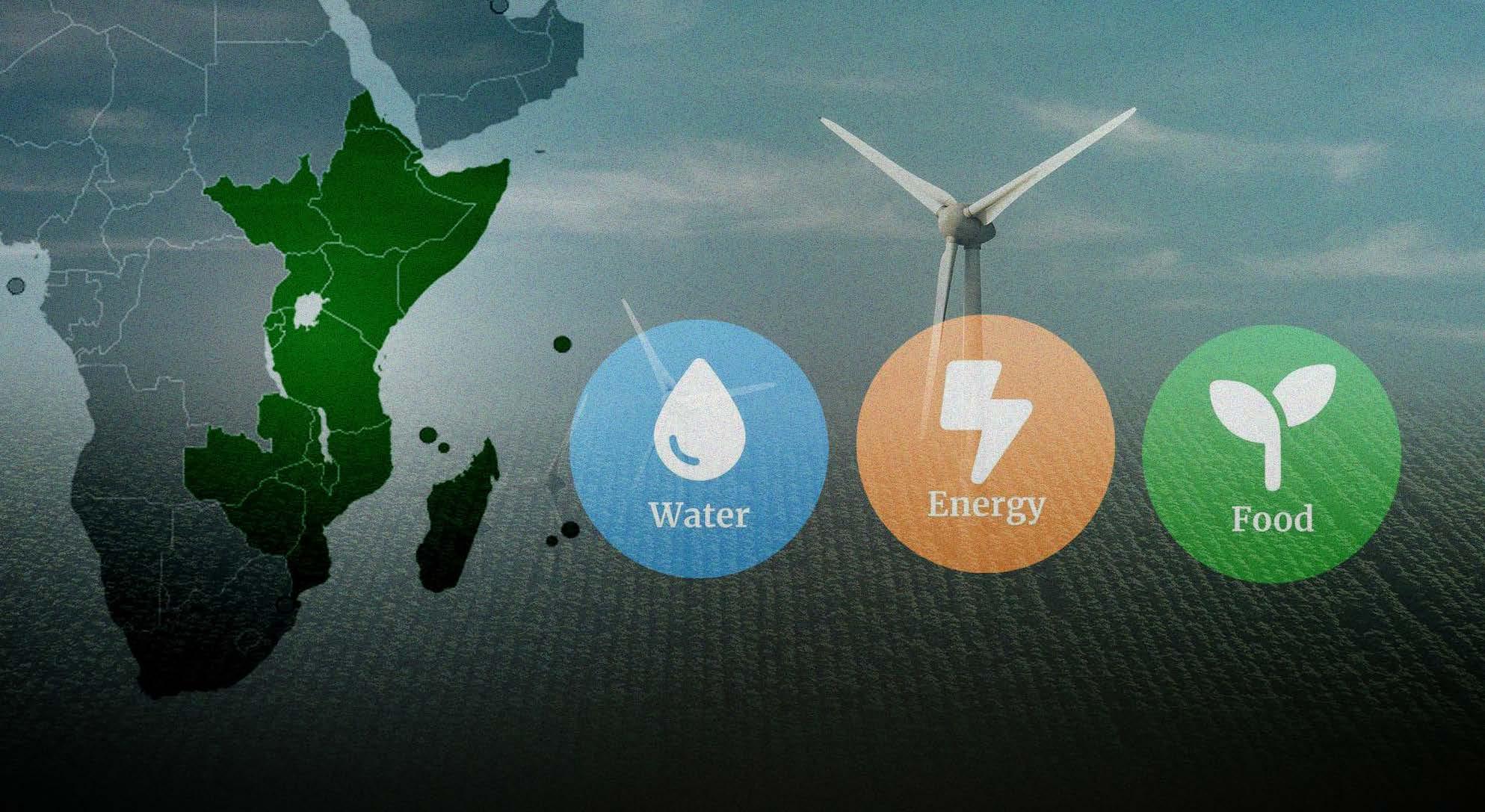

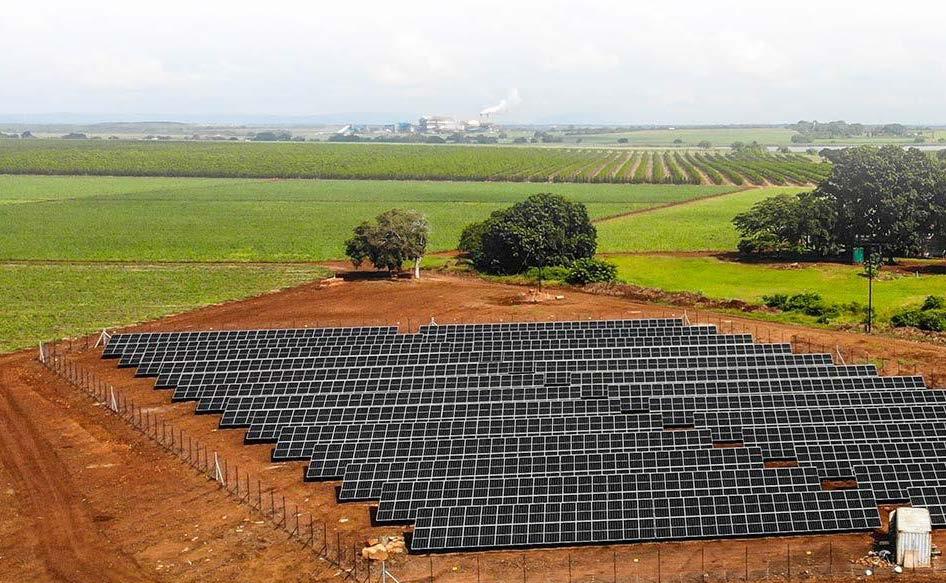

The world is confronting a reality that can no longer be ignored: food, energy and water are deeply interconnected. No nation can achieve long-term economic growth, social stability or environmental resilience without understanding the relationship between these three critical systems. This interconnected relationship is known globally as the Food-Energy-Water (FEW) Nexus.
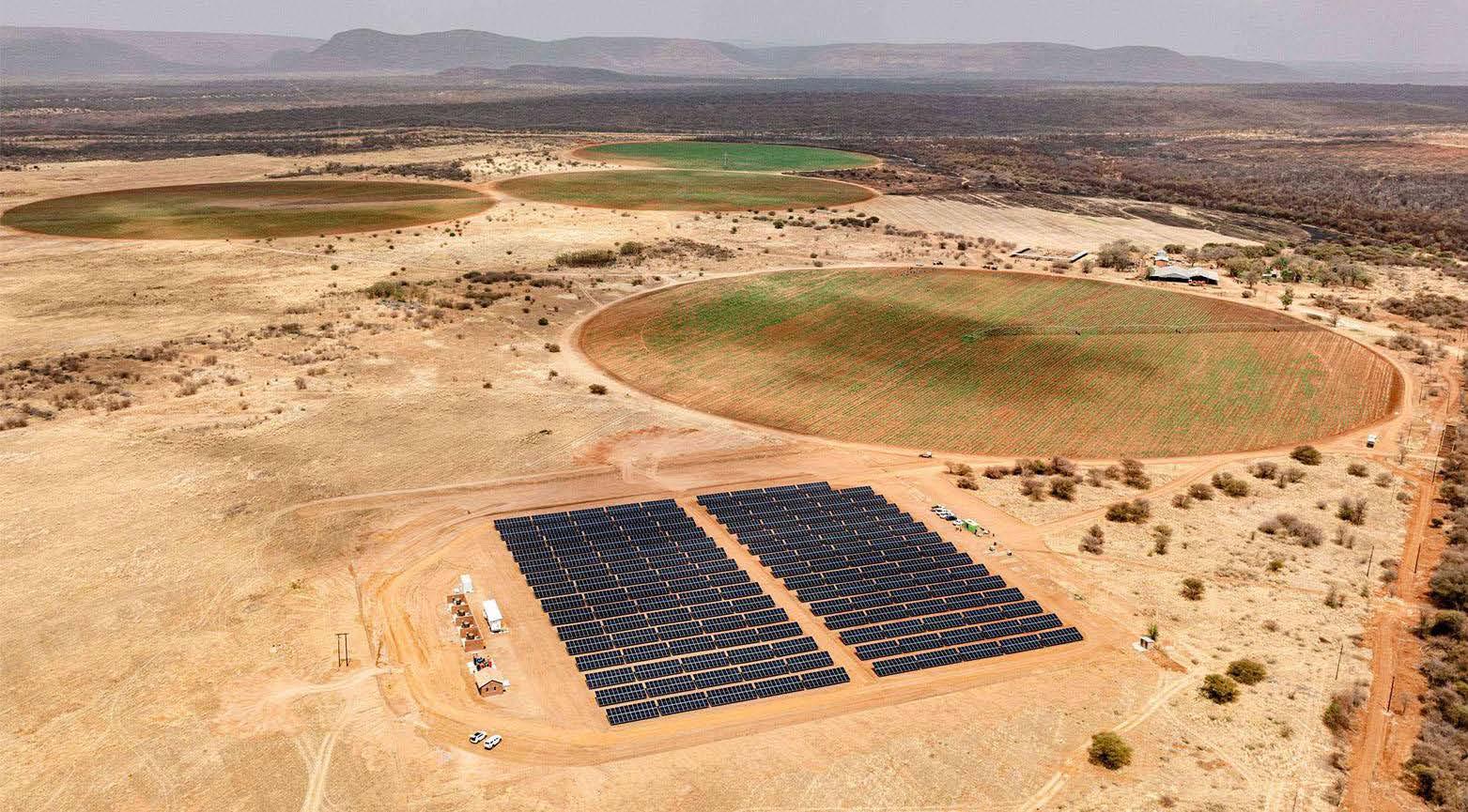
Industries must rethink how they consume resources, minimise waste and invest in sustainable infrastructure. Circular economy principles where water, energy and materials are reused and regenerated are becoming increasingly important in reducing environmental pressure while improving long-term profitability.
For South Africa, the FEW Nexus is not simply an environmental conversation it is an economic, developmental and national security issue. As climate change intensifies, populations grow, urbanisation accelerates and natural resources become increasingly strained, the pressure on these interconnected systems continues to rise.
This means policymakers, businesses and communities can no longer address food security, energy generation or water management in isolation.
WWF South Africa has identified the Food-Energy-Water Nexus as central to building a resilient and sustainable economy capable of supporting future generations.
Innovation will play a defining role in South Africa’s future. Smart irrigation systems, water recycling technologies, climate-smart agriculture and decentralised renewable energy solutions are rapidly becoming essential tools for resilience. Businesses, municipalities and communities that embrace integrated sustainability strategies will be better positioned to withstand future environmental and economic shocks. The private sector also has a critical responsibility.
Equally important is collaboration. Government, business, researchers, farmers and communities must work together to create policies and systems that recognise the interconnected nature of food, energy and water security. Siloed approaches can no longer solve interconnected challenges.
South Africa stands at a pivotal moment. The country possesses abundant renewable energy potential, innovative agricultural expertise and growing awareness around sustainability. However, unlocking these opportunities will require bold leadership, long-term planning and investment in resilient infrastructure.
The FEW Nexus ultimately reminds us that sustainability is not about isolated solutions. It is about understanding how every system supports another. Protecting water strengthens food security. Transitioning to clean energy safeguards natural resources. Building resilient agriculture supports economic stability and community wellbeing.
South Africa’s sustainable future will depend not only on what resources the nation has, but on how intelligently and collaboratively those resources are managed. n
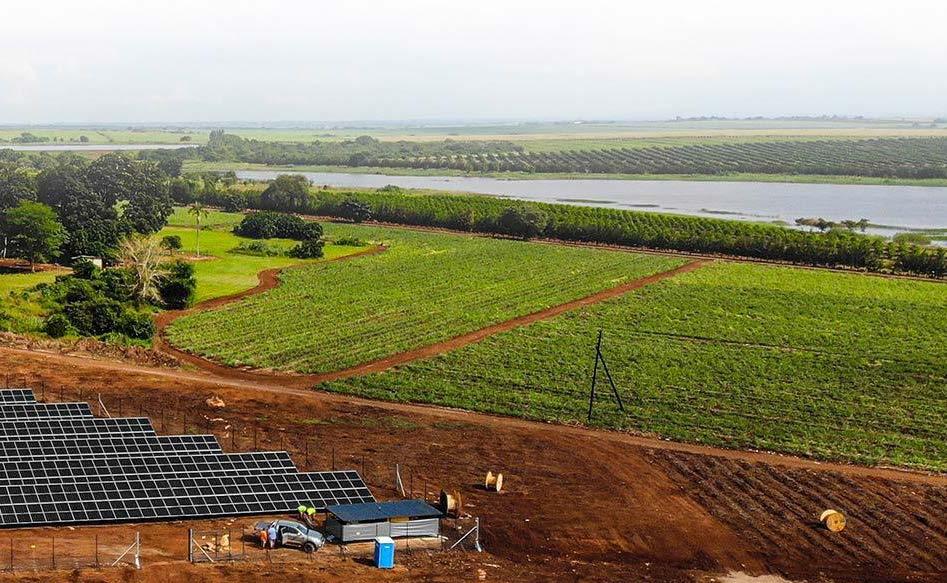
The agricultural sector is steadily embracing digital sustainability solutions that are reshaping food production for a changing world across South Africa and beyond, farmers are no longer relying solely on traditional methods and experience; instead, they are increasingly guided by data, analytics, and integrated digital systems that support smarter, more resilient decisionmaking. At the heart of this transformation is the Sustainability Initiative of South Africa (SIZA), which has become a key enabler of sustainable, transparent, and data-driven farming practices.
Modern agriculture is entering an era defined by precision, transparency, and continuous improvement. Climate change, resource scarcity, and global supply chain demands have placed unprecedented pressure on producers to operate more efficiently while maintaining environmental and social responsibility.
SIZA plays a pivotal role in this transition by providing a structured sustainability framework that helps producers meet both environmental and ethical standards while improving operational efficiency. Through its integrated compliance and environmental programmes, SIZA supports the agricultural sector in moving beyond basic compliance toward proactive sustainability management.
One of the most significant contributions SIZA has made to the sector is the development of digital tools that strengthen datadriven decision-making. Central to this is the MySIZA platform and the SIZATrack360 digital recordkeeping system, which allow producers to capture, manage, and analyse farm-level data in real time.

SIZATrack360 in particular represents a major step forward in agricultural digitisation. It enables producers, packhouses, and processing facilities to track production inputs and outputs while improving traceability across the value chain. This system not only enhances transparency for buyers and regulators but also provides farmers with actionable insights into efficiency, input usage, and environmental impact.
By centralising data collection and reducing fragmentation across multiple systems, SIZA helps address one of agriculture’s biggest challenges: inconsistent and siloed data. This structured approach allows farmers to better understand their operations and make informed decisions that improve productivity and sustainability outcomes.
Unlike traditional certification systems that focus solely on compliance, SIZA’s model is built around continuous improvement. Its environmental and social standards are designed to evolve with the needs of producers and global markets, ensuring that sustainability is not a one-time achievement but an ongoing process.
Through its environmental programme developed in collaboration with organisations such as WWF South Africa, SIZA supports farmers in managing critical environmental areas such as soil health, water use, biodiversity, and energy efficiency.
This approach encourages farmers to move from reactive compliance to proactive environmental stewardship, supported by measurable data and ongoing monitoring systems.
SIZA’s framework complements these innovations by providing a trusted structure for collecting and interpreting agricultural data. Through its digital platforms, producers can integrate sustainability metrics into everyday decision-making bridging the gap between technology and responsible farming practices.

“
This system not only enhances transparency for buyers and regulators but also provides farmers with actionable insights into efficiency, input usage, and environmental impact.
This integration is particularly important in a context where data quality and accessibility remain uneven across the sector. By standardising sustainability data and improving traceability, SIZA strengthens confidence among global buyers while enabling South African producers to remain competitive in international markets.
At its core, SIZA’s contribution to agriculture is about building resilience both environmental and economic. By encouraging the use of reliable data systems and transparent reporting mechanisms, it enables farmers to respond more effectively to climate variability, input cost pressures, and shifting market demands.
This dual benefit strengthens the entire agricultural value chain, ensuring that sustainability is embedded not only in policy but in everyday farming practice. n

should not just be reported. It should be proven.
Environmental sustainability in agriculture is no longer just about ticking boxes — it’s about building resilient, future-ready supply chains that can stand up to growing local and global expectations.
The SIZA Environmental Standard is designed with the realities of South African farming at its core. It provides a practical, locally relevant yet globally aligned framework that helps agricultural suppliers move beyond compliance toward meaningful sustainability. By addressing all the key environmental pillars, namely soil, water, energy, materials, waste, and biodiversity — it equips producers to identify risks, strengthen practices, and demonstrate continuous improvement with confidence.
Compliance should not just sit in files; it should drive action. SIZATrack360 transforms environmental management into a dynamic, data-driven process. Through real-time digital recordkeeping, it brings clarity and credibility to on-farm practices, enabling measurable, traceable, and actionable insights.
With SIZATrack360, you can:
Monitor performance across critical environmental indicators
Digitise records for greater accuracy and efficiency

Integrated into the MySIZA platform, environmental audits and SIZATrack360 turn data into meaningful insights. Verified information from audit data and self-assessment questionnaires is translated into clear risk profiles, supporting informed risk-based decision-making for both suppliers and buyers. The result is greater transparency, stronger partnerships, and more responsible sourcing.
Track progress against sustainability goals
Prepare for evolving compliance requirements like carbon reporting
Showcase credible environmental performance to your markets
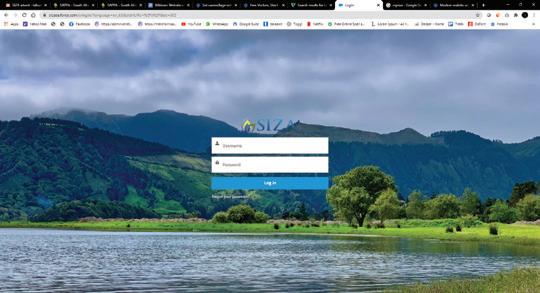
Together, the SIZA Environmental Standard, supported by the SIZATrack360 programme, makes compliance simpler and far more valuable. They enable suppliers to prove progress, empower buyers with credible data, and strengthen trust across the agricultural value chain.
Contact details: www.siza.co.za or retha@siza.co.za

New data shows 93% of South African low carbon players back CCS, but diversification is coming.

New research from multinational law firm Pinsent Masons shows that South African investors and developers see growing opportunity in the low carbon market, with 93% of South Africa’s respondents having invested in global or South African carbon capture or storage (CCS) technologies in the past year. Respondents also flagged current activity beyond CCS, with 42% looking at low carbon hydrogen, 26% solar power, 23% e-fuels, 16% nuclear fission advanced.
Inside the Energy Transition, Pinsent Mason’s landmark study, draws on insights from 964 global VC investors and technology developers showing that for respondents based here, South Africa remains the primary market for expansion, with 56% of respondents planning to grow their activity domestically, followed by more muted outward interest in markets such as Germany (24%), Hong Kong (20%), France and USA (18%). In terms of South Africa’s attractiveness as a low-carbon destination, 8% of global respondents cited interest in expanding low carbon activity in South Africa in the year ahead.
Looking ahead to 2026, 71% of the South African respondents expect to continue investing in CCS, but a growing share also plan activity across renewables and emerging technologies, including solar (39%), nuclear fission (36%) low carbon hydrogen (34%), e fuels (23%) and wind power (22%).
1. South African investors and developers are also focussed on energy storage systems, with respondents listing long duration energy storage (67%), grid optimisation (58%), short duration energy Storage (51%), 47% demand optimisation

and battery storage (29%), tracking slightly ahead of global appetite suggesting that despite interest in new innovative technologies, a reliable energy supply and grid stability remain a priority for South African investors and developers.
Africa as a region was most likely to attract strong positive sentiment towards its regulatory landscape, with 86% of global respondents saying they agreed that Africa has a supportive regulatory landscape for low-carbon development.
South African investor respondents highlighted several barriers that they perceive make low-carbon investment more risky, including high compliance costs (56%), technology is difficult to scale (52%) and unstable regulatory landscape (40%), both clear signals to policy makers that there’s more to be done to encourage investment and development in South Africa.
Margo-Ann Werner, Environment Legal Director at Pinsent Masons said: “Our survey demonstrates a clear appetite from investors and developers in South Africa to invest into low carbon technology, the question facing South Africa and the African continent is how do we harness this interest to develop a thriving and sustainable low carbon market that can help us in the global race to net zero whilst demand for energy is ever increasing. As global finance continues to target and direct investments at low carbon technology, we need regulatory certainty around decarbonisation compliance obligations to create a clear investment proposition to domestic and foreign investors, so that we can broaden the pathways for the energy transition.” n
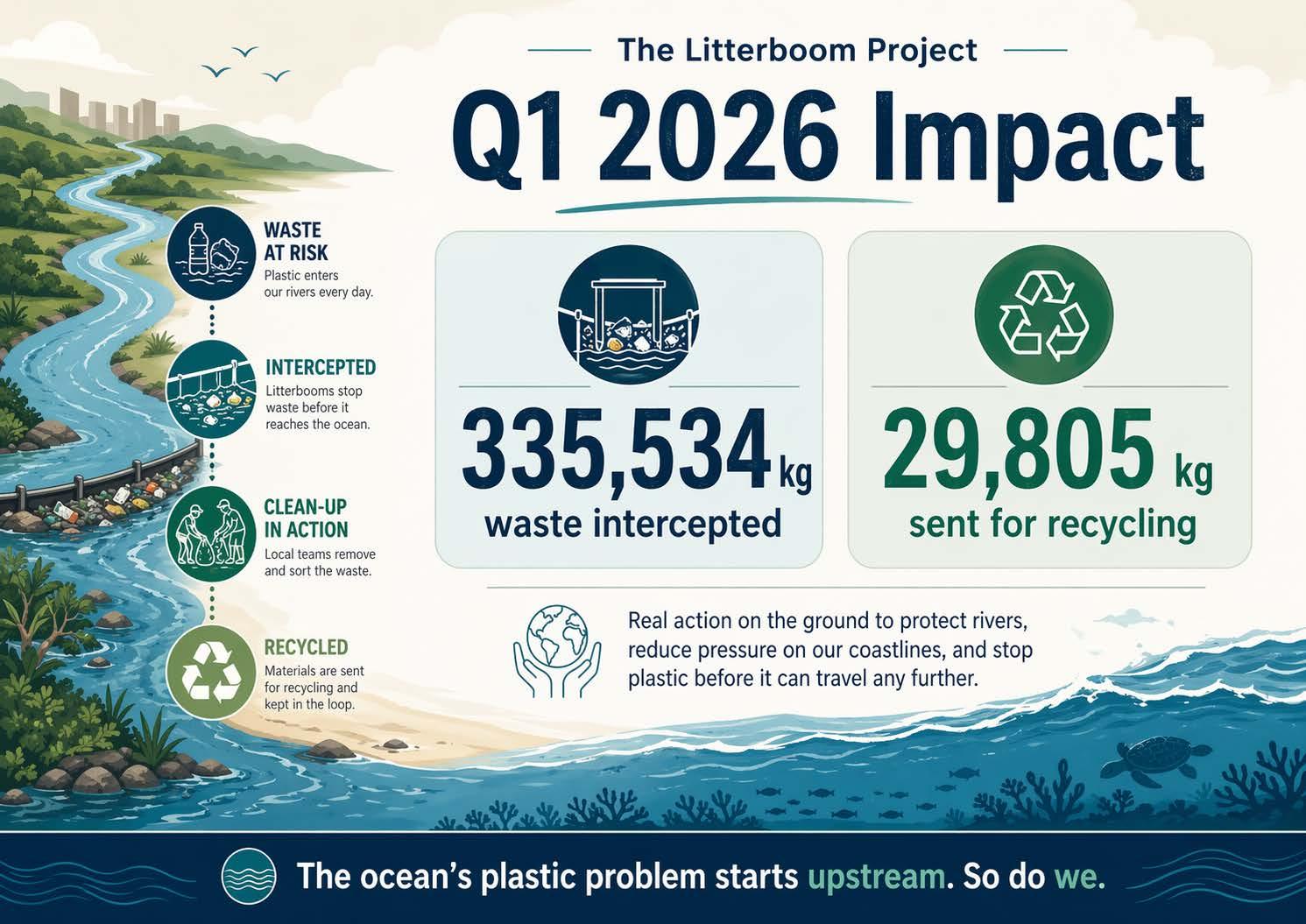
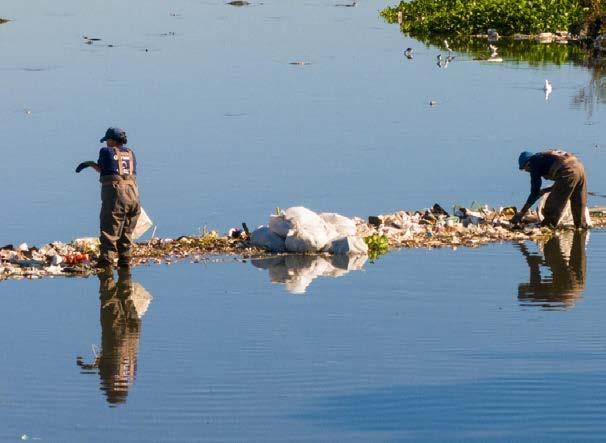
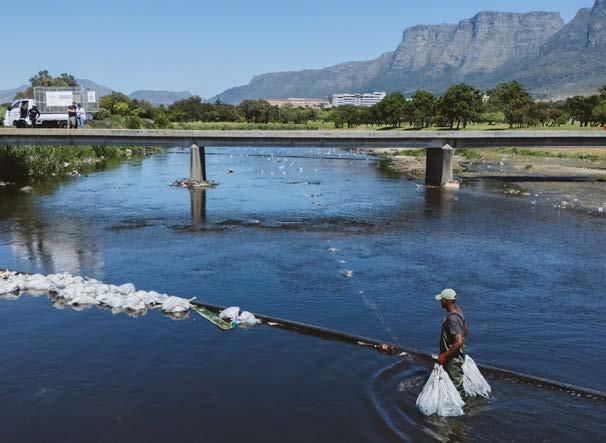
The ocean’s plastic problem is often seen as something that begins at the shoreline, where waves carry waste back and forth across the sand. But a new short film built around a simple, powerful truth challenges that perception: the problem does not start at the coast. It starts upstream.
Set across Cape Town and KwaZulu-Natal, the video traces interconnected river systems, coastal zones, and clean-up points, showing how pollution moves across landscapes rather than appearing in isolation. It is both a visual reminder and a call to action: if we want cleaner oceans, we must intervene at the source.
That is where The Litterboom Project is making a measurable impact, with support from Oceanic Global and Corona, the organisation continues its river interception work across key
sites on the Black and Lotus Rivers. During the first half of Phase 3 alone, teams removed 49,248 kg of waste directly from river systems, preventing it from ever reaching the ocean. In parallel, an additional 109,759 kg was collected through targeted strike cleanups across six surrounding communities.
Beyond removal, the initiative is also focused on transformation through its Cape Town Innovation Hub, intercepted plastic is being repurposed into practical products, turning waste into value while supporting skills development and creating local economic opportunities. It is a model that links environmental restoration with community empowerment.

These efforts underline a simple but urgent message: protecting the ocean begins long before the shoreline. n

Across South Africa’s boardrooms, factories, mines, farms, and manufacturing plants, a quiet but powerful shift is taking place. Sustainability is no longer viewed as a public relations exercise or a future ambition it is rapidly becoming a financial and operational necessity. At the centre of this transformation is one of the country’s most influential climate policy instruments: carbon taxation.
For years, environmental responsibility was often framed as a moral obligation. Today, it is increasingly becoming an economic imperative. Businesses that once delayed decarbonisation strategies are now reassessing their energy use, supply chains, production systems, and emissions footprints because carbon emissions are no longer “free.” They now carry a measurable cost.
South Africa’s carbon tax framework, introduced in 2019 under the Carbon Tax Act, was designed around the “polluter pays” principle a globally recognised approach that places financial accountability on companies responsible for greenhouse gas emissions. The intention is straightforward: encourage businesses to reduce emissions while accelerating investment into cleaner technologies and sustainable operations.
What began as a cautious regulatory mechanism is now evolving into a far more influential force shaping business behaviour across the economy.
The era of sustainability as an optional corporate add-on is ending.
The biggest reason carbon taxes matter is simple: money changes behaviour.


When emissions directly affect profitability, businesses begin paying attention. Heavy emitters in sectors such as mining, cement, steel, manufacturing, transport, and energy are increasingly recognising that carbon exposure represents both a financial risk and a competitiveness issue.
South Africa’s carbon tax rate has steadily increased since its introduction, with government signalling significantly tougher measures as the country enters the next phase of implementation. According to recent National Treasury updates, the carbon tax rate is expected to rise sharply as the country strengthens its climate commitments and aligns with global decarbonisation pathways.
This means businesses that fail to reduce emissions could face escalating operational costs in the years ahead.
For many companies, the conversation has shifted from:
“How sustainable should we become?” to
“How exposed are we financially if we don’t change?”
That distinction is changing corporate strategy at every level.
Companies are now investing in renewable energy projects, improving energy efficiency, redesigning logistics systems, adopting circular economy models, modernising industrial equipment, and measuring emissions with unprecedented accuracy. Sustainability officers are increasingly sitting alongside financial executives in decision-making processes because climate performance is becoming tied to long-term profitability and investor confidence.
Carbon accounting is no longer just an environmental metric. It is becoming a core business metric.
The Global Pressure Is Intensifying
South Africa’s carbon tax is not developing in isolation. It is part of a much larger global shift toward climate accountability.
International markets are introducing stricter environmental trade regulations, most notably mechanisms such as the European Union’s Carbon Border Adjustment Mechanism (CBAM), which aims to impose carbon-related costs on imports produced through carbon-intensive processes.
For export-driven economies like South Africa, this creates enormous pressure.
A mining company, manufacturer, or agricultural exporter that ignores carbon reduction today could find itself less competitive
In practical terms, this means sustainability is no longer only about environmental stewardship it is now directly linked to trade access, investment attraction, and economic resilience.
The businesses that adapt early are likely to gain strategic advantages.
Those that delay may struggle to remain competitive in a rapidly decarbonising global economy.
As carbon taxes rise, many businesses are exploring another emerging climate tool: carbon markets.
Carbon markets allow companies to offset a portion of their emissions by investing in verified climate-positive projects such as reforestation, renewable energy, regenerative agriculture, ecosystem restoration, methane reduction, and clean cooking initiatives.
For Africa, this represents an enormous opportunity.
The continent possesses vast natural assets capable of generating high-quality carbon credits -from forests and biodiversity-rich ecosystems to renewable energy potential and sustainable land management initiatives. If governed correctly, carbon markets could unlock billions in climate finance while supporting sustainable development and job creation across Africa.
But carbon markets are also complex.
Questions around verification, transparency, accountability, fairness, double counting, and market integrity remain critical concerns globally. Critics argue that poorly regulated carbon credits can allow companies to continue polluting while masking emissions through questionable offset schemes. Public debate around credibility and oversight continues to shape the future of the sector.
This is precisely why industry dialogue and collaborative platforms matter so much.
Events such as the Carbon Markets Africa Summit play a vital role in helping governments, businesses, investors, project developers, and sustainability leaders navigate this transition responsibly.
These platforms are not simply conferences. They are strategic spaces where policy, finance, innovation, and implementation converge.
They also provide something equally important: collaboration. No single business, government, or institution can solve the


Standard Bank Group proudly announces the successful closing of its landmark US$800 million sustainabilitylinked syndicated loan. This significant facility, the largest of its kind by an African borrower in 2026, embedding green and social finance mobilisation targets, will help power our strategy to drive Africa’s growth.
Luvuyo Masinda, chief executive officer, Corporate and Investment Banking
We have successfully closed a landmark US$800 million sustainability-linked syndicated loan, marking one of the largest transactions of its kind by an African borrower in 2026 to date.
The deal demonstrates strong international investor appetite and confidence. Initially launched at US$500 million, the facility was significantly oversubscribed, attracting commitments totalling over US$1 billion from a diversified group of 30 banks across North America, Europe, the Middle East, Asia and Australia.
Structured as a 2-year loan with an option to extend for a further year, the facility provides us with diversified funding while strengthening our position in international capital markets. This facility features an innovative sustainability-linked structure, with the interest rate directly tied to our performance against 2 key sustainability performance indicators (KPI). These KPIs align with our robust sustainability strategy, focusing on the mobilisation of green finance and social finance, critical pillars for sustainable economic development across Africa.
As Luvuyo Masinda, chief executive officer, Corporate and
Investment Banking states: "The success of the transaction highlights the international syndicated loan market’s continued confidence in, and support for, Standard Bank and its Africa’s growth strategy, as reflected in Standard Bank’s purpose statement: 'Africa is our home; we drive her growth'."
The facility was expertly coordinated by Bank of America Europe Designated Activity Company (BofA), Industrial and Commercial Bank of China Limited, London Branch and Standard Chartered Bank (SCB), with BofA and SCB also serving as joint sustainability coordinators. This collaborative effort underscores the growing importance of integrating environmental, social and governance (ESG) factors into mainstream financial products.
This transaction underscores our ability to attract global capital at scale, while embedding sustainability into our funding strategy. The deal provides flexible funding but also publicly affirms our leadership in advancing sustainable finance solutions. It further strengthens our role as a leading financial institution driving inclusive and sustainable growth across the continent, supporting a transition to a low-carbon economy and fostering inclusive growth throughout Africa. n


Save the dates: 13-15 October 2026 Destination: Kigali, Rwanda