GREEN AGENDA
The Magazine dedicated to the Architectural, Construction and Building Industry
BUILDING BACK BETTER
SA’s First Certified Green Hospital
Ensuring your floors look good, but are also good for the environment
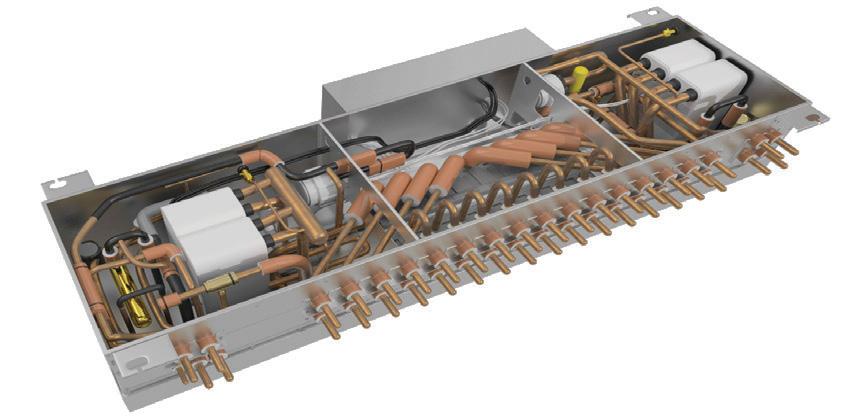
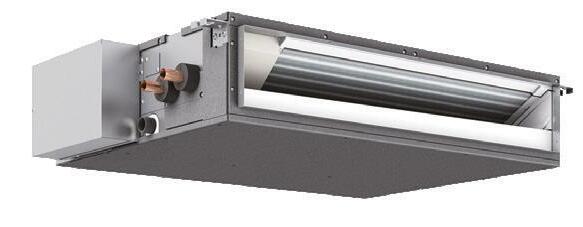
refrigerant with water between HBC and indoor units






MITSUBISHI ELECTRIC
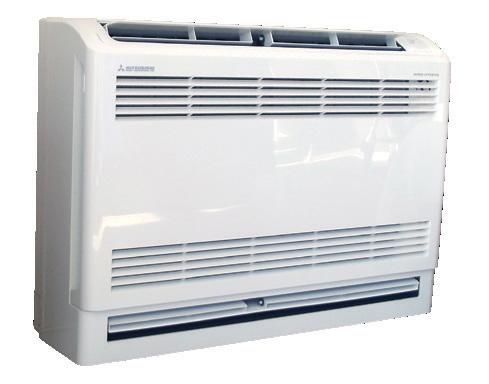
For the past 30 years, Mitsubishi Electric Airconditioning have been doing business in South Africa with the unwavering goal of reducing energy consumption, and the consequent impact on the environment.
“Sustainability has long driven Mitsubishi Electric to spend time and resources researching and developing efficient airconditioning equipment, which enables everyone from homeowners to commercial and industrial property developers to ensure that they not only meet, but actually exceed national safety and environmental requirements,” explains Marco Ferdinandi, the company’s marketing director.
Airconditioning systems, he points out, have long been singled out for their destructive impacts on global warming, even after moves to replace chlorofluorocarbon (CFCs) refrigerants with the much more environmentally-friendly hydrofluoro-olefins (HFOs) alternative.
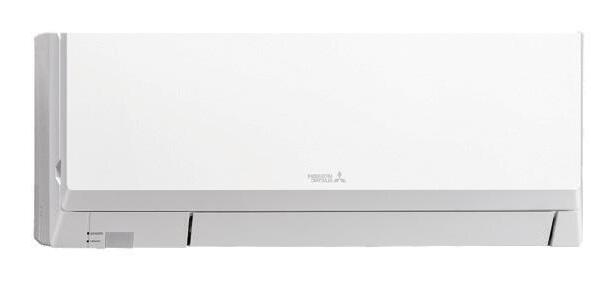
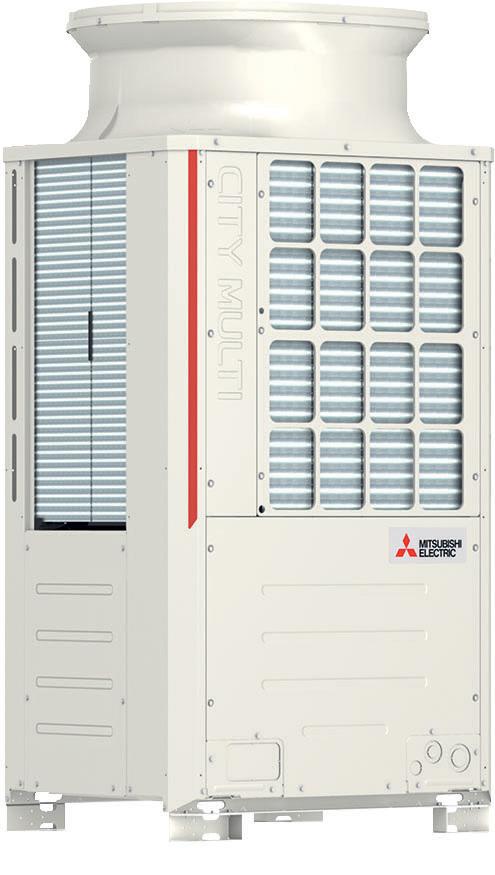
Their technology, which combines the benefits of refrigerant and water energy as energy sources in one system, offer a game-changing alternative to South Africans who take sustainability seriously, Ferdinandi stresses.
1. WHY ARE YOU SO EXCITED ABOUT THE NEW MITSUBISHI ELECTRIC HYBRID VARIABLE REFRIGERANT FLOW (VRF) TECHNOLOGY?
“It’s remarkably innovative, cutting electrical energy consumption by about 40% compared to typical constant volume airconditioning systems available on the market today. Leveraging advanced heat recovery technology, it achieves this extraordinary energy saving capability by redirecting the heat captured during the cooling process to areas that require heating, such as hot water tanks. This water-based heat recovery process reduces the need for refrigerant within the living spaces, while utilising refrigerant only outside the buildings space. This reduces any unnecessary exposure.”
2. HOW DOES INVERTER TECHNOLOGY DIFFER FROM TRADITIONAL AIRCONDITIONING OPTIONS?
“Most airconditioning systems will run at the maximum output when in operation, and once the desired temperature is reached, they switch off. Then, when the temperature begins increasing again, the system needs to restart –drawing a large amount of current to get back to the optimal temperature.
“With Mitsubishi Electric inverter technology, the system draws only a very low eight amps of current to turn on. Then, once the desired temperature is achieved, it slows down rather than switches off. This allows it to maintain its set point without any need to restart every time the temperature rises or falls.”
3. WHAT IS THE CONCERN AROUND REFRIGERANTS?
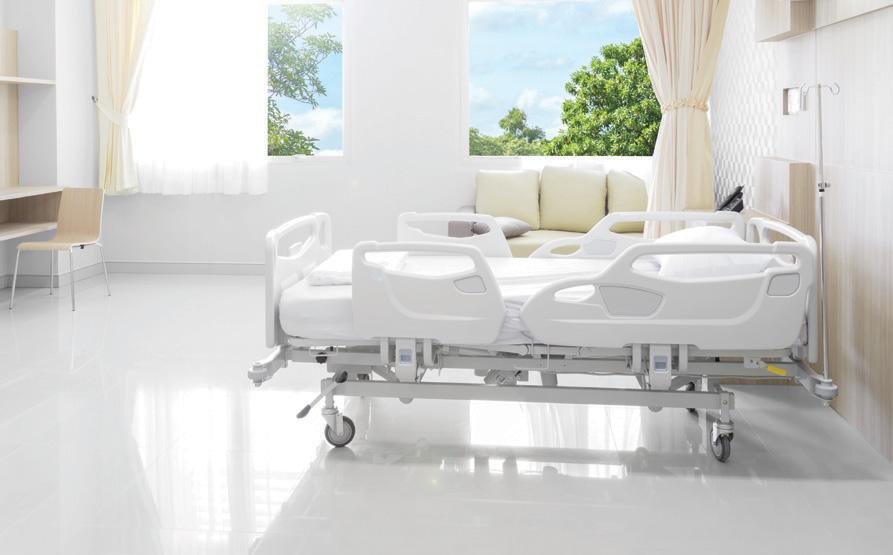
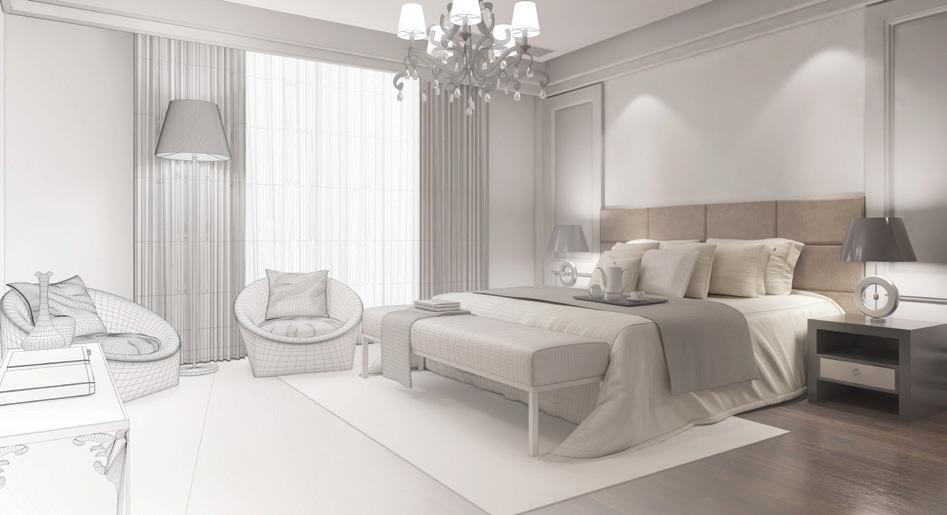
“Put simply, less refrigerant translates to less greenhouse gas and the obvious benefits for the environment at large. With our new Chilled Water Hybrid VRF, the absence of refrigerants between the BC units and the indoors also reduces the need for expensive leak detection measures, while also optimising the safety of the building occupants. Leaks are a reality in any airconditioning system, regardless of what technology you choose, and replacing refrigerant with water is a fail-safe alternative that is especially important for rooms in which people sleep, such as hotel rooms and hospitals.”
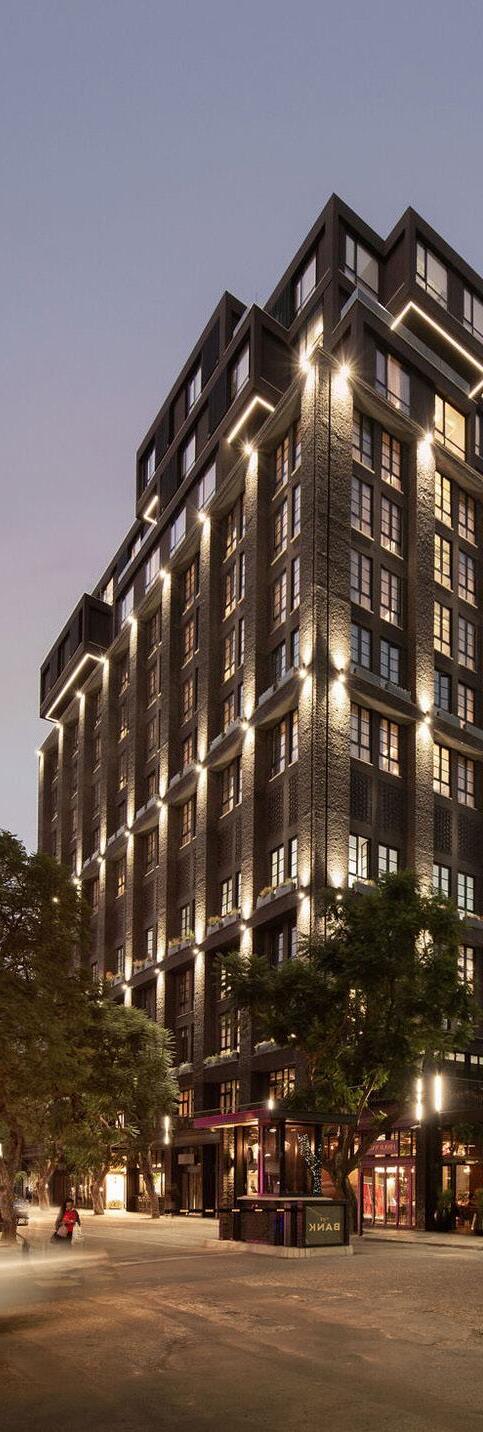
4. TELL US MORE ABOUT YOUR EXCITING PROJECT AT THE BANK IN ROSEBANK, JOHANNESBURG?
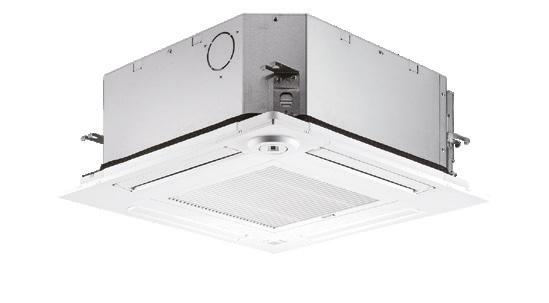
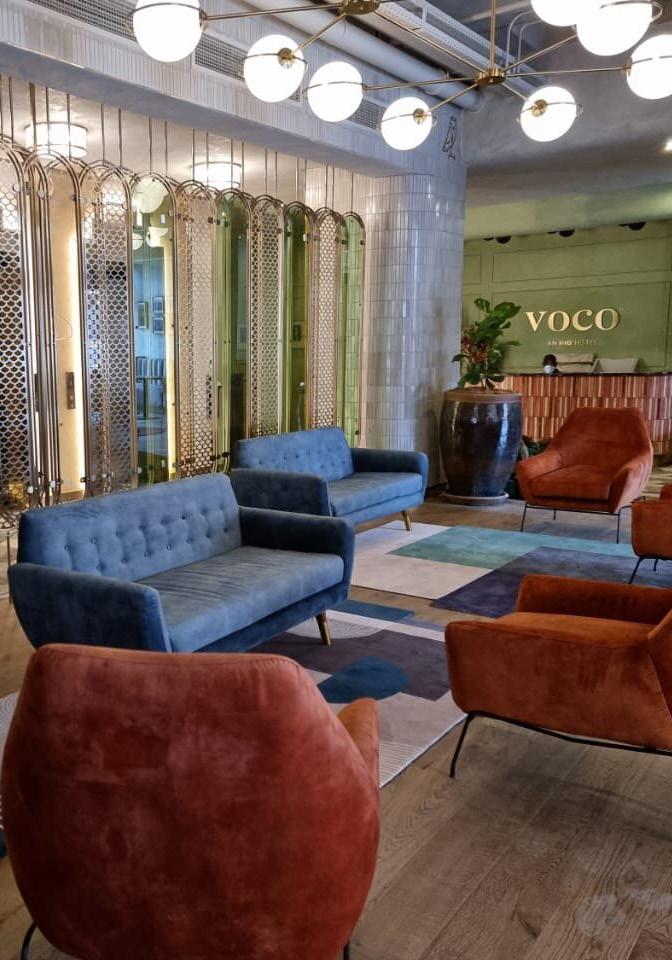
“The Six-floor hotel section of this project adopted what is the continent’s first new chilled/hot water hybrid VRF system, which combines the refrigerant VRF technology with chilled water. Benefiting from this newest technology in the VRF range makes this feature a flagship, first-inAfrica item on the project. The design team was specifically attracted by the hybrid VRF system in the hotel area because of the significantly improved sensible heat requirement, which makes the solution far more comfortable for occupants thanks to lower air turbulence which is common with typical non-water based VRF systems. It is of course also environmentally friendly.
“We were very proud of their recognition of Mitsubishi Electric as a VRF company well known for the huge amount of research and development that has been ploughed into our technology over the past two decades. This is especially evident in our two-pipe technology, which is a registered trademark for Mitsubishi Electric and the only VRF system using two pipes for simultaneous heating and cooling.”
EVERITE
Fibre cement manufacture Everite may have been around since 1941, but there’s nothing old fashioned about this progressive company that says it has “green running in its fibres”. Hailed for its dominance in the market, robust growth prospects and diverse product range, Everite is probably best known for its Nutec fibre cement brand. But it is increasingly becoming known as a licence holder for a host of leading alternative building systems and technologies.
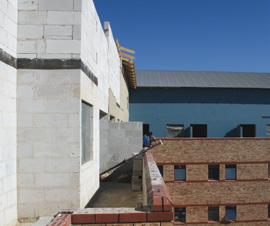
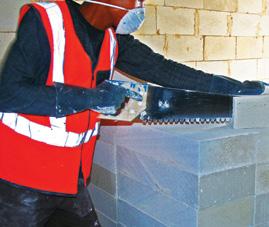
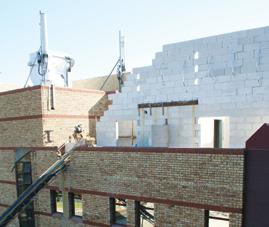
A product that they are especially proud to have brought to the continent is Hebel Autoclaved Aerated Concrete (AAC), manufactured under licence to the Xella Group in Germany, which named Everite as a licensee for this building product in South Africa. Recognised as the building material of the future due to its light weight, ease and speed of construction, exceptional fire performance, superior thermal properties and its durability, AAC has gained a significant share of the international construction market.
“Advanced Building Technology is a priority for us, and critical within a South Africa where demand for green building alternatives has escalated significantly in the past three to four years, especially as donor funding is often conditional on aspects such as low carbon footprint,” explains managing director Jurgen Stragier.
1. WHAT BUILDING PRODUCTS IS EVERITE BEST KNOWN FOR?
We produce a wide range of materials that satisfy the needs of the commercial, industrial and residential market sectors, but we’re certainly renowned for our comprehensive range of Nutec fibre cement products and related products, including insulation, cornices and plasters. A trade name with which South Africans are very familiar, Nutec cement products include fibrecement sheeting, cladding, ceilings and building columns. Their popularity lies in the use of safe, renewable fibres, while losing nothing in strength or load-bearing properties compared to traditional materials. They also offer excellent thermal capability, and water, wind and fire resistance.
2. HOW SERIOUSLY DO YOU RATE THE GREEN AGENDA?
Our tag line is “Green runs in our fibres”, and it’s an ethos that drives our future thinking. With our Nutec product range, for example, we continuously review these not only in respect of performance and end-user satisfaction, but also environmental impact. We know that the environmental costs incurred by using fibre cement and AAC are measurably less than for other building materials, not least because they require less energy in assembly and construction, but also in transport and installation. In fact, environmental costs relating to ozone layer depletion, carcinogenic substances and solid waste emissions are almost negligible. Our AAC products, meanwhile, have an up to 75% lower carbon footprint than conventional building materials, with a five times better thermal R-value than conventional building materials.
3. WHAT’S SO EXCITING ABOUT AUTOCLAVED AERATED CONCRETE?
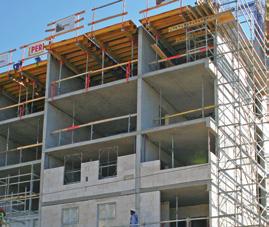
It’s viewed as a revolutionary material that offers a combination of strength, light weight, thermal insulation, sound absorption, unsurpassed fire resistance, and unprecedented ease of construction. Although relatively new to South Africa, it was actually developed and commercialised over 100 years ago in Europe, and now accounts for about 40% of market share of all walls built for the European market (load-bearing and in-fill walling). For Dubai, the comparative figure is up to 90% for all high-rise buildings. Building speed is three to five times faster than conventional brick and mortar, and the low weight means that superstructure and founding costs can be reduced significantly. For example, on a 10-storey building, savings could range between 9% and 11%.
4. HOW COMMON IS ITS USE IN SOUTH AFRICA?
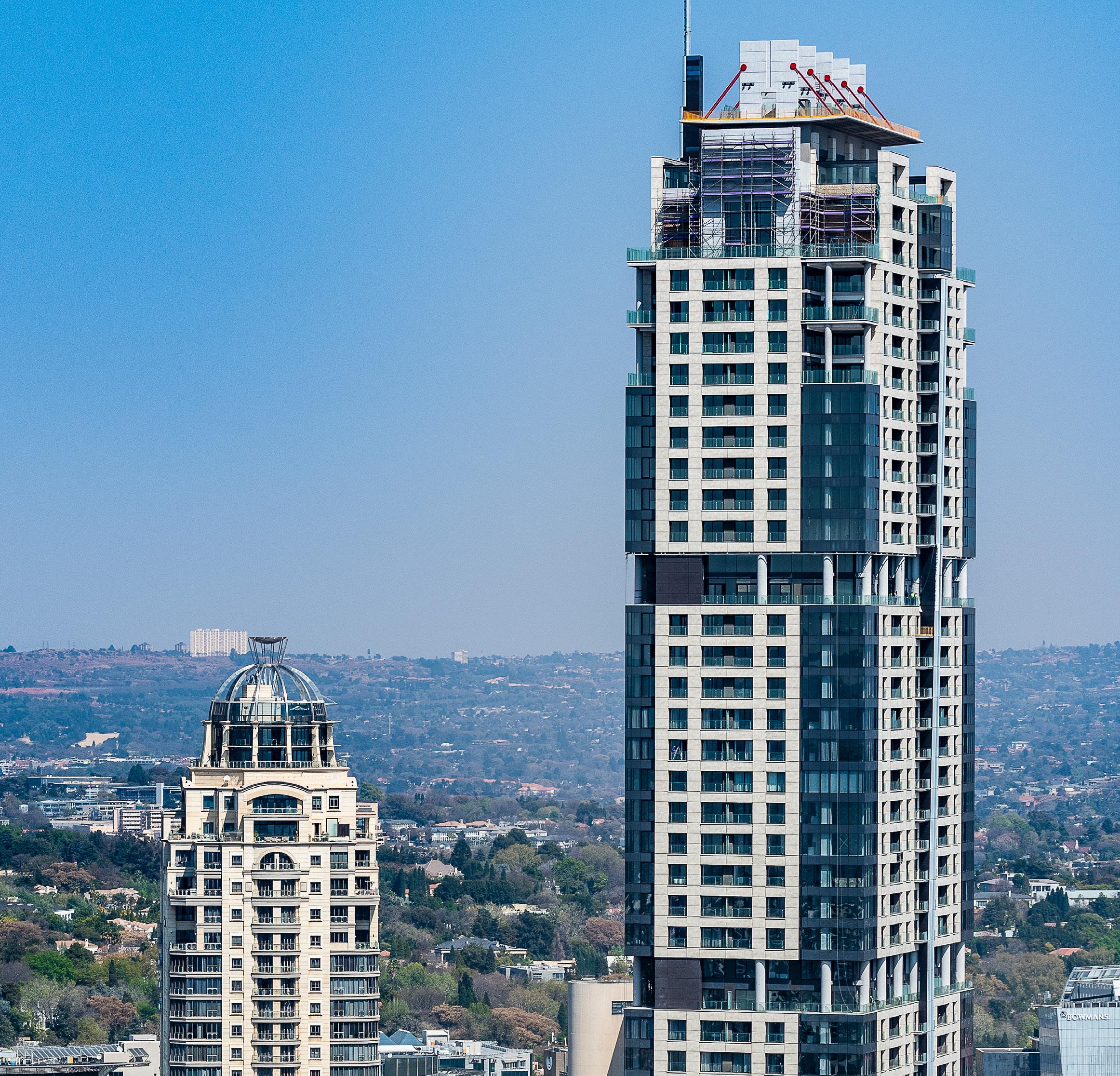
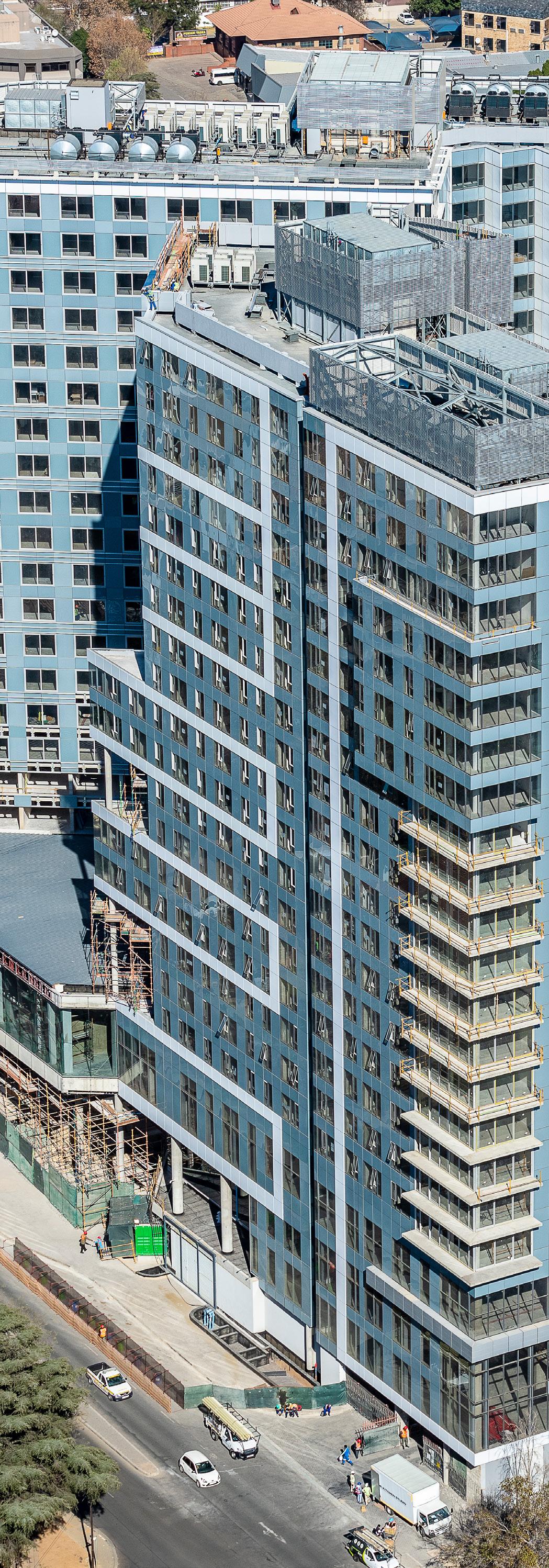
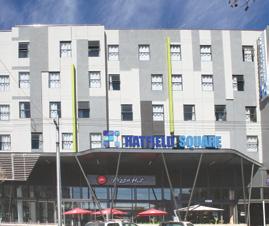
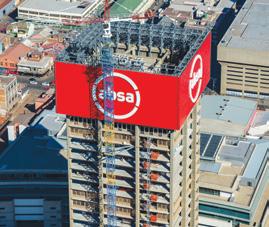
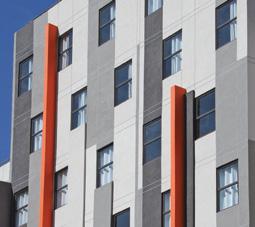
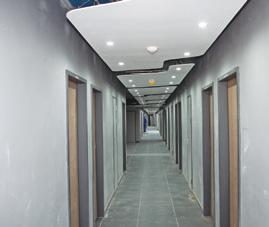
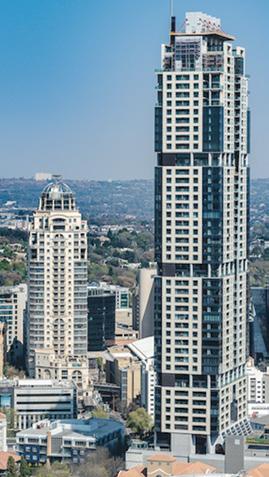
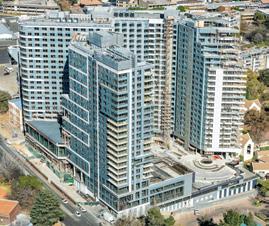
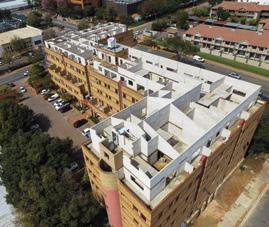
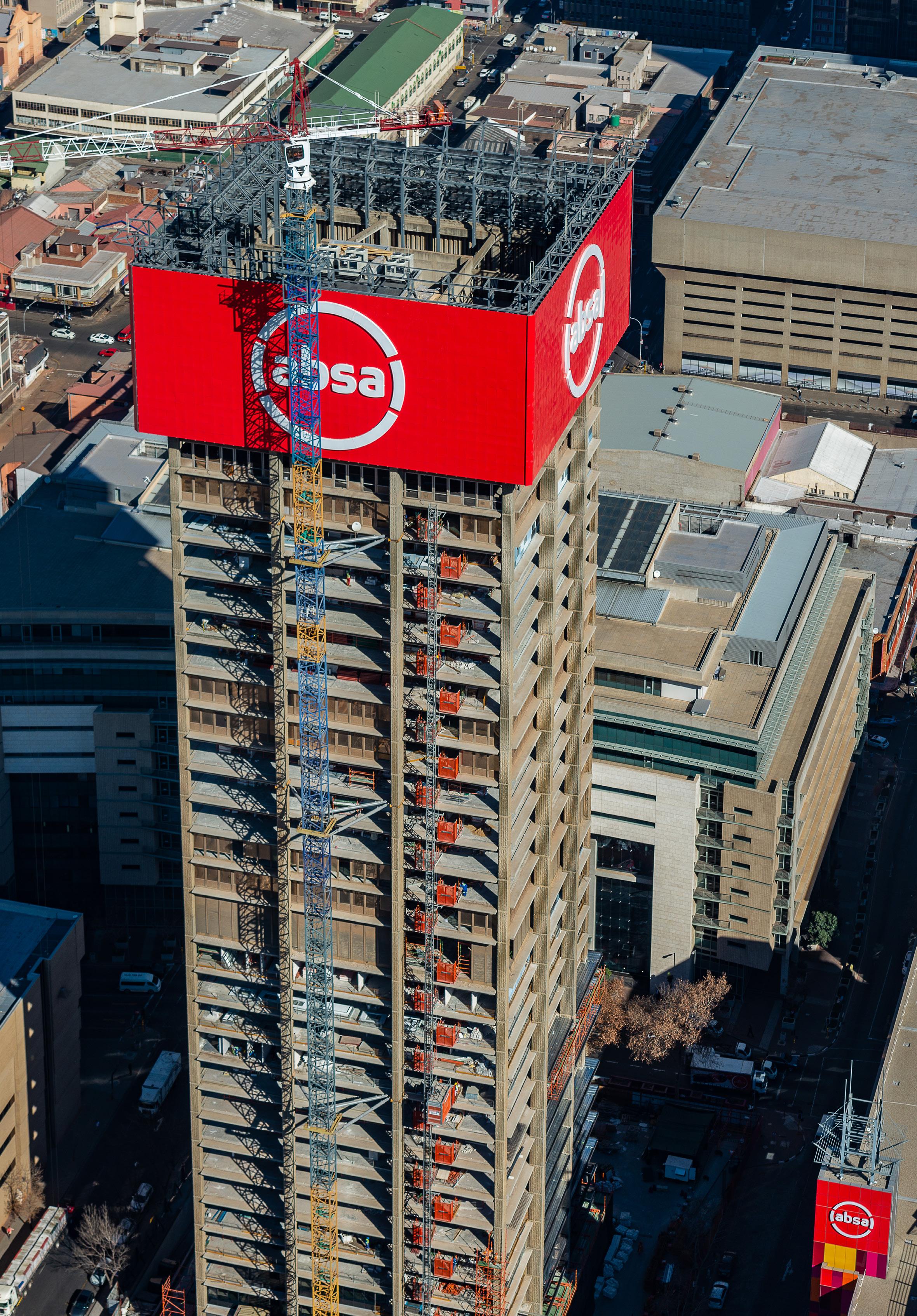
Interestingly, the oldest building in South Africa using AAC is the Ponte Tower, a 53-storey building built in Johannesburg in 1972. All the in-fill walling uses Hebel AAC. But today all the country’s large construction companies, and most of the midtier ones too, have used the system. All the infill walling (about 42 000 sq m) was supplied for the Leonardo Building in Sandton, along with 45 000 sq m for the ABSA Tower conversion. In Cape Town, 1 000 RDP houses were build using the system, while 31 000 sq m of in-fill walling was supplied for the Jorissen Street Student Accommodation. But there are many other examples too, as South African begins to recognise the value of a system that can replace brick walls, but which also works well alongside other conventional building materials
by Royston Lamond
EDITOR’S NOTE CRISIS AND OPPORTUNITY
The Chinese have given us a word for “crisis”. Wei-xian. They also gave us coronavirus. Which is the same thing.
The word, wei-xian, two syllable brush strokes, represent the words “danger” and “opportunity”. If ever that description rang true it is now, with the whole world’s 7 billion population resetting the way we operate.
Suddenly, we as a crowd have gone through a revolving door and been chopped into people again.Distancing becomes an art form. Hospitals are crowded. Restaurants closed. Tourists forbidden. Planes grounded. Hotels emptied. Church gatherings decimated. Rock concerts illegal. The music died.
We know the effects.
No one has been spared. The urban landscape has changed dramatically. City properties are going through a major rethink. The once profitable and highly desirable large scale square metre

footprints of conference centres, hotels, office space, restaurants, clubs, cinemas and the like have become liability headaches for landlords and tenants.
While mining sidestepped the crisis and agriculture saw boom times and food production expanded and supermarkets flourished, congregating spaces did not.
There is an oversupply of office space to rent, which of course will see a shrink back on new office builds and a repurposing of old floor space. The accelerated phenomena of work from home, less travel (by car or plane), greater use of hitech, and isolation to working in a bubble, are not just the fall out results of a pandemic, but a speed up to a new normality.
Worldwide we see a boom in door-to-door deliveries, parcel warehousing, virtual meetings, massive increase in social networking and business applications. Young, smart, Wi-Fi conversant university graduates can choose
projects , pack up laptops, relocate from New York or wherever, set up a hammock in their dream location overlooking the beach in Rio, Bali, Cape Town, Ibiza, Bora Bora, get paid well and live a life that once was the realm of movie stars.
Work from home now redefines what home really looks like and where in the world it is. In the urban setting more dwellings will demand greater connectivity with the outside world and a space that cherishes the escape to a nearby green belt, park, beach or open space.
Editorial Director Royston Lamond
Commissioning Editor Diana Caelers
New normal, if such a term should even be uttered, will be the morphing of old maxims into more workable, faster, friendlier ways of life created by the youth.
The gorgeous Marilyn Monroe said: “Within crises are the seeds of opportunity.”
Or if you would like a more cerebral persona to quote at your next virtual conference call, Albert Einstein: “ln the midst of every crisis lies great opportunity.”
Director Thandiswa Mbijane
Design and Layout
Shejali Kandhai

INTERIM CEO THOMAS KGOKOLO SAYS,
“After months of diligent work, we are delighted that SAA is resuming service and we look forward to welcoming on board our loyal assengers and flying the South African flag. We continue to be a safe carrier and adhering to COVID-19 protocols’’.










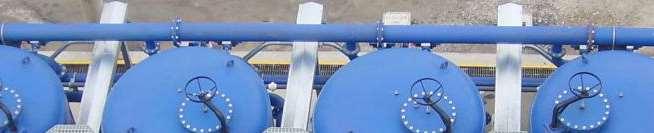

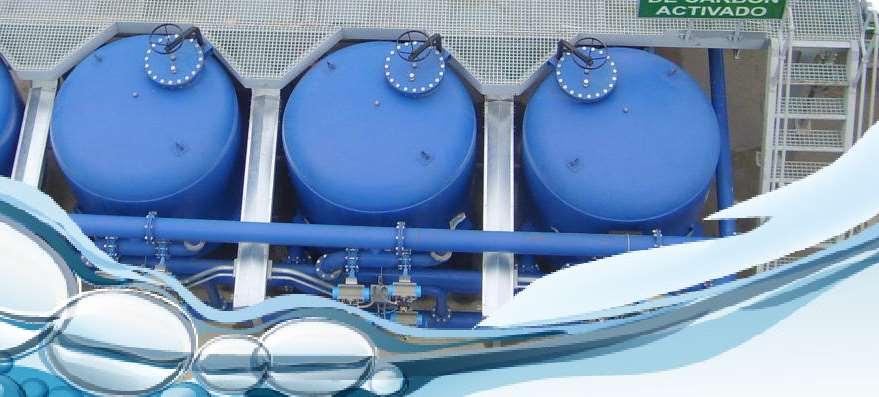











Comprising a highly professional team, Water Dimensions International was established in 2015 with a focus on water purification systems for healthier living. Whether they’re developing, constructing and optimising domestic and commercial swimming pools, industrial process water treatment plants, or landmark water features, they maintain their primary focus –treatment of potable drinking water, industrial process water, and waste water recycling.
“What my co-founder Adam Kriel and I have created is a niche company that can tackle the complexities of commercial swimming pools and aqua parks. But we also have the capability of creating effective water treatment plants that uphold the overall quality of water being released back into the environment,” says company director Herman van der Mast.
1. WHAT IS THE SECRET TO AN OPTIMAL WATER TREATMENT SYSTEM THAT ALIGNS WITH YOUR CLIENTS’ “GREEN” GOALS?
“The product design phase is critical if clients are to ensure they have a system that truly reflects the fast-paced advancements being made in terms of development and production of more efficient water treatment processes and control systems. To reduce unnecessary effluent charges and water usage, water treatment systems must be professionally designed, optimised and controlled. We provide full in-house design, fabrication, supply, installation, commissioning, service and repair capabilities for exactly this reason, to prevent a situation when speciality products are installed but not properly monitored. This has the potential for over- or under-dosing, which in turn negatively impacts efficiency, and increases costs.”
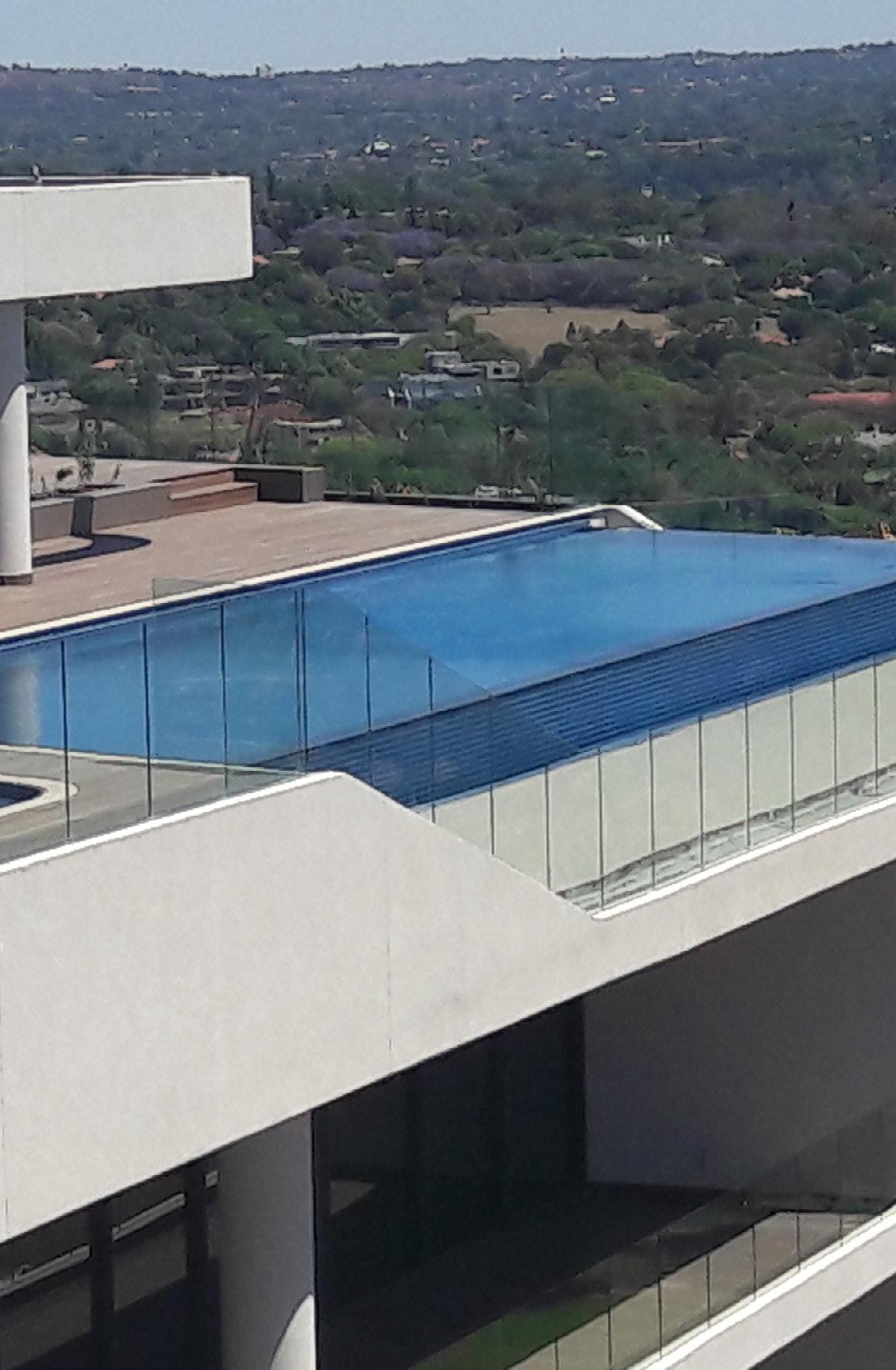
2. THE OTHER ARM OF YOUR BUSINESS IS THE DESIGN, CREATION AND MAINTENANCE OF COMMERCIAL AND RESIDENTIAL POOLS. CAN YOU TELL US WHAT MAKES A GREAT POOL?
“There is certainly no truth to the view that a commercial pool is the equivalent of a whole lot of domestic pools lumped together! Fundamentally, a pool with a poorly designed hydraulic and filtration system will be a problem pool, no question about it. And it’s not difficult to imagine how big a problem that can pose for an aquatic centre or water park, for example. Poor design leads to higher operating costs, which impacts levels of water use and sustainability, so increasing the negative impact on the environment. One big aspect is the recovery of backwash water; a commercial filtration system can easily use 30 m³ to 60m³ water for backwashing purposes, but we can recover around 85% of this water, which can then be reused.”
3. HOW SERIOUSLY ARE SOUTH AFRICANS TAKING THE BUSINESS OF WATER TREATMENT PROCESSES?
“The public is generally not nearly as up to speed as they should be in respect of the depth of the problem we face in terms of waste water and sewage, and how quickly it is growing thanks to rapid urbanisation, population growth and lack of skills to maintain and repair the existing infrastructure. It is however heartening to see the rapid expansion of the waste water segment of our own business, which we are confident is reflecting an eco-agenda that recognises the dangers to animals, birds and plants that is posed by untreated waste water. Conversely, if it is properly treated, the potential for the reuse of waste water significantly changes the status quo.”
4. TELL US ABOUT SOME YOUR FAVOURITE PROJECTS YOU’VE BEEN INVOLVED WITH OVER THE PAST FEW YEARS?
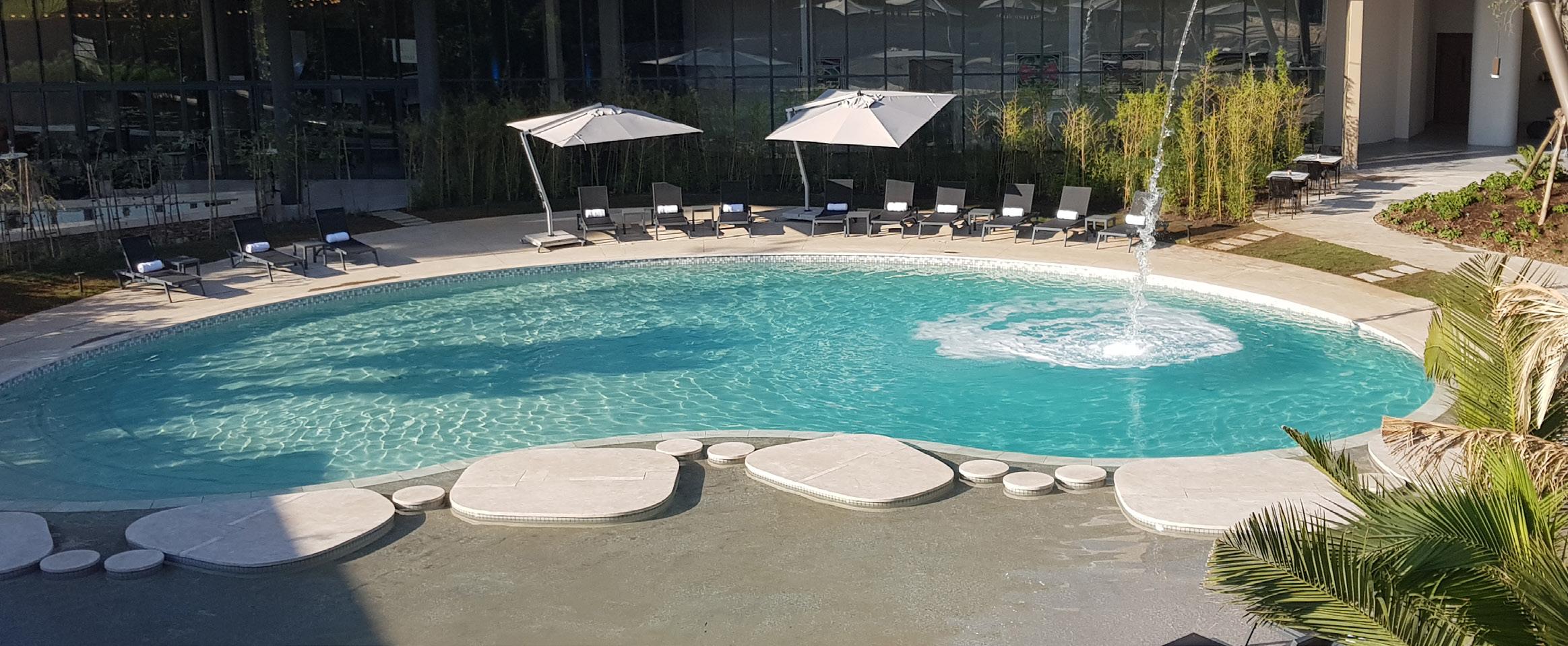
“Like most companies, it’s always those challenging projects that are most interesting and rewarding for us – and especially if we can bring a vision to life, while also taking account of the environmental impact of our work. Our Houghton Hotel project, which was published in Pro Landscaper, was a great one for us. Bringing the architect’s vision to life wasn’t an easy task, especially because translating a beautiful design into a workable, practical reality isn’t always as simple as following a drawing. But we believe there is always a solution that works for everyone. And when we strike that balance, it’s fantastic. Ultimately, the joy is not only in the physical product, but also in seeing 300-plus children coming to enjoy it!”
CURVED SPACE AND BLACK HOLES
“ We shape the buildings, then buildings shape us.”

Such was the quip
from Sir Winston Churchill. Small buildings, large, inspirational shapes, monstrosities, warm, humanistic, green, friendly, productive or brutal,
dull,
boring,
even sick buildings that regurgitate bad air or make the grey weather outside seem even greyer inside... the value of real estate in the built environment depends on location and its appeal to the occupying tenants.
Architects the world over seem to look over their shoulder and copy or modify what’s trending.
And that, in the hands of architects who have the soul of an artist, sculptor, or a top fashion designer or craftsman, is a good thing where whole environments can give us a homogenous cluster of buildings of the same language, and structures that lift our spirits, or work spaces we just can’t wait to be part of.
What we have now dubbed “The International Style”, of sharp edged buildings, soaring high with sheer glass panels, won the ire of Prince Philip who, visiting the United Nations building, questioned whether New York architects could do no better than “a cigar box turned up on its side”.
Understandably, Philip’s familiarity was with the homes classic style that London had developed from Wren’s St Paul’s Cathedral, the solid stone fluted column facades of the City of London and the pomp of the grand homes and palaces of Britain. Had he perused the Brave New World gems of New York City, he would have found the Empire State Building, the art-deco marvel
of The Chrysler Building, the Cathedral space of Grand Central Station and that audacious circular, spiralling, jaw dropping Guggenheim Museum.
But for those with an eye and a heart and that rare-to-define feeling for great human spaces, one of the world’s treasures, on only a few, maybe 200 square metres of land in Barcelona, is a breath-taking piece by Mies Van Der Rohe. A steel frame, glass and polished stone. The German Pavilion. Into a world of over elaboration and fussiness, the clean, unadulterated lines of this commissioned piece to show off German prowess at the Barcelona Exposition in 1929 stunned the world, as it still does today. Sharp. Crisp. Clinical. It had had an enormous impact on where we now find our voice in architecture.
We now gasp at any great building that bucks the trend of sharp, crisp lines
Jørn Utzon, sitting in the Scandinavian night, took a rubber ball in his mind and cut it into segments. Taking the pieces that fell about, he reassembled them, each spherical, curved slice meeting up and joining in a whimsical new construction. No longer a sphere, but soaring roofs that would cover the voluminous space of two theatres.
Eero Saarinen saw the entry and without hesitation or doubt awarded it winner of the Sydney Opera House Competition.
It is to this day one of the world’s most iconic structures, sitting as it does on Bennelong Point, surrounded by the waters of Sydney Harbour with the Sydney Harbour Bridge as its backdrop and the gracious curves of the Botanic Gardens as its neighbour. It’s a pivotal point. (And hugely significant. Alongside it is the deep water moorings of Circular Quay where Captain Arthur Philip sheltered the First Fleet of settlers and convicted felons for labour. Nearby is the Tank Stream that supplied fresh running water. And here he raised the criss-cross, red white and blue flag, toasted its unfurling and ceremoniously claimed the entire unknown country that would come to be named Australia, to the King of England.)
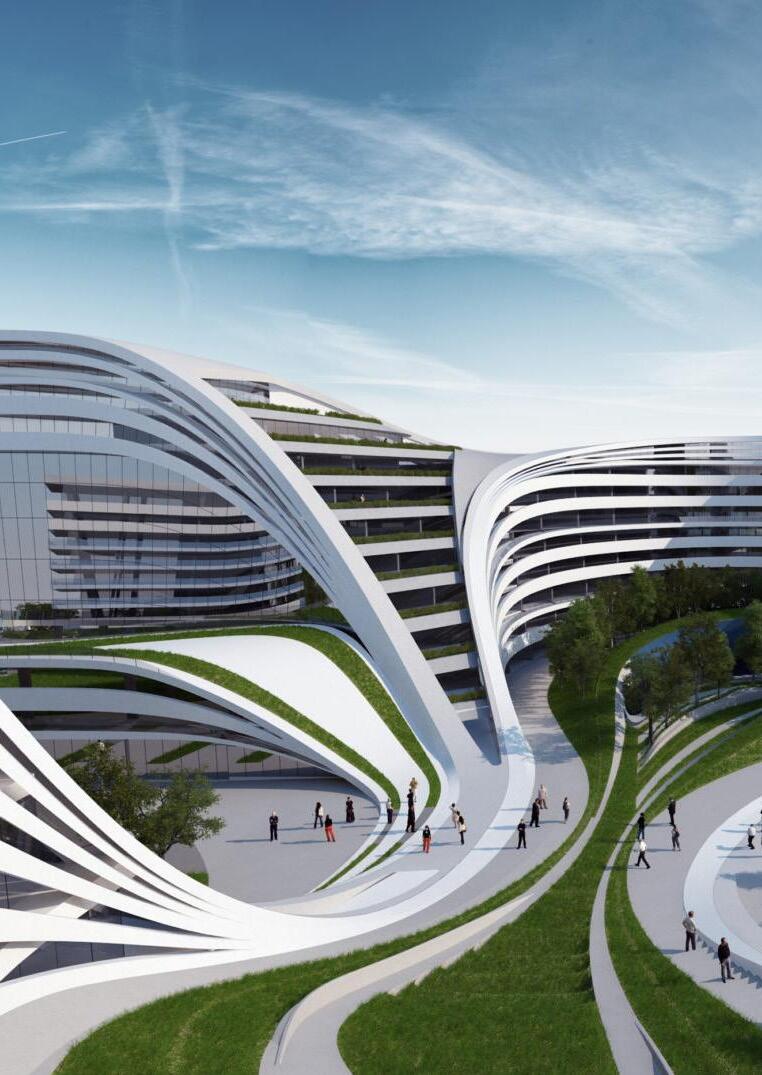
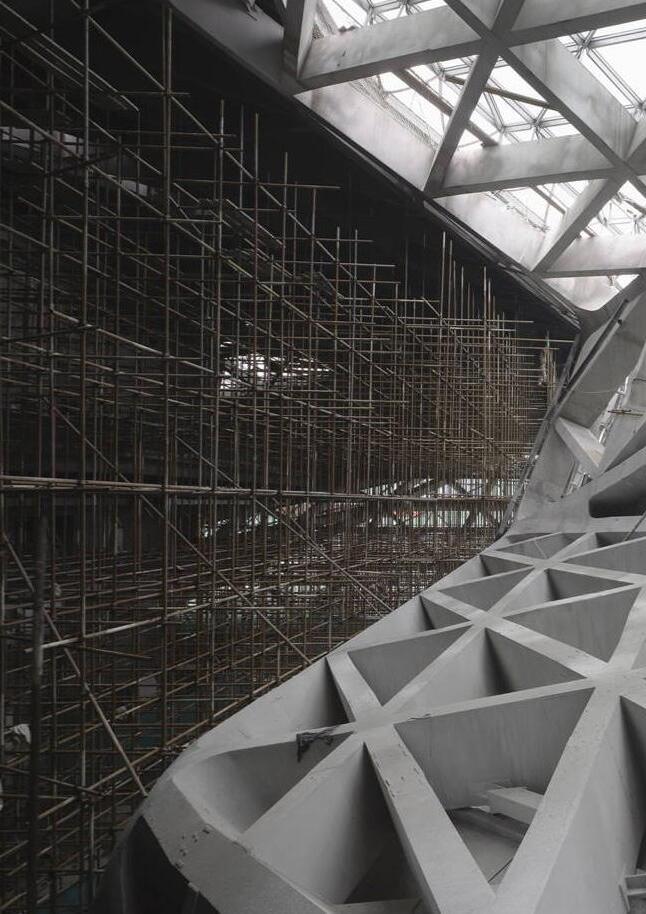
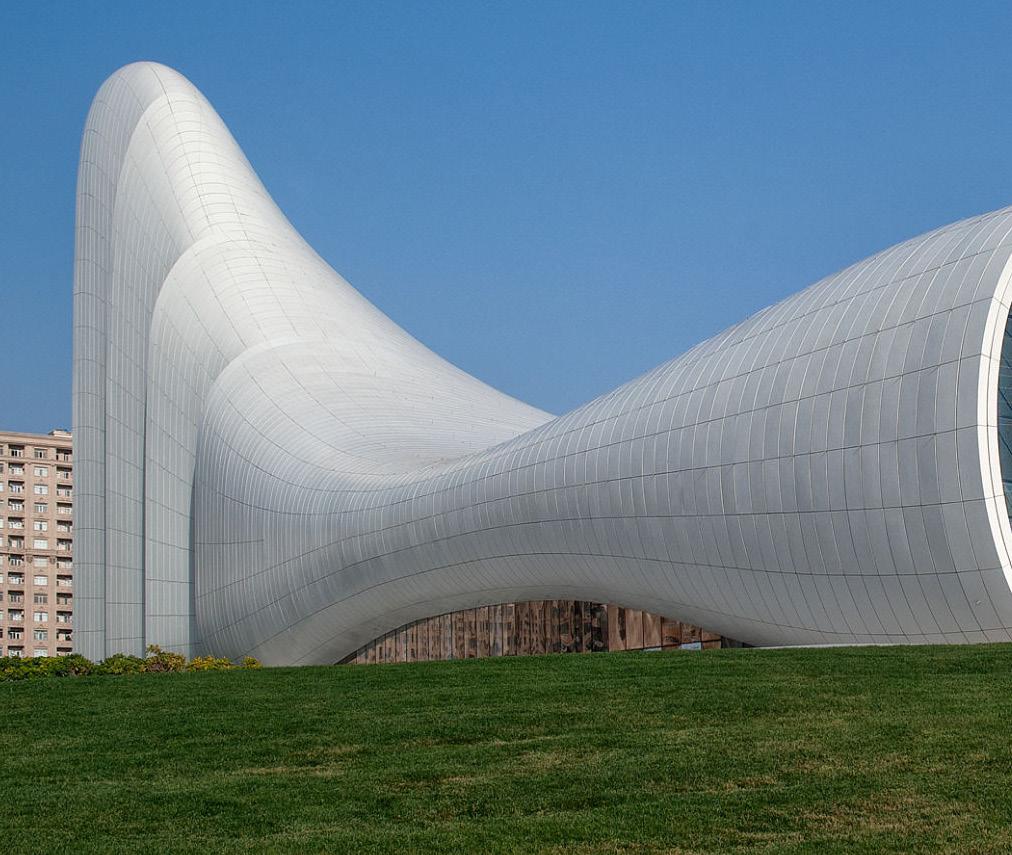
But to architecture. The cover of this issue of The Green Agenda features a curvaceous building that would shock a financial director in its extravagance.
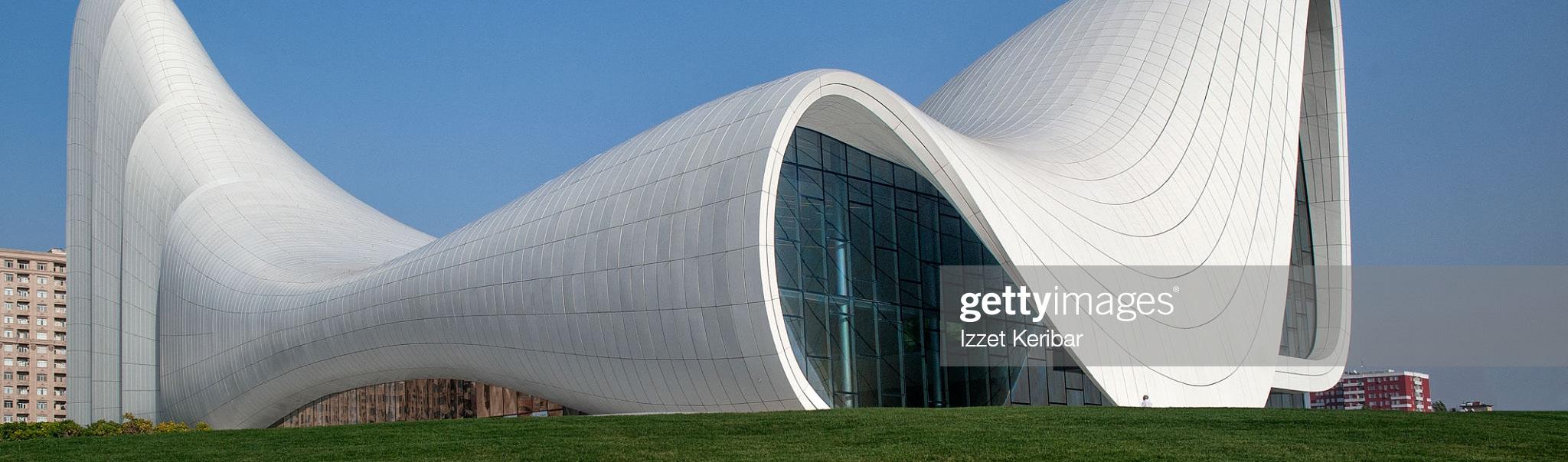
It is the inspired work of Zaha Hadid, British-Iraqi architect whose dynamic curves and open spaces had a mind turning effect on architecture at the start of this century.
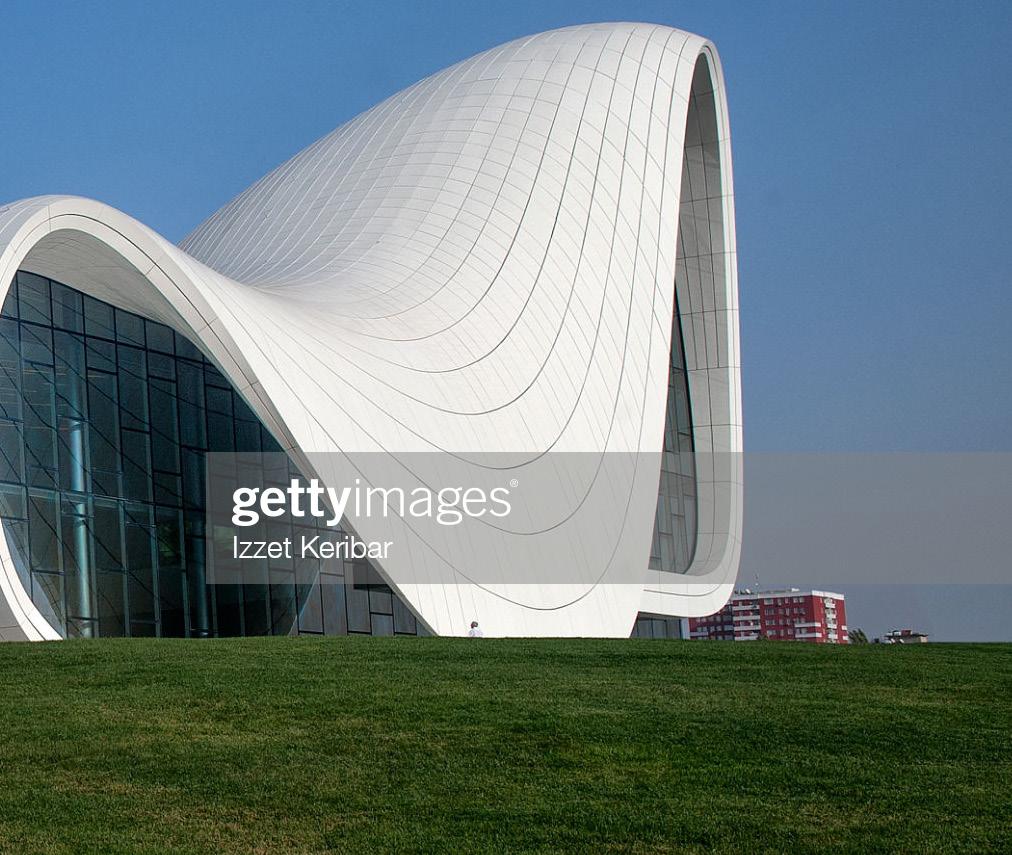
Zaha Hadid, whose work appears on these pages, has turned architecture on a head spinning new frontier, one of curved space and black holes. Taking advantage of the latest building construction techniques and materials, the imagination has been given free rein for a mind bending experience. The budgets needed would blow a black hole in any but the super rich, money not an issue, mega planners and show the world we exist with our fossil fuel money.
The sculptured structures become the showpiece expressions of a nation: exhibition centres, art galleries and opera houses, as much
a statement in themselves as stand-alone pieces as the embodiment of the high minded human endeavours they serve. Form no longer follows function. Shapes are at the whim of the power of the imagination. Even as the architect’s model builders presentations they have the power to lift the spirit and draw breath.
Are they green you may ask. The biggest green is the colour of envy from rival mega wealthy clients who want to outdo their rivals.
Royston Lamond

SA’S FIRST CERTIFIED GREEN HOSPITAL:
Setting The Benchmark for
Exceptional Green Building Leadership
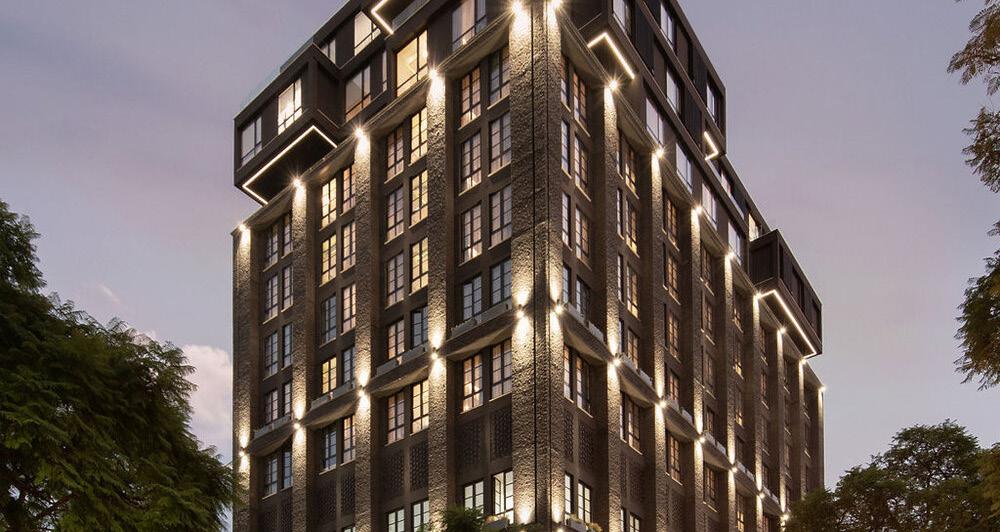
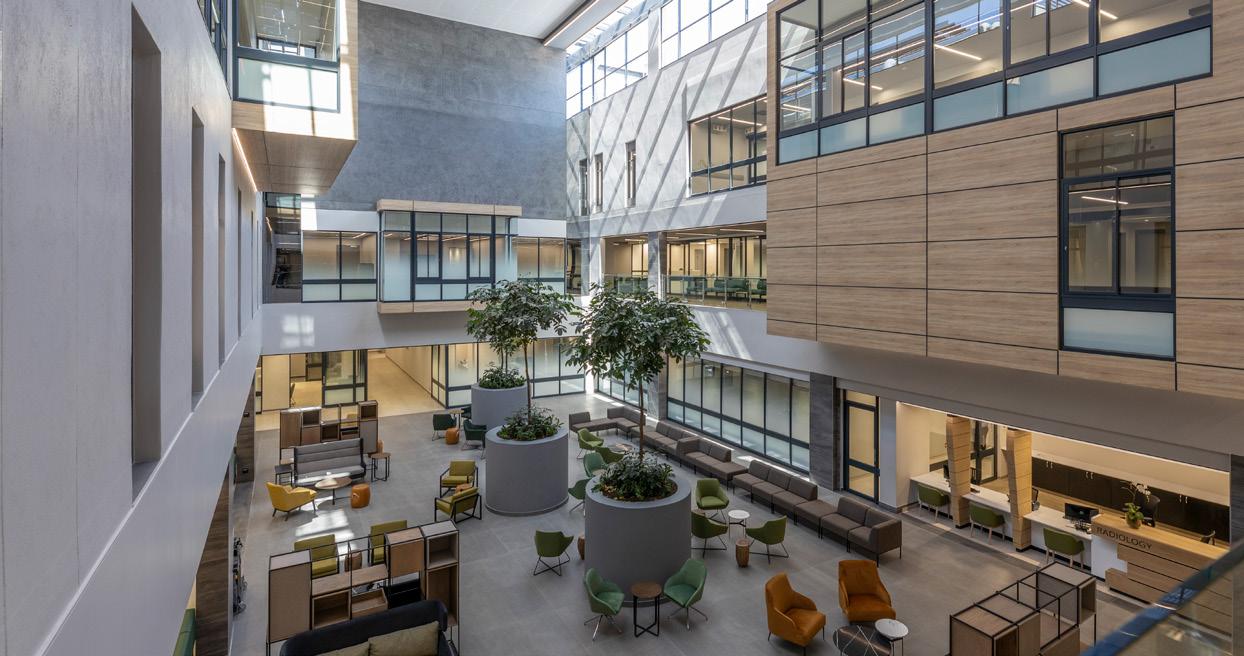
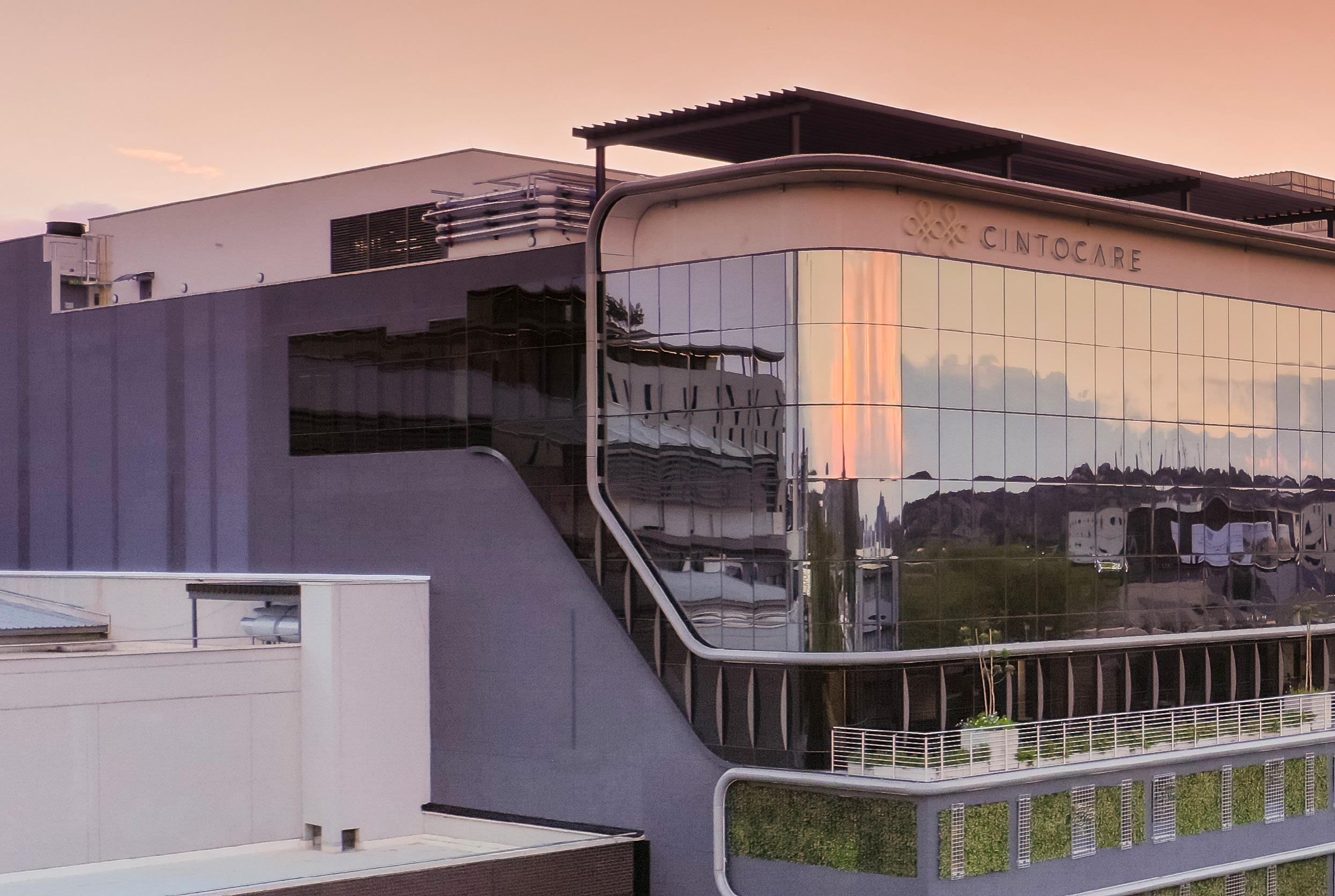
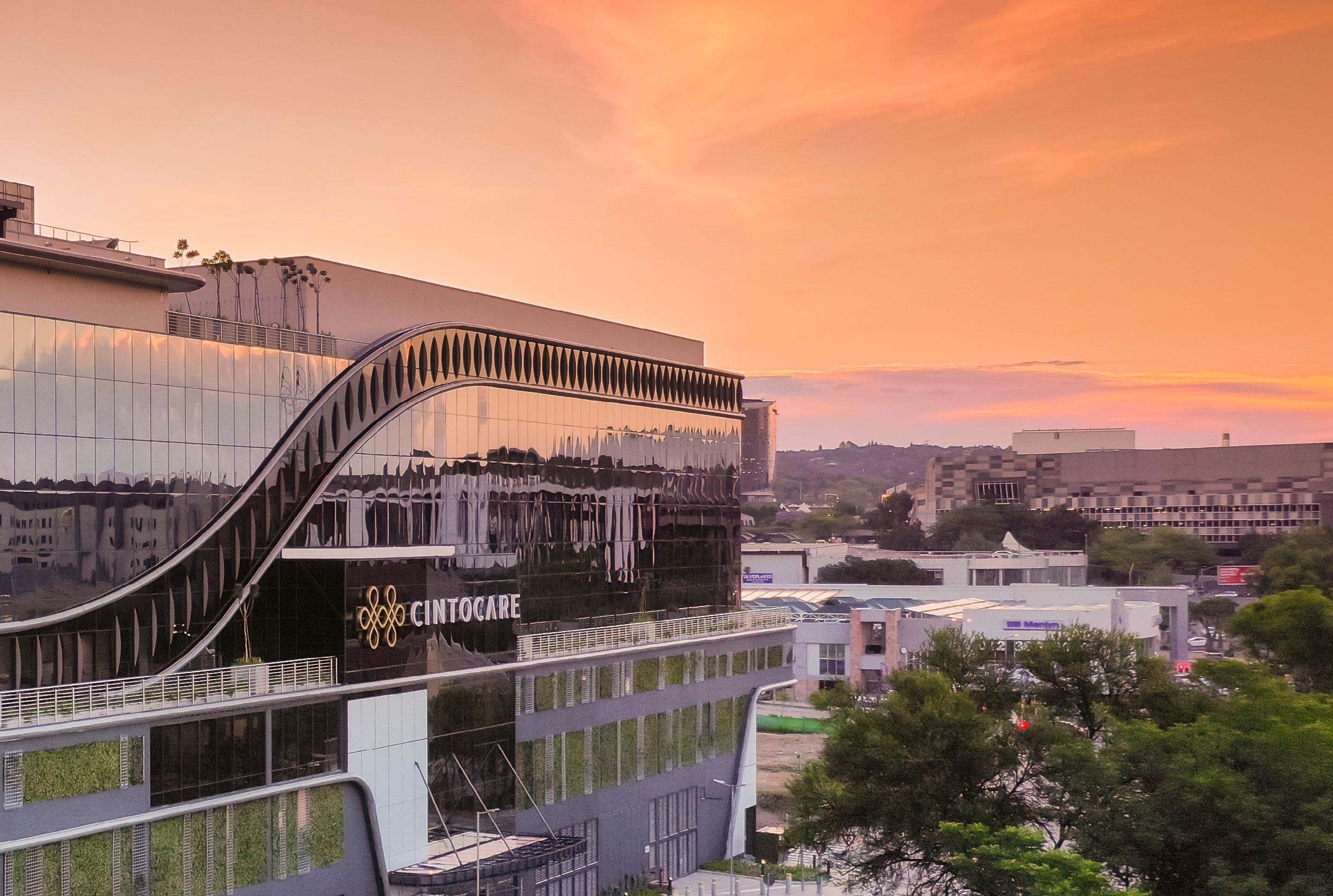
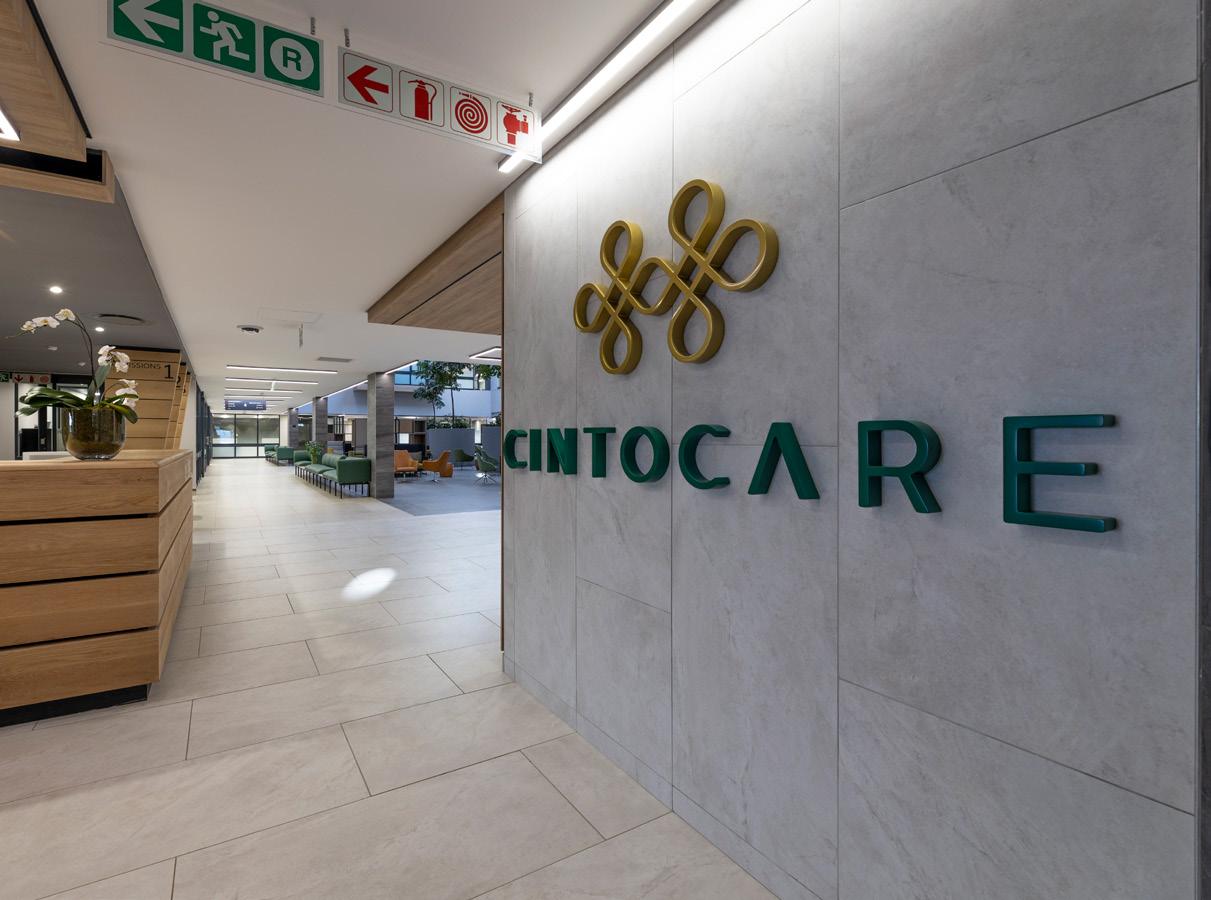
When Growthpoint completed the first-of-itskind in Africa Cintocare Hospital development, it celebrated much more than a single new hospital. Instead, the achievement reflected a much more significant goal – the creation of healthcare buildings that positively impact not only the staff and patients, but also surrounding communities and, critically, the environment.
That’s because the Pretoria development became the first healthcare property on the
entire continent to achieve a 5 Green Star Custom Healthcare design certification from the Green Building Council South Africa (GBCSA), setting the benchmark for exceptional green building leadership.
Expressing Growthpoint’s delight that their collaboration with Cintocare led to the stateof-the-art hospital becoming the country’s first certified green hospital property, Estienne de Klerk, South Africa Chief Executive of

PROJECT FEATURE
Growthpoint Properties, says the company is extremely proud to be part of creating a green, healthier, and more sustainable built environment and healthcare sector.
De Klerk lauds the collaboration between Growthpoint, Cintocare, GBCSA and the professional team, including Aurecon and Solid Green, for realising the achievement of this new green building certification tool for the healthcare and property sectors. The green
certification tool, he stresses, provides a critical road map that will guide – and drive – future development of more green buildings.
Construction of the R470-million specialist surgical hospital began in July 2018 following a year-long planning process that drew inspiration and input from operators, doctors, promoters, developers, owners, green partners and other stakeholders. Despite the challenges presented by the onset of COVID-19 and the associated lockdowns, the project remained on track and was completed at the end of last year.
“Developing a worldclass hospital is a major undertaking in itself, but doing so during the uncertainty of a pandemic intensified the complexity of the task,” explains Growthpoint Development Manager Michiel Gerber, adding that every roleplayer involved in the construction rose to the challenge of managing the heightened risks to safely deliver the development.
“And now we have Cintocare, which is changing the future of healthcare properties in South Africa,” Gerber says.
While Growthpoint has extensive experience in delivering bespoke commercial projects, developing this world-leading specialised healthcare facility was a unique project. The company, South Africa’s largest primary JSElisted Real Estate Investment Trust (REIT), is invested in real estate and communities across Africa, Europe, the United Kingdom and Australia. It owns the biggest portfolio of green-certified buildings in Africa, including the continent’s first and only WELL-certified building, the Exxaro head office in Centurion. The WELL performancebased system measures, certifies and monitors features of the built environment that impact human health and wellbeing, through air, water, nourishment, light, fitness, comfort and mind.
De Klerk cites the Exxaro development as another example of Growthpoint’s focus on integrating design innovation and sustainability to create positive spaces for people and business. The
pandemic, he adds, has heightened awareness of the need for the design and operation of buildings to prioritise occupant health and wellbeing.
“This crisis has clarified the urgent need for work environments that have a positive impact on physical and mental health, and workplaces that protect our families, businesses, communities and the public. Human health factors, such as good ventilation and air quality, are going to be the defining feature of premium-grade office properties of the future,” he predicts.
The Cintocare Hospital development is exactly such an example, pioneering and paving the way for specialist medical facilities in the country, while also establishing those specifications for a green building certification tool for local healthcare properties, which never previously existed.
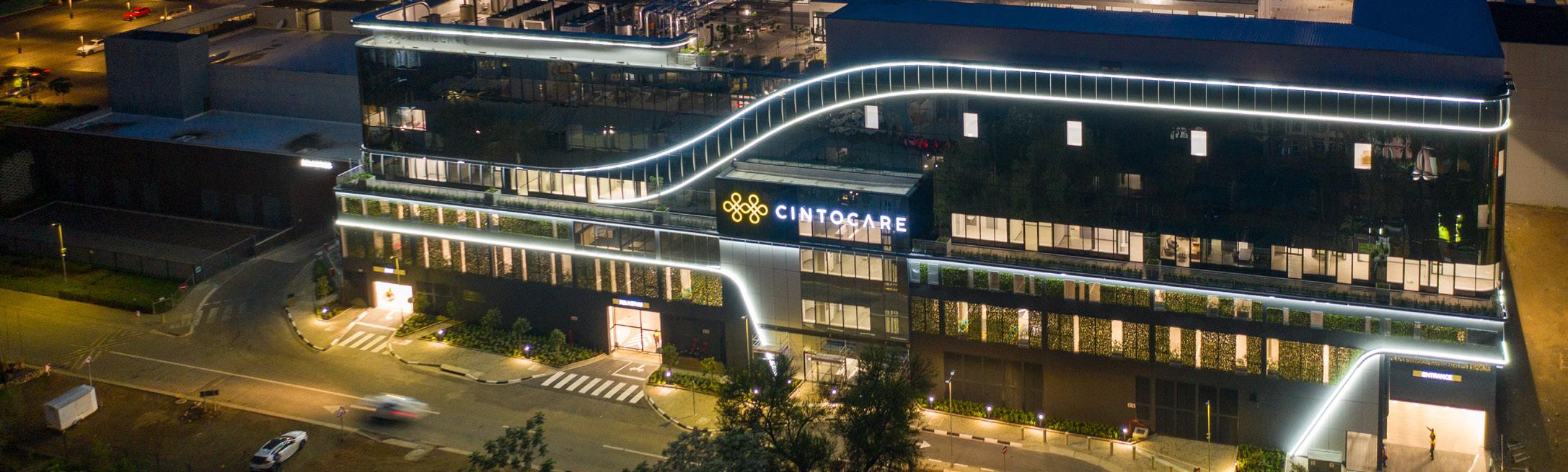
“For Growthpoint, this project is about much more than a building; it is about creating a positive experience for all Cintocare users in a place of healing and wellness,” says De Klerk.
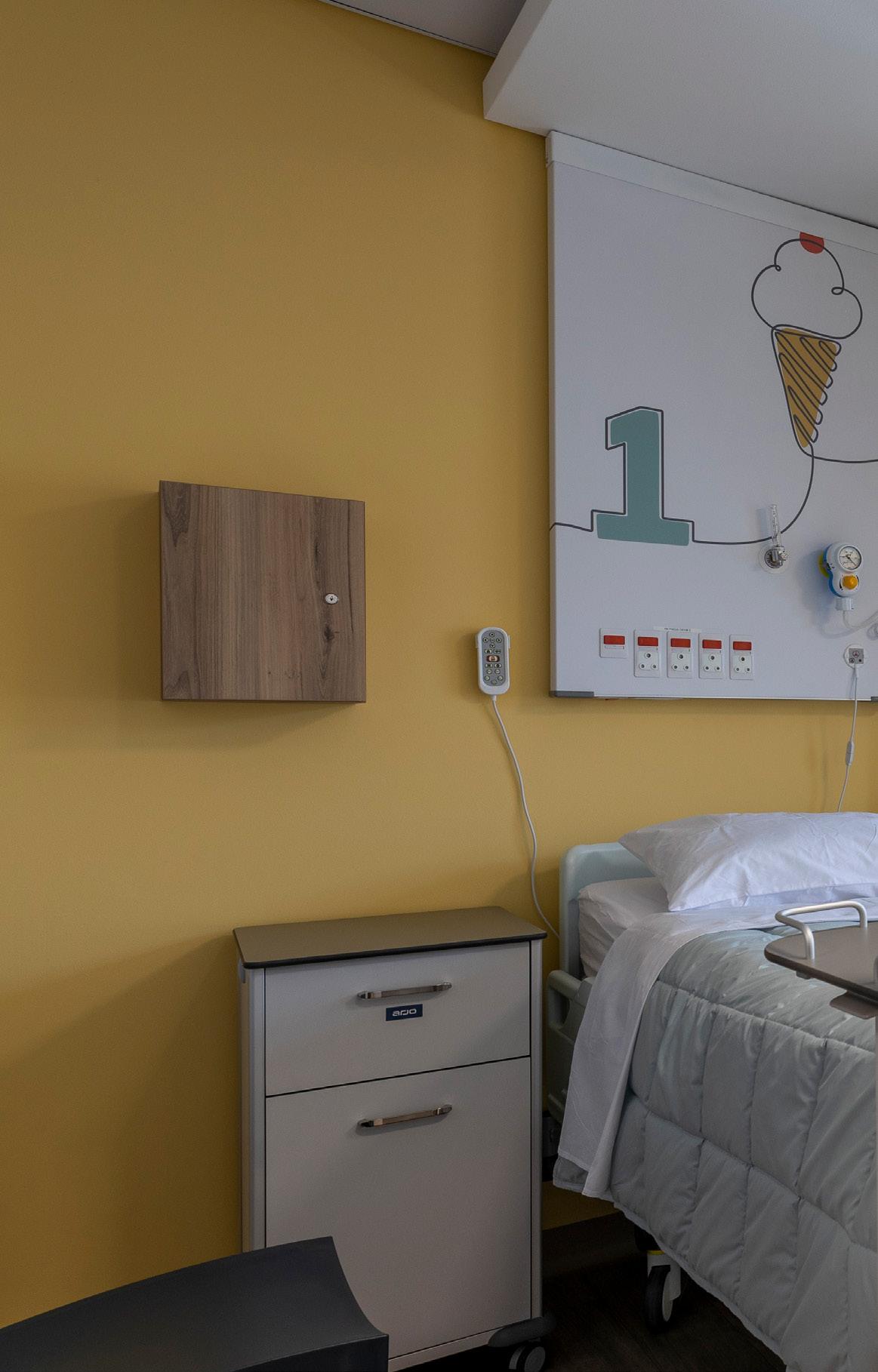
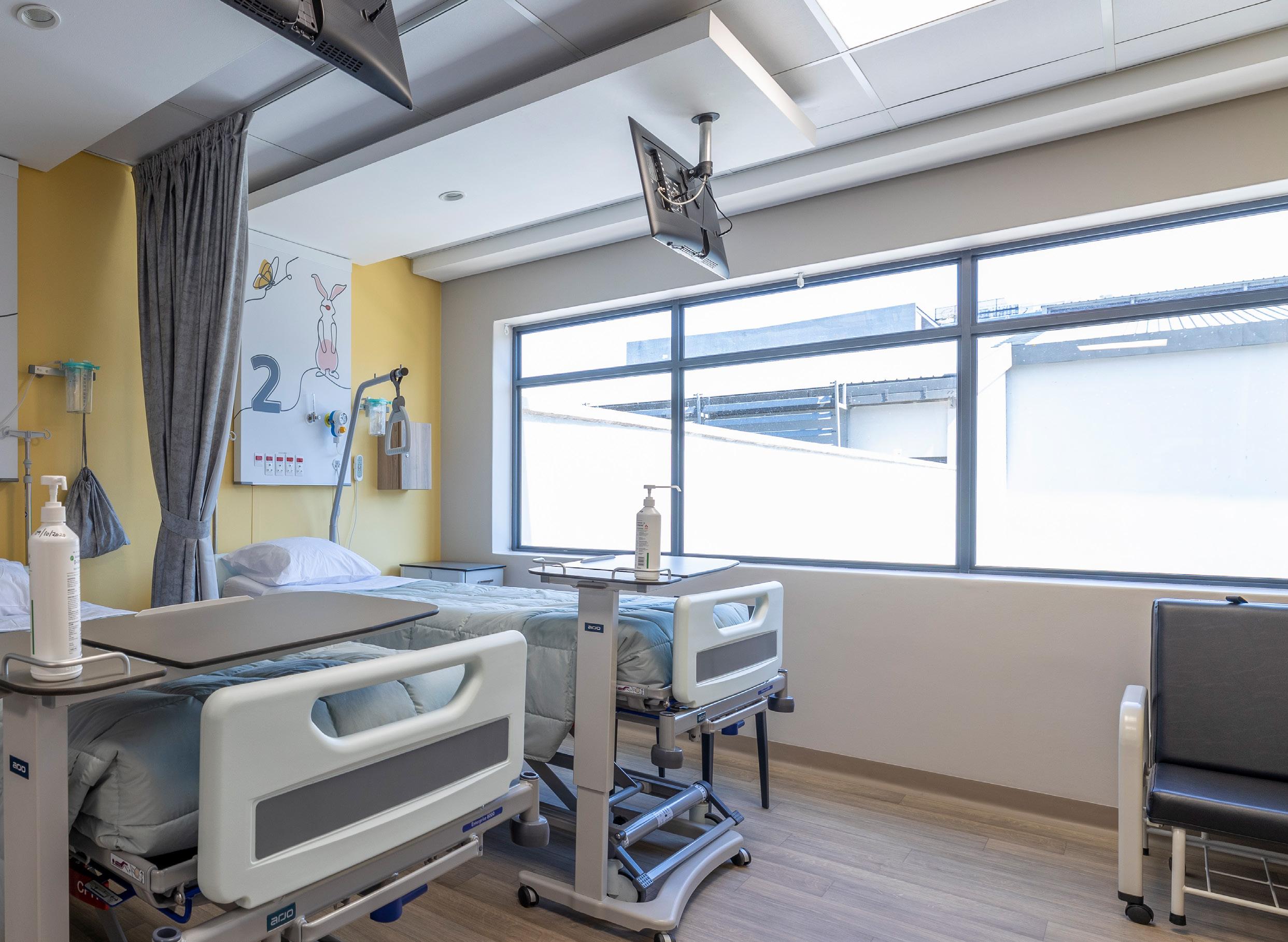
Comprising seven levels, the 100-bed hospital delivers a full suite of services, including 15 consulting rooms and five operating theatres, one of which is a hybrid theatre, with the potential to increase this number to eight. Medical professionals are supported by state-ofthe-art equipment and technology in disciplines including neuro and spinal surgery, maxillofacial and oral surgery, ear, nose and throat surgery, plastic and reconstructive surgery, and vascular surgery. There are also specialist physicians, paediatricians and intensivists, with services including radiology, pathology, physiotherapy, audiology, and speech and swallowing therapy.
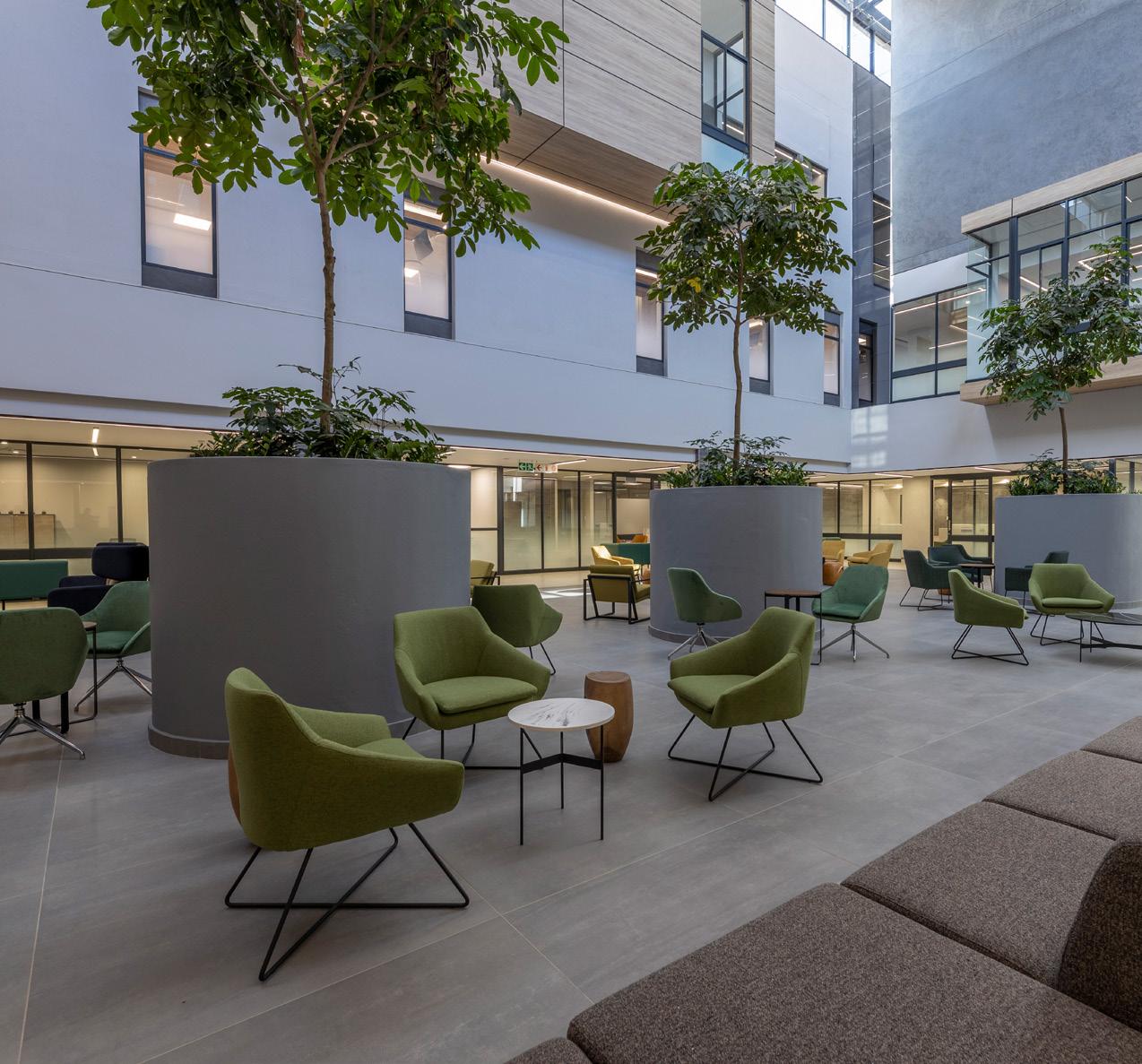
Throughout the design, nature plays a central role. From the green walls surrounding the parking area, which suggest the building is floating on a “green lung”, to the provision of natural lighting throughout thanks to multiple skylights and two large atriums, the visual link to nature is evident right up to the seventh level.
De Klerk explains that healthcare facilities with green design have been found to deliver 15% faster recovery rates, a 22% reduction in need for pain medication, an 11% reduction in secondary infections, and an 8.5% reduction in hospital stays.
Cintocare is also South Africa’s first hospital to generate its own oxygen on demand, using an installed Pressure Swing Adsorption (PSA) plant.
dormakaba for Healthcare
Whether hospitals, retirement and nursing homes, homes for dementia patients, psychiatric facilities, medical centres, doctors‘ practices and pharmacies- all these different types of facilities need to satisfy a host of complex requirements and legal provisions.
The optimization of operational processes plays an important role in saving time and planning resources. For all these facilities and your individual areas we offer a wide range of access solutions and services.
Indoor security with software-based access management Building security with innovative access control Access systems for enhanced security of premises
Bespoke access to medicine cabinets and lab equipment
Design-highlights for public visitor areas
Compliant solutions for corridors and passageways
Versatile barrier-free access solutions
Our modern hardware and software solutions let you organise and secure operations in your facility – simply, reliably and on demand.
They control your people flow, grant various access rights for different groups of people and individuals and enable unhindered access for people with mobility limitations.
We support you in planning access concepts that are tailored to your individual needs.
Secure access to radiology department with lead lined door systems
Secure access and privacy in patient rooms
Infection control in cleanrooms with hermetic door solutions and interlocking systems
Barrier-free access to WC
Fast access to emergency department
Extensive Services for sustainable building performance
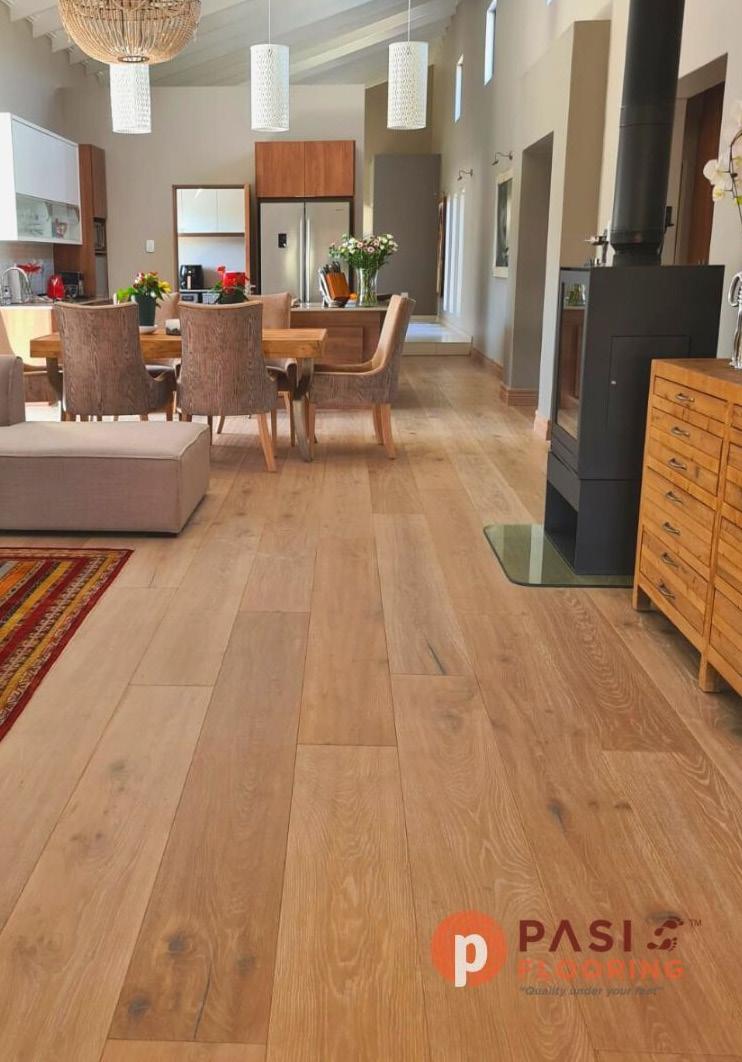
Ensuring your floors look good, but are also good for the environment
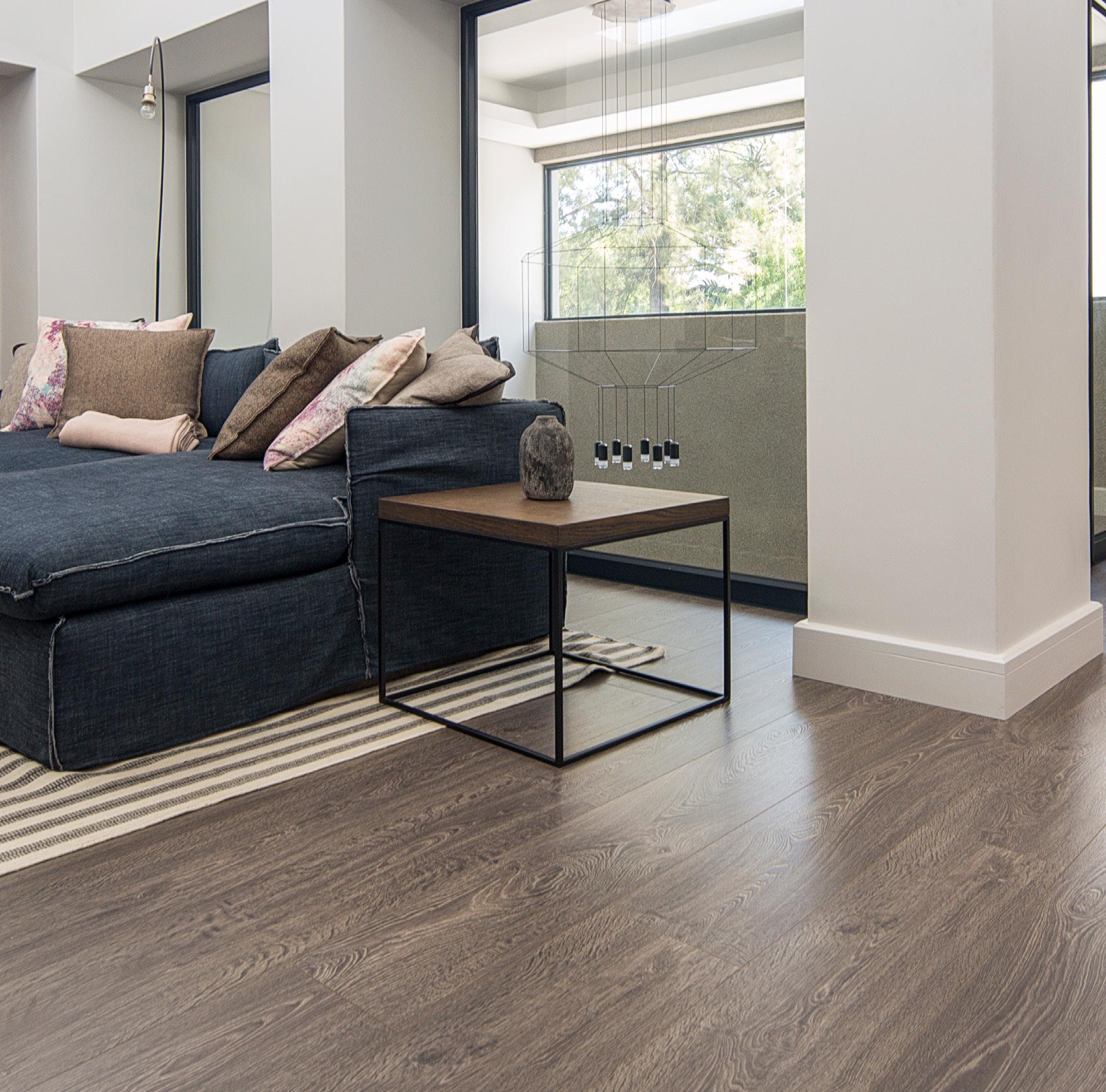
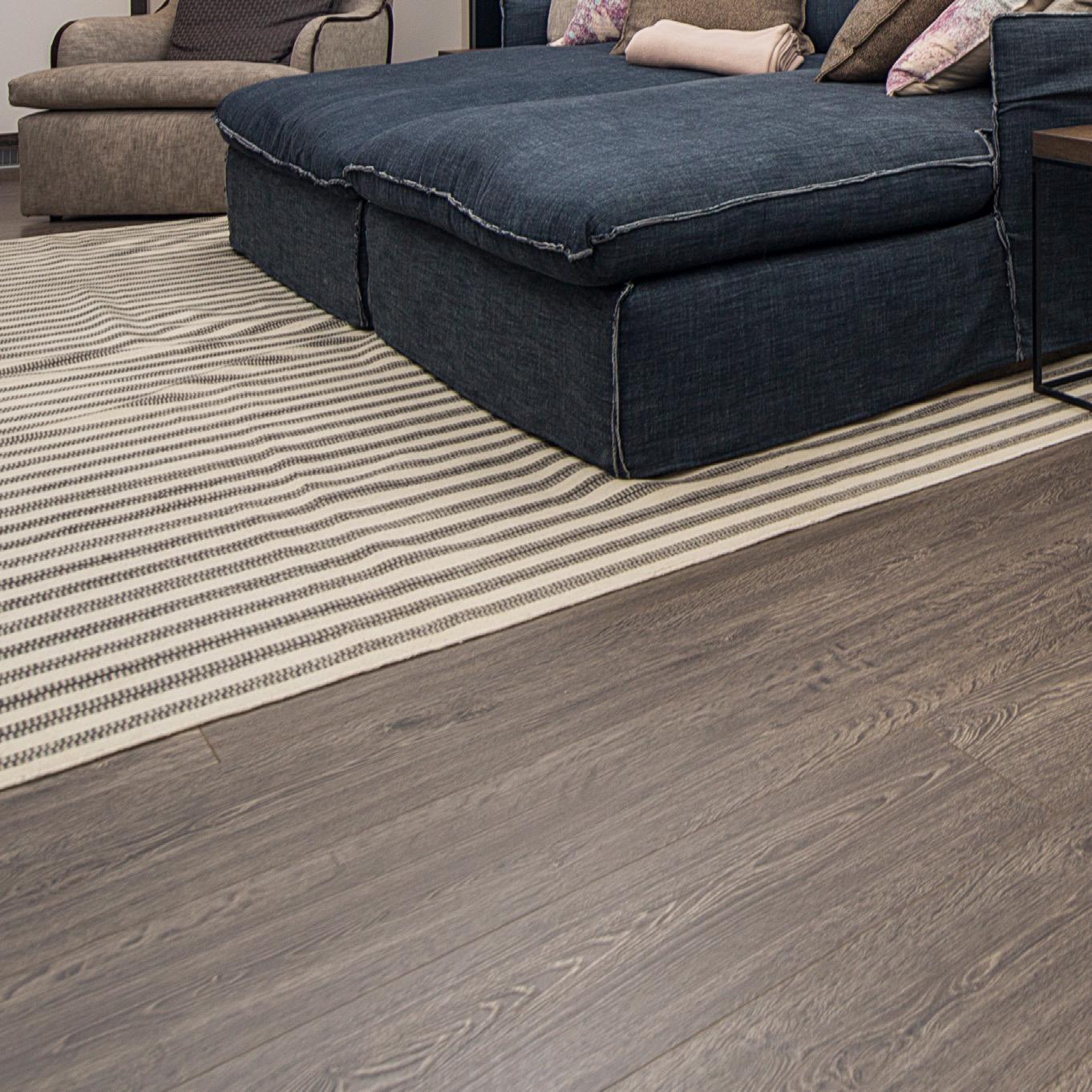
The choice between hard wood, laminate or vinyl flooring options is about so much more than how it’s going to look. The bigger question, and one that more and more South Africans are beginning to ask, is whether it’s also good for the environment.
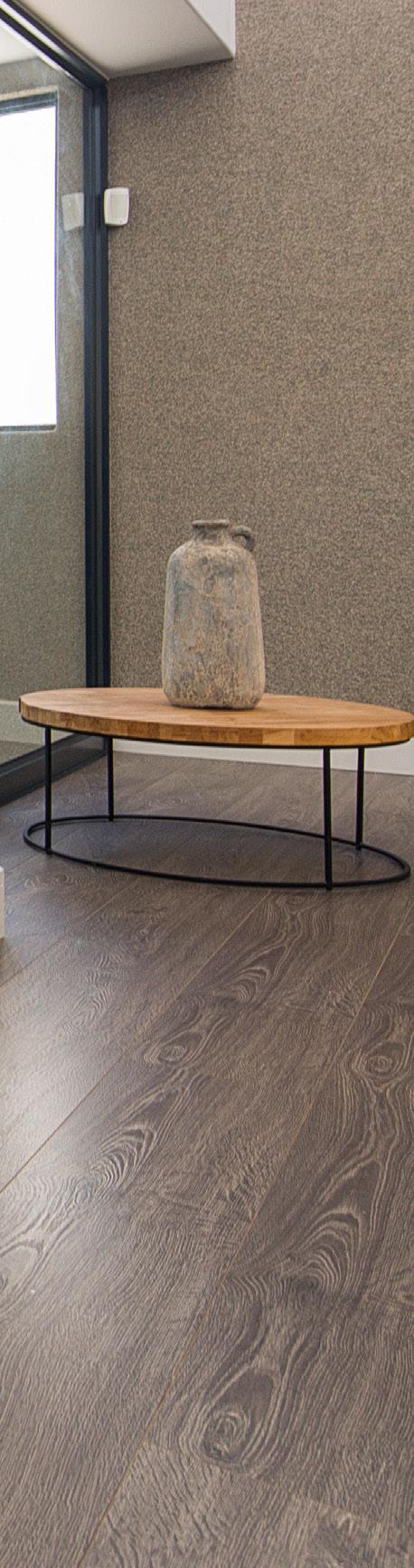
SUSTAINABLE FLOORING FEATURE
The country may well be trailing the United States and Europe, where eco-friendly flooring is already firmly established, but our local flooring specialists are noticing a significant upswing not only in client demand, but also buy-in from contractors themselves.
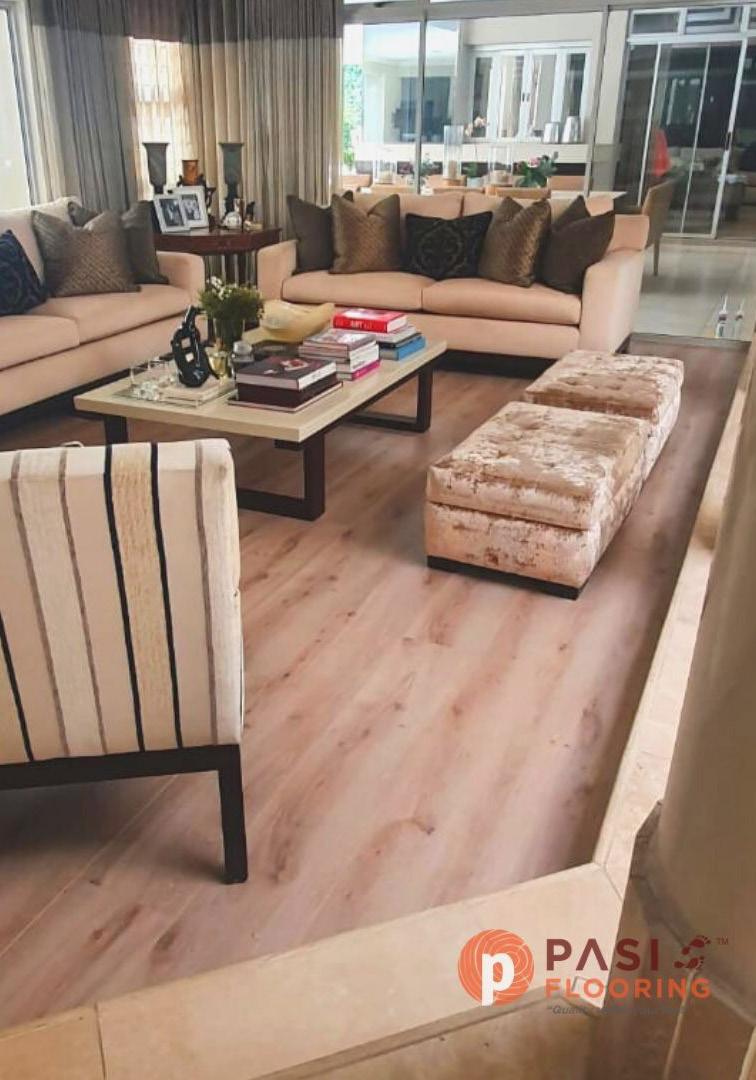
Leading the charge is the Southern African Wood, Laminate and Flooring Association (SAWLFA), whose chairman Pasi Muzvidziwa says they are doing much more than only paying lip service to going green. Operational for about 25 years, the association is pushing its members to opt not only for environmentally friendly-flooring options, but equally for associated sealants that don’t emit toxic chemical compounds into the air.
“We use the standards of the National Wood Flooring Association (NWFA) in the United States as our benchmark as we encourage our members to ensure that they also pay attention to their production processes.
“Especially with vinyls and laminates, they need to be acutely aware of the dangers associated with VOCs (Volatile Organic Compounds), which are emitted as gases from certain solids and liquids, and some of which carry risks associated with short- and long-term adverse health effects,” Muzvidziwa explains.
There is plenty of good news within the industry, however, with most of their members using vegetable-based oils instead, which are known to have very low VOC emissions. In addition, they
are also routinely using underlays for laminate floor like the Instalay range, among others, which are made from recycled rubber.
Instalay, decribed as a “very good example of how big industry is promoting preservation of the environment, and encouraging green living”, is manufactured in South Africa. Its recycled rubber crumb composition, which is extremely durable and helps tackle the country’s battle with pollution caused by dumping of old tyres, gives outstanding underfoot comfort. Better still, it is a fully recyclable, “cradle to grave” product.
Fundamentally, the going green message is definitely taking root in South Africa, says Muzvidziwa, with many companies using environmentally friendly flooring and sealant options as a selling point.
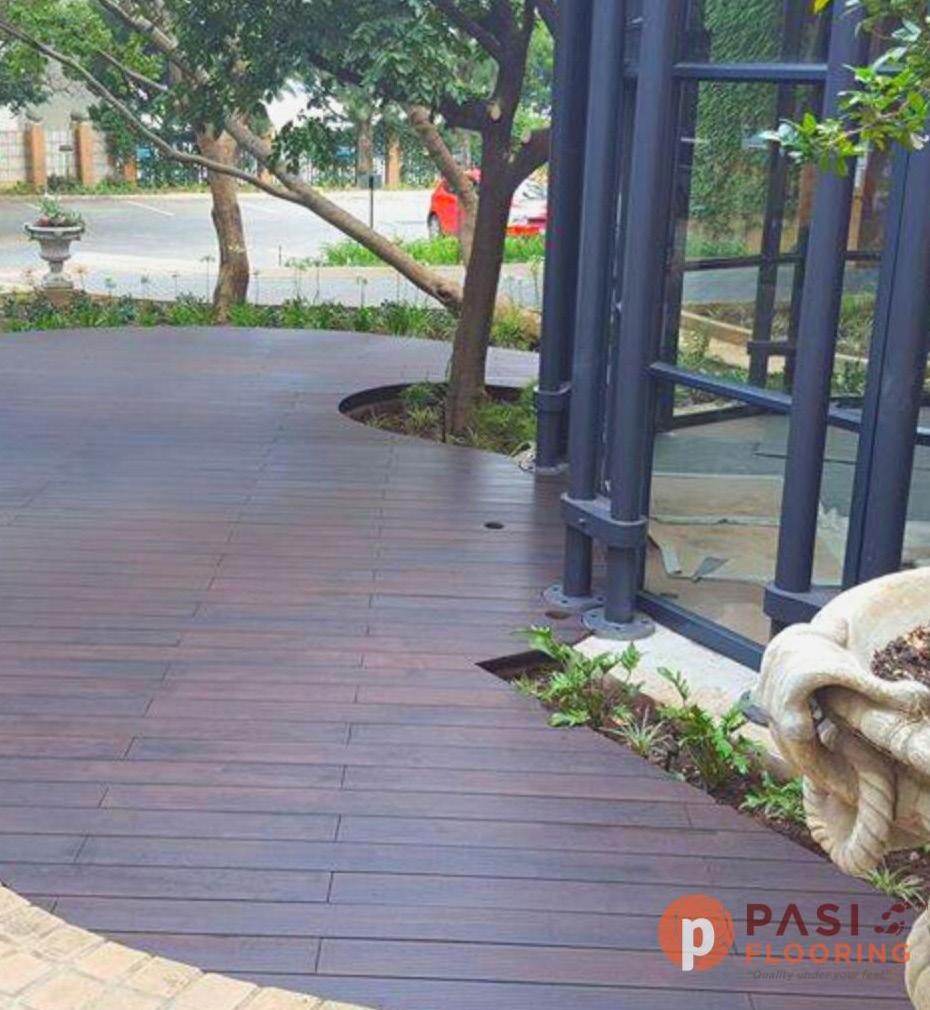
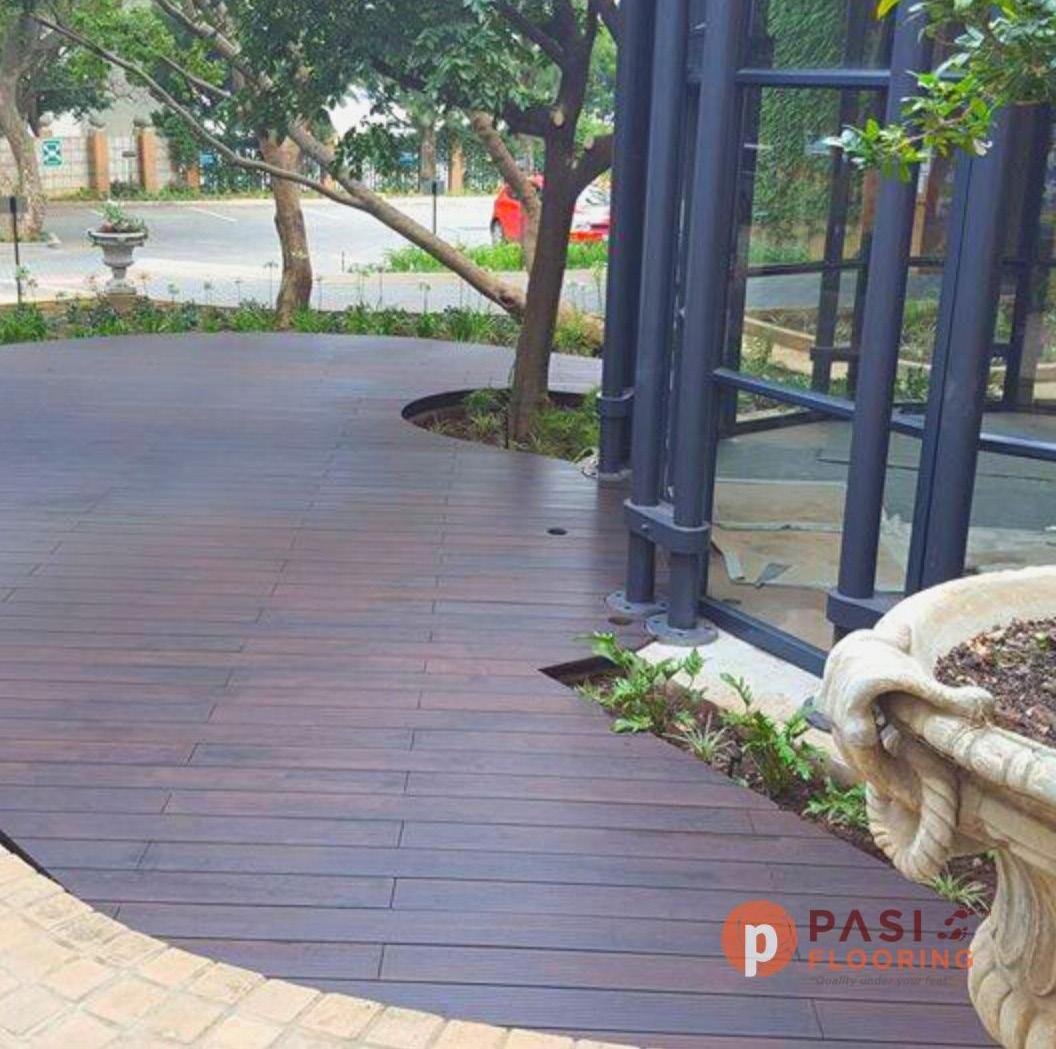
He owns his own flooring company in Johannesburg, Pasi Flooring, and say he has personally seen the growth in demand. Today, he says, green-friendly flooring options account for about 60% of their business. And that’s because South Africans still love hard wood floors which, even if they are sourced from Forest Stewardship Council-certified forests, ultimately reflect an endangered resource.
For anyone who still needs convincing, however, he explains the principle: “With engineered oak floors, only the top 5mm is real oak, and the rest plantation grown pine, beech or something similar. For hardwood, the entire 20mm will be actual oak. So you can see how choosing engineered flooring allows for a single tree to yield much more flooring, so increasing sustainability.”
With the onset of COVID-19 and an unprecedented focus on keeping surfaces clean, Muzvidziwa points out that the available range of vinyl and laminate options also include those with antibacterial properties, designed specifically with healthy and green living in mind.
Bamboo options are also becoming increasingly popular, not least because bamboo is the world’s most ecologically-friendly plant. Not only is it
durable and cost-effective, it regenerates much faster than hardwood trees, making it more sustainable and environmentally-friendly.
“These are all things that we as an association are encouraging among our membership, offering them as options to clients so that they can make informed decisions,” he says.
So how far behind are we in South Africa?
Muzvidziwa says that, in his business, they are increasingly working with architects and designers whose contracts demand a green element. So it’s up to them to start from the bottom up, literally, promoting flooring options that conform with these requirements.
“So yes, the South African market is starting to realise more and more that eco-friendly is not about hugging trees. There is a very important health living impact of specifically choosing environmentally-friendly flooring options, and associated sealants, if you want to ensure these are not emitting dangerous toxic chemicals into the air around us,” he says.
And does “green” also mean more expensive?
Yes and no, says Muzvidziwa, stressing that there is a bigger picture at play here.
“You can’t put a price on saving the environment. So if we can recycle, let’s recycle. Let’s make intelligent choices that won’t only be beautiful in our homes and office buildings, but will help preserve our health, as well as our environment.”






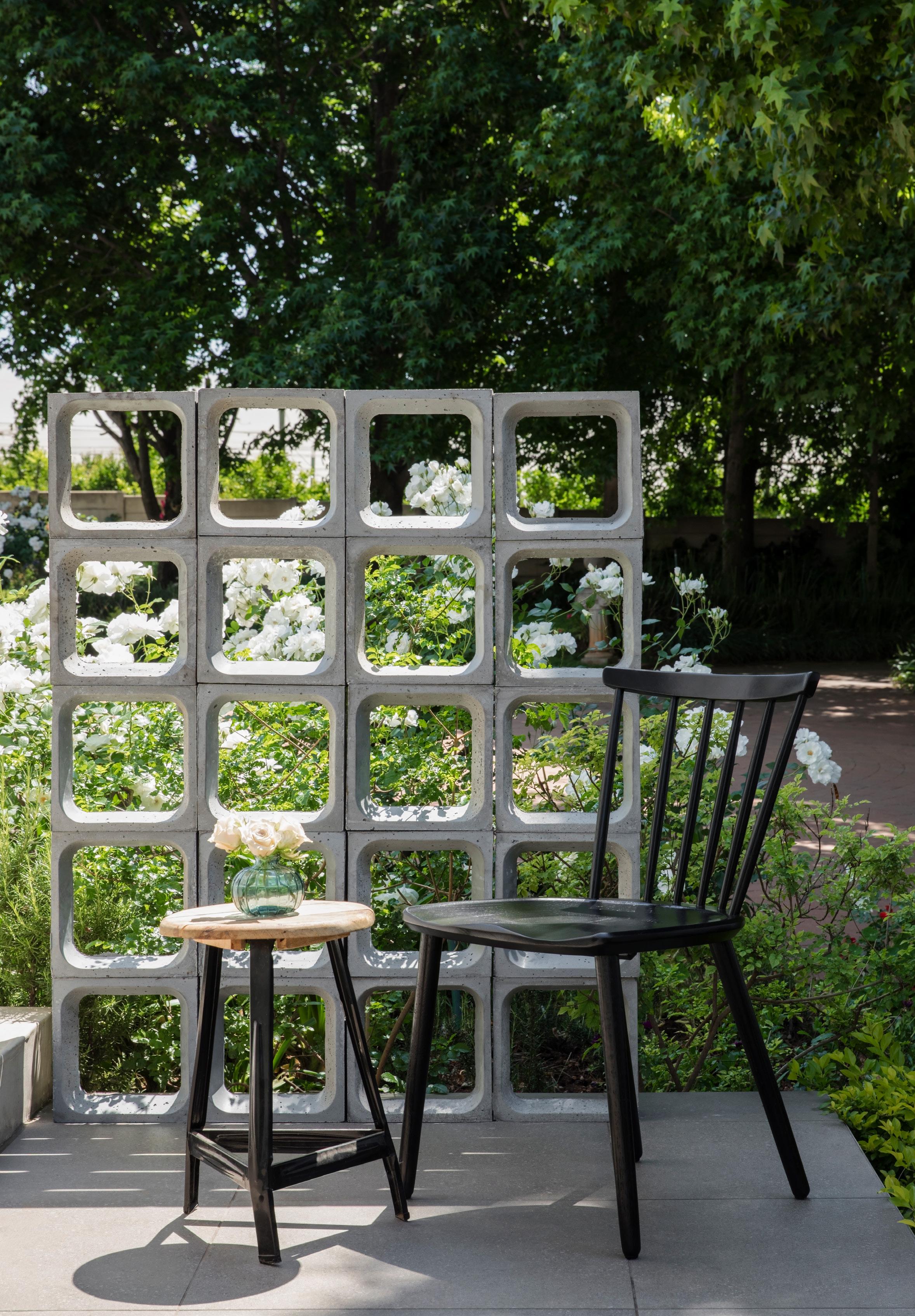
Founded in 2015 by young and innovative creatives with an eye for combining groundbreaking design and engineering, Wolkberg Casting Studios has created a high-performance concrete called Limesite, that is changing the face of traditional kitchen and bar and other surfaces
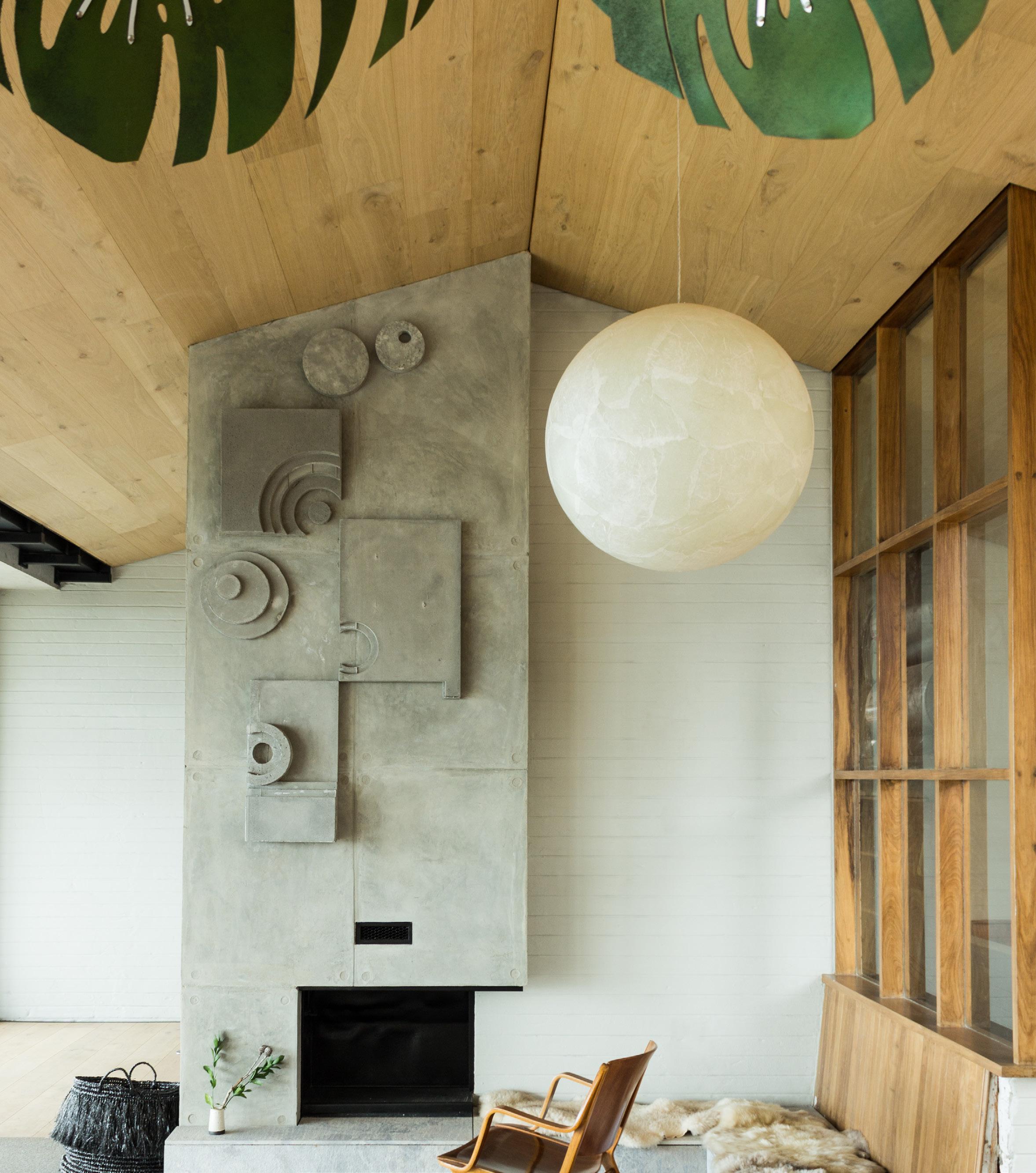
Creating a sustainable product has always been at the heart of the work of business co-founders Reando Potgieter, Graeme Bramley and Ramielle de Jager, who explains that they are also working hard to become a water-positive plant. Achieving their Net Zero green rating from the South Africa’s Green Building Council is also high on the trio’s priority list, says De Jager.
1. TELL US ABOUT YOUR QUEST TO CREATE THE LIMESITE PRODUCT?
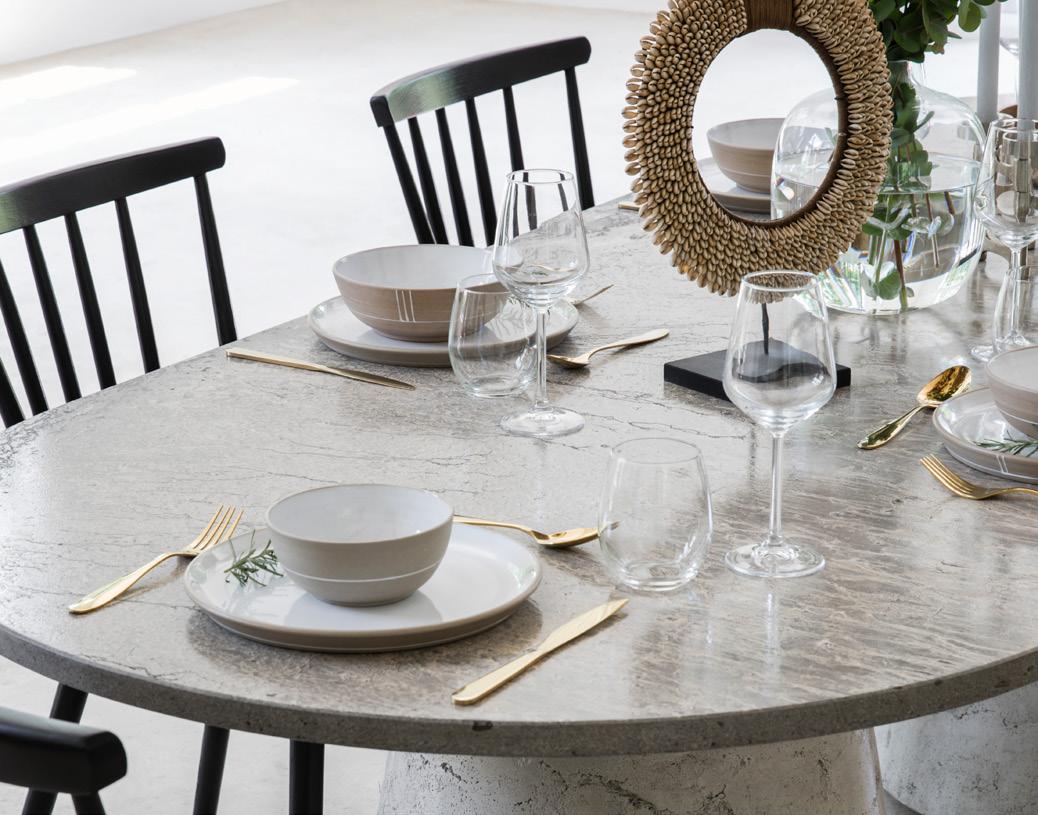
“It took many years of research and development, and a lot of fine-tuning, but what we have created is a high-performance concrete that has allowed us to produce a range of really innovative products. These include surfaces for kitchens, bars, cladding, furniture, as well as our extremely popular range of handmade tiles which is capturing the attention of architects and interior designers in South Africa, but also beyond our borders. Not only does the product fulfil the demand for layering of materials in modern living spaces, but also answers to the increasing popularity of concrete as an alternative material of choice.”
2. SO HOW DOES IT DIFFER FROM TRADITIONAL CONCRETE PRODUCTS?
“Limesite is concrete refined! It’s a far cry from the thick and heavy slabs that result from a traditional concrete mix, and which have high potential for cracking and staining when used in high-traffic areas such as kitchens. We recognised the potential for improvement, development and refinement, and from 2013 have invested in the research and development of this new, refined version of the original. High performance and integrally coloured, it is stain-, scratch- and heat-resistant – and eco-friendly.”
3. HOW HAVE YOU ENSURED ITS STRENGTH IS COMPARABLE TO ALTERNATIVES SUCH AS GRANITE?
“It’s strength lies in carefully considered chemistry and production methods, and not in the use of any reinforcing, glass fibre or polymers. This allows us to shape it into any and all forms, opening new doors of possibility in the design of pre-cast concrete products. Most importantly, our advanced casting and manufacturing processes ensure a consistent, quality product that is sealed and cured to avert the kind of defects typically associated with concrete, like cracking and shrinkage.
“We’re delighted to be able to say that we’re already notching up awards. We won the Best Stand in 2019 at 100% Design, the Best Stand at the Home Makers Expo the same year, Best Bespoke Tiles and Surfaces South Africa 2020, and the BUILD Eco award for sustainable design, also in 2020.”
4. TELL US ABOUT YOUR COMPANY’S OWN “GREEN AGENDA”?
“Good design, sustainability, collaboration and leading with empathy is what drives us, but we want to be much more than just another design and manufacturing business. We are committed to really making a difference in the local design arena, pushing the boundaries of innovation and sustainability, but also creating opportunities for others through employment creation and supporting other entrepreneurs.
“In terms of our products specifically, we’re proud to be able to say that every single piece is handmade locally at our production facility in Johannesburg. That includes our Evolve range of tiles, which we manufacture from 100% local materials, including 81% recycled material. Our Limesite surfaces, meanwhile, are all professionally installed by a dedicated team of highly-skilled, trained artisans.”
THOUGHT LEADERSHIP
Divergent trends in property values across Africa
By Roger Long Director of Valuation & Advisory Services, Broll Property Group
The onset of the COVID-19 pandemic not only affected people and communities, but also impacted commercial property values across the world. This report looks at the effect of the pandemic on property values in Africa, with a special focus on select countries. The outlook for each country’s market is largely tied to the expectations on the performance of the wider economy in that country. It is expected that these trends will persist in the short to medium term.
WHICH SECTOR HAS BEEN THE HARDEST HIT?
It was initially anticipated that the retail sector would be the most affected due to the lockdowns and the subsequent inability to trade. There were casualties, but many malls and most of the smaller centres have, in fact, fared relatively well during the last 14 months or so. This may be attributed to landlords acting swiftly with rent reductions, deferments, etc. and, as a result, many retailers have managed to stay afloat, thereby preserving the rental income of the asset.
It is instead the office sector that has been the hardest-hit asset class in South Africa, and the pressures are not expected to ease in the coming months. The fallout in the office market has seen property and rental values recede sharply. In the early stages of the pandemic, a number of occupiers held firm and retained space during the lockdowns. Landlords were therefore still receiving the majority of their income even from empty buildings, but vacancies are now rising as occupiers decide they no longer need as much space.
SAPOA reported that third-quarter vacancies reached an all-time high of 15.4%, while the pre COVID-19 level was 11.6%. Additional supply is also coming to market as a result of projects that were planned and started well before the pandemic. At the start of 2020, around 263 000 m² was in the pipeline, which slowed to around 47 000 m² by Q3 2021. We note that offices in smaller outlying towns are not as badly affected due to a more limited offering.
Prime logistics facilities are doing well, not only in South Africa, but across the continent. Furthermore, the growth in online retail has seen a corresponding rise in interest in data centres as companies move to exploit opportunities in the online sector. A number of data centre companies are expanding in strategic locations across West, East and South Africa.
CURRENT AND EMERGING NEEDS OF OCCUPIERS AND LANDLORDS
In general, occupiers are seeking maximum flexibility, considering that their demand for space in the short- and medium-term is still relatively unknown or unconfirmed. Occupants want the flexibility to either work from home or to do so on a rotational basis. This would most likely be a long-term trend post the vaccination rollout.
Occupiers are increasingly focused on understanding what the future workplace will look like and how that affects their existing realestate structure. More and more corporates in this market are looking to not only optimise operational functions in terms of cost, but also in terms of the size of their requirements.
Landlords, on the other hand, are seeking strategies to drive occupancy of their buildings. These range from more flexible lease terms and notable rental discounts (on a case-by-case basis) to looking at less traditional uses for their buildings. For example, the co-working model is a conversation that is making the rounds in some buildings in the market. Furthermore, landlords are looking at repurposing surplus space and or vacant space.
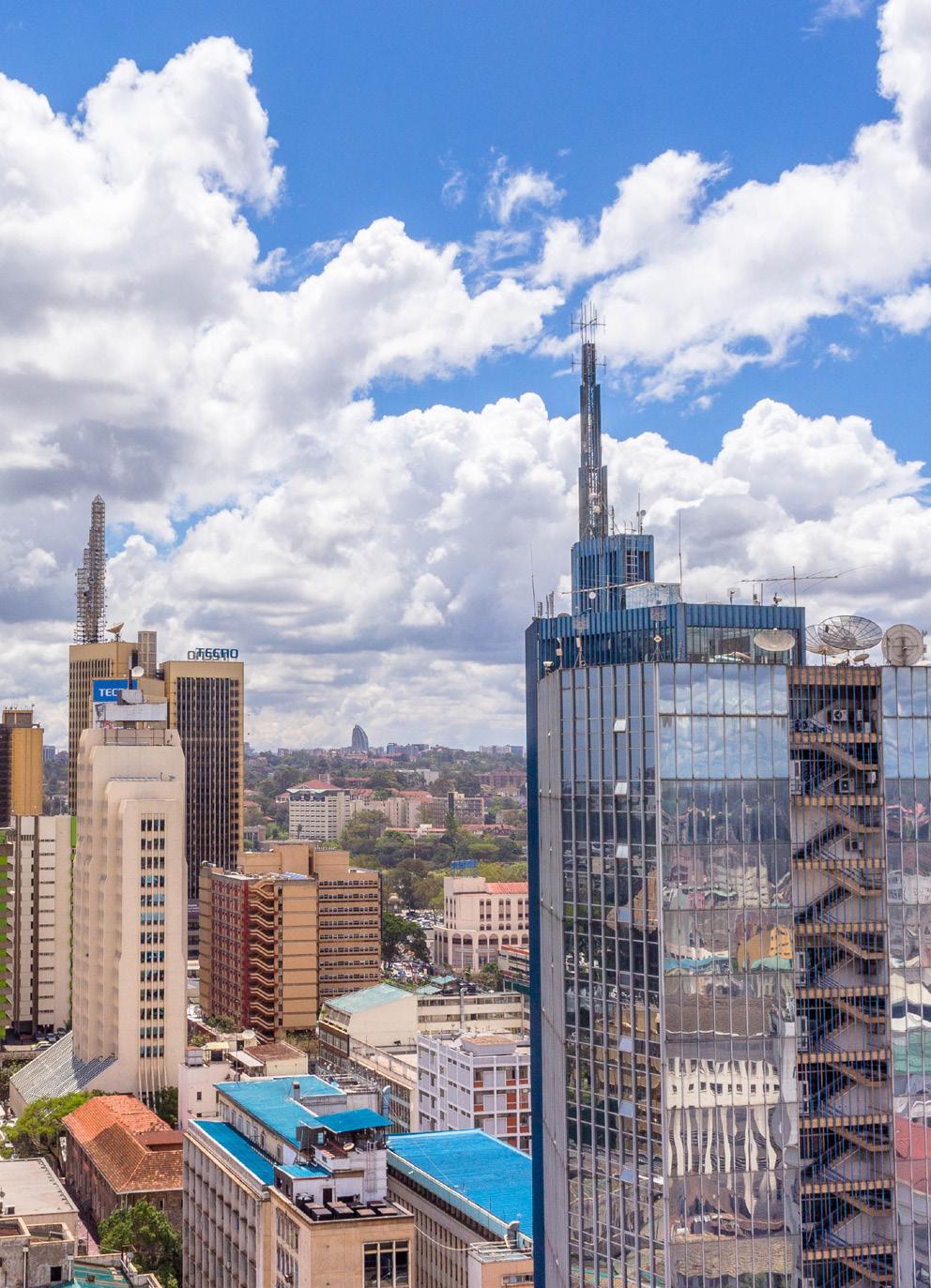
KENYA
In Kenya, the office sector recorded a yearon-year (YoY) marginal improvement of 0.7% in occupancy levels and corresponding 1.6% YoY decline in rental rates as landlords offer increasing incentives and discounts to fill space. The retail sector achieved an improvement in occupancy levels of 2.7% YoY, while rental rates declined by 3.1% YoY as landlords continue to also offer concessions in this sector.
The logistics sector has been the least affected, with marginal changes and an expected positive outlook. Most properties are now being leased and/or sold at rates lower than what such assets were achieving before the pandemic.
The hospitality sector is heavily dependent on tourism, both for leisure and business purposes. International tourism has declined significantly since March 2020 due to travel restrictions. Local tourism activity, on the other hand, has been subdued as it is affected by the decline in disposable income for most households due to the depressed economy.
The asset class that has remained somewhat buoyant is the logistics sector. There has been increased interest for short-term storage, especially for medical facilities and goods. Manufacturers of medical and PPE related items have been thriving. However, with the closure of international trade, cargo movement slowed down. The sector still receives enquiries from various users who are planning to take up occupancy in the near future.
NIGERIA
The impact of COVID-19 on the office market has manifested in a number of space and cost consolidation strategies as a result of the health, economic and business impact on company revenues and general operations. Transactions are at a record low, with the lowest take-up in five years recorded in the first half of 2021 at under 200 m². Vacancy levels remain high, with an average of 46% as opposed to the pre-pandemic level of 39%.
Asking rents in the office market have remained largely unchanged. However, achievable rates are much lower due to lease regears and concessions for existing tenants, as well as financial incentives granted to prospective tenants by landlords to maintain or drive occupancy at their building, especially with the existing and rising supply glut – the stock pipeline is currently over 90 000 m² in the A-grade market. Rents are currently as low as US$600/m²/annum for newer A-grade commercial office developments, as opposed to achievable rents of US1000/m²/annum in 2014/2015.
The residential sector, on the other hand, has witnessed some noteworthy transactional activity in the last six to 18 months. Driven by the necessity to store and create value in a challenging business environment, especially with less than desirable yields in safe haven assets in the country, a number of investors have flocked to the residential market. There has been a great degree of investment in the luxury and middle-income segments, while affordable housing, which has the highest supply gaps, is yet to see this quantum of investment.
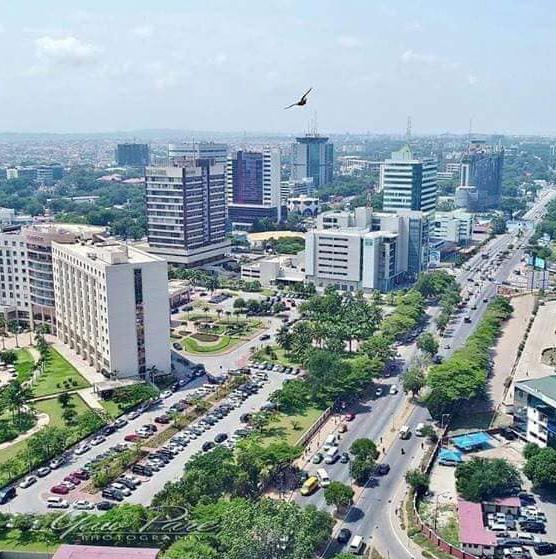
In Ghana, although the evidence is not yet fully reflected in the market, there are sentiments that a number of commercial property tenants could downsize their space requirements due to new remote working practices.
Leases coming up for renewal and rent reviews are likely to be agreed to the advantage of tenants. This is due to the increasing vacancy
rates resulting from the banking sector reform of 2018 and large corporates opting for owneroccupied developments. In 2018, the vacancy rate of office developments in the country was 21%. This increased to 28% in 2019 and 33% in 2020. There is also likely to be a reduction in the rates of passing rents for prime office space from US$27 to US$30 m2/month in 2020 to US$25 to US$28 m2/month by end 2021.
GHANA
MAURITIUS
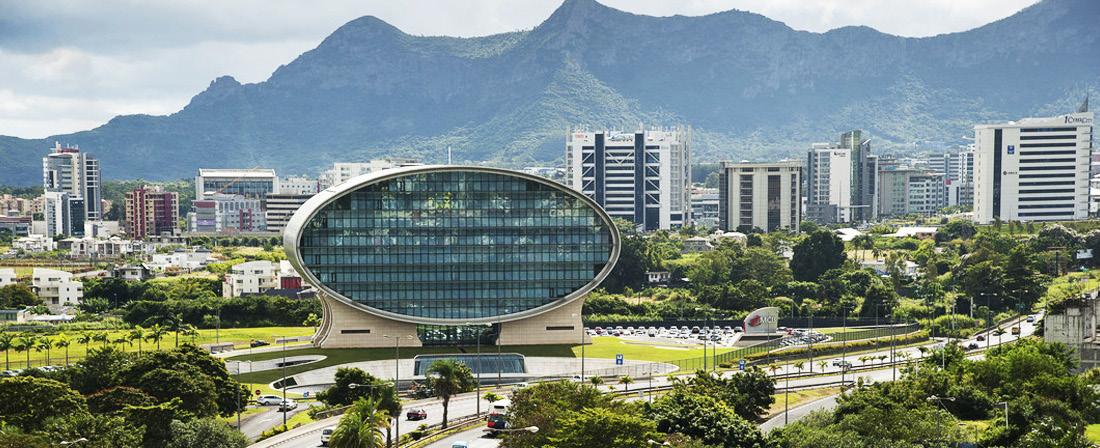
At the beginning of 2020, valuers in Mauritius had a cautionary outlook for the property market, predicting that the industry would see similar trends to that which were witnessed in 2019.
Rising average vacancy rates and downward pressure on rental growth, affected by the already-low consumer confidence level and major disruptions to the economy, impacted property values further. However, no one could have foreseen the impact that the pandemic would have on this already strained market, with international border closures in particular stifling the key tourism sector for many months.
CONCLUSION
In conclusion, it appears that property and rental values in the rest of Africa have not been as badly affected by the pandemic as in the case of South Africa, especially the office sector. It is expected that a rebound to pre COVID-19 levels could take until 2022 or beyond. One exception to the trend is industrial real estate, most specifically warehouses and logistics centres, which have gained value as investors snapped up buildings essential to the delivery economy.
COVID-19 has upset real-estate fundamentals by changing how we lead our lives. Companies are already deciding they will need less office space than before, either because of staff cutbacks
Buildings with a public use component, such as high-rise offices, shopping centres and hotels, have been identified as potential COVID-19 spreading locations, and have at times either closed or have had use restrictions imposed.
Static to declining rentals, increasing expenses and rising capitalisation rates have resulted in downward pressure on the market values of investment-grade property. Modern grade industrial properties have been the least affected during the pandemic.
or because more of their employees will permanently or partially work from home. And the rise of e-commerce—along with small business closures—will create a glut of retail space in a country that already had too much of it.
As countries go through waves of infections, and people come to terms with the fact that the pandemic is here to stay for the foreseeable future, some solutions are starting to emerge. These allow us a glimpse into the future, in terms of what could become the ‘new normal’ trend globally and in Africa.
Making the Circular Economy a Reality

On an average, South Africans dispose of enough municipal solid waste to fill an entire football field 10 meters deep, every day - that is 54.2 million tons of waste per year.
The National Cleaner Production South Africa (NCPC-SA) and the Mpumalanga Department of Economic Development and Tourism (DEDT) have partnered to tackle this challenge with the establishment of the Industrial Symbiosis Programme (ISP) - an innovative reuse and recycling solution.
To achieve this, the Mpumalanga ISP (MISP) hosts match-making workshops for companies and Small Medium and Micro Enterprises (SMMEs) on how waste can be turned into a reusable resource by entering into mutually beneficial collaborative agreements.
Sandile Khumalo, NCPC-SA who is responsible for the ISP in Mpumalanga, “so far MISP has trained about 46 facilitators on implementing Industrial Symbiosis and identifying symbiosis opportunities.
Since the launch (2018) of the programme in Mpumalanga, approximately 92 128 tonnes of waste from the landfill have been diverted. This translates to a reduction in Green House Gas emission of approximately 837 946 tonnes to date.

“Four business opportunity workshops have been delivered in the province to identify company matches for business opportunities from waste generated by companies and from the workshops there has been attendance from a total of 245 attendees who found it important to attend and to declare their waste needs. The programme has been able to divert approximately 92 128 tonnes of waste from the landfill, this from having completed 33 synergies to date.”
According to Khumalo, these figures prove that industrial symbiosis contributes directly to the province’s efforts to minimise its environmental footprint and mitigate the effects of climate change.
MISP together with DEDT and its stakeholders have agreed to prioritize the promotion and creation of green enterprises with the aim of beneficiating and creating markets for waste in Mpumalanga for the people of Mpumalanga, thus ensuring a growth in the province’s waste economy.
For interested companies and smmes who would like to know more about the Mpumalanga ISP and how they can take part, please visit the NCPC-SA website or email SKhumalo@csir.co.za for more information.
Paper
A natural fit for the circular economy
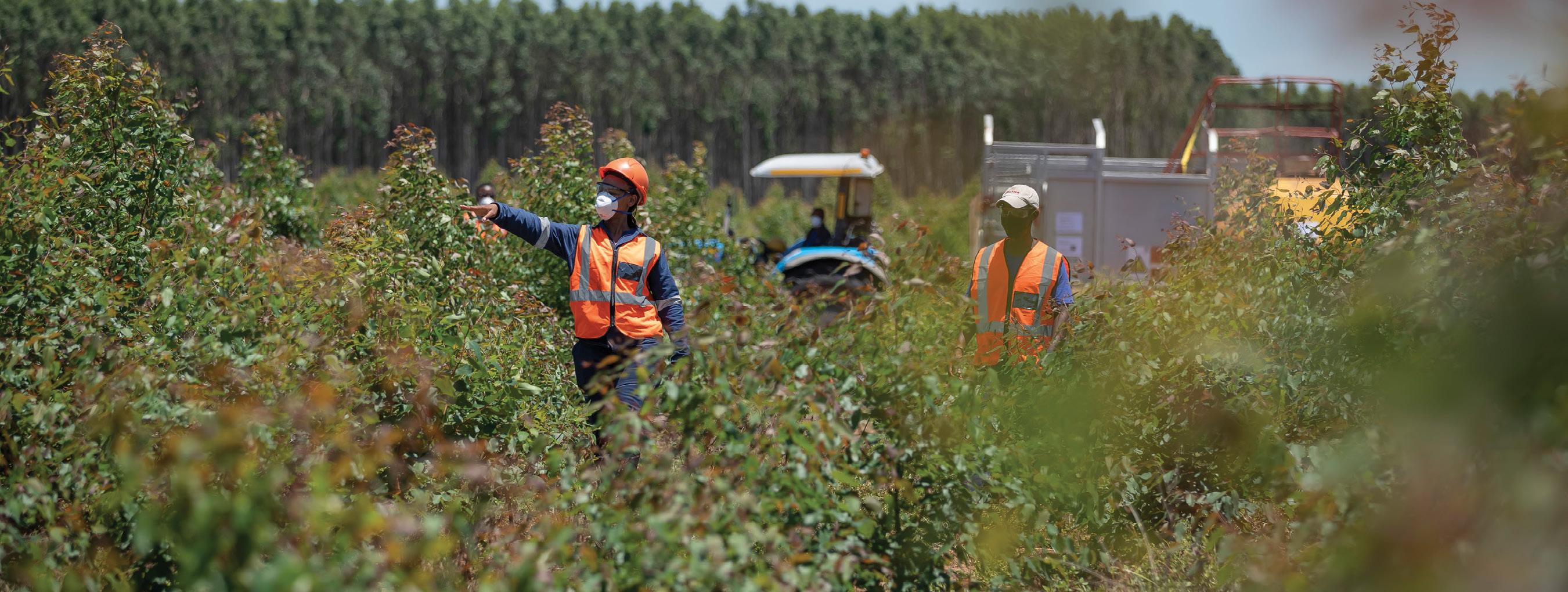
Paper has a fascinating history. Developed centuries ago, it has been through the mill – literally and figuratively – in terms of what it’s made from and how it is made. It also has many interesting side stories: one narrative that often goes untold is how it actually stores carbon, making paper and the wood it comes from good for the planet.
“To understand why paper and wood products are vital to a lower carbon footprint, we can borrow from Nobel Prize-winning physicist Richard Feynman’s assertion that trees don’t grow from the ground, they grow from the air,” says Jane Molony, executive director of the Paper Manufacturers Association of South Africa (PAMSA).
Many of us first learned about photosynthesis in primary school: how plants absorb sunlight and carbon dioxide (CO2) to make food. Trees take in CO2 from the air, and water from the ground — which also came from the air at some point — and convert this into growth (trunks, roots and leaves). Oxygen is returned to the atmosphere. This carbon cycle is why trees of all kinds are such a vital part of keeping our planet regulated, offsetting greenhouse gas emissions and mitigating climate change.
A good story
“In South Africa, trees can be divided into two groups — indigenous trees in natural forests and commercially and sustainably farmed trees in plantations. The latter were introduced some 100 years ago to protect natural forests, by providing farmed wood for productive purposes,” says Molony.
Plantation trees are essentially crops that are planted and replenished in rotations, with only 9% of the total tree count being harvested in any given year. This means that there are always trees growing, at different stages of maturity, and these trees are contributing to the carbon cycle, not to mention the economy and the livelihoods of thousands of people.
Even when planted trees are harvested for their wood — for construction or for paper, packaging and tissue — the carbon remains locked up in the wood fibres and stays there for the lifecycle of those products. It’s just one of the reasons paper recycling is important — it keeps the carbon locked up longer.
www.thepaperstory.co.za @paperrocksza
New chapters for wood
As the paper sector finds ways to diversify in the face of digitisation and reduced printing and writing paper demand, chemists and chemical engineers are increasingly discovering the wonder of wood.
Wood is made up of cellulose, hemicellulose, lignin, sugars and extracts. The properties of these elements make them suitable ingredients in countless, low-carbon products. Dissolving woodpulp, a purified form of cellulose, is suitable for chemical conversion into a range of products – it is spun into viscose and lyocell textile fibres for use in fashion and decorating textiles, cast into a film or regenerated into a sponge.
Extremely versatile, cellulose can also bind active medicinal ingredients or vitamins into palatable tablets, stabilise emulsions or increase viscosity — which is why it’s added to low-fat yoghurt and lipstick!
Nanocellulose — tiny cellulose nanofibres — can be used in food supplements and edible packaging, or even as a composite for screens on electronic devices.
And by growing more trees and making innovative things from them we make our lives better, our jobs easier and our world more sustainable.
Watch our video