Dedicated to the Architectural, Construction and Building Industry
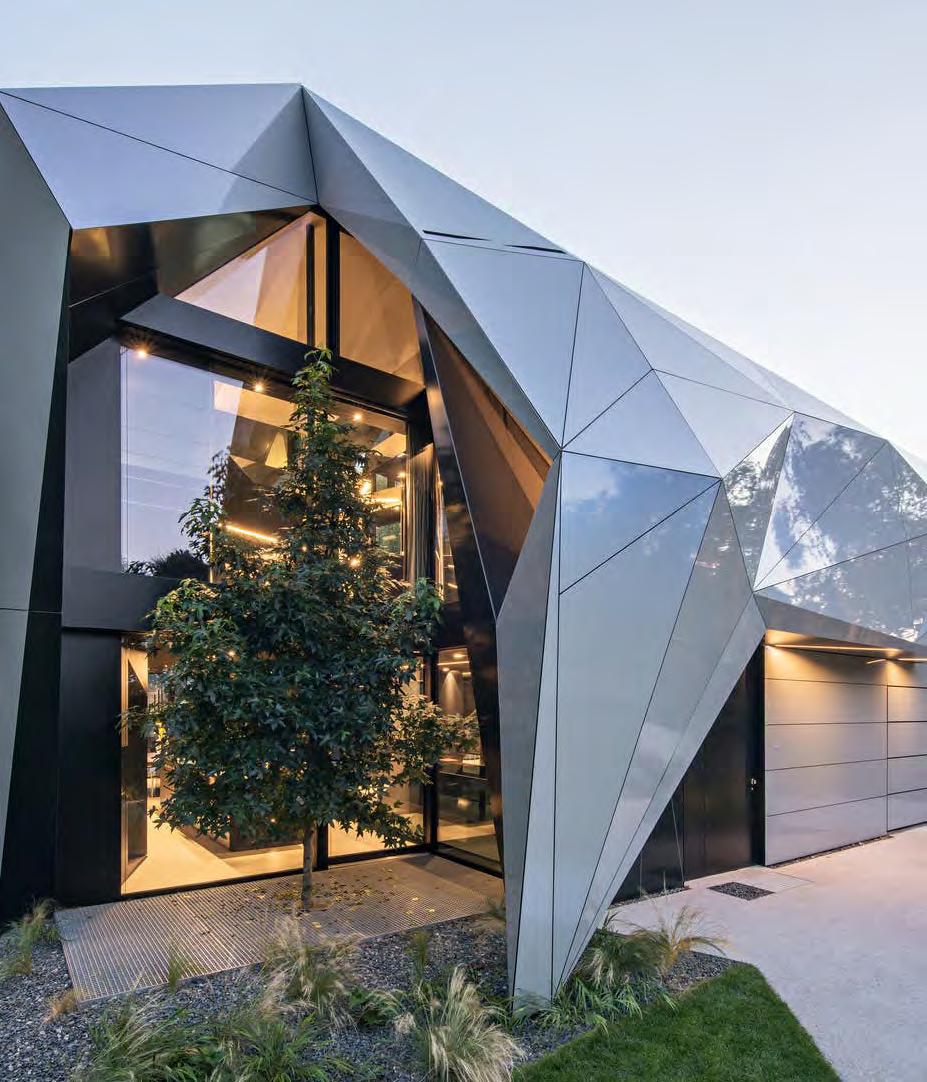
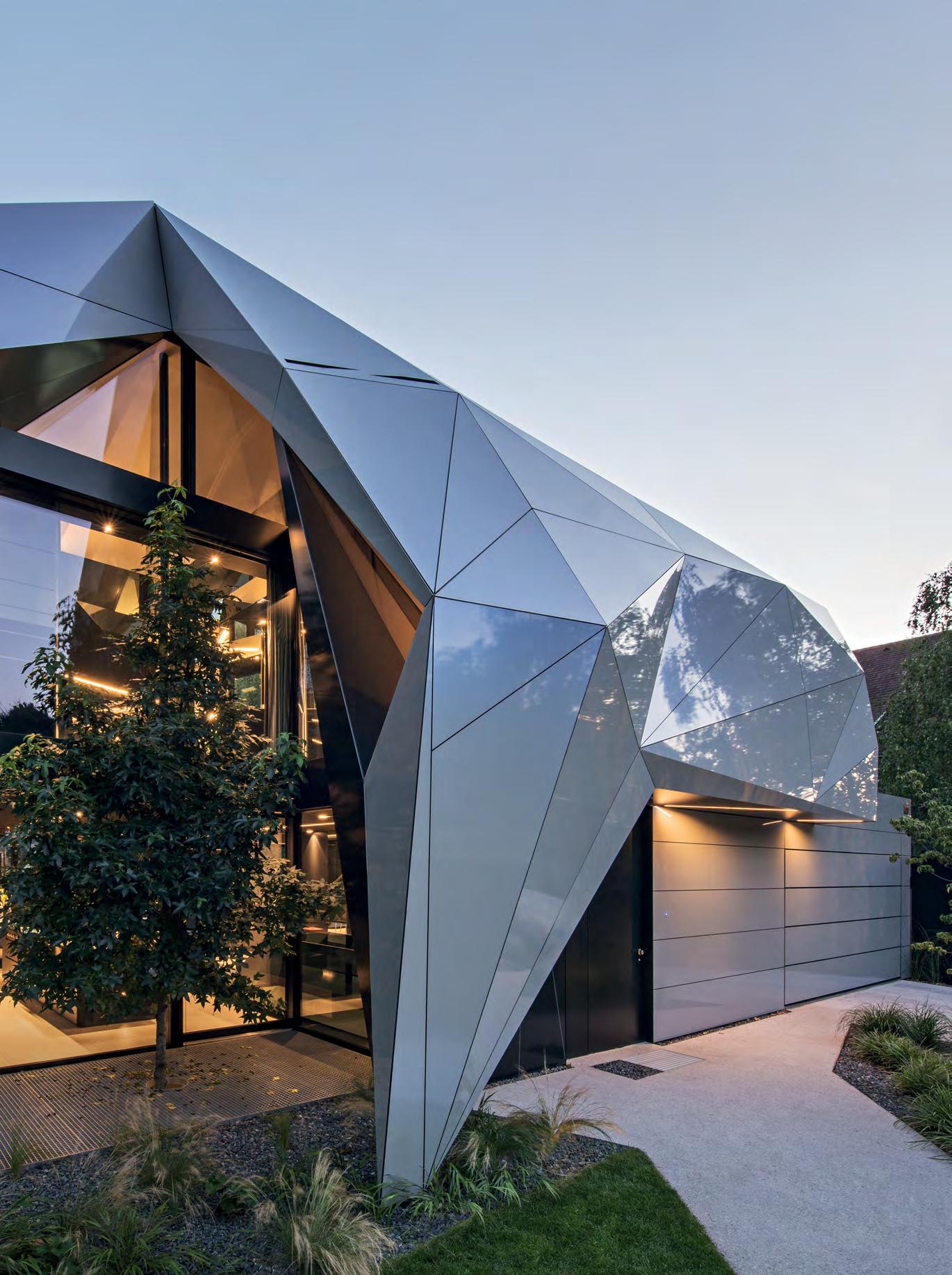
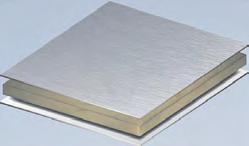
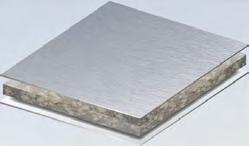
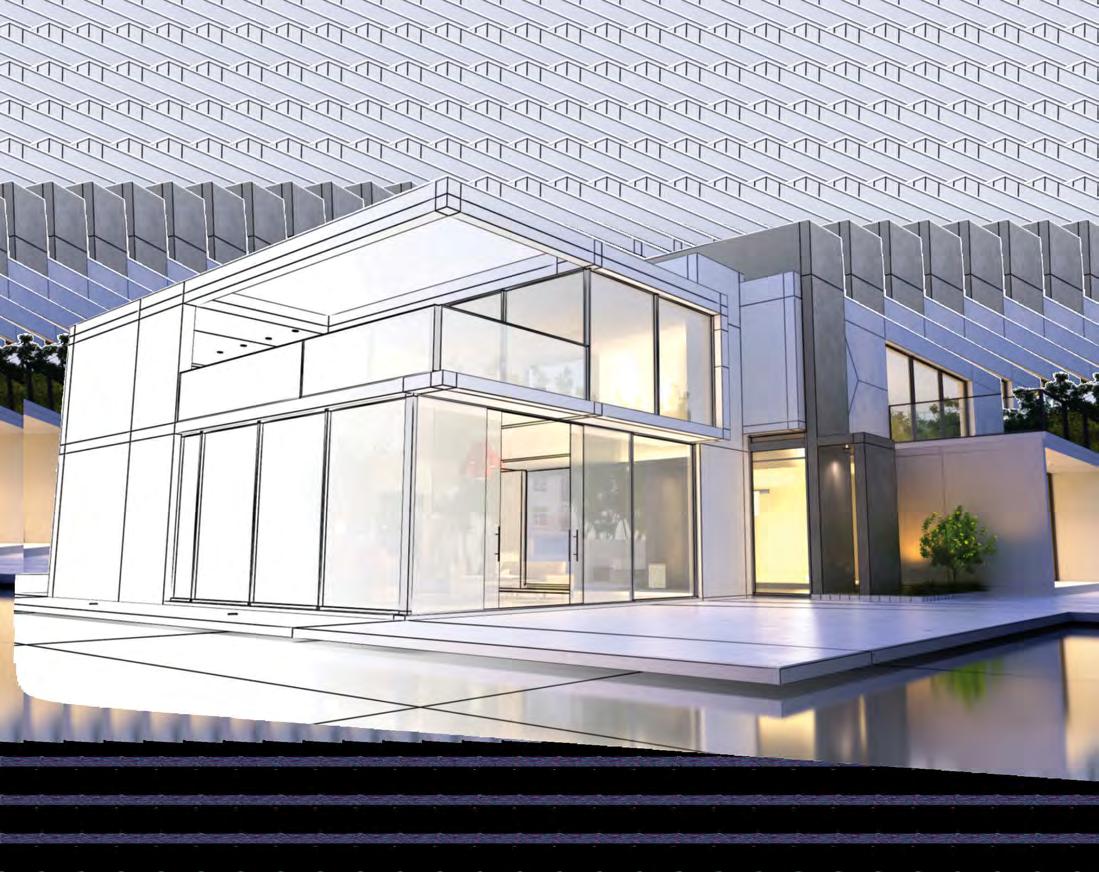
ALUCOBOND® is a composite panel consisting of two aluminium cover sheets and a fire-retardant or non-combustible mineral-filled core that stands for sustainable construction quality and the highest creative standards. The façade material is distinguished by its outstanding product attributes such as precise flatness, variety of surfaces and colours as well as excellent formability.
PROJECTS
05 CUTTING EDGE ON THE RIDGE
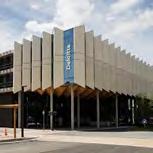
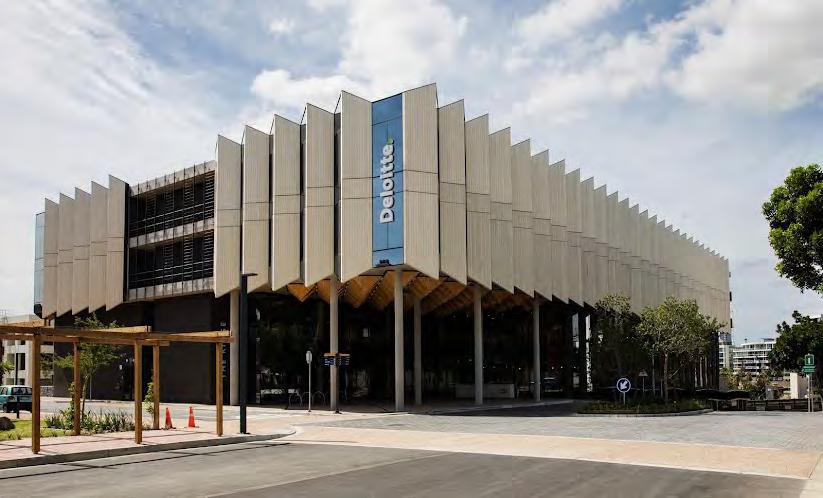
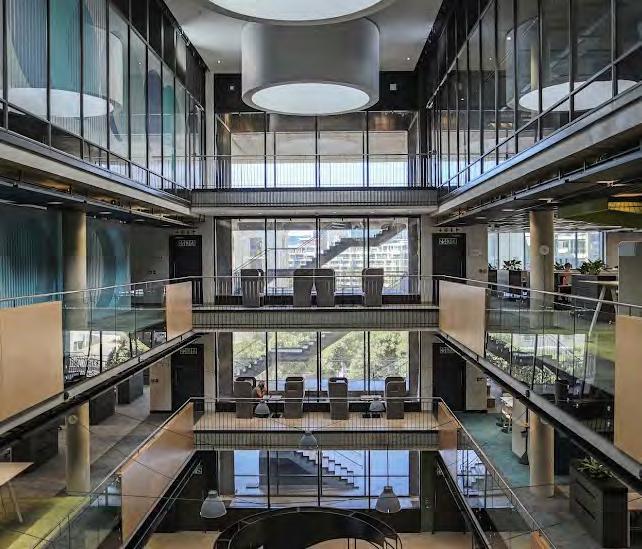
Cape Town’s newest 6-star Green Star Design awarded commercial building, the Ridge in the V&A Waterfront, has opened and the Cape Town office of its tenant, Deloitte South Africa, is trading from inside its unique spaces.
07 ASHTON ARCH BRIDGE
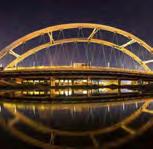
The newly-completed Ashton Arch is South Africa’s first concrete tied-arch bridge constructed using a transverse launching method. Infrastructure consulting firm AECOM was responsible for all engineering aspects of the project, with the emphasis on road and bridge design, as well as project and construction management.
11 GARDEN ROUTE DAM
Ingenious duckbill design by Zutari significantly increases the discharge capacity of the spillway to boost dam safety by preventing overtopping
ZINC ORE
Boost for South African research on new ways to refine zinc ore
EDITORIAL
Royston Lamond
A BETTER NOW. A GREENER FUTURE.
There are wars and rumours of wars. We have more information than we know what to do with it all. But we can think smarter, act kinder, decide with the aid of computers, and build better. As we watch with horror and disgust at the mightiest army pummelling cities to rubble we can only hope for an end to the violence needed to Make Russia Great Again. And when that end comes, there will be a massive reconstruction of homes, factories, airports, roads, rail, bridges, power stations and lives.
All will be new. All will need expediency in the rebuild of cost effectiveness and speed. Crises always bring change.
Ukraine will need help from the outside world to rebuild and rise like a phoenix from the ashes. Meanwhile the world is finding its own way to build better.
Less expensive building materials, recycled parts that live anew, more friendly environments in which to work, live and breathe, inspiring interiors that have already adapted to the after covid new normal of part working from home, hot desks, conference calling, less peak hour cars on the road, cleaner office airflow, less energy for more lighting and less air conditioning, lighter steel frames, aluminium and wood composites as concrete alternatives, solar energy capture and a host of ingenuity are already part of the architects’ planning.
We discuss some of these innovations this edition of The Green Agenda. Creating better now. Hoping for a greener future.
Saint-Gobain in South Africa has developed an innovative alternative to the dominant fibre-cement eaves cladding solution currently used in the industry. Glasroc® X eaves, is Saint-Gobain Gyproc’s latest and distinctive offering, as it allows for a flush plastered finish in order to resist the rigors of the local external environment.
This exterior cladding board aims to fully address the challenges of unstable climatic conditions, by providing a durable yet flexible solution. Often, the primary driver in the choice of material for this type of system, is that the material and installation must resist large temperature fluctuations and the natural movement of a structure.
“The Glasroc® X Eaves System is a durable external ceiling for use in covered, semi-exposed and exposed areas of buildings,” explains Paul Louw, Product Category Manager, from Saint-Gobain Africa. Glasroc® X is reinforced with a glass-mat on both surfaces, providing outstanding performance in harsh and humid environments. This non paper-faced board is free from cellulose content, and therefore has a strong inherent resistance to mould growth, which is perfect for wet areas and high-humidity environments.
Additionally, apart from its durable properties, Glasroc® X presents an aesthetically pleasing eaves concealed ceiling extension, with no obvious jointing, other than where expansion joints are required. “Adopting this new approach to exterior eaves cladding will support design excellence, improve the aesthetic comfort and simultaneously help us reach our goal of making the world a better home,” says Louw.
This new alternative to fibre cement eaves has already been vigorously tested in the harsh climatic conditions of the United Kingdom, Ireland and mainland Europe – with great success. Due to its design and structure, the Glasroc® X board has a high dimensional stability, making it ideal for large running external ceiling areas that are only interrupted at a maximum of every 15 metres for control joints. A prime example of this is office buildings
By satisfying an array of building configurations in South Africa, the new Glasroc® X board is ready to enter both the local residential and commercial markets.
GOVERNMENT GOES GREENDPW - EASTERN CAPE PUBLIC WORKS
The department is the biggest player in the property and construction sector in the province. It accepted a responsibility of providing leadership in green building and green economy. Duty-bound by its mandate, the department took decisive steps to ensure that the portfolio of state building is reducing environmental impact by making sure that buildings are energy efficient, resource efficient and environmentally responsible.
Informed by international agreements such as Kyoto Protocol, the department was instructed by the Minister and Member of Executive Council forum (MinMec) to adhere to these international agreements of reducing carbon footprint.
The Green Building Policy as it stands is founded on principles such as Leadership, Energy, Water and Waste Management Plans, Green Building Ratings and Green Procurement to mention a few.
Buildings Chief Director, Malikhanye Mduba, outlining department plans said that the focus will be on roof top solar panels that will be installed as well as installing rain water tanks as an ongoing initiative. Motion sensors for water taps in the rest rooms to assist water efficiency in the department. The is a plan to install.
Such bold steps to be undertaken by the department in realising the green buildings ambitions requires that staff be fully capacitated on these new developments.
“We will prioritise energy and water efficiency, alternative water resources, job creation, capacity building and awareness campaigns as key focus areas” Mduba said.
The Green Buildings Policy is a milestone in government path of green building and Green Buildings economy, this further demonstrates the country’s support to on-going local and international commitments
By : Sive Zuzile
Picture: Saint-Gobain in South Africa
35TH COROBRIK STUDENT ARCHITECTURE AWARDS
REGIONAL WINNER: UNIVERSITY OF CAPE TOWN
Highlighting talent, creativity, innovation, and inspiration, the Corobrik Student Architecture Awards is all about jump-starting careers, building the industry, and designing tomorrow. Regional winners are selected from eight major universities, based on the students’ final theses. These regional winners then go through to the national round, where the top title is awarded, plus a R70 000 grand prize.
Entitled ‘Re[covering] Place: African ways of seeing, thinking and making as a call to rethink and remake places in cities’, Mpho’s thesis investigates issues of recovery and preservation of traditional African knowledge systems, and how these can be translated into making contemporary spaces. “The blanket revealed an interesting cross-pollination of cultures and an ability to embody the tangible and intangible infrastructures that shape the identity of the Basotho people,” explains Mpho.
The project proposes the use of the Basotho blanket as a symbolic artefact of cultural preservation and continuum through architecture. This is explored through its connections to traditional practices such as litema mural practice, communal relatedness, and connection to nature in the creation of symbolic form and space.
“I believe deeper investigations of vernacular architecture and traditional building technologies can reveal numerous sources of conceptual solutions through which sustainable systems can be rediscovered and translated in our urban environments. These can offer new ways to empower users at all levels and foster sustainable networks of production in communities in ways that are culturally and contextually specific,” highlights Mpho.
“I am extremely delighted and honoured to receive this prestigious award. I am even more excited to represent UCT at a national level.” Mpho adds that the Corobrik Student Architecture Awards is a great platform to share ideas on integrating African narratives into students’ work.
“In sponsoring such awards, companies like Corobrik open up new avenues of work and collaboration that propel students into the professional world, where they can take their ideas further. Apart from the exposure, it also inspires other students to perform at their level best, and offers a chance for them to engage with student work from different institutions,” says Mpho.
This year the national awards will again be a hybrid event held in June, following a similar format as in 2021. The 2019 awards ceremony was postponed due to Covid-19, with Corobrik instead announcing the 2019 and 2020 winners at a combined event last year. “We are very excited to celebrate the 35th edition of the awards. It has been an incredibly exciting and richly fulfilling journey,” highlights Corobrik Marketing Support Manager Thilo Sidambaram, who herself has been involved with the awards for two decades.
“Our relationship with the awards goes back some 35 years, and it is one that has proved very enlightening for Corobrik. It has added a lot of depth and enriched the architectural profession by allowing young up-and-coming architects to express themselves and show the kinds of directions they believe architecture should be going in,” comments Corobrik CEO Nick Booth. Since 1986, the awards have placed 34 winners on the architectural map, both in leading practices as well as their own firms.
35th Corobrik Architectural Student of the Year Awards: University of Cape Town
Winner
Mpho Sephelane
First Runner Up Hannah Mullins
Second Runner Up Travors van Breda
Best Use of Clay Masonry Treasa McMillan
Visit studentawards.corobrik.co.za for more information about the Corobrik Student Architecture Awards.
GREEN METHANOL GETS A MASSIVE BOOST
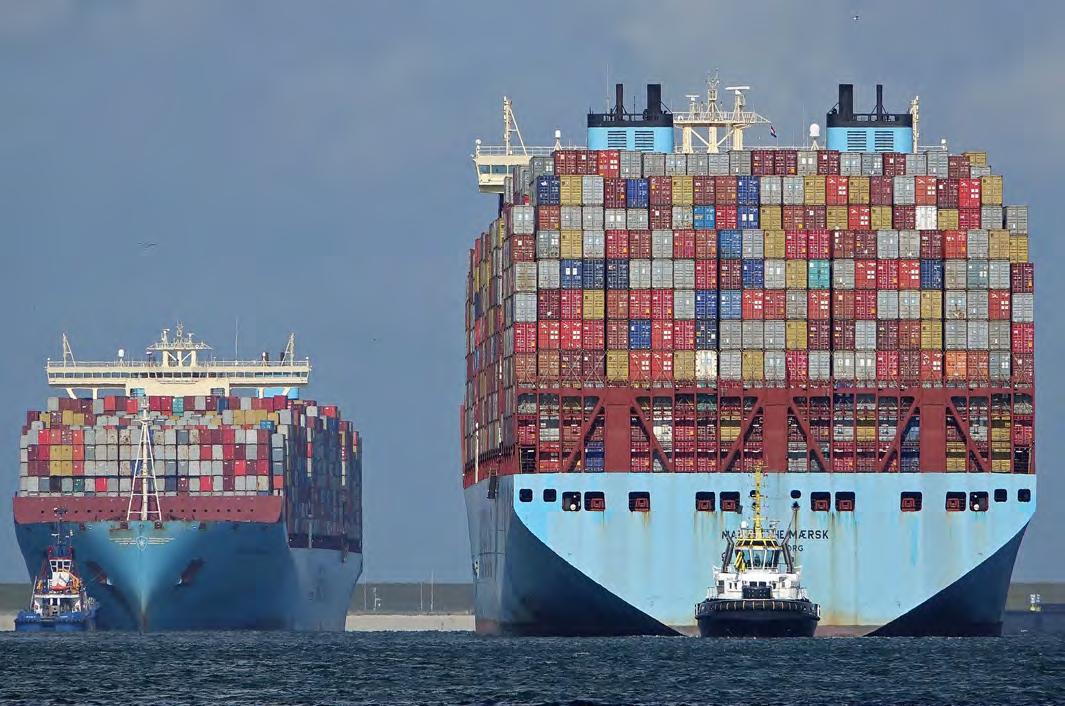
One of the world’s largest oil consumers, AP MOLLER-MAERSK Shipping Lines teams up with six energy firms to jump start the green energy market and ditch fossil fuels.
By the end of 2025 Maersk, the giant Danish company based in Copenhagen, will be able to buy 730,000 tonnes of methanol a year. That is only 3.5% of its current oil consumption but is astonishingly higher than the world’s current global methanol of 30,000 tonnes. In a Catch 22, chicken-and-egg scenario that has thwarted wholehearted crossover to the green fuel market up until now, few energy companies produce green methanol because there is little demand. Ship owners on the other hand are reluctant to build green vessels because there is such small fuel production.
Head of Maersk’s fleet, Henriette Hallberg Thygesen, said “to transition towards decarbonisation we need a significant and timely acceleration in the production of green fuels.” The partnerships have now given Maersk an “important milestone”.
Maersk is the largest shipping line in the world, measured by ships owned. The mega company has set a goal to become carbon neutral by 2040. Shipping on the global scale accounts for 3% of the world’s
carbon emissions, and green methanol is identified as the best fuel to cut shipping pollutants under construction right now the Maersk shipyards have twelve container vessels due to come into service. The commitment to 730,000 tonnes of green ethanol will power this new fleet.
The ethanol producers have global operations that will provide the network to serve the ships. All are expected to accelerate production as the global demand increases. They are Danish companies Orsted and European Energy, Chinese companies CIMC, Green Technology Bank and ENRIC, and Wastefuel in USA, and the Swiss firm Proman. The switch to Methanol or Ammonia is expected to raise the operating costs to shipping by 10%, an amount the CEO of Maersk, Soren Skou, says is something the shipping industry can afford to deal with. The company uses 11 million tonnes of oil a year which is about as much as the world produces everyday.
Royston Lamond
ARCHITECTS
ENGINEERING
PROJECT
QUANTITY SURVEYORS Smith & Co
INTERIOR ARCHITECTS Paragon Interface
MAIN CONTRACTOR
GVK Siya Zama
GEO-TECH ENGINEERS Core Geotech
LANDSCAPE ARCHITECTS Planning Partners
CUTTING EDGE ON THE RIDGE
The
latest real estate development at the V&A Waterfront employs some of the most advanced sustainable building technology available on the planet.
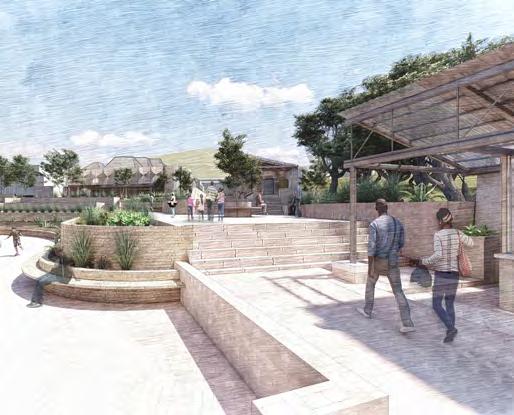
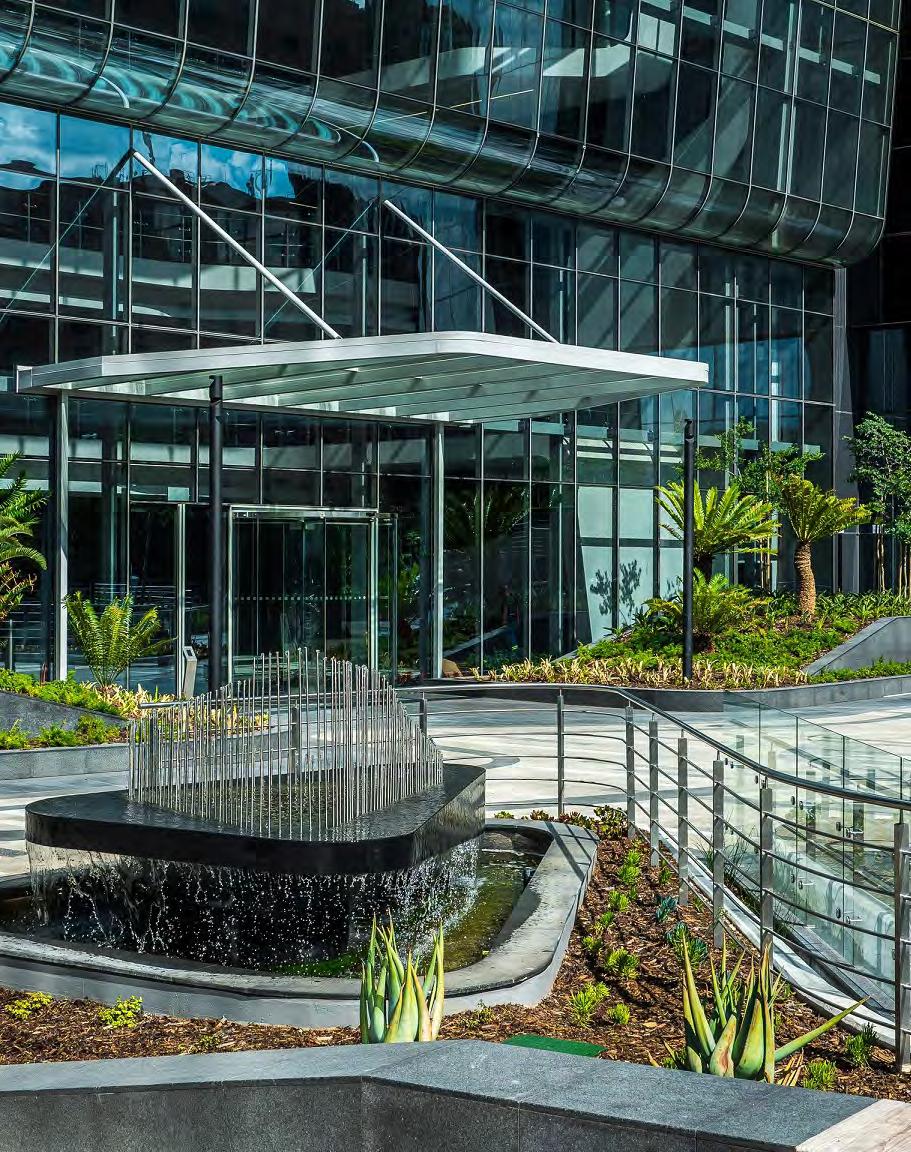
Cape Town’s newest innovative design building has opened. With its Six Star Green Star Design Award it has utilised some of the most advanced technology in the world. Born out of the V&A Waterfront’s desire to set new standards for the construction and utilisation of commercial office space, The Ridge, on the shoulder of land adjacent to the Breakwater, opposite the One and Only, had a far reaching vision that preceded the Covid pandemic and projected a worker space that was environmentally friendly to capture the better quality lifestyles of its new tenants.
A healthy office environment that cares for the wellness of those who work within it is not only good for staff morale but essential to the well-being of a business.
As a swing away from the hermetically sealed air conditioned box buildings, The Ridge has opted for natural air flow, allowing windows to open and breathe in the freshness of the sea air. The Cape’s climate allows the moderate outdoor temperature to be applied indoors for over 80% of the year. LANDLORD V&A
An impressive main street atrium, three levels high, draws a volume of air into the building which, once body heated, draws roof wards and is expelled through roof lights.
There is minimal air conditioning. Non-energy consuming temperature controls ensure a far lesser electricity bill.
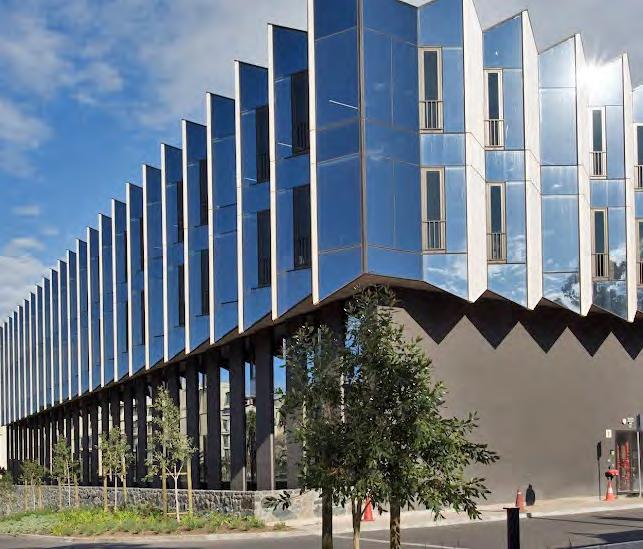
The zigzag timber façade, whilst looking fresh and distinctive, have an ingenious purpose. They orientate the glass windows towards the north or south. This prevents the low angle heat and glare of the morning and late afternoon sun from the east and the west, penetrating into the workspace with its hotspots and overall heat impact.
On the roof are chiller and heat pumps that circulate water into the concrete ceilings to regulate temperature and create the optimal degree of comfort.
The mixed method air temperature methods means conventional air cooling or heating will only need to operate for about 20% of the year.
As a people-connectivity building, the atrium serves as a free flowing pedestrian area where occupants of the building can interact with coworkers as less formal encounters as well as meet up with visitors.
Natural lighting flows through the impressive skylight of the atrium. An array of solar panels on the roof top harvests energy from the abundant sunshine of the Cape. This adds to the flood of conventional lighting into each floor. LEDs give low energy additional luminescence, suspended between acoustic panels. Those panels absorb ambient noise and create a softer sound environment.
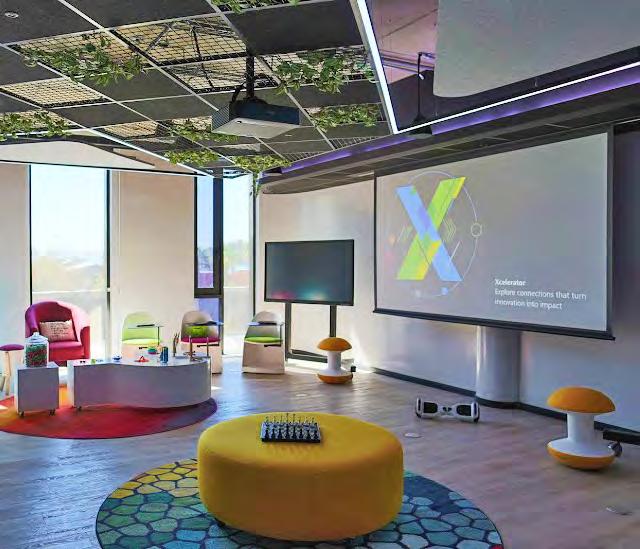
The building has become the head office for Deloitte. In their fit out, the company has created an environment in keeping with the world class standards of its international brand. There are no private offices. Desk sharing and customisable agile working is the key consideration – a direction embarked upon in its conceptual phase and strengthened by the pandemic imperatives of distanced work or work from home, and now entrenched as the new way of working.
The building is designed for low water usage with minimal tap usage and grey water, with rain water harvested from the roof catchment, is used for toilet flushing and plant irrigation.
The use of reused, recycled, dematerial components have been utilised in non-load bearing partitional walls.
Not only is the surrounding environment enhanced with specially selected greenery but the Portswood buildings with their charming old world character, have been incorporated into the precinct to add a vibrant coffee shop / restaurant zone with restored buildings, a garden, including a vegetable area to supply the eateries, pedestrian walks and cycle tracks with the exclusion of motor vehicles from the zone.
It’s a new vision. One of great sensitivity and empathy and a project that has come to fruition well deserving its Green Star Awards.
Royston Lamond
ASHTON ARCH BRIDGE A SOUTH AFRICAN FIRST
Successful transverse launch of Ashton Arch bridge a South African first AECOM provided road, bridge design and project and construction management for iconic project.
The newly-completed Ashton Arch is South Africa’s first concrete tied-arch bridge constructed using a transverse launching method. Infrastructure consulting firm AECOM was responsible for all engineering aspects of the project, with the emphasis on road and bridge design, as well as project and construction management.
The aim of the project was to reconstruct parts of Trunk Road 31, from Ashton to Montagu (start of tourist Route 62), to a higher standard in order to improve traffic and pedestrian safety, as well as improve the flood capacity of bridges and the road at several problem locations.
Key considerations for the latest upgrading was to minimise flow restriction and improve the available free board within the restrictions of adjacent properties and road alignment levels. Through an economic analysis, the technical options for the river crossing and construction strategy were evaluated with due consideration of the impact of construction strategy on road user costs.
The design that was finally adopted consisted of a single span (110m) concrete tied-arch solution with a deck suspended by stay cables that accommodates four traffic lanes and two walkways. This largely eliminated the possibility of debris build-up and provided the shallowest deck depth option, both key considerations.
“The successful completion of the new Ashton Arch bridge resulted in a proud monument for the region and all involved. This was a first and unique application of this bridge
engineering technique for a concrete tied-arch bridge in South Africa,” comments Abé Newmark, Executive, Team Lead - Bridges, Cape Town.
To minimise traffic disruption, the new bridge was constructed adjacent to the existing bridge while maintaining traffic over it. Upon completion, the new bridge was then used as a temporary bypass and river crossing, while the existing bridge was demolished and new abutments built. The new tied-arch bridge was launched transversely into its final position in less than 12 hours on 14 August 2021 under widespread publicity that included live-streaming of the event.
Structural form and bridge aesthetics received meticulous attention during the conceptual design, with due consideration of the following:
• The historical significance of existing multiple-span arch bridges inspired the structural form, combined with the major benefit of the arch’s ability to span over the entire river.
• A tied-arch bridge is particularly suitable for this topographic location.
• V-hanger configuration for its aesthetic advantage.
• Aesthetically, the slender tied-arch design is appropriate due to the visually-appealing light deck.
• The tied-arch form expresses a visualisation of flowing of forces with light hangers.
• Slender members displaying a transparency accentuated by the surrounding mountains
State-of-the-art bridge analysis software packages were also used for the construction stage analysis, in-service analysis and design, a joint effort by AECOM’s SA and UK long-span complex bridge teams. An extensive structural behaviour monitoring plan was also prepared for construction.
Modern state-of-the-art structural components were designed, manufactured and installed using complex methodology. These included the post tensioned tie-beams, stay anchors and cables, as well as the transverse launching equipment, which had to be specially imported.
Many design, procurement and construction challenges were addressed over several years. Using a transverse launching method of a completed concrete tied-arch road bridge is a first in South Africa, when more than 8000t of concrete and steel was moved over a distance of 24m in less than 12 hours after several years of meticulous planning, design and construction.
Upon completion of the project, a total of 18% of the contract value would have been allocated to the creation of economic opportunities and entrepreneurial capacity in the surrounding areas. This included a local labour utilisation of 65 000 person days and 300 work opportunities created for exempted micro enterprises and qualifying small enterprises.
About AECOM
AECOM is the world’s trusted infrastructure consulting firm, delivering professional services throughout the project lifecycle – from planning, design and engineering to programme and construction management. On projects spanning transportation, buildings, water, new energy and the environment, our public- and private-sector clients trust us to solve their most complex challenges. Our teams are driven by a common purpose to deliver a better world through our unrivalled technical expertise and innovation, a culture of equity, diversity and inclusion, and a commitment to environmental, social and governance priorities. AECOM is a Fortune 500 firm and its Professional Services business had revenue of $13.2 billion in fiscal year 2020. See how we are delivering sustainable legacies for generations to come at aecom.com and @AECOM.
SUSTAINABLE CONCRETE REPAIR MORTARS
The
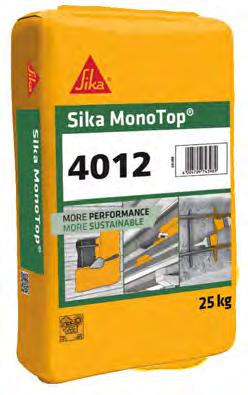
NEW Sika MonoTop® reduced carbon footprint range
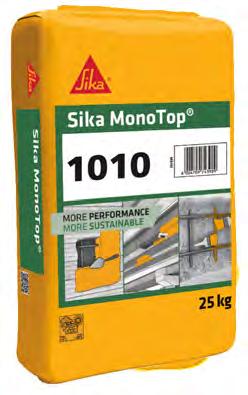
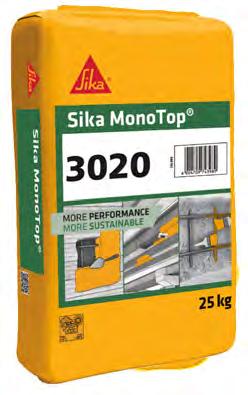
One of our key pillars is Enhancing Customer Value and Reducing Environmental Impacts. The concept “more performance, more sustainable” leads our way towards product innovation. The Sika MonoTop® low carbon footprint mortar range for durable, low dust concrete repairs:
■ Sika MonoTop®-1010
High performing and sustainable bonding primer and corrosion protection slurry
■ Sika MonoTop®-4012
High performing and sustainable structural and non-structural concrete repair mortar
■ Sika MonoTop®-3020
High performing and sustainable structural and non-structural smoothing and levelling concrete repair mortar
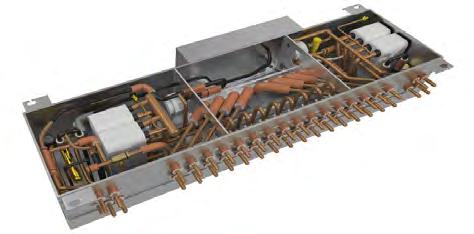
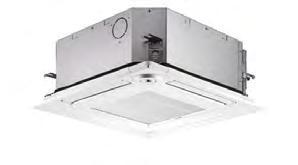
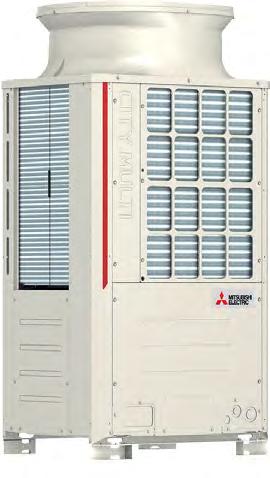
World’s first chilled Water Hybrid VRF System
Replacing refrigerant with water between HBC and indoor units
GARDEN ROUTE DAM
Duckbill design by Zutari
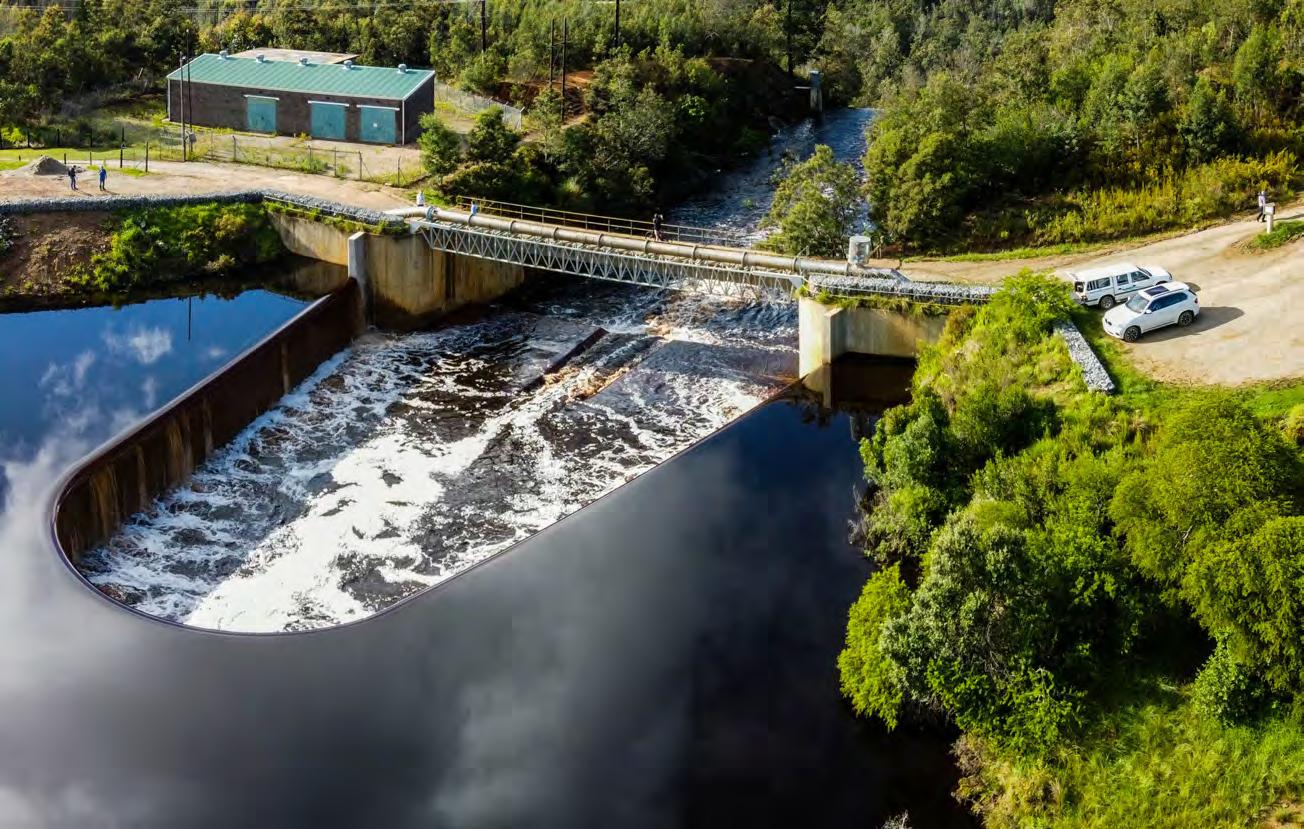
Innovative spillway design put to the test as Garden Route Dam overflows Ingenious duckbill design by Zutari significantly increases the discharge capacity of the spillway to boost dam safety by preventing overtopping.
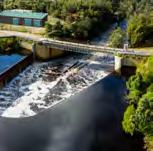
A unique spillway project undertaken by leading consulting engineering and infrastructure advisory firm Zutari to raise the Garden Route Dam, the main supply for George in the Western Cape, was finally put to the test towards the end of November when it began spilling following torrential rains in the area.
“I am happy to report that the spillway is behaving as expected,” reports Dr. Frank Denys, Associate and Expertise Leader: Dams. “The clever duckbill-shaped spillway significantly increased both the storage capacity of the dam and the discharge capacity of the spillway so as to boost the dam’s water supplies without compromising its safety by preventing overtopping,” comments Denys. The project won an award for technical excellence in the SAICE Southern Cape Branch Regional Awards 2020. George Municipality states on its website that while the heavy rainfall and flash floods on 22 November had “understandably overshadowed” the dam’s overflowing on the same day, it remained a celebration of innovative engineering and a significant milestone in the city’s long-term water security.
“The design is relatively new in the engineering world, and as far as we know is not being used in this way in South Africa,” says Civil Engineering Services Acting Director Lionel Daniels. It was extensively researched by Zutari and tested by the Department of Water and Sanitation’s Hydraulic
Laboratory in Pretoria, with its shape designed to slow down water flow using basic physics principles. “The design is brilliant in its simplicity, and it was a real victory to see the dam overflow and the spillway working so effectively,” highlights Daniels.
“The project showcased how relatively small, well-engineered and optimised adjustments can provide a more resilient water supply system without compromising on dam safety. Furthermore, the expansion of existing water supply resources is preferable to the development of new sites, as it limits the environmental impact to an already impacted site. Despite the novel nature of the engineered solution, this unique and innovative project had a low capital cost and also has a small estimated maintenance cost,” explains Dr. Denys.
The project increased the existing storage capacity of the Garden Route Dam by raising its full supply level by 2.5 m via the installation of a new spillway, enlarging the storage volume by 2,5 million m³. The solution centred on a sophisticated hydraulic design in the form of a novel, state-of-the-art, non-linear spillway in the shape of a duckbill. Although duckbill or bathtub spillways are not unique, they are rare worldwide.
The Zutari team used its industry expertise to amend the hydraulic design to ensure that the weir would behave in a safe and predictable manner. The shape of the duckbill causes flow on opposite ends of the overflow
flow to collide within the duckbill, causing an upwelling, also known as flow bulking, which breaks the flow’s momentum and causes it to lose its energy. The flow from the rounded upstream end of the spillway is not so opposed and causes this upwelling of flow to move toward the exit of the spillway at rapid velocity. This increase in velocity reduces the water level to a lower elevation such that it can safely pass under the bridge over the spillway. The final duckbill spillway design resulted in a total spillway length of 80 m, with a maximum discharge capacity of 570 m³/s at a freeboard of 4.1 m. The flood event on 22 November 2021 was the first time the new spillway overflowed since its completion in December 2019. Prior to the flood event, the water level in the dam was roughly 1 m below the crest of the spillway. This volume was rapidly filled up in the course of the early morning and the spillway started overflowing at roughly 08:30. The peak of the flood occurred at 13:00 according, to the Department of Water and Sanitation’s water level-data record.
The water level recorder logged a maximum overflow depth of 0.509 m over the crest, which equates to about 50 m³/s in discharge. This thus appears to have been a relatively minor event, with the dam designed to cater for much higher flows. That said, the incoming flood was partially attenuated or absorbed by the storage volume in the dam basin. The flows at the nearby flow logger on the Malgas River likewise recorded a minor flood.
About Zutari
As engineering consultants and trusted advisors, Zutari co-creates an engineered impact that enables environments, communities and economies to thrive. Few others can match our local capacity, long-standing presence and understanding of the challenges required to operate successfully across various regions in Africa.
We have created an impact across Africa for the past 89 years (1932 to 2021) and remain committed to this continent, making us the perfect partner to those less familiar with working in Africa. We are experienced in international projects and our Global Design Centres allow us to bring world-class solutions to our clients.
As a private management-owned company, our commitment is true and we have vested interest in our clients’ success. Our strong relationships allow us to connect the right expertise, processes and resources to match client’s needs and bring stakeholders that have shared interests together.
We blend the old and the new. We have moved beyond traditional engineering and work collaboratively to integrate technical and creative thinking. This process of co-creation allows us to unearth new opportunities with our clients and partners.
Zutari’s broad collective of in-house, industry-recognised engineering consultants and trusted advisors provide seamless and integrated delivery. This unique ability to offer scaled engagement allows Zutari to solve complex challenges more efficiently.
Grounded in digital engineering, we continuously deliver better results. Zutari Contact
Rashree Maharaj
PR and Media Advisor
Email: Rashree.Maharaj@zutari.com
Tel: (012) 427 2000
Web: https://www.zutari.com
Wessel van heerden
BOOST FOR SOUTH AFRICAN RESEARCH ON NEW WAYS TO REFINE ZINC ORE
Vedanta SA and Duferco Steel Processing fund research on clean, ‘green’ low-energy zinc refining
The International Zinc Association (IZA) Africa Desk has secured significant research funding to investigate the feasibility of new zinc refining processes to meet South Africa’s own demand for refined zinc, whilst using locally produced ore and concentrates. Should the research develop a winning chemical engineering solution, then an ideal location for a new zinc refinery could be Saldanha Bay, as it is an Industrial Development Zone (IDZ), on the doorstep of a zinc ore export port, and close to a big refined zinc user.
“The funding has been secured from within South Africa. The sponsors are very keen to see that we can develop our own capability within South Africa to produce special high-grade refined zinc and at the same time support fundamental chemical engineering research, while developing postgraduate research,” reports IZA Africa Desk spokesperson Simon Norton.
Two industrial sponsors are participating in the project, namely Vedanta South Africa, an IZA member, and Duferco Steel Processing, which galvanizes steel in Saldanha Bay.
“We are very proud of these future-thinking sponsors. Not only are they supporting fundamental research in South Africa, they are also supporting a ‘green’ future for minerals processing,” emphasises Norton.
The research will focus on developing and understanding novel refining processes to significantly reduce the external power input compared to traditional pyrometallurgical processes. This will allow for economically viable production of SHG refined zinc. Ore usage may be further maximised by producing refined by-products such as silver and rare earth elements. “The proposed operation will also have a considerably reduced carbon footprint,” adds Norton.
The research work will be carried out at the University of Cape Town (UCT) in its state-of-the-art Department of Chemical Engineering under the leadership of Professor Jochen Petersen. In its proposal entitled ‘Concept and prefeasibility study of a small-scale zinc refinery in South Africa considering novel processes’, UCT notes that the development of a small-scale, relatively simple and energy-efficient process to recover zinc from polymetallic local concentrates “is a considerable challenge, given the limitations of existing processes.”
In support of this ‘back to the drawing board’ approach to seriously reconsider novel development processes that have never been commercialised to date, IZA Africa Desk launched its campaign for research funding in 2021. The exciting news is that Vedanta South Africa will sponsor a desktop study of a wide variety of zinc processes, while Duferco Steel Processing is funding laboratory-scale research on zinc process chemistry.
The experimental study will carefully explore the in-principle feasibility of a novel flowsheet for refined zinc production and by-product recovery from local ore concentrate materials, with the express emphasis on reduced and/or renewable energy input, as well as reduced carbon and environmental footprints, according to the research team.
The driving force behind the research goes back to Exxaro’s Zincor refinery on the East Rand, the only one of its kind in South Africa, which was closed down in 2011. Its yearly production of 117 000 tons of refined zinc was entirely for local consumption by hot dip galvanizers and continuous wire and sheet galvanizers. Applications ranged from shopping centre roofing to underground mining steel structures, structural steel, railway pylons and fencing.
Despite Zincor’s output, South Africa still had to import 10 000 t to 20 000 t of additional refined zinc for the country’s galvanizing requirements. Prior to 2011, South African consumption of refined zinc peaked at over 130 000 tons per annum. However, this has now plunged to only 47 000 t in 2020, a significant drop that Norton attributes to a decline in mining, construction, and industrial activity in the country. “IZA Africa Desk is thus working hard to get the use of refined zinc growing again in South Africa,” says Norton.
Recently, South African galvanizers experienced a severe shortage in the refined zinc supply due to four zinc refineries in Europe closing down. “The situation is compounded by the fact that base metal traders worldwide are selling zinc to Europe at inflated prices, rather than to South Africa at normal market prices,” notes Norton.
New zinc process chemistry is critical for investment in zinc refining in South Africa to support the government’s mooted R100 billion Infrastructure Plan. “We have an unreliable power supply in South Africa, and urgently need to find novel low-power methods to refine zinc. This also means we have to harness our local research teams, develop our own expertise, and hopefully come up with a zero power ‘green’ zinc refining process,” concludes Norton.
About the International Zinc Association
The IZA is the only global industry association dedicated exclusively to the interests of zinc and its users. Operating internationally and locally through its regional affiliates, the IZA helps sustain the long-term global demand for zinc and its markets by promoting such key end uses as corrosion protection for steel and zinc as being essential in human health and crop nutrition. IZA’s main programmes are Sustainability & Environment, Technology & Market Development and Communications. In South Africa, the IZA plays a vital role in establishing the basis for the successful revitalisation of the zinc industry by increasing awareness of zinc and its applications and benefits in key sectors and markets, which will ultimately translate into the increased uptake of zinc.
International Zinc Association Contact
Simon Norton
IZA Africa Desk
Phone: (021) 788 9980
Cell: 082 831 2924
Email: zinc@iafrica.com Web: www.zinc.org
CASE STUDY
WORLD WONDER HONEYCOMB
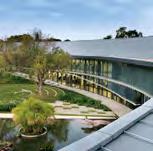
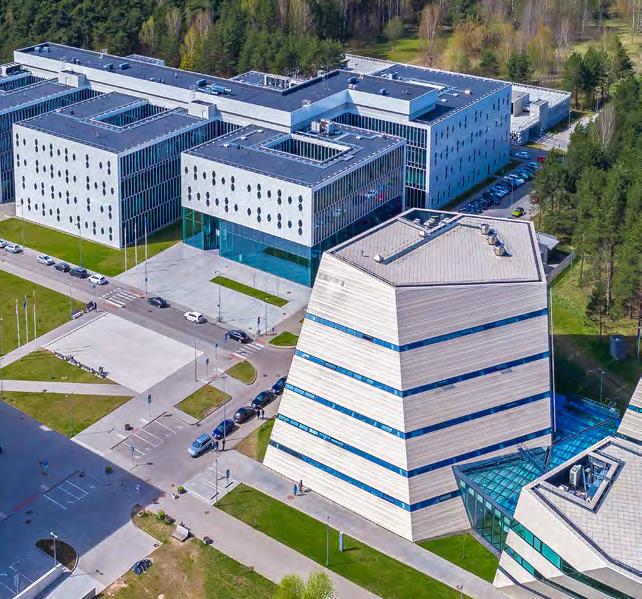
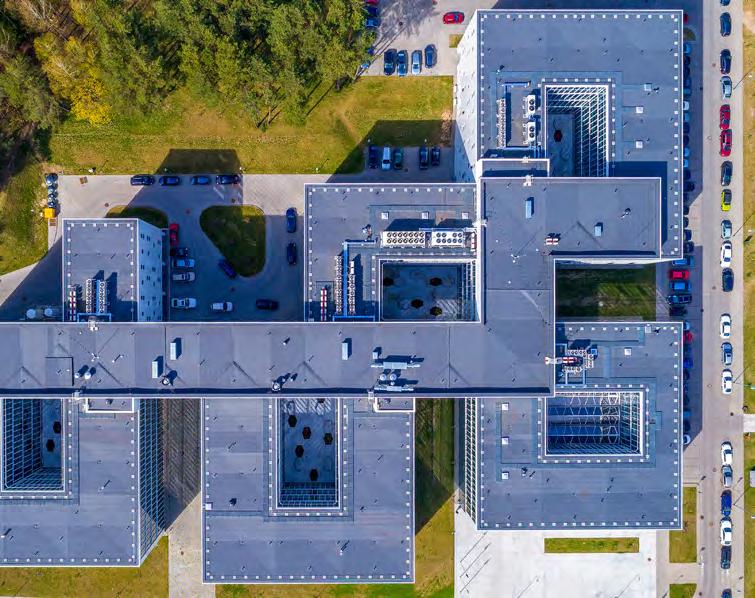
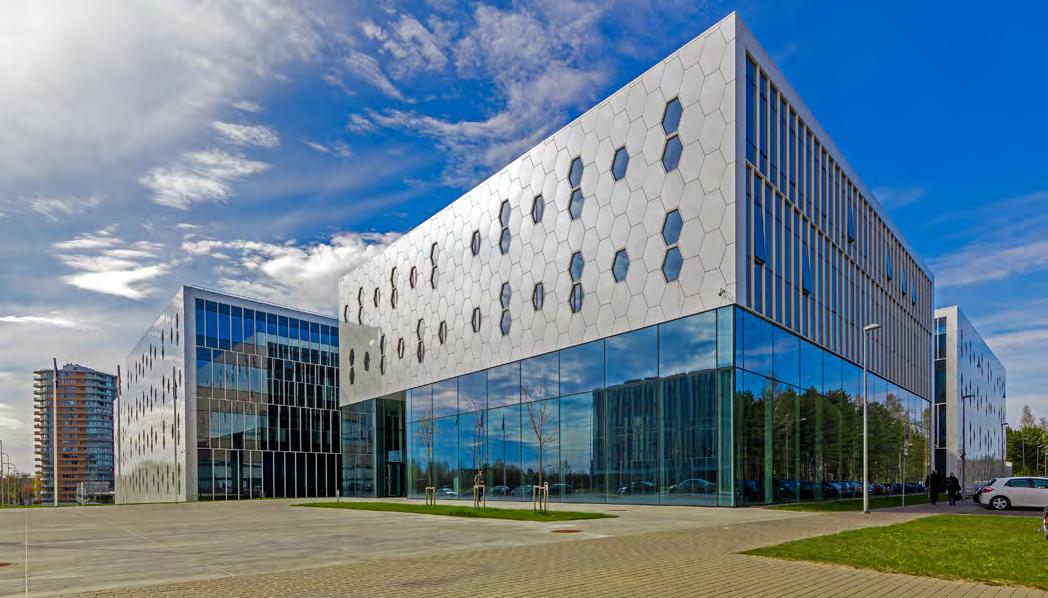
Graphene is one of the most important materials for fundamental research in physical and chemical sciences, and also for future technologies. This is because the crystalline, i.e. honeycomb structure of its carbon atoms makes the material very robust and flexible to use. No wonder the Lithuanian architectural firm AKG modelled its design for the National Centre of Physical and Technological Sciences on this same honeycomb structure. The enormous research institute comprises several separate buildings, linked at the rear to another oblong one which acts as a connector. The result is a complex volume comprising projections and recesses, closed and open courtyards, and façades overlooking the road or the courtyard. The architects developed different façade types depending on the direction they faced and responding to different light conditions and views. They selected the iconic honeycomb shape for façades facing the road, cladding them in hexagonal panels in sparkling White Silver ALUCOBOND®. At regular intervals, the architects have replaced an ALUCOBOND® element with a hexagonal glass window. These intermittent window elements may appear to be very small, but are designed for the best possible solar and heat energy outcomes. Viewed from the south, the façades at the front are hexagonal, closed and reflect white light. The design of the rear and side façades, on the other hand, is rectangular, transparent, featuring reflective glass. Viewed from the north, the picture is reversed: the forest and the four-storey building’s own shadow mean the frontage facing the courtyard and the north façade overlooking the forest can open up to the exterior in glass. In contrast, the courtyard and north façades of the rear wing are closed and clad in the same honeycomb material as above. The façades do not only take factors pertaining to the location into consideration, but also heighten the contrasts when experienced from different perspectives. This is not only a bright idea for a research building in a figurative sense, but also in a literal sense: the colourful foliage of the trees reaches up to the shimmering honeycomb façade. Nature has geometric order and the honeycomb, a marvel and true natural wonder, forms a strong and enduring world.
The layout of the institute is complex. But the contrasting façade design brings a logic to the appearance.
The honeycomb façade consists of hexagonal ALUCOBOND® tray panels, some of which have been replaced by window glass. But not more than needed to create the ideal indoor climate.
PROJECT
Vilnius University, Vilnius | Lithuania
ARCHITECT
Architektūros kūrybinėgrupė, Vilnius | Lithuania
FABRICATOR/INSTALLER
UAB LR GROUP, Vilnius | Lithuania
FAÇADE SYSTEM
Tray Panels Special Design
YEAR OF CONSTRUCTION
2016
PRODUCT ALUCOBOND® PLUS sparkling White Silver
PHOTOS
Evaldas Lasys
THOUGHT LEADERSHIP
Increased demand for strategic consulting a key driver of the property market in 2022
Broll Property Group is seeing an increased demand from its diverse client base for holistic strategic consulting. This is the message from Broll Group CEO Malcolm Horne as the leading Pan-African professional real-estate services provider enters 2022. “We are seeing a lot of strategic consulting work coming to the fore, which speaks to our core strength of being able to build skilled solutions that are structured and integrated to unlock value along the entire property chain,” says Horne.
Trends likely to impact the market in the New Year are a continuation of the drive to repurpose office space as many companies adopt a hybrid model of allowing their employees to return to the office safely. “We have built up an entire team in this regard that has delivered some amazing results, and it is a space that will continue to present significant opportunities going forward.”
The beginning of 2021 saw Broll announce its new five-year plan and reinvigorated group strategy for growth and innovation, which Horne highlights was developed well before Covid-19 disrupted the economy. “The fact that we had this strategy in place before the pandemic allowed us to really get to grips with it and the team that we had put in place. We have made great strides in aligning both the group and divisional layers of that strategy, and understand what we need to do in order to get to where we want to go in 2022.”
Dealing with the impact of Covid-19 and ensuring long-term viability in terms of the future involves two different strategic outlooks, stresses Horne. “On the one hand, we
want to strengthen the core of the group, while on the other we want to be able to leverage off of that in being both innovative and proactive in our service offering.” To this end, Malcolm highlights the launch of Broll Tech in March, which will focus on inhouse PropTech solutions as well as those developed in conjunction with specific partners.
“Technology is a key focus of everything that we do. I am also excited about the energy space, where we are likely to see a lot of innovation in the near future. We are also looking to expand our business further into Africa by adopting a franchise model. In addition, we are bolstering our transaction business in terms of both leasing and sales in the commercial and industrial sectors,” says Horne. Broll is also increasing the footprint of its facilities management business, where it is actively focusing on small business and enterprise development.
“We now obviously have both a macro and a divisional strategy in each area of our business.
This means that what we are going to see in 2022 is a continuation of executing that strategy, which again talks to strengthening the core in terms of how we optimise our current service offerings. That is very much still going to be the key focus in continuing the journey we embarked on over a year ago,” says Horne.
“There is a lot to be excited about in 2022, particularly from the viewpoint as a country and as an economy. Hopefully the vaccination rollout continues to accelerate, especially with more companies looking at mandatory policies. There is a lot of credible information in the market at present that will go a long way to demystify Covid-19, which is critical as Omicron becomes the predominant variant, and this will be hugely positive for the property industry in general,” says Horne.
“We are seeing international companies entering the market again, which require certainty of advice and direction, as well as specific knowledge and skills. This represents a major growth opportunity in terms of our risk management capability,” says Horne. Looking back at 2021, he notes that it was a particularly difficult year, especially with the unprecedented unrest in mid-July in KwaZulu-Natal and Gauteng.
“We have designed our strategy for the long term, which allowed us to deal with the situation proactively. Again, it speaks to strengthening our core in how we cope with such unplanned-for contingencies and ensure that the group is sufficiently flexible and adaptable. We certainly rose to the challenge as a business, but also by forging strong relationships with our clients and our communities,” says Horne.
“Yes, what happened in July last year tested us to an extreme extent, but it was testament to our strategy that we were able to weather the storm, and that really bodes well for us in 2022. I think people do not realise how much pressure both employees and businesses have been under for 20+ months to date. We are not under the illusion that this year will be without its own challenges, but we will ensure that we are refreshed and reinvigorated to be able to meet them head on,” concludes Horne.
About Broll Property Group
Broll Property Group is the largest independently-owned and proudly South African commercial property services company. With operations across 13 countries in Africa and 2,000+ personnel, we offer highperforming solutions built on a culture of innovation, distinguished by service excellence and longstanding client relationships – which is why we are renowned as the ‘progressive property people’.
Broll Property Group Contact
Phone: +27 11 441 4061
Web: www.broll.com
Email: hrose@broll.com
ALUMINIUM THE GREEN METAL
No matter the industry, innovators rely on aluminum for greener, more sustainable solutions. A highly durable metal, aluminum is 100% recyclable and can be recycled again and again without degrading its inherent value. Almost 75% of all aluminum is still in use today.
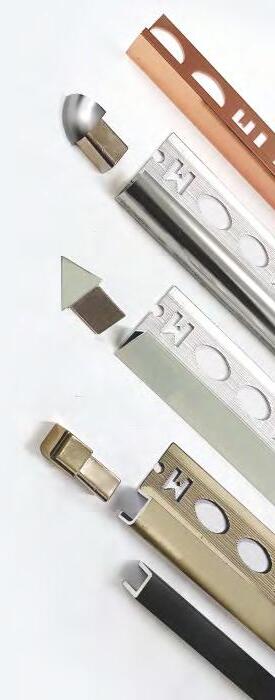
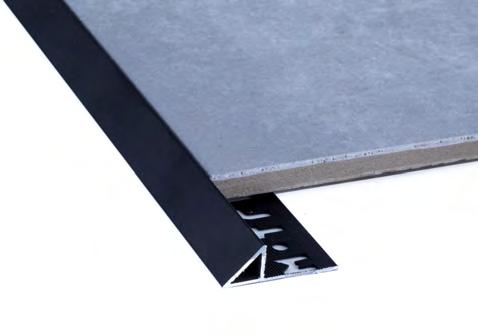
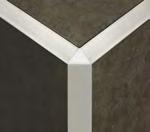
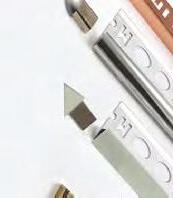
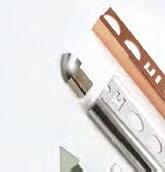
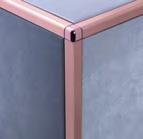
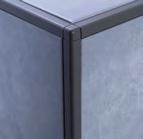
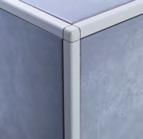
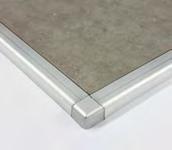
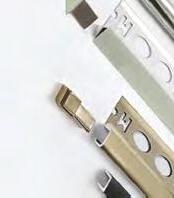
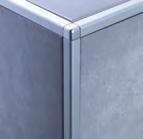
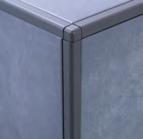
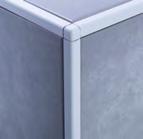
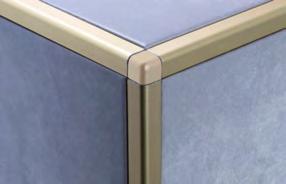
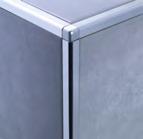
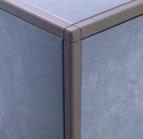
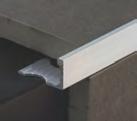
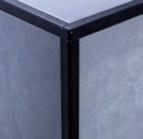
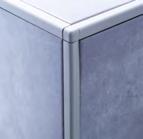
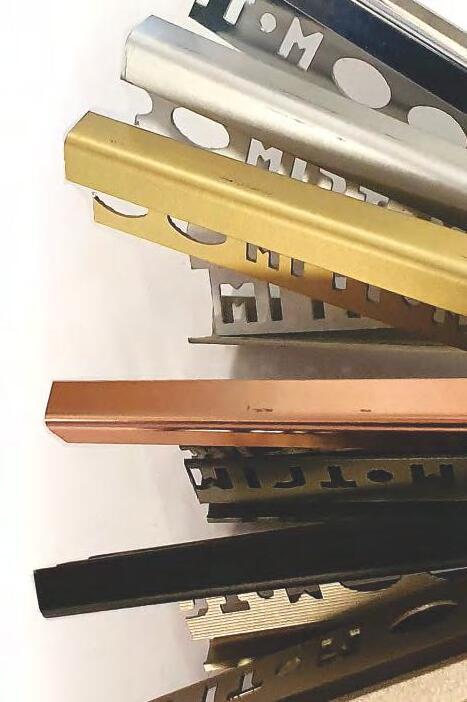
The mm M.Trim Kirk Décor range is in stock , s ited to compliment the earlier mm range alread ell-established in the marketplace. The mm M.Trim Kirk Décor is a ailable in the follo ing profiles – Straight Edge, Triang lar Edge and Sq are Edge Radi s. Matching e ternal corners a ailable in all the profiles
e cept the straight edge. The mm Décor colo r range designed to be the Uni ersal Tile Match – complimen ng majorit of les in the marketplace sing o r se en speciall form lated po dercoat colo rs – Charcoal Black, P , Lead, Pepper, Salt, Sand and Gingerbread. To add to the po dercoat colo rs e ha e fo r anodised colo rs – sil er, ma sil er, ma black and copper. The mm M.Trim Kirk Décor range fits perfectl ith to mm les. No more mitring req ired , se the M.Trim Kirk Décor e ternal corner pieces. The mm Q adrant trim is a ailable onl in the se en po dercoat colo rs and ma sil er, sil er and ma black.
Po dercoat profiles can be sed e ternall and e recommend Anodised profiles get sed internall . The Se en po der colo rs are man fact red locall in So th Africa to er high specifica ons allo ing it to be sed e ternall . The po dercoat range of colo rs of the mm M.Trim Kirk Décor range enables Uni ersal Tile Match q ali es to flo thro gh the other M.Trim profiles, allo ing specifiers matching aesthe cs in their floors and alls.
M.Trim's mm Kirk Décor Trim's – the ni ersal le match.