




MYFATHER,MYGOD:


Father, thank You for the deep peace that rests in my heart. My spirit overflows with gratitude, my soul sings with eternal love. You are my hope, my shield, my way maker, my guiding light. Grant me wisdom, Lord, and discernment in every choice I make. I am Your child, and I turn to You for guidance and strength. You are mighty, You are wonderful, and Your presence fills my life.
Surround me with Your love and kindness, Lord. Ignite in me the desire, and provide the means, to bring joy, light, and comfort into the lives of others. Remind me, Father, that in serving others, I serve You. To bless another is to be Your hands, Your heart, Your voice in the world. How beautiful it is to walk in Your ways, to live each day as Your representative, filled with purpose and grace.
Amen


The holiday season has a way of sweeping us into its rhythm—bright lights, full calendars, long lists, and the constant hum of expectation. Yet, beneath all the movement lies an invitation: a quiet, steady call to return to ourselves and rediscover God in the stillness.
It is often in the smallest pauses that we feel the greatest presence. Early morning before the world wakes. A whispered prayer while wrapping gifts. A silent breath between responsibilities. These seemingly insignificant moments become sacred when we allow them to. God does not only arrive on mountaintops or in grand sanctuaries; God meets us gently in the quiet corners of our lives, especially when the world around us is loud.
Stillness is not the absence of activity—it is the presence of awareness. When we slow down long enough to notice the warmth in a room, the softness of our own breathing, or the gratitude blooming quietly within us, we create space for divine reassurance. Prayer becomes less of a task and more of a homecoming. Gratitude becomes less of a list and more of a lens through which the season unfolds with deeper meaning.
During the holiday rush, grounding ourselves in gratitude transforms the ordinary into the holy. The meal becomes a blessing, the gathering becomes fellowship, and even solitude becomes companionship with God. In moments when the world demands more, God gently invites us to be more present: to ourselves, to our families, and to the quiet grace threaded through every day.
So this season, let the stillness be your sanctuary. Step away from the noise long enough to hear your own spirit speak. Let prayer settle your mind, let gratitude soften your heart, and let quiet moments remind you that God is never far—just waiting for you to pause, breathe, and remember.

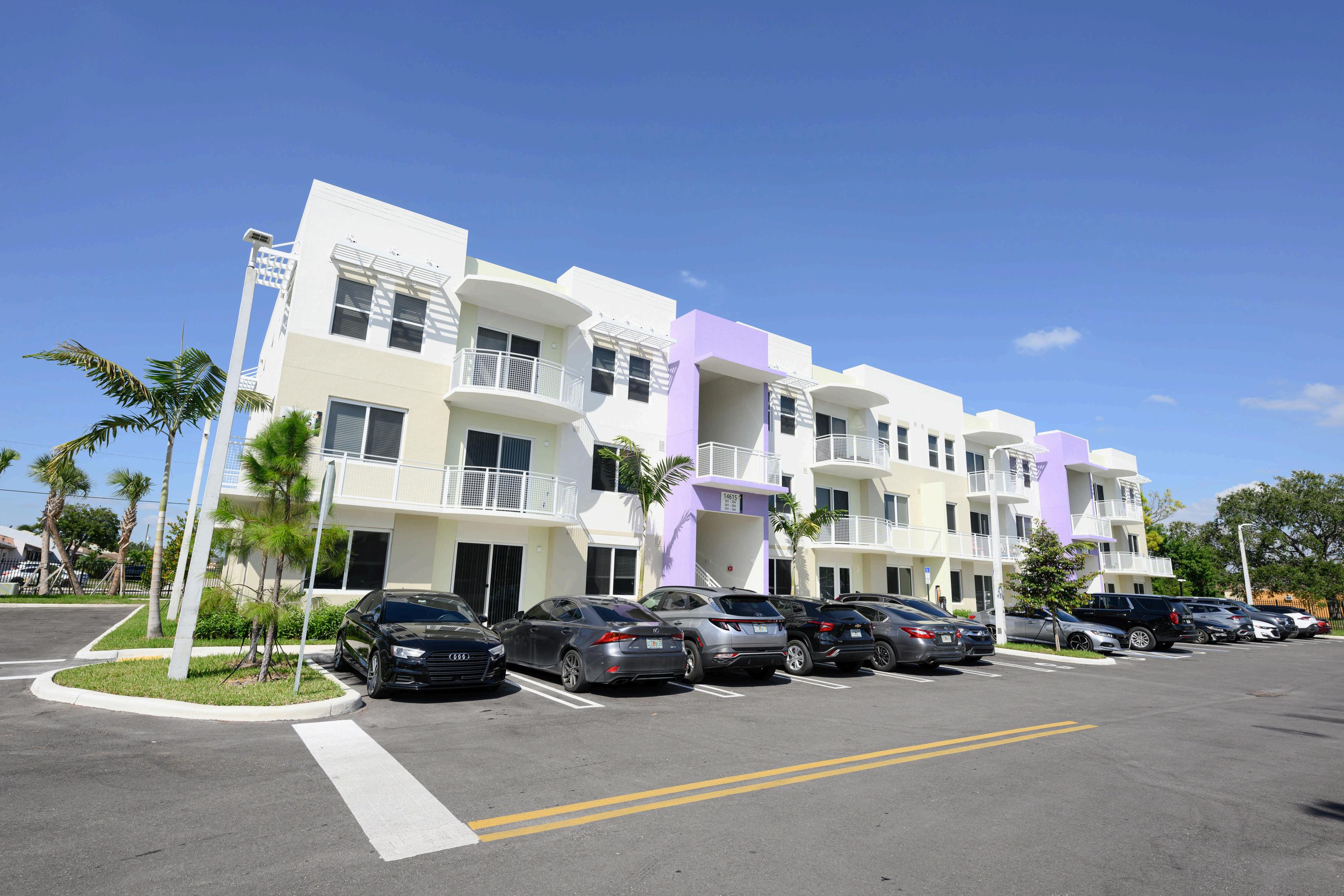
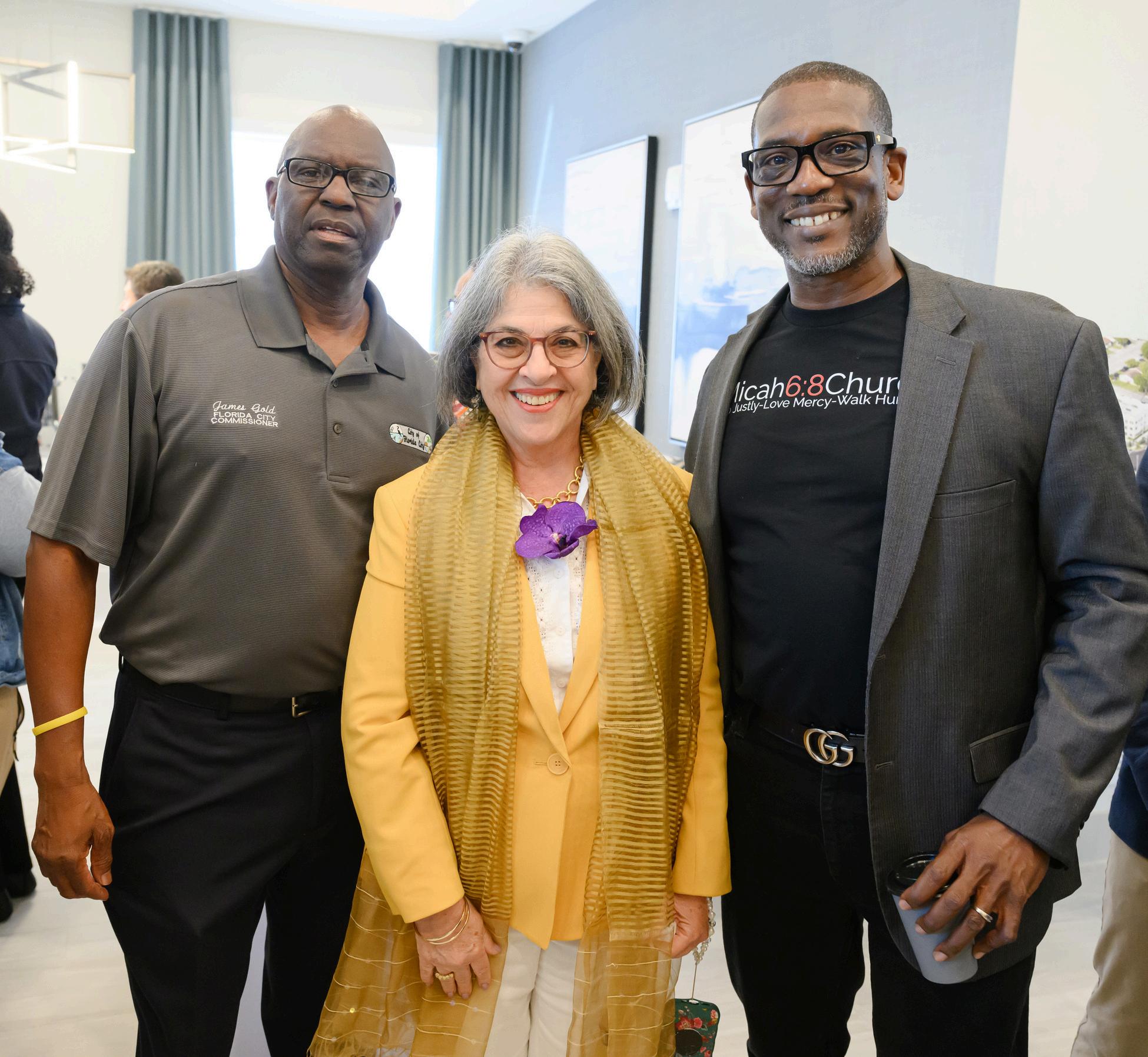
Community leaders, elected officials, faith leaders, and residents gathered in Richmond Heights recently to celebrate the Grand Opening of Royal Pointe Apartment Homes, a 102-unit garden-style workforce and affordable housing community located at 11350 Dunbar Drive, Miami, FL 33176. The celebratory reception marked not only the completion of a critically needed housing development, but also a powerful model for how churches can leverage their land to create sustainable income while addressing housing needs —especially for seniors and working families. The Grand Opening reception was attended by Daniella Levine Cava, Miami-Dade County officials, and community stakeholders, including Kionne McGhee, whose District 9 includes Royal Pointe. Former District 9 Commissioner Dennis C. Moss was also in attendance, underscoring the longstanding public commitment to revitalizing Richmond Heights through thoughtful community development.
Royal Pointe is the result of a visionary partnership between The Cornerstone Group and Martin Memorial AME, also known as The Purple Church, led by its pastor Rev. Anthony Reed, which owned the land and embraced a development strategy aligned with its mission of community uplift. Lenny Wolfe, Principal of The Cornerstone Group, emphasized that faith-based partnerships like this one demonstrate how churches can remain anchored in ministry while expanding their impact through responsible development.
“Royal Pointe reflects what’s possible when faith institutions, government, and experienced developers come together,” Wolfe said. “This community is now home to families and seniors who might otherwise have been priced out of MiamiDade County.”
Developed in partnership with Florida Housing Finance Corporation and Miami-Dade County, Royal Pointe features 102 one-, two-, and threebedroom apartment homes, ranging from 714 to 1,250 square feet. The community is currently well occupied, reflecting strong demand for quality affordable housing in the area. Amenities include on-site management, a playground, indoor fitness center, EV charging stations, and thoughtfully designed common spaces that promote quality of life.
Beyond providing homes, Royal Pointe generated significant economic benefits for the surrounding community, including nearly 150 construction jobs and five permanent management positions. More importantly, it stands as a tangible example of how church-owned land—often an underutilized asset— can be transformed into long-term, sustainable income for congregations while meeting urgent housing needs.
A Replicable Model for Faith-Based Development Royal Pointe is not an isolated success. Just minutes away, also in Richmond Heights, sits the John and Anita Ferguson Residences, another affordable housing community developed by The Cornerstone Group on land owned by Second Baptist Church.
That project was led by Rev. Alphonso Jackson, Sr., whose congregation similarly chose to partner with Cornerstone to advance both ministry and mission. Together, these developments illustrate a compelling pathway for churches across MiamiDade County and beyond: leveraging land assets to create housing for seniors and families, generate reliable revenue to support ministry operations, and remain deeply rooted in community service.
As housing affordability continues to challenge South Florida, Royal Pointe Apartment Homes stands as a celebration of collaboration, faith-driven vision, and practical solutions—inviting other churches to explore innovative, sustainable ways to serve both their congregations and their communities.
Established in 1993, The Cornerstone Group is a Florida-based developer recognized for “Building Excellence” in affordable and workforce housing. The company specializes in creating spacious, family-friendly communities that prioritize resident satisfaction, long-term quality, and strong community partnerships.







In every community, beneath the noise of daily life, there is a quiet current of generosity—small acts of kindness that move through neighborhoods like gentle waves. These gestures, though often simple and unassuming, carry the power to transform ordinary days into reminders of our shared humanity. The heart of giving is not measured by size or spectacle; it is found in the sincerity of showing up for one another.
Service is one of the purest expressions of love. A warm meal delivered to a neighbor. A coat drive organized with friends. A moment spent listening, really listening, to someone who needs to feel seen. These acts stitch warmth into the fabric of our communities. When we serve, we affirm the truth that every person—regardless of circumstance—is worthy of care and dignity.

Volunteerism, too, is a gift that multiplies. Whether tutoring a child, sorting donations, mentoring a young adult, or supporting local shelters, each offering of time becomes a seed planted in someone else’s garden. And what beautiful gardens they become—flourishing with hope, opportunity, and the knowledge that someone cared enough to help.
The impact reaches far beyond the moment itself. It echoes in the life of the one served, and in the heart of the one giving. Kindness also invites connection. It softens the edges of the world and reminds us that community is not just where we live—it’s who we choose to be to one another. A simple smile to a stranger, paying for someone’s coffee, or offering a kind word at just the right moment can shift the entire tone of someone’s day. What feels small to us may feel monumental to someone else.
During the holiday season especially, these ripples of kindness grow stronger. Families serve meals together, classrooms collect toys, churches and community groups rally around those most vulnerable. But the heart of giving is not seasonal —it is a posture of the soul. When kindness becomes part of our daily rhythm, we cultivate a world where compassion is not an exception but an expectation.








true wellness is not built on quick fixes or unrealistic expectations; it grows from intention, consistency, and compassion for the body and mind we are blessed to carry. Setting health and wellness goals is not about striving for perfection —it is about cultivating a life that feels balanced, energized, and deeply aligned with your wellbeing.
Start by listening to your body. What does it need more of? Rest? Movement? Hydration? Gentleness? Too often, we create goals based on what we think we should do, instead of what would actually support our lifestyle. Begin with small, sustainable steps: a daily walk, a weekly yoga class, or replacing one processed snack with something whole and nourishing. Small shifts practiced consistently can lead to transformative change.
Equally important is prioritizing mental and emotional wellness. The mind and body are not separate—they speak to each other constantly. Incorporate practices that allow you to decompress and realign: meditation, journaling, therapy, breathwork, or simply giving yourself permission to pause. Protecting your peace is a wellness goal in its own right.
Aim to create a nighttime ritual that signals rest— dim the lights, put away the phone, and give your nervous system space to settle. Quality sleep supports immune function, emotional regulation, focus, and metabolism. It is the quiet powerhouse behind almost every wellness achievement.
Hydration and nutrition are other foundational areas. Consider drinking more water throughout the day and making mindful choices that fuel your body rather than deplete it. Instead of restricting yourself, focus on adding more nutrient-rich foods to your plate. Wellness is about abundance, not deprivation.
One of the most powerful ways to stay committed to your goals is to celebrate progress rather than perfection. Track small wins. Honor the days you showed up even when you didn’t feel like it. Offer yourself grace on the days you didn’t. Growth is not linear—and it was never meant to be. Ultimately, health and wellness goals should make your life feel fuller, lighter, and more joyful. As you step into this new year, choose goals that nourish you from the inside out, support your peace, and remind you that you are worthy of every bit of care you give yourself.
In a world that rarely slows down, meditation offers a gentle yet transformative invitation: come back to yourself. Behind the simplicity of sitting still lies a wealth of powerful health benefits that support the mind, body, and emotional well-being in ways modern science continues to affirm.
Meditation is one of the most effective practices for reducing stress. When you pause and breathe deeply, the body shifts out of “fight or flight” and into a calmer state where cortisol levels decrease. This not only soothes the nervous system but also lowers blood pressure, reduces inflammation, and improves cardiovascular health. A few minutes of intentional stillness can interrupt cycles of tension that many people carry without realizing it.
For the mind, meditation strengthens focus, clarity, and cognitive function. Studies show that consistent practice increases gray matter in areas of the brain responsible for memory, emotional regulation, and learning. This is why so many people report sharper thinking, better decisionmaking, and an increased ability to stay present rather than overwhelmed.
Emotionally, meditation becomes a quiet teacher. It offers a space to observe thoughts without being ruled by them, helping individuals respond rather than react. Over time, this builds resilience, patience, and inner steadiness. Many find that meditation deepens self-awareness and fosters a kinder relationship with themselves.
The benefits also extend to sleep. By calming mental chatter and relaxing the body, meditation prepares the mind for deeper, more restorative rest. For those navigating anxiety, grief, or daily pressures, this alone can feel life-changing. Ultimately, meditation is not about perfection— it’s about presence. It reminds us that peace isn’t something we chase; it’s something we create. And with consistency, that peace begins to shape every corner of our well-being.



Each year, the holiday season arrives wrapped in glitter, urgency, and a subtle pressure to spend more than we planned. Advertisements promise joy in the form of new gadgets, limited-edition gifts, and perfectly staged moments And while giving is a beautiful expression of love, the commercialization of the season often convinces us that our worth and our care for others is reflected in our receipts.

This year, we can choose a different path: one rooted in financial mindfulness, intention, and the quiet confidence that the holidays don’t need to cost a fortune to feel rich.
Being fiscally responsible during the holidays doesn’t diminish the spirit of celebration; it actually protects it. Overspending creates stress that lingers long after the lights are taken down. Budgets, on the other hand, offer freedom They help us honor our financial goals, safeguard our peace, and resist the pressure to buy into the idea that bigger, pricier, or more extravagant automatically means better.
Mindfulness begins with redefining what makes a holiday meaningful Shared laughter, warm meals, moments of reflection, traditions passed from one generation to the next these are the things that stay with us. They are not found in store aisles; they are created in the presence of one another When we let go of the pressure to keep up with capitalism’s seasonal demands, we give ourselves permission to slow down and savor the parts of the holiday that truly matter
Instead of stretching our finances thin, we can lean into thoughtful alternatives: handwritten letters, experiences over items, homemade treats, family service projects, or simple exchanges with spending limits. These gestures carry heart without carrying debt. They remind us that love doesn’t have to be purchased it can be felt, spoken, shared, and shown.
There is also strength in saying “no” to unnecessary financial obligations. Setting boundaries around events, gifting expectations, and impulse purchases is a form of self-respect. It is choosing longterm stability over momentary satisfaction.
Ultimately, the heart of the holidays thrives when we shift the focus from accumulating things to appreciating life When we resist overconsumption, we reclaim clarity. When we prioritize financial responsibility, we cultivate peace. And when we ground ourselves in intention rather than indulgence, the season becomes what it was always meant to be: a celebration of love, connection, gratitude, and grace—not capitalism’s grand performance.


A new year naturally invites reflection—on what we’ve built, what we’ve learned, and what we want to strengthen. And one of the most meaningful areas to reset with intention is our financial well-being. Money touches nearly every part of our lives, shaping our peace, our opportunities, and our long-term security. Starting the year with clarity and a plan allows us to move forward with confidence and calm.
The first step is honest assessment. Before setting new goals, review the past year’s spending, savings, and financial habits. Not with judgment, but with awareness. Understanding where your money actually went is the foundation for directing where you want it to go next. A simple monthly budget— written down, digital, or app-based—can transform your financial life more than most people expect. Budgets are not restrictive; they are empowering. They help you spend intentionally rather than reactively.
Next, prioritize building or replenishing your emergency fund. Life is unpredictable, and having three to six months of expenses saved offers emotional and financial protection. Start small if you must—consistency is more important than size. Even $25 a week becomes meaningful over time.
Debt management is another key pillar. Choose one strategy—the “snowball” (paying off the smallest balance first) or the “avalanche” (tackling the highest interest rate first)—and stay committed. Eliminating debt not only frees your money, it restores a sense of personal agency.
The new year is also the perfect time to revisit savings and investment goals. Increase retirement contributions by even 1–2%, set up automatic transfers to investment accounts, or explore financial literacy tools that help you understand wealth-building with confidence. Small, steady actions compound into real progress.
Finally, align your financial decisions with your values. Spend with intention, avoid unnecessary subscriptions and impulse purchases, and direct your dollars toward what supports your life—not what drains it. Financial wellness isn’t about perfection; it’s about clarity, discipline, and grace. When we approach the new year with mindful money habits, we create room for peace, possibilities, and long-term prosperity. Your financial future is built one choice at a time— and this year, you can choose to build it beautifully.