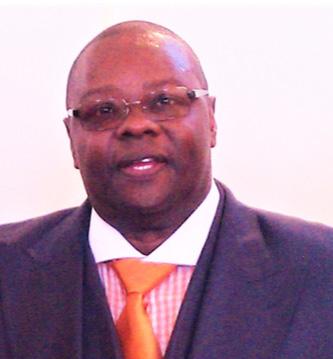
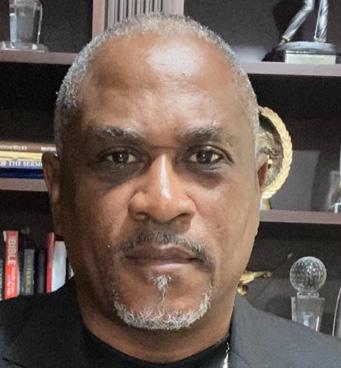
Thank You for being such an awesome and amazing God. You are working when we are sleeping. I marvel at what you do so effortlessly as You orchestrate the days of my life. I apologize for those times, Father, when I worry and lose sight of the fact that “You are in charge here!”
Lord, I pray for those who are hurting, suffering and in pain. You are the great healer. You are the one we depend on each day. There is no problem that You cannot solve. There is no hurt that You cannot take away. As we navigate this life we are certain to experience loss and disappointment. Our trust and hope lies with You.
Father thank You for today and thank You for the blessing of being Your child.
Amen!
PUBLISHER
Sandy Walker
Publisher’s Prayer
Sandy Walker
ASSOCIATE PUBLISHER
Sommer W. Davis
EDITOR
Jamil Rivers
CIRCULATION MANAGER
PRODUCTION ASSISTANT
Robert Walker
LaDonna Fennell
My Father, My God:
Father, in the Name of Jesus:
CONTRIBUTING WRITERS
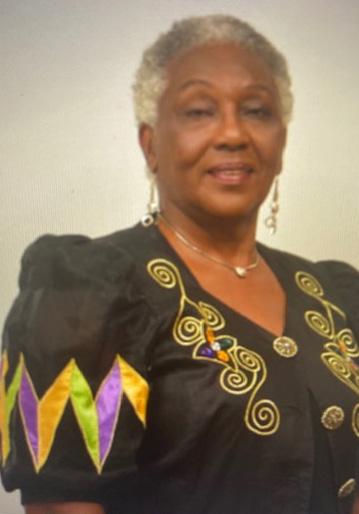
Anika Madison
Moderator Johnny L. Barber Anika Madison
All is well with my soul as I focus my attention solely on You. I am thankful as I breathe the air You so graciously provide to me each day. How wonderful it is to be Your child. How wonderful it is to know that You are in charge. I am thankful Dear Lord for the blessings You continue to bestow. Father I know that I am in no way worthy of all that You give to me. You give me peace and love. You give me food to nourish my body. You give me all that I need to survive. Your blessings are so much appreciated as You place the right people in my life and in my path each day. I know Father that You are also placing me in the path of others so that I might do Your will in being a blessing as well. Keep my eyes open, Dear Lord, so that I might see those in need.
I am eternally grateful for the love You continue to bestow upon me. You love me unconditionally with all of my issues and all of my faults. You love me, Father, in spite of myself. I thank You for being with me always. I am comforted by the knowledge that You are with me every moment of my life.
The Gospel Truth Magazine 11285 SW 211th St. Suite 208 Cutler Bay, FL 33189 (786)295-5596 | sandygtnews@aol.com www.thegospeltruthnews.com facebook.com/TheGospelTruthMagazine/
Lord as I navigate this wonderful journey called life I am eternally thankful for the love you continue to surround me with. I am thankful for the love and support of my amazing family. There is nothing I have done or could ever do to earn the blessings You continue to bestow upon me. Father I pray to be a blessing to others as you so generously bless me. You, my Lord are so worthy to be praised.
THE GOSPEL TRUTH COVER PACKAGE
ADVERTISE IN THE GOSPEL TRUTH
The Gospel Truth Magazine provides excellent exposure for your business, organization, church, or ministry.
Call (786) 295-5596
Father I pray for peace during these uncertain times. As much as we try to figure it all out, Lord You already know. When I find myself pondering the circumstances of the day I take comfort in the fact that You are in charge! Nothing will happen that You don’t allow and nothing will happen that You cannot stop. I realize Dear Lord that it is not my job to understand. It is my
Father I pray for all of Your children who are feeling pain, frustration and lack. I pray Dear Lord that they will seek You in every situation and cir-
6 Easy Ways to Simplify Your Life
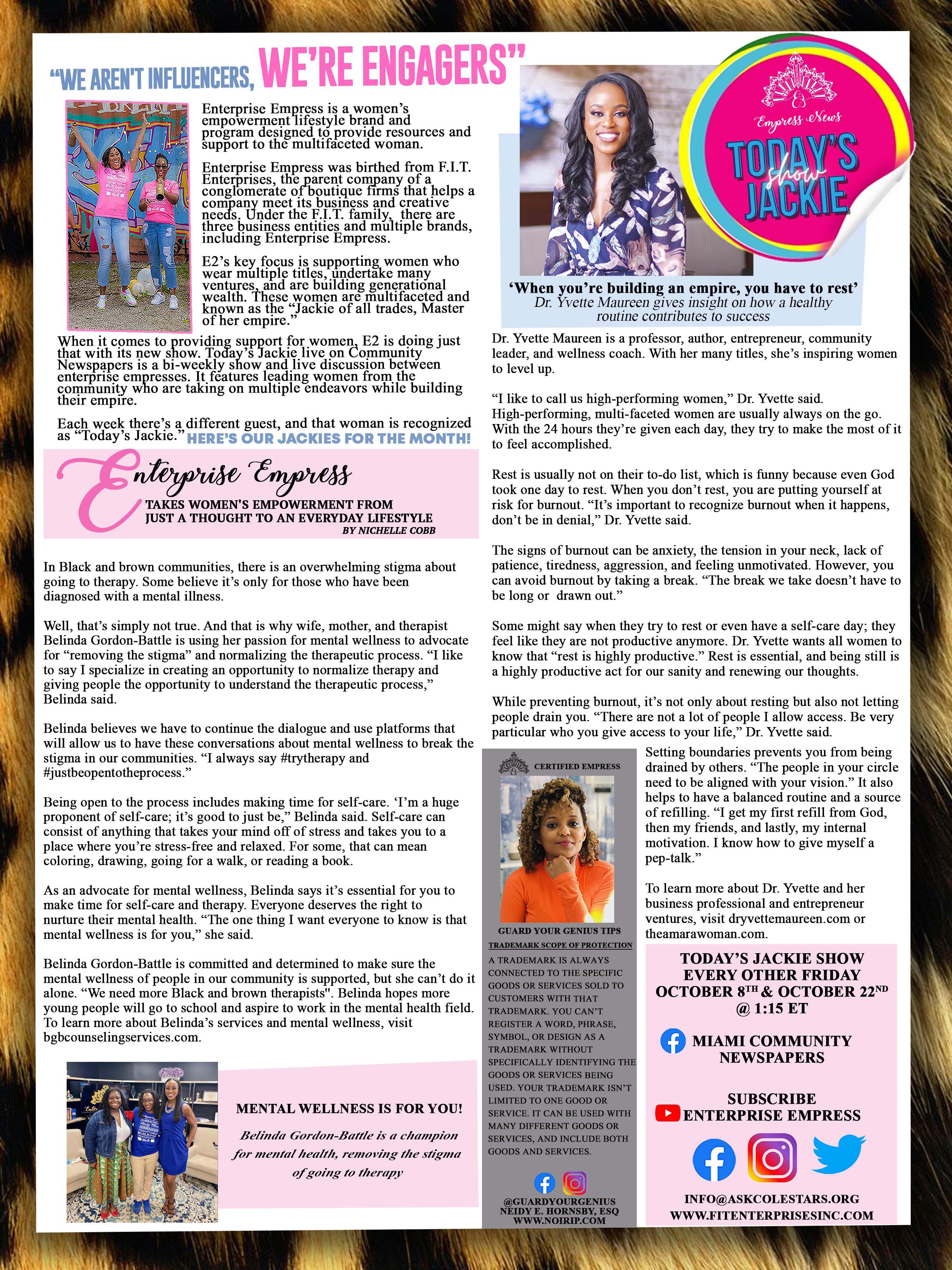
Busy is the new black. But that’s not a good thing. We take on new work projects, squeeze in trips to the gym, schedule play dates for our children, plan fundraising events for our side gigs and volunteer at the local soup kitchen. Then when we’re burnt out and frazzled, we don’t understand why we’re stressed and anxious.
It’s our body’s way of saying, “slow down!” This doesn’t mean we need to overhaul our lives completely, though. Sometimes we just need to stop with the overstimulation and learn to simplify.
Try these six ways to simplify your life:
1. Unplug. With the 24-hour news cycle at the end of our fingertips, we are constantly deluged with disasters, political shenanigans, mass shootings and more all at once. And, according to experts, that’s messing with our mental health. Should you know what’s going on? Of course. We just don’t have to follow everything at every hour. Choose one
or two times a day to check the latest headlines or watch a recent broadcast, such as in the morning with your coffee or just before bed.
2. Focus on quality of relationships not quantity. Family, friends, neighbors, even coworkers all enrich our lives. But the pressure we put on ourselves to maintain these relationships can be overwhelming. You’re not required to attend every gala or eat every brunch. When you’re overextended, say no.
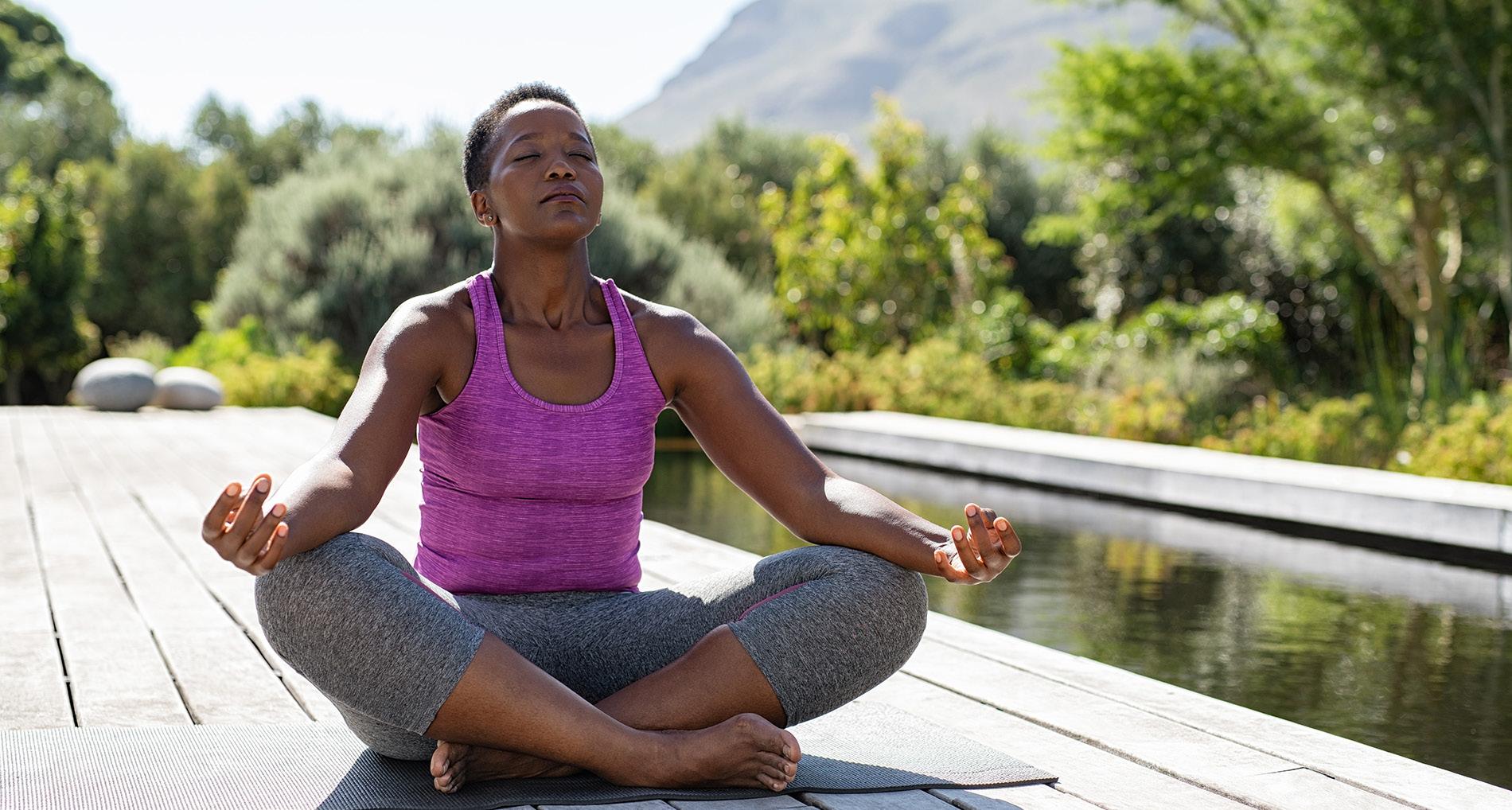
3. Get some sleep. Sometimes when we’re unfocused and out of sorts, we just need to press pause and get some shuteye. If you’re having trouble sleeping, try a sleep meditation to relax.
4. Create a peaceful environment. Remember that feeling you get when you’re relaxing on the beach or curled up by a fire in a cabin by the lake? You may not be able to take a trip to Hawaii or go on a Swiss ski holiday, but can create an environment that fosters contentment in your daily life. Put
plants in your office or spruce up your house with a new coat of paint—anything that gives you calm.
5. Celebrate personal achievement. Did you take on that challenge just because it’s a challenge or because it’s meaningful to you? Focus your time and energy on tasks in which you find enjoyment, even small ones like learning to play an instrument or finishing that 5,000-piece puzzle; that’s where the real rewards may lie.
6. Check in with your emotions. When we’re stuck on busy, we tend to slip into auto-pilot, burying how we feel. But just going through the motions puts us at greater risk of burnout. The solution: Carve out some time to try journaling to check in with your emotions as often as possible. Ask yourself: What’s making me anxious? What do I find exciting? This will help you better manage how you feel right now, as well as keep your anxiety from spiraling out of control later.
How Gardening Can Boost Your Health
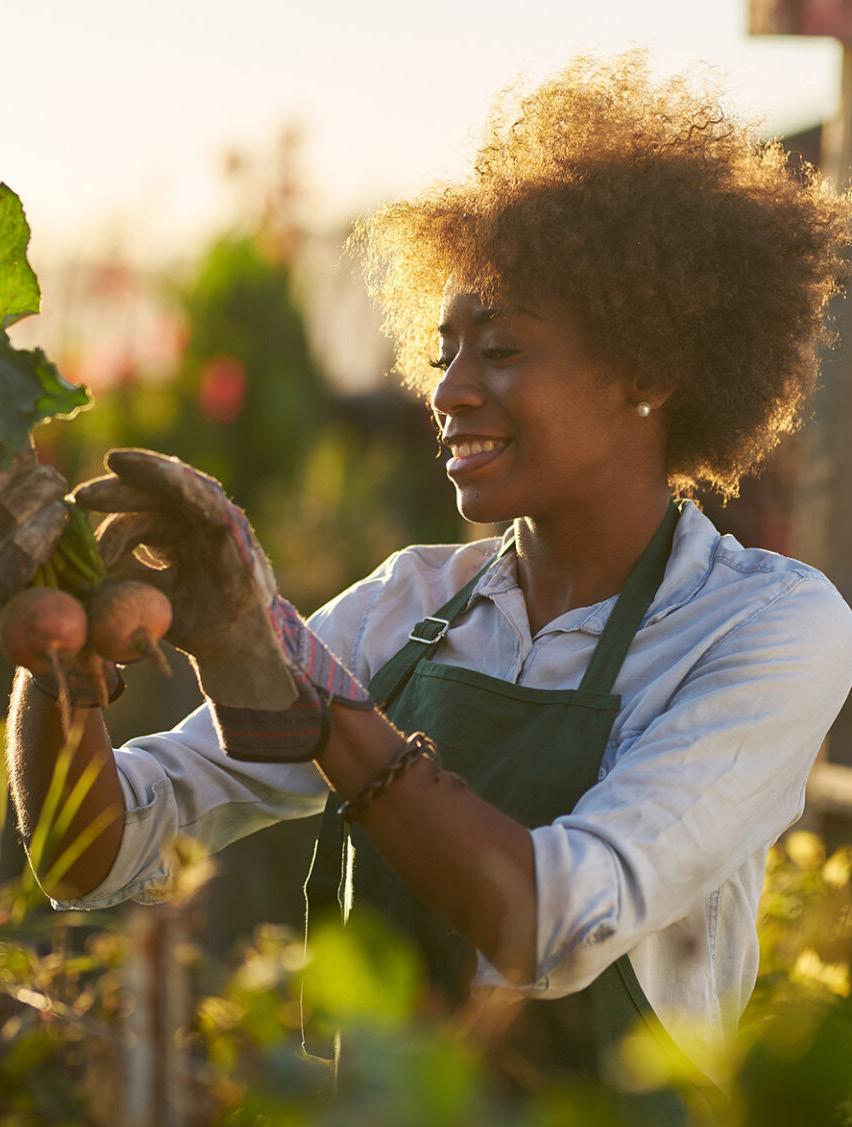
Practicing social distancing means more time spent at home. And many people use this time to start a garden in their backyard. There’s a saying that you reap what you sow. And in the case of a vegetable garden, a rich harvest may bring more than dinner. Gardening is good for your body and mind, said dietitian Anya Guy.
So go ahead and dig in. You may go from an empty plot to a bounty. Guy said tending a garden offers an abundance of health benefits. “You will increase your intake of fruits and vegetables, ultimately because you have them right in your backyard,” she said.
Gardening also can help reduce stress and anxiety levels, and offer light physical activity. Wondering what to grow? Guys suggests a rainbow of variety because “different vegetables have a vari-
ety of different health benefits unique to each of them.”
Chili peppers and banana peppers contain capsaicin, which has been shown to have a number of health benefits. And then there’s eggplant, which, according to Guy, “grows surprisingly well in a home garden. It’s easy to grow and it can feed a lot of people in the family.”
Another good garden go-to: tomatoes. Rich in antioxidants, tomatoes contain potassium, vitamin C and are a source of fiber.
Can’t grow a garden at home? “keep in mind that community gardens are another option,” Guy said. Embrace your green thumb, and you may be able to unpack your vegetable basket instead of a grocery bag.
New Larcenia J. Bullard Plaza Creates Community Excitement At Ribbon Cutting Event
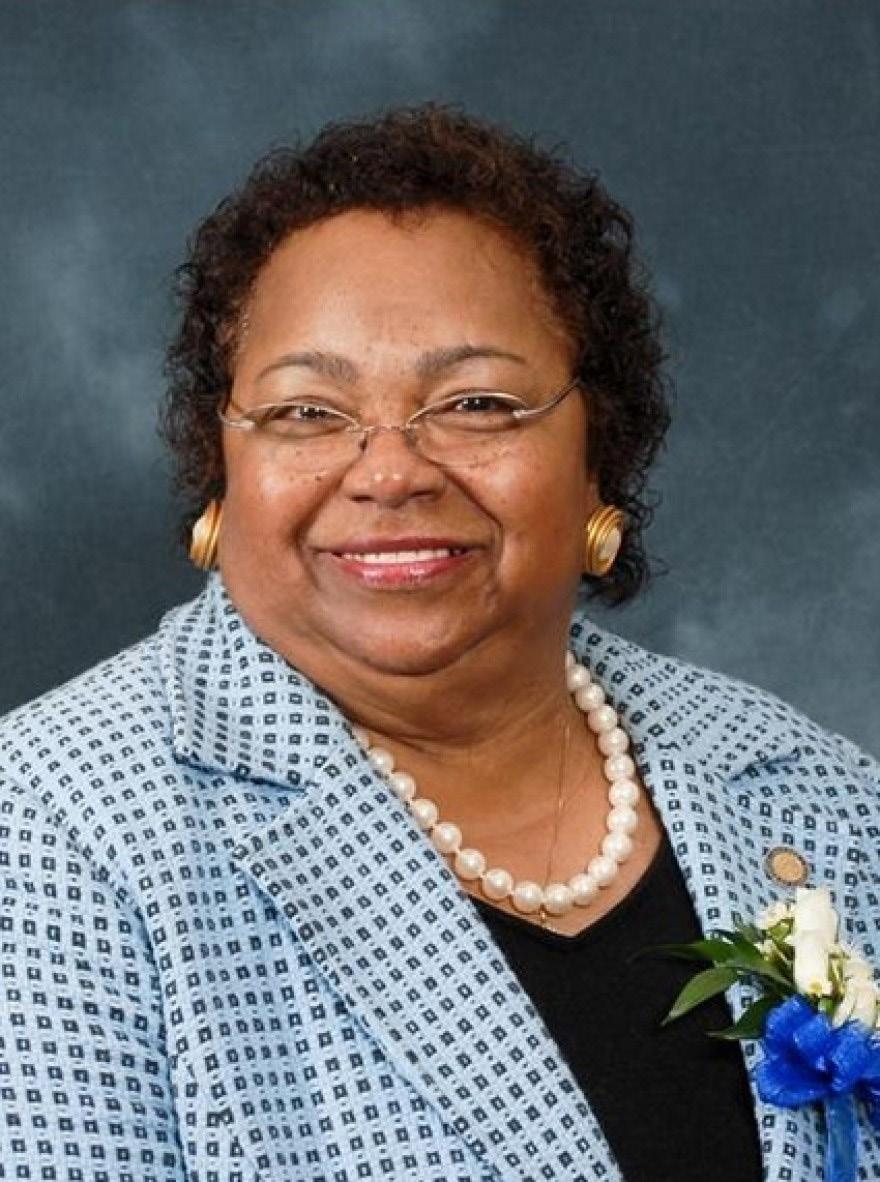
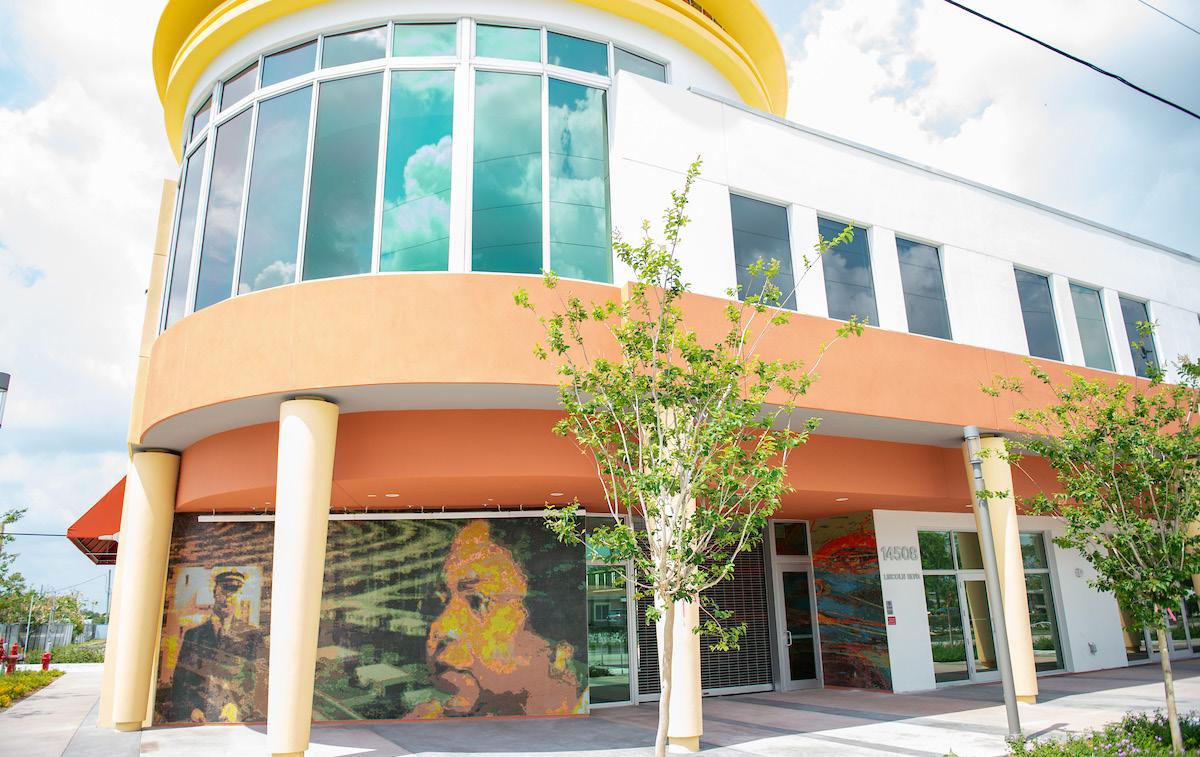
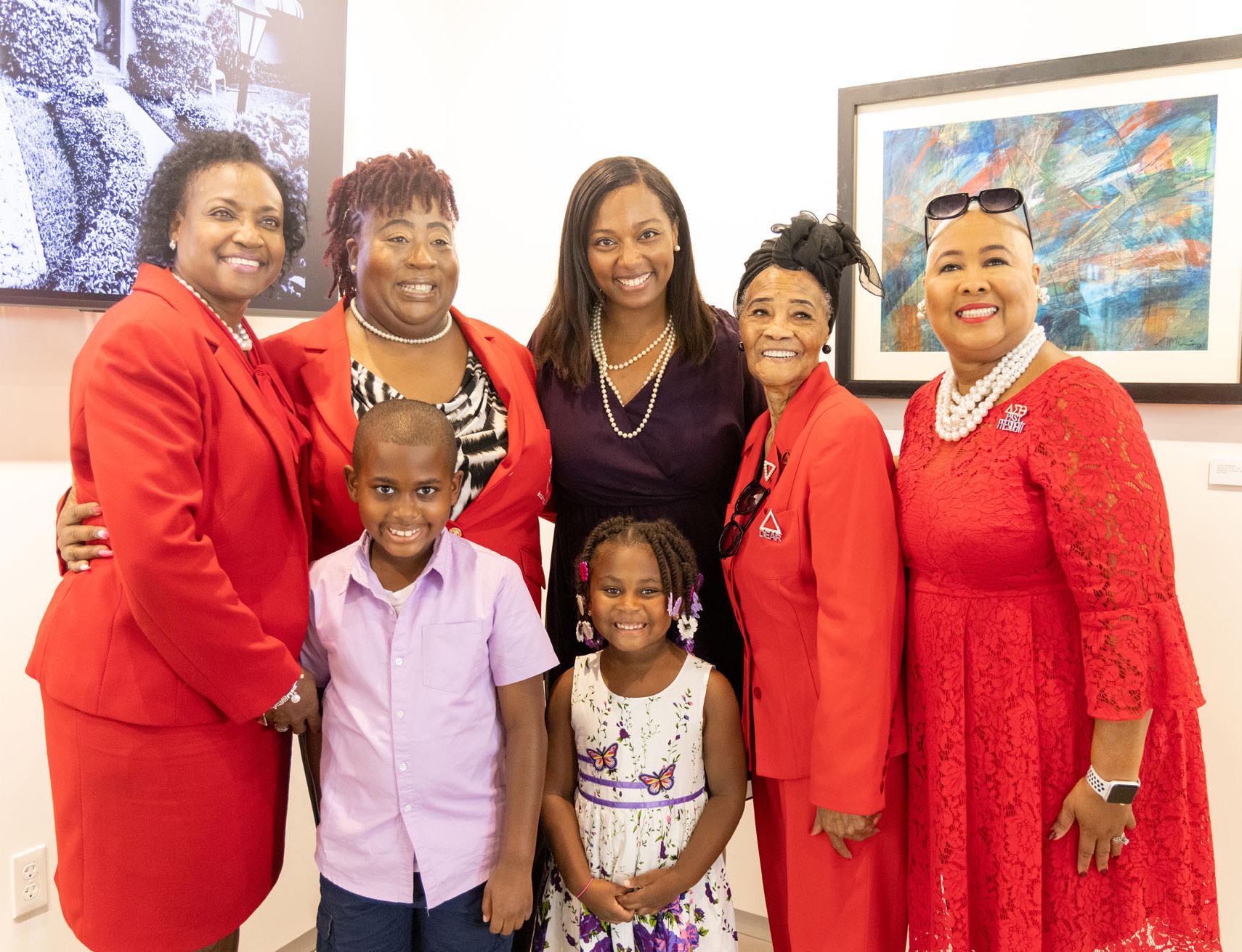
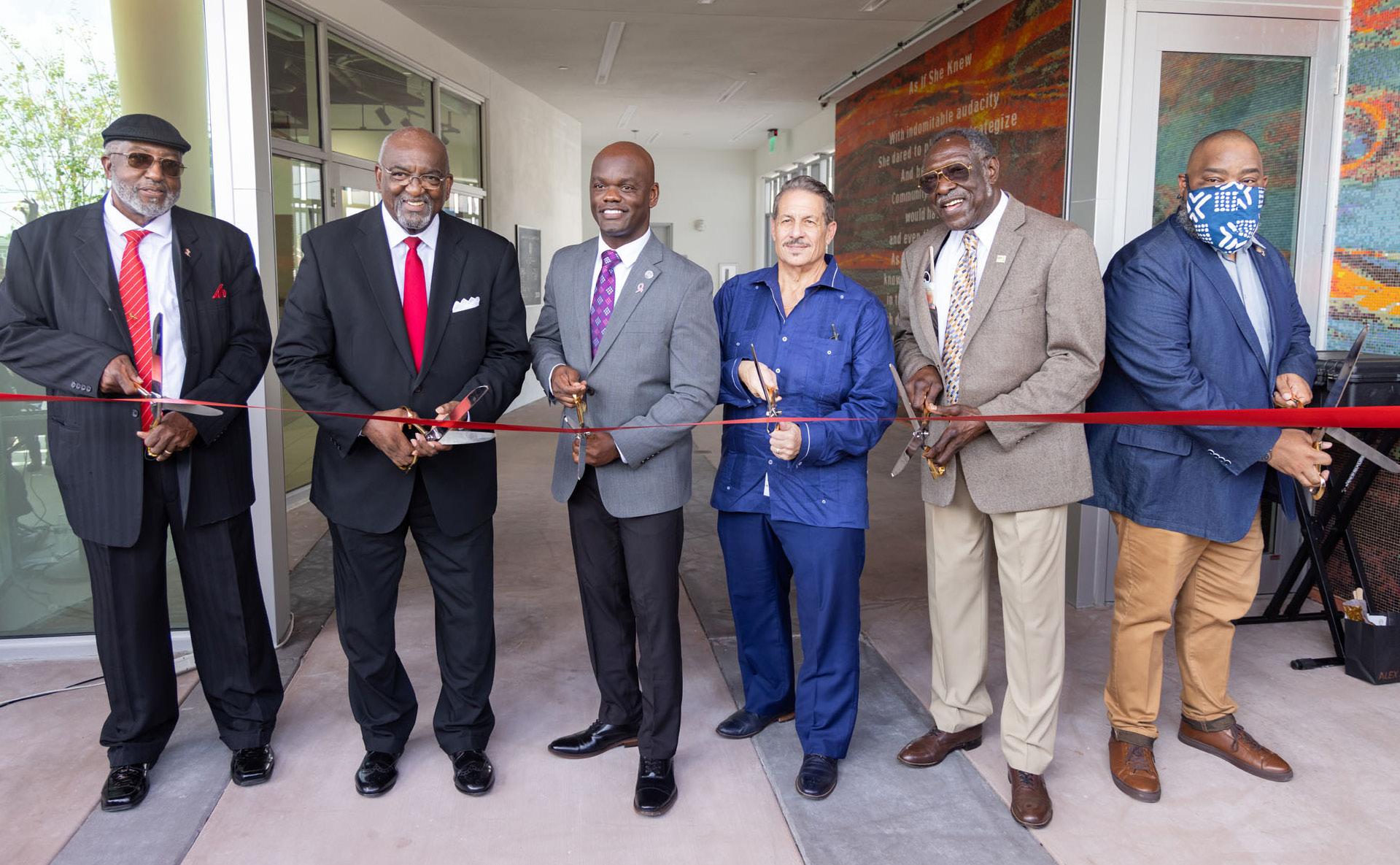
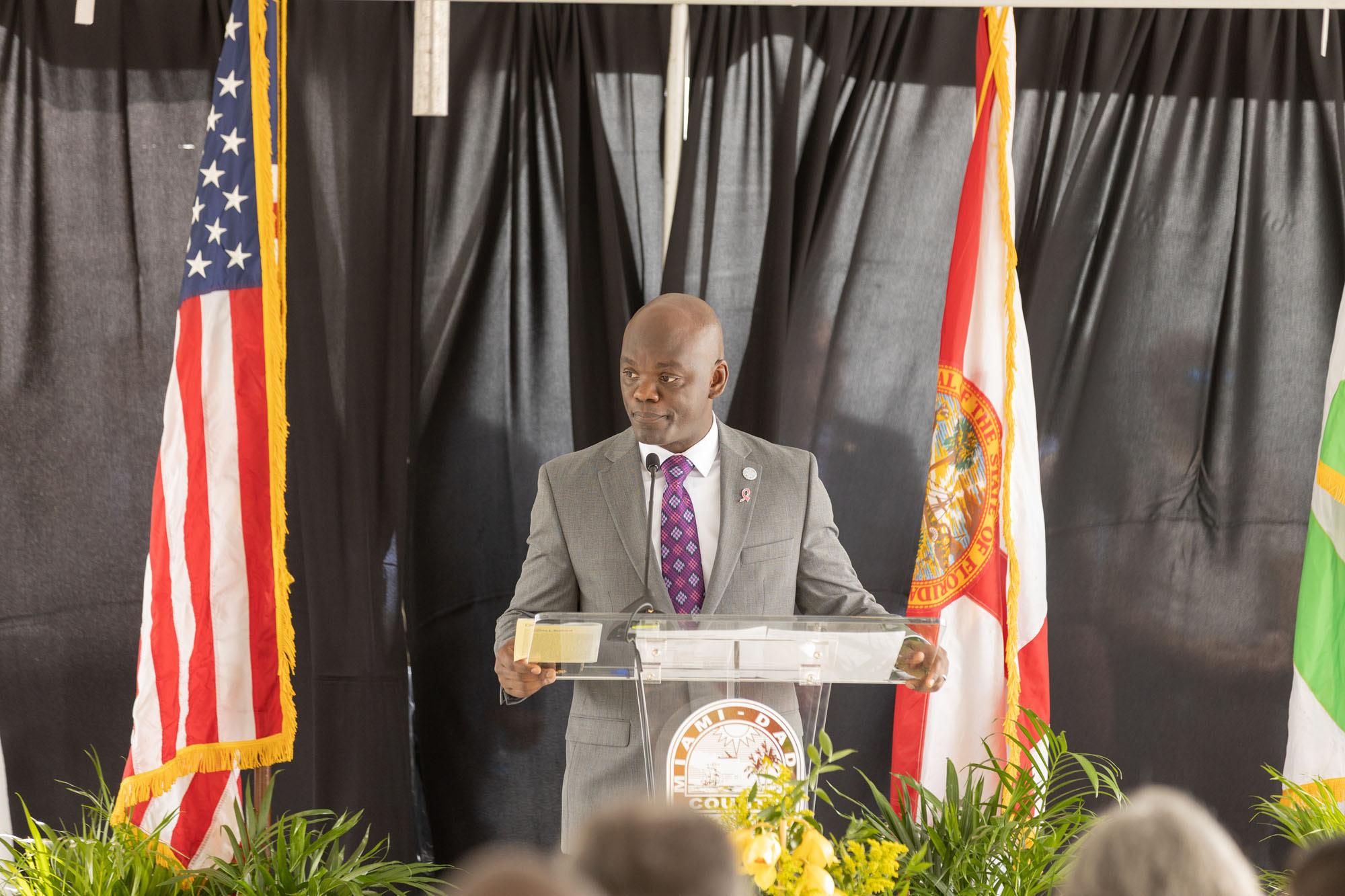
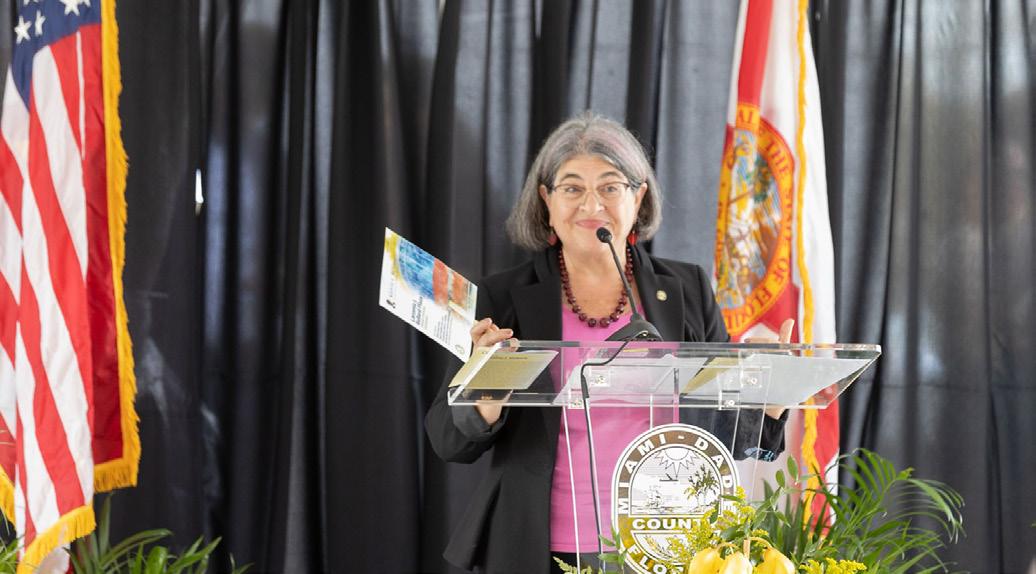
Richmond Heights was abuzz with excitement with the recent ribbon cutting for the opening of the new Larcenia J. Bullard Plaza. Commissioner Kionne L. McGhee, Mayor Daniella Levine Cava, former district nine Commissioner Dennis C. Moss and the Bullard family joined more than 200 guests to celebrate along with Commission Chairman Jose “Pepe” Diaz.
The construction of The Larcenia J. Bullard Plaza, one of many capital improvement projects funded by the Miami-Dade County “Building Better Communities” general Obligation Bond (GOB) Program, is part of the County’s efforts to revitalize the Richmond Heights area by providing a place for the community to gather and enjoy a cultural experience. The build-
ing will be utilized for civic events and to showcase African-American artists in a designated exhibit space, among other commercial spaces. Moreover, the Larcenia J. Bullard Plaza, one of Miami-Dade County’s newly built community destinations, will serve as a hub for new jobs and entrepreneurship. Mr. Jack’s Soul on the Go catered the event providing a delicious pre-
view of what is to come as they will be located at Bullard Plaza, offering delicious southern style cuisine. Mr. Jack’s is owned by Apostle Carlos L. Malone, Sr., pastor of The Bethel Church.
“The Grand Opening Ceremony for the new Larcenia J. Bullard Plaza represents a momentous occasion for the entire South Dade community,” said
Commissioner Kionne L. McGhee.
“What makes the new Larcenia J. Bullard Plaza so special is that Senator Larcenia J. Bullard spent most of her adulthood and all of her service in elected office living a few blocks from the location of the plaza. Senator Bullard’s life of service impacted so many people in South Florida and throughout the world. She was an honorable woman who exuded grace and dignity while serving her community. The Larcenia J. Bullard Plaza is a fitting tribute in her honor because she was indeed a consummate public servant who selflessly gave of her time and talent in the service of others.”
The Miami-Dade County Commission has agreed to lease the two-story building, situated at Southwest 144th Street and Lincoln Boulevard, as part of redevelopment efforts. “This small-business incubator will empower the community to innovate and create businesses, benefiting the community,” added Commissioner McGhee, who sponsored the legislation for the building’s lease agreement. Development of the Larcenia J. Bullard Plaza was originally spearheaded by former Commissioner Dennis C. Moss. It is one of the capital-improvement proj-
ects from Miami-Dade’s Building Better Communities General Obligation Bond Program.
“Senator Larcenia J. Bullard served with a joy that inspired others and was known to be forthright and committed to her district. No one could work a room like Larcenia Bullard,” said former Commissioner Dennis Moss. “This project was a part of the original Moss Plan and was later presented in March 2010 as part of the Richmond Heights Charrette Area Plan. It was envisioned as a Town Center for South Dade and under my sponsorship was approved by the Board of County Commissioners. I tributed the name to Senator Bullard because of her remarkable contributions to South Dade and beyond. She is wholeheartedly worthy of being posthumously honored in this way.”
Mr. Jack’s Soul on the Go catered the event providing a delicious preview of what is to come as they will be located in the building as well, offering delicious southern style cuisine. Mr. Jack’s is owned by Apostle Carlos L. Malone, Sr. of The Bethel Church.
The Larcenia J. Bullard Plaza is located along Lincoln Boulevard, between
Carver and Bethune drives. This two-story building is approximately 14,000 square feet, and meets LEED (Leadership for Energy and Environmental Design) standard specifications for sustainability.
The late Larcenia J. Bullard, served in public office as a member of the Florida State Senate representing the 39th district, which included parts of Miami-Dade, Monroe, Palm Beach, Hendry, and Collier counties from 2002 through 2012. Senator Larcenia J. Bullard was the first woman to be elected to District 118 in the Florida House of Representatives. She was named “2012 Legislator of the Year” during the 18th annual Delta Days at the state capitol, Top Intriguing Floridian by Florida Monthly Magazine, Quality Citizen of the Year by the League of Cities, Woman of the Year by several community organizations and Ambassador of Peace by the Inter Religious Federation for World Peace. Larcenia J. Bullard actively helped to rebuild southern Miami-Dade County in the aftermath of Hurricane Andrew and spent most of her adulthood and all of her service in elected office living a few blocks from the location of the plaza.
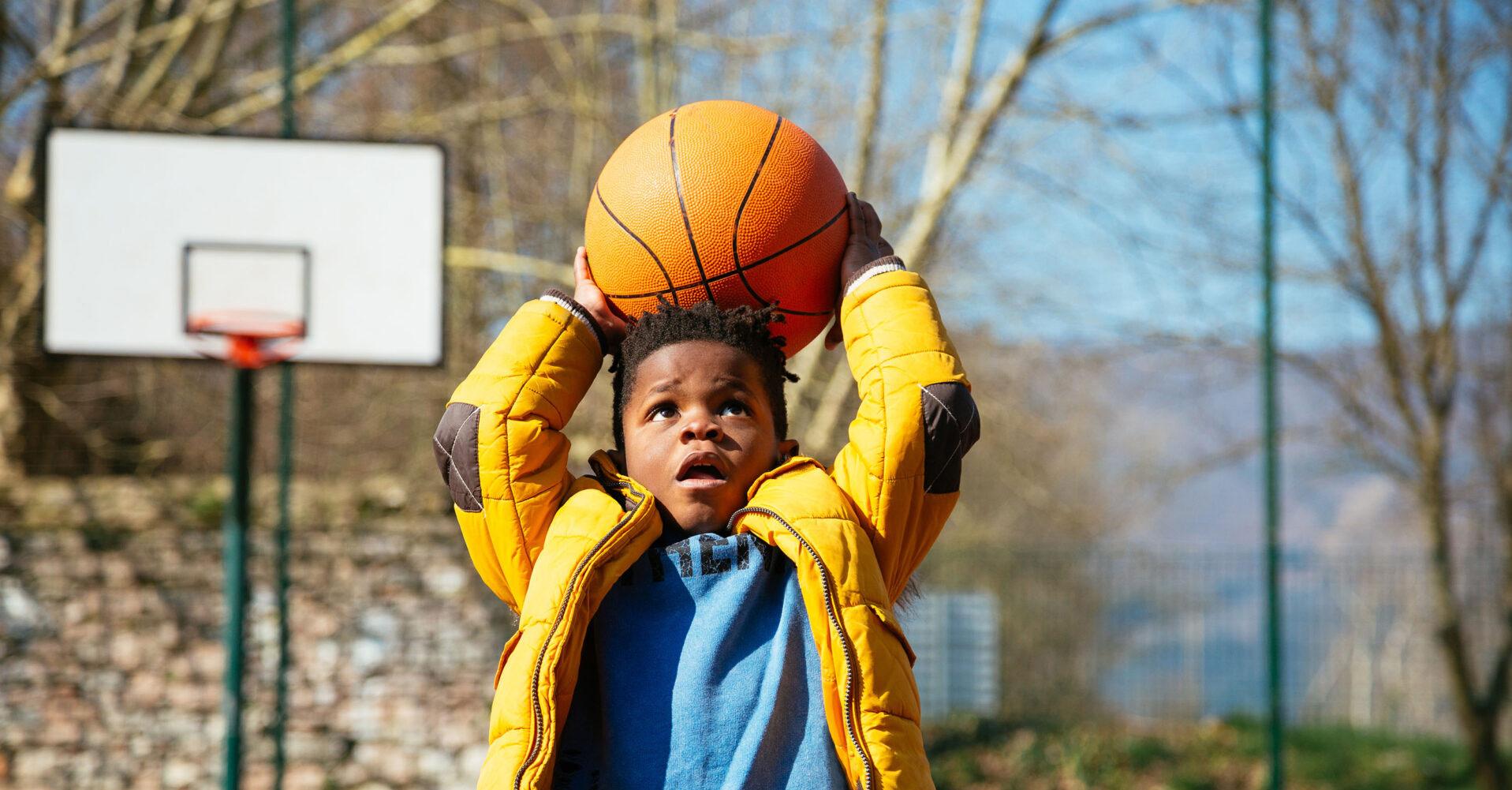
Distance Learning Makes It Harder for Kids to Exercise
This fall hasn’t felt much like “back to school” for many children. Instead, many are staying at home and attending virtual classes indefinitely.
According to the Center on Reinventing Public Education, a nonpartisan research center, about 25 percent of United S. school districts have started the year fully remote. This means that children will miss out on vital opportunities for educational, social and emotional development. And, as is familiar during this pandemic, the impact will be unequal: Children in underresourced districts are more likely to be remote learners. These children are hardest hit by school closures as they are more likely to lack access to necessary technologies and are less likely to receive parental help with their learning. They will also lose out on easy access to school meals.
But there’s another harm done by school closures: a child’s ability to be physically active. We are researchers at Johns Hopkins University studying physical activity and its impact on public health. Based on our research, we believe the pandemic is exacerbating health disparities among children and having significant impacts on their physical, social and cognitive development.
Children not in school don’t have recess or physical education classes. They aren’t walking to school or to a bus
stop. Generally, they can’t participate in school teams or clubs that promote physical activity either (although in some school districts, team sports may go ahead even while in-person education does not).
What’s more, children have traditionally been less physically active in the summer than during the school year, with notable differences by race and ethnicity. And given the punishing trajectory of the pandemic, it is not clear when those prospects for physical activity will be available again.
The U.S. Department of Health and Human Services recommends that children between ages 6 and 17 engage in one hour of moderate to vigorous physical activity per day. That can improve a child’s physical and mental health and prevent the onset of chronic disease, including type 2 diabetes, heart disease and some cancers.
Physical activity and active play can also be a source of joy for children. As they socialize with peers, they find pleasure in moving their bodies and developing their strength and physical literacy. Many of us look back fondly on childhood memories of soccer games and running around until we tire ourselves out, a delight every child deserves.
Schools, of course, are not perfect when it comes to meet-
The weather poses additional barriers. Because of less green space and tree canopy, low-income neighborhoods tend to be hotter in the summer, sometimes significantly so, than higher-income neighborhoods in the same city. They also have poorer air quality. In the winter, many families can’t afford a warm coat, which makes outdoor play more difficult.
These are not intractable problems. Solutions exist to promote a child’s active outdoor play. Some strategies work in all settings, although urban, suburban and rural environments will have to vary approaches. But in all cases, it’s essential that children have the clothing and nourishment they need to play outside through all types of weather.
First, supervised play can take place on unused school yards through policies like joint use agreements. This should not be a heavy lift, as schools are usually in centralized locations and they already support active play.
Second, many cities worldwide have increased access to public spaces during the pandemic. They have closed down entire streets and driving lanes and replaced them with activity areas. These efforts can be expanded to focus on children by creating specialized spaces for child-friendly games. This was already happening before the pandemic: Initiatives such as Play Streets, where neighborhood blocks are shut down to promote play, were becoming popular. This can be a model, albeit with additional safeguards built in to promote physical distancing.
The pandemic has created previously unimaginable challenges for so many of us. Children’s health and well-being, particularly for those facing significant barriers, must be a priority.
(Article orginally shared on blackhealthmatters.com)
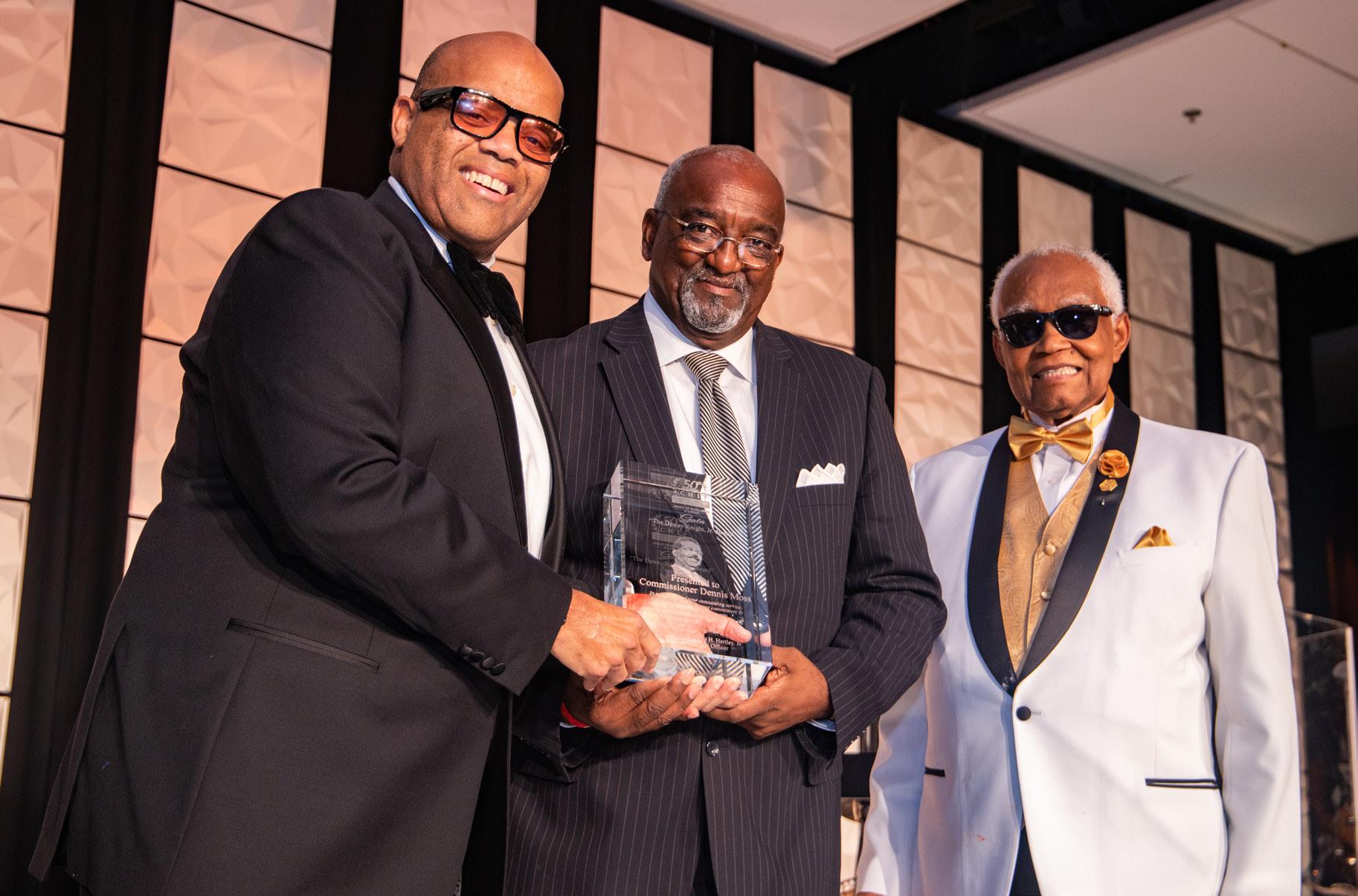
Community Health of South Florida, Inc. (CHI) proudly presented Former Miami-Dade Commissioner Dennis Moss with the first ever Dewey Knight, Jr. Award for public service. The award presentation took place at CHI’s 50th Anniversary Golden Legacy Gala. CHI’s CEO Brodes H. Hartley Jr. and Dewey Knight III, the son of Dewey Jr., presented the prestigious award to Moss on stage.
The award, named in honor of the late Dade County leader, Dewey Knight Jr., highlights exemplary public service. Knight was a long time Deputy County Manager. Despite his high level within the County government, he never lost touch with the needy. As such, he was a strong aid to CHI over years to help the non-profit obtain funding during difficult times.
Like Knight Jr, Moss spent decades on the dais of the county commission advocating to secure funding and much needed resources for CHI.
“This award tonight goes to Former County Commissioner Dennis Moss, who has also done so much for the health of our community in South Miami Dade County,” said Hartley. “Not only has he been unwavering in his support for CHI, but he has also been instrumental in the
development of Jackson South Hospital. We would not have today the South Dade Cultural Arts Center without his tenacity and passion.”
Moss expressed his gratitude for the award to the nearly 400 attendees at the gala. “This is quite a surprise,” said Former Commissioner Moss. “My support for CHI has been unwavering and it will continue to be so. I love CHI because CHI loves the people. I support CHI because CHI supports the people. As long as we continue to have that support for them. They will continue to support this community and we are all better off for it.”
Dennis Moss continues his commitment to public service and advocacy as Vice Chair of the Miami-Dade Expressway Authority. He is also assisting The Carrie Meek Foundation in its efforts to develop effective and meaningful programming in Florida City, a community he previously represented. “Florida City has made many positive advancements over the years but also faces many of the challenges that plague communities during these challenging times. I commend the Meek Foundation for focusing on the needs of this far South Miami-Dade municipality,” stated Moss.
About Community Health of South Florida, Inc.
CHI celebrates its 50-year anniversary in 2021 with a legacy of excellence in healthcare. Since 1971, CHI has been a beacon of hope providing access to high-quality healthcare for all regardless of insurance status, income level or background. The non-profit federally qualified health center offers comprehensive healthcare services including primary care, pediatrics, OB/GYN, dental, urgent care, behavioral health, vision, radiology, pharmacy, transportation and more. CHI has 11 health centers and 36 school-based sites. CHI is a recipient of the Florida Governor’s Sterling Award. It is accredited by the Joint Commission and is also designated as a patient centered medical home by the National Committee for Quality Assurance. CHI is also designated as a behavioral health medical home. In addition, CHI is home to the Brodes H. Hartley Jr., Teaching Health Center, training the next generation of doctors in family medicine and psychiatry. CHI is currently building the first Children’s Crisis Center in southern Miami-Dade County. It will service kids with severe behavioral health problems from Monroe and Miami-Dade Counties.
Gratitude Can Help Your Health
Gratitude is more than a buzzword. It’s a habit and practice that may actually change your perception of well-being. Are you feeling overwhelmed by the coronavirus pandemic, all the changes it has brought to your life and everything you need to worry about to stay safe?
Or do you sometimes feel like you just can’t catch a break? You know—the truck that cut you off, the weird feedback you got from your boss, the grocery item you need but is never on the store shelf? Do you sometimes feel negative and cynical?
Sure, we all do this a little, but doing it a lot can lead to depression, which is linked to poor heart health, more inflammation and even a weaker immune system. Yikes!
Some neuroscience experts think our brains focus on negative information as a way to remember pain so we can avoid it in the future. They call this the “negativity bias.” To balance out this natural tendency, we can practice gratitude. “Gratitude is good medicine,” says Robert A. Emmons, Ph.D., a professor of psychology at the University of California, Davis and author of The Little Book
of Gratitude. “Clinical trials indicate that the practice of gratitude can have dramatic and lasting effects in a person’s life. It can lower blood pressure and improve immune function. … Grateful people engage in more exercise, have better dietary behaviors, are less likely to smoke and abuse alcohol and have higher rates of medication adherence.” Dang, being grateful is the gift that seriously keeps on giving, right? Who couldn’t use all these benefits right now?
Write these down before you go to bed or share them around the dinner table. In five minutes, you can practice gratitude from the heart.
1. Health: What did your body do for you today? Did you know you take about 8 million breaths a year? Your feet can take you up a mountain; your arms can hold someone you love. Take a minute to marvel at the finely tuned machinery of your body, and thank yourself for the steps you take every day to keep it safe and healthy.
2. Eat: What did you feed your body to nourish yourself today? Was it an old favorite, something you made or some-
thing new and different? If you eat three meals a day, you’ll eat about a thousand meals this year! Take a minute to savor an especially yummy meal.
3. Activity: What did you do that you really enjoyed today? Did you give it your all when exercising today, or find a quiet moment while sitting in traffic to reflect? Take a minute to think back on one particularly awesome moment.
4. Relationship: Whom do you look forward to connecting with? Is it someone who sets your heart on fire, always has a smile for you, has your back or makes you laugh until you cry? Take a minute to smile as you think about this special person. Then make plans for a virtual meet-up.
5. Time: What are you doing right now? Every single day you wake up with 24 brand new hours. The past is history, the future is a mystery and today is a gift. That’s why they call it the present! Take a minute to be thankful for the gift of time, including any extra time you have right now for your family or yourself.
Silent Pain: Black Men and Depression
Depression among Black men is an oft-unspoken pain that deeply affects the health and quality of life of Black people. In fact, the most current review of evidence on Black men and depression suggests a prevalence of five percent to 10 percent. This figure may be much larger, as depression is commonly underdiagnosed. Even more, the failure to adequately address the roots of Black male depression is undermining our communities and keeping us blind to the deep harm of historical and structural racism.
Depressive moods and major depressive disorders are defined as the presence of a low mood, sadness, and reluctance to engage in activities for long periods of time. These symptoms often build upon one another, which makes life even more difficult. The physical and mental problems from depression can seep into all areas of life, including home, work, friends, family and community.
The sociological risk factors for depression are fairly well-known—income, poverty, employment, childhood trauma—but for Black men and women, these factors are rooted in the greater lived experience of being Black in the United States. “A lot of our [Black people’s] depression comes from our situation as a people,” says Eric Bridges, Ph.D., professor of psychology at Clayton State University who studies depression among Black men.
Black people living in the United States are subject to greater levels of factors that drive depression, such as poverty and violence. According to 2014 US Census Bureau data, the poverty rate for Black men ages 18 to 64 years-old was 21 percent. Furthermore, Black youth are exposed to poverty and violence that sow the seeds for anxiety, depression, and post-traumatic stress disorder in later life.
According to the United States Census Bureau American Community Survey, 38 percent of Black children in the U.S. live in poverty, compared to 22 percent of all U.S. children. While U.S. children
are exposed to high levels of violence, the rates of victimization and exposure to violence for Black children are exceedingly high. Black children are twice as likely to be sexually abused as white children.
In addition to trauma, Black men deal with a constellation of racism-related stressors, like discrimination, stereotypes, mass incarceration, and police brutality. These stressors degrade their emotional and mental well-being to various degrees. When paired with social norms and ideals about masculinity that require men to remain “strong,” dealing with this harsh reality raises the risk of depression.
Symptoms of depression that are commonly found in men include sleeping too much or too little, loss of focus, anger, substance abuse, sexual dysfunction, physical pain, and suicidal thoughts.
These symptoms can be damaging to families and communities. The inability to process anger can lead to family dysfunction and contribute to intimate partner violence. Calling out these behaviors as symptoms of depression can be complicated due to the power or privilege straight cisgender men hold over women, who are likely to be impacted by such behaviors. Such symptoms like anger and substance abuse are largely normalized behaviors for men. Naming these violent behaviors as a consequence of mental health concerns does not absolve men who engage in these behaviors of their responsibility or individual culpability, but rather provides a macro-level contextual picture of the various ways mental health issues can manifest.
Many Black men may hold on to masculine ideals as a way to fight against emotional distress. For example, many Black men believe that gaining financial success, a masculine ideal, will relieve them of oppression. But, that isn’t the case. Structural racism in the form of residential segregation, labor market discrimination, a lifetime of negative stereotyping and overcriminalization
severely undermines Black men’s economic opportunities.
In 2015, Black men earned 31 percent less than white men. This wage gap persists even when looking at those who are college educated—the earnings gap between college-educated Black and white men was 20 percent in 2014. A recent report from the Bureau of Labor Statistics paints an even bleaker picture for Black men in the current labor market—the 6.8 percent unemployment rate for Black folks is mainly driven by Black men’s unemployment rate of seven percent.
In this country, Black people have been stripped of our humanity, including the right to express the full range of human emotions. Historically, the enslaved were violently deterred from expressing emotional distress or mental illness. We must recognize that the dominant ideals of manhood that tell Black men not to be vulnerable are rooted in white patriarchy and oppression. Swallowing the pain of being dehumanized contributes to depression.
While this article focuses on Black men, I want to acknowledge and ensure that the reader knows that Black women are even more at risk of depression and contend with racism-related stressors and misogynoir stereotypes. Highlighting Black men’s mental well-being does not detract from the recognition of that pain, but in fact strengthens the need for all of us to divest from harmful masculine ideals.
We can reclaim our humanity by recognizing that having emotions is part and parcel of being human. Racial inequity wreaks absolute havoc on our bodies and minds, and ignoring it is killing us. But we can work to build equitable models that promote healing so that we can build happier and healthier communities.
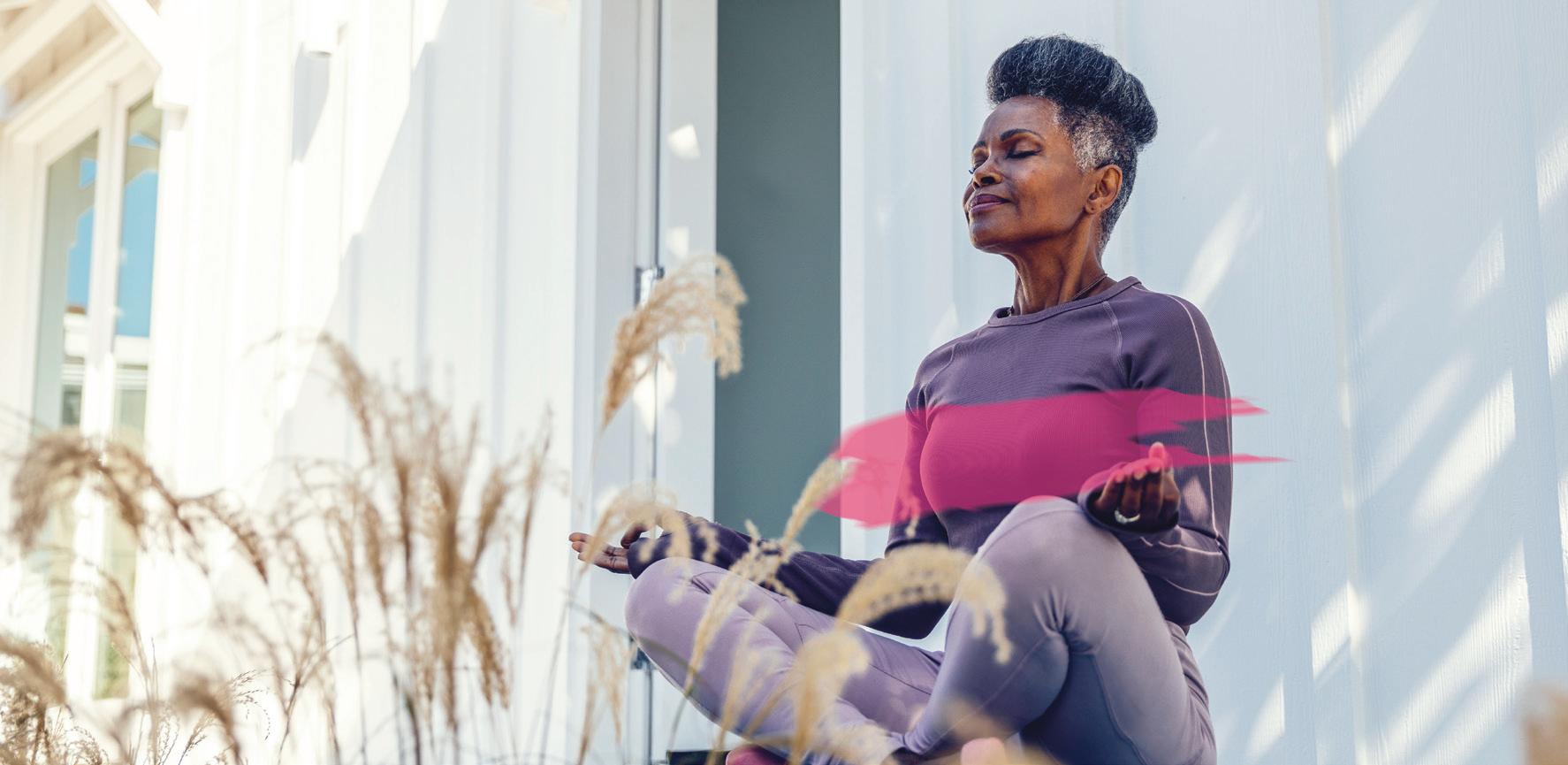
7 Ways to Improve Your Mental Health
Don’t neglect your mental health. When we talk about being healthy, it is typically just about physical health. But rarely do we think of our mental health when we’re having that conversation—and black women, we have to stop doing that. Studies show we have higher levels of stress, anxiety and depression than most other people. For Mental Health Awareness Month, here are some tried and tested ways to help get your mind and spirit right.
1. Stop putting yourself down. Given the anti-black women sentiment circling out there, it’s not too hard to internalize the negativity. But remember: Every time you tell yourself you’re not good enough, skinny enough, talented enough or pretty enough, you’re slowly killing your spirit. Stop being your own worst enemy and start loving you. Most important: Never lose sight of the fact that you truly are magic!
2. Remove toxic people from your world. Whether it’s online or in person, toxic people bring nothing to your life except self-doubt, anger, anxiety and sadness—all the opposite of healthy and happy. So go ahead and live your best life by cutting miserable folks out
of your life. Relationships are complicated, especially if the toxic people are family members. Instead of going cold turkey, start slowly and reduce the time you spend around their nonsense.
3. Hit the gym. Getting your sweat on does more than help you lose weight and strengthen your heart; it’s also good for your mind. Because working out releases endorphins (feel good hormones), it also helps improve your mood and lowers stress levels. Even better: Studies suggest exercise can also sharpen your memory, build your confidence and help you catch more ZZZs at night. Go hit up that treadmill or dance class STAT!
4. Find your joy. What puts a smile on your face? Spending time with the fam? Shopping? Dancing in the kitchen in your underwear? Whatever it is, do it as often as you can. And make sure to schedule in that joy, because your life can’t just be about work. It also has to be about play.
5. Learn to say “no.” Black women have been socialized to give everything of ourselves to others—work, kids and partners—and very little to ourselves.
While helping others can bring you joy, it also can run you physically and emotionally ragged. So for the sake of self-preservation, start saying “no” to folks more often and “yes” to yourself.
6. Take a break from social media. Facebook and Twitter can be fun, especially when Black Twitter is involved. But whether it’s fighting abusive trolls or Trump news overload, social media can seriously impact your mental health. Studies also suggest constantly comparing yourself to others on the Gram can negatively affect your self-esteem. So go ahead and take a break from the computer or smartphone and live in the moment.
7. Channel your inner kid and start coloring. Who knew coloring could make you feel better? Well, it definitely does, and it’s all the rage right now. According to the American Art Therapy Association, adult coloring books help “explore feelings, reconcile emotional conflicts, foster self-awareness, manage behavior and addictions, develop social skills, improve reality orientation, reduce anxiety and increase self-esteem.”
VACCI NATED UN VACCI NATED
Lance B. Bailey Sr. Pastor
Pastor James R. Polk, Sr. Pastor / Teacher
Doris Granberry, Pastor Rev. Doris Granberry, Pastor