
The Children’s Trust Commits To Changing The Landscape For African Americans In Miami-Dade
by Jalynn McDuffey
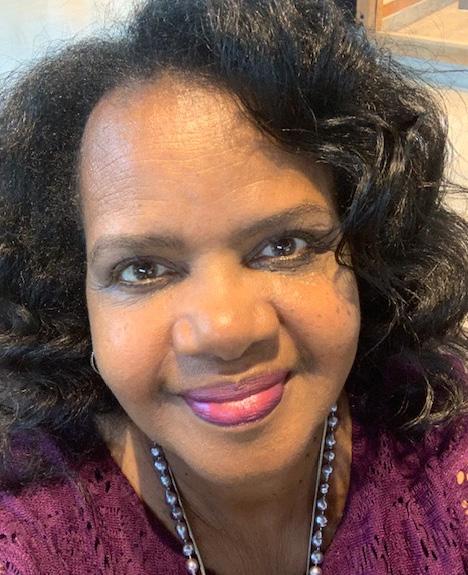
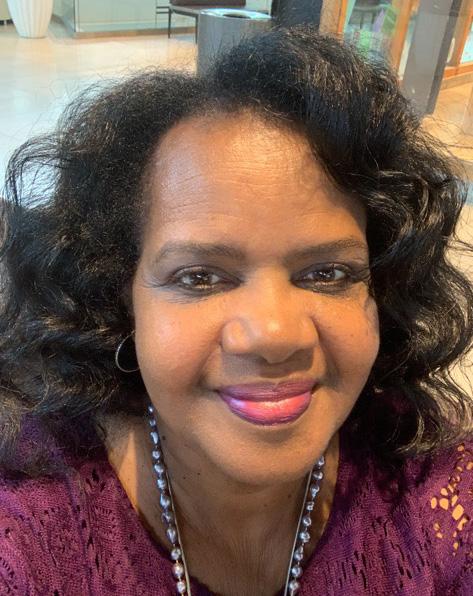
Sandy Walker, Publisher
Thank You for this opportunity to once again praise You. I give praise and thanks for all of the blessings You continue to bestow on me and my family. You are such an awesome God. You are such an amazing God. You are such a caring God. I thank You for You. Lord, it saddens me to think of those who try to navigate this life without You. I cannot comprehend how that is possible. I would be absolutely lost without You.
Help me Father to be an instrument of Your love. Help me to reach those who do not yet know You. Give me the words to say and the words to write that will touch someone in a very special way. As we face the challenges of our time, it is important for people to know Your word and to feel Your love.
It is my prayer that as a nation and as a world we will heed the lessons You have put before us.
I love You Lord today and everyday and I am proud to be Your child. --AMEN
PUBLISHER
Sandy Walker
Sandy Walker
ASSOCIATE PUBLISHER
Sommer W. Davis
EDITOR
Jamil Rivers
CIRCULATION MANAGER
Robert Walker
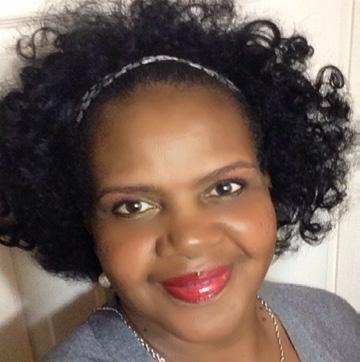
CONTRIBUTING WRITERS
Moderator Johnny L. Barber
Veronica Carey Buie
Anika Madison
All is well with my soul as I focus my attention solely on You. I am thankful as I breathe the air You so graciously provide to me each day. How wonderful it is to be Your child. How wonderful it is to know that You are in charge. I am thankful Dear Lord for the blessings You continue to bestow. Father I know that I am in no way worthy of all that You give to me. You give me peace and love. You give me food to nourish my body. You give me all that I need to survive. Your blessings are so much appreciated as You place the right people in my life and in my path each day. I know Father that You are also placing me in the path of others so that I might do Your will in being a blessing as well. Keep my eyes open, Dear Lord, so that I might see those in need.
I am eternally grateful for the love You continue to bestow upon me. You love me unconditionally with all of my issues and all of my faults. You love me, Father, in spite of myself. I thank You for being with me always. I am comforted by the knowledge that You are with me every moment of my life.
The Gospel Truth Magazine 11285 SW 211th St. Suite 208 Cutler Bay, FL 33189 (786)295-5596 | sandygtnews@aol.com www.thegospeltruthnews.com facebook.com/TheGospelTruthMagazine/
Lord as I navigate this wonderful journey called life I am eternally thankful for the love you continue to surround me with. I am thankful for the love and support of my amazing family. There is nothing I have done or could ever do to earn the blessings You continue to bestow upon me. Father I pray to be a blessing to others as you so generously bless me. You, my Lord are so worthy to be praised.
THE GOSPEL TRUTH COVER PACKAGE
ADVERTISE IN THE GOSPEL TRUTH
The Gospel Truth Magazine provides excellent exposure for your business, organization, church, or ministry.
Call (786) 295-5596
14707

Father I pray for all of Your children who are feeling pain, frustration and lack. I pray Dear Lord that they will seek You in every situation and cir-
Father I pray for peace during these uncertain times. As much as we try to figure it all out, Lord You already know. When I find myself pondering the circumstances of the day I take comfort in the fact that You are in charge! Nothing will happen that You don’t allow and nothing will happen that You cannot stop. I realize Dear Lord that it is not my job to understand. It is my


Research about a mother’s role in child development abounds, largely because attachment theory gives a basis from which to conduct the research. No such theory exists for fathers, which may be part of the reason that the influence fathers have on their children wasn’t as well researched until recently, when researchers began to shift away from looking at fathers as the “other parent.” Now, instead of viewing fathers only through the lens of what is known about mothers, researchers are looking at the unique and important ways fathers influence their children.
As a result of that research, it is now established that fathers play an essential role in the upbringing of their children. And they can be every bit as sensitive and nurturing to their children as mothers can. A father’s nurturing presence can continue to benefit children and help them develop cognitive, socially, and emotionally as they grow up. In fact, in a 2001 review of the father’s love, researchers Rohner and Veneziano concluded, “Overall, father love appears to be as heavily implicated as mother love in offsprings’ psychological wellbeing and health, as well as in an array of psychological and behavioral problems.”
Most fathers try to do their best for their children. Yet a report by the U.S. Department of Health and Human Services notes, “Too many fathers become convinced that they are simply an extra set of hands to help around the house, rather than irreplaceable to their children.”[i]
The point of this article is to highlight the ways in which fathers become involved in ways that are “irreplaceable to their children.” To do that, it’s necessary to understand exactly what an involved father is, and how he can be most successful. Many researchers have asked just this question, and have provided us a good deal of insight.
In 1987, researchers Lamb, Pleck, Chernov, and Levine outlined three fundamental aspects of father involvement. These traits form the basis for a positive, nurturing father-child relationship:[i]
Engagement: father’s direct contact and shared interactions with their children
Availability: father’s presence or accessibility to the child
Responsibility: father’s arrangement for resources to be available to the child
Building on the work by Lamb, Pleck, and Chernov, another researcher by the name of Palkovitz enumerated 15 distinct ways in which fathers tend to be involved with their children:
Communicating
Teaching
Monitoring
Engaging in thought processes
Providing
Showing affection
Protecting
Supporting emotionally
Running errands
Caregiving
Engaging in child-related maintenance
Sharing interests
Being available
Planning
Sharing activities
Through funding, diversity and leadership,
By Isheka Harrison
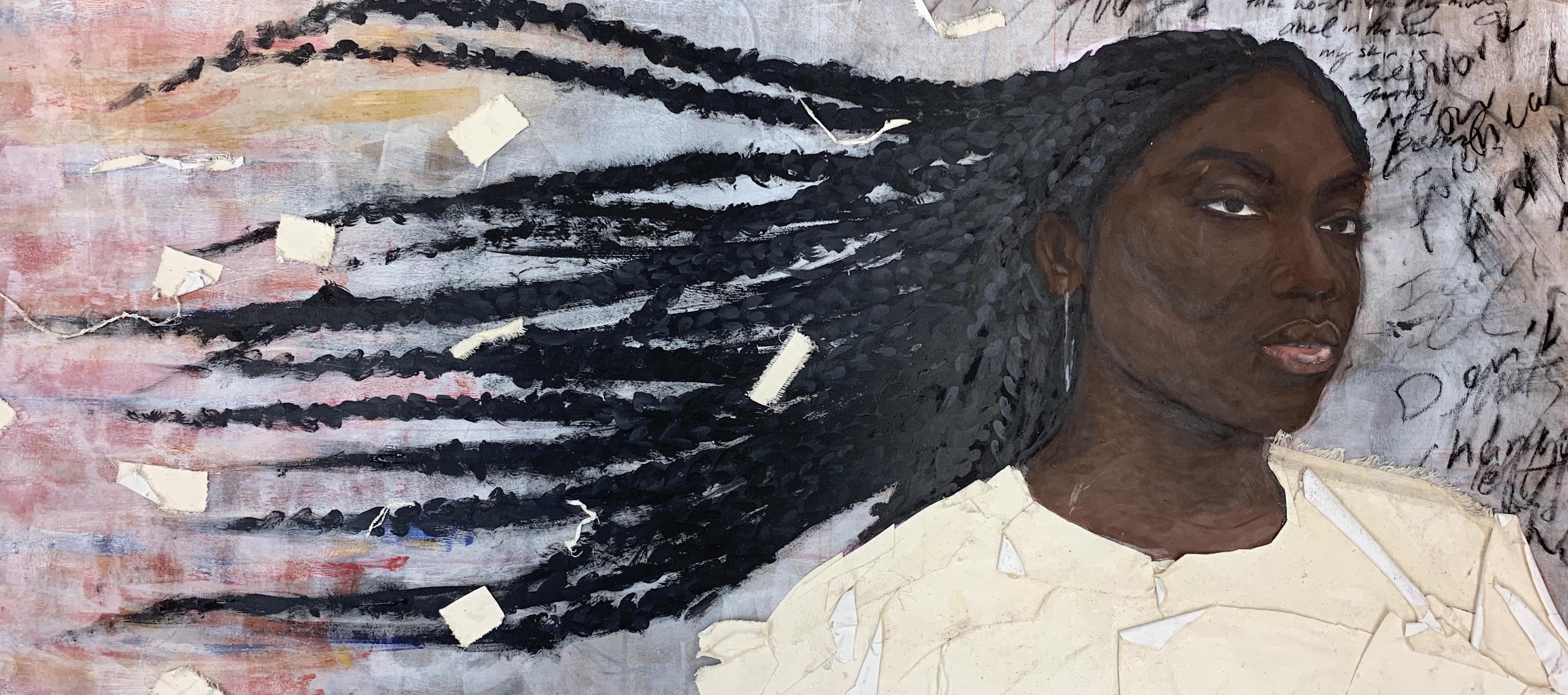
When Willmeisha Hall, 35, became the social media specialist for The Children’s Trust in 2019, it was a full-circle moment. The same young girl from Liberty City who had been helped by programs The Trust funded was now able to use her expertise to tell the organization’s story. She knew firsthand how The Trust’s support helped organizations change the trajectory of people’s lives, especially those of Black Miamians like her.
“I definitely felt like my time at The Children’s Trust was full-circle because it’s a staple name in the community I grew up in, so I’ve always associated it with my childhood,” Hall said. “I remember when I first walked into our actual office area, there was a sign for one of the programs they funded called “Defy It” and I was a member of that program. It evoked nostalgia in me.”
That wasn’t the only touchpoint for Hall. She recalled how her entire family was impacted by the Belafonte TACOLCY Center during her childhood, an organization The Trust has funded at length over the years.
“When I was in middle school, I participated in a program that taught computer and technology skills at TACOLCY. My Mom did it, then she told me about it and I enrolled. We went to events and field trips, met people and learned a lot of life lessons,” Hall recalled. “It enriched the household wholeheartedly – my (mother) was able to increase her

computer literacy skills (and that) allowed us all to be on one accord as far as growth. We all experienced an introduction to technology during that time.”
Hall’s story isn’t a unique one. The Children’s Trust was founded to invest in youth and families and, since it was approved by Miami-Dade County voters in 2002, it has supported many organizations serving local communities. Many of them are in historically and predominately Black neighborhoods – a fact that is important to The Trust’s leadership.
“It is true that The Children’s Trust serves all children and families in Miami-Dade County, but it is also true that some neighborhoods and populations are more in need,” said Stephanie Sylvestre, The Trust’s Chief Program Officer and Chief Information Officer. “That is why we are committed to supporting and amplifying Miami’s Black communities.”
As a special taxing district whose mission is “to plan, advocate for and fund strategic investments that improve the lives of all children and families in Miami-Dade County,” The Trust’s ultimate vision is “to provide the essential foundations to enable children to achieve their full potential.” It invests in programs, initiatives and advocacy to make sure Miami’s children and families get a fair shot and live fulfill-
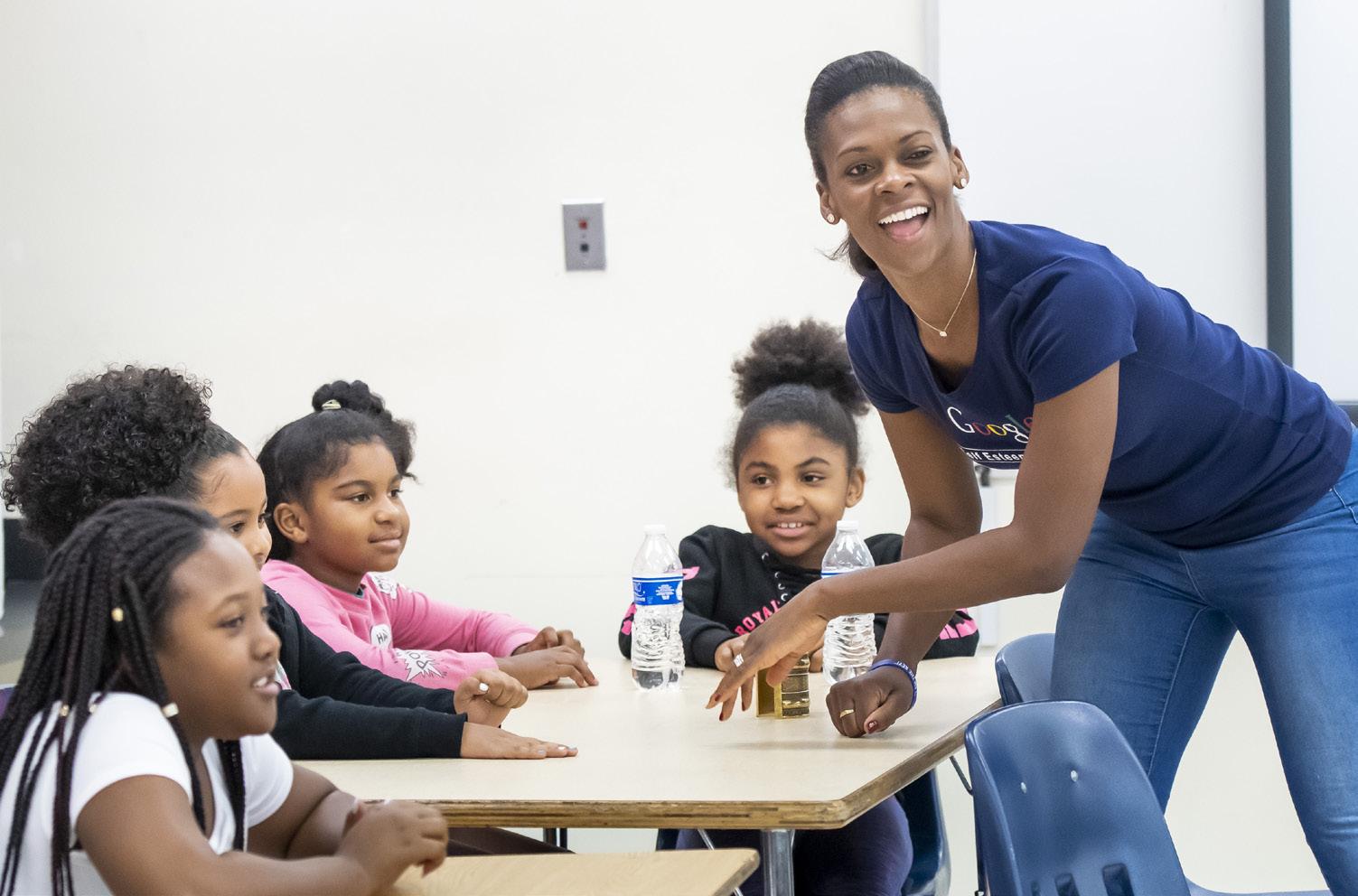

ing lives. It’s a tall order and one that is overseen by a diverse group, including The Trust’s Board of Directors, staff and a provider pool that services neighborhoods including Miami Gardens, North Miami, Liberty City, Overtown, Richmond Heights, Goulds, Homestead and Florida City.
“In order to serve Miami best, our board, staff and providers have to look like Miami as well,” Sylvestre said. “We are committed to having diversity at every level of The Trust.”
Of the many organizations the Trust funds, close to 60 (almost a third of the total) are owned and/or operated by Black Americans. Of those, 29 are run by Black women like Tina Brown of the Overtown Youth Center. She said the support is invaluable. “The Trust’s funding has been instrumental to the Black community; particularly allowing culturally competent providers to aid in bridging educational, social, emotional, economic and opportunity gaps,” Brown said. “Because of funding from The Children’s Trust, children and families are able to access critical support services necessary for propelling children to reach their full potential; while strengthening families and mitigating generational cycles of poverty and other systemic barriers to success.”
Lionel Lightbourne – a Care Coordinator in the Uplift Program at Gang Alternative, which serves families as far south as Homestead – echoes Brown’s sentiments. Having worked at two programs in nonprofits The Trust funds, Lightbourne knows firsthand how much its support impacts the Black community. Not only does it help keep people like him employed, Lightbourne said it also truly uplifts, pun intended, vulnerable families.
“I think The Children’s Trust is cutting edge when it comes to diversity. They were making diversity investments long before investment diversity became popular,” Lightbourne
said. “At Gang Alternative, we actually serve the whole family. We get to tailor whatever services they need to avoid them falling through the cracks.”
While these stories are vivid examples of the impact The Children’s Trust has had in Miami’s Black community for nearly two decades, last year’s murder of George Floyd by then-Minneapolis police officer Derek Chauvin elevated the need to do more. The Trust released a statement reaffirming its “commitment to equity and social justice across Miami-Dade County,” and followed up by forming an Ad Hoc Committee on Racial Equity and Social Justice. From June 2020 to February 2021, the committee met to focus specifically on finding solutions and created a blueprint for moving forward.
The Trust also hosted community listening sessions to ensure they garnered the perspectives of those being impacted the most. As a result of these sessions, The Trust committed to increase its Racial Equity, Diversity and Inclusion (REDI) efforts – among which was participating in the YWCA’s 21-Day challenge to address social injustice from July to August and launching an ongoing REDI program for Trust staff.
Still, The Children’s Trust knew that more needed to be done to make real change in Miami-Dade County on a generational scale. To ensure they were putting action behind their words, The Trust led the creation and launch this year of the Paradise Found Network, composed of 10 philanthropic agencies in Miami whose goal is to raise the first generation of antiracist children. With over $1 billion in combined annual funding, the organizations that make up the Paradise Found Network will work closely with other
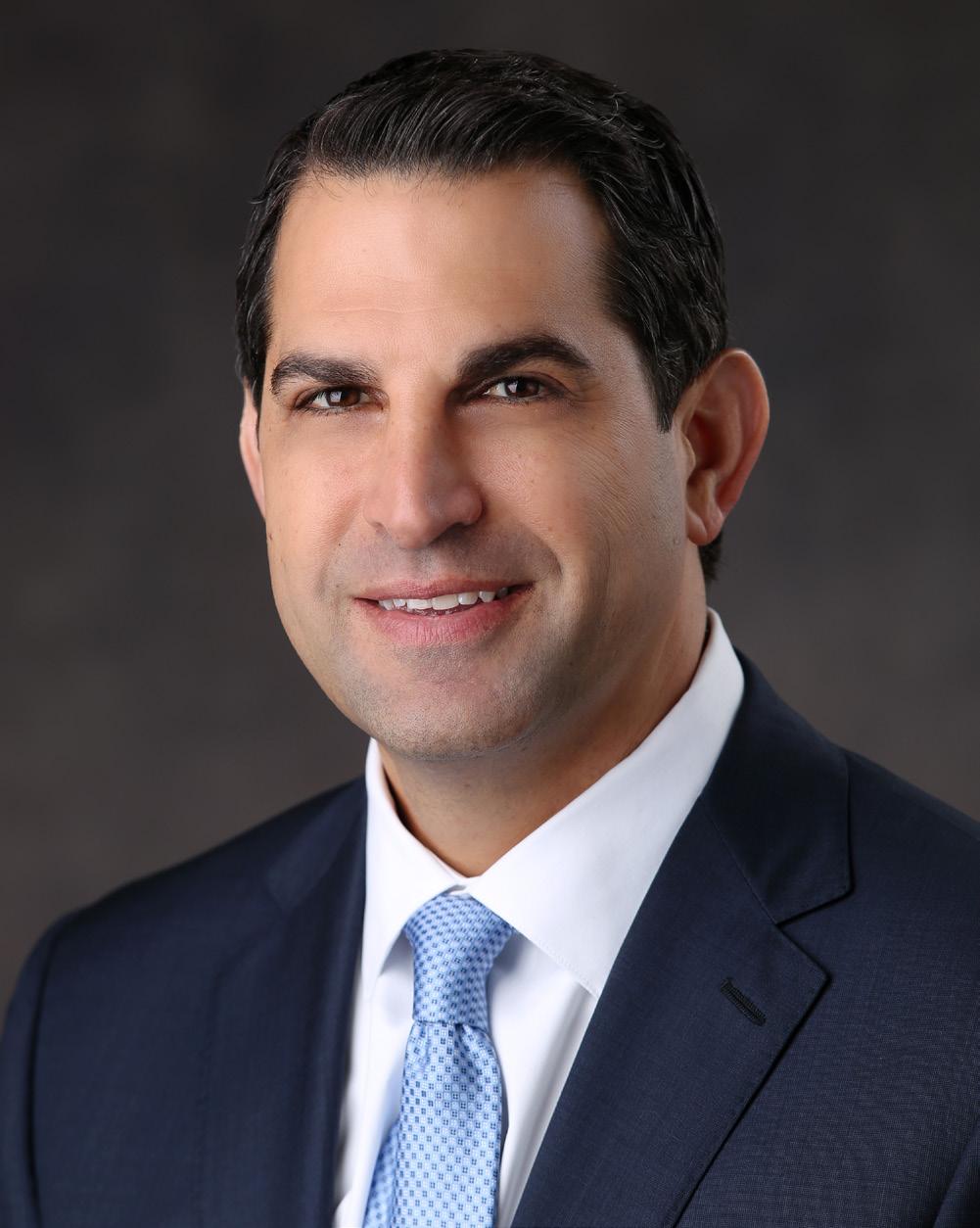
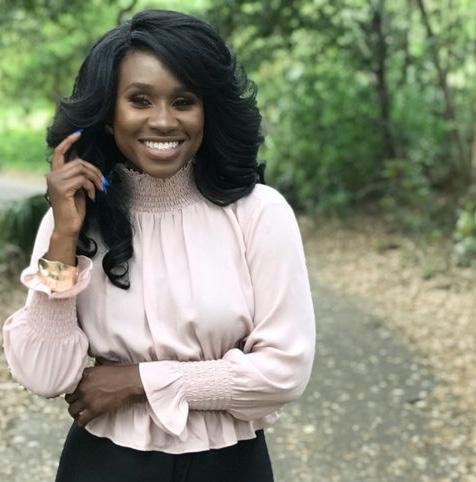
community partners to boldly envision, cultivate and champion a diverse and equitable community by driving institutional and systemic change over the next 10 years and beyond. The Paradise Found Network is also applying for $20 million in funding from the W.K. Kellogg Foundation to shore up the initiative.
While the newly created network is calling on large organizations to take a stand in the fight for social justice and racial equality, The Trust is also cognizant that the change must start on a smaller scale within and from the community itself. Last year, The Trust reopened a call for proposals for its cutting-edge Innovation Fund that looks at solving community-wide problems with a fresh approach, this time with a specific focus on programs that would address racial inequality and social justice. Through this Innovation Fund, The Children’s Trust funded 22 new contracts for a total of over $1.6 million, with a wide range of targets including economic growth, mental health, and social justice and racial equity for Black communities.
Despite all these efforts, The Children’s Trust knows for any strategy to be effective in transforming communities, future generations must be a focus. As such, the organization places a heavy emphasis on its Youth Advisory Committee (YAC) that empowers high school students from across Miami-Dade to develop leadership and service skills.
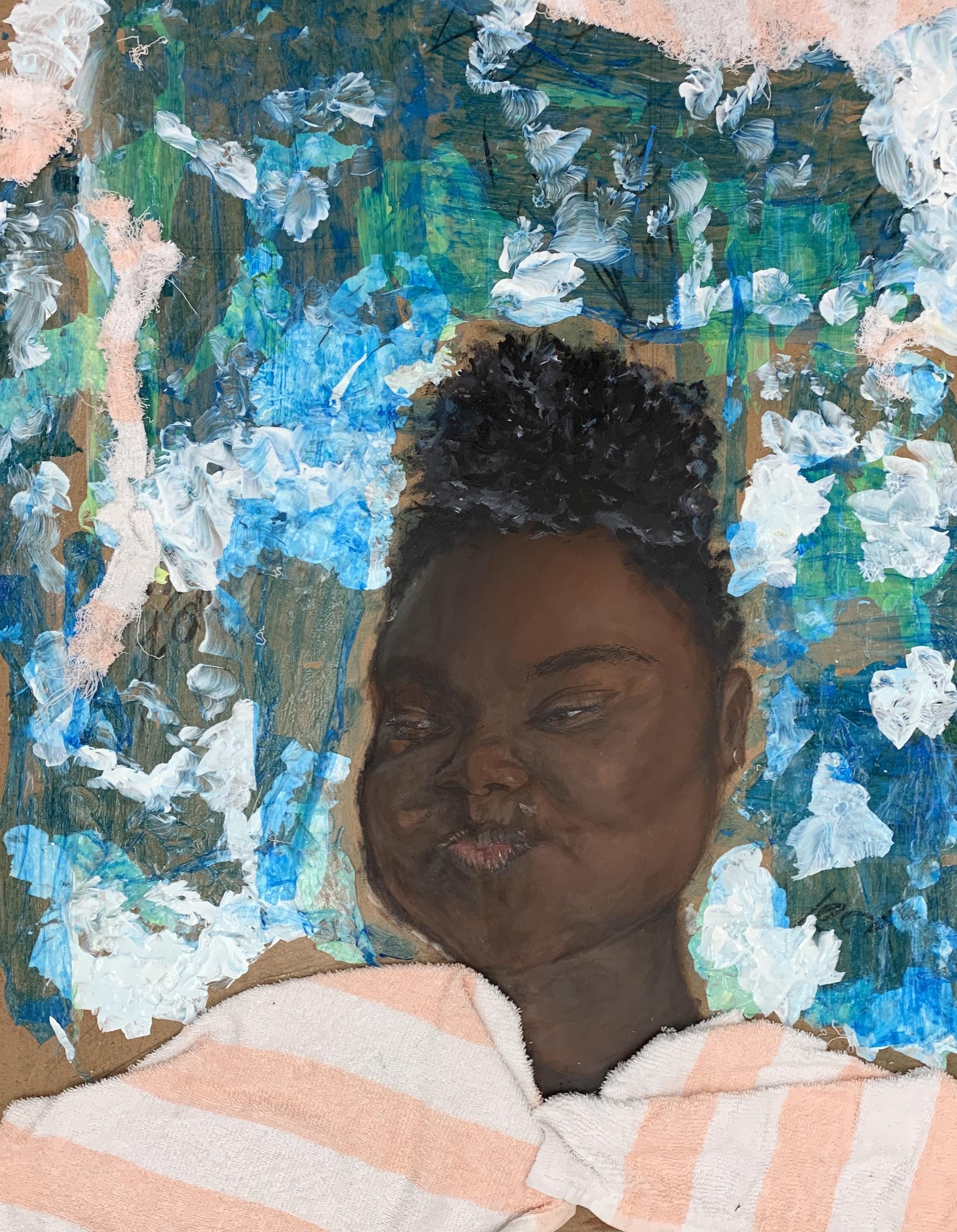
Jalynn McDuffey, an 18-year-old senior at Coral Reef Senior High School, is a member who is spearheading a Hearts for Art project which teaches art to children for the YAC South team. A Silver Knights nominee and Presidential Scholar of the Arts semifinalist, McDuffey credits YAC with helping her direct her talents to new heights.

“The people who work for The Children’s Trust encourage us and support us in our projects (and) have made a world of difference,” McDuffey said. “All these amazing feats I was able to accomplish in this crazy year were because of the amazing people who help us every single day and at every single meeting. I just genuinely want to thank them because they do an amazing job and they care so much about us. I really want other kids to be able to have that experience too.”
As a young Black girl from the southern part of Miami-Dade County, McDuffey also said YAC gives her and her peers a chance to amplify their voices. “I really like that YAC has (allowed us to) share our issues as a Black community,” she continued. “Even though we don’t completely focus on just Black issues, since we’re a Black community, we try to at least highlight them – and YAC gives us a voice and a platform to speak up about things that are affecting our community specifically, instead of just Miami as a whole.”
The leadership and staff at The Children’s Trust want the community to know they are here for them. They know their current and pending initiatives are only a step in helping mitigate oppressive and systemically racist obstacles the Black community faces daily. They also know it won’t happen overnight, but it is a job they are committed to.
“The pandemic and social unrest of the last 14 or so months have made clear what many of us have long known - racial inequalities facing Black communities across the country remain the primary impediment to a happy, safe and fulfilling life,” said President and CEO James R. Haj. “The Children’s Trust is committed to addressing and eliminating those for the children and families of Miami-Dade. We won’t stop until that job is done.”
COVID-19 vaccines do not change or interact with your DNA in any way.
The COVID-19 vaccines went through the same testing as other vaccines. Mass government funding made it possible to run the required three phases of clinical trials at the same time.
None of the authorized and recommended COVID-19 vaccines in the United States contain the live virus that causes COVID-19 and cannot make you sick with COVID-19.
If you already had COVID-19, reinfection is still possible, and the vaccine can offer more reliable immunity than a previous infection.
There is currently no evidence that the COVID-19 vaccine causes any problems with pregnancy, including the development of the placenta.

*Facts based on information from the Center for Disease Control (CDC). Please seek out credible sources of information to make your decisions about the vaccines.
miamidade.gov/vaccine
Juneteenth is the oldest known celebration commemorating the ending of slavery in the United States. Dating back to 1865, it was on June 19th that the Union soldiers, led by Major General Gordon Granger, landed at Galveston, Texas with news that the war had ended and that the enslaved were now free. Note that this was two and a half years after President Lincoln’s Emancipation Proclamation - which had become official January 1, 1863. The Emancipation Proclamation had little impact on the Texans due to the minimal number of Union troops to enforce the new Executive Order. However, with the surrender of General Lee in April of 1865, and the arrival of General Granger’s regiment, the forces were finally strong enough to influence and overcome the resistance.
Later attempts to explain this two and a half year delay in the receipt of this important news have yielded several versions that have been handed down through the years. Often told is the story of a messenger who was murdered on his way to Texas with the news of freedom. Another, is that the news was deliberately withheld by the enslavers to maintain the labor force on the plantations. And still another, is that federal troops actually waited for the slave owners to reap the benefits of one last cotton harvest before going to Texas to enforce the Emancipation Proclamation. All of which, or neither of these version could be true. Certainly, for some, President Lincoln’s authority over the rebellious states was in question For whatever the reasons, conditions in Texas remained status quo well beyond what was statutory.
General Order Number 3
One of General Granger’s first orders of business was to read to the people of Texas, General Order Number 3 which began most significantly with:
“The people of Texas are informed that in accordance with a Proclamation from the Executive of the United States, all slaves are free. This involves an absolute equality of rights and rights of property between former masters and slaves, and the connection heretofore existing between them becomes that between employer and free laborer.”
The reactions to this profound news ranged from pure shock to immediate jubilation. While many lingered to learn of this new employer to employee relationship, many left before these offers were completely off the lips of their former ‘masters’ - attesting to the varying conditions on the plantations and the realization of freedom. Even with nowhere to go, many felt that leaving the plantation would be their first grasp of freedom. North was a logical destination and for many it represented true freedom, while the desire to reach family members in neighboring states drove the some into Louisiana, Arkansas and Oklahoma. Settling into these new areas as free men and women brought on new realities and the challenges of establishing a heretofore non-existent status for black people in America. Recounting the memories of that great day in June of 1865 and its festivities would serve as motivation as well as a release from the growing pressures encountered in their new territory. The celebration of June 19th was coined “Juneteenth” and grew with more participation from descendants. The Juneteenth celebration was a time for reassuring each other, for praying and for gathering remaining family members. Juneteenth continued to be highly revered in Texas decades later, with many former slaves and descendants making an annual pilgrimage back to Galveston on this date.
A range of activities were provided to entertain the masses, many of which continue in tradition today. Rodeos, fishing, barbecuing and baseball are just a few of the typical Juneteenth activities you may witness today. Juneteenth almost always focused on education and self improvement. Thus, often guest speakers are brought in and the elders are called upon to recount the events of the past. Prayer services were also a major part of these celebrations. Certain foods became popular and subsequently synonymous with Juneteenth celebrations such as strawberry sodapop. More traditional and just as popular was the barbecuing, through which Juneteenth participants could share in the spirit and aromas that their ancestors - the newly emancipated African Americans, would have experienced during their ceremonies. Hence, the barbecue pit is often established as the center of attention at Juneteenth celebrations.
Food was abundant because everyone prepared a special dish. Meats such as lamb, pork and beef which not available everyday were brought on this special occasion. A true Juneteenth celebrations left visitors well satisfied and with enough conversation to last until the next.
Dress was also an important element in early Juneteenth customs and is often still taken seriously, particularly by the direct descendants who can make the connection to this tradition’s roots. During slavery there were laws on the books in many areas that prohibited or limited the dressing of the enslaved. During the initial days of the emancipation celebrations, there are accounts of former slaves tossing their ragged garments into the creeks and rivers to adorn clothing taken from the plantations belonging to their former ‘masters’.
For more visit Juneteenth.com



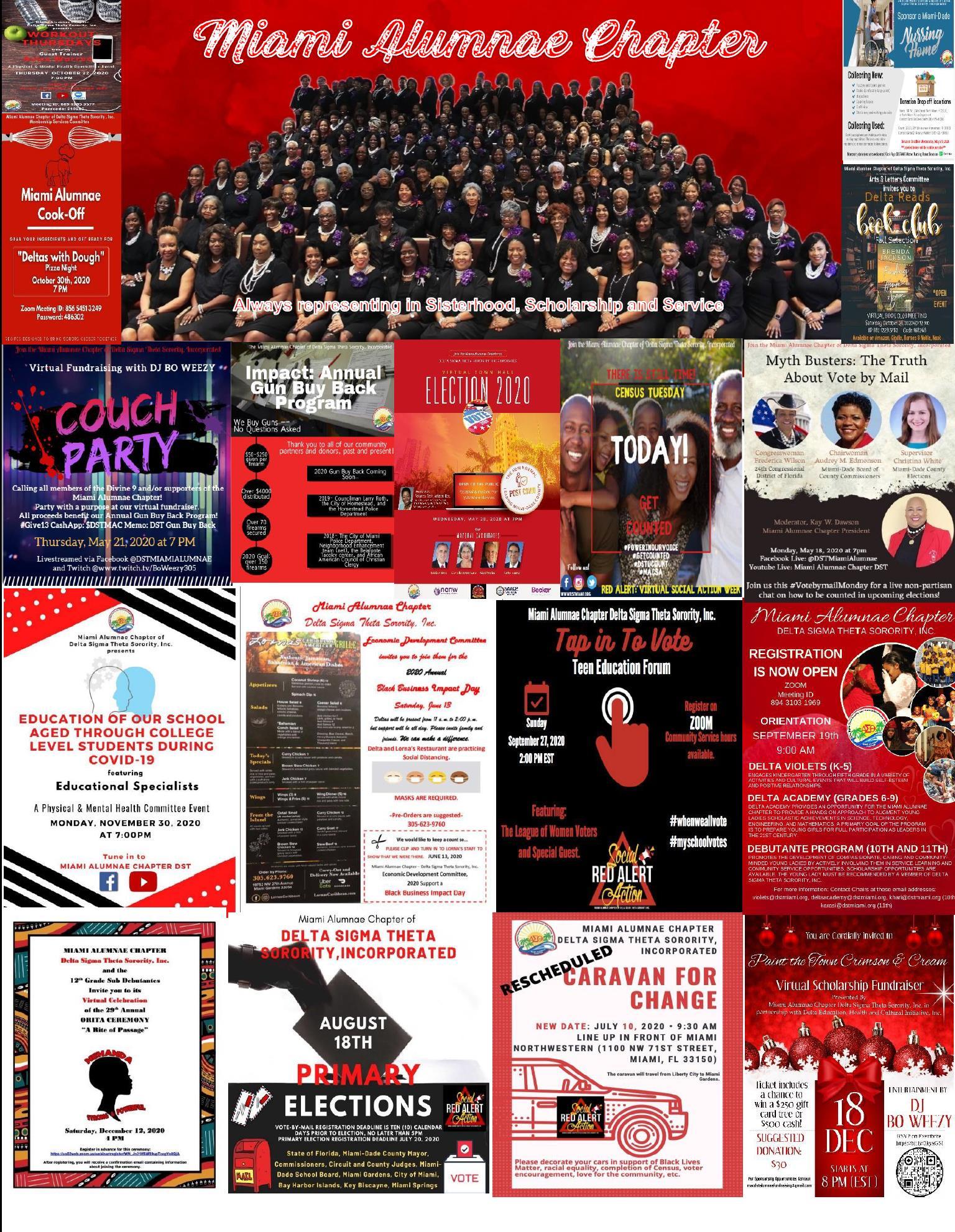
JUNE 6TH JOIN US FOR A GRANDEUR CELEBRATION FROM 4-6PM (ALL WHITE AFFAIR
JUNE 7th-11th CHARTER WEEK STARTING AT 6:30 PM (BUSINESS ATTIRE)
Register in advance for this meeting:
https://us02web.zoom.us/meeting/register/ tZItd-mgrTktHdDqSD4umCCOpRBOjXUMP84L

Keep your kidneys healthy by being “water wise.” This means drinking the right amount of water for you. A common misconception is that everyone should drink eight glasses of water per day, but since everyone is different, daily water needs will vary by person. How much water you need is based on differences in age, climate, exercise intensity, as well as states of pregnancy, breastfeeding, and illness.
About 60-70% of your body weight is made up of water, and every part of your body needs it to function properly. Water helps the kidneys remove wastes from your blood in the form of urine. Water also helps keep your blood vessels open so that blood can travel freely to your kidneys, and deliver essential nutrients to them. But if you become dehydrated, then it is more difficult for this delivery system to work. Mild dehydration can make you feel tired, and can impair normal bodily functions. Severe dehydration can lead to kidney damage, so it is important to drink enough when you work or exercise very hard, and especially in warm and humid weather.
Here are 6 tips to make sure you’re drinking enough water and to keep your kidneys healthy:
1. Eight is great, but not set in stone. There is no hard and fast
rule that everyone needs 8 glasses of water a day. This is just a general recommendation based on the fact that we continually lose water from our bodies, and that we need adequate water intake to survive and optimal amounts to thrive. The Institute of Medicine has estimated that men need approximately 13 cups (3 liters) of fluid daily, and that women need approximately 9 cups (2.2 liters) of fluid daily.
2. Less is more if you have kidney failure (a.k.a. end stage kidney disease). When the kidneys fail, people don’t excrete enough water, if any at all. For those who are receiving dialysis treatment, water must actually be greatly restricted.
3. It’s possible to drink too much water. Though it is not very common for this to happen in the average person, endurance athletes like marathoners may drink large amounts of water and thereby dilute the sodium level in their blood, resulting in a dangerous condition called hyponatremia.
4. Your urine can reveal a lot. For the average person, “water wise” means drinking enough water or other healthy fluids, such as unsweetened juice or low fat milk to quench thirst and to keep your urine light yellow or colorless. When your urine is dark yellow, this indicates that you are dehydrated. You should be making about 1.5
5. H2O helps prevent kidney stones and UTIs. Kidney stones and urinary tract infections (UTIs) are two common medical conditions that can hurt the kidneys, and for which good hydration is essential. Kidney stones form less easily when there is sufficient water available to prevent stone-forming crystals from sticking together. Water helps dissolve the antibiotics used to treat urinary tract infections, making them more effective. Drinking enough water also helps produce more urine, which helps to flush out infection-causing bacteria.
6. Beware of pills and procedures. Drinking extra water with certain medications or before and after procedures with contrast dye may help prevent kidney damage. Read medication labels and ask questions before undergoing medical procedures involving contrast dyes. Always consult with your healthcare provider first though, especially if you are on a fluid restriction.
Remember….when “water wise,” healthy kidneys are the prize!
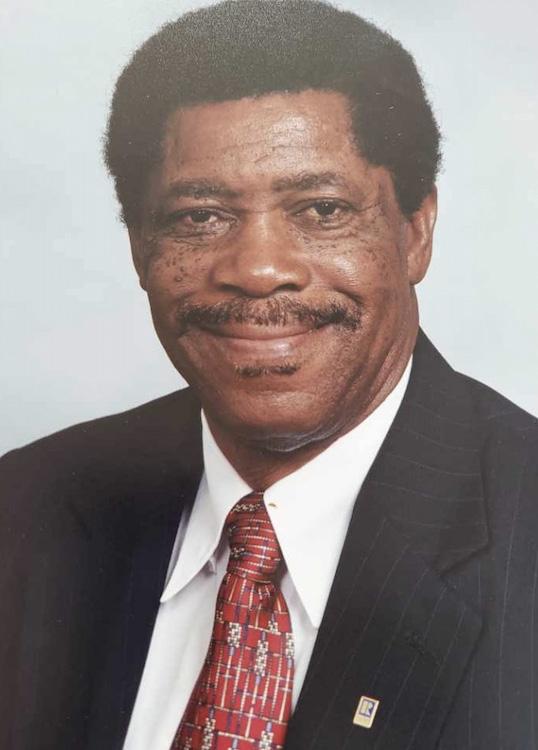

Realtor Kimberly is a Miami native who has served South Florida for over 20 years. She is very passionate about the community and launched this series, “Living Legends: A Conversation with Local Pioneers”, to share the rich history of the area. Part III of this series continues with wealth generator Mr. Herman Rackley.
Mr. Rackley is a seasoned Miamian, he was born in Modello, moved to Florida City and later moved to Goulds where he graduated from Arthur and Polly Mays High School in 1959.
In six months, Mr. Rackley advanced to Vice President and Partner with the company.
After four years at JV Realty, Mr. Rackley was hired as a manager at Pollyco Realty. While at Pollyco Realty, Mr. Rackley directed 15 Real Estate Associates in Appraising where he created training programs and incentive plans that helped boost productivity. The tactics Mr. Rackley implemented, increased sales volumes by 60% in two years.
Rackley is a wine connoisseur and owns a vast collection of fine wines and liquor showcased at his home.
Contact me today for all your realtor needs at (305) 971- 6161
Upon graduation, he worked at the following companies: AeroJet, a company that made solid fuels for rockets; Sandos, a Pharmaceutical company and Foremost Liquors, a liquor store located in “The Village” in Coconut Grove. Since one of the requirements of the job was selling the wine and liquor, Mr. Rackley acquired a love for wine and eventually became a wine connoisseur. He also frequented the nearby, Coconut Grove Playhouse to hear live jazz music. Mr. Rackley found himself offering food and wine pairing suggestions to many patrons, including local news anchor, Jim Brosner.
While working at Foremost, Mr. Rack-
ley simultaneously attended Real Estate school to obtain his Real Estate License in March 1973.
Mr. Rackley spent his early real estate years as a Subdivision Manager at Lennar Homes Corporation, where he handled all maintenance and sales at Richmond Heights Estates and Coral Villas Townhomes, which at the time sold between $49,000- $63,000.
A few years after, Mr. Rackley then interviewed for a Managerial position at JV Realty, a position that according to Mr. Rackley, changed his life. JV Realty was the only black owned real estate office in town. He worked under the owner, Verbert Anderson, a savvy business man who became his mentor.
Mr. Rackley excelled and moved up the ranks. In 1980 he was the President /Manager at Ambassador Mortgage Corporation, where he expanded the business and recruited 15 additional Real Estate Associates.
Mr. Rackley never stopped learning, over the years he continued his formal real estate education gathering numerous certifications including the: Real Estate Broker’s License, Mortgage Broker’s License, Certified Real Estate Appraiser and the Resident Narrative Appraiser Certification. He later learned an interesting aspect of the industry, he took the Casualty Insurance course.
In 1991, after years of expanding his knowledge and gaining experience, Mr. Rackley set out on his own entrepreneurship journey and launched Richmond Perrine Realty. Richmond Perrine Realty offered a vast array of services including: Listing, Marketing, Appraising, Sales, Financing, Credit Counseling and Negotiating Contracts.
In 1993, along side running a business, Mr. Rackley became a Real Estate Consultant. He held various educational workshops and had programs that helped renters become Homeowners, the programs helped with past credit
irregularities and provided renters with Housekeeping Orientation.
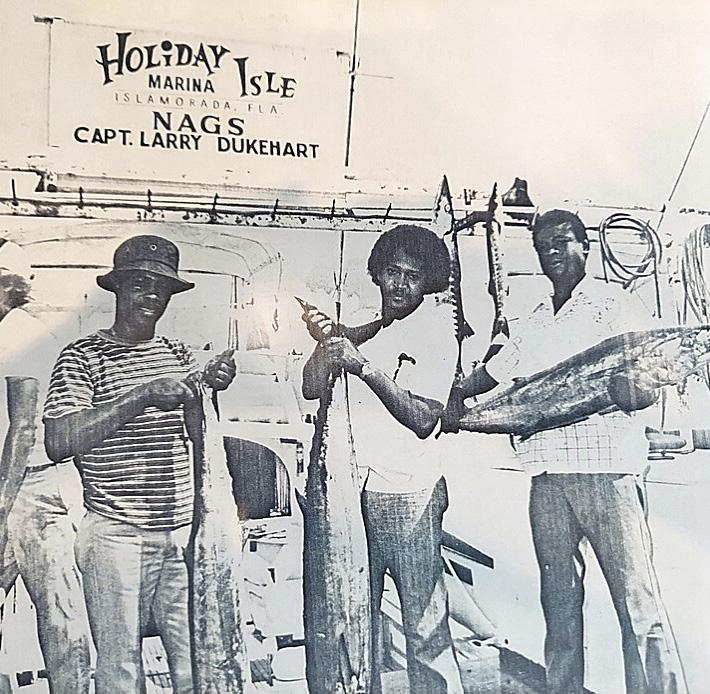
Wahoo- the fastest fish in the water
A little known fact is that in 1992, after a powerful category 5, Hurricane Andrew left Miami devastated. Clarence Edwards, who owned the nearby drug store asked if Mr. Rackley wanted to use his business facility as a recovery center. After a talk with his wife, they accepted and opened their doors to the community. The center had lights and a generator that ran 23 hours a day, there was only one hour set aside to refuel. Other recovery resource agencies were there to assist the community and residents were able to contact their insurance companies, and other agencies for assistance. Those humanitarian efforts essentially helped put Richmond Perrine Realty on the map.
The facility also operated as the Campaign headquarters for Dennis Moss to run for Commissioner of District 9 . Every time there was an election, Mr. Rackley cooked a Key Lime Pie from his family’s 50 year old recipe. The site remained the Moss Campaign Headquarters for several elections.
After 35 years in Real Estate, Mr. Rackley retired in 2010. His Real Estate Company still operates today and is run by Randy Ricks, a mentee of his. Mr. Rackley resides in Georgia with his wife. His contributions were an integral part of creating black wealth in the city.

By: Peter B. Laird
For cancer patients who have complex cancers with limited options or who have exhausted all other treatment options, clinical trials can be a beacon of hope. Such studies offer often-desperate patients access to new, potentially lifesaving therapies that are years away from being available to anyone else. They also give pharmaceutical companies the opportunity to test the efficacy of new drugs before they can be approved by the U.S. Food and Drug Administration (FDA). Even so, recruiting participants for clinical trials can be a challenge, experts say, particularly in a pandemic.
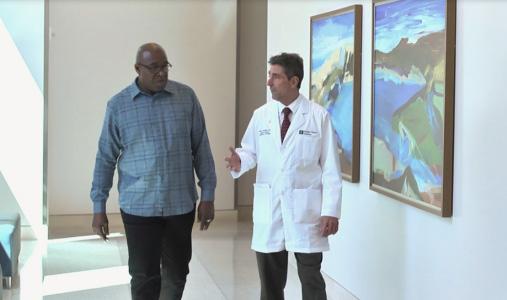
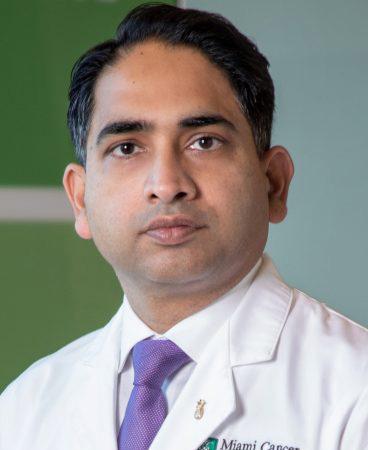
Resource editors spoke with medical oncologist Manmeet Ahluwalia, M.D., MBA, an internationally recognized clinical investigator with Miami Cancer Institute who specializes in the treatment of brain tumors and brain metastases. As the renowned cancer center’s deputy director, chief scientific officer
and chief of solid tumor medical oncology, Dr. Ahluwalia aims to bring greater diversity and innovation to clinical trials, and improved outcomes for cancer patients everywhere.
Resource: How has COVID-19 impacted clinical trials at Miami Cancer Institute?
Dr. Ahluwalia: Perhaps the biggest change has to do with how we recruit, monitor and communicate with patients in our trials. As a clinical investigator, you want to be able to keep a close eye on your patients to make sure they’re not experiencing any adverse effects. But with COVID-19, we also want to eliminate any unnecessary face-to-face appointments.
If there is a silver lining to the pandemic, it’s that it has helped focus awareness on the role telemedicine can play – not just in clinical trials but in the delivery of healthcare overall. Physicians and pa-
tients both are growing much more comfortable with telemedicine, and COVID-19 has only hastened its adoption several folds.
When we talk about pandemic-driven change, in the healthcare field we’ve probably seen a decade’s worth of change in just one year. It’s been amazing. A question I’m often asked is, “Will telemedicine put an end to doctor’s office visits?” I say, definitely not – patients enrolled in clinical trials still need to come in for lab work and infusions, of course. But at the same time, there is much that can be accomplished remotely via one’s smartphone or computer. This is especially helpful for patients who live far away, and it will make clinical trials more appealing and accessible for a larger, more diverse population.
Resource: What are some of the challenges you face when conducting clinical trials?
Dr. Ahluwalia: Pandemic aside, our biggest challenge can be recruiting qualified participants for clinical trials. One big challenge is diversity – minorities and elderly patients are often under-represented on clinical trials. As a result, the patients in these trials don’t always reflect the demographics of the general population, and their experiences and outcomes may not extrapolate to the population at large.
Resource: Why is recruiting people for clinical trials so problematic?
Dr. Ahluwalia: There are several reasons for this. The clinical trials tend to be highly selective about the patient population, or who qualifies for enrollment in trials. For example, most patients selected for trials are, on average, are a decade younger than patients in the general population with the same disease. Might we see greater drug toxicities in an older population? Of course, but you wouldn’t know for sure unless the trials had been more age-inclusive or we have real world evidence post approval.
Resource: What are some other barriers to recruitment?
Dr. Ahluwalia: Currently, patients enrolled in clinical trials here in the United States are more than ninety percent Caucasian, which means minority populations – African-Americans and Hispanics, in particular – are grossly under-represented. Racial and ethnic disparities have long been an issue in our country’s healthcare system, and it’s no different with clinical trials. There are several reasons for this,
including access, economic factors and, for some, trust.
Resource: What other concerns do you typically hear from people who may want to apply for enrollment in a clinical trial?
Dr. Ahluwalia: Not everyone can afford to take the time off from work that participation in clinical trials requires, and not everyone has easy access to transportation to and from Miami Cancer Institute. Also, many of our patients come to their appointments with their caregivers, who themselves may have problems taking time off from work.
Resource: Is there a ‘technology gap’ when it comes to health care?
Dr. Ahluwalia: The exponential growth in telemedicine this past year has revealed a significant technology gap. We need to address the technological disparities in cancer care today, as some of our patients don’t have smartphones, computers or data plans, or they live in remote areas without internet service. We have to figure out how we can leverage our technology so that everyone who needs it has access to telemedicine.
Resource: What do you plan to do at Miami Cancer Institute to make clinical trials more inclusive?
Dr. Ahluwalia: Technology is already laying the foundation for the disruptive transformation of healthcare, and it will play an increasingly important role in clinical trials.
Our primary focus here at Miami Cancer Institute is on research in-
novation. And we couldn’t be more excited, because with Miami’s incredible diversity comes phenomenal opportunity to further our knowledge and develop new cures.
First and foremost, we want to leverage our unique patient population here to boost minority participation in our clinical trials and contribute nationally to such trial participation. We also working on developing virtual consent forms so that some of the administrative aspects can be handled by the patient at home. We need to cut down on red tape and bureaucracy, and make it easier for patients to access trials even if they can’t come in.
At the same time, we’re going to leverage existing technology such as wearable devices so that patients can be monitored from the comfort of their own homes without having to spend hours being observed following a treatment.
Resource: It sounds like you have your work cut out for you, Dr. Ahluwalia. What else is on your radar?
Dr. Ahluwalia: I’m working with my colleagues here at Miami Cancer Institute and at Lynn Cancer Institute in Boca Raton (also part of Baptist Health) to develop strategies that will help improve the healthcare disparities that exist in South Florida’s minority populations. It’s a process, and one that will take time and focus, but as our demographics continue to change we must find ways to reduce the health disparities that exist here and elsewhere. Providing easier access to health care is something we all need to be focused on.
Joe and Enid Demps have long been admired and respected for their work in the Goulds community. Their commitment to youth and work is legendary and has not gone unnoticed by Miami-Dade County Commissioner Kionne McGhee. A resolution by Commissioner McGhee received support from the Commission recently to rename Goulds Park: JL (Joe) and Enid Demps Park.
Joe and Enid are known for their work with the Greater Goulds Optimist Club, which was established with support of former Commissioner Dennis C. Moss. The Greater Goulds Optimist Club offers programs to the youth such as football and cheerleading. These programs provide valuable opportunities to keep kids occupied, safe and out of trouble.
Both Joe and Enid have held numerous volunteer leadership roles and are both Southeast Region Pop Warner Pioneers. They have both dedicated many years of service to the community and have focused on youth engagement.
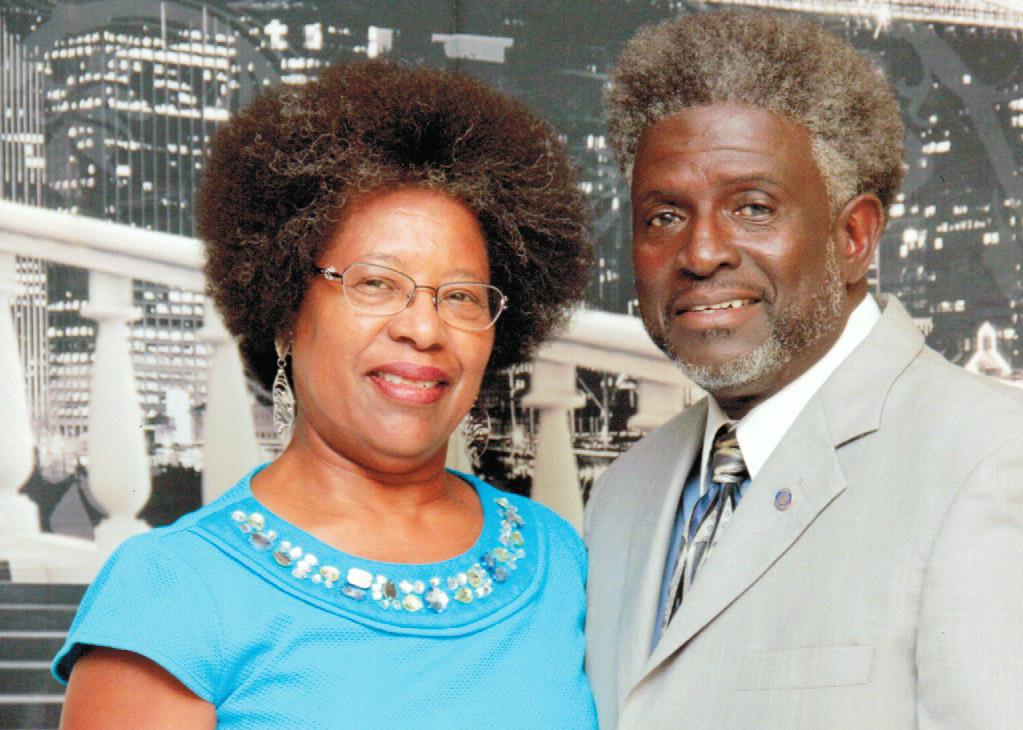
“These are the leaders that we must recognize for their lifetime efforts and service to our communities. Without their contributions our children, families and the entire communities would be lost,” said Commissioner McGhee.
McGhee has led efforts to give recognition to several community leaders and advocates including Wilbur B. Bell with the renaming of West Perrine Park in his honor; a portion of Homestead Ave has been name for the late Lee C. Jay and also a street naming as Johnny Fletcher Way. It is important to Commissioner McGhee for people to know of the contributions of these individuals and others for generations to come.


www.mtcalvaryncog.org