


So, you have stumbled across The Gamer Guide and you are wondering, “Why do I need a guide to gaming?” Well, we will not guide you on how to game, but we will keep you informed as to what the gaming industry has to offer to get you the best gaming experience! Now, the second thing you are probably wondering is, “How did The Gamer Guide start?” Well, it can be a slightly long story. However, the shortened version is that the journey of three Twitch streamers brought them together, and with their passion for gaming, their experiences of streaming, and their love for everything within the world of entertainment… The Gamer Guide was born.
But what exactly is The Gamer Guide? The Gamer Guide is a digital magazine that focuses on everything gaming and streaming. This includes the latest/upcoming releases, reviews on gaming accessories, streaming tips, and even interviews with streamers and industry professionals from across the globe. Our readership is predominantly other gamers and streamers, just like us! We understand that the love and passion for gaming extends far beyond just playing a game, and that is what we are all about!
So, who are the people behind this magazine?
Brandon who goes by the name of Sawyer is the Co Owner & Content Director of The Gamer Guide. Predominantly Sawyer is an Xbox Gamer where he mostly plays his Xbox Series X but also has a Gaming PC, a Nintendo Switch, and even a Playstation 5, with a variety of platforms this gives Sawyer the ability to review the latest games for TGG. Sawyers main gaming love is Gears of war and RPGs because who doesn’t love an adventure or some chainsaw slaying with a cheeky blind fire or wall bounce. Due to Sawyers vast knowledge and background within the industry he came together with Emily to form The Gamer Guide.
Emily, also known as CreativeTrashGaming, came together with Sawyer to form the Gamer Guide, bringing her creative knowledge. Her favourite types of games are those with a compelling story, or those that just make her inner Fantasy Nerd go ballistic. She also likes spooky stuff, not just in the gaming realm but in general, and has a podcast with her two sisters where they discuss all things horror. Emily loves to dabble in the art world often, creating digital art pieces and learning new crafts. A graphics designer in her full time job, Emily is an integral part of the team whom designs the entire layout of our magazines from top to bottom!




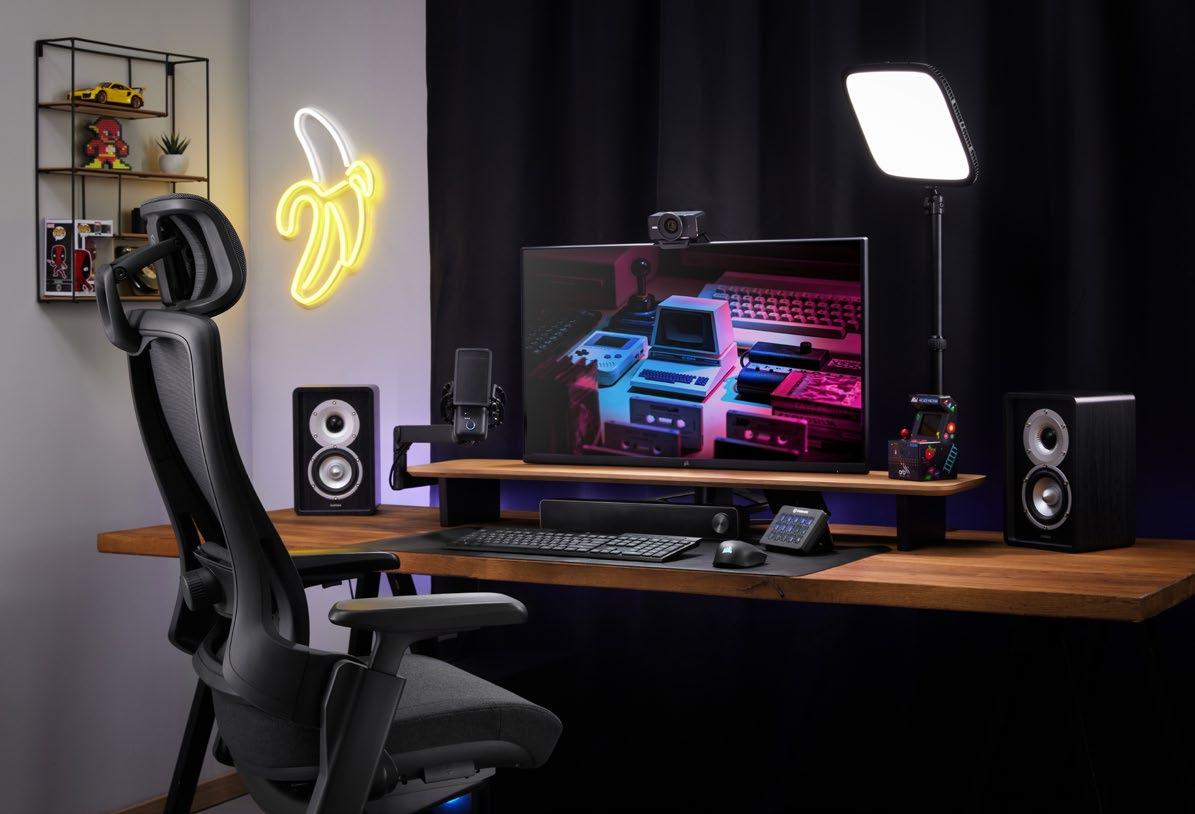
Every creator has a moment, usually around hour six of editing or hour three of a late-night stream, when the gear that truly matters reveals itself. Not the camera. Not the mic. Not the lights. It’s the chair beneath you, the one piece of equipment that quietly determines how long you can keep going, how focused you stay, and how your body feels when the session finally ends. Elgato stepping into this space isn’t just a product launch; it’s a declaration. For over a decade, they’ve shaped the creator ecosystem with tools that empower expression, streamline workflows, and elevate production quality. But the Embrace Chair signals something deeper: an understanding that creativity isn’t just about what you make, it’s about the environment that sustains you while you make it.
After more than a month of living in this chair, writing, editing, gaming, planning, thinking, and sometimes just decompressing, I’ve come to appreciate the Embrace not as a piece of furniture, but as a foundational part of the creative process. It’s the quiet constant in a world of deadlines, drafts, retakes, and revisions. And it’s built with a level of intention that becomes more obvious the longer you sit in it. This isn’t a gaming throne. It isn’t a corporate office chair. It’s something far more deliberate: a creator’s anchor.
The Embrace arrives with the kind of confidence only Elgato can pull off, clean packaging, premium materials, and a setup process that respects your time. Once assembled, the chair immediately communicates its purpose. The silhouette is modern but understated, the kind of design that blends into a studio rather than shouting for attention. The first sit is telling. There’s no overstuffed cushioning pretending to be comfortable. No rigid, over-engineered lumbar piece forcing you into a posture you’ll fight against. Instead, the Embrace feels like a chair designed around the human body, not around marketing bullet points.
It’s the kind of first impression that makes you curious, not because it’s flashy, but because it feels right.
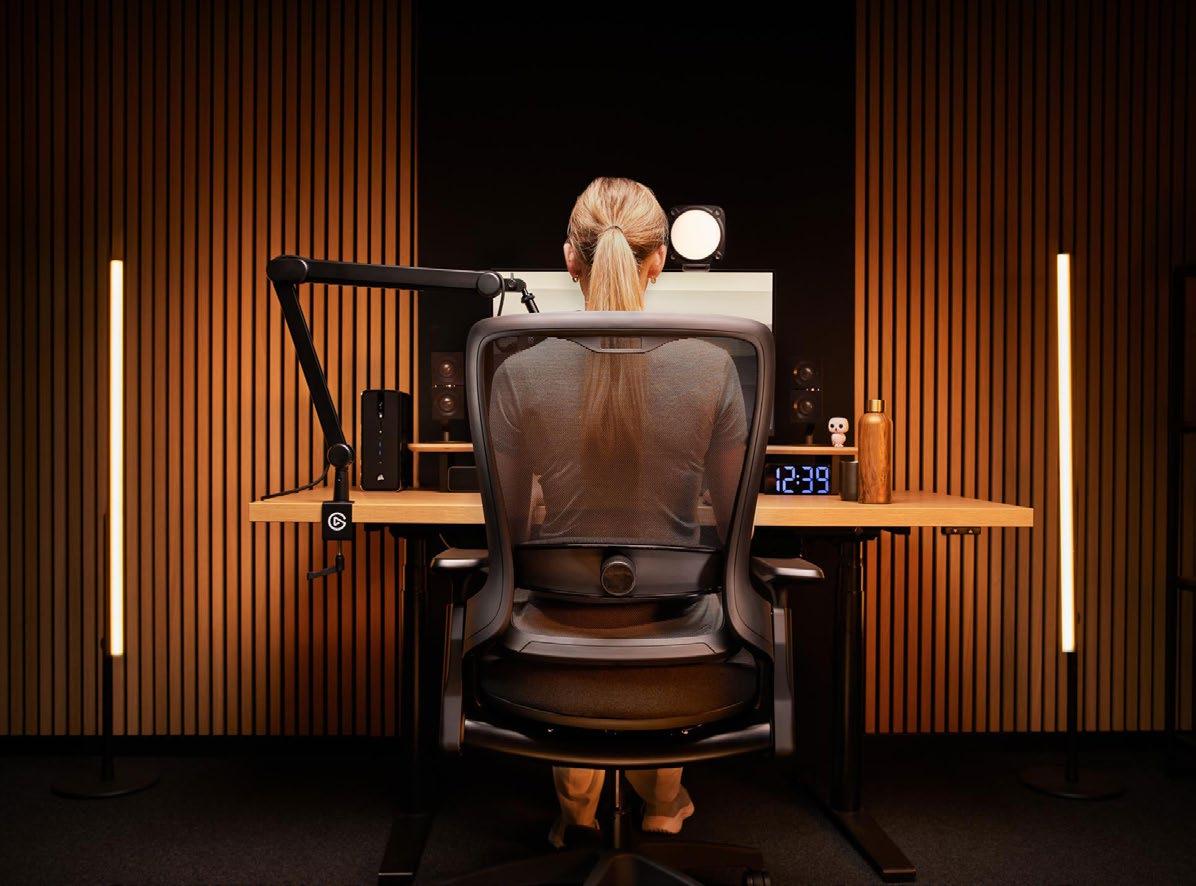
A month in, the Embrace proves its name. This is a chair that supports without smothering, guides without dictating, and adapts without losing structure. The lumbar support is the hero here. It doesn’t jab or push; it encourages. After long sessions, I noticed a real difference, fewer aches, less tension, and a posture that felt natural rather than forced. The seat cushion maintains its integrity even after hours of use, avoiding the dreaded “compression dip” that plagues so many chairs in this category.
The armrests are a quiet triumph. Smooth, precise, and endlessly adjustable, they shift effortlessly between editing posture, controller gaming, and keyboard work. Over the month, I found myself relying on them more than expected. A sign of good design is when you stop noticing it and start


benefiting from it. This is a chair built for endurance, not theatrics.
The fabric is a standout. Breathable without feeling flimsy, soft without feeling fragile. Even under warm studio lights, it stays cool and comfortable. No peeling. No pilling. No early wear. Just a consistent, premium feel that reinforces the chair’s long-term value. The metal base and casters glide with a quiet confidence. After weeks of constant movement, everything still feels tight, smooth, and reassuringly solid. This is the kind of build quality that earns trust over time.
The true test of any chair isn’t the first week, it’s the fourth. And this is where the Embrace separates itself. It didn’t just stay comfortable; it became more comfortable as I learned how to fine-tune it. The adjustments feel intuitive, the support feels natural, and the chair disappears into the background in the best possible way.
During long gaming sessions, it kept me upright and engaged. During editing marathons, it prevented the slow slump that usually creeps in. During everyday work, it simply existed, quietly, reliably, and without complaint. This is a chair that respects the grind. It understands the hours. It understands the lifestyle.
Elgato positions the Embrace Chair firmly in the premium creator-grade category:
• United States: $499 USD
• United Kingdom: £449 GBP
It’s not inexpensive, but it’s priced strategically, below ultra-luxury ergonomic chairs, yet above the disposable gaming seats that collapse after a year. For creators who spend thousands of hours at their desk annually, the value becomes clear quickly.
This is an investment in comfort, longevity, and the sustainability of your workflow.
The Embrace is for creators who want a chair that works as hard as they do. It’s for editors, streamers, writers, designers, and gamers who spend long hours at their desk and need a seat that won’t punish them for it. If you want RGB, aggressive angles, or a racing-seat aesthetic, this isn’t your chair. If you want genuine ergonomic support wrapped in a premium, studio-ready design, the Embrace is one of the strongest options available.
After a month of daily use, the Elgato Embrace Chair has earned its place in my setup, not as an accessory, but as a core part of my workflow. It’s comfortable, supportive, beautifully built, and designed with a level of intention that creators will immediately appreciate.
It’s not loud. It’s not flashy. It’s not trying to be anything other than excellent. And that’s exactly why it succeeds.
A creator-focused masterpiece that elevates comfort, enhances workflow, and respects the reality of long-session work. A chair built not for show, but for the hours that truly matter.
A huge thank you to Elgato for providing the Embrace Chair for long-term testing. Your support allowed for a genuine, month-long evaluation across real creator workflows, editing, gaming, writing, and everything in between. This hands-on time is what makes reviews like this possible, honest, and deeply informed.
If the Embrace Chair has sparked your curiosity or you want to explore more of Elgato’s creatorfocused gear, their full lineup is well worth a look. From studio lighting to audio, capture, and now ergonomics, Elgato continues to build tools that elevate the creator experience from every angle. You can discover the Embrace Chair, and everything else they offer, over on Elgato’s official website below.



Reviewed by: Brandon Sawyer
Every creator knows the truth. We rarely talk about your mouse as the unsung hero of your workflow. It’s the tool you touch more than your keyboard, more than your camera, more than any piece of gear on your desk. It’s the extension of your hand during edits, the anchor during long gaming sessions, and the quiet partner guiding every click, drag, cut, and frame. So when bequiet! a brand known for whisper-silent PC components and premium engineering, steps into the ergonomic mouse space, it’s more than a new product. It’s a shift. A signal that comfort, silence, and precision can coexist in a single, creator-focused tool.
After several weeks of daily use, from editing timelines to navigating complex software to late-night gaming, the Dark Peak Ergo Mouse has proven itself not just as another ergonomic option, but as a genuinely thoughtful evolution of what a productivity-first mouse can be. This isn’t a gimmick. It isn’t a trend piece. It’s a mouse built for the hours that don’t make the highlight reel.
bequiet! has always had a certain design philosophy: clean, minimal, and quietly premium. The Dark Peak Ergo Mouse continues that tradition. The packaging is understated but confident, and the moment you lift the mouse from its cradle, you feel the intention behind its shape. This is a true ergonomic design, not a “slightly curved” mouse pretending to be one. The sculpted vertical angle, the natural wrist alignment, and the soft-touch matte finish all signal a product built for longsession comfort.
It’s the kind of first impression that makes you want to test it immediately.
The Dark Peak Ergo Mouse is designed around a simple idea: your hand shouldn’t fight your mouse. And after weeks of use, that philosophy becomes obvious. The vertical angle reduces wrist rotation

dramatically, easing tension during long editing or writing sessions. The thumb rest is perfectly positioned, not too shallow, not too aggressive and the main buttons fall naturally under your fingers without forcing awkward reach.
The real magic, though, is how quickly it becomes second nature. Many ergonomic mice require an adjustment period. The Dark Peak Ergo? Minutes. Maybe an hour. After that, it feels like the way your hand was always meant to sit. During long Premiere Pro sessions, I noticed less wrist fatigue. During gaming, the grip felt surprisingly stable. And during everyday work, the mouse simply disappeared into the workflow, the highest compliment an ergonomic device can earn.
Ergonomics mean nothing if performance can’t keep up. Thankfully, be quiet! didn’t compromise.
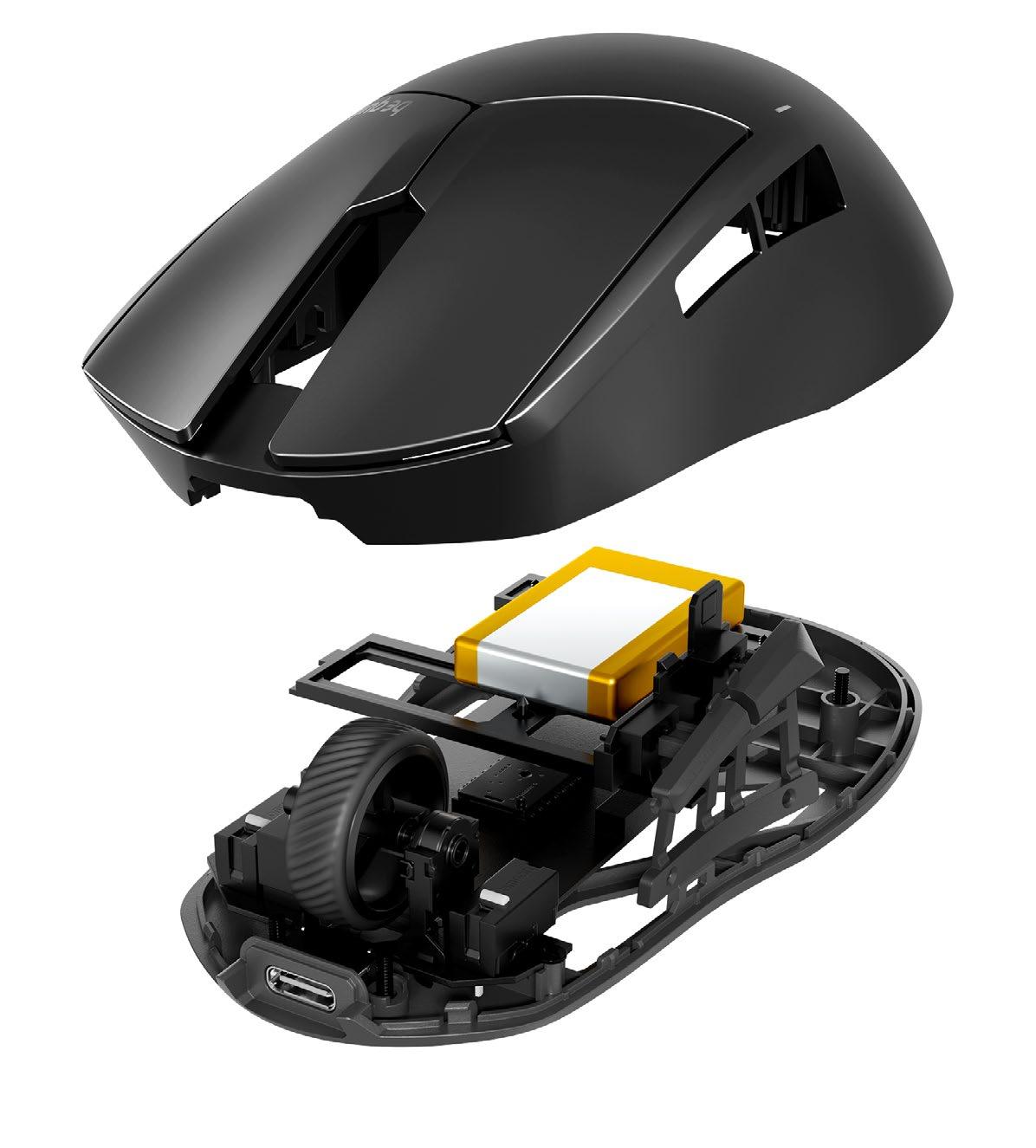
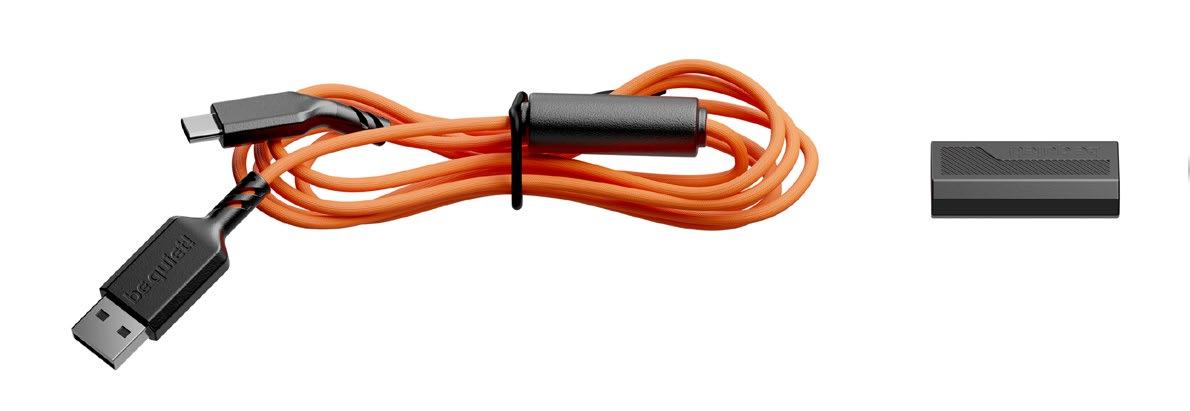


The Dark Peak Ergo Mouse features:
• A responsive, accurate sensor suitable for both productivity and casual gaming
• Smooth, silent switches that maintain the brand’s signature quiet identity
• A scroll wheel with excellent tactile feedback
• Multi-device connectivity for seamless switching between systems
The silent clicks are a standout. They’re soft, crisp, and satisfyingly responsive without the sharp “snap” of traditional switches. For creators who record audio near their desk, this alone is a game-changer. Tracking is smooth and consistent across surfaces, and the DPI range offers enough flexibility for both precision editing and fast navigation.
This is a mouse that respects both speed and subtlety.
bequiet! products are known for durability, and the Dark Peak Ergo Mouse follows suit. The matte coating resists fingerprints, the buttons feel solid, and the overall construction inspires confidence. The weight is balanced, not featherlight, not brick-heavy and the base glides smoothly without friction or wobble. After weeks of use, there’s no creaking, no looseness, no early wear. It feels like a premium tool built to last.
The true test of any ergonomic mouse is how it feels after the novelty wears off. And this is where the Dark Peak Ergo Mouse shines.
It didn’t just stay comfortable, it improved my workflow. Editing felt smoother. Browsing felt more natural. Gaming felt surprisingly stable for an ergo design.
Most importantly, my wrist and forearm felt better at the end of long days. Less tension. Less strain. Less of that dull ache that creeps in after hours of dragging a traditional mouse around. This is a mouse that respects your body as much as your workflow.
The Dark Peak Ergo Mouse sits in the midpremium ergonomic category:
• United States: $89 USD
• United Kingdom: £79 GBP
For the build quality, comfort, and silent-switch engineering, it’s a compelling price point. It undercuts many premium ergonomic mice while offering a more refined, creator-friendly experience. This is a smart investment for anyone who spends serious time at their desk.
The Dark Peak Ergo Mouse is ideal for:
• Creators who spend long hours editing or designing
• Writers and productivity-focused users
• Gamers who want comfort without sacrificing control
• Anyone experiencing wrist tension or early RSI symptoms
• Users who prefer silent switches and premium build quality
If you want RGB, ultra-high-DPI esports performance, or a flashy aesthetic, this isn’t your mouse. If you want comfort, silence, and precision in a beautifully engineered package, it’s one of the best options available.
After weeks of daily use, the bequiet! Dark Peak Ergo Mouse has earned a permanent place on my desk. It’s comfortable, precise, beautifully built, and designed with a level of ergonomic intention that creators will immediately appreciate. It’s not loud. It’s not flashy. It’s not trying to be anything other than excellent. And that’s exactly why it succeeds.
A refined, creator-focused ergonomic mouse that delivers comfort, silence, and precision in equal measure. A tool built for the hours that truly matter.
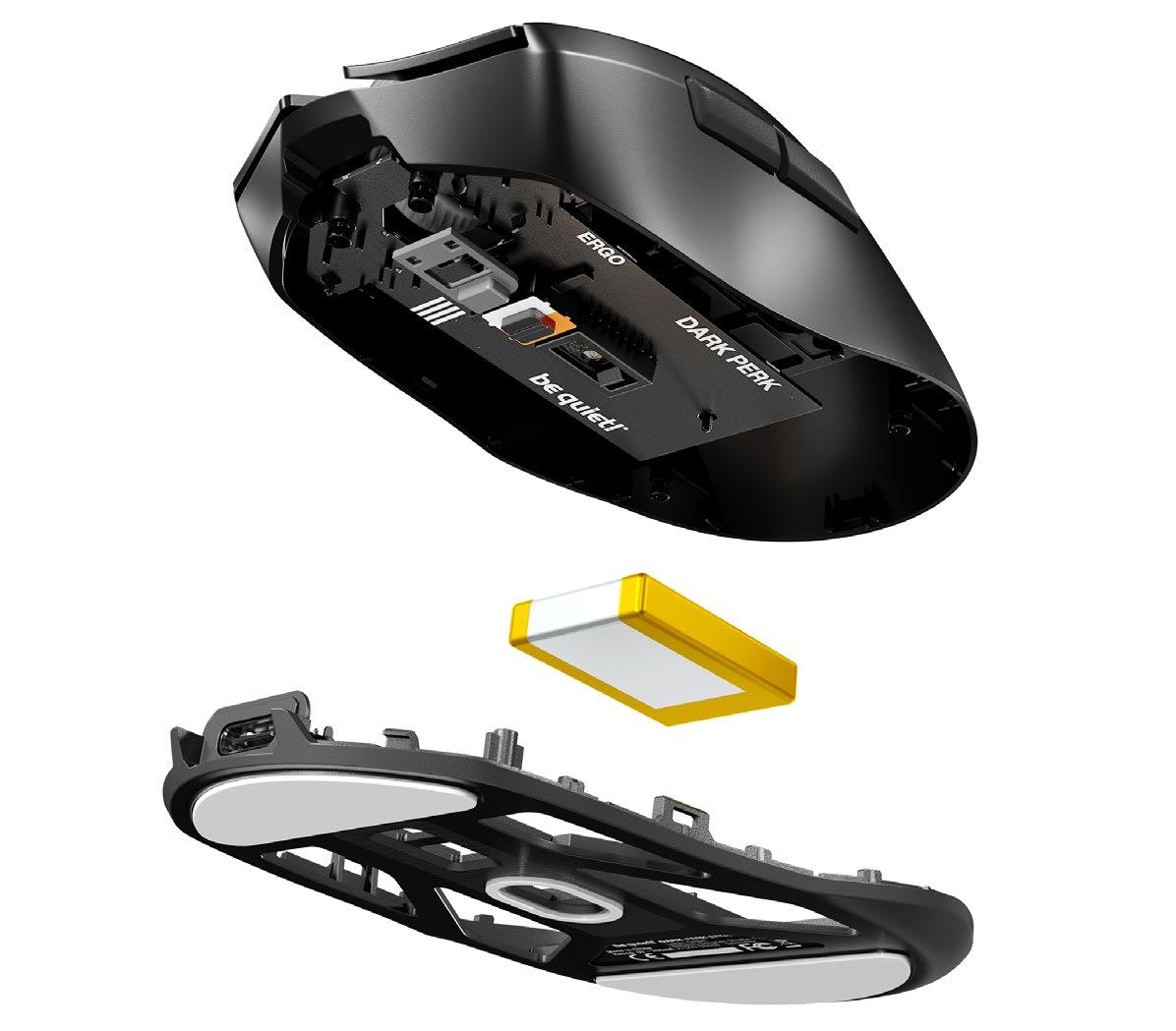
A huge thank you to be quiet! for providing the Dark Peak Ergo Mouse for extended testing. The hands-on time allowed for a genuine, real-workflow evaluation across editing, writing, gaming, and everyday use, the kind of testing that reveals the true strengths of a product built for creators. If the Dark Peak Ergo Mouse has caught your attention or you want to explore more of bequiet!’s premium, silence-focused hardware, their full lineup is worth exploring. From cooling to power to peripherals, they continue to build tools that elevate both performance and comfort.
You can discover the Dark Peak Ergo Mouse and the rest of their ecosystem on be quiet!’s official website below.


Reviewed by: Brandon Sawyer
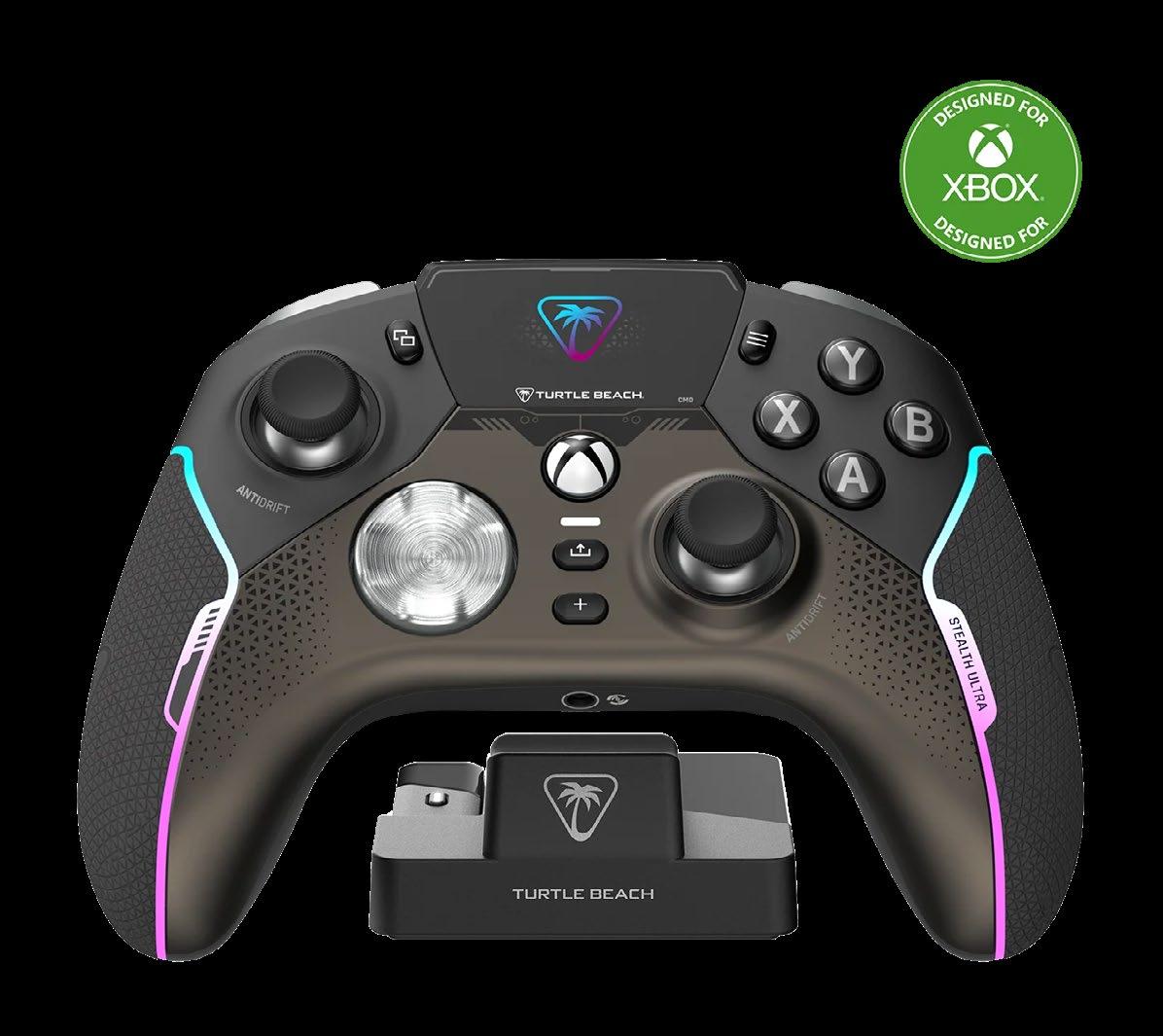
Every gamer knows the difference between a good controller and a great one. A good controller works. A great controller becomes an extension of your hands, intuitive, responsive, and built to elevate every moment of play. With the Stealth Ultra, Turtle Beach steps confidently into the elite controller arena, delivering a device that blends premium engineering with a bold visual identity and creator-friendly features. This isn’t just another “pro controller.” It’s a statement piece, especially in its striking Cobalt Blue glow-accented design and after weeks of testing across Xbox and PC, it’s clear that Turtle Beach has crafted something genuinely special.
The Stealth Ultra makes a strong first impression the moment you lift it from the box. The design is sleek, modern, and unmistakably premium, with a glow-accent lighting strip that gives the controller a futuristic edge without drifting into gimmick territory. The Cobalt Blue accents pop beautifully, catching the light in a way that makes the controller feel like a centrepiece rather than just another accessory.
Inside the box, you’ll find:
• The Stealth Ultra controller
• Premium charging dock
• USB-C cable
• Additional thumbstick caps
• Quick-start documentation
The inclusion of a dedicated charging dock instantly elevates the experience. It’s not an afterthought; it’s a core part of the Stealth Ultra’s identity.
Turtle Beach has nailed the balance between
style and substance. The Stealth Ultra feels solid without being heavy, premium without being fragile. The textured grips are comfortable and secure, the buttons have a crisp, responsive feel, and the analogue sticks glide smoothly with no drift or wobble.
The glow lighting effect is subtle but impactful. It adds personality without overwhelming the design, giving the controller a premium, almost boutique aesthetic. It’s the kind of detail that makes the Stealth Ultra stand out on a desk or charging dock. This is a controller built to be seen as much as it’s built to be used.
Charging Dock: A Genuine Game-Changer
The charging dock deserves its own spotlight. Turtle Beach didn’t just include a dock, they engineered a fast-charging, magnetic, drop-andgo system that makes powering the controller effortless.
Key highlights:
Magnetic alignment ensures perfect placement every time


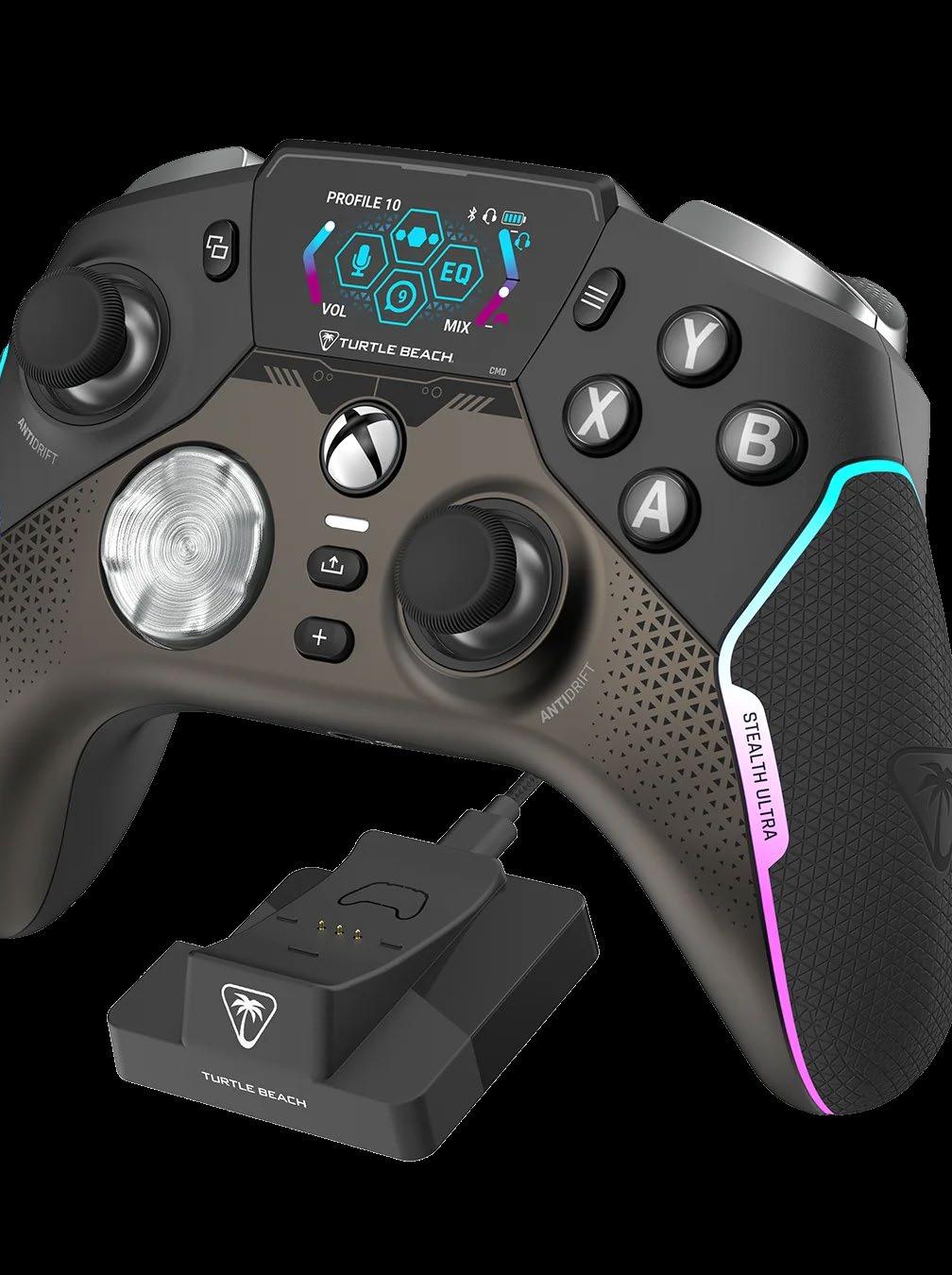
• Fast charging keeps the controller ready for long sessions
• LED indicators show charge status at a glance
• The dock doubles as a premium display stand
It transforms the Stealth Ultra from a tool into a showpiece. No cables. No fiddling. Just drop it on the dock and it’s ready for your next session.
A pro controller lives or dies by its performance, and the Stealth Ultra delivers:
• Hall-effect thumbsticks for drift-free precision
• Adjustable trigger stops for faster response in shooters
• Remappable rear buttons for custom layouts
• Low-latency wireless for Xbox and PC
• Wired mode for competitive play
Whether you’re playing competitive shooters, racing games, or narrative adventures, the Stealth Ultra feels fast, accurate, and consistent. Inputs are crisp, the triggers feel beautifully tuned, and the sticks offer excellent control across genres. This is a controller built for players who demand precision.
During extended sessions, the Stealth Ultra shines. The ergonomics are excellent, natural hand placement, comfortable grip texture, and a weight that feels balanced rather than fatiguing. The rear buttons are positioned intelligently, avoiding the accidental presses that plague many pro controllers. The triggers feel smooth and responsive, and the stick tension is tuned for both accuracy and comfort. This is a controller that respects the hours you put in.
• The Stealth Ultra works seamlessly across:
• Xbox Series X|S
• Xbox One
• Windows PC
• Mobile (via Bluetooth)
Switching between devices is quick and painless, and the wireless connection remains stable even in busy environments.
With the charging dock in play, battery life becomes almost irrelevant — but the controller still delivers:
• Up to 30 hours on a single charge
• Fast recharge via dock or USB-C
• Smart power management
In real-world use, I rarely saw the battery dip below 50% thanks to the dock’s convenience.
After weeks of daily use, the Stealth Ultra has become my go-to controller for both Xbox and PC. The glow lighting still looks stunning, the buttons feel as crisp as day one, and the charging dock has completely changed how I manage my setup. It’s the kind of controller that feels premium every time you pick it up and even when you’re not using it, it looks incredible sitting on its dock.
The Stealth Ultra sits firmly in the premium controller category:
• United States: $199 USD
• United Kingdom: £129/£179 GBP
For the build quality, performance, dock, and overall experience, it’s a strong value — especially compared to other pro controllers that don’t include a charging solution.
The Stealth Ultra is ideal for:
• Xbox players who want a premium, pro-level controller
• PC gamers who value precision and comfort
• Creators who want a controller that looks incredible on camera

• Players who appreciate a charging dock that simplifies everything
• Anyone who wants a standout controller with a unique glow aesthetic
If you want a budget option or a basic controller, this isn’t it. If you want a premium, stylish, highperformance device, the Stealth Ultra is one of the best choices available.
The Turtle Beach Stealth Ultra is more than a controller, it’s a premium gaming accessory that blends performance, style, and convenience in a way few competitors can match. The glow lighting, the charging dock, the build quality, and the pro-grade features all come together to create a controller that feels truly next-level.
A stunning, high-performance controller with a charging dock that elevates the entire experience. A genuine standout in the pro controller space.
A huge thank you to Turtle Beach for providing the Stealth Ultra for extended testing. The hands-on time across Xbox, PC, and daily creator workflows allowed for a deep, honest evaluation of what this controller can truly do. If the Stealth Ultra has caught your attention, then you are going to want to stick around for the next feature, another awesome Stealth product by Turtle Beach and that is the Stealth 700 Gen 3 headset.
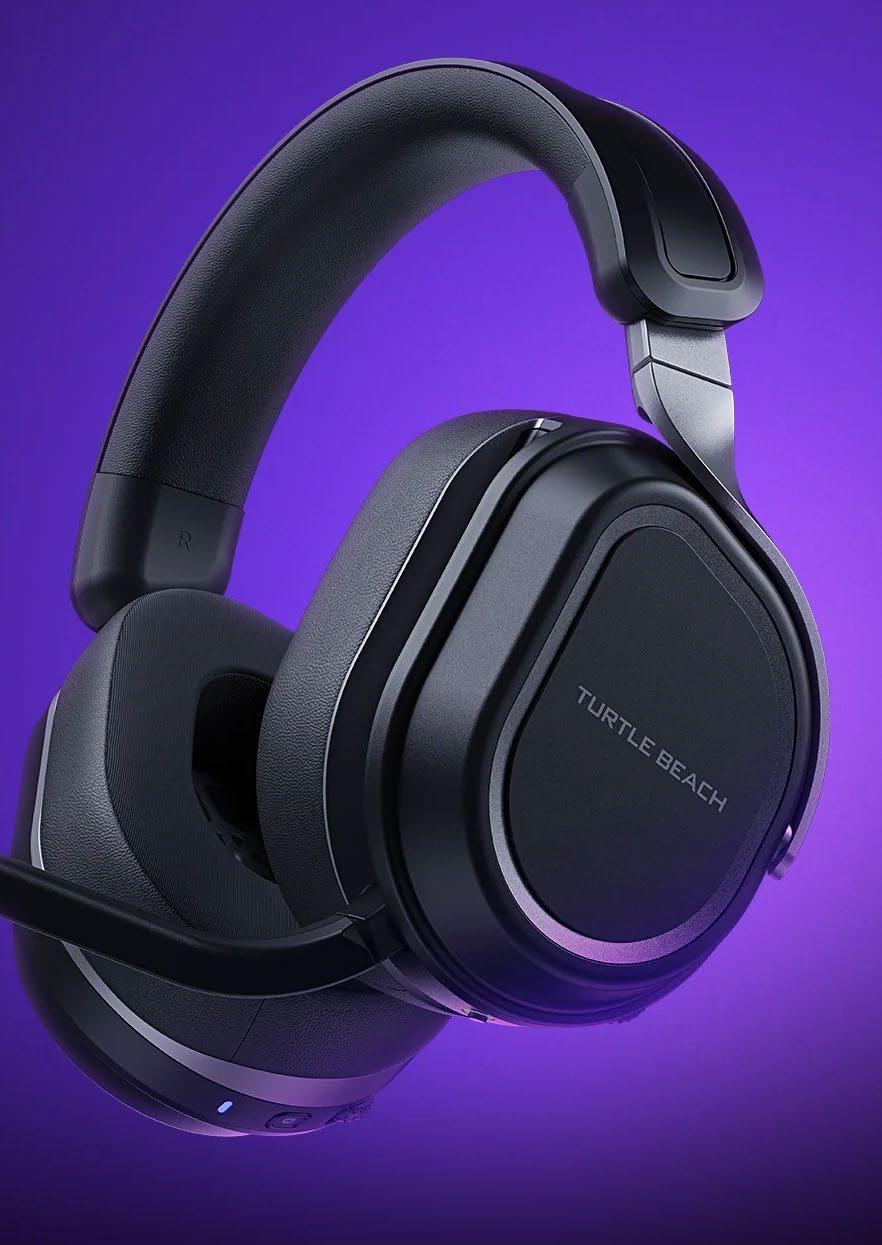
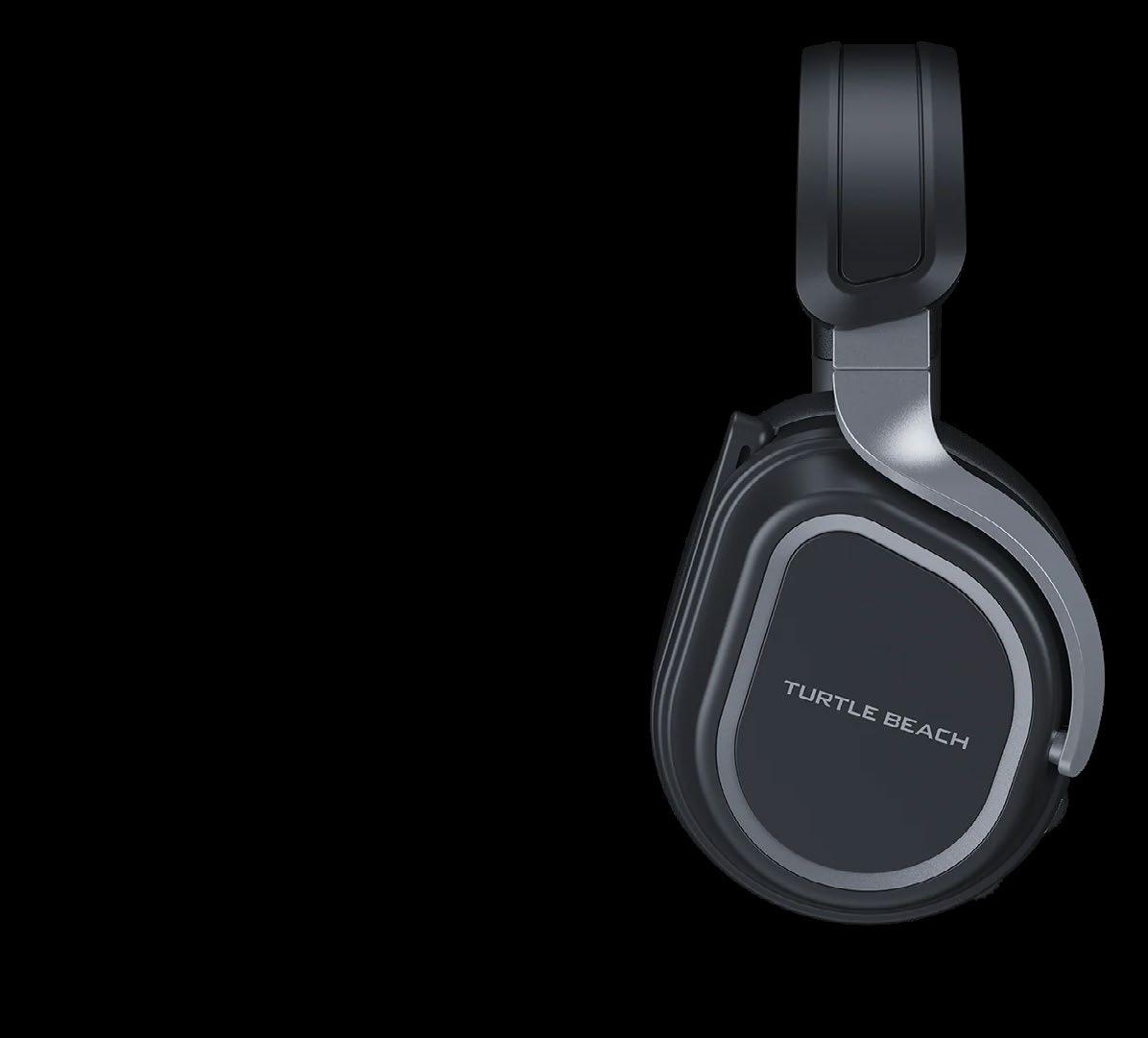
There’s a moment every gamer and creator knows well, when you slip on a headset and instantly feel whether it’s built for casual sessions or for the long haul. Turtle Beach has been refining that moment for years, but the Stealth 700 Gen 3 feels like a statement piece. Not just because of its feature set, not just because of its cross-platform versatility, but because of its Cobalt Blue finish, a colour so slick, so confident, it transforms the headset from a tool into a centrepiece.
After weeks of testing across Xbox Series X, PC, and mobile, the Stealth 700 Gen 3 has proven itself as one of Turtle Beach’s most refined, creatorready headsets yet. This is a device built for players who want premium comfort, powerful audio, and seamless switching between platforms, without sacrificing style.
Unboxing & First Impressions
The moment you lift the Stealth 700 Gen 3 from the box; the Cobalt Blue finish hits you. It’s deep, metallic, and unmistakably premium, a colourway that stands out without feeling loud. It’s the kind of blue that catches the light in all the right ways, giving the headset a sleek, modern identity that feels at home in both gaming setups and professional creator spaces.
Inside the box, you get:
The Stealth 700 Gen 3 headset
Two USB wireless transmitters
One dedicated Xbox transmitter
One dedicated PC/PlayStation/Switch transmitter
USB-C charging cable
Quick-start guide
The inclusion of two separate USB dongles is a brilliant touch. It means you can leave one plugged into your Xbox and the other in your PC, switching between them instantly without re-pairing or menu diving. It’s a small detail that dramatically improves real-world usability.
The Stealth 700 Gen 3 continues Turtle Beach’s
tradition of comfort-first design. The earcups use Aerofit cooling gel-infused memory foam, which genuinely helps during long sessions. Even after hours of gaming or editing, the headset stays cool and breathable. The headband is flexible yet sturdy, and the clamping force strikes a sweet spot, secure enough for movement, gentle enough for marathon use. The Cobalt Blue accents elevate the entire aesthetic, giving the headset a premium, almost metallic sheen that feels higher-end than previous generations.
This is a headset that looks as good on a shelf as it feels on your head.
Turtle Beach has always leaned into clarity and punch, and the Gen 3 continues that legacy with refinement.
• 50mm Nanoclear drivers deliver crisp highs, detailed mids, and powerful bass
• Spatial audio support on Xbox and Windows enhances immersion
• Footsteps, environmental cues, and directional audio are clean and precise
• Music playback is surprisingly full and warm
Whether you’re navigating chaotic multiplayer matches or editing audio for a video, the Stealth 700 Gen 3 offers a balanced, detailed soundstage that never feels muddy or over-processed.
The flip-to-mute microphone is one of Turtle Beach’s best iterations yet. It’s clear, natural, and well-tuned for both party chat and voice recording. While it won’t replace a dedicated XLR mic, it’s more than capable for streams, calls, and in-game communication. The mic monitoring (sidetone) is excellent, letting you hear your own voice without delay, a must for long sessions.
This is where the Stealth 700 Gen 3 truly shines. The headset includes two USB transmitters:





and PC. The comfort holds up, the audio remains consistently impressive, and the Cobalt Blue finish still looks stunning, no fading, no scuffs, no
The dual-dongle system has genuinely changed how I use wireless headsets. No more swapping, no more re-pairing, no more friction. It’s seamless, and it makes the headset feel like a natural extension of both platforms. This is a headset built for players who move between worlds.
The Stealth 700 Gen 3 sits in the premium wireless category:
• United States: $179 USD
• United Kingdom: £129/£179 GBP
For the build quality, dual-dongle versatility, comfort, and audio performance, it’s a strong value, especially for gamers who split time between Xbox and PC.
The Stealth 700 Gen 3 is ideal for: players who want premium wireless
PC gamers who value comfort and clarity
Creators who need a reliable, long-session headset
Users who want instant switching between platforms
Anyone who appreciates a bold, premium colourway
If you want RGB, ultra-bass-heavy tuning, or a budget option, this isn’t your headset. If you want premium comfort, excellent audio, and a colour that genuinely stands out, the Cobalt Blue Gen 3 is a top-tier choice.
After weeks of testing, the Turtle Beach Stealth 700 Gen 3 in Cobalt Blue stands out as one of the most versatile, comfortable, and stylish wireless headsets available for Xbox and PC. It’s powerful, polished, and built with real-world usability in
Overall Rating: 9 / 10
A premium wireless headset with stunning aesthetics, excellent audio, and one of the best multi-platform experiences Turtle Beach has ever delivered.
A huge thank you to Turtle Beach for providing the Stealth 700 Gen 3 for extended testing. The hands-on time across Xbox, PC, and daily creator workflows allowed for a deep, honest evaluation of what this headset can truly do.
If the Stealth 700 Gen 3 or the Stealth Ultra Controller has caught your eye, or if you want to explore Turtle Beach’s full lineup of gaming audio gear, their official website is the perfect place to dive deeper. From headsets to controllers and accessories, Turtle Beach continues to refine the gaming experience from every angle. Find out more below.


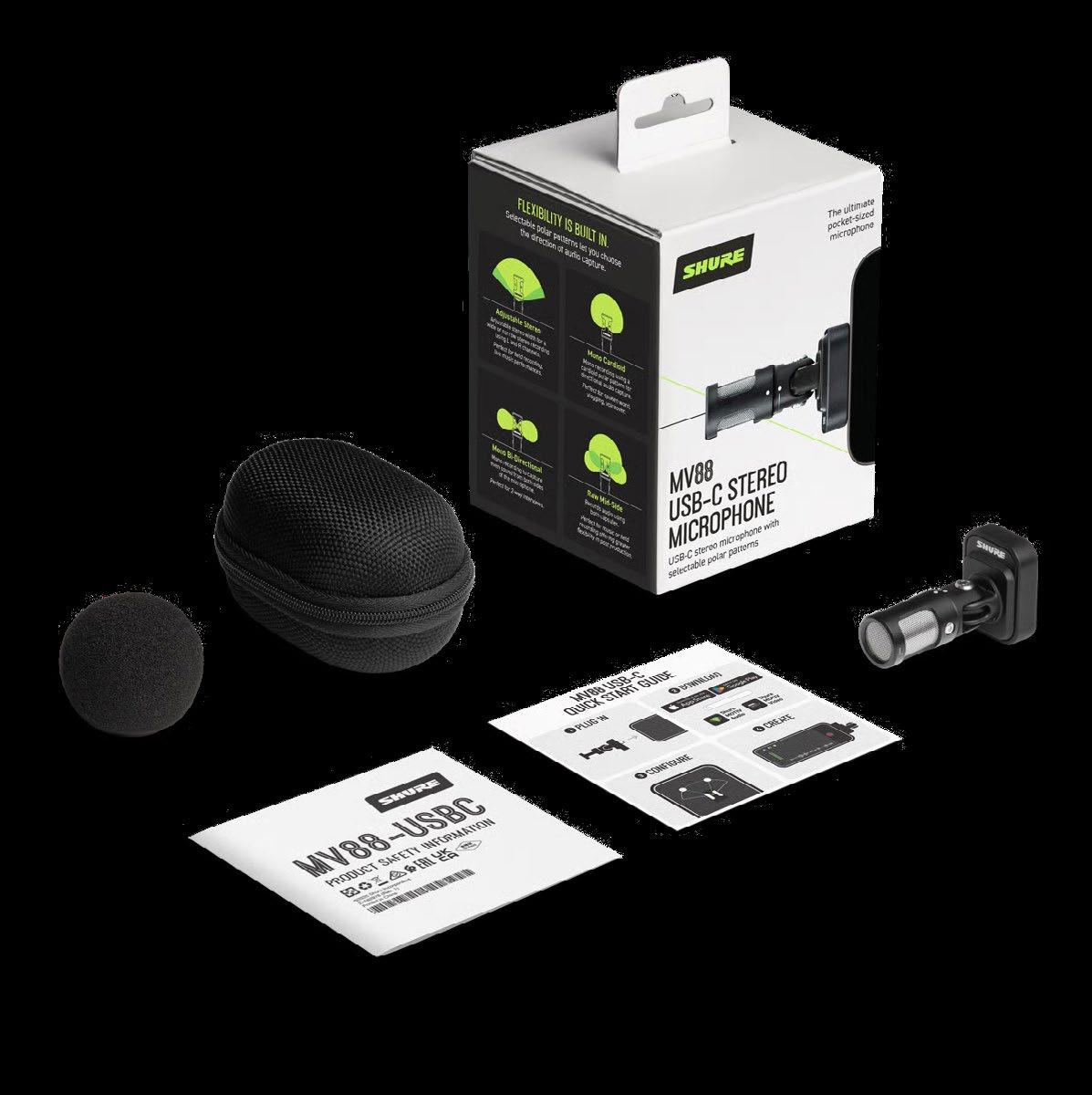
Mobile creators have always lived in a strange middle ground. Inspiration strikes anywhere, on the street, in a café, backstage, on a train, yet the tools capable of capturing that moment rarely travel well. Built-in phone mics flatten the world. Portable recorders add bulk. And full studio setups are impossible outside the studio. The Shure MV88 USB-C Stereo Microphone is the elegant solution to that problem, a compact, beautifully engineered microphone that transforms any USB-C device into a portable, broadcast-ready recording rig. After weeks of using it for field interviews, ambient sound capture, mobile voiceovers, and on-the-go content creation, it’s clear that Shure didn’t just shrink a microphone. They distilled their studio heritage into something that fits in your pocket.
At £145, it’s one of the most accessible ways to bring professional stereo audio into the mobile world.
The MV88 makes an immediate impression the moment you lift it from the box. It’s compact, yes, but it carries the unmistakable confidence of Shure engineering. The metal housing feels durable and travel-ready, the pivoting head gives you instant control over directionality, and the USB-C connection makes it feel like a natural extension of your device rather than an accessory.
Plugging it in is almost startling in its simplicity. No drivers. No setup rituals. No friction. It simply wakes up, ready to capture clean, detailed stereo audio with a clarity that feels wildly disproportionate to its size. It’s the kind of first impression that makes you rethink what mobile audio can actually be.
What sets the MV88 apart is its stereo capture, not a gimmick, not a novelty, but a genuinely impressive imaging system that gives your recordings depth, width, and realism. Whether I was capturing ambience for a video project,

recording outdoor interviews, or gathering sound beds for creative work, the MV88 delivered a sense of space that instantly elevated the material.
It’s the kind of stereo field that makes environments feel alive. Voices sit naturally in the mix. The atmosphere breathes. Movement has direction. For filmmakers, vloggers, journalists, and podcasters, this microphone becomes a secret weapon, a way to bring immersive audio into places where professional gear normally can’t go.
The MV88 is built for mobility, but what impressed me most was its consistency. Whether plugged into a phone, tablet, or laptop, the sound remained clean, stable, and unmistakably Shure. There’s no tonal shift when switching devices. No unpredictable behaviour when moving between platforms. It’s the kind of reliability that lets you focus on the moment rather than the gear.
And because it’s powered directly through USB-C, there’s no need for batteries or external power. It’s

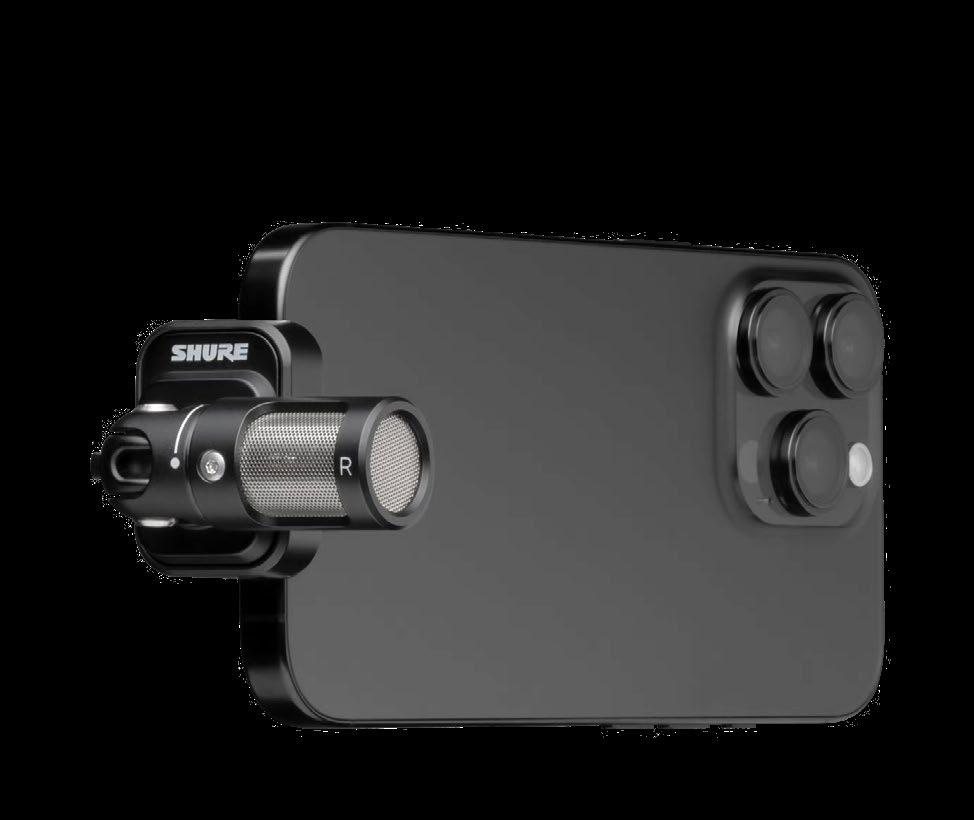
always ready, whether you’re recording in a quiet room, a busy street, or a makeshift studio on the road.
Using the MV88 in real-world scenarios feels like unlocking a new level of creative freedom. For field interviews, it delivers clarity that rivals full-size rigs. For mobile streaming, it gives your audience a level of audio polish that instantly elevates your presence. For voiceovers, it provides a clean, detailed tone that’s shockingly close to a desktop condenser mic.
It’s the kind of microphone that adapts to your workflow rather than forcing you to adapt to it. Whether you’re capturing ambience for a cinematic project or recording a quick voice memo that needs to sound professional, the MV88 handles it with ease.
After weeks of living with the MV88, it has become a permanent part of my mobile kit. It’s the microphone I reach for when I want studiograde sound without the studio. It’s the mic I trust when I’m traveling, when I’m on location, or when I’m working in environments that don’t allow for a full setup.
It’s the rare piece of gear that doesn’t just perform well; it expands what’s possible.
The Shure MV88 USB-C Stereo Microphone is one of the most impressive mobile recording tools available today. It’s compact, durable, and brilliantly engineered for creators who refuse to compromise on sound, even when they’re away from their desk. Its stereo imaging, device consistency, and effortless plug-and-play workflow make it a must-have for anyone who records on the go.
At £145, it’s an exceptional value for a microphone that brings broadcast-ready clarity to any USB-C device.
A compact, beautifully engineered stereo microphone that delivers professional sound anywhere, anytime.
A huge thank you to Shure for providing the MV88 for extended testing. Experiencing it across mobile, desktop, and travel workflows offered a genuine look at how transformative this tiny microphone can be.
Every creator knows the struggle: you’ve got the perfect microphone, the perfect voice chain, the perfect setup, but the moment you step away from your desk, everything falls apart. Interfaces become bulky. Cables become messy. Mobile devices become limiting. And suddenly, your premium XLR mic becomes a glorified ornament.
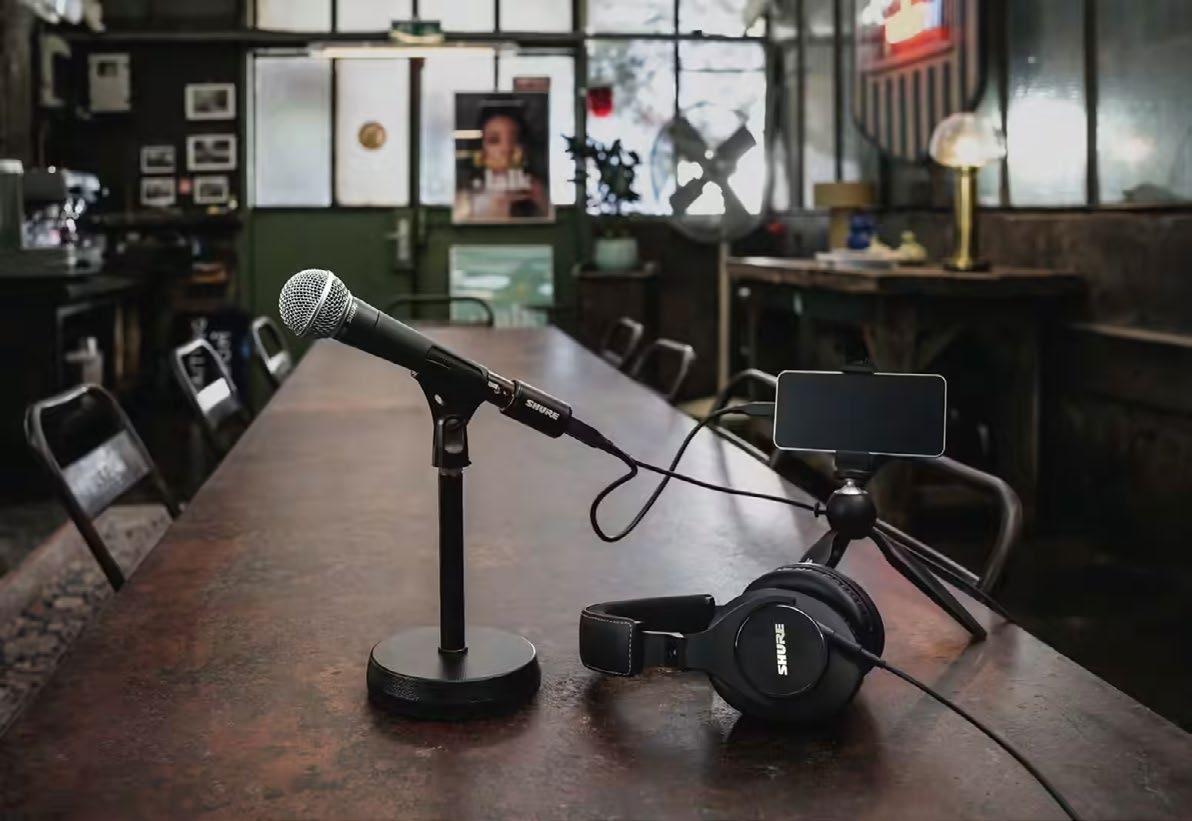
The Shure MVX2U Gen 2 is the antidote to that problem, a compact, mobile-friendly XLR-to-USB interface that doesn’t just make your microphone portable, it makes it consistent. Across devices. Across environments. Across workflows. After

weeks of testing it on desktop, laptop, iPhone, iPad, and Android, it’s clear that Shure has built something deceptively small but undeniably powerful. This isn’t just an adapter. It’s a studio in your pocket, and at £139, it’s one of the most accessible ways to unlock professional XLR sound anywhere.
The first time you hold the MVX2U Gen 2, you almost underestimate it. It’s small, smaller than you expect, with a clean, understated design
that feels more like a premium dongle than a fullfledged interface. But the moment you plug it in, the illusion breaks. This tiny device wakes up with the confidence of a full desktop interface, delivering clean gain, stable power, and Shure’s signature digital processing with zero fuss. Powered entirely through USB-C, it eliminates the clutter of power bricks and external adapters. Plug in your XLR mic, connect to your device, and you’re live. It’s the kind of simplicity that makes you wonder why this didn’t exist years ago.
What makes the MVX2U Gen 2 so impressive is how much power it delivers in such a small form factor. With up to 60 dB of gain, it can drive even the hungriest dynamic microphones, the kind that normally demand a full interface or an inline preamp. And when you switch to a condenser mic, the MVX2U fires up 48 V phantom power without hesitation.
It doesn’t compromise. It doesn’t care whether you’re using a broadcast dynamic, a studio condenser, or anything in between. It just works, cleanly, consistently, and with the kind of
headroom you expect from a desktop interface.
And because the processing is onboard, your sound remains stable across every device you connect to. Your tone doesn’t shift when you move from Mac to iPhone. Your clarity doesn’t drop when you switch from PC to iPad. Your voice stays your voice, no matter where you are.
Every creator has been there: you’re traveling, you’re in a hotel room, you’re in a noisy environment, or you’re recording in a space that’s far from acoustically ideal. Normally, that means compromised audio, reflections, noise, inconsistencies. The MVX2U Gen 2 tackles this head-on with Shure’s onboard digital audio processing. It stabilizes your tone, smooths out inconsistencies, and gives you a cleaner, more controlled sound even when the room isn’t isn’t doing you any favours. It’s not magic, but it’s close, especially for mobile creators who don’t have the luxury of perfect spaces.
This is where the MVX2U stops being a


convenience tool and becomes a genuine asset. It doesn’t just make recording possible. It makes it reliable.
Using the MVX2U Gen 2 across different devices feels like unlocking a new level of freedom. On desktop, it behaves like a streamlined interface, plug in, set your gain, and you’re ready to record or stream. On mobile, it becomes something even more valuable: a way to bring your full XLR sound with you anywhere. The fact that it’s MFi certified for iPhone and iPad is huge. No workarounds. No adapters. No compromises. Just plug in and go. And because it’s also compatible with select Mac, Windows, iOS, and Android devices, it becomes a universal solution, one interface for every platform.
For streamers, podcasters, voice actors, and mobile journalists, this is the kind of tool that quietly transforms your workflow. It removes friction. It removes limitations. It removes excuses.
After weeks of daily use, the MVX2U Gen 2 has become a permanent part of my kit. It lives in my bag, ready to turn any XLR mic into a studioready setup at a moment’s notice. I’ve use d it for voiceovers, remote interviews, mobile streaming, and even quick field recordings and it’s never once faltered.
It’s the rare piece of gear that doesn’t just perform well; it makes your entire workflow feel lighter, faster, and more flexible.
The Shure MVX2U Gen 2 is one of those deceptively simple tools that ends up being indispensable. It’s compact, powerful, and brilliantly engineered for creators who refuse to compromise on sound, whether they’re at a desk, on the road, or working entirely from mobile devices.
At £139, it’s an exceptional value for a device that brings studio-grade XLR performance to any device, anywhere.
Rating: 9.5 / 10
A compact, mobile-ready powerhouse that delivers clean gain, stable phantom power, and consistent sound across every platform.
A huge thank you to Shure for providing the MVX2U Gen 2 for extended testing. Experiencing it across desktop, mobile, and travel workflows offered a genuine look at how transformative this tiny interface can be.
If the MVX2U Gen 2 has caught your attention, be sure to explore Shure’s full lineup of creator-focused gear, there’s a lot more worth discovering.


Reviewed by: Brandon Sawyer
There are earbuds you use, and then there are earbuds that quietly transform the way you end your day. The Soundcore Sleep A30 falls firmly into the second category, a tiny, impossibly comfortable pair of sleep buds that have turned my nights from restless, interrupted, and noisy into something calmer, softer, and genuinely restorative.
This isn’t just a “sleep gadget.” It’s a nightly ritual. A comfort piece. A subtle but powerful upgrade to the way you unwind, disconnect, and recharge. And at £199, they land in a sweet spot: premium enough to feel serious, accessible enough to become a real part of your nightly routine. After weeks of testing across late-night writing sessions, noisy environments, and long, unpredictable sleep cycles, it’s clear Soundcore has built something that punches far above its size.
The Sleep A30 makes an immediate impression the moment you lift the case from the box. It’s compact, smooth, and almost pebblelike, something you’d expect from a premium wellness brand rather than a traditional audio company.
• Inside the box, you get:
• Sleep A30 earbuds
• Ultra-compact wireless charging case
• Multiple ear tip and ear wing sizes
• USB-C charging cable
• Quick-start documentation
The earbuds themselves are shockingly small, smaller than most earplugs and designed to disappear the moment you lie down.
Soundcore has absolutely nailed the microergonomics here. The Sleep A30 feels like a masterclass in miniaturization, smooth edges, soft silicone, and a low-profile shape that stays

flush against your ear even when you sleep on your side. This is wearable tech that respects the realities of sleep.
Comfort:
This is where the Sleep A30 genuinely changed my nights. Because they’re so small and so soft, they simply disappear. I’ve worn them through:
• Side-sleeping
• Back-sleeping
• Long naps
• Late-night writing sessions
• Noisy environments
• Early-morning wake-ups
…and they never once caused discomfort or pressure.
They’re the first earbuds I’ve used that feel like they were designed for real sleep, not just “lying still on your back in a product photo.”
Noise Blocking: A Quiet Revolution
The Sleep A30 doesn’t use active noise




cancellation. Instead, it relies on a hybrid approach:
• Passive noise blocking
• Sound masking via built-in tracks
• Optional Bluetooth audio for your own apps or playlists
The result is a surprisingly effective cocoon of quiet. Snoring, hallway noise, traffic, early-morning clatter, it all fades into a soft, manageable hush.
The Sleep A30 has become my nightly companion. What impressed me most is how consistent they are.
• They never fall out
• They never create pressure when lying on your side
• They never wake you up
• They never feel warm or intrusive
It’s the first time I’ve had sleep earbuds that feel like part of my routine rather than a device I’m fighting with.
Beyond sleep, the A30 is a quiet-focus tool. Perfect for:
• Deep work
• Meditation
• Reading
• Travel
• Hotel stays
They’re not built for workouts or calls, but for calm, focus, and rest, they’re exceptional.
For earbuds this small, the Sleep A30 delivers surprisingly rich, soothing audio:
• Warm low-end
• Soft, relaxing mids
• Smooth highs
A tuning profile designed for rest, not stimulation It's a sound that helps you drift, not think.
Battery life is strong and reliable:
• Easily lasts through a full night
• Quick top-ups in the case
• Enough endurance for naps, travel, and winddown sessions
They simply keep up.
After weeks of nightly use, the Sleep A30 has become a permanent part of my sleep routine. Foam earplugs feel primitive now. White noise machines feel bulky. These feel effortless. They’re the rare product that doesn’t just work well; they improve your nights.
The Sleep A30 is ideal for:
• Light sleepers
• Side sleepers
• Partners of snorers
• Travelers
• Anyone who struggles to unwind
• Anyone who wants comfort without bulk
If you want booming bass or workout-ready durability, this isn’t the product. If you want comfort, quiet, and better sleep, the A30 is one of the best options available.
The Soundcore Sleep A30 is more than a sleep accessory, it’s a nightly upgrade. From noisy apartments to restless nights to early-morning distractions, it delivers comfort, quiet, and consistency in a way few sleep buds can match.
A brilliantly executed sleep-focused design that enhances rest, relaxation, and nightly comfort with effortless wearability and soothing sound. At £199, they offer exceptional value for something you’ll use every single night.

A huge thank you to Soundcore for providing the Sleep A30 for extended testing. Being able to live with these earbuds across real nights, real noise, and real routines allowed for a genuine, in-depth look at what they can truly do. If the Sleep A30 has caught your attention and you want to explore more of Soundcore’s lineup, their full range of audio gear is absolutely worth discovering.
There are headphones you wear, and then there are headphones that quietly upgrade your entire lifestyle. The Soundcore AeroFit Pro 2 falls firmly into the second category, a sleek, open-ear powerhouse that’s transformed my gym sessions, my gaming marathons, and even the grind of daily workload into something smoother, lighter, and surprisingly more enjoyable.
And at £179, they sit in that sweet spot where premium comfort, versatility, and performance feel genuinely accessible, especially for something you’ll use across your entire day. This isn’t just another “open-ear fitness wearable.” It’s a confidence piece. A comfort piece. A productivity piece. And after weeks of testing across workouts, workdays, and latenight gaming, it’s clear Soundcore has built something that punches far above its weight.
The AeroFit Pro 2 makes an immediate impression the moment you lift it from the box. The design is modern and sculpted, with a matte finish that feels premium without screaming for attention. The flexible ear hooks are soft yet sturdy, and the open-ear drivers sit in a way that feels almost futuristic, like a piece
of tech designed to disappear once you put it on.
Inside the box, you get:
• AeroFit Pro 2 earbuds
• Detachable neckband for high-intensity stability
• USB-C charging cable
• Quick-start documentation
The neckband is a clever inclusion, not mandatory, but a thoughtful option for those who train hard and move fast.
Soundcore has absolutely nailed the ergonomics here. The AeroFit Pro 2 feels featherlight, balanced, and almost impossibly comfortable. The silicone hooks hug the ear without pressure, and the open-ear design means zero fatigue, even after hours of use. The build feels durable enough for gym abuse, sweat, movement, and constant repositioning, yet refined enough to wear at a desk or on a commute without looking like you’re about to run a marathon.
This is wearable tech that respects both performance and aesthetics.
This is where the AeroFit Pro 2 genuinely changed my workflow. Because they don’t seal inside your ear, there’s no heat, no pressure, no “ear fatigue.” I’ve worn them through:
• Two-hour gym sessions
• Back-to-back editing blocks
• Long gaming nights
• Calls, meetings, and writing sessions
…and they never once felt intrusive. They’re the first earbuds I’ve used that feel like part of my day rather than a device I’m constantly aware of.
The AeroFit Pro 2 has become my go-to training companion. The open-ear design means I stay aware of my surroundings, but the bass and clarity still hit hard enough to keep the energy high.

What stood out most:
• Zero shifting during heavy lifts or cardio
• Sweat-resistant design that actually holds up
• Open-ear comfort that makes long sessions effortless
• The optional neckband for explosive movements
Music feels full, motivating, and immersive, without the isolation that can make workouts feel disconnected from the environment. It’s the first time I’ve had pro-level sound without sacrificing awareness or comfort.
I didn’t expect open-ear earbuds to shine in gaming, but they do. The AeroFit Pro 2 delivers a wide, airy soundstage that works beautifully for RPGs, open-world games, and even competitive shooters. Spatial cues are surprisingly accurate, and because the earbuds don’t seal your ears, you avoid the fatigue that comes from hours of closed-back pressure.
Late-night gaming sessions feel lighter, cooler, and more natural. You can hear your environment, talk to people around you, and still stay fully immersed in the game. It’s a different kind of gaming audio, not the “shut out the world” approach, but a “blend seamlessly into it” experience.
This is where the AeroFit Pro 2 became indispensable. During long editing sessions, writing blocks, or admin-heavy days, the open-ear design keeps me connected to my environment while still delivering crisp audio for music, calls, or ambient soundtracks.
Key benefits:
• No ear fatigue during long hours
• Natural awareness of surroundings
• Clear call quality for meetings
• Comfortable enough to forget you’re wearing them
They’ve become my default “workday wearable,” replacing both my over-ears and my in-ears for most tasks.
For open-ear earbuds, the AeroFit Pro 2 delivers shockingly full sound:
• Deep, punchy bass
• Clear mids for vocals and dialogue
• Crisp highs without harshness
• Wide, open soundstage
Soundcore’s dynamic drivers and bassenhancing tech give these earbuds a richness that rivals sealed designs, without the discomfort.
Battery life is strong, easily lasting through:
• A full workday
• A long gym session
• Evening gaming
And the quick-charge feature means you’re never stuck waiting.
After weeks of daily use, the AeroFit Pro 2 has become a permanent part of my routine. They’ve replaced my gym earbuds, my workday headphones, and even my casual gaming headset for lighter sessions. They’re the rare product that doesn’t just perform well; they improve your day.
The AeroFit Pro 2 is ideal for:
• Gym-goers who want comfort and awareness
• Gamers who prefer long-session comfort
• Creators and professionals who work for hours
• Anyone who hates ear fatigue
• People who want premium sound without isolation
If you want booming, sealed-off noise cancellation, this isn’t the product. If you want comfort, versatility, and a seamless all-day experience, the AeroFit Pro 2 is one of the best open-ear options available.
The Soundcore AeroFit Pro 2 is more than a fitness wearable; it’s a lifestyle upgrade. From the gym to the desk to the gaming setup, it delivers comfort, clarity, and versatility in a way few earbuds can match.
Overall Rating: 9 / 10
A brilliantly executed open-ear design that enhances workouts, gaming, and productivity with effortless comfort and impressive sound. At £179, they offer exceptional value for
something that genuinely becomes part of your entire day.
A huge thank you to Soundcore for providing the AeroFit Pro 2 for extended testing. Having the chance to live with these earbuds across workouts, gaming sessions, and long creative workdays allowed for a genuine, in-depth look at what they can really do. If the AeroFit Pro 2 has caught your attention and you want to explore more of Soundcore’s lineup, be sure to check out their full range of audio gear on the official Soundcore website below, there’s a lot more worth discovering.
www.soundcore.com
Facebook: @soundcoreUK
Instagram: @soundcoreuk
Twitter: @soundcoreaudio
TikTok: @soundcoreuk



Reviewed by: Brandon Sawyer
There’s a certain energy when a new player steps into the esports hardware scene, and with the launch of the LOGIX range, Target Components aren’t just dipping a toe in; they’re making a statement. Built with scalability in mind, the LOGIX lineup targets everyone from first-time competitive gamers to highend enthusiasts and content creators. What stands out immediately is the philosophy: performance where it matters, without unnecessary fluff. Whether you're chasing frames in competitive shooters or building a hybrid gaming/streaming setup, LOGIX aims to deliver systems that feel purposeful.
We got hands-on with three machines from the range, a budget-friendly powerhouse and two nocompromise demo rigs and what follows is a deep dive into how they perform in the real world.
Let’s be clear: at around £700, expectations are usually tempered. But this system? It genuinely surprised me.
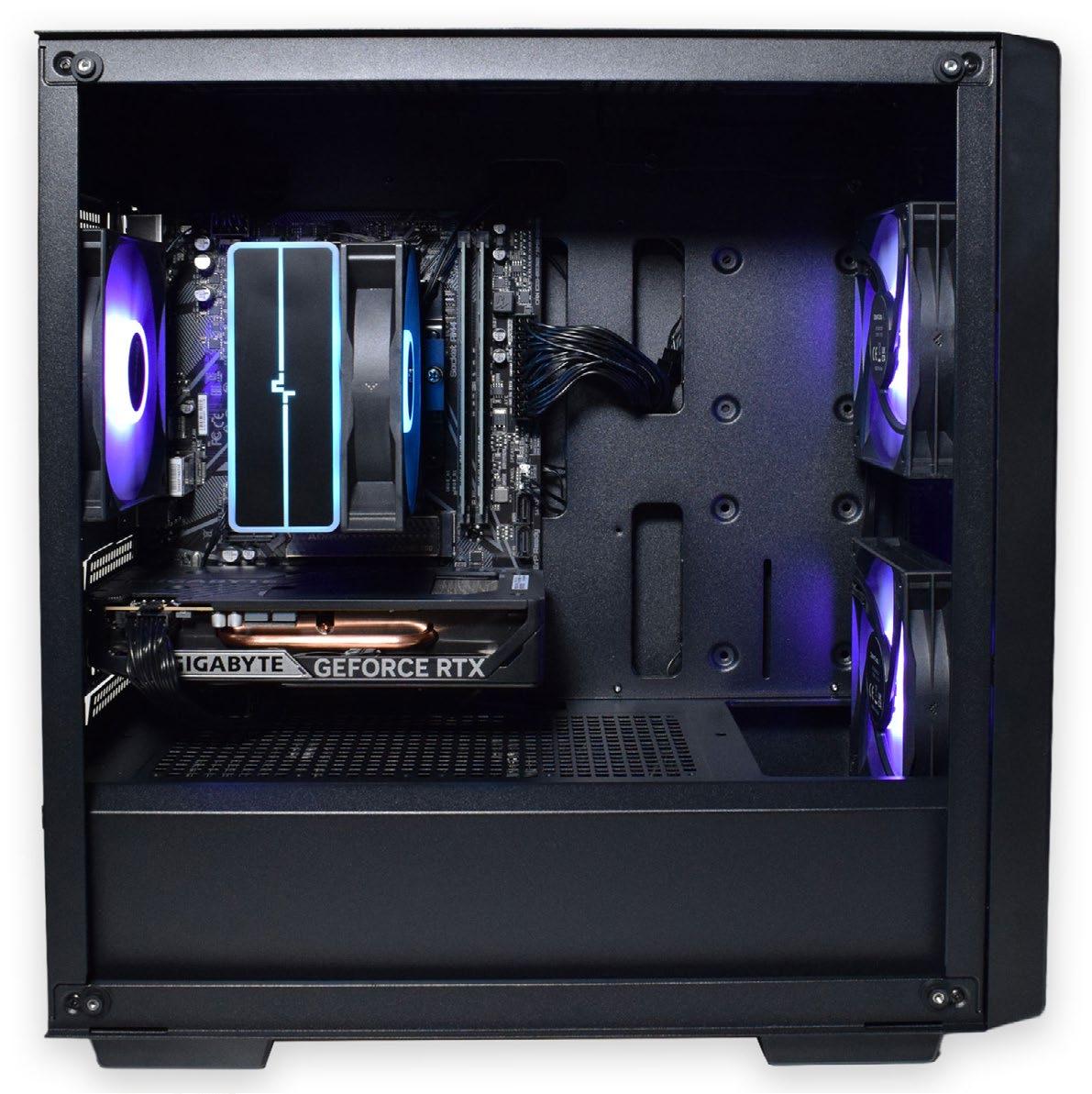
Specs
• CPU: Ryzen 5 5500 (6-core, 4.2GHz)
• GPU: RTX 5050 Windforce 8GB
• RAM: 16GB DDR4 3200MHz
• Storage: 1TB NVMe (5000MB/s)
• Motherboard: Gigabyte A520M
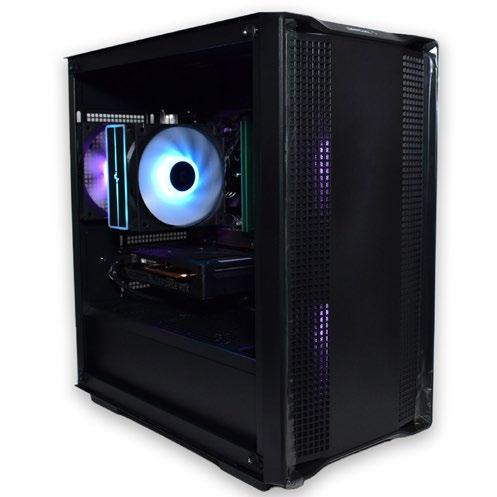
• Cooling: DeepCool AG400 ARGB
• PSU: 500W 80+
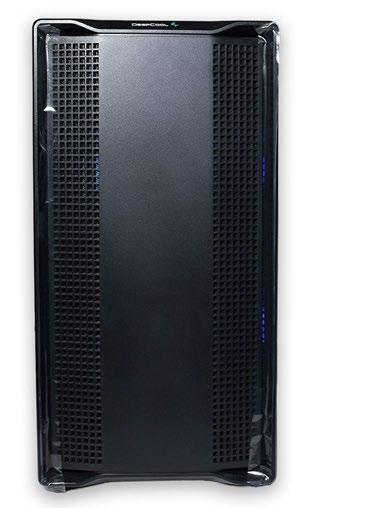
• Case: DeepCool CG380 Micro RGB
Before diving into performance, we need to talk about something different: Bazzite OS and importantly, this is the OS we used throughout all of our testing on the budget build. Bazzite is a Linux-based gaming operating

system inspired by SteamOS. It’s designed to deliver a console-like experience while retaining the flexibility of a PC. Key benefits include:
• Optimised performance for Steam and Proton-supported titles
• Lower system overhead compared to traditional Windows installs
• Seamless updates and a clean, controllerfriendly interface
• Surprisingly strong compatibility with modern games
Running the LOGIX budget system on Bazzite gave us a really interesting perspective. Not only did it feel fast and responsive, but it also reinforced how viable Linux gaming has become in 2026.
I put this machine through its paces across a mix of esports titles and heavier AAA games.
• CS2: 180–220 FPS (competitive settings)



• Valorant: 200+ FPS consistently
• Fortnite (Performance Mode): 160–200 FPS
• Apex Legends: 120–150 FPS
This is where the system shines. It’s clearly tuned for high refresh rate 1080p gaming, and it absolutely delivers.
• Cyberpunk 2077: 55–70 FPS (medium settings, DLSS enabled)
• Warzone: 90–110 FPS (balanced settings)
• Hogwarts Legacy: ~60 FPS (medium)
You’re not maxing everything out—but that’s not the goal here. The balance between visual fidelity and performance is excellent for the price.
This is where the system quietly overdelivers. Using OBS with GPU encoding:
• 1080p60 streaming was smooth
• No noticeable frame drops in-game
• Multitasking (Discord, browser, Spotify) remained fluid
We’ve actually integrated this unit into our workflow as a dedicated streaming and light workload machine, and it hasn’t skipped a beat.
This might genuinely be one of the best-value PCs I’ve used in years.
It nails:
• Competitive gaming performance
• Entry-level streaming capability
• Clean thermals and acoustics
• A genuinely usable alternative OS
For anyone entering PC gaming or needing a secondary system, this is a no-brainer.
And a big thanks to Target Components for giving us this unit, it’s earned a permanent place in our setup.
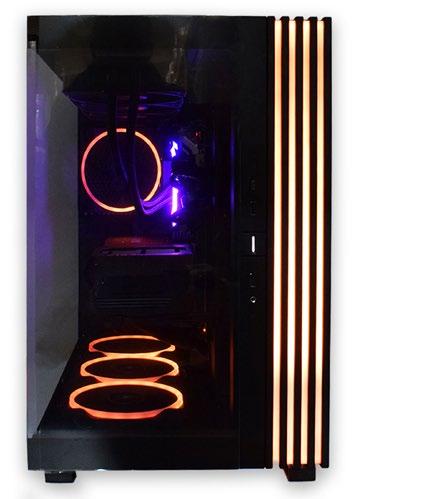
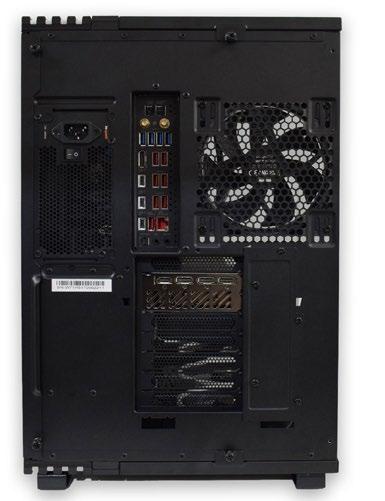
Now we shift gears, dramatically. This is one of the demo units provided for events and showcases, and it represents the upper extreme of what the LOGIX range can deliver.
Specs
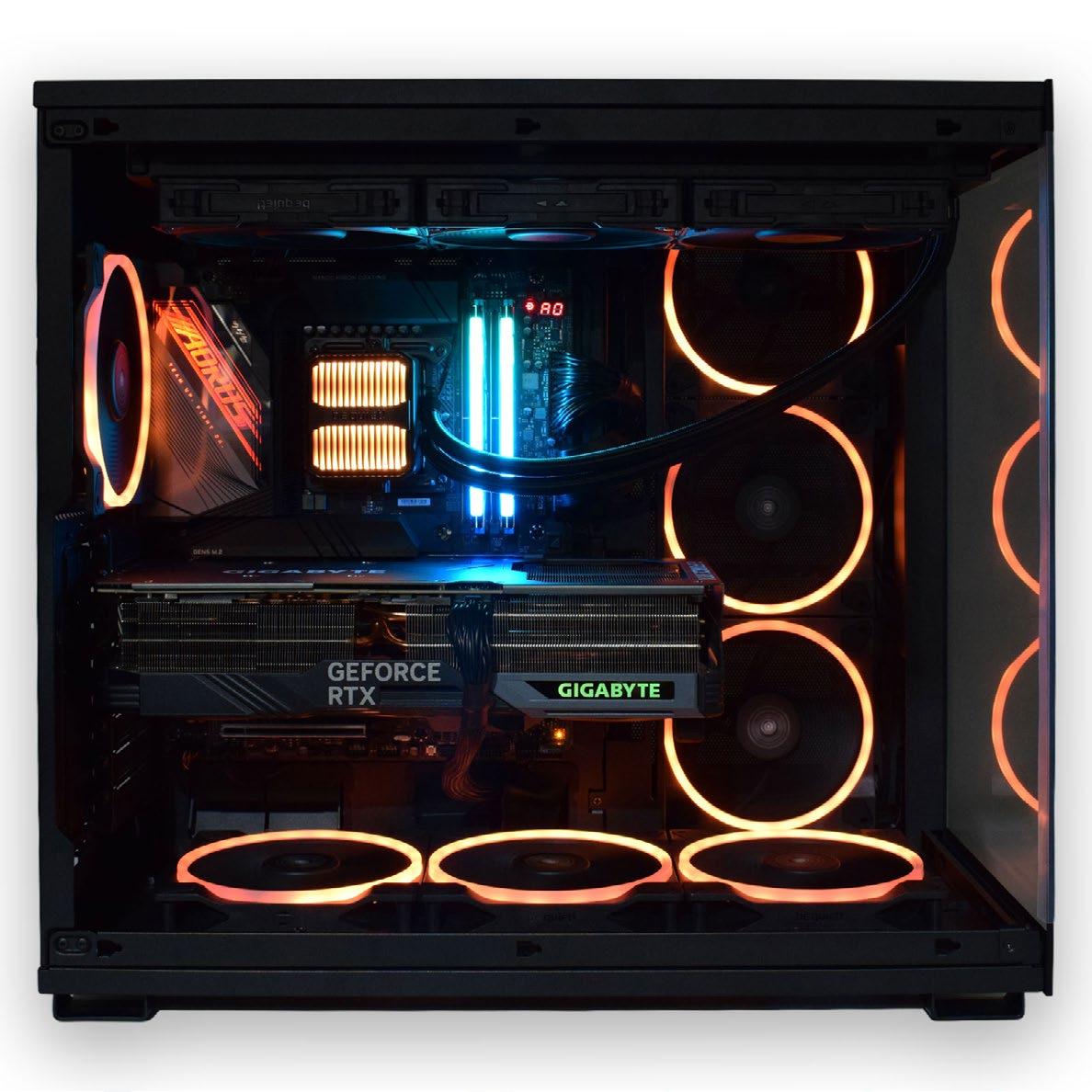
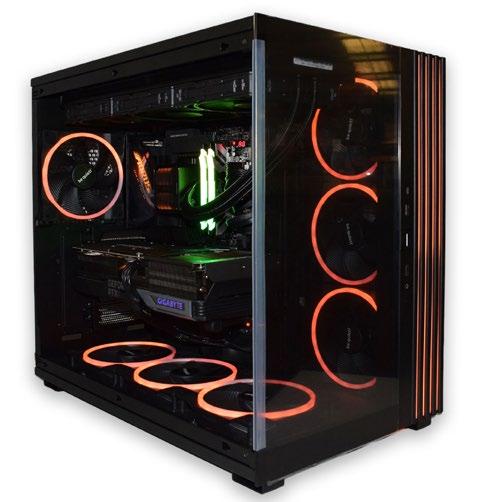
• CPU: Intel i9 14th Gen (24-core)
• GPU: RTX 4090 Gaming OC
• RAM: 96GB DDR5 6000
• Storage: Multi-drive NVMe setup (up to 7300MB/s)
• Cooling: 420mm liquid cooling
• PSU: 1300W
Performance Expectations
This isn’t just high-end, it’s absurdly capable.
Gaming
• 4K Ultra Gaming: 100–160 FPS in most titles
• Ray Tracing + DLSS: Smooth even in demanding games
• Esports Titles: 300+ FPS effortlessly
• 4K video editing? Instant timeline response
• Rendering workloads? Chews through them
• Streaming + gaming simultaneously? No compromise
Thermals
The Be Quiet chassis and cooling setup keep everything:
• Cool under load
• Whisper-quiet
• Visually stunning with subtle RGB
This is the kind of machine you bring to an event and people stop walking.
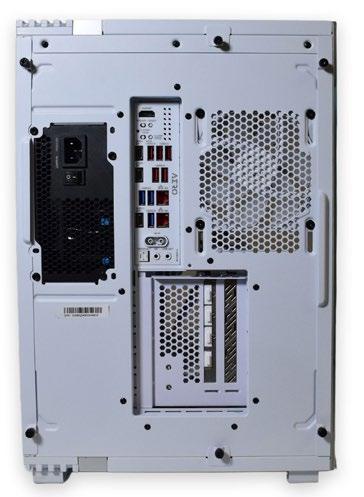
If the black rig is brute force, the white build is refined power with personality.
Specs
• CPU: Ryzen 5 7600X3D

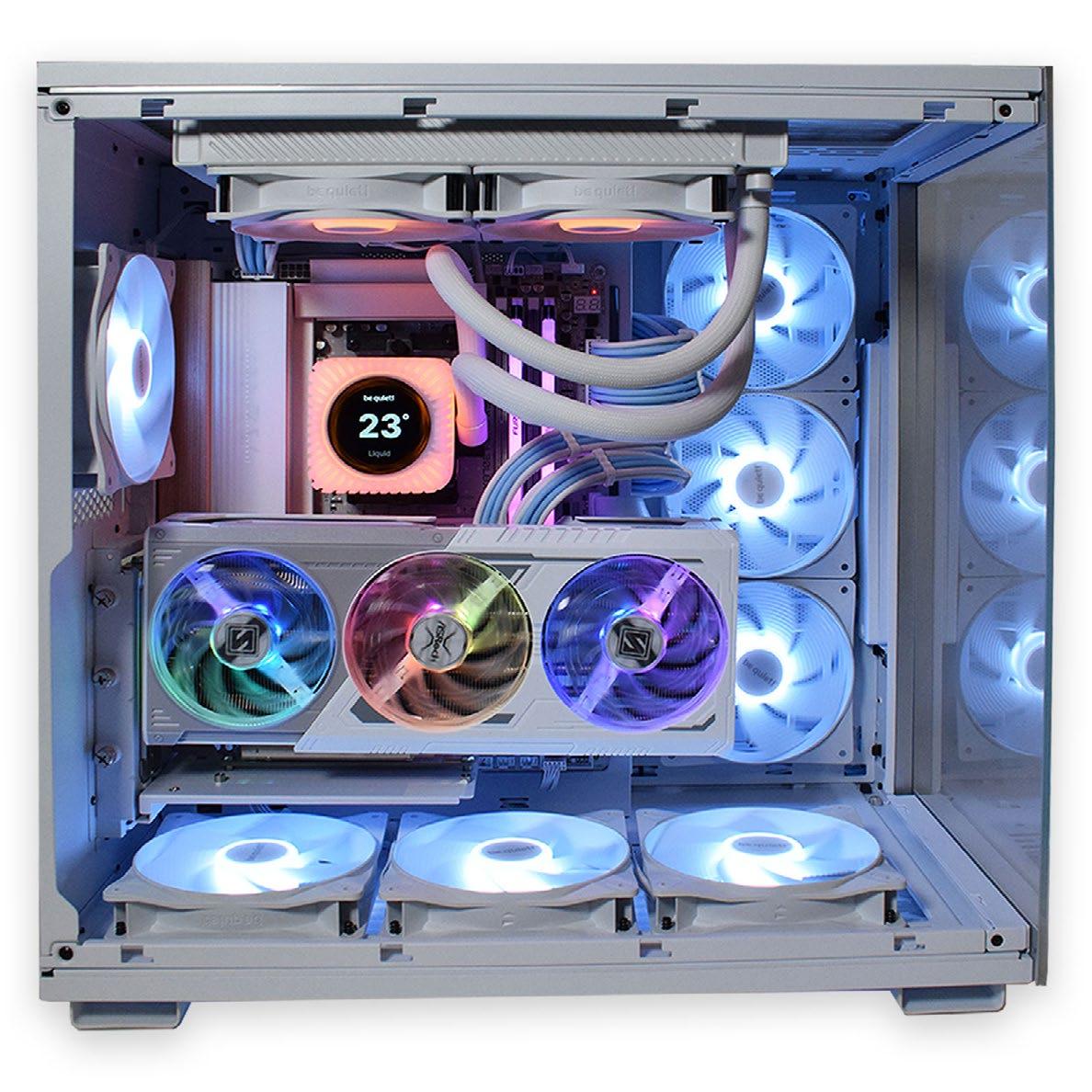
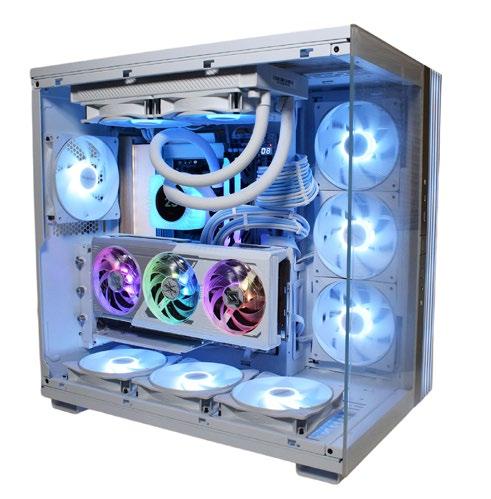
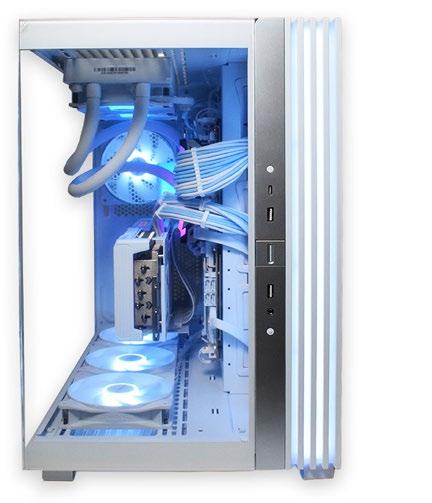


• GPU: RX 9070 XT 16GB (White)
• RAM: 64GB DDR5 6400 RGB
• Storage: 4TB NVMe (7300MB/s)
• Cooling: Be Quiet Light Loop with LCD
• Aesthetic: Fully themed white build with vertical GPU
Performance Profile
This system is tuned differently, it’s a gamingfirst powerhouse.
Gaming
• 1440p Ultra: 120–180 FPS
• 4K High: 80–120 FPS
• Esports Titles: Extremely high refresh ready
The X3D chip shines in gaming scenarios, delivering incredible frame consistency and low latency.
This is one of the cleanest builds we’ve seen:
• White-on-white theme with RGB accents
• Vertical GPU mounting for visual impact
• Premium cable management and finishing It’s not just a PC, it’s a centrepiece.
The LOGIX lineup from Target Components does something many brands struggle with: It scales properly.
• The £700 build proves you don’t need to overspend for great performance
• The black rig shows what happens when you remove all limits
• The white build balances power, efficiency, and aesthetic excellence
These demo units give us a glimpse of what’s possible, but more importantly, they show
what you can build. Whether you're buying preconfigured or going custom, the flexibility is there.
We’ll continue using the budget system in our day-to-day streaming and production work and the demo units will be making appearances at events where readers can experience them firsthand.
If this is the direction LOGIX is heading, Target Components aren’t just entering the esports PC market, they’re here to compete.
If the LOGIX budget build sounds like your kind of setup, whether you're stepping into PC gaming, building a streaming station, or just want incredible performance without breaking the bank, you can check it out for yourself below.
www.morecoco.co.uk
This system has genuinely earned its place in our setup, and for the price, it’s one of the easiest recommendations we’ve made in a long time.
A huge thank you to Target Components for not only supplying the budget unit that’s now part of our daily workflow but also giving us access to their incredible demo systems that showcase just how far the LOGIX range can scale.
If what you’ve seen here has sparked ideas for your own setup, it’s well worth exploring what they can offer beyond prebuilt systems. Whether you're after a tailored esports rig, a content creation powerhouse, or something completely unique to your needs, Target Components provide the flexibility to build something truly your own.
Take the time to explore their range and custom options below, you might just end up designing your perfect PC.

Reviewed by: Brandon Sawyer
Some eyewear is designed to look good. Some are designed to protect. But every now and then, you come across eyewear engineered to elevate, to sharpen your focus, reduce strain, and enhance the way you work, play, and compete. The Viscer and Tera glasses represent two very different philosophies in performance optics, yet both have transformed my daily routine in ways I didn’t expect.
After weeks of testing them across long editing sessions, marathon gaming nights, and screen-heavy workdays, it’s clear that Viscer and Tera aren’t just accessories. They’re tools, precision-crafted, purpose-built, and genuinely impactful.
The moment you unbox the Viscer, you immediately understand its esports pedigree. The single toric lens sweeps across your field of view like a visor, offering uninterrupted, panoramic clarity. It feels like something pulled straight from high-performance sports gear, a frame designed not for fashion, but for function. The high-wrap design sits close to the face, creating a sealed, aerodynamic feel that minimizes air currents and traps just enough humidity to prevent dry eyes during long sessions. It’s a design that doesn’t just sit on your face; it works with it.
The Tera glasses take a different approach. Sleek, rectangular, and crafted from precisionengineered polymer, they feel lightweight yet durable, with ultra-thin stainless-steel temples that flex effortlessly without losing stability. They’re the kind of glasses that disappear under a headset, no pressure points, no shifting, no discomfort. Where the Viscer feels like a highperformance shield, the Tera feels like a refined, modern tool built for long-term comfort.
Viscer: A High-Coverage Powerhouse for Esports Precision
Wearing the Viscer for the first time is a strange mix of familiarity and revelation. The single-
lens design creates a wide, uninterrupted field of view that feels almost cinematic. There are no frame edges, no visual breaks, just pure, panoramic clarity. For gaming, this is transformative. Peripheral distractions vanish. Light sources that normally creep in from the sides are blocked entirely. Your focus narrows, your awareness sharpens, and the world in front of you becomes the only world that matters.
The high-wrap design sits close enough to the face to create what GUNNAR calls an “ocular pocket,” a subtle humidity zone that prevents the dryness that usually hits after hours of staring at a screen. It’s a small detail, but one that makes a massive difference during long sessions.
Then there’s the lens technology, the first time GUNNAR has integrated their proprietary focusing power into a single toric lens. The result is a gentle, almost invisible magnification that reduces near-viewing strain. Text becomes easier to read. UI elements feel clearer. Your eyes simply work less. The Viscer isn’t subtle. It’s not meant to be. It’s a performance-first, esports-grade optical system designed to give you every possible advantage. And it delivers.
Tera: A Lightweight, Endurance-Focused Companion for Long Sessions
If the Viscer is a high-performance shield, the Tera is a precision instrument. The moment you

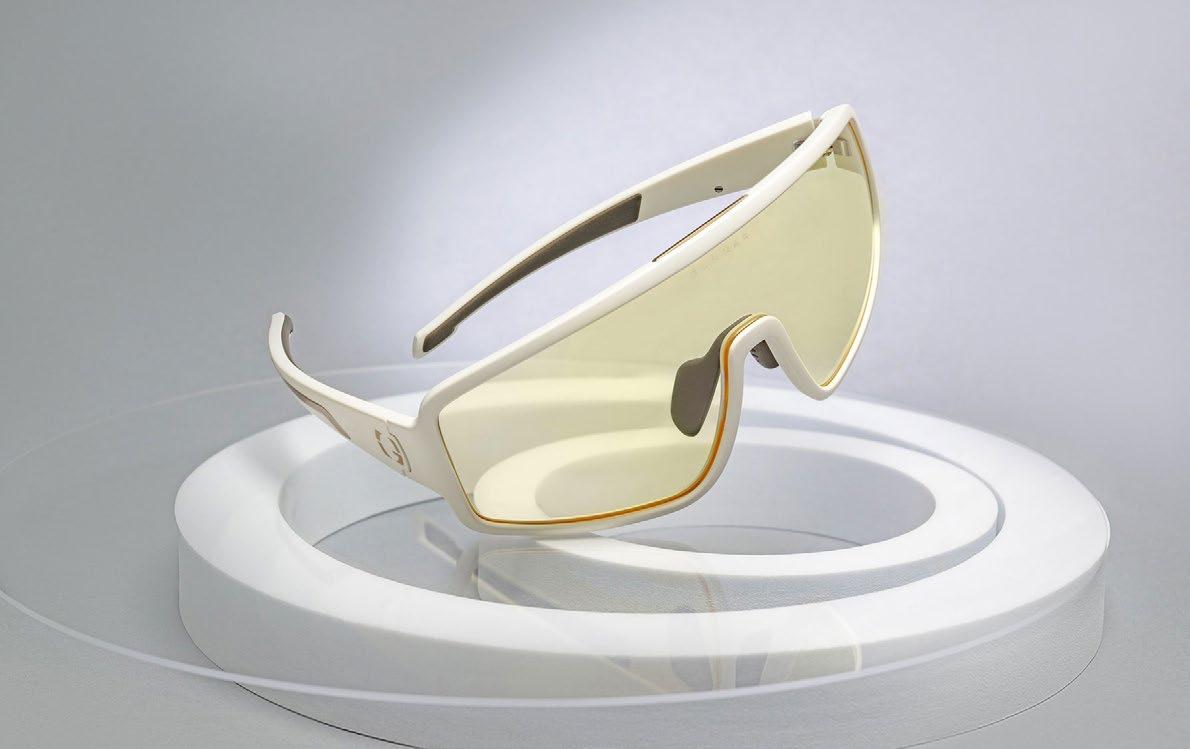



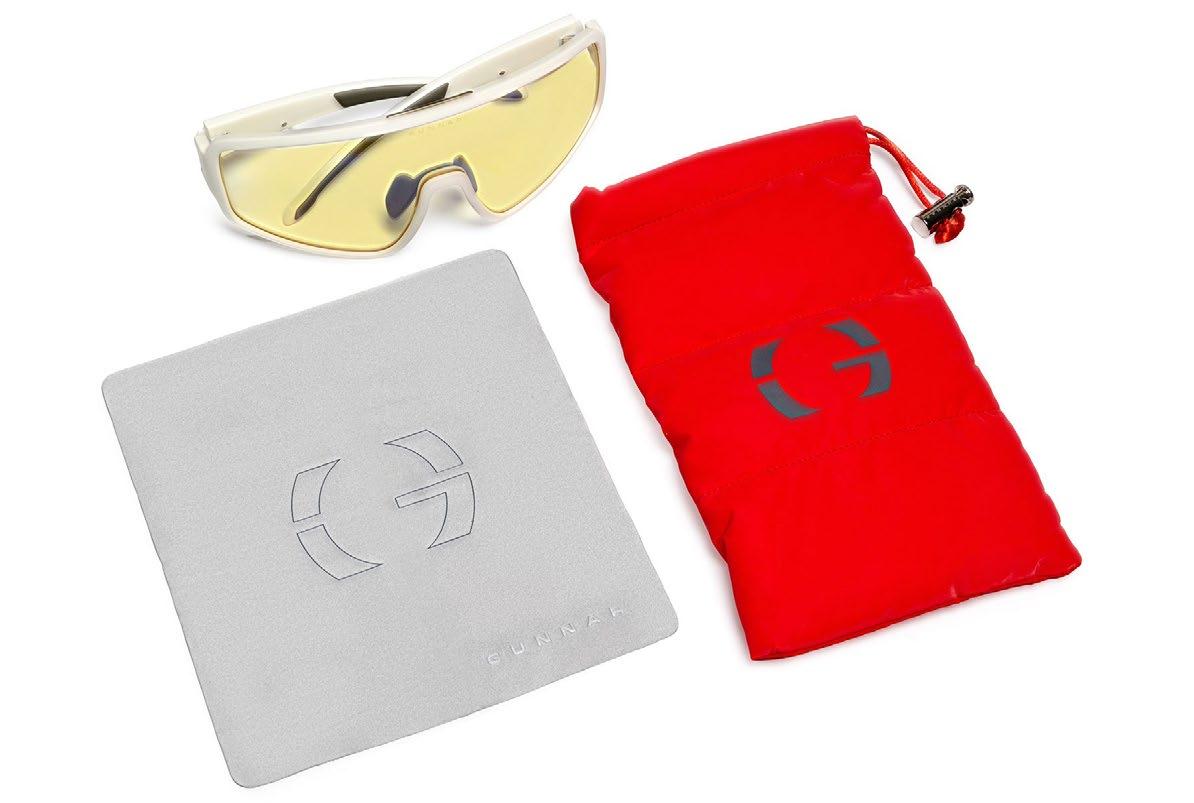


put them on; you feel the difference. The frame is featherlight, the temples flex naturally, and the rectangular design sits comfortably under any headset without creating pressure points. It’s the kind of eyewear you can wear for hours without noticing.
The Tera’s strength lies in its balance of comfort and clarity. The Amber lens tint, GUNNAR’s signature, softens harsh whites, reduces blue light spikes, and enhances contrast in a way that feels warm and inviting. It’s not dramatic or overwhelming. It’s subtle, soothing, and incredibly effective during long gaming or editing sessions. Where the Viscer pushes you into a competitive mindset, the Tera eases you into a state of sustained focus. It’s perfect for creators, editors, and gamers who spend hours in front of screens and need eyewear that supports endurance rather than intensity.
Gaming with the Viscer feels like stepping into a controlled environment. The edge-to-edge coverage blocks peripheral light, the wraparound design keeps your eyes protected from dryness, and the focusing power makes UI elements and text feel sharper. It’s a competitive advantage disguised as eyewear, ideal for esports, fastpaced shooters, and any game where clarity and reaction time matter.
Gaming with the Tera is a different experience entirely. The Amber tint enhances contrast, reduces glare, and creates a warm, comfortable viewing environment that makes long sessions feel effortless. It’s perfect for RPGs, open-world adventures, and late-night gaming marathons where comfort is king.
Both elevate gaming, one through precision, the other through endurance.
During work, the differences become even more pronounced. The Viscer’s focusing power makes reading, editing, and navigating dense interfaces easier on the eyes. It’s the pair I reach for when I need to be sharp, fast, and fully locked in.
The Tera, meanwhile, is my go-to for long creative sessions. The tint softens the world, reduces mental fatigue, and creates a calmer visual environment that helps me stay in flow for hours. It’s the pair that makes long days feel shorter.
Together, they’ve reshaped how I approach screen-heavy work, one pair for precision, one pair for endurance.
After weeks of daily use, both pairs have earned a permanent place in my workflow. The Viscer has become my competitive, high-focus eyewear, the pair I reach for when I need clarity, coverage, and performance. The Tera has become my everyday companion, the glasses I wear for long sessions, creative work, and late-night gaming. They don’t compete. They complement each other beautifully.
The Viscer and Tera glasses represent two distinct visions of performance eyewear, and both excel in their own way. The Viscer is a bold, high-coverage esports powerhouse designed for precision, clarity, and competitive advantage. The Tera is a lightweight, endurance-focused companion built for comfort, stability, and longterm visual health. Together, they’ve improved my comfort, my productivity, and my ability to work and play for longer without fatigue.
A high-performance, esports-grade optical system that delivers panoramic clarity, reduced strain, and unmatched focus.
A lightweight, endurance-driven pair of glasses that enhances comfort, reduces fatigue, and supports long sessions with ease. A huge thank you to Gunnars for providing these glasses for extended testing. Living with them across workdays, gaming sessions, and long creative workflows allowed for a genuine, in-depth look at how each pair supports different aspects of daily life.

Some eyewear collections are built around aesthetics. Others are built around performance. But the Trace Collection, Onyx Edition manages to merge both worlds into something far more compelling: a trio of frames that blend California-inspired design with GUNNAR’s most advanced lens technology, wrapped in a deep, striking Onyx finish that gives each piece a bold, modern identity.
The Davis, Hayward, and Barton may share the same design DNA, but each brings its own personality to the table. What unites them is the Amber Shift lens technology, a refined evolution of GUNNAR’s signature tint, engineered to soften harsh digital light, reduce strain, and create a warm, comfortable visual environment that supports long hours of screen time.
After weeks of wearing all three frames across editing sessions, gaming nights, and daily workloads, it’s clear that the Trace Collection, especially in its Onyx form, is more than a style statement. It’s a functional, beautifully crafted solution for the digital age.
The Davis ONYX is the artistic heart of the Trace Collection. Its round silhouette feels expressive and modern yet carries a subtle retro soul that gives it character. The Onyx acetate brings a deep, polished richness to the frame, making it feel premium the moment you pick it up. The saddle bridge and minimalist metal inlay tie the design together with a sense of quiet sophistication.
Wearing the Davis feels like slipping into a frame that understands both style and purpose. The round shape opens up your field of view, creating a gentle, natural visual experience that works beautifully for creative tasks. Paired with the Amber Shift lens, the world takes on a warm, soothing tone that reduces fatigue without overwhelming the natural colour palette. It’s the kind of eyewear that makes long editing sessions feel less punishing and late-night writing feel more inviting.
The Davis ONYX is expressive without being loud, stylish without being distracting, and protective without compromising clarity. It’s the frame you reach for when you want personality and performance in equal measure.
The Hayward ONYX is the structured, confident counterpart to the Davis. Its rectangular silhouette is sharp and modern, with a quiet assertiveness that feels right at home in both professional and creative environments. The Onyx finish gives it a sleek, almost architectural presence. bold, refined, and unmistakably premium.
The Hayward’s strength lies in its stability. The rectangular shape creates a grounded visual experience that naturally encourages focus. Wearing it during long workdays, I found myself slipping into deeper concentration with less effort. The frame feels balanced and reassuring, the kind of eyewear that supports productivity without demanding attention.
The Amber Shift lens enhances this effect beautifully. Harsh whites soften. Blue light spikes fade. The screen becomes a calmer, more comfortable space to inhabit. Whether I was editing footage, reviewing documents, or gaming into the evening, the Hayward ONYX delivered clarity, comfort, and a sense of visual control that made long hours feel more manageable.



It’s the frame for people who want precision, structure, and a design that quietly elevates their workflow.
The Barton ONYX sits comfortably between the Davis and the Hayward, a modern rectangular frame with just enough retro air to give it personality. The Onyx acetate gives it a deep, polished finish that feels luxurious without being flashy. The saddle bridge and metal inlay maintain the Trace Collection’s signature aesthetic, tying the entire lineup together with a sense of cohesion.
Wearing the Barton feels like slipping into something familiar yet elevated. It has the structure of a rectangular frame, but with a softer presence that makes it incredibly versatile. I found myself reaching for it during casual workdays, creative brainstorming sessions, and even gaming nights where I wanted comfort without the intensity of performance-driven eyewear.
The Amber Shift lens brings warmth and clarity to the experience, reducing strain while maintaining a natural, inviting visual tone. It’s the kind of eyewear that adapts to your day rather than dictating it, stylish enough for public settings, comfortable enough for long sessions, and protective enough to make a real difference. The Barton ONYX is the quiet achiever of the collection, refined, adaptable, and effortlessly wearable.
What makes the Onyx Edition special is how it elevates the entire Trace Collection. The deep, polished finish gives each frame a bold, modern identity, while the Amber Shift lens technology transforms the visual experience into something warm, comfortable, and sustainable.
Across all three frames, the craftsmanship is unmistakable. The acetate feels premium. The metal inlay adds a touch of sophistication. The saddle bridge ensures comfort. And the
lens technology, the real hero, softens the digital world into something your eyes can live with for hours.
The Trace Collection doesn’t try to reinvent eyewear. It refines it, beautifully, thoughtfully, and with a clear understanding of what modern creators, gamers, and professionals actually need.
The Davis, Hayward, and Barton ONYX frames each bring something unique to the Trace Collection, yet they share a unified identity rooted in craftsmanship, comfort, and modern optical engineering. The Davis offers expressive, round sophistication. The Hayward delivers a clean, confident structure. The Barton strikes a perfect balance between the two with its refined rectangular silhouette.
Together, they form a collection that feels timeless, functional, and genuinely impactful for anyone navigating long hours of digital life.
Davis ONYX Rating: 9 / 10
A modern round classic with personality, clarity, and Amber Shift comfort.
Hayward ONYX Rating: 9 / 10
A confident, structured frame built for focus, endurance, and screen-heavy workflows.
Barton ONYX Rating: 9 / 10
A versatile, refined rectangle that blends retro charm with modern protection.
A huge thank you to GUNNAR for providing the Davis, Hayward, and Barton ONYX frames for extended testing. Experiencing the Trace Collection across workdays, creative sessions, and gaming nights offered a genuine look at how these frames support comfort, clarity, and long-term visual health. If any of these styles caught your eye, be sure to explore the full Trace Collection on GUNNAR’s official website, there’s a lot more worth discovering.
www.gunnar.com
Facebook: @GUNNAROptiks | Twitter: @GUNNAROptiks
Instagram: @gunnaroptiks | YouTube: @gunnaroptiks






Reviewed by: Brandon Sawyer
Some brands return with noise. QPAD returns with purpose. After years of quiet admiration from enthusiasts, QPAD has re-emerged onto the UK scene with a renewed identity and a strategic partnership with Currys, one of the country’s most recognisable tech retailers. This isn’t a soft re-entry. It’s a confident stride back into the spotlight, backed by a suite of products that feel meticulously crafted for the modern creator and gamer.
The Omnibeam Stream Mic RGB Pro, the FLUX 65 Model 5 8K Magnetic HE Keyboard, the MARK Model 5 Mouse, and the Obsidian Glass Mousepad form a cohesive ecosystem that blends Scandinavian minimalism with high-performance engineering. After weeks of hands-on testing across gaming, editing, streaming, and daily creative work, it’s clear that QPAD’s UK comeback isn’t just welcome, it’s needed. Below is the fully expanded, deeply detailed, sub-categorised review of each product, now complete with individual ratings and the reasoning behind each score.
A Broadcast-Grade Microphone With Cinematic RGB and Creator-First Clarity
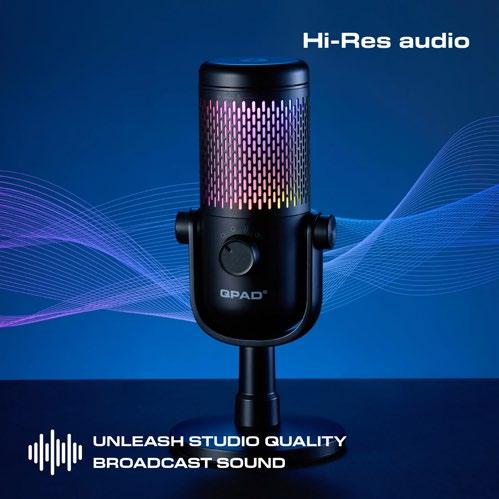
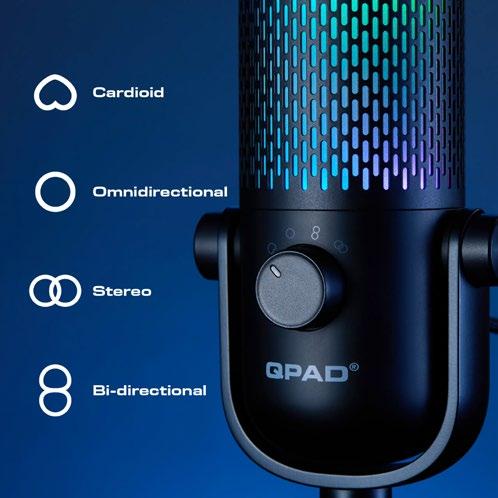
The Omnibeam Stream Mic RGB Pro is a visual statement. Its floating capsule design, wrapped in a soft, diffused RGB halo, gives it a cinematic presence that instantly elevates any setup. The lighting is atmospheric rather than aggressive, creating a professional on-camera look that feels intentional and refined.
The Omnibeam’s sound signature is warm, full, and unmistakably broadcast-ready. It captures the richness of your voice with clarity and intimacy, avoiding the harshness or boxiness that plagues many USB mics. Spoken word feels natural, polished, and ready for content creation without heavy post-processing.
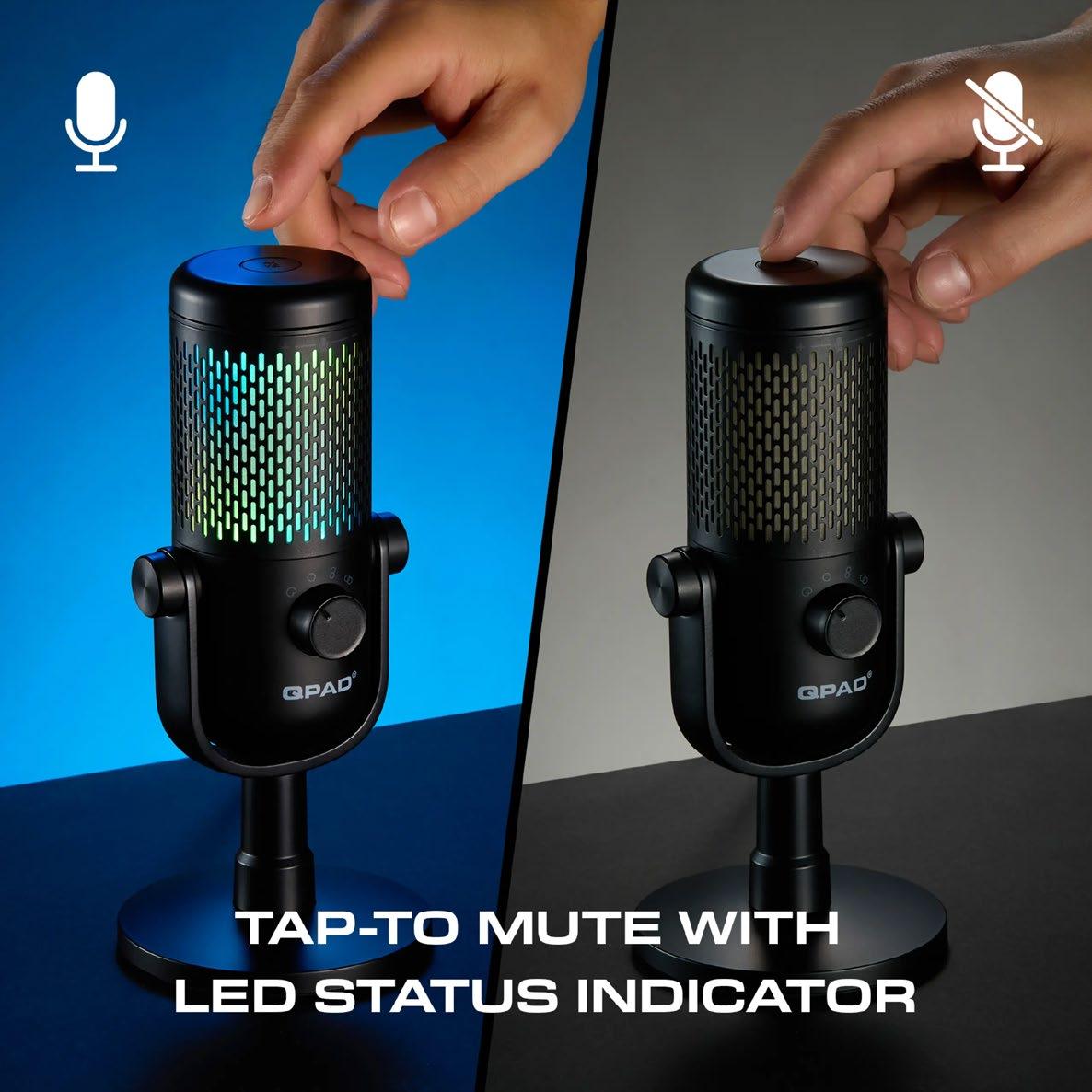
The tactile gain dial, responsive tap-to-mute surface, and zero-latency monitoring make the Omnibeam a joy to use. It respects your workflow by giving you everything you need at your fingertips — no bloated software, no unnecessary complexity.
At £109 / $129, the Omnibeam delivers premium design and performance at a price that undercuts many big-name competitors.
The Omnibeam combines premium build quality, warm broadcast-ready audio, and beautifully diffused RGB lighting at a highly competitive price. It loses a single point only because some creators may prefer deeper software integration, but for plug-and-play excellence, it’s outstanding.

A Magnetic-Switch Masterpiece Built for Speed, Precision, and Creative Flow
Scandinavian Design & Build Quality
The FLUX 65 Model 5 feels engineered rather than assembled. Its compact 65% layout is efficient without compromise, and the chassis has a premium density that immediately communicates quality. Every detail, from the keycap texture to the stabiliser tuning, reflects QPAD’s meticulous craftsmanship.
Magnetic Hall-Effect Switches: The Future of Responsiveness
The magnetic switches redefine responsiveness. Adjustable actuation lets you tailor each key to your exact preference, while rapid trigger functionality enables instant re-activation, a dream for competitive gamers. Combined with 8K polling, the keyboard feels almost telepathic in its responsiveness.
RGB Lighting & Software Experience
The RGB is vibrant yet tasteful, diffused in a way that complements the board’s minimalist design. QPAD’s software is lightweight, intuitive, and refreshingly free of bloat.
Pricing & Value
At £139 / $159, the FLUX 65 Model 5 offers magnetic-switch performance that rivals boards costing significantly more.
Rating: 9 / 10
Why it earns this score:
The FLUX 65 delivers exceptional performance, premium build quality, and magnetic-switch
responsiveness at a price that undercuts many competitors. It’s nearly flawless, the only reason it doesn’t score a perfect 10 is because some users may prefer a full-size layout. As a 65% board, it’s a masterpiece.
QPAD FLUX 65 MODEL 5 – 8K MAGNETIC HE
GAMING KEYBOARD

A Magnetic-Switch Masterpiece Built for Speed, Precision, and Creative Flow
Scandinavian Design & Build Quality
The FLUX 65 Model 5 feels engineered rather than assembled. Its compact 65% layout is efficient without compromise, and the chassis has a premium density that immediately communicates quality. Every detail, from the keycap texture to the stabiliser tuning, reflects QPAD’s meticulous craftsmanship.
The magnetic switches redefine responsiveness. Adjustable actuation lets you tailor each key to your exact preference, while rapid trigger functionality enables instant re-activation, a dream for competitive gamers. Combined with 8K polling, the keyboard feels almost telepathic in its responsiveness.
The RGB is vibrant yet tasteful, diffused in a way that complements the board’s minimalist design. QPAD’s software is lightweight, intuitive, and refreshingly free of bloat.
At £139 / $159, the FLUX 65 Model 5 offers magnetic-switch performance that rivals boards costing significantly more.
MARK MODEL 3 MOUSE
Lightweight Precision With Scandinavian Simplicity and Creator-Friendly Comfort
Design Philosophy & Ergonomics
The MARK Model 3 is a mouse built on QPAD’s signature philosophy of restraint, a celebration of clean Scandinavian design that prioritises feel over flash. Its smooth, sculpted shell fits naturally into the hand, offering a level of comfort that becomes immediately noticeable the moment your fingers settle into place. The matte coating provides a confident, non-slip grip without attracting fingerprints, and the overall weight strikes a thoughtful balance between competitive agility and everyday stability.

Unlike many modern gaming mice that chase trends with honeycomb cutouts or aggressive angles, the Model 3 opts for a timeless silhouette. It supports claw, fingertip, and hybrid grips with ease, making it a universally comfortable choice for long sessions, whether you’re gaming, editing, or navigating complex creative software.
The MARK Model 3 is equipped with a highprecision sensor that delivers smooth, accurate tracking across a wide range of DPI settings. Cursor movement feels fluid and predictable, with zero acceleration and no jitter, essential for both competitive gameplay and detailed creative work. The switches offer a crisp, tactile click that feels responsive without being overly stiff, while the scroll wheel provides a controlled, satisfying resistance ideal for timeline scrubbing or weapon cycling.
What stands out most is the consistency. The Model 3 doesn’t try to reinvent the wheel, it perfects the fundamentals. Every movement feels intentional, every click feels reliable, and every interaction reinforces the sense that this is a mouse designed to disappear beneath your hand and let your work (or your gameplay) take centre stage.
Comfort is where the Model 3 quietly excels. During extended sessions, whether you’re deep into a competitive match or editing a multilayer timeline, the mouse remains balanced, lightweight, and fatigue-free. Its ergonomic shape encourages a natural hand posture, reducing strain over time and making it a strong choice for creators who spend hours at their desk.
The Model 3 integrates seamlessly into a creator’s workflow. Its precision makes it ideal for fine adjustments in editing software, while its responsiveness and lightweight feel make it equally at home in fast-paced gaming environments. It’s a rare mouse that genuinely serves both worlds without compromise.
At £59 / $69, the MARK Model 3 delivers
exceptional value. It feels like a premium mouse disguised at a mid-range price, offering comfort, precision, and reliability without unnecessary gimmicks. For creators and gamers who want a mouse that simply performs, the Model 3 stands out as one of the most balanced options in its class.
Why it earns this score: The MARK Model 3 delivers premium ergonomics, excellent sensor performance, and a refined, minimalist design at a highly accessible price point. It loses a single point only because some users may want deeper customisation or additional side buttons, but as a pure, precision-focused mouse built for comfort and consistency, it excels.
A Premium Glide Surface With Zero Wear, Stunning Aesthetics & Creator-Grade Precision
The Obsidian Glass Mousepad is a showpiece. Its tempered glass surface has a deep, glossy finish that catches light beautifully, transforming your desk into a premium, polished workspace. It’s visually striking in a way that cloth pads simply can’t replicate.
The ultra-smooth surface offers virtually zero friction, allowing your mouse to move with effortless precision. For competitive gamers, this means faster flicks and smoother tracking. For creators, it means fluid cursor movement and precise editing control.
Glass doesn’t fray, compress, or absorb moisture. It doesn’t warp or degrade. The Obsidian will outlast multiple mice and still look stunning years down the line.
At £79 / $89, the Obsidian Glass Mousepad sits firmly in the premium category, but its longevity and performance justify the price.
The Obsidian delivers unmatched glide, stunning aesthetics, and long-term durability. It loses a single point only because glass pads aren’t for everyone, but for those who appreciate speed and precision, it’s exceptional.
Individually, each QPAD product stands strong. Together, they form a cohesive ecosystem built on precision, comfort, and Scandinavian design principles. The Omnibeam mic brings cinematic presence and clarity. The FLUX 65 keyboard delivers magnetic-switch mastery. The MARK Model 5 mouse offers lightweight precision. And the Obsidian Glass pad ties it all together with a glide surface that feels almost frictionless.
This is a suite built for people who live at their desks, creators, gamers, editors, designers, and anyone who demands tools that elevate their craft. And with QPAD’s return to the UK through Currys, these tools are finally accessible to a wider audience ready to experience the brand’s renewed identity.
A sincere thank you to QPAD for providing the complete Creator Suite for extended, realworld testing. Having the opportunity to live with these products across gaming sessions, editing marathons, streaming setups, and dayto-day creative work allowed for a deep, honest evaluation of what each piece of hardware truly brings to the table. This hands-on time is what makes a review like this possible, not just a surface-level overview, but a genuine exploration of how these tools perform in the environments they were built for.
QPAD’s renewed presence in the UK, especially through their partnership with Currys, marks an exciting new chapter for creators and gamers who value thoughtful design, precision engineering, and a brand that respects the craft. It’s been a pleasure putting this suite through its paces. If this feature has sparked your curiosity, or if you’re ready to explore QPAD’s new era for yourself, their full lineup is waiting for you. From microphones to keyboards, mice, and precision surfaces, QPAD’s ecosystem is built for those who demand more from their gear. You can discover the entire range, learn more about their UK return, and explore the latest releases directly at QPAD’s official website below.
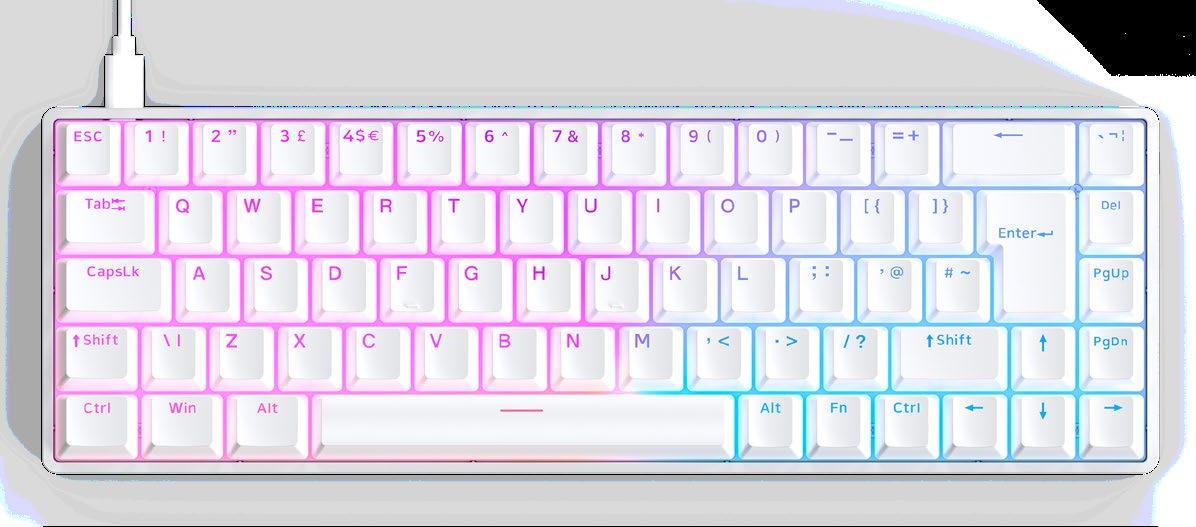

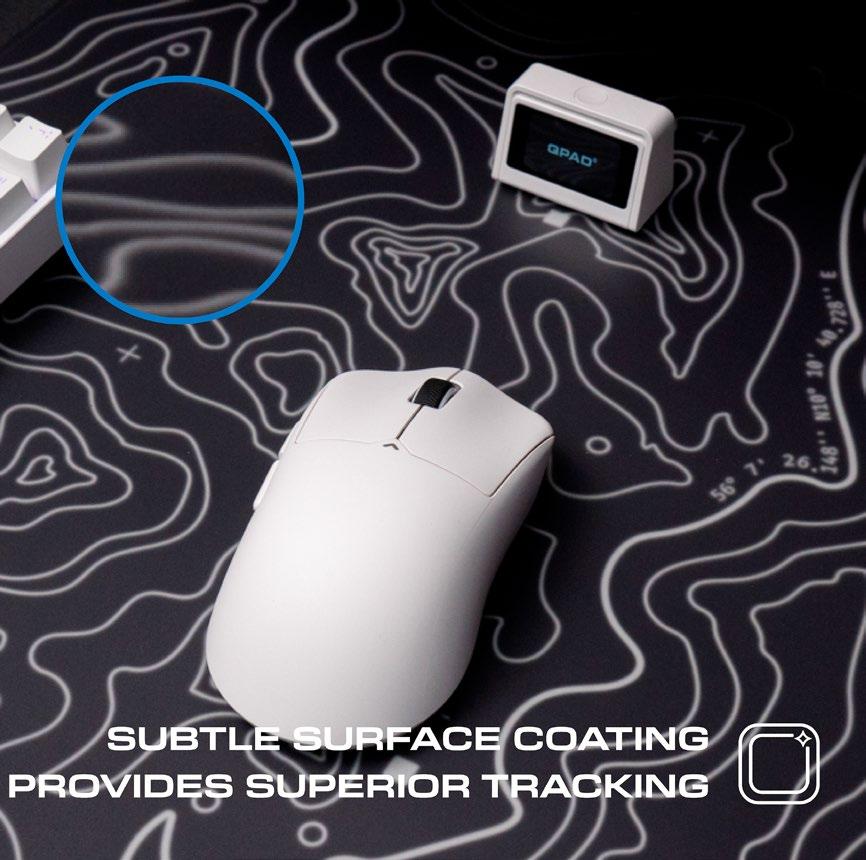
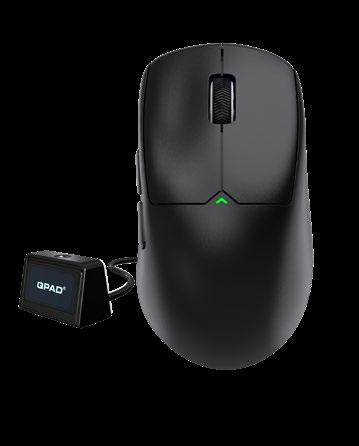
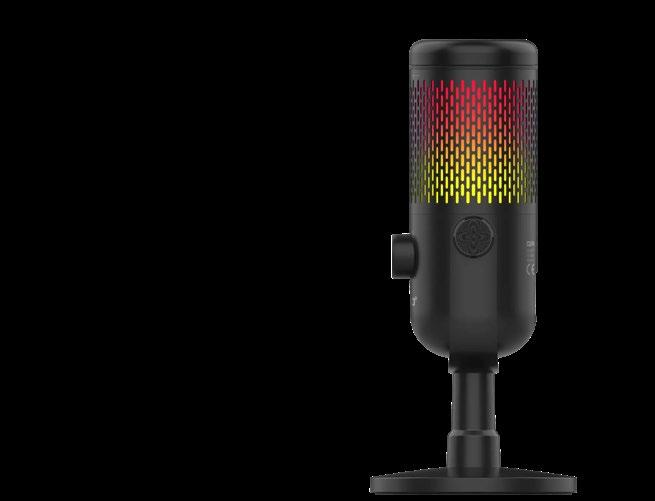

Reviewed by: Brandon Sawyer
There’s always a moment with new hardware where the novelty fades and the truth sets in. Not in the first hour, not even the first day—but somewhere deep into a long session when muscle memory takes over and expectations settle. That’s where a controller either proves itself… or quietly gets replaced. With the launch of the Nintendo Switch 2, Hori’s Wireless HORIPAD Turbo arrives not as a luxury alternative, but as something far more deliberate—a performance-focused controller built around longevity, responsiveness, and player control.
After a week of intense daily use (20–30+ hours total), this controller hasn’t just held up—it’s revealed exactly what it’s trying to be. And importantly, what it isn’t.
The Wireless HORIPAD Turbo doesn’t try to compete visually with premium controllers. Instead, it leans into a slightly translucent, clean design that feels functional rather than flashy. In hand, it’s immediately comfortable. Slightly lighter than first-party options, but not hollow. The grip shape feels natural, sitting somewhere between a traditional Pro controller and something more relaxed in the palms.
What stands out early is intent. Every curve, every button placement, it all feels designed around play, not presentation.
This isn’t just a standard wireless pad; it’s quietly one of the more feature-focused controllers in its price range.
Key highlights:
• TMR (Tunnel Magnetoresistance) sticks for improved durability and reduced drift risk
• Turbo functionality with quick access via the dedicated Hori button

• Programmable rear buttons for custom inputs
• Dual profile switching for different play styles
• Gyro and motion controls for supported games
• Button lock system to prevent accidental presses mid-game
The TMR sticks are the real standout. Unlike traditional analogue sticks, these are designed to reduce wear over time, something that immediately positions this controller as a longterm option rather than a disposable one.
Wireless performance is where this controller needs to deliver and it does.
Across a full week of use:
• Connection remained stable
• No noticeable input delay in fast-paced gameplay
• Range felt reliable across a typical room setup

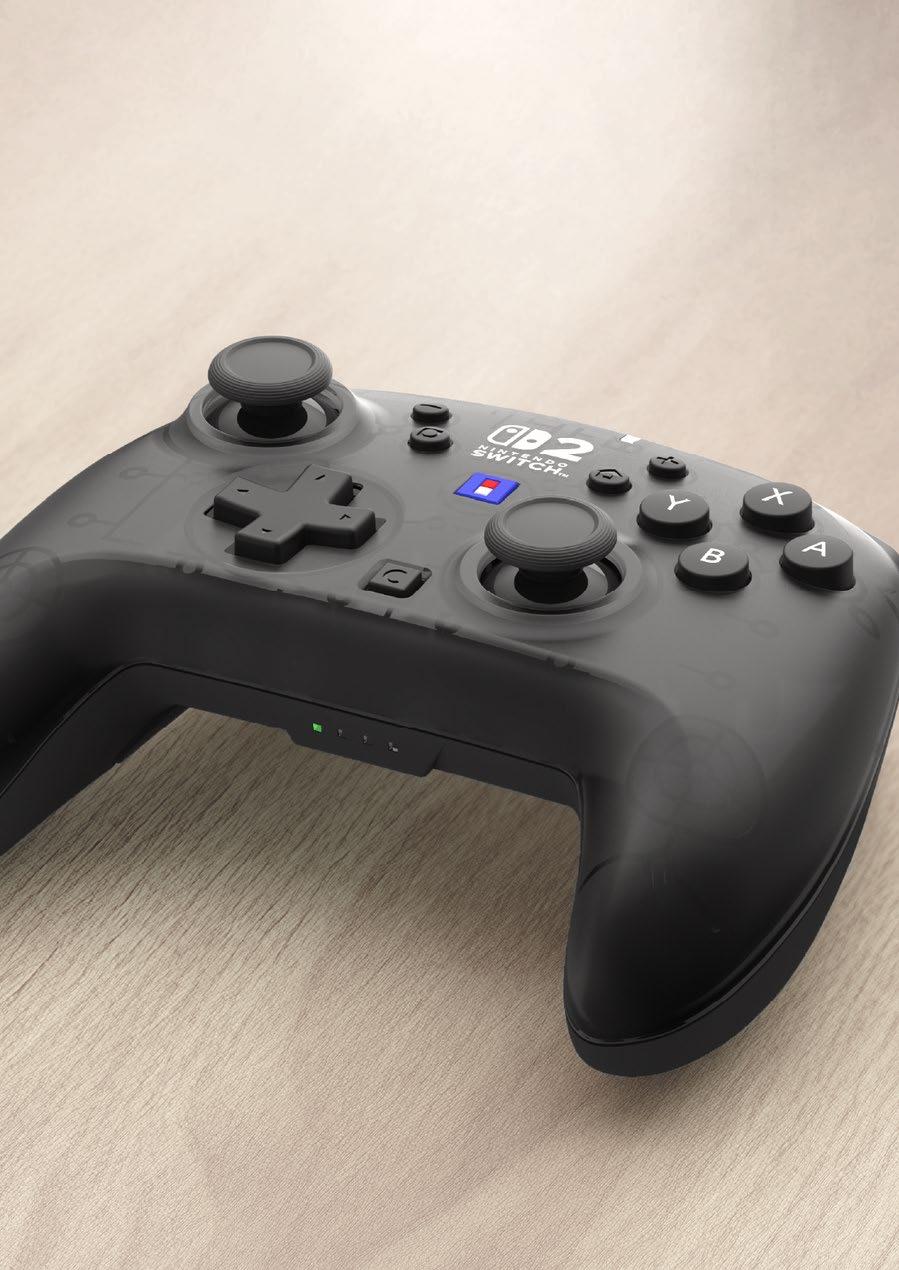
Battery life sits at around 10 hours per charge, which is noticeably lower than some competitors. In real terms, that meant charging every couple of longer sessions, not ideal, but manageable.
This is one of the few areas where the compromises are noticeable.
This is where the HORIPAD Turbo earns its place. Over extended sessions (4–5 hours at a time), the controller remains consistently comfortable. The lighter weight actually becomes an advantage here, reducing fatigue over time.
Triggers feel responsive without being overly sensitive, and the rear programmable buttons quickly become part of your natural playstyle once configured. It doesn’t force a “perfect ergonomic posture “it simply supports how you already play. And that makes a difference over time.
It’s important to be clear, this is not a premium feature-complete controller.
Missing features include:
• No HD rumble or advanced vibration
• No NFC (Amiibo support
• No system wake functionality
These aren’t oversights, they’re trade-offs. Hori has clearly prioritised performance, durability, and affordability over immersion features.
After a full week of heavy rotation, the Wireless HORIPAD Turbo has carved out a clear identity. It’s the controller you reach for when:
• You want reliability over features
• You’re settling in for longer sessions
• You need something that just works without distraction
Those TMR sticks and customisation options make it feel more “player-focused” than many controllers at this price point. It doesn’t try to impress; it tries to last. And so far, it does.
• UK Pricing: ~£54.99
• US Pricing: ~$54–$64.99
Positioned firmly in the mid-range, it undercuts premium controllers while offering features that, in some cases, they don’t, particularly in stick technology and button customisation.
For the price, the value is genuinely strong.
The Wireless HORIPAD Turbo is built for players who value:
• Longevity (anti-drift tech)
• Customisation (rear buttons, profiles)
• Practical comfort over premium extras
It’s ideal for regular players, competitive-minded users, and anyone tired of worrying about stick drift. If you want immersion features and premium extras, look elsewhere.
If you want control and consistency, this fits perfectly.
After a week of intense use, the Hori Wireless HORIPAD Turbo proves something important, great controllers aren’t always defined by what they include, but by what they prioritise. This is a controller built around performance, durability, and player control. It cuts the extras. It keeps the essentials. And it executes them well.
A focused, feature-smart controller that trades luxury for longevity and in doing so, becomes one of the most practical Switch 2 options available.


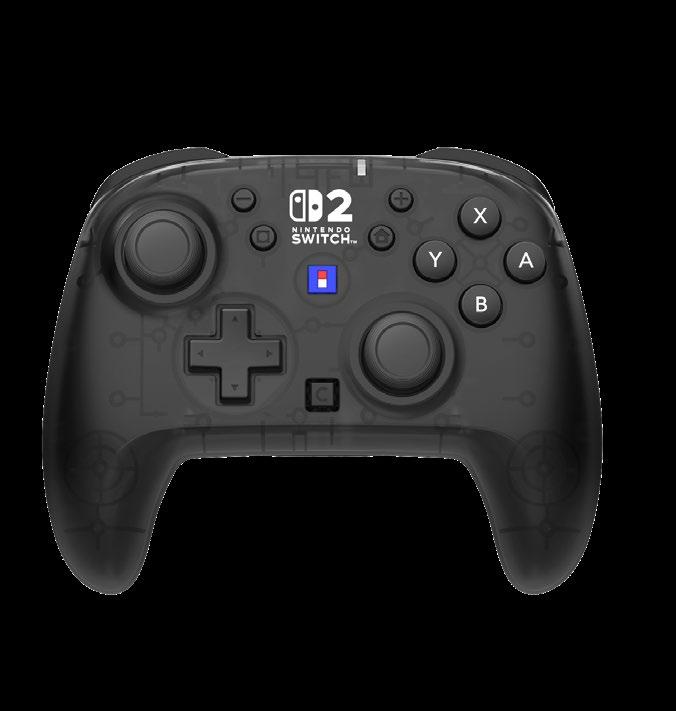
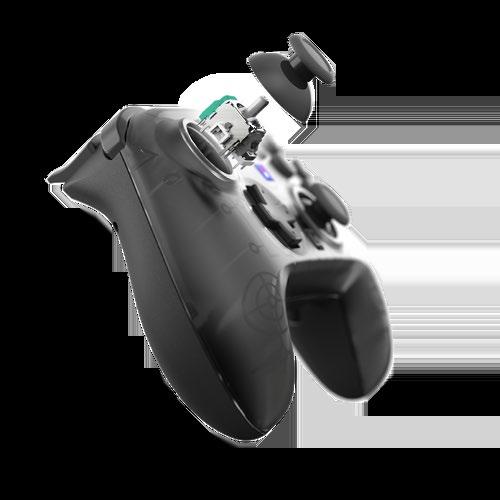
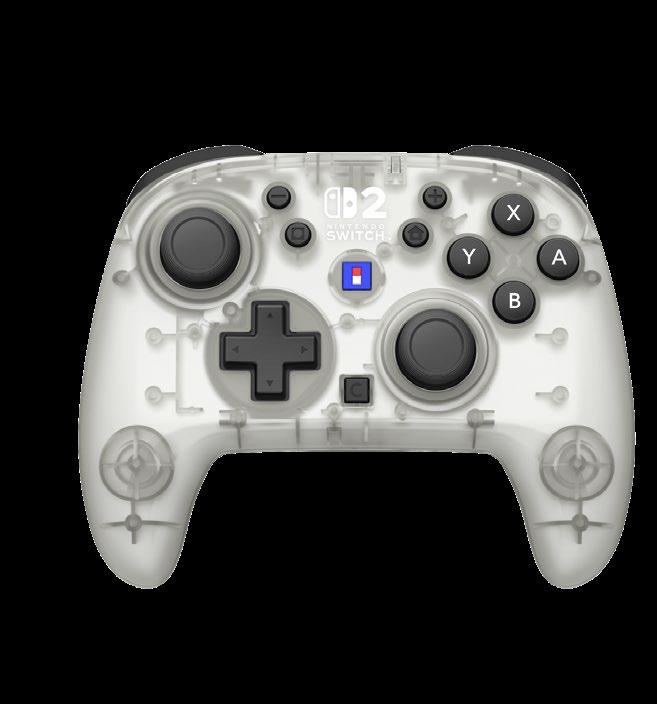
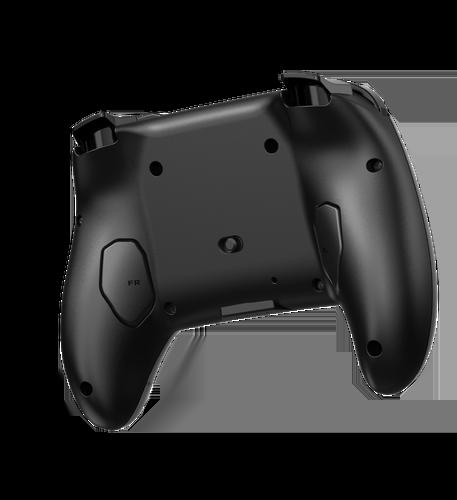


When people talk about the return of major gaming events in the UK, there’s often a sense of hesitation, a question of whether things can truly get back to where they once were. DreamHack Birmingham didn’t just answer that question, it completely shut it down. This wasn’t just an event; it was a statement. A fullscale, high-energy showcase of everything that makes gaming culture what it is today. From esports to creators, from brands to community, it all came together under one roof and delivered something that genuinely felt special.
From the second you walked in, it felt massive. Not just in size, but in presence, noise, and impact.
At the centre of it all was the Call of Duty Major and nothing prepares you for how intense that environment is until you’re standing in it. The atmosphere wasn’t just loud, it was relentless. Every round had the crowd fully locked in. You’d hear reactions ripple across the arena before plays had even finished, and when those moments hit, clutch wins, last-second plays, the place erupted.
It wasn’t polite applause. It was chanting, shouting, people on their feet. A proper UK crowd bringing football-level energy into esports. And that’s what made it special. This wasn’t forced hype, this was a community that knows the game, follows the players, and shows up ready to make noise.
The energy didn’t stop at the main stage. The Call of Duty League area was constantly alive. Packed crowds, people debating plays, reacting
in real time, predicting outcomes, it felt like everyone there was part of the experience, not just watching it. Even between matches, the buzz never dropped. It showed just how deep the passion runs in the UK scene. People weren’t just attending, they were invested.
What made DreamHack Birmingham stand out was just how much there was to experience beyond the main stage. A huge free play area gave attendees the chance to jump straight into games themselves. Whether it was trying out new titles or just getting hands-on with setups, it stayed busy all weekend, a constant rotation of players stepping in and out.
Fortnite Reload was another major pull. It brought a different kind of energy, fast-paced, accessible, and constantly drawing crowds of players and spectators alike. It created a space where competitive and casual audiences blended together seamlessly. And then there was sim racing, one of the most consistently packed areas across the event. High-end rigs, competitive setups, and queues of people waiting to jump in made it clear how big this space has become. It wasn’t just a side attraction, it felt like a major feature.
DreamHack Birmingham wasn’t just about games, it was about the full ecosystem around them, and the brands showed up in a big way. Red Bull had one of the most noticeable presences across the entire event. Whether it was their activations, their setups, or just the constant flow of people around their space, they brought a level of energy that matched the event perfectly.
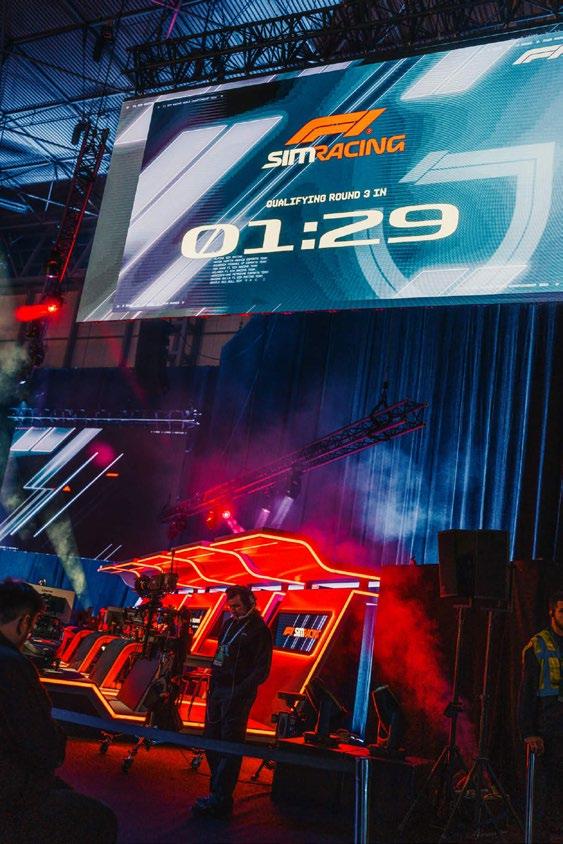

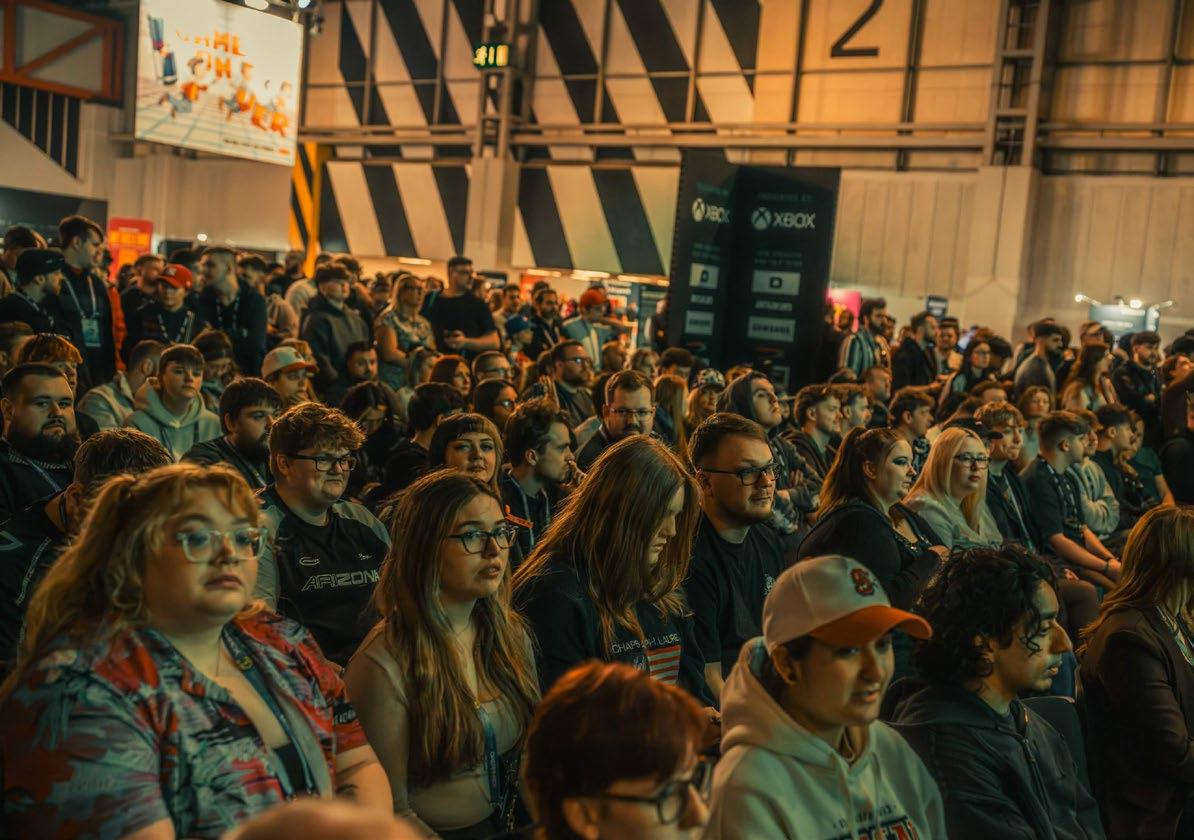

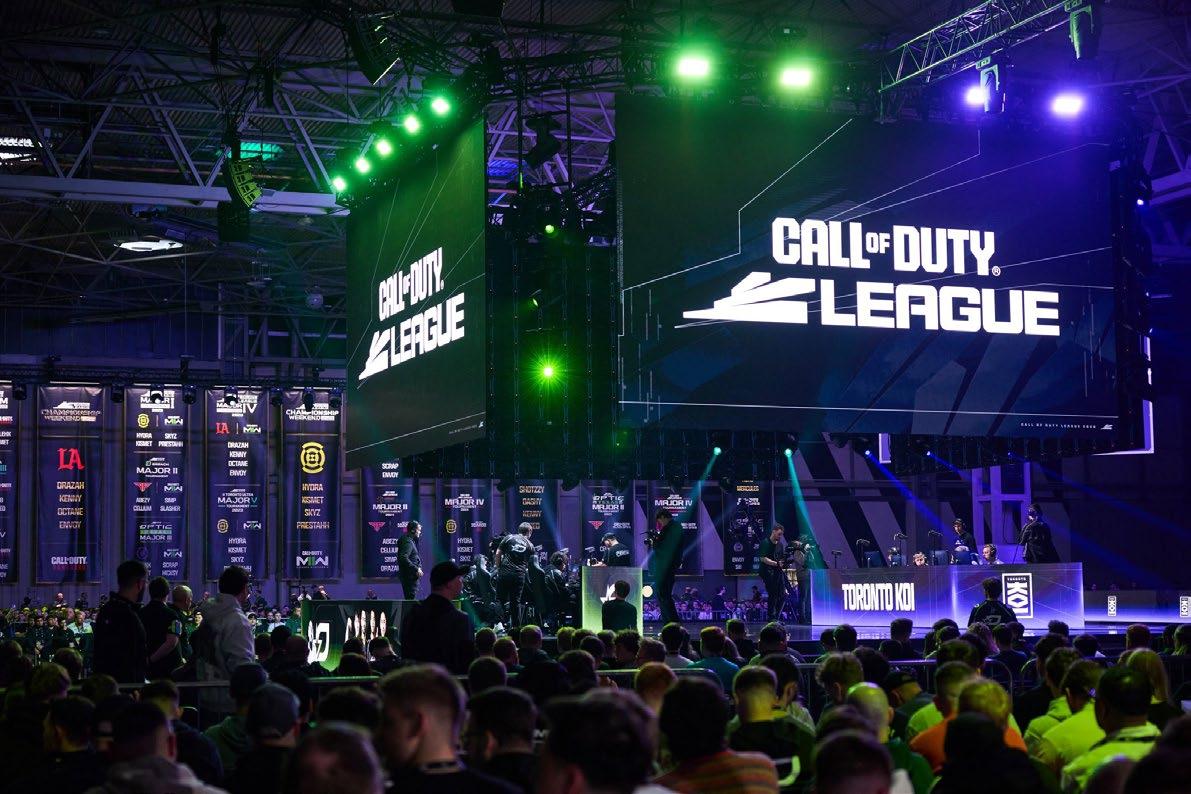
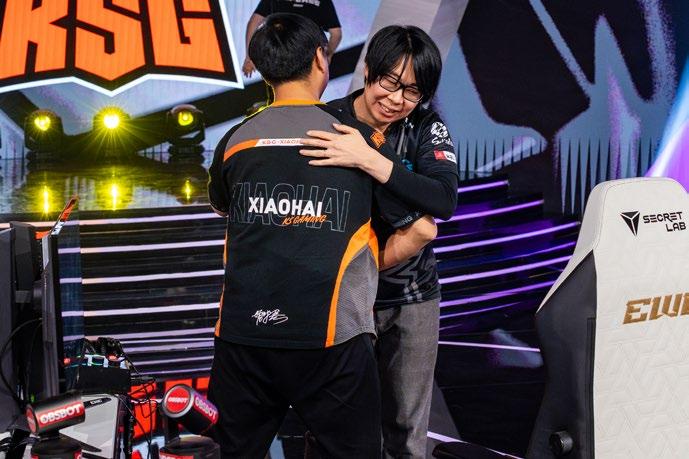

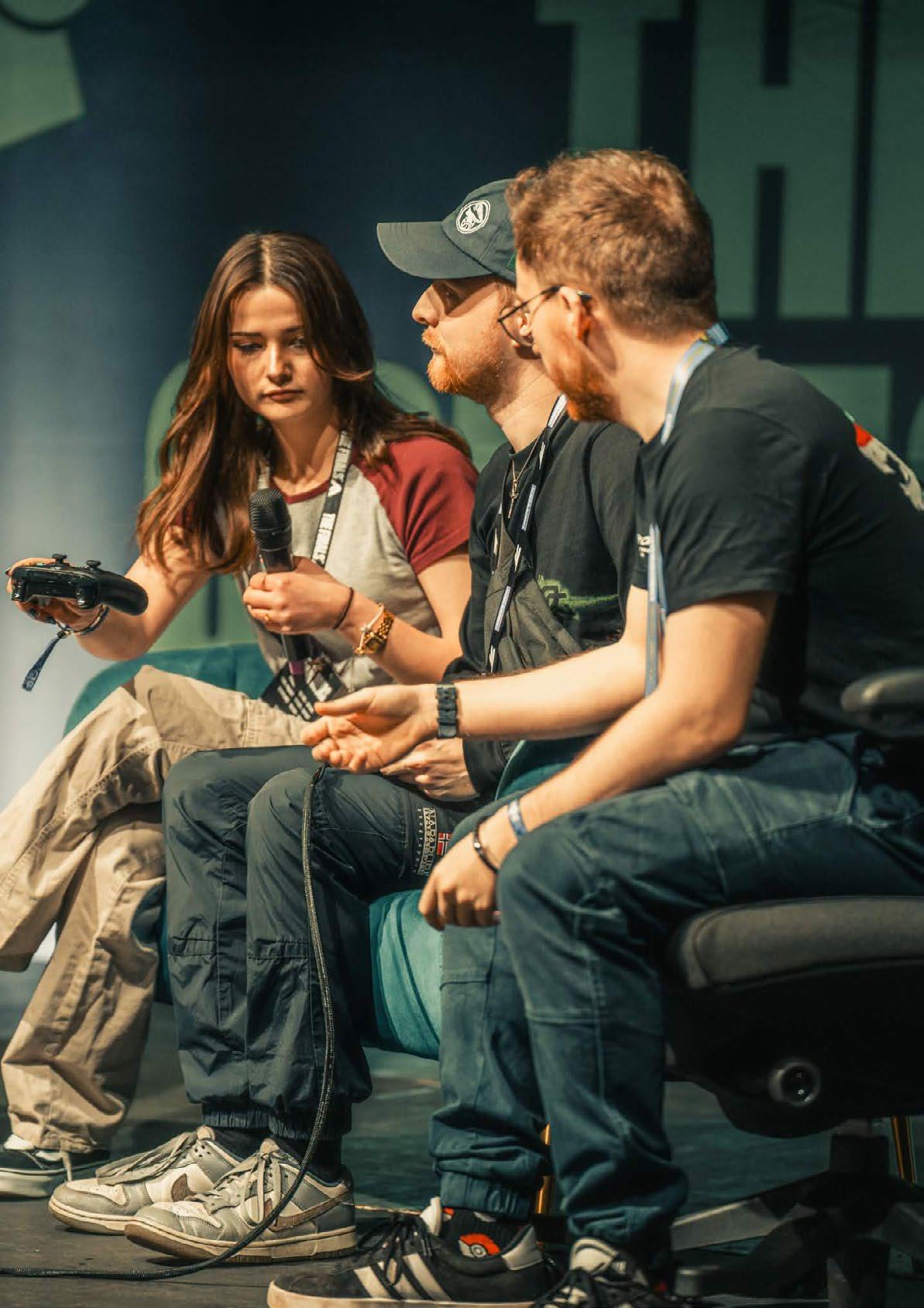
Logitech drew huge attention, especially around the sim racing setups. Their booth was constantly active, with people testing gear, competing, and fully engaging with the experience.
Overclockers UK and Pro Gamers Group added to that strong hardware presence, showcasing high-end setups and drawing in crowds interested in performance and builds. Scan remained one of the busiest spots throughout the weekend, with giveaways, including graphics cards, creating huge moments and keeping people coming back.
ASUS ROG also stood out as a major highlight. Their booth was constantly surrounded, not just because of the premium setups on display, but because it gave attendees the chance to properly get hands-on with some of the latest hardware. From high-performance gaming rigs to peripherals, everything was there to try, and it drew serious attention from anyone interested in top-tier setups. On top of that, they brought interactive elements and opportunities to win prizes, which kept crowds engaged throughout the day. It wasn’t just about looking; it was about experiencing the gear and being part of the moment.
And then there was DHL, one of the more unexpected but genuinely interesting presences. They showcased a fresh approach to gaming and esports logistics, giving people a look at the behind-the-scenes side of how events and equipment come together at this level. It added a different dimension to the event that you don’t usually see. Every booth felt like it had a purpose. It wasn’t just branding, it was interaction, engagement, and experience.
One of the most impressive parts of DreamHack Birmingham was how it treated creators, across the board. Big names brought huge crowds, but smaller creators were just as much a part of the event. There were real opportunities, panels, stage appearances, live segments, and it felt like anyone could step into that spotlight.
The Creator Hub was a huge part of that. A fully active space where creators were live streaming directly from the event, connecting with their audiences in real time while still being part of everything happening around them.
It wasn’t just a quiet room; it was a content engine.
And the support behind it all was just as strong. The team working with creators, even though small, were incredible. Always present, always helping, always making sure everything ran smoothly. It felt personal. It felt like they genuinely cared.
And that made the entire experience better.
The Sidemen pulled in some of the biggest crowds of the weekend, every appearance shifting the energy instantly. And Angry Ginge and the Bov Boys delivered some of the loudest reactions across the entire event. Every time he appeared, the crowd made sure it felt like a headline moment.
But what made it stand out was how these moments existed alongside opportunities for smaller creators too. It felt balanced and that’s rare.
One of the most surreal moments for me was getting the chance to step onto the stage. Going from being in the middle of that crowd to standing in front of it, hearing that noise, seeing the scale, is something that stays with you. It’s not just exciting. It’s defining. It’s the kind of moment that shows what an event like this can do, not just entertain but involve.
Beyond everything mentioned, there was still so much happening across the event. Vendors selling merch, smaller brands showcasing their products, community-driven stands, and countless other activities filled out the space. It’s impossible to cover everything, but that’s
what made it special. There was always something else to discover.
Everything here was what stood out the most, the moments, the energy, the experiences that defined the weekend.
DreamHack Birmingham didn’t just deliver, it set a new standard. And the best part is, it’s not a one-off. DreamHack Birmingham is officially
returning to the NEC from April 2nd–4th, 2027. If this year proved anything, it’s that this is an event you don’t want to miss. Also a huge thanks to the DreamHack team for inviting Sawyer from The Gamer Guide as creator of this wonderful three day fantastic event.
Make sure to keep an eye on the official website and be ready to secure your tickets as soon as they go live, because if this year is anything to go by, they won’t be around for long.
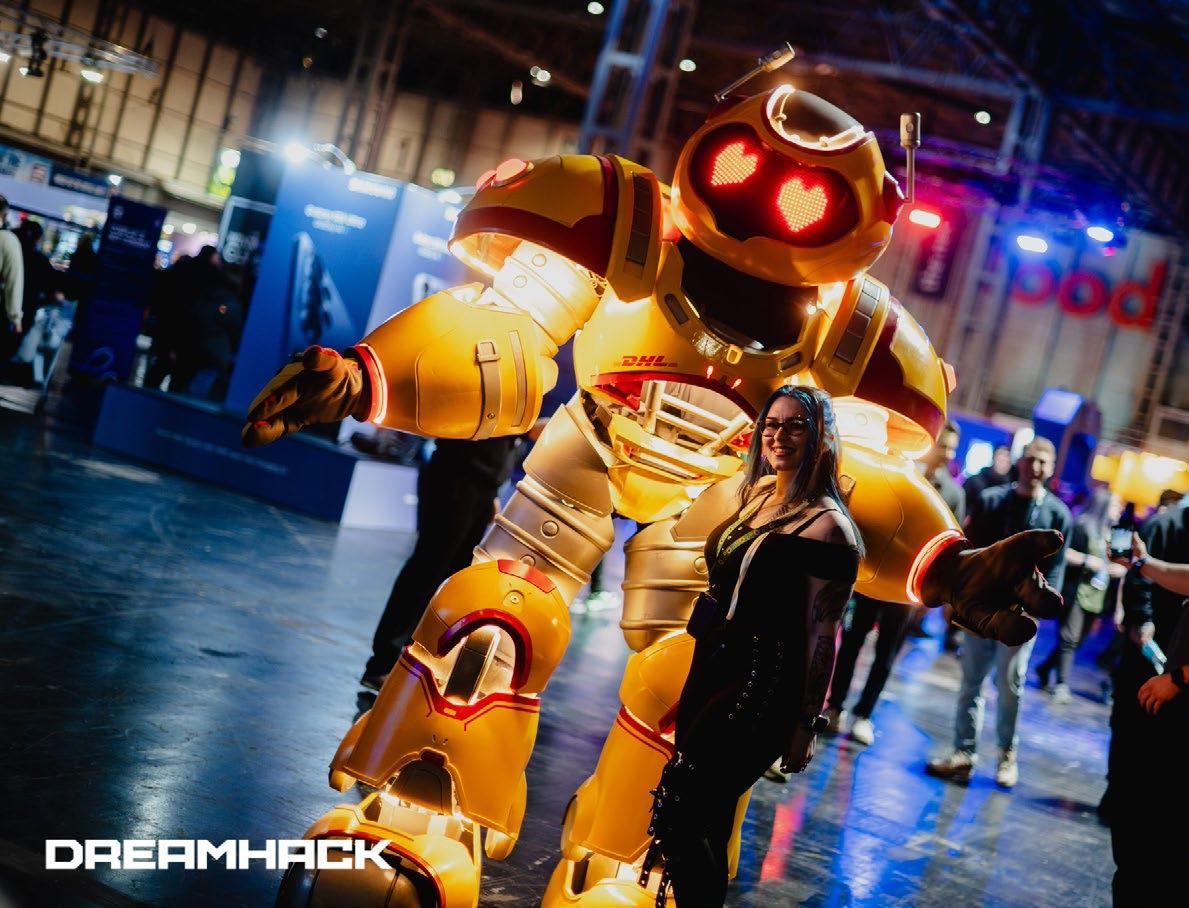

Sony’s latest State of Play delivered one of the most densely packed showcases in recent memory, a full hour of world premieres, longawaited revivals, surprise launches, and deep dives into the future of PlayStation gaming. From the triumphant return of God of War’s Greek saga to unexpected new entries in beloved franchises, the presentation painted a vivid picture of what awaits PS5 players in 2026 and beyond.
Below is a complete, story-driven breakdown of everything shown.
Sony Santa Monica closed the show with a onetwo punch that instantly set the internet ablaze. First came confirmation that the original God of War trilogy is being fully remade, bringing Kratos’ Greek mythology era into the modern generation with updated visuals and gameplay systems.
Then, in a surprise shadow-drop, the studio unveiled God of War: Sons of Sparta, a 2D sidescrolling action spin-off created with Mega Cat Studios, available immediately on PS5.
Konami marked the franchise’s milestone year with the reveal of Castlevania: Belmont’s Curse, a stylized 2D action game developed by Evil Empire and Motion Twin. The new entry promises a modern take on classic Castlevania design and is slated for release in 2026.
The showcase opened with Kena: Scars of Kosmora, the follow-up to Kena: Bridge of Spirits.
Ember Lab’s sequel follows a more seasoned Kena as she journeys to the mysterious island of Kosmora, confronting a new corruption and mastering forgotten elemental Spirit Guiding techniques, complete with new adorable spirit companions.
Saber Interactive revealed an untitled John Wick game, created in collaboration with Lionsgate and franchise director Chad Stahelski. Featuring an original story set within the Wick timeline, the game expands the assassin’s lore with familiar faces and new characters.
Game Freak’s next project, Beast of Reincarnation, received an August 4 release date. The action-adventure title follows Emma and her canine companion Koo in a far-future Japan ravaged by blight, blending real-time sword combat with command-based companion mechanics.
Sucker Punch announced Ghost of Yōtei: Legends, a free multiplayer-focused expansion arriving March 10. Players can choose from four classes to battle demonic versions of the Yōtei Six, with a raid planned for April.
Annapurna Interactive showcased a chilling first look at Silent Hill: Townfall, a first-person spin-off following protagonist Simon Ordell as he returns to the island of St. Amelia. The tone is unmistakably Silent Hill, unsettling, atmospheric, and deeply psychological.
Kojima Productions confirmed that Death Stranding 2: On the Beach will arrive on PC on March 19, bringing enhanced visuals, ultrawide support, and unlocked framerates.
IO Interactive debuted a new story trailer for 007: First Light, offering a deeper look at Bond’s early exploits in Iceland and his recruitment into the revived 00 program. The narrative centres on Bond and mentor John Greenway as they hunt a rogue operative known as 009.
Bad Robot Games and Mike Booth (creator of Left 4 Dead) showcased new gameplay for 4: Loop, a four-player co-op roguelike shooter featuring procedurally generated maps, alien threats, and hybrid first- and third-person combat.
Two projects are in development: a retro-style platformer and a remaster of Legacy of Kain: Defiance, bringing the cult-favourite series back into the spotlight for longtime fans.
Remedy offered the first gameplay look at Control Resonant, set in a bizarre alternate Manhattan and promising a bold evolution of the studio’s signature supernatural action. Resident Evil Requiem Dropped a New Trailer
Capcom shared a fresh trailer for Resident Evil Requiem, teasing new story beats and challenges awaiting Leon as the game approaches launch.
Konami continues its preservation efforts with Master Collection Vol. 2, bringing more classic Metal Gear Solid titles to modern hardware.
This State of Play was a showcase of breadth and ambition, revivals of legendary franchises, bold new IP, surprise releases, and deep dives into some of the most anticipated games of the generation. Whether you’re drawn to mythic action, atmospheric horror, stylish indies, or cinematic espionage, Sony delivered a lineup that feels both nostalgic and forward-looking.
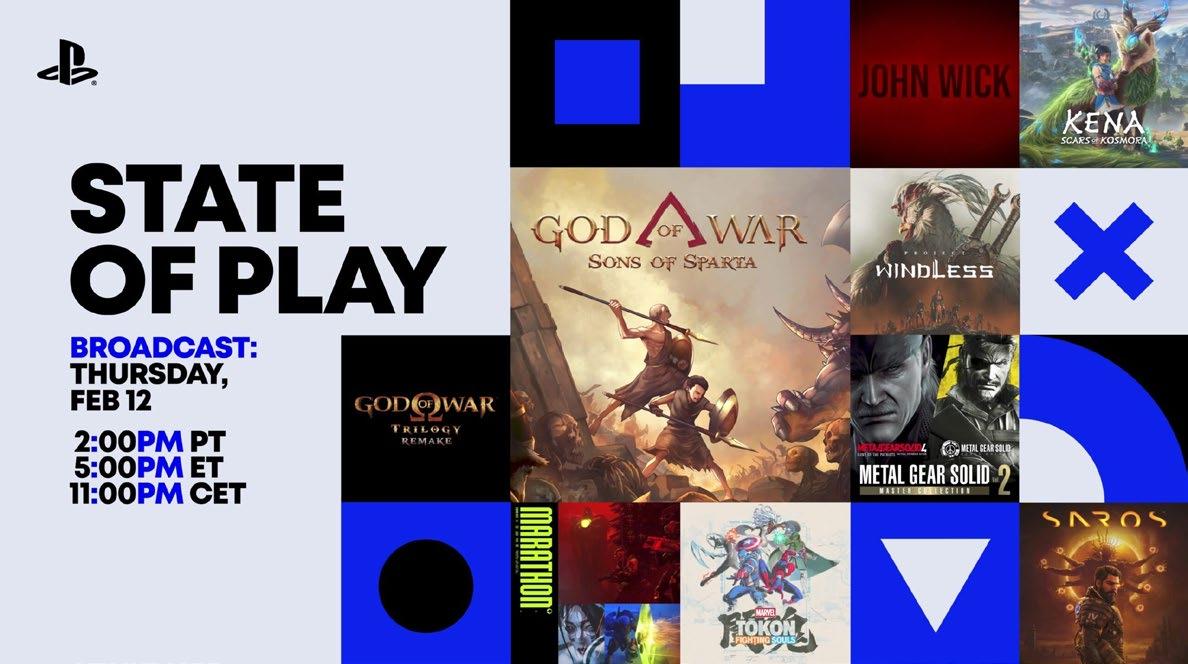

Xbox’s March Partner Preview was a masterclass in efficiency and intent. In just 30 minutes, Microsoft and its global partners delivered 19 game announcements, including 7 world premieres and 14 day-one Game Pass titles, a statistic that speaks volumes about where Xbox’s priorities now lie. Narrated by Aaron Paul, the presentation leaned into a confident rhythm: reveal, gameplay, release window, Game Pass confirmation. No filler, no wasted time, just a clear pipeline of what’s next. What follows is a complete, in-depth breakdown of every game shown, expanding on what we saw, what it means, and why it matters.
Opening the showcase, this revival of the cult-favourite World of Darkness property immediately set a darker tone. The trailer focused on a small team of hunters tracking a vampire embedded within law enforcement, a premise that hints at themes of corruption, paranoia, and moral ambiguity. Mechanically, the shift to a first-person perspective suggests a more immersive, possibly slower-paced combat system compared to previous entries. The glimpses of varied locations imply a mission-based structure, potentially blending investigation with action.
This is a clear attempt to modernize a legacy IP, positioning it alongside today’s narrative-driven shooters rather than pure action titles.
Rebellion’s latest project looks to merge environmental storytelling with systemic survival. Set on a volatile off-world colony, the game’s defining feature appears to be its dynamic storm system, less a backdrop and more an active threat.
The footage emphasized unpredictability: visibility drops, shifting terrain hazards, and alien encounters that seem to react to environmental conditions. This could create emergent gameplay scenarios where survival depends as much on situational awareness as combat skill.
It’s a strong evolution of the studio’s expertise, blending their shooter pedigree with survival design trends.
Closing the show, this was arguably the most emotionally intriguing reveal. The pairing of a wisecracking robot detective and a lone human child immediately establishes a character-driven narrative. The post-apocalyptic setting appears less about desolation and more about mystery, specifically, the disappearance of humanity. The inclusion of third-person action suggests this won’t be a purely narrative experience, but one that balances storytelling with exploration and combat.
Strong narrative hooks like this often define breakout hits, especially when paired with unique character dynamics.
This cyberpunk roguelike introduces a compelling twist: time manipulation as a core mechanic. Rather than simply reacting to enemy patterns, players can actively freeze, rewind, or slow encounters.
This has major implications for gameplay depth. Roguelikes typically rely on repetition and skill mastery but here, time itself becomes a strategic resource, potentially lowering frustration while increasing tactical complexity.

Why it matters:
It pushes the roguelike formula forward in a meaningful way, rather than iterating on established systems.
A clear play for younger audiences and families, this title focuses on exploration, creativity, and collection. Using a camera as the primary mechanic introduces a non-violent gameplay loop centred on discovery. The scrapbook system suggests long-term engagement through collectibles, while the inclusion of recognizable characters ensures accessibility.
Why it matters:
Xbox continues to broaden its audience, something it has historically struggled with compared to competitors.
One of the more unique concepts shown, Dispatch flips the superhero genre on its head. Instead of playing as a traditional hero, you manage a team from behind a desk. The gameplay appears to revolve around decisionmaking, resource management, and relationship dynamics. The comedic tone, combined with branching narrative choices, positions it closer to interactive drama than action game.
Why it matters:
It’s a fresh take on a saturated genre, proof that innovation often comes from perspective shifts rather than scale.
This hand-crafted platformer stood out for its meticulous animation and artistic identity. Every frame appears individually drawn, giving the game a storybook-like quality.
Gameplay seems to blend traditional platforming with light combat and exploration, but the real emphasis is on world-building and visual storytelling.
Why it matters:
In an industry increasingly driven by realism, handcrafted artistry remains a powerful differentiator.
Set within the universe created by James S. A. Corey, this RPG leans heavily into player agency. The updated gameplay suggests a squadbased system where relationships, choices, and alliances shape outcomes. The upcoming beta indicates confidence from the developers, and the Spring 2027 window gives it room to grow.
Why it matters:
Narrative-driven RPGs with strong source material often find dedicated audiences—and this has the potential to be a major one.
A quieter, more reflective entry, this road-trip narrative focuses on memory, regret, and personal growth. The use of photography as a gameplay mechanic reinforces its introspective tone. Rather than traditional objectives, the game appears to prioritize emotional engagement and storytelling.
Why it matters:
These smaller narrative experiences often become critical darlings and awards contenders.
Pure chaos, in the best way. This co-op platformer leans into physics-based humour, with up to eight players navigating levels using exaggerated frog abilities. The tonguebased traversal mechanic isn’t just a gimmick, it’s central to both movement and puzzlesolving, encouraging coordination (or complete disorder).
Why it matters:
Multiplayer party games remain hugely popular, and this has strong potential as a social hit.
At first glance, it looks like a traditional farming sim, but the reveal quickly shifts tone. Beneath the cozy surface lies a darker mystery, hinted at through ominous letters and unsettling imagery. This duality, comfort vs. horror, could be its defining strength.
Why it matters:
Genre mashups like this are increasingly successful, especially when they subvert player expectations.
The biggest headline of the night. Building on the success of its predecessor, Hades II expands nearly every system, combat, progression, and world design. The introduction of a new protagonist and deeper mythological elements ensures it feels like evolution rather than repetition.
Why it matters:
This is a guaranteed major release and a huge win for Game Pass.
Moosa: Dirty Fate
Set in a collapsing feudal society, this title blends historical inspiration with supernatural elements. The emphasis on environmental decay and survival suggests a world in decline. Combat appears fluid and cinematic, with a strong focus on swordplay.
Why it matters:
New IPs with distinct cultural settings help diversify the gaming landscape.
Serious Sam: Shatterverse
A return to chaotic, high-speed FPS action. The “multiverse” concept allows for multiple versions of Sam, each with unique abilities. Expect large-scale battles, absurd weaponry, and relentless pacing.
Why it matters:
It preserves a classic formula while introducing
just enough novelty to stay relevant.
This expansion adds significant narrative content, focusing on faction conflict between Duty and Freedom. New regions and a 20+ hour story suggest a substantial addition rather than minor DLC.
Why it matters:
It reinforces long-term support for one of Xbox’s key ecosystem titles.
From RGG Studio, this ambitious project spans multiple time periods and cities. That structure alone hints at a complex, interwoven narrative. The upcoming dedicated showcase suggests this is one of Xbox’s more important partnerships.
Why it matters:
It could become a flagship narrative experience depending on execution.
A bold reinvention of a notoriously difficult franchise. Moving into 3D fundamentally changes level design and player movement. The core challenge remains intact but now with added spatial complexity.
Why it matters:
Reinventing a classic without losing its identity is a difficult balance and this is a fascinating attempt.
Blending turn-based strategy with real-time action, Vaunted introduces a hybrid system that could appeal to multiple audiences. The unreliable narrator concept adds a narrative twist, potentially affecting how players interpret events.
Why it matters:
It’s an ambitious experiment in both gameplay and storytelling.
An open-world action RPG focused on speed and freedom. Traversal appears to be just as important as combat, with fluid movement systems enabling seamless exploration. Its arrival on Xbox and Game Pass marks a major expansion for the title.
Why it matters:
It strengthens Xbox’s presence in the animestyle RPG space, an area where it has historically lagged.
The March Xbox Partner Preview wasn’t about one defining moment; it was about consistent delivery.
• 19 games
• 14 Game Pass day-one launches
• A global mix of developers and genres
The message is clear:
Xbox isn’t just building a lineup; it’s building a rhythm.
A steady cadence of releases, diverse experiences, and immediate accessibility through Game Pass ensures that players always have something new to play—and a reason to stay subscribed.
In a year defined by uncertainty across the industry, that kind of consistency might be Xbox’s biggest advantage yet.
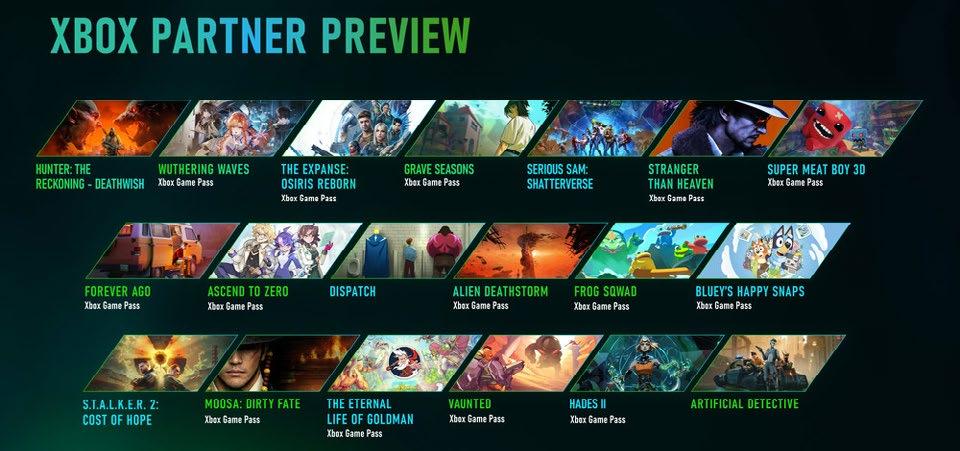
For the first time in more than a decade, the Xbox leadership table has been flipped. In a single sweeping moment, Microsoft’s gaming division, long defined by the steady presence of Phil Spencer and the rising influence of Sarah Bond, has entered a new chapter marked by bold promises, unanswered questions, and a renewed focus on the future of play.
Phil Spencer, the architect behind Xbox’s modern identity and the public face of the brand for 12 years, has officially announced his retirement after a remarkable 38-year tenure at Microsoft. His departure alone would have signalled a seismic shift. But paired with the resignation of Xbox President Sarah Bond, long considered Spencer’s natural successor, the moment feels like a generational turning point for the entire Xbox ecosystem.
Spencer’s legacy is impossible to overstate. Under his leadership, Xbox transformed from a hardware-centric business into a sprawling entertainment platform spanning console, PC, cloud, and mobile. He championed Game Pass, shepherded the historic Activision Blizzard and ZeniMax acquisitions, and helped Xbox reach more than 500 million monthly users worldwide.
In his farewell message, Spencer reflected on the journey with characteristic humility: “It’s been an epic ride and truly the privilege of a lifetime.”
He will remain in an advisory role through the summer to ensure a smooth transition.
If Spencer’s retirement was a milestone, Bond’s departure was the plot twist. Widely viewed as the heir apparent, Bond had become one of the most visible and influential leaders at Xbox, guiding platform strategy, expanding Game
Pass, supporting hardware launches, and shaping the brand’s next-gen vision.
Her decision to “begin a new chapter” leaves a conspicuous gap in Xbox’s leadership structure. As of now, Microsoft has not announced a direct replacement, suggesting the role of Xbox President may be dissolved or reimagined under the new hierarchy.
Stepping into the spotlight is Asha Sharma, formerly President of Microsoft’s CoreAI product and previously an executive at Meta and Instacart. Sharma will serve as Executive Vice President and CEO of Microsoft Gaming, effectively becoming the new head of Xbox.
Her early messaging strikes a confident, playerfirst tone. Sharma has pledged:
A renewed commitment to great games, investing in iconic franchises and bold new ideas.
A “return of Xbox,” with a focus on core fans and the console identity that shaped the brand.
A forward-looking vision of the future of play, including new business models and deeper integration of cloud and AI technologies.
It’s a manifesto that blends reverence for Xbox’s roots with an appetite for reinvention.
Alongside Sharma’s promotion, longtime Xbox Game Studios head Matt Booty has been elevated to Executive Vice President and Chief Content Officer. His expanded role places him at the centre of Xbox’s creative pipeline, overseeing studios, franchises, and the content strategy that will define the platform’s next decade.
The simultaneous departure of Spencer and Bond marks the most dramatic leadership shift Xbox has seen since the early 2010s. It arrives at a moment when the brand faces both opportunity and pressure:
• Game Pass growth has slowed.
• Xbox Series hardware continues to trail competitors.
• Cloud gaming is evolving rapidly.
• AI is reshaping development pipelines.
• And the industry is watching closely to see how Microsoft leverages its massive studio portfolio.
Sharma’s leadership will be defined by how she navigates these challenges and whether she can deliver on her promise to “recommit to our core Xbox fans” while pushing the brand into new frontiers.
For longtime Xbox fans, this moment is bittersweet. Spencer’s era was defined by transparency, community engagement, and a genuine love of gaming. Bond represented the next generation of leadership, innovative, ambitious, and deeply connected to the platform’s future.
Now, a new voice is stepping forward.
Asha Sharma inherits a powerful legacy and a passionate community. The next few years will determine whether Xbox’s bold reinvention can match the scale of its ambitions and whether this leadership reset becomes the spark that propels the brand into its next golden age.
One thing is certain: the story of Xbox is far from over. In many ways, it’s just beginning.


Nintendo’s latest Partner Showcase back on February 5th, 2026, wasn’t just a preview of what’s coming next. It was a confident stride into the Switch 2 era. A broadcast packed with blockbuster debuts, inventive exclusives, and a surprising number of classics reborn, it painted a picture of a platform ready to dominate its second generation with the same charm, creativity, and sheer momentum that defined the first.
This wasn’t a tease. It was a statement.
Indiana Jones Leads the Charge MachineGames’ Indiana Jones and the Great Circle opened the show with cinematic swagger. Set in 1937 between Raiders and Last Crusade, it’s a whip-cracking, puzzle-driven adventure that feels shockingly at home on Nintendo hardware. The Switch 2’s upgraded horsepower gives Indy room to breathe and swing.
Bethesda Arrives in Force
The real shockwave came when Bethesda rolled out a trio of heavy hitters:
Fallout 4: Anniversary Edition the full Wasteland, expansions included
The Elder Scrolls IV: Oblivion Remastered rebuilt visuals, modern performance
Indiana Jones already a headline act
Todd Howard’s comment said it all:
“We’re excited to finally bring a number of our franchises for the first time to Nintendo platforms.”
A quiet acknowledgement that the Switch 2 is now a destination, not an exception.
Orbitals is pure Nintendo energy, a two-player asymmetric co-op platformer drenched in retroanime style. Maki and Omura’s intergalactic journey blends expressive character work with clever puzzle design, built for couch co-op and late-night laughter.
Deep beneath Tokyo, Anne fights for survival against dinosaur-like Zino in a tense blend of stealth, puzzles, and quick thinking. With fourplayer GameShare support, it’s a showcase of Nintendo’s commitment to social play.
The Adventures of Elliot: The Millennium Tales Square Enix’s newest HD-2D epic blends action combat, time-spanning storytelling, and fairypowered abilities into a sweeping RPG that feels destined to become a Switch 2 staple.
These exclusives don’t just fill release dates; they define the Switch 2’s creative identity.
Capcom’s latest survival horror entry intertwines the journeys of Grace Ashcroft and Leon S. Kennedy, letting players switch between firstand third-person perspectives at any moment. It’s stylish, cinematic, and paired with a themed Pro Controller and the first-ever Resident Evil amiibo.
PRAGMATA: Lunar Escape, Dual Protagonists, Pure Style
PRAGMATA’s surreal sci-fi world of a spacefarer, an android girl, and a lunar research station
gone wrong feels like a bold new direction for Capcom. Diana’s hacking abilities open enemy armour for Hugh’s arsenal, creating a combat rhythm that’s instantly compelling.
A playable demo dropped immediately a classic Direct flourish.
RPG HEAVEN
FINAL FANTASY VII REBIRTH Arrives
Cloud and company step onto Nintendo hardware in a sweeping, open-zone adventure filled with Chocobo rides, emotional gut punches, and reimagined encounters. It’s a landmark moment for a PlayStation titan now fully at home on Switch 2.
A Flood of Role-Playing Worlds
Kyoto Xanadu dungeon crawling meets social bonds
Granblue Fantasy: Relink Endless Ragnarok sky-realm spectacle
Digimon Story Time Stranger 450+ Digimon, branching evolution
MONSTER HUNTER STORIES 3 a darker, more mysterious chapter
The Switch 2 is shaping up to be the definitive RPG machine once again.
CLASSICS REBORN
SUPER BOMBERMAN COLLECTION
Seven titles. Twelve versions. Previously unreleased localised editions. Boss Rush. Libraries. GameShare support. It’s the definitive Bomberman celebration.
Knight
Higher resolution, improved frame rates, enhanced effects and a free upgrade for existing owners. A modern classic, reborn.
Arcade Archives 2 & Console Archives
From Ninja Gaiden II to Cool Boarders, Nintendo continues its mission to preserve gaming history and make it playable anywhere.
MONTAGE THAT SAID EVERYTHING
The closing montage was a rapid-fire parade of genres, studios, and fan favourites:
Disney Dreamlight Valley Switch 2 Edition
PGA TOUR 2K25
WWE 2K26
Shadow Tactics
Another Eden Begins
Goat Simulator 3
Culdcept BEGINS
Scott Pilgrim EX
Star Trek: Voyager Across the Unknown Tales of ARISE Beyond the Dawn Edition
REANIMAL
It was Nintendo’s way of saying: This is the Switch 2 ecosystem and everyone wants in.
A Confident, Creative, Crowd-Pleaser of a Showcase
Nintendo’s Partner Showcase delivered a lineup that blends blockbuster ambition with the playful, inventive spirit that defines the company. It’s a platform where Indiana Jones can sit beside Hollow Knight, where PRAGMATA can share space with Bomberman, and where new ideas like Orbitals shine as brightly as industry giants. If this is the tone Nintendo is setting for 2026, the Switch 2 is stepping into its era with confidence and a whole lot of momentum.

Thirty years is a strange milestone, old enough for nostalgia to sting a little, young enough to still feel unstoppable. The Pokémon 30th Anniversary Presents leaned into that duality from the opening frame, celebrating a series that has shaped childhoods, friendships, and entire communities. What followed was a whirlwind tour through the past, present, and future of the world’s most enduring creaturecollecting phenomenon, delivered with the confidence of a franchise that knows exactly what it means to people.
The showcase opened with a delightfully eccentric piece of hardware: the Game Boy Jukebox, a miniature Game Boy-shaped music player that accepts tiny cartridges, not for games, but for Pokémon Red & Blue tracks. Forty-five songs, forty-five collectible cartridges, and a device that feels equal parts charming and impractical. It’s available now through Pokémon Centre stores in the UK, US, and Canada, though pricing remains a mystery. It was a quirky, nostalgic tone-setter, a reminder that Pokémon’s history is as tactile as it is emotional.
The broadcast then shifted to the competitive scene, offering a brief but energetic update on the 2026 Pokémon World Championships, set for San Francisco this August. Over 3,000 competitors will descend on the city, battling across TCG, Pokémon GO, Pokémon Unite, and for the first time, the upcoming Pokémon Champions. The event will run alongside the inaugural Pokémon XP fan festival, promising a hybrid of esports spectacle and community celebration.
The Trading Card Game is also hitting the
big three-oh, and while details were light, The Pokémon Company teased a “dazzling” global product line launching in 2026. No specifics yet, but the implication was clear: the TCG’s anniversary year is going to be loud.
One of the showcase’s biggest nostalgia punches came with the reveal that Pokémon XD: Gale of Darkness is joining the Nintendo Classics lineup for Switch 2. Arriving in March, it’s exclusive to the new hardware tier, but its presence alone was enough to send long-time fans into a frenzy. The GameCube era has always been Pokémon’s strangest, boldest chapter and seeing XD preserved for a new generation felt like a genuine win.
The mobile titan is celebrating the anniversary with a 30th Anniversary Event running 7–9 March, bringing back a huge range of Pokémon for a catch-fest that feels like a love letter to the franchise’s roots. Meanwhile, the Pokémon GO Tour: Kalos Global kicks off 28 February to 1 March, giving players even more to chase.
Nostalgia struck again as Red in his original 1996 design arrived in Pokémon Masters EX, paired with Pikachu in a new Sync Pair available now. Additional anniversary Sync Pairs are rolling out rapidly: Florian & Ogerpon on 28 February, and Juliana & Terapagos on 2 March. A generous 3,000-gem login bonus sweetened the deal.
Pokémon Café Remix joined the festivities with a parade of starter Pokémon from every region, beginning with the Kanto trio on 28 February. New outfits, new Pokémon, and 30th-anniversary decorations rounded out the update, a warm, cozy celebration for players who prefer
their Pokémon with a side of pastries.
The calmest announcement of the show: Mew is coming to Pokémon Sleep, bringing new missions starting tonight. A small update, but a fittingly dreamy one.
Unite players got a triple-hit of nostalgia as Zapdos, Moltres, and Articuno were confirmed as new arrivals, unlockable through a special event. Meganium, Typhlosion, and Feraligatr are also on the way, expanding the roster with Johto favourites.
The controversial standalone Switch releases of Pokémon FireRed and LeafGreen resurfaced during the showcase, but this time with a crucial update: Pokémon Home support is officially coming. No date yet, but the promise of transferring Kanto Pokémon into modern games will ease a lot of fan anxiety.
Pokémon TCG Pocket unveiled its new Paldean Wonders booster pack and launched a 30 Years of Pokémon event running from 27 February to 27 June. Players can earn special rewards, open to 30 booster packs, and unlock exclusive accessories through missions.
The arena-battler Pokémon Champions finally narrowed its release window: it’s launching on Switch in April 2026, with Android and iOS versions to follow. The game lets players battle using new partners or Pokémon transferred via Home a smart bridge between competitive and casual play.
For players deep into Pokémon Legends: Z-A –Mega Dimension, a new Mystery Gift unlocks the ability to detect a hyperspace distortion leading to Mega Garchomp Z. Defeating it rewards the Garchompite Z, enabling your own
Garchomp to Mega Evolve into this new form. It was a compact update, but one with real gameplay weight.
Pokémon Pokopia resurfaced with a charming trailer highlighting DJ Rotom, Chef Dente the Greedent, and a peek at four-player island exploration. Nothing earth-shattering, but enough to reinforce Pokopia’s cozy, creative identity as it nears release.
The Big One: Pokémon Winds and Waves — Gen 10 Revealed
The showcase closed with the moment everyone was waiting for: the reveal of Generation 10, titled Pokémon Winds and Pokémon Waves. Set in a region inspired by Southeast Asia, lush jungles, turquoise waters, and sun-drenched villages, the games introduced three new starters: Browt, Pombon, and Gecqua.
The only downside? The wait. Winds and Waves won’t arrive until 2027, but the trailer’s sense of scale, colour, and cultural texture made the delay feel like an investment rather than a setback.
By the time the final montage faded out, the Pokémon 30th Anniversary Presents had delivered something rare: a showcase that honoured the past without being trapped by it, celebrated the present without padding it, and teased the future with confidence rather than over-hype. It was a reminder that Pokémon isn’t just a franchise, it’s a living, evolving cultural touchstone, still finding new ways to surprise us three decades on.

Every generation of gaming hardware introduces a handful of accessories that quietly become essential. Controllers, in particular, occupy a strange space in the ecosystem. They’re tools first, collectibles second, yet sometimes a special edition arrives that manages to bridge both worlds.
The Nintendo Switch 2 Pro Controller –Resident Evil Requiem Edition is one of those rare releases.
On the surface, it’s a premium controller built for Nintendo’s newest hardware. But layered over that foundation is a design language pulled straight from one of gaming’s most iconic survival horror franchises. The result is something that feels less like a standard accessory and more like a celebration of atmosphere, tension, and the legacy of Resident Evil.
After spending several weeks using it across long gaming sessions, late-night horror runs, and everyday Switch 2 play, it’s clear this controller isn’t just a cosmetic variant. It’s a thoughtfully designed piece of hardware that merges performance with personality in a way collectors and players alike will appreciate. This is what happens when a platform holder respects both the player and the fan.
The Resident Evil Requiem Edition Pro Controller arrives in packaging that immediately sets the tone. Dark, moody, and unmistakably Resident Evil, the box art leans heavily into the franchise’s horror identity, replacing Nintendo’s usual bright minimalism with something far more ominous. Sliding the controller out of the box, the first thing that stands out is the finish. Rather than the glossy or brightly coloured shells typical of special editions, this controller embraces a matte charcoal body accented with crimson detailing, evoking the unsettling aesthetic fans associate with the series.
Subtle design elements elevate the look even further:
• The Resident Evil Requiem insignia etched across the front shell
• Blood-red accent lines along the grips and triggers
• A faint, distressed texture across the body reminiscent of worn metal or aged lab equipment
It doesn’t scream for attention, but when the light catches it just right, the design reveals itself in layers. It’s the kind of controller that feels just as comfortable sitting on a collector’s shelf as it does in your hands.
Thankfully, the Requiem Edition isn’t just about aesthetics. Beneath the horror-themed shell lies the Nintendo Switch 2 Pro Controller architecture, which continues Nintendo’s tradition of delivering some of the most comfortable firstparty controllers in the industry. After multiple extended sessions, the comfort becomes obvious.
The grips sit naturally in the hand, with a slightly refined curvature compared to the original Switch Pro Controller. The weight balance is excellent, neither too light nor overly dense, creating that sweet spot where the controller feels substantial without becoming fatiguing. The thumb sticks glide with satisfying resistance, making precise movement effortless whether you're navigating tense survival scenarios or exploring expansive open worlds.
Button feedback is equally impressive. Each press feels deliberate and responsive, with tactile clarity that prevents accidental inputs during high-pressure gameplay. And in games where timing matters, especially horror titles where every movement counts, that precision becomes invaluable.
While the design celebrates Resident Evil, the functionality remains rooted in Nintendo’s nextgeneration controller improvements.
Key features include:
• Enhanced HD Rumble delivering deeper, more nuanced feedback
• Improved motion sensors for gyro-based aiming and movement
• Refined analogue triggers with smoother actuation
• Upgraded battery efficiency designed for extended play sessions
The HD rumble deserves special mention. In horror titles especially, it adds an extra layer of immersion. Subtle environmental vibrations, distant impacts, or the low rumble of something approaching from beyond the screen all translate through the controller with surprising clarity.
It’s a reminder that controllers are more than input devices; they’re part of the storytelling experience. And in a series like Resident Evil, atmosphere is everything.
Nintendo has always excelled at producing controllers that feel durable without becoming bulky, and the Requiem Edition continues that tradition. The matte shell finish is resistant to fingerprints and maintains its visual integrity even after long sessions. The textured grips offer additional control without feeling abrasive, striking a balance between comfort and stability.
Internally, the build quality remains reassuringly solid. There’s no creaking, no flexing, and no signs of shortcuts taken in construction. Even after weeks of heavy use, the controller feels exactly as it did on day one: reliable, tight, and confident in its design. For collectors who worry about wear on special edition hardware, this is a controller that feels built to last.
The real test of any controller comes after the novelty fades. A few weeks in, the Resident
Evil Requiem Edition has proven itself not just as a collectible, but as my default Switch 2 controller.
It excels across genres. Horror games benefit from the immersive feedback, action titles take advantage of the precise sticks, and casual sessions remain comfortable thanks to the balanced ergonomics. What surprised me most, however, is how the aesthetic continues to grow on you. It’s subtle enough to blend into a setup, but distinctive enough that visitors notice it almost immediately. It becomes a conversation piece without ever feeling gimmicky. That’s the hallmark of a well-designed special edition.
As a premium licensed variant of the Switch 2 Pro Controller, the Resident Evil Requiem Edition sits slightly above the standard model.
• United States: $89.99 USD
• United Kingdom: £79.99 GBP
For a special edition tied to a legendary franchise, the pricing feels reasonable. You’re getting the full Pro Controller experience alongside a design that genuinely celebrates Resident Evil rather than simply stamping a logo onto existing hardware. For fans of the series, the value is immediately apparent.
The Resident Evil Requiem Edition Pro Controller sits at the intersection of two audiences. It’s for players who want the best controller experience available for the Switch 2, and it’s for collectors who appreciate thoughtful, franchise-driven design. If you’re a Resident Evil fan, the appeal is obvious. If you’re simply looking for a premium controller with excellent ergonomics and performance, the Requiem Edition still holds its own even without the thematic connection. This is one of those rare accessories that manages to satisfy both sides of the gaming community.
The Nintendo Switch 2 Pro Controller – Resident Evil Requiem Edition succeeds because it understands what makes special editions meaningful. It doesn’t rely solely on branding.
Instead, it pairs strong visual identity with genuinely excellent hardware.
Comfortable, responsive, beautifully designed, and built with the same reliability Nintendo is known for, it’s a controller that earns its place in any Switch 2 setup. Whether you’re escaping infected cities, exploring haunted environments, or simply enjoying everyday gameplay, it delivers the kind of performance you expect from a premium accessory. And it does so while looking like something that came straight out of the Resident Evil universe.
A stylish, immersive, and highly capable controller that proves special editions can be more than cosmetic, they can enhance the experience.
A huge thank you to Nintendo and Capcom for providing the Resident Evil Requiem Edition Nintendo Switch 2 Pro Controller for extended testing. Having the opportunity to spend real time with the hardware across a variety of games allowed for a genuine evaluation of both performance and design.
Hands-on time is what makes reviews like this possible, honest, and grounded in real experience.
If the Resident Evil Requiem Edition Pro Controller has sparked your interest, or if you’d like to explore more accessories and hardware for the Nintendo Switch 2, you can learn more through Nintendo’s official channels below.

Few RPGs have defined the open-world genre quite like Fallout 4. When it first launched, Bethesda’s post-apocalyptic sandbox invited players into a devastated yet strangely beautiful version of the American Commonwealth, where every ruined street corner held a story waiting to be discovered. Years later, Fallout 4 Anniversary Edition on Nintendo Switch 2 feels like the kind of revival that makes perfect sense. This isn’t simply a port. It’s a celebration of the game’s longevity, a fully realized version that brings together the original experience, its expansions, and technical improvements into a single package designed to thrive on modern hardware.
On Nintendo Switch 2, the wasteland finally feels portable without compromise. The system’s upgraded power allows the Commonwealth to breathe in a way that handheld Fallout experiences never could before. From the moment you step out of Vault 111, and the sunlight hits the ruined landscape, it becomes clear that this version of Fallout 4 is more than nostalgia. It’s a reminder of why the game captured players’ imaginations in the first place.
The defining feature of Fallout 4 has always been its world. The Commonwealth isn’t just a map filled with objectives, it’s a living ecosystem of stories, factions, survivors, and forgotten

relics of the old world. Exploring Boston’s ruins on Nintendo Switch 2 feels remarkably smooth. Lighting is richer, environmental details stand out more clearly, and the improved performance helps the massive open world feel more cohesive than ever.
Every ruined building tells a story. A skeleton slumped in a diner booth. A makeshift shelter tucked away in a subway tunnel. A hidden bunker full of desperate final messages. Bethesda’s environmental storytelling shines here, and on Switch 2 the clarity of the visuals makes these details easier to appreciate. Wandering through the wasteland becomes less about reaching objectives and more about curiosity. You see a distant tower on the horizon, start walking toward it, and suddenly three hours have disappeared. The Commonwealth rewards exploration in ways few RPG worlds can match.
Combat in Fallout 4 Anniversary Edition remains a satisfying mix of real-time action and the franchise’s iconic V.A.T.S. targeting system. On Switch 2, gunplay feels noticeably smoother. Frame stability improves the rhythm of firefights, and aiming feels responsive whether you’re playing docked or handheld. Encounters remain unpredictable. Raiders ambush from rooftops, mutated creatures emerge from radioactive
swamps, and powerful enemies like Deathclaws still create moments of genuine panic. But combat is only part of the survival equation.
Fallout 4’s crafting and settlement systems add another layer of depth. Players scavenge materials from abandoned locations to upgrade weapons, customize armor, and construct entire communities across the wasteland. The Anniversary Edition includes all major expansions and content updates, which greatly expand these systems. New building options, additional gear, and expanded storylines give players even more ways to shape the world.
The result is a gameplay loop where exploration feeds crafting, crafting strengthens combat, and combat leads to even deeper exploration. It’s a cycle that remains incredibly addictive.
Narratively, Fallout 4 tells the story of a survivor searching for their missing child in a world that has been shattered by nuclear war. What begins as a deeply personal journey gradually expands into a larger conflict between powerful factions vying for control of the Commonwealth. The Brotherhood of Steel, the secretive Railroad, the technologically advanced Institute, and the struggling civilian communities all present competing visions for the future of humanity.
Switch 2 enhancements give dialogue scenes more clarity, helping facial animations and character models stand out more than they did on older hardware. The story unfolds slowly, encouraging players to explore faction relationships and moral decisions that shape the direction of the wasteland. And like all great Fallout stories, the choices rarely feel simple.
Returning to Fallout 4 Anniversary Edition on Switch 2 felt like rediscovering an old survival instinct. Early hours were spent cautiously exploring nearby ruins, scavenging anything useful, and learning the rhythms of the Commonwealth again. Ammunition was scarce, supplies were limited, and every encounter felt risky. But gradually the wasteland began to open up.
Settlements became central to the experience. I spent hours rebuilding small communities, placing defences, constructing housing, and slowly transforming broken ruins into functioning outposts. Some nights were spent simply wandering. Following a distant radio signal into an abandoned bunker. Investigating strange lights near the coastline. Helping settlers fend off raider attacks. What stood out most was how organic the journey felt. Fallout 4 doesn’t push players down a single path. Instead, it constantly tempts you with distractions. You set out to complete one quest, and five unexpected stories unfold along the way.
By the time the main faction conflicts began reaching their climaxes, it felt like I had truly lived in the Commonwealth.
Running a game as large as Fallout 4 on a portable system once felt impossible. The Nintendo Switch 2 changes that equation. The Anniversary Edition benefits from smoother frame pacing, faster load times, and improved draw distance compared to previous portable Fallout experiences. Exploring the wasteland in handheld mode feels surprisingly natural. Long scavenging runs, quick settlement adjustments, or short quest sessions work perfectly on the go.
Docked play, meanwhile, brings the full scope of the Commonwealth to life on a larger screen. It’s the kind of flexibility that suits Fallout perfectly. Whether you’re committing to a long evening session or just checking in on your settlements for a few minutes, the game adapts effortlessly. For the first time, Fallout 4 feels genuinely comfortable in both portable and console-style play.
Audio has always been one of Fallout’s secret strengths, and the Anniversary Edition preserves that atmosphere beautifully. Ambient sounds, wind through ruined streets, distant gunfire, the hum of broken machinery, create an environment that constantly reminds players of the world’s collapse. The iconic Fallout radio stations return as well, delivering a mix of dark humor and classic music that contrasts brilliantly with the
bleak environment. On Switch 2’s improved audio hardware, these details feel richer and clearer. Listening to a cheerful 1940s tune while wandering through a radioactive wasteland remains one of the franchise’s most unforgettable experiences.
The Echoes of the Past: What’s Improved, What
Fallout 4 Anniversary Edition modernizes the experience with improved performance and the inclusion of all expansions and updates. The core design, however, remains faithful to the
original. That means some familiar quirks remain as well. Certain animations can feel stiff, and the Creation Engine occasionally shows its age in crowded areas.
But these imperfections have always been part of the Fallout experience. They rarely break immersion and often feel overshadowed by the sheer scale and freedom of the world.
What matters most is that the heart of Fallout 4 remains intact. Freedom. The exploration. The endless stories hidden within the wasteland.
Fallout 4 Anniversary Edition on Nintendo Switch 2 delivers one of the most expansive RPG experiences ever to reach a Nintendo handheld platform. By combining the full Fallout 4 experience with improved performance and portable flexibility, this version allows players to explore the Commonwealth in ways that weren’t possible before. For returning fans, it’s a chance to revisit the wasteland with renewed clarity. For newcomers, it’s one of the most immersive open-world RPGs available on the system. It may not be a completely new Fallout adventure, but it proves that great worlds never truly fade away. They just wait for someone to wander back in.
9/10
9/10
The atmospheric sound design and iconic Fallout radio stations remain a highlight. Environmental effects, distant battles, and classic music tracks combine to create one of the most distinctive audio landscapes in gaming.
8.5/10
The Commonwealth looks strong on Nintendo Switch 2, with improved lighting, clearer textures, and smoother performance. While some older animations remain, the world itself feels vast, detailed, and immersive.
9/10
Combat, exploration, crafting, and settlement building all come together to create an addictive gameplay loop. The flexibility of the Switch 2 makes exploring the wasteland more accessible than ever.
The Anniversary Edition provides a complete Fallout 4 package, including all major expansions and updates. Combined with stable performance and portable play, it’s one of the most ambitious RPG experiences on Nintendo Switch 2.
Reviewed by: Brandon Sawyer
Version tested: Nintendo Switch 2
Mario Tennis Fever arrives on the Switch 2 as Nintendo’s most energetic, personality-driven sports title to date, a game that thrives on momentum, rivalry, and the kind of living-room chaos that only Mario sports games can deliver. Fully optimized for the new hardware, this edition brings faster load times, sharper visuals, and buttery-smooth framerates that make every rally, trick shot, and power-charged special feel immediate and electric.
Rather than reinventing the formula, Nintendo doubles down on what makes Mario Tennis special: expressive characters, high-tempo rallies, and courts that feel alive with hazards, gimmicks, and environmental twists. The result is a game that shines brightest when played with others, family, friends, or anyone ready to talk a little smack between volleys.
Mario Tennis Fever expands the series’ court variety with some of the most imaginative arenas the franchise has ever seen. Classic hard courts sit alongside wild, themed environments. Boo-haunted courts with drifting fog, Bowserthemed arenas with erupting fire hazards, and sky-island courts where gusts of wind can turn a perfect shot into a desperate scramble.
On Switch 2, these courts load instantly and run at a stable framerate even during four-player chaos. Environmental effects like dust trails,
ball spin particles, and character animations feel crisp and readable, making the game’s fast pace easier to track without sacrificing spectacle. The modular match structure, quick matches, tournaments, doubles, and party-style modes, makes it perfect for both long sessions and short bursts of play. It’s a game that adapts to the room: competitive when you want it, silly when you need it
Mario Tennis Fever refines the series’ signature blend of arcade action and tactical shot placement. Standard shots, slices, lobs, and trick shots feel snappier than ever, with Switch 2’s improved input latency making tight rallies feel razor-sharp.
Special shots return with cinematic flair, but they’re more balanced this time, powerful but not match-ending unless used strategically. The new Fever Meter adds a layer of momentum management, rewarding aggressive play without punishing newcomers. Touchscreen shortcuts streamline menu navigation in handheld mode, while motion controls remain an optional, partyfriendly alternative. Whether you’re playing seriously or just swinging wildly with friends, the game accommodates both styles without friction.
Lighthearted, Expressive,
Mario Tennis Fever doesn’t chase a deep
narrative, instead, it leans into character expression, playful rivalries, and the joy of competition. Each character has unique animations, victory poses, and personality quirks that make matches feel theatrical. Switch 2 enhancements elevate the presentation: sharper character models, smoother animation transitions, and more dynamic camera angles during special shots. Courts react to gameplay with subtle touches, crowd cheers, environmental shifts, and reactive lighting, giving each match a sense of spectacle.
This is where the game truly came alive for us. We played Mario Tennis Fever the way it’s meant to be played: crowded around the TV, controllers in hand, family and friends shouting, laughing, and occasionally accusing each other of “accidental” trick-shot spam. Doubles matches became full-on events, the kind where you lean forward during a long rally and erupt when someone lands a ridiculous cross-court winner.
The game’s pacing made it easy to rotate players in and out, and the Switch 2’s instant load times kept the energy high. Even handheld sessions felt great, perfect for quick tournaments or practicing character specials on the go. What stood out most was how accessible it was for everyone. Kids, casual players, and competitive gamers all found their groove. The game never punished inexperience; it rewarded enthusiasm. This is a game built for memories, and we made plenty.
Mario Tennis Fever’s soundtrack leans into upbeat, high-tempo tracks that match the intensity of rallies. Each court has its own musical identity, from jazzy Mushroom Kingdom riffs to electrified Bowser-themed rock. Sound effects, ball impacts, character grunts, crowd reactions, are crisp and satisfying.
The Switch 2’s improved audio fidelity helps subtle cues stand out, like the rising pitch of a charged shot or the whoosh of a perfectly timed trick shot.
It’s not atmospheric in the way an adventure title is, but it nails the energy of a competitive sports game.
Mario Tennis Fever is polished, fast, and easy to pick up, but a few limitations remain:
• Some courts with heavy environmental effects can feel visually busy during fourplayer matches
• Online play is improved but still occasionally inconsistent depending on connection quality
• The single-player campaign is fun but not as deep as fans of story modes might hope
None of these issues break the experience, but they keep it from reaching absolute perfection.
Mario Tennis Fever is one of the most joyful, energetic, and socially explosive games on the Switch 2. It’s a celebration of competition, chaos, and character, a game that thrives when shared with others and shines in both short bursts and long sessions. With refined gameplay, expressive presentation, and some of the best local multiplayer moments we’ve had in years, it earns its place as a top-tier Switch 2 title.
9/10
Mario Tennis Fever’s audio design is upbeat, punchy, and perfectly tuned for fast-paced rallies. Each court features its own musical theme, from whimsical Mushroom Kingdom jingles to highenergy Bowser-arena rock. Ball impacts, trick-shot swooshes, and character voice lines are crisp and satisfying, giving every rally a rhythmic flow. The Switch 2’s enhanced audio clarity helps subtle cues, like the rising pitch of a charged shot, stand out, improving both immersion and timing. It’s not as atmospheric as an adventure game, but it excels at energizing the moment-to-moment action.
9/10
Switch 2 hardware elevates Mario Tennis Fever with sharper character models, smoother animations, and vibrant, personality-rich courts. Environmental effects, drifting fog, fire bursts, wind gusts, particle trails, add flair without overwhelming readability. Even during four-player chaos, the framerate remains stable, keeping rallies smooth and visually coherent. Some courts with heavy gimmicks can feel slightly busy, but overall the game strikes a strong balance between spectacle and clarity.
9/10
Controls are tight, responsive, and intuitive, whether using traditional inputs, motion controls, or touchscreen shortcuts. The new Fever Meter adds strategic depth without complicating the core arcade feel. Trick shots, slices, lobs, and specials all feel satisfying and distinct. The game is welcoming to newcomers yet rewarding for competitive players, making it ideal for mixed-skill groups. Local multiplayer shines brightest, delivering some of the most fun, chaotic sessions we’ve had on Switch 2.
Mario Tennis Fever delivers a polished, cohesive package with fast load times, stable performance, and a variety of modes that support both quick play and longer sessions. Courts feel distinct, characters are expressive, and the game’s systems work harmoniously to create a lively, reactive tennis experience. Online play is improved but still not flawless, and the single-player campaign is serviceable rather than standout. Still, the overall delivery is strong, consistent, and deeply enjoyable.
Version tested: Nintendo Switch 2
Reviewed by: Brandon Sawyer

The Pokémon series has explored countless directions over the years. From traditional gym challenges to open-world adventures, each generation experiments with how players interact with the Pokémon universe. Pokémon Pokopia on Nintendo Switch 2 might be one of the franchise’s most surprising evolutions yet. Instead of focusing on battles and badges, Pokopia asks a much more interesting question:
What if living in the Pokémon world was a real adventure?
Pokopia transforms the familiar Pokémon formula into something closer to a lifesimulation RPG. You’re not following a predetermined path; you’re a resident of a living world that continues to move forward in real time. Days pass, towns evolve, Pokémon wander naturally, and the world reacts to your choices in subtle but meaningful ways.
But the most unusual twist?
You aren’t a typical protagonist at all.
In Pokopia, your character is secretly a Ditto, a Pokémon fascinated with human life and determined to imitate it. What begins as a playful concept slowly evolves into a surprisingly personal journey about identity, ambition, and finding your place in a vibrant Pokémon ecosystem. After spending over 40 hours living in Pokopia , crafting, building,
exploring, and slowly shaping a life for my Ditto, it became clear that this game isn’t just a spin-off. It’s one of the most creative Pokémon experiences in years.
The defining feature of Pokémon Pokopia is its real-time world system. Unlike traditional Pokémon games where time advances only as you play, Pokopia continues evolving even when you step away. Shops open and close based on the time of day. Wild Pokémon migrate depending on weather patterns. Crops grow gradually across real hours. Townsfolk follow daily routines that make Pokopia feel alive in a way rarely seen in the series. Morning sessions might reveal new Pokémon wandering through forests or fishermen gathering near lakes. Late-night exploration can lead to encounters with nocturnal species that rarely appear during the day. Over time, the rhythm of Pokopia becomes addictive. You start planning your sessions around the world itself, checking in to harvest materials, returning to town markets, or visiting areas that only unlock under certain weather conditions. It’s not just a game world. It’s a place you gradually become part of.
One of the most charming aspects of Pokopia is its premise. Instead of playing as a human character, you’re a Ditto pretending to be one.


The game leans heavily into this concept with humour and surprisingly thoughtful storytelling. Your Ditto struggles to mimic human behaviour, sometimes transforming imperfectly or reacting in ways that reveal its true identity. At first, it feels playful and lighthearted.
But as the story progresses, the concept deepens. Your Ditto’s desire to “fit in” slowly turns into something more meaningful, a search for belonging in a world where Pokémon and humans coexist. NPC characters gradually begin to notice things that don’t quite add up. Some suspect the truth, while others become quiet allies who support your unusual journey. It’s a clever narrative hook that keeps the experience feeling unique even after dozens of hours.
Pokopia isn’t structured around linear objectives. Instead, it offers a sandbox-style progression system centred on crafting, building, and community growth. During my 40-hour playthrough, a surprising amount of time was spent simply building a life. You gather resources from forests, lakes, and caves across the region. These materials feed directly into the game’s core systems:
Crafting Bench
Your main workstation for tools, upgrades, furniture, and settlement expansions. Recipes unlock naturally as you explore and interact with the world.
These are the heart of your settlement. Building and upgrading habitats attracts different Pokémon species, each bringing new behaviours, materials, or interactions.
Berry plots, crop fields, and small garden patches let you grow ingredients over real time. These feed into crafting, cooking, and settlement upgrades.
Instead of battling for money, Pokopia uses a
simple coin-based economy. You earn coins by completing tasks or helping Pokémon. The PC store becomes your go-to hub for:
• Tools
• Furniture
• Habitat materials
• Cosmetic items
• Crafting components
What starts as a small camp eventually grows into a thriving hub filled with habitats, farms, shops, and cozy living spaces. Watching your settlement evolve into a bustling Pokopia village becomes one of the game’s most satisfying long-term rewards.
Spending 40 hours in Pokopia didn’t feel like grinding through a game. It felt like settling into a world. Early sessions were spent exploring nearby areas and gathering materials, slowly learning how the crafting and building systems worked. My Ditto began constructing basic shelters and farms, attracting curious Pokémon to the growing settlement. Then the routine started forming.
Morning berry harvests. Afternoon exploration runs into nearby forests. Evening crafting sessions to expand the town. Eventually the settlement grew into something remarkable, a small but lively community where humans, Pokémon, and one determined Ditto all coexisted. The most surprising part was how invested I became in my character’s strange ambition. My Ditto wasn’t just pretending anymore. It genuinely wanted to find its place in Pokopia. And by the time I reached the later stages of the game, that journey felt surprisingly real.
Pokopia’s soundtrack leans heavily into calm, atmospheric compositions that complement the slower pace of the game. Gentle daytime melodies accompany exploration, while softer nighttime tracks create a peaceful mood as the world winds down. Environmental sounds, wind through trees, distant Pokémon cries, rustling grass, reinforce the feeling that Pokopia is a


living world. On Switch 2 hardware, the improved audio clarity makes these subtle details stand out beautifully.
The Echoes of the Past – What’s Improved, What
Pokopia is one of the most experimental Pokémon projects in recent memory, but it still respects the series’ traditions. Pokémon collecting, exploration, and discovery remain core parts of the experience. What changes is how these elements connect together.

Instead of rushing through structured objectives, Pokopia encourages players to slow down and enjoy the world.
Some players expecting a traditional Pokémon structure may initially find the pacing unusual. But once the rhythm of the real-time world clicks, it becomes difficult to step away. Pokopia doesn’t replace the classic Pokémon formula.
It expands it.
Pokémon Pokopia on Nintendo Switch 2 is one of the most refreshing ideas the Pokémon franchise has explored in years. By combining life-simulation mechanics, real-time world progression, and a charming narrative about a Ditto chasing an impossible dream, the game creates an experience that feels completely unique. The real-time systems encourage players to develop a genuine connection with the world, while the crafting and settlement-building mechanics provide long-term goals that remain engaging well past the opening hours. After spending over 40 hours crafting, building, exploring, and thriving in Pokopia, it became clear that this game isn’t just about becoming a great trainer. It’s about creating a life in the Pokémon world. And sometimes, pretending to be the best trainer of them all.
Audio
9/10
Pokopia’s relaxing soundtrack and rich environmental sound design perfectly complement the game’s slower, life-focused pacing. Subtle audio cues help reinforce the feeling of a living ecosystem.
8.5/10
The vibrant world of Pokopia looks fantastic on Nintendo Switch 2. Dynamic weather, lively environments, and expressive Pokémon animations help bring the region to life.
9/10
The combination of crafting, exploration, settlement building, and strategic battles creates a satisfying gameplay loop that remains engaging even after dozens of hours.

The Switch 2 version delivers a smooth and polished experience with stable performance, quick load times, and seamless integration of the real-time world system.
Version tested: Nintendo Switch 2
Reviewed by: Brandon Sawyer



The Super Mario Bros. Wonder formula has always thrived on creativity, but on Nintendo Switch 2, it feels like Nintendo has finally let its imagination run completely wild. This isn’t just another 2D Mario platformer, it’s a vibrant, unpredictable celebration of everything that makes Mario magical. And with the addition of the Meetup in Bellabel Park DLC, that magic expands into something even more social, playful, and surprisingly heartfelt.
After spending over 30 hours with the main game and DLC combined, revisiting levels, hunting secrets, and experimenting with different characters, it became clear that Wonder isn’t just about finishing levels. It’s about discovering them.
Set in the Flower Kingdom, Wonder immediately distances itself from tradition. Every level feels handcrafted with a singular idea in mind but rarely sticks to just one. During my playthrough, one early desert stage seemed straightforward, until a Wonder Flower transformed the entire level into a rhythmic, side-scrolling musical sequence. Another late-game level flipped gravity repeatedly, forcing quick adaptation mid-jump.
What stood out most was how often the game surprised me even after hours of play. There’s

a genuine sense that no idea is wasted. If a mechanic appears once, it’s memorable enough to stand alone. If it returns, it evolves.
My Playthrough – Experimentation, Secrets, and “One More Level” Syndrome
What began as a casual run quickly turned into a full-on obsession. I initially approached Wonder like any Mario game, progressed steadily, unlocked worlds and moved on. But that mindset didn’t last long. Within the first few hours, I found myself replaying levels, not because I had to, but because I wanted to see what I missed. Hidden exits, alternate routes, and subtle environmental clues constantly pulled me back in.
Switching between characters also added a layer of freshness. While they don’t drastically change mechanics, their slight differences in feel and animation gave each run a different rhythm. One standout moment came during a late forest world where I spent nearly an hour perfecting a tricky sequence involving bouncing enemies and timed platforms. Failing never felt frustrating, each attempt revealed something new.
And that became the loop:
• Discover a level
• Be surprised
• Replay it
• Discover something new

It’s incredibly difficult to put down.
At its core, Wonder is still about movement, and it absolutely excels here. Every jump feels precise. Every recovery feels possible. Even when levels become chaotic, the controls remain dependable. The Elephant power-up became a personal favourite, not just for its novelty, but for how it changes your approach to obstacles. Smashing through terrain or interacting with the environment in new ways made revisiting earlier levels surprisingly fun.
There’s a fluidity to the gameplay that makes even difficult sections feel fair.
The Meetup in Bellabel Park DLC adds a completely different dimension to the experience. After finishing most of the main game, jumping into Bellabel Park felt like entering a relaxed after-party for everything I’d just played. During my sessions, I found myself naturally helping other players, dropping standees in tricky spots, following ghost paths, and even silently racing strangers through mini challenges.
There’s something oddly satisfying about this indirect cooperation. No pressure, no competition, just shared moments. The rotating mini games added a nice break from traditional platforming too, offering quick, fun distractions that still tie into Wonder’s mechanics. It’s not essential content but it absolutely enhances the overall experience.
Wonder’s personality is impossible to ignore. The talking flowers, which initially felt like a novelty, became one of my favourite parts of the game. Sometimes they offer hints, sometimes they react to your mistakes but often they’re just… strange. And that unpredictability defines the entire experience. Late into my playthrough, I stopped trying to anticipate what the game would do next. It was more fun to just let it surprise me. On Switch 2, everything runs beautifully. The added performance headroom makes the already expressive animations feel even smoother, especially in busier levels with multiple effects happening at once.
The soundtrack evolves alongside gameplay, often syncing with level transformations. Some of the most memorable moments came from audio alone—levels where music dictated movement, or where sound effects became part of the challenge. Combined with the vibrant visuals, it creates an experience that feels cohesive and constantly engaging.
Wonder walks a fine line between innovation and familiarity and for the most part, it succeeds. It never abandons its roots, but it constantly builds on them. For players expecting a traditional, predictable Mario experience, this might feel like a departure. But for those willing to embrace its unpredictability, it’s one of the most rewarding entries in years.
The Super Mario Bros. Wonder on Nintendo Switch 2 is a masterclass in creative game design. It takes a formula that could easily feel repetitive and injects it with constant surprise, personality, and joy. From my time with the game, what stood out most wasn’t just the level design—it was the feeling of playing it. The curiosity. The unpredictability. The constant urge to keep going.
The Meetup in Bellabel Park DLC complements this perfectly, offering a more relaxed, social extension that gives players a reason to return even after the credits roll. This isn’t just a great Mario game. It’s one of the most memorable platformers in years.
9/10
A standout element throughout my playthrough. Tracks evolve with gameplay, and audio cues often become part of the experience itself. Memorable, playful, and perfectly integrated.
9/10
Consistently impressive from start to finish. Each world introduces new visual ideas, and performance on Switch 2 keeps everything fluid even in chaotic moments.
9/10
Exceptionally tight controls combined with endless gameplay variety. Replayability is a major strength, I found myself returning to levels long after completing them.
9/10
A polished, content-rich package. The base game offers substantial value, while the Bellabel Park DLC adds a meaningful and enjoyable social layer.

Version tested: Nintendo Switch 2 - Reviewed by: Brandon Sawyer


Xenoblade Chronicles X: Definitive Edition arrives on the Switch 2 as a long-awaited revival of one of Nintendo’s boldest RPGs, a game whose ambition once exceeded the limits of its hardware. The original Wii U release was a marvel constrained by its own platform, a sprawling sci-fi epic that felt like it was constantly fighting to break free. On Switch 2, that struggle is gone. Monolith Soft finally has the power to let Mira unfold the way it was always meant to, and the result is a version that feels not just enhanced but liberated.
From the moment you step onto Mira’s alien soil, the transformation is unmistakable. Lighting is richer, shadows fall more naturally, and the world’s impossible geography, floating islands, towering cliffs, bioluminescent jungles, stretches out with clarity and confidence. The Switch 2’s improved draw distance and framerate stability turn exploration into something hypnotic. Where the Wii U version buckled under its own ambition, the Definitive Edition embraces it, delivering a world that feels alive, dangerous, and endlessly inviting.
The Call of Mira: Exploration Reimagined
Exploration has always been the beating heart of Xenoblade X, and in this edition, it becomes a joy in its purest form. Traversing Mira on foot feels smoother and more responsive, with movement that finally matches the scale of the world around you. The transition into Skell traversal, especially flight, is now nearly instantaneous, transforming the act of exploration into a seamless dance between earth and sky. The world no longer strains
to load itself around you; instead, it unfolds effortlessly, encouraging you to push deeper, climb higher, and lose yourself in its alien beauty.
Whether you’re wandering through the glowing jungles of Noctilum or soaring above the volcanic ridges of Cauldros, the Switch 2’s performance makes every region feel handcrafted and alive. This is the version of Mira that fans imagined a decade ago, vast, mysterious, and breathtaking.
Combat in Xenoblade X has always been a complex, MMO-inspired system, and the Definitive Edition refines it without compromising its depth. Arts cycle more cleanly, cooldown timing is easier to read, and the improved responsiveness makes chaining combos feel more natural. The Switch 2’s fluidity enhances every encounter, from small skirmishes to towering tyrant battles. Skell combat, however, is where the improvements shine brightest. The mechs feel heavier, more cinematic, and far more stable than before. Lock-on is more reliable, aerial battles are less chaotic, and the redesigned UI makes fuel management and weapon cycling easier to track. It’s still a demanding system, but the Definitive Edition makes it more intuitive, more readable, and more rewarding.
Narratively, Xenoblade X remains a fascinating
outlier in the series, a story about humanity’s last remnants clinging to survival on an alien world. The Switch 2 enhancements elevate this narrative with sharper character models, improved facial animations, and more cinematic lighting during cutscenes. Dialogue scenes feel more grounded, emotional beats land with greater impact, and the remastered audio gives weight to every conversation.
Playing solo made the story feel even more intimate. The mysteries of Mira, the tension within Blade, and the philosophical questions at the heart of the game all hit harder when experienced alone. As the plot twists began to unfold, the Definitive Edition’s clarity made each revelation feel sharper and more resonant.
Your return to Mira felt like a rediscovery, a homecoming to a world you already loved, now finally presented the way it always deserved to be. You dove deep into the story, but the world kept pulling you sideways: a massive tyrant wandering into your path, a hidden cave revealing a new vista, a sub-story that spiralled into something unexpectedly heartfelt. You spent time mastering combat, customizing your Skell, and losing yourself in the sheer scale of the world. And when you finally took to the skies, hovering above Mira's impossible
landscapes, it felt like the game was fulfilling a promise it made years ago. As someone who played the original, your expectations were high and the Definitive Edition met them with confidence.
Xenoblade X’s soundtrack has always been bold, unconventional, and unforgettable. The Definitive Edition elevates it with remastered tracks, cleaner mixing, and richer environmental ambience. Battle themes hit harder, nighttime exploration feels more atmospheric, and the Switch 2’s improved audio fidelity adds depth to every region. From the distant roars of massive tyrants to the soft hum of alien wildlife, Mira finally sounds as alive as it looks.
The Definitive Edition modernizes Xenoblade X in meaningful ways, sharper visuals, smoother performance, a reworked UI, faster load times, and more intuitive systems. Yet it remains faithful to the original’s identity. Some animations still carry the stiffness of the Wii U era, and certain systems remain dense and occasionally opaque. But these quirks feel more like remnants of the game’s experimental nature than flaws, and they never overshadow the experience.
Xenoblade Chronicles X: Definitive Edition is the version fans have been waiting for, a restoration of a sci-fi epic that was always ahead of its time. It preserves the heart of the original while modernizing its systems, visuals, and performance for a new generation. For returning players, it’s a nostalgic homecoming. For newcomers, it’s a revelation.
9/10
The Definitive Edition’s remastered soundtrack and enhanced environmental audio breathe new life into Mira. Battle themes hit harder, nighttime ambience feels richer, and the improved clarity of the Switch 2’s audio hardware allows subtle details, distant creature calls, shifting winds, Skell engine hums, to stand out. While some legacy effects remain unchanged, the overall soundscape is dramatically more immersive and emotionally resonant.
8/10
Mira has never looked more stunning. The Switch 2’s upgraded resolution, refined textures, and improved lighting transform the planet into a breathtaking frontier. Regions like Noctilum and Sylvalum glow with new vibrancy, while Cauldros’ volcanic landscapes feel more imposing than ever. Some animations still reflect the game’s Wii U origins, but the world itself is vast, beautiful, and finally presented with the clarity it deserves.
8.5/10
Combat is smoother, Skell controls are more intuitive, and exploration feels fluid and rewarding. The reworked UI makes complex systems easier to navigate, and the Switch 2’s responsiveness enhances both on-foot and mech-based encounters. Certain systems remain dense, and some design choices still feel rooted in the original’s era, but the Definitive Edition significantly improves the overall experience without sacrificing depth.
9/10
The updated Switch 2 edition delivers a polished, cohesive experience. All expansions, postlaunch updates, and quality-of-life improvements are fully The Switch 2 version delivers a polished, cohesive, and thoughtfully modernized package. Load times are fast, performance is stable, and the reworked menus and tutorials make the game more approachable than ever. While a few dated elements persist, the Definitive Edition feels confident and complete, a version that honours the original while fully embracing modern hardware.




Yakuza Kiwami 3 Dark Tides arrives on the Switch 2 as a bold reimagining of one of the series’ most emotional chapters, a story of loyalty, legacy, and the weight of the past. Built on modern tech but rooted in the heart of the original, this updated edition aims to deliver the definitive portable version of Kiryu’s Okinawa saga.
Rather than simply polishing textures or boosting framerates, Sega uses the Kiwami treatment to deepen character moments, refine combat, and expand side content. The result is a game that feels familiar yet revitalized, a bridge between the series’ classic storytelling and its modern cinematic identity. For returning players, expectations are high. For newcomers, this is one of the most heartfelt entries in the franchise. On Switch 2, it becomes more accessible, more fluid, and more immersive than ever.
World & Setting: Okinawa and Kamurocho Reimagined
Dark Tides brings Okinawa’s sun-soaked streets and Kamurocho’s neon-drenched nightlife to life with sharper textures, improved lighting, and smoother traversal. The Switch 2’s enhanced hardware allows both districts to feel more alive, crowds animate more naturally, signage pops with clarity, and nighttime reflections shimmer across wet pavement. Okinawa’s quieter, more intimate atmosphere contrasts beautifully with Kamurocho’s chaotic energy. Side alleys hide sub-stories, beachside shops offer minigames, and returning fans will appreciate how faithfully the world preserves the original’s soul while modernizing its presentation.
Load times are nearly instantaneous, making exploration seamless whether you’re chasing a sub-story, hunting down a street brawl, or heading to karaoke for a breather.
Combat in Kiwami 3 Dark Tides blends the raw, street-brawler feel of the original with modern refinements. Kiryu’s Heat Actions are more cinematic, transitions between combos feel smoother, and enemy AI is more reactive without becoming overwhelming. Switch 2 performance keeps fights fluid even when multiple enemies swarm you. The improved framerate makes dodging, countering, and Heat timing more satisfying, especially during boss encounters where precision matters.
Side activities, darts, pool, golf, and the legendary karaoke, return with updated interfaces and smoother input timing. Karaoke in particular benefits from the Switch 2’s responsiveness, making every beat-match feel crisp. For returning players, the combat improvements feel meaningful without betraying the original’s identity.
Yakuza Kiwami 3 remains one of the franchise’s most emotional stories, a tale of Kiryu trying to build a peaceful life for the children of Morning Glory Orphanage while being pulled back into the violent politics of the Tojo Clan. Cutscenes are sharper, facial animations more expressive, and the Switch 2’s enhanced audio clarity gives weight to every conversation. The Kiwami additions flesh out character motivations,

tighten pacing, and add new scenes that deepen the emotional stakes. For players who experienced the original, the story hits harder now, familiar beats delivered with modern
Playing solo made this experience feel intimate, just me, Kiryu, and the weight of everything he’s trying to protect. I dove deep into the story, but I couldn’t resist the side quests: helping strangers, solving oddball problems, and stumbling into the kind of heartfelt, hilarious sub-stories the series is known for.
Combat felt smoother than I remembered, especially during boss fights where timing mattered. And yes, karaoke was a highlight. The Switch 2’s responsiveness made rhythm inputs feel tighter, and the updated visuals gave each performance more personality.
As someone who played the original, my expectations were high. Dark Tides didn’t reinvent the game, but it refined it in ways that made the journey feel fresh without losing its heart. It’s not perfect, but it’s a worthy modernization of a beloved chapter.
Audio & Musical Identity: Emotional, Punchy, and Iconic
The soundtrack blends atmospheric Okinawan melodies with Kamurocho’s pulsing nightlife themes. Combat tracks hit harder thanks to improved audio fidelity, and environmental sounds waves on the beach, distant chatter, neon hum add texture to exploration. Voice acting remains a standout, with emotional performances that carry the story’s weight. Karaoke tracks are crisp, energetic, and perfectly synced with Switch 2 input timing. It’s not as dynamic as newer Yakuza titles, but it’s faithful, polished, and emotionally resonant.
& Limitations
While Dark Tides is a strong modernization, a few limitations remain:
• Some animations still show their PS3-era roots Certain side missions feel dated in structure
• Combat, while improved, isn’t as fluid as modern entries
• Camera behaviour can occasionally feel tight in narrow alleys
These don’t break the experience, but they keep it from reaching the heights of the latest Yakuza titles.
Yakuza Kiwami 3: Dark Tides is a heartfelt, polished, and faithful modernization of a beloved chapter in the Dragon of Dojima’s saga. It preserves the emotional core of the original while refining combat, visuals, and pacing for the Switch 2 era. For returning fans, it’s a nostalgic homecoming. For newcomers, it’s a powerful entry point into one of gaming’s most character-driven franchises.
8.5/10
Emotional voice acting, atmospheric city ambience, and punchy combat tracks define the audio experience. Karaoke shines with crisp clarity and tight timing. Some older sound effects remain unchanged, but overall the audio mix feels modern and immersive.
7.5/10
Switch 2 enhancements bring sharper textures, improved lighting, and smoother animations to both Okinawa and Kamurocho. Some legacy animations and character models reveal the game’s age, but the overall presentation is clean, vibrant, and faithful.
8/10
Combat is smoother, Heat Actions are more cinematic, and side activities feel great on modern hardware. Some stiffness remains from the original design, but the improvements make this the most enjoyable way to experience Yakuza 3’s gameplay loop.
8/10
Fast load times, stable performance, and thoughtful Kiwami additions make Dark Tides a strong package. A few dated design elements persist, but the modernization is respectful and effective, delivering a polished experience without losing the original’s soul. Version tested: Nintendo Switch 2 | Reviewed by: Brandon Sawyer

titles. Originally released as enhanced remakes of the Game Boy classics, they represented the first time many players experienced the Kanto region with modern mechanics and expanded content. Now, arriving on Nintendo Switch 2, these beloved adventures return once again, bringing the original Pokémon journey to a new generation of trainers while reminding longtime fans why the formula still works so well.
The Switch 2 versions don’t try to reinvent FireRed and LeafGreen. Instead, they focus on preserving what made these games timeless while enhancing the experience through improved presentation, smoother performance, and modern system integration. The result feels less like a remake and more like a carefully restored classic, presented in a way that respects both nostalgia and accessibility.
Stepping back into Pallet Town on modern hardware feels instantly familiar. Professor Oak still welcomes you with that same sense of adventure, and the journey from humble beginner to Pokémon Champion still unfolds with the same charm that made the original games so memorable. But this time, the experience feels sharper, smoother, and more comfortable than ever before.
At first glance, Pokémon FireRed and Pokémon

versions exist for a reason deeply rooted in the DNA of the Pokémon series. From the very beginning, Pokémon games have been released in pairs to encourage trading, collaboration, and community interaction. FireRed and LeafGreen continue that tradition by featuring different exclusive Pokémon, meaning players can’t complete the Pokédex alone.
FireRed tends to include Pokémon that lean toward aggressive or fiery designs, while LeafGreen offers a slightly different roster of creatures tied to nature and balance. The differences aren’t massive, but they’re meaningful enough to encourage players to connect with friends and trade. On Switch 2, this design philosophy feels more relevant than ever. Thanks to modern wireless connectivity and streamlined trading systems, completing the Pokédex across both versions is far easier and more enjoyable than it was in the Game Boy Advance era.
Instead of feeling like a limitation, the twoversion system now feels like an invitation to collaborate.
The Kanto region remains one of the most beloved settings in the Pokémon franchise and revisiting it on Switch 2 is a reminder of just how well its design has aged. Every town has its own identity. Routes twist and open in ways that
gradually expand the player’s freedom. Dungeons like Mt. Moon and Victory Road still provide satisfying challenges that reward careful exploration.
What stands out most is how focused and efficient Kanto’s design feels compared to more modern Pokémon regions. There’s very little filler here. Every route, trainer battle, and gym challenge moves the adventure forward. On Switch 2, movement feels smoother and transitions between areas are quicker. While the core design remains faithful to the original, the overall experience feels more fluid and responsive. Exploring Kanto today feels like rediscovering a piece of gaming history that still holds up remarkably well.
FireRed and LeafGreen represent a fascinating moment in Pokémon history. They sit at the intersection of classic simplicity and modern mechanics. The battle system includes features introduced during the Game Boy Advance era, such as abilities, improved move pools, and better stat balancing. Yet the core combat loop remains accessible and easy to understand. Battles are fast, strategic, and satisfying. Building a team still feels rewarding, whether you're training a classic lineup like Charizard, Blastoise, and Pikachu or experimenting with more unusual choices.
On Switch 2, battles feel even smoother thanks to the system’s improved performance and faster loading. Animations are crisp, menus are responsive, and the pace of combat feels perfectly tuned for both handheld and docked play. It’s a reminder that great game design doesn’t always need complexity to remain engaging.
During our time with both versions on Switch 2, we made a conscious effort to experience each game equally, switching between them to see how the subtle differences shaped the journey. In Pokémon FireRed, the exclusive Pokémon selection naturally pushed our team toward a more aggressive battle style. Pokémon like
Arcanine and Scyther added a powerful edge to combat encounters, making certain gym battles feel faster and more explosive.
Meanwhile, Pokémon LeafGreen offered a slightly different rhythm. Its exclusive roster encouraged more balanced team compositions, leaning into strategy and adaptability rather than raw power. These differences may seem small on paper, but over the course of the adventure they subtly influence how players approach battles and team building. What makes this design clever is that neither version feels like the “correct” one. FireRed and LeafGreen simply offer two slightly different perspectives on the same journey. Playing both versions on Switch 2 highlights just how intentional that design philosophy really was.
Returning to Kanto on Switch 2 felt like reconnecting with an old friend. The early hours still capture that magical sense of discovery: catching your first Pokémon, battling rival trainers, and slowly building a team capable of taking on the region’s gyms. As the journey unfolds, the adventure opens up in classic Pokémon fashion. New routes appear, secret areas reveal themselves, and your team gradually grows stronger with every battle. Switching between FireRed and LeafGreen throughout the playthrough made the experience feel even richer. Certain Pokémon appeared in one version but not the other, encouraging us to experiment with different strategies and team compositions. By the time the Elite Four came into view, both versions had carved their own identity despite sharing the same core adventure. And stepping into the Champion battle still carries that same sense of excitement it did all those years ago.
Few game soundtracks are as instantly recognizable as Pokémon’s. The Switch 2 versions of FireRed and LeafGreen maintain the original compositions while delivering cleaner audio and improved mixing. Iconic themes like the Pokémon Centre music, gym battle themes, and the Elite Four soundtrack feel as memorable as ever.

Environmental sounds also feel slightly richer on modern hardware, giving towns and routes a bit more life. It’s a subtle improvement, but one that reinforces the nostalgic charm of the experience.
The Legacy of Kanto – What’s Improved, What Remains
FireRed and LeafGreen were already refined versions of the original Pokémon games, and their Switch 2 release respects that foundation. Quality-of-life improvements such as smoother

performance, faster transitions, and modern connectivity enhance the experience without altering its identity. Of course, certain aspects remain firmly rooted in the early Pokémon era. Inventory management is simpler, the story is straightforward, and some mechanics lack the depth introduced in later generations.
But these elements feel less like limitations and more like reminders of the series’ roots. FireRed and LeafGreen remain pure Pokémon adventures, focused on exploration, discovery, and the joy of building a team.
Pokémon FireRed and Pokémon LeafGreen on Nintendo Switch 2 are a celebration of the franchise’s origins. They preserve the magic of the original Kanto adventure while presenting it in a smoother, more accessible format for modern hardware. The two-version structure continues to encourage collaboration and trading, while the core gameplay loop remains as addictive today as it was decades ago. Whether you’re returning to Kanto for nostalgia or discovering it for the first time, these Switch 2 versions prove that great game design truly stands the test of time.
9/10
The timeless Pokémon soundtrack remains one of the series’ greatest strengths. Cleaner audio and improved clarity on Switch 2 help classic themes shine without altering the nostalgic charm that fans love.
8.5/10
The pixel-art style holds up beautifully on modern hardware. While the visual design remains faithful to the Game Boy Advance originals, sharper presentation and improved display clarity make the Kanto region look vibrant and welcoming.
9/10
The core Pokémon gameplay loop remains incredibly satisfying. Battles are fast and strategic, exploration is rewarding, and the subtle differences between FireRed and LeafGreen keep both versions feeling fresh.

The Switch 2 release provides a polished and accessible way to experience these classics. Smooth performance, modern connectivity features, and faithful presentation make FireRed and LeafGreen feel right at home on Nintendo’s newest hardware.
Version tested: Nintendo Switch 2
Reviewed by: Brandon Sawyer

Resident Evil has always thrived on reinvention. From the claustrophobic corridors of the Spencer Mansion to the action-heavy chaos of later entries, the series constantly walks a fine line between nostalgia and evolution. Resident Evil Requiem on Nintendo Switch 2 feels like Capcom deliberately stepping onto that line and balancing perfectly.
It’s a game that understands the legacy of the franchise while confidently pushing it forward. On Nintendo’s newest hardware, Requiem feels at home in a way previous Resident Evil titles on handheld Nintendo systems rarely did. The Switch 2’s upgraded power allows Capcom’s vision to breathe, creating an experience that feels tense, cinematic, and deeply immersive whether you’re playing docked or in handheld mode.
From the opening moments, it’s clear that Requiem isn’t just another entry in the longrunning series. It’s a calculated return to the slow-burning dread that made Resident Evil iconic, combined with modern design sensibilities that make the experience accessible without losing its bite.
The first thing that strikes you in Resident Evil Requiem is its atmosphere. This is a world that feels alive in the worst possible way. Streets are dimly lit by flickering lights, abandoned buildings loom over narrow alleyways, and the silence between encounters often feels more terrifying than the monsters themselves.
On Nintendo Switch 2, the improvements are immediately noticeable. Lighting has a richness that gives environments depth, shadows stretch and distort across walls, and the subtle environmental storytelling Capcom is known for finally has the visual clarity it deserves on a Nintendo platform.
Exploration becomes an exercise in tension. Each room you enter carries the weight of uncertainty. A creaking door, a distant sound, or the faint scrape of something moving just out of sight keeps you on edge.
Requiem understands something many modern horror games forget fear lives in anticipation, not just confrontation.
Combat in Resident Evil Requiem leans heavily into the franchise’s survival roots. Resources are limited, ammunition feels precious, and every decision carries weight.
The Switch 2 hardware allows the gameplay to feel responsive and fluid, something that’s essential when tension is running high. Aiming feels precise, movement is deliberate, and encounters feel fair even when they’re terrifying.
What stands out most is the return to meaningful survival mechanics. Inventory management once again becomes a core part of the experience. Deciding whether to carry extra ammo or a healing item can mean the difference between survival and disaster.
Enemies themselves feel more unpredictable. Some move slowly and deliberately, while others attack with sudden aggression that forces you to adapt on the fly. It’s a careful balance between action and horror, and Requiem manages to strike it remarkably well.
Narratively, Resident Evil Requiem dives deep into themes of guilt, consequence, and the lingering scars left behind by biological catastrophe. While the franchise has always flirted with large-scale conspiracies, Requiem pulls things back into a more personal space. The story unfolds gradually, revealing its secrets through documents, environmental clues, and tense cutscenes that keep the player invested in the mystery.
Character performances benefit from the Switch 2’s improved hardware, with more detailed models and stronger facial animations helping emotional moments land with greater impact. Playing through the campaign felt like peeling back layers of a dark secret. Every discovery raised new questions, and the deeper you pushed into the story, the harder it became to step away. It’s the kind of narrative pacing that keeps you saying “just one more chapter” long into the night.
One of the most compelling aspects of Resident Evil Requiem is the dual-character structure. Switching between Leon and Grace doesn’t just move the story forward, it fundamentally changes how the game feels moment to moment. During our playthrough, we pushed through both campaigns to secure the canon ending, and the contrast between the two characters became one of the game’s most exciting strengths.
Leon’s sections feel like stepping into full combat mode. The pacing ramps up, the encounters become more aggressive, and suddenly the survival horror formula shifts into controlled chaos. When Leon enters the scene, the game almost dares you to take control
of the battlefield. His weapons hit harder, his encounters are larger in scale, and every confrontation feels cinematic. These sections bring that classic Resident Evil hero energy, where you’re no longer just surviving, you’re fighting back. There were moments where Leon’s segments turned into full-on adrenaline bursts. Enemies flooding narrow streets, desperate last stands in abandoned buildings, and those unforgettable moments where you realize the only option is to go all in and clear the threat.
Then the game shifts perspective. Grace’s sections, in contrast, pull you right back into the fear. Her gameplay leans heavily into tension and vulnerability. Where Leon storms forward, Grace moves cautiously. Her encounters feel more intimate and more terrifying. The sound design becomes more noticeable, the lighting darker, and every corner feels like a potential ambush. There were several moments during Grace’s chapters where we genuinely found ourselves slowing down, checking every hallway, hesitating before opening doors, and jumping at sudden movements in the shadows. The brilliance of Requiem is how these two playstyles complement each other. Leon gives players that powerful, action-driven release, while Grace pulls you straight back into the dread.
It creates a rhythm that keeps the entire game engaging. By the time we reached the canon ending, it felt earned. The journey through both perspectives added weight to the story, making the final moments feel like the culmination of two very different battles against the same nightmare. Fear in Your Hands: The Switch 2 Experience Playing Resident Evil on a portable Nintendo system used to involve compromises. With the Switch 2, those compromises are largely gone. Requiem runs smoothly whether docked or handheld, with stable performance that keeps the tension intact. Load times are quick, transitions between areas are seamless, and the improved hardware allows Capcom’s RE Engine to shine.
The Resident Evil Requiem Pro Controller pairing also enhances the experience dramatically. The refined haptics and responsive triggers
add subtle feedback during combat, making every shot feel impactful. Even in handheld mode, the game retains its atmosphere, something that speaks volumes about the strength of the Switch 2’s screen and performance capabilities. For the first time, a Resident Evil experience on a Nintendo handheld truly feels like the full console experience.
Sound design has always been one of Resident Evil’s most powerful tools, and Requiem uses it masterfully. The game’s audio design is subtle but incredibly effective. Distant groans echo through hallways, debris shifts underfoot, and the faintest environmental cues hint that something may be lurking nearby. The Switch 2’s improved audio fidelity allows these small details to shine. Wearing headphones transforms the experience completely, making the world feel oppressive and alive. The soundtrack itself is used sparingly, often giving way to silence that heightens tension. When music does appear, it does so with purpose,
amplifying key moments without overwhelming the atmosphere. It’s a soundscape that keeps your nerves on edge from start to finish.
Resident Evil Requiem feels modern and polished, but it also proudly carries the DNA of the series’ past. Puzzle design remains a core element, encouraging players to slow down and think rather than simply shoot their way through obstacles. Exploration rewards curiosity, with hidden items and story elements tucked away in unexpected places.
Some traditional mechanics may feel slightly old-school to players unfamiliar with classic survival horror. Limited inventory space and slower pacing can feel demanding compared to more action-focused modern titles. But these elements are part of what makes the experience feel authentic. Requiem doesn’t try to reinvent Resident Evil completely. Instead, it refines what the series has always done best.
Resident Evil Requiem on Nintendo Switch 2 is a confident and atmospheric return to survival horror form. It balances modern presentation with classic gameplay design, delivering a tense, engaging experience that feels perfectly suited to Nintendo’s new hardware. The dual perspective between Leon and Grace adds a fresh dynamic that keeps the experience constantly shifting between action and pure horror. One moment you’re battling through overwhelming threats, the next you’re creeping through dark hallways wondering what’s waiting around the corner. For longtime fans, it captures the spirit of classic Resident Evil while embracing modern technology. For newcomers, it’s an excellent entry point into the franchise’s darker, more suspenseful side. It’s a game that respects the past while confidently stepping into the future. 9/10 Audio 9/10
The sound design in Resident Evil Requiem is exceptional. Environmental effects, distant creature noises, and subtle ambient cues build an oppressive atmosphere that keeps players constantly on edge. The Switch 2’s improved audio hardware allows these details to shine, making the world feel alive and deeply unsettling.
9/10
Requiem looks fantastic on the Nintendo Switch 2. Dynamic lighting, detailed environments, and improved character models bring the horror to life with impressive clarity. While it doesn’t push the hardware to its absolute limits, the visual presentation strikes a perfect balance between performance and atmosphere.
9/10
Combat is responsive, exploration is rewarding, and survival mechanics feel meaningful throughout the experience. The contrast between Leon’s high-intensity combat segments and Grace’s tensiondriven exploration keeps gameplay varied and consistently engaging.
Delivery
9/10
The Nintendo Switch 2 version delivers a polished and stable experience across both handheld and docked play. Performance remains consistent, load times are fast, and the overall package feels carefully optimized for Nintendo’s new system.
Version tested: Nintendo Switch 2
Reviewed by: Brandon Sawyer

There are games you play and then there are games you endure. Crimson Desert is both, a sweeping, ambitious, maddening, mesmerizing odyssey that begins not with a grand cinematic, but with a loading screen that refuses to load. Before I ever set foot in Pywel, before I ever swung a blade or tamed a beast or lost myself in the game’s windswept plains, I spent nearly forty hours staring at the Xbox PC App storefront as it stubbornly refused to launch the game I’d been waiting years to play.
It’s a strange kind of prologue, one that feels almost metaphorical in hindsight. Crimson Desert is a game that makes you fight for your place in its world. It’s a game that demands patience, resilience, and a willingness to push through the rough edges. And once you do, once the gates finally open, you discover a world that’s as breathtaking as it is brutal.
Because the PC version was effectively locked behind a digital wall, my journey began on Xbox Series X, using the review code provided for the console version. And honestly, that’s where the game made its strongest first impression, not because it was flawless, but because it was alive. The first time I stepped into Pywel on Series X, I felt that familiar Pearl Abyss electricity. The world is drenched in atmosphere, dust storms rolling across the plains, sunlight breaking through clouds like a divine spotlight, shadows stretching across ancient ruins. It’s a world that feels handcrafted, textured, and lived-in.
My early hours were spent wandering without purpose. I wasn’t chasing quest markers or grinding levels. I was simply existing in the world, climbing cliffs just to see what was on the other side, following smoke trails to
abandoned camps, watching wildlife scatter as I approached. There’s a sense of discovery here that few modern RPGs capture. The world doesn’t just invite exploration, it rewards it.
Combat on Series X was my first real taste of the game’s identity. It’s theatrical, weighty, and unapologetically dramatic. Every fight feels like a set piece. Every dodge feels like a camera cue. Every counter lands with bone-shaking impact. It’s messy at times, sure, animations occasionally snap, enemies sometimes behave like they’re waiting for direction, but when it clicks, it’s electric. Those early hours on console grounded me in the world. They gave me a foundation, a sense of place, a rhythm. And they carried me through the frustration of waiting for the PC version to finally open its doors.
When the PC version finally launched, after manually updating Gaming Services, after rebooting, after the kind of troubleshooting that feels like a side quest in itself, Crimson Desert transformed. This is where I spent dozens of hours, losing myself in the world with a level of fidelity and responsiveness that the console version simply can’t match. The jump in fluidity is immediate. Combat feels sharper. Movement feels freer. The world loads faster, streams smoother, and reveals details that were only hinted at on Series X.
My playthrough on PC became something different, more deliberate, more immersive, more personal. I found myself slowing down, taking in the world with a kind of reverence. I’d stop on hilltops just to watch the weather roll in. I’d follow rivers to see where they led. I’d wander into towns and simply observe the way NPCs moved, the way markets bustled, the
way architecture reflected culture rather than convenience. But the PC version also exposed the game’s deeper flaws. Performance swings wildly. Some regions run like a dream; others hitch without warning. Towns can feel like stress tests. Cinematic transitions occasionally stutter. And the UI, already chaotic on console, becomes even more unwieldy with a mouse and keyboard. Yet despite all of that, the PC version is where the game truly came alive for me. It’s where I felt the world breathe. It’s where I felt the combat sing. It’s where I felt the story, messy as it is, begin to resonate.
There are moments in Crimson Desert that stay with you long after you’ve logged off. Moments that feel less like gameplay and more like memories. I remember the first time I tamed a mount, not because it was difficult, but because it felt like a genuine connection. The creature bucked and thrashed, the camera swaying with its movements, the world blurring around us. When it finally calmed, when it finally accepted me, it felt earned.
I remember wandering into a ruined fortress at dusk, the sky painted in shades of orange and violet, the wind howling through broken stone. I wasn’t on a quest. I wasn’t chasing loot. I was simply exploring and the world rewarded me with a quiet, haunting beauty. I remember a fight that went horribly wrong, a group of bandits ambushing me in a narrow canyon, my health dropping fast, my stamina draining, my dodges mistimed. It was chaotic, messy, desperate and when I finally emerged victorious, heart pounding, hands tense on the mouse, it felt like I’d survived something real. These moments, the quiet ones, the chaotic ones, the unexpected ones — are what define Crimson Desert. They’re what make the world feel alive. They’re what kept me coming back, even when the game’s flaws threatened to push me away.
The narrative in Crimson Desert is ambitious, sprawling, and occasionally incoherent. It’s
a story that wants to be everything at once, political drama, personal tragedy, mythic epic and it doesn’t always balance those elements gracefully.
Characters appear and disappear with little introduction. Plot threads weave in and out without always landing with emotional weight. The pacing can feel uneven, especially in the early hours.
And yet, there are moments of genuine brilliance. Quiet conversations by firelight. Flashbacks that reveal the scars beneath the protagonist’s stoic exterior. Cinematic sequences that rival big-budget fantasy films. The story may be messy, but it’s never dulled and when it hits, it hits hard.
It’s impossible to talk about Crimson Desert without acknowledging the technical issues. The PC launch was a disaster. The UI is overwhelming. Performance is inconsistent. And the game’s ambition often outpaces its stability.
But it’s equally impossible to ignore the heart beating beneath the chaos. This is a game made by a studio that dreams big, pushes hard, and refuses to play it safe. It’s messy, yes. But it’s also bold, beautiful, and unforgettable.
Crimson Desert is not the cleanest game of the year. It’s not the most stable. It’s not the most refined. But it is one of the most fascinating. It’s a game that dares to be too much. A game that rewards patience. A game that stays with you. Your journey, from Series X to PC, from storefront lockouts to late-night marathons, mirrors the game itself: frustrating at first, unforgettable once it finally opens up. If Pearl Abyss can smooth the edges, refine the systems, and stabilize the PC build, Crimson Desert could evolve into something truly extraordinary. For now, it stands as a flawed masterpiece, ambitious, chaotic, and absolutely worth experiencing.
Crimson Desert is a game of contradictions, breathtaking yet broken, ambitious yet uneven, unforgettable yet undeniably flawed. It’s a world worth exploring, a combat system worth mastering, and an experience worth enduring, even if it makes you fight your way in. Across audio, visuals, playability, and delivery, the game consistently lands at a solid 8/10, a flawed epic with a powerful core, a rough diamond that shines brightest when you give it the time and patience it demands.
8/10
If Crimson Desert has one element that consistently elevates its world, it’s the audio. The soundscape is layered with intention, the crunch of boots on frost, the distant howl of wind rolling across the plains, the metallic ring of steel clashing in combat. The soundtrack swells at the right moments, leaning into sweeping orchestral themes that give the world a mythic weight. But the mix isn’t always perfect. Dialogue can dip beneath environmental noise, and some combat effects feel recycled or under-mixed, especially during chaotic encounters. Still, the audio direction carries a sense of place that lingers long after you step away. It’s evocative, atmospheric, and often beautiful, even if it occasionally loses clarity in the chaos.
8/10
Visually, Crimson Desert is a marvel, a sweeping, painterly world drenched in atmosphere and detail. On Xbox Series X, the game already looks impressive, but on PC it becomes something else entirely. Textures sharpen, shadows deepen, and the world breathes with a fidelity that feels almost unreal. Weather systems roll in with cinematic force, lighting shifts with emotional precision, and character models carry that signature Pearl Abyss hyper-detail. But ambition comes with inconsistencies. Some regions look unfinished, some animations snap out of sync, and performance dips can break immersion. It’s a world of breathtaking highs and noticeable lows, a visual feast occasionally interrupted by technical hiccups.
8/10
Playability is where Crimson Desert reveals its most human flaws. The combat is exhilarating but occasionally unwieldy, a chaotic ballet that rewards timing but punishes misreads with abrupt brutality. The controls feel responsive on both platforms, but the UI often works against you, cluttered, inconsistent, and in need of a unifying vision. The PC version, once it finally launches, offers the best responsiveness, but it also exposes the game’s uneven optimization. And yet, despite the friction, the game remains deeply playable. The systems are engaging, the exploration addictive, and the moment-to-moment gameplay compelling enough to keep you pushing forward. It’s a game that challenges you, frustrates you, and then rewards you with moments of genuine brilliance.
Delivery is where Crimson Desert stumbles hardest. The nearly forty-hour PC lockout, fixed only by manually updating Gaming Services, is the kind of launch issue that can sour an entire experience. Even once inside, the game’s ambition often outpaces its stability. Performance swings, UI clutter, and occasional quest logic hiccups all contribute to a sense that the game needed more time in the oven. But beneath the turbulence lies a beating heart, a world crafted with passion, a combat system built with flair, and a narrative that, while messy, carries emotional weight. The delivery may be flawed, but the intent shines through, and the experience ultimately lands stronger than its rocky start suggests.
game had settled into a rhythm that felt both familiar and strangely hollow. I was standing in a neon-lit alley, my talking weapon rambling about something absurd, the world buzzing with colour and noise, and yet I felt a kind of distance, like I was watching a sequel trying very hard to recapture a spark it no longer fully understood.
The original High on Life worked because it was unexpected. It was weird, loud, chaotic, and unapologetically itself. High on Life 2 still has that energy, but it feels more like a performance this time, a game aware of its own reputation, trying to outdo itself, and occasionally losing sight of what made the first outing genuinely fun. This isn’t a bad game. It’s just a game that often feels like it’s chasing its own shadow.
The universe of High on Life 2 remains its biggest strength. The environments are vibrant, grotesque, and bursting with personality. Every corner of the world feels like it was designed by someone who asked, “What’s the weirdest possible version of this?” and then pushed it one step further. But the novelty doesn’t hit as hard this time. The jokes land, but not as consistently. The characters are memorable,
park you loved as a kid — the rides are still fun, but you can see the seams now. The writing still has moments of brilliance, especially when it leans into absurdity rather than trying to force emotional beats. But the pacing is uneven, and the humour sometimes feels stretched thin, like the game is trying to fill space rather than build momentum.
On Xbox, High on Life 2 runs well. The performance is stable, the visuals pop, and the controls feel responsive. Combat is snappy, movement is fluid, and the game rarely gets in its own way technically. Where it stumbles is in clarity. The screen can become overwhelmingly busy during firefights, with particle effects, enemy chatter, weapon dialogue, and environmental noise all competing for attention. It’s energetic, yes, but sometimes to the point of exhaustion. Still, when the game settles into a groove, when the combat flows, the jokes land, and the world opens, it’s easy to remember why the original became such a cult hit.
My time with High on Life 2 was a rollercoaster
of highs and lows. There were stretches where I genuinely laughed out loud, where the game’s creativity shone through, where the absurdity felt fresh again. But there were just as many stretches where the humour missed, the pacing dragged, or the missions felt like filler.
The talking weapons remain the heart of the experience, but even they feel less sharp this time. Their banter is still entertaining, but the
novelty wears off faster. The story tries to go bigger, but not necessarily deeper. And the emotional beats, when they appear, feel like they’re competing with the game’s own desire to be ridiculous.
By the end of the campaign, I felt satisfied, but not excited. Entertained, but not impressed. It’s a sequel that delivers enough to keep fans engaged, but not enough to elevate the series.
High on Life 2 is a colourful, chaotic, occasionally hilarious sequel that struggles to recapture the magic of the original. It’s fun, but uneven. Creative, but inconsistent. A game that shines in moments but rarely sustains its momentum. It’s worth playing if you loved the first game, just temper your expectations.
6/10
The audio design is exactly what you’d expect: energetic, talkative, and constantly in motion. The voice acting remains the star of the show, with performances that lean fully into the absurdity of the world. But the soundscape can become cluttered, especially during combat, where dialogue, effects, and music all compete for dominance. When the game gives its audio room to breathe, it’s fantastic. When it doesn’t, it’s noise.
6/10
Visually, High on Life 2 is a feast. The colours are bold, the environments imaginative, and the character designs delightfully grotesque. It’s a world that feels alive in a way few games attempt. But the visual chaos can sometimes work against the experience. Important details get lost. Combat readability suffers. And the constant barrage of effects can become tiring during longer sessions. Still, when the game slows down and lets you take in the scenery, it’s undeniably striking.
6/10
The core gameplay loop is enjoyable. Shooting feels good. Movement is fluid. Abilities are creative. But the pacing is inconsistent, and some missions feel like padding rather than progression. The game shines brightest in short bursts, quick sessions where the humour, combat, and world design align. In longer playthroughs, the repetition becomes more noticeable.
6/10
High on Life 2 delivers a familiar, entertaining experience that fans of the original will appreciate, but it rarely pushes beyond that comfort zone. It’s a game full of personality, but not always purpose. A sequel that knows how to talk, but not always how to evolve. It’s fun. It’s loud. It’s colourful. But it’s also uneven, a game that entertains without ever fully surprising.
Version tested: Xbox Series X | Reviewed by: Brandon Sawyer

There’s a moment in every great strategy game when the map stops being a board and becomes a place. For me, that moment arrived in Disciples: Domination somewhere deep into the second act, when I watched a once-lush valley twist into a nightmare of bone spires and crimson fog, not because the story demanded it, but because I had nudged the world in that direction. A single decision, made hours earlier, had rippled outward until the land itself buckled under its influence. I wasn’t just shaping my campaign. I was corrupting it.
That’s the quiet brilliance of Disciples: Domination. It’s a game that doesn’t simply react to your choices; it metabolises them. Every victory, every compromise, every morally grey decision seeps into the soil and blooms into something new. You don’t just command armies here. You leave scars.
At first glance, Disciples: Domination presents itself like a familiar dark fantasy tactics RPG. Hex grids. Hero-led squads. Resource nodes. The comforting architecture of the genre is all here. But the longer you play, the more you realise the game isn’t content to sit alongside its peers. It wants to challenge them.
The heart of that ambition is the Dominion system, a mechanic that transforms your decisions into physical, narrative, and strategic consequences. Align yourself with corruption, and the land mutates in your image. Pursue purity, and the world pushes back with equal force. Even neutrality that tempting middle path has its own dangers, often leaving you vulnerable to factions who see indecision as weakness.
What makes Dominion so compelling is how seamlessly it integrates into every layer of the experience. The campaign map shifts. Enemy rosters evolve. NPCs remember your choices. Even your own units can become twisted reflections of your alignment. It’s a rare thing: a strategy game where the world feels alive not because it moves, but because it responds.
The Xbox Experience — Surprisingly Fluid, Surprisingly Absorbing
Strategy games on consoles often feel like they’re wearing someone else’s clothes. Menus are too dense. Controls are too fiddly. But Disciples: Domination sidesteps those pitfalls with a confidence I didn’t expect. The radial menus are clean and responsive. The cursor glides with purpose. And the pacing that slow, brooding, deliberate pacing feels perfectly suited to a controller. There were nights during my playthrough when I’d sit down for a quick session and suddenly realise two hours had evaporated. The game has that rare, dangerous quality: it lulls you into a rhythm. You decide. The world shifts. You react. The world shifts again. Before long, you’re not playing turns, you're navigating consequences.
My journey began with the Legion of the Damned; a faction steeped in corruption and manipulation. I didn’t intend to lean into the darker choices, but the game has a way of making temptation feel reasonable. A shortcut here. A compromise there. A promise whispered by a character who seems trustworthy, until they aren’t.
By the midpoint of the campaign, my hero had become something unrecognisable from the noble figure I started with. Their abilities had warped. Their appearance had shifted. Their companions eyed them with suspicion. And the world, that poor, suffering world, bore the marks of every decision I’d made.
Entire regions fell into fanaticism because I
backed the wrong leader. Rival factions deployed horrors that existed solely because of my earlier choices. Even the final act felt less like a scripted climax and more like a reckoning I had authored myself.
It’s rare for a strategy game to feel this personal. Rarer still for it to make you question whether you’re still the hero of your own story.
Disciples: Domination is not a game that tries to please everyone. It’s a game that wants to challenge you, unsettle you, and make you live with the consequences of your ambition. It’s bold, atmospheric, and refreshingly uncompromising, a strategy experience that lingers long after the credits roll.
8/10
The audio design in Disciples: Domination is less about spectacle and more about mood. Whispered chants drift through corrupted forests. The low hum of Dominion-tainted terrain vibrates beneath your feet. Even the soundtrack seems to shift depending on the moral weight of your choices, growing darker as your influence spreads. What impressed me most was how the soundscape suppor ts the emotional tone of the campaign. It never overwhelms. It never distracts. It simply settles around you like a fog, shaping your perception of the world in ways you don’t fully notice until you step away.
8/10
Disciples: Domination doesn’t chase realism. Instead, it embraces a painterly, gothic aesthetic that feels like a living illustration. The characters are sharp and expressive. Spell effects crackle with theatrical flair. And the world map, especially as Dominion reshapes it, is a visual feast of decay and transformation. Watching a region mutate because of your choices is one of the most satisfying visual feedback loops in modern strategy gaming. Forests rot. Rivers blacken. Architecture warps into grotesque silhouettes. It’s beautiful in the way thunderstorms are beautiful: dangerous, unpredictable, and impossible to ignore.
8/10
The transition to Xbox is smoother than expected. Controls are intuitive, menus are thoughtfully arranged, and combat flows with a clarity that many console strategy games struggle to achieve. There are occasional moments of UI clutter during larger battles, and pathfinding can stumble in tight terrain, but these issues never break the experience. Once the systems click, the game becomes deeply rewarding. You stop thinking about the controls and start thinking about the consequences of your next move which is exactly where a strategy game should take you.
8/10
What sets Disciples: Domination apart is its confidence. It doesn’t dilute its identity. It doesn’t soften its edges. It commits fully to being a reactive, morally complex, atmospheric strategy game and that commitment pays off. The Dominion system elevates the entire experience, turning every campaign into a personal narrative shaped by your own hand. The world remembers you.
The factions remember you. Even your units remember you. And when the final battle arrives, it feels less like a scripted finale and more like the inevitable conclusion of a story you’ve been writing since the first turn.
Version tested: PC/Xbox | Reviewed by: Brandon Sawyer


There’s a moment, early in Boiling Point, when you realise this DLC isn’t just expanding Ready or Not, it’s redefining its emotional temperature. Los Sueños has always been a city on the brink, but here it finally tips over the edge. Sirens bleed into carnival music, riot chants echo between skyscrapers, and the political heart of the city beats like a dying animal. What Void Interactive delivers is not just three missions, but three escalating snapshots of a metropolis collapsing under terror, greed, and ideology. And as your team steps into the smoke, you feel the weight of every decision.
The first mission drops you into the Los Sueños Pier, still glowing with the artificial joy of an amusement park that refuses to die. Neon lights flicker across abandoned rides, the Ferris wheel turns with mechanical indifference, and the air is thick with the metallic tang of panic. It’s a setting that feels almost cruel in its contrast: a place built for laughter now echoing with the aftermath of a terror attack.
Moving through the pier is a sensory overload. The environment never stops moving, spinning teacups, rotating signs, animatronics twitching in the dark and every shifting shadow feels like a suspect waiting to ambush you. Civilians stumble out from behind arcade machines, trembling and disoriented, while gunmen use the chaos as camouflage, slipping between attractions with unnerving confidence. Clearing

this map becomes a psychological battle as much as a tactical one. You’re constantly second-guessing your senses, constantly recalibrating your threat assessment, constantly aware that one wrong call could turn a rescue into a tragedy. It’s Ready or Not at its most atmospheric, and it sets the tone for everything that follows.
If the pier is a nightmare, the downtown bank is a pressure cooker. Riots have erupted across the city, and the streets outside are a blur of shields, batons, and burning debris. As you push through the police line and enter the bank, the tone shifts from horror to heist thriller. The air is thick with tension, the kind that makes your trigger finger twitch even when you know you shouldn’t fire.
Inside, the bank is a maze of glass, marble, and desperation. Hostiles are aggressive and unpredictable, firing the moment they spot movement. Civilians huddle behind counters or run blindly through crossfire, forcing you to slow down when every instinct screams to push forward. The tight corridors and layered office spaces turn every breach into a gamble, and the suspects’ willingness to fight to the last breath makes the mission feel brutally grounded. It’s a scenario that rewards discipline and punishes ego, and by the time you reach the vault corridor, you feel like you’ve aged a year.
The final mission takes you into City Hall, and it’s here that Boiling Point reveals its full narrative ambition. The building is eerily silent, its fluorescent lights humming like a warning. Papers are scattered across desks, chairs overturned, and the sense of abandonment is suffocating. This isn’t just a crime scene; it’s a symbol of a city losing control of its own identity.
City Hall is a labyrinth of long hallways, cramped offices, and sudden choke points. Suspects are more organised here, more entrenched, as if they understand the symbolic weight of the ground they’re holding. They barricade themselves behind cubicles, set up improvised kill zones, and force you into slow, methodical clearing that feels more like a political thriller than a traditional SWAT operation.
The introduction of bomb-vest civilians adds a layer of dread that lingers long after the mission ends. Every shout, every command, every hesitation carries the possibility of irreversible consequences. It’s the most complex and emotionally charged mission in the DLC, and it cements Boiling Point as a turning point for the game’s storytelling.
What makes Boiling Point so compelling isn’t just the quality of its maps, but the way they escalate. Each mission feels like a chapter in a larger narrative — a city spiralling into chaos, a police force stretched thin, and a squad of operators trying to hold the line as everything burns around them. The DLC’s atmosphere is unmatched, its tension relentless, and its commitment to immersion stronger than anything Ready or Not has delivered before.
Boiling Point is a triumph of tone, pacing, and environmental storytelling. It’s short, yes, but every mission is crafted with such precision and emotional weight that the DLC lingers long after the credits roll. For fans of Ready or Not, this is essential. For newcomers, it’s a masterclass in how tactical shooters can be cinematic without sacrificing authenticity. It’s intense, it’s unsettling, and it’s unforgettable. Special thanks to Void Interactive for providing early review access to the Boiling Point DLC. Their support allowed us to dive deep into every mission, explore the tension-soaked streets of Los Sueños ahead of launch, and bring you a fully informed, hands-on look at one of Ready or Not’s most atmospheric expansions to date.
Bodycam is a bold and uncompromising shooter that challenges conventional design norms. Through its distinctive bodycam perspective, grounded gunplay, and exceptional co-op experience, it delivers a level of tension rarely seen in the genre. The addition of a restrained, atmospheric zombies’ mode further strengthens its overall package. While it is not a game for everyone, Bodycam excels within its intended niche and offers a uniquely immersive experience for players willing to embrace its demands.
9/10
Sound design is one of Bodycam’s greatest strengths, with realistic weapon reports, environmental audio, and positional sound cues that are critical to survival. The audio work heightens paranoia and awareness, often providing more information than visuals alone, and plays a vital role in the game’s immersive impact.
9/10
Bodycam delivers some of the most striking visuals in the genre, using its bodycam perspective and Unreal Engine 5 lighting to create an intensely realistic and often unsettling presentation. The distorted lens, dynamic lighting, and environmental detail don’t just enhance immersion; they actively shape gameplay, making every encounter feel tense and unpredictable.
8/10
The game’s methodical pacing and punishing mechanics strongly support its realism-first design, though they come at the cost of accessibility. While deeply rewarding for tactical shooter fans, the steep learning curve and deliberate movement may frustrate more casual players, slightly limiting its overall playability.
8/10
Bodycam confidently delivers on its core vision, offering a cohesive and immersive experience that remains focused on tension and authenticity. While minor technical rough edges and niche appeal prevent perfection, the game’s design consistency and ambition elevate it well above typical shooter offerings. Version tested: Steam/'PC | Reviewed by: Brandon Sawyer

wasn’t chasing jump scares or cheap shocks. Instead, it was doing something far more insidious: it was making me feel observed. I was creeping through an abandoned farmhouse, my flashlight flickering in that way flashlights only flicker when something is wrong, and I caught a glimpse, just a sliver, of movement outside the window. Not a monster. Not a ghost. Something curious. Something intelligent. Something that had been watching me long before I noticed it.
That’s when it hit me: UFOPHILIA isn’t a horror game about aliens. It’s a horror game about being hunted by something that doesn’t need to chase you. It already knows where you are.
A Paranormal Investigation That Feels Uncomfortably Real
If you’ve played Phasmophobia, you’ll feel the DNA immediately. The slow, methodical exploration. The tension that builds not from what you see, but from what you think you saw. The sense that every room is a question and every sound is an answer you don’t want.
But UFOPHILIA takes that formula and twists it into something colder, more clinical, more unnerving. Instead of ghosts, you’re dealing with extraterrestrial entities, beings that don’t behave like spirits or demons, but like predators studying their prey. They don’t rattle chains or slam doors. They manipulate the environment with surgical precision. Lights dim not because of hauntings, but because something is interfering with the electrical field. Footsteps

The result is a game that feels less like a supernatural mystery and more like a missing person’s case unfolding in real time.
The Xbox Experience — Immersion Through Restraint
Playing UFOPHILIA on Xbox surprised me in the best way. The controls are tight, the movement is deliberate, and the sound design, especially through a headset, becomes a second antagonist. Every creak, every static burst, every distant hum feels like a clue or a warning.
What impressed me most was how the game uses silence. Long stretches of quiet aren’t empty; they’re oppressive. They make you hyper-aware of your surroundings. They make you listen. And when the silence finally breaks, when the lights flicker, when the radio distorts, when the sky outside shifts in colour, it feels like the world itself is reacting to your presence. This is a game that understands the power of pacing. It knows when to hold back and when to let the tension snap.
Our Playthrough — A Descent Into the Unexplainable
My first investigation started innocently enough: a rural property with reports of strange lights and missing livestock. Classic UFO folklore. But UFOPHILIA doesn’t treat these cases like campfire stories. It treats them like crime scenes.
The deeper I went into the investigation, the more the environment began to betray me. Electronics malfunctioned. The doors I’d closed were suddenly open. Shadows didn’t behave like shadows. And every time I thought I’d found a safe corner to regroup, the game reminded me that safety is a human concept, not an alien one.
By the midpoint of the playthrough, I wasn’t exploring anymore. I was surviving. The entity

stalking me wasn’t loud or aggressive. It was patient. It wanted me to know it was there. It wanted me to understand that I was outmatched. And when the inevitable encounter finally happened, when the lights died, when the static roared, when the world bent around me, it felt less like a scare and more like a surrender.
UFOPHILIA doesn’t just frighten you. It wears you down.

UFOPHILIA is a rare kind of horror experience: one that doesn’t rely on spectacle, but on atmosphere, intelligence, and the primal fear of being watched by something you cannot understand. It’s tense, immersive, and deeply unsettling, a spiritual cousin to Phasmophobia, but with a colder, more extraterrestrial edge.
8/10
The audio design is the game’s greatest weapon. Static isn’t just noise; it’s communication. Footsteps aren’t just ambience; they’re proximity. The low-frequency hum that creeps into your headset during encounters feels like it’s vibrating inside your skull. What makes the soundscape so effective is its unpredictability. Sometimes the entity announces itself with distortion. Sometimes it says nothing at all. And that inconsistency keeps you on edge in a way few horror games manage.
7/10
UFOPHILIA doesn’t rely on elaborate creature designs or flashy effects. Its visuals are grounded, almost mundane, which makes the anomalies stand out all the more. A light flickering in an empty hallway becomes a warning. A shadow moving against the wrong light source becomes a revelation. A silhouette outside the window becomes a moment you’ll replay in your head long after the game ends. The alien presence is used sparingly, and that restraint makes every sighting feel monumental.
7/10
Movement in UFOPHILIA is intentionally weighted. You don’t sprint through environments; you creep through them. You don’t rush objectives; you analyse them. The game rewards patience and punishes recklessness, creating a rhythm that feels closer to investigative work than traditional horror gameplay. The controls on Xbox are responsive, the interface clean, and the pacing deliberate. This is a game that wants you to feel vulnerable and it succeeds.
8/10
UFOPHILIA delivers exactly what it promises: a tense, atmospheric, extraterrestrial horror experience that feels like a cousin to Phasmophobia but with its own identity. It’s quieter, colder, and more psychological. It doesn’t chase you with monsters; it studies you with intent. By the time the credits rolled, I wasn’t thinking about the scares. I was thinking about the implications, about what it means to be observed by something that doesn’t fear you, doesn’t hate you, doesn’t even recognise you as a threat. Just a subject.

Resident Evil Requiem stands as one of the most ambitious and atmospheric entries in the franchise to date, blending cinematic horror, tight gameplay, and a dual-protagonist structure reminiscent of Resident Evil 2. Before I get into it, this will be spoiler-filled review, so if you haven't played the game yet and plan to, I would recommend skipping over this!
The story primarily focuses on Grace Ashcroft, an FBI Analyst along with returning veteran Leon S. Kennedy, who are both investigating a string of mysterious deaths connected to Racoon City Survivors. The story centres on a conspiracy involving the "Ark" facility, T-Virus research, and a new threat, "Elpis", which Grace seems to have very strong ties too, unknown to her. The two characters paths intertwine as they confront this new dangerous threat, with Grace facing her fears stemming from her past and finding answers about her links with all of this, and Leon attempting to eradicate the threat for good before it is too late for him.
But I won't go too far into the plot, as the game has so many twists and turns that I would hate to ruin it all!
The graphics in Requiem are nothing short of breathtaking. Environments are rendered with such near-photorealistic detail that I frequently found myself pausing simply to admire the scenery—a moment of calm that often made the next scare hit twice as hard. The lighting system deserves particular praise: every flicker, shadow, and darkened hallway feels handcrafted to heighten tension. Even in pitch-black corridors, the illumination is so meticulously designed that it becomes a character in itself.
Creature design is equally exceptional. The monsters are grotesque in the best possible way—repulsive, inventive, and thoroughly terrifying. For example, long-time fans will be delighted (or traumatised. like I was) to see the return of the infamous Lickers, whose updated appearance, complete with ominous spinal spikes, is both impressive and horrifying.
One of the most intriguing design choices in Requiem is the contrast between perspectives: Grace is recommended to be played in first-person, amplifying the vulnerability and atmospheric horror of her sections, while Leon plays in third-person, offering a more traditional, combat-oriented Resident Evil experience. You can opt to play first or third person for both characters, but for my first playthrough I went with the recommended settings and I'm so glad I made that choice.
I truly enjoyed switching between the two; the differing gameplay styles kept the experience fresh. Grace’s first-person perspective is incredibly effective—having enemies twice her size charge directly toward you is genuinely terrifying. Everything feels that much more immersive in her sections, the enclosing darkness with nothing but a lighter in your hand to begin with making you truly feel alone. In first person, I also noticed the small nuances in how Grace behaves in contrrast to Leon, holding the gun like a police officer, the way her hands shake when she holds her weapon, it made it feel all the more immersive.
During a second playthrough in third-person, however, I realised how many expressive animations I had missed: Grace stumbling, panicking, even falling during chase sequences
adds a layer of humanity that deepens the tension.
Leon’s sections, by contrast, offer controlled chaos. His age and expertise shine through; as soon as you take control, you feel the shift from survival to strategic offense. Powerful weapons, polished animations, and tight controls make his gameplay deeply satisfying without feeling overly easy. Even when being in third person, you can see the animation choices that were made by the developers, the way he holds his weapons showing his experience and the way he handles creatures that get a little too close.
Mechanically, the game is very smooth. Combat feels tight, movement responsive, and pacing exceptionally well executed. Grace’s vulnerability keeps her sections tense, and transitioning to Leon feels like a rewarding power-shift without undermining the challenge. I did find zombie grabs a bit too frequent, but it was a small frustration in an otherwise refined combat system.
The crafting system is a bold new direction— Grace crafting bullets from infected blood samples initially felt odd, though the game does explain the science behind it. Ultimately, I grew to love the mechanic, especially the thrill of collecting samples. The one-hit-kill “stealth serum” is also a standout, even if calling it “stealth” feels ironic given the wonderfully explosive results. Leon’s crafting remains closer to classic series tradition, but the addition of a kill-based points system to
upgrade weapons adds a welcome layer of strategy. Most importantly, despite
Leon’s heavier firepower, the game never becomes too easy. Resource management and weapon choice still matter, especially in tougher encounters. Enemies are constantly thrown at Leon from the very beginning, and strategic choices still have to be made in order to survive and to not drain resources too much.
While Requiem leans into a darker, more serious atmosphere, it still celebrates Resident Evil’s iconic camp flair. Leon’s perfectly terrible quips return, the villains deliver the sharp-suited, Wesker-esque drama we all expect, and yes— the game fully commits to its trademark over-the-top action sequences (my personal favourite being an absolutely ridiculous and completely screenshot-worthy motorcycle jump between collapsing skyscrapers).
Narratively, the story is compelling and respects the history of the franchise. There are minor inconsistencies in lore, though I suspect these will be refined in upcoming remakes that aim to realign the overarching canon, as previous ones have. One of the biggest surprises is the choice-based ending, a rarity for Resident Evil. Grace’s decision—to release or destroy Elpis—results in two distinct finales: one tragic, one epic. Although Capcom clearly signals which ending is canon, I appreciated the fresh direction, even if the non-canon ending emotionally wrecked me (Still not okay, I don't want to talk about it).

Resident Evil Requiem is a stunning, thrilling, and impressively crafted entry in the franchise. The dual-protagonist approach, breathtaking visuals, unforgettable creature design, and tonal balance of horror and campiness create one of the most engaging Resident Evil experiences in years.
9/10
The audio design for this game is truly spectacular. In Grace's sections, I was on the edge of my seat with every tiny creak and footstep. With Leon, every explosive moment and action-packed sequence felt a million times more powerful with the immense sound design it came with.
9/10
Near-photorealistic graphics that honestly took my breath away sometimes. The incredible graphics made not only the environments feel incredibly immersive, but they made the monsters feel real as well, truly making it a horror-filled experience that kept me wanting more.
9/10
Incredible controls from start to finish, with smooth, easy to grasp combat and responsive movement. Whilst the constant grabs from the zombies was a little bit tiresome, it was a minor inconvenience amongst otherwise great gameplay. The choice of stealth and high action was not lost on me, either!
8/10
The entire game is an incredible addition to the franchise, with excellent delivery on all fronts. It did not disappoint a single time with the story, mixture of immersive gameplay, and incredible visuals. I for one think this a game with incredible replayabaility, not only just to achieve the infinite ammo and other extras, but to also solve game-wide puzzles that still have people scratching their heads!
Version tested: PC | Reviewed by: Emily Welfare

of Fatal Frame II: Crimson Butterfly immediately captured my attention. Widely regarded as one of the most iconic entries in survival horror, this remake had a high standard to live up to—and for the most part, it succeeds in delivering a chilling and beautifully reimagined experience.
The narrative remains unchanged from the original, and that is very much to its benefit. The story follows twin sisters Mio and Mayu Amakura, who find themselves trapped within the eerie, abandoned Minakami Village— also known as the “Lost Village.” This cursed place exists in a state of perpetual night, bound by the remnants of a failed ritual known as the Crimson Sacrifice Ritual.
As Mio searches for a way out, Mayu becomes increasingly influenced—and eventually possessed—by a vengeful spirit tied to the village’s tragic past. Armed with the Camera Obscura, a mystical device capable of capturing and damaging spirits, Mio must confront the supernatural forces surrounding them and attempt to save her sister from a grim and inevitable fate. The story is just as disturbing and emotionally resonant as it was in the original release. Its themes of sacrifice, familial bonds, and psychological horror are delivered with subtlety and dread, rather than
questioning which outcome is truly the “correct” one. Playing with the original Japanese voice acting enhances the atmosphere significantly, preserving the authenticity and emotional weight of the narrative.
The visual overhaul in this remake is nothing short of impressive. While it may not rival the graphical fidelity of modern heavyweights in the genre, the improvements over the original are substantial and meaningful. The environments feel far more alive—ironically so, given the setting. The village is richly detailed, from decaying wooden structures to dimly lit interiors that feel suffocating and claustrophobic. Lighting and shadow are used effectively to build tension, often making players question what might be lurking just out of sight.
Character models for Mio and Mayu have been redesigned with care, offering updated versions of their iconic outfits alongside additional costumes for those with special editions. These extra outfits add a touch of personalization without detracting from the game’s tone (though choosing to dress them in kimonos certainly enhances the thematic immersion).
Perhaps most notable is the redesign of the ghosts themselves. Their appearances have
been significantly enhanced, making them far more unsettling. The increased detail in their movements and expressions amplifies the horror, ensuring that each encounter feels tense and memorable.
One of the most significant changes in the remake is the shift from fixed camera angles to a third-person, over-the-shoulder perspective. This modernized approach to gameplay makes movement and exploration feel smoother and more intuitive.
While this change improves overall control, it does come with a trade-off. Some of the original game’s carefully crafted jump scares— designed around fixed camera angles—lose a bit of their impact in this new format. A few iconic moments are either altered or absent as a result. However, this is a relatively minor sacrifice when weighed against the benefits of improved fluidity and accessibility in gameplay.
Exploration remains a core component, with players navigating narrow pathways, abandoned homes, and ritual sites while uncovering fragments of the village’s dark history. The pacing is deliberate, allowing tension to build naturally.
Combat in Fatal Frame II has always been unconventional, and that remains true here. Rather than traditional weapons, players rely on the Camera Obscura to fend off hostile spirits. Success depends on timing, positioning, and courage—waiting until the last possible moment to capture a powerful shot. The camera system feels smooth and responsive, making encounters engaging without becoming overly complicated. The ability to upgrade the camera using “prayer beads” adds a layer of progression, encouraging exploration and rewarding thorough players. The inclusion of multiple lenses also diversifies combat, allowing for different strategies depending on the situation. This helps keep encounters fresh throughout the game.
However, the introduction of the “Red Ghost” mechanic is less successful. This new feature allows certain ghosts to enter a heightened state, regenerating health and dealing increased damage. While the idea may have been to intensify combat, it often has the opposite effect—prolonging encounters unnecessarily and adding frustration, particularly when dealing with already difficult enemies. Instead of enhancing tension, it can feel like an artificial extension of battles.
Fatal Frame II: Crimson Butterfly Remake is a respectful and atmospheric reimagining of a survival horror classic. It successfully modernizes key aspects of the original while preserving the haunting narrative and emotional core that made it so beloved. The improved visuals, refined controls, and faithful storytelling make it a must-play for fans of the series and newcomers alike. While certain changes—such as the loss of fixed camera scares and the addition of the Red Ghost mechanic— may not appeal to everyone, they do little to overshadow the overall quality of the experience.
I thoroughly enjoyed returning to the cursed village of Minakami, and despite a few frustrations, this remake stands as a testament to why Fatal Frame II remains one of the most memorable horror games ever made.
8.5/10
9/10
The audio, like the original, is amazing. Truly immersive every step of the way, keeping you on the edge of your seat when you hear those ominous whispers or the creaking of the old buldings as you explore them.
9/10
A truly amazing overhaul from the original game. I very much appreciated the attention to detail to the environments, the characters and the ghosts. Whilst I knew the story, the new details added to the environment made it feel like a completely new experience.
8/10
The new over the shoulder, third person gameplay mechanics were a welcome change and made movement feel much more organic and smooth. That being said, the annoying red ghost addition to the combat felt incredibly unnecessary/
8/10
Overall this remake was absolutely incredible, and the delivery of it was fantastic. Revitalising the story of the Crimson Butterflies was a welcome appearance in the horror game world and I cannot wait to replay it for the different endings! Version tested: PC | Reviewed by: Emily Welfare




In today’s creator landscape, authenticity is everything and few embody that better than Caiuwus. From humble beginnings gaming on a pink Nintendo DS to building a deeply connected and loyal streaming community, her journey is one rooted in resilience, connection, and self-expression.
In this interview, Sawyer sits down with Caiuwus to explore her origins in gaming, her evolution as a streamer, and the mindset that has helped her grow both on and off stream. From navigating challenges in the industry to finding her voice through community-driven content, Caiuwus offers an honest and inspiring look into what it really means to be a creator today.
Thinking back to the very beginning, what are your earliest memories of gaming, and what first made you fall in love with it?
My earliest memories of gaming go back to childhood; I had the cutest pink Nintendo DS. I spent hours playing Cooking Mama and Super Mario DS and even used the chat feature to gossip with my sister in the backseat of my grandma’s car.
Eventually, I got my first console, a Wii, which I still use to this day. Between Mario, karaoke games, and dancing games, it became a huge part of my life. What made me fall in love with gaming was how it brought me closer to the people I loved. Instead of just watching something together, we were actively working toward goals and sharing experiences. There’s something really special about exploring different worlds with people you care about.
Was there a specific game or moment that really sparked your passion?
In high school, I had a friend who was really into gaming. We’d FaceTime every day while he played Call of Duty. Since screen sharing wasn’t really a thing for us back then, I decided to start gaming too so we could connect through it.
I started watching content like Video Game High School and Smosh Gaming and discovering
creators like Mari. Seeing a woman in gaming made me realize I could be part of that world too and that’s when my passion really took off.
Sawyer: Before streaming, how did gaming fit into your life?
It was definitely an escape. During COVID, I went from being super social in college to feeling really isolated. Gaming helped me meet new people and build connections again. It gave me a sense of community when I really needed it.
Sawyer: When did you discover streaming platforms like Twitch?
I found Twitch in January 2020, and funnily enough, it was through friends who didn’t even game, they were into chatting and cooking streams. Creators like Tiffae, Emijuju, and QuarterJade made me feel like I could do it too. Their content was comforting, and I thought, “If I can make even one person feel better, I’d consider that a success.”
Sawyer: What was your first stream like?
I wasn’t nervous at all; I was just excited to try something new. I didn’t fully understand what streaming involved yet, so I went in with a “let’s see what happens” mindset.
I actually started as a VTuber, which helped me focus purely on my personality. I also got really lucky; someone chatted on my very first stream and stuck around for almost a year.

Did you ever imagine this becoming what it is today?
Not at all. Even now, I sometimes forget how many people see my content. I’m not exactly where I want to be yet, but I’m incredibly grateful for how far I’ve come.
What kept you going in those early days?
My motivation hasn’t changed, if I can make even one person’s day better, I’ve done my job.
I also remind myself that the journey matters. I’m lucky to create content alongside my friends, and I don’t want to rush through that chasing some end goal.
How did you develop your streaming style?
It naturally came from loving competitive games but also valuing interaction. I want to connect with my community, so I talk to them a lot. I’ve learned that being myself, whether I’m energetic or chill, is what resonates most.
What draws you to FPS and hero shooters?
I love hero shooters, probably a little too much. Overwatch was the first game where things really clicked for me. After months of grinding, I finally reached a decent rank, and that feeling stuck with me.
When did it start feeling bigger than a hobby?
Honestly, I still see it as a hobby. I work fulltime, so streaming isn’t something I rely on financially. For me, it’s about community and creativity. That mindset keeps me grounded, even if it might slow my growth a bit.
What lessons have you learned as a creator?
Boundaries are everything. Especially as a woman online, you deal with a lot of opinions and assumptions. If you don’t stand firm, it can overwhelm you. I’ve also learned that not everything needs to be shared. Let your work speak for itself.
Your community calls you “mom” or “big sis.” What does that mean to you?
“Grandma” is just them teasing me! But “mom” or “big sis” comes from the conversations we have. I try to hold space for people and give advice when I can. That connection means a lot.
What makes a welcoming community?
Genuine interaction. If someone shows up every day, the least I can do is engage with them authentically. I’ve watched my community go through major life moments, and it’s amazing to grow alongside them.
A moment that reminded you why you love streaming?
When my viewership dropped, I started questioning everything. But the people who stayed supported me as I shifted into more chatting content. That’s when I realized, it’s not about numbers, it’s about people.
How do you stay authentic under pressure?
Being fake would burn me out faster. If I’m honest, then my success, or failure, is real. I also remind people I’m human. I’m not here to meet every expectation.
What was your reaction to being selected?
I cried and said something completely out of pocket! Seeing my community celebrate me at that moment meant everything.
It was overwhelming, but also incredibly exciting.
What did the Heart of the Community award mean to you?
At first, I didn’t feel like I deserved it. But looking back, it’s something I hold close. It reminds me that I am kind, deserving, and talented.


What did you learn from that experience?
The power of being unique. Everyone there expressed themselves differently, and it showed me there’s no one way to succeed. Did it change your perspective on your future?
Definitely. It made me realize I could do this long-term. Now, I genuinely get excited about creating content and exploring new ideas.
What inspired your work supporting women in gaming?
My own experiences. I’ve faced a lot of negativity in competitive spaces, and I want to help create better environments for others.
Have you seen progress in inclusivity?
Yes, especially with women creating their own opportunities. There’s also more public support from larger creators, which really helps.
Advice for women hesitant to start streaming?
Just do it. Time will pass anyway. Even if it never becomes a career, you’ll meet amazing people. Give yourself the chance to try.
Sawyer: What are your goals moving forward?
I want to become an events-focused streamer. Bringing people together is what I love most. Now that I’ve hit some major milestones, it’s time to actually execute the ideas I’ve been sitting on.
Any creative projects you’re excited about?
Definitely. I have a background in filmmaking, and I want to bring that into my content.
I’m working on projects that showcase the behind-the-scenes side of things, which I think people don’t see enough of.
Dream collaboration?
Cinna. She inspires me to step outside my comfort zone while still being authentic. What impact do you hope to leave?
I want to be known for bringing people together—whether that’s through kindness, collaboration, or creating opportunities for others to grow.
A game you could play forever?
Overwatch or Marvel Rivals, I have a problem with competitive games.
Go-to snack or drink?
Chomp sticks and water.
A moment that still makes you laugh?
Getting my running form exposed in front of thousands of people—I haven’t run since.
Three words your community would use to describe you?
Authentic, goofy… and probably “unc.”
Caiuwus’ journey is a reminder that success in content creation isn’t just about numbers, it’s about impact. Through honesty, resilience, and a deep commitment to her community, she’s carved out a space that feels genuine in an industry that often rewards performance over authenticity.
As she continues to grow, experiment, and bring people together, one thing is clear: Caiuwus isn’t just building a platform, she's building a community that lasts. If you would love to check her out then you can do so by checking out all her socials below.
Twitch: @caiuwus
TikTok: @caiuwus
YouTube: @caiuwusLIVE
Instagram: @caiuwus_ X: @caiuwus_


In the ever-growing world of gaming content creation, standing out requires more than simply playing the latest releases. It takes creativity, consistency, and a genuine connection with an audience. For Rhys, the creator behind RhysHasSpoken, that journey began over a decade ago with a simple goal: to create content and develop his creative skills. What started as a YouTube channel focused on commentary gradually evolved into a platform centred around gaming, community, and variety content. Alongside his career as a professional video editor, Rhys has built a presence in the gaming space through collaborations with major brands, attending industry events, and cultivating a supportive community of viewers.
In this interview, Rhys reflects on his journey into content creation, the importance of authenticity, and how community remains at the heart of everything he does. From early inspirations and creative workflows to industry collaborations and future ambitions, he shares insight into what it truly means to build a career around gaming and digital storytelling.
Let’s start at the beginning. What first inspired you to start creating gaming content, and how did the name RhysHasSpoken come about?
I’ve always been within the creative space. My current job is as a video editor, so from a young age I’ve always wanted to create something in one form or another. YouTube seemed like the best place to develop those skills and work toward what I ultimately wanted to do, become a content creator.
When I first started, the channel was actually intended to be a news-style platform. That’s where the name RhysHasSpoken came from, as my original videos involved me talking directly to the camera about topics. Over time, though, gaming content really began to take off on YouTube, and the channel gradually evolved in that direction. That shift happened about 15 years ago now.
At what point did you realise content creation might become something more than just a hobby?
There were really two moments for me. The first was when I started getting invited to

events and brand activations. That’s when I realised there was genuine potential in what I was doing.
The second moment and probably the most memorable, was when a fan recognised me at an event. It hasn’t happened again since, but it’s something I still hold close because it showed me that my content had reached people in a meaningful way. It gave me the motivation to try and take content creation further than just a hobby.
You also work professionally as a video editor. How has that skill shaped the way you approach your content and storytelling?
Being a video editor definitely helps me visualise content long before anything is actually created. Whether it’s recording a talking-head segment, capturing gameplay, or designing graphics to accompany a video, I’m already thinking about how everything will come together during the editing process.
It allows me to build efficient workflows and structure projects in a way that keeps the production process smooth without taking up my entire day.
Looking back at your earliest content, what do you think has changed the most about your style?
The biggest change is simply the type of content I make. My channel has evolved multiple times over the years. At one point I focused heavily on games like Apex Legends and Marvel Rivals, but eventually I realised that narrowing my focus too much was taking away my overall love for gaming. Now I’ve committed to being a variety creator. Even if that means slower growth compared to focusing on one niche, it allows me to enjoy gaming as a whole again, which is the most important thing for me.
As a variety creator, what draws you to covering many different games instead of focusing on just one title?
For me, gaming as a whole is amazing. There’s honestly nothing I wouldn’t try. I think that openness appeals to both audiences and publishers because they know I’m willing to give anything a fair chance. Compared to someone who focuses on just one game or genre, I think being flexible allows me to explore a wider range of content and keep things fresh.
When you’re planning a video or stream, what comes first in your mind: entertainment, information, or community interaction?
Community always comes first. I’m making content for the people who already support me, and for those who might join that community in the future. Without them, there really is no RhysHasSpoken. After that, the entertainment and informational aspects come naturally. I research the games I’m covering and then just bring my own personality to it.
Balancing authenticity with platform algorithms can be challenging. How do you approach that?
I’ll always prioritise being myself and staying authentic. While I’d love for my content to reach hundreds of thousands of views, authenticity will always come first. My community expects
that from me, and I think maintaining that trust is more important than chasing algorithms.
Walk me through your typical workflow, from the first idea to uploading the finished content. Everything starts with an idea. I actually created a shortcut on my phone that connects to Notion. It lets me quickly fill out a form that automatically adds the idea to a database. That way, whenever inspiration strikes, wherever I am, I can capture it instantly. From there, I’ll develop a script or outline depending on whether it’s a gameplay video or a talking-head piece. Once I’ve gathered the assets I need, I start production.
Sometimes I batch my work, writing multiple scripts and then recording several videos in a single weekend. I tend not to schedule uploads too far in advance, though, because things can change quickly in gaming. Keeping things flexible lets me adapt content if something relevant happens.
As someone deeply connected with the gaming community, what current trends excite you the most?
Right now, I’m really interested in the next generation of gaming hardware that’s starting to emerge. Projects like Xbox’s upcoming hardware initiatives and Valve experimenting with Steam-based hardware platforms are really interesting developments.
The competition between platforms, even if it’s technically PC versus console, keeps the industry evolving and pushes innovation forward.
You’ve collaborated with major companies such as Ubisoft. How does working with big publishers change your perspective on the industry?
It shows you which companies value passion over numbers. Some brands only work with creators who already have massive audiences, but companies like Ubisoft and Logitech G have supported me even with a smaller platform.




That kind of trust reinforces the idea that the quality of your work matters and that consistent effort will eventually pay off.
Have you ever had a moment where you thought, “I can’t believe content creation led me here”?
Honestly, that feeling happens regularly. Every time I’m given a game to review or invited to an event, it reminds me of when I used to be on the outside looking in. Now I’m in a position where I’m experiencing those opportunities and even trying to help other creators reach them too.
What type of games bring out the most entertaining content from you?
Group games are always the most chaotic and entertaining. I’m part of a group called Project Heavener, and when we play party-style games together things get pretty wild. Recently we played Super Battle Golf, which is basically chaos, imagine something like Mario Kart but with golf mechanics. I might bully my friends a bit during those sessions, but it always produces the best laughs and content. Community & Collaboration
Collaboration seems to be a big part of your online presence. How important is working with other creators?
A lot of success still comes down to your own effort, but support from other creators and your community is incredibly valuable. I try to help other creators whenever I can because I know how much I would’ve appreciated that support when I first started.
In your opinion, what makes a healthy creator community?
A supportive community shows up regardless of the content. Whether you’re playing the latest AAA release or a small indie game with only a few viewers, they’re there because they support the creator first. The content comes second.
How do you make viewers feel like they’re part of the journey?
Engagement always comes before gameplay. If someone takes the time to spend part of their day watching your stream, the least you can do is interact with them. I always try to chat with viewers first; the game will still be there afterward.
Were there creators who inspired the way you approach content?
Definitely. MrDalekJD, MrRoflWaffles, CohhCarnage, and Jacksepticeye were huge inspirations for me when I first started creating content. Seeing how long they’ve maintained successful careers really proves that consistent, engaging content can stand the test of time.
What’s something about content creation that people outside the industry often misunderstand?
Many people assume it’s easy. A lot of younger audiences grow up wanting to be creators, and parents sometimes think buying equipment and pressing record is enough. In reality, you’re wearing multiple hats: host, editor, content manager, audio engineer, scheduler, and more. It’s a lot of work behind the scenes.
Sometimes you just need to step away for a bit. Take a few minutes, revisit the creators who inspired you, and remind yourself why you started. A short break can often reset your creativity.
Is there a particular tool that changed the way you work?
Notion has probably been the biggest gamechanger. I’m a bit of a tech nerd, so I enjoy experimenting with gear, but Notion completely transformed how I organise ideas and plan content.
When you attend industry events or work with gaming brands, how does that influence your content?

I always try to deliver what the brand is looking for while still creating content my audience will enjoy. That might mean promoting the event beforehand and then producing vlogstyle coverage so viewers can experience it alongside me.
What do you look for to make sure a brand collaboration feels authentic?
I need to genuinely believe in it. Even as a smaller creator, I’ve turned down collaborations that didn’t align with my interests or my audience. If it doesn’t feel right, I won’t promote it.
Do you think the relationship between creators and developers is evolving?
Developers are realising how powerful creators can be when it comes to promoting games. However, there’s still work to be done in terms of fair compensation. Creators often produce marketing that performs better than traditional campaigns, so they should be recognised accordingly.
What brings you the most satisfaction as a creator today?
Knowing that someone enjoyed the content or was entertained by it. When viewers leave encouraging comments or say they look forward to a new video, that means a lot.
If you could go back and give your younger self advice, what would it be?
Reach out more and earlier. Collaborate with creators, connect with brands, and don’t be afraid to put yourself out there. Building those relationships sooner could have opened doors earlier.
Outside of gaming, what inspires your creativity?
My partner. She supports everything I do with content creation and is always brainstorming ideas with me. When I’m stuck, she helps me think through new directions, and her encouragement means a lot.
Sawyer: Looking ahead, what goals do you have for RhysHasSpoken?
I want to keep enjoying what I do, attending events, collaborating with creators and brands, and continuing to grow the channel organically. I really enjoy the balance I currently have between video editing and content creation. Even if the channel grows significantly, editing will probably always remain my primary passion.
Are there any dream collaborations you’d love to achieve?
Nintendo would be a huge one for me because I’ve always loved their games. I’d also love to work with the Corsair Group, especially brands like Elgato and Scuf, since their products already play a big role in my setup.
Finally, where do you see the future of gaming content creation heading?
I think gaming content will become the equivalent of traditional evening television. Personally, when I sit down to relax, I’m far more likely to watch YouTube creators than traditional TV.
That shift in how people consume entertainment is only going to continue.
Funniest streaming moment?
Probably my Super Battle Golf streams, pure chaos every time.
Game that defines your gaming personality?
Apex Legends. Even after long breaks, I somehow come back and perform well.
Console or PC?
PC, once I switched, there was no going back.
One underrated game everyone should try?
Super Mario Sunshine. It gets too much hate in my opinion, but it’s one of my favourite games.
For Rhys, content creation has never been just about numbers or algorithms. Instead, it’s about the passion for gaming, the creative process behind each piece of content, and most importantly, the community that continues to support the journey.
While the future of RhysHasSpoken may hold bigger collaborations, industry events, and growing audiences, Rhys remains grounded in the same mindset that started it all, enjoying the process and staying authentic. Balancing his work as a video editor with his role as a creator, he continues to approach every project with creativity and enthusiasm. As gaming content continues to shape the way audiences consume entertainment, creators like Rhys demonstrate that success is built not only on skill, but also on genuine connection and a love for the craft.
Make Sure to check out Rhys and all his socials below.
Twitch: @rhyshasspoken
YouTube: @rhyshasspoken
TikTok: @rhyshasspoken
Instagram: @rhyshasspoken
X: @rhyshasspoken




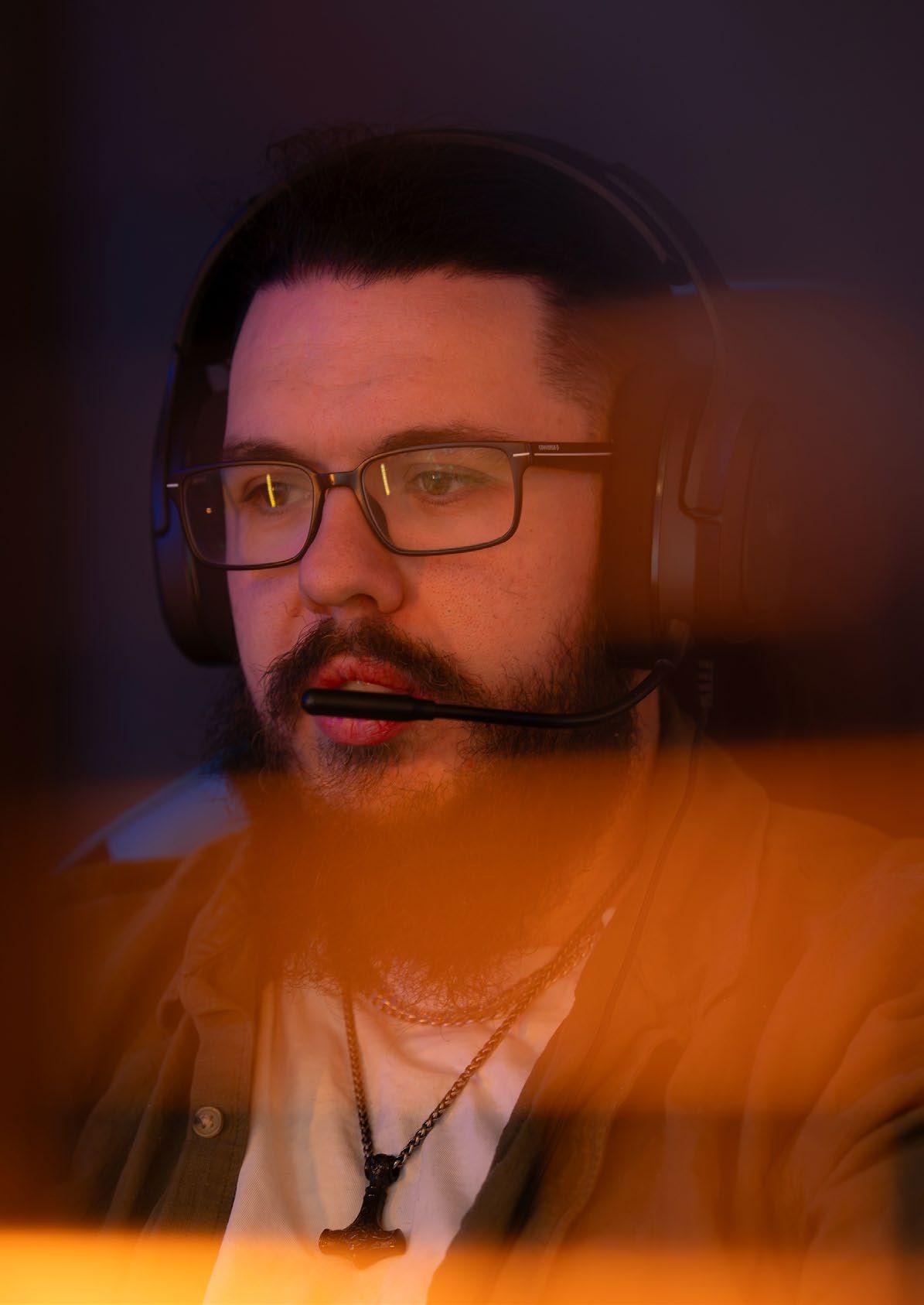

Content creation stories are rarely straightforward. Some begin with a camera and a plan, while others grow out of passion, community, and the unexpected moments that pull someone deeper into the world of streaming.
For TSVILLA, the journey started with gaming, community, and a genuine desire to reconnect with friends he met online. Since then, his content has grown into two distinct spaces: the energetic gaming personality behind TSVILLA, and the card-collecting world of TCG Villa, centred around the ever-growing One Piece Trading Card Game scene. I caught up with him to talk about where it all started, how the community shaped his content, and where both brands are heading next.
Every creator has a starting point, and it’s usually a lot different from where they end up. Let’s rewind things a bit. Let’s start at the beginning, man. Before the streams, before the cards, who was TSVILLA, and what first pushed you toward content creation?
Before the TSVILLA brand I was someone who travelled the country for gigs and met a lot of artists. I went to festivals. I also had a season ticket at Aston Villa for 15 years; all this took a back seat once I realized how much I love streaming in my spare time. I met a bunch of streamers through Monster Hunter World in May 2021, and they helped me progress and learn the game to a higher standard, then at Christmas 2021 they all took a break which meant I lost that contact and the idea of me going live in January 2022 was to hopefully get them to my channel so I can talk to them again. I also had a few IRL friends who streamed and told me that I’d make a great community because of who I was as a person.
It’s always interesting hearing that first “go live” story. When you hit “Go Live” for the first time, what were you expecting… and what actually happened?
I genuinely didn’t know what to expect, the reason I hit “go live”.

Everyone I knew who streamed made it look easy and they all seem to take the mick out of themselves to the point I didn’t recognize them from irl, so I knew that wasn’t for me, and my first lot of streams had 1 or 2 viewers in there but I was playing final fantasy VII remake which I found it easy to keep consistently streaming instead of giving up and a month later made affiliate on twitch.
Moments like that can really flip the switch for a creator. Was there a moment early on where you thought, “Okay, this isn’t just a hobby anymore, this could be something real”?
Yes, the moment was where I was playing Fortnite and I was commenting my stream and realized how fun that was looking back at the edit and that I couldn’t believe how easy that was to do, this evolved into how my Marvel Rivals content is today
One thing people notice quickly about your channel is that the energy feels very authentic. Your channel has a very distinct vibe, high energy, community driven, and unapologetically you. How did the “TSVILLA” persona take shape over time?
The persona is actually me, I don’t have an ego, I don’t rage, I don’t overreact for content, I’m just a chilled guy who’s focused on the community
side of streaming with the idea to also teach the game to anyone who watched my content.
Early streaming can definitely come with some unexpected hurdles. What were some of the biggest challenges you faced in those early streaming days?
My biggest challenge early days was that I couldn’t look at myself when I edited my streams, it took me a good 4 months until I was comfortable with looking at myself and that’s when my editing levelled up
Getting comfortable on camera is a huge step. How did you find your voice as a creator? Was it natural, or did it take time to figure out who you wanted to be on camera?
It was natural to me, I took ideas from Stone Mountain like “commentate” your gameplay and “explain” what you are thinking, that helped me fill any dead air there would have been. Next thing I knew I was proud of my own content when I ended streams
The Birth of TCG Villa
At some point things expanded beyond gaming streams into the trading card world. Let’s talk about the second venture, TCG Villa. When did the idea first hit you to create a dedicated One Piece TCG channel?
It came to me as I visited the Bandai Namco cross store in Camden and saw how big the One Piece card game was and that no one I saw in the gaming creator space was talking about it. As a big one piece fan I had to get involved and show this space what they are missing.
Sometimes all it takes is seeing a gap in the space. What was it about the One Piece TCG specifically that grabbed you enough to build a whole new brand around it?
Honestly, of all the TCGS out there right now, I found one piece the easiest to learn and understand. I used to play Yu-Gi-Oh! Back in the early 2000s and gave up after all the extra rules and cards came in after GX as it complicated it all for me. One piece got me back in as I love
their characters and the artwork is incredible, even on the Common/Uncommon cards too.
The two brands feel different but connected. How do you personally differentiate TSVILLA from TCG Villa? What does each side of your content represent?
TSVILLA is a reviewer of games and focuses on helping people to play games they wouldn’t have thought about, whereas TCGvilla is more about showcasing cards and the thrills of physical packs reveals that you don’t get with computer games.
At this time there isn’t any TCGvilla streams but that may change as my standing grows in that community
Once you got into the card scene, it seems like you dove in quickly. What was your first experience with the One Piece TCG like? Did you know right away it was going to become a major part of your content?
I 100% knew it was going to be a big part of my content either just as TSVILLA or a new brand as I spent hours making videos and taking photos of me creating decks for one piece card game and found it educational, something I wanted to pass on to others.
Every card player usually has that one deck that defines them. Do you have a favourite deck, archetype, or card and what does it say about your playstyle?
My favourite deck is the Red/Purple Gol.D.Roger deck, it’s built to get your Don! Cards to 10 early which means you can play your best cards quicker, that is my preferred playstyle, finish the game as quickly as possible.
Pack openings can create unforgettable reactions. What’s the wildest or most memorable moment you’ve had opening packs or battling on stream?
One of my wildest moments was actually recently where I packed a gold, Don! From

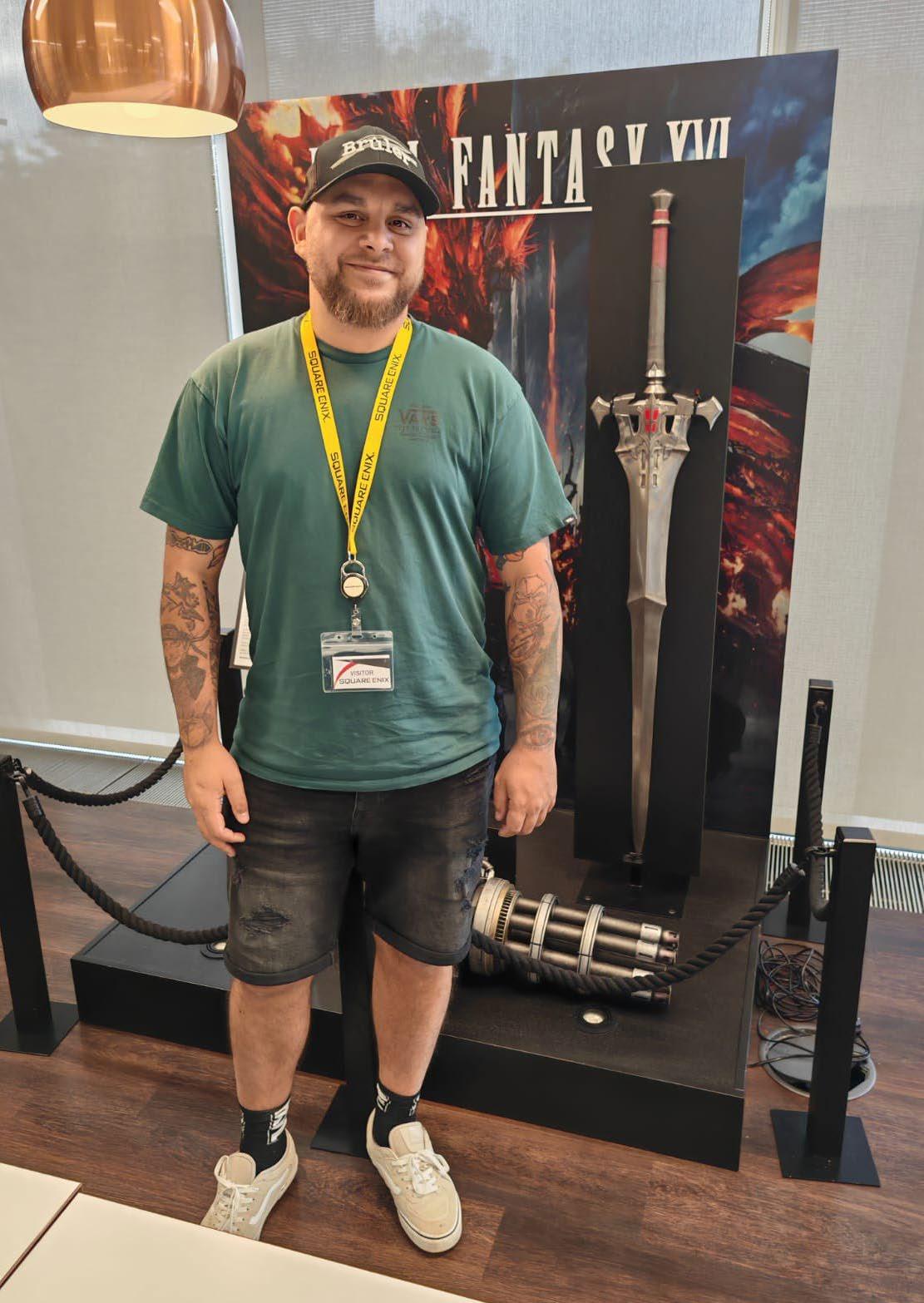
EB03 in my local card shop and they went wild; I won’t forget that reaction. I haven’t battled on streams yet but that’s a good idea now you mention it.
Community clearly plays a huge role in everything you do. Your community is a huge part of your identity. What makes the TSVILLA/ TCG Villa community special to you?
They are very supportive, even the people who interact outside of the community seem to comment very nice things on my posts/videos and that spurs me on to make more of that style of content for them. They show up when they can, they talk on my dedicated discords to me and each other, and one of my favourite things is they feel comfortable to DM outside of streaming.
That kind of trust takes time to build. How do you approach building a space that feels welcoming, hype, and inclusive for everyone who joins?
I’m a very caring person who knows everyone has their own issues going on and battles others don’t see, so for them to show up to my streams means a lot to me as the could be anywhere else, so I make sure they feel important and seen and know they are currently in a safe space to be themselves. Their time is precious and I like to reward it for choosing me they are spending it with
Sometimes communities surprise creators in the best ways. Has the community ever surprised you, emotionally, hilariously, or in a way that stuck with you?
They have surprised me before in buying games for me as a few came out so close together and I couldn’t afford to get them all and they bought them which allowed me to stream them all in my usual way, a different game on a different day of the week.
That was really appreciated and showed they supported my vision for the channel which still stands today.
Viewers often see the fun side of content creation. People see the streams, the energy, the hype, but what’s something they don’t see about the work that goes into your content?
I have a full time 9-5 job and from 6pm every weekday is when I start making my content, shorts/long form, streams and then editing until the very early hours of the morning. A lot of people don’t see that; it’s hard work but very enjoyable and a privilege to have people wanting my content out there.
Balancing work and content creation can be a real grind. What keeps you motivated on the days when the numbers dip or the algorithm isn’t playing nice?
Low numbers used to bother me at the start, but I quickly realized that brands still work with me no matter what, my community is there no matter what and if they aren’t I know they are busy, and honestly since creating my YouTube, it allowed me to stop looking at numbers on my twitch streams because I planned those streams in a way to create YouTube long form videos out of.
The algorithm has never played nice to me, if I didn’t enjoy content creation, I’d have given up years ago. I think that is exactly what the people who give me chances on games, products, events etc. see in my brand, that I enjoy it and pump out a lot of it on all my social accounts and streaming platforms
That perspective usually comes with experience. What’s the biggest lesson you’ve learned about yourself through this whole journey?
The biggest lesson I have learnt is that I can be comfortable in front of a camera, for years in my life I haven’t had the confidence, but streaming made me realize that was possible.
Looking back at older content can be a strange experience. Looking back at your earliest streams, how do you feel you’ve evolved as a creator?
I’ve evolved by realizing for me, less is more. I used to think flashy overlays and filling my screen would keep people in my streams, but I soon realized for me it is actually an eyesore, so I then made it minimal, this is something my community have supported me on.
That minimal style definitely resonates with viewers. What’s something you’re proud of that your viewers might not know about?
That I work a full time job and still get the amount of content out that I do.
Looking ahead, there’s a lot of potential directions. Where do you see TCG Villa heading in the next year? More streams, tournaments, collaborations, maybe even in person events?
I’d like to do streams in the future, especially one piece as there is a sim on pc where you can try decks and the cards you don’t own. I’d like to commentate on tournaments but not take part in them, I don’t had that competitiveness in me. I’d like to collaborate with TCG companies/ agencies in the future to showcase the newest range or cards dropping with unboxings, unpacking boosters not just on streams but on the TCGvilla dedicated channels.
In 2026 I’m going to more TCG events, and I have found it really easy to make content and the vendors I’ve interacted with have been willing to help me make content and event be in the videos so that’s been an easy transition as a TCG creator.
If you could give advice to your day-one self… If you could go back and talk to the version of yourself who was just starting out, what would you tell him?
Turn that viewer count off! And also, the community I want to build will still be there to this day. The decision to be yourself works in building that.
Closing
Legacy can mean a lot of different things in content creation. What do you hope your legacy will be, both as TSVILLA and as the creator behind TCG Villa?
I hope my legacy will be that people say “that creator really knows how to market anything”
And finally… What's next? What should your community be excited for?
The next big idea for me is to try more commentating roles, I’ve hosted royal rumbles, WrestleMania’s, Aston Villa matches and marvel rival customs matches and found being a commentator so much fun, I recently commentated on the Tekken world tour for the first time on my channel and I didn’t realize how much fun I actually made it to my community, so yes, expect more commentating ideas to come
Spending time talking with TSVILLA makes one thing clear, authenticity is at the heart of everything he creates. Whether he’s reviewing games, building decks, opening packs, or commentating on matches, the focus always comes back to the community and enjoying the experience with the people watching.
From late-night editing sessions after a full workday to expanding into the trading card scene with TCG Villa, TSVILLA continues to prove that passion and consistency can take a creator a long way. With more commentary projects, TCG content, and event coverage on the horizon, it’s clear that this journey is only just getting started.
If you enjoy gaming discussions, trading card content, community-focused streams, or just want to follow a creator who genuinely loves what he does, make sure you check out TSVILLA and TCG Villa across their platforms. Follow TSVILLA and TCG Villa below to stay up to date with everything they’re building next.
Twitch: @tsvilla
YouTube: @tsvilla
Instagram: @tsvilla
X: @ts_villa
TikTok: @tsvillattv
Instagram: @tcgvilla
TikTok: @tcgvilla