FR ANCHISE
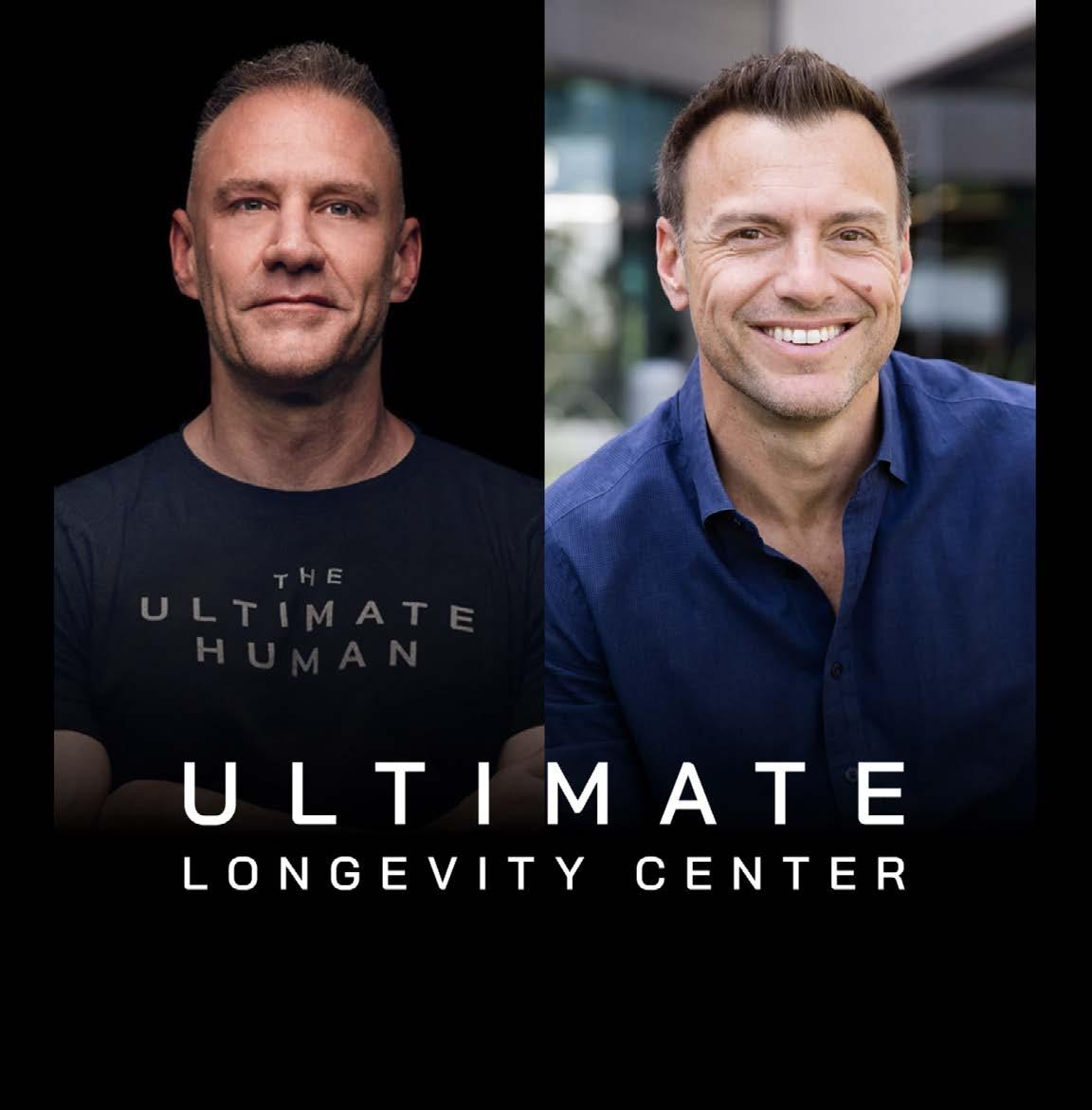

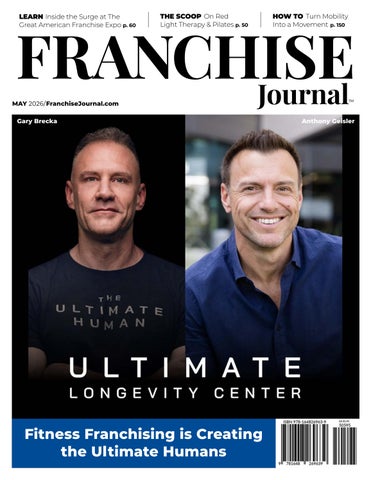
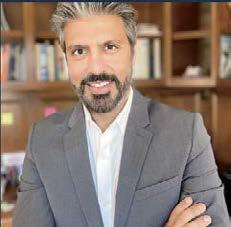
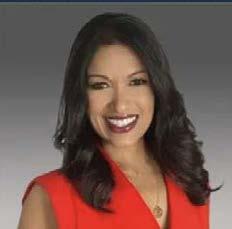
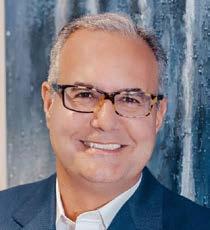
Gary Brecka
Anthony Geisler


The Great American Franchise Expo is the USA's premier franchise expo series. Experience the power of virtual reality & tour the world's top franchise brands from the expo floor. Educate yourself with the largest & most comprehensive series of seminars on franchising & business ownership.
• Choose from hundreds of concepts in dozens of industries.
• Meet franchise law experts to guide you through the legal process
• Learn about financing options to fund your new business.
• Interact with quality franchise company executives.
PROUD MEMBER












HOUSTON
FEB 21-22, 2026
Stafford Centre

FORT LAUDERDALE
MAY 2-3, 2026
Broward County Convention Center
SEPT 26-27, 2026
Oakland Expo Center
TAMPA
MAR 21-22, 2026


MAR 28-29, 2026
Nashville Fairgrounds

Tampa Convention Center ATLANTA
MAY 16-17, 2026
Cobb Galleria

DENVER
OCT 10-11, 2026

MAY 30-31, 2026
Columbus Expo Center DALLAS
APR 18-19, 2026
Miami Expo Center

National Westren Center COLUMBUS

OCT 24-25, 2026
Irving Convention Center MIAMI

PHOENIX
NOV 7-8, 2026
Mesa Convention Center


The New American Longevity Movement by Bob McQuillan
More Than a Workout: The Rise of the Wellness Era by Evan Ferrell
Get Ready for Summer: Why Pilates Addiction Is the Fitness Franchise to Watch by Joe Carter 78 Exercise Coach Franchise Offers Smart Exit from Corporate Careers by Robyn Deering 82 Q&A: Elliot Schiffer on Franchising, Play, and Growing Youth Enrichment Brands by Rick Morgin
Staffing, Smarter Margins: Why QSR Owners Are Betting on AI-Powered Fitness by Jewan "Jack" Tiwari
Those Creative Muscles
Summer by Tracy Woods
An Unusual Journey and Former Careers Have Brought This Engineer to Floor Coverings International by Rhonda Sanderson
Are Your Franchise Standards Clear Enough to Scale Results? by Tony Jeary
The ROI Reset: Why the Robotics Revolution Is Finally Leaving the Trade Show Floor by Elad Inbar
The Rise of the Smarter Boutique Workout by Dean Savakis
The $165 Billion Opportunity Hidden Inside Every Property Claim by Ashley Taylor
Betting the Next Big EV Boom Will Be Built One Property at a Time by Kyle Bailey
The New Standard for Safer Workplaces by Michael Stavrinakis
The Rise of the Modern Pet Aftercare Industry by Joe Fox
The Rise of the Athlete-Training Economy
Reimagining the Dumpster for the Age of Automation by Ian Paradis
Turning Mobility Into a Movement by Adam Gruen



There are moments when an industry does not simply grow. It changes shape. Franchising is always about growth, about the future and about what can be. That is what is happening right now in fitness, wellness, recovery, longevity, and the broader world of service-based franchising. The old lines are disappearing. A gym is no longer just a room full of equipment. A wellness brand is no longer just a place to stretch, sweat, or recover. A franchise is no longer just a business model. It is becoming a platform for lifestyle, community, health, technology, and local ownership.
That is the spirit of this issue.
We are looking at companies that are meeting the market where it is going, not where it used to
be. The consumer has changed. People want to feel better, live longer, perform at a higher level, recover faster, and spend their time inside brands that make them feel seen. They want guidance. They want coaching. They want structure. They want services that fit into fast lives without feeling cold or transactional.
That shift is creating one of the most exciting growth periods the fitness category has seen in years.
Look at the range of concepts now shaping the market. Body20 brings technology into the workout through EMS training, creating a time-efficient model for busy consumers who want results without spending hours in the gym. D1 Training has tapped into the rise of athletic
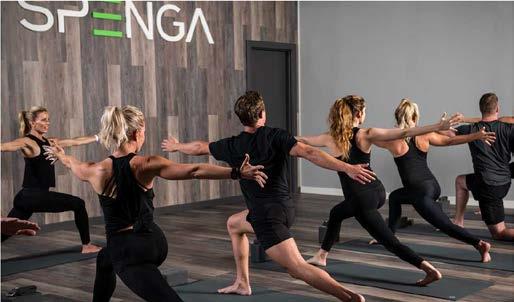
training for adults, youth athletes, teams, and families who want performance, confidence, and community. SPENGA is answering the demand for balance by combining spin, strength, and yoga in one disciplined format.
VP Fitness is showing where boutique wellness is headed, with personal training, recovery, nutrition, massage, detoxification, and premium services built around a deeper member relationship.
Then there is Sequel Brands and Ultimate Longevity Center, which represent one of the clearest signs of where the market is moving next. The future is not just fitness. It is longevity. Consumers do not only want to look better for summer. They want more energy, better biomarkers, better recovery, better sleep, and more years of productive life. Ultimate Longevity Center is part of a broader movement that is making health more proactive, more personal, and more hopeful. That matters.
For decades, many people thought about health only after something went wrong. Today, people are asking better questions earlier. How do I age better? How do I stay strong? How do I prevent decline? How do I manage stress? How do I build muscle, improve mobility, and feel clear enough to perform in my business, my family, and my life?
The brands in this issue are answering those questions in different ways.
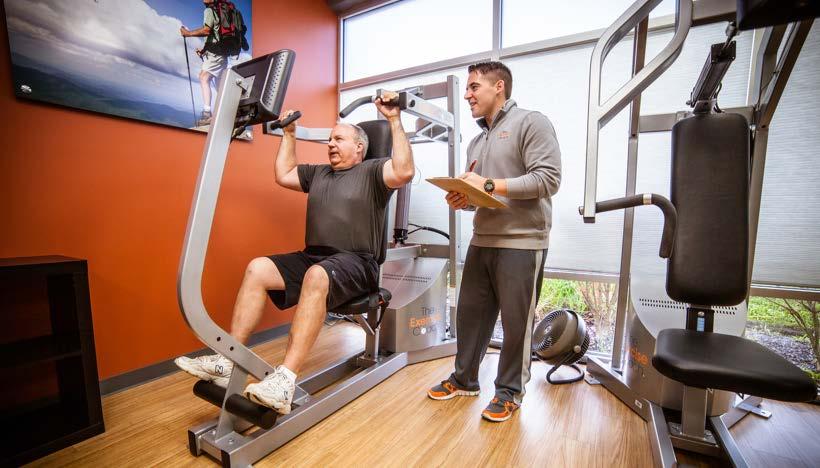
Pilates Addiction, Light & Pilates, The Exercise Coach, and other boutique and generic fitness concepts are part of a larger truth: specialization is winning. People no longer want a one-size-fitsall gym experience. Some want strength. Some want mobility. Some want low-impact training. Some want coaching. Some want a private, quiet, data-driven workout. Some want the energy of a group class. The opportunity is not in forcing every customer into the same model. The opportunity is in building brands that know exactly who they serve and why that customer comes back.
This is where franchising becomes powerful. A great franchise brand takes a proven idea and gives it local life. It gives an owner a system, a story, and a community to serve. Fitness and wellness are especially strong categories for franchising because they are deeply local. People want to train near home. They want coaches they know. They want a studio where they feel
comfortable. They want their children, spouses, friends, and coworkers to experience the same positive environment.
But this issue is not only about fitness. It is about growth categories that are changing the way people live and the way businesses operate.
4EverCharge is positioned around the buildout of EV charging infrastructure, a market that will grow because drivers, property owners, and communities need better charging access. SubContain is rethinking waste by moving the dumpster underground and aligning with the future of cleaner, more automated collection. CRS Content Recovery Specialists is modernizing the contents recovery market, helping property owners and insurers save time, money, and meaningful personal property after disaster strikes. Resting Rainbow is bringing dignity, compassion, and professionalism to pet aftercare, a category growing alongside the humanization of pets. Complete Mobile Drug Testing is meeting employers where they are, making workplace testing more mobile, compliant, and efficient. RobotLab is showing

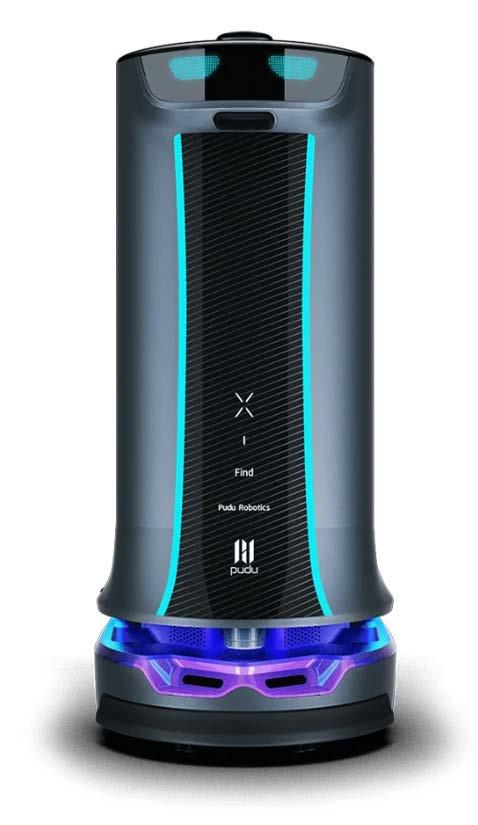

that robotics is no longer science fiction. It is a workforce multiplier that can help businesses solve real labor problems right now.
We also look at brands such as Imagine Arts, Enrichment Brands, FCI, Pillar to Post, and other
service concepts that show how broad the franchise economy has become. Education, home services, inspection, enrichment, fitness, wellness, technology, pet care, insurancerelated services, and infrastructure are all part of the same larger story.
The best franchise companies are no longer just selling units. They are solving modern problems.
They help people get healthier. They help parents give their children better opportunities. They help businesses operate more efficiently. They help families recover after loss. They help communities become cleaner, safer, and more prepared for the future.
That is why this issue feels so important.
We are covering momentum.
These stories all point to the same conclusion: the next generation of franchise growth will be driven by businesses that combine practical economics with emotional relevance.
People buy services because they need outcomes. But they stay loyal to brands that make them feel something.
That is the new standard.
The revolution in fitness, wellness, and franchising is not coming. It is already here. It is showing up in studios, clinics, training centers, recovery rooms, robotics deployments, charging stations, pet aftercare centers, mobile testing units, and franchise offices across the country.
Our job in this issue is to shine a light on the people building it.
The future belongs to brands that help people live better, work smarter, and build stronger communities.
Nick Neonakis Editor, Franchise Journal
DESIGN DIRECTOR
Pete Neonakis
DIGITAL DIRECTOR
Chantae Arrington
ART DIRECTOR
Brenda Lesch
SENIOR EDITOR
Daryl Lanouette
SENIOR CONTRIBUTING
EDITOR
Dudley Harris
ONLINE EDITOR
Glenn Gordon
STAFF WRITER
Alex Neonakis
SOCIAL MEDIA
EDITOR
Jeff Mathews
ASSOCIATE EDITOR
Kyle Bailey
ONLINE EDITOR
Greg Gasparini
VIDEO PRODUCER
Matt Panepinto
CONTRIBUTORS
Paulette Callender
Joe Carter
Robyn Deering
Evan Ferrell
Ron Filian
Joe Fox
Adam Gruen
Ozzie Grupenmager
Elad Inbar
Emma Jean-Philippe
Tony Jeary
Seth Lederman
Mike Martuza
Rick Morgin
Alex Neonakis
Ian Paradis
Dean Savakis
Ted O’Shea
Rhonda Sanderson
Michael Stavrinakis
Dave Sullivan
Ashley Taylor
Jewan "Jack" Tiwari
Tracy Woods

by Seth Lederman, Consultant, The Franchise Consulting Company
The fitness industry has evolved dramatically over the past decade, shifting from traditional gym memberships to personalized, technologydriven wellness solutions. Consumers are increasingly focused on efficiency, measurable results, and convenience, creating fertile ground for franchise concepts that deliver targeted outcomes. And despite economic ups and downs, 10 million people joined a gym or studio in 2025, a 14% increase YoY.
“TAKE CARE OF YOUR BODY. IT'S THE ONLY PLACE YOU HAVE TO LIVE."
—
Jim Rohn
For entrepreneurs and investors, fitness franchises can offer predictable demand, recurring revenue models, and scalable operations when structured correctly.
However, not every fitness franchise is a smart investment. The most successful concepts share common characteristics—clear consumer demand, operational efficiency, strong brand leadership, and adaptability to emerging health trends. Understanding these factors can help prospective franchisees evaluate opportunities with confidence and position themselves for long-term success in a competitive but growing sector.
A strong fitness franchise begins with a service that solves a real problem. Today’s
consumers are not just looking for a place to work out—they want solutions that fit into busy schedules, accommodate physical limitations, and deliver visible results quickly. And the demand continues to grow, with membership across US fitness facilities reaching a record 77 million in 2024.
Franchises that thrive tend to address one or more of the most common barriers to exercise:
• Limited time
• Lack of guidance or accountability
• Injury concerns or aging bodies
• Difficulty maintaining motivation
Concepts that directly tackle these obstacles position themselves as essential services rather than discretionary expenses. This distinction becomes especially important during economic fluctuations, when consumers prioritize value-driven wellness solutions.
Another hallmark of a strong fitness franchise is manageable startup investment and predictable
operating expenses. While some large gym models require multimillion-dollar facilities and extensive staffing, newer boutique concepts often focus on streamlined footprints and specialized services.
Key financial indicators of a healthy franchise model include:
• Moderate build-out costs
• Limited equipment complexity
• Lean staffing requirements
• Recurring membership revenue
• High client retention rates Lower capital requirements reduce risk for franchisees and shorten the path to profitability. They also make expansion more accessible, enabling multi-unit ownership and regional growth.
Behind every successful franchise is a leadership team with a proven track record of scaling businesses. Operational systems, training programs, and marketing support play a critical role in ensuring consistency across locations.
Strong franchise organizations typically provide:
• Comprehensive onboarding and training
• Ongoing operational guidance
• Brand marketing support
• Technology platforms for scheduling and performance tracking
• Clear performance benchmarks
For investors entering the fitness industry for the first time, these systems can
significantly reduce the learning curve and increase the likelihood of success.
Fitness is increasingly integrated with broader health and wellness trends, including longevity, weight management, and preventative care.
Franchises that align with these shifts are better positioned to maintain relevance and grow market share.
Current trends shaping the industry include:
• Personalized fitness programs
• Low-impact training solutions
• Technology-enabled workouts
• Recovery and mobility services
• Support for medical weightloss patients
One particularly important development is the rapid adoption of GLP-1 medications for weight loss. While these medications can help individuals shed pounds quickly, they also increase the risk of muscle loss—creating demand for strength-focused fitness solutions.
Franchises that address this need are entering a rapidly expanding niche within the wellness market. For instance, the average profit margins for premium boutique concepts can be quite high, with margins up to 30%, while a more typical fitness franchise can range between 16.5% to 22.8%.
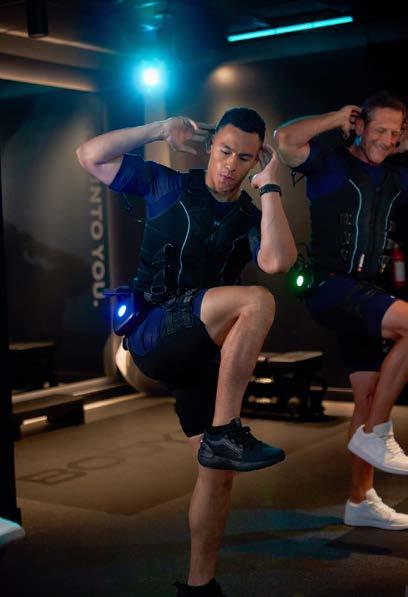
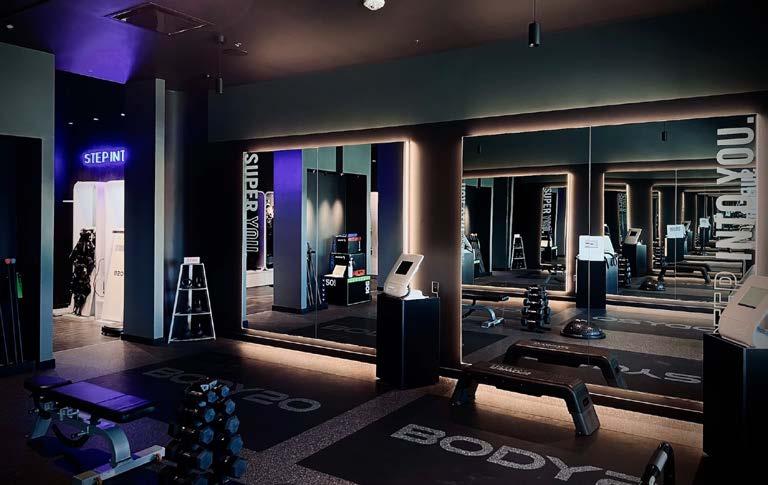
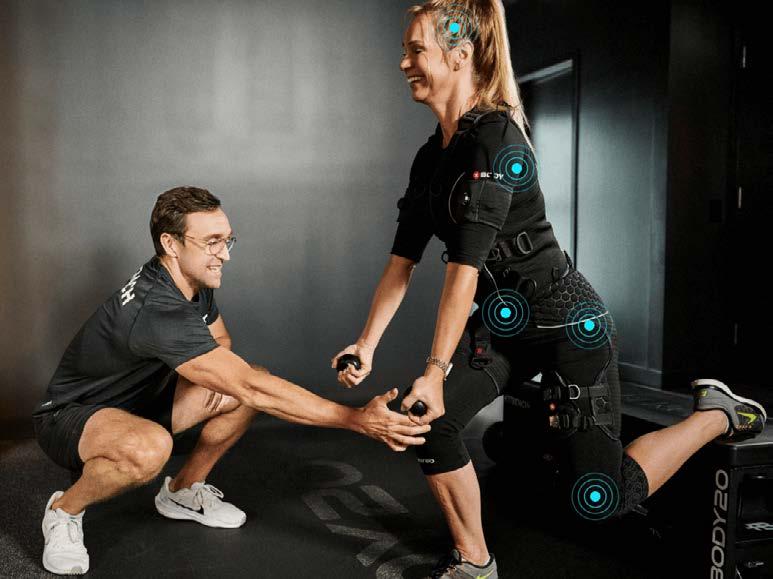
Among emerging fitness concepts, BODY20 stands out as a particularly attractive franchise opportunity because it combines proven technology, operational efficiency, and strong consumer relevance. The brand is built around electro-muscle stimulation (EMS), a training method that has been widely adopted in Europe for years. With more than 8,000 EMS studios operating overseas, the modality has already demonstrated its effectiveness and commercial viability.
What makes BODY20 especially compelling is its position as an early mover in the United States. Due to regulatory requirements and the FDA approval process, EMS technology entered the U.S. market later than in Europe. This delay has created a
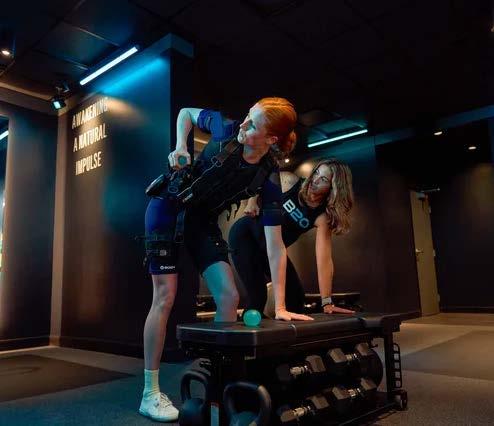
unique window for franchisees to establish leadership in a category that is still gaining awareness domestically. Early adopters have the opportunity to build brand recognition and customer loyalty before the market becomes saturated.
From an operational standpoint, the economics are equally attractive. The cost to open a BODY20 studio is typically under $500,000, allowing franchisees to deliver a premium fitness experience without the financial burden associated with large gym facilities. The compact studio model reduces real estate requirements and simplifies build-out, while the technology-driven workouts minimize equipment maintenance.
Labor flexibility is another major advantage. Unlike traditional fitness centers that require certified personal trainers for every session, BODY20
provides comprehensive training to staff members, enabling franchisees to recruit individuals who are enthusiastic about fitness and customer service rather than highly specialized professionals. This expands the available labor pool and helps control payroll costs.
Most importantly, the concept directly addresses the primary reasons many Americans do not exercise. Time remains the number one barrier to fitness, followed closely by uncertainty about how to work out effectively and concerns related to age or injury. BODY20’s EMS technology delivers a full-body workout in just 20 minutes, typically once or twice per week. The low-impact nature of the training eliminates the need for heavy weights, making it accessible to individuals with joint pain, limited mobility, or recovery needs.
The model also aligns closely with the growing population
of consumers using GLP-1 medications for weight loss. As these individuals lose weight rapidly, maintaining muscle mass becomes a critical health priority. EMS training provides a highly efficient way to stimulate muscle engagement and preserve strength, positioning BODY20 as a valuable complement to medical weight-loss programs. Taken together, these factors—proven technology, first-to-market positioning, manageable investment, and strong consumer demand— make BODY20 a compelling franchise opportunity for entrepreneurs seeking to enter the fitness industry with a differentiated and scalable concept.
The future of fitness franchising is closely tied to innovation and adaptability. Consumers are increasingly seeking solutions that deliver measurable results without requiring significant time commitments. At the same time, demographic shifts—including an aging population and rising interest in preventative health—are expanding the market for accessible, low-impact fitness options.
For franchise investors, this environment creates substantial opportunity. Fitness remains one of the most resilient sectors within franchising because it is
rooted in fundamental human needs: health, confidence, and quality of life.
A good fitness franchise is not simply about exercise—it is about delivering solutions. Frannnexus can help you find the right franchise for your future, whether that is in fitness or another industry. Contact Seth Lederman today to learn more.
Seth Lederman, CFE, a Franchise Acquisition and Development Specialist, is a multi-faceted entrepreneur with over 30 years of experience in small business success, including ownership and sale of his business enterprises. He is a frequent contributor to The Franchise Journal and is on the exclusive Forbes Business Council. Contact Seth at seth@ thefranchiseconsultingcompany.com.



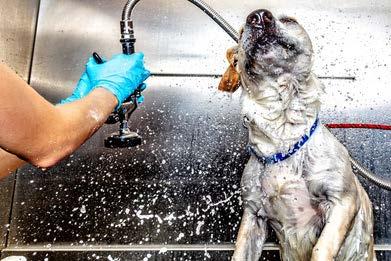
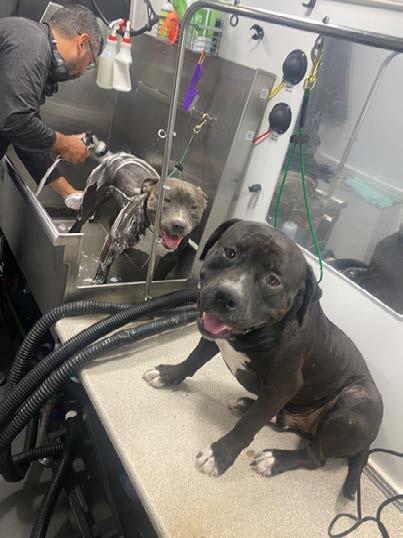


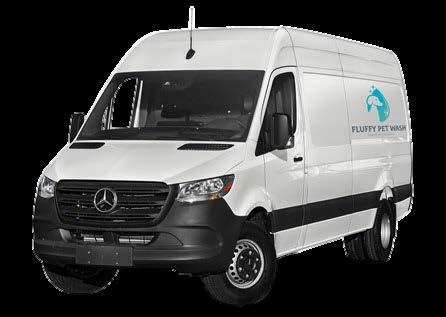
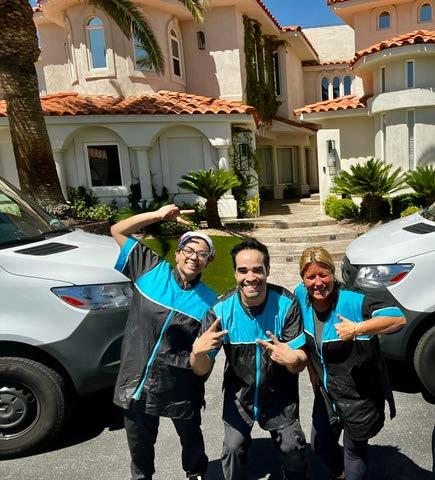
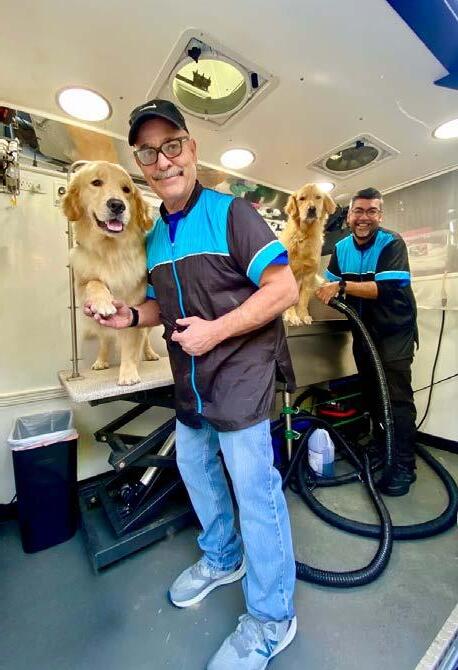
Fluffy Pet Wash is a ngs professional pet care directly to pet focuses on serving short-haired dogs, d washing solution making pet was





by Alex Neonakis, Writer, NYU Class of 2030
Igrew up in Miami, where health is not really something you talk about once a year after New Year’s. It is part of the culture. You see it everywhere. People running over the bridge in the heat. Training before school. Playing basketball after class. Taking a protein shake to go.
Walking into the gym after a long day like it is as normal as brushing your teeth. In Miami, fitness does not feel like something separate from life. It is part of how people live, how they socialize, how they deal with stress, and how they build confidence.
I am a high school senior now, and this fall I will be going to NYU. I have been thinking a lot about what I am taking with me. Clothes, books, a laptop, probably too many shoes, and a lot of advice from my parents. But one of the most important things I am taking is a habit I built long before college: working out.
Fitness has always been part of my life. Not because I was trying to become a professional athlete, not because I was chasing some perfect image, and not because someone forced me into it. It became part of my routine because
it made me feel better.
Stronger.
Clearer. More disciplined. More in control of my day.
For me and a lot of my friends, working out is not just about looking good. That is part of it, sure. Everyone wants to feel confident. But it is much bigger than that. It is about energy. It is about mental health. It is about having a place to put stress. It is about learning that if you show up consistently, even when you do not feel like it, you get better. That lesson goes way beyond the gym.
High school can be stressful. There are grades, tests, sports, social pressure, college applications, family expectations, and the feeling that every decision matters more than it probably does. Working out gave me a way to reset. No matter what happened during the day, the gym was simple. Pick up the weight. Run the mile. Finish the set. Stretch. Breathe. Come back tomorrow.
There is something powerful about that.
Our generation gets criticized a lot. People say we are always on our phones, always distracted, always anxious, always looking for shortcuts. Some of that may be fair. But I also see something different in my friends. I see people who care about being healthy earlier than maybe any generation before us. We talk about sleep. We talk about protein. We talk about mental health. We talk about lifting, running, Pilates, boxing, basketball, recovery, and taking care of ourselves.
That is not shallow. That is smart.
I think fitness should be treated more seriously in schools. Not just as gym class where some kids play dodgeball and others try to disappear in the corner. I mean real education about the body, nutrition, strength, movement, sleep, stress, and long-term health.
We learn math, science, history, English, and all of that matters. But we also live inside our bodies every day. Shouldn’t we understand how to take care of them?
Students should learn how to
train safely. They should learn why strength matters, why stretching matters, why food matters, and why sleep is not optional. They should learn that exercise is not punishment for eating. It is not just for athletes. It is not about embarrassing anyone. It is about giving every person tools to feel better and live better.
That kind of education could change lives.
Not every student needs to love the gym. Some people will find their health through soccer, tennis, yoga, dancing, running, swimming, martial arts, walking, or just being outside. That is the point. Fitness is not one thing. It is a relationship with your own body. The earlier you build that relationship, the better chance you have of carrying it through life.
As I get ready for college, I know things will change. New city. New schedule. New friends. New pressure. New freedom. NYU is in the middle of one of the fastest, busiest cities in the world. It would be easy to get lost in everything happening around me. But I know fitness will help keep me grounded.
I will find a gym. I will walk the city. I will stay active. I will keep the discipline I built in Miami and bring it with me to New York. Not because I have to, but because I know how much better I feel when I do.
That is what I wish more people understood. Fitness is not really about the mirror. It is about the person you become when you keep promises to yourself.
You become more patient because progress takes time. You become more confident
because you earn it. You become tougher because some days are hard and you show up anyway. You become healthier because small choices add up. You become more balanced because your body and mind are connected.
Growing up in Miami taught me that health can be normal. It does not have to be extreme. It does not have to be something you start only when something goes wrong. It can be part of your friendships, your weekends, your school life, your family life, and your future.
My generation is already living this.
We are not waiting until we are 40 to care about wellness. We are not waiting for a doctor to tell us to move. We are not treating fitness like a phase. For many of us, it is part of our identity.
That gives me hope.
Because a healthier generation is not just a generation that looks better. It is a generation that thinks clearer, handles stress better, builds stronger habits, and understands that success is not only about what you achieve, but also about how you feel while achieving it.
This fall, I will be starting a new life in New York. I know there will be a lot to figure out. But I also know this: wherever I go, fitness is coming with me and the many amazing businesses highlighted in this issue are part of the solution.
Alex Neonakis is a high school student who loves business, history, basketball, and butter chicken. He’s passionate about entrepreneurship, exploring different cultures, and finding the best food spots with his friends.




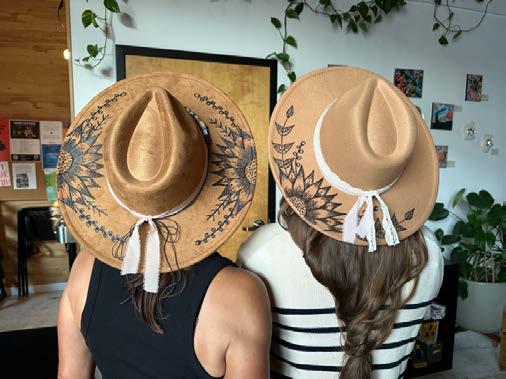
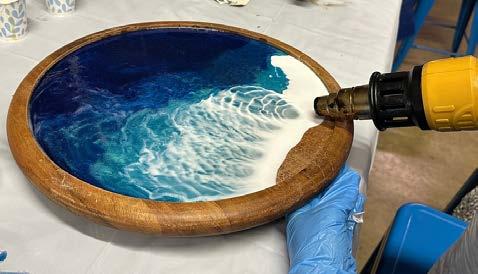
Artistic Edge is a mobile art studio that offers a variety of creative workshops, team-building events, and private parties. Our classes are designed for all skill levels, with instructors providing guidance throughout the process. Many of our projects result in functional art pieces that can be used in daily life. We emphasize community, creativity, and care, aiming to make art accessible and enjoyable for everyone.



High margins
Low overhead
Low initial investment
Flexible Schedule

No artistic experience needed








by Ron Filian, Consultant, The Franchise Consulting Company
For decades, the fitness industry was defined by a singular, narrow goal: aesthetic transformation. Success was measured in inches lost or muscle gained, and the target demographic was almost exclusively the "active 25-to45-year-old." But as we move further into the mid-2020s, a seismic shift is occurring. The walls between "fitness," "wellness," and "medicine" are dissolving, creating a new, holistic category: The Longevity Economy.
At the heart of this evolution is an unlikely alliance between two of the largest and most influential generations in history: Baby Boomers and Generation Z. While they may seem worlds apart in lifestyle, both groups are currently obsessing over the same thing: the "Fountain of Youth." Whether it is a 22-yearold seeking to optimize their cellular health or a 70-year-old looking to maintain functional mobility, the demand for sophisticated, science-backed wellness has never been higher. For the prospective franchise owner, this demographic convergence represents a "Gold Mine"—a recession-resistant, high-margin opportunity to provide the infrastructure for the future of human health.
"UNLIKE PREVIOUS GENERATIONS THAT ACCEPTED PHYSICAL DECLINE AS INEVITABLE, BOOMERS ARE LEVERAGING THEIR SIGNIFICANT DISPOSABLE INCOME TO FIGHT BACK."
The Baby Boomer generation (born 1946–1964) is currently undergoing a radical reimagining of aging. Unlike previous generations that accepted physical decline as inevitable, Boomers are leveraging their significant disposable income to fight back. They aren't looking for "senior aerobics"; they are
looking for functional longevity.
This demographic is increasingly focused on bone density, joint health, and cognitive preservation. They understand that muscle mass is the "currency of aging." However, they also face the reality of inflammation and longer recovery times. This has created a massive demand for low-impact, high-intensity training coupled with recovery modalities. They want the results of a rigorous workout without the injury risk of a traditional "big box" gym environment.

On the other side of the spectrum, Generation Z is approaching fitness with a level of scientific scrutiny never seen in a youth demographic. To Gen Z, fitness is a "Third Place"—a social hub that replaces the bars and clubs of previous eras. But more importantly, they view health through the lens of "bio-hacking."
Gen Z doesn't just want to "work out"; they want to optimize their hormones, track their sleep, and reduce systemic inflammation. They
are the primary drivers of the "pre-habilitation" trend—taking care of their bodies now to avoid issues forty years down the line. Because they are tech-native, they demand data-driven results and environments that offer more than just a rack of dumbbells.
To capture both of these powerhouse demographics, the modern fitness franchise has evolved beyond the "gym" label. The most successful models are those that integrate scientifically proven treatments into a daily routine. By moving wellness from a "luxury spa" experience to a "daily habit" experience, franchises are creating unprecedented member retention.
Three specific modalities have emerged as the pillars of this new holistic model:
1. Photobiomodulation (Red Light Therapy)
Red light therapy is no longer a fringe science. By using specific wavelengths of light to penetrate the skin, this treatment stimulates the mitochondria—the powerhouses of the cells. For the Baby Boomer, it offers a non-invasive way to reduce joint pain and improve skin elasticity. For the Gen Z member, it provides a recovery boost and enhances mental clarity. Integrating red light stations into a fitness franchise allows owners to offer a passive revenue stream that requires zero additional labor while providing immense value to the member.
and the Cold Plunge
The "Fire and Ice" method is perhaps the most significant trend in modern wellness. The science of hormesis— subjecting the body to brief, controlled stress to trigger a healing response—is a major draw for both generations.
• Sauna Therapy: Regular sauna use has been linked in peer-reviewed studies to improved cardiovascular health and a lower risk of neurodegenerative diseases. It serves as the ultimate "warm-down" for an aging population.
• Cold Plunge (Cryotherapy):
Cold water immersion is the gold standard for reducing systemic inflammation and spiking dopamine levels. For the younger athlete, it is the ultimate recovery tool; for the older member, it is a powerful weapon against chronic pain. When a franchise model incorporates these elements, it transforms from a place where people "sweat" to a place where people "heal." This shift dramatically increases the "stickiness" of the membership. People may cancel a gym membership when they get busy, but they rarely cancel a membership that makes them feel ten years younger.
THE FRANCHISE ADVANTAGE: WHY NOW?
Why should an entrepreneur look at a franchise model rather than starting an independent wellness center? The answer lies in the complexity of the modern consumer. Today’s member expects a seamless digital experience, high-end branding,
and verified safety protocols for advanced treatments like cold plunges or red light therapy.
1. The Tech Stack: Modern fitness franchises come with integrated "stacks"—apps that track member progress, automate billing, and manage scheduling. For the owner, this means the business can often be run as a semiabsentee model. The "heavy lifting" of lead generation and backend operations is handled by the franchisor’s proven systems.
2. Real Estate and Site Selection: The "Gold Mine" demographics—Boomers and Gen Z—often live in specific urban and suburban pockets. Franchisors use sophisticated data to ensure that every location is placed in the "path of progress," maximizing foot traffic and minimizing the time it takes to reach break-even.
3. The Power of the Portfolio: For a prospective
owner, the sheer variety of concepts can be overwhelming. This is where the role of a Franchise Consultant becomes invaluable. A consultant doesn't just sell a "gym"; they hold a diverse portfolio of brands across the entire health and wellness spectrum.
Because they understand the nuances of your local territory and your specific financial goals, a consultant can help you identify which "flavor" of fitness is missing in your market. Whether it’s a hightech recovery lab, a boutique Pilates studio, or a functional strength center for seniors, a consultant provides the bridge between your capital and the right brand. They offer a "vetted" shortlist, saving the entrepreneur months of research and protecting them from the high-risk "flavor of the month" concepts that lack long-term viability.
Traditional service-based businesses are often plagued by high labor costs. However, the "Holistic Wellness" franchise model is designed for efficiency. Many of the most profitable treatments—saunas, red light beds, and automated recovery chairs—are "equipment-led." This means they generate revenue without requiring a one-on-one trainer or staff member to facilitate the session.
This "passive-within-active" revenue model is the holy grail for franchise owners. You are providing a high-value, scientifically proven service to a desperate market (the aging
Boomer) and an obsessed market (Gen Z) with a overhead structure that allows for scalability.
Beyond the science and the spreadsheets, there is a human element that makes fitness franchising a unique investment. We are currently living through a "loneliness epidemic." Gen Z feels isolated by screens; Boomers feel isolated by retirement. A fitness franchise serves as a community anchor. It is a place where a 24-year-old and a 68-year-old might share a cold plunge or a post-workout conversation. By investing in this space, owners are not just buying a business; they are
building a "Third Place"—that essential social environment outside of home and work.
The demand for "youthfulness" is the most consistent force in the global economy. As science continues to prove that we can live longer and better through specific physical interventions, the "gym" of the past is being replaced by the "Wellness Hub" of the future.
The convergence of Gen Z’s desire for optimization and the Baby Boomers’ quest for longevity has created a perfect window of opportunity. For those looking to exit the corporate world or diversify their investment portfolio, the fitness and
wellness franchise sector offers a rare combination: a business that is emotionally fulfilling, scientifically grounded, and financially robust.
The Fountain of Youth isn't a myth; it's a multi-billion dollar industry. And with the guidance of a professional franchise consultant to navigate the vast portfolio of available brands, that fountain is now more accessible to owners than ever before.
Ron Filian is a trusted franchise consultant who helps individuals and multi-unit operators navigate emerging opportunities and scale their portfolios. To explore vetted brands in the fitness and wellness space, contact Ron at rfilian@ thefranchiseconsultingcompany.com.





Catering By Design Noir transforms events into unforgettable experiences through exceptional cuisine, elegant presentation, and seamless service With over 25+ years of excellence in convenient disposable drop-off, full-service catering, premium bar service, and flawless event execution, our proven model blends culinary artistry with strong systems and a culture built on loyalty and hospitality. Now franchising, we invite entrepreneurs to bring this trusted, experience-driven brand to their own communities and turn life’s moments into beautifully designed celebrations.


PROVEN BRAND LEGACY
25+ years of trusted catering excellence.
MULTIPLE REVENUE STREAMS
Earn through catering, bar, and drop-off services year-round
COMPREHENSIVE TRAINING & ONGOING SUPPORT
Franchisees receive handson training and ongoing support
STRONG TEAM CULTURE
Built on loyalty, with team members serving 15+ years.
SCALABLE, PROFITABLE MODEL
Built for diverse markets with systems designed for growth.
COMMUNITYDRIVEN BRAND
A relationship-driven business creating meaningful experiences.


by Dave Sullivan, Consultant, The Franchise Consulting Company
Why this highenergy category continues to attract entrepreneurs seeking purpose, growth, and longterm opportunity
Every May, the conversation around fitness gets louder. People step outside, set new goals, and recommit to healthier lifestyles. But beyond the seasonal consumer buzz, there is another story worth telling—one that matters to entrepreneurs, investors, and franchise candidates across the country.
Fitness franchising is no longer a niche category. It has become one of the most dynamic and influential
segments in the franchise industry. Today’s consumers are not just buying gym memberships. They are investing in better health, more energy, greater confidence, and a stronger sense of community. That shift has turned fitness from a short-term trend into a long-term lifestyle priority, and smart entrepreneurs are paying attention.
As a franchise consultant, I see firsthand how often candidates are drawn to the fitness category. Some are attracted by the economics. Others are inspired by the mission. The strongest fitness concepts offer both: the potential for recurring revenue and the opportunity to make
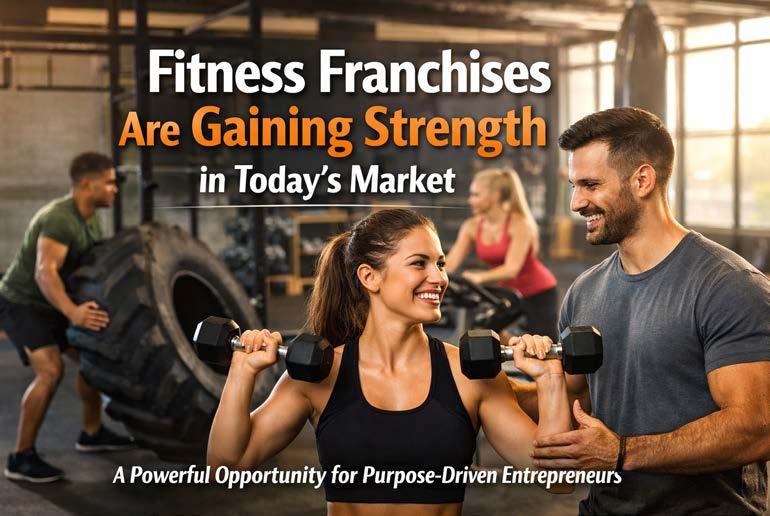
a meaningful difference in people’s lives.
That combination is powerful.
In many sectors, franchisees are selling convenience, speed, or necessity. In fitness, they are selling transformation. They are offering people a place to feel better, move better, and live better. Whether it is a boutique training studio, a strengthbased concept, a recovery brand, a stretching model, or a hybrid wellness business, the best fitness franchises connect with customers on a deeply personal level. That emotional connection matters because it often leads to loyalty, referrals, and stronger member retention. From a business standpoint, loyalty is everything. Many fitness franchises operate on a membership or recurringrevenue model, which makes the category especially appealing. Predictable monthly income, when paired with strong operations and effective retention, can provide a solid foundation for growth. Of course, recurring revenue does not guarantee success. The concept still has to be managed well. But when the right owner is matched with the right brand, the model can be highly attractive.
Another reason fitness continues to stand out is the
sheer variety of concepts in the market. This is no longer just about the traditional gym filled with treadmills and weight machines. Today’s franchise landscape includes personal training studios, HIIT concepts, Pilates, yoga, boxing, indoor cycling, sports performance, stretching, recovery services, and wellness-centered brands focused on flexibility, mobility, and total-body performance. That diversity gives franchise candidates real options. It allows them to choose a concept that fits not only their investment range, but also their interests, market opportunity, and preferred ownership role.
And that is where the conversation becomes especially important. Too many people evaluate franchise opportunities by focusing only on brand recognition or industry buzz. That is a mistake. A well-known brand does not automatically make it the right investment for every buyer. In my work with franchise candidates, I always come back to one central question: Is this the right business for this particular person?
That question matters tremendously in fitness franchising.
Some fitness concepts are ideal for owner-operators who want to be deeply involved in the culture, customer experience, and day-to-day leadership of the business. Others are better suited for executive-style or semiabsentee owners who prefer to build a team and manage through strong leadership onsite. Some require substantial
buildout, equipment, and real estate investment. Others offer a smaller footprint and more manageable overhead. Some thrive in dense suburban corridors. Others can succeed in urban or secondary markets with the right demographics. There is no universal answer. The best fitness franchise is not simply the hottest one in the market. It is the one that aligns with the candidate’s capital, goals, management style, and long-term vision. That is why due diligence is so important. Fitness is an exciting category, but excitement should never be the only reason to invest. Candidates need to study the Franchise Disclosure Document carefully, understand the total investment, review any available financial performance representations, speak with current franchisees, and assess the competitive landscape in their target territory. They need to understand what drives member acquisition, what supports retention, and what kind of leadership the business truly demands.
The strongest owners understand that fitness is not just about signing people up. It is about keeping them engaged. Retention is often the heartbeat of the business. A location may open with strong early momentum, but long-term success usually depends on culture, consistency, service, and results. People may join because of a special offer, but they stay because they feel connected, challenged, and supported.
That is where great franchisees separate themselves.
What makes this category
especially compelling today is that it sits at the intersection of several durable consumer trends: health awareness, wellness spending, aging populations seeking mobility and longevity, and younger consumers looking for specialized, experience-driven brands. Add technology, digital engagement tools, wearable integrations, and personalized tracking, and the modern fitness franchise becomes even more relevant.
In many ways, fitness franchises reflect where the broader market is heading. Consumers want more than transactions. They want outcomes. They want connection. They want brands that help them become stronger, healthier, and more confident.
For the right entrepreneur, that creates a meaningful opportunity.
Fitness franchising is not just about exercise. It is about transformation, accountability, and community. For franchise candidates looking for a business with energy, purpose, and growth potential, this category deserves serious attention.
In a season that celebrates renewal, fitness franchises are doing more than helping people get into shape. They are helping shape the future of franchising itself.
Dave Sullivan is a franchise consultant who works with aspiring business owners to identify franchise opportunities that align with their goals, skills, lifestyle, and investment level. He is passionate about helping people find franchise businesses that offer both purpose and long-term potential.

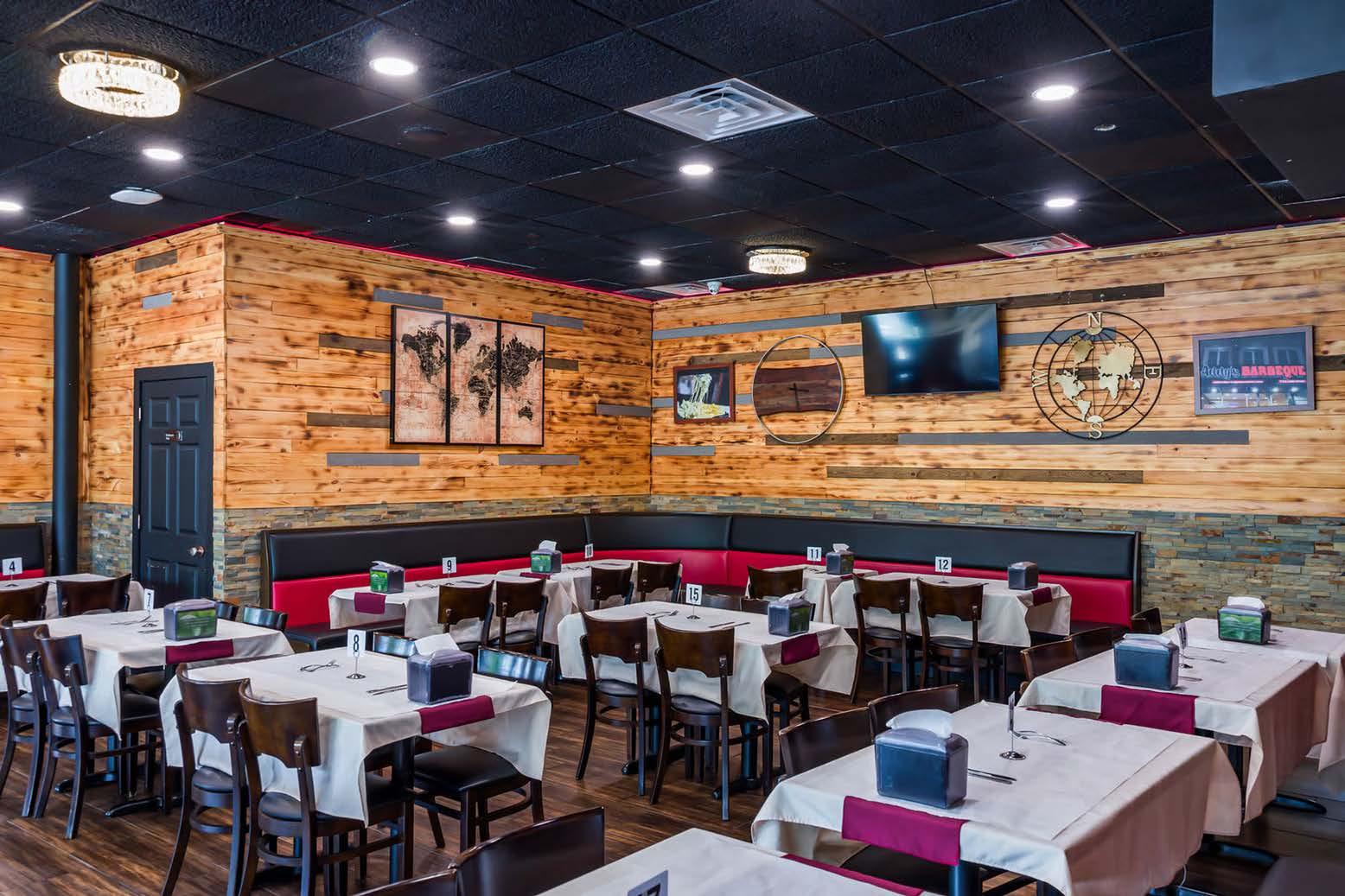
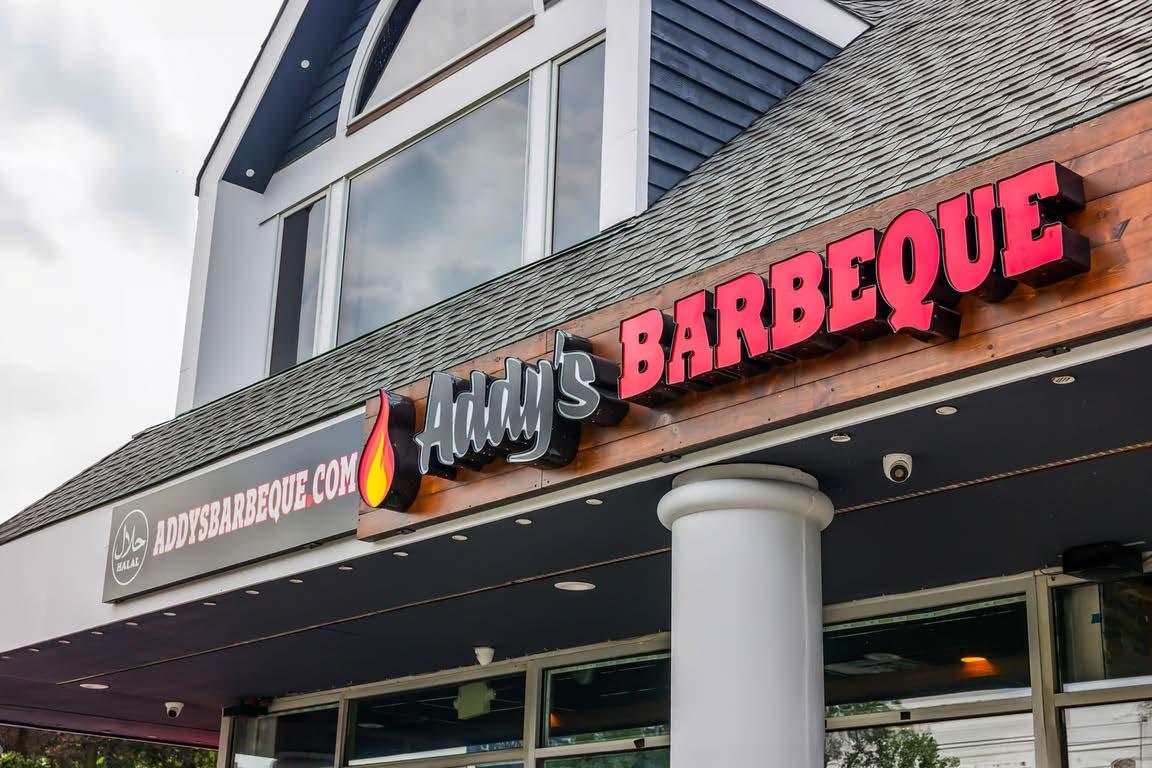
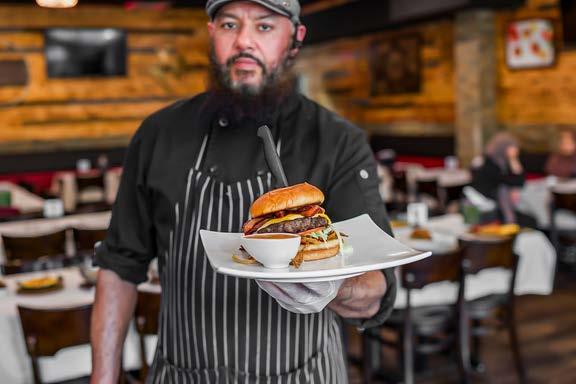
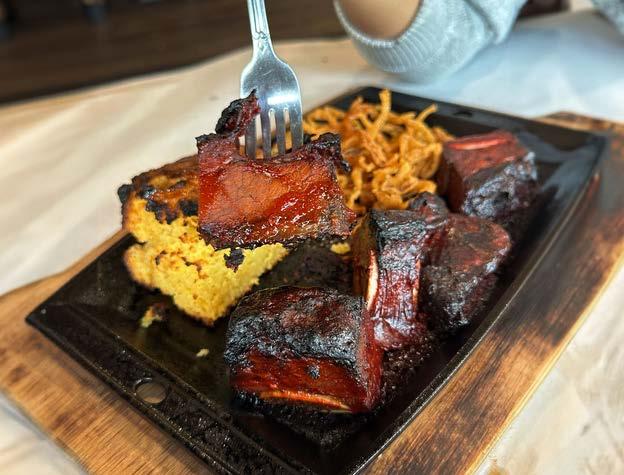
single, sizzling plate! Our Certified Halal restaurant blends the rich traditions of East African mishkaki, American BBQ techniques, Asian spices, and European culinary artistry to create an unparalleled dining experience. From our house-smoked meats and succulent BBQ ribs to our signature homemade sauces and crispy sides, every dish tells a t p s o n innovation. Addy's Barbeque invites guests from all backgrounds to embark on a mouthwatering journey that celebrates diversity, quality, and exceptional taste
One bite, and you'll understand why we're not just a restaurant we're a global flavor destination




FRANCHISED BY

Leverage the success of our proprietary sauces!

AvenueWest Global Franchise, LLC enables entrepreneurs to launch property-based business in their local communities and equips them with the network, the hands-on-training and the infrastructure for success.
Our business, AvenueWest Managed Corporate Housing, delivers real estate investors a turnkey solution for property management by connecting them to our global network of local corporate housing franchise owners that manage furnished rentals with five star customer service.
According to the Corporate Housing Providers Association (CHPA), corporate housing generates nearly $4 billion in annual revenue with an average daily rate of $161. With an average stay in a US corporate housing unit of 78 nights, this provides a consistent and high-margin opportunity for property investors. Despite a slow-down of business travel and relocations in 2020, the demand for long term furnished lodging remained consistent. AvenueWest continues to rapidly grow and has doubled its number of franchises nationwide over the last five-years. We plan to double it again over the next three years.
• Hands-on-Training with Vetted, Industry Experts
• Ongoing Operational Support
• Immediate Brand Exposure
• Community of Owners
• Custom Website
• Software to Manage Bookings
• Continuing Education
• Limitless Growth
• Small Business Administration Funding
At AvenueWest, our model is unique and durable. By partnering with property investment owners, we deliver a profitable model for owners to capitalize on their rental properties through our national corporate housing network while minimizing potential overhead exposure for our franchise owners. The result is a win-win partnership that continues to prove itself over the course of AvenueWest’s two-decade plus tenure. global franchise
by Emma Jean-Philippe, Consultant, The Franchise Consulting Company
If you have been thinking about starting a business, the fitness industry offers one of the most exciting and profitable opportunities available today. But here is the truth: starting can be overwhelming, expensive, and risky. That is why franchising a fitness business stands out as the smartest, most strategic move for aspiring entrepreneurs who want success without unnecessary setbacks.
First, let us talk about risk. Every new business comes

with uncertainty even in franchising; however, franchising could dramatically reduce that risk. Instead of guessing what might work, you are stepping into a system that has already been tested and refined. The workouts, pricing models, marketing strategies, and customer experience have all been proven. You are not experimenting; you are executing a plan with a proven record. That alone gives you a huge advantage over independent startups.
Another powerful benefit is instant brand recognition. Building a brand from scratch takes years of effort and a significant investment in marketing. With a franchise, that work is already done; Customers are far more likely to trust a name they have seen before, especially in the fitness space where credibility matters. People want to feel confident that their time and money are being invested in something effective. A recognized fitness brand brings that confidence from day one, helping you attract members faster and build momentum quickly.
Then there is the booming demand for fitness and wellness. More than ever, people are prioritizing their health. Whether it is losing weight, building strength,

reducing stress, or improving overall wellbeing, fitness has become a necessity rather than a luxury. This shift is not a shortterm trend—it is a long-term movement. By franchising a fitness business, you are positioning yourself in an industry that continues to grow year after year, giving you longterm stability and opportunity.
Support is another major reason franchising stands out. When you start a business on your own, you are figuring out everything out—from operations and hiring to marketing and customer retention. That can be overwhelming, especially if you do not have prior business experience. A fitness franchise, however, provides comprehensive training and ongoing support. You are guided by every step of the way, from choosing the right location to running daily operations instead of feeling lost, you are backed by a team whose goal is to help you succeed.
Scalability is also a game changer. Once your first location is running successfully, expanding becomes much easier. The systems are already in place, and you know exactly what works. Many franchise owners go on to open multiple

locations, turning a single investment into a growing business empire. That level of expansion is much harder to achieve when you are starting a new business.
It is also worth mentioning that franchises often stay ahead of industry trends. Fitness is constantly evolving, with new workout styles, technology, and customer preferences emerging all the time. Franchise systems continuously adapt to these changes, ensuring that your business remains relevant and competitive.
Finally, franchising provides something many entrepreneurs overlook: community. You are not alone on your journey. You are part of a network of franchise owners
“FRANCHISING INTO A FITNESS BUSINESS OFFERS THE PERFECT BALANCE OF INDEPENDENCE AND SUPPORT."
who share experiences, advice, and support. This built-in community can be incredibly valuable, especially during challenges, and helps you grow faster and smarter.
In the end, franchising into a fitness business offers the perfect balance of independence and support.
You get to be your own boss while benefiting from a proven system, strong brand, and ongoing guidance. In a fastgrowing industry driven by real demand, that combination is hard to beat. If you are serious about building a successful business, franchising in the fitness space is not just a clever idea, it is something that could be the decision you can make.
Emma Jean-Philippe, based in Palm Springs, Florida, is a franchise consultant dedicated to helping entrepreneurs successfully grow and scale through franchising. With expertise in development, strategy, and market analysis, she delivers tailored, results-driven solutions that empower businesses to expand with confidence and efficiency. Contact Emma at Emma@ TheFranchiseConsultingCompany.com.
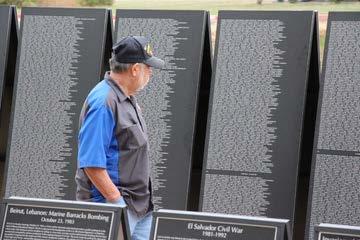
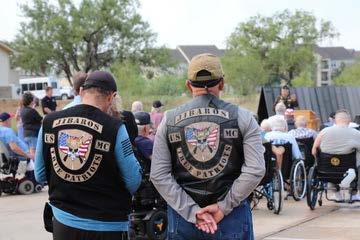
those who served. Founded in 2005, AVTT travels nationwide with the Traveling Vietnam Wall and Cost of Freedom Tribute, celebrating veterans and educating future generations.
Their tributes span conflicts from WWI to today, with the flagship 80% scale Vietnam Wall featured in over 500 events. AVTT is also creating a Global War on Terrorism exhibit, including a 9/11 tribute, to ensure no name is ever forgotten.










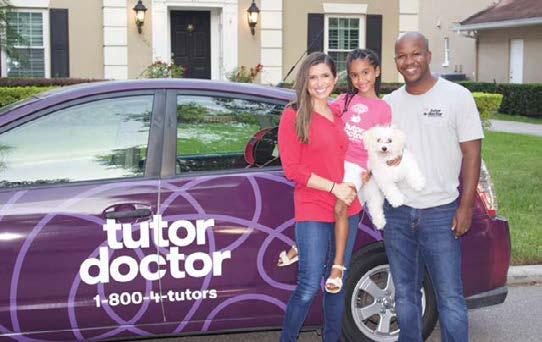
We love this quote, “We are in business for ourselves, but not by ourselves.”
This rings true for us, especially when we think about where we started and how far our business has come in just a few short months. “The Road to Toronto” training was instrumental in laying the foundation for our business.
–Jamie Lee, Tampa, FL
reshaping the future of fitness
by Ozzie Grupenmager, Consultant, The Franchise Consulting Company

For years, the fitness industry was defined by one simple idea: burn calories.
That model is changing. Today’s consumer is not just focused on working out harder. They are focused on moving better, recovering faster, reducing stress, and extending how long they feel good—not just how long they live.
That shift is quietly reshaping the fitness franchise landscape. “Recovery is no longer optional—it is becoming part of performance.”
The traditional gym model emphasized intensity and repetition. While that still matters, it is no longer enough on its own. Consumers are becoming more educated about injury prevention, mobility, recovery, and longterm health.
This has created space for new types of concepts to emerge—ones that would have been considered niche just a few years ago.
Studios focused on assisted

stretching, infrared and light therapy, and even longevity-based wellness centers are now becoming part of the broader fitness conversation.
Brands like iFlex Stretch Studios are built around improving mobility and reducing pain through guided stretching sessions, helping clients move more efficiently and recover faster.
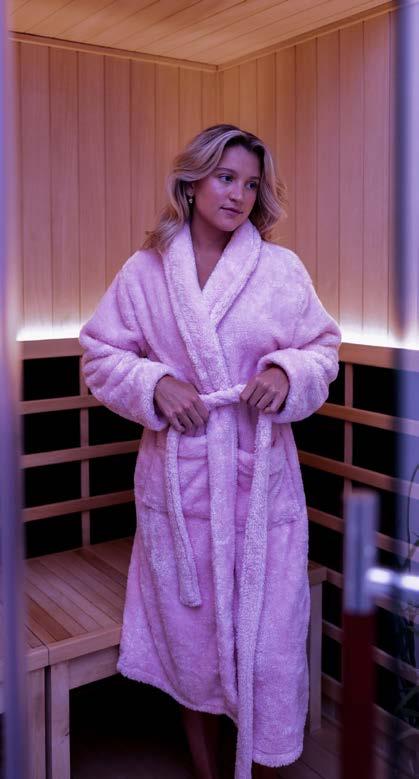
At the same time, concepts like beem Light Sauna are introducing consumers to infrared and red-light therapies in a premium, accessible studio environment designed for repeat use and relaxation.
Taking this even further, Ultimate Longevity Center represents a new category altogether—one that blends recovery, diagnostics, and personalized wellness protocols into a single experience.
These are not replacements for traditional fitness. They are extensions of it.
One of the biggest mindset shifts in the industry is the recognition that recovery is not optional—it is part of performance.
Consumers are beginning to understand that without proper recovery, workouts become less effective and injuries more likely. As a result, recovery-based services are no longer seen as luxury add-ons. They are becoming integrated into regular routines.
This is why concepts built around stretching, sauna therapy, and recovery modalities are gaining traction. They address a real need that complements traditional exercise.
For franchise operators, this is significant.
These models often require different footprints, different staffing structures, and different customer journeys than traditional gyms. In many cases, they also benefit from recurring membership models and repeat visits driven by habit and results.
“Fitness is evolving from activity to a full wellness ecosystem.”
What is emerging is not a single dominant model, but a broader wellness ecosystem.
A customer may:
• Train at a boutique fitness studio
• Attend a recovery session during the week
• Use sauna or light therapy for stress and recovery
• Explore longevity or biomarker-based programs These behaviors are no longer isolated—they are connected. Franchise concepts that understand this ecosystem are better positioned to grow because they align with how consumers actually live.
From a franchising perspective, this shift opens up new opportunities.
First, it expands the definition of what a “fitness business” can be. Operators are no longer limited to traditional gym formats. They can participate in adjacent categories like recovery, mobility, and longevity.
Second, it allows for diversification within a portfolio. An owner may operate multiple concepts that serve different parts of the same customer journey.
Third, it reflects a deeper trend: consumers are prioritizing health not just as an activity, but as a long-term investment.
The most important takeaway is that fitness is evolving into something broader. It is no longer just about workouts. It is about how people feel, how they move, how they recover, and how they age.
Franchise concepts that align with that mindset are not chasing a trend—they are participating in a long-term shift in consumer behavior. And for those looking at the industry from a business perspective, that shift may define the next phase of growth.
Ozzie Grupenmager is a franchise consultant with Franchise Consulting Company and founder of NextGen Business Solutions, a business coaching and franchise advisory firm. A former COO in the franchise industry and CIO at a global advertising network, he built a franchise system from the ground up as a franchisor. His background spans franchise development, multiunit operations, branding, marketing strategy, and business intelligence. Ozzie advises entrepreneurs, investors, and emerging brands on franchise ownership, operational systems, and scalable growth. Contact Ozzie at ogrupenmager@ thefranchiseconsultingcompany.com.

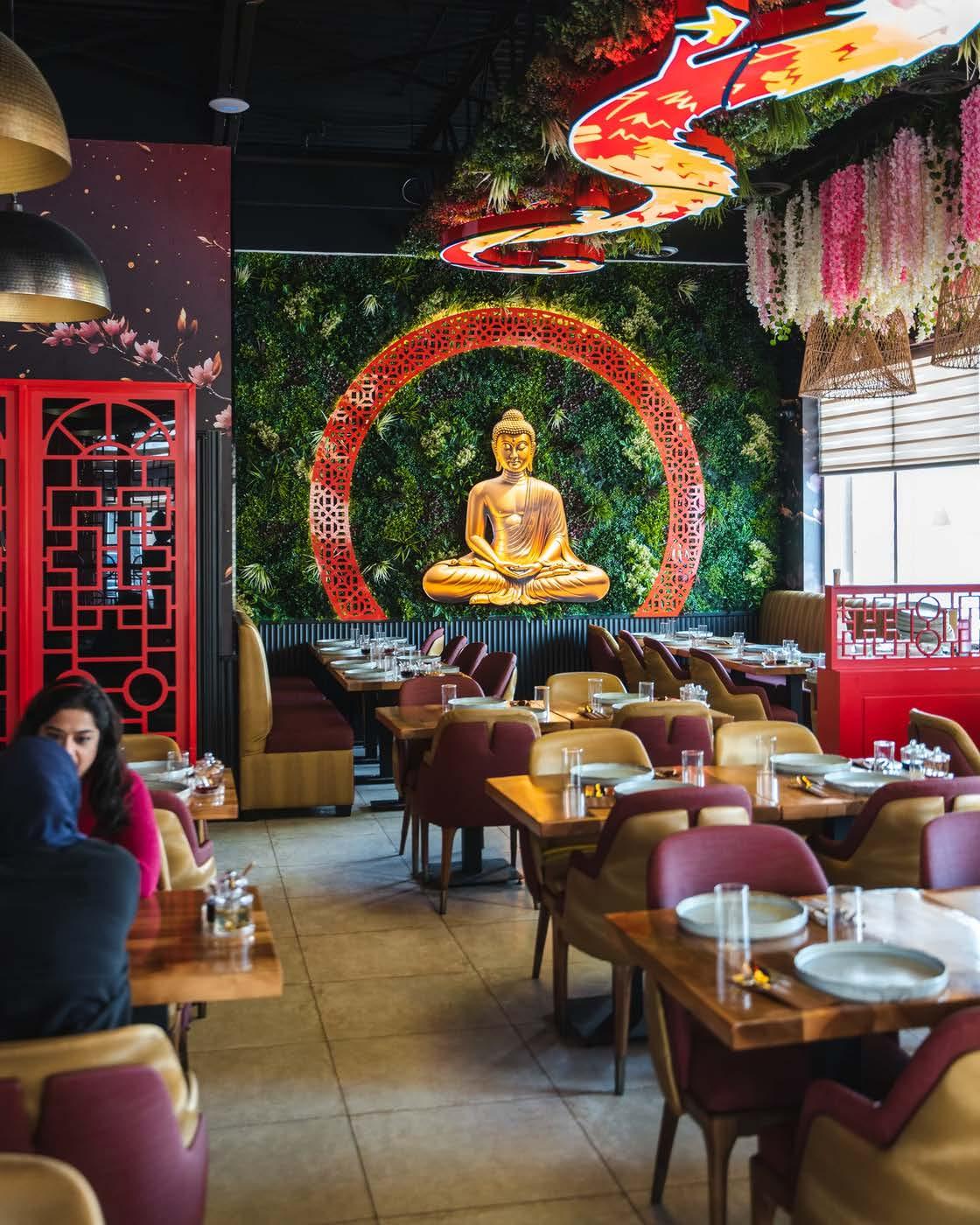




SCALABLE BY DESIGN
The concept is built to be:
Operationally focused Menu-driven and efficient

A brand identity centered on boldness, authenticity, and flavor








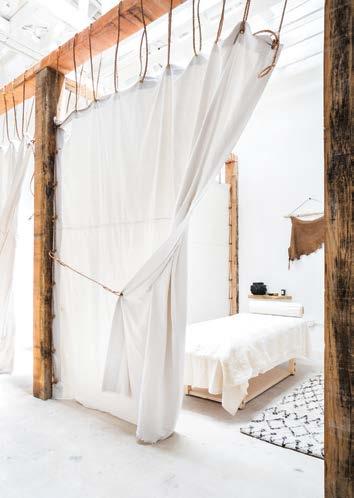
The NOW Massage, a new concept massage boutique, was founded on the principle that self-care is a necessity, not a luxury.
Designed to serve as an oasis from today’s digitally driven society, The NOW offers high-quality, affordable massage services in an inspired setting. The brand has recently signed franchise agreements representing 100+ locations in over 25 cities.
by Mike Martuza, Consultant, The Franchise Consulting Company
When a career changes without your permission — or even when it changes by your own hand — the real battle isn’t finding the next job. It’s getting out of your own way.
“Most people, when confronted with a choice of changing their thoughts or proving there is no need to change, get busy on the proof.” — John Maynard Keynes Read that again. Slowly.
Keynes was an economist, but that line cuts straight to the heart of something I watch play out in my work every single day: the extraordinary lengths people will go to in order to avoid confronting what a genuine change of direction actually requires of them.
I talk to a lot of people in transition. Some chose it —
they walked away from a corporate career, a demanding boss, a commute that was eating their life. Others had it chosen for them — a layoff notice, a restructuring announcement, a role that simply disappeared. The circumstances are different. The internal battle they face is almost always the same.
The moment a person starts seriously exploring franchise ownership, something interesting happens. They begin researching — which is good. But very quickly, the research starts bending toward a predetermined destination: the conclusion that now is not the right time, that it’s too risky, that they should probably just update the résumé and find another job like the last one.
That is what Keynes was describing. Not apathy. Not laziness. Something far more sophisticated — the human mind working overtime to prove that the comfortable choice is actually the rational one.
And it is convincing work. I’ve watched brilliant people build airtight cases for staying exactly where they are — or retreating to exactly where they were — using logic, data,
and perfectly reasonablesounding concerns. The franchise is too expensive. The market is uncertain. They need more time to think about it. Maybe next year.
Maybe next year has a way of becoming maybe the year after that.
Here’s what I’ve come to believe after years of working with people in career transition: a layoff or a forced career change is one of the most clarifying events that can happen to a professional. Not comfortable. Clarifying. It strips away the inertia. It removes the excuse of “I’d explore this if I weren’t so busy at work.” It creates — sometimes for the first time in decades — the actual space and urgency to ask a question most people keep quietly on the shelf: What do I actually want this next chapter to look like?
That question is dangerous, because it has an honest answer. And the honest answer often doesn’t look like another round of the same thing.
The people I’ve seen build genuinely successful second acts — through franchise ownership, through
entrepreneurship, through real ownership of their own income — weren’t the ones who had the most certainty. They were the ones willing to sit with uncertainty long enough to let something new take shape.
When someone I’m working with starts listing reasons why franchise ownership probably won’t work for them, I don’t argue with the list. The list is usually accurate on the surface — there are real costs, real risks, real unknowns. I acknowledge every one of them.
What I ask instead is a different question: What would have to be true for this to be worth exploring seriously?
That question does something. It interrupts the proof-building. It pivots from “why not” to “what if.” And more often than not, the person sitting across from me already
knows the answer. They’ve been carrying it quietly beneath all the rational objections.
Franchise ownership isn’t for everyone — I’m the first person to say that. But the people who discover it isn’t right for them through genuine exploration are in an entirely different position than the people who decided it wasn’t right for them before they ever looked closely. One has real information. The other just has a very polished argument.
If you’re in transition right now — by choice or by circumstance — I’d invite you to notice where your mind is spending its energy. Is it genuinely evaluating your options? Or is it methodically building a case for the option that requires the least change?
There is no shame in that tendency. It is deeply human. Keynes didn’t describe it as a
character flaw — he described it as a near-universal pattern. The difference between people who move forward and people who don’t often isn’t courage or capital or the right market conditions. It’s the willingness to pause the proof-building long enough to ask whether the conclusion deserves a second look.
Your career just changed. Maybe you changed it. Maybe it was changed for you. Either way, the window you’re standing in front of right now is real. What it reveals is up to you.
Mike Martuza is a Senior Franchise Consultant and Partner with Franchise Consulting Company and author of The Franchise Rules: The No-Nonsense Guide to Finding a Franchise That Fits." With decades of experience in entrepreneurship, coaching, and strategic business development, Mike helps aspiring business owners find the right franchise that aligns with their goals, values, and lifestyle. Contact Mike at mikemartuza@ thefranchiseconsultingcompany.com.
FRANCHISED BY



+ Unmatched lash training and certification
+ Dedicated service training facility
+ Talent branding and acquisition
+ Dedicated products & fulfillment company
+ Proprietary lead management and BI software
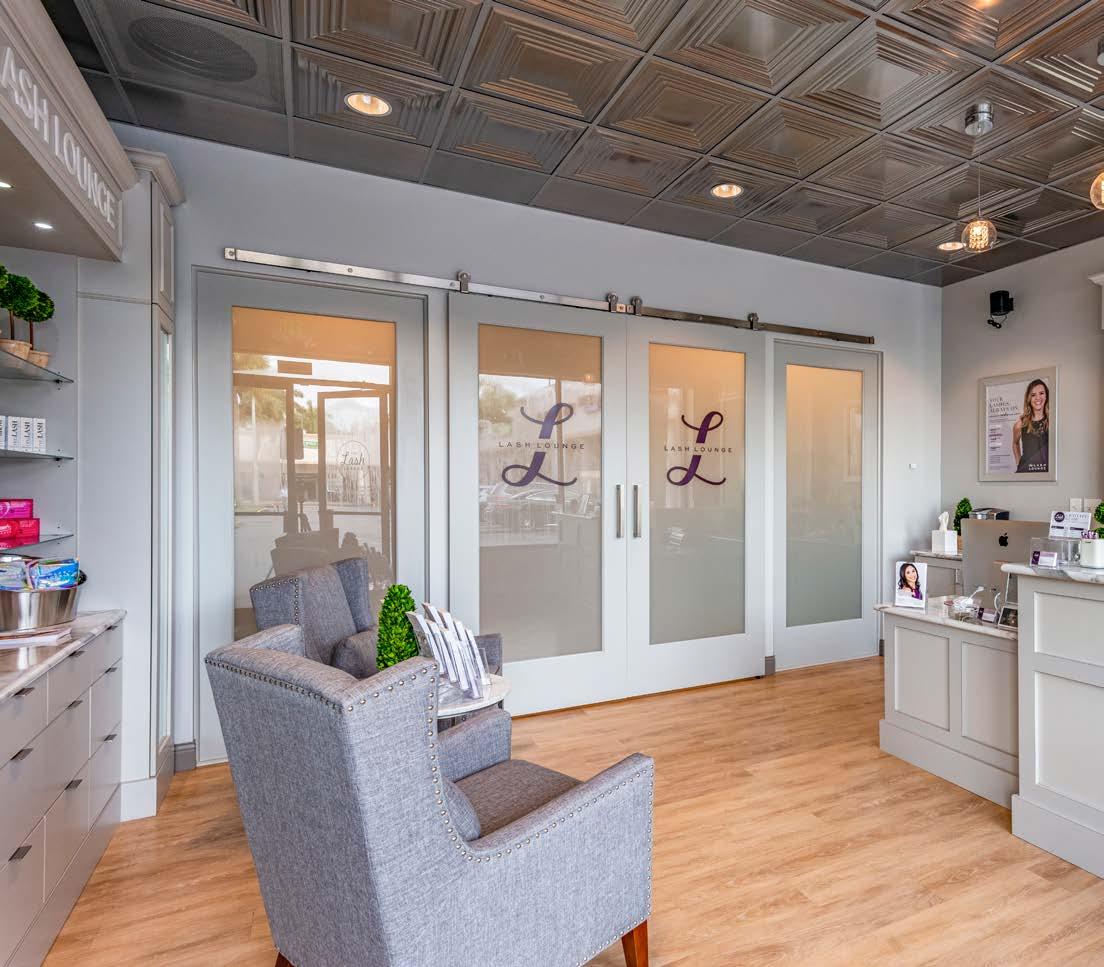
The Lash Lounge is a fabulous business model with strong unit economics driven by the demand for luxury beauty services. The application of semi-permanent eyelash extensions breeds confidence in guests and members while developing exceptional careers for lash artists.
by Rhonda Sanderson, CEO, Sanderson & Associates
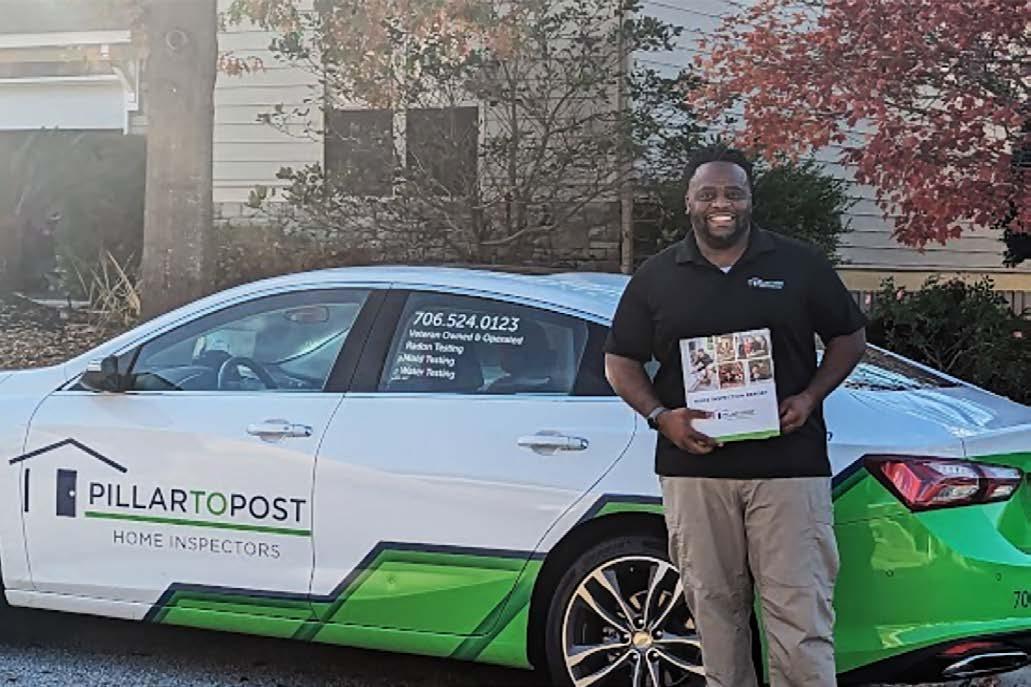
For Jeremiah Adell Jr., service did not end when he retired from the U.S. Army. It simply took on a new form. After 22 years in uniform, Adell has been building a life and business in Greater Augusta as owner of a Pillar To Post Home Inspectors franchise, helping families make informed decisions about their
homes and future. Receiving the Rookie of the Year Award from Pillar To Post for 2025 was just the icing on the cake that took a little time to bake.
The award is for outstanding overall performance based on sales, market growth, and contribution to the brand. Adell.
But in many ways, the award is only part of the story. Adell’s
path to business ownership began long before he opened his doors in January 2024. Originally from Rochester, New York, he enlisted in the Army just before 9/11 and went on to build a career marked by leadership, resilience, and service to others. Along the way, he earned a business degree from Texas A&M University–Central Texas and
later commissioned as a Signal Officer, sharpening the communication, organizational and critical thinking skills that would eventually carry over into entrepreneurship.
As retirement approached, Adell began looking for a second career that felt meaningful. The franchise model appealed to him because it offered structure, proven systems, and a sense of shared purpose.
After researching the home inspection industry, he chose Pillar To Post Home Inspectors and set his sights on Augusta.
He saw the area as a place with both opportunity and community: a growing region with strong military ties, a major medical presence and the kind of close-knit local connections that still matter.
He now serves homebuyers, sellers and real estate professionals across Richmond, Columbia, Lincoln, McDuffie, Jefferson, and Burke counties in Georgia, helping clients better understand a home’s condition before they move forward with one of life’s biggest investments.
“Adversity doesn’t stop you — it strengthens you,” said Adell. “In the Army, you learn to push through and lead through uncertainty. That same mindset carried over to business ownership.”
That mindset was tested early. Soon after launching the business, Adell suffered a torn

bicep that limited him during a critical early stage. He also had to persevere through multiple attempts to pass the state licensing exam. Then Hurricane Helene struck as the business was beginning to gain traction.
Instead of stepping back, he adjusted. Collaborating with a local roofer, Adell began conducting post-storm roof inspections for displaced homeowners and veterans, meeting immediate needs while continuing to build his company. The work reflected the same approach that shaped his Army career: stay steady, solve the problem in front of you and keep moving forward.
His wife, Maria, played an essential role in that effort. A disabled Army veteran and his partner of 17 years, she stepped in when his injury limited what he could do physically, assisting with inspections and later taking the lead on marketing and Realtor outreach.
“We believed in the brand, trusted the process and kept trying until success came,” said Maria Adell. “Our goal wasn’t just to inspect houses — it was to build trust and help families make confident home decisions.”
Together, the couple is raising five children — Nehemiah,
Taniyah, Alyssiah, Moriah, and Josiah — while building a business grounded in trust, faith, and service.
That commitment reaches beyond work. Adell volunteers as Properties & Structural Integrity Director for The Grace Project, a nonprofit that provides housing for homeless veterans, and serves as Associate Pastor for Reconcile Christian Ministries in Augusta. Whether he is helping a family understand a property, supporting veterans in need or serving in ministry, the thread running through all of it is the same.
Still, in Augusta, his story feels less like a business announcement than a community one. It is the story of a veteran who chose to put down roots here, a family that turned setbacks into momentum and a business owner whose work is guided by the same service-first values that shaped his life long before entrepreneurship.
In that sense, Jeremiah Adell Jr. has not left his mission behind. He simply brought it home.
Founded in 1994, Pillar To Post Home Inspectors is the largest home inspection company in North America with home offices in Toronto and Tampa. There are 450+ franchises located across the United States and Canada. For further information, please visit www.pillartopost.com.
Rhonda Sanderson is a franchise expert who has owned and operated Sanderson & Associates and Sanderson PR, both specializing in, traditional, social media and crisis PR in the franchise space since 1986. She has authored many articles, helped grow numerous franchise chains is considered one of the Top 30 Small Business Influencers (Fit Business) in the U.S. Find her at Rhonda@sandersonpr.com or on LinkedIn where she is the author of Franchise Stars at https://www.linkedin.com/in/rhonda-sanderson-a6b658/
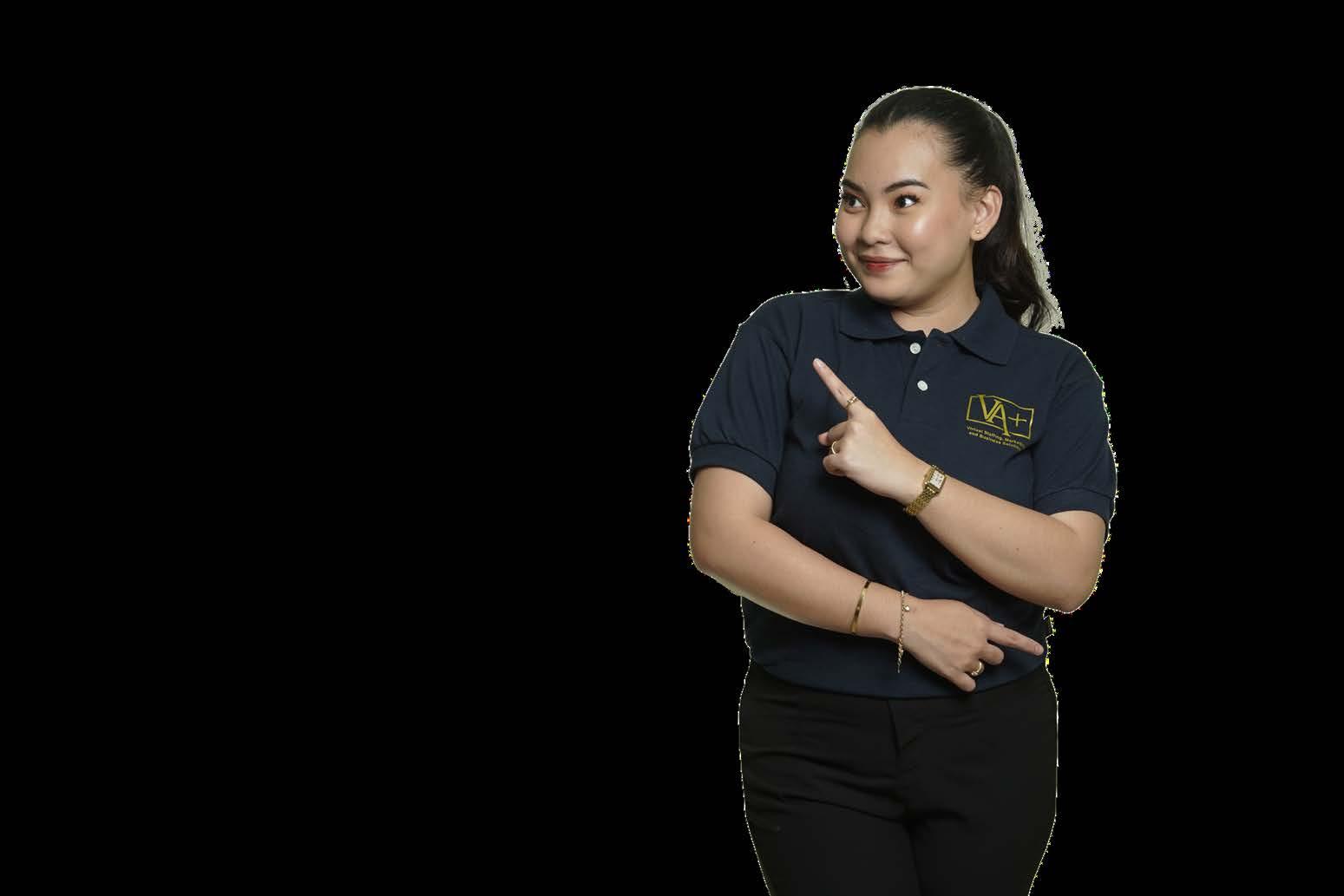
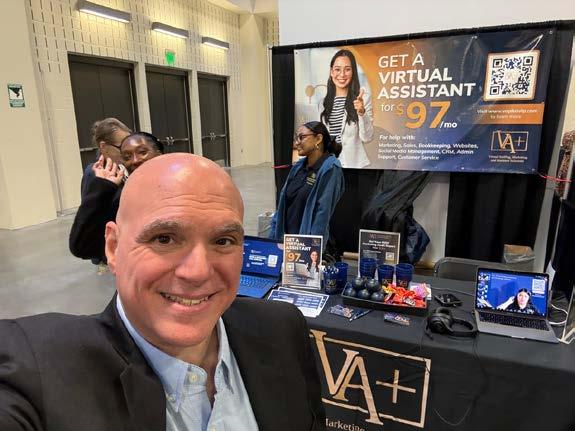
Virtual Staffing
Marketing
Lead Generation Admin Task

No Costly Location / Inventory
Get Started With A Laptop
Can Be Run From Anywhere
Run By Low-Cost Remote Staff
Booming Industry
Limitless B2B High Ticket &
Recurring Products And Services
SOPs, Automations, Recruiting, & Support By Experienced Staff
Technology Solutions
Coaching
Calendar & Email
Management



by Paulette Callender, Consultant, The Franchise Consulting Company
Over the years, I’ve joined five different Pilates studios and experienced more red light saunas than I can count. While I could clearly feel differences between Pilates machines and class styles, I remained curious about the specific benefits behind each variation. The same applied to red light therapy—some sessions felt noticeably more intense than others, raising a key question: does that mean stronger, better, or simply
different?. Understanding these distinctions is critical, especially as both categories continue to gain traction among consumers and investors alike.
In today’s fast-growing wellness industry, red light therapy and Pilates-based fitness stand out as two of the most in-demand segments. Both promise measurable, transformative results, yet the underlying differences in technology, equipment, and execution can significantly


impact outcomes. A clear understanding of these variables is essential for making informed decisions—whether as a consumer or an investor.
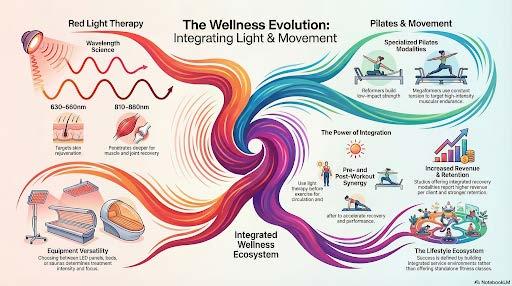
Red light therapy has rapidly established itself as a core offering in modern wellness environments, delivering benefits that range from skin rejuvenation to muscle recovery and inflammation reduction. However, not all systems produce the same results. The effectiveness of red light therapy is driven by the specific wavelengths emitted and how deeply they penetrate the body. Red light in the 630–660 nanometer range primarily targets the skin’s surface, supporting collagen production, antiaging, and overall skin tone improvement. Near-infrared light, typically between 810–880 nanometers, penetrates deeper into muscles and joints, where it plays a role in recovery, pain relief, and inflammation reduction. Far infrared, commonly used in sauna formats, operates
through heat rather than light penetration, stimulating circulation, detoxification, and relaxation.
The type of equipment used further differentiates the experience. LED panels are the most common and versatile systems, allowing for both targeted and full-body exposure. Red light beds provide a more immersive, full-body treatment, often positioned as a higher-end experience within wellness studios. Infrared saunas, while frequently grouped into the same category, are primarily heat-based, although many newer models incorporate red light for a hybrid approach. The key factors that determine effectiveness include wavelength accuracy, power output (irradiance), treatment time efficiency, and whether the system integrates complementary therapies. As a result, two devices that appear nearly identical can deliver significantly different outcomes. Beem sets itself apart in this space by delivering fullspectrum infrared (which includes near, mid, and far wavelengths) combined with red light technology. Unlike competitors that isolate far infrared or red light treatments, Beem's integrated approach allows for deeper tissue penetration and a broader array of therapeutic benefits. A major differentiator for the brand is its ability to merge multiple therapies into a single room session. Furthermore, Beem provides a highly technologydriven experience by outfitting rooms with smart features and tablets that stream curated
branded content, such as music, meditation, or wellness education. This modern setup creates a distinct competitive advantage over traditional, lower-tech sauna models and strongly appeals to a tech-savvy demographic of younger, urban professionals.
Pilates, similarly, has evolved far beyond its boutique fitness origins into a scalable and highly profitable segment of the wellness industry. Its growth is largely driven by the diversity of equipment and training methodologies available. The reformer remains the most widely recognized apparatus, utilizing springs, pulleys, and a sliding carriage to deliver low-impact, fullbody workouts that build strength and flexibility. The Megaformer, associated with the Lagree Method, intensifies this approach through slow, controlled movements and constant tension, targeting muscular endurance at a higher intensity. The Cadillac, or trapeze table, serves a more specialized role, often used in
rehabilitation and advanced training settings. Chair and barrel systems add further variation, enhancing both progression and program diversity.
The rapid expansion of Pilates studios can be attributed to several factors. Its low-impact nature makes it accessible to a broad demographic, while the visible results drive strong client retention. Additionally, the elevated, boutique-style experience supports premium pricing models. Studios that incorporate complementary recovery modalities alongside Pilates consistently report higher retention rates and increased revenue per client, indicating a shift toward more integrated wellness offerings.
Pilates Addiction positions itself as a bold evolution of the traditional Pilates studio by operating a modern, scalable boutique fitness franchise model. Rather than sticking strictly to conventional methods, the brand sets itself apart by blending classical Pilates principles with contemporary athletic training. A major differentiator for the brand is its focus on
HIIT-style Pilates (High-Intensity Interval Training), delivering heart-pumping, precisionfocused workouts that fuse "intensity with integrity" to challenge and transform clients. This dynamic, highenergy approach is specifically engineered to appeal to a younger demographic seeking a more intense, modernized fitness experience compared to traditional offerings.
The convergence of red light therapy and Pilates represents a particularly compelling opportunity. Studios that combine these services create a comprehensive wellness experience that extends beyond traditional fitness.
Red light therapy can be used before workouts to enhance circulation and prepare muscles, and after workouts to accelerate recovery, reduce soreness, and improve overall performance outcomes. The added aesthetic benefits, including improved skin health and body toning, further enhance the value proposition. This integration transforms a single-service offering into a full-spectrum lifestyle experience, aligning with the expectations of today’s wellness consumer.
The broader trend within the wellness industry is clear: success is increasingly defined by the ability to build integrated service ecosystems rather than standalone offerings. A detailed understanding of
technology, equipment, and client experience enables operators and investors to differentiate their positioning, increase perceived value, and maximize revenue streams. As the market continues to evolve, the most successful concepts will be those that effectively combine science, experience, and strategic execution.
Paulette Callender is a seasoned franchise entrepreneur and business development leader with more than 20 years of experience helping businesses grow through strategic expansion, operational excellence, and strong franchisee partnerships. Her background includes multi-unit ownership, real estate strategy, P&L oversight, and mentoring entrepreneurs through every stage of business growth. Contact Paulette at pcallender@ thefranchiseconsultingcompany.com.
The top 30% of outlets that have been open and operating for at least 12 months in good standing, based on EBITDA and % of system revenues, gross annual revenue ranges from $1,848,336.88 to $2,269,412.70 per year. The total job average of those outlets is $973.00 and the average revenue per hour is $296.16.
• 7.5% Yearly Market Growth
• Higher Profit vs. Old Line Providers
• Exclusive Territories
• Full Training & Start Up Guidance
• Ongoing Support with our Phenomenal Corporate Team
• Comprehensive Employee Hiring Training
• Easily Accessible Media and Print Libraries
• Marketing & Sales Training
• Name Brand Recognition from a National Company

N O W A W A R D I N G P T F R A N C H I S E S
F R A N C H I S E ?
Proven Business Model 12 Years of Industry Experience
Marketing Support Including Digital & TV Ads
High Profit Margins
Growing Market for PT
Initial & Ongoing Training & Support

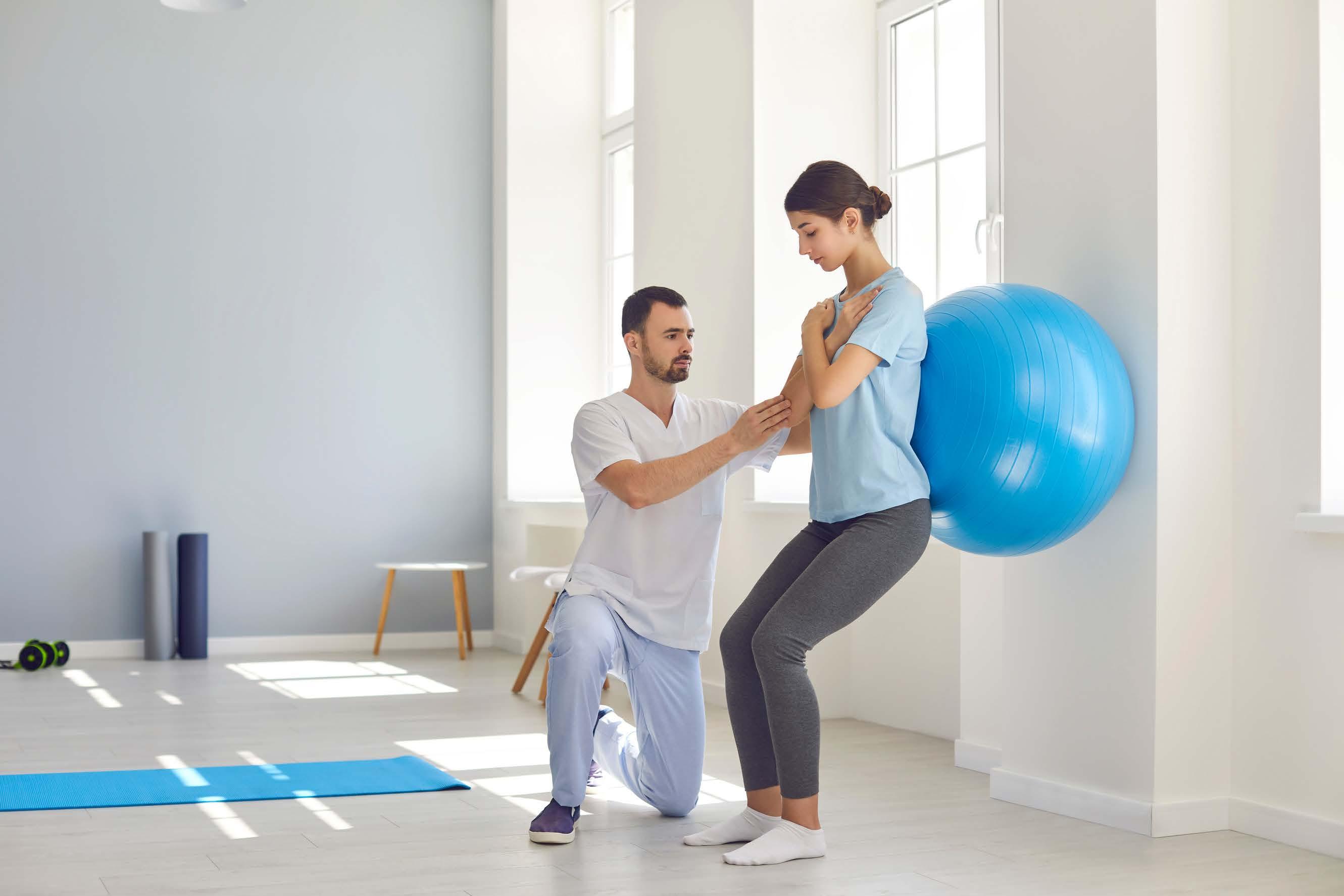
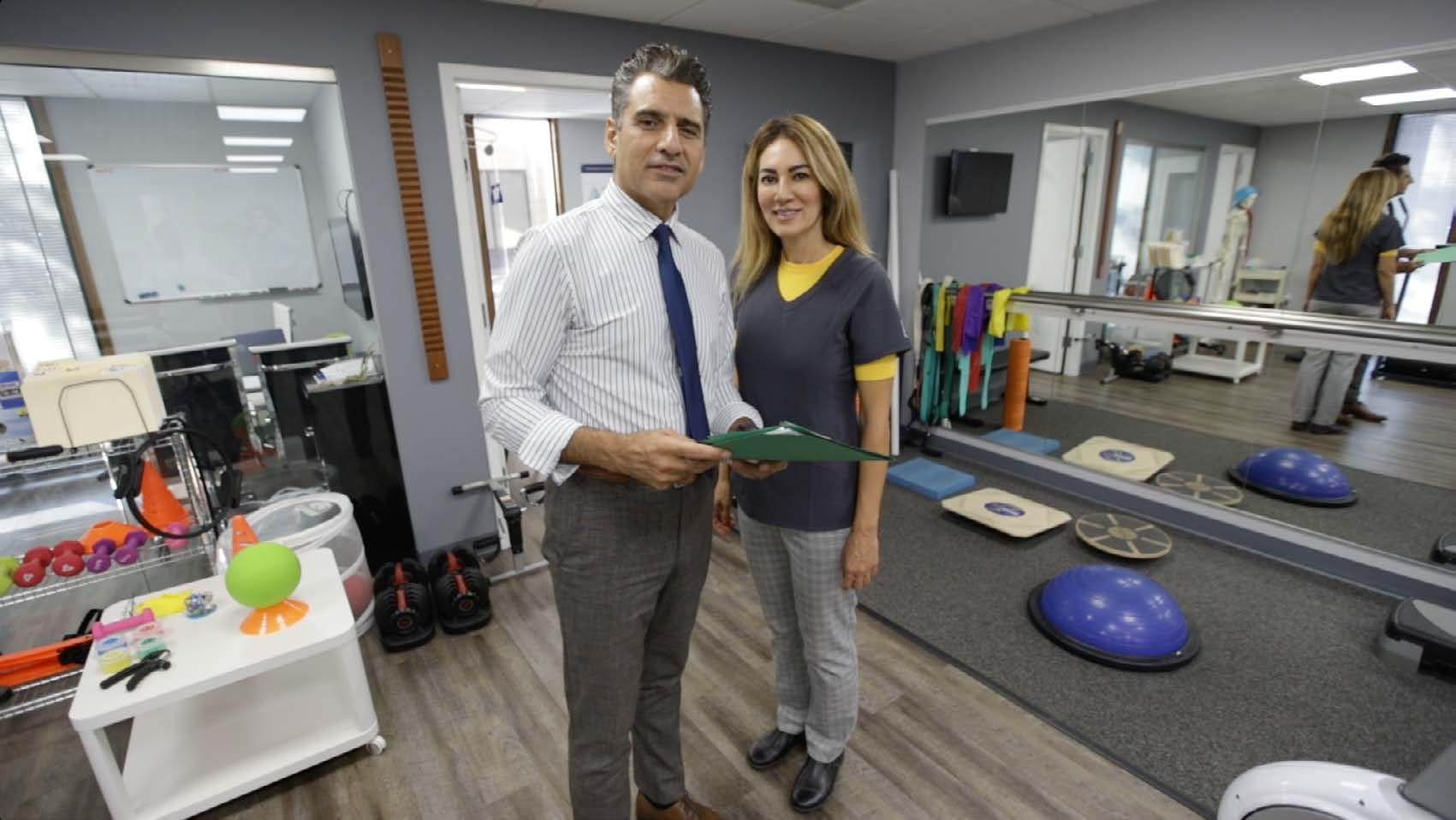
REHABNEEDS, we believe in the transformative power of physical therapy to enhance lives and promote optimal well-being. As a leading franchise in the healthcare industry, we are dedicated to providing exceptional rehabilitative care and fostering a culture of healing and empowerment.













TeamLogic IT provides businesses with technology support and services that range from simple computer systems support to managed IT services and project outsourcing. As an owner of your own TeamLogic IT business, you’ll help small- and medium-sized companies with a broad range of IT services. Your clients will come to rely on you to keep their technology current and their businesses running effi ciently. You’ll help them with proactive, preventative and responsive IT services. Our monthly recurring revenue model is a win-win for you and your clients. And, the camaraderie, peer support and drive among our network of franchisees are like none other in the industry.
The ideal candidate for a TeamLogic IT business is a person who wishes to work in a business environment, understands technology, has an aptitude for sales and/or building relationships, and enjoys working with other business professionals while building a team to deliver outstanding service and support. Many of our franchise owners were previously IT directors for small companies, executives in corporate America, engineers or technology consultants.

• The Channel Company ® MSP 500 ELITE 150
• Channel Futures™
MSP 501 #37
• Entrepreneur ® Magazine
Top 500 Franchise
• Forbes Best Franchise to Buy
• Franchise Business Review™
Top Franchise
• Franchise Times ®
Top 200 Franchise
• Franchise Gator
Top 100 Franchise
• Inc. 5000
by Ted O’Shea, Tradeshow Event Manager, The Great American Franchise Expo
There’s a quiet shift happening in American business. It’s not loud like artificial intelligence or the constant churn of digital innovation. It’s something more fundamental.
People want to look each other in the eye again.
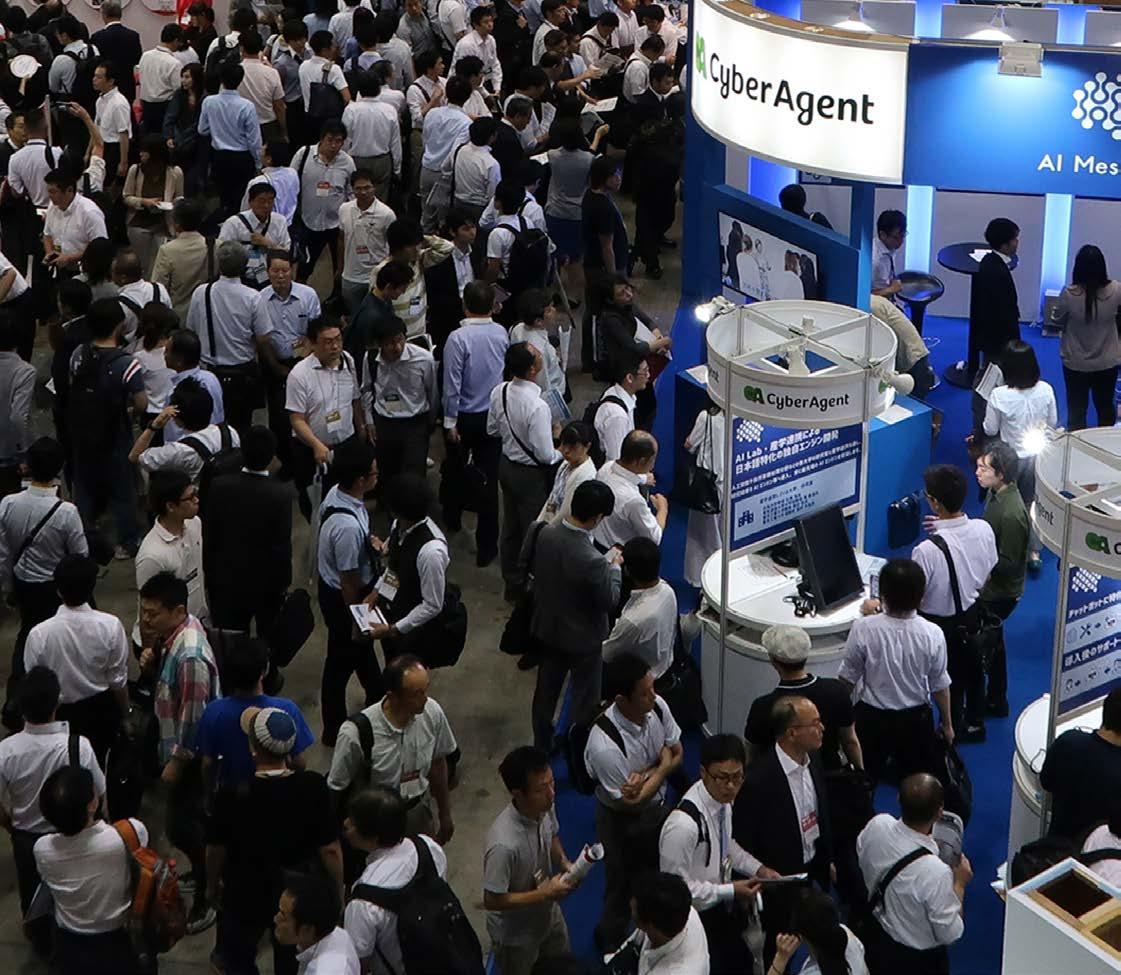
Nowhere is that more evident than on the show floor of The Great American Franchise Expo.
In an era where AI can draft business plans, generate marketing campaigns, and simulate entire conversations, you might expect in-person events to lose relevance. Instead, the opposite is happening. Attendance is rising. Engagement is deeper. And across every city, the same pattern is emerging.
When the stakes are real, people still choose reality.
Today’s prospective franchise buyer arrives informed. They’ve done the work. They’ve read articles, watched videos, compared models, and run projections.
But AI can’t replicate trust. At The Great American Franchise Expo, attendees don’t just browse brands. They meet
founders. Operators. Franchisees who are living the model every day. They hear tone. They see conviction. They ask direct questions and get real answers.
That difference matters when someone is making a decision about their future.
The show floor doesn’t feel like a trade show. It feels like a series of high-stakes conversations.
The 2026 calendar reflects that demand, kicking off with a strong opening in South Florida.
The season begins at the Broward County Convention Center in Fort Lauderdale, May 2–3, 2026, setting the tone for what has become a powerful national run.
From there, the Expo moves through major markets across the country:
• Atlanta, GA – Cobb Galleria Centre | May 16–17, 2026
• Columbus, OH – Columbus Expo Center | May 30–31, 2026
• New York / New Jersey –Dream Live | September 12–13, 2026

• Detroit, MI – Oakland Expo Center | September 26–27, 2026
• Denver, CO – National Western Center | October 10–11, 2026
• Dallas, TX – Irving Convention Center | October 24–25, 2026
• Phoenix, AZ – Mesa Convention Center | November 7–8, 2026 Each stop brings a different audience, a different pace, and a different mix of opportunity. But the underlying driver is the same.
People are showing up because they want clarity.
Online, everything looks good. Every brand has a polished pitch. Every opportunity highlights upside. Every model promises scalability.
At the Expo, that gets tested quickly. Attendees walk the floor and compare concepts side by side. They ask the same question to multiple brands and watch how each responds. They see who is prepared. Who is real. Who understands their own business.
It compresses months of research into a single weekend. And more importantly, it separates signal from noise. For many attendees, the
result is not just inspiration. It’s direction. They leave with a shortlist, a plan, and often a completely new path.
Another reason for the surge in attendance is simple: variety.
The Expo isn’t built around one industry. It reflects the full spectrum of the modern franchise economy: Fitness. Food. Pet services. Home services. Senior care. Automotive. Technology. AIenabled platforms.
Today’s buyer is not onedimensional. They are evaluating lifestyle, flexibility, scalability, and risk.
Some want semi-absentee ownership. Others want to operate hands-on. Some are chasing growth. Others want predictable income. The Expo gives them options in one place.
Strong attendance isn’t just driven by the brands. It’s driven by the learning.
Each event includes practical sessions on:
• Franchise law
• Financing strategies
• Absentee ownership
• Growth and scaling These are not abstract discussions. They are frameworks delivered by people actively working in the industry.
For many attendees, it’s the first time franchising truly makes sense.
And that understanding builds confidence.
There’s something else happening beneath the surface.
When someone attends an event, they make a decision before they ever walk in the door. They move from passive interest to active exploration. It’s easy to scroll. It’s different to show up.
That shift changes everything.
We see it every weekend. People arrive curious. They leave engaged.
What makes The Great American Franchise Expo unique is its structure.
This isn’t one flagship event. It’s a national platform that moves city by city, bringing opportunity directly to the audience.
Not everyone will fly across the country to explore a business. But they will drive 20 minutes to a convention center if the opportunity feels real.
And once they arrive, they find more than they expected.
If there’s one takeaway from the continued growth of The Great American Franchise Expo, it’s this:
The future of franchising isn’t just digital. It’s personal.
AI will continue to evolve. It will shape how people discover and evaluate opportunities.
But when it comes time to commit capital, time, and energy, people still want to meet face to face.
They want to ask questions. Read reactions. Shake hands. That’s what the Expo delivers. Not just information. Not just opportunity. Connection.
And right now, that’s what people are looking for most.

Kaminskiy Care and Repair offers top-quality home repair services, helping homeowners maintain and improve their homes with expert care and attention to detail. As a franchisee, you'll not only support homeowners in protecting their assets but also build your own wealth and success by partnering with our trusted brand in home improvement.
Almost 20 Years in Business
Proven Operating Systems
Effective Marketing & Lead Generation
Strong Support System
Industry- Leading Start-Up Time
Low Investment
Cost-Effective Business Model
by Bob McQuillan, CDO, Sequel Brands
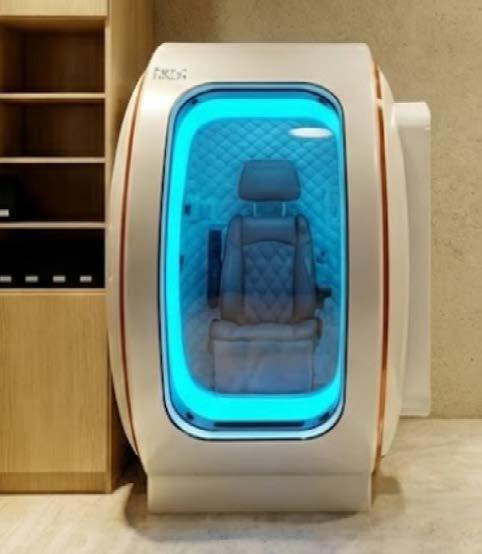
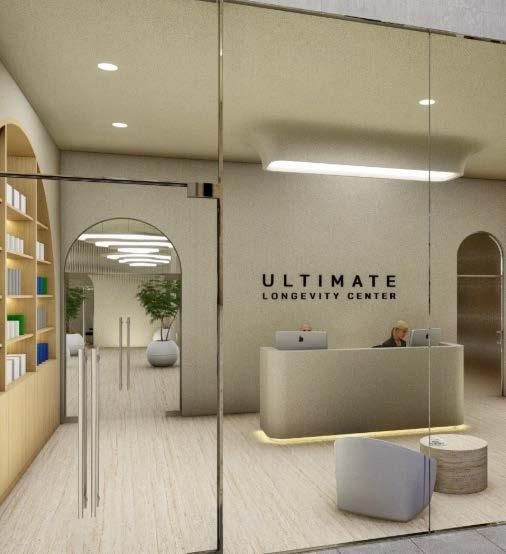
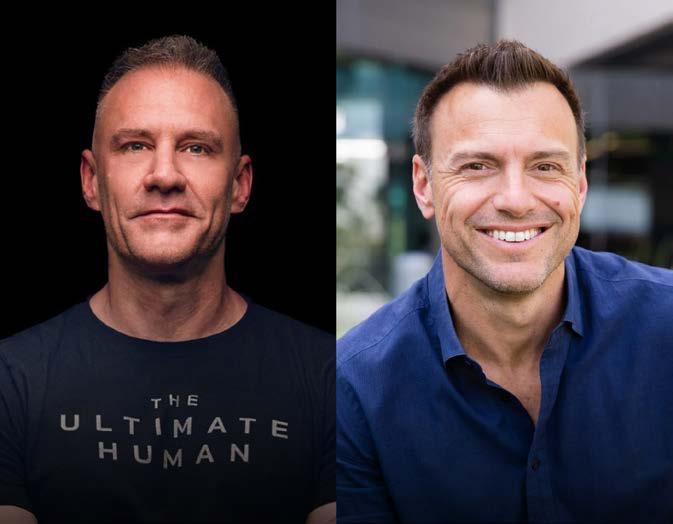
For the last 20 years, fitness has been one of the most dynamic sectors in franchising. Boutique studios changed how people worked out. Group fitness turned exercise into community. Strength training moved from the weight room into the mainstream. Recovery became its own category. Wellness became part of daily life instead of something people thought about only after a diagnosis. Now the market is moving again.
The next chapter is not just fitness. It is longevity.
That is where Sequel Brands is placing one of its biggest bets with Ultimate Longevity Center.
The timing is not accidental. The global wellness economy reached approximately $6.8 trillion in 2024, and the United States alone represents roughly $2.1 trillion of that market. Consumers are spending
at scale on fitness, recovery, nutrition, diagnostics, mental wellness, preventive care, and experiences that help them feel better for longer. This is not a niche trend for biohackers in Silicon Valley. It is a mainstream shift in how people think about health.
For decades, the fitness industry sold the body people wanted to see in the mirror.
The longevity industry is selling something bigger: more energy, more clarity, better recovery, better biomarkers, more productive years, and a stronger relationship with your own health.
That is the revolution of the category.
Ultimate Longevity Center was created to bring that shift into a scalable, accessible model. The concept is built around the collaboration of Anthony Geisler, Gary Brecka, Lifeforce, and the Sequel Brands platform. The idea is simple: take the science,
<< Anthony Geisler’s Sequel Brands is partnering with longevity expert Gary Brecka to launch the Ultimate Longevity Center, focusing on bringing advanced wellness protocols to a broader audience. This collaboration seeks to transform the fitness landscape by combining clinical data with accessible treatments for health and longevity.
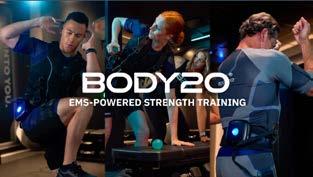
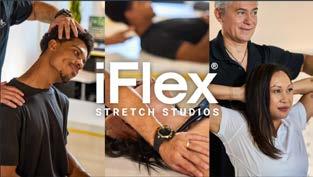
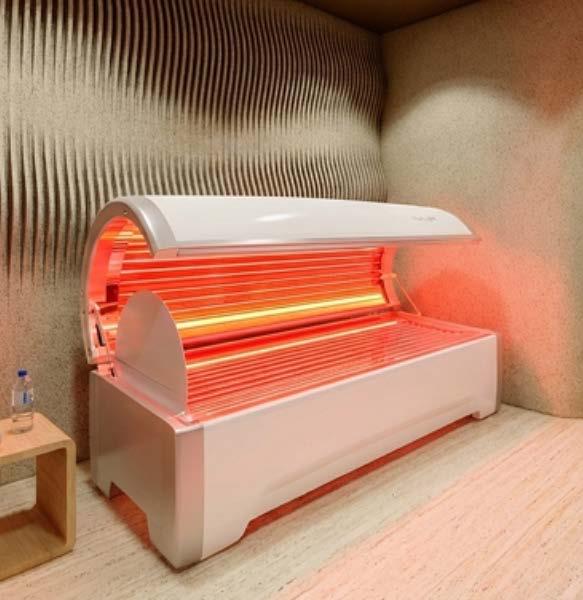
protocols, consumer demand, and operating discipline behind longevity and deliver them through a brand that can grow across the country.
The consumer is ready.
People no longer want to wait until something goes wrong. They want to understand what is happening inside their bodies before the warning lights flash. They want bloodwork, data, coaching, recovery, supplementation, fitness, and lifestyle support that feels coordinated instead of fragmented. They want to know why they are tired, why they are gaining weight, why they are not recovering, why they feel older than they are, and what they can do about it.
That demand is being reinforced by a larger cultural movement.
Robert F. Kennedy Jr.’s Make America Healthy Again
movement has helped push chronic disease, food quality, metabolic health, and preventive wellness into the national conversation. However people arrive at the discussion, the underlying issue is real: America has a chronic disease problem.
Federal health messaging now points to the scale of the challenge, including that six in ten Americans have at least one chronic disease and a large share of the population is diabetic or prediabetic.
Sequel Brands supports the broader principle that America needs to become healthier, stronger, and more focused on prevention.
That does not need to be political. It needs to be practical.
Families want healthier children. Adults want more productive years. Employers want healthier teams. Communities want less strain on the healthcare system. Consumers want better choices. The old model of waiting until people are sick, then reacting, is not enough.
Longevity is the market’s answer to that frustration.
Anthony Geisler has spent his career understanding how consumer health brands
scale. His advantage has never been just spotting trends. It has been recognizing when a trend is ready to be organized, branded, systematized, and distributed through a network. That is the power of Sequel Brands.
Fitness taught the market something important: people will build routines around brands they trust. They will show up for a coach. They will join a community. They will pay for a better experience. They will commit when the model is simple, the environment is welcoming, and the value is clear.
Ultimate Longevity Center builds on that lesson.
The brand is not asking consumers to become medical experts. It is giving them an entry point. A place to begin. A place to test, recover, improve, and understand their health in a more personal way. It takes what can feel intimidating and makes it approachable.
That is crucial.
Longevity cannot become mainstream if it feels elitist, confusing, or reserved for celebrities, executives, and professional athletes. The next wave has to be warm, human, professional, and accessible. It has to meet people where they are, not shame them for where they are starting.
That is why the network matters.
A single longevity center can serve a neighborhood. A national platform can educate a market. Franchisees can become local ambassadors for a broader health movement. They can host events, build relationships, serve families,
partner with local fitness and wellness providers, and create a trusted front door into a category that many consumers are just beginning to understand.
That is how categories change.
They do not change only because of science. They change when someone builds a business model that makes the science usable, repeatable, and available.
Rapid growth is possible because the demand is already there. Consumers are buying supplements, wearable technology, GLP-1 support, recovery services, IV therapy, hormone testing, nutrition coaching, cold plunge sessions, red light therapy, and fitness memberships. The problem is that much of the market is fragmented. People are assembling their own health plan from disconnected providers, podcasts, influencers, clinics, apps, and product companies.
Ultimate Longevity Center can help organize that chaos.
The opportunity is to create one trusted place where the consumer can pursue better health with guidance, protocols, data, and support. Not a gimmick. Not a fad. Not a one-time treatment. A relationship.
That is the difference between a trend and a
platform.
A trend gets attention. A platform changes behavior.
Sequel Brands is betting that longevity is ready for the platform stage.
The rise of fitness created the first wave. Consumers learned to prioritize exercise. Boutique brands made it social. Recovery brands taught people to take care of the body between workouts. Wearables taught them to track sleep, steps, heart rate, and readiness. Functional medicine and wellness leaders taught them to ask deeper questions about bloodwork, hormones, nutrition, inflammation, and energy.
Now those forces are converging.
The consumer who once asked, “How do I lose weight?” is now asking, “How do I live better longer?”
That is a better question. It is also a bigger market.
Ultimate Longevity Center is designed for that question.
For franchise owners, the business case is powerful because it sits at the intersection of consumer demand, trusted personalities, operating systems, recurring services, and a health movement that is bigger than any one brand. For customers, the appeal is even simpler: feel better, understand your body, and take action before decline
becomes destiny.
That is a welcoming message.
This is not about perfection. It is not about six-pack abs, elite biohacking, or living forever. It is about helping people feel stronger in their real lives. Parents who want more energy for their children. Entrepreneurs who want to perform without burning out. Retirees who want more mobility. Adults who want to reverse years of neglect. Busy professionals who want to stop guessing.
The future of wellness will belong to brands that make health feel personal, practical, and hopeful.
Sequel Brands believes Ultimate Longevity Center can be one of those brands.
The revolution of the category is here because the country is ready for a new conversation. Not just sick care. Not just fitness. Not just recovery. Not just supplements. Something more integrated, more proactive, and more aligned with the way people want to live.
Anthony Geisler saw what boutique fitness became. Now Sequel Brands is helping build what comes next.
A stronger country starts with stronger people. Ultimate Longevity Center is built for that future.

In today’s competitive food industry, the most attractive franchise opportunities combine a proven business model with a fresh concept. Anytime Arepa Gluten Free Kitchen represents exactly that: a growing brand built on an established operational foundation and a unique culinary proposition centered on certified gluten-free cuisine.


At the core of Anytime Arepa’s appeal are arepas and empanadas made from white corn, a naturally gluten-free ingredient. While inspired by Venezuelan traditions, the brand focuses on a modern dining experience that resonates with today’s consumers. As demand for gluten-free options grows, we provide a distinctive alternative for both those with dietary restrictions and food lovers seeking bold, traditional flavors.
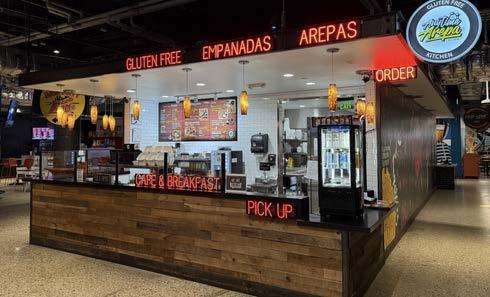
Customer response has been remarkable, with many describing their first experience as “love at first bite.” This enthusiasm is reflected in our consistent 4–5 star ratings on platforms like Uber Eats and DoorDash.
For franchise partners, we provide a comprehensive support system including site selection guidance, marketing assistance, and ongoing operational support. Our goal is to ensure every new location has the tools needed to succeed.
Anytime Arepa Gluten Free Kitchen offers a fresh, flavorful, and forward-thinking investment opportunity. Do you want to be i i i i i i i nally ?



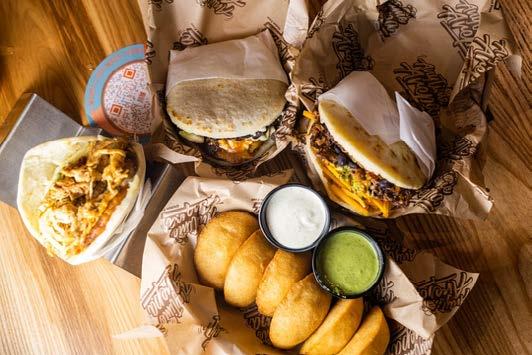
Exceptional training and mentorship for your success


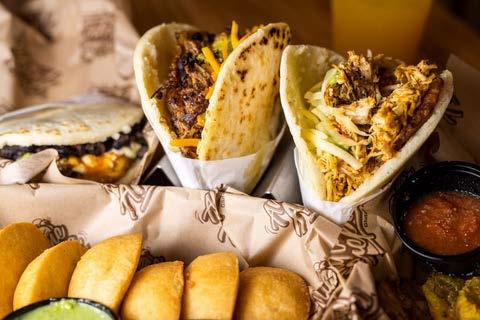
by Evan Ferrell, Consultant, The Franchise Consulting Company
For more than a decade, boutique fitness redrew the map of the American consumer.
Spin studios packed riders into candlelit rooms at 5 a.m. Barre bars filled with professionals squeezing in a class between meetings. High-intensity interval training gyms turned group sweat sessions into a competitive sport. What began as a niche alternative to the big-box gym became a cultural force — and a franchise goldmine. But something bigger was quietly taking shape beneath the surface. The same consumer who fell in love with the boutique fitness experience was starting to ask a different question. It was no longer just how hard can I push my body? It became how well can I actually live?
That shift in mindset is fueling what many in the franchise industry are now calling the boutique wellness boom — and its trajectory mirrors the fitness revolution almost step for step.
The boutique fitness explosion of the 2010s did more than
sell memberships. It sold an identity. Consumers learned to invest in their physical experience, pay a premium for results-driven environments, and seek out community in the process. Brands like SoulCycle, Orangetheory, and Pure Barre proved that people would pay $30, $40, even $50 per class if the experience felt personal, purposeful, and transformative.
That conditioning changed consumer expectations permanently. Once someone experiences a curated, coachled environment designed entirely around their physical outcome, a generic gym membership starts to feel like settling. The boutique fitness model didn't just build a market — it built a consumer base trained to invest in themselves.
And now, that same consumer is aging, evolving, and expanding their definition of health. They're not abandoning fitness. They're graduating from it.
Wellness, in its broadest sense, has always existed — think spas, yoga retreats, and vitamin shops. But
what's different today is the emergence of outcomefocused, membership-based wellness concepts that carry the DNA of boutique fitness. They're branded, scalable, franchise-ready, and they meet consumers at a much more personal intersection: longevity, recovery, hormone health, cognitive performance, and cellular vitality.
The data backs the momentum. The global wellness economy is now valued in the trillions, and consumers are increasingly directing discretionary spend away from things and toward experiences that extend and enhance their quality of life. Post-pandemic, the priority shift accelerated. People who survived the anxiety of COVIDera uncertainty came out the other side asking harder questions about how they were living — not just how long they were working out.
The result is a new category of franchise concepts emerging at the intersection of health, science, and lifestyle. These aren't day spas. They're not traditional medical clinics. They occupy a compelling middle ground: accessible
enough to visit weekly, sciencebacked enough to feel credible, and experiential enough to build loyalty.
Several emerging brands are already capitalizing on this white space with compelling franchise models.

beem has built its concept around infrared light therapy and red light wellness, tapping into a growing body of research connecting photobiomodulation to recovery, skin health, inflammation reduction, and mood. Its studio model is designed for frequency and convenience — members come in multiple times per week, making it an ideal recurring-revenue franchise. It sits squarely at the intersection of accessibility and science, which is exactly where today's wellness consumer wants to be.
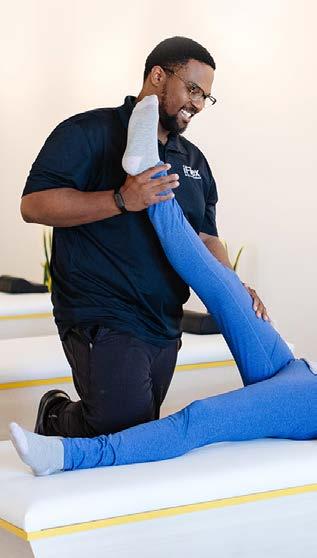
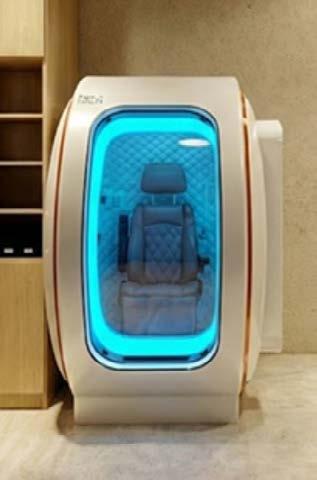
takes a more comprehensive approach, positioning itself around the growing longevity movement — one of the fastest-growing segments in all of health and wellness. With services ranging from IV therapy and hormone optimization to advanced diagnostics and biohacking modalities, the brand speaks directly to consumers who want to be proactive, not reactive, about their health.
It's a model designed for the consumer who no longer waits to get sick before walking through a healthfocused door.
iFlex brings stretch therapy and assisted mobility to the forefront, addressing one of the most underserved needs of the active adult: recovery and functional movement. As the fitnessfirst generation ages and injury prevention becomes as important as performance, iFlex-style concepts are poised for significant growth. It's restorative, personalized, and repeatable — everything that drives strong unit economics in a franchise model.
The boutique fitness boom was built on a simple insight: people will invest meaningfully in how they feel. Wellness franchises are now extending that insight across a much broader canvas. The consumer is ready. The science is maturing. And the franchise infrastructure to support scalable wellness concepts is more sophisticated than it has ever been.
The era of the workout was just the beginning. Welcome to the era of wellness.
Evan Ferrell is a franchise executive with over ten years of experience scaling emerging brands into mature, investor-ready systems. My specialty lies in developing franchise infrastructure, optimizing operations, and aligning growth with strategic outcomes—including private equity positioning and exits.

provides convenient mobile fuel delivery for individuals and businesses. Customers can schedule refueling via a user-friendly app, choosing from top-quality fuel options like Regular (87), Premium (93), and Ultra-Low Sulfur Diesel (ULSD). With automatic updates and seamless payment processing, Juiced Fuel saves time and eliminates the need for gas station visits.
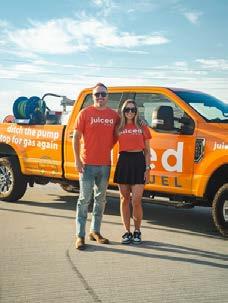

and reshape how consumers refuel their vehicles.
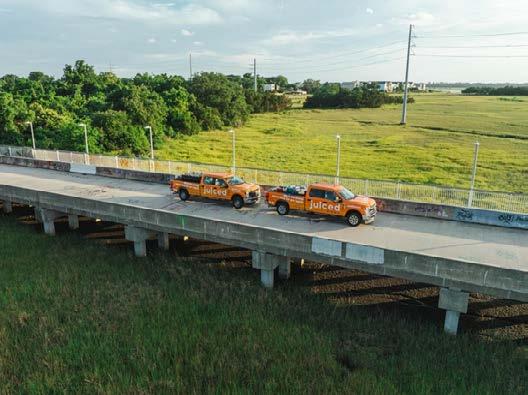
Leverage Juiced Fuel’s established systems, operational expertise, and support to jumpstart your business.
Scale your franchise quickly by adding trucks or expanding service areas without significant upfront investment.


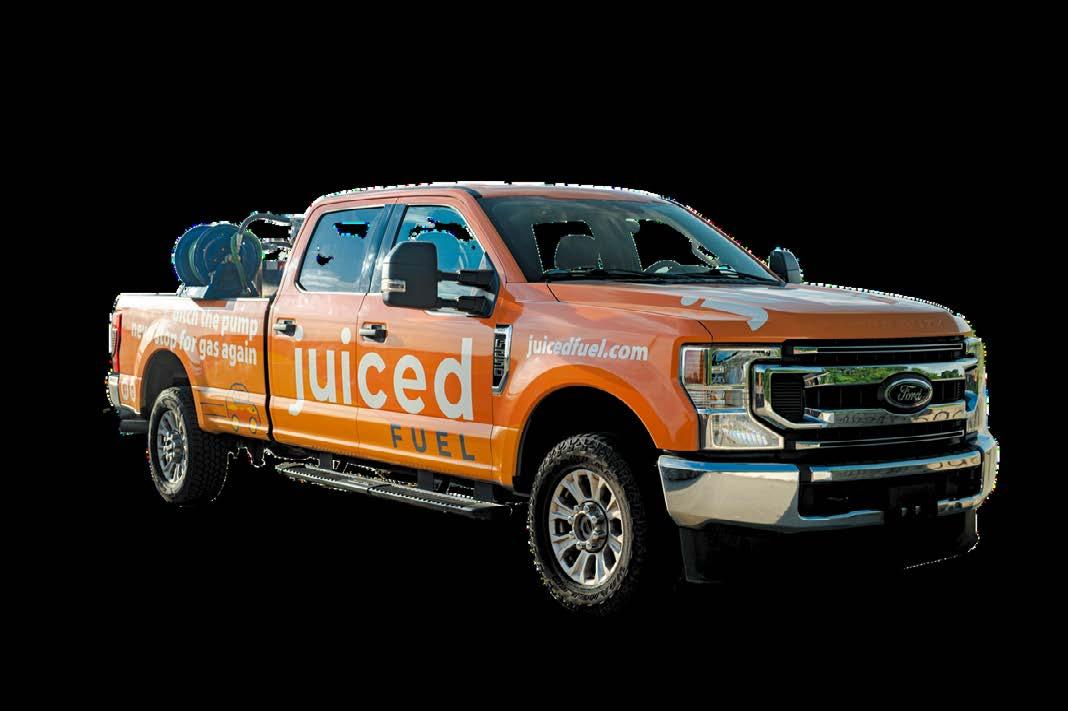
LASER TAG REDEFINED FOR ADULTS AND TEENS
Team Combat combines cutting edge interactive immersion technology with a complete, turnkey franchise system to offer unique entertainment opportunities.



Team Combat creates realistic combat simulations for fun, sport, or tactical training purposes. This is a new concept of fun and entertainment. Each Team Combat site has a 8,000-10,000+ square foot facility and offers a Tactical Laser Tag experience that is immersive, stimulating, and satisfying for adults and teens.
Our laser combat system is state of the art and contains the same technology used by the US Military. Many area SWAT teams, the US Navy, the Army National Guard and the Drug Enforcement Agency all use our equipment and facilities. This isn’t kiddie laser tag but it doesn’t require participants to have any specials skills or to be athletic. Everyone can enjoy the competition.


by Joe Carter, Consultant, The Franchise Consulting Company
Getting ready for summer isn’t about a quick transformation. It’s about building a system people won’t quit by July.
That’s where most fitness brands miss.
They sell motivation.
They don’t build habits.
Pilates Addiction does both—and that’s exactly why it’s one of the most compelling franchise opportunities in fitness today.
THE MARKET IS EXPLODING— BUT POSITIONING WINS
Pilates isn’t a trend anymore. It’s a movement.
More than 12 million Americans are already participating, with demand growing year over year . That kind of growth creates opportunity—but it also creates noise.
Most studios still look the same: slow-paced classes, traditional formats, and an aging customer base.
Pilates Addiction saw the gap—and built a brand around the next generation of fitness consumers.
Most founders think fitness is about equipment.
I’ve learned it’s about experience and identity
Pilates Addiction takes traditional Pilates and flips it:
• High-intensity, HIIT-style workouts
• Modern, high-energy studio environments
• Designed for younger, results-driven professionals
This isn’t about stretching. It’s about performance. And when the product matches what the market actually wants, conversion gets easier—and retention follows.
THE COMPETITIVE EDGE: A PROPRIETARY EXPERIENCE
Here’s where this brand separates.
Pilates Addiction is built around the WundaFormer® , a proprietary machine that combines multiple pieces of equipment into one seamless system . No downtime. No switching
stations. No wasted movement.
Just continuous, highintensity training.
That creates a better workout—but more importantly, it creates differentiation.
Most fitness brands compete on marketing.
The best ones compete on product.
This is product.
Recurring Revenue, Real Predictability
Too many studios rely on foot traffic.
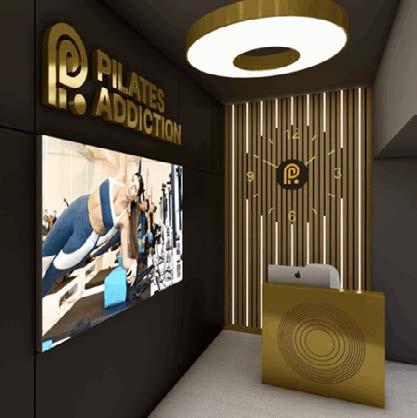
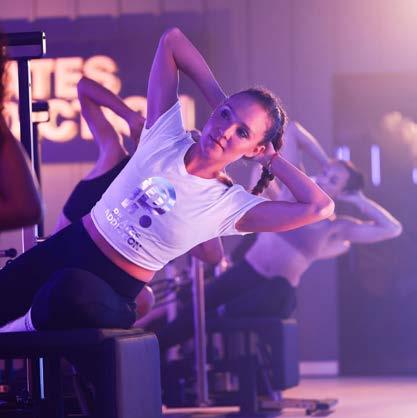
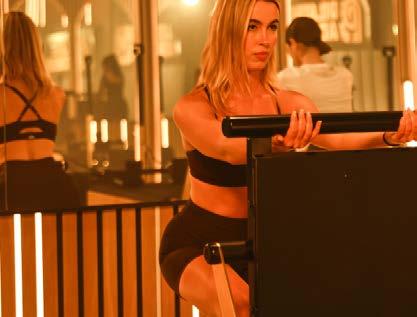
That’s not a business. That’s a gamble.
Pilates Addiction is built on a membership-based model, generating consistent monthly revenue and stronger financial visibility .
Add in:
• Tiered memberships
• Private sessions
• Retail
Now you’re not just running classes—you’re building multiple revenue streams inside one location.
That’s how you create stability.
And stability is what turns income into enterprise value.
Bigger gyms look impressive. They’re also harder to run.
Pilates Addiction keeps the model tight:
• ~1,500–1,800 sq ft footprint
• Streamlined staffing
• Designed for revenue per square foot
This isn’t about cutting corners. It’s about maximizing output with less complexity.
I’ve seen operators improve margins simply by simplifying their model. This brand starts there from day one.
A great concept is only as strong as the team behind it.
Pilates Addiction is backed by leadership that has scaled thousands of studios globally and driven over $1B in systemwide sales
That matters.
Because franchising isn’t about opening one location—it’s about repeating success across markets. And repetition requires a proven playbook.
Summer creates urgency.
But urgency doesn’t build a business.
Structure does.
Pilates Addiction is designed to convert short-term motivation into long-term retention:
• High-energy classes that keep members engaged
• Community-driven environments that build loyalty
• Results-focused programming that reinforces habit
This isn’t a “summer body” brand.
It’s a lifestyle brand
And lifestyle brands keep members paying long after the season ends.
Too many founders chase trends without asking what they’re actually building. The goal isn’t just more members. It’s more value.
Pilates Addiction delivers:
• A growing category
• A differentiated product
• A scalable, recurring revenue model
Most fitness concepts help people start.
The best ones keep them coming back.
This one does both.
Ready to know your real value?
If you’re looking at the fitness space, start with models built for retention, not just hype.
DM “BLUEPRINT” and I’ll show you how to evaluate if this opportunity fits your longterm strategy.
Simple? Yes. Easy? No. Worth it? Absolutely.
Joe Carter is the founder of Twin Flame Group, Partner with The Franchise Consulting Company, and host of The Franchise Growth Show. He helps growth-stage founders scale strategically, build transferrable value, and exit on their terms. Contact Joe Carter at JCarter@ TheFranchiseConsultingCompany. com.






FPY is an accumulation of one amazing benchmarking journey to create another. We are the birth of Fast Paced Yoga (FPY) in our one of a kind facilities of vibrancy and community.


benchmark research of other yoga studios
No Credit Check Required.


by Robyn Deering, Consultant, The Franchise Consulting Company
Corporate and government professionals today face increasing pressure from job insecurity, restructuring and shifting retirement landscapes. Many mid-career executives, federal employees and military veterans possess substantial experience, a modest nest egg and a strong desire for greater autonomy and community impact. For these individuals, franchising offers a proven path to business ownership, and The Exercise Coach stands out as a particularly compelling option within the expanding boutique fitness sector.
The Exercise Coach delivers a highly differentiated model centered on 20-minute, twice-weekly strength training sessions powered by proprietary Exerbotics® AI-driven equipment. Clients receive personalized, data-driven workouts in a private, supportive studio environment, with certified coaches providing real-time feedback and guidance. This approach emphasizes efficiency, measurable results, and
accessibility, distinguishing it from traditional gyms and high-intensity group fitness concepts.
The brand specifically targets the growing 50-plus demographic, a segment often underserved by mainstream fitness offerings. Baby boomers and Gen Xers prioritize health, mobility, and quality of life. Demand rises for safe, time-efficient solutions that combat sarcopenia, support bone density and enhance overall vitality. With the U.S. boutique fitness market projected to experience strong double-digit growth, The Exercise Coach aligns directly with demographic trends: an aging yet active population controlling significant disposable income and seeking premium, resultsoriented experiences rather than crowded, intimidating facilities.
The Exercise Coach presents a realistic entry point for professionals with a solid but not unlimited nest egg. The total estimated initial investment ranges from

approximately $260,000 to $390,000. Liquid capital requirements typically start around $100,000, often achievable through 401(k) rollovers, severance packages or strategic use of home equity. Newer suite-style models in medical or professional office buildings further reduce real estate costs and overall investment compared to traditional retail fitness concepts.
Studios occupy compact footprints of 800 to 2,000 square feet and operate with lean staffing—typically three to five team members. The franchisor provides comprehensive certification for coaches, eliminating the need for prior fitness industry experience. This streamlined operational model supports semi-absentee ownership potential after the initial rampup period, allowing owners to maintain work-life balance while building equity.
Financial performance representations from recent Franchise Disclosure Documents indicate strong potential. The membership-
based, recurring revenue structure delivers predictable cash flow, a critical advantage for those transitioning from corporate salaries or government pensions.
Amy Hudson, a Minneapolisbased multi-unit owner and 2019 "Franchisee of the Year," praised The Exercise Coach for its "strong systems, robust lead-generation, and strong support," noting it as a "joy to own" because of the meaningful impact on clients' lives. According to a Franchise Fastlane podcast keeping the coaching studios small, clean and private has unmistakable appeal and continues to grow.
Extensive franchisor support, including site selection assistance, marketing programs with lead generation, operational training and ongoing business coaching strengthen seasoned professionals who recognize sound back-office support. This infrastructure helps new owners execute efficiently and scale with confidence. Over 200
locations operate across the United States, reflecting the brand’s established track record and system-wide momentum.
Franchisees frequently highlight the model’s alignment with broader market needs. Busy professionals, retirees, and empty-nesters value the minimal time commitment and non-intimidating environment, resulting in high client retention and referral rates. The focus on measurable outcomes—such as strength gains, improved metabolism and functional fitness—resonates strongly with clients who seek tangible health improvements without dedicating hours each week to exercise.
For corporate refugees and government professionals, The Exercise Coach represents more than a business investment. It offers an opportunity to leverage transferable skills in leadership, client service and operations while creating meaningful community impact. Owners report deep satisfaction from helping clients regain
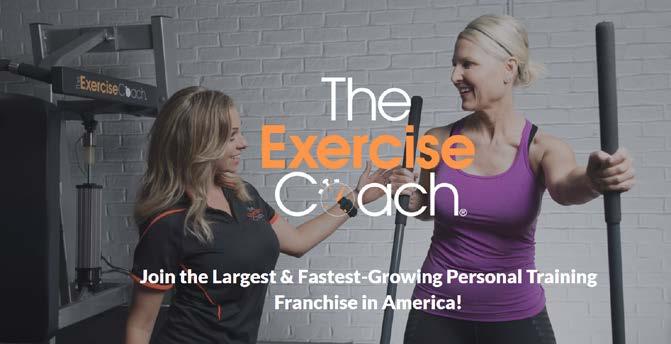
strength, confidence, and independence—outcomes that extend beyond financial returns.
In an era of corporate volatility and evolving retirement realities, The Exercise Coach provides a professional, scalable pathway to entrepreneurship. The combination of accessible investment levels, lean operations, recurring revenue, and alignment with powerful demographic shifts positions this franchise as a standout choice for those ready to transition from job security concerns to purposeful business ownership.
Professionals evaluating their next chapter should consider concepts that match both their financial parameters and personal values. The Exercise Coach meets these criteria by delivering efficient, sciencebacked fitness solutions to a large and growing audience while offering franchisees an attainable entry point for sustainable success.
Robyn Deering is a Franchise Consultant and Career Transitions Coach based in southwest Florida and Author of "Corporate Refugee’s Guide to Franchising: Trade Job Insecurity for Business Ownership that Works."

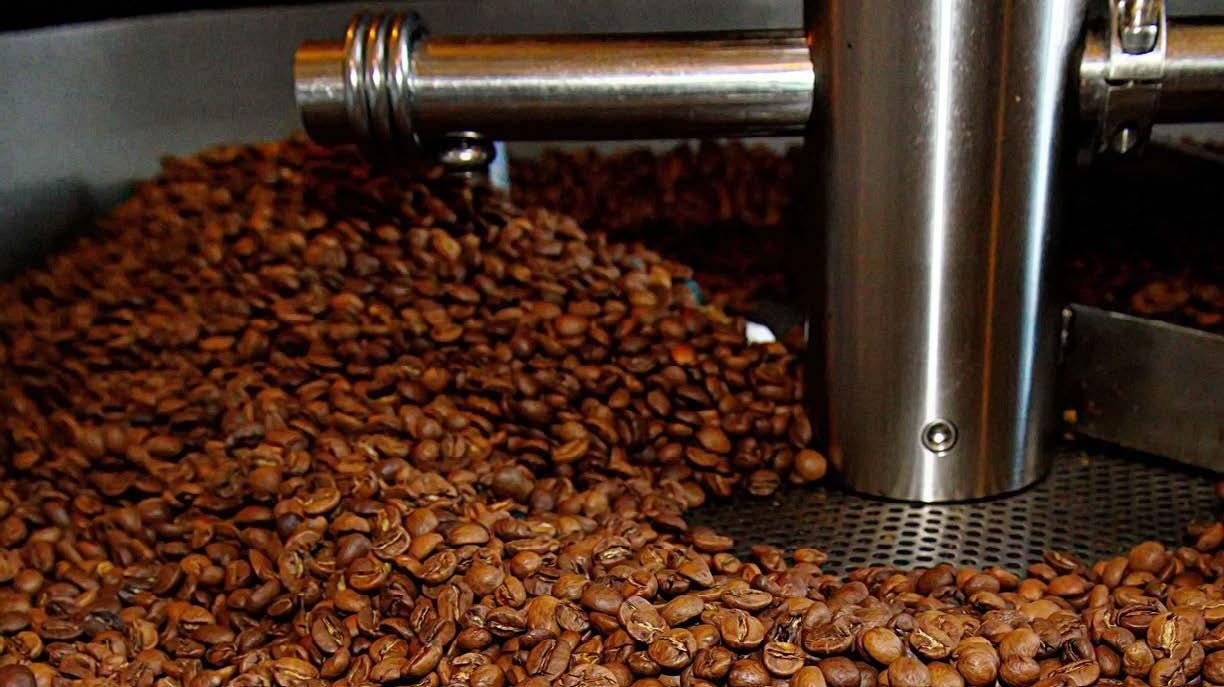

c u p . W h e n y o u f r a n c h i s e w i
u
, y o u ’ r
i n v e s t i n g i n a c o n c e p t t h a t b l e n d s e x c e p t i o n a l c o f f e e , c r a f t
c o c k t a i l s , a n d a s p a c e w h e r e c o m m u n i t y t h r i v e s .


e v e r y t h i n g w e d o . I t ' s
t h e f o u n d a t i o n t h a t
k e e p s o u r s t
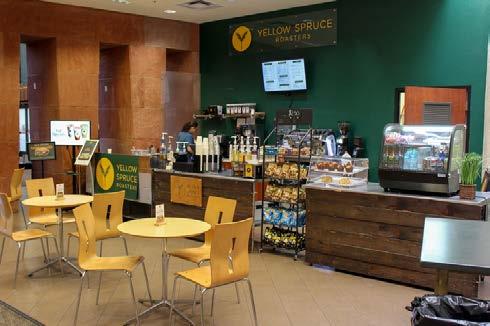



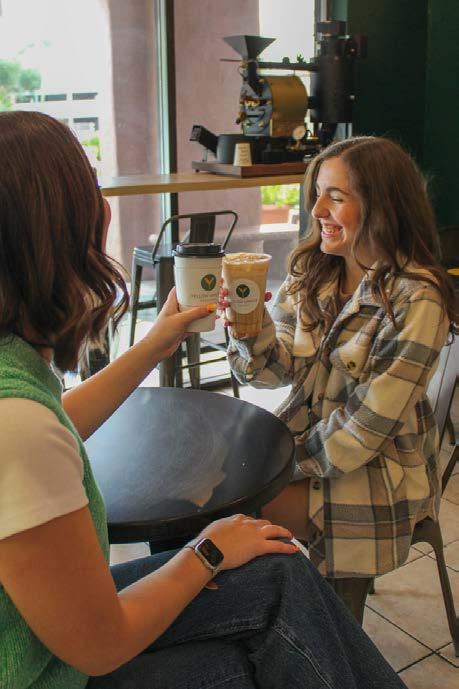



Advertise in Today's Restaurant Digital Edition online and have your ad delivered to thousands of restaurant and foodservice buyers each month. From full page display ads to classifieds we have a size and price to fit your ad budget.
Advertising on the Today's Restaurant Website will expose your corporate or individual message to every visitor. Banner ads can be interactive animated messages. We’ll meet your ad needs and price point.
We’ll email your ad or video to our verified database of over 15,000 restaurants in Florida, Georgia, Texas and around the country. A 10%-20% open rate can be expected with each Eblast and all Eblasts are posted on our social media sites for even more exposure.
Video is hot! Show the industry what your company can provide with a Video Eblast featuring a great product or video interview. Ask to see a sample or call for pricing.
A few days after your initial Eblast, reach out to your Eblast recipients with another special offer. A higher open rate of 40%-70% is often achieved with Eblast Follow-Ups.
Subscribe to our Restaurant Leads Report and every month receive valuable industry sales leads on restaurant openings, restaurants under construction and under new management in an Excel spreadsheet format. Reports include the buyer’s name, phone number, zip code and email when available. Reports for Florida and Georgia are now available.
by Rick Morgin, Consultant, The Franchise Consulting Company
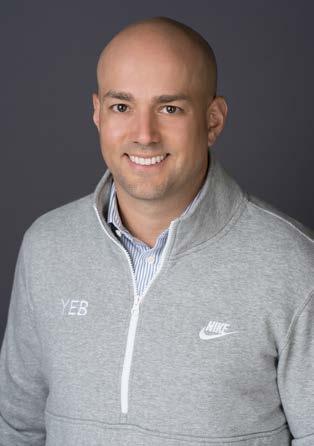
1. Can you describe your role at Youth Enrichment Brands?
As Chief Development Officer, my focus is on growing the Youth Enrichment Brands portfolio in a way that’s both rapid and sustainable. I oversee franchise development across all three of our brands—i9 Sports, SafeSplash Swim School, and School of Rock—and ensure every new franchisee is set up to thrive. Since joining in 2024, my work has centered on one core principle: franchisee success drives system growth. Every
decision we make around construction, marketing, programming, or pricing must improve returns for our owners. When we get that right, growth follows.
2. What is the mission driving Youth Enrichment Brands?
At its heart, YEB exists to make childhood better. We provide an alternative to a “screen-based childhood” by centering play, enrichment, and physical activity—making these experiences accessible, not luxury.

Across our portfolio, we serve more than one million kids annually across 1,000+ locations in all 50 U.S. states and 23 countries. The common thread is delivering highquality, age-appropriate experiences that genuinely shape development.
This mission informs how we qualify franchisees, train instructors, and measure success. When team members live the mission daily, it becomes intrinsic to the brand.
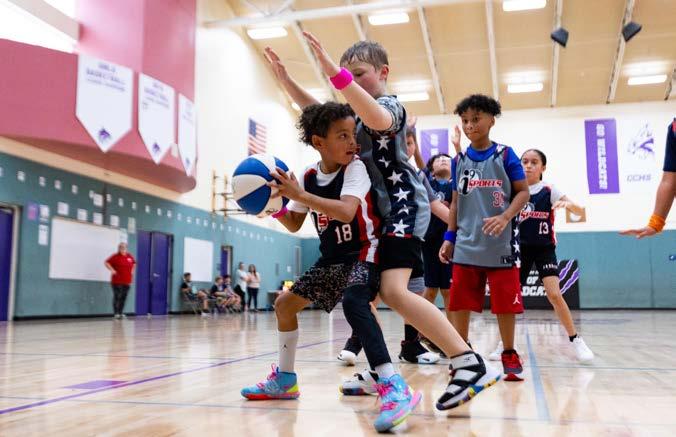
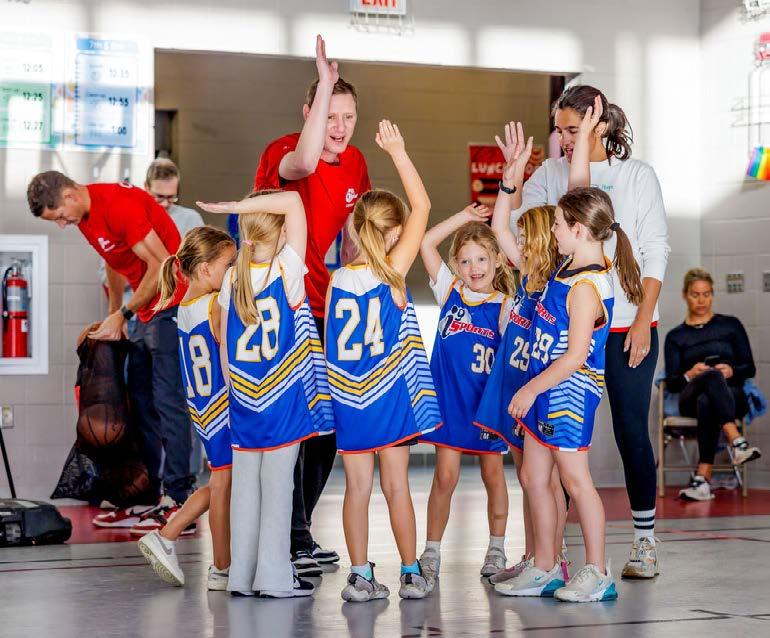
3. What does a “play-based childhood” mean in practice?
It’s our north star—the idea that connects everything we do. Research shows that play builds confidence, social skills, resilience, and creativity in ways screens simply can’t.
Franchising allows us to deliver these experiences at scale. For example:
• i9 Sports emphasizes fun and positive coaching over elite competition.
• SafeSplash focuses on water safety in a supportive setting.
• School of Rock builds confidence through performance. This framework guides franchisees in hiring, programming, and community engagement, ensuring alignment with our core values.
4. i9 Sports recently opened its 300th territory. What does this milestone represent?
Reaching 300 territories reflects the health of our system. It shows that franchise owners believe in the model, invest in their communities, and deliver results that attract new owners. Many now own multiple territories—a powerful validation.
A key advantage for i9 Sports and SafeSplash is their asset-light model. Franchisees operate in existing facilities—fields, gyms, pools— which reduces startup costs, construction risk, and time to opening. This embeds them directly into communities while maintaining high-quality experiences.
i9 Sports stands out in youth sports by prioritizing fun and inclusivity—an
appealing alternative to hypercompetitive travel leagues. Many of our developers are parents themselves, which deepens their connection to the mission.
5. Where does YEB aim to be in five years?
We’re focused on three priorities:
1. More brand presence
2. More kids served
3. Deeper integration of play-based curriculum
We’ll scale responsibly— growing franchise count without sacrificing unit-level economics—and build a more interconnected portfolio where owners benefit from shared resources.
Ultimately, success means more kids experiencing an enriching childhood. Revenue, territory count, and franchisee returns are the means to that end. If we stay mission-focused, growth will follow.

Rick Morgin is a Consultant with The Franchise Consulting Company and alumnus of Santa Clara University. He assists clients with the educational process of researching and selecting available franchise businesses that best suit desired lifestyles and financial goals. Contact Rick at rick@ thefranchiseconsultingcompany.com.


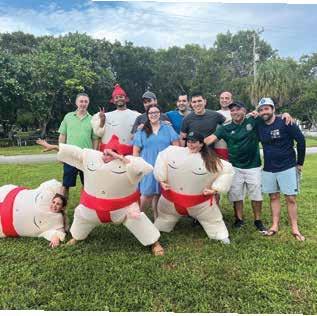
Weekend PE is more than a business opportunity it’s your chance to build a stronger, more active community Since 2015, we’ve delivered high-energy events for all ages, from sports parties and summer camps to community gatherings and classes. Now, you can help bring that mission to life where you live.
Email us at to learn more.

• High Profit Margin Potential
• Easy Training & Staffing
• Semi- Absentee Model
• Diverse Revenue Streams
• Scalable Business Model
addition Wow! A wholesome and exciting to our neighborhood. Coaches were H ighly recommended!

B2B model
All-inclusive startup package
Unlimited scalability
High gross profit margin
Non-retail hours
Few employees needed
Fast-paced, creative business
KickStart Program
Initial and ongoing training as your business grows
Best in class support in a growing and exciting industry

New Studio Start-ups: SpeedPro has available territories all over the U.S. and Canada, underscoring the opportunity to open and build your large-format printing business wherever you reside.
Resales: SpeedPro Resales are a great fit for anyone interested in buying an established business.


by Jewan "Jack" Tiwari, Consultant, The Franchise Consulting Company
A typical 24/7 fitness franchise can operate with as few as two full-time employees, achieving a payroll-to-revenue ratio near 10%. Compare that to a quickservice restaurant, where labor and food costs devour 5060% of revenue before rent or marketing. It's no wonder QSR veterans are crossing over to fitness franchising in record numbers.
But the real story isn't just leaner staffing—it's what replaces it. AI coaching is transforming how fitness franchises deliver personalized training at scale, creating member retention tools that would make any QSR operator jealous.
THE CROSSOVER APPEAL: FROM BURGERS TO BURPEES
Franchisees who built careers in QSR understand unit-level economics intimately. They know the pain of fluctuating food costs, the headache of shift scheduling, and the thin margins of high-volume, lowticket operations.
Fitness flips that model. Membership revenue is recurring and predictable. Overhead is largely fixed. And the product—better health— doesn't spoil or r
equire logistics.
"You're trading the stress of managing a kitchen for the opportunity to manage a community," says one former multi-unit QSR operator who now owns four Anytime Fitness locations in the Midwest. The numbers bear him out. Anytime Fitness franchisee Andrew Breton reports that AI-powered personal training technology now accounts for about 50% of revenue across his 13 clubs, while coach efficiency gains allow each trainer to handle up to 60 clients instead of 40.
That efficiency isn't anecdotal. Harmonyze's AI coaching platform recently emerged from a six-month beta program with measurable results: a 5.14% increase in same-store sales for one franchise partner and a 13% improvement in financial KPIs for another. Franchise business coaches using the platform reported an over 80% reduction in preparation time and sixfold faster issue resolution.
WISH THEY HAD QSR operators fight churn
daily—customers lost to the next new burger joint. Fitness franchises face member attrition, but AI is giving them a weapon QSRs can only dream of.
Anytime Fitness's SmartCoaching technology includes a predictive analytics feature called SmartEngagement. "This innovative system predicts when members might be considering canceling their memberships, allowing our team to provide timely support," Breton explains. The result: lower attrition rates and increased personal training sales.
Similarly, WallaPredict, an AI tool built with Amazon Web Services, scans member behavior data—class bookings, attendance frequency, payment patterns—to generate member risk scores and recommend targeted retention tactics. One early adopter called it a "gamechanger," replacing complex spreadsheets with automated messaging to at-risk members.
For a QSR operator accustomed to watching
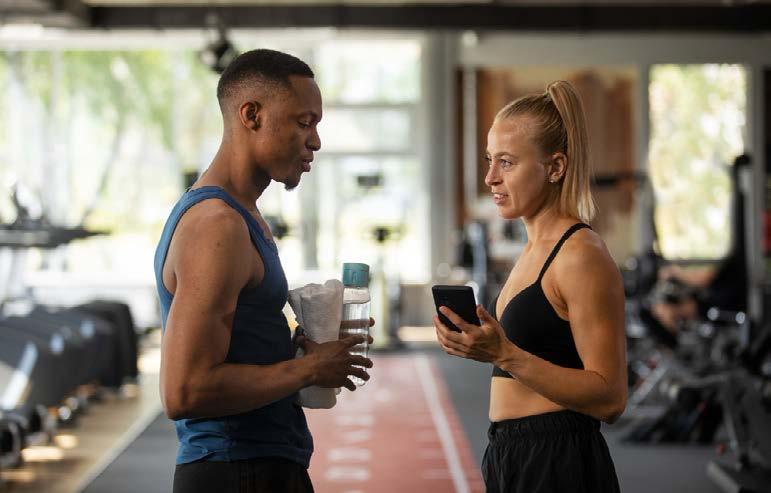
customers walk out the door with no warning, this predictive capability is revolutionary.
Here's the tension every fitness franchise must navigate: members demand personalized coaching, but one-on-one human training doesn't scale profitably. AI is the bridge.
Fitbit's Personal Health Coach, powered by Google's Gemini, creates custom workout regimens based on individual goals, equipment, and time constraints— adjusting when life gets in the way. Peloton's IQ cameras count reps and assess form, rewarding proper movement and flagging dangerous mistakes.
But these tools are augmenting, not replacing, human coaches. As Breton puts it, "While technology helps us streamline services,
we understand that lasting change comes from modifying behaviors, supported by genuine human interactions". His coaches now spend 5 minutes building a client's workout instead of 35, freeing them for what matters: relationships.
The fitness franchise model offers QSR refugees two distinct advantages. First, the lean staffing model—24/7 access requires minimal on-site
Sources Used:
SOURCE
Harmonyze Beta Results
Anytime Fitness SmartCoaching
WallaPredict AI Tool
WSJ AI Fitness Coach Testing
Harmonize Beta Results
AI Calibration Analysis
labor—directly addresses the labor shortage that has hammered restaurants since 2020. Second, AI coaching provides scalable personalization that builds retention without ballooning payroll.
Is AI coaching a gimmick? Not based on the data. The 13% KPI improvement at Goldfish Swim School and the 50% revenue contribution from SmartCoaching at Anytime Fitness suggest otherwise. But these tools succeed only when integrated with genuine human coaching— the irreplaceable connection that turns a transaction into a relationship.
For QSR owners exhausted by food costs and shift noshows, the fitness franchise model offers a compelling alternative. The robots aren't coming for their jobs. They're already helping fitness owners build better ones.
KEY INFORMATION
5.14% same-store sales increase, 13% financial KPI improvement, 80% coach prep reduction
50% of revenue from tech-supported training, coach capacity from 40 to 60 clients, 21% PT revenue
Member churn prediction using behavior data (bookings, attendance, payments)
Fitbit Personal Health Coach (Gemini), Peloton IQ movement tracking
5.14% same-store increase, 13% financial KPI improvement, 80% coach prep reduction
Contextual constraints and goal mismatch in AI fitness systems
Jewan "Jack" Tiwari is a seasoned Franchise Consultant, Business Broker, and M&A Advisor based in the Washington, D.C. metro area. Serving the Mid-Atlantic region, he specializes in the full business lifecycle—from initial acquisition and SBA financing to scaling through franchise development and securing high-valuation exits. For strategic advisory, contact him at Jack@TheFranchiseConsultingCompany.com.

TuneHatch is transforming the live music industry with an all-in-one platform that streamlines booking, promotion, and ticketing. This innovative solution boosts efficiency for venues while empowering artists and promoters to create and manage successful events.
franchisees make royalties on se of the product, with only to ensure customer satisfaction.
d entertainment sector grow economy, spending on live ease ny, so the product can and will our franchisees and our
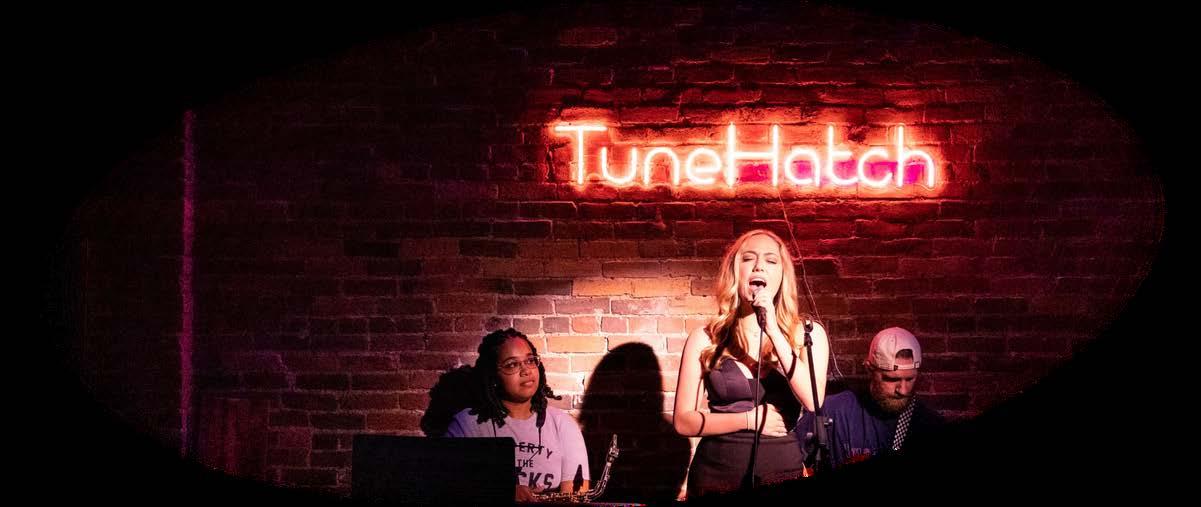



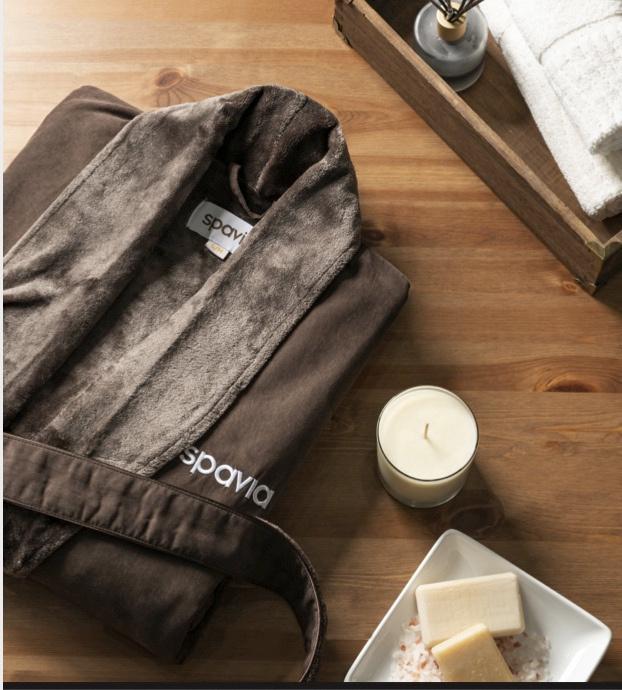

Since 2005, often imitated but never matched, Spavia’s standards of excellence come from a national training team with expertise in spa treatments, guest care, team training, marketing, construction, and personal development. Every Spavia adheres to the same standards of excellence to give our guests a 5-star experience every time they step through our door
T H E M O D E L
Recurring revenue is the cornerstone of a financially successful franchise Membership accounts for over 64% of revenue with a strong loyal following. Revenue generated from mulitple revenue streams from spa treatments to beauty, gift cards and retail products in our spa boutiques. Advanced financial modeling and analysis to maximize your revenue through yield management, market and membership tiers.
Item 7 Range: $295,460 - $595,900

by Tracy Woods, Franchise Development Manager, Imagine Arts Academy™
When you think of getting “summer ready”, your mind probably jumps to physical fitness, outdoor fun, and shaking off the winter blues. But what about creative fitness? At Imagine Arts Academy™, we believe summer is the perfect time to stretch those creative muscles and ignite a child’s imagination – and we’re helping franchisees do just that across North America.
While other camps may focus on dodgeball and swimming, Imagine Arts Academy™ is where young minds go to flex their imaginations, build confidence, and explore the world through art. Our themed summer camps are specifically designed to blend creativity with life skills and global awareness, helping kids see themselves not just as artists, but as innovators, storytellers, and changemakers. Our programs go beyond traditional arts and crafts. Our unique programs inspire kids to explore the world around them – cultures, design thinking, global citizenship,
wildlife conversation and real-world ideas. This makes this franchise not just fun, but meaningful, educational, and sets us apart in a crowded marketplace.
Whether it’s our World of Design camp or the adventure-packed Artist’s Passport, children come away with more than just a cool project – they leave inspired, empowered and energized.
Here’s the best part: not only do these camps enrich the lives of children, they also offer a unique business opportunity for aspiring entrepreneurs with a passion for education and creativity. As an Imagine Arts Academy™ franchisee, you get access to fully developed, proven programming, marketing support and a brand parents trust. You don’t need to be an artist or teacher to succeed – just someone who loves working with children, is sales driven and wants to make a last impact in your community.
Our low-overhead, outreach business model makes this a flexible business to run yearround. But summer? Camps

can be where your business shines, your revenue grows, and your presence in the community really takes off. Franchisees love how summer camps give them high visibility and opportunities to build relationships with schools, community centers and families.
Imagine Arts Academy™ was created by the Mad Science Group®, trusted for decades for developing hands-on, educational STEM programs for children. With Imagine Arts Academy™, they have built a franchise that elevates art beyond paint and paper. With the global strength of Mad Science® behind you, your franchise will stand out in the booming children’s education industry. Add in the comprehensive business model, turnkey marketing support, and robust training and you have
the ingredients for a rewarding entrepreneurial journey.
• Backed by the Mad Science® Group with 40+ years, 20+ countries, millions of children reached
• A business with purpose, creativity, and community impact
• Low-overhead and low initial investment
• • Wide-open territories available across North America
• Comprehensive training, support, marketing tools, and franchise community
• Mission-driven programs that schools and parents trust
Franchisees benefit from year round revenue streams, creating stability and growth potential:
• Afterschool Programs –High demand from schools and parents
• Birthday Parties – A recurring, family-driven market
• In-School Workshops –Curriculum-aligned programs teachers love
• Camps – Strong seasonal income during school breaks and summer
• Special Events – Highvisibility opportunities with libraries, festivals, and big community events
With a franchise like Imagine Arts Academy™, you’re not just
opening a business – you’re building a purpose-driven enterprise that celebrates creativity and community. During the summer months, let’s face it, parents want more than just glorified babysitting. They want programs that challenge their children in fun, meaningful ways. Parents love the educational value and the way we seamlessly mix learning with laughter. And franchisees love hearing feedback like, “This was my child’s favorite camp all summer!”
If you’re searching for a children’s franchise that’s rewarding, scalable, and seriously fun, Imagine Arts Academy™ might just be your perfect fit.
We’re looking for the next wave of passionate franchisees to join our growing community. Franchise buyers have the chance to join early, secure prime territories, and grow alongside a brand supported by one of the strongest franchisors in the children’s education sector –The Mad Science® Group
Because this summer, it’s not just the kids who can have the adventure of a lifetime, you can, too! Visit https://www. imagineartsacademy.com/ franchising Phone 1-833-204-6777
Tracy Woods is the Franchise Development Manager for Mad Science® and Imagine Arts Academy™, helping entrepreneurs build meaningful, communityfocused businesses. With a passion for kids, creativity, and franchising, she connects driven individuals with opportunities that spark curiosity and make a real impact.

Improve how you move with 1-on-1 assisted stretching.
Si mp l e b ui l d wi t h l ow i ni t i a l i nv e st me nt
TV S Me t hod
Comp r e he
E x t e nsi v e O nl i ne L e a r ni
Te c hnol og y d r i v e n b r a nd
St r e t c hi ng c a n b e c omp
B out i q ue l ook a nd f e e l
O wne
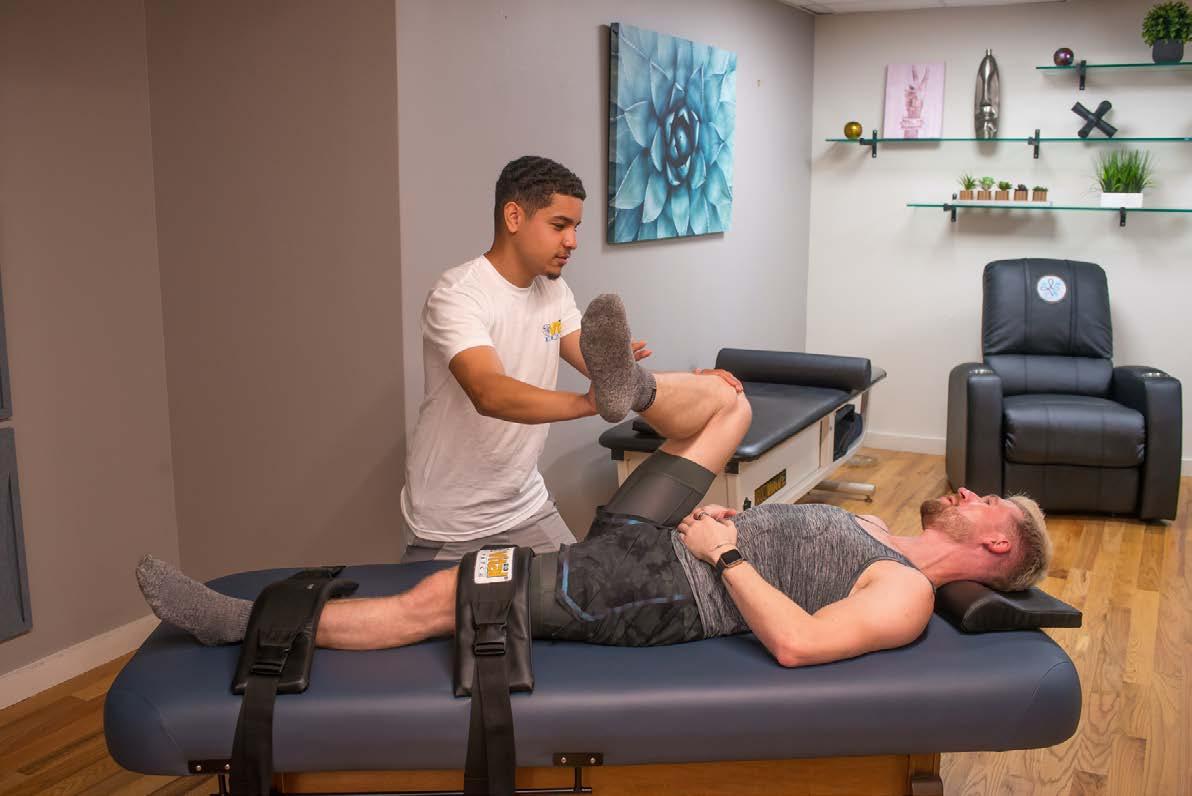
Stretching has evidence based science behind its benef 1-on-1 assisted stretching appeals to a broad populat




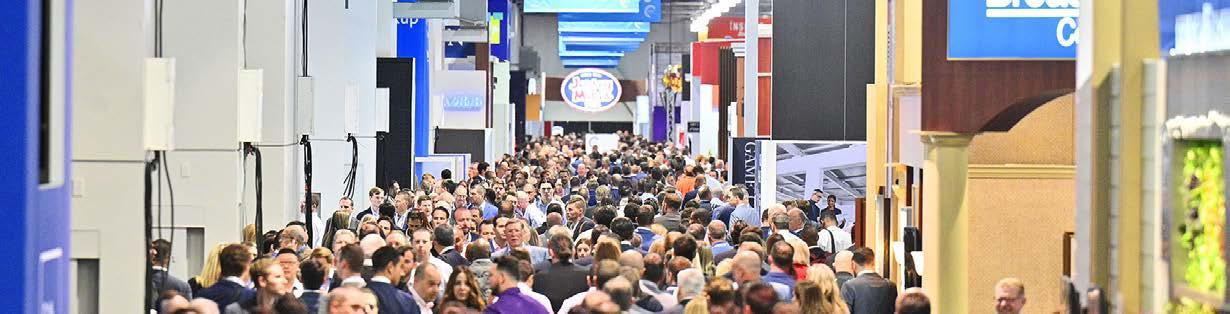


by Rhonda Sanderson, CEO, Sanderson & Associates
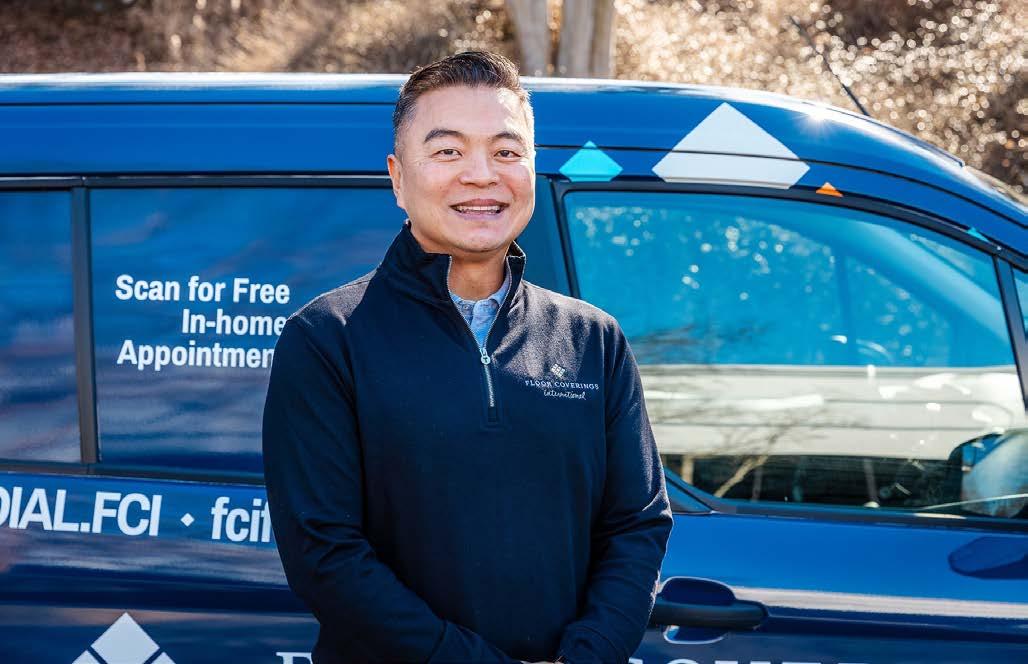
Ben Hauser recently launched a new Floor Coverings International® serving communities across southern Minnesota—bringing a rare mix of engineering, global
entrepreneurship, and facilitiesrelationship experience to a business built around helping homeowners love where they live.
Hauser, 47, opened his locally owned and operated flooring franchise in February, serving Carver, Faribault, Farmington, Jordan, Lonsdale,
Floor Coverings International is the #1 flooring franchise in North America with over 300 locations between the U.S. and Canada. Known for its unique customer experience and Mobile Flooring Showroom™, the business model brings over 3000 flooring samples to the customer’s door. For more information, please go to www.floorcoveringsinternational.com.
New Elko Market, New Prague, Northfield, Prior Lake, Shakopee, Webster, and Lakeville in Minnesota, returning to his wife’s home state.
After studying engineering and management in college, he sold elevators and escalators for Otis. What makes Hauser’s path especially unusual is the life he built before returning to Minnesota. Born in South Korea and adopted by American parents, he later moved back to Korea to reconnect with his heritage—staying for 13 years and helping run an Englishlanguage institute for Korean elementary students. “Living in Korea changed how I look at service, communication, and what it means to create a welcoming environment,” Hauser said. “Now I get to bring that mindset into people’s homes—helping them choose flooring that makes daily life better.”
Before opening his FCI location, Hauser spent six years as a GM and was on the cofounding team at Helix Intel, a computerized maintenance system software company built around insurance partnerships. His clients were directors of facilities for schools and municipalities that required clarity, trust, and consistent follow-through. “Everything I’ve done has centered on precision,
project management, and building strong relationships,” Hauser said. “Flooring is no different. Homeowners want someone who listens, communicates, and gets the details right.”
Hauser’s move into business ownership followed a corporate restructuring and layoff that pushed him to rethink what was next. He evaluated 15 business options before choosing Floor Coverings International as the best fit drawn to the brand’s in-home experience, consultative approach, and operational model. He also felt a personal connection after building his own custom home and discovering how much he enjoyed selecting design elements like flooring, cabinets, paint colors, and hardware.
“With the Mobile Flooring Showroom™, we bring hundreds of options right to the customer’s home, so they can see what styles look like in their lighting and alongside their cabinetry and paint,” Hauser said. “It’s a better shopping experience—and it makes decisions easier and more confident.”
The business is already gaining traction, with seven jobs on the schedule in the first few weeks. Early trends Hauser is seeing include rising interest in patterned carpet,


wider 9-inch LVP planks, and lighter tones or warm color palettes—choices that can brighten spaces and create a more inviting feel.
For Hauser, the business is also personal. He and his wife met while he was living in Korea; she is from Minnesota, and the couple later relocated to the area to raise their family. They have two sons, ages 5 and 8. “I want my kids to see that there’s another way to build a career—one where you can serve your community and create something of your own,” Hauser said. “Maybe someday they’ll even want to be part of it.”
Hauser describes himself as a “societal entrepreneur”—a personality profile that emphasizes community impact and building something that helps others. That philosophy aligns with his goal for the new business: to deliver a smooth, high-touch flooring experience, backed by strong installer relationships, clear communication, and craftsmanship homeowners can feel proud of.
Rhonda Sanderson is a franchise expert who has owned and operated Sanderson & Associates and Sanderson PR, both specializing in, traditional, social media and crisis PR in the franchise space since 1986. She has authored many articles, helped grow numerous franchise chains is considered one of the Top 30 Small Business Influencers (Fit Business) in the U.S. Find her at Rhonda@ sandersonpr.com or on LinkedIn where she is the author of Franchise Stars at https://www.linkedin.com/in/rhonda-sanderson-a6b658/

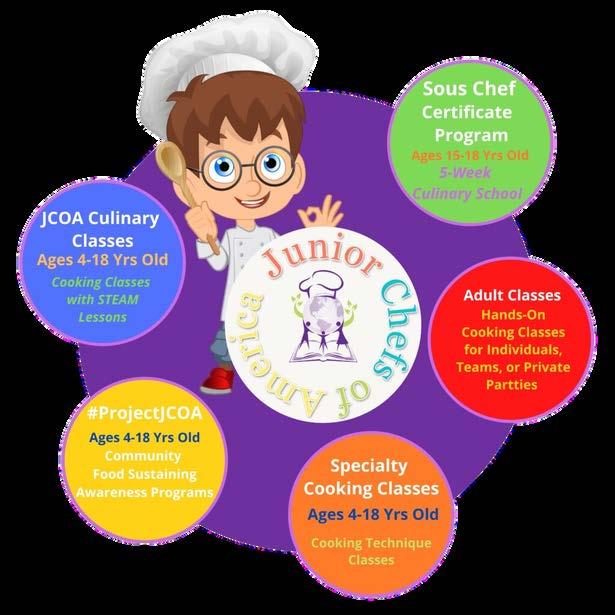

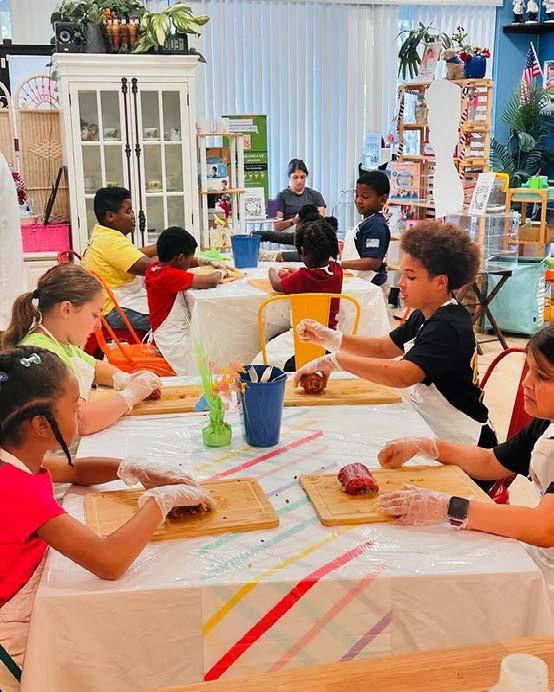
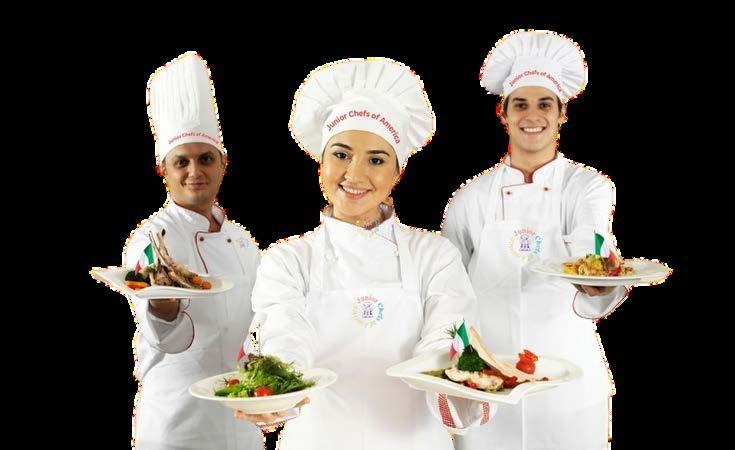


skoah facial shop franchising gives you the
skoah facial shop leaves you feeling invigorated through its skoah glow personalized experiences. Our skoah personal skincare trainers use skoah’s proprietary line of high-quality clean products, personalized services with custom blended skoah products, and skoah glow high touch services.
business characteristics
| Semi-absentee or owner-operator model
| Recurring revenue membership model
| Product and service revenue
| 1,400 - 1,600 square feet

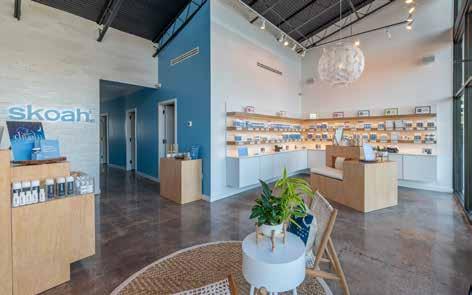
differentiators
| Private treatment rooms including heated bed and bathrobe to deliver the utmost relaxing experience
| Skoah high quality, proprietary, clean skin care products
| Skoah dash business intelligence software platform to manage KPI’s
| Marketing suite by MindBodyOnline (MBO) for smart marketing

by Tony Jeary, Strategist, Keynoter, Coach, Tony Jeary International
In franchising, growth is never just about more locations. It’s about consistent execution across every location. That only happens one way: clear standards. If your franchise system is experiencing
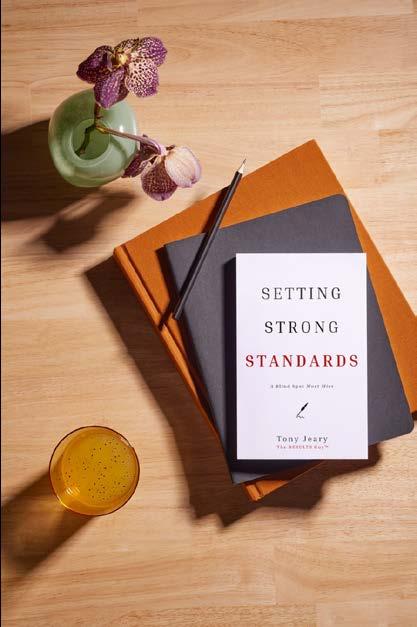
inconsistency, rework, or uneven performance, the issue isn’t always just effort. It’s oftentimes clarity. Clear, written standards produce better, faster Results across the entire enterprise.
Standards are what turn a brand into a solid system. Without them, you get variation. With them, you get duplication and scale.
Q: Why are standards the foundation of franchise success?
Because franchising is built on replication.
Your brand promise only works when it’s delivered consistently. That consistency doesn’t come from “good people doing their best.” It comes from clear standards that define “how we do things here.”
Every franchise system has two levels: personal standards (how leaders and franchisees operate) and team/system standards (how the brand operates).
When those align, you unlock real leverage.
Standards drive faster onboarding, cleaner execution, stronger customer experience, and better unit-level performance.
Without clear standards, franchisees guess. And when they guess, the brand drifts. If you want your people thinking like you, you must translate your mindset into visible standards. That’s the shortcut to alignment.
Q: Where should franchisors focus first when upgrading standards?
Focus on the highest leverage areas that impact the entire system.
Start with communication standards. How fast do franchisees respond to customers? To corporate? To each other?
Then move to execution standards. What does “ready” look like for operations, marketing, and service delivery?
Now ownership standards. Who owns problems? How quickly are issues resolved? And finally, meeting and

training standards. How do field teams, franchisees, and leadership show up prepared?
Here’s a powerful move: create a “Standards Snapshot” or Culture Card for your franchise system. A simple, visible tool that defines key expectations.
For example:
• We respond to customers within X hours
• We follow brand processes consistently
• We address issues early with solutions Simple. Clear. Repeatable. That becomes your shared language across the network.
Q: How do we ensure franchisees actually follow the standards?
You embed them everywhere. Standards should show up in hiring (before someone joins the system), onboarding (first day, first week, first month), training programs, field coaching, performance reviews, and more.
This is where many systems miss it. They introduce standards once, then hope they stick. That doesn’t scale well.
Instead, build rhythms. Weekly check-ins tied to standards, field visits that evaluate standards in action, and recognition tied to standards (“This franchisee lived our responsiveness standard…”) all work to foster and reinforce standards throughout the franchise.
Most importantly, leadership must model your standards. Franchisors and field teams set the ceiling; therefore, what you tolerate becomes the standard.
High standards with high support create engagement. Provide tools, training, and coaching so franchisees can win at that level. Franchise success is not built on intention. It’s built on execution. And execution is driven by standards.
If you want to grow your system, protect your brand, and elevate performance, start here:
Clarity. Focus. Execution. Make your standards visible. Make them simple. Make them non-negotiable.
When your franchisees know exactly how to win and feel supported doing it, the entire system advances the ball.
That’s how you scale Results on purpose. Let’s make it happen.
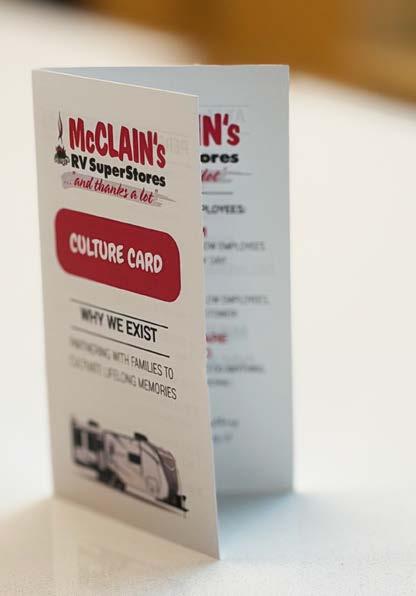
Tony Jeary is a strategist, keynoter, coach to the world’s top CEOs and prolific author of over 100 titles. Tony lives in Flower Mound and works out of his think tank, The RESULTS Center, where he and his team encourage and inspire all those he touches, resulting in their enhanced sales and profitability and raising their companies’ values.




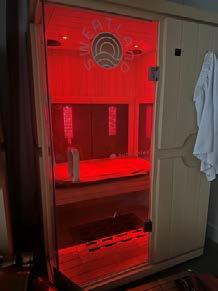

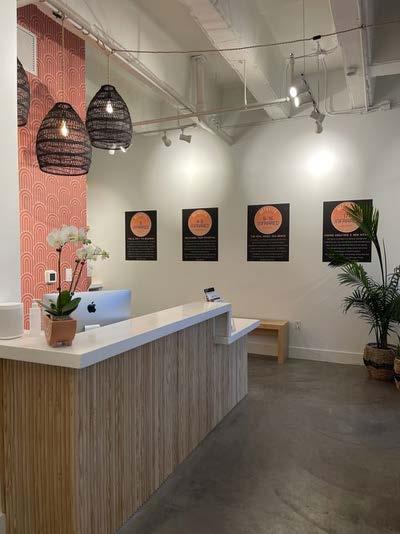


by Elad Inbar, CEO, RobotLab
I hear the same question in almost every boardroom.
It comes up at franchise conventions in Las Vegas. It comes up with hotel owners, restaurant operators, facility managers, school administrators, hospital executives, and small business owners in North Texas.
“Elad, how many salaries will this robot save me?”
My answer usually surprises people.
If your only goal is to save one salary, you are thinking too small.
You are playing defense when the real opportunity is to play for the championship.
For years, the robotics conversation has been framed the wrong way. Too many business owners have been trained to compare a robot’s sticker price against a human being’s annual salary. That is the wrong math. It is also the wrong moral argument.
The right comparison is cost per unit of work.
That is what I call the ROI Reset.
In cleaning, for example, the unit is not a person. The unit is cost per 1,000 square feet. A realistic internal cleaning operation can land around $7.56 per 1,000 square feet. A cleaning robot, in the same operating framework, can land around $0.41 per 1,000 square feet.
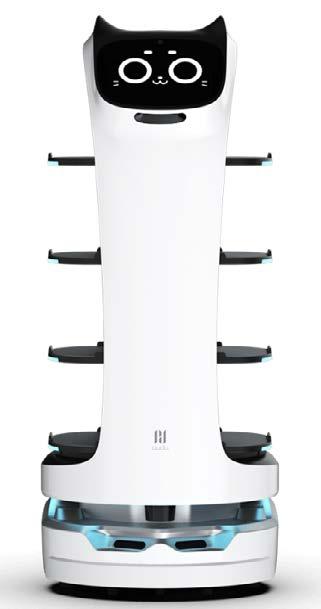
That is not a typo.

There is no hiring plan on earth that produces a number like that.
But the bigger story is not simply lower cost. The bigger story is capacity. Robots do not just reduce expense. They
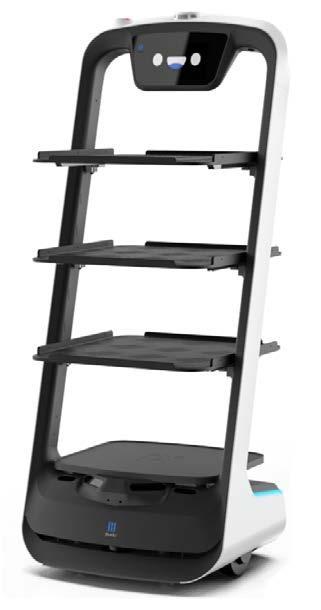
unlock work that companies are not getting done today because they cannot hire enough people, keep enough people, or ask enough of the people they already have.
That is the part many executives miss.
Your biggest threat is not your payroll. Your biggest threat is your ceiling.
Most businesses I work with are not failing because they have too many people. They are stuck because they cannot find enough hands to meet the demand they already have. They cannot keep floors consistently clean. They cannot staff the night shift. They cannot cover every corridor, every inventory cycle, every public space, every hour. They
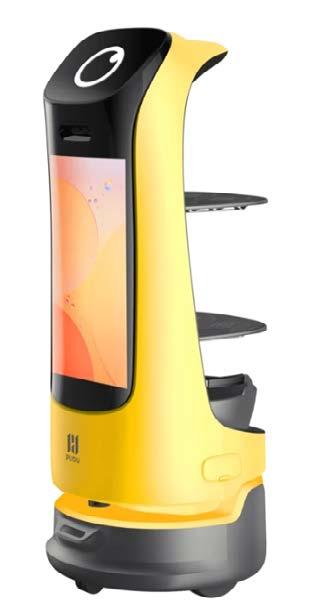

cannot ask burned-out teams to do more without eventually breaking the culture.
A robot is not a synthetic employee.
A robot is a workforce multiplier.
That distinction matters because the robotics industry has spent too many years stuck in what I call the Imitation Trap. We have been fascinated by machines that look like humans, walk like humans, and talk like humans. We see viral videos and think that is the future.
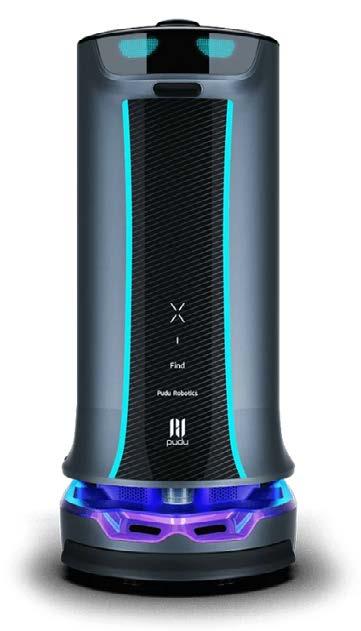
But business owners do not want a synthetic person. They want relief from the repetitive work that is exhausting their people and limiting their growth.
The future is not humanoid.
The future is human-centric.
At RobotLab, our mission is not to replicate the human touch. It is to protect it.
That is why the category is moving so fast now. The global market for professional service robots reached almost 200,000 units sold in 2024, growing 9 percent year over year. Cleaning robots alone grew 34 percent, with more than 25,000 professional units sold worldwide. Industrial robots are already operating at massive scale, with more than 4.6 million units in use globally in 2024. The point is
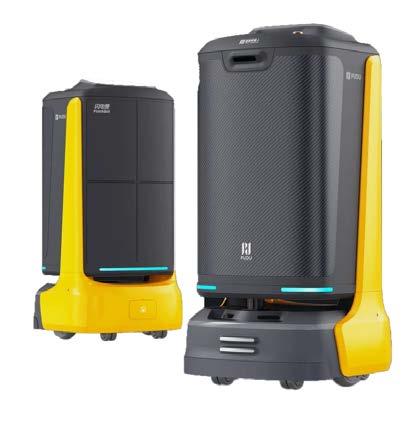
THAT PROGRAM DID NOT SUCCEED BECAUSE THE OPERATOR CUT PEOPLE. IT SUCCEEDED BECAUSE THE BUILDING FINALLY HAD THE OPERATIONAL CAPACITY TO KEEP UP WITH ITSELF.

clear: robotics is no longer an experiment. It is becoming operating infrastructure.
The revolution is here because the labor problem is no longer temporary.
In October 2025, I stood inside the Lodging Conference in Arizona with roughly 3,000 owners and operators in the room. Across that crowd, the story was the same. Labor is the issue. Not a seasonal issue. Not a temporary issue. A structural issue.
The facility management world is feeling the same pressure. It now commonly takes months to fill many facility roles. Teams are leaner. Buildings are larger. Expectations are higher. Customers notice everything. The floors, the restrooms, the lobby, the hallways, the parking
areas, the service levels. What used to be back-of-house is now part of the brand.
A robot helps a business stop fighting itself.
A large casino hotel operator on the Las Vegas Strip purchased 15 robots for two flagship properties. The robots were deployed across conference zones, entertainment areas, and high-density public spaces. The result was hundreds of labor hours reduced every single day. Not once a week. Every day. That program did not succeed because the operator cut people. It succeeded because the building finally had the operational capacity to keep up with itself.
That is the asset value conversation executives should be having.
At a 5 percent cap rate, every additional dollar of durable net operating income can represent roughly $20 of asset value. When robotics reduces recurring operating friction, protects margins, improves consistency, and helps defend against wage inflation, it is not just a labor tool. It is a real estate tool. It is a margin tool. It is a valuation tool.
This is why the old question is too small.
“How many salaries will this robot save me?” is a defensive question.
“How much capacity will this robot unlock?” is the right question.
The same is true in hospitality. At Hilton Atlanta, two corridor vacuum robots took over the baseline cleaning of long hallways that had drained the housekeeping team for years. The measurable impact was about 1.4 full-time employees. But the human impact was bigger than the spreadsheet.
It meant a housekeeper could end her shift with enough energy left to go home and say goodnight to her own kids. It meant the human team could focus on the work that actually requires judgment, care, and attention.
At Embassy Suites Mount Pleasant, a white marble lobby faced west. Wind carried leaves into the space all day. The team was trapped in a clean-dirtyclean cycle they could never win. A scrubber robot changed
the rhythm of the building. The human team stopped being punished by the weather.
Those are not just efficiency stories.
They are dignity stories.
For years, we built entire industries around work that treated humans like machines. Push this. Pull that. Walk ten miles. Repeat the same motion. Do it at midnight. Do it again at 4 a.m. Do it on a holiday. Do it when someone called out. Do it even when your back hurts.
Now the workforce is responding with a sentence managers do not like but society has earned: “No thanks.”
That is not laziness. That is a human boundary.
People want work that feels like it requires a human.
This is where the Robot Night Shift becomes one of the most powerful tools a business can deploy. Autonomous systems can handle after-hours floor care, inventory scanning, and
perimeter security. They do not need sleep. They do not get night-shift fatigue. They do not miss birthdays. They do not need to choose between a paycheck and being home to put their kids to bed.
Humans can sweep a floor. Humans can scan inventory. Humans can walk a patrol.
But humans cannot do it every hour, at 2 a.m., at 4 a.m., at 6 a.m., on a holiday, and on the night their child has a fever.
The strongest robotics outcomes come from frequency that humans cannot sustain economically.
Take Luxe Yoga in Houston. The studio can run cleaning robots as many as 10 times per day, essentially resetting the floor after every session. That is not replacing a person. That is creating a level of cleanliness and consistency that did not exist before. Members feel it every time they lay their face on the mat.
Or take QuikTrip, where

cleaning robots can operate multiple times a day in compact, high-traffic stores. A 4,000- to 5,000-square-foot store does not need a giant solution. It needs a floor that stays fresh while the staff focuses on customers instead of chasing spills during a Friday rush.
This is the future of robotics implementation.
Not robots as a science project. Not robots as a publicity stunt. Not robots as a walking mannequin for social media.
The future is use-case robotics.
There is no best robot. There is a best robot for a specific use case, in a specific environment, under specific operating conditions.
That is what RobotLab has learned from working across restaurants, hotels, hospitals, schools, casinos, retail, cleaning, delivery, education, and public-facing facilities. The winning deployment is not the flashiest machine. It is the one that solves the boring problem every day.
That is also why small and mid-sized businesses should care.
For a long time, automation felt like something only the largest corporations could afford. That is changing. Robots are increasingly becoming tools that allow smaller operators to maintain standards once reserved for global companies. A local hotel can keep corridors cleaner. A restaurant can improve table delivery. A school can bring robotics education to students. A cleaning company can expand capacity without
waiting for a perfect labor market that may never return.
That is not headcount reduction.
That is capacity unlocked. The businesses that understand this first will build a real advantage. They will have cleaner buildings, stronger teams, better customer experiences, more consistent execution, and more resilient margins. They will use machines for the dark hours, the repetitive work, and the impossible frequency. Their people will own the daylight, the relationships, the service recovery, the judgment calls, and the human moments.
Every time someone shows
you another humanoid demo, ask the harder question. Does it free a human to do something only a human can do?
If yes, that is the future.
If no, it is a science project. The robotics revolution is not coming. It is already here. It just looks less like a movie and more like a clean hallway, a safer night shift, a faster restaurant, a better-run hotel, a healthier team, and a business that finally has the capacity to grow.
That is the ROI Reset.
Stop asking what a robot replaces.
Start asking what it makes possible.
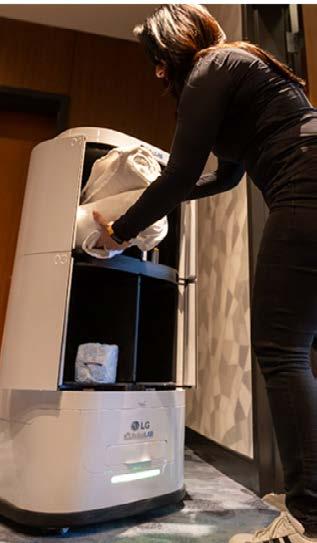

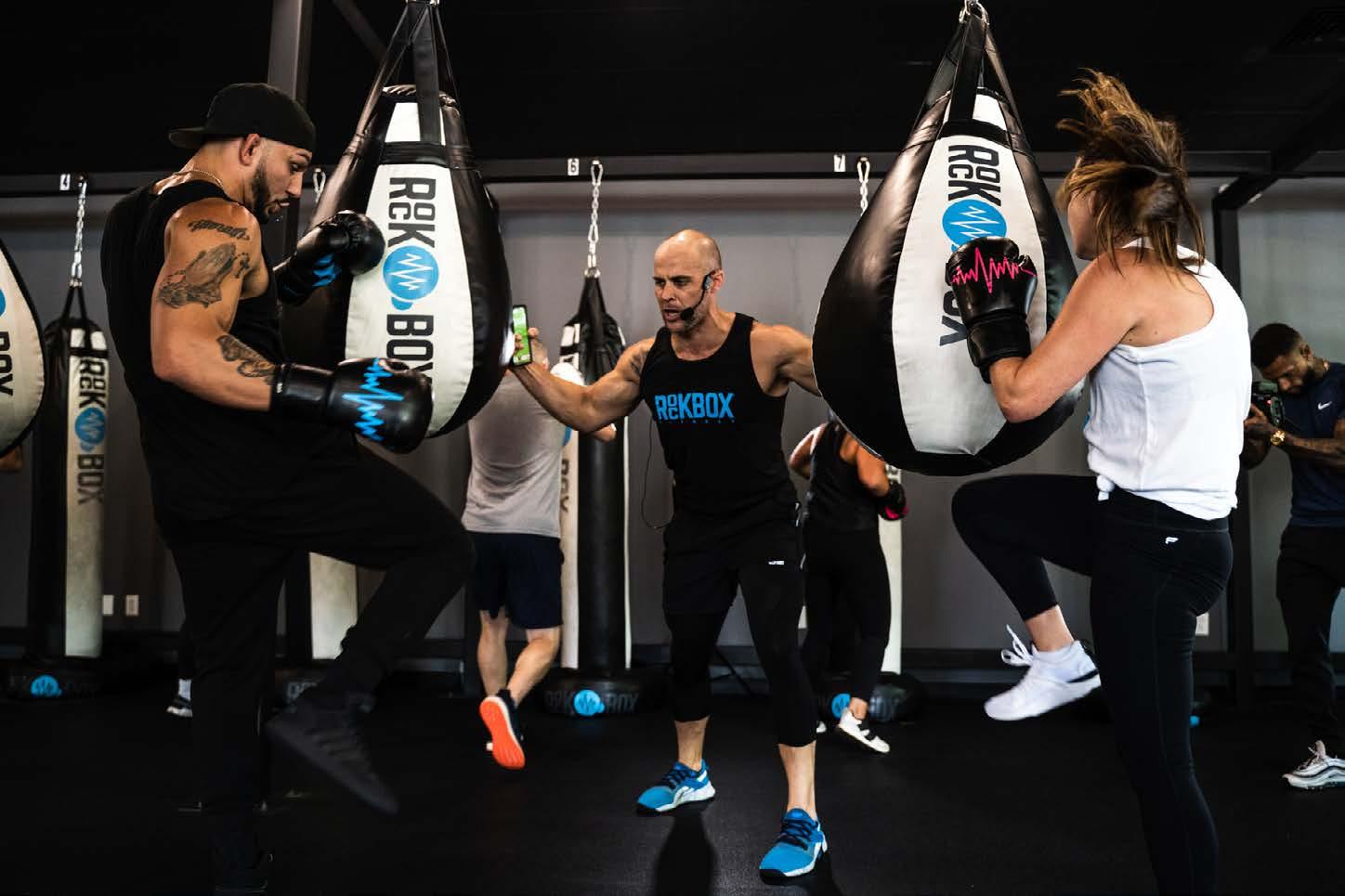

Healthy – USDA reports that American adults are choosing healthier foods such as fruits and vegetables to support a healthier lifestyle. That’s why nearly half of all Millennial and Gen Z consumers buy 3+ entrée salads per week away from home. Saladworks is on-trend.
Simple – Our concept is asset-light, equipment-light and easy to operate. No fryers and no hood means less expensive buildout costs for you. Just chop, slice and dice to serve the tastiest create-your-own salads around. Saladworks is turn-key.
Saladworks is the original create-your-own, fast-casual salad franchise.
Healthy – USDA reports that American adults are choosing healthier foods such as fruits and vegetables to support a healthier lifestyle. That’s why nearly half of all Millennial and Gen Z consumers buy 3+ entrée salads per week away from home. Saladworks is on-trend.
Simple – Our concept is asset-light, equipment-light and easy to operate. No fryers and no hood means less expensive buildout costs for you. Just chop, slice and dice to serve the tastiest create-your-own salads around. Saladworks is turn-key.
Accessible – The fast-casual landscape is overbuilt and cluttered with create-your-own burger, sandwich, pizza, Mexican and smoothie concepts. Landlords are looking for healthy concepts like ours. We have the market, venue, format and footprint you want. Saladworks is available.
Accessible – The fast-casual landscape is overbuilt and cluttered with create-your-own burger, sandwich, pizza, Mexican and smoothie concepts. Landlords are looking for healthy concepts like ours. We have the market, venue, format and footprint you want. Saladworks is available.

Saladworks is the original create-your-own, fast-casual salad franchise.
Healthy – USDA reports that American adults are choosing healthier foods such as fruits and vegetables to support a healthier lifestyle. That’s why nearly half of all Millennial and Gen Z consumers buy 3+ entrée salads per week away from home.
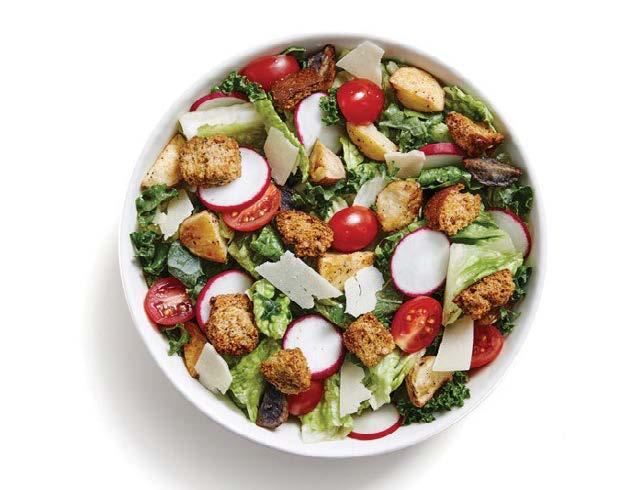
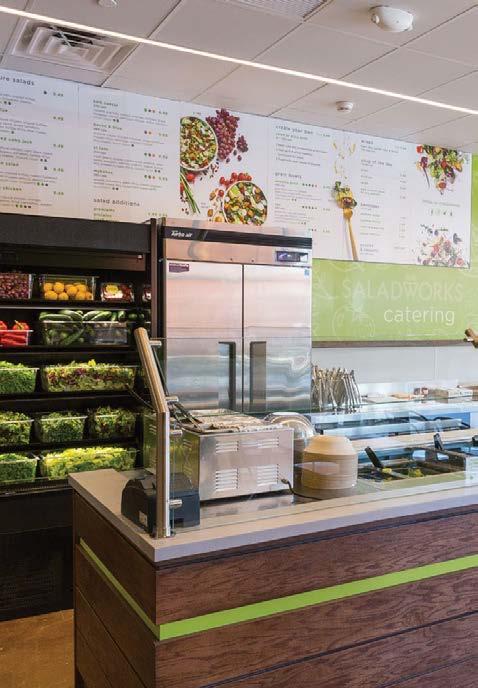

Simple to operate. No fryers and no hood means less expensive buildout costs for you. Just chop, slice and dice to serve the tastiest create-your-own salads around.
Accessible cluttered with create-your-own burger, sandwich, pizza, Mexican and smoothie concepts. Landlords are looking for healthy concepts like ours. We have the market, venue, format and footprint you want.
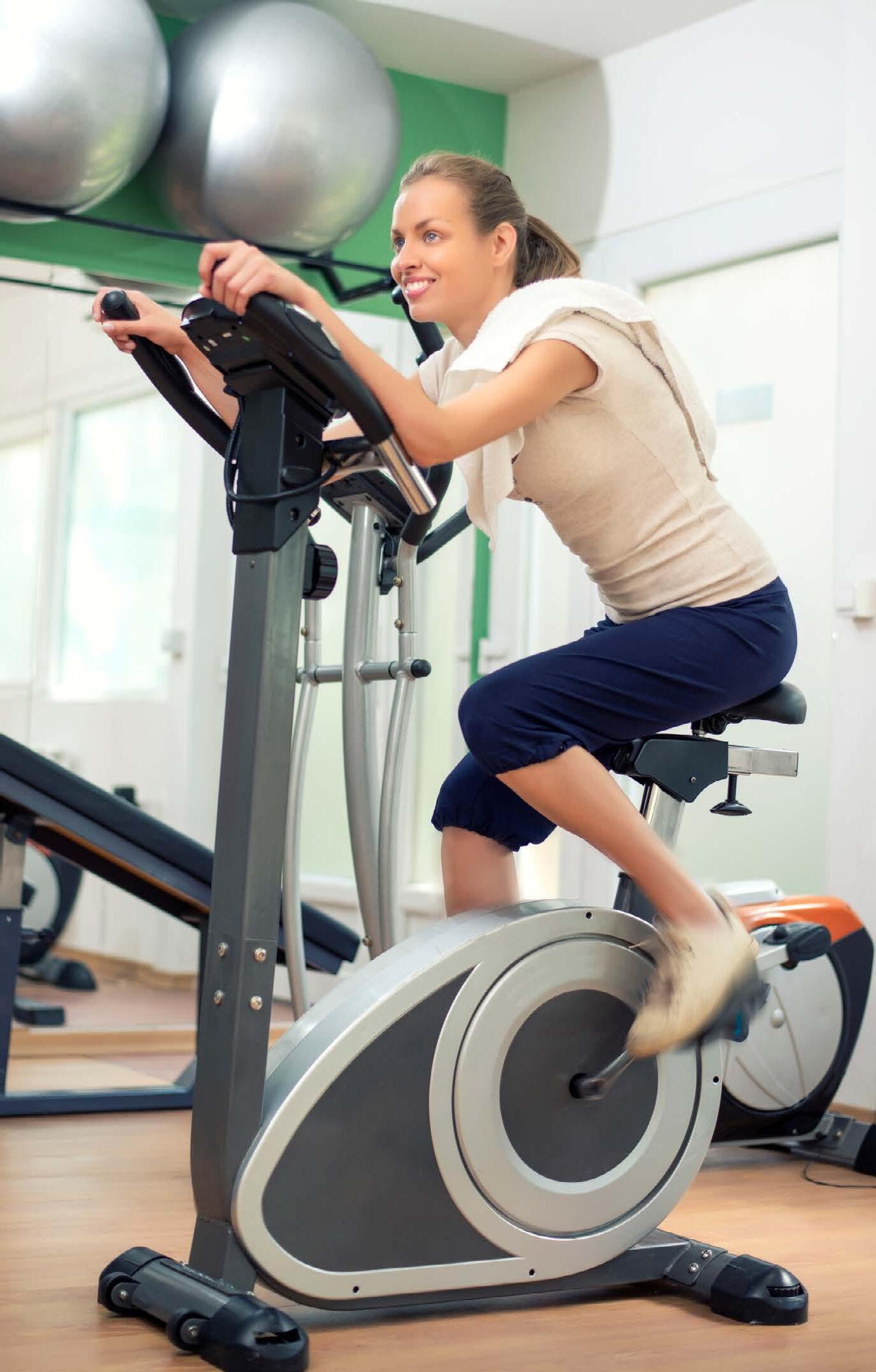





by Dean Savakis, Consultant, The Franchise Consulting Company
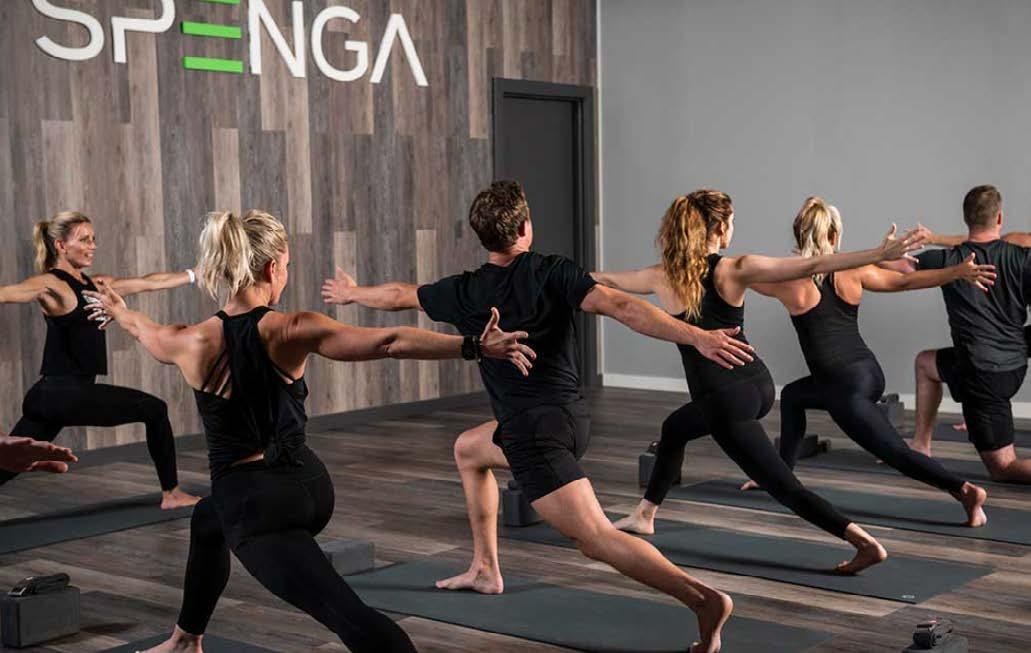
For years, the fitness industry asked people to choose.
Do you want cardio or strength? Do you want sweat or recovery? Do you want a high-energy class or a mindful reset? Do you want to burn calories, build muscle, or improve flexibility?
SPENGA’s answer is simple: yes.
The brand was built around one of the most practical ideas in boutique fitness: combine spin, strength training, and yoga into one 60-minute session, with equal time devoted to each. Twenty minutes of ride. Twenty
minutes of rep. Twenty minutes of revive.
That structure may sound almost too obvious, but that is the point. The best consumer ideas often are.
People are busier than ever. They are more healthconscious than ever. They are also more skeptical than
ever. They have tried big-box gyms, boutique studios, home workouts, apps, trackers, challenges, cleanses, and expensive equipment that eventually became laundry racks. What they want now is not another fitness promise. They want a system that makes sense.
SPENGA gives them one.
The timing is strong because boutique fitness is no longer a niche. The global boutique fitness studio market is estimated at more than $60 billion in 2025 and is projected to grow meaningfully over the next decade. In the United States, boutique fitness is also expanding, with market estimates in the multibilliondollar range and annual growth rates commonly projected in the high single digits to low double digits. The category is maturing, not fading.
That distinction matters.
The first wave of boutique fitness was about intensity and identity. People wanted to belong to the spin studio, the barre studio, the boot
camp, the yoga studio, the boxing gym, or the Pilates brand. Specialization created community, and community created loyalty.
But specialization also created a problem.
A customer who only spins may still need strength. A customer who only lifts may still need mobility. A customer who only does yoga may still need cardiovascular conditioning. A customer who joins three different studios may eventually run out of time, patience, or money.
SPENGA solves that problem by putting the three essential components of fitness into one efficient format.
Cardio. Strength. Flexibility. Not as separate memberships. Not as separate errands. Not as separate identities. One session. One studio. One rhythm.
That is the revolution of the category.
The future of fitness is not about doing more. It is about making the hour count.
In a SPENGA session, the ride creates heat, energy, and
cardiovascular output without the high-impact pounding that can wear people down. The strength portion adds the resistance work that modern fitness consumers increasingly understand they need for muscle, metabolism, posture, longevity, and confidence. The yoga portion restores the body, slows the mind, improves mobility, and gives members something many intense workouts fail to provide: a reason to come back without feeling broken.
That last piece is important. The fitness industry has often confused exhaustion with effectiveness. People were told a workout only worked if they crawled out of the room. But the modern consumer is more educated. They want results, but they also want sustainability. They want to feel strong, not punished. They want to train hard, but still live their life. They want intensity and recovery in the same routine.
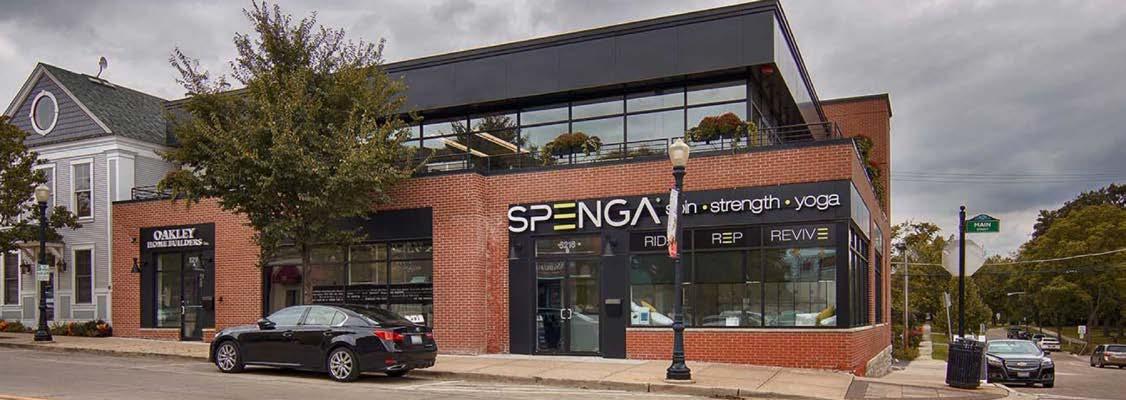
SPENGA’s model fits that shift.
The rise of strength training is one of the clearest trends in wellness. Consumers increasingly understand that muscle is not just about appearance. It is tied to aging, energy, injury prevention, metabolic health, and overall resilience. At the same time, yoga and mobility remain powerful categories because people are dealing with stress, stiffness, screen time, and bodies that need restoration as much as effort.
Indoor cycling, meanwhile, remains one of the most efficient ways to generate lowimpact cardiovascular intensity in a group setting. The music, coaching, lights, and shared effort create an emotional experience that a treadmill alone rarely delivers.
SPENGA brings those three
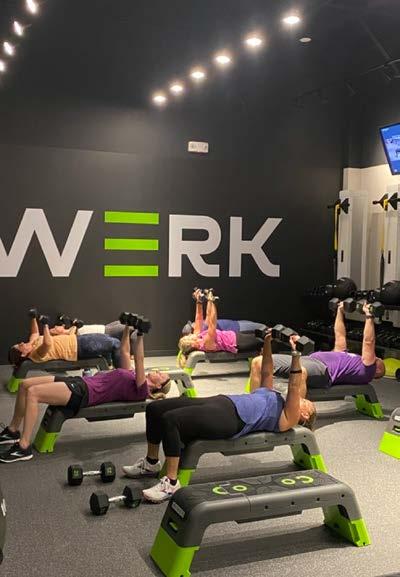
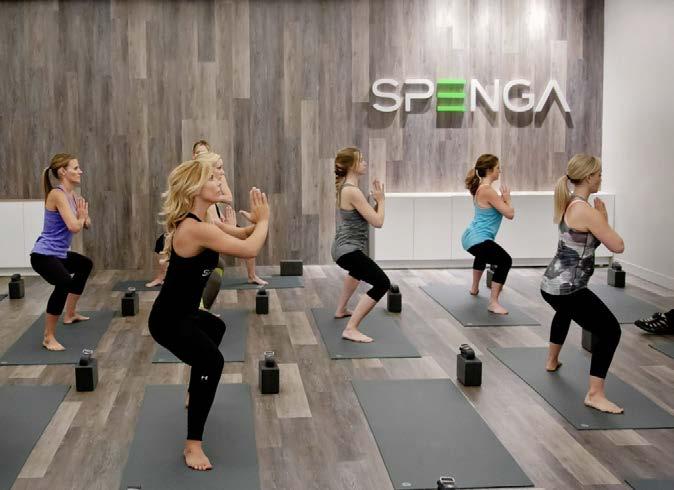
forces together.
For franchise owners, that gives the brand a differentiated position in a crowded market. A typical boutique fitness concept is often built around one modality. SPENGA is built around three, which gives members a more complete value proposition and gives owners a clearer answer to the most important customer question: why should I choose this instead of everything else?
Because it is balanced.
That word is becoming more valuable in fitness.
The customer is changing. Today’s member may be a busy parent who has one hour before school pickup. A professional who needs a workout before the day starts. A former athlete who wants structure without the ego. A beginner who wants coaching without intimidation. A wellness-minded consumer who likes yoga but knows they need more strength. A cardio
loyalist who understands that resistance training matters. Or someone who simply wants to leave feeling better than when they walked in.
SPENGA can speak to all of them without losing its identity. That is not easy.
Fitness brands often become too broad and lose their edge, or too narrow and limit their audience. SPENGA’s advantage is that its format is broad in benefit but specific in execution. The member knows exactly what they are getting every time: 20 minutes of spin, 20 minutes of strength, 20 minutes of yoga.
Predictability is not boring when it delivers results.
It is trust.
The franchise opportunity is also supported by larger wellness trends. Consumers are spending more on health, recovery, longevity, stress management, and communitybased experiences. Digital fitness did not kill the studio; it
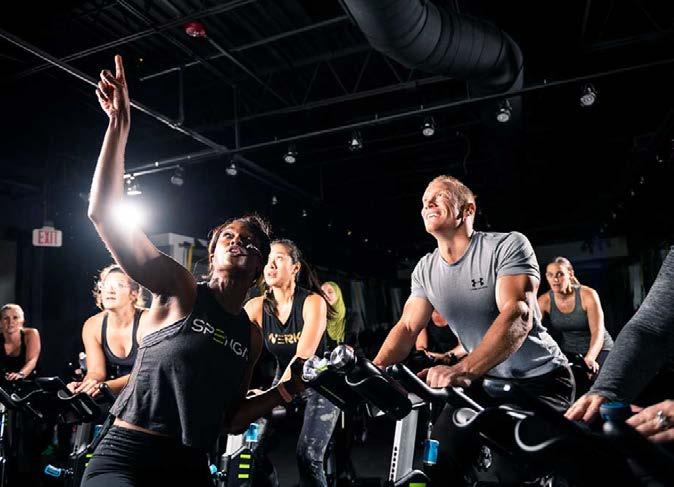
clarified what the studio must provide. If someone can exercise at home, the studio has to offer something better than access. It has to offer coaching, energy, accountability, atmosphere, and a reason to show up.
SPENGA is built around that human factor.
A great instructor can change the room. A strong community can keep members consistent. A clean, branded studio can become part of a person’s weekly identity. The best boutique concepts are not just selling sweat. They are selling an hour where the member feels focused, supported, and reset.
That is why the category is moving toward concepts that combine performance and wellness. The old split between hard training and recovery is breaking down. People want both. They want to push and restore. They want measurable effort and mental release. They want muscle and mobility. They want the energy of a
group class without needing three memberships to get a complete routine.
SPENGA arrived early to that idea.
Now the market is catching up.
The revolution of the category is not that people suddenly want fitness. They always have. The revolution is that people are demanding smarter fitness. They want
CONSUMERS ARE SPENDING MORE ON HEALTH, RECOVERY, LONGEVITY, STRESS MANAGEMENT, AND COMMUNITY-BASED EXPERIENCES.
workouts that respect their time, bodies, and goals. They want something complete enough to replace multiple routines and simple enough to become a habit.
SPENGA’s model answers that demand in a way that is easy to understand and hard to copy well.
Ride. Rep. Revive. Three words. Three disciplines. One hour.
In a fitness industry crowded with noise, that kind of clarity is rare.
And clarity is what wins.
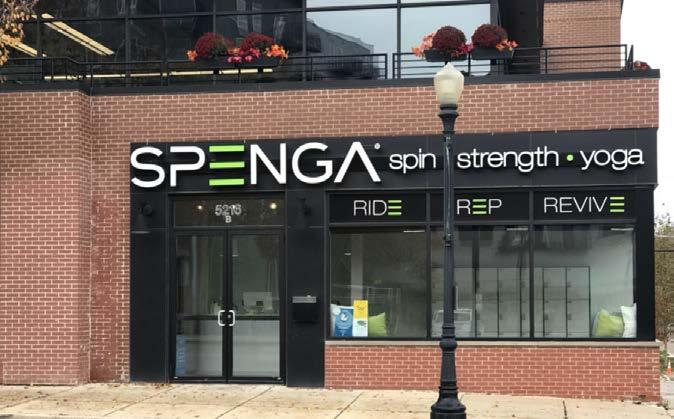
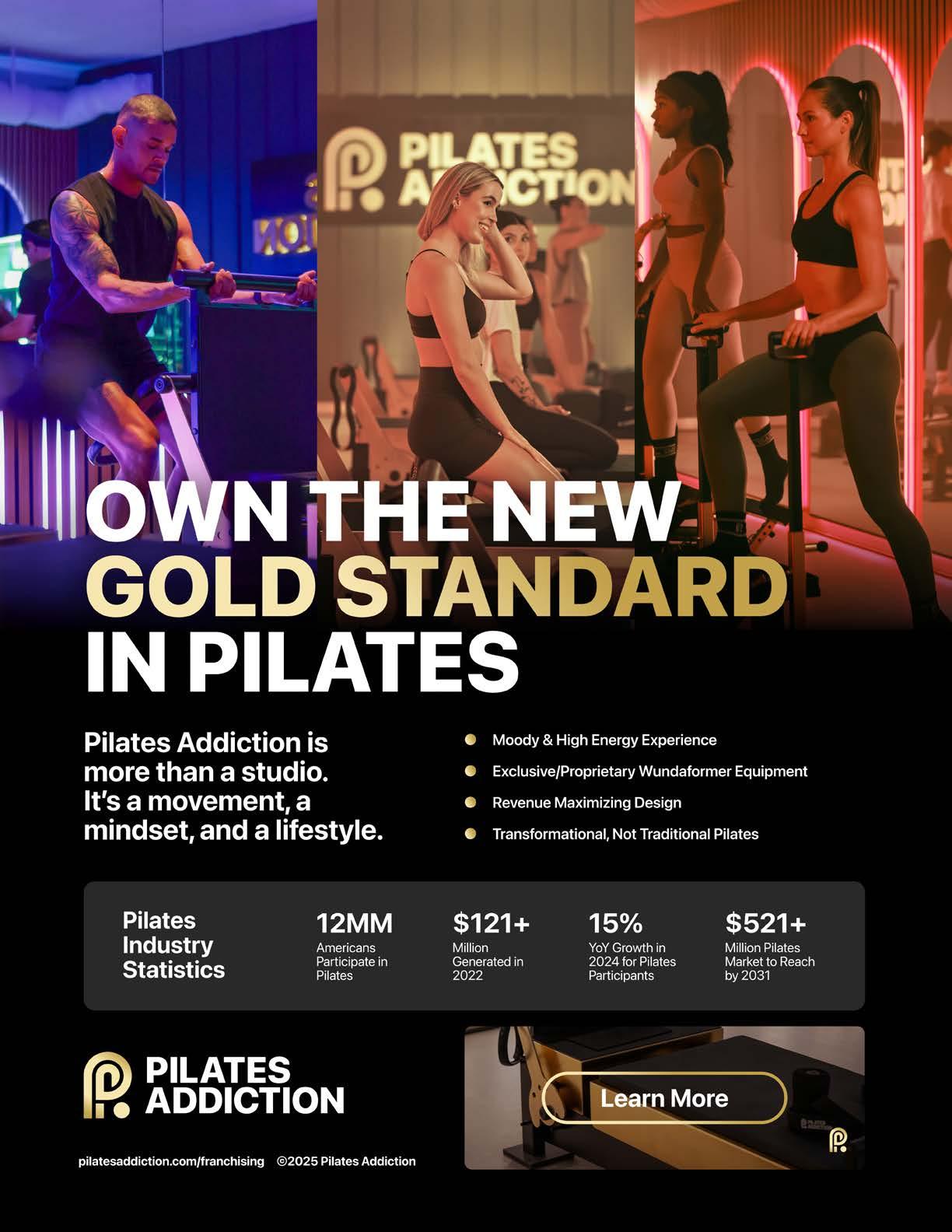
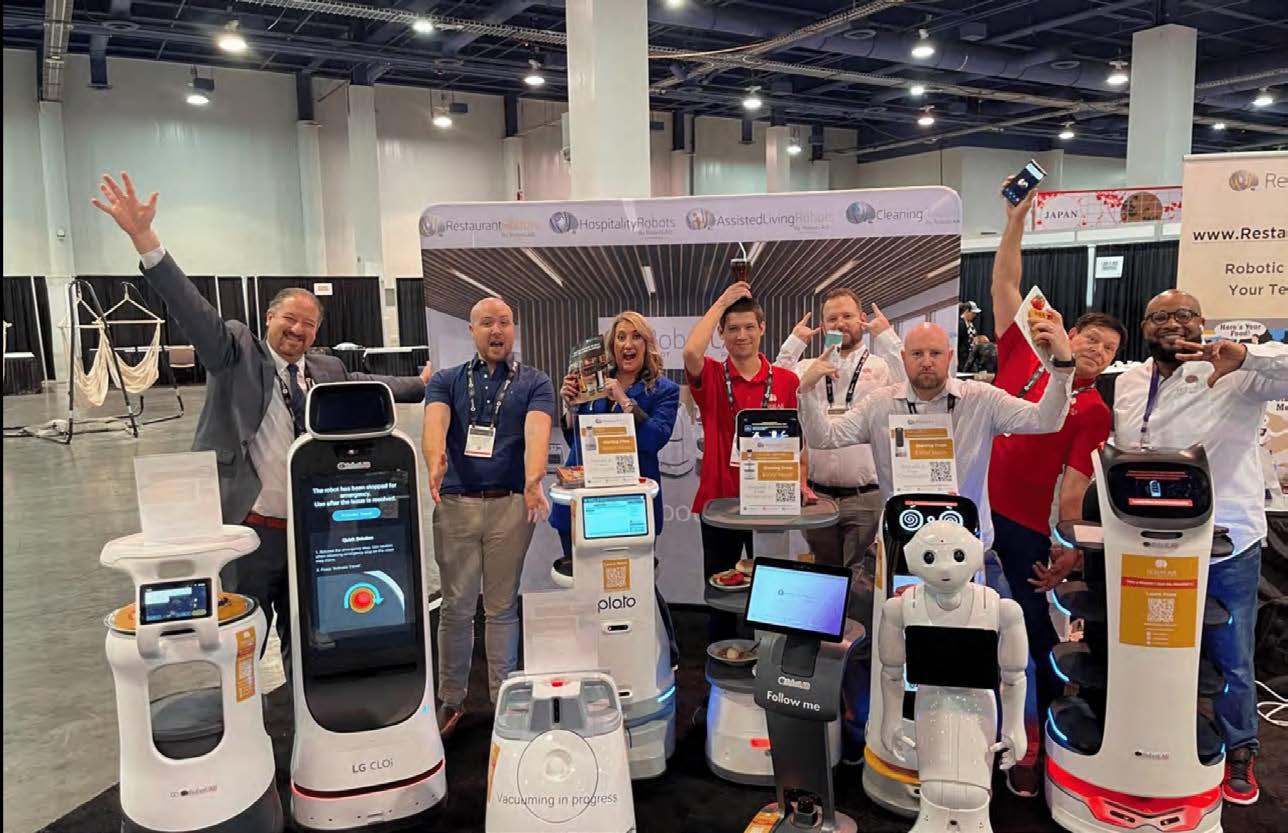
THE
For more than 15 years, RobotLAB has been leading robotics integration by managing and deploying a fleet of over 10,000 robots, making us the largest, most experienced robotics company on the market.
As a result, RobotLAB is the exclusive partner for SoftBank Robotics in North and Latin America, and for LG Robots for the hospitality market.


RobotLAB is the ONLY robot and AI franchise on the market
RobotLAB provides solutions that are not tied to any specific manufacturer and offers robots that are tailored to meet the specific needs of our customers. We only commercialize the best robots that pass our rigorous 50point testing process. Manufacturers are standing in line to get their robots certified.
T TEAM NEEDED: For each salesperson, at least one deployment engineer for demos, and service customers. NO ROBOTICS EXPERIENCE NEEDED!

Delivery: Food Delivery and bussing in restaurants, hotels, assisted living facilities, including room service and elevator integration. And light warehouse deliveries.

- Affordable and scalable business.
- Market to grow 100x in a decade.
- A strong tailwind drives sales

C Cleaning: Floor Cleaning, including vacuuming, mopping (dry and wet), scrubbing, in every commercial environment. Disinfection robots for hospitals.

C Customer S Service: including checking-in, product and service recommendations and upsell, wayfinding, Social Companion at assisted living and hospitals.

Unique, high-value proposition
Executive model/Semi absentee
Low-cost location , light industrial. High profit- margin, recurring revenues
Provide the full suite of sales and services to businesses in the territory; Market, sell, deploy, service, upsell, and repair.
Suitable for: Restaurants, Hotels, Assisted Living Facilities, Gyms, Family Entertainment Centers, Hospitals, K12 Schools, Colleges, Universities, Office Buildings, Hair Salons, Nail Salons, Doctor Offices, Residential Buildings, Car Dealerships, Supermarkets, And Many More!
- Territory Fee: $54.9k - $33.5k
- Item 7 range: $139k-$375k
- Target revenues: $1m/Year 1
- 7% Royalties, 1% Brand, 3% Marketing
- Area-development available
- Cold calling, local marketing included
by Ashley Taylor, President, CRS
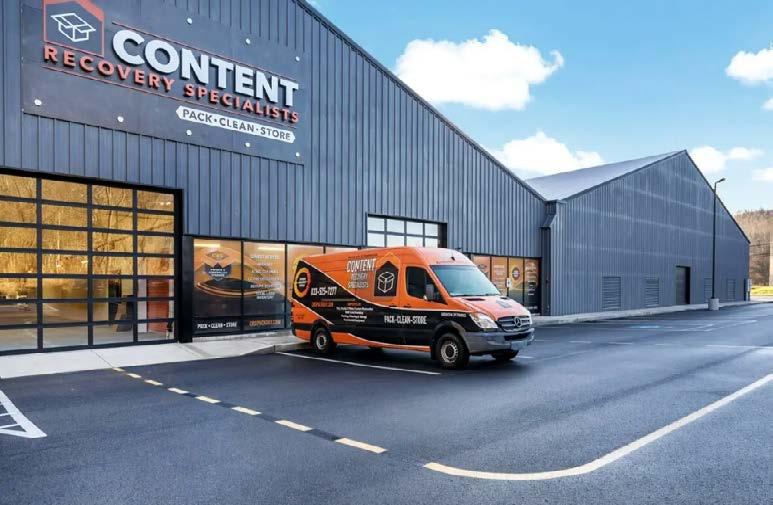
After a fire, flood, hurricane, pipe burst, or major property loss, most people look first at the structure.
Can the building be saved? How much damage is behind the walls? How long will repairs take? What will insurance cover? When can the family move back in, the business reopen, or the property return to normal?
Those are the obvious questions.
But inside the building
is another claim, another business problem, and often another emotional crisis: the contents.
Furniture. Clothing. Electronics. Documents. Medical equipment.
Restaurant supplies. Office files. Inventory. Artwork. Family heirlooms. Tools. Rugs. Photos. Books. Computers. The items that make a house feel like home and make a business function.
Contents are not an afterthought. They are a

massive market, estimated at roughly $165 billion, and one of the most under-improved parts of the property insurance ecosystem.
That is the opportunity CRS Content Recovery Specialists was built to address.
The restoration industry has advanced dramatically over the last two decades. Contractors have better drying equipment. Adjusters have better estimating platforms. Insurance carriers have more data. Brokers have become more sophisticated. Property owners expect faster communication, cleaner documentation, and better results.
But contents recovery has often remained fragmented.
Too often, contents are handled as a burden instead of an asset. Items are packed out, moved, stored, listed, cleaned, replaced, discarded, or left sitting while the larger claim moves forward. The process can be slow, expensive, emotional, and inefficient. Policyholders lose time. Insurers pay more than they should. Brokers deal with
frustrated clients. Restorable items are written off because the system around them was not built for speed or precision.
CRS is helping change that.
The company’s mission is simple: recover, restore, document, and return contents whenever possible, so property owners get their lives and businesses back faster while insurance companies reduce unnecessary replacement costs and claim waste.
That may sound practical. It is also powerful.
In property insurance, the best solutions are the ones that create value for every party in the claim. CRS does that by focusing on a category that touches the customer experience, claim severity, cycle time, documentation, sustainability, and trust.
For the property owner, contents recovery can mean getting back items that matter. Sometimes that is a couch, a dining table, or a wardrobe. Sometimes it is a business computer, a set of tools, a medical device, a commercial mixer, or a box of family photographs that no check can replace.
For the insurance carrier, contents recovery can mean fewer total losses, lower replacement costs, better documentation, and faster claim movement. In an environment where claim costs are under pressure from inflation, labor shortages, weather events, and litigation, every recovered item matters.
For the broker, it means a better client experience. A policyholder who sees action,
communication, and care is more likely to feel served rather than processed.
That is where CRS stands apart. The company is not simply moving boxes. It is bringing process, discipline, and accountability to a category that has needed all three.
The traditional approach to contents can be reactive. A loss happens. Contents are removed. Lists are created. Decisions are made later. The customer waits. The insurer reviews. Costs build. Storage fees accumulate. Replacements are priced. Emotions run high.
CRS is built around a more modern approach.
First, contents are evaluated with the goal of identifying what can be recovered. Then they are documented, packed, transported, cleaned, restored, stored when necessary, and returned in an organized way. The process creates a cleaner path from loss to resolution. Instead of defaulting to

replacement, CRS makes recovery the first question. Can this be saved?
That question changes the economics of a claim.
If a homeowner’s furniture, clothing, electronics, and personal items can be restored instead of replaced, the insurer can avoid unnecessary payout. If a restaurant can recover equipment, smallwares, and operational contents faster, it may reopen sooner. If a business can get critical items returned quickly, the loss becomes less disruptive. If a family gets meaningful property back, the claim becomes less traumatic.
The financial case is important, but the human case is just as important.
After a disaster, people want control. They want answers. They
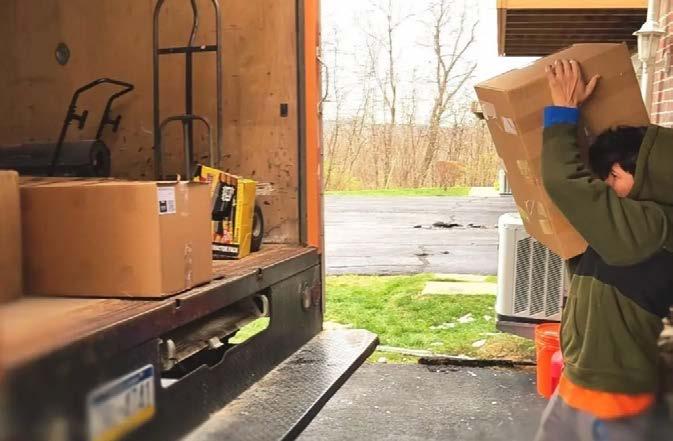
want to know that someone is treating their belongings with care. A property claim is not just a transaction. It is a moment of stress, uncertainty, and often grief. Contents recovery is one of the few parts of the process where a customer can physically see progress. Their property is cleaned. Their items are returned. Their life begins to look familiar again.
That matters.
The category is also being reshaped by technology and data. Better inventory systems, digital documentation, photo records, barcoding, itemlevel tracking, and claim communication tools can make contents recovery far more efficient than it was in the past. The future of this market will not be built on clipboards and confusion. It will be built on transparency, speed, accountability, and measurable savings.
CRS is positioned for that future because it understands the real problem.
The issue is not just cleaning contents. The issue is managing a complex flow of property, information, emotion, and money during one of the most stressful events a customer will ever face.
That requires training. It requires systems. It requires coordination with adjusters, contractors, carriers, brokers, and policyholders. It requires knowing when to restore, when to replace, when to document, and when to move fast.
The companies that win in this space will be the ones that make contents recovery feel less like chaos and more like a professional category.
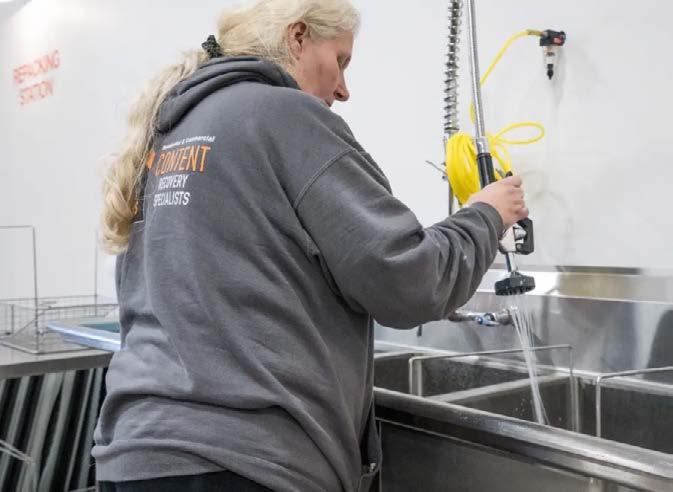
That revolution is already underway.
Insurance carriers are looking for ways to control loss costs without sacrificing service. Property owners are demanding faster outcomes. Brokers are searching for partners who protect their relationships. Environmental pressure is making waste reduction more important. Restoration companies need reliable specialists who can take contents off their plate and handle them properly.
CRS sits in the middle of all of that.
The market is large because the need is universal. Every property has contents. Every loss creates decisions about those contents. Every claim has the potential for waste, delay, and unnecessary cost. And every recovered item represents a small victory for the policyholder and a better economic outcome for the insurance system.
That is why the $165 billion number matters. It is not just
a market size. It is a signal of how much value is trapped in a category that has not yet been fully modernized.
CRS believes that contents should not automatically be thrown away, replaced, or forgotten. They should be evaluated. They should be restored when possible. They should be returned with care. And the entire process should be built to save time, save money, and improve the claim experience.
This is the next chapter of property recovery.
The building matters. The structure matters. The policy matters. But the contents are where people live their lives, run their businesses, and keep their memories.
CRS is proving that when you recover the contents, you recover more than property. You recover value, trust, time, and dignity.
And in a $165 billion market, that is not a niche. It is the future.











Top Reasons to Present Painter Bros to Your Candidates
• Multiple Revenue Streams - Owner/Operator & Semi-Absentee
• Strategic Alliance Partnerships - National Accounts
• Proprietary Technology - Powered by
• Nationwide Coverage

• Recession Proof - Industry revenue expected growth of 3.2%
$1.4 Million
*2022 FDD
FRANCHISE FEE: $65,000
INVESTMENT RANGE: $120k-$300k
TERRITORY SIZE: 250k pop
GROSS PROFIT MARGIN AVG.: 49.8%
CURRENT UNITS: 21 Franchises/43 Territories
*includes corporate
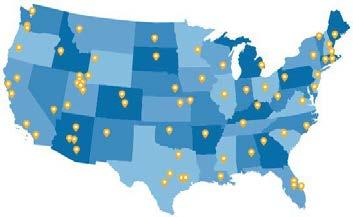
Chief Development Officer Bailey Rayner
385.535.0944 brayner@painterbros.com www.painterbros.com/franchising




*Feb-Nov 2023


















by Kyle Bailey, CEO, GenDev
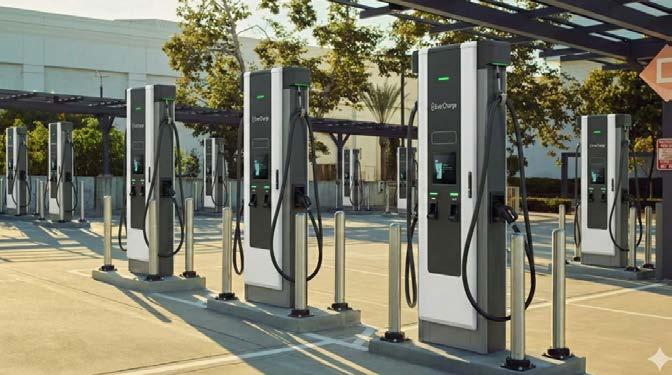
For the past two years, the electric vehicle market has been easy to misunderstand.
Headlines said EV sales were slowing. Automakers pulled back. Dealers had inventory on the lot. Some consumers hesitated. Critics declared the category overhyped.
But that is not the whole story.
What really happened is that the EV market moved from novelty to normalization. The early adopters already bought. The next wave of buyers became more practical. They asked harder questions. Where do I charge? What does it cost? Is the infrastructure reliable? Can I take a road trip? Can my apartment, office, hotel, retail center, condo building, or
parking garage support this?
That is where the next opportunity lives.
4EverCharge is built around a simple idea: EV adoption does not succeed because people like technology. It succeeds when charging becomes easy, visible, available, and profitable for the property owners who host it.
Oil prices have reminded the country that energy independence is not an abstract conversation. When gasoline moves higher, consumers feel it immediately. Families rethink their monthly transportation costs. Fleet operators look harder at total cost of ownership. Businesses with vehicles start asking whether electricity gives them more control than fuel markets. The higher and more
volatile oil becomes, the more valuable it is to own part of the infrastructure that gives drivers another option.
That does not mean every American will buy an EV tomorrow. That is not how markets mature. EV adoption slowed because the industry ran ahead of the infrastructure in many places. Consumers were not rejecting the technology as much as they were reacting to friction. Charging had to get better. Locations had to get better. Reliability had to get better. The business model had to get more local.
Now the market is finding its footing again.
The first EV wave was mostly about the car. Tesla changed the conversation. Legacy automakers followed. Luxury buyers, tech buyers, and environmentally motivated buyers stepped in first. The second wave will be about access. Charging stations will become part of the real estate fabric of America, much like Wi-Fi, security cameras, lighting, and card readers became expected features of commercial property.
That is the opening for
4EverCharge.
The company is positioning itself not as a car company, not as a utility, and not as another gadget seller. It is a local infrastructure business. Its franchise model gives owners the ability to develop EV charging locations across commercial and residential properties, working with landlords, developers, hotels, shopping centers, office parks, multifamily communities, and other real estate owners that need charging but may not know where to begin.
The timing matters.
The federal government’s NEVI program, created to support the rollout of a national EV charging network, has been through stops and starts. But the broader direction is clear: public money is still pushing charging infrastructure forward, and many programs can support a major portion of eligible project costs. State agencies are reopening applications, property owners are paying attention, and the market is moving from speculation to deployment.
For entrepreneurs, this creates a rare mix: a growing category, public policy support, fragmented local demand, and a service that property owners increasingly need but often do not want to manage themselves.
That is where a franchise system can make sense. Most property owners do not want to become EV charging experts. They do not want to study hardware options, installation requirements, utility coordination, software
platforms, maintenance, payment systems, uptime standards, grant applications, and customer support. They want someone credible to show up, explain the economics, install the right system, and keep it working.
4EverCharge can fill that gap.
The best franchise opportunities often sit at the intersection of national change and local execution. A national trend creates demand. Local operators convert that demand into relationships, sites, revenue, and trust. EV charging is exactly that kind of market.
A 4EverCharge owner does not need to convince America that EVs exist. That work has already been done. The job is more practical: find the properties where charging makes economic sense, help the owner understand the upside, coordinate installation, and build a network that produces recurring value over time.
For hotels, EV charging can attract guests. For apartment communities, it can help retain tenants. For retail centers, it can increase dwell time. For office buildings, it can support employees and visitors. For fleet operators, it can lower long-term fuel exposure. For municipalities and publicfacing properties, it can show investment in modern infrastructure.
The market has also become more realistic. That is healthy. Easy money and hype create bad businesses. Discipline creates durable ones. The EV sector is now asking better questions about utilization, location quality, uptime,
pricing, grants, and longterm maintenance. Those questions favor operators who are trained, supported, and focused on execution.
4EverCharge is not selling a dream about tomorrow. It is building around a visible need today.
Gas prices remain a pressure point. EV adoption is no longer a straight-line story, but it is not going away. NEVI and related infrastructure programs are back in the conversation.
Automakers continue to invest. Consumers continue to compare costs. Property owners continue to ask what they should do next.
The answer may be sitting in their parking lot.
For entrepreneurs looking at the next decade, the opportunity is not simply to own chargers. It is to own the local relationships, the site pipeline, the installation process, and the ongoing service layer around one of the biggest shifts in transportation.
That is the bet behind 4EverCharge.
Not that every car will be electric overnight. Not that oil disappears. Not that the market moves in a perfect line.
The bet is that charging will become normal. And when something becomes normal, somebody has to build it, sell it, maintain it, and make it work locally.
That somebody may be the next generation of 4EverCharge franchise owners.
•Full-service Wellness Studio offering mind/body recovery
•First franchise to offer “Contrast Therapy” (Sauna/Cold Plunge) with EIGHT unique revenue streams: Cryotherapy, IV Drip, Cold plunge, Float, LED light therapy, Sauna, Normatec & Retail
•Minimal employee ownership model
•Four corporate units open in Los Angeles with a fifth in development
•Broad retail offerings focused on Sleep, Stress/Anxiety, Clean Beauty, Detoxification and Immunity, brands include Moon Juice, Bee Keepers, Osea, Quick Silver Scientific
•Top performing studio revenue: $1,975,984 in 2022
•Top performing Net Margin: 35% (After a 7% royalty deduction)
•2,600-3,000 sq.ft
• 50+ licenses awarded with markets available: San Diego, San Francisco, Houston, and New York.

for further detail. Past performance is not a guarantee of future results. Individual results may vary.

The Nation’s Leading Recruiting Franchise Specializing in Hospitality, Restaurant and Executive Search. Escape the corporate grind and build a business that empowers others to thrive. As a Patrice & Associates franchisee, you’ll step into a high-demand industry with low overhead, flexible work-from-anywhere operations, and a mission-driven model that transforms lives.
Be Your Own Boss: Without Starting from Scratch Leverage our 30+ years of experience, national brand recognition, and proven systems to build your own business with confidence.
Executive Model: Your Patrice & Associates business is fully remote, professional, and scalable, designed to create freedom on your own terms.
Make a Difference Daily: You’re not just filling jobs; you’re changing lives. Help candidates land life-changing roles and help companies find the talent they need to grow.
Recurring Revenue and Real Impact: Earn placement fees every time your recruited candidates are hired—and build client relationships that keep your pipeline strong.
National Accounts Program: Start filling jobs already open through our network —our franchisees can fill roles for brands like Panera, Chick-fil-A, and more.
Exclusive Territory + Open Client Access: Operate in your assigned area but earn revenue from national clients across the U.S.
Low Investment, High Potential: Home-based business, no employees required, and fast potential path to revenue.
Cutting-Edge Tools and Training: From AI and automation to advanced recruiter training, you’ll be equipped for success.
Comfortable building relationships
Passionate about people
Enjoys speaking on the phone on a daily basis
Strong follow-through skills
Great time management and self-discipline
Ability to work independently
Tech-Savvy

by Michael Stavrinakis, Consultant, The Franchise Consulting Company
For years, workplace drug testing was treated like an administrative burden.
A company hired someone. Human resources handed over paperwork. The employee drove to a clinic, waited in a lobby, took the test, and the employer waited for the result. If there was an accident after hours, a supervisor scrambled to figure out where to send the employee. If a driver needed a DOT test, someone had to stop the workday, leave the jobsite, and hope the process was handled correctly.
That old model is starting to look outdated.
The modern workforce is faster, more mobile, more regulated, and more exposed to risk than ever before.
Construction crews are spread across jobsites. Trucking fleets run at all hours. Warehouses operate overnight. Utilities, manufacturers, municipalities, schools, logistics companies, and contractors cannot afford downtime. They also cannot afford mistakes.
That is where Complete Mobile Drug Testing comes in.
Complete Mobile Drug Testing was built around a simple but powerful idea: bring compliant drug testing,
alcohol testing, background screening, fingerprinting, and related services directly to the employer, the jobsite, the fleet yard, or the individual who needs them. Instead of forcing companies to work around the testing process, CMDT brings the process to the company.
That may sound like a convenience. In reality, it is becoming a workplace safety necessity.
The drug screening market is large and growing. The U.S. drug testing market was
estimated at approximately $2.6 billion in 2025 and is projected to continue expanding in the years ahead. Globally, drug screening is now a multibillion-dollar market, with estimates near $10 billion in 2025 and continued growth projected as employers, regulators, and safety-sensitive industries demand more reliable screening.
But the real story is not just market size.
The real story is complexity. Employers are trying to
operate in a world where marijuana laws vary by state, fentanyl remains a national crisis, post-accident testing is under greater scrutiny, and regulated industries still face strict requirements. At the same time, labor shortages make every lost hour more expensive. A worker sitting in a clinic lobby is not producing. A driver waiting for clearance is not moving freight. A supervisor chasing paperwork is not running the operation. The old system creates friction at the exact moment employers need speed and certainty.
Complete Mobile Drug Testing removes that friction. The company provides 24/7 mobile service, including DOT and non-DOT drug testing, alcohol testing, after-hours testing, background screening, DNA testing, fingerprinting, and third-party administration support. It serves employers that need certified professionals, clear chain-ofcustody procedures, compliant collections, and quick results without shutting down the workday.
That model is especially important for DOT-regulated employers. Transportation is one of the clearest examples. Commercial drivers, fleet operators, owner-operators, and companies regulated by agencies such as FMCSA, FAA, FRA, FTA, PHMSA, and USCG must follow strict testing rules. Pre-employment, random, reasonable suspicion, returnto-duty, follow-up, and postaccident testing are not optional details. They are part

of the operating license of the business.
When testing is mishandled, the risk is not just administrative. It can become legal, financial, reputational, and human.
CMDT helps employers stay compliant without turning compliance into chaos.
The company’s mobile model is also a better fit for the way many industries actually work.
A construction company may have 40 people on one site in the morning and a different crew across town in the afternoon. A logistics company may need testing before
dawn. A manufacturer may have a second-shift incident at midnight. A municipality may need an urgent post-accident test on location. A small fleet owner may need help managing random testing without a full compliance department.
In each case, the problem is the same: testing needs to happen fast, correctly, and with minimal disruption.
That is the opportunity.
The workplace has changed. The testing model has to change with it.
One of the most important trends driving this change is the rise of on-site and mobile workforce services. Employers have become accustomed to bringing solutions directly into the workplace. Safety training, occupational health, background checks, compliance programs, telehealth, remote onboarding, and digital HR tools are all moving closer to the employer. Drug testing is part of that same shift.
Companies no longer want fragmented vendors. They want a partner that can handle the details. Complete Mobile Drug Testing is positioned as that partner.
The company has been operating since 2011 and presents itself as a trusted service provider for employers, including large organizations and regulated industries. Its value is not simply that it can collect a specimen. Many companies can do that. The value is in making the process easier, faster, compliant, and available when the employer actually needs it.
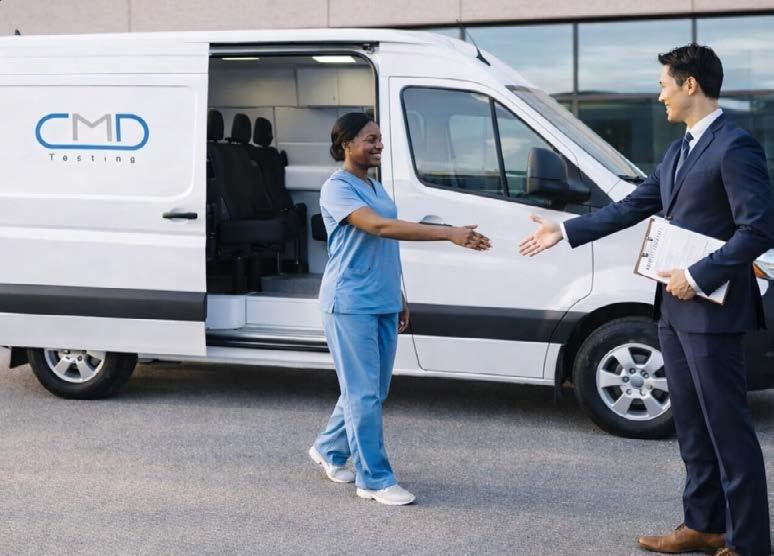
That matters because the statistics are moving in the wrong direction for employers.
Workplace drug testing data continues to show meaningful positivity rates across the workforce. Marijuana remains one of the most commonly detected substances.
Fentanyl has become a growing concern in random workplace testing. Postaccident positivity remains an important warning sign. At the same time, attempts to tamper with drug tests have increased, making professional collection and chain-ofcustody procedures even more important.
This is the environment employers are operating in. It is not enough to have a policy in a handbook. The policy has to work in the real world.
That means supervisors must know what to do after an accident. HR must be able to schedule quickly. DOT employers must be able to
document compliance. Random testing must be handled properly. After-hours situations must not fall apart because a clinic is closed. Employees must be treated professionally. Results must move efficiently. The employer must be able to prove that the process was handled the right way.
That is why the category is ready for a revolution.
For too long, drug testing has been viewed as a defensive requirement. Complete Mobile Drug Testing reframes it as an operating advantage. A strong testing and screening program can help reduce risk, protect employees, lower liability exposure, support insurance and compliance objectives, and create a safer, more accountable workplace.
The best employers do not test because they want to catch people. They test because they want to protect people.
They want drivers who are safe. Jobsites that are controlled.
Warehouses that are productive. Fleets that are compliant. Supervisors who have support. Employees who understand expectations. Customers who trust the company. Families who know their loved ones are working in an environment where safety matters.
That is the bigger story behind Complete Mobile Drug Testing.
The company is serving a market that is growing because the need is growing. More regulation. More legal complexity. More substancerelated risk. More pressure on employers to move faster while staying compliant. More demand for services that come to the workplace instead of pulling workers away from it.
The next generation of drug testing will not be built around waiting rooms.
It will be built around speed, mobility, documentation, compliance, and service.
Complete Mobile Drug Testing is part of that shift. It gives employers a practical way to protect their workforce, support their compliance programs, and keep business moving. It turns a slow, fragmented process into a professional service that meets companies where they are.
The revolution of the category is here because the workplace cannot afford the old way anymore.
Safety is no longer a poster on the wall. Compliance is no longer a file in a drawer. Drug testing is no longer just a box to check.
It is part of how serious companies operate.
And Complete Mobile Drug Testing is helping define what that standard looks like.


At Limitless Franchise Growth, our mission is to transform exceptional emerging franchisors into iconic brands, empowering them to achieve national expansion and market dominance. We are dedicated to unlocking their growth potential and enhancing the lives of small business owners and their communities with integrity and excellence.

PEOPLE
W e l e v e r a g e a t e a m w i t h
a p r o v e n t r a c k r e c o r d o f
s u c c e s s , c o m b i n i n g
e x p e r i e n c e a n d e x p e r t i s e
r e s u l t s .




After opening in 2017, 1611 Indoor Golf Club has quickly become the premier golf game improvement and entertainment facility in the Dallas- Fort Worth Metroplex. We offer something for golfers of all skill levels. Improve your golf skills using our state-of-the-art tracking Trackman technology or grab a drink at our full bar and choose from over 200+ world famous courses to play a full round.
by Joe

For most of American history, the end of a pet’s life was handled quietly. A family dog passed away. A cat got sick. A child lost the animal that had slept at the foot of the bed for 12 years. People grieved, but the process around that grief was often informal, rushed, or hidden behind a veterinary counter. That world is changing fast. Pets are no longer treated as animals that simply live in the house. They are family members. They travel with us, sleep next to us, appear in our holiday cards, eat specialized food, receive advanced medical care, and increasingly occupy the same emotional space once reserved only for human relationships.

The pet economy reflects that shift. Americans spent approximately $158 billion on their pets in 2025, and the market is projected to reach approximately $165 billion in 2026. Pet ownership remains massive, with roughly 95 million U.S. households owning at least one pet. That is not a niche. That is one of the most powerful consumer categories in the country.
But there is one part of the pet industry that has lagged behind the rest of the market: end-of-life care.
Resting Rainbow was created to change that.
The company operates in pet funeral, cremation, memorial, and aftercare services, a category that is becoming more important as pet owners demand dignity, transparency, and emotional support at the end of a pet’s life. For decades, pet death was treated as an operational event. Resting Rainbow believes it should be treated as a family moment. That distinction matters.
A pet owner who spends
years caring for an animal does not want a cold, confusing, or impersonal experience when that animal passes. They want to know who is handling their pet. They want clear choices. They want compassion. They want memorial products that feel worthy of the relationship. They want to feel that their pet’s final chapter was handled with care. That is the opening for a brand like Resting Rainbow. The company sits at the intersection of several powerful trends: the humanization of pets, rising spending on pet services, growth in pet memorial products, increased awareness of cremation, and the need for local, trusted aftercare providers. At the same time, the category is still fragmented. Many markets lack a polished, consumerfriendly, emotionally intelligent provider that can serve families, veterinarians, shelters, rescue groups, and pet businesses with consistency. That is where franchising becomes powerful.
Resting Rainbow is building a national brand in a deeply local business. Pet loss happens in every community. Every veterinary office,
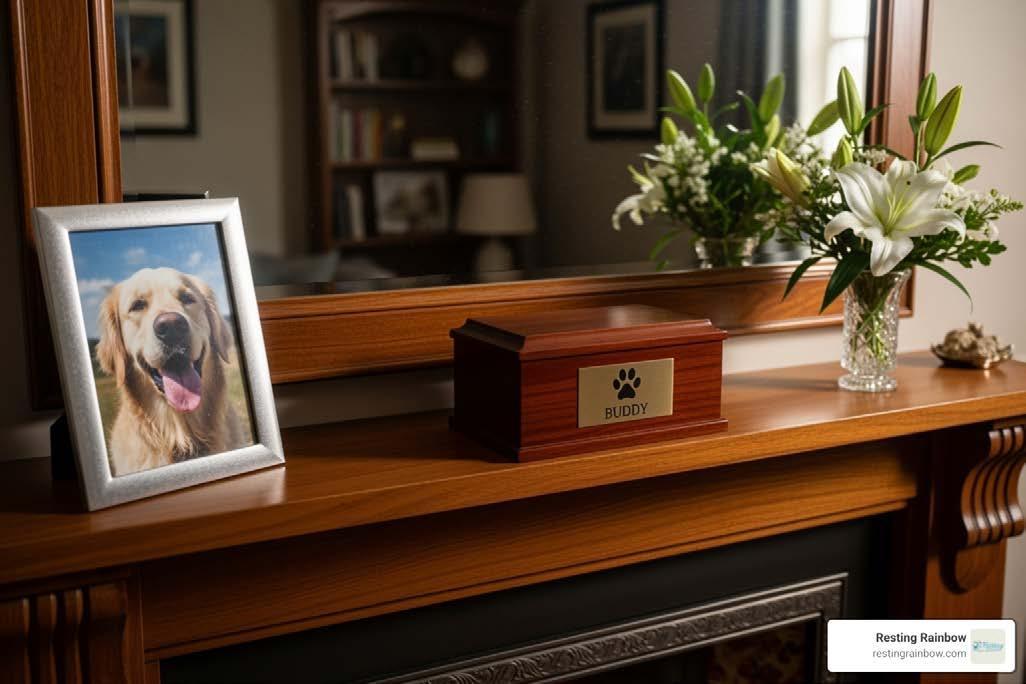
animal hospital, emergency clinic, rescue organization, grooming business, and pet family eventually encounters it. The demand is local, emotional, and recurring.
The opportunity is to bring a professional system to a category that has historically been handled by small operators, back-of-house vendors, or providers that were never built around the pet parent experience.
Resting Rainbow is moving quickly because the market is ready.
The brand has evolved rapidly from a concept into a growing franchise system, with franchisees opening and territories developing across the country. The reason is simple: the unitlevel demand is visible. Pet
WHEN A FAMILY CAN FIND A DIGNIFIED URN, A KEEPSAKE, OR A MEMORIAL PRODUCT THROUGH A TRUSTED NATIONAL PET PLATFORM, IT VALIDATES THE CATEGORY.
owners already need these services. Veterinarians already need reliable aftercare partners. Families already
buy urns, keepsakes, paw prints, memorial jewelry, and cremation services. The question is not whether the need exists. The question is who will serve it best.
In many franchise categories, the operator has to spend years educating the customer on why the service matters. Resting Rainbow does not have that problem. Pet loss is unavoidable. The need is immediate. The customer is motivated. The emotional stakes are high. And the service must be handled correctly the first time.
That creates a different kind of business opportunity.
This is not just a retail concept. It is not just a cremation business. It is not just a memorial products company. It is a full aftercare platform.
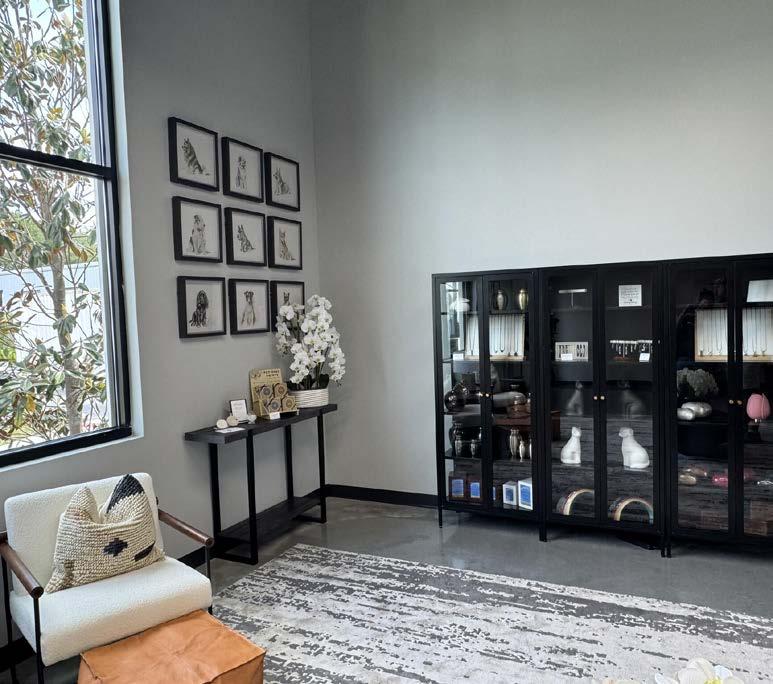
The best Resting Rainbow franchisees can build relationships with veterinary practices, emergency clinics, shelters, rescue groups, groomers, breeders, pet insurance partners, pet retailers, and local communities. They can serve families directly. They can become the trusted aftercare provider in their market. They can also offer memorial products that help pet owners keep a meaningful connection to the pet they loved.
One of the most important signs of the brand’s evolution is its relationship with Chewy.com.
Chewy has become one of the most trusted names in pet retail by understanding something fundamental: pet owners do not buy pet products the way they buy ordinary household goods. They buy with emotion. They buy with loyalty. They buy from brands that make the pet parent experience easier and more personal.
Resting Rainbow’s products being available through Chewy signals that pet memorialization is moving into the mainstream pet economy. Urns, keepsakes, and aftercare products are no longer hidden in a side catalog or presented as an uncomfortable final step. They are becoming part of the full lifecycle of pet ownership.
That is a major shift.
When a family can find a dignified urn, a keepsake, or a memorial product through a trusted national pet platform, it validates the category. It tells the customer that honoring a pet is normal. It tells the market that aftercare is not an afterthought. And it gives Resting Rainbow a broader brand presence beyond any single location.
The franchise side of the business benefits from that same brand lift.
A local Resting Rainbow
franchisee is not starting from zero. The broader pet economy is already educating consumers. Chewy and other major players have already helped normalize high-quality pet products and services. Veterinary care has already become more sophisticated. Pet insurance has grown. Grooming, boarding, daycare, nutrition, and wellness have all become major categories. Endof-life care is the next logical step.
The revolution of the category is here because pet owners are demanding it.
They do not want the cheapest possible ending. They want the right ending. They want honesty. They want kindness. They want options. They want to know that the ashes they receive are handled properly. They want to choose a memorial that reflects the bond they had. They want to feel seen during one of the most painful moments of pet ownership.
That emotional reality is also what can drive fast cash flow for well-run locations.
The market is large, the need is constant, and the referral channels are identifiable. A franchisee who builds strong veterinary relationships, responds quickly, delivers a compassionate customer experience, and offers quality memorial products can become a meaningful local provider in a relatively short period of time. Unlike many emerging consumer businesses, the customer need is not speculative. Every pet owner will eventually face this moment.
Scale matters here.
A single location can serve a community. A franchise network can help standardize trust across many communities. That is the goal for Resting Rainbow: to bring consistency, compassion, and professionalism to pet aftercare while giving local owners the tools to build real businesses in their territories.
The broader industry numbers point in the same direction. Pet spending continues to rise. Pet ownership remains deeply embedded in American life. Younger generations often treat pets as children. Older generations rely on pets for
companionship. Households without children often center their lives around animals. Empty nesters, retirees, single professionals, and families all participate in this economy.
As the bond grows stronger, the goodbye becomes more important.
Resting Rainbow is not trying to create grief. It is trying to serve it better.
That is the heart of the business.
A family that loses a pet needs more than a transaction. A veterinarian needs more than a vendor. A franchisee needs more than a logo. The category needs standards.
Resting Rainbow is building
those standards into a brand that can grow nationally while still feeling personal in each local market.
The future of pet aftercare will be more transparent, more compassionate, more professional, and more integrated into the broader pet economy.
Resting Rainbow is helping lead that shift.
The pet industry has already transformed food, medicine, grooming, daycare, retail, insurance, and wellness. Now it is transforming the final goodbye.
And for the families who loved their pets like family, that change is long overdue.


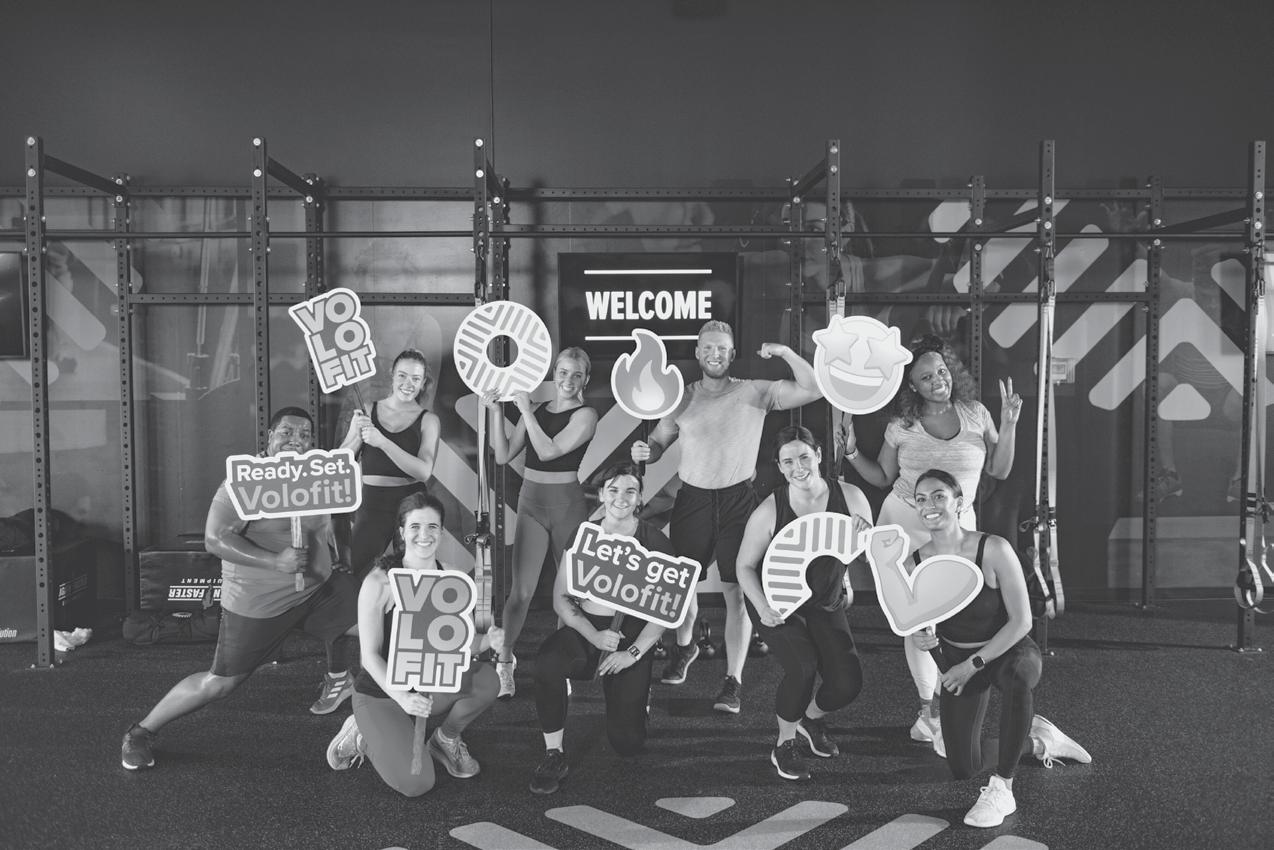
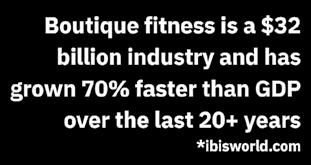







by Joanna Chanis, Consultant, The Franchise Consulting Company
For years, the fitness industry was split into two simple lanes. There were gyms for adults who wanted to lose weight, build muscle, or stay healthy. Then there were sports teams, school programs, and private coaches for young athletes who wanted to get faster, stronger, and more competitive.
D1 Training sits in the middle of those worlds and may be arriving at exactly the right moment.
The brand is built around a clear promise: train like an athlete. Not just for the elite high school quarterback, the college prospect, or the former professional player trying to stay sharp. D1 is designed for kids, adults, teams, and everyday people who want a structured, coach-led environment based on Division 1 strength and conditioning principles. That matters because the market has changed.
Parents are spending more on youth sports than ever before. The youth sports economy is now commonly estimated in the tens of billions of dollars, with families investing in travel teams, private lessons, camps, tournaments, nutrition,

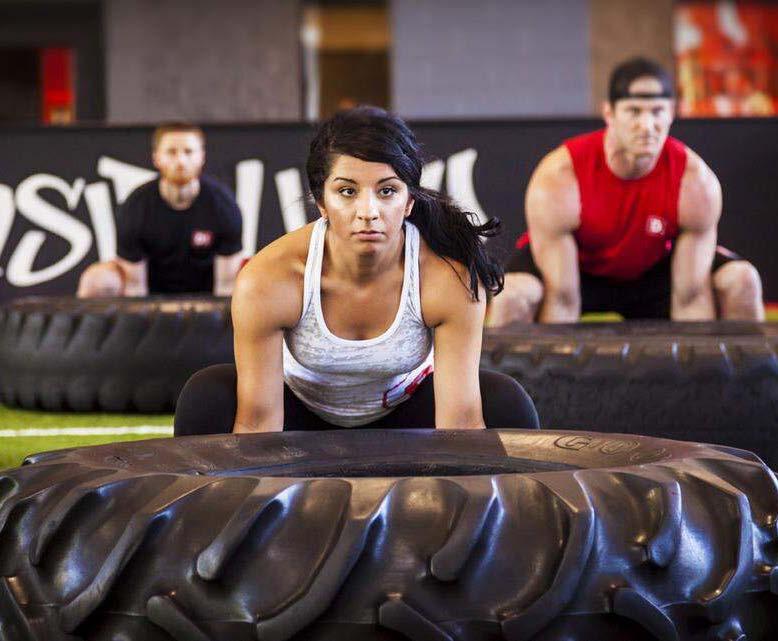
recovery, and performance training. At the same time, the broader fitness industry continues to move away from anonymous rows of machines and toward specialized, highaccountability concepts.
Boutique fitness in the U.S. is estimated in the multibilliondollar range and projected to grow steadily through the end of the decade.
The result is a new category: athlete-style training for the
mainstream consumer.
That is where D1 has planted its flag.
Walk into a D1 facility and the difference is obvious. This is not a big-box gym where members disappear behind headphones and wander from one machine to the next. It is coach-led. It is organized. It has turf, racks, sleds, speed work, strength work, movement, energy, and structure. It feels less like a
health club and more like a training facility.
That distinction is important. The modern fitness customer does not just want access. Access is cheap. Access is everywhere. A consumer can join a low-cost gym, watch free workouts online, buy equipment for the garage, or download an app in seconds. What people increasingly want is guidance.
They want coaching. They want accountability. They want programming. They want a place that makes them feel part of something. For adults, that may mean getting stronger, losing weight, rebuilding confidence, or training with the energy they remember from sports. For kids and teens, it may mean improving speed, agility, strength, coordination, confidence, and character.
D1’s advantage is that it does not have to choose between those audiences.
The brand serves youth athletes, scholastic athletes, adults, teams, and high performers. Its programs include group training, personal training, small group training, team training, and pro-level preparation. That gives a single facility multiple revenue lanes and multiple entry points into the community.
That is one reason the franchise model has gained traction.
D1 reportedly opened more than 45 locations in 2025, bringing the system to more than 170 locations, with its eyes on continued expansion. In an industry where many fitness concepts compete only on
price, D1 competes on identity. It is not selling a treadmill. It is selling a training culture.
That culture is especially relevant in youth sports.
The youth athlete has become one of the most important customers in the fitness economy. Families are no longer waiting until college recruiting begins to think about performance. They are starting earlier, spending more, and looking for professional environments that can help their children improve safely. Speed, mobility, strength, injury prevention, and confidence are no longer reserved for elite prospects. They are becoming
part of the normal youth sports conversation.
This does not mean every child is trying to go pro. Most are not. But parents understand that sports can build discipline, teamwork, confidence, resilience, and identity. They also understand that better training can help young athletes compete, stay healthy, and enjoy the game longer.
D1’s model works because it speaks to both sides of that equation.
It is performance-driven, but it is also character-driven. The best youth training companies are not just creating faster athletes. They are helping kids learn how to work, how to listen, how to compete, and how to recover from failure. That is valuable whether the athlete earns a scholarship or simply becomes a stronger, more confident person.
For adults, the appeal is different but related.
Many adults are bored with ordinary fitness. They do not want to walk into a gym and
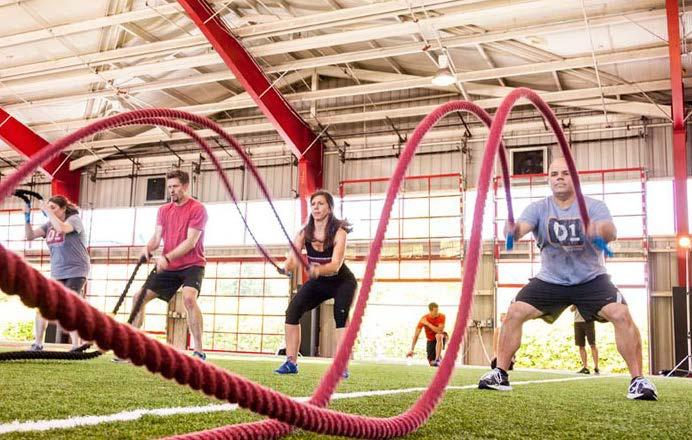
figure it out alone. They do not want another boutique class that feels disconnected from measurable progress. They want to train with purpose. D1 gives them a framework that feels athletic without requiring them to be an athlete.
That is a powerful position in a crowded market.
The broader wellness economy is also moving in D1’s favor. Strength training is having a major cultural moment. Consumers are becoming more educated about muscle, longevity, mobility, injury prevention, and metabolic health. GLP1 drugs have changed the weight-loss conversation, making strength training even more important for people who want to preserve lean muscle. Former athletes want to feel athletic again. Parents want their kids to build confidence. Teams want better offseason development. Schools and communities want better sports performance resources.
D1 can sit in all of those conversations.
The best franchise brands usually win because they combine national systems with local relevance. D1 fits that pattern. A local facility can become a training hub for schools, teams, families, athletes, coaches, and adults in its market. It can host team training. It can build relationships with youth leagues. It can serve parents who are already driving kids to practices, tournaments, and games. It can become part of the local sports infrastructure.
That is more durable than a fitness fad. The category is also
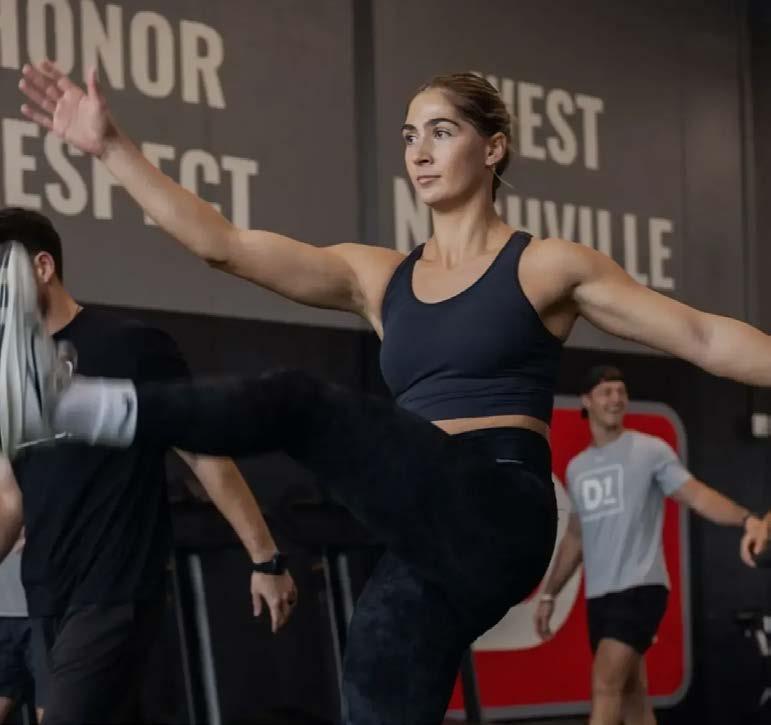
benefiting from a shift in real estate. Fitness concepts have become important tenants in retail centers because they drive recurring traffic. A training facility brings parents, kids, teams, and adults into a center throughout the day and week. For landlords looking to replace traditional retail with service-based uses, concepts like D1 can be attractive because they create routine visits and community activity.
But the real story is not just real estate or franchise growth.
The real story is that athletestyle training is becoming mainstream.
For a long time, high-quality strength and conditioning was hidden inside college athletic departments, professional teams, and elite private programs. Most people never had access to it. D1 is helping bring that model into local communities. It takes the
principles of serious training and packages them in a way that a 12-year-old soccer player, a 17-year-old linebacker, a 42-year-old parent, or a former college athlete can understand and use.
That is the revolution of the category.
The old gym model was about access to equipment. The new training model is about access to coaching, structure, community, and identity.
D1 is not simply asking people to work out. It is inviting them to train.
That word matters.
Working out can be random. Training has a purpose. Working out can be solitary. Training has a coach. Working out can be skipped. Training creates accountability. Working out is about burning calories. Training is about becoming better.
In a market crowded with fitness options, D1 has a clear lane: it turns the local gym into a performance culture.
For franchise owners, that creates a compelling business story. The customer base is broad. The demand is tied to durable trends. Youth sports spending is strong. Adult fitness is evolving. Strength training is rising. Parents are prioritizing development.
Communities need better training environments. And the brand has already shown that it can grow across markets.
The fitness industry has always been full of promises.
D1’s promise is different because it is simple, emotional, and easy to understand.
Train like an athlete.
For the kid chasing a roster spot, that means confidence.
For the parent writing the check, it means development.
For the adult walking back into fitness, it means purpose. For the franchise owner, it means a brand built around one of the most powerful identities in American culture: the athlete.
That is why D1’s timing is so strong.
The youth sports market is bigger. The fitness consumer is smarter. The need for coaching is clearer. The appetite for strength and performance is rising. The local community still matters. And people of all ages want to feel capable, competitive, and strong.
The revolution of the category is here.
D1 is proving that the future of fitness may not look like a gym at all.
It may look like a training facility.
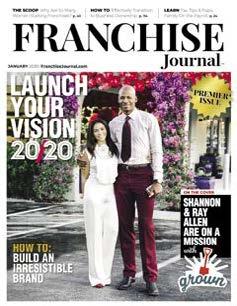
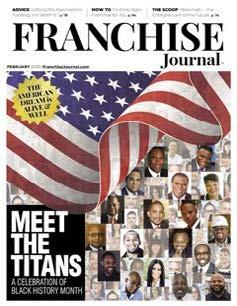

My Community Franchise is bringing a new kind of business to the American public. We go above and beyond for our customers by bringing perfected and professional tax and multi-services to their communities. We aren’t just another print services place or tax prep group. We climb the extra mile by being a one-stop-shop for various services, including tax preparation, car insurance, defensive driving, and so much more. We at My Community Franchise are here to provide entrepreneurs looking for a business opportunity the chance to get in on the ground floor of an exciting, easy-to-operate concept.


>>> We are a company with a great track record of growth, exceptional experience in the industry, and proprietary operational advantages for an owner-operator. My Community Franchise is ready to share its proven operational practices and dialedin services with the rest of the States. Our brand has been built on a firm foundation and is now seeking qualified candidates for an enticing franchise offering!
My Community Franchise offers an extensive array of services that build a fast and favored reputation within any city. We are the all-stars within our current five locations in Texas and are confident that our services will be well-received no matter where we are. We are proud to offer the following services:


The My Community Franchise brand is beckoning entrepreneurial hopefuls who want a business with reasonable overhead, affordable start-up costs, impressive ROI, and sprawling market applicability.



by Ian Paradis, President, SubContain
For decades, the commercial dumpster has been one of the most overlooked pieces of infrastructure in America. It sits behind restaurants, apartment buildings, hotels, shopping centers, schools, office parks, and municipal facilities. It smells. It leaks. It attracts pests. It creates visual clutter. It takes up valuable

surface space. It is serviced by large trucks that have to maneuver into tight corners, reverse through busy lots, and work around cars, pedestrians, walls, landscaping, and loading zones.
The dumpster is essential, but it has never been elegant. That is beginning to change.
SubContain was built around a simple belief: waste collection should be cleaner, safer, more efficient, and more compatible with the way modern properties actually operate. The answer is not a prettier dumpster. The answer is a better system.
SubContain’s inground waste containment model moves the waste below grade, inside a vertical container system that is accessed from the surface and serviced by specialized equipment. Instead of large, open, exposed steel boxes sitting across a property, SubContain creates a cleaner, more stable waste collection point that is engineered into the site itself. That one shift changes the economics, the appearance, and the future of waste handling.
Traditional dumpsters are a compromise. Property owners accept them because
they have to. They give up space. They deal with odors. They handle complaints. They pay for frequent pickups when containers fill unevenly or when loose waste expands into volume it does not need. They also carry the operational risk of having trucks move through areas that were never designed for constant heavy vehicle activity.
Inground waste turns that model on its head. Because the container is vertical, it can hold significant volume in a smaller surface footprint. Because the waste is below ground, the system can reduce odors, windblown debris, pests, and unsightly overflow. Because the collection point is fixed and designed for service, it can create a more predictable interaction between the property and the waste hauler. That matters today. It will matter even more tomorrow.
Waste collection is moving toward automation. Around the country, haulers are investing in smarter routing, camera systems, robotic arms, automated side loaders, telematics, driver-assist
technology, and eventually more autonomous collection platforms. Labor is tight. Insurance costs are high. Safety is a major issue. Municipalities and private haulers are under pressure to do more work with fewer people, fewer accidents, and better data.
The future garbage truck will not simply be a bigger version of the old truck. It will be more automated, more sensordriven, more route-optimized, and more dependent on repeatable service points.
That is exactly why SubContain is positioned for the next phase of the industry.
Autonomous and semiautonomous trucks work best when the environment is predictable. A traditional dumpster is often anything but predictable. It can be moved. It can be blocked. It can be overloaded. The lid can be open. Waste can spill around it. Cars can park too close. The driver may need to get out, reposition the container, open gates, move obstacles, or make judgment calls in real time.
That is not ideal for automation.
A SubContain location, by contrast, is stationary. It is set in the ground. Its service point is fixed. The truck knows where it is going. The operator knows how to approach it. The property owner knows where waste belongs. The entire interaction can become more repeatable.
In a world where trucks are increasingly guided by sensors, mapped routes, cameras, and automated lifting systems, stationary infrastructure becomes more valuable. The more fixed and standardized the collection point, the easier it


is to build efficiency around it.
That is the long-term opportunity.
SubContain is not just trying to solve the dumpster problem. It is helping prepare waste collection for a more automated future.
Consider a shopping center with multiple restaurants. The traditional approach may involve several dumpsters, frequent pickups, odor problems, grease-adjacent waste, cardboard overflow, pest issues, and truck movement across the property. The property manager has to field complaints from tenants and customers. The hauler has to work around parked cars and tight spaces. The site looks worse than it should.
Now imagine that same property with properly placed inground systems. Waste is centralized. The footprint is
cleaner. The visible impact is reduced. The service point is known and stable. The property becomes easier to manage, easier to service, and more attractive to tenants and visitors.
That is not just an environmental improvement. It is a business improvement.
For multifamily communities, the same logic applies. Waste areas are one of the most common sources of resident complaints. Overflow, odor, pests, and appearance all affect the living experience. A cleaner waste system can help protect the property’s brand. In higherend apartment communities, condos, and mixed-use developments, the old dumpster corral is increasingly out of step with the rest of the property.
For hotels, schools, campuses, parks, and municipalities, the case is also clear. Waste is not
going away. But the way it is stored, collected, and managed can improve dramatically.
The United States has spent the last decade modernizing almost every part of property infrastructure. Buildings now have smart locks, smart thermostats, EV charging stations, appbased access, LED lighting, surveillance systems, solar, water management tools, and advanced HVAC controls. Yet the dumpster behind the building often looks exactly the same as it did 40 years ago.
That gap is where SubContain lives. The company’s model is built for owners, developers, municipalities, and haulers who understand that waste is not just a back-of-house issue. It affects cost, safety, aesthetics, property value, resident satisfaction, tenant experience, and operational efficiency.
It also affects labor.
Waste collection is hard work. It is physically demanding, repetitive, and risky. Every time a driver gets out of a truck, reverses in a tight area, moves a container, or navigates around people and vehicles, there is risk. Automation will not eliminate every challenge, but it will reward infrastructure that reduces unnecessary human intervention.
SubContain’s stationary inground design fits that future. It can help create cleaner pickup points, reduce chaos at the curb or behind the building, and make each collection event more consistent. That consistency is the foundation of automation.
There is also a real estate argument. Surface space is valuable. A bulky dumpster area can consume land that
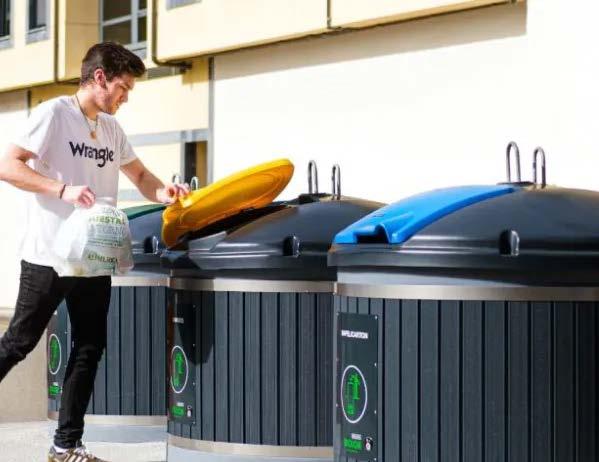
could otherwise be used for parking, landscaping, outdoor seating, pedestrian access, loading efficiency, or simply a cleaner site plan. Inground systems can help properties reclaim visual and physical space while improving the waste experience.
For developers, that matters before a shovel goes into the ground. For existing properties, it matters when owners are trying to upgrade, reposition, or solve recurring complaints.
SubContain is entering the market at a moment when three forces are converging.
First, property owners want cleaner, better-looking, more efficient infrastructure.
Second, waste haulers are under pressure to improve productivity, safety, routing, and labor efficiency.
Third, automation is reshaping what collection systems will need from the built environment.
The old dumpster was built for a human driver, a diesel truck, and a property owner willing to tolerate the mess.
The next generation of waste infrastructure will be built for cleaner sites, smarter
trucks, better data, and more predictable service.
That is why SubContain is more than a container company. It is an infrastructure company. It takes something every property needs and rebuilds it for the way the next generation of properties and haulers will operate.
The opportunity is practical. It is not based on a trend that may or may not arrive. Every restaurant, hotel, apartment building, retail center, school, and public facility produces waste. Every one of them needs a place to put it. Every one of them would prefer that place to be cleaner, safer, less visible, and easier to service.
SubContain’s job is to make that possible.
The commercial dumpster may never be glamorous. But the businesses that solve boring, expensive, universal problems are often the ones that build the most durable value.
Waste is not optional. Better waste infrastructure is overdue.
SubContain is ready to put the dumpster where it belongs: out of sight, below ground, and directly in the path of the automated future.
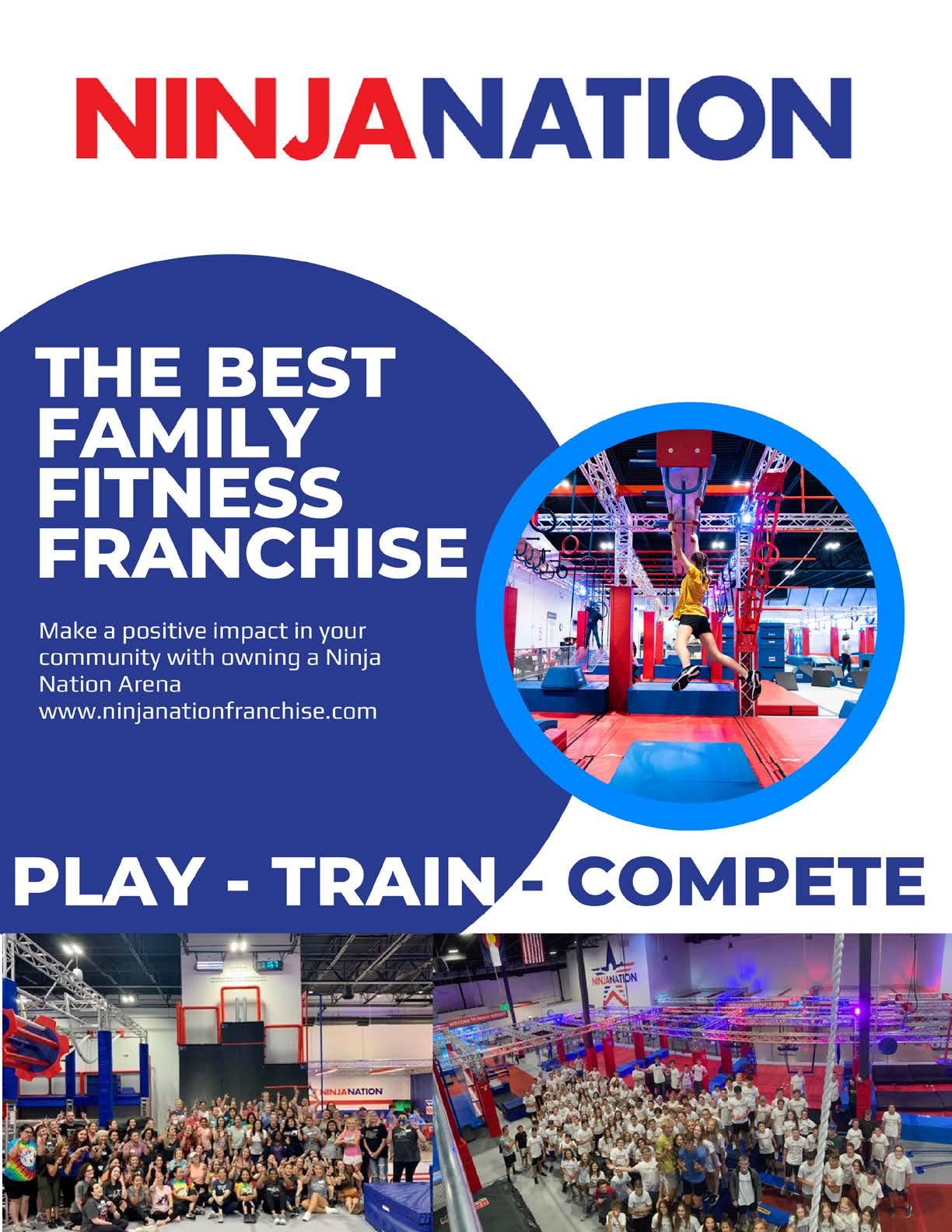
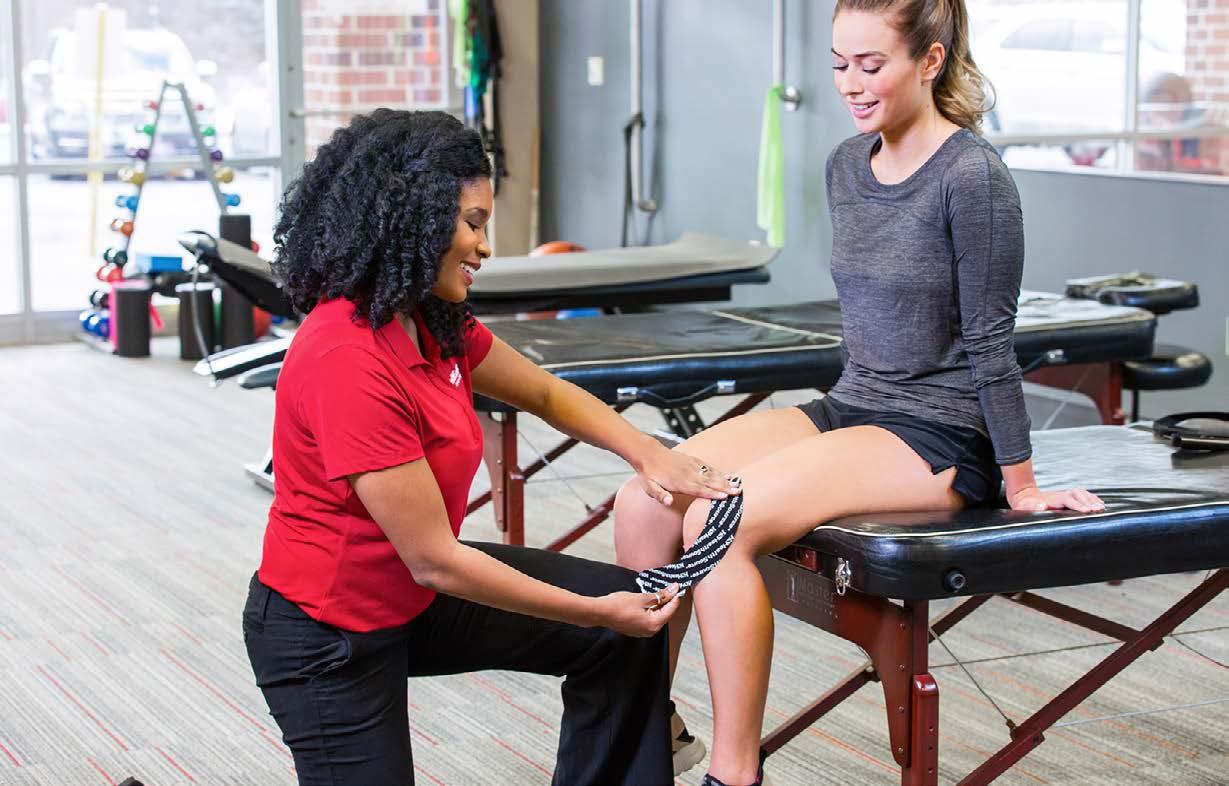
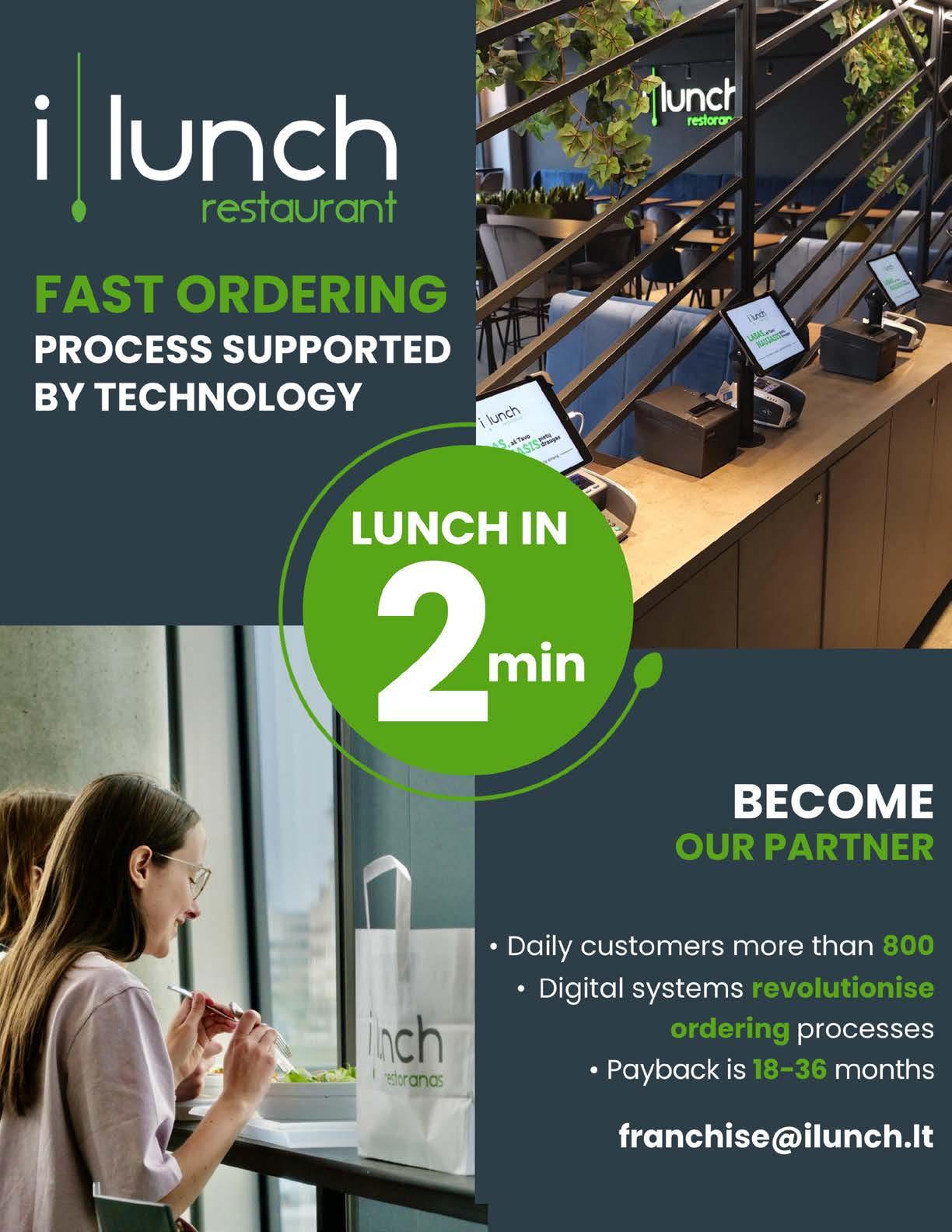
by Adam Gruen
People do not just want to feel better. They want to live better.
That is the idea behind The Vital Stretch, the growing wellness brand founded by Rob and Missy Goldring. It is a simple concept on the surface: help people stretch, move, and feel better. But what they have built goes much deeper than that. They have taken something most people treat as an afterthought and turned it into a serious wellness experience with real purpose behind it.
Rob and Missy came to this business from the clinical world. Rob is a chiropractic physician. Missy is a physical therapist. Together, they spent years seeing the same problem from different angles. People were tight, sore, stiff, and frustrated. They were dealing with back pain, neck pain, hip pain, shoulder problems, poor posture, and a general loss of mobility that slowly made life smaller.
For many people, it was not one dramatic injury. It was years of sitting too much, moving too little, training without proper recovery, aging, stress, travel, work, and daily life wearing the body down. One day it is harder to bend down. Then it is harder to play golf. Then getting out of a chair

feels different. Then sleep gets worse. Then workouts become less enjoyable. Slowly, the body starts setting limits.
Rob and Missy saw that pattern clearly. They also saw that most people did not have a great solution.
Gyms help people get stronger. Massage can help people relax. Chiropractic and physical therapy serve important clinical needs. But there was a wide open space for something more practical and consistent: a place where everyday people could come in, be guided by trained professionals, and work on mobility in a focused, personalized way.
That became The Vital Stretch.
The brand is built around assisted stretching, but the real business is helping people regain freedom in their bodies. Clients come in because they feel tight, stuck, sore, or limited. They leave with a better sense of how their body is moving and how much better life can feel when mobility improves. That is why the concept has connected so quickly.
The Vital Stretch is not trying to make stretching fashionable. It is making it useful. That is a big difference. The experience is structured, professional, and approachable. Clients are not simply told to touch their toes or handed a basic routine. They are guided through sessions built around their body, their movement patterns, and their goals.
For some people, that goal is performance. They want to run better, lift better, swing a golf club better, or recover faster. For others, it is comfort. They want to sit at a desk without pain, wake up without stiffness, or get through the day without feeling like their body is fighting them. For older clients, it may be independence. For busy professionals, it may be stress relief and posture. For parents, it may be having enough energy and mobility to keep up with their children.
That broad appeal is one of the most powerful parts of the model. The Vital Stretch does not belong to one narrow demographic. It speaks to athletes, executives, retirees, weekend warriors, office workers, and people who simply want to feel better in their own skin.
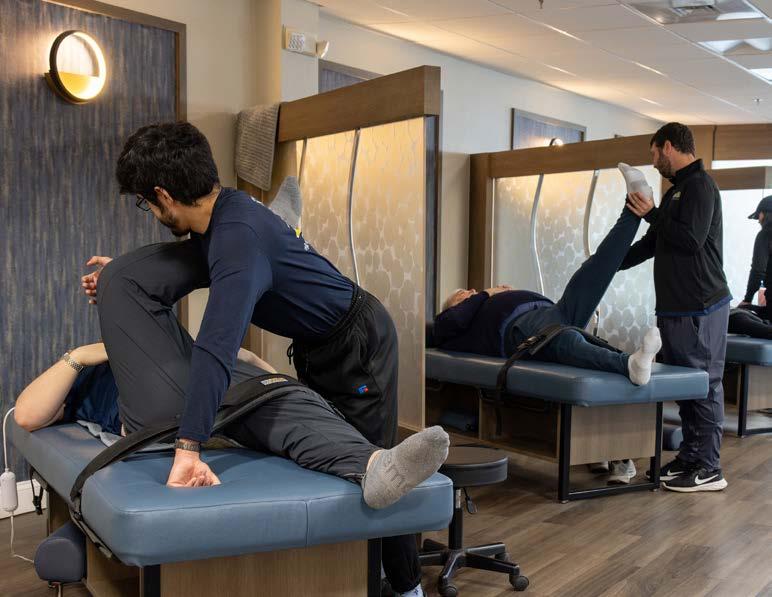
Rob and Missy understood early that mobility was becoming a major part of the wellness conversation. People are living longer, working longer, and staying active later in life. They are also more aware of recovery, longevity, posture, and preventative care than ever before. The old idea of fitness was mostly about looking better. The new idea of wellness is about living better. The Vital Stretch fits that shift perfectly.
The company has also grown because the experience feels personal. In a world where so much of health and fitness has become automated, digital, or self-directed, The Vital Stretch brings people back to something human. It is handson. It is one-on-one. It is built around trust. A client can feel the difference in real time. That matters.
People may try a service because they are curious, but they return because they feel results. They stand taller. They move easier. They notice less tightness. They sleep better.
They get back to things they had started avoiding. They realize that improving mobility can change the way they experience everyday life.
That is where Rob and Missy’s vision becomes more than a business story. It becomes a quality-of-life story.
They have taken their clinical knowledge and turned it into a brand that is easy to understand, easy to experience, and highly relevant to the moment. The studios feel modern and wellness-driven, but the foundation is practical. This is not about chasing a trend. It is about solving a problem millions of people have.
The growth of The Vital Stretch reflects that demand. As the brand expands into more markets, it is stepping into a category that still has enormous room to grow. Assisted stretching is no longer a niche idea. It is becoming part of the way people think about health, recovery, aging, and performance.
For franchise owners, that
creates an attractive story. The concept has a clear customer need, repeat visit potential, broad market appeal, and a service that feels personal enough to build loyalty. In a crowded wellness world, The Vital Stretch has a message that is refreshingly direct: move better, feel better, live better.
Rob and Missy Goldring have built the company with that mission at the center. Their strength is not just that they understand the body. It is that they understand people. They know how frustrating it feels when movement becomes limited. They know how much confidence can return when pain eases and flexibility improves. They know that a better stretch can sometimes mean a better day, a better workout, a better golf game, or a better night’s sleep.
That is the future The Vital Stretch is building toward.
The brand is growing because it meets people where they are. It does not ask them to become athletes. It helps them become more capable, more comfortable, and more confident in their daily lives.
Rob and Missy saw something before the market fully caught up: stretching was not a side note. It was a missing piece.
Now, The Vital Stretch is bringing that missing piece to more communities. And as more people look for smarter ways to stay active, age well, recover better, and live with less limitation, the opportunity ahead looks strong.
The Vital Stretch is not just helping people stretch. It is helping them get their lives back.