FR ANCHISE






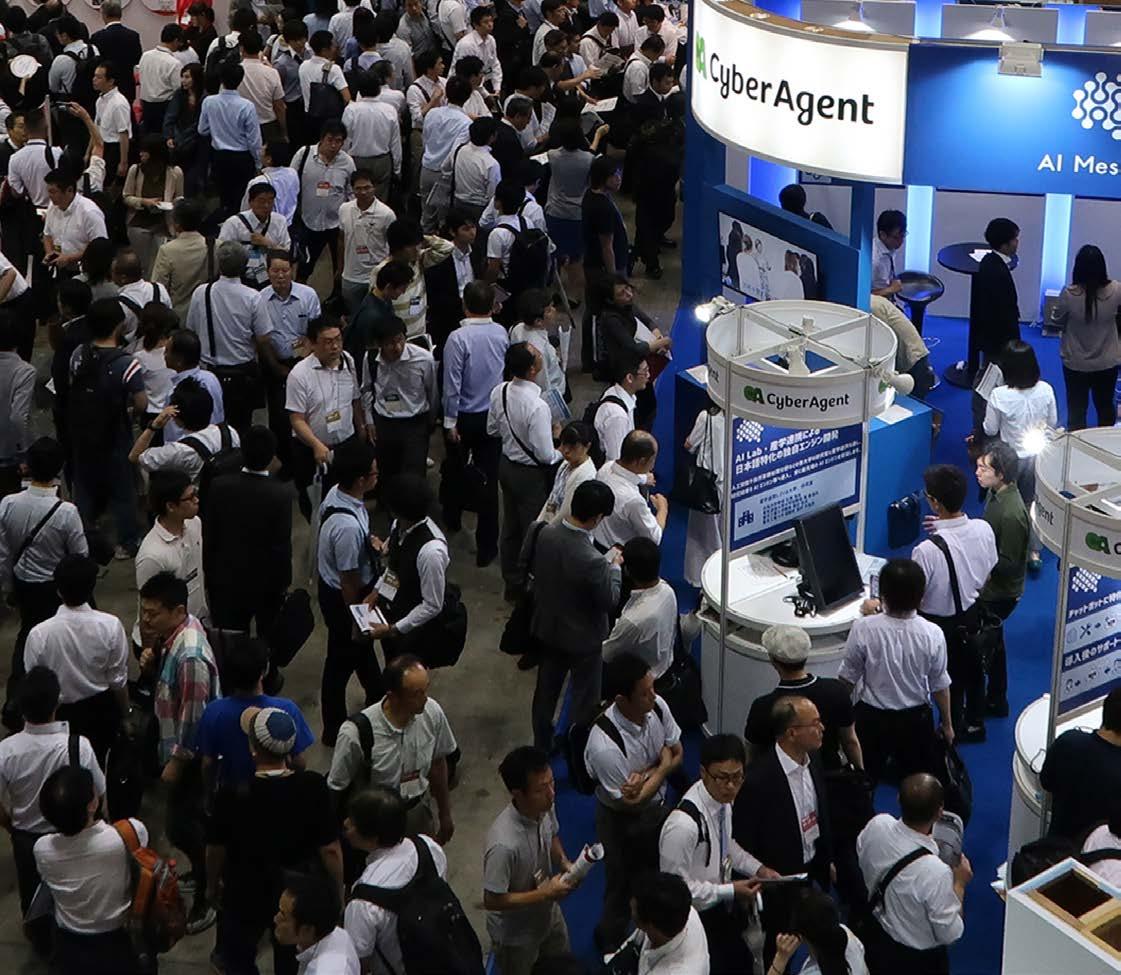
The Great American Franchise Expo is the USA's premier franchise expo series. Experience the power of virtual reality & tour the world's top franchise brands from the expo floor. Educate yourself with the largest & most comprehensive series of seminars on franchising & business ownership.
• Choose from hundreds of concepts in dozens of industries.
• Meet franchise law experts to guide you through the legal process
• Learn about financing options to fund your new business.
• Interact with quality franchise company executives.
PROUD MEMBER













HOUSTON
FEB 21-22, 2026
Stafford Centre

FORT LAUDERDALE
MAY 2-3, 2026
Broward County Convention Center

SEPT 26-27, 2026
Oakland Expo Center
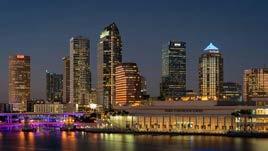
TAMPA
MAR 21-22, 2026


MAR 28-29, 2026
Nashville Fairgrounds

Tampa Convention Center ATLANTA
MAY 16-17, 2026
Cobb Galleria

DENVER
OCT 10-11, 2026

MAY 30-31, 2026
Columbus Expo Center DALLAS
APR 18-19, 2026
Miami Expo Center

National Westren Center COLUMBUS

OCT 24-25, 2026
Irving Convention Center MIAMI

PHOENIX
NOV 7-8, 2026
Mesa Convention Center

The S.A.F.E.R. Swimmer Promise, Interview with Chris Harkness, President SafeSplash by Rick Morgin
Innovating for Good: How Food Franchises are Leading in Sustainability and Health by Ron Filian
Robot in the Kitchen: Is Automated Cooking Finally Coming to America?
The Evolution of Surf’s Up: Founder Eric Roy on Building a Fast-Casual Seafood Brand Ready for National Expansion by Rick Morgin
64 PILLAR TO POST HOME INSPECTORS
From Restaurant Industry to Home Inspection Industry, This Franchisee Has Key to Success: Great Customer Service by Rhonda Sanderson
68 THE COFFEE ECONOMY
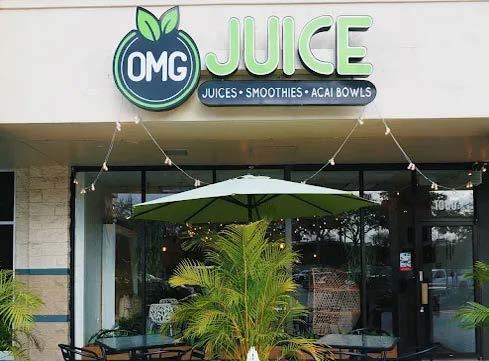
Why Franchising Continues to Bet Big on the World’s Most Reliable Habit 74 OMG JUICE
This NEW Superfood Café from Florida is Launching Soon by Kyle Heck
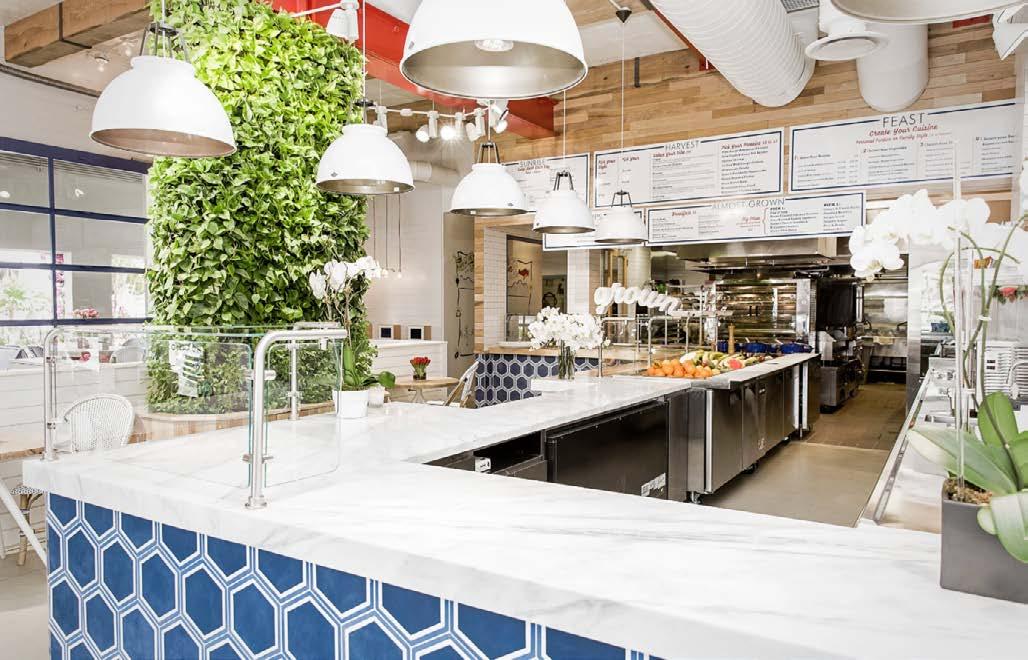
80 GROWN GROWN and the Bigger Idea Behind Better Fast Food
The Fast-Casual Teriyaki Powerhouse Rede fining QSR Growth in 2026 by Bob Hayes
90 From One Great Food Location to a Scalable Brand: Why Successful Operators Should Consider Franchising by Ozzie Grupenmager
96 Founder and CEO Nelson Mendez’s Deep Dive into the Mr. Cappuccino Business Model by Rick Morgin
100 FLOOR COVERINGS INTERNATIONAL
He’s a Former Corporate SuperStar; She is a Trained Special Needs Educator Together They are Bringing Those Skills to Their New FCI of Chicago’s Northern Suburbs by Rhonda Sanderson
104 IMAGINE ARTS ACADEMY™
Who’s Cooking Up Creativity? The Recipe for a Winning Franchise with Imagine Arts Academy™ by Tracy Woods
108 HAKKALICIOUS
From Bold Flavor to Franchise Growth: How Hakkalicious Is Scaling the Spicy Chinese Category by Monique Pelle 112 CATERING BY DESIGN NOIR
A Touch of Noir: Elevating the Catering Franchise Model by Phillip Lin
116
The Value of Outsourcing Bookkeeping & Payroll Services for a Franchise by Jim Kokenge 120 SCHOOLEY MITCHELL
Consulting Without the Kitchen: How One Franchise Serves the Restaurant Industry from Behind the Scenes
124 ASK THE RESULTS GUY™
The Power of Video in Today’s Franchise World by Tony Jeary
128 POKE ETC.
From the Islands to the Franchise Floor: The Unstoppable Journey of Ofelia Shively and Poke Etc. by Monique Pelle


In an age of shifting consumer habits, rising costs, and endless competition, the strongest food concepts are proving that great brands do more than serve meals. They create rituals, build loyalty, and give franchisees a business customers come back to again and again.
By any serious measure, food remains one of the most important engines in franchising. That is not simply because everyone needs to eat. It is because food sits at the intersection of routine, emotion, convenience, and community. A customer may need a plumber once in a while. They may buy a fitness membership and use it inconsistently. They may only think about home services when something breaks. But food is woven into daily life. Breakfast on the move. Lunch between meetings. Dinner for the family after a long day. A quick healthy bowl after the gym. A sandwich on the road. Pizza to celebrate a win.
That constant demand is one reason food concepts continue to occupy such a central place in franchising. They are visible, habitual, and capable of building customer relationships
that deepen over time. In a business built around replication, there are few categories with more built-in opportunity.
But the most exciting part of food franchising today is not just scale. It is the way strong brands are defining themselves more clearly. The winners are not trying to be everything. They are trying to be memorable. They know the customer. They know the experience they are delivering. And they know how to turn a product into a brand.
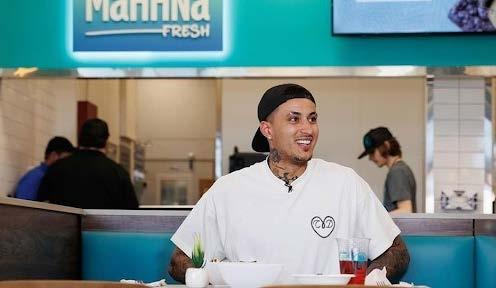
Take Mahana Fresh, a concept that has found a smart position in the better-for-you segment. Healthy food has become one of the great battlegrounds in modern franchising, but consumers have matured. They no longer want bland food marketed as discipline. They want food that feels good, tastes great, and fits into a real life. Mahana Fresh understands that. Its menu of customizable bowls, bright flavors, fresh ingredients, and island-inspired energy gives customers a sense that healthy eating can still be satisfying, fun, and craveable.
Just as important, Mahana Fresh is guided by people who understand franchising deeply. Dave Wood and Dave Baer are longtime food franchise visionaries who have spent years building and scaling restaurant systems. That kind of leadership matters. In food franchising, a good idea is only the beginning. The real test is whether the concept can be executed consistently across markets, operators, and dayparts. Vision without operating discipline rarely lasts. Leaders who understand site selection, labor, throughput, training, customer
“IN FOOD FRANCHISING, A GOOD IDEA GETS ATTENTION. A REPEATABLE SYSTEM GETS GROWTH.”
— DAVE WOOD
experience, and unit economics bring a different level of confidence to a brand. Mahana Fresh benefits from that experience. Healthy, fresh and fast is why basketball legend Kyle Kuzma invested into the system.
“In food franchising, a good idea gets attention. A repeatable system gets growth.” Dave Wood
That same principle helps explain the enduring relevance of Miami Grill. In a category where new concepts arrive constantly, history matters. Miami Grill has been part of the restaurant landscape for decades, and that kind of staying power is not accidental. The brand has long reflected the energy and diversity of South Florida, with a menu that captures the mix of flavors and formats that define Miami itself. Cheesesteaks, gyros, burgers, wings, and more all live under one roof, and somehow the brand has made that variety feel like identity rather than clutter. What Miami Grill demonstrates is something many franchise brands forget. Sometimes the product is not just the food. It is the place, the vibe, and the cultural familiarity that come with
it. Customers are not always buying a menu item. They are buying a feeling they already trust. Miami Grill’s long history shows the power of a food concept that understands where it comes from and why people connect to it. This connection got the eyes of famous rapper Pitbull who invested into the eatery.
If Mahana Fresh and Miami Grill reflect two different sides of restaurant opportunity, Project LeanNation represents another important evolution in the franchise food world: the merging of food, health, coaching, and accountability. This is not just a place to grab a meal. It is a system built around helping people live better. The company’s prepared meals, nutrition guidance, and coaching model position it as more than a food business. It is a lifestyle support platform.
That matters because consumers increasingly want convenience without sacrificing wellness. They want someone to make it easier to stay on track. Project LeanNation has tapped into that need by building a model that connects healthy

prepared food with measurable progress. In a world where obesity, burnout, and poor nutrition are major concerns, concepts like this are doing more than selling product. They are responding to a real social need. They are also helping redefine what a food franchise can be. The meal is still central, but the relationship extends further.
Then there is Pappalecco, which reminds us that quality and authenticity still matter in a huge way. Fast casual has trained many consumers to expect speed, but speed without character has limits. Pappalecco’s appeal is that it leans into Italian café culture with intention. This is not generic Italian-themed food. It is a concept built around the idea that coffee, pastries, panini, gelato, and hospitality can come together in a more authentic and thoughtful way.
That emphasis on quality gives the brand its edge. In a rushed world, there is still enormous value in a concept that makes people feel as though they are stepping into something real. Pappalecco’s focus on craftsmanship and experience suggests an important truth about food franchising: convenience may bring people in once, but quality is what gives a brand staying power.
Sourdough & Co. proves a similar point from a different angle. Sandwiches are not new. In fact, that is what makes them so competitive. To stand out, a brand has to elevate what seems familiar. Sourdough & Co. does that by putting its bread front and center. The brand has built its identity around great sandwiches, soups, and bread bowls, with sourdough serving as both its signature and its difference-maker.
There is a lesson there for every franchisor. You do not always need to invent a new category. Sometimes you just need to do an existing one better, more clearly, and more consistently
than everyone else. A sandwich shop is easy to understand. A sandwich shop with memorable bread, a strong guest experience, and a defined personality becomes a real brand.
And then there is pizza, a category that remains one of franchising’s great constants. Yet even pizza requires distinction. Cascadia Pizza has built excitement by offering amazing pizza with a clear point of view. Its wood-fired approach, quality ingredients, and strong brand personality help it rise above a category crowded with commodity players. Pizza may be universal, but that only makes identity more important. Consumers still respond when a pizza concept feels crafted, local, and special rather than interchangeable.
That may be the most important point of all. Food matters so much in franchising because it creates repeat behavior. It gives operators frequent customer touchpoints. It builds familiarity. It creates daily visibility in a way few other sectors can match. A great food brand can become part of someone’s life with astonishing speed. When that happens, the franchisee is not just running a store. They are operating a neighborhood habit.
This is why food will continue to matter so much to the future of franchising. The category is large, but it is not simple. Margins are pressured. Labor is challenging. Consumer expectations are high. Competition is relentless. Yet those very pressures are what make strong brands so valuable. The concepts that survive and scale are the ones with operating discipline, a clear identity, and a product people genuinely want.
Mahana Fresh. Miami Grill. Project LeanNation. Pappalecco. Sourdough & Co. Cascadia Pizza. Different concepts. Different menus. Different customer promises. But all of them point toward the same conclusion.
Food is still one of the best expressions of what franchising can do when brand, system, and customer demand line up. And when that happens, a franchise is no longer just selling meals.
It is building loyalty one bite at a time.
Nick Neonakis Editor, Franchise Journal


DESIGN DIRECTOR
Pete Neonakis
DIGITAL DIRECTOR
Chantae Arrington
ART DIRECTOR
Brenda Lesch
SENIOR EDITOR
Joe Fox
SENIOR CONTRIBUTING
EDITOR
Rob Petka
ONLINE EDITOR
Seth Lederman
STAFF WRITER
Alex Neonakis
SOCIAL MEDIA
EDITOR
Ted O'Shea
ASSOCIATE EDITOR
Mariel Miller
ONLINE EDITOR
Greg Gasparini
VIDEO PRODUCER
Matt Panepinto
CONTRIBUTORS
Ron Filian
Ozzie Grupenmager
Bob Hayes
Kyle Heck
Tony Jeary
Jim Kokenge
Seth Lederman
Rick Morgin
Alex Neonakis
Monique Pelle
Angie Salmon
Rhonda Sanderson
Jewan "Jack" Tiwari
Tracy Woods


by Seth Lederman, Consultant, The Franchise Consulting Company
Food franchising continues to be one of the most dynamic segments of the global franchise economy. From quickservice restaurants (QSRs) to fast-casual concepts, food franchises remain attractive to entrepreneurs because they offer recognizable brands, proven operational systems, and scalable growth opportunities. As the industry moves into 2026, however, the food franchise landscape is evolving rapidly. Technology, consumer preferences, economic pressures, and new operational models are reshaping how franchise
“FOOD IS OUR COMMON GROUND, A UNIVERSAL EXPERIENCE.”
— James Beard
systems operate and how franchisees succeed.
Several key trends are defining food franchising in 2026, including automation and AI integration, deliveryfocused operations, healthconscious menus, sustainability initiatives, and increasingly collaborative franchisor-

franchisee relationships. Together, these trends highlight how the food franchise sector is adapting to modern consumer expectations while maintaining the reliability that has long defined franchising.
TECHNOLOGY
Perhaps the most significant trend in food franchising is the rapid adoption of technology. Restaurants are increasingly integrating artificial intelligence, digital ordering, and automated systems into everyday operations.
For many franchise systems, technology has shifted from a competitive advantage to a basic requirement.
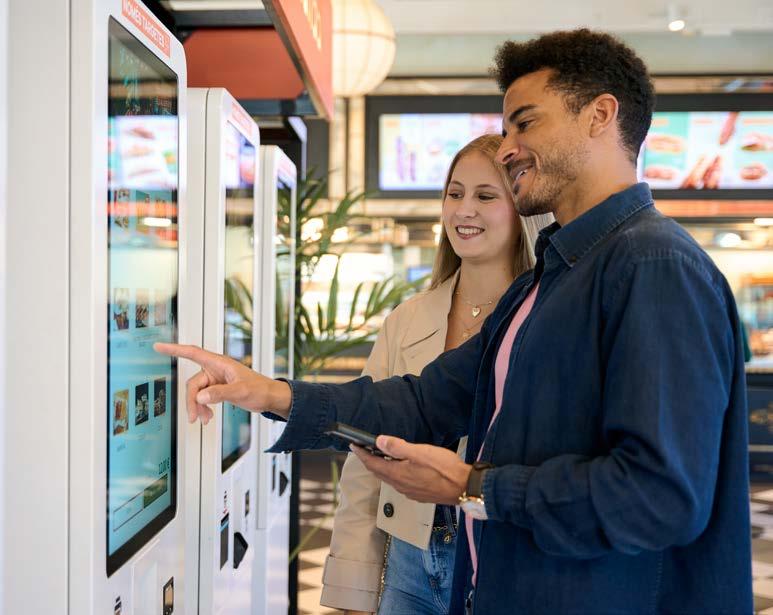
AI-powered ordering systems, self-service kiosks, and mobile apps are now common across major franchise brands.
According to Deloitte, 70% of restaurant operators are either actively using or piloting AI to improve loyalty programs and employee workflows. On top of that, eight in 10 restaurant executives say they plan to increase AI spending in the next fiscal year.These technologies reduce labor demands, improve order accuracy, and enhance the customer experience. In fact, digital orders account for a growing portion of restaurant traffic, while many chains report significant increases in efficiency through automation. Drive-thru operations have also undergone a technological upgrade. Many franchise brands now operate duallane drive-thrus that separate mobile order pickups from traditional ordering lanes. Voice AI ordering systems are becoming more sophisticated, cutting service times and improving throughput during peak hours.
For franchisees, these technologies offer several benefits. Automated kitchen systems can reduce human error and improve consistency across locations, while data analytics tools allow operators to track customer preferences and adjust menus or promotions accordingly. As technology continues to evolve, food franchises increasingly resemble tech-enabled retail operations rather than traditional restaurants.
Another major trend shaping food franchising in 2026 is the shift toward deliverycentric business models. Consumer behavior has changed dramatically since the pandemic, and many diners now prefer ordering food through apps or third-party platforms rather than dining in.
As a result, ghost kitchens— delivery-only kitchens without a traditional storefront—are becoming more common within franchise systems. It is expected that ghost kitchens will comprise half of the market share in both drive-thru and takeaway foodservice sectors by 2030. These facilities allow franchise brands to expand into new markets with lower overhead costs because they require less real estate and fewer front-of-house staff.
Globally, thousands of ghost kitchens are already operating, supporting the growing demand for delivery and takeout.
Similarly, many franchise brands are experimenting with smaller, streamlined locations. Drive-thru-only restaurants, curbside pickup lanes, and compact urban storefronts are designed to maximize efficiency while minimizing rent and staffing requirements. These flexible formats make it easier for franchisees to enter dense urban markets or areas where traditional restaurant space may be prohibitively expensive.
Changing consumer preferences are also influencing food franchising. Today’s diners are increasingly interested in healthier
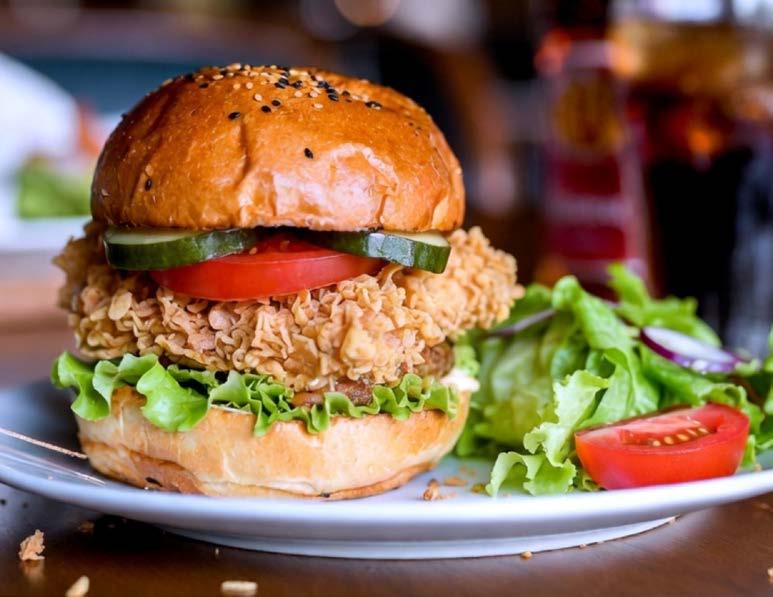
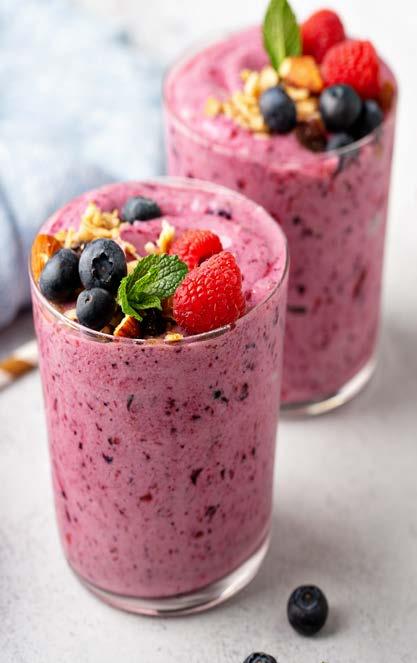
options, plant-based meals, and transparency about ingredients.
In response, many food franchises are expanding their menus to include vegetarian, vegan, and plant-based offerings. More than 40 percent of quick-service restaurant brands now feature plantbased menu items, reflecting growing consumer demand for alternatives to traditional meatcentric meals.
Health-focused concepts— such as smoothie shops, salad restaurants, and proteinbased meal franchises—are also gaining popularity among franchise investors. These brands often appeal to younger consumers who prioritize wellness, sustainability, and customizable dining experiences.
Customization has become another key factor. Many franchises now allow customers to build their own meals or modify menu items
to accommodate dietary preferences such as gluten-free, keto, or low-calorie diets. This approach increases customer satisfaction while enabling brands to serve a broader audience.
Sustainability is another major theme influencing food franchising in 2026. Consumers are increasingly aware of environmental issues, and many expect restaurants to demonstrate responsible business practices.
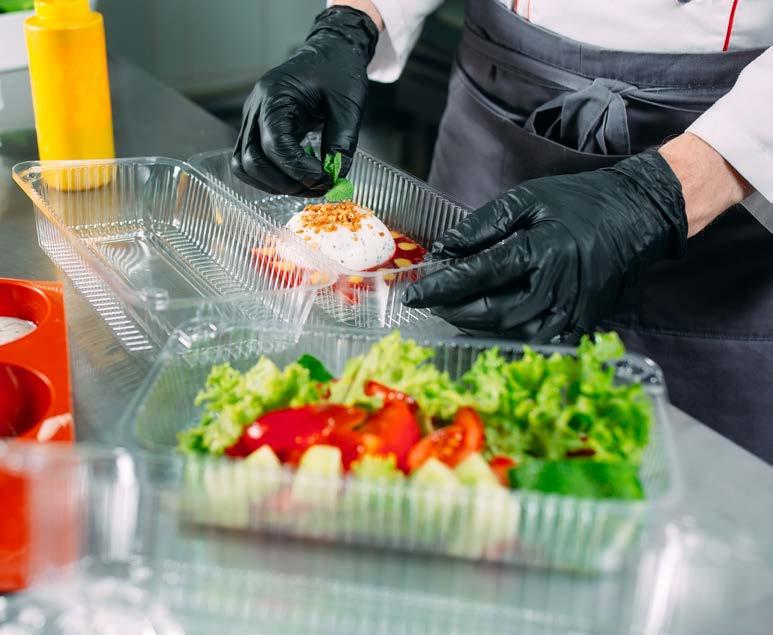
In response, franchise brands are implementing initiatives such as compostable packaging, energy-efficient kitchen equipment, and waste reduction programs. Some systems are investing in smarter inventory management tools to minimize food waste and reduce operational costs.
Sustainability is also becoming a competitive advantage in franchise recruitment. Prospective franchisees—particularly younger entrepreneurs—often seek brands that align with their values. Franchisors that prioritize responsible sourcing and environmental stewardship can attract investors who want their businesses to reflect those principles.
Customer data is another powerful tool reshaping food franchising. Through mobile apps and loyalty programs, franchises can gather insights about customer behavior and purchasing patterns. These
insights allow brands to create highly personalized marketing campaigns and promotions.
Gamified loyalty programs are becoming especially popular. By rewarding repeat purchases with points, discounts, or exclusive offers, franchises can increase customer retention and encourage larger purchases. Studies show that loyalty program members tend to spend significantly more than non-members.
Additionally, some franchise brands are experimenting with dynamic digital menu boards that adjust prices or promotions based on time of day, weather conditions, or inventory levels. These systems help maximize sales while reducing food waste and improving operational efficiency.
The structure of franchise ownership is also evolving. Many franchisors are increasingly partnering with experienced multi-unit operators rather than relying solely on single-location franchisees.
Multi-unit operators often have the capital and operational expertise needed to open several locations within a territory, accelerating brand expansion and ensuring consistent quality across the system.
At the same time, franchisors are becoming more collaborative with franchisees. Rather than operating strictly as top-down organizations, many franchise systems now view franchisees as strategic partners who provide valuable
insights about local markets, customer preferences, and operational challenges. This collaborative approach benefits both sides. Franchisees gain access to stronger support systems and data-driven insights, while franchisors can refine their strategies based on real-world feedback from operators.
Despite strong growth prospects, the food franchise industry still faces economic challenges. Rising labor costs, inflation, and changing consumer spending habits have forced many restaurant brands to rethink their business models. These pressures have accelerated innovation across the industry. Automation,
digital ordering, and streamlined restaurant formats help franchisees maintain profitability even as operating costs increase.
At the same time, the overall franchise sector remains resilient. Industry forecasts suggest that franchising will continue expanding in 2026, with thousands of new franchised businesses opening and the sector contributing hundreds of billions of dollars to the economy.
Food franchises will remain a major part of that growth because they combine recognizable branding with scalable business systems that appeal to entrepreneurs.
Looking ahead, the future of food franchising will likely be
defined by a balance between innovation and consistency. Technology will continue to transform restaurant operations, while consumer preferences will drive demand for healthier, more sustainable menu options.
Franchise systems that embrace automation, datadriven decision-making, and flexible restaurant formats will be well positioned to thrive. At the same time, the most successful brands will maintain the core elements that make franchising attractive: strong brand recognition, standardized operations, and reliable support for franchise owners.
In 2026, food franchising is no longer just about serving meals—it is about delivering convenience, personalization, and efficiency in an increasingly digital world. For entrepreneurs seeking proven business models and scalable opportunities, food franchises remain one of the most compelling investment options in the modern franchise landscape.
Think that your future might lie with franchising? Contact Seth Lederman with Frannexus to determine the best franchise to achieve your business and personal goals.
Seth Lederman, CFE, a Franchise Acquisition and Development Specialist, is a multi-faceted entrepreneur with over 30 years of experience in small business success, including ownership and sale of his business enterprises. He frequently contributes to The Franchise Journal and is on the exclusive Forbes Business Council. Contact Seth at seth@ thefranchiseconsultingcompany.com.













Catering By Design Noir transforms events into unforgettable experiences through exceptional cuisine, elegant presentation, and seamless service With over 25+ years of excellence in convenient disposable drop-off, full-service catering, premium bar service, and flawless event execution, our proven model blends culinary artistry with strong systems and a culture built on loyalty and hospitality. Now franchising, we invite entrepreneurs to bring this trusted, experience-driven brand to their own communities and turn life’s moments into beautifully designed celebrations.


PROVEN BRAND LEGACY
25+ years of trusted catering excellence.
MULTIPLE REVENUE STREAMS
Earn through catering, bar, and drop-off services year-round
COMPREHENSIVE TRAINING & ONGOING SUPPORT
Franchisees receive handson training and ongoing support
STRONG TEAM CULTURE
Built on loyalty, with team members serving 15+ years.
SCALABLE, PROFITABLE MODEL
Built for diverse markets with systems designed for growth.
COMMUNITYDRIVEN BRAND
A relationship-driven business creating meaningful experiences.
by Alex Neonakis, Writer, NYU Class of 2030
If you grow up around franchising, you start to see food differently.
Most people my age think about food as convenience, cravings, or whatever is open late after something gets out. And obviously, that is part of it. A sandwich is a sandwich until you are starving after school. Pizza is pizza until it shows up at the exact moment your friends are all in one room and nobody wants the night to end. A smoothie bowl is just a healthy lunch until it becomes part of your routine and somehow makes you feel like you have your life together. But growing up around franchise brands, I started to notice something else. Food concepts are not just places to eat. They are systems,
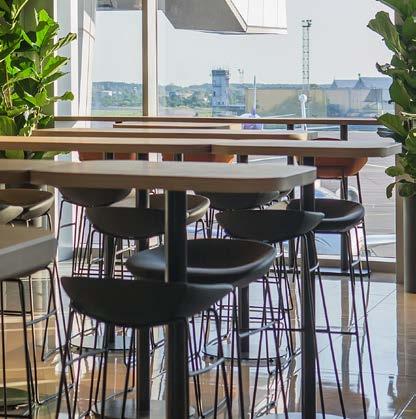
personalities, communities, and ideas. They are the physical version of a business strategy, but they are also weirdly emotional. People do not just buy food because they are hungry. They buy familiarity. They buy speed. They buy comfort. They buy a version of themselves. They buy the feeling that this place gets them. That is one reason food franchising has always fascinated me.
As a kid, you do not think in terms like unit economics, scalability, brand consistency, or operational discipline. You just know which places feel alive. You know which ones smell amazing when you walk in. You know which ones make an ordinary day feel better. You know where the menu somehow feels easy even when there are a lot of choices. Later, when you get older and start to understand business, you realize none of that happens by accident.
That is what makes franchise food so interesting. The best concepts take something simple, like a sandwich, a pizza, a bowl, a coffee, and build an entire experience around it that can be repeated again and again without losing what made it special in the first place. That is much harder than it looks.

And it matters because food becomes part of growing up. When I think about childhood and high school, I do not just think about big events. I think about the places around them. Quick breakfasts before early mornings. Stopping somewhere after a game. Grabbing food with family when nobody wanted to cook. Eating in the car. Meeting friends somewhere casual that somehow becomes “the place.” Food franchises are part of the background of American life, but in a real way they are also part of the foreground. They are where people celebrate, regroup, hang out, refuel, and reset.
That is probably why food is such an important part of franchising in general. It is one of the few categories that people interact with constantly. A home service business might be important, but most people are not emotionally connected to their plumber in the same way they are to the place that made their favorite sandwich when they were twelve. Food brands can become part of your memories without even trying. What I find especially interesting now is how food franchises have evolved with my generation.
A long time ago, maybe the main draw was convenience
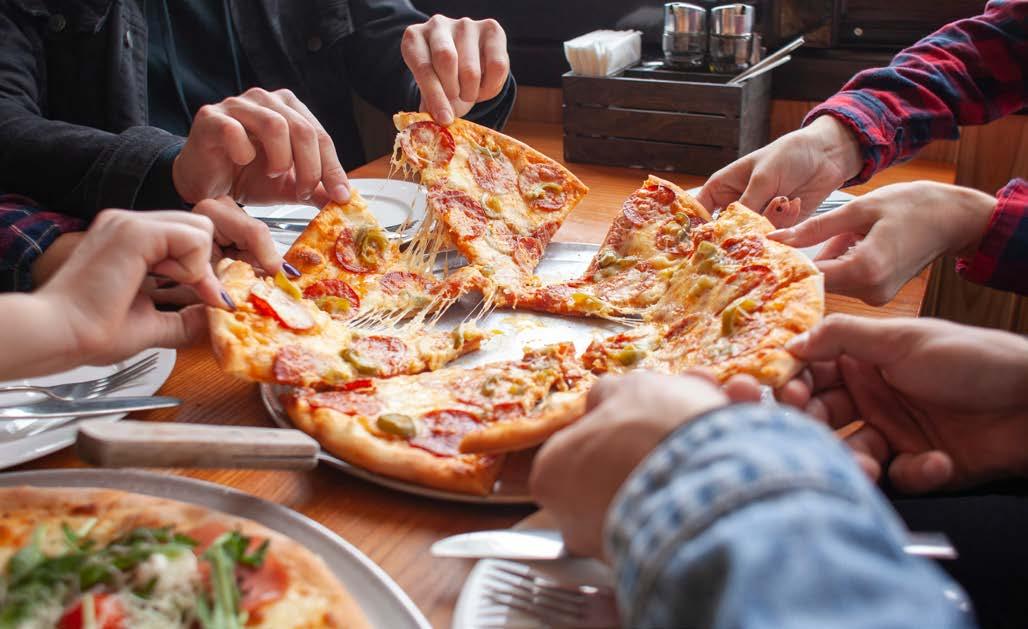
and consistency. Those things still matter, but now people my age also care about whether a concept feels real. We pay attention to quality. We notice branding. We like places that have personality. We want things to be fast, but we also want them to feel intentional. That is why some of the newer food concepts are so smart. They are not just selling food. They are selling a point of view. A healthy bowl concept is not just about lunch. It is about energy, self-image, and lifestyle. A pizza brand is not just about pizza. It is about whether it feels original, social, and worth talking about. A sandwich shop is not just bread and meat. It is whether the product feels more thoughtful than what you could throw together at home. A café is not just coffee. It is atmosphere, routine, and identity.
That is something I think adults sometimes
underestimate about younger customers. We may be younger, but we can tell when something feels generic. We can also tell when a place actually has a soul.
At the same time, what I respect most about franchise food is that behind every good experience is a lot of structure. Great franchise food brands have to balance creativity with consistency. That is a cool challenge. You want every location to deliver on the promise, but you also want the brand to feel alive, not robotic. You need standards, but not stiffness. You need systems, but also hospitality. The brands that figure that out are the ones that last.
I think growing up around franchising made me notice that business is not just numbers on a spreadsheet. It is human behavior. It is design. It is emotion. It is repetition. It is trust. Food franchises show
all of that in a very visible way. If a place gets it right, people come back. If it really gets it right, people bring their families, their friends, and eventually their memories with them.
That is why franchise food has been such an important part of my growing up. It has been there at a thousand normal moments that turned out not to be so normal after all. And now that I am older, I think what makes it powerful is not just that it feeds people. It is that it gives shape to everyday life.
That may sound like a lot to put on lunch.
But I think it is true.
Alex Neonakis is a high school student who loves business, history, basketball, and butter chicken. He’s passionate about entrepreneurship, exploring different cultures, and finding the best food spots with his friends.
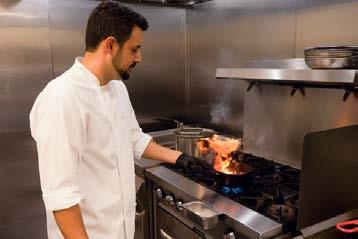
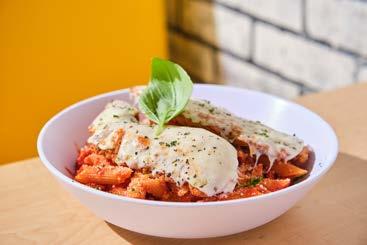
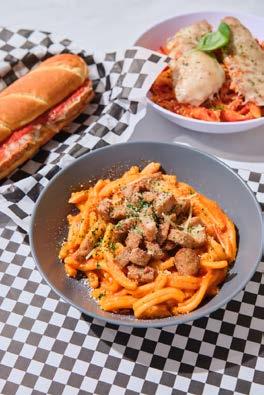

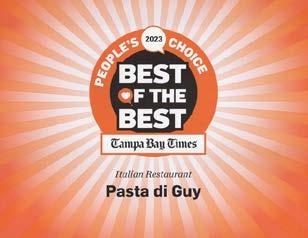

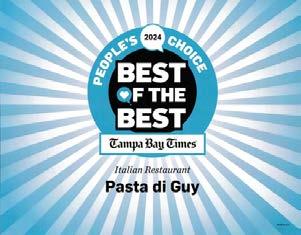
Since 2019, Pasta di Guy has been serving gourmet Italian cuisine in a fastcasual setting at affordable prices Founded by Chef Guy Carmeli, a graduate of the esteemed Cordon Bleu culinary school, our journey started with a successful food truck venture, leading to multiple thriving locations in different states. Winner of the "Best Italian Restaurant in Tampa Bay" for 2023 and 2024, we now offer franchise opportunities to expand our family.
Our Vision is to become the Italian Eatery of Choice for all American Families.
Proven & unique cu




Quality - Foo
Freshness - F pared Daily, Made to Order.
Family - Customers and Employees feel at Home.

Community - Be part of the community and contribute to it

by Bob Hays, Consultant, The Franchise Consulting Company
The food and restaurant franchise sector enters 2026 with strong forward momentum, bolstered by sustained consumer demand and robust economic expansion across multiple dining segments. The National Restaurant Association projects industry-wide sales to reach $1.55 trillion this year, driven by consumers’ enduring desire to dine out whenever budgets allow. Real growth is expected to reach 1.3% after inflation, underscoring the industry’s resilience even amid shifting economic pressures. In parallel, operators expect to add roughly 100,000 new
jobs, pushing total restaurant employment to 15.8 million - a clear indicator of sector vitality.
This combination of rising demand and expanding workforce strengthens the appeal of franchising as a business vehicle. For entrepreneurs seeking a structured, supported entry point into the foodservice market, 2026 presents more opportunity than hesitation.
A defining force shaping restaurant franchising today is the rapid integration of technology. Increasingly, franchise operators are turning to AI-enabled tools, automation systems, and precision-
driven kitchen technology to enhance efficiency and reduce volatility in both front- and back-of-house operations.

Approximately one in four limited-service restaurant operators plans to invest in AI-driven inventory systems and kitchen automation this year. These technologies allow restaurants to reduce waste, improve consistency, and maximize throughput—key advantages in an environment where ingredient and labor costs remain elevated.
Digital infrastructure has also become a determinant of franchise growth. Systems that centralize reputation management, search visibility, and omnichannel ordering show measurable impact: franchises that streamlined these digital functions grew up to 74% faster than decentralized networks. This trend highlights a growing financial incentive for franchisees to join brands with strong digital ecosystems, where centralized marketing operations directly support revenue growth and customer retention.
Meanwhile, automation continues to alleviate labormarket pressures. Increasing use of robotics, particularly for
repetitive, non-guest-facing tasks, allows staff to focus on hospitality, the very element customers say they value most. This balanced approach reinforces the importance of training and human connection, distinguishing brands that merge efficiency with warmth.
As consumer lifestyles and expectations evolve, new franchise opportunities emerge. McKinsey’s 2026 report shows that diners today place heightened emphasis on value, health, and convenience. While some demographic groups have reduced restaurant spending due to inflationary pressures, higher-income millennials remain consistently engaged, sustaining traffic in fast-casual and quick-service segments. One of the most significant behavioral shifts is the rise of off-premises dining, which has transformed from a pandemic necessity into a long-term consumer habit. Takeout, digital ordering, and
“WITH INDUSTRY SALES PROJECTED TO REACH $1.55 TRILLION AND DIGITAL ORDERING DRIVING UP TO 40% OF REVENUE, 2026 OFFERS ONE OF THE STRONGEST LANDSCAPES IN YEARS FOR RESTAURANT FRANCHISE GROWTH.”
delivery continue to expand, prompting franchises to redesign kitchens, streamline pickup systems, and develop menu items optimized for travel. This evolution broadens the revenue potential for franchise operators and supports stable growth across diverse economic conditions.
As real estate dynamics shift, franchises are increasingly exploring non-traditional locations, including airports, college campuses, military bases, arenas, and transportation hubs. These high-traffic environments offer ready-made customer bases and strong volume potential with reduced marketing requirements. Operators such as Smashburger are already implementing strategies to accelerate expansion into these venues, noting strong early performance from airport and military base locations.
For prospective franchisees, these sites present compelling opportunities: lower saturation, built-in demand, and increased brand visibility. As dining convenience continues to shape consumer preference, non-traditional placements are becoming a cornerstone of franchise growth strategy.
Despite economic fluctuations, the financial outlook for restaurant franchising in 2026 remains largely positive. Several factors contribute to the sector’s strong investment profile: · Resilient Comparable Sales
Even in a challenging 2025, restaurant comparable sales

remained in positive territory, stronger than the prior year, demonstrating the enduring nature of foodservice demand. This resilience helps stabilize earnings for franchise locations and reinforces the industry’s reliability as an investment.
· Growth in High-Demand Segments
Quick-service restaurants (QSRs) are forecast to grow 2.2%, fueled by consumer demand for speed, convenience, and value. Regional growth trends also favor franchise expansion, with the Southeast and Southwest leading in footprint additions.
· Digital Ordering as a Revenue Catalyst
Digital ordering now contributes up to 40% of sales, a shift that has strengthened margins through streamlined operations and scalable customer engagement channels. Franchise brands with mature digital systems enjoy better customer retention and higher average check values.
AI and data analytics enable franchises to understand customer patterns, manage resources, and identify performance issues quickly. These tools support margin protection and create more predictable operating environments—key benefits for first-time franchise investors.
As the restaurant industry approaches a new era defined by innovation, data-driven operations, and evolving consumer expectations, franchise opportunities remain abundant. With record-breaking projected sales, expanding employment, and a diversified ecosystem of
dining channels, the industry offers a compelling mix of stability and growth. Technology is enabling franchise brands to deliver stronger value than ever, while shifting consumer habits and expanded real estate strategies continue to open new pathways for success. For investors seeking a resilient and scalable business model, 2026 stands as a uniquely promising moment to enter, or expand within, the food and restaurant franchise sector.
Bob Hays is a Franchise Consultant and member of the Veterans Franchise Council. As a former franchise owner, Bob brings firsthand experience and strategic insight to his work. He helps individuals and business owners navigate franchise opportunities with confidence, offering informed decision-making support and expert guidance throughout the process. Contact Bob at bhays@ thefranchiseconsultingcompany.com.
Reduce startup costs. Strengthen your investment. Grow where it matters.
Our Franchise Reimbursement Program is designed to help qualified franchises launch successful businesses across our 23-county service territory. By reimbursing a portion of the initial franchise fee, the program lowers barriers to entry and accelerates local economic growth.
Program Highlights
f Reimbursement of up to 50% of the initial franchise fee (up to program limits)
f Available to qualified franchisees locating within Mississippi Power’s service area
f Supports job creation, business growth and community revitalization

Learn more and see if your franchise qualifies: mississippipower.com
From franchise development to building improvements and energy efficiency incentives, Mississippi Power provides the tools, resources and partnerships to help businesses build something lasting. When small businesses grow, our communities shine brighter.

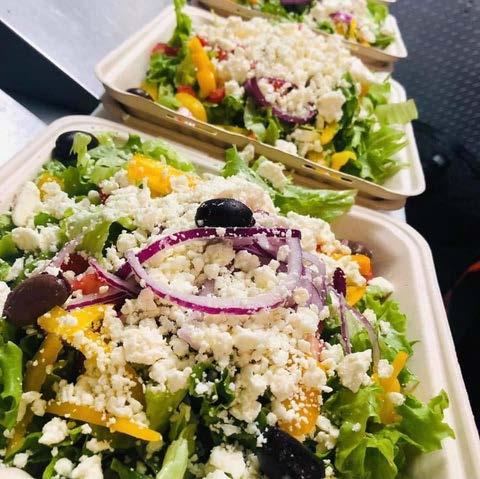

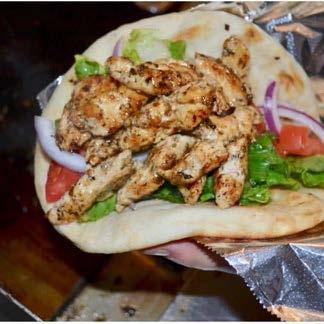
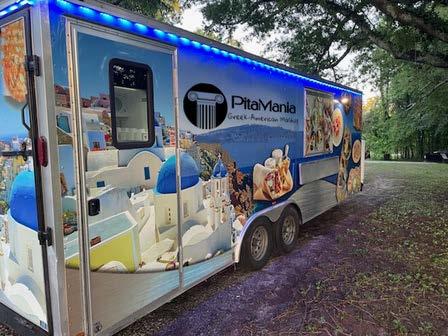
PitaMania intertwines the most popular Greek and American favorites wrapped in warm buttery pitas with a twist! Seasoned to perfection with all homemade dips and sauces. Our Salads are super fresh, and our famous fries that are tossed in our Signature Seasoning that you cant find anywhere else. You eat with us once, you will want to eat with us again guaranteed!
Mediterranean is one of the most popular cuisines
Low initial investment - starting at $140K including franchise fee
Simple Operation: 2-3 employees needed
Homemade recipes passed down from generations
Training and support through out the journey
Minimal prep work, most of the preparation handled by us
High profit margins



by Ozzie Grupenmager, Consultant, The Franchise Consulting Company
For decades, food has been one of the most recognizable entry points into business ownership.
But today’s food franchise landscape looks very different from the one many people remember.
The category has expanded far beyond traditional quickservice restaurants. Beverage concepts built around daily habits, dessert brands driven by social media appeal, healthier lifestyle offerings, and specialized fast-casual formats have all reshaped the industry. Consumers now expect convenience, identity, and experience from the brands they visit—and franchise systems have evolved to meet those expectations.
For prospective franchise owners, this evolution matters. The decision is no longer simply whether to invest in food, but which type of food concept aligns best with their market, lifestyle, and operational strengths.
Food businesses are visible. Customers understand them immediately. Unlike many
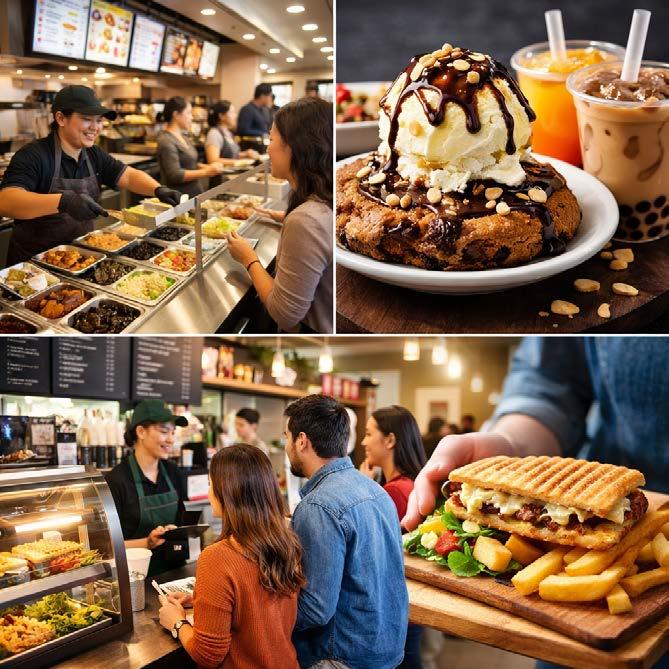

other industries, the value proposition is simple and familiar: people eat, socialize around meals, and look for convenient places to gather. That everyday relevance is one of the reasons food continues to attract franchise interest. Even in uncertain economic periods, dining
habits persist. Consumers may adjust how often they dine out or which types of concepts they choose, but food remains a consistent part of daily life.
For entrepreneurs exploring franchising, this stability can be appealing. Rather than building a new concept from scratch, they step into an
“EVEN
PERIODS,
PERSIST. CONSUMERS MAY ADJUST HOW OFTEN THEY DINE OUT OR WHICH TYPES OF CONCEPTS THEY CHOOSE, BUT FOOD REMAINS A CONSISTENT PART OF DAILY LIFE.”
established brand with defined menus, operational systems, and customer expectations already in place.
However, the real advantage of franchising in food is not simply brand recognition—it is structure.
Today’s food franchise landscape is more diverse than ever.
A generation ago, the category was dominated by traditional quick-service restaurants and large national chains. While those brands still play a major role, new types of concepts have broadened the field.
Fast-casual restaurants now offer higher-quality ingredients and customizable menus. Beverage-focused brands—from specialty coffee to bubble tea—capitalize on daily routines and repeat visits. Dessert concepts attract customers through indulgence and visual appeal, often thriving on social media visibility. Meanwhile, healthfocused brands and niche food offerings continue to gain traction as consumers prioritize lifestyle and wellness.
This diversity allows franchise buyers to think more strategically about where they fit. Some entrepreneurs prefer the energy and scale
of meal-driven concepts. Others gravitate toward beverage models built around frequency. Still others may find opportunity in niche categories that resonate strongly with a specific audience.
Within the broader franchise marketplace, including the portfolio of brands represented by organizations such as Franchise Consulting Company, this range is easy to see—from fast-casual restaurant concepts to global beverage brands and dessert concepts built around indulgence and visual appeal.
In other words, the modern food franchise landscape offers multiple pathways into ownership.
Running a restaurant or food concept requires operational discipline.
Inventory management, staffing, speed of service, food safety, and consistency all play a role in whether a location succeeds or struggles. Small mistakes can quickly affect margins, customer satisfaction, and long-term performance. This is where franchising can make a meaningful difference. Strong franchise systems invest heavily in operational frameworks. They refine menus, supplier relationships, training programs, and store layouts
through experience across multiple locations. That testing process allows franchisees to operate within a model that has already solved many of the common challenges of independent restaurants.
The goal is not to remove entrepreneurship from the equation. Rather, it is to provide structure that helps owners focus on execution, customer experience, and local market engagement.
Not every food franchise represents the same opportunity.
Experienced advisors often encourage prospective owners to evaluate concepts across several dimensions: operational complexity, labor requirements, real estate flexibility, brand differentiation, and repeat customer potential.
Some concepts succeed because they deliver speed and simplicity. Others build loyalty through quality, experience, or product innovation. Some models require significant staffing and management oversight, while others are intentionally designed around smaller teams and streamlined operations.
Understanding these differences helps buyers align their investment with their capabilities and long-term goals.
The real question is not simply whether a concept is popular, but whether the model behind it can perform consistently across markets and over time.
Food franchising continues to evolve alongside consumer behavior.
As technology reshapes ordering habits and social media influences how brands are discovered, successful concepts are finding new ways to connect with customers. Digital ordering, delivery platforms, and loyalty programs have expanded the reach of many brands, while strong branding and in-store
experiences continue to drive repeat visits.
For entrepreneurs exploring ownership, these trends create opportunity—but also reinforce the importance of choosing the right system.
The strongest franchise concepts combine clear brand identity, operational discipline, and a product customers return for again and again. When those elements align, food franchising becomes more than a restaurant investment. It becomes a framework for building a business with structure, support, and the potential to grow across multiple locations.
In a market where many professionals are rethinking
traditional career paths and exploring business ownership, food franchising remains one of the most recognizable—and potentially rewarding—paths into entrepreneurship.
Ozzie Grupenmager is a franchise consultant with Franchise Consulting Company and founder of NextGen Business Solutions, where he provides business coaching and strategic consulting to entrepreneurs and emerging brands. A former COO in the franchise industry and CIO at a global advertising network, he also built a franchise system from the ground up as a franchisor. His background spans franchise development, multiunit operations, branding, marketing strategy, and business intelligence. Ozzie now advises entrepreneurs exploring franchise ownership and works with growing brands on scalable franchise expansion strategies.




MISSION
c
a c o n c e p t t h a t b l e n d s e x c e p t i o n a l c o f f e e , c r a f t
c o c k t a i l s , a n d a s p a c e w h e r e c o m m u n i t y t h r i v e s .

R O O T E D I N
Q U A L I T Y
Q u a l i t y i s a t t h e h e a r t o f
e v e r y t h i n g w e d o . I t ' s

t h e f o u n d a t i o n t h a t
k e e p s o u r s t a n d a r d s
h i g h a n d o u r g u e s t s
c o m i n g b a c k .
E v



P R E C I S I O N I N P R O D U C T C O M M U N I T Y & C U S T O M E R D R I V E N


c a r e . F r o m s o u r c i n g a n d r o a s t i n g t o t h e f i n a l p o u r, w e p e r f e c t e v e r y d e t a i l t o d e l i v e r p r o d u c t s c r a f t e d w i t h e x c e l l e n c e . O u r s p a c e s a r e b u i l t t o f o s t e r c o n n e c t i o n , c e l e b r a t e l o c a l

c u l t u r e , a n d m a k e e v e r y g u e s t f e e l l i k e p a r t o f t h e f a m i l y .
by Angie Salmon, Consultant, The Franchise Consulting Company
Boutique fitness has evolved far beyond a workout trend — it’s become a lifestyle choice that prioritizes specialized programming, community, and personalized experiences. With a projected global market valued in the billions and sustained growth across urban centers, studios that master the right mix of elements stand out in this crowded but thriving sector.
The Franchise Consulting Company partners with a wide range of boutique fitness brands, from wellestablished concepts to some of the industry’s most exciting emerging innovators.
The global boutique fitness market was about $48 billion in 2022 and is projected to reach $79.6 billion by 2029. Despite pandemic disruptions, boutique fitness has rebounded strongly and is now growing again faster than traditional gyms. Additionally, boutique fitness appeals strongly to younger and higher-income consumers. This demographic shift is important because the younger generations (Millennials and Gen Z) prioritize experiences,
community, and wellness lifestyles rather than just access to equipment.
While every studio has its own personality and brand identity, the most successful boutique fitness businesses share several important attributes:
One of the most critical factors behind a thriving boutique fitness studio is choosing the right demographic and geographic market. Successful studios typically locate

themselves where demand aligns with income, lifestyle, and population density — often in urban or affluent suburban areas where consumers are willing to pay premium class prices. Boutique fitness members tend to skew female (around 65%), are predominantly Millennials aged 25-44, and frequently have household incomes above $100,000 — a customer profile that supports higher class prices and memberships.
Studios thrive where people value wellness as a lifestyle, not
just exercise — proximity to shopping districts, co-working hubs, and community centers can significantly boost visibility and foot traffic. Competitive urban markets like Los Angeles, New York, and major metro regions show higher boutique density due to these consumer patterns.
Specialization is the core differentiator for boutique studios. Rather than being a mini-gym with every machine under the sun, boutiques succeed by offering focused, high-value modalities — from Pilates and yoga to HIIT and functional training. According to recent industry data, Pilates alone accounts for over 43% of boutique fitness primary modalities, reflecting consumer demand for lowimpact yet strength-building workouts.
This focus allows studios to build deep expertise, deliver consistent results, and craft brands that are memorable. For example, emerging studios like Pilates Addiction have quickly expanded, selling 100+ franchise territories nationwide within a few months — a testament to the power of performance-driven, focused programming.
Tailored programming also keeps classes fresh and members engaged. Integrating hybrid formats (e.g., Pilates plus strength or cardio), tech elements (wearables, AI tracking), and varied class lengths gives members flexibility and keeps attendance high.
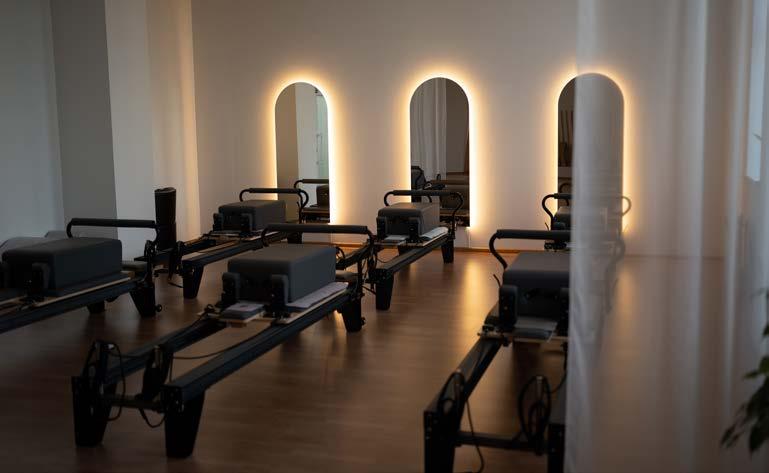
While location is about the where, facility is about the experience. Successful boutiques invest in highquality spaces that feel intentional — light, clean, beautifully designed, and equipped with premium gear that reflects the studio’s identity. Members aren’t just paying for a workout; they’re paying for an environment that feels immersive and elevated. Amenities might include:
• Studio-specific equipment (e.g., reformers for Pilates)
• Recovery zones or wellness add-ons
• Eco-friendly features (seen in 55%+ of new studios)
• Lounge areas that invite social connection
• Technology integration (apps, digital scheduling) More than decoration, these design choices create familiarity and comfort — turning occasional visitors into loyal members.
Arguably the most defining strength of boutique fitness studios is community. Unlike big-box gyms where workouts are transactional, boutiques build relationships and belonging. Members join not just for fitness, but for connection — a sense of tribe. Community events, social media interaction, and welcoming class environments keep members engaged long term and drive high retention rates.
This culture differentiator is why boutique fitness has a much higher customer
satisfaction score compared to traditional gyms, often with community event attendance up 50% post-pandemic.
The instructor experience — both for participants and trainers — is a makeor-break element. Highquality, charismatic trainers who can form relationships, provide excellent cueing, and deliver consistent results are invaluable. Successful studios invest in recruiting, training, and retaining these instructors, knowing that repeat visits and loyalty often hinge on the person at the front of the room.
Member engagement doesn’t stop when the class ends. Tools such as appbased scheduling, progress tracking, bundled nutrition coaching, community socials, and challenges help convert first-time guests into regulars. Hybrid offerings (live + virtual) also broaden reach and adapt to members’ lifestyles.
Boutique fitness is thriving because it delivers something larger than exercise: it offers purpose, connection, and identity. Studios that master strategic location, specialized programming, beautiful facilities, strong community, and quality instruction tend to outperform competitors.
Angie Salmon has 30 years of experience as a boutique fitness franchisee and 26 years advising fitness franchisees nationwide. She brings deep industry expertise and a proven track record in helping studios thrive. Contact Angie at asalmon@ thefranchiseconsultingcompany.com.





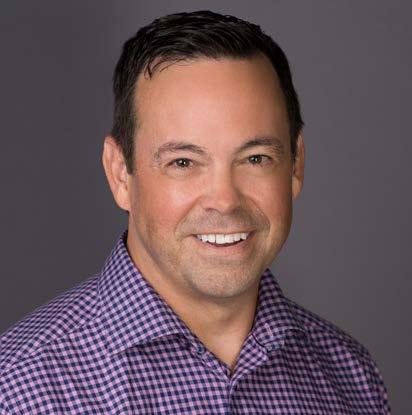
by Rick Morgin, Consultant, The Franchise Consulting Company
WHAT INSPIRED SAFESPLASH TO DEVELOP THE S.A.F.E.R. SWIMMER PROMISE, AND HOW DID THE PILOT PROGRAM SHAPE THE NATIONWIDE ROLLOUT?
The S.A.F.E.R. Swimmer Promise was inspired by the number one question parents ask: “How long will it take for my child to learn to swim?” We noticed a gap in the industry around clarity, accountability, and outcomes for both parents and swimmers. Instead of focusing solely on participation, we wanted to create an outcomes-driven model that emphasizes lifesaving skills, measurable progress, and trust with families.
We piloted the program in early 2025 across select markets to test whether an outcomes-based promise could deliver both safety impact and operational performance. During the evaluation period, pilot locations consistently outperformed the rest of the system in enrollment, retention, revenue, and demand. Those results confirmed that the model was scalable, repeatable, and ready for a systemwide rollout.
WHAT HAVE BEEN THE BIGGEST CHALLENGES AND SUCCESSES WITH THE PROMISE SO FAR?
The successes have been significant. Locations

participating in the Promise have seen strong business performance, including higher retention and increased enrollment. The program clearly differentiates us in a crowded category as the industry’s first milestone-based, outcomesbacked swim program. Families respond positively because the Promise provides transparency, confidence, and peace of mind. More than 7,000 children nationwide have already completed the program, gaining critical self-rescue skills. The challenges have centered on consistency and change. As the Promise has expanded, we’ve focused on building

the proper training, systems, and operational alignment to ensure every location delivers the same high-quality, outcomes-driven experience families expect. We also had to shift the traditional swim lesson model, moving the industry conversation from open-ended lessons to clear, outcomebased accountability, which required thoughtful change management, team education, and ongoing coaching.
The Promise creates a powerful value proposition for families because it clearly defines what success looks like and when they can expect it. Families are more engaged because progress is transparent, milestone-based, and tied to real-world safety outcomes. For franchisees, the Promise acts as both a mission driver and a growth engine. It builds long-term trust, which fuels referrals, repeat enrollment, and brand loyalty.
CAN YOU WALK US THROUGH THE RECENT REBRAND AND WHAT IT MEANS FOR THE COMPANY’S FUTURE?
The rebrand from Streamline Brands to our new overarching title, SafeSplash Swim School, reflects how we have evolved from a collection of acquired brands into a unified national platform with a shared mission. Consolidating under the SafeSplash name creates clarity and consistency for families while strengthening
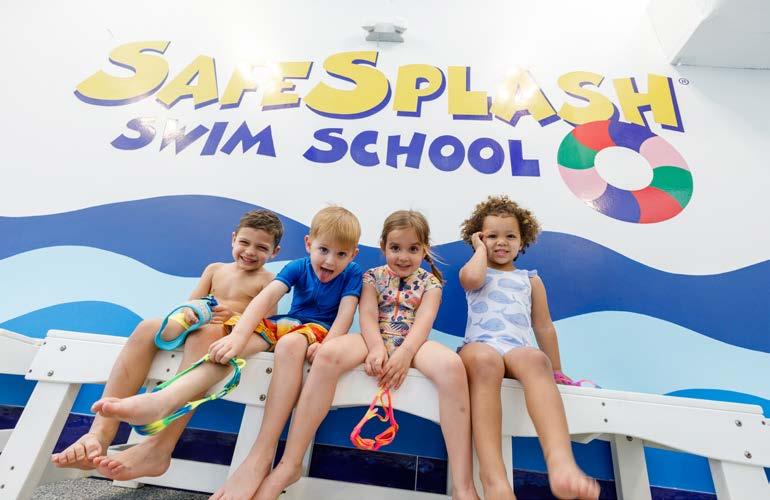
national brand recognition. Operationally, it allows for greater efficiency, shared systems, and a more seamless experience across locations. This rebrand also positions SafeSplash to scale faster while staying rooted in safety, confidence, and measurable outcomes. It signals a longterm commitment to being the trusted name in swim education nationwide, not just a network of local schools.
NEXT FOR SAFESPLASH IN TERMS OF FRANCHISE GROWTH AND INNOVATION FOR FRANCHISEES?
Looking ahead, we are focused on continued franchise expansion to meet strong demand for purpose-driven, scalable youth enrichment concepts and are investing in operational systems, training, and technology to help franchisees execute consistently and efficiently. Programs like the S.A.F.E.R.

Swimmer Promise will continue to expand to deepen impact and maintain differentiation. Our long-term focus is on innovation that allows franchisees to grow sustainably while delivering meaningful, lifesaving outcomes.
Rick Morgin is a Consultant with The Franchise Consulting Company and alumnus of Santa Clara University. He assists clients with the educational process of researching and selecting available franchise businesses that best suit desired lifestyles and financial goals. Contact Rick at rick@ thefranchiseconsultingcompany.com.

Unique restaurant concept, offering a menu you don’t see at many other restaurants
Flexible opening hours - you can focus on lunch and dinner from 11 - 9 daily or you can stay open till the cows come home!
Various franchise options available - full scale restaurant and bar or quick serve type restaurant focused on takeout or dine in Great catering options to drive sales

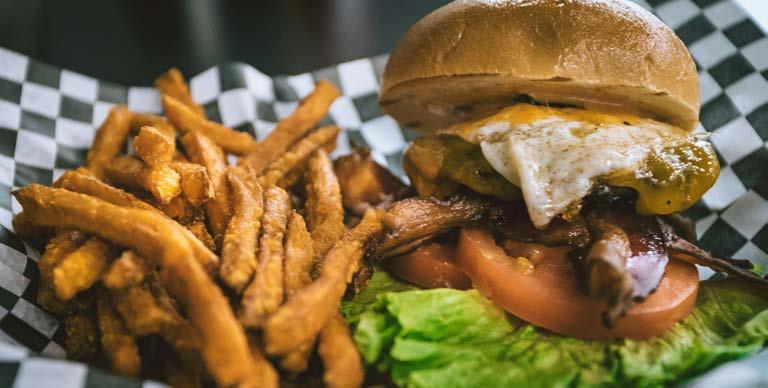
Big Billy’s Burger Joint is the go-to place for gourmet burgers and better yet the place to come for Game meat. Not only do we hang our hat on fresh cut, house ground burgers- we also feature Wild Boar, Gator, Bison, Venison, Elk and feature game like Ostrich, Antelope, Emu and Camel on Thursdays. We make our dressing and sauces in-house and also feature Salmon and Mahi Mahi on our menu as well as fresh salads. We specialize in making shakes and malts hand spun and even offer "Adult" milkshakes for our full service bar. We offer third party delivery as well as catering.
Our franchisees can open a full scale restaurant and bar or a quick serve type restaurant focused on takeout or dine in.


EBITDA - (If Franchised)
$148,500 - $330,000 $100,346 Gross Revenue $1,406,678 Gross Profit $800,365


As North America’s largest and most-trusted deck building franchise, Archadeck Outdoor Living is a proven franchise model that boasts a 40-plus year track record and nearly $1 billion in projects completed. In addition to offering you a business model built on proven best practices in the thriving outdoor living industry, Archadeck also has you “covered” with the support you need to have booming business, including innovative technology & programs, robust marketing & lead generation, business & financial support, production management, and more. For entrepreneurs looking to achieve their personal and professional goals within a growing industry, Archadeck is the perfect choice.
•
•
by Ron Filian, Consultant, The Franchise Consulting Company
The modern food franchise is no longer just about speed and consistency; it is about purpose. As we move through 2026, the industry is witnessing a massive shift toward sustainability, ingredient transparency, and community health. For the aspiring entrepreneur, this shift represents a golden opportunity to build a business that is both profitable and principled. However, navigating this evolving landscape—especially for first-time owners—requires
more than just a passion for food. It requires a strategic partnership with a Franchise Development Consultant. These experts act as the bridge between a dream and a functional, high-impact business, guiding newcomers through the complexities of emerging franchise brands and sustainable operations.
One of the most significant impacts a food franchise can have on its community is through waste reduction.
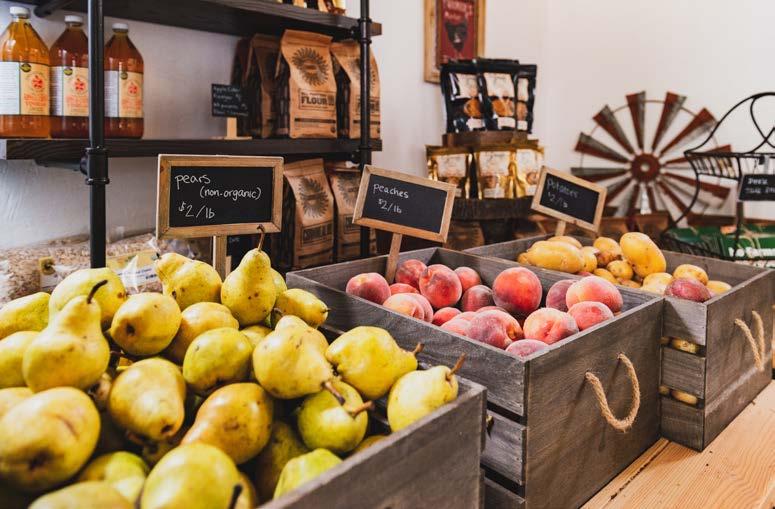
Modern brands are now utilizing advanced AI-driven inventory systems to predict demand with surgical precision.

• Precision Ordering: Emerging brands are leading the way by using tech to ensure that fresh ingredients are used before they spoil, significantly cutting down on landfill contributions.
• Community Upcycling: Many franchises now partner with local food banks or apps like Too Good To Go to ensure surplus food feeds people, not dumpsters. This not only reduces waste but builds a "halo effect" of goodwill within the local neighborhood.
Today’s consumer wants to know exactly what is in their bowl. The "Clean Label" movement has moved from a trend to a standard requirement.
• Nutritional Transparency: Successful franchises are providing full digital access to sourcing stories— showing where the chicken
was raised or which local farm grew the kale. This transparency builds a deep level of trust that legacy brands often struggle to replicate.
• Plant-Forward Menus: We are seeing a surge in healthy fast-casual concepts that prioritize nutrient-dense, plant-based options. By offering Mediterraneaninspired grains or customizable salads, these brands prove that "fast" doesn't have to mean "unhealthy."
For a first-time franchise owner, the sheer volume of choices in the food category can be overwhelming. This is where a Franchise Development Consultant becomes your most valuable asset. They don't just sell you a brand; they curate an opportunity that fits your specific financial goals and personal values.
1. Spotting the "Rising Stars": A consultant has their finger on the pulse of emerging franchise brands. These are often younger, more agile companies that have integrated sustainability into their DNA from day one. Investing in an emerging brand often means lower entry costs and more prime territory availability.
2. Operational Roadmap: They provide a step-by-step guide through site selection, lease negotiations, and understanding the franchisor's
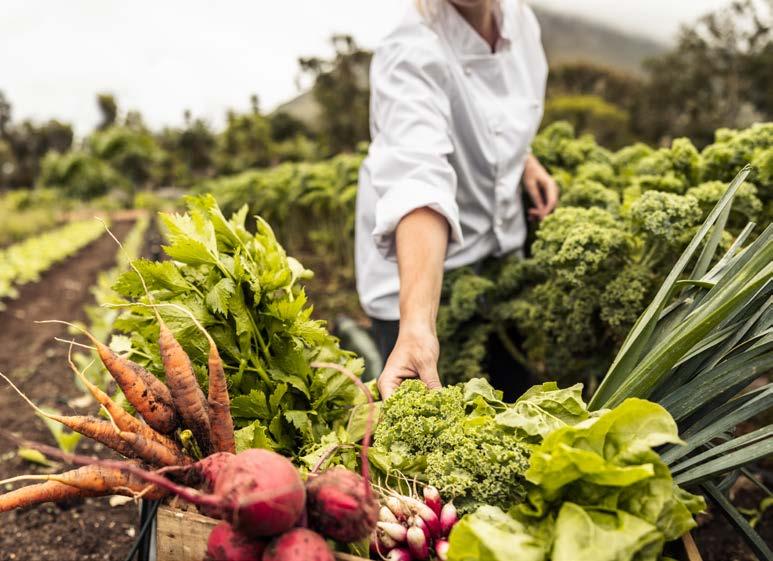
training systems. For a newcomer, having a consultant is like having a seasoned navigator in uncharted waters.
3. Risk Mitigation: By performing deep due diligence on a brand’s financial health and scalability, a consultant ensures your investment is sound. They help you avoid "fad" brands and focus on concepts with long-term staying power.
Opening a franchise is a profound commitment to your neighbors. When you open a location, you aren't just selling a product; you are becoming a local employer and a community pillar.
Service to the community goes beyond the menu. It involves providing stable, dignified jobs and a clean, welcoming "third space" for people to gather. Highperforming franchises often sponsor local youth sports, host school fundraisers, and lead by example in local environmental cleanup efforts. By prioritizing
service excellence, a franchise owner ensures that their business feeds the community's spirit as much as its appetite.
The transition toward "Innovating for Good" is a permanent shift in the food category. As a franchise owner, your role is to manage these complex operations while maintaining a human connection with every guest. With the guidance of a Franchise Development Consultant, you can confidently step into the world of business ownership, knowing you have the support system of a proven brand and the strategic advice of an industry expert.
Ron Filian is a trusted franchise development consultant dedicated to helping individuals and multi unit franchise business owners navigate franchise business opportunities and expand their portfolios. Contact Ron at rfilian@ thefranchiseconsultingcompany.com.





by Jewan "Jack" Tiwari, Consultant, The Franchise Consulting Company
At American Coney Island in downtown Detroit, something unusual now rolls between the tables. A robot— provided by robotics integrator RobotLAB—transports Detroit Coneys to waiting customers. Staff punch in a table number, load the food, and the robot delivers. Owner Grace Keros is clear about what it means: "Is the robot here to replace an employee? Absolutely not."
Three hundred miles east, at WellSpan York Hospital in Pennsylvania, the future looks different. There, a fully autonomous robotic kitchen called Fresh Take Eatery opened in March 2026, capable of producing hundreds of made-to-order meals—gnocchi pesto, chicken teriyaki rice, custom salads—with no human hands touching the food. The 400-square-foot unit doubles dining capacity for a campus of 10,000 people, using four cooking modules and 80 fresh ingredients managed entirely by robotic arms.
These two scenes capture the state of food automation in early 2026: delivery robots are already familiar, but fully autonomous cooking is arriving fast. For franchise operators watching thin margins and
chronic labor shortages, the question is no longer if but when and how.
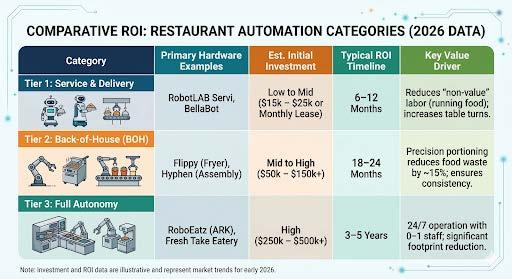
The restaurant industry has grown savvier about separating automation hype from genuine utility. What's working at scale today falls into three categories.
Delivery and serving robots are the most mature. RobotLAB, which operates 36 locations nationwide, has deployed hundreds of

units across restaurants, hotels, and airports. The model is straightforward: robots handle repetitive transport of food from kitchen to table, freeing staff to focus on customer interaction. "We have robots that can deliver endlessly," says CEO Elad Inbar. "People don't want to do these jobs."
Back-of-house automation is accelerating. White Castle's "Castle of Tomorrow" prototype

RobotLab Website, Detroit News (Feb 2026), Fox Business (Jan 2026), York Daily Record / Benzinga (Mar 2026), CB Insights, Tech Tracker (Jan 2026),
includes robotic fry cooks. Chipotle and Cava jointly invested $25 million in Hyphen, a platform that automates bowl and salad assembly.
Dave's Hot Chicken is building its tech stack around AI voice ordering, kiosks, and kitchen robotics as it scales past 300 locations.
Fully autonomous cooking remains the least common but fastest-improving category. The WellSpan hospital installation represents a breakthrough: a commercial-grade, full-service robotic kitchen operating in a real-world, high-volume environment.
The case for automation has shifted from experimental to existential. Post-pandemic labor shortages aren't temporary; they're structural. The entry-level worker has fundamentally changed. As Inbar puts it, "the workforce is no longer willing to sacrifice their time for repetitive, manual tasks they perceive as
beneath their potential."
Meanwhile, the costs operators can control have narrowed. Rent is fixed. Energy prices are market-driven. Interest rates are elevated. "This leaves the savvy strategist with only one primary battlefield: the 'unit-level' costs of labor and food waste," Inbar notes. "Robotics has moved right into the center of this field."
Globally, 73% of restaurant operators plan to invest in AI and automation by 2025, according to Restolabs. Early adopters report food cost reductions of up to 15% and revenue forecasting accuracy improvements of 22%.
What distinguishes RobotLAB in this rapidly crowding field is its focus on end-to-end integration. The company doesn't just sell robots; it partners with businesses to assess needs, deploy systems, train staff, and provide ongoing support. With 36 U.S. locations and a franchise network ranked #3 in America
by The Franchise Consulting Company, RobotLAB is building a national footprint for robotics deployment.
The company's portfolio spans more than 50 robot types—cleaning bots, delivery bots, security patrol robots, and now humanoid prototypes like BroBot™, launched February 2026. But its core value proposition remains practical: solving labor gaps with reliable, measurable automation.
For franchise owners, the automation question carries unique weight. Multi-unit operators must balance consistency across locations with the flexibility to test new technologies. The current landscape offers a roadmap. Kiosks and digital ordering are table stakes. Modern selforder kiosks now function as revenue optimization tools, not just labor savers, with average order value lifts of 18-26% through AI-driven upselling. Drive-thru voice AI is in active pilot. McDonald's continues expanding AI across operations, while partnerships like SoundHound and Acrelec aim to bring voice ordering to scale. The key is robust fallback to humans—customers won't tolerate frustration for long.
Kitchen robotics require careful evaluation. The Hyphen platform and robotic fry stations promise transformative efficiency, but they demand sustained volume, streamlined menus, and strong internal tech champions. For most franchisees, the near-term
opportunity lies in augmenting existing staff with task-specific robots, not wholesale kitchen replacement.
Cleaning and facility robots offer the fastest ROI. Autonomous scrubbers and vacuums handle hundreds of thousands of square feet daily, operating overnight when labor is scarce.
Across every case study, one theme recurs: automation is about freeing humans, not eliminating them. The dystopian vision of robots displacing workers is giving way to a more nuanced reality—machines handle monotonous tasks while people focus on connection.
As Inbar frames it, "The goal? Liberate your skilled, trusted, and loyal staff from the mission-critical drudgery that machines were born to handle.
When a robot scrubs floors, it's not just saving money—it's saving the human smile, the warmth, the irreplaceable connection that turns a transaction into an experience."
The WellSpan hospital kitchen provides the clearest answer yet: fully autonomous cooking is here, in limited but operational form. The technology works. The ingredients are fresh. The meals are hot. The constraints of space and labor that have held back institutional foodservice are being systematically dismantled. For franchise operators, the implication is clear. The building blocks of automation—delivery bots, cleaning robots, kiosk ecosystems, kitchen assistants—are already deployable and increasingly


affordable. The fully robotic quick-service restaurant may still be a few years from widespread adoption, but the foundation is being laid now.
The operators who thrive in 2026 and beyond will be those who view automation not as a replacement for their people, but as a strategic investment in their people's potential. The robots are coming to kitchens across America. The question is whether franchise owners will lead that transition or be dragged through it.
As RobotLAB's Inbar puts it, "The time to adapt is here. No longer are the days where we thought this was only a temporary glitch."
Jewan "Jack" Tiwari is a seasoned Franchise Consultant, Business Broker, and M&A Advisor based in the Washington, D.C. metro area. Serving the Mid-Atlantic region, he specializes in the full business lifecycle—from initial acquisition and SBA financing to scaling through franchise development and securing high-valuation exits. For strategic advisory, contact him at Jack@ TheFranchiseConsultingCompany.com.


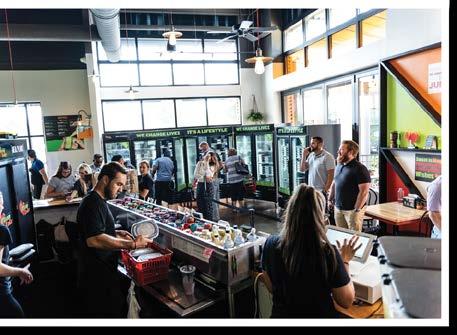

Clean Eatz has a lower investment cost than most fast casual concepts.

Stores can be run with great labor percentages.
At the heart of t he restaurant / mea l plan model s tir s an unwavering p ass ion to help individuals
and families cha nge their lives. Through providing better nutrition o ptio ns, a steady do se of
h ealth and wellnes s education – as well as a diverse sup port community – C le an Eatz
c o ntinues to gain f ans around the n at ion. In fact, our fo otprint curren tly c onsists of mor e than
80 cafes in dozens o f states… and another 100 lo ca tions in the pipelin e!


Clean Eatz operates in smaller spaces than most fast casual concepts.


Clean Eatz offers flexible hours for franchisees, with most cafes closing at 7pm.

Our menu is streamlined and easy for anyone to reproduce whether you have food service experience or not!

FIVE to be exact! These include our café menu, Grab ‘N’ Go options, weekly meal plans, Marketplace products, and catering.
We continue to get praise and coverage, from a devoted online social media fanbase to high-profile publicity outlets!


FRANCHISED BY
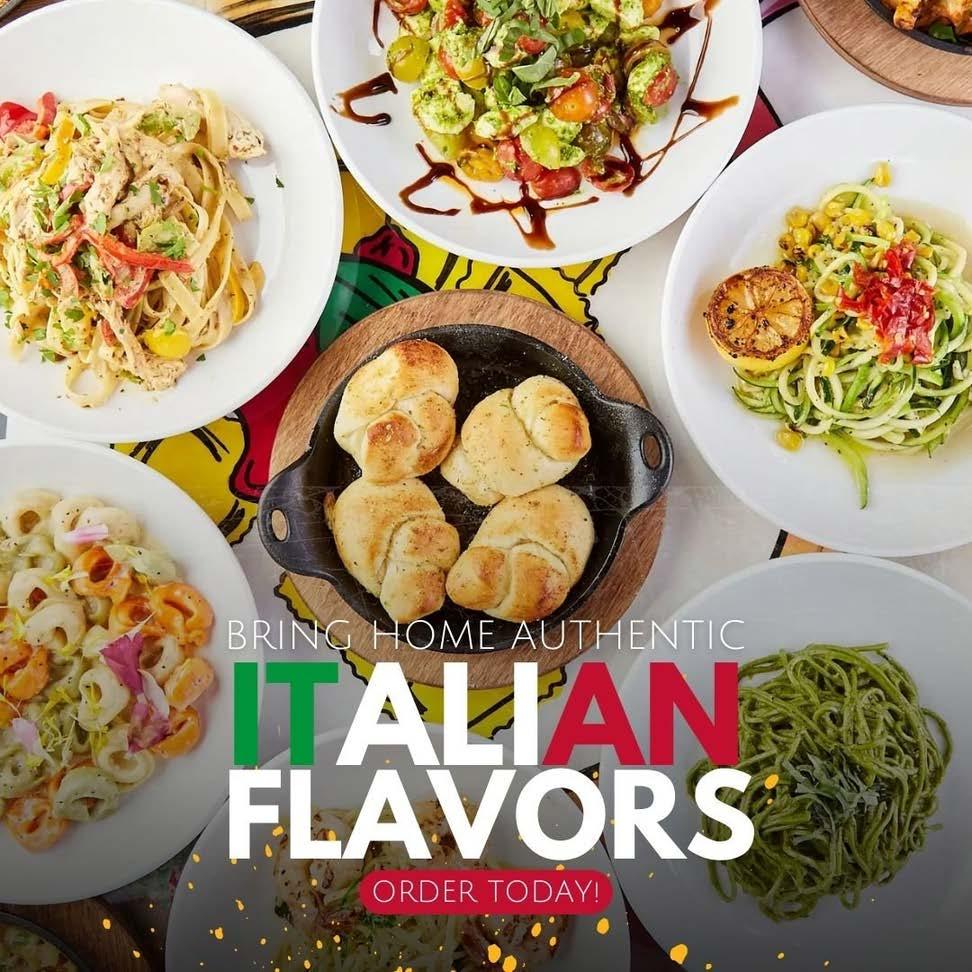
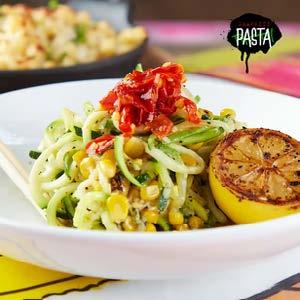
Graffiti Pasta is Anthony's passion project, blending his love for graffiti art and Italian pasta. With years of experience in the service industry and creating unique restaurant concepts, he aims to expand Graffiti Pasta with a trusted team he’s worked closely with over the years.

Proven & Unique Culinary Concept.
Low Labor & Food Cost. High Profit Margins.
Exceptional Support All the Way to Your Success.




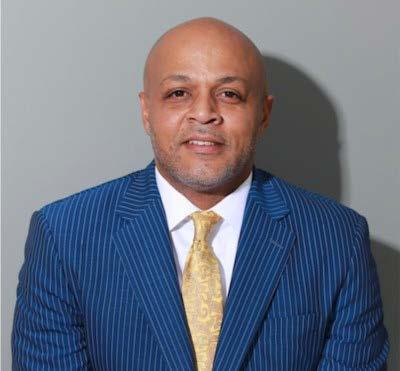
by Rick Morgin, Consultant, The Franchise Consulting Company
On a busy game day at Soldier Field, thousands of Chicago Bears fans move through the stadium concourses searching for something satisfying before kickoff. Among the options is a brand that started far from the roar of the stadium crowd—in a neighborhood restaurant with a simple but ambitious idea: bring bold, Southern-inspired seafood to communities that had long been underserved by the category.
That brand is Surf’s Up.
Founded in Chicago in 2012 by entrepreneur Eric Roy, Surf’s Up began as a local seafood concept designed to deliver fresh flavors, fast-casual convenience, and a welcoming
neighborhood atmosphere. Over the past decade, the brand has grown into a recognizable presence across Chicago’s South Side, earning a loyal following and eventually expanding into one of the city’s most iconic sports venues.
Now, after more than a decade of building and refining the concept, Roy is preparing Surf’s Up for its next chapter— national franchise expansion.
We spoke with Roy about the origins of the brand, the strategic transformation that positioned Surf’s Up for growth, and his vision for building a nationally recognized seafood franchise.
RICK MORGIN:
Let’s start at the beginning. What inspired you to create Surf’s Up?
ERIC ROY:
Surf’s Up started with a pretty simple idea. Back in 2012, we saw that a lot of neighborhoods in Chicago didn’t have easy access to high-quality seafood. Chicago is an incredible food city, but seafood options in some communities were limited or nonexistent.
We wanted to change that by creating a fast-casual concept
that offered fresh seafood, bold flavors, and a welcoming atmosphere where people could come together and enjoy great food.
From the start, we leaned heavily into Southern-inspired seafood traditions—things like fried fish, shrimp, and other comfort-style dishes that really resonate with people. But we also focused on delivering consistent quality and a strong customer experience.
The response from the community was immediate. People loved the food, and more importantly, they connected with the brand.
RICK MORGIN:
The brand has grown steadily since then. How has Surf’s Up evolved over the years?
ERIC ROY:
It’s been an incredible journey. What started as a single neighborhood restaurant gradually expanded as the brand built a loyal following.
Today, we operate several locations across Chicago’s South Side, and we’ve also expanded into Soldier Field, which has been a huge milestone for us. Being inside a
major sports venue allows us to introduce the Surf’s Up brand to thousands of fans, tourists, and visitors who might not otherwise have discovered us. That exposure has helped elevate the brand and opened the door to bigger opportunities.
But one thing that hasn’t changed is our mission. From the beginning, Surf’s Up has been about more than just food. We’ve always believed in building businesses that create economic opportunities in the communities where we operate. As we grow, that mission continues to guide everything we do.
RICK MORGIN:
You made several major changes in 2025 to prepare the company for franchise growth. What did that transformation look like?
ERIC ROY:
2025 was really a transformational year for Surf’s Up. We took a step back and asked ourselves what the brand needed in order to scale nationally.
One of the first things we did was launch a full brand refresh. That included new logos, updated store design
standards, and a modernized visual identity that reflects where the brand is heading.
We also strengthened our leadership infrastructure. We brought on a strategic board of advisors made up of experienced leaders in franchising, hospitality, and business development. Their guidance has been invaluable as we refine the franchise model.
Another important step was bringing in a fractional CFO to help strengthen our financial planning and operational systems. As you move from a local restaurant brand to a national franchise concept, you need a higher level of financial discipline and reporting, and that’s something we’ve worked hard to implement.
On the operational side, we expanded our presence inside Soldier Field by adding a second location. That significantly increased both our visibility and revenue potential during major events.
We also invested in our digital infrastructure, including launching a new website and improving our franchise marketing tools so prospective partners can better understand the opportunity.
All of these changes were designed to ensure that Surf’s Up has the systems, structure, and brand clarity needed to grow successfully through franchising.
RICK MORGIN:
Let’s talk about performance. What does the data show about the brand’s average unit volume?
ERIC ROY:
According to our 2025 Franchise Disclosure Document, the reported average unit volume across reporting locations was approximately $1.05 million per restaurant.
For us, that number is important because it reflects the strength of the concept when it’s executed properly. It also provides prospective franchise partners with a realistic view of the revenue potential within the system.
Of course, performance depends on factors like location, management, and market conditions, but we’re encouraged by the consistency we’ve seen across our operating restaurants.
RICK MORGIN:
As you begin expanding the franchise system, what qualities are you looking for in franchise partners?
ERIC ROY:
We’re really looking for partners who are both community-focused and operationally strong.
Hospitality is ultimately about people, so leadership and team-building skills are incredibly important. The best operators understand how to build great teams and deliver a strong customer experience every single day.
We’re also looking for individuals who have the financial capacity to develop multiple units over time. Our growth strategy is centered around multi-unit operators who want to build something substantial within their markets.
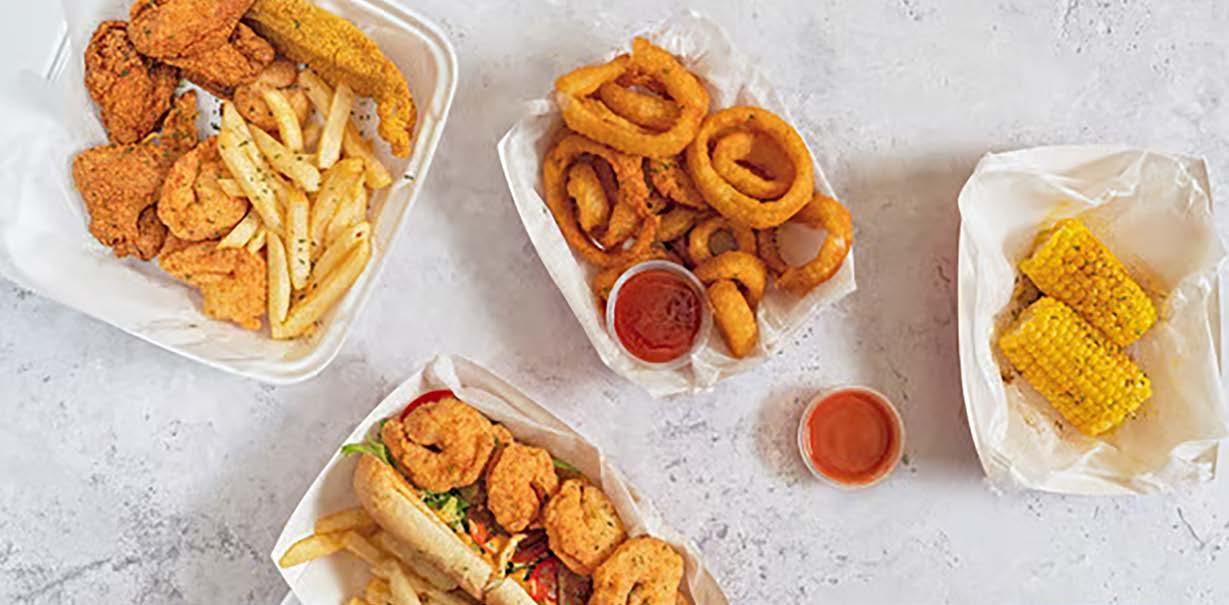
Another key factor is the ability to follow a proven system. Franchising works best when operators respect the brand standards and processes that have been developed.
Many of the candidates we speak with are experienced entrepreneurs, restaurant operators, or professionals who want to transition into business ownership through a structured franchise model.
At the end of the day, we’re looking for people who believe in the brand and share our long-term vision.
RICK MORGIN:
Speaking of the future, what does the next five years look like for Surf’s Up?
ERIC ROY:
The next five years are really about scaling the brand nationally while staying true to what made Surf’s Up successful in the first place. Our strategy focuses on expanding into major metropolitan markets where
there is strong demand for fast-casual dining and diverse food concepts. Cities like Chicago, Dallas, and Atlanta are all part of our long-term vision.
We also see tremendous opportunity in sports and entertainment venues. Being inside stadiums and large event spaces gives the brand exposure to massive audiences and helps drive awareness.
Another major focus will be strengthening the support systems we provide to franchisees. As we grow, it’s critical that our operators have the training, marketing support, and operational guidance they need to succeed.
Our goal over the next five years is to grow to 40 to 60 locations across the United States.
As Surf’s Up prepares for its next phase of growth, Roy remains focused on the same principles that guided the brand from the very beginning: great food, strong community ties, and opportunities for
entrepreneurs to build something meaningful. With a proven concept, an average unit volume topping $1 million, and new infrastructure in place to support franchise expansion, the company is positioning itself to bring its bold seafood flavors to cities across the country. For Roy, the vision is clear. What began as a neighborhood restaurant in Chicago has the potential to become a nationally recognized seafood brand— one built not only on flavor and hospitality, but on the belief that successful businesses can also strengthen the communities they serve.
Founded in Chicago in 2012 by entrepreneur Eric Roy, Surf’s Up began as a local seafood concept designed to deliver fresh flavors, fastcasual convenience, and a welcoming neighborhood atmosphere. Over the past decade, the brand has grown into a recognizable presence across Chicago’s South Side, earning a loyal following and eventually expanding into one of the city’s most iconic sports venues.











Advertise in Today's Restaurant Digital Edition online and have your ad delivered to thousands of restaurant and foodservice buyers each month. From full page display ads to classifieds we have a size and price to fit your ad budget.
Advertising on the Today's Restaurant Website will expose your corporate or individual message to every visitor. Banner ads can be interactive animated messages. We’ll meet your ad needs and price point.
We’ll email your ad or video to our verified database of over 15,000 restaurants in Florida, Georgia, Texas and around the country. A 10%-20% open rate can be expected with each Eblast and all Eblasts are posted on our social media sites for even more exposure.
Video is hot! Show the industry what your company can provide with a Video Eblast featuring a great product or video interview. Ask to see a sample or call for pricing.
A few days after your initial Eblast, reach out to your Eblast recipients with another special offer. A higher open rate of 40%-70% is often achieved with Eblast Follow-Ups.
Subscribe to our Restaurant Leads Report and every month receive valuable industry sales leads on restaurant openings, restaurants under construction and under new management in an Excel spreadsheet format. Reports include the buyer’s name, phone number, zip code and email when available. Reports for Florida and Georgia are now available.

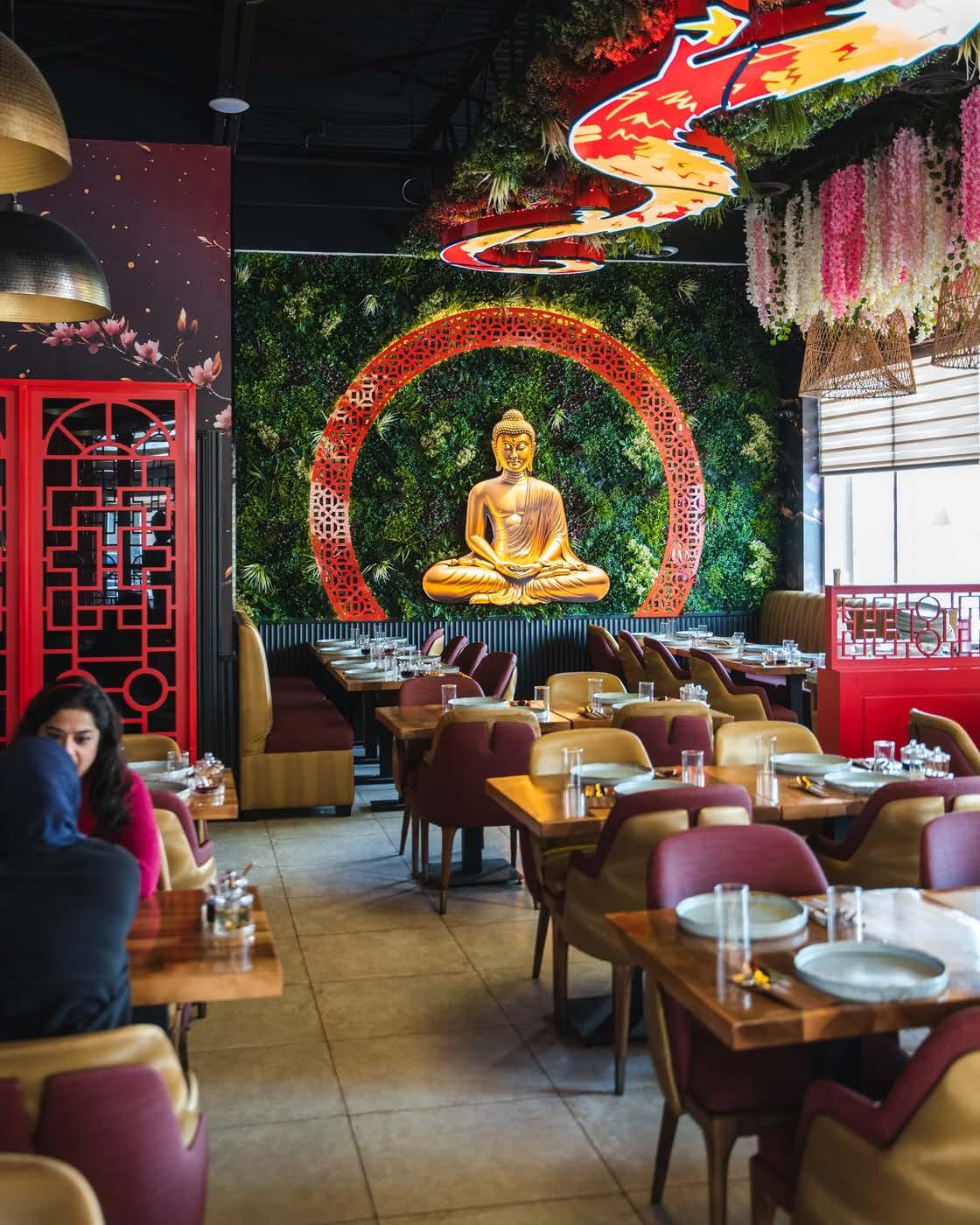




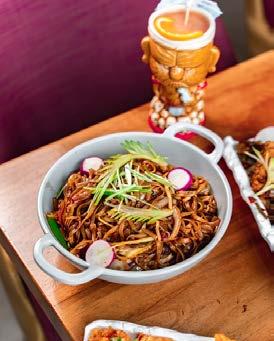
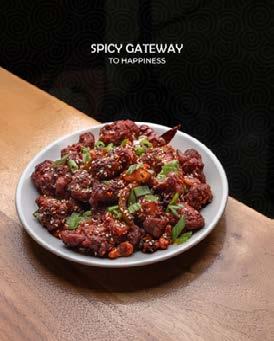


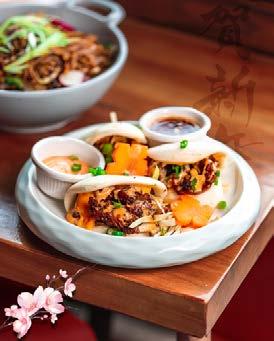
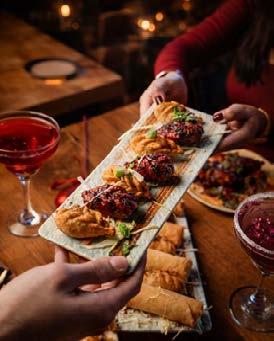



by Rhonda Sanderson, CEO, Sanderson & Associates
Pillar To Post Home Inspectors was extremely excited to welcome franchisee
Jon Roy to Memphis and several surrounding areas in Tennessee. Even better, Roy came from a very popular restaurant in town and was known and well-liked in the community already.
“I had been in the restaurant business for over 30 years,” shared Roy. “I was employed by Huey’s Restaurant, a beloved destination for Memphians and travelers alike, for over 27 years. That experience sharpened my attention to detail, communication, and problem-solving skills. I managed and built teams, managed maintenance issues, and learned how to stay organized and calm under pressure. But during my journey in the restaurant business, at some point in the last couple of years, I noticed a decline in work ethic among employees and felt compelled to bet on myself and my strong work ethic.”
At 53, Roy made the bold choice to embrace a new career path in home inspection after recognizing the need for fulfillment beyond

his previous profession. “This change is driven by purpose. It's an adventure that not only excites me but also fuels my desire to contribute positively to my community,” he stated.
“Transitioning to Pillar To Post allowed me to remain active,
be hands-on, and focus on quality home inspections without the complexities of managing large teams.”
As a new franchisee, Roy welcomed the challenge of starting slowly to build a robust foundation for his

business. “Starting up in the off-season allows me to focus on creating a solid base for growth even in the face of challenges,” Roy explained. “Every small win can lead to measurable, long-term success.”
Roy shares his insights for aspiring entrepreneurs: “Take lots of notes, contribute to learning, pay attention, follow the path, remain financially stable, and if you can, embrace the color lime green—it's a fun reminder of growth and fresh starts!”
Pillar To Post offers three exclusive Home Inspection Packages that allow the

homeowner to select the range of services they prefer. A report is available upon the completion of your inspection, so there’s no waiting for results. Customers also have online access to the report anytime. Roy concluded, “the one thing that I learned during my training was how important it is for all homeowners to have a home inspection. I heard the tales of homebuyers who skipped inspections during the pandemic rush to bid

on homes. And I heard the remorseful tales of many who skipped them to win the house but paid dearly afterwards because they didn’t get that necessary inspection. I know now to tell everyone, no matter what, do not skip this hugely crucial step in the home buying process.”
Founded in 1994, Pillar To Post Home Inspectors is the largest home inspection company in North America with home offices in Toronto and Tampa. There are 450+ franchises located across the United States and Canada. For further information, please visit www.pillartopost.com.
Rhonda Sanderson is a franchise expert who has owned and operated Sanderson & Associates and Sanderson PR, both specializing in, traditional, social media and crisis PR in the franchise space since 1986. She has authored many articles, helped grow numerous franchise chains is considered one of the Top 30 Small Business Influencers (Fit Business) in the U.S. Find her at Rhonda@ sandersonpr.com or on LinkedIn where she is the author of Franchise Stars at https://www.linkedin.com/in/rhonda-sanderson-a6b658/

Smoki Kabobs


Ten years ago, Sohrab Sam restaurant. Now that dream has beco casual restaurant, is now offering ared authentic Afghan kabobs and entree auces.








by Kyle Heck, Consultant, The Franchise Consulting Company
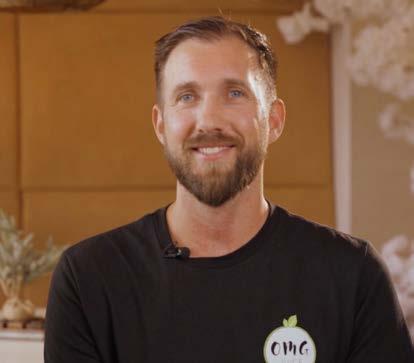
Matt Mracek spent years in the financial world valuing assets and managing risk. He was among the best at it, but he was ready for something different that let him serve people in a more personal way. He began searching for the right business, and just before he bought another business, he walked into OMG Juice in Clermont, Florida. That changed everything.
“YOU’RE NOT JUST ENERGIZING YOUR BODY. YOU’RE ALSO ENERGIZING YOUR SOUL.”
The concept was simple and compelling: acai and pitaya bowls, smoothies, and coldpressed juices all from fresh ingredients with NO ICE and NO SYRUPS. What struck Matt was not just the business fundamentals but the way the place made people feel. Customers came in for a bowl and stayed. They talked, they worked, they came back with friends. The brand had built a devoted following with almost no formal marketing behind it. “There were influencers commenting on their experience, glowing reviews coming in with little to no effort on the brand’s part,” he says. He acquired OMG Juice last summer and is now preparing to bring it to the rest of the country.
“You’re not just energizing your body. You’re also energizing your soul.”
The OMG Juice commitment to freshness goes beyond sourcing. Every juice and smoothie is made without ice or added syrups — just fresh produce, pressed and blended to order. Produce is delivered multiple times a week, and the quality standard is personal. “If
you’re not willing to put whatever fresh ingredient you’re using into your own mouth,” Matt says, “you’re not going to serve it to a customer.” Customers say they feel better and feel fuller.

The menu spans acai and pitaya bowls, smoothies, cold-pressed juices, wellness shots, and healthy bites. The operation is intentionally streamlined around blenders and a cold-press setup, which makes it clean to run and straightforward to teach. “There’s not a lot to train on,” Mracek says. “We are keeping it that way.”
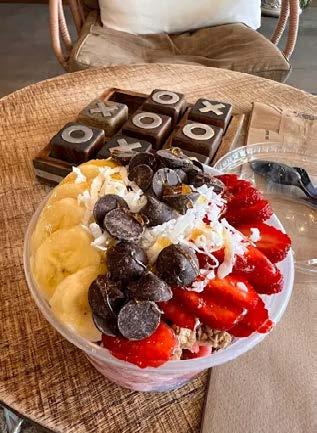

Inside the store, worship and gospel music play. The atmosphere invites people to slow down. Customers pull out laptops, hold meetings, bring friends. “You’re not just energizing your body,” Matt says. “You’re also energizing your soul. We want people to stay.”
Clermont is a fast-growing community, and OMG Juice has become woven into its fabric. The brand’s loyal customer base grew organically, driven by word of mouth and genuine enthusiasm.
“I really want to drive this as a community-focused brand,” he says. The original founder is staying on as Director of Training, bringing years of restaurant management experience to the system. His role is to ensure the warmth and atmosphere that earned the brand its following travel with it to every new location.
“I get to do this with a really fun brand that’s good for you. I want every franchisee to feel the same way.”
OMG Juice is designed to be an affordable entry into
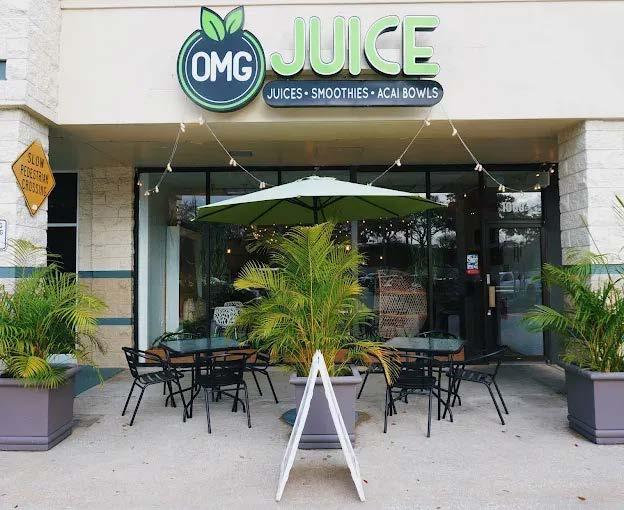
“I GET TO DO THIS WITH A REALLY FUN BRAND THAT’S GOOD FOR YOU. I WANT EVERY FRANCHISEE TO FEEL THE SAME WAY.”
a concept that is already working. Matt is targeting second-generation spaces between 1,100 and 2,000 square feet, keeping build-out costs low so franchisees can reach profitability faster. “We will keep the build-out cost low and keep the payback period short,” he says, “and then everything else is a gift.”
Franchisee support is built around four pillars: training, creative marketing, efficient operations, and ongoing product development. Matt’s finance background means he thinks carefully about what goes into each location and what comes back out. His real estate approach keeps
multiple brokers searching simultaneously. “I want four eyes looking for real estate,” he says. “Stuff gets missed if you don’t have enough people looking.”
The ideal franchisee is someone who wants to be present in the store, in the community, in the brand. Mracek sets the example himself. “I made a bowl while I was there,” he says of a recent visit to Clermont. “I wiped tables. I refilled buckets. I just like being in this space.” That is a part of building great relationships with the employees and is part of the culture he is building and the kind of owner he is looking for.
Matt Mracek is opening OMG Juice to franchisees across the United States. His vision is not just growth but a closeknit system where franchisees support one another and their communities the same way the Clermont location has supported its own. “I want to be able to go to their store,” he says, “help them with a local business connection, be there when they need me, and I want to sustainably build the brand.” He has taken his time getting the system right before opening it up, and that deliberateness is itself a signal. For someone looking for an affordable, communityrooted concept with a simple operation, a passionate
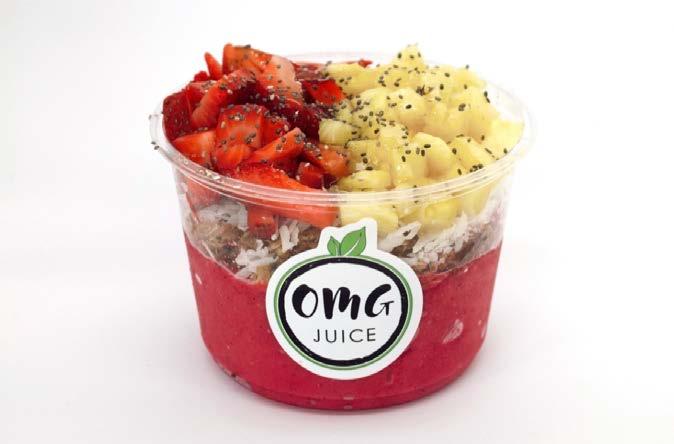
franchisor, and a product people genuinely love, OMG Juice is an opportunity worth exploring.
For franchise information, visit omgjuicefl.com
Kyle Heck is a franchise consultant with The Franchise Consulting Company in Winter Garden, FL. Contact Kyle at Kyle@ TheFranchiseConsultingCompany.com.




Doner Shack is an award-winning QSR franchise spe cializing in kebabs, chicken and fries - fast , c onsistent and built for scale. With rapid global expansion, we’re leading the charge in the booming me diterranean QSR cate gor y.
Single and multi-unit oppor tunities available in all states.
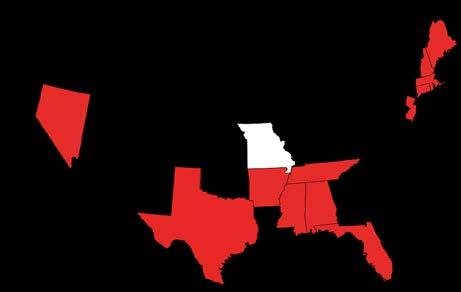
Now in development across 13 U.S. states and 11 international markets. The time to join Doner Shack is now! USA | UK | Europe | Canada | India | UAE | Qatar

R40% EDUCTION IN FRANCHISE FEE FOR VETERANS
T&CS APPLY


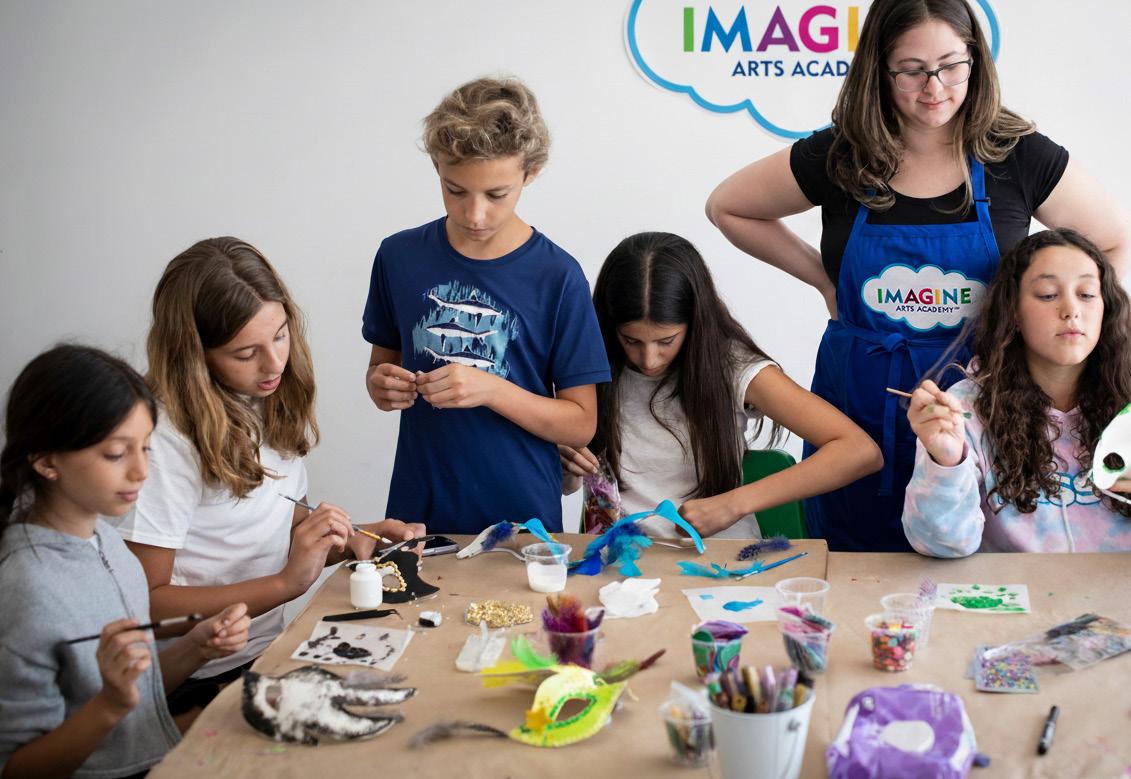


There are very few categories in business that operate at the intersection of ritual, real estate, and recurring revenue as cleanly as coffee. It is not a trend. It is not a cycle. It is infrastructure.
Coffee is consumed every day, across every demographic, in nearly every country on earth. And while industries rise and fall with technology, regulation, or consumer preference, coffee has proven something far more valuable to entrepreneurs and franchisors: permanence.
The numbers tell the story.
The global coffee market is estimated at roughly $250 billion in 2025, with projections pushing toward $380 billion by 2033, growing at a steady mid-single-digit pace . Zoom in further, and the global coffee shop segment alone

exceeds $225 billion, with continued expansion driven by urbanization, premiumization, and evolving consumer behavior .
But those numbers, while impressive, don’t fully capture why franchising continues to lean heavily into the category. Coffee is not just a product. It is a system.
The most important metric in franchising is not average ticket. It’s frequency. And coffee wins. Consumers don’t buy coffee once a week. They buy it once a day. Sometimes twice. In many urban markets, it is consumed re frequently than
bottled water or soda. That level of habitual consumption creates something every franchise system is chasing: predictable, repeatable revenue.
Compare that to other franchise categories. Fitness memberships fluctuate. Retail purchases are discretionary. Even food concepts depend heavily on meal occasions.
Coffee operates outside of that.
It is morning. It is routine. It is non-negotiable.
That is why even in periods of economic pressure, coffee remains resilient. Prices may rise — in fact, U.S. coffee prices have surged significantly in recent years due to supply constraints and global volatility — but consumption remains remarkably stable . When people cut spending, they don’t eliminate coffee. They adjust where they buy it.
And that is where franchising enters the picture.
The coffee category is one of the most fascinating competitive landscapes in franchising because it operates in two parallel worlds.
On one side, you have scaled, system-driven operators.
Brands like Starbucks, Dunkin’, and Dutch Bros have built massive infrastructure around speed, consistency, and brand familiarity. These companies are not just coffee retailers. They are real estate machines, supply chain operators, and
marketing engines.
Starbucks alone continues to invest heavily in expansion and store upgrades, with plans to scale thousands of additional locations while refining instore experience .
Dunkin’ has mastered the franchising model, building a network optimized for drivethru efficiency and franchisee economics.
Dutch Bros has taken a different approach, focusing on culture, speed, and highvolume drive-thru formats, creating one of the most compelling growth stories in the category.
On the other side, you have independents and specialty operators.
These are the third-wave coffee shops. The craft roasters. The hyper-local brands focused on quality, sourcing, and experience.
Independents collectively represent a massive share of the market — tens of billions in revenue globally — and they continue to gain traction as consumers seek authenticity and premium offerings.
But here’s the reality: most independents are not built to scale.
They are built to exist.
And that creates an opening.
THE FRANCHISE OPPORTUNITY: STANDARDIZING AN EMOTIONAL PRODUCT
Coffee is deeply personal. That’s what makes it powerful — and difficult.
Franchising thrives on standardization. Coffee thrives
on nuance.
The brands that win are the ones that bridge that gap.
They deliver a consistent experience while still allowing the customer to feel like it’s “their place.”
This is where modern coffee franchising has evolved beyond simply selling a beverage.
Today’s systems are built around:
• Speed and throughput (drive-thru dominance)
• Digital ecosystems (apps, loyalty programs, mobile ordering)
• Premium positioning (cold brew, specialty drinks, alternative milks)
• Real estate efficiency (smaller footprints, modular builds)
Franchisors are no longer competing just on coffee quality. They are competing on system design.
And the best systems are engineered for scale.
EXPANSION: COFFEE AS A CULTURAL EXPORT
While North America remains a major market, the real growth story is international.
Emerging markets — particularly across Asia, the Middle East, and parts of Latin America — are experiencing rapid increases in coffee consumption, driven by rising incomes and shifting lifestyle patterns.
In many of these regions, coffee is still early in its adoption curve.

That creates an opportunity similar to what fast food experienced decades ago.
Franchise models are particularly well-suited for this expansion. They allow brands to:
• Enter new markets with local operators
• Maintain control over brand standards
• Scale without heavy capital investment
We are already seeing this play out globally, with both Western brands expanding abroad and regional players building their own franchise systems.
Even government-backed initiatives in markets like India are using franchising as a mechanism to expand coffee retail and stimulate local entrepreneurship .
THE HIDDEN ADVANTAGE: REAL ESTATE + SIMPLICITY
At its core, coffee is one of the simplest operational models in foodservice.
No full kitchen. Limited inventory complexity. High-margin beverages. That simplicity makes it uniquely adaptable to different formats:
• Inline retail
• Kiosks
• Drive-thru units
• Mobile coffee trucks
• Non-traditional locations (airports, hospitals, campuses)
For franchisees, this translates to:
• Lower labor requirements than full-service restaurants
• Faster buildouts
• Strong unit economics when executed properly And importantly, flexibility. A coffee concept can fit into almost any real estate environment.
That matters more than ever as franchisors look to expand in dense urban markets and high-traffic suburban corridors.
Despite its strengths, the coffee category is not without challenges.
Commodity volatility remains a major issue. Coffee prices are influenced by weather, geopolitics, and global supply chains — all of which have been increasingly unstable in recent years.
Margins can be squeezed.
Labor, while lower than restaurants, still requires training and consistency.
And perhaps most importantly, competition is relentless.
The barrier to entry is low. The barrier to scale is high. Anyone can open a coffee shop. Very few can build a system.
Coffee is one of the few categories where franchising doesn’t feel forced.
It feels natural.
The product is habitual. The demand is global. The operating model is adaptable. And the opportunity for scale — when done correctly — is significant.
That’s why, despite economic cycles, commodity swings, and changing consumer preferences, franchising continues to pour capital, talent, and attention into coffee.
Because at the end of the day, this isn’t just about caffeine.
It’s about consistency. And in business, consistency is everything.

Moo-Over offers a premium selection of plant-based ice cream and desserts

Purchasing a Moo-Over Franchise is a lucrative opportunity that capitalizes on the growing demand for plant-based desserts and allergyfree treats while benefiting from a strong brand, comprehensive support system, and sustainable business model.



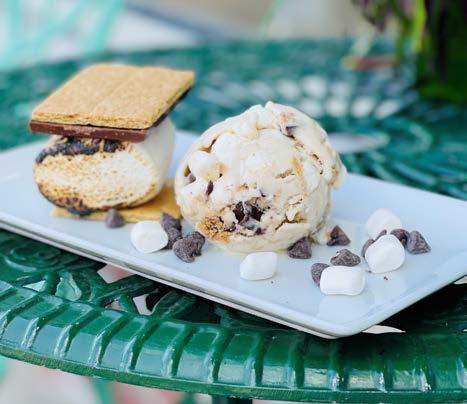
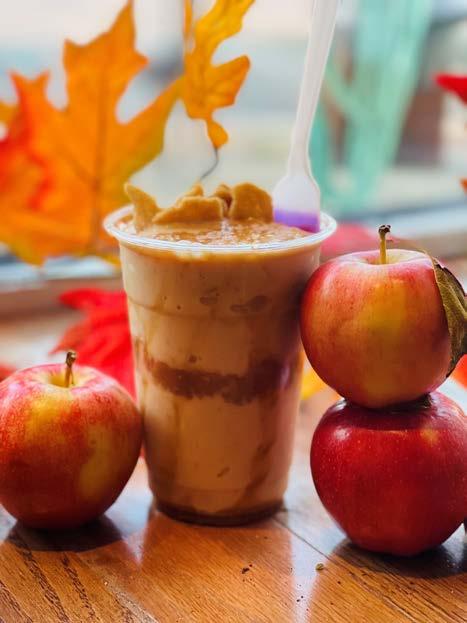


The top 30% of outlets that have been open and operating for at least 12 months in good standing, based on EBITDA and % of system revenues, gross annual revenue ranges from $1,848,336.88 to $2,269,412.70 per year. The total job average of those outlets is $973.00 and the average revenue per hour is $296.16.
• 7.5% Yearly Market Growth
• Higher Profit vs. Old Line Providers
• Exclusive Territories
• Full Training & Start Up Guidance
• Ongoing Support with our Phenomenal Corporate Team
• Comprehensive Employee Hiring Training
• Easily Accessible Media and Print Libraries
• Marketing & Sales Training
• Name Brand Recognition from a National Company

In the restaurant business, plenty of brands talk about disruption. Far fewer start with a real family problem and then spend years trying to solve it in public. That is what makes GROWN interesting. The company was founded by Shannon Allen and Ray Allen not as a branding exercise, but as an answer to a basic question: why is it still so hard for busy families to get real, clean food quickly? According to GROWN’s own story, the concept grew out of Shannon Allen’s years preparing performancefocused meals for Ray Allen and other athletes, and then became far more urgent after the couple’s son Walker was diagnosed with Type 1 diabetes. That experience pushed the family toward a deeper commitment to nutrition, wellness, and food that supports rather than sabotages health. That origin matters because it gives GROWN something many food companies never quite achieve: credibility. Shannon Allen is not just the public face of the concept. She is the founder and CEO, and the company traces the restaurant’s roots to her television show, The Pre-Game Meal, which highlighted healthier cooking for athletes and
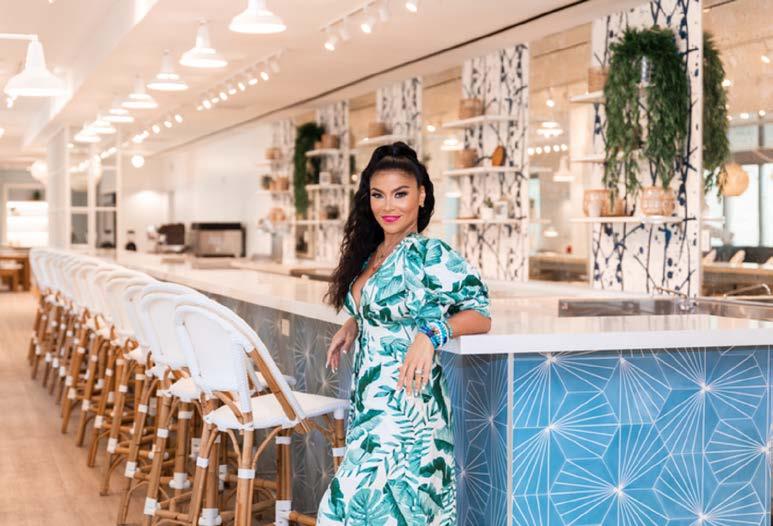
families. GROWN’s official story presents the brand as an extension of that work, built around the belief that food should be “delicious, organic and inspiring.” Ray Allen’s role is not ornamental either. In the company’s 2025 franchising announcement, he described the concept as reflecting a simple idea: “real food cooked slow for fast people.” Together, the two founders are trying to push fast casual away from empty convenience and toward food that fuels people more honestly.
The timing is right for that mission. Consumer demand for organic food has kept growing, even in a tough economy. The Organic Trade
Association reported that U.S. sales of certified organic products reached $76.6 billion in 2025, up 6.8% from the prior year, which was roughly double the growth rate of the comparable marketplace. USDA’s Economic Research Service likewise notes that demand for organically produced goods has shown strong growth for decades and continues to create market incentives for American producers. In other words, GROWN is not trying to invent demand from scratch. It is building around a shift that is already happening, where more consumers want food that feels cleaner,
more transparent, and less industrial.
Still, GROWN’s story is not just about organic ingredients. It is about trying to make better food fit the speed of modern life. Bon Appétit’s 2017 profile of the company captured the original frustration behind the business: Shannon Allen could not find a drive-thru option that felt like real food when her family needed it most. After years of research and planning, the first GROWN location opened in Miami in 2016 as a 100% USDA-certified organic fast food restaurant. The early concept combined convenience with a distinctly values-driven menu: grilled proteins, vegetables, grains, family meals, and a refusal to lean on the usual fast-
food shortcuts. Bon Appétit reported that GROWN deliberately avoided soda, prioritized responsible sourcing, and paid attention to wages and employee benefits, even though those choices made the economics harder.
That tension is part of what makes the company compelling. It is easy to say people should eat better. It is much harder to build a business that tries to make better eating convenient, scalable, and financially viable. Bon Appétit reported that, in GROWN’s early days, food costs were extraordinarily high by restaurant standards, and Shannon Allen openly acknowledged the challenge of lowering prices enough
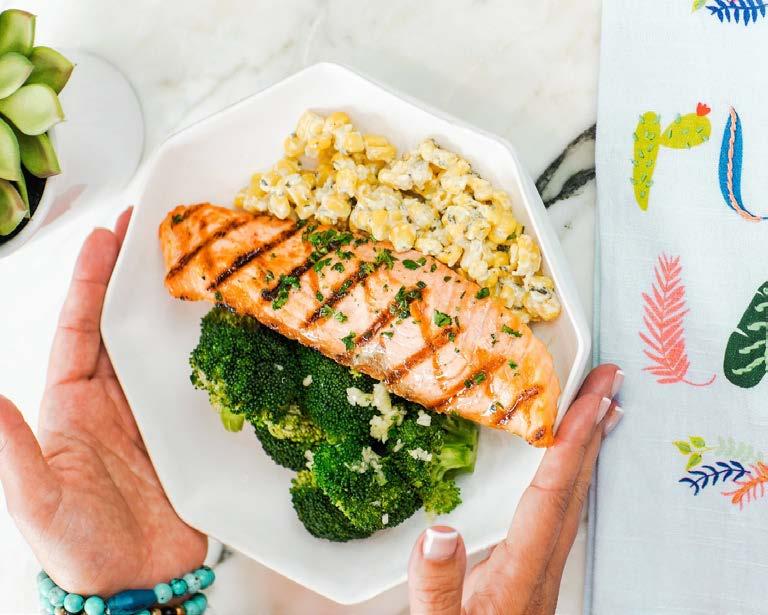

so that access to organic food would not remain a luxury. That is not a small detail. It gets to the heart of the company’s mission. GROWN is not just trying to serve affluent customers who already shop that way. The bigger idea is to make healthier eating easier for families, athletes, students, and everyday consumers who are pressed for time and surrounded by cheaper, lower-quality options.
Over time, that mission has expanded from one family’s need into a wider platform. GROWN says it has served customers through restaurants and alternative venues, and outside coverage has noted the brand’s presence in places such as sports stadiums, hospitals, and retail-adjacent locations. In 2025, the company formally launched a nationwide franchising program and described itself as the first USDAcertified organic fast-casual restaurant in the U.S. The franchising materials frame GROWN as “convenience without compromise,” aimed at busy families, students, professionals, athletes, and wellness-minded consumers.
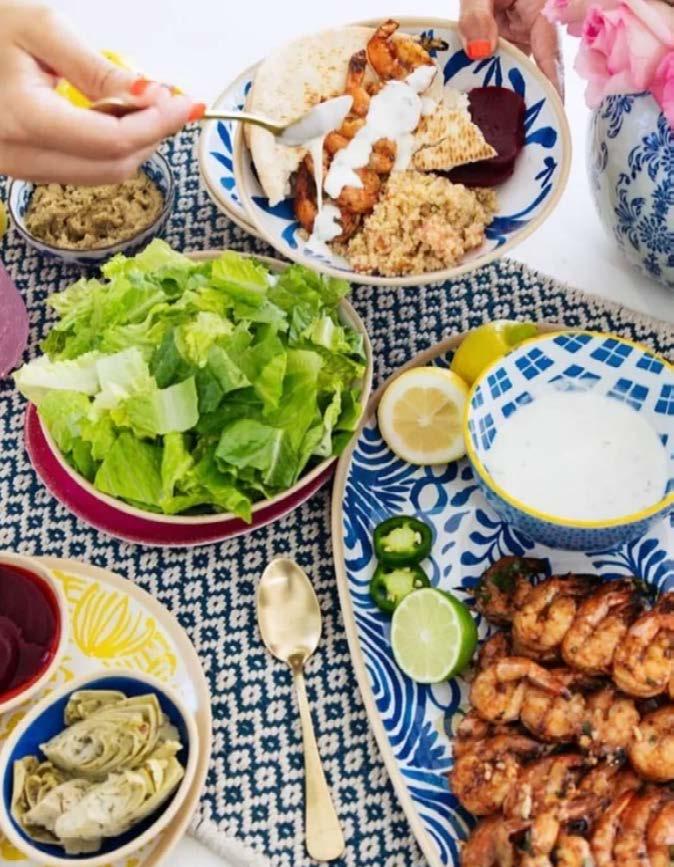
They also point to a chefcrafted menu, a catering opportunity for sports teams, and a container-based “grown2go” model designed to reduce build-out time and broaden access to ownership. That last point is especially important. Many restaurant founders have a good menu. Fewer have a convincing plan for scale. GROWN’s recent push suggests Shannon Allen understands that if the mission is going to matter nationally, it has to travel. Nation’s Restaurant
News reported in 2025 that the brand was turning to a shipping-container format to help accelerate growth while lowering costs. That is a practical move, not just a flashy one. Mission-driven food businesses often fail when their ideals become too expensive to reproduce. GROWN appears to be trying to solve that by matching its health-and-wellness identity with a more flexible physical model.
And then there is the planet question. GROWN
does not pitch itself only as a health concept. The brand’s broader language ties better food to a better future, and that is where Shannon and Ray Allen’s mission gets bigger than menu items. A healthier planet starts with how food is sourced, how much processing it goes through, how transparently it is made, and whether customers can trust what they are eating. Organic certification is not a cure-all, but it does signal standards around inputs and production that many consumers increasingly value. When a company insists that faster food does not have to mean cheaper ingredients, more additives, and less accountability, it is making an argument about the food system itself.
That is why GROWN is worth watching. Shannon Allen brings the urgency of a parent who saw a broken system up close. Ray Allen brings the discipline of an elite athlete who knows how deeply nutrition affects performance. Together they have built a company around a simple but still radical proposition: people should be able to eat quickly without eating poorly. It sounds obvious, but the American restaurant landscape has spent decades proving otherwise. GROWN’s bet is that the future belongs to brands willing to challenge that tradeoff. With organic food sales still rising and consumers continuing to seek healthier options, that bet looks more relevant now than ever.



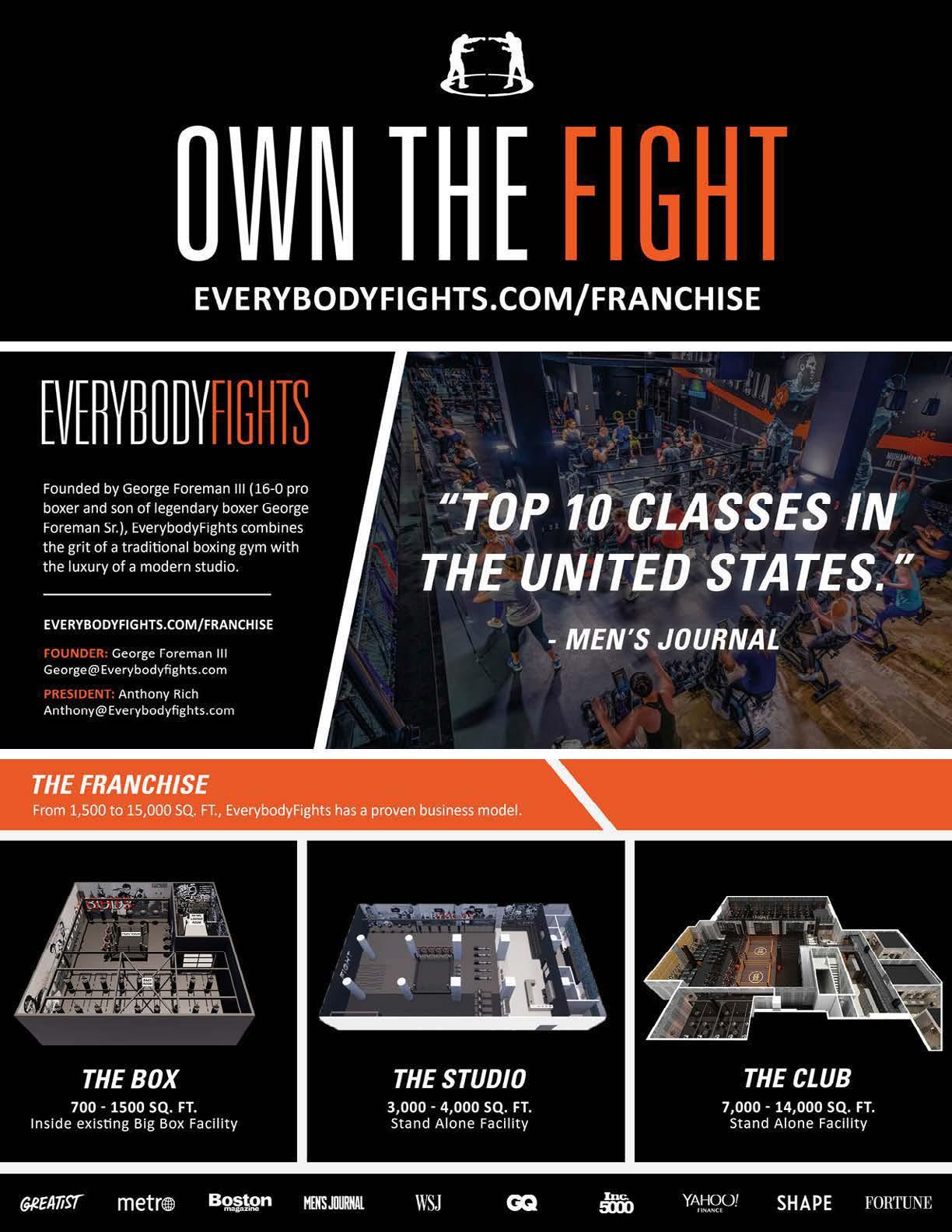




My City All Stars is a proven, successful Summer Sports Camp model. This isn’t your average sports day camp. It integrates creative elements along with traditional and non-traditional sports that makes kids want to return week after week and year after year. We seek to provide a camp that allows kids to experience sports they wouldn’t otherwise have access to.
by Bob Hayes, Franchise Consultant, The Franchise Consulting Company
In 2026, Teriyaki Madness (TMAD) stands at the top of the restaurant industry - recognized as one of the fast growing restaurant franchises in the industry with 18% system growth last year and projected growth of 2530% in 2026, TMAD has earned its place on Entrepreneur Magazine’s Franchise 500 for 12 consecutive years as “the fastest growing Asian restaurant concept in the nation.”
Founded in 2003, the brand’s ever-increasing momentum is a result of the operational simplicity, unparallel franchisee support and consumer demand for healthier, customizable Asian cuisine.
TMAD’s simple operating model allows franchisees to run efficient kitchens with fewer moving parts. Entrepreneur magazine notes that this simplicity helps franchisees scale efficiently, spending less time on kitchen complexity and more on business growth and profitability.
“We can’t expect
our franchisees to be experienced in commercial leases, construction, hiring, technology, marketing, customer service or any of the myriad aspects to building and running a restaurant, even one as simple as our neighborhood Teriyaki Shops. Our entire franchise is built on providing support unmatched in the industry to franchisees who either have never built a business or want a franchisor providing support every step of the way for the entire length of the franchise agreement,” said Michael Haith Owner and CEO of Teriyaki Madness.
“We’ve built Teriyaki Madness to be more than just another fast casual brand — it’s an opportunity for our franchisees to build neighborhood Teriyaki Shops that brings the experience of bold flavor, healthy, fresh products, and authenticity to every bowl we serve,” said Jodi Boyce, Chief Marketing Officer of Teriyaki Madness. “Today’s diners want food that’s fresh, customizable, and craveable, made with ingredients they can feel good about, and Seattle-style teriyaki delivers exactly that… and a personality that keeps guests

coming back for those huge bowls of awesomeness.”
2025 was the year the ‘Madness’ became unstoppable as current franchisees constitute the majority of the franchise system’s growth.
TMAD:
• Surpassed 200+ shops nationwide
• 37 New franchisees joined with 67 shop agreements
• Opened 43 new locations in 2025 (127 shops currently in the Real Estate/Construction process to open in the next 18 months)
• Expanded to 42 states
• Celebrated its first international shop in El Salvador, with 15 more locations planned across Central America
The brand has racked up national accolades for the last decade across the Inc.
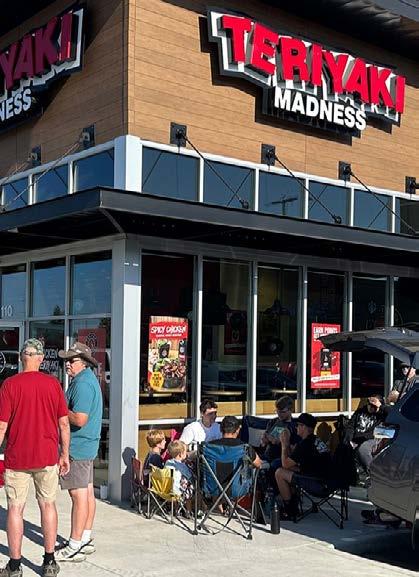
5000, Franchise Times Top 400, Technomic Top 500, Entrepreneur’s Franchise 500, and more - cementing TMAD as a top contender in the franchise sector.
QSR Magazine additionally recognized TMAD as a standout franchise “on the cusp of greatness,” noting its transparent Item 19 financial disclosures containing profit and loss statements, rare in the franchise world.
“The growth we’re seeing today is the result of a concept that was intentionally built for scale,” said Michael Haith, CEO of Teriyaki Madness. “Everything about Teriyaki Madness is designed to help franchisees succeed. As we continue expanding across the country, our goal is simple — to ensure we provide the resources to franchisees to give them the best opportunity to achieve their goals.”
TMAD has built one of the strongest support infrastructures in Asian fast-
casual franchising, offering:
• Full site selection and lease negotiation support
• Classroom training, hands-on in-store training, and on-site opening support
• Business coaching, operational mentoring, and performance programs
• Integrated technology systems
This multilayered support makes TMAD accessible both to first-time investors and seasoned restauranteurs looking for scalable, efficient concepts.
Financially, Teriyaki Madness stands out as a compelling opportunity within the fastcasual landscape, offering franchisees strong unit-level performance, competitive startup requirements, and a supportive economic model designed for both singlestore and multi-unit growth. While the exact figures vary by location and scale, the brand is consistently recognized for healthy average unit volumes, attractive profitability potential, and accessible entry requirements that appeal to a wide range of investors.
TMAD’s streamlined business model—combined with efficient operations, a simple menu, and strong consumer demand for its product category—helps support solid financial performance across its system. Franchise owners
benefit from a balanced investment profile, guided operational systems, and scalable frameworks that make expansion achievable for both new entrepreneurs and experienced operators.
Importantly, Teriyaki Madness competes in one of the fastest-growing segments in the U.S. restaurant industry. Asian fast food has expanded dramatically over the past two decades, outpacing growth in nearly all other quick-service categories—a trend TMAD is well positioned to lead as consumer appetite for bold, global flavors continues to rise. Their commitment to innovation, paired with an expanding global footprint, positions TMAD as a franchise poised for long-term relevance in the QSR landscape.
Watch out world, here comes Teriyaki Madness!
Bob Hays is a Franchise Consultant and member of the Veterans Franchise Council. As a former franchise owner, Bob brings firsthand experience and strategic insight to his work. He helps individuals and business owners navigate franchise opportunities with confidence, offering informed decision-making support and expert guidance throughout the process. Contact Bob at bhays@ thefranchiseconsultingcompany. com.
FASTSIGNS provides candidates with an Item 19 including full profitability information. And you’ll enjoy owning a business with these compelling features:
• Business-to-business hours
• Low staffing requirements
Franchising Since: Founded 1985
• Professional business clientele
• Attractive margins
Total Franchise Operating Units: Over 700 in 9 countries
Minimum Liquid Capital: $80,000
Minimum Net Worth: $300,000
Total US Investment: $218,596 - $298,679
Total Canadian Investment: $257,626 - $338,718 CAD
Franchise Fee: $49,750
VetFran & First Responders Discount: $24,875 Franchise Fee
Royalty (per unit): 6% (Reduced to 3% for 12 months)
Advertising Fund (per unit): 2% (Reduced to 1% for 12 months)
FASTSIGNS has over 400 markets approved for development in the US and Canada and is also seeking Master or Area Developer expansion in markets worldwide
• Site selection and build-out
• Four weeks of training, including one week of training in a FASTSIGNS center, followed by two weeks at our Dallas Headquarters, and one week of onsite training in your new center
• Pre-opening marketing blitz to drive your sales and reduce ramp time
• Grand opening support and guidance from an Outside Sales Manager and Brand Ambassador
• Dedicated Business Consultants to assist with business/finances training, marketing and sales, production and staff management
• Franchisee Mentor Program to guide you and lend support in every aspect of your business
• 24-hour web-based learning management system that keeps you and your staff up-to-speed and in-the-know in this fast-paced market

by Ozzie Grupenmager, Franchise Consultant, The Franchise Consulting Company
Some of the most successful franchise systems in the world began with a single location.
Not a national chain.
Not a brand with dozens of restaurants.
Just one concept that worked.
For many food entrepreneurs, franchising enters the conversation only after a location becomes successful and customers begin asking when the brand will open in other neighborhoods or cities. At that moment, the founder faces an important strategic decision: continue expanding through company-owned locations, or build a system that allows others to bring the concept to new markets.
When the foundation is strong, franchising can transform a successful local restaurant into a scalable brand.
Every successful restaurant starts with a combination of product, experience, and operational discipline.
Customers return because the food is consistent, the service is reliable, and the brand resonates with the local market.
But franchising requires something more than a great menu.
A franchise-ready concept demonstrates repeatability. That means the processes behind the business—from kitchen flow to training to customer service—can be

taught and reproduced by operators who were not present at the original location.
Repeatability is the first signal that a concept may have franchise potential. If the success of a restaurant depends entirely on the founder’s daily presence or personal instincts, scaling becomes difficult. If the
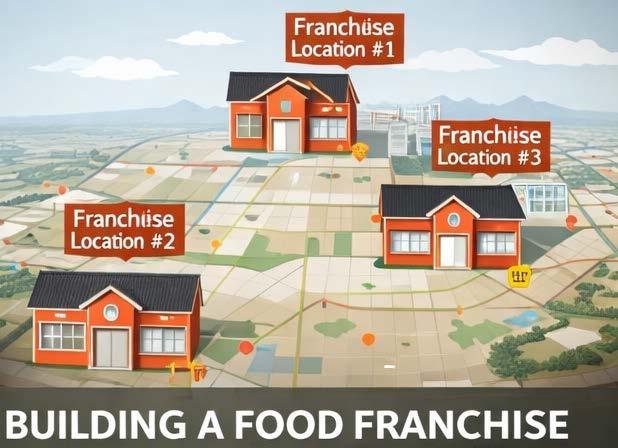
For food founders, franchising can be a way to scale a proven concept without carrying the full burden of every new location internally.
model can be documented and taught, the possibility of franchising becomes more realistic.
Restaurant owners who want to grow their brand generally face two options.
The first is corporate expansion: opening additional company-owned locations and managing them internally. This approach allows founders to maintain direct control, but it also requires significant capital investment and operational oversight.
The second option is franchising.
Through franchising,
independent owner-operators invest in opening locations while operating under the brand’s systems and standards. The franchisor provides the framework— training, operating procedures, brand identity, and ongoing support—while franchisees bring local commitment and entrepreneurial energy.
For many brands, franchising creates a pathway to grow beyond what the founding team could manage alone.
One of the biggest adjustments for founders considering franchising is the

shift in mindset.
Running a successful restaurant requires operational excellence. Building a franchise system requires something different: the ability to translate that excellence into processes others can follow.
This shift turns the founder from an operator into a systems builder.
Documentation becomes essential. Training programs must be formalized. Supplier relationships must support multiple locations. Brand standards must be clear enough to maintain consistency across markets.
The real test of franchise readiness is not whether the founder can run one location well—it is whether the system can be taught and reproduced consistently by others.
Several indicators often signal that a concept may be ready to explore franchising.
First, the brand must demonstrate strong unit-level economics. If a single location cannot operate profitably, expansion becomes risky regardless of the model.
Second, the concept must resonate with customers in a
way that extends beyond one neighborhood. Franchising works best when the core idea has broader appeal.
Third, operational processes must be structured enough to train new operators effectively. That includes recipes, preparation methods, staffing models, service standards, and technology systems.
Finally, the brand itself must be clearly defined. Customers should understand what the concept represents—whether that is quality, convenience, indulgence, health, or a unique cultural identity.
When those elements align, a restaurant can begin to move from local success toward scalable growth.
Franchising does not mean abandoning companyowned growth. Many successful brands combine both approaches, operating corporate locations while also expanding through franchise partners.
What franchising offers is leverage.
Instead of personally funding and managing every new location, the founder creates a system that allows other entrepreneurs to bring the concept to their markets while maintaining brand standards.
For food entrepreneurs who have built something distinctive—whether a fastcasual concept, a dessert brand, a beverage model, or a specialized niche offering—
FRANCHISING DOES NOT MEAN ABANDONING COMPANY-OWNED GROWTH. MANY SUCCESSFUL BRANDS
ALSO EXPANDING THROUGH FRANCHISE

this approach can accelerate growth while preserving the core identity of the business.
The most important step is recognizing when a concept has reached that point.
A single successful location proves the idea.
A repeatable system makes expansion possible.
And franchising, when executed thoughtfully, can turn a neighborhood restaurant into a brand that grows far beyond its original walls.
Ozzie Grupenmager is a franchise consultant with Franchise Consulting Company and founder of NextGen Business Solutions, where he provides business coaching and strategic consulting to entrepreneurs and emerging brands. A former COO in the franchise industry and CIO at a global advertising network, he also built a franchise system from the ground up as a franchisor. His background spans franchise development, multi-unit operations, branding, marketing strategy, and business intelligence. Ozzie now advises entrepreneurs exploring franchise ownership and works with growing brands on scalable franchise expansion strategies.

FRANCHISED BY

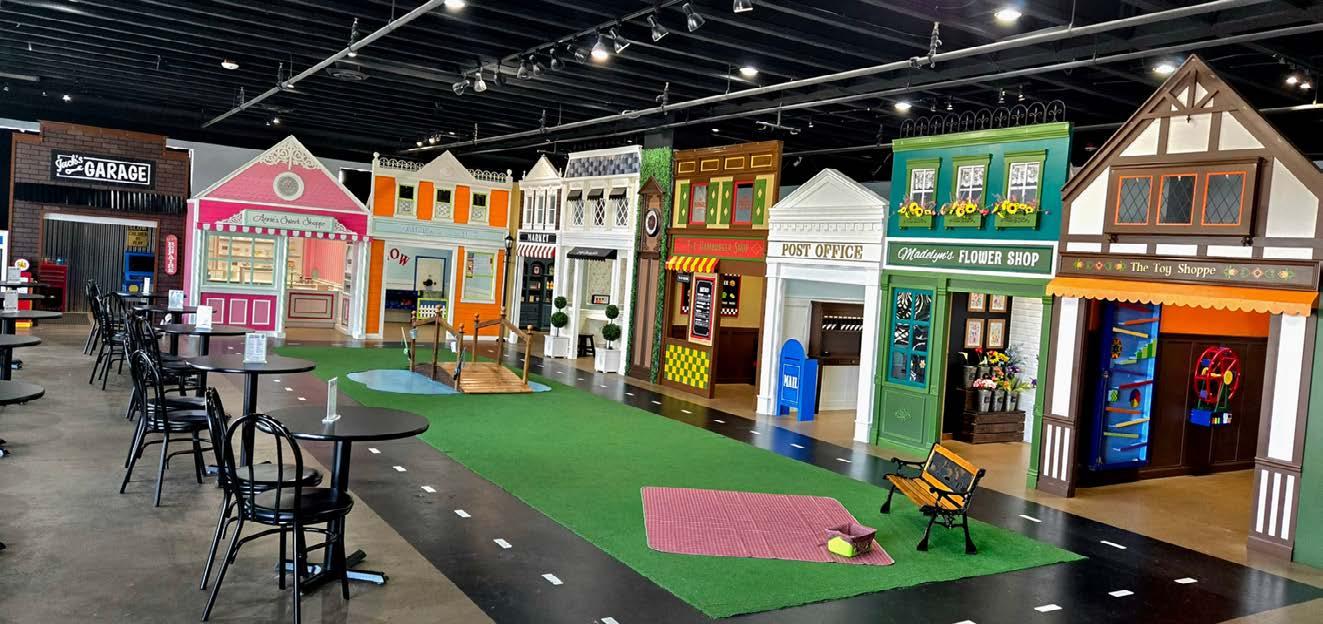
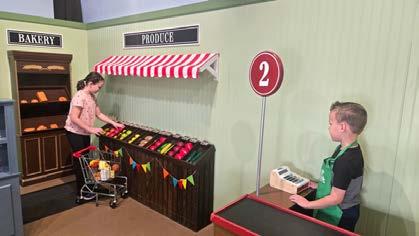
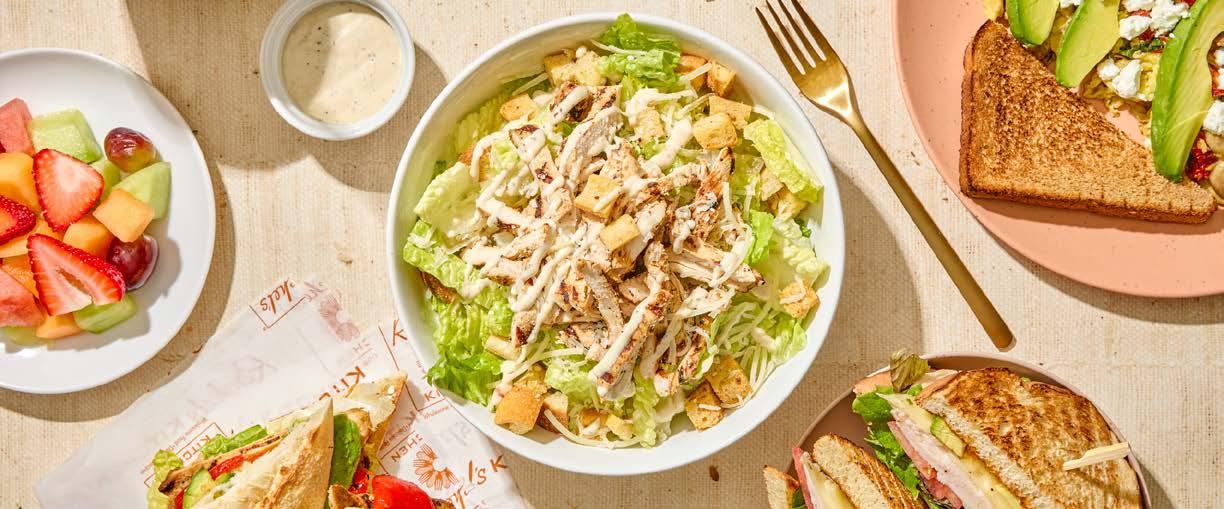

by Rick Morgin, Franchise Consultant, The Franchise Consulting Company
1. TELL THE READERS ABOUT YOUR BUSINESS MODEL?
Mr. Cappuccino franchisees place Italian bean-to-cup automatic espresso and cappuccino machines in client locations such as offices, hospitals, dealerships, and other professional environments. These machines deliver a premium Italian coffee experience with consistent quality and ease of use.
Clients then purchase the beverages, ingredients, and related supplies directly from the franchisee under agreed terms and service arrangements. This model creates a recurring revenue stream while allowing franchisees to build longterm relationships with their customers through reliable service and high-quality products.
2. WHAT ARE THE KEY ACTIVITIES A FRANCHISEE MUST PERFORM TO BE SUCCESSFUL?
• Operate and grow your local Mr. Cappuccino business from a home office, with no brick-andmortar location required. The model offers low overhead and can typically be launched within 1–2
months.
• Identify and secure client locations such as offices, workplaces, and hightraffic environments where Italian automatic espresso and cappuccino machines can be installed.
• Train a designated person at each location to perform basic daily tasks such as cleaning and refilling the machine when necessary.
• Visit each location approximately every one to two weeks to restock ingredients, perform light maintenance, manage invoicing, and maintain strong client relationships.
• Focus on building long-term partnerships with satisfied clients, generating consistent and recurring revenue from repeat coffee consumption.
3. WHAT IS THE SIZE OF THE TERRITORY A FRANCHISEE RECEIVES?
The size of the territory varies depending on the market and typically includes three to five ZIP codes or more. Territories

are not defined solely by population, but also by the number of businesses and commercial locations that are ideal for our premium coffee service. This approach ensures that each franchisee receives a territory with strong potential for sustainable growth and client development.
4. DOES THE FRANCHISEE MAINTAIN THEIR COFFEE MACHINES, OR DO THEY TRAIN THEIR ACCOUNTS TO DO THAT?
At every new installation, the franchisee trains one or more designated employees at the client location to perform simple daily tasks such as basic cleaning and refilling the machine with ingredients when needed. This ensures the equipment remains ready for use throughout the day.
In addition, franchisees visit their client locations on a weekly or biweekly basis to restock supplies, perform light maintenance, and reinforce the training when necessary. If there are new staff members at the location, the franchisee can easily provide additional
guidance to ensure the machines continue operating smoothly and efficiently.
Our ideal franchise candidate can come from a variety of backgrounds, but they all share an entrepreneurial mindset and a strong desire to build a successful business. We welcome new or young entrepreneurs looking to start their first venture, retirees or individuals approaching retirement who want an active and rewarding business opportunity, veterans, and experienced investors seeking to diversify their portfolio. Mr. Cappuccino is also an excellent opportunity for individuals who want to start a business from the ground
up, develop a side business, or add a premium coffee service concept to their existing operations. Candidates with sales, relationship-building, or business development experience tend to perform especially well, as our model is highly relationship-driven and focused on building long-term partnerships with clients.
Our vision for the next three to five years is to expand the Mr. Cappuccino franchise across key U.S. markets while maintaining the quality, reliability, and authentic Italian coffee experience that define our brand. Building on more than a decade
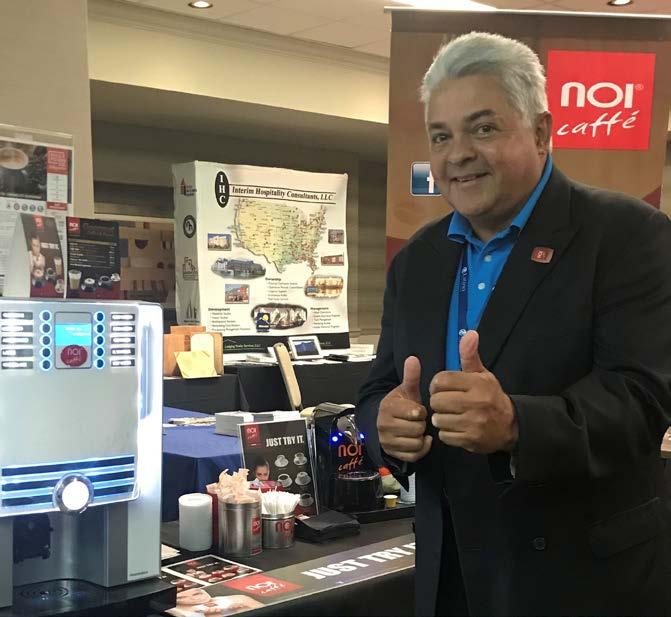

of success serving highdemand environments such as hospitals, offices, and premium businesses, we aim to partner with motivated franchisees who want to bring a true European coffee culture to their communities. Through a scalable business model, strong operational support, and a proven premium coffee service concept, Mr. Cappuccino plans to grow strategically into major metropolitan areas— creating long-term value for our partners while continuing to elevate everyday coffee experiences for customers.
Nelson Mendez is the founder and CEO of Mr. Cappuccino which is based in Orlando, FL. Nelson has been in the hospitality business both in Venezuela and the United States. He built large coffee service businesses in both countries.
Rick Morgin is a Consultant with The Franchise Consulting Company and alumnus of Santa Clara University. He assists clients with the educational process of researching and selecting available franchise businesses that best suit desired lifestyles and financial goals. Contact Rick at rick@ thefranchiseconsultingcompany. com.


streetpops offers small-batch, globally-inspired gourmet pops that bring back the nostalgia and are made with love, positivity, and high-quality ingredients. Flavors include fat-free vegan options and creamy varieties made with rBST-free dairy. All pops are free from artificial additives, colors, or flavors, for a chemical-free indulgence that aligns with a conscious eating lifestyle.
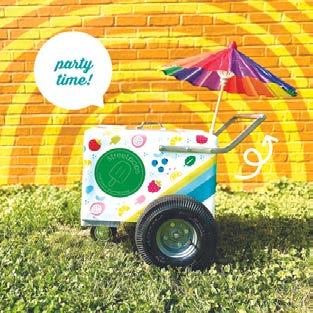
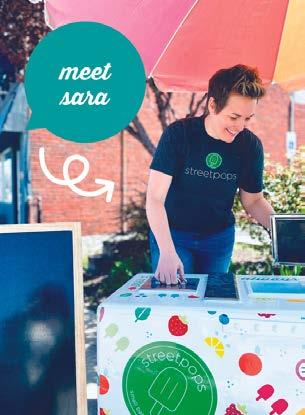
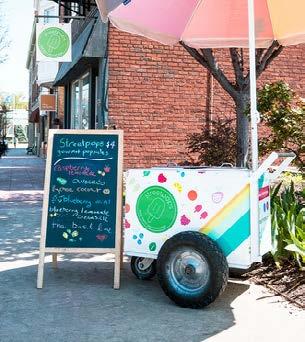

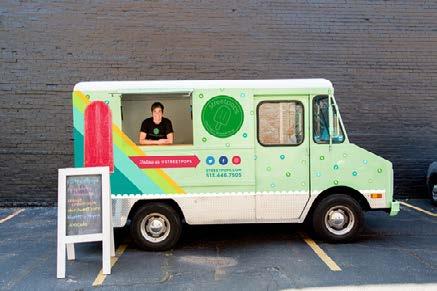

Top Reasons to Present Painter Bros to Your Candidates
• Multiple Revenue Streams - Owner/Operator & Semi-Absentee
• Strategic Alliance Partnerships - National Accounts
• Proprietary Technology - Powered by
• Nationwide Coverage

• Recession Proof - Industry revenue expected growth of 3.2%
$1.4 Million
*2022 FDD
FRANCHISE FEE: $65,000
INVESTMENT RANGE: $120k-$300k
TERRITORY SIZE: 250k pop
GROSS PROFIT MARGIN AVG.: 49.8%
CURRENT UNITS: 21 Franchises/43 Territories
*includes corporate
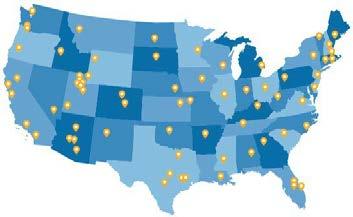
Chief Development Officer Bailey Rayner
385.535.0944 brayner@painterbros.com www.painterbros.com/franchising





*Feb-Nov 2023
by Rhonda Sanderson, CEO, Sanderson & Associates
Homeowners throughout Chicago’s northern suburbs have a new way to shop for flooring without the hassle of driving from store to store, carrying home samples, or trying to imagine how a product might look under their own lighting. Floor Coverings International | Northern Chicago Suburbs, locally owned by Joey and Kim Sherman, is bringing the brand’s Mobile Flooring Showroom™ directly to customers’ homes, offering a more convenient and personalized experience for one of the biggest decisions in home improvement.
For the Shermans, this new business is more than a flooring company. It is the result of years of professional experience, a belief in customer service, and a desire to build something lasting for their family and their community.
Joey Sherman brings a deep background in leadership, customer experience, and project management, with career experience spanning respected organizations such as Disney, Tribune Media, CBS Radio, the City of Chicago Mayor’s Office of Special
Events, CDW, and XVP Studios. Across those roles, he led teams, managed complex projects, and developed systems that produced consistency, accountability, and positive customer outcomes. Those same skills now shape how the business operates locally, with a strong focus on communication, reliable timelines, and a seamless experience from the first consultation through final installation.
His path into flooring was both practical and personal. Joey had already developed an appreciation for craftsmanship from installing floors in his own condominium and from growing up around tradespeople working on his family’s home. That respect for skilled work, combined with firsthand experience navigating corporate downsizing, helped drive his decision to pursue business ownership. Rather than continue relying on the uncertainty of large organizations, he chose to create something local, durable, and family-centered.
“After years leading teams and managing complex projects in large organizations, I wanted to build something
durable and local—something I could grow with my family and for my family,” Joey said.
“This model stood out because it puts customers first, delivers a seamless experience, and offers the stability I was looking for when I decided to pursue business ownership.”
Kim Sherman plays an equally important role in the company’s success. Before becoming co-owner, she worked as a teacher’s aide supporting children with severe and profound special needs. That experience helped shape the calm, patient communication style, and mindfulness she now brings to the business each day.
Kim oversees many day-today operations, including scheduling, coordination, and customer communications, and often serves as the primary point of contact for homeowners as projects move forward.
“Our goal is to make the flooring process easy and transparent,” Kim said.
“Customers should always know what to expect, feel heard, and feel supported from the first call through the final walkthrough.”
That philosophy aligns closely with the Floor
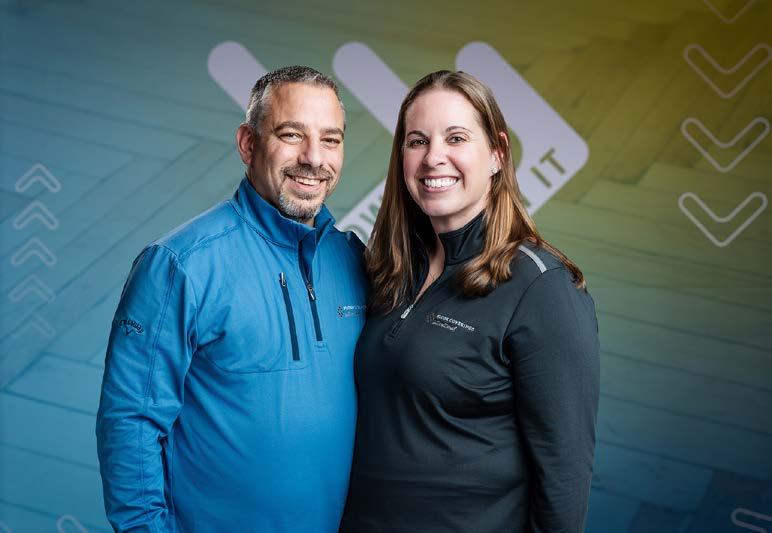
Coverings International brand, which has spent 38 years building a reputation around convenience, service, and inhome consultation. With more than 300 locations across North America and more than 400,000 customers served, the brand combines national scale with local ownership. Its signature Mobile Flooring Showroom allows customers to browse more than 3,000 flooring options from the comfort of home, seeing materials in their own rooms, with their own décor, and under their own natural light.
The Northern Chicago Suburbs business offers a full range of flooring solutions,
including hardwood, luxury vinyl, laminate, tile, and carpet, all installed by licensed and insured professionals who receive continuous training.
The Shermans say many homeowners today are looking for products that balance style with everyday practicality, especially families seeking kid- and pet-friendly options. Popular choices include waterproof laminate, luxury vinyl with realistic wood looks, engineered hardwood, modern carpet textures, and sustainable materials.
Joey remains hands-on throughout the process and believes trust is earned through transparency and

follow-through. From downto-the-penny pricing to careful coordination of installation, he wants customers to feel informed and confident rather than overwhelmed. Together, Joey and Kim are building a business that reflects both the strength of the Floor Coverings International brand and the personal values they bring to every project: service, honesty, and a genuine commitment to helping homeowners improve the spaces where life happens most. Find the Shermans at: https:// floorcoveringsinternational.com/ locations/us/il/deerfield/
Floor Coverings International is the #1 flooring franchise in North America with over 300 locations between the U.S. and Canada. Known for its unique customer experience and Mobile Flooring Showroom™, the business model brings over 3000 flooring samples to the customer’s door. For more information, please go to www. floorcoveringsinternational.com.
Rhonda Sanderson is a franchise expert who has owned and operated Sanderson & Associates and Sanderson PR, both specializing in, traditional, social media and crisis PR in the franchise space since 1986. She has authored many articles, helped grow numerous franchise chains is considered one of the Top 30 Small Business Influencers (Fit Business) in the U.S. Find her at Rhonda@ sandersonpr.com or on LinkedIn where she is the author of Franchise Stars at https://www.linkedin.com/in/rhonda-sanderson-a6b658/


Lots of territory available

Discover a world of flavor at Addy's Barbeque, where global culinary traditions unite on a single, sizzling plate! Our Certified Halal restaurant blends the rich traditions of East African mishkaki, American BBQ techniques, Asian spices, and European culinary artistry to create an unparalleled dining experience. From our house-smoked meats and succulent BBQ ribs to our signature homemade sauces and crispy sides, every dish tells a story of passion and innovation. Addy's Barbeque invites guests from all backgrounds to embark on a mouthwatering journey that celebrates diversity, quality, and exceptional taste One bite, and you'll understand why we're not just a restaurant we're a global flavor destination
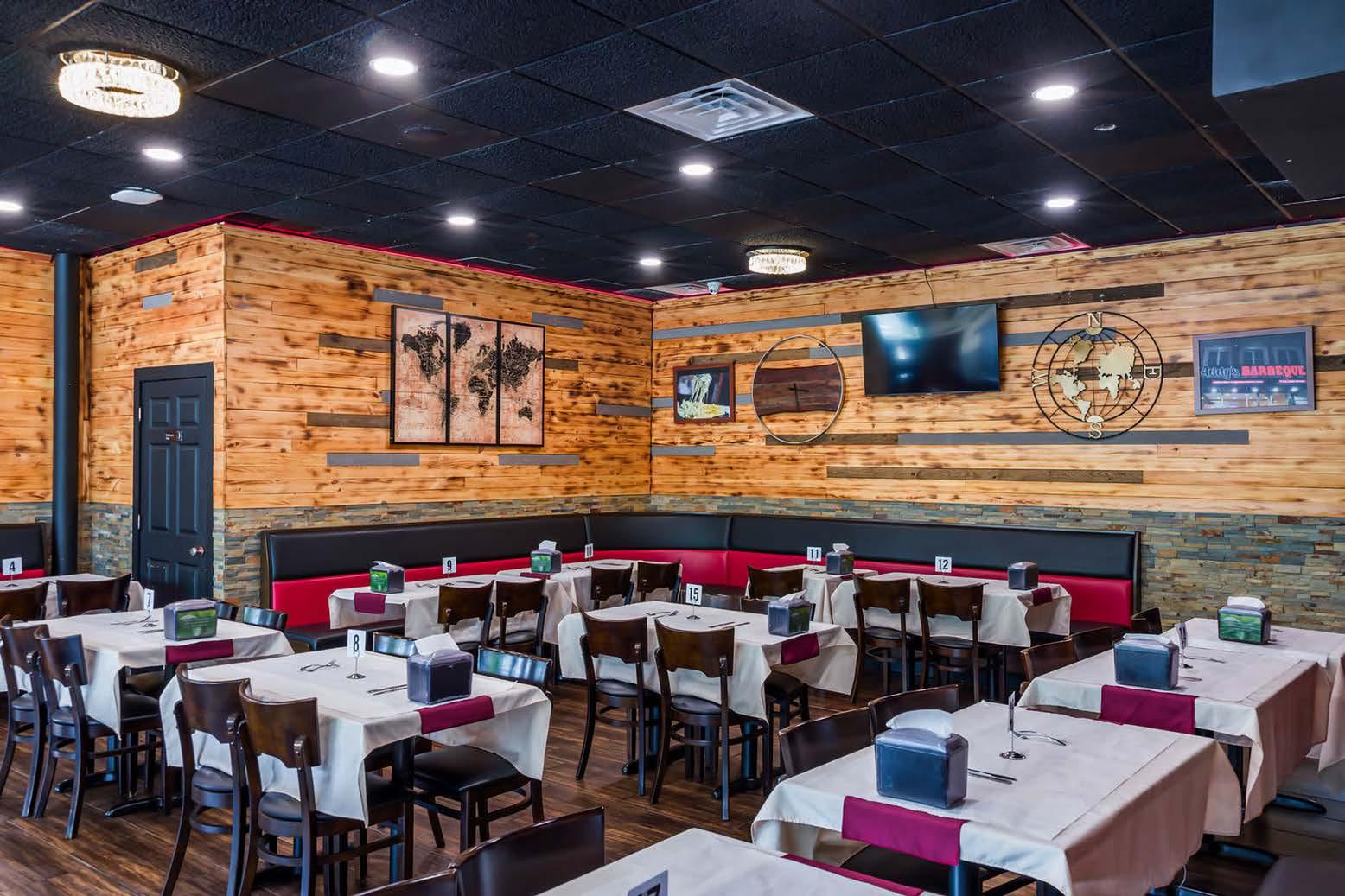
FRANCHISED BY

Proven business model

Creative marketing strategies
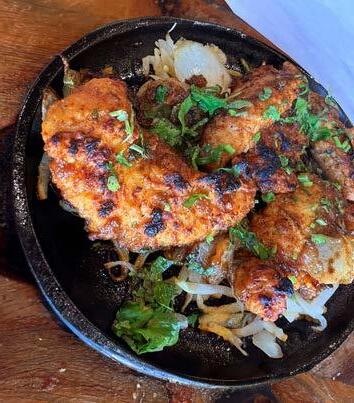
Leverage the success of our proprietary sauces!
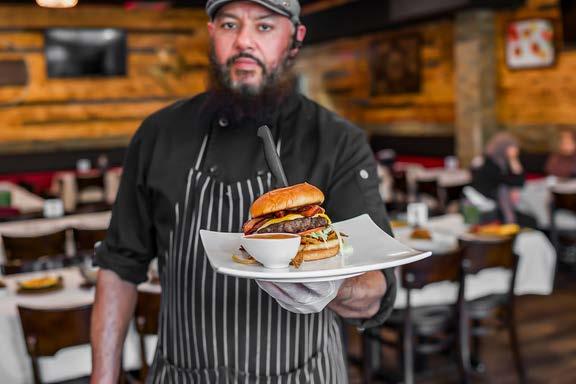

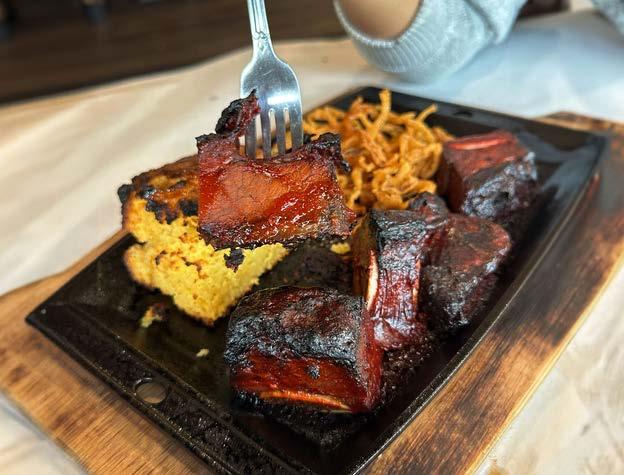
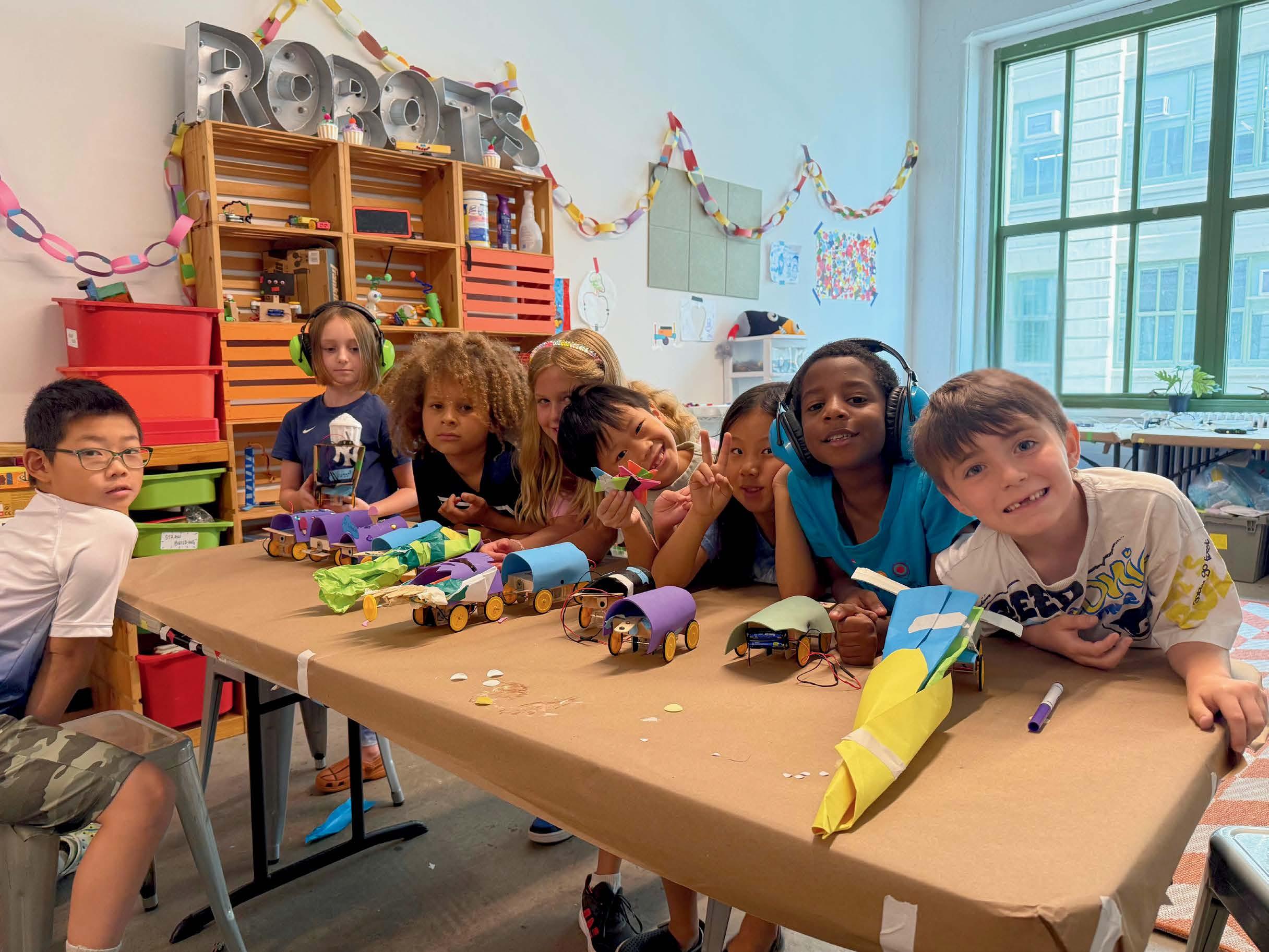

by Tracy Woods, Franchise Development Manager, Mad Science & Imagine Arts Academy™
The franchising world is full of exciting opportunities, but few offer the perfect blend of creativity, education, and business potential quite like Imagine Arts Academy™. If you’re looking for a venture that stirs up children’s imaginations while serving up a sustainable business model, this is the franchise recipe you’ve been searching for! Imagine Arts Academy™ was created by the Mad Science Group®, trusted
for decades for developing hands-on, educational STEM programs for children. They have built a franchise that elevates art beyond paint and paper. With this global strength behind you, your franchise will stand out in the booming children’s education industry. Add in the comprehensive business model, turnkey marketing support, and robust training and you have a recipe for a rewarding entrepreneurial journey.
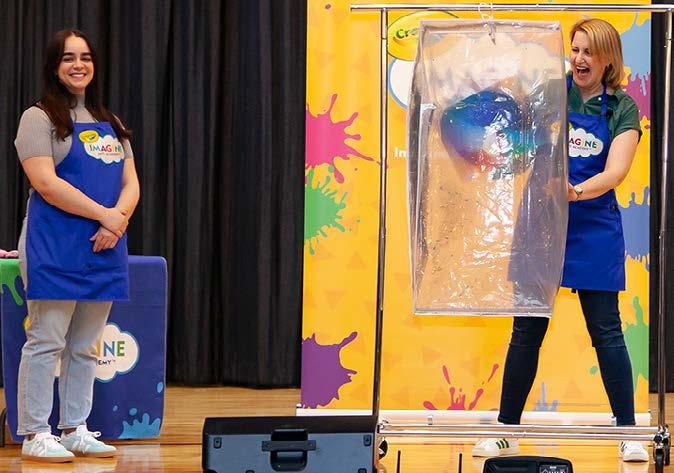

Every great dish starts with the right ingredients and Imagine Arts Academy™ has perfected its formula. It’s important to note: this is not an art studio. The landscape is filled with art studios and craftthemed concepts – Imagine Arts Academy™ stands in a class of its own. Imagine Arts Academy™ stands apart because its programs are “Art with Purpose”creative experiences rooted in meaningful educational learning that parents value, schools love, and children never forget.
Here, art is not the end goal; it’s the tool. Our programs go beyond traditional arts and crafts. Our unique programs inspire kids to explore the world around them – cultures, design thinking, global citizenship, wildlife conversation and real-world ideas. This makes this franchise not just fun, but meaningful, educational, and
sets us apart in a crowded marketplace.
• Backed by the Mad Science® Group - 40+ years, 20+ countries, millions of children reached
• A business with purpose, creativity, and community impact
• Low-overhead and low initial investment
• Wide-open territories available across North America
• Comprehensive training, support, marketing tools, and franchise community
• Mission-driven programs that schools and parents trust
Franchisees benefit from year round revenue streams, creating stability and growth potential:
• Afterschool Programs –High demand from parents and schools
• Birthday Parties – A recurring, family-driven market
• In-School Workshops –Curriculum-aligned programs teachers love
• Camps – Strong seasonal income during school breaks and summer
• Special Events – Highvisibility opportunities with libraries, festivals, and big community events
The best chefs in the kitchen have a passion for their craft and the same holds true for our franchisees. You don’t need an art degree or teaching background to succeed – what’s most important is a passion for education, the desire to work with children and the drive to grow your business. Our training and support systems equip franchisees with the knowledge and tools they need to succeed.
The key ingredients? Enthusiasm, commitment, and a willingness to follow a proven system.
In a crowded children’s marketplace finding a franchise that is both financially and personally rewarding can be a challenge. Imagine Arts Academy™ delivers a unique, mission-
driven business that combines creativity, education and entrepreneurship. So, who’s cooking up creativity in your community? If you’re ready to serve up inspiration and build a thriving business, it’s time to explore Imagine Arts Academy™. Imagine Arts Academy™ checks every box, and the timing couldn’t be better. Franchise buyers have the chance to join early, secure prime territories, and grow alongside a brand supported by one of the strongest franchisors in the children’s education sector – Mad Science®
FOR MORE INFORMATION
Visit https://www. imagineartsacademy.com/ franchising Phone 1-833-204-6777
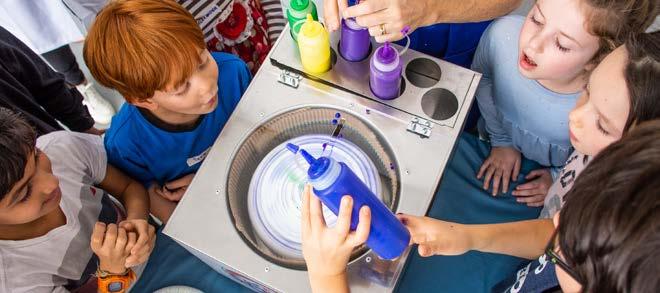
Tracy Woods is the Franchise Development Manager for Mad Science® Imagine Arts Academy™, helping entrepreneurs build meaningful, community-focused businesses. With a passion for kids, creativity, and franchising, she connects driven individuals with opportunities that spark curiosity and make a real impact.







In today’s competitive food industry, the most attractive franchise opportunities combine a proven business model with a fresh concept. Anytime Arepa Gluten Free Kitchen represents exactly that: a growing brand built on an established operational foundation and a unique culinary proposition centered on certified gluten-free cuisine.


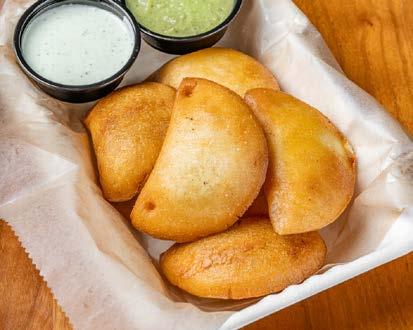
At the core of Anytime Arepa’s appeal are arepas and empanadas made from white corn, a naturally gluten-free ingredient. While inspired by Venezuelan traditions, the brand focuses on a modern dining experience that resonates with today’s consumers. As demand for gluten-free options grows, we provide a distinctive alternative for both those with dietary restrictions and food lovers seeking bold, traditional flavors.
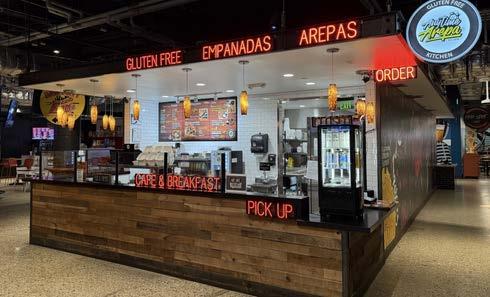
Customer response has been remarkable, with many describing their first experience as “love at first bite.” This enthusiasm is reflected in our consistent 4–5 star ratings on platforms like Uber Eats and DoorDash.
For franchise partners, we provide a comprehensive support system including site selection guidance, marketing assistance, and ongoing operational support. Our goal is to ensure every new location has the tools needed to succeed.
Anytime Arepa Gluten Free Kitchen offers a fresh, flavorful, and forward-thinking investment opportunity. Do you want to be i i i i i i i nally ?




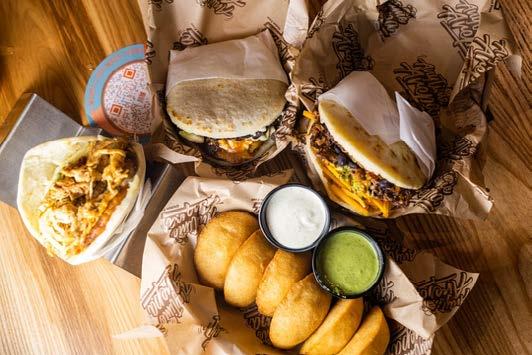
Exceptional training and mentorship for your success


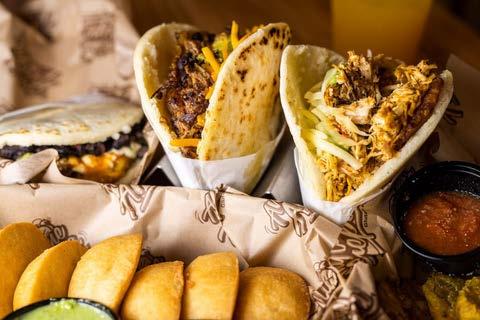
by Monique Pelle, Vice President of Operations, Franchise Genesis
In today’s restaurant landscape, standing out requires more than a great menu, it demands a distinctive identity and a flavor experience guests can’t easily find elsewhere. That’s exactly what Hakkalicious delivers.
Known as the Home of Spicy Chinese®, Hakkalicious has built its reputation around a powerful culinary fusion rooted in Hakka Chinese cuisine, where traditional Chinese cooking techniques meet the fiery
spices of South Asia. The result is a menu that is bold, crave-worthy, and unapologetically flavorful, designed to keep guests coming back for more.
From the first sizzling wok-fired dish to the last bite of their signature sauces, Hakkalicious offers an experience that goes far beyond a typical Chinese restaurant. It’s comfort food with attitude, built around heat, depth of flavor, and a high-energy kitchen that delivers dishes fresh and fast.
What makes Hakkalicious truly unique is that it occupies a culinary category many diners are only just beginning to discover.
Hakka Chinese cuisine is neither traditional Chinese nor Indian, it’s a dynamic fusion that developed through cultural migration and culinary creativity.
Known for iconic dishes like chili chicken, Manchurianstyle sauces, and wok-fired noodles, Hakka cuisine blends savory umami with bold spice in a way that has captivated spice lovers around the world.

Hakkalicious was created with a clear vision: to introduce this powerful flavor profile to a broader audience and establish a restaurant brand that celebrates the cuisine authentically while making it accessible to modern diners.
By focusing on this distinctive culinary identity, the brand has carved out a niche that is both recognizable and refreshingly different in the crowded Asian dining segment.
The timing couldn’t be better.
Asian cuisine continues to be one of the fastestgrowing and most resilient categories in the restaurant industry. Consumers today are increasingly drawn to authentic global food experiences, bold flavors, and spice-forward menus that deliver excitement and discovery.
Hakka cuisine sits squarely at the intersection of these trends.
Younger diners in
“HAKKALICIOUS ISN’T JUST ANOTHER ASIAN
particular are seeking restaurants that offer something new, flavors that feel adventurous yet familiar enough to become regular cravings. With its balance of heat, savory sauces, and wok-fired comfort food, Hakkalicious delivers exactly that.
Even better, the cuisine naturally lends itself to modern dining habits. Many of the brand’s signature dishes travel exceptionally well, making them ideal for takeout, delivery, and digital
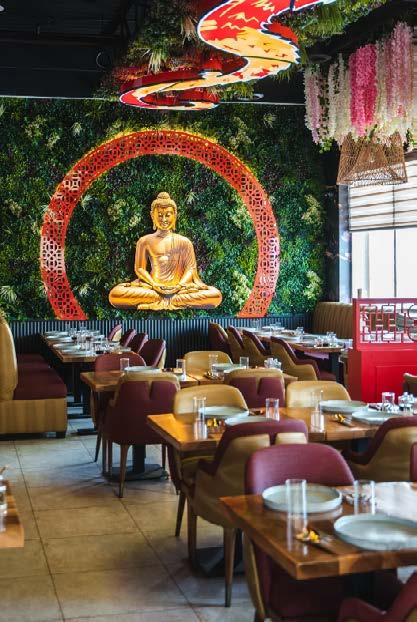
ordering, key drivers of restaurant success in today’s market.
Beyond its compelling menu, Hakkalicious was built with scalability in mind.
The concept focuses on operational efficiency, streamlined menus, and a format that can adapt across a variety of markets, from busy urban neighborhoods to growing suburban communities. This flexibility allows franchise partners to introduce a differentiated restaurant concept while benefiting from a clear brand identity and proven flavor profile.
Perhaps most importantly, the brand taps into something every successful restaurant needs: craveability.
Spice-forward dishes create strong customer loyalty. When guests find a flavor profile they love - especially one that isn’t widely available - they tend to return again and again. That repeat demand is the foundation of long-term restaurant success.
As the restaurant industry

continues to evolve, concepts that combine authenticity, bold flavor, and operational simplicity are increasingly positioned for growth.
Hakkalicious brings all three together.
With its unique culinary identity, strong consumer appeal, and scalable restaurant model, the brand offers franchise partners the opportunity to introduce a cuisine that stands apart while tapping into the growing demand for globally inspired dining.
For spice lovers and adventurous eaters alike, one thing is clear: the future of bold flavor may very well be Hakka And at Hakkalicious, the heat is just getting started.
Monique Pelle is Vice President of Operations at Franchise Genesis, where she works with founders to build scalable franchise systems.


by Phillip Lin
In today’s shifting economy, traditional career paths are less predictable than ever. Corporate restructuring, layoffs, and capped upward mobility have left even the strongest resumes vulnerable. For many driven professionals, business ownership offers a more controllable, secure path—one where direct effort dictates financial outcomes. But savvy investors know that replacing a corporate job requires buying into a system rooted in habit, consistency, and multiple streams of revenue, not just fleeting hype.
Enter Catering By Design Noir, an innovative, highly profitable franchise model that is completely redefining the food and beverage sector.
Built on the multi-state success of thriving flagship operations—Catering By Design in Raleigh, North Carolina, and Amici's Catered Cuisine in Tampa, Florida—this model addresses a massive gap in the hospitality market. For decades, the catering industry has forced a choice: be a high-end luxury event caterer, or be a high-volume corporate drop-off service. Catering By Design Noir proves you can—and should— dominate both.
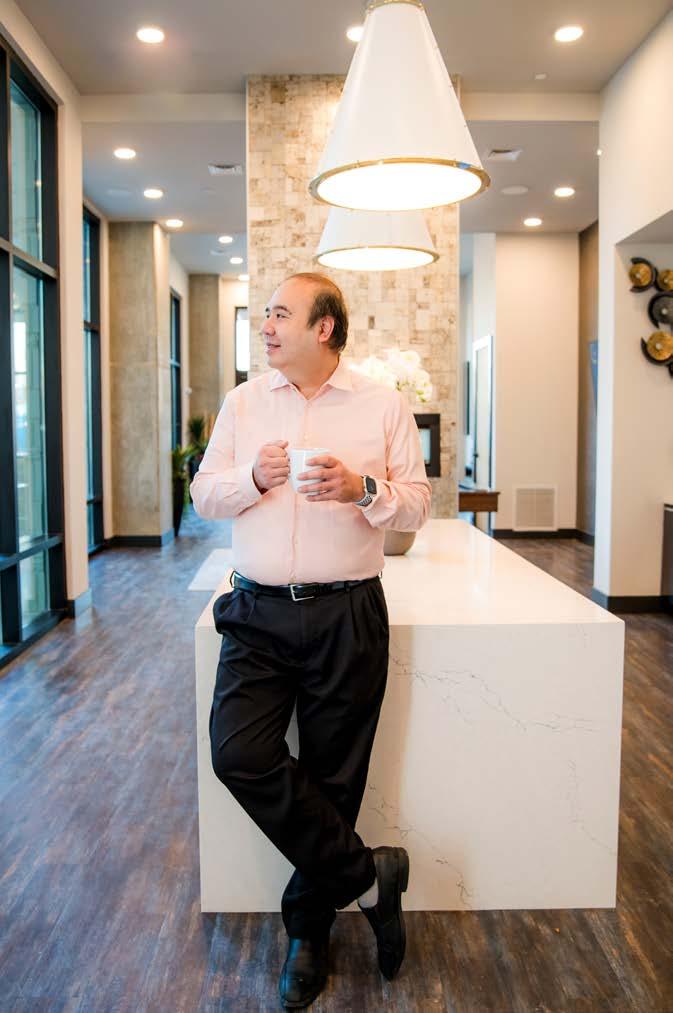
The Best of Both Worlds: Habitual Revenue and Premium Margins Consumers and corporate clients alike are exhausted by inconsistent vendors. They want the elevated experience of a premium brand, but they need it to be accessible and reliable. Catering By Design Noir delivers precisely this. The "Noir" designation represents the brand’s premium tier—a sleek, sophisticated aesthetic tailored for luxury weddings, private parties, and high-ticket social gatherings.
However, the brand’s structure is built to capture everyday demand as well. Franchisees capitalize on high-frequency, lucrative weekday corporate dropoffs, making the service a normal, trusted part of a local business's weekly routine. By adding comprehensive bar services into the mix, owners unlock an entirely new layer of profitability. This multichannel approach ensures franchisees benefit from both the massive margins of weekend luxury events and the stabilizing, recurring revenue of habitual weekday corporate orders.
Delivering "great food, great service, and great staff to provide a truly great experience" across multiple event types requires more than culinary passion; it requires uncompromising operational discipline.
Catering By Design Noir is built on a foundation of proprietary systems

engineered for a flawless execution. Driven by an executive background steeped in systems architecture and financial strategy, the complex logistics of multichannel catering have been streamlined into a highly repeatable model.
The true brilliance of the franchise is that investors do not need to be logistics experts or financial analysts to succeed. The heavy lifting of recipe scaling, supply chain management, fluctuating food costs, and margin forecasting is already baked into the software. Franchisees are provided with a deliberate blueprint that ensures consistency for clients and protected, predictable margins for the owner.
Even with flawless operations and optimized, low-overhead commissary kitchens, a premium brand requires premium visibility. To ensure franchisees dominate their local markets from day one, Catering By Design Noir eliminates the costly trial-anderror of lead generation.
Franchisees are plugged directly into a proven, highperformance marketing ecosystem managed by industry powerhouses: Ask Ania Media handles comprehensive social media management, while WebFX drives elite search engine optimization (SEO). These
are not speculative vendor recommendations. They are the exact, battle-tested engines that have consistently driven the multi-state growth of the flagship brands. By leveraging this established infrastructure, franchisees achieve immediate visibility— capturing both the highvolume corporate search traffic and the visually driven luxury event clientele— allowing them to focus entirely on closing sales and executing events.
In a world of economic uncertainty, leaving the corporate ladder requires a proven safety net. Catering By Design Noir isn’t just a food franchise—it is a sophisticated business solution. By pairing a battle-tested marketing engine and premium branding with rock-solid, easyto-use systems, it proves that owning a luxury hospitality business can be a secure, controllable, and highly lucrative path to true financial independence.
With a proven track record of scaling successful multi-state operations like Catering By Design and Amici's Catered Cuisine, Phillip Lin is bringing a highly anticipated new franchise model to the food and beverage industry. At the heart of this expansion is a simple but powerful foundational philosophy: combining great food, great service, and great staff to provide a truly great experience for every single client.
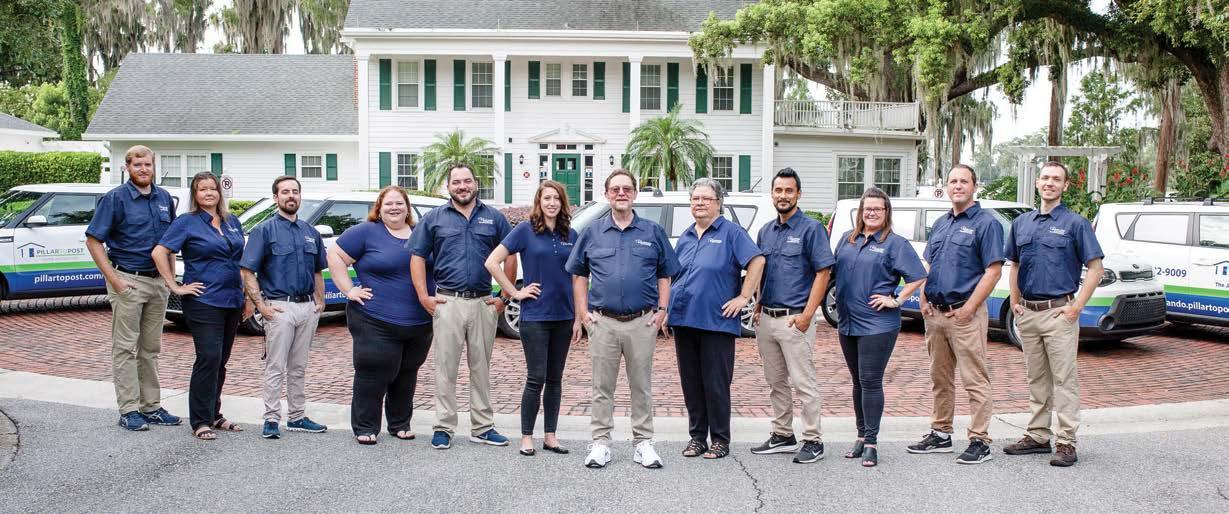

by Jim Kokenge, Founder, Bookwerks
Buying a franchise is a major investment for both the buyer and the franchisor. The new franchisee is investing a substantial chunk of money, whether it comes from excess cash or their life savings, they’re making a significant
commitment to the franchisor and its brand.
Everyone wants new owners to succeed, and the first year in business is the most critical hurdle to make that happen. A franchisor once told me that he tells new owners they must do four things right,

right out of the box: First they need to “hire the right people”, then they need to “sell-sellsell” to get up and running successfully in that challenging first year. Makes sense!

However, what if that new owner asks what they should handle bookkeeping and payroll? These are “non-revenue generating” tasks that most owners aren’t well versed in and shouldn’t waste their limited time, talent, and resources in addressing.
Many franchisors will simply reply, “find someone to handle it for you”, what we call the “Uncle Bob” method. A recent trend in franchise bookkeeping is for franchisors to mandate new owners to use a specified bookkeeping firm and a payroll provider for the first 12 months. This creates two major benefits:
First, the new owner can stay focused on growing the business while having their monthly results delivered to them in an affordable and timely manner, so they will know how well they are performing. The second benefit is to the franchisor who also wants to see how the franchisee’s performing without having to chase after them each month for the results.
Using a preset Chartof-Accounts, all the franchisees’ reports will be consistent. With this accumulated data, a bookkeeping firm like BookWerks™ can run various customized reports

for the franchisor so they can measure the average overall performance of their franchisees.
Knowing average costs of such expenses as occupancy, labor, advertising etc. helps a franchisor understand expenditures levels new owners should be targeting.
We know the first year is critical to the long-term success of the franchisee. Under a franchise wide bookkeeping program, the franchisor can receive monthly reports to study specific numbers such as royalties owed, franchise fees and other critical data.
After the initial training and launch of the new franchise, mandating a specified bookkeeping firm like BookWerks™ provides a win-win for both the franchisor and their franchisees.
Jim Kokenge is the founder of BookWerks™, a national cloud-based outsourced bookkeeping firm with its roots in Cincinnati Ohio. They serve a variety of entrepreneurs, small businesses owners and franchises. It’s a virtual business maintaining a low overhead employing talented, domestic-based bookkeepers. www. BookWerks.io


Comprehensive
Unwavering Customer Support

The home remodeling industry is projected to reach $600 billion by 2030, and cabinet painting is at the forefront of this growth. As homeowners seek affordable yet impactful ways to refresh their spaces, cabinet painting has become one of the most in-demand services in the market.
With Joyful Cabinet Painting, you can capitalize on this booming industry and start your own business with ease. We provide everything you need to succeed, from comprehensive training to ongoing marketing support and expert guidance.

The restaurant and food service industry is notoriously challenging. Razor thin profit margins, operational complexity, and constant vendor negotiations leave many owners struggling to maintain profitability, even when their dining rooms are full.
For aspiring franchisees who are passionate about the food and beverage space but want a different angle, cost reduction consulting offers an intriguing opportunity. Schooley Mitchell, North America's largest independent cost reduction consulting firm, has built part of its 22-year franchise network around
helping restaurants improve profitability by optimizing vendor expenses.
Restaurant owners excel at creating memorable dining experiences, crafting menus, and building customer loyalty. What they often lack is the time and expertise to review every vendor relationship, from waste disposal and telecom to payment processing and facility supplies.
“When Schooley Mitchell first approached me, I was extremely busy and did not have time to devote to looking into my vendors,” shared the owner of a creole restaurant who later discovered 22 percent savings on credit card processing, 17 percent on waste services, and 19 percent on telecom, all without changing vendors.
This scenario is common across the industry. Restaurants need this level of financial analysis, but most do not have the internal resources to perform it.
Unlike traditional restaurant
franchises that require large capital investments and hands-on daily operations, the Schooley Mitchell model operates differently. Franchisees act as consultants, reviewing vendor expenses and identifying opportunities for savings.
The company maintains a vendor-neutral approach and does not accept kickbacks, residuals, or incentives from service providers. This allows franchisees to act solely in the interest of their clients. Using proprietary auditing software and benchmarking tools, consultants review invoices, analyze contracts, and compare pricing across the marketplace.
The results highlight the value of this service. Documented savings for restaurant clients include:
• A multi-location restaurant group that saved more than $252,000 across waste services, compressed gases, and uniforms and linens
• A multi-location brewery and eatery that reduced waste disposal costs by $77,000
• A sports bar and restaurant that lowered payment processing expenses by 31 percent
• Independent restaurants
achieving monthly savings ranging from 28 to 40 percent
Schooley Mitchell describes its value through four benefits: money, time, security, and knowledge.
Franchisee Adam Smith has focused much of his consulting practice on restaurants and explains how those benefits apply.
“Money is the most obvious,” says Smith. “The average client sees about 28 percent savings across the categories we review. For restaurants operating on three to five percent margins, reducing vendor costs can make a meaningful difference.”
Time is another benefit.
Restaurant owners already manage staff, menus, suppliers, and customer experience. Reviewing vendor invoices and negotiating contracts often falls to the bottom of the list, so outsourcing that work allows them to focus on running their business.
Security and knowledge also play a role. Consultants provide guidance through complex agreements and help ensure pricing remains competitive. One Italian restaurant owner noted the Schooley Mitchell team completed a thorough review of their contracts. In one case they recommended maintaining the existing supplier due to early termination fees, demonstrating transparency that helps build long-term trust.

For franchisees, the restaurant sector offers advantages. Many restaurants rely on similar vendors, which creates strong benchmarking opportunities. There are also many areas where savings can be identified, including waste services, payment processing, telecom, uniforms, shipping, and facility supplies.
Schooley Mitchell’s network of more than 33,000 clients and over $1 billion in documented savings provides pricing data that individual restaurants would rarely have access to.
Client acquisition also benefits from industry networking. In one case, a bar and grill owner learned about Schooley Mitchell through their local Chamber of Commerce and achieved a 76 percent reduction in waste service costs. Results like that often lead to referrals within the restaurant community.
The franchise model focuses on consulting rather than product sales. Franchisees build relationships and introduce the service, while the Schooley Mitchell corporate team supports the analysis.
Head office helps collect invoices, perform detailed
analysis, develop savings recommendations, and assist with implementation once a client approves new pricing. Restaurants do not pay upfront. They share a portion of the savings, making the process effectively riskfree. Many remain with their existing vendors while benefiting from better pricing.
Meeting a Growing Need
As restaurants face rising costs, labor challenges, and shifting customer expectations, improving operational efficiency has become increasingly important. While much of the industry’s focus on cost control happens in the kitchen, significant savings often exist in everyday operational expenses.
For entrepreneurs who enjoy the restaurant industry but prefer a professional services model, cost reduction consulting offers a unique path. Restaurants are always looking for ways to control costs and operate more efficiently and helping them achieve those results can create both meaningful client value and a strong business opportunity for franchisees.
Schooley Mitchell specializes in helping companies cut unnecessary costs and streamline operations. Their consultants analyze vendor relationships to deliver measurable savings and better value.

I was a trades guy. I wanted to grow a business but really didn’t have the skills to do it. If you have the drive and determination and want to learn, the network is very open to helping you. The network, the tools, there is no way that I would be where I’m at without this brand.
– Aaron Hagan, NW Arkansas, Oklahoma City & Tulsa, OK
We’re constantly focused on helping our franchise owners grow their business, reach the right customers, and remain competitive using our extensive resources. We’ve earned our reputation from coast to coast by treating our franchisees right and making sure they’re equipped with the tools needed to build a business that sustainable and focused on growth.


The Radiant Waxing® brand is a skincare-forward hair removal waxing salon that’s known for its speed. Its proprietary pine-based soft wax allows for a 3-Step-Speed waxing technique that will have guests in and out in 15 minutes! The Radiant Waxing brand also has a retail product line of soothing post-wax products that guests love!

Dedicated to serving the growing needs of beauty and wellness-conscious consumers, the WellBiz Brands portfolio offers franchise opportunities with recurring revenue membership models, tech-centered infrastructure and light-asset investments. Explore the brand portfolio today! (wellbizbrands.com)




$358,339 - $525,059*

● Single-service offering = simple, semi-absentee, manager-run model
● Recurring Revenue Membership Model
● Low Staffing Requirements
● 3-step speed technique with proprietary pine based soft wax
● Backed by industry-leading beauty & wellness portfolio company, WellBiz Brands, Inc.
800+ available territories! Los Angeles, Houston/Austin/San Antonio, Tampa, Jacksonville, Ft. Meyers, NYC, Chicago, Atlanta & more!



by Tony Jeary, Strategist, Keynoter, Coach, Tony Jeary International
In franchising, communication happens at many levels; between the brand and the field, between franchisees and their local markets, and between teams working to deliver a consistent customer experience. In that environment, clarity matters. And increasingly, one of the fastest ways to create that clarity is through video.
A short, well-crafted video can communicate a message quickly, reinforce brand standards, and help people across a system stay aligned. Used intentionally, video becomes more than marketing—it becomes a practical leadership tool.
Q: TONY, WHY HAS VIDEO BECOME SO IMPORTANT FOR FRANCHISE SYSTEMS?
Because franchise systems rely on clear communication at scale. A franchisor may be supporting dozens or hundreds of locations, each
run by capable operators who need to understand the brand, the priorities, and the expectations. Written communication still matters, though video often delivers context and tone much faster. When franchisees hear and see leadership explaining

a priority or initiative, the message becomes easier to absorb and remember. It also reduces the chance that key ideas get interpreted differently across the system.
In many ways, video helps keep everyone on the same page.



Q: YOU OFTEN TALK ABOUT “SELLING IN SECONDS.” HOW DOES THAT APPLY TO FRANCHISING?
In franchising, attention is just as limited as it is anywhere else.
Customers are deciding quickly whether to visit a location. Prospective franchisees are evaluating brands and concepts. Even internal teams are sorting through large amounts of information every day.
Video works well in those moments because it can deliver a clear message in a short amount of time. A simple introduction video, a quick explanation of a new initiative, or a short customer-facing message can communicate far more quickly than several pages of text.
The key is focus. The best videos usually communicate one clear idea and one clear takeaway.
Q: WHERE CAN FRANCHISE ORGANIZATIONS USE VIDEO MOST EFFECTIVELY?
Start with the moments that matter most.
For franchisors, video can support onboarding,
training, and leadership updates across the system. It allows teams in different locations to hear the same message directly from leadership, which helps maintain alignment.
For franchisees, video can be a powerful local marketing tool. A short message introducing the owner, highlighting community involvement, or sharing what makes the location special can help strengthen local relationships with customers.
When used thoughtfully, video supports both brand consistency and local connection.
Q: HOW DOES VIDEO HELP STRENGTHEN TRUST ACROSS A FRANCHISE NETWORK?
Video helps people feel connected to the brand behind the system. When franchisees see and hear leaders communicating clearly, it reinforces transparency and direction. When customers see the people behind a local location, it creates familiarity and trust.
Over time, those small moments add up. Video becomes a way to reinforce the culture of the brand while still allowing each location to
maintain its local personality.
Video doesn’t need to be complicated to be effective.
In franchising especially, a few well-placed videos can improve communication, reinforce alignment, and help both franchisors and franchisees deliver a clearer message to the people they serve.
And sometimes, the clearest message is the one people can see and hear for themselves.

Tony Jeary is a strategist, keynoter, coach to the world’s top CEOs and prolific author of over 100 titles. Tony lives in Flower Mound and works out of his think tank, The RESULTS Center, where he and his team encourage and inspire all those he touches, resulting in their enhanced sales and profitability and raising their companies’ values.

The Elements Massage® brand is a holistic massage therapy franchise that offers personalized treatments through a variety of massage therapy modalities, following The Elements Way ®. We exist so clients feel an improved sense of health as they seek to benefit from pain relief, stress reduction and overall wellness. We are committed to The Elements Promise, which means our massage therapy will meet or exceed your expectations, or the next one is on us! Celebrating nearly 20 years of holistic wellness and therapeutic values, Elements Massage® has more than 250 franchise locations across the USA and 75 under development, nationwide.



TOTAL INITIAL INVESTMENT
$322,783 - $517,125*
TARGET MARKETS
650+ territories available! Los Angeles, Bay Area, DFW, Houston, Austin, San Diego, Tampa, Ft. Lauderdale, Jacksonville, Orlando, and more!





Home Clean Heroes is a fast-growing residential cleaning franchise that supports local first responders with every home that they clean.

Mission Based: A portion of every cleaning fee goes to support local market first responders
Low Investment, Fast Start-up: Item 7 investment range is $76,902 - $100,851 and includes the majority of first year marketing expenses. Franchisees can be open as quickly as 60 days after signing
Part of the Buzz Franchise Brands family: engagement and extensive ongoing support

“I chose Home Clean Heroes because everything was buttoned up and put together. From the spectacular training, marketing, leadership team all the way to the cleaning processes. At the end, it came down to the
-David Houck, Owner of Heroes of South Charlotte

franchise.com
homecleanheroesfranchise.com
by Monique Pelle, Vice President of Operations, Franchise Genesis

Some brands are built on strategy decks and investor capital. Others are built on something far more rare - a life fully lived, a culture deeply loved, and a woman who refused to let hardship have the final word. Ofelia Shively, founder of Poke Etc., is the latter kind of entrepreneur. And the franchise world is about to take notice.
Her story is one of resilience, discipline, and quiet determination, a journey that carried her from humble beginnings in the Philippines, through plantation work, across Hawaii and Alaska, and eventually to the shores of
Southern California. It is not the story of someone who set out to disrupt the restaurant industry. It is the story of someone who brought the food she loved to people who had never tasted it and in doing so, built something extraordinary.
Nearly 52 years ago, Ofelia began her culinary journey. In 2008 she introduced authentic Hawaiian poke to Las Vegas and in 2013 to Southern California. Her first location was a modest space in the back of a grocery store, where she sold simple poke bowls with steamed rice. Poke was sold by the pound, in flavors like Oyster, Coconut, and Limu, a briny seaweed, set up and marinated in large bins just as you would find back in Hawaii. There were no focus groups, no brand consultants. There was just Ofelia, her knowledge, and her belief that authentic flavor would speak for itself.
It did.
Today, Poke Etc. brings the spirit of Hawaii to Carson, California, with vibrant bowls and island-style plates inspired by Filipino, Japanese, Chinese, Korean, Hawaiian, and American cuisine - a menu crafted with care to highlight fresh ingredients, bold island character, and a community-
first philosophy where every guest matters. Unlike the wave of build-your-own poke bowl chains that swept the mainland, Poke Etc. maintains an authentic Hawaiian atmosphere in the way it sources and serves its food and loyal customers have noticed the difference for years. What separates Ofelia from the crowd isn't just the food. It's the depth of the story behind every plate. Her path through poverty, motherhood, and perseverance across continents shaped a leader defined by integrity, consistency, and genuine cultural respect.Those aren't just brand values at Poke Etc., they're the biography of its founder.
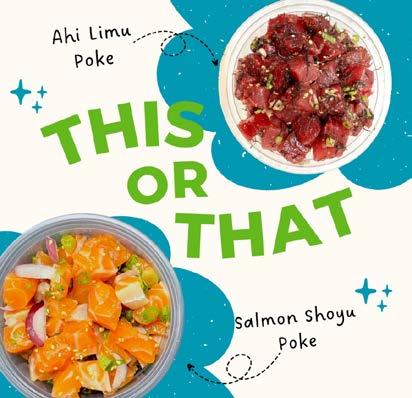
That biography is now a book. Ofelia Shively: The Story and the Legacy of Poke Etc. chronicles her full journey in her own words, co-authored with Dr. Raymond Hosingco Banzuela. It is a tribute to the cultures, flavors, and people who shaped her, reflecting the same spirit that fills every plate at Poke Etc.: a celebration of Hawaiian heritage and the belief that food connects us. For aspiring franchisees and food entrepreneurs alike, it is required reading.
And now, the next chapter is beginning.
Poke Etc. is preparing to launch as a franchise concept and the timing couldn't be more compelling. The poke category has moved well beyond trend status, driven by consumer demand for fresh, protein-forward, customizable meals that feel both indulgent and health-conscious. The market opportunity is real. But what makes Poke Etc. different from the dozens of poke concepts already in the franchise marketplace is the authenticity of its roots.
Founded by Ofelia Shively, Poke Etc. has spent more than a decade serving the Southern California community, earning loyalty through generous portions, fresh fish, and a philosophy that embodies the spirit of Aloha. That's not a marketing tagline, it's a decade-plus track record. Franchisees who join the
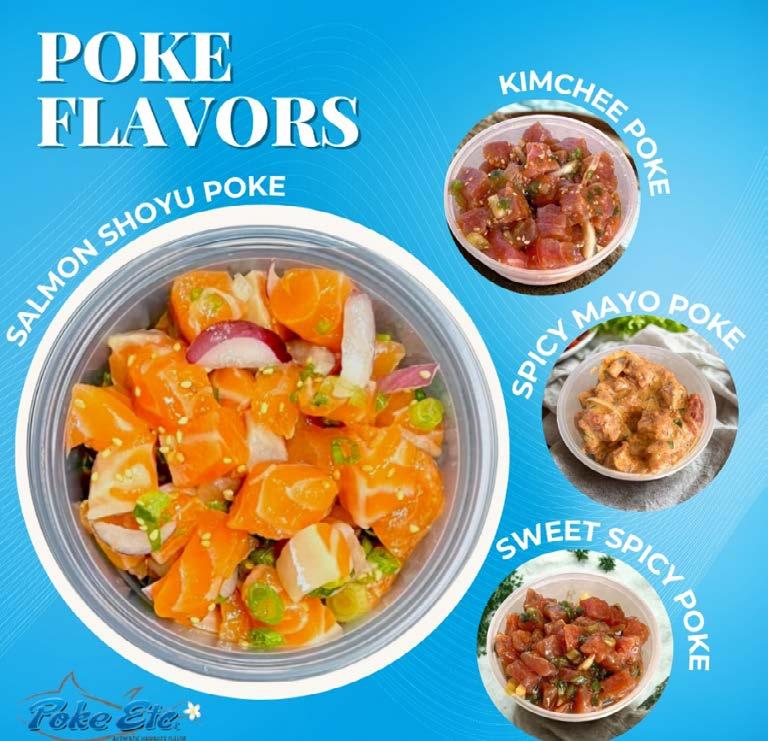
TODAY, POKE ETC. BRINGS THE SPIRIT OF HAWAII TO CARSON, CALIFORNIA, WITH VIBRANT BOWLS AND ISLAND-STYLE PLATES...
Poke Etc. family won't just be buying into a system. They'll be carrying forward a legacy built on one woman's courage to cross oceans, take risks, and serve her community with everything she had.
For franchise investors looking for a concept with genuine differentiation, an emotionally resonant founder story, and a proven product in a high-growth category, Poke
Etc. deserves a close look. The brand has something money can't manufacture: a soul.
Ofelia Shively didn't set out to build a franchise empire. She set out to share something real. That authenticity - rare in any industry, rarer still in fast-casual food - is exactly what franchise systems are built to scale.
The islands came to California one bowl at a time. Soon, they'll come to a community near you.