
The Fortune Society’s mission is to support successful reentry from incarceration and promote alternatives to incarceration, thus strengthening the fabric of our communities. We do this by:
• BELIEVING in the power of individuals to change
• BUILDING LIVES through service programs shaped by the needs and experience of our participants
• CHANGING MINDS through education and advocacy to promote the creation of a fair, humane, and truly rehabilitative correctional system
Lives
The Fortune Society provides culturally competent services and lifetime aftercare to people with incarceration histories. Our services include:
HOUSING
DECARCERATION (Court and Community Diversion)
HEALTH (Behavioral and Physical Health)
SKILL BUILDING (Employment, Education and Digital Equity)
WELL-BEING (Benefits, Creative Arts, Food & Nutrition and Family Services)
ADVOCACY AND RESEARCH (The David Rothenberg Center for Public Policy, Center for Research, Inquiry and Social Justice)

@fortunesociety fortunesociety.org
Receive top news from Fortune each week by subscribing to the Fortune Weekly email
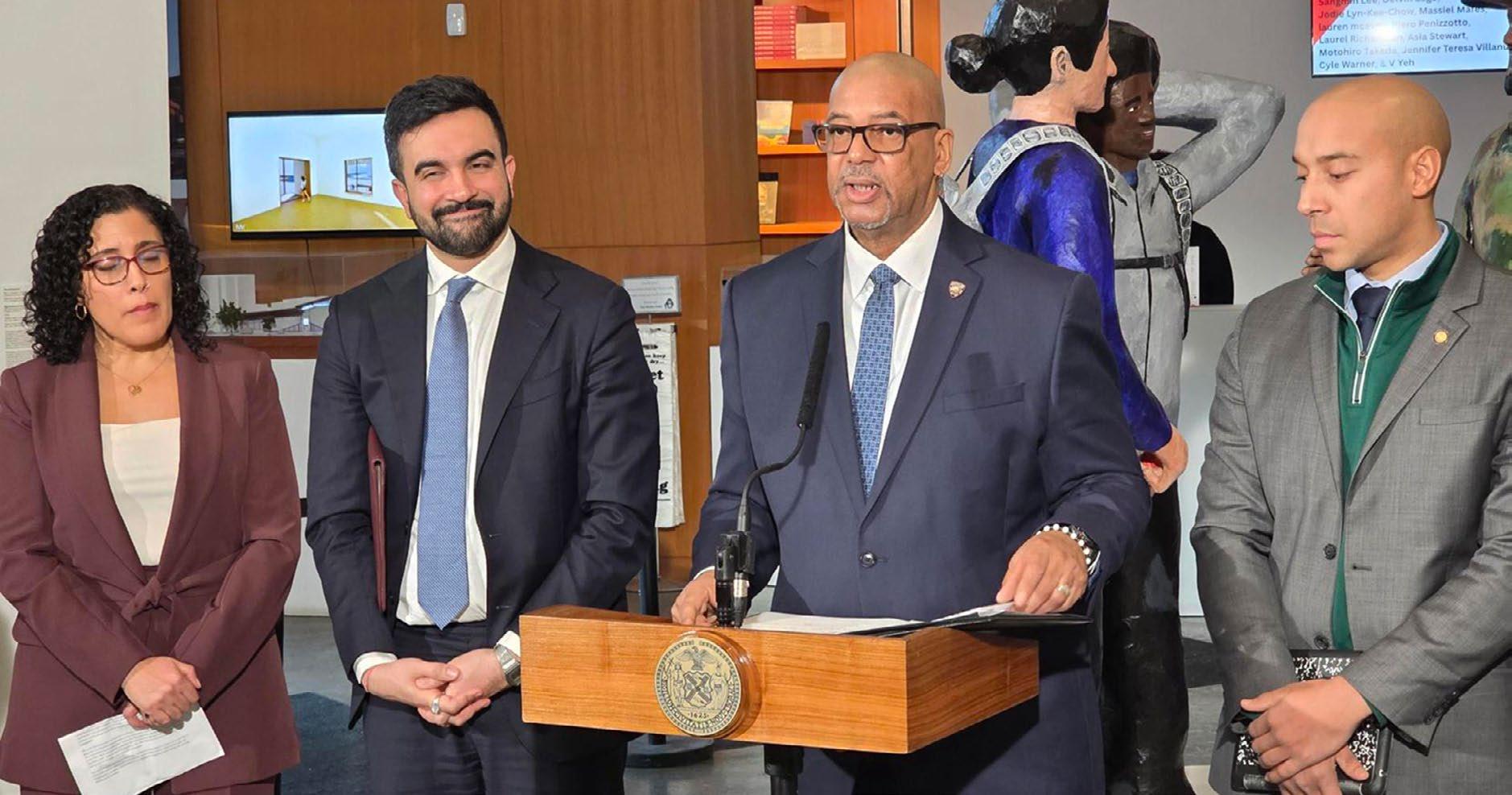
On January 31, 2026, Mayor Zohran Mamdani appointed President and CEO Stanley Richards as the Commissioner of the New York City Department of Correction (DOC), making him the first formerly incarcerated individual to hold this position. As Commissioner, Stanley intends to improve safety and jail conditions, while remaining
committed to closing Rikers Island and ensuring the Department of Correction fulfills its responsibility to care for people in custody while supporting the staff who serve them. Stanley brings valuable insight into this role, grounded in his own lived experience, especially at such a pivotal moment in time.
Stanley first joined The Fortune Society in 1991 as a reentry counselor and has since become an integral part of the Fortune community, serving as a dedicated leader. We are immensely proud of Stanley’s hard work and impactful leadership, which have equipped him to succeed in his new role with the DOC.
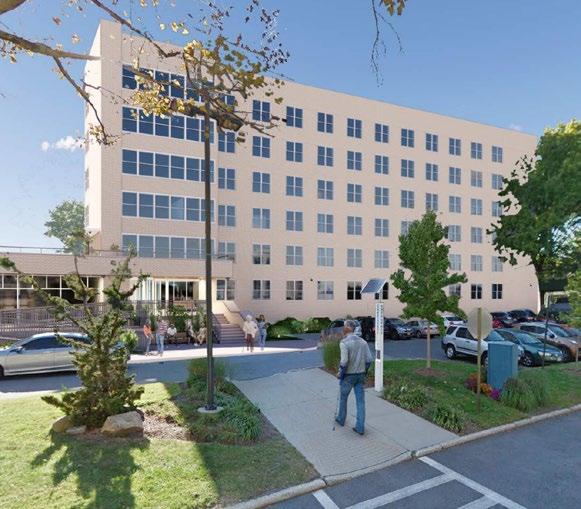
In January, New York City Mayor Zohran Mamdani announced his administration’s commitment to advancing Just Home, a first-of-its-kind housing initiative to serve formerly incarcerated New Yorkers with complex medical needs on the campus of NYC Health + Hospitals/Jacobi. The 100% affordable housing project will create 83 new apartments in an underutilized building on the Jacobi Hospital grounds. At Just Home, Fortune’s on-site case managers will work with Jacobi’s medical providers to coordinate outpatient care just steps away from their home.
I’m currently studying Political Science, and my experience interning at The Fortune Society helped me learn more about human rights issues and how we can better address them.
In 2024, I interned with Employment Services, where I assisted with resume writing and conducted mock interviews with the volunteers. I enjoyed that experience because I could see how helpful the services were for the participants. People in reentry navigate many challenges. Maybe they got a smartphone, and they don’t understand how to use it because they’ve never seen one before. With Employment Services, I was able to learn about issues that I hadn’t previously thought about and the positive impact of these types of reentry services.
I began volunteering at The Fortune Society during a transitional and challenging period in my life when I was seeking an opportunity that would make a meaningful impact on others. When I learned about the work that Fortune does, I knew this was exactly what I was looking for.
As a Prisoner Correspondence Volunteer, I respond to inquiries. If someone is seeking resources and information for their release, I provide them with the necessary information. Although my role here is small, I am grateful to support people and contribute to the great work that Fortune does every day.
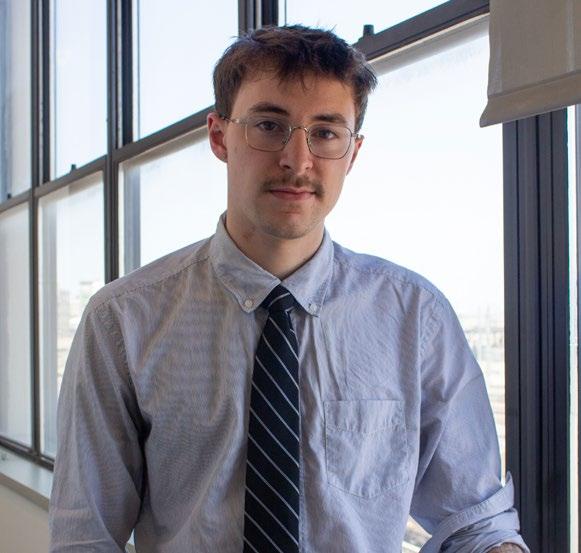
Last summer, I interned with the Admissions team doing parole outreach, and it was an eye-opening experience. I was present during parole court hearings and saw how Fortune advocates for their clients. The entire experience made me think more about the criminal legal system and its impact.
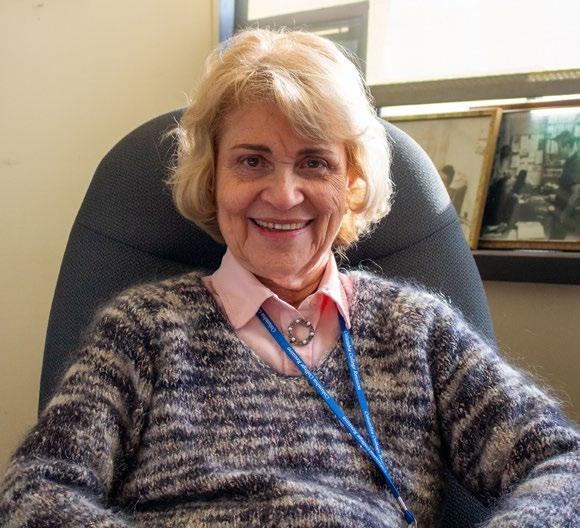
When people write to us, they are asking us to be part of the Fortune community. Reading the letters we receive, I can see that the Fortune News and the mailings I send offer people glimpses of hope and models of success, which is important work that I feel honored to be a part of.
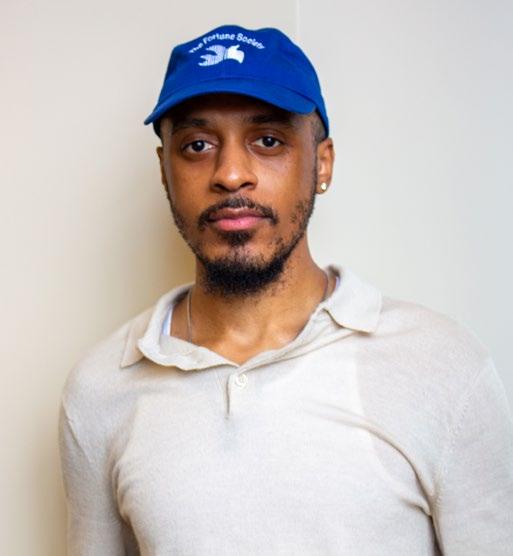
I’ve worked at Fortune for three years now, and it’s been a remarkable experience to grow alongside my team. One of the highlights of my role is the opportunity to connect with many members of our staff, from welcoming new hires during orientation to conducting exit interviews for those leaving Fortune.
I particularly enjoy leading training sessions, where I coach managers and supervisors. It’s a privilege to empower them with the skills to lead their teams with empathy, which in turn creates a more positive environment for everyone.
The work I do in HR builds meaningful relationships. By engaging closely with our staff, I gain valuable insights into how we can best support them, whether that’s through professional development opportunities or resources tailored to their needs. Seeing the impact of our efforts is incredibly rewarding and motivates me every day.

BY DAVID FLEENOR
Lexington, OK
If I told you that the living conditions in most U.S. prisons today contributed to some of the worst mental and physical health outcomes in the developed world, would you believe me? Well, it’s true. Prisons are “full of sound and fury signifying nothing” to quote Shakespeare. From the time my cell door opens in the morning until it is closed at night, all my senses are under constant attack.
“... I thought I was immune to the barrage of constant negativity that seemed to have poisoned those around me. But I was not. ”
longer had anything good to say. My dim view of the future began affecting me physically. I was losing the desire to eat healthily and to exercise outside.
much that all they have left is being right about everything. The mental cost, and the likelihood of violence, for these interactions is too high.
• Set boundaries. Like fences, boundaries keep people out of your personal space. By nature, I am an introvert, so I actually need time away from people to recharge my battery. Don’t be ashamed to identify your needs.
• Always read. You are what you put into your head. Your eyes and ears are recording devices, and you can only play back what you have recorded.
In protecting your physical health:
When I first entered prison, I thought I was immune to the barrage of constant negativity that seemed to have poisoned those around me. But I was not. With the passage of time, my immunity weakened as my visits and phone calls became less frequent, and I sought comfort in the experiences of those who came before me. After a while, I had engaged in so many negative conversations that I no
Unwilling to let the oppressive nature of this system consume another soul, I fought back. I began journaling and developing a plan to take back both my mental and physical health. The following are a few of the basic steps that helped me restore my confidence and my agency.
In protecting your mental health:
• Limit your exposure to upsetting environments. This means avoiding people and situations that have the potential to end in arguments or violence.
• Do not correct people. Most people in prison have lost so
• Keep moving. I don’t care if it is walking, exercising, or mopping the floor, just keep moving. Everyone feels better afterward.
• Limit your sweets. Years ago, I started trading my desserts for veggies or fruit. I know that a portion of the nutrients are lost when veggies are cooked, but healthy habits must start somewhere.
• Drink plenty of water. Our bodies are roughly 80% water, and most of us only drink when our brain signals; we are thirsty. In that moment, you are already dehydrated.
Your mental and physical health are your responsibility. Start with basic self-awareness techniques and listen to your mind and body. Both will tell you what they need. And when necessary, schedule regular blood screenings, eye exams, and visits to the dentist.
BY WALLIS SLATER AND MOLLY CRANE
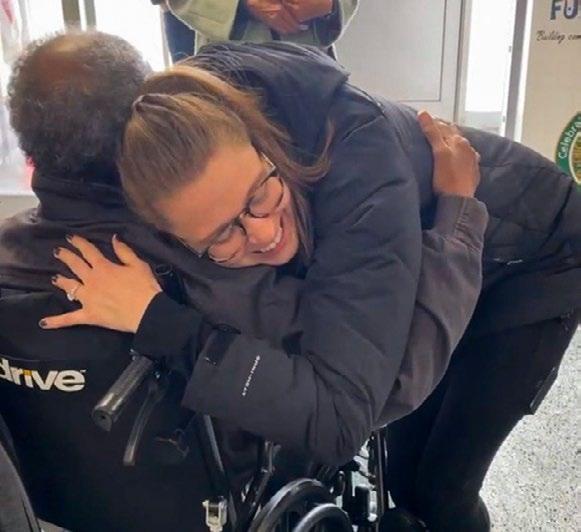
More than 1.9 million people are incarcerated in the United States. They face a disproportionate burden of illness and too often struggle to access medical care within the carceral system. Expert witness testimony improves the likelihood of positive outcomes. Yet, too often, expert testimony is unavailable to those who need it most because of the high-cost barrier. In 2020, Medical Justice Alliance (MJA) was founded based on a commitment to ensuring that all people incarcerated receive the healthcare they’re entitled to. MJA has mobilized a nationwide coalition of physicians who provide expert witness testimony on a volunteer basis, thereby removing the cost barrier and increasing the likelihood that individuals in custody receive the treatment they need.
Since our inception, MJA has worked on over 840 cases in 47
states to support people incarcerated in jails and prisons who are not receiving the healthcare they are entitled to. Over 80% of MJA’s cases result in a successful outcome. Over 80 individuals have been released from jails and prisons around the country, and hundreds more have seen improvements in their medical care.
If a person incarcerated has legal support, and their team believes that medical expertise might strengthen the client’s case, the legal team can submit a case request at MJA’s website (medicaljusticealliance. org). Our team individually reviews each case request and determines the next best steps.
FAMM is a nonprofit, nonpartisan organization focused on second chances for people in prison, including compassionate release. Nearly every state and the federal system has some form of compassionate release, though the processes for seeking release and the eligibility criteria differ across jurisdictions.
FAMM runs a program called a “clearinghouse” to help people who may not have lawyers to represent
them for compassionate release. Through the clearinghouse, people who may meet the criteria for compassionate release can reach out to FAMM, and FAMM will screen their cases for eligibility. If people are eligible, FAMM will try to find a pro bono attorney who can assist with their compassionate release application.
Currently, FAMM is running clearinghouses for people serving sentences in federal prison and in the following state prison systems: Louisiana, North Carolina, Hawai’i, South Carolina, and Maryland. Although FAMM hopes to expand the clearinghouse to include additional states in the future, unfortunately, these are the only states where FAMM can provide clearinghouse support right now.
FAMM has very limited capacity and may not be able to assist, but if you or your loved one is in a clearinghouse prison system, please reach out to the FAMM Medical Release Clearinghouse at 1100 13th Street NW, Suite 201, Washington, DC 20005 or statemedicalrelease@ famm.org. If your loved one is serving a federal prison sentence, you can reach out to research@famm.org.
BY DR. SANDHYA KUMAR
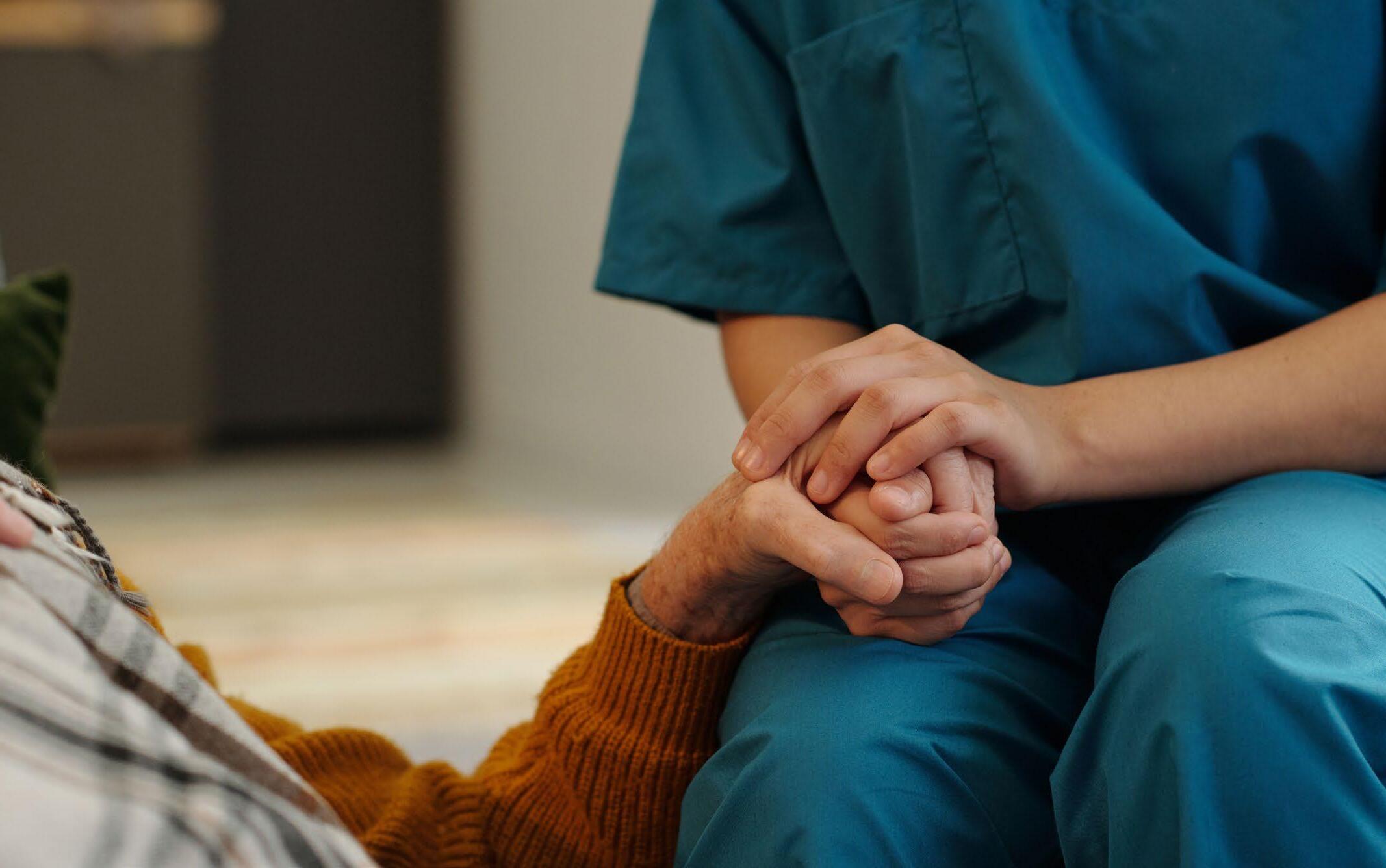
Every week in my clinical work in shelters and on the street, I meet patients who are trying to rebuild their lives after incarceration and while navigating homelessness. The impact on the health of those returning to the community after incarceration, as well as our neighbors experiencing homelessness, is a devastating reflection of our collective priorities. The two experiences often overlap; each potentially leaves lasting marks on the body and mind. What we call “reentry” is not just a social transition. It is also a medical one, and how we respond in those first
few weeks can shape a person’s long-term health and wellbeing.
“... how we respond in those first few weeks [of reentry] can shape a person’s long-term health and wellbeing.”
When I teach medical students, residents, and fellows, I share what I learned from The Fortune Society when I was a medical resident. We talk about how incarceration is not simply a legal issue—it is a social driver of health. While incarceration does not predict any one person’s future, the experience itself is toxic to one’s health, increasing vulnerability
to illness. People in jail or prison live under chronic stress, often in overcrowded, violent, or isolating conditions. Solitary confinement is linked to depression, selfharm, and cardiovascular disease. Rates of chronic illnesses such as hypertension, asthma, cancer, and infectious diseases like Hepatitis C are dramatically higher among those incarcerated. Incarceration can also breed profound loneliness. And unfortunately, the harm of incarceration often does not end when someone returns to the community.
After incarceration, many people face barriers to insurance coverage, stable employment, and housing. Medicaid policy remains one of the biggest obstacles to health after incarceration. In most states, coverage is suspended during
incarceration. That gap before reinstatement can mean weeks without access to medication or care. For someone managing heart disease, HIV, or opioid use disorder, those delays can be life-threatening. Housing is just as critical. Many people released from jail or prison in New York City end up in the shelter system, where health often deteriorates further.
“Trust must be earned—and that takes time, humility, and systems designed to center dignity.”
Homelessness can erode health in countless ways: time spent outside in the cold or heat can worsen heart and lung conditions; medications can be hard to store, can be lost or stolen; and relentless stress and exhaustion make it hard to heal. These various structural barriers make it harder to refill prescriptions, schedule appointments, and meaningfully participate in ongoing medical care. The first two weeks after an individual returns to the community are especially dangerous: the risk of death from overdose or suicide is at its highest. This is when continuity, compassion, and connection matter most.
In theory, discharge planning should ensure a smooth transition to community care. In practice, it is often fragmented or nonexistent. Patients often return to the community without their medications, without medical records, and without an appointment to follow up. Even when reentry plans exist, transportation challenges, stigma, and the many competing demands on time and resources can make it impossible to stick to them.
When working with medical trainees, we also discuss that what we see as “continuity of care” can sometimes feel like surveillance to someone who has lived under constant monitoring— through incarceration, probation, or shelter systems— and this can impact interest in engaging in healthcare. For clinicians, continuity offers opportunities for building reliability and trust in the clinician. For patients, it can recall a loss of privacy or autonomy. Recognizing this disconnect helps trainees appreciate the importance of transparency, choice, and collaboration in building therapeutic relationships.
Trust must be earned—and that takes time, humility, and systems designed to center dignity. Each of us in healthcare can start small: ask permission before probing sensitive topics, use people-first language, and create traumainformed clinical spaces grounded in transparency and trust. Meeting

people with respect can transform the path from incarceration into the beginning of healing.
Innovative programs show what is possible. In the Transitions Clinic Network model, each clinic includes a community health worker with lived experience of incarceration who helps patients navigate healthcare, housing, benefits, and social services. In a different model in Hampden County, Massachusetts, people in jail are assigned to medical teams based on their home zip code or community health center, allowing them to see the same providers when they return home. Continuity of relationships can support healing. Similarly, the Housing First model offers a path forward, recognizing that housing is essential to stability and health. It is far easier to manage conditions like diabetes or substance use and attend medical visits when you know where you will sleep that night. While many people thrive once housed, others benefit from ongoing services—from case management to behavioral health care. Supportive housing builds on the Housing First approach by pairing permanent housing with the individual support needed to sustain it. When I visit The Fortune Society, I see how its innovative approach intentionally centers community, belonging, and purpose in all aspects of its programming and lays out the foundation for healing.
Dr. Sandhya Kumar is a family doctor working in shelters, mobile units, and as part of street medicine teams, and trains other doctors to provide the highest quality of care to some of our most marginalized neighbors.
BY COSS MARTE
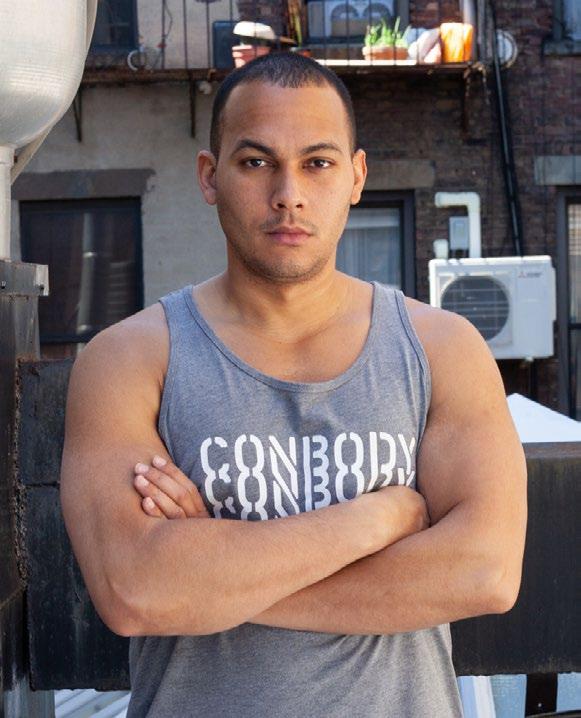
When I was incarcerated, most people knew me for what I had done. Fewer knew what was happening to my body.
Before I went inside, a doctor warned me that the way I was living would kill me. I was grossly overweight, running on stress, excess, and denial. I didn’t listen, not because I didn’t understand the risk, but because when you’re surviving in a system built on urgency and scarcity, long-term health feels abstract. Prison has a way of making consequences unavoidable.
Inside, your body stops being private. It’s searched, counted, monitored, and largely neglected. The food is designed for efficiency, not nourishment. Medical care is often delayed or reactive. Stress is constant and ambient. You learn quickly that incarceration doesn’t just take time from you; it takes health.
At first, I didn’t set out to “transform.” I was just trying not to deteriorate.
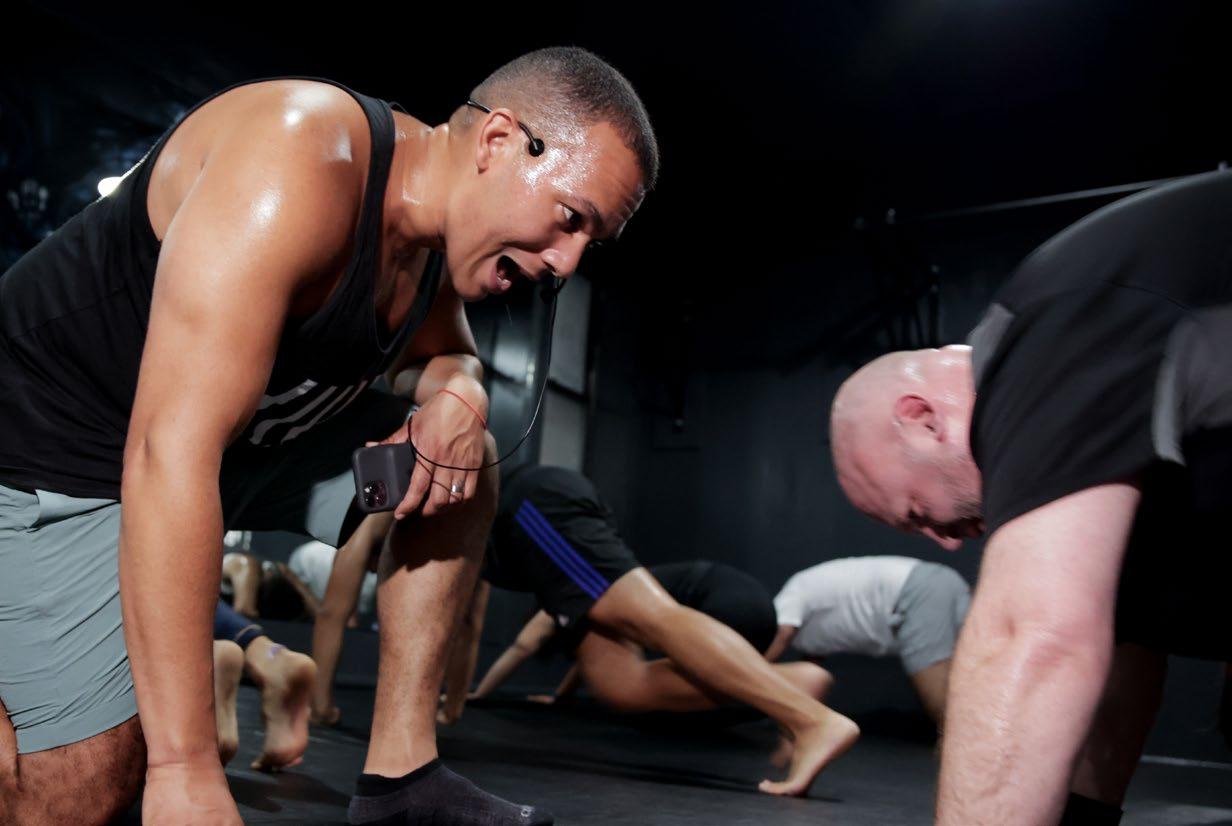
I worked out wherever I could, in my cell, in tight common spaces, and in the prison yard when it was available. Pushups against concrete. Squats in worn sneakers. Burpees under an open sky that reminded you how far freedom really was. The movements weren’t elaborate. What mattered was consistency. Structure. The simple act of choosing to take care of myself in a place where so few choices existed.
“In an environment that often strips people of identity, tending to our bodies became a way to reclaim it.”
asked questions. They joined in. We worked out together in cells and yards, trading encouragement instead of despair. In an environment that often strips people of identity, tending to our bodies became a way to reclaim it. Health, in that context, wasn’t about aesthetics. It was about survival. Proving to ourselves that we weren’t disposable.
Over time, those movements became more than exercise. They became grounding.
Within six months, I lost seventy pounds.
What surprised me wasn’t just the physical change, it was the way other men began to notice. They
When I came home, I realized how much incarceration lingers in the body. Reentry is often framed as paperwork, housing, and compliance, and those things matter. But the body carries the imprint of confinement long after release: disrupted sleep, chronic stress, untreated conditions, a nervous system that doesn’t know how to stand down.

“Knowing where you need to be, who is counting on you, and what you’re capable of contributes directly to physical and mental wellbeing. Discipline doesn’t have to come from punishment. It can come from purpose.”
I built CONBODY because I understood that wellness had to be honest, accessible, and rooted in lived experience. The workouts are the same ones I relied on inside, bodyweight movements that require no equipment and very little space. But the deeper purpose has always been reentry. We don’t just help people get strong; we help them readapt, to routines, to responsibility, to being relied on again.
We employ formerly incarcerated people not as symbols, but as professionals. Because employment is a health issue. Stability is a health issue. Knowing where you need
to be, who is counting on you, and what you’re capable of contributes directly to physical and mental wellbeing. Discipline doesn’t have to come from punishment. It can come from purpose.
Since launching CONBODY, we’ve served over 100,000 clients and hired more than 200 formerly incarcerated individuals across our companies. I’m proud of that, but the real impact is quieter. It’s in the moments when someone realizes they can be trusted again. When routine replaces chaos. When the body becomes a source of confidence instead of pain.
Incarceration taught me many things, but one lesson stands above the rest: systems can fail you completely, and still, your capacity to change remains intact.
Wellness during incarceration and reentry isn’t a luxury. It’s foundational. It’s the groundwork for everything that follows. Reclaiming the body is often the first step toward reclaiming a future, one that includes work, dignity, and belonging.
I am not defined by the worst thing I’ve done, or by the system that punished it. I’m defined by what I chose to build in its aftermath.
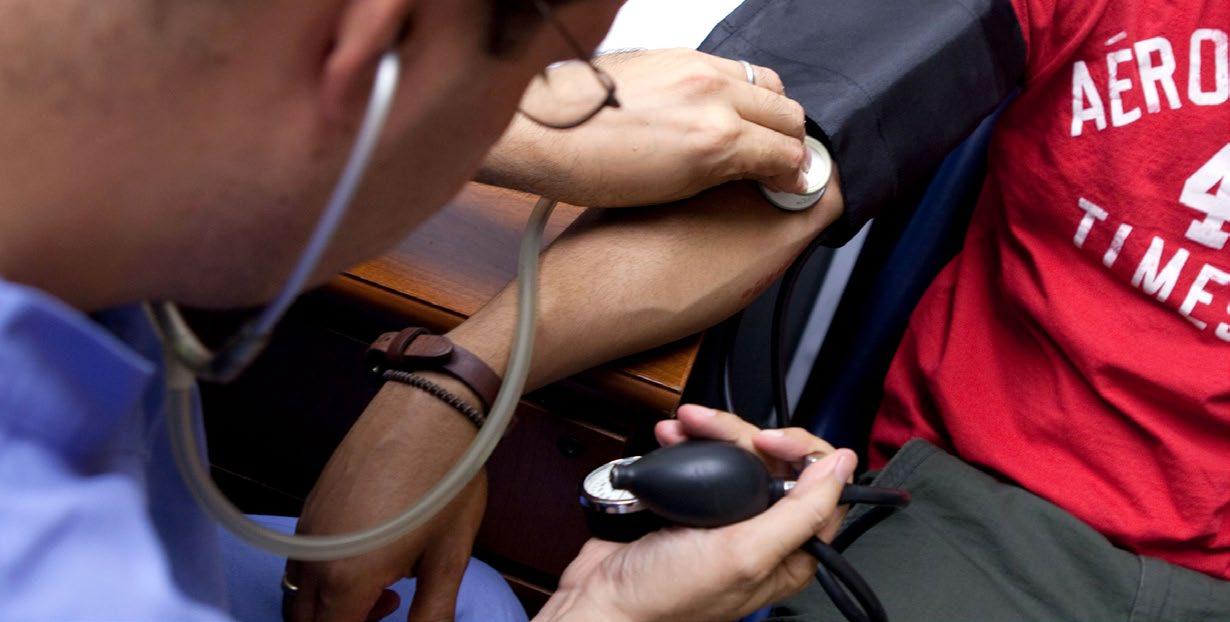
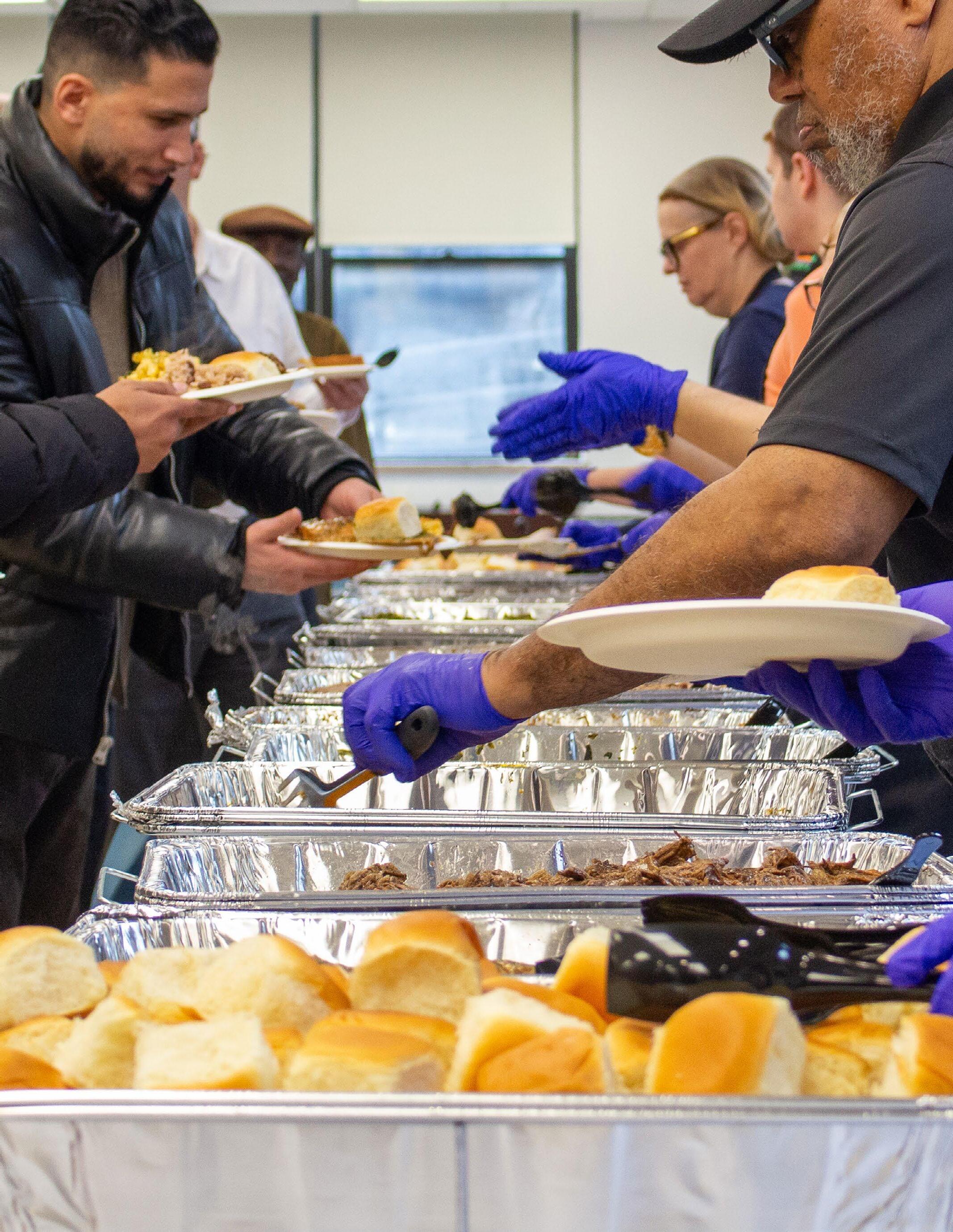
At The Fortune Society, our Food and Nutrition services aim to help participants lead healthier lives by addressing the challenges they face upon returning home from incarceration, including helping them establish healthy eating habits, addressing the lasting impacts of incarceration through nutrition counseling, and educating them on how to manage certain health conditions.
According to a study from the Bloomberg School of Public Health, people who are incarcerated with chronic health conditions, such as type 2 diabetes, asthma, and HIV, are less likely to receive treatment compared to the general U.S.
“... we know that incarceration, especially for those with untreated health conditions, can have lasting impacts on the body.”
population. For example, the study found that recently incarcerated individuals with type 2 diabetes accounted for approximately 0.44% of the total U.S. burden of disease but received only 0.15% of oral anti-hyperglycemic medications. With this in mind, we know that incarceration, especially for those with untreated health conditions, can have lasting impacts on the body.
Carly, a Registered Dietitian Nutritionist and Senior Director of Food and Nutrition at Fortune, provides one-on-one counseling services for individuals with unique dietary restrictions or health conditions. In 2025, we spoke with Carly about
the common conditions she has seen impacting her participants, and she provided some insight on symptoms and signs to pay attention to.
Managing diabetes during incarceration poses significant challenges. The American Diabetes Association highlights multiple risks faced by incarcerated individuals with diabetes, including inadequate identification of hypoglycemic emergencies by correctional staff and inconsistent access to necessary medical care. These gaps in care can contribute to serious and potentially irreversible health complications.
For those living with diabetes or at risk of developing diabetes, it is important to monitor your health as much as you can to ensure that you don’t develop any long-term complications, such as cardiovascular disease, chronic kidney disease, or hearing loss.
The following symptoms of diabetes are common, but important to look out for:
• Feeling extreme hunger or thirst, even after eating or drinking
• Urinating often
• Extreme fatigue
• Blurry vision
• Cuts or bruises that are slow to heal
• Unexplained weight loss
• Feelings of numbness or pain in the hands or feet
Accessing quality care for diabetes may not be easy, but staying attuned to how you feel each day is crucial for your long-term health. The Prisoners’ Diabetes Handbook also provides helpful tips, suggested readings, and other resources to help people better understand their condition.
Hypertension, or high blood pressure, is a common chronic disease that gradually impacts the body. It typically doesn’t cause noticeable symptoms, but it can still cause damage to your body over time if left unaddressed.
Without treatment, hypertension can cause damage to the heart, kidneys, and arteries, eventually leading to heart failure or kidney failure. However, there are things you can do daily to prevent damage and treat hypertension.
Losing weight, eating a healthy diet, and reducing salt intake are all important steps in treating hypertension. However, we understand that self-care in this way can be difficult for people in prison or jails, especially when the available food options lack nutrients and are often highly processed. An article from Prison Legal News, written by Michael D. Cohen, MD, offers some helpful tips on how to
eat a healthier diet to better manage or prevent high blood pressure with food items from commissary:
• Ramen noodles flavor packets are very high in salt. Use only half the flavor package, or less, if you can. A small amount can give it enough flavor to satisfy your taste.
• Canned tomatoes, tomato sauce, tomato juice, and V-8 juice all contain high amounts of salt. Use them sparingly for flavor only.
• Chips of all kinds are very high in salt and fat.
• Canned tuna and other canned fish are low in saturated fat and have fish oils that are necessary for good health. Fish oils are better for you than animal fat from red meat.
• Peanut butter and jelly or tuna salad sandwiches on whole wheat bread are good snacks or meals to make for yourself.
We recognize that eating healthy and staying mindful of your health while incarcerated is not easy. However, by remaining attentive to any symptoms, making thoughtful choices about your diet, including monitoring salt and fat intake, and doing your best with the options available, you are taking meaningful steps toward better health. Each small change can make a difference, both now and in the future.
See your writing in the next edition of the Fortune News!
IN THE NEXT ISSUE: ART AND EXPRESSION
Which forms of expression do you enjoy most: music, painting, drawing, acting, writing, or dance? What types of art workshops do you attend? Is there one artwork that inspires you, and why? Choose one prompt or share your thoughts on “Art and Expression.”
Send written (800 words or less) or visual art responses to: development@ fortunesociety.org or mail them to: Fortune News Editors c/o The Fortune Society 29-76 Northern Boulevard Long Island City, NY 11101

BY ANTHONY WHEELER
Mt Sterling, IL
Health and wellness are a struggle while incarcerated due to the limited options and access to healthcare and mental health services, but it’s not impossible. Commissary options typically offer processed foods, and many junk food options; however, health options can be found. There are also special diet options if an individual in custody can get healthcare to discuss their nutritional needs.
I try to stay healthy by working towards the 4 key aspects of human existence: physical, mental, emotional, and spiritual wellness. For physical health, I enjoy activity and eat healthy while being mindful of unhealthy food intake and overeating (my individual struggle). For mental health, I coordinate with mental health staff to ensure my medication is on an adequate dose, and I often pray and meditate. For emotional health, I try to be positive and productive as often as possible and analyze my emotions when negative. Most importantly, I
read scripture and pray for spiritual health, which can greatly impact the lesser three aspects.
Mental and physical health are definitely interconnected because the mind can affect the body and vice versa. The food at my facility is pretty good, with a balanced variety of options in our dietary schedule. Incarceration can create barriers; however, if you are determined, you can find ways to maintain your health and take care of yourself.
If you are in the cell 24/7, try doing exercises in the cell and meditation. You can also read books and scripture to sharpen the mind, emotions, and spirit. If you cannot access healthcare or mental health services, speak with loved ones and/ others. When it comes to fitness and food, do not hesitate to observe and experiment with different foods and exercise routines that work for you.
My personal recommendation is to work on bettering yourself and reading books to acquire knowledge.
If you’re a visual learner, try to find educational videos, TV programs, or books with visual aids to ease the learning process. Find time to rest and take time to reflect and evaluate yourself. Surround yourself with positive people who are also trying to better themselves so you can support and learn from each other.
Do not give up on yourself and keep trying when you make mistakes. Observe more than you do; this will help maintain proper behavior in any situation. Be respectful and keep an open mind in your path.
Keep going, keep growing. I hope my words were helpful. Grace and peace be with you.
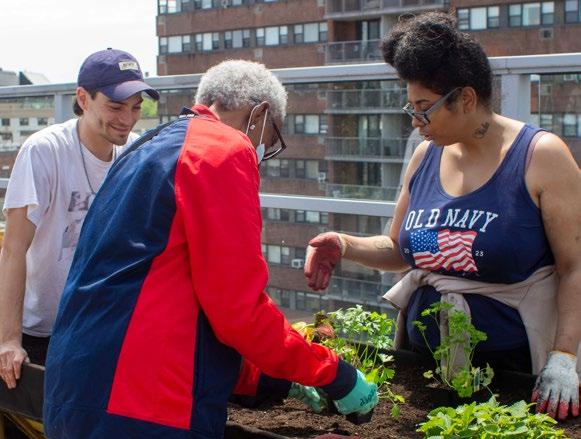
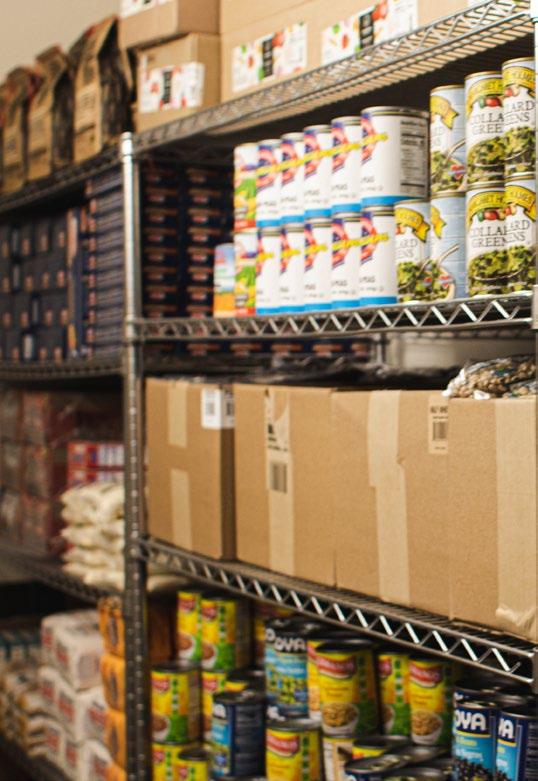
A food bank is typically a warehouse that stores food and essential items, such as hygiene products that are distributed to community partners, including local nonprofits, nutrition programs, and food pantries. Food banks can help you locate nutritious, free meals, and connect you to other community resources.
Feeding America is a valuable online resource that connects you to your local food bank. It can also help you find other meal resources based on your region.
feedingamerica.org

While food banks are typically large community centers, food pantries are smaller local centers that give groceries directly to people in need. Food pantries are often supplied with resources from local food banks.
Foodfinder.us is a national network of food pantries available, including information on their hours, contact information, and other services each pantry offers.
foodfinder.us

Mobile food resources can include mobile food pantries, food deliveries, mobile soup kitchens, and more. These resources are dependent on the resource availability in your community.
Dialing 2-1-1 in the United States connects you with 24/7 assistance locating local food pantries, soup kitchens, SNAP (food stamps) application assistance, and school meal programs.
In your local community, there may be some community centers and organizations that offer hot meals for people seeking food.
Findhelp.org is an excellent resource to connect with various services, including food pantries, transportation help, medical resources, and more. Just type in your zip code, and you will be connected to an online network of available resources in your community.
findhelp.org

The Fortune News is free to all people who are incarcerated.
To subscribe, please fill out the subscription form and send to:
Fortune News Subscriptions
c/o The Fortune Society 29-76 Northern Boulevard Long Island City, NY 11101
If you are not incarcerated, please send a $30 subscription fee along with your form. Subscriptions must be renewed once a year for paid subscribers.
If you are a person who is incarcerated and has been transferred, please renew your free subscription. Please allow four to six weeks for us to process your request.