
ACHE of the Triangle and Eastern North Carolina
ACHE of the Triangle and Eastern North Carolina

ACHE of the Triangle and Eastern North Carolina
ACHE of the Triangle and Eastern North Carolina

TRENT BEACH, PHARMD, FACHE
DAVID H. LONG, JR., FACHE



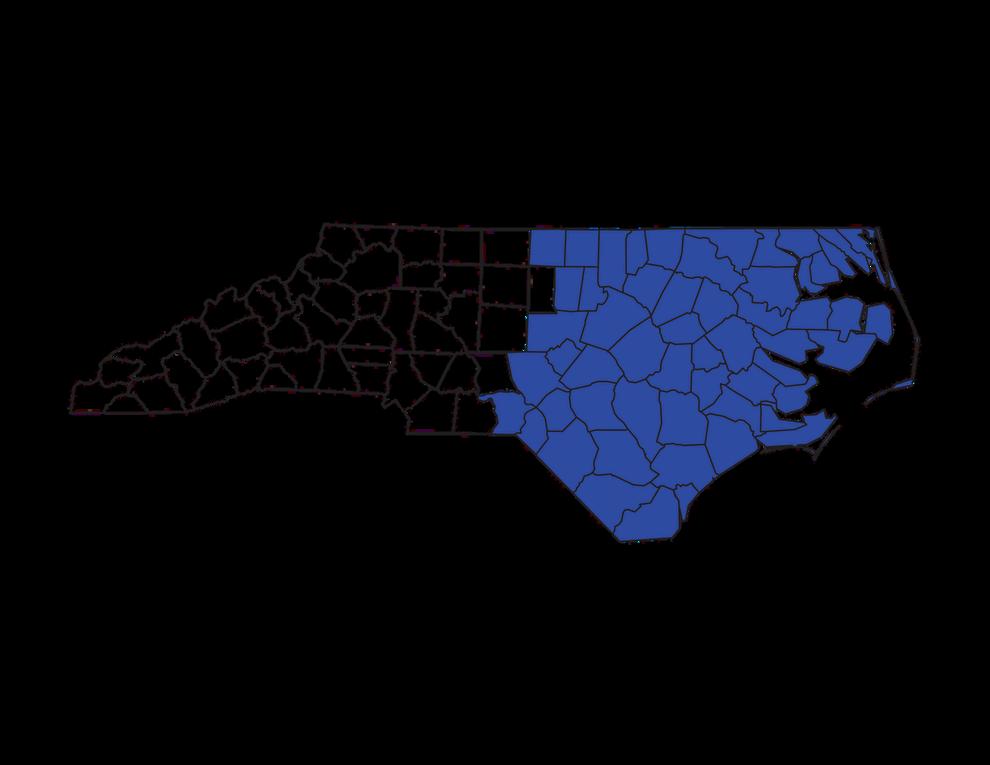
ACHE of the Triangle & Eastern North Carolina (ACHE-TENC) is a nonprofit membership association and an independent chapter of the American College of Healthcare Executives (ACHE), a professional society representing over 48,000 members worldwide ACHE-TENC serves nearly 1,000 ACHE members who live and work in the 54 North Carolina counties from the RaleighDurham area north to the Virginia border, east to the Outer Banks, and south to the South Carolina border.
ACHE of the Triangle & Eastern North Carolina (ACHE-TENC) aims to be recognized as the leading professional membership association dedicated to supporting and advancing healthcare leaders throughout the region
Our mission is to support the professional development of healthcare leaders in the region, preparing them to shape healthcare management at the local, regional, and national levels


Deliver programs that bring local value to ACHE members assigned to our Chapter service region
Increase communication among healthcare management professionals
Advance members toward Fellow, ACHE certification
Foster the development and implementation of best practices in healthcare management
Practice good financial stewardship




I hope you are well as we move through a year that continues to demand clarity and courage from healthcare leaders. It remains a privilege to serve as your President and to witness the commitment and collegiality that define our chapter.
Across North Carolina, healthcare leaders are navigating workforce pressures, financial constraints, regulatory shifts, and rapid technological change Among these forces, few topics generate as much interest and uncertainty as artificial intelligence (AI)
AI Won’t Transform Healthcare Leadership Will
At ACHE Congress in Houston this month, AI was often framed as a ready-made solution. Yet conversations with fellow executives revealed a more grounded truth: the real challenge is not whether AI will enter healthcare, but how leaders will govern its use.
AI holds tremendous promise, but its impact will depend on intentional leadership, ethical oversight, and clear values

The differentiator will not be the sophistication of the tools, but the strength of the governance frameworks guiding them In this way, AI is less a technology project and more a test of leadership Responsible adoption requires disciplined questions: What problem are we solving? How do we ensure fairness, transparency, and accountability? Where must human judgment remain central? These questions reflect our core responsibilities as healthcare leaders. I am proud that ACHETENC is already modeling the thoughtful, values driven leadership this moment requires
In recent months, our chapter has delivered meaningful opportunities for learning and connection from C suite roundtables and strategic planning efforts to educational programming, fellow advancement preparation, and student scholarships. These initiatives reflect a chapter that is thoughtful, inclusive, and future focused. I am grateful for the dedicated volunteers and board members who make this work possible across our region.
“I am grateful for the dedicated volunteers and board members who make this work possible across our region.”
In the months ahead, ACHE-TENC will continue offering ACHE Face to Face and Qualified Education programs, regional networking events, and leadership development opportunities for early , mid , and senior careerists. I encourage you to visit our Event Calendar or follow us on LinkedIn for updates.
These gatherings are more than events they are spaces to sharpen our thinking, learn from one another, and build relationships that sustain us through complex decisions I hope you will continue to see ACHETENC as both a professional home and a leadership resource Your ideas and perspectives matter Please feel free to reach out to me anytime to share a thought, suggest a topic, or explore ways to get more involved Together, we can ensure ACHETENC remains a trusted forum for thoughtful leadership in an increasingly complex healthcare environment.
With gratitude and optimism, Trent Beach, PharmD, FACHE

ACHE measures chapter performance annually based on four key performance criteria: net membership growth, education and networking performance, advancement of eligible members, and member satisfaction. We are working towards achieving the 2025 standard performance metrics
Education & Networking Performance
2025 Standard: 15.1 indexed attendee hours
Current Status: 16.08 indexed attendee hours
2025 Standard: 4.1
Advancement of Eligible Members
2025 Standard: 16
2025 Standard: 7.2 Current Status: 30.5
Current Status: 4.4
Current Status: 6
Here's how you can contribute to meeting our chapter performance goals while investing in your own professional development:
Participate in chapter programming Complete the Chapter Member Needs Survey in May Earn your FACHE credential Join ACHE or reinstate your membership








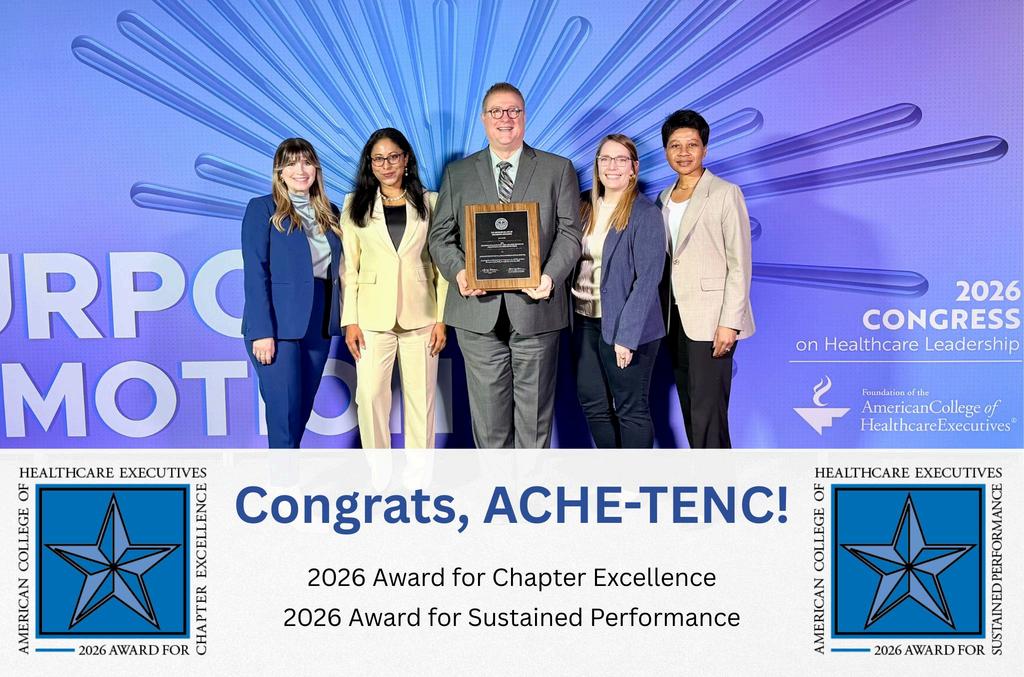
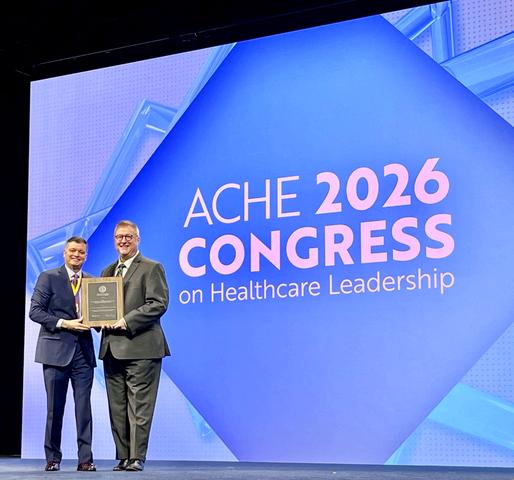
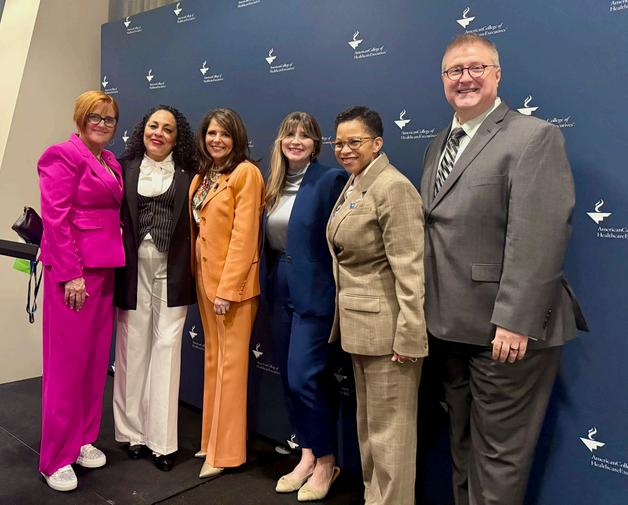
ACHE-TENC is honored to receive two national recognitions from theAmerican College of Healthcare Executives, celebrating our members’commitment to leadership, learning, and service. These awards reflect the exceptional engagement of our volunteers and the dedicated leadership of past President Matt Gitzinger, FACHE, and our 2025 Board. We were proud to have our 2026 President, Trent Beach, FACHE, accept these distinctions atACHE Congress on behalf of our entire chapter!
The following individuals joined ACHE or transitioned into our chapter in quarter 1 of 2026 We are happy to have you, and look forward to connecting at an upcoming chapter event!
Amber Audlin
Angela M. Adams
Angela Overman
Ann Wrigley
Ansley Lassiter
Ayanna M. Mitchell
Benjamin E. Holroyd
Benjamin Henein, MBA
Brett frazee
Brian E. Craig, II
Brianna Osbourne
Cassandra L. Terry, MHA
CDR Ariel R. Campbell
Cetera Mincey
Christi S. Meggs
Christina Slemp
Colin C. Ottey
Daniel P. Bateman
Diana Bauer
Drew Corpening, MHA,MPH,PMP
Ebony S. DeBerry
Ekta K. Mangat
Eric Wolak, DNP, RN, NEA-BC
Heather Miller
Helen M Vislosky, FACHE
Ian Stewart, MBA
Ishmeet K Kumar
Jamie Cicali
John Devaney, MHA
John Owens
Joseph Quigg, V
Katherine A. Meese, PhD
Kaylah Nelson
Kennethia Jacobs, MHA
Khalil J. Cobb
Kristie Whiting
Lakisha Richardson
Lauren Glaccum, M.Ed.
Lisa Degitz
Lt Col Enrilyn Thronson
Mary Kathleen Helak, RN, FACHE
Melissa A. Torres
Melissa King
Nicolas C. Munsen, PMP
Rakia Reed
Ranee E. Stephens Pender, MSN, RN, NE-BC
Rebekah Gray
Reuben W. Horace
Robert D. Searfoss
SGM Timothy K. Mollett
SGT Vera G. Curcio
Shaunice Fulmore
Shelly Lowery, MD
Sheryl Cherukara
Spencer Thomas, FACHE
Spurgeon Matta
SSgt LaQuisha Jackson, DNP, MSN, RN
Stella J Smolowitz
Thomas J Gough
Wil Santivasi, MD
William G Hatchell, MHA
Yemi Mateola, MBA
April 2026 Quarter 1 | Page 7

Have you renewed your membership for 2026? REINSTATE NOW!
Join now to become eligible for members-only programs and discounted pricing at both the local and national levels. Click here to join.
Perhaps your membership has lapsed, and you've been meaning to reinstate it Don't miss out on another year! Click here to access your pre-populated reinstatement application.
ACHE membership renewal is open. Timely renewal ensures your ACHE membership and ACHETENC chapter affiliation remain intact with no lapse in membership. Click here to log in to your ACHE profile and renew.
Benefits include a wide range of career resources, networking opportunities, mentorship, educational events, and more!


The FACHE credential brings continuous value to you as a healthcare leader, to your organization and to your community.

Provides recognition as a leader among leaders in healthcare management
Demonstrates your competency in all areas of healthcare management
Signifies your lifelong commitment to change and improvement
New quarter one fellow!

We asked our new fellows to share what ACHE Fellowship recognition means to them:
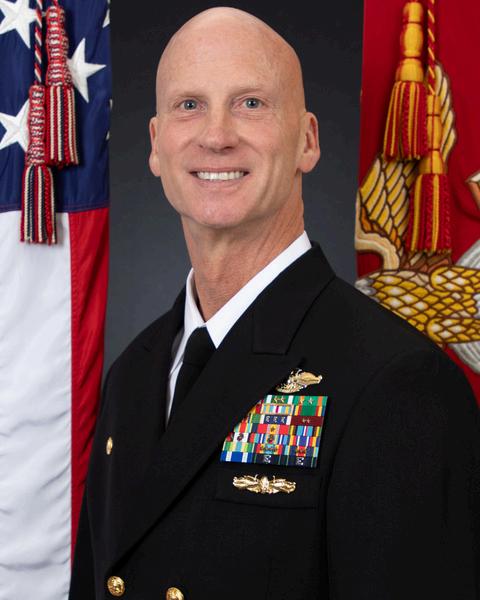
Captain Edward H. Owens, II, PA, DMSc, FACHE
Commanding Officer Field Medical Training Battalion-East Jacksonville, NC
“ACHE Fellowship represents a commitment to professional excellence, continuous learning, and leadership within healthcare For me, it is especially meaningful as it connects my experience in military medicine with the broader healthcare community, reinforcing that the principles of leadership, accountability, and high-quality care apply across all settings. I view Fellowship not as an endpoint, but as a responsibility to continue growing, contributing, and mentoring others in the profession ”
Meet the eligibility requirements
Submit your advancement application Upon approval, you will have two (2) years in which you must take and pass the Board of Governors Exam
Contact the ACHE-TENC Fellowship Advancement Committee Chairs to learn more!
Susan Gueiss (susan gueiss@duke edu) & Sheila Kelty (Sheilakelty@gmail com)
David H. Long, Jr., FACHE
Executive Director of Operations for ECU Health Duplin Hospital


What inspired you to pursue a career in the healthcare industry, and what do you do in your current role?
My decision to pursue a career in healthcare was rooted in a desire to serve others through meaningful, purposedriven work I was drawn to the opportunity to support patients and families during critical moments while helping care teams perform at their best Over the past two decades, experiences in nursing operations, spiritual care, advance care planning and leadership have reinforced my commitment to whole-person care and the importance of aligning strategy, culture, and compassion.
I currently serve as Executive Director of Operations at Duplin Hospital within ECU Health. In this role, I oversee ancillary and clinical support services including Pharmacy, Radiology, Laboratory, Respiratory Care, Rehabilitation, Emergency Management, Facilities Services, Volunteer Services, Marketing and Community Outreach. I am responsible for operational and financial performance, strategic execution, and regulatory readiness across these areas for my hospital.
My focus is on building high-performing teams, improving access and efficiency, and strengthening the patient experience. As a Fellow of ACHE, I value the organization’s commitment to leadership development and excellence,
and I remain dedicated to advancing healthcare through service, collaboration, and continuous improvement.
How long have you been an ACHE member and why did you decide to join?
I chose to join the American College of Healthcare Executives over 20 years ago to further strengthen my ability to lead in a complex and rapidly evolving healthcare environment Throughout my career, I have been committed to improving patient experience, building high-performing teams, and driving operational excellence across diverse areas including nursing, patient flow, spiritual care, and in system-wide operational initiatives.
As my leadership responsibilities expanded, I recognized the importance of connecting with a broader network of healthcare leaders who share a commitment to excellence and service ACHE provides access to best practices, thought leadership, and professional development opportunities that support continuous growth and informed decision-making
David H. Long, Jr., FACHE
Executive Director of Operations for ECU Health Duplin Hospital
In my current role with ECU Health, the ability to stay current on industry trends, regulatory expectations, and innovative care models is critical. ACHE has enabled me to sharpen my leadership skills, apply proven strategies, and contribute to advancing healthcare delivery within my organization
Equally important, I value ACHE’s emphasis on ethical leadership and service to the profession, which aligns closely with my own commitment to making a meaningful impact in the communities served What advice would you give to younger members who are earlier in their careers?
My advice is to seek diverse experiences and stay open to unexpected opportunities. Some of the most valuable growth in my career came from stepping into roles outside my initial path, like Nursing Services and Spiritual Care, which broadened my perspective and strengthened my ability to lead across service lines.
Equally important is building strong relationships Healthcare is a team effort, and success depends on your ability to collaborate with clinicians, staff, and leaders across the organization Learn from those around you and invest in mentorship Collaborate with your local ACHE Chapter, attend events, network and step out of your comfort zone to explore new conversations that may lead to new opportunities
Focus on developing both technical and leadership skills. A solid understanding of operations, finance, and performance improvement is critical, but so is the ability to communicate effectively, build trust, and lead through change.
Finally, stay connected to your purpose, keeping patients at the center of your work.
What professional accomplishments are you most proud of?
Professionally, I am very proud to have been selected as a recipient of the ACHE Regent’s Award for the Early Career Healthcare Executive in 2009 and also for receiving the Healthcare Hero’s Award from the NC Hospital Association for my support of COVID-19 in 2022. And in my current role, I’m extremely proud to support the leaders and teams that I work with at ECU Health Duplin Hospital.
What is one healthcare trend or industry transformation that you are most excited about right now, and why?
Working in a rural setting in eastern North Carolina, I’m most excited about innovations in telehealth and virtual care Expanding access to timely, convenient care empowers patients, enhances outcomes, and enables healthcare systems to better meet community needs while optimizing resources and supporting care team efficiency
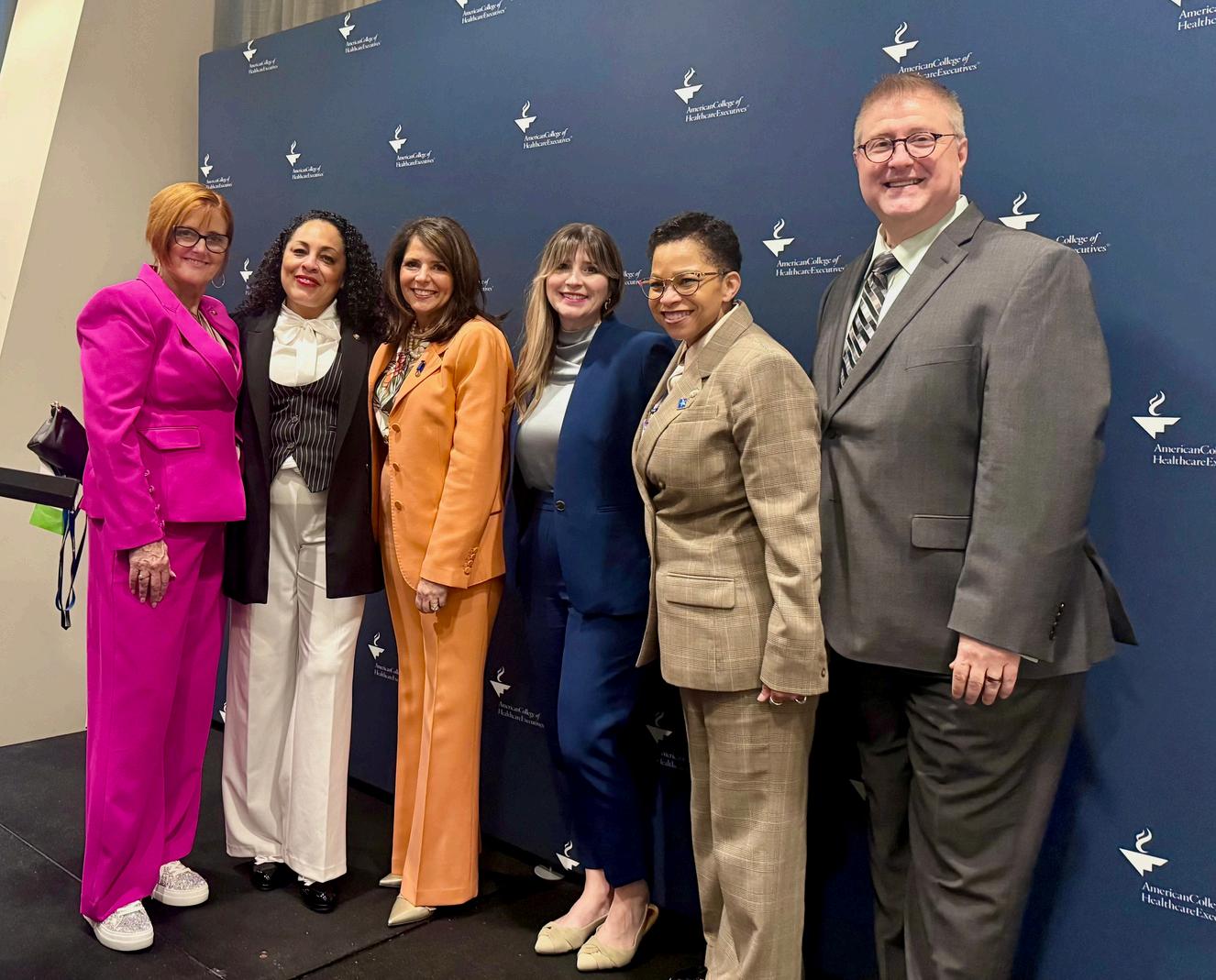
ACHE of the Triangle and Eastern North Carolina was pleased to host the C-Suite Roundtable with UNC Health Wayne in Goldsboro. Held virtually on Wednesday, January 21.
Facilitated by Howard Whitfield, COO, UNC Health Wayne, the discussion brought together members of the executive team for a candid conversation on operational priorities, strategic challenges, and the evolving health care landscape Leaders shared how UNC Health Wayne lives its mission, Patients First Quality Health Care
Close to Home, through a culture of safety and zero harm, continuous improvement and advanced technology, and efforts to expand access to high-quality care across eastern North Carolina. The conversation reflected strong alignment with UNC Health’s broader mission and a commitment to community-centered, compassionate care.

Howard Whitfield COO, UNC Health Wayne

Dr. Jessie Tucker, CEO, UNC Health Wayne

William (Bill) Thoma, CFO, UNC Health Wayne

Dr. Katie Hile, Interim CNO, UNC Health Wayne
Doug Harrison, CHRO, UNC Health Wayne
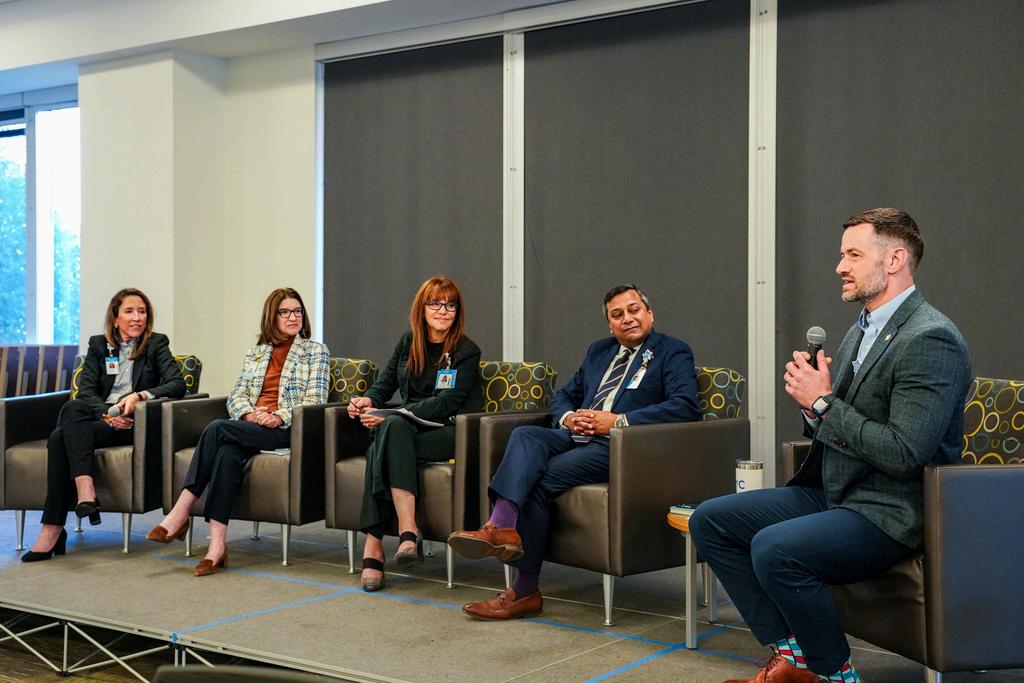
On March 20, ACHE of the Triangle & Eastern North Carolina hosted a C-Suite Roundtable featuring leaders from UNC Health Medical Group, bringing together healthcare executives from across the region for a candid discussion on the state of ambulatory care and physician practice leadership
Notably, this was the first C-Suite Roundtable hosted by ACHE of TENC focused specifically on ambulatory care, an area that continues to grow in importance for health systems nationwide. The panel provided valuable context for why ambulatory care is so critical: it serves as the front door to the health system and forms the foundation for long-standing relationships with patients and communities.
Together, the incredible panelists offered thoughtful insights into what it takes to lead a large, statewide physician enterprise serving diverse communities across North Carolina.
Panelists included:
Lisa Rosenberg, Chief Operating Officer
Sachin Gupta, MD, Chief Medical Officer
Maria Jayoussi, Vice President of Finance
Susan Gilmore, FACHE, Executive Director, Business Development & Planning
Moderator: Matt Gitzinger, MHA, FACHE
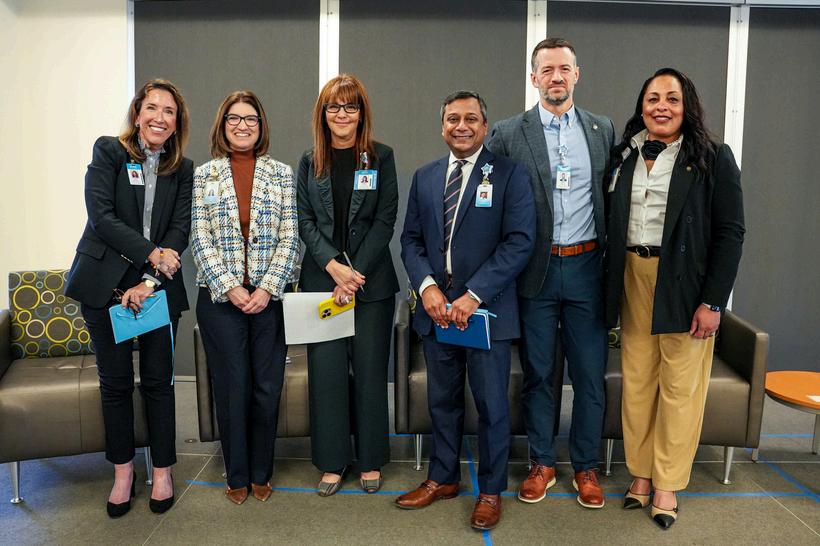

Several themes stood out during the discussion.
Partnership is everything.
Effective organizations rely on strong physician–administrative dyad leadership Strategy works best when physicians and operational leaders build a shared vision rather than operating in parallel lanes.
Culture still wins.
One of the more memorable comments of the morning was simple: “Culture trumps strategy every time.” Even the best strategic plan (or financial model) struggles if teams don’t feel heard, supported, and aligned around the mission
Change works best when it’s collaborative.
As one panelist noted, the key is to “do it with them, not to them ” Whether the topic is technology adoption, access improvements, or new care models, engaging physicians and care teams early makes all the difference.
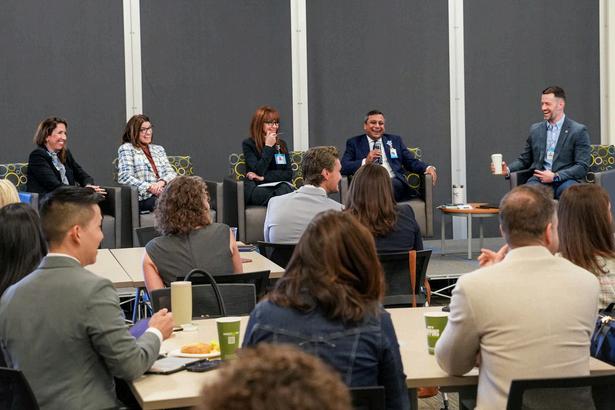
The panel also reflected on how healthcare leadership has evolved from changing expectations in physician recruitment (with greater emphasis on benefits and work-life balance) to the growing role of analytics in decision-making At the same time, organizations are navigating broader societal challenges, including increasing mistrust in science and the need to better support healthcare teams in difficult environments.
Across all of this, physician practices remain a core strategic asset for health systems. Investments in access, subspecialty care, virtual services, and technology help ensure patients receive the right care in the right setting, while allowing systems to respond to the needs of communities across North Carolina.
The discussion closed with several leadership reminders: understand the fundamentals of the business—access, expenses, payer mix, and patient populations; bring ideas to test even if you don’t yet have all the answers; and listen closely to your teams, where many of the best solutions originate
A sincere thank you to Lisa Rosenberg, Dr. Sachin Gupta, Susan Gilmore, and Maria Jayoussi for generously sharing their time and perspectives with our ACHE community Their candor and practical insights made for an engaging and thoughtful conversation, and serve as a helpful reminder that while how we deliver care will continue to evolve, the why remains the same: serving patients and communities
This virtual panel explored what it truly takes to build and sustain a culture of safety in healthcare The speakers emphasized that safety is not an “extra,” but integral to the work we do every day.
Throughout the panel, several key themes arose, which included transparency and disclosure when errors occur, and caring for both patients and the “second victims” of medical errors, the healthcare team members who are emotionally impacted by adverse events The panelists stressed the importance of proactively pushing support and well-being resources to affected team members rather than expecting them to seek help. Discussion also highlighted that leadership behaviors shape culture, require environments where team members feel safe to speak up about concerns and errors, and depend on moving beyond high-level principles to practical, well-implemented actions using implementation science to drive meaningful safety improvements.


Donna M. Prosser, DNP, RN, FACHE Vice President, Kaufman Hall

Cassi Frank, MMSc, PA-C, CPPS Director of Quality & Safety for Depar tment of Medicine, UNC School of Medicine

Ann Kane, MD Vice Chair of Quality, Johns Hopkins Children's Center
Aparna Kamath, MD, MS Associate Chief Medical Officer for Quality & Safety for Duke Regional & Raleigh Hospitals, Duke Health

Jenny Boyd, MD Chief Quality Officer, UNC Health
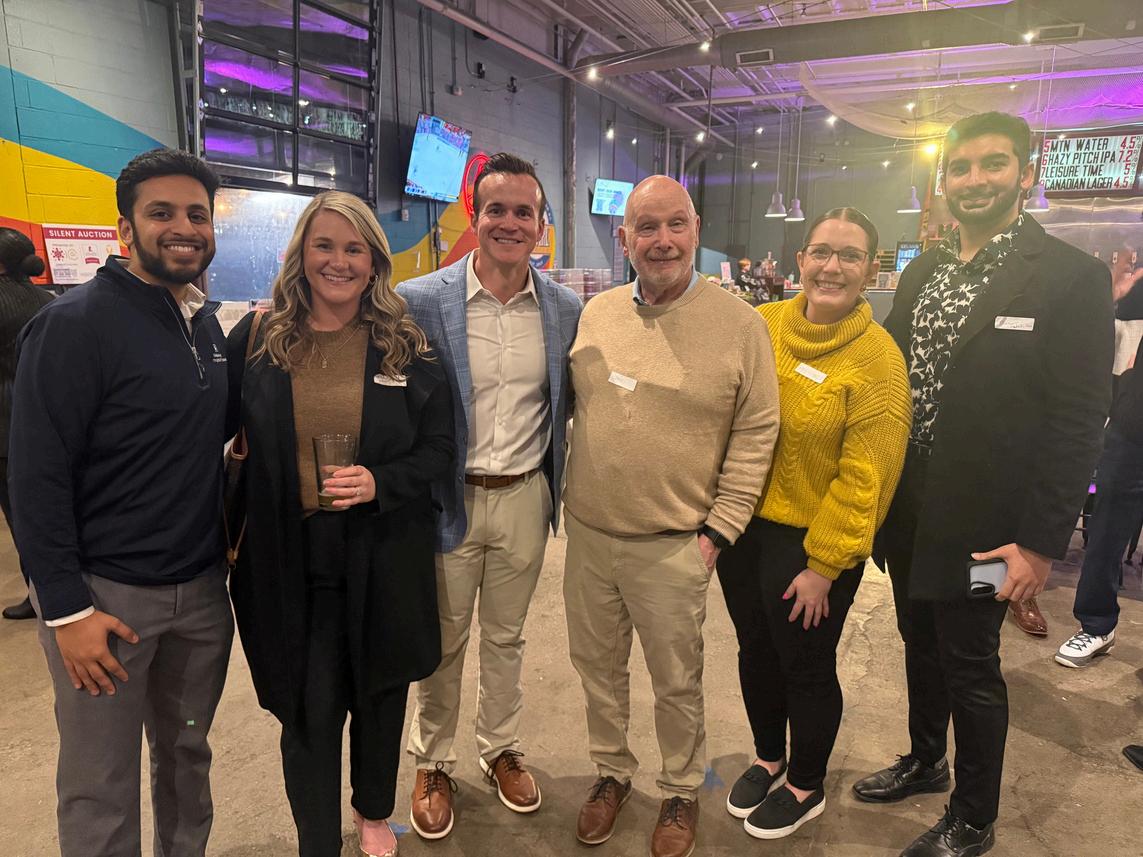

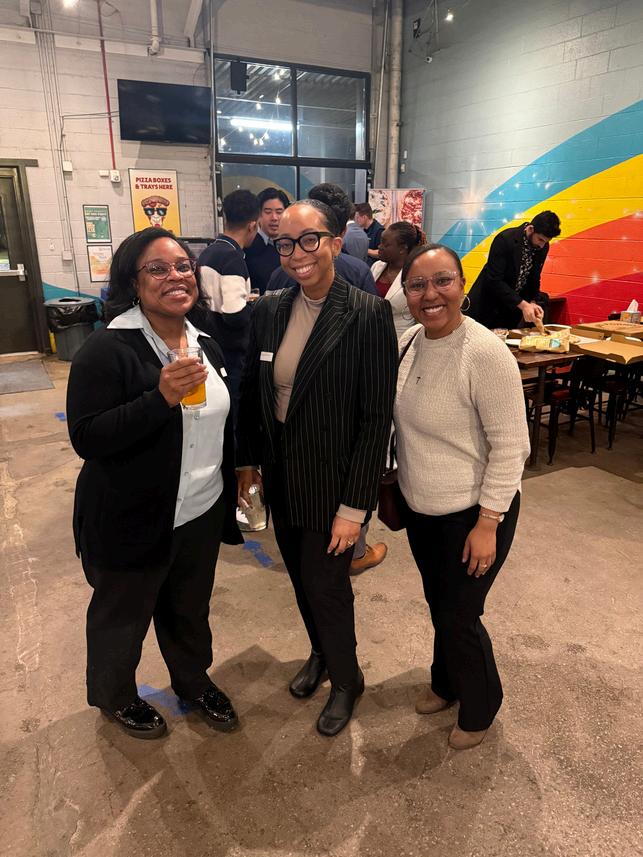
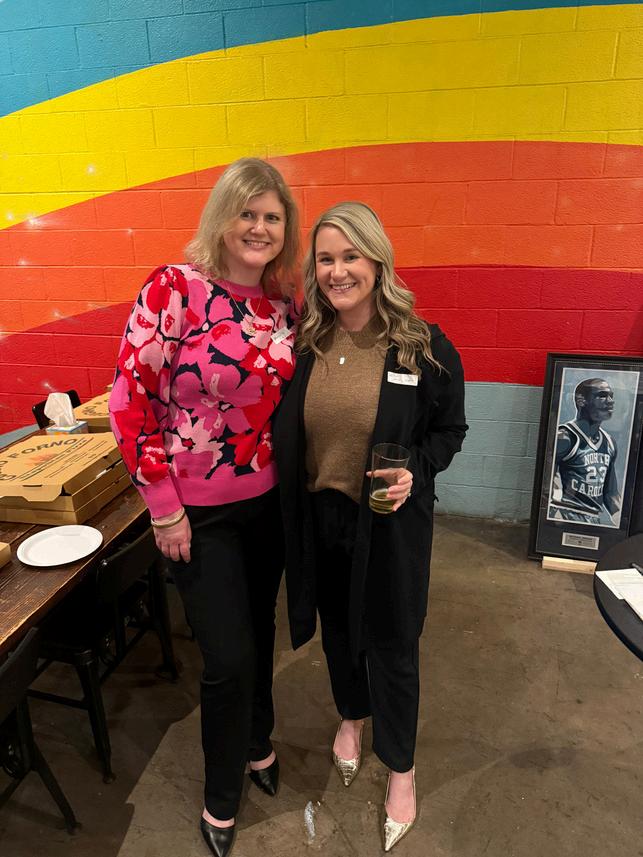
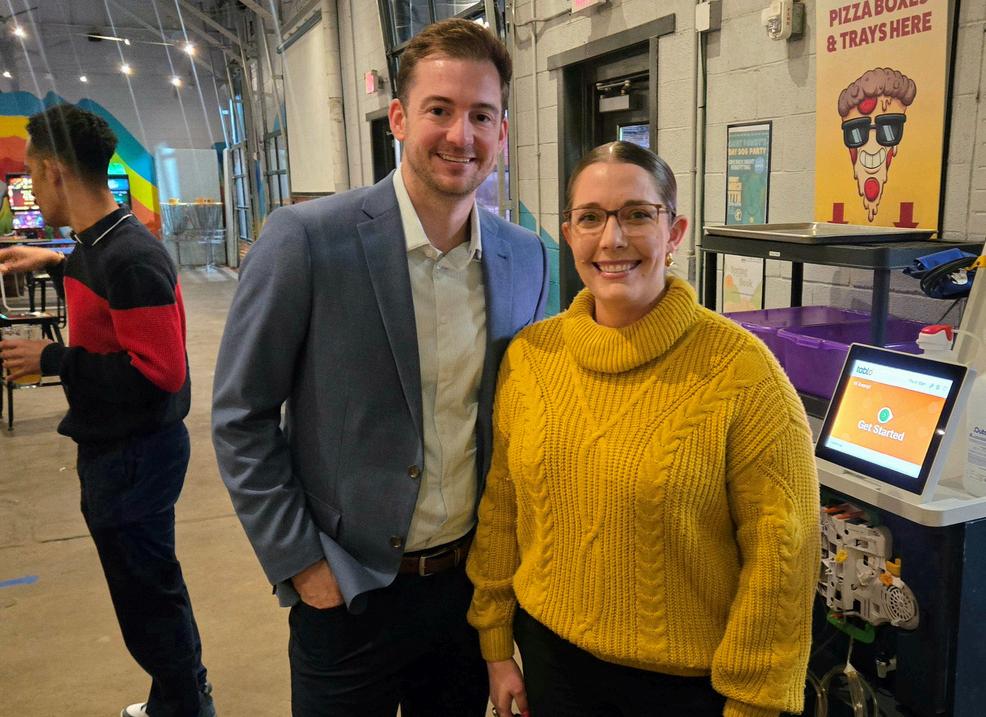



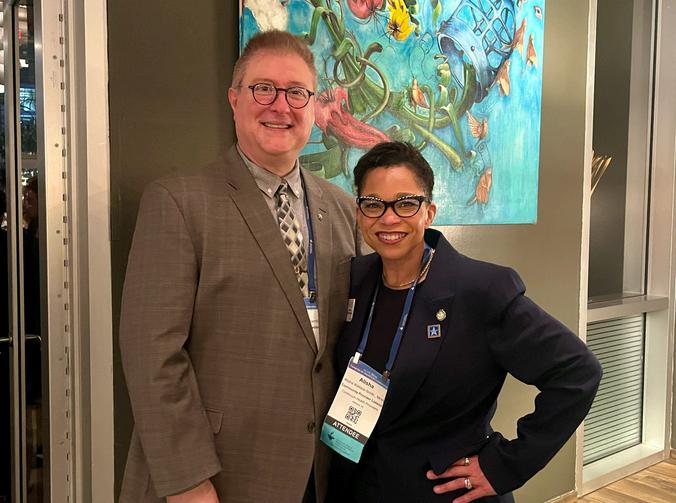
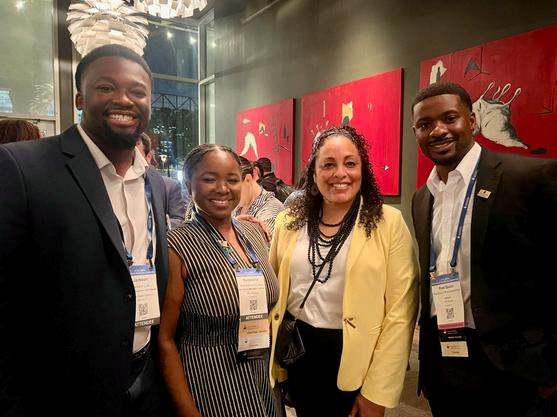
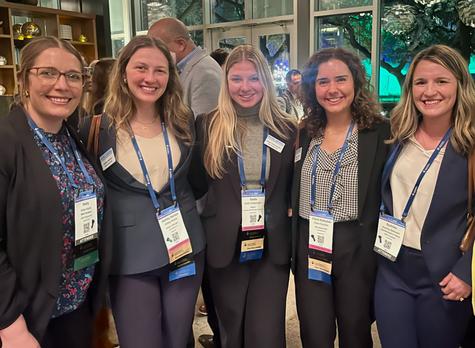
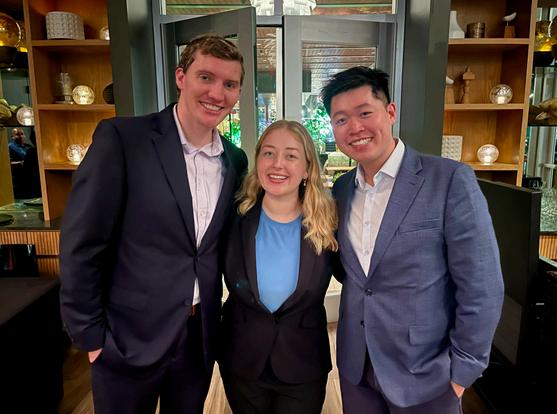
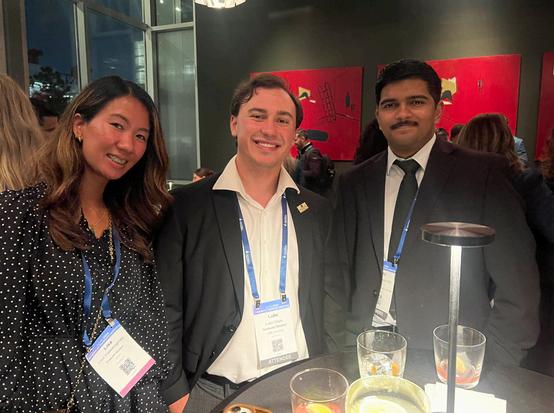
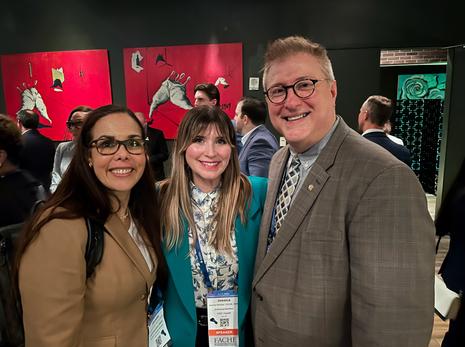
ACHE Congress once again demonstrated why it is more than a conference, serving as a catalyst for learning, connection, and purpose-driven leadership across the healthcare field.
This year’s gathering in Houston was energized by a standout NC Chapters' Reception co-hosted with ACHE of Greater Charlotte and ACHE of the Triad that brought together leaders from across our state for an evening of meaningful conversation and community!




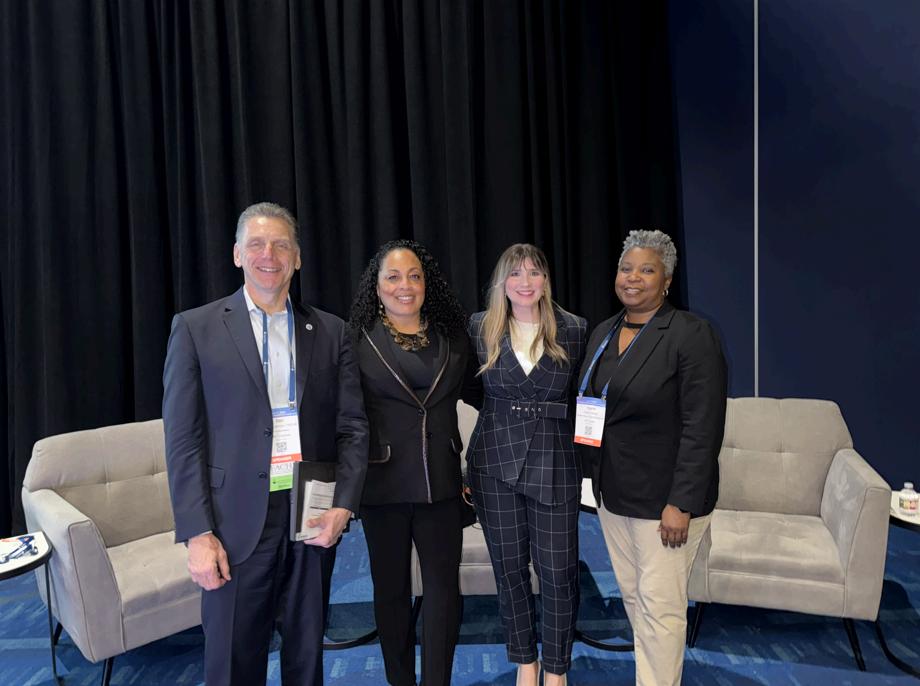
Daniel Lehman, FACHE – Vice President of Operations, UNC Hospitals
Ana-Elis Perry, FACHE – Associate Vice President of Operations, UNC Hospitals
Jessica McGee, RD, FACHE – Director of Clinical Nutrition, UNC Hospitals
Ingrid Jones – System Director of Talent Engagement, UNC Health
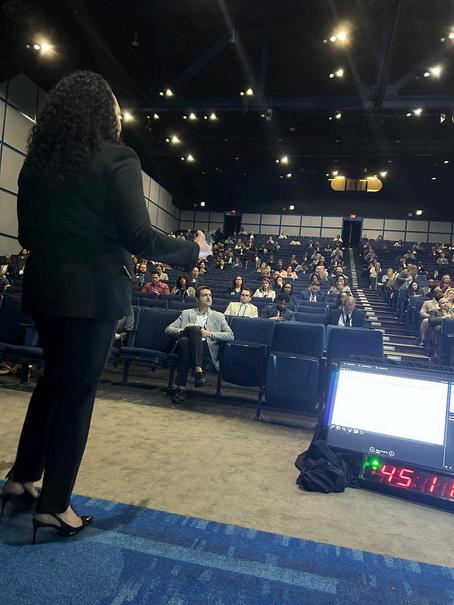
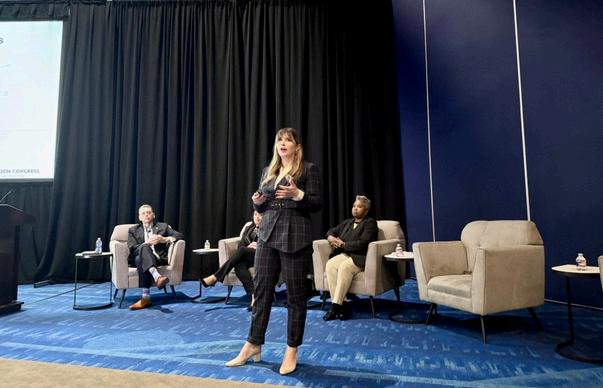
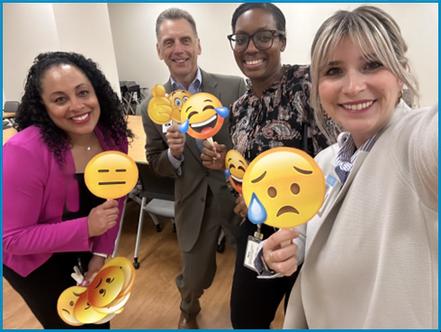
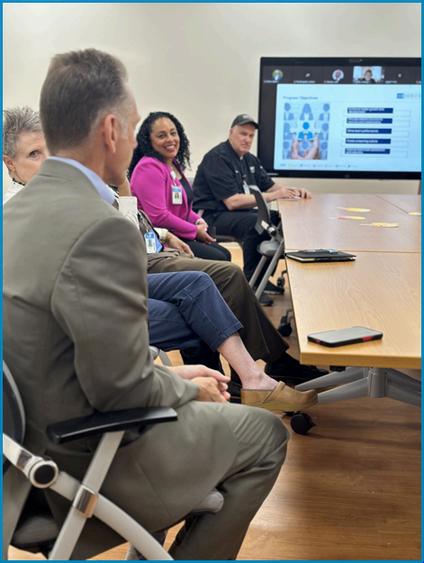
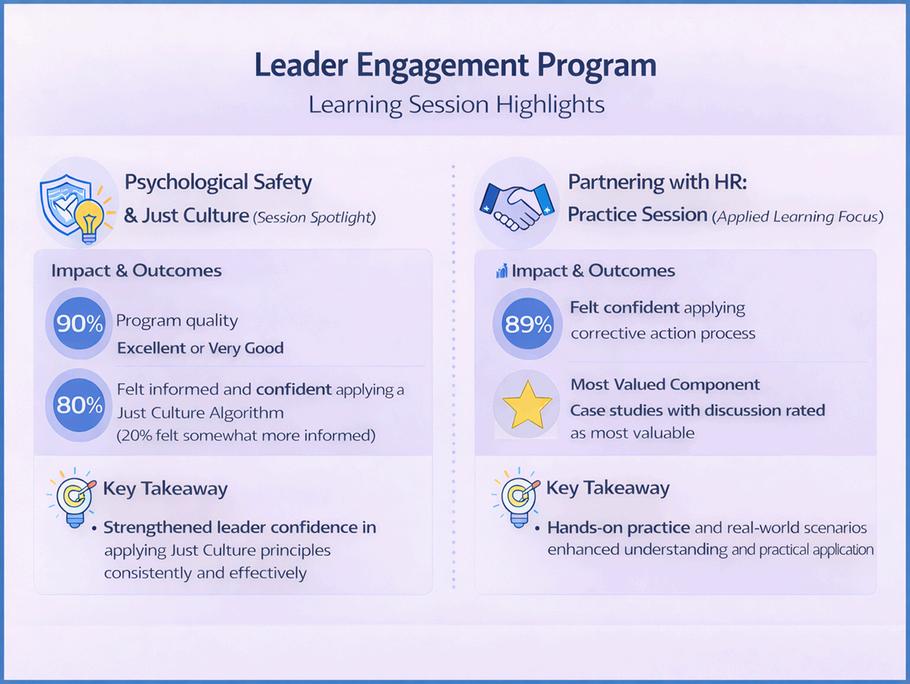
Members of the ACHE-TENC recently showcased their work on a national stage at the ACHE Congress, highlighting an innovative, data-driven approach to frontline leadership development within Support Services at UNC Hospitals. Their presentation centered on the creation and implementation of a comprehensive Leader Engagement Program—designed in direct response to feedback from frontline supervisors
who expressed a lack of access to formal leadership training, despite being expected to lead teams and influence outcomes. By partnering across Support Services, Human Resources, and Talent Development, the team built a scalable, inclusive program that combined in-person and virtual learning, mentorship, and practical skillbuilding to meet leaders where they are.

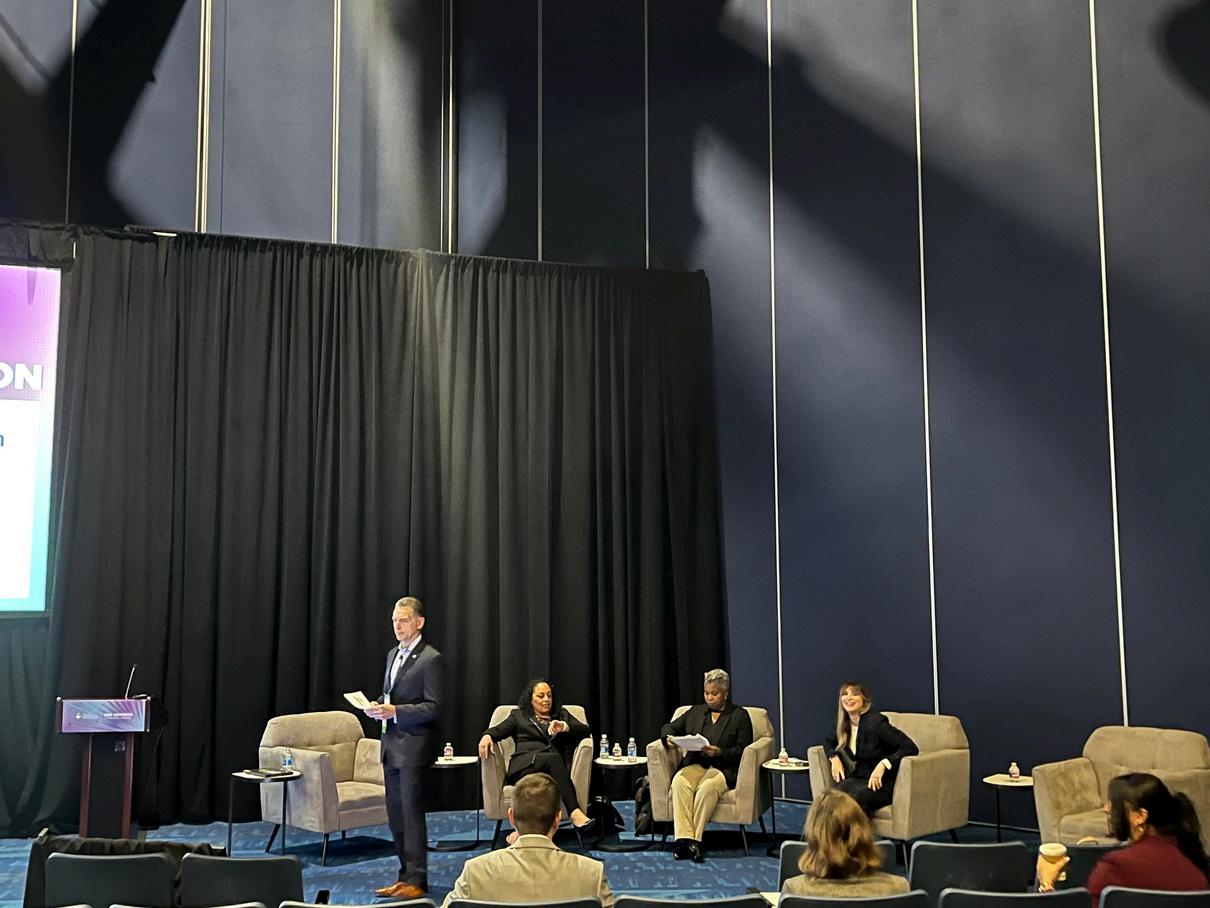
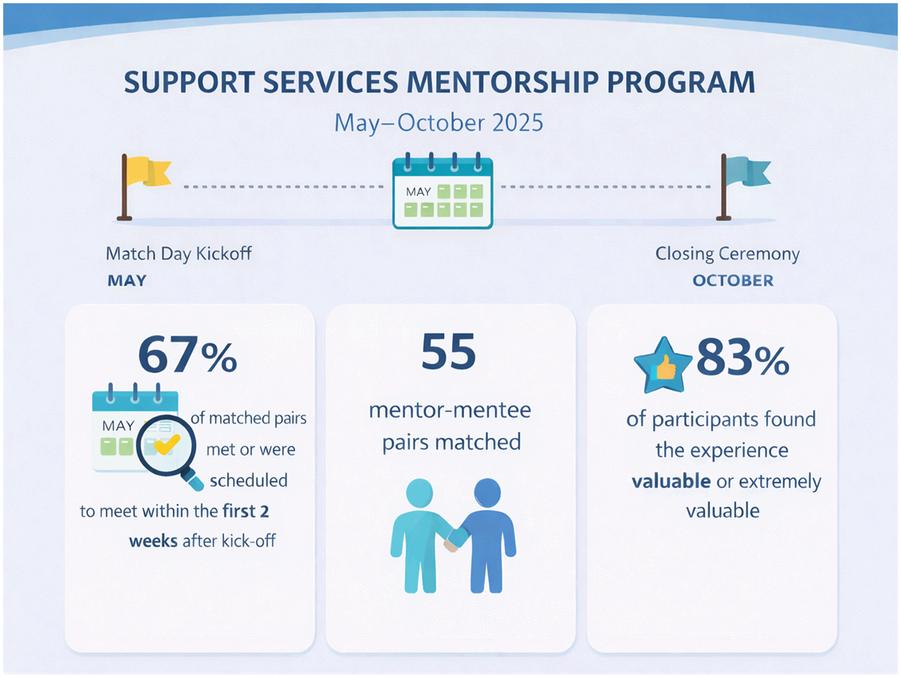
The team shared compelling outcomes demonstrating the program’s impact on workforce and organizational performance Over an 18-month period, the initiative delivered 51 hours of tailored education across 23 sessions, established a highly engaged mentorship program, and drove measurable improvements in retention, employee engagement, and patient experience During the first 15 months, voluntary turnover improved by approximately 7%, reinforcing the critical link between investing in frontline leaders and achieving stronger organizational outcomes.
Equally powerful were the stories behind the data leaders showing up more confident in navigating difficult conversations, better understanding available resources, and leading with greater compassion and care for their teams. Notably, this work was accomplished without additional budget, funding, or FTEs by repurposing a Staff Development Specialist role to support division-wide programming Standout elements included formal mentorship and case-based, hands-on learning experiences that translated directly into daily leadership practice. As the program continues to evolve, new initiatives such as a pilot “Learning Essential English in Healthcare” course in partnership with a local community college are advancing workforce development and retention, alongside ongoing collaboration with HR to define and communicate clear career pathways that support internal mobility and long-term professional growth.
BOARD OF GOVERNORS EXAM REVIEW WEBINAR SERIES
March 12 - May 28, 2026
6:00 - 7:30 PM Virtual
2 30TH ANNUAL HESA/ACHETENC DINNER & AUCTION
April 15, 2026 | 5:30 - 8:30 PM The Carolina Club 150 Stadium Drive, Chapel Hill, NC
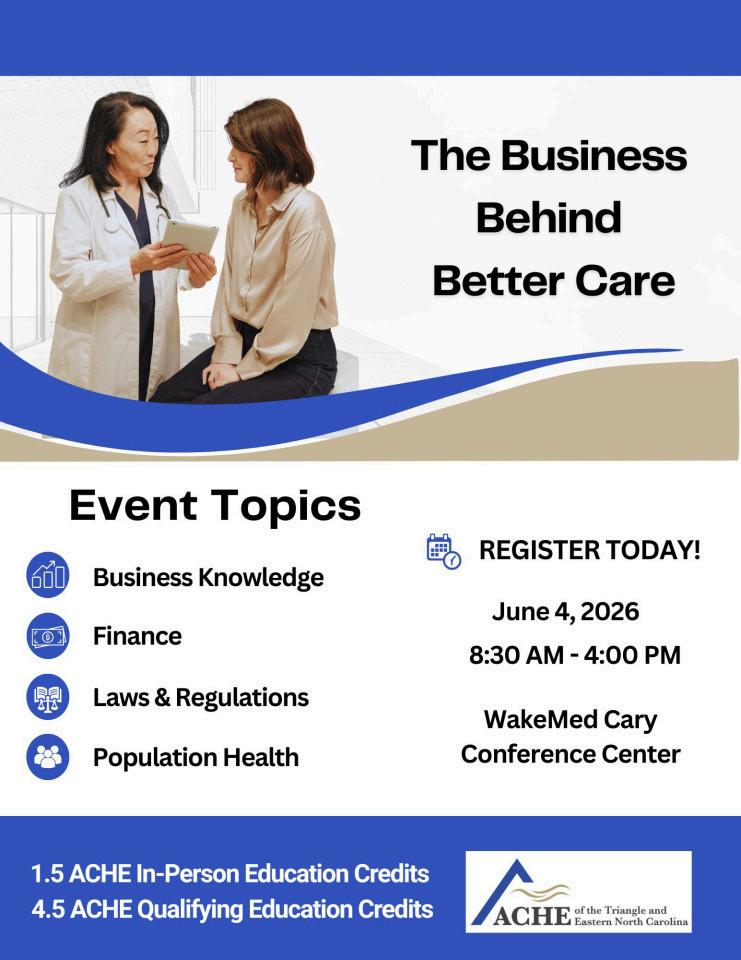
THE BUSINESS BEHIND BETTER CARE
June 4, 2026 | 8:30 AM - 4:00 PM WakeMed Cary Conference Center 1900 Kildaire Farm Road, Cary, NC
4 DUKE C-SUITE ROUNDTABLE: AMBULATORY
November 9, 2026 | 8:00 AM - 9:30 AM Save the Date!




80% of returning ACA enrollees report higher healthcare costs in 2026
A recent KFF follow-up survey highlights the impact of rising costs on individuals enrolled in ACA Marketplace plans Among those who had coverage in 2025, approximately 9% are now uninsured, while 28% switched to a different plan. The expiration of enhanced premium tax credits appears to have played a significant role, with cost increases, rather than changes in health needs, driving most coverage decisions
Even among those who re-enrolled for 2026, affordability concerns are widespread. Over half report that their healthcare costs are “a lot higher,” and the majority indicate increases across premiums, deductibles, and out-of-pocket expenses These financial pressures are translating into heightened anxiety about accessing care, particularly for emergency services, hospitalizations, and ongoing treatment needs such as prescriptions.
2
The survey also underscores the broader economic strain associated with rising healthcare costs More than half of returning enrollees report cutting back on basic necessities like food and household items to afford coverage, with even higher rates among those managing chronic conditions While roughly 70% of 2025 enrollees
maintained Marketplace coverage into 2026, the findings point to growing instability and affordability challenges within the individual insurance market
Implantable brain-computer interfaces (iBCIs) are rapidly advancing technologies that can translate neural activity into control of external devices, offering new possibilities for individuals with paralysis or severe motor impairments While the clinical promise is substantial particularly for restoring communication and mobility access remains uncertain Many potential users are Medicare beneficiaries, making coverage decisions by the Centers for Medicare and Medicaid Services (CMS) a critical determinant of whether these innovations will reach patients
A key challenge is that Medicare coverage standards differ from FDA approval requirements. Beyond safety and effectiveness, CMS requires evidence of “clinical utility,” meaning that devices must demonstrate meaningful improvements in health outcomes Current iBCI trials often emphasize nonmedical applications, which may not meet this threshold. To support coverage, future research will need to focus on medically necessary functions, such as enabling communication or controlling mobility devices, in alignment with existing coverage policies
Importantly, the authors highlight the need for coverage frameworks based on functional impairment rather than specific diagnoses. Because iBCIs could benefit patients across a range of neurological conditions, a functionbased approach would promote more equitable and consistent access Ultimately, ensuring availability of iBCIs will depend on generating robust evidence, aligning with payer requirements, and positioning these devices as essential components of care rather than optional technologies.
References
Goldring, A , Findeiss, L , & Fleisher, L (2026) Unlocking the future: Medicare and Brain-Computer interfaces Health Affairs https://doi org/10 1377/forefront 20260318 235606
2
1 Kuchno, K (2026, March 20) 80% of returning ACA enrollees report higher healthcare costs in 2026 Becker’s Hospital Review https://www beckershospitalreview com/finance/80-of-returning-aca-enrollees-report-higher-healthcare-costs-in-2026/
Creative Directors
Christian Bergevin, UNC Health
Dolapo Busuyi, ECU Health
Holly Harris, UNC Chapel Hill
Babar Iqbal, UNC Chapel Hill
Ashley Mahan, UNC Health
Isabelle Murphy, UNC Chapel Hill
Lynn Norwood, A.T. Still University
Contributing Writers
Trent Beach, FACHE, UNC Health
David Long, FACHE, ECU Health
Jessica McGee, FACHE, UNC Health
President President-Elect
Immediate Past President Treasurer Secretary
President Advisory Council
Trent Beach, FACHE, UNC Health
Paul Marini, FACHE, UNC Orthopedics
Matt Gitzinger, FACHE, UNC Health Alliance
Savannah Stallings, Duke Health
Jessica McGee, FACHE, UNC Health
Tom Hughes, FACHE, WakeMed Health & Hospitals
Ana-Elis Perry, FACHE, UNC Health
Swati Bhardwaj, FACHE, Southern Atlantic Healthcare Alliance
Emily Greene, FACHE, Duke Health
2026 Committee Chairs
Ashley Mahan, UNC Health
Holly Harris, UNC Chapel Hill
Margarita Khosh, Commerce Bank
Jan Lee Santos, Methodist University Cape Fear Valley Health
School of Medicine
Susan Gueiss, FACHE, Duke Health Integrated Practice
Sheila Kelty, FACHE, IMH Healthcare
Kishan Shah, Duke Health
Sarah Vorhees, Harris Teeter Pharmacy
Euniqua Bullock, Duke Health Integrated Practice
Amina Dixon, Duke Health System
Allen Stephens, Duke Health Integrated Practice
Jennifer Woody, UNC Health
Jessica Teague, Hillrom/Baxter Inc
Brian Cocks, Baxter International Inc
David Long, FACHE, ECU Health












After years of delivering projects across North Carolina, we’re excited to plant roots in the Triangle. Our new Raleigh office allows us to partner even more closely with the clients and communities shaping this region’s future.
The only constant in the healthcare industry is change At Beck, we understand the challenges and opportunities that healthcare leaders face as they work to deliver high-quality care in an evolving environment With more than 60 years of experience, our multidisciplinary team collaborates closely with clients to shape project visions that meet today’s needs while preparing for tomorrow’s success Our expertise spans strategic planning, operations, architecture, construction, and medical equipment planning, allowing us to challenge conventional thinking and deliver smarter, more resilient solutions.
From complex clinical environments to medical education and training facilities that support the next generation of caregivers, Beck brings a comprehensive perspective to healthcare delivery. We embrace advanced design concepts and innovative care models that promote healing, enhance the patient experience, and support staff efficiency through evidence-based design.

Ryan Horne Principal, Office Leader, Raleigh ryanhorne@beckgroup.com
919 295 0083

Follow ACHE-TENC on social media platforms and tag us in your ACHE-TENC related posts. Be sure to visit us frequently on our website for event details and program updates!
Are you planning on attending an upcoming ACHE-TENC event?
Have you attended another industry-related event that your ACHE-TENC colleagues should be aware of? If you've answered yes to either, we want to hear from you!