
Students reflect on cultural connections, uncertainty, resilience as conflict continues in Middle East
As war escalates in Iran, Iranian American students at the College of William and Mary are balancing campus life with concern for family abroad.
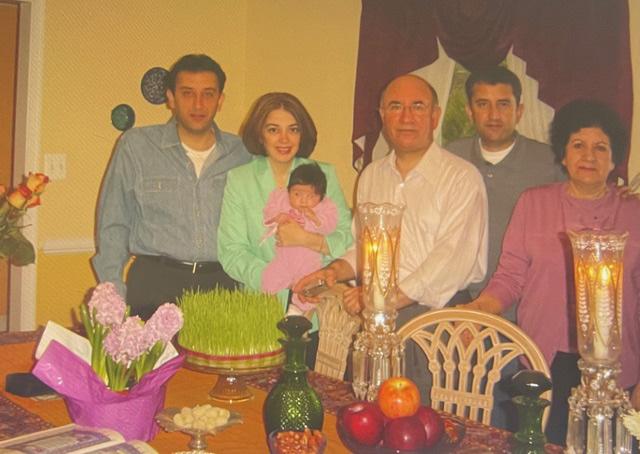
For Ida Guerami ’27, Sarah Morid ’27 and Arvin Rajabzadeh ’26, these worries are inseparable from a profound connection to their heritage.
“In general, the Middle East is more than the headlines that we see,” Morid said. “We’re lands of poets, mathematicians, engineers, adventurers, and we’ve been on this land for generations, rebuilding and loving it.”
Guerami echoed a similar sentiment.
“It’s a culture of depth, of excellence, of
knowledge, of richness, of such good food,” she said. “There’s just so much love, and so I’m sad to see that this love is being overshadowed by such divisiveness.”
Guerami also noted that the timing of the war coincides with the Iranian New Year, which will take place Friday, March 20.
“We’re at the most important time of the year for us, waiting for these new beginnings, a start for something better for our people, our reset,” she said. “But we’re starting it in a time of mourning, a time of cognitive dissonance between so many people.”
Morid emphasized that opinions on the war vary widely within the Iranian community.
“Iran is such a huge country, and there are
so many Iranian voices,” she said. “Part of listening to Iranian voices should be listening to the diversity of the voices as well.”
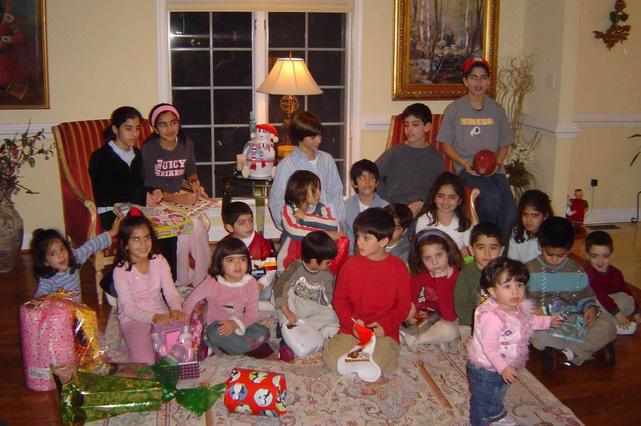
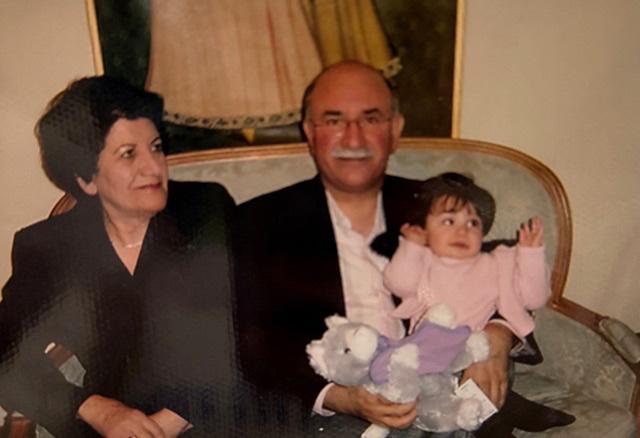
For Guerami, Morid and Rajabzadeh, these perspectives are personal. Each has immediate family in the United States and extended relatives in Iran.
Morid and Rajabzadeh’s families are from Iran’s southwestern Khuzestan province, the primary battleground during the Iran-Iraq War in the 1980s. Guerami’s father’s family is from Isfahan in central Iran, and her mother’s relatives are from Kerman in southern Iran. Both of Guerami’s parents lived in Tehran. Guerami, Morid and Rajabzadeh have each visited Iran.
“It’s a beautiful place with a clear, deeprooted, thousands-of-years-old culture, and the people are probably the most welcoming and hospitable you’ll ever meet,” said Rajabzadeh, who last traveled to Iran when he was 14 years old.
Morid has visited her family in Iran three times, most recently in 2023. “Every moment I can spend with them is so valuable,” she said. “There are so many people who are Iranian who don’t get the chance to visit Iran because of circumstances, so I’m just really grateful whenever I can visit.”
TAs, Sadler employees hope to see pay raises as governor reviews legislation
Wednesday, March 4, the Virginia Senate passed SB1 following approval from the Virginia House of Delegates. This law codifies the state hourly minimum wage of $12.77 per hour that went into effect on Thursday, Jan. 1 this year. The law seeks to gradually increase Virginia’s minimum wage to $13.75 per hour on January 1, 2027 and to $15 per hour starting January 1, 2028.
While Gov. Abigail Spanberger D.P.S. ’26 has not officially signed the bill, she has pledged to do so. Spanberger has until Monday, April 13 at 11:59 p.m. to take action on this legislation. Despite Virginia having the lowest number of low-wage workers compared to other states across the South, tens of thousands of minimumwage workers across the state are poised to see positive financial improvements from this increase. University workers are especially
positioned to benefit from this higher wage.
Among these statewide university workers, students at the College of William and Mary see this increase in Virginia’s minimum wage as beneficial.
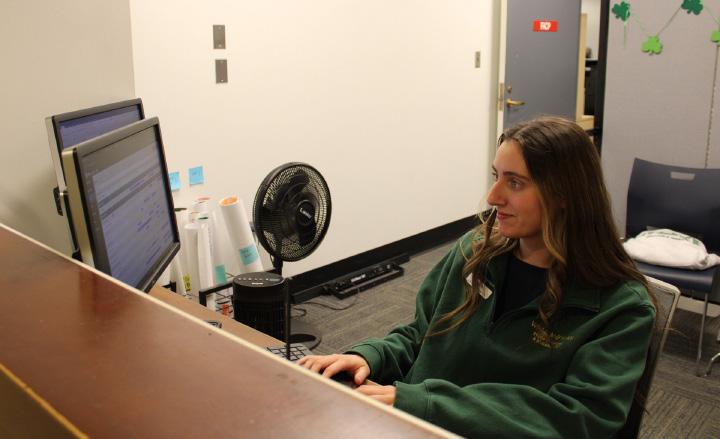
Tatem Lydens ’27 is a kinesiology major at the College who works as a building manager for Student Unions and Engagement.
“It's a lot of interacting with various people that come up, making sure everything around the building is going smoothly,” she said.
Lydens said she works around 10-15 hours per week, where she typically sits at a desk. Lydens’ friend inspired her to apply for the position. She said she has come to appreciate the daily interactions she makes with people who visit the SUE office.
“It's kind of like the hub for campus,” she said. “Literally everyone comes there.”
We deserve an ornate library Michael Gabriel '28 discusses how beautiful Swem library could have been page 6

Itʼs a time to take action, to be inspired by people who are fi ghting within the country itself, to be better, to learn more, to be curious about it. --
Political scientist and international relations scholar Francis Fukuyama will be the 2026 College of William and Mary Commencement ceremony speaker.
Fukuyama is known for his 1992 book, “The End of History and the Last Man,” which discusses the Cold War, Soviet Union and Western liberal democracy. Fukuyama is a current fellow of the National Academy for Public Administration and a member of the American Political Science Association and of the Council on Foreign Relations. He serves as the Olivier Nomellini Senior Fellow at Stanford Universityʼs Freeman Spogli Institute for International Studies.
Fukuyama visited the College most recently in October 2025, where he discussed current political actors in modern bureaucratic delegation. At the ceremony, Fukuyama will be awarded an honorary degree alongside Holocaust survivor and journalist Frank Shatz HON ʼ15. Shatz helped establish the Collegeʼs Reves Center for International Studies in 1989 with his wife Jaroslava Shatz and philanthropist Wendy Reves. Shatz was formerly sent to a Nazi concentration camp during the Holocaust, but he escaped and fled to Budapest, Hungary, where he became a resistance fighter.
A THOUSAND WORDS
LIAM GLAVIN // FLAT HAT NEWS EDITOR
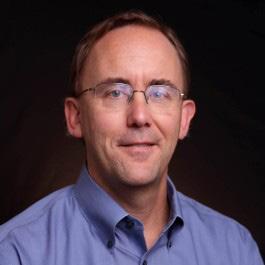
For over three decades at the College of William and Mary, Pamela C. Harriman Professor of Government and Public Policy Chris Howard has studied U.S. social policy. He has taught courses on topics ranging from poverty and the American welfare state to research methods.
In his academic work, Howard prefers working on longer-term book projects over shorter papers.
ʻSTABILITAS ET FIDESʼ | ESTABLISHED OCT. 3, 1911
Org #101 P.O. Box 8795, Williamsburg, VA 23187 Editor flathat.editor@gmail.com Managing flathat.managing@gmail.com Executive flathat.executive@gmail.com Magazine editor@flathatmagazine.com News fhnews@gmail.com Sports flathatsports@gmail.com
Having grown up in Charlottesville, Va., with a father who worked as an English professor at the University of Virginia, Howard was initially unsure about pursuing a career in academia.
“I was not convinced that I wanted an academic route, partly because my dad, who had been an English professor at UVA, was often an unhappy English professor,” he said. “I had heard plenty of stories about the downsides of academic life, so it was not at all a foregone conclusion that I would become an academic.”
Howard pursued his undergraduate education at Duke University, where he majored in history. After graduating, Howard worked in various public sector jobs across Washington, D.C. and Boston.
“Tat experience was really important in sort of shifting me away from history to politics,” he said.
“Tat’s sort of where the social policy comes in.”
After a couple of years in the workforce, Howard decided to continue his education. He went to the Massachusetts Institute of Technology, where he gained a Master of Science and Ph.D. in political science.
Howard emphasized the effort he put into his first few years at MIT.
“I literally was working 100-hour weeks the frst two years of grad school,” he said. “And my wife was going back at the same time to get her MBA degree from MIT. All we did for two years was basically just study, eat and sleep.”
Once Howard fnished at MIT, he eventually decided on academia and began looking for teaching jobs. Te market was not strong at the time, so he was left searching for roughly two years.
“Te frst year, I got one ofer and turned it down at Syracuse because it was just too bloody cold, and neither me nor my wife had any friends or family in the Syracuse area,” Howard said. “And then the second year on the market, I got a lot more interviews.”
He dealt with a lot of rejections from other schools until he heard back from the College.
“Literally at the end of the hiring season, William and Mary gave me an ofer,” Howard said. “And since it’s a really good school in the right part of the country, for me and my wife, it was a very easy yes.”
At the College, Howard began teaching a range of classes focused on his social and public policy research interests. He has also taught a research methods course to government and public policy students.
Howard described his goal in teaching the course as giving students some of the academic training he feels he didn’t receive.
“To be honest, in grad school, my methods training was not great, and I always felt like that was something that was a mistake on MIT’s part,” Howard said. “And so I was trying in part to sort of help students get better training than I had.”
“I enjoy the sort of long-run challenge of the book,” he said. “And to me, one of the benefts/responsibilities of having tenure is tackling long projects that might pay of.” Howard has written and published fve books, per his profle on the College’s website. He considers himself a generalist in U.S. social policy: He tries to understand a range of American programs instead of only focusing on a few.
“I think of myself as a generalist, and I have written about a wide range of social programs over a long span of time,” Howard said. “I like being sort of known as a good generalist, the way some doctors are general practitioners and not specialists.”
For his next major academic work, Howard plans to write a book comparing the history of fghting poverty for children, the unemployed and the elderly. Howard plans to research the extent to which inclusive versus targeted U.S. social programs have helped reduce poverty across these groups.
“My answer, I suspect, will be sort of [that] it depends on what era you’re looking at,” he said.
Howard said he plans to begin working on the book once the current spring semester fnishes. He added that he will take the next fall and spring semesters of from teaching to work on writing, with the manuscript due to his publisher in April 2027.
Howard described his public engagement work, writing opinion pieces for news organizations like CNN, Te Washington Post and Te Hill.
Tat’s also one of the things that I’ve sort of done more since getting tenure,” he said. “[I’ve] tried to do more sort of public writing and not just academic writing.”
Howard also serves on the James City County Social Services Advisory Board. Members of the body are appointed by the James City County Board of Supervisors for four-year terms, where they serve in an advisory capacity on social welfare issues for county residents.
“Tat sort of grew out of the pandemic, where I wanted something that I could try to do and not just be stuck at home,” he said.
Howard’s most recent work on the advisory board involved reviewing grant proposals for local social services and scoring them.
He explained how he is also involved in giving back to the community through his church.
“I do delivery of hot meals to people living in local motels a few times a year, and I help supply some of the summer meals for kids’ programs,” he said.
When asked what he has enjoyed most about his time at the College, Howard mentioned the positive relationships he has built with students.
“So clearly, I really like the fact that I get to teach bright students,” he said. “On a day-to-day basis, it’s being in the classroom and talking and working with students.”
Col. Morris Brown shares disappointment on program cancellation, expresses gratitude for experience, benefits
Friday, Feb. 27, the United States Pentagon announced the cancellation of its Senior Service College Fellowship program at the College of William and Mary. The SSC program employs universities to provide educational and career growth opportunities to military officers or civilian officials that help prepare them for roles in national security and defense.
This memo eliminates legacy SSC fellowships at 22 Ivy League and other institutions that do not fit the Department of Defense’s vision.
“We will no longer invest in institutions that fail to sharpen our leaders’ warfighting capabilities or that undermine the very values they are sworn to defend,” the memo states.
In a video posted by Secretary of Defense Pete Hegseth the same day, he cites these schools as “woke,” prompting the loss of national investment in their fellowships moving forward.
“For decades, the Ivy League and similar institutions have gorged themselves on a trust fund of American taxpayer dollars, only to become factories of anti-American resentment and military disdain,” Hegseth said. “They’ve taken our best and brightest, the men and women who pledged their lives to this nation, and subjected them to a curriculum of contempt.”
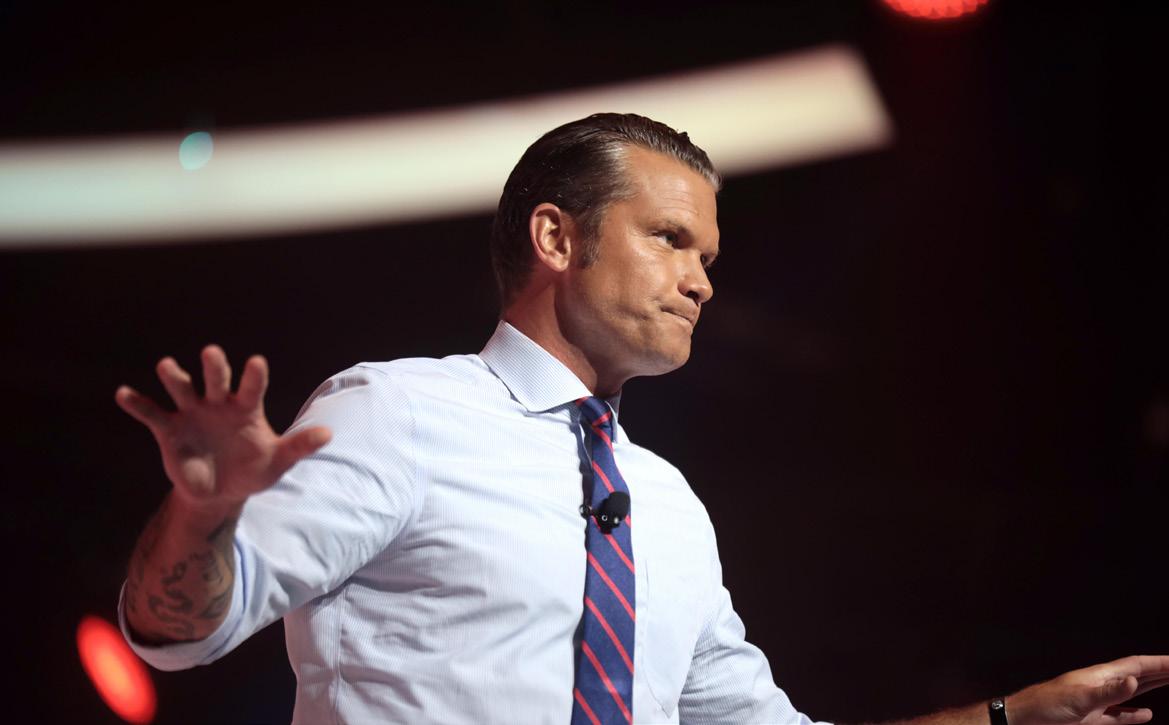
Col. Morris Brown MPP ’27 is the only — and now, last — student in the fellowship this year. Brown is in the program as a
EVENTS
U.S. Army War College Fellow, where he attends courses in the master of public policy program.
Brown learned about the cancellation through official communication and subsequen discussions within the fellowship community. He shared his reaction to the program being discontinued.
“While I was disappointed, given the value the program provides in developing strategic leaders, I’m grateful for the opportunity and the legacy of fellows before me, and I understand that we must remain aligned with senior leader guidance and evolving policy direction,” Brown wrote in an email to The Flat Hat.
Through the program and chance to receive a master’s in public policy, Brown had the opportunity to think critically about national security challenges, engage with diverse perspectives and refine his ability to operate at the strategic level.
Brown was first drawn to the program because it provided a rare opportunity for him to step back from operational demands and focus on becoming a more effective leader. He chose the College specifically because of its proximity to Washington, D.C. — the center of the country’s policymaking — and other army resources. His wife was also an alumna of the College.
“[The College] sits within a region that is closely connected to key Army and sustainment enterprise nodes, which directly aligns with my professional background and research interests,” he wrote. “The MPP program itself emphasizes policy analysis, governance, and leadership in a way that directly complements the Army’s expectations for strategic leaders.”
Brown identified the opportunity to interact with current and future policymakers as one of the program’s most valuable aspects.
“The community has been outstanding,” he wrote. “The program brings together military professionals and civilian scholars in a way that fosters mutual respect, intellectual curiosity, and meaningful dialogue. That kind of environment is essential for developing leaders who can operate effectively across the joint, interagency, and policy landscape.”
Brown shared how the program has strengthened his ability to think critically and creatively about national security issues.
“Through my Individual Learning Plan and research, I’ve been able to analyze how governmental, military, and private sector institutions interact to achieve strategic objectives, and

how leaders make decisions in complex environments,” he wrote. “It has also sharpened my ability to communicate clearly and persuasively across military and civilian audiences — something that is essential at the strategic level.”
He commented on the gaps the program’s cancellation may leave.
“Future Army fellows may miss the opportunity to study at an institution like William & Mary — the second-oldest university in the nation — with a strong tradition of preparing leaders for public service,” Brown wrote. “At the same time, graduate students and faculty within the MPP program may also miss the presence of future fellows, whose operational experience and strategic perspective help bridge the gap between theory and practice, enriching classroom discussions and the broader academic environment.”
Despite the program’s closure, Brown appreciates the opportunity to have been a fellow.
“My experience at William & Mary has been academically rigorous, professionally meaningful, and personally rewarding, and I’m grateful for the opportunity to be part of it,” he wrote.
The College’s administration also commented on the surprising removal of the program in its “Federal Guidelines” page on its website
“William & Mary is puzzled and saddened to be listed as part of the Department of War’s announcement canceling the Senior Service College program,” the website reads.
Professors focus discussion on current state of war, experiences of Iranians, public opinion around conflict
Wednesday, March 4, students, faculty and Williamsburg community members assembled in the Integrated Science Center to hear professors from the College of William and Mary explain the ongoing war in the Middle East.
Director of the GRI and George and Mary Hylton Professor of International Relations Mike Tierney ’87 moderated the panel discussion among assistant professor of history and international relations Peyman Jafari, assistant professor of government and co-principal investigator of the Arab Elections project Ameni Mehrez and associate professor of government and Director of NukeLab Jeffrey Kaplow.
The discussion focused on the nature and consequences of U.S. military action in Iran. Each speaker had ten minutes to deliver their speech before the floor was opened for audience questions.
Jafari first reflected on his experience as a student during the Iraq War and as an Iranian refugee.
“Back then, exaggerations and fabrications were used to manufacture consent, to justify the Iraq War, while many of us at that time were saying this is going to be disastrous,” he said. “I was born in Iran. I fled the country with my parents. I’m a refugee. There is nothing more than democracy that I want to see for Iran and the Iranians and everybody, because we’re also living in a country where democracy is being pulled out.”
Jafari then presented the reasons this war would undermine democracy.
“Whatever happens after the war to the lives of ordinary Iranians and their political system
is of no interest at all,” Jafari said. “This is even more the case for the Israeli state, which envisions a serious scenario for Iran, maybe, a fragmenting, failed state that can be bombed at will.”
Jafari clarified how the actions of the U.S. administration demonstrate that its closest allies are not democratic, stable states in exhibit two.
“Some of its best allies in the region and Iran are actually very notorious totalitarian states, including Saudi Arabia, Bahrain, Putin, of course, you name it,” he said.
Jafari pointed to comparative and historical studies in exhibit three, referencing the book “Catastrophic Success” by Alexander Downes.
“While military interventions often succeed in removing dictators, they substantially increase the risk of civil war, insurgency and violent political instability in the years that follow,” Jafari said.
Jafari provided a rundown of the United States’ history of domestic autocrats and foreign intervention. He also expanded on how Iran’s nuclear program led to direct conflict.
“Internationally, this opened up the path to a conflict between the United States and Iran because with the reimposition of the sanctions, Iran could not hit back with sanctions,” Jafari said. “Iran is a very small economy; boycotting the United States would be meaningless. So, they started to sabotage oil trade, transport in the region, attacking, for instance, Saudi installations.”
Mehrez opened her discussion with three major commentaries: who was for the attacks, who was involved in the attacks and who opposed the attacks.
“When it comes to who was against this war, who’s against these strikes, we can actually say that most countries in the region,
including Gulf countries, Arab countries, were always pushing for more diplomacy and nonconfrontation between the United States and Iran,” she said.
To analyze public reactions to the war, Mehrez considered two perspectives: how the public initially reacted based on news and public opinion surveys.
“Some people celebrate it because they saw this as an opportunity to shut down a bloody dictatorship that had been in power for almost four decades, while other Iranians living in the United States and elsewhere have thought of seeing this as more of a fearful moment because of the uncertainty the foreign intervention can engender in the region,” she said.
Mehrez then discussed how religious identity characterized reactions to Supreme Leader Ali Khamenei’s death across regions.
“Going beyond Iraq, Shia populations and supporters of Hezbollah, supporters of the groups in Yemen have also been mourning the death of the supreme leader in Iran,” she said.
Mehrez ended her discussion by summarizing public opinion polls about American and Israeli policy from the Arab Opinion Index.
“Most of the Arab public view Israeli and American policies as the two biggest threats to the region, with 84% agreeing that Israeli policies threaten the security and stability of the Arab region, and then 77% agree that it’s the United States that has threatened the stability and security of the region,” she said.
Kaplow began his talk by addressing the United States’ justification for war, which mostly draws from the Oct. 7, 2023 attack on Israel.
“Israel was engaged in this other conflict with Hezbollah, a proxy of Iran, and really significantly degraded Hezbollah capabilities
in a number of ways, including by killing a lot of Hezbollah leadership,” Kaplow said.
“And once that happened, Israel kind of says to itself, and we can almost hear it, ‘Well, now Iran is weakened, right?’”
Kaplow added that Israel’s reasoning for striking Iran now is due to its weakened state, citing a rare window of opportunity.
“The United States has munitions that can effectively address hardened underground nuclear facilities, where Israel does not, and so the United States gets involved in this conflict partly because there’s a window of opportunity,” he said. “The cost of that conflict is a little bit lower right now while Iran is weakened.”
He shifted the discussion to messaging from the Trump administration.
“The goals today are to destroy Iran’s missile capabilities, its navy and its nuclear weapons ambitions and stop the country from arming militant groups,” he said. “So that is, getting rid of the capability.”
Kaplow identified regime change as more of a secondary goal for the Trump administration.
“The track record of achieving regime change via airstrikes is — there is no track record of achieving regime change via airstrikes,” Kaplow said. “So, the prospects of this being successful, I think, are low.”
Kaplow addressed the U.S. president’s comments about having unlimited ammunition and stated that he disagrees.
“We’ve already had reports that the [United Arab Emirates] is running out of missile interceptors, that our supplies of these capabilities are running low,” he said. “We have previously argued that we can’t send them to Ukraine because they’re in short supply, but now apparently, we have an unlimited supply.”
DeVyver reflects on experience as economics tutor, expresses hope that higher wages will benefit workers
Lydens expressed optimism about the wage increase improving her life as a student. She said that seemingly small wage increases can accumulate over time and make an impactful difference.
“I think the [wage increase] would help a lot,” she said. “It’s a few more cents an hour, but in the end, it [can] add up to $15 or $20. In my opinion, that’s an extra meal or an extra trip to the grocery store.”
Bruna Rocha ’27 is a library assistant in the McLeod Business Library in Alan B. Miller Hall and
works as a teacher’s assistant for the Economics Stata & R Lab.
Rocha estimated that she works around 11 hours per week between both jobs and makes around $13 per hour.
“I think a wage increase is definitely obviously beneficial for everyone,” Rocha said. “I live off campus, and I don’t have a meal plan, so I have to pay for my own rent and my own groceries.”
Rocha highlighted her interactions with College community members the most enjoyable aspect of her work.
“I meet a lot of new people, and I feel like my jobs are very related to
my major,” she said. Rocha emphasized the importance of wage increases for students who are not on federal work study.
David deVyver ’26 is an economics and math major at the College who works through the TutorZone. He helps students in economics courses ranging from intermediate macroeconomics and microeconomics to econometrics.
“Students in courses that I’ve taken can sign up, and I will tutor them in any of the classes that we have overlap in,” he said. “It’s usually one-hour sessions, and we meet with the students and teach
them course content, help them prepare for exams, any of those kinds of things.”
DeVyver started working as a tutor his sophomore year and appreciates the job’s flexibility.
“I get to pick my hours almost exactly, which is fantastic,” he said. He said he makes $14 an hour, working between three and 15 hours per week.
The increase in the minimum wage was pretty helpful,” he said.
“I got a 50-cent raise from the TutorZone, and so that obviously adds up a ton.” D eVyver explained he spends
his money on social activities and other essential needs.
“I saved up a good bit of money to go on spring break to Nashville this year and then [paid] for groceries or anything that I need on a day-to-day basis,” he said.
DeVyver sees the proposed increase in the statewide minimum wage as beneficial to wage workers across Virginia, not just those at universities within the Commonwealth.
“I think it’s absolutely fantastic,” he said. “Everyone benefits a lot from having the opportunity to be paid more.”
Morid, Rajabzadeh, Guerami reflect on Iranian heritage, campus community, look toward future
CAMPUS from page 1
Morid described the differences she noticed between Tehran and Khuzestan and said the latter was “a lot more traditional and rural.”
Upon arriving in the province, she remembered seeing billboards displaying the faces of individuals who died during the Iran-Iraq War, some of whom her mother had known personally.
Morid also recalled passing buildings that were never rebuilt following the Iran-Iraq War, including her mother’s old school.
“My Iranian background is one filled with a lot of these hard stories, but through these stories, there’s so much resilience and love for the country,” Morid said. “Despite all of this, we’re still in Iran, we still love Iran and we still wish the best for Iran.”
Morid highlighted this resilience as essential to her Iranian American identity.
“Each generation has their own stories of resilience and the ability to stay optimistic despite how horrible things are,” she added. “To me, being Iranian is being resilient, still loving each other and being there for each other despite hardship.”
Like Morid, Guerami has visited Iran three times. Although she last traveled to Iran in 2010, Guerami remembers being surrounded by family.
“I’m so glad I was even able to smell the way the street was or taste how different the saffron is there or just hear the voices of family members that I don’t know if I’ll get in contact with again,” she said.
Guerami hopes to return to Iran in the future.
“I miss it because I know what I’m potentially missing out
on,” Guerami said. “I can’t even imagine how much better it will be now that I’m older and understand things better and am ready to be surrounded by my family.”
Guerami, Morid and Rajabzadeh identified Iran’s frequent internet blackouts as a major barrier to staying connected with family.
During uprisings, the Iranian government often utilizes internet shutdowns to limit communication and access to information. For over two weeks in January, the regime imposed an internet blackout. Since then, the shutdowns have remained intermittent and unpredictable.
“I’m always checking my phone to see updates,” Morid said. “I don’t really know how my family is doing until we get bursts of internet again, and it’s just really looking at your phone and seeing where in Tehran they hit, where in Khuzestan they hit.”
Rajabzadeh said his family in the United States has experienced minimal impacts other than the blackouts.
“That has pretty much been the single biggest effect, other than uncertainty,” he added.
In the absence of consistent communication from family members abroad, Guerami said she has found support in her friends at the College.
“I had friends asking me during the protests, before everything else in between, if I could help explain what’s going on from my perspective and understand the nuances from my perspective and see how it’s hurting me,” she said. “They’ll be there for me.”
Guerami hopes the current conflict will encourage people to educate themselves about the Middle East.
“It’s a time to take action, to be inspired by people who are fighting within the country itself, to be better, to learn more, to be curious about it,” she said.

Alpha Phi Omega requests additional funds for escort program, Lesmerises proposes wood-repurposing
ALEXANDRA NAKAMITSU
THE FLAT HAT
Tuesday, March 3, Leo Jones ’27, a student representative from Alpha Phi Omega, the College’s gender-inclusive service fraternity, delivered a presentation to the senate on the state of the organization’s campus escort program. Campus escort provides students with daily free golf cart rides around campus from 9 p.m. to 12 a.m. Last fall, APO’s campus escort accepted 225 rides. This semester, they have accepted 72 rides.
“We are hoping to bring those numbers up for next year as well,” Jones said.
Jones expressed concern over the condition of the golf carts and the need for significant repairs. The program currently uses two golf carts, one of which is electric and is unusable during the winter. Jones also said that the golf carts have faulty headlights, impacting visibility during nighttime drives.
“There was a point that they were just a bit too dim for the roads because we do
drive a little bit on the roads,” Jones said.
The current contracted budget for APO, funded by the Student Assembly, is $6,500. The organization hopes to use this budget for repairs and to potentially purchase a third golf cart.
“It does appear that maybe you could buy a used old cart for the same amount of money we will have implemented at the end of this year, or supplemented by a couple thousand dollars,” Director of Student Leadership Development Anne Arseneau ’89 M.A.Ed ’92 said.
In addition to the presentation from APO, the senate heard from the new representatives from the Graduate Student Association, as well as Alma Mater Productions, on this year’s finances and programming. A representative from the Department of Diversity & Inclusion also addressed the senate on current and future initiatives.
Class of 2029 President Daria Lesmerises ’29 introduced the Trees to Chessboards Act. The bill aims to utilize excess lumber
around campus to turn it into chessboards for student use. The bill will allocate $250 from Student Assembly Reserves for materials, and senators will work with the art department and facilities management to construct the boards.
“It’s just a great connection with [the] art department, and I’m talking with architects to see where we’ll put this,” Lesmerises said. “They also seem to be pretty down for this.”
The senate unanimously passed the Bolstering Ethics of Election Fairness Act Part 4 (BEEF Act), sponsored by Sen. Jason Zheng ’26 and Historian of the Senate Sen. Quinn Clancey ’27. The bill stipulates that the Code of the Student Assembly be amended to establish a clearly defined deadline for posting referendum questions on the spring general election ballot.
“Question(s) must be presented with at least 250 William & Mary student signatures, with full names and issued William and Mary emails, submitted within 21 academic days before the General Election to appear on the ballot. The Elections Commission shall
post the question written as provided by the petitioners,” the new clause states. The bill also establishes a new measure for emergency referendums. Petitions with over 500 signatures from students submitted outside of the general election ballot will trigger an emergency referendum, which will be posted by the Independent Elections Committee written as provided by the petitioners.
Senators unanimously passed the Reallocation of Fall LDOC Beer Garden Funding Act, sponsored by Chair of Finance Sen. Mackenna Wyckoff ’28, Sen. Christine Hwang ’28 and Lesmerises. With the Fall LDOC Beer Garden not taking place, the bill will allocate $5,000 of the previously allocated $12,000 to fund the Royal Ball. The Earth Yay Act Part 4, sponsored by Wyckoff and Sen. Nicholas DeSante ’26, passed unanimously. The bill will allocate $1,369.50 for an Earth Day activity hosted by SA. The event will feature a live band, succulent planting and plant pot painting.
JOINT COLUMN
Eva Jaber and Adam Jutt
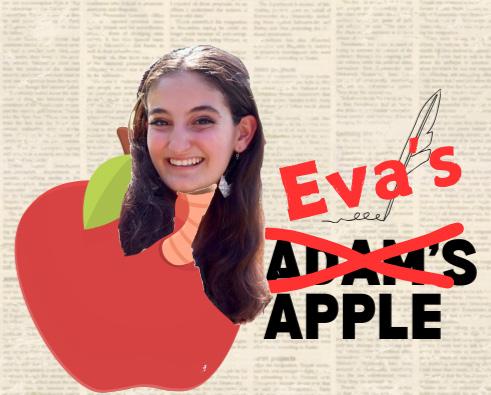
Anyone who’s a real reader of The Flat Hat — or, you know, the Bible — knows that before Eve, there was Adam. If you’ve ever taken a good look at the graphic for my column, you would realize that before “Eva’s Apple,” there was “Adam’s Apple.” This is not, as you might assume, because my column is akin to a religious text (although that’s true as well). I am simply the second writer in what will hopefully be a long line of satire advice columnists at the great Alma Mater of the Nation. With that being said, I had a secret dream when I began my tenure as a satire advice columnist that I would one day lap Adam Jutt, who wrote nine glorious Apples in his prime. I have promised you for the past few issues that something incredible was coming, and this is it. I, Eva Jaber, with my 18th Apple, have officially lapped Adam Jutt. I would tell Adam to read it and weep, but he’s actually a really cool guy, and that wouldn’t be nice, especially considering that he’s come back to write the 18th issue with me. Whatttt?!? You heard me. This is a special cowritten issue of “Eva’s Apple.” It was originally titled “Eva’s Apple #18: I Lapped Adam Jutt,” but such a generational issue calls for a generational title. Welcome to “Eva’s Apple #18: Return of the Jutt-i.” Boom. Write it and weep, Adam. The question of the week is as follows:
“What if I peaked in college?” Adam here. It’s not a particularly well-posed question, in that it’s not particularly clear what it actually means. What is being asked? What do they want to know?
One possibility is that they want to know how to identify whether they are someone who peaked in college. Presumably, the asker is now post-college, hence the use of the past tense “peaked” instead of the present perfect “am peaking.” Such a distinction is critical because the answer to the identification question depends on the stage of life in which one finds oneself. A middle schooler, for example, would struggle enormously to know whether their peak will be their college years, while the elderly — cursed with the clarity of a more dispassionate perspective on the various chapters of their life — will know whether they peaked in college simply as a matter of fact, in the same way they know their address and name.
An altogether different question would be, “I peaked in college. Now, what should I do about that fact?” Because I have no way of knowing which question was meant (“what if” being, as it is, a far more popular interrogative structure among toddlers than lawyers), I will answer both. Conveniently, the second is a very natural follow-up to the first.
We begin with the notion of identification. In the past, I regaled you with lists of ten or more steps. A whole, proper stair -
case of steps, one could say. The process of identifying a college peak, however, takes only two. More like the couple of awkward little steps it takes to get inside your house from the front porch or garage than any meaningful change in altitude.
A peak is defined by two qualities: it is a high point, and it is higher than the points around it. The first step of the process is about identifying whether college was a “high,” and the second is about identifying whether the post-college period is a comparative “low.”
1. Did you run a tremendously successful, cult-classic advice column in college? If you did, then the first quality of a peak is met in spades. A student newspaper advice column has always been a one-way ticket to “that guy” status. Everyone wanted to be your friend. You had an invite to every party, and let’s just say you were never paying for your own drinks when you went out. Why do you think “column-boy” has emerged as a slang term for cool and hot?
To be clear, running the advice column is not just a sufficient condition; it’s also necessary. If you didn’t have an advice column, you were a nobody. Every day was agony. No self-esteem. No accomplishments. No one proud of you, least of all yourself. Why’d you even go to college?
2. Do you now (in your postcollege life) find yourself aimless and purposeless, with such aimlessness and purposelessness entirely because you no longer run a critically acclaimed, universally beloved newspaper advice column? Do you find yourself growing continually more jealous of the woman who replaced you as the runner of the column? It used to be your column, and now it’s hers? She took your name and picture — your legacy, your identity — and replaced them with her own as if you never even existed. Do you despise her? Do you despise her because she gets to live the life you once lived, a life you would do anything to return to?
Do you resent the fact that her version of the column is more loved by the campus than yours ever was, and that she has written twice as many articles as you ever did? Have you begged, prayed and pleaded for the opportunity to once more — just once more — be the man you were? To taste the Apple — to be the Apple — just once more? When you somehow, miraculously got the opportunity to do exactly that by the very person who you hate so much, did you latch onto the possibility with a primal desperation you didn’t know was within you? Did your hate for the person nonetheless multiply as you were forced to confront the fact that they are a far kinder, better person than you? For you would never have offered to share the Apple as they have. And are you terrified to finish writing your part of this article, because you know that once you send it in, you will return to being a nobody, most likely forever?
Whew. Okay. This is Eva again. I agree with Adam in the sense that life is composed of exhilarating highs and comparative lows — perpetual failure punctuated by brief moments of success, if you will. Another point of consensus is that my time as a satire advice columnist has certainly been the most important thing I have ever done and, from the looks of Adam’s grim postcolumn perspective, will ever do with my life. With this in mind, I aim to break the cycle. I know I have reached my peak, and I refuse to step off this summit. The moment I stop writing Apples is when my life will begin to unravel. I mean, look at Adam. Ever since he stopped writing, he’s been filling his life with abstractions that resemble his former column. He moved to the Big Apple. He’s getting a Ph.D. in economics. What does economics have to do with? Money. What can you buy with money? A crap ton of apples. Boom.
I found some website called econguru.com that defines “unlimited wants and needs” as part of the “fundamental problem of scarcity that has plagued humanity since the beginning of time.” Peaking in college, then, is essentially a problem of economics. Since the beginning of time, it has been foretold that two pioneers would change history forever in their pursuit of wisdom — through their satire advice column. Still, the darker side to this story is that giving up the Apple means giving up any modicum of happiness either of us will ever achieve.
Once someone has held the power and felt the bliss of being an advice columnist, they begin to embody the concept of unlimited wants and needs. They are forever plagued by an unquenchable thirst for influence and validation. We may move onward, but we will never move upward. Adam’s words have shown me what a post-Apple future would look like. Wasting away in a doctoral program at a prestigious institution. Leaving behind a legacy that gives a student who looked up to you the chance to try their hand at satire writing in a space that your creativity created. Living in what is arguably the world’s most famous city. Sounds like hell. I refuse to meet the same fate.
Let me spell this out for you, dear readers. If you want my column, you’ll have to pry it from my cold, dead hands. With that, I thank Adam Jutt for his collaboration and the clarity he has given me about my post-graduate plans.
I’m going to go celebrate the achievement of writing my 18th Apple by purchasing a lifetime supply of food and barricading myself in a closet somewhere in the Sadler basement, where I will spend the rest of my glorious life writing Apples. Did I peak in college? No. I deliberately plateaued at my highest point. And that’s a beautiful thing.
See you in two weeks.
Editor’s Note: careful readers will soon notice that Adam never goes on to answer the second question. That was not a creative question or clever bit. He wrote his part in an airport and was forced to board the plane before he got to it. He feels bad about this and acknowledges that Eva would never make a similar one.
Eva Jaber ’28 (she/her) is a prospective English or international relations major. She is a member of the Cleftomaniacs, an a cappella group, an ESL tutor and hopes to encourage peace-minded advocacy on campus. Contact her at ehjaber@ wm.edu
Adam Jutt ‘25 is old and irrelevant and spends most of his time reminiscing about about his Flat Hat days.
STAFF COLUMN

The return of the Trump administration has posed a threat to the fourth estate, the press, and we, as the American people, have the most to lose. As a government major, the erosion of the United States’ democratic foundations has been difficult to watch, and misinformation continues to plague the digital space the nation’s students have become so accustomed to.
As the Alma Mater of the Nation, the College of William and Mary has a duty to stand at the forefront of this fight, demonstrating a commitment to the free press ideals that some of its earliest alumni, and this country’s founders, risked their lives to enshrine and defend. Since its inception, the College has upheld the responsibility of educating informed individuals and future changemakers. The establishment of an official journalism major would represent a modern commitment required to uphold our historical mission: protecting the press, serving as a check against abuses of power and ensuring the ethical integration of technology into society.
Williamsburg’s historical ties to America’s fourth estate extend to before the founding of the United States. Virginia’s first newspaper, the Virginia Gazette, was founded in the city in 1736. Furthermore, Thomas Jefferson, who attended the college from 1760-62, was an adamant supporter of the First Amendment.
Jefferson and other alumni, like James Monroe and John Marshall, used the written word to speak out against the injustices of British colonial rule. It was these men who fought for the inclusion of the line that has defended legions of journalists for almost 250 years: “Congress shall make no law ... abridging the freedom of speech, or of the press.” The free press would not exist in America today if it were not for the ideals of free thought and speech instilled in these men by the College’s liberal arts curriculum. However, the College today seems to believe that teaching the principles of the First Amendment is sufficient without the inclusion of thorough journalistic practice in our education.
Technological fluency is necessary in today’s day and age, especially as artificial intelligence and other technological advancements become increasingly integrated into our daily lives. The escalation of deepfakes and AI-assisted research processes has created a dangerous media sphere in which consumers struggle to delineate fact from fiction. Sorting through headlines and photos without proper media literacy is, in itself, a massive threat to free expression.
The College understands the prominence AI has gained in our modern world and has accordingly made significant advancements in technology and data science. In 2025, the College established the School of Computing, Data Science and Physics, complete with its own AI minor. The study of AI in today’s age is incredibly important.
Douglas Schmidt ’84 M.A. ’86, dean of the School of CDSP, said in a W&M News article from September 2025, “AI is no longer just for computer scientists, it’s transforming art, history, law, business — practically every discipline.”
The integration of AI in the School of CDSP firmly places the study of AI in the sciences. However, with every major scientific or computational breakthrough comes the need to understand how it is ethically incorporated into our society. With the advent of the AI curriculum, the College should make strides to balance technological studies and the humanities. What better way to do so than with a degree specifi-
cally dedicated to the dissemination of information and the way society consumes it?Allocating equal attention to the liberal arts fields that check the power of technology conglomerates and specialize in the ethics of information distribution is a necessity in today’s day and age. How can the College claim to want to protect freedoms of expression and active civic participation without investment in educating those who want to dedicate their lives to defending the public from misinformation? If the College wants to remain at the forefront of modern, innovative education, it has the opportunity to house both a school of data sciences and a school of journalism.
Furthermore, the announcement of the Year of Civic Leadership further necessitates us to ask if we are truly preparing leaders for a 21st-century democracy. We cannot honor our past as a cradle of democracy while ignoring the modern crisis of the fourth estate. A journalism major would serve as the academic anchor for this initiative. The press is essential to holding those in power accountable, and it is crucial to keeping the American public informed, a necessity for well-informed civic debate. This has been notably absent in today’s civil society.
Political figures, like President Donald Trump, have heightened the war on the press. He has restricted press access to various events and used incendiary rhetoric to refer to the press, including “scum,” “fake news” and “the enemy of the people.” More recently, U.S. Secretary of Defense Pete Hegseth announced new, restrictive press policies that have led many major media organizations to leave the White House press core rather than report under these conditions.
Not only are journalists having to defend the American people, they are now also having to defend themselves. If the American ideals of freedom and liberty that our founders enshrined are to be present by the end of this administration, we need journalists to hold leaders like Trump accountable. As one of the nation’s top public universities and a producer of thousands of public servants, the College has an obligation to assist in the defense of our nation’s ideals by training those who can report the news and speak truth to power, even when that power emanates from our nation’s highest offices.
Critics may argue that establishing a journalism major would be an expensive endeavor for the College, but there are already staff and programs across the College that allow students a peek into the importance of the press. I am an alumna of the Sharp Journalism Seminar Fellowship, a program offered through Roy E. Charles Center, which funds year-long student reporting projects across the globe and allows for publication on the Pulitzer Center website. The Charles Center has also introduced the Sharp Writer-inResidence program, which brings different professional authors, writers and journalists to campus to teach a masterclass on nonfiction writing each semester. Beginning in fall 2025, the interdisciplinary course Writing for Media, taught by sports journalist Grace Raynor from The Athletic, also became a course offering sponsored by the Charles Center. Staff at this university care about journalism and responsible media consumption, and the growing waitlists for journalism classes indicate that students do too. While I am grateful the College has offered me these limited educational opportunities, it highlights the school’s failure to establish a foundational civic education, essential in journalistic education. I’ve had to scrape together electives and classes from across departments because the College lacks the necessary commitment to ensuring that students can access this coursework in one location.
HannahSawyer’27isagovernmentandselfdesigned journalism and professional writing doublemajorfromtheNorthShoreofChicago. She is an associate social media editor with The Flat Hat and is also involved with
Nora Yoon CHIEF OPINIONS WRITER
When people ask about the importance of the humanities, or why they’re worth keeping around, one of the biggest detriments to the response is that a classroom setting is not really conducive to giving people a sense of why the subject they’re learning matters. You will not intuitively understand why performance arts, literature, religion, history or philosophy matters by being forced to study it for a COLL requirement with your GPA at stake. Nor is there a guarantee that your professor will be a grounded, lucid educator with the ability to impart the universality of their field, rather than just take the subject’s significance for granted and get right to making you memorize arguments, interpretations and other painfully specific information. But it’s easy to keep asking yourself in the midst of this, why does anyone need to know this?
Part of what frustrates me about this whole experience is that other people, majoring and totally dedicated to a field of study, also cannot articulate the importance of their chosen field. Even when I was visiting colleges as a high school senior, I felt somewhat put off by how very uninspiring the English majors I met were — that studying and writing literature was enough for them, regardless of whether it contributed to the world around them. Maybe this is envy speaking, but I don’t think that’s something I could do in good faith for four years, setting me up for my career for the rest of my life. For a long time, I felt this way, and it seemed to me that people only majored in the humanities because they weren’t determined enough to study something in STEM.
The truth is that there are just as many uninspiring STEM majors as there are uninspiring humanities majors. As my favorite poet, Louise Bogan, would say, “Intellectuals range through the finest gradations of kind and quality: from those who are merely educated neurotics, usually with strong hidden reactionary tendencies, through mediocrities of all kinds, to men of real brains and sensibility, more or less stiffened into various respectabilities or substitutes for respectability. The number of Ignorant Specialists is large.”
While Bogan likely had intellectuals in the humanities in mind, I’ve heard horror stories from friends in STEM both at the College of William and Mary and more STEM-focused colleges about people whose education and neuroticism contribute to little
more than bullying undergraduates and feeding a sense of self-importance rather than wishing to change the world or help others with their expertise. All this to say, the myopic view of academia plagues all subjects and fields.
However, there is a certain frustration I still feel with English, despite it being a subject I’m committed to studying and that wI love. At least with neurotic, selfcentered scientists, their work often still builds and contributes to an existing body of knowledge that is benefitted by their work; I don’t know if the same is true for English. I think the best part of literature and academics is that they bring people into the world and allow them to confront and make sense of their worlds. I might share Susan Sontag’s discomfort with English papers as “long (hundreds of pages) monographs on such subjects as: The Use of ‘Tu’ and ‘Vous’ in Voltaire.”
However, this is more a problem of scope: inspiring professors can illuminate their subjects and make things considered feel completely new. In a creative writing class I took that I loved, I heard a quote from the filmmaker Werner Herzog that I think about all the time in relation to this issue: “Facts do not convey truth. That’s a mistake. Facts create norms, but truth creates illumination.” You can learn whatever facts about this or that piece of text, author or interpretation, but in the end, a troubled 16-year-old feeling very depressed will often be able to sense the illumination of the text better than a college student because they are looking for something fundamentally different; in the same way, fascination and a deep need for understanding about life are as necessary components to really seeing the possibilities of the humanities as the course-supplied hours of reading. Whatever norms you might be trying to glean for a class from the facts of literary study, a sort of instability in your life and willingness to be disturbed are necessary to let literature bring you truly into life.
NoraYoon’27isachemistry major.Theyenjoywritingpoetryfor thecampusliterarymagazine,The Galleryandreadingwhateverbooks haveagoodvibetothem.Theyalso likesittingbylargebodiesofwater, drinkinglotsofcoffeeandoverthinkingmovies,songsandthingsingeneral. Contact them atgiyoon@wm.edu.
Earlier this year, I visited my friend at Yale University. Listen, I knew it was going to be a cool campus. It is an Ivy League school after all, but wow, I was just taken aback. The giant Gothic-style towers, high-walled residential colleges and other traditional collegiate buildings all came together to create an extraordinary environment. What really caught my attention, though, was its library.
Yale’s Sterling Memorial Library was completed in 1930 and houses more than 2.5 million books. Resembling a giant European cathedral, the library has high arched ceilings, some 3,300 stained glass windows, cloisters connecting portions of the building and a literal altar that serves as the circulation desk. You walk into that building, and you are in awe. At that moment, I couldn’t help but wonder why couldn’t Swem be like this?
Now, don’t get me wrong. When it comes to resources, our Earl Gregg Swem Library is top notch. According to the Princeton Review rankings, Swem is ranked third in the nation based on stu-
dent ratings of library facilities. Yale’s library does not even make the cut of this list of the top 25 university libraries. Swem houses Special Collections, the Tutor Zone, the Reeder Media Center and many other campus resources that students are free to use. It provides students with access to millions of books and hundreds of databases. It is also a nice perk that you can bring food and eat in the actual library, which is not allowed at many schools. There is really nothing more we can ask of a college library. My one gripe, as trivial as it may sound, is that Swem is not a pretty building. For over 200 years, the College of William and Mary’s library was housed in the Sir Christopher Wren building, the longest continuously used academic building in the nation. In 1909, the evergrowing collection was moved to its own dedicated library building, which we now know as Tucker Hall. By the 1950s, though, the school was looking to build an even larger building that would better house the College’s
continuously growing collection of books and resources. This new building would eventually open on Jan. 4, 1966 with the namesake of long-time librarian, Dr. Earl Gregg Swem. Like many of the buildings built on campus in the mid-20th century, Swem has a modern (for the time at least) design that contrasts with the more traditional buildings around the Sunken Garden. In another world, though, Swem could have been completely different.
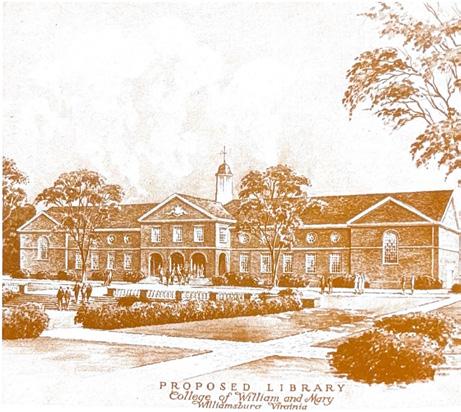
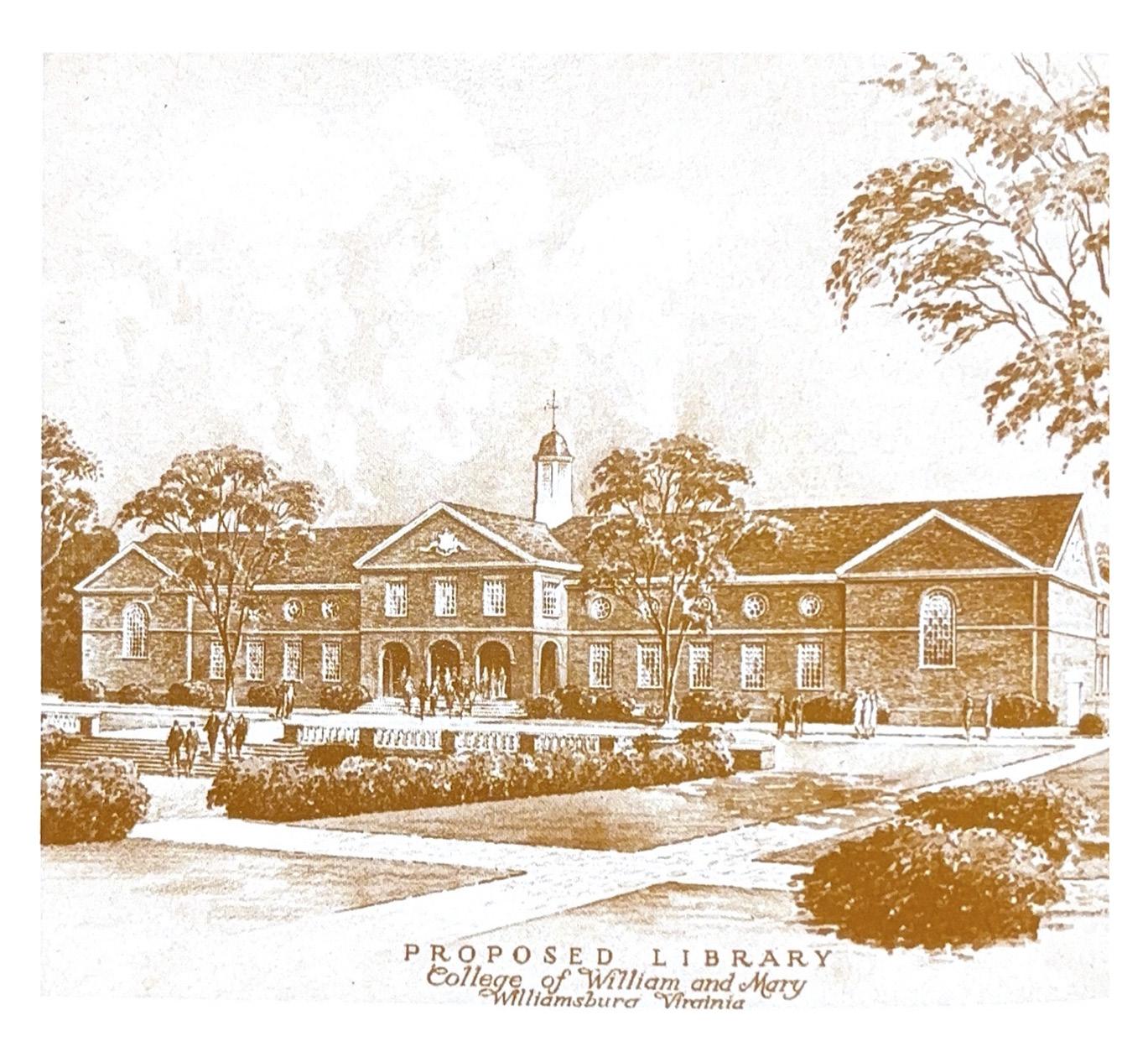
While flipping through a book on the history of the school, I came across a hand-drawn rendering for a new school library, one completely different from that of Swem. This library would have been constructed in the Crim Dell Meadow facing the Sunken Garden and Wren. The proposed design would have been more in tune with the architecture theme set by the Wren and the other older buildings on campus. The library would have had three brick archways at the entrance, a north and south wing and a little cupola at the top. It wouldn’t have been the goliath of a building that Yale’s library is, but like their library, this proposed design would have fit the theme of the campus.
When I saw that rendering, I thought, “Wow, I would rather be stuck in that library, reading 50 pages of a book I’m not interested in from a class I’m not interested in, than in Swem.” All this to say, I really do believe the optics of the environment in which we learn have an effect on our success as students. Just like taking a walk on a sunny day can lift our mood up, studying in a beautiful building can too. I know it is not make or break, but if there is any school that deserves an ornate library, it is our school.
MichaelGabriel’28isahistory major.Besideswritingandediting opinionpieces,hecontributesanissue ofhisWillyandMarycomicalmost everyedition.Heisabigbaseballfan, likestheoutdoorsandisalwayshappy totalktoanyoneaboutanything. Contacthimatmdgabriel@wm.edu.
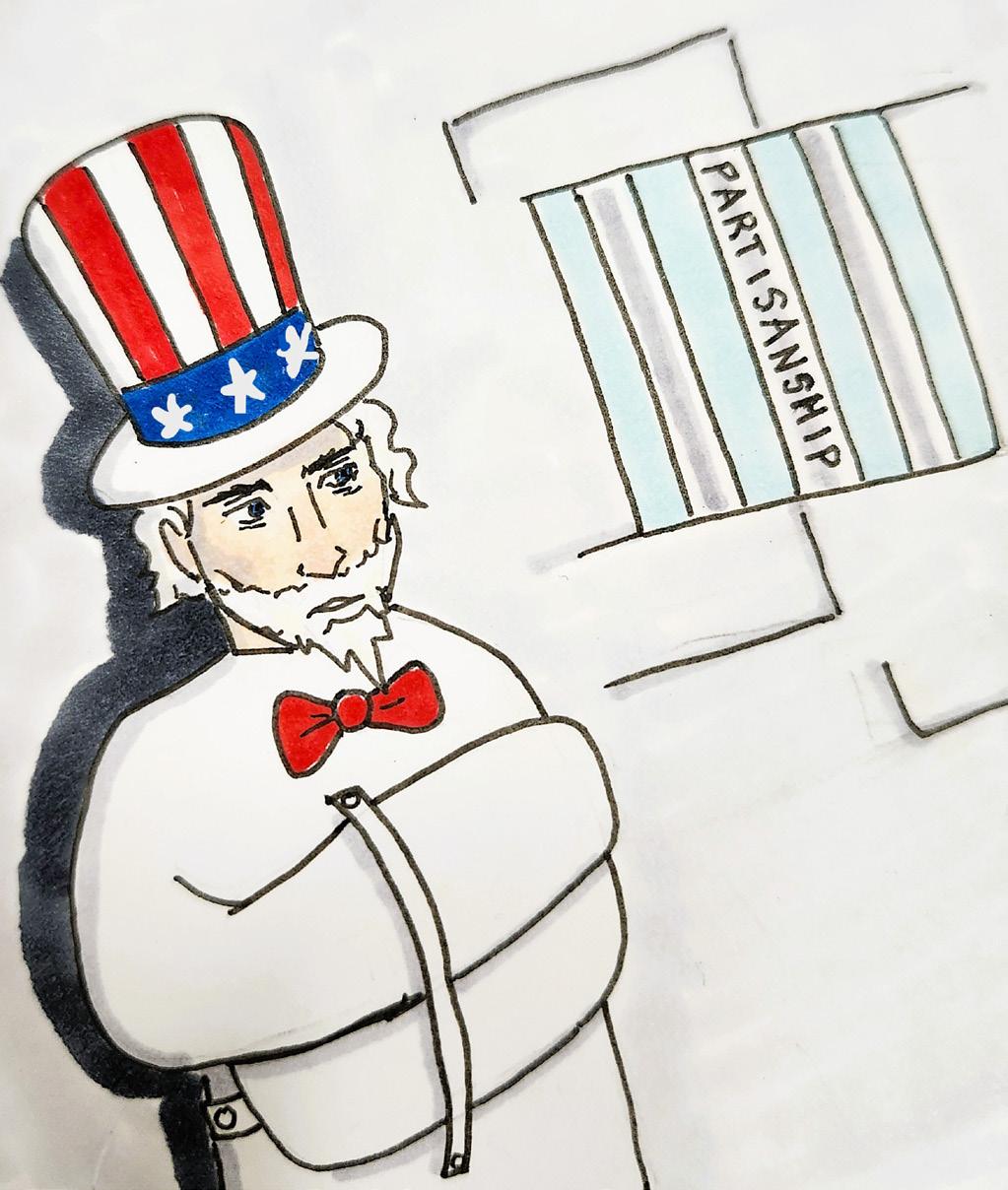
One of the most common political cliches of our era is Trump Derangement Syndrome. It is also one of the most revealing — but not in ways its users might espouse.
For those who are unaware, the term Trump Derangement Syndrome is a way for the president’s supporters to dismiss criticism of him. It is derived from the term Bush Derangement Syndrome, which conservatives similarly used to disparage critics of George W. Bush as irrational. TDS is a far more prominent part of our outrage-driven, trolling-based political culture than BDS ever was in the aughts; however, Republicans in Minnesota even attempted to declare TDS a recognized mental illness.
Ignoring the fact that declar-
ing opposition to rulers a psychiatric problem was a Soviet tactic to delegitimize critiques of communism and something we should be uncomfortable employing in a free society, this insult is one I have always found fascinating as I think it might come close to revealing something true about modern political discourse. However, those most eager to throw the term around fail to recognize something critical: they too have been afflicted by TDS. In fact, when properly understood, TDS is a condition with which large swathes of the American body politic are afflicted. There are absolutely some liberals whose disdain for Trump has led them down wild rabbit holes.
“BlueAnon” conspiracy theories about Trump have not received
the same attention as right-wing ones, but they can often mirror each other eerily well — conspiracy theories that the 2024 election was stolen serve as a good example. Much like 2020 election deniers, proponents of these theories cannot accept that their political preferences are not the same as all American voters, and they are engaged in an enterprise of contorting reality to make it conform to their narratives, rather than grapple with the fact that their side didn’t win the election.
However, some of Trump’s supporters have been infected as well. Their eagerness to use the term as a means of delegitimizing criticism of their preferred candidate is actually proof of something wrong.
As Conor Friedersdorf argues in The Atlantic, the fact that Trump causes many American citizens to become unhinged is a mark against his leadership, as real leaders should unite rather than divide. I’d go a step further and say it reveals that some of his supporters have become so obsessive about defending him that they cannot see how the very tactics they use to argue for him actually can be used to argue he is unfit for high office. The namesake of the term “BlueAnon” is another good example of this phenomenon. Core to QAnon was the idea that opposition to Trump was primarily driven by a Satanic deep state involved in an international plot to abuse children — something which is clearly intended to delegitimize opposition to a politician its adherents support. It is also a worldview made slightly risible in face of the current administration’s
initial reluctance to release the Epstein files (which just so happen to contain information which makes Trump and his key associates look bad).
The concept of derangement syndrome ought to just be abandoned as a mental model. As stated earlier, it undermines democratic discourse by making all opposition to a politician appear to be a mental illness, reframing what could be a dialogue between rational individuals into a competition between the clinically insane and the normal. Since our democracy requires that people of opposing viewpoints be able to disagree and discuss issues together productively, the very notion of TDS is actively dangerous to it because it forecloses this recognition.
If TDS will remain part of our national discourse despite its toxic nature, its usage at least needs to be broadened to explain the phenomenon by which Trump’s rise to power has resulted in bipartisan collective insanity. The reality is that his very nature as a brash, petty and narcissistic man of absent moral character has the effect of bringing out the worst in our country when he is allowed to monopolize our political culture, as has been the case for a decade now. Until we grapple with this as a nation, as well as the fact he has been a candidate in three consecutive elections despite it, our country will only continue to grow more polarized. Carson Burch ’27 is consideringagovernmentmajor. Helikesreadingabouthistoricalandcurrentevents,as well as dinosaurs. Contact him at ceburch@wm.edu.
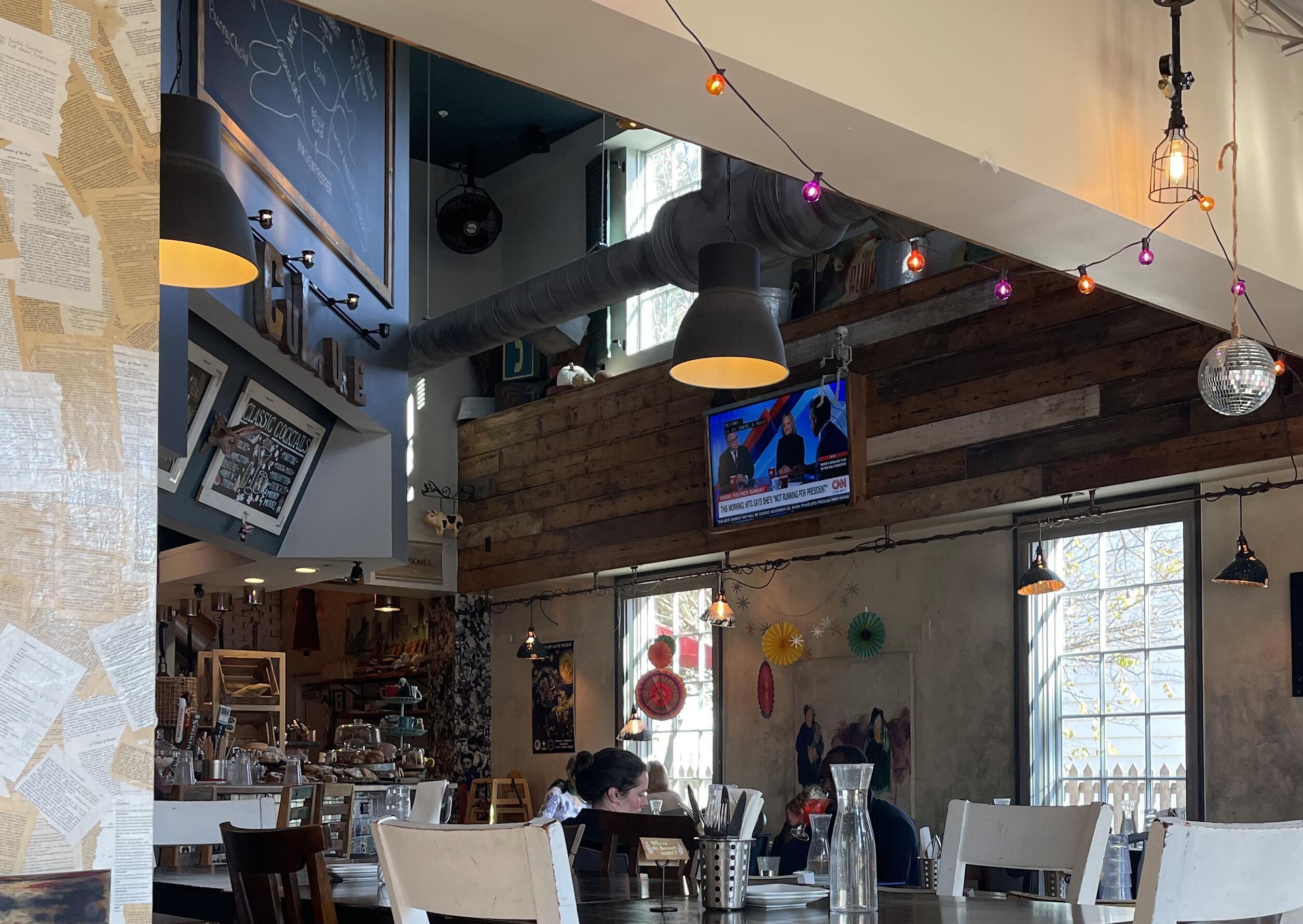
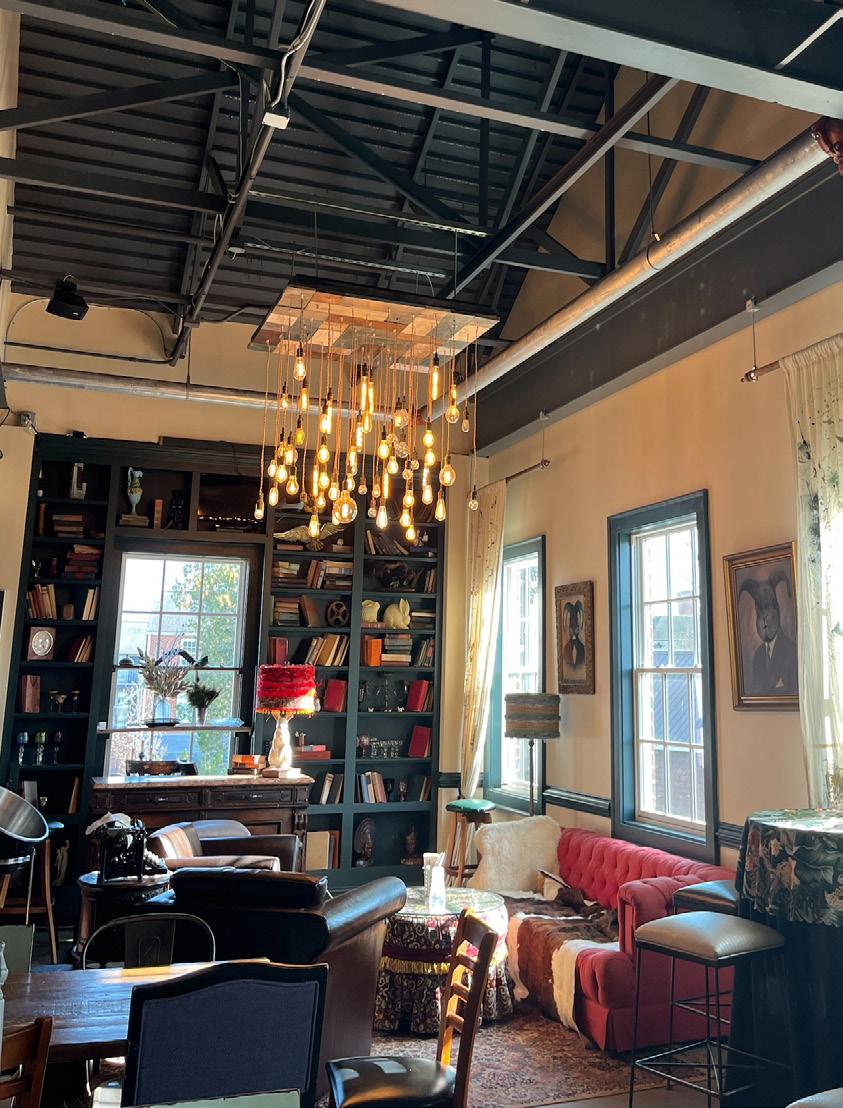
After nearly 10 years of operation in Williamsburg, Va., Culture Cafe announced it would be closing its doors Dec. 21, 2025. It was a sad day for those who loved the socalled “cafe on the corner.”
Located right off Richmond Road and close to popular spots on campus, including the Sadler Center, Wawa and One Tribe Place, Culture Cafe frequently served students from the College of William and Mary and local residents. The cafe provided a welcoming, homey environment for all its patrons.
The restaurant was originally founded by David Everett, a prominent local restaurateur and chef. Everett also owns other popular dining locations in the Williamsburg area, including Blue Talon Bistro and DoG Street Pub.
Louise Wood and Scott Hoyland then assumed ownership and ran the business until its closing last December. The pair took pride in bringing a different vibe to the Williamsburg area. Compared to the cafe’s neighbors, including bars like Brickhouse Tavern and College Delly, Culture Cafe offered an antithetical retro atmosphere, perfect for any chill meal or long study session.
The cafe’s eccentric decorations and friendly staff members ensured that all dining experiences were memorable. With its specific focus on a variety of small,
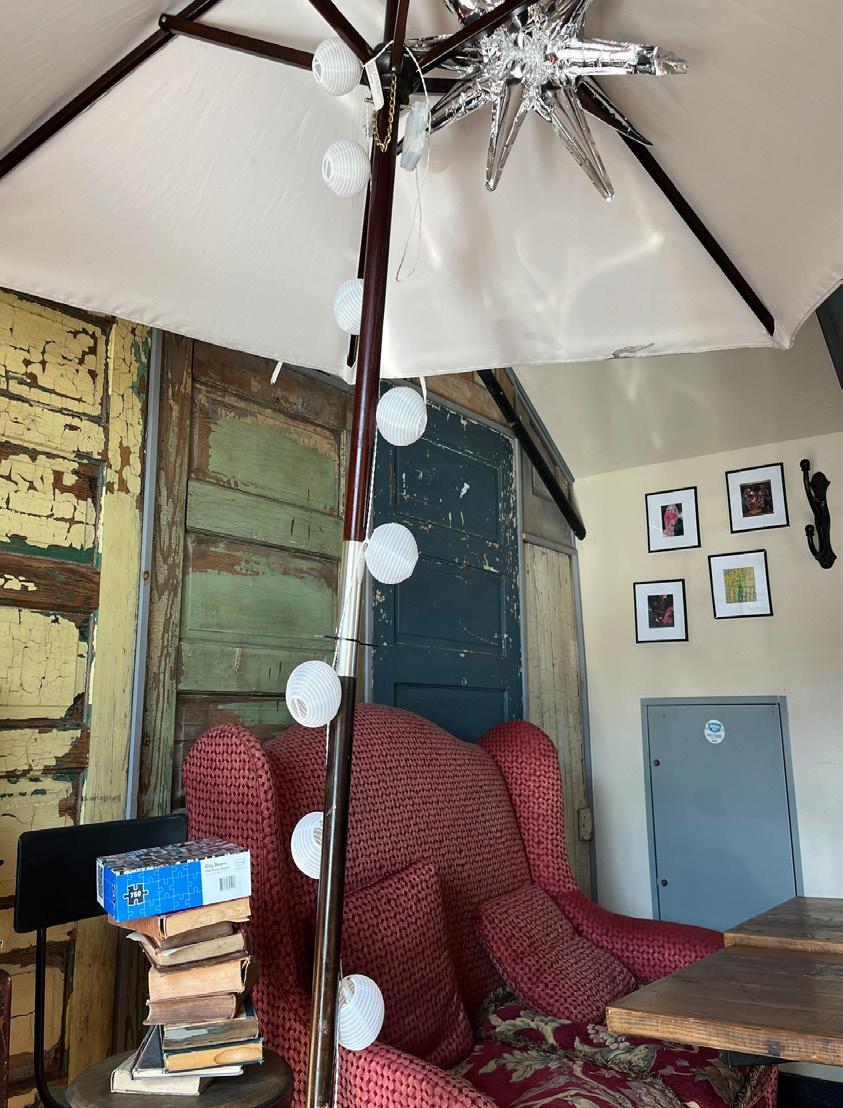
affordable plates, it was easy to try and share a plethora of dishes with friends and family. Whether you were there for breakfast, lunch, dinner or late-night drinks, you could always find something delicious.
Adding to the cafe’s animated aesthetic was the pervasive presence of rabbits throughout the restaurant. Whether you were looking at the front door, the menu or simply any wall of the establishment, you were sure to find one of Culture Cafe’s signature rabbits looking right back at you. Such a fun quirk made the cafe exponentially more vibrant and lively.
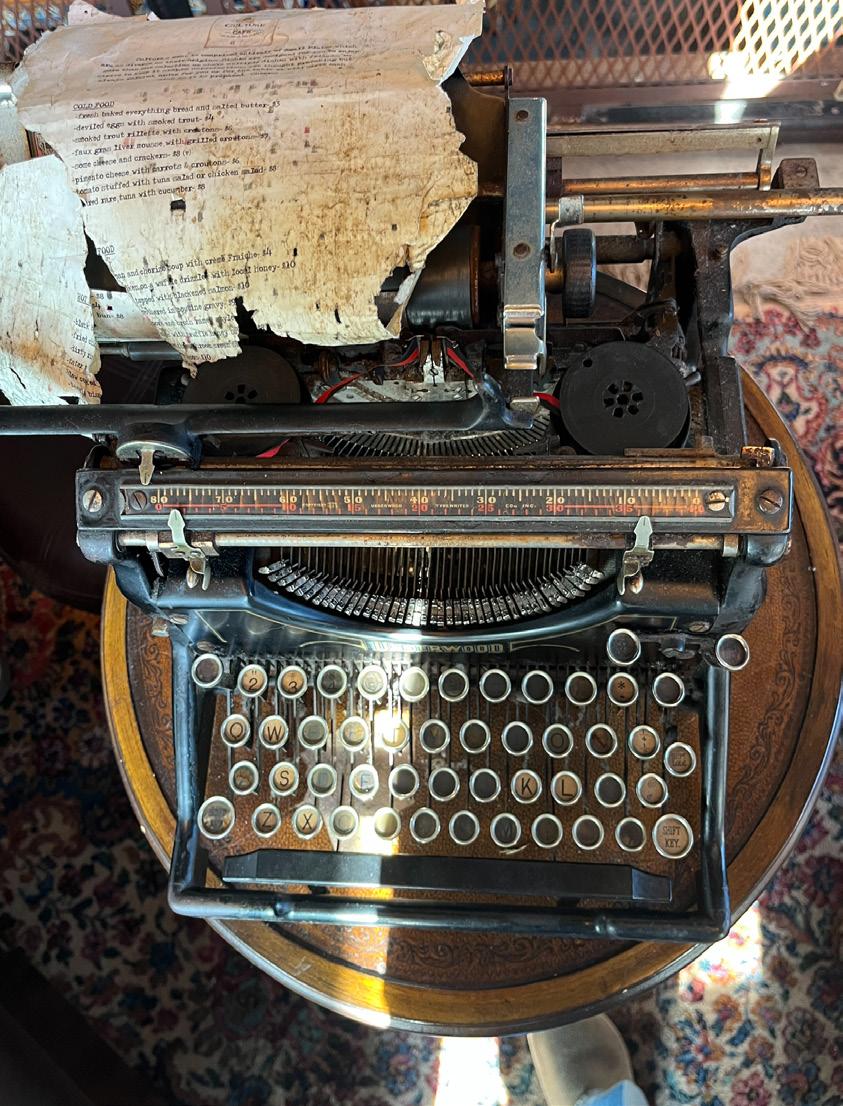
As one last testament to their love for the Williamsburg community, Wood and Hoyland announced on Instagram that they would be selling all of the cafe’s furniture and decorations, even offering customizable pickup times for those who could not make it to the selling event. Everything from tables to books to old-fashioned typewriters and even a barn door was sold, as Wood and Hoyland felt the memories made in the cafe belonged not to them, but to those they served over the years. As a result, the quirky vintage decorations that once adorned the walls of the cafe now reside with Williamsburg residents, helping to keep the restaurant’s legacy of top-tier service and spunky ambience alive.
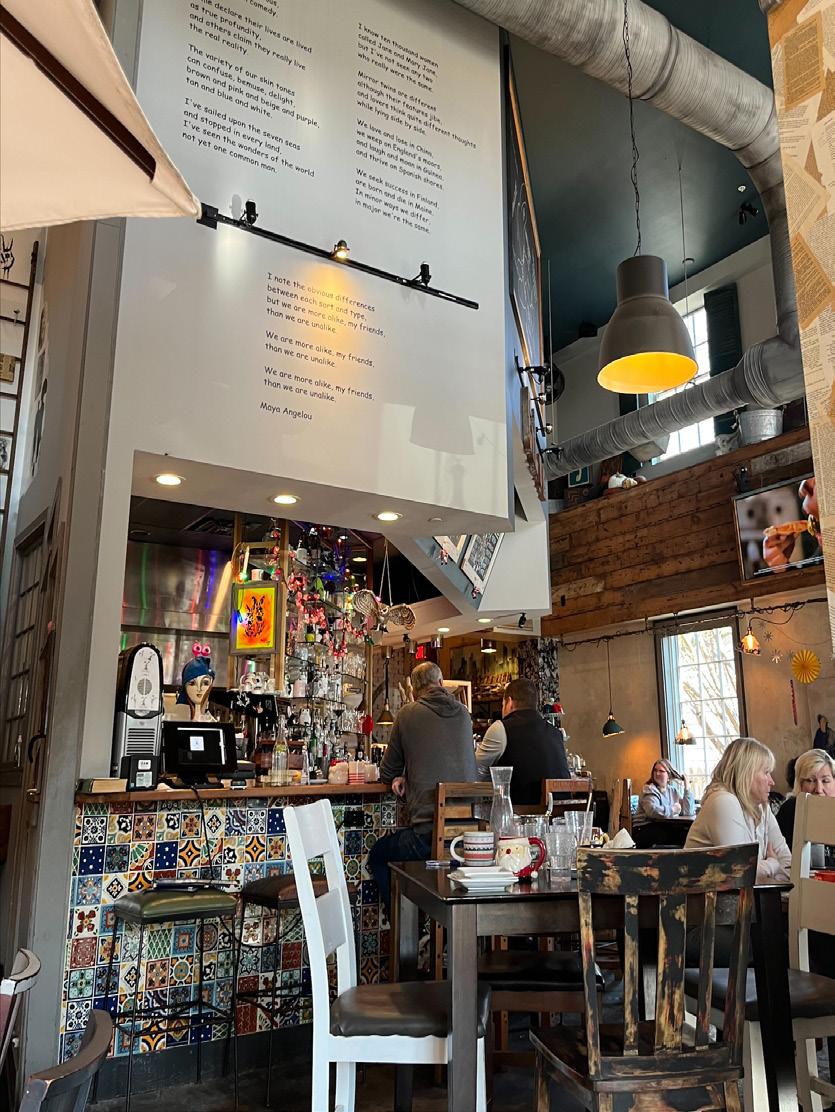
I specifically remember one encounter with co-owner Wood that serves as a testament to the cafe’s values of generosity and inclusion. It was Family Weekend during my freshman year, and I still recall being nervous to leave the confines of my dorm room to explore campus. However, while I was in my room, my parents were dining at Culture Cafe and chatting with Wood. Upon hearing that my parents had a freshman daughter, she immediately offered up the second floor of her restaurant as a study space for me anytime I wished, promising that she would make me feel welcome and comfortable. Wood’s warm personality and inclusive nature persistently radiated throughout the walls of the cafe, spreading to each and every customer. While it is tough to say goodbye to a long-standing Williamsburg classic, our campus is nowhere near short of notable restaurants and coffee shops. Alternatives do exist!
Take Aromas, for example. Located on Prince George Street, with spirited vibes mirroring those of Culture Cafe, the restaurant offers a wide array of drinks, pastries and food. Its coffee, most notably their s’mores latte, never disappoints, and the warm and cozy atmosphere makes it the perfect place to get some work done or catch up with friends. With both indoor and
outdoor seating, Aromas is the perfect spot to stop for a bite, no matter the weather. If you’re in the mood for something a bit more chic and modern, Eleva Coffee Lounge in Merchants Square offers just that. Though smaller than Aromas, the cafe still serves top-tier coffee and pastries, with a rotating but consistently delicious seasonal menu. With fun and comfortable seating and a focus on greenery, Eleva offers a uniquely sophisticated aesthetic, perfect for a more serious occasion.
Last, but certainly not least, there is the more well-known cafe, Illy, located on Duke of Gloucester Street, close to the Sir Christopher Wren Building. Originally founded in Trieste, Italy, in 1933 by Francesco Illy, the cafe emanates a European-style ambience. What’s notable in this cafe is its wide selection of gelato and its delicious traditional Italian dessert, affogato, which includes hot espresso poured over a scoop of vanilla gelato. Offering very refreshing vibes, Illy is the perfect spot to stop on a hot spring or summer day.
So, while parting ways with Culture Cafe remains a difficult task, students at the College and locals can rest assured that Williamsburg remains filled with excellent cafes suitable for a wide array of tastes and preferences.
Oscar-winning Chloé Zhao film captures motherʼs grief, creates Shakespearean historical fantasy

“To be, or not to be?” is the interwoven question of the 2025 film “Hamnet.” Based on Maggie O’Farrell’s 2024 novel of the same title, the film explores the connection between the death of William Shakespeare and Anne/Agnes Hathaway’s son Hamnet and the creation of one of Shakespeare’s most referenced works on grief, “Hamlet.” The film connects viewers on the basis of the shared human experience of grief.
“Hamnet” was released in August of 2025 and received eight Oscar nominations, including Best Picture, Best Production and Best Leading Actress for Irish actress Jessie Buckley’s performance as Shakespeare’s wife, Agnes. Buckley deservedly took home the Oscar Sunday, March 15. As the film’s lingering
forested scenes whisper to audiences worldwide, Hamnet is a quiet, creeping success.
From the nymph-like birth of Shakespeare and Agnes’s first daughter, the screaming bouts of grief in the loss of their son to the emotionally shattering scene with a young player as Hamlet reminding both parents of their child, “Hamnet” is rife with emotionally charged moments ranging from giddy abandon to the darkest bouts of depression.
The pacing of the story, the acting and the lingering videography contribute to the sentimentality and pressure of the film. In its intentional pacing, “Hamnet” sits inside of its viewer, walks around and inquires of them what their beliefs about human emotion
and human existence are. The film opens with the whirlwind romance of Shakespeare and Agnes that resulted in marriage. This beginning leads to the true genesis of the story, when the couple’s twins, Judith and Hamnet, are born. The time after the twins are born is filled with action, excitement and misery as the beginning of life flows by listlessly, with little sense of time’s worth.
With filmmaker Chloé Zhao’s subtle creative style and sweeping scenes, “Hamnet” almost states more with its subtle drags on certain scenes than in the overt script. Such is the case in the motif of the hole in the forest, which separates Agnes from another world that she has no conception of. The hole in the ground of the forest encapsulates the mystery and fear for Agnes in the idea of terrestrial life’s end.
Buckley’s performance as the moral heart of the story, Agnes, added a maternal passion and fire to the role in her expression and movement. Buckley’s cradling posture in the scenes of her Hamnet and Judith battling the Bulbonic plague display a genuine emotional outpouring and Agnes’ steady hand in her children’s pain. Noah Jupe’s performance as The Player who portrayed Hamlet was the standout performance of the final show. The gravity of the moment when he utters the famous enumerations of “Hamlet” at the Globe Theatre, his transcendent gaze while the crowd reaches out to empathize in his pain, is the most gripping scene of the entire movie.
Although it does have many strengths, the film itself typifies the stereotypical romanization of figures in the historical canon. The film is markedly a work of romanticized fantasy, rather than historical reality. Most people probably have little knowledge of the historiography behind the making of Shakespeare’s “Hamlet,” and after watching “Hamnet,” they still don’t. When and what plays Shakespeare wrote based on Hamnet’s death is a topic of extreme contention among scholars of early modern literature. Some suggest that Anne’s grief after losing Hamnet led him to write in the character of the grieving mother in “King John,” some scholars suggest that there was a pointed avoidance of writing about grief during this time and some suggest that Hamlet is directly inspired by Hamnet’s death. The idea presented by the film that Hamnet inspired “Hamlet” constructs a poignant narrative, but this narrative should be viewed with in light of historical skepticism. The vibrantly colored costuming also seconds the idea that the work should be considered as fictional. The film is a historical fantasy, not a historical reality.
As Hamlet says in Shakespeare’s play, “If thou didst ever hold me in thy heart/ Absent thee from felicity awhile/ And in this harsh world draw thy breath in pain/To tell my story.” These words are a theory as to why Shakespeare wrote: he was trying to tell the stories of pain-ridden people.
Zhao’s work revives Hamlet as a work: to live vividly through the costuming of human grime, in scenes of nature and vocal human suffering is a noble thing. The lingering forested scenes, 17th-century costuming and the chemistry of Paul Mescal as Shakespeare, Buckley and Jupe construct “Hamnet” as a timeless piece of film that deserves to be recognized as such.
To watch “Hamnet” is to question human existence. It is with sober lips and Buckley’s struggling smile that Zhao’s film kisses the viewer adieu, holding their hand through whatever they believe about the end of the mortal world.
Spring break offers diverse itineraries for College students
After students spend hours in Earl Gregg Swem Library laboring over their grueling midterms, they look forward to some deserved rest. How they might use the week the College of William and Mary allots for spring break is a topic of debate. Not only what they should do, but the length of the break causes discourse. Is one week enough time to travel abroad? Or is one week too long to be cooped up at home? Spring break also incites questions for students whose home is too far away to go back to. What if students can’t get out of Williamsburg and instead spend their break at the College? How can they take an academic break when they can’t even leave their academic campus? Luckily, there are ways to optimize the week-long spring break: travel, go home or stay in the ’Burg. All three choices have unique ways for students to gain their rest and recharge before classes start up again.
Te frst is travel. Students at the College love to make use of their passports, taking week-long excursions to international destinations, such as Spain, Denmark and France. Students excel at packing their days full of activities while abroad so they can squeeze all the energy they have out of their break. However, there’s no need to get your passport photo redone to travel for spring break. In fact, there are many ways students can take regional, afordable trips during break.
Te frst location that I have seen as a common destination for students is the beach. What’s that famous phrase?
I don’t need to touch grass, I need to touch the water? With Williamsburg in its annual heat wave phase, students can fnd relief from the sun at local-ish beaches. Te frst beach that comes up is Virginia Beach, as it’s only an hour from campus.
Some further options include beaches in North Carolina, our neighbor to the south, like Carolina Beach and Kure Beach. Many students also choose to go even further south to Florida beaches like Cocoa Beach or even Puerto Rico to get their beach fx.
Another popular location among students is national parks. A week break is the perfect amount of time to really enjoy the outdoors and go of the grid without being out of commission for multiple weeks.
Even if you are in Williamsburg over break, you can easily take a day trip to Washington, D.C. Go around the National Mall, visit the Smithsonian museums or explore the diferent neighborhoods of D.C. After being cooped up in study rooms, the Slice or even dorm lounges, the College’s students crave to be outside for break.
But what if you have to go home?
You can still have a restful break! I don’t mean the breaks you have between various doctor’s appointments, but, rather, intentional and fun ways to rest.
Even if your hometown friends are still in school, there are ways to have a break where you don’t feel like you wasted your time.
To get out of my parents’ house, I like to go on a mission in my hometown. One
of my favorites is ‘Independent Book Store Bingo.’ I make a bingo card with all of the bookstores in my area and I try to visit as many as I can until I get a bingo. Tis bingo concept can be applied to an infnite number of subjects. If you’re not into books, maybe try gym bingo or cofee shop bingo. Te opportunities are really endless. While you can go out and do new fun things in your hometown, sleeping in and just taking it easy in your house can be just as valuable as traveling. Break is the time to recharge your battery before you get back into a work grind till fnals, so take your time and let your body rest. Now, what if you are still on campus? You can still get rest on campus. Almost everyone is gone from campus, so the quiet can help you create your own little rest haven on campus. Take the time to explore outside of Colonial Williamsburg. Go into Midtown and New Town and see what you can fnd. Wandering is the best way to discover new hidden gems or familiar favorites. Some highlights of Williamsburg that I found have been Paint on Pottery, Barnes & Noble, Ucartia Creative Studios and Regal New Town. Spring break gives students a midsemester break to recharge for maybe even more midterms or to fnish the semester strong. Whether you spent your break soaking in the sun on a beach, rotting in bed or hanging out in Williamsburg, the rest allows for students to start classes again refreshed and invigorated for the rest of the semester.

throw line.
Friday, March 13, William and Mary women’s basketball’s (17-14, 9-9 CAA) dream of consecutive NCAA tournament appearances ended in the Coastal Athletic Association tournament quarterfinals. The Tribe fell 58-55 to No. 1 seed Charleston (27-5, 16-2 CAA) at CareFirst Arena in Washington, D.C.
Entering the tournament in the second round, just as they did in 2025 when the team managed four wins in four days to qualify for the NCAA tournament, the Tribe first defeated No. 9 seed North Carolina A&T (12-18, 7-11 CAA).
In the only regular season meeting between the teams, which resulted in a 60-49 William and Mary victory Jan. 2 at Kaplan Arena in Williamsburg, Va., the Tribe forced 18 N.C. A&T turnovers while shooting 40% from behind the paint.
While the Tribe’s three-point shooting from January’s game did not carry over to Thursday afternoon, its defense undoubtedly did.
In the first quarter alone, the Tribe forced eight N.C. A&T turnovers — allowing the Green and Gold to attempt 11 more shots in the first period. Junior guard Cassidy Geddes built on her 22-point performance in the regular season finale against Hampton (10-21, 4-14 CAA), scoring five points and contributing two assists.
The Tribe’s ability to turn the Aggies’ turnovers into points on the other end was key to its 29-18 halftime advantage.
Despite shooting only 39% from the field and 21% from behind the paint, the Tribe outscored the Aggies 10-2 on points off turnovers.
“Defense starts everything. When we defend, we score really well,” head coach Erin Dickerson Davis said.
The second half played out differently, however, as N.C. A&T built offensive momentum. Despite only shooting 3-16 from the field in the third quarter, the Aggies shot 8-10 from the free-
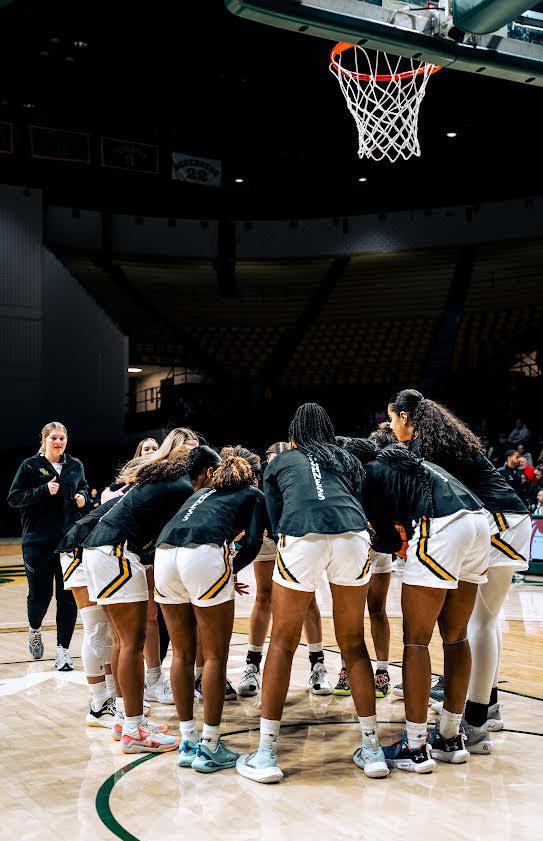
The Aggies also shifted the battle on the glass, grabbing seven offensive rebounds in the third quarter alone, which turned into eight secondchance points.
-Erin Dickerson Davis “ ”
We were resilient against a really good, ranked midmajor team.
Even with N.C. A&T raising its level in the third quarter, the Tribe maintained its double-digit lead behind crucial contributions from senior guard Alexa Mikeska and junior center Tika Sallman.
The game completely shifted in the fourth quarter, as the Aggies launched a last-ditch comeback to try and save their season.
“They are going at a different speed,” Dickerson Davis said. “We are trying to use [the] clock, and they are trying to speed us up.”
After making only two three-pointers throughout the first three quarters, the Aggies hit four in the fourth quarter alone, led by freshman guard Crystal Hardy. Hardy scored nine points in the final period.
With 1 minute, 15 seconds remaining, the Aggies cut the Tribe’s lead to one point, setting up a photo finish.
The Tribe responded with a basket from sophomore forward Marley Long and a pair of free throws from Geddes, extending the lead to 60-55.
“Being able to withstand runs in March and being able to make big plays is what it is all about,” Dickerson Davis said.
The win versus N.C. A&T set up a Friday afternoon date with CAA No. 1 seed Charleston. Just two weeks before on Feb. 27, the Tribe lost to the Cougars 70-48 at TD Arena in Charleston, S.C.
Even with that outcome in mind, Dickerson Davis saw the recent meeting as an advantage for her team.
“We have played them twice,” Dickerson Davis said. “We know what they do, they have the [CAA] player of the year, they have first team all-conference players.”
William and Mary started strong, with Long and Sallman attacking Charleston in the paint. The Tribe front-court duo scored nine of the Tribe’s 15 firstquarter points, giving the team a narrow advantage entering the second quarter.
However, the Tribe’s ability to force turnovers and convert them into easy baskets on the offensive end soon flipped.
In the first half, Charleston forced nine Tribe turnovers. Additionally, Charleston junior guard and 202425 and 2025-26 CAA Player of the Year Taryn Barbot challenged the Tribe in the first half, recording 10 points.
While Charleston’s strong third-quarter performance troubled the Tribe in the teams’ previous matchup, William and Mary avoided such a fate this time around.
Geddes, who scored 11 points and knocked down three three-pointers in the third quarter alone, was the main protagonist for the Tribe.
The Tribe also slowed down Barbot offensively, holding her to only two points in the quarter on 1-7 shooting.
“We know she is a main character. We were keeping pressure on her, making her take contested shots,” Mikeska said about her team’s plan to limit Barbot.
Heading into the fourth quarter, the Tribe held a one-point lead and the chance to knock off the CAA No. 1 seed for the second consecutive season. However, the former CAA champions lost steam.
After shooting 52.5% from the field in the first three quarters of the game, the William and Mary offense grinded to a halt.
Two separate scoring droughts hurt Dickerson Davis’ team, during one of which a 7-0 Charleston run turned a four-point Tribe lead into a threepoint deficit.
“I think we had some tired legs, we missed some wide-open shots that we make every day,” Dickerson Davis said. “Honestly, I think that was just fatigue.”
Additionally, Charleston brought down nine offensive rebounds, allowing the Cougars to survive another poor shooting quarter from Barbot.
Down 58-55 with 14 seconds remaining, the Tribe had one last chance to force overtime and keep its season alive.
The Tribe, however, never managed a final attempt, bringing its season to a close.
Despite the loss, Dickerson Davis praised her team. “We were resilient against a really good, ranked mid-major team,” she said.
Dickerson Davis also honored the contributions of Mikeska, who recorded five points and seven assists during her final game with William and Mary.
“We would not be here without her, and [I] am very lucky to have coached her,” Dickerson Davis said.
Looking ahead to the offseason and the 2026-27 season, Dickerson Davis remains confident.
“I hope that I can retain my team because then, we will be the same team coming back next year, but better,” she said.
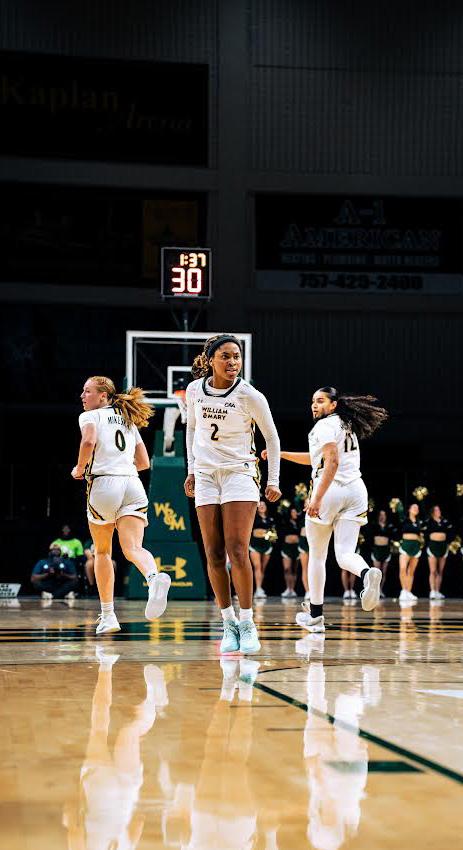
Sunday, March 8, William and Mary men’s basketball’s (20-12, 10-8 CAA) Coastal Athletic Association tournament run came to an end after falling in the quarterfinals to Hofstra (24-10, 12-6 CAA) 92-61 at CareFirst Arena in Washington, D.C.
The Tribe kicked off the CAA tournament in the second round as the No. 6 seed with a 72-62 victory against No. 11 Elon (14-18, 6-12 CAA) Saturday, March 7.
The team set the tone early in the game with its defense, recording seven steals and five blocks in the first half.
The Tribe turned those seven steals into easy baskets on the other end, scoring 12 points off the fast break in the first half.
In the teams’ two previous meetings, the Tribe recorded a negative turnover differential.
For William and Mary head coach Brian Earl, the fix was simple.
“At times when we ask, ‘Coach, what are we supposed to do on defense?’ we are trying to get very technical, and he just tells us to play harder, and that’s often the solution,” junior forward Tunde Vahlberg Fasasi said. “I think when we play hard, and we press up full-court, it is tough to play against us.”
The Tribe attacked Elon on the half-court relentlessly. William and Mary scored 16 of its 35 first-half points in the paint. The
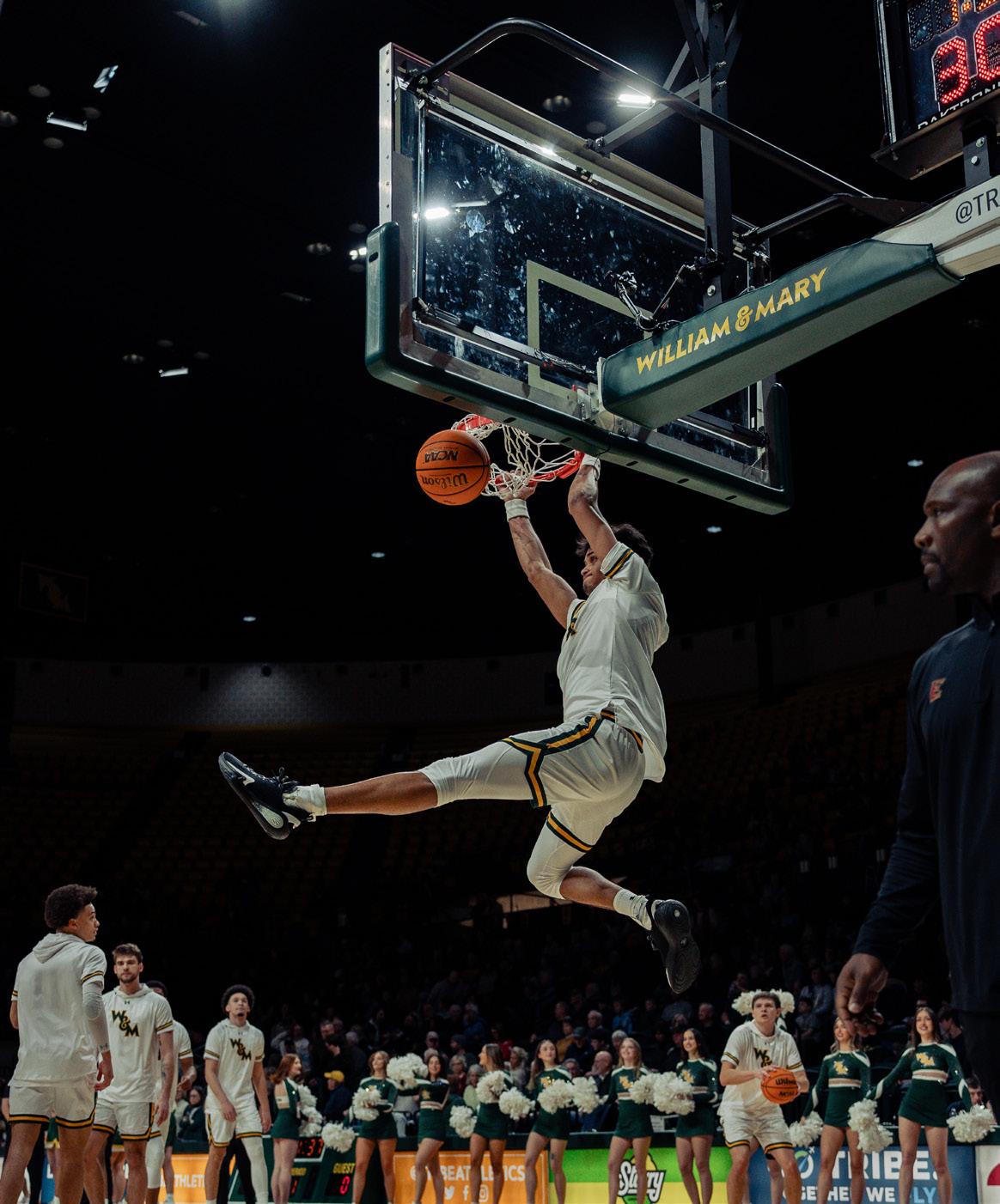
Green and Gold also earned 16 free-throw attempts compared to Elon’s 10.
Fasasi scored the first nine points for William and Mary, matching his career-high and leading the Tribe with 25 points on 8-11 shooting from the field. Fasasi also recorded his seasonbest performance from the three, making five at a whopping 71.4% clip.
Both teams had extensive scoring runs in the first half. A 9-0 run extended the Tribe’s lead into double figures as senior guard Kyle Pulliam pushed the margin to 20-8 at the 9-minute mark. However, Elon responded to the Tribe’s 26-13 lead with a 13-2 run of its own, fueled by redshirt sophomore guard Ned Hull.
Despite Elon’s physicality and strong coaching, the Tribe played to its opponent’s strengths offensively. Junior guard Reese Miller recorded 13 points and four assists off the bench, and senior guard Chase Lowe snagged a career-high four steals and four assists. Lowe also posted 10 rebounds and eight points for the Tribe.
Entering the second half, Elon graduate student forward Kacper Klaczek went head-to-head with Fasasi, narrowing the deficit to 38-36. However, the Tribe responded with a 7-0 run, extending its lead to double digits. Fasasi connected his career-high fifth threepointer of the night before Miller followed with a layup, pushing the score to 54-44.
The Tribe’s offense extended its advantage at the free-throw line, hitting 10-12 in the final stretch of the game.
“There [were] a lot of nerves associated with this game,” Earl said. “They are so well coached, so well prepared, and I am proud we hung on for dear life out there, made a few shots, and that’s what made the difference between this game and our last.”
Both Earl and Fasasi said there was added motivation of avenging their two regular-season losses to Elon.
“I think everyone on the team felt like we owed them one, and we went out there, and we showed them who we are,” Fasasi said.
The Tribe looked to secure its second victory of the tournament against No. 3 Hofstra, whom the Green and Gold defeated 89-82 Saturday, Jan. 26 at Kaplan Arena in Williamsburg, Va.
In the regular season win, the Tribe succeeded largely by limiting the impact of junior guard and 2025-26 CAA Player of the Year Cruz Davis.
This time around, however, Davis scored 30 points, going 9-15 from the field and 5-9 from outside the paint.
Besides Davis, graduate student guard German Plotnikov, who missed the regular season matchup, troubled the Tribe with 17 points.
“Hofstra has two guards who pose a significant challenge,” Earl said. “They are well-coached and represent a strong program.”
The Pride started the matchup firing on all cylinders, shooting 10-19 and securing a 50-33 lead at the end of the half.
Despite Hofstra’s dominance, Fasasi continued his strong play from the previous night, scoring eight points and hitting two three-pointers.
Although Hofstra’s three-point shooting cooled down, the Tribe failed to cut the lead, largely due to its poor shooting performance. In the second half, the Tribe shot just 5-24 from the field and 1-12
from outside the paint.
Graduate student forward Jo’el Emanuel led the Tribe in scoring in the second half, racking up 13 points. Unable to apply any pressure to Hofstra, however, the Tribe exited the CAA tournament with a 92-61 loss.
Despite the difficult end to the season, Fasasi expressed gratitude for fans’ steadfast support.
“We had a lot of people come out, that was fun, and that gave us a boost before the games,” Fasasi said.
Earl echoed this sentiment.
“William and Mary is a premier academic institution in the world, and what I’ve experienced in my history is that people have a loyalty to a brand like that,” he said. “I’m not sure I know everybody who is here, because they are coming from all over the place to support our institution, but when you see people up there bleeding the green and gold, it goes to show you what it’s all about.”
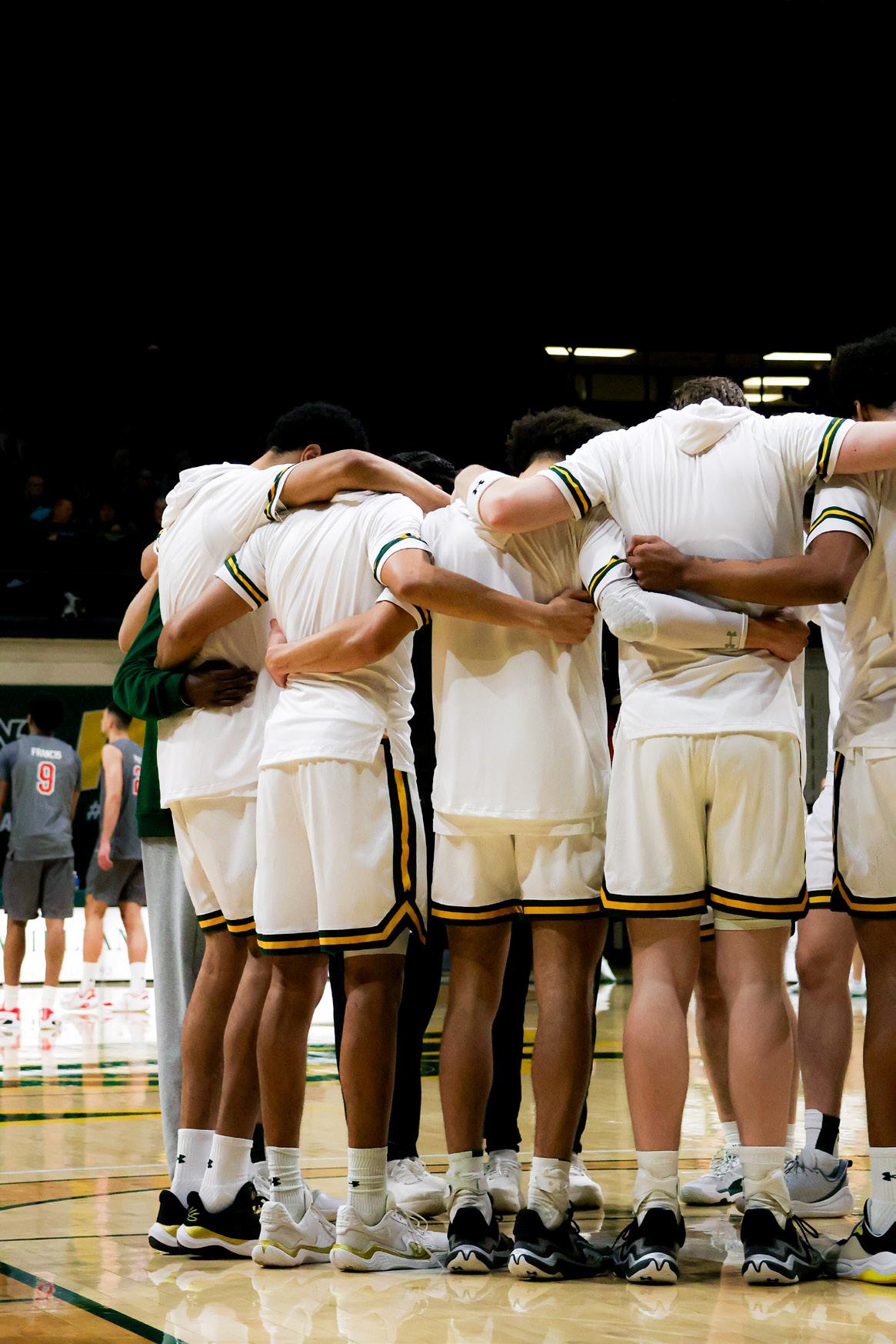
36,000-square-foot
While the 36,000-square-foot facility marks a significant step forward for the College, the project challenged the school to weigh academics and athletics.
“When you recruit the type of student-athletes we recruit, they demand it because they want to be great,” Mann said.
When it comes to Mann’s broader vision for improvements, completing a project of this scale has not dimmed his ambition.
After years of deliberation, planning and construction, the Mackesy Sports Performance Center has finally opened its doors in Williamsburg, Va. for the College of William and Mary’s 500 student-athletes and 21 Division I sports teams.
University leadership and alumni made the project possible.
“It was a vision of three families — Katie [’95] and Todd [’96] Boehly, Jen Mackesy [’91] and then Jim [’57] and Jane [’56] Kaplan — but it was a partnership with President Rowe and university leadership,” Director of Athletics Brian Mann said.
“We are trying to educate our student-athletes, graduate them, help them go on and live lives of impact, but we also want to be great at Division I athletics, too,” Mann said.
However, it was not just prominent voices in the College’s community who made the center a reality.
Mann stressed student-athletes’ contributions to the Tribe athletics community.
“I feel that we are now better matching the commitment that our student athletes make to us, that they make to William and Mary,” Mann said. “This is about, ‘What does our individual student-athlete need to be their very best?’”
The planning process for the Mackesy Center, which began before Mann started as director of athletics in 2021, took on many forms. The final renovations and construction feature a strength training center, sports medicine suite and practice court for basketball and volleyball. However, these were not all part of the original vision.
“Some of the original plans for the project were pre-COVID,” Mann said. “Post-COVID, we shifted a bit. We decided to take some of the original focus on the larger building and fan experience but channel more of it towards our student-athletes.”
While the new facility prioritizes current student-athletes, Mann hopes it will signal the College’s broader commitment to valuing and respecting athletics.
“I think it is impossible to walk through that space and to think anything other than athletics matters at William and Mary,” Mann said. “From a recruiting standpoint, that message should come across now in a crystal-clear way.”
Mann said the holistic nature of the Mackesy Center — which also includes areas for counseling and an academic lounge, alongside academic support services staff — was intentional.
Mann added that the facility’s academic lounge was a particularly popular request among student-athletes.
The timing of the center’s opening also works in the College’s favor. With the name, image and likeness fervor, many athletics departments find themselves spending less on traditional projects.
“It used to be every six months somebody was opening up something else, and people are not doing that right now because they are pushing their funds in different directions,” Mann said.
“I think that not only does this put us in an incredibly competitive position, [but] I think it is going to keep us there, and for the longest time, that was not a space we occupied.”
“We need to think back about turning to Kaplan Arena to try and deliver on some of those promises we made about fan experience [so] that we are doing more to drive more people into our space to create more revenue opportunities we can pour back into support for our studentathletes,” Mann said.
With rapid changes in college athletics, the challenge remains adapting to new realities while preserving William and Mary-specific touches.
“What is most important to me is to find the William and Mary answer to the question — the right one for us, not just because some other school is doing it that way,” Mann said.