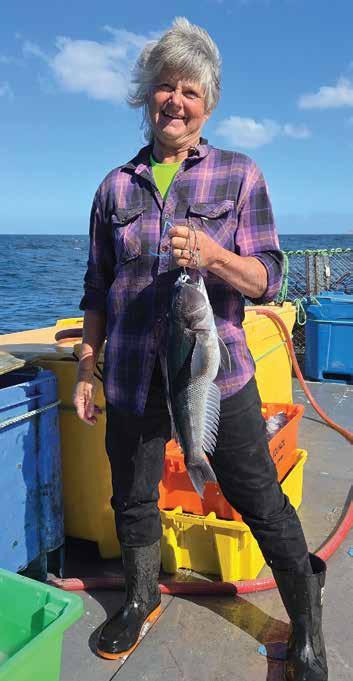
Is that Kim catching a fish? surely not!
• So what is the best way to manage fisheries? - pg 4, 5 and 12 • Norm turns to social media - pg 11 • Bow Hunting adventures - pg 6 and 13
Is that Kim catching a fish? surely not!
• So what is the best way to manage fisheries? - pg 4, 5 and 12 • Norm turns to social media - pg 11 • Bow Hunting adventures - pg 6 and 13
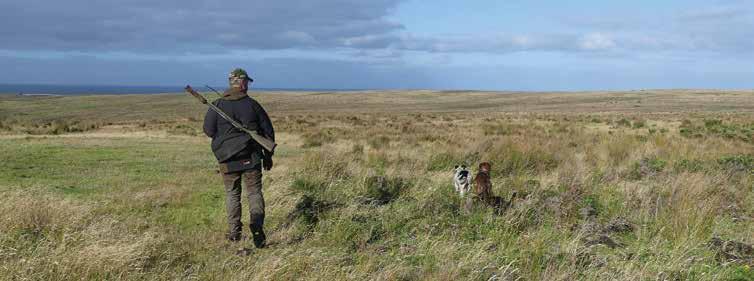
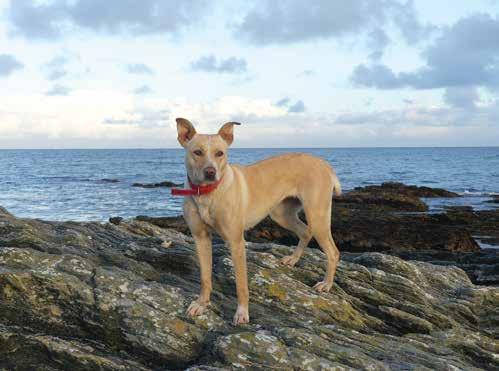
Little orange Pip has an obsession for the rabbits which frisk on the centreline of our backcountry thoroughfare. I don’t have to gaze at a crystal ball to foresee her future. Eventually she will fall victim to a speeding logging truck and end her days as road pizza. Prevention is easier than cure. I seek a bunny-free rehome on her behalf and there’s o ers aplenty to consider.
One of those o ers is as a pro pig hunter’s work-dog on Chatham Island.
Hmmm, a cheeky person might suggest an escort to ensure their dog travels safely and that the new operator gets a demonstration before the test drive. I can do cheeky.
A fortnight later, and after many a delay, Pip and I are boarding an Air Chathams flight out of Christchurch. We emerge from the plane into a cold, wet moonlit midnight.
Wild weather had lashed the mainland; the torrential rains and southerly gales followed us across the South Pacific Ocean to the outer isles too.
My host utilises the resulting downtime to personalise an Island tour. History is so close here. I see it. I sense it.
The sheltered Kopi tree groves and rakau momori drag up strong emotions. The old Sunderland Flying Boat at Kaiwhata is a marvel. Occasional small gardens of heritage plants cling tenaciously, glimpses of colour are proof that a pioneer woman’s care was not in vain.
The landscape is vast, flat and constantly accosted by wind and weather. Huge peat swamps are drained by creeks which flow as dark and acidic as the strongest billy tea. It’s one of these bottomless bogs which puts paid to our first pig hunt. The SUV bellied - a long walk home. Such is island life.
Out west, where I stay, the
Kim Swan
coastline is fringed white with layered breakers. The coarse sand beaches are littered with seaweed and seashells, storm battered ropes and buoys – it’s a beachcomber’s paradise.
Beyond the shore the sea is rich with life - rockpools dotted with paua - cray pots and cod pots harvesting bounty - cruising sharks - and fine fat fish which readily take a baited hook.
Also out west, the coast-dwelling birds invite scrutiny – rare plant species are many and varied - rocks, bones and fossils are scattered through the dunes. Many of the semi-feral cattle are snapshots of genetics from generations past – every size, type and colour on show. Young bulls proliferate and they too keep my shutter finger firmly atop my Lumix. Wild pigs, like the cattle, are multihued and abundant. Pip is in her element here and in short time has joined her new teammates in finding more than one or two! Time flies. As I must too. One last beach walk with Pip. Her abode on the wild west coast has her approval and acceptance. Immune to my sadness she investigates the o shore breeze, nose busy. Given the word she’d be gone without a backwards glance, piggin’ her priority.
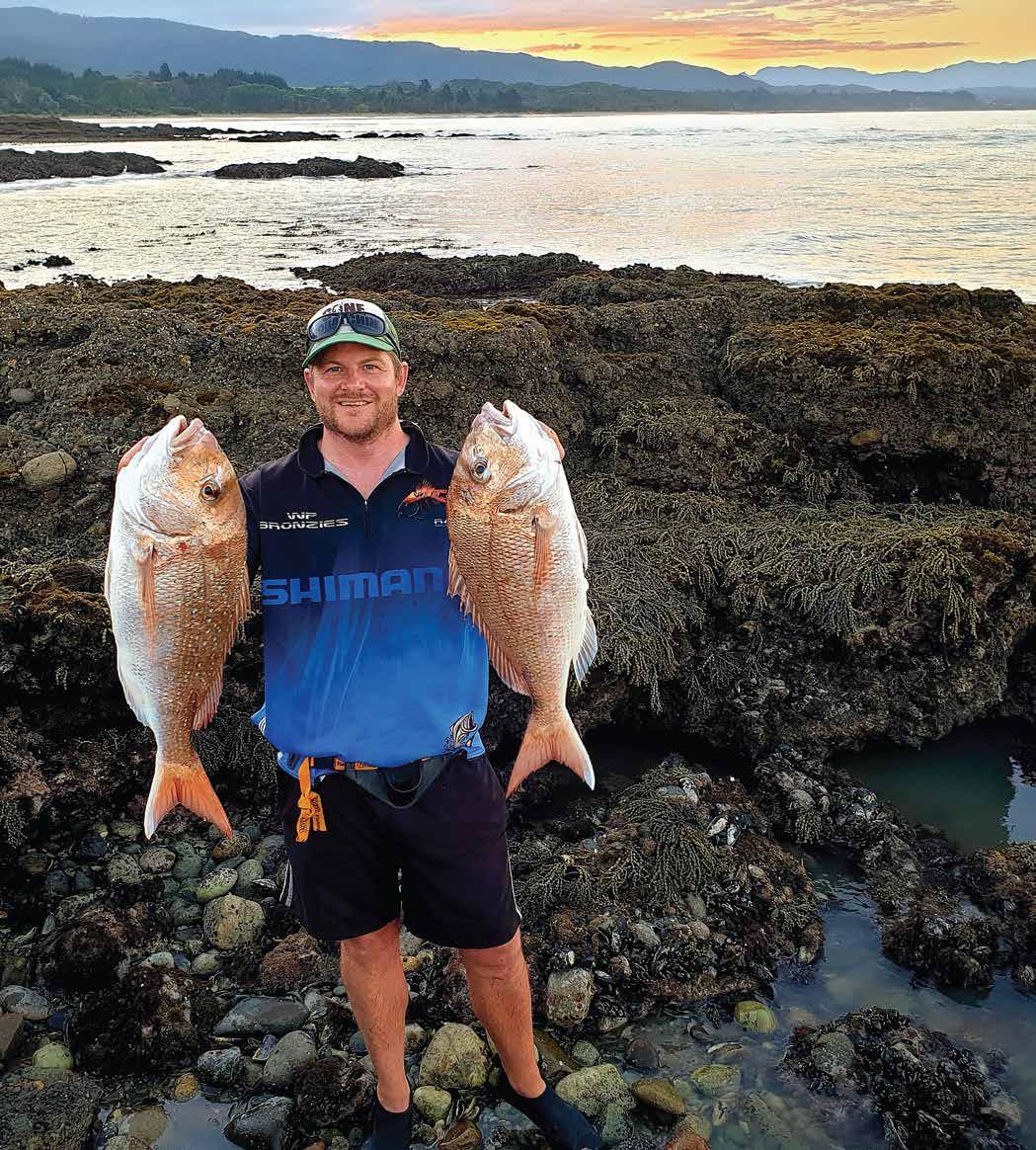
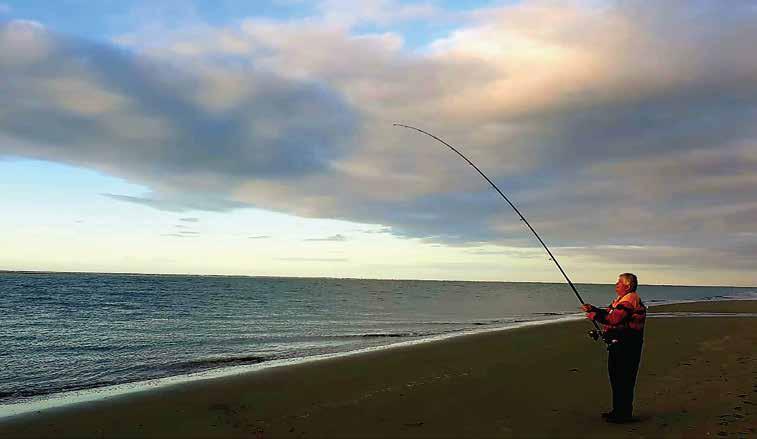
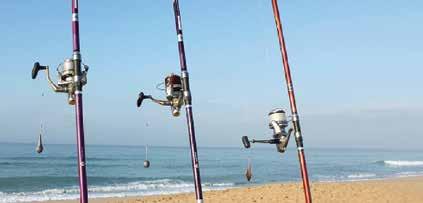
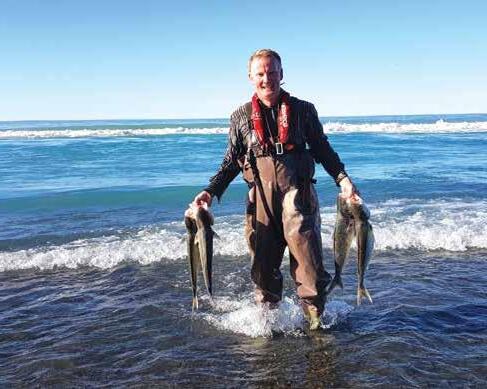
In the Nelson region, we’ve got some great surfcasting options on our doorstep, and the quality of the fishery seems to be getting better each season. A quick evening session after work doesn’t get much easier or scenic than a trip to the Tahunanui back beach. Without many waves and not needing a long cast to get to the channel, it’s a great place to learn about surfcasting or to get the family and kids into the action.
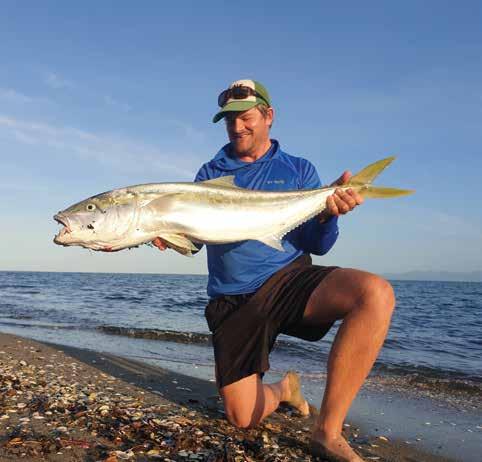
Just before Christmas, the Dawnbreakers Fishing Club had a get together at Back beach, encouraging members to try surfcasting, and it didn’t disappoint. Species landed on the day included snapper, kahawai, trevally, rig and eagle rays. Members have kept going back since with reports of decent size snapper, kahawai and rig being common with the odd kingfish thrown in the mix as well.
Other good spots to try close to Nelson include the wharves along Rocks road, the end of Akersten Street, Rabbit Island, the Mapua rock wall, anywhere along the Ruby Bay and Kina coastline and anywhere in the vicinity of river mouths generally hold fish as well. Tides have a big influence on the productivity of shore fishing spots. Look to fish accessible channels and deeper holes on a low tide, the fish will come into sandy areas and estuaries on the high tide to
feed if conditions are right. You could target the edge of channels or shellfish beds on the high tides. Before and after sunset are always best when surfcasting, so if you can get your choice of tide aligning with low light, you could be in for a good bite!
There are loads of di erent rigs and traces you could use for surfcasting. My go to for fishing
Gareth Nicholson
essential. If targeting rig, or trying to avoid the rays, banana prawn is a great bait option. Otherwise, you can’t go wrong with good fish baits like kahawai, trevally and pilchard, the fresher the better.
Next time the weather forecast isn’t looking too great for getting out on the boat, you feel like making the most of the long days after work, or

getting the kids out for some fun, head down to the beach and give surfcasting a crack.
Make sure to pop into Hunting and Fishing Nelson for a chat with the team – they know their stu and are sure to point you in the right direction around what gear, baits and rigs are working best and where.
Tight lines!
the sandy areas around Nelson is a sliding rig with a grapnel/ breakaway sinker and a 5/0 circle hook which covers most bases.
For bait, I like to keep things small and neat to allow for longer casts, a well exposed hook and good presentation – bait cotton is

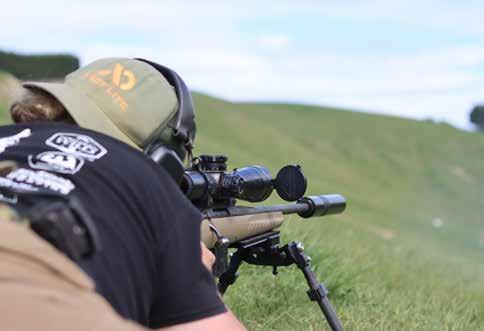
•
(not including 300 PRC or belted magnums).
• 9” in length (230mm), sits 4” forward & 5” back over the barrel (this is a “fixed” length and cannot be changed or added to)
• Weight 360 – 370grams (alu internal muzzlebrake 5-6,000 rnds)
• Colour -
Across New Zealand there is a concerning trend of spatial fishery closures in response to the local depletion of species vulnerable to shore-based harvest. As our population grows and interest in wild foraging increases, formerly abundant coastal species are now experiencing systematic overharvest. While pressures are concentrated near major urban centres such as Auckland, similar patterns are increasingly evident along remote coastlines. These species and the ecosystems that support them are usually highly important to local communities and customary fisheries.
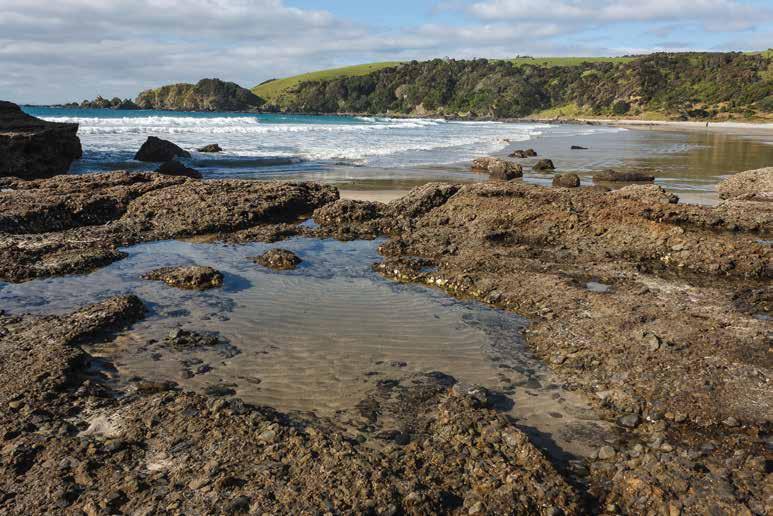
Some increasingly harvested species have not normally been part of the typical recreational catch. Cat’s eyes, limpets, and similar intertidal species have become common targets, and because they are small and were once abundant, their ecological importance is often overlooked. The lack of species specific bag limits for many of these taxa contributes to overharvest, as fishers may not realise that they fall under the combined daily limit of 50 for all unlisted shellfish (e.g. crabs, cat’s eyes, cook’s turban, limpets, periwinkles, starfish). Even when limits are followed, the ease of access and the sheer number of harvesters visiting some sites on every low tide have driven localised collapses. In several locations, rock pools that were once rich with life have been stripped bare, leaving only barren reef.
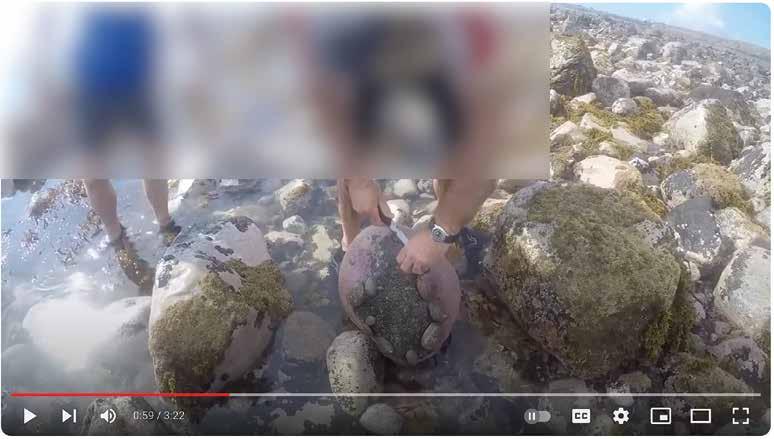
Another concerning consequence of this harvesting is the damage it can cause to critical habitats that support key life cycle stages of species such as pāua. For example, juvenile pāua (up to ~80 mm) occupy the undersides of boulders in shallow water. Wading harvesters that turn over boulders in search of shellfish can disturb sensitive habitats and cause juvenile pāua mortality, potentially a ecting population resilience and recruitment.
The pathway to closures
The high importance of these fisheries to tangata whenua underpins the most common mechanism for temporary closures, which is under sections 186A and 186B of the Fisheries Act.
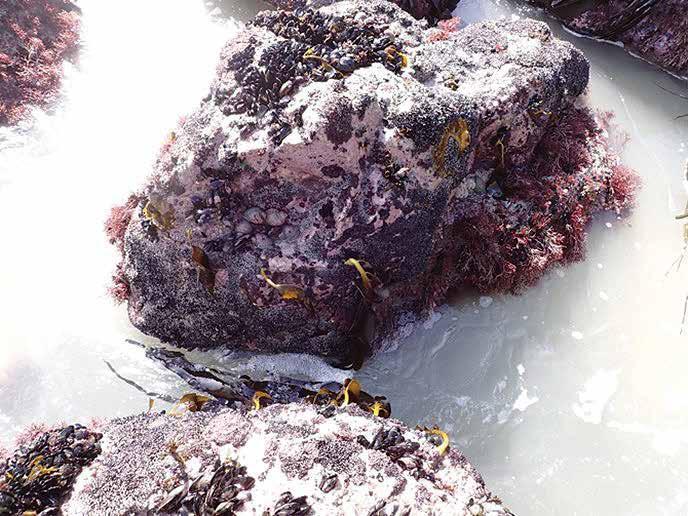
Section 186A (North Island) enables the Minister to impose closures, method restrictions, or species specific prohibitions to support tangata whenua in improving the size and abundance of fisheries resources or recognising customary practices. Section 186B provides similar powers for South Island fisheries
Several recently implemented or extended section 186 closures from the past two years are listed in the table on the following page, and there is usually a steady stream of new applications responding to emerging areas of concern. Although each closure responds to specific local concerns and species, they have all been implemented due to localised
recreational overharvesting of easily accessible inshore species. Of particular note is the recent high profile application by Ngāti Manuhiri who sought a prohibition on harvesting all invertebrate and seaweed species from the intertidal zone to one metre depth along Auckland’s east coast, including the Hauraki Gulf Islands within the Rodney and Hibiscus Coast boundaries. This area includes the Whangaparāoa Peninsula, where both local communities and iwi have expressed growing alarm at the ongoing decimation of intertidal ecosystems. This application was approved by the Minister on the 16th of February and comes into force on the 12th of March.
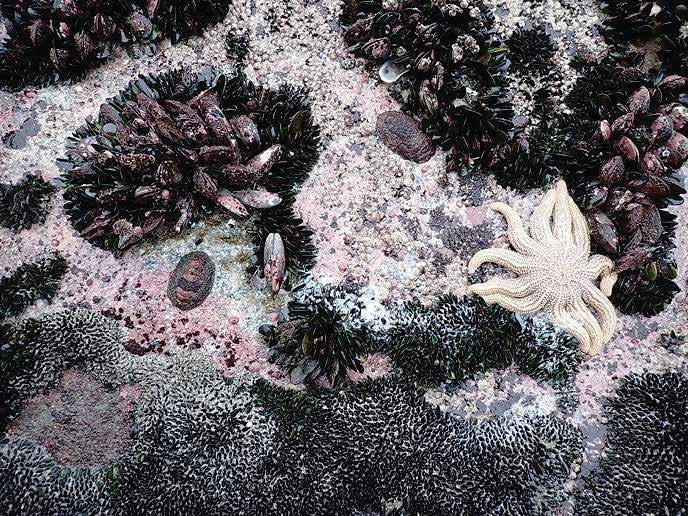
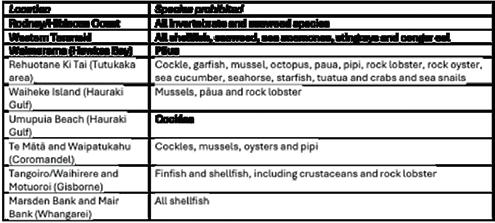
Such fisheries closures are not just localised to the Auckland metro area, but extend to the South Island as well. For example, while not a s186 application, a similar recent example on the South Island, is that Ngāti Wheke (Rāpaki) have recently proposed sweeping fishery regulations to protect declining species in Whakaraupō/Lyttleton Harbour Mātaitai, including protections of previously unlisted shellfish species. The trend seems clear – where urban populations are expanding, local species vulnerable to shore-based harvest are declining.
A common feature of s186 restrictions is that they are almost always repeatedly rolled over for the maximum two year period, often indefinitely. This pattern suggests that the legislated timeframe is too short, in biological terms, to allow meaningful replenishment of depleted species. It may also indicate that ongoing environmental stressors are constraining natural recovery, even in the absence of fishing pressure. Regardless of the cause, the persistence of these renewals shows that current closure mechanisms are not achieving their intended outcomes. This highlights the need for a fundamental shift in how vulnerable shared fisheries are managed if we are to reverse the growing trend of systematic closures around New Zealand’s coastlines
In many cases, temporary closures are used as a stop gap measure to protect a fishery while longer term management solutions are developed. However, history shows that without strong political will, these solutions are rarely prioritised. Instead, temporary closures are extended year after year, e ectively substituting for
meaningful management action.
The point of this article is not to diminish the importance of the rights or ability of tangata whenua to request closures or restrictions around their fisheries, but to highlight the rapidly increasing number of applications that should be resolved by more appropriate management in the first place.
Displacement of fishing e ort perpetuates the issue
A primary concern with fisheries closures is the displacement of fishing e ort. When an area is closed or restricted, people rarely stop fishing—they simply move to the nearest open location. Without proactive adjustments to management settings in adjacent areas (such as daily bag limits or minimum legal sizes), this displacement inevitably drives further localised depletion and can conceivably set o a cascade of successive closures along the coastline. This pattern is frequently acknowledged in section 186 applications, and in some cases is even cited as a reason for seeking a closure. Such dynamics pose a serious threat to fisheries sustainability and undermine the ability of New Zealanders to access and utilise coastal marine resources.
Concentrating displaced fishing e ort into neighbouring areas can quickly lead to localised depletion of key species, particularly sedentary broadcast spawning taxa such as shellfish, the very species these closures are intended to protect. Because these species move little and rely on dense spawning aggregations for successful fertilisation and population renewal, even modest increases in harvest pressure can have disproportionate impacts. For example, pāua recruitment occurs
over scales of only hundreds of metres, meaning that once a local population is fished below a critical threshold, recovery can be extremely slow or may never occur.
We should also recognise that fishery declines are not driven by fishing pressure alone. There is a growing awareness of the impacts of changing environmental stressors on marine ecosystems and fisheries, especially warming water, marine heatwaves, terrestrially derived sedimentation and the increased frequency of severe storm events. Sedimentation events, for example, can smother habitats, kill invertebrates, and inhibit recruitment, leading to localised population collapse. When closures are implemented, managers may overlook these broader drivers and rely solely on natural recovery under reduced fishing pressure. In many cases, however, active restoration or mitigation of environmental impacts will be required to support meaningful stock rebuilding A way forward to better management
A consistent root cause for s186 closures is unsustainable recreational pressure, resulting from ine ective regulations. While a closure can protect a defined area, the underlying problem is simply shifted elsewhere. Sustainable management of any fishery begins with the collection of basic fishery data, including e ort and catch composition, yet this remains a major gap in New Zealand’s recreational sector. Ultimately, fisheries cannot be managed if we do not know what is being taken. Such data allows managers to set evidencebased limits and respond adaptively. Although implementing nationwide recreational catch reporting is challenging, there are opportunities and precedents for reporting frameworks for vulnerable species within local scale fisheries.
Ultimately, management must constrain recreational catch to sustainable levels, and to do that, we first need to know what the catch actually is. Tools such as bag limits, seasonal closures, and
minimum legal sizes are important, but they are often ine ective on their own, do not cap total harvest, and can be overwhelmed by high fishing pressure. Experience shows that combining these tools, guided by reliable catch estimates, can meaningfully improve sustainability. For example, several years of monitoring showed that recreational pāua catch rates in Kaikōura were highly unsustainable following the five-year earthquake-related closure. In response, the fishery now operates under a reduced daily bag limit of three, an increased minimum legal size of 130 mm, and a four-month open season from May to August. Best available estimates indicate that this combination successfully constrained recreational harvest to within the allocated allowance.
A short term option is to prohibit the harvest of all species without specified daily bag limits. This would support recovery in depleted areas and protect healthy populations from becoming the next targets of displaced fishing e ort, though some sites may still require active restoration and mitigation of environmental stressors. At the same time, existing limits for regulated species such as pāua, mussels, and cockles need to be reconsidered nationwide to reflect population growth and the much higher fishing pressure now compared with when these limits were set in the 1980s.
These would be helpful first steps, but without a fundamental shift in how we manage recreational fishing, with longterm solutions in mind, these issues will only worsen.
In New Zealand, most people can still go to the coast and gather seafood with relatively little e ort, but this privilege is unlikely to last under the current system. We are one of the few developed countries where recreational fishing operates with no licensing or reporting requirements, e ectively functioning as an open access fishery. If we want to safeguard the future of recreational fishing, investment in modern management tools will be essential.
A few trips to Rakiura, Stewart Island and still no white tail deer to show for it. That hasn’t stopped me from thinking about my next trip.
That part of our unique country is really something special and worth adding to your 'Must Do' list. The deer are what draw me down there, but it's everything else that makes it a real adventure. Kiwi calling on the grass beside the hut at night and fossicking for food all hours of the day. So many other birds everywhere. Blue cod are usually easy to catch and dine on. Sealions to keep an eye out for. While standing on a small rocky point close to our hut, in knee deep water so I could dangle my line down to where I had seen some cod. This huge dark shape shot up from the bottom and breached the surface about half a metre from my legs, cleared his nostril and gave full eye contact as he passed by. The huge male sealion had almost caused me to pollute the water around my feet. They are fast and very large when you see them that close.
I might just step up the rocks a bit, was the first thought I had. He did a lap around the bay and disappeared for the rest of the day. And I managed to catch a good sized cod a few minutes later.
A couple of days later I almost walked into a large sealion pup at the steps of the hut. It wasn’t letting me pass, so I backed up and circled around to the other end of the hut. It was gone and I never saw where it went, just vanished.
We always spend a few nights in Oban when we head down for a hunt. Just so we can enjoy the relaxed and friendly people while putting a few dollars into their economy.
I think I’ve seen more deer in Oban than I have on the block we visit, so cool.
Such a beautiful and cunning deer. They have outsmarted me on many occasion.
It’s not hard to find old tree stands or trees to sit and hunt from. Each trip I set up trail cameras to find where they are hanging out or passing through.
Somehow my camera’s always found fresh broadleaf and bunches supple jack berries on the ground in front of them.
Most movement I found was between 11,00pm and 3.00am under the cover of darkness. Not ideal, but there’s always a chance if you’re in the bush.
Someone had built a small hide with ponga logs. I added to
Kelby Stewart

this with crown fern and dead branches to fill the gaps in the walls. This was built for rifle hunting where distance isn’t an issue. On the other hand, I needed to be well hidden as the deer would be between 15-30 metres away in this area for an arrow to strike them. Again I found a
glancing up every once in a while, I was scanning the area for any movement or noise. At 10.30am she left to head back to the hut. Now the wait, and wait, and wait.......
At 3.00pm I heard the purr of the outboard motor. Our friends had been out in the dingy to catch
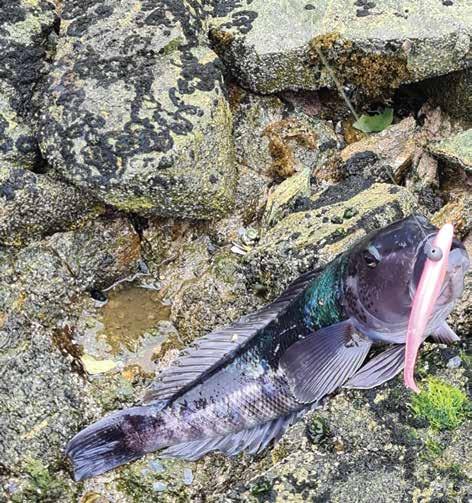
broadleaf branch and some berries 20 metres in front of the hide on a mound of moss, that’s perfect. I set my trail cam on a ponga and left it for the night. Before daylight my wife and I snuck into the hide. We had a plan, maybe these deer can be fooled. If two of us walk out and one walks back after a couple of hours, will the deer think no one is around and come out? It’s worth a crack.
We snuck out early to the hide. y wife sat reading a book and
some cod for tea and breakfast. I headed back to the hut to help fillet the fish and have a co ee. I was gone for maybe 45 minutes. Most of the broadleaf and berries had been eaten! My eyes nearly popped out of their sockets! According to the trail cam time stamp, ten minutes after I walked o , a doe and her fawn entered the area and had a good feed of the leaves and berries. Only to be moved on by a spiker who came out 25 minutes after I left to feed.
Oh well, at least I knew there were three deer near by. Another spot had a large tree with a big fork to sit in about 6 metre’s above the ground. It had a reasonable game trail near by. I managed to get myself and my bow up into the fork. Shortly after getting comfortable, there was a rustle in the crown fern. Game on. Out walks a kiwi, wicked! Not a deer, but where else in NZ can you see a kiwi in daylight? The kiwi fed in view for about 20 minutes then disappeared under a log and down a slope.
Another hour later it appeared again and fed it’s way back in the direction it first appeared. Half an hour later another rustle in the crown fern, this time behind me. It had better be a flippen Kiwi!! I couldn’t turn to shoot behind me in the tree I was sitting in, I had to stand to manoeuvre my bow and myself around. I strained my neck slowly around to see a very large bodied buck standing broadside at about 15 meters looking over his rump as if he was being followed. I was SO excited to see him, but SO frustrated I couldn’t get an arrow away.
He stood there for an eternity, maybe 45 seconds then bounced o over a fallen tree. A few minutes later I heard another rustle in the crown fern of the same gully, and saw the orange cap of My mate pushing up through the fern. This crown fern is shoulder high, not knee high like it is in the North Island. There’s deer tunnels everywhere beneath the tops of the leaves.
I did manage to shoot a few possum with the bow near the hut at night.
Plenty of fish were caught. As the water taxi skipper said, if you aren’t fishing over rocks, the only thing you will catch is a cold.
We’re so spoilt with the abundance of kaimoana up and down the Motu and lets keep it that way!
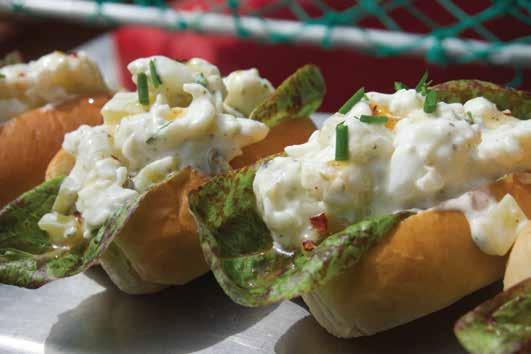
The humble crayfish roll is a delicious way to stretch out your haul of crays. It keeps it simple, does justice to the lovely sweet meat and for a contemporary twist you’ll see I’ve spiked it with a little hot honey.
Ingredients
Small breakfast rolls
Tartare Sauce either homemade or store bought
Honey
Crayfish meat
Cos lettuce
The Original Smoke and Spice Original seasoning Chives
Method
Give the cray meat a quick steam
Heat 2 tbsp of honey and add a tsp of chilli flakes
Open the rolls and line with lettuce
Mix your crayfish meat with your delicious tartare adding a small pinch of seasoning and load a generous portion into the roll, drizzle with hot honey and sprinkle with fresh chives.

www.smokeandspice.co.nz
Now let it slide down with a cold beer next to the fire - life is good Cheers and Enjoy Marcus Int’l Kiwi Chef
Quite good with rod and gun
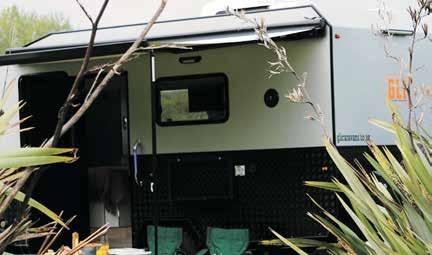
The world's your oyster when you venture out with GLI. Their range of semi off-road and full off-road caravans and camper trailers means you can escape the maddening crowd and still live with all the creature comforts.
Designed to tackle New Zealand's most rugged environments,loaded with mod cons and backed by over 25 years experience. Buy

Ivan Wilson

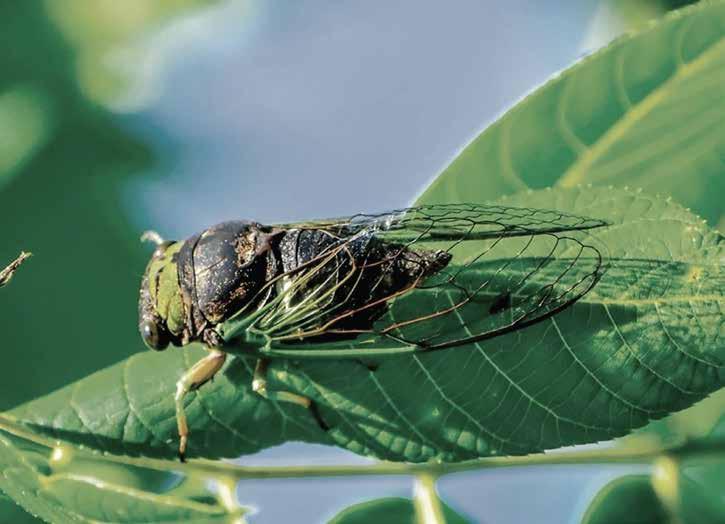
The Summer cicada symphony, was being played out in the bush and the orchestra was into the second movement, by the time I stirred myself to go and perform with them. My part was to be the solo, because my usual fishing mates were unavailable, as they were still fully immersed in their workaday week. A scratch around in the fly boxes turned up some appropriate patterns and with lunch packed and the bung in, I headed out with my instrument of choice. But enough of the musical references.
The first question was, which lake should I pick to launch Silver Frog on, so as I drove up the valley I pondered possibilities. There’d need to be trees along the water’s edge and paddocks behind them, from where the cicada larvae would have emerged.
The life cycle of these creatures is somewhat complex and while most of us hear and can see these insects as they reach maturity, there are several other stages in their existence.
In brief, the female deposits eggs in the cracks and crevices of trees or on plant stalks, then after hatching, the nymphs drop down and get themselves underground, where they’ll feed on root sap for the next 3 years. In America they can live underground for up to 17 years before emerging. At around the 3 year mark our New Zealand variety will emerge and climb to an elevated spot such as a tree branch. There they shuck o their skin from the nymphal stage and after their wings have expanded and hardened, they can fly away to begin a brief adult life of 2-4 weeks. This is the time both the angler and the trout are interested in, as for the trout it's a good lump of protein in one bite and of course the fly fisher can readily fool the fish into taking an artificial cicada. So where should I head to? I decided Poerua was the best one and when I got out of the car, the penetrating buzzing and clicks were most evident.
Excellent thinks I, this will be easy, cicadas everywhere and by now the fish will be aware of them. Another good thing is that not a lot of finesse is needed in the casting
department either, as the naturals plop down onto the water, so a similar approach is useful - cast and splat! Fits well with the at times, errant way I get a fly out. So down the ramp I backed Silver Frog, slid it o the trailer and parked up the AWD. So pleased I bought the Suby XV as it allows access to this ramp, which could be better described as a rock embeded, gravel slope. Got caught here once some years back - my Datsun 180B at the time, had a slightly flexible front skirt or valance, but while I scrapped over a protruding boulder on the way down, the vehicle got caught behind it on the way out. The only solution was to force the issue and luckily it didn’t split, as I revved back up the incline, in fact there was hardly a scratch. Phew! Another time, another car and the wheels spun on this ramp, making it impossible to haul the boat out, so a call to the AA brought timely assistance. Phew again! Once on the water I made a deliberate move to row quietly along in front of the parking area, as often people launch, then go hither and yon across and up the lake, ignoring water that is close at hand. I had hardly made more than a couple of oar strokes, when a fish appeared, so I dropped an artificial cicada ahead of it and waited for the take. Along came the fish, it deviated slightly from
its path and moved in, moved out again, but turned and had another look, then sneered and stealthed away. At least it had a look I said to myself and that was enough encouragement to continue with the pattern. Blow me down, the same thing happened, further along about 5 minutes later. Thinks I, a change to a di erent cicada pattern was required and as it happened, that was the one that did the damage and opened the account for the day. I’d wafted slowly along the margins, sighting a nice fish a little ahead and going away, so plopped the fly to one side in it’s field of vision and voila, it raced over and sna ed it. It was somewhat put out by being fooled with the artificial and tore about
the lake in quite a rage, until it was controlled, netted and released. The fish took o in quite a hurry. The cicada symphony was still being performed, so sticking with the same pattern, I spent a very enjoyable time in the sunshine, picking o several more, while working around the lake edges. Being a weekday and after the main Christmas/New Year holiday period, I only saw 1 other boat out there and that had headed o up the lake in the other direction, so I thoroughly enjoyed the solitude and peace of Poerua. Being in the audience for the cicada symphony, plenty of sunshine, some compliant trout and all on a week day, this retirement business is pretty good.


Well, the submissions are in, and word is there are a lot of them. I’d like to thank everyone who took the time to make one. I was also given the opportunity to give an oral submission to back up my written one. I’ve done them before, but they’re kind of stressful, and I have to work hard not to use short, colourful words or be too blunt. Now we’ll have to wait and see how much they have listened. On a far more relaxing note, The Blenheim Pistol Club held a day shoot with seven IPSC stages. Joel and Mark designed the stages, and with help from other club members, they did a good job. The stages were challenging, even if they kept telling me I couldn’t do
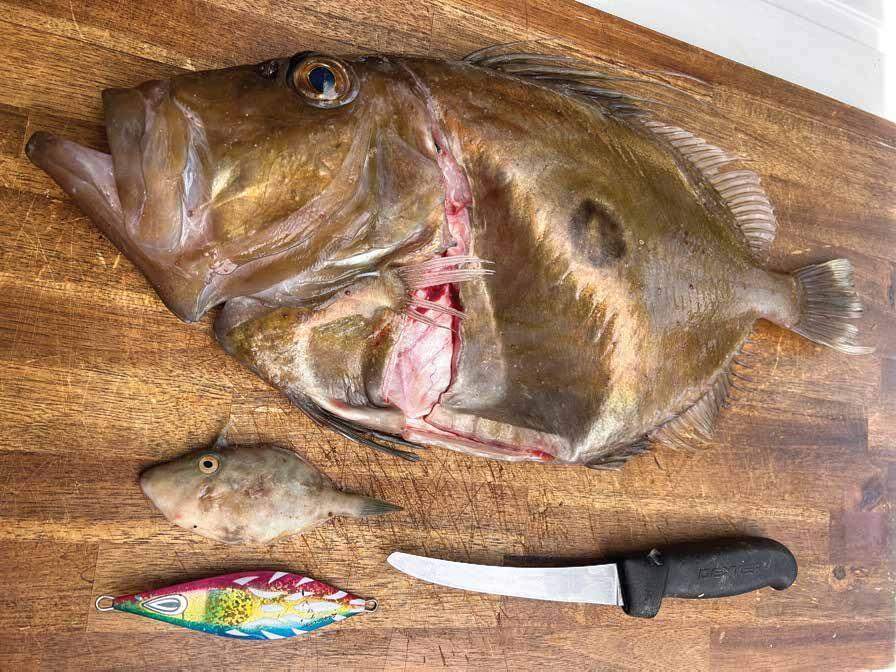
When what’s in their belly looks suspiciously like what’s tied to your leader….you know your doing something right! Fish eat what they know!
Just like trout fishing, where you match the fly to what they are feeding. The same can also apply to sea fishing.
Whilst jigging I noticed small
this or that. It wouldn’t have made much di erence anyway, as my pistols were playing up. I had a few jams and a couple of light strikes, that’s when the firing pin doesn’t hit hard enough to set o the primer. These things can really ruin a man’s day at times. So, while my results were poor, shit happens, it was a relaxed and enjoyable day overall. There was a good turnout, with the usual crowd from the Motueka and Cable Bay clubs.
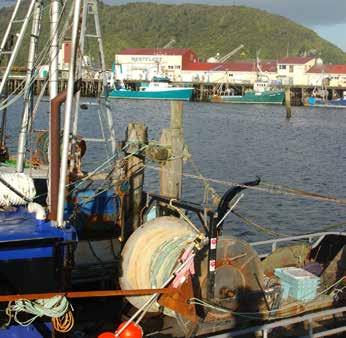
We also had a father-and-son team from the Westport club. This was the first shoot Alex had attended. Their club is a bit restricted in what they can do, but John (Dad) has been around a few years and has always shot well. Alex was doing well too,
proof that learning early is key. His gun handling was top-notch, and while he wasn’t going for speed (which was smart, as that’s a skill that takes practice), his ‘A’ count was high, far better than mine. He has been hunting for a while, but that’s a very di erent kind of shooting, and of course not with pistols. Pistols can only be used on certified club ranges.
These matches are a lot of fun and a good way to step things up from regular club days at your home range, without the bigger jump to an Islands or Nationals match (and they’re a lot cheaper too). They also bring together shooters of varying skill levels. We had a few new shooters, which was great to see. It gives the newer
schools of juvenile leather jackets darting around below the boat. This was a prime opportunity to scout my jig collection and see if I had something that matched the same profile and size of these fish. I opted for the 160gm Oceans Legacy Rovan, Aqua Rainbow slow pitch jig.
Proceeding to fish various depths of the water column the moment
Johnny Tightlines
shortly arrived when the jig was stopped in its tracks. Boom! Fish on!
This beautiful big john dory was successfully fooled. After a decent fight on the light gear the prize fish was on deck. Upon inspection of the gut contents at filleting time I noticed a juvenile leather jacket in the stomach.
competitors a chance to get some coaching from those of us who’ve been around a while.

Brian Bishop
We’ve been running these shoots for a long time because they’re a great way to improve the overall standard of shooting within the club.
On that note, here’s hoping that my oral submission goes well and that the oral submitters make a di erence for all of us shooters.
Clearly the jig successfully mimicked the leather jacket perfectly!
Always consider “matching the hatch” where possible. It could be the di erence between catching that prize fish or coming home empty handed.
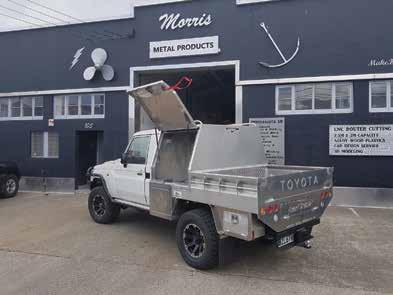
Whether you’re a skilled tradesperson, a DIY enthusiast, or just a fan of utes, our custom fit-outs are tailor-made to elevate your road transport experience. Our fit-outs not only meet but often exceed expectations in terms of quality and aesthetics.
We take pride in collaborating with you to design the perfect deck or canopy, whether it’s transforming your hand-drawn vision into reality or utilising our cutting-edge SolidWorks design system to bring your ideas to life.
Our fit-out solutions include toolboxes, fold-down sides,
hydraulic lifts, H-frames, slide out drawers and more to make the most of the space in your vehicle. We’re your one-stop solution for all your transportation needs.
Precise fit-outs, even before your Ute
If you haven’t taken delivery of your ute yet, we can still get to work. With just the make and model information, we can now digitally import the specifications and design the perfect canopy in consultation with you. Our advanced technology allows us to create a vivid image, o ering you a clear preview of the final result. We meticulously check
tolerances to ensure a seamless fit between the body and cab while optimising wheel travel. When your ute finally arrives, we can e ortlessly install the canopy, making your vehicle road-ready in no time.
Our fit-outs are crafted from premium aluminium, the ideal material for utes. We utilise heavygauge aluminium to withstand the toughest challenges and work life. Lightweight yet incredibly robust, our fit-outs are built to last and engineered for their intended purpose. Moreover, aluminium is corrosion-resistant, ensuring that your fit-out remains impervious to various loads.
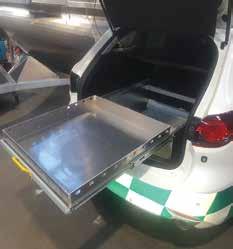
If a custom high quality sliding drawer for your wagon is what you’re after, we can do this for a side or back opening door. We use sturdy, customised parts so your drawer glides with ease, to make the most of hard to reach places. Game changer.
An example we’re very proud of is the drawers in a fleet of ambulance First-Responder utes to make access to key materials easier for paramedics.

Choose our fit-outs to enhance the functionality and durability of your ute. Contact us today to discuss your specific requirements and take your road transport to the next level.
Norm Hawler still woke at five, even though the only things he had left to catch were headlines and indigestion. His body ran on the old tides — wake early, boil tea, curse quietly at the new world. The sea outside his cottage still moved the same way; everything else had gone digital and daft.
He used to fish for a living. Now, apparently, fishing was “extractive narrative engagement with marine ecosystems.” He saw that phrase on a poster from the council’s sustainability department. “In my day,” he muttered, “we just called it work.”
His village, once the honest perfume of salt and diesel, now smelled like roasted beans and moral superiority. The fish-processing sheds had turned into cafés with names such as Harbour & Soul. You could buy a $12 smoothie made from kale, which Norm pointed out was “basically seaweed that went to university.”
He went there every Thursday nevertheless, mostly to terrorize the sta with requests for “normal tea.” Ben, the young manager, indulged him. “Sure thing, Norm,” he’d say. “Would you like that with oat or almond milk?”
“What did the cow do wrong?” Norm replied every week. It never got old to him.
The café tables were filled with people typing into laptops, “working remotely.” In Norm’s experience, work involved something heavier than a keyboard. “If you don’t end the day smelling of bait or disappointment, you’re just pretending,” he told Ben once.
The world, he concluded, was obsessed with progress but allergic to reality. Everyone was improving themselves into paralysis. Nobody seemed to enjoy being ordinary anymore — they were all “mindfully pursuing authenticity” like it was a limited-edition sneaker drop. Norm, who’d been genuine his whole life purely by accident, felt like a museum exhibit of common sense.
One day his niece visited and said, “Uncle, you should share your thoughts online. People would love your wisdom!” Norm suspected she meant “complain somewhere else,” but he gave it a go. The result was a blog named “Spiny Norman”, written in the same tone he used
when yelling at seagulls. His first post opened mildly enough: “Back when I was young, we didn’t call it ‘clean eating.’ We just ate things before the mold turned coloured.”
To his shock, people adored it. Within weeks, his following exploded — students, comedians, disillusioned o ce workers. They said his writing was “satirical gold,” “raw truth,” “post-irony commentary.” Norm thought it was just venting.
He began publishing regular “sea reports” of modern life:
• “This week’s forecast: outrage with intermittent facts, strong gusts of opinion blowing from all directions.”
• “The economy’s a dinghy powered by hashtags. Bring a lifejacket made of excuses.”
• “We used to mend holes in nets. Now we just rebrand them as opportunities.”
Soon he was being quoted by influencers as some kind of coastal philosopher. Podcasts discussed his “existential marine humour.” Television wanted an interview. Norm found all this hysterical. “I used to gut fish for a living,” he told Rotor, “now I’m gutting egos.”
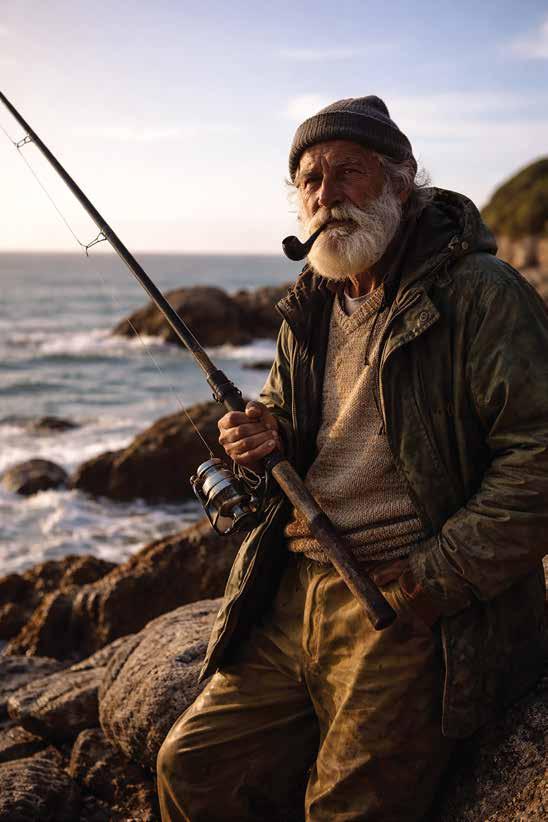
messaged that his posts had helped them “detox their mindset,” Norm replied, “Try sea air, cheaper and less pretentious.” It went viral again.
Ben eventually twigged. “Norm, are you — I mean — you wouldn’t happen to be Spiny Norman, would you?” he asked one afternoon.
Norm took a slow sip of his tea.
“The old Spiny?” he said. “Sounds like a gentleman of unparalleled good sense.”
“They call him the voice of the working class,” Ben said admiringly.
“Ah,” Norm replied, “then the working class must be desperate.”
Still, he secretly liked the title. Somebody needed to say the things no one dared to—like how smartphones had made people simultaneously connected and useless, or how “wellness” now covered everything from yoga to flavoured water. When one reader
Norm liked to imagine the internet as a massive pub — everyone shouting, no one listening, half the crowd o ended by the bar snacks. He just happened to be the loud old bloke in the corner making too much sense.
One night, with the sea rumbling faintly outside, Norm drafted what he decided would be his final missive: “If common sense were a species, it’d be in a breeding program managed by volunteers. Progress doesn’t mean better boats; it means arguing online about who owns the ocean. But since you’re all here anyway — tidy your nets, share your chips, and for heaven’s sake, stop filming your lunch.”
He signed it Fair winds, Spiny Norm.
The next morning STUFF quoted him under the headline “Anonymous Blogger Nails Modern Malaise.” Norm read it between bites of toast and nearly choked laughing. “Anonymous! I’ve been on the same beach for fifty-eight years!” he wheezed. Ben brought his tea and winked knowingly. “Another storm you stirred up, Norm.”
Norm raised his mug to the window, where gulls circled lazily over the glittering sea. The modern world had gone bonkers — but at least it kept providing excellent material. “Here’s to progress,” he said, “may it never make sense.” Rotor barked once in agreement, and somewhere across the endless Wi-Fi tide, thousands of strangers hit “like,” mistaking a grumpy fisherman for a prophet.
A two-year ban on the take of a range of shellfish and seaweed species from areas of the eastern coastline north of Auckland will come into force on 12 March 2026, says Fisheries New Zealand Director Fisheries Management, Emma Taylor.
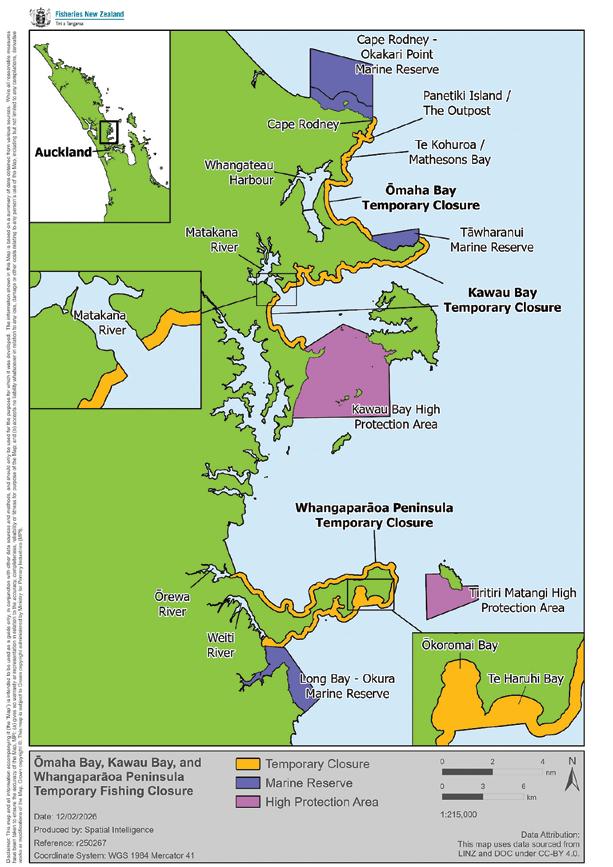
“The temporary closure covers the Ōmaha Bay, Kawau Bay, and Whangaparāoa Peninsula coastlines, excluding areas where marine reserves or other existing closures apply. The closure includes the rockpools and extends 200 metres o shore.
“The Ngāti Manuhiri Settlement Trust requested the closure due to concerns over unsustainable levels of the harvesting of kaimoana in the intertidal zone, with the aim of restoring the size and abundance of taonga species in these areas.”
Included in the closure are all invertebrate and seaweed species, which includes, but is not limited to all shellfish, squid, octopus, jellyfish, sea snails, sponges, starfish, sea anemone, and sea cucumbers. Taking rock lobster and scallops is already banned by other closures in the areas.
Kina is excluded from the closure, and the usual recreational limits apply.
“Fisheries New Zealand has worked closely with the Trust regarding the closure request. The Trust will place a traditional rāhui over the same area and species. The two-year temporary closure provides statutory support for this rāhui, meaning it can be enforced by Fishery O cers,” says Emma Taylor.
“We want to thank the Trust for their important contribution to fisheries management and their commitment to the health of the fisheries in their rohe moana.”
“Signs will be put up near the closed areas, and as always the free New Zealand Fishing Rules app is the best place to check for the most up to date rules wherever you are fishing or gathering kaimoana.”
A broad programme of work is underway to look at and develop proposals to improve shellfish sustainability in the Auckland and Coromandel regions. Fisheries New Zealand expects to publicly consult on these proposals later this year. For more information, including species and a detailed map of the closed area, see: fisheries.govt.nz/ hauraki-closures
Cole Avery
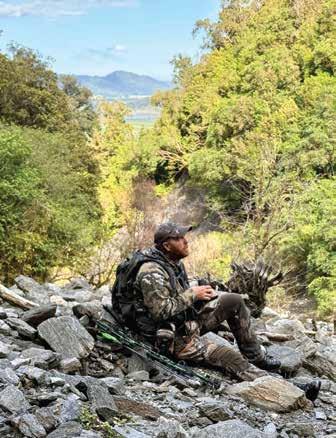
After a six and a half hour drive we finally arrived in Franz Joseph for a few days worth of very overdue chamois hunting. After spending a brief time unpacking, plans were made and we were o to bed ready for an early start!
Alarm went o at 4.30 and o we went. After arriving at our first hunting spot we started walking in the dark hoping to arrive at the slip on first light. After an hour long slog we make it to the slip, perfect timing as the sun was just coming up, we decided to sit and watch. After a couple of hours waiting and seeing plenty of sign but no animals, we decided to head up the creek and check a few more spots. Still nothing. With the wind still in our faces we decided to wait for it to turn so we could hunt our way back the way we came. We get back down to the slip from the morning to see a chamois feeding. Perfect! And in a good spot to! I crossed the river and slowly made my way in. Closer and closer, until the chamois was happily feeding at only 40 metres, I patiently waited for him to give me a broadside shot. As he slowly feed towards me he dropped down into the creek and all of a sudden I couldn’t see him anymore!
So again, I start slowly sneaking my way in closer. As I got to the edge of the dip in the creek, though the high grass I could see the chamois feeding. Game on! No more than 30 metres from me I slowly went to range it with my range finder and felt the wind on the back of my neck; within seconds the chamois was gone. Busted!
We decided to head back out and try another spot for the afternoon.
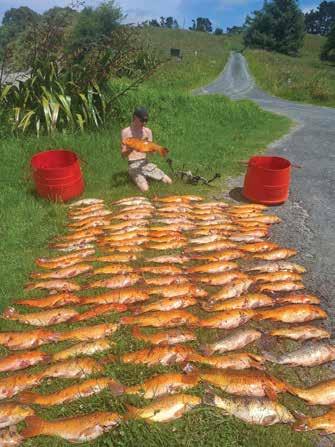
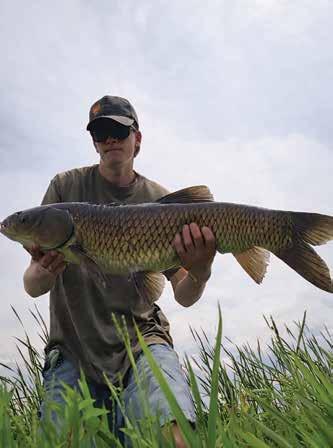
Cole, 17 from Hamilton likes to get out with his buddy Cam and shoot for carp. It's a great hobby to get outdoors and Cole reckons he shot about 1000 in the year.
They went out one morning on the lake nice and early with paddle boards. They stand on front of them with big bins on the back to put the carp in. They headed out to a quiet little spot on the lake and shot up a few carp before paddling away separately around an island.
Cole lost his arrow tip half way up the island so had to shoot the carp in shallow waters so the arrow pinned them to the ground to insure they didn’t escape.
When Cam and Cole met up again at the top of the island they both had buckets full. Unfortunately Cam snapped his paddle meaning he had to drift back to the shore whilst our paddle boards were almost sinking from the weigh of the carp. They had also managed to get some large grass carp (this one pictured was 15kg).
Out of luck we headed back home and made plans for the next day. Another early night, followed by another early morning, we set o once again. After a couple hours of walking we made it down to the first flat just on daylight. There were two deer out feeding so we decided to keep watching hoping a chamois would come out. The deer feed o into the bush as we watched the flat. After a while we moved on and checked a few other flats but no luck so we had lunch and started the walk back. As we were walking we saw a few Nannie’s with kids, a stunning sight and an easy decision to leave them alone. We were almost back to the truck I heard “oi over there. two bucks”. Sure enough two nice chamois bucks were feeding on the edge of the river. After a hard stalk crawling through the water
I made it to the other side. They were at 75 metres and slowly moving down the river. I made my way closer as they turned and started heading toward me. Now they were only 45 metres away. I slowly ranged the chamois but one of them happened to see me. I stayed low kneeling in the river hoping they would give me a chance but it wasn’t long and they took o . Gutted, busted again! After a long day we were back at the truck, we were on our way home for tea and to suss another plan for a new spot in the morning. Again the alarm was set and o to bed ready for another early start. Once again we set o for another big walk in the dark to be on flat on first light, and in a change of luck, this time we see a chamois feeding. I slowly make
my way through the bush towards him, thinking surely this time I’ve got you! As I was getting ready to range the chamois it decided to bed looking straight at me and all I had was a small bush for cover. After a good half an hour kneeling, and with luck that was becoming very predictable for this trip, the wind swirled and o he went. Busted again. After another long day, seeing only nannies and kids we headed back to the truck to get ready for our last day of the trip. Another early rise and and o we went. Slowly checking the flats we came across a hind and her fawn. She walked within 20 metres of us with her fawn. We sat and just watched her. The fawn was skipping and jumping all over the place before they both walked into the bush and disappeared. We carried on up the creek to find a chamois walking down to meet us. We tried to get into a good spot but had no cover. It started to run down the creek and next minute it was no more than 5 metres away from me. This time I was just too slow, we looked at each other before the chamois took o . Deciding to check one last spot we saw another chamois out feeding. Surely we would pull this one o . Slowly stalking, closer and closer, I get ready as it turns side on. I draw the bow back settled the pin on its shoulder then all of a sudden the chamois just took o . Left speechless I let down my bow while I tried to work out what exactly had happened. The wind must of swirled. Gutted. A slow walk back to the truck trying to think if I could have done anything di erent.
Even though nothing was shot it still was a great trip away.
Amateur Fishing Charter company fined $60,000 for serving recreational catch to paying customers
An amateur fishing charter company that illegally caught crayfish for customers and served it as a meal has been fined $60,000.
Fiordland Cruises Limited was sentenced on one charge under the Fisheries Act in the Invercargill District Court, following a successful prosecution by the Ministry for Primary Industries (MPI).
The Court granted relief from forfeiture of the company’s vessel, Southern Secret, upon payment of a redemption fee of $47,000.
Fisheries New Zealand compliance regional manager south, Garreth Jay, says MPI received several complaints about charter vessel operators working in the Fiordland Marine Area, which included Fiordland Cruises Limited’s vessel Southern Secret.
“Allegations suggested seafood meals were being used to encourage paying passengers to take part in charter trips. Other concerns included questions about who was gathering the seafood –the charter operators or the paying guests".
“We provided all charter operators, including Fiordland

Cruises Limited, with clear information on the rules – including that only a passenger catching fish
market, based on a retail value of $147 to $150 per kilogram.
“When we find evidence of fish
recreationally can have it served to them aboard a charter vessel, and we expect those rules to be followed.”
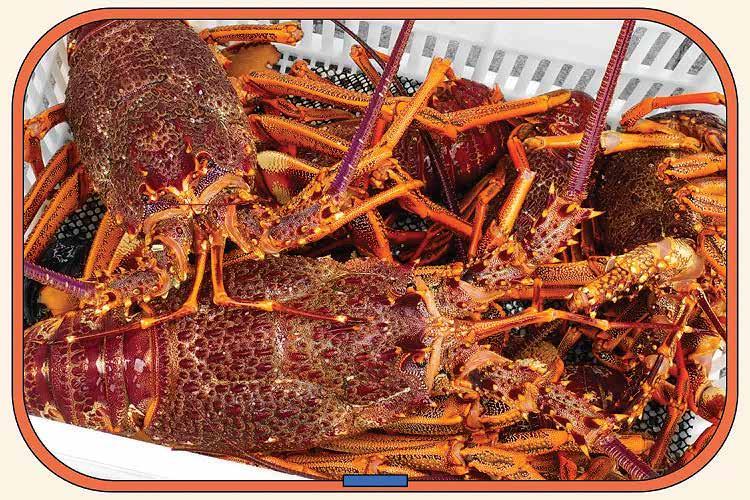
MPI’s investigation found that between January and October 2023, Fiordland Cruises Limited ran 162 amateur fishing charters, during which 1,630 crayfish were taken and served to paying guests onboard for lunch.
The 1,630 crayfish would have cost between $239,610 and $244,500 on the domestic
being taken and used outside of the quota management system (QMS) for commercial purposes –we take action. The QMS ensures the sustainability of fishing activity and economic prosperity of fishery resources and legitimate commercial operators,” says Mr Jay.
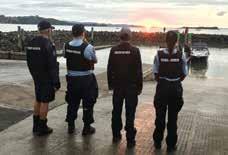
“During MPI’s investigation, fishery o cers boarded the Southern Secret and found passengers who had not been fishing, were served crayfish for
lunch. Guests reported that they did not take part in catching or taking the crayfish and that they saw the cray pots being cleared by the crew".
“Furthermore – the skipper told us that along with the chef, they would lift the craypots while passengers watched. This is illegal behaviour from a company that does not hold a commercial fishing licence and is not a Licensed Fish Receiver. A commercial business cannot catch fish recreationally and serve it to customers,” says Garreth Jay.
“If you’re unsure of the fishing rules in the area you plan to fish, get the most up-to-date fishing rules by downloading the free NZ Fishing Rules mobile app. It will also work if you’re fishing in an area with limited mobile coverage,” says Mr Ham.
Fisheries New Zealand encourages people to report suspected illegal activity to the ministry's 0800 4 POACHER number (0800 476 224).
















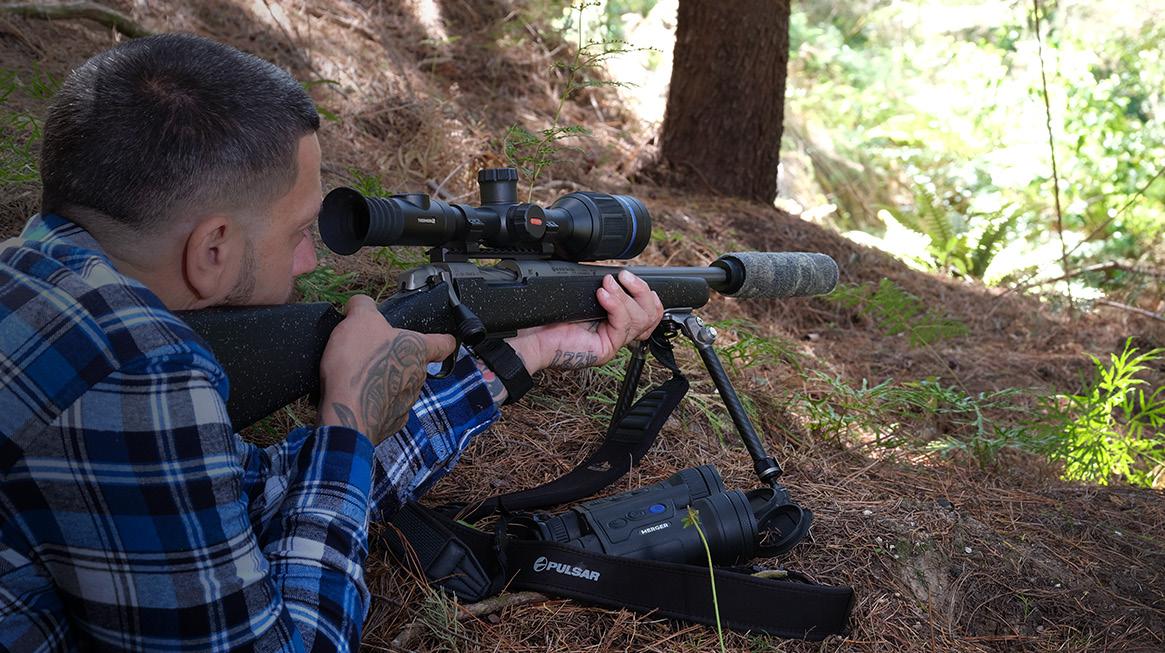
Pulsar thermals are the first choice amongst professionals.
Our great range starts at $2599, representing great value for high quality, proven, European made thermal optics with advanced Lynred sensors.
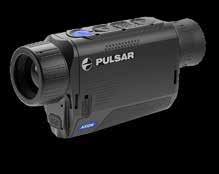
PULSAR AXION COMPACT
Lightweight, quick-change battery, robust and outstanding performance. Perfect for bush-stalking, forestry and general use. Great value.
Choice of 384x288 or 640x480 sensors.
From $2599.00
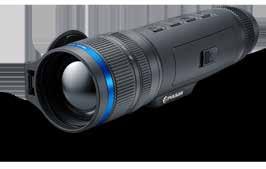
PULSAR TELOS
Outstanding performance at long and short distance.
High capacity quick-change battery very lightweight. Available with 1000m laser rangefinder.
Choice of 384x288, 640x480 or 1024x768 sensors.
From $3999.00
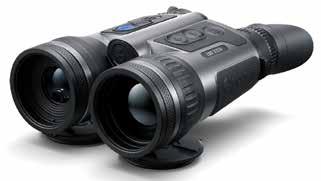
PULSAR MERGER LRF
Immersive, comfortable viewing experience, up to 1500m laser rangefinder, high capacity quick-change battery with internal back-up, delivers the very best performance.
Choice of 640x480 or 1280x1024 sensors.
From $6799.00
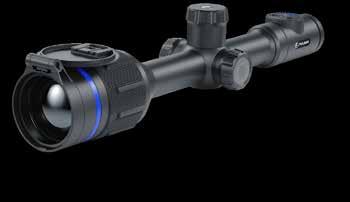
PULSAR THERMION
Professionals favourite. Quick-change battery with internal back-up, 30mm tube and integrates with Stream Vision Ballistics for reliable shot placement. Available with 1000m laser rangefinder.
Choice of 384x288, 640x480 or 1024x768 sensors.
From $5399.00
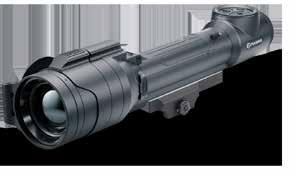
PULSAR TALION
Compact, quick-change battery, QD mount and integrates with Stream Vision Ballistics for reliable shot placement.
Choice of 384x288 or 640x480 sensors.
From $4999.00
