First there were eight – the Lai parents, Jack and Jenny, and kids.
Then six – siblings Jim, Betty, Tom, Rose, Richard and Sandra.
Last week, there were just three left – Tom, Richard and Sandra.
Now, there are none.
As we go to press, the Eastbourne Fruit Supply has closed for the last time. The summer ice cream parlour has finished. Only Redcoats real estate remains in the building, for now.
It’s been 73 years since Jack Lai, started Eastbourne Fruit Supply. Jack and his father arrived in New Zealand when he was nine years old from Guangzhou, southern China. In the 1950s, while working in Seaview as a mechanic, he would enjoy coming out to Eastbourne and decided he would like to give a business a go there. The rest is history. He built the two-storey block, with an apartment upstairs for the family to live in and three shops downstairs – the greengrocery, Jenny’s fish and chip shop, and a milk bar. Eastbourne Fruit Supply has been a hub and provider for
the community. Many locals had their first jobs as children working at the shop. People who’ve moved away still come back to shop or say hello.
The Lais have survived major crises – personal, like the death of oldest brother Jim, from cancer – and global: the Covid 19 epidemic. It was getting through that lockdown that decided the remaining siblings, five years ago, to leave on their own terms, says Sandra, who believes “it’s got harder since then”. Richard adds: “As well as that, running the business the way we did never allowed us to relax or take a break for any length of time. This work is so constant and nonstop
that all three of us are physically and mentally exhausted – and time is catching up with all of us.” Continued on page 3
Sandra, Richard and Tom would like to give their heartfelt thanks to the Eastbourne Community for all their loyalty, friendship and support over all these years!
A public farewell for the Lai family will be held at Eastbourne Library/ Neighbourhood Hub on Saturday 27 June, at 12.30. Food by Four Square All welcome.
Winter...
Winter has a way of telling the truth. The days grow shorter, the mornings arrive slowly, and the chill settles into the landscape. Even the light seems more honest. In a culture that prizes busyness, growth, endless optimism and instant gratification, winter interrupts us. It asks us to stop pretending we are always flourishing. Over the centuries, the Church built whole seasons around waiting. In Advent, people sat with longing and hope before Christmas arrived. In Lent, they walked through reflection and honesty before Easter dawned. Life was never meant to be a permanent summer. The spiritual life acknowledges seasons of uncertainty, grief and waiting. Winter reminds us that stillness is not death. Beneath hard soil, roots deepen. Beneath silence, life quietly stirs. Many people today carry private winters loneliness, money worries, fear for the future, sorrow for the planet, exhaustion from trying to cope. Perhaps compassion begins when we admit our shared vulnerability.
Perhaps that is winter's hidden gift. It softens us toward one another. We notice the person sleeping rough in the cold, the neighbour living alone, the friend who says they are ‘fine’ a bit too quickly.
Maybe hope isn't loud triumph after all. Maybe hope is a small lamp in a dark season, carried together. Each of our local Churches has carried that lamp faithfully through the years –join us to draw strength from its light. You'll find details of where to find us below... astbourne...!
St Alban’s+St Ronan’s: 1st Sundays 9:30am monthly Shared Communion Services (alternating venues, leaders and preachers). 5 July at San Antonio church, 2 Aug at St Ronan’s church
St Ronan’s: 1st Sundays shared with St Albans (see above). 2nd and 4th Sundays 9:30am informal, 3rd Sundays 9:30am traditional, 5th Sundays 12:00pm fellowship meal. office@stronans.org.nz www.stronans.org.nz
ANNE MACKRIS-BERDEBES
238 / 10 Muritai Road, Eastbourne, Wellington
Phone: +64 27 742 2559
Hours: Mon 8am-6pm, Tues 7am-5pm, Wed 7am-5pm, Thurs 7am-5pm, Fri 7am-12pm CLOSED: Sat & Sun
WHAT’S HAPPENING HAIR
JUNE
Hi, I’m Anne, the colour specialist behind AMB Hairdressing.
I genuinely love what I do. There’s nothing quite like seeing a client’s face light up after a fresh colour or transformation. That moment never gets old.
Colour is my passion and my playground. I’m constantly inspired by the changing seasons, fashion trends, and my clients themselves. But most of all, I believe the best colour isn’t what’s trendy, it’s what’s tailored to you. It should feel natural, effortless, and beautifully you.
St Alban’s: 1st Sundays shared with St Ronan’s (see above). Other Sunday services at San Antonio church at 9:30am. 1st Thursdays, communion at 10:30am at St Ronan’s church. www.facebook.com/StAlbansNZ office@stalbanschurch.nz www.stalbanschurch.nz
San Antonio: Vigil Mass, Saturdays 5:30pm.
Sacred Heart, Petone: Mass, Sundays 9.30am and 5.30pm. holyspiritparish41@gmail.com www.holyspirit.nz
Column sponsored by St Alban’s Anglican, St Ronan’s Presbyterian & San Antonio Catholic.
After years in the industry, I still love learning. I invest in ongoing training to refine my techniques and bring the latest in blonding, toning, and grey blending to my clients right here in Eastbourne.
When I’m not in the salon, you’ll find me out running early mornings or enjoying a coffee in one of our fabulous local Eastbourne cafes with my husband.
To me, hairdressing isn’t just a job, it’s a craft and a connection and every appointment is an opportunity to make someone feel amazing. I’m amazing at what I do, because I truly love it.
Eastbourne Community Board
Tupua Horo Nuku
The highest priority issue for us following the opening of the new pathway has been the safety of the Sunshine Bay to Days Bay transition. A solution has been developed by HCC in very short time. Our expectation is that this will make the corner safer, and that fine tuning may be possible when stage 2 including the boardwalk and road crossing is finalised. Our latest chair’s report also includes updates on Days Bay (Ferry Road to Waerenga Road), Point Howard to Seaview Marina, Seaview Marina transition, Port Road and Waione (Estuary) Bridge.
Annual Walk-around.
This has been completed and a summary will be shared soon. Next up will be the Community Survey identifying our priorities for the next few years.
Motor bikes and Mountaint Bikes (MTBs) in public spaces. Concerns have been raised about the use of motorised bikes on reserves, and MTBs being used in bird protection areas. Neither of these are permitted, and we would invite anyone who feels a need for suitable spaces for such activities to contact us about the plans for a pump track area at Burdan’s Gate. We are currently negotiating an MOU on this project, and the more engagement the better. Farewell to the Lai Family Fruit Shop.
The ECB acknowledges the contribution the Lai family have made to our community and wish them all the best for the future, they will be missed.
ECB Members
Bruce Spedding Chair 021 029 74741
Jeremy Chaston Dep Chair 027 515 5571
Murray Gibbons 04 562 8567
Ben Hainsworth 022 584 2248
Emily Keddell 021 188 5106
Tui Lewis (Ward Councillor) 021 271 6249
Goodbye Lais - and thanks Cont Ann
Only Tom, a former primary school teacher who took over the job from his dad after travelling overseas in 1982, lives locally. He has been plagued the last few years by numbness in his fingers, and is counting down the days until surgery for carpal tunnel syndrome –the result of repetitive knife movements, trimming and caring for produce, six days a week for 44 years. He and partner Pamela Kawakami are looking forward to a planned trip to Vietnam. Then he’ll take it easy, maybe get out and do some kayak fishing. “The Menzshed is not for me,” he says, “I don’t play golf and the Lions’ books look too heavy!” He’d like to have a go at cycling the harbour path into town once the crowds clear, take up some other sports and activities, and do more travel around New Zealand and abroad.
As for Richard, dad to a son and daughter in their late twenties, he’s always wanted to do a road trip around the country to catch up with family and friends – solo, since his wife Yuen Wei didn’t grow
Packer
up here and “camping is not her idea of a holiday”. After a decent road trip around New Zealand and maybe Australia and China to see family, he hopes to work “very casually anywhere that might need a helping hand”. He also intends to spend more time on recreational activities and hobbies like wing foiling, cycling, skateboarding, and making useful products from waste material.
Sandra commutes from Paparangi where she lives with Shane Hockey, her partner of 31 years – they met at the Eastbourne Tavern, now long gone.
She will not miss the commute through storms and traffic lights of recent years, but will miss the good friends she’s made. She worked at a variety of jobs before joining the family business, as a postie and hotel worker before running Siows, Wellington’s first Malaysian restaurant. “There were lots of jobs then,” she recalls. Too young to retire, she plans on finding part-time work after a bit of a break.
Garden Stuff with Sandy Lang
THE LIFE OF ROOTS
June/July: Early/mid-winter. Solstice past. Days lengthen. New season on the way. What of the invisible half of every plant – the roots? Roots come in different sizes and do different jobs.
Fine roots (<2mm): For a forest tree, these comprise ~30% of total root biomass and ~90% of total root length. They’re mostly shortlived (<1 year, ~60% die each year). Their job is to explore the soil and take up water and minerals. They pass these on to the network of larger (>2 mm) roots to which they are connected.
Coarse roots (>2mm): These larger roots are longer-lived and continue to grow each year (like a tree trunk) by adding layers of new wood and waterproof bark. These no longer take up water
or minerals but instead serve as anchors to support the shoot (wind), as food stores (starch) and as conduits (for the water and minerals from the fine roots to the shoot).
Oxygen (O2): Roots can’t photosynthesise so (like us) depend on energy food (sugars) from shoot photosynthesis. To respire that sugar and extract its energy for growth, roots need O2. This diffuses down from the surface through the soil’s air-filled voids.
Soil voids: A pile of bits of rock - i.e., (getting smaller) of sand (2.00.05mm), or silt (0.05-0.002mm), or clay (<0.002mm) - contains around 30-40% by volume of voids (the gaps between the bits). Bigger bits contain fewer, bigger voids, smaller bits contain more, smaller voids. Most soils are made up of rock bits of a mix of sizes (sand + silt + clay) and contain 30-40% of voids, of a mix of sizes. All these voids interconnect in a 3D network. The amount of O2 available in the soil decreases
with depth (increasing path length, usage by roots and microbes along the way). This determines how far down roots can survive without suffocating (not enough O2). In a forest ~85% roots are in the top 60 cm.
Soil water: A problem comes if too many voids are water-filled. A free draining, sandy soil (less water, more O2) allows deeper rooting than a poor draining, clay soil (more water, less O2). High rainfall or excessive irrigation, also reduces soil O2, preventing deeper rooting.
Compaction: Roots tend to grow downwards and do so by branching and zigzagging from void to void – the path of least resistance. Foot and wheel traffic (especially when wet) packs soil particles tightly, reduces voids, reduces drainage, reduces O2, excludes roots. Roots can’t force their way through a compacted soil.
slang@outlook.co.nz www.mulchpile.org
Local kids and Kororā, Little Blue Penguins
Continuing the series of articles on kororā, MIRO wanted to highlight the kaitiakitanga, guardianship, that local kids and schools are practising to help protect the penguins and their nests.
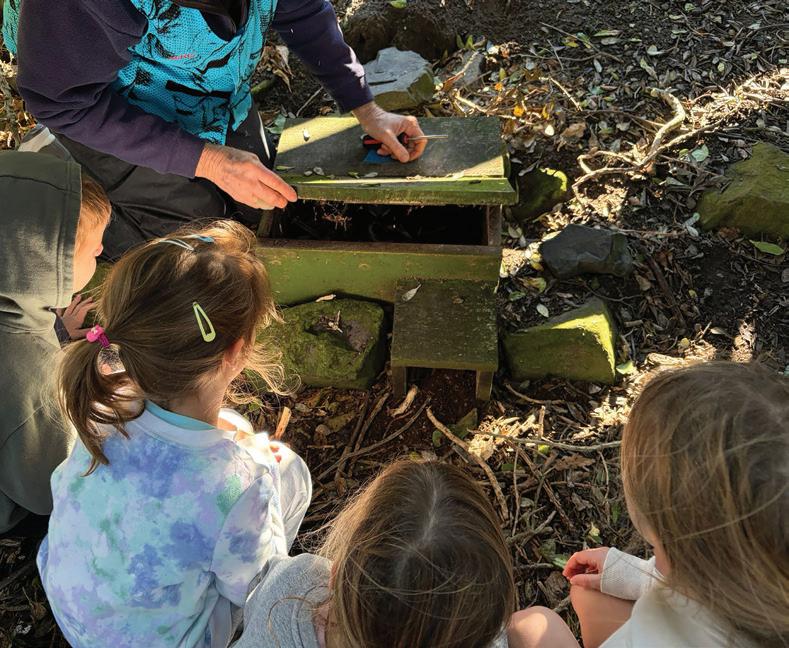
The Kororā year group at Muritai school have adopted the bird protection habitat next to the ESSC / HW Shortt park. In this habitat 30 nesting boxes have been installed. Each classroom in Kororā decorated one of the penguin boxes and presented their designs to the penguin team from MIRO.
The children learned how these boxes are preferred by penguins
as they can defend the nest entrance from predators like cats. On Matiu Somes Island, of the 186 nests, 185 were in penguin boxes just like the ones the students have adopted.
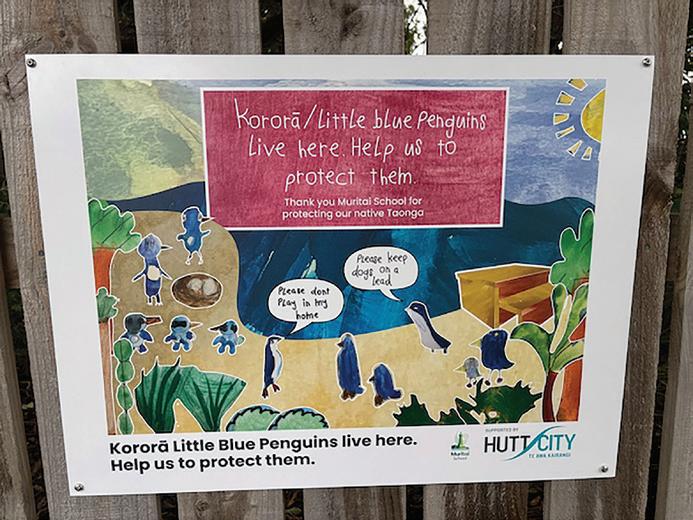
Most importantly, the students learned human and pet disturbance in the bird protection area will prevent penguins from nesting there. Please if you are playing around the ESSC, stay out of the bushes behind the fence. You will see new signs up highlighting this that were drawn by the kids. Small groups from Kororā are visiting the area each month to see the boxes and monitor for penguins moving in. There are already nests nearby so the expectation is the colony will establish itself with time.
Wellesley College continues its guardianship with its Penguin Patrol. The boys head
Ben Bruno
to the penguin haven in Days Bay where they carefully monitor the nests and note occupancy, eggs and eventually fledgling success. Being on the Patrol is a privilege that the boys take very seriously through an application process and waitlist.
MIRO would like to highlight community efforts that can help protect our local penguin population such as keeping dogs under control and taking them to penguin aversion training courses, keeping cats in at night and the rubbish removals that everyone does on our beaches including the Burdan’s gate biannual beach clean-up. This community care has seen the penguin population increase in Days Bay and we are excited to see it continue in the other protection areas as well.
Isaac Grigg and Marylou Bruno with Room 3’s penguin box lid
The sign at HW Shortt designed by Muritai’s Kororā year group
Muritai students visiting penguins in their nesting box
Where in the world would you like to go?
There’s still time to buy a ticket in Muritai School’s big fundraiser raffle, closing 12 noon Friday 3 July. Fancy $15,000 travel anywhere you wish, with $5000 cash to spend?
There are second and third prizes too – a Luxe Wairarapa Getaway including a Parehua Resort voucher with great food and provisions to go with it, and for third a hotel voucher and double
Self Service Dogwash
• Easy to Use
• 3 filters to capture all dog hair
• Council consented
• Cost $12, pay with gold coin or card via paywave
• 10 minutes to wash your dog using Shampoo, Flea Shampoo and Conditioner, rinse them off with warm water and blow-dry them.
• Area is under surveillance and has a motion activated light for late night dog walkers
• If any issues arise, contact numbers are located on the machine
LOCATION: Behind the public toilets at the Eastbourne Swimming pool. This is to provide somewhere safe for the dogs to be washed after going for a walk or a swim along the beach.
Kidz talk
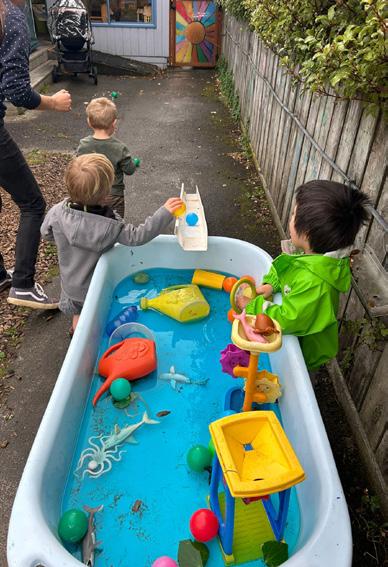
This has meant lots of messy play and being able to enjoy the outdoors and sunshine. One of our favourite activities is colourful water play where we learn to lift, pour and control water and improve our sense of accuracy and control.
tickets to this year’s World of Wearable Arts show. Wow! The funds raised go to replacing Muritai’s junior playground. Tickets $25 at www.galabid. com/muritaischool, closing 12 noon next Friday.
Raffle will be drawn 1.45 pm Friday 3 July
News from Days Bay Playcentre Eastbourne
New kids welcome! Come and visit Days Bay Playcentre Monday, Tuesday and Wednesdays 9:30-12pm 2 Pitoitoi Road daysbay@playcentre.org.nz 04 562 0936 or 027 700 1025 At Days Bay Playcentre we have had a lovely start to the winter season with not too many rainy and cold days.
We also had an excursion down at Days Bay beach where the children had endless fun playing with the sand and water and collecting rocks, sticks and shells.
On Friday the 3rd of July we will be having our biggest party of the year - Matariki.
We toast marshmallows in the sandpit, sing Matariki songs that we’ve been practising, eat dinner together and have a lantern parade at the end. Tamariki will also make stars with their own faces on it! What a great way to create a wonderful sense of belonging.
Big Hats High Tea supporting Life Flight
Eastbourne and Bays residents have been key to the success of an important fundraiser for Life Flight Trust – and that support continues as Rotary Hutt Valley’s fifth annual Big Hats High Tea gets off the ground.
Of the $22,000 raised at last year’s event, $15,000 went to supporting Life Flight’s Westpac rescue chopper and fixed wing air ambulances, with the rest going to local youth causes.
Rotary Hutt Valley aims to match that total when glasses of bubbly wine and tasty treats are served at this year’s Mid-Winter Christmas themed event at the Hutt Bowling Club on Sunday afternoon, 16 August.
Money from the first Big Hats High Tea went to a very different cause – to buy food for refugees coming into Finland when Russia invaded Ukraine.
Bays resident Judy Bain harnessed contacts in Finland made during her years of international Rotary involvement to ensure our support got to where it was most needed.
Judy remains the driving force for Big Hats High Tea but is quick to acknowledge other Eastbourne folk who now make the fundraiser a much-anticipated fun social occasion. They include Lorraine Girvan (and lead sponsors Harcourts Eastbourne and the wider team), Diane Cheyne, Mary Howarth, Di Seward, Janet Paape, Bet Louden, Eva Grieve, Audrey Shearer and pianist Jeremy Winter
– to name a few.
Life Flight was a logical choice to receive the lion’s share of subsequent Big Hats High Teas. Their mission is literally a life-saver for crash victims, prem babies and others with medical emergencies.
Of more than $65,000 raised over the years, other funds have gone to Lifting the Lid (getting mental health support to local school students), Books in Homes and Rotary summer science schools.
So hats off to anyone willing to join Rotary Hutt Valley on 16 August and to help these great causes take flight. Buy your $70 tickets online at rotaryhuttvalley. org.nz/event
When a Village supports our School - the Power of Community
Over the past couple of weeks I’ve been reflecting on the power of our parent community and what special things can happen when the village supports the school. Of course, we have parents that take on specific roles such as Board of Trustees Representatives and Home and School Fundraising roles - all of which do an incredible job and are vital in creating a successful
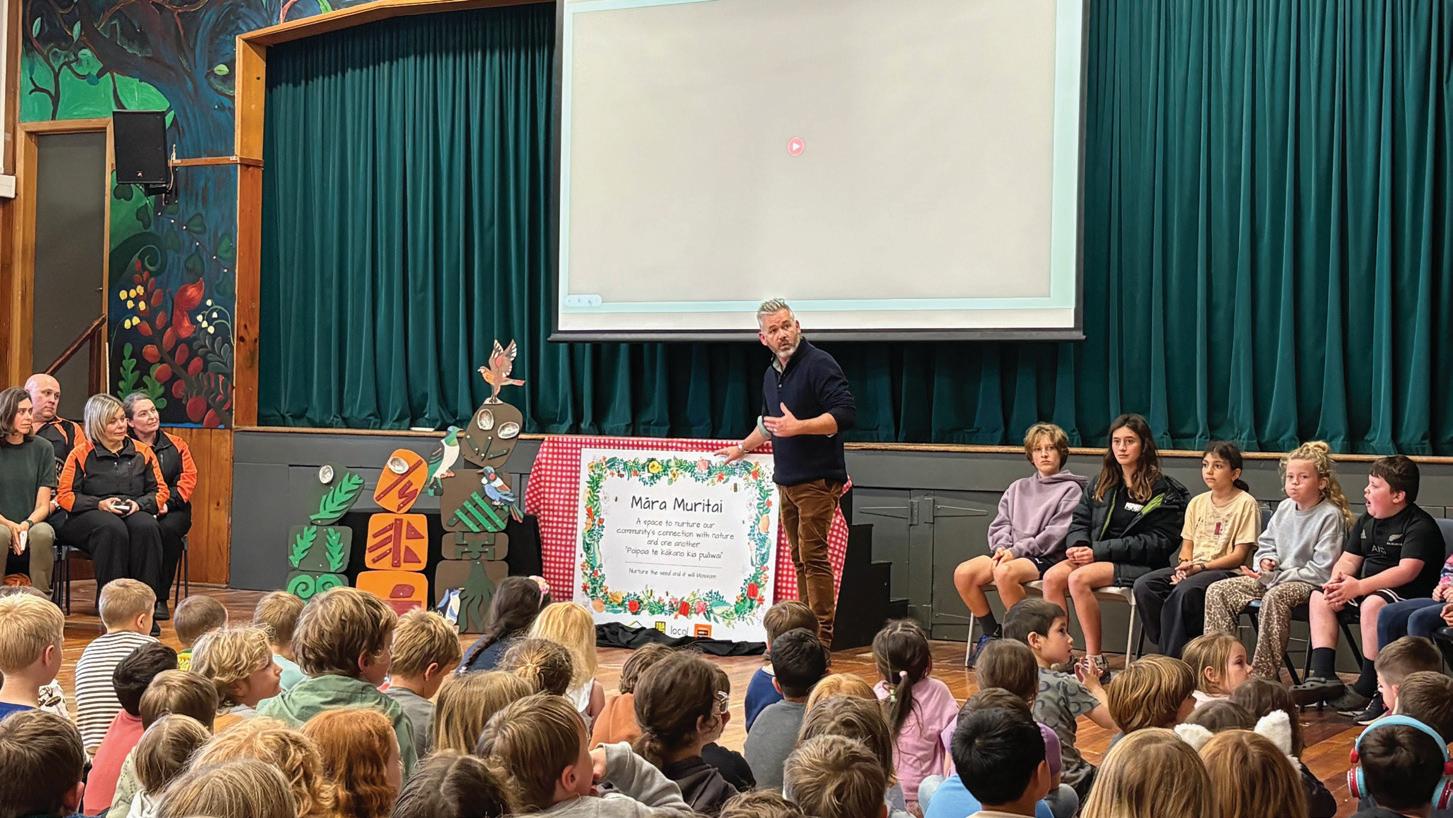
The Grand Opening of Māra Muritai
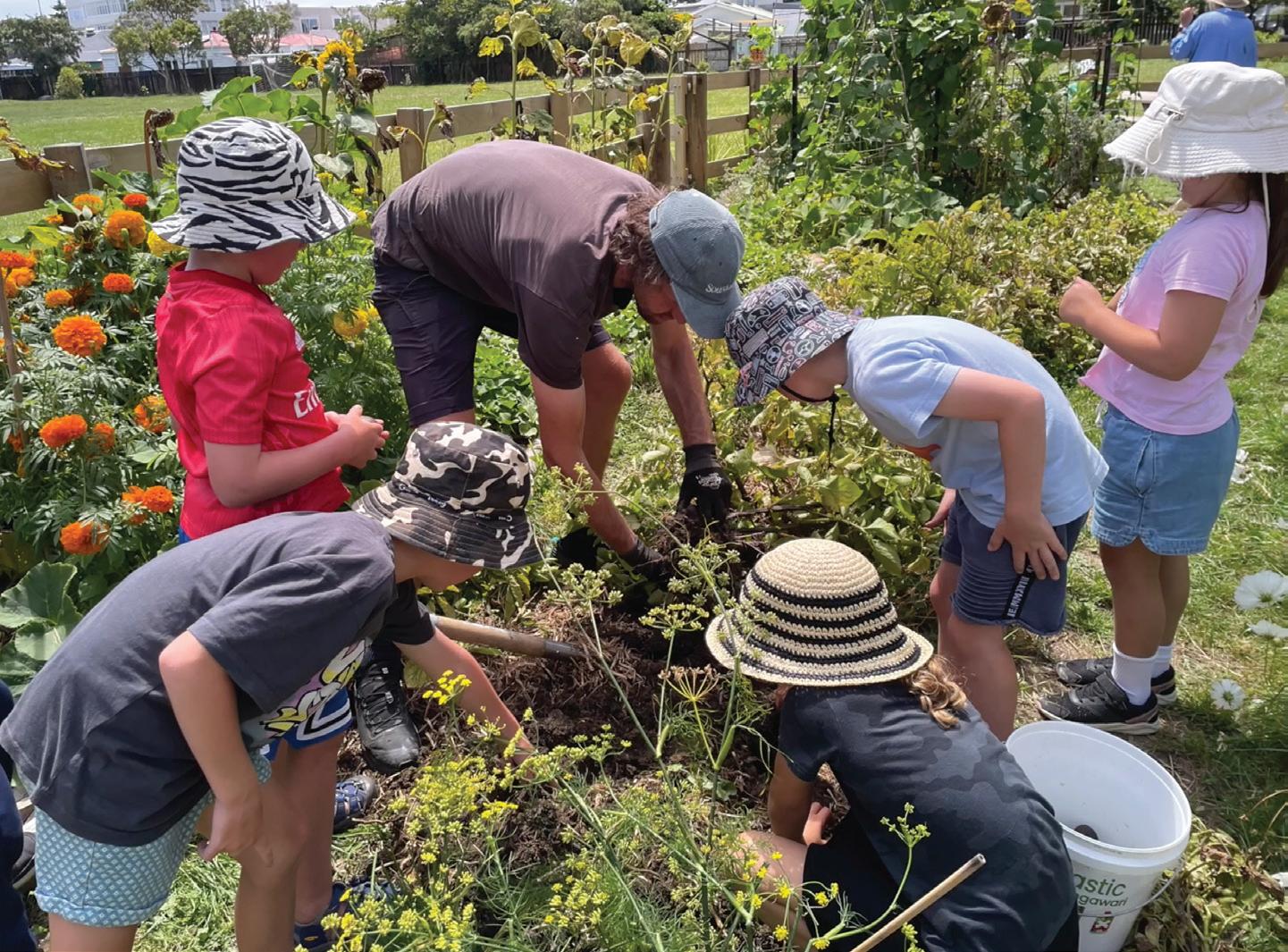
The absolute highlight of our month was the official opening of our new community garden space, Māra Muritai. This project simply would not exist without the sheer determination, fundraising, and physical labour of our parent and community network. From the initial design stages to the final planting, it has been a labour of love. Māra Muritai stands as a living testament to what we can achieve when we work together, providing an incredible outdoor learning hub where students can connect with nature, learn about sustainability, and watch their hard work bloom.
Whānau Reading Programme Takes Flight
This term also marked the launch of our new Whānau Reading Programme, and the response has been heartwarming. Every week, parent and community volunteers come into the school to sit down with our students, sharing the joy of storytelling and helping to build crucial literacy skills. This program is about so much more than just decoding words on a page; it’s about building confidence, fostering intergenerational connections,
school. Muritai is rich in people that are willing to volunteer their time, share their expertise and give back to our school community.
When parents, grandparents, caregivers, and local residents step up to support our tamariki (children), the benefits are profound. It shows our students that their education is valued by the whole village, building
a supportive network where every child can thrive. This collective effort is actively shaping our school environment and contributing to the extended whānau feel across the entire school. Over the past year, this community power has been on full display through several wonderful initiatives.
and creating a shared love for reading that bridges the gap between school and home.
Getting Stuck In: The Great Garden Working Bee
The community spirit was out in full force during our recent weekend garden working bee. Volunteers arrived armed with gumboots, wheelbarrows, and plenty of enthusiasm to tackle three key areas across the school:
• Māra Muritai: Tending to our new community garden, adding
mulch, and ensuring the young plants have the best start.
• The Oroua Street Entrance: Giving our main gateway a beautiful refresh to ensure a warm, tidy welcome for everyone who visits.
• The Senior School Garden: Clearing overgrowth and preparing beds for seasonal planting.
Thanks to the sweat and smiles of our volunteers, the school grounds are looking absolutely spectacular.
When a Village supports our School - the Power of Community
Passion and Pukana: Supporting our Kapa Haka Rōpū
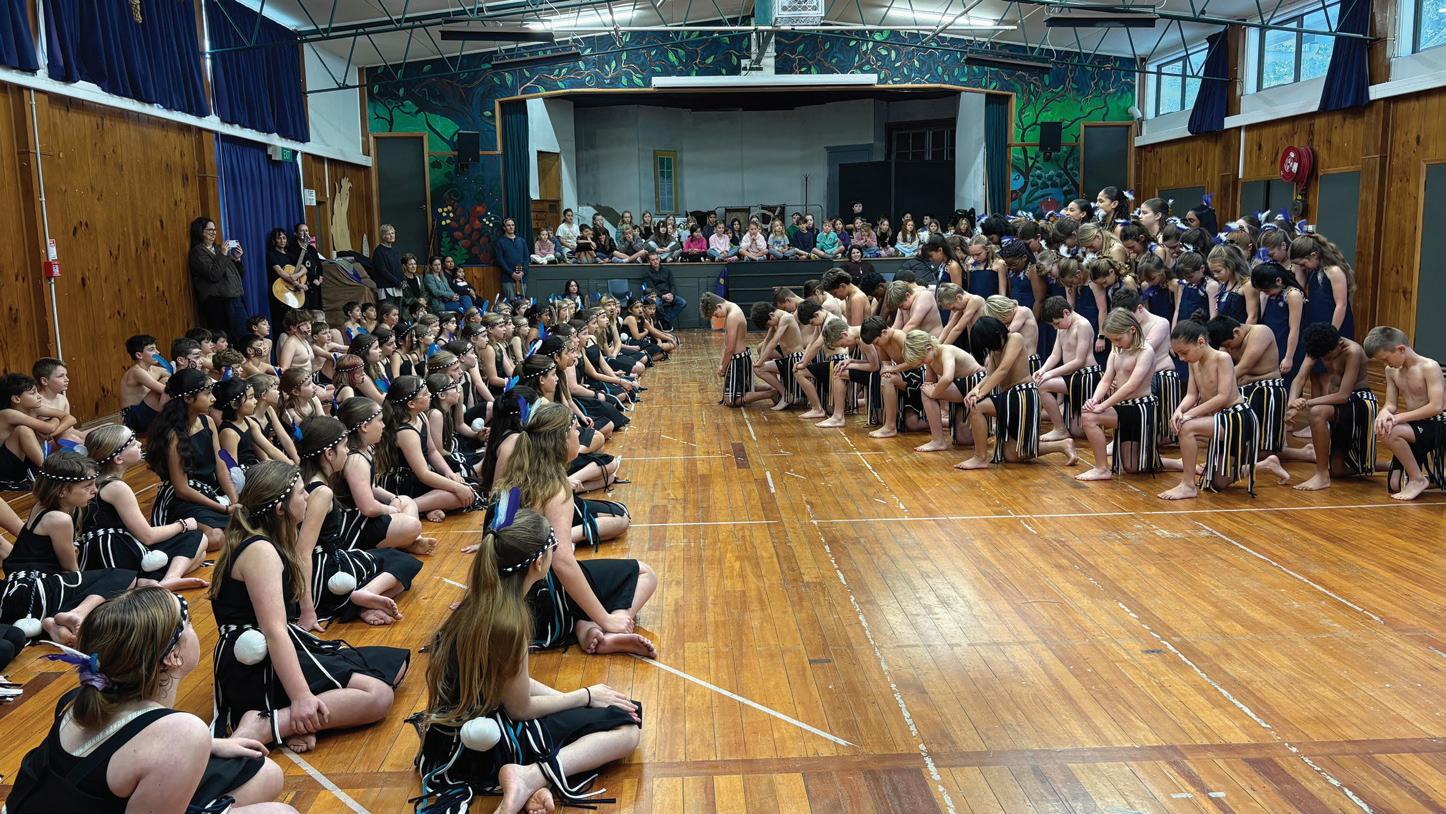
Our Kapa Haka rōpū (group) has been practising with great dedication, and behind their powerful performances stands an equally passionate team of parent supporters. From organising performance uniforms, playing guitar, to providing encouraging words and logistical support behind the scenes, this parent team ensures our students can stand tall and proud on stage. Your support allows our tamariki to deeply connect with Te Ao Māori (the Māori world) and share their culture with pride. Term 2 is a huge performance term for both rōpū with our Korokoro School Kapa Haka Exchange just wrapped up, HuttFest at Walter Nash and our annual Matariki celebrations towards the end of the term.
Fundraising Drives: Our Home and School Team
We have a small but dedicated team that contributes a lot to enhancing our school. There is never enough funding to do things we want to do in a state school and many would argue it is getting harder and harder. Our Home and School provide much needed additional funding for some ‘nice to haves’ around the place. They provide weekly pizza lunches for our students, run school discos, our annual Car Boot Sale and much more. Recently they have launched their major fundraising initiative for the year - our ‘Where in the World’ travel raffle. There are some incredible prizes up for grabs! The core project the team is fundraising for this year is a replacement playground for our junior school as our current playground has seen better days.
The Heartbeat of Our School
Every hour volunteered, every book read, every weed pulled, and every uniform prepped sends a clear message to our students: you matter, and your community stands with you. These contributions do so much more than just complete tasks; they weave the very fabric of our school culture, creating an inclusive atmosphere where everyone belongs.
To everyone who has given their time, energy, and heart to our special place You are the heartbeat of Muritai School.
Why Anxiety won't leave us alone
If there is one word I hear more than almost any other in my counselling room, it is anxiety.
Anxiety has become so common that we sometimes talk about it as though it is the enemy. But anxiety itself is not actually the problem. In fact, anxiety serves an important purpose, developed thousands of years ago when our ancestors needed a way to stay alive in dangerous situations. A primitive part of our brainthe amygdala was designed to detect threats and keep us safe, preparing ourselves to fight, flee, freeze, or fawn when danger was detected. Heart rate increased, muscles tensed, breathing changed, and attention became focused on survival.
Our brains cannot always tell the difference between a lifethreatening situation and an emotional threat. For some people, particularly those who have experienced trauma, whether a major traumatic event or the accumulation of smaller hurts and losses over time, the alarm system remains switched on long after the danger has passed. Their nervous system continues to scan for threats, even when they are safe.
But anxiety often tricks us into believing that worry keeps us safe. We think ahead, imagine worst-case scenarios, rehearse conversations, analyse situations, and try to anticipate every possible problem. For a brief moment, this can create the illusion of control. The brain receives the message that worrying helped us prepare, and so it encourages us to do more of it. Before long, worry becomes a habit that is difficult to break.
Many young people today seem to be carrying particularly high levels of anxiety. Social
Louise Parry, Liberty Counselling
media means that comparison, criticism, and bad news are available around the clock. Young people face academic pressures, uncertainty about the future, and often feel that they must get everything right. Many also experienced significant disruption due to the Covid pandemic during important developmental years. But can we truly live without anxiety? Probably not; a complete absence of anxiety would mean losing an important protective mechanism. Healthy anxiety alerts us to genuine risks, motivates us to prepare for challenges, and helps keep us safe. The goal is not to eliminate anxiety but to ensure that it is proportionate to the situation. Writer and psychotherapist Owen O’Kane’s best-seller, Addicted to Anxiety, offers a different view of anxiety as a kind of addiction. Identifying triggers and learning how to break the habits that exacerbate anxiety can help us to live with it, rather than being dictated by it.
One of the approaches often used in counselling is Cognitive Behavioural Therapy, or CBT. CBT helps us understand the relationship between our thoughts, emotions, physical sensations, and behaviours. These four areas constantly influence one another.
For example, a young person might think, “Everyone is going to judge me.” That thought creates feelings of fear, which trigger physical sensations such as a racing heart or tight chest. To reduce discomfort, they may avoid the situation altogether. While avoidance provides short-term relief, it also reinforces the belief that the situation was dangerous, making anxiety more likely next time.
Learning to challenge anxious
thoughts can help break this cycle. One useful strategy is to interrogate the thought rather than automatically believing it: Is this thought actually true?
• What evidence supports it?
• What evidence contradicts it?
• What would I say to a friend who was thinking this?
• Is there another explanation? This process encourages curiosity rather than fear. Instead of accepting every anxious prediction as fact, we learn to examine it more carefully, often discovering that anxiety is presenting possibilities as certainties.
Counselling can be enormously helpful in this process. Sometimes anxiety is rooted in unresolved experiences that need to be understood and processed. Sometimes people simply need a safe space to explore what is happening and learn practical tools for managing it.
Anxiety will always be part of being human. But when anxiety becomes crippling, it can begin to limit our lives. The good news is that anxiety does not have to be in charge. With understanding, support, and the right strategies, we can learn to listen to its warnings without allowing it to dictate our choices.
Where would we be without the backstage crew?
Over its 39-year history, the Butterfly Creek Theatre Troupe knows all too well that mounting a play is much more than finding a cast, then having them learn the lines and follow the stage directions. Just how good a production is, depends equally on the efforts made by the backstage crew, both before and during the production.
For Arsenic and Old Lace, which opened on June 25, the key backstage roles have included the production manager and props master; the set, costumes, lighting and sound designers; the stage and front of house managers; painters and set decorators.
Production manager Wendy Timarac is also master of props. She has gathered an eclectic selection of objects, from an antique phone to a bugle, a suite of early 20th century furniture suitable for a well-to-do New York living room, various suitcases, a spade, a paddle and a soup canteen. To keep within her $300 budget, she has sourced most of these objects from friends, op shops, through appeals on the Eastbourne Community Facebook page or via Trade Me and other local theatre troupes.
“It’s always fun trying to find weird and wonderful props. Fortunately, I enjoy ferreting around op shops and scrolling through Trade Me,” said Wendy.
Overseeing costumes for Arsenic and Old Lace is Gael Wellington. Fortunately, she has been able to source most of them from the excellent costume collection owned by the troupe and stored in a loft above the stage in the Muritai School Hall.
“We did a big clean out of our costumes recently, so it is now much easier to find what we want,” said Gael. “Director Suzy Cain had a clear vision of how she wanted the characters to look, so that was helpful. Up in the loft, we have a good choice of suits and gowns from various eras, and boxes of gloves, handbags, hats, shawls, shoes and belts. I particularly enjoy taking hand sewing home to work on in the evenings.”
For set designer Colin Orchiston, stage design and construction have been delightful inversions of his life as an architect. “Set design begins with reading the script and viewing other performances of the play, where possible,” he said. “Our budget is meagre, so we use and adapt as many materials already stored backstage as we can, e.g. stairs, doors, windows and flats. Safety and structure are important, but as the set only has to last a few weeks, we don’t have to worry too much about building regulations!”
Colin has a dual role with Arsenic and Old Lace, as he also appears on stage in the final act. “I enjoy
both roles, though my on-stage role in Arsenic and Old Lace is pretty risky,” he said. “Once those terrible Brewster sisters get out their bottle of elderberry wine, you never know what might happen!”
The season for Arsenic and Old Lace continues this weekend, with final performances on July 2, 3 and 4. Bookings are through Humanitix. Email bctt.org.nz@ gmail.com if you would like to get involved in any future productions.
Prop master Wendy Timarac surrounded by her latest finds
Market Intel
The months roll by and as the shortest day is upon us, conversations we are having with sellers now are focused on spring selling and the “best time” to come to market.
Many factors influence a successful sales campaign. The single most important factor is the condition of the property. A well-maintained house performs well at any time of year. While the months of June - August typically see fewer buyers through open homes, those we do meet are motivated, serious buyers. So why is a well-maintained house so important?
My theory is that this is a combination of 3 key factors which are as much about how people live their lives now, as about the house itself. Firstly, families nowadays are busy. Busy working parents, busy children. The scarcest commodity is time. Full-time jobs, caring for children, facilitating all their sports and activities means there is little (if any) time left to spend on home maintenance.
Secondly, the skills which
previous generations held dear - of “handiness” and the “she’ll be right” do-it-yourself attitudeseem to be lost. A comment I hear often is “we’re not handy, so we really cannot do work”.
Thirdly and probably most important of all is the financial implications of maintenance. This can be both actual cost and perceived. If you don’t have the skills to paint a home yourself, you need to pay for that service. Buyers who are extending themselves to the end of their borrowing capacity simply won’t have the budget to afford these extras and nor will banks lend extra for renovations (at least not at the outset). Very often, when selling a home that “needs work”, we see buyers guesstimating outlandish possible costs or – more likely – walking away without further consideration.
So while much real estate advice hinges on presentation such as delightful staging and promotion e.g. professional videography – all of these are futile if the product itself is seriously lacking in maintenance or in some way
defective. The best advice we can give any potential seller is to have an honest assessment of the condition of their home, to determine saleability (in advance of going to market). A great question to ask is “How does the condition of my home rank by the standards of the last 5 homes you have sold?”.
If you’d like tailored insights for your street or part of The Bays, I’m always happy to talk.
Top Tip for June: If your property gets great Winter sun – take some photos! Video also works well. We have some great technology that allows us to demonstrate the path of the sun over a property across the calendar, but photos and video can really help people visualise.
Did You Know? : Hutt City Council has a rates deferral scheme available for anyone aged 65 and over. There are NO barriers to entry and, while not widely known, this can provided financial assistance during a time of need. Please don't hesitate to reach out to me or Hutt City if you would like more information
Please donate saleable books to the collection box in Library foyer or contact us:
or 027 488 5602 Proceeds support Books for Kids projects
Sinead Diederich, Harcourts
AUGUST 2026
For event details visit pourandexplore.co.nz
Winter in Martinborough
has never looked so good
August in Martinborough used to be the quiet month. Not anymore. Pour & Explore is back for 2026, bringing over 70 events to the village and giving you every reason to visit, linger and come back for more.
From intimate cellar door tastings and truffle dinners to art workshops, gin masterclasses, live music and long Sunday sessions with local winemakers, the programme celebrates the very best of what Martinborough does so well. Food, wine, creativity and community, all in one of New Zealand’s most charming villages.
Whether you’re planning a full weekend escape with friends, a romantic winter getaway, or simply looking for a great day out, there’s something here worth making the trip for. Local businesses across hospitality, retail, accommodation and the arts have pulled together to create something genuinely special this August. Accommodation offers are available throughout the month, so make a proper break of it. Stay longer, eat well, explore the wine trail, and discover why Martinborough earns its reputation as a year-round destination.
The full programme is live now at pourandexplore.co.nz.
Recycled Reading - Lions Book Sale
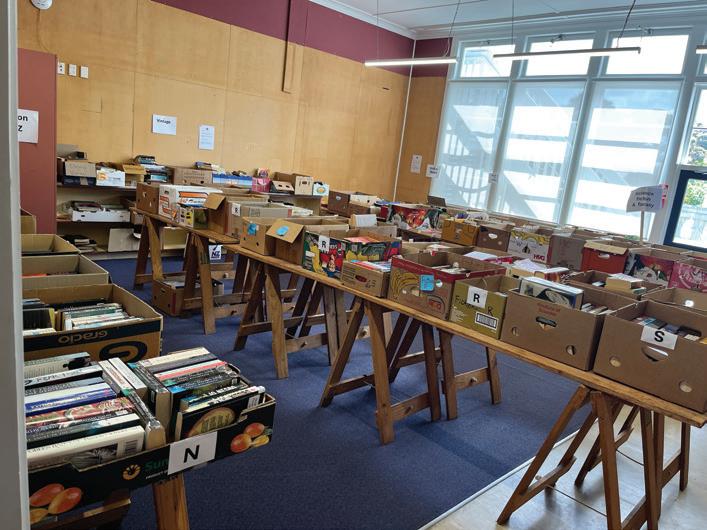
The Eastbourne Lions are running their popular “Recycled Reading” Booksale in August and donated books are already rolling in.
“The booksale is the biggest fundraiser for us now,” says Gavin Redpath, Projects Coordinator. “Lions is all about service to the community, so when we raise money it is to give to community groups in need.”
Last year’s booksale raised over $10,000 which we donated to local organisations working in the mental health and wellbeing space. This year’s focus is “books for kids” projects.
Judging by the quality and volume of books we receive, Eastbourne residents are avid readers. The support from the Eastbourne community both in donating books and buying books has been very generous in previous sales and the Lions are looking forward to the same this time round.
The sale has a real community feel. People downsizing or clearing their clutter get to pass on their books, recycling them, booklovers
get to find gems and new reading, and we raise money for great local causes. It’s a win win win.
"We’re glad to be able to hold the sale at San Antonio again,” says Gavin, “It means we can have multiple rooms and operate over three weekends and the weeks in between from 1 - 16 August.” Weekends will suit many and weekdays will suit retired and work-from-home adults and school kids after school. This year the back room that opens to the outside will be set up for the kids’ books".
Lorraine from Lions sorting out books already received
There will be books for all ages and interests from teen novels to adult fiction books including literary, crime, fantasy and sci fi, and a classics section. An amazing nonfiction assortment for your pleasure with travel books, history, sport, memoirs, gardening, cooking, music, art and much more. Even a special New Zealand book section. So come along for some great deals on pre-loved books, and the knowledge that you’re supporting future readers and book lovers.
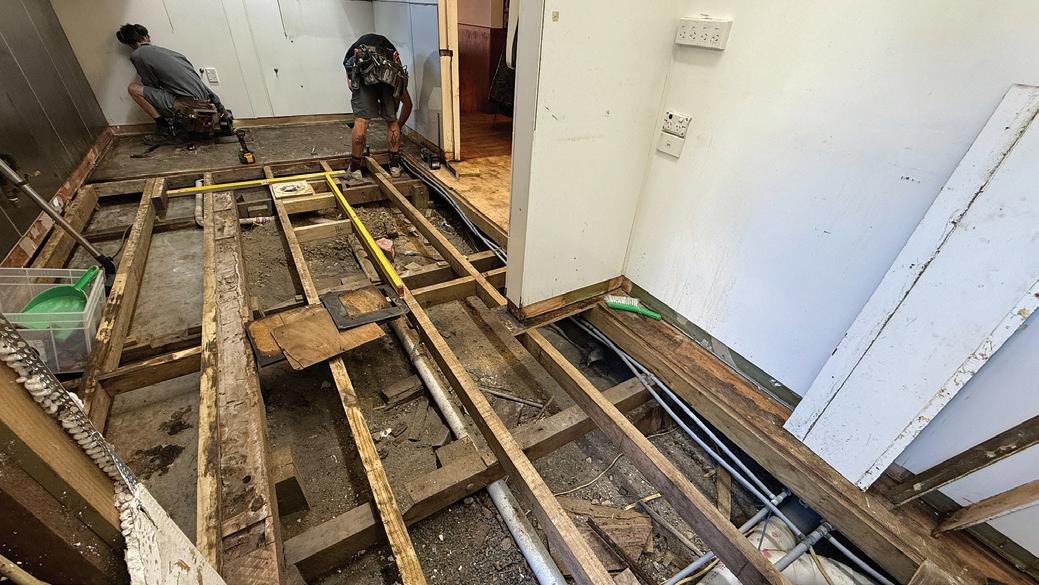
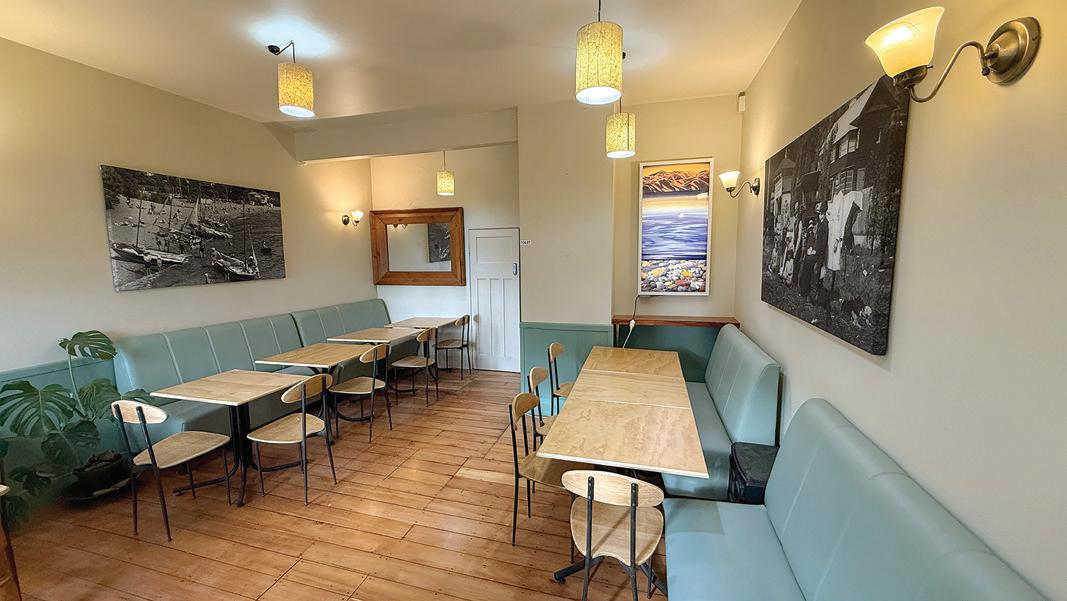
The Chocolate Dayz Cafe is excited to welcome everyone back very soon, after extensive flooring repairslooking good!
Simon Hoyle - photographer www.southlight.co.nz 027 562 7200
Janet Andrews - artist www.janetandrews.co.nz 021 164 2655
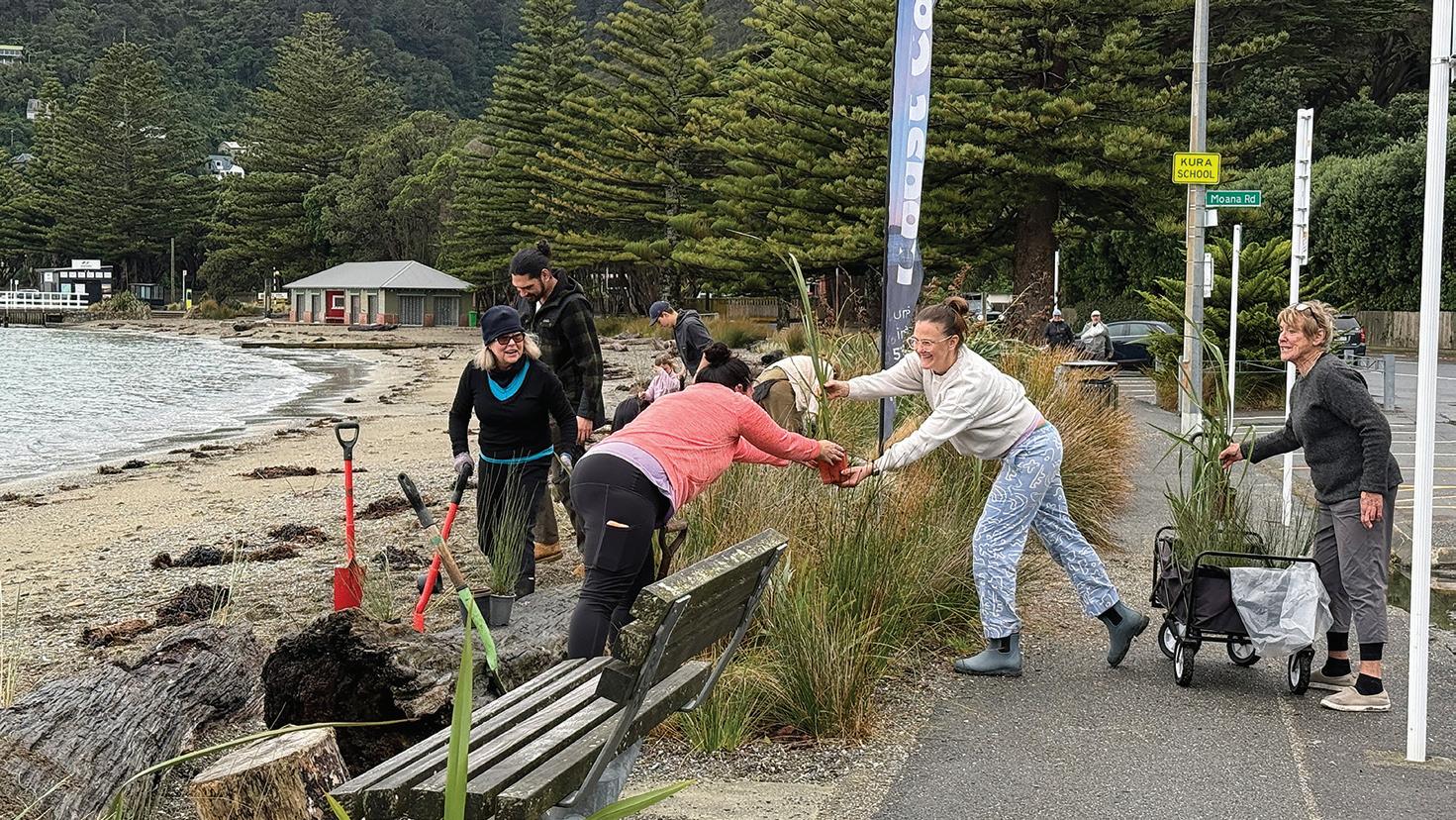
Winter solstice planting
A great way to celebrate winter solstice, locals helping to dig in several hundred dune plants on Days Bay beach
These form a natural protection for the beach, and a barrier to prevent storm surge from carrying sediment onto the road.
Organised by Janet Andrews
Well done team
NOVEMBER
Winter is definitely here but the garden is still growing. Here are a few things to be getting on with.
KEY POINTS FOR THIS MONTH PLANTING MAINTENANCE
Winter vege
New season potatoes
New season fruit trees
Strawberries
Cyclamen
South African plants
Fairy Magnolias®
Summer bulbs
Deciduous trees
` Continue to plant garlic and shallots, it’s
` Strawberries can be planted from July through to October.
` July is the perfect time to plant deciduous trees, including new seasons deciduous fruit trees and citrus.
KITCHEN GARDEN
` Protect all seedlings from slugs and snails, they love tender seedlings and the wet weather.
` It is rose pruning time and time to plant new season roses.
` Prune hydrangeas.
Leave the soil alone when it is wet, working with wet soil will compact the structure making
Dig in any green crops that are ready, roughly turn in the soil and leave to rot into the soil before
Sow seeds of broccoli, cabbage, broad beans, cauliflower, peas, lettuce, onions, radish, spinach, silverbeet, swede and turnips. In warmer districts sow carrots, parsnips and beetroot. Protect from the cold, transplant to the garden as the weather warms and when they are showing at least two sets
Broad beans can be planted directly in to the soil, stagger sowing for a continuous harvest. If you have plants already underway pinch out the first flowers to improve cropping.
` Plant seedlings: Cabbage, broccoli, cauliflower, lettuce, onions, silverbeet. Protect from the cold when they are young.
Protect frost tender plants from frosts.
Portable Heating Instant heating solutions
` Sprouted potatoes can go in the ground in warm climates. Prepare the ground in cooler regions.
` Garlic and shallots can still be planted, give them plenty of that winter sun.
` Plant strawberries in prepared beds. Feed with blood and bone as you plant.
` Planting of new fruit trees can still be done; stake well.
` All fruit tree pruning should be finished now.
` Feed all vegetables with a liquid general fertiliser.
Bread began with the Big Bang - Book Review
“Did you know bread is made from stardust?” asks a young girl, floating through space on the back cover of Lily Uivel’s new picture book.
Eastbourne author and illustrator Lily Uivel had to bake 20 loaves of bread before she was happy with the recipe for her Big Bang Bread. It’s very detailed – but easy too. But don’t worry, stardust is not an ingredient you’ll need to find.
“A kid could do it in an afternoon, with their parents’ help,” says the mother of twoyear-old Reed, who moved here with her partner Rory Stewart in time for lockdown.
“It might not be the best bread you’ve ever tasted but it’s not going to take three days!” she laughs, thinking of the sourdough loaf she usually makes.
Better known for her images for other authors’ books, including last year’s children’s book awards finalist Beddy-Bye Time in the Kowhai Tree, this is the first that Lily has written and illustrated, and it took quite some time to research.
The idea for the book, which Lily wrote some years ago, came from a quote by American astronomer Carl Sagan, who said that if you wish to make an apple pie from scratch you must first invent the universe.
Lily thought bread would be a more universal food to explore than the quintessentially American apple pie, so after the Big Bang and all that followed, the breadmaking on her literary trip through time begins with the Egyptians growing wheat.
It’s a big story to tell, Lily says, and sometimes it was hard to work out which theory to go with, given they can change with time. Fortunately, in an “awesome and very Eastbourne way”, she bumped into environmental sciences professor Mary Whelan on the beach one day. The American scientist, from Rutgers University, who is on sabbatical at Earth Sciences New Zealand, was happy to check the facts.
The grandchild of Dutch immigrants who met on board ship on their journey out, Lily says she really loved
Ann Packer
mythologies as a kid –creation stories from around the world – and sees this as a secular explanation of how the universe began.
While the book is pitched at 5 – 8 year-olds, son Reed already loves it for the dinosaurs and rockets, and Lily hopes 3 – 4 year-olds will enjoy it.
Publishers Penguin Random House have challenged young readers to make their own bread using Lily’s recipe, during the July school holidays, for their Penguin Kids NZ Facebook page, and to post their creations online.
Big Bang Bread: a 13.8 billion-year adventure will be launched at the Muritai Yacht Club rooms on Sunday 5 July at 3-5 pm. Refreshments, a book reading and copies available for purchase and signing. All ages welcome.
Thinking of selling? Get your FREE and Confidential Appraisal with Duncan today.
Duncan Povey
027 597 1080
duncan.povey@tommys.co.nz
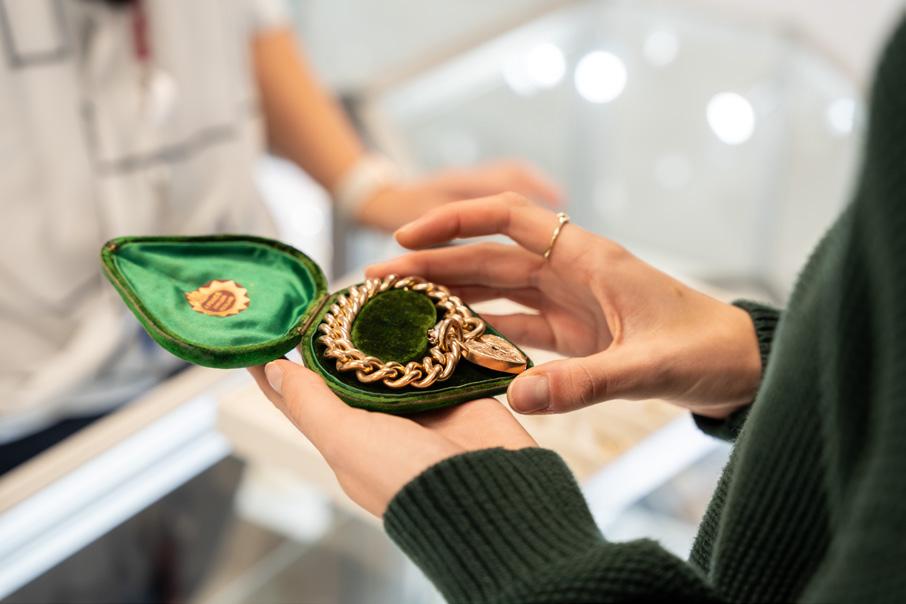
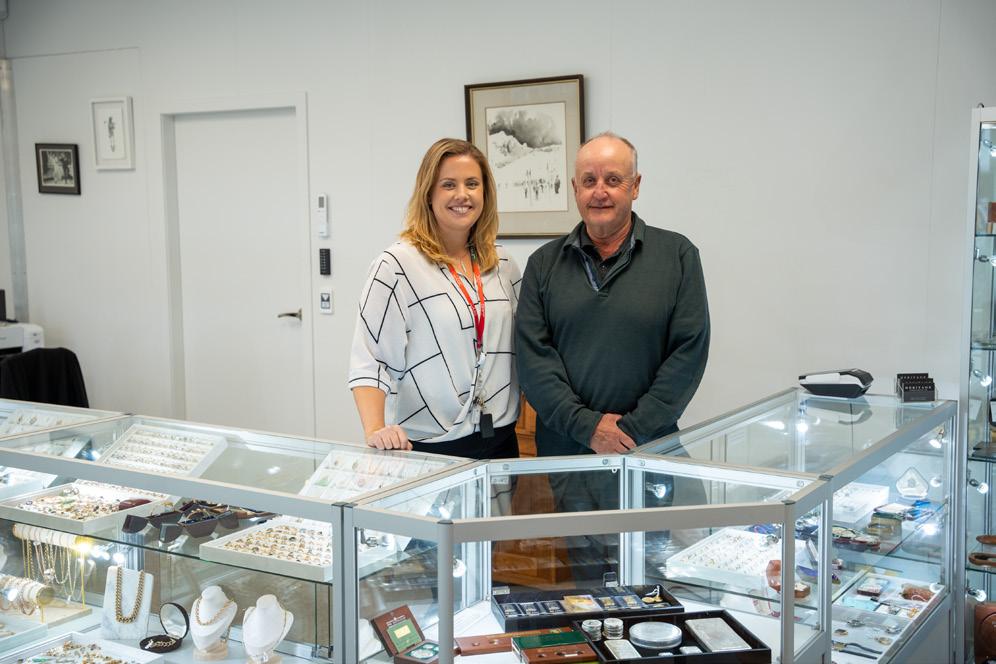
Antique & Estate Jewellery, Bullion, Coins, and Watches in Petone
Heritage Gold
SEE US INSTORE TO EXPLORE OUR UNBEATABLE RANGE
Wanted to Buy
Silver and Gold Bullion
Vintage Watches
Gold and Silver Antique
Estate and Modern Jewellery
All Gold Jewellery
Gold and Silver coins and bars
All Coins and Banknotes
All Vintage and Old Watches ALWAYS BUYING AND SELLING
PLEASE COME AND SEE US INSTORE WITH YOUR ITEMS FOR AN ON-THE-SPOT APPRAISAL AND OFFER.
If you are in any doubt, bring the items in for us to look over. Please bring your bank account details for payment.
We Specialise in Buying & Selling all kinds of Jewellery, Bullion, Coins and Banknotes, Silver and Gold items, and Watches.
Visit us instore or online at www.heritagegold.nz
Fully licenced with over 50 years industry experience. Visit Us
Imperial Park, Unit 81, 41 Bouverie Street, Petone, Lower Hutt. Next to Gilmours & Mitre 10.
Enter Imperial Park, turn right, go straight to the North end, and you’ll see us.
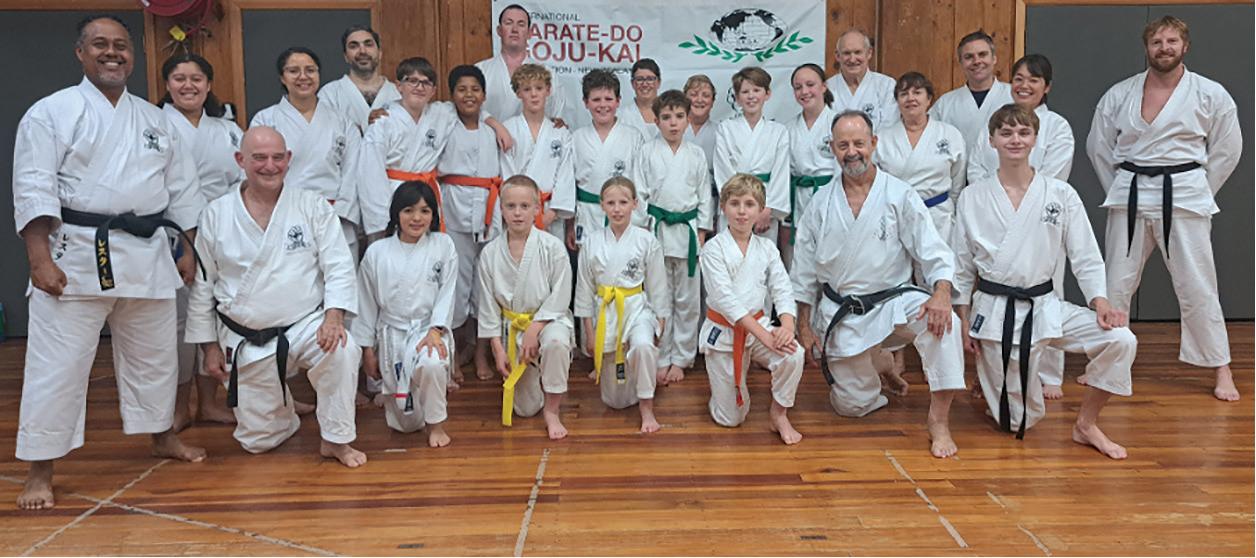
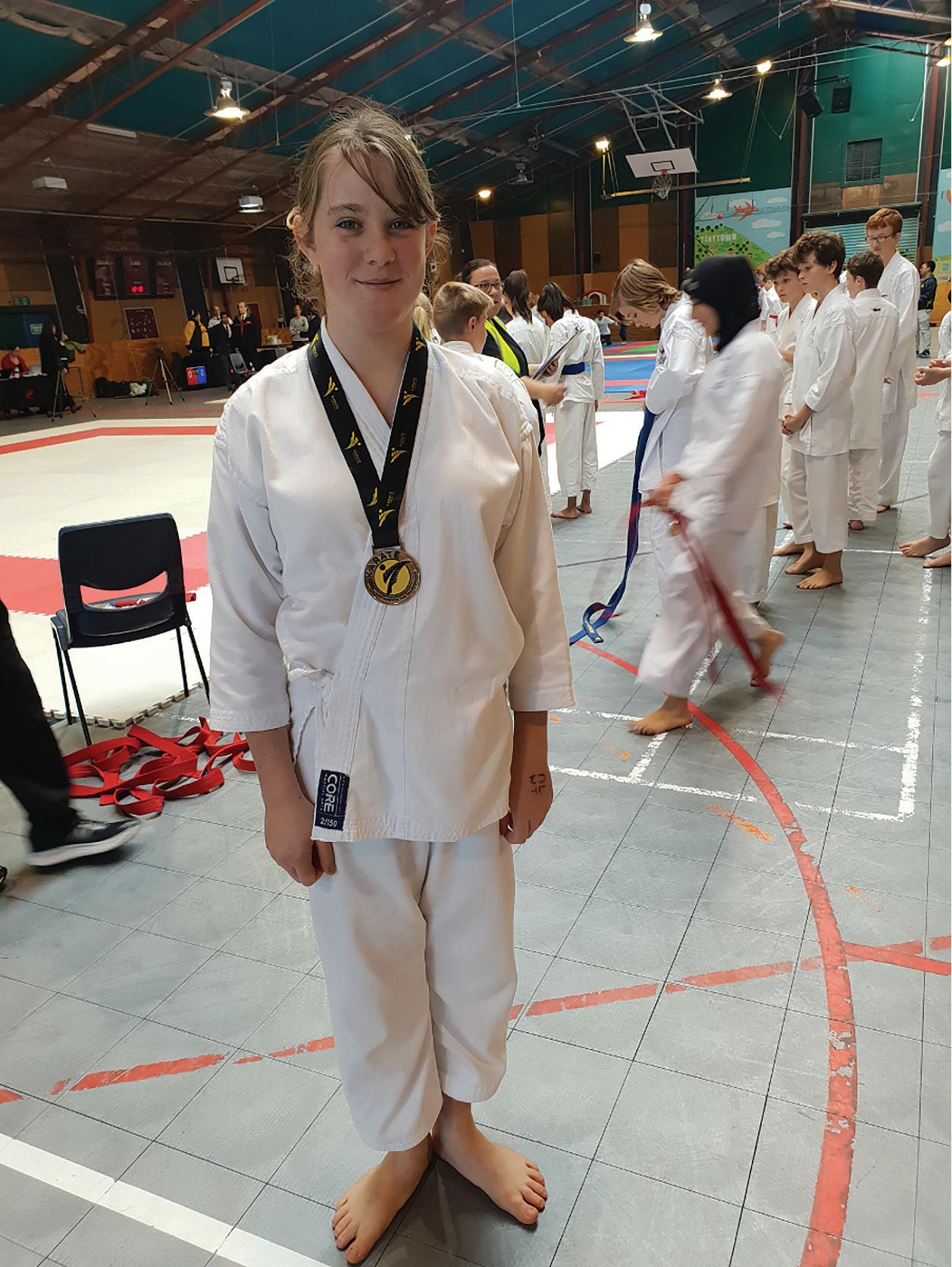
Kia Ora neighbour, We’re on a self-defence and martial arts trend! One of my favourite parts about writing this column is the window it opens into the many worlds within our smallish community, highlighting our ties and building new ones. This month we have the good fortune to meet Lindsay Johnson, founder of the Eastbourne Karate
Kerry Makin-Byrd
Dojo, and Artemisia Walcott, an Eastbourne local who recently earned her black belt. Attending the black belt award ceremony, I kept recognising familiar faces… people I met walking dogs or at the bus stop. At the end of the ceremony, we did an exercise together, clapping out a rhythm, first with one finger, then a few, then a whole hand. The beat with
many hands echoed in the school hall, reaffirming the power of a group, the power of community working together. Wishing you a wonderful month, Kerry Please email me at kerry@ drkerrymakinbyrd.com to nominate anyone who you think should be highlighted in this column.
Kia ora neighbour - Lindsay Johnson
Can you give a brief introduction to the history of karate and its utility in our modern world? Karate is a traditional martial art that originated in Okinawa, a group of islands in present-day Japan, where local fighting methods blended over centuries with influences from Chinese martial arts. Initially developed as a form of unarmed self-defence—especially during periods when weapons were restricted—it gradually evolved into a disciplined system of physical training, mental focus, and ethical development. In the early 20th century, pioneers such as Gichin Funakoshi introduced karate to mainland Japan, where it became formalised with structured training, ranking systems, and widespread teaching in schools, eventually spreading around the world. In the modern world, karate remains highly relevant beyond its origins as a combat art. It provides practical self-defence skills while also promoting overall physical fitness, including strength, balance, flexibility, and cardiovascular health. Equally important are its mental and social benefits: regular practice fosters discipline, confidence, focus, and respect, qualities that support personal growth and everyday life. Today, karate is practised globally not only as a sport, but as a lifelong path for self-improvement, wellbeing, and community connection.
Our Eastbourne Karate Dojo is affiliated with the International Karatedo Gojukai Association (IKGA) in Tokyo, Japan. IKGA is the international association formed by the late Grand Master Gogen Yamaguchi to help bring Gojuryu Karatedo to the world. Under his leadership IKGA flourished with
thousands of members worldwide, and under the leadership of his son, Grand Master Goshi Yamaguchi, the association continues to grow and thrive.
IKGA Karate can be found in New Zealand, Africa, Asia, Europe, North and South America, and Oceania. Saiko Shihan Goshi Yamaguchi travels regularly to each of these regions to teach the highest level of Gojuryu Karatedo to Instructors and Members. Members from all regions that teach IKGA Karate are welcome to visit Hombu (Headquarters) in Japan.
Kerry Makin-Byrd
children. In Feb. 2018, I was awarded Eastbourne Order of Excellence for being an inspiring teacher and leader of the Eastbourne Karate Dojo for 20 years.
Our members include parents and their children from Eastbourne and the Hutt Valley. They are all very dedicated, especially our two Second Dan Black Belt instructors, Sensei Peter Barwell and Sensei Lester Randall. We promote a family shared experience, so that parents can be involved while their children are also participating. The shared experience is exceptionally
Please tell us about the Eastbourne Karate Dojo. When was it founded and who are its members? My wife and I emigrated to New Zealand in May 1996, shortly afterwards moving to Eastbourne. Our daughters were very young at that time, the eldest being 3 years old and my youngest about 10 months old. We did not know anybody in Wellington at the time and I thought it would be a good idea to start a karate dojo in Eastbourne as a way of getting to know locals. As I was already a 4th Dan Graded Black Belt in the IKGA style, it was an easy decision to make. Since I first formed the Dojo in 1999, our dojo has been training and offering karate instruction to many hundreds of parents and
rewarding for families.
Can you explain the karate grading system? What is involved in earning a belt, specifically a black belt? One of the most recognizable features of karate is the use of belts to signify the rank and progression of practitioners. The belt system is a way of measuring the skill, experience, and knowledge of the karateka. It also serves as a motivation and goal for students to strive for.
Earning a black belt is as much about mental fortitude as it is about physical prowess. It takes years of unwavering discipline and commitment to achieve this level.
Kia ora neighbour - Artemisia Walcott Kerry Makin-Byrd
Black belts are not handed out easily—they are earned through hard work, countless hours of practice, and enduring challenges both inside and outside the dojo. This dedication requires sacrifices, whether it’s waking up early for training sessions, pushing through physical pain, or maintaining focus even when progress feels slow. The black belt also symbolizes an individual’s ability to stay disciplined, even after the goal has been reached. While earning the black belt is an achievement, it also marks the beginning of the journey toward mastery. A black belt is not a final destination but a recognition of the continuous process of improvement, learning, and personal growth.
For people who don't know about karate, can you explain what Artemisia accomplished and why it's significant?
Artemisia started learning karate at our dojo in primary school. She has since then trained regularly at our dojo. The training has required maintaining fitness, strength and overcoming challenges of learning complicated techniques and kata formations. Each belt level requires the acquisition and demonstration of more knowledge and understanding. Remaining motivated over a long time is one of the biggest challenges. It requires significant support from both parents, the environment in the dojo, the trust and respect gained and shared with instructors and fellow students, the discipline and fortitude to keep training - even though injuries during training occur - and continually striving to meet the goal of achieving a Black Belt. In our style, it usually takes karateka 8 to 10 years to be ready for instructors to recognise that the karateka is ready for a black belt examination.
Johnson Sensei) at 021 844 873 or by email at lindsaysensei@live.com for more information or to attend a free introductory class. From Artemisia
My name is Artemisia, but I often go by Missy and I grew up in Eastbourne. Now I call Wellington, specifically Newtown, home as I am studying at university there. I started Karate when I was 9 years old, still in primary school at Muritai actually. My dad signed me up, and I thought I’d try it for a bit, and it just stuck for 12 years.
What are the most important keys to success in karate? A bit cliche but to not give up. To keep attending and to stay motivated, and of course to enjoy it.
How did you prepare for the grading? Months of learning the material I was to be graded on, taking on more leading roles
with feedback. Until that moment it can be very tense, so my first thought was relief when it was announced.
Are there any common misconceptions about karate or things you wish people understood? I think the view karate receives a lot is that it is aggressive, violent, and intense, where it's rather the opposite. We train very hard to have control and precision, and definitely learn how to not get hurt. It is also incredibly social and family friendly, accommodating for a huge range of age groups. Are there lessons you learned in karate that help you in other areas of your life? I'd say the clearest answer to that would be perseverance and confidence. If you could whisper advice to your younger self, what would you say? When I started karate, I looked very highly towards the black belts and told myself I wouldn't quit until I made it (despite not really understanding the time and work it would take to get there), so it is a huge personal accomplishment to receive my own black belt. The mindset of that promise from such a young age has helped carry me through some of the difficult sessions, knowing I am making my younger self proud. I would tell my younger self about how far I've come, and to stick with it.
during training to strengthen my confidence, and acquiring a large drink bottle.
What advice would you give to a young child who was interested in karate? Absolutely try it. The karate family at Eastbourne is really friendly and welcoming, especially for younger people! What advice would you give to an older adult who interested in karate? Similar advice to younger people, give it a try
Where can interested people learn more about the Eastbourne Karate Dojo? Karate instruction is provided at the Muritai School Hall on Monday and Thursday evenings from 6 to 7 PM during the school terms. People should feel free to contact me (Lindsay
How did you feel before the evaluation? I think most people, myself included, would say nervous, it's a big grading. But not without hints of excitement, it's very rewarding.
How did you learn that you had earned a black belt? How did you feel after? Did you do anything to celebrate? At the end of the grading they announce who passes, along
If you could make one wish for our community, what would it be? I think I'd wish for more sports that are so community friendly like karate, that are social and involved. I'd love to see more activities, clubs, and/or sports that support all ages and are welcoming and engaging to all skill levels that anyone can be a part of.
WHAT'S ON
Mondays
• Retired Persons’ Assn meet 4th Mon, 10am St Ronan's Church hall for morning tea followed by a speaker - $2 entry. Transport can be arranged for these meetings on request, ph 562 7365 or 562 8387.
• “Baby Bounce & Rhyme” at the library 10.00am.
• Toy Library - 7.30-8.30pm. EastbourneToyLibrary on Facebook. Kathy 0273551950.
•DB Playcentre Monday, Tuesday, and Wednesday mornings, from 9:30am to 12 noon. Drop in anytime to visit a session or email daysbay@playcentre.org.nz to arrange a visit.
• Pt Howard Playcentre. Mon 9.15 -11.45am. pcpointhoward@gmail.com
• The Historical Society’s Eastbourne History Room above the library is open 2-4 pm every Monday.
• Eastbourne Volunteer Fire Brigade training every Monday 7-9pm. Ph 562 7001 for more info.
• Mindful Mummas group for Mums and preschool children. Childminder onsite. 1011.30. Text Emily 027 552 6119 to join or go to bemoreyou.co.nz for more info.
•DB Playcentre Monday, Tuesday, and Wednesday mornings, from 9:30am to 12 noon. Drop in anytime to visit a session or email daysbay@playcentre.org.nz to arrange a visit.
• Muritai Tennis Club 9.30–noon. Merryn 562 0236.
• Eastbourne Homebirth Group 1st Tuesday of the month. Phone Kate 562-7096.
• East Harbour Women’s Club Morning Tea & Chat Group 10am. Contact Glendyr 0210303480.
• Indoor Bowls Club 1.30pm, at the croquet club, Oroua Street. Rosemary 562 7365
• Menzshed 9 till 12 , Williams Park, Barrie barrielittlefair@gmail.com 0204 1234511. Women welcome.
• 9.30am Nia Dance Fitness Class (low impactteens to 70+) Music Movement Magic - Muritai Yacht Club - call Amanda 021 316692 www.niainwellington.com
• Sing Eastbourne: 7.30pm, San Antonio Jenny 0274 572 839
• Toy Library - 9.30am-10.30am.
Wednesdays
• Cubs: 5.30pm - 7.00pm, Ed 021 738 699.
• Venturers - 7:15pm - 9pm - Ed 021 738 699.
• Library preschool story time 10.00 am.
• Pt Howard Playcentre Wed 9.15 -11.45am. pcpointhoward@gmail.com
• Scottish Country Dance. Merryn 562 0236.
• Bridge Club 7-10pm. Shona 562 7073.
•DB Playcentre Monday, Tuesday, and Wednesday mornings, from 9:30am to 12 noon. Drop in anytime to visit a session or email daysbay@playcentre.org.nz to arrange a visit.
• “Steady as You Go” Age Concern sponsored Falls Prevention and Exercise Programme. Held 11.30 each Wednesday at Eastbourne Community Hall. Classes are held for 1 hour and is free for the first session. Improve your strength and balance to reduce falls and
injuries. Falls are preventable. Please join us!
• Tai Chi 9.40am Muritai Yacht Club Lyn 021 1428915
Thursdays
• Menzshed 9 till 12 , Williams Park, Barrie barrielittlefair@gmail.com 0204 1234511. Women welcome.
• St Ronan’s Mainly Music, 9.15am-11.15am, during school terms. Contact Cathy 027 213 9342.
• East Harbour Women’s Club,- Bolivia 12.45pm, Contact Glendyr ph: 0210303480. Guest Speaker (3rd week of month) 6pm, drinks and nibbles provided, Contact Celeste 021 206 5713
•Lions meet 2nd Thursday of the month at the Eastbourne Sports and Services Club, Tuatoru St 6.30 pm. New members and visitors are welcome. Graham 562 8819.
• Scouts 6pm-8pm - Ed 021 738 699
• Eastbourne Bowling Club casual summer bowls 5.30pm for an hour or so. Make up a mixed team of three. Contact Keith Turner ph 04 934 4142..
Fridays
• Pop in and Play playgroup at St Ronan's Church Hall, 9am-11.30am during school terms. All preschoolers (0-4 years) welcome. Becca Sharples 022 645 1303.
• Pt Howard Playcentre Fri 9.15 -11.45am pcpointhoward@gmail.com
• AA Plunket Rooms 7.30pm. Mark 566 6444/ Pauline 562 7833
•Senior Residents: Lighthouse Movies - last Friday of every month. Pick up from 10am. Contact Celeste on 021 206 5713 for more information. Okiwi Services (Eastbourne Community Trust).
• Probus club of Boulcott
Hutt bowling club, Myrtle street, Lower Hutt. Meeting every 2nd Friday @ 10am starting in February 2026.
Fun - fellowship- friendship New members welcome.
More information contact Doreen 0210799063
Saturdays
• Justice of the Peace at the Eastbourne Community Library, first Saturday of each month 12pm-1pm.
• Croquet from 10am Muritai Croquet Club. Lyn 562 8722 or Val 562 8181.
• Lions' Bin - cost effective rubbish and e-waste disposal. Last Saturday of the month (except December) by Bus Barns. Gavin 027 488 5602.
• Club sailing and racing at Muritai Yacht Club, 1:00-5:00 weather dependent. More info: myc.org.nz
Sundays
• AA Plunket Rooms 10am. Karen 021 440 705.
• Days Bay Touch Rugby, by arrangement on Whatsapp group, text Xavier 027 249 3645 to join.
Our Volunteers are at the heart of everything we do at Te Omanga. Volunteers are an integral part of the valuable service we provide to all our patients and families.
We need some more volunteers on our happy lawnmowing team. Once a fortnight commitment, or could be once a month. Need to be able to bring your own lawnmower. Morning tea provided.
Call Rachel on 021 103 8841 for more information or email volunteers@teomanga.org.nz
The Eastbourne Herald is proud to support Te Omanga Hospice.