


A friendly reminder to pay your membership renewal within 90 days of your renewal date to stay active! Notifications are sent 2 weeks prior, with follow-ups every 30 days after the renewal date. You can check if you're up to date via the MYAIOH portal If you're having trouble renewing, please refer to our user guide Unfortunately, failure to pay the renewal will result in your membership becoming lapsed.
Please take a moment to familiarise yourself with the AIOH Logo & Post Nominal requirements This policy covers the appropriate use of the AIOH logo and post-nominals for both individual members and companies Adhering to these guidelines helps maintain the integrity and recognition of AIOH
A quick reminder to update your details via the MYAIOH portal to ensure everything is up to date. Don’t forget to add your industry sectors and occupational hygiene experiences to keep your profile complete and relevant!
Get involved with the AIOH by volunteering for a committee or working group! It’s a great opportunity to network with industry professionals, contribute to the growth of the occupational hygiene community, and gain valuable leadership experience. Your involvement helps shape the future of the profession while enhancing your own skills and knowledge
Please note that the attachments can only be viewed by logging into the MYAIOH portal
Stay up to date with the latest AIOH publications. From submissions and technical papers to position papers and guidance documents, our growing resource library is designed to keep members informed and support best practice across the profession Explore the latest documents on the AIOH website.
AIOH White Paper – Occupational Health Performance Measurement
AIOH Position Paper - Chlorine and Occupational Health Issues (2025)
AIOH Tecnical Paper - Minimising measurement uncertainties when using Direct Reading Dust Monitoring Instruments (DRDMIs)
AIOH Submission - Regulation of Welding Processes
AIOH Submission - Asbestos Framework Review
AIOH Submission - Responses to Safe Work Australia Questions Relating to Workplace Exposure Limit Analysis
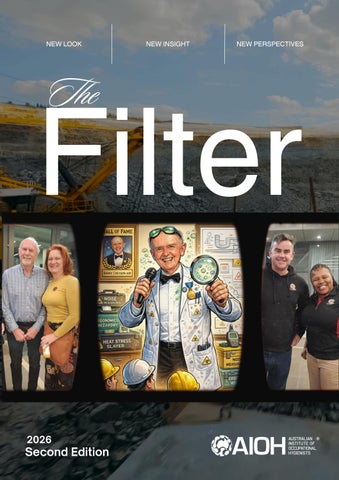
As we move through another busy and productive year for occupational hygiene, this issue highlights the strength, expertise and commitment of our AIOH community. From scientific research and professional development to member achievements and industry updates, this edition showcases the many ways our profession continues to advance and influence healthier workplaces across Australia and beyond.
A highlight of this issue is a glimpse inside the 2026 AIOH Annual Scientific Conference & Exhibition, highlighting the insights, innovations and connections that continue to shape our profession.
The AIOH Members Hub celebrates the people who make our Institute thrive. We welcome new members, recognise certification achievements and milestones, and pay tribute to the late Dr Barry Chesson AM.
Professional growth remains central to our mission, with updates on certification, training opportunities, webinars and educational pathways.
The feature article, Why 3D Printing Needs Better Exposure Control, explores an important topic for practitioners working to identify, assess and control exposures in all environments. Alongside this, readers will find research highlights, industry updates and award-winning contributions that demonstrate the depth and breadth of occupational hygiene practice.
On behalf of the Editorial Team, thank you to all contributors, volunteers, authors and members who continue to support The Filter and the broader occupational hygiene profession. Your expertise, enthusiasm and dedication are what make our community so vibrant.
I hope you enjoy this edition and find inspiration, knowledge and practical insights that support your professional journey.
Kind regards,
Kelly Jaunzems
ideas, or content or just want to get involved, please, reach out and have a me through the marcomms@aioh.org.au email address.
All ideas are very welcome and we would love to hear from people about w want to see. Until next time!
Hamish Rae - Marketing and Communications Sub-Committee Lead

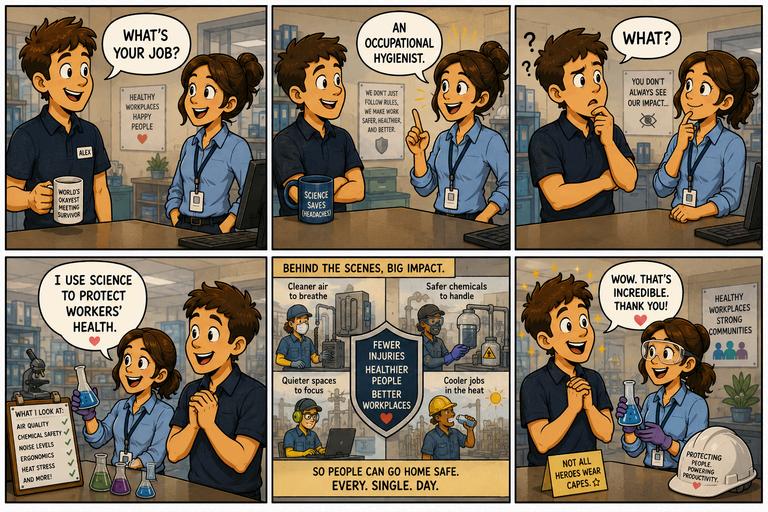
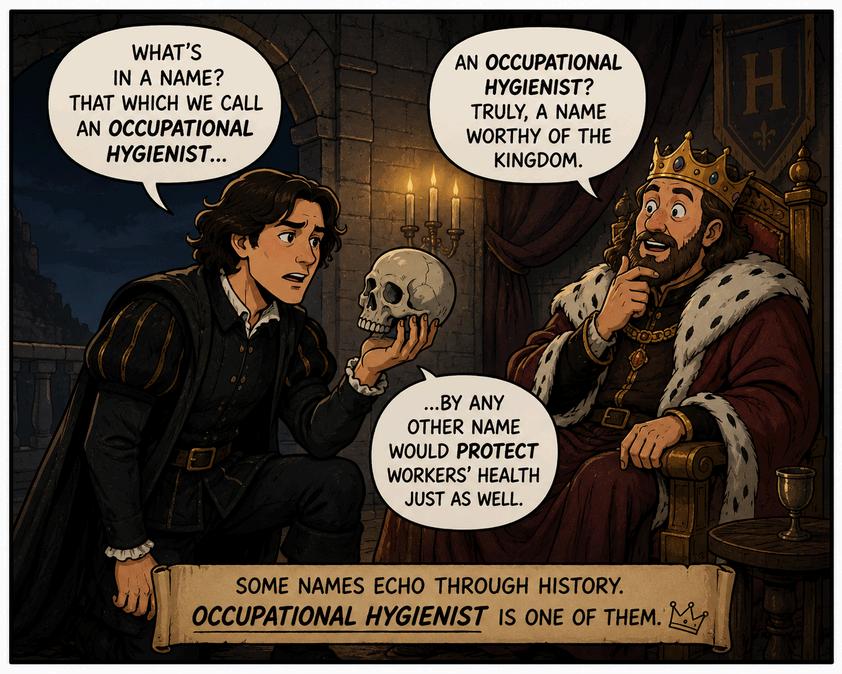
Back in 2025 The Filter launched a new section called Unpopular Opinion, and there was really only one topic I wanted to kick things off with: that old chestnut that just won't go away does "Occupational Hygienist" actually describe what we do, and does anyone outside our profession have a clue what it means?
Some of you will remember the short piece I wrote on it. Whilst only about 85 members out of our ~1,700-strong membership responded, so let's no d hi rigorous poll, the result wasn't even c to have a real conversation about ch expecting something more like a coi closer to a landslide.
Small sample, big signal. Maybe it's t members coming through with fresh ey that more of us are out there talking d the public than ever before Either way Here's the thing, decades building huge, if slightly know what an o and respirators. really the headlin I'd say no. What we actually who find, assess before they turn sentence. But try explainin what we do and test stuff?" Sure, big part of the Collecting data i sick is.
And that's exactly why this isn't a simple fix We've worked hard to earn credibility with regulators, government, employers and industry under the banner we already have. Rip up the name overnight and we risk ripping up a chunk of that trust and recognition along with it. That would be a genuinely bad trade.
The real problem isn't that our profile hasn't grown it has, but it’s within our own circles. The issue is that the general public is still largely none the wiser about what we do day to day So maybe the fix, at least for now, isn't a new name. It's a better answer to "what do you do?"
Next time someone asks, instead of just saying "I'm an occupational hygienist" and watching their eyes glaze over, try adding a line like:
● "I use science to protect workers' health finding and controlling workplace hazards before they cause harm."
● "I help make sure people go home from work as healthy as they arrived, by spotting and managing the things that could hurt them"
If people understand what we do, they'll understand who we are, no rebrand required, at least not yet.
Will we eventually land on a new name? Possibly. But if we do, it needs to be the finish line of a carefully planned, long-term strategy not a knee-jerk starting point.
For now, our biggest opportunity is simply to keep telling people, consistently and clearly, what value we bring: We protect workers' health. Get that message to stick, and any future conversation about our name becomes a whole lot easier.
P.S. Still don’t like the name!
Ross Di Corleto
BRISBANE CONVENTION & EXHIBITION CENTRE
TH ND
30 NOV – 02 DEC


With our theme Iron to the Fire: Strengthening Occupational Hygiene, this year’s scientific program is shaping into one of the most dynamic we’ve ever delivered, reflecting the depth, diversity, and momentum of our profession
This year, we received over 100 abstracts from across the globe, representing an extraordinary breadth of research, case studies, innovations, and practical learnings Our Scientific Committee is now deep in review, curating a program that will ignite new ideas, challenge current thinking, and equip delegates with practical insights they can take straight back to the workplace
To everyone who submitted an abstract - thank you.
Your willingness to share your expertise, your lessons learned, and your passion for protecting worker health is what elevates this conference year after year
The AIOH26 program is about strengthening our knowledge, networks and leadership that create opportunities for collaboration and sharing technical expertise.
This year’s program will be bold, relevant, and deeply practical, designed to inspire action and spark collaboration.
We can’t wait to share more soon AIOH26 is set to be our strongest conference yet, and we look forward to welcoming you as we continue strengthening the fire that drives our profession.
AIOH26 Scientific Chair
AIOH sincerely thanks the conference committee for their invaluable support and assistance in 2026
Conference Chair: Noel Pinkerton, Director, Awareness, Engagement and Specialist Advice, Asbestos and Silica Safety and Eradication Agency
Scientific Programme Chair: Anne Nissen, Corporate Occupational Hygiene Specialist, Anglo American
Scientific Programme Committee Members:
Mark Desira, Principal, Health & Hygiene, Glencore Metals Australia
Sidney Pierantozzi, Occupational Hygiene Advisor, Rio Tinto
Brandon Wentzel, Hygiene Specialist, BHP / BMA
Dr Jane Whitelaw, Head of Discipline, Occupational Health and Safety UOW
Marketing Committee Members
Greg Dean, Managing Director, 5 Sticks
Consulting
Katherine Durie, Occupational Hygiene and Safety Professional, KAD Hygiene and Safety Solutions
Exhibition & Sponsorship Committee Member
Matt La Macchia, Occupational Hygienist, Boral
Conference Dates: Monday 30th November - Wednesday 2nd December
Location: Brisbane Convention Exhibition Centre (BCEC), Brisbane
Continuing Education Sessions: Saturday 28th November - Sunday 29th November
In 2026, the AIOH community gathers under a theme forged with purpose: Iron to the FireStrengthening Occupational Hygiene. Iron, the 26th element, aligns with the year 2026 and offers a powerful symbol of the strength, resilience, and evolution of our profession
Our profession has faced significant challengesfrom new contaminants to shifting regulations and rapidly advancing technologies
Building on past themes of evolution, insight, and scientific storytelling, the 2026 conference invites us to explore how we continue to strengthen as a profession.
This conference will not just be a gathering of professionals but a forging ground of knowledge.
Take advantage of early bird registration and enjoy up to 25% off standard member rates Register before Wednesday 30 September for your chance to win one of two amazing prizes:
Win Two Half-Day Continuing Education Sessions
Boost your learning at AIOH26 with two Continuing Education Sessions of your choice!
Student and Retired registrations are not eligible for this prize
With thanks to our 2026 conference sponsors



Industries and Organisations Represented
Occupational Hygienists across consulting and industry sectors
Occupational Physicians and Health Service Providers
Equipment Suppliers and Laboratory Representatives
Government Regulators and Occupational Hygiene Inspectors
Educational Institutions and Research Organisations
Hygiene Software and Technology Providers
International Association Representatives
Australian Defence Force Personnel
Interested in Exhibiting?
If you would like to explore opportunities at AIOH26 please download the Sponsorship Prospectus to view the full range of options available
View the live floor plan to see all confirmed exhibitors joining us at AIOH26.
Half of the booths sold already!
Partner with AIOH26 and showcase your organisation to Australia's occupational hygiene community. We offer a range of sponsorship opportunities designed to increase your brand visibility, connect you with industry professionals, and support the advancement of the profession
Interested in showcasing your brand at our upcoming conference?
Download the sponsorship prospectus to explore the range of packages available
For further enquiries, please email the Senior Events Manager Kelly Phypers, or call the AIOH office on (03) 9338 1635
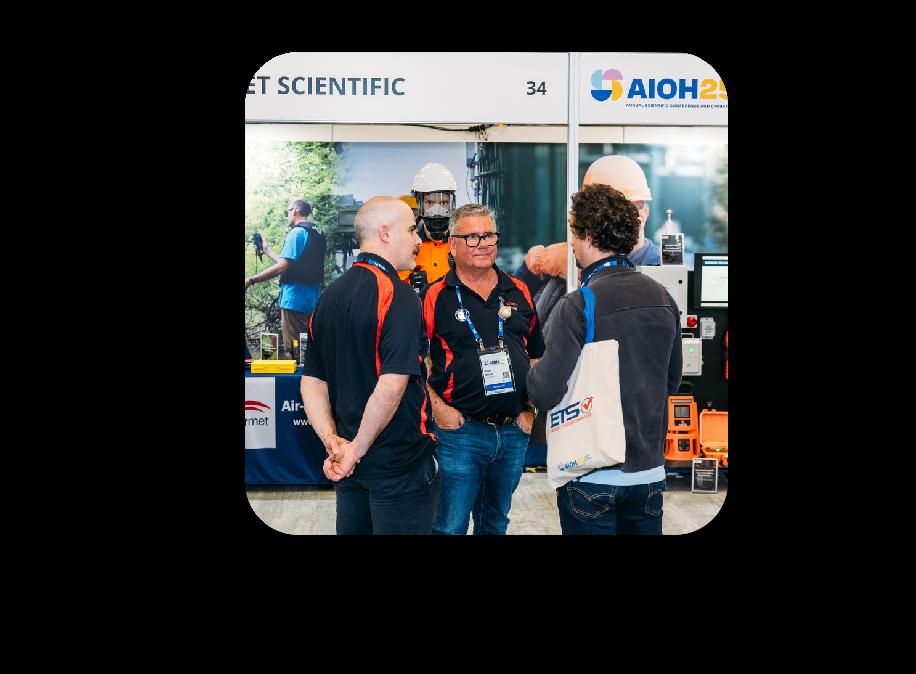

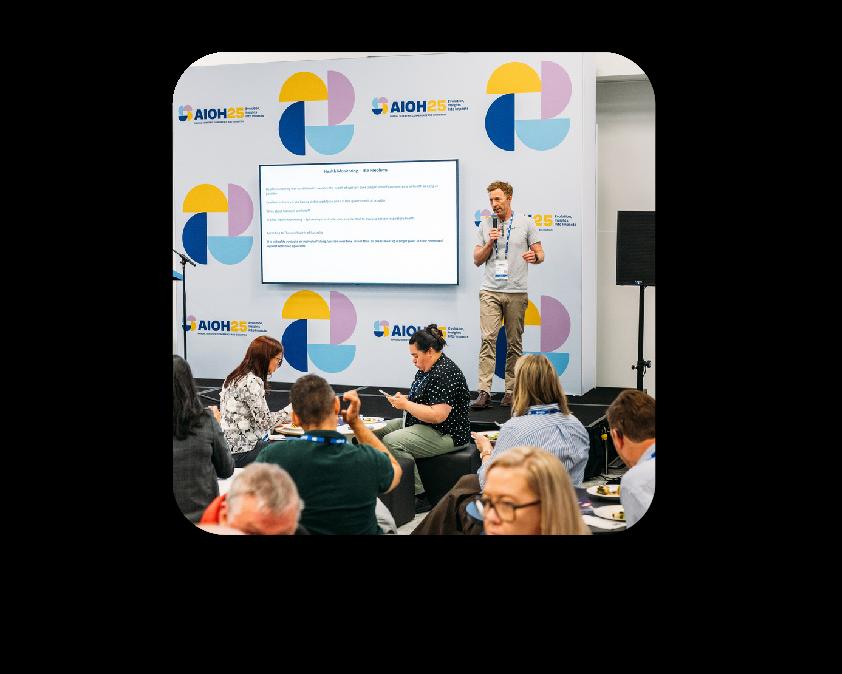
AIOH26 is a valuable opportunity for Students to connect with the occupational hygiene profession, build industry knowledge, and become part of the occupational hygiene community.
This is your chance to:
Hear from leading experts in occupational hygiene
Connect with professionals, peers, and potential mentors
Explore current research, technologies, and emerging trends
Gain insight into the future of the profession
Participate in events hosted by the Emerging Hygienists Group (EHG)
Build valuable connections through the Newcomers Speed Networking Event
Please note: complimentary student registration does not include tickets to social events These may be purchased separately
AIOH is committed to supporting the next generation of occupational hygienists As part of this commitment, eligible full-time Students with less than three years of industry experience are invited to attend AIOH26 free of charge.
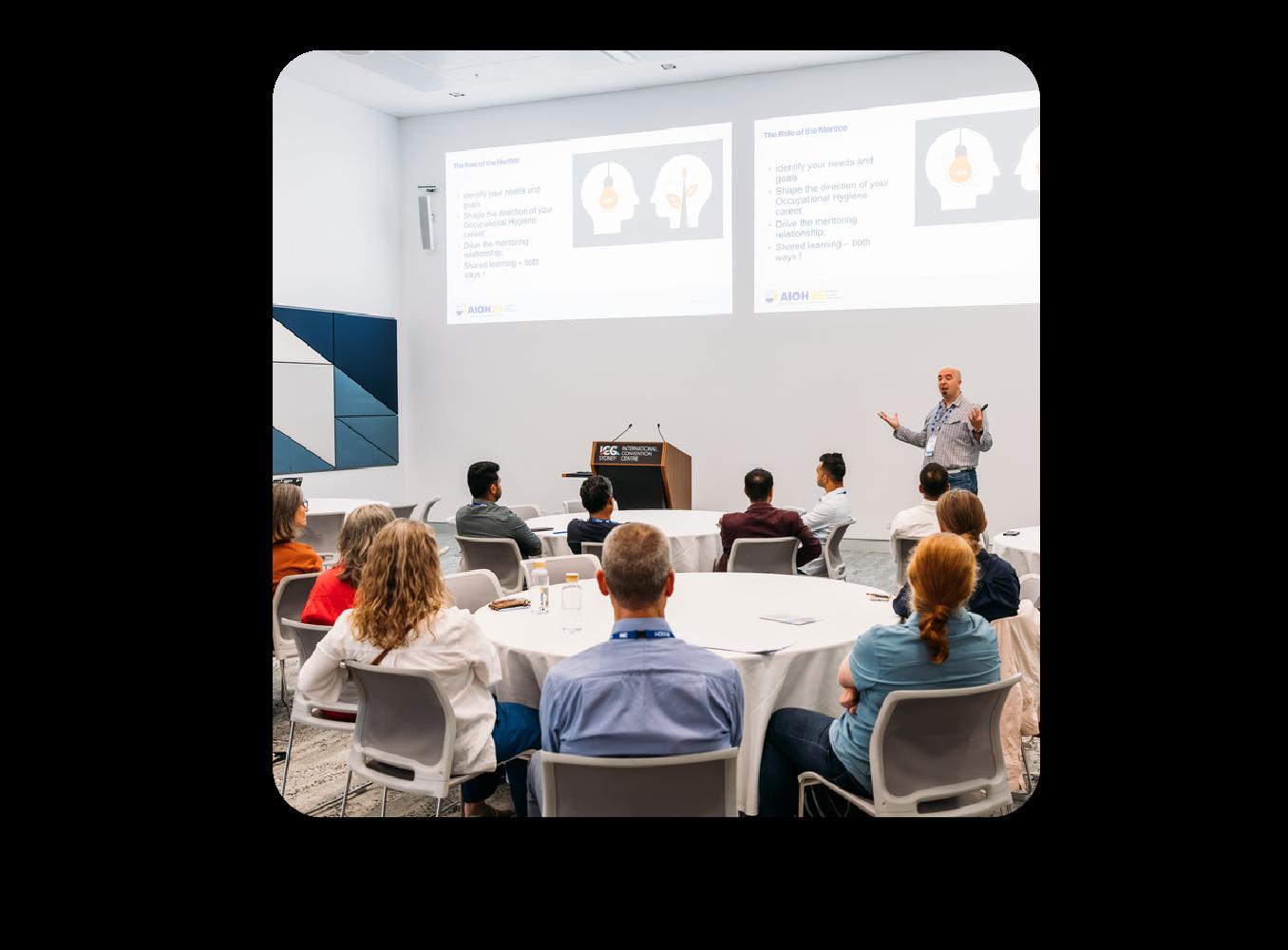
The debate is back by popular demand!
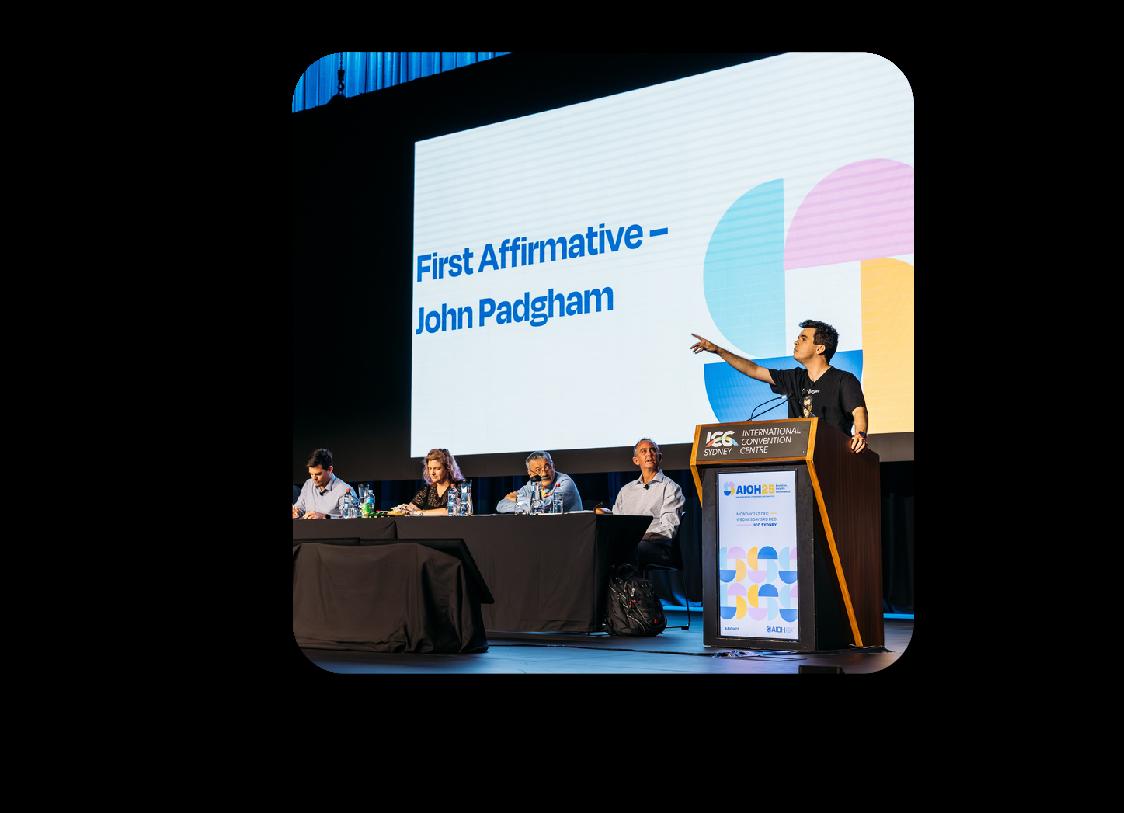
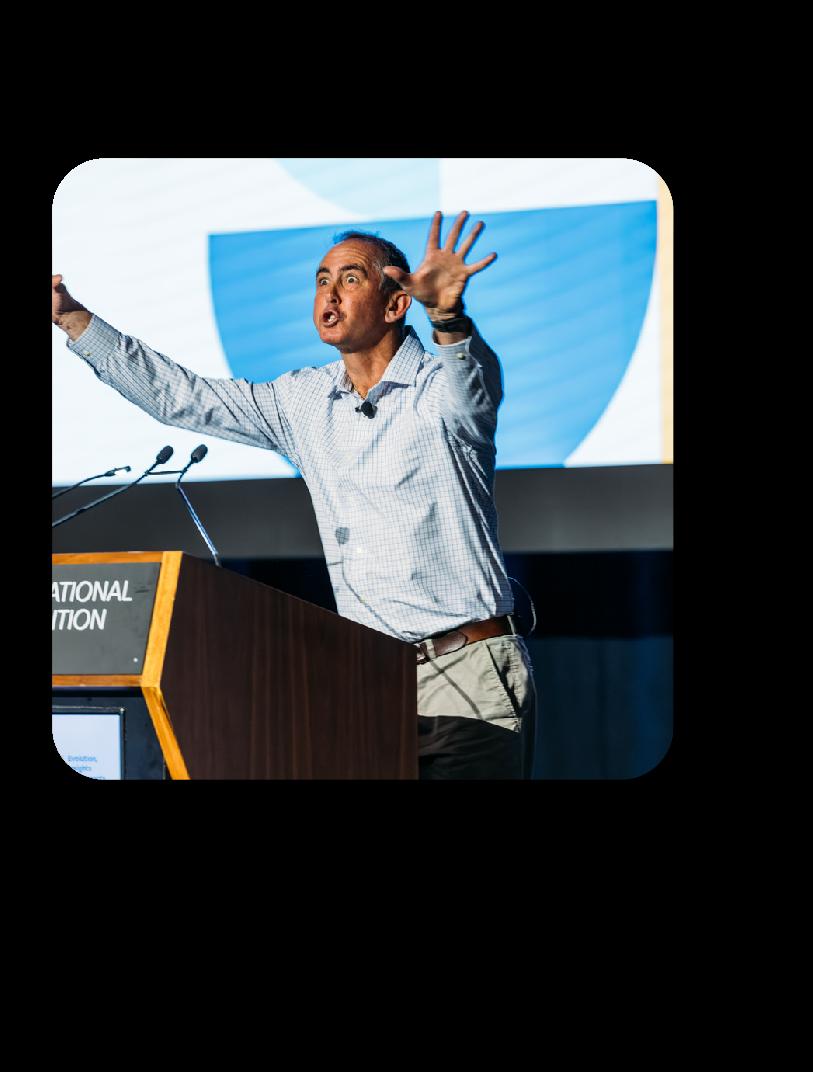
The Members' Debate has quickly become one of the conference's most popular sessions, and we're excited to announce that preparations for this year's debate are already underway!
We are now seeking Expressions of Interest from those who would like to be involved as Team Captains or Debate Participants A lively and engaging session where industry experts debate key issues shaping the future of occupational hygiene, encouraging fresh perspectives and audience participation.
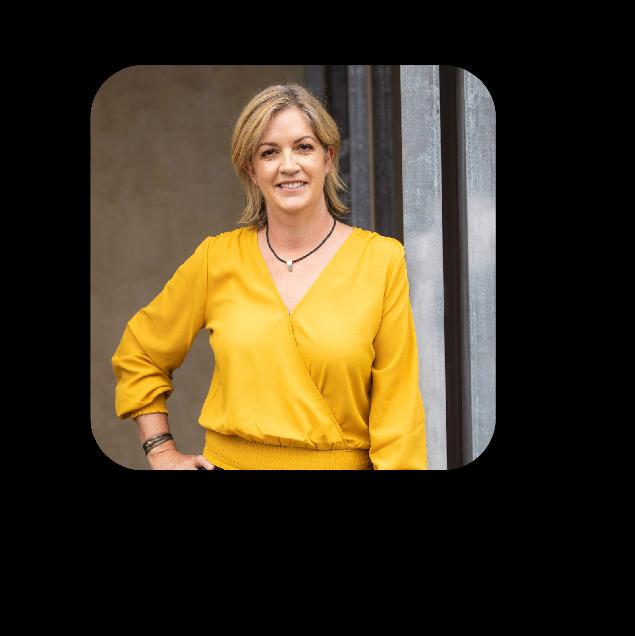
Rachael takes you inside the harsh eality of Antarctic leadershipmonths of darkness, isolation, and unforgiving conditions where eamwork and safety are non negotiable. She draws powerful parallels to occupational hygiene, showing how influencing behaviour,
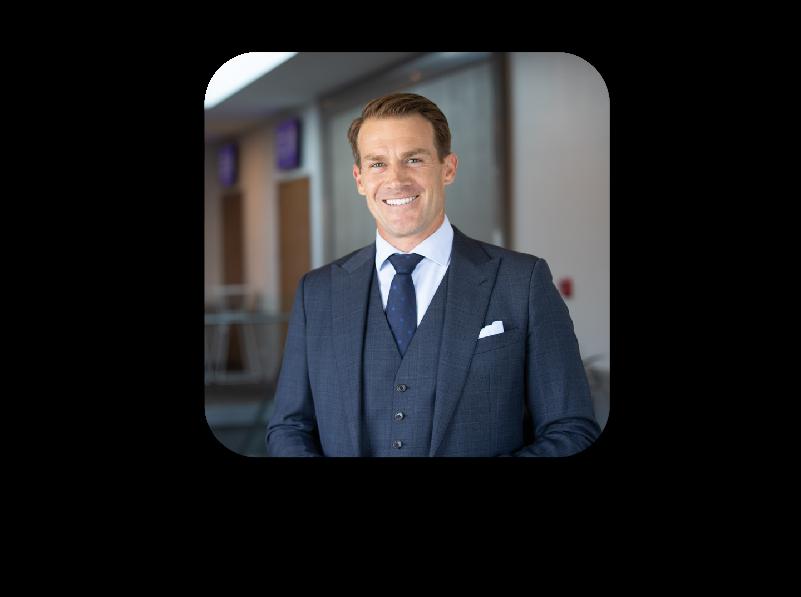
e Human Algorithm
at if the biggest factor shaping ur success isn’t intelligence, perience or technical expertise how you communicate?
cupational hygienists work in a orld where complex and often invisible risks need to be understood by very different people - workers, leaders, regulators, clients and stakeholders And in those moments, communication becomes just as important as technical knowledge
In this high-energy and interactive keynote, behaviour expert and keynote speaker Anthony Laye reveals the hidden patterns that shape trust, influence, confidence and communication under pressure.
Through powerful audience demonstrations and practical communication tools, Anthony shows how your internal dialogue, body language, tone of voice and
managing risk, and fostering speak up culture are just as critical in a research station as they are in complex workplaces. Through real stories, humour, and practical tools like the “No Triangles” communication rule, she reveals why respect must trump harmony and how early intervention prevents hazards from escalating.
presence shape every interaction, often before you even speak.
Audiences will leave with actionable strategies to:
Build trust and credibility faster
Communicate complex ideas more clearly and effectively
Maintain composure when challenged or questioned
Hold attention in meetings, presentations and conversations
Adapt communication across different audiences and stakeholders
Improve the way they show up professionally and personally
Blending psychology, human behaviour and interactive demonstrations, this session is designed to be practical, engaging and immediately useful across all levels of the profession.
This is not just a keynote about communication
It’s about how you are turning up.
Megan Canright Racicot, MPH, CIH Executive Director of Water Services, FACS
Angela Wallbank,
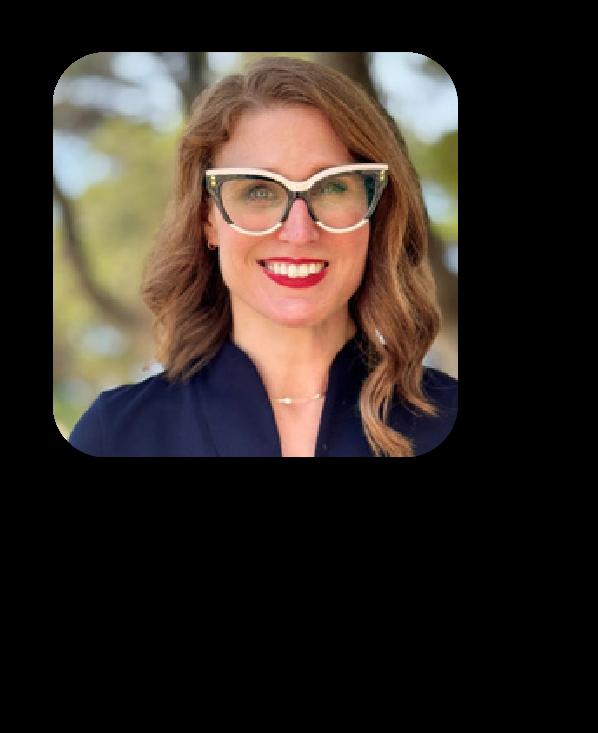
Monday 30 November th 10:45am - 11:45am
As scientists, we learn early on that technical expertise and achievement is what builds a career What we've failed to convey is that the greatest measure of career success is in the impact and influence we have on others. Most occupational hygienists spend years developing skills in exposure assessment, toxicology, epidemiology, and biostatistics yet they receive little or no formal education in leading people, influencing change, or building highperforming teams
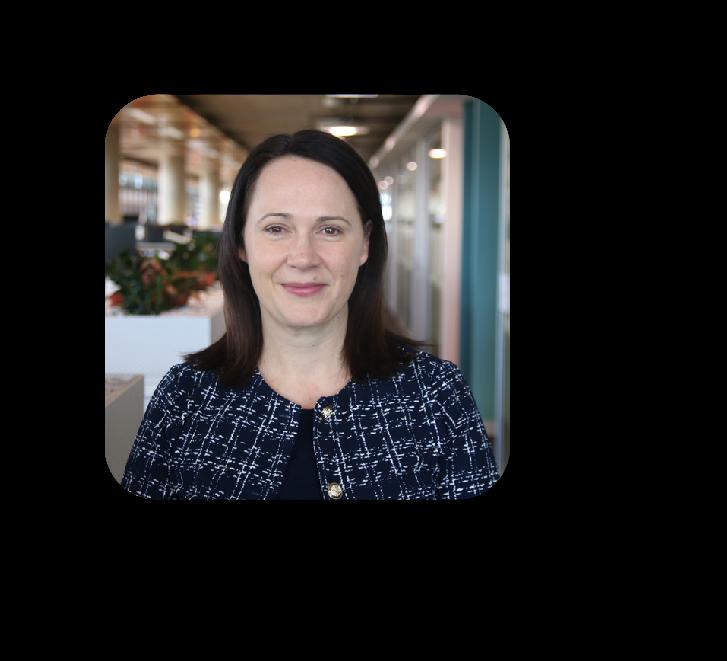
Tuesday 1st December: 8:30am - 9:15am
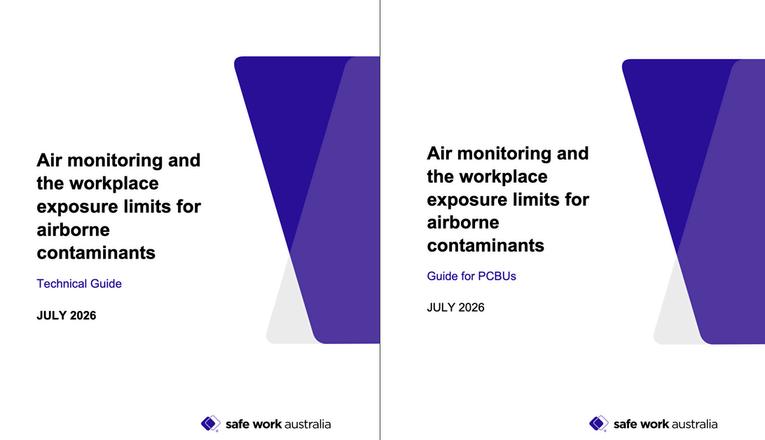
New Workplace Exposure Limits for Airborne Contaminants in Australia – The Journey, Expectations, Guidance Material and Future Priorities
The Workplace exposure limits (WEL) for airborne contaminants are coming into effect on 1 December 2026.This presentation will cover the journey from workplace exposure standards to (WELs), the work done by Safe Work Australia to facilitate the transition and support businesses, workers and technical experts, and Safe Work Australia’s future priorities
Through personal stories, humor, and reflections from graduates of past leadership programs, Megan will recount how attending a leadership program in 2011 sparked a personal mission to expand leadership development across the globe More than a story about leadership, this plenary session is a call to action for all generations of occupational hygiene professionals to lead with purpose, courage, and influence - not just technical expertise
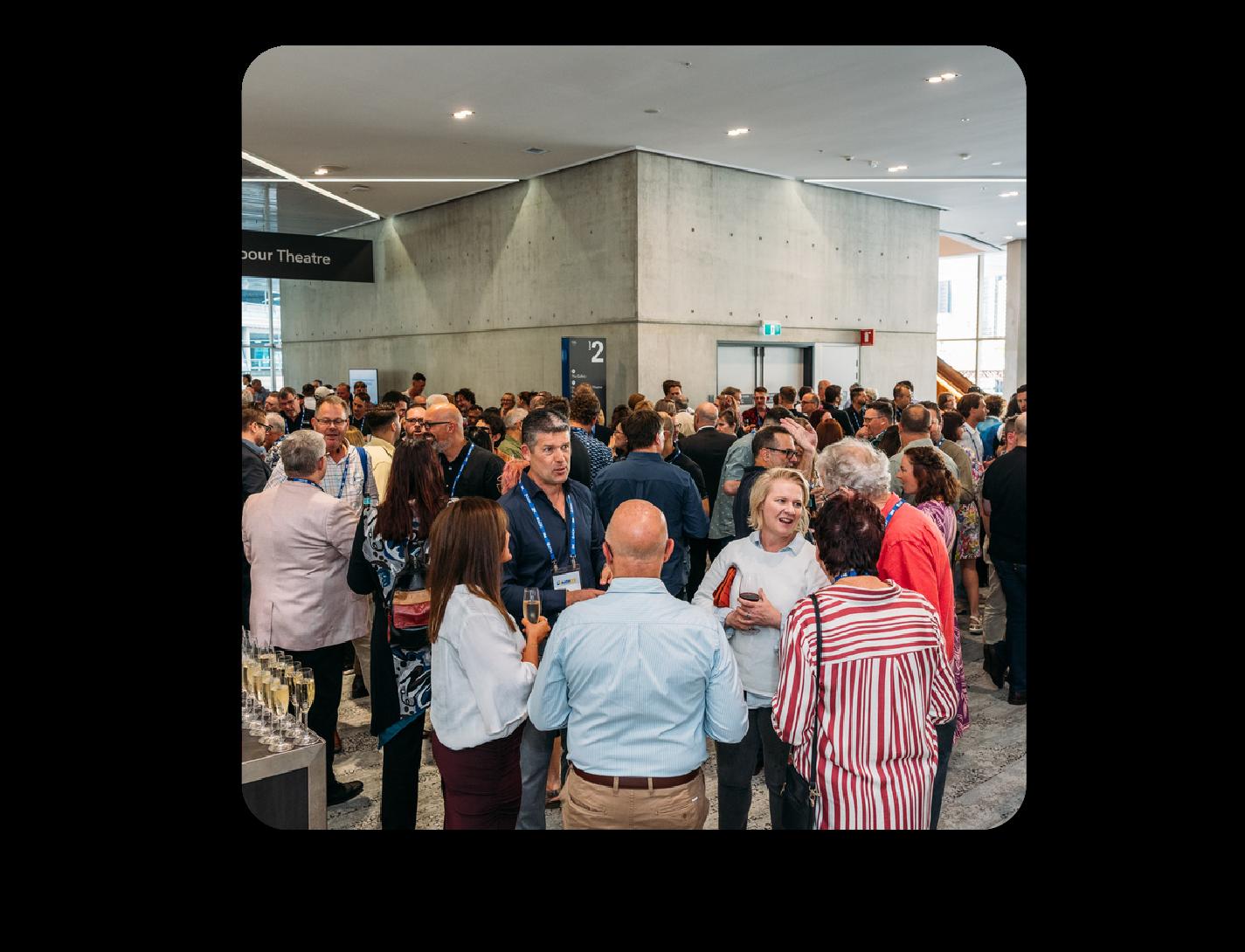
Kick off AIOH26 in style with an evening of networking over drinks and canapés. It's the perfect way to begin an exciting few days of learning, collaboration, and new connections
Date: Sunday 29 November th Time: 5:45pm - 6:45pm
Sponsored by:
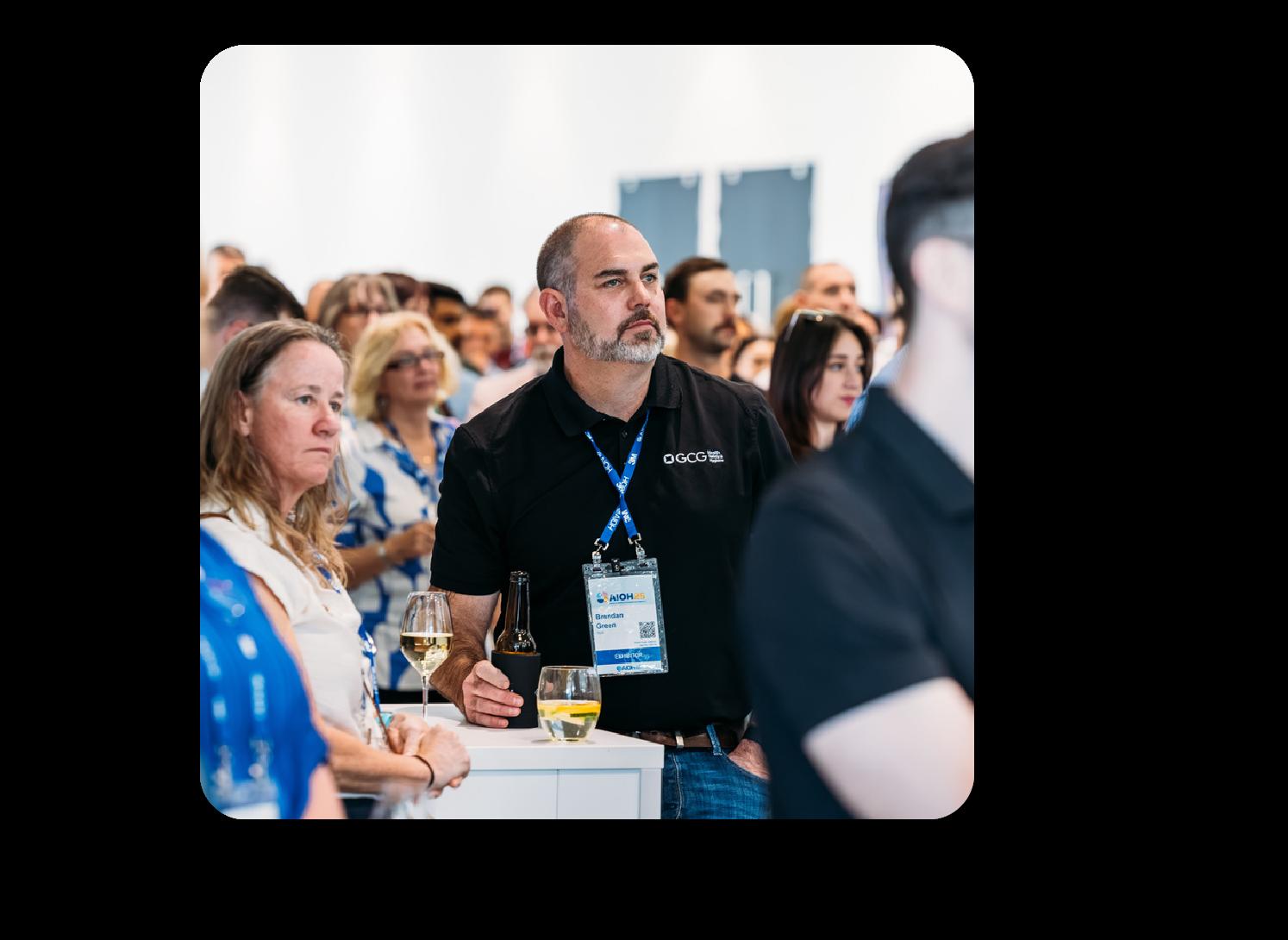
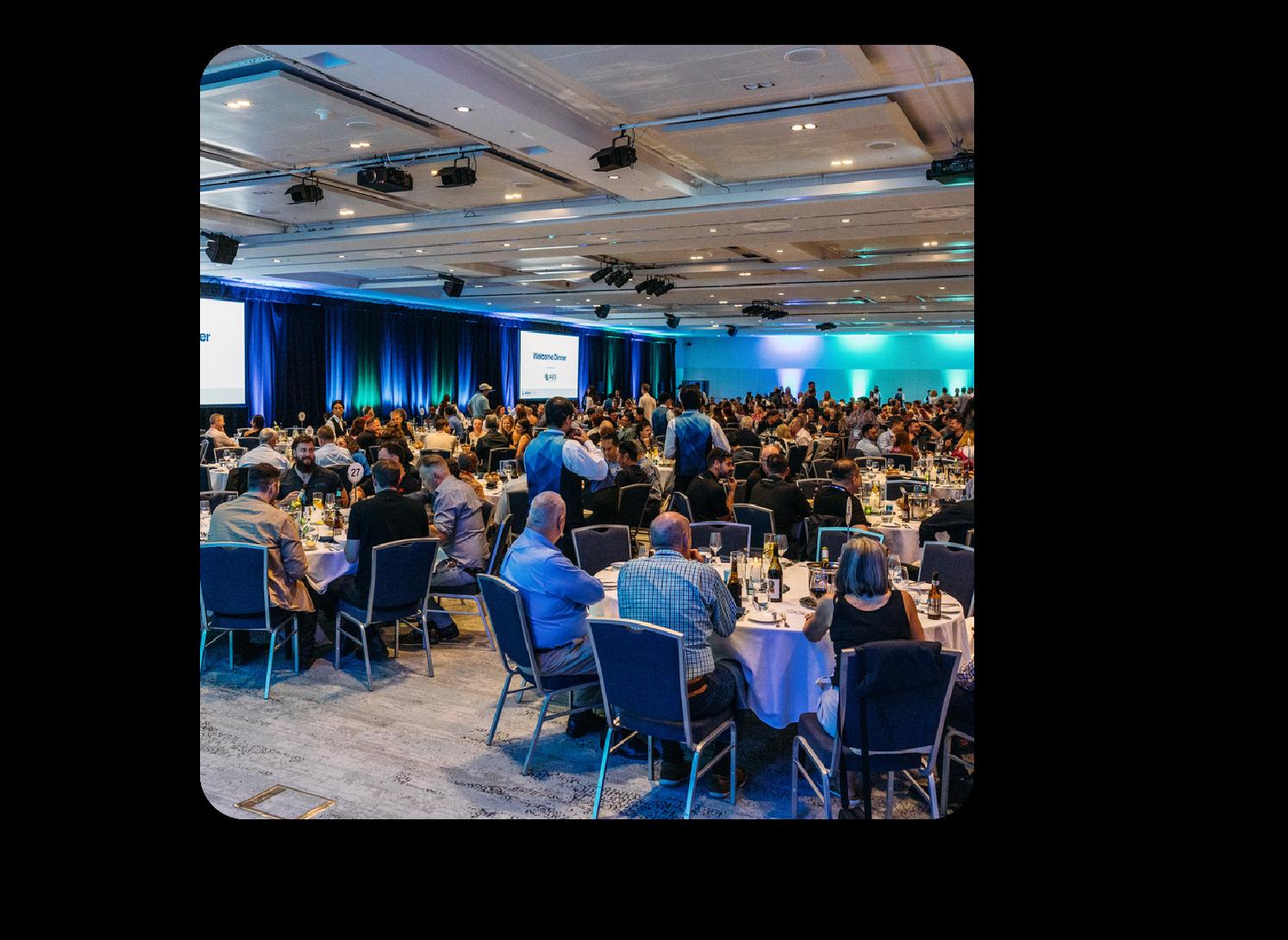
Keep the conversations flowing at the AIOH26 Welcome Dinner Enjoy great food and the opportunity to connect, reflect, and celebrate the start of the conference
Date: Sunday 29 November th Time: 7:00pm - 10:00pm
Sponsored by:
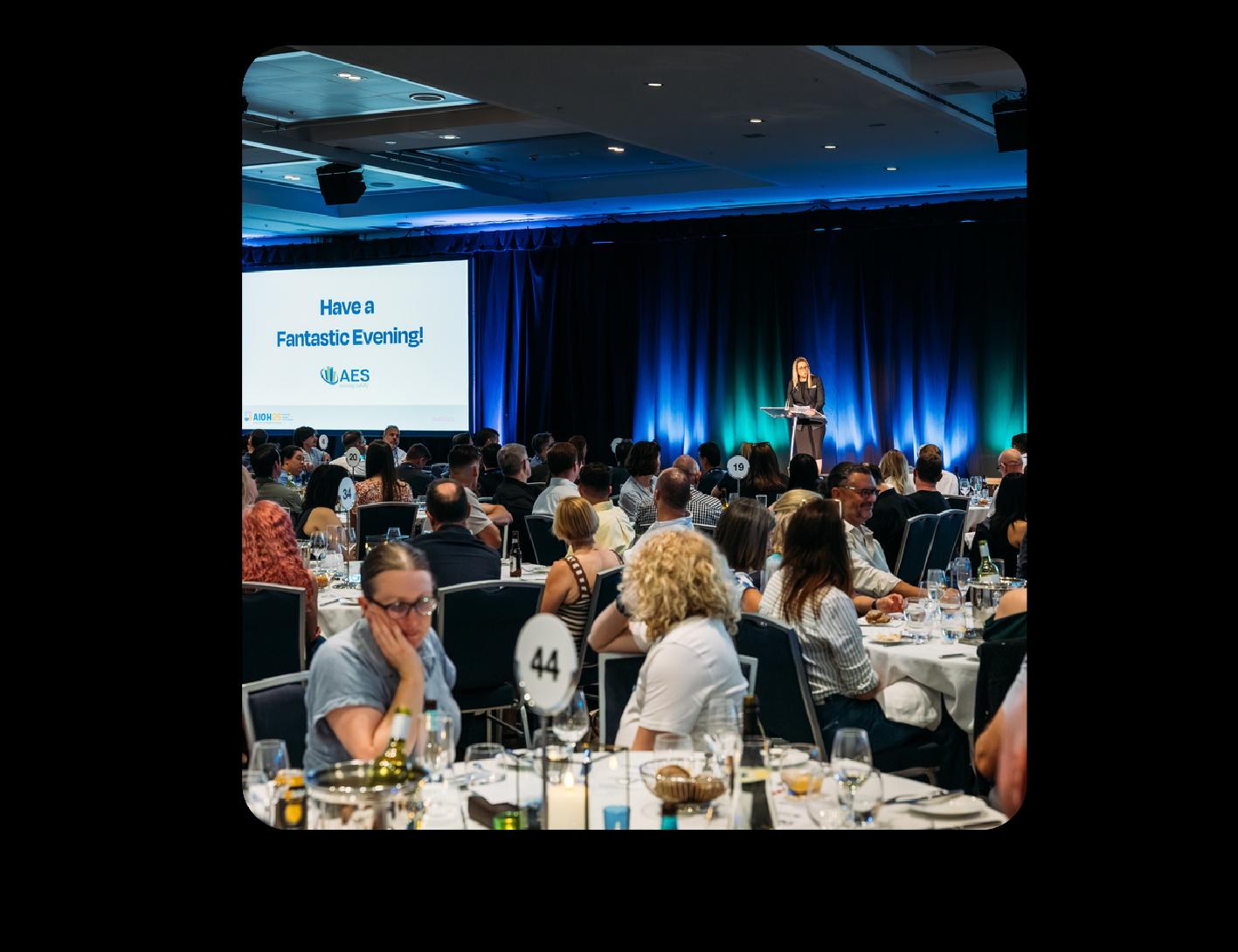
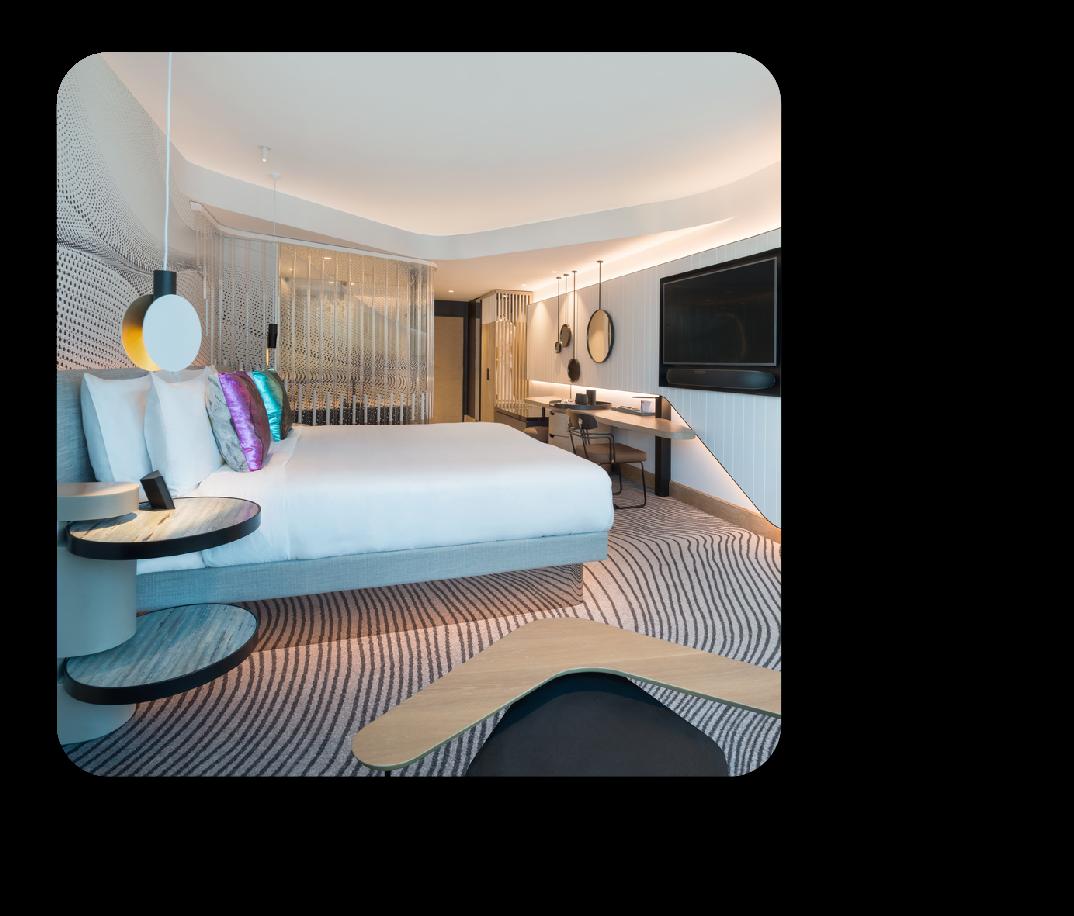
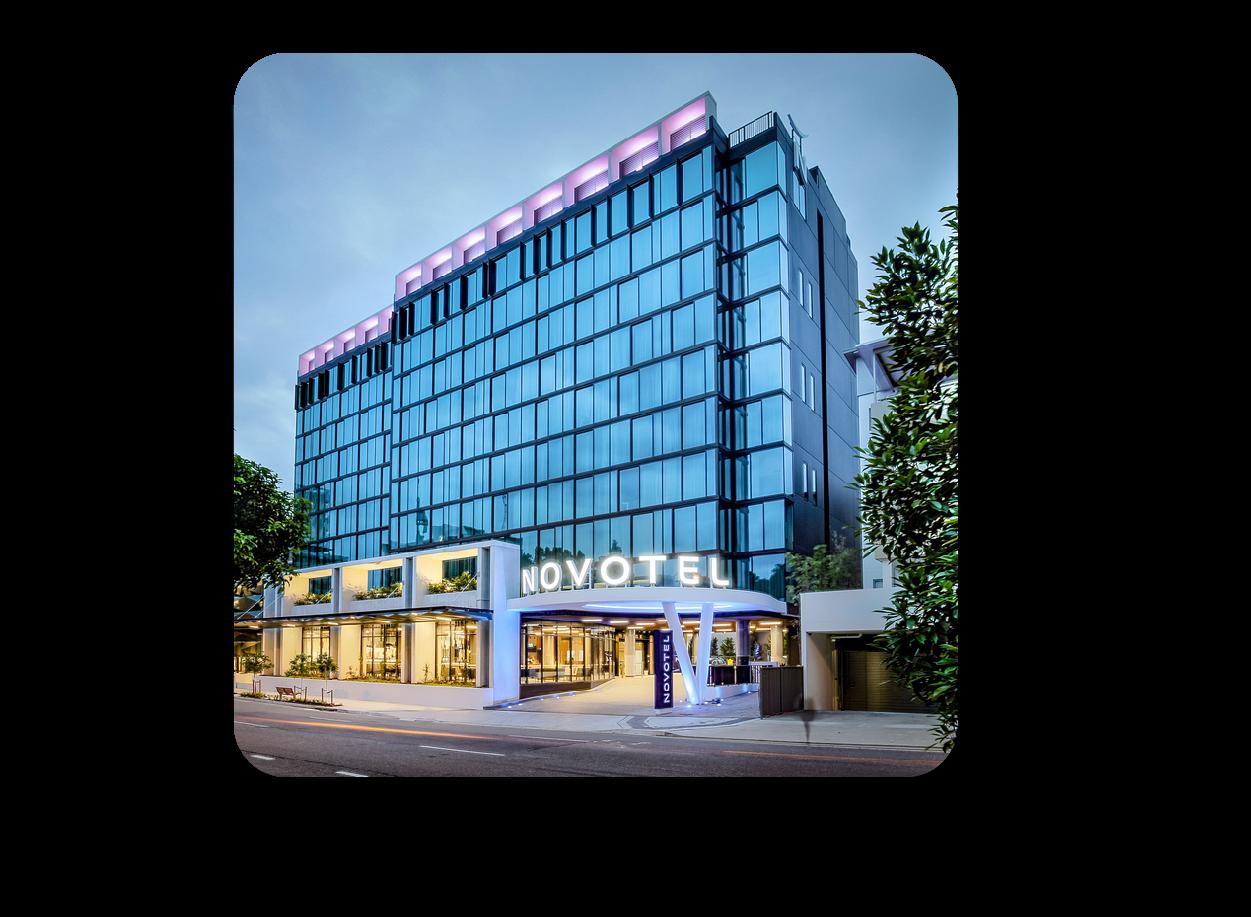
We have secured discounted rates for the following hotels available via the links provided below:
Rydges South Bank
Novotel South Bank
Adina Brisbane
W Brisbane
Mantra South Bank
For Mantra South Bank Hotel Bookings, follow the steps below to secure your accommodation:
Enter hotel name, dates and number of guests
Select the ‘Special Rates’ dropdown
Under ‘Other Special Rates and Promo Code’, select ‘Promo Code’ and enter ARGRP26 (case sensitive), then click search
Discounted rates will display with a red ‘Special Offer’ banner
Once your booking is complete, you will receive a confirmation email
The Brisbane Convention & Exhibition Centre is located just 18km from Brisbane Airport, with an average drive time of 20–25 minutes, and only 1km from the Brisbane CBD.
To view transport and parking options click here.
Register here
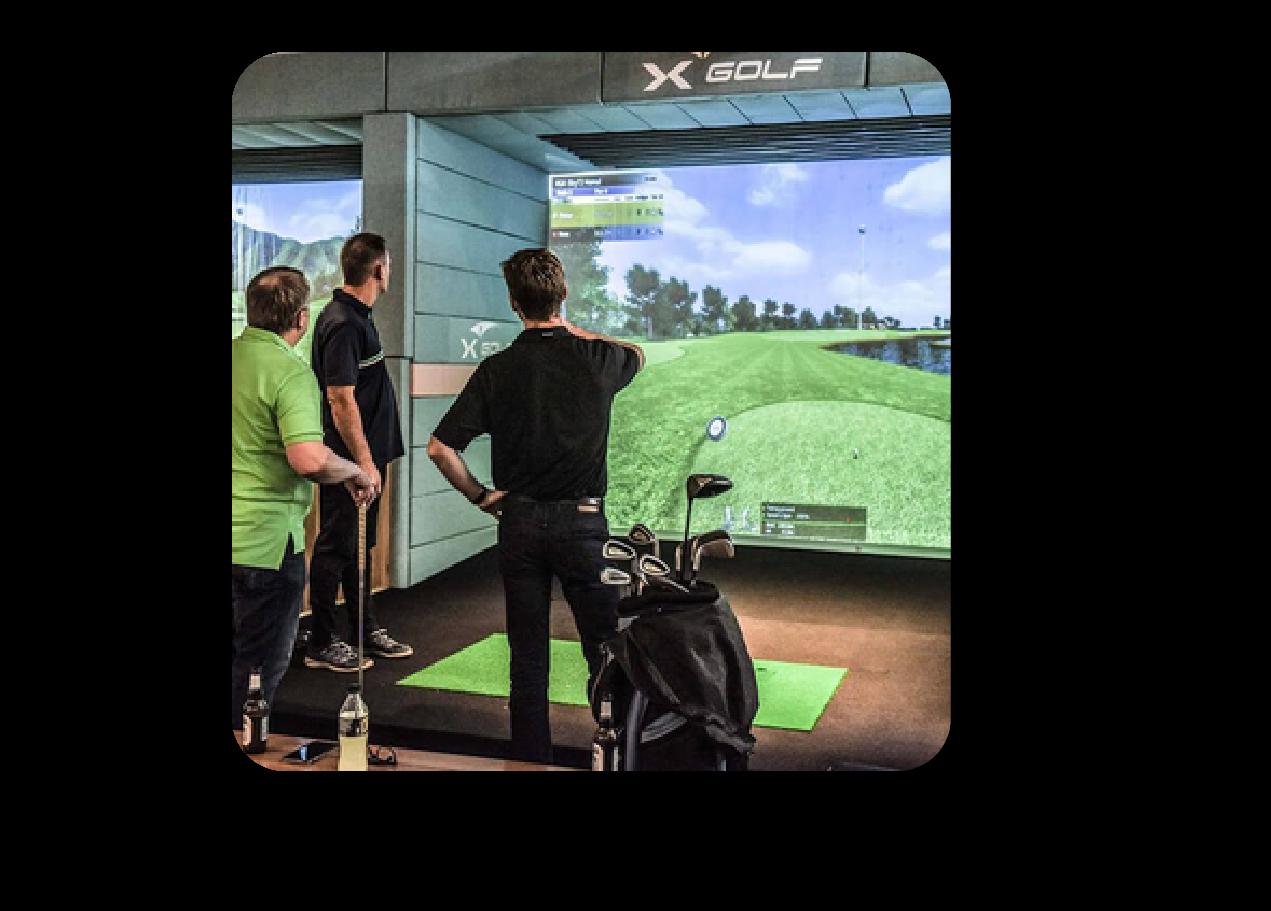
Join us for the AIOH26 Presidents Golf Cup at XGolf Southbank, where friendly competition, networking, and fun come together for an enjoyable afternoon away from the conference.
Challenge yourself on the virtual fairways as you compete for the coveted Presidents Golf Cup, or simply relax and connect with fellow delegates
This year, we are offering two ticket options:
Full Ticket – Includes virtual golf, lunch, and drinks
Networking Ticket – Includes lunch and drinks, without golf participation.
Date: Sunday 29 November th
Time: 11:00am - 3:00pm
Venue: X-Golf
Pick up location: BCEC
We’ve lined up a few exclusive social activities and discounts so you can relax, soak up the Brisbane summer sun, and experience some of the best the city has to offer.
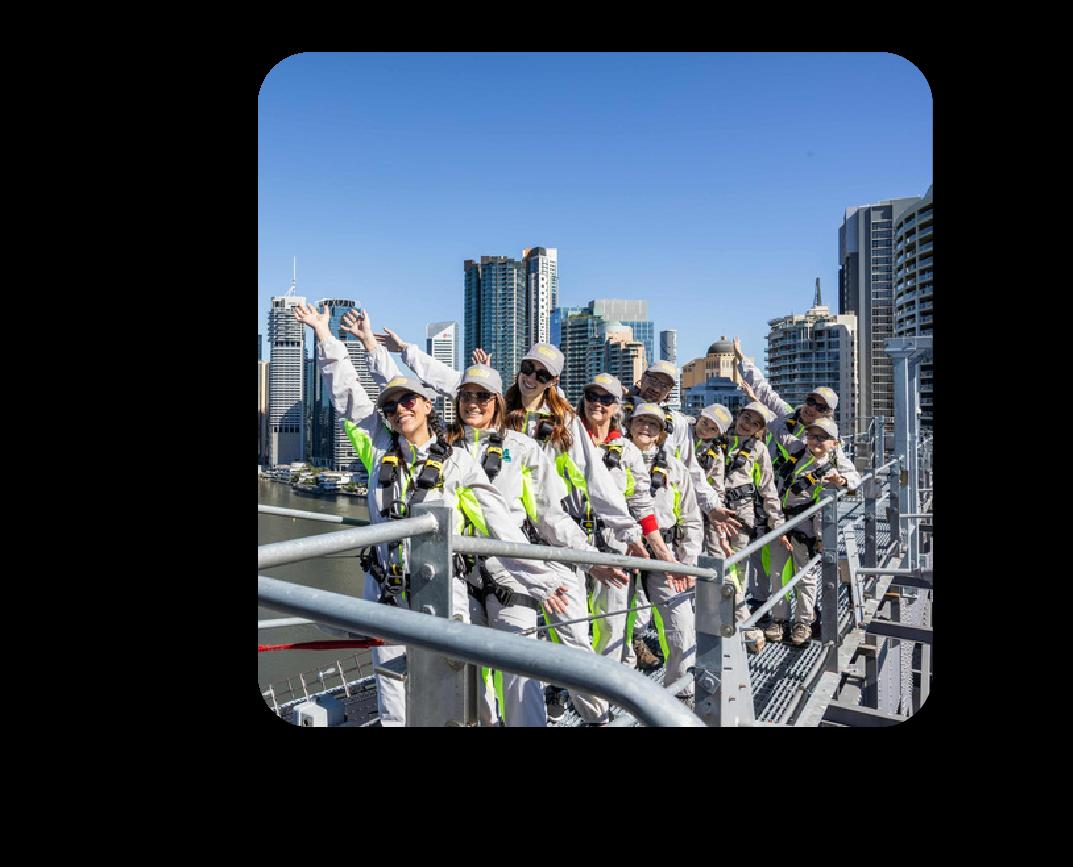
For an unforgettable Brisbane experience, take on a scenic climb where every step reveals sweeping views, from the Glass House Mountains to Moreton Bay
Enjoy 20% off all Story Bridge Adventure Climb packages when you enter the promo code ‘AIOH26’ at checkout.
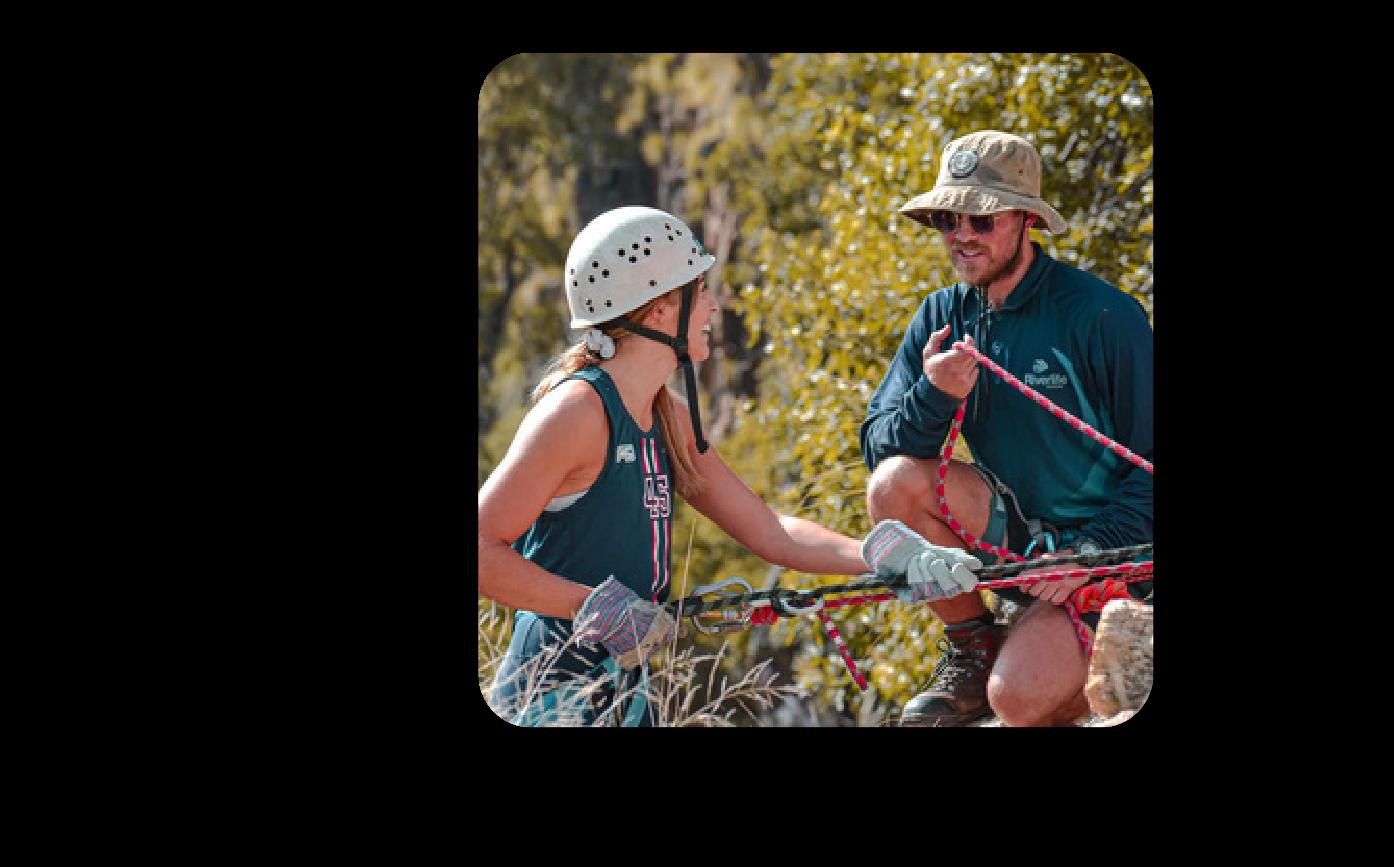
Discover Brisbane from a different perspective with Riverlife’s outdoor adventures Choose from kayaking, abseiling, rock climbing, bike hire and more, with activities and equipment hire available to suit every level of adventure.
Enjoy 20% off when you enter the promo code 'AIOH26' at the checkout


Take the opportunity to experience stunning panoramic views of the city and South Bank on the Wheel of Brisbane!
Enter the discount code AIOH26 at the checkout to enjoy an exclusive 20% discount on Adult tickets for the Brisbane Wheel from 28 November to 2 December 2026.

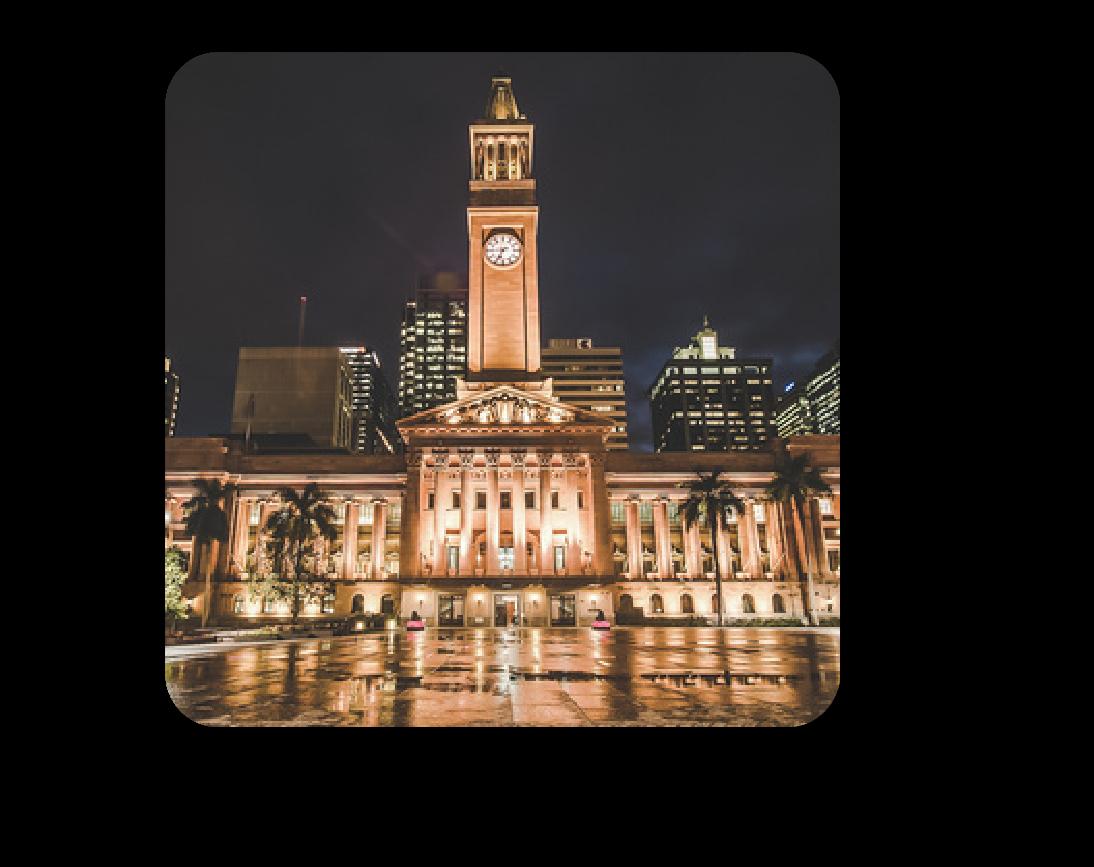
Brisbane is haunted by 200 years of crime and tragedy Discover the ghosts of The River City on a guided walk of the CBD. Hear ghost stories including the Haunted Hotel, Devil’s Trade & Spectre of Captain Logan
Enjoy 25% off when you enter the promo code 'GTA25HBCBD' at the checkout.
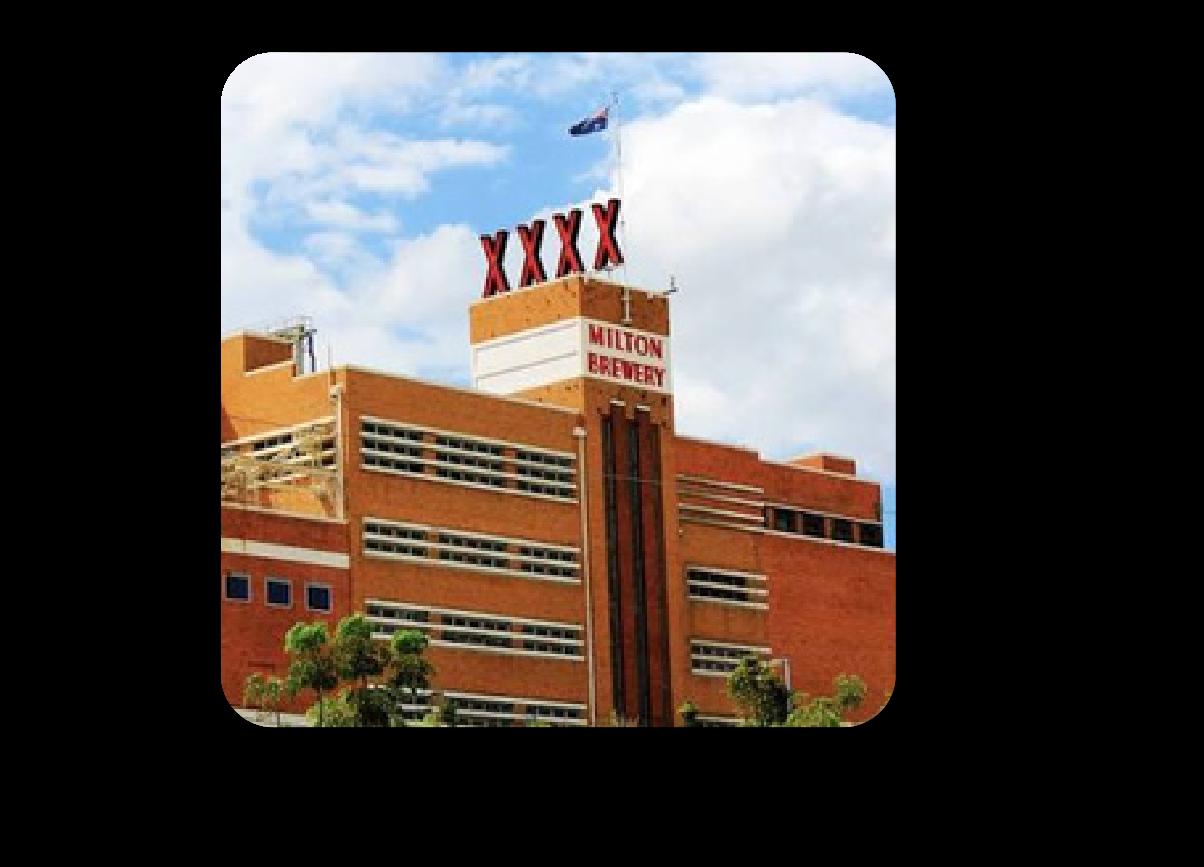
Explore over 145 years of brewing history with a guided 90-minute tour of Queensland's iconic XXXX Brewery, followed by a beer tasting in the XXXX Alehouse.
Enjoy $10 discount off all XXXX brewery tours between 25 November until Sunday 6 December when you enter the promo code ‘AIOH26’ at checkout, applies only to: XXXX Brewery and Alehouse Tour.
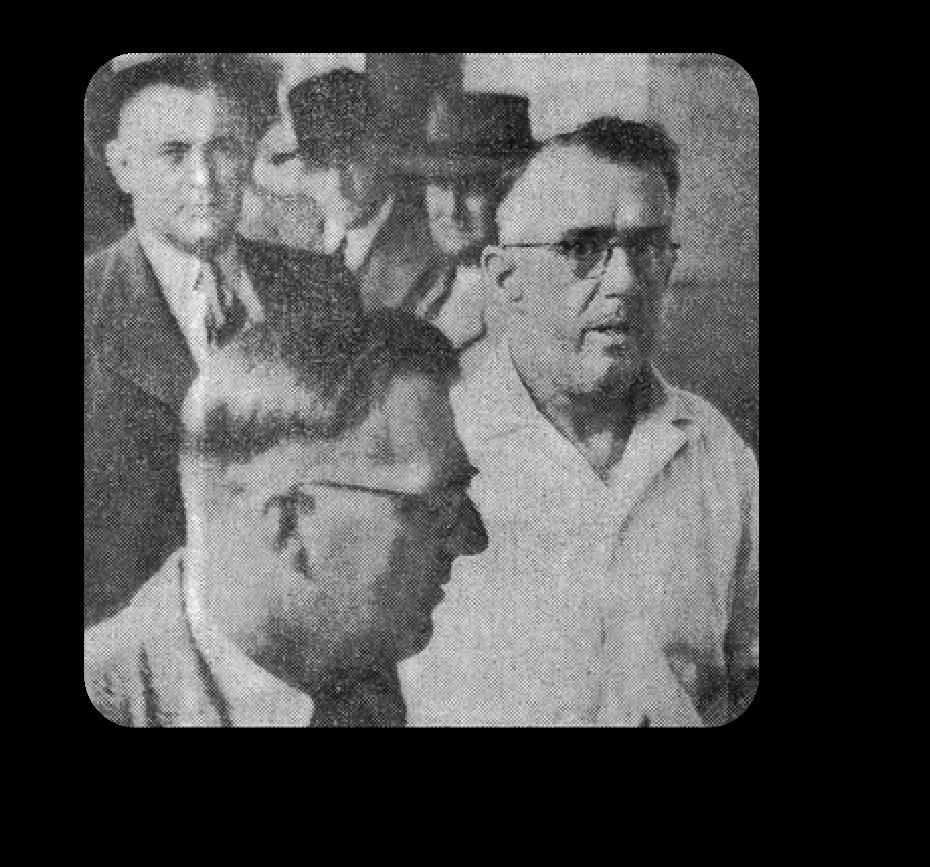
Behind the modern façade discover the dark heart of the capital Walk three city blocks through two centuries of Brisbane’s criminal history on a 2hour guided tour and visit real true crime scenes This is the True Crime Tour to begin with –Brisbane’s original and best – operating since 1998.
Enjoy 25% off when you enter the promo code 'CTA25BBCBD' at the checkout

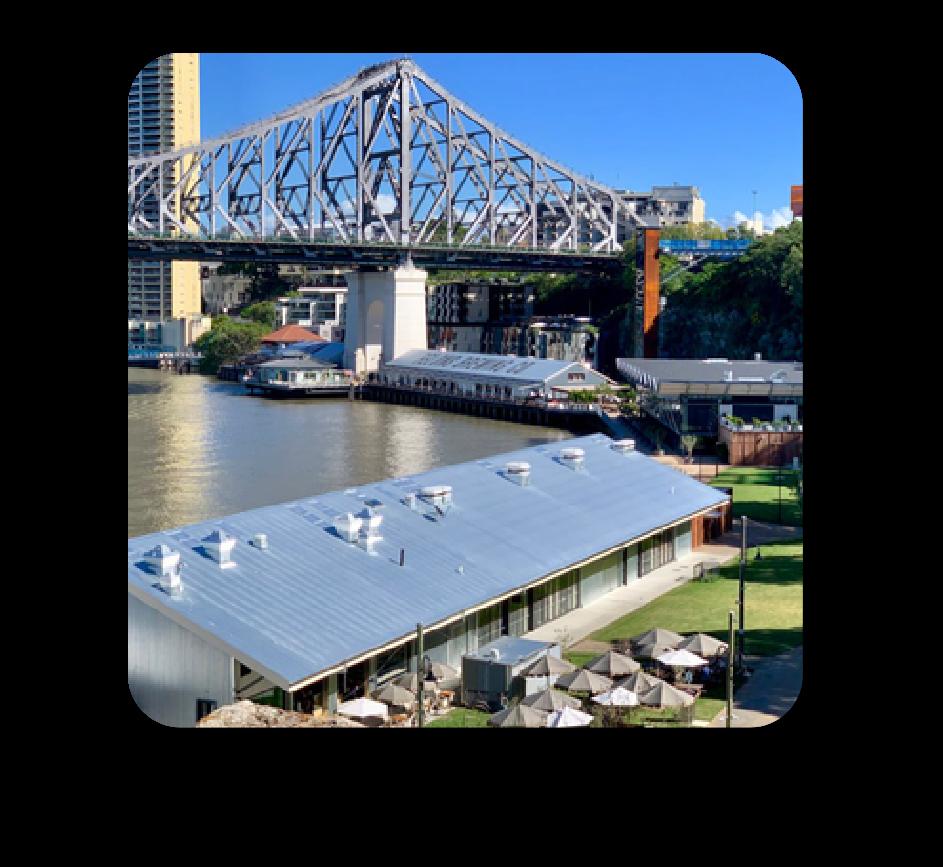
Nestled beneath the Story Bridge, this vibrant waterfront precinct features 13 restaurants, cafés, bars and a hotel, all just a short ferry ride from the BCEC
Make sure to visit the iconic Howard Smith Wharves.

Escape to the natural beauty of Tangalooma Island Resort on Moreton Island - one of Brisbane’s most unique island destinations Surrounded by pristine beaches, marine life and national park landscapes, Tangalooma offers unforgettable experiences and adventures for every traveller, making it easy to see why it’s known as nature’s theme park
AIOH Conference delegates can enjoy 10% off selected resort accommodation, day cruises and return transfers
to Tangalooma Island Resort Offer valid for travel between 20 November – 10 December 2026
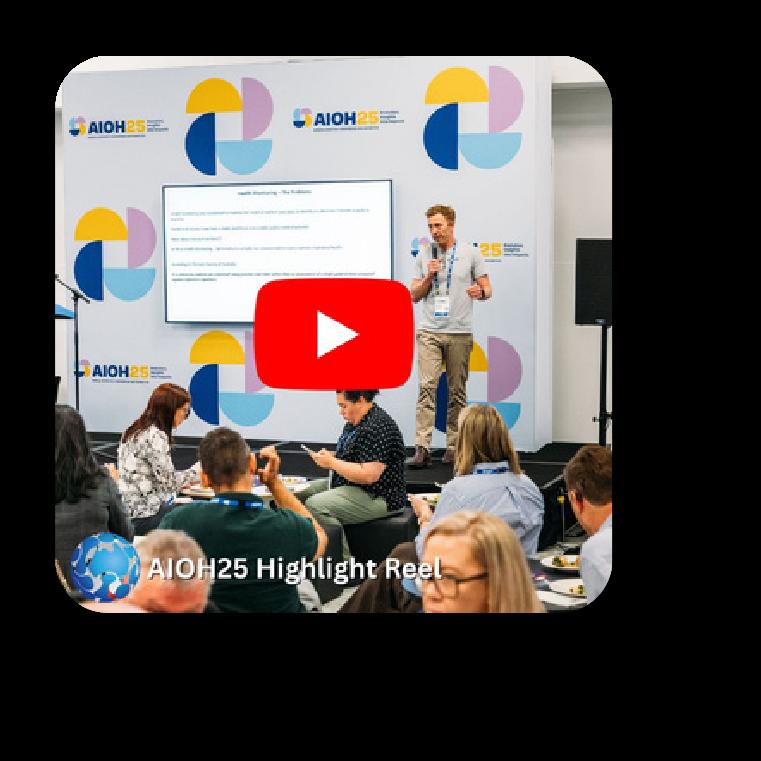
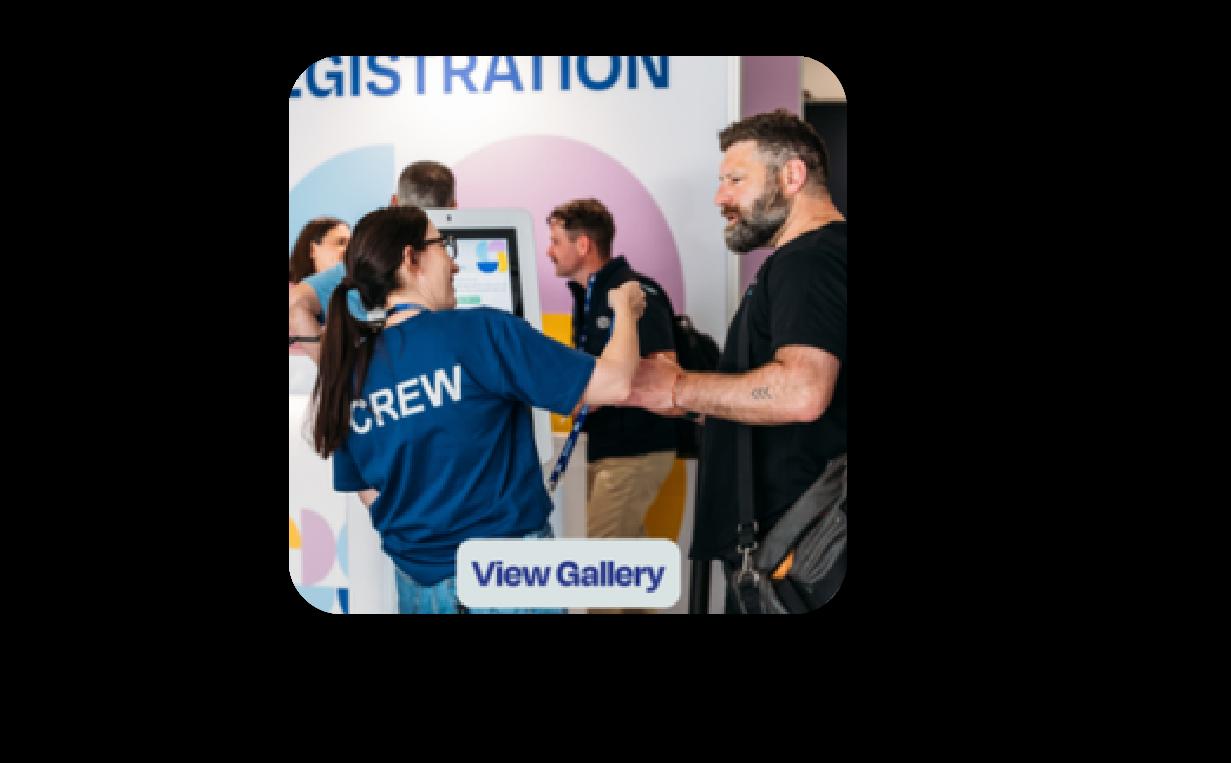
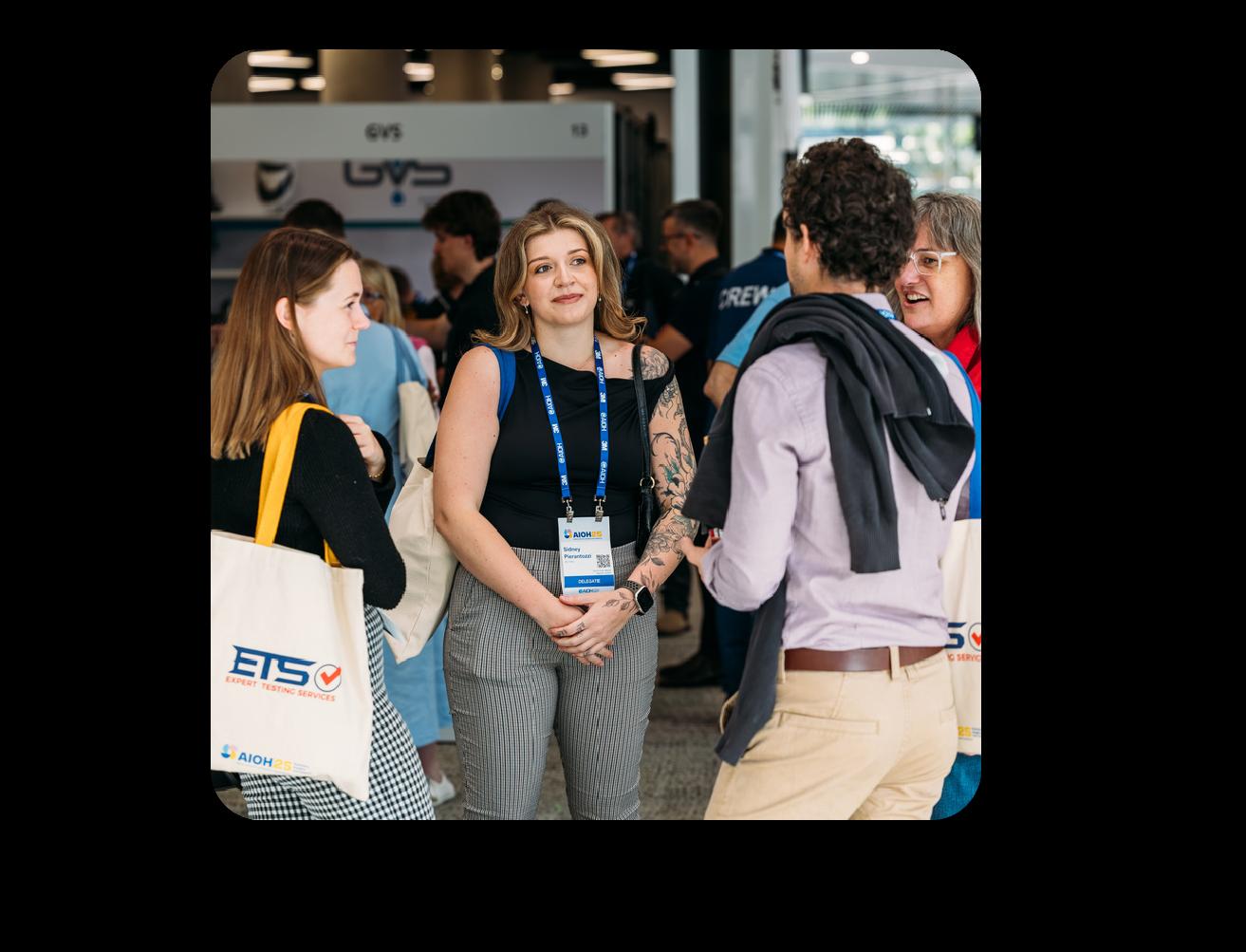
With a wide range of events and networking opportunities available, students and professionals new to the industry can connect with experienced practitioners, build valuable relationships, and immerse themselves in the occupational hygiene community
Attending your first AIOH Conference? Looking to expand your professional network?
The Newcomers Speed Networking Event is designed to help you make meaningful connections from the moment you arrive In a relaxed and welcoming environment, you'll have the opportunity to meet fellow delegates, connect with experienced professionals, and build relationships that can support your career for years to come
Whether you're an emerging hygienist, student, earlycareer professional, or simply attending AIOH for the first time, this event provides the perfect introduction to the conference community
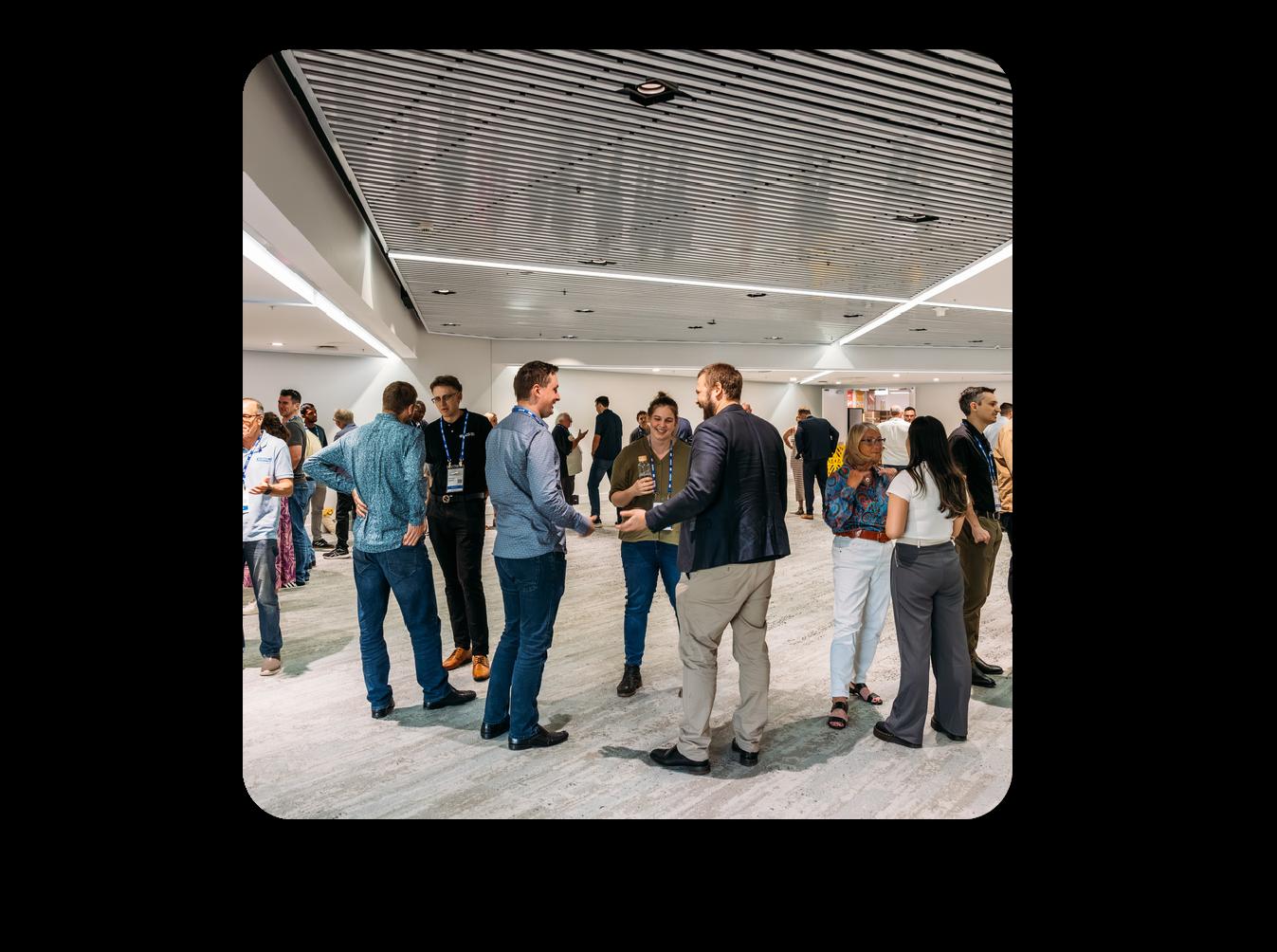
Start your AIOH26 experience by joining the AIOH Emerging Hygienists Group for a casual networking session before the Newcomers Speed Networking event. Meet fellow delegates, make new connections, and settle into the conference in a relaxed and welcoming atmosphere
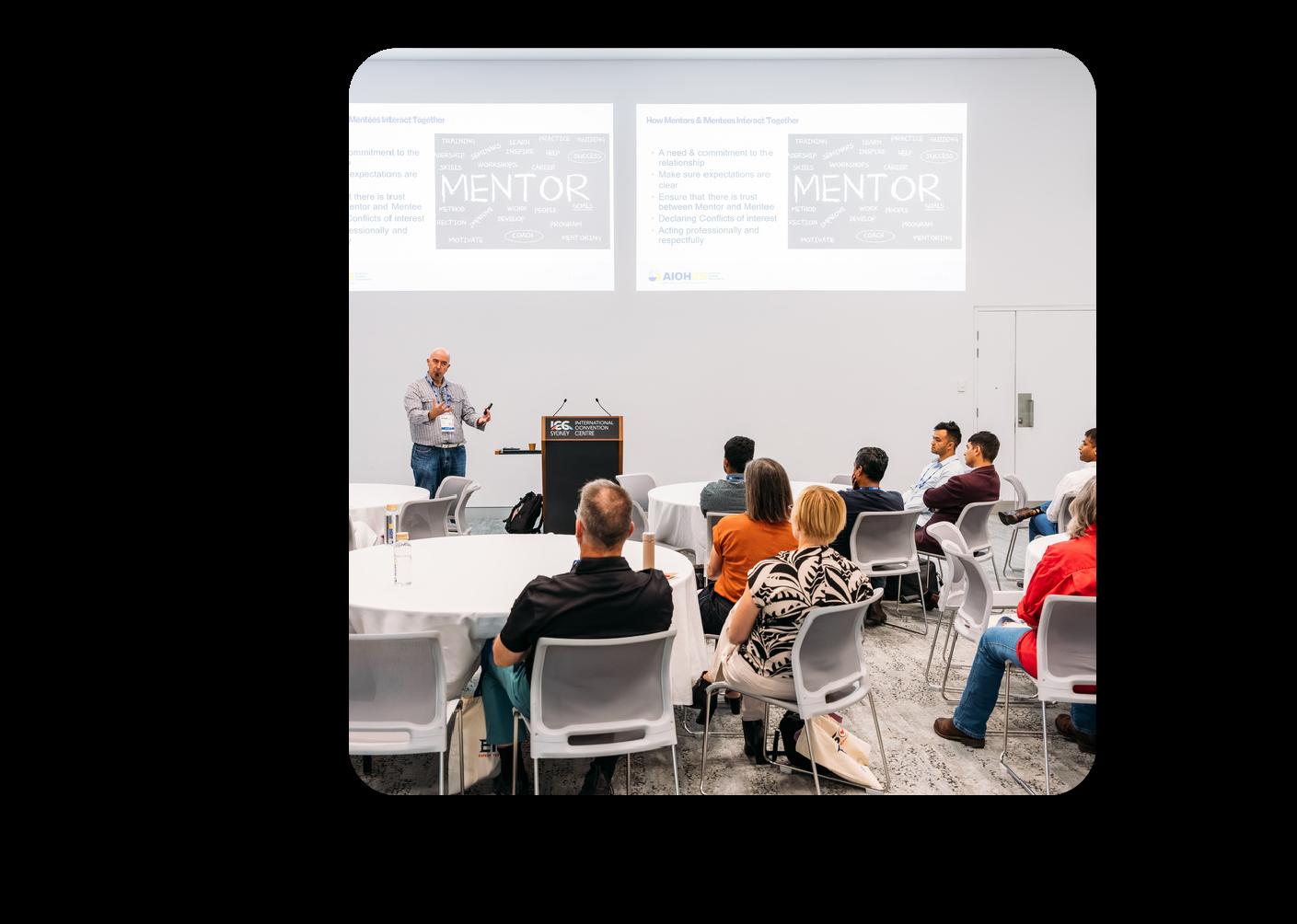
Interested in getting more involved in the AIOH Mentoring Program? Join this interactive session to explore how the program works, hear practical advice, and discover how mentoring can support your professional growth.Whether you're considering becoming a mentor or mentee, or are already participating, this session is for you Plus, you'll have the chance to win some great lucky door prizes!
Scan the QR code to register

BRISBANE CONVENTION & EXHIBITION CENTRE
30 NOV – 02 DEC TH ND
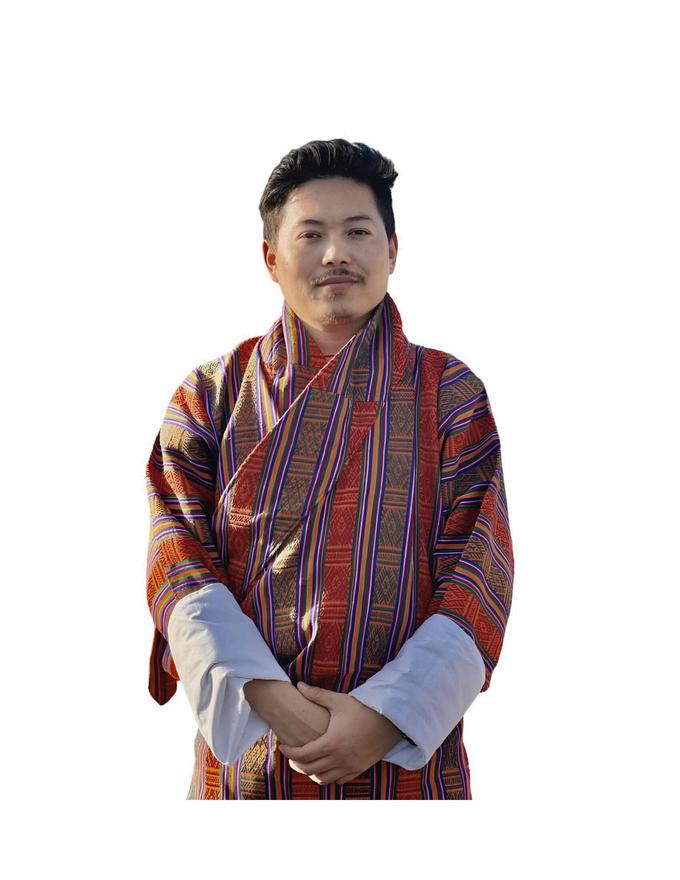
Tashi Tshewang is currently a Health Science student with a major in Nutrition and minor in Occupational Health and Safety course at Edith Cowan University Having a strong background in healthcare, Tashi has worked as a nurse in the operation theatre and intensive care unit, even caring for COVID-19 patients He also supported the COVID-19 response in Bhutan through quarantine facility and clinical care. His passion for public health, workplace safety, and practical risk management was shaped by these experiences Tashi wants to create safer, healthier environments where people are protected, supported and able to thrive He brings together clinical experience, health science knowledge and a strong commitment to evidence-based practice He aims to help enhance health, safety and wellbeing in workplaces and communities in meaningful ways
The aim is not to scare people away from technology but to help people use it more safely and with a better understanding of what is really happening in the room
One of the major concerns is what is released when the printer is used According to a study, desktop 3D printers release ultrafine particles and volatile organic compounds (VOCs) into the air Ultrafine particles are extremely small (i e , <100 nanometres), which stay in the air for a longer period and spread through a room more easily. Due to their small size, they can also penetrate deep into the lungs, which raises concern about possible respiratory effects
This is important because a printer may be running for hours in a bedroom, study room, classroom, or workshop while people sit nearby.
In such a setting, exposure can build up without anyone noticing much more than a faint odour or a warm machine
Most of the 3D printers in schools and homes use thermoplastic filaments like Polylactic Acid (PLA) and Acrylonitrile Butadiene Styrene (ABS) to create solid objects PLA is often seen as the lower-risk option for general use, especially compared with ABS, as it releases fewer fumes and particles, but that does not mean it is risk-free. The heating filament can still release fumes that may irritate the eyes, skin, nose, and lungs. For some people, especially in poorly ventilated spaces, that may also mean headaches or nausea

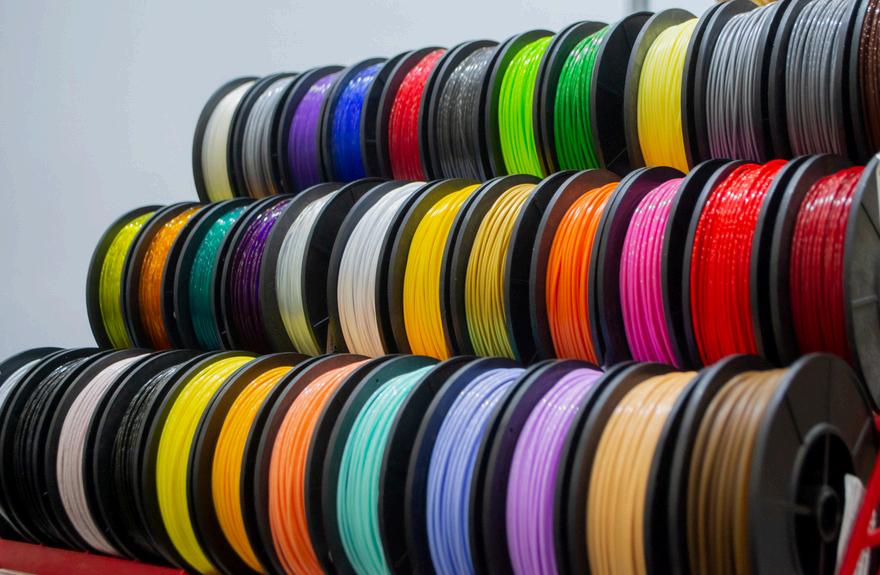
The risk also does not stop when printing ends. Post-processing tasks, such as sanding, scraping, trimming, or polishing a printed object, can release fine dust and keep exposure going after the machine has stopped
and resin printing
The use of 3D printers can affect the air quality of indoor spaces The amount and type of emissions of VOCs vary depending on the filament, the printer settings, the temperature, how long the printer runs, and how well the room is ventilated. However, VOCs such as aldehydes, hydrocarbons, aromatics and siloxanes can be released when filaments are heated, cured, or handled in a small room, and can accumulate and reduce indoor air quality
The more important question is how much of the harmful volatile compound is being released into the air, for how long, and in what kind of space.
Resin printing adds another layer of concern Resins look much cleaner and more advanced because it produces smooth and detailed objects. But that appearance can be misleading. Resin printing uses liquid resin that hardens under UV light Some of these resins contain methacrylates, chemicals that can irritate the skin or make a person more likely to develop an allergic skin reaction over time There is also usually more chemical handling involved. Printed objects often need to be washed, commonly in isopropanol, before they are cured under UV light. That means the exposure risk is not only from the printer itself It also comes from the cleaning, washing, and curing stages
This is why resin printing should be treated more like chemical work than a clean hobby activity. It should not be seen as a safer version of plastic printing just because the finished item looks polished. Distance, ventilation, filtration, and careful handling all matter
The other risks people forget
Air quality is only part of the picture. 3D printers can create physical hazards because they generate heat, contain moving parts, and use electrical components Hot nozzles, extruders, or build platforms can burn users, while moving parts can pinch or injure people if the printer is used carelessly.
Fire and electrical risks are another concern. These risks are not just theoretical Product Safety Australia has already issued a recall for affected Bambu Lab A1 printers because a damaged heat bed cable could create a risk of burns, electric shock, or fire
Another stage people often overlook is what happens after the print finishes. In practice, some of the messiest exposure moments may happen during handling and cleanup. Removing prints, sanding edges, light torching, cleaning build plates, wiping surfaces, and managing scraps can all increase contact with dust, residue, or fumes. In other words, the risky part is not always the print itself Sometimes it starts after the object that has already been made
Anyone using a 3D printer can be exposed to harm, but Students, teachers and home hobbyists may be more vulnerable because they do not always have ventilation systems designed for this type of equipment In those spaces, the printer may be part of a normal classroom, bedroom, shared room or garage rather than a controlled, well-ventilated workshop Family members may also share that space without realising what is being released into the air.
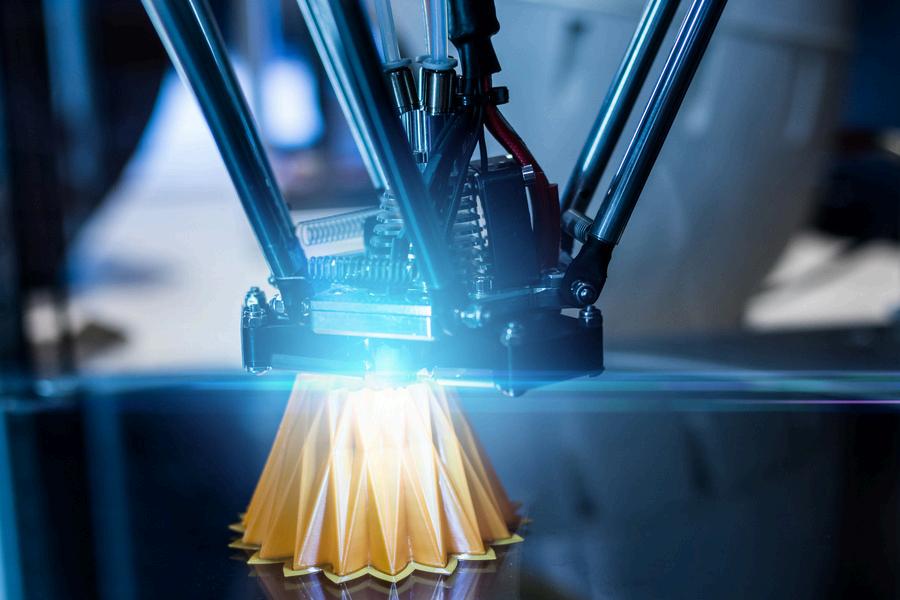
Libraries, studios, and small businesses can face similar issues, especially when several printers are running at once Hospitals are a little different because the Therapeutic Goods Administration regulates 3D printed medical devices like other medical devices. Even so, that does not remove the need to manage the risks linked to materials, processing, and manufacturing steps
Human evidence is still limited, but it is strong enough to justify caution A survey of workers who extensively used 3D printers found that 59% reported respiratory symptoms at least once a week, and workers spending more than 40 hours a week with printers were more likely to report a respiratory diagnosis such as asthma or allergic rhinitis. That does not prove that every symptom was caused by printing, but it does show that these exposures are not just theoretical. There is also a published case report of work-related asthma linked to 3D printing. In that case, the worker had been using an ABS printer in a small room and developed chest tightness, shortness of breath, and cough after the work began. His symptoms improved when exposure was reduced One case does not settle science, but it is a useful real-world warning that poorly controlled printer emissions can matter clinically.
Case reports have linked 3D-printing resin systems, including epoxy- and methacrylate-containing products, with occupational allergic contact dermatitis It is important to treat uncured resin like a chemical and not like a benign craft material The long-term effect remains uncertain and unclear. A recent study of a workplace in the UK found that in two controlled sites with low measured VOC levels, and no clear room-wide particle rise above background, workers still experienced tiredness, dry or cracked skin, headache, itchy or runny nose, and cough
The authors concluded that evidence for short-term respiratory effects is limited, while long-term effects are still not well understood These data do not justify panic, but they do justify prevention.
What safer use looks like
The good news is that safer 3D printing does not need to be complicated. But it does need the right order of thinking. The first step is to control the problem at the source That means focusing on material choice, printer location, enclosure, ventilation, and good work practices before relying on PPE Safe Work Australia follows the same basic principle in its hierarchy of controls. The aim is to remove or reduce the hazard as early as possible, not wait until the end
A printer should not be considered an ordinary office appliance. It should be placed in a large, well-ventilated area that is distant from sleeping, eating, studying, and sitting areas. A proper workshop is quite a different environment from a small study or a closed bedroom
Choice of materials also matters. For average school or hobby usage, PLA is preferable to ABS, as it generally prints at a lower temperature and is seen as a lower emitter. It doesn’t mean that PLA is harmless, but it can be better than others where appropriate
Enclosures, local exhaust, and filtration can also help. An enclosed printer or wellventilated enclosure can reduce the spread of particles and fumes into the room.
HEPA filters may help with fine particles, while activated carbon filters may help reduce some VOCs. Opening a window may help, but it should not be treated as the only control A fan or air conditioner can simply move contaminated air around if it is not actually removing it from the space.
Resin printing needs extra care Anyone using resin printers should avoid skin contact, wear gloves and eye protection, handle wash solutions carefully, and keep resin away from food areas and shared surfaces Waste should also be managed properly PPE still has a place, but it should not be the primary solution. A particulate respirator, such as a P2 or N95 mask,may help during dusty tasks like sanding But it does not properly control VOC exposure If fumes are the concern, the priority should be better material choice, enclosure, ventilation, and filtration.
The point is not to scare people away from 3D printing. Australia will almost certainly use more of it, not less The point is to stop treating desktop printers like harmless home or office appliances These machines are better understood as small manufacturing processes That shift in thinking matters Once a 3D printer is seen for what it really is, the right response becomes much clearer: put it in the right place, control what goes into the air, clean up properly, supervise its use, and stop assuming that “desktop” means “safe ” The technology may be modern and exciting, but the prevention message is simple and old-fashioned. If a machine heats materials, releases emissions and requires chemical handling, it deserves close attention The sooner that becomes part of everyday 3D printing culture in Australia, the safer these spaces will be for everyone.
If you have an article or piece you would like to share in The Filter or publishised on our new AIOH Member Publications page , please submit your content or expression of interest to marcomms@aioh.org.au.
Scan the QR code to find out more information
The Australian Institute of Occupational Hygienists is pleased to announce the launch of the AIOH Young Leaders Academy (AYLA). A new initiative designed to support and develop the next generation of leaders within the occupational hygiene profession
As the profession continues to evolve, occupational hygienists are increasingly required to do more than provide technical advice
The ability to influence decisions, communicate risk clearly, and contribute to organisational outcomes is becoming essential AYLA has been developed to address this need, equipping participants with the leadership capability to complement their technical expertise.
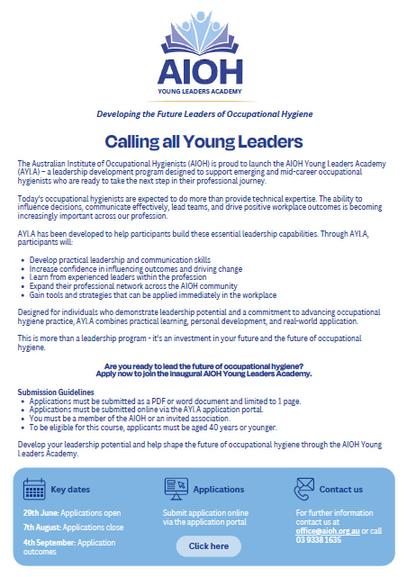
AYLA draws on the success of internationally recognised leadership programs, including those delivered through AIHA and IOHA. These initiatives have demonstrated that early investment in leadership capability strengthens both individual career pathways and the long-term impact of the profession
Tailored for the Australian context, AYLA brings together technical excellence, practical leadership skills, and real-world application
The inaugural Academy will be delivered as a 2 5-day intensive program in Brisbane, immediately prior to the 2026 AIOH Conference
Understanding your personal leadership style and influence
Leading teams and navigating complex workplace challenges
Translating occupational hygiene expertise into organisational value
Contributing to the future direction of the profession
AYLA is designed for emerging and midcareer professionals who are 40 or under that demonstrate leadership potential and a commitment to advancing occupational hygiene practice.
AYLA is not simply a training program - it is an investment in the future of the profession. Participants will leave with practical leadership tools, increased confidence in influencing outcomes, and a strong professional network across the AIOH community
Be part of shaping the future of occupational hygiene.
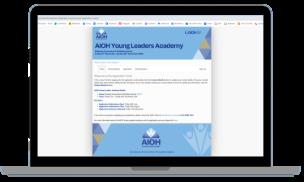
Apply Now
Join a cohort of emerging leaders, develop your leadership capability, expand your network, and help shape the future of occupational hygiene
Apply now
Applications close: Friday 7th August

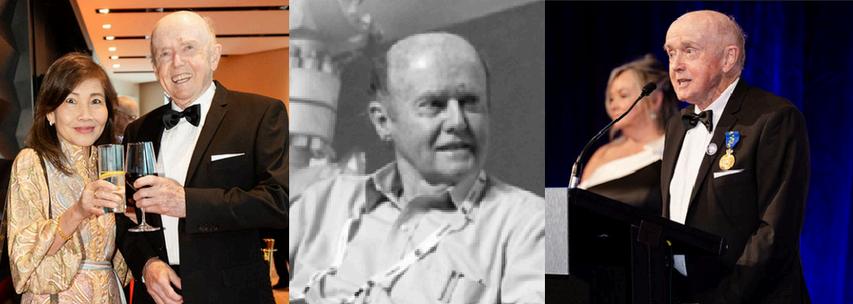
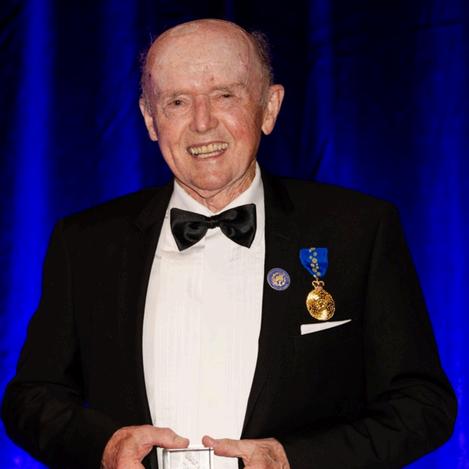
We celebrate the life and legacy of Dr Barry Chesson AM, a remarkable leader, mentor, and lifelong contributor to occupational hygiene and the broader community.
Barry may have been modest in stature, but his presence in the profession, and in the lives of so many people, was anything but small. He was steady, thoughtful, and quietly influential in a way that shaped people and systems over decades. For those who knew him, his impact was not only professional, but deeply personal.
Laurie Glossop, a colleague of Barry's for 45 years and a close friend of Barry and Theresa for more than a decade, reflected on a man whose technical expertise was matched only by his generosity, patience, and unwavering focus on people.
Barry’s academic and professional achievements were exceptional. He held a Master of Applied Science in Occupational Health and Industrial Hygiene and a Doctor of Philosophy in Chemical Safety. He was a Certified Occupational Hygienist with the Australian Institute of Occupational Hygienists, and a Certified Industrial Hygienist (retired) with the American Board of Industrial Hygiene.
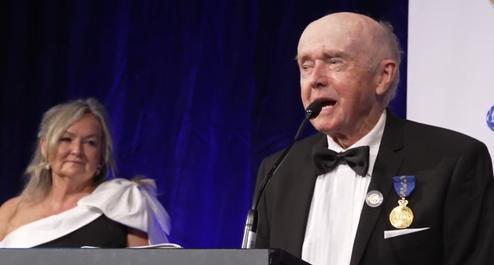
His contribution was formally recognised across many decades. He was a Fellow of the AIOH, recipient of the Celebration of Achievement Award, inducted into the inaugural AIOH Hall of Fame, and awarded the Pam de Silva Medal, the Institute’s highest honour. In 2016, he was appointed a Member of the Order of Australia for his significant service to occupational health science, professional associations, and education.
Across more than 50 years, Barry worked with Alcoa, Chevron, and later through his consultancy Occupational Hygiene Solutions.
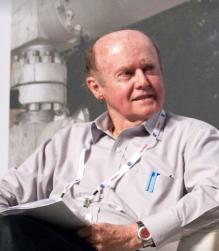
His work extended across Australia and internationally, contributing to occupational hygiene programs in a wide range of industries and countries. He had a particular passion for noise control and hearing conservation, always focused on practical solutions that made a real difference in workplaces.
Laurie Glossop, a long-time colleague and friend, captured something fundamental about Barry: “Barry may have been modest in height, but he was a giant of a man in many ways.”
That sense of steadiness carried through everything he did. Whether working in industry, advising government, or supporting professional bodies, Barry brought calm, clarity, and a consistent focus on what would genuinely improve worker health and safety.
He played a significant role in shaping occupational hygiene in Western Australia, including more than two decades as an Expert Member of the WA Commission for Occupational Safety and Health. He often reflected on the importance of collaboration in this work: “It was a privilege to be present as that approach matured into what we see today.”
Within the Australian Institute of Occupational Hygienists, Barry was a founding member and one of the defining contributors to its development. He joined in 1980, became a Fellow in 2004, and went on to serve as Councillor, President Elect, and President in 2012. He also supported the Institute through committee leadership and his long-standing role as WA State Liaison Officer, where his encouragement and quiet persistence helped strengthen the profession in Western Australia.
But it is not his titles or positions that people speak about most. They speak about how he made people feel.
Tracey Bence captured this in a way that many in the profession will recognise “Barry was both mentor and sponsor for so many of us. He opened eyes and he opened doors.” She also described him as: “Legendary in the Western Australian hygiene community.”
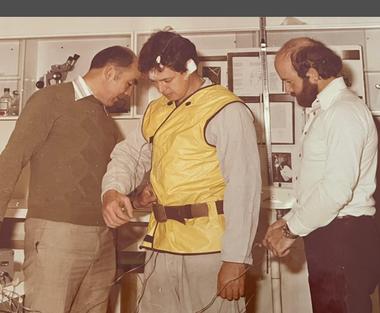
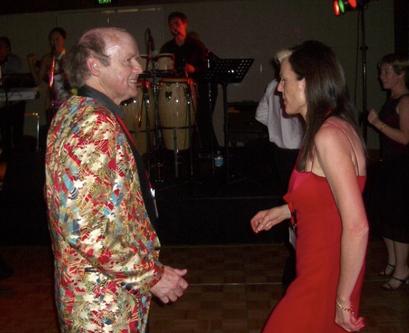
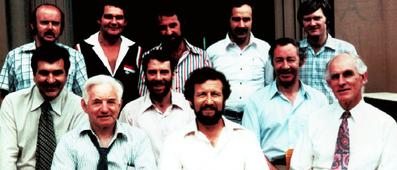
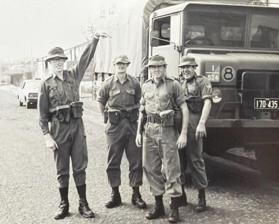
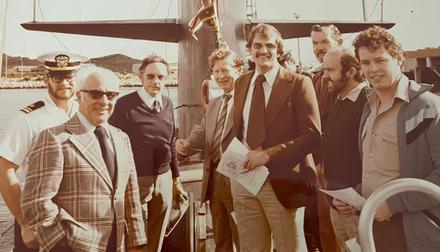
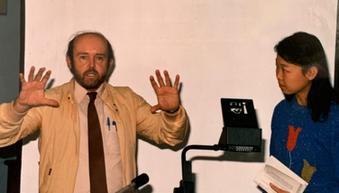
Daniel Cronje shared a similar reflection, grounded in personal experience: “He didn’t just provide advice, he saw the potential in me.”
And perhaps most simply, but most powerfully: “Barry was quick with a smile, genuinely caring, and always wanting the best for you.”
These are not descriptions of a formal leader alone. They are the reflections of someone who consistently invested in people, often early in their careers, and continued that support quietly and without expectation of recognition. Barry had a way of noticing people before they had fully noticed themselves.
Barry also believed strongly in developing future leaders within the profession. He often encouraged people to step forward when they saw a gap in leadership, reminding them that leadership was not about having all the answers, but about being willing to contribute and learn. Many occupational hygienists can recall being personally encouraged by Barry to take on committee roles, volunteer positions, or leadership opportunities they may not have otherwise considered. His confidence in others often came before they had confidence in themselves, and many later reflected that accepting those challenges helped them grow professionally and become better occupational hygienists.
He was also deeply committed to education As an Adjunct Associate Professor at Edith Cowan University, Barry taught and mentored generations of occupational hygienists.
He took genuine pride in seeing former students grow into senior roles, often reflecting: “To know that you may have sparked an interest in our profession at an earlier point is very rewarding.”
Dr Kelly Johnstone, President of the AIOH, reflected on his legacy: “Barry was a remarkable leader, mentor, and lifelong contributor who shared knowledge generously and fostered the next generation of occupational hygienists.”
This recognition reflects what so many already knew, that Barry s greatest contribut not only in the systems he helped build or the roles he held, but in the way he inves people. He gave his time generously, offered practical guidance without hesitation, consistently encouraged others to grow into their potential. For many, he was the person who quietly opened a door at just the right time, or of reassurance when it mattered most
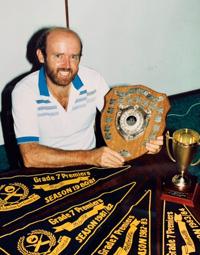
Beyond his professional life, Barry’s influence extended into community and sport. H a founding figure and inaugural President of the Murdoch University Melville Cricke serving for eighteen years. He was a captain, organiser, and mentor, and for many, steady guiding presence whose influence shaped both culture and character within club.
His legacy there is not only in trophies or records, but in the standards he set, the p he supported, and the example he lived.
Earlier this year, we were fortunate to record conversations with Barry, Tracey Benc Laurie Glossop at the Chesson home. In those discussions, what stood out was not reflection on achievement, but a consistent focus on people, on relationships, and o importance of giving others opportunity. Those recordings now carry even greater meaning.
At the heart of Barry’s career was a simple but powerful belief, that the greatest valu work was not in technical achievement alone, but in the people who grew through it He often spoke, and demonstrated through action, that success was measured in th success of others.
There is a phrase that has been shared across the profession in recent days: “Go an yourself a Barry Chesson.”
It speaks not only to admiration, but to a standard, a way of leading, mentoring, and showing up for others that is increasingly rare, and deeply valued. Barry, leaves behind a legacy that is both professional and deeply human. He shape systems, strengthened a profession, and influenced practice across decades. But m than that, he shaped people.
He will be deeply missed by his family, friends, colleagues, and the many across occupatio hygiene whose careers and confidence were shaped by his guidance. His influence continues in the people he mentored, the standards he set, and the qu example he lived every day.
Thank you, Barry.
Earlier this year, AIOH proudly delivered the first Occupational Hygiene in the Mining & Mineral Processing Industries Course (OHTA1001) in Brisbane, marking an exciting milestone in the expansion of our professional development program.
The five-day course was developed for occupational hygienists and suitably qualified occupational hygiene technicians looking to build on their foundational knowledge and develop specialist skills relevant to the mining and mineral processing industries.
Throughout the week, participants explored industry-specific hazards, exposure assessment, control strategies and practical approaches to managing occupational hygiene challenges unique to the sector.
The overwhelmingly positive feedback from attendees confirmed the strong demand for specialist training in this area and highlighted the value of expanding professional development opportunities for occupational hygiene practitioners working within the mining sector
This course is facilitated by Dr Ross Di Corleto (Monitor Consulting Services) and Ian Firth (IC Firth OHs Solutions)
Together, they bring over 70 years of combined experience in the mining sector, offering participants practical insights and real-world knowledge drawn from extensive industry experience
Register your interest for 2027
Following the success of the first course, AIOH is now planning future deliveries of the program in 2027. If you are interested in attending a future course, we encourage you to register your interest using the form below
Registering your interest will ensure you are among the first to receive updates on course dates, locations and registration information as they become available
For more information visit our website, or email office@aioh org au
Designed for those new to occupational hygiene or looking to strengthen their technical knowledge, this internationally recognised five-day course provides a practical foundation in hazard recognition, exposure assessment, risk control and occupational hygiene principles. Participants will learn from experienced industry professionals while building valuable connections with peers from across Australia
There are still opportunities to attend a Basic Principles of Occupational Hygiene Course in 2026.
Sydney: 10–14 August (sold out)
Brisbane: 7–11 September (13 spots available)
Perth: 12–16 October (16 spots available)
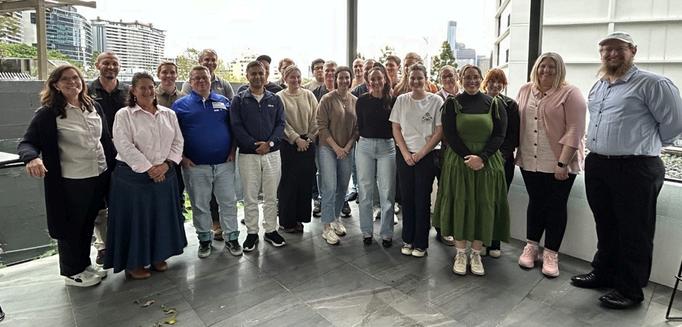
If you're interested in delivering the Basic Principles Course exclusively for your organisation, private course deliveries are also available. This is a flexible option for organisations looking to train multiple staff members while tailoring the delivery to their operational needs
To enquire about a private course, please email office@aioh.org.au.
We look forward to welcoming you to a Basic Principles Course in 2026 / 2027
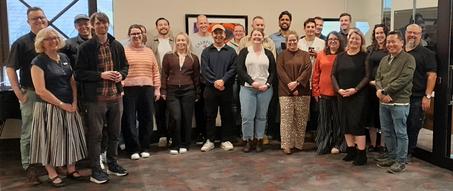
While most students attending the BPC are emerging occupational hygienists, we also find many who come from allied or adjacent fields These students attend with different aims in mind, including how to:
Manage and support the occupational hygiene professionals in their workforce (operations managers)
Request appropriate assessments from consultant occupational hygienists
Understand and interpret the occupational hygiene reports provided to their workplace, especially with regard to controls and compliance requirements
Understand occupational health risks as part of their study or profession (eg. occupational physicians and nurses)
Understand how to assist workers in rehabilitation programs (eg wellbeing coordinators and occupational physicians) Recognise how worker exposure affects health monitoring outcomes (eg. occupational physician and nurses), or Gain more knowledge in specific areas of interest in the workplace
The one thing they all have in common by the end of the course is a great appreciation for their site occupational hygiene consultants or in house occupational hygienists!
Is there anyone in your workplace who would similarly benefit from attending the AIOH BPC?
Why did you sign up for the BPC?
I attended to refresh and strengthen my understanding of occupational hygiene, particularly around exposure monitoring and exposure standards, to better support health risk management in the workplace KristenWilliams(HSEManager-Wellbeing),whoattendeda2026
How/Did the BPC influence or assist you in your ongoing management of OH in your workplace?
The course reinforced my knowledge around monitoring processes and interpreting exposure data, which has helped me feel more confident when reviewing results and understanding compliance against exposure standards It has also supported more informed conversations with consultants and internal stakeholders.
What aspect of the course (if any) did you find the most useful for this, and why?
The most valuable aspects were the practical discussions around monitoring and exposure standards, along with the opportunity to engage directly with Certified Occupational Hygienists. Being able to ask questions based on real workplace scenarios made the learning highly relevant and immediately applicable
Would you recommend the course to others who manage OH or employ occupational hygienists, and why?
Yes, definitely. The course provides a strong practical foundation which is critical for anyone involved in managing workplace health risks or working alongside OH professionals.
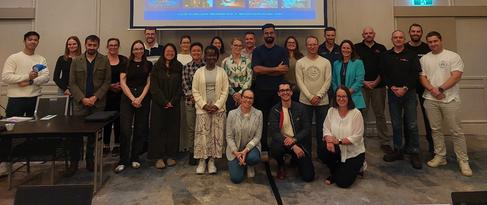
The latest BPCs held in April (NSW), and May (Perth) courses were completely sold out If you or someone from your workplace would like to attend the BPC, please go to the AIOH website for online registration at Events – AIOH.
Melanie, Jen and Linda

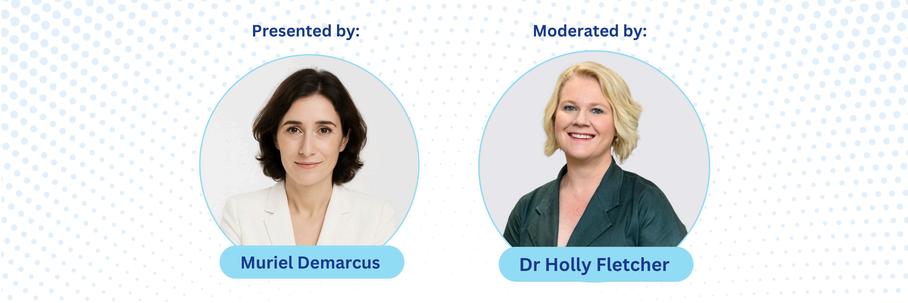
AugustWebinar
TheAgenticAIRevolutioninH&S: MovingFromReactiveFirefighting toPredictivePrevention
Thursday 27th August
12:00pm - 1:00pm AEST
Register
ShareYourWebinarTopicIdeas
What topics would you like us to cover in upcoming webinars? Were there any sessions from the AIOH25 Conference Program that you’d like to see revisited as a webinar?
WebinarrecordingshaveanewhomeontheAIOHwebsite! UpcomingWebinars
Your feedback helps us create content that is valuable and relevant to our community Please complete the Webinar Suggestions Form below to share your ideas.
Share your ideas
You can now find our webinar recordings under ‘Education’ on the AIOH website
Webinar recordings
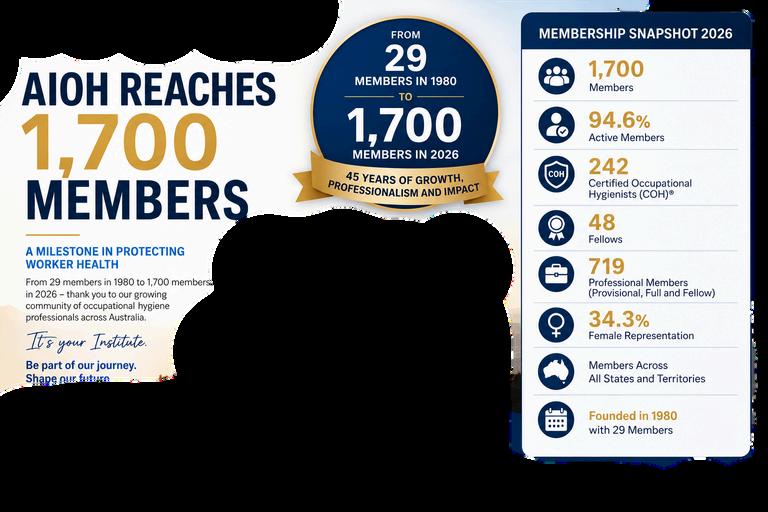
From 29 members in 1980 to 1700 members in 2026. Thank you to our growing community of Occupational Hygien Australia and abroad.
As the AIOH closes celebrate a signific first time in the Ins
What began in 198 largest professiona worker health. Ove alongside the occu through profession networking, mentorin hygiene practice acro
It’syourInstitute!
While membership nu members reflects the continued strength of the profession and the value members place on belonging to a professional community committed to protecting worker health.
Today, the AIOH represents a diverse membership base spanning all career stages, from students and emerging professionals through to highly experienced to Full and Fellows. Of our current membership, more than 94% are active members, demonstrating strong ongoing engagement with the Institute and the profession.
The growth of the profession is also reflected in the depth of expertise within our membership. The AIOH currently includes 242 Certified Occupational Hygienists (COH)®, representing the highest level of professional certification awarded by the Institute. We are also proud to have 48 Fellows recognised for their distinguished contribution to occupational hygiene and the profession. In addition, more than 700 members currently hold professional membership grades, demonstrating the strength and maturity of occupational hygiene practice across Australia.
Encouragingly, female participation within the profession continues to grow, with women now representing 34.3% of the AIOH membership. The strongest membership representation sits within the 35 to 54 year age brackets, highlighting a mature and experienced professional workforce while also demonstrating healthy participation from emerging practitioners entering the profession.
The AIOH's membership extends across every Australian state and territory, with particularly strong representation in New South Wales, Queensland, Victoria and Western Australia (don’t worry South Australia and Tasmania are slowly but surely growing a strong cohort too). This national reach ensures the Institute remains well positioned to support worker health outcomes across a diverse range of industries and workplaces.
Membership growth is not simply about numbers. It reflects the increasing recognition of occupational hygiene as a critical profession in protecting workers from health hazards and preventing occupational disease. Every new member strengthens our collective ability to share knowledge, support professional excellence and advocate for healthier workplaces. As we celebrate this milestone, we acknowledge the many volunteers, committee members, Council, members and staff who have contributed to the growth of the Institute over the past four and a half decades.
As our membership continues to grow, maintaining accurate member information becomes increasingly important. Up-to-date member records help ensure the AIOH can effectively communicate with members, recognise milestone achievements, support certification and professional membership processes, and maintain services such as the Find a Consultant register. Members are encouraged to regularly review and update their details through the MYAIOH portal to ensure their information remains current.
We also encourage all members to help shape the future of the Institute. The AIOH Annual Member Survey is now available through the MYAIOH dashboard, and your feedback plays an important role in informing the AIOH Strategic Plan and future priorities. Whether you have been a member for 30 years or 30 days, your views matter. We encourage you to take a few moments to complete the survey. Your feedback is valued, needed and helps ensure the AIOH continues to reflect the needs of its members. After all, it is your Institute.
From 29 members in 1980 to 1,700 members in 2026, this milestone is a testament to the strength of the profession and the commitment of those who continue to champion worker health across Australia.
We are pleased to recognise and celebrate AIOH members wh have reached five years of membership This milestone reflects your ongoing commitment to the profession and contribution to advancing occupational hygiene Thank you for your continued support and engagement with the AIOH community.
Aaron Baulch
Chas Pagon
Alan Barker David Corbett
Andrew Gaggiano
Kelly Hey
Gavin Irving Perdita Dickson
Anthony Caruana Jai Braun
Ashley Horner
Jeffrey Self
Melanie Cox
Bronwyn Haste
Shelley Rowett
Jennifer Hines
Rafael Lopez
Simon Butterfield
Nathan Redfern
Jacques Oosthuizen Kerri-Ann Jessep
Shi Lam Ross Bootes
Ross Di Corleto
Halil Ahmet
Dan Le Van
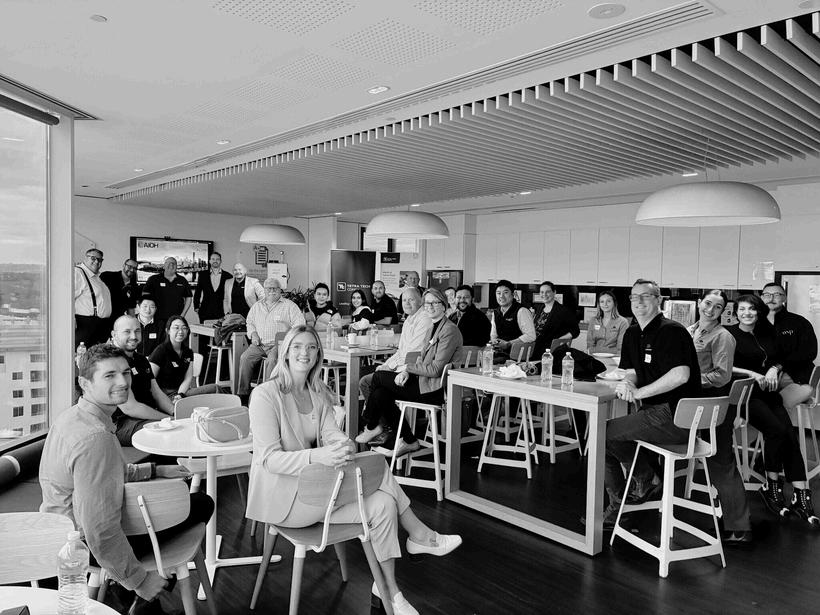
We welcome and congratulate the members who took steps to progress to our Professional Levels. have had a high volume of applications come through, which is great to see. It also means processing is taking a little longer than usual. Thanks for your patience and a huge thank you to our Membership and Qualifications panel and all interviewers for the time and effort they are putting in.
F u l l M e m b e r
Anel Kriel
Ciara O'Brien
Daniel Jackson
Hayden Field
Jarrad Way
Kurt Standen
Malebina Moloi
Matthew Hall
Mohmedjuned Mevawala
Morgan Mathers
MPHO Packer Motlhabane
Nicholas Joy
Rasika Chandrasekara
r o v i s i o n a l M e m b e r
Adam Barnes
Benjamin Flower
Jackson Marshall
Jaeger Swanepoel
James Richardson
Joshua Bonsing
Noellie Bourdoiseau
Theresa Wilde
Vishnuprasad Valliyodan
Yingying Sun
A big welcome to our newest members of the AIOH
We love seeing our community grow. A big welcome to everyone joining us across Full, Provisional, Associate and Student membership, and to those stepping up into Professional levels.
Abdulaziz Rayes
Adam Garnys
Alana Bowler
Alex Phillipos
Allison Row
Amy Atkinson
Anthony Hawton
Apeksha Patel
Ashlee Baily
Benjamin Granger
Bradley Hutchinson
Bree Bloch
Brendon Lambert
Brianna Macinante
Brittany Howell
Brooke Dodds
Cally Foley
Chloe Rowe
Christopher Harlond
Cian Jannink
Clinton MacGregor
Daniel Alexander
David Hale
David Matthews
David Sheerin
David Spikin
Dean Howlett
Dheeraj Kohli
Ebony Brincat
Edward Lee
Ehsan Zare
Emily Hamill
Emma Leech
Gail Moss
Garett De Kauwe
Giovanna Biserra
Harrison Toth
Hend Aljurisy
Jade Jense Kahlia Strid
Jai Bell
Katherine Waddell
Jake Andersson Katrina Gibson
James Lynch
James O'Brien
James Richardson
Jeffrey Yu
Kellie Cruice
Khalid Haries
Kirsty Reason
Kris Vaswani
Jessica Williams Kyeson Chin
Jethro Neave
Leigh Sundstrom
Jingyi (Phoebe) Wang Letricia Roberts
Joanne Le Lewis Robinson
Joel Booker
John Petherick
Louis Trypas
Mahdi Nankali
John Robert Salivio Marek Makara
Jolene Tam
Joseph Breheny
Joseph Havinga
Joshua Pitman
Justin Williams
Matt Newman
Matt Silvester
Matthew Watkinson
Meagan Egerton
Mikaela Callinan
Ming-Yeng Lin
Patrick James
Mohammed Alshammari Paul Thomson
Nadia Leinecker Peter Gould
Nandhana Sasikala Peter Oldfield
Steven Nikolovski Tess Napper
Sara Bakhshian Shahrbabaki Tim Neilson
Sarah Wilmot Tomasz Lasek
Sasha Pollock Trinity Karavas
Nathan Vanderburg Pinnaduwa De Silva Scott Ginnivan Tristan Turnbull
Ned Calnon Prassanna Sathishkumar Scott Middleton Trudy Gaw
Nike Henze Puti Halilafara Deysavira
Obokparo (Victor) Ikini Rachel Dowling
Omar Almurahhem Rebecca Pitt
Shane Barford
William Reeves
Shauna Finlay Winda Prastiwi
Simon Habermann
Danette Hocking
Erin McCue
Jacob Davison
Jennifer Milne Nabila Nasharuddin Tashi Tshewang
Maria Babaei Susan Voutier Thomas Fitzgerald
Megan Lynch Tagore Budumuru

The AIOH Mentoring Program is looking for mentors
Could that be you?
A few hours a month can help shape someone's career and strengthen the future of occupational hygiene

the Mentoring Sub-Committee is working on a fresh approach to mentoring, with new ideas, improved resources, digital enhancements and a more streamlined experience for both mentors and mentees.
Whether you're looking to give back to the profession or take the next step in your own occupational hygiene journey, now is the perfect time to get involved
One conversation can make a real difference to someone's career.
Our mentors help members build confidence, navigate challenges, prepare for Full Membership and COH, and share the practical knowledge that only comes with experience.
If you can spare just a couple of hours each month, you'll be helping shape the next generation of occupational hygienists
As an added bonus, mentors receive 1 Certification Maintenance (CM) point per allocated mentee each year.
The AIOH Mentoring Program is entering an exciting new chapter. Now part of the Member Advancement & Professional Development Committee (MAPDC), Coming Soon
The committee is currently developing a refreshed mentoring experience, including: Improved mentor and mentee resources. A more streamlined matching process. Digital tools and supporting resources
Greater opportunities for member engagement
New ways to recognise and celebrate mentoring contributions.
Our mentees are looking for someone who can: Share practical experience and professional advice
Help navigate the pathway to Full Membership and Certified Occupational Hygienist (COH)®. Be a sounding board for occupational hygiene challenges.
Provide honest feedback and career guidance
Expand professional networks and opportunities
No matter where you are in your career, having someone to learn from can make all the difference
Join the Mentoring Sub-Committee
We're also looking for enthusiastic members to help shape the future of the program. If you have ideas, enjoy developing new initiatives, or simply want to contribute to the profession, we'd love to hear from you Submit your Expression of Interest via the MYAIOH and help build the next generation of the AIOH Mentoring Program
Watch this space, there's plenty more to come.

The AIOH Media Ambassadors supports the AIOH President to manage the Institute’s public profile through media engagement and advocacy. The group monitor media activity, develop media releases, key messages and talking points, facilitates media interviews and expert commentary, and identify opportunities for AIOH to contribute to public discussion.
Working closely with the Stakeholder Relations, Communication, and Marketing Committee members also create proactive media content to promote occupational hygiene and raise awareness of occupational health issues
Ash Boss-Handley
Ash is a Certified Occupational Hygienist (COH)®, IOHA Emerging Leaders Institute alumnus, and passionate advocate for worker health.
Over the past decade, she has worked primarily as a consultant, partnering with organisations to manage health risks on major infrastructure projects and across industries including mining and mineral processing, manufacturing, insurance, and other sectors
Ash enjoys connecting people with the science behind occupational health, translating complex concepts into practical and engaging information. Through her role as an AIOH Media Ambassador, she hopes to raise the profile of occupational hygiene and inspire broader conversations about preventing illness and protecting health.
Dr Jane Whitelaw
DrJane Whitelaw is a Certified Occupational Hygienist (COH)®, Certified Industrial Hygienist, CIH®, and Fellow of the Australian Institute of Occupational Hygienists.
She has more than 30 years of experience across heavy manufacturing, research, and academic leadership. She is the Head of Discipline for Occupational Health
and Safety at the University of Wollongong, where her research focuses on the prevention of occupational respiratory disease. She is an expert in respiratory protection.
Jane has contributed to national and international standards committees (including AS/NZS SF-10, ISO and ASTM) and serves on the Boards of RESP-FIT and OHTA. She is Chair of the AIOH Research and Innovation Sub Committee. Her PhD evaluated the physiological impacts of respirator use in heavy industry, and she remains dedicated to advancing worker health, translating research into practice, and educating the next generation of occupational hygienists
Dr Carmen Naylor
A Certified Occupational Hygienist and Leader of Human Health Monitoring at the Australian Nuclear Science and Technology Organisation (ANSTO).
With a PhD in occupational hygiene and toxicology, she specialises in protecting worker health through research and practical risk management. Her career spans mining, aviation, transport, and government, with a focus on preventing occupational illness and improving health outcomes.
An active contributor to the Australian Institute of Occupational Hygienists, she also supports research, education, and professional development, advocating for evidence-based approaches to workplace health and safety.
Sam Clarke
Samantha Clarke is a Certified Occupational Hygienist and experienced Work Health and Safety leader with over 25 years in industry. She has worked across mining, smelting, manufacturing, logistics, and government, including a decade with Rio Tinto. Known for her strategic approach to risk management and operational excellence, Samantha specialises in embedding strong safety cultures and improving workplace exposure controls. She holds qualifications in WHS, occupational hygiene, and law, and actively contributes to the Australian Institute of Occupational Hygienists, where she has served in leadership roles, supporting industry advancement and professional development.
Andrew Orfanos
A Fellow and past President of the Australian Institute of Occupational Hygienists, he has held leadership roles across academic, research, consulting, and operational settings.
Andrew Orfanos is a Certified Occupational Hygienist and Division Director of Occupational Hygiene at VA Sciences, with over 25 years of experience in workplace health risk management.
Andrew has worked across industries including mining, manufacturing, and energy, and as an expert witness, with expertise in hazards such as asbestos, lead, hazardous chemicals, and silica. He is recognised for delivering practical, evidence-based solutions and contributing to industry leadership, education, and advocacy to improve worker health and safety outcomes.
Brett Young
Brett Young is a Certified Occupational Hygienist with more than 25 years of experience across the mining, petroleum, and resources sectors. He has experience developing and managing large-scale health and hygiene management systems, training programs, and workplace health strategies, as well as experience working as a regulator, where he enforced occupational health and safety standards
He is recognised for his expertise in managing workplace health risks, particularly airborne hazards and respiratory protection. Within the Australian Institute of Occupational Hygienists, he has also contributed to mentoring and professional development initiatives, helping strengthen the next generation of practitioners and advance worker health outcomes across industry.
Samantha Forster
A Certified Occupational Hygienist and Principal Occupational Hygienist with Resources Safety & Health Queensland. With a career spanning laboratory science, government, and regulatory roles, she brings extensive expertise in occupational health risk management and exposure monitoring. Samantha began as a senior chemist and has progressed into leadership positions supporting mine safety and health.
She holds a Master of Science in Occupational Hygiene Practice and professional credentials including MAIOH, MRACI, and Chartered Chemist. Samantha is passionate about advancing safety standards within Queensland’s mining industry.
By Kate Cole OAM, Lead Public Policy Sub-Committee
If you’ve ever tried to fill out your tax return and been frustrated that “occupational hygienist” wasn’t an option in the drop-down box, and wondered why, you’re not alone
In Australia’s occupation classification system, occupational hygienists are not recognised as a separate profession Instead, they are grouped as a specialisation under Occupational Health and Safety Advisers. As we know, this does not reflect what our profession actually does.
The AIOH Public Policy Sub-Committee recently submitted a case to the Australian Bureau of Statistics Occupation Standard Classification for Australia (OSCA) to recognise occupational hygienists as a separate occupation within the OSCA framework
This is a long-standing issue that AIOH has been advocating on for some time.
Occupational hygiene is a distinct discipline with a clear focus on the anticipation, recognition, evaluation and control of workplace health hazards Practitioners work across chemical, physical and biological exposures, with our grounded in exposure science, drawing on fields such as toxicology, chemistry, physics and epidemiology.
This is fundamentally different from the role of an Occupational Health and Safety Adviser, which typically focuses on safety systems, compliance, training and incident management. While both roles contribute to workplace health and safety, they operate in different domains and require different skill sets

The current classification has practical consequences. When occupational hygienists are grouped with a much larger OHS workforce, it becomes difficult to accurately measure workforce size, demand and shortages. This affects labour market data, workforce planning and policy development
There are also implications for skilled migration If occupational hygiene is not recognised as a separate occupation, demand for these specialised skills may not be visible in migration settings. This can make it harder for employers to recruit qualified hygienists, even where there is clear demand.
Evidence shows that the demand is real and growing Job advertisements across mining, construction, consulting and government regularly seek occupational hygienists as dedicated roles, with responsibilities focused on exposure monitoring, health risk assessment and control strategies. At the same time, membership of the AIOH has increased significantly in recent years, indicating growth in the profession and increased recognition of its role.
Will occupational hygienists be recognised as our own occupation?
Regulators across Australia also consistently recognise occupational hygienists as specialists in exposure assessment and control. Guidance from Safe Work Australia and state regulators identifies hygienists as the appropriate professionals to design monitoring programs, interpret exposure data and manage complex health risks
Recognising occupational hygienists as a distinct occupation would improve the accuracy of occupational data and strengthen workforce planning. It would also better align formal classifications with how the profession is already understood by regulators and industry.
Formal recognition is a practical and necessary step. It reflects the way the profession operates in practice, supports more robust data, and helps ensure the capability required to manage workplace health hazards is clearly understood and appropriately planned for We will continue to advocate for this change and keep members informed of progress

Dr Jennifer Hines - Certification Board Chair
On 21 May 2026 the AIOH received the news they had been successful in the re-certification of the AIOH National Accreditation Recognition (NAR) status. This is an important milestone for the occupational hygiene profession in Australia. NAR recognition provides international acknowledgement that the AIOH Certified Occupational Hygienist (COH) credential meets globally recognised standards for professional certification, supporting the mobility, credibility and recognition of Australian occupational hygienists both locally and internationally.
As part of the re-certification process, several amendments to the Certification Policy were required to ensure ongoing alignment with the latest NAR criteria. These policy amendments have now been approved and will take effect from 1 July 2026.
However, recognising that certification candidates require adequate time to plan their professional development and career pathways, the key eligibility changes will not apply until 1 July 2028.
The NAR framework continues to evolve as occupational hygiene matures as a global profession. A key focus of the updated requirements is ensuring that certification applicants possess both an appropriate educational foundation and sufficient practical experience before seeking professional certification The amendments strengthen the link between formal qualifications, professional competence and certification, while maintaining pathways for experienced practitioners from diverse backgrounds
1) Introduction of Pathways to COH Exam Eligibility
From 1 July 2028, the updated policy requires all COH exam applicants to have attained Full Membership status via one of following pathways.
Pathway Route
Pathway 1
Patway 2
Pathway Qualifications
a. Undergraduate degree qualifications in occupational hygiene or related fields such as science or engineering;
b. Postgraduate qualifications in occupational hygiene at an AIOH - accredited university or course; or
c Certification as a hygienist under any IOHA recognised certification scheme
a. Other qualifications acceptable to the AIOH Council
The revised policy introduces minimum occupational hygiene experience requirements in line with NAR prior to COH examination eligibility depending on the pathway:
Pathway 1
Minimum of five years' occupational hygiene experience.
Pathway 2
Minimum of seven years' occupational hygiene experience.
These requirements are intended to ensure candidates have developed sufficient breadth and depth of professional practice before undertaking certification.
Expression of Interest for 2027 Certification Exams are now open. Sound preparation is key to success, applicants are encouraged to self-assess their readiness and allow time to build the required knowledge and experience. It is perfectly fine to wait until you are confident and ready to sit the examination.
Importantly, the delayed implementation date of 1 July 2028 provides a two-year transition period from policy commencement, allowing members sufficient time to complete studies, gain additional experience, or finalise certification plans under the current arrangements
Another important change relates to maintenance of certification.
Effective 1 July 2028, all COHs will be required to obtain a minimum of 0.2 Certification Maintenance (CM) points in ethics training during each five-year certification maintenance cycle. Ethics training may be delivered by the AIOH or another recognised professional body, provided the content is relevant to professional ethics in occupational hygiene or related professional practice.
For current COHs, the immediate impact is limited. 0.2CM points must be obtained if your certification review cycle falls after 1st July 2028. For prospective COH candidates, the most significant changes relate to the experience requirements for different qualification pathways. Members who may be considering certification in the coming years are encouraged to review the new criteria and consider how their education and professional development plans align with the future requirements.
Maintaining NAR recognition is critical to preserving the international standing of the COH credential. The changes introduced through this review ensure that the AIOH certification framework remains aligned with global expectations while continuing to support a diverse and capable occupational hygiene profession in Australia.
The Certification Board would like to thank all those involved in the NAR recertification process and looks forward to supporting members through the transition to the updated requirements.
Voluntary Temporary Suspension has always been available to COHs during the five year accreditation cycle? This option supports members who may need time away due to circumstances such as serious illness, parental leave, unemployment, or other extended leave. Our updated Certification Policy now makes it even clearer what is required to maintain your certification while your COH status is temporarily suspended, helping ensure a smooth transition back when you’re ready to return.
Members seeking further information are encouraged to review the revised Certification Policy via the COH webpage in the first instance, and then contact either Alicia in the office or the AIOH Certification Board





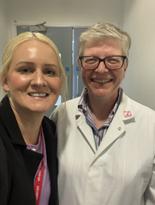
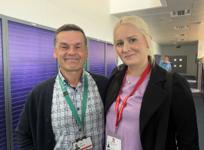
The 3 5-week European program commenced in Manchester, United Kingdom, followed by engagements at the Health and Safety Executive (HSE) in Buxton, the Sellafield nuclear facility, Newcastle for the BOHS Conference and Local Exhaust Ventilation (LEV) refresher course, Amsterdam for the International Lead Association Conference, and concluded with an in-depth professional experience at Dräger in Lübeck, Germany.
The professional experiences covered a broad range of occupational hygiene themes and technical focus areas, providing opportunities to engage with leading practitioners, researchers, and innovators from across the globe.
The visit to the Health and Safety Executive in Buxton provided valuable insight into current research and challenges within occupational hygiene.
Meeting with Helen Chambers provided an overview of the challenges associated with an increasingly reduced team at HSE, along with several innovative projects currently underway. The visit also included experiencing the organisation’s soundproof room, an environment that was notably disorienting and offered a unique insight into the acoustic research being undertaken.
John Saunders presented ongoing research relating to dust control using on-tool local exhaust ventilation (LEV), focusing on verifying manufacturers’ claims regarding the effectiveness of LEV systems in reducing worker exposure to hazardous dusts and fibres.
Kate Jones shared her research into exhaled breath condensate and respirable crystalline silica, both of which have significant implications for exposure assessment and worker health.
Alan Beswick provided an overview of research into aerosol generation and spread during coughing, sneezing, and vomiting. This work, particularly during the COVID-19 pandemic, contributed valuable insights to national response efforts He also discussed high-risk research involving biological hazards and potential bioweapons, including studies related to Anthrax transmission risks within postal networks.
The visit to Sellafield nuclear facility provided another unique opportunity to observe occupational hygiene principles applied within a high-hazard environment.
The facility’s operations include nuclear waste processing, waste storage, and nuclear decommissioning Hosted by Andrew, the visit provided valuable insight into the operational challenges encountered on site and the systems in place to manage risk.
A key observation was the strong safety culture demonstrated by the team leaders who guided the tour Their embedded knowledge of occupational hygiene practices and their ability to clearly articulate effective hygiene risk management principles demonstrated the importance of experience and competence within high-risk industries
I also gained insight into the Site Ion Exchange Plant (SIXEP), which removes the majority of radioactive isotopes from water used in nuclear operations, ensuring discharged water remains safe and within permitted limits
The practical value of this experience was significant, with learnings already being applied to current projects
Building knowledge through collaboration
In Newcastle, I attended the Vent-Tech course and assisted with the practical assessment component As I already held the relevant qualification, Adrian Sims provided the opportunity for me to facilitate the practical assessment and grade candidates. This experience allowed me to contribute to the training process by sharing practical insights while also developing my leadership skills in an area of professional interest
It was inspiring to see the level of education offered by Adrian and the work he continues to do through BOHS and iLEVE to raise awareness around effective ventilation and risk management. The BOHS Conference 2025, Workplace Health Protection Conference, was a highlight of the journey, bringing together leading occupational hygiene practitioners and researchers
Representing Australia and the Australian Institute of Occupational Hygienists (AIOH) was an invaluable experience. Networking with professionals across Europe created opportunities to exchange knowledge, build meaningful relationships, and showcase the expertise of the Australian occupational hygiene community. Sessions covered a broad range of topics, including: Unlocking the power of Industrial Hygiene for a Resilient and Sustainable Future – Dr Lali Japaridze, BP
Regulating Occupational Hygiene Consultants – Rob Williams, HSE
Mental health and personality disorders, and the role of occupational hygienists – Kelvin Williams
Heat stress management and preventing heat exhaustion cases – Nezar Ali
Hydrocarbons to Hydrogen, and changes in fire and gas safety – Megan Hine
Isocyanate exposure sampling – Mary Cameron
A particularly valuable session was “How to Give Added Value for Clients With OH Reports” presented by Kelvin Williams and Gordon Smith The session provided practical guidance on improving occupational hygiene reporting and review, reinforcing the importance of clear, professional, and scientifically robust communication.
The New Tech Dragon’s Den session also provided an engaging look into emerging technologies and equipment designed to advance occupational hygiene practice. Presenters introduced new tools, discussed applications, and encouraged attendees to critically evaluate innovation and implementation within the profession
The conference also provided valuable networking opportunities through social events, trade exhibitions, poster presentations, and discussions with professionals whose work has influenced the field
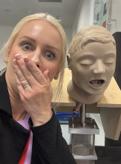
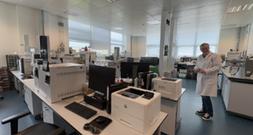
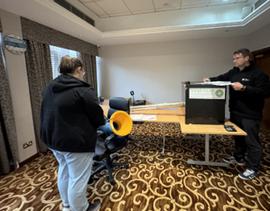
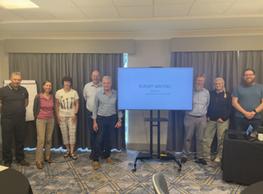
The journey continued to Amsterdam, where I had the privilege of presenting as a plenary speaker at the International Lead Association Conference during their lead workshop.
The presentation, “Scientific Storytelling”, explored the importance of communicating complex technical concepts through narrative structures that engage, educate, and inspire audiences from the shop floor through to management.
The presentation was very well received, with attendees providing positive feedback. One participant later engaged my services to help communicate a challenging message to their workforce, an unexpected but rewarding outcome
This event marked my first time presenting to a large international audience and was a significant milestone in my professional development.
The visit to Dräger in Lübeck was undoubtedly the highlight of the trip The experience was exceptional, not only because Dräger sponsored the award, but because of the hospitality, support, and professional engagement provided throughout the visit.
The experience began with Experience Dräger, a guided exhibition tour delivered by Heiko Schaffrath. The interactive tour showcased Dräger’s technological evolution and current product range, demonstrating the depth of innovation within the organisation
The visit continued through the Dräger Test Laboratories and Safety Division, where I engaged in discussions around personal gas detection, emerging technologies, reporting software advancements, calibration, bump testing, and automated processes
The factory tour hosted by Rene Krüger was particularly impressive, providing insight into the precision and expertise involved in sensor production, SCBA headwear assembly, gas cylinder filling, and personal gas monitor construction.
The quality assurance standards, technical capability and pride demonstrated by employees throughout the facility were truly inspiring
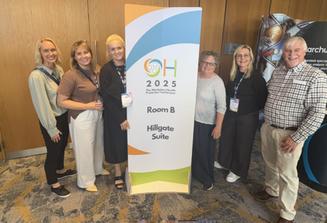
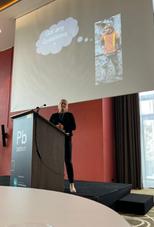
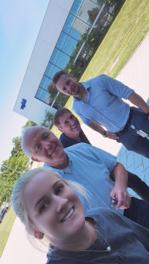
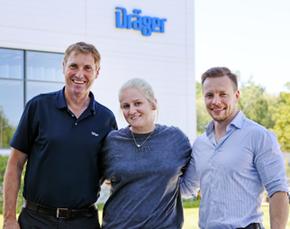
The professional growth gained from this opportunity has been extensive, significant, and diverse The learnings acquired will continue to influence my development as an occupational hygienist.
It has been an honour to represent both AIOH and Australia as a young hygienist throughout theUnitedKingdomandEurope,andtoreturnasoneoftherecipientsoftheYoungHygienistof theYearAward
I am committed to applying these learnings to advance the occupational hygiene profession in Australia and to promoting the critical role hygienists play in protecting worker health, an area ofpersonalpassionandprofessionaldedication






The Active Environmental Solutions Scholarship supports AIOH members to develop their academic credentials in occupational hygiene. Whether you’re looking to take the next step in your career or broaden your expertise, this award helps you make it happen.


It’s more than just funding, it’s a stepping stone to your future
Be like Claire...
With support from the AES Scholarship, Claire pursued postgrad study and opened new doors in her career.
Follow their lead...
Our past winners turned opportunity into impact – now it’s your turn.
From classroom to real-world change...
This scholarship helps you take the next leapm academically and professionally.
YOUR STUDY, YOUR WAY
Eligible study includes:
AIOH-accredited postgraduate courses majoring in occupational hygiene
Australian-based academic postgraduate courses with a strong occupational hygiene focus
APPLICATIONS OPEN NOW, DON’T MISS YOUR CHANCE
STEP INTO YOUR FUTURE ADVANCE YOUR CAREER BECOME THE NEXT NAME ON OUR WALL OF IMPACT.


This report has been written by Andy McCarthy as a summary of the Airmet Professional Advancement Award received in 2023.
This award meant so much to me, as I have applied multiple times and was incredibly honoured and humbled to receive the award. The Airmet Professional Advancement award trip was a once in a lifetime opportunity to Due to relocating back to Australia in February 2023, I was unable to schedule my trip in 2024. It was agreed with Airmet and the AIOH to postpone the trip until 2025 and travel with the 2024 recipient. The flexibility from Airmet and AIOH was very much appreciated.
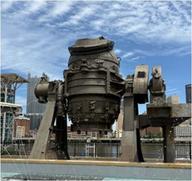
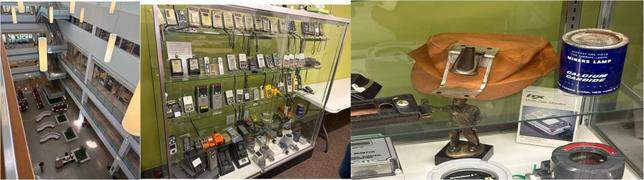
The trip started very early in Adelaide to meet Peter Shiels in Melbourne to travel together. Jason Green had left Australia the week earlier for his site visit in Phoenix From Melbourne we travelled to San Fransico and then onto Pittsburgh First stop, in attempt to beat jetlag, as we had a full schedule for two weeks, was Primanti Brois, for a famous sandwich. This did not disappoint, and was not our only time there!
After some sightseeing, the Andy Warhol museum, the obligatory segway tour, a Pirates baseball game and a very competitive Duckball tournament, it was time to get to business
Unfortunately, due to the political climate in the United States, I was unable to achieve my planned visits to the University of Arizona (Center of Mining Excellence) in Tucson, Arizona, MSHA in Arlington, Virginia, or NIOSH in Pittsburgh I was however, able to meet with the people I had scheduled at AIHce in a more informal setting. We were able to spend a very informative and educational day with Dr Emanuele Cauda (of NIOSH) while in Pittsburgh who not only showed us around town, but gave us a tour of the history of Pittsburgh and its educational institutions and proud steelmaking history
Although my trip was not quite executed as planned due to government circumstances beyond our control, it was still very valuable and was a privilege to attend, representing the AIOH and the professional Hygiene community in Australia
Living in the United States 2022 – 2024 allowed me to create a network of Industrial Hygienists through AIHA and the Future Leaders Institute, meeting up with
these people, including members of the AIHA Mining Working Group of which I am a member) allows me to continue to maintain friendships and professional connections which are invaluable to me Having a global network is immensely valuable in Occupational Hygiene
Our AIOH group was hosted by SKC in Eighty-Four, Pennsylvania, which was not even close to what I expected. Seeing the equipment I have been using for decades manufactured in the United States was a surprise, as I did expect outsourced offshore manufacturing SKC leadership and team members (Dan Baldauff (COO), Dusty Ott (Corporate IH), Andy Bragg (Sales)and Doug Dowis (Tech Support), among others, who spent their time showing us around the facility and answering our endless questions were knowledgeable, open and very accepting of the Australian team We felt like part of the family, which extended to a local lunch and an invite to the AIHce SKC event
Our second site visit was to Industrial Scientific in Pittsburgh. After a short, but scenic drive, we arrived to a state of the art facility We met with Jamie Green and Brittany Sheets (Product Owner / Marketing Specialists) for a review of the history if Industrial Scientific, current flagship equipment and a preview of the yet to be released Vector gas detection system, which are going to be a game changer once released.
We were given the opportunity to ask any burning questions about gas detection, and take a look at the evolution of Industrial Scientific equipment, some of which we had all been using for well past a decade All of this was followed by a tour of the entire facility which was amazing.

After Pittsburgh, we headed for AIHce in Kansas City. For me, the AIHce started with a full day on exposure decision analysis and statistics (PDC 105: The essentials of understanding exposure variability and IH statistics). The lead instructor for this course was Jerome Lavoue, who I had previously met while in Montreal. Having a very close interest in statistics related to exposure assessment, this course supported some of my existing knowledge and provided new information to supplement Thankfully, I did pretty well on the quiz!
The AIHce is a phenomenal conference with so many sessions to try and schedule in The key concurrent session I attended were based on Battery Electric Vehicles, Mining, Silica, Statistics and Total Worker Health All of these I hold a particular interest in, having studied, researched, published or just hold an interest in Every person I spoke with I recommended attendance at the AIOH conference and exhibition and I do hope this has led to some new attendees and presenters
To sum up, the Airmet Professional Advancement Award was extremely valuable for me personally, and for the AIOH. Meeting existing and new colleagues and friend’s opens up opportunities and ensures there is always someone to call when there is a question I can’t answer.
An unmeasurable thank you to Airmet, Peter Shiels, AIOH and the Awards Committee Andy McCarthy
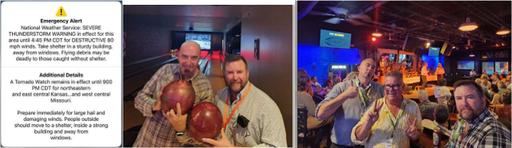
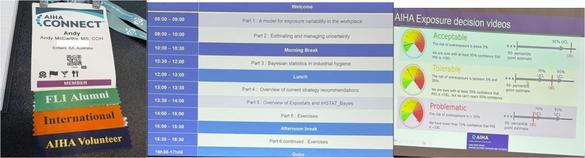
Like many others in our profession, Fouad Rizk discovered occupational hygiene unexpectedly, but quickly found purpose in protecting worker health and making a difference
Winning the Dräger Young Hygienist Award gave Fouad the opportunity to step beyond the everyday, reflect on his journey, and experience the profession on a global stage
Be like Fouad...
Fouad turned this opportunity into more than a professional trip. It became a journey of discovery, connecting with international experts, experiencing global innovation, and returning with renewed passion to make a difference in worker health.
Follow their lead...
Past winners have turned this opportunity into a journey of growth, gaining international experience, connecting with global leaders, and returning with new knowledge and inspiration to strengthen occupational hygiene in Australia..
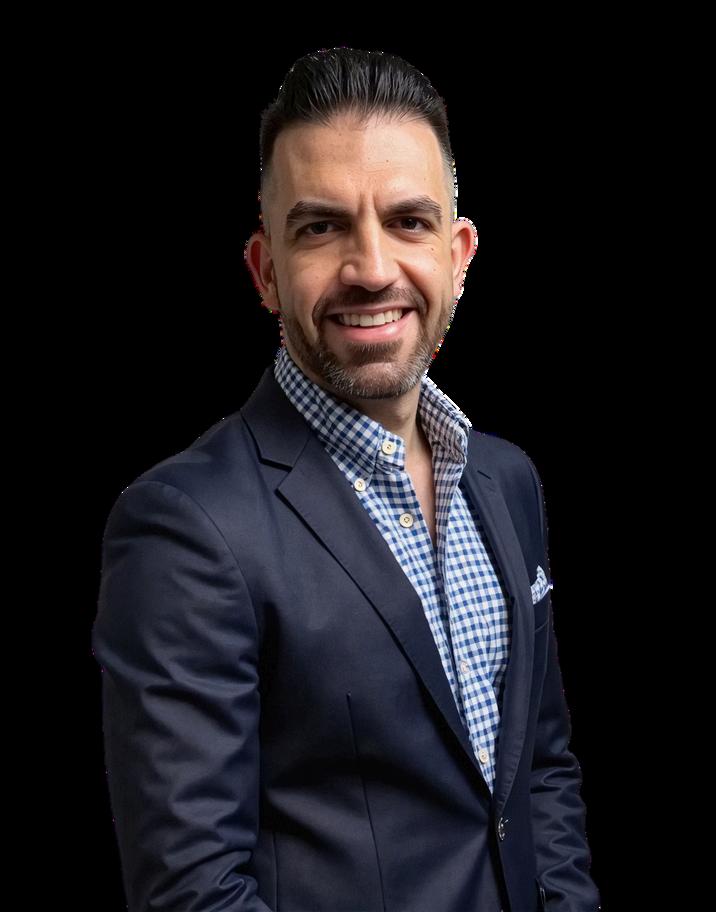




Date: 24 – 25 October 2026 (Pre-Conference)
26 – 27 October 2026 (MainEvent)
Venue: Concorde Hotel, Kuala Lumpur,Malaysia
Professional Development Courses (PDCs)



International Student Symposium
Plenary Sessions




Exhibition & Networking Events
Podium / Poster Presentation

by Jane Whitelaw, Linda Apthorpe and Adèlle Liebenberg
The countdown is on to AIOH26 in Brisbane, it’s only 6 months away and it’s a great time to consider how you will shape and strengthen your career. We have a group about to complete their Masters and several have submitted abstracts from their final year UOW occupational hygiene workplace projects to showcase their research.
Presenting at the conference is an excellent opportunity for everyone to gain experience at presentations, share your research outputs and explain how you used your skills and knowledge to protect worker health. Many of their projects incorporated integrated quantitative and qualitative methodologies and provided innovative and practical control solutions. It’s these stories which are worth telling to strengthen occupational hygiene!
Our recent graduands included Dr Holly Fletcher whose research on won best paper at AIOH25 and recently took out the coveted AIHA Wigglesworth Award. If you missed her February AIOH webinar, we highly recommend you watch it!
Also a huge congratulations also to our recent graduates: Rashid Al Mafri, Austen Erickson, Matt Hall, Aman Kaur, Ajay Thomas and Spencer Varndell.
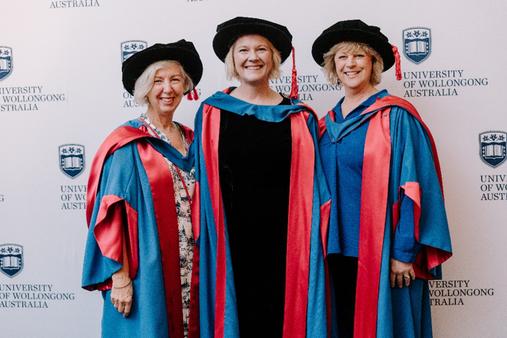
Dr David Noi and Dr Jane Whitelaw shared their research outputs and how they inform future directions at the National WHS Research Futures Symposium in Adelaide in June David presented his success story which originated in his PhD research on calibrating direct reading dust measuring instrumentation (DRDMI). From his research, it has initiated DRDMI manufacturers, suppliers and users to re-think calibration and use of the instruments, and to question validity of results obtained. His research outputs ignited a spark for AIOH to produce a Technical Paper for provision of guidance on minimising uncertainties when measuring airborne dust and how users can calibrate and use the instruments, interpret results and understand potential errors and limitations when using the DRDMI. The Paper is a fabulous resource and it’s now available via the AIOH website. How good is that?!
During May, our occupational hygiene students have enjoyed a practical workshop teaching session for the ‘Occupational Hygiene: Control’ subject as part of the Masters of Occupational Hygiene postgraduate degree. The workshops are all about getting ‘hands on’ experience at undertaking ventilation assessments and going deeper into the variety of control strategies which can be used to reduce workplace exposures.
We are grateful for the support from our industry colleagues from various industry experts during the workshop who shared their knowledge with the students on specialised topics such as welding controls, spray nozzles used in dust suppression systems (with a personal presentation and demonstration from Jon Roberts who featured in a recent AIOH Webinar), pressurised heavy plant cabins (Liam Wilson), barriers to implementing controls and influencing change (Scott MacDonald), and respiratory protection (by the gregarious Mark Reggers). We also learnt how important it is to don and doff gloves in our fun activity using UV active ‘goo’ and a UV light!
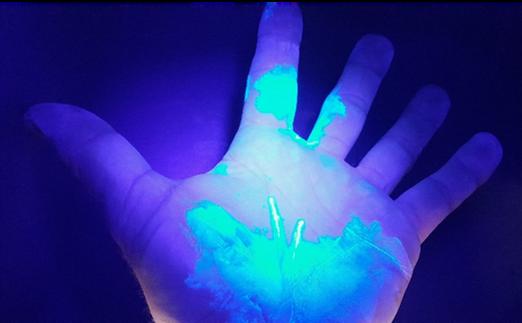
ApplyNowforJuly!
Giveyourselfthebesteducationalfoundationforprofessional practiceandAIOHCOHbyenrollingnowinouraccreditedprogram It isokifyoumissedthenewUniversityyear,youcanapplynow(before endofJuly)forcommencementintothedualaccreditedMasterof OccupationalHygiene[inSpring. IfyouhavecompletedtheAIOH BasicPrinciplesCourseandhaveworkplaceexperience,youmight choosetogetstartedwithaGraduateCertificateinOccupational Hygiene.
CommonwealthandUniversitySupportedPlacesare]availablefor domesticstudents,makingstudyveryaffordable;Ourcourses integratepracticalhands-ontime,flexiblelearningandnetworking withleadingCOHstofocusOccupationalHygienetechniques.We teachskillsandknowledgesoyoucanapplyittoabroadrangeof workplaceissues;ANDoursupportandnetworkingislegendary!
ContactDrAdèlleLiebenberg[ foranyoccupationalhygienecourse questions.
We have a vacancy for a Lecturer/Senior Lecturer in OHS/OH. If you’d like to make a difference in the future of our Profession and have the time to develop your research, please consider joining our experienced and dynamic team. Apply here but hurry:
Considering your next Career Move, why not Advance Your Career with UQ’s Masters Programs in Occupational Hygiene and OHS
Are you ready to take your expertise in occupational hygiene and workplace health and safety to the next level? The University of Queensland (UQ) offers world-class postgraduate programs designed to equip professionals with the knowledge and practical experience needed to thrive in the industry.
UQ’s Master of Occupational Hygiene (18 months full-time equivalent) and the Dual Master of Occupational Hygiene/ Occupational Health and Safety Science (24 months full-time equivalent) provide Commonwealth-supported places for domestic students and are accredited by both the Australian Institute of Occupational Hygienists (AIOH) and the Australian Institute of Health and Safety (AIHS).
Students gain hands-on experience through interactive practical classes, case studies, and field visits led by certified occupational hygienists
Guest lecturers from industry, including experts from Workplace Health and Safety Queensland, Simtars, and 3M, provide real-world insights
Our students and faculty are actively engaged in research that tackles emerging workplace hazards.
Recent student projects have explored topics such as exposure to welding fumes, respirable crystalline silica in mining, and chemical hazards in cleaning occupations.
Designed to accommodate working professionals, our programs offer a mix of online learning and in-person practical sessions.
Quick links
For more information about studying occupational hygiene at UQ visit our website: Master of Occupational Hygiene
Dual Master of Occupational Hygiene / Occupational Health and Safety Science
Contact the Program Director – Associate Professor Kelly Johnstone School of the Environment, Faculty of Science
The University of Queensland E: k.johnstone2@uq.edu.au
P: +61 7 3346 7816
Standards Australia invites you to join us for the 2026 Contributor Forum and Recognition Events.
This two-part event is an opportunity to connect with fellow committee members, learn about important developments, and celebrate the incredible contributions of our standards community.
The event will begin with the Contributor Forum, where we will provide an update on the Standards Development End-to-end Review and the transition to our enhanced operating model. This will be followed by a Contributor Recognition Event to acknowledge those that have reached key milestones in their standards development journey What’s on the agenda?
Contributor Forum
The forum will provide an update on the Standards Development End-to-end Review, including key changes to the standards development operating model and what this means in practice for committees and stakeholders.
We will also share insights into upcoming priorities, improvements to governance and processes, and how we can continue to strengthen collaboration and engagement across our community. There will be opportunities for discussion, feedback and questions. Contributor Recognition Event
We invite you to a special gathering to recognise and celebrate your years of dedicated service to standards development.
This is an opportunity to connect with peers, share experiences, and reflect on the collective impact of your contributions.
During the event, we will recognise committee members who have contributed 15 years or more of service and acknowledge their long-standing commitment to standards development.
Registration
Date: Thursday, 30 July 2026
Time: 2:45 PM - 6:30 PM
Location: The Ritz-Carlton, Perth Register here
Date: Tuesday, 4 August 2026
Time: 10 AM - 2 PM
Location: Hotel Realm Barton, ACT Register here
Date: Monday, 3 August 2026
Time: 3 PM - 7 PM
Location: Crystalbrook Vincent, Brisbane City Register here
Date: Friday, 7 August 2026
Time: 3 PM - 6:30 PM
Location: Standards Australia office Register here
If you have any questions, please contact the team at contributor@standards.org.au

Working with dry ice
WorkSafe is issuing a reminder to employers about the requirements for the transport, storage and handling of dry ice.
Working with dry ice | WorkSafe Victoria
Two workers exposed to hazardous chemical
In late 2025, two workers suffered chemical burns after exposure to a corrosive chemical during a transfer process at a manufacturing workplace.
Two workers exposed to hazardous chemical | WorkSafe qld gov au
Worker burnt in gas explosion
In 2025, a worker suffered significant burns following a gas-related fire at a restaurant.
Worker burnt in gas explosion | WorkSafe qld gov au
Tunnel workers report being exposed to significant silica dust risks
Tunnel construction workers across Australia say they face significant exposure to silica dust at work
Tunnel workers report being exposed to significant silica dust risks: research survey - The University of Sydney
Perceptions of respirable crystalline silica exposure in the Australian tunnelling industry: A survey of stakeholders’ attitudes to occupational health protections - ScienceDirect
Publication: Decision Regulation Impact Statement: Proposed workplace exposure limits for 9 chemicals | Safe Work Australia
Silica National Strategic Plan: Safe Work Australia Action Plan (Silica Action Plan)
Safe Work Australia reported ongoing implementation of recommendations arising from its review of Australia's engineered stone prohibition, introduced to combat silicosis and other silica-related diseases silica _ action_plan-january2026.pdf
Health monitoring: Silica (respirable crystalline)
WorkSafe WA updated silica health-monitoring guidance in June 2026. Health monitoring: Silica (respirable crystalline) - WorkSafe – LGIRS
Western Australia: Airborne Contaminant Awareness Campaign
WorkSafe WA released new information sheets in May–June 2026 warning employers that many hazardous airborne contaminants cannot be seen or smelled, can cause occupational lung disease, and require proactive risk management
New Australian workplace exposure limits: Information sheet - WorkSafe – LGIRS
AIOH: Simplified Occupational Hygiene Risk Management Strategies
The Australian Institute of Occupational Hygienists is pleased to release the third edition of Simplified Occupational Hygiene Risk Management Strategies, updated for the first time in six years.
NEW: Simplified Occupational Hygiene Risk Management Strategies Third Edition Now Available – AIOH
New updated codes of practice now in force in NSW
Safe Work has published several new Codes of Practice, some of which are relevant to environmental risk management. List of codes of practice | SafeWork NSW
Latest report comparing workers’ compensation arrangements in Australia and New Zealand now available
This report outlines workers’ compensation arrangements in Australia and New Zealand as at 31 December 2025 and highlights the key differences between the various schemes. The report provides a comprehensive overview of workers’ compensation systems across both countries, enabling comparison of these key features between jurisdictions
Comparison of Workers’ Compensation Arrangements in Australia and New Zealand 2025 | Safe Work Australia
2026 National Safe Work Month campaign kit – now available Safe Work Australia has released the 2026 National Safe Work Month campaign kit, providing workplaces with a range of practical resources to support this year’s campaign and encourage meaningful discussions about work health and safety. 2026 National Safe Work Month campaign kit – now available | Safe Work Australia
Work
A new digital hub has been launched by Safe Work Australia to provide a central source of information on the Australian Work Health and Safety Strategy 2023–2033, including updates on progress towards achieving the Strategy’s objectives and key performance targets.
Australian Work Health and Safety Strategy 2023–2033 | Safe Work Australia
Recent occupational hygiene research highlights evolving challenges in exposure assessment, control, and regulation
From exposure limit comparisons to emerging tools like low-cost sensors and virtual reality training, studies emphasise accurate measurement, robust methods, and ongoing professional development to advance practice

Perceptions of respirable crystalline silica exposure in the Australian tunnelling industry: A survey of stakeholders’ attitudes to occupational health protections
Kate Cole, Heidi Gilchrist, Tim Driscoll https://doi org/10 1016/j anzjph 2026 100323
Analysis of the practical effectiveness of respiratory protection programs in preventing overexposure to respirable crystalline silica in tunnel construction
Kate Cole, Jane L Whitelaw, Tim Driscoll https://doi.org/10.1093/annweh/wxag017
A Pre-Registered Risk-Tier Atlas and AI-Augmentation Feasibility Study for Multi-Site Indoor Air Quality: A Deployable Rule-Based Framework, Its Machine-Learning Augmentation, and SmallCohort Limits
Raphael Garcia da Costa http://dx.doi.org/10.2139/ssrn.6830201
Engineering Control for Respirable Crystalline Silica at Open-Air Asphalt Milling Operator Stations: Efficacy of an External Water Spray Barrier Po-Chen Hung, Shinhao Yang, Ying-Fang Hsu, Hsiao-Chien Huang https://doi.org/10.3390/app16062876
Evaluating the QEAS-7 questionnaire as a predictor of asbestos burden in lung tissue among lung cancer patients: insights from the AMCANES study
Galo Granados, Antía Ferreiro, Carlos Gómez-Ollés, Francisco-Javier González-Barcala, Annie Navarro, Roser Costa, Fernando Romero, Belén Marín, María E. Barroso, Isabel Urrutia, Sandra Dorado-Arenas, Ane Uranga Echeverría, José-María Marín, Larraitz Garcia, Sara Calero, Mayte MartínBustamante, Coral Márquez María-Jesús Cruz, Jaume Ferrer
https://doi org/10 3389/ftox 2026 1733214

Proudly Sponsored By


Proudly Sponsored By

Proudly Sponsored By
Here Details Here




Proudly Sponsored By
Here

Submissions Close 2 October 2026 nd no extentions

Inaugural AIOH Barry Chesson Mentoring Award: Nominations open 31 July via the online nomination form If you know an outstanding mentor who has made a lasting impact on the occupational hygiene profession, we encourage you to nominate them. The Award Criteria Guide is now available to help you prepare your submission.
AIOH Fellow Nominations: Nominations open 14 September via the online nomination form. Please note that new Fellow Nomination Guidelines are now available to assist nominators in preparing their submission.
The new AS/NZS ISO respiratory protection standards are here!
Over the last year, Standards Australia, the AIOH and RESP-FIT have released a number of articles[1] and webinars[2] on different aspects of the new AS/NZS ISO standards. But to gain some personal insight and advice into what it’s all about and what we should be doing to prepare, we sat down with Mark Reggers (RESPFIT & SF-010 Chair & ISO standard member) to learn more. Thanks, Mark!
Why are the respiratory protection standards changing?
All standards have review dates, every 10 years or so, because obviously technologies change and make sure they are still relevant for what is going on in industry & workplaces So, when it came to reviewing our respiratory protection standards, the SF-010 committee knew way back in 2010 that there were ISO standards being developed. So, it would have been silly to go and review or make their own Australian standards knowing the involvement we have in the international standards community. What wasn't quite as expected was the time it's taken for those international standards to be completed! Australia is the first country globally to be going through this with what we are adopting locally We're in the front seat of this process and all the learnings that will come along with it!
Who the SF-010 committee are and what they do?
The SF-010 is the Standards Australia technical committee who overview standardisation in respiratory protection and include some amazing and hard working occupational hygienists from all areas within the field, regulators users of respiratory equipment plus a number of manufacturers and representative bodies
What are the replacement AS/NZS ISO standards called?
The AS/NZS 1715, which as we all know covers the selection use and maintenance of respirators, will end up across 4 different standards called the 16975 Selection use and maintenance series
SA/SNZ TS ISO 16975 1 covers the respiratory protection program requirement and selection steps, so for workplaces, is still going to be the one main standard they will use the most, I would say, and the one that the RESP-FIT online respirator selection tool is based on.
SA/SNZ TS ISO 16975.2 is a condensed version of Part 1 and is different only in the depth of detail that it covers So, it will cover what is required but not go into the details of the ‘why’
AS/NZS ISO 16975 3 covers the fit testing methodologies – the processes, the pros and cons. It is more detailed then the 1715 fit testing chapter section, so if you’re a workplace doing internal fit testing then that would be the reference you’d probably most likely want to get your hands on first, as a reference.
ISO 16975 4 was added during the pandemic years which to no surprise is about selection of respirators for pandemic/endemic/outbreak of infectious respiratory diseases

What will we see instead of AS/NZS 1716?

Instead of the single AS/NZS 1716 testing standard, we’ll see a series of new standards, which will detail the testing requirements and capabilities of respiratory protection. There are quite a few but essentially, it is like taking all the elements of 1716 and spreading the sections into different documents, which makes them easier to update in the future These standards will be very relevant for manufacturers, testing laboratories and accreditation bodies; however, most Occupational Hygienists will be concerned with the new standards replacing AS/NZS 1715 being what is used in workplaces for selection.
So, in a nutshell, what are the major changes with the ISO standards?
One of the major changes is we’ll be moving from a type-based respirator classification to a performance-based classification of an individual respirator product So, as an example, currently all half-face respirators with a P2 filter from any manufacturer that meets the AS/NZS 1716 would be given a protection factor of 10 - so they’re all classified the same. Under the ISO classification, the protection factor (or Protection Level to use the new terminology) will depend on how that individual product combination performs Under the current standard, we know that the products may look similar, but their actual performance can be very different! We want manufacturers to be designing things that put technology to the test and demonstrate that it protects people which is what really matters
Another key new difference is the introduction of work rates that products will be tested to and rated As a wearer works harder, breathes heavier this will have an impact on the respirator thinking about the pressure impacts in the respirator and on the seal, the airflow through a filter cartridge etc. The standards try to factor this real-world impact into how products are rated. So, a respirator may have different rating for different work rates, meaning this needs to be assessed through the respirator selection process
Something I really want to highlight, though, is that a respirator is still going to look like a respirator A worker still needs to use it appropriately It is still the lowest order in the hierarchy of controls it still comes down to the wearer, fitting it, wearing it correctly, doing all the right things. Again, you know, it’s still the lowest order of hierarchy of controls - that doesn't change.
What other some other changes that stand out?
One of the key differences between AS/NZS 1715 standards and the AS/NZS ISO ones is the higher protection factors that will come with the AS/NZS ISO standards When we look at our existing protection factors from 1715, they've been pretty the same since, you know, the 80s and 90s; whereas there's been a lot more work internationally looking at protection factor numbers So most other countries do have many types with higher protection factors than Australia has had,

The SF-010 committee will be reducing a number of the ISO protection factor levels, because we are the first countries to adopt and there still information and knowledge to be determined about how these rated products will actually perform in the workplace But the protection levels that the Australian committee have proposed in the AS/NZS ISO standards, will be higher than our current highest protection factors in AS/NZS 1715. I think this a key thing for workplaces, but also important as it overlaps with the reduction of many WELs (workplace exposure limits) which we need to consider when thinking about reducing exposures. So having these products that have a higher protection factor will add to the scope of application in workplaces.
Can you explain what human-centric means for workers?
So, thinking about real world applications of the higher protection factors (the highest one being proposed by the committee is 500+) is that anything above 500 times the exposure standard should be highlighted as a very high risk environment! And as a way to proceed with this type of exposure, you’d be doing some pretty serious risk assessing and looking at all your controls, which should be happening anyway, and not relying on RPE as your primary control
How will selection of RPE look under the new AS/NZS ISO standards?
Similar to how it looks now! When a respirator is selected under the new AS/NZS ISO standards, you’d start with the same questions as now, that is, ‘what do I need to do to reduce a worker’s exposure? Is it going to be suitable to be worn with other PPE and under what circumstances?’
However, under AS/NZS ISO ratings you wouldn’t just say ‘I need a P2 half face to achieve a protection factor of 10 from any manufacturer’. Using our new AS/NZS ISO terminology, you might decide you need a Protection Class 2 (PC2) level of protection with a F3 particulate filter, which may be a half face or a fully face in a certain manufacturer’s range of products. This is more realistic to use actual proven performance and not limit innovation and technology to fit into ‘standards’. The standards will also be more human-centric as part of the selection process.
One of the things I really like about the ISO 16975.1 is the way that they've laid out that selection process in order. I think it's done well to make it easier for the reader to step by step, methodically, logically go through all those questions And there's some fantastic flow charts
The AS/NZS ISO respirator testing component (the TIL, or total inwards leakage test), will be based on the performance of the actual product combination, including what type of work are they doing and the physiological load as I alluded to earlier How hard the worker is breathing also comes into the classification as a formal part that selection process, not just the filter. Under ISO, you'd be thinking about the worker’s physiological work and their metabolic work rate, when choosing a respirator as this makes up part of the rating. It might seem overwhelming but at the heart of it the process of selection is still the same. In summary, we're trying to fit the respirator to what the worker is doing, rather than fitting the person to the respirator.
Tell us more about the work rate component! So, in ISO world, products will also have a W rating for work rate, work rate one, two, three and four. For example, if we think about a P2 product, if I'm standing or sitting at a desk my breathing rate's going to be much lower So, pulling air through the filter, that negative pressure amount inside the facepiece is not going to anywhere near as high as if I'm doing a high physiological task So, the product combination can be tested against increasing flow rates to determine the impact on a filter and inward leakage Does an increased flow rate pull particles further into the filter, or all the way through a filter? Does the seal hold up with that increased negative pressure?
How will we determine this? Do we have to measure a workers work rate?
The AS/NZS ISO standards use very broad categories of type of work, which is linked back to ISO 8996, which occupational hygienists use thermal stress. Work rates will be based on the average work rate across your working day, which for most workers is likely to be W1 or W2. Workers may have ups and downs, but on average, you know, it's going to be at a certain level that you can subjectively assign.
A work rate 3 and work rate 4 is more for the rescue response type, where, for very short periods, that you are going to maximal capacity. You know, if you're wearing an SCBA, climbing a ladder, or doing some really hard physical work where there will be short, very high peaks of pressure, or air getting pulled through a
There is a lot of guidance of the sort of the type of work and trying to, you know, align some of these descriptive sorts of tasks to what is happening as well, in the standard.
Do you believe that there will be a tendency to over-protect for work rate, like workplaces tend do for hearing protection?
Well, I think it's human nature to want to go for the highest, thinking the highest is always the best So, I tend to agree that there'll be workplaces that won't fully understand the ratings and will want to adhere to uniform protection, and that will probably happen There's nothing stopping a workplace wanting to pick something as W4, but you'll probably find that there won't be too many products that will meet a W4, which may be used, for example, firefighting!
But let's say we have a respirator that meets a W4 as an example Is that going to give you a higher, better filtration when you're not working at that high work rate? I would expect that it's going to be much higher breathing resistance for 90% of the task, because it is rated to perform very highly when you're sucking air through at those peak work rates when you're not, so you're actually likely going to be adding more physiological stress or breathing resistance on the wearer for 90% of the task.
I think that short periods of high work rates, on average, will still be covered by that W1, W2 work rate. I think hearing protection is a good analogy in that, you know, a class 3 hearing protector 3 can protect against a high noise environment over a short period.
Does the ISO standard involve learning lots of new terminology?
There is new terminology, which is a bit to like learning a new language, but I think people overestimate how difficult it will be to pick up! Some of it might feel overwhelming, but some of it's going to be, I think, going to be fairly obvious, for example, an organic vapor filter will now be labelled OV, as opposed to A!
Most people are just going to want to connect the dots between the old and new world, for example, wanting to know what the P3 will be equal to? For that reason, an equivalence table was created in the online respirator selection tool (https://rpd.respfit.org.au/translate/) which is where the equivalent rating in the tool come from. There will also be future documents from Standards Australia to help with that as well As you go through these resources, I'm hoping people are going to realise it's actually not that complicated We just know that this now equals that Soon, this terminology will be second nature!
What is the timeline for transition to the new ISO standards
The current plan is that AS/NZS 1715 and 1716 standards will become superseded the start of 2030, which may seem a long time away, but will fly by before we know it So, we’re trying to use this period to make industry aware of these changes and for manufacturers to start this journey This isn't a quick flick of switch and all it all happens!
For most manufacturers, they're working today on the products that are planned to be released now until 2030 and beyond, because there is a process and it does take time So, this current period is why we keep referring to the transition period, where we’re hoping that manufacturers will be doing that work so that in the coming years, you'll see ISO products starting to hit the market.
Just because AS/NZS 1716 is superseded in 2030, it doesn't mean that on that date you'll have to clear out every respirator out of every cupboard! It doesn't mean people can't continue to use respirators that meet the AS/NZS 1716 standard, and it also doesn't mean that manufacturers must stop selling AS/NZS 1716 products. But it should signal the intent that the AS/NZS ISO suite of standards is the more current standard and up-to-date standard technology! So hopefully in that time period, it will be a sort of phase out of AS/NZS 1716 products being released and phase in of AS/NZS ISO products will increase. I expect this will be over a significant period of time given how much AS/NZS 1716 products are out there.
Can you see a pro Absolutely. With A this fully, we're going to be right in the overlapping transitional phase-in-phase-out period in the early stages when we start to see, you know, ISO classified products come to the market. There's not going to be many to start with. So, there will certainly be a period where you'll work out what your level of reduction is, but you can still use and select respirators that meet AS/NZS 1716. So yes, we're going to have a period of overlap where workplaces will have to be looking at both AS/NZS 1716 and AS/NZS ISO products.
What can we be doing now to prepare?
This whole AS/NZS ISO transition for people selecting respirators, is to be thinking about that new terminology and how it lines up with the ratings we are all so familiar with! Nothing will change for them except the fact that they need to know how it works and the new terminology So, you should use the tools to become familiar with the new the terminology, use the equivalence table and then start applying it to respirator selections that you're actually already doing now Occupational hygienists (or anyone) can use the free Online Selection Tool to do this! Start using it then then applying the results to the selections that you're actually conducting every day! Just as occupational hygienists were ‘trying out’ the WELs with current workplace exposures ahead of the transition in December 2026, people should be learning and applying the AS/NZS ISO standards!
Tell us more about the online selection tool
The online respirator tool selection tool (https://rpd.respfit.org.au/) was created to get very close to aligning with the full content and processes that workplaces will go through when applying the SA/SNZ TS ISO standard 16975 1
The Tool began with grant from the AIOH Foundation to begin the web development and framework process, and then the New Zealand Occupational Hygiene Society to also come on board and contribute financially enabled us to broaden the scope
There was a gap that I could see that would help, hygienists, workplaces and workers overall to navigate this respirator selection process that has always been there, but put it in a form that is online, accessible and structured. The tool is free and it's not about any one manufacturer or brand because it's purely about the selection needs of what that person is doing and other selection factors as well.
The selection principles don't change between the old and new standards, so the Tool produces outcomes for both the AS/NZS ISO and the AS/NZS 1715/1716 ratings. This will also assist with connecting the dots between what we're familiar with and where we're going! It was created to facilitate and benefit broadly the Australian and New Zealand community of hygienists, respiratory fit testers, workplaces and workers to use
Which is why I'm so excited about it and put a lot of work into it that, it's out there and hopefully being used and helping people on this journey on ISO transition or just selecting respiratory protection to make sure it's suitable and appropriate for a worker (Ed: the amount of work Reggers has put into this tool is remarkable ��)
And so, this tool is, ultimately as a starting point is to make it easier for workplaces to go through all the elements of selection, to select a product, a rating that is suitable for what they're doing And I keep going back to respiratory protection is more than the right filter
I think people will very quickly pick this up It will obviously depend on the time you have and how often you do respirator selection as part of your work, but the tools are there to help start you on that journey wherever you are
This is also the first version The more the people are using it and more questions about when it doesn't work or doesn't apply well - when in doubt, ask a question! There's also contact details on the online tool We have certainly got plans to continue to evolve and iterate!
The selection tool is amazing - are there any other tools we can use?
Yes there will be! We’ve recently submitted to Standards Australia is a mapping document to line up each section of 1715 to the equivalent section in 16975.1 and 16975.2 to be published later this year.
Will anything change with the way we fit test ISO respirators?
No! At the heart of an assigned protection factor or protection level of a respirator (if it's a tightfitting respirator), is that fit is still critically important!
Traditional fit testing methods are part of the ISO standards. ISO and AS/NZS ISO 16975.3, includes the ATT, CNC & CNP methods, which we base the RESP-FIT program on the AS/NZS ISO framework of categories. There'll be different fit factor numbers with the ISO products, but at the heart of it, no, it still comes back to ‘does that respirator fit, can that respirator fit, does that wearer know how to wear it and how to achieve that fit replicating on the job’ within that fit test to give the worker confidence
Can we have input into what are manufacturers are doing?
Well, the best thing is talk to manufacturers We have a fantastic relationship with the respirator manufacturers, you know, as an occupational hygiene and safety community We think about how many respirator manufacturers, distributors are involved in our conference every single year because we can't do what we do as hygienists and protecting workers without having these fantastic products that go into workplaces They go hand in hand
The other way to provide feedback is to the RESP-FIT board members Additionally, Jane (Whitelaw), and I are regularly talking to the Australian Standards Committee, along with a whole number of occupational hygienists that sit on the SF-010 committee. I think there's number of different ways that communication can happen. And part of that is understanding what the AS/NZS ISO framework looks like, which is part of this kind of communication we're getting out there today. The more that manufacturers hear about what the needs and gaps are, means they might be the first to fill that gap, so there's some incentive for them as well. It does get complex for global organisations when we have different certification and standards development, because when you change one little thing, there absolutely will be a ripple effect across the globe.
If we have questions regarding the standards, where can we go for help?
Australian Standards have a flagship respirator page (https://www.standards.org.au/flagshipprojects/respiratory-protection-standards) which is the place for all the current information on the transition. It has recordings of the webinars and FAQs, as this is where these new documents will eventually be once completed. There will be a lot of information on this page, plus an email address for contacting Standards Australia.
Also, the RESP-FIT webpage also has a number of links to all the resources that are out there, for people to begin the journey For the really specific and detailed questions, there’s the general RESPFIT website which will come through to myself and the RESP-FIT board There may be specific workplace situations where the very specific applications AS/NZS ISO standards need to be applied By asking these questions, we all learn or may even find gaps which then also feeds back into the ISO consultation process as well
This also speeds up the potential global adoption because we're going to be improving the standards because being applied You know, there's only so many times you can bounce ideas around in the committee, and things looks good on paper, but until it hits the ground in the real world, you realise things maybe don't quite make sense So, this is all part of that continuous improvement!
What are the most common questions you’re currently getting?
Most of the questions I commonly get asked are what we’ve discussed today! The when, why and how and comparison of the old world to the new! This really is a journey for Australia and New Zealand leading the world with our transition into ISO classified respirators We will encounter things we haven’t anticipated so I welcome questions from all respiratory protection stakeholders (workplaces, manufacturers, distributors, fit testers, accreditation bodies, testing laboratories, regulators) to keep the conversation going to feed back into our Australian SF-010 committee and the ISO committees.
Thanks so much for your time and advice, Mark!







SRCMC Chair
Kelly Jaunzems
Marketing & Communications
Sub Committee Lead
Hamish Rae
SRCMC Committee Members
Stakeholder Relations SubCommittee Lead
Cecilia Mason
Sarah Verry
David Macgill
Andrea Holloway
Alex Britton MarComms
Georgia Csorba
With thanks to AIOH Team
We are now calling for content for the upcoming edition of The Filter and welcome submissions from across the occupational hygiene community. This includes articles, case studies, research insights, and practical experiences that support knowledge sharing and professional development If you have a piece you would like to contribute, please submit your content or expression of interest to our Marcomms Lead, Hamish Rae MarComms@aioh org au
