
LCA 2026-2027

Time
Lunch & After School Activities


LCA 2026-2027
Time


2026-2027

CARLOW, R93 PW84
PW84
PW84

Telephone: 059 9143660
Telephone: 059 9143660
E-mail: info@stleoscarlow ie
E-mail: info@stleoscarlow.ie
Website: www stleoscarlow ie
Website: www.stleoscarlow.ie
Telephone: 059 9143660
Principal: Niamh Broderick
Principal: Niamh Broderick
E-mail: info@stleoscarlow ie Website: www stleoscarlow ie
Deputy Principals: Ian Curran and Emma Dwyer
Deputy Principals: Ian Curran and Emma Dwyer
Principal: Niamh Broderick
MISSION STATEMENT
MISSION STATEMENT
MISSION STATEMENT
Inspired by the vision of Catherine McAuley, St Leo’s College is committed to the holistic development of each student
Deputy Principals: Ian Curran and Emma Dwyer
Inspired by the vision of Catherine McAuley, St. Leo’s College is committed to the holistic development of each student.
Inspired by the vision of Catherine McAuley, St Leo’s College is committed to the holistic development of each student
As a Catholic school, we pursue excellence in an inclusive, caring and respectful environment.
As a Catholic school, we pursue excellence in an inclusive, caring and respectful environment
As a Catholic school, we pursue excellence in an inclusive, caring and respectful environment
Access information in your own language by scanning the QR code
Access information in your own language by scanning the QR code
Access infomation in your own language by scanning the QR code

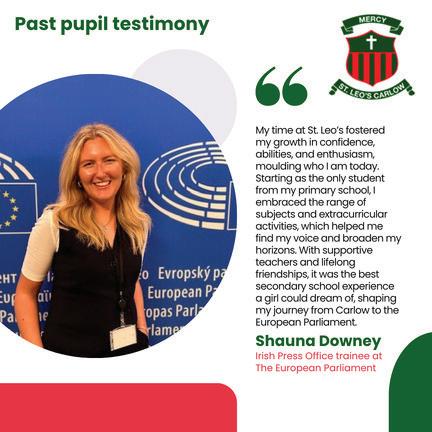
Irish Press Office trainee at The European Parliament
My time at St. Leo’s fostered my growth in confidence, abilities, and enthusiasm, moulding who I am today. Starting as the only student from my primary school, I embraced the range of subjects and extracurricular activities, which helped me find my voice and broaden my horizons. With supportive teachers and lifelong friendships, it was the best secondary school experience a girl could dream of, shaping my journey from Carlow to the European Parliament."
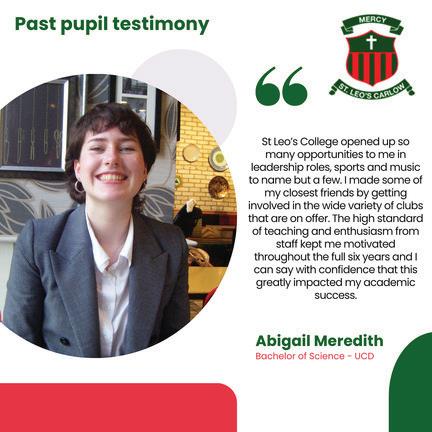
St Leo’s College opened up so many opportunities to me in leadership roles, sports and music to name but a few. I made some of my closest friends by getting involved in the wide variety of clubs that are on offer. The high standard of teaching and enthusiasm from staff kept me motivated throughout the full six years and I can say with confidence that this greatly impacted my academic success."
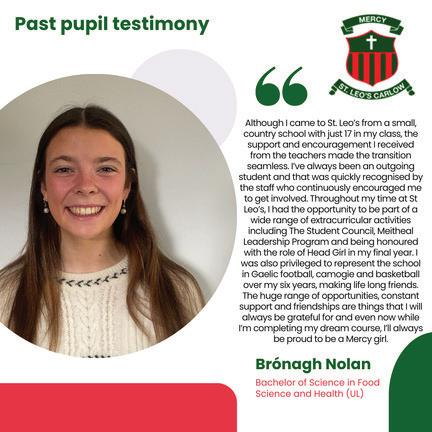
Although I came to St. Leo’s from a small country school with just 17 in my class, the support and encouragement I received from the teachers made the transition seamless. I’ve always been an outgoing student and that was quickly recognised by the staff who continuously encouraged me to get involved. Throughout my time at St Leo’s, I had the opportunity to be part of a wide range of extracurricular activities including leadership programmes and being honoured with the role of Head Girl in my final year. I was also privileged to represent the school in Gaelic football, camogie and basketball. The huge range of opportunities, constant support and friendships are things that I will always be grateful for and even now while I’m completing my dream course, I’ll always be proud to be a Mercy girl."
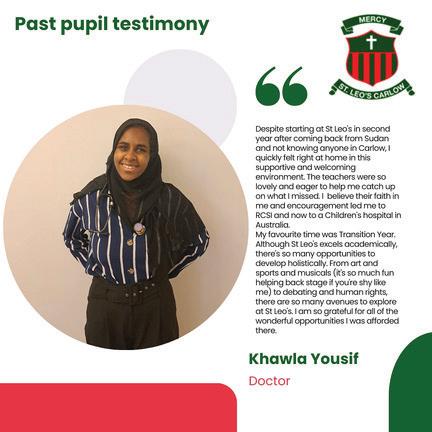
Despite starting at St Leo’s in second year after coming back from Sudan and not knowing anyone in Carlow, I quickly felt right at home in this supportive and welcoming environment. The teachers were so lovely and eager to help me catch up on what I missed. I believe their faith in me and encouragement led me to RCSl and now to a Children’s Hospital in Australia. My favourite time was Transition Year. Although St Leo’s excels academically, there are so many opportunities to develop holistically. From art and sports to musicals (it’s so much fun helping backstage if you’re shy like me) to debating and young rights, there are so many avenues to explore at St Leo’s. I am so grateful for all of the wonderful opportunities I was afforded there."
Inspired by the vision of Catherine McAuley, St. Leo’s College is committed to the holistic development of each student. As a Catholic school, we pursue excellence in an inclusive, caring and respectful environment.
Dear Student,
A warm welcome to St. Leo’s College for the new academic year 2026 - 2027. A very special welcome to students who are attending our school for the first time. St. Leo’s College boasts excellent facilities and offers a comprehensive range of subjects to you, the student, at Junior Cycle and Leaving Certificate level.
We have a superb teaching and support staff and we will do our utmost to help each one of you achieve your full potential.
Teachers and parents have the highest expectations of you with regard to:
• Academic achievement
• Wearing of uniform
• Completion of homework
• Compliance with Code of Behaviour
• Excellent punctuality
• Regular study
• Excellent attendance
• Respect and courtesy for each member of the school community
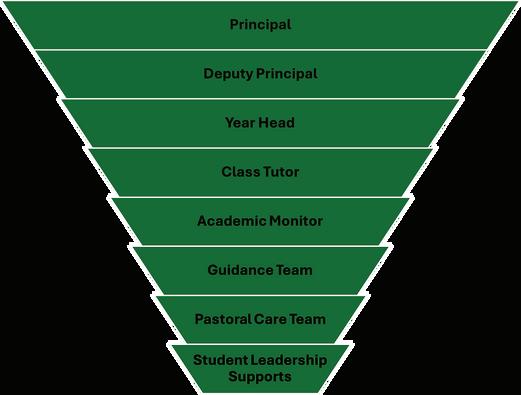
We have an exceptional pastoral care system in place consisting of Teachers, Class Tutors, Year Heads, Deputy Principals and Principal, and you can approach any member of staff if you have concerns. We expect, support and encourage all students to participate in the cocurricular and extra-curricular activities provided by the school.
All students have recourse to the Head Girls, Prefects, Meitheal, Cairdeas, Anam Cara and Student Representative Council. Take an active part in your school and in so doing ensure that St. Leo’s College becomes an enjoyable and rewarding experience for everyone.
As Principal, I look forward to working closely with you over the school year and wish you every success and happiness in St. Leo’s College.
Go n-eirí libh go léir,

Niamh Broderick Principal







Monday-Wednesday- Attendance, Newsletter, Class Updates and Student Check-ins
Thursday - Attendance and Homework Journal Check-in (parent/guardian signature needed)
1. Sign in using Anseo Card
Homework journals must be signed by a parent/guardian every week!
2. Daily Organisation - locker organisation, subject resources etc.
3. Personal Presentation - wear your uniform with pride
4. Present to tutorial before 8:50am
5. Mark attendance
6. Set up homework journal for the day

7. Listen to daily announcements; record important information
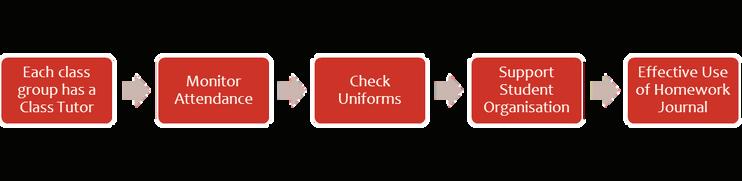
Each class group has the following support structures in place...
• Supports student learning
• Link between St. Leo’s College and home
• Organise the week ahead: plan to-do lists and track academic progress and project work
• Record homework accurately each day (written and learning work)
• Treat your journal with respect, present your journal with pride
• Checked regularly by Class Tutor and Year Head
• Parents/Guardians check and sign journals on a weekly basis (every Thursday)
• If lost, replacements must be purchased from the school office
1. Pencil casepens, pencils, rubber, eraser, ruler, highlighter, scissors, glue stick etc.
2. Homework Journal
3. Check your Timetable
4. Correct books, copies and resources
5. Correct uniform
1. Rule your page & add the date
2. Red pen for titles
3. Write notes in blue or black pen
4. Highlight key points of information
5. Stick in handouts immediately
1. Print out your timetable and stick it to the inside of your locker door
2. Group all resources for each subject together (book, workbook, copy, folder, etc).
3. Keep your locker tidy — clean & organise once a week
4. Visit your locker twice a day
5. Always have your journal out when checking which books you need for homework
1. List your subjects each day
2. Record all homework clearly; highlight or tick when complete
3. Record any deadlines for projects you have
4. Record all important reminders
5. Get a parent/ guardian to sign your journal weekly
Work that has been assigned to you
Aim:
To help you learn information explored in
To prepare for bigger challenges e.g. TESTS
Independent work
Aim:
To increase your understanding of coursework material
To work on areas for improvement


Set aside time to complete homework immediately when it has been assigned.
Add small study sessions on at the end of a homework session (25 minutes max).
Use effective study strategies to ensure you are studying efficiently.
1st Year: 1-1.5 hours
2nd Year: 1-1.5 hours
3rd Year: 1.5-2 hours
Transition Year: Varies depending on project work
5th Year: 2-2.5 hours
6th Year: 2.5-3 hours
*Exam years should add on two to four 25-minute study sessions once homework is complete.
"Spaced revision is the opposite of cramming. Studying in short, spaced-out sessions over time leads to longer-lasting learning than cramming in one intense session before an exam. Spaced revision improves memory retention, enhances understanding and reduces the need for last-minute stress-filled studying."- The Learning Scientists
1. Open your Journal on the correct page at the beginning of class.
2. Record your homework accurately for each lesson.
3. Ask your teachers to clarify what you don’t understand about your homework before leaving class.
4. Complete your homework in a timely fashion. Memory is a muscle – the more you use it, the stronger it gets.
5. Complete your homework in a quiet space free from distractions.
6. Make sure your learning space is organised and clutter free – tidy space, focused mind.
7. Give yourself a timeframe for completing homework to ensure focus.
8. Keep track of homework tasks you found difficult and add this to your revision plan.
9. Pay attention in class when homework is being corrected; make sure to make note of tips/tricks and correct errors made.

Subject
Teacher Level
Target Grade 1
Target Grade 2
Test Title Date of Assessment Result Achieved
Subject
Teacher Level
Target Grade 1
Target Grade 2
Test Title Date of Assessment Result Achieved
Subject Teacher Level
Target Grade 1
Target Grade 2
Test Title Date of Assessment Result Achieved
Subject Teacher Level
Target Grade 1
Target Grade 2
Test Title Date of Assessment Result Achieved
Subject
Teacher Level
Target Grade 1
Target Grade 2
Test Title Date of Assessment Result Achieved
Subject
Teacher Level
Target Grade 1
Target Grade 2
Test Title Date of Assessment Result Achieved
Subject Teacher Level
Target Grade 1
Target Grade 2
Test Title Date of Assessment Result Achieved
Subject Teacher Level
Target Grade 1
Target Grade 2
Test Title Date of Assessment Result Achieved
Subject
Teacher Level
Target Grade 1
Target Grade 2
Test Title Date of Assessment Result Achieved
Subject
Teacher Level
Target Grade 1
Target Grade 2
Test Title Date of Assessment Result Achieved
St. Leo’s College
2026-2027
2026-2027
St. Leo’s College provides all students with free access to
Academic Tracking and Monitoring
Academic Tracking and Monitoring
Academic Tracking and Monitoring
St. Leo’s College provides all students with free access to…
St. Leo’s College provides all students with free access to...
St. Leo’s College provides all students with free access to...

Study US for all students:
Studyclix PL r all students:

Studyclix PLUS for all students:
Studyclix PLUS for all students:
1. Go to studyclix.ie to create an acco sign-in
1. Go to studyclix.ie to create an account or sign-in
1. Go to studyclix.ie to create an account or sign-in
2. Enter your upgrade code or update email to school email address
1. Go to studyclix.ie to create an account or sign-in
2. Enter your upgrade code or update email to school email address
2. Enter your upgrade code or update school email address
2. Enter your upgrade code or update email to school email address
“To study for an exam, we study the exam”
“To study for an exam, we study the exam”
“To study for an exam, we study the exam”
“To study for an exam, we study h exam”





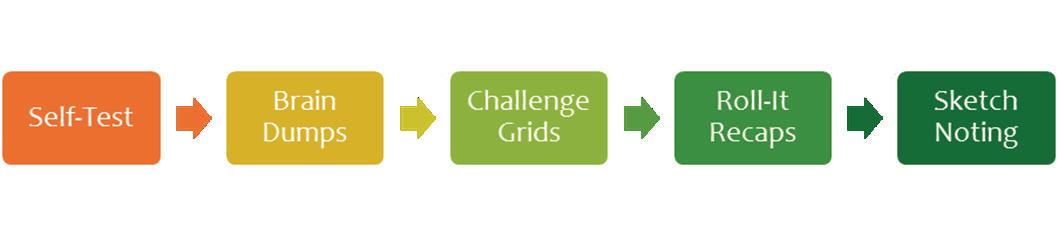
1. Interleaving – Mix up your topics. The more random the order of topics, the harder your brain and memory works, resulting in more effective study sessions that will strengthen your memory muscle.
2. Spaced Practice – Space out your study time, organise it into small, high-effort sessions, maximum 30 minutes.
3. Retrieval Practice – Test yourself before studying your notes using a wide variety of strategies, including self-test, flashcards, challenge grid, self-correcting, etc.
4. Feedback – Give yourself feedback at the end of every study session – things I am good at, things I need to improve on, additional papers to tackle.
5. Repeat – Consistent, high-effort short study sessions three times a week are more effective than one 2-hour session.
The more you repeat the study tips, the stronger your memory will get! What to avoid...


Every student in St. Leo’s College will engage in a study skills workshop annually from 1st–6th Year!
Every student in St. Leo’s College will engage in a study skills workshop annually from 1st-6 Year! th 2026-2027
Great for languageslearning key phrases etc.
Great for essay writinguse one post-it per paragraph to record key bullet points of information!
Great for key words, quotes, procedures etc.
Making & using them is study!
Think like the teacher! Create a list of every question you could be asked on a topic & get to work!
Great for all subjectscreating mock tests to identify areas for improvement & improve exam technique.
Great for procedure writing, brainstorming and quick self-testing!
Give yourself more time to get better. Divide one 1-hour study session into 3 small 20minute sessions!
Turn one topic into one page of quick noteskey information you need to know for an exam!

St. Leo’s College


Aim: Encourage reflective dialogue between students and their parents/guardians
Instructions:
1 . You will need a copy of your report , a pen and highlighters x2
2. Read your report and using highlighters, highlight positive feedback from teachers in one colour and areas for improvement in another colour
3. Read questions thoroughly before you begin answering
4. Discuss and record your response to each question
5. Student and parent/guardian both sign
6. Present completed ‘Learning Review ’ to Class Tutor by
Convert this document to your first language

How do you feel about these results?
What result or comment are you most proud of, and why?
What did you do this term that helped you to achieve these results? E.g. study skills, paying attention in class, selforganisation
Which subject(s) do you most want to improve next term?
What could you try to do differently to prepare more, learn more and improve your results next time?
After reviewing your report together, what one goal will you and your parent/guardian agree on for next term?
Student Signature: ______________________
Parent/Guardian Signature: ________________
Class Tutor/Academic Monitor Signature: Date:

Aim: Encourage reflective dialogue between students and their parents/guardians
Instructions:
1 . You will need a copy of your report , a pen and highlighters x2
2. Read your report and using highlighters, highlight positive feedback from teachers in one colour and areas for improvement in another colour
3. Read questions thoroughly before you begin answering
4. Discuss and record your response to each question
5. Student and parent /guardian both sign
6. Present completed ‘Learning Review ’ to Class Tutor by ________________
Convert this document to your first language
How do you feel about these results?
What result or comment are you most proud of, and why?
What did you do this term that helped you to achieve these results? E.g. study skills, paying attention in class, selforganisation Which subject(s) do you most want to improve next term?
What could you try to do differently to prepare more, learn more and improve your results next time?
After reviewing your report together, what one goal will you and your parent/guardian agree on for next term?
Student Signature: Parent/Guardian Signature:
Class Tutor/Academic Monitor Signature: ________________ Date: ________________
Academic Monitors My Brain and Me
The Learning Seminar
Time to Talk
The Learning Centre
Each year group is assigned an Academic Monitor who supports student engagement, academic progress and wellbeing.
Junior Cycle Wellbeing Module aimed at supporting students to understand how they learn.
2-hour evidencebased study skills session delivered during 3rd and 6th year.
2-hour workshop which encourages collaborative dialogue between parents and 6th year students.
Equipped with technology and resources to support students with additional learning needs.
You will participate in SEN modules during the 'My Brain and Me' programme. Topics covered will include Dyslexia, ADHD and Autism. This learning experience aims to develop the skill of perspective thinking.
time I will... I enjoyed learning this because... What helped me understand was...
my work to improve, I can...
Before this, I did not know...

• Take pride in your appearance. Full correct uniform must be worn at all times. Remember you are an ambassador for St. Leo’s College!
• Skirts at the appropriate length
• PE uniform worn only on days when you have PE
• Facial piercings, hoodies, leggings, converse runners, boots and ugg footwear are not permitted
• School jacket must be worn, no alternatives.

• School jacket
• Green school jumper with crest
• Plain white blouse with revere collar
• Plain green skirt (junior students)
• Plaid skirt (senior students)
• Green trousers
• Green knee socks
• Black or green opaque tights
• Plain black/brown/navy shoes
• PE sweatshirt with crest
• Red t-shirt with crest or white polo shirt
• Plain navy/black tracksuit bottoms
• Plain white/black runners
*In the event of an issue or a breach of the uniform code, parents may be contacted. Sanctions may apply for students who persistently offend or refuse to comply.
St. Leo’s College School Library is open every day at small break and lunch break and all are welcome.
It offers students the opportunity to explore new reads, join the book club, take part in board games and quizzes and act as library assistants (students who assist in the administration and organisation of the library).
At St. Leo's College, we have a dedicated and experienced Guidance Counselling Team who are available to support students in the areas of education, personal development and career guidance.
Students have the right to seek counselling, as we believe every student should have access to support from trusted adults within the school, including teachers and counsellors. We encourage students to inform their parents or carers that they are receiving counselling.


MUI (My Unique Individuality)
LGBT+ Youth Group; Phone us: 085 272 2379 or (059) 9133714)
Bodywhys The Eating Disorders Association of Ireland. Helpline: 01-2107906
Childline
Spunout Visit spunout.ie/help/ Carlow Regional Youth Service, Mental Health Support
Phone: 1800 66 66 66 or visit www.childline.ie/
• Aim for 8–10 hours of sleep per night.
• Keep a consistent sleep schedule –even on weekends.
• Get at least 60 minutes of physical activity most days.
• This can include sports, walking, dancing or even active video games.
Eat Balanced Meals
• Include fruits, veggies, proteins and whole grains in your diet.
• Limit junk food and sugary drinks.

• Spend time with friends, family or trusted adults.
• Talk about your feelings instead of bottling them up.
• Practise mindfulness, journalling or just unplug for a while.
• Avoid overloading your schedule –rest is productive too!
"You are worthy of happiness and peace of mind."
Cardiovascular
Muscular
Muscular
Flexibility
Body
Co-ordination
Teacher Comments/Progress Notes:
"The body achieves what the mind believes."



Ask yourself: “How does being online make me feel? ” If it drains you → take a break .
Think Before You Post Be respectful . Be kind. Your words online matter just as much as offline.
Use privacy settings. Mute, block , or report anything that makes you uncomfortable.


If something online gets to you, talk to someone you trust . You don’t have to deal with it alone.
Not everything online is real .
Pause → Think → Decide before you click or share.




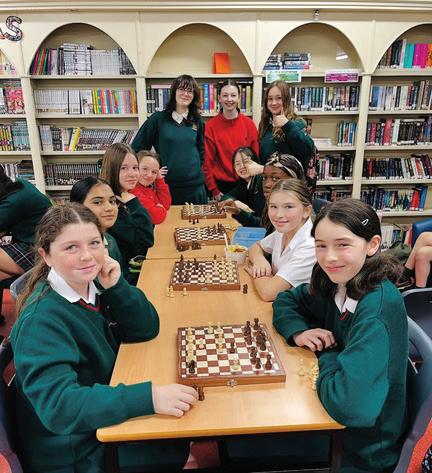
Extra-curricular activities are an important part of life in St. Leo’s College.
Extra-curricular activities are an important part of life in St. Leo’s College.
They provide students with a wide range of opportunities which complement the curriculum and offer academic and personal balance, promoting wellbeing.
They provide students with a wide range of opportunities which complement the curriculum and offer academic and personal balance, promoting well-being
• Making New Friends – Meet people who share your interests.
• Making New Friends – Meet people who share your interests.
• Developing New Skills – Learn teamwork, leadership and communication skills.
• Developing New Skills – Learn teamwork, leadership and communication skills.

• Boosting Confidence and Personal Growth – Step out of your comfort zone and challenge yourself in a supportive environment.
• Boosting Confidence and Personal Growth – Step out of your comfort zone and challenge yourself in a supportive environment.
• Reducing Stress – Take a break from schoolwork and enjoy activities you’re passionate about.
• Reducing Stress – Take a break from schoolwork and enjoy activities you’re passionate about.
• Being Part of the School Community – Get involved, make a difference and contribute to school life.
• Being Part of the School Community – Get involved, make a difference and contribute to school life.







Scan to view
St. Leo’s College Code of Behaviour
“Respect
1. Students are expected to attend every day, be punctual and fully engage in the learning process.
2. Students must present in correct full uniform daily.
3. Students must use their homework journal effectively.
4. Mobile phones are not permitted. Phones must be placed in your locker immediately upon entry into the school building and must remain there.
5. Students should be organised for lessons with all necessary books and materials.
6. A student who wishes to leave a lesson must get permission from the teacher and obtain the Staff Green Card.
7. Students are expected to be respectful of their peers, their learning environment, the school building and its facilities, their teachers and all school staff.
8. A student who wishes to leave the school premises must firstly be granted permission by the Deputy Principal/Principal/authorised personnel and have a request from home inputted on VSware.
9. When travelling to and from school at any time, due consideration for self, people, property and the wider community should be taken.
10. Bullying is not tolerated in St. Leo’s College.
11. Smoking/vaping and the use of e-cigarettes is prohibited on the school premises.
12. Possessing/consuming alcohol/illegal/harmful substances is prohibited on the school premises.
I have read and understand the full version of the St. Leo’s College Code of Behaviour and agree to follow its rules and expectations while attending the school.
Scan to view St. Leo’s College Bí
As a member of St. Leo’s College, you have a right to:
1. Live your life in peace and safety.
2. Be an individual, proud of being unique.
3. Not be bullied.
4. Say ‘no’ firmly to anything you think is wrong.
5. Protect yourself by ignoring others or walking away.
6. Tell your Class Tutor or another trusted teacher if someone is making you unhappy.
As a member of St. Leo’s College, you have a responsibility to:
1. Not put up with any form of bullying.
2. Work actively with others to stop bullying.
3. Inform a member of staff of any form of bullying.
4. Not be afraid of reporting any incidents. If you do nothing it might suggest you are supporting the bullying.
5. Not put up with bullies in your friendship group.
6. Remember that St. Leo’s College is a Catholic school deeply rooted in the teachings of Christ.
I have read and understand the St. Leo’s College Bí Cineálta Policy and agree to follow its rules and expectations while attending the school.



Be in school early (8.30am recommended)
Scan your ANSEO card Get organised - locker/books/stationery
Be in your base classroom by 8.45am
Be at your desk, journal on desk before Tutorial at 8.50am
Be on time for every class, every day.
The Board of Management of St. Leo’s College recognises that Child Protection and Welfare considerations permeate all aspects of school life and should be reflected in all of the school policies, procedures, protocols, practices and activities. In accordance with the requirements of the Child Protection Procedures for Primary and Post Primary Schools (revised 2023), the Board of Management of St. Leo’s College will ensure adherence to Children First: National Guidance for the Protection and Welfare of Children.
Under the Children First Act 2015, all schools are required to have a Designated Liaison Person (DLP) and a Deputy Designated Liaison Person (DDLP), who are responsible for ensuring that reporting procedures are followed correctly and promptly, act as a liaison person with statutory agencies responsible for child protection and welfare, and will be the resource person to any member of the school community who has a child protection concern.

St. Leo’s College Child Safeguarding Statement is available here and on our website. Confidentiality


Confidentiality is explained at the beginning of the year in SPHE and in Career Guidance.
• Confidentiality is limited.
• Teachers cannot give unconditional guarantees of confidentiality.
• In some cases, teachers may seek advice from the DLP.
• Teachers are obliged to share information with the DLP or if they think a student has been harmed, is being harmed or potentially could be harmed.
• This is done in the strictest of confidence with the DLP.
The St. Leo’s College Guidance Counselling Team are available to support students in the areas of education, personal development and career guidance.
Relationships and Sexuality Education (RSE) and Social, Personal and Health Education (SPHE) are delivered in full and in keeping with national guidelines at both Junior and Senior Cycle.
The teaching and learning of SPHE at Junior Cycle provides a unique space where students can develop the knowledge, understanding, skills, dispositions and values needed to support their physical, emotional, social and spiritual wellbeing, now and in the future. RSE is an integral part of, and connects with, aspects of SPHE (NCCA, 2023).
Senior Cycle SPHE supports young people as they manage the demands of life now and prepare for the opportunities, responsibilities and experiences of life beyond school. It builds the knowledge, understanding, skills, dispositions and values to enable them to flourish both now and in the future. From September 2025, Senior Cycle students must engage with 1 hour of SPHE per week (NCCA, 2024).
If a parent/guardian does not wish for their daughter to participate in their RSE lessons, they must contact their daughter’s Deputy Principal in writing


We thank you, Lord, for all that was good during the summer.
For the love of family and friends, and for the sunshine and warm days.
As we begin a new school year, we ask for your help and pray your blessing on everybody in this school.
Show us how to work together for the good of all. May we share our talents and abilities to the full and grow in knowledge, wisdom and happiness.
Give us the grace to become more like Jesus in the ways we think and behave.
During this school year, let us become builders of your ways and instruments of your peace.
We ask this school year blessing through Jesus Christ, Our Lord. Amen.
Thank you, God, for our school and our friends.
Help us to value the importance of the friendships we have made.
Give us strength to be honest in all that we do. Help us to show forgiveness when people make mistakes, even when it is hard and we have been hurt.
Help us to show respect and value that we are all special in your eyes.
Encourage us to persevere when things are hard; to make the right choices so that we can be the best versions of ourselves.
Amen.
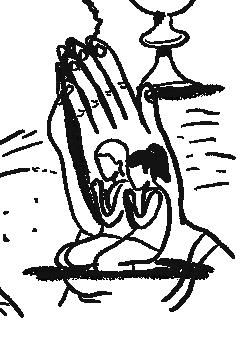

Our Father, Who Art in Heaven, Hallowed be Thy name. Thy Kingdom come, Thy will be done On Earth, As it is in Heaven. Give us this day, Our daily bread. And forgive us our trespasses, As we forgive those Who trespass against us. And lead us not into temptation, But deliver us from evil. Amen.
Dear Lord,
As I take this exam, I thank you that my value is not based on my performance but on your great love for all.
Come into my heart so that we can walk through this time together.
Help me not only with this test but the many tests of life that are sure to come my way.
As I take this exam, bring back to my mind everything I have studied and be gracious with what I have overlooked.
Help me to remain focused and calm, confident in the facts and in my ability and firm in the knowledge that no matter what happens today, you are with me.
Amen.
Area of a square/rectangle: length x width
Area of a triangle: ½ (base x ⊥ height)
Area of a circle: r2 where r = radius; = 3.142
Perimeter of a polygon: add the lengths of the sides together
Circumference of a circle [Length around the outside]: 2r2
Convert a fraction or decimal to a percentage multiply by 100
Convert a percentage to a fraction or decimal divide by 100
To find a fraction of a given quantity multiply the fraction by the given quantity
To find a percentage of a given number divide the number by 100 and x by the % required
Express one quantity as a percentage of another First make sure the units are the same. x 100 Smaller Quantity Smaller Quantity
Adding/Subtracting Integers:
1. If the ‘signs’ are the same: keep the sign and add the numbers.
2. If the ‘signs’ are different: keep the sign in front of the numerically ‘bigger’ number and subtract the numbers.
Multiplying/Dividing Integers:
1. If the ‘signs’ are both positive: answer will be positive

2. If the ‘signs’ are both negative: answer will be positive If the ‘signs’ are different: answer will be negative Outcomes
Total Number of Possible Outcomes
absence benefited disappoint accidentally boundaries disastrous accommodate Britain discipline accumulate business dissatisfied achievement calendar effect acquaintance category eligible acquire cemetery eliminate acquitted changeable embarrass advice changing encouragement advise choose encouraging amateur chose environment among coming equipped analysis commission especially analyse committee exaggerate annual comparative excellence apartment compelled exhilarate apparatus conceivable existence apparent conferred existent appearance conscience experience arguing conscientious explanation argument conscious familiar arithmetic control fascinate ascend controversial February athletic controversy fiery attendance definitely foreign balance definition formerly beginning describe forty belief desperate fourth believe dining frantically beneficial disappearance generally
government maybe preferred sergeant grammar mere prejudice severely grievous mischievous preparation shining height mysterious prevalent sincerely heroes necessary principal specifically hindrance noticeable principle specimen hoping occasionally privilege statue humorous occurred procedure succeed hypocrite occurrence proceed succession immediately omitted profession technique incidentally opinion prominent temperamental incredible opportunity pronunciation tendency independence optimistic pursue tragedy inevitable parallel quizzes transferring intellectual paralysis receive tries intelligence particular receiving truly interesting pastime recommend tyranny irresistible perseverance referring unanimous knowledge personal repetition undoubtedly laboratory personnel restaurant unnecessary laid perspiration rhyme until led physical rhythm usually lightning picnicking ridiculous village loneliness possession sacrifice villain lose possibility salary weather losing possible schedule weird maintenance practically seize whether manoeuvre precede sense woman marriage precedence separate women mathematics preference separation
• Punctuation marks are symbols like a full stop, comma, exclamation mark, question mark, apostrophe, and quotation marks.
• Punctuation marks make the meaning of the sentence clear.
Put a full stop at the end of a sentence. Here are some sentences punctuated with a full stop.
John is my good friend. Please don’t be late.
Use a question mark at the end of a question. What’s your name? How many stamps do you have?
Use an exclamation mark after a command, an interjection, or a word that shows an emotion like surprise or anger.
What a surprise! You are fired! I told you not to do that!
In an interview, sit up straight; it is important to look alert.
Make good eye contact; don’t look down or look away in an interview. I have relatives that live in Strandhill, Sligo; other relatives who live in Midleton, Cork; and other relatives in Rush, Dublin.
Commas help readers understand sentences and the way they are used can change the meaning. In these examples, pay attention to the location of the comma and how the meaning is changed:
After you call Jim, I’ll leave for the restaurant. After you call, Jim, I’ll leave for the restaurant.


You are a VIP - a very important

So take care with self-care. If not you, who? If not now, when?
– Toni Hawkins
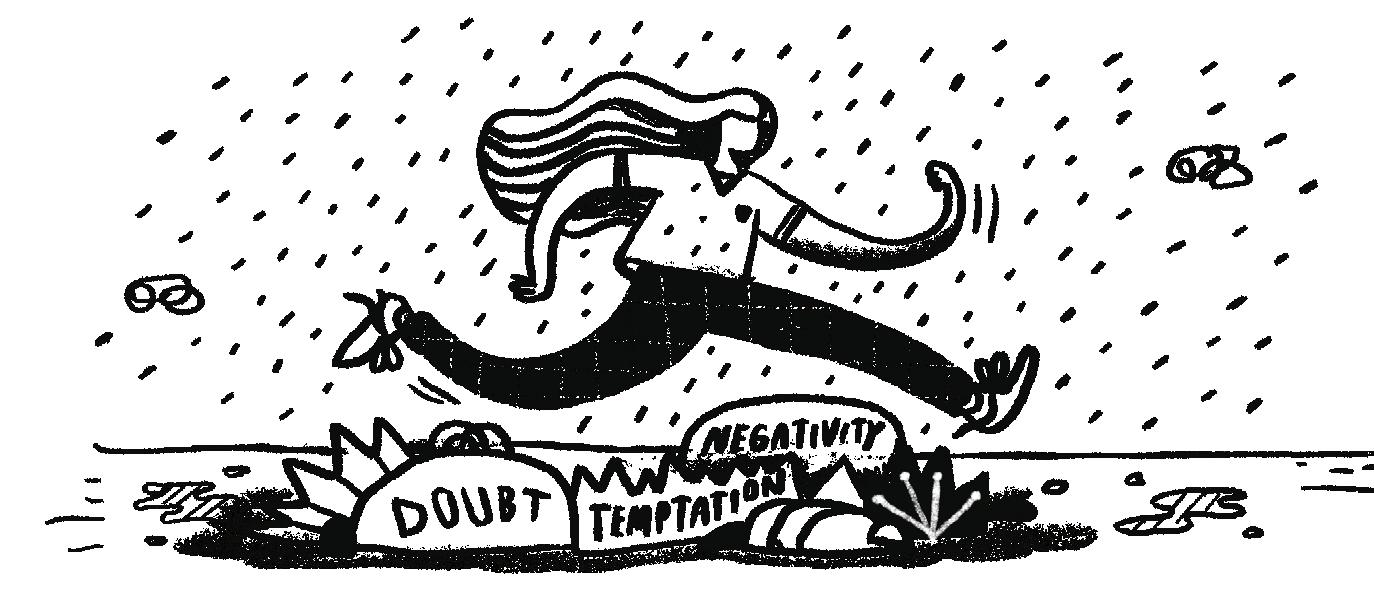
Unfortunately, negative things happen to everyone in life; however, some people seem to bounce back quicker than others. This is referred to as resilience — your ability to bounce back after setbacks.
One useful way of understanding how to develop resilience is to use the acronym BOUNCE.
Bad things and times happen, but things do get better. Others are there to help you, but you need to let them know. Unhelpful thoughts don’t make things better. Nobody is perfect.
Concentrate on the good things in your life, it’s not all bad. Everybody has setbacks or struggles. You are not on your own here.
Here are five useful ways that you can build your own personal resilience. In the space provided, identify one way you could incorporate each one into your own life!




To fully understand the importance of being healthy, you will now have the opportunity to learn about physical and mental health and the impact both have on your overall wellbeing.
One way that you can look after your physical health is by eating a balanced diet, getting sufficient sleep and doing some exercise each day. Good diet, sleep and exercise have countless physical and mental benefits.

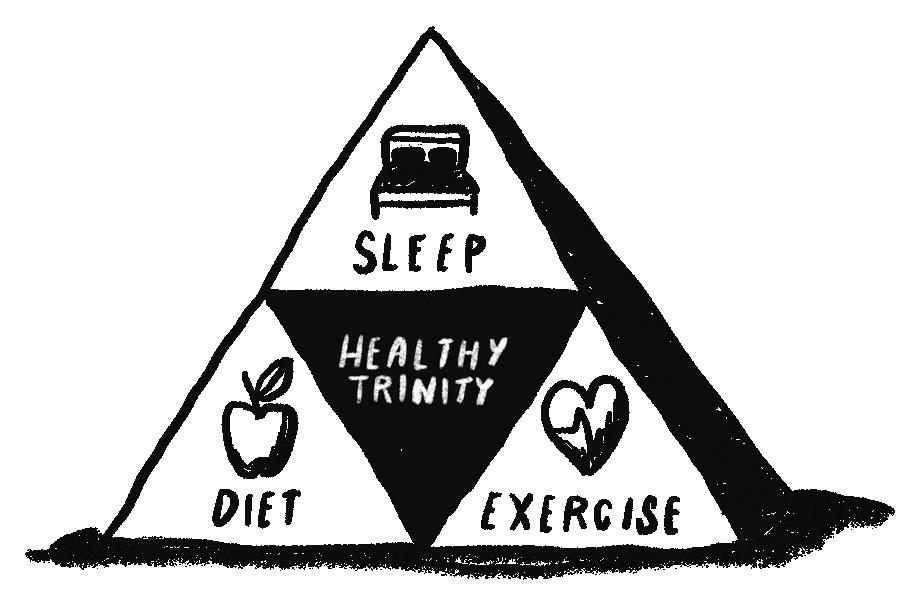
• Helps to build and maintain healthy bones, muscles and joints
• Helps to control weight, build lean muscle and reduce fat
• Prevents and reduces high blood pressure
• Improves your memory and lengthens your attention span
• Improves your decision-making, planning and multi-tasking skills
• Increases your production of new nerve, blood and brain cells

Ensure you have a healthy diet.

Scan this bar code to access the food pyramid, which shows how often you should eat different food groups.

Ensure you get a good night’s sleep. Avoid being on a screen before you go to bed, and it’s best not to bring your phone into your bedroom.

Try to get the daily recommended physical activity of 30 minutes of exercise. Consider including a column for physical activity in your study timetable so you can actively make it part of your daily routine.
The most important thing about mental health is being aware of your feelings as they arise. This helps you identify stress triggers and how you react to them. It is important that you have people around you that you can talk to about these things.
assistance advice support
So, let’s identify people in your life that you can go to in the three categories below.


People in your life with whom you can talk about anything.
People in your life who you can go to for advice.
1 2 3 1 2 3
Names of agencies / support services available to you if you need them.
In the diagram below, fill in each circle with the various people in your life.

We all handle our feelings in different ways.
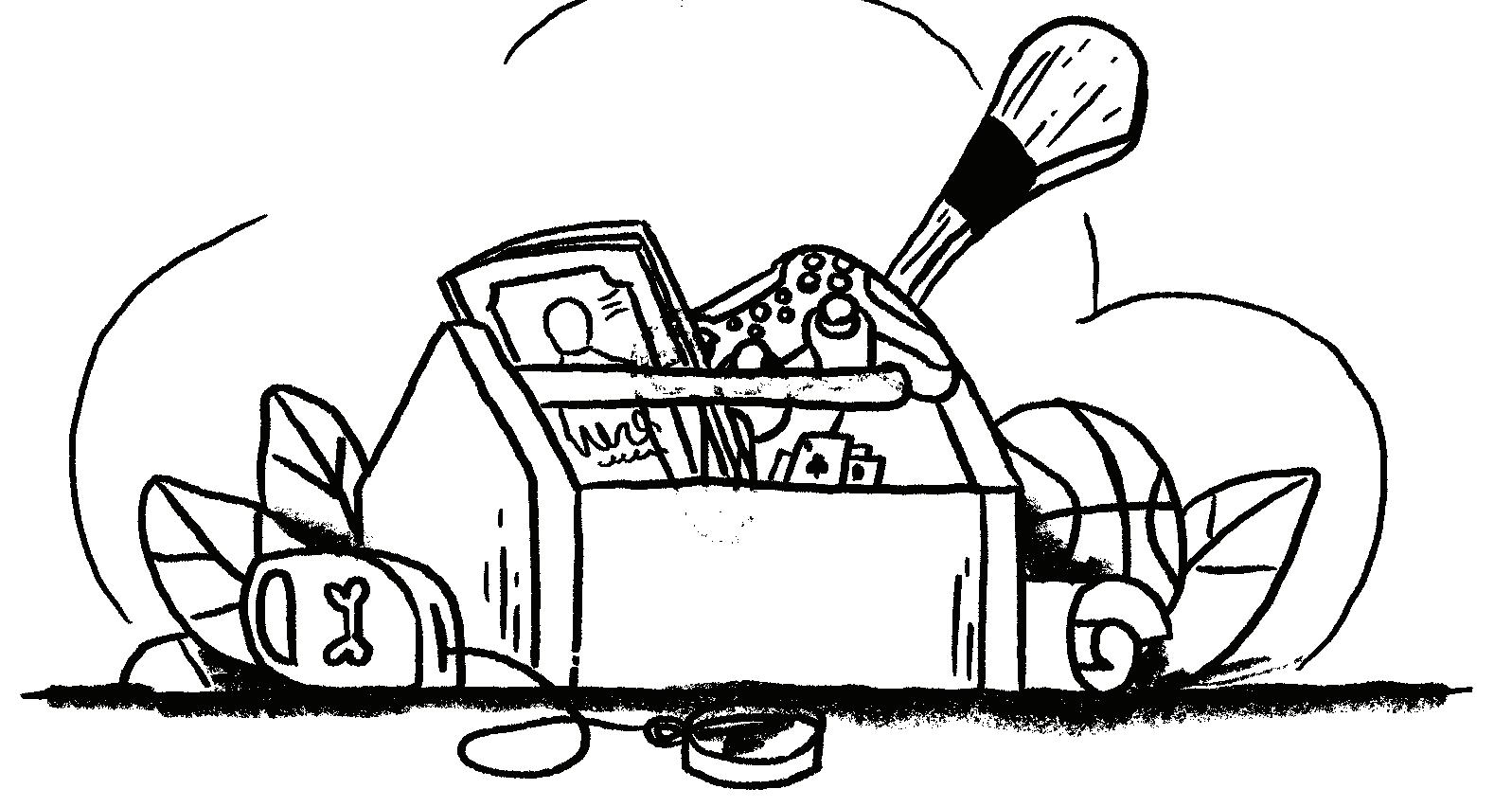
That’s why it’s useful to have a list of things that make us feel happy or calm. Then, if we’re feeling low, we can just look at our list and pick something to try. This way, we have a “toolkit” ready whenever we need it!
What’s in your self-care toolkit?
What works to lift one person up might not be the right thing for someone else. When we’re stressed or overwhelmed, it can sometimes feel too hard to even think of what might help us feel better. 3 7 4 8 1 5 2 6

The Focus Finder helps you focus on what’s within your power to change, so you can let go of unnecessary worries and feel more at ease.
By letting go of what’s outside your control, you’ll be able to set more realistic goals, reduce stress and make your time and effort count.
Once you have filled in the circles, you will clearly see what is within your control and what’s not. Create a plan of action to address what’s in the inside circle and then practise letting go of what’s in the outside circle – as it is not within our control, we cannot change this.

mycontrol my control
• My attitude
• My reactions
• My self-care
• My work ethic
• How I spend my time
• Asking for help
• My words
• Social media accounts I follow
• My commitments


• What people say/ do
• Others’ opinions
• Weather
• The future
• The past
• Decisions I made in the past
• How others react




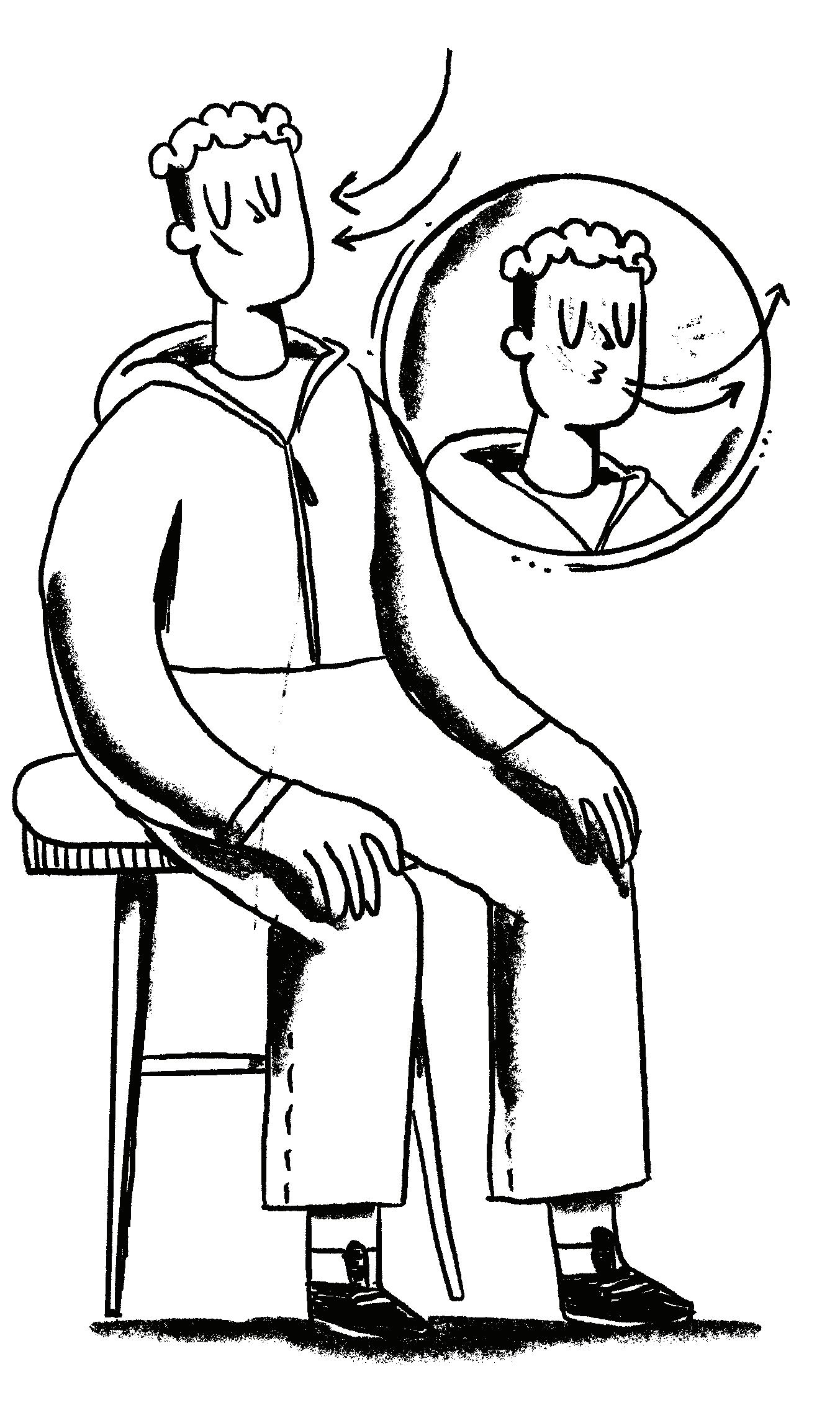
The more you practise, the quicker you’ll be able to re-establish calm in your body and mind during stressful times. It makes sense that we take time to practise activating this response, so we can re-establish a sense of calm when we need it, like during a class test.
Start here
SO, HOW CAN WE DO IT?
STEP 1
Sit up straight and uncross your arms and legs.
STEP 2
Inhale slowly through your nose, counting silently to 4.
STEP 3
Hold your breath, counting to 4.
STEP 4
Exhale slowly through your mouth, counting to 4.
STEP 5
Hold again for 4.
STEP 6
Repeat 3 to 5 times or until you feel calm.

Would you add this to your self-care toolkit?
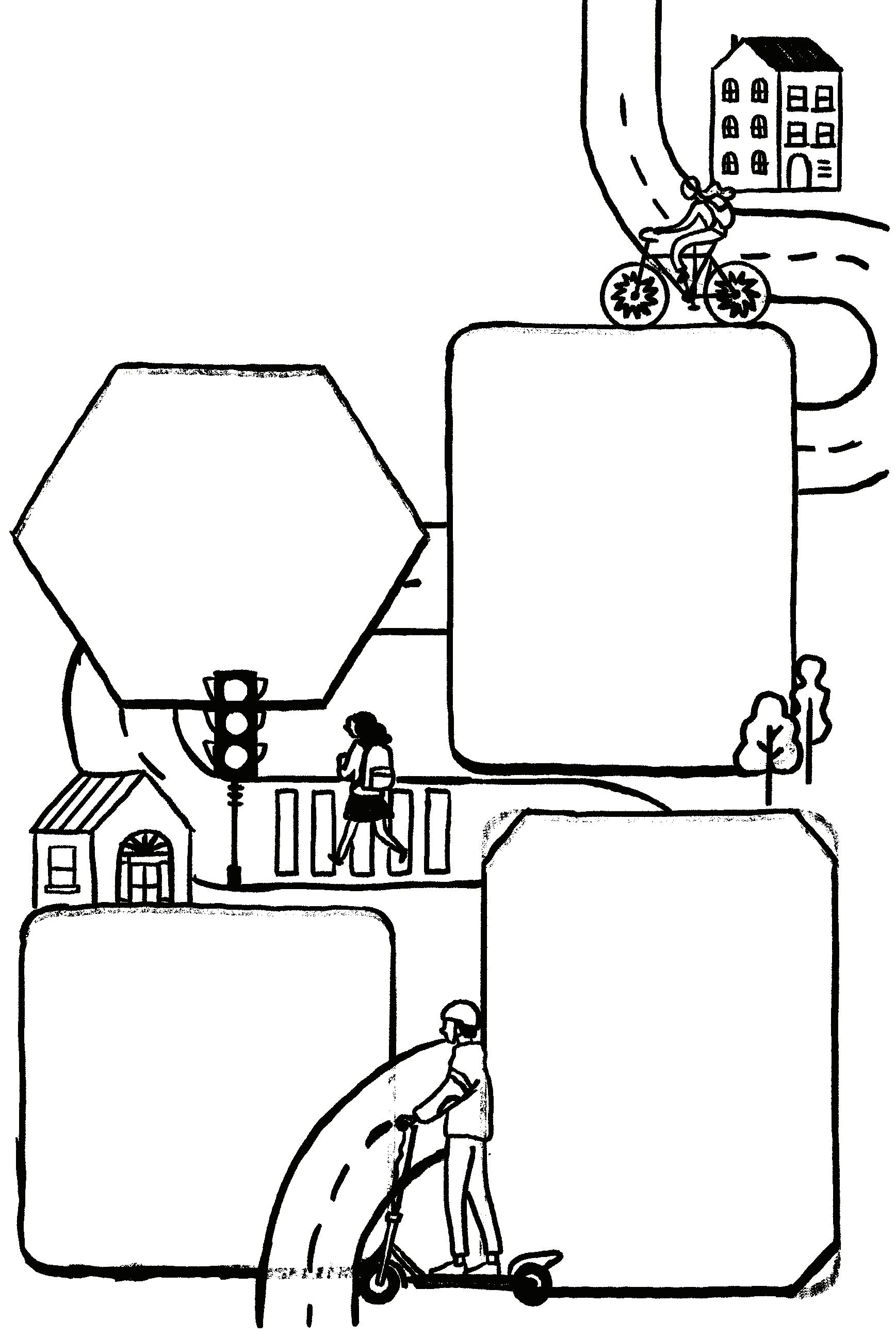

Loneliness isn't just about being alone. It's that weird, heavy feeling when you feel disconnected, even when you're surrounded by people.
There are loads of reasons why you may feel lonely.
• School can be tough.
• Friend groups change; people drift apart.
• Social media makes everything seem perfect (but it's not!).
• You might feel different or like you don't fit in.
• Big life changes like moving or switching schools.
• Feeling like no one really gets you.
You don't need a massive group of friends. One or two real friends who actually understand you are worth way more than a hundred random acquaintances.
• Do things you enjoy.
• Keep a journal.
• Exercise (even just walking helps).
• Don't be too hard on yourself.
First things first – feeling lonely doesn't mean there's something wrong with you. Most teens go through this at some point.
• Get out of your comfort zone (just a little).
• Join a club at school.
• Try a new hobby.
• Volunteer.
• Take a class in something you're interested in.
Whether it's a parent, teacher, school counsellor, or a helpline — talking helps. There’s no shame in asking for support.
Childline: 1800 666 666
Spunout: Text SPUNOUT to 50808
Website: www.spunout.ie
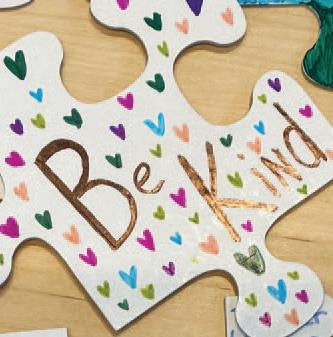
Take a moment to reflect on kindness in your life. Answer the following in a few sentences:
A time someone was kind to me (What happened? How did it make me feel?):
A small way I can show kindness every day:
Bullying is targeted and repeated behaviour— relationships between two people or groups of people.

While one incident may not be bullying, aggressive behaviour is not acceptable in any school. Let’s remember the Golden Rule: treat others as you’d like to be treated.
Disagreements or deciding that you don't want to be friends anymore is not bullying. However, if someone repeatedly tries to harm, exclude, or turn others against someone, that is bullying. Online, a hurtful post can feel like bullying if it spreads and continues to cause harm. If you’re feeling upset by someone’s behaviour, talk to a teacher or someone you trust—HELP IS ALWAYS AVAILABLE.


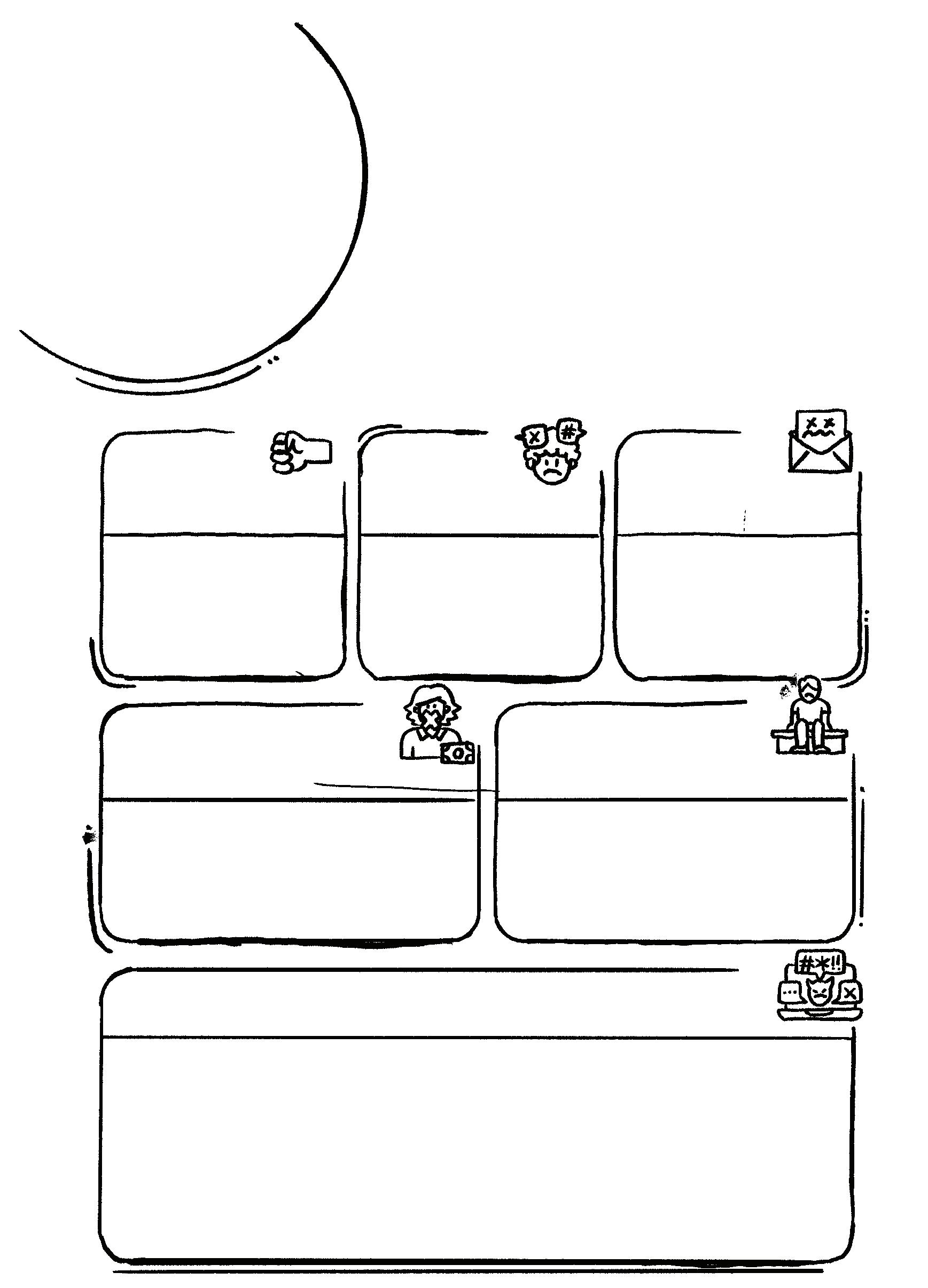
Create a set of illustrated scenarios showing different behaviours(both bullying and non-bullying).
( ) Tick if the situation is bullying.
( X ) Put an X if it is not bullying.
CLASS DISCUSSION – Review the answers together and discuss why certain situations are considered bullying and others are not.
Example scenarios for pictures:
• Two friends argue and stop talking for a day
• A student accidentally bumps into someone in the hallway
• Someone disagrees with a classmate in a group discussion
Bullying is repeated behaviour that hurts someone physically, emotionally, or socially.
Let a teacher, parent, or trusted adult know what happened.
Write down who, what, where and when. This helps adults take action.
Adults will speak with everyone involved to understand the situation. Adults will be fair and consistent.
If it continues or feels serious, adults will take extra steps to protect everyone.
Adults will check whether the bullying has stopped.
The teacher/adult may suggest ways to stop the bullying and make things better. You will be informed and involved in this process. Conversations will be conducted with sensitivity and they will ensure the privacy of those involved. Support
Below are some phrases to help you use your voice to challenge harmful and hateful words.
Let’s change the topic? I don't feel comfortable with this conversation."
It’s not a joke when it hurts people; let's treat everyone with respect."
I don't think it's fair to make fun of someone for who they are or where they come from."
I'm here for you. I’m sorry people have treated you this way. If you need support, I've got your back."
Listen to the song ‘Titanium’ by David Guetta and Sia.

Record below what you feel the message of this song is:
The opposite of bullying isn’t just not being mean, it's actively choosing to be kind. It’s using your voice, your presence, your social media to create a world where people feel safe, valued, heard and seen. When we are kind the following happens:
endorphins, making receiver feel happier.
When you show kindness to another person, it creates a ripple effect. Not only does it make them feel good, but you feel good too. An extra bonus is that they’re more likely to pass that kindness on to someone else!
Complete the following random acts of kindness, and after each one, take a moment to notice how it feels.

A CEIST SCHOOL PROMOTES the spiritual development of each person, achieves quality in teaching and learning, shows respect for every person, creates a sense of community and is founded on compassion and justice.

- Catholic Education an Irish Schools Trust (CEIST)
In 2007, the Congregations of five Religious Orders decided to join together and form a new organisation that would take over the responsibility of being patron to all of their secondary schools. As a result, CEIST was created and today it provides patron support to 105 secondary schools.
CEIST continues its mission, built on the founding vision of the five Congregations, emphasising the dignity and rights of the human person, empowering the most vulnerable in society and enabling young people to become agents for social transformation throughout the world. Learning and teaching take place in the context of our shared values, themselves based on Gospel values.







A
compassionate and just society inspired by the life and teachings of Jesus Christ
To provide a holistic education in the Catholic tradition.

The core values of CEIST support and nourish the lives of students, staff and parents.
Promoting Spiritual and Human Development
We believe a knowledge of and a personal relationship with Jesus Christ gives meaning and purpose to our lives.
Showing Respect for Every Person
We respect the unique and intrinsic value of every person.
Promoting Spiritual & Human Development
Showing Respect for Every Person
Creating Community
Our schools are faith communities of welcome and hospitality where Gospel values are lived and where there is special care for those most in need.
Being Just and Responsible
We seek to act justly and responsibly in all our relationships.
Being Just & Responsible
Achieving Quality in Teaching and Learning
Creating Community Achieving Quality In Teaching & Learning
We are committed to excellence and to continually improving the quality of teaching and learning.
We come before You seeking wisdom and grace.
Guide us in our studies and strengthen our minds,
That we may learn with diligence and understanding.
Help us to grow in kindness and respect for others,
And to be a light of Your love in our school.
Grant us the courage to face challenges with faith,
And the humility to seek help when needed.
May we always serve You in all that we do.
Amen
Catholic Education, an Irish Schools Trust (CEIST) is the trustee body for 105 Catholic Voluntary Secondary Schools in Ireland. Its role is built on the vision of the five founding congregations: Daughters of Charity, Presentation Sisters, Sisters of the Christian Retreat, Sisters of Mercy and Missionaries of the Sacred Heart.
CEIST schools are committed to keeping the characteristic spirit of the founding congregations alive and relevant to education in modern Irish society.
Your school is an inclusive school. We provide students with an opportunity to grow and prepare for adult life and pay special attention to the intellectual, emotional, moral and spiritual development of every single student. Students are provided with opportunities to deepen their understanding of religion, participate in prayer services and liturgical celebrations, and engage in spiritual reflection and growth.[9]
The formation of CEIST was also made possible by the coming together of five congregations: Presentation Sisters, Mercy Sisters, Missionaries of the Sacred Heart, Daughters of Charity, Sisters of Christian Retreat.

Nano Nagle founded the Presentation Sisters and opened her first school in Cork in 1754. In setting up schools in defiance of the established colonial order, Nano Nagle sided with those who were poor. She challenged the institutional injustice that perpetuated marginalisation and poverty. In keeping with that ideal, Presentation schools promote a faith community inspired by Gospel values and a holistic response to the spiritual, moral, social, intellectual and physical needs of each student.
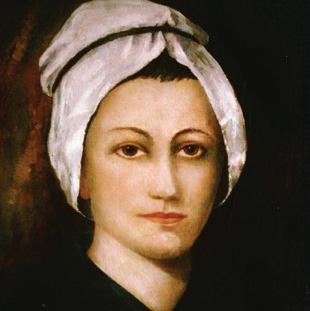

Catherine McAuley opened her first school in Dublin in 1827. Like Nano Nagle before her, Catherine McAuley began her work with the poorest people in Dublin and her first schools were primary schools for the improvement of literacy and the teaching of the Catholic faith to those who had no other opportunity to learn. She initiated fee-paying schools for those who could afford


The formation of CEIST was also made possible by the coming together of three other congregations.
education, along with schools for those who could not pay. Inspired by the vision of Catherine McAuley, Mercy education is committed to the full development and the achievement of the potential of each student, particularly those who are disadvantaged or marginalised, conducted in an atmosphere of care, respect and joy.
Jules Chevalier, founder of the Missionaries of the Sacred Heart in 1854, discovered a Christ who is compassionate, faithful, loving and humane. Imbued with a deep sense of mission, he set up the Congregation to bring the Good News of God’s love to all people. He believed the lives of all could be enriched by a spirituality centred on the heart of Christ. This philosophy is the guiding principle in the various ministries of the Congregation, including schools.


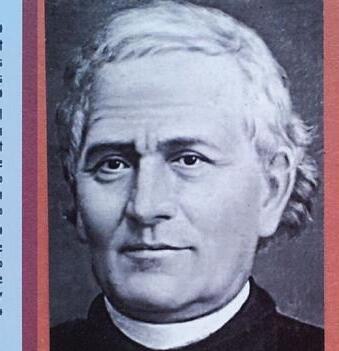

At the time of the French Revolution in 1789, Anthony Receveur founded the Sisters of the Christian Retreat. Their education programme offered a challenge to the French Revolutionaries’ idea of liberty, equality and fraternity that excluded God. Their aim was to awaken an alienated world to God through reflection, prayer and retreat. This objective is embodied in their approach to Catholic education.
The Company of the Daughters of Charity, founded in France in 1633 by St. Vincent de Paul and St. Louise de Marillac, provided free schooling for the poorest girls. These first schools were concerned with literacy, helping girls to come to know and love God and also acquire skills that would make them independent.



The map opposite illustrates the geographical spread of the 105 schools which form the Network.


MAYO
Mount St. Michael Secondary School - Claremorris
Our Lady’s Secondary School - Belmullet
Sacred Heart School - Westport
Sancta Maria College - Louisburgh
Scoil Muire agus
Pádraig - Swinford
St. Joseph’s Secondary School - Castlebar
St. Mary’s Secondary School - Ballina
SLIGO
Mercy College - Sligo
Coláiste Muire - Ballymote
St. Mary’s College - Ballysadare
ROSCOMMON
Scoil Mhuire - Strokestown
Mercy College - Roscommon
GALWAY
Clonfert College - Ballinasloe
Calasanctius College - Oranmore
Coláiste Chroí Mhuire
gan Smal - An Spideal
Holy Rosary College - Mountbellew
Presentation Rockford
Manor - Blackrock

23 Schools
Presentation College - Headford
Presentation College
- Athenry
High Cross College - Tuam
St. Paul’s Secondary School - Oughterard
St. Raphael’s College - Loughrea
Coláiste Muire Máthair
- Galway



Coláiste Bríde - Clondalkin
Mercy College - Coolock
Our Lady of Mercy College - Beaumont
Our Lady of Mercy Secondary School - Drimnagh
Sancta Maria College - Ballyroan
St. Joseph’s College - Lucan
St. Joseph’s Secondary School - Rush
Mercy Secondary School - Inchicore
Presentation Rockford Manor - Blackrock
Presentation Secondary School - Warrenmount

St. Mary’s Secondary School - Newport
St. Mary’s Secondary School - Nenagh
Scoil Mhuire - Carrick-on-Suir
Presentation Secondary School - Thurles
Our Lady’s Secondary School - Templemore
Presentation Secondary School - Ballingarry
Presentation Secondary School - Clonmel
St. Anne’s Secondary School - Tipperary Town
CLARE
St. Joseph’s Secondary School - Tulla
Scoil Mhuire Secondary School - Buncrana
St. Columba’s College - Stranorlar
St Seton’s College - Ballyfermot
LOUTH
St. Vincent’s Secondary School - Dundalk
Sacred Heart Secondary School - Drogheda
Our Lady’s College - Drogheda
KILDARE
Scoil Dara - Kilcock
Coláiste Naomh Mhuire
- Naas
Ardscoil na Tríonóide
- Athy
St Mary’s Secondary School - New Ross
Presentation Secondary School - Wexford
St. Joseph’s Secondary School - Spanish Point
Scoil Mhuire - Ennistymon
Coláiste Muire - Ennis
Mary Immaculate Secondary School - Lisdoonvarna, Co. Clare
KERRY
St. Joseph’s Secondary School - Ballybunion
Mercy Secondary School
- Tralee
Presentation Secondary School - Castleisland
St. Brigid’s Secondary School - Killarney
Presentation Secondary School - Listowel
Presentation Secondary School - Milltown
Presentation Secondary School - Tralee

3 Schools
Our Lady’s Secondary School - Castleblayney
38 Schools
Coláiste Bríde - Enniscorthy
WICKLOW
St. Mary’s College - Arklow
CARLOW
St. Leo’s College - Carlow
Presentation College - Carlow
Presentation De La Salle College - Bagenalstown
WESTMEATH
St. Joseph’s Secondary School - Rochfortbridge
Mercy Secondary School - Kilbeggan
MEATH
St. Joseph’s Mercy Secondary School - Navan
Eureka Secondary School
- Kells
LIMERICK
Scoil na Tríonóide Naofa
- Doon
Ardscoil Mhuire - Corbally
Coláiste Nano Nagle
- Limerick
CORK
Coláiste na Toirbhirte
- Bandon
Christ King Girls’ Secondary School - Cork
Coláiste an Chroí Naofa
- Carraig na bhFear
St. Mary’s High School
- Midleton
Coláiste Muire Réalt na
Mara - Crosshaven
Scoil Mhuire - Kanturk
Mount Mercy College
- Cork
Mount St Michael Secondary SchoolRosscarbery
Scoil Mhuire - Trim LAOIS
Scoil Chríost Rí - Portlaoise
Coláiste Íosagáin - Portarlington
OFFALY
Sacred Heart Secondary School - Tullamore
Killina Presentation
Secondary School - Tullamore
KILKENNY
Presentation Secondary School - Loughboy
Coláiste Abhainn Rí - Callan
LONGFORD
Cnoc Mhuire - Granard
Meán Scoil Mhuire - Longford
Mercy Secondary School - Ballymahon
42 Schools
North Presentation
Secondary School - Farranree
Presentation Secondary School - Ballyphehane
Presentation Secondary School - Mitchelstown
Sacred Heart Secondary School - Clonakilty
St. Aloysius School - Cork
St. Mary’s Secondary School - Charleville
St. Mary’s Secondary School
- Macroom
St. Mary’s Secondary School - Mallow
Our Lady of Mercy Secondary School - Waterford
Presentation Secondary School - Waterford
Ard Scoil na nDéiseDungarvan





This special CEIST award is presented to one student in each school according to criteria set by the school’s teachers and principals. The award celebrates the achievement of all students whose actions and intentions reflect the spirit and values of CEIST.
Each year, CEIST schools take some time out from their busy routines to celebrate the annual Ceiliúradh CEIST Day on February 1st. This is a day when our CEIST schools, teachers and students can come together and do something special to recognise and showcase the unique ethos and spirit of what it means to be in the CEIST family of schools. It is a celebration of who we are and where we came from. This gives us great confidence in planning where we want to go next.
In the final term of every school year, CEIST welcomes student leaders from all of our schools across the country. Hundreds of students attend the Annual CEIST Student Conference to hear how students are empowered to contribute to the values and life of their school.
This is always a wonderful day, allowing student leaders to meet and share their stories as they explore student leadership and student voice and celebrate the shared identity.
To fully understand the importance of being healthy, you will now have the opportunity to learn about physical and mental health and the impact both have on your overall wellbeing.
One way that you can look after your physical health is by eating a balanced diet, getting sufficient sleep and doing some exercise each day. Good diet, sleep and exercise have countless physical and mental benefits.

• Helps to build and maintain healthy bones, muscles and joints
• Helps to control weight, build lean muscle and reduce fat
• Prevents and reduces high blood pressure
• Improves your memory and lengthens your attention span
• Improves your decision-making, planning and multi-tasking skills
• Increases your production of new nerve, blood and brain cells
Ensure you have a healthy diet.
Scan this bar code to access the food pyramid, which shows how often you should eat different food groups.
Ensure you get a good night’s sleep. Avoid being on a screen before you go to bed, and it’s best not to bring your phone into your bedroom.
Try to get a daily recommended physical activity of 30 minutes of exercise. Consider including a column for physical activity in your study timetable so you can actively make it part of your daily routine.
The most important thing about mental health is being aware of your feelings as they arise. This helps you identify stress triggers and how you react to them. It is important that you have people around you that you can talk to about these things.
assistance advice support
So, let’s identify people in your life that you can go to in the three categories below.
People in your life with whom you can talk about anything.
People in your life who you can go to for advice.
1 2 3 1 2 3
Names of agencies / support services available to you if you need them.
In the diagram below, fill in each circle with the various people in your life.
Start here
The more you practise, the quicker you’ll be able to re-establish calm in your body and mind during stressful times. It makes sense that we take time to practise activating this response, so we can re-establish a sense of calm when we need it, like during a class test. SO, HOW CAN WE DO IT?
STEP 1
Sit up straight and uncross your arms and legs.
STEP 2
Inhale slowly through your nose, counting silently to 4.
STEP 3
Hold your breath, counting to 4.
STEP 4
Exhale slowly through your mouth, counting to 4.
STEP 5
Hold again for 4.
STEP 6
Repeat 3 to 5 times or until you feel calm.
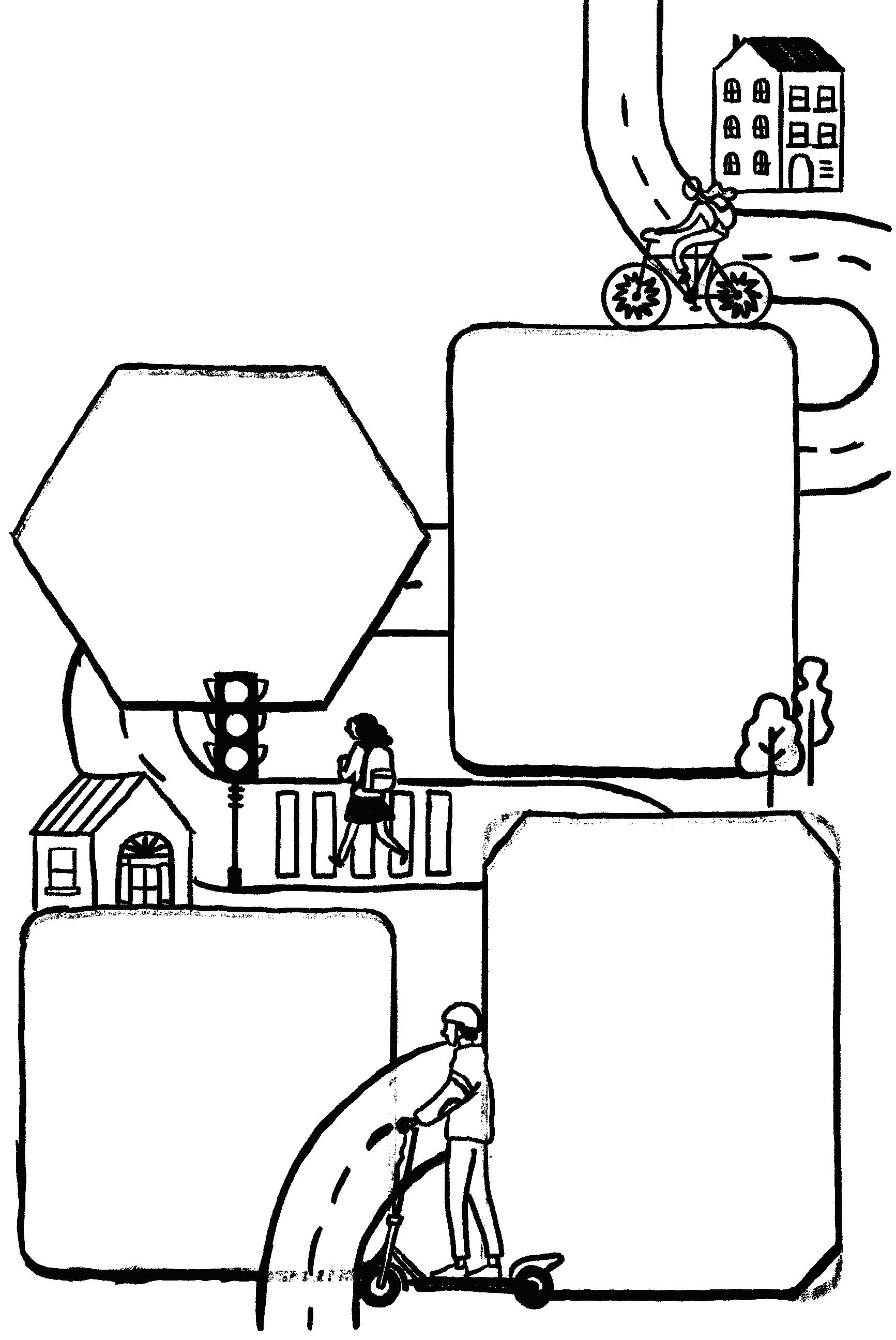
Loneliness isn't just about being alone. It's that weird, heavy feeling when you feel disconnected, even when you're surrounded by people.
There are loads of reasons why you may feel lonely.
• School can be tough.
• Friend groups change; people drift apart.
• Social media makes everything seem perfect (but it's not!).
• You might feel different or like you don't fit in.
• Big life changes like moving or switching schools.
• Feeling like no one really gets you.
You don't need a massive group of friends. One or two real friends who actually understand you are worth way more than a hundred random acquaintances.
• Do things you enjoy.
• Keep a journal.
• Exercise (even just walking helps).
• Don't be too hard on yourself.
First things first – feeling lonely doesn't mean there's something wrong with you. Most teens go through this at some point.
• Get out of your comfort zone (just a little).
• Join a club at school.
• Try a new hobby.
• Volunteer.
• Take a class in something you're interested in.
Whether it's a parent, teacher, school counsellor, or a helpline — talking helps. There’s no shame in asking for support.
Childline: 1800 666 666
Spunout: Text SPUNOUT to 50808
Website: www.spunout.ie
Bullying is targeted and repeated behaviour—online or offline—that causes physical, social, or emotional harm. It involves an imbalance of power in relationships between two people or groups of people.
While one incident may not be bullying, aggressive behaviour is not acceptable in any school. Let’s remember the Golden Rule: treat others as you’d like to be treated.
Disagreements or deciding that you don't want to be friends anymore is not bullying. However, if someone repeatedly tries to harm, exclude, or turn others against someone, that is bullying. Online, a hurtful post can feel like bullying if it spreads and continues to cause harm. If you’re feeling upset by someone’s behaviour, talk to a teacher or someone you trust—HELP IS ALWAYS AVAILABLE.
Create a set of illustrated scenarios showing different behaviours(both bullying and non-bullying).
( ) Tick if the situation is bullying.
( X ) Put an X if it is not bullying.
CLASS DISCUSSION – Review the answers together and discuss why certain situations are considered bullying and others are not.
Example scenarios for pictures:
• Two friends argue and stop talking for a day
• A student accidentally bumps into someone in the hallway
• Someone disagrees with a classmate in a group discussion
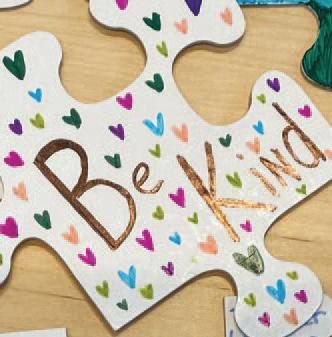
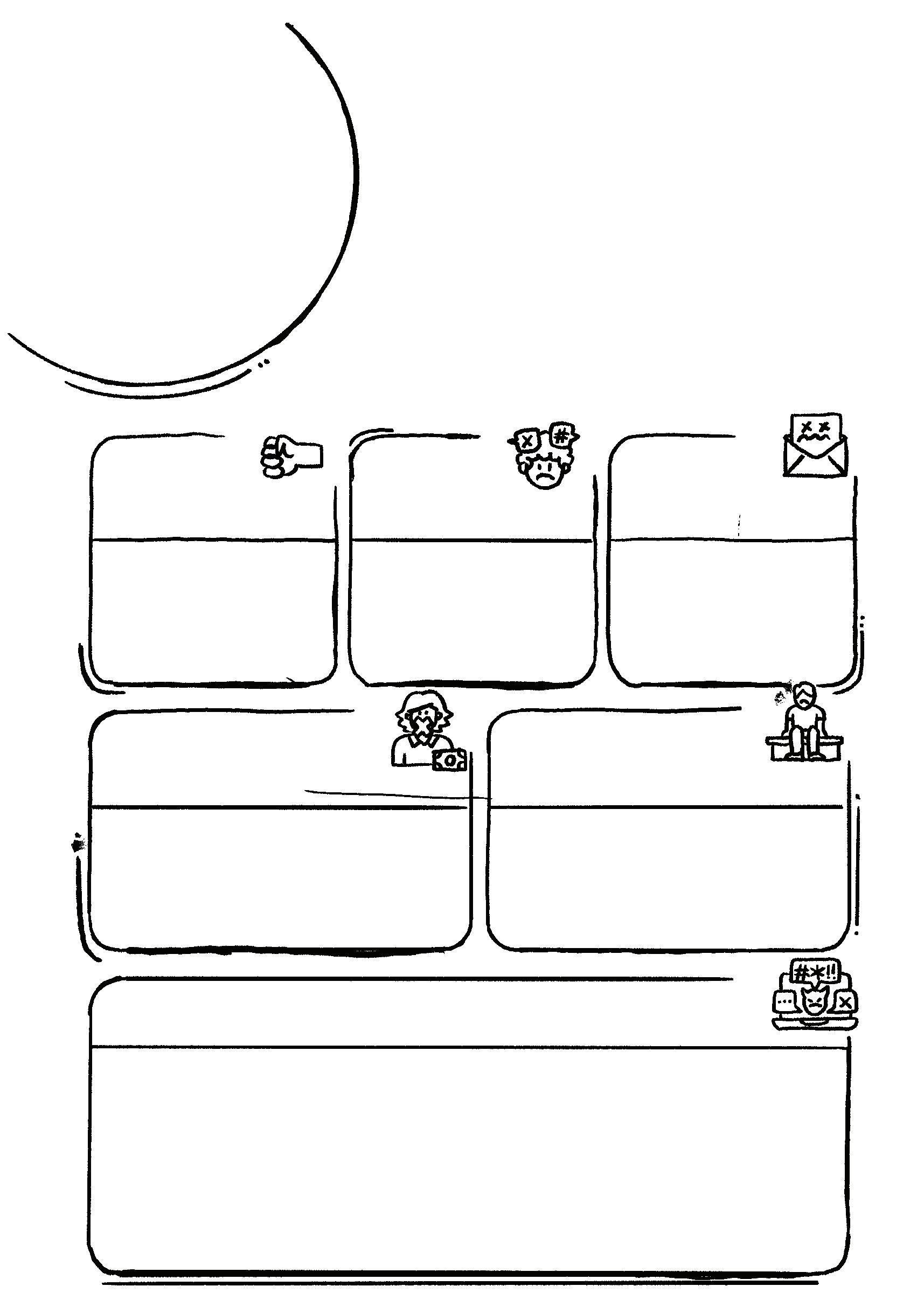
The opposite of bullying isn’t just not being mean, it's actively choosing to be kind. It’s using your voice, your presence, your social media to create a world where people feel safe, valued, heard and seen. When we are kind the following happens:
endorphins, making receiver feel happier.
When you show kindness to another person, it creates a ripple effect. Not only does it make them feel good, but you feel good too. An extra bonus is that they’re more likely to pass that kindness on to someone else!
Complete the following random acts of kindness, and after each one, take a moment to notice how it feels.

The Leaving Certificate Applied (LCA) is a distinct, self-contained two-year programme aimed at preparing students for adult and working life.
The LCA was introduced to recognise the talents of all students and provide opportunities for development in terms of responsibility, selfesteem and self-knowledge.
It is an innovative programme in the way students learn, in what they learn and in the way their achievements are assessed.
The advantage of the LCA is that it focuses on the talents of each individual student and helps students apply what they learn in the real world.
The two-year programme consists of four sessions. Session 1 and session 2 take place in 5th year. Session 3 and session 4 take place in 6th year. Achievements are credited in each of these sessions.
COMMUNICATION
ENTERPRISE
INITIATIVE
RESPONSIBILITIES
GOAL SETTING
LEARNING FOR LIFE
TEAMWORK
MOTIVATION
PLANNING
ORGANISATION
WORK EXPERIENCE
SELF-AWARENESS
SELF-ESTEEM
CONFIDENCE
The Leaving Certificate Applied is a single award made on the basis of credits accumulated over four sessions and in final examinations. A candidate may accumulate a maximum of 200 credits.
Students who successfully complete the LCA programme are awarded a certificate from the State Examinations Commission (SEC). The LCA is awarded at three levels.

Student achievement and performance in the Leaving Certificate Applied is recorded in three modes as follows:


A total of 44 modules are completed over the two years of the programme. At the end of each session, the student is credited on satisfactory completion of the appropriate modules. In order to be awarded credits, students must complete each module by:
1. Attending the classes and out-of-school activities related to the module
2. Completing the key assignments related to the module.

The candidate completes seven student tasks over the two years. Each task represents a significant piece of work (at least 10 hours) and is worth 10 credits. The task enables the candidate to integrate learning and practical experiences from the different courses and modules of the LCA programme. To receive credits for a student task, the candidate must:
• Produce authentic evidence of task completion
• Produce a task report
• Present for interview (personal reflection task does not require an interview).


• English and Communication
• Modern European Languages (French, Spanish, German and Italian)
• Mathematical Applications
• Gaeilge Chumarsáideach
• Vocational Specialisms (two specialisms to be taken by each candidate).
Work experience is at the core of the LCA. Students must arrange their own work experience placements. It is important that students choose their work experiences carefully.

It is recommended that work experience is completed in at least three different career areas. Students are not allowed to complete their work experience in a workplace in which they already have a part-time job. For each work experience placement, students must complete satisfactorily and return their Work Experience Diary. Employer Report Cards must also be returned. Students who don’t return or complete the above two documents will lose vital credits.
Students are monitored carefully on work experience placements and, where possible, a member of the teaching staff will visit and interview both the student and their employer.
We expect every student to do their absolute best in relation to classwork. Credit is not given for work that is not considered to be the best that a student can do, regardless of quality.
Pupils will be expected to adhere to the school/ college/centre ethos and rules as laid out in the school/college/centre journal.

A minimum 90% attendance is a basic requirement. Lengthy or repeated absences must be certified by a doctor’s note. Any holidays taken during the course of the two years will not be accepted as a legitimate absence and may result in participants losing out on credits.
Date: / /

I have read and understood the above student contract and agree to follow its contents.


The aims of the student task are to:
• Provide an opportunity for students to integrate learning and practical experiences from the different courses and modules of the programme
• Develop student literacy, communication and numeracy skills
• Develop student confidence and self-esteem
• Promote student motivation by providing short-term achievable goals
• Develop student responsibility and initiative as well as skills in self-evaluation, problem solving, reflection and management
• Enable students to apply to practical problems and/or issues the knowledge, understanding, skills and competencies developed through participation in the modules
• Promote co-operation and teamwork among participating students
• Promote school/community liaison through involvement in the local community
• Promote and develop active citizenship
• Prepare students for life outside and beyond school.
The student task is a practical activity and/or process of reflection through which the student integrates and applies learning experiences gained from undertaking the LCA programme to some or all of the following:
• The development of a product
• The investigation of an issue
• The performance of an action
• The provision of a service
• The staging of an event
• Personal reflection
Over the duration of the LCA programme, each student must undertake seven student tasks: 1. Vocational Preparation Task
Vocational Education Task (1)
Vocational Education Task (2)
General Education Task
Contemporary Issue Task
Practical Achievement Task
Personal Reflection Task
SESSION 1
General Education Task
SESSION 3
Contemporary Issue Task
Vocational Education Task
Practical Achievement Task
SESSION 2
Vocational Preparation Task
Vocational Education Task
Personal reflection task: statement 1
SESSION 4
Personal reflection task: statement 2
The student task has a number of stages. These stages can be grouped as follows:
• Selecting/planning
• Implementing
• Recording and cross-curricular applications
• Reviewing and evaluating
• Presenting/communicating
A student task report is a description of the various stages required to complete a student task. A report should include information regarding:
• The title
• The statement of aim(s)
• The plan of action
• Carrying out the student task
• Presentation and analysis of findings
• Evaluation of the student task and the student’s own contribution
The interview will involve a discussion between the examiner and students of the work involved in the task. The duration of the discussion should be at least 5 minutes of the 20 minutes allocated to the assessment of each student’s task.


Date: / / Course: Teacher:
TYPE OF TASK: Product Service/Event/Performance Investigation
GIVE A BRIEF OUTLINE OF THE TASK:
WHAT DO I ALREADY KNOW ABOUT THE TASK?
WHAT DO I NEED TO FIND OUT ABOUT THE TASK?
WHERE I CAN GET INFORMATION?
LEARNT FROM DOING THIS TASK?
Date: / / Course: Teacher:
TYPE OF TASK: Product Service/Event/Performance Investigation
GIVE A BRIEF OUTLINE OF THE TASK:
WHAT DO I ALREADY KNOW ABOUT THE TASK?
WHAT DO I NEED TO FIND OUT ABOUT THE TASK?
WHERE I CAN GET INFORMATION?
TASK?
HAVE YOU LEARNT FROM DOING THIS TASK?
Date: / / Course: Teacher:
TYPE OF TASK: Product Service/Event/Performance Investigation
GIVE A BRIEF OUTLINE OF THE TASK:
WHAT DO I ALREADY KNOW ABOUT THE TASK?
WHAT DO I NEED TO FIND OUT ABOUT THE TASK?
WHERE I CAN GET INFORMATION?
TASK?
HAVE YOU LEARNT FROM DOING THIS TASK?
Date: / / Course: Teacher:
TYPE OF TASK: Product Service/Event/Performance Investigation
GIVE A BRIEF OUTLINE OF THE TASK:
WHAT DO I ALREADY KNOW ABOUT THE TASK?
WHAT DO I NEED TO FIND OUT ABOUT THE TASK?
WHERE I CAN GET INFORMATION?
LEARNT FROM DOING THIS TASK?
Use the space provided here to brainstorm and sketch ideas.


As part of a group, I designed, carried out and reported on a survey on some aspects of working life.
I presented a report on an investigation which I carried out on a particular career or field of work.
I reported on my learning from a visit to a careers exhibition, college, training centre or place of employment.
I have compiled a personal action plan in relation to work/education/training covering at least the next year.
Signed:
Signed:
Name of Student
Name of Teacher
Date: / /
Date: / /

As part of a group, I prepared a display (e.g. poster, collage, etc.) which showed our individual skills and how these related to particular job vacancies.
I prepared a personal job search folder that included items such as my CV, letters to and from potential employers, photographs, sample advertisements, etc.
I participated in a mock interview and reported on my performance at same.
I reported on an interview carried out with either a self-employed person or a person who has had experience of being in a job that they were dissatisfied with.
Signed:
Signed:
Name of Student
Name of Teacher
Date: / /
Date: / /

I listed what I personally wanted to learn from my work experience placement.
I made specific arrangements for my first day on work experience.
I completed a report on my work placement and recorded my reflections on a daily basis.
As part of a group, I explained what I learned from my work placement and I developed ideas and strategies for future placements.
Signed:
Signed:
Name of Student
Name of Teacher
Date: / /
Date: / /

I reviewed my previous experiences of work and prepared an action plan identifying the personal, social and vocational skills and knowledge I want to develop through this specific work placement.
I completed a report on this particular work placement. In this report, I included new knowledge and understanding gained. I also recorded, on a daily basis, reflections of my experiences while on work placement.
I discussed my workplace performance with my teacher and prepared a personal career path chart.
As part of a group, I prepared a visual presentation of what I have learned about the world of work.
Signed:
Signed:
Name of Student
Name of Teacher
Date: / /
Date: / /

I have listed the main steps involved in establishing an enterprise and identifying my personal involvement in the decision-making process.
I conducted a market research survey and undertook an analysis of my findings using ICT.
I kept a diary of my personal involvement.
I produced a report on my experience under the following headings:
• Working as part of a team
• Decision-making
• Solving problems
• Selling our product/service outside of the school or organisation
• Personal learning from the enterprise experience
Signed:
Signed:
Name of Student
Name of Teacher
Date: / /
Date: / /

I undertook an assessment of my own skills and qualities and the group’s skills and qualities.
I set specific goals and presented a detailed work plan.
I kept a personal diary of the experience.
I helped to prepare a display of the event/activity, e.g., video, photographs, charts, etc. (This can be the stand prepared for the trade fair where each student describes his/her contribution to same).
Signed:
Signed:
Name of Student
Name of Teacher
Date: / /
Date: / /

I have prepared a report (written or taped) of an interview with a self-employed person.
I have prepared a report on a visit to one enterprise support agency, to include information on sources of finance available to people starting their own business.
I have prepared a business plan on a proposed business idea (using ICT, e.g., word processing, spreadsheets, or questionnaires).
I have prepared a set of guidelines for people considering self-employment as a career option.
Signed:
Signed:
Name of Student
Name of Teacher
Date: / /
Date: / /

I have listed four reasons why community involvement is important.
I have prepared for and either hosted a visit by a speaker from a voluntary/ community agency to the class or visited a voluntary/community agency, and evaluated my learning.
I have investigated a local community development project.
As part of a group, I have taken part in planning, carrying out and evaluating a community project.
Signed:
Signed:
Name of Student
Name of Teacher
Date: / /
Date: / /

I prepared a report on an interview with a Trade Union/Workers’ Council representative.
I prepared a report/presentation/display on Health and Safety issues.
I have listed ways in which greater equality in the workplace is being achieved.
I participated in a group activity to improve the environment.
Signed:
Signed:
Name of Student
Name of Teacher
Date: / /
Date: / /
Use the space provided here to brainstorm and sketch ideas.
WHAT SKILLS DID I LEARN OR DEVELOP DURING THIS COURSE?
WHAT WAS THE BIGGEST CHALLENGE I FACED DURING THIS COURSE AND HOW DID I OVERCOME IT?
WHAT ASPECTS OF THIS COURSE DID I ENJOY THE MOST?
HOW WILL WHAT I LEARNED BE USEFUL TO ME IN THE WORKING WORLD?

LEAVING CERTIFICATE APPLIED

KEY ASSIGNMENTS
Start an ongoing reflective journal and complete one entry about identity and starting the LCA programme.
Design a front cover for a novel, short story and graphic novel.
In pairs or groups, write dialogue as characters from the text or role play character dialogue, and be able to identify your contribution.
Draft, proof and edit a range of written pieces of text.
Reflect on a novel/short story in the reflection journal using the strategies identified in the module.
Signed:
Signed:
Date: / / Name of Student
Name of Teacher
Date: / /

Research a subject of interest to you and, using a template, analyse the websites consulted.
As a class, create a digital safety charter for your class or school and identify your contribution. Explain why you think this inclusion is important.
Research a global communication platform using online resources and present your findings.
Update the reflective journal with reflections on the key points of this module and how your experience in the workplace has influenced your thoughts.
Signed:
Signed:
Name of Student
Name of Teacher
Date: / /
Date: / /

Reflective journal update: document your reading journey, where details of a wide variety of textual material are referenced and reflected upon.
Examine the coverage of an event through the three different media channels and compare and contrast the coverage.
Identify a real-life scenario that requires an advertisement and create an advertisement in a medium of your choice.
Compare and contrast a film and a related text. Critically analyse and display or present the findings.
Signed:
Signed:
Date: / / Name of Student
Date: / / Name of Teacher
Compare a song, rap or poem on a common theme. This assignment can be done in groups, but you must identify your contribution.
Compose a poem, song or rap on a topic that means something to you.
Engage with a staged performance and present a review or report on the experience.
Update your reflective journal to reflect on your learning in English and Communications over the two years of the course.
Signed:
Signed:
Name of Student
Name of Teacher
Date: / /
Date: / /
WHAT SKILLS DID I LEARN OR DEVELOP DURING THIS COURSE?
WHAT WAS THE BIGGEST CHALLENGE I FACED DURING THIS COURSE AND HOW DID I OVERCOME IT?
WHAT ASPECTS OF THIS COURSE DID I ENJOY THE MOST?
HOW WILL WHAT I LEARNED BE USEFUL TO ME IN THE WORKING WORLD?


I have carried out a case study in a relevant area of mathematics and planning.
I have collected and selected the relevant examples from my portfolio of learning to exemplify the following areas of the mathematical case study in my specified area.
• Finding out
• Collecting, comparing, and calculating
• Interpreting
• Making judgements
• Communicating
Signed:
Signed:
Date: / / Name of Student
Date: / / Name of Teacher

I have carried out a case study in a relevant area of mathematics and the world around me.
I have collected and selected the relevant examples from my portfolio of learning to exemplify the following areas of the mathematical case study in my specified area.
• Finding out
• Collecting, comparing, and calculating
• Interpreting
• Making judgements
• Communicating
Signed:
Signed:
Name of Student
Name of Teacher
Date: / /
Date: / /

KEY ASSIGNMENTS
I have carried out a case study in a relevant area of mathematics and life skills.
I have collected and selected the relevant examples from my portfolio of learning to exemplify the following areas of the mathematical case study in my specified area.
• Finding out
• Collecting, comparing, and calculating
• Interpreting
• Making judgements
• Communicating
Signed:
Signed:
Date: / / Name of Student
Date: / / Name of Teacher

KEY ASSIGNMENTS
I have carried out a case study in a relevant area of mathematics and work.
I have collected and selected the relevant examples from my portfolio of learning to exemplify the following areas of the mathematical case study in my specified area.
• Finding out
• Collecting, comparing, and calculating
• Interpreting
• Making judgements
• Communicating
Signed:
Signed:
Name of Student
Name of Teacher
Date: / /
Date: / /
WHAT SKILLS DID I LEARN OR DEVELOP DURING THIS COURSE?
WHAT WAS THE BIGGEST CHALLENGE I FACED DURING THIS COURSE AND HOW DID I OVERCOME IT?
WHAT ASPECTS OF THIS COURSE DID I ENJOY THE MOST?
HOW WILL WHAT I LEARNED BE USEFUL TO ME IN THE WORKING WORLD?

LEAVING CERTIFICATE APPLIED
Signed:
Signed:
Date: / / Name of Student
Date: / / Name of Teacher
Signed:
Signed:
Date: / / Name of Student
Name of Teacher
Date: / /
Signed:
Signed:
Date: / / Name of Student
Date: / / Name of Teacher
Signed:
Signed:
Date: / / Name of Student
Name of Teacher
Date: / /
WHAT SKILLS DID I LEARN OR DEVELOP DURING THIS COURSE?
WHAT WAS THE BIGGEST CHALLENGE I FACED DURING THIS COURSE AND HOW DID I OVERCOME IT?
WHAT ASPECTS OF THIS COURSE DID I ENJOY THE MOST?
HOW WILL WHAT I LEARNED BE USEFUL TO ME IN THE WORKING WORLD?

LEAVING CERTIFICATE APPLIED
Signed:
Signed:
Date: / / Name of Student
Date: / / Name of Teacher
Signed:
Signed:
Date: / / Name of Student
Name of Teacher
Date: / /
Signed:
Signed:
Date: / / Name of Student
Date: / / Name of Teacher
Signed:
Signed:
Date: / / Name of Student
Name of Teacher
Date: / /
WHAT SKILLS DID I LEARN OR DEVELOP DURING THIS COURSE?
WHAT WAS THE BIGGEST CHALLENGE I FACED DURING THIS COURSE AND HOW DID I OVERCOME IT?
WHAT ASPECTS OF THIS COURSE DID I ENJOY THE MOST?
HOW WILL WHAT I LEARNED BE USEFUL TO ME IN THE WORKING WORLD?


Use word-processing software to create, store, edit and print a range of documents for specific purposes.
Ethically research a topic online for another module and produce a short report on it which includes formatted graphics and text, and email it to a named recipient.
Signed:
Signed:
Date: / / Name of Student
Date: / / Name of Teacher

Select your best spreadsheet that demonstrates your use of formulas to perform calculations for a task you are involved in.
Select charts that demonstrate your use of bar charts or pie charts and save or print the results in graphic format and interpret these results.
Create a promotional document for display that effectively communicates information using a combination of graphics, text and images.
Signed:
Signed:
Date: / / Name of Student
Name of Teacher
Date: / /
WHAT SKILLS DID I LEARN OR DEVELOP DURING THIS COURSE?
WHAT WAS THE BIGGEST CHALLENGE I FACED DURING THIS COURSE AND HOW DID I OVERCOME IT?
WHAT ASPECTS OF THIS COURSE DID I ENJOY THE MOST?
HOW WILL WHAT I LEARNED BE USEFUL TO ME IN THE WORKING WORLD?

Signed:
Signed:
Date: / / Name of Teacher Dance Drama
Date: / / Name of Student
Signed:
Date: / / Name of Student Signed:
Date: / / Name of Teacher
WHAT SKILLS DID I LEARN OR DEVELOP DURING THIS COURSE?
WHAT WAS THE BIGGEST CHALLENGE I FACED DURING THIS COURSE AND HOW DID I OVERCOME IT?
WHAT ASPECTS OF THIS COURSE DID I ENJOY THE MOST?
HOW WILL WHAT I LEARNED BE USEFUL TO ME IN THE WORKING WORLD?

LEAVING CERTIFICATE APPLIED

Signed:
Signed:
Date: / / Name of Student
Date: / / Name of Teacher

Four Key Assignments are to be undertaken. One of these must be a group activity and one must be an out-of-school activity.
I contributed several images/newspaper cuttings to a class collage about our local area.
I took part in a class discussion about our local area in the past. I contributed to three different topics on this issue during the discussion.
I interviewed a senior citizen from my local community about life in the past.
I designed and presented a simple leaflet about five different organisations providing a service for young people in my area.
I plotted a long-distance journey by road on a map from my home to another point more than 100km away. On this map, I marked in the major towns, the distances to them and the distance between them. I also showed an alternative route to this point using a different mode of transport.
I went to my local library and got the names of at least five useful resources/books on the local history of my area.
I took part in a class survey to plot on a map the litter bins provided by the local authority/authorities on my route to school.
Signed:
Signed:
Name of Student
Name of Teacher
Date: / /
Date: / /

Four Key Assignments are to be undertaken. One of these must be a group activity, one must be an out-of-school activity.
I took part in a role-play (either as a participant or observer) and recorded my observations about a situation where the denial of a human right was at issue.
I informed the class about a human rights issue campaign I found in the newspaper or elsewhere.
I created an A1-sized promotional poster upholding one of the rights outlined in the Universal Declaration of Human Rights.
I explained to my class three things I considered right and three things I considered wrong with regard to a particular contemporary issue.
I contacted an organisation/centre outside school that had information about a contemporary issue and gave a report to my class about what I had found out.
With other members of my class, I organised a survey on attitudes in our local area to a particular contemporary issue.
Signed:
Signed:
Name of Student
Name of Teacher
Date: / /
Date: / /
Signed:
Signed:
Date: / / Name of Student
Date: / / Name of Teacher

KEY ASSIGNMENTS
Four Key Assignments are to be undertaken. One of these must be a group activity, one must be an out-of-school activity.
I took part in a debate on a contemporary issue.
I examined a contemporary issue with a group of students in my class. Then each one of us presented this issue in a different format: as a short report/press release/news broadcast/ image/article for a school magazine/collage.
I presented an illustrated fact sheet about a contemporary issue.
I tracked an issue (local, national or international) in a newspaper or on television for three days and gave a brief report to my class about it.
I wrote to my local paper/ representative about a local issue that concerns me.
I created a two-minute slot for a radio programme in support of a local cause.
I gave a brief report to my class about crime in my local area.
I took part with others in a role-play about my civil rights.
I collected a Registration Form, filled it in and posted it off to register my name on the List of Electors. OR OR
Signed:
Signed:
Date: / / Name of Student
Name of Teacher
Date: / /

I prepared a step-by-step guide to leaving home and finding a place to live. I included the different considerations that need to be taken into account.
I conducted and recorded (audio, written, etc.) an interview with a young person living away from home on their own.
I prepared a weekly budget for a young person living on his or her own. I based this budget on the current weekly wage of a young person who has just started working.
As part of a group, I participated in a discussion with a visitor representing a Bank, Credit Union or Building Society, and reported on what I learned from the discussion.
Signed:
Signed:
Name of Student
Name of Teacher
Date: / /
Date: / /
WHAT SKILLS DID I LEARN OR DEVELOP DURING THIS COURSE?
WHAT WAS THE BIGGEST CHALLENGE I FACED DURING THIS COURSE AND HOW DID I OVERCOME IT?
WHAT ASPECTS OF THIS COURSE DID I ENJOY THE MOST?
HOW WILL WHAT I LEARNED BE USEFUL TO ME IN THE WORKING WORLD?

LEAVING CERTIFICATE APPLIED

Rinne mé píosa cainte fúm féin.
D’fhéach mé ar chlár teilifíse/ghearrscannán as Gaeilge agus d’fhreagair mé ceisteanna air.
Scríobh mé ríomhphost nó blag:
1. ag lorg eolais 2. ag lorg poist
Ghlac mé páirt i dtaighde grúpa bunaithe ar an nGaeilge thart timpeall orainn.
3. ag lorg taithí oibre
4. ag tabhairt cuiridh do chuairteoir
Rinne mé taighde a bhain leis an nGaeilge thart timpeall orainn agus rinne mé tionscadal bunaithe ar an taighde sin.
Signed:
Signed:
Name of Student
Name of Teacher
Date: / /
Date: / /

Labhair mé Gaeilge le daoine éagsúla faoi cheann amháin de mo chuid caitheamh aimsire.
Bhí mé in ann Gaeilge a labhairt agus mé ar saoire:
• faoi na daoine
• faoin mbia
• faoin aimsir
• faoi na háiteanna
• faoi chaitheamh aimsire.
Scríobh mé ríomhphost/blag/cárta poist as Gaeilge.
Ghlac mé páirt i dtaighde (aonar/grúpa) bunaithe ar mhodúl 2:
• Chuir mé Curriculum Vitae le chéile as Gaeilge
Signed:
Signed:
Name of Student
Name of Teacher
Date: / /
Date: / /
WHAT SKILLS DID I LEARN OR DEVELOP DURING THIS COURSE?
WHAT WAS THE BIGGEST CHALLENGE I FACED DURING THIS COURSE AND HOW DID I OVERCOME IT?
WHAT ASPECTS OF THIS COURSE DID I ENJOY THE MOST?
HOW WILL WHAT I LEARNED BE USEFUL TO ME IN THE WORKING WORLD?


I made an Identity Card for myself containing five pieces of information in my chosen language. I included the following headings and information:
• Surname
• Christian name(s)
• Date of birth
• Nationality
• Home address
Speaking in my chosen language, I recorded myself asking several other students about three things they like and three things they dislike in life.
I researched one aspect of my chosen country that I find interesting and presented my findings to the class in English or Irish.
I recorded a role-play where I took an order and gave an order from a menu in my chosen language.
Signed:
Signed:
Date: / / Name of Student
Name of Teacher
Date: / /

I role-played and recorded buying a train ticket in my chosen language.
I researched and reported the organisation of a trip to my chosen country. This included information on passport requirements, cost of travel and flights.
I made and recorded a phone call to book accommodation in my chosen language.
I presented a poster of five different hotel signs in my chosen language.
Signed:
Signed:
Name of Student
Name of Teacher
Date: / /
Date: / /
WHAT SKILLS DID I LEARN OR DEVELOP DURING THIS COURSE?
WHAT WAS THE BIGGEST CHALLENGE I FACED DURING THIS COURSE AND HOW DID I OVERCOME IT?
WHAT ASPECTS OF THIS COURSE DID I ENJOY THE MOST?
HOW WILL WHAT I LEARNED BE USEFUL TO ME IN THE WORKING WORLD?

LEAVING CERTIFICATE APPLIED

I have recorded the basic rules and principles as they apply to one activity I have participated in.
I have kept a record of the skills I have learned during this module.
I have demonstrated and performed three skills that I have learned in one of the chosen activities.
As part of a group, I have organised a practice exercise for one of the chosen activities.
Signed:
Signed:
Date: / / Name of Student
Date: / / Name of Teacher

I have monitored my heart rate for a week.
I have recorded and participated in activities that develop aerobic fitness.
I have kept a diary of my fitness programme.
I have led a group in warm-up and cool-down exercises related to the chosen activity.
Signed:
Signed:
Date: / / Name of Student
Name of Teacher
Date: / /

I have identified a range of physical recreational activities in my local community.
I have maintained a diary of my participation in physical activity.
I have identified the social and physical benefits of participation in recreational activities.
I have participated in a programme of physical leisure and recreational activities planned by the group.
Signed:
Signed:
Date: / / Name of Student
Date: / / Name of Teacher
Use the space provided here to brainstorm and sketch ideas.
WHAT SKILLS DID I LEARN OR DEVELOP DURING THIS COURSE?
WHAT WAS THE BIGGEST CHALLENGE I FACED DURING THIS COURSE AND HOW DID I OVERCOME IT?
WHAT ASPECTS OF THIS COURSE DID I ENJOY THE MOST?
HOW WILL WHAT I LEARNED BE USEFUL TO ME IN THE WORKING WORLD?

Signed: Date: / / Name of Student
Signed: Date: / / Name of Teacher
Signed: Date: / / Name of Student
Signed: Date: / / Name of Teacher
WHAT SKILLS DID I LEARN OR DEVELOP DURING THIS COURSE?
WHAT WAS THE BIGGEST CHALLENGE I FACED DURING THIS COURSE AND HOW DID I OVERCOME IT?
WHAT ASPECTS OF THIS COURSE DID I ENJOY THE MOST?
HOW WILL WHAT I LEARNED BE USEFUL TO ME IN THE WORKING WORLD?

LEAVING CERTIFICATE APPLIED
At the end of the placement, please rate the student by placing a tick in the appropriate boxes.
POSITION:
COMPANY: PHONE:
ADDRESS:
Attendance
Time keeping
Ability to follow instructions and learn new skills and procedures
Level of competence in completion of task given
Initiative
Overall attitude towards the job
Ability to communicate with staff, supervisors and the public
Suitability of this type of work
ANY ADDITIONAL COMMENTS YOU WOULD LIKE TO MAKE:
Signed:
Signed:
Date: / / (NAME OF STUDENT)
Date: / / (NAME OF TEACHER)
Please confirm the student’s attendance at placement each day by signing below.
STUDENT) Signed:
/ / (NAME OF TEACHER)
At the end of the placement, please rate the student by placing a tick in the appropriate boxes.
POSITION:
COMPANY: PHONE:
ADDRESS:
Attendance
Time keeping
Ability to follow instructions and learn new skills and procedures
Level of competence in completion of task given
Initiative
Overall attitude towards the job
Ability to communicate with staff, supervisors and the public
Suitability of this type of work
ANY ADDITIONAL COMMENTS YOU WOULD LIKE TO MAKE:
Signed:
Signed:
Date: / / (NAME OF STUDENT)
Date: / / (NAME OF TEACHER)
Please confirm the student’s attendance at placement each day by signing below.
STUDENT) Signed:
/ / (NAME OF TEACHER)
At the end of the placement, please rate the student by placing a tick in the appropriate boxes.
POSITION:
COMPANY: PHONE:
ADDRESS:
Attendance
Time keeping
Ability to follow instructions and learn new skills and procedures
Level of competence in completion of task given
Initiative
Overall attitude towards the job
Ability to communicate with staff, supervisors and the public
Suitability of this type of work
ANY ADDITIONAL COMMENTS YOU WOULD LIKE TO MAKE:
Signed:
Signed:
Date: / / (NAME OF STUDENT)
Date: / / (NAME OF TEACHER)
Please confirm the student’s attendance at placement each day by signing below.
STUDENT) Signed:
/ / (NAME OF TEACHER)
At the end of the placement, please rate the student by placing a tick in the appropriate boxes.
POSITION:
COMPANY: PHONE:
ADDRESS:
Attendance
Time keeping
Ability to follow instructions and learn new skills and procedures
Level of competence in completion of task given
Initiative
Overall attitude towards the job
Ability to communicate with staff, supervisors and the public
Suitability of this type of work
ANY ADDITIONAL COMMENTS YOU WOULD LIKE TO MAKE:
Signed:
Signed:
Date: / / (NAME OF STUDENT)
Date: / / (NAME OF TEACHER)
Please confirm the student’s attendance at placement each day by signing below.
STUDENT) Signed:
/ / (NAME OF TEACHER)
Remember / Cuimhnigh:
Remember / Cuimhnigh:
Remember / Cuimhnigh:
Remember / Cuimhnigh:
Remember / Cuimhnigh:
Remember / Cuimhnigh:
Remember / Cuimhnigh:
Remember / Cuimhnigh:
Remember / Cuimhnigh:
Remember / Cuimhnigh:
Remember / Cuimhnigh:
Remember / Cuimhnigh:
Remember / Cuimhnigh:
Remember / Cuimhnigh:
Remember / Cuimhnigh:
Remember / Cuimhnigh:
Remember / Cuimhnigh:
Remember
Cuimhnigh:
Remember / Cuimhnigh:
Remember / Cuimhnigh:
Signed by Parent/Guardian:
Signed by Teacher/Tutor:
Remember / Cuimhnigh:
Remember / Cuimhnigh:
Remember / Cuimhnigh:
Remember / Cuimhnigh:
Remember / Cuimhnigh: Date & Time Teacher Stamp Signed by Parent/Guardian: Signed by Teacher/Tutor:
Remember / Cuimhnigh:
Remember / Cuimhnigh:
Remember / Cuimhnigh:
Remember
Cuimhnigh:
Signed by Parent/Guardian: Signed by Teacher/Tutor:
Remember / Cuimhnigh:
Remember / Cuimhnigh:
Remember / Cuimhnigh: Date & Time Teacher Stamp
Remember / Cuimhnigh: Remembering Communication from Teacher
Signed by Parent/Guardian:
Signed by Teacher/Tutor:
Remember / Cuimhnigh:
Remember / Cuimhnigh:
Signed by Parent/Guardian: Signed by Teacher/Tutor:
Remember / Cuimhnigh:
Remember / Cuimhnigh:
Remember
Cuimhnigh:
Remember / Cuimhnigh: Date & Time Teacher Stamp
Remember / Cuimhnigh: Remembering Communication from Teacher
Signed by Parent/Guardian: Signed by Teacher/Tutor:
Remember / Cuimhnigh:
Remember / Cuimhnigh:
Remember / Cuimhnigh: Date & Time Teacher Stamp
Remember
Cuimhnigh:
Signed by Parent/Guardian: Signed by Teacher/Tutor:
Remember / Cuimhnigh:
Remember / Cuimhnigh:
Remember / Cuimhnigh:
Remember / Cuimhnigh:
Remember / Cuimhnigh:
Remember / Cuimhnigh: Date & Time Teacher Stamp
Remember / Cuimhnigh:
Remembering Communication from Teacher
Signed by Parent/Guardian:
Signed by Teacher/Tutor:
Remember / Cuimhnigh:
Remember / Cuimhnigh: Remembering Communication from Teacher
Signed by Parent/Guardian:
Signed by Teacher/Tutor:
Remember / Cuimhnigh:
Remember / Cuimhnigh:
Remember / Cuimhnigh: Date & Time Teacher Stamp
Remember / Cuimhnigh:
Signed by Parent/Guardian:
Signed by Teacher/Tutor: Days
Remember / Cuimhnigh:
Remember / Cuimhnigh:
Remember / Cuimhnigh:
Remember / Cuimhnigh: Remembering Communication from Teacher
Signed by Parent/Guardian: Signed by Teacher/Tutor:
Remember / Cuimhnigh:
Remember / Cuimhnigh:
Remember / Cuimhnigh:
Remember / Cuimhnigh: Remembering Communication from Teacher
Signed by Parent/Guardian: Signed by Teacher/Tutor:
Remember / Cuimhnigh:
Remember / Cuimhnigh:
Remember / Cuimhnigh:
Remember / Cuimhnigh:
Remember / Cuimhnigh:
Remember / Cuimhnigh:
Remember / Cuimhnigh:
Remember / Cuimhnigh: Remembering Communication from Teacher
Signed by Parent/Guardian: Signed by Teacher/Tutor:
/ Cuimhnigh:
Signed by Parent/Guardian: Signed by Teacher/Tutor:
Remember / Cuimhnigh:
Remember / Cuimhnigh:
Remember / Cuimhnigh:
Remember / Cuimhnigh:
Remember / Cuimhnigh:
Remember / Cuimhnigh:
Remember / Cuimhnigh:
Remember / Cuimhnigh:
Subject Homework Record
Remember / Cuimhnigh:
Remember / Cuimhnigh:
Remembering Communication from Teacher
Signed by Parent/Guardian:
Signed by Teacher/Tutor:
Remember / Cuimhnigh:
Remember / Cuimhnigh:
Remember / Cuimhnigh:
Remember / Cuimhnigh:
Remember / Cuimhnigh:
Signed by Parent/Guardian:
Remember / Cuimhnigh:
Remember / Cuimhnigh:
Remember / Cuimhnigh:
Remember / Cuimhnigh:
Remember / Cuimhnigh:
Remember / Cuimhnigh:
Remember / Cuimhnigh:
Signed by Parent/Guardian:
Signed by Teacher/Tutor:
Remember / Cuimhnigh:
Remember / Cuimhnigh:
Remember / Cuimhnigh:
Remember / Cuimhnigh: Date & Time Teacher Stamp Signed by Parent/Guardian: Signed by Teacher/Tutor:
Remember / Cuimhnigh:
Remember / Cuimhnigh:
Subject Homework Record
Remember / Cuimhnigh: Date & Time Teacher Stamp
Remember / Cuimhnigh: Remembering Communication from Teacher
Signed by Parent/Guardian:
Signed by Teacher/Tutor:
Remember / Cuimhnigh:
Remember / Cuimhnigh:
Remember / Cuimhnigh:
Remember / Cuimhnigh:
Cuimhnigh:
Remember / Cuimhnigh:
Remember / Cuimhnigh:
Remember / Cuimhnigh:
Remember / Cuimhnigh:
Remember / Cuimhnigh:
Remember
Cuimhnigh:
Remember / Cuimhnigh:
Remember / Cuimhnigh:
Remember / Cuimhnigh:
& Time Teacher Stamp
Remember / Cuimhnigh: Remembering Communication from Teacher
Signed by Parent/Guardian:
Signed by Teacher/Tutor:
Remember / Cuimhnigh:
Remember / Cuimhnigh:
Subject Homework Record
Remember / Cuimhnigh: Date & Time Teacher Stamp
Remember / Cuimhnigh:
Remembering Communication from Teacher
Signed by Parent/Guardian:
Signed by Teacher/Tutor:
Remember / Cuimhnigh:
Cuimhnigh:
There are three main elements to managing your learning, these being:
1. Setting learning goals and planning your learning
2. Monitoring your progress
3. Reflecting on your learning and progress with a view to learning from past experience.
Learning how to manage yourself and your learning is a key skill for Junior Cycle and it will prepare you for success at Senior Cycle.
Below are links to tools/templates which will help you to manage your learning.
The templates are divided into the three elements of self-management for learning:
1. Setting learning goals and managing your learning, 2. Monitoring your progress, 3. Reflecting on your learning and progress.
When you select a QR Code for a particular template, it takes you to the online template and you can then print that resource and use it to manage your learning.
1. Managing Myself - Setting learning goals and planning your learning

Template A Setting Your Learning Goals

Template B Your Study Timetable

2. Monitoring Your Progress and Recording Your Achievements

Template D Monthly Review

Template E Tracking Your Results by Subject

Template C Subject Revision Planner
Template F Other Areas of Learning
3. Reflecting on Your Learning and Progress - Reflections on your monthly learning

Template G Reflecting on Your Assessments

Template H Reflecting on Your Learning Goals

QR codes to access online resources

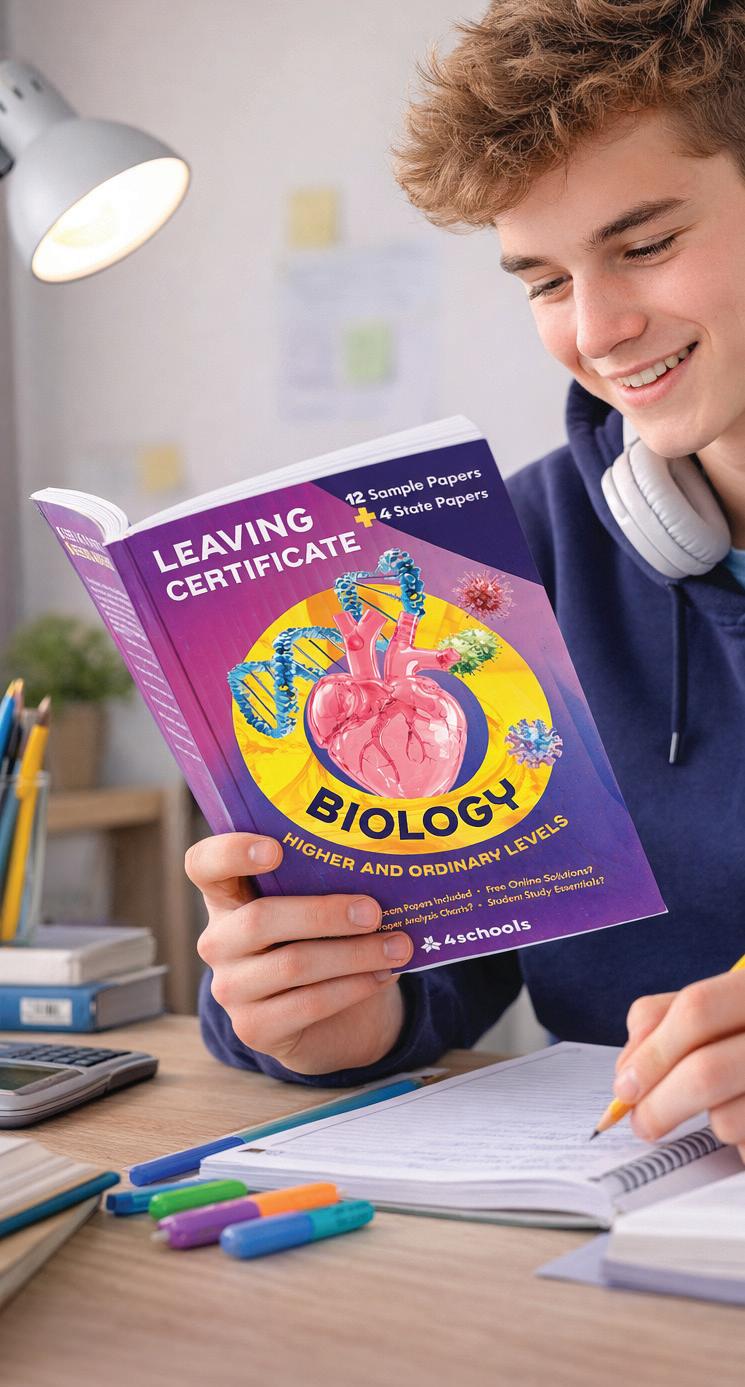

Sample questions and answers to past papers

10 Higher Level and 6 Ordinary Level sample papers included in each book
Curriculum broken down, reducing students’ workload
Student-friendly language and modern graphics

Full marking scheme and sample answers included for each paper
Free access to tutorials from experts in The Tuition Centre on how to tackle the AACs
Free ebook with each book
Signed by Parent/Guardian: Date: / /
Signed by Teacher: Date: / /
02
Signed by Parent/Guardian: Date: / /
Signed by Teacher: Date: / /
03
Signed by Parent/Guardian: Date: / /
Signed by Teacher: Date: / /
Signed by Parent/Guardian: Date: / /
Signed by Teacher: Date: / /
Signed by Parent/Guardian: Date: / /
Signed by Teacher: Date: / /
04 05 06
Signed by Parent/Guardian: Date: / /
Signed by Teacher: Date: / /
Signed by Parent/Guardian: Date: / /
Signed by Teacher: Date: / /
Signed by Parent/Guardian: Date: / /
Signed by Teacher: Date: / /
Signed by Parent/Guardian: Date: / /
Signed by Teacher: Date: / /
Signed by Parent/Guardian: Date: / /
Signed by Teacher: Date: / /
Signed by Parent/Guardian: Date: / /
Signed by Teacher: Date: / /
Signed by Parent/Guardian: Date: / /
Signed by Teacher: Date: / /
Signed by Parent/Guardian: Date: / /
Signed by Teacher: Date: / /
Signed by Parent/Guardian: Date: / /
Signed by Teacher: Date: / /
Signed by Parent/Guardian: Date: / /
Signed by Teacher: Date: / /
Signed by Parent/Guardian: Date: / /
Signed by Teacher: Date: / /
Signed by Parent/Guardian: Date: / /
Signed by Teacher: Date: / /
Signed by Parent/Guardian: Date: / /
Signed by Teacher: Date: / /
Signed by Parent/Guardian: Date: / /
Signed by Teacher: Date: / /
Signed by Parent/Guardian: Date: / /
Signed by Teacher: Date: / /
Signed by Parent/Guardian: Date: / /
Signed by Teacher: Date: / /
Signed by Parent/Guardian: Date: / /
Signed by Teacher: Date: / /
Signed by Parent/Guardian: Date: / /
Signed by Teacher: Date: / /
Signed by Parent/Guardian: Date: / /
Signed by Teacher: Date: / /
Signed by Parent/Guardian: Date: / /
Signed by Teacher: Date: / /
Signed by Parent/Guardian: Date: / /
Signed by Teacher: Date: / /
Signed by Parent/Guardian: Date: / /
Signed by Teacher: Date: / /
Signed by Parent/Guardian: Date: / /
Signed by Teacher: Date: / /
Signed by Parent/Guardian: Date: / /
Signed by Teacher: Date: / /
Signed by Parent/Guardian: Date: / /
Signed by Teacher: Date: / /
Signed by Parent/Guardian: Date: / /
Signed by Teacher: Date: / /
Signed by Parent/Guardian: Date: / /
Signed by Teacher: Date: / /
Signed by Parent/Guardian: Date: / /
Signed by Teacher: Date: / /
Signed by Parent/Guardian: Date: / /
Signed by Teacher: Date: / /
Signed by Parent/Guardian: Date: / /
Signed by Teacher: Date: / /
Signed by Parent/Guardian: Date: / /
Signed by Teacher: Date: / /
Signed by Parent/Guardian: Date: / /
Signed by Teacher: Date: / /
Signed by Parent/Guardian: Date: / /
Signed by Teacher: Date: / /
Signed by Parent/Guardian: Date: / /
Signed by Teacher: Date: / /
Signed by Parent/Guardian: Date: / /
Signed by Teacher: Date: / /
Signed by Parent/Guardian: Date: / /
Signed by Teacher: Date: / /
Signed by Parent/Guardian: Date: / /
Signed by Teacher: Date: / /
Signed by Parent/Guardian: Date: / /
Signed by Teacher: Date: / /
Signed by Parent/Guardian: Date: / /
Signed by Teacher: Date: / /
Signed by Parent/Guardian: Date: / /
Signed by Teacher: Date: / /
Signed by Parent/Guardian: Date: / /
Signed by Teacher: Date: / /
Signed by Parent/Guardian: Date: / /
Signed by Teacher: Date: / /
Signed by Parent/Guardian: Date: / /
Signed by Teacher: Date: / /
I don’t understand - yet. 1
I don’t understand - yet.
I understand, and I can do this by myself.
I understand, and I can do this by myself.
I understand, and I can teach someone else.