
TransiTion Year 2026-2027




TransiTion Year 2026-2027
Welcome to St. Leo’s College Transition Year Programme 2026–2027.
Transition Year is a chance to step outside the classroom and learn in new ways.
Welcome to St. Leo’s College Transition Year Programme 2026-2027.
In this journal, you will record your experiences throughout the year, including work experience, projects, new skills, and personal achievements.
Transition Year is a chance to step outside the classroom and learn in new ways.
You will be able to reflect on the progress, challenges, and what you have learned as you prepare for the next stage of your education.
In this journal, you will record your experiences throughout the year, including work experience, projects, new skills, and personal achievements.
You will be able to reflect on the progress, challenges, and what you have learned as you prepare for the next stage of your education.
It aims to show how Transition Year allows you to become a more confident, independent, and active learner in preparation for senior cycle and beyond.
It aims to show how Transition Year allows you to become a more confident, independent, and active learner in preparation for senior cycle and beyond.



1 Personal Growth Transition Year gives you time to mature and develop as a person. You become more independent, confident, and responsible, which helps you both in school and in everyday life.
Is it worth it?
2 Learning Beyond Exams
TY focuses on learning through experience rather than exams. You develop important life skills such as communication, teamwork, problemsolving, and selfmanagement.
1. Personal Growth Transition Year gives you time to mature and develop as a person. You become more independent, confident, and responsible, which helps you both in school and in everyday life.
5 Preparation for Senior Cycle Transition Year helps you develop better study habits, organisational skills, and motivation, making the transition to Leaving Cert less stressful.
6 Wellbeing and Balance
The programme promotes wellbeing by encouraging a balanced approach to learning, personal interests, and social development.
5. Preparation for Senior Cycle Transition Year helps you develop better study habits, organisational skills, and motivation, making the transition to the Leaving Cert less stressful.
2. Learning Beyond Exams TY focuses on learning through experience rather than exams. You develop important life skills such as communication, teamwork, problemsolving, and selfmanagement
6. Wellbeing and Balance
The programme promotes wellbeing by encouraging a balanced approach to learning, personal interests, and social development.
Work experience and taster modules allow you to explore different careers and subjects. This helps you make more informed choices for senior cycle and future pathways.
3. Exploring Career Options
Work experience and taster modules allow you to explore different careers and subjects. This helps you make more informed choices for senior cycle and future pathways.
4. Building Confidence
4 Building Confidence
Through presentations, projects, and new challenges, TY encourages you to step outside your comfort zone and build selfbelief.
7. Memorable Experiences
Trips, workshops, guest speakers, and extracurricular activities make TY an enjoyable and memorable year that many students look back on positively.
Through presentations, projects, and new challenges, TY encourages you to step outside your comfort zone and build self-belief.


7 Memorable Experiences
Trips, workshops, guest speakers, and extracurricular activities make TY an enjoyable and memorable year that many students look back on positively.

CIVIC AND COMMUNITY ENGAGEMENT
CAREER EXPLORATION
Rate yourself on a scale of 1 to 10 (1 = it needs significant development and 10 = you’re acing it) in the following areas:
Why did you give yourself this rating?
What do you plan to work on in the weeks ahead?
Why did you give yourself this rating?
What do you plan to work on in the weeks ahead?
BEING A LEARNER
CIVIC AND COMMUNITY ENGAGEMENT
CAREER EXPLORATION
List three things you enjoyed about Term 4.
Why did you enjoy these things?
List one thing you could have put more effort into in Term 4.
Have you any key learning or takeaway from Term 4?
Rate yourself on a scale of 1 to 10 (1 = it needs significant development and 10 = you’re acing it) in the following areas:
Why did you give yourself this rating?
What do you plan to work on in the weeks ahead?
Why did you give yourself this rating?
What do you plan to work on in the weeks ahead?
BEING A LEARNER
CIVIC AND COMMUNITY ENGAGEMENT
CAREER EXPLORATION
List three things you enjoyed about Term 4.
Why did you enjoy these things?
List one thing you could have put more effort into in Term 4.
Have you any key learning or takeaway from Term 4?
Rate yourself on a scale of 1 to 10 (1 = it needs significant development and 10 = you’re acing it) in the following areas:
Why did you give yourself this rating?
What do you plan to work on in the weeks ahead?
Why did you give yourself this rating?
What do you plan to work on in the weeks ahead?
BEING A LEARNER
CIVIC AND COMMUNITY ENGAGEMENT
CAREER EXPLORATION
List three things you enjoyed about Term 4.
Why did you enjoy these things?
List one thing you could have put more effort into in Term 4.
Have you any key learning or takeaway from Term 4?
Rate yourself on a scale of 1 to 10 (1 = it needs significant development and 10 = you’re acing it) in the following areas:
Why did you give yourself this rating?
What do you plan to work on in the weeks ahead?
Why did you give yourself this rating?
What do you plan to work on in the weeks ahead?
BEING A LEARNER
CIVIC AND COMMUNITY ENGAGEMENT
CAREER EXPLORATION
List three things you enjoyed about Term 4.
Why did you enjoy these things?
List one thing you could have put more effort into in Term 4.
Have you any key learning or takeaway from Term 4?

TITLE:
DATE(S):
RELATES TO:
Give a brief outline of this workshop/activity:
What did you enjoy most about this workshop/activity?
VENUE: OVERALL RATING:
What did you learn from this workshop/activity?
Outline how you may benefit from pasrticipating in this workshop/activity.
How would you rate your level of participation in this workshop/activity?
TITLE:
DATE(S):
RELATES TO: PERSONAL GROWTH
Give a brief outline of this workshop/activity:
What did you enjoy most about this workshop/activity?
VENUE: OVERALL RATING:
What did you learn from this workshop/activity?
Outline how you may benefit from pasrticipating in this workshop/activity.
How would you rate your level of participation in this workshop/activity?
TITLE:
DATE(S):
RELATES TO:
Give a brief outline of this workshop/activity:
What did you enjoy most about this workshop/activity?
VENUE: OVERALL RATING:
What did you learn from this workshop/activity?
Outline how you may benefit from pasrticipating in this workshop/activity.
How would you rate your level of participation in this workshop/activity?
TITLE:
DATE(S):
RELATES TO: PERSONAL GROWTH
Give a brief outline of this workshop/activity:
What did you enjoy most about this workshop/activity?
VENUE: OVERALL RATING:
What did you learn from this workshop/activity?
Outline how you may benefit from pasrticipating in this workshop/activity.
How would you rate your level of participation in this workshop/activity?
TITLE:
DATE(S):
RELATES TO:
Give a brief outline of this workshop/activity:
What did you enjoy most about this workshop/activity?
VENUE: OVERALL RATING:
What did you learn from this workshop/activity?
Outline how you may benefit from pasrticipating in this workshop/activity.
How would you rate your level of participation in this workshop/activity?
TITLE:
DATE(S):
RELATES TO: PERSONAL GROWTH
Give a brief outline of this workshop/activity:
What did you enjoy most about this workshop/activity?
VENUE: OVERALL RATING:
What did you learn from this workshop/activity?
Outline how you may benefit from pasrticipating in this workshop/activity.
How would you rate your level of participation in this workshop/activity?
TITLE:
DATE(S):
RELATES TO:
Give a brief outline of this workshop/activity:
What did you enjoy most about this workshop/activity?
VENUE: OVERALL RATING:
What did you learn from this workshop/activity?
Outline how you may benefit from pasrticipating in this workshop/activity.
How would you rate your level of participation in this workshop/activity?
TITLE:
DATE(S):
RELATES TO: PERSONAL GROWTH
Give a brief outline of this workshop/activity:
What did you enjoy most about this workshop/activity?
VENUE: OVERALL RATING:
What did you learn from this workshop/activity?
Outline how you may benefit from pasrticipating in this workshop/activity.
How would you rate your level of participation in this workshop/activity?
TITLE:
DATE(S):
RELATES TO:
Give a brief outline of this workshop/activity:
What did you enjoy most about this workshop/activity?
VENUE: OVERALL RATING:
What did you learn from this workshop/activity?
Outline how you may benefit from pasrticipating in this workshop/activity.
How would you rate your level of participation in this workshop/activity?
TITLE:
DATE(S):
RELATES TO: PERSONAL GROWTH
Give a brief outline of this workshop/activity:
What did you enjoy most about this workshop/activity?
VENUE: OVERALL RATING:
What did you learn from this workshop/activity?
Outline how you may benefit from pasrticipating in this workshop/activity.
How would you rate your level of participation in this workshop/activity?
TITLE:
DATE(S):
RELATES TO:
Give a brief outline of this workshop/activity:
What did you enjoy most about this workshop/activity?
VENUE: OVERALL RATING:
What did you learn from this workshop/activity?
Outline how you may benefit from pasrticipating in this workshop/activity.
How would you rate your level of participation in this workshop/activity?
TITLE:
DATE(S):
RELATES TO: PERSONAL GROWTH
Give a brief outline of this workshop/activity:
What did you enjoy most about this workshop/activity?
VENUE: OVERALL RATING:
What did you learn from this workshop/activity?
Outline how you may benefit from pasrticipating in this workshop/activity.
How would you rate your level of participation in this workshop/activity?
TITLE:
DATE(S):
RELATES TO:
Give a brief outline of this workshop/activity:
What did you enjoy most about this workshop/activity?
VENUE: OVERALL RATING:
What did you learn from this workshop/activity?
Outline how you may benefit from pasrticipating in this workshop/activity.
How would you rate your level of participation in this workshop/activity?
TITLE:
DATE(S):
RELATES TO: PERSONAL GROWTH
Give a brief outline of this workshop/activity:
What did you enjoy most about this workshop/activity?
VENUE: OVERALL RATING:
What did you learn from this workshop/activity?
Outline how you may benefit from pasrticipating in this workshop/activity.
How would you rate your level of participation in this workshop/activity?
TITLE:
DATE(S):
RELATES TO:
Give a brief outline of this workshop/activity:
What did you enjoy most about this workshop/activity?
VENUE: OVERALL RATING:
What did you learn from this workshop/activity?
Outline how you may benefit from pasrticipating in this workshop/activity.
How would you rate your level of participation in this workshop/activity?
DESTINATION:
DATE(S):
RELATES TO: PERSONAL
Describe in detail the trip/excursion:
SUBJECT AREA(S):
OVERALL RATING:
What did you enjoy the most about the trip/excursion? Why?
What did you learn about yourself?
What skills did you learn/develop on the trip/excursion?
How would you rate your level of participation during this trip/excursion?
DESTINATION:
DATE(S):
SUBJECT AREA(S):
OVERALL RATING: RELATES
Describe in detail the trip/excursion:
What did you enjoy the most about the trip/excursion? Why?
What did you learn about yourself?
What skills did you learn/develop on the trip/excursion?
How would you rate your level of participation during this trip/excursion?
DESTINATION:
DATE(S):
RELATES TO: PERSONAL
Describe in detail the trip/excursion:
SUBJECT AREA(S):
OVERALL RATING:
What did you enjoy the most about the trip/excursion? Why?
What did you learn about yourself?
What skills did you learn/develop on the trip/excursion?
How would you rate your level of participation during this trip/excursion?
DESTINATION:
DATE(S):
SUBJECT AREA(S):
OVERALL RATING: RELATES TO:
Describe in detail the trip/excursion:
What did you enjoy the most about the trip/excursion? Why?
What did you learn about yourself?
What skills did you learn/develop on the trip/excursion?
How would you rate your level of participation during this trip/excursion?
DESTINATION:
DATE(S):
RELATES TO: PERSONAL
Describe in detail the trip/excursion:
SUBJECT AREA(S):
OVERALL RATING:
What did you enjoy the most about the trip/excursion? Why?
What did you learn about yourself?
What skills did you learn/develop on the trip/excursion?
How would you rate your level of participation during this trip/excursion?
DESTINATION:
DATE(S):
SUBJECT AREA(S):
OVERALL RATING: RELATES TO:
Describe in detail the trip/excursion:
What did you enjoy the most about the trip/excursion? Why?
What did you learn about yourself?
What skills did you learn/develop on the trip/excursion?
How would you rate your level of participation during this trip/excursion?
DESTINATION:
DATE(S):
RELATES TO: PERSONAL
Describe in detail the trip/excursion:
SUBJECT AREA(S):
OVERALL RATING:
What did you enjoy the most about the trip/excursion? Why?
What did you learn about yourself?
What skills did you learn/develop on the trip/excursion?
How would you rate your level of participation during this trip/excursion?
DESTINATION:
DATE(S):
SUBJECT AREA(S):
OVERALL RATING: RELATES TO:
Describe in detail the trip/excursion:
What did you enjoy the most about the trip/excursion? Why?
What did you learn about yourself?
What skills did you learn/develop on the trip/excursion?
How would you rate your level of participation during this trip/excursion?
DESTINATION:
DATE(S):
RELATES TO: PERSONAL
Describe in detail the trip/excursion:
SUBJECT AREA(S):
OVERALL RATING:
What did you enjoy the most about the trip/excursion? Why?
What did you learn about yourself?
What skills did you learn/develop on the trip/excursion?
How would you rate your level of participation during this trip/excursion?
DESTINATION:
DATE(S):
SUBJECT AREA(S):
OVERALL RATING: RELATES TO:
Describe in detail the trip/excursion:
What did you enjoy the most about the trip/excursion? Why?
What did you learn about yourself?
What skills did you learn/develop on the trip/excursion?
How would you rate your level of participation during this trip/excursion?
DESTINATION:
DATE(S):
RELATES TO: PERSONAL
Describe in detail the trip/excursion:
SUBJECT AREA(S):
OVERALL RATING:
What did you enjoy the most about the trip/excursion? Why?
What did you learn about yourself?
What skills did you learn/develop on the trip/excursion?
How would you rate your level of participation during this trip/excursion?
DESTINATION:
DATE(S):
SUBJECT AREA(S):
OVERALL RATING: RELATES TO:
Describe in detail the trip/excursion:
What did you enjoy the most about the trip/excursion? Why?
What did you learn about yourself?
What skills did you learn/develop on the trip/excursion?
How would you rate your level of participation during this trip/excursion?
SPEAKER:
DATE(S):
VENUE:
OVERALL RATING:
Give a summary of the talk/presentation. What was the main topic? What points were made?
How did this talk/presentation relate to other aspects of your work in TY?
What did you learn as a result of this talk/presentation?
How would you rate your own level of participation during this talk/presentation?
SPEAKER:
DATE(S):
VENUE:
OVERALL RATING:
Give a summary of the talk/presentation. What was the main topic? What points were made?
How did this talk/presentation relate to other aspects of your work in TY?
What did you learn as a result of this talk/presentation?
How would you rate your own level of participation during this talk/presentation?
SPEAKER:
DATE(S):
VENUE:
OVERALL RATING:
Give a summary of the talk/presentation. What was the main topic? What points were made?
How did this talk/presentation relate to other aspects of your work in TY?
What did you learn as a result of this talk/presentation?
How would you rate your own level of participation during this talk/presentation?
SPEAKER:
DATE(S):
VENUE:
OVERALL RATING:
Give a summary of the talk/presentation. What was the main topic? What points were made?
How did this talk/presentation relate to other aspects of your work in TY?
What did you learn as a result of this talk/presentation?
How would you rate your own level of participation during this talk/presentation?
SPEAKER:
DATE(S):
VENUE:
OVERALL RATING:
Give a summary of the talk/presentation. What was the main topic? What points were made?
How did this talk/presentation relate to other aspects of your work in TY?
What did you learn as a result of this talk/presentation?
How would you rate your own level of participation during this talk/presentation?
SPEAKER:
DATE(S):
VENUE:
OVERALL RATING:
Give a summary of the talk/presentation. What was the main topic? What points were made?
How did this talk/presentation relate to other aspects of your work in TY?
What did you learn as a result of this talk/presentation?
How would you rate your own level of participation during this talk/presentation?
SPEAKER:
DATE(S):
VENUE:
OVERALL RATING:
Give a summary of the talk/presentation. What was the main topic? What points were made?
How did this talk/presentation relate to other aspects of your work in TY?
What did you learn as a result of this talk/presentation?
How would you rate your own level of participation during this talk/presentation?
SPEAKER:
DATE(S):
VENUE:
OVERALL RATING:
Give a summary of the talk/presentation. What was the main topic? What points were made?
How did this talk/presentation relate to other aspects of your work in TY?
What did you learn as a result of this talk/presentation?
How would you rate your own level of participation during this talk/presentation?
SPEAKER:
DATE(S):
VENUE:
OVERALL RATING:
Give a summary of the talk/presentation. What was the main topic? What points were made?
How did this talk/presentation relate to other aspects of your work in TY?
What did you learn as a result of this talk/presentation?
How would you rate your own level of participation during this talk/presentation?
SPEAKER:
DATE(S):
VENUE:
OVERALL RATING:
Give a summary of the talk/presentation. What was the main topic? What points were made?
How did this talk/presentation relate to other aspects of your work in TY?
What did you learn as a result of this talk/presentation?
How would you rate your own level of participation during this talk/presentation?
SPEAKER:
DATE(S):
VENUE:
OVERALL RATING:
Give a summary of the talk/presentation. What was the main topic? What points were made?
How did this talk/presentation relate to other aspects of your work in TY?
What did you learn as a result of this talk/presentation?
How would you rate your own level of participation during this talk/presentation?
SPEAKER:
DATE(S): VENUE:
OVERALL RATING:
Give a summary of the talk/presentation. What was the main topic? What points were made?
How did this talk/presentation relate to other aspects of your work in TY?
What did you learn as a result of this talk/presentation?
How would you rate your own level of participation during this talk/presentation?
PLACEMENT:
START DATE:
Describe the community work you were involved in.
RATING:
END DATE:
What did you enjoy most about this community work?
How did the community work live up to your expectations?
Describe the biggest challenge you faced and how you overcame it.
List the skills you learned and/or developed during this community work.
How would you rate your own level of participation during this community work?
PLACEMENT:
START DATE:
Describe the community work you were involved in.
RATING: END DATE:
What did you enjoy most about this community work?
How did the community work live up to your expectations?
Describe the biggest challenge you faced and how you overcame it.
List the skills you learned and/or developed during this community work.
How would you rate your own level of participation during this community work?
PLACEMENT:
START DATE:
Describe the community work you were involved in.
RATING:
END DATE:
What did you enjoy most about this community work?
How did the community work live up to your expectations?
Describe the biggest challenge you faced and how you overcame it.
List the skills you learned and/or developed during this community work.
How would you rate your own level of participation during this community work?
PLACEMENT:
START DATE:
Describe the community work you were involved in.
RATING: END DATE:
What did you enjoy most about this community work?
How did the community work live up to your expectations?
Describe the biggest challenge you faced and how you overcame it.
List the skills you learned and/or developed during this community work.
How would you rate your own level of participation during this community work?
COMPANY:
Name and Address of Employer.
Reasons for selecting this experience:
Describe how you organised this work experience.
Name three goals you want to achieve during this work experience.
What were your thoughts and feelings about the day?
Did you acquire any new skills today? What were they?
What could you do differently to improve your work experience?
What were your thoughts and feelings about the day?
Did you acquire any new skills today? What were they?
What could you do differently to improve your work experience?
What were your thoughts and feelings about the day?
Did you acquire any new skills today? What were they? What could you do differently to improve your work experience?
What were your thoughts and feelings about the day?
Did you acquire any new skills today? What were they?
What could you do differently to improve your work experience?
What were your thoughts and feelings about the day?
Did you acquire any new skills today? What were they?
What could you do differently to improve your work experience?
What were your thoughts and feelings about the day?
Did you acquire any new skills today? What were they?
What could you do differently to improve your work experience?
What were your thoughts and feelings about the day?
Did you acquire any new skills today? What were they? What could you do differently to improve your work experience?
What were your thoughts and feelings about the day?
Did you acquire any new skills today? What were they?
What could you do differently to improve your work experience?
What were your thoughts and feelings about the day?
Did you acquire any new skills today? What were they?
What could you do differently to improve your work experience?
What were your thoughts and feelings about the day?
Did you acquire any new skills today? What were they?
What could you do differently to improve your work experience?
At the end of the placement, please rate the student by placing a tick in the appropriate boxes.
Position:
Company:
Phone:
Address:
Attendance
Time keeping
Ability to follow instructions and learn new skills and procedures
Level of competence in completion of task given
Initiative
Overall attitude towards the job
Ability to communicate
Suitability to this type of work
Any additional comments:
Name and Address of Employer.
Reasons for selecting this experience:
Describe how you organised this work experience.
CONTACT PERSON:
Name three goals you want to achieve during this work experience.
What were your thoughts and feelings about the day?
Did you acquire any new skills today? What were they? What could you do differently to improve your work experience?
What were your thoughts and feelings about the day?
Did you acquire any new skills today? What were they?
What could you do differently to improve your work experience?
What were your thoughts and feelings about the day?
Did you acquire any new skills today? What were they?
What could you do differently to improve your work experience?
What were your thoughts and feelings about the day?
Did you acquire any new skills today? What were they?
What
What were your thoughts and feelings about the day?
Did you acquire any new skills today? What were they? What could you do differently to improve your work experience?
What were your thoughts and feelings about the day?
Did you acquire any new skills today? What were they?
What could you do differently to improve your work experience?
What were your thoughts and feelings about the day?
Did you acquire any new skills today? What were they?
What could you do differently to improve your work experience?
What were your thoughts and feelings about the day?
Did you acquire any new skills today? What were they?
What
What were your thoughts and feelings about the day?
Did you acquire any new skills today? What were they? What could you do differently to improve your work experience?
What were your thoughts and feelings about the day?
Did you acquire any new skills today? What were they?
What could you do differently to improve your work experience?
At the end of the placement, please rate the student by placing a tick in the appropriate boxes.
Position:
Company:
Phone:
Address:
Attendance
Time keeping
Ability to follow instructions and learn new skills and procedures
Level of competence in completion of task given
Initiative
Overall attitude towards the job
Ability to communicate
Suitability to this type of work
Any additional comments:
COMPANY:
Name and Address of Employer.
Reasons for selecting this experience:
Describe how you organised this work experience.
Name three goals you want to achieve during this work experience.
What were your thoughts and feelings about the day?
Did you acquire any new skills today? What were they?
What could you do differently to improve your work experience?
What were your thoughts and feelings about the day?
Did you acquire any new skills today? What were they?
What could you do differently to improve your work experience?
What were your thoughts and feelings about the day?
Did you acquire any new skills today? What were they? What could you do differently to improve your work experience?
What were your thoughts and feelings about the day?
Did you acquire any new skills today? What were they?
What could you do differently to improve your work experience?
What were your thoughts and feelings about the day?
Did you acquire any new skills today? What were they?
What could you do differently to improve your work experience?
What were your thoughts and feelings about the day?
Did you acquire any new skills today? What were they?
What could you do differently to improve your work experience?
At the end of the placement, please rate the student by placing a tick in the appropriate boxes.
Position:
Company:
Phone:
Address:
Attendance
Time keeping
Ability to follow instructions and learn new skills and procedures
Level of competence in completion of task given
Initiative
Overall attitude towards the job
Ability to communicate
Suitability to this type of work
Any additional comments:
Name and Address of Employer.
Reasons for selecting this experience:
Describe how you organised this work experience.
CONTACT PERSON:
Name three goals you want to achieve during this work experience.
What were your thoughts and feelings about the day?
Did you acquire any new skills today? What were they? What could you do differently to improve your work experience?
What were your thoughts and feelings about the day?
Did you acquire any new skills today? What were they?
What could you do differently to improve your work experience?
What were your thoughts and feelings about the day?
Did you acquire any new skills today? What were they?
What could you do differently to improve your work experience?
What were your thoughts and feelings about the day?
Did you acquire any new skills today? What were they?
What could you do differently to improve your work experience?
What were your thoughts and feelings about the day?
Did you acquire any new skills today? What were they? What could you do differently to improve your work experience?
What were your thoughts and feelings about the day?
Did you acquire any new skills today? What were they?
What could you do differently to improve your work experience?
At the end of the placement, please rate the student by placing a tick in the appropriate boxes.
Position:
Company:
Phone:
Address:
Attendance
Time keeping
Ability to follow instructions and learn new skills and procedures
Level of competence in completion of task given
Initiative
Overall attitude towards the job
Ability to communicate
Suitability to this type of work
Any additional comments:

JOURNEY: 2 DAYS AND 1 NIGHT
ACTIVITY: FOR AN ADDITIONAL ONE HOUR PER WEEK FOR 13 WEEKS (participants choose to extend one of their activities)
At the end of Transition Year, you will be interviewed about your experiences throughout the course. Below are the types of questions you will be asked in your interview. Read through them and spend some time considering how you might respond. Make some short notes to make sure you are well prepared.
What project/work did you most enjoy during Transition Year and why?
Select one of your projects and tell us about it.
What was your attendance like throughout the year?
What was your punctuality like during the year?
What was the highlight of Transition Year for you?
Tell us about your participation in Transition Year.
Sum up Transition Year in a few sentences.
If you had to change something about yourself as a result of Transition Year, what would it be and why?
Do you think you have changed as a person as a result of Transition Year? If yes, how have you changed?



You are a VIP - a very important

So take care with self-care. If not you, who? If not now, when?
– Toni Hawkins
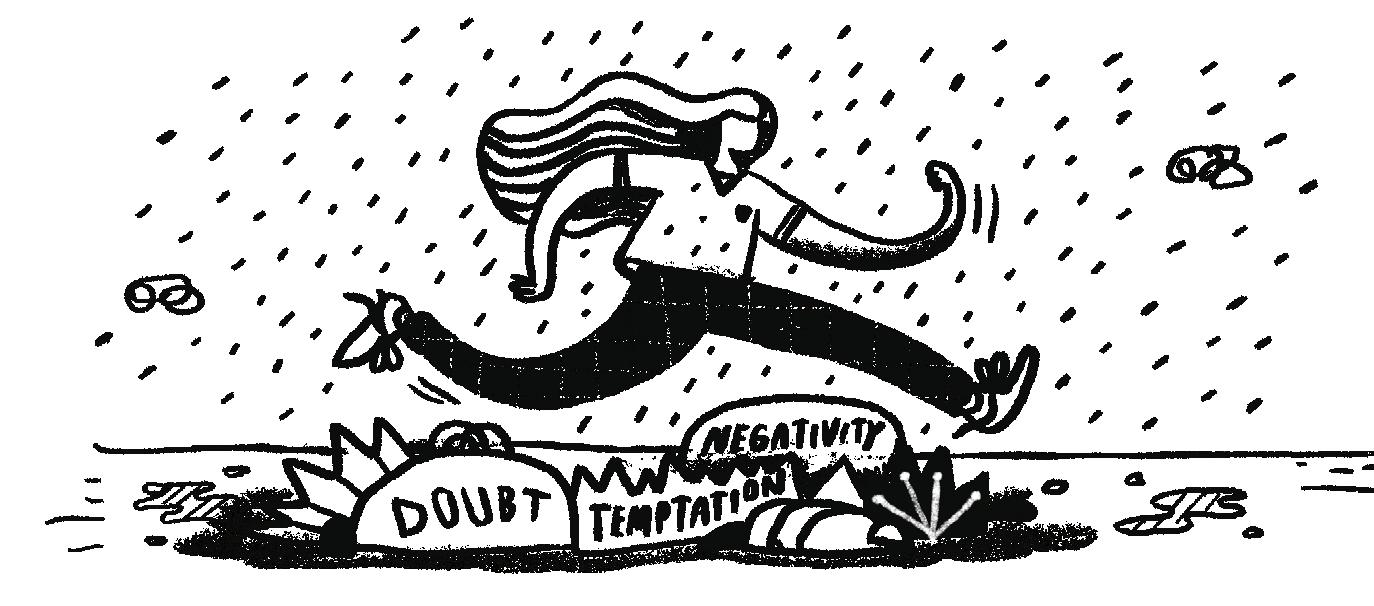
Unfortunately, negative things happen to everyone in life; however, some people seem to bounce back quicker than others. This is referred to as resilience — your ability to bounce back after setbacks.
One useful way of understanding how to develop resilience is to use the acronym BOUNCE.
Bad things and times happen, but things do get better. Others are there to help you, but you need to let them know. Unhelpful thoughts don’t make things better. Nobody is perfect.
Concentrate on the good things in your life, it’s not all bad. Everybody has setbacks or struggles. You are not on your own here.
Here are five useful ways that you can build your own personal resilience. In the space provided, identify one way you could incorporate each one into your own life!




To fully understand the importance of being healthy, you will now have the opportunity to learn about physical and mental health and the impact both have on your overall wellbeing.
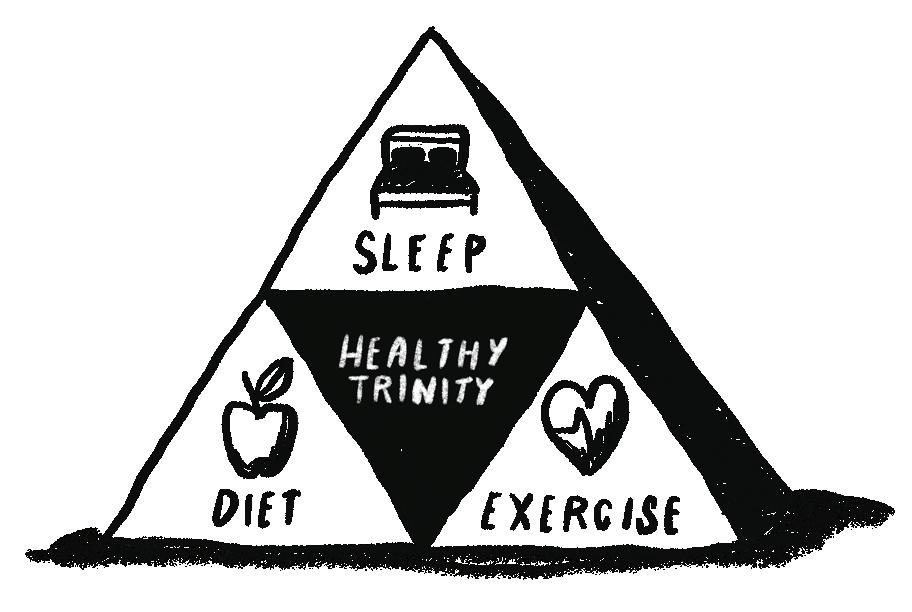
One way that you can look after your physical health is by eating a balanced diet, getting sufficient sleep and doing some exercise each day. Good diet, sleep and exercise have countless physical and mental benefits.

• Helps to build and maintain healthy bones, muscles and joints
• Helps to control weight, build lean muscle and reduce fat
• Prevents and reduces high blood pressure
• Improves your memory and lengthens your attention span
• Improves your decision-making, planning and multi-tasking skills
• Increases your production of new nerve, blood and brain cells

Ensure you have a healthy diet.

Scan this bar code to access the food pyramid, which shows how often you should eat different food groups.

Ensure you get a good night’s sleep. Avoid being on a screen before you go to bed, and it’s best not to bring your phone into your bedroom.

Try to get the daily recommended physical activity of 30 minutes of exercise. Consider including a column for physical activity in your study timetable so you can actively make it part of your daily routine.
The most important thing about mental health is being aware of your feelings as they arise. This helps you identify stress triggers and how you react to them. It is important that you have people around you that you can talk to about these things.
assistance advice support
So, let’s identify people in your life that you can go to in the three categories below.


People in your life with whom you can talk about anything.
People in your life who you can go to for advice.
1 2 3 1 2 3
Names of agencies / support services available to you if you need them.
In the diagram below, fill in each circle with the various people in your life.

We all handle our feelings in different ways.

That’s why it’s useful to have a list of things that make us feel happy or calm. Then, if we’re feeling low, we can just look at our list and pick something to try. This way, we have a “toolkit” ready whenever we need it!
What’s in your self-care toolkit?
What works to lift one person up might not be the right thing for someone else. When we’re stressed or overwhelmed, it can sometimes feel too hard to even think of what might help us feel better. 3 7 4 8 1 5 2 6

The Focus Finder helps you focus on what’s within your power to change, so you can let go of unnecessary worries and feel more at ease.
By letting go of what’s outside your control, you’ll be able to set more realistic goals, reduce stress and make your time and effort count.

Once you have filled in the circles, you will clearly see what is within your control and what’s not. Create a plan of action to address what’s in the inside circle and then practise letting go of what’s in the outside circle – as it is not within our control, we cannot change this.

mycontrol my control
• My attitude
• My reactions
• My self-care
• My work ethic
• How I spend my time
• Asking for help
• My words
• Social media accounts I follow
• My commitments


• What people say/ do
• Others’ opinions
• Weather
• The future
• The past
• Decisions I made in the past
• How others react




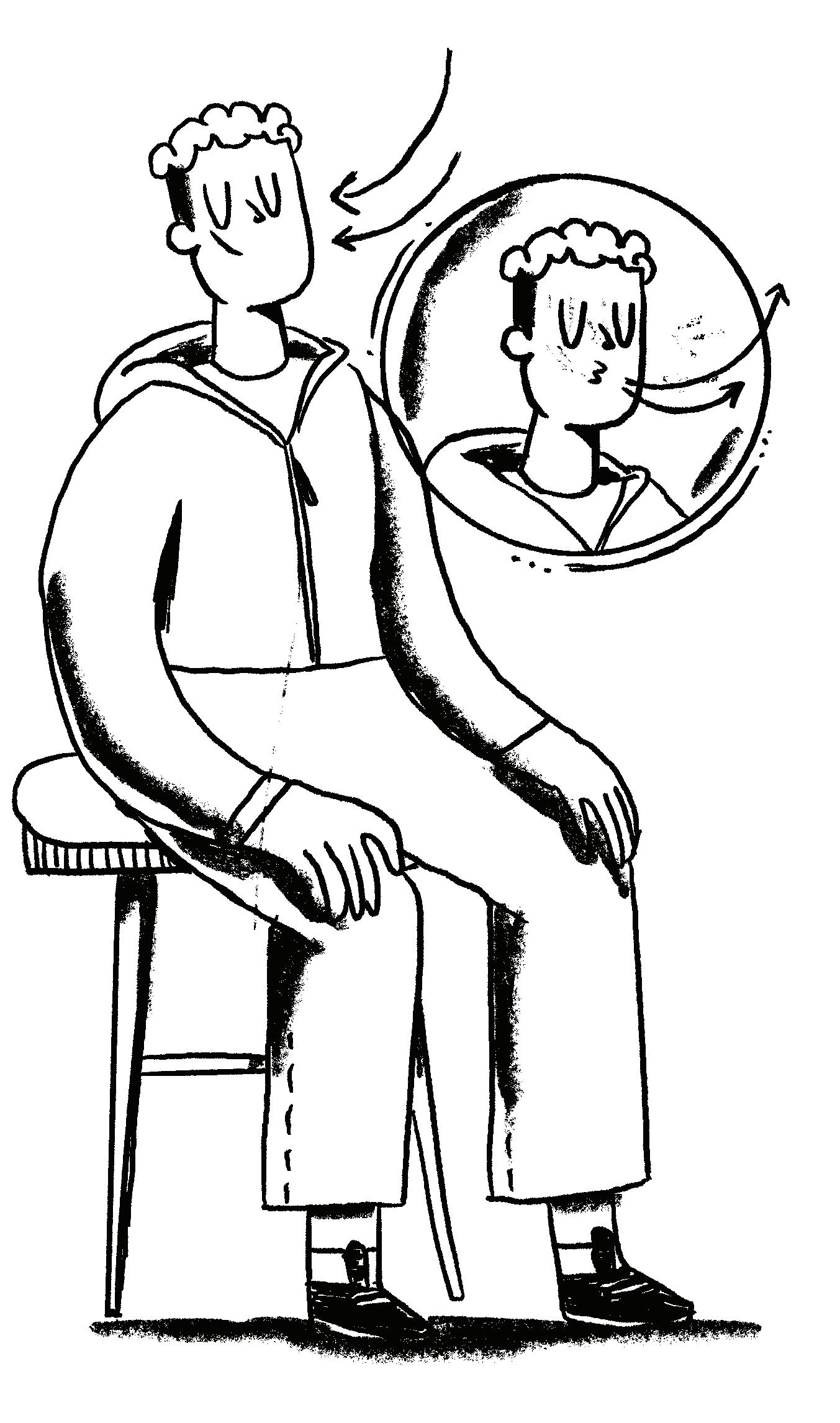
The more you practise, the quicker you’ll be able to re-establish calm in your body and mind during stressful times. It makes sense that we take time to practise activating this response, so we can re-establish a sense of calm when we need it, like during a class test.
Start here
SO, HOW CAN WE DO IT?
STEP 1
Sit up straight and uncross your arms and legs.
STEP 2
Inhale slowly through your nose, counting silently to 4.
STEP 3
Hold your breath, counting to 4.
STEP 4
Exhale slowly through your mouth, counting to 4.
STEP 5
Hold again for 4.
STEP 6
Repeat 3 to 5 times or until you feel calm.

Would you add this to your self-care toolkit?
Loneliness isn't just about being alone. It's that weird, heavy feeling when you feel disconnected, even when you're surrounded by people.
There are loads of reasons why you may feel lonely.
• School can be tough.
• Friend groups change; people drift apart.
• Social media makes everything seem perfect (but it's not!).
• You might feel different or like you don't fit in.
• Big life changes like moving or switching schools.
• Feeling like no one really gets you.
You don't need a massive group of friends. One or two real friends who actually understand you are worth way more than a hundred random acquaintances.
• Do things you enjoy.
• Keep a journal.
• Exercise (even just walking helps).
• Don't be too hard on yourself.
First things first – feeling lonely doesn't mean there's something wrong with you. Most teens go through this at some point.
• Get out of your comfort zone (just a little).
• Join a club at school.
• Try a new hobby.
• Volunteer.
• Take a class in something you're interested in.
Whether it's a parent, teacher, school counsellor, or a helpline — talking helps. There’s no shame in asking for support.
Childline: 1800 666 666
Spunout: Text SPUNOUT to 50808
Website: www.spunout.ie
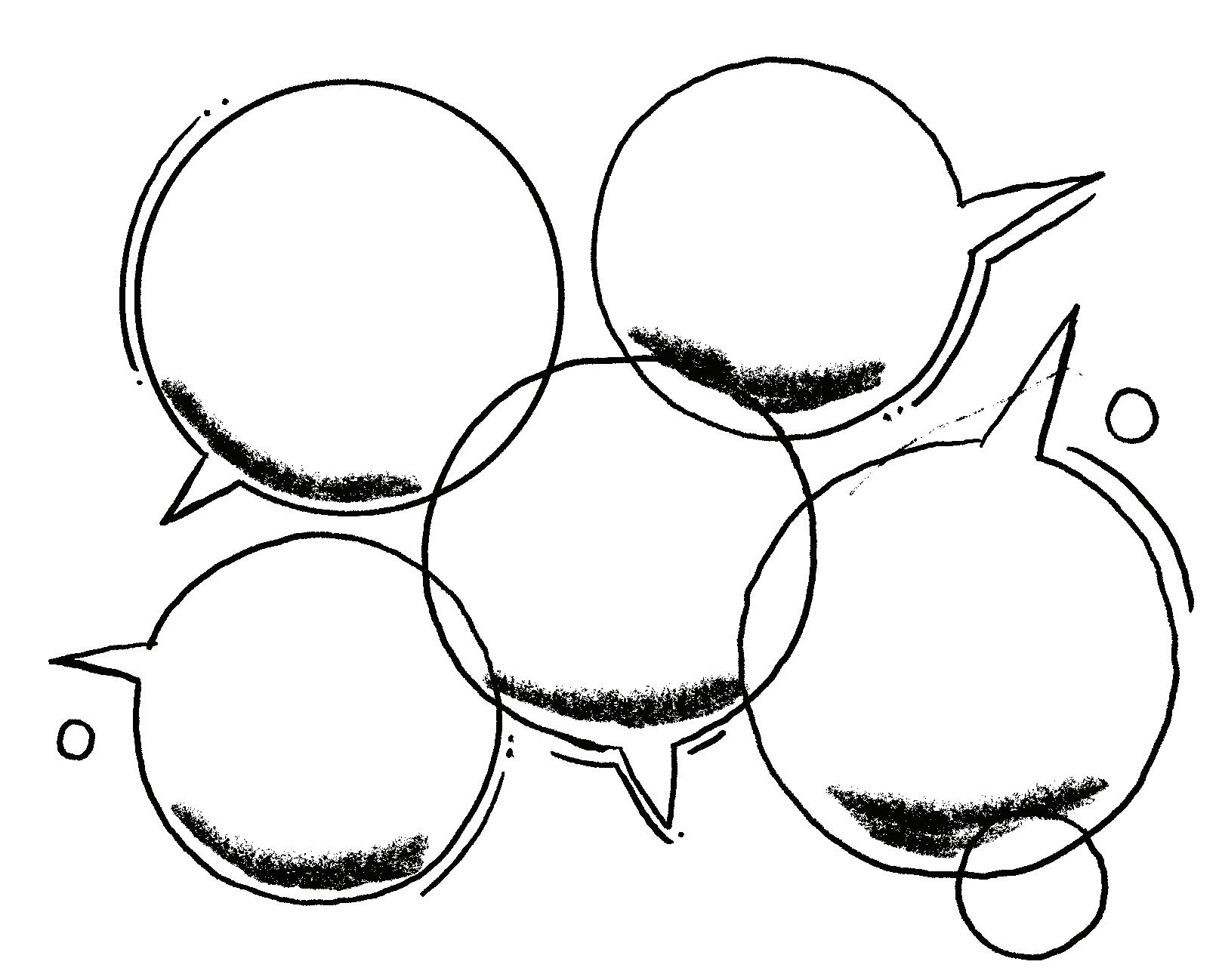
Take a moment to reflect on kindness in your life. Answer the following in a few sentences:
A time someone was kind to me (What happened? How did it make me feel?):
A small way I can show kindness every day:
Bullying is targeted and repeated behaviour— relationships between two people or groups of people.

While one incident may not be bullying, aggressive behaviour is not acceptable in any school. Let’s remember the Golden Rule: treat others as you’d like to be treated.
Disagreements or deciding that you don't want to be friends anymore is not bullying. However, if someone repeatedly tries to harm, exclude, or turn others against someone, that is bullying. Online, a hurtful post can feel like bullying if it spreads and continues to cause harm. If you’re feeling upset by someone’s behaviour, talk to a teacher or someone you trust—HELP IS ALWAYS AVAILABLE.


Create a set of illustrated scenarios showing different behaviours(both bullying and non-bullying).
( ) Tick if the situation is bullying.
( X ) Put an X if it is not bullying.
CLASS DISCUSSION – Review the answers together and discuss why certain situations are considered bullying and others are not.
Example scenarios for pictures:
• Two friends argue and stop talking for a day
• A student accidentally bumps into someone in the hallway
• Someone disagrees with a classmate in a group discussion
Bullying is repeated behaviour that hurts someone physically, emotionally, or socially.
Let a teacher, parent, or trusted adult know what happened.
Write down who, what, where and when. This helps adults take action.
Adults will speak with everyone involved to understand the situation. Adults will be fair and consistent.
If it continues or feels serious, adults will take extra steps to protect everyone.
Adults will check whether the bullying has stopped.
The teacher/adult may suggest ways to stop the bullying and make things better. You will be informed and involved in this process. Conversations will be conducted with sensitivity and they will ensure the privacy of those involved. Support
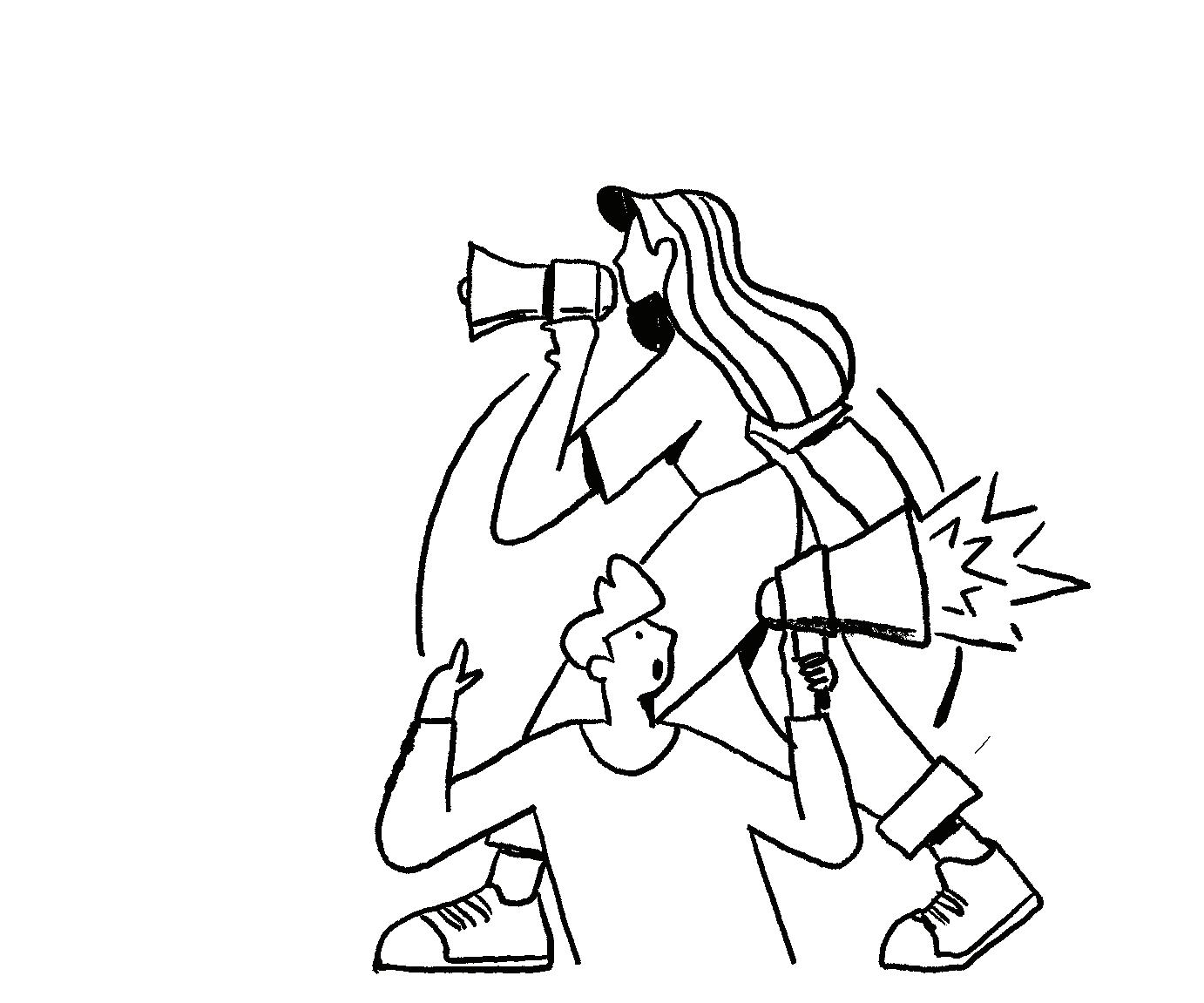
Below are some phrases to help you use your voice to challenge harmful and hateful words.
Let’s change the topic? I don't feel comfortable with this conversation."
It’s not a joke when it hurts people; let's treat everyone with respect."
I don't think it's fair to make fun of someone for who they are or where they come from."
I'm here for you. I’m sorry people have treated you this way. If you need support, I've got your back."
Listen to the song ‘Titanium’ by David Guetta and Sia.

Record below what you feel the message of this song is:
The opposite of bullying isn’t just not being mean, it's actively choosing to be kind. It’s using your voice, your presence, your social media to create a world where people feel safe, valued, heard and seen. When we are kind the following happens:
endorphins, making receiver feel happier.
When you show kindness to another person, it creates a ripple effect. Not only does it make them feel good, but you feel good too. An extra bonus is that they’re more likely to pass that kindness on to someone else!
Complete the following random acts of kindness, and after each one, take a moment to notice how it feels.

A CEIST SCHOOL PROMOTES the spiritual development of each person, achieves quality in teaching and learning, shows respect for every person, creates a sense of community and is founded on compassion and justice.
- Catholic Education an Irish Schools Trust (CEIST)
In 2007, the Congregations of five Religious Orders decided to join together and form a new organisation that would take over the responsibility of being patron to all of their secondary schools. As a result, CEIST was created and today it provides patron support to 105 secondary schools.
CEIST continues its mission, built on the founding vision of the five Congregations, emphasising the dignity and rights of the human person, empowering the most vulnerable in society and enabling young people to become agents for social transformation throughout the world. Learning and teaching take place in the context of our shared values, themselves based on Gospel values.







A
compassionate and just society inspired by the life and teachings of Jesus Christ
To provide a holistic education in the Catholic tradition.

The core values of CEIST support and nourish the lives of students, staff and parents.
Promoting Spiritual and Human Development
We believe a knowledge of and a personal relationship with Jesus Christ gives meaning and purpose to our lives.
Showing Respect for Every Person
We respect the unique and intrinsic value of every person.
Promoting Spiritual & Human Development
Showing Respect for Every Person
Creating Community
Our schools are faith communities of welcome and hospitality where Gospel values are lived and where there is special care for those most in need.
Being Just and Responsible
We seek to act justly and responsibly in all our relationships.
Being Just & Responsible
Achieving Quality in Teaching and Learning
Creating Community Achieving Quality In Teaching & Learning
We are committed to excellence and to continually improving the quality of teaching and learning.
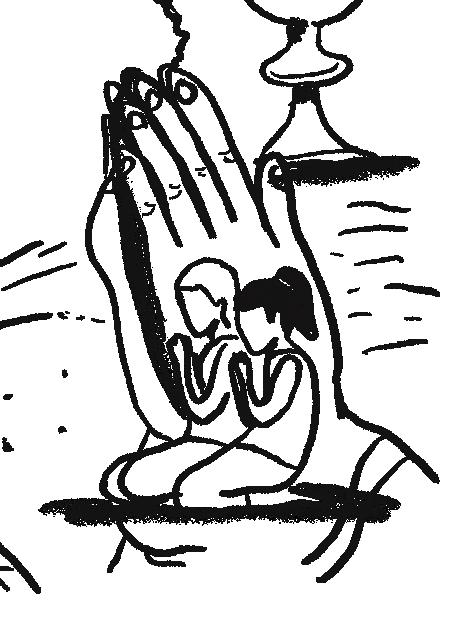
We come before You seeking wisdom and grace.
Guide us in our studies and strengthen our minds,
That we may learn with diligence and understanding.
Help us to grow in kindness and respect for others,
And to be a light of Your love in our school.
Grant us the courage to face challenges with faith,
And the humility to seek help when needed.
May we always serve You in all that we do.
Amen
Catholic Education, an Irish Schools Trust (CEIST) is the trustee body for 105 Catholic Voluntary Secondary Schools in Ireland. Its role is built on the vision of the five founding congregations: Daughters of Charity, Presentation Sisters, Sisters of the Christian Retreat, Sisters of Mercy and Missionaries of the Sacred Heart.
CEIST schools are committed to keeping the characteristic spirit of the founding congregations alive and relevant to education in modern Irish society.
Your school is an inclusive school. We provide students with an opportunity to grow and prepare for adult life and pay special attention to the intellectual, emotional, moral and spiritual development of every single student. Students are provided with opportunities to deepen their understanding of religion, participate in prayer services and liturgical celebrations, and engage in spiritual reflection and growth.[9]
The formation of CEIST was also made possible by the coming together of five congregations: Presentation Sisters, Mercy Sisters, Missionaries of the Sacred Heart, Daughters of Charity, Sisters of Christian Retreat.

Nano Nagle founded the Presentation Sisters and opened her first school in Cork in 1754. In setting up schools in defiance of the established colonial order, Nano Nagle sided with those who were poor. She challenged the institutional injustice that perpetuated marginalisation and poverty. In keeping with that ideal, Presentation schools promote a faith community inspired by Gospel values and a holistic response to the spiritual, moral, social, intellectual and physical needs of each student.
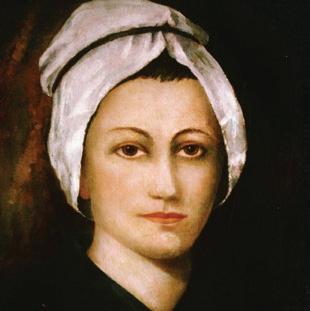

Catherine McAuley opened her first school in Dublin in 1827. Like Nano Nagle before her, Catherine McAuley began her work with the poorest people in Dublin and her first schools were primary schools for the improvement of literacy and the teaching of the Catholic faith to those who had no other opportunity to learn. She initiated fee-paying schools for those who could afford
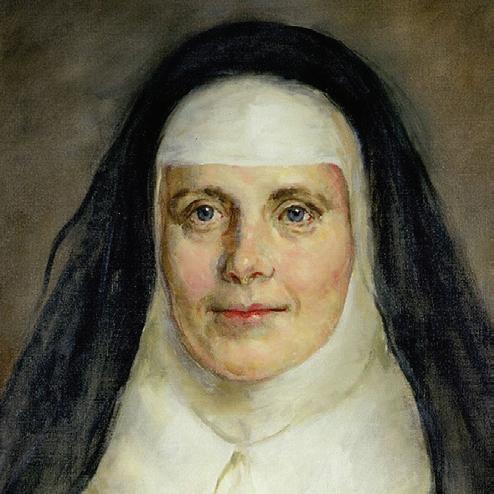

The formation of CEIST was also made possible by the coming together of three other congregations.
education, along with schools for those who could not pay. Inspired by the vision of Catherine McAuley, Mercy education is committed to the full development and the achievement of the potential of each student, particularly those who are disadvantaged or marginalised, conducted in an atmosphere of care, respect and joy.
Jules Chevalier, founder of the Missionaries of the Sacred Heart in 1854, discovered a Christ who is compassionate, faithful, loving and humane. Imbued with a deep sense of mission, he set up the Congregation to bring the Good News of God’s love to all people. He believed the lives of all could be enriched by a spirituality centred on the heart of Christ. This philosophy is the guiding principle in the various ministries of the Congregation, including schools.


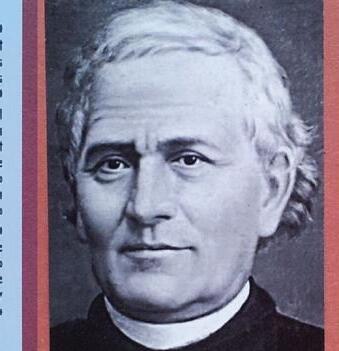

At the time of the French Revolution in 1789, Anthony Receveur founded the Sisters of the Christian Retreat. Their education programme offered a challenge to the French Revolutionaries’ idea of liberty, equality and fraternity that excluded God. Their aim was to awaken an alienated world to God through reflection, prayer and retreat. This objective is embodied in their approach to Catholic education.
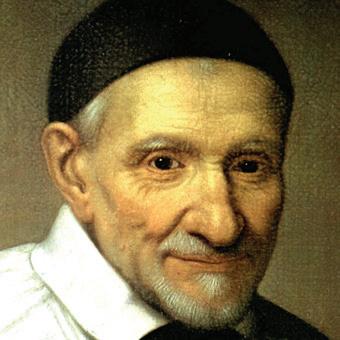
The Company of the Daughters of Charity, founded in France in 1633 by St. Vincent de Paul and St. Louise de Marillac, provided free schooling for the poorest girls. These first schools were concerned with literacy, helping girls to come to know and love God and also acquire skills that would make them independent.


The map opposite illustrates the geographical spread of the 105 schools which form the Network.


MAYO
Mount St. Michael Secondary School - Claremorris
Our Lady’s Secondary School - Belmullet
Sacred Heart School - Westport
Sancta Maria College - Louisburgh
Scoil Muire agus
Pádraig - Swinford
St. Joseph’s Secondary School - Castlebar
St. Mary’s Secondary School - Ballina
SLIGO
Mercy College - Sligo
Coláiste Muire - Ballymote
St. Mary’s College - Ballysadare
ROSCOMMON
Scoil Mhuire - Strokestown
Mercy College - Roscommon
GALWAY
Clonfert College - Ballinasloe
Calasanctius College - Oranmore
Coláiste Chroí Mhuire
gan Smal - An Spideal
Holy Rosary College - Mountbellew
Presentation Rockford
Manor - Blackrock

23 Schools
Presentation College - Headford
Presentation College
- Athenry
High Cross College - Tuam
St. Paul’s Secondary School - Oughterard
St. Raphael’s College - Loughrea
Coláiste Muire Máthair
- Galway



Coláiste Bríde - Clondalkin
Mercy College - Coolock
Our Lady of Mercy College - Beaumont
Our Lady of Mercy Secondary School - Drimnagh
Sancta Maria College - Ballyroan
St. Joseph’s College - Lucan
St. Joseph’s Secondary School - Rush
Mercy Secondary School - Inchicore
Presentation Rockford Manor - Blackrock
Presentation Secondary School - Warrenmount

St. Mary’s Secondary School - Newport
St. Mary’s Secondary School - Nenagh
Scoil Mhuire - Carrick-on-Suir
Presentation Secondary School - Thurles
Our Lady’s Secondary School - Templemore
Presentation Secondary School - Ballingarry
Presentation Secondary School - Clonmel
St. Anne’s Secondary School - Tipperary Town
CLARE
St. Joseph’s Secondary School - Tulla
Scoil Mhuire Secondary School - Buncrana
St. Columba’s College - Stranorlar
St Seton’s College - Ballyfermot
LOUTH
St. Vincent’s Secondary School - Dundalk
Sacred Heart Secondary School - Drogheda
Our Lady’s College - Drogheda
KILDARE
Scoil Dara - Kilcock
Coláiste Naomh Mhuire
- Naas
Ardscoil na Tríonóide
- Athy
St Mary’s Secondary School - New Ross
Presentation Secondary School - Wexford
St. Joseph’s Secondary School - Spanish Point
Scoil Mhuire - Ennistymon
Coláiste Muire - Ennis
Mary Immaculate Secondary School - Lisdoonvarna, Co. Clare
KERRY
St. Joseph’s Secondary School - Ballybunion
Mercy Secondary School
- Tralee
Presentation Secondary School - Castleisland
St. Brigid’s Secondary School - Killarney
Presentation Secondary School - Listowel
Presentation Secondary School - Milltown
Presentation Secondary School - Tralee

3 Schools
Our Lady’s Secondary School - Castleblayney
38 Schools
Coláiste Bríde - Enniscorthy
WICKLOW
St. Mary’s College - Arklow
CARLOW
St. Leo’s College - Carlow
Presentation College - Carlow
Presentation De La Salle College - Bagenalstown
WESTMEATH
St. Joseph’s Secondary School - Rochfortbridge
Mercy Secondary School - Kilbeggan
MEATH
St. Joseph’s Mercy Secondary School - Navan
Eureka Secondary School
- Kells
LIMERICK
Scoil na Tríonóide Naofa
- Doon
Ardscoil Mhuire - Corbally
Coláiste Nano Nagle
- Limerick
CORK
Coláiste na Toirbhirte
- Bandon
Christ King Girls’ Secondary School - Cork
Coláiste an Chroí Naofa
- Carraig na bhFear
St. Mary’s High School
- Midleton
Coláiste Muire Réalt na
Mara - Crosshaven
Scoil Mhuire - Kanturk
Mount Mercy College
- Cork
Mount St Michael Secondary SchoolRosscarbery
Scoil Mhuire - Trim LAOIS
Scoil Chríost Rí - Portlaoise
Coláiste Íosagáin - Portarlington
OFFALY
Sacred Heart Secondary School - Tullamore
Killina Presentation
Secondary School - Tullamore
KILKENNY
Presentation Secondary School - Loughboy
Coláiste Abhainn Rí - Callan
LONGFORD
Cnoc Mhuire - Granard
Meán Scoil Mhuire - Longford
Mercy Secondary School - Ballymahon
42 Schools
North Presentation
Secondary School - Farranree
Presentation Secondary School - Ballyphehane
Presentation Secondary School - Mitchelstown
Sacred Heart Secondary School - Clonakilty
St. Aloysius School - Cork
St. Mary’s Secondary School - Charleville
St. Mary’s Secondary School
- Macroom
St. Mary’s Secondary School - Mallow
Our Lady of Mercy Secondary School - Waterford
Presentation Secondary School - Waterford
Ard Scoil na nDéiseDungarvan


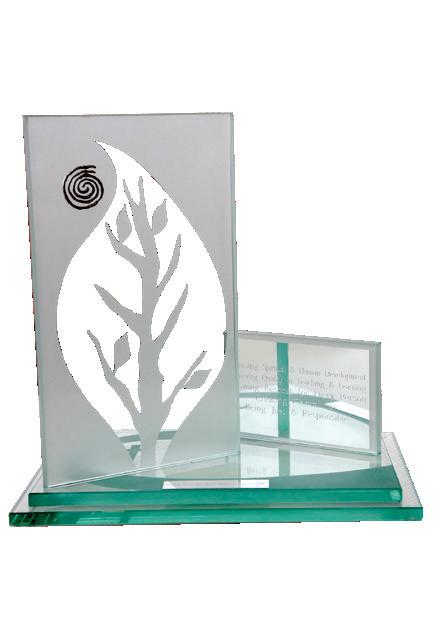

This special CEIST award is presented to one student in each school according to criteria set by the school’s teachers and principals. The award celebrates the achievement of all students whose actions and intentions reflect the spirit and values of CEIST.
Each year, CEIST schools take some time out from their busy routines to celebrate the annual Ceiliúradh CEIST Day on February 1st. This is a day when our CEIST schools, teachers and students can come together and do something special to recognise and showcase the unique ethos and spirit of what it means to be in the CEIST family of schools. It is a celebration of who we are and where we came from. This gives us great confidence in planning where we want to go next.
In the final term of every school year, CEIST welcomes student leaders from all of our schools across the country. Hundreds of students attend the Annual CEIST Student Conference to hear how students are empowered to contribute to the values and life of their school.
This is always a wonderful day, allowing student leaders to meet and share their stories as they explore student leadership and student voice and celebrate the shared identity.
To fully understand the importance of being healthy, you will now have the opportunity to learn about physical and mental health and the impact both have on your overall wellbeing.
One way that you can look after your physical health is by eating a balanced diet, getting sufficient sleep and doing some exercise each day. Good diet, sleep and exercise have countless physical and mental benefits.

• Helps to build and maintain healthy bones, muscles and joints
• Helps to control weight, build lean muscle and reduce fat
• Prevents and reduces high blood pressure
• Improves your memory and lengthens your attention span
• Improves your decision-making, planning and multi-tasking skills
• Increases your production of new nerve, blood and brain cells
Ensure you have a healthy diet.
Scan this bar code to access the food pyramid, which shows how often you should eat different food groups.
Ensure you get a good night’s sleep. Avoid being on a screen before you go to bed, and it’s best not to bring your phone into your bedroom.
Try to get a daily recommended physical activity of 30 minutes of exercise. Consider including a column for physical activity in your study timetable so you can actively make it part of your daily routine.
The most important thing about mental health is being aware of your feelings as they arise. This helps you identify stress triggers and how you react to them. It is important that you have people around you that you can talk to about these things.
assistance advice support
So, let’s identify people in your life that you can go to in the three categories below.
People in your life with whom you can talk about anything.
People in your life who you can go to for advice.
1 2 3 1 2 3
Names of agencies / support services available to you if you need them.
In the diagram below, fill in each circle with the various people in your life.
Start here
The more you practise, the quicker you’ll be able to re-establish calm in your body and mind during stressful times. It makes sense that we take time to practise activating this response, so we can re-establish a sense of calm when we need it, like during a class test. SO, HOW CAN WE DO IT?
STEP 1
Sit up straight and uncross your arms and legs.
STEP 2
Inhale slowly through your nose, counting silently to 4.
STEP 3
Hold your breath, counting to 4.
STEP 4
Exhale slowly through your mouth, counting to 4.
STEP 5
Hold again for 4.
STEP 6
Repeat 3 to 5 times or until you feel calm.
Loneliness isn't just about being alone. It's that weird, heavy feeling when you feel disconnected, even when you're surrounded by people.
There are loads of reasons why you may feel lonely.
• School can be tough.
• Friend groups change; people drift apart.
• Social media makes everything seem perfect (but it's not!).
• You might feel different or like you don't fit in.
• Big life changes like moving or switching schools.
• Feeling like no one really gets you.
You don't need a massive group of friends. One or two real friends who actually understand you are worth way more than a hundred random acquaintances.
• Do things you enjoy.
• Keep a journal.
• Exercise (even just walking helps).
• Don't be too hard on yourself.
First things first – feeling lonely doesn't mean there's something wrong with you. Most teens go through this at some point.
• Get out of your comfort zone (just a little).
• Join a club at school.
• Try a new hobby.
• Volunteer.
• Take a class in something you're interested in.
Whether it's a parent, teacher, school counsellor, or a helpline — talking helps. There’s no shame in asking for support.
Childline: 1800 666 666
Spunout: Text SPUNOUT to 50808
Website: www.spunout.ie
Bullying is targeted and repeated behaviour—online or offline—that causes physical, social, or emotional harm. It involves an imbalance of power in relationships between two people or groups of people.
While one incident may not be bullying, aggressive behaviour is not acceptable in any school. Let’s remember the Golden Rule: treat others as you’d like to be treated.
Disagreements or deciding that you don't want to be friends anymore is not bullying. However, if someone repeatedly tries to harm, exclude, or turn others against someone, that is bullying. Online, a hurtful post can feel like bullying if it spreads and continues to cause harm. If you’re feeling upset by someone’s behaviour, talk to a teacher or someone you trust—HELP IS ALWAYS AVAILABLE.
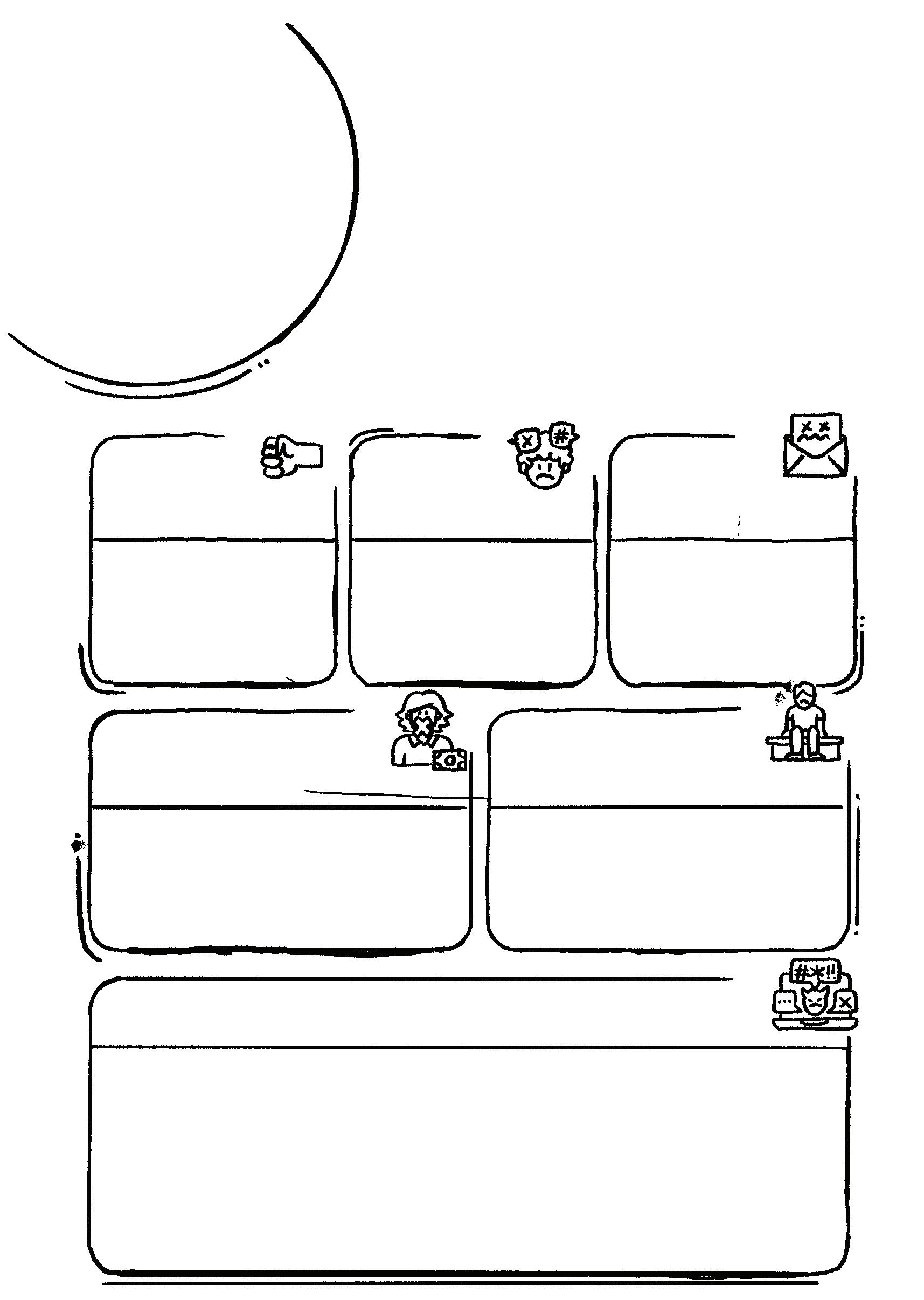
Create a set of illustrated scenarios showing different behaviours(both bullying and non-bullying).
( ) Tick if the situation is bullying.
( X ) Put an X if it is not bullying.
CLASS DISCUSSION – Review the answers together and discuss why certain situations are considered bullying and others are not.
Example scenarios for pictures:
• Two friends argue and stop talking for a day
• A student accidentally bumps into someone in the hallway
• Someone disagrees with a classmate in a group discussion
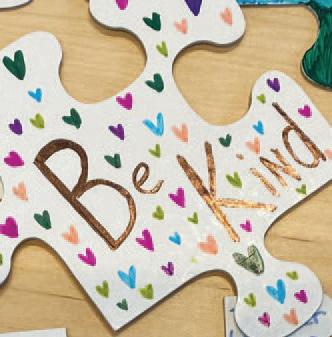
The opposite of bullying isn’t just not being mean, it's actively choosing to be kind. It’s using your voice, your presence, your social media to create a world where people feel safe, valued, heard and seen. When we are kind the following happens:
endorphins, making receiver feel happier.
When you show kindness to another person, it creates a ripple effect. Not only does it make them feel good, but you feel good too. An extra bonus is that they’re more likely to pass that kindness on to someone else!
Complete the following random acts of kindness, and after each one, take a moment to notice how it feels.
SMART goals are just goals that don’t set you up for failure. They help you to be clear about what you want, how you’ll get there, and when you’ll do it.
Here’s what SMART stands for:
MAKE IT CLEAR, NOT VAGUE
SO YOU ACTUALLY KNOW IF YOU’RE MAKING PROGRESS
NOT IMPOSSIBLE, BUT STILL A CHALLENGE
IT HAS TO MATTER TO YOU!
SET A DEADLINE OR IT’LL NEVER HAPPEN
“I want to get better at football.”
“I want to study more.”
“I want to improve my passing accuracy by 20% in the next two months.”
“I will study Maths for 30 minutes every day after school.”
“I want to go from failing to an A+ overnight.”
“I will bring my grade from a D to a B by the next test by doing 15 extra practice questions per week.”
1 YOU ACTUALLY ACHIEVE STUFF. SMART goals keep you from just wishing things would happen.
2 YOU AVOID LAST-MINUTE STRESS. No more cramming the night before a test (well…less cramming).
3 IT FEELS GOOD. Hitting a goal you set is honestly a great feeling.
4 YOU PROVE TO YOURSELF THAT YOU CAN. Each goal you achieve makes the next one easier.
“I want to learn how to play the harp.”
(Cool, but do you actually care about this?)
“I want to learn how to play guitar so I can join my friend’s band.”
“I’ll get fit someday.”
“I’ll run 5km without stopping by the end of April.”
Think of something you want to achieve this term. Maybe it’s:
• Running faster
• Getting better at a subject
• Learning a new skill
• Becoming more confident
Now turn it into a SMART goal. Write it down somewhere you’ll see it (your phone notes, your wall, your hand— whatever works). Then, actually start. The sooner you do, the sooner you’ll see results.
And remember, setting a goal is the first step. The next step? Actually doing the work. You’ve got this.
To help you make the most of your Transition Year, it is important that you reflect on what you want to get out of the programme. Here are some exercises to get you thinking about your goals, skills and aspirations for the year ahead.
(Personal Growth – Planning)
Create a vision board using words, images and drawings to represent what you want to achieve in TY. Include new experiences you want to try, skills you want to develop, career paths you’d like to explore and personal growth goals.

Rate yourself on a scale of 1 to 10 (1 = it needs significant development and 10 = you’re acing it) in the following areas:
Why did you give yourself this rating?
I gave myself a 6 because I feel comfortable speaking in small groups but struggle with presenting to larger audiences. Sometimes I am nervous when answering questions in class, even when I know the answer.
Why did you give yourself this rating?
I work well with others and enjoy collaborating on projects. I listen to different opinions and try to make sure everyone has a say. However, sometimes I don’t trust others to do their part.
What do you plan to work on in the weeks ahead?
I want to push myself to contribute more in class discussions and practise speaking in front of people. I will also prepare more thoroughly for presentations so I feel more confident.
What do you plan to work on in the weeks ahead?
I will work on trusting my teammates and not doing too much myself. I’ll also try to encourage quieter members of the group to contribute more.
Why did you give yourself this rating?
I don’t always feel comfortable taking charge in a group setting. I prefer following instructions rather than making decisions for others. When I do lead, I sometimes doubt whether I’m making the right choices.
List three things you would like to achieve in Term 1 across each of the focus areas in TY:
Speak up at least once per class discussion so that I become more confident
Read a personal development book
Join the school debating club
Improve my study habits
Seek feedback on my work
Try different learning strategies
Volunteer at least once
Help organise a school event
Support a classmate in need
Research at least three career options
Arrange a job-shadowing experience
Improve my CV and cover letter
What do you plan to work on in the weeks ahead?
I will take on small leadership roles, like organising tasks in group projects. I’ll also try to be more assertive in sharing my ideas.
Christmas
Oct. 30th
Sept. 30th
Oct 20th
Sept. 30th
Dec. 15th
Sept. 30th
Oct. 30th
Dec. 30th
Nov. 30th
Nov. 30th
Sept. 30th
I’ll feel more confident contributing and won’t hesitate to share my thoughts.
I will have learned new strategies for improving confidence and motivation.
I will have participated in an event or activity I previously avoided due to fear of failure.
I will have a study plan for every week and feel prepared for assessments.
I will actively ask teachers for feedback and use it to improve my assignments.
I will experiment with three different study techniques and see which works best for me.
I will have participated in a community or charity event.
I will have played an active role in planning or running a school event.
I will have noticed and helped someone struggling with school or personal challenges.
I will have a clearer idea of what interests me and what qualifications are needed for three careers.
I will have spent 20 hours observing someone in a career I’m curious about.
I will have an up-to-date CV ready for future opportunities.
Personal Skills Self-Assessment – At the Beginning of the Year
Rate yourself on a scale of 1 to 10 (1 = it needs significant development and 10 = you’re acing it) in the following areas:
Why did you give yourself this rating?
What do you plan to work on in the weeks ahead?
Why did you give yourself this rating?
What do you plan to work on in the weeks ahead?
Reflect on what you have achieved in each of the following areas during Term 1:
PERSONAL GROWTH
Over Term 1, I have grown in confidence and resilience. At the start of the year, I was hesitant to contribute to class discussions, but I’ve made a real effort to speak up more. I also challenged myself by joining the school debate team, which pushed me outside my comfort zone. Additionally, I’ve become better at managing my time, especially balancing schoolwork and extracurricular activities.
I have improved my study habits by setting a structured routine at home. In Junior Cycle, I used to leave things to the last minute, but now I plan ahead.
BEING A LEARNER
CIVIC AND COMMUNITY ENGAGEMENT
I’ve also tried different learning strategies, such as using mind maps and summarising notes in my own words. I feel more independent in my learning and more comfortable asking for feedback from teachers.
I got involved in a local community clean-up, which made me more aware of environmental issues. I also volunteered at a school event, helping to organise a fundraiser for a local charity. It felt good to contribute to something bigger than myself and see the impact we made. I now understand the importance of giving back and plan to get involved in more initiatives.
CAREER EXPLORATION
I attended a career talk from a guest speaker in business, which made me think about entrepreneurship as a potential career path. I also completed a career quiz that helped me identify areas I might be interested in. However, I haven’t done much hands-on career exploration yet, so I want to organise a jobshadowing opportunity next term.
List three things you enjoyed about Term 1.
Have you any key learning or takeaway from Term 1? 1 2 3
Joining the debate team – It helped me develop confidence and public speaking skills.
The Transition Year trip to the adventure centre – It was a great bonding experience and pushed me physically.
Organising a school event – I enjoyed the teamwork and sense of achievement.
Why did you enjoy these things?
Each of these experiences helped me grow in different ways. The debate team challenged me intellectually, the adventure trip helped build resilience, and the school event gave me leadership experience. They were all enjoyable because they pushed me outside my comfort zone but in a fun way.
List one thing you could have put more effort into in Term 1.
I could have put more effort into researching different careers. While I attended a career talk and did a quiz, I didn’t actively seek out experiences like job shadowing or informational interviews. Next term, I plan to be more proactive.
My biggest takeaway is that stepping outside my comfort zone leads to personal growth. Whether it was speaking in a debate, organising an event, or trying new study techniques, I found that the things I initially hesitated about were the most rewarding. I also learned the importance of planning ahead, both for schoolwork and personal goals.
Reflect on what you have achieved in each of the following areas during Term 1:
BEING A LEARNER
CIVIC AND COMMUNITY ENGAGEMENT
CAREER EXPLORATION
List three things you enjoyed about Term 1.
Why did you enjoy these things?
List one thing you could have put more effort into in Term 1.
Have you any key learning or takeaway from Term 1?
Personal Skills Self-Assessment – At the Beginning of Term 2
Rate yourself on a scale of 1 to 10 (1 = it needs significant development and 10 = you’re acing it) in the following areas:
Why did you give yourself this rating?
What do you plan to work on in the weeks ahead?
Why did you give yourself this rating?
What do you plan to work on in the weeks ahead?
Reflect on what you have achieved in each of the following areas during Term 2:
BEING A LEARNER
CIVIC AND COMMUNITY ENGAGEMENT
CAREER EXPLORATION
List three things you enjoyed about Term 2.
Why did you enjoy these things?
List one thing you could have put more effort into in Term 2.
Have you any key learning or takeaway from Term 2?
Personal Skills Self-Assessment – At the Beginning of Term 3
Rate yourself on a scale of 1 to 10 (1 = it needs significant development and 10 = you’re acing it) in the following areas:
Why did you give yourself this rating?
What do you plan to work on in the weeks ahead?
Why did you give yourself this rating?
What do you plan to work on in the weeks ahead?
Reflect on what you have achieved in each of the following areas during Term 3:
BEING A LEARNER
CIVIC AND COMMUNITY ENGAGEMENT
CAREER EXPLORATION
List three things you enjoyed about Term 3.
Why did you enjoy these things?
List one thing you could have put more effort into in Term 3.
Have you any key learning or takeaway from Term 3?
Personal Skills Self-Assessment – At the Beginning of Term 4
Rate yourself on a scale of 1 to 10 (1 = it needs significant development and 10 = you’re acing it) in the following areas:
Why did you give yourself this rating?
What do you plan to work on in the weeks ahead?
Why did you give yourself this rating?
What do you plan to work on in the weeks ahead?
Reflect on what you have achieved in each of the following areas during Term 4:
BEING A LEARNER
CIVIC AND COMMUNITY ENGAGEMENT
CAREER EXPLORATION
List three things you enjoyed about Term 4.
Why did you enjoy these things?
List one thing you could have put more effort into in Term 4.
Have you any key learning or takeaway from Term 4?
In TY you do loads of things such as work experience, projects, trips and volunteering, but reflection is what helps those experiences actually change you. Reflection helps you to:
• Notice what you’re good at (and prove it with examples)
• Spot what didn’t work without beating yourself up
• Build confidence by tracking your growth over time
Learning happens when you stop and ask: “WHAT DID THAT TEACH ME?”
Reflection makes it easier to explain your strengths in interviews, write personal statements and CVs, and make better decisions because you know what matters to you.
DO - You take part. You try. You show up. For example, you participate in work placements, presentations, team projects, coaching, organising events etc.
REVIEW - You pause and look back honestly. Not just, ‘Was it good or bad?’ but more like, ‘What actually happened… and why?’
LEARN - You take out of the lesson a skill, a strength, a mistake, a mindset shift, a new strategy. IMPROVE - You decide what you’ll do differently next time — one clear change.
• What was my role?
• What did I contribute?
• What decisions did I make?
• What surprised me?
• What was enjoyable/ stressful/ awkward?
• When did I feel confident or doubtful?
• What skill did I improve?
• What did I learn about working on my own or with others?
What would I do differently next time? (Improve)
• What’s one change I’ll make?
• What will I start / stop / continue doing?
• What support or strategy would help?
A good reflection isn’t a summary. A reflection is: ‘Here’s what I did, what I noticed, what I learned, and what I’ll change next time.’
Sentence starters (to get you going)
• At the start, I expected… but I realised…
• The biggest challenge was… because…
• I handled it by… and the result was…
• One thing I’m proud of is…
• Next time, I will… so that…
• This matters because…
What makes a reflection strong?
• Specific (gives examples)
• Honest (not pretending everything was perfect)
• Balanced (what went well + what could be improved)
• Focused on learning (not blaming yourself or others)
• Ends with a plan (one practical change)
Reflection isn’t the end, it’s the start. After you reflect, you’re meant to use what you’ve learnt. Otherwise it’s just words on a page. So, pick one improvement goal based on your reflection, such as ‘next time I’ll speak up earlier in group work’ or ‘I’ll manage my time by using a checklist.’
Reflection is not about being perfect. It’s about collecting receipts for your growth. After a reflection, teachers/ mentors can help you:
Notice
Then you re-enter the cycle:
Spot strengths you didn’t see
Each time you go around the cycle, you’re upgrading.
Reflection is the bridge between doing and improving. Reflection turns ‘I did’ into ‘I can.’
TITLE:
DATE(S):
Film Competition – Our World
2/11/20xx to 25/11/20xx
SUBJECT AREA(S):
OVERALL RATING:
Film Studies
RELATES TO: PERSONAL GROWTH BEING A LEARNER SOCIAL AND COMMUNITY ENGAGEMENT CAREER EXPLORATION
Describe in some detail the project/activity undertaken:
A filmmaking project where a group of us made a film about our lives as young people and the world we live in.
What did you enjoy most about this project/activity? Why?
It was great fun making a film with other people in my class.
What did you learn as a result of completing this project/activity?
Teamwork
How would you rate your own level of participation during this project/activity?
Could have been better at the start because I realised that I wasted a lot of time trying to figure out things as I went along, rather than taking the time in the beginning.
In what ways will what you learned from this project/activity help you in the future?
I learned new IT skills in filmmaking and social skills involved in teamwork.
What would I do differently next time?
Decide on the theme of the film sooner.
TITLE:
DATE(S):
Film Competition – Our World
2/11/20xx to 25/11/20xx
Film Studies
SUBJECT AREA(S):
OVERALL RATING:
Describe in some detail the project/activity undertaken:
A filmmaking project where a group of us made an 8-minute film giving an insight into our lives as teenagers and our outlook on the world around us. We entered the film in a film competition and had a screening in our school at lunchtime.
What did you enjoy most about this project/activity? Why?
I really enjoyed this project because I got to learn exciting new skills involved in filmmaking. I had never made a film before and didn’t understand what was involved.
What did you learn as a result of completing this project/activity?
I learned new IT skills in filmmaking. Also, learning how to work together as a team to achieve something. I learned so much about what was involved in teamwork, like conflict resolution for when we didn’t agree about things and the various roles and responsibilities in a team.
How would you rate your own level of participation during this project/activity?
Good, but because I wasted a lot of time trying to figure out things as I went along rather than taking the time in the beginning to get to know the software, I feel I can improve.
In what ways will what you learned from this project/activity help you in the future?
I learned new IT skills in filmmaking and social skills involved in teamwork. I feel more confident about working together in team exercises.
What would I do differently next time?
I would spend more time initially learning how to use the software.
TITLE:
DATE(S):
SUBJECT AREA(S):
OVERALL RATING:
RELATES TO: PERSONAL GROWTH BEING A LEARNER SOCIAL AND COMMUNITY ENGAGEMENT CAREER EXPLORATION
Describe in some detail the project/activity undertaken:
What did you enjoy most about this project/activity? Why?
What did you learn as a result of completing this project/activity?
How would you rate your own level of participation during this project/activity?
In what ways will what you learned from this project/activity help you in the future?
What would I do differently next time?
TITLE:
DATE(S):
RELATES
Describe in some detail the project/activity undertaken:
SUBJECT AREA(S):
OVERALL RATING:
What did you enjoy most about this project/activity? Why?
What did you learn as a result of completing this project/activity?
How would you rate your own level of participation during this project/activity?
In what ways will what you learned from this project/activity help you in the future?
What would I do differently next time?
TITLE:
DATE(S):
SUBJECT AREA(S):
OVERALL RATING:
RELATES TO: PERSONAL GROWTH BEING A LEARNER SOCIAL AND COMMUNITY ENGAGEMENT CAREER EXPLORATION
Describe in some detail the project/activity undertaken:
What did you enjoy most about this project/activity? Why?
What did you learn as a result of completing this project/activity?
How would you rate your own level of participation during this project/activity?
In what ways will what you learned from this project/activity help you in the future?
What would I do differently next time?
TITLE:
DATE(S):
RELATES
Describe in some detail the project/activity undertaken:
SUBJECT AREA(S):
OVERALL RATING:
What did you enjoy most about this project/activity? Why?
What did you learn as a result of completing this project/activity?
How would you rate your own level of participation during this project/activity?
In what ways will what you learned from this project/activity help you in the future?
What would I do differently next time?
TITLE:
DATE(S):
SUBJECT AREA(S):
OVERALL RATING:
RELATES TO: PERSONAL GROWTH BEING A LEARNER SOCIAL AND COMMUNITY ENGAGEMENT CAREER EXPLORATION
Describe in some detail the project/activity undertaken:
What did you enjoy most about this project/activity? Why?
What did you learn as a result of completing this project/activity?
In what ways will what you learned from this project/activity help you in the future?
How would you rate your own level of participation during this project/activity?
TITLE:
DATE(S):
RELATES TO: PERSONAL GROWTH
BEING A LEARNER
SUBJECT AREA(S):
OVERALL RATING:
SOCIAL AND COMMUNITY ENGAGEMENT CAREER EXPLORATION
Describe in some detail the project/activity undertaken:
What did you enjoy most about this project/activity? Why?
What did you learn as a result of completing this project/activity?
In what ways will what you learned from this project/activity help you in the future?
How would you rate your own level of participation during this project/activity?
TITLE:
DATE(S):
SUBJECT AREA(S):
OVERALL RATING:
RELATES TO: PERSONAL GROWTH BEING A LEARNER SOCIAL AND COMMUNITY ENGAGEMENT CAREER EXPLORATION
Describe in some detail the project/activity undertaken:
What did you enjoy most about this project/activity? Why?
What did you learn as a result of completing this project/activity?
How would you rate your own level of participation during this project/activity?
In what ways will what you learned from this project/activity help you in the future?
What would I do differently next time?
TITLE:
DATE(S):
RELATES
Describe in some detail the project/activity undertaken:
SUBJECT AREA(S):
OVERALL RATING:
What did you enjoy most about this project/activity? Why?
What did you learn as a result of completing this project/activity?
How would you rate your own level of participation during this project/activity?
In what ways will what you learned from this project/activity help you in the future?
What would I do differently next time?
TITLE:
DATE(S):
SUBJECT AREA(S):
OVERALL RATING:
RELATES TO: PERSONAL GROWTH BEING A LEARNER SOCIAL AND COMMUNITY ENGAGEMENT CAREER EXPLORATION
Describe in some detail the project/activity undertaken:
What did you enjoy most about this project/activity? Why?
What did you learn as a result of completing this project/activity?
How would you rate your own level of participation during this project/activity?
In what ways will what you learned from this project/activity help you in the future?
What would I do differently next time?
TITLE:
DATE(S):
RELATES
Describe in some detail the project/activity undertaken:
SUBJECT AREA(S):
OVERALL RATING:
What did you enjoy most about this project/activity? Why?
What did you learn as a result of completing this project/activity?
How would you rate your own level of participation during this project/activity?
In what ways will what you learned from this project/activity help you in the future?
What would I do differently next time?
DESTINATION:
Delphi Adventure Centre
10/10/20xx to 11/10/20xx
DATE(S):
SUBJECT AREA(S):
Outdoor Pursuits
OVERALL RATING:
Describe in some detail the trip/excursion undertaken:
Our class went to the Delphi Adventure Centre to do some outdoor activities like canoeing, orienteering and rock climbing.
What did you enjoy most about the trip/excursion? Why?
Being outdoors with my friends and doing something fun.
What did you enjoy least about the trip/excursion? Why?
The canoeing, as I had never done anything like that before and was scared of not getting it right.
What did you learn about yourself as a person on the trip/excursion?
I learned that it is important to stick at something and give it a try even when you don’t want to, and this matters because we all have to try different things in life that we might not like.
How would you rate your own level of participation during this trip/excursion?
Good, because I was willing to try new things.
What skills did you learn or develop while on the trip/excursion?
Orienteering and how to tie some special knots in a rope.
What is one thing you could do in the future to learn more from your trips and excursions?
I would ask for help sooner when the instructions aren’t clear.
DESTINATION:
Delphi Adventure Centre
DATE(S):
10/10/20xx to 11/10/20xx
RELATES TO: PERSONAL GROWTH
Describe in some detail the trip/excursion undertaken:
SUBJECT AREA(S):
Outdoor Pursuits
OVERALL RATING:
Our class went to the Delphi Adventure Centre to do some outdoor activities like canoeing, orienteering and rock climbing. We had a busy schedule of outdoor activities with our group leaders during the day.
What did you enjoy most about the trip/excursion? Why?
I really enjoyed the activities as I had never done some of them before. There was a really nice atmosphere and everyone was having fun.
What did you enjoy least about the trip/excursion? Why?
The canoeing, as I had never done anything like that before and was scared of not getting it right. It was hard to control the canoe at first and I was a little scared.
What did you learn about yourself as a person on the trip/excursion?
I learned that it is important to stick at something and give it a try even when you don’t want to and that this matters because we all have to try different things in life that we might not like.
How would you rate your own level of participation during this trip/excursion?
Good, because I was willing to try new things and get involved, even if some of them scared me at first. I learned that it’s good to face your fears and I can’t wait to try again.
What skills did you learn or develop while on the trip/excursion?
Orienteering taught us how to navigate around an area using a map and during rock climbing we learned how to tie a “figure of eight” knot in a rope, which is really strong.
What one thing can you do in the future to get more learning from your trips and excursions?
I would try to calm my fear of trying new things, i.e. canoeing.
DESTINATION:
DATE(S):
SUBJECT AREA(S):
OVERALL RATING:
RELATES TO: PERSONAL GROWTH BEING A LEARNER SOCIAL AND COMMUNITY ENGAGEMENT CAREER EXPLORATION
Describe in some detail the trip/excursion undertaken:
What did you enjoy most about the trip/excursion? Why?
What did you enjoy least about the trip/excursion? Why?
What did you learn about yourself as a person on the trip/excursion?
How would you rate your own level of participation during this trip/excursion?
What skills did you learn or develop while on the trip/excursion?
What is one thing you could do in the future to learn more from your trips and excursions?
DESTINATION:
DATE(S):
RELATES TO: PERSONAL GROWTH BEING A LEARNER
Describe in some detail the trip/excursion undertaken:
SUBJECT AREA(S):
OVERALL RATING:
What did you enjoy most about the trip/excursion? Why?
What did you enjoy least about the trip/excursion? Why?
What did you learn about yourself as a person on the trip/excursion?
How would you rate your own level of participation during this trip/excursion?
What skills did you learn or develop while on the trip/excursion?
What one thing can you do in the future to get more learning from your trips and excursions?
DESTINATION:
DATE(S):
RELATES TO: PERSONAL GROWTH BEING A LEARNER
SUBJECT AREA(S):
OVERALL RATING:
SOCIAL AND COMMUNITY ENGAGEMENT CAREER EXPLORATION
Describe in some detail the trip/excursion undertaken:
What did you enjoy most about the trip/excursion? Why?
What did you enjoy least about the trip/excursion? Why?
What did you learn about yourself as a person on the trip/excursion?
How would you rate your own level of participation during this trip/excursion?
What skills did you learn or develop while on the trip/excursion?
What is one thing you could do in the future to learn more from your trips and excursions?
DESTINATION:
DATE(S):
RELATES TO: PERSONAL GROWTH BEING A LEARNER
Describe in some detail the trip/excursion undertaken:
SUBJECT AREA(S):
OVERALL RATING:
What did you enjoy most about the trip/excursion? Why?
What did you enjoy least about the trip/excursion? Why?
What did you learn about yourself as a person on the trip/excursion?
How would you rate your own level of participation during this trip/excursion?
What skills did you learn or develop while on the trip/excursion?
What one thing can you do in the future to get more learning from your trips and excursions?
DESTINATION:
DATE(S):
RELATES TO: PERSONAL GROWTH BEING A LEARNER
SUBJECT AREA(S):
OVERALL RATING:
SOCIAL AND COMMUNITY ENGAGEMENT CAREER EXPLORATION
Describe in some detail the trip/excursion undertaken:
What did you enjoy most about the trip/excursion? Why?
What did you enjoy least about the trip/excursion? Why?
What did you learn about yourself as a person on the trip/excursion?
How would you rate your own level of participation during this trip/excursion?
What skills did you learn or develop while on the trip/excursion?
What is one thing you could do in the future to learn more from your trips and excursions?
DESTINATION:
DATE(S):
RELATES TO: PERSONAL GROWTH BEING A LEARNER
Describe in some detail the trip/excursion undertaken:
SUBJECT AREA(S):
OVERALL RATING:
What did you enjoy most about the trip/excursion? Why?
What did you enjoy least about the trip/excursion? Why?
What did you learn about yourself as a person on the trip/excursion?
How would you rate your own level of participation during this trip/excursion?
What skills did you learn or develop while on the trip/excursion?
What one thing can you do in the future to get more learning from your trips and excursions?
SPEAKER:
DATE(S):
The Super Generation
01/11/20xx
VENUE:
OVERALL RATING:
School hall
Give a summary of the talk/presentation. What was the main topic? What points were made?
The speaker was from The Super Generation, and the topic was wellbeing. He talked about dealing with stress and how to manage my emotions.
How did this talk/presentation relate to other aspects of your work in TY?
We are learning about wellbeing in another class and we made posters about it for the school.
What did you learn as a result of this talk/presentation?
How to manage my stress levels and what to do if I am feeling stressed.
How would you rate your own level of participation during this talk/presentation?
It was good. A few others asked some questions but I didn’t. I learned about positive thinking and how having a positive outlook can change everything.
As a result of this talk/presentation, what will you do differently in the future?
Exercise more.
SPEAKER:
DATE(S):
The Super Generation
01/11/20xx
School hall
VENUE:
OVERALL RATING:
Give a summary of the talk/presentation. What was the main topic? What points were made?
How did this talk/presentation relate to other aspects of your work in TY?
The speaker was from The Super Generation. The talk showed me how to recognise stress in myself. I now have a better sense of how I react and behave when I’m stressed. The speaker talked about various ways of managing stress in our lives and different strategies we can use. She also discussed how feeling affects how we respond to situations in life. We are learning about wellbeing in another class and this talk went into a lot of detail, especially around the area of managing our own stress. This relates to all aspects of my work in TY because I have a lot of different projects and deadlines. This will be useful for after TY.
What did you learn as a result of this talk/presentation?
I learned more about the importance of exercise in keeping healthy, and that exercising regularly helps me reduce stress and creates an outlet for me. I also learned how important having connections and good relationships with others is to us.
How would you rate your own level of participation during this talk/presentation?
It was good. I asked the speaker a question about studying. I learned how my thoughts affect how I feel and that in turn affects how I act. I will try and make sure that I keep my thoughts as positive as possible in the future to help me succeed.
As a result of this talk/presentation, what will you do differently in the future?
I want to apply what I learned to my life and start exercising more.
SPEAKER:
DATE(S):
VENUE:
OVERALL RATING:
Give a summary of the talk/presentation. What was the main topic? What points were made?
How did this talk/presentation relate to other aspects of your work in TY?
What did you learn as a result of this talk/presentation?
How would you rate your own level of participation during this talk/presentation?
As a result of this talk/presentation, what will you do differently in the future?
SPEAKER:
DATE(S):
VENUE:
OVERALL RATING:
Give a summary of the talk/presentation. What was the main topic? What points were made?
How did this talk/presentation relate to other aspects of your work in TY?
What did you learn as a result of this talk/presentation?
How would you rate your own level of participation during this talk/presentation?
As a result of this talk/presentation, what will you do differently in the future?
SPEAKER:
DATE(S):
VENUE:
OVERALL RATING:
Give a summary of the talk/presentation. What was the main topic? What points were made?
How did this talk/presentation relate to other aspects of your work in TY?
What did you learn as a result of this talk/presentation?
How would you rate your own level of participation during this talk/presentation?
As a result of this talk/presentation, what will you do differently in the future?
SPEAKER:
DATE(S):
VENUE:
OVERALL RATING:
Give a summary of the talk/presentation. What was the main topic? What points were made?
How did this talk/presentation relate to other aspects of your work in TY?
What did you learn as a result of this talk/presentation?
How would you rate your own level of participation during this talk/presentation?
As a result of this talk/presentation, what will you do differently in the future?
SPEAKER:
DATE(S):
VENUE:
OVERALL RATING:
Give a summary of the talk/presentation. What was the main topic? What points were made?
How did this talk/presentation relate to other aspects of your work in TY?
What did you learn as a result of this talk/presentation?
How would you rate your own level of participation during this talk/presentation?
As a result of this talk/presentation, what will you do differently in the future?
SPEAKER:
DATE(S):
VENUE:
OVERALL RATING:
Give a summary of the talk/presentation. What was the main topic? What points were made?
How did this talk/presentation relate to other aspects of your work in TY?
What did you learn as a result of this talk/presentation?
How would you rate your own level of participation during this talk/presentation?
As a result of this talk/presentation, what will you do differently in the future?
SPEAKER:
DATE(S):
VENUE:
OVERALL RATING:
Give a summary of the talk/presentation. What was the main topic? What points were made?
How did this talk/presentation relate to other aspects of your work in TY?
What did you learn as a result of this talk/presentation?
How would you rate your own level of participation during this talk/presentation?
As a result of this talk/presentation, what will you do differently in the future?
SPEAKER:
DATE(S):
VENUE:
OVERALL RATING:
Give a summary of the talk/presentation. What was the main topic? What points were made?
How did this talk/presentation relate to other aspects of your work in TY?
What did you learn as a result of this talk/presentation?
How would you rate your own level of participation during this talk/presentation?
As a result of this talk/presentation, what will you do differently in the future?
SPEAKER:
DATE(S):
VENUE:
OVERALL RATING:
Give a summary of the talk/presentation. What was the main topic? What points were made?
How did this talk/presentation relate to other aspects of your work in TY?
What did you learn as a result of this talk/presentation?
How would you rate your own level of participation during this talk/presentation?
As a result of this talk/presentation, what will you do differently in the future?
SPEAKER:
DATE(S):
VENUE:
OVERALL RATING:
Give a summary of the talk/presentation. What was the main topic? What points were made?
How did this talk/presentation relate to other aspects of your work in TY?
What did you learn as a result of this talk/presentation?
How would you rate your own level of participation during this talk/presentation?
As a result of this talk/presentation, what will you do differently in the future?
COMPANY:
START DATE:
RATING:
Ballygort Regional Hospital Day Nurse Assistant
08/01/20xx
ROLE: END DATE:
12/01/20xx
Record your work experience dates and tasks undertaken in the table below.
08/01/20xx
09/01/20xx
10/01/20xx
11/01/20xx
12/01/20xx
Escorting or guiding visitors within the facility
Chatting with and providing companionship to patients
Chatting with and providing companionship to patients
Learning how to use basic equipment (under supervision)
Shadowing staff during patient care (without direct involvement)
Describe your role(s) in this work experience placement.
I was on work experience for one week in the hospital. On the 1st day, I was working with the porters bringing people around various parts of the hospital. The 2nd and 3rd day, I was on the wards chatting to the patients. On the 4th day, I got to spend the day in radiology, where they showed me how all the different machines work and how they take different types of x-rays, and then on my last day, I got to meet some of the outpatients coming in for physiotherapy.
Describe how you secured this work experience placement.
Our teacher gave us the contact details and we had to apply for the work experience placement. Before the application, we had to make our CVs and write a cover letter to explain why we wanted to get the work experience. I was able to say that I had volunteered in the Rehab Centre before.
What did you enjoy least about this work experience placement? Why?
I did not like having to be on my feet all day. I was quite tired at the end of each day.
Did your experience live up to your expectations? Why/Why not?
I knew nurses were very busy and I learned all about the different things that nurses have to do each day. I expected it to be a busy job and it really is, but it was also a very fun job because there is a lot of support from other nurses and the ward manager. The atmosphere in the staff room is very friendly. The patients are all very nice too.
Describe the biggest challenge you faced during this placement and how you overcame it.
I felt a bit uncomfortable around the patients to begin with, because I wasn’t sure how to behave around them. I watched the nurses and followed their example. I quickly got used to walking up to strangers and talking to them, so I relaxed and started to enjoy myself.
How would you rate your own level of participation during this work experience placement?
How has this work experience placement affected your thoughts on your career path for the future?
I have a much better understanding of the job now after this experience. I know that I have to develop my communication and organisational skills if I want to work as a nurse. I really enjoyed my experience and it has made me even more sure that I want to study nursing. I am now thinking about colleges and the requirements. Very good. I really enjoyed doing the work so I was enthusiastic and willing to help out as much as I could. I wasn’t sure if I would like to work in a hospital because of what you hear about overcrowding and doctors working crazy hours and all that. But I really loved it and was excited to go every day and know I definitely would like to know more about becoming a nurse.
COMPANY:
START DATE:
RATING:
ROLE: END DATE:
Record your work experience dates and tasks undertaken in the table below.
Describe your role(s) in this work experience placement.
Describe how you secured this work experience placement.
What did you enjoy least about this work experience placement? Why?
Did your experience live up to your expectations? Why/Why not?
Describe the biggest challenge you faced during this placement and how you overcame it.
How would you rate your own level of participation during this work experience placement?
How has this work experience placement affected your thoughts on your career path for the future?
COMPANY:
START DATE:
RATING:
ROLE: END DATE:
Record your work experience dates and tasks undertaken in the table below.
Describe your role(s) in this work experience placement.
Describe how you secured this work experience placement.
What did you enjoy least about this work experience placement? Why?
Did your experience live up to your expectations? Why/Why not?
Describe the biggest challenge you faced during this placement and how you overcame it.
How would you rate your own level of participation during this work experience placement?
How has this work experience placement affected your thoughts on your career path for the future?
COMPANY:
START DATE:
RATING:
ROLE: END DATE:
Record your work experience dates and tasks undertaken in the table below.
Describe your role(s) in this work experience placement.
Describe how you secured this work experience placement.
What did you enjoy least about this work experience placement? Why?
Did your experience live up to your expectations? Why/Why not?
Describe the biggest challenge you faced during this placement and how you overcame it.
How would you rate your own level of participation during this work experience placement?
How has this work experience placement affected your thoughts on your career path for the future?
COMPANY:
START DATE:
RATING:
ROLE: END DATE:
Record your work experience dates and tasks undertaken in the table below.
Describe your role(s) in this work experience placement.
Describe how you secured this work experience placement.
What did you enjoy least about this work experience placement? Why?
Did your experience live up to your expectations? Why/Why not?
Describe the biggest challenge you faced during this placement and how you overcame it.
How would you rate your own level of participation during this work experience placement?
How has this work experience placement affected your thoughts on your career path for the future?
PLACEMENT:
START DATE:
centre
05/12/20xx
Describe the community work you were involved in.
RATING:
END DATE:
08/12/20xx
Volunteering at the local REHAB centre, helping set up for lunch, playing games and talking with the clients.
What did you enjoy most about this community work?
I really enjoyed my time at the centre. I had lots of fun with the clients.
How did the community work live up to your expectations?
I didn’t really have any expectations other than I was hoping to feel like I made a difference in someone’s life, even if it was small, and I think I did.
Describe the biggest challenge you faced and how you overcame it.
I was not used to being around people with disabilities, but after a little bit of time, I got used to it and everyone relaxed.
How would you rate your own level of participation during this community work?
Poor in the beginning as I was quite unsure of what to do, but I got better as time went on.
List the skills you learned and/or developed during this community work.
How to communicate better with people with intellectual disabilities.
What will you do differently, or how will you think differently in the future, as a result of this community engagement?
I would talk more to the patients.
PLACEMENT:
Local REHAB centre
START DATE: RATING:
05/12/20xx
Describe the community work you were involved in.
08/12/20xx
Helping out the staff at our local REHAB centre, which works with people with intellectual disabilities. The clients come to the centre every day to take part in activities and to socialise with each other.
What did you enjoy most about this community work?
I really enjoyed my time at the centre. I had lots of fun with the clients. I would like to learn more about the work REHAB and other organisations are doing to assist people with intellectual disabilities and how I could possibly help out more in the future in different ways.
How did the community work live up to your expectations?
I was glad to get this placement because I have no experience of working with or being around people who have intellectual disabilities. Example of a
Describe the biggest challenge you faced and how you overcame it.
Initially, I found working with people with disabilities to be intimidating. One of the staff members noticed this and helped me to interact with them.
How would you rate your own level of participation during this community work?
Initially, I was quite withdrawn as I was uncomfortable and not sure what I should do or say. But as I got to know the clients, I became more relaxed and interacted a lot more with them.
List the skills you learned and/or developed during this community work.
I learned how to communicate with people with intellectual disabilities. I needed to be more patient with the clients and listen more closely than I normally would to others.
What will you do differently, or how will you think differently in the future, as a result of this community engagement?
If I was doing this again, I would interact more with them at a personal level and show interest in their world.
PLACEMENT:
START DATE:
Describe the community work you were involved in.
RATING:
END DATE:
What did you enjoy most about this community work?
How did the community work live up to your expectations?
Describe the biggest challenge you faced and how you overcame it.
How would you rate your own level of participation during this community work?
List the skills you learned and/or developed during this community work.
What will you do differently, or how will you think differently in the future, as a result of this community engagement?
PLACEMENT:
START DATE:
Describe the community work you were involved in.
RATING:
END DATE:
What did you enjoy most about this community work?
How did the community work live up to your expectations?
Describe the biggest challenge you faced and how you overcame it.
How would you rate your own level of participation during this community work?
List the skills you learned and/or developed during this community work.
What will you do differently, or how will you think differently in the future, as a result of this community engagement?
PLACEMENT:
START DATE:
Describe the community work you were involved in.
RATING:
END DATE:
What did you enjoy most about this community work?
How did the community work live up to your expectations?
Describe the biggest challenge you faced and how you overcame it.
How would you rate your own level of participation during this community work?
List the skills you learned and/or developed during this community work.
What will you do differently, or how will you think differently in the future, as a result of this community engagement?
PLACEMENT:
START DATE:
Describe the community work you were involved in.
RATING:
END DATE:
What did you enjoy most about this community work?
How did the community work live up to your expectations?
Describe the biggest challenge you faced and how you overcame it.
How would you rate your own level of participation during this community work?
List the skills you learned and/or developed during this community work.
What will you do differently, or how will you think differently in the future, as a result of this community engagement?
Gaisce, meaning great achievement in Irish, is Ireland’s national youth award programme, designed to support the personal development of young people aged 14 to 25. Founded in 1985, Gaisce encourages selfdiscovery, goal-setting, and meaningful community engagement.
Participants who complete the programme earn a medal in a presentation box, a lapel pin, and a certificate signed by the President of Ireland. Those who achieve the prestigious Gold Award are honoured by the President in person at a special awards ceremony
To achieve a Gaisce Award, young people undertake self-directed challenges in specific areas over a sustained period of time, supported by a President’s Award Leader (PAL)
Participants must choose and complete activities from the following:
COMMUNITY INVOLVEMENT, e.g., volunteering with a charity, supporting local initiatives, or assisting vulnerable groups.
THE ROLE OF THE PAL (PRESIDENT’S AWARD LEADER)
, e.g., learning a musical instrument, acquiring IT skills, taking driving lessons, or improving culinary skills.
To participate, you need a President’s Award Leader (PAL) — an adult mentor who works with a youth organisation, school, or club. Your President’s Award Leader (PAL) will help you choose and plan your challenge areas, register you for the programme, provide ongoing support, verify and sign off your completed tasks, coordinate your Adventure Journey, and present your medal and certificate at your school or organisation.
PHYSICAL RECREATION,
e.g., participating in team sports, going to the gym, yoga, martial arts, or dance classes.
JOURNEY, A team expedition such as a cycling, canoeing, or hiking trip, requiring planning and navigation.
RESIDENTIAL PROJECT (Gold Award only)
A 5-day, 4-night group experience away from home with strangers, such as:
There are three levels of achievement: Bronze, Silver, and Gold. Each requires increasing levels of time, dedication, and challenge.
Bronze Award (typically for ages 15+), you must complete 13 weeks in each challenge area (at least one hour per week), dedicate an additional 13 weeks to one area of your choice, and take part in a 2-day, 1-night Adventure Journey.
Silver Award (typically for ages 16+), you must complete 26 weeks in each challenge area (at least one hour per week), undertake an additional 26 weeks in one area if you haven’t already earned the Bronze Award, and participate in a 3-day, 2-night Adventure Journey.
Gold Award (typically age 17+) To achieve the Gold Award (typically for ages 17+), you must commit to 52 weeks in each challenge area (at least one hour per week), complete an additional 26 weeks in one area if you haven’t already earned the Silver Award, undertake a 4-day, 3-night Adventure Journey, participate in a 5-day, 4-night Residential Project, and complete a reflective portfolio on your Gaisce experience.
For recording activities only. Please retain until Award completion is authorised by Gaisce.
Participant’s name: ____________________________________
PARTICIPANT’S NAME: PAL’S NAME: COMMUNITY INVOLVEMENT ACTIVITY :
PERSONAL SKILL ACTIVITY :
JOURNEY:
ACTIVITY: FOR AN ADDITIONAL ONE HOUR PER WEEK FOR 13 WEEKS (participants choose to extend one of their activities)
At the end of Transition Year, you will be interviewed about your experiences throughout the course. Below are the types of questions you will be asked in your interview. Read through them and spend some time considering how you might respond. Make some short notes to make sure you are well prepared.
What project/work did you most enjoy during Transition Year and why?
Select one of your projects and tell us about it.
What was your attendance like throughout the year?
What was your punctuality like during the year?
What was the highlight of Transition Year for you?
Tell us about your participation in Transition Year.
Sum up Transition Year in a few sentences.
If you had to change something about yourself as a result of Transition Year, what would it be and why?
Do you think you have changed as a person as a result of Transition Year? If yes, how have you changed?
Reflect on what you have achieved in each of the following areas during the year.
CIVIC AND COMMUNITY ENGAGEMENT
CAREER EXPLORATION
Do you feel you are better prepared for the Leaving Certificate now? Explain your answer:
What three aspects of Transition Year did you most benefit from? Why?
What advice would you give to a third year about to go into Transition Year? 1 2 3
PARTICIPATION
ATTENDANCE
PUNCTUALITY
COMPLETION OF WORK ON TIME
ORAL COMMUNICATION SKILLS
WRITTEN COMMUNICATION SKILLS
CO-OPERATION WITH OTHERS
DEALINGS WITH PEOPLE IN AUTHORITY
DEVELOPMENT OF INITIATIVE
TAKING RESPONSIBILITY FOR OWN ACTIONS
INTEREST IN THE WELFARE OF OTHERS
MODULE TITLE
DATE OF COMMENCEMENT
DATE OF COMPLETION DATE OF TEST RESULT
Wohlbefinden heißt: nicht nur überleben, sondern aufblühen.
There are three main elements to managing your learning, these being:
1. Setting learning goals and planning your learning
2. Monitoring your progress
3. Reflecting on your learning and progress with a view to learning from past experience.
Learning how to manage yourself and your learning is a key skill for Junior Cycle and it will prepare you for success at Senior Cycle.
Below are links to tools/templates which will help you to manage your learning.
The templates are divided into the three elements of self-management for learning:
1. Setting learning goals and managing your learning, 2. Monitoring your progress, 3. Reflecting on your learning and progress.
When you select a QR Code for a particular template, it takes you to the online template and you can then print that resource and use it manage your learning.
1. Managing Myself - Setting learning goals and planning your learning

Template A Setting Your Learning Goals

Template B Your Study Timetable

2. Monitoring Your Progress and Recording Your Achievements

Template D Monthly Review

Template E Tracking Your Results by Subject

Template C Subject Revision Planner
Template F Other Areas of Learning
3. Reflecting on Your Learning and Progress - Reflections on your monthly learning

Template G Reflecting on Your Assessments

Template H Reflecting on Your Learning Goals
QR codes to access online resources



Sample questions and answers to past papers
10 Higher Level and 6 Ordinary Level sample papers included in each book
Curriculum broken down, reducing students’ workload
Student-friendly language and modern graphics

Full marking scheme and sample answers included for each paper
Free access to tutorials from experts in The Tuition Centre on how to tackle the AACs
Free ebook with each book
Students Name:
Class Tutor: Year Head:
Comment:
–No Books/Copies/Equipment
–Disruptive Behaviour
–Uniform Unsatisfactory
–Not working in Class
–No Homework
–Uncooperative
–Unexplained Absence
Signed by Parent/Guardian:
Coding System

Very Good Work
–Consistent Good Work
Behaviour
–Participates Well
Comment:
–No Books/Copies/Equipment
–Disruptive Behaviour
–Uniform Unsatisfactory
–Not working in Class
–No Homework
–Uncooperative
–Unexplained Absence
–Negative Attitude
Consistent
–Participates Well
Students Name:
Class Tutor: Year Head:
Comment:
–No Books/Copies/Equipment
–Disruptive Behaviour
–Uniform Unsatisfactory
–Not working in Class
–No Homework
–Uncooperative
–Unexplained Absence
Signed by Parent/Guardian:
Coding System
Very Good Work
–Consistent Good Work
Behaviour
–Participates Well
Comment:
–No Books/Copies/Equipment
–Disruptive Behaviour
–Uniform Unsatisfactory
–Not working in Class
–No Homework
–Uncooperative
–Unexplained Absence
–Negative Attitude
Consistent
–Participates Well
Signed by Parent/Guardian: Date: / /
Signed by Teacher: Date: / /
02
Signed by Parent/Guardian: Date: / /
Signed by Teacher: Date: / /
03
Signed by Parent/Guardian: Date: / /
Signed by Teacher: Date: / /
Signed by Parent/Guardian: Date: / /
Signed by Teacher: Date: / /
Signed by Parent/Guardian: Date: / /
Signed by Teacher: Date: / /
04 05 06
Signed by Parent/Guardian: Date: / /
Signed by Teacher: Date: / /
Signed by Parent/Guardian: Date: / /
Signed by Teacher: Date: / /
Signed by Parent/Guardian: Date: / /
Signed by Teacher: Date: / /
Signed by Parent/Guardian: Date: / /
Signed by Teacher: Date: / /
Signed by Parent/Guardian: Date: / /
Signed by Teacher: Date: / /
Signed by Parent/Guardian: Date: / /
Signed by Teacher: Date: / /
Signed by Parent/Guardian: Date: / /
Signed by Teacher: Date: / /
Signed by Parent/Guardian: Date: / /
Signed by Teacher: Date: / /
Signed by Parent/Guardian: Date: / /
Signed by Teacher: Date: / /
Signed by Parent/Guardian: Date: / /
Signed by Teacher: Date: / /
Signed by Parent/Guardian: Date: / /
Signed by Teacher: Date: / /
Signed by Parent/Guardian: Date: / /
Signed by Teacher: Date: / /
Signed by Parent/Guardian: Date: / /
Signed by Teacher: Date: / /
Signed by Parent/Guardian: Date: / /
Signed by Teacher: Date: / /
Signed by Parent/Guardian: Date: / /
Signed by Teacher: Date: / /
Signed by Parent/Guardian: Date: / /
Signed by Teacher: Date: / /
Signed by Parent/Guardian: Date: / /
Signed by Teacher: Date: / /
Signed by Parent/Guardian: Date: / /
Signed by Teacher: Date: / /
Signed by Parent/Guardian: Date: / /
Signed by Teacher: Date: / /
Signed by Parent/Guardian: Date: / /
Signed by Teacher: Date: / /
Signed by Parent/Guardian: Date: / /
Signed by Teacher: Date: / /
Signed by Parent/Guardian: Date: / /
Signed by Teacher: Date: / /
Signed by Parent/Guardian: Date: / /
Signed by Teacher: Date: / /
Signed by Parent/Guardian: Date: / /
Signed by Teacher: Date: / /
Signed by Parent/Guardian: Date: / /
Signed by Teacher: Date: / /
Signed by Parent/Guardian: Date: / /
Signed by Teacher: Date: / /
Signed by Parent/Guardian: Date: / /
Signed by Teacher: Date: / /
Signed by Parent/Guardian: Date: / /
Signed by Teacher: Date: / /
Signed by Parent/Guardian: Date: / /
Signed by Teacher: Date: / /
Signed by Parent/Guardian: Date: / /
Signed by Teacher: Date: / /
Signed by Parent/Guardian: Date: / /
Signed by Teacher: Date: / /
Signed by Parent/Guardian: Date: / /
Signed by Teacher: Date: / /
Signed by Parent/Guardian: Date: / /
Signed by Teacher: Date: / /
Signed by Parent/Guardian: Date: / /
Signed by Teacher: Date: / /
Signed by Parent/Guardian: Date: / /
Signed by Teacher: Date: / /
Signed by Parent/Guardian: Date: / /
Signed by Teacher: Date: / /
Signed by Parent/Guardian: Date: / /
Signed by Teacher: Date: / /
Signed by Parent/Guardian: Date: / /
Signed by Teacher: Date: / /
Signed by Parent/Guardian: Date: / /
Signed by Teacher: Date: / /
Signed by Parent/Guardian: Date: / /
Signed by Teacher: Date: / /
Signed by Parent/Guardian: Date: / /
Signed by Teacher: Date: / /
Signed by Parent/Guardian: Date: / /
Signed by Teacher: Date: / /
Signed by Parent/Guardian: Date: / /
Signed by Teacher: Date: / /
I don’t understand - yet. 1
I don’t understand - yet.
I understand, and I can do this by myself.
I understand, and I can do this by myself.
I understand, and I can teach someone else.