CIARÁN’S
COMMUNIT Y SCHOOL

FOREWORD
As you approach the important phase of selecting your option subjects for the Leaving Certificate, I wish to emphasize the importance of this decision in shaping your academic and professional future. It is paramount that you select subjects that align with both your personal interests and academic strengths. Engaging with subjects for which you have a passion not only enriches your learning experience but also fosters a deeper commitment to your studies, thereby enhancing your performance.
Additionally, consider how your choices will support your future aspirations. Opting for subjects that complement your future career choices will provide a solid foundation for specialised knowledge and critical skills needed in higher education and beyond.

I encourage you to utilize the resources available to you, including advice from our dedicated teachers and Guidance Counsellor, to make informed decisions that reflect both your capabilities and ambitions. Make these choices thoughtfully, as they are instrumental in paving your path to your future.
Cara McLoughlin Principal

SUBJECT SELECTION PROCESS
As you prepare to begin 5th Year, selecting your option subjects is a key step that will shape your academic direction and future career pathways. To support you in making informed choices, our school has provided this comprehensive Senior Cycle Option Subject Booklet. Inside, you will find clear overviews of each subject, including course content, methods of assessment, and potential career opportunities. These details are designed to help you understand what each option entails and how it may contribute to your long‑term goals.
You will be required to choose four option subjects, along with your preferred level of study in English, Irish, and Mathematics. This will help ensure that your academic subjects
aligns with your interests, strengths, and aspirations. As you consider your choices, we encourage you to seek guidance from your teachers and the school’s guidance counsellor, and to carefully review the subjects outlined in this booklet.
Pat O’Sullivan Deputy Principal


SENIOR CYCLE
Subject Choice
HOW MANY SUBJECTS SHOULD I TAKE FOR THE LEAVING CERTIFICATE?
As you enter the Senior Cycle, you’ll need to select subjects for your Leaving Certificate. These choices are crucial as they influence your options for higher education and future careers. At St. Ciaran’s, you are required to take English, Irish, and Maths as core subjects and choose four additional subjects. If you have an exemption from Irish, it will also exempt you from the Irish language requirements for any college or course needing it. Note that there may be paperwork
WHAT SUBJECTS ARE REQUIRED FOR SPECIFIC COURSES?
If you have a specific course in mind, then you can use Qualifax, the National database of courses, to research individual course choices.
involved, which you should inquire about in 6th Year.
In the CAO system, your six highest grades determine your points for admission to higher education institutions. Specific grades in certain subjects may be necessary for some courses, but only your best six subjects count towards your total points. Additionally, scoring at least 40% in Maths (grade H6 or higher) earns you an extra 25 points.
WHAT HAPPENS IF I DO NOT STUDY HIGHER LEVEL IRISH?
Besides missing out on the higher CAO points awarded for a Higher Level subject, not taking Higher Level Irish means you cannot directly enter a Bachelor of Education (B.Ed.) program for primary teaching in Ireland. While there are alternative routes—such as completing a different degree followed by a Professional Master of Education (PME)—these options are typically more costly and time consuming. Additionally, even for these postgraduate routes, you will still be required to hold an H4 grade in Leaving Certificate Irish or a recognised equivalency (such as TEG B2).

WHAT HAPPENS IF I DO NOT STUDY HIGHER LEVEL MATHS?
If you do not achieve at least an H4 in Higher Level Maths, you will be ineligible for approximately 70 Level 8 degree programs across Ireland. This includes many specialized courses in Engineering, Computer Science, Data Science and Actuarial Mathematics, as well as degrees where advanced mathematics is considered a core component.
If these career paths interest you but you do not meet the Higher Level requirement, you can utilize the ‘Ladder System.’ This involves starting with a Higher Certificate (Level 6) or an Ordinary Degree (Level 7). By achieving strong results—typically a Merit (60%) or higher—you can progress to the final years of an Honours Degree (Level 8) program. In most cases, this pathway only adds one additional year of study compared to entering a Level 8 program directly.
WHAT HAPPENS IF I DO NOT STUDY A MODERN FOREIGN LANGUAGE?
Colleges such as UCD, UCC, Maynooth University, and the University of Galway generally require a pass in a third language for entry into many programs, particularly in Arts, Law, and Business. However, this requirement is waived for their Science, Engineering and Nursing programs, among others.
Primary School Teaching does not require a third language, though a high standard of Irish is mandatory. In contrast, a third language remains a necessity for entry into cadetships in the Army or Air Corps. Trinity College Dublin accepts Irish as fulfilling their second language requirement, while the University of Limerick, Dublin City University, and all Technological Universities generally do not require a modern third language for entry.
WHAT COMBINATIONS OF SUBJECTS SHOULD YOU AIM FOR?
When selecting your subjects, aim for a strategic range to keep your career options open as long as possible. Most students take seven subjects: the core three—English, Maths, and Irish (unless exempt)—and typically a modern language. For your remaining choices, it is vital to research specific course requirements at www.qualifax.ie.
To maintain the widest possible range of
options, it is generally advised to include at least one Laboratory Science subject and one modern language, unless you have good reasons not to. Beyond those, you should choose subjects based on your genuine interest and previous performance in Junior Cycle. This approach ensures you meet the entry requirements for the majority of degrees while maximizing your potential for high CAO points.
ONLINE SURVEY
No student may choose the same subject twice. Each student must also pick a reserve subject.
CORE SUBJECTS: LEVELS
Furthermore, our students are also given the option to choose LWC. In addition, students are also asked to choose their preference for Higher and Ordinary Level in English, Irish and Math’s.
SUBJECTS

CONSTRUCTION TECHNOLOGY


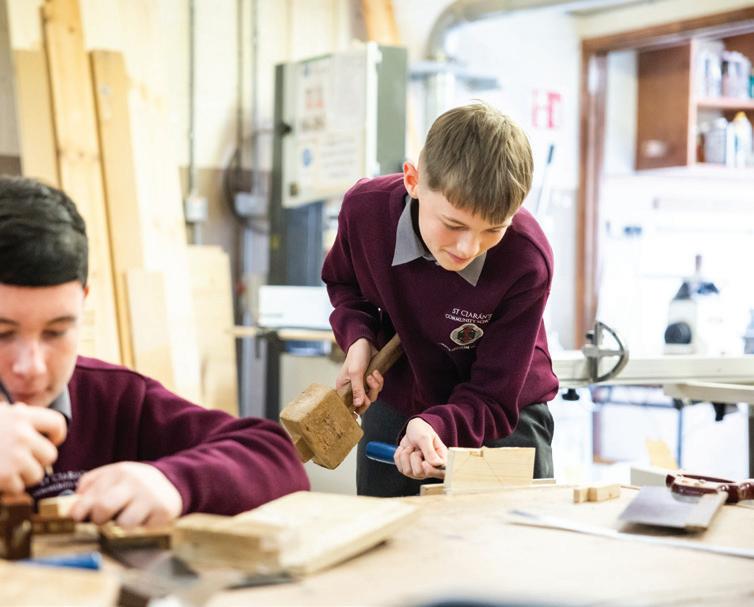
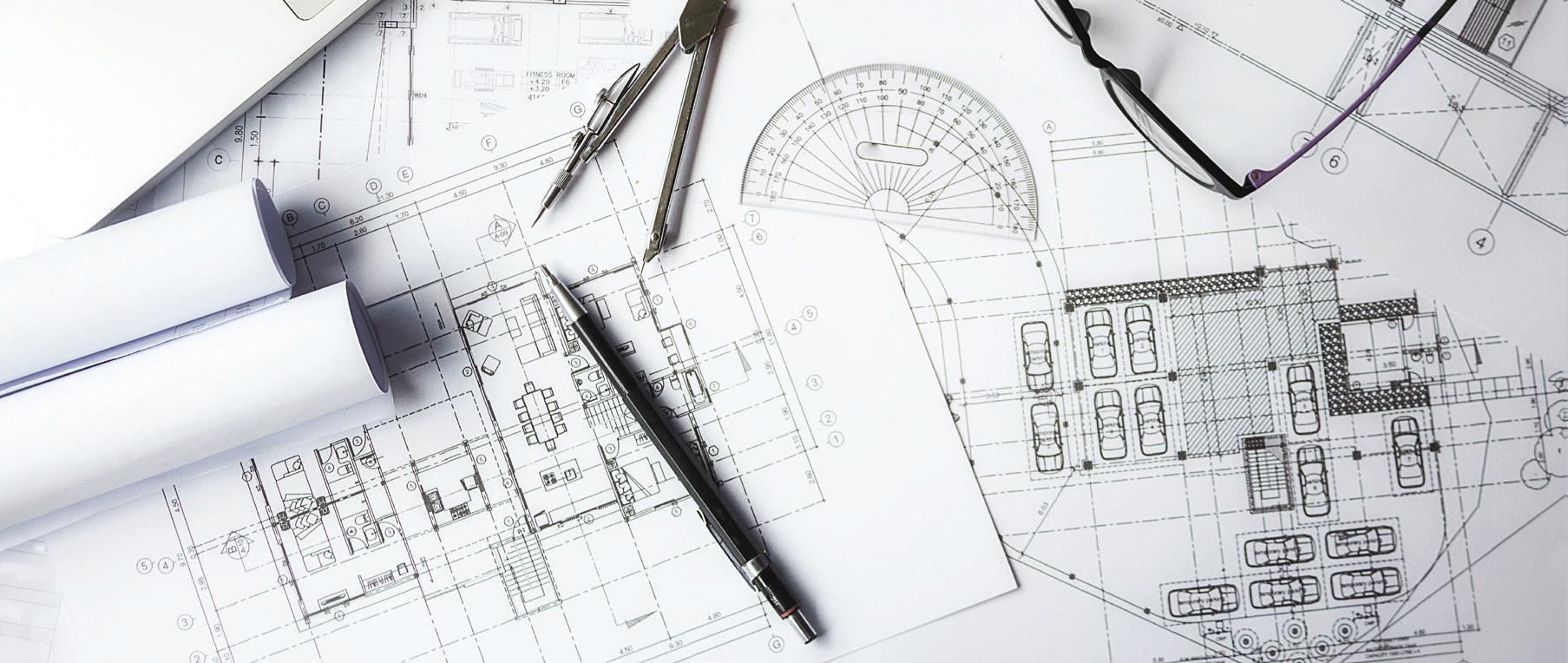
Construction Technology is a practical, hands-on subject where you design and build modern, sustainable structures using craft skills and digital tools like CNC. You’ll explore exciting topics like smart-home tech and eco-friendly design to solve real-world building challenges. It is an ideal choice for students interested in architecture, engineering, or trades who enjoy learning through creative projects.

Why Study Construction Technology?
This practical subject gives students hands-on experience working with tools and machinery. Students also undertake theoretical and background work for their final examinations which provides the students with useful skills for working in the sector.
Would Construction Technology suit me?
Construction Technology is the perfect choice if you enjoy hands-on learning and want to see your creative ideas come to life through practical projects. You will explore modern challenges like sustainability and renewable energy, using professional tools like CAD to design and solve real-world problems. Whether you are considering a future in architecture, engineering, interior design, or a skilled trade, this subject offers the ideal blend of craft and technology to kickstart your career.
Career Path
Studying Construction Technology opens doors to a wide range of exciting and high-demand careers. It provides a strong foundation for jobs such as Architect, Civil or Structural Engineer, Quantity Surveyor, and Town Planner. If you prefer management, it leads directly into Construction Project Management and Site Supervision. For those interested in hands-on expertise, it is the perfect starting point for skilled trades like carpentry, plumbing, and electrical work through apprenticeships. Additionally, you could find yourself at the cutting edge of the industry as a Sustainability Consultant, a Smart-Home Technician, or a specialist in Digital Design and BIM.
NEW COURSE
Course Content
Throughout the course, you will explore four dynamic areas that cover everything from initial planning to the final build. You’ll study the Built Environment to understand how communities are designed and heritage is preserved, while mastering Design, Materials, and Craft to create your own high-quality physical projects. You will also dive into the science of the Building Fabric, learning how modern structures are engineered for comfort and energy efficiency, and explore Services and Smart Tech to discover how plumbing, heating, and home automation systems act as the “brain” of a modern house.
Assessment & Exam Structure
Your grade is based on three main parts that allow you to show both your practical skills and your knowledge. Your final grade in Leaving Certificate Construction Technology is based on three parts. First, you’ll complete the Exploring the Constructed Environment project, worth 30%. You’ll also complete a Craft Skills Assessment, worth 20%, where you carry out a practical task. The remaining 50% comes from a written exam, which can be taken at Higher or Ordinary level. Each part is set and examined by the State Examinations Commission. This mix of project work, practical skills, and a written paper is designed to let you show what you’ve learned in different ways. Both parts are available at Ordinary and Higher levels, so the work can be matched to your personal strengths and goals.

SUBJECT NAME:
ENGINEERING
technology to build a better, more sustainable future.
Why Study Engineering?
This practical subject gives students hands-on experience of working with tools and machinery. Students also undertake theoretical and background work for their final examinations which provides useful skills for those considering a career in the sector.
NEW COURSE
Would Engineering suit me?
Engineering is for you if you love turning big ideas into working realities. You’ll master a mix of high-tech digital design, robotics, and hands-on machining to build a more sustainable future. It’s the perfect choice if you want a career in aerospace or tech or simply want to develop the expert problemsolving skills needed for the modern world.
Career Path
Engineering is your gateway to a massive range of high-tech careers, from designing next-gen aircraft and life-saving medical devices to building autonomous robots. Whether you aim to be a professional engineer in the aerospace or green energy sectors, a creative product designer, or a specialist in a highlevel technical apprenticeship, this subject gives you the “master key” to the industry. You’ll develop the expert problem-solving and digital skills that top employers in the modern world are looking for.
Course Content
The Engineering course is built around four strands that turn you into a modern innovator. You will start by mastering Engineering Processes like precision machining and 3D printing to craft high-quality products, then move into Automation and Control Systems where you’ll use robotics and coding to build machines with their own “brains.” You will also sharpen your Design Capability by using professional CAD software to bring your sketches to life through prototyping. Finally, you’ll explore Engineering Principles and Energy, uncovering the science of motion and renewable technology to create the sustainable, efficient solutions of tomorrow.
Assessment & Exam Structure
Your Leaving Certificate Engineering grade is made up of two parts, each worth 50%. The first part is a design and manufacture project, where you complete a practical task based on a set brief. The second part is a written exam, which you can take at Higher or Ordinary level. The exam checks your understanding of engineering concepts, materials, processes, and problem‑solving skills. Both the project and the exam are set and marked by the State Examinations Commission, and together they give you a chance to show both your practical ability and your technical knowledge.

SUBJECT NAME:
ART

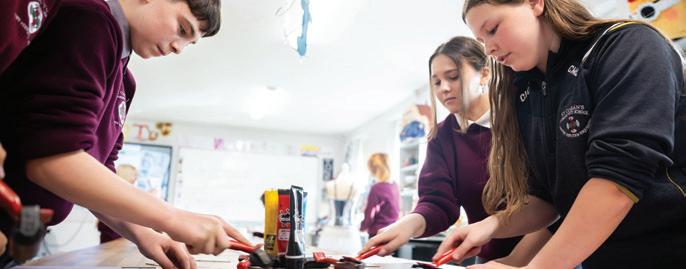
The Art course for Leaving Cert is about developing the student’s ability in a range of artistic fields and disciplines. The syllabus permits a huge number of media, from the fine arts such as sculpture, drawing, and painting, to puppet-making, embroidery, calligraphy, metalwork, and pottery.
Why Study Art?
If you want to study more in an artistic area, you can continue in Fine Art and specialise in painting, sculpting or printmaking. Alternatively, you could go into the design area and specialise in areas such as fashion, graphic, interior or furniture design. Studying art, as the title suggests, allows students to be creative and explore their desire for self expression and develop an appreciation for artistic work of others, including the work of famous artists and the history of art.
Course Content
All students, both ordinary and higher level, follow a common course. The practical work can include Life Sketching, Still Life, Imaginative Composition, Design and Craftwork. The History of Art and Appreciation is a broad course covering Irish and European Art, and also Art Appreciation. It requires looking at artworks through the use of reproductions, slides and art galleries, reading books and writing essays on different subjects
Art is ideal for students with a talent for it, such as those who earned high grades in Junior Cycle. It suits those interested in creative careers like Architecture, Marketing, or Game Design. Students who struggle with subjects like languages or maths may find it easier to earn points in Art. Those who enjoy sketching and expressing themselves creatively will benefit, but dedication is essential. Art also offers a break from memory heavy subjects and reduces exam pressure in June with practical exams in April or May
Career Path
Art is useful for careers in animation, art teaching, computer design, architecture, fashion design, interior design, graphic design, painting and decorating, photography and art therapy.
Assessment & Exam Structure
Would Art suit me?
DESIGN & COMMUNICATION GRAPHICS
This subject develops students’ comprehension ability, and problem solving and creative thinking skills are developed through the analysis and solution of both 2 and 3-dimensional graphics. Graphics and design are communicated using freehand sketching skills, traditional draughting equipment and CAD.
Why Study Design & Communication Graphics?
Design & Communication Graphics helps to further students’ cognitive and practical skills with modules like graphic communication, problem solving, spatial visualisation, design capabilities, computer graphics and much more.
Would Design & Communication Graphics suit me?
Students who have studied Graphics at Junior Cycle level or have a strong interest in practical fields like engineering, construction, or apprenticeships involving technical drawings.
Career Path
DCG is a core element of many third level options including: Engineering, Product Design, Construction and Architecture. Knowledge of this subject will greatly enhance a student’s ability in any third level engineering-based programme. Other relevant career areas include: toolmaker, engineering technician, and carpentry and aircraft technicians


Course Content
The course consists of two parts: Core Areas of Study and Optional Areas of Study. The Core Areas include Plane and Descriptive Geometry, covering topics like project systems, plane geometry, conic sections, and surface development. It also includes Communication of Design and Computer Graphics, focusing on design communication, freehand drawing, and ICT.
Assessment & Exam Structure

SUBJECT NAME:
HISTORY
History explores past events, focusing on how and why they occurred through the analysis of evidence. It connects students with diverse human experiences, deepening their understanding of human nature and motivation.
Why Study History?
By evaluating evidence, history enhances critical thinking, while research fosters independent learning. Studied both for personal interest and skill development, it provides lifelong benefits.

Course Content
The Leaving Cert History syllabus offers a choice of four topics from 12 in modern Irish and European history. These are divided into two fields: Early Modern (1492-1815) and Later Modern (1815-1993). Students study two Irish history topics and two European/ world history topics from their chosen field. One prescribed topic from each field is documents-based, and students will analyse the one from their selected field. Additionally, students complete a Research Study, a self-chosen historical investigation submitted before Easter, contributing 20% of the final grade.
Would History suit me?
Leaving Cert History is an excellent choice for students who have a passion for the past and want to deepen their understanding of historical events and their impact. It is particularly suited to those with strong English skills, a good memory for detail, and an interest in writing. The subject also helps develop valuable skills such as critical thinking, research, and self-discipline—essential for both academic success and future careers
Career Path
History fosters independent thinking and is valuable for third-level education. It is relevant to careers in journalism, media, law, politics, economics, sociology, and the arts. It also provides a strong foundation for roles in administration, management, business, tourism, government, and teaching.
Assessment & Exam Structure
SUBJECT NAME:
GEOGRAPHY

Senior Cycle Geography is all about how the world works: the land beneath our feet, the weather above our heads, the people we share the planet with, and the global issues that affect our everyday lives. It helps students make sense of real‑world challenges—from climate change to migration, from tourism to globalisation, from earthquakes to urban growth.
Why Study Geography?
Geography is a very popular subject choice. Up to 40% of the final grade is achieved before sitting the actual examination by completing a report on a geographical investigation this is a great advantage for students.
Career Path
Studying Geography opens the door to a huge range of careers because it develops strong research, analytical and problem-solving skills. Many students go on to fields like environmental science, climate action, renewable energy, planning, architecture, engineering, surveying, GIS and mapping, or conservation. Geography also links well with careers in teaching, tourism, transport, business, data analysis, politics, international relations, development work and humanitarian aid. Because the subject explores people, places and global issues, it’s an excellent foundation for any career that involves understanding the environment, managing resources, or working with communities and global organisations.
Would Geography suit me?
Geography is a great fit for students who are curious about how the world works and enjoy learning through real-life examples. It suits those who like asking questions, solving problems, and exploring issues such as climate change, migration, urban life and globalisation. Students who enjoy working with maps, graphs, images and data— or who like subjects that link science, people and places— tend to thrive. It’s also ideal for active learners who enjoy fieldwork, investigating their environment and carrying out their own research projects.
Course Content
Leaving Certificate Geography explores how our planet works and how people live and interact within it. Students study dramatic physical processes like earthquakes, volcanoes, weather systems and climate change, as well as rivers, coasts and Ireland’s landscapes. They also examine human topics such as population, migration, cities, globalisation, tourism and international development. Finally, the course looks at big global issues—from food production to geopolitics—and how countries respond to environmental and social challenges. Throughout the subject, students investigate real-world case studies, analyse maps and data, and carry out their own Applied Geography Project, linking classroom learning to the world around them.

Assessment & Exam Structure
Senior Cycle Geography is assessed through two parts
First, students complete an Applied Geography Project worth 40% of the final grade. This involves researching a topic from an annual brief, gathering and analysing data, and presenting findings in a structured report. It rewards active learning and gives students a chance to earn a significant portion of their marks before the exam
The remaining 60% comes from a written exam, taken at either Higher or Ordinary Level. The exam includes questions on all three course strands—the physical environment, the human environment and the global environment—along with the skills developed in the Unifying Strand, such as analysing maps, interpreting data and applying geographical thinking to real-world challenges.
SUBJECT NAME:
FRENCH

French as a Leaving Certificate subject aims to bring students closer to fluency in the French language, as well as developing a good knowledge of literature, culture, geography and national history, in order to provide a context for communication. Senior Cycle French builds on the knowledge acquired from the Junior Cycle.

Why Study French?
This subject may be a requirement for entry to third level and can be used as a third language for entry to a number of courses. This subject is a useful foundation for students with an interest in studying French at third level or considering a career in a French speaking environment or country.
Would French suit me?
French is a great choice for anyone with an interest in French culture, history, and language. It is particularly beneficial for students considering careers in France, Canada, the EU, or international relations. Additionally, those who already speak French can find it an easier way to earn points
Career Path
Specific careers in which French is of benefit include: Teaching; Translation; Interpreting; Linguistics; Localisation; Journalism and Media among others.
Course Content
The course content for both Higher and Ordinary levels is similar, but oral and written skills are especially important at Higher Level. Typically, a minimum of a Merit at Junior Cycle is recommended for students continuing at this level for the Leaving Certificate. Modern languages require proficiency in key skills, including speaking, writing, listening, and reading. Throughout the course, students will explore a range of themes such as family, school, hobbies, sport, and current affairs.
Assessment & Exam Structure
SUBJECT NAME:
GERMAN


German as a Leaving Certificate subject aims to bring students closer to fluency in the German language, as well as developing a good knowledge of literature, culture, geography, and national history to provide a context for communication.
Why Study German?
Germany plays a major role in the European context, and after English, German is the most spoken language in the European Union and the tenth most spoken language in the world. German offers significant career value for the years ahead.
Career Path
Germany is one of Ireland’s leading trading partners and Irish companies need professionals with a good knowledge of German. Germany is also the world’s largest outbound market and is the third most important market for visitors to Ireland. As such, the language would be very useful in a range of career areas: Tourism, Hospitality, Food and Wine, Sales and Marketing, Teaching, Engineering, Finance, Technology and the Public Service.
Would German suit me?
German is a great choice for anyone interested in German culture, history, and language. It is particularly useful for students considering careers in Germany, Austria, or international relations. Additionally, those who already speak German may find it an easier way to earn points.
Course Content
Modern languages require proficiency in key skills. Oral proficiency covers personal, social, and cultural topics, while aural proficiency involves understanding and responding to auditory material. Comprehension proficiency focuses on reading and interpreting texts, and written production requires grammatically correct responses to various stimuli, such as letters or opinion pieces. Themes include family, school, hobbies, sport, and current affairs, with grammar and cultural awareness being essential throughout the course.
Assessment & Exam Structure
SUBJECT NAME:
BIOLOGY

The new Senior Cycle Biology course offers a hands on and modern approach to studying life. You’ll explore genetics, evolution, respiration, ecology, and biotechnology, with a focus on practical experiments and digital technology.
Why Study Biology?
Biology is a popular subject that explores the study of life. Many college courses require at least one science subject, making Biology a smart choice to keep your options open. It is especially useful for careers in medicine, nursing, and healthcare.
Biology is a popular subject that explores the study of life. Many college courses require at least one science subject, making Biology a smart choice to keep your options open. It is especially useful for careers in medicine, nursing, and healthcare. Would Biology suit me?


Career Path
Biology provides a strong foundation for careers in science, engineering, technology, and business, as well as fields like biomedical, environmental, agricultural, and forensic sciences. Studying Biology is also beneficial for careers in veterinary, dentistry, ecology, genetics, marine science, psychology, teaching, and research
Course Content
The new Senior Cycle Biology course, explores life through four key strands. Nature of Science develops inquiry and critical thinking, while Organisation of Life covers cells, genetics, and evolution. Structures and Processes of Life examines respiration, photosynthesis, and reproduction, and Interactions of Life focuses on ecology, biodiversity, and biotechnology.
SUBJECT NAME:
CHEMISTRY

Studying chemistry involves understanding how the invisible world of atoms and molecules makes up the visible world we see around us. As an area of scientific study, it explains how all matter in the universe behaves and interacts by developing an understanding of how atoms and molecules behave and interact.
Why Study Chemistry?
Chemistry builds a strong foundation for work, further education, and higher studies, opening opportunities in biotechnology, environmental and forensic science, engineering, medicine, agriculture, business, and finance
Would Chemistry suit me?
The subject suits students with attention to detail and an interest in experiments and scientific vocabulary. It’s especially useful for careers in science, medicine, and engineering while also developing problem-solving, communication, and teamwork skills valuable for any future path
Course Content
The new Senior Cycle Chemistry course explores atomic structure, bonding, reactions, equilibrium, and real-world applications like environmental science and energy. With hands-on learning and digital tools, it develops inquiry skills and prepares students for careers in science, engineering, and healthcare

Career Path
Chemistry is considered extremely useful for a wide range of career areas such as: Pharmacy, Ag Science, Medicine, Dentistry, Veterinary Science, Pharmacy, Physiotherapy, Engineering, General Sciences, Dietician, Nursing, Food Science, Biotechnology and Medical Laboratory Technology.
SUBJECT NAME:

Physics explores how matter and energy interact, from subatomic particles to galaxies, using observation, measurement, and experimentation to develop fundamental laws. It is a progressive and dynamic subject, where new discoveries answer questions but also spark new ones, making it both exciting and ever evolving.
Why Study Physics?
Physics teaches students to think logically and enables them to express their thoughts in a concise manner. The skills and knowledge developed through their study of physics can be useful in a wide variety of situations.
Would Physics suit me?
The course develops graphing skills, calculator use, and logical thinking, with strong links to chemistry, woodwork, and construction. It suits students interested in science and how things work, while also building problem-solving, communication, and teamwork skills useful for any future study or career.
Career Path
Physics provides a strong foundation for science, engineering, technology, and business careers. It develops logical thinking and numeracy skills, benefiting many technical courses and career paths in medicine, computer science, and finance.
Course Content
The new Senior Cycle Physics course covers scientific inquiry, forces and motion, waves, electromagnetism, and modern physics, including quantum mechanics and radioactivity. With a focus on hands-on learning and real-world applications, it prepares students for careers in science, engineering, and technology.
AGRICULTURAL SCIENCE

Agricultural science is the study of the science and technology underlying the principles and practices of agriculture. Plants and animal types associated with agriculture are studied, and investigations are undertaken into such aspects as soil, ecology, plant and animal physiology, farm crops, farming practices, genetics and microbiology.
Why Study Agricultural Science?
Agricultural Science remains a very popular subject among students in Ireland and reflects our agricultural background. This subject proves popular among students who are planning to study Veterinary Science, Science or Medicine in college.

Course Content
The course consists of the study of a variety of aspects of agriculture and is divided into four main strands: Scientific Practices, Soils, Grass and Crops and Animals
Would Agricultural Science suit me?
Some experience of farming would be desirable. This subject builds skills and knowledge that are particularly useful for careers such as: Farming, Horticulture & Forestry, Animals & Veterinary Science, Earth & Environment and Food & Drink
Career Path
Careers in this area include: Greenkeeping, Horticulture, Food Science, Agricultural Advisers, Agricultural Engineering, Sports Turf Management, Forestry, Farming, Marine Science, Renewable Energy and Teaching.
Assessment & Exam Structure
Higher Level
Ordinary Level
Written Paper – 75%
Project – 25%
Written Paper – 75%
Project – 25%

HOME ECONOMICS
The Home Economics syllabus provides Home Economics students with knowledge, understanding, skills and attitudes necessary for managing their own lives, for further and higher education and work. The learning experiences in home economics develop flexibility and adaptability in students, prepare them for a consumer-oriented society and provide a learning foundation for a wide range of careers in food, textiles, science, design, social studies and tourism.
Why Study Home Economics?
Students should study this subject to develop essential skills such as research, analysis, and interpretation of material. It also fosters a willingness to learn about nutrition and culinary skills while enhancing communication and teamwork abilities. Organisation is key in this subject, as students are encouraged to discuss topics and collaborate effectively. Given its practical and theoretical benefits, Home Economics remains a popular subject choice among Leaving Certificate students.
Would Home Economics suit me?
This subject is ideal for practical students who enjoy creating and understanding how things work. Leaving Certificate Home Economics builds on Junior Cycle topics, with a strong focus on theory. Practical cookery is assessed through written exams, and students explore textile electives, sociology, nutrition, resource management, and consumer studies. Many are surprised by the amount of written work required, as even practical elements must be documented and presented.
Career Path
This subject provides a good foundation for careers in a wide range of areas including Health, Nutrition, Education, Tourism, Textiles, Design, the Food industry, Science and Social Studies.
Course Content
The syllabus includes core areas—Food Studies (45%), Resource Management and Consumer Studies (25%), and Social Studies (10%)— along with one elective: Home Design and Management, Textiles, Fashion and Design, or Social Studies (each 20%). Students choosing Textiles must produce a graded garment. Electives expand on core topics, allowing deeper study. A mandatory practical coursework component, worth 20% of the final grade.
Assessment & Exam Structure
APPLIED MATHEMATICS
Applied Maths is the study of the practical applications of mathematics to the real world and physical problems. It is typically associated with engineering and physics, but also finds use in economics, finance, business, environmental studies, and even chemistry and medicine.
Why Study Applied Mathematics?
If you excel in Mathematics and Physics, Applied Maths can boost your Leaving Cert points. It overlaps with Physics (e.g., Motion, Newton’s Laws) and strengthens Honours Maths skills. Ideal for maths-strong students, and is essential for future engineers, giving a head start in college.
Would Applied Mathematics suit me?
Applied Maths is highly recommended for students pursuing Engineering, Science, IT, Business, Finance, Architecture, or Education. It benefits Higher Level Maths and Physics students due to course overlap. With high H1/H2 rates, it’s ideal for those needing top university points.
Career Path
Applied Maths is useful for careers such as Engineering, Physics, Construction, IT, Insurance, Systems Analysis and Architecture.
Course Content
Applied Maths applies real-world problemsolving to motion, collisions, and fluid dynamics. Unlike theory-heavy Maths, it focuses on practical applications, enhancing problem solving skills essential for careers in Engineering, Science, and IT.
Assessment & Exam Structure
Written Paper – 80%
Higher Level
Ordinary Level
Project – 20%
Written Paper – 80%
Project – 20%
SUBJECT NAME:
ACCOUNTING


Leaving Certificate accounting provides students with the knowledge, understanding and skills in accounting and financial management necessary for managing personal and basic company accounts. The learning experiences in accounting develop students’ organisational, logical thinking, planning and problem-solving skills for their future life, work and study. It also develops their numeracy skills within the context of business and enterprise.
Why Study Accounting?
For those considering studying accounting, actuarial studies or finance after the Leaving Cert it would be unwise to leave accounting out of their subject choice. It is also be an important subject choice for those thinking of starting their own business. While not required specifically for studying any third level college course, it is recommended if Accountancy is the career path you want to follow.
Course Content
The course covers various aspects of financial management, including the preparation of financial statements, farm accounts, club accounts, company accounts, and manufacturing accounts. Students also learn to analyse and interpret financial statements, apply budgeting techniques, conduct breakeven analysis, classify costs, and understand accounting theory and principles.
Commonly seen as the mathematical side of business, accounting attracts the more numerate student. It teaches students the bookkeeping side of business but delves deeper, teaching you to analyse and interpret the figures. Once you can understand and adhere to the basic rules of accountancy, it is a subject that you can do very well in.
Career Path
Accountancy provides a valuable foundation for all business functions and many top executives have an accountancy background. Most chief executive officers of public limited companies have some sort of accountancy qualification. Career pathways might include accountancy, actuarial studies, marketing, business or finance. It would also be an important subject choice for those thinking of starting their own business
Assessment & Exam Structure
Would Accounting suit me?
BUSINESS STUDIES


Course Content
The Senior Cycle Business course covers four key strands: Exploring the Business Environment (stakeholders, policies, globalization), Understanding Enterprise (entrepreneurship, planning, finance), Leading in Business (management, recruitment, communication), and Being Informed and Making Informed Decisions (consumer rights, finance, ethics). The unifying strand, Investigating Business, integrates research and analysis.
getting a good mark.
Career Path
The study of Leaving Certificate Business can lead to many exciting and rewarding careers and builds an excellent foundation for students transferring into the world of work, further education and training, higher education, and entrepreneurship. Leaving Certificate Business provides students with a foundation for a wide range of careers in banking, business, enterprise, finance, insurance, law, marketing and management

SUBJECT NAME:
ECONOMICS

Leaving Certificate economics provides students with the knowledge and skills necessary for understanding how the Irish and global economy functions. The learning experiences in economics develop students’ critical thinking, problem solving, decision-making and numeracy skills. Economics provides students with a learning foundation for a wide range of careers in business, economics, finance, enterprise and management.
Why Study Economics?
Economics deals with the real world business obstacles such as demand and supply, production and consumption, money and banking as well as economic policies, problems and conflicts. With inflation and international trade and payments constantly making headlines, economics requires its students to keep track of real world situations. It helps students to develop a clear understanding of the role of economics, to encourage the development of appropriate learning skills, and to generate in students a positive and ethical attitude to economics in personal, business and public life
Course Content
Leaving Certificate Economics explores how a modern economy functions at both macro and micro levels. The course covers key areas, including demand and supply, market structures, factors of production, national income, inflation, banking, international trade, fiscal policy, taxation, and the role of government in economic development. Additional topics, such as elasticity, costs, and broader economic policies, may also be examined. A Research Study, accounting for 20% of the final grade, is required.
This subject suits students interested in business, journalism, finance, politics, or current affairs. While prior study of business is helpful, it is not required. Success requires dedication and staying informed through news and newspapers. Students often prefer microeconomics (e.g., household budgets) over macroeconomics (e.g., inflation, growth). Higher-level students need a strong grasp of Irish economic issues and theory application
Career Path
The Leaving Cert economics programme can be an advantage for students considering third level courses with an economics element to course content. It is also useful for careers in Banking, Insurance, Finance, Marketing, Politics, Journalism, current affairs and all aspects of business.
Assessment & Exam Structure
Would Economics suit me?


LIFE, COMMUNITY & WORK

Life, Community and Work (LCW) is a Senior Cycle subject designed to provide students with practical learning opportunities to engage with their local community and the wider world. It focuses on personal development, helping students understand their unique strengths and how they can contribute to society.
Why Study Life, Community & Work?
Choosing ‘Life, Community and Work’ is a smart move for students who want to build practical, “real-world” skills that prepare them for adulthood and the modern workforce. This subject helps you discover your personal strengths and values while exploring diverse career paths like apprenticeships, further education, and entrepreneurship. You’ll gain hands-on experience in your community, learn about your rights as a worker, and develop a digital portfolio to showcase your achievements. By focusing on transferable skills like communication, digital literacy, and resilience, this course gives you the tools and confidence to successfully navigate your own unique future.
Would Life, Community & Work Suit Me?
This subject is perfectly suited for practical, goal-oriented students who prefer “learning by doing” over traditional academic theory. It is an ideal choice for those who want to build a “career foundation,” whether they are planning to pursue an apprenticeship, further education, or enter the workforce directly after school. Because 60% of the grade is based on a “Portfolio in Action,” it especially suits students who excel at continuous assessment and personal reflection rather than high-stakes exams. If you are someone who wants to develop real-world “soft skills”—like digital literacy, communication, and resilience—while engaging directly with your local community and the workplace, this subject will provide you with a significant competitive advantage.
Career Path
Because Life, Community and Work (LCW) focuses on developing “transferable skills” rather than niche technical knowledge, it serves as a powerful versatile foundation for almost any career path. Students are equipped to move directly into apprenticeships and traineeships by mastering workplace etiquette and health and safety, or into Further and Higher Education by learning how to navigate complex application systems and personal branding. The subject specifically cultivates an “enterprising mindset,” making it an ideal choice for future business owners, entrepreneurs, and social innovators who need the resilience to adapt to a changing labor market. Furthermore, its emphasis on active citizenship and community engagement prepares students for rewarding roles in public service, community development, and the non-profit sector, ensuring that regardless of the industry, graduates possess the professional “toolkit” required to thrive in the 21st-century workforce.
NEW COURSE
LIFE, COMMUNITY & WORK


Course Content
In Life, Community and Work (LCW), students embark on a practical journey of self-discovery and real-world preparation, moving beyond traditional theory to develop an “enterprising mindset.” Through two core modules—Me and my Future and Community and Work—you will identify your unique personal strengths, explore diverse career and education pathways, and engage directly with your local community and the modern workplace. By building a professional digital portfolio and practicing essential transferable skills like problem solving and communication, you will gain the confidence and tools needed to successfully navigate life after the Leaving Certificate.
Assessment & Exam Structure
In Life, Community and Work (LCW), your grade is based on two main parts, with a major focus on the practical work you do during the course rather than just the final exam.
Portfolio in Action (60%): This is the most significant part of your assessment. Throughout the two-year course, you will build a digital portfolio that documents your learning, reflections, and “Applied Learning Tasks”. In the second year, the State Examinations Commission (SEC) issues an annual brief, and you will use your portfolio to complete a project in response to it. This allows you to show how you have participated in the community, reflected on your personal growth, and applied what you’ve learned.
Written Examination (40%): This is a common-level paper taken at the end of the course. It includes various types of questions that test your knowledge of the four strands of study and your ability to apply the core themes of the subject— Participating, Reflecting, and Applying—to different scenarios.
Both components are designed to assess the key competencies you’ve developed, such as communicating, working with others, and thinking creatively.