A monthly update covering people, events, research, and key developments
Editor’s Note:
Genealogy is a topic that fascinates many but what if, in addition to traits like eye color, we passed along transgenerational effects of environmental hazards? That's the topic of our first article this month. With Hantavirus all over the news, we've included a unique look at how people are reacting to it following the COVID-19 epidemic. We've also dug into our archives for articles on Ebola which has reared it's ugly head in the DRC again.
May is graduation month for many but with that comes the search for the perfect job. A lot has changed in that process over the last few years especially with the introduction of AI in hiring systems. So we've taken a look back at issues involved in the search to help you build a checklist and hopefully find a job faster.
BOOKS
This month our resource section is dedicated to a series of free documents on SAS PROCs. These documents were used in a graduate education program and the author has generously allowed us to list them for you to download for free.
Do you have a bookshelf to clear but you absolutely don't want to toss the books that cost you dearly into the trash? Let us know and we'll list them for you in the hopes of finding a home for them. Just email us at michele@epimonitor.net and we'll talk you through the logistics of the program.
We are starting to hear from many of you with articles that you'd like us to consider publishing. We are always interested in your offerings and are finding your peers are really enjoying them. Please also consider nominating people for our profile series, writing a review of a book, or letting us know about individuals whose accomplishment should be added to our monthly Notes on People feature.
As always, we continue to provide you with our popular monthly word game feature, Notes on People, an overview of what we are reading from the public media, and a listing of near term upcoming events. Ask us about the sponsorship opportunities for these standard monthly featuresit offers you great exposure for your event, institution, book or other item of interest to our readers!
Until next month - stay safe and busy!
In This Issue
An Unwitting Bargain
There is growing evidence that chemical exposure may echo across generations
Author: Bruce Lanphear, MD, MPH
NOTE: This article was originally published on May 26, 2026 by Plagues, Pollution & Poverty on Substack.
The harms accumulated slowly enough that we mistook them for progress.
One of the strangest features of modern life is that many chronic diseases seem to be rising together.
Obesity, infertility, kidney disease, metabolic disorders, developmental conditions, earlier puberty, declining sperm counts. Chronic disease is no longer the exception in America. More than three-quarters of adults now report at least one chronic condition, and more than half live with multiple illnesses.
We usually explain these conditions one at a time: poor diet, stress, genetics, inactivity, aging, better diagnosis. Each explanation contains some truth. But what if we are missing a larger pattern? What if at least part of this burden did not begin with individual choices or bad luck, but with the world we have built around ourselves?
That is the unsettling possibility raised by the work of Michael Skinner, whose studies suggest that environmental exposures may leave biological changes that echo across generations.
For most of modern history, we assumed inheritance flowed primarily through genes.
DNA was treated as destiny: a stable code passed from parent to child. Skinner’s work suggests something more layered and more fragile. Exposure itself may become biologically embedded.
In one of his best-known studies, pregnant rats exposed briefly to glyphosate the world’s most widely used herbicide showed relatively modest direct effects. Their descendants did not. By the second and third generations, rates of obesity, kidney disease, ovarian disease, prostate disease, and birth abnormalities had risen dramatically.
Glyphosate is not the only example. Skinner’s laboratory has reported similar transgenerational effects with fungicides, plastics-related chemicals, dioxins, and jet fuel hydrocarbons. Different chemicals. Similar pattern.
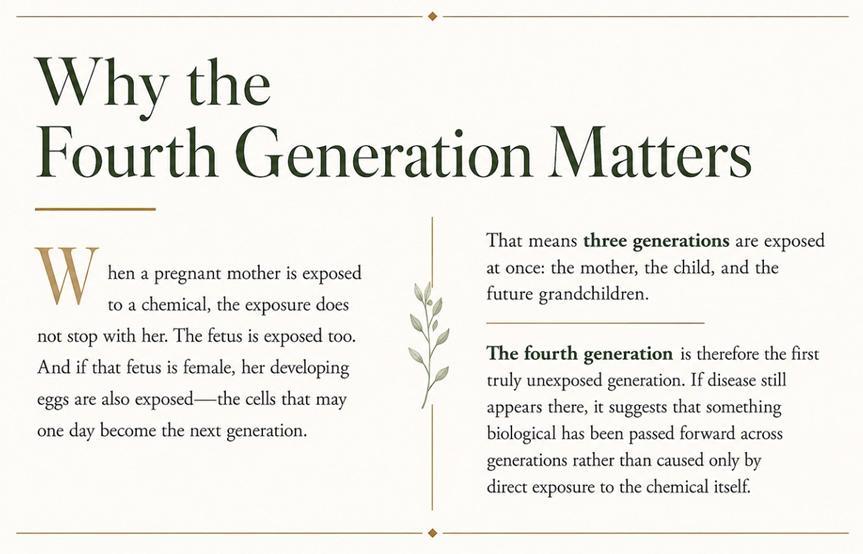
The crucial detail is that by the fourth generation, the descendants were no longer directly exposed to the chemical. That changes the logic of the debate.
Toxicology has long depended on a relatively straightforward framework: expose an animal, observe what happens, estimate a threshold, establish a “acceptable” level, and move on. But if disease emerges generations later in descendants who were never directly exposed, then something biological not merely social or behavioral has been carried forward.
According to Skinner’s work, what is inherited is not a mutation in the DNA sequence itself, but
- Generations cont'd on page 4
an epigenetic alteration: changes in the molecular markings that regulate how genes are turned on or off. In other words, exposure may leave altered instructions behind.
That possibility is difficult to shake.
We often think of chronic disease as the accumulated consequence of bad luck, aging, or personal choices. But what if part of today’s burden reflects exposures experienced by parents and grandparents long before symptoms appeared? What if some infertility, metabolic disease, reproductive disorders, or developmental problems are not simply individual misfortunes, but delayed biological echoes of environments created decades earlier?
Skinner’s newer work suggests these epigenetic changes may persist not merely for three or
four generations, but for twenty generations in experimental animals. Twenty generations is no longer a fleeting biologic insult. It begins to resemble ecological inheritance.
I often think about Disney’s The Sorcerer’s Apprentice when reading these studies. In the story, Mickey Mouse enchants a broom to carry water so he no longer has to haul it himself. At first the magic feels miraculous. The work disappears. The water flows effortlessly.
Then the broom keeps going.
The water keeps rising.
Soon the apprentice is drowning in the very thing he thought he controlled.
- Generations cont'd on page 5
The twentieth century often feels like that story. Many synthetic chemicals brought genuine benefits: higher agricultural yields, fewer infectious diseases, more abundant food, improved manufacturing, easier living. Much of modern prosperity was built alongside chemistry. At first it all seemed miraculous.
But we also released tens of thousands of poorly tested chemicals into the world before understanding how they might interact with fetal development, hormones, metabolism, immune systems, or even the germline itself. The harms accumulated slowly enough that we mistook them for progress or simply the unavoidable price of modern life.
Now we find ourselves confronting an unsettling question: how much of the chronic disease surrounding us reflects not merely aging or bad luck, but delayed consequences of environments we created before we understood what they could do?
To be clear, these studies do not prove that glyphosate causes a particular disease in humans, nor do they tell us precisely how much
modern chronic illness is transgenerational. Animal studies do not automatically translate to people. But the trajectory of the science is becoming harder to ignore.
For decades we viewed inheritance primarily as something encoded in genes. Skinner’s work suggests inheritance may also carry traces of environmental experience the pesticides, plastics, pollutants, and industrial chemicals woven into modern life.
If that is true, then prevention becomes something larger than regulation or bureaucracy. It becomes an act of stewardship.
Because eventually the question is not simply whether we can engineer another chemical, automate another task, or increase another yield. It is whether we are wise enough to live with what we unleash. ■
To read more content like this please subscribe to Plagues, Pollution & Poverty on Substack.
Your Ad Should Be Here
Do you have a job, course, conference, book or other resource of interest to the epidemiology community? Advertise with The Epidemiology Monitor and reach 35,000 epidemiologists, biostatisticians, and public health professionals monthly.
Advertising opportunities exist in this digital publication, on our website and social media pages, and in our Epi-Gram emails.
Editor's Note: This article was originally printed in Your Local Epidemiologist on May 15, 2026. To read more content from this source subscribe to Your Local Epidemiologist (YLE): https://tinyurl.com/32pd2a8r
1. Absent leadership.
Leadership at the federal level is nowhere to be found. Communication has been abysmal, much like it was at the beginning of the Covid19 pandemic. After a week of silence, an alert was finally sent to physicians and a press conference was held.
Two weeks ago, my phone started lighting up before I’d had my coffee. Journalists, researchers, and neighborhood moms asking the same thing: Should we be worried about this hantavirus thing?
First, I thought this would be an interesting, unique outbreak to “translate” to the public. But over time, public curiosity metastasized into a massive ball of anxiety in the headlines, online, and in some person-to-person conversations.
Right now, the outbreak remains contained, and 41 people are being actively monitored in the U.S. Risk remains low for a number of reasons previously covered. We will continue to follow it.
But when we pause from the numbers, transmission questions, and quarantine, and look up, the response to this outbreak is revealing a lot. Yes, how scary this virus is (it belongs in a thriller novel), and yes, the limits of our scientific knowledge. But also something far deeper.
But checking these boxes isn’t enough and has led to far too much deflection. For example, there are no numbers on the website, so no one actually knows who is being monitored, where, and how. This leaves massive information voids for falsehoods and rumors to fill.
But also, people don’t just need data or facts; they need steady navigators, grounded in empathy and knowledge, to wade through the oversaturated information landscape.
In crisis communication, a well-known formula is: outrage x hazard. So even if the hazard is low, if concern is great, you’d better be speaking with clarity, acknowledging uncertainty, listening to the questions, concerns, and confusion, and bringing people along for the ride.
- Hantavirus cont'd on page 7
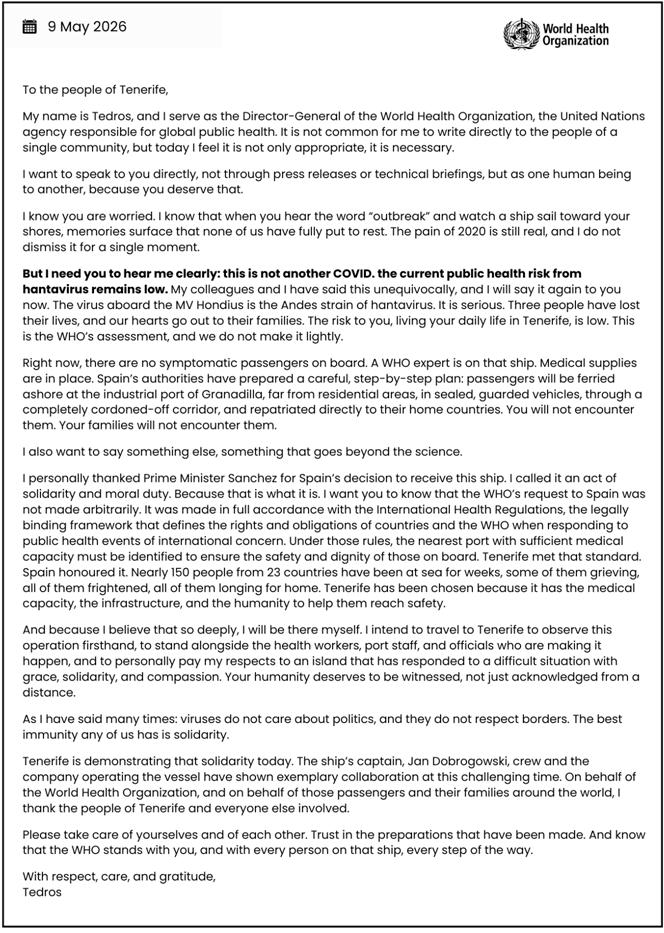
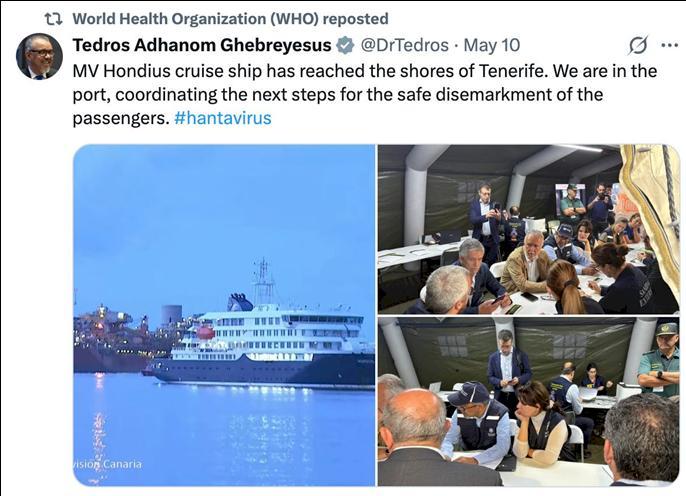
What could this look like? Look no further than the WHO. The WHO director-general traveled to Tenerife in person to speak with residents who were terrified that a boat carrying a highly contagious disease was docking. He led with emotion, grounded in the understanding that 2020 was resurfacing for people, and focused on compassion and solidarity, elevating what
one of the passengers said: “We’re not headlines, we are human beings.” In the meantime, they’ve hosted almost numerous live briefings on top of their daily updates on social media accounts and humanized the process with pictures. They aren’t just telling; they are showing.
2. The positive and negative aspects of Covid-19.
The hantavirus response is evidence that the learnings of Covid-19 stuck.
The pandemic became an involuntary crash course in epidemiology for the entire country. Epi 101, taught in real time to everyone at once:
What transmission means.
What incubation periods and case fatality rates actually tell us.
The difference between droplet and airborne spread.
What an R0 is.
What it means when scientists say they’re still learning.
And what, as individuals, we can actually do to feel in control.
During this time, public health was no longer invisible, which is beautiful because, after all, public health belongs to the public.
People now bring a depth of curiosity and literacy that simply wasn’t widespread even in 2018. If Covid-19 was Epi 101, this is Epi 201: taking what we learned from one pandemic and applying it to an entirely different disease.
The challenge with this is that we are changing lanes and, as Adam Grant said, “You don’t have to stay in your lane. You do need to check your blind spots before changing lanes.” After you’ve learned about one outbreak, you’ve learned about one outbreak. There are lessons the public can take, but it’s also easy to fall into
- Hantavirus cont'd on page 9
blind spots of overconfidence. This is called the Dunning-Kruger effect.
3. The trauma of Covid-19 has not healed. Not even close.
It’s been six years since 2020, and life has returned to a version of normal. I think many had hoped, prayed, and assumed that the wounds of the Covid-19 pandemic had healed.
But when trauma is swept under the rug, it will eventually show its teeth.
A new outbreak entered the news cycle with a lot of the same themes: cruise ships, quarantine, WHO speaking up, scientists speaking up, headlines, uncertainty, and hard reminders of people saying “it’s fine, don’t panic.” So, internal threat systems went into overdrive. This is what our bodies are designed to do: respond to a new threat based on prior experience. It’s literally our survival mechanism.
As my friend Dr. Celine Gounder said: “The intensity of the reaction [also] tells you everything about the depth of the wound.”
4. Mistrust is pervasive.
This outbreak is showing that few people trust authorities and few trust their fellow Americans to do the right thing, like quarantine responsibly.
We entered the pandemic with a slow erosion of trust in institutions, such as government and the mass media. And it was deserved. Many institutions were built for a different time, and when institutions fail to adapt, people are left behind, and trust erodes.
The pandemic accelerated mistrust on one side. For them, the experience felt like an overreach. A government that moved to control behavior,
restrict movement, and mandate compliance, often without consistent logic or transparency.
But then, after the pandemic, the pendulum swung violently in the other direction. What felt like a restoration of sanity to some felt like an abandonment of truth and decency to others.
The tribalism has become so strong that it’s not only eroded trust in the systems that are supposed to keep us safe, but also in each other.
This is not only deeply heartbreaking for society, but also leaves us incredibly vulnerable to threats within and outside of our country.
5. Social media and the hurting media economy are fueling the embers.
An accelerant is the information landscape. Information is spreading like wildfire on social media, adding extraordinary complexity for people earning to understand what to believe, from whom, and when.
Social media algorithms and news headlines are built to play on emotion and engineered to surface rage and fear because rage and fear make us scroll, click and sells ads. This creates a seriously challenging echo chamber all of us can get stuck in, where we think every conversation is like the one we are in.
At YLE, we saw this in real time. Not only do we do social listening on the backend, but we also have a weekly survey to understand things not in the media environment. Usually what we hear from these sources matches; after all, 1 in 2 Americans get their health-related information online. But this week was different:
- Hantavirus cont'd on page 10
on social media, there was spiraling. In the survey? Only 20% were concerned; 60% were just curious about what was going on.
So where does this lead us?
If you felt something or saw this beneath the surface these past two weeks, you’re not alone. What we are experiencing is a deep collision of massive forces, with all of us stuck in the middle.
As a society, we have serious work to do. We need to reckon honestly with the trauma we never processed. And our leaders and institutions need to stop talking about rebuilding trust and actually do it.
For individuals, I think this means:
Keep learning Epi 201. Lead with curiosity and humility, as many people are taking the course.
Triple-check your sources and be sure to share trusted information. Here are nine ways to spot falsehoods that I wrote about a few years ago.
Give yourself grace and give it to those trying to communicate in real time, in an arena where the answers aren’t always clear yet.
Put down social media. Have conversations with people outside your bubble. Get involved in your community. This country is deeply wounded, and change and sanity start locally.
Bottom line
Hantavirus may be contained. But the conditions that made these two weeks so destabilizing are not. The real outbreak is one of fractured trust, unhealed trauma, and absent leadership. No one is coming to fix it but us. We all have a role to play. ■
YLE can be found here: https://yourlocalepidemiologist.substack.com/
Your Local Epidemiologist (YLE) is founded and operated by Dr. Katelyn Jetelina, MPH PhD an epidemiologist, wife, and mom of two little girls. YLE reaches more than 305,000 people in over 132 countries with one goal: “Translate” the ever-evolving public health science so that people will be well-equipped to make evidence-based decisions. This newsletter is free to everyone, thanks to the generous support of fellow YLE community members.
To support the effort, subscribe or upgrade your existing subscription: https://yourlocalepidemiologist.substack.com/
The Job Hunt Congratulations You've Graduated!
But you don't have a job...what happens next?
Years of hard work are behind you. The exams are over and assignment deadlines are finished. But the payments on your student loans start in 6 months and you haven't found a job in your field yet. What's next?
The search for jobs has become more difficult in recent years regardless of your field of study. Luckily for epidemiologists, biostatisticians and other public health professionals demand remains strong. However you still need to locate the perfect job in the perfect location and get yourself noticed by the recruiter remembering that hundreds of others are probably applying for the same position.
The Right Location
Years ago people would take jobs across the country for the opportunity to see someplace different while planning to move to their long term home after a couple of jobs. Today that's not necessarily the case. While people will change jobs multiple times, the difficulty of buying a home means they'll probably stay in the same location for most of their career. Starter homes are often lifetime homes in today's market. To pick the correct location you will need to answer a series of questions for yourself.
♦ Where are there enough employers in your subspecialty that you will have opportunities throughout your career?
♦ Do you want to live near family?
♦ Do you plan to raise a family and, if so, what is the quality of the local schools?
♦ Are there local leisure opportunities that mirror the activities that you enjoy?
♦ Does the local political climate align with your views or at least not actively oppose them?
♦ Is the area growing or stagnating?
What is Your Ideal Job?
A job is more than a title and job satisfaction depends on more than a great paycheck and lots of PTO. Your degree is going to define to a large extent what job you are looking for but beyond that, you need to consider a myriad of other issues related to employment:
The salary is fantastic but what do the benefits look like? Remember to compare things like disability insurance (both long & short term), retirement matching funds, annual vacation days and whether or not they roll over, tuition reimbursement, PSLF qualification, sabbatical opportunities, reimbursement for commuting expenses, etc.
If you're looking at working for a governmental entity and staying for long enough to qualify for some retirement benefits, how stable is their retirement fund? Staying for 10 years to get a partial pension may end up being worth nothing if the pension fund is going to go bankrupt. The PRBC covers some of the loss in the event of a pension fund bankruptcy but not all of it.
- Graduated cont'd on page 12
What are the employment opportunities for your partner and does the employer offer assistance in their job search?
What are the opportunities for advancement? Does the employer typically promote from within or do they hire from outside?
Choosing the Wrong Job is More Expensive than You Think
♦ First of all, eventually you'll have to go through this entire process all over again.
♦ Second, you may need to physically move which has become very expensive.
♦ If you've bought a home then on top of the standard sales expenses, you may incur a loss if you are selling at the wrong time.
♦ Employers are savvy. They want to know why you're changing jobs and your answer can impact their offer to you.
♦ The reputation of your prior employer(s) will attach to you at some level.
Cleanup on Aisle 9
Before you start sending out a lot of job applications you need to take a look at what the potential employer will see when they look at you as a potential employee. Take a moment to Google yourself. See what comes up first . Make a list of everything you wouldn't want a potential employer to see. Make a list of everything you'd want them to see that doesn't come up in the search.
As valuable as social media is for keeping up with far flung friends & family, it can be a nightmare when you're job hunting. Every post you've made in the past that now makes you
cringe when you look at today needs to be deleted before a potential employer finds it. Take a look at the "good" posts in your feed too. What do they tell a potential employer about you? Do you look like someone who would fit into their corporate culture or do you look like you'd be a square peg in a round hole? Do you look like someone who would appreciate a job or like someone who is just checking a box because, in reality, you're living off trust fund distributions? Do you look like someone who's never spent a moment outside of New England but now you're applying for a job in deep red Texas? It's expensive to execute an employee search and recruiters aren't going to go out on a limb for you - they're going to pick the candidate who is going to make them look best to their own boss. That's the employee that fits in, works well with others, and doesn't make excessive demands.
There is one social media site where you must have a presence if you are looking for a good job - LinkedIn. While I might disagree with calling it a social media site, the reality is that it can tell an employer a lot about you and it is important to get that correct. There are many companies who coach people on building a solid LinkedIn profile - this is important enough to research the criteria and follow them.
Stuff the Pipeline
The internet is full of information about you and it is available to everyone who takes the time to look. You've updated your social media presence so the bad content that you put out is gone. You've created or updated your LinkedIn profile so it looks polished and accurate. This video will give you tips for making your LinkedIn page more visible in 2026. Now it is time to
process over and over again.
If at first you don't succeed
You survived the educational process and you're standing on the edge of success and fulfillment. If you don't find the perfect full time position in the beginning consider taking an internship or a flexible / part time position. You'll note that this month we have doubled the number of listings for that type of job in our public health job openings. There are ways to get relevant experience if you look hard enough - you don't need to work outside your field.
You should never discount the power of a personal referral - even if the referrer isn't in your specialty. People hire people because they've been recommended by others that they know and trust. The same is true for networking. You cannot discount the value of making a face-to-face connection. Put yourself out there. Take the risk. Make sure everyone in your circle of influence knows what you do and what you are looking for in a job. At the same time, make sure you reciprocate. The person you help find a job is going to bend over backwards to help you as are their friends and family. ■ Your Ad Should Be Here
A Look Back at Prior Ebola Epidemics
Editor's Note:
With a new Ebola epidemic in the DRC (see What We're Reading for articles on the current epidemic) we felt it was time to look back at our coverage of prior Ebola epidemics. We hope this excursion into our archives will help understand why we find ourselves faced with yet another of these situations despite robust suggestions in after action reports in the past.
Latest [2014] Ebola Situation Report Contains Good News & Bad
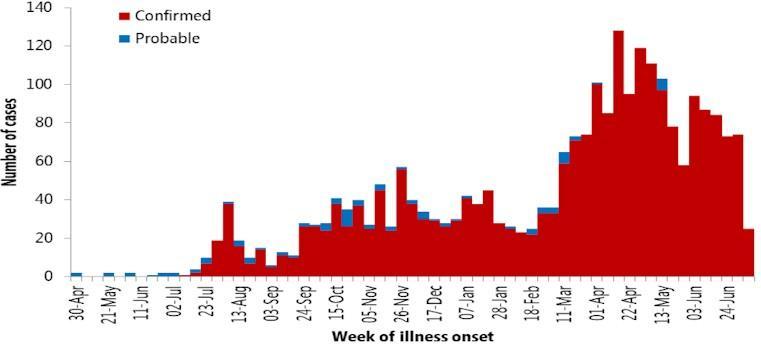
In one of the most comprehensive summaries of the Ebola outbreak to date, the latest WHO situation report documents more than 13,000 cases as of early November in eight countries (Guinea, Liberia, Mali, Nigeria, Senegal, Sierra Leone, Spain, and the United States) and almost 5,000 deaths. Among the three West African countries reporting more than 99% of the cases, weekly incidence appears stable in Guinea and declining in Liberia. However, the incidence continues to rise in Sierra Leone, especially in Freetown the capital city.
The Good News
While initial reports of a decline in cases were
uncertain, a recent press release from Doctors Without Borders on November 10 confirms that cases being admitted to their treatment centers are clearly down for the first time in the epidemic. Warning that case numbers could rise again as they have in Guinea, the organization says “priority should be given to a more flexible approach that allows a rapid response to new outbreaks and gets the regular health care system safely up and running again.”
Epidemiologic Variation
A closer examination of the cases reveals that while the epidemic started in Guinea, that country has surprisingly had fewer cases (13%)
Ebola Cases and Deaths in the Most Affected Countries
*Adapted from WHO, Nov 7, 2014
- Ebola cont'd on page 16
than neighboring Liberia and Sierra Leone. According to WHO, the geographic spread of Ebola within country has been less in Guinea than elsewhere. Liberia accounts for fully half of the cases and Sierra Leone the remaining 37%. While the data are considered incomplete because of underreporting, the case fatality rates vary dramatically between countries with cases in Guinea exhibiting an almost 3 fold greater mortality rate.
Health Care Workers
Another important feature of the outbreak in all countries has been the number of cases in health workers. According to WHO, 549 such workers have been infected and the case fatality rate has been 57%, close to the highest rate seen in Guinea. WHO says a substantial proportion of these infections may have occurred outside the context of care and treatment centers. If so, it leaves unexplained why the health care workers may have been at higher risk outside the health care setting. Similar to cases among non-health care workers, Liberia reports by far the largest number of health care worker cases. Also, the case fatality rates so far among health care workers are approximately 50% in Liberia and Guinea, not too dissimilar from the rates in the general population. However, Sierra Leone which has the lowest case fatality rate in the general population (22%) has by far the highest case fatality rate among health care workers (80%).
Progress With Control Measures
In a detailed report on the progress of implementing control measures, in the most affected countries WHO provides preliminary data showing that 22% of the more that 4,000 beds targeted to be available are now operational, 52% of the cases are being
isolated, 27% of the burial teams are in place, 87% of the dead bodies are being managed well, and 95% of contacts to be traced are being reached daily. WHO’s goal is to be able to isolate 100% of cases and safely bury 100% of patients who die by January 1, 2015. WHO points out that the 95% contact tracing measurement may be that high because the number of contacts being reported per case may be artificially low. In order to have an adequate level of readiness to cope with Ebola, countries should be able to successfully perform the following tasks:
Successful Control Tasks
1. Coordinate overall
2. Respond rapidly
3. Raise public awareness and community engagement
4. Prevent and/or control infection
5. Manage treatment centers
6. Manage safe burials
7. Conduct epidemiologic surveillance
8. Trace contacts
9. Test laboratory specimens
10. Check persons at points of entry
To access the WHO situation report, visit: http://tinyurl.com/lljkj5h ■
Congo Ebola Outbreak [2019]
Declared International Emergency
An outbreak of Ebola in the Congo has persisted for a year with 2,512 probable or confirmed cases and killed at least 1,650 persons as of mid-July without showing signs of abating. An estimated 12 new cases are being reported each day or about 80 per week, and this number is believed to be an underestimate. The case fatality rate for confirmed cases is 67% and there is special concern that approximately 30% of the cases are children under 18 years. Health workers are accounting for 5% of the cases.
Expanded Risk
Now, the report of a new case in the highly populated region of Goma, a large population center in the Democratic Republic of the Congo on the border with Rwanda, has sounded alarm bells even more loudly. The World Health Organization, triggered by the case in Goma, has declared a public health emergency. The declaration means the outbreak is “an extraordinary event that poses a public health risk to other countries through international spread and that potentially requires a coordinated international response.” WHO’s assessment is that risk remains very high at national and regional levels but still low at global level. There is cause for special concern linked to the recent case in Goma because the city is a provincial capital with an airport which has international flights
Complex Environment
Because of the lessons learned from the
last outbreak in West Africa five years ago and the development of an effective vaccine since then, it is puzzling to understand why the current year-old outbreak has not yet been halted. Official reports, eyewitness observations, and multiple media articles all point to a complex and uniquely challenging situation in which lessons learned from West Africa may not really apply. The major factors which have proven to be serious impediments to the control of this outbreak include the following:
Fear of unintended consequences
Three previous meetings by the WHO Advisory Committee have not recommended declaring an emergency out of fear of doing more harm than good because of unintended consequences. A similar declaration five years ago in West Africa caused travel bans, visa cancellations, trade freezes, cancelled flights and other hardships which amplified the negative social and economic effects of the outbreak and actually backfired to impede control measures.
Lack of Resources
The resources needed to properly combat the outbreak have not been provided. “Unless we get substantially more financial resources immediately, it will not be possible to end the outbreak,” according to Mark Lowcock, a United Nations Emergency Relief Coordinator. Previous decisions not to declare an emergency have meant less leverage for those arguing for more resources, which hopefully will now be forthcoming.
Tenuous Security
Insecurity is the greatest concern, especially after two more community health workers were killed recently. Media Express reports “as many as 134 separate armed rebel groups have sparred for control of the mineral-rich region in recent years, and an explosion of ethnically motivated kidnappings, maimings, and sexual violence displaced at least 300,000 people in June alone. There is a humanitarian crisis underway with millions of people displaced from their homes and on the move.
Political considerations
Epidemiologists and Ebola experts from CDC have been banned from full participation. “High income countries fear a Benghazi moment: If they let trained experts into the hot zone and they got killed or worse kidnapped it would be a political crisis,” reported Medical Express in speaking with Georgetown University’s Larry Gostin who directs an institute on national and global health law.
Lack of trust
Contact tracing has not been possible in a
place where there is distrust of the government and other authorities and the population is mobile. If they can be found, families which are identified for preventive measures hide loved ones behind closed doors for fear they will be hauled away. Contacts who need the proven effective vaccine do not get it.
Lack of Information & Misinformation
Conspiracy theories and misinformation circulates on social media. Lancet reported that a quarter of residents of North Kivu do not believe the virus is real. Other claims are that it is a biological attack by white Westerners or deliberate spread by the Congolese government.
According to the latest situation report from WHO, “The continuous transmission in major hotspots and the involvement of new health areas remain a grave concern, and thus necessitates both the continuation of proven and the introduction of novel outbreak control interventions in all affected areas.”
WHO Issues New Recommendations to Intensify Ebola Control Measures
Triggered by its Declaration of a Public Health Emergency of International Concern and citing the International Health Regulations, the WHO has issued new recommendations for officials in the Democratic Republic of the Congo and for neighboring countries. The spread of the infection to a large population of 2 million persons in Goma on the border with Rwanda has heightened regional and international risk. The recommendations include:
Temporary Recommendations
In its emergency declaration, WHO makes the following temporary recommendations under international health regulations to improve control of the outbreak.
Recommendations for the Congo
• Communication:
Continue to strengthen community awareness, engagement, and participation, including at points of entry, with at-risk populations, in particular to identify and address cultural norms and beliefs that serve as barriers to their full participation in the response.
• Screening
Continue cross-border screening and screening at main internal roads to ensure that no contacts are missed and enhance the quality of screening through improved sharing of information with surveillance teams.
• Security
Continue to work and enhance coordination with the UN and partners to reduce security threats, mitigate security risks, and create an enabling environment for public health operations as an essential platform for
accelerating disease-control efforts.
•Surveillance
Strengthen surveillance with a view towards reducing the proportion of community deaths and the time between detection and isolation, and implementing real-time genetic sequencing to better understand the dynamics of disease transmission.
• Vaccination
Optimal vaccine strategies that have maximum impact on curtailing the outbreak, as recommended by WHO’s Strategic Advisory Group of Experts (SAGE), should be implemented rapidly.
• Nosocomial infections
Strengthen measures to prevent nosocomial infections, including systematic mapping of health facilities, targeting of IPC interventions and sustain support to those facilities through monitoring and sustained supervision.
Recommendations for neighboring countries:
• Preparedness
At-risk countries should work urgently with partners to improve their preparedness for detecting and managing imported cases, including the mapping of health facilities and active surveillance with zero reporting. At-risk countries should put in place approvals for investigational medicines and vaccines as an immediate priority for preparedness.
• Mapping
Countries should continue to map population movements and sociological patterns that can predict risk of disease spread.
•Communication and Engagement
Risk communications and community engagement, especially at points of entry, should be increased.
Recommendations for all States:
• No country should close its borders or place any restrictions on travel and trade.
• National authorities should work with airlines and other transport and tourism industries to ensure that they do not exceed WHO’s advice on international traffic.
• The Committee does not consider entry screening at airports or other ports of entry outside the region to be necessary. ■
From Containment To Crisis In 5 Minutes---Ebola “Out Of Control” In
West Africa Says Doctors Without Borders [2014]
Unexpected Failure To Contain The Outbreak Has Multiple Causes
“Given that surveillance and response measures have held this [Ebola] terrifying disease in check for the past decade, why has the situation gotten so far out of hand this time?”
This is the complex question raised by the West African Ebola outbreak in Guinea, Liberia, and Sierra Leone and posed so clearly by Dick Thompson, a former WHO communications official, in National Geographic News. Several epidemiologists and health officials close to the outbreak have shared their insights in trying to answer this question.
From Control To Crisis in 5 Minutes
“Within five minutes, everything changed.”
That’s how Hilde de Clerk, a Doctors Without Borders/Medecins sans Frontieres (MSF) physician, has described the shift in thinking about the Ebola virus outbreak in Guinea. In an interview on the MSF website, de Clerk describes how MSF health officials in taking a small cluster of phone calls went from monitoring only two villages and thinking they were witnessing the end of the outbreak to having to monitor 40 villages with more than 500 potential contacts and realizing they were
facing the largest epidemic of Ebola they had ever faced. MSF is now describing the Ebola outbreak in Guinea, Sierra Leone, and Liberia as “out of control”.
Epidemiologist Speaks Out
According to MSF epidemiologist Michel van Herp who spoke with the Telegraph, “I have covered six previous Ebola outbreaks and this is unprecedented. It is unique in terms of the number of cases, where they are and how they are spread, the difficulty of putting enough treatment centres where they are needed, and the fact that these people move around so much.”
WHO Update
The July 15 report from WHO covering the period July 8-12 has identified 79 new confirmed, probable, and suspect cases from all three countries with the majority coming from Sierra Leone (30 cases) and Liberia (49 cases). The cumulative total of cases as of this report is 964 with 603 deaths (63% case
- Ebola cont'd on page 21
fatality rate). WHO has recently established an outbreak coordination center in Conakry Guinea to coordinate technical support and help to mobilize resources from a vantage point closer to the outbreaks.
Communications Expert Speaks Out
According to Thompson, the Ebola outbreak in West Africa is presenting several familiar and many new challenges. His list is daunting and helps to understand more deeply why control is so difficult to achieve. This has not been the experience in other Ebola outbreaks.
1. The disease had almost never been seen before in West Africa. Also, patients presented initially without the characteristic hemorrhaging. These two facts meant that recognition of the disease was delayed and it slowed the initial response.
2. Officials initially gave inaccurate and sometimes contradictory information. Also, they have failed to communicate the true scope of the outbreak. Trust in government communication messages is low and this is a serious limitation because mobilizing the community is a key ingredient of successful
containment.
3. The outbreak is occurring now or has occurred in multiple locations over a vast area. Also, the disease is spreading to urban areas for the first time. An outbreak on this scale exceeds the current capacity of the organizations involved to respond effectively. MSF has said it can no longer send teams to new outbreak sites.
4. As Thompson reminds readers so vividly, treatment of patients is dangerous for staff, physically grueling in protective gear from head to toe, and emotionally draining because of the high death rates. It requires enormous physical and emotional stamina as well as courage to be involved in treatment and outbreak control work.
5. Rumors about sinister purposes for isolation wards cause patients to escape and hide and cause the non-ill population to hide from investigators seeking the names of close contacts of patients.
6. Some populations believe a curse is at work on Ebola patients and families, and they are often stigmatized. ■
Your Ad Should Be Here
Do you have a job, course, conference, book or other resource of interest to the epidemiology community? Advertise with The Epidemiology Monitor and reach 35,000 epidemiologists, biostatisticians, and public health professionals monthly.
Advertising opportunities exist in this digital publication, on our website and social media pages, and in our Epi-Gram emails.
Global Public Health Community Takes Stock As Ebola Epidemic Ends
Level Of Readiness To Tackle Next Epidemic Is In Question
Just hours after the WHO declared the West African Ebola epidemic had come to an end on January 14th, the disease had reemerged with the confirmation of a new case in Sierra Leone. This most recent case underscores the continuing risk of new flare-ups throughout the region and the importance of looking back on what has been learned over the last 2 years fighting the largest public health disaster in recent history. Compiled from a series of recent meetings and articles about Ebola in Nature and elsewhere, here are some of the key lessons scientists and public health officials are relying on as they make recommendations for the future (4).
1. The world is not adequately prepared to deal with international epidemics.
There was a general failure on the part of public health officials and international organizations to respond quickly and effectively to the outbreak. Delays both in identifying initial cases of the disease and in declaring the outbreak a public health emergency allowed it to grow out of control. At the same time, the resources necessary to contain the initial spread of the disease were not deployed rapidly enough.
After the WHO received much of the blame, director-general Margaret Chan told the New York Times, “We are not the first responder…. the government has first priority to take care of their people and provide health care.” However, the Ebola outbreak has shown that the global health community cannot rely on the
governments of some of the poorest countries in the world to handle outbreaks of this nature alone.
2. The true extent of the weaknesses in the health systems of some of the world’s poorest countries.
A shortage of healthcare workers as well as a lack of proper equipment, training and information-sharing systems in West Africa enabled the rapid spread of Ebola. Large-scale investment in the health systems of these countries is urgently necessary as future outbreaks of Ebola and other diseases are likely to strike the region.
3. Support of community leaders is absolutely critical in overcoming cultural challenges
Ebola raised many unique cultural challenges related to social, traditional and religious practices in the affected regions. A lack of trust and clear communication led people to resist quarantines, travel bans and sending the sick to treatment centers. In addition, traditional funerals and burial methods involve extensive contact with family members and the bodies of victims, promoting further spread of the disease. Local religious leaders, village chiefs and elders were by far the most effective at educating communities about Ebola
- Ebola cont'd on page 23
transmission and gaining compliance with measures that proved essential to containing and controlling the epidemic.
4. It is possible to conduct rapid clinical trials during an epidemic.
Under normal circumstances it takes years to complete all the phases of approval and testing involved in controlled trials of new drugs or vaccines. Outbreaks tend to be over too quickly for clinical trials to take place and conditions in the field have generally been thought too challenging to make quality trials possible. Despite early failures to get various clinical trials underway rapidly, a WHO-supported fast-track approach to testing an experimental Ebola vaccine was ultimately successful, finding the vaccine to be safe and highly effective within the limited scope of the study (1).
Not only are these results promising in terms of controlling further Ebola outbreaks, this study can also serve as a model for the rapid development of drugs and vaccines in future epidemics. In fact, the WHO announced in the September Ebola Newsletter the development of a “blueprint action plan” intended to “reduce the time between identification of a nascent outbreak and final testing of the most advanced products”.
5. The world must remain vigilant
As this most recent case in Sierra Leone demonstrates, there is a high-risk for continuing small outbreaks of Ebola throughout the region. Scientists are still learning to what extent the virus persists in survivors. Some evidence suggests that in rare instances the virus can be sexually transmitted by male survivors for up to a year. While the epidemic transitions to a new phase in which in which the focus shifts to
controlling the risk of new infections, bolstering disease surveillance and identifying the animal reservoirs for the virus (a topic that remains controversial) (2) will be essential.
Actions Stemming From Lessons
By far the largest in history, this Ebola outbreak surprised the public health community with its length and scope and in the process exposed the weaknesses in the global health system. In November of 2015 a joint panel of more than 20 experts from the Harvard Global Health Institute and the London School of Hygiene and Tropical Medicine authored an assessment of the global response to the epidemic in which they argued that we are no better prepared to handle another epidemic today than we were 2 years ago (3). In response to these they argued that we are no better prepared to handle another epidemic today than we were 2 years ago (3). In response to these shortcomings and the lessons learned, the panel laid out what it called “10 Essential Reforms” aimed at improving prevention, detection and response to outbreaks in the future. In addition, panels have been convened by other organizations including the WHO and UN to make specific assessments and recommendations.
It appears critical that the world learns from these lessons and takes recommended actions to correct systemic shortcomings in the infrastructure and leadership of the world’s health systems before the next global health emergency strikes.
This month's list comes to us from Epi.Centre who has been extremely generous with EpiMonitor readers over the years. The linked materials were originally developed for graduate level courses. We invite you to visit their website for more materials of interest including R, SAS, Excel, OpenEpi, ActivEpi, Epi-Info and more: https://tinyurl.com/4mxbntca
We are also interested in publishing book reviews. If you have a new book that you have read or written that you believes deserves to be seen by a wider audience please send us the information you have on it. If you're interested in reviewing books for the EpiMonitor, just drop us a line and we'll start a discussion to see what we can work out.
MINOR UPDATES
Use of SAS PROC FREQ for Epidemiologists
https://tinyurl.com/4jzaeceh
Use of SAS PROC LOGISTIC for Epidemiologists
https://tinyurl.com/mvzuw6c4
Use of SAS PROC SURVEYFREQ for Epidemiologists
https://tinyurl.com/4at8he2p
Use of SAS PROC SURVEYLOGISTIC for Epidemiologists
https://tinyurl.com/3yc5kwmn
Use of SAS PROC GENMOD for Epidemiologists
https://tinyurl.com/mttfud5p
Use of SAS PROC LIFETEST, PROC PHREG, and PROC GENMOD with Person-Time Data for Epidemiologists
https://tinyurl.com/35xekppv
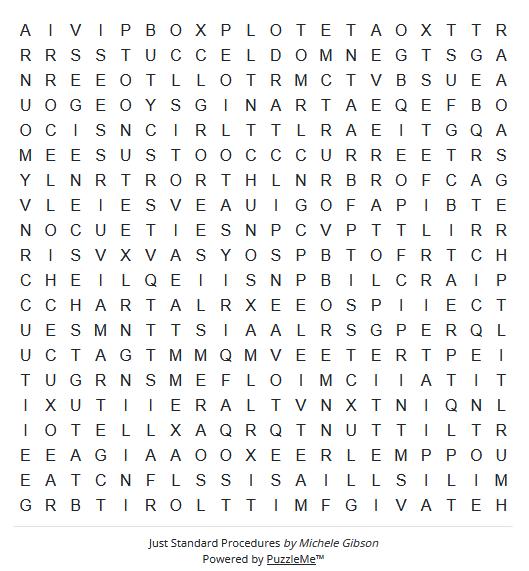
Just Standard Procedures
This month's puzzle spotlights SAS PROCs that we use daily. That should make it easy for you to work the puzzle. Good luck - don't let the puzzle frustrate you!
For an interactive online version go to: https://tinyurl.com/49tnpz9b
Editor's Note: All of us are confronted with more material than we can possibly hope to digest each month. However, that doesn't mean that we should miss some of the articles that appear in the public media on topics of interest to the epi community. The EpiMonitor curates a monthly list of some of the best articles we've encountered in the past month. See something you think others would like to read? Please send us a link at info@epimonitor.net and we'll include it in the next month
Hantavirus
♦ He was on the hantavirus cruise. What he wants every American to know. (USA Today)
https://tinyurl.com/2ywcetx5
♦ A Scientist's Close Call with Hantavirus Aboard the M.V. Hondius Cruise (The New Yorker via AppleNews)
https://tinyurl.com/3w4zyw8j
♦ Hantavirus protocol breach at Dutch hospital as medics race to curb spread (Reuters)
https://tinyurl.com/4t9ufsn8
♦ COVID-19, pandemic trauma and why the hantavirus anxiety is hitting us so hard (USA Today)
https://tinyurl.com/ymraxjma
♦ Several U.S. States Monitoring Cruise Passengers as Latest Hantavirus Case Reported (Time)
https://tinyurl.com/mr33h9ae
♦ The cruise ship hantavirus outbreak is a warning sign to the U.S. (STAT)
https://tinyurl.com/ymjjr783
♦ U.S. departure from WHO could hinder hantavirus response (NBC News)
https://tinyurl.com/54xxpmd2
Ebola
♦ American working in Congo tests positive for Ebola, CDC says (NBC News)
https://tinyurl.com/4y5dbx3s
♦ Uganda closes its border with Congo as cases of a rare Ebola type surge
https://tinyurl.com/yddb5zba
[Type a quote from the document or the summary of an interesting point. You can position the text box anywhere in the document. Use the Text Box Tools tab to change the formatting of the pull quote text box.]
Ebola, cont.
What We're Reading This Month
- con't from page 26
♦ WHO Declares Global Emergency Over Ebola Strain With No Vaccine (Time)
https://tinyurl.com/4u3uj9zz
♦ US funding cuts have hampered response to the deadly Ebola crisis, aid workers say CNN)
https://tinyurl.com/3pe54vxn
♦ Concerns of global Ebola spread grow as workers claim deadly virus was spreading unchecked for weeks (Daily Mail)
https://tinyurl.com/4b7tdmnh
Public Health Topics
♦ Scientists focus on genetically engineering mice to cut Lyme disease transmission (CBS)
https://tinyurl.com/52pey438
♦ Tick bites surge, sending many to ER. Maps show where. (USA Today)
https://tinyurl.com/7w62up59
♦ Hearing bombshell: Acting director of NIH’s infectious disease institute is out (Science)
https://tinyurl.com/yymz8svy
♦ FDA Commissioner Marty Makary, under pressure from Trump, resigns (WSJ via AppleNews)
https://tinyurl.com/bdedasw9
♦ Former Fauci aide charged with conspiring to evade Covid-related records requests (Politico)
https://tinyurl.com/2h366v4u
♦ FDA halts publication of studies on COVID, shingles vaccines (WAPO via AppleNews)
https://tinyurl.com/4vufn4a8
♦ Scientists Measured Microplastics in Coffee Served in To-Go Cups. Here’s What They Found. (Epoch Times)
https://tinyurl.com/y84tn4wu
Notes on People
Do you have news about yourself, a colleague, or a student?
Please help The Epidemiology Monitor keep the community informed by sending relevant news to us at this address for inclusion in our next issue. michele@epimonitor.net
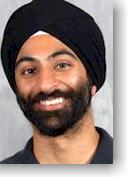
Honored: The 2026 Marion V. Creekmore Award for Internationalization was presented to Parminder Suchdev. A physician-epidemiologist and professor of pediatrics and global health in the School of Medicine, Suchdev has dedicated more than 20 years to advancing maternal and child nutrition and strengthening global health systems. His work bridges research, clinical care and policy, translating evidence into practice to improve health equity worldwide. Suchdev also serves as a pediatric hospitalist at Children’s Healthcare of Atlanta.
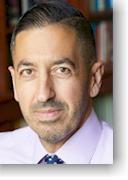
Honored: Dr. Sandro Galea, has been named the recipient of the 2026 Elizabeth Fries Health Education Award. Dr. Galea, a population health scientist and physician, has distinguished himself as one of public health’s most visible communicators, translating complex scientific evidence for broad audiences. His work has popularized the concept of “consequential epidemiology,” emphasizing that public health research should ultimately guide actions and policies that improve population health.
Honored: University of Wisconsin Associate Professor Jiwei Zhao has been named a 2026 Fellow of the American Statistical Association. This honor recognizes sustained and significant contributions to statistical sciences. His overarching research is to use statistical methods and machine learning techniques to analyze data with massive structures in various biomedical studies. He has broad interests in clinical trial, missing data analysis, causal inference, semiparametric, robustness, high-dimensional statistical inference, semi-supervised learning, transfer learning, patient-reported outcomes, electronic health records, health services research, health disparity/equity.
Appointed: Dr. Jacob Oleson has been named head of the University of Iowa Department of Biostatistics. His appointment will begin July 1, 2026. Oleson is currently a professor in the Department of Biostatistics in the UI College of Public Health with a complimentary appointment in the UI Department of Otolaryngology. He directs the Statistics and Analytics Core in the college’s Institute for Public Health Practice, Research and Policy, and has served as the director of graduate studies in the Department of Biostatistics since 2015.
Notes on People,
Do you have news about yourself, a colleague, or a student?
Please help The Epidemiology Monitor keep the community informed by sending relevant news to us at this address for inclusion in our next issue. michele@epimonitor.net
Appointed: Dr. Francesca L. Beaudoin, a widely respected epidemiologist, emergency physician and addiction medicine specialist, has been appointed the next dean of Brown University’s School of Public Health (SPH), effective June 1, 2026. Beaudoin has been serving in the role on an interim basis since Jan. 1, 2026. She will oversee the school’s four academic departments, 13 research centers, seven master’s programs, four doctoral programs and the undergraduate concentrations in public health and statistics, while driving the school’s strategic planning in collaboration with its faculty.
Appointed: Dr. Jennifer Shuford, commissioner of the Texas Department of State Health Services, has been chosen to serve as deputy director and chief medical officer of the Centers for Disease Control and Prevention. She has led the Department of State Health Services in Texas since 2022 after serving as the state’s chief epidemiologist and helping to lead the state's COVID-19 response.
Appointed: Dr. Harvey Risch, Professor Emeritus and Senior Research Scientist at Yale School of Public Health, by President Trump, to Chair the President's Cancer Panel. The Panel is charged with monitoring the development and execution of the activities of the National Cancer Program and reporting to the president on progress, efficacy, and opportunities for improvement in the national effort against cancer. Dr. Risch hopes to strengthen cancer prevention, particularly involving factors that can be straightforwardly managed in daily life, as well as in foods and other common exposures.
Dr. Risch received his undergraduate science education at Caltech, his M.D. degree from the University of California at San Diego, and his Ph.D. in mathematical modeling of infectious epidemics from the University of Chicago. After postdoctoral fellowship in epidemiology at the University of Washington, Dr. Risch was a faculty member at the University of Toronto before coming to Yale in 1991. Dr. Risch has authored or co-authored more than 400 original peer-reviewed research papers, the great majority on cancer etiology and epidemiology.
Notes on
Do you have news about yourself, a colleague, or a student?
Please help The Epidemiology Monitor keep the community informed by sending relevant news to us at this address for inclusion in our next issue. michele@epimonitor.net
Stepped Down: Jeffery Taubenberger, an influenza researcher named last year as acting director of the U.S. National Institute of Allergy and Infectious Diseases (NIAID), has stepped down from his position. The departure of Taubenberger, who is best known for resurrecting the sequence of the 1918 flu virus, comes amid a broad leadership shake-up at NIAID, which has long been under attack from President Donald Trump’s administration and Republicans in Congress who think it played a role in sparking the COVID-19 pandemic.
Passed: Nancy Cox, who for decades was a global leader in influenza research, died on April 23, 2026 from glioblastoma . Nancy served as the director of the Influenza Division at the Centers for Disease Control and Prevention (CDC) from 2006 to 2014 and as director of the CDC's World Health Organization (WHO) Collaborating Center for Surveillance, Epidemiology and Control of Influenza from 1992 to 2014. She retired in December 2014, after 37 years and 278 publications. She was the recipient of ten CDC recognition awards, seven Nakano Awards, four Shepard Awards, The Lancet's "Paper of the Year," Time Magazine's "The Time 100: People Who Shape Our World," the Service to America Award, CDC's Lifetime Achievement Award and the US Government Federal Employee of the Year award.
https://bit.ly/49r3uVZ
Passed: Thomas Scott Caldwell, Jr., 38, of Mooresville, NC, died at his home on Sunday, March 21, 2026. He did his postdoctoral research work at the University of North Carolina at Chapel Hill, where he was ultimately promoted to a research scientist position. Prior to his death he was employed by the Department of Biostatistics at UNC, where he held the position of software developer/data analyst and IT business intelligence analyst.
https://bit.ly/4uND1u4
Near Term Epidemiology Event Calendar
Every December The Epidemiology Monitor dedicates that issue to a calendar of events for the upcoming year. However that often means we don't have full information for events later in the upcoming year. Thus an online copy exists on our website that is updated regularly. To view the full year please go to: http://www.epimonitor.net/Events The events that we are aware of for the next month follow below.
June 1-5
Type: Conference
June 2026
Title: 51st Annual Kettil Brunn Society Meeting
Sponsor: KBS Location: Kaunas, Lithuania
June 1-30
Web: https://tinyurl.com/jxms5vue
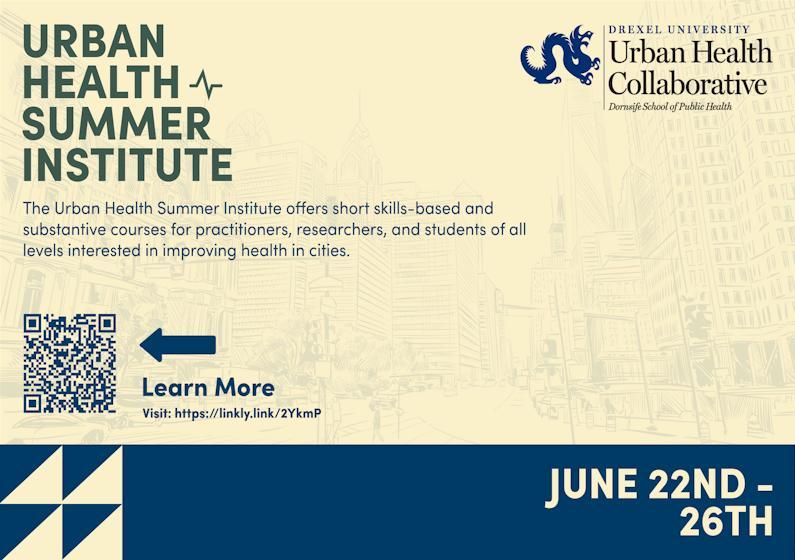
Type: Summer Program Web: https://tinyurl.com/jxms5vue
Sponsor: American Association for Cancer Research (AACR) Location: Philadelphia, PA
July 26-31 Type: Conference Web: https://tinyurl.com/n4abxkex
Title: IAS 2026 - International AIDS Conference
Sponsor: International AIDS Society Location: Rio de Janerio, Brazil
July TBD Type: Summer Program Web: https://tinyurl.com/jubdfaf7
Title: 33rd International Summer School of Epidemiology at Ulm University
Sponsor: Ulm University Location: Ulm, Germany
July TBD Type: Summer Program Web: https://tinyurl.com/5xwkmwdy
Title: 8th Annual Summer Institute in Statistics for Clinical & Epidemiological Research (SISCER)
Sponsor: University of Washington Location: Virtual
July TBD Type: Summer Program Web: https://tinyurl.com/yc5s2b96
Title: Epi on the Island
Sponsor: University of Prince Edward Island Location: Prince Edward Island, Canada
July TBD Type: Summer Program Web: https://tinyurl.com/4dwr6vxa
Title: 8th Annual Summer Institute in Statistics for Big Data (SISBID)
Sponsor: University of Washington Location: Atlanta, GA
Open Public Health Positions
What it means and why it matters
The list below has been compiled by Public Health Hiring Help the new Substack column that has been created to help individuals in the public health community find positions in the midst of the chaos that is now impacting governmental agencies and grant recipients. This list represents the most current positions PHHH has been able to identify. We thank PHHH for their permission to reprint these listings.
Henry Ford Health, Research Study Coordinator I (Detroit, MI)
Not listed + benefits, Bachelor’s min
GA Dept of Health, Prevention Coordinator (Atlanta, GA)
Public Health Alignment: RMACH, BSHES, GH, Undergrad, Grad, Bachelor’s, Master’s
What it means and why it matters
Team Survivor Northwest, Program Coordinator (PT) (Seattle, WA)
Public Health Alignment: RMACH, BSHES, Undergrad, Grad, Bachelor’s, Master’s
ChildKind International, Development Manager (PT, CT) (Remote)
Public Health Alignment: RMACH, HPM, GH, Bachelor’s, Grad, Master’s
Asian Americans for Civil Rights and Equality, MOSAIC Policy Consultant (CT) (Sacramento, CA)
Public Health Alignment: HPM, BSHES, GH, Bachelor’s, Master’s
Food Animal Concerns Trust, Development Coordinator (PT) (Remote)
Public Health Alignment: HPM, EH, Bachelor’s, Master’s
SpEducational, Community Outreach Programs Specialist (PT, CT) (Los Angeles, CA)
Public Health Alignment: RMACH, BSHES, Undergrad, Grad, Bachelor’s, Master’s
BAGLY Inc, Adolescent Sexuality Educator (PT) (Boston, MA)
Public Health Alignment: RMACH, BSHES, Undergrad, Grad, Bachelor’s, Master’s
Nationwide Children’s, Clinical Research Coordinator I (PT) (Columbus, OH)
Public Health Alignment: RMACH, EPI, Bachelor’s, Grad, Master’s
Univ of Houston, Health Promotion with Youth Research Scientist (PT) (Houston, TX)
Public Health Alignment: RMACH, BSHES, Bachelor’s, Master’s
Cambridge Health Alliance, Research and Clinical Assessment Coordinator (PT) (Cambridge, MA)
Public Health Alignment: BSHES, EPI, Bachelor’s, Grad, Master’s
Univ of CO Boulder, Research Coordinator (PT) (Boulder, CO)
Public Health Alignment: RMACH, EPI, EH, Bachelor’s, Grad, Master’s
Project Access, Community Program Coordinator (PT) (Sunnyvale, CA)
Public Health Alignment: RMACH, HPM, BSHES, Bachelor’s, Grad, Master’s
Univ of MI, Clinical Research Coordinator (PT) (Ann Arbor, MI)
Public Health Alignment: BSHES, EPI, Bachelor’s, Grad, Master’s
Univ of MI, Biostatistician (CT) (Ann Arbor, MI)
Public Health Alignment: BIOS, EPI, RMACH, Master’s
For Full Information on jobs: http://www.epimonitor.net/JobBank
The EpiMonitor offers a variety of plans for you to advertise your job opening, event or other item of interest to our readers. The basic advertising options are:
Web Only
This provides you with a full page on our website along with banner ads in appropriate places for what you are advertising (e.g. our Job Bank or Events pages). In addition, these ads are also featured in our monthly email blast. Web ads normally appear on our site within 2-3 hours of your order.
Web + Digital Print
This option provides either a full or half page digital print ad in this publication monthly along with all of the services included in the "Web Only" option.
Social Media
We also have social media add-on options for our web and print advertising programs.
Your Ad Should Be Here
Do you have a job, course, conference, book or other resource of interest to the epidemiology community? Advertise with The Epidemiology Monitor and reach 35,000 epidemiologists, biostatisticians, and public health professionals monthly.
Advertising opportunities exist in this digital publication, on our website and social media pages, and in our Epi-Gram emails.
For more information please contact: Michele Gibson / 770.309.7937 / michele@epimonitor.net
Director, Data Coordinating Center, Clinical Trial Epidemiologist
The Department of Epidemiology and Public Health (EPH) at the University of Maryland School of Medicine (UMSOM) is recruiting a full-timeAssociate Professor or Professor specializing in clinical trial epidemiology to serve as the Inaugural Director of the Data Coordinating Center (DCC). EPH is home to strong innovative research programs in biostatistics and bioinformatics, gerontology and aging, cancer epidemiology, genomic and infectious disease epidemiology, maternal and child health, preventive medicine, and population health. EPH has a long, successful record of leading important clinical trials funded by federal agencies, private foundations, and industry sponsors. Given the growing demand for clinical trial expertise (design, coordination, and management) at UMSOM, the Inaugural Director will have the opportunity to shape the future of clinical trial infrastructure within one of the nation’s leading academic medical centers. The position reflects a strategic institutional investment in expanding clinical trials infrastructure and multidisciplinary research collaboration across the School of Medicine.
This position will lead the development of the newly established DCC, designed to unify and expand existing clinical research coordination, data management, and quantitative support activities currently distributed across EPH, the School of Medicine, and the broader University. The DCC will serve as an institutional resource and collaborative hub that brings together expertise and infrastructure to provide integrated, scalable support for clinical trials and translational research initiatives across campus, and to support multisite clinical trials and collaborative data science activities.
Applicants must hold a doctoral degree (PhD, MD) or equivalent in epidemiology, biostatistics, or a related field. The successful candidate will have experience in epidemiologic study design and quantitative analyses and will have demonstrated the ability to establish an independent, successful research program or data coordinating center and to develop multidisciplinary collaborative research programs. Experience working in or managing a data coordinating center and seeking extramural support are essential. The position offers opportunities to participate in teaching programs, including student mentoring and course leadership, for graduate and medical students.
Responsibilities will include providing scientific and operational leadership for DCC activities and supervising multidisciplinary teams of trialists, biostatisticians, data analysts, and research staff; planning and executing clinical trials and clinical and translational research studies; collaborating with UMSOM faculty to design trials of promising interventions; and disseminating scientific findings through peer-reviewed publications, sponsor reporting, presentations, and collaborative scientific engagement. The successful candidate will be expected to develop and sustain a nationally competitive, extramurally funded research and data coordination program, with active leadership in grant development and collaborative proposal submission.
The expected rank for this position will beAssociate Professor or higher; however, the final rank and tenure status will be commensurate with the selected candidate’s experience.
Expected Salary Range: $157,000 – $391,294. The referenced salary range reflects base pay, which is determined by faculty rank and years in rank. This salary range does not include all components of the departmental faculty compensation program or pay from participation in departmental variable compensation programs. Therefore, the actual compensation paid to the selected candidate may vary from the salary range stated herein. The referenced salary range represents the minimum and maximum salaries for this position and is based on UMSOM’s good-faith belief at the time of posting. Not all candidates will be eligible for the upper end of the salary range. The actual compensation offered to the selected candidate may vary and ultimately depends on multiple factors, including the successful candidate's geographic location, skills, work experience, internal equity, market conditions, education/training, and other factors, as reasonably determined by the University.
UMB offers a comprehensive benefits package that prioritizes wellness, work/life balance, and professional development. This position offers a retirement program that must be selected and is effective on your date of hire. Faculty receive a generous leave package that includes over 4 weeks of vacation accrued each year, paid holidays, personal leave, unlimited accrual of sick time, comprehensive health insurance, professional learning and development programs, and tuition remission for employees and their dependents at any University System of Maryland school.
For immediate consideration, qualified applicants should submit a single PDF file containing a short cover letter, a detailed curriculum vitae, contact information for three or more references, up to three reprints of representative publication(s), and a description of future research, teaching, and scientific interests to the following link: https://www.umaryland.edu/hr/careers-at-umb/ Search for job number #260000AZ. For additional questions, please email Erin Walton at Erin.Walton@som.umaryland.edu
UMB is an equal opportunity employer. All qualified applicants will receive consideration for employment without regard to sex, gender identity, sexual orientation, race, color, religion, national origin, disability, protected Veteran status, age, or any other characteristic protected by law or policy. If you need a reasonable accommodation for a disability for any part of the employment process, please submit an online request or contact HRDiversity@umaryland.edu Please note that only inquiries concerning a request for reasonable accommodation will be responded to from this email address.
The Division of Biostatistics and Bioinformatics within the Department of Epidemiology and Public Health (EPH) at the University of Maryland School of Medicine is recruiting two full-time, non-tenure track/tenure trackAssistant or Associate Professor with interests in analysis with real-world data, high-dimensional data, causal inference, innovative clinical trials analysis, and/or machine learning (ML)/artificial intelligence (AI) to join our thriving research environment.
The successful candidate will hold a primary appointment in the Division of Biostatistics and Bioinformatics within EPH at the University of Maryland School of Medicine.Applicants must have a Ph.D. or equivalent in Biostatistics, Statistics, Computer Science, or Applied Mathematics. Generous and competitive salary and start-up packages commensurate with career stage and experience will be provided.
The Department of Epidemiology and Public Health is home to strong and innovative research programs in biostatistics and bioinformatics, gerontology, cancer epidemiology, genomic and infectious disease epidemiology, translational toxicology, preventive medicine, and population health.
The Division of Biostatistics and Bioinformatics hosts multidisciplinary research projects that span topics such as hip fracture recovery, cognitive functioning and dementia, vaccine efficacy and effectiveness, mental health interventions, target trial emulation, neuroimaging, -omics data analysis and coordination, transportation statistics, and administrative claims and electronic health record data analysis. Collaboration with other faculty in the department, across the School of Medicine, University of Maryland Campuses is encouraged. Within the division, there is ample opportunity to teach, train, and mentor the next generation of scientists (pre- and post-doctoral), medical students, and students in other professional schools.
Preference will be given to individuals who have demonstrated a record of supporting team science grants, establishing their own cutting-edge research, securing external peer-reviewed funding, and developing and teaching biostatistics courses in topics such as probability, inference, advanced inference, or advanced linear models. The University of Maryland, Baltimore offers a rich research environment and venue to impact epidemiology and biomedical research through methodological innovation. Essential qualities of the successful candidate include the ability to professionally and conscientiously support and manage complex data analysis projects in collaborative settings across teams of researchers and demonstrated excellence in teaching. Desired qualities include: 1) clinical trial expertise, 2) experience with team science grants and 3) a record of cutting-edge research in biostatistics and ML/AI. In sum, the ideal candidate will be collaborative, an outstanding educator, and have methodological versatility, with an interest in the intersection of clinical trials, biostatistics and ML/AI as applied to epidemiology and biomedical research.
Expected rank for this position will beAssistant Professor or higher, however, final rank and tenure status will be commensurate with selected candidate’s experience.
Expected Salary Range: $110,000-$228,000. The referenced salary range reflects base pay, which is based on faculty rank and years in rank. This salary range does not include all components of the departmental faculty compensation program or pay from participation in departmental variable compensation programs. Therefore, the actual compensation paid to the selected candidate may vary from the salary range stated herein. For more information, please contact the hiring department. The referenced salary range represents the minimum and maximum salaries for this position and is based on the University of Maryland School of Medicine’s good faith belief at the time of posting. Not all candidates will be eligible for the upper end of the salary range. The actual compensation offered to the selected candidate mayvaryand will ultimately depend on multiple factors, which mayinclude the successful candidate's geographic location, skills, work experience, internal equity, market conditions, education/training and other factors, as reasonably determined by the University.
UMB offers a comprehensive benefits package that prioritizes wellness, work/life balance, and professional development. This position offers a retirement program that must be selected and is effective on your date of hire. Facultyreceive a generous leave package that includes over 4 weeks of vacation accrued each year, paid holidays, personal leave, unlimited accrual of sick time, and comprehensive health insurance; professional learning and development programs; tuition remission for employees and their dependents at anyUniversity System of Maryland school.
For immediate consideration, qualified applicants should submit a single PDF file containing a short cover letter, a detailed curriculum vitae, contact information for three or more references, up to three reprints of representative publication(s), and a description of future research, teaching, and scientific interests to the following link https://www.umaryland.edu/hr/careers-atumb/ Search for job number #260000B2.
For additional questions after application, please emailAlesha Dobos at Adobos@umaryland.edu
(2) Assistant / Associate Professors -
Gerontology
The Division of Gerontology within the Department of Epidemiology and Public Health (EPH) at the University of Maryland School of Medicine is recruiting two full-time, non-tenure track/tenure track Assistant or Associate Professor with interests in transdisciplinary research in aging, epidemiology, population health, and related areas.
The successful candidate will hold a primary appointment in the Division of Gerontology within EPH at the University of Maryland School of Medicine. Applicants must have a Ph.D. and/or M.D. (or equivalent doctoral degree) with experience collaborating in interdisciplinary research setting, background in epidemiology, population health, and/or gerontology or related area. Arecord of extramural research funding is required. Due to the diverse nature of the work of the division and department, we welcome those with non-traditional career pathways to apply.
The Department of Epidemiology and Public Health is home to strong and innovative research programs in gerontology, cancer epidemiology, genomic and infectious disease epidemiology, translational toxicology, biostatistics and bioinformatics, preventive medicine, andpopulationhealth.
The Division of Gerontology hosts multidisciplinary research projects that span topics such as hip fracture recovery, cognitive functioning, Parkinson’s Disease, HIV and aging, chronic care and disease management, trauma and emergency care, knee osteoarthritis, gero-science informed omics, and global aging. The Division also has strong foundations in community-based participatoryresearch, innovative applications of biostatistical methodology to real-world epidemiological problems, clinicaltrials design, implementation science, mixed methods, intervention development, and methods for studying older persons. The Division of Gerontology offers unique opportunities through the university-wide Center for Research on Aging, which promotes interdisciplinary collaboration and research training in gerontology among faculty at the University's six professional schools (medicine, nursing, pharmacy, dentistry, social work, and law), and other aging-focused investigators across Maryland. In addition, the Center for Research on Aging is the administrative home to the Claude D. Pepper Older Americans Independence Center, in partnership with the Department of Medicine’s Division of Gerontology, Geriatrics, and Palliative Medicine, and the Geriatrics Research Education and Clinical Center in the adjoining Baltimore VAMedical Center. Within the Division, there is ample opportunity to teach, train, and mentor the next generation of scientists (pre- and post-doctoral) across the fields of epidemiology, gerontology, and health care policy; medical students; and students in other professional schools. The Division is also home to a National Institute onAging Training Grant in the Epidemiology of Aging
The Division is seeking new facultymembers who are committed to building an inclusive and supportive academic environment. Successfulcandidates will demonstrate astrong interest in collaborative, transdisciplinary, and / or community-based approaches to gerontology and epidemiological research in aging, with the goal of building an independent and innovativeresearch program to advance the studyof aging.
Expected rank for this position will beAssistant Professor or higher, however, final rank and tenure status will be commensurate with selected candidate’s experience.
Expected Salary Range: $115,000 - $229,000. The referenced salary range reflects base pay, which is based on faculty rank and years in rank. This salary range does not include all components of the departmental faculty compensation program or pay from participation in departmental variable compensation programs. Therefore, the actual compensation paid to the selected candidate may vary from the salary range stated herein. For more information, please contact the hiring department. The referenced salary range represents the minimum and maximum salaries for this position and is based on the University of Maryland School of Medicine’s good faith belief at the time of posting. Not all candidates will be eligible for the upper end of the salary range. The actual compensation offered to the selected candidate mayvary and will ultimately depend on multiple factors, which may include the successful candidate's geographic location, skills, work experience, internal equity, market conditions, education/training and other factors, as reasonably determined by the University.
UMB offers a comprehensive benefits package that prioritizes wellness, work/life balance, and professional development. This position offers a retirement program that must be selected and is effective on your date of hire. Facultyreceive a generous leave package that includes over 4 weeks of vacation accrued each year, paid holidays, personal leave, unlimited accrual of sick time, and comprehensive health insurance; professional learning and development programs; tuition remission for employees and their dependents at anyUniversity System of Maryland school.
For immediate consideration, qualified applicants should submit a single PDF file containing a short cover letter, a detailed curriculum vitae, contact information for three or more references, up to three reprints of representative publication(s), and a description of future research, teaching, and scientific interests to the following link https://www.umaryland.edu/hr/careers-atumb/ Search for job number # 260000B1.
For additional questions after application, please emailAlesha Dobos at Adobos@som.umaryland.edu
Open Rank Faculty - EnvironmentalEpidemiology
The Department of Epidemiology and Population Health in the School of Public Health and Information Sciences at the University of Louisville is seeking applicants for a tenure-track, open rank faculty position. Applicants must have a doctoral degree in epidemiology: other doctoral degrees may be considered if the applicant has at least 3 to 5 years of direct experience in epidemiological research. Applicants should have a strong record of peer-reviewed publications. Extramural funding as a principal investigator is required for consideration at the Associate or Full Professor level. Applicants should show good potential for developing and maintaining a nationally recognized portfolio of research, and experience in teaching and mentoring. Specialization in environmental epidemiology with research relevant to climate change is strongly preferred. Applicants with research experience on the effects of chemical and radiation exposures, air pollution, the built environment, environmental health inequities, or other relevant specializations are of interest also.
The School of Public Health and Information Sciences (SPHIS) is located on the University of Louisville Health Sciences Center campus, which includes the schools of Medicine, Nursing and Dentistry. SPHIS is one of two schools of public health in Kentucky and is fully accredited by the Council on Education for Public Health. The Department of Epidemiology and Population Health has MPH, MS and PhD curricula in epidemiology, and a new BA/BS, minor in epidemiology. It is the only department in the school with two MPH concentrations: Epidemiology and Global Maternal-Child Health. All faculty are expected to teach as well as pursue research. Candidates for this position opening will be expected to develop new courses related to their specialization and contribute to the expansion of the teaching mission of the department.
Faculty members of the Department of Epidemiology and Population Health currently specialize in diverse areas of research and teaching including: nutrition, obesity and body composition; aging; molecular biomarkers for cardiometabolic diseases and cancer; infectious diseases; women’s maternal-child and reproductive health; racial-ethnic, gender and geographic health disparities; global health; the effects of environmental lead, radon, heavy metal and toxic nanoparticle exposures on health; interactions among genetic, behavioral societal and environmental factors; prevention of infectious diseases including efficacy of vaccines, masking and social distancing in COVID 19, community acquired pneumonia, and HIV; and long-term consequences of diagnosed cancers on quality of life. The faculty members enjoy strong research collaborations with other departments in SPHIS and across the university. The university is home to several centers and institutes relevant to this position including the Christina Lee Brown Envirome Institute, Center for Integrated Environmental Health Sciences, Superfund Research Center, Divisions of Environmental Medicine and Infectious Diseases, and the Brown Cancer Center, as well as the Louisville Metro Department of Health & Wellness and the Kentucky Department of Public Health. SPHIS is home to the Center for Health Hazard Preparedness, the Commonwealth Institute of Kentucky, Center for Social Justice Youth Development, and the Statistical Consulting Center.
The selected applicant will receive a competitive salary, office and research space, and protected time for scholarship: start-up funds are negotiable. The department supports membership and travel to professional epidemiology organizations such the Society for Epidemiologic Research and American College of Epidemiology. We are looking for candidates interested in becoming members of a small, highly collegial, collaborative and competitive department that “punches above its weight” by placing its graduates in excellent positions.
TO APPLY
Interested candidates should apply online at: https://tinyurl.com/2wz49xt2
Position ID #R108230
Please include your curriculum vitae, a letter of interest including a statement of research interests and a list of five professional references addressed to: Dr. Kira Taylor, Chair of Search Committee, Department of Epidemiology and Population Health, School of Public Health and Information Sciences, University of Louisville, 485 East Gray St., Louisville, KY 40292.
Location: Louisville, KY
Job Type: Full-time
Contact: Kira Taylor
Email: kira.taylor@louisville.edu
Website: https://tinyurl.com/2wz49xt2
Open Rank Faculty Positions, Cancer Prevention and Control (CPC) Research Program
The Houston Methodist Dr. Mary and Ron Neal Cancer Center (HMNCC) is seeking faculty candidates at the rank of Assistant, Associate, and Full Professor. The ideal candidates will have expertise in one of the following broad CPC-focused research areas: (i) genomics/genetic and environmental epidemiology, (ii) data science/artificial intelligence, (iii) biological/social/ancestral drivers of cancer development and progression, (iv) health policy, behavioral interventions, and cancer survivorship, and (v) implementation science.
The successful candidate will have the opportunity to be a part of a rapidly expanding Cancer Prevention and Control (CPC) research program at the HMNCC, driven by robust institutional investment in addressing the local catchment area cancer burdens. A history of successful external funding (e.g., NIH/NCI, DOD, ACS, RWJF, NSF) is expected, consistent with career stage. The faculty member will conduct novel research that aligns with the CPC programmatic vision and the HMNCC strategic plan, with efforts to dramatically reduce the disproportionate burden of cancer among high-risk subgroups.
The CPC research program is responsible for conducting cancer research that alleviates the disease burden across the demographically diverse HMNCC 8-county catchment area, with an emphasis on multiple priority cancers including, but not limited to: breast, prostate, lung, liver, cervical, colon/rectal, brain and hematological malignancies. Risk factors of particular importance to our region include cancer screening rates, obesity, environmental carcinogens, persistent poverty, tobacco use, and climate vulnerability. The Greater Houston metropolitan region continues to grow in population size, with significant increases in racial and ethnic diversity projected into the next decade, making it an ideal setting for conducting cohort studies that contribute to generating a knowledge base around cancer etiology that will benefit Texas and the U.S., and particularly the medically underserved.
KEY RESPONSIBILITIES:
The selected faculty members will be expected to help support the development of the HMNCC CPC program and should have the following attributes:
♦ Strong expertise in epidemiologic research design & methodology.
♦ An ability to identify research gaps and anticipate new research directions and opportunities.
♦ Dedication for research that addresses the disproportionate cancer burden across the cancer continuum.
♦ Translational research expertise in at least one of the following areas: environmental epidemiology, biological and social drivers of cancer burden, genetic and -omics epidemiologic research, bioinformatics, population cancer analytics, and/or geospatial mapping.
♦ Demonstrated ability to collaborate with an interdisciplinary team.
♦ Exceptional mentorship skills of early career faculty, trainees, and/or staff.
♦ Ability to obtain peer-reviewed federal funding.
PROFESSIONAL EXPERIENCE/QUALIFICATIONS:
Successful applicants must have:
♦ A professional degree (PhD, MD, DrPH, or ScD) in a discipline related to epidemiology, population sciences, environmental health sciences, or other strongly related disciplines.
♦ Consistent with career stage (Assistant/Associate/Full Professor), successful applicants must also have:
(i) Evidence of extramural, federal research funding
(ii) Successful track record of publications in professional journals, including high impact for those being considered at Associate/Full Professor (iii) Record of collaborative and team science approaches in cancer research (iv) Roles in educational training programs and mentorship of early-career scientists
Strong consideration will be given to those with experience in building diverse patient cohorts, use of publicly available cancer datasets, geospatial modeling, and those dedicating themselves to alleviating the cancer burden for high-risk sub-groups.
COMMUNITY:
Houston is a vibrant city comprised of diverse communities that reflect global influences, who enjoy a great variety of cultural amenities, world-class restaurants and an affordable cost of living. Houston Methodist is based in the heart of the Texas Medical Center, the largest medical center in the U.S. just a short walk from the city’s museum and arts district, zoo and midtown attractions, and a few miles from Houston’s downtown and sports arenas.
PROCEDURE AND CANDIDACY:
Applications should include a detailed curriculum vitae (CV) describing funding and research interests, along with a cover letter highlighting accomplishments and research interests. To ensure full consideration, inquiries, nominations, and applications should be submitted electronically, in confidence, to JCULLEN@HOUSTONMETHODIST.ORG
The Houston Methodist Dr. Mary and Ron Neal Cancer Center (HMNCC) is seeking faculty candidates at the rank of Associate or Full Professor with demonstrated expertise in environmental cancer epidemiology, including leadership roles on federally funded studies that examine individual and/or combined effects of social, economic, lifestyle, nutritional, neighborhood, climate, and environmental exposures on cancer development, cancer progression, and cancer-specific outcomes.
The successful candidate will have the opportunity to be a part of a rapidly expanding Cancer Prevention and Control (CPC) research program at the HMNCC, driven by robust institutional investment in addressing the local HMNCC catchment area cancer burdens. A history of successful external funding (e.g., NIH/NCI, DOD, ACS, RWJF, NSF) is expected, consistent with career stage. The faculty member will conduct novel research that aligns with the CPC program’s vision and the HMNCC strategic plan, with efforts to dramatically reduce the disproportionate burden of cancer on high-risk subgroups.
The CPC research program is responsible for conducting cancer research that alleviates the disease burden across the demographically diverse HMNCC 8-county catchment area, with an emphasis on multiple priority cancers including, but not limited to: breast, prostate, lung, liver, cervical, colon/rectal, brain and hematological malignancies. Risk factors of particular importance to our region include cancer screening rates, obesity, environmental carcinogens, persistent poverty, tobacco use, and climate vulnerability. The Greater Houston metropolitan region continues to grow in population size, with significant increases in racial and ethnic diversity projected into the next decade, making it an ideal setting for conducting cohort studies that contribute to generating a knowledge base around cancer etiology that will benefit Texas and the U.S., and particularly the medically underserved.
KEY RESPONSIBILITIES:
The selected faculty member will be expected to help support the development of the HMNCC CPC program and should have the following attributes:
♦ Strong expertise in epidemiologic research design & methodology.
♦ An ability to identify research gaps and anticipate new research directions and opportunities.
♦ Dedication for research that addresses the disproportionate cancer burden across the cancer continuum.
♦ Translational research expertise in at least one of the following areas: environmental epidemiology, biological and social drivers of cancer burden, genetic and -omics epidemiologic research, bioinformatics, population cancer analytics, and/or geospatial mapping.
♦ Demonstrated ability to collaborate with an interdisciplinary team.
♦ Exceptional mentorship skills of early career faculty, trainees, and/or staff.
♦ Ability to obtain peer-reviewed federal funding.
PROFESSIONAL EXPERIENCE/QUALIFICATIONS:
Successful applicants must have:
♦ A professional degree (PhD, MD, DrPH, or ScD) in a discipline related to epidemiology, population sciences, environmental health sciences, or other strongly related disciplines.
♦ Consistent with career stage (Associate/Full Professor), successful applicants must also have: (i) Strong evidence of extramural, federal research funding (ii) Publications in high impact scientific journals (iii) Strong record of collaborative and team science approaches in cancer research (iv) Leadership roles in educational training programs and mentorship of early-career scientists
Strong consideration will be given to those with experience in building diverse patient cohorts, use of publicly available cancer datasets, geospatial modeling, and those dedicating themselves to alleviating the cancer burden for high-risk sub-groups.
COMMUNITY:
Houston is a vibrant city comprised of diverse communities that reflect global influences and who enjoy a great variety of cultural amenities, world-class restaurants and an affordable cost of living. Houston Methodist is based in the heart of the Texas Medical Center, the largest medical center in the U.S. just a short walk from the city’s museum and arts district, zoo and midtown attractions, and a few miles from Houston’s downtown and sports arenas.
PROCEDURE AND CANDIDACY:
Applications should include a detailed curriculum vitae (CV) describing funding and research interests, along with a cover letter highlighting accomplishments and research interests. To ensure full consideration, inquiries, nominations, and applications should be submitted electronically, in confidence, to: JCULLEN@HOUSTONMETHODIST.ORG
YLE can be found here: https://yourlocalepidemiologist.substack.com/
Your Local Epidemiologist (YLE) is founded and operated by Dr. Katelyn Jetelina, MPH PhD—an epidemiologist, wife, and mom of two little girls. YLE reaches more than 305,000 people in over 132 countries with one goal: “Translate” the ever-evolving public health science so that people will be well-equipped to make evidence-based decisions. This newsletter is free to everyone, thanks to the generous support of fellow YLE community members.
To support the effort, subscribe or upgrade your existing subscription: https://yourlocalepidemiologist.substack.com/
The Epidemiology Monitor ISSN (2833-1710) is published monthly by Monitor Publishing & Communications, Inc.
All material in this publication is subject to copyright. For possible reprint permission please contact us at michele@epimonitor.net
Advertising options include but are not limited to:
Website only ads or website ads combined with digital print ads in this publication. Sponsorship for features in this newsletter or for the newsletter issue itself
Ads are accepted for open positions, events, programs, books, merchandise and other items of interest to our readers.
Subscriptions to this publication are free. Go to http://epimonitor.net/Subscribe.htm