A monthly update covering people, events, research, and key developments
Editor’s Note:
This month you'll also find a broad range of articles. The first talks about the result of the failure of chemical regulation and it's followed by an article that touts what public health won in 2025. Our profile of the month is a veterinary epidemiologist with a broad and varied career. You'll also see a series of epidemiology thrillers that she's published in recent years. Looking at the job hunt, we've got a piece about the new book by the legendary Dr. Tom Frieden on enhancing success in the early phase of your career. We've also published a grant opportunity that might interest to some of you.
After we published the calendar issue last month we were approached about several events that we did not make the list because they hadn't been announced yet. As a result we've updated the calendar - you'll find a fresh copy in this issue. We may update the calendar again later in the year so if you are planning an event please reach out so we can make sure you are included.
We are starting to hear from many of you with articles that you'd like us to consider publishing. We are always interested in your offerings. Please also consider nominating people for our profile series, writing a review of a book, or letting us know about individuals whose accomplishment should be added to our monthly Notes on People feature.
LAST CALL - Summer Programs
If you are in a position where you run a summer program we need to talk to you to get information about your program for our summer program issue next month. Someone in your office should be receiving an email from us shortly. You are also welcome to email us directly at info@epimonitor.net and we will send you a form to fill out so we have all the pertinent information about your program before we compile this issue. If you are interested in advertising your program in other issues we'll also be happy to talk to you about that.
As always, we continue to provide you with our popular monthly word game feature, Notes on People, an overview of what we are reading from the public media, and a listing of near term upcoming events. Ask us about the sponsorship opportunities for these standard monthly featuresit offers you great exposure for your event, institution, book or other item of interest to our readers!
Until next month - stay safe and busy!
In This Issue
-3- A Lesson We Keep Learning Too Late
-8- 20 Public Health Wins in 2025
-12- Profiles in Public Health: Millicent Eidson, DVM
-15- Epidemiology As A Medical Thriller
-17- ASI Research Grants on Sudden Unexpected Infant Death (SUID)
-18- The Job Hunt: Applying Frieden's Formula to Your Early-Career Journey
Did you miss last month’s issue? Read it here: https://tinyurl.com/26wrh9n7 or here: https://tinyurl.com/383d9rf4
A Lesson We Keep Learning Too Late
PFAS, Breastfeeding, and the Quiet Erosion of Human Biology
Author: Bruce Lanphear, MD, MPH
NOTE: This article was originally published on January 20, 2026 by Plagues, Pollution & Poverty on Substack.
When the Data Doesn’t Fit the Story
I first learned that PFAS the so-called forever chemicals might interfere with breastfeeding from Megan Romano, then a post-doctoral student at Brown University. Romano was working with data from the HOME Study, a birth cohort in Cincinnati I designed to examine how early-life exposures shape children’s health. She was analyzing data on PFAS exposure and breastfeeding duration.
When she showed me the results, I was stunned. After nearly twenty years studying breastfeeding with Cindy Howard, I’d never considered chemical exposure as a driver of breastfeeding duration and the effect was too large to ignore.
The mothers in the HOME Study had PFOA levels roughly twice the national average. The reason was painfully ordinary: their drinking water came from the Ohio River, and about 200 miles upstream sat DuPont’s Washington Works facility the source of PFOA (C8) contamination that later became infamous. These women weren’t factory workers or living next to a hazardous waste site. They were drinking tap water.
And Cincinnati, it turns out, wasn’t an outlier.
A Pattern That Refuses to Go Away
A 2023 systematic review led by Timmerman summarized the evidence at the time: women with higher PFAS levels—especially PFOA— tended to breastfeed for shorter periods. The authors also highlighted an important complication. PFAS are excreted through breast milk, so women who had breastfed previously often had lower PFAS levels. That makes the science messier, but also more revealing.
When researchers focused on first-time mothers, the pattern sharpened. Higher PFAS levels were consistently linked to shorter breastfeeding duration. Among women who had breastfed before, the association weakened likely because earlier lactation had already reduced their PFAS burden.
That pattern doesn’t undermine the evidence. It strengthens it.
A Warning First Detected in the Lab
This story didn’t begin with human studies. Nearly two decades ago, toxicologists showed that prenatal exposure to PFOA disrupted mammary gland development in mice—both in exposed mothers and in their female offspring. The tissue failed to mature normally, and the changes persisted. At the time, the findings seemed narrow, even obscure. In hindsight, they look prescient. The biology was waving a flag long before epidemiology caught up.
The pattern has since reappeared. In a recent -
New Hampshire study, Romano and her team found that women with higher PFAS levels again, especially PFOA breastfed for a shorter duration. The association was not subtle, and it persisted after accounting for factors that often cloud this kind of research. Different population. Different setting. Same result.
“Breastfeeding isn’t a lifestyle choice. It’s a basic human function. If chemicals in our water and food are quietly eroding it, that isn’t a niche concern—it’s a warning.”
At some point, repetition stops being coincidence and starts looking like a signal.
And that is what unsettles me. Breastfeeding isn’t a lifestyle choice. It’s a basic human function. If chemicals in our water and food are quietly eroding it, that isn’t a niche concern. It’s a warning.
Why Breastfeeding, of All Things?
At first glance, breastfeeding might seem like an odd endpoint for toxicology. Biologically, it makes perfect sense and we’ve seen this before, with DDT.
Lactation isn’t a switch that flips on after delivery. It’s the culmination of mammary gland development that begins in utero, accelerates during puberty, and completes during pregnancy. It’s exquisitely hormone dependent. Estrogen, progesterone, prolactin, oxytocin each must arrive on cue, in the right sequence.
PFAS are hormone disruptors. They interfere with estrogen signaling, thyroid hormones, and lipid metabolism. They bind to receptors involved in mammary development.
In laboratory studies, PFOS and PFOA disrupt mammary gland development. Exposed mice
show impaired mammary differentiation and altered expression of milk proteins changes that limit their ability to sustain normal lactation. Some struggle to adequately nurse their pups. The pups fail to thrive, not because the mothers lack motivation, but because the biology has been quietly rewired.
Human studies now echo those findings. The strongest associations appear for exclusive breastfeeding, the period of highest physiological demand consistent with impaired capacity rather than failure to initiate.
This Isn’t About Choice
When breastfeeding ends early, we’re quick to talk about personal choice, workplace barriers, or lack of support. Those factors matter. But PFAS complicates the story in an uncomfortable way.
What if we’ve been blaming mothers for outcomes shaped decades earlier not by willpower or choice, but by toxic chemicals that quietly interfered with mammary development and now sit in their water, food, and blood?
Breastfeeding protects infants against respiratory infections, leukemia, and even death. For mothers, longer breastfeeding lowers the risk of breast cancer, ovarian cancer, and diabetes. Shortening breastfeeding doesn’t just affect infancy; it shapes health long after childhood.
This isn’t a lifestyle issue. It’s a failure of chemical regulation.
Not a One-Off—Not Even Close
The Cincinnati story is often framed as a
- Lesson cont'd on page
scandal—DuPont, C8, contaminated water. But focusing on scandal misses the larger truth.
This is not an exception. It’s the rule.
More than 170 million Americans nearly half the population—have had PFAS detected in their drinking water. Globally, PFAS contamination has been documented on every continent, including Antarctica. These chemicals now fall with the rain.
Once released, PFAS don’t politely degrade. PFOS and PFOA persist for years in the human body. PFNA persists even longer. And while industry has moved on to “replacement” PFAS, many share the same carbon-fluorine backbone that makes them stubbornly persistent and biologically active.
What happened in Cincinnati is happening— quietly, unevenly, and persistently across the world.
What About the Next Generation?
PFAS cross the placenta. They show up in cord blood. Exposure begins before birth and continues through childhood.
If PFAS interfere with mammary development in adults, what happens when exposure occurs during fetal life or puberty the windows when mammary tissue is being programmed?
We don’t yet know. But history offers a warning. With DDT, diethylstilbesterol and lead, we learned too late that early exposures echo across a lifetime.
PFAS may be teaching us the same lesson slowly, quietly, and at enormous scale.
A Question We Keep Dodging
We tend to ask narrow questions about PFAS: Which compounds are worst? What’s the safe dose? How low is low enough?
The breastfeeding studies force a broader question:
How many core human capacities are being subtly eroded by chemicals we never agreed to ingest?
The ability to conceive. The ability to carry a pregnancy. The ability to feed a child.
These aren’t fringe outcomes. They go to the core of human existence.
“…industrial contamination doesn’t just cause disease—it reshapes biology.”
PFAS are only one chapter in a long story. But they offer a stark illustration of how industrial contamination doesn’t just cause disease—it reshapes biology.
The question isn’t whether this is happening. The question is how long we’re willing to pretend it isn’t.
All of this leads to an unavoidable conclusion: PFAS cannot be regulated one chemical at a time. There are thousands of PFAS. Regulating them individually has become a regulatory shell game—ban one, replace it with a close cousin, declare progress. It’s a strategy that protects markets, not people. PFAS must be regulated as a class, and we need a concrete plan to drive exposures down quickly and decisively over the next five years.
- Lesson cont'd on page 6
The targets are obvious. First, drinking water, the most direct and inequitable source of exposure, demands enforceable limits, rapid remediation, and accountability from polluters—especially near industrial sites and military bases. Second, industrial uses that contaminate air, soil, and wastewater must be eliminated at the source, rather than managed after communities are exposed. Third, consumer products with no essential function
stain-resistant clothing, grease-proof food packaging, cosmetics—should be phased out, not endlessly reformulated.
This isn’t a call for perfection. It’s a call for prevention. What’s been missing isn’t evidence. It’s resolve. ■
To read more content like this please subscribe to Plagues, Pollution & Poverty on Substack
Editor's Note: This article was originally printed in Your Local Epidemiologist on December 30, 2025. To read more content from this source subscribe to Your Local Epidemiologist (YLE): https://tinyurl.com/32pd2a8r
Phew, what a year. Amid relentless political, financial, and rhetorical pressures on public health, science, and health care, real harm landed on clinics, communities, and people trying to stay healthy.
The public health sector did everything it could to mitigate the impact and continue protecting Americans’ health in meaningful, lifesaving ways. Although the blows are becoming increasingly difficult to absorb, outbreaks were still prevented, harm was still reduced, and people were still kept safe.
As we head into the new year, here are 20 wins in 2025 that made our world healthier! Something we can all celebrate.
(Disclaimers: These are in no particular order, and we surely missed many, but thank you to everyone who shared their ideas. Please keep sharing your stories; they show the true power of local public health.)
Triumphs in the field
Over 3,500 local health departments keep your invisible shield intact and strong. Here are a few (of many) wins this year:
1. Fifty measles outbreaks were contained. This success reflects tireless work by local public health teams and strong community responses, including vaccination. For example, early uptake of the MMR vaccine increased rapidly among Texas infants after the state’s measles outbreak began in January.
2. Infant botulism outbreak contained. Experts in California, the only group worldwide with access to the antidote, BabyBIG, identified a highly unusual signal in baby formula, triggering rapid notifications to CDC, manufacturers, and suppliers saving infant lives.
3. Leading on climate adaptation. Maricopa County cut heat-related deaths by nearly 40% in 2025 (the second year of decline on record) even as extreme heat days increased, thanks to expanded cooling centers, hydration stations, and outreach to vulnerable residents.
Turning the tide
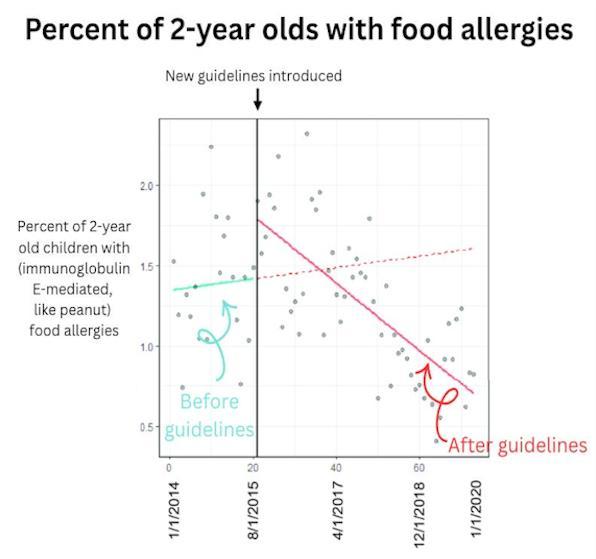
4. Food allergies in kids dropped dramatically. This year, we got news that childhood food allergies dropped 36%, driven by a 43% drop in peanut allergy. This success traces back to the 2015 LEAP study, which showed that early introduction of potential allergens prevents allergy changing guidelines and, now, lives. More kids can safely reach for a PB&J.
Source: Gabryszewski et al. (2025), annotated by YLE
5. Huntington’s disease was slowed for the first time. A targeted gene therapy delivered during brain surgery slowed disease progression by ~75%. Disease progression that usually happens in one year took four years instead, which is an extraordinary breakthrough for families facing a devastating disease.
6. Obesity rates continued to decline. GLP-1 medications likely played a role, but they’re not the whole story. While we don’t yet fully understand the drivers, the direction matters, and it’s good news.
7. Outreach initiatives improved cancer screening and reduced disparities. A study released this year showed that in a Northern California health system, colorectal cancer screenings doubled over the past 13 years, and deaths due to colorectal cancer dropped by 50% among Black patients.
- 2025 cont'd on page 9
8. Menopause hormone therapy (MHT) has become more accessible, with the removal of its black box warning. After 85 years of conflicting research and confusing guidelines, there is hope for women suffering preventable menopause symptoms.
9. New Mexico guaranteed free child care for all families. No income limits or copays required. A rare, bold move with real public health impact, including economic benefits.
10.Red flag gun laws expanded. Maine voters passed one, bringing the total to 22 states + D.C. These laws reduce gun deaths—now the work is awareness and implementation.
11.Maryland made adult vaccines free. A first-of-its-kind program was launched to provide recommended vaccines at no cost for uninsured and underinsured adults. Public health nurses have begun delivering them.
12.Schools kept kids fed during federal shutdowns. For example, New Hampshire districts expanded free meals amid SNAP disruptions, preventing hunger when families needed support most.
International successes
13.86 million girls in high-risk countries have received the HPV vaccine. That’s an estimated 1.4 million lives saved. By year’s end, countries that bear 89% of the global burden of cervical cancer will have access to the HPV vaccine.
14. HIV prevention shots became affordable. Lenacapavir nearly 100% effective will cost $40/year in 120 low- and middleincome countries by 2027, down from $42,000.
15.PEPFAR survived. $400 million in global HIV and AIDS funding was preserved. Since 2003, this bipartisan program has saved 26 million lives and enabled 7.8 million HIV-free births.
16.The first-ever malaria treatment for newborns was approved, filling a deadly treatment gap. It will be distributed by a nonprofit starting in eight African countries.
Standing up for science
This year, our field showed remarkable resilience more than ever before. Here are a few highlights.
17. New coalitions formed nationwide, filling gaps, staying rooted in evidence, and working to ensure Americans feel confident and protected.
4. The Vaccine Integrity Project gives Americans independent, thirdparty confirmation that vaccines are safe and effective.
5. Northeast and Western state public health coalitions now coordinate health guidance so residents get clear, consistent recommendations.
6. GovAct is helping governors protect Americans’ health freedoms through coordinated action.
7. Grandparents for Vaccines, a grassroots group, is sharing reallife stories of how vaccines have protected children and families.
8. The Evidence Collective, cofounded by YLE, is uniting researchers, communicators, and practitioners to turn rigorous science into clear, actionable
1. The American Academy of Pediatrics and other medical societies sued HHS over unilateral changes to vaccine policy and the restructuring of CDC advisory processes.
2. Coalitions of clinicians and public health organizations filed lawsuits to stop the removal of federal public health data and clinical resources.
3. Researchers and public health groups sued the National Institutes of Health (NIH) and HHS to challenge the cancellation of peerreviewed research grants.
19. Epidemiologists entered politics. Scientists entered the arena and are running for office, breaking long-standing silos and bringing evidence into policymaking, where it’s desperately needed.
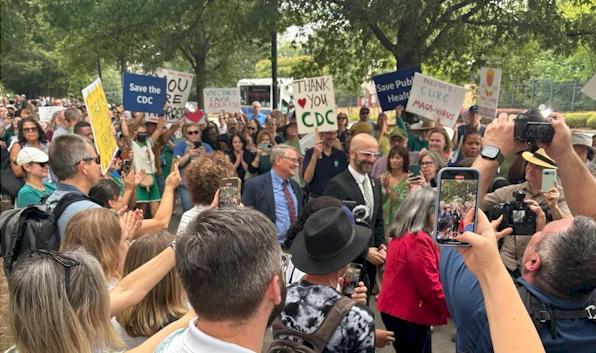
20. Courage at CDC, NIH, and beyond. CDC leaders resigned to take a stand against what their leadership was asking them to do. NIH employees wrote a declaration. Federal, state, and local public health workers continue to take silent and public stands every day through their work.
Source: Courage at the CDC
YLE wins because community matters
This year was intense for YLE, but you helped us grow and build like never before. This year we:
Launched a California newsletter with Dr. Matt Willis.
Hosted our first in-person event (yes, at a comedy club) with YLE New York’s Marisa Donnelly.
Built unlikely collaborations rooted in shared values, like with MAHA and mom influencers.
Launched Project Stethoscope and The Evidence Collective.
Published more than 120 newsletters and hosted 4 webinars.
Above all, we built a community with nearly 415,000 subscribers. (Tell a friend and help us reach that milestone this year!)
Bottom line
Public health has your back.
This field will be challenged like never before in 2026, but I’m confident it can navigate this terrain with relentless dedication, innovation, partnership, and listening. ■
YLE can be found here: https://yourlocalepidemiologist.substack.com/
Your Local Epidemiologist (YLE) is founded and operated by Dr. Katelyn Jetelina, MPH PhD an epidemiologist, wife, and mom of two little girls. YLE reaches more than 320,000 people in over 132 countries with one goal: “Translate” the ever-evolving public health science so that people will be well-equipped to make evidence-based decisions. This newsletter is free to everyone, thanks to the generous support of fellow YLE community members.
To support the effort, subscribe or upgrade your existing subscription: https://yourlocalepidemiologist.substack.com/
Profiles in Public Health
Millicent Eidson, DVM
As part of our ongoing series looking at professionals in the field - what led them to this career, where they see future opportunities, and what stands out for them in their own career - this month we were pleased to interview Millicent Eidson who started as a veterinarian and ended up not only teaching but also writing epidemiology thrillers. Following the interview you'll find a recent article from her Substack that talks about epidemiology as the basis for medical thrillers.
Your degrees are in veterinary medicinewhat led you down that path? I see they're from Colorado - did you grow up there and was your family in the ranching or farming business?
Veterinary medicine wasn’t a childhood dream, but I always loved animals. Life first in Arizona and then Colorado connected me to ranching life. When academic politics drained my enthusiasm during my PhD social psychology program, I looked for another scientific path. Colorado State University was just up the road, and I knew veterinary medicine would offer endless variety.
Did you have a mentor who encouraged you to follow this path in life? When did you first know you wanted to be a DVM? Was your interest predominantly in a large or small animal practice...or were you a researcher at heart?
At first, I imagined opening a cat practice so I could move easily for my husband’s government career. CSU encouraged applicants to explore the field broadly, so I completed externships with small and large animal practices, the Denver Zoo, and Dr. John Emerson, the State Public Health Veterinarian.
His work captivated me. By my second year, I was assisting Dr. John Reif in a Giardia study. He introduced me to a CDC EIS Officer and that set my course.
Where did you initially work? What brought you to the East Coast?
CSU allowed senior students a trimester to explore career options. I split mine between a Manhattan cat practice and CDC’s Birth Defects program, including a field investigation in Boston quite an adjustment for someone new to big cities. While at CDC, I interviewed for the EIS program and became one of only three veterinarians in the 1983 class.
After my EIS assignment at the National Cancer Institute, my husband and I hoped to return west. New Mexico’s State Environmental Epidemiologist position opened, and I spent 12 rewarding years there, later adding the State Public Health Veterinarian role. Through national committee work, I met leaders in veterinary epidemiology, and when Dr. Jack Debbie retired in New York, I seized the chance to continue his work bringing me to Albany for two decades.
How did your transition from DVM to epidemiology professor happen?
Teaching runs in my family so it felt natural my mother taught languages and my father was a school librarian. Both the New Mexico and New York health departments encouraged parttime teaching, and I supplemented my training with summer epidemiology institutes. The University at Albany School of Public Health grew out of NYSDOH, and I was fortunate to be
- Eidson cont'd on page 13
involved in its academic programs, eventually becoming a Full Professor.
It seems like topics such as Avian Flu are showing up more often - what do you see as the future for veterinary epidemiologists? Is the demand increasing for this career segment?
Zoonotic disease risks are rising as the world changes. Avian flu surveillance remains essential, but COVID reminded us that many pathogens can cause global disruption. Most potential bioterrorism agents and emerging diseases are zoonotic. Veterinary epidemiologists will remain vital members of One Health teams, not only for animal-related health outcomes.
Do veterinary epidemiologists primarily work with zoonotic diseases?
Not exclusively. Veterinary epidemiologists are trained across species and equipped with analytical tools that apply to a wide range of health challenges animal, human, and environmental. Our skill set is less about species and more about understanding patterns, risks, and causes of disease wherever they emerge.
One example from my own career was helping lead the first investigation that linked Ltryptophan supplements to a newly recognized eosinophilia-myalgia syndrome, which led to a rapid FDA recall.
Is AI a tool that has been useful to you in your work? If so, how? Do you think that AI will impact the need - especially for entry level epidemiologists?
AI is both helpful and concerning. I worry when students rely on it so heavily that they don’t develop scientific reasoning or communication skills. As a novelist, I’m competing with a flood of AI-generated fiction. Yet computer-based tools have long been part of scientific work. I
ground all my story science in peer-reviewed Pub Med articles, but newer AI tools with citations now streamline some of the background research I once did through endless Google searches. I don’t believe that AI can replace the complex skills of epidemiologists, or creative writers who have original visions.
What do you feel is the best advice you give your students as they look at their future careers?
Embrace every opportunity to learn and contribute to public health. With shrinking budgets, curiosity and flexibility matter more than ever. Many of my students already work in health-related fields, and my zoonoses and climate change course helps broaden their skills and perspectives.
How have the federal cutbacks impacted your specific area of work?
Talented people are losing jobs, and preventable illnesses and deaths are rising. It’s demoralizing for those who remain, who must uphold science-based work amid growing science denial. One goal of my novels is to spotlight public health, much as The West Wing did for government service. My series hasn’t reached 2025 yet, but I’m already weaving in references to agencies like USAID so readers understand the value of what’s being lost.
Do you feel the public understands the value of veterinary epidemiology to the world? If not, what do you think can be done to educate them?
COVID helped people learn what epidemiology is, but veterinary epidemiologists remain largely invisible, even within medicine. When people hear I’m a veterinarian, they assume clinical practice. We need broader adoption of One Health and more recognition of veterinary
epidemiologists’ contributions. I’m encouraged by the number of public health veterinarians now serving as State Epidemiologists.
In addition to your teaching, you are well known as the author of a series of epidemiology based thrillers. What led you to that endeavor?
I’ve always been an avid reader growing up, I finished a book every night. I’d imagined an alphabetical zoonotic mystery series for years, but work and parenting left no time. Retirement from full-time public health finally gave me the space to explore creative outlets like photography, painting, and writing.
What kind of reader feedback do you get about these books?
I love hearing that readers discover a new world through my books or appreciate the clarity of the science. Representing the breadth of zoonotic public health in fiction is challenging, so I focus on a few characters from key One Health professions while hinting at the larger teams behind real investigations. With 26 planned books, I have room to introduce the contributions of many agencies. I’d like to hear from more public health professionals so I can appropriately represent their work.
In addition to writing books you've found time to start writing on Substack? What audience are you targeting there and what do you hope to accomplish with these essays?
I’m new to Substack. My email newsletter reaches over a thousand readers, but it doesn’t allow for discussion or long-term access. A friend’s success on Substack inspired me to try it. Sometimes I share overlapping content, but Substack offers more interaction and longevity. Now I just need to connect with more readers there.
I hesitate to ask, but in addition to all the things you're doing related to epidemiology, do you find any time for fun and, if so, what things do you enjoy?
Writing my microbial mysteries is great fun, but I enjoy plenty beyond that. I teach zoonoses and climate change at the University of Vermont and a sex-education course through my Unitarian/Universalist community. I’m active in book clubs and author groups, lead creativewriting workshops, and design my own book covers. I also love photography, working out, walking or biking along Lake Champlain, and traveling with my family. ■
Epidemiology As A Medical Thriller
Author: Millicent Eidson, DVM
NOTE: This article was originally published on December 29, 2025 on Substack.
Years ago when someone heard that I was a veterinary epidemiologist, this was their frequent question: “Is that like a skin doctor?” The term ‘epidemiologist’ is more familiar to the general public since COVID. If anything, it carries a bad connotation: “Were you one of those shutting down schools?”
Veterinarians in Public Health?
There was also confusion about my role as a veterinarian in public health. Shouldn’t I be in a clinic caring for animals? But they were fascinated when I explained that veterinarians, like physicians, can work in public service as well as clinical practice. Those vets like me who were accepted into CDC’s Epidemic Intelligence Service (EIS) program had a jump on our physician colleagues because we were required to have a master’s degree in a public healthrelated field in addition to our medical degree.
I found my two years with CDC, 12 years with the New Mexico Department of Health, and 20 years with the New York Department of Health tremendously rewarding. In each state health department, I was also supported in my ties with academia. My mother was a language teacher and my father an elementary school librarian. I guess teaching and books must be in my blood.
Upon my retirement, the University of Vermont welcomed me as a part-time faculty member, teaching about zoonoses and climate change. In my free time, I began to explore my creative side, long postponed by the demands of a
public health career. First, photography and painting. Then I discovered that as a senior citizen, I could audit classes at our local colleges for free.
Epidemiologists as Creative Writers
Scientific writing was old hat for me. I always enjoyed and valued getting my outbreak investigations and other epidemiological studies into peer-reviewed journals. From my point of view, every study was an opportunity to learn and share lessons for risk reduction. But translating that science for the general public through creative writing was a new challenge.
My first creative writing class required writing a short story in just a month. I figured I’d better make it about something I already knew. For my teaching, I had a full-semester exercise about a bioterrorism-related plague outbreak, rolling out new information each week for the students to discuss. Plague was an area of expertise because New Mexico typically has the most cases in the US.
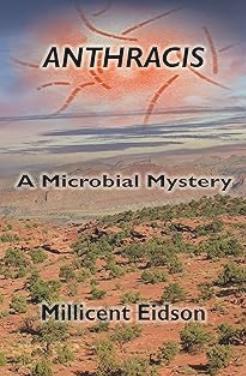
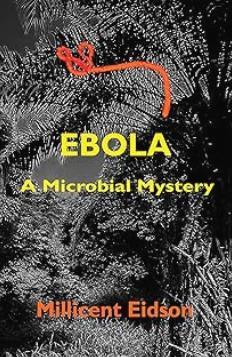
The creative writing instructor complimented my short story but told me I had crammed too much information into that format perhaps a novel would be better. That very day, I sat down to list zoonotic diseases from A to Z and began to craft my first alphabetical zoonotic thriller, “Anthracis: A Microbial Mystery” (https://books2read.com/millicenteidson/).
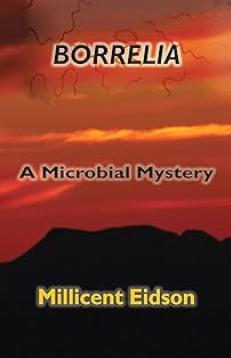
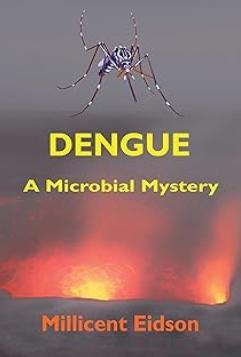
Since then, I’ve published novels about Borrelia, Corona, Dengue, and Ebola, plus a collection of short stories. My sixth novel about Fasciola hepatica, the liver fluke, should be out by summer, 2026. I even won a couple of awards for a play and a short story!
Connecting with people about zoonotic diseases has been fun and fulfilling. I get to chat with them in person at various book events and over Zoom through creative writing workshops. I’m in a unique position to share the real-world excitement and terror of these diseases. Entertainment, education, and enlightenment my stated goals on my website https://drmayamaguire.com/.
Medical Thrillers
The medical thriller is a popular genre think Robin Cook, Michael Crichton, and Tess Gerritsen. But these stories are typically centered in human hospitals with forensic pathologists as protagonists. They’re often an offshoot to a murder mystery, in which the pathologist partners with law enforcement to solve the crime.
My goal is to provide readers something different:
· A veterinary epidemiologist as the protagonist
· A focus on zoonotic diseases, those transmitted (not necessarily directly) between humans and other animals
· Translation of complex statistical analyses and projections about the impact of climate change
· An emphasis on the fieldwork required to manage One Health threats
· No fictional disease organisms all information is based on real disease challenges and prevention/control options
Often, authors enhance the creative thrill by extrapolating from current disease threats a virus mutates to threaten the whole world. We all experienced that with COVID, but I specifically want to provide a window into
public health workers (not just veterinarians) and their everyday challenges, balancing multiple real threats, large and small.
In the MayaVerse, named after my principal character Maya Maguire, every clinical sign is from a respected source or peer-reviewed journal. Characters use investigative and control methods based on what was known at the time of the story. Like the TV series The West Wing, I want to provide a behind-the-curtain peek into real-world zoonotic threats.
Fiction as a Public Health Communication Option
COVID revealed the challenges of public health communication. Everyone’s working hard on improving our options. Nonfiction book-length compilations of outbreak investigations are one way to share our public health world. But novels and short stories are uniquely designed to engage readers through compelling characters, vivid settings, and exciting plots.
Fiction requires a different style of writing emphasizing emotion which can feel awkward for those us steeped in science. But I’ve treasured using my medical thrillers to connect with readers who otherwise would view epidemiology through a more distant lens.
Because communication is a major goal of my medical thrillers, I’d love to hear your thoughts here. You may also connect through my email, MayaVerse@DrMayaMaguire.com, or through social media:
LinkedIn: https://tinyurl.com/54z2fmwh
Blue Sky: https://tinyurl.com/5xu9cdwn
Instagram: https://tinyurl.com/3a3h7mv6
Substack: https://tinyurl.com/mryw238x
Call for Letters of Intent: ASI Research
Grants on Sudden Unexpected Infant Death (SUID)
The American SIDS Institute (ASI) is now accepting Letters of Intent (LOIs) for research grants supporting studies on sudden unexpected infant death (SUID) and related causes of sudden unexpected death. These grants are intended to advance the scientific understanding of SUID through focused, hypothesis-driven research and to support work that is well positioned for future extramural funding.
Despite decades of progress in reducing infant mortality, SUID remains a leading cause of death in infancy in the United States. Continued advances in prevention, investigation, and classification depend on rigorous research that integrates biological, environmental, social, and behavioral perspectives. Through this funding opportunity, ASI seeks to support high-quality studies that address critical gaps in knowledge and strengthen the evidence base needed to inform practice and policy.
Priority will be given to proposals aligned with the top U.S. research priorities identified by the Global Action and Prioritization of Sudden Infant Death (GAPS) Project. Areas of interest include physiological and neurological mechanisms leading to death; genetic and developmental contributors; social and cultural influences on infant sleep practices; approaches to improve the effectiveness of safe sleep interventions; and efforts to strengthen data quality, death scene investigation, and information sharing relevant to SUID.
Grant awards are up to $80,000 total over two years. Allowable costs include direct research expenses and technical salary support; principal investigator salary support and indirect costs are not permitted. Funded projects are expected to be self-contained studies with a well-defined hypothesis and the potential to generate results suitable for peer-reviewed publication.
Eligibility is limited to investigators with a faculty appointment or equivalent at a U.S.-based university, hospital, research institution, or medical examiner office. Postdoctoral fellows may apply as Principal Investigators, provided a faculty advisor serves as a Co-Investigator and submits a biosketch and letter of support.
The LOI consists of a two-page proposal, along with NIH-format biosketches for key personnel. LOIs will be reviewed by the ASI Research Advisory Council, and selected applicants will be invited to submit a full research application.
LOI submission deadline: March 1, 2026
Full details and submission requirements: https://sids.org/research-grants-available-2/
Reading Reflections: Applying Frieden’s Formula to Your Early-Career Journey
Author: Public Health Hiring Help
When a former CDC director DMs you on LinkedIn to read his new book, you grab a copy immediately. Or, at least I did.
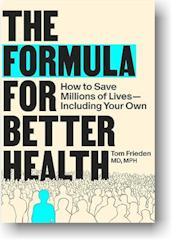
This fall, Dr. Tom Frieden, CDC director under President Obama, former NYC Health Commissioner, and CEO of Resolve to Safe Lives, added another impressive moniker to the list: author of The Formula for Better Health: How to Save Millions of Lives—Including Your Own. He’s also a fellow Substacker (@tomfrieden)! So, when he reached out to me one Monday to read and review his book, I didn't hesitate.
At its core, The Formula for Better Health is built around a deceptively simple framework: See. Believe. Create. See the invisible. Believe the evidence. Create systems, interventions, and solutions. On paper, it feels obvious. In practice, it explains why public health so often struggles to move from knowing to doing.
Dr. Frieden’s book is part memoir, part public health history, and part warning shot. For public health professionals, it reads less like a retrospective and more like an affirmation that the frustration, outrage, and fear we feel is not only valid but justified.
But, for public health students and for those just starting out, the book holds pearls of wisdom that extend to the job hunt. Insights from Tom Frieden’s illustrative career. Strategies of unsung public health heroes. Successes and failures from putting public health evidence in action.
1. Acknowledge the Cassandra Curse and Learn to Push Back
As Frieden notes, public health’s curse is the same as that of Cassandra from Greek mythology: you are often right, early, and ignored. Unfortunately, the curse doesn’t just impact public health science it also affects the workforce and its funding.
Early-career public health professionals often undersell themselves because so much of our work happens upstream, behind the scenes, or inside systems. If an outbreak didn’t happen, a policy passed quietly, or a program just…worked, it can feel hard to claim credit.
But hiring managers can’t assess what they can’t see.
This means your resume should not simply list responsibilities it should surface the invisible labor:
The coordination
The prevention
The systems-building
The risk mitigation
Instead of:
“Supported community health program implementation”
Try:
“Coordinated cross-sector partners to implement a community health program
serving 25,000 residents, maintaining continuity and adherence under shifting resource constraints.”
In interviews, practice answering the question “How would you know?” a question Frieden repeatedly returns to in the book. How did you know something was working? How did you know when to pivot? How did you know when the data were good enough to act?
If you can answer that clearly, you’re already ahead.
2. Show You Understand Power, Not Just Purpose
One of the most important lessons in The Formula for Better Health is that public health failure isn’t always political and it’s rarely accidental. It often stems from misplaced optimism, weak institutions, or an underestimation of power dynamics.
In your job search, show that you understand this.
Avoid framing your motivation purely in moral terms (“I want to help people”). Instead, show awareness of:
Economic priorities
Competing incentives
Institutional limits
The difference between what should happen and what can happen
Employers are looking for people who can defend public health decisions in rooms where not everyone agrees public health matters.
Demonstrating that awareness makes you look prepared—not jaded.
3. Build Skills That Translate Evidence Into Action (Not Just Evidence Itself)
Frieden’s career and the stories of unsung public health heroes throughout the book make one thing clear: discovery alone is not enough. Public health lives or dies in translation.
For early-career professionals, this is a signal to prioritize (and highlight in your resume) skills that help move work from knowing to doing :
Program implementation and evaluation
Grant writing and budget justification
Policy analysis and regulatory processes
Stakeholder communication
Incident Command System (ICS) and emergency response structures
Process improvement, checklists, and standard operating procedures
These skills may not feel as glamorous as advanced modeling or novel research, but they are what make you employable across administrations, funding cycles, and political climates.
4. Prepare for Interviews Like a Public Health Emergency
Frieden emphasizes organization, structure, and preparedness especially in moments of crisis. Treat interviews the same way.
Go in with:
Clear examples of tradeoffs you’ve navigated
At least one story of an imperfect but meaningful win
A concise explanation of how your work reduced risk, saved time, or conserved resources
Practice answering questions using a structure similar to ICS:
Situation
Objective
Constraints
Action taken
Outcome (or lesson learned)
This signals that you can function under pressure, communicate clearly, and operate within systems traits employers value far more than theoretical perfection.
“Don’t let the perfect be the enemy of the good”Tom Frieden
5. Balance Optimism with Vigilance
Frieden’s worldview is hopeful but sober: progress is possible, but it is not inevitable.
Hiring managers are wary of two extremes:
Cynicism that leads to disengagement
Naïveté that leads to burnout
The sweet spot is grounded optimism.
In your applications and interviews:
Acknowledge challenges without overstating them
Emphasize progress without assuming permanence
Speak to resilience, adaptability, and persistence
Public health institutions don’t need saviors. They need professionals who will stay, build,
defend, and adapt especially when conditions worsen.
6. Remember the Bigger Picture
Finally, one of the most validating messages of Frieden’s book is this: progress is fragile.
Public health capacity is built or eroded by who stays in the field, who advances, and who is supported early on.
Approach your job search not as a personal hurdle, but as part of the broader ecosystem. Choosing roles that build institutional knowledge, operational strength, and continuity is itself an act of prevention.
Public health has always required patience, pragmatism, and persistence. Those qualities are exactly what employers should be hiring for now.
Tom Frieden’s The Formula for Better Health: How to Save Millions of Lives Including Your Own (October 2025) is available on Amazon, through your local library system (Hoopla), and anywhere books and audiobooks are sold. Proceeds from the book go to organizations and programs supporting public health.
January 5-17
January 2026
Type: Winter Program
Title: Johns Hopkins Winter Institute
Web: https://tinyurl.com/5n7f5spu
Sponsor: Johns Hopkins University Location: Baltimore, MD / Washington, DC / Virtual
January 5-16
Type: Short Course
Title: Selected Topics in Epidemiology
Web: https://bit.ly/3EYYZQY
Sponsor: Erasmus MC Location: Rotterdam, The Netherlands
January 8-30
Type: Winter Program
Title: EpidM Winter Program 2026
Sponsor: Multiple Location: Amsterdam
January 14-16
Type: Short Course
Title: Advanced Mendelian Randomization
Sponsor: University of Bristol Location: Virtual
Jan 19 – Feb 13
Type: Summer Program
Title: Summer Program 2026
Web: https://www.epidm.nl/en/
Web: https://tinyurl.com/ms73nax5
Web: https://tinyurl.com/y2xpcak5
Sponsor: Australian Consortium for Social & Political Research Location: Melbourne, AU & Virtual
Jan 19 – 21
Type: Short Course
Title: Competing Risks and Multi-State Models
Web: https://bit.ly/3PBbiJv
Sponsor: Erasmus MC Location: Rotterdam, The Netherlands
Jan 21 – 23
Type: Short Course
Web: http://tinyurl.com/epybnybr
Title: Improving your Stata: data management, publication-quality outputs and automating tasks
Sponsor: University of Bristol Location: Virtual
Jan 19 – 24
Type: Winter Program
Title: Swiss Epidemiology Winter School
Web: https://bit.ly/3qunYrg
Sponsor: Institute of Social & Preventive Medicine - Bern Location: Wengen, Switzerland
Jan 22-26
Type: Conference
Title: 2026 Biostatistics Symposium
Web: https://tinyurl.com/mt5arfzn
Sponsor: Biostatistics Symposium of Southern California Location: Newport Beach, CA
January 26-28
January 2026
Type: Short Course
Web: http://tinyurl.com/y7wtv7zw
Title: Questionnaire Design: Application and Data Interpretation
Sponsor: University of Bristol Location: Virtual
January 26-30
Type: Short Course
Web: https://bit.ly/3FDOYu8
Title: Using R for Decision Modeling in Health Technology Assessment
Sponsor: Erasmus MC Location: Rotterdam, The Netherlands
January 28-30
Type: Conference
Title: 36th Annual Scientific Meeting of the JEA
Web: https://tinyurl.com/mtkjxu3u
Sponsor: Japan Epidemiological Association Location: Nagasaki, Japan
January 30
Type: Conference
Title: 51st Topics in Infection 2026
Web: https://tinyurl.com/3kwmnvfv
Sponsor: Royal Society of Tropical Medicine & Hygiene Location: London, England
February 2026
February 9-13
Type: Short Course
Title: The Placebo Effect
Web: http://tinyurl.com/59yh5856
Sponsor: Erasmus MC Location: Rotterdam, The Netherlands
February 9-13
Type: Short Course
Title: Introduction to Epidemiology
Sponsor: University of Bristol Location: Virtual
February 9-13
Type: Winter Program
Title: Winter School in Clinical Epidemiology
Sponsor: UMIT Location: Tirol, Austria
February 9-13
Type: Conference
Title: SER 2026 Mid-Year Meeting
Web: https://bit.ly/3oW8L0W
Web: https://bit.ly/3lRZeDf
Web: https://tinyurl.com/2bwca379
Sponsor: Society for Epidemiologic Research Location: Virtual
- History cont'd on page 19
February 11-13
February 2026
Type: Conference
Web: https://tinyurl.com/3fem9cy2
Title: AIR 2026 Genomic Responses to Respiratory Infection, Microbiomes & Immunity
Sponsor: Wellcome Connecting Science Location: Hinxton, England
February 11-12
Type: Conference
Title: Rural Health Policy Institute
Web: https://tinyurl.com/38jhf97x
Sponsor: National Rural Health Association Location: Washington, DC
February 12-13
Type: Conference
Web: https://tinyurl.com/yb7ybu2r
Title: 7th Annual National Big Data Health Science Conference
Sponsor: Big Data Health Science Center Location: Columbia, SC
February 16-18
Type: Short Course
Title: Mendelian Randomisation
Sponsor: Erasmus MC Location: Virtual
February 17
Type: Conference
Title: Arizona Rural & Public Health Policy Forum
Web: https://bit.ly/3G1mAn4
Web: https://tinyurl.com/2de2wknd
Sponsor: University of Arizona SPH Location: Phoenix, AZ
February 22-26
Type: Conference
Web: https://tinyurl.com/2de2wknd
Title: Conference on Retroviruses and Opportunistic Infections (CROI)
Sponsor: International Antivirus Society - US/CROI Location: Denver, CO
February 23-27
Type: Short Course
Web: http://tinyurl.com/2fkh6ejx
Title: Introduction to Linear and Logistic Regression Models
Sponsor: University of Bristol Location: Virtual
February 27
Type: Conference
Title: Rare Disease Day
Sponsor: FDA-NIH Location: Bethesda, MD
Web: https://tinyurl.com/djwk9z4e
March 2-4
Type: Conference
Title: Microbiome Interactions in Health & Disease
Web: https://tinyurl.com/32jem77y
Sponsor: Wellcome Connecting Science Location: Hinxton, England & Virtual
March 2-6
Type: Short Course
Title: Implementation Science
Web: http://tinyurl.com/wkhee8uy
Sponsor: Erasmus MC Location: Rotterdam, The Netherlands
March 2-17
Type: Short Course Web: http://bit.ly/33XqJSJ
Title: Intensive Course in Applied Epidemiology
Sponsor: University of Aberdeen Location: Virtual
March 2-6
Type: Short Course
Web: https://bit.ly/3v2gRXS
Title: An Introduction to the Analysis of the Next-generation Sequencing Data
Sponsor: Erasmus MC Location: Rotterdam, The Netherlands
March 2-11
Type: Short Course
Title: Public Health Across the Life Course
Web: http://tinyurl.com/yh8ce5ha
Sponsor: Erasmus MC Location: Rotterdam, The Netherlands
March 3-13
Type: Short Course
Title: Item Response Theory
Sponsor: EpidM Location: Virtual
March 9-13
Web: https://tinyurl.com/mryhh3w7
Type: Short Course Web: https://bit.ly/320OvlT
Title: Advanced Clinical Trials
Sponsor: Erasmus MC Location: Rotterdam, The Netherlands
March 11-13
Type: Conference Web: https://bit.ly/3WuSZrQ
Title: Public Health 2026
Sponsor: Canadian Public Health Association Location: Montreal, Canada
March 17-20
Type: Conference
Title: Epi Lifestyle Scientific Sessions - 2026
Web: https://tinyurl.com/2p9fmtep
Sponsor: American Heart Association Location: Boston, MA
March 12-13
Type: Conference
Web: https://tinyurl.com/57z9dr6j
Title: 99th Annual Meeting - American Epidemiological Society
Sponsor: AES Location: Atlanta, GA
Mar 16 – Apr 1
Type: Short Course
Title: Repeated Measurements
Web: http://tinyurl.com/4kzuxcys
Sponsor: Erasmus MC Location: Rotterdam, The Netherlands & Virtual
March 18-20
Type: Conference
Web: https://tinyurl.com/mseuj593
Title: 2026 ASPPH Annual Meeting for Academic Public Health
Sponsor: Association of Schools & Programs of Public Health Location: Arlington, VA
March 23-24
Type: Conference
Web: https://tinyurl.com/342wpz83
Title: The Future of Preventive Medicine and Public Health
Title: American Society for Human Genetics 2026 Annual Meeting
Sponsor: ASHG Location: Montreal, Canada
October 21-24
Title: IDWeek
Type: Conference
Sponsor: Multiple Location: Washington, DC
Web: https://idweek.org/
October 22-23
Type: Conference
October 2026
Web: https://tinyurl.com/mryn44sk
Title: 9th Intl Conference on Public Health, Well-being and Healthcare Management
Sponsor: Conference Series Location: Paris, France
November 2026
November 1-4
Type: Conference
Title: APHA Annual Meeting & Expo
Web: https://tinyurl.com/3hak6y99
Sponsor: American Public Health Association Location: San Antonio, TX
November TBD Type: Conference
Title: 19th European Public Health Conference
Sponsor: EPH Location: TBD
November TBD Type: Conference
Web: https://bit.ly/3jcNVcY
Web: https://tinyurl.com/ukxk929m
Title: 18th International Conference on Molecular Epidemiology and Evolutionary Genetics of Infectious Diseases / MEEGID XVIII
Sponsor: Elsevier Location: TBD
December 2026
As of publication time (December 2025) there were no events listed publicly for December 2026. Please visit our website or check the near term event calendar in each month's newsletter for updates. If you have an event that you neglected to send us, please forward it to us at any time.
Resources
Epidemiology Thrillers
Editor's Note:
This month's book list comes to us from the subject of our Profile in Public Health - Millicent Eidson. She has forged a new career as an author of epidemiology thrillers and this list the ones that have been published so far. She has another 26 on her list of future titles - follow her on your favorite book platform to stay informed.
We are also interested in publishing book reviews. If you have a new book that you have read or written that you believes deserves to be seen by a wider audience please send us the information you have on it. If you're interested in reviewing books for the EpiMonitor, just drop us a line and we'll start a discussion to see what we can work out.
https://tinyurl.com/bd37cfms
https://tinyurl.com/mwrnared
https://tinyurl.com/4vbwzftj
https://tinyurl.com/3kayk486
https://tinyurl.com/49yp3cvh
https://tinyurl.com/mr3y94pa
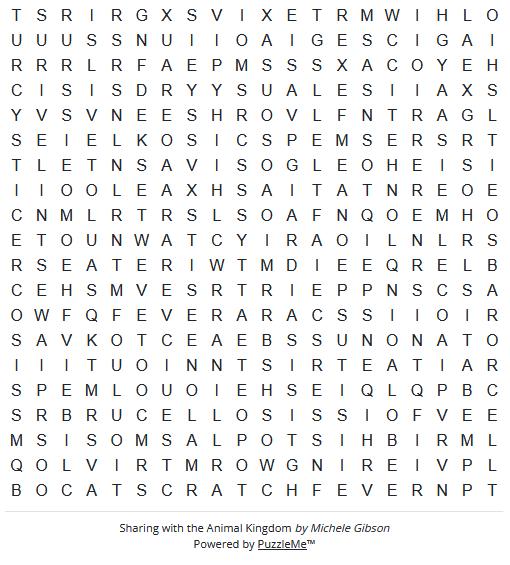
Sharing with the Animal Kingdom
This month's puzzle honors our profiled professional of the month - Millicent Eidson - and her lifetime of work in veterinary epidemiology Good luck - don't let the puzzle frustrate you!
For an interactive online version go to: https://tinyurl.com/4jbas92s
Words to find:
1. Anthrax
2. Brucellosis
3. Cat Scratch Fever
4. Cysticercosis
5. Ebola
6. Giardiasis
7. Hantavirus
8. Histoplasmosis
9. Leptospirosis
10. Monkeypox
11. Q Fever
12. Rabies
13. Ringworm
14. Salmonella
15. West Nile Virus
What We're Reading This Month
Editor's Note: All of us are confronted with more material than we can possibly hope to digest each month. However, that doesn't mean that we should miss some of the articles that appear in the public media on topics of interest to the epi community. The EpiMonitor curates a monthly list of some of the best articles we've encountered in the past month. See something you think others would like to read? Please send us a link at info@epimonitor.net and we'll include it in the next month
Public Health Topics
♦ Brazilian mosquitoes grow increasing appetite for human blood as Atlantic forest shrinks (EuroNews)
https://tinyurl.com/mv2vksyv
♦ Top African Health Official Blasts Trump Administration's Plans for Human Experimentation in Africa (Futurism)
https://tinyurl.com/ye25sjmr
♦ Former USDS Leaders Launch Tech Reform Project to Fix What DOGE Broke (Wired)
https://tinyurl.com/3c8s44nv
♦ CDC Pares List of Recommended Childhood Vaccines (WSJ via AppleNews)
https://tinyurl.com/cuys4re4
♦ Interview: How the U.S. Government Monitors Vaccine Safety (UnDark Magazine)
https://tinyurl.com/m7z9dyme
♦ Myanmar’s Civil War Pushes Infectious Disease Over Its Borders (NYT)
https://tinyurl.com/yekwb6bt
♦ NC's epidemiologist says state's measles cases are "embers" from SC outbreak's "fire" (WUNC News)
https://tinyurl.com/2eruyd2c
♦ Genomic epidemiology of SARS-CoV-2 in Peru from 2020 to 2024 (Nature)
https://tinyurl.com/48xmv79w
♦ Q&A: ‘India must ready tools to prevent virus outbreaks’ (GAVI)
https://tinyurl.com/2er45bur
- Reading cont'd on page 44
What We're Reading This Month
[Type a quote from the document or the summary of an interesting point. You can position the text box anywhere in the document. Use the Text Box Tools tab to change the formatting of the pull quote text box.]
- con't from page 43
Public Health Topics, cont.
♦ Confusion remains after Trump administration abruptly halts public health funding to cities and states, then reverses course (CNN) https://tinyurl.com/yc9kdac8
♦ The public health win hiding in plain sight: Poison centers (Vox) https://tinyurl.com/5xus65e6
♦ Unseen Constraints in Public Health Decision-Making (Harvard Law) https://tinyurl.com/5x5a8wmn
♦ The new US food pyramid is scientifically questionable, and upends decades of trusted public health advice (The Conversation) https://tinyurl.com/ynumpsm6
♦ Texas A&M study suggests link between viral infection and ALS (Texas A&M) https://tinyurl.com/wjppzbd3
♦ Nipah virus spreading in India with 'epidemic potential' as new cases emerge (Daily Mail) https://tinyurl.com/59ux4kvu
Notes on People
Do you have news about yourself, a colleague, or a student?
Please help The Epidemiology Monitor keep the community informed by sending relevant news to us at this address for inclusion in our next issue. people@epimonitor.net
Honored: Wake Forest University faculty member Dr. Sarah Lotspeich has been awarded the 2026 ENAR Dionne Price Early Career PIONEER Award in Biostatistics. The award was made in recognition of her innovative and effective scientific communication, dedication to mentoring students and early career researchers, and for impactful research on imperfect observational data that has influenced multiple scientific domains.
Honored: A collaborative research group led by the University of Pittsburgh will receive the inaugural ENAR Team Science Award in Biostatistics at the 2026 Spring Meeting in March, recognizing their work integrating advanced biostatistics and machine learning with clinical and biomedical research to advance understanding of childhood asthma and pediatric scleroderma.
The distinguished team includes Wei Chen, Juan C. Celedón, Molin Yue, Erick Forno, Kathryn S. Torok and Zhao Ren.
Honored: UAB professor emeritus George Howard, DrPH, an internationally recognized leader in biostatistics and stroke epidemiology, has been named the 2025-2026 Distinguished Faculty Lecturer Award recipient.
Before retiring in 2022, Howard served on the faculty of UAB for over 20 years. He joined UAB in 1999 and served as chair of the UAB Department of Biostatistics for more than a decade. A powerhouse in research and a force for public good, Howard’s work has transformed the understanding of cardiovascular and cerebrovascular health disparities.
Honored: The Department of Biostatistics and Data Science at UTHealth Houston School of Public Health honored Dung-Tsa Chen, PhD ’00 as the recipient of the 2025 Biostatistics and Data Science Distinguished Alumni Award. Today Chen serves as a senior member in the Department of Biostatistics and Bioinformatics at Moffitt Cancer Center. He served as a coinvestigator on numerous NCI-funded grants, contributing to the design, implementation, and analysis of cancer research studies. Chen’s expertise spans clinical trial design, genomic data analysis, mixed models, survival analysis, and biomarker evaluation.
Notes on People,
Do you have news about yourself, a colleague, or a student?
Please help The Epidemiology Monitor keep the community informed by sending relevant news to us at this address for inclusion in our next issue. people@epimonitor.net
Appointed: The University of Iowa - Department of Epidemiology is pleased to welcome assistant professor Dr. Timileyin Adediran, PhD, MPH, CIC, who joined the faculty in November 2025. Dr. Adediran earned her BA from the University of Maryland, Baltimore County. She then completed her MPH at the University of Maryland School of Medicine, followed by her PhD in Epidemiology from the University of Maryland, Baltimore Graduate School in 2021, where her dissertation focused on the epidemiology of patient-to-patient transmission of MRSA among critical care patients.
Appointed: Columbia University has announced the appointment of Jonathan Mermin, MD, MPH, as the next Dean of the Mailman School of Public Health and Senior Vice President, Columbia University Irving Medical Center (CUIMC), effective March 2. A physician, epidemiologist, researcher, and organizational leader, Dr. Mermin has spent decades advancing public health research, practice, and policy at the highest levels. He most recently served as Director of the National Center for HIV, Viral Hepatitis, STD, and Tuberculosis Prevention (NCHHSTP) at the Centers for Disease Control and Prevention (CDC), where he oversaw an annual budget of $1.5 billion and 1,800 staff, and led national efforts to prevent infectious diseases, reduce health disparities, and translate evidence into effective public health action.
Retired: Thomas R. O'Brien, M.D., M.P.H., senior investigator in the Infections and Immunoepidemiology Branch, retired from the NCI in September 2025 after 33 years of federal service. Dr. O’Brien is an internationally recognized expert in the transmission and natural history of oncogenic viruses, including human immunodeficiency virus type 1 and hepatitis C virus (HCV).
Dr. O’Brien received undergraduate and medical degrees from the University of Michigan, Ann Arbor, and an M.P.H. from the Harvard School of Public Health, Boston, MA. He was an Epidemic Intelligence Service Officer and Medical Epidemiologist with the Centers for Disease Control and Prevention before joining the NIH Intramural Research Program in 1992.
Notes on People,
Do you have news about yourself, a colleague, or a student?
Please help The Epidemiology Monitor keep the community informed by sending relevant news to us at this address for inclusion in our next issue. people@epimonitor.net
Passed: William H. Foege, who developed the vaccination strategy that helped wipe out smallpox in the 1970s, one of the world’s greatest public health triumphs, and who led the United States’ early response to the AIDS epidemic as director of the Centers for Disease Control and Prevention, died on Saturday night ([January 24, 2026] at his home in Atlanta. He was 89.
As director of the C.D.C. under two presidents — Jimmy Carter, a Democrat, and Ronald Reagan, a Republican Dr. Foege put forth an expansive vision for the agency. He had it focus on leading killers beyond infectious disease, including auto injuries and gun violence, the latter bringing the C.D.C. into conflict with the National Rifle Association and Republicans on Capitol Hill.
After leaving government, Dr. Foege focused on strengthening global health programs for children. In 1984, a working group composed of members of the W.H.O., UNICEF, the World Bank, the United Nations Development Program and the Rockefeller Foundation recruited him to lead what was christened the Task Force for Child Survival, based in Atlanta, its mission to increase global immunization of children.
When the task force started, roughly 15 percent of the world’s children had received at least one vaccine. By 1990, the rate had increased to 80 percent. https://tinyurl.com/5n6ew5an
Passed: Paul Rathouz, PhD, former Chair of the Department of Biostatistics and Medical Informatics at the University of Wisconsin, passed away December 10, 2025. His academic career spans being assistant and associate professor at the University of Chicago Department of Health Studies; Professor and Chair of the Department of Biostatistics and Medical Informatics at SMPH; followed by the positions of Chief of the Division of Health Informatics, Data Science & Epidemiology and Founding Director of the Dell Medical School Biomedical Data Science Hub.
He was named a Fellow of the American Statistical Association in 2015. In 2003, he received the James E. Grizzle Distinguished Alumnus Award for outstanding contributions to biostatistical methodology, consulting, and/or teaching by his master’s degree alma mater, the University of North Carolina-Chapel Hill Department of Biostatistics. https://tinyurl.com/3r9dw2m3
Near Term Epidemiology Event Calendar
Every December The Epidemiology Monitor dedicates that issue to a calendar of events for the upcoming year. However that often means we don't have full information for events later in the upcoming year. Thus an online copy exists on our website that is updated regularly. To view the full year please go to: http://www.epimonitor.net/Events The events that we are aware of for the next month follow below.
February 2026
February 9-13
Type: Short Course Web: http://tinyurl.com/59yh5856
Title: The Placebo Effect
Sponsor: Erasmus MC Location: Rotterdam, The Netherlands
February 9-13
Type: Short Course Web: https://bit.ly/3oW8L0W
Title: Introduction to Epidemiology
Sponsor: University of Bristol Location: Virtual
February 9-13
Type: Winter Program Web: https://bit.ly/3lRZeDf
Title: Winter School in Clinical Epidemiology
Sponsor: UMIT Location: Tirol, Austria
February 9-13
Type: Conference
Title: SER 2026 Mid-Year Meeting
Web: https://tinyurl.com/2bwca379
Sponsor: Society for Epidemiologic Research Location: Virtual
Title: Antimicrobial Resistance - Genomes, Big Data and Emerging Technologies
Sponsor: Wellcome Connecting Science Location: Hinxton, England
Mar 25-27
Type: Conference
Web: https://tinyurl.com/56fc85hu
Title: Annual Meeting - Society for Veterinary Epidemiology
Sponsor: SEVPM Location: London, England
March 26-27 Type: Conference
Web: https://tinyurl.com/4u9sj4b4
Title: Conference on Epidemiology and Public Health
Sponsor: Conference Series Location: Tokyo, Japan
March 26-27 Type: Conference Web: https://iwhod.org/
Title: Workshop: 28th Annual International Workshop on HIV and Hepatitis Observational Databases (IWHOD)
Sponsor: IWHOD Location: Thessaloniki, Greece
March 30 - April 2
Type: Conference
Title: 2026 World Vaccine Congress
Sponsor: Multiple Location: Washington, DC
Web: https://tinyurl.com/chtprfav
Open Public Health Positions
What it means and why it matters
The list below has been compiled by Public Health Hiring Help the new Substack column that has been created to help individuals in the public health community find positions in the midst of the chaos that is now impacting governmental agencies and grant recipients. This list represents the most current positions PHHH has been able to identify. We thank PHHH for their permission to reprint these listings.
Hidalgo Co, Epidemiologist I (Edinburg, TX)
$60k + benefits, Education: Bachelor’s min
CDC Foundation, Policy Analyst (Atlanta, GA)
$75-82k + benefits, Education: Master’s min
Prevail Fund, Philanthropy Associate (Remote)
Not listed + benefits, Education: Bachelor’s min, Master’s preferred
Partnership for a Healthier America, Development Coordinator (Remote)
$50-60k + benefits, Education: Bachelor’s min
City of South Milwaukee, Public Health Specialist (South Milwaukee, WI)
International Planned Parenthood Foundation, Research Analyst (CT)
Public Health Alignment: GH, BSHES, EPI
Health Research Inc, Project Assistant II (PT)
Public Health Alignment: EPI
Puerto Rico Science, Technology, and Research Trust, Evaluator (CT)
Public Health Alignment: EPI, GH
Rice Univ, Program Coordinator (PT)
Public Health Alignment: HPM, EPI, BIOS
For Full Information on jobs: http://www.epimonitor.net/JobBank
The EpiMonitor offers a variety of plans for you to advertise your job opening, event or other item of interest to our readers. The basic advertising options are:
Web Only
This provides you with a full page on our website along with banner ads in appropriate places for what you are advertising (e.g. our Job Bank or Events pages). In addition, these ads are also featured in our monthly email blast. Web ads normally appear on our site within 2-3 hours of your order.
Web + Digital Print
This option provides either a full or half page digital print ad in this publication monthly along with all of the services included in the "Web Only" option.
Social Media
Starting in January 2026 we will also have social media add-on options for our web and print advertising programs.
Your Ad Should Be Here
Do you have a job, course, conference, book or other resource of interest to the epidemiology community? Advertise with The Epidemiology Monitor and reach 35,000 epidemiologists, biostatisticians, and public health professionals monthly.
Advertising opportunities exist in this digital publication, on our website and social media pages, and in our Epi-Gram emails.
For more information please contact: Michele Gibson / 770.309.7937 / michele@epimonitor.net
Postdoctoral Fellows - Translational Research
The Division of Research (DOR) at Kaiser Permanente Northern California (KPNC) is recruiting fellows for the Translational Research Postdoctoral Fellowship Program. This two-year multidisciplinary fellowship program will train the next generation of researchers to conduct research embedded within an integrated healthcare delivery system. The program is designed to support post-doctoral fellows interested in research across the translational and population sciences research continuum spanning epidemiology, outcomes research, intervention research, disease prevention, and care evaluation and improvement.
Investigators and Fellows in the DOR have well-developed research programs in behavioral health and aging, infectious diseases, cardiovascular and metabolic conditions, cancer, health care delivery and policy, and women’s and children’s health. The DOR is the home for over 60 Investigators and 600 staff members overseeing numerous research projects with funding from the National Institutes of Health, other Federal agencies, non-profit organizations, industry, and internal sources. The successful applicant will have opportunities to develop research, writing, and grant preparation skills and enhance presentations and publications under the mentorship of an experienced DOR investigator. Investigators have access to rich clinical data sources from one of the nation's leading integrated healthcare delivery systems inclusive of more than 4.65 million members. KPNC and the DOR provide a unique research environment with a diverse patient population, robust longitudinal electronic health record data, comprehensive data capture, and a long-standing history of clinical research from real-world data sources and populations that can lead to higher quality care and outcomes.
The two-year, full-time program includes:
Individualized scientific and career mentorship
Works-in-progress meetings with DOR faculty and fellows
Training in grant writing, manuscript development, and presenting science to scientific and lay audiences
Experience writing at least two first-authored publications based on KPNC DOR projects
Seminars on career and skills development topics
Core competency training in research and biostatistical methods utilizing electronic health records data, including journal clubs
Qualifications: We seek talented candidates with a doctoral degree (such as PhD, DrPH, ScD, MD) in epidemiology, health services research, medicine, informatics, biostatistics, or related field. Preference will be given to applicants with strong analytic, writing, and oral communication skills and a demonstrated ability to publish manuscripts in peer-reviewed journals. Applicants must be eligible for U.S. employment Individuals from all backgrounds, especially those from historically underrepresented groups, are encouraged to apply.
Application Procedures: We aim to admit 2-4 qualified candidates each year. Each fellow will be co-funded by their primary scientific mentor and the fellowship training program. Potential candidates are required to identify a Research Scientist from DOR’s >60 highly experienced investigators in their area of interest who is committed to being a primary scientific mentor and providing co-funding. Faculty research portfolios can be found here: https://divisionofresearch.kaiserpermanente.org/ourteam/scientific-sections/ If you would like help identifying a potential mentor, please email the Program Leadership Team at DOR_TRF@kp.org.
We are accepting applications for a Fall 2026 cohort through Monday, February 16, 2026 at: https://redcap.kaiser.org/surveys/?s=ECTNAPTTWNDLN4HF
Applicants must submit: 1) Letter describing areas of research interest and potential research project to be conducted at DOR, 2) Letter of support from potential DOR scientific mentor, 3) Curriculum vitae, 4) Writing sample (e.g., first-authored manuscript), 5) Contact information for three individuals serving as references.
For more information: https://divisionofresearch.kaiserpermanente.org/research/fellowships/
CARDIOVASCULAR DISEASE EPIDEMIOLOGY AND PREVENTION POSTDOCTORAL FELLOWSHIP
The Division of Epidemiology & Community Health of the University of Minnesota has a current opening and is seeking candidates for a postdoctoral training fellowship in cardiovascular disease epidemiology and prevention.
Fellowship Experience Training emphasizes research methods in the epidemiology and prevention of cardiovascular disease. Training can include formal coursework in epidemiology, biostatistics, clinical research, nutrition, physiology, data science, and behavioral science.
Graduates gain competency in designing, administering, and analyzing cardiovascular population studies or preventive programs. The Division provides a rich and collaborative environment for the investigation of cardiovascular disease and related areas, in one of the largest Academic Health Centers in the U.S. Current Division research in cardiovascular epidemiology includes a robust blend of observational studies (e.g., ARIC, MESA, CARDIA, DISCOVERY), pharmacoepidemiology and interventional investigations (e.g., mGlide hypertension control RCT, Stand & Move at Work group randomized trial) aimed at improving public health and engaging a multidisciplinary integration of epidemiology, biology and behavioral science.
Benefits The program provides a stipend, tuition and fees for an MS or MPH degree, if desired, during the fellowship. This paid 2-3 year fellowship is sponsored by the National Institutes of Health.
Eligibility Candidates must have either an MD or a PhD degree and must be either a U.S. citizen or have permanent residency status.
Apply Interested applicants will complete an online application https://tinyurl.com/4e7yzp4c
Questions, please contact: Jim Pankow, PhD, MPH panko001@umn.edu or Pamela Lutsey, PhD, MPH lutsey@umn.edu Co-Directors of CVD Epi Training Program
Tenure Track Assistant Professor - Epidemiology
The Division of Epidemiology and Community Health, University of Minnesota School of Public Health, seeks a tenure-track Assistant Professor who has expertise in a broad range of epidemiologic methods.
About the Job
The Division of Epidemiology & Community Health, School of Public Health, University of Minnesota, invites applications at the rank of Assistant Professor (tenure-track). As a faculty member, the individual will actively contribute to the Division’s mission through research, teaching, advising, and professional service activities.
Key responsibilities include:
Maintain and expand expertise in the application of foundational and cutting-edge epidemiologic methods. Candidates are expected to have a deep understanding of causal inference, bias mitigation, and statistical modelling. Expertise across diverse epidemiologic methods and content areas is welcomed.
Develop a research program that incorporates rigorous epidemiologic methods, and collaborate with other faculty as a co-investigator on new grant initiatives. Example areas of possible methodologic applications include, but are not limited to, causal analysis, bias analysis, infectious disease modelling, mutational signatures in cancer, -omics data applications, spatial and temporal analyses, pharmacoepidemiology, quasi-experimental methods, implementation science, generative artificial intelligence and/or machine learning, digital health, wearables, etc.
Contribute to Epidemiology curriculum development, teach epidemiologic methods as part of the Epidemiology PhD methods sequence and other classes as needed, and participate in development of the PhD qualifying examinations. Advising PhD, post-doctoral, and master's students is also expected.
Actively engage in service, including at a national level through professional organizations focused on epidemiologic methods.
Serve as a resource for translating up-to-date epidemiologic methods to applications in Division research projects.
Qualifications
Required: (1) PhD or equivalent in Epidemiology; (2) Research experience in epidemiology with a strong and promising publication record in relevant peer-reviewed journals; (3) Demonstration of the ability and enthusiasm to teach graduatelevel courses on epidemiologic methods, or evidence of potential for teaching success.
Preferred: 1) Evidence of effective collaboration; 2) History of or potential for obtaining research funding; 3) Active engagement with the epidemiologic methods community.
About the Division
The University of Minnesota School of Public Health is consistently ranked in the top 15 Schools of Public Health nationally. The Division of Epidemiology and Community Health is the largest unit within the School and is strongly committed to diversity, equity, and inclusion. The Division has over 40 primary faculty members, more than 400 graduate students, and approximately $25 million in annual sponsored research grants. Our faculty conduct cutting-edge research advancing community and public health locally, nationally, and internationally. Faculty in the Division have diverse interests, spanning most disease areas, and conduct both interventional and observational investigations. The UMN has a strong academic health system which includes 6 Health Science Schools, a Clinical and Translational Science Institute, the Minnesota Population Center, and a strong collaborative relationship with the Minnesota Department of Health. Educational programs connected to the Division include an Epidemiology PhD, and MPH majors in Epidemiology, Community Health Promotion, Maternal & Child Health, and Public Health Nutrition.
How To Apply
Applications must be submitted online. To be considered for this position, please go to the Interfolio job site https://apply.interfolio.com/179313 and follow the application instructions.
This position is available immediately. Applications received prior to April 15, 2026 will be given full consideration; interested applicants should contact Dr. Pamela Lutsey (Professor, Division of Epidemiology & Community Health, email: lutsey@umn.edu) after that date. For questions about applying contact: Stacey Ripka (Senior Human Resources Consultant, email: sams0030@umn.edu). Applicants interested in more information about this position can contact Dr. Lutsey.
Open Rank Faculty - Environmental Epidemiology
The Department of Epidemiology and Biostatistics in the Arnold School of Public Health (ASPH) at the University of South Carolina (USC) invites applications for a full-time, open-rank faculty position in environmental epidemiology. Research expertise in all areas of environmental epidemiology will be considered. This recruitment is part of a campus-wide strategic effort to expand the University’s leadership in advancing research and educational excellence in environmental health. The cluster will broaden expertise across disciplines to foster innovation and address the complexity of environmental health challenges through multidisciplinary scholarship. This initiative focuses on determining the impact of chemical, physical, behavioral, biological, and social environmental stressors across the lifespan, and emphasizes designing, testing, and scaling programmatic and policy interventions that address these stressors.
All applicants must hold a doctoral degree in epidemiology or a related field by their start date. At the assistant professor level (tenure-track), candidates should demonstrate excellence in research and the potential to secure external funding, teach graduate courses, and collaborate with public health and biomedical researchers. At the associate- or full-professor level (tenureeligible), candidates must also demonstrate an established record of top-tier publications and competitive grants, a proven track record of supervising graduate students, and leadership in curriculum development, junior faculty mentoring, and crossdisciplinary collaboration. The successful candidate will maintain an active research program in environmental epidemiology, engage with cross-disciplinary research teams on topics related to environ-mental health, mentor graduate students, and teach graduate-level environmental epidemiology courses.
USC is a comprehensive Carnegie University of High Research Activity and Community Engagement. USC has five Health Science Units in addition to ASPH: 1) School of Medicine in Columbia, 2) School of Medicine in Greenville, 3) College of Nursing, 4) College of Pharmacy, and 5) College of Social Work. ASPH was founded in 1975. Among public universities in the US, the ASPH ranks second in overall enrollment and fourth in NIH funding. ASPH consists of six departments and several research centers that address topics such as disease prevention, nutrition and physical activity, cancer, health services and policy, rural health, HIV/AIDS, aging, and health disparities. For more information about ASPH and the department, please visit www.sph.sc.edu.
The Department of Epidemiology and Biostatistics is home to 35 full-time faculty members,12 in the Biostatistics Division and 23 in the Epidemiology Division. The faculty’s robust research portfolio includes funding from a broad spectrum of federal agencies (e.g., NIH and CDC) and non-profit organizations. The department has a rich tradition of producing outstanding trainees. Currently, 112 students are enrolled in our master’s and doctoral degree programs. The department, school, and university provide a strong collaborative environment for cross-disciplinary team science across the public health research continuum.
Columbia, SC, enjoys more than 300 days of sunshine annually and has ready access to pristine beaches, lakes, and mountains. The city boasts a range of historical and cultural attractions, festivals, performing arts, sporting events, and many outdoor recreation areas, including Congaree National Park and Lake Murray.
To apply: Applications must include: 1) application letter, 2) curriculum vitae, 3) research statement, 4) teaching statement, and 5) contact information for three references. Submit your application at the following link:
https://uscjobs.sc.edu/postings/196750
Application review will begin by November 1st, and the search will continue until the position is filled. The anticipated start date is August 16, 2026. For additional information, please contact Janine Rominger at janiner@mailbox.sc.edu or (803)-777-7666. The University of South Carolina does not discriminate in educational or employment opportunities or decisions for qualified persons on the basis of age, ancestry, citizenship status, color, disability, ethnicity, familial status, gender (including transgender), gender identity or expression, genetic information, HIV/AIDs status, military status, national origin, pregnancy (false pregnancy, termination of pregnancy, childbirth, recovery therefrom or related medical conditions, breastfeeding), race, religion (including religious dress and grooming practices), sex, sexual orientation, veteran status, or any other bases under federal, state, local law, or regulations.
USC offers a robust benefits package described at: http://www.sc.edu/about/offices_and_divisions/human_resources/benefits/index.php
Postdoctoral Scholar in Cancer Epidemiology
The Department of Public Health Sciences at the University of Chicago is seeking a highly motivated postdoctoral scholar to join a dynamic research team focused on molecular epidemiology and health disparities in multiple myeloma. Our research integrates diverse large-scale datasets, including GWAS data, tumor and cell-free DNA methylation profiles, clinical and epidemiological data, and biological samples. As a postdoctoral scholar, you will play a leading role in analyzing these data and preparing manuscripts that investigate the roles of epigenetics, lifestyle influences, environmental factors, and social determinants of health on myeloma risk and outcomes. The post-doc scholar will also contribute to consortium-based research initiatives, participate in liquid-biopsy and epigenetic biomarker analysis, and have opportunities to initiate new projects and develop grant proposals.
Qualifications
Successful candidates will have:
1. A PhD or equivalent graduate degree in epidemiology, biostatistics, data-science, or a related field.
2. Strong expertise in epidemiology, biostatistics, genetics, and epigenetics.
3. Proven experience with programming and data analysis using R, SAS, or STAT
4. Excellent written and oral communication skills.
Candidates with experience in survival analysis, machine learning, and applying advanced biostatistical techniques will be highly regarded. As a postdoctoral scholar, you will work closely with dedicated mentors in a collaborative and multidisciplinary environment, with opportunities to pursue career development activities, develop independent research projects, and apply for grants (e.g., K99/R00).
Start date: 1/5/2026 (flexible)
Application process
Please send a letter including a statement of research interests and future goals, curriculum vitae, and names/addresses of 3 references to: Dr. Brian Chiu (mmepi@health.bsd.uchicago.edu). Application review will begin immediately but will continue until the position is filled.
Application information
This position is benefits-eligible, and information regarding benefits can be found at: https://clients.garnett-powers.com/pd/uchicago/
Additional information for postdocs in the University of Chicago Biological Sciences Division can be found at: https://bsdpostdoc.uchicago.edu/. Compensation in the Biological Sciences Division follows the NIH NRSA Stipend scale.
All University departments and institutes are charged with building a faculty from a diversity of backgrounds and with diverse viewpoints; with cultivating an inclusive community that values freedom of expression; and with welcoming and supporting all their members.
We seek a diverse pool of applicants who wish to join an academic community that places the highest value on rigorous inquiry and encourages diverse perspectives, experiences, groups of individuals, and ideas to inform and stimulate intellectual challenge, engagement, and exchange. The University’s Statements on Diversity are at: https://provost.uchicago.edu/statements-diversity
The University of Chicago is an Affirmative Action/Equal Opportunity/Disabled/Veterans Employer and does not discriminate on the basis of race, color, religion, sex, sexual orientation, gender, gender identity, national or ethnic origin, age, status as an individual with a disability, military or veteran status, genetic information, or other protected classes under the law. For additional information please see the University's Notice of Nondiscrimination
Job seekers in need of a reasonable accommodation to complete the application process should call 773-834-3988 or email equalopportunity@uchicago.edu with their request.
YLE can be found here: https://yourlocalepidemiologist.substack.com/
Your Local Epidemiologist (YLE) is founded and operated by Dr. Katelyn Jetelina, MPH PhD—an epidemiologist, wife, and mom of two little girls. YLE reaches more than 305,000 people in over 132 countries with one goal: “Translate” the ever-evolving public health science so that people will be well-equipped to make evidence-based decisions. This newsletter is free to everyone, thanks to the generous support of fellow YLE community members.
To support the effort, subscribe or upgrade your existing subscription: https://yourlocalepidemiologist.substack.com/
The Epidemiology Monitor ISSN (2833-1710) is published monthly by Monitor Publishing & Communications, Inc.
All material in this publication is subject to copyright. For possible reprint permission please contact us at michele@epimonitor.net
Advertising options include but are not limited to:
Website only ads or website ads combined with digital print ads in this publication. Sponsorship for features in this newsletter or for the newsletter issue itself
Ads are accepted for open positions, events, programs, books, merchandise and other items of interest to our readers.
Subscriptions to this publication are free. Go to http://epimonitor.net/Subscribe.htm