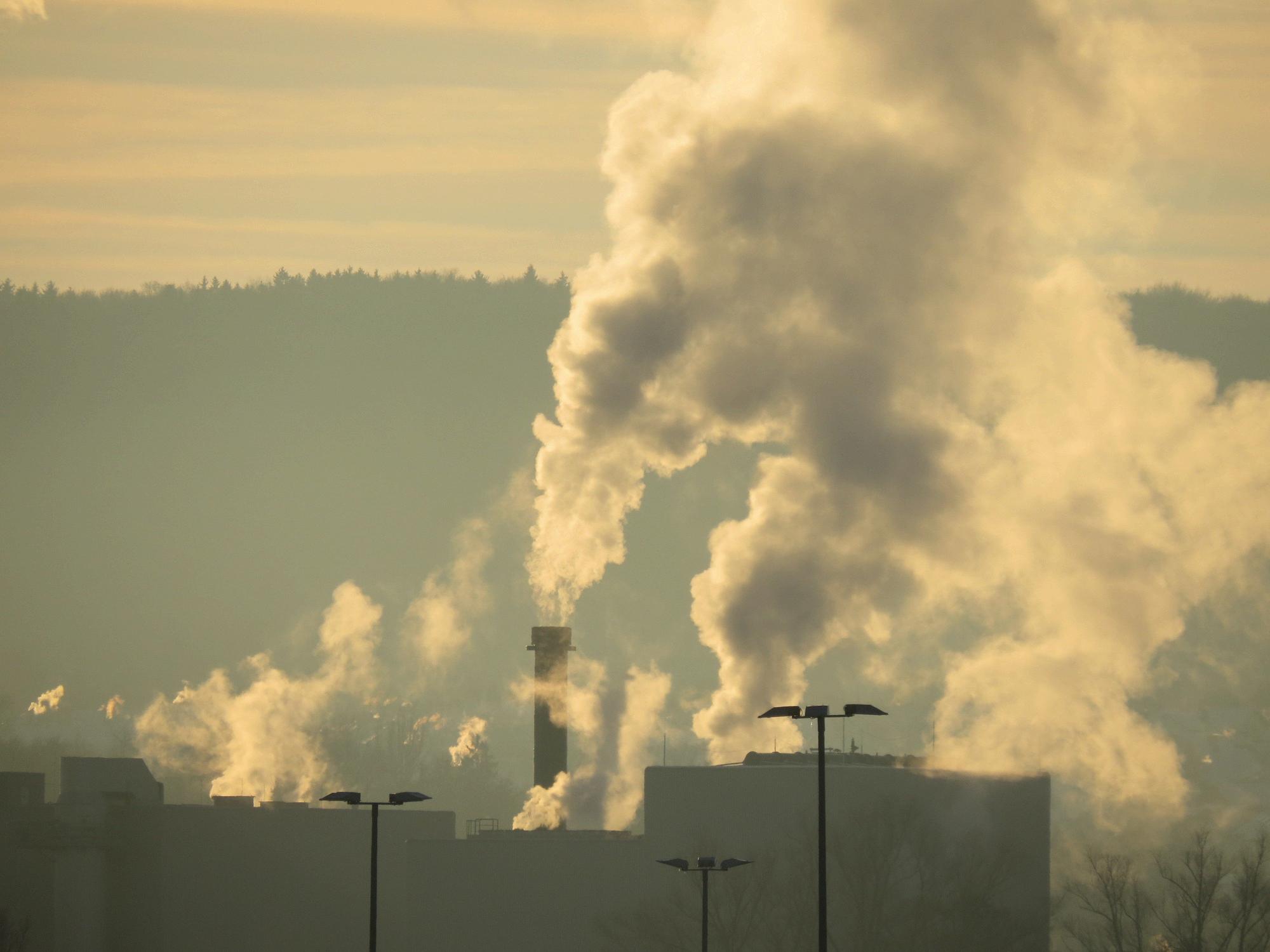
Urban Heat Islands (also known as UHIs) are, according to the EPA, areas that contain structures such as buildings, roads, and other forms of infrastructurethatabsorbandre-emittheheatofthe sun(EPA,2025) Theseurbanareasthatcontainmanmadestructuresandlimitedgreenerybecome“island” outliers with temperatures that are higher than the areas around them. The little urbanized pockets of heatarewhatlaterbecomeknownasa“heatisland”. UrbanHeatIslandscanbecomeamajorproblemfor cities, making daytime temperatures 1-10°F higher than the surrounding rural area, and nighttime temperatures 2- 5°F higher (EPA, 2025). This temperature difference can become something fatal, especially to particularly vulnerable parts of the population, like the elderly or young children With theincreaseintemperatures,peoplearemorelikelyto dieofheatstroke,haveaheartattack,orsufferfrom heat-related illnesses. Not only is the heat increase detrimental to the health of those living within the heatislands,butitalsocausesanunnecessarystrainon the energy systems holding up the city, as there is
Multiplefactorscancauseanareatobecomeaheat island.Urbanizationisthecentralcauseoftheseheat islands coming to be, which began following the industrialization of the country, and continues to occur even today Urban areas, which are defined as “denselydevelopedresidential,commercial,andother nonresidential areas ” , now account for 80.0% of the U.S.population(UnitedStatesCensusBureau,2022). The urbanization of the majority of the population has led to many smaller issues, all of which become factorsinmakinganareaaheatisland
Themostprominenteffectseenfromurbanization is the lack of natural landscapes and foliage within urban areas. Plants, trees, and bodies of water all provide a process called transpiration, when plants takewaterfromtheirrootsandreleaseitaswatervapor throughlittleholesontheundersidesoftheirleaves. This process cools the surrounding environment. Urbanizedareaslacknaturallandscapes,meaningthere is a lack of natural cooling going on, so they instead have more heat stored by stone, brick, concrete, and othermaterialsthatmakeupthecity
Another effect of urbanization that causes heat islandsisthelayoutofurbancities.Withincities,the dimensionsandspacingofbuildingswillinterruptthe natural air flow, causing it to become erratic turbulence.Sincemostbuildingsarenotuniformwith theonesaroundthem,thereisagreatdisruptiontothe windflowintheseareas,whichmessesupthenatural coolingcomingfromthewind.Thegeometricpattern of cities also affects the urban materials’ ability to either absorb solar energy or release the energy they havestored.Structuresthatarespatiallyobstructedby buildings surrounding them become thermal masses thatwillnotbeabletorapidlyreleasethethermalheat theyhavestored
Finally,anotherimportanturbanizationeffectthat comes into play is the heat generated by human activity. Urban areas are densely populated, and humans use vehicles, cooling/heating units, burn fuels, and use electricity daily in cities. This is called anthropogenic heat and is seen in excess amounts in cities (EPA, 2025). As people continue to develop theircities,itisimportanttorecognizewhatmaycause these heat islands and consider what can be done to preventthem.
Within New Jersey, “cities such as Newark, Trenton, Camden, and Jersey City are among the Northeast’s most intense urban heat islands, often registeringtemperatures5degreesto20degreeshotter thansurroundingareas”(StateofNewJerseyBoardof Public Utilities, 2025). These cities are historically linkedtoredliningthatoccurredinthestatestarting back in 1930, and tend to house marginalized populations. It was found that Newark was ranked with the second-highest average Urban Heat Island (UHI)indexamong44otherbigcitiesintheUS,and CamdenandTrentonbothtendtohaveahigherUHI effect (around 1-3°F) compared to other cities (ClimateCentral,2023).WithinNewark,alotofthe surrounding areas, such as Newark Airport and the Ironboundsection,whichisanindustrialarea,createa largedepositofheatintotheenvironment.
NewJerseyisthemostdenselypopulatedstatein theUS,andisconsideredhighlyurbanized,soitisnot surprisingtofindoutthatNewBrunswickitselfisalso sufferingfromheatrisk.Ithasbeenfoundinastudy lookingat7,827propertiesconductedbyFirstStreet, thatNewBrunswickhasasevereriskfromheat They foundthat0propertiesinNewBrunswickwereata minimal-moderateheatrisk,150wereatamajorrisk, and7,677wereatasevererisk.Theyalsostatethata “hot day in New Brunswick is considered to be any dayabovea“feelslike”temperatureof101ºF…[and] NewBrunswickwillexperience14daysabove101ºFin 30years”(FirstStreet,n.d.).
So,whyisNewBrunswickatsuchasevereriskfor heat-related health effects? New Brunswick, while beingasmaller-scalecity,stillseestheusualeffectsof urbanization The materials used to construct the buildingsandhousinginNewBrunswickaretypically madeupofasphalt,concrete,brick,andglass,which can all trap or reflect solar heat. The heat that is trappedslowlyradiatesoutofthebuildings,evenafter thesunsets.Thelayoutofthecityalsocreatespockets of insulation and disturbs the wind flow patterns, increasing heat and reducing natural cooling. People within New Brunswick are also constantly using sources of energy, electricity, and driving, which all releaseheatasaby-product.DuetoNewBrunswick beingaheatisland,wealsoseeahugeimpactonour energyconsumption FirstStreetalsofoundthatNew Brunswick would be expected to have around 169 “cooling days” (which are days that people consume energyforthepurposeofcooling)peryearinthenext 30 years. This increased need for cooling is also expected to raise the electricity usage in the city by around 17.60%. This study also predicts that in the next30years,wewillseeanincreaseindaysthatwill be above 100°F, creating health risks such as fatigue, cramps,heatexhaustion,heatstroke,anddeath(First Street,nd)
This information begs the question: Is there anythingbeingdonetohelpNewBrunswickmanage its heat? UHI mitigation efforts are often held on a statescale,butwhenlookingatstateaction,theytend to focus on the bigger cities, such as Newark or Trenton.TheNewJerseyBoardofPublicUtilitieshas recently announced that they have opened an Urban Heat Island Mitigation Grant Program, designed specificallytohelpNewJerseycitiescombatextreme heat and the rising cost of energy The project states thatitwillhavethefollowing:
“Comprehensive UHI Interventions”: Up to $1 million each for two major neighborhood revitalization projects, including expanded tree canopy, green infrastructure, cool pavements, smartmistingsystems,andothercoolinginfrastructure.
Urban Micro-climate Interventions: Up to $50,000 each for 20 community-led projects such as shaded busstops,communitygardens,andwaterstations All projectsmustbelocatedonpubliclandorinpublicly accessiblespaces.
CoolingtheBuiltEnvironment:Upto$500,000each for four upgrades to public buildings and cooling centers, with features like cool roofs, green roofs, geothermalheatpumps,andbatterystoragetocreate resiliencehubs especiallyvitalforcommunitieswith a high percentage of renters” (State of New Jersey BoardofPublicUtilities,2025).
Thisgrantprogramisahugesteptowardshelping NewJerseycitiesaffectedbyurbanheat,howeverthe cities have to take it into their own hands when decidingiftheywishtoapplyforit.Thereisnorecord showingthatthecityofNewBrunswickhasapplied for the grant, nor has it been mentioned by city officials. Other than the grant from the Board of PublicUtilities,mostoftheworkdoneonurbanheat inNewBrunswickisdonebyourownstudentshereat Rutgers through research centers such as the New Jersey Climate Resource Center and the Rutgers Climate&HealthResearchIncubator.
ItispossibletoreducetheharmfuleffectsofUrban HeatIslandsovertime;weareseeingstepstakentoget itdonewithinNewJerseyandallaroundtheUnited States. Though there is not much of a push to fight thisissueinNewBrunswickspecifically,animportant first step to address the problem is to be aware of urban heat and its effects Hopefully, with more researchbeingdone,NewJerseycanstarttoprotectits residentsanditsecosystemfrom
Industrial agriculture's impacts on Industrial agriculture's impacts on Industrial agriculture's impacts on our knowledge of how food is grown our knowledge of how food is grown our knowledge of how food is grown
By:OrliAshenkas
Evereatstrawberriesortomatoesinthewinter?How doyougetavocadosifNJ'sclimatedoesnotproduce them? When going to the dining hall, grocery shopping, or eating out at a restaurant, you can eat fooditemsthat,manyyearsago,onemightnothave always had access to. Due to the agricultural revolution, food systems have expanded, creating a complex food system Due to technological innovations, the agricultural revolution began in the early18thcentury,markedbynewfarmingtechniques and larger plots of land. The Industrial Revolution introduced new inventions, leading to the industrializationofagriculture,ashigheryieldscould beachievedcomparedtoolderpractices(FoodSystem Primer,n.d.).Throughtheuseofchemicalfertilizers and pesticides and larger plots of land, fruit and vegetables were produced, and transportation improvementsenabledawidervarietyofproducetobe transported
The benefits and drawbacks of industrialized agriculturewillbediscussed,alongwithanassessment of whether environmental impacts outweigh the benefits of large-scale food production A possible solutiontobridgethegapbetweenfoodsourcesand people'splatesistofosteraconnectionbetweenpeople and the places where their food is sourced through environmentalandagriculturaleducation.
Before the Industrial Revolution and Agricultural Industrialization, society ran on an entirely different foodsystem,havingadeeperconnectiontowhatwas on their dinner plate. In these earlier times, humans wererequiredtoforageandhuntforfood,oftenwild plants, insects, or animal remains (Johns Hopkins Center for a Livable Future, nd) In later years, startingaroundthetwentiethcentury,humansbegan moving away from the hunter-gatherer lifestyle and shiftingtosmall-scalefarmingandthedomestication of animals. One reason for the industrialization of agriculture was the twentieth century’s global population growth (Johns Hopkins Center for a Livable Future, n.d.). The Agricultural Revolution was also driven by new farming practices that produced food on a larger scale, creating food resourcesfromdifferentpartsoftheworldratherthan fromneartheirhomes Thedisconnectbetweenwhere people's food comes from leads to a lack of environmental and agricultural education, with environmentalissuesgoingunaddressed.
Industrial agriculture can produce large amountsoffood,offeringpeopleavarietyofproduce year-round,unliketraditionalfarmingpractices.With seemingly never-ending population growth, industrialized agriculture is a critical means of producing food (Mossy Oak, n.d.). To achieve the highest yields possible and generate the most profit, the use of fertilizers and pesticides is necessary. With pesticides and fertilizers, produce can last longer and be sent to communities around the world Out-ofseason produce, such as strawberries during winter seasons, can be attributed to the efficiency of industrialized farming and transportation. Mexico is oneofthetopexportersofstrawberriestotheUnited States,drivenbyglobaltradeandtheindustrialization of agriculture (Guan et al, 2025) Another possible benefitofindustrializedfarmingisthatproduceand animalproductsareproducedinlargequantitiesand soldatlowerprices,allowingpeopleonlowincomesto purchasefood(Cherlinka,2026).Comparedtosmallscale farming practices, industrialized agriculture produceslargeamountsoffoodmorequickly.
Perhapseatingstrawberriesduringthewinter,asit isanout-of-seasonfruit,maybetoogoodtobetrue. Earth'sresourcesarelimited,suchascleanwater,land, and forests Industrial agriculture strains the environment's capacity to produce resources, leading
Althoughfoodpricescanbemoreaffordabledueto industrialized agriculture, the farming practices that makecheapproducepossiblecomeattheexpenseof theenvironment,whichcanultimatelydriveupfood prices.
TheGreenRevolutionbeganaroundthemid-1900s and was seen as a solution to food shortages among growing populations worldwide By integrating scienceandagriculture,crossbreedingcropscreateda superseed,enablingasurplustocombathunger.Due to higher yields, countries were able to export crops suchaswheatandrice,generatingprofits.Adownside of the Green Revolution is that farmers became dependent on American companies supplying super seeds. Corporations began raising the prices of super seeds,butfarmersinothercountrieshadnochoicebut topurchasethem.Ontopofthat,corporationsbegan sellingsyntheticfertilizersthatworkedonlywiththeir crops, forcing farmers to pay whatever market price thecorporationschose(Heimler’sHistory,2024).The efficiency of technological tools enables the mass production of products for the world's large population(Cherlinka,2026).Althoughtheremaybe some advantages to industrialized agriculture, it is arguablethatitisunsustainableinthelongterm,and itisrealisticallyimpossiblefortheworldtoproducean unlimitedsupplyoffoodwithnoimplications.
I g g suchas methane and carbon dioxide, which pollute local waterways, forests, and air (10 Things You Should Know About Industrial Farming, n.d.). The use of syntheticfertilizerscancontaminatenaturalwaterways through farm wastewater runoff, polluting water resources. Deforestation is an environmental impact caused by the need to clear large plots of land for animal and vegetable farms, erasing natural habitats andecosystems.Airpollutionisalsoanenvironmental effect of industrialized machinery and of raising livestock in concentrated animal feeding operations (CAFOs)(CityofBoston,n.d.).Foodprices;theymay be affordable, but they impose significant environmentalandlocalcommunitycosts.Resources suchaslandandwaterarevitaltoindustrializedfarms, but they can lead to environmental degradation An example of how industrialized agriculture impacts communitiesandtheenvironmentcanbeseeninthe Amazon Rainforest. Deforestation is a step taken to clearlandforconcentratedanimalfeedlotfacilitiesand farms Therehasbeenanincreaseinpollutantsinthe airwherefireshaveoccurred,causingnegativehealth impacts to locals and wildlife (United Nations EnvironmentProgramme,n.d.).Industrialagriculture can also act as a monopoly, aiming to produce the highest amount of crops at the lowest cost, pushing out small-scale farming businesses that cannot keep up. Industrial agriculture has another negative effect with deep implications for how society views agriculture. \
Becausethesourcesofourfoodareoftenfaraway, theenvironmentalimpactscanbehiddenfromus.For instance,ifwildfiresweresetforagriculturalpurposes in New Jersey, resulting in residents and wildlife experiencing health effects from pollution or water contamination, there would be public outcry in the state.ThereislessadvocacyandupsetinNewJersey about wildfires in the Amazon because Industrial agriculture has created a disconnect between society andtheenvironmentalawarenessofhowtheirfoodis raised. Industrialized agriculture has led societies to passivelypurchasetheirfoodoreatoutatrestaurants, unaware of the hidden costs of what they consume. Forexample,wheneatingatthedininghall,onemay passively add pizza, salad, and a banana without considering where the ingredients came from. Alternatively,whengoingtoagrocerystore,thereare somanyvarietiesoftomatoes,whichwouldnothave beenpossibleinhunter-gathererorsmall-scalefarming times, as industrial agriculture continues to create a gap between society's environmental awareness. If food sources and farmers are located far from communities, communities become unaware of environmental consequences, such as air pollution, animalabuse,andwastewaterrunoff Itisimportant to navigate how to bridge the gap and provide resources that help people become more educated abouthowtheirfoodisproducedandwhichsolutions areviableforthem.
Onecanbemoreinvolvedandawareofwhatgoesinto their plate in many different aspects. Community gardens are small plots of land where community members grow a variety of fruits, vegetables, and herbs.Throughcommunitygardens,onecanbecome moreknowledgeableabouthowlongittakestocreate produceandwhatgoesintoagriculture.Localfarmer marketsarealsoagreatwaytobridgethegapbetween farmers and communities, as they offer a space for farmersandcommunitiestocometogetherandfoster arelationshipwithhowtheirfoodismade.Notonly can farmers' markets foster relationships between consumersandfarmers,butsmallbusinessescanalso generateincomebysupportinglocalbusinessesrather than large corporations that are detrimental to our environment.
Another way for people to become more aware of wheretheirfoodcomesfromandhowtoaccesslocal produce is to research what their state is known for growingandwhetheritisavailableintheirarea.New Jersey farmers are known for producing tomatoes, peaches,blueberries,andsomuchmore(NewJersey DivisionofTravelandTourism,nd) Centeringmeals onwhatproduceisseasonalandaccessibleinyourarea is a way to become more connected with the environment and agriculture. One can even make researchingwhatproduceisinseasonanactivity,and try to make a meal with friends using seasonal produce It may be challenging to access seasonal or localproduce,emphasizingthecomplexitiesindustrial agriculture has brought to society and the environment.Gettinginvolvedinthekitchen,forme, has led to a deep connection with where my food comesfrom Asacollegestudent,itcanbedifficultto getfresh,healthyitems Inmypersonallife,Ichoseto make bread rather than buy it from supermarkets. Makingbreadhasbecomeaweeklyritualforme,andI enjoy giving bread to family and friends. The connection one feels when cooking food makes one proud and connected to what they cook, as it can resemblefamilyrecipesorculturaltraditions
The Impact of Federal The Impact of Federal The Impact of Federal Funding and Job Cuts on Funding and Job Cuts on Funding and Job Cuts on Environmental Research Environmental Research Environmental Research
ByLindseyWieissner
Intheworldofacademia,aresearcher’sprojectsare often impacted by the funding that they are able to obtain,federalorotherwise Throughoutmytimeas anundergraduate,Ihavetakenapersonalinterestin research and am considering pursuing a PhD. When looking through programs, I was taken aback by the number that were not currently accepting students. After thinking it through, I determined that federal funding cuts may be part of the reason why these programs are struggling. Since the beginning of the second Trump Administration, research on topics includingscience,environmentalsociology,andequity havebeenspecificallytargeted,losinglargeamountsof funding from federal agency grants Additionally, federal agencies themselves have been experiencing mass firings and funding cuts, further limiting the research and information that they are able to produce.Allofthesefactorshaveconvergedtomakeit quite difficult for studies and research to be conductedinfieldsortopicsthatareunsupportedby thecurrentadministration.
There were many threats towards environmental programsandfundinginTrump’sfirstterm,butthese threats did not actually come to fruition until his second One of the first actions that Trump took in this second term was to mass-fire federal employees fromagenciesfocusedonprojectsopposinghisideals. Scienceandresearchweredirectlytargeted,andscience agencies had their staff cut to about 80% of their originalsizein2025(Kozlovetal,2026)
The National Institute of Health (NIH), the National Science Foundation (NSF), the Environmental Protection Agency (EPA), and other science-oriented agencies were among those that receivedheavycuts(Kozlovetal.,2026).TheEPA,in particular,wastargetedmostheavily,mostlyduetoa majority of its research centers being around climate change and the impacts that humans have on the environment (Kozlov et al, 2026) The number of EPAemployeeswentfrom16,839in2024to12,849in 2026, meaning that about 23.7% of employees from thisagencywereterminated(OPM,2026).WhileEPA cutsweremostextremeintermsofsheernumber,the NSF was also heavily impacted. The NSF lost about 328% of its federal employees over this same time period,goingfrom1,717employeesin2024to1,153 in 2026 (OPM, 2026). These mass-firings are unprecedented, with total employee counts for these agencies falling significantly far below anything that has been seen over the past 10 years (OPM, 2026) Across all federal agencies, more than 213,000 employees are no longer working with the federal government (Partnership for Public Service, 2026). Someoftheseemployeeswereterminatedduringmassfiringevents,aswereseenintheEPAandNSF,while others quit on their own accord (Partnership for Public Service, 2026). With less people working in federal agencies to conduct research, along with fundingcuts,ithasbecomemuchmoredifficultfor theseagenciestolearnaboutenvironmentaltopics,or anytopiconthewhole
ThroughoutthepasttwoyearsofTrump’ssecond term,thereweremorethan7,800federalgrantsthat wereeitherpausedorterminated(Kozlovetal,2026) Thisincluded1,996grantsfromtheNSF,and5,844 grants from the NIH (Kozlov et al., 2026). These grants were meant to be administered by federal agencies to various researchers, universities, and municipalities.However,thesegrantcutshaveledto thecancellationofalotofprojectsandprograms,both newandcontinuous.Whilethisisconcerningenough already, these cuts are even more alarming when considering the precedents around funding cuts. Funding cuts have certainly been administered by other presidents before, though never at this rate (Kozlov et al, 2026) Additionally, movements have been made to eliminate grants that had already been given and were currently in progress (Kozlov et al., 2026). This is an action that has never before been taken by a presidential administration, as grants that werealreadygivenaregenerallyhonored(Kozlovetal, 2026).Thisisessentialbecausegrantsarebeingtaken away from researchers and municipalities who may have already spent considerable amounts on their research. This can lead these university departments and municipalities to become indebted, as they may nothavethefundstocoverwhattheyhavehadtobuy
This becomes an even bigger problem when considering the fact that these researchers are losing outonalotoftheirfundingatonce.Manyresearch departmentswillnowhavetoprioritizeafewprojects tocontinue,whilehavingtodelayorabandonothers Thisisimpactinguniversitydepartmentsasawhole, leading many prospective PhD students to hear that theymighthaveahardertimefindingaprogramwith thefundingtoacceptthem.Therefore,thesecutswill impact both current and future research progress withinthemostimpacteddepartments
Divingdeeperintothespecificcutsthatweremade togrants,itisclearthatpoliticalideologyhadastrong impactonthetypesofprogramsandgrantsthatwere terminated LookingspecificallywithintheEPA,671 grantsweredisrupted,withonly64reinstated(Grant Witness,n.d.).Thesegrantswouldequatetoatotalof about28.45billiondollarslost(GrantWitness,n.d.). Environmental Justice programs for cities and municipalities were targeted at the highest rate, makingupforatotalof386ofthedisruptedgrants (GrantWitness,n.d.).Ofthesedisruptedgrants,only 7havebeenreinstated,leaving379currentlyontrack to be terminated (Grant Witness, n.d.). STAR program grants had the next highest amount of termination, with 128 grants disrupted (Grant Witness,n.d.).
The acronym STAR refers to ‘science to achieve results,’ including research across various environmentaltopicsfromenvironmentalbehaviorto soilscience(GrantWitness,nd) Ofthesegrants,92 werefullyterminated,32werereinstated,and4have thepossibilitytobereinstated(GrantWitness,n.d.). Therewere60SolarforAllgrantsthatweredisrupted, andofthesegrants,nonewerereinstatedorseemlikely to be (Grant Witness, nd) 5 Clean Communities Investment Accelerator (CCIA), and 3 National Clean Investment Fund grants have been disrupted (GrantWitness,n.d.).Noneofthegrantswithinthese two categories are on track to be reinstated (Grant Witness,n.d.).
Fromthisdata,itisclearthatenvironmentaljustice programs are being specifically targeted These programs made up for more than half of the grants thatweredisrupted,andveryfewofthesegrantshave been reinstated, especially compared with the STAR program.MorethanathirdoftheSTARgrantswere reinstated, compared to only 7 reinstated environmental justice grants. Another noticeable factor is that the majority of the terminated grants were meant for communities. The environmental justice grants specifically are offered to cities and municipalities that want to focus specifically on decreasinginequitieswithintheircommunities(Grant Witness,n.d.).Manyofthesecommunitiesthatseek grantsmaynotbeabletofundenvironmentaljustice initiativesontheirown,meaningthatthefundingcuts to these programs will impact communities directly. This shows that the impact of federal funding cuts goes beyond academic and university research alone, alsoaffectingtheinitiativesthatcommunitiesareable to implement. It is essential that more of these programsarereinstated,orthatthesecommunitiesare able to find funding from alternative sources, to ensurethattheenvironmentismadesafeforallinstead of only some. The focus on equity and community initiatives as a target also expresses that this move is political,ratherthanbudgetary.
The Trump administration has proposed to cut 35% of research budgets for non-defense projects, which could further impact communities and researchers (Kozlov et al, 2026) However, this mentality is generally not shared among the other branches of government. Both houses of Congress have been sure to prevent many of the extreme cuts fromcomingintofruition,providingsomepotential for a less drastic budget (Kozlov et al, 2026) While thesituationiscurrentlygrim,therearealwayswaysto keep research moving forward. When the United States government, for example, decided not to nominate any scientists to the most recent InternationalPanelonClimateChange,acoalitionof universities led by Professor Pamela McElwee at Rutgerstookoverthisresponsibility.Theywereable to get a significant number of scientists to this conference,ensuringthatresearchisabletocontinue even with the constraints placed by this administration There are also nongovernmental organizations and nonprofits that have the ability to helpresearchersandcommunitiestocontinuefunding some of these initiatives. Even though we are experiencing a hard time in terms of environmental research, I am certain that we will be able to move beyond these restrictions and continue learning and acquiringknowledge.Therearealsoalotofresearch initiatives internationally that will allow for progress to be made, even if the United States begins to fall behind in what it can contribute. It is, however, essentialthatfundingisreinstatedtoallcutprograms and that no more grants become disrupted by this administration.
Why Enjoying the Great Outdoors Costs a Great Expense
Takingtimetoescapeintothewildernesshasbeena great American pastime for more than 150 years. Startinginthemid1800s,asindustryandcityliving took over the lives of large numbers of Americans, manystartedtoseekfreedomandadventurethrough camping (Nye, 2017). During this time, due to the complications and expenses of long-distance travel, camping for leisure was out of reach for the average American household (Woeltje, 2019) Starting in the early 1900s, however, the affordability of long train rides and the establishment of public campgrounds through the National Park Service saw camping explode in popularity among middle-class America (Woeltje, 2019) Sadly, this era of camping affordability would not last forever, and many modern-day middle-class Americans are being priced outofmanyofAmerica’scampgrounds.
Just getting a campsite post-pandemic can be incrediblyexpensive Privatecampgroundsusedtobe family-run businesses, the kind of mom-and-pop enterprisethathallmarkmovieslovetoportray.Butas timehasgoneon,moreandmorecampgroundshave been bought by private corporations. “Legacy campgrounds,”thatarepasseddownfromownersto their children, are quickly becoming a thing of the past (Gast, 2022). Family campgrounds that were valuedatunderamilliondollarsjustadecadeagoare being snatched up by massive corporate entities for millionsofdollarstoday(Gast,2022). Butwhyare corporations going after campsites so aggressively now? Likemanyrecentchangesinoureconomy,the pandemicistoblame.AsCOVID-19forcedpeopleto stayintheirhomesforlongperiodsoftime,largelyin isolation,moreandmorepeoplestartedtoseeknature asacopingmechanism(Arnold,2020).
ByMarshallMcCullough
AstudyfromtheUniversityofVermontfoundthat duringthefirstyearofthepandemicalone,outdoor activities increased significantly. The number of peopleengaginginactivitiessuchaswatchingwildlife increased by 64%, nature photography and painting rose by 54%, relaxing alone outdoors increased by 58%,andhikingandoutdoorwalksincreasedby70% (Arnold,2020).
Corporationssawthisincreaseinoutdooractivity and immediately acted to profit from it With corporationsnowcompetingwithchildrenhopingto buytheirparents'campgrounds,manychildrenleftin defeat.Onecampground,forexample,thathadbeen purchased by the owners for 2 million dollars, was being bid on by corporations for 10 million, and eventually15milliondollars(Gast,2022).Thismeans that parents who own campgrounds have to decide between giving their children the family business or havingtheirentireretirementeasilypaidfor.Theonly otheroptionistohavethechildrenbuyitthemselves, but how can their children, especially during the current cost-of-living crisis, be expected to compete withtheselargecorporations?Formanyparents,their campground’svalueistheirretirementplan,andjust handingitofftotheirchildrenisunaffordable(Gast, 2022) Similarly, it’s incredibly unlikely for other wannabemomandpopownerstobeabletoafforda $15millionentryfeeintothecampgroundindustry. This has made getting into the industry as a noncorporateentityvirtuallyimpossible.
However corporations are not shelling out $15 million dollars on a $2 million dollar property for nothing.Theyexpecttomakethatmoneyback.This, in turn, means that corporate campground owners havetodrasticallyraisethepriceofstayingtomakea profit RV campgrounds, for example, were seeing seasonal site rates increase by $1,000 during a year (Gast,2022).Similarly,campgroundsthatusedtocost $5 to $10 a night only a decade or two ago now regularlycost$50to$100pernight,chargingcampers for amenities like electricity even though many tent campersdonotusethem(Garcia,2026).
Ifprivatecampgroundsarenolongeraffordablefor Americans,thentheycansurelyrelyoncampgrounds onpublicland,right?Theansweriscomplicated,but inmanycases,no Whiletherearemanycampgrounds thatremaincheap,WhartonStateParkinNewJersey comes to mind, many of the once cheap bucket list destinations have seen a significant price increase. America’s National Parks, for example, have seen an increase in pricing. Daily reservations for Grand Canyon National Park increased by 65% since 2024, from$18to$30pernight(Bondarenko,2025).Thisis ontopofthestandardnationalparkentrancefeeof $35percarand$100pernon-USresident(National Park Service, 2026). In a similar price increase, Zion NationalParkhasincreaseditspricebydouble,from $10to$20pernight(Bondarenko,2025)
Ontopofincreasingcampgroundfees,bothprivate and public parks are including reservation fees. The typical reservation fee is about $10 per booking (Garcia,2026).Whilethismightnotseemlikealot, theseaddupquickly Manycampgroundshaverules that limit the number of people who can stay at a singlesite.Forlargegroups,visitorsmayneedtobook twoorthreesitestofittheirgroups.Assomeonewho reservescampsitesquiteoften,Ihaveseenlimitsofas lowassixpeople Someparksevenhavebookingfees thatarepernight(Garcia,2026) Whileeachofthese factorsontheirownisnotaninsaneincreaseinprice,
as these all combine, the hobby quickly becomes unaffordableformany.
Thosewhoarewillingtopaythesepricesmaystill find themselves out of luck. Popular campgrounds can have their reservations completely filled six monthsbeforethereservationdate Thishasledtoa scalping problem, where people book sites far in advanceandresellthereservationonsocialmediafor exorbitantprices(Garcia,2026).
Noneofthesefactorsevenmattersformany,asthe priceofgearhasbecometoomuchtoevenconsider makingareservation Campingrequiresalotofgear Stoves,sleepingbags,tents,alloftheseitemsnowcost waymorethantheyusedto.Abudgetfamilytentthat cost $150 five years ago can go for $250 or more in 2026 (Garcia, 2026). This trend has been seen in all otheressentialcampinggear
Doesthatmeancampingforthemiddleandlower classes is over? Can we expect camping to become another elite-dominated hobby like golf or mainstreamconcerts?Notnecessarily.Therearemany waystostillgocampingwithoutbreakingyourbank account To start, look for cheap, primitive campgroundsinstateparksandstateforests.Theseare oftenthecheapestoption.Ihaveseenpricesaslowas $5pernight.Next,skipbuyingthegearforyourself and look for communities willing to share gear with you Manyareasstillhaveoutdoorclubsthatyoucan join. People often own gear and are willing to let others borrow or come along with them to local campsites.Ifyourareadoesnothavealocaloutdoors club,Irecommendlookingforafishingclubinstead. Whileitmayseemunrelated,mostareashaveafishing club,andtheoverlapbetweenpeoplewhofishalot andpeoplewhocampalothasbeenquitehighinmy experience. If finding someone to borrow gear from orgoonatripwithisoutofthequestion,looktosee if any outdoor gear stores near you have rentals for tents and stoves Many larger companies like REI, Outdoors Geek, and Gear to Go Outfitters offer rentalgearprograms.
Theyeachhavetheirownspecialcharacteristic of supporting the ground beneath them and the environment around them They are both les water-intensivethanatypicallawnandshowvivid colors to make your lawn look pretty. However, monocultures come with a certain issue: there is only one variety. It goes against the idea of replicating nature’s beauty of being random and instead conforms to the idea of having lawns that havenodiversity.Thatalsomeanslessdiversityof plants and animals, which could have a negative impact on the environment surrounding your home. Another problem is how sensitive these plantsaretobeingsteppedon,soifyourwalkways have heavy traffic, you’ll be left with a brittle and patchy lawn. Another thing to add is that maintainingtheselawnsmaybemoreintensivethan maintaining a traditional lawn. Regular lawn maintenancerequiresjustalawnmowerandafew hoursoutside,butwiththeseantiquatedlawns,you mayfindyourselftakingmoretimeoutside,having to maintain the short-lived perennial clover reseedingprocess,orthefirst-yearbattleofhavingto hand-weedyourcreepingthymelawnbecauseofthe gapsbetweentheyoungplants
Overall, these blends contain a mix of slowowing grasses, wildflowers, native flowers, and uchmore.
Sowhatifwelookattheotheralternativelawns, liketheno-mowmeadowstylelawns?Theselawns are rather beautiful, as they are typically achieved usingblendsornativesedgesforpeoplewhowanta more diverse natural look. One type of blend you couldgoforisFineFescueblends,whichareoften advertised as “ no-mow ” or “eco-lawn” mixes, and thecoolthingaboutthemisthattheylookandfeel likeasoft,wavygreencarpet(PrairieNursery2025). Another blend is the Native Sedge (Carex) blend, whichisatypeofblendthatlooksawfullycloseto the traditional grass (Prairie Nursery 2026) However, be careful with sedges as they have a chanceofpotentiallybecominginvasiveandruining yourgardens.
Peopletendtohaveanyoftheaforementioned lawns, especially when they have little lawn space Theyalsodonotneedthatweeklylawncutbecause theyonlyneedtobemowed1-3timesayear.When these lawns are established, they require no maintenance such as fertilizers, pesticides, and less waterconsumption(OregonStateUniversity2009) (Holmes, n.d). They also serve as playgrounds for localpollinators,suchasbees,butterflies,andbirds. What is great about these lawns is that you could potentiallysavealotofmoneythatwouldhavegone to lawn maintenance, like the water bills and expensive seasonal treatments Another additional featureoftheselawnsisthatitisalsoveryclimate resilient, supporting a drought-tolerant environment and encouraging a wide diversity of plantsandanimals.Butunconventionallawnsaren’t without their thorns: they attract ticks and snakes because of the tall vegetation, visual clutter in the early stages of establishing them, and your local HOAmaypotentiallycomplainabouttheheightof the grass. However, it remains a great, realistic optionforanenvironmentallyfriendlylawn Breakingdowntheboundarieswebuiltinthe 1940s,wecanfinallyseethatalternativelawnsare validinservingtobeenvironmentallyfriendly,and there are no environmental downsides to having thesetypesoflawns.Theyinsteadprovetobegreat alternatives to our traditional lawn, providing nutrients for our soil, biodiversity for our ecosystems, less water consumption for our waterways, and (sometimes) less physical work for ourselves.Maybetherewillbemorealternativesto lawnsthatareyettocome,andhopefully,oneday we can open our curtains to see a vibrant, living tapestryofbeautifulplantsinourbackyardsrather thanasilent,greenvacuum.
HIGH SEAS TREATY BY DALIAH DANN
After a decades-long wait, the United Nations started 2026 with a massive victory for international oceans. The long-awaited Biodiversity Beyond National Jurisdiction (BBNJ) agreement was finally enacted after nearly twenty years on January 17th 2026.(UNNews,2025).Followingthepassingofthe agreement, UN Secretary-General António Guterres calledita“historicachievementfortheoceanandfor multilateralism.”(UN News, 2025). But its real significancegoesbeyondpolicy
The BBNJ has long aimed to establish a unified approachtonotonlyprotectingmarinebiodiversityin the region of the high seas but also to improve scientificunderstandingandcreateequitablesharing between countries' ocean resources. Despite being a goliath-sized undertaking, attempting to cover a region that spans two-thirds of the world's oceans, officialshavebelievedinapromisingchangetohigh seagovernance(UNNews,2025).ThoughtheBBNJ isstillintheearlystagesofimplementation,itsimpact is already beginning to take shape in people's perception Manyarenowlookingtoitastheturning point between conservation and international cooperation, shifting the global mindset of how peopleperceiveopenwaters.
The high seas region where the BBNJ takes place exists in a space past standard borders where responsibilityissharedbyeveryone,yetenforcedbyno one.(USDS,2024).Whileoftendescribedasaglobal commons,inreality,thislackoftrueresponsibilityhas meantopenaccessforexploitation.
For decades, this lack of clear ownership has allowedunregulatedfishing,shipping,andresource extraction to damage ecosystems with little accountability. Dealing crippling blows to biodiversityacrossthehighseas.
Yet, these waters are important to more than marine life. Secretary-General Guterres puts the value of these waters into perspective as his statement on the BBNJ emphasized the need to protect this region as, “ ocean health is humanity's health” (UN News, 2025). The high seas support numerous human businesses, such as global fisheriesthatsustaininternationalfoodsecurity As well as their wide range of unique ecosystems, the high seas bring genetic values that contribute to pharmaceuticals and biotechnology. Catering to scientificandmedicalneedsthatcannotbemetin otherareasoftheworld(Temple-West,2022).
Despite aligning with UN Sustainable Development Goals in both biodiversity and humanitariansections,ithasbeenextremelydifficult inthepasttoproduceanytypeofpositiveoutcomein thehighseas.Currently,only1%ofthehighseasare protected Megafaunasuchaswhales,sharks,andsea turtlesdependontheopenwatersofthehighseasjust asmuchascoralsandspongesthatrelyontheocean flooroftheregion(Grorud-Colvert&Sullivan-Stack, 2026).Yetmanyofthesespecieshavefacedincreasing pressure from human interference, not because protectionwasimpossiblebutbecauseitwasnoone's directresponsibility.
Theenactmentoftheagreementsuggeststhatthis pattern of neglect can change. More than anything, the BBNJ has started to change how people think aboutthehighseas(Grorud-Colvert&Sullivan-Stack, 2026) Thisshiftinperceptionisbestseenwithyoung people.IntheU.S.,youngpeoplecontinuetopushfor large-scale change despite facing an environmentally hostile administration. Initiatives like the High Seas YouthAmbassadorsProgramhavegainedmomentum as a dedicated global network of young advocates/delegatestopushrespectivecountryleaders in favor of stronger ocean protections and create a hugeshiftintheglobalmindset.
Atthesametime,momentumdoesnotguarantee real change Countries are still in the early stages of navigatingtheagreement Ratifiedcountriesareonly just starting to hold conferences on what implementationswilllooklikeinpractice.Thiswould include how marine protected areas will be established, how resources will be managed between ratified countries, and how enforcement will be carriedoutthroughafourpillarmodel.
AsofJanuary17th2026,over80countrieshad ratified their support of the agreement. Making them not only legally bound to follow UN regulationsbuttoofficiallyvalidateandparticipate intheagreement RatificationoftheBBNJiswhat defines a country's commitment to understanding thatcoordinatedglobalactionisnecessary.Butthe absenceoftheUnitedStatescomplicatesthatidea. It'snotliketheUnitedStateshasnotheardofthe BBNJ. In September of 2023, the U.S. acknowledgedtheagreementinproposalstages,but inbothanunsurprisinganddisappointingturnof events, the U.S. has not yet chosen to ratify as of 2026(USDS,2024).AllowingtheU.S.toholdno trueresponsibilitiesinfavoroftheagreement.
Thishadbeguntoreflectamuchbiggerpattern within the US in recent years, as a lack of participation in both international and environmental agreements has become concerning. Itwasjustthispastyear,Januaryof2025,thatthe USformallyannouncedtheirwithdrawalfromthe international Paris Agreement A major step backwards in environmentalism, especially from suchamajorstatewithintheUN.TheU.S.'slackof ratification of the BBNJ not only shows governmentindifferencebutcanarguablybeseenas aslightattheagreement'svalidityasawhole With thehighseasconsideredtheglobalcommons,their resourcesaresharedacrossnations.Butthelackof participation from the U.S. raises the question of how a global agreement will function smoothly without participation from major states in the future(Temple-West,2022)
The BBNJ Agreement represents a rare moment whereglobalcooperationhasmanagedtotakeastep forward despite the odds. For those in the United States it's become a bittersweet moment, as conversations surrounding the decision to join the BBNJ center on balancing the need for global cooperation with domestic interests Supporters of US ratification argue that joining the agreement wouldprovideclearinternationalrulesforAmerican companies seeking access to resources. It would ensureU.S.participationindecisionsthatdetermine howtheagreementisimplemented.SecuringtheU.S. a seat at the table, shaping how resources are governed in the high seas (USDS, 2024). However, much of the opposition is rooted in concerns over the extent to which international agreements may limitnationalsovereigntyandeconomicgains.
Despitebeingintheworksfornearlytwodecades, there are still many uncertainties about how effectively countries will cooperate with the UN surrounding enforcement, political tensions, and long-term commitments. The world is already seeingariseingeopoliticaltensions.Towhatextent they complicate the creation of protected ocean spaces is still unknown (Lam, 2026) Despite the ongoing discourse on how the agreement will function, the Biodiversity Beyond National Jurisdiction agreement represents one of the most significantmovementstoprotectoceanbiodiversity inmodernhistory Ratificationoftheagreementis justthefirststep,andtheprogressionofthisglobal agreement must be acted on as a shared responsibility,notunlikethehighseasitself.
The Endangerment Finding: A Look Into the Future of Climate Change Policy
This past February, the United States EnvironmentalProtectionAgency(EPA),hasmadea historic decision to repeal the Endangerment Finding. This decision will have significant and devastatingeffectsonthestateoftheglobalclimate andsetthetoneforthefutureofclimatepolicyinthe UnitedStates.Thedecisionisthebiggeststepback our country has taken to fight climate change in recenttimes.
WhatistheEndangermentFinding?
Greenhouse gas emissions were not formally regulatedbytheEPAuntiltheissuanceofthe20089 Endangerment and Cause or Contribute Findings for Greenhouse Gases Under Section 202(a) of the Clean Air Act - more commonly known as the endangerment finding. Using an already existing statutethatisfamousforregulatingairemissionsto protectpublichealthandwelfarefromhazardousair pollutants (US EPA, 2024), the endangerment findingexpandedthekindsofpollutantsthatcould be regulated under the Clean Air Act (CAA) Originally,thisactwasknownforregulatingsixwhat areknownascriteriapollutants-carbonmonoxide, lead,nitrogendioxide,ozone,particulatematter,and sulfurdioxide.Theendangermentfindinggoesonto saythattheEPAhastheresponsibilitytoregulatesix greenhousegasesthathavebeendeemedharmfulfor public health and welfare due to their impact on climate change: carbon dioxide, methane, nitrous oxide, hydrofluorocarbons, perfluorocarbons, and sulfurhexafluoride(Jordan,2025) Thesepollutants are the drivers of climate change and increasing averagetemperatures,andit'simperativethattheyare regulatedifwewanttohaveachanceatmitigation.
By: Anna McHugh
Massachusettsvs.Epa2007
The Supreme Court case that preceded the endangerment finding was Massachusetts v EnvironmentalProtectionAgencyin2007 Inthis case, the state of Massachusetts, along with some otherstates,askedtheEPAtoregulateemissionsof carbon dioxide and other greenhouse gases from new motor vehicles (Oyez, 2019). The case questions were: “May the EPA decline to issue emission standards for motor vehicles based on policyconsiderationsnotenumeratedintheClean Air Act?” and “Does the Clean Air Act give the EPAauthoritytoregulatecarbondioxideandother greenhousegases?”(Oyez,2019)
TheEPAarguedinthiscasethattheCleanAirAct did not give them the authority to regulate greenhouse gas emissions However, despite greenhousegasesnotbeingexplicitlywrittenintothe CleanAirAct,thecourtruledthatbecausetheact’s definition of an air pollutant was written to be “sweeping” and “capacious”. This means that the definition was written in a way so that it could be broadenoughtoapplytofutureairpollutantsthat werenotatthetimerecognized.
TheSupremeCourtruledinthiscasethattheEPA is,infact,allowedtoregulategreenhousegasesunder the Clean Air Act, since they are considered air pollutants(Justia,2007) ItalsoinstructedtheEPA tomakeadecisiononwhethergreenhousegasesarea danger to health or human welfare (Earth Justice, 2026). As ordered by the court, on December 7, 2009, the EPA Administrator signed the endangerment finding, which stated that the aforementionedsixgreenhousegaseswereathreatto publichealthandthewelfareofcurrentandfuture generations. It was also found that the emission of thesegasesfromnewmotorvehicles“contributeto the greenhouse gas pollution that threatens public healthandwelfare”(USEPA,2021)
Why has the endangerment finding been repealed?
EPA Administrator Zeldin, under the Trump Administration, has since repealed the 2009 Endangerment Finding on February 12, 2026 (Sayles&Sollfrank,2026).Theargumentmadeby theEPAwasnotoneofsciencebutratherthatthe CleanAirActdoesnotprovidestatutoryauthority for the EPA to regulate greenhouse gas emissions fromnewmotorvehicles.Basically,theyclaimthat greenhousegasesdonotcountasairpollution.
This repeal affects the regulation of GHG standardsfor“light-,medium-,andheavy-dutyonhighwayvehiclesandengines”(USEPA,2025). TheEndangermentFindingwasrepealedaspartofa biggeragendaundertheTrumpAdministration.It isnotuncommonknowledgethatPresidentDonald Trumpdoesnotbelieveinclimatechange,letalone support climate policy of any kind. His current agenda has been to abandon renewable energy infrastructureprojectsandresearchandmoveback towards relying on fossil fuels for energy - a move that will dramatically increase the US carbon footprint The Trump Administration has been downright hostile towards the environmental movementandthefightagainstclimatechange.
What does this mean for the future of climate change?
As an environmentalist and someone who is supportiveoftheEndangermentFinding,therepeal ofthiscriticaldecisionisinfuriating WhatIbelieveis most upsetting about this rescission is that it came from the agency that is meant to protect the environmentandpublichealth-theEPA.Thejobof thisagencyistoregulateindustryandensurethatwe have clean air, water, and protection from environmental hazards. The repeal of the Endangerment Finding goes against everything that theEPAshouldstandfor,whichisoutrageous.
Beyondthedetrimentthatthisrepealhasonthe environment and human health, it also takes away some of the stability that investors and developers rely on when manufacturing their products. It impacts stakeholders in the energy industry, especiallythosewhohaveadaptedtocreatemoreecofriendly products. State-level climate policies are expectedtofragment,wherecertainstateswillchoose toutilizemorerenewableenergysources,andothers will continue to use fossil fuels. States that do not already have decarbonization goals will lose the incentive to transition to renewable energy sources withoutregulation(Sayles&Sollfrank,2026).
Alittlehope
The good news is that the battle has just begun Despite the repealment of the Endangerment Finding by the EPA, there is still hope that this landmark decision will return. As stated by…“On March19,2026,twenty-fourstates…anddozensof cities and counties filed a suit against the EPA’s repeal of the Endangerment Finding” (Sayles & Sollfrank, 2026). The case will be brought to the U.S.CourtofAppealsfortheDistrictofColumbia Circuit.Ithasbeenpresumedthatthecaseislikely toeventuallyendupinfrontoftheSupremeCourt, inwhichamajorityconservativecourtwoulddecide toeitherupholdoroverturntherepeal
Wheredowestart?
From the beginning of the Trump Administration, it was known that environmental protectionwouldbetakingabackseatinregardsto policypriorities.However,ithasgonebeyondthat, with numerous policy reversals and environmental backsliding occurring throughout this administration’sfirstyear.
As the Administrator of the Environmental Protection Agency, Lee Zeldin has done little to provehimselftoenvironmentalorganizationsasthe rightpersontoupholdtheEPA’scoremission.The NationalResourcesDefenseCouncilcameoutwith a striking report on Zeldin’s work since his appointment,declaringthatunderhim:
“...the agency is systematically dismantling protectionsfortheenvironmentandhumanhealth: weakening safeguards around clean air and clean water; leaving rural and urban communities alike more exposed to pollution from toxic chemicals; and undermining our ability to fight climate change, the most existential threat we face today.” (Bar,2026)
By: Will Clark
DuringhistenureinCongress(2015-2023),Lee Zeldin was found by the League of Conservation Voters to have a decidedly failing environmental scorecard of only 14%, having voted and campaigned against numerous environmental regulations (clean water and air protections, EPA methane pollution regulations, etc.) (League of ConservationVoters,2024;Igini,2025).
Thisarticleservesasanextensionofthatclaim, detailing some key actions taken by Zeldin’s EPA, how they are impacting Americans, and what it couldmeanforthefutureofthegovernment’srole inenvironmentalprotection.
NewAdministration,NewNarrative
EPA Year in Review: Lee Zeldin’s Damage \
The Trump Admin’s declaration to bring back “AmericanEnergyDominance”hasbecomeamajor facetofbothdomesticandforeignpolicysincethe beginning of this term. This can be seen in how differently Zeldin discussed environmental protectionsduringhishearingversusasheadofthe Agency
DuringhisinitialhearinginJanuaryof2025,he faced questions about whether or not he thought climate change was ‘real’. He declared that it was with a statement affirming his duty of national environmental stewardship However, actions and statementsmadebyZeldinandtheEPAsincethat Januaryhearingleavemuchtobedesired.
AsdetailedinanEarth.orgarticle,Zeldin’slanguage isveryparticularandshockinglydevoidofrhetorical fire, with Zeldin saying “In an ideal world, we would be able to pursue the cleanest, greenest energy possible ” , maneuvering around answering thequestionofwhetherornotZeldin“believedit wastheagency’sjobtoreduceUSrelianceonfossil fuels”(Igini,2025).Hisanswerswerenotreassuring to environmentalists who aimed to further government intervention in combating climate change
As the EPA’s Administrator, he has kept the promises he made to the Trump Administration, working alongside numerous other executive agencies to simultaneously deregulate energy and expandourenergyuse,claimingittobe“USEnergy Dominance”. But what does this look like for the EPA’spoliciesandrulemaking?
RollbacksandShutdowns
In July of 2025, Zeldin floated the idea of eliminating the Endangerment Finding and was latersuccessfulindoingsoinFebruaryofthisyear. As one of the most recent rollbacks of environmental regulations and programs, the Obama-eraEndangermentFindingestablishedthat greenhouse gases endangered human health, thereforerequiringregulation.Establishedin2009, thiswastheresultofyearsofscientificstudybythe EPA’s own experts, declaring that greenhouse gas emissionsfromtheburningandextractionoffossil fuels were impacting human health This was connected to the Clean Air Act’s requirement to “regulatesubstancesthat‘cause,orcontributeto,air pollution which may reasonably be anticipated to endangerpublichealthorwelfare’”(Brown,2026).
Intheprocessofarguingforthisrollback,Zeldin’s EPAstoodinoppositiontothescientificconsensus thus far, as well as standing against the Environmental Protection Agency’s own authority torestrictpollutants(Bar,2026) Itwasalsofound that the EPA planned to shirk its environmental regulations in the making: delaying methane regulationsforthefossilfuelindustryandproposing the removal of carbon pollution standards from powerplants(Bar,2026).
ItwasalsofoundthattheEPAplannedtoshirkits environmental regulations in the making: delaying methaneregulationsforthefossilfuelindustryand proposing the removal of carbon pollution standardsfrompowerplants(Bar,2026).
Beyondactingasanadvocateforfossilfuelgiants ratherthantheenvironment,Zeldin’sEPAhasgone undermajor‘reorganization’.Julylastyearmarked the end of the EPA’s Office of Research and Development (ORD), shuttering its independent scientific research wing. The ORD was incredibly important,workingtoanalyzehealthrisksposedby numerous environmental hazards: smoke, toxic chemicals, wildfires, air and water pollutants, climatechange,andmuchmore(Stein,2025).This ‘reduction in force’ is part of a larger cost-cutting plan that, according to the agency, will save ~$7488mbycuttingtheEPA’sstaffby23%(Stein, 2025). One organization, Public Employees for Environmental Responsibility (PEER), fears this will cripple the Agency’s ability to conduct and apply research from within and outside the organization
Alongside shutting down its own scientific research, Zeldin’s EPA has gone forward with completelyeliminatingEnvironmentalJusticefrom the EPA’s core mission, wiping out its EJ offices effective in March of 2025 (Brown, 2025). This decisioncameasaresultofthelargerpolicyagenda oftheTrumpAdministrationtoeliminate‘wasteful spending’,outlinedinhisExecutiveOrder,“Ending Radical and Wasteful Government DEI Programs and Preferencing (Environmental and Energy Law Program, 2025). In effect, hundreds of employees wereputoutofwork Despitethis,theimpactgoes beyondorganizationalshakeup.Intandemwiththe completeeliminationoftheEnvironmentalJustice Office,theEPAhasalsocancelledmorethan400EJ grants,addinguptoanestimated$1.7b(Hassanein, 2025) Thiswasexplainedasbeingpartofthatlarger policyprogramofeliminatingDEI,buttheimpacts thesecancellationshaveoncommunitiesisanything but what they are portrayed as by Zeldin and the largerTrumpAdmin.
OnegranthelpedthecityofSt Petersburg,Florida by funding an initiative to plant trees in a neighborhood, alleviating urban heat islands and improvinglocalairquality(Hassanein,2025).One majorgrantproject’scancellationledtodisasterthat was easily mitigated had it not been erased The EPA’s Community Change Grant program providedatotal$1.6btolow-incomecommunities toaddresslong-termenvironmentalrisks.Onesuch recipient was Kipnuk, Alaska, which received a $20m meant for flood protection measures (Chemnick,2025) Justmonthsaftertheprogram’s cancellation, Typhoon Halong hit Alaska, destroying much of the village. Since then, numerous grantees have taken to battling the TrumpAdministrationandEPAinfederalcourtin anefforttochallengethemass-grantterminations
Inareaction,theEPA’sPressSecretarywas‘brutally candid’ in saying that it was a better decision to proactively cancel Kipnuk’s grant rather than have themoneybe“...sweptintotheKuskokwimRiver” (Chemnick,2025)
SilverLining…
Theseexamplesshowonlyafewofthenumerous instances symbolic of the EPA’s managed decline courtesy of Zeldin and the larger Trump political project. Despite the overwhelming forces of deregulation and environmental neglect, there is somehopeinthedaystocome.Althoughthereis much being done to undo environmental protections,thereareaplethoraofNGOsandnonprofitsworkingaroundtheclocktofightforthese rollbacks, reversals, and shutdowns to be undone. Similarly, numerous state governments are also fighting back through the law, with the Attorney GeneralofNewMexicojoiningalawsuit(alongside 24otherstates!)againsttheEPAoveritsrefusalto regulategreenhousegasemissions(Bowling,2026). The current administration has become infamous forthevolumeoflegalbattlesithasembroileditself insincethebeginningoflastyear,andthereislittle doubt that pattern will continue The Trump Administration's lawyers are equally infamous for their“prowess”incourt.With2025intherearview andthisyearaheadofus,itisevenmoreimportant toholdourelectedofficialsaccountableandtopush them on combatting the federal government’s wantoncutsandrestructuring,asthereisnotelling whatotherharmsmaycomeoutofZeldin’sEPA.
Phoenix FiresWreaking Havoc in Argentina and Chile
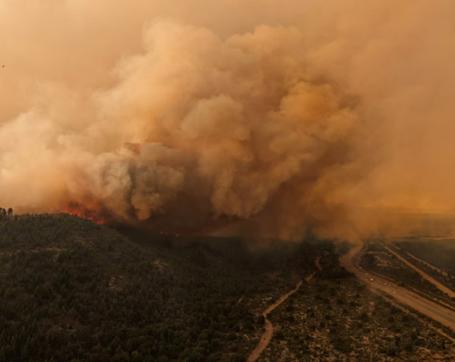
ThedesperatecriesofRodrigoVera,aChilean mayor in Penco, echoed out, "Come help us ” , he pleaded.InhishometownofPenco,whichisabout 250milessouthofthecountry’scapital,Santiago, Vera documents how firefighters got trapped in thefire,andtheanguishedcriesofthosewhohad losttheirlovedones.Fromfleeingtheirhomesto losingtheirhomes,andthedevastationcausedby the fires, Mr. Vera was in despair (Bubola & Bartlett,2026).InneighboringArgentina,thefires continued to wreak havoc, decimating more than 45,000hectares(174miles)andforcingthousands of residents and tourists to abandon their homes (Debre, 2026). These fires are the worst in the historyofArgentinaandChile,creatingasenseof urgencynotonlytoaddressclimatechangebutalso totakeeffectivegovernmentaction
According to NASA satellite imagery, fires rapidly spread across Argentina’s Patagonia, destroying thousands of hectares of forest in Chubut Province (NASA, 2026). But why, especially in a country home to a UNESCO heritagesiteanda2,600-year-oldtree,didthefires, like a swarm of locusts, eat everything they touched?
JavierMilei,whenelectedasthenewpresidentof Argentina over Sergio Massa, promised sweeping cuts in what he called bureaucracy and red tape After gaining power in December 2023, Milei immediately cut the government's spending by 30%.
By: Nader
Rashani
Milei acted as a chainsaw, slashing spending and reducingministriesfrom18to8,massdismissalsof 37,000 employees, and the abolition of 100 secretariatsandsubsecretariats,including200lowerlevel bureaucratic departments As this reduction quickened in his second year, the country saw a significant reduction in inflation (from 25% per month to 2.2% per month), a wage increase for Argentines, and a significant poverty reduction (Vasquez,2025).
However, the ends did not justify the means, because when the fires devastated Argentina's Patagonia region, the extreme governmental cuts proved to be fatal. In the Chubat Province, where 110,000 acres of forestry were destroyed, many environmental groups vehemently criticized the Milei administration for targeting Environmental sectors of the government. For example, the National Fire Management Service department, which, as the name suggests, is responsible for managingfires,wascutby71%.Thesecutswereso detrimentalthattheNationalParkAdministration reportedthatoftherecommended700firefighters needed,391arecurrentlyemployed.Iftherearen’t enoughpeopletoholdthefires,thecountryisatthe mercyofthePhoenix.Grimly,Mileihashistorically referred to climate change as a “socialist lie” and, much like the current president of the US, has considered withdrawing from the Paris Climate Agreement(Miller,2026).
Climatechangehasworsenedthecrisisnotonly inArgentinabutalsoinChile,duetotheincreasing use of fossil fuels. The planet has warmed by 1.1 degrees Celsius (1.9 degrees Fahrenheit). Furthermore, according to the Intergovernmental Panel on Climate Change (IPCC), Earth could warm by up to 4 degrees Celsius (72 degrees Fahrenheit). As a result, higher temperature waves causelonger-lastingdroughtsbecausemorewateris absorbed into the atmosphere, drying out and killingvegetation.Inplants,waterisdrawnfromthe soilintothemainplantandthenmovesthroughthe leaves, where tiny openings called stomata regulate water loss. However, during drought-like conditions, plants must close their stomata to prevent losing too much water through transpiration. Since stomata are also mainly responsible for the exchange of O2 and CO2, closing them halts the process of photosynthesis. Withouttheabilitytoproducecarbohydrates,plants draw on their reserves, which eventually leads to theirdeath(Schuch,2021).
Onalargerscale,waterdeprivationcausessoil erosion, creating conditions similar to drought Additionally,astheclimatebecomesdrier,regions become more vulnerable to wildfires because less energy is needed to ignite dry vegetation. Winds, which can move more freely due to the lack of vegetationcontainingthem,acceleratethespreadof firesatunprecedentedrates(Lindwall,2022).
InChile,wherethegovernmentdeclaredastateof emergency, and in Argentina, the World Weather Attribution (WWA) reports that the conditions fuelingthefireswerethreetimesmorelikelytobe caused by global warming Moreover, before the fires ignited, both countries experienced drier summersthanusual,withrainfalldecreasingby25% inChileand20%inArgentina.
Asmentionedearlier,risingtemperatures(upto 37 degrees Celsius) combined with strong winds facilitatedthefires'spread,destroying1,000homes in Chile and forcing over 52,000 people to flee (Carrington, 2026). According to Reuters, the deathtollfromthefireshasrisento19,andmany Chileans remain traumatized by these events One suchstoryisAnaCaamano,a51-year-oldresidentof Lirquen,whowassiftingthroughtheremainsofher oldhomeandfoundtheremainsofoneofherfour dogs.AlthoughtheChileangovernmentefficiently evacuated residents from the Ñuble and Biobío regionsandsentfirefighterstosuppressthe24fires acrossthecountry,muchdamagehadalreadybeen done,andthedesperatecriesofthoseaffectedwent largelyunheard(Astier,2026).
From political debates to climate change, the devastation caused by these fires has severely impacted biodiversity in neighboring countries. In Argentina’sPatagoniaregion,thousandsofhectares offorestsweredestroyed.Evenmoredevastatingis thatArgentinaishometotheAlercetrees,ancient species that can live for over 3,000 years and are designated as UNESCO World Heritage Sites; unfortunately, these irreplaceable trees have been affected. Beyond the loss of forests, which compromises biodiversity, the fires in Chile and Argentina only worsen the problems caused by climatechange
Reflecting on the quote at the start, “Come help us, ” it feels more urgent now than it did before. Whilethereweresomeeffortstocontrolthefires, theresponsewasnotaseffectiveasitneededtobe. Milei’s “chainsaw” approach had some positive effects for Argentina; however, key institutions meant to target the fires were stripped of their funds,leadingnotonlytoinefficiencybutalso,in essence, affecting the country’s economy, promptingArgentinatoreceivea$20billioncredit fromtheUnitedStates
This reveals that the climate change crisis is not a “socialist lie” but a genuine emergency that demands urgent action. “Help us ” should not feel distant,butitshouldfeellikearesponsibilityweall share in uniting against the one thing that is destroyingourplanet.
Astonishingly,Ipersonallyhadnotheardabout this issue from my family or peers; I only came acrossitonX(formerlyTwitter),andIwasshocked at how little concern seemed to be shown Politicians,inparticular,appearedtooverlookthese environmental disasters, focusing instead on geopolitical issues like Ukraine and the Iran war. This suggests that these crises are deemed unimportant,butthisrecurringproblemcannotbe ignoredforever
Historically,eventssuchasHurricaneKatrinaand the Dust Bowl in the U.S. demonstrate the severe consequences of neglecting the environment consequencesthatwillonlyworsenifwecontinue toignorethewarnings.That’swhytheentireworld mustworktogethertocombatclimatechange,asit benefits everyone. We cannot keep ignoring or underreporting these issues because neglect only hurtsmoreinthelongrun.However,thingsweren’t alwaysthisway.Inthe1980s,whentheholeinthe ozone layer was discovered, it was a serious threat because the ozone layer protects us from harmful ultraviolet radiation. Without it, humans risked increasedcancerrates.Inresponse,nationsaround the world signed the 1987 Montreal Protocol, banningtheproductionofsubstancesthatdamaged the ozone layer (United Nations Environment Programme, n.d.). As the world united over the ozone crisis, there’s hope that similar collective actioncanbetakenforclimatechangeinthefuture.
UnitedStatesCensusBureau (2022,December29) Nation’sUrbanandRuralPopulationsShiftFollowing2020 Census Retrievedfromcensusgov:https://wwwcensusgov/newsroom/press-releases/2022/urban-ruralpopulationshtml